EP0303925B1 - Hochreprimierbare Expressionskontrollsequenzen - Google Patents
Hochreprimierbare Expressionskontrollsequenzen Download PDFInfo
- Publication number
- EP0303925B1 EP0303925B1 EP88112864A EP88112864A EP0303925B1 EP 0303925 B1 EP0303925 B1 EP 0303925B1 EP 88112864 A EP88112864 A EP 88112864A EP 88112864 A EP88112864 A EP 88112864A EP 0303925 B1 EP0303925 B1 EP 0303925B1
- Authority
- EP
- European Patent Office
- Prior art keywords
- accordance
- expression control
- promoter
- control sequence
- bacterium
- Prior art date
- Legal status (The legal status is an assumption and is not a legal conclusion. Google has not performed a legal analysis and makes no representation as to the accuracy of the status listed.)
- Expired - Lifetime
Links
Images


















Classifications
-
- C—CHEMISTRY; METALLURGY
- C12—BIOCHEMISTRY; BEER; SPIRITS; WINE; VINEGAR; MICROBIOLOGY; ENZYMOLOGY; MUTATION OR GENETIC ENGINEERING
- C12N—MICROORGANISMS OR ENZYMES; COMPOSITIONS THEREOF; PROPAGATING, PRESERVING, OR MAINTAINING MICROORGANISMS; MUTATION OR GENETIC ENGINEERING; CULTURE MEDIA
- C12N15/00—Mutation or genetic engineering; DNA or RNA concerning genetic engineering, vectors, e.g. plasmids, or their isolation, preparation or purification; Use of hosts therefor
- C12N15/09—Recombinant DNA-technology
- C12N15/63—Introduction of foreign genetic material using vectors; Vectors; Use of hosts therefor; Regulation of expression
- C12N15/70—Vectors or expression systems specially adapted for E. coli
Definitions
- the present invention relates to highly efficient and highly repressible expression control sequences, expression vectors which contain these expression control sequences, microorganisms transformed with these expression vectors and methods for their production by means of recombinant DNA technology.
- the present invention further relates to methods for the production of pro- and eukaryotic proteins by means of these highly repressible expression control sequences, expression vectors and transformed microorganisms.
- the production amount of a protein in a host cell is determined by three main factors: the number of copies of its structural gene within the cell, the efficiency with which the structural gene copies are transcribed and the efficiency with which the resulting messenger RNA ("mRNA") is translated.
- the transcription and translation efficiencies are in turn dependent on nucleotide sequences that are normally located in front of the desired structural gene or the coding sequence. These nucleotide sequences (Expression control sequences) define, inter alia, the site to which the RNA polymerase attaches to initiate transcription (the promoter sequence) (see also The EMBO Journal 5,2995-3000 [1986]) and to which the ribosomes bind and with the mRNA (the transcription product) interact to initiate translation.
- an expression control sequence in addition to improving the transcription and translation efficiency of a cloned gene, should be controllable in order to regulate expression during the To allow growth of the microorganisms.
- suitable expression control sequences are those which can be turned off during the growth of the host cells and can then be turned on again at a desired point in time in order to promote the expression of large amounts of the desired protein by means of this expression control sequence.
- publication no. 67540 also discloses expression control sequences that meet the above conditions. These were created by combining the trp promoter with the lac system. These expression control sequences result in a repression factor of approximately 50.
- DD-237675 discloses expression control sequences which were obtained by combining T7 promoters with the TEM 1- ⁇ -lactamase gene (bla gene). In contrast to the expression sequences mentioned above, however, these cannot be regulated.
- the present invention therefore relates to expression control sequences which, by combining promoter sequences with a low signal strength of approximately 1 ⁇ 106 - 1.5 ⁇ 108 M ⁇ 1 ⁇ sec ⁇ 1, preferably of approximately 6 ⁇ 107 M ⁇ 1 ⁇ sec ⁇ 1, and higher in vivo promoter strength of 10-100 P bla units, preferably more than 20 P bla units with operator / repressor systems with a high complex formation rate of approximately 1 ⁇ 108 - 1 ⁇ 1011 M ⁇ 1 ⁇ sec ⁇ 1, are preferably characterized by 2 ⁇ 109 M ⁇ 1 ⁇ sec ⁇ 1 and cause a repression factor of> 1000.
- the signal strengths of promoters are described by the complex formation rate (K ass ) between promoter and RNA polymerase.
- K ass complex formation rate between promoter and RNA polymerase.
- the K ass values are determined as described in Example 3.
- the in vivo promoter strength is defined by the RNA synthesis rate, which is triggered by a single promoter sequence, and is measured in P bla units.
- the publication by Deuschle et al. The EMBO Journal 5, 2987-2994 [1986]).
- the complex formation rate (K ass ) of operator / repressor systems describes the speed with which a repressor binds to the operator.
- the K ass value of 2 ⁇ 109M ⁇ 1 ⁇ sec ⁇ 1 described for the lac operator / repressor system is described in Biochemistry 25, 3845-3852 [1986].
- the promoter sequences of the expression control sequences according to the invention are natural promoter sequences, as well as functional variants and combinations of these promoter sequences which have been specifically altered by mutation or synthesis, from gram-negative organisms such as E. coli, from gram-positive organisms such as B.subtilis and B.stearothermophilis , as well as from the corresponding phages in question.
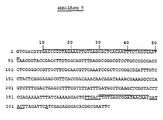
- Preferred promoter sequences of the expression control sequences according to the invention are those from T-coliphages, the T7Al promoter (whose nucleotide sequence is shown in FIG. 8 and which is also referred to below as Al promoter (P Al )) being particularly preferred.
- Suitable operators / repressor systems are all systems which can be directly induced by chemical inductors and which, naturally or after corresponding changes (e.g. by mutation), enable a repression factor of> 1000, with these directly inducible systems not having an SOS function (lexA / recA system ) or temperature-inducible systems, such as the P L operator / repressor system.
- Systems which can be regulated directly by chemical induction include, for example, the regulatory units of the lactose, galactose, tryptophan and tetracycline operons and other negatively controllable operons, ie operons regulated by operator / repressor action.
- the expression control sequences according to the invention can be produced by known methods of recombinant DNA technology described in the literature. The textbook by Maniatis et al. ("Molecular Cloning" Cold Spring Harbor Laboratory, 1982).
- the promoter sequences with low signal strength and high in vivo promoter strength can be combined with one or more operator / repressor system (s) to form an expression control sequence according to the invention.
- this can be located inside or outside the promoter sequence with low signal strength and high in vivo promoter strength.
- the operator / repressor system can be integrated into the promoter sequence, partially replace it or be preceded or readjusted at different intervals.
- An operator / repressor system is preferably integrated into the promoter sequence, a particularly preferred integration point being the spacer region between positions -12 and -29 (nomenclature as in FIG. 8).
- both can be located inside or outside or one inside and the other outside the promoter sequence with low signal strength and high in vivo promoter strength.
- One is preferably integrated in the spacer region and the other upstream in the 5′-direction ("upstream"), so that maximum cooperativity between the two operator sequences of the operator / repressor system is achieved via a repressor bond, as a result of which a repression factor of up to approximately 30,000 can be obtained.
- the preferred expression control sequences of the present invention were obtained via chemical DNA synthesis, wherein functional parts of the lac operator sequence were combined with functional parts of the T7Al promoter sequence.
- the construction of the preferred expression control sequences A1OPSA1, A10PSA10P21, A10PSA10P29, A1pOPSA1 and OPA1OPSA1 thus obtained is described in detail in Example 2 below.
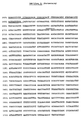
- the nucleotide sequences of this expression control sequence are shown in FIG. 5 and FIG. 9 and the properties characterizing them are summarized in Table 8.
- lac operator sequences mentioned above are negatively regulated by the lac repressor.
- the corresponding gene can be expressed in known manner, for example by integrating the lacI q gene (Miller and Reznikoff, supra; Calos, Nature 274, 762-765 [1978]) into a vector or the chromosome of a bacterium in excess.
- the expression control sequences according to the invention can be incorporated in a manner known per se into any suitable expression vector which can replicate in gram-negative and / or gram-positive bacteria.
- Suitable vectors can be composed of segments of chromosomal, non-chromosomal and synthetic DNA sequences, such as e.g. various known plasmids and phage DNA's.
- plasmids of the pDS family Bujard et al., Methods in Enzymology, ed. Wu and Grossmann, Academic Press, Inc., Vol. 155, 416-433 [1987]).
- the expression control sequences according to the invention can, however, also be incorporated into the chromosome of gram-negative and gram-positive bacterial cells, as a result of which the selection agents necessary when working with vectors, such as e.g. Antibiotics, can be dispensed with.
- Suitable DNA sequences which can be expressed by means of the expression control sequences according to the invention are those which encode pro- or eukaryotic proteins in vivo or in vitro.
- such DNA sequences can encode enzymes, hormones, proteins with immunoregulatory, antiviral or antitumor activity, antibodies, antigens and other useful pro- or eukaryotic proteins.
- the proteins that can be expressed by means of the expression control sequences according to the invention come for example malaria surface antigens, in particular the 5.1 surface antigen, the CS protein and the p190 protein from Plasmodium falciparum, lymphokines, interferons, insulin and insulin precursors, HIV 1 and 2 envelope and structural proteins, growth hormones and growth hormone-releasing factors in question.
- a suitable host organism is determined by various factors known to the person skilled in the art. For example, compatibility with the selected vector, toxicity of the expression product, expression characteristics, necessary biological safety precautions and costs play a role, and a balance must be found between all of these factors.
- Suitable host organisms are gram-negative and gram-positive, for example E. coli, Salmonella typhimurium or B. subtilis strains.
- a particularly preferred host organism of the present invention is the E. coli strain M15.
- E.coli strain M15 In addition to the E.coli strain mentioned above, other generally available E.coli strains can also be used, for example E.coli 294 (ATCC No. 31446), E.coli RR1 (ATCC No. 31343) and E.coli W3110 (ATCC No. 27325) can be used.
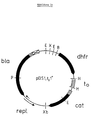
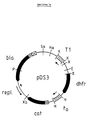
- B, C, E, H, Ha, K, P, Sa, X and Xb denote interfaces for the restriction endonucleases BamHI, ClaI, EcoRI, HindIII, HpaI, KpnI, PstI, SalI, XhoI and XbaI, respectively.
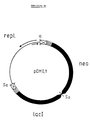
- bla represents the promoters of the bla, lacI and neo genes; represents the ribosomal binding sites of the Genes bla, cat, neo, lacI and lacZ, represents terminators t o, T1 and TE, with an arrow indicating the orientation of the functional terminators; represents the expression control sequences A1OPSA1, lacOP29 and P N25 ; represents the operator OP in the expression control sequence OPA1OPSA1; represents the region required for replication (repl.); represents coding regions for dihydrofolate reductase (dhfr), chloramphenicol acetyl transferase (cat), lac repressor (lacI), ⁇ -lactamase (bla), ⁇ -galactosidase (lacZ) and neomycin phosphotransferase (neo).
- dhfr dihydrofolate reductase
- cat chloramphenicol acetyl transferase
- lacI
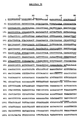
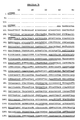
- FIG.1a Schematic representation and nucleotide sequence of the plasmid pDS1, to1+.
- the plasmid is shown schematically in Fig.1a.
- Fig.1b the recognition sites for the restriction endonucleases shown in the schematic representation are overwritten, while the regions coding for ⁇ -lactamase (bla) or dihydrofolate reductase (dhfr) are underlined.
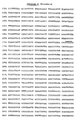
- Fig. 2a Schematic representation and nucleotide sequence of the plasmid pDS3.
- the plasmid is shown schematically in Fig. 2a.
- Fig.2b the recognition sites for the restriction endonucleases shown in the schematic representation are overlined, while the regions coding for ⁇ -lactamase (bla) or dihydrofolate reductase (dhfr) are underlined.
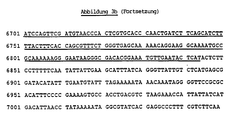
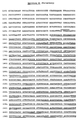
- FIG. 3a Schematic representation and nucleotide sequence of the plasmid pML3 / lacOP29.
- the plasmid is shown schematically in Fig.3a.
- Fig. 3b the recognition sites for the restriction endonucleases shown in the schematic representation are overwritten, while those for ⁇ -lactamase (bla), lac repressor (lacI) or ⁇ -galactosidase ( lacZ) coding regions are underlined.
- FIG. 4a Schematic representation and nucleotide sequence of the plasmid pDMI, 1.
- the plasmid is shown schematically in Fig.4a.
- the recognition sites for the restriction endonucleases shown in the schematic representation are overlined, while the regions coding for neomycin phosphotransferase (neo) or lac repressor (lacI) are underlined.
- lacOP29 a
- tacOP29 b
- N25OPSN25OP29 c
- A1OPSA1 d
- A1OPSCONA1 e
- A1pOPSA1 OPUA1
- OPUA110CON h
- i OPUA110CON
- A10PSA10P29 j
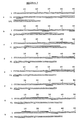
- Nucleotide sequence of the EcoRI fragment with the promoter P N25 The nucleotide at which RNA synthesis starts and the regions at positions -10 and -35 are underlined in the sequence.
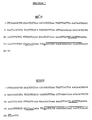
- Nucleotide sequences of the XhoI-EcoRI fragments with the expression control sequences N25 * / 0 and N25OPSN25 The nucleotide at which RNA synthesis starts and the regions at positions -10 and -35 are underlined in the sequences, while lac operator sequences are underlined.
- Nucleotide sequence of the XhoI-EcoRI fragment with the promoter P Al The nucleotide at which RNA synthesis starts (position +1) and the regions around positions -10 and -35 are underlined in the sequence.
- RNAP and promoter P N25 Time-dependent course of the complex formation of RNAP and promoter P N25 at a concentration of active RNAP of 0.42nM and a promoter concentration of 0.02nM.
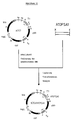
- the plasmids pDS1, t o 1+ (Fig. 1), pDS3 (Fig. 2), pML3 / lacOP29 (Fig. 3) and pDMI, 1 (Fig. 4) were used to prepare and characterize the properties of the expression control sequences.
- E. coli cells transformed with these plasmids were found at the German Collection of Microorganisms (DSM) in Göttingen on December 11, 1984 [E. coli M15 (pDS1, t o 1+), DSM no. 3135], or on October 3, 1985 [E. coli M15 (pDS5 / RBSII, 3A + 5A; pDMI, 1), DSM no. 3517], or on August 5, 1987 [E. coli M15 (pDS3), DSM no. 4198; E. coli M15 (pML3 / lacOP29), DSM no. 4199], deposited under the Budapest Treaty.
- pDS1, t o 1+ (Fig. 1) that lies between the interfaces for the restriction endonucleases XbaI and EcoRI and contains the replication region and the gene for ⁇ -lactamase, which confers ampicillin resistance to the cells, comes from the plasmid pBR322 (Bolivar et al., Gene 2, 95-113 [1977]; Sutcliffe, Cold Spring Harlor Symp. Quant. Biol. 43, 77-90 [1979]).
- the remaining part of the plasmid carries interfaces for the restriction endonucleases XhoI, EcoRI and BamHI followed by the gene of the dihydrofolate reductase of the mouse cell line AT-3000 (Chang et al., Nature 275, 617-624 [1978]; Masters et al., Gene 21, 59-63 [ 1983]), the terminator t o of the E. coli phage Lambda (Schwarz et al., Nature 272, 410-414 [1978]) and the promoter-free gene of chloramphenicol acetyl transferase (Marcoli et al., FEBS Letters, 110, 11-14 [1980]).
- the plasmid pDS3 differs from the plasmid pDS1, t o 1+ on the one hand in a region which, in addition to interfaces for various restriction endonucleases, the terminator T1 of the E. coli rrnB operon (Brosius et al., J. Mol. Biol. 148, 107-127 [1981]), and on the other hand due to the lack of the cleavage site for the restriction endonuclease EcoRI in the gene for chloramphenicol acetyl transferase.
- the proportion of pML3 / lacOP29 (FIG. 3) that lies between the interfaces for the restriction endonucleases SalI and EcoRI and contains the replication region and the gene for ⁇ -lactamase comes from the plasmid pBR322 (Bolivar et al., Supra; Sutcliffe, supra).
- the remaining part of the plasmid carries in addition to the complete lac I gene (Farabough, Nature 274.765 to 769 [1978]) encoding the lac repressor, the terminator T E of the E. coli phage T7 (Dunn and Studier, J.
- the plasmid pDMI, 1 (Fig. 4) carries the gene of the neomycin phosphotransferase from the transposon Tn5 (Beck et al., Gene 19, 327-336 [1982]), which confers kanamycin resistance to E. coli cells and the lac I gene (Farabough, supra) with the promoter mutation I q (Calos, Nature 274, 762-765 [1978]), which encodes the lac repressor.
- the plasmid pDMI, 1 contains a region of the plasmid pACYC184 (Chang and Cohen, J. Bacteriol. 134, 1141-1156 [1978]), which contains all the information which is necessary for the replication and stable transmission to the daughter cells.
- the plasmid pDMI, 1 is compatible with the plasmids described above and their derivatives.
- the promoter P N25 was integrated as part of an EcoRI fragment (see Fig. 6) according to methods described in the literature (Maniatis et al., Supra) into the plasmid pDS1, t o 1+ (Fig. 1), thereby the plasmid pDS1 / P N25 , t o 1+ was obtained (Fig. 10). This plasmid was used as a source for obtaining the P N25 promoter in larger quantities.
- the expression control sequence OPA1OPSA1 was produced by integrating a chemically synthesized DNA fragment containing a palindromic sequence of the lac operator into the HpaI site of the plasmid pDS3 / A1OPSA1 (Fig. 11) (Fig. 12).
- the pDS3 derivatives with the corresponding expression control sequences were used both to determine the complex formation rates between promoter and RNAP and to determine the promoter strengths of the individual expression control sequences.
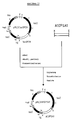
- the plasmid pML3 / lacOP29 (Fig. 3) carries the expression control sequence lacOP29 between the sites for the restriction endonucleases XhoI and EcoRI. According to methods described in the literature (Maniatis et al., Supra), derivatives of this plasmid were produced (FIG. 13), in which lacOP29 was replaced by one of the expression control sequences tacOP29, N25OP29, N25OPSN25OP29, A1OPSA1, A10PSA10P21, A10PSA10P29, A1OPSOPS1A1, A1p , or OPUA1CON has been replaced.
- the plasmid pML3 / OPA1OPSA1 with the expression control sequence OPA1OPSA1 was prepared as described schematically in FIG. 14.
- the pML3 derivatives obtained with the corresponding expression control sequences were used to determine the in vivo promoter strengths used under repressed conditions.
- the complex formation rate (K ass ) between the E. coli RNA polymerase (RNAP) and the promoter P N25 was determined absolutely.
- the K ass values for the other signals were then determined via relative measurements using the P N25 promoter as an internal standard.
- the K ass for RNAP and promoter P N25 was determined by means of filter binding experiments, with the aid of which the formation of RNAP / promoter complexes can be determined quantitatively as a function of the RNAP concentration and the reaction time. Since both RNAP and promoters are biological material, the evaluation of such experiments requires that the concentration of the active molecules is known for both reactants. For example, for the RNAP it is not the protein concentration that has to be taken into account, but the concentration of the active polymerase molecules. The same applies to the promoter P N25 and the single-stranded fd-DNA, which was used as a competitor for non-specific binding and for the termination of the association reactions. Accordingly, following the chapter on the theoretical derivation of the complex formation rates, the preparation and analysis of all reactants is discussed in detail before the actual attempts to determine K ass are described.
- the general reaction scheme applies to a second-order bimolecular reaction between RNAP and promoters wherein R the free concentration of RNAP, P the free concentration of the promoters, RP the concentration of the RNAP / promoter complexes, K ace the rate of complex formation, and K diss represents the dissociation constant.
- Equation (3) corresponds to a first-order reaction equation, ie formally the "decay of free promoter fragment into RNAP / promoter complexes", with the rate constant m [1 / sec].
- the concentration of free RNAP can be regarded as constant during the course of the reaction.
- the RNAP must be in a large excess relative to the promoters, whereby it must be taken into account that the RNAP can also bind to non-specific DNA sequences.
- the number of such non-specific binding sites can be kept low by examining promoters on small, isolated DNA fragments become.
- the concentration of the free RNAP can be regarded as constant during the course of the reaction.
- the plasmid pDS1 / P N25 , t o 1+ contains the promoter P N25 on a 254 bp EcoRI fragment (Fig. 6).
- This plasmid was constructed by integrating the EcoRI fragment mentioned into the EcoRI site of the plasmid pDS1, t o 1+ (FIG. 1), which is adjacent to the XhoI site.
- the plasmid pDS1 / P N25 , t o 1+ was first purified (Maniatis et al., Supra) and 0.5 mg of this plasmid were then cut using the EcoRI restriction endonuclease according to the manufacturer's instructions.
- the cut DNA was dissolved in TE buffer (10 mM Tris-HCl, 1 mM EDTA, pH 7.6), and after addition of sample buffer in 6% polyacrylamide gels, electrophoresed (Maniatis et al., supra).
- the fragments carrying the P N25 promoter were then cut out of the gel with a scalpel and electrophoresed on DEAE paper (DE 81, Whatman, England).
- DEAE paper DE 81, Whatman, England
- the paper was air-dried, then the DNA was eluted with a buffer containing 10 mM Tris-HCl, 1 mM EDTA and 1.5 M NaCl, pH 7.6.
- the DNA was precipitated with ethanol, the sediment was washed with 80% ethanol and the DNA was then dissolved in TE buffer.
- this value corresponds to a concentration of 0.96 pmol DNA fragment / »l.
- the ratio of the extinctions at 260 and 280 nm allows statements about the purity of the DNA solution.
- the value obtained for ⁇ E260 / ⁇ E280 of 1.86 indicates a high purity of the DNA solution.
- the concentration of the DNA solution was additionally determined by comparing this solution with an RNA-free solution of the plasmid pDS1, t o 1+ of known concentration ( ⁇ E measurement).
- 0.09 pmol of the DNA solution containing the promoter fragment was mixed with 0.2, 0.1, 0.5 and 0.025 pmol of the cut pDS1, t o 1+ plasmid DNA and characterized in a 6% PAA gel (Maniatis et al. , supra).
- the pherogram obtained was evaluated densitometrically, a concentration of 0.8 pmol / »l being obtained for the promoter fragment compared to the cut pDS1, t o 1+ plasmid DNA.
- the isolated EcoRI fragment with the promoter P N25 was not contaminated with substantial amounts of RNA or DNA and was present in a concentration of 0.88 ⁇ 0.08 pmol / »l.
- concentration of the active polymerase see below, a mixture of the isolated EcoRI fragment with the promoter P N25 and of the corresponding fragment radioactively labeled with 32 P was used as the promoter sample.
- This radioactively labeled DNA was produced as follows: First, the DNA was dephosphorylated using CIP (calf intestinal alkaline phosphatase) (Maniatis et al., Supra) and then using T4 polynucleotide kinase by incorporating 32 P ( ⁇ -32 P ATP, Amersham, 3000 Ci / mmol) (Maniatis et al., Supra). The radioactively labeled EcoRI fragment was then purified with the promoter P N25 by chromatography on Sephadex G75 (Pharmacia, Sweden).
- CIP calf intestinal alkaline phosphatase
- T4 polynucleotide kinase by incorporating 32 P ( ⁇ -32 P ATP, Amersham, 3000 Ci / mmol)
- the radioactively labeled EcoRI fragment was then purified with the promoter P N25 by chromatography on Sephadex G75 (Pharmacia, Sweden).
- Single-stranded M13mp8 DNA was used both as a competitor for the non-specific binding of RNAP to DNA and for the termination of association reactions.
- the preparation and characterization of this DNA is described below.
- E.coli JM 101 cells Maniatis et al., Supra; GIBCO-BRL, Basel
- M13mp8 RFI-DNA 0.01 pmol M13mp8 RFI-DNA (Pharmacia, Sweden) according to that described by Morrison Method [Methods of Enzymology 68, 326-331 (1979)].
- the cells were then plated on indicator plates containing isopropylthiogalactoside (IPTG) and X-gal (5-bromo-4-chloro-3-indolyl- ⁇ -D-galactoside).
- the single-stranded M13 mp8 DNA released in this way was then precipitated with ethanol and dissolved in 1 ml of TE buffer.
- RNAP concentration of active E. coli RNA polymerase in RNAP solutions
- concentration of the RNAP / promoter complexes formed was determined with the aid of filter binding experiments.
- concentration of the bound E. coli RNA polymerase was then calculated from this fraction, taking into account the amount of promoter fragments used.
- concentration of bindable RNAP molecules determined in this way was equated with the concentration of the free, active RNAP.
- a nitrocellulose filter (nitrocellulose filter BA, 0.45 »m; Sartorius, Göttingen) was cut into small square pieces (4 x 4 mm) and soaked in BP containing 40 mM KCl.
- Such a piece was then transferred to a likewise soaked glass fiber filter (GF / A, Whatman), which is on a There was a glass frit. This glass frit was again in a 37 ° C water bath and was connected to a water jet pump. The reaction batches (see above) were filtered at a filtration rate of 1 ml / minute. The filter was then rinsed with 1 ml BP containing 40 mM KCl (preheated to 37 ° C).
- the nitrocellulose filter was crushed with a pipette tip (Eppendorf) in an Eppendor tube and after adding 20 »l elution buffer (EP) (10 mM Tris / HCl, 1 mM EDTA, 0.1% SDS, pH 8) with a pipette tip squeezed out.
- Eppendorf pipette tip
- the elution batch was placed on ice for 30 minutes and then centrifuged for 5 minutes (Eppendorf table centrifuge, 12000 rpm). The elution solution was then removed and transferred to another Eppendorf tube. 50 »l TE buffer was added to the filter and the mixture was shaken for 3 minutes (Eppendorf shaker).
- the rinsing solution was then removed and combined with the elution solution. After a total of three elution and rinsing steps, approximately 95% of the bound DNA was eluted (control by counting the residual activity bound to the filter; Cerenkow). After removing any existing filter fragments by centrifugation (see above), the radioactivity of the eluate (210 »l) was measured.
- RNAP concentration the concentration of active polymerase in an RNAP solution is described below. If there is an excess of active polymerase compared to the promoter fragment, the counts form a plateau, the plateau value corresponding to an amount of 0.12 pmoles of promoter fragment (same fragment concentration as used in the experiments). From the count values obtained in the deficit of polymerase compared to the promoter fragment, the concentration of active polymerase can now be determined for each RNAP dilution, taking into account the dilution factor, using the ratio of the deficit RNAP count / excess RNAP count.
- RNAP / P N25 complexes were incubated with 0.06 pmoles of promoter fragment (see Section B, 2 .; specific activity: 2.4 x 10 x cpm / pmole) with 1.2 pmoles of active polymerase in BP containing 120 mM KCl for 5 minutes at 37 ° C. educated.
- the kinetic measurements for determining K ass for RNAP and the promoter P N25 were carried out under "pseudo first order" conditions, ie with a high RNAP excess.
- the test conditions and reaction times are chosen so that the back reaction, ie the chance of RNAP / promoter complexes formed, can be neglected (test duration maximum 7 minutes with a half-life of the complexes of approximately 180 minutes; see Section B, 5.).
- the binding reactions were all carried out according to a uniform scheme, with three independent test series, both the reaction volumes and the concentration of the reactants were varied.
- the P N25 promoter fragments were preincubated in buffer before the RNAP solution, likewise preincubated in buffer, the concentration of active polymerase of which was determined in experiments carried out in parallel as described in Section B, 4., and the reaction was started by mixing the mixture has been. After the selected reaction times (1-120 seconds) the reaction was stopped by adding single-stranded M13mp8 DNA (see Section B, 3.). The RNAP / promoter complexes formed were then quantified using filter binding experiments (see Section B, 4.). Three attempts to determine the complex formation rates K ass are described below.
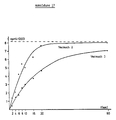
- RNAP was gradually diluted (0: 10 to 1:20) in BP containing 120 mM KCl at 0 ° C. Subsequently, 100 »l of a 1: 5000 dilution were preincubated for 2 minutes at 37 ° C (the concentration of active polymerase was 0.42 nM; see Section B, 4.). The solutions with the P N25 promoter fragment and the RNAP were combined and the association reaction started by mixing the mixture.
- the count values obtained for all twelve partial experiments were plotted against the reaction time in Figure 15, the dashed line representing the maximum filter-bindable radioactivity.
- 50 »l P N25 promoter fragment with 100» l BP containing 120 mM KCl and 1 pmole of active polymerase were incubated for 3 minutes at 37 ° C. The reaction was then stopped and the mixture was worked up as described.
- the maximum bindable radioactivity (A0) corresponds to the amount of promoter fragments used (or 100% RNAP / P N25 complexes).
- the difference between A o and the radioactivity (X) bound at time t is a relative measure of the free promoter fragment.
- This value can be associated with an error of approximately 15%, since the measurement errors are of the order of magnitude of 10% both when determining the concentration of promoter fragments and selective RNAP and in the filter binding tests.
- RNAP and the expression control sequences tacOP29, N25 * / 0, N25OP29, N25OpSN25Op29, Al, A1OPSA1, A1OPSCONA1, A1pOPSA1 and OPA1OPSA1 were determined via relative measurements with the promoters P N25 and P Al as the internal standard. The following considerations were used:
- K ass, b K ass, a x -ln [(B0-y) / B0] / - ln [(A0-x) / A0] (6) with A0 and B0 as the total amount of the promoters a and b bound in the RNAP excess, and with x and y as the amount of complexes formed from RNAP and promoter a in the RNAP deficit, or from RNAP and promoter b.
- Radioactive-labeled DNA fragments (see section B.2) with the corresponding expression control sequences (see example 2) were mixed in parallel in a volume of 30 »l with different amounts of RNAP for 2 min. At 37 ° C in binding buffer (see section B.6) incubated.
- the amount of bound promoter (X for P N25 , Y for the promoter to be measured) was first determined for each promoter. To the individual tracks in the autoradiograms, each corresponding to a test with a certain amount of RNAP, were measured densitometrically (densitometer Elscript 400, from Hirschmann, Unterhachingen, FRG). The mean values for the total amounts of bindable promoters (A0 for P N25 , B0 for the promoter to be measured) result from traces whose ratio of RNAP to promoter was greater than / equal to 1.
- the complex formation rates of the expression control sequences A1OPSA1, A1OPSCONA1, A1pOPSA1 and OPA1OPSA1 were determined with the promoter P Al as an internal standard as described in section C.2. The determination of the complex formation rate for the element A1OPSA1 is described below as an example.
- Table 2 shows the RNAP / promoter ratios, the densitometric values obtained and the values calculated for the four parallel experiments with different amounts of RNAP: Table 2 RNAP / promoter densitometric value -ln [(A0-x) / A0] -ln [(B0-y) / B0] P Al A1OPSA1 3rd 61856 (A0) 69018 (B0) 0.00 0.00 0.00 0.5 41477 (x1) 24983 (y1) 1.11 0.45 0.2 22484 (x2) 9054 (y2) 0.45 0.14 0.1 11303 (x3) 5517 (y3) 0.20 0.08
- the in vivo promoter strengths of the expression control sequences were determined relative to the promoter for the ⁇ -lactamase gene (P bla ) as an internal standard according to the method described by Deuschle et al. (supra) described method determined.
- P bla ⁇ -lactamase gene
- To do this pDS3 derivatives with the corresponding expression control sequences were transformed into E. coli M15 cells which contained the plasmid pDMI, 1.
- the radioactively labeled RNA synthesized in the presence of IPTG (inductor) for a certain time was then isolated from cultures of these transformants and then hybridized in separate batches to the following excess single-stranded DNA samples: 1) M13mp9dhfr-DNA, 2) M13mp9bla -DNA and 3) M13mp9-DNA as control.
- the batches were filtered through nitrocellulose filters. Since RNA / DNA hybrids are retained on nitrocellulose, the filter-bound radioactivity is a measure of the amount of RNA present in the individual batches, which is complementary to the DNA samples used.
- the ratio of radioactivity bound by single-stranded M13mp9dhfr-DNA the corresponding RNA was synthesized under the control of the expression control sequence to be measured
- radioactivity bound by single-stranded M13mp9bla-DNA this RNA was synthesized under control of P bla . After a necessary correction, this ratio indicates the promoter strength of the measured expression control sequence in P bla units.
- the BamHI-HindIII fragment of the plasmid pDS1, t o 1+, containing the dhfr gene in DNA of the phage M13mp9 was prepared by known methods (Maniatis et al., Supra ) integrated.
- the phage M13mp9bla was produced in an analogous manner, the EcoRI-PstI Fragment from the plasmid pDS1, t o 1+ with parts of the bla gene in DNA of phage M13mp9 (cut with EcoRI and PstI) was integrated.
- M13mp9-DNA, M13mp9dhfr-DNA and M13mp9bla-DNA were prepared in an analogous manner as described in Example 3 B.3 for the production of single-stranded M13mp8-DNA.
- E. coli M15 cells containing the plasmid pDMI, 1, and a pDS3 derivative with one of the different expression control sequences (see Example 2), were stored in 20% glycerol at -20 ° C. 10 ml LB medium containing 100 »g / ml ampicillin and 25» g / ml kanamycin were inoculated with an above-mentioned stock culture and grown overnight at 37 ° C. in a shaking incubator (180 rpm).
- 0.1ml of this overnight culture was prewarmed in 25ml M9 minimal medium (JH Miller, supra), containing 5% casein hydrolyzate, 0.1% bactotrypton, 0.05% yeast extract, 0.05% NaCl, 0.5% glycerin, 1mM IPTG, 100 »g / ml ampicillin and 25 »g / ml kanamycin, diluted.
- 0.5mCi 5,6-3 H-uridine (40-60mCi / mmol, 1mCi / ml aqueous solution; Amersham, Braunschweig, FRG) was added to 10 ml of this culture. After 45 seconds, the culture was quickly cooled to 0 ° C. with the aid of liquid nitrogen before the cells were centrifuged off and then resuspended in TES buffer (20 mM Tris-HCl, pH 8.0, 10 mM EDTA, 100 mM NaCl, 1% SDS) were. After incubation for 3 minutes at 95 ° C., the resulting mixture of lysed cells was analyzed according to the method described by Glisin et al.
- RNA in the lower part of the tube was dissolved with 2 x 80 »l TE buffer containing 0.2% SDS and then precipitated with ethanol in the presence of 3M sodium acetate. The precipitate was washed with 80% ethanol, dried in vacuo and then dissolved in hybridization buffer (see below).
- 200-300 »g RNA with a specific activity of 1-3 x 10⁵ cpm (Cerenkow) /» g RNA were obtained from 10 ml culture.
- the hybridization batches were diluted ten times with 2 x SSC buffer and filtered through nitrocellulose filters (0.45 »m BA85 filter, minifold system, Schleicher and Schull, FRG).
- the capacity of the filters used for single-stranded M13mp9 DNA was approximately 6 pmoles / cm2.
- the filters were washed with 2 ml of 2 x SSC buffer, for 30 Baked in vacuo at 80 ° C for minutes and then incubated for 1 hour at 42 ° C in 100 ml of 2 x SSC buffer containing 50 »g / ml RNase A.
- the filters were then washed three times with 100 ml of 2 ⁇ SSC buffer for 10 minutes at 42 ° C.
- the expression control sequence A1OPSA1 for example, the following values were obtained when determining the synthesized RNA: Measurement no. M13mp9 DNA Single-stranded M13mp9dhrf DNA M13mp9bla DNA 1 38 33 581 839 2nd 22 36 099 831
- the pML3 derivatives with the expression control sequences lacOP29, tacOP29, N25OP29, N25OPSN25OP29, A1OPSA1, A10PSA10P21, A10PSA10P29, A1OPSCONA1, A1pOPSA1, OPA1OPSA1, OPUA1 and OPUA1Ci were first described in the methods described in E coli M15 cells transformed. The resulting transformed E. coli M15 cells with the corresponding plasmids were then grown to the logarithmic phase and the amount of ⁇ -galactosidase was determined according to the instructions of J.H. Miller ("Experiments in Molecular Genetics", Cold Spring Harbor, New York, 1972). Such a determination is described below using the example of the expression control sequence N25OP29.
- This sample was treated with a control (1 ml Z buffer) as follows: Addition of 60 »l chloroform and 30» l 0.1% SDS (cell disruption); Mix the sample for 10 seconds using vortex; Incubate the sample for 5 minutes at 28 ° C; Addition of 200 »l ONPG (JH Miller, supra); Mixing the sample by vortex; Incubate the sample at 28 ° C until yellowing became visible; Addition of 250 »l 2M Na2CO3 (the time between the addition of ONPG and Na2CO3 was 1.5 minutes); Mixing the sample by vortex; Centrifugation of the cell debris (Eppendorf table centrifuge, 13000 rpm, 5 minutes); and Determination of absorbance at 420 nm against the control.
- a control (1 ml Z buffer) as follows: Addition of 60 »l chloroform and 30» l 0.1% SDS (cell disruption); Mix the sample for 10 seconds using vortex; Incubate the sample for 5 minutes at 28 ° C; Addition of 200 »l
- ⁇ E420 the E420 measured value of the reaction mixture against the control (0.737)
- OD600 the cell density of the culture sample used (0.607)
- t the reaction time (1.5 minutes)
- V the volume of the culture used (0.1 ml)
- 8094 ⁇ -galactosidase units were calculated. Averaged over 8 experiments, 8160 ⁇ 450 ⁇ -galactosidase units were obtained.
- Table 5 summarizes the values obtained for all measured expression control sequences, with at least 4 measurements being carried out for each expression control sequence.
- Table 5 Expression control sequence ⁇ -galactosidase units lacOP29 30 ⁇ 5 tacOP29 1510 ⁇ 170 N25OP29 8160 ⁇ 450 N25OPSN25OP29 99 ⁇ 6
- OPA1OPSA1 56 ⁇ 1 OPUA1 13700 ⁇ 3000 OPUA1CON 8500 ⁇ 2000
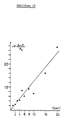
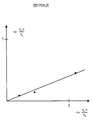
- the in vitro promoter strengths could be determined both directly (P bla units, Table 4) and indirectly ( ⁇ -galactosidase units, Table 5) under repressed conditions.
- the values obtained are plotted against each other in Fig. 21.
- the slope of the regression line is a measure for the conversion of the ⁇ -galactosidase units into P bla units. A value of 5000 ⁇ -galactosidase units / P bla unit was determined.
- Table 8 summarizes the values obtained for the individual expression control sequences for the in vitro complex formation rate, the in vivo promoter strength and the repression factor
Landscapes
- Genetics & Genomics (AREA)
- Health & Medical Sciences (AREA)
- Life Sciences & Earth Sciences (AREA)
- Engineering & Computer Science (AREA)
- Wood Science & Technology (AREA)
- Organic Chemistry (AREA)
- Biomedical Technology (AREA)
- Biotechnology (AREA)
- General Engineering & Computer Science (AREA)
- Chemical & Material Sciences (AREA)
- Zoology (AREA)
- Bioinformatics & Cheminformatics (AREA)
- Biophysics (AREA)
- Microbiology (AREA)
- Plant Pathology (AREA)
- Molecular Biology (AREA)
- Biochemistry (AREA)
- General Health & Medical Sciences (AREA)
- Physics & Mathematics (AREA)
- Micro-Organisms Or Cultivation Processes Thereof (AREA)
- Preparation Of Compounds By Using Micro-Organisms (AREA)
- Medicines Containing Material From Animals Or Micro-Organisms (AREA)
- Saccharide Compounds (AREA)
- Medicines That Contain Protein Lipid Enzymes And Other Medicines (AREA)
- Alcoholic Beverages (AREA)
Applications Claiming Priority (2)
| Application Number | Priority Date | Filing Date | Title |
|---|---|---|---|
| CH315287 | 1987-08-17 | ||
| CH3152/87 | 1987-08-17 |
Publications (2)
| Publication Number | Publication Date |
|---|---|
| EP0303925A1 EP0303925A1 (de) | 1989-02-22 |
| EP0303925B1 true EP0303925B1 (de) | 1995-06-07 |
Family
ID=4249738
Family Applications (1)
| Application Number | Title | Priority Date | Filing Date |
|---|---|---|---|
| EP88112864A Expired - Lifetime EP0303925B1 (de) | 1987-08-17 | 1988-08-08 | Hochreprimierbare Expressionskontrollsequenzen |
Country Status (6)
| Country | Link |
|---|---|
| US (1) | US5362646A (da) |
| EP (1) | EP0303925B1 (da) |
| JP (1) | JP2624308B2 (da) |
| AT (1) | ATE123526T1 (da) |
| DE (1) | DE3853932D1 (da) |
| DK (1) | DK443288A (da) |
Families Citing this family (15)
| Publication number | Priority date | Publication date | Assignee | Title |
|---|---|---|---|---|
| IL98623A0 (en) * | 1990-06-25 | 1992-07-15 | Lilly Co Eli | Modified tryptophan promoters |
| US5629205A (en) * | 1995-05-19 | 1997-05-13 | Allelix Biopharmaceuticals Inc. | Promoters for gene expression |
| CA2223519A1 (en) * | 1995-06-07 | 1996-12-19 | Bret Benton | Methods for evaluation of antimicrobial targets |
| US6194168B1 (en) * | 1997-09-30 | 2001-02-27 | Human Genome Sciences, Inc. | Expression control sequences |
| US6878516B1 (en) | 1998-01-16 | 2005-04-12 | Pharmacia & Upjohn Company | Autoregulatory system for validating microbial genes as possible antimicrobial targets using a tetracycline-controllable element |
| DE69929638T2 (de) | 1999-01-20 | 2006-09-21 | Bayer Healthcare Ag | Plasmide, deren Konstruktion und Anwendung zur Herstellung von Interleukin-4 und dessen Muteine |
| EP1022337B1 (en) * | 1999-01-20 | 2006-07-26 | Bayer HealthCare AG | Plasmids, their construction and their use in the manufacture of interleukin-4 and interleukin-4 muteins |
| US20030027286A1 (en) * | 2000-09-06 | 2003-02-06 | Robert Haselbeck | Bacterial promoters and methods of use |
| ATE452972T1 (de) * | 2001-05-01 | 2010-01-15 | Ca Nat Research Council | Induzierbares expressionssystem in eukaryotischen zellen |
| AU2002365889A1 (en) * | 2001-11-29 | 2003-06-17 | Institutes For Pharmaceutical Discovery, Llc | Regulated expression of recombinant dna |
| EP1833970A2 (en) * | 2004-12-22 | 2007-09-19 | Genentech, Inc. | Methods for producing soluble multi-membrane-spanning proteins |
| US11408007B2 (en) | 2014-09-26 | 2022-08-09 | Yale University | Compositions and methods for biocontainment of microorganisms |
| US11149280B2 (en) | 2019-10-29 | 2021-10-19 | Yale University | Engineering organisms resistant to viruses and horizontally transferred genetic elements |
| GB202001211D0 (en) * | 2020-01-29 | 2020-03-11 | Imperial College Innovations Ltd | Methods |
| EP4493688A2 (en) | 2022-03-17 | 2025-01-22 | Yale University | Compositions and methods for expressing synthetic genetic elements across diverse microorganisms |
Family Cites Families (7)
| Publication number | Priority date | Publication date | Assignee | Title |
|---|---|---|---|---|
| BR8101972A (pt) * | 1980-06-06 | 1982-08-17 | Biogen Nv | Vetor, processo para sua producao, processo para produzir uma molecula recombinante de dna, e processo para produzir um polipeptideo |
| IL65775A (en) * | 1981-05-18 | 1985-05-31 | Genentech Inc | Microbial hybrid promotors and plasmids and e.coli comprising them |
| DD237675A1 (de) * | 1981-07-27 | 1986-07-23 | Liebscher | Verfahren zur herstellung eines expressionsvektors |
| ATE60803T1 (de) * | 1983-06-27 | 1991-02-15 | Genentech Inc | Uebertragbare induzierbare kontrollsysteme, diese enthaltende expressionsvektoren, mit diesen transformierte mikroorganismen und ihre verwendung bei der expression von exogenem protein. |
| JPS6087792A (ja) * | 1983-09-23 | 1985-05-17 | ジェネックス・コーポレイション | 雑種制御領域 |
| GB8431818D0 (en) * | 1984-12-17 | 1985-01-30 | Bujard H | Expression control sequence |
| GB8517071D0 (en) * | 1985-07-05 | 1985-08-14 | Hoffmann La Roche | Gram-positive expression control sequence |
-
1988
- 1988-08-08 DK DK443288A patent/DK443288A/da not_active Application Discontinuation
- 1988-08-08 EP EP88112864A patent/EP0303925B1/de not_active Expired - Lifetime
- 1988-08-08 AT AT88112864T patent/ATE123526T1/de not_active IP Right Cessation
- 1988-08-08 DE DE3853932T patent/DE3853932D1/de not_active Expired - Fee Related
- 1988-08-17 JP JP63203320A patent/JP2624308B2/ja not_active Expired - Fee Related
-
1991
- 1991-12-11 US US07/804,531 patent/US5362646A/en not_active Expired - Lifetime
Also Published As
| Publication number | Publication date |
|---|---|
| US5362646A (en) | 1994-11-08 |
| ATE123526T1 (de) | 1995-06-15 |
| DK443288D0 (da) | 1988-08-08 |
| JP2624308B2 (ja) | 1997-06-25 |
| DE3853932D1 (de) | 1995-07-13 |
| JPH0195790A (ja) | 1989-04-13 |
| DK443288A (da) | 1989-02-18 |
| EP0303925A1 (de) | 1989-02-22 |
Similar Documents
| Publication | Publication Date | Title |
|---|---|---|
| EP0303925B1 (de) | Hochreprimierbare Expressionskontrollsequenzen | |
| EP1798285B1 (de) | Verfahren und Medikament zur Hemmung der Expression eines vorgegebenen Gens | |
| DE68926892T2 (de) | Verfahren zur Herstellung von Zellen, die stabil integrierte fremde DNS mit hoher Kopiezahl enthalten, durch dieses Verfahren hergestellte Zellen und Verwendung dieser Zellen zur Herstellung von durch diese fremde DNS kodierten Polypeptiden | |
| DE69331946T2 (de) | Nukleozyme | |
| DE3588199T2 (de) | Lymphokin-Herstellung und -Reinigung | |
| EP0238993B1 (de) | Gentechnologisch-hergestellte Aprotinin-Homologe | |
| DE3786767T2 (de) | Neues Polypeptid. | |
| DE3486053T3 (de) | Regulierung von Gen-Expression durch Translationshemmung unter Verwendung von m-RNS hinderndem Komplementär-RNS. | |
| DE69920113T2 (de) | Escherichia coli Wirt/Vektorsystem basierend auf einer antibiotikafreien Selektion durch Komplementation einer Auxotrophie | |
| DE3486452T2 (de) | Superoxiddismutase und deren Expression in Mikroorganismen | |
| DD159782A5 (de) | Verfahren zur herstellung eines eine immunologische oder biologische aktivitaet von humanleukozyten-interferon aufweisendes polypeptids | |
| DD209476A5 (de) | Verfahren zur stabilisierung und selektierung von wirtszellen, die rekombinierende dna enthalten | |
| DD216044A5 (de) | Verfahren zur herstellung eines rekombinierenden dna-klonierungsvektors | |
| CH660743A5 (de) | Hybride human-leukozyten-interferone und deren mikrobielle herstellung. | |
| EP0293567A1 (de) | Vascular-antikoagulierende Proteine, DNA die diese kodieren, Verfahren zu deren Herstellung sowie deren Verwendung | |
| DE3706285C2 (da) | ||
| EP0115613B1 (de) | DNA-Sequenzen, deren Herstellung, diese Sequenzen enthaltende Plasmide und deren Verwendung zur Synthese eukaryotischer Genprodukte in Prokaryoten | |
| DE69232768T2 (de) | Einzelsträngige hybride DNS-RNS Moleküle und Methoden zur Herstellung | |
| EP0655926B1 (de) | Neue sonde zur tumordiagnostik oder tumortherapie | |
| DE69506691T2 (de) | Expressionskassette, die einen aus dem Schizosaccharomyces pombe-Pho4-Gene stammenden Promotor enthält | |
| CH640268A5 (en) | Process for the preparation of filamentous hybrid phages, novel hybrid phages and their use | |
| EP0034306B1 (de) | Verfahren zur Herstellung von menschlichem Fibroblasten-Interferon | |
| EP0594881A1 (de) | Expressionsvektoren und deren Verwendung zur Darstellung HIV-resistenter menschlicher Zellen für therapeutische Anwendungen | |
| EP0244627A2 (de) | Expressionsvektoren zur Gewinnung von Polypeptiden | |
| DE19916417A1 (de) | Amyloidspezifisches Aptamer |
Legal Events
| Date | Code | Title | Description |
|---|---|---|---|
| PUAI | Public reference made under article 153(3) epc to a published international application that has entered the european phase |
Free format text: ORIGINAL CODE: 0009012 |
|
| 17P | Request for examination filed |
Effective date: 19880808 |
|
| AK | Designated contracting states |
Kind code of ref document: A1 Designated state(s): AT BE CH DE FR GB IT LI NL |
|
| RAP1 | Party data changed (applicant data changed or rights of an application transferred) |
Owner name: F. HOFFMANN-LA ROCHE AG |
|
| 17Q | First examination report despatched |
Effective date: 19930430 |
|
| GRAA | (expected) grant |
Free format text: ORIGINAL CODE: 0009210 |
|
| AK | Designated contracting states |
Kind code of ref document: B1 Designated state(s): AT BE CH DE FR GB IT LI NL |
|
| REF | Corresponds to: |
Ref document number: 123526 Country of ref document: AT Date of ref document: 19950615 Kind code of ref document: T |
|
| REF | Corresponds to: |
Ref document number: 3853932 Country of ref document: DE Date of ref document: 19950713 |
|
| ITF | It: translation for a ep patent filed | ||
| ET | Fr: translation filed | ||
| GBT | Gb: translation of ep patent filed (gb section 77(6)(a)/1977) |
Effective date: 19950829 |
|
| PLBE | No opposition filed within time limit |
Free format text: ORIGINAL CODE: 0009261 |
|
| STAA | Information on the status of an ep patent application or granted ep patent |
Free format text: STATUS: NO OPPOSITION FILED WITHIN TIME LIMIT |
|
| 26N | No opposition filed | ||
| REG | Reference to a national code |
Ref country code: GB Ref legal event code: IF02 |
|
| PGFP | Annual fee paid to national office [announced via postgrant information from national office to epo] |
Ref country code: GB Payment date: 20040707 Year of fee payment: 17 Ref country code: AT Payment date: 20040707 Year of fee payment: 17 |
|
| PGFP | Annual fee paid to national office [announced via postgrant information from national office to epo] |
Ref country code: NL Payment date: 20040713 Year of fee payment: 17 |
|
| PGFP | Annual fee paid to national office [announced via postgrant information from national office to epo] |
Ref country code: FR Payment date: 20040804 Year of fee payment: 17 |
|
| PGFP | Annual fee paid to national office [announced via postgrant information from national office to epo] |
Ref country code: DE Payment date: 20040831 Year of fee payment: 17 |
|
| PGFP | Annual fee paid to national office [announced via postgrant information from national office to epo] |
Ref country code: BE Payment date: 20040901 Year of fee payment: 17 |
|
| PGFP | Annual fee paid to national office [announced via postgrant information from national office to epo] |
Ref country code: CH Payment date: 20040914 Year of fee payment: 17 |
|
| PG25 | Lapsed in a contracting state [announced via postgrant information from national office to epo] |
Ref country code: IT Free format text: LAPSE BECAUSE OF NON-PAYMENT OF DUE FEES;WARNING: LAPSES OF ITALIAN PATENTS WITH EFFECTIVE DATE BEFORE 2007 MAY HAVE OCCURRED AT ANY TIME BEFORE 2007. THE CORRECT EFFECTIVE DATE MAY BE DIFFERENT FROM THE ONE RECORDED. Effective date: 20050808 Ref country code: GB Free format text: LAPSE BECAUSE OF NON-PAYMENT OF DUE FEES Effective date: 20050808 Ref country code: AT Free format text: LAPSE BECAUSE OF NON-PAYMENT OF DUE FEES Effective date: 20050808 |
|
| REG | Reference to a national code |
Ref country code: GB Ref legal event code: 732E |
|
| REG | Reference to a national code |
Ref country code: CH Ref legal event code: PUE Owner name: PROF. DR. HERMANN BUJARD Free format text: F. HOFFMANN-LA ROCHE AG#GRENZACHERSTRASSE 124 POSTFACH#4002 BASEL (CH) -TRANSFER TO- PROF. DR. HERMANN BUJARD#REMLERSTRASSE 9#69120 HEIDELBERG (DE) Ref country code: CH Ref legal event code: NV Representative=s name: A. BRAUN, BRAUN, HERITIER, ESCHMANN AG PATENTANWAE |
|
| PG25 | Lapsed in a contracting state [announced via postgrant information from national office to epo] |
Ref country code: LI Free format text: LAPSE BECAUSE OF NON-PAYMENT OF DUE FEES Effective date: 20050831 Ref country code: CH Free format text: LAPSE BECAUSE OF NON-PAYMENT OF DUE FEES Effective date: 20050831 Ref country code: BE Free format text: LAPSE BECAUSE OF NON-PAYMENT OF DUE FEES Effective date: 20050831 |
|
| NLS | Nl: assignments of ep-patents |
Owner name: PROFESSOR HERMANN BUJARD Effective date: 20050712 |
|
| REG | Reference to a national code |
Ref country code: FR Ref legal event code: TP |
|
| PG25 | Lapsed in a contracting state [announced via postgrant information from national office to epo] |
Ref country code: NL Free format text: LAPSE BECAUSE OF NON-PAYMENT OF DUE FEES Effective date: 20060301 Ref country code: DE Free format text: LAPSE BECAUSE OF NON-PAYMENT OF DUE FEES Effective date: 20060301 |
|
| REG | Reference to a national code |
Ref country code: CH Ref legal event code: PL |
|
| GBPC | Gb: european patent ceased through non-payment of renewal fee |
Effective date: 20050808 |
|
| PG25 | Lapsed in a contracting state [announced via postgrant information from national office to epo] |
Ref country code: FR Free format text: LAPSE BECAUSE OF NON-PAYMENT OF DUE FEES Effective date: 20060428 |
|
| NLV4 | Nl: lapsed or anulled due to non-payment of the annual fee |
Effective date: 20060301 |
|
| REG | Reference to a national code |
Ref country code: FR Ref legal event code: ST Effective date: 20060428 |
|
| BERE | Be: lapsed |
Owner name: *BUJARD HERMANN Effective date: 20050831 |