EP0372063B1 - Menschliche myeloperoxidase und therapeutische verwendung - Google Patents
Menschliche myeloperoxidase und therapeutische verwendung Download PDFInfo
- Publication number
- EP0372063B1 EP0372063B1 EP89907125A EP89907125A EP0372063B1 EP 0372063 B1 EP0372063 B1 EP 0372063B1 EP 89907125 A EP89907125 A EP 89907125A EP 89907125 A EP89907125 A EP 89907125A EP 0372063 B1 EP0372063 B1 EP 0372063B1
- Authority
- EP
- European Patent Office
- Prior art keywords
- myeloperoxidase
- hmpo
- cells
- plasmid
- medicinal product
- Prior art date
- Legal status (The legal status is an assumption and is not a legal conclusion. Google has not performed a legal analysis and makes no representation as to the accuracy of the status listed.)
- Expired - Lifetime
Links
Images




Classifications
-
- C—CHEMISTRY; METALLURGY
- C12—BIOCHEMISTRY; BEER; SPIRITS; WINE; VINEGAR; MICROBIOLOGY; ENZYMOLOGY; MUTATION OR GENETIC ENGINEERING
- C12N—MICROORGANISMS OR ENZYMES; COMPOSITIONS THEREOF; PROPAGATING, PRESERVING, OR MAINTAINING MICROORGANISMS; MUTATION OR GENETIC ENGINEERING; CULTURE MEDIA
- C12N9/00—Enzymes; Proenzymes; Compositions thereof; Processes for preparing, activating, inhibiting, separating or purifying enzymes
- C12N9/0004—Oxidoreductases (1.)
- C12N9/0065—Oxidoreductases (1.) acting on hydrogen peroxide as acceptor (1.11)
-
- A—HUMAN NECESSITIES
- A61—MEDICAL OR VETERINARY SCIENCE; HYGIENE
- A61P—SPECIFIC THERAPEUTIC ACTIVITY OF CHEMICAL COMPOUNDS OR MEDICINAL PREPARATIONS
- A61P37/00—Drugs for immunological or allergic disorders
- A61P37/02—Immunomodulators
- A61P37/04—Immunostimulants
-
- A—HUMAN NECESSITIES
- A61—MEDICAL OR VETERINARY SCIENCE; HYGIENE
- A61K—PREPARATIONS FOR MEDICAL, DENTAL OR TOILETRY PURPOSES
- A61K38/00—Medicinal preparations containing peptides
Definitions
- the present invention relates to the enzyme human myeloperoxidase (hMPO), its preparation by genetic engineering and its use as a medicament. It therefore also relates to its use for the manufacture of pharmaceutical compositions containing it as well as the pharmaceutical compositions themselves.
- hMPO human myeloperoxidase
- the aim of the therapeutic application aimed at is the treatment of immunodeficiencies in human therapy by strengthening the antimicrobial activity in macrophages, and this in all cases of immunodeficiencies, whether caused by AIDS in particular, burns or radiation.
- the natural enzyme human myeloperoxidase and its therapeutic use have been described, for example, in patent application GB-A-2108387.
- the gene encoding the enzyme has been isolated and its nucleotide sequence elucidated by Kazuhiro Morishita et al. Biolog Journal. Chem., Vol. 262, No. 8, March 15, 1987, pages 3844-3851.
- Resistance to infection by microorganisms implements non-specific functions (action of enzymes, pH, epithelial wall) and adaptive immune responses of B and T lymphocytes cells.
- Non-specific functions prevent the invasion of the majority of attackers.
- the phagocytic system comes into play, destroys infectious agents and stimulates the immunity functions conferred by B and T cells.
- any deficiency of the immune system itself leads to an exacerbated susceptibility to viral and bacterial infections intra- or extracellular.
- Most people with these deficiencies are infected with opportunistic organisms (bacteria, protozoa, etc.).
- phagocytic system be as effective as possible to limit the consequences of external aggressions.
- An accessory under normal conditions, phagocytosis is essential when the B and T immune response weakens.
- polymorphonuclear leukocytes are of particular interest in the context of the fight against infections. These cells contain an enzyme, myeloperoxidase, whose microbicidal action is well documented. Polynuclear cells have no specificity towards an antigen, but play an essential role in acute inflammation, with antibodies and the complement system, in the defense of the host against microorganisms. Their main function is phagocytosis. During this process, the microorganisms are included in vacuoles (phagosomes) which merge with the granules containing the myeloperoxidase to form the phagolysosomes.
- vacuoles phagosomes
- HOCl myeloperoxidase
- H2O2 hydrogen peroxide
- Hypochlorous acid is oxidizing by itself, but produces even more oxidizing derivatives, chloramines.
- H2O2 reacting with H2O2, from which it comes, it produces an extremely oxidizing form of oxygen, singlet oxygen.
- the major problem is at the level of macrophages.
- the macrophage is a very large cell, more robust than the polymorphonuclear, capable, like the latter, of phagocyte microorganisms. It also has a H2O2 generator system, but is not, however, capable of producing myeloperoxidase. This deficiency decreases its defensive effectiveness.
- the macrophages can incorporate and use the myeloperoxidase which remains active after penetration into the macrophages, an acquisition which effectively completes their cytolytic and bacteriolytic arsenal, in particular for the destruction of various infectious agents affecting immunocompromised patients. .
- conjugates or immune complexes leads to the targeting of human MPO towards the macrophage, to its ingestion by phagocytosis and to the release of the enzyme in active form inside the macrophage, its preferred site of action, where it participates in the fight against infections.
- DNA coding for active MPO or in the form of a natural precursor is coupled to DNA coding for an immunoglobulin fragment specifically recognizing macrophages.
- the subject of the present invention therefore is, as a medicament, a compound consisting of the human myeloperoxidase enzyme.
- a subject of the invention is also, as a medicament, a compound consisting of a conjugate of myeloperoxidase by covalent coupling or complexation with a transporter having an affinity for macrophages, such as mannosylated human albumin or an antibody or fragments thereof.
- a transporter having an affinity for macrophages, such as mannosylated human albumin or an antibody or fragments thereof.
- antibody like the constant part Fc directed against receptors present on macrophages.
- Another compound, object of the present invention delivering myeloperoxidase optimally to macrophages, also consists of liposomes, in particular biopolymerized liposomes, in which the myeloperoxidase is encapsulated.
- the medicaments according to the invention are in particular useful for combating infections inside the macrophages.
- the human myeloperoxidase enzyme used according to the invention, is of recombinant origin, that is to say prepared by genetic engineering.
- the present invention relates to the use of the compounds according to the invention for the manufacture of pharmaceutical compositions useful in particular for the treatment of immunodeficiencies caused in particular by AIDS, burns or irradiation.
- compositions comprising, as active principle, the compounds according to the invention.
- compositions according to the invention can be in different forms suitable for various forms of administration, in particular by parenteral, systemic or topical route or by intravenous injection since the target macrophages are present not only in the blood but also in other areas of the body.
- compositions according to the invention then comprise, in addition to the active principle, pharmaceutical carriers acceptable for the form of administration in question.
- the parenteral administration of myeloperoxidase or of compounds according to the invention is very suitable for the various immunosuppressive syndromes.
- Deficiencies of the immune system for example deficiencies in T cells, AIDS, irradiation, anticancer chemotherapy .
- generalized infections bacteria, mycoses, viroses, protozoa .
- myeloperoxidase can also be used systemically to enhance the antiseptic activity of macrophages. during phagocytosis. Indeed, the experimental results indicate that macrophages and monocytes have an increased cytolytic and bacteriolytic activity in the presence of the enzyme.
- Myeloperoxidase or a compound according to the invention, can also be administered by topical application to in particular torpid ulcers, where the microvascularization is deficient (varicose ulcer).
- the myeloperoxidase can be obtained by analytical purification from polymorphonuclear leukocytes.
- the human myeloperoxidase enzyme used will be produced by genetic engineering with recombinant DNA technology.
- the present invention therefore also relates to hMPO produced by culturing prokaryotic or eukaryotic cells transformed by an expression vector for hMPO in said cells.
- the hMPO according to the invention is produced by cultures of higher eukaryotic cells, in particular by insect or mammalian cells.
- FIG. 1 represents the HindIII / HpaI cassette of 2261 bp containing the sequences coding for human myeloperoxidase and HindIII / SnaBI cassette.
- the coding sequence begins at the ATG specifying the N-terminal methionine (Met) and ends with the stop codon TGA (***).
- sequences in bold represent the synthetic oligonucleotides added in 5 ′ and 3 ′ of the hMPO cDNA.
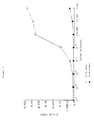
- FIG. 2 represents the fixation of rabbit sera in ELISA on MPO.
- FIG. 3 represents the fixation of mouse sera in ELISA on MPO.
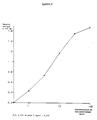
- FIG. 4 represents a standard ELISA test curve for the detection of human myeloperoxidase.
- FIG. 5 represents the construction of the vector pAcYMl / MPOll according to the invention (transfer plasmid for Baculovirus).
- FIG. 6 represents the map of the Tnd vector from which the plasmid pNIV2703 according to the invention is constructed.
- the 3 cassettes respectively direct the expression of the DHFR and Neo R selection markers, as well as that of a foreign cDNA (in the case illustrated above, it is t-PA).
- the latter cassette can be substituted with a cassette encoding any suitable cDNA, taking advantage of the unique restriction sites flanking the t-PA cassette.
- Example 1 preparation of hMPO by geretic engineering
- the DNA of the transfer plasmid pAcYM1 (Baculovirus (ref .: Matsuura et al. J. Gen. Virol (1987) 68 , 1233-1250) was linearized with BamHI and mixed with the corresponding 2261 bp HpaI-HindIII DNA fragment The mixture was treated with T4 DNA polymerase, ligated and used to transform competent E. coli MM294 cells. The selection of the clones was made by growth on ampicillin. After several enzymatic restrictions controlled on 48 clones, the clone 11 was identified to have the MPO insert in the correct orientation relative to the polyhedrin promoter (pNIV2704) (FIG. 5).
- Recombinant plasmid 11 was used in conjunction with wild-type viral DNA to co-transfect Spodoptera frugiperda (Sf9) cells in culture (The protocol is well known and is detailed in the MD Summers and GE Smith manual. "A Manual of Methods for Baculovirus Vectors and Insect Cell Culture Procedures, Texas University, College Station. 1987). The cotransfection supernatants from days 5 and 7. after homologous recombination, were used in "assay plate" so as to have 100 to 1000 lysis ranges per dish. The recombinant viruses not containing polyhedrine were identified 5 days later visually or by DNA hybridization. 13 candidates were transplanted and purified.
- the collected supernatants were used to produce lysis plaques in Sf9 cell monolayers (infection of the cells - 3 million per dish) by dilutions of the co-transfection supernatant for 60 '. Remove the inoculum and pour a layer agar at low melting point 1.5% final, cover with EX-Cell 400 JRScientific medium supplemented with antibiotics and leave in the oven at 28 ° C for 4 days). Staining of the boxes with neutral red after 4 days of infection and hybridization of the filters with a fragment of MPO DNA labeled with ⁇ 32P dCTP subcultures of 13 candidates according to autoradiography. Two "purification assay plates" were then produced successively.
- the vector pTDN carries 2 genes encoding selection markers [resistance to neomycin (bacterial neophosphotransferase, Neo R ) and dihydrofolate reductase (DHFR)] and an expression cassette for the molecule of interest, in this case, ht-PA (tissue activator of human plasminogen).
- selection markers resistance to neomycin (bacterial neophosphotransferase, Neo R ) and dihydrofolate reductase (DHFR)
- ht-PA tissue activator of human plasminogen
- Fig. 6 schematically describes the expression vector pTND (Connors et al., 1988).
- the vector pTDN corresponds to the vector pTND except that the DHFR cassette has a reverse reading order and is located between the neo cassette and the t-PA cassette.
- the sequences of bacterial origin (PUC19 in FIG. 6 were separated from the fragment carrying the 3 expression cassettes for mammalian cells.
- the vector pNIV2703 is introduced by electroporation, a transfection method, into CHO DHFR cells according to a method analogous to that described by Zerbib et al. (1985, Biochem. Biophys. Res. Comm. 129, 611-618).
- the cells were then placed in a growth medium containing G418, which does not allow cells not expressing neophosphotransferase to survive.
- G418 does not allow cells not expressing neophosphotransferase to survive.
- the cell clones thus obtained were finally tested for the expression of hMPO.
- the culture supernatant and a cell extract of each of these clones was analyzed using an ELISA test (Enzyme Linked Immunosorbent Assay) making it possible to specifically qualify and quantify hMPO.
- the results indicate that the recombinant clones secretL in the culture medium of rocombinante MPO.
- the production rate, estimated by ELISA, is between 0.1 and 1 microgram per ml of supernatant.
- H2O2 hydrogen peroxide
- MPO myeloperoxidase
- HOCl hypochlorous acid
- Monocytes which are the precursors of macrophages, have a mechanism of antimicrobial activity similar to neutrophils but they produce only little H2O2 and moreover they have approximately three times less myeloperoxidase than neutrophils (2).
- the lymphocytes and monocytes located at the interface of the gradient are recovered and stored on ice.
- the cells are then washed a first time with PBS buffer and then centrifuged at 2000 rpm for 10 minutes at 4 ° C. The operation is repeated twice more then the cells are cultured.
- the monocytes are purified by adhesion to glass.
- the cells are brought into contact with 1 ml of MEM culture medium containing 10% human serum. After incubation at 37 ° C for 2 hours in a 5% CO2, non-adherent cells (lymphocytes) are eliminated by removing the supernatant.
- the adherent monocytes are brought back into contact with 1 ml of MEM also containing 10% human serum and then left in culture.
- the monocytes are placed in the presence of 980 ng / ml of semipurified human leukocyte myeloperoxidase. After 4 hours of incubation at 37 ° C, the MEM culture medium is removed and the monocytes are washed carefully with PBS buffer. The monocytes are then removed by vigorous stirring with 1 ml of PBS buffer and then centrifuged so as to form a deposit on a microscope slide.
- the slides are fixed with an ethanol-formaldehyde solution (9: 1) at room temperature, then washed with water and then air dried.
- the peroxidase activity of the monocytes is demonstrated by depositing on the slide a few drops of a mixture of 1% benzidine (30 ml), 4% sodium nitroprsside diluted to the tenth (0.3 ml) and 0.3 ml of H2O2 diluted 80 times.
- the slides are stained with Giemsa to highlight the cells.
- the slides are then viewed under a microscope.
- monocytes in culture for 24 hours and brought into contact with myeloperoxidase react positively and very clearly to benzidine.
- the adherent monocytes are removed by effective agitation with 1 ml of PBS buffer. They are added to pellet 1 and then centrifuged at 2000 rpm for 10 minutes at 4 ° C. After three washes with PBS buffer, the cells are counted and then diluted in order to obtain 3 million monocytes per ml.
- the monocyte myeloperoxidase is dissolved by treating the cells with cetyltrimethylammonium bromide (0.01%) and by two successive freezes.
- the basal level of monocytes which have not been brought into contact with myeloperoxidase is 80 ng / ml. After an incubation of 2 hours with semi-purified myeloperoxidase, the intracellular rate of myeloperoxidase in monocytes remains unchanged. On the other hand, a strong increase (447% of the basal rate) of the intracellular concentration of myeloperoxidase is observed when the monocytes are brought into contact with neutrophil debris. This last observation shows that monocytes are well able to phagocyte neutrophil debris.
- the conditions are the same as in Experiment 1, except that the incubation time is 4 hours. This time, there is a clear increase (440%) in the intracellular myeloperoxidase content of the monocytes which have been brought into contact with the enzyme. Similarly, neutrophil debris is even better phagocytized than in the previous experiment since there is an increase of 2070% in the intracellular myeloperoxidase content.
- Monocytes in culture for 24 hours are this time contacted for 2 hours and 6 hours with 1 ml of culture buffer containing 3920 ng / ml of semi-purified myeloperoxidase (MPO3).
- MPO3 semi-purified myeloperoxidase
- 4 myeloperoxidase % increase in cell content ng / ml U / ml 24h monocytes (3 million) 90 0.6 24h monocytes + MPO 3 (2 hours incubation) 136 0.86 151 24h monocytes + MPO 3 (6 hours incubation) 324 1.3 360
- the monocytes After 2 hours of contact with the enzyme, the monocytes increase their intracellular content by 151% whereas in experiment 1, this content had remained unchanged. The increase is even more marked after 6 hours of contact.
- the enzymatic activity of myeloperoxidase determined by the oxidation of o-dianisidino in the presence of H2O2 was also measured in monocytes. The basal rate of 0.6 U / ml increases as the contact time increases (value doubled after 6 hours). This finding is proof that the exogenous myeloperoxidase incorporated into the monocyte remains enzymatically active.
- Schistosomules are isolated from cercariae by an artificial technique (filtration through a piece of mouse skin). The protocol The following experimental method was chosen: 24-hour monocytes are incubated for 2 hours with myeloperoxidase and then washed carefully with MEM culture medium. Then, the monocytes treated or not treated with myeloperoxidase are incubated for 6 hours with serum from a subject suffering from bilharziasis (10%) or with a serum from a healthy subject (10%) which serves as a control (own effect serum). Schistosomules previously treated or not treated with myeloperoxidase are then added to the culture medium. After 16 hours, the living and dead schistosomules are counted and a% of cytotoxicity of the monocytes is thus determined. Monocytes: 100 to 200,000 cells in culture for 24 hours
- Monocytes not treated with myeloperoxidase have a cytotoxicity which increases from 23.5 to 40.5% when they are contacted with schistosomules coated with myeloperoxidase.
- monocytes having incorporated myeloperoxidase with schistosomules coated with the enzyme makes it possible to obtain a very high cytotoxicity (64%).
- monocytes can acquire an accompanied peroxidase, that is to say associated with a support which is a microorganism, and thus see their cytotoxicity increased with respect to a whole series of infectious organisms. .
- myeloperoxidase was first linked to the infectious organism which was then ingested by the monocyte or macrophage.
- exogenous myeloperoxidase administered into the body will be taken up by human monocytes or macrophages and can therefore be used as a means of therapy in patients suffering from hereditary (agranulocytosis) or acquired (AIDS) deficiencies.
Landscapes
- Health & Medical Sciences (AREA)
- Life Sciences & Earth Sciences (AREA)
- Chemical & Material Sciences (AREA)
- Immunology (AREA)
- Engineering & Computer Science (AREA)
- Bioinformatics & Cheminformatics (AREA)
- Organic Chemistry (AREA)
- Zoology (AREA)
- Medicinal Chemistry (AREA)
- General Health & Medical Sciences (AREA)
- Genetics & Genomics (AREA)
- Wood Science & Technology (AREA)
- General Engineering & Computer Science (AREA)
- Pharmacology & Pharmacy (AREA)
- Microbiology (AREA)
- Biotechnology (AREA)
- Biomedical Technology (AREA)
- Molecular Biology (AREA)
- Chemical Kinetics & Catalysis (AREA)
- General Chemical & Material Sciences (AREA)
- Nuclear Medicine, Radiotherapy & Molecular Imaging (AREA)
- Biochemistry (AREA)
- Animal Behavior & Ethology (AREA)
- Public Health (AREA)
- Veterinary Medicine (AREA)
- Enzymes And Modification Thereof (AREA)
- Micro-Organisms Or Cultivation Processes Thereof (AREA)
- Medicines Containing Material From Animals Or Micro-Organisms (AREA)
- Medicines That Contain Protein Lipid Enzymes And Other Medicines (AREA)
- Pharmaceuticals Containing Other Organic And Inorganic Compounds (AREA)
Claims (24)
- Biologisch aktive Human-Myeloperoxidase, hergestellt durch Kultivierung von Eukarioten-Zellen, die durch einen Expressionsvektor der hMPO in den genannten Zellen transformiert worden sind, unter Ausschluß des natürlichen Enzyms.
- Human-Myeloperoxidase nach Anspruch 1, dadurch gekennzeichnet, daß sie durch Kultivierung von Insekten- oder Säugetier-Zellen hergestellt worden ist.
- Kassette zur Expression der Human-Myeloperoxidase, die besteht aus dem Fragment HindIII/SnaBI, HindIII/EcorV oder HindIII/HpaI, welches die für hMPO codierende Sequenz trägt, wie sie in der Fig. 1 dargestellt ist.
- Klonierungsvektor-Plasmid, das eine Kassette nach Anspruch 3 enthält.
- Expressionsvektor in Eukarioten-Zellen, der eine Kassette nach Anspruch 3 enthält.
- Rekombinantes Transfer-Plasmid für Baculovirus, das die cDNA der hMPO unter der Kontrolle des Polyhedrin-Promotors enthält.
- Plasmid pNIV2704, wie es in der Fig. 5 dargestellt ist.
- Insektenzellen, die durch ein Plasmid nach den Ansprüchen 6 und 7 und die Wild-Virus-DNA kotransfektiert worden sind.
- Insektenzellen von Spodoptera frugiperda, die durch ein rekombinantes Baculovirus infiziert worden sind, das aus einem Plasmid nach den Ansprüchen 6 und 7 erhalten wurde.
- hMPO, hergestellt durch Kultivierung von Insektenzellen von Spodoptera frugiperda, die durch einen Expressionsvektor in den genannten Zellen nach Anspruch 9 transfektiert worden sind.
- Expressionsvektor der hMPO in CHO-Zellen, der die Kassette HindIII/SnaBI enthält, welche die für hMPO codierende Gesamtsequenz trägt, wie in der Fig. 1 dargestellt.
- Plasmid nach Anspruch 11, das besteht aus dem Plasmid pNIV2703, dadurch gekennzeichnet, daß es die Kassette HindIII/SnaBI enthält, die das für hMPO codierende Gen trägt, das in einen Vektor pTN inseriert worden ist, indem man, wie in der Fig. 6 dargestellt, die Kassette HindIII/SnaBI, welche die für ht-PA codierende Sequenz trägt, durch diejenige, die für hMPO codiert, ersetzt.
- hMPO, hergestellt durch Kultivierung von Säugetierzellen, insbesondere CHO-Zellen, die durch einen Vektor nach den Ansprüchen 11 und 12 transfektiert worden sind.
- Arzneimittel, das besteht aus rekombinanter hMPO nach einem der Ansprüche 1, 2, 10 und 13.
- Arzneimittel, das besteht aus einer chemischen Verbindung, die aus dem konjugierten Human-Myeloperoxidase-Enzym aufgebaut ist.
- Arzneimittel nach Anspruch 14, dadurch gekennzeichnet, daß die Myeloperoxidase durch kovalente Kupplung oder Komplexbildung mit einem Transporteur (Träger), der eine Affinität für die Makrophagen aufweist, konjugiert ist.
- Arzneimittel nach Anspruch 15, dadurch gekennzeichnet, daß der Transporteur (Träger) mannosyliertes Human-Albumin oder ein Antikörper oder ein Antikörperfragment ist, wie z.B. der konstante Teil Fc, der gegen Rezeptoren gerichtet ist, die auf den Makrophagen vorliegen.
- Arzneimittel nach Anspruch 14, dadurch gekennzeichnet, daß die Myeloperoxidase in Liposome eingekapselt ist.
- Arzneimittel nach einem der Ansprüche 14 bis 17, dadurch gekennzeichnet, daß die Myeloperoxidase hergestellt worden ist nach der rekombinanten DNA-Methode nach einem der Ansprüche 1 bis 13.
- Arzneimittel nach einem der Ansprüche 15 bis 19, das geeignet ist für die Bekämpfung von Infektionen im Innern von Makrophagen.
- Verwendung der freien Human-Myeloperoxidase oder des Medikaments nach einem der Ansprüche 15 bis 20 zur Herstellung von pharmazeutischen Zusammensetzungen für die Bekämpfung von Infektionen im Innern von Makrophagen.
- Verwendung der freien Human-Myeloperoxidase oder des Arzneimittels nach einem der Ansprüche 15 bis 21 zur Herstellung von pharmazeutischen Zusammensetzungen, die insbesondere geeignet sind für die Behandlung von Immundefekten, die insbesondere verursacht worden sind durch AIDS, Verbrennungen und Bestrahlungen.
- Pharmazeutische Zusammensetzung, die als Wirkstoff (aktives Prinzip) ein Arzneimittel nach einem der Ansprüche 15 bis 21 und einen pharmazeutisch akzeptablen Träger enthält.
- Pharmazeutische Zusammensetzung nach Anspruch 23, die geeignet ist für die Behandlung von Immundefekten, die insbesondere durch AIDS, Verbrennungen oder Bestrahlungen hervorgerufen worden sind.
Applications Claiming Priority (3)
| Application Number | Priority Date | Filing Date | Title |
|---|---|---|---|
| FR8807914 | 1988-06-14 | ||
| FR8807914A FR2632525B1 (fr) | 1988-06-14 | 1988-06-14 | Application therapeutique de la myeloperoxydase humaine |
| PCT/EP1989/000668 WO1989012457A1 (fr) | 1988-06-14 | 1989-06-13 | Myeloperoxydase humaine et application therapeutique |
Publications (2)
| Publication Number | Publication Date |
|---|---|
| EP0372063A1 EP0372063A1 (de) | 1990-06-13 |
| EP0372063B1 true EP0372063B1 (de) | 1994-09-28 |
Family
ID=9367253
Family Applications (1)
| Application Number | Title | Priority Date | Filing Date |
|---|---|---|---|
| EP89907125A Expired - Lifetime EP0372063B1 (de) | 1988-06-14 | 1989-06-13 | Menschliche myeloperoxidase und therapeutische verwendung |
Country Status (7)
| Country | Link |
|---|---|
| EP (1) | EP0372063B1 (de) |
| JP (1) | JPH03501327A (de) |
| AT (1) | ATE112169T1 (de) |
| CA (1) | CA1340915C (de) |
| DE (1) | DE68918562T2 (de) |
| FR (1) | FR2632525B1 (de) |
| WO (1) | WO1989012457A1 (de) |
Families Citing this family (8)
| Publication number | Priority date | Publication date | Assignee | Title |
|---|---|---|---|---|
| GB9015910D0 (en) | 1990-07-19 | 1990-09-05 | Univ Bruxelles | Novel use |
| US5389369A (en) * | 1991-02-21 | 1995-02-14 | Exoxemis, Inc. | Halo peroxidase containing compositions for killing yeast and sporular microorganisms |
| AU663869B2 (en) | 1991-02-21 | 1995-10-26 | Exoxemis, Inc. | Methods and compositions for the treatment of infection and control of flora |
| US5565197A (en) * | 1991-02-21 | 1996-10-15 | Exoxemis, Inc. | Method which utilizes a haloperoxidase composition to inhibit the growth of microorganisms which cause sexually transmitted diseases |
| US5888505A (en) * | 1991-02-21 | 1999-03-30 | Eoe, Inc. | Method for selectively inhibiting the growth of microbes using a haloperoxidase-halide-peroxide system |
| US5756090A (en) * | 1991-02-21 | 1998-05-26 | Eoe, Inc. | Oxygen activatable formulations for disinfection or sterilization |
| US8945540B2 (en) | 2008-05-09 | 2015-02-03 | Exoxemis, Inc. | Compositions for enhancing the antibacterial activity of myeloperoxidase and methods of use thereof |
| WO2010133589A1 (en) * | 2009-05-18 | 2010-11-25 | Technische Universität Graz | Method for detecting a wound infection |
Family Cites Families (2)
| Publication number | Priority date | Publication date | Assignee | Title |
|---|---|---|---|---|
| GB2108387B (en) * | 1979-12-28 | 1984-03-21 | Green Cross Corp | A pharmaceutical composition containing myeloperoxidase |
| JPS592686A (ja) * | 1982-06-25 | 1984-01-09 | Green Cross Corp:The | ミエロペルオキシダ−ゼの粉末製剤 |
-
1988
- 1988-06-14 FR FR8807914A patent/FR2632525B1/fr not_active Expired - Fee Related
-
1989
- 1989-06-13 EP EP89907125A patent/EP0372063B1/de not_active Expired - Lifetime
- 1989-06-13 DE DE68918562T patent/DE68918562T2/de not_active Expired - Lifetime
- 1989-06-13 CA CA000602630A patent/CA1340915C/en not_active Expired - Fee Related
- 1989-06-13 WO PCT/EP1989/000668 patent/WO1989012457A1/fr not_active Ceased
- 1989-06-13 JP JP1506670A patent/JPH03501327A/ja active Pending
- 1989-06-13 AT AT89907125T patent/ATE112169T1/de not_active IP Right Cessation
Non-Patent Citations (1)
| Title |
|---|
| Proc. Natl. Acad. Sci. USA, vol. 84, avril 1987, S.C. Weil et al., pp. 2057-2061 * |
Also Published As
| Publication number | Publication date |
|---|---|
| EP0372063A1 (de) | 1990-06-13 |
| FR2632525B1 (fr) | 1992-07-31 |
| JPH03501327A (ja) | 1991-03-28 |
| DE68918562D1 (de) | 1994-11-03 |
| ATE112169T1 (de) | 1994-10-15 |
| FR2632525A1 (fr) | 1989-12-15 |
| CA1340915C (en) | 2000-02-29 |
| WO1989012457A1 (fr) | 1989-12-28 |
| DE68918562T2 (de) | 1995-05-11 |
Similar Documents
| Publication | Publication Date | Title |
|---|---|---|
| EP0397227B1 (de) | Verfahren zur Herstellung von antimikrobiellen Partikeln, antimikrobielle Mittel und Anwendungen | |
| Thorsteinsson et al. | Soft antibacterial agents | |
| JP2001513819A (ja) | 病原体ターゲティングのための光線感作物質複合体 | |
| EP0775213B1 (de) | Adenovirus mit glutathion peroxydate gene | |
| JPH10505592A (ja) | 微生物細胞を殺傷又は抑制するための塩基性タンパク質組成物 | |
| EP0372063B1 (de) | Menschliche myeloperoxidase und therapeutische verwendung | |
| FR2721943A1 (fr) | Adenovirus comprenant un gene codant pour une superoxyde dismutase | |
| EP3972560A1 (de) | Modifiziertes öl von larven der soldatenfliege mit modifizierter laurinsäure zur behandlung von biofilmbildung und mikroorganismuswachstum | |
| JPH08317789A (ja) | ヒトマンガンスーパーオキシドジスムターゼ類似体及びそれを含む薬剤組成物 | |
| US7151090B2 (en) | Methods for enhancing graft survival by modulating heme oxygenase activity | |
| US5846799A (en) | Human myeloperoxidase and its therapeutic application | |
| CN112739416A (zh) | 宿主细菌特异性纳米粒子 | |
| Everse et al. | Antitumour activity of peroxidases | |
| EP0277849A1 (de) | Aufnahme von einem oder mehreren lipophilen, aktiven Bestandteilen in Lipoproteinen, hergestellte Lipoproteine und pharmazeutische Zusammensetzungen | |
| CA2491011A1 (fr) | Peptides lineaires cationiques ayant des proprietes antibacteriennes et/ou antifongiques | |
| Camarero et al. | Epithelioid macrophages secrete a deactivating factor for superoxide release | |
| Park et al. | The stimulatory effect of Garnoderma lucidum and Phellinus linteus on the antioxidant enzyme catalase | |
| LU86372A1 (fr) | Procede de traitement de materiel vegetal afin d'otenir l'expression d'au moins un gene,et materiel vegetal dans lequel ce gene s'exprime | |
| Lukasheva et al. | L-Amino acid oxidases: Properties and molecular mechanisms of action | |
| CN119818386A (zh) | 一种生物肽抑菌漱口水及其制备方法与应用 | |
| EP1244690B1 (de) | Verfharen zur herstellung eines im wässrigen lösungsmittel in abwesenheit von detergentien löslichen polypeptids | |
| EP0966532B1 (de) | Biologisches material zur behandlung eines säugetieres durch transfer einesfür einen antikörper kodierendes gen und eine pharmazeutische zusammensetzungdie diese enthält | |
| FR2536280A1 (fr) | Composition pharmaceutique et procede pour le traitement de tumeurs | |
| BE896383A (fr) | Procede pour stabiliser un facteur de necrose tumorale et solution aqueuse ou poudre stables contenant ce facteur | |
| JPH06245763A (ja) | ヒト変異マンガンスーパーオキシドジスムターゼ |
Legal Events
| Date | Code | Title | Description |
|---|---|---|---|
| PUAI | Public reference made under article 153(3) epc to a published international application that has entered the european phase |
Free format text: ORIGINAL CODE: 0009012 |
|
| 17P | Request for examination filed |
Effective date: 19900326 |
|
| AK | Designated contracting states |
Kind code of ref document: A1 Designated state(s): AT BE CH DE FR GB IT LI LU NL SE |
|
| RAP1 | Party data changed (applicant data changed or rights of an application transferred) |
Owner name: LA REGION WALLONNE |
|
| 17Q | First examination report despatched |
Effective date: 19930311 |
|
| GRAA | (expected) grant |
Free format text: ORIGINAL CODE: 0009210 |
|
| AK | Designated contracting states |
Kind code of ref document: B1 Designated state(s): AT BE CH DE FR GB IT LI LU NL SE |
|
| REF | Corresponds to: |
Ref document number: 112169 Country of ref document: AT Date of ref document: 19941015 Kind code of ref document: T |
|
| RIN1 | Information on inventor provided before grant (corrected) |
Inventor name: DEBY, CAROL Inventor name: BOLLEN, ALEX Inventor name: PINCEMAIL, JOEL |
|
| REF | Corresponds to: |
Ref document number: 68918562 Country of ref document: DE Date of ref document: 19941103 |
|
| ITF | It: translation for a ep patent filed | ||
| EAL | Se: european patent in force in sweden |
Ref document number: 89907125.2 |
|
| GBT | Gb: translation of ep patent filed (gb section 77(6)(a)/1977) |
Effective date: 19950105 |
|
| PLBE | No opposition filed within time limit |
Free format text: ORIGINAL CODE: 0009261 |
|
| STAA | Information on the status of an ep patent application or granted ep patent |
Free format text: STATUS: NO OPPOSITION FILED WITHIN TIME LIMIT |
|
| 26N | No opposition filed | ||
| REG | Reference to a national code |
Ref country code: GB Ref legal event code: IF02 |
|
| PGFP | Annual fee paid to national office [announced via postgrant information from national office to epo] |
Ref country code: LU Payment date: 20070614 Year of fee payment: 19 |
|
| PGFP | Annual fee paid to national office [announced via postgrant information from national office to epo] |
Ref country code: SE Payment date: 20070615 Year of fee payment: 19 |
|
| PGFP | Annual fee paid to national office [announced via postgrant information from national office to epo] |
Ref country code: NL Payment date: 20070619 Year of fee payment: 19 |
|
| PGFP | Annual fee paid to national office [announced via postgrant information from national office to epo] |
Ref country code: AT Payment date: 20070622 Year of fee payment: 19 |
|
| PGFP | Annual fee paid to national office [announced via postgrant information from national office to epo] |
Ref country code: CH Payment date: 20070713 Year of fee payment: 19 |
|
| PGFP | Annual fee paid to national office [announced via postgrant information from national office to epo] |
Ref country code: IT Payment date: 20070619 Year of fee payment: 19 |
|
| PGFP | Annual fee paid to national office [announced via postgrant information from national office to epo] |
Ref country code: DE Payment date: 20080715 Year of fee payment: 20 |
|
| PGFP | Annual fee paid to national office [announced via postgrant information from national office to epo] |
Ref country code: FR Payment date: 20080610 Year of fee payment: 20 |
|
| PGFP | Annual fee paid to national office [announced via postgrant information from national office to epo] |
Ref country code: GB Payment date: 20080620 Year of fee payment: 20 |
|
| REG | Reference to a national code |
Ref country code: CH Ref legal event code: PL |
|
| EUG | Se: european patent has lapsed | ||
| PGFP | Annual fee paid to national office [announced via postgrant information from national office to epo] |
Ref country code: BE Payment date: 20080814 Year of fee payment: 20 |
|
| NLV4 | Nl: lapsed or anulled due to non-payment of the annual fee |
Effective date: 20090101 |
|
| PG25 | Lapsed in a contracting state [announced via postgrant information from national office to epo] |
Ref country code: AT Free format text: LAPSE BECAUSE OF NON-PAYMENT OF DUE FEES Effective date: 20080613 |
|
| PG25 | Lapsed in a contracting state [announced via postgrant information from national office to epo] |
Ref country code: NL Free format text: LAPSE BECAUSE OF NON-PAYMENT OF DUE FEES Effective date: 20090101 |
|
| BE20 | Be: patent expired |
Owner name: LA *REGION WALLONNE Effective date: 20090613 |
|
| PG25 | Lapsed in a contracting state [announced via postgrant information from national office to epo] |
Ref country code: LI Free format text: LAPSE BECAUSE OF NON-PAYMENT OF DUE FEES Effective date: 20080630 Ref country code: CH Free format text: LAPSE BECAUSE OF NON-PAYMENT OF DUE FEES Effective date: 20080630 |
|
| REG | Reference to a national code |
Ref country code: GB Ref legal event code: PE20 Expiry date: 20090612 |
|
| PG25 | Lapsed in a contracting state [announced via postgrant information from national office to epo] |
Ref country code: IT Free format text: LAPSE BECAUSE OF NON-PAYMENT OF DUE FEES Effective date: 20080613 |
|
| PG25 | Lapsed in a contracting state [announced via postgrant information from national office to epo] |
Ref country code: GB Free format text: LAPSE BECAUSE OF EXPIRATION OF PROTECTION Effective date: 20090612 |
|
| PG25 | Lapsed in a contracting state [announced via postgrant information from national office to epo] |
Ref country code: LU Free format text: LAPSE BECAUSE OF NON-PAYMENT OF DUE FEES Effective date: 20080613 |
|
| PG25 | Lapsed in a contracting state [announced via postgrant information from national office to epo] |
Ref country code: SE Free format text: LAPSE BECAUSE OF NON-PAYMENT OF DUE FEES Effective date: 20080614 |