EP0562132A1 - Monoclonal anti-tetanus toxin antibodies and pharmaceutical compositions containing them - Google Patents
Monoclonal anti-tetanus toxin antibodies and pharmaceutical compositions containing them Download PDFInfo
- Publication number
- EP0562132A1 EP0562132A1 EP92105000A EP92105000A EP0562132A1 EP 0562132 A1 EP0562132 A1 EP 0562132A1 EP 92105000 A EP92105000 A EP 92105000A EP 92105000 A EP92105000 A EP 92105000A EP 0562132 A1 EP0562132 A1 EP 0562132A1
- Authority
- EP
- European Patent Office
- Prior art keywords
- tetanus toxin
- monoclonal anti
- fragment
- tetanus
- antibodies
- Prior art date
- Legal status (The legal status is an assumption and is not a legal conclusion. Google has not performed a legal analysis and makes no representation as to the accuracy of the status listed.)
- Granted
Links
Images

Classifications
-
- C—CHEMISTRY; METALLURGY
- C07—ORGANIC CHEMISTRY
- C07K—PEPTIDES
- C07K16/00—Immunoglobulins [IG], e.g. monoclonal or polyclonal antibodies
- C07K16/12—Immunoglobulins [IG], e.g. monoclonal or polyclonal antibodies against material from bacteria
- C07K16/1267—Gram-positive bacteria
- C07K16/1282—Clostridium (G)
-
- A—HUMAN NECESSITIES
- A61—MEDICAL OR VETERINARY SCIENCE; HYGIENE
- A61K—PREPARATIONS FOR MEDICAL, DENTAL OR TOILETRY PURPOSES
- A61K38/00—Medicinal preparations containing peptides
Definitions
- the present invention relates to monoclonal anti-tetanus toxin antibodies binding to the light chain of the tetanus toxin and neutralizing the biological activity of the tetanus toxin. Furthermore, the invention relates to cell lines, preferably hybridomas, producing said monoclonal anti-tetanus toxin antibodies. The present invention also relates to a method for the production of said monoclonal anti-tetanus antibodies and to pharmaceutical compositions containing them.
- Tetanus is a neurologic disease with severe muscular spasms caused by the neurotoxin produced by Colostridium tetani in a contaminated wound. Tetanus accounts world-wide for approximately 50% of neonatal deaths and 25% of infant deaths. Tetanus toxin is synthesized by the bacterium as an inactive single chain polypeptide that is converted to an active dichain molecule, consisting of a light chain of approximately 50'000 molecular weight and a heavy chain of approximately 100'000 molecular weight.
- the light chain or A-fragment which is assumed to mediate the toxic activity
- the amino terminal moiety or B-fragment of the heavy chain which has been claimed to be responsible for the internalization of the toxin by its target cells
- the carboxyterminal moiety or C-fragment of the heavy chain which mediates the binding of the toxin to gangliosides present on neuronal cells.
- prophylaxis against tetanus comprises active immunization with a toxoid vaccine and - if indicated as wound management - passive immunization with polyclonal anti-tetanus antibody preparations (TIG).
- HmAb Human monoclonal antibodies
- HmAb tetanus toxin
- HmAb When analyzed, the capacity of these HmAb was relatively little and inferior to that of commercial polyclonal products; Trabaud et al., APMIS 97 (1989), 671, Ziegler-Heitbrock et al., Hybridoma 5 (1986), 21. Furthermore, nothing is known about the feasibility of commercially producing such HmAb.
- the technical problem underlying the present invention is to provide monoclonal anti-tetanus toxin antibodies which are capable of replacing polyclonal antibodies in the treatment of tetanus.
- the present invention provides a monoclonal anti-tetanus toxin antibody binding to the light chain of the tetanus toxin and neutralizing the biological activity of the tetanus toxin.
- neutralizing the biological activity of the tetanus toxin means that the monoclonal anti-tetanus toxin antibodies of the present invention are capable of effectively prophylactically protecting, for instance, human patients from tetanus.
- the monoclonal anti-tetanus antibody is a human antibody.
- the monoclonal anti-tetanus toxin antibody of the present invention does not only bind to the light chain of the tetanus toxin (A-fragment) but also to the C-fragment of the heavy chain of the tetanus toxin.
- These antibodies display a surprisingly high capability of neutralizing the biological activity of the tetanus toxin. Thus, they are particularly well suited for being used in pharmaceutical compositions for the prophylaxis and treatment of tetanus.
- the monoclonal anti-tetanus toxin antibodies of the present invention have an affinity constant (aK) to said tetanus toxin of at least 1x10⁹ M ⁇ 1.
- this affinity constant was determined by competitive binding assays.
- the apparent affinity constants (aK) were obtained by determining the reciprocal value of molar concentration resulting in 50% inhibition of the antibody binding.
- the monoclonal anti-tetanus toxin antibodies of the present invention display an affinity constant (aK) to said tetanus toxin of at least 5x10⁹ M ⁇ 1.
- the monoclonal anti-tetanus toxin antibodies of the present invention have a neutralizing capacity of at least 2IU/100 ⁇ g Ig, preferably of at least 4 IU/100 ⁇ g Ig. According to the present invention, this neutralizing capacity was determined and quantitated by the lethal method in mice, using standard test toxin and standard tetanus antitoxin.
- the monoclonal anti-tetanus toxin antibodies display a neutralizing capacity of at least 10 UI/100 ⁇ g Ig.
- the monoclonal anti-tetanus toxin antibodies belong to the class IgG and preferably to the class IgG1.
- the monoclonal anti-tetanus toxin antibodies of the present invention can be chimeric, humanized or bi-specific rearranged monoclonal antibodies.
- the term “chimeric” refers to monoclonal antibodies which are encoded by murine and human gene elements.
- humanizing refers to monoclonal antibodies which consist of binding sites (variable regions or hypervariable regions) encoded by murine gene elements and constant regions or constant regions and framework of the variable regions encoded by human gene elements.
- bi-specific rearranged monoclonal antibodies refers to monoclonal antibodies which consist of two different binding sites each with a different specificity.
- Another object of the present invention is to provide cell lines producing the monoclonal anti-tetanus toxin antibodies of the present invention.
- Examples of such cell lines are hybridomas, EBV-transformed lymphoblastoid cell lines or mammalian cell lines expressing immunoglobulin genes.
- said cell line is a hybridoma.
- the present invention particularly prefers hybridomas which are obtained by fusing a B cell derivative being capable of producing the monoclonal antibody of the present invention with a human heteromyeloma cell line, such as LA55.
- LA55 is a heteromyeloma cell line derived from a fusion of human lymphocytes with a mouse myeloma cell line essentially produced as described by Lang and Bruderer; Hybridoma 11 (1992), 99.
- the person skilled in the art may also use other human heteromyeloma cell lines in order to produce the monoclonal antibodies of the present invention.
- hybridomas of the present invention are ST11, ST12, ST14, ST15, ST17, ST18 and ST19.
- a further object of the present invention is a method for the production of said monoclonal anti-tetanus toxin antibodies which comprises the cultivation of a cell line of the present invention and the isolation of the antibody from the culture.
- Another object of the present invention is to provide a pharmaceutical composition containing at least one, preferably at least two monoclonal antibodies of the present invention, optionally in admixture with a pharmaceutically acceptable carrier and/or diluent.
- the most preferred embodiment of the present invention is a pharmaceutical composition which contains two monoclonal antibodies of the present invention.
- such pharmaceutical compositions display a remarkably improved neutralizing capacity. Therefore, they are particularly useful for preventing and/or treating tetanus.
- the pharmaceutical composition contains a monoclonal anti-tetanus toxin antibody which binds to the light chain of the tetanus toxin, and in addition it contains a monoclonal anti-tetanus toxin antibody which binds to the light chain of the tetanus toxin and also to the C-fragment of the heavy chain of the tetanus toxin.
- the pharmaceutical composition of the present invention is for the passive immunization against tetanus.
- passive immunization refers to the prophylaxis or treatment of tetanus.
- compositions of the present invention are for the prophylaxis and/or treatment of all kinds of mammalians which may suffer from tetanus.
- they are for the prophylaxis and/or treatment of tetanus in human patients.
- the pharmaceutical compositions of the present invention contain each of the monoclonal antibodies in an amount of at least 0.5 mg Ig corresponding to an immunoprotective dosage of at least 250 IU.
- immunoprotective dosage refers to a dosage which provides full protection of the individual being treated against tetanus.
- the Example illustrates the invention.
- the C-fragment was prepared by papain digestion of purified TT as described by Matsuda and Yoneda in Biochem. Biophys. Res. Commun. 77 (1977), 268.
- the fragments were purified by gel filtration on an ultragel AcA44 column (LKB); see Matsuda and Yoneda, Biochem. Biophys. Res. Commun. 57 (1974) 1257.
- the purity of the fragments was assessed by HPLC on a Zorbax GF-250 column (Dupont) toxicity tests in guinea pigs, infra, and by binding assays, infra.
- Human hybridomas were generated essentially as described in Lang et al., Hum. Antibod. Hybridomas 1 (1990), 96 and Lang et al., J. Immunol. 146 (1991), 3160. Briefly, mononuclear cells were separated on Ficoll-Hypaque and monocytes depleted by adherence to plastic. Nonadherent cells were selected for the presence of anti-TT antibody on their surfaces by Ag-specific panning. Six well plates were coated with 150 ⁇ g TT/well diluted in 0.05 M NaHCO3 buffer, pH 9.6. Plates were incubated over night at 4°C. After blocking the remaining binding sites and washing, PBL were added and incubated for 70 min. at 4°C.
- the panned cells were EBV-transformed by exposure to EBV containing supernatant. Afterwards cells were washed and distributed into 96 well microtiter plates. Culture supernatants were tested by ELISA (see below) for anti-TT antibodies. Cells from positive wells were subcultured and retested for the secretion of specific anti-TT antibodies by ELISA using toxin, toxoid and TT fragments. Positive cultures were fused to the human heteromyeloma cell line LA55 using the plate fusion technique. After fusion cells were cultured for 24 hrs.
- Anti-TT antibodies were detected by standard ELISA methods in microtiter plates (Immulon; Dynatech, Buchs, Switzerland) coated with 10 ug/ml of purified TT, toxoid, or TT fragments diluted in 0.1 M NaHCO3, pH 9.6.
- HmAb were affinity purified from culture supernatant on protein A-Sepharose (Pharmacia, Sweden). IgG was eluted from the column (1.5 ml vol.) with o.1 M citric acid, pH 3.0, The pH of the eluate was adjusted to pH 7.2 with 1 M Tris, pH 9.0. Aliquots were stored at -70°C until use.
- HmAb Isotype determination and antibody quantitation.
- the isotopes of HmAb were determined by ELISA (supra) using heavy and light chain-specific antisera (Tago, Burlingame, CA).
- the IgG subclasses were detected by ELISA using the murine mAb specific for human IgG1 (clone HP6012), IgG4 (HP6011) (Unipath, Ltd., Bedford, UK) and IgG2 (HP6014 (Sigma Chem.).
- Antibody concentrations were determined by a radial immunodiffusion assay (LC-Partigen-IgG kit, Behring, Marburg, Germany) or by a sandwich ELISA) (13, 18) using purified HmAb or standard human serum (Behring) to generate standard curves.
- E Determination of antibody fine specificity and affinity. Fine specificity of HmAb was determined by ELISA with A-fragment or C-fragment in the solid phase (see above) and by determining antibody affinities for the corresponding fragments. Affinities were determined by competitive binding assays as decribed in Bruderer et al., J. Immunol. Methods 133 (1990) 263.
- F Characterization of TT specific HmAb.
- IU International Units
- values determined using a reference preparation of tetanus anti-toxin, calibrated in IU and a calibrated preparation of test toxin dose of either 45 MLD or 450 MLD; affinity purified HmAb were used. It can be taken from Table II that all identified HmAb are of the IgG1 class associated with either Kappa or Lambda chains.
- the A-fragment specific HmAb exhibited comparable affinities for TT and the A-fragment, whereas they showed no detectable affinity for purified C-fragment.
- ST12 and ST19 exhibit similar affinities for TT, A- and C-fragment. The affinities range from 3.3 x 10⁸ M ⁇ 1 to 6.2 x 10⁹ M ⁇ 1.
- mice The neutralizing activities of the obtained HmAbs in mice
- the ability of HmAb to neutralize TT was evaluated by the lethal method in mice (European Pharmacopeia, Tetanus antitoxin for human use, 2nd ed. Saint Ruffine, France: Maisonneuve S.A. (1981), Monograph No. 91) using standard test TT and standard tetanus antitoxin (WHO, International Standards and Reference Reagents, 1990).
- the minimal lethal dose (MLD) of the standard test toxin was determined from the dose-response curve; see European Pharmacopeia, Supra. The following three assays were used:
Landscapes
- Chemical & Material Sciences (AREA)
- Organic Chemistry (AREA)
- Health & Medical Sciences (AREA)
- General Health & Medical Sciences (AREA)
- Biochemistry (AREA)
- Biophysics (AREA)
- Life Sciences & Earth Sciences (AREA)
- Genetics & Genomics (AREA)
- Medicinal Chemistry (AREA)
- Molecular Biology (AREA)
- Proteomics, Peptides & Aminoacids (AREA)
- Immunology (AREA)
- Medicines Containing Antibodies Or Antigens For Use As Internal Diagnostic Agents (AREA)
- Peptides Or Proteins (AREA)
- Preparation Of Compounds By Using Micro-Organisms (AREA)
Abstract
Description
- The present invention relates to monoclonal anti-tetanus toxin antibodies binding to the light chain of the tetanus toxin and neutralizing the biological activity of the tetanus toxin. Furthermore, the invention relates to cell lines, preferably hybridomas, producing said monoclonal anti-tetanus toxin antibodies. The present invention also relates to a method for the production of said monoclonal anti-tetanus antibodies and to pharmaceutical compositions containing them.
- Tetanus is a neurologic disease with severe muscular spasms caused by the neurotoxin produced by Colostridium tetani in a contaminated wound. Tetanus accounts world-wide for approximately 50% of neonatal deaths and 25% of infant deaths.
Tetanus toxin is synthesized by the bacterium as an inactive single chain polypeptide that is converted to an active dichain molecule, consisting of a light chain of approximately 50'000 molecular weight and a heavy chain of approximately 100'000 molecular weight. Three moieties each with a molecular weight of approximately 50'000 of the toxin have been described: the light chain or A-fragment, which is assumed to mediate the toxic activity; the amino terminal moiety or B-fragment of the heavy chain, which has been claimed to be responsible for the internalization of the toxin by its target cells, and the carboxyterminal moiety or C-fragment of the heavy chain which mediates the binding of the toxin to gangliosides present on neuronal cells.
Currently, prophylaxis against tetanus comprises active immunization with a toxoid vaccine and - if indicated as wound management - passive immunization with polyclonal anti-tetanus antibody preparations (TIG). Due to the occurrence of allergic reactions, including serum sickness and shock, heterologous animal antisera have been replaced by homologous human polyclonal antibody preparations. However, these antibodies are isolated from plasma of hyperimmunized donors and, as a consequence, are always afflicted with the risk of potentially fatal - may be not yet known - contamination. Furthermore, the supply and the heterogeneity of polyclonal preparations can be limiting. Human monoclonal antibodies (HmAb) provide a uniform, unlimited source of defined reagents which may overcome most of the limitations of polyclonal preparations. However, so far the generation of appropriate HmAb has not been successful. The large number of different epitopes recognized by polyclonal antibody preparations normally ensures the presence of protective antibodies. However, the isolation of one or a limited number of HmAb providing optimum protection requires the ability to generate and screen a large number of stable, antibody secreting human hybridomas.
Because of the ease of obtaining competent B cells from vaccinated persons, tetanus toxin (TT) has been a popular antigen. Despite of the several reports of HmAb specific for TT, relatively little is known about their protective capacities; Kamei et al., Eur. J. Epidemiol. 6 (1990), 386, Simpson et al., J. Pharmacol. Exp. Ther. 254 (1990), 98, Gigliotti and Insel, J. Clin. Invest. 70 (1982), 1306. When analyzed, the capacity of these HmAb was relatively little and inferior to that of commercial polyclonal products; Trabaud et al., APMIS 97 (1989), 671, Ziegler-Heitbrock et al., Hybridoma 5 (1986), 21. Furthermore, nothing is known about the feasibility of commercially producing such HmAb. - Thus, the technical problem underlying the present invention is to provide monoclonal anti-tetanus toxin antibodies which are capable of replacing polyclonal antibodies in the treatment of tetanus.
- The solution to the above technical problem is provided by the embodiments characterized in the claims.
- Accordingly, the present invention provides a monoclonal anti-tetanus toxin antibody binding to the light chain of the tetanus toxin and neutralizing the biological activity of the tetanus toxin.
In this context, the term "neutralizing the biological activity of the tetanus toxin" means that the monoclonal anti-tetanus toxin antibodies of the present invention are capable of effectively prophylactically protecting, for instance, human patients from tetanus. - In a preferred embodiment of the present invention, the monoclonal anti-tetanus antibody is a human antibody.
- In another preferred embodiment, the monoclonal anti-tetanus toxin antibody of the present invention does not only bind to the light chain of the tetanus toxin (A-fragment) but also to the C-fragment of the heavy chain of the tetanus toxin. These antibodies display a surprisingly high capability of neutralizing the biological activity of the tetanus toxin. Thus, they are particularly well suited for being used in pharmaceutical compositions for the prophylaxis and treatment of tetanus.
- In the further preferred embodiment, the monoclonal anti-tetanus toxin antibodies of the present invention have an affinity constant (aK) to said tetanus toxin of at least 1x10⁹ M⁻¹. According to the present invention, this affinity constant was determined by competitive binding assays. The apparent affinity constants (aK) were obtained by determining the reciprocal value of molar concentration resulting in 50% inhibition of the antibody binding.
- In a particularly preferred embodiment, the monoclonal anti-tetanus toxin antibodies of the present invention display an affinity constant (aK) to said tetanus toxin of at least 5x10⁹ M⁻¹.
- In another embodiment, the monoclonal anti-tetanus toxin antibodies of the present invention have a neutralizing capacity of at least 2IU/100 µg Ig, preferably of at least 4 IU/100µg Ig. According to the present invention, this neutralizing capacity was determined and quantitated by the lethal method in mice, using standard test toxin and standard tetanus antitoxin.
- In another particularly preferred embodiment of the present invention, the monoclonal anti-tetanus toxin antibodies display a neutralizing capacity of at least 10 UI/100µg Ig.
- In a further preferred embodiment of the present invention, the monoclonal anti-tetanus toxin antibodies belong to the class IgG and preferably to the class IgG1.
- Furthermore, the monoclonal anti-tetanus toxin antibodies of the present invention can be chimeric, humanized or bi-specific rearranged monoclonal antibodies.
In this context, the term "chimeric" refers to monoclonal antibodies which are encoded by murine and human gene elements. - The term "humanizing" refers to monoclonal antibodies which consist of binding sites (variable regions or hypervariable regions) encoded by murine gene elements and constant regions or constant regions and framework of the variable regions encoded by human gene elements.
- Furthermore, the term "bi-specific rearranged monoclonal antibodies" refers to monoclonal antibodies which consist of two different binding sites each with a different specificity.
- Another object of the present invention is to provide cell lines producing the monoclonal anti-tetanus toxin antibodies of the present invention. Examples of such cell lines are hybridomas, EBV-transformed lymphoblastoid cell lines or mammalian cell lines expressing immunoglobulin genes.
- In a preferred embodiment, said cell line is a hybridoma. The present invention particularly prefers hybridomas which are obtained by fusing a B cell derivative being capable of producing the monoclonal antibody of the present invention with a human heteromyeloma cell line, such as LA55. LA55 is a heteromyeloma cell line derived from a fusion of human lymphocytes with a mouse myeloma cell line essentially produced as described by Lang and Bruderer; Hybridoma 11 (1992), 99. Of course, the person skilled in the art may also use other human heteromyeloma cell lines in order to produce the monoclonal antibodies of the present invention.
- Particularly preferred hybridomas of the present invention are ST11, ST12, ST14, ST15, ST17, ST18 and ST19.
- A further object of the present invention is a method for the production of said monoclonal anti-tetanus toxin antibodies which comprises the cultivation of a cell line of the present invention and the isolation of the antibody from the culture.
- Another object of the present invention is to provide a pharmaceutical composition containing at least one, preferably at least two monoclonal antibodies of the present invention, optionally in admixture with a pharmaceutically acceptable carrier and/or diluent.
- The most preferred embodiment of the present invention is a pharmaceutical composition which contains two monoclonal antibodies of the present invention. As can be taken from the example described below, such pharmaceutical compositions display a remarkably improved neutralizing capacity. Therefore, they are particularly useful for preventing and/or treating tetanus.
- In a preferred embodiment of the present invention, the pharmaceutical composition contains a monoclonal anti-tetanus toxin antibody which binds to the light chain of the tetanus toxin, and in addition it contains a monoclonal anti-tetanus toxin antibody which binds to the light chain of the tetanus toxin and also to the C-fragment of the heavy chain of the tetanus toxin.
- In another preferred embodiment, the pharmaceutical composition of the present invention is for the passive immunization against tetanus. In this context, the term "passive immunization" refers to the prophylaxis or treatment of tetanus.
- The pharmaceutical compositions of the present invention are for the prophylaxis and/or treatment of all kinds of mammalians which may suffer from tetanus. In particular, they are for the prophylaxis and/or treatment of tetanus in human patients.
- In a particularly preferred embodiment, the pharmaceutical compositions of the present invention contain each of the monoclonal antibodies in an amount of at least 0.5 mg Ig corresponding to an immunoprotective dosage of at least 250 IU. In this context, the term "immunoprotective dosage" refers to a dosage which provides full protection of the individual being treated against tetanus.
- Legends to the figures:
- Figure 1:
- Synergistic effect of mixtures of equal amounts of HmAb. Protectivity in mice of ST12 alone or in combination with one or two additional HmAb (ST15, ST11, ST14, ST18) are shown in terms of IU/100µg IgG; shown are the combinations which provided the best protection (ST12/ST15 for combinations of two, ST12/ST15/ST18 for combinations of three).
- Figure 2:
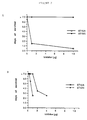
- Correlation between antibody fine specificity and protective capacity in vivo. Constant amounts of HmAb ST15 (2A), ST12 (2B), were incubated with variable amounts of purified A-fragment or C-fragment and the protective capacity in vivo of these mixtures was tested.
- The Example illustrates the invention.
-
(A) Isolation characterization of tetanus toxin (TT) and TT fragments
TT was isolated and purified according to Ozutsumi et al., Appl. Environ. Microbiol. 49 (1985), 939. Tetanus toxoid was then prepared by formaldehyde detoxification of purified TT. The light chain (A-fragment) was prepared by trypsin treatment of purified TT according to Matsuda and Yoneda, Biochem. Biophys. Res. Comun. 57 (1974), 1257, followed by reduction with dithiothreitol and urea treatment according to Matsuda and Yoneda, Infect. Immun. 12 (1975) 1147. The C-fragment was prepared by papain digestion of purified TT as described by Matsuda and Yoneda in Biochem. Biophys. Res. Commun. 77 (1977), 268. The fragments were purified by gel filtration on an ultragel AcA44 column (LKB); see Matsuda and Yoneda, Biochem. Biophys. Res. Commun. 57 (1974) 1257. The purity of the fragments was assessed by HPLC on a Zorbax GF-250 column (Dupont) toxicity tests in guinea pigs, infra, and by binding assays, infra.
Applying size exclusion HPLC, no contamination could be detected in the purified TT, A-fragment, and C-fragment preparations. In contrast to whole TT molecules, fragments are not toxic; see Helting and Zwisler, J. Biol. Chem. 252 (1977), 187. Injection of 0.5 ng purified TT was sufficient to kill the guinea pigs. However, 500 ng purified A-fragment or C-fragment did not kill the animals. This indicates that the fragment preparations contain < 0.1% TT.
(B) Production of human monoclonal antibodies
PBL were obtained from healthy volunteers ten days after booster immunization with the tetanus toxoid (DiTe Anatoxal Berne, Switzerland). Human hybridomas were generated essentially as described in Lang et al., Hum. Antibod. Hybridomas 1 (1990), 96 and Lang et al., J. Immunol. 146 (1991), 3160. Briefly, mononuclear cells were separated on Ficoll-Hypaque and monocytes depleted by adherence to plastic. Nonadherent cells were selected for the presence of anti-TT antibody on their surfaces by Ag-specific panning. Six well plates were coated with 150 µg TT/well diluted in 0.05 M NaHCO₃ buffer, pH 9.6. Plates were incubated over night at 4°C. After blocking the remaining binding sites and washing, PBL were added and incubated for 70 min. at 4°C. The panned cells were EBV-transformed by exposure to EBV containing supernatant. Afterwards cells were washed and distributed into 96 well microtiter plates. Culture supernatants were tested by ELISA (see below) for anti-TT antibodies. Cells from positive wells were subcultured and retested for the secretion of specific anti-TT antibodies by ELISA using toxin, toxoid and TT fragments. Positive cultures were fused to the human heteromyeloma cell line LA55 using the plate fusion technique. After fusion cells were cultured for 24 hrs. in serum free medium (CG-medium, Camon, Labor Service GmbH, Wiesbaden, Germany) supplemented with 1% human serum (Flow Laboratories, Herts, England), followed by exposure to CG-medium containing 50 µM hypoxanthine, 2.5 µg/ml azaserine, and 2.5 µM ouabain (all Sigma Chemical Co., St. Louis, MO). Subsequently, cultures were propagated in serum-free CG-medium. Wells containing hybridomas secreting specific anti-TT antibodies were cloned by limiting dilution.
(C) Detection and purification of anti-TT antibodies
Anti-TT antibodies were detected by standard ELISA methods in microtiter plates (Immulon; Dynatech, Buchs, Switzerland) coated with 10 ug/ml of purified TT, toxoid, or TT fragments diluted in 0.1 M NaHCO₃, pH 9.6. HmAb were affinity purified from culture supernatant on protein A-Sepharose (Pharmacia, Sweden). IgG was eluted from the column (1.5 ml vol.) with o.1 M citric acid, pH 3.0, The pH of the eluate was adjusted to pH 7.2 with 1 M Tris, pH 9.0. Aliquots were stored at -70°C until use.
(D) Isotype determination and antibody quantitation.
The isotopes of HmAb were determined by ELISA (supra) using heavy and light chain-specific antisera (Tago, Burlingame, CA). The IgG subclasses were detected by ELISA using the murine mAb specific for human IgG1 (clone HP6012), IgG4 (HP6011) (Unipath, Ltd., Bedford, UK) and IgG2 (HP6014 (Sigma Chem.). Antibody concentrations were determined by a radial immunodiffusion assay (LC-Partigen-IgG kit, Behring, Marburg, Germany) or by a sandwich ELISA) (13, 18) using purified HmAb or standard human serum (Behring) to generate standard curves.
(E) Determination of antibody fine specificity and affinity.
Fine specificity of HmAb was determined by ELISA with A-fragment or C-fragment in the solid phase (see above) and by determining antibody affinities for the corresponding fragments. Affinities were determined by competitive binding assays as decribed in Bruderer et al., J. Immunol. Methods 133 (1990) 263.
(F) Characterization of TT specific HmAb.
Of 100 TT-specific HmAb tested, only 7 showed high TT neutralizing activity in mice by primary screening of culture supernatant of the corresponding hybridomas. The reactivity patterns of these neutralizing HmAB and of additional 24 randomly selected and processed HmAb are shown in Table I.Table I REACTIVITY PATTERN OF HUMAN MONOCLONAL ANTI-TT ANTIBODIES Specificitya TT-fragment Neutralizing capacityb Number of clones Distributionc (%) A - 23 74 A + 5 16 C - 1 3 C + 0 0 AC - 0 0 AC + 2 7 a (A), affinity for fragment A ≧ 10⁷ M⁻¹, for C < 10⁷ M⁻¹; (C), affinity for fragment A < 10⁷ M⁻¹, for C ≧ 10⁷ M⁻¹; and (AC), affinity for fragment A ≧ 10⁷ M⁻¹, for C ≧ 10⁷ M⁻¹. b Determined in mice by the initial screening for toxin-neutralizing activity of the HmAb; (+), complete protection, (-), no complete protection. c (%) of clones with the corresponding properties.
Table 1 demonstrates that most of the clones (90%) exhibit specificity for the A-fragment, but less than 20% of these A-fragment specific HmAb neutralized TT. the C-fragment specific HmAb was not neutralizing, whereas both HmAb which specifically bind both the A-and C-fragment neutralized TT.
An extended characterization of neutralizing HmAb is shown in Table II.Table II BINDING PROPERTIES AND TOXIN-NEUTRALIZING ACTIVITY OF HUMAN MONOCLONAL ANTI-TT ANTIBODIES Clone Isotype Ig aK (x10⁹ M⁻¹)a IU/100µg IgGb Toxin Fr. A Fr. C 45 MLD 450 MLD ST12 G1/k 1.3 0.83 1.9 >5.5 13.2 ST18 G1/l 0.33 0.052 <0.01 nd <0.5 ST19 G1/k 5.2 4.1 9.9 nd nd ST17 G1/k 3.2 3.9 <0.01 4.4 <0.5 ST15 G1/k 5.6 1.9 <0.01 >5.5 10.5 ST11 G1/k 6.2 0.57 <0.01 >5.5 <0.5 ST14 G1/l 2.6 4.1 <0.01 2.3 <0.5 a Affinity constants (aK) for TT and the fragments A and C. b International Units (IU), values determined using a reference preparation of tetanus anti-toxin, calibrated in IU and a calibrated preparation of test toxin dose of either 45 MLD or 450 MLD; affinity purified HmAb were used.
(G) The neutralizing activities of the obtained HmAbs in mice
The ability of HmAb to neutralize TT was evaluated by the lethal method in mice (European Pharmacopeia, Tetanus antitoxin for human use, 2nd ed. Saint Ruffine, France: Maisonneuve S.A. (1981), Monograph No. 91) using standard test TT and standard tetanus antitoxin (WHO, International Standards and Reference Reagents, 1990). The minimal lethal dose (MLD) of the standard test toxin was determined from the dose-response curve; see European Pharmacopeia, Supra. The following three assays were used: - (a) Initial screening for toxin-neutralizing activity of HmAb in the culture supernatants of the hybridomas: 3 volumes of culture supernatant containing HmAb was mixed with 1 volume of standard TT solution (90 MLD). Mice surviving 6 days after challenge were considered protected.
- (b) Quantification of toxin-neutralizing activity: The activities of HmAb were quantitated by the method routinely used for TIG, using standardized doses of toxin at L+/20 or L+/200 levels. Purified HmAb were titrated and mixed with toxin solution (450 MLD or 45 MLD). A volume of 0.4 ml of the mixtures was injected per mouse. The neutralizing activity is expressed as International Units (IU) per 100 µ IgG.
- (c) In vivo fragment absorption assay: Samples of 250 µl containing polyclonal or monoclonal antibodies and various amounts of purified TT fragments (A or C) were incubated for 30 min. at 37°C. Afterwards 250 µl containing 25 µg purified TT was added to each sample, followed by an incubation for 30 min. at 37°C. Mice were injected with 400 µl. In each experiment controls included the administration of TT only, and of the corresponding antibody and toxin in the absence of fragments.
As shown in Table II, the neutralizing activities of the HmAb were determined according to the WHO procedure routinely used for polyclonal TIG (20) using doses of toxin at L+/20 or L+/200 levels corresponding to 450 MLD and 45 MLD, respectively. The activities range from <0.5 to 13.2 IU/199µg IgG. The values obtained using 45 MLD and 450 MLD of TT are not consistent for ST17, ST11, and ST14. The injection of TT together with A-fragment specific HmAb caused a delay in the death of mice up to 6 days but never resulted in a complete long lasting protection. In contrast, mice injected with a mixture of the bi-specific HmAb ST12 or ST19, which recognize both the A- and C-fragments, and 450 MLD of toxin resulted in a complete protection (survival >28 days). Control mice receiving 450 MLD of TT died within 12 hrs. The protective capacity of a single HmAb, combinations of HmAb, or TIG against challenge with 450 MLD of TT is shown in Table III infra. ST15 exhibits the highest IU/weight values of the neutralizing, A-fragment specific HmAb (Table II), but independent of the antibody concentration does not confer full protection over 28 days (Table III infra). The combination of the two A-fragment specific HmAb ST15 and ST11 is able to provide full protection, whereas the application of the combination of ST15 and ST17 results only in a delay of death. In contrast, ST12 alone or combined with one or two A-fragment specific HmAb is comparable in the protectivity to TIG, Table III:
| PROTECTIVE CAPACITIES OF SINGLE HMAB, COMBINATIONS OF HMAB AND OF TIG | |||||
| preparationsa | mortality (days of survival) IU/ml | ||||
| 0.5 | 1.12 | 2.5 | 5.7 | 12.9 | |
| ST15 | 5.5 | 5.5 | 5.5 | 3.5 | 0.5 |
| ST15/ST11 | - | - | - | 6 | 0.5 |
| ST15/ST17 | 14 | 9 | 9 | 6 | 0.5 |
| ST12 | - | 6.5 | 5.5 | 3.5 | 2.5 |
| ST12/ST15 | - | - | - | 5.5 | 1 |
| TIG | - | - | - | 1 | 0.5 |
| a Purified HmAb and mixtures of equal amounts of each HmAb were used. A stock solution of TIG (Tetuman) containing 430 IU/ml was used in a dilution of 1 to 100. |
The synergistic effect resulting from the mixing of ST12 with additional HmAb is shown in Figure 1. On a weight basis (IU/100µg IgG) the highest values are reached with combinations of two HmAb. The neutralizing activity of the mixture of ST12 and ST15 was 43 IU/100µg IgG.
(H) Characterization of TIG
In order to assess whether the isolated HmAb are representative for the antibodies in polyclonal preparations conferring protection, three independent Human tetanus immune globulins (TIG) were analyzed. These TIGs were obtained from the Swiss Serum and Vaccine Institute, Berne, Switzerland, (TetumanR), Immuno, Vienna, Austria (TetabulinR), and BEhring, Marburg, Germany (TetagamRS). All three preparations exhibited similar binding patterns (Table IV).
| BINDING PROPERTIES OF POLYCLONAL HYPERIMMUNE PREPARATIONS | ||||||
| preparation | titer (x10⁶) | aK (x10⁹ M⁻¹) | ||||
| TT | Fr.A | Fr.C | TT | Fr.A | Fr.C | |
| Tetuman | 2.70 | 2.66 | 0.240 | 3.7 | 0.82 | 3.3 |
| Tetabulin | 1.62 | 2.17 | 0.520 | 3.9 | 0.88 | 4.1 |
| Tetagam S | 1.61 | 2.18 | 0.492 | 4.4 | 1.5 | 5.6 |
Antibody titers for TT and the A-fragment were similar and titers for the C-fragment were lower. Average affinities were similar for TT and the C-fragment and slightly lower for the A-fragment (Table IV).
In an attempt to distinguish between polyclonal antibodies specific for one fragment (A or C) and two fragments (A and C), TIG were preabsorbed with an excess of either A- or C-fragment and afterwards tested for their ability to bind to A- or C-fragment (Table V).
| CHARACTERIZATION OF FRAGMENT RECOGNITION | |||
| antibody | solid phase | inhibition of binding (%) of control by preabsorption with | |
| Fragment A | Fragment C | ||
| ST15 | Fragment A | >95 | 0 |
| Fragment C | N.B. | N.B. | |
| ST12 | Fragment A | >99 | >97 |
| Fragment C | >99 | >97 | |
| Tetuman | Fragment A | 97 | 46 |
| Fragment C | >88 | >88 | |
| (N.B.), no binding. | |||
Using HmAb as controls, the binding of the A-fragment specific HmAb ST15 is completely abolished by the preabsorption with A-fragment, whereas preabsorption with the same amount of C-fragment has no effect. the binding of ST12 to both the A- and the C-fragment can be completely abolished by preabsorption with either A- or C-fragment. Preabsorption with the C-fragment completely abolishes the binding to C-fragment, whereas 54% of the binding to the A-fragment remains. These results suggest that TIG dominantly contains antibodies specific for the A-fragment, less antibodies specific for both fragments, and relatively few C-fragment specific antibodies. This is consistent with the titers on purified A- and C-fragment (Table IV). In order to evaluate the effect of binding to moieties of the A-fragment and the C-fragment in terms of TT neutralization in vivo, we analyzed the capacity of fragments to inhibit antibody mediated protection against TT (Fig. 2). Preabsorption of the A-fragment specific HmAb ST15 with A-fragment results in a complete loss of protective capacity, however, not with C-fragment (Fig. 2A). Protection by ST12 can be diminished by preabsorption with both a-fragment or C-fragment, whereas the A-fragment is a more potent inhibitor (Fig. 2B). Protection of all three TIG was completely inhibited by the preabsorption with 4µg C-fragment did not affect protection by TIG. These rsults suggest that binding to the A-fragment is more important than binding to the C-fragment for the antibody mediated neutralization of TT in vivo.
(I) Discussion
The above experiments demonstrate that the human monoclonal anti-tetanus toxin antibodies of the present invention are capable of fully replacing polyclonal antibody preparations which are currently used for the prophylaxis and treatment of tetanus. The experiments also demonstrate that A-fragment specific antibodies play a major role in mediating protection.
The five HmAb exhibiting high antitoxic activity in vivo were specific for the A-fragment. Two HmAb exhibiting high antitoxic activity in vivo bound to both, the A-fragment and the C-fragment.
The best protection provided by one HmAb was 13.2 IU/100µg IgG. On a weight basis, the best protection was achieved with a combination of two HmAb (43 IU/100µg IgG).
Thus, the present invention for the first time permits to substitute a polyclonal dose of 250 IU, containing 100-170 mg IgG, by a monoclonal preparation only containing 0.7 mg of a mixture of two HmAb, see Table VI:
| REQUIREMENTS FOR THE GENERATION OF AN IMMUNOPROTECTIVE DOSE BY POLYCLONAL AND BY MONOCLONAL ANTIBODIES | ||
| Polyclonal preparation | Monoclonal preparation | |
| International units (IU) | 250 | 250 |
| Purified antibodies (mg) | 100 - 170 | 0.7 |
Claims (16)
- A monoclonal anti-tetanus toxin antibody binding to the light chain of the tetanus toxin and neutralizing the biological activity of the tetanus toxin.
- The monoclonal anti-tetanus toxin antibody according to claim 1 which is a human antibody.
- The monoclonal anti-tetanus toxin antibody according to claim 1 or 2 which additionally binds to the C-fragment of the heavy chain of the tetanus toxin.
- The monoclonal anti-tetanus toxin antibody according to any one of claims 1 to 3 which has an affinity constant (aK) to said tetanus toxin of at least 1 x 10⁹ M⁻¹.
- The monoclonal anti-tetanus toxin antibody according to claim 4 which has an affinity constant (aK) to said tetanus toxin of at least 5 x 10⁹ M⁻¹.
- The monoclonal anti-tetanus toxin antibody according to anyone of claims 1 to 5 which has a neutralizing capacity of at least 2 IU/100µg Ig, preferably of at least 4 IU/100µg Ig.
- The monoclonal anti-tetanus toxin antibody according to claim 6 which has a neutralizing capacity of at least 10 IU/100µg Ig.
- The monoclonal anti-tetanus toxin antibody according to any one of claims 1 to 7 which is an antibody of the class IgG, preferably IgG1.
- The monoclonal anti-tetanus toxin antibody according to any one of claims 1 to 8 which is a chimeric, a humanized or a bi-specific rearranged monoclonal antibody.
- A cell line producing a monoclonal anti-tetanus toxin antibody according to any one of claims 1 to 8.
- The cell line according to claim 10 which is a hybridoma.
- A method for the production of a monoclonal anti-tetanus toxin antibody according to any one of claims 1 to 9, comprising the cultivation of a cell line according to claim 10 or 11 and the isolation of the antibody from the culture.
- A pharmaceutical composition containing at least one, preferably at least two monoclonal antibodies according to any one of claims 1 to 9 optionally in admixture with a pharmaceutically acceptable carrier and/or diluent.
- The pharmaceutical composition according to claim 13 which contains a monoclonal anti-tetanus toxin antibody according to any one of claims 1 to 9 which binds to the light chain of the tetanus toxin and in addition a monoclonal anti-tetanus toxin antibody according to any one of claims 3 to 9 which binds to the light chain of the tetanus toxin and also to the C-fragment of the heavy chain of the tetanus toxin.
- The pharmaceutical composition according to claim 13 or 14 for the passive immunization against tetanus.
- The pharmaceutical composition according to any one of claims 13 to 15 which contains each of the monoclonal antibodies in an amount of at least 0.5 mg Ig corresponding to an immunoprotective dosage of at least 250 IU.
Priority Applications (5)
| Application Number | Priority Date | Filing Date | Title |
|---|---|---|---|
| ES92105000T ES2119785T3 (en) | 1992-03-23 | 1992-03-23 | MONOCLONAL ANTIBODIES AGAINST TETANIC TOXIN AND PHARMACEUTICAL COMPOSITIONS THAT CONTAIN THEM. |
| EP92105000A EP0562132B1 (en) | 1992-03-23 | 1992-03-23 | Monoclonal anti-tetanus toxin antibodies and pharmaceutical compositions containing them |
| AT92105000T ATE166924T1 (en) | 1992-03-23 | 1992-03-23 | MONOCLONAL ANTIBODIES TO TETANUS TOXIN AND PHARMACEUTICAL COMPOSITIONS CONTAINING THEM |
| DE69225791T DE69225791T2 (en) | 1992-03-23 | 1992-03-23 | Monoclonal antibodies to tetanus toxin and pharmaceutical compositions containing them |
| DK92105000T DK0562132T3 (en) | 1992-03-23 | 1992-03-23 | Monoclonal antibodies to tetanus toxin and pharmaceutical preparations containing them |
Applications Claiming Priority (1)
| Application Number | Priority Date | Filing Date | Title |
|---|---|---|---|
| EP92105000A EP0562132B1 (en) | 1992-03-23 | 1992-03-23 | Monoclonal anti-tetanus toxin antibodies and pharmaceutical compositions containing them |
Publications (2)
| Publication Number | Publication Date |
|---|---|
| EP0562132A1 true EP0562132A1 (en) | 1993-09-29 |
| EP0562132B1 EP0562132B1 (en) | 1998-06-03 |
Family
ID=8209459
Family Applications (1)
| Application Number | Title | Priority Date | Filing Date |
|---|---|---|---|
| EP92105000A Expired - Lifetime EP0562132B1 (en) | 1992-03-23 | 1992-03-23 | Monoclonal anti-tetanus toxin antibodies and pharmaceutical compositions containing them |
Country Status (5)
| Country | Link |
|---|---|
| EP (1) | EP0562132B1 (en) |
| AT (1) | ATE166924T1 (en) |
| DE (1) | DE69225791T2 (en) |
| DK (1) | DK0562132T3 (en) |
| ES (1) | ES2119785T3 (en) |
Cited By (9)
| Publication number | Priority date | Publication date | Assignee | Title |
|---|---|---|---|---|
| US6287566B1 (en) * | 1995-05-19 | 2001-09-11 | The United States Of America As Represented By The Secretary Of The Army | Protective peptides neurotoxin of C. botulinum |
| CN1305904C (en) * | 2003-12-30 | 2007-03-21 | 龚小迪 | Preparation and Application of Human Anti-Tetanus Toxin Monoclonal Antibody |
| WO2012007688A1 (en) | 2010-07-12 | 2012-01-19 | Lfb Biotechnologies | Monoclonal antibodies to tetanus toxin |
| WO2014096672A1 (en) | 2012-12-17 | 2014-06-26 | Laboratoire Francais Du Fractionnement Et Des Biotechnologies | Use of monoclonal antibodies for the treatment of inflammation and bacterial infections |
| WO2018018123A2 (en) | 2016-07-29 | 2018-02-01 | Fundação Butantan | Human anti-tetanus monoclonal antibodies neutralising infection by c. tetani, method for obtaining said monoclonal antibodies and use thereof in immunotherapy in the case of accidents with possible infection by tetanus bacillus |
| WO2019128119A1 (en) * | 2017-12-29 | 2019-07-04 | 珠海泰诺麦博生物技术有限公司 | Fully human monoclonal antibody for neutralizing tetanus toxin, and uses thereof |
| WO2019128121A1 (en) * | 2017-12-29 | 2019-07-04 | 珠海泰诺麦博生物技术有限公司 | Anti-tetanus toxin neutralizing antibody, preparation method therefor, and uses thereof |
| WO2019128120A1 (en) * | 2017-12-29 | 2019-07-04 | 珠海泰诺麦博生物技术有限公司 | Fully human neutralizing antibody combating tetanus toxin |
| JP2021508495A (en) * | 2017-12-29 | 2021-03-11 | チューハイ トリノマブ バイオテクノロジー カンパニー,リミティド | Fully natural human neutralizing monoclonal antibody against tetanus toxin and its applications |
Families Citing this family (1)
| Publication number | Priority date | Publication date | Assignee | Title |
|---|---|---|---|---|
| WO2018078643A1 (en) | 2016-10-26 | 2018-05-03 | Bharat Serums And Vaccines Ltd. | Monoclonal antibodies neutralizing the tetanus toxin |
Citations (1)
| Publication number | Priority date | Publication date | Assignee | Title |
|---|---|---|---|---|
| EP0157574A2 (en) * | 1984-03-28 | 1985-10-09 | Green Cross Corporation | Antitetanic antibody producing human-human hybridoma and method of producing the same |
-
1992
- 1992-03-23 DK DK92105000T patent/DK0562132T3/en active
- 1992-03-23 AT AT92105000T patent/ATE166924T1/en not_active IP Right Cessation
- 1992-03-23 EP EP92105000A patent/EP0562132B1/en not_active Expired - Lifetime
- 1992-03-23 DE DE69225791T patent/DE69225791T2/en not_active Expired - Fee Related
- 1992-03-23 ES ES92105000T patent/ES2119785T3/en not_active Expired - Lifetime
Patent Citations (1)
| Publication number | Priority date | Publication date | Assignee | Title |
|---|---|---|---|---|
| EP0157574A2 (en) * | 1984-03-28 | 1985-10-09 | Green Cross Corporation | Antitetanic antibody producing human-human hybridoma and method of producing the same |
Non-Patent Citations (5)
Cited By (13)
| Publication number | Priority date | Publication date | Assignee | Title |
|---|---|---|---|---|
| US6287566B1 (en) * | 1995-05-19 | 2001-09-11 | The United States Of America As Represented By The Secretary Of The Army | Protective peptides neurotoxin of C. botulinum |
| CN1305904C (en) * | 2003-12-30 | 2007-03-21 | 龚小迪 | Preparation and Application of Human Anti-Tetanus Toxin Monoclonal Antibody |
| WO2012007688A1 (en) | 2010-07-12 | 2012-01-19 | Lfb Biotechnologies | Monoclonal antibodies to tetanus toxin |
| EP3514175A1 (en) | 2012-12-17 | 2019-07-24 | Laboratoire Français du Fractionnement et des Biotechnologies | Use of monoclonal antibodies for the treatment of inflammation and bacterial infections |
| WO2014096672A1 (en) | 2012-12-17 | 2014-06-26 | Laboratoire Francais Du Fractionnement Et Des Biotechnologies | Use of monoclonal antibodies for the treatment of inflammation and bacterial infections |
| WO2018018123A2 (en) | 2016-07-29 | 2018-02-01 | Fundação Butantan | Human anti-tetanus monoclonal antibodies neutralising infection by c. tetani, method for obtaining said monoclonal antibodies and use thereof in immunotherapy in the case of accidents with possible infection by tetanus bacillus |
| WO2018018123A3 (en) * | 2016-07-29 | 2018-03-22 | Fundação Butantan | Human anti-tetanus monoclonal antibodies neutralising infection by c. tetani, method for obtaining said monoclonal antibodies and use thereof in immunotherapy in the case of accidents with possible infection by tetanus bacillus |
| WO2019128119A1 (en) * | 2017-12-29 | 2019-07-04 | 珠海泰诺麦博生物技术有限公司 | Fully human monoclonal antibody for neutralizing tetanus toxin, and uses thereof |
| WO2019128121A1 (en) * | 2017-12-29 | 2019-07-04 | 珠海泰诺麦博生物技术有限公司 | Anti-tetanus toxin neutralizing antibody, preparation method therefor, and uses thereof |
| WO2019128120A1 (en) * | 2017-12-29 | 2019-07-04 | 珠海泰诺麦博生物技术有限公司 | Fully human neutralizing antibody combating tetanus toxin |
| JP2021508495A (en) * | 2017-12-29 | 2021-03-11 | チューハイ トリノマブ バイオテクノロジー カンパニー,リミティド | Fully natural human neutralizing monoclonal antibody against tetanus toxin and its applications |
| EP3733699A4 (en) * | 2017-12-29 | 2022-06-08 | Zhuhai Trinomab Biotechnology Co., Ltd. | FULLY HUMANIZED MONOCLONAL NEUTRALIZING ANTIBODY FOR TETANUS TOXIN AND ITS APPLICATION |
| AU2018395100B2 (en) * | 2017-12-29 | 2025-01-23 | Zhuhai Trinomab Pharmaceutical Co., Ltd. | Completely humanized monoclonal neutralizing antibody for tetanus toxin and application thereof |
Also Published As
| Publication number | Publication date |
|---|---|
| EP0562132B1 (en) | 1998-06-03 |
| ES2119785T3 (en) | 1998-10-16 |
| DE69225791T2 (en) | 1998-10-22 |
| ATE166924T1 (en) | 1998-06-15 |
| DE69225791D1 (en) | 1998-07-09 |
| DK0562132T3 (en) | 1999-03-22 |
Similar Documents
| Publication | Publication Date | Title |
|---|---|---|
| Lang et al. | Immunotherapy with human monoclonal antibodies. Fragment A specificity of polyclonal and monoclonal antibodies is crucial for full protection against tetanus toxin. | |
| Volk et al. | Neutralization of tetanus toxin by distinct monoclonal antibodies binding to multiple epitopes on the toxin molecule | |
| Lamoyi et al. | Heterogeneity of an intrastrain cross-reactive idiotype associated with anti-p-azophenylarsonate antibodies of A/J mice. | |
| AU679909B2 (en) | Monoclonal antibodies against the interferon receptor, with neutralizing activity against type I interferon | |
| US5501854A (en) | Hybrid reagents capable of selectively releasing molecules into cells | |
| AU691811B2 (en) | Antibodies | |
| Reilly et al. | Monoclonal antibodies directed against basic fibroblast growth factor which inhibit its biological activity in vitro and in vivo | |
| IL100365A (en) | Monoclonal antibodies against human tumor necrosis factor alpha and pharmaceutical compositions containing said monoclonal antibodies | |
| US20080063647A1 (en) | Antibodies against protective antigen and methods of use for passive immunization and treatment of anthrax | |
| RU2162711C2 (en) | Recombinant antibody il4 used for treatment of disorders associated with function of il4 | |
| EP0562132B1 (en) | Monoclonal anti-tetanus toxin antibodies and pharmaceutical compositions containing them | |
| SK280610B6 (en) | MONOCLONAL AND HUMANIZED MONOCLONAL ANTIBODY | |
| Sheppard et al. | Production and characterization of monoclonal antibodies to tetanus toxin | |
| DE69115917T2 (en) | HUMANE GAMMA INTERFERON ANTAGONISTS | |
| Clot-Faybesse et al. | Monoclonal antibodies against the Androctonus australis hector scorpion neurotoxin I: characterisation and use for venom neutralisation | |
| US20050281830A1 (en) | Detection, prevention, and treatment systems for anthrax | |
| Lapeyre et al. | Production and characterization of monoclonal antibodies to staphylococcal enterotoxins: use in immunodetection and immunopurification | |
| JPH02291269A (en) | Interferon-gamma bonded protein | |
| Sato et al. | Monoclonal antibodies against alpha toxin of Clostridium perfringens | |
| CA2171955A1 (en) | Pharmaceutical composition comprising monoclonal antibodies against the interferon receptor, with neutralizing activity against type i interferon | |
| DE68926899T2 (en) | Hybrid monoclonal antibodies, their production and use | |
| Chin et al. | Production of neutralizing human monoclonal antibody directed to tetanus toxin in CHO cell | |
| Harshman et al. | Staphylococcal α-toxin: a structure-function study using a monoclonal antibody | |
| DE68917797T2 (en) | Monoclonal antibodies specific for human fibrinopepid A. | |
| Stanislawski et al. | Hybridoma antibodies to the lipid-binding site (s) in the amino-terminal region of fibronectin inhibits binding of streptococcal lipoteichoic acid |
Legal Events
| Date | Code | Title | Description |
|---|---|---|---|
| PUAI | Public reference made under article 153(3) epc to a published international application that has entered the european phase |
Free format text: ORIGINAL CODE: 0009012 |
|
| AK | Designated contracting states |
Kind code of ref document: A1 Designated state(s): AT BE CH DE DK ES FR GB GR IT LI LU MC NL PT SE |
|
| 17P | Request for examination filed |
Effective date: 19931229 |
|
| 17Q | First examination report despatched |
Effective date: 19951106 |
|
| GRAG | Despatch of communication of intention to grant |
Free format text: ORIGINAL CODE: EPIDOS AGRA |
|
| GRAG | Despatch of communication of intention to grant |
Free format text: ORIGINAL CODE: EPIDOS AGRA |
|
| GRAG | Despatch of communication of intention to grant |
Free format text: ORIGINAL CODE: EPIDOS AGRA |
|
| GRAH | Despatch of communication of intention to grant a patent |
Free format text: ORIGINAL CODE: EPIDOS IGRA |
|
| GRAH | Despatch of communication of intention to grant a patent |
Free format text: ORIGINAL CODE: EPIDOS IGRA |
|
| GRAA | (expected) grant |
Free format text: ORIGINAL CODE: 0009210 |
|
| AK | Designated contracting states |
Kind code of ref document: B1 Designated state(s): AT BE CH DE DK ES FR GB GR IT LI LU MC NL PT SE |
|
| REF | Corresponds to: |
Ref document number: 166924 Country of ref document: AT Date of ref document: 19980615 Kind code of ref document: T |
|
| ITF | It: translation for a ep patent filed | ||
| REG | Reference to a national code |
Ref country code: CH Ref legal event code: EP |
|
| REF | Corresponds to: |
Ref document number: 69225791 Country of ref document: DE Date of ref document: 19980709 |
|
| REG | Reference to a national code |
Ref country code: CH Ref legal event code: NV Representative=s name: E. BLUM & CO. PATENTANWAELTE |
|
| ET | Fr: translation filed | ||
| REG | Reference to a national code |
Ref country code: PT Ref legal event code: SC4A Free format text: AVAILABILITY OF NATIONAL TRANSLATION Effective date: 19980608 |
|
| REG | Reference to a national code |
Ref country code: ES Ref legal event code: FG2A Ref document number: 2119785 Country of ref document: ES Kind code of ref document: T3 |
|
| REG | Reference to a national code |
Ref country code: DK Ref legal event code: T3 |
|
| PLBE | No opposition filed within time limit |
Free format text: ORIGINAL CODE: 0009261 |
|
| STAA | Information on the status of an ep patent application or granted ep patent |
Free format text: STATUS: NO OPPOSITION FILED WITHIN TIME LIMIT |
|
| 26N | No opposition filed | ||
| REG | Reference to a national code |
Ref country code: GB Ref legal event code: IF02 |
|
| PGFP | Annual fee paid to national office [announced via postgrant information from national office to epo] |
Ref country code: PT Payment date: 20070222 Year of fee payment: 16 |
|
| PGFP | Annual fee paid to national office [announced via postgrant information from national office to epo] |
Ref country code: LU Payment date: 20070426 Year of fee payment: 16 Ref country code: SE Payment date: 20070426 Year of fee payment: 16 Ref country code: DK Payment date: 20070426 Year of fee payment: 16 |
|
| PGFP | Annual fee paid to national office [announced via postgrant information from national office to epo] |
Ref country code: AT Payment date: 20070508 Year of fee payment: 16 |
|
| PGFP | Annual fee paid to national office [announced via postgrant information from national office to epo] |
Ref country code: MC Payment date: 20070509 Year of fee payment: 16 |
|
| PGFP | Annual fee paid to national office [announced via postgrant information from national office to epo] |
Ref country code: NL Payment date: 20070524 Year of fee payment: 16 |
|
| REG | Reference to a national code |
Ref country code: CH Ref legal event code: PFA Owner name: SCHWEIZERISCHES SERUM- & IMPFINSTITUT BERN Free format text: SCHWEIZERISCHES SERUM- & IMPFINSTITUT BERN#POSTFACH 2707#CH-3001 BERN (CH) -TRANSFER TO- SCHWEIZERISCHES SERUM- & IMPFINSTITUT BERN#POSTFACH 2707#CH-3001 BERN (CH) |
|
| PGFP | Annual fee paid to national office [announced via postgrant information from national office to epo] |
Ref country code: BE Payment date: 20070426 Year of fee payment: 16 |
|
| PGFP | Annual fee paid to national office [announced via postgrant information from national office to epo] |
Ref country code: GR Payment date: 20070628 Year of fee payment: 16 |
|
| BERE | Be: lapsed |
Owner name: *SCHWEIZERISCHES SERUM- & IMPFINSTITUT BERN Effective date: 20080331 |
|
| REG | Reference to a national code |
Ref country code: PT Ref legal event code: MM4A Free format text: LAPSE DUE TO NON-PAYMENT OF FEES Effective date: 20080923 |
|
| PG25 | Lapsed in a contracting state [announced via postgrant information from national office to epo] |
Ref country code: PT Free format text: LAPSE BECAUSE OF NON-PAYMENT OF DUE FEES Effective date: 20080923 Ref country code: MC Free format text: LAPSE BECAUSE OF NON-PAYMENT OF DUE FEES Effective date: 20080331 |
|
| REG | Reference to a national code |
Ref country code: DK Ref legal event code: EBP |
|
| EUG | Se: european patent has lapsed | ||
| PG25 | Lapsed in a contracting state [announced via postgrant information from national office to epo] |
Ref country code: NL Free format text: LAPSE BECAUSE OF NON-PAYMENT OF DUE FEES Effective date: 20081001 Ref country code: AT Free format text: LAPSE BECAUSE OF NON-PAYMENT OF DUE FEES Effective date: 20080323 |
|
| NLV4 | Nl: lapsed or anulled due to non-payment of the annual fee |
Effective date: 20081001 |
|
| PG25 | Lapsed in a contracting state [announced via postgrant information from national office to epo] |
Ref country code: SE Free format text: LAPSE BECAUSE OF NON-PAYMENT OF DUE FEES Effective date: 20080324 |
|
| PG25 | Lapsed in a contracting state [announced via postgrant information from national office to epo] |
Ref country code: BE Free format text: LAPSE BECAUSE OF NON-PAYMENT OF DUE FEES Effective date: 20080331 |
|
| PG25 | Lapsed in a contracting state [announced via postgrant information from national office to epo] |
Ref country code: DK Free format text: LAPSE BECAUSE OF NON-PAYMENT OF DUE FEES Effective date: 20080331 |
|
| PGFP | Annual fee paid to national office [announced via postgrant information from national office to epo] |
Ref country code: ES Payment date: 20090317 Year of fee payment: 18 |
|
| PG25 | Lapsed in a contracting state [announced via postgrant information from national office to epo] |
Ref country code: GR Free format text: LAPSE BECAUSE OF NON-PAYMENT OF DUE FEES Effective date: 20081002 |
|
| PGFP | Annual fee paid to national office [announced via postgrant information from national office to epo] |
Ref country code: CH Payment date: 20090326 Year of fee payment: 18 Ref country code: GB Payment date: 20090324 Year of fee payment: 18 |
|
| PGFP | Annual fee paid to national office [announced via postgrant information from national office to epo] |
Ref country code: DE Payment date: 20090429 Year of fee payment: 18 Ref country code: IT Payment date: 20090318 Year of fee payment: 18 |
|
| PGFP | Annual fee paid to national office [announced via postgrant information from national office to epo] |
Ref country code: FR Payment date: 20090325 Year of fee payment: 18 |
|
| PG25 | Lapsed in a contracting state [announced via postgrant information from national office to epo] |
Ref country code: LU Free format text: LAPSE BECAUSE OF NON-PAYMENT OF DUE FEES Effective date: 20080323 |
|
| REG | Reference to a national code |
Ref country code: CH Ref legal event code: PL |
|
| GBPC | Gb: european patent ceased through non-payment of renewal fee |
Effective date: 20100323 |
|
| REG | Reference to a national code |
Ref country code: FR Ref legal event code: ST Effective date: 20101130 |
|
| PG25 | Lapsed in a contracting state [announced via postgrant information from national office to epo] |
Ref country code: FR Free format text: LAPSE BECAUSE OF NON-PAYMENT OF DUE FEES Effective date: 20100331 |
|
| PG25 | Lapsed in a contracting state [announced via postgrant information from national office to epo] |
Ref country code: LI Free format text: LAPSE BECAUSE OF NON-PAYMENT OF DUE FEES Effective date: 20100331 Ref country code: DE Free format text: LAPSE BECAUSE OF NON-PAYMENT OF DUE FEES Effective date: 20101001 Ref country code: CH Free format text: LAPSE BECAUSE OF NON-PAYMENT OF DUE FEES Effective date: 20100331 |
|
| PG25 | Lapsed in a contracting state [announced via postgrant information from national office to epo] |
Ref country code: IT Free format text: LAPSE BECAUSE OF NON-PAYMENT OF DUE FEES Effective date: 20100323 Ref country code: GB Free format text: LAPSE BECAUSE OF NON-PAYMENT OF DUE FEES Effective date: 20100323 |
|
| REG | Reference to a national code |
Ref country code: ES Ref legal event code: FD2A Effective date: 20110418 |
|
| PG25 | Lapsed in a contracting state [announced via postgrant information from national office to epo] |
Ref country code: ES Free format text: LAPSE BECAUSE OF NON-PAYMENT OF DUE FEES Effective date: 20110404 |
|
| PG25 | Lapsed in a contracting state [announced via postgrant information from national office to epo] |
Ref country code: ES Free format text: LAPSE BECAUSE OF NON-PAYMENT OF DUE FEES Effective date: 20100324 |