EP0745612B1 - Anticorps anti-idiotypiques qui induisent une réponse immunitaire contre le récepteur de croissance épidermique - Google Patents
Anticorps anti-idiotypiques qui induisent une réponse immunitaire contre le récepteur de croissance épidermique Download PDFInfo
- Publication number
- EP0745612B1 EP0745612B1 EP19960107651 EP96107651A EP0745612B1 EP 0745612 B1 EP0745612 B1 EP 0745612B1 EP 19960107651 EP19960107651 EP 19960107651 EP 96107651 A EP96107651 A EP 96107651A EP 0745612 B1 EP0745612 B1 EP 0745612B1
- Authority
- EP
- European Patent Office
- Prior art keywords
- antibody
- idiotypic
- egfr
- antibodies
- regions
- Prior art date
- Legal status (The legal status is an assumption and is not a legal conclusion. Google has not performed a legal analysis and makes no representation as to the accuracy of the status listed.)
- Expired - Lifetime
Links
Images






Classifications
-
- C—CHEMISTRY; METALLURGY
- C07—ORGANIC CHEMISTRY
- C07K—PEPTIDES
- C07K16/00—Immunoglobulins [IG], e.g. monoclonal or polyclonal antibodies
- C07K16/42—Immunoglobulins [IG], e.g. monoclonal or polyclonal antibodies against immunoglobulins
- C07K16/4208—Immunoglobulins [IG], e.g. monoclonal or polyclonal antibodies against immunoglobulins against an idiotypic determinant on Ig
- C07K16/4241—Immunoglobulins [IG], e.g. monoclonal or polyclonal antibodies against immunoglobulins against an idiotypic determinant on Ig against anti-human or anti-animal Ig
- C07K16/4258—Immunoglobulins [IG], e.g. monoclonal or polyclonal antibodies against immunoglobulins against an idiotypic determinant on Ig against anti-human or anti-animal Ig against anti-receptor Ig
-
- A—HUMAN NECESSITIES
- A61—MEDICAL OR VETERINARY SCIENCE; HYGIENE
- A61K—PREPARATIONS FOR MEDICAL, DENTAL OR TOILETRY PURPOSES
- A61K38/00—Medicinal preparations containing peptides
Definitions
- the present invention is directed to anti-idiotypic antibodies which induce an immune response against tumors which bear as antigen the epidermal growth factor receptor (EGFR).
- EGFR epidermal growth factor receptor
- This invention relates, above all, to anti-idiotypic antibodies which have the internal image of the antigen and are capable to mimick the external domain of human EGFR.
- said antibodies derive from the murine mAb 425 or from its humanized and chimeric versions.
- the antibodies of the invention can be used for tumor immunotherapy and immunoprophylaxis.
- Anti-idiotypic antibodies are antibodies directed against epitopes (called idiotypes) located in the antigen binding region or variable region of another antibody molecule.
- idiotypes epitopes located in the antigen binding region or variable region of another antibody molecule.
- a network of idiotypes and anti-idiotypes has beeb invoked to explain immunregulation (Jerne, F.G.,1974, Ann.Immunol.125C:373).
- the "internal image" anti-idiotypic antibodies mimic the three-dimensional structure of the antigen recognized by the Ab1.
- the administration of Ab2 can induce the production of Ab3 antibodies against the original antigen.
- Idiotype vaccines have been applied successfully on several transmissible diseases and in the treatment of cancer (for example:
- EGF epidermal growth factor
- EGF membrane receptors
- EGFR membrane receptors
- the EGFR is a transmembrane glycoprotein of about 170 kD and is a gene product of the c-erb-B proto-oncogene.
- MAb 425 is a murine monoclonal antibody raised against the well known human A431 carcinoma cell line (ATCC CRL 1555), binds to a polypeptide epitope of the external domain of the human EGFR, and inhibits the binding of EGF.
- MAb 425 ATCC HB 9629 was found to mediate tumor cytotoxicity in vitro and to suppress tumor cell growth of epidermoid and colorectal carcinoma-derived cell lines in vitro (Rodeck et al., Cancer Res. 1987. 47: 3692). Humanized and chimeric versions of MAb 425 have been disclosed in WO 92/15683.
- the binding of the EGF to the receptor activates several biochemical processes leading to DNA replication and cell division (Carpenter, G,1987, Annu.Rev . Biochem . 56:881 ).
- the EGFR system has been recently implicated in oncogenic transformation of cells (DiFiore, P.P. et al., 1987, Cell. 51:1063 .10).
- An autocrine stimulated cell proliferation has been proposed for several tumors which express the EGFR and secrete EGF or TGF ⁇ (Ennis,B.W. et al., 1989, Mol. Endo.
- EGFR a therapeutical target because it is directly implicated in cellular proliferation of several tumors. Its overexpression has shown to be of bad prognostic value, correlating with an augmented invasive potential (Sainsbury,J.R et al.,1985, Lancet 1:364 ).
- EGFR is a good candidate for an Idiotype vaccine since it can be purified from tumor cells but is not available in amount sufficient for therapeutic purposes.
- Anti-idiotypic antibodies in general, and their structural comparison with their antigens, and internal images, were investigated and discussed by several goups (e.g. Tsjisaki, M. et al., 1993, J Immunol. 150:508; Raychaudhuri, s. at al., 1990, J. Immunol. 145:760; Bruck, C., et al., 1986, Proc.Natl.Acad.Sci. USA 83:6578.
- the present invention provides for the first time new anti-idiotypic antibodies (anti-ids) which induce an immune response against the epidermal growth factor receptor.
- anti-ids which induce an immune response against the epidermal growth factor receptor.
- the invention provides at least two such anti-ids (designated as 5A6 and 3B6) which mimick an antigen site on the surface of the human epidermal growth factor receptor.
- the antibodies according to the invention especially those that can mimick the EGFR can be used to induce and to increase the immune response against all kinds of human tumors which express the epidermal growth factor receptor on their surface, melanomas, gliomas and carcinomas included.
- the said antibodies can be used also for diagnostic applications regarding locating and assessing the said tumors in vitro or in vivo .
- the invention relates to a monoclonal anti-idiotypic antibody mimicking the internal image of EGFR antigen recognized by a corresponding murine, humanized or chimeric, monoclonal idiotypic (Ab1) antibody.
- This Ab1 antibody can be a non-human, especially a murine, a humanized or a chimeric monoclonal antibody as defined above. Since it is imaginable that there are per se several Ab1 antibodies directed against the EGFR epitope the invention relates also to anti-idiotypic antibodies which can recognize this group of Ab1 anti-EGFR antibodies.
- the invention relates, furthermore, to monoclonal anti-idiotypic anti-EGFR antibodies which can be obtained from the corresponding Ab1 anti-EGFR antibody, for example, by immunisation.
- anti-idiotypic antibodies of the invention are perferably obtained by immunisation with the monoclonal anti-EGFR antibody 425 or humanized and chimeric versions thereof.
- MAb 425 is produced by the known cell line deposited under ATCC HB 9629.
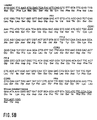
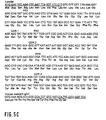
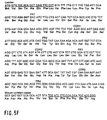
- the invention relates also to specific anti-idiotypic antibodies which have well defined amino acid sequences in the hypervariable (CDRs) and variable (FRs) regions of the antibodies and which are indicated in Fig.5A-F .
- an anti-idiotypic monoclonal antibody wherein the CDR regions and the FR regions of said antibody comprise the amino acid sequences of Fig. 5A-F .
- an anti-idiotypic antibody comprising an amino acid or a nucleotide sequence of Fig. 5A-F.
- the disclosed sequences comprise also variations and changes which derive from the exactly specified sequences of Figure 5 by spontaneous or induced chemically or physically caused mutations, insertions, deletions and replacements of single amino acid or nucleotide residues, provided that the biological activity and properties of the final antibodies have not been essentially altered.
- anti-idiotypic antibody also includes parts or fragments of such an antibody, for example, single chain Fv molecules or F(ab)' 2 and Fab' molecules which are well known in the art (Skerra and Plückthun, Science 1988. 240 : 1038; Better et al., Science 1988. 240 : 1041) Single-chain Fvs (wherein the V L and the V H chain are linked together) have been also described (e.g.: Bird et al., Science 1988. 242 : 423; Huston et al., Proc. Natl. Acad. Sci. USA 1988. 85 : 5879).
- the invention relates, moreover, to a process for the preparation of an anti-idiotypic antibody as defined in the specification and in the claims, characterized in that an animal is immunized with a corresponding idiotypic (Ab1) antibody, which binds to the antigen directly by its CDR regions, the synthesized anti-idiotypic (Ab2) antibody, which binds to the idiotypes of the Ab1 antibody, is separated and purified by convenient methods.
- composition comprising an anti-idiotypic monoclonal antibody as defined in the specification and, optionally, a pharmaceutically acceptable carrier.
- the invention relates to the use of said anti-idiotypic antibody for the manufacture of a drug directed against tumors.
- the present invention describes the obtention of three monoclonal anti-idiotypic antibodies (5A6, 3B6 and 15H8) that recognize idiotypes overlapping with the antigen-binding site (paratope) of mAb 425.
- the serologic and immunologic studies have shown that 5A6 and 3B6 carry the internal image of the epitope recognized by mAb 425 inducing a humoral response in syngeneic (Balb/c mice) and allogeneic (B6D2F1 mice) system.
- True internal image Anti-Ids would act as antigen surrogates in animals of different species, however these Anti-Ids have been ineffective to generate Ab1-like response in rabbits and rats.
- Table I Affinity constants of 5A6, 3B6 and 15H8 for 425. Dissociation constants have been calculated by scatchard plots of binding of Ab2 to 425 from OD values obtained by ELISA performed as described in material and methods.
- Anti-EGFR response in Balb/c mice determined by indirect immunofluorescence against EGFR positive (A431) or negative (C33A) unfixed cells, by ELISA against whole cells or purified external domain.
- Microorganisms, cell lines, plasmids, phagemids, promoters, resistance markers, replication origins or other fragments of vectors which are mentioned in this application are commercially or otherwise generally available. Provided that no other information in the application is given, they are used only as examples and are not essential according to the invention and can be replaced by other suitable tools and biological materials, respectively.
- A431 is an epidermoid carcinoma (ATCC CRL1555) expressing EGFR.
- C33A (ATCC HTB31), a cervical carcinoma, is receptor negative.
- HL1-Friendly Myeloma-653 (Ventrex, Bioventures group) was used as fusion partner for hybridoma obtention. All lines were cultured in RPMI 1640 Medium supplemented with 10% Fetal Calf Serum and 2mM glutamine.
- Anti-EGFR mAb 425 (Ab1) was generated according to Rodeck et al. (l.c.). Several murine mAbs of unrelated specificities were used as controls in the different assays: mab15 (IgG1,k), anti-gp85/45 of small cell lung carcinomas; R24, (IgG3,k), anti-GD3; 14F9 (IgG3,k), anti-GD3 and Me361 (IgG2a), anti-GD2 have been previously described (Kamma, H. et al.,1989, Cancer Res. 49(8): 5118; Dippold, W.G. et al., 1980, Proc. Natl. Acad. Sci. USA. 77:6114; Massó, O. et al.,1991, Immunolog ⁇ a 10:36; Thurin, J. et al., 1987, Cancer Res. 47:1229 ).
- F111 (IgG1,k) was obtained by PEG-induced fusion between splenocytes from RNase immunized Balb/c mice and Friendly-Myeloma as described below.
- Murine hybridomas have been generated using splenocytes from Balb/c mice immunized with mAb 425 and fused with 653-Friendly Myeloma cells. Supernatants were tested by sandwich ELISA against mAb 425. 5A6, 3B6 and 15H8 hybridomas were obtained from two fusions that gave 2,8% and 10,5% specific efficiency respectively. After cloning three times by the limiting dilution method, they were found to be IgG1,k.
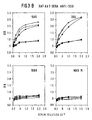
- Anti-Ids as Ab2b we determined whether the idiotopes recognized on mAb 425 coincide with the CDRs or antigen-binding site. For these analysis comparative inhibition-binding curves were stablished with the murine (Fig.2A) and humanized (Fig.2B) version of 425 mAb by indirect ELISA using A431 cells. All three Anti-Ids can inhibit binding of both versions of 425, each Ab2 has similar inhibition-binding curves showing that the 425 idiotopes recognized by 5A6, 3B6 and 15H8 are directly implicated in antigen recognition. 15H8 was 10 times more effective to inhibit 425-A431 cells binding than 5A6 and 3B6.
- KD Dissociation constant
- an inhibition binding assay was performed in which the binding of 5A6, 3B6 or 15H8 Ab2 to mAb 425 was measured in presence of serial dilutions of Ab3 sera from animals immunized with Ab2 or unrelated murine mAbs.
- Table II the Ab3 sera dilution which produces 100% Ab2-Ab1 binding inhibition is given from Balb/c mice (A), rabbits (B) and rats (C).
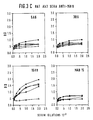
- the antigenic identity between 5A6 and 3B6 was studied in a competitive ELISA, serial dilutions (10 -3 to 10 -5 ) of rabbit and rat Ab3 sera were tested for Ab2 binding in presence of an equal volume (1mg/ml) of Ab2 or control mAbs. Inhibition binding curves corresponding to rat Ab3 sera are shown in Fig3. 5A6 and 3B6 generate identical Ab3 repertoire in rats and rabbits: Anti-5A6 sera reacts equally well with 5A6 or 3B6 Ab2 coated on ELISA plates and are equally inhibited by both Ab2. Rabbit Ab3 sera had similar pattern of inhibition to those shown if fig3. for rat sera.
- Anti receptor antibodies were detected in Ab3 sera by direct immunofluorescence against A431 and C33A cells, and results are shown in Table III: Ab3 Immunofluorescence ELISA A431 C33A A431 sEGFr Anti-5A6 7/14 0/14 6/14 5/15 Anti-3B6 10/13 0/13 6/13 5/16 Anti-15H8 4/12 0/12 0/12 0/11 Anti-mAb15 0/2 0/2 0/2 0/4 Anti-R24 0/3 0/3 0/3 0/3 KLH 0/5 0/5 0/5 0/4 Preimmune 0/20 0/20 0/20 NT
- Anti-Id vaccination in murine system induces the formation of Anti-EGFR antibodies, however no Anti-EGFR antibodies could be detected in Ab3 from rats and rabbits.
- the development of Anti-EGFR antibodies in B6D2F1 mice confirms that Ab2 vaccination is not genetically restricted to murine Balb/c strain. Specific antibodies reached titres 1/50-1/1600 when tested against sEGFR by ELISA.
- VH and VL sequences of 5A6, 3B6 and 15H8 are displayed in Fig.5.
- the amino acid sequences of VH regions were classified into subgroup IIID according to Kabat.
- VL regions of 5A6 and 15H8 belong to kV group and 3B6 to kIII according to Kabat.
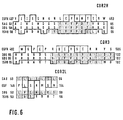
- CDR sequences were compared with amino acid sequences of human EGFR (GQHUE from SPIRS data bank), (Fig. 6) are shown in closed boxes the identic residues found and open boxes those which are equivalent.
- VH chains according to the invention are found to be highly homologous to 5A6 and 3B6, they show similar CDR1H and CDR2H, suggesting that CDR3H sequences play the main role in 425-paratope recognition and EGFR mimicry. It was found that there are 63 Igs (mainly from murine of human origin) with CDR3H regions partially homologous (50-87%) to CDR3H from 5A6 and 3B6. Homologous amino acid appear accumulated at residues 100H-102 while less homologous amino acid have been found along GYVG segment where the maximum homology with EGFR has been found.
- the antigenic index (a measure of antigenic probability) was calculated from ANTIGENIC program, the secondary structure was defined by DSSP program in order to determine the accessibility of the homologous sequences found.
- VL5A6 and VL3B6 chains present 7 non-identical antigenic regions and 11024 and 11603 angstroms of accessible surface protein respectively, able to constitute antigenic idiotopes, however both antibodies generate identical Ab3 response in mice, rabbits and rats.
- the present invention discloses the following:
- Anti-Id mAbs directed against mAb 425 have been obtained to develop specific vaccines for EGFR.
- Three antibodies (5A6, 3B6 and 15H8) have been selected recognizing combining-site associated idiotopes on mAb425 defined by their CDR sequences as demonstrated by inhibition binding of humanized version of 425 mAb to EGFR.
- Immunological data suggest partial idiotypic sharing with the internal image idiotype of 5A6 and 3B6 and 425 paratope-related Id from 15H8, serologic assays have shown partial inhibition binding of Anti-5A6 and Anti-3B6 murine Ab3 to Ab2 or EGFR in the presence of 15H8.
- Immunological studies have revealed the lack of biological effect: IgM antibodies (reacting with A431 cells but failing to recognize sEGFR) have been induced, however they are not inhibited by 15H8. These results suggest that unspecific clones have been activated during the immunization protocols.
- CDR2L, CDR2H and CDR3H from 5A6 and 3B6 are probably implicated in the construction of the internal image because maximum homologies and equivalent amino acid have been found with EGFR external domain in this regions.
- a three-dimensional mimicry seems play a main role as deduced by the following findings
- 5A6 and 3B6 are the first Internal image Anti-Id mAbs reported mimicking the External Domain of human EGFR The biological characteristics of mAb 425, determines that 5A6 and 3B6 mimick the ligand-binding site of EGFR.
- the antibodies according to the invention can be administered to human patients for therapy. Therefore, it is an object of the invention to provide a pharmaceutical formulation comprising as active ingredient at least one antibody or antibody fragment as defined above and in the claims, associated with one or more pharmaceutically acceptable carrier, excipient or diluent therefore.
- the antibodies of this invention will be injected intravenously or parenterally.
- the dosage ranges for the administration of the antibodies fragments are large enough to produce the desired tumor suppressing and tumor lysing effect.
- the dosage will depend on age, condition, sex and extent of the disease in the patient and can vary from 0.1 mg/kg to 200 mg/kg, preferably from 0.1 mg/kg to 100 mg/kg/dose in one or more doses administered daily, for one or several days.
- Preparations for parenteral administration includes sterile aqueous or nonaqueous solutions, suspensions, and emulsions.
- non-aqueous solvents are propylene glycol, polyethylene glycol, vegetable oils such as olive oils, and injectable organic esters such as ethyl oleate and other solvents known in the art which are suitable for these purposes.
- the antibodies of this invention can be used in a composition comprising a physiologically acceptable carrier. Examples of such suitable carriers are saline, PBS, Ringer's solution, or lactated Ringer's solution.
- Preservatives and other additives such as antibiotics, antioxidants, and chelating agents may also be present in the pharmaceutical formulations.
- the antibody (or, optionally, the antibody fragment) can also be conjugated according to known methods to cytokines such as IL-2 in order to support their cytotoxicity.
- the pharmaceutical formulations of the present invention are suitable for the treatment of all kinds of tumors, including melanomas, gliomas and carcinomas, as well as tumors of the circulating system and solid tumors.
- the antibody can be conjugated, for example, to a radio-opaque dye or can be radiolabelled.
- a preferred labelling method is the Iodogen method.
- the antibody will be administered as F(ab') 2 or scFv fragments for diagnostic purposes. This provides superior results so that backround substraction is unnecessary.
- mAb 425 The Humanization of mAb 425 has been previously described (Kettleborough,C.A. et al.,1991, Protein Eng. 4:773).
- the reshaped form of mAb425 contains the murine CDRs grafted in human variable regions keeping the antigen binding site structure. It has been used to define more precisely the localization of 425 idiotypes recognized by the Ab2.
- mice were primed with i.p. injection of 75 mg. of purified 425 mAb coupled to KLH (Sigma), polymerized with glutaraldehide and mixed with CFA (Difco). Animals were boosted at days 7, 14, 21, 28 and 38 with the same immunogen emulsified with IFA. Fusion was done 3 days after the last boost.
- Spleen cells from immunized mice where fused with HL1-Friendly Myeloma-653 using 1450 polyethylenglycol (Boehringer Mannheim), following a protocol previously described (Carceller, A.,1988,. Sangre 33(3):220 ). Fused cells were grown in 39% RPMI 1640, 39% Hybridoma Medium (Gibco), 20% Fetal Calf Serum and 2% HAT. Positive hybrids were cloned three times by limiting dilution.
- Anti-idiotypic antibodies were detected by sandwich ELISA with polystyrene microtiter plates (Nunc, Maxisorb) coated with 1mg./ml.of purified 425 mAb. Plates were blocked by 2% BSA-PBS and crude supernatants or diluted sera in 0,2% BSA-PBS were incubated overnight at 4°. After washing with PBS-0,05% Tween 20, biotinylated mAb 425, prepared by the method of Harlow and Lane (l.c.), was added for 1 h.
- Example (6) Assays for localization of idiotypes recognized in 425 mAb.
- Example (7) Ab3 generation in syngeneic (Balb/c mice), allogeneic (F6D2F1 mice) and xenogeneic ( Wistar rat and NZW rabbits) system and Ab3 detection.
- Purified Ab2s were coupled to KLH (Calbiochem) by glutaraldehyde (Sigma) and emulsified with CFA or IFA. Animals were administered at days 0, 15, 30 and 60. In some assays, additional boosters were performed 8-12 months later to study the stability of Ab3 response. Animals received at each dose 75mg (mice), 150mg (rats) and 300mg (rabbits) of total Ig by intraperitoneal inoculation (mice) or subcutaneously at different sites (rats and rabbits). Control groups received same doses of irrelevant KLH-coupled murine Igs or KLH alone.
- This assay was done to detect antibodies reacting with those Ab2 sites that make contact with mAb 425-paratope. Briefly, 8-16 ng./ml purified 5A6, 3B6, 15H8 and F111 were mixed with serial dilutions of Ab3 containing sera, after overnight incubation at 4°C, remaining Ab2 activity was detected by direct ELISA against 1mg./ml of 425 coated on polystyrene plates. Bound Ab2 was detected with PA-Rabbit Anti-mouse IgG1 (Zymed).
- Ab2 were tested for binding inhibition of Ab3 sera to Ab2-coated plates.
- Serial dilutions of rat Ab3 sera (10 -3 to 10 -5 ) were tested for Ab2 binding in presence of an equal volume (1 mg./ml.) of Ab2 or control mAbs previously incubated overnight at 4°.
- Murine, rat and rabbit Ab3 sera was tested for Ab1-like activity using CellELISA against A431 cells as described before, or by direct ELISA with sEGFR (2,5mg./ml.).
- HRPO Rabbit Anti-mouse Igs (Dako), Rabbit Anti-Rat Igs (Dako) and Swine Anti-Rabbit Igs (Dako) were used respectively as second antibody.
- Anti-receptor antibodies were also tested by direct immunofluorescence assay using unfixed, live A431 cells, cultured in Terasaki plates.
- Example (11) EGFR-Ab3 inhibition binding by 5A6, 3B6 and 15H8 Anti-Ids.
- a set of PCR primers were used to amplify copies of the mouse light chain variable regions and mouse heavy chain variable regions.
- the 5' primers were designed to hybridize to the leader sequence.
- Primers were a mixture of 61 oligonucleotides, for the heavy chain variable domain, and 405 oligonucleotides, for the kappa chain variable domain.
- 3' primers were designed to anneal to the constant region.
- a specific IgG1 and kappa mouse primers were used.
- thermostable DNA polymerase 25 ⁇ l reaction mixture containing: 1 ⁇ l of the cDNA-RNA hybrid, 250 nM of the appropriate 5' and 3' primers mixture, 200mM of each dNTP, 1mM MgCl 2 (for the light chain), 2mM MgCl 2 (for the heavy chain), and 1 U of Taq polymerase (Cetus), was overlaid with mineral oil and subjected to a touchdown starting with a 60° C until 55°C of annealing temperature.
- One tenth of the PCR reaction was run on a 1% agarose TAE gel electrophoresis and ethidium bromide-stained to visualize the resulting PCR products.
- Double-stranded plasmidic DNA was prepared (Wizard preps, Promega Corp.) for sequencing from transformants. Dideoxy-nucleotide chain termination, following the methodology from Sanger et al. (Sanger, F. et al., 1977, Proc. Nat.Acad. Sci. U.S.A. 74: 5463) was carried out using Taq polimerase. Primers used in the sequencing reactions annealed in TA vector.
- the software program DSSP (Sybil) was used to calculate the secondary structure of Ab2 and their accessible residues.
- ANTIGENIC was used to predict the antigenic regions using the method of Kolaskar and Tongaonkar (Kolaskar,A.S. et al.,1990, FEBS-Lett 276(1-2):172 ).
- Ab2 and EGFR homologies were defined by BESTFIT program using Gencore disk for symbol comparison table. Compared human EGFR sequence was those reported earlier (Ullrich et al., 1984, Nature 309:418).
- Ab2 were compared with other known Igs using the Protein Identification Resource (PIR) data bank compiled by National Biomedical Research Fundation (NBRF) and PROSIS program.
- PIR Protein Identification Resource
- NBRF National Biomedical Research Fundation
Landscapes
- Health & Medical Sciences (AREA)
- Chemical & Material Sciences (AREA)
- Immunology (AREA)
- Organic Chemistry (AREA)
- General Health & Medical Sciences (AREA)
- Biophysics (AREA)
- Biochemistry (AREA)
- Genetics & Genomics (AREA)
- Medicinal Chemistry (AREA)
- Molecular Biology (AREA)
- Proteomics, Peptides & Aminoacids (AREA)
- Life Sciences & Earth Sciences (AREA)
- Peptides Or Proteins (AREA)
- Preparation Of Compounds By Using Micro-Organisms (AREA)
- Medicines Containing Antibodies Or Antigens For Use As Internal Diagnostic Agents (AREA)
Claims (7)
- Anticorps monoclonal anti-idiotypique (Ac2) imitant l'image inteme de l'antigène EGFR reconnu par un anticorps idiotypique Ac1 murin, humanisé ou chimère correspondant, caractérisé en ce que l'anticorps idiotypique est ou est issu de l'AcM murin 425 produit par la lignée cellulaire déposée sous le n° ATCC HB 9629.
- Anticorps monoclonal anti-idiotypique selon la revendication 1, pouvant être obtenu par immunisation d'un animal par un anticorps idiotypique murin, humanisé ou chimère correspondant.
- Anticorps monoclonal selon la revendication 1 ou 2, dans lequel les régions CDR et les régions FR dudit anticorps comprennent un aminoacide de la figure 5A-F.
- Anticorps monoclonal selon la revendication 1 ou 2, comprenant une séquence nucléotidique de la figure 5A-F, codant pour les régions CDR et FR dudit anticorps.
- Procédé pour la production d'un anticorps anti-idiotypique tel que défini dans l'une des revendications 1 à 3, caractérisé en ce qu'on immunise un animal avec un anticorps idiotypique correspondant qui se fixe à l'antigène idiotypique directement par ses régions CDR, on sépare l'anticorps anti-idiotypique synthétisé, qui se fixe aux idiotypes de l'anticorps parent et on le purifie par des méthodes convenables.
- Composition pharmaceutique comprenant un anticorps monoclonal anti-idiotypique tel que défini dans l'une des revendications 1 à 3 et, éventuellement, un véhicule pharmaceutiquement acceptable.
- Utilisation d'un anticorps anti-idiotypique tel que défini dans l'une des revendications 1 à 3, pour la fabrication d'un médicament dirigé contre des tumeurs.
Priority Applications (1)
| Application Number | Priority Date | Filing Date | Title |
|---|---|---|---|
| EP19960107651 EP0745612B1 (fr) | 1995-05-26 | 1996-05-14 | Anticorps anti-idiotypiques qui induisent une réponse immunitaire contre le récepteur de croissance épidermique |
Applications Claiming Priority (3)
| Application Number | Priority Date | Filing Date | Title |
|---|---|---|---|
| EP95107967 | 1995-05-26 | ||
| EP95107967 | 1995-05-26 | ||
| EP19960107651 EP0745612B1 (fr) | 1995-05-26 | 1996-05-14 | Anticorps anti-idiotypiques qui induisent une réponse immunitaire contre le récepteur de croissance épidermique |
Publications (2)
| Publication Number | Publication Date |
|---|---|
| EP0745612A1 EP0745612A1 (fr) | 1996-12-04 |
| EP0745612B1 true EP0745612B1 (fr) | 2001-11-07 |
Family
ID=26138631
Family Applications (1)
| Application Number | Title | Priority Date | Filing Date |
|---|---|---|---|
| EP19960107651 Expired - Lifetime EP0745612B1 (fr) | 1995-05-26 | 1996-05-14 | Anticorps anti-idiotypiques qui induisent une réponse immunitaire contre le récepteur de croissance épidermique |
Country Status (1)
| Country | Link |
|---|---|
| EP (1) | EP0745612B1 (fr) |
Cited By (1)
| Publication number | Priority date | Publication date | Assignee | Title |
|---|---|---|---|---|
| WO2005075647A1 (fr) * | 2004-02-06 | 2005-08-18 | Nymox Corporation | Anticorps monoclonal anti af-20 humanise |
Families Citing this family (1)
| Publication number | Priority date | Publication date | Assignee | Title |
|---|---|---|---|---|
| WO2004018521A1 (fr) * | 2002-08-22 | 2004-03-04 | Peptide Door Co.,Ltd. | Anticorps anti-idiotype, procede de construction de cet anticorps anti-idotype et procede de preparation d'anticorps idiotype faisant appel audit anticorps anti-idotype |
Family Cites Families (2)
| Publication number | Priority date | Publication date | Assignee | Title |
|---|---|---|---|---|
| EP0531472B1 (fr) * | 1991-03-06 | 2003-08-13 | MERCK PATENT GmbH | Anticorps monoclonaux humanises |
| DK0586002T3 (da) * | 1992-08-18 | 2000-06-19 | Centro Inmunologia Molecular | Monoklonale antistoffer, som genkender epidermisvækstfaktor-receptoren, celler og fremgangsmåder heraf og præparater indeho |
-
1996
- 1996-05-14 EP EP19960107651 patent/EP0745612B1/fr not_active Expired - Lifetime
Cited By (2)
| Publication number | Priority date | Publication date | Assignee | Title |
|---|---|---|---|---|
| WO2005075647A1 (fr) * | 2004-02-06 | 2005-08-18 | Nymox Corporation | Anticorps monoclonal anti af-20 humanise |
| EA010687B1 (ru) * | 2004-02-06 | 2008-10-30 | Нимокс Корпорейшн | Гуманизированное антитело |
Also Published As
| Publication number | Publication date |
|---|---|
| EP0745612A1 (fr) | 1996-12-04 |
Similar Documents
| Publication | Publication Date | Title |
|---|---|---|
| Kusama et al. | Characterization of syngeneic antiidiotypic monoclonal antibodies to murine anti-human high molecular weight melanoma-associated antigen monoclonal antibodies. | |
| Mittelman et al. | Active specific immunotherapy in patients with melanoma. A clinical trial with mouse antiidiotypic monoclonal antibodies elicited with syngeneic anti-high-molecular-weight-melanoma-associated antigen monoclonal antibodies. | |
| RU2082428C1 (ru) | СПОСОБ ПОЛУЧЕНИЯ АНТИТЕЛ, СПЕЦИФИЧЕСКИ СВЯЗЫВАЮЩИХСЯ С Ig E | |
| US20210277109A1 (en) | Anti-ror1 antibodies and methods of making and using thereof | |
| US5653977A (en) | Anti-idiotypic antibody that mimics the GD2 antigen | |
| AU630592B2 (en) | Tumor immunotherapy using anti-idiotypic antibodies | |
| Bhattacharya-Chatterjee et al. | Idiotype vaccines against human T cell leukemia. II. Generation and characterization of a monoclonal idiotype cascade (Ab1, Ab2, and Ab3). | |
| NZ516264A (en) | Cancer antigens CA125 (multiple epitote) recognised by OC125, M11, B43.13, B27.1, where B43.13 is used as a binding agent to elicit host immune response as a vaccination method against cancer | |
| AU710159B2 (en) | Anti-idiotypic antibodies which induce an immune response against epidermal growth factor receptor | |
| Puccetti et al. | An immunoglobulin light chain from a lupus-prone mouse induces autoantibodies in normal mice. | |
| Pohl et al. | CD30‐specific AB1‐AB2‐AB3 internal image antibody network: potential use as anti‐idiotype vaccine against Hodgkin's lymphoma | |
| JP3764165B2 (ja) | モノクローナル抗イディオタイプ抗ca125抗体およびこれらを含有する医薬組成物 | |
| EP0745612B1 (fr) | Anticorps anti-idiotypiques qui induisent une réponse immunitaire contre le récepteur de croissance épidermique | |
| AU719369B2 (en) | Monoclonal antiidiotypic antibodies (AB2) and their uses | |
| Thielemans et al. | Syngeneic antiidiotypic immune responses to a B cell lymphoma. Comparison between heavy chain hypervariable region peptides and intact Ig as immunogens. | |
| RU2172636C2 (ru) | Антиидиотипические антитела, которые индуцируют иммунный ответ против рецептора эпидермального фактора роста | |
| O'Connell et al. | Active specific immunotherapy with antiidiotypic antibodies in patients with solid tumors | |
| Bhattacharya-Chatterjee et al. | Anti-idiotype antibodies as potential therapeutic agents for human breast cancer | |
| NZ231037A (en) | Anti-idiotypic monoclonal antibody of an antibody which binds to an epitope of a tumour-associated gp 72 protein, cell line and composition | |
| Maruyama et al. | Immunization procedures for anti-idiotypic antibody induction in mice and rats | |
| Hajighasemi et al. | Private idiotypes located on light and heavy chains of human myeloma proteins characterized by monoclonal antibodies | |
| JP4304287B2 (ja) | 抗イディオタイプモノクローナル抗体、悪性腫瘍の能動免疫療法におけるそれらの使用、およびそれらを含有する組成物 | |
| Graus et al. | VH gene family utilization of anti-acetylcholine receptor antibodies in experimental autoimmune myasthenia gravis | |
| AU2003204088B2 (en) | Anti-idiotypic monoclonal antibodies, their use in the active immunotherapy of malignant tumors, and compositions containing them | |
| Morahan | A MONOCLONAL ANTI‐IDIOTOPE ANTIBODY REACTING WITH A DETERMINANT OF THE CROSS‐REACTIVE IDIOTYPE ON ANTI‐p‐AZOBENZENEARSONATE ANTIBODIES OF A/J MICE |
Legal Events
| Date | Code | Title | Description |
|---|---|---|---|
| PUAI | Public reference made under article 153(3) epc to a published international application that has entered the european phase |
Free format text: ORIGINAL CODE: 0009012 |
|
| AK | Designated contracting states |
Kind code of ref document: A1 Designated state(s): AT BE CH DE DK ES FR GB GR IE IT LI LU NL PT SE |
|
| AX | Request for extension of the european patent |
Free format text: LT PAYMENT 960514;LV PAYMENT 960514;SI PAYMENT 960514 |
|
| 17P | Request for examination filed |
Effective date: 19970523 |
|
| 17Q | First examination report despatched |
Effective date: 20000811 |
|
| GRAG | Despatch of communication of intention to grant |
Free format text: ORIGINAL CODE: EPIDOS AGRA |
|
| GRAG | Despatch of communication of intention to grant |
Free format text: ORIGINAL CODE: EPIDOS AGRA |
|
| GRAH | Despatch of communication of intention to grant a patent |
Free format text: ORIGINAL CODE: EPIDOS IGRA |
|
| GRAH | Despatch of communication of intention to grant a patent |
Free format text: ORIGINAL CODE: EPIDOS IGRA |
|
| GRAA | (expected) grant |
Free format text: ORIGINAL CODE: 0009210 |
|
| AK | Designated contracting states |
Kind code of ref document: B1 Designated state(s): AT BE CH DE DK ES FR GB GR IE IT LI LU NL PT SE |
|
| AX | Request for extension of the european patent |
Free format text: LT PAYMENT 19960514;LV PAYMENT 19960514;SI PAYMENT 19960514 |
|
| PG25 | Lapsed in a contracting state [announced via postgrant information from national office to epo] |
Ref country code: NL Free format text: LAPSE BECAUSE OF FAILURE TO SUBMIT A TRANSLATION OF THE DESCRIPTION OR TO PAY THE FEE WITHIN THE PRESCRIBED TIME-LIMIT Effective date: 20011107 Ref country code: LI Free format text: LAPSE BECAUSE OF FAILURE TO SUBMIT A TRANSLATION OF THE DESCRIPTION OR TO PAY THE FEE WITHIN THE PRESCRIBED TIME-LIMIT Effective date: 20011107 Ref country code: IT Free format text: LAPSE BECAUSE OF FAILURE TO SUBMIT A TRANSLATION OF THE DESCRIPTION OR TO PAY THE FEE WITHIN THE PRESCRIBED TIME-LIMIT;WARNING: LAPSES OF ITALIAN PATENTS WITH EFFECTIVE DATE BEFORE 2007 MAY HAVE OCCURRED AT ANY TIME BEFORE 2007. THE CORRECT EFFECTIVE DATE MAY BE DIFFERENT FROM THE ONE RECORDED. Effective date: 20011107 Ref country code: GR Free format text: LAPSE BECAUSE OF FAILURE TO SUBMIT A TRANSLATION OF THE DESCRIPTION OR TO PAY THE FEE WITHIN THE PRESCRIBED TIME-LIMIT Effective date: 20011107 Ref country code: FR Free format text: LAPSE BECAUSE OF FAILURE TO SUBMIT A TRANSLATION OF THE DESCRIPTION OR TO PAY THE FEE WITHIN THE PRESCRIBED TIME-LIMIT Effective date: 20011107 Ref country code: CH Free format text: LAPSE BECAUSE OF FAILURE TO SUBMIT A TRANSLATION OF THE DESCRIPTION OR TO PAY THE FEE WITHIN THE PRESCRIBED TIME-LIMIT Effective date: 20011107 Ref country code: BE Free format text: LAPSE BECAUSE OF FAILURE TO SUBMIT A TRANSLATION OF THE DESCRIPTION OR TO PAY THE FEE WITHIN THE PRESCRIBED TIME-LIMIT Effective date: 20011107 Ref country code: AT Free format text: LAPSE BECAUSE OF FAILURE TO SUBMIT A TRANSLATION OF THE DESCRIPTION OR TO PAY THE FEE WITHIN THE PRESCRIBED TIME-LIMIT Effective date: 20011107 |
|
| REF | Corresponds to: |
Ref document number: 208403 Country of ref document: AT Date of ref document: 20011115 Kind code of ref document: T |
|
| REG | Reference to a national code |
Ref country code: CH Ref legal event code: EP |
|
| REG | Reference to a national code |
Ref country code: IE Ref legal event code: FG4D |
|
| REF | Corresponds to: |
Ref document number: 69616651 Country of ref document: DE Date of ref document: 20011213 |
|
| REG | Reference to a national code |
Ref country code: GB Ref legal event code: IF02 |
|
| PG25 | Lapsed in a contracting state [announced via postgrant information from national office to epo] |
Ref country code: SE Free format text: LAPSE BECAUSE OF FAILURE TO SUBMIT A TRANSLATION OF THE DESCRIPTION OR TO PAY THE FEE WITHIN THE PRESCRIBED TIME-LIMIT Effective date: 20020207 Ref country code: PT Free format text: LAPSE BECAUSE OF FAILURE TO SUBMIT A TRANSLATION OF THE DESCRIPTION OR TO PAY THE FEE WITHIN THE PRESCRIBED TIME-LIMIT Effective date: 20020207 Ref country code: DK Free format text: LAPSE BECAUSE OF FAILURE TO SUBMIT A TRANSLATION OF THE DESCRIPTION OR TO PAY THE FEE WITHIN THE PRESCRIBED TIME-LIMIT Effective date: 20020207 |
|
| PG25 | Lapsed in a contracting state [announced via postgrant information from national office to epo] |
Ref country code: DE Free format text: LAPSE BECAUSE OF FAILURE TO SUBMIT A TRANSLATION OF THE DESCRIPTION OR TO PAY THE FEE WITHIN THE PRESCRIBED TIME-LIMIT Effective date: 20020208 |
|
| NLV1 | Nl: lapsed or annulled due to failure to fulfill the requirements of art. 29p and 29m of the patents act | ||
| PG25 | Lapsed in a contracting state [announced via postgrant information from national office to epo] |
Ref country code: LU Free format text: LAPSE BECAUSE OF NON-PAYMENT OF DUE FEES Effective date: 20020514 Ref country code: IE Free format text: LAPSE BECAUSE OF NON-PAYMENT OF DUE FEES Effective date: 20020514 Ref country code: GB Free format text: LAPSE BECAUSE OF NON-PAYMENT OF DUE FEES Effective date: 20020514 |
|
| REG | Reference to a national code |
Ref country code: CH Ref legal event code: PL |
|
| PG25 | Lapsed in a contracting state [announced via postgrant information from national office to epo] |
Ref country code: ES Free format text: LAPSE BECAUSE OF FAILURE TO SUBMIT A TRANSLATION OF THE DESCRIPTION OR TO PAY THE FEE WITHIN THE PRESCRIBED TIME-LIMIT Effective date: 20020530 |
|
| EN | Fr: translation not filed | ||
| PLBE | No opposition filed within time limit |
Free format text: ORIGINAL CODE: 0009261 |
|
| STAA | Information on the status of an ep patent application or granted ep patent |
Free format text: STATUS: NO OPPOSITION FILED WITHIN TIME LIMIT |
|
| 26N | No opposition filed | ||
| GBPC | Gb: european patent ceased through non-payment of renewal fee |
Effective date: 20020514 |
|
| LTLA | Lt: lapse of european patent or patent extension |
Effective date: 20020514 |
|
| REG | Reference to a national code |
Ref country code: IE Ref legal event code: MM4A |