EP0769565A1 - Kaltgewalztes blech mit extrem niedrigem kohlenstoffgehalt und galvanisiertes blech, beide mit hervorragenden ermündungseigenschaften und verfahren zu deren herstellung - Google Patents
Kaltgewalztes blech mit extrem niedrigem kohlenstoffgehalt und galvanisiertes blech, beide mit hervorragenden ermündungseigenschaften und verfahren zu deren herstellung Download PDFInfo
- Publication number
- EP0769565A1 EP0769565A1 EP96907673A EP96907673A EP0769565A1 EP 0769565 A1 EP0769565 A1 EP 0769565A1 EP 96907673 A EP96907673 A EP 96907673A EP 96907673 A EP96907673 A EP 96907673A EP 0769565 A1 EP0769565 A1 EP 0769565A1
- Authority
- EP
- European Patent Office
- Prior art keywords
- steel sheet
- rolling
- reduction ratio
- weight
- slab
- Prior art date
- Legal status (The legal status is an assumption and is not a legal conclusion. Google has not performed a legal analysis and makes no representation as to the accuracy of the status listed.)
- Withdrawn
Links
Images



Classifications
-
- C—CHEMISTRY; METALLURGY
- C22—METALLURGY; FERROUS OR NON-FERROUS ALLOYS; TREATMENT OF ALLOYS OR NON-FERROUS METALS
- C22C—ALLOYS
- C22C38/00—Ferrous alloys, e.g. steel alloys
-
- C—CHEMISTRY; METALLURGY
- C22—METALLURGY; FERROUS OR NON-FERROUS ALLOYS; TREATMENT OF ALLOYS OR NON-FERROUS METALS
- C22C—ALLOYS
- C22C38/00—Ferrous alloys, e.g. steel alloys
- C22C38/12—Ferrous alloys, e.g. steel alloys containing tungsten, tantalum, molybdenum, vanadium, or niobium
-
- C—CHEMISTRY; METALLURGY
- C21—METALLURGY OF IRON
- C21D—MODIFYING THE PHYSICAL STRUCTURE OF FERROUS METALS; GENERAL DEVICES FOR HEAT TREATMENT OF FERROUS OR NON-FERROUS METALS OR ALLOYS; MAKING METAL MALLEABLE, e.g. BY DECARBURISATION OR TEMPERING
- C21D8/00—Modifying the physical properties of ferrous metals or ferrous alloys by deformation combined with, or followed by, heat treatment
- C21D8/02—Modifying the physical properties of ferrous metals or ferrous alloys by deformation combined with, or followed by, heat treatment during manufacturing of plates or strips
-
- C—CHEMISTRY; METALLURGY
- C21—METALLURGY OF IRON
- C21D—MODIFYING THE PHYSICAL STRUCTURE OF FERROUS METALS; GENERAL DEVICES FOR HEAT TREATMENT OF FERROUS OR NON-FERROUS METALS OR ALLOYS; MAKING METAL MALLEABLE, e.g. BY DECARBURISATION OR TEMPERING
- C21D8/00—Modifying the physical properties of ferrous metals or ferrous alloys by deformation combined with, or followed by, heat treatment
- C21D8/02—Modifying the physical properties of ferrous metals or ferrous alloys by deformation combined with, or followed by, heat treatment during manufacturing of plates or strips
- C21D8/04—Modifying the physical properties of ferrous metals or ferrous alloys by deformation combined with, or followed by, heat treatment during manufacturing of plates or strips to produce plates or strips for drawing, e.g. for deep-drawing
- C21D8/0421—Modifying the physical properties of ferrous metals or ferrous alloys by deformation combined with, or followed by, heat treatment during manufacturing of plates or strips to produce plates or strips for drawing, e.g. for deep-drawing characterised by the working steps
- C21D8/0436—Cold rolling
-
- C—CHEMISTRY; METALLURGY
- C22—METALLURGY; FERROUS OR NON-FERROUS ALLOYS; TREATMENT OF ALLOYS OR NON-FERROUS METALS
- C22C—ALLOYS
- C22C38/00—Ferrous alloys, e.g. steel alloys
- C22C38/001—Ferrous alloys, e.g. steel alloys containing N
-
- C—CHEMISTRY; METALLURGY
- C22—METALLURGY; FERROUS OR NON-FERROUS ALLOYS; TREATMENT OF ALLOYS OR NON-FERROUS METALS
- C22C—ALLOYS
- C22C38/00—Ferrous alloys, e.g. steel alloys
- C22C38/06—Ferrous alloys, e.g. steel alloys containing aluminium
-
- C—CHEMISTRY; METALLURGY
- C22—METALLURGY; FERROUS OR NON-FERROUS ALLOYS; TREATMENT OF ALLOYS OR NON-FERROUS METALS
- C22C—ALLOYS
- C22C38/00—Ferrous alloys, e.g. steel alloys
- C22C38/14—Ferrous alloys, e.g. steel alloys containing titanium or zirconium
-
- C—CHEMISTRY; METALLURGY
- C23—COATING METALLIC MATERIAL; COATING MATERIAL WITH METALLIC MATERIAL; CHEMICAL SURFACE TREATMENT; DIFFUSION TREATMENT OF METALLIC MATERIAL; COATING BY VACUUM EVAPORATION, BY SPUTTERING, BY ION IMPLANTATION OR BY CHEMICAL VAPOUR DEPOSITION, IN GENERAL; INHIBITING CORROSION OF METALLIC MATERIAL OR INCRUSTATION IN GENERAL
- C23C—COATING METALLIC MATERIAL; COATING MATERIAL WITH METALLIC MATERIAL; SURFACE TREATMENT OF METALLIC MATERIAL BY DIFFUSION INTO THE SURFACE, BY CHEMICAL CONVERSION OR SUBSTITUTION; COATING BY VACUUM EVAPORATION, BY SPUTTERING, BY ION IMPLANTATION OR BY CHEMICAL VAPOUR DEPOSITION, IN GENERAL
- C23C2/00—Hot-dipping or immersion processes for applying the coating material in the molten state without affecting the shape; Apparatus therefor
- C23C2/02—Pretreatment of the material to be coated, e.g. for coating on selected surface areas
-
- C—CHEMISTRY; METALLURGY
- C23—COATING METALLIC MATERIAL; COATING MATERIAL WITH METALLIC MATERIAL; CHEMICAL SURFACE TREATMENT; DIFFUSION TREATMENT OF METALLIC MATERIAL; COATING BY VACUUM EVAPORATION, BY SPUTTERING, BY ION IMPLANTATION OR BY CHEMICAL VAPOUR DEPOSITION, IN GENERAL; INHIBITING CORROSION OF METALLIC MATERIAL OR INCRUSTATION IN GENERAL
- C23C—COATING METALLIC MATERIAL; COATING MATERIAL WITH METALLIC MATERIAL; SURFACE TREATMENT OF METALLIC MATERIAL BY DIFFUSION INTO THE SURFACE, BY CHEMICAL CONVERSION OR SUBSTITUTION; COATING BY VACUUM EVAPORATION, BY SPUTTERING, BY ION IMPLANTATION OR BY CHEMICAL VAPOUR DEPOSITION, IN GENERAL
- C23C2/00—Hot-dipping or immersion processes for applying the coating material in the molten state without affecting the shape; Apparatus therefor
- C23C2/02—Pretreatment of the material to be coated, e.g. for coating on selected surface areas
- C23C2/022—Pretreatment of the material to be coated, e.g. for coating on selected surface areas by heating
- C23C2/0224—Two or more thermal pretreatments
-
- C—CHEMISTRY; METALLURGY
- C23—COATING METALLIC MATERIAL; COATING MATERIAL WITH METALLIC MATERIAL; CHEMICAL SURFACE TREATMENT; DIFFUSION TREATMENT OF METALLIC MATERIAL; COATING BY VACUUM EVAPORATION, BY SPUTTERING, BY ION IMPLANTATION OR BY CHEMICAL VAPOUR DEPOSITION, IN GENERAL; INHIBITING CORROSION OF METALLIC MATERIAL OR INCRUSTATION IN GENERAL
- C23C—COATING METALLIC MATERIAL; COATING MATERIAL WITH METALLIC MATERIAL; SURFACE TREATMENT OF METALLIC MATERIAL BY DIFFUSION INTO THE SURFACE, BY CHEMICAL CONVERSION OR SUBSTITUTION; COATING BY VACUUM EVAPORATION, BY SPUTTERING, BY ION IMPLANTATION OR BY CHEMICAL VAPOUR DEPOSITION, IN GENERAL
- C23C2/00—Hot-dipping or immersion processes for applying the coating material in the molten state without affecting the shape; Apparatus therefor
- C23C2/04—Hot-dipping or immersion processes for applying the coating material in the molten state without affecting the shape; Apparatus therefor characterised by the coating material
- C23C2/06—Zinc or cadmium or alloys based thereon
-
- C—CHEMISTRY; METALLURGY
- C23—COATING METALLIC MATERIAL; COATING MATERIAL WITH METALLIC MATERIAL; CHEMICAL SURFACE TREATMENT; DIFFUSION TREATMENT OF METALLIC MATERIAL; COATING BY VACUUM EVAPORATION, BY SPUTTERING, BY ION IMPLANTATION OR BY CHEMICAL VAPOUR DEPOSITION, IN GENERAL; INHIBITING CORROSION OF METALLIC MATERIAL OR INCRUSTATION IN GENERAL
- C23C—COATING METALLIC MATERIAL; COATING MATERIAL WITH METALLIC MATERIAL; SURFACE TREATMENT OF METALLIC MATERIAL BY DIFFUSION INTO THE SURFACE, BY CHEMICAL CONVERSION OR SUBSTITUTION; COATING BY VACUUM EVAPORATION, BY SPUTTERING, BY ION IMPLANTATION OR BY CHEMICAL VAPOUR DEPOSITION, IN GENERAL
- C23C2/00—Hot-dipping or immersion processes for applying the coating material in the molten state without affecting the shape; Apparatus therefor
- C23C2/34—Hot-dipping or immersion processes for applying the coating material in the molten state without affecting the shape; Apparatus therefor characterised by the shape of the material to be treated
- C23C2/36—Elongated material
- C23C2/40—Plates; Strips
-
- C—CHEMISTRY; METALLURGY
- C21—METALLURGY OF IRON
- C21D—MODIFYING THE PHYSICAL STRUCTURE OF FERROUS METALS; GENERAL DEVICES FOR HEAT TREATMENT OF FERROUS OR NON-FERROUS METALS OR ALLOYS; MAKING METAL MALLEABLE, e.g. BY DECARBURISATION OR TEMPERING
- C21D8/00—Modifying the physical properties of ferrous metals or ferrous alloys by deformation combined with, or followed by, heat treatment
- C21D8/02—Modifying the physical properties of ferrous metals or ferrous alloys by deformation combined with, or followed by, heat treatment during manufacturing of plates or strips
- C21D8/04—Modifying the physical properties of ferrous metals or ferrous alloys by deformation combined with, or followed by, heat treatment during manufacturing of plates or strips to produce plates or strips for drawing, e.g. for deep-drawing
- C21D8/0421—Modifying the physical properties of ferrous metals or ferrous alloys by deformation combined with, or followed by, heat treatment during manufacturing of plates or strips to produce plates or strips for drawing, e.g. for deep-drawing characterised by the working steps
- C21D8/0426—Hot rolling
-
- C—CHEMISTRY; METALLURGY
- C21—METALLURGY OF IRON
- C21D—MODIFYING THE PHYSICAL STRUCTURE OF FERROUS METALS; GENERAL DEVICES FOR HEAT TREATMENT OF FERROUS OR NON-FERROUS METALS OR ALLOYS; MAKING METAL MALLEABLE, e.g. BY DECARBURISATION OR TEMPERING
- C21D8/00—Modifying the physical properties of ferrous metals or ferrous alloys by deformation combined with, or followed by, heat treatment
- C21D8/02—Modifying the physical properties of ferrous metals or ferrous alloys by deformation combined with, or followed by, heat treatment during manufacturing of plates or strips
- C21D8/04—Modifying the physical properties of ferrous metals or ferrous alloys by deformation combined with, or followed by, heat treatment during manufacturing of plates or strips to produce plates or strips for drawing, e.g. for deep-drawing
- C21D8/0447—Modifying the physical properties of ferrous metals or ferrous alloys by deformation combined with, or followed by, heat treatment during manufacturing of plates or strips to produce plates or strips for drawing, e.g. for deep-drawing characterised by the heat treatment
- C21D8/0473—Final recrystallisation annealing
-
- C—CHEMISTRY; METALLURGY
- C21—METALLURGY OF IRON
- C21D—MODIFYING THE PHYSICAL STRUCTURE OF FERROUS METALS; GENERAL DEVICES FOR HEAT TREATMENT OF FERROUS OR NON-FERROUS METALS OR ALLOYS; MAKING METAL MALLEABLE, e.g. BY DECARBURISATION OR TEMPERING
- C21D8/00—Modifying the physical properties of ferrous metals or ferrous alloys by deformation combined with, or followed by, heat treatment
- C21D8/02—Modifying the physical properties of ferrous metals or ferrous alloys by deformation combined with, or followed by, heat treatment during manufacturing of plates or strips
- C21D8/04—Modifying the physical properties of ferrous metals or ferrous alloys by deformation combined with, or followed by, heat treatment during manufacturing of plates or strips to produce plates or strips for drawing, e.g. for deep-drawing
- C21D8/0478—Modifying the physical properties of ferrous metals or ferrous alloys by deformation combined with, or followed by, heat treatment during manufacturing of plates or strips to produce plates or strips for drawing, e.g. for deep-drawing involving a particular surface treatment
Definitions
- the present invention relates to ultra low carbon, cold rolled steel sheet and galvanized steel sheet, for deep drawing, improved in fatigue properties of the base metal and spot weld zone, and processes for producing the same.
- the cold rolled steel sheets according to the present invention are those which, after press forming, are used for applications such as automobiles, domestic electric appliances, and buildings, and include both surface untreated cold rolled steel sheets in the narrow sense and cold rolled steel sheets, in the broad sense, which have been subjected to surface treatment for rust preventive purposes, such as Zn plating or alloyed Zn plating, and further provided with an organic film on the plating.
- the galvanized steel sheets according to the present invention are similarly those which, after press forming, are used for applications such as automobiles, domestic electric appliances, and buildings and have been subjected to surface treatment for rust preventive purposes, such as galvanizing or alloyed galvanizing.
- ultra low carbon steel sheets generally contain at least one element selected from the group consisting of Ti and Nb.
- Ti and Nb exhibit a strong, attractive interaction with interstitial solid solution elements (C, N) in the steel to easily form carbonitrides, enabling a steel free from interstitial solid solution elements (IF steel: interstitial free steel) to be easily produced.
- IF steels are free from interstitial solid solution elements causative of strain aging and deteriorated workability and, hence, feature a non-aging property and very good workability.
- the addition of Ti and Nb plays an important role, that is, it refines the diameter of grains, of a hot rolled steel sheet of an ultra low carbon steel, which are likely to be coarsened, and improves the deep drawability of a cold rolled, annealed steel sheet.
- ultra low carbon steels with Ti and Nb added thereto have the following problems.
- the production cost is high because the cost associated with the addition of expensive elements such as Ti and Nb is added to the cost of vacuum treatment for achieving ultra low carbon.
- the absence of C and N in solid solution in product sheets results in drawing-induced embrittlement or disappearance of paint bake hardening property (BH property).
- BH property paint bake hardening property
- the base metal and the spot weld zone have poor fatigue properties.
- the reason for this is that the strength of the material is low due to the nature of the ultra low carbon steel and, in addition, the microstructure of heat-affected zone in the spot welded area is coarsened to form a brittle area. Fourthly, Ti and Nb are strong oxide formers, and the formed oxides deteriorate the surface quality.
- Japanese Unexamined Patent Publication (Kokai) No. 63-317625 discloses a process for producing an ultra low carbon, cold rolled steel sheet excellent in fatigue properties of spot weld zone wherein Ti, Nb, and B are added in combination and the temper rolling is optimized. However, no mention is made of any method of improving fatigue properties in ultra low carbon steels free from Ti and Nb.
- Japanese Unexamined Patent Publications (Kokai) No. 6-81043, No. 6-81044, and No. 6-81080 disclose an ultra low carbon steel sheet, having excellent fatigue properties and deep drawability, containing at least one member selected from the group consisting of Ti and Nb, and a process for producing the same.
- An object of the present invention is to solve the above various problems encountered in ultra low carbon steels free from expensive additive elements, such as Ti and Nb.
- the present invention provides a cold rolled steel sheet and a galvanized steel sheet, based on a low carbon steel free from elements, such as Ti and Nb, having a combination of good fatigue resistance of the base metal with good fatigue properties of a spot weld while maintaining excellent deep drawability, and a process for producing the same.
- Figs. 1, 2 and 3 show the results of investigation on the effect of the addition of P and B, particularly important to the present invention, on the spot weldability and the fatigue property.
- the fatigue of the base material was evaluated by subjecting a cold rolled, annealed, temper rolled material according to a pulsating bending fatigue test at 25 Hz according to JIS Z 2273 (a rule concerning a fatigue test method for metallic materials) and JIS Z 2275 (a repeated bending fatigue test for metallic flat plates).
- the spot weldability was evaluated by conducting welding with reference to the recommended values supplied by RWMA (Resistance Welder Manufacturers' Association) using a CF type electrode having a diameter of 4.5 mm under conditions of applied pressure 200 kgf and weld time was 12 Hz.
- the optimal welding current range is a range from a current necessary for bringing the nugget diameter to not less than 4 x t 1/2 (t: sheet thickness (mm)) (lower limit of optimal welding current) to a current necessary for causing expulsion and surface flash (upper limit of optimal welding current).
- t sheet thickness
- upper limit of optimal welding current the shear and cross tensile fatigue strengths were evaluated for a material which has been spot welded at a welding current of 95% of the expulsion and surface flash-creating welding current among the above welding conditions.
- the fatigue limit of the base metal at a number of repeats of 2 x 10 6 times for materials having the above composition with not less than 0.015% of P and not less than 0.0003% of B added thereto is better than 180 MPa for a comparative conventional ultra low carbon, cold rolled steel sheet with Ti added thereto, comprising by weight C: 0.0035%, Si: 0.01%, Mn: 0.15%, P: 0.01%, S: 0.01%, Al: 0.03%, Ti: 0.045%, B: 0.0001%, and N: 0.0020%, and can reach the same level as that (208 MPa) for a batch box or pack annealed, low carbon, Al-killed, cold rolled steel sheet comprising by weight C: 0.035%, Si: 0.01%, Mn: 0.15%, P: 0.01%, S: 0.01%, Al: 0.045%, and N: 0.0040%.
- 2P-3B, 2P-18B, 8P-3B, and 8P-18B are steels of the present invention having compositions falling within the above composition range, wherein the P contents of 2P and 8P are respectively 0.02% and 0.08% and the B contents of 3B and 18B are respectively 0.0003% and 0.0018%.
- the Ti-IF as the comparative steel has a composition as noted above and is a general ultra low carbon cold rolled steel sheet, with Ti and B added thereto, which is in extensive current use.
- the metallurgical reason why the addition of P and B in combination can improve the fatigue resistance of the base metal and the spot weldability (including optimal welding current range, joint strength, and the fatigue property of the weld zone) is considered to be as follows.
- C is in solid solution and contributes to an increase in strength.
- P is an element having a much smaller atomic radius than Fe
- B also is an interstitial solid solution element. Therefore, these elements effectively increase the yield strength. At the same time, they increase the electric resistance. Consequently, the fatigue property of the base metal is excellent.
- the optimal welding current range is shifted to the lower current side.
- P is well known as a grain boundary segregation element and exhibits great interaction with grain boundaries. Therefore, it inhibits grain boundary migration, advantageously refining the microstructure.
- B and C have attractive interaction and, hence, inhibit ⁇ transformation in the course of cooling after spot welding, contributing to refinement of the microstructure in HAZ and an increase in hardness.
- the present inventors have newly found that regulation of the C content and the reduction ratio in temper rolling in respective proper ranges is very effective in imparting the non-aging property and a low lower limit of optimal welding current, at the time of spot welding, which are tasks to be accomplished in ultra low carbon steel sheets with Ti and Nb not added thereto.
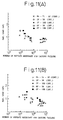
- Fig. 6 shows the relationship between the C content and the temper rolling conditions influencing the aging property and the lower limit of optimal spot welding current.
- simple ultra low carbon steel sheets comprising Si: 0.01%, Mn: 0.15%, P: 0.03%, S: 0.008%, Al: 0.075%, N: 0.0018%, and B: 0.0010% with the amount of C varied in the range of from 0.0003 to 0.0030%.
- the above sample prepared by the melt process on a laboratory scale was hot rolled. Hot rolling was performed at a heating temperature of 1150°C and a finishing temperature of 920°C and coiled at 500°C.
- the reduction ratio should be regulated in a region defined by a reduction ratio of not less than 0.3%, a C content of not more than 0.0026%, and a reduction ratio of 2080 x (C - 0.0015)% or more wherein C represents the C content.
- the lower limit value of the optimal spot welding current can be kept low by regulating the C content to not less than 0.0001% with the reduction ratio regulated to 1.5 x (1 - 400 x C)% or more. Increasing the total C content increases the content of C in solid solution and, hence, is considered to increase the reduction ratio necessary for imparting the non-aging property.
- the lower limit value of the optimal spot welding current relates to the strength at yield point (YP) of the material and shifts on lower current side with increasing the YP. For this reason, it is considered that increasing the C content and the reduction ratio in the temper rolling is preferred.
- the upper limit of the reduction ratio in the temper rolling is 3.0%, and, when the reduction ratio exceeds this value, the steel sheet becomes excessively hard resulting in deteriorated workability.
- the present invention has been made based on the above novel idea and novel finding, and, according to the present invention, cold rolled steel sheets, for deep drawing, having a combination of the natural non-aging property with the BH property and improved in fatigue properties of the base metal and fatigue properties of the spot weld zone can be provided without adding expensive elements such as Ti and Nb.
- the ultra low, galvanized steel sheet according to another aspect of the present invention will be described.
- galvanizing of the cold rolled steel sheet produced by the above technique, in an in-line annealing type continuous galvanizing system wherein the annealing temperature is 600 to 900°C, can provide a galvanized steel sheet, for deep drawing, improved in fatigue properties of the base metal and the spot weld zone.
- the present inventors have made further studies on chemical compositions, production conditions and the like for such steel sheets.
- the ultra low carbon steel sheet adopted in the above experiment on the quality of cold rolled steel sheets was hot rolled, rapidly cooled, coiled, and cold rolled in the same manner as described above, except that the finish hot rolling temperature was 930°C.
- a sendzimer type alloyed galvanizing process was simulated. The maximum arrival temperature was 750°C, the Al concentration of the galvanizing bath was 0.12%, and the alloying treatment was performed at 520°C for 15 sec. The reduction ratio in the temper rolling was 1.2%.
- the fatigue property of the base metal, the spot weldability, the joint fatigue strength and the like were evaluated in the same manner as described above.
- the fatigue limit of the base metal at a number of repeats of 2 x 10 6 times for materials having the above composition with not less than 0.015% of P and not less than 0.0003% of B added thereto is better than 165 MPa for a comparative conventional ultra low carbon, alloyed galvanized steel sheet with Ti and Nb added thereto, comprising by weight C: 0.0023%, Si: 0.01%, Mn: 0.15%, P: 0.007%, S: 0.01%, Al: 0.03%, Ti: 0.015%, Nb: 0.011%, B: 0.0001%, and N: 0.0020%, and can reach the same level as that (200 MPa) for a batch box or pack annealed, low carbon, Al-killed, cold rolled steel sheet (comprising by weight C: 0.035%, Si: 0.01%, Mn: 0.15%, P: 0.01%, S: 0.01%, Al: 0.045%, and N: 0.0040%) which has been subjected
- 2P-3B, 2P-18B, 8P-3B, and 8P-18B are steels of the present invention having compositions falling within the above composition range, wherein the P contents of 2P and 8P are respectively 0.02% and 0.08% and the B contents of 3B and 18B are respectively 0.0003% and 0.0018%.
- the Nb-Ti-IF as the comparative steel has a composition as noted above and is an ultra low carbon, alloyed galvanized steel sheet which is in extensive current use.
- the elongation at yield point (YP-El) in the tensile test after accelerated aging at 100°C for 1 hr was used as the index of the aging property. Further, the lower limit value of optimal current in spot welding was used as the index of spot weldability.
- the welding conditions were the same as those described above.
- the reduction ratio should be regulated in a region defined by a reduction ratio of not less than 0.3%, a C content of not more than 0.0026%, and a reduction ratio of 2080 x (C - 0.0015)% or more wherein C represents the C content.
- the lower limit value of the optimal spot welding current can be kept low by regulating the reduction ratio in a region defined by a C content of not less than 0.0001% and a reduction ratio of 1.5 x (1 - 400 x C)% or more.
- the upper limit of the reduction ratio in the temper rolling is 3.0%, and, when the reduction ratio exceeds this value, the steel sheet becomes excessively hard resulting in deteriorated workability.
- the upper limit of the reduction ratio in the temper rolling is 3.0%, and when the reduction ratio exceeds 3.0%, the steel sheet is excessively hard, deteriorating the workability.
- galvanized steel sheets, for deep drawing having a combination of the natural non-aging property with the BH property and improved in fatigue properties of the base metal and fatigue properties of the spot weld zone can be provided without adding expensive elements such as Ti and Nb.
- the steel sheets thus obtained were examined for various mechanical properties of each steel sheet, the fatigue strength of the base metal, the minimum welding current, and the shear strength and cross fatigue strength of the spot weld zone.
- the results are summarized in Table 2.
- the spot welding was performed under conditions as described above, and the strength of the spot weld zone was evaluated in terms of the value of 95% of a welding current which causes expulsion and surface flash.
- the steels of the present invention provided non-aging, cold rolled steel sheets, for deep drawing, excellent in fatigue resistance of the base metal and fatigue strength of the spot weld zone. Further, the regulation of the C content could impart a bake hardening property (BH property).
- BH property bake hardening property
- the BH treatment referring to aging treatment which simulates the step of painting and baking after molding, under conditions of 170°C x 20 min after predeformation by 2%) of the steel sheets having a BH property resulted in further improved fatigue strength of the base metal and fatigue strength of spot welded joint.
- the comparative steels outside the scope of the present invention was unsatisfactory in fatigue strength of the base metal and fatigue strength of the spot welded zone (steels I and J), r 45 (steels H and I), and YP-E1 after exposure to 100°C for 1 hr (steel H).
- the steel A specified in Table 1 was treated in the same manner as in Example 1 up to the step of continuous annealing.
- the annealed strip was then temper rolled with various reduction ratios ranging from 0.5 to 3.0% and then examined for the elongation at yield point of each steel sheet after artificial aging at 100°C for 1 hr, the lower limit of proper spot welding current, and the fatigue strength of base metal.
- the results are summarized in Table 3.
- the spot welding was performed under conditions as described above, and the weld strength was evaluated in terms of the value of 95% of a welding current which causes expulsion and surface flash.
- the regulation of the reduction ratio of the temper rolling in the proper range specified in the present invention can offer a combination of satisfactory non-aging property, weldability, and fatigue properties.
- Example 2 Cold rolled steel strips prepared, in Example 1, from steels A, C, D, F, G, H, I, and K specified in Table 1 were heated at a rate of 10°C/sec to 760°C, the maximum arrival temperature, cooled to 480°C at a rate of about 10°C/sec, galvanized by the conventional method in a plating bath at 460°C (Al concentration of the bath: 0.12%), further heated at 520°C for 20 sec, thereby conducting alloying, and cooled to room temperature at a rate of about 10°C/sec. They were further temper rolled with a reduction ratio of 1.2%.
- the steels of the present invention provided non-aging, alloyed galvanized steel sheets, for deep drawing, excellent in fatigue resistance of the base metal and fatigue strength of the spot weld zone.
- the steel A specified in Table 1 was treated in the same manner as in Example 3 up to the step of continuous galvanizing.
- the galvanized sheet was then temper rolled with various reduction ratios ranging from 0.5 to 3.0% and then examined for the elongation at yield point of each steel sheet after artificial aging at 100°C for 1 hr, the lower limit of proper spot welding current, and the fatigue strength of base metal.
- the results are summarized in Table 5.
- the spot welding was performed under conditions as described above, and the weld strength was evaluated in terms of the value of 95% of a welding current necessary for causing expulsion and surface flash.
- the regulation of the reduction ratio of the temper rolling in the proper range specified in the present invention can offer a combination of satisfactory non-aging property, spot weldability, and fatigue properties.
- the present invention provides inexpensive steel sheets with better usability for users, as compared with the conventional steel sheets, and a process for producing the same. Since expensive elements, such as Ti and Nb, are not used, the present invention can contribute to saving the earth's resources. Furthermore, the present invention can also provide high-strength steel sheets, which permit a reduction in weight, and, hence, may contribute to the environmental protection of the earth. Thus, the effect of the present invention is significant.
Landscapes
- Chemical & Material Sciences (AREA)
- Engineering & Computer Science (AREA)
- Materials Engineering (AREA)
- Mechanical Engineering (AREA)
- Metallurgy (AREA)
- Organic Chemistry (AREA)
- Chemical Kinetics & Catalysis (AREA)
- Physics & Mathematics (AREA)
- Thermal Sciences (AREA)
- Crystallography & Structural Chemistry (AREA)
- Heat Treatment Of Sheet Steel (AREA)
Applications Claiming Priority (5)
| Application Number | Priority Date | Filing Date | Title |
|---|---|---|---|
| JP68103/95 | 1995-03-27 | ||
| JP6810395 | 1995-03-27 | ||
| JP09043095A JP3589416B2 (ja) | 1995-04-17 | 1995-04-17 | 疲労特性に優れた深絞り用極低炭素溶融亜鉛メッキ鋼板の製造方法 |
| JP90430/95 | 1995-04-17 | ||
| PCT/JP1996/000805 WO1996030555A1 (en) | 1995-03-27 | 1996-03-27 | Ultralow-carbon cold-rolled sheet and galvanized sheet both excellent in fatigue characteristics and process for producing both |
Publications (2)
| Publication Number | Publication Date |
|---|---|
| EP0769565A1 true EP0769565A1 (de) | 1997-04-23 |
| EP0769565A4 EP0769565A4 (de) | 1999-01-20 |
Family
ID=26409341
Family Applications (1)
| Application Number | Title | Priority Date | Filing Date |
|---|---|---|---|
| EP96907673A Withdrawn EP0769565A4 (de) | 1995-03-27 | 1996-03-27 | Kaltgewalztes blech mit extrem niedrigem kohlenstoffgehalt und galvanisiertes blech, beide mit hervorragenden ermündungseigenschaften und verfahren zu deren herstellung |
Country Status (5)
| Country | Link |
|---|---|
| US (1) | US5855696A (de) |
| EP (1) | EP0769565A4 (de) |
| KR (1) | KR970703439A (de) |
| CN (1) | CN1152340A (de) |
| WO (1) | WO1996030555A1 (de) |
Cited By (13)
| Publication number | Priority date | Publication date | Assignee | Title |
|---|---|---|---|---|
| EP0905267A1 (de) * | 1997-07-28 | 1999-03-31 | Nkk Corporation | Weiches, kaltgewalztes Stahlblech und Verfahren zu seiner Herstellung |
| EP1041167A4 (de) * | 1998-09-29 | 2002-06-26 | Kawasaki Steel Co | Hochfestes dünnes stahlblech, hochfestes legiertes feuerverzinktes stahlblech und verfahren zu deren herstellung |
| EP1233079A1 (de) * | 2001-02-16 | 2002-08-21 | Corus Staal BV | Kaltverformtes emailliertes Stahlblech und emaillierte Struktur mit einem Bestandteil von einem solchen Stahlblech |
| WO2003031670A1 (en) * | 2001-10-04 | 2003-04-17 | Nippon Steel Corporation | Steel sheet for container and method of producing the same |
| EP1336665A1 (de) * | 2002-02-18 | 2003-08-20 | Corus Staal BV | Kaltverformtes emailliertes Stahlblech und emaillierte Struktur mit einem Bestandteil von einem solchen Stahlblech |
| EP1225241A4 (de) * | 2000-06-23 | 2003-08-27 | Nippon Steel Corp | Stahlblech zur porzelanemailleierung mit ausgezeichneter formbarkeit, alterungsbeständigkeit und emailleierungseigenschaftenund herstellungsverfahren dafür |
| EP1247871A3 (de) * | 2001-04-06 | 2004-01-21 | ThyssenKrupp Stahl AG | Verfahren zur Herstellung von gut umformfähigem Feinstblech und Verwendung eines Stahls |
| EP1291448A4 (de) * | 2000-05-26 | 2004-06-30 | Jfe Steel Corp | Kaltgewalztes stahlblech und galvanisiertes stahlblech mit guten reckalterungseigenschaften und herstellungsverfahren dafür |
| EP1347070A4 (de) * | 2000-12-21 | 2004-08-04 | Toyo Kohan Co Ltd | Stahlblech zur emaillierung und herstellungsverfahren dafür, emailliertes produkt und dessen herstellung |
| US6935275B2 (en) | 2003-05-15 | 2005-08-30 | The Hartz Mountain Corporation | Dental chew roll and method of making the same |
| EP1359234A4 (de) * | 2001-02-05 | 2006-05-31 | Jfe Steel Corp | Zink-schmelz-galvanisierte legierte stahlplatte |
| US7067023B2 (en) | 2000-05-26 | 2006-06-27 | Jfe Steel Corporation | Cold rolled steel sheet and galvanized steel sheet having strain age hardenability and method of producing the same |
| EP0822266B2 (de) † | 1996-02-08 | 2006-08-02 | Nkk Corporation | Stahlblech mit hervorragender formbarkeit, weiterverarbeitungsverprödungswiderstand und rostbeständigkeit für zweiteiliges batteriegehäuse |
Families Citing this family (26)
| Publication number | Priority date | Publication date | Assignee | Title |
|---|---|---|---|---|
| JPH1150211A (ja) * | 1997-08-05 | 1999-02-23 | Kawasaki Steel Corp | 深絞り加工性に優れる厚物冷延鋼板およびその製造方法 |
| US6143100A (en) * | 1998-09-29 | 2000-11-07 | National Steel Corporation | Bake-hardenable cold rolled steel sheet and method of producing same |
| CN1147595C (zh) * | 1998-12-30 | 2004-04-28 | 希勒及穆勒有限公司 | 具有良好成形性能的钢带及其生产方法 |
| DE19946889C1 (de) * | 1999-09-30 | 2000-11-09 | Thyssenkrupp Stahl Ag | Verfahren zum Erzeugen von alterungsbeständigen Bändern aus einem aluminiumberuhigten Stahl |
| KR100482199B1 (ko) * | 2000-12-22 | 2005-04-13 | 주식회사 포스코 | 드로잉성이 우수한 냉연강판 및 그 제조방법 |
| JP4234932B2 (ja) * | 2002-02-13 | 2009-03-04 | 新日本製鐵株式会社 | 成形性及び溶接部の特性に優れた容器用鋼板及びその製造方法 |
| CN101392317B (zh) * | 2008-10-17 | 2010-06-09 | 哈尔滨建成集团有限公司 | 一种35CrMnSiA合金结构钢的热处理方法 |
| CN101736114B (zh) * | 2008-11-19 | 2011-11-09 | 攀钢集团研究院有限公司 | 一种用于造渣的组合物及其制备和使用方法 |
| CN101775471B (zh) * | 2009-01-13 | 2011-07-20 | 攀钢集团研究院有限公司 | 一种生产低碳钢热镀钢板的方法 |
| CN101736132B (zh) * | 2009-12-31 | 2011-08-03 | 辽宁天和矿产有限公司 | 一种烧结型合成渣及其生产方法 |
| CN101736124B (zh) * | 2010-01-19 | 2011-09-21 | 南京钢铁股份有限公司 | 一种降低帘线钢中钛夹杂的方法 |
| CN102071290A (zh) * | 2011-01-13 | 2011-05-25 | 上海海事大学 | 高速钢W18Cr4V压铸模热处理工艺 |
| CN102653839B (zh) * | 2011-03-04 | 2014-10-29 | 上海梅山钢铁股份有限公司 | 低温连续退火无间隙原子冷轧钢板及其生产方法 |
| CN102140568A (zh) * | 2011-03-11 | 2011-08-03 | 上海海事大学 | 一种应用于模具制造领域的高速钢热处理工艺 |
| WO2014170315A1 (en) * | 2013-04-15 | 2014-10-23 | Tata Steel Ijmuiden B.V. | Cold reduced enamelling steel sheet, method for its production, and use of such steel |
| UA116262C2 (uk) | 2013-08-01 | 2018-02-26 | Арселорміттал | Сталевий лист з цинковим покриттям |
| UA117592C2 (uk) | 2013-08-01 | 2018-08-27 | Арселорміттал | Пофарбований оцинкований сталевий лист та спосіб його виготовлення |
| CN103993148B (zh) * | 2014-05-19 | 2015-12-02 | 攀钢集团攀枝花钢铁研究院有限公司 | 一种超低碳冷轧钢板及其制备方法 |
| CN104651715A (zh) * | 2015-02-06 | 2015-05-27 | 攀钢集团攀枝花钢铁研究院有限公司 | 冷轧钢板及其制备方法和热镀锌钢板及其制备方法 |
| CN105648322B (zh) * | 2016-03-15 | 2018-04-10 | 唐山钢铁集团有限责任公司 | 低成本超深冲级冷轧镀锌钢带及其制备方法 |
| CN105970094B (zh) * | 2016-06-14 | 2018-03-20 | 武汉钢铁有限公司 | 一种汽车外板用电镀锌烘烤硬化钢板的生产方法 |
| CN107201477A (zh) * | 2016-10-11 | 2017-09-26 | 宝钢集团新疆八钢铁有限公司 | 一种深冲镀锌门板用钢的冷轧生产工艺 |
| CN108097720B (zh) * | 2017-11-28 | 2020-09-25 | 甘肃酒钢集团宏兴钢铁股份有限公司 | 一种宽度1250mm纯钛冷轧薄钛带的轧制工艺 |
| EP4083236A1 (de) * | 2018-09-26 | 2022-11-02 | ThyssenKrupp Steel Europe AG | Verfahren zur herstellung eines beschichteten stahlflachprodukts und beschichtetes stahlflachprodukt |
| CN110257612A (zh) * | 2019-06-17 | 2019-09-20 | 首钢集团有限公司 | 一种低残余应力低合金高强钢板的制备方法 |
| CN115491583B (zh) * | 2021-06-18 | 2023-09-05 | 上海梅山钢铁股份有限公司 | 一种超深冲冷轧热镀铝锌钢板及其制造方法 |
Family Cites Families (20)
| Publication number | Priority date | Publication date | Assignee | Title |
|---|---|---|---|---|
| JPS58141355A (ja) * | 1982-02-18 | 1983-08-22 | Hitachi Metals Ltd | コ−テイング層を有する合金 |
| JPS5980724A (ja) * | 1982-10-29 | 1984-05-10 | Nisshin Steel Co Ltd | 歯車の歯面焼入れ方法及び同装置 |
| JPS60103129A (ja) * | 1983-11-11 | 1985-06-07 | Kawasaki Steel Corp | 連続焼鈍による深絞り用冷延鋼板の製造方法 |
| JPS6383230A (ja) * | 1986-09-27 | 1988-04-13 | Nkk Corp | 焼付硬化性およびプレス成形性の優れた高強度冷延鋼板の製造方法 |
| JPS63317625A (ja) * | 1987-06-19 | 1988-12-26 | Kawasaki Steel Corp | スポット溶接部の疲労特性に優れた極低炭素冷延鋼板の製造方法 |
| JPS6372830A (ja) * | 1987-08-27 | 1988-04-02 | Kawasaki Steel Corp | 人工時効硬化性と深絞り性に優れるフェライト単相混合粒組織冷延鋼板の製造方法 |
| JPH01184251A (ja) * | 1988-01-14 | 1989-07-21 | Sumitomo Metal Ind Ltd | 深紋り加工用高張力冷延鋼板とその製造法 |
| JPH03226544A (ja) * | 1990-01-31 | 1991-10-07 | Kawasaki Steel Corp | 耐時効性に優れた焼付硬化型加工用鋼板の製造方法 |
| JP3309859B2 (ja) * | 1991-07-30 | 2002-07-29 | 日新製鋼株式会社 | 焼付硬化性および耐食性に優れた深絞り用冷延鋼板の製造方法 |
| JP3068677B2 (ja) * | 1991-08-08 | 2000-07-24 | 川崎製鉄株式会社 | 深絞り性、耐時効性の良好なほうろう用鋼板およびその製造方法 |
| JPH05263142A (ja) * | 1992-01-30 | 1993-10-12 | Nippon Steel Corp | 調質度t−3以下の軟質非時効性容器用鋼板の製造法 |
| DE69311393T2 (de) * | 1992-02-21 | 1997-09-25 | Kawasaki Steel Co | Verfahren zum Herstellen hochfester Stahlbleche für Dosen |
| US5470403A (en) * | 1992-06-22 | 1995-11-28 | Nippon Steel Corporation | Cold rolled steel sheet and hot dip zinc-coated cold rolled steel sheet having excellent bake hardenability, non-aging properties and formability, and process for producing same |
| JPH06122940A (ja) * | 1992-08-31 | 1994-05-06 | Nippon Steel Corp | 優れた焼付硬化性と常温非時効性を兼備した冷延鋼板と溶融亜鉛メッキ冷延鋼板およびその製造方法 |
| JP2827739B2 (ja) * | 1992-08-31 | 1998-11-25 | 日本鋼管株式会社 | 疲労特性及び深絞り性に優れた鋼板の製造方法 |
| JP2848148B2 (ja) * | 1992-08-31 | 1999-01-20 | 日本鋼管株式会社 | 疲労特性及び深絞り性に優れた鋼板 |
| EP0620288B1 (de) * | 1992-08-31 | 2000-11-22 | Nippon Steel Corporation | Kaltgewalztes Stahlblech, gegebenenfalls feuerverzinkt, mit guter Einbrenn-härtbarkeit, gute Kaltalterungsbeständigkeit und Formbarkeit und Verfahrenzur Herstellung dieser Bleche |
| JP3175063B2 (ja) * | 1992-09-14 | 2001-06-11 | 新日本製鐵株式会社 | 常温非時効深絞り用フェライト単相冷延鋼板およびその製造方法 |
| DE69325791D1 (de) * | 1992-09-14 | 1999-09-02 | Nippon Steel Corp | Ferristisch einphasiges kaltgewalztes Stahlblech oder zinkplattiniertes Stahlblech zum Tiefziehen ohne Kaltalterungserscheinungen und Verfahren zu dessen Herstellung |
| JPH0762448A (ja) * | 1993-08-27 | 1995-03-07 | Nippon Steel Corp | 容器用極薄鋼板の製造法 |
-
1996
- 1996-03-27 US US08/737,909 patent/US5855696A/en not_active Expired - Fee Related
- 1996-03-27 CN CN96190409A patent/CN1152340A/zh active Pending
- 1996-03-27 KR KR1019960706682A patent/KR970703439A/ko not_active Ceased
- 1996-03-27 EP EP96907673A patent/EP0769565A4/de not_active Withdrawn
- 1996-03-27 WO PCT/JP1996/000805 patent/WO1996030555A1/ja not_active Ceased
Cited By (18)
| Publication number | Priority date | Publication date | Assignee | Title |
|---|---|---|---|---|
| EP0822266B2 (de) † | 1996-02-08 | 2006-08-02 | Nkk Corporation | Stahlblech mit hervorragender formbarkeit, weiterverarbeitungsverprödungswiderstand und rostbeständigkeit für zweiteiliges batteriegehäuse |
| US6171413B1 (en) | 1997-07-28 | 2001-01-09 | Nkk Corporation | Soft cold-rolled steel sheet and method for making the same |
| EP0905267A1 (de) * | 1997-07-28 | 1999-03-31 | Nkk Corporation | Weiches, kaltgewalztes Stahlblech und Verfahren zu seiner Herstellung |
| EP1041167A4 (de) * | 1998-09-29 | 2002-06-26 | Kawasaki Steel Co | Hochfestes dünnes stahlblech, hochfestes legiertes feuerverzinktes stahlblech und verfahren zu deren herstellung |
| US7101445B2 (en) | 2000-05-26 | 2006-09-05 | Jfe Steel Corporation | Cold rolled steel sheet and galvanized steel sheet having strain age hardenability and method of producing the same |
| EP1498507A1 (de) * | 2000-05-26 | 2005-01-19 | JFE Steel Corporation | Kaltgewalztes Stahlblech und Zinkblech mit Reckalterungseigenschaften und Verfahren zur dessen Herstellung |
| EP1291448A4 (de) * | 2000-05-26 | 2004-06-30 | Jfe Steel Corp | Kaltgewalztes stahlblech und galvanisiertes stahlblech mit guten reckalterungseigenschaften und herstellungsverfahren dafür |
| US7067023B2 (en) | 2000-05-26 | 2006-06-27 | Jfe Steel Corporation | Cold rolled steel sheet and galvanized steel sheet having strain age hardenability and method of producing the same |
| US6808678B2 (en) | 2000-06-23 | 2004-10-26 | Nippon Steel Corporation | Steel plate for enameling, having improved formability, anti-aging property, and enameling properties, and process for producing the same |
| EP1225241A4 (de) * | 2000-06-23 | 2003-08-27 | Nippon Steel Corp | Stahlblech zur porzelanemailleierung mit ausgezeichneter formbarkeit, alterungsbeständigkeit und emailleierungseigenschaftenund herstellungsverfahren dafür |
| EP1347070A4 (de) * | 2000-12-21 | 2004-08-04 | Toyo Kohan Co Ltd | Stahlblech zur emaillierung und herstellungsverfahren dafür, emailliertes produkt und dessen herstellung |
| EP1359234A4 (de) * | 2001-02-05 | 2006-05-31 | Jfe Steel Corp | Zink-schmelz-galvanisierte legierte stahlplatte |
| EP1233079A1 (de) * | 2001-02-16 | 2002-08-21 | Corus Staal BV | Kaltverformtes emailliertes Stahlblech und emaillierte Struktur mit einem Bestandteil von einem solchen Stahlblech |
| EP1247871A3 (de) * | 2001-04-06 | 2004-01-21 | ThyssenKrupp Stahl AG | Verfahren zur Herstellung von gut umformfähigem Feinstblech und Verwendung eines Stahls |
| WO2003031670A1 (en) * | 2001-10-04 | 2003-04-17 | Nippon Steel Corporation | Steel sheet for container and method of producing the same |
| CN100336930C (zh) * | 2001-10-04 | 2007-09-12 | 新日本制铁株式会社 | 容器用的薄钢板及其生产方法 |
| EP1336665A1 (de) * | 2002-02-18 | 2003-08-20 | Corus Staal BV | Kaltverformtes emailliertes Stahlblech und emaillierte Struktur mit einem Bestandteil von einem solchen Stahlblech |
| US6935275B2 (en) | 2003-05-15 | 2005-08-30 | The Hartz Mountain Corporation | Dental chew roll and method of making the same |
Also Published As
| Publication number | Publication date |
|---|---|
| US5855696A (en) | 1999-01-05 |
| WO1996030555A1 (en) | 1996-10-03 |
| CN1152340A (zh) | 1997-06-18 |
| KR970703439A (ko) | 1997-07-03 |
| EP0769565A4 (de) | 1999-01-20 |
Similar Documents
| Publication | Publication Date | Title |
|---|---|---|
| US5855696A (en) | Ultra low carbon, cold rolled steel sheet and galvanized steel sheet having improved fatigue properties and processes for producing the same | |
| EP3396010B1 (de) | Aluminium-eisen-legierungsbeschichtetes stahlblech zur heisspressformung mit hervorragender wasserstoffverzögerter bruchfestigkeit, hervorragendem schälwiderstand und hervorragender schweissbarkeit, warmformteil damit, sowie verfahren zur herstellung davon | |
| EP2415894B1 (de) | Stahlplatte mit herausragender Umformbarkeit und Verfahren zu deren Herstellung | |
| JP3527092B2 (ja) | 加工性の良い高強度合金化溶融亜鉛めっき鋼板とその製造方法 | |
| US11850821B2 (en) | Hot-pressed member, cold-rolled steel sheet for hot-pressed member, and method for producing the same | |
| EP3231887A1 (de) | Hochfestes feuerverzinktes stahlblech mit hervorragender oberflächenqualität und beschichtungshaftung sowie verfahren zur herstellung davon | |
| US20070029015A1 (en) | High-yield-ratio high-strength thin steel sheet and high-yield-ratio high-strength hot-dip galvanized thin steel sheet excelling in weldability and ductility as well as high-yield ratio high-strength alloyed hot-dip galvanized thin steel sheet and process for producing the same | |
| US20090071574A1 (en) | Cold rolled dual phase steel sheet having high formability and method of making the same | |
| JPH10130782A (ja) | 超高強度冷延鋼板およびその製造方法 | |
| JP3459500B2 (ja) | 成型性及びめっき密着性に優れた高強度合金化溶融亜鉛めっき鋼板およびその製造方法 | |
| EP0620288B1 (de) | Kaltgewalztes Stahlblech, gegebenenfalls feuerverzinkt, mit guter Einbrenn-härtbarkeit, gute Kaltalterungsbeständigkeit und Formbarkeit und Verfahrenzur Herstellung dieser Bleche | |
| JP4325998B2 (ja) | スポット溶接性及び材質安定性に優れた高強度溶融亜鉛めっき鋼板 | |
| JP5516057B2 (ja) | 高強度溶融亜鉛めっき鋼板およびその製造方法 | |
| JP2003231941A (ja) | 溶接後の成形性に優れ、溶接熱影響部の軟化しにくい引張強さが780MPa以上の高強度熱延鋼板、高強度冷延鋼板および高強度表面処理鋼板 | |
| JP4752522B2 (ja) | 深絞り用高強度複合組織型冷延鋼板の製造方法 | |
| JPH06102810B2 (ja) | 二次加工性に優れた深絞り用合金化溶融亜鉛メッキ鋼板の製造方法 | |
| JP3589416B2 (ja) | 疲労特性に優れた深絞り用極低炭素溶融亜鉛メッキ鋼板の製造方法 | |
| JPH0557332B2 (de) | ||
| JPH10237585A (ja) | フランジ加工性の優れた溶接缶用極薄鋼板、溶接缶、および溶接缶用極薄鋼板の製造方法 | |
| JP3408873B2 (ja) | スポット溶接部の強度特性に優れた溶融亜鉛メッキ鋼板の製造方法 | |
| JP4534332B2 (ja) | 薄物溶融亜鉛めっき軟鋼板およびその製造方法 | |
| JP2000144261A (ja) | 延性の優れた熱延下地溶融亜鉛めっきおよび合金化溶融亜鉛めっき高張力鋼板の製造方法 | |
| JPH08109436A (ja) | スポット溶接部の強度特性に優れた冷延鋼板およびその製造方法 | |
| JPH0734135A (ja) | めっき密着性の優れた高加工用高強度合金化溶融亜鉛めっき鋼板の製造方法 | |
| JPH03150317A (ja) | 耐2次加工脆性に優れた深絞り用溶融亜鉛メッキ冷延鋼板の製造方法 |
Legal Events
| Date | Code | Title | Description |
|---|---|---|---|
| PUAI | Public reference made under article 153(3) epc to a published international application that has entered the european phase |
Free format text: ORIGINAL CODE: 0009012 |
|
| 17P | Request for examination filed |
Effective date: 19961220 |
|
| AK | Designated contracting states |
Kind code of ref document: A1 Designated state(s): AT BE DE FR GB IT NL |
|
| A4 | Supplementary search report drawn up and despatched | ||
| AK | Designated contracting states |
Kind code of ref document: A4 Designated state(s): AT BE DE FR GB IT NL |
|
| STAA | Information on the status of an ep patent application or granted ep patent |
Free format text: STATUS: THE APPLICATION HAS BEEN WITHDRAWN |
|
| 18W | Application withdrawn |
Withdrawal date: 19990105 |