EP0781843A1 - Nouvelle souche de la levure candida sake (saito et ota) van uden et buckley et son utilisation en tant qu'agent de lutte biologique des maladies fongiques de fruits apres recolte - Google Patents
Nouvelle souche de la levure candida sake (saito et ota) van uden et buckley et son utilisation en tant qu'agent de lutte biologique des maladies fongiques de fruits apres recolte Download PDFInfo
- Publication number
- EP0781843A1 EP0781843A1 EP96906776A EP96906776A EP0781843A1 EP 0781843 A1 EP0781843 A1 EP 0781843A1 EP 96906776 A EP96906776 A EP 96906776A EP 96906776 A EP96906776 A EP 96906776A EP 0781843 A1 EP0781843 A1 EP 0781843A1
- Authority
- EP
- European Patent Office
- Prior art keywords
- fruits
- cect
- antagonist
- utilization
- biological control
- Prior art date
- Legal status (The legal status is an assumption and is not a legal conclusion. Google has not performed a legal analysis and makes no representation as to the accuracy of the status listed.)
- Granted
Links
Images



Classifications
-
- A—HUMAN NECESSITIES
- A23—FOODS OR FOODSTUFFS; TREATMENT THEREOF, NOT COVERED BY OTHER CLASSES
- A23B—PRESERVATION OF FOODS, FOODSTUFFS OR NON-ALCOHOLIC BEVERAGES; CHEMICAL RIPENING OF FRUIT OR VEGETABLES
- A23B7/00—Preservation of fruit or vegetables; Chemical ripening of fruit or vegetables
- A23B7/14—Preserving or ripening with chemicals not covered by group A23B7/08 or A23B7/10
- A23B7/153—Preserving or ripening with chemicals not covered by group A23B7/08 or A23B7/10 in the form of liquids or solids
- A23B7/154—Organic compounds; Microorganisms; Enzymes
- A23B7/155—Microorganisms; Enzymes ; Antibiotics
-
- C—CHEMISTRY; METALLURGY
- C12—BIOCHEMISTRY; BEER; SPIRITS; WINE; VINEGAR; MICROBIOLOGY; ENZYMOLOGY; MUTATION OR GENETIC ENGINEERING
- C12N—MICROORGANISMS OR ENZYMES; COMPOSITIONS THEREOF; PROPAGATING, PRESERVING, OR MAINTAINING MICROORGANISMS; MUTATION OR GENETIC ENGINEERING; CULTURE MEDIA
- C12N1/00—Microorganisms; Compositions thereof; Processes of propagating, maintaining or preserving microorganisms or compositions thereof; Processes of preparing or isolating a composition containing a microorganism; Culture media therefor
- C12N1/14—Fungi; Culture media therefor
- C12N1/16—Yeasts; Culture media therefor
- C12N1/165—Yeast isolates
-
- A—HUMAN NECESSITIES
- A01—AGRICULTURE; FORESTRY; ANIMAL HUSBANDRY; HUNTING; TRAPPING; FISHING
- A01N—PRESERVATION OF BODIES OF HUMANS OR ANIMALS OR PLANTS OR PARTS THEREOF; BIOCIDES, e.g. AS DISINFECTANTS, AS PESTICIDES OR AS HERBICIDES; PEST REPELLANTS OR ATTRACTANTS; PLANT GROWTH REGULATORS
- A01N63/00—Biocides, pest repellants or attractants, or plant growth regulators containing microorganisms, viruses, microbial fungi, animals or substances produced by, or obtained from, microorganisms, viruses, microbial fungi or animals, e.g. enzymes or fermentates
- A01N63/30—Microbial fungi; Substances produced thereby or obtained therefrom
- A01N63/32—Yeast
-
- C—CHEMISTRY; METALLURGY
- C12—BIOCHEMISTRY; BEER; SPIRITS; WINE; VINEGAR; MICROBIOLOGY; ENZYMOLOGY; MUTATION OR GENETIC ENGINEERING
- C12R—INDEXING SCHEME ASSOCIATED WITH SUBCLASSES C12C - C12Q, RELATING TO MICROORGANISMS
- C12R2001/00—Microorganisms ; Processes using microorganisms
- C12R2001/645—Fungi ; Processes using fungi
- C12R2001/72—Candida
Definitions
- the present invention relates to a new strain of the yeast Candida sake and its use as an antagonist in the biological control of fungic diseases of harvested fruit, with the object of preventing rotting of the fruit under storage conditions.
- Post-harvest diseases of fruits cause annual losses in agriculture estimated at a quantity of the order of 15% to 20% of total harvests worldwide.
- fungicidal products The most widely used system at present for combatting the fungi which cause rotting of the fruits after harvesting is chemical control by means of treatment of the harvests with fungicidal products.
- the use of fungicides is quite widespread throughout the world, being estimated to represent up to 26% of the pesticides in the European and Asiatic markets, and up to 6% in the North American market.
- the yeasts are of particular interest, in that they can colonize the surface of the fruit for long periods of time, producing extracellular polysaccharids which enhance their survival and limit the places of colonization and the germination of the fungic propagules, owing to the fact that they use the available nutrients more rapidly.
- McLaughlin, R.J. et al., Phytopathology 80 : 456-461 (1990) reported the effects of concentration of the Candida sp.
- patent application PCT WO-91/1641 describes the use, as agents for the biological control of post-harvest diseases of vegetable products, of several yeasts, amongst them strains or isolates belonging to the species Candida guilliermondii .
- Said isolates show activity against, amongst others, the following species of pathogenic fungi: Penicillium italicum, Penicillium digitatum, Botrytis cinerea, Rhizopus stolonifer, Geotrichum candidum, Penicillium expansum and Alternaris alternata .
- North American patent US-5041384 which comes from the same priority as the aforesaid PCT patent application, centres on the activity of three specific strains of Candida guilliermondii .
- Patent application PCT WO-92/18009 also describes the use of yeasts as biological control agents for post-harvest diseases in fruits, specifically citing isolates of the species Rhodotorula glutinis, Rhodotorula mucilaginosa, Candida parapsilopis and Candida guilliermondii .
- Wilson, C.L. in North American patent application US-7-745796, published as NTIS (National Technical Information Service) document number PB92-102334, describes the use as biological control agents against post-harvest diseases of fruits such as apples, peaches and oranges, of three specific strains of Candida sake , isolated from the skin of tomatoes, deposited, in compliance with the Treaty of Budapest, at The Northern Regional Research Center U.S. Department of Agriculture, Peoria Illinois 61604, with deposit numbers NRRL Y-18844, NRRL Y-18845 and NRRL Y-18846.
- the object of the present invention is to provide a new strain of the yeast Candida sake capable of acting as a highly effective antagonist in biological control of the pathogenic fungi responsible for the rotting of post-harvest fruit, and which retain their effectiveness under conditions of low temperature and low-oxygen atmosphere.
- a further object of the present invention consists in the utilization of said antagonist to prevent the rotting of harvested fruit, during storage of the fruit.
- Yet another object of the invention consists in providing a method for better preservation of the harvested fruit under various storage conditions.
- Figure 1 is a graphic representation of the growth curve of the CECT-10817 strain, in NYDB medium, under low temperature conditions.
- Figure 2 is a graphic representation of the CECT-10817 strain, in NYDB medium, at temperatures of 15°C, 26°C and 30°C.
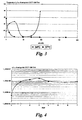
- Figure 3 is a graphic representation of the CECT-10817 strain, in NYDB medium, at temperatures of 34°C and 37°C.
- Figure 4 is a graphic representation of the population development of the CECT-10817 strain on "Golden Delicious" apple at a temperature of 25°C.
- Figure 5 is a graphic representation of the population development of the CECT-10817 strain on "Golden Delicious" apple under cold-storage conditions: in conventional cold (at temperature of 1°C, and in an atmosphere with oxygen content of 21%); in controlled atmosphere (at a temperature of 1°C and in an atmosphere with oxygen content of 3%); and in a controlled ultra-low oxygen atmosphere (at temperature of 1°C and in an atmosphere with oxygen content of 1%).
- Figure 6 is a three-dimensional bar-diagram view of the percentages of reduction of rotting, in "Golden Delicious” apples inoculated with Botrytis cinerea , caused by inoculation of the antagonist CECT-10817. Data obtained following six days of incubation at 20°C.
- Figure 7 is a three-dimensional bar-diagram view of the percentages of reduction of rotting, in "Golden Delicious” apples inoculated with Penicillium expansum, caused by inoculation of the antagonist CECT-10817. Data obtained following seven days of incubation at 20°C.
- Figure 8 is a three-dimensional bar-diagram view of the percentages of reduction of rotting, in "Golden Delicious” apples inoculated with Rhizopus nigricans caused by inoculation of the antagonist CECT-10817. Data obtained following six days of incubation at 20°C.
- Figure 9 is a three-dimensional bar-diagram view of the percentages of reduction of rotting, in "Golden Delicious” apples inoculated with Penicillium expansum, caused by inoculation of the antagonist CECT-10817. Data obtained following sixty days of incubation under cold-storage conditions: in conventional cold (at temperature of 1°C, and in an atmosphere with oxygen content of 21%); in controlled atmosphere (at a temperature of 1°C and in an atmosphere with oxygen content of 3%); and in a controlled ultra-low oxygen atmosphere (at temperature of 1°C and in an atmosphere with oxygen content of 1%).
- Figure 10 is a three-dimensional bar-diagram view of the percentages of reduction of rotting, in "Golden Delicious” apples inoculated with Botrytis cinerea , caused by inoculation of the antagonist CECT-10817. Data obtained following sixty days of incubation under conventional cold conditions (at temperature of 1°C, and in an atmosphere with oxygen content of 21%).
- Figure 11 is a three-dimensional bar-diagram view of the percentages of reduction of rotting, in "Golden Delicious” apples inoculated with Penicillium expansum, caused by bathing the fruits with the antagonist CECT-10817. Data obtained following sixty days of large-scale testing under conventional cold conditions (at temperature of 1°C, and in an atmosphere with oxygen content of 21%).
- Figure 12 is a three-dimensional bar-diagram view of the percentages of reduction of rotting, in "Golden Delicious” apples inoculated with Penicillium expansum, caused by spraying with 7 x 10 6 c.f.u./ml of the antagonist CECT-10817 and by application of the chemical fungicide Imazalil at a concentration of 7.5%. Comparative data obtained following eight days of incubation at temperature of 20°C.
- Figure 13 is a graphic view of the population evolution of the antagonist CECT-10817 on "Golden Delicious” apples, applied in the field by spraying, throughout the process of harvesting, handling and preservation under conventional cold conditions (at temperature of 1°C, and in an atmosphere with oxygen content of 21%).
- the authors of the present invention have managed to isolate a new strain of the species Candida sake (Saito and Ota) van Uden and Buckley which shows very high effectiveness as an antagonist of the species of fungi which cause diseases in post-harvest fruits, over a wide range of temperatures and oxygen atmospheres, which permits their industrial utilization for the biological control of said fungic species and the prevention of rotting of the fruit under storage conditions.
- the strain object of the present invention was isolated on the surface of apples, by means of repeated washings with sterile water, and a culture of same was deposited, in accordance with the provisions of the Treaty of Budapest on the recognition of deposition of microorganisms for the purpose of patent procedures, under the international depositing authority of Colective Espa ⁇ ola de Cultivos Tipo (Spanish Collection of Standard Cultures), situated in the Faculty of Biological Sciences, University of Valencia, 46100 Burjasot (Valencia), Spain, which assigned it deposit number CECT-10817.
- the isolate of CECT-10817 was identified as Candida sake by the "Centraalbureau voor Schimmelcultures" of Holland and, following isolation thereof, was cultivated in the NYDA medium, consisting in yeast extract, dextrose and agar, and in the NYDB medium, consisting in broth of yeast extract and dextrose.
- the isolate of CECT-10817 forms colonies of creamy white colour, round, well-defined, with smooth edge and with a slight central elevation, with pseudohyphae in the cultures.
- the CECT-10817 strain presents the biochemical characteristics detailed in Tables I and II.
- Table I Oxidation tests Gentibiose +(F) D-Gluconic acid - N-Acetyl-D-Glucosamine - Melibiose +(F) Dextrin - Alpha-D-Glucose - L-Proline + Inulin - D-Galactose - Furanose + Celibiose - D-Psicose - Salicin + Maltose - L-Sorbose - Acetic acid - Maltotriose - D-Manitol - Fumaric acid - Melezitose - D-Sorbitol - Propionic acid - Palatinose - D-Arabitol - Succinic acid - D-Rafinose - Xylitol - Methyl succinate - Stachyose - Glycerol -
- the CECT-10817 strain is resistant to the antibiotic streptomycin sulphate, at a concentration of 0.5 g/ml.
- the inoculation of the microorganism in fruit shows great growth in aerobic conditions, at both ambient temperature (25°C) and at a temperature of 1°C, whether in ambient atmosphere (21% oxygen) or in controlled atmospheres with 3% oxygen and 1% oxygen (ultra-low oxygen), which are inherent to the storage conditions in fruit-horticultural centres.
- the isolate of CECT-10817 strain can be obtained, in laboratories and for industrial use, by cultivation thereof in a suitable medium, by means of conventional techniques sufficiently known by experts. It can be obtained, for example, by cultivation of the original strain in NYDB medium at pH 7, in a receptacle which can be shaken and aerated, at temperatures between 1°C and 34°C, for periods of time of the order of 20 to 50 hours. The population maximum for the NYDB medium is achieved at 37 hours at 25°C. Once the incubation period has finished the microorganisms are separated from the cultivation medium by conventional techniques of sedimentation, centrifuging or filtering, and the culture can be preserved by, for example, freezing with silica gel.
- the antagonist CECT-10817 can be applied to the surface of the fruits by any conventional technique.
- a dispersion of the culture in water can be prepared and the fruit sprayed or sprinkled in the field before harvesting, or the treatment can be applied during the handling process of the harvested fruit, before storage of same, in which case the treatment can also be implemented by immersion.
- the effective concentrations of the antagonist CECT-10817 in the dispersion of application for the treatment of fruits can vary in function of factors such as the type of fruit, its maturity, the concentration of pathogenic fungus on the fruit, the type of wound or injury affecting the fruit, the storage temperature and humidity, etc.
- the range of effective concentrations is usually between 10 5 and 10 7 c.f.u./ml (colony-forming units per millilitre), though said margins should not be taken to restrict the object of the present invention.
- CECT-10817 strain is very effective in the biological control of a large number of species of pathogenic fungi of fruits, including, through not restricted to, Botrytis cinerea , Penicillium expansum and Rhizopus nigricans . Its effectiveness in the prevention of rotting of fruit is not limited to storage of same under ambient conditions of temperature and oxygen concentration, but, owing to the above-mentioned characteristics of the microorganism, its use also provides excellent results under the cold-storage and controlled atmosphere conditions habitually used by industrial fruit-horticulture centres.
- the effectiveness of the isolate of CECT-10817 strain in the control of pathogenic fungi is comparable to that of the fungicide Imazalil, a chemical product derived from imidazol (1-[2-(2,4-dichlorophenyl)-2-(2-propenyloxi)ethyl] -1H-imidazol), one of the fungicides most widely used worldwide in the post-harvesting of fruits, which means that the isolate of CECT-10817 strain constitutes an effective alternative for said chemical product, with the advantage that it lacks the toxicity characteristics of Imazalil.
- the isolate of CECT-10817 strain can be employed effectively to combat rotting of all types of fruits in any of their varieties, especially pip fruits such as apples, pears and quinces; citrus fruits such as oranges, lemons and mandarins; stone fruits such as peaches, apricots and plums; and other fruits, such as strawberries.
- Rhizopus nigricans in an industrial cold-storage chamber produces very high percentages of rotting.
- the antagonist CECT-10817 constitutes the first effective treatment reported for combatting the pernicious effects produced by fungi of the aforesaid species Rhizopus nigricans .
- Example 1 Making an aqueous dispersion of CECT-10817
- the antagonist CECT-10817 was implanted in a test tube with NYDA medium and incubated at 25°C for 24-48 hours. Then, using the contents of said test tube, it was implanted in an Erlenmeyer flask with 50 ml of NYDB medium which was incubated in an orbital agitator at 150 rpm and 25°C for 24 hours. The contents of the flask were then centrifuged at 6,000 rpm for 10 minutes and the floating part removed. The sediment was dispersed in 50 ml of sterile distilled water and that dispersion used to prepare the desired concentrations of the antagonist by calculating the transmittance of the microbial suspension in a spectrophotometer, as an indirect measurement of the concentration of the antagonist.
- the equivalence between the transmittance and the concentration of microorganisms was implemented using a Thoma microorganism-count chamber.
- the concentrations are expressed in c.f.u./ml (colony-forming units per millilitre).
- the test was carried out on healthy "Golden Delicious" apples which were cleaned with water and left to dry, following which two perforations per apple were made, of dimensions of approximately 3x3x3 mm. The two incisions were situated on the same side of the apple, one on the top part and one on the bottom. The sample unit was made up of three apples, and three repetitions were made for each treatment.
- the three fungic species tested were Botrytis cinerea , Penicillium expansum and Rhizopus nigricans , and titration of the suspensions of spores of same was carried out using young 5-7 day cultures implanted in PDA medium (potato, dextrose and agar) and incubated at temperature of 28°C, by scraping of the colonies into sterile distilled water with Tween 80. A spore count was then carried out in a Thoma chamber, setting the desired concentration, expressed in c.f.u./ml.
- the rot diameter readings of the various repetitions were subjected to a statistical analysis consisting in analysis of the variance and, once it was found that said variance analysis was significant ( ⁇ 0.01 to ⁇ 0.05), a separation of averages was carried out using the Duncan Multiple Range Test, the results of which are expressed with the lower-case letters of the alphabet (a, b, c, d, etc.), in such a way that treatments with the same letter are statistically equal and treatments with different letters are statistically different.
- Table III shows the results obtained in the case of biological control of Botrytis cinerea , Table IV the results with Pencillium expansum and Table V the results with Rhizopus nigricans .
- Table III Control of CECT-10817 on B. cinerea CONCENTRAT. c.f.u./ml Botrytis cinerea MEASUREMENT CECT-10817 DOSE c.f.u./ml CONTROL 0 2.62 . 10 6 7.0 . 10 6 1.15 . 10 7 10 3 AVERAGE ROT DIAM. (cm) 0.14 a 0.00 b 0.00 b 0.00 b % REDUCTION IN ROT DIAMETER - 100% 100% 100% 10 4 AVERAGE ROT DIAM.
- 25 ⁇ l of aqueous dispersion of the antagonist CECT-10817 were inoculated, at the three concentrations used in example 2, and 20 ⁇ l of Penicillium expansum inoculant, at a concentration of 10 4 c.f.u./ml.
- Three batches of inoculated apples were then separated and stored for sixty days: one batch under conventional cold-storage conditions (1°C and ambient oxygen), another batch under controlled atmosphere conditions (1°C and 3% oxygen) and the last batch under ultra-low oxygen conditions (1°C and 1% oxygen).
- Table VI Storage at 1°C and 21% O 2 MEASUREMENT CECT-10817 DOSE c.f.u./ml CONTROL 0 2.62 . 10 6 7.0 . 10 6 1.15 . 10 7 AVERAGE ROT DIAM. (cm) 3.92 a 2.01 b 1.45 bc 1.11 c % REDUCTION IN ROT DIAMETER - 48.59% 62.96% 71.74% Table VII Storage at 1°C and 3% O 2 MEASUREMENT CECT-10817 DOSE c.f.u./ml CONTROL 0 2.62 .
- test was carried out, under the same conditions as example 3, using as pathogenic fungus 20 ⁇ l of Botrytis cinerea inoculant, at a concentration of 10 4 c.f.u./ml.
- the test was carried out under conventional cold-storage conditions (1°C and ambient oxygen).
- Table IX Control of Botrytis cinerea at 1°C and 21% O 2 MEASUREMENT CECT-10817 DOSE c.f.u./ml CONTROL 0 7.0 . 10 5 7.0 . 10 6 AVERAGE ROT DIAM. (cm) 1.30 a 0.39 b 0.14 b % REDUCTION IN ROT DIAMETER - 77.7% 89.2%
- the rot diameter reduction results were excellent, especially at a concentration of CECT-10817 inhibitor of 7 x 10 6 c.f.u./ml.
- the antagonist CECT-10817 was implanted in a test tube with NYDA medium and was incubated at 25°C for 24-48 hours. The contents of this test tube were then implanted in a fermenter fitted with an agitator and an aeration system, with 2,000 ml of NYDB medium and incubated at 25°C for 37 hours. The contents of the fermenter were then centrifuged at 6,000 rpm for 10 minutes and the floating matter removed. The sediment was dispersed in sterile distilled water and that dispersion used to prepare the desired concentrations of the antagonist in the same way as for example 1.
- Table X Control of P. expansum on a large scale MEASUREMENT CECT-10817 DOSE c.f.u./ml CONTROL 0 7.0 . 10 5 7.0 . 10 6 AVERAGE ROT DIAM. (cm) 1.20 a 0.51 b 0.14 c % REDUCTION IN ROT DIAMETER - 57.5% 88.0%
- the test was carried out with twenty "Golden Delicious” apples per repetition and three repetitions per treatment, with five perforations being made in each fruit.
- Both CECT-10817 antagonist and Imazalil fungicide were applied by bathing the fruits in solutions or dispersions of same.
- the antagonist was applied at a concentration of 7 x 10 6 c.f.u./ml and the Imazalil at a concentration of 7.5% by weight.
- the apples were then inoculated with the pathogen of the species Penicillium expansum at a concentration of 10 4 c.f.u./ml.
- inoculation of the pathogen was carried out 24 hours after the treatment.
- the fruits were incubated at 20°C for eight days, at the end of which the results were read and processed statistically.
- Table XI Control of P. expansum , comparison with Imazalil MEASUREMENT TREATMENT CONTROL IMAZALIL (Dose 7.5%) CECT-10817 (7.0 . 10 6 c.f.u./ml) CECT-10817 + 24 hours (7.0 . 10 6 c.f.u./ml) AVERAGE ROT DIAM. (cm) 2.489 a 0.046 c 1.046 b 0.041 c % REDUCTION IN ROT DIAMETER - 98.15% 59.42% 98.30%
- the microorganism was deposited in accordance with the provisions of the Treaty of Budapest on recognition of the depositing of microorganisms for the purpose of patent procedure, at the international depositing authority Colective Espa ⁇ ola de Cultivos Tipo (CECT), situated at the Department of Microbiology, Faculty of Biological Sciences, University of Valencia, 46100 Burjasot (Valencia). The deposit was made on 6 July 1994 and the CECT assigned it deposit number CECT-10817.
Landscapes
- Life Sciences & Earth Sciences (AREA)
- Engineering & Computer Science (AREA)
- Health & Medical Sciences (AREA)
- Zoology (AREA)
- Microbiology (AREA)
- Chemical & Material Sciences (AREA)
- Mycology (AREA)
- Wood Science & Technology (AREA)
- General Health & Medical Sciences (AREA)
- Biotechnology (AREA)
- Genetics & Genomics (AREA)
- Virology (AREA)
- Bioinformatics & Cheminformatics (AREA)
- Organic Chemistry (AREA)
- Agronomy & Crop Science (AREA)
- Pest Control & Pesticides (AREA)
- Medicinal Chemistry (AREA)
- Botany (AREA)
- Biomedical Technology (AREA)
- Environmental Sciences (AREA)
- Biochemistry (AREA)
- General Engineering & Computer Science (AREA)
- Dentistry (AREA)
- Plant Pathology (AREA)
- Tropical Medicine & Parasitology (AREA)
- Chemical Kinetics & Catalysis (AREA)
- General Chemical & Material Sciences (AREA)
- Food Science & Technology (AREA)
- Polymers & Plastics (AREA)
- Agricultural Chemicals And Associated Chemicals (AREA)
- Micro-Organisms Or Cultivation Processes Thereof (AREA)
- Preparation Of Compounds By Using Micro-Organisms (AREA)
- Pharmaceuticals Containing Other Organic And Inorganic Compounds (AREA)
- Food Preservation Except Freezing, Refrigeration, And Drying (AREA)
- Peptides Or Proteins (AREA)
Applications Claiming Priority (3)
| Application Number | Priority Date | Filing Date | Title |
|---|---|---|---|
| ES9500602 | 1995-03-28 | ||
| ES09500602A ES2089981B1 (es) | 1995-03-28 | 1995-03-28 | Nueva cepa de la levadura candida sake (salto and ota) van uden and buckley y su utilizacion como agente de control biologico de las enfermedasdes fungicas de postcosecha en frutas. |
| PCT/ES1996/000064 WO1996030495A1 (fr) | 1995-03-28 | 1996-03-25 | Nouvelle souche de la levure candida sake (saito et ota) van uden et buckley et son utilisation en tant qu'agent de lutte biologique des maladies fongiques de fruits apres recolte |
Publications (2)
| Publication Number | Publication Date |
|---|---|
| EP0781843A1 true EP0781843A1 (fr) | 1997-07-02 |
| EP0781843B1 EP0781843B1 (fr) | 2003-07-09 |
Family
ID=8289900
Family Applications (1)
| Application Number | Title | Priority Date | Filing Date |
|---|---|---|---|
| EP96906776A Expired - Lifetime EP0781843B1 (fr) | 1995-03-28 | 1996-03-25 | Nouvelle souche de la levure candida sake (saito et ota) van uden et buckley et son utilisation en tant qu'agent de lutte biologique des maladies fongiques de fruits apres recolte |
Country Status (13)
| Country | Link |
|---|---|
| EP (1) | EP0781843B1 (fr) |
| JP (1) | JP3585931B2 (fr) |
| AR (1) | AR002973A1 (fr) |
| AT (1) | ATE244757T1 (fr) |
| AU (1) | AU706874B2 (fr) |
| BR (1) | BR9606242A (fr) |
| CA (1) | CA2191252A1 (fr) |
| DE (1) | DE69628998T2 (fr) |
| ES (2) | ES2089981B1 (fr) |
| IL (1) | IL117678A (fr) |
| NZ (1) | NZ303679A (fr) |
| WO (1) | WO1996030495A1 (fr) |
| ZA (1) | ZA962432B (fr) |
Families Citing this family (1)
| Publication number | Priority date | Publication date | Assignee | Title |
|---|---|---|---|---|
| CN103243034B (zh) * | 2012-02-10 | 2016-04-27 | 上海凯赛生物技术研发中心有限公司 | 清酒假丝酵母及其发酵方法 |
Family Cites Families (5)
| Publication number | Priority date | Publication date | Assignee | Title |
|---|---|---|---|---|
| US5041384A (en) * | 1989-07-31 | 1991-08-20 | The United States Of America As Represented By The Secretary Of The Agriculture | Pichia guilliermondii (Anamorph Candida guilliermondii) useful for the biological control of postharvest rots in fruits |
| WO1991001641A1 (fr) * | 1989-07-31 | 1991-02-21 | The United States Of America, As Represented By The Secretary, U.S. Department Of Commerce | Inhibition de germes pathogenes de plantes a l'aide d'un ou de plusieurs micro-organismes antagonistes |
| GB9015775D0 (en) * | 1990-07-18 | 1990-09-05 | British Telecomm | Optical fibre coupler |
| US5525132A (en) * | 1991-04-11 | 1996-06-11 | Daratech Proprietary Limited | Yeasts as a biocontrol for microbial diseases of fruit |
| US5591429A (en) * | 1993-07-26 | 1997-01-07 | The United States Of America As Represented By The Secretary Of Agriculture | Composition containing 2-deoxy-D-glucose and Candida saitoana and a method of use for the biological control of postharvest diseases |
-
1995
- 1995-03-28 ES ES09500602A patent/ES2089981B1/es not_active Expired - Fee Related
-
1996
- 1996-03-25 DE DE69628998T patent/DE69628998T2/de not_active Expired - Fee Related
- 1996-03-25 AU AU50056/96A patent/AU706874B2/en not_active Ceased
- 1996-03-25 ES ES96906776T patent/ES2201174T3/es not_active Expired - Lifetime
- 1996-03-25 EP EP96906776A patent/EP0781843B1/fr not_active Expired - Lifetime
- 1996-03-25 JP JP52896696A patent/JP3585931B2/ja not_active Expired - Fee Related
- 1996-03-25 AT AT96906776T patent/ATE244757T1/de not_active IP Right Cessation
- 1996-03-25 AR ARP960101900A patent/AR002973A1/es active IP Right Grant
- 1996-03-25 NZ NZ303679A patent/NZ303679A/en unknown
- 1996-03-25 WO PCT/ES1996/000064 patent/WO1996030495A1/fr not_active Ceased
- 1996-03-25 CA CA002191252A patent/CA2191252A1/fr not_active Abandoned
- 1996-03-25 BR BR9606242A patent/BR9606242A/pt not_active IP Right Cessation
- 1996-03-27 ZA ZA9602432A patent/ZA962432B/xx unknown
- 1996-03-27 IL IL11767896A patent/IL117678A/en unknown
Non-Patent Citations (1)
| Title |
|---|
| See references of WO9630495A1 * |
Also Published As
| Publication number | Publication date |
|---|---|
| ZA962432B (en) | 1997-09-29 |
| ATE244757T1 (de) | 2003-07-15 |
| NZ303679A (en) | 1998-08-26 |
| ES2201174T3 (es) | 2004-03-16 |
| WO1996030495A1 (fr) | 1996-10-03 |
| JPH10501424A (ja) | 1998-02-10 |
| DE69628998D1 (de) | 2003-08-14 |
| AU5005696A (en) | 1996-10-16 |
| CA2191252A1 (fr) | 1996-10-03 |
| JP3585931B2 (ja) | 2004-11-10 |
| BR9606242A (pt) | 1997-09-23 |
| ES2089981B1 (es) | 1997-04-16 |
| AU706874B2 (en) | 1999-06-24 |
| DE69628998T2 (de) | 2004-05-06 |
| EP0781843B1 (fr) | 2003-07-09 |
| ES2089981A1 (es) | 1996-10-01 |
| IL117678A (en) | 2001-10-31 |
| AR002973A1 (es) | 1998-05-27 |
| IL117678A0 (en) | 1996-07-23 |
Similar Documents
| Publication | Publication Date | Title |
|---|---|---|
| EP1372384B1 (fr) | Nouvelle levure antagoniste utilisable dans le controle de la degradation de produits agricoles, ses procedes de mise en oeuvre et des compositions en contenant | |
| Chanchaichaovivat et al. | Screening and identification of yeast strains from fruits and vegetables: Potential for biological control of postharvest chilli anthracnose (Colletotrichum capsici) | |
| AU2002255715A1 (en) | A novel antagonistic yeast useful in controlling spoilage of agricultural produce, methods of use thereof and compositions containing same | |
| US5780023A (en) | Inhibiting plant pathogens with an antagonistic microorganism(s) | |
| JP2004528030A5 (fr) | ||
| US5041384A (en) | Pichia guilliermondii (Anamorph Candida guilliermondii) useful for the biological control of postharvest rots in fruits | |
| US5413783A (en) | Inhibiting plant pathogens with an antagonistic microorganism(s) | |
| CA2167802C (fr) | Controle biologique des maladies post-recolte par combinaison d'un analogue du sucre avec une levure antagoniste | |
| US5525132A (en) | Yeasts as a biocontrol for microbial diseases of fruit | |
| US5405778A (en) | Strains of Cryptococcus used to biologically control postharvest rots in fruit | |
| US5425941A (en) | Biological control of diseases of harvested agricultural commodities using strains of the yeast Candida oleophola | |
| AU652123B2 (en) | Inhibiting plant pathogens with an antagonistic microorganism(s) | |
| US5843434A (en) | Strain of the yeast Candida sake (saito and ota) van uden and buckley and its use as a biological control agent for post-harvest funga l diseases in fruits | |
| US6500425B1 (en) | Inhibiting plant pathogens with an antagonistic microorganism(s) | |
| EP1174030B1 (fr) | Nouvelle souche (pantoea agglomerans, (erwinia herbicola)) et son utilisation comme agent de controle biologique des mycoses des fruits | |
| EP0781843A1 (fr) | Nouvelle souche de la levure candida sake (saito et ota) van uden et buckley et son utilisation en tant qu'agent de lutte biologique des maladies fongiques de fruits apres recolte | |
| AU658409B2 (en) | Yeasts as a biocontrol for microbial diseases of fruit |
Legal Events
| Date | Code | Title | Description |
|---|---|---|---|
| PUAI | Public reference made under article 153(3) epc to a published international application that has entered the european phase |
Free format text: ORIGINAL CODE: 0009012 |
|
| 17P | Request for examination filed |
Effective date: 19961204 |
|
| AK | Designated contracting states |
Kind code of ref document: A1 Designated state(s): AT BE CH DE ES FR GB GR IT LI NL PT |
|
| 17Q | First examination report despatched |
Effective date: 20020426 |
|
| GRAH | Despatch of communication of intention to grant a patent |
Free format text: ORIGINAL CODE: EPIDOS IGRA |
|
| GRAH | Despatch of communication of intention to grant a patent |
Free format text: ORIGINAL CODE: EPIDOS IGRA |
|
| GRAA | (expected) grant |
Free format text: ORIGINAL CODE: 0009210 |
|
| AK | Designated contracting states |
Designated state(s): AT BE CH DE ES FR GB GR IT LI NL PT |
|
| REG | Reference to a national code |
Ref country code: GB Ref legal event code: FG4D |
|
| REG | Reference to a national code |
Ref country code: CH Ref legal event code: EP |
|
| REF | Corresponds to: |
Ref document number: 69628998 Country of ref document: DE Date of ref document: 20030814 Kind code of ref document: P |
|
| REG | Reference to a national code |
Ref country code: CH Ref legal event code: NV Representative=s name: PATENTANWALTSBUERO ZINK |
|
| PG25 | Lapsed in a contracting state [announced via postgrant information from national office to epo] |
Ref country code: GR Free format text: LAPSE BECAUSE OF FAILURE TO SUBMIT A TRANSLATION OF THE DESCRIPTION OR TO PAY THE FEE WITHIN THE PRESCRIBED TIME-LIMIT Effective date: 20031009 |
|
| PG25 | Lapsed in a contracting state [announced via postgrant information from national office to epo] |
Ref country code: PT Free format text: LAPSE BECAUSE OF FAILURE TO SUBMIT A TRANSLATION OF THE DESCRIPTION OR TO PAY THE FEE WITHIN THE PRESCRIBED TIME-LIMIT Effective date: 20031209 |
|
| ET | Fr: translation filed | ||
| REG | Reference to a national code |
Ref country code: ES Ref legal event code: FG2A Ref document number: 2201174 Country of ref document: ES Kind code of ref document: T3 |
|
| GRAL | Information related to payment of fee for publishing/printing deleted |
Free format text: ORIGINAL CODE: EPIDOSDIGR3 |
|
| PLBE | No opposition filed within time limit |
Free format text: ORIGINAL CODE: 0009261 |
|
| STAA | Information on the status of an ep patent application or granted ep patent |
Free format text: STATUS: NO OPPOSITION FILED WITHIN TIME LIMIT |
|
| 26N | No opposition filed |
Effective date: 20040414 |
|
| PGFP | Annual fee paid to national office [announced via postgrant information from national office to epo] |
Ref country code: CH Payment date: 20060323 Year of fee payment: 11 Ref country code: BE Payment date: 20060323 Year of fee payment: 11 |
|
| PGFP | Annual fee paid to national office [announced via postgrant information from national office to epo] |
Ref country code: DE Payment date: 20060329 Year of fee payment: 11 |
|
| PGFP | Annual fee paid to national office [announced via postgrant information from national office to epo] |
Ref country code: NL Payment date: 20060331 Year of fee payment: 11 Ref country code: AT Payment date: 20060331 Year of fee payment: 11 |
|
| REG | Reference to a national code |
Ref country code: CH Ref legal event code: PFA Owner name: SIPCAM INAGRA, S.A. Free format text: SIPCAM INAGRA, S.A.#CALLE PROFESOR BELTRAN BAGUENA, 5#46009 VALENCIA (ES) -TRANSFER TO- SIPCAM INAGRA, S.A.#CALLE PROFESOR BELTRAN BAGUENA, 5#46009 VALENCIA (ES) |
|
| REG | Reference to a national code |
Ref country code: CH Ref legal event code: PL |
|
| PG25 | Lapsed in a contracting state [announced via postgrant information from national office to epo] |
Ref country code: AT Free format text: LAPSE BECAUSE OF NON-PAYMENT OF DUE FEES Effective date: 20070325 |
|
| GBPC | Gb: european patent ceased through non-payment of renewal fee |
Effective date: 20070325 |
|
| NLV4 | Nl: lapsed or anulled due to non-payment of the annual fee |
Effective date: 20071001 |
|
| BERE | Be: lapsed |
Owner name: S.A. *SIPCAM INAGRA Effective date: 20070331 |
|
| PG25 | Lapsed in a contracting state [announced via postgrant information from national office to epo] |
Ref country code: BE Free format text: LAPSE BECAUSE OF NON-PAYMENT OF DUE FEES Effective date: 20070331 |
|
| PG25 | Lapsed in a contracting state [announced via postgrant information from national office to epo] |
Ref country code: NL Free format text: LAPSE BECAUSE OF NON-PAYMENT OF DUE FEES Effective date: 20071001 Ref country code: DE Free format text: LAPSE BECAUSE OF NON-PAYMENT OF DUE FEES Effective date: 20071002 |
|
| PG25 | Lapsed in a contracting state [announced via postgrant information from national office to epo] |
Ref country code: CH Free format text: LAPSE BECAUSE OF NON-PAYMENT OF DUE FEES Effective date: 20070331 Ref country code: LI Free format text: LAPSE BECAUSE OF NON-PAYMENT OF DUE FEES Effective date: 20070331 |
|
| PG25 | Lapsed in a contracting state [announced via postgrant information from national office to epo] |
Ref country code: GB Free format text: LAPSE BECAUSE OF NON-PAYMENT OF DUE FEES Effective date: 20070325 |
|
| PGFP | Annual fee paid to national office [announced via postgrant information from national office to epo] |
Ref country code: GB Payment date: 20060320 Year of fee payment: 11 |
|
| PGFP | Annual fee paid to national office [announced via postgrant information from national office to epo] |
Ref country code: ES Payment date: 20090310 Year of fee payment: 14 |
|
| PGFP | Annual fee paid to national office [announced via postgrant information from national office to epo] |
Ref country code: IT Payment date: 20090326 Year of fee payment: 14 |
|
| PGFP | Annual fee paid to national office [announced via postgrant information from national office to epo] |
Ref country code: FR Payment date: 20090226 Year of fee payment: 14 |
|
| REG | Reference to a national code |
Ref country code: FR Ref legal event code: ST Effective date: 20101130 |
|
| PG25 | Lapsed in a contracting state [announced via postgrant information from national office to epo] |
Ref country code: FR Free format text: LAPSE BECAUSE OF NON-PAYMENT OF DUE FEES Effective date: 20100331 |
|
| PG25 | Lapsed in a contracting state [announced via postgrant information from national office to epo] |
Ref country code: IT Free format text: LAPSE BECAUSE OF NON-PAYMENT OF DUE FEES Effective date: 20100325 |
|
| REG | Reference to a national code |
Ref country code: ES Ref legal event code: FD2A Effective date: 20110419 |
|
| PG25 | Lapsed in a contracting state [announced via postgrant information from national office to epo] |
Ref country code: ES Free format text: LAPSE BECAUSE OF NON-PAYMENT OF DUE FEES Effective date: 20110404 |
|
| PG25 | Lapsed in a contracting state [announced via postgrant information from national office to epo] |
Ref country code: ES Free format text: LAPSE BECAUSE OF NON-PAYMENT OF DUE FEES Effective date: 20100326 |