EP0984795B1 - Knochentransplantate und -prothesen beschichtet mit tartratbeständiger säurephosphatase - Google Patents
Knochentransplantate und -prothesen beschichtet mit tartratbeständiger säurephosphatase Download PDFInfo
- Publication number
- EP0984795B1 EP0984795B1 EP98918533A EP98918533A EP0984795B1 EP 0984795 B1 EP0984795 B1 EP 0984795B1 EP 98918533 A EP98918533 A EP 98918533A EP 98918533 A EP98918533 A EP 98918533A EP 0984795 B1 EP0984795 B1 EP 0984795B1
- Authority
- EP
- European Patent Office
- Prior art keywords
- trap
- bone
- hydroxyapatite
- adsorbed
- tartrate
- Prior art date
- Legal status (The legal status is an assumption and is not a legal conclusion. Google has not performed a legal analysis and makes no representation as to the accuracy of the status listed.)
- Expired - Lifetime
Links
Images
Classifications
-
- A—HUMAN NECESSITIES
- A61—MEDICAL OR VETERINARY SCIENCE; HYGIENE
- A61L—METHODS OR APPARATUS FOR STERILISING MATERIALS OR OBJECTS IN GENERAL; DISINFECTION, STERILISATION OR DEODORISATION OF AIR; CHEMICAL ASPECTS OF BANDAGES, DRESSINGS, ABSORBENT PADS OR SURGICAL ARTICLES; MATERIALS FOR BANDAGES, DRESSINGS, ABSORBENT PADS OR SURGICAL ARTICLES
- A61L31/00—Materials for other surgical articles, e.g. stents, stent-grafts, shunts, surgical drapes, guide wires, materials for adhesion prevention, occluding devices, surgical gloves, tissue fixation devices
- A61L31/14—Materials characterised by their function or physical properties, e.g. injectable or lubricating compositions, shape-memory materials, surface modified materials
- A61L31/16—Biologically active materials, e.g. therapeutic substances
-
- A—HUMAN NECESSITIES
- A61—MEDICAL OR VETERINARY SCIENCE; HYGIENE
- A61L—METHODS OR APPARATUS FOR STERILISING MATERIALS OR OBJECTS IN GENERAL; DISINFECTION, STERILISATION OR DEODORISATION OF AIR; CHEMICAL ASPECTS OF BANDAGES, DRESSINGS, ABSORBENT PADS OR SURGICAL ARTICLES; MATERIALS FOR BANDAGES, DRESSINGS, ABSORBENT PADS OR SURGICAL ARTICLES
- A61L24/00—Surgical adhesives or cements; Adhesives for colostomy devices
- A61L24/001—Use of materials characterised by their function or physical properties
- A61L24/0015—Medicaments; Biocides
-
- A—HUMAN NECESSITIES
- A61—MEDICAL OR VETERINARY SCIENCE; HYGIENE
- A61L—METHODS OR APPARATUS FOR STERILISING MATERIALS OR OBJECTS IN GENERAL; DISINFECTION, STERILISATION OR DEODORISATION OF AIR; CHEMICAL ASPECTS OF BANDAGES, DRESSINGS, ABSORBENT PADS OR SURGICAL ARTICLES; MATERIALS FOR BANDAGES, DRESSINGS, ABSORBENT PADS OR SURGICAL ARTICLES
- A61L24/00—Surgical adhesives or cements; Adhesives for colostomy devices
- A61L24/02—Surgical adhesives or cements; Adhesives for colostomy devices containing inorganic materials
-
- A—HUMAN NECESSITIES
- A61—MEDICAL OR VETERINARY SCIENCE; HYGIENE
- A61L—METHODS OR APPARATUS FOR STERILISING MATERIALS OR OBJECTS IN GENERAL; DISINFECTION, STERILISATION OR DEODORISATION OF AIR; CHEMICAL ASPECTS OF BANDAGES, DRESSINGS, ABSORBENT PADS OR SURGICAL ARTICLES; MATERIALS FOR BANDAGES, DRESSINGS, ABSORBENT PADS OR SURGICAL ARTICLES
- A61L27/00—Materials for grafts or prostheses or for coating grafts or prostheses
- A61L27/02—Inorganic materials
- A61L27/12—Phosphorus-containing materials, e.g. apatite
-
- A—HUMAN NECESSITIES
- A61—MEDICAL OR VETERINARY SCIENCE; HYGIENE
- A61L—METHODS OR APPARATUS FOR STERILISING MATERIALS OR OBJECTS IN GENERAL; DISINFECTION, STERILISATION OR DEODORISATION OF AIR; CHEMICAL ASPECTS OF BANDAGES, DRESSINGS, ABSORBENT PADS OR SURGICAL ARTICLES; MATERIALS FOR BANDAGES, DRESSINGS, ABSORBENT PADS OR SURGICAL ARTICLES
- A61L27/00—Materials for grafts or prostheses or for coating grafts or prostheses
- A61L27/50—Materials characterised by their function or physical properties, e.g. injectable or lubricating compositions, shape-memory materials, surface modified materials
- A61L27/54—Biologically active materials, e.g. therapeutic substances
-
- A—HUMAN NECESSITIES
- A61—MEDICAL OR VETERINARY SCIENCE; HYGIENE
- A61L—METHODS OR APPARATUS FOR STERILISING MATERIALS OR OBJECTS IN GENERAL; DISINFECTION, STERILISATION OR DEODORISATION OF AIR; CHEMICAL ASPECTS OF BANDAGES, DRESSINGS, ABSORBENT PADS OR SURGICAL ARTICLES; MATERIALS FOR BANDAGES, DRESSINGS, ABSORBENT PADS OR SURGICAL ARTICLES
- A61L31/00—Materials for other surgical articles, e.g. stents, stent-grafts, shunts, surgical drapes, guide wires, materials for adhesion prevention, occluding devices, surgical gloves, tissue fixation devices
- A61L31/02—Inorganic materials
- A61L31/026—Ceramic or ceramic-like structures, e.g. glasses
-
- A—HUMAN NECESSITIES
- A61—MEDICAL OR VETERINARY SCIENCE; HYGIENE
- A61P—SPECIFIC THERAPEUTIC ACTIVITY OF CHEMICAL COMPOUNDS OR MEDICINAL PREPARATIONS
- A61P19/00—Drugs for skeletal disorders
-
- A—HUMAN NECESSITIES
- A61—MEDICAL OR VETERINARY SCIENCE; HYGIENE
- A61F—FILTERS IMPLANTABLE INTO BLOOD VESSELS; PROSTHESES; DEVICES PROVIDING PATENCY TO, OR PREVENTING COLLAPSING OF, TUBULAR STRUCTURES OF THE BODY, e.g. STENTS; ORTHOPAEDIC, NURSING OR CONTRACEPTIVE DEVICES; FOMENTATION; TREATMENT OR PROTECTION OF EYES OR EARS; BANDAGES, DRESSINGS OR ABSORBENT PADS; FIRST-AID KITS
- A61F2/00—Filters implantable into blood vessels; Prostheses, i.e. artificial substitutes or replacements for parts of the body; Appliances for connecting them with the body; Devices providing patency to, or preventing collapsing of, tubular structures of the body, e.g. stents
- A61F2/02—Prostheses implantable into the body
- A61F2/30—Joints
-
- A—HUMAN NECESSITIES
- A61—MEDICAL OR VETERINARY SCIENCE; HYGIENE
- A61F—FILTERS IMPLANTABLE INTO BLOOD VESSELS; PROSTHESES; DEVICES PROVIDING PATENCY TO, OR PREVENTING COLLAPSING OF, TUBULAR STRUCTURES OF THE BODY, e.g. STENTS; ORTHOPAEDIC, NURSING OR CONTRACEPTIVE DEVICES; FOMENTATION; TREATMENT OR PROTECTION OF EYES OR EARS; BANDAGES, DRESSINGS OR ABSORBENT PADS; FIRST-AID KITS
- A61F2/00—Filters implantable into blood vessels; Prostheses, i.e. artificial substitutes or replacements for parts of the body; Appliances for connecting them with the body; Devices providing patency to, or preventing collapsing of, tubular structures of the body, e.g. stents
- A61F2/02—Prostheses implantable into the body
- A61F2/30—Joints
- A61F2/30767—Special external or bone-contacting surface, e.g. coating for improving bone ingrowth
-
- A—HUMAN NECESSITIES
- A61—MEDICAL OR VETERINARY SCIENCE; HYGIENE
- A61F—FILTERS IMPLANTABLE INTO BLOOD VESSELS; PROSTHESES; DEVICES PROVIDING PATENCY TO, OR PREVENTING COLLAPSING OF, TUBULAR STRUCTURES OF THE BODY, e.g. STENTS; ORTHOPAEDIC, NURSING OR CONTRACEPTIVE DEVICES; FOMENTATION; TREATMENT OR PROTECTION OF EYES OR EARS; BANDAGES, DRESSINGS OR ABSORBENT PADS; FIRST-AID KITS
- A61F2/00—Filters implantable into blood vessels; Prostheses, i.e. artificial substitutes or replacements for parts of the body; Appliances for connecting them with the body; Devices providing patency to, or preventing collapsing of, tubular structures of the body, e.g. stents
- A61F2/02—Prostheses implantable into the body
- A61F2/28—Bones
- A61F2002/2835—Bone graft implants for filling a bony defect or an endoprosthesis cavity, e.g. by synthetic material or biological material
-
- A—HUMAN NECESSITIES
- A61—MEDICAL OR VETERINARY SCIENCE; HYGIENE
- A61F—FILTERS IMPLANTABLE INTO BLOOD VESSELS; PROSTHESES; DEVICES PROVIDING PATENCY TO, OR PREVENTING COLLAPSING OF, TUBULAR STRUCTURES OF THE BODY, e.g. STENTS; ORTHOPAEDIC, NURSING OR CONTRACEPTIVE DEVICES; FOMENTATION; TREATMENT OR PROTECTION OF EYES OR EARS; BANDAGES, DRESSINGS OR ABSORBENT PADS; FIRST-AID KITS
- A61F2/00—Filters implantable into blood vessels; Prostheses, i.e. artificial substitutes or replacements for parts of the body; Appliances for connecting them with the body; Devices providing patency to, or preventing collapsing of, tubular structures of the body, e.g. stents
- A61F2/02—Prostheses implantable into the body
- A61F2/30—Joints
- A61F2/46—Special tools for implanting artificial joints
- A61F2002/4631—Special tools for implanting artificial joints the prosthesis being specially adapted for being cemented
-
- A—HUMAN NECESSITIES
- A61—MEDICAL OR VETERINARY SCIENCE; HYGIENE
- A61F—FILTERS IMPLANTABLE INTO BLOOD VESSELS; PROSTHESES; DEVICES PROVIDING PATENCY TO, OR PREVENTING COLLAPSING OF, TUBULAR STRUCTURES OF THE BODY, e.g. STENTS; ORTHOPAEDIC, NURSING OR CONTRACEPTIVE DEVICES; FOMENTATION; TREATMENT OR PROTECTION OF EYES OR EARS; BANDAGES, DRESSINGS OR ABSORBENT PADS; FIRST-AID KITS
- A61F2310/00—Prostheses classified in A61F2/28 or A61F2/30 - A61F2/44 being constructed from or coated with a particular material
- A61F2310/00005—The prosthesis being constructed from a particular material
- A61F2310/00179—Ceramics or ceramic-like structures
- A61F2310/00293—Ceramics or ceramic-like structures containing a phosphorus-containing compound, e.g. apatite
-
- A—HUMAN NECESSITIES
- A61—MEDICAL OR VETERINARY SCIENCE; HYGIENE
- A61L—METHODS OR APPARATUS FOR STERILISING MATERIALS OR OBJECTS IN GENERAL; DISINFECTION, STERILISATION OR DEODORISATION OF AIR; CHEMICAL ASPECTS OF BANDAGES, DRESSINGS, ABSORBENT PADS OR SURGICAL ARTICLES; MATERIALS FOR BANDAGES, DRESSINGS, ABSORBENT PADS OR SURGICAL ARTICLES
- A61L2300/00—Biologically active materials used in bandages, wound dressings, absorbent pads or medical devices
- A61L2300/20—Biologically active materials used in bandages, wound dressings, absorbent pads or medical devices containing or releasing organic materials
- A61L2300/252—Polypeptides, proteins, e.g. glycoproteins, lipoproteins, cytokines
-
- A—HUMAN NECESSITIES
- A61—MEDICAL OR VETERINARY SCIENCE; HYGIENE
- A61L—METHODS OR APPARATUS FOR STERILISING MATERIALS OR OBJECTS IN GENERAL; DISINFECTION, STERILISATION OR DEODORISATION OF AIR; CHEMICAL ASPECTS OF BANDAGES, DRESSINGS, ABSORBENT PADS OR SURGICAL ARTICLES; MATERIALS FOR BANDAGES, DRESSINGS, ABSORBENT PADS OR SURGICAL ARTICLES
- A61L2300/00—Biologically active materials used in bandages, wound dressings, absorbent pads or medical devices
- A61L2300/20—Biologically active materials used in bandages, wound dressings, absorbent pads or medical devices containing or releasing organic materials
- A61L2300/252—Polypeptides, proteins, e.g. glycoproteins, lipoproteins, cytokines
- A61L2300/254—Enzymes, proenzymes
-
- A—HUMAN NECESSITIES
- A61—MEDICAL OR VETERINARY SCIENCE; HYGIENE
- A61L—METHODS OR APPARATUS FOR STERILISING MATERIALS OR OBJECTS IN GENERAL; DISINFECTION, STERILISATION OR DEODORISATION OF AIR; CHEMICAL ASPECTS OF BANDAGES, DRESSINGS, ABSORBENT PADS OR SURGICAL ARTICLES; MATERIALS FOR BANDAGES, DRESSINGS, ABSORBENT PADS OR SURGICAL ARTICLES
- A61L2300/00—Biologically active materials used in bandages, wound dressings, absorbent pads or medical devices
- A61L2300/40—Biologically active materials used in bandages, wound dressings, absorbent pads or medical devices characterised by a specific therapeutic activity or mode of action
- A61L2300/412—Tissue-regenerating or healing or proliferative agents
-
- A—HUMAN NECESSITIES
- A61—MEDICAL OR VETERINARY SCIENCE; HYGIENE
- A61L—METHODS OR APPARATUS FOR STERILISING MATERIALS OR OBJECTS IN GENERAL; DISINFECTION, STERILISATION OR DEODORISATION OF AIR; CHEMICAL ASPECTS OF BANDAGES, DRESSINGS, ABSORBENT PADS OR SURGICAL ARTICLES; MATERIALS FOR BANDAGES, DRESSINGS, ABSORBENT PADS OR SURGICAL ARTICLES
- A61L2300/00—Biologically active materials used in bandages, wound dressings, absorbent pads or medical devices
- A61L2300/60—Biologically active materials used in bandages, wound dressings, absorbent pads or medical devices characterised by a special physical form
- A61L2300/606—Coatings
-
- A—HUMAN NECESSITIES
- A61—MEDICAL OR VETERINARY SCIENCE; HYGIENE
- A61L—METHODS OR APPARATUS FOR STERILISING MATERIALS OR OBJECTS IN GENERAL; DISINFECTION, STERILISATION OR DEODORISATION OF AIR; CHEMICAL ASPECTS OF BANDAGES, DRESSINGS, ABSORBENT PADS OR SURGICAL ARTICLES; MATERIALS FOR BANDAGES, DRESSINGS, ABSORBENT PADS OR SURGICAL ARTICLES
- A61L2430/00—Materials or treatment for tissue regeneration
- A61L2430/02—Materials or treatment for tissue regeneration for reconstruction of bones; weight-bearing implants
Definitions
- This invention is predicated upon the discovery that tartrate-resistant acid phosphatase (TRAP) is a potent differentiating factor for osteoclasts.
- the invention provides, in the presently claimed embodiment, TRAP-coated bone grafts and implantable permanent orthopedic and dental prostheses.
- TRAP also known as uteroferrin (12; see the appended Citations), purple acid phosphatase (13), or type 5 acid phosphatase (14-16), is an iron-containing, cationic glycoprotein with a molecular weight of about 35 kDa.
- a variety of organs including bone, spleen, lung, placenta, the pregnant pig uterus and certain leukemic cells express this enzyme (12-17).
- TRAP enzyme activity is detected in blood and a high enzyme level reflects active bonc remodeling (18,19). In bone, the enzyme is highly expressed by multinuclear osteoclasts and mononuclear cells thought to be osteoclasts or osteoclast precursors (15).
- Osteoclasts the cells that resorb bone, are essential for normal skeletal growth and remodeling. They are derived from hematopoietic progenitor/stem cells of the granulocyte/macrophage lineage, but the exact point of their divergence is controversial (1,2). While recent studies have revealed several factors involved in cell-to-cell interactions in development of osteoclast function (3,4), regulation of osteoclast progenitor differentiation and recruitment to a bone surface for resorption is still poorly understood. Better understanding of the molecular mechanisms of osteoclast differentiation and recruitment could lead to novel diagnostics and therapeutics for use in the prevention and management of osteoporosis, a common disease that results from a net imbalance between bone resorption and bone formation in the adult skeleton.
- the present invention relates to compositions and devices suitable for orthopedic or dental implantation to bone, characterized by tartrate-resistant acid phosphatase (TRAP) adsorbed to a porous hydroxyapatite substratum.
- Such implants include autologous bone grafts, cadaveric bone allografts, hydroxyapatite-containing bone cements, prosthetic devices such as artificial joints and teeth having hydroxyapatite-coated bone attachment surfaces, and orthopedic attachment devices such as staples and plates having hydroxyapatite-coated bone contacting surfaces.
- the TRAP coating serves to recruit or attract osteoclast progenitor cells from the bone marrow or bloodstream to the bone implant or hydroxyapatite surface of the prosthetic or attachment device.
- the recruited osteoclast population etches the bone mineral or hydroxyapatite surface of the implant and thereby provides the natural signals to recruit osteoblasts to lay down new bone that will abut and integrate with the graft or prosthetic surface mimicking the natural process of bone deposition on an osteoclast resorbed bone surface.
- the TRAP-induced stimulation of osteoclast recruitment results in osteointegration and enhanced bonding of the graft or prosthesis to the patient's bone. This reduces recovery time from the operation and lengthens the life of implants by reducing their well-documented tendency to loosen over several years. Bone grafts also are integrated more effectively mechanically and biologically into living bone at the implant site.
- the present invention provides a composition suitable for medical implantation comprising tartrate-resistant acid phosphatase (TRAP) adsorbed to a porous hydroxyapatite substratum.
- TRIP tartrate-resistant acid phosphatase
- the present invention provides a prosthetic device, eg. an artificial joint or an artificial tooth, having an outer bone attachment surface comprising tartrate-resistant acid phosphatase (TRAP) adsorbed to a hydroxyapatite substratum.
- a prosthetic device eg. an artificial joint or an artificial tooth, having an outer bone attachment surface comprising tartrate-resistant acid phosphatase (TRAP) adsorbed to a hydroxyapatite substratum.
- TRIP tartrate-resistant acid phosphatase
- the present invention provides an orthopedic attachment device, eg. selected from a screw, a staple, a pin, a bolt or a plate, having a bone contacting surface comprising tartrate-resistant acid phosphatase (TRAP) adsorbed to a porous hydroxyapatite substratum.
- an orthopedic attachment device eg. selected from a screw, a staple, a pin, a bolt or a plate, having a bone contacting surface comprising tartrate-resistant acid phosphatase (TRAP) adsorbed to a porous hydroxyapatite substratum.
- TRIP tartrate-resistant acid phosphatase
- the present invention provides tartrate-resistant acid phosphatase adsorbed to a porous hydroxyapatite substratum for use as a pharmaceutical.
- the present invention provides the use of tartrate-resistant acid phosphatase adsorbed to a porous hydroxyapatite substratum in the manufacture of a medicament for inducing stimulation of osteoclast recruitment or as a differentiating factor for osteoclasts.
- TRAP tartrate-resistant acid phosphatase
- osteocytes and osteoblasts in certain local regions of bone can target the tissue for resorption and remodeling by expressing TRAP which becomes bound to the hydroxyapatite mineral phase of the matrix.
- the observed binding affinity of TRAP to hydroxyapatite might have biological significance in this proposed role of recruiting osteoclasts locally to mineralized tissue regions targeted for resorption.
- TRAP has a direct role as a local factor in the recruitment of osteoclasts from hemopoietic stem cells.
- the TRAP secreted by osteoclasts may act locally to recruit additional osteoclasts to differentiate from stem cells in the marrow or from circulating progenitor cells on the macrophage/osteoclast lineage.
- This signaling action may be mediated by the TRAP molecule acting as a ligand through a ligand/cell surface receptor mechanism or more likely by a consequence of TRAP catalytic activity, either phosphatase activity or generation of oxygen radicals or other reactive oxygen species. It was previously reported that oxygen-derived free radicals can stimulate osteoclast generation in bone cultures, but TRAP was not implicated as the source.
- TRAP binding affinity or adsorption of TRAP to hydroxyapatite has important implications for providing improved bone and dental implants.
- implants include autologous bone grafts, cadaveric bone allografts, hydroxyapatite-containing bone cements, prosthetic devices such as artificial joints and teeth having hydroxyapatite-coated bone attachment surfaces, and orthopedic attachment devices such as staples and plates having hydroxyapatite-coated bone contacting surfaces.
- enzymically active TRAP e.g., from a recombinant source, is adsorbed to the hydroxyapatite component of the bone graft, bone cement, or device prior to implantation.
- the bone graft can simply be dipped in a sterile solution of TRAP in the operating theater prior to implantation.
- An allograft of bone implanted at a surgical site where eventual complete replacement by host bone is desired can be impregnated rather than just surface coated with TRAP.
- Hydroxyapatite-coated prosthetic devices can be manufactured with a predetermined penetration of adsorbed TRAP, e.g., on the order of about 10 microns, as measured for quality control by methods used histochemically to assess TRAP enzyme activity distribution in mineralized tissue sections.
- the TRAP binds to the bone mineral (i.e., hydroxyapatite) or to the hydroxyapatite surface of the implant.
- Either enzymically active TRAP or a latent form that can be activated in the body by proteolysis or other means can be used.
- the TRAP coating serves to recruit or attract osteoclast progenitor cells from the bone marrow or bloodstream to the bone implant or hydroxyapatite surface of the prosthetic or attachment device.
- the recruited osteoclast population etches the bone mineral or hydroxyapatite surface of the implant and thereby provides the natural signals to recruit osteoblasts to lay down new bone that will abut and integrate with the graft or prosthetic surface mimicking the natural process of bone deposition on an osteoclast resorbed bone surface.
- the TRAP-induced stimulation of osteoclast recruitment results in osteointegration and enhanced bonding of the graft or prosthesis to the patient's bone. This reduces recovery time from the operation and lengthens the life of implants by reducing their well-documented tendency to loosen over several years. Bone grafts also are integrated more effectively mechanically and biologically into living bone at the implant site.
- Hydroxyapatite also known as hydroxylapatite, calcium hydroxide phosphate, calcium triphosphate, and tricalcium phosphate
- Ca 5 (P0 4 ) 3 0H is the major mineral component of bone.
- hydroxyapatite is meant to also encompass derivative calcium phosphate compounds used in orthopedic and dental implants. A wide range of such derivative compounds have been constituted from reactions between, e.g., calcium oxide and phosphorous pentoxide.
- the resulting ceramics can be made in at least eight crystalline forms, with various microstructures and densities, and may contain other elements as well. (Campbell's Operative Orthopaedics, Eighth Edition, A.H.
- Porous hydroxyapatite for medical uses has also been formed by conversion of Porites goniopora coral exoskeleton (coralline hydroxyapatite) (Pro Osteon, Interpore International). Formulations are available for injection and in situ setting of bone fractures (e.g., SRS cancellous bone cement, Norian Corporation) to provide mechanical strength and allow for remodeling to occur with time by natural cellular mechanisms.
- bone fractures e.g., SRS cancellous bone cement, Norian Corporation
- Porous coatings of hydroxyapatite are conventionally applied by plasma-spraying techniques to bone contacting surfaces of permanent bone prostheses.
- the titanium alloy stem that will be inserted into a patient's femur is coated with an approximately 50 micron thick layer of hydroxyapatite ceramic.
- the porous hydroxyapatite surface promotes bone growth and integration between the implant and the host, alleviating the need for acrylic bone cement, and providing enhanced mechanical force transfer. Improved functional outcome of the total joint replacement results.
- this aspect of the invention provides a composition or device suitable for orthopedic or dental implantation to bone, characterized by tartrate-resistant acid phosphatase (TRAP) adsorbed to a porous hydroxyapatite substratum.
- TRIP tartrate-resistant acid phosphatase
- the subject compositions include bone graft compositions, wherein the hydroxyapatite substratum is selected from among autologous bone, cadaveric allograft bone, coralline hydroxyapatite, and synthetic hydroxyapatite blocks.
- the TRAP is adsorbed throughout the porous hydroxyapatite substratum. In a preferred embodiment, the TRAP is adsorbed to only the outer surface of the porous hydroxyapatite substratum.
- the subject compositions also include bone cement compositions, wherein tartrate-resistant acid phosphatase (TRAP) is adsorbed to a particulate hydroxyapatite substratum (e.g., IRC bone cement, University of London Interdisciplinary Research Centre in Biomedical Materials) which may be admixed in a self-curing acrylic polymer such as polymethylmethacrylate (PMMA).
- a particulate hydroxyapatite substratum e.g., IRC bone cement, University of London Interdisciplinary Research Centre in Biomedical Materials
- PMMA polymethylmethacrylate
- calcium phosphate cements which self-harden to hydroxyapatite (e.g., U.S. Patent No. 5,525,148) can be formulated with TRAP pursuant to this invention.
- the subject devices include prosthetic devices having at least one outer bone attachment surface on which tartrate-resistant acid phosphatase (TRAP) is adsorbed to a hydroxyapatite substratum.
- TRAP tartrate-resistant acid phosphatase
- the TRAP is adsorbed to the outer approximately 10 microns of the hydroxyapatite substratum, in which case this outer layer can be spray-coated with relatively absorbable low molecular weight hydroxyapatite, prior to adsorption of the TRAP.
- Representative prosthetic devices for this purpose include artificial joints and artificial teeth.
- the subject devices also include orthopedic attachment devices having at least one bone contacting surface on which tartrate-resistant acid phosphatase (TRAP) is adsorbed to a porous hydroxyapatite substratum.
- Representative attachment devices for this purpose include screws, staples, pins, bolts, and plates.
- the bone contacting undersurface of a stainless steel plate is plasma spray-coated with hydroxyapatite, to which TRAP is subsequently adsorbed.
- Tumor-cell conditioned medium CESJ, Bc66, or Bc-TRAP cells were cultured in serum-free medium. Culture supernatant was concentrated 500-fold for CESJ, and 100-fold for Bc66 or Bc-TRAP cell medium.
- Bone marrow colony assays Bone marrow cells were obtained from C57Black 6 mice. Mice were housed in the vivarium of University of Washington, and the animal care and experiments were conducted in accordance with the institutional guidelines. Bone marrow cells were cultured at 10 5 cells per ml in culture medium containing 20% (v/v) fetal calf serum, 0.3% agar or 0.25% agarose (agarose was used in experiments where colonies were harvested for mRNA isolation), and various concentrations of test samples. Cell cultures were incubated for 14 days at 37°C in a humidified atmosphere with 5% CO 2 and were stained for TRAP activity after fixation as described (7). Stained slides were evaluated under the microscope for TRAP positive single cells, clusters (>8 cells, ⁇ 50 cells) or colonies (>50 cells) as previously defined (7).
- Enrichment of bone marrow progenitor cells Adherent cells were depleted from mouse whole bone marrow cells by passing through Sephadex G10 columns, and the cells with low density were selected using a Percoll density gradient method. The cells expressing specific lineage markers were eliminated by monoclonal antibodies specific for murine B cells (B220), granulocytes (Gr-1), macrophages (Mac-1) and erythrocytes (YW25.12.7) on MACS (Miltenyi Biotec)using magnetic beads conjugated with goat anti-rat IgG, and cells negative for above lineage markers (Lin-) were used as the target cell population of the isolated protein. Colony forming hematopoietic progenitors and osteoclast progenitors have been shown to be enriched in the Lin- cell population (Muguruma and Lee, Blood, 91:1272-1279: 1998).
- mice bearing CE mammary carcinoma exhibit markedly increased numbers of osteoclasts with evidence of excessive bone resorption (5).
- Serum-free culture supernatant of cloned cell lines (CESJ) of this tumor had a unique ability to induce colonies of cells exhibiting intense TRAP activity in mouse bone marrow cells cultured in semi-solid medium.
- the activity directly affected progenitors rather than being mediated through or in conjunction with accessory cells since clonogenic progenitor cells isolated from marrow also responded to CESJ medium and formed TRAP-positive colonies (8).
- TRAP-positive colonies induced from isolated progenitors by CESJ medium expressed the osteoclast markers: vitronectin receptor ⁇ v ⁇ 3, ⁇ c-src and the calcitonin receptor, and formed resorption pits during further cultivation under appropriate culture conditions (8).
- one active component was purified from CESJ medium and shown to be an osteoclast colony stimulating factor (O-CSF) (6).
- O-CSF osteoclast colony stimulating factor
- CESJ cells Over 100 L of serum-free conditioned medium from cultures of a CESJ clone (8) was used to isolate and characterize the factor.
- Conditioned medium of CESJ cells was fractionated by sequential column chromatography on heparin-sepharose, hydroxyapatite and molecular-sieve HPLC (Toso Haas TSK gel, G3000 SW). Osteoclast-inducing activity was monitored by an assay in which mouse bone marrow cells were cultured for 14 days in semi-solid agar (6,7). Colonies, clusters or single cells derived from osteoclast progenitors were detected by their bright red appearance on staining for TRAP activity.
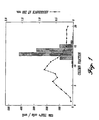
- FIGURE 1 presents results of protein purification of the initial medium by Heparin-Sepharose column chromatography.
- Heparin sepharose CL-6B (Pharmacia Biotech) packed in an Econo-Pac column (Bio-Rad; 1.5 x 4 cm) was equilibrated with 20 mM Tris-HCl containing 0.1M NaCl, pH 7.2. Aliquots of 40 ml of 100x concentrated CESJ medium were equilibrated into the above buffer and applied to the column for each run. About 95% of the total protein passed through the column as estimated by UV absorbance at 280 nm.
- FIGURE 1 shows that, on heparin column chromatography, ODF activity was consistently recovered in the bound fraction eluted at about 0.47 M Nacl.
- M-CSF and granulocyte-CSF (G-CSF) both of which were present in the CESJ medium (9) were not bound to heparin.
- the previously described O-CSF activity (6) was also not bound.
- the heparin-bound ODF activity induced intensely TRAP-positive single cells or clusters of 4 to 8 cells in the marrow culture assay, but TRAP-positive colonies of more than 50 cells as induced by whole CESJ medium were rather rare. Combining the heparin-bound active fraction and the unbound pool restored the original TRAP-positive colony stimulating activity of the CESJ medium.
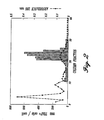
- the ODF activity from the heparin column was bound to the hydroxyapatite column and eluted at about 170 mM phosphate (FIGURE 2):
- the fractions containing ODF activity from heparin-sepharose were pooled, concentrated and equilibrated by centrifugal filtration through a Centricon membrane into 10 mM sodium phosphate, pH 7.0, and applied to a hydroxyapatite column (Econo-Pac, CHT-11 1 Cartridge, Bio-Rad).
- the column was washed with 10 mM sodium phosphate, pH 7.0.
- Bound proteins were eluted with a linear 10 to 300 mM Na phosphate gradient (pH 7.0).
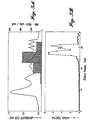
- the active fractions from hydroxyapatite column chromatography were pooled, concentrated by Centricon ultrafiltration, adjusted to 30% (v/v) acetonitrile and the sample was fractionated by size exclusion HPLC (two Toso-Haas G3000SW, 7.5 mm x 60 cm in series) equilibrated with 0.1M Na phosphate buffer, pH 6.8, containing 30% (v/v) acetonitrile. The eluent was monitored for protein absorbance at 220 nm. Fractions (0.5 ml) were collected into tubes containing 0.02% (w/v) CHAPS (Calbiochem). Samples pooled every 10 fractions were tested for TRAP-positive cell stimulating activity.
- TRAP activity was, therefore, measured in a 96-well microtiter plate.
- Assay for TRAP enzyme activity using p-nitrophenol phosphate as substrate in the presence of tartrate confirmed the presence of active enzyme in the various column fractions and in the original CESJ culture medium.
- a 100 ⁇ l sample (20 ⁇ l column fraction + 80 ⁇ l H 2 O) was added to 100 ⁇ l 0.2M Na acetate, 40 mM Na tartrate, 16 mM p-nitrophenyl phosphate, 5 mM dithiothreitol, pH 5.7. After incubating at 37°C for 1 hr, 20 ⁇ l 0.5M Na OH was added and absorbance at 405 nm was measured.
- Bc66 Chinese hamster ovary
- CHO Chinese hamster ovary cells.
- Bc66 cells were transduced by a retroviral vector to express rat TRAP (10).
- Conditioned medium of transduced cells (BcTRAP) demonstrated abundant TRAP enzyme activity and stimulated intensely TRAP-positive colonies.
- medium of control Bc66 cells stimulated only TRAP-negative colonies.
- Bc66 cells are known to produce M-CSF. Therefore, CHO cells, which do not produce M-CSF, were transfected with the vector containing rat TRAP gene (11).
- CHO-TRAP transfected CHO cells
- control CHO cell medium did not show any TRAP inducing or colony stimulating ability.
- M-CSF alone stimulated only TRAP-negative colonies
- M-CSF and TRAP together stimulated large TRAP-positive colonies suggesting a synergism of TRAP and M-CSF in cell proliferation.
- This discovery suggests that both TRAP and M-CSF might work in conjunction to drive the lineage to osteoclasts with TRAP inducing differentiation and M-CSF proliferation.
- TRAP mRNA expression was assessed.
- Isolated Lin- cells were cultured in semi-solid medium in the presence of concentrated conditioned medium from CHO-TRAP or CHO control cells. mRNA isolated at 7 days and 14 days showed the expression of endogenous TRAP in the TRAP-positive colonies.
- TRAP-positive colony formation was observed only when purified TRAP was added during the first 48 hours of culture. Addition of TRAP later in the culture resulted in the growth of macrophage colonies. Taken together, these experimental data strongly suggest a critical role for TRAP in osteoclast differentiation. This enzyme seems to act on immature progenitors of the monocytemacrophage pathway and induce osteoclast differentiation prior to their commitment to macrophages.
- Transduced BcTRAP cells and Bc66 cells were also subcutaneously transplanted into Balb/c nude mice to assess the in vivo effects of a TRAP-producing tumor.
- Microscopic examination of various tissues revealed notable changes only in bone.
- Morphometric analyses of bone from the tumor-bearing mice revealed an increased osteoclastic activity and thinning of long-bone cortical walls in mice transplanted with BcTRAP when compared with mice transplanted with normal Bc66 cells.
- the results essentially reproduced the original findings with CE tumor-bearing mice.
- TRAP therefore appears to be the critical factor responsible for the unique osteoclast-inducing properties of the CE mammary tumor cells.
- Mouse or human TRAP can be expressed by recombinant means, for example in Sf9 insect cells from a recombinant baculovirus vector construct (Hayman, A.R. and Cox, T.M. (1994), J. Biol. Chem. 269:1294-1300; Ek-Rylander, B. et al. (1997) Biochem. J. 321:305-311).
- Enzymically active TRAP containing two iron atoms per molecule can be purified from the culture medium in mg/L quantities. Both phosphatase and oxygen radical generating activities can be demonstrated respectively by cleavage of p-nitro phenylphosphate or peroxidation of luminol and chemiluminescence release.
- TRAP recombinant or prepared from natural sources such as CESJ-conditioned medium
- a purified TRAP preparation shown to be enzymically active is dissolved in neutral buffer at low ionic strength.
- Solid-phase preparations of hydroxyapatite or other calcium salt solid phases, e.g., thin layers coated on biologically inert membranes or free-standing blocks
- TRAP solution By cutting and staining sections for TRAP activity histochemically, using azo dye or lead salt methods (Yamamoto, T.
- TRAP-coated hydroxyapatite preparations are then implanted surgically into experimental animals either subcutaneously or intramuscularly.
- murine TRAP is used in mice as the experimental animal.
- a hydroxyapatite vehicle hydroxyapatite-coated membrane or solid block lacking TRAP is implanted at an adjacent but separate site in the same animal to serve as a control.
- experimental animals can be primed with factors such as G-CSF that enhance stem cell mobilization from the bone marrow to the bloodstream (Purton, L.E., et al., Blood 87:1802-1808,1996; Matayoshi, A., et al., Proc Natl Acad Sci USA 93:10785-10790, 1996).
- factors such as G-CSF that enhance stem cell mobilization from the bone marrow to the bloodstream (Purton, L.E., et al., Blood 87:1802-1808,1996; Matayoshi, A., et al., Proc Natl Acad Sci USA 93:10785-10790, 1996).
- mineralized bone or dentin particles or slices can be coated with TRAP and implanted similarly, again using uncoated material as the control for comparison.
- TRAP ability of TRAP to promote osteointegration into or onto metal (or ceramic or other fabricated) implant surfaces as used in joint replacements or dental prosthetic devices seated into bone can also be investigated in animals.
- Preparations of hydroxyapatite-coated titanium alloys (rods, plates or other suitably sized fabrications) are coated with TRAP and implanted surgically into or onto bone surfaces in experimental animals.
- the objective is a longer term evaluation of the osteointegration of the bone bed against a plain surface or into a porous surface of a metal implant.
- Both smooth and porous-coated surface designs are used in metal prostheses, for example the femoral stem component used in total hip replacements.
- porous metal coatings for ingrowth of bone include cobalt-chrome powder or beads (Porocoat surface, DePuy; PCA, Howmedica) and the diffusion bonding of titanium wire mesh (Zimmer).
- Such porous metal surfaces are preferably first coated with hydroxyapatite by plasma-spraying techniques, before coating with TRAP. Osteointegration is judged in individual animals at time intervals of 1-12 months after surgery by x-ray imaging to evaluate degree of radiolucency, and hence gap between metal and bone, and by retrieval, sectioning and microscopy of the metal/bone interface of the implant. Such methods are commonly in use by implant manufacturers to evaluate new materials, fabrications and other aspects of prosthetic design. In this way, the advantages of TRAP-coated surfaces for promoting osteointegration is established and the coating protocol optimized for different clinical applications.
- TRAP can be included with other biological materials in the mineral-phase substratum to promote bone attachment.
- Representative biological materials for this purpose include cytokines or other signaling molecules and collagen, the latter to enhance mechanical coupling of the new bone matrix to the implanted composition or device.
Landscapes
- Health & Medical Sciences (AREA)
- Chemical & Material Sciences (AREA)
- Life Sciences & Earth Sciences (AREA)
- Animal Behavior & Ethology (AREA)
- Veterinary Medicine (AREA)
- Public Health (AREA)
- General Health & Medical Sciences (AREA)
- Epidemiology (AREA)
- Engineering & Computer Science (AREA)
- Medicinal Chemistry (AREA)
- Surgery (AREA)
- Inorganic Chemistry (AREA)
- Dermatology (AREA)
- Oral & Maxillofacial Surgery (AREA)
- Transplantation (AREA)
- Vascular Medicine (AREA)
- Biomedical Technology (AREA)
- Molecular Biology (AREA)
- Heart & Thoracic Surgery (AREA)
- Materials Engineering (AREA)
- Ceramic Engineering (AREA)
- Pharmacology & Pharmacy (AREA)
- Chemical Kinetics & Catalysis (AREA)
- Physical Education & Sports Medicine (AREA)
- Bioinformatics & Cheminformatics (AREA)
- General Chemical & Material Sciences (AREA)
- Organic Chemistry (AREA)
- Nuclear Medicine, Radiotherapy & Molecular Imaging (AREA)
- Medicines That Contain Protein Lipid Enzymes And Other Medicines (AREA)
- Materials For Medical Uses (AREA)
- Prostheses (AREA)
- Dental Preparations (AREA)
Claims (10)
- Zusammensetzung, welche für eine medizinische Implantation geeignet ist, umfassend Tartrat-resistente saure Phosphatase (TRAP), adsorbiert an ein poröses Hydroxyapatit-Substrat.
- Knochentransplantat-Zusammensetzung nach Anspruch 1.
- Knochentransplantat-Zusammensetzung nach Anspruch 2, worin das Hydroxyapatit-Substrat ausgewählt ist aus autologem Knochen, allogenem Leichenknochen und Corallin-Hydroxyapatit.
- Knochentransplantat-Zusammensetzung nach Anspruch 2 oder Anspruch 3, worin die TRaP in dem gesamten porösen Hydroxyapatit-Substrat oder nur an die äußere Fläche des porösen Hydroxyapatit-Substrats adsorbiert ist.
- Knochenzement-Zusammensetzung nach Anspruch 1, umfassend Tartrat-resistente saure Phosphatase (TRAP), adsorbiert an ein partikuläres Hydroxyapatit-Substrat, welches einem vernetzbaren Acrylpolymer beigemischt ist.
- Prothesenvorrichtung, zum Beispiel ein künstliches Gelenk oder ein künstlicher Zahn mit einer äußeren Knochenanlagerungsfläche, umfassend Tartrat-resistente saure Phosphatase (TRAP), adsorbiert an ein Hydroxyapatit-Substrat.
- Prothesenvorrichtung nach Anspruch 6, worin die TRAP an die äußeren etwa 10 Mikrometer des Hydroxyapatit-Substrats adsobiert ist.
- Orthopädische Befestigungsvorrichtung, zum Beispiel ausgewählt aus einer Schraube, einer Klammer, einem Nagel, einem Bolzen oder einer Platte mit einer Knochenberührungsfläche, umfassend Tartrat-resistente saure Phosphatase (TRAP), adsorbiert an ein poröses Hydroxyapatit-Substrat.
- Tartrat-resistente saure Phosphatase, adsorbiert an ein poröses Hydroxyapatit-Substrat, zur Verwendung als ein Arzneimittel.
- Verwendung Tartrat-resistenter saurer Phosphatase, adsorbiert an ein poröses Hydroxyapatit-Substrat, bei der Herstellung eines Arzneimittels zur Induktion einer Stimulation der Ostoklastenrekrutierung, oder als einen differenzierenden Faktor für Osteoklasten.
Applications Claiming Priority (3)
| Application Number | Priority Date | Filing Date | Title |
|---|---|---|---|
| US4403397P | 1997-04-22 | 1997-04-22 | |
| US44033P | 1997-04-22 | ||
| PCT/US1998/008031 WO1998047547A1 (en) | 1997-04-22 | 1998-04-21 | Trap-coated bone grafts and prostheses |
Publications (2)
| Publication Number | Publication Date |
|---|---|
| EP0984795A1 EP0984795A1 (de) | 2000-03-15 |
| EP0984795B1 true EP0984795B1 (de) | 2003-09-24 |
Family
ID=21930169
Family Applications (1)
| Application Number | Title | Priority Date | Filing Date |
|---|---|---|---|
| EP98918533A Expired - Lifetime EP0984795B1 (de) | 1997-04-22 | 1998-04-21 | Knochentransplantate und -prothesen beschichtet mit tartratbeständiger säurephosphatase |
Country Status (9)
| Country | Link |
|---|---|
| US (4) | US6190412B1 (de) |
| EP (1) | EP0984795B1 (de) |
| JP (1) | JP2001524000A (de) |
| AT (1) | ATE250434T1 (de) |
| AU (1) | AU7143898A (de) |
| DE (1) | DE69818456T2 (de) |
| DK (1) | DK0984795T3 (de) |
| ES (1) | ES2206918T3 (de) |
| WO (1) | WO1998047547A1 (de) |
Families Citing this family (31)
| Publication number | Priority date | Publication date | Assignee | Title |
|---|---|---|---|---|
| ATE250434T1 (de) * | 1997-04-22 | 2003-10-15 | Washington Res Found | Knochentransplantate und -prothesen beschichtet mit tartratbeständiger säurephosphatase |
| US6893462B2 (en) * | 2000-01-11 | 2005-05-17 | Regeneration Technologies, Inc. | Soft and calcified tissue implants |
| ITVI20000025U1 (it) * | 2000-04-07 | 2001-10-07 | Tecres Spa | Dispositivo distanziatore temporaneo per il trattamento chirurgico del ginocchio |
| ES2179731B1 (es) * | 2000-04-14 | 2004-04-16 | Alberto Arruga Artal | Implante dental y metodo operativo de implantacion. |
| US7192445B2 (en) * | 2000-12-06 | 2007-03-20 | Astra Tech Ab | Medical prosthetic devices and implants having improved biocompatibility |
| US20060094112A1 (en) * | 2001-03-07 | 2006-05-04 | Omotunde Babalola | Biological scaffold |
| US7879107B2 (en) * | 2002-02-20 | 2011-02-01 | The Cleveland Clinic Foundation | Composition and method for inducing bone growth and healing |
| US7410502B2 (en) * | 2002-04-09 | 2008-08-12 | Numat As | Medical prosthetic devices having improved biocompatibility |
| DE10316558B4 (de) * | 2003-04-10 | 2005-03-31 | Siemens Ag | Verfahren zur Detektion von Lageänderungen eines Implantates sowie Röntgenanlage zur Durchführung des Verfahrens |
| US7067169B2 (en) * | 2003-06-04 | 2006-06-27 | Chemat Technology Inc. | Coated implants and methods of coating |
| US7252833B2 (en) * | 2003-11-18 | 2007-08-07 | Skeletal Kinetics, Llc | Calcium phosphate cements comprising an osteoclastogenic agent |
| US7758896B2 (en) | 2004-04-16 | 2010-07-20 | University Of Massachusetts | Porous calcium phosphate networks for synthetic bone material |
| US7673634B2 (en) * | 2004-10-08 | 2010-03-09 | Depuy Spine, Inc | Method of treating or preventing osteolysis in a patient by UVB light irradiation |
| US8071574B2 (en) * | 2005-02-22 | 2011-12-06 | John Dennis Bobyn | Implant improving local bone formation |
| US8470038B2 (en) | 2005-03-04 | 2013-06-25 | Rti Biologics, Inc. | Adjustable and fixed assembled bone-tendon-bone graft |
| US7763071B2 (en) | 2005-03-04 | 2010-07-27 | Rti Biologics, Inc. | Bone block assemblies and their use in assembled bone-tendon-bone grafts |
| US7727278B2 (en) * | 2005-03-04 | 2010-06-01 | Rti Biologics, Inc. | Self fixing assembled bone-tendon-bone graft |
| US7776089B2 (en) | 2005-03-04 | 2010-08-17 | Rti Biologics, Inc. | Assembled bone-tendon-bone grafts |
| US7531190B2 (en) * | 2005-05-25 | 2009-05-12 | Biomet Manufacturing Corp. | Porous ceramic structure containing biologics |
| CA2629600C (en) | 2005-11-14 | 2011-11-01 | Biomet 3I, Inc. | Deposition of discrete nanoparticles on an implant surface |
| US7749555B2 (en) * | 2006-01-25 | 2010-07-06 | Medtronic, Inc | Modification of chemical forces of bone constructs |
| US8673019B2 (en) * | 2006-04-13 | 2014-03-18 | Warsaw Orthopedic, Inc. | Use of anti-inflammatory compounds with allograft tissue implantation |
| US20080114465A1 (en) * | 2006-11-14 | 2008-05-15 | Zanella John M | Surface treatments of an allograft to improve binding of growth factors and cells |
| RU2325170C1 (ru) * | 2006-12-08 | 2008-05-27 | Федеральное государственное учреждение "Центральный научно-исследовательский институт травматологии и ортопедии им. Н.Н. Приорова Федерального агентства по здравоохранению и социальному развитию" (ФГУ "ЦИТО им. Н.Н. Приорова Росздрава") | Биокомпозиционный материал для остеопластики |
| WO2009131553A2 (en) | 2006-12-29 | 2009-10-29 | Osteogenex Inc. | Methods of altering bone growth by administration of sost or wise antagonist or agonist |
| EP2121003A1 (de) * | 2007-02-14 | 2009-11-25 | Karolinska Innovations AB | Zusammensetzungen zur erhöhung des körpergewichts, verwendung und verfahren |
| US20090164012A1 (en) * | 2007-12-21 | 2009-06-25 | Howmedica Osteonics Corp. | Medical implant component and method for fabricating same |
| EP2240116B1 (de) | 2008-01-28 | 2015-07-01 | Biomet 3I, LLC | Implantatoberfläche mit erhöhter hydrophilie |
| US8641418B2 (en) | 2010-03-29 | 2014-02-04 | Biomet 3I, Llc | Titanium nano-scale etching on an implant surface |
| US9131995B2 (en) | 2012-03-20 | 2015-09-15 | Biomet 3I, Llc | Surface treatment for an implant surface |
| US11291486B2 (en) * | 2018-06-19 | 2022-04-05 | Orthex, LLC | Half pins for external fixators |
Family Cites Families (17)
| Publication number | Priority date | Publication date | Assignee | Title |
|---|---|---|---|---|
| US5073114A (en) * | 1988-02-23 | 1991-12-17 | Detsch Steven G | Bone growing method and composition |
| US5258029A (en) * | 1988-09-29 | 1993-11-02 | Collagen Corporation | Method for improving implant fixation |
| US5162430A (en) * | 1988-11-21 | 1992-11-10 | Collagen Corporation | Collagen-polymer conjugates |
| US5258367A (en) | 1990-06-29 | 1993-11-02 | University Of Florida | Uteroferrin and rose proteins for stimulating hematopoietic cells |
| US5226914A (en) * | 1990-11-16 | 1993-07-13 | Caplan Arnold I | Method for treating connective tissue disorders |
| JPH06508780A (ja) | 1991-07-11 | 1994-10-06 | ビーティージー・インターナショナル・リミテッド | 移植片材料 |
| WO1993007271A1 (en) | 1991-10-01 | 1993-04-15 | Washington Research Foundation | Osteoclast colony stimulating factor (o-csf) |
| GB9407135D0 (en) * | 1994-04-11 | 1994-06-01 | Aberdeen University And Plasma | Treatment of osteoporosis |
| US5947893A (en) * | 1994-04-27 | 1999-09-07 | Board Of Regents, The University Of Texas System | Method of making a porous prothesis with biodegradable coatings |
| US5591453A (en) * | 1994-07-27 | 1997-01-07 | The Trustees Of The University Of Pennsylvania | Incorporation of biologically active molecules into bioactive glasses |
| US5830682A (en) * | 1994-09-09 | 1998-11-03 | Zymogenetics | Preparation of immortalized cells |
| JP3502390B2 (ja) * | 1994-12-07 | 2004-03-02 | サンメディカル株式会社 | 象牙質知覚過敏症用歯科用組成物 |
| US5654173A (en) * | 1996-08-23 | 1997-08-05 | Genetics Institute, Inc. | Secreted proteins and polynucleotides encoding them |
| US6048964A (en) * | 1995-12-12 | 2000-04-11 | Stryker Corporation | Compositions and therapeutic methods using morphogenic proteins and stimulatory factors |
| ATE250434T1 (de) * | 1997-04-22 | 2003-10-15 | Washington Res Found | Knochentransplantate und -prothesen beschichtet mit tartratbeständiger säurephosphatase |
| US6248544B1 (en) * | 1998-04-01 | 2001-06-19 | Jussi Halleen | Method of measuring bone resorption rate |
| JP2001231595A (ja) * | 1999-12-15 | 2001-08-28 | Fuaruko Bio Syst:Kk | 特異的破骨細胞由来酸性ホスファターゼの測定方法 |
-
1998
- 1998-04-21 AT AT98918533T patent/ATE250434T1/de active
- 1998-04-21 JP JP54627998A patent/JP2001524000A/ja not_active Ceased
- 1998-04-21 US US09/063,958 patent/US6190412B1/en not_active Expired - Lifetime
- 1998-04-21 AU AU71438/98A patent/AU7143898A/en not_active Abandoned
- 1998-04-21 EP EP98918533A patent/EP0984795B1/de not_active Expired - Lifetime
- 1998-04-21 ES ES98918533T patent/ES2206918T3/es not_active Expired - Lifetime
- 1998-04-21 DE DE69818456T patent/DE69818456T2/de not_active Expired - Lifetime
- 1998-04-21 DK DK98918533T patent/DK0984795T3/da active
- 1998-04-21 WO PCT/US1998/008031 patent/WO1998047547A1/en not_active Ceased
-
2001
- 2001-02-16 US US09/785,614 patent/US6508838B2/en not_active Expired - Lifetime
-
2002
- 2002-09-27 US US10/260,157 patent/US20030036799A1/en not_active Abandoned
-
2004
- 2004-06-17 US US10/870,627 patent/US7353830B2/en not_active Expired - Fee Related
Also Published As
| Publication number | Publication date |
|---|---|
| US6190412B1 (en) | 2001-02-20 |
| US20010016203A1 (en) | 2001-08-23 |
| DK0984795T3 (da) | 2004-02-02 |
| ATE250434T1 (de) | 2003-10-15 |
| US7353830B2 (en) | 2008-04-08 |
| ES2206918T3 (es) | 2004-05-16 |
| WO1998047547A1 (en) | 1998-10-29 |
| DE69818456T2 (de) | 2004-07-29 |
| US6508838B2 (en) | 2003-01-21 |
| DE69818456D1 (de) | 2003-10-30 |
| AU7143898A (en) | 1998-11-13 |
| JP2001524000A (ja) | 2001-11-27 |
| EP0984795A1 (de) | 2000-03-15 |
| US20030036799A1 (en) | 2003-02-20 |
| US20040228899A1 (en) | 2004-11-18 |
Similar Documents
| Publication | Publication Date | Title |
|---|---|---|
| EP0984795B1 (de) | Knochentransplantate und -prothesen beschichtet mit tartratbeständiger säurephosphatase | |
| Geesink et al. | Bonding of bone to apatite-coated implants | |
| Søballe et al. | Hydroxyapatite coating modifies implant membrane formation: controlled micromotion studied in dogs | |
| Søballe | Hydroxyapatite ceramic coating for bone implant fixation: mechanical and histological studies in dogs | |
| Marcacci et al. | Stem cells associated with macroporous bioceramics for long bone repair: 6-to 7-year outcome of a pilot clinical study | |
| Spivak et al. | A new canine model to evaluate the biological response of intramedullary bone to implant materials and surfaces | |
| SØBALLE et al. | Bone graft incorporation around titanium-alloy-and hydroxyapatite-coated implants in dogs. | |
| Klein et al. | Plasma‐sprayed coatings of tetracalciumphosphate, hydroxyl‐apatite, and α‐TCP on titanium alloy: An interface study | |
| Soballe et al. | Hydroxyapatite coating converts fibrous tissue to bone around loaded implants | |
| Geesink et al. | Chemical implant fixation using hydroxyl-apatite coatings | |
| Wang | Basic fibroblast growth factor for stimulation of bone formation in osteoinductive or conductive implants | |
| Ohgushi et al. | Stem cell technology and bioceramics: from cell to gene engineering | |
| US5947893A (en) | Method of making a porous prothesis with biodegradable coatings | |
| Urist et al. | Bone regeneration under the influence of a bone morphogenetic protein (BMP) beta tricalcium phosphate (TCP) composite in skull trephine defects in dogs. | |
| Maxian et al. | Mechanical and histological evaluation of amorphous calcium phosphate and poorly crystallized hydroxyapatite coatings on titanium implants | |
| Jansen et al. | Histologic investigation of the biologic behavior of different hydroxyapatite plasma‐sprayed coatings in rabbits | |
| Kamegai et al. | Bone formation under the influence of bone morphogenetic protein/self-setting apatite cement composite as a delivery system | |
| Sumner et al. | Remodeling and ingrowth of bone at two years in a canine cementless total hip-arthroplasty model. | |
| Maxian et al. | Effect of Ca/P coating resorption and surgical fit on the bone/implant interface | |
| Inadome et al. | Comparison of bone‐implant interface shear strength of hydroxyapatite‐coated and alumina‐coated metal implants | |
| Hayashi et al. | The effect of hydroxyapatite coating on bony ingrowth into grooved titanium implants | |
| So et al. | Is the bone-bonding ability of a cementless total hip prosthesis enhanced by alkaline and heat treatments? | |
| Overgaard et al. | Resorption of hydroxyapatite and fluorapatite coatings in man: an experimental study in trabecular bone | |
| Wolff et al. | Histomorphometric analysis of the repair of a segmental diaphyseal defect with ceramic and titanium fibermetal implants: effects of bone marrow | |
| JP2761339B2 (ja) | 補綴装置用の新規な表面被覆及びこれによって被覆された補綴装置 |
Legal Events
| Date | Code | Title | Description |
|---|---|---|---|
| PUAI | Public reference made under article 153(3) epc to a published international application that has entered the european phase |
Free format text: ORIGINAL CODE: 0009012 |
|
| 17P | Request for examination filed |
Effective date: 19991122 |
|
| AK | Designated contracting states |
Kind code of ref document: A1 Designated state(s): AT BE CH CY DE DK ES FI FR GB GR IE IT LI LU MC NL PT SE |
|
| 17Q | First examination report despatched |
Effective date: 20000804 |
|
| GRAG | Despatch of communication of intention to grant |
Free format text: ORIGINAL CODE: EPIDOS AGRA |
|
| RIC1 | Information provided on ipc code assigned before grant |
Free format text: 7A 61L 24/00 A, 7A 61L 27/00 B, 7A 61L 31/00 B, 7A 61K 6/033 B, 7A 61P 19/00 B |
|
| RTI1 | Title (correction) |
Free format text: BONE GRAFTS AND PROSTHESES COATED WITH TARTRATE-RESISTANT ACID PHOSPHATASE |
|
| GRAG | Despatch of communication of intention to grant |
Free format text: ORIGINAL CODE: EPIDOS AGRA |
|
| GRAH | Despatch of communication of intention to grant a patent |
Free format text: ORIGINAL CODE: EPIDOS IGRA |
|
| GRAS | Grant fee paid |
Free format text: ORIGINAL CODE: EPIDOSNIGR3 |
|
| GRAA | (expected) grant |
Free format text: ORIGINAL CODE: 0009210 |
|
| AK | Designated contracting states |
Kind code of ref document: B1 Designated state(s): AT BE CH CY DE DK ES FI FR GB GR IE IT LI LU MC NL PT SE |
|
| PG25 | Lapsed in a contracting state [announced via postgrant information from national office to epo] |
Ref country code: FI Free format text: LAPSE BECAUSE OF FAILURE TO SUBMIT A TRANSLATION OF THE DESCRIPTION OR TO PAY THE FEE WITHIN THE PRESCRIBED TIME-LIMIT Effective date: 20030924 Ref country code: CY Free format text: LAPSE BECAUSE OF FAILURE TO SUBMIT A TRANSLATION OF THE DESCRIPTION OR TO PAY THE FEE WITHIN THE PRESCRIBED TIME-LIMIT Effective date: 20030924 |
|
| REG | Reference to a national code |
Ref country code: GB Ref legal event code: FG4D |
|
| REG | Reference to a national code |
Ref country code: CH Ref legal event code: EP |
|
| REG | Reference to a national code |
Ref country code: IE Ref legal event code: FG4D |
|
| REF | Corresponds to: |
Ref document number: 69818456 Country of ref document: DE Date of ref document: 20031030 Kind code of ref document: P |
|
| REG | Reference to a national code |
Ref country code: CH Ref legal event code: NV Representative=s name: KEMIA S.A. |
|
| PG25 | Lapsed in a contracting state [announced via postgrant information from national office to epo] |
Ref country code: GR Free format text: LAPSE BECAUSE OF FAILURE TO SUBMIT A TRANSLATION OF THE DESCRIPTION OR TO PAY THE FEE WITHIN THE PRESCRIBED TIME-LIMIT Effective date: 20031224 |
|
| REG | Reference to a national code |
Ref country code: SE Ref legal event code: TRGR |
|
| REG | Reference to a national code |
Ref country code: DK Ref legal event code: T3 |
|
| PG25 | Lapsed in a contracting state [announced via postgrant information from national office to epo] |
Ref country code: IE Free format text: LAPSE BECAUSE OF NON-PAYMENT OF DUE FEES Effective date: 20040421 |
|
| PG25 | Lapsed in a contracting state [announced via postgrant information from national office to epo] |
Ref country code: MC Free format text: LAPSE BECAUSE OF NON-PAYMENT OF DUE FEES Effective date: 20040430 |
|
| REG | Reference to a national code |
Ref country code: ES Ref legal event code: FG2A Ref document number: 2206918 Country of ref document: ES Kind code of ref document: T3 |
|
| ET | Fr: translation filed | ||
| PLBE | No opposition filed within time limit |
Free format text: ORIGINAL CODE: 0009261 |
|
| STAA | Information on the status of an ep patent application or granted ep patent |
Free format text: STATUS: NO OPPOSITION FILED WITHIN TIME LIMIT |
|
| 26N | No opposition filed |
Effective date: 20040625 |
|
| REG | Reference to a national code |
Ref country code: IE Ref legal event code: MM4A |
|
| PG25 | Lapsed in a contracting state [announced via postgrant information from national office to epo] |
Ref country code: PT Free format text: LAPSE BECAUSE OF NON-PAYMENT OF DUE FEES Effective date: 20040224 |
|
| REG | Reference to a national code |
Ref country code: FR Ref legal event code: PLFP Year of fee payment: 18 |
|
| PGFP | Annual fee paid to national office [announced via postgrant information from national office to epo] |
Ref country code: ES Payment date: 20150310 Year of fee payment: 18 |
|
| PGFP | Annual fee paid to national office [announced via postgrant information from national office to epo] |
Ref country code: LU Payment date: 20150429 Year of fee payment: 18 |
|
| PGFP | Annual fee paid to national office [announced via postgrant information from national office to epo] |
Ref country code: DE Payment date: 20150414 Year of fee payment: 18 Ref country code: GB Payment date: 20150415 Year of fee payment: 18 Ref country code: SE Payment date: 20150413 Year of fee payment: 18 Ref country code: DK Payment date: 20150410 Year of fee payment: 18 Ref country code: CH Payment date: 20150414 Year of fee payment: 18 |
|
| PGFP | Annual fee paid to national office [announced via postgrant information from national office to epo] |
Ref country code: IT Payment date: 20150422 Year of fee payment: 18 Ref country code: NL Payment date: 20150409 Year of fee payment: 18 Ref country code: FR Payment date: 20150408 Year of fee payment: 18 Ref country code: AT Payment date: 20150325 Year of fee payment: 18 Ref country code: BE Payment date: 20150413 Year of fee payment: 18 |
|
| PG25 | Lapsed in a contracting state [announced via postgrant information from national office to epo] |
Ref country code: BE Free format text: LAPSE BECAUSE OF NON-PAYMENT OF DUE FEES Effective date: 20160430 |
|
| REG | Reference to a national code |
Ref country code: DE Ref legal event code: R119 Ref document number: 69818456 Country of ref document: DE |
|
| REG | Reference to a national code |
Ref country code: DK Ref legal event code: EBP Effective date: 20160430 |
|
| REG | Reference to a national code |
Ref country code: SE Ref legal event code: EUG |
|
| REG | Reference to a national code |
Ref country code: CH Ref legal event code: PL |
|
| REG | Reference to a national code |
Ref country code: NL Ref legal event code: MM Effective date: 20160501 |
|
| REG | Reference to a national code |
Ref country code: AT Ref legal event code: MM01 Ref document number: 250434 Country of ref document: AT Kind code of ref document: T Effective date: 20160421 |
|
| GBPC | Gb: european patent ceased through non-payment of renewal fee |
Effective date: 20160421 |
|
| PG25 | Lapsed in a contracting state [announced via postgrant information from national office to epo] |
Ref country code: LU Free format text: LAPSE BECAUSE OF NON-PAYMENT OF DUE FEES Effective date: 20160421 |
|
| REG | Reference to a national code |
Ref country code: FR Ref legal event code: ST Effective date: 20161230 |
|
| PG25 | Lapsed in a contracting state [announced via postgrant information from national office to epo] |
Ref country code: LI Free format text: LAPSE BECAUSE OF NON-PAYMENT OF DUE FEES Effective date: 20160430 Ref country code: DE Free format text: LAPSE BECAUSE OF NON-PAYMENT OF DUE FEES Effective date: 20161101 Ref country code: CH Free format text: LAPSE BECAUSE OF NON-PAYMENT OF DUE FEES Effective date: 20160430 Ref country code: FR Free format text: LAPSE BECAUSE OF NON-PAYMENT OF DUE FEES Effective date: 20160502 Ref country code: GB Free format text: LAPSE BECAUSE OF NON-PAYMENT OF DUE FEES Effective date: 20160421 Ref country code: NL Free format text: LAPSE BECAUSE OF NON-PAYMENT OF DUE FEES Effective date: 20160501 |
|
| PG25 | Lapsed in a contracting state [announced via postgrant information from national office to epo] |
Ref country code: SE Free format text: LAPSE BECAUSE OF NON-PAYMENT OF DUE FEES Effective date: 20160422 Ref country code: AT Free format text: LAPSE BECAUSE OF NON-PAYMENT OF DUE FEES Effective date: 20160421 Ref country code: IT Free format text: LAPSE BECAUSE OF NON-PAYMENT OF DUE FEES Effective date: 20160421 |
|
| PG25 | Lapsed in a contracting state [announced via postgrant information from national office to epo] |
Ref country code: DK Free format text: LAPSE BECAUSE OF NON-PAYMENT OF DUE FEES Effective date: 20160430 |
|
| PG25 | Lapsed in a contracting state [announced via postgrant information from national office to epo] |
Ref country code: ES Free format text: LAPSE BECAUSE OF NON-PAYMENT OF DUE FEES Effective date: 20160422 |
|
| REG | Reference to a national code |
Ref country code: ES Ref legal event code: FD2A Effective date: 20180628 |