EP1463806B1 - Nouveaux variants de la cyclooxygenase et methodes d'utilisation - Google Patents
Nouveaux variants de la cyclooxygenase et methodes d'utilisation Download PDFInfo
- Publication number
- EP1463806B1 EP1463806B1 EP02778399A EP02778399A EP1463806B1 EP 1463806 B1 EP1463806 B1 EP 1463806B1 EP 02778399 A EP02778399 A EP 02778399A EP 02778399 A EP02778399 A EP 02778399A EP 1463806 B1 EP1463806 B1 EP 1463806B1
- Authority
- EP
- European Patent Office
- Prior art keywords
- cox
- nucleic acid
- variant
- seq
- protein
- Prior art date
- Legal status (The legal status is an assumption and is not a legal conclusion. Google has not performed a legal analysis and makes no representation as to the accuracy of the status listed.)
- Expired - Lifetime
Links
- 102000004005 Prostaglandin-endoperoxide synthases Human genes 0.000 title claims abstract description 113
- 108090000459 Prostaglandin-endoperoxide synthases Proteins 0.000 title claims abstract description 113
- 238000000034 method Methods 0.000 title claims description 131
- 150000007523 nucleic acids Chemical class 0.000 claims abstract description 237
- 108020004707 nucleic acids Proteins 0.000 claims abstract description 224
- 102000039446 nucleic acids Human genes 0.000 claims abstract description 223
- 230000000694 effects Effects 0.000 claims abstract description 170
- 150000001875 compounds Chemical class 0.000 claims abstract description 167
- 230000014509 gene expression Effects 0.000 claims abstract description 108
- 108090000765 processed proteins & peptides Proteins 0.000 claims abstract description 102
- 102000004196 processed proteins & peptides Human genes 0.000 claims abstract description 90
- 229920001184 polypeptide Polymers 0.000 claims abstract description 80
- 230000000692 anti-sense effect Effects 0.000 claims abstract description 48
- 210000004027 cell Anatomy 0.000 claims description 176
- 125000003729 nucleotide group Chemical group 0.000 claims description 102
- 239000002773 nucleotide Substances 0.000 claims description 101
- 108020004999 messenger RNA Proteins 0.000 claims description 89
- 229940021182 non-steroidal anti-inflammatory drug Drugs 0.000 claims description 60
- 239000013598 vector Substances 0.000 claims description 49
- 230000027455 binding Effects 0.000 claims description 48
- 239000000523 sample Substances 0.000 claims description 45
- 238000012360 testing method Methods 0.000 claims description 41
- 239000013604 expression vector Substances 0.000 claims description 40
- 108091028043 Nucleic acid sequence Proteins 0.000 claims description 27
- 230000000295 complement effect Effects 0.000 claims description 23
- 239000000758 substrate Substances 0.000 claims description 23
- 241000238631 Hexapoda Species 0.000 claims description 22
- 230000002401 inhibitory effect Effects 0.000 claims description 18
- 238000002560 therapeutic procedure Methods 0.000 claims description 16
- 239000000041 non-steroidal anti-inflammatory agent Substances 0.000 claims description 14
- 230000007423 decrease Effects 0.000 claims description 9
- 210000004962 mammalian cell Anatomy 0.000 claims description 7
- 239000001963 growth medium Substances 0.000 claims description 6
- 108020004711 Nucleic Acid Probes Proteins 0.000 claims description 4
- 238000012258 culturing Methods 0.000 claims description 4
- 239000002853 nucleic acid probe Substances 0.000 claims description 4
- 108090000623 proteins and genes Proteins 0.000 abstract description 344
- 102000004190 Enzymes Human genes 0.000 abstract description 36
- 108090000790 Enzymes Proteins 0.000 abstract description 36
- 239000012634 fragment Substances 0.000 abstract description 34
- 238000004519 manufacturing process Methods 0.000 abstract description 18
- 230000001594 aberrant effect Effects 0.000 abstract description 11
- 238000012217 deletion Methods 0.000 abstract description 11
- 230000037430 deletion Effects 0.000 abstract description 11
- 239000008194 pharmaceutical composition Substances 0.000 abstract description 11
- 108090000994 Catalytic RNA Proteins 0.000 abstract description 8
- 102000053642 Catalytic RNA Human genes 0.000 abstract description 8
- 108091092562 ribozyme Proteins 0.000 abstract description 8
- 108010037464 Cyclooxygenase 1 Proteins 0.000 abstract description 3
- 102000010906 Cyclooxygenase 1 Human genes 0.000 abstract description 3
- 238000002955 isolation Methods 0.000 abstract description 2
- 238000003745 diagnosis Methods 0.000 abstract 1
- 102000004169 proteins and genes Human genes 0.000 description 293
- 235000018102 proteins Nutrition 0.000 description 284
- 101100275473 Caenorhabditis elegans ctc-3 gene Proteins 0.000 description 150
- 101100168274 Neurospora crassa (strain ATCC 24698 / 74-OR23-1A / CBS 708.71 / DSM 1257 / FGSC 987) cox-3 gene Proteins 0.000 description 150
- 108050003267 Prostaglandin G/H synthase 2 Proteins 0.000 description 76
- 102100038280 Prostaglandin G/H synthase 2 Human genes 0.000 description 74
- 241000282414 Homo sapiens Species 0.000 description 62
- RZVAJINKPMORJF-UHFFFAOYSA-N Acetaminophen Chemical compound CC(=O)NC1=CC=C(O)C=C1 RZVAJINKPMORJF-UHFFFAOYSA-N 0.000 description 52
- 210000001519 tissue Anatomy 0.000 description 48
- 125000003275 alpha amino acid group Chemical group 0.000 description 47
- 241000282465 Canis Species 0.000 description 46
- 208000037265 diseases, disorders, signs and symptoms Diseases 0.000 description 45
- 235000001014 amino acid Nutrition 0.000 description 44
- 239000002299 complementary DNA Substances 0.000 description 44
- 239000003795 chemical substances by application Substances 0.000 description 43
- 108020004414 DNA Proteins 0.000 description 42
- 210000004556 brain Anatomy 0.000 description 42
- 238000003556 assay Methods 0.000 description 40
- 229940024606 amino acid Drugs 0.000 description 39
- 239000003814 drug Substances 0.000 description 39
- 150000001413 amino acids Chemical group 0.000 description 38
- 108091032973 (ribonucleotides)n+m Proteins 0.000 description 37
- YZXBAPSDXZZRGB-DOFZRALJSA-N arachidonic acid Chemical compound CCCCC\C=C/C\C=C/C\C=C/C\C=C/CCCC(O)=O YZXBAPSDXZZRGB-DOFZRALJSA-N 0.000 description 35
- 229940088598 enzyme Drugs 0.000 description 35
- 229940079593 drug Drugs 0.000 description 32
- 239000003112 inhibitor Substances 0.000 description 31
- 239000000203 mixture Substances 0.000 description 31
- 238000003491 array Methods 0.000 description 30
- -1 fatty acid radical Chemical class 0.000 description 30
- 239000000126 substance Substances 0.000 description 28
- 108010076504 Protein Sorting Signals Proteins 0.000 description 26
- 102000037865 fusion proteins Human genes 0.000 description 26
- 108020001507 fusion proteins Proteins 0.000 description 26
- 229960005489 paracetamol Drugs 0.000 description 26
- 125000000539 amino acid group Chemical group 0.000 description 25
- 208000035475 disorder Diseases 0.000 description 25
- 238000009396 hybridization Methods 0.000 description 25
- 230000001105 regulatory effect Effects 0.000 description 24
- 230000000202 analgesic effect Effects 0.000 description 23
- 238000004458 analytical method Methods 0.000 description 23
- 239000013615 primer Substances 0.000 description 23
- 239000002221 antipyretic Substances 0.000 description 22
- 230000015572 biosynthetic process Effects 0.000 description 22
- 230000005764 inhibitory process Effects 0.000 description 22
- 239000012528 membrane Substances 0.000 description 22
- 241001465754 Metazoa Species 0.000 description 21
- 108091034117 Oligonucleotide Proteins 0.000 description 21
- 239000000194 fatty acid Substances 0.000 description 21
- 238000000636 Northern blotting Methods 0.000 description 20
- 210000003710 cerebral cortex Anatomy 0.000 description 20
- 201000010099 disease Diseases 0.000 description 20
- 238000011282 treatment Methods 0.000 description 20
- 208000024827 Alzheimer disease Diseases 0.000 description 19
- 108091026890 Coding region Proteins 0.000 description 19
- 235000014113 dietary fatty acids Nutrition 0.000 description 19
- 229930195729 fatty acid Natural products 0.000 description 19
- CPJSUEIXXCENMM-UHFFFAOYSA-N phenacetin Chemical compound CCOC1=CC=C(NC(C)=O)C=C1 CPJSUEIXXCENMM-UHFFFAOYSA-N 0.000 description 19
- 239000000047 product Substances 0.000 description 19
- 230000014759 maintenance of location Effects 0.000 description 18
- 102000013415 peroxidase activity proteins Human genes 0.000 description 18
- 108040007629 peroxidase activity proteins Proteins 0.000 description 18
- 238000002360 preparation method Methods 0.000 description 18
- 238000012216 screening Methods 0.000 description 18
- 238000003786 synthesis reaction Methods 0.000 description 18
- BSYNRYMUTXBXSQ-UHFFFAOYSA-N Aspirin Chemical compound CC(=O)OC1=CC=CC=C1C(O)=O BSYNRYMUTXBXSQ-UHFFFAOYSA-N 0.000 description 17
- 101100170172 Caenorhabditis elegans del-10 gene Proteins 0.000 description 17
- 229940114079 arachidonic acid Drugs 0.000 description 17
- 235000021342 arachidonic acid Nutrition 0.000 description 17
- 229960001138 acetylsalicylic acid Drugs 0.000 description 16
- 230000003197 catalytic effect Effects 0.000 description 16
- 238000003752 polymerase chain reaction Methods 0.000 description 16
- 241000894007 species Species 0.000 description 16
- 239000000730 antalgic agent Substances 0.000 description 15
- 230000004927 fusion Effects 0.000 description 15
- 150000003278 haem Chemical class 0.000 description 15
- 230000001225 therapeutic effect Effects 0.000 description 15
- 241000699666 Mus <mouse, genus> Species 0.000 description 14
- 101100221647 Neurospora crassa (strain ATCC 24698 / 74-OR23-1A / CBS 708.71 / DSM 1257 / FGSC 987) cox-1 gene Proteins 0.000 description 14
- 229940120889 dipyrone Drugs 0.000 description 14
- DJGAAPFSPWAYTJ-UHFFFAOYSA-M metamizole sodium Chemical compound [Na+].O=C1C(N(CS([O-])(=O)=O)C)=C(C)N(C)N1C1=CC=CC=C1 DJGAAPFSPWAYTJ-UHFFFAOYSA-M 0.000 description 14
- 150000003180 prostaglandins Chemical class 0.000 description 14
- 230000000717 retained effect Effects 0.000 description 14
- 101000605122 Homo sapiens Prostaglandin G/H synthase 1 Proteins 0.000 description 13
- 108010044467 Isoenzymes Proteins 0.000 description 13
- 230000004071 biological effect Effects 0.000 description 13
- 230000001413 cellular effect Effects 0.000 description 13
- 230000003993 interaction Effects 0.000 description 13
- 238000003259 recombinant expression Methods 0.000 description 13
- 208000002193 Pain Diseases 0.000 description 12
- 230000010261 cell growth Effects 0.000 description 12
- 210000003169 central nervous system Anatomy 0.000 description 12
- 238000003780 insertion Methods 0.000 description 12
- 230000037431 insertion Effects 0.000 description 12
- 239000000463 material Substances 0.000 description 12
- 230000007246 mechanism Effects 0.000 description 12
- 238000006213 oxygenation reaction Methods 0.000 description 12
- 230000036407 pain Effects 0.000 description 12
- 239000005557 antagonist Substances 0.000 description 11
- 230000006907 apoptotic process Effects 0.000 description 11
- 230000006870 function Effects 0.000 description 11
- 210000004408 hybridoma Anatomy 0.000 description 11
- 238000007423 screening assay Methods 0.000 description 11
- HEFNNWSXXWATRW-UHFFFAOYSA-N Ibuprofen Chemical compound CC(C)CC1=CC=C(C(C)C(O)=O)C=C1 HEFNNWSXXWATRW-UHFFFAOYSA-N 0.000 description 10
- 241000124008 Mammalia Species 0.000 description 10
- 206010037660 Pyrexia Diseases 0.000 description 10
- 230000009471 action Effects 0.000 description 10
- 238000006471 dimerization reaction Methods 0.000 description 10
- 238000005516 engineering process Methods 0.000 description 10
- 230000002255 enzymatic effect Effects 0.000 description 10
- 230000035772 mutation Effects 0.000 description 10
- 238000007363 ring formation reaction Methods 0.000 description 10
- 101710137189 Amyloid-beta A4 protein Proteins 0.000 description 9
- 102100022704 Amyloid-beta precursor protein Human genes 0.000 description 9
- 101710151993 Amyloid-beta precursor protein Proteins 0.000 description 9
- 241000282472 Canis lupus familiaris Species 0.000 description 9
- 102000053602 DNA Human genes 0.000 description 9
- OUYCCCASQSFEME-QMMMGPOBSA-N L-tyrosine Chemical compound OC(=O)[C@@H](N)CC1=CC=C(O)C=C1 OUYCCCASQSFEME-QMMMGPOBSA-N 0.000 description 9
- 101000605121 Mus musculus Prostaglandin G/H synthase 1 Proteins 0.000 description 9
- 102000004020 Oxygenases Human genes 0.000 description 9
- 108090000417 Oxygenases Proteins 0.000 description 9
- 102000007056 Recombinant Fusion Proteins Human genes 0.000 description 9
- 108010008281 Recombinant Fusion Proteins Proteins 0.000 description 9
- 239000000556 agonist Substances 0.000 description 9
- DZHSAHHDTRWUTF-SIQRNXPUSA-N amyloid-beta polypeptide 42 Chemical compound C([C@@H](C(=O)N[C@@H](C)C(=O)N[C@@H](CCC(O)=O)C(=O)N[C@@H](CC(O)=O)C(=O)N[C@H](C(=O)NCC(=O)N[C@@H](CO)C(=O)N[C@@H](CC(N)=O)C(=O)N[C@@H](CCCCN)C(=O)NCC(=O)N[C@@H](C)C(=O)N[C@H](C(=O)N[C@@H]([C@@H](C)CC)C(=O)NCC(=O)N[C@@H](CC(C)C)C(=O)N[C@@H](CCSC)C(=O)N[C@@H](C(C)C)C(=O)NCC(=O)NCC(=O)N[C@@H](C(C)C)C(=O)N[C@@H](C(C)C)C(=O)N[C@@H]([C@@H](C)CC)C(=O)N[C@@H](C)C(O)=O)[C@@H](C)CC)C(C)C)NC(=O)[C@H](CC=1C=CC=CC=1)NC(=O)[C@@H](NC(=O)[C@H](CC(C)C)NC(=O)[C@H](CCCCN)NC(=O)[C@H](CCC(N)=O)NC(=O)[C@H](CC=1N=CNC=1)NC(=O)[C@H](CC=1N=CNC=1)NC(=O)[C@@H](NC(=O)[C@H](CCC(O)=O)NC(=O)[C@H](CC=1C=CC(O)=CC=1)NC(=O)CNC(=O)[C@H](CO)NC(=O)[C@H](CC(O)=O)NC(=O)[C@H](CC=1N=CNC=1)NC(=O)[C@H](CCCNC(N)=N)NC(=O)[C@H](CC=1C=CC=CC=1)NC(=O)[C@H](CCC(O)=O)NC(=O)[C@H](C)NC(=O)[C@@H](N)CC(O)=O)C(C)C)C(C)C)C1=CC=CC=C1 DZHSAHHDTRWUTF-SIQRNXPUSA-N 0.000 description 9
- 239000000074 antisense oligonucleotide Substances 0.000 description 9
- 238000012230 antisense oligonucleotides Methods 0.000 description 9
- 239000012707 chemical precursor Substances 0.000 description 9
- 230000006378 damage Effects 0.000 description 9
- 150000004665 fatty acids Chemical class 0.000 description 9
- 230000002209 hydrophobic effect Effects 0.000 description 9
- 238000000338 in vitro Methods 0.000 description 9
- 230000001965 increasing effect Effects 0.000 description 9
- 229960003893 phenacetin Drugs 0.000 description 9
- 125000002924 primary amino group Chemical group [H]N([H])* 0.000 description 9
- 238000010561 standard procedure Methods 0.000 description 9
- 238000006467 substitution reaction Methods 0.000 description 9
- 238000013518 transcription Methods 0.000 description 9
- 230000035897 transcription Effects 0.000 description 9
- 108020004705 Codon Proteins 0.000 description 8
- 108020004635 Complementary DNA Proteins 0.000 description 8
- 108091035707 Consensus sequence Proteins 0.000 description 8
- 241000282412 Homo Species 0.000 description 8
- 206010035226 Plasma cell myeloma Diseases 0.000 description 8
- 238000007792 addition Methods 0.000 description 8
- 238000010171 animal model Methods 0.000 description 8
- 230000001754 anti-pyretic effect Effects 0.000 description 8
- 238000006243 chemical reaction Methods 0.000 description 8
- 239000003937 drug carrier Substances 0.000 description 8
- 238000002474 experimental method Methods 0.000 description 8
- 239000001257 hydrogen Substances 0.000 description 8
- 229910052739 hydrogen Inorganic materials 0.000 description 8
- 230000002163 immunogen Effects 0.000 description 8
- CGIGDMFJXJATDK-UHFFFAOYSA-N indomethacin Chemical compound CC1=C(CC(O)=O)C2=CC(OC)=CC=C2N1C(=O)C1=CC=C(Cl)C=C1 CGIGDMFJXJATDK-UHFFFAOYSA-N 0.000 description 8
- 230000002757 inflammatory effect Effects 0.000 description 8
- 239000003446 ligand Substances 0.000 description 8
- 108010038734 linoleate diol synthase Proteins 0.000 description 8
- 210000004072 lung Anatomy 0.000 description 8
- 201000000050 myeloid neoplasm Diseases 0.000 description 8
- 229940094443 oxytocics prostaglandins Drugs 0.000 description 8
- 238000013519 translation Methods 0.000 description 8
- 241000196324 Embryophyta Species 0.000 description 7
- 108700024394 Exon Proteins 0.000 description 7
- 241000287828 Gallus gallus Species 0.000 description 7
- 206010061218 Inflammation Diseases 0.000 description 7
- FAPWRFPIFSIZLT-UHFFFAOYSA-M Sodium chloride Chemical compound [Na+].[Cl-] FAPWRFPIFSIZLT-UHFFFAOYSA-M 0.000 description 7
- 239000011324 bead Substances 0.000 description 7
- 235000013330 chicken meat Nutrition 0.000 description 7
- 230000003247 decreasing effect Effects 0.000 description 7
- 210000002472 endoplasmic reticulum Anatomy 0.000 description 7
- 230000005714 functional activity Effects 0.000 description 7
- 210000002216 heart Anatomy 0.000 description 7
- 229960001680 ibuprofen Drugs 0.000 description 7
- 230000004054 inflammatory process Effects 0.000 description 7
- 210000003734 kidney Anatomy 0.000 description 7
- 239000011159 matrix material Substances 0.000 description 7
- 239000002609 medium Substances 0.000 description 7
- 230000003228 microsomal effect Effects 0.000 description 7
- 230000004048 modification Effects 0.000 description 7
- 238000012986 modification Methods 0.000 description 7
- 239000013612 plasmid Substances 0.000 description 7
- 230000008569 process Effects 0.000 description 7
- 230000002829 reductive effect Effects 0.000 description 7
- 239000000243 solution Substances 0.000 description 7
- 230000009261 transgenic effect Effects 0.000 description 7
- 241000701447 unidentified baculovirus Species 0.000 description 7
- 230000003612 virological effect Effects 0.000 description 7
- RLFWWDJHLFCNIJ-UHFFFAOYSA-N Aminoantipyrine Natural products CN1C(C)=C(N)C(=O)N1C1=CC=CC=C1 RLFWWDJHLFCNIJ-UHFFFAOYSA-N 0.000 description 6
- 108091033380 Coding strand Proteins 0.000 description 6
- 241000588724 Escherichia coli Species 0.000 description 6
- 108010070675 Glutathione transferase Proteins 0.000 description 6
- 102000005720 Glutathione transferase Human genes 0.000 description 6
- UFHFLCQGNIYNRP-UHFFFAOYSA-N Hydrogen Chemical compound [H][H] UFHFLCQGNIYNRP-UHFFFAOYSA-N 0.000 description 6
- 108060003951 Immunoglobulin Proteins 0.000 description 6
- DNIAPMSPPWPWGF-UHFFFAOYSA-N Propylene glycol Chemical compound CC(O)CO DNIAPMSPPWPWGF-UHFFFAOYSA-N 0.000 description 6
- 108091036066 Three prime untranslated region Proteins 0.000 description 6
- YJQCOFNZVFGCAF-UHFFFAOYSA-N Tunicamycin II Natural products O1C(CC(O)C2C(C(O)C(O2)N2C(NC(=O)C=C2)=O)O)C(O)C(O)C(NC(=O)C=CCCCCCCCCC(C)C)C1OC1OC(CO)C(O)C(O)C1NC(C)=O YJQCOFNZVFGCAF-UHFFFAOYSA-N 0.000 description 6
- 230000003110 anti-inflammatory effect Effects 0.000 description 6
- 239000000427 antigen Substances 0.000 description 6
- 108091007433 antigens Proteins 0.000 description 6
- 102000036639 antigens Human genes 0.000 description 6
- VEQOALNAAJBPNY-UHFFFAOYSA-N antipyrine Chemical compound CN1C(C)=CC(=O)N1C1=CC=CC=C1 VEQOALNAAJBPNY-UHFFFAOYSA-N 0.000 description 6
- 239000012472 biological sample Substances 0.000 description 6
- 210000001159 caudate nucleus Anatomy 0.000 description 6
- 238000010367 cloning Methods 0.000 description 6
- 230000007547 defect Effects 0.000 description 6
- 229960001259 diclofenac Drugs 0.000 description 6
- DCOPUUMXTXDBNB-UHFFFAOYSA-N diclofenac Chemical compound OC(=O)CC1=CC=CC=C1NC1=C(Cl)C=CC=C1Cl DCOPUUMXTXDBNB-UHFFFAOYSA-N 0.000 description 6
- RWSXRVCMGQZWBV-WDSKDSINSA-N glutathione Chemical compound OC(=O)[C@@H](N)CCC(=O)N[C@@H](CS)C(=O)NCC(O)=O RWSXRVCMGQZWBV-WDSKDSINSA-N 0.000 description 6
- 238000013537 high throughput screening Methods 0.000 description 6
- HNDVDQJCIGZPNO-UHFFFAOYSA-N histidine Natural products OC(=O)C(N)CC1=CN=CN1 HNDVDQJCIGZPNO-UHFFFAOYSA-N 0.000 description 6
- 102000053332 human PTGS1 Human genes 0.000 description 6
- 102000018358 immunoglobulin Human genes 0.000 description 6
- 238000001727 in vivo Methods 0.000 description 6
- 208000014674 injury Diseases 0.000 description 6
- 238000002372 labelling Methods 0.000 description 6
- 210000004185 liver Anatomy 0.000 description 6
- 238000002703 mutagenesis Methods 0.000 description 6
- 231100000350 mutagenesis Toxicity 0.000 description 6
- 239000005022 packaging material Substances 0.000 description 6
- 229960005222 phenazone Drugs 0.000 description 6
- 230000000069 prophylactic effect Effects 0.000 description 6
- 108020003175 receptors Proteins 0.000 description 6
- 102000005962 receptors Human genes 0.000 description 6
- 230000004044 response Effects 0.000 description 6
- RZJQGNCSTQAWON-UHFFFAOYSA-N rofecoxib Chemical compound C1=CC(S(=O)(=O)C)=CC=C1C1=C(C=2C=CC=CC=2)C(=O)OC1 RZJQGNCSTQAWON-UHFFFAOYSA-N 0.000 description 6
- 230000035945 sensitivity Effects 0.000 description 6
- 150000003384 small molecules Chemical class 0.000 description 6
- 208000024891 symptom Diseases 0.000 description 6
- ZHSGGJXRNHWHRS-VIDYELAYSA-N tunicamycin Chemical compound O([C@H]1[C@@H]([C@H]([C@@H](O)[C@@H](CC(O)[C@@H]2[C@H]([C@@H](O)[C@@H](O2)N2C(NC(=O)C=C2)=O)O)O1)O)NC(=O)/C=C/CC(C)C)[C@H]1O[C@H](CO)[C@@H](O)[C@H](O)[C@H]1NC(C)=O ZHSGGJXRNHWHRS-VIDYELAYSA-N 0.000 description 6
- MEYZYGMYMLNUHJ-UHFFFAOYSA-N tunicamycin Natural products CC(C)CCCCCCCCCC=CC(=O)NC1C(O)C(O)C(CC(O)C2OC(C(O)C2O)N3C=CC(=O)NC3=O)OC1OC4OC(CO)C(O)C(O)C4NC(=O)C MEYZYGMYMLNUHJ-UHFFFAOYSA-N 0.000 description 6
- OUYCCCASQSFEME-UHFFFAOYSA-N tyrosine Natural products OC(=O)C(N)CC1=CC=C(O)C=C1 OUYCCCASQSFEME-UHFFFAOYSA-N 0.000 description 6
- MTCFGRXMJLQNBG-REOHCLBHSA-N (2S)-2-Amino-3-hydroxypropansäure Chemical compound OC[C@H](N)C(O)=O MTCFGRXMJLQNBG-REOHCLBHSA-N 0.000 description 5
- 101100496968 Caenorhabditis elegans ctc-1 gene Proteins 0.000 description 5
- 238000001712 DNA sequencing Methods 0.000 description 5
- PEDCQBHIVMGVHV-UHFFFAOYSA-N Glycerine Chemical compound OCC(O)CO PEDCQBHIVMGVHV-UHFFFAOYSA-N 0.000 description 5
- 108091005461 Nucleic proteins Chemical group 0.000 description 5
- 101150062589 PTGS1 gene Proteins 0.000 description 5
- 108020004511 Recombinant DNA Proteins 0.000 description 5
- 238000002105 Southern blotting Methods 0.000 description 5
- 208000027418 Wounds and injury Diseases 0.000 description 5
- JLCPHMBAVCMARE-UHFFFAOYSA-N [3-[[3-[[3-[[3-[[3-[[3-[[3-[[3-[[3-[[3-[[3-[[5-(2-amino-6-oxo-1H-purin-9-yl)-3-[[3-[[3-[[3-[[3-[[3-[[5-(2-amino-6-oxo-1H-purin-9-yl)-3-[[5-(2-amino-6-oxo-1H-purin-9-yl)-3-hydroxyoxolan-2-yl]methoxy-hydroxyphosphoryl]oxyoxolan-2-yl]methoxy-hydroxyphosphoryl]oxy-5-(5-methyl-2,4-dioxopyrimidin-1-yl)oxolan-2-yl]methoxy-hydroxyphosphoryl]oxy-5-(6-aminopurin-9-yl)oxolan-2-yl]methoxy-hydroxyphosphoryl]oxy-5-(6-aminopurin-9-yl)oxolan-2-yl]methoxy-hydroxyphosphoryl]oxy-5-(6-aminopurin-9-yl)oxolan-2-yl]methoxy-hydroxyphosphoryl]oxy-5-(6-aminopurin-9-yl)oxolan-2-yl]methoxy-hydroxyphosphoryl]oxyoxolan-2-yl]methoxy-hydroxyphosphoryl]oxy-5-(5-methyl-2,4-dioxopyrimidin-1-yl)oxolan-2-yl]methoxy-hydroxyphosphoryl]oxy-5-(4-amino-2-oxopyrimidin-1-yl)oxolan-2-yl]methoxy-hydroxyphosphoryl]oxy-5-(5-methyl-2,4-dioxopyrimidin-1-yl)oxolan-2-yl]methoxy-hydroxyphosphoryl]oxy-5-(5-methyl-2,4-dioxopyrimidin-1-yl)oxolan-2-yl]methoxy-hydroxyphosphoryl]oxy-5-(6-aminopurin-9-yl)oxolan-2-yl]methoxy-hydroxyphosphoryl]oxy-5-(6-aminopurin-9-yl)oxolan-2-yl]methoxy-hydroxyphosphoryl]oxy-5-(4-amino-2-oxopyrimidin-1-yl)oxolan-2-yl]methoxy-hydroxyphosphoryl]oxy-5-(4-amino-2-oxopyrimidin-1-yl)oxolan-2-yl]methoxy-hydroxyphosphoryl]oxy-5-(4-amino-2-oxopyrimidin-1-yl)oxolan-2-yl]methoxy-hydroxyphosphoryl]oxy-5-(6-aminopurin-9-yl)oxolan-2-yl]methoxy-hydroxyphosphoryl]oxy-5-(4-amino-2-oxopyrimidin-1-yl)oxolan-2-yl]methyl [5-(6-aminopurin-9-yl)-2-(hydroxymethyl)oxolan-3-yl] hydrogen phosphate Polymers Cc1cn(C2CC(OP(O)(=O)OCC3OC(CC3OP(O)(=O)OCC3OC(CC3O)n3cnc4c3nc(N)[nH]c4=O)n3cnc4c3nc(N)[nH]c4=O)C(COP(O)(=O)OC3CC(OC3COP(O)(=O)OC3CC(OC3COP(O)(=O)OC3CC(OC3COP(O)(=O)OC3CC(OC3COP(O)(=O)OC3CC(OC3COP(O)(=O)OC3CC(OC3COP(O)(=O)OC3CC(OC3COP(O)(=O)OC3CC(OC3COP(O)(=O)OC3CC(OC3COP(O)(=O)OC3CC(OC3COP(O)(=O)OC3CC(OC3COP(O)(=O)OC3CC(OC3COP(O)(=O)OC3CC(OC3COP(O)(=O)OC3CC(OC3COP(O)(=O)OC3CC(OC3COP(O)(=O)OC3CC(OC3COP(O)(=O)OC3CC(OC3CO)n3cnc4c(N)ncnc34)n3ccc(N)nc3=O)n3cnc4c(N)ncnc34)n3ccc(N)nc3=O)n3ccc(N)nc3=O)n3ccc(N)nc3=O)n3cnc4c(N)ncnc34)n3cnc4c(N)ncnc34)n3cc(C)c(=O)[nH]c3=O)n3cc(C)c(=O)[nH]c3=O)n3ccc(N)nc3=O)n3cc(C)c(=O)[nH]c3=O)n3cnc4c3nc(N)[nH]c4=O)n3cnc4c(N)ncnc34)n3cnc4c(N)ncnc34)n3cnc4c(N)ncnc34)n3cnc4c(N)ncnc34)O2)c(=O)[nH]c1=O JLCPHMBAVCMARE-UHFFFAOYSA-N 0.000 description 5
- 239000002253 acid Substances 0.000 description 5
- 210000000709 aorta Anatomy 0.000 description 5
- 230000001580 bacterial effect Effects 0.000 description 5
- 230000008901 benefit Effects 0.000 description 5
- RZEKVGVHFLEQIL-UHFFFAOYSA-N celecoxib Chemical compound C1=CC(C)=CC=C1C1=CC(C(F)(F)F)=NN1C1=CC=C(S(N)(=O)=O)C=C1 RZEKVGVHFLEQIL-UHFFFAOYSA-N 0.000 description 5
- 239000003153 chemical reaction reagent Substances 0.000 description 5
- 230000002950 deficient Effects 0.000 description 5
- 238000001514 detection method Methods 0.000 description 5
- 210000003527 eukaryotic cell Anatomy 0.000 description 5
- 239000000499 gel Substances 0.000 description 5
- 230000013595 glycosylation Effects 0.000 description 5
- 238000006206 glycosylation reaction Methods 0.000 description 5
- 210000001320 hippocampus Anatomy 0.000 description 5
- 230000001939 inductive effect Effects 0.000 description 5
- 150000002632 lipids Chemical class 0.000 description 5
- 239000003550 marker Substances 0.000 description 5
- 230000001404 mediated effect Effects 0.000 description 5
- 210000000653 nervous system Anatomy 0.000 description 5
- 208000015122 neurodegenerative disease Diseases 0.000 description 5
- 230000000626 neurodegenerative effect Effects 0.000 description 5
- 230000000926 neurological effect Effects 0.000 description 5
- 210000000633 nuclear envelope Anatomy 0.000 description 5
- 210000000496 pancreas Anatomy 0.000 description 5
- 230000001575 pathological effect Effects 0.000 description 5
- 239000000816 peptidomimetic Substances 0.000 description 5
- 230000008488 polyadenylation Effects 0.000 description 5
- 230000003389 potentiating effect Effects 0.000 description 5
- 238000000746 purification Methods 0.000 description 5
- 229960000371 rofecoxib Drugs 0.000 description 5
- 230000019491 signal transduction Effects 0.000 description 5
- 210000000278 spinal cord Anatomy 0.000 description 5
- 238000001262 western blot Methods 0.000 description 5
- YBJHBAHKTGYVGT-ZKWXMUAHSA-N (+)-Biotin Chemical compound N1C(=O)N[C@@H]2[C@H](CCCCC(=O)O)SC[C@@H]21 YBJHBAHKTGYVGT-ZKWXMUAHSA-N 0.000 description 4
- 101710122462 65 kDa protein Proteins 0.000 description 4
- RMMXTBMQSGEXHJ-UHFFFAOYSA-N Aminophenazone Chemical compound O=C1C(N(C)C)=C(C)N(C)N1C1=CC=CC=C1 RMMXTBMQSGEXHJ-UHFFFAOYSA-N 0.000 description 4
- 101100063954 Arabidopsis thaliana DOX1 gene Proteins 0.000 description 4
- 239000004475 Arginine Substances 0.000 description 4
- CIWBSHSKHKDKBQ-JLAZNSOCSA-N Ascorbic acid Chemical compound OC[C@H](O)[C@H]1OC(=O)C(O)=C1O CIWBSHSKHKDKBQ-JLAZNSOCSA-N 0.000 description 4
- 241000894006 Bacteria Species 0.000 description 4
- 101150071146 COX2 gene Proteins 0.000 description 4
- FFEARJCKVFRZRR-BYPYZUCNSA-N L-methionine Chemical compound CSCC[C@H](N)C(O)=O FFEARJCKVFRZRR-BYPYZUCNSA-N 0.000 description 4
- 206010028980 Neoplasm Diseases 0.000 description 4
- 230000004075 alteration Effects 0.000 description 4
- 239000003242 anti bacterial agent Substances 0.000 description 4
- 230000002788 anti-peptide Effects 0.000 description 4
- 230000000890 antigenic effect Effects 0.000 description 4
- 229940125716 antipyretic agent Drugs 0.000 description 4
- 238000013459 approach Methods 0.000 description 4
- ODKSFYDXXFIFQN-UHFFFAOYSA-N arginine Natural products OC(=O)C(N)CCCNC(N)=N ODKSFYDXXFIFQN-UHFFFAOYSA-N 0.000 description 4
- 125000004429 atom Chemical group 0.000 description 4
- 229940049706 benzodiazepine Drugs 0.000 description 4
- 150000001557 benzodiazepines Chemical class 0.000 description 4
- 230000008499 blood brain barrier function Effects 0.000 description 4
- 210000001218 blood-brain barrier Anatomy 0.000 description 4
- 201000011510 cancer Diseases 0.000 description 4
- 125000003178 carboxy group Chemical group [H]OC(*)=O 0.000 description 4
- 229960000590 celecoxib Drugs 0.000 description 4
- 238000004113 cell culture Methods 0.000 description 4
- 230000008859 change Effects 0.000 description 4
- 238000003776 cleavage reaction Methods 0.000 description 4
- 210000000877 corpus callosum Anatomy 0.000 description 4
- 230000008878 coupling Effects 0.000 description 4
- 238000010168 coupling process Methods 0.000 description 4
- 238000005859 coupling reaction Methods 0.000 description 4
- 238000011161 development Methods 0.000 description 4
- 230000018109 developmental process Effects 0.000 description 4
- 239000006185 dispersion Substances 0.000 description 4
- 239000000284 extract Substances 0.000 description 4
- 238000001415 gene therapy Methods 0.000 description 4
- 230000004077 genetic alteration Effects 0.000 description 4
- 231100000118 genetic alteration Toxicity 0.000 description 4
- FDGQSTZJBFJUBT-UHFFFAOYSA-N hypoxanthine Chemical compound O=C1NC=NC2=C1NC=N2 FDGQSTZJBFJUBT-UHFFFAOYSA-N 0.000 description 4
- 230000003053 immunization Effects 0.000 description 4
- 229960000905 indomethacin Drugs 0.000 description 4
- 239000004615 ingredient Substances 0.000 description 4
- 235000014705 isoleucine Nutrition 0.000 description 4
- 150000002611 lead compounds Chemical class 0.000 description 4
- 210000004698 lymphocyte Anatomy 0.000 description 4
- 238000002844 melting Methods 0.000 description 4
- 230000008018 melting Effects 0.000 description 4
- 229930182817 methionine Natural products 0.000 description 4
- 235000006109 methionine Nutrition 0.000 description 4
- 238000012544 monitoring process Methods 0.000 description 4
- CMWTZPSULFXXJA-VIFPVBQESA-N naproxen Chemical compound C1=C([C@H](C)C(O)=O)C=CC2=CC(OC)=CC=C21 CMWTZPSULFXXJA-VIFPVBQESA-N 0.000 description 4
- 238000002823 phage display Methods 0.000 description 4
- 230000002974 pharmacogenomic effect Effects 0.000 description 4
- 210000002826 placenta Anatomy 0.000 description 4
- 229920001223 polyethylene glycol Polymers 0.000 description 4
- 102000054765 polymorphisms of proteins Human genes 0.000 description 4
- 239000002987 primer (paints) Substances 0.000 description 4
- 210000001236 prokaryotic cell Anatomy 0.000 description 4
- 150000003254 radicals Chemical class 0.000 description 4
- 230000010076 replication Effects 0.000 description 4
- 238000010839 reverse transcription Methods 0.000 description 4
- 230000007017 scission Effects 0.000 description 4
- 239000002904 solvent Substances 0.000 description 4
- 230000004936 stimulating effect Effects 0.000 description 4
- 230000008685 targeting Effects 0.000 description 4
- 231100000331 toxic Toxicity 0.000 description 4
- 230000002588 toxic effect Effects 0.000 description 4
- 238000001890 transfection Methods 0.000 description 4
- XLYOFNOQVPJJNP-UHFFFAOYSA-N water Chemical compound O XLYOFNOQVPJJNP-UHFFFAOYSA-N 0.000 description 4
- 102000040650 (ribonucleotides)n+m Human genes 0.000 description 3
- 102000002260 Alkaline Phosphatase Human genes 0.000 description 3
- 108020004774 Alkaline Phosphatase Proteins 0.000 description 3
- 108020005544 Antisense RNA Proteins 0.000 description 3
- WVDDGKGOMKODPV-UHFFFAOYSA-N Benzyl alcohol Chemical compound OCC1=CC=CC=C1 WVDDGKGOMKODPV-UHFFFAOYSA-N 0.000 description 3
- LFQSCWFLJHTTHZ-UHFFFAOYSA-N Ethanol Chemical compound CCO LFQSCWFLJHTTHZ-UHFFFAOYSA-N 0.000 description 3
- 108010024636 Glutathione Proteins 0.000 description 3
- XUJNEKJLAYXESH-REOHCLBHSA-N L-Cysteine Chemical compound SC[C@H](N)C(O)=O XUJNEKJLAYXESH-REOHCLBHSA-N 0.000 description 3
- WHUUTDBJXJRKMK-VKHMYHEASA-N L-glutamic acid Chemical compound OC(=O)[C@@H](N)CCC(O)=O WHUUTDBJXJRKMK-VKHMYHEASA-N 0.000 description 3
- KZSNJWFQEVHDMF-BYPYZUCNSA-N L-valine Chemical compound CC(C)[C@H](N)C(O)=O KZSNJWFQEVHDMF-BYPYZUCNSA-N 0.000 description 3
- 241001529936 Murinae Species 0.000 description 3
- 230000004988 N-glycosylation Effects 0.000 description 3
- 208000002537 Neuronal Ceroid-Lipofuscinoses Diseases 0.000 description 3
- 244000061176 Nicotiana tabacum Species 0.000 description 3
- 235000002637 Nicotiana tabacum Nutrition 0.000 description 3
- 108091092724 Noncoding DNA Proteins 0.000 description 3
- 101710163270 Nuclease Proteins 0.000 description 3
- 108700026244 Open Reading Frames Proteins 0.000 description 3
- 240000007594 Oryza sativa Species 0.000 description 3
- 235000007164 Oryza sativa Nutrition 0.000 description 3
- 238000012408 PCR amplification Methods 0.000 description 3
- SGUKUZOVHSFKPH-UHFFFAOYSA-N PGG2 Natural products C1C2OOC1C(C=CC(OO)CCCCC)C2CC=CCCCC(O)=O SGUKUZOVHSFKPH-UHFFFAOYSA-N 0.000 description 3
- 208000018737 Parkinson disease Diseases 0.000 description 3
- 240000004808 Saccharomyces cerevisiae Species 0.000 description 3
- MTCFGRXMJLQNBG-UHFFFAOYSA-N Serine Natural products OCC(N)C(O)=O MTCFGRXMJLQNBG-UHFFFAOYSA-N 0.000 description 3
- HEMHJVSKTPXQMS-UHFFFAOYSA-M Sodium hydroxide Chemical compound [OH-].[Na+] HEMHJVSKTPXQMS-UHFFFAOYSA-M 0.000 description 3
- 101800003447 VP53 Proteins 0.000 description 3
- KZSNJWFQEVHDMF-UHFFFAOYSA-N Valine Natural products CC(C)C(N)C(O)=O KZSNJWFQEVHDMF-UHFFFAOYSA-N 0.000 description 3
- 241000700605 Viruses Species 0.000 description 3
- 230000004913 activation Effects 0.000 description 3
- 239000002671 adjuvant Substances 0.000 description 3
- 230000003321 amplification Effects 0.000 description 3
- 210000004727 amygdala Anatomy 0.000 description 3
- 206010002026 amyotrophic lateral sclerosis Diseases 0.000 description 3
- 210000005013 brain tissue Anatomy 0.000 description 3
- 230000015556 catabolic process Effects 0.000 description 3
- 239000003184 complementary RNA Substances 0.000 description 3
- 101150061434 cox gene Proteins 0.000 description 3
- 229940111134 coxibs Drugs 0.000 description 3
- 239000013078 crystal Substances 0.000 description 3
- 230000001086 cytosolic effect Effects 0.000 description 3
- 230000003831 deregulation Effects 0.000 description 3
- 238000013461 design Methods 0.000 description 3
- XEYBRNLFEZDVAW-ARSRFYASSA-N dinoprostone Chemical compound CCCCC[C@H](O)\C=C\[C@H]1[C@H](O)CC(=O)[C@@H]1C\C=C/CCCC(O)=O XEYBRNLFEZDVAW-ARSRFYASSA-N 0.000 description 3
- 239000002612 dispersion medium Substances 0.000 description 3
- 230000004064 dysfunction Effects 0.000 description 3
- 239000003623 enhancer Substances 0.000 description 3
- 239000012530 fluid Substances 0.000 description 3
- 238000009472 formulation Methods 0.000 description 3
- 238000001476 gene delivery Methods 0.000 description 3
- 229960003180 glutathione Drugs 0.000 description 3
- 125000000487 histidyl group Chemical group [H]N([H])C(C(=O)O*)C([H])([H])C1=C([H])N([H])C([H])=N1 0.000 description 3
- 238000000126 in silico method Methods 0.000 description 3
- 230000000977 initiatory effect Effects 0.000 description 3
- AGPKZVBTJJNPAG-UHFFFAOYSA-N isoleucine Natural products CCC(C)C(N)C(O)=O AGPKZVBTJJNPAG-UHFFFAOYSA-N 0.000 description 3
- 229960000310 isoleucine Drugs 0.000 description 3
- 230000010534 mechanism of action Effects 0.000 description 3
- 244000005700 microbiome Species 0.000 description 3
- 238000010369 molecular cloning Methods 0.000 description 3
- 210000000929 nociceptor Anatomy 0.000 description 3
- 238000003199 nucleic acid amplification method Methods 0.000 description 3
- 210000004940 nucleus Anatomy 0.000 description 3
- 238000010647 peptide synthesis reaction Methods 0.000 description 3
- 230000004481 post-translational protein modification Effects 0.000 description 3
- 230000036515 potency Effects 0.000 description 3
- 239000000843 powder Substances 0.000 description 3
- SGUKUZOVHSFKPH-YNNPMVKQSA-N prostaglandin G2 Chemical compound C1[C@@H]2OO[C@H]1[C@H](/C=C/[C@@H](OO)CCCCC)[C@H]2C\C=C/CCCC(O)=O SGUKUZOVHSFKPH-YNNPMVKQSA-N 0.000 description 3
- 238000003127 radioimmunoassay Methods 0.000 description 3
- 238000012163 sequencing technique Methods 0.000 description 3
- 239000011780 sodium chloride Substances 0.000 description 3
- 239000007787 solid Substances 0.000 description 3
- 210000000952 spleen Anatomy 0.000 description 3
- 210000004988 splenocyte Anatomy 0.000 description 3
- 230000003637 steroidlike Effects 0.000 description 3
- 230000004960 subcellular localization Effects 0.000 description 3
- 239000006228 supernatant Substances 0.000 description 3
- 239000000725 suspension Substances 0.000 description 3
- 239000003826 tablet Substances 0.000 description 3
- 230000036962 time dependent Effects 0.000 description 3
- 230000001960 triggered effect Effects 0.000 description 3
- 239000004474 valine Substances 0.000 description 3
- 235000014393 valine Nutrition 0.000 description 3
- RFLVMTUMFYRZCB-UHFFFAOYSA-N 1-methylguanine Chemical compound O=C1N(C)C(N)=NC2=C1N=CN2 RFLVMTUMFYRZCB-UHFFFAOYSA-N 0.000 description 2
- YSAJFXWTVFGPAX-UHFFFAOYSA-N 2-[(2,4-dioxo-1h-pyrimidin-5-yl)oxy]acetic acid Chemical compound OC(=O)COC1=CNC(=O)NC1=O YSAJFXWTVFGPAX-UHFFFAOYSA-N 0.000 description 2
- FZWGECJQACGGTI-UHFFFAOYSA-N 2-amino-7-methyl-1,7-dihydro-6H-purin-6-one Chemical compound NC1=NC(O)=C2N(C)C=NC2=N1 FZWGECJQACGGTI-UHFFFAOYSA-N 0.000 description 2
- JILCEWWZTBBOFS-UHFFFAOYSA-N 4-(methylamino)antipyrine Chemical compound O=C1C(NC)=C(C)N(C)N1C1=CC=CC=C1 JILCEWWZTBBOFS-UHFFFAOYSA-N 0.000 description 2
- OVONXEQGWXGFJD-UHFFFAOYSA-N 4-sulfanylidene-1h-pyrimidin-2-one Chemical compound SC=1C=CNC(=O)N=1 OVONXEQGWXGFJD-UHFFFAOYSA-N 0.000 description 2
- OIVLITBTBDPEFK-UHFFFAOYSA-N 5,6-dihydrouracil Chemical compound O=C1CCNC(=O)N1 OIVLITBTBDPEFK-UHFFFAOYSA-N 0.000 description 2
- ZLAQATDNGLKIEV-UHFFFAOYSA-N 5-methyl-2-sulfanylidene-1h-pyrimidin-4-one Chemical compound CC1=CNC(=S)NC1=O ZLAQATDNGLKIEV-UHFFFAOYSA-N 0.000 description 2
- 241000283690 Bos taurus Species 0.000 description 2
- 229940124638 COX inhibitor Drugs 0.000 description 2
- 241000283707 Capra Species 0.000 description 2
- CURLTUGMZLYLDI-UHFFFAOYSA-N Carbon dioxide Chemical compound O=C=O CURLTUGMZLYLDI-UHFFFAOYSA-N 0.000 description 2
- OKTJSMMVPCPJKN-OUBTZVSYSA-N Carbon-13 Chemical compound [13C] OKTJSMMVPCPJKN-OUBTZVSYSA-N 0.000 description 2
- 235000014653 Carica parviflora Nutrition 0.000 description 2
- 241000243321 Cnidaria Species 0.000 description 2
- 239000003155 DNA primer Substances 0.000 description 2
- 102000004163 DNA-directed RNA polymerases Human genes 0.000 description 2
- 238000002965 ELISA Methods 0.000 description 2
- 108091029865 Exogenous DNA Proteins 0.000 description 2
- WSFSSNUMVMOOMR-UHFFFAOYSA-N Formaldehyde Chemical compound O=C WSFSSNUMVMOOMR-UHFFFAOYSA-N 0.000 description 2
- 241001149475 Gaeumannomyces graminis Species 0.000 description 2
- 108010010803 Gelatin Proteins 0.000 description 2
- WHUUTDBJXJRKMK-UHFFFAOYSA-N Glutamic acid Natural products OC(=O)C(N)CCC(O)=O WHUUTDBJXJRKMK-UHFFFAOYSA-N 0.000 description 2
- DHMQDGOQFOQNFH-UHFFFAOYSA-N Glycine Chemical compound NCC(O)=O DHMQDGOQFOQNFH-UHFFFAOYSA-N 0.000 description 2
- 108010001336 Horseradish Peroxidase Proteins 0.000 description 2
- 208000023105 Huntington disease Diseases 0.000 description 2
- VEXZGXHMUGYJMC-UHFFFAOYSA-N Hydrochloric acid Chemical compound Cl VEXZGXHMUGYJMC-UHFFFAOYSA-N 0.000 description 2
- UGQMRVRMYYASKQ-UHFFFAOYSA-N Hypoxanthine nucleoside Natural products OC1C(O)C(CO)OC1N1C(NC=NC2=O)=C2N=C1 UGQMRVRMYYASKQ-UHFFFAOYSA-N 0.000 description 2
- 108091092195 Intron Proteins 0.000 description 2
- XEEYBQQBJWHFJM-UHFFFAOYSA-N Iron Chemical compound [Fe] XEEYBQQBJWHFJM-UHFFFAOYSA-N 0.000 description 2
- HNDVDQJCIGZPNO-YFKPBYRVSA-N L-histidine Chemical compound OC(=O)[C@@H](N)CC1=CN=CN1 HNDVDQJCIGZPNO-YFKPBYRVSA-N 0.000 description 2
- AGPKZVBTJJNPAG-WHFBIAKZSA-N L-isoleucine Chemical compound CC[C@H](C)[C@H](N)C(O)=O AGPKZVBTJJNPAG-WHFBIAKZSA-N 0.000 description 2
- COLNVLDHVKWLRT-QMMMGPOBSA-N L-phenylalanine Chemical compound OC(=O)[C@@H](N)CC1=CC=CC=C1 COLNVLDHVKWLRT-QMMMGPOBSA-N 0.000 description 2
- AYFVYJQAPQTCCC-GBXIJSLDSA-N L-threonine Chemical compound C[C@@H](O)[C@H](N)C(O)=O AYFVYJQAPQTCCC-GBXIJSLDSA-N 0.000 description 2
- QIVBCDIJIAJPQS-VIFPVBQESA-N L-tryptophane Chemical compound C1=CC=C2C(C[C@H](N)C(O)=O)=CNC2=C1 QIVBCDIJIAJPQS-VIFPVBQESA-N 0.000 description 2
- 208000006136 Leigh Disease Diseases 0.000 description 2
- 208000017507 Leigh syndrome Diseases 0.000 description 2
- 108060001084 Luciferase Proteins 0.000 description 2
- 239000005089 Luciferase Substances 0.000 description 2
- ZRVUJXDFFKFLMG-UHFFFAOYSA-N Meloxicam Chemical compound OC=1C2=CC=CC=C2S(=O)(=O)N(C)C=1C(=O)NC1=NC=C(C)S1 ZRVUJXDFFKFLMG-UHFFFAOYSA-N 0.000 description 2
- 206010049567 Miller Fisher syndrome Diseases 0.000 description 2
- HYVABZIGRDEKCD-UHFFFAOYSA-N N(6)-dimethylallyladenine Chemical compound CC(C)=CCNC1=NC=NC2=C1N=CN2 HYVABZIGRDEKCD-UHFFFAOYSA-N 0.000 description 2
- KTDZCOWXCWUPEO-UHFFFAOYSA-N NS-398 Chemical compound CS(=O)(=O)NC1=CC=C([N+]([O-])=O)C=C1OC1CCCCC1 KTDZCOWXCWUPEO-UHFFFAOYSA-N 0.000 description 2
- 102000004884 Nucleobindin Human genes 0.000 description 2
- 108090001016 Nucleobindin Proteins 0.000 description 2
- 108020005187 Oligonucleotide Probes Proteins 0.000 description 2
- 241000277275 Oncorhynchus mykiss Species 0.000 description 2
- 241000283973 Oryctolagus cuniculus Species 0.000 description 2
- 108010067902 Peptide Library Proteins 0.000 description 2
- 108091093037 Peptide nucleic acid Proteins 0.000 description 2
- ISWSIDIOOBJBQZ-UHFFFAOYSA-N Phenol Chemical compound OC1=CC=CC=C1 ISWSIDIOOBJBQZ-UHFFFAOYSA-N 0.000 description 2
- 102000006382 Ribonucleases Human genes 0.000 description 2
- 108010083644 Ribonucleases Proteins 0.000 description 2
- 241000283984 Rodentia Species 0.000 description 2
- 241000277284 Salvelinus fontinalis Species 0.000 description 2
- 229940124639 Selective inhibitor Drugs 0.000 description 2
- 238000012300 Sequence Analysis Methods 0.000 description 2
- AYFVYJQAPQTCCC-UHFFFAOYSA-N Threonine Natural products CC(O)C(N)C(O)=O AYFVYJQAPQTCCC-UHFFFAOYSA-N 0.000 description 2
- 239000004473 Threonine Substances 0.000 description 2
- IQFYYKKMVGJFEH-XLPZGREQSA-N Thymidine Chemical compound O=C1NC(=O)C(C)=CN1[C@@H]1O[C@H](CO)[C@@H](O)C1 IQFYYKKMVGJFEH-XLPZGREQSA-N 0.000 description 2
- 108700019146 Transgenes Proteins 0.000 description 2
- QIVBCDIJIAJPQS-UHFFFAOYSA-N Tryptophan Natural products C1=CC=C2C(CC(N)C(O)=O)=CNC2=C1 QIVBCDIJIAJPQS-UHFFFAOYSA-N 0.000 description 2
- ISAKRJDGNUQOIC-UHFFFAOYSA-N Uracil Chemical compound O=C1C=CNC(=O)N1 ISAKRJDGNUQOIC-UHFFFAOYSA-N 0.000 description 2
- 238000010521 absorption reaction Methods 0.000 description 2
- 230000021736 acetylation Effects 0.000 description 2
- 238000006640 acetylation reaction Methods 0.000 description 2
- 230000003213 activating effect Effects 0.000 description 2
- 238000001042 affinity chromatography Methods 0.000 description 2
- 230000032683 aging Effects 0.000 description 2
- MBMBGCFOFBJSGT-KUBAVDMBSA-N all-cis-docosa-4,7,10,13,16,19-hexaenoic acid Chemical compound CC\C=C/C\C=C/C\C=C/C\C=C/C\C=C/C\C=C/CCC(O)=O MBMBGCFOFBJSGT-KUBAVDMBSA-N 0.000 description 2
- 229960000212 aminophenazone Drugs 0.000 description 2
- 230000000844 anti-bacterial effect Effects 0.000 description 2
- 229940121375 antifungal agent Drugs 0.000 description 2
- 239000003429 antifungal agent Substances 0.000 description 2
- 239000002246 antineoplastic agent Substances 0.000 description 2
- 229940041181 antineoplastic drug Drugs 0.000 description 2
- 101150031224 app gene Proteins 0.000 description 2
- 239000007864 aqueous solution Substances 0.000 description 2
- 235000010323 ascorbic acid Nutrition 0.000 description 2
- 229960005070 ascorbic acid Drugs 0.000 description 2
- 239000011668 ascorbic acid Substances 0.000 description 2
- 210000001130 astrocyte Anatomy 0.000 description 2
- QVGXLLKOCUKJST-UHFFFAOYSA-N atomic oxygen Chemical compound [O] QVGXLLKOCUKJST-UHFFFAOYSA-N 0.000 description 2
- WQZGKKKJIJFFOK-VFUOTHLCSA-N beta-D-glucose Chemical compound OC[C@H]1O[C@@H](O)[C@H](O)[C@@H](O)[C@@H]1O WQZGKKKJIJFFOK-VFUOTHLCSA-N 0.000 description 2
- 239000011230 binding agent Substances 0.000 description 2
- 230000033228 biological regulation Effects 0.000 description 2
- 229960002685 biotin Drugs 0.000 description 2
- 235000020958 biotin Nutrition 0.000 description 2
- 239000011616 biotin Substances 0.000 description 2
- 210000004369 blood Anatomy 0.000 description 2
- 239000008280 blood Substances 0.000 description 2
- 239000000872 buffer Substances 0.000 description 2
- RYYVLZVUVIJVGH-UHFFFAOYSA-N caffeine Chemical compound CN1C(=O)N(C)C(=O)C2=C1N=CN2C RYYVLZVUVIJVGH-UHFFFAOYSA-N 0.000 description 2
- 239000002775 capsule Substances 0.000 description 2
- 150000007942 carboxylates Chemical class 0.000 description 2
- 239000000969 carrier Substances 0.000 description 2
- 238000006555 catalytic reaction Methods 0.000 description 2
- 230000024245 cell differentiation Effects 0.000 description 2
- 210000000170 cell membrane Anatomy 0.000 description 2
- 210000004978 chinese hamster ovary cell Anatomy 0.000 description 2
- OSASVXMJTNOKOY-UHFFFAOYSA-N chlorobutanol Chemical compound CC(C)(O)C(Cl)(Cl)Cl OSASVXMJTNOKOY-UHFFFAOYSA-N 0.000 description 2
- 210000000349 chromosome Anatomy 0.000 description 2
- 238000000576 coating method Methods 0.000 description 2
- 210000001072 colon Anatomy 0.000 description 2
- 238000002742 combinatorial mutagenesis Methods 0.000 description 2
- 108091036078 conserved sequence Proteins 0.000 description 2
- 238000007796 conventional method Methods 0.000 description 2
- 239000012228 culture supernatant Substances 0.000 description 2
- 125000001511 cyclopentyl group Chemical group [H]C1([H])C([H])([H])C([H])([H])C([H])(*)C1([H])[H] 0.000 description 2
- 210000000172 cytosol Anatomy 0.000 description 2
- 230000001934 delay Effects 0.000 description 2
- 230000001419 dependent effect Effects 0.000 description 2
- 239000003085 diluting agent Substances 0.000 description 2
- 239000000539 dimer Substances 0.000 description 2
- LOKCTEFSRHRXRJ-UHFFFAOYSA-I dipotassium trisodium dihydrogen phosphate hydrogen phosphate dichloride Chemical compound P(=O)(O)(O)[O-].[K+].P(=O)(O)([O-])[O-].[Na+].[Na+].[Cl-].[K+].[Cl-].[Na+] LOKCTEFSRHRXRJ-UHFFFAOYSA-I 0.000 description 2
- 238000009826 distribution Methods 0.000 description 2
- 210000001198 duodenum Anatomy 0.000 description 2
- NNYBQONXHNTVIJ-UHFFFAOYSA-N etodolac Chemical compound C1COC(CC)(CC(O)=O)C2=C1C(C=CC=C1CC)=C1N2 NNYBQONXHNTVIJ-UHFFFAOYSA-N 0.000 description 2
- 229960005293 etodolac Drugs 0.000 description 2
- XFBVBWWRPKNWHW-UHFFFAOYSA-N etodolac Chemical compound C1COC(CC)(CC(O)=O)C2=N[C]3C(CC)=CC=CC3=C21 XFBVBWWRPKNWHW-UHFFFAOYSA-N 0.000 description 2
- 230000001747 exhibiting effect Effects 0.000 description 2
- GNBHRKFJIUUOQI-UHFFFAOYSA-N fluorescein Chemical compound O1C(=O)C2=CC=CC=C2C21C1=CC=C(O)C=C1OC1=CC(O)=CC=C21 GNBHRKFJIUUOQI-UHFFFAOYSA-N 0.000 description 2
- 229960002390 flurbiprofen Drugs 0.000 description 2
- SYTBZMRGLBWNTM-UHFFFAOYSA-N flurbiprofen Chemical compound FC1=CC(C(C(O)=O)C)=CC=C1C1=CC=CC=C1 SYTBZMRGLBWNTM-UHFFFAOYSA-N 0.000 description 2
- 210000001652 frontal lobe Anatomy 0.000 description 2
- 239000008273 gelatin Substances 0.000 description 2
- 229920000159 gelatin Polymers 0.000 description 2
- 235000019322 gelatine Nutrition 0.000 description 2
- 235000011852 gelatine desserts Nutrition 0.000 description 2
- 230000002068 genetic effect Effects 0.000 description 2
- 235000011187 glycerol Nutrition 0.000 description 2
- 210000003405 ileum Anatomy 0.000 description 2
- 230000028993 immune response Effects 0.000 description 2
- 238000002649 immunization Methods 0.000 description 2
- 230000001976 improved effect Effects 0.000 description 2
- 238000011065 in-situ storage Methods 0.000 description 2
- 238000011534 incubation Methods 0.000 description 2
- 230000006698 induction Effects 0.000 description 2
- 208000015181 infectious disease Diseases 0.000 description 2
- 230000028709 inflammatory response Effects 0.000 description 2
- 238000002347 injection Methods 0.000 description 2
- 239000007924 injection Substances 0.000 description 2
- 230000003834 intracellular effect Effects 0.000 description 2
- 238000001990 intravenous administration Methods 0.000 description 2
- 239000007951 isotonicity adjuster Substances 0.000 description 2
- 210000001630 jejunum Anatomy 0.000 description 2
- DKYWVDODHFEZIM-UHFFFAOYSA-N ketoprofen Chemical compound OC(=O)C(C)C1=CC=CC(C(=O)C=2C=CC=CC=2)=C1 DKYWVDODHFEZIM-UHFFFAOYSA-N 0.000 description 2
- BWHLPLXXIDYSNW-UHFFFAOYSA-N ketorolac tromethamine Chemical compound OCC(N)(CO)CO.OC(=O)C1CCN2C1=CC=C2C(=O)C1=CC=CC=C1 BWHLPLXXIDYSNW-UHFFFAOYSA-N 0.000 description 2
- 238000011813 knockout mouse model Methods 0.000 description 2
- 235000005772 leucine Nutrition 0.000 description 2
- 239000002502 liposome Substances 0.000 description 2
- 239000007788 liquid Substances 0.000 description 2
- 229940063718 lodine Drugs 0.000 description 2
- 210000005265 lung cell Anatomy 0.000 description 2
- 239000006166 lysate Substances 0.000 description 2
- HQKMJHAJHXVSDF-UHFFFAOYSA-L magnesium stearate Chemical compound [Mg+2].CCCCCCCCCCCCCCCCCC([O-])=O.CCCCCCCCCCCCCCCCCC([O-])=O HQKMJHAJHXVSDF-UHFFFAOYSA-L 0.000 description 2
- 238000012423 maintenance Methods 0.000 description 2
- 238000002483 medication Methods 0.000 description 2
- 239000002207 metabolite Substances 0.000 description 2
- OSWPMRLSEDHDFF-UHFFFAOYSA-N methyl salicylate Chemical compound COC(=O)C1=CC=CC=C1O OSWPMRLSEDHDFF-UHFFFAOYSA-N 0.000 description 2
- 238000002156 mixing Methods 0.000 description 2
- 239000003607 modifier Substances 0.000 description 2
- 239000000178 monomer Substances 0.000 description 2
- 201000006417 multiple sclerosis Diseases 0.000 description 2
- 210000003205 muscle Anatomy 0.000 description 2
- 230000004770 neurodegeneration Effects 0.000 description 2
- 210000002569 neuron Anatomy 0.000 description 2
- 229960000965 nimesulide Drugs 0.000 description 2
- HYWYRSMBCFDLJT-UHFFFAOYSA-N nimesulide Chemical compound CS(=O)(=O)NC1=CC=C([N+]([O-])=O)C=C1OC1=CC=CC=C1 HYWYRSMBCFDLJT-UHFFFAOYSA-N 0.000 description 2
- 239000002674 ointment Substances 0.000 description 2
- 238000002966 oligonucleotide array Methods 0.000 description 2
- 239000002751 oligonucleotide probe Substances 0.000 description 2
- 210000001672 ovary Anatomy 0.000 description 2
- 238000012261 overproduction Methods 0.000 description 2
- 230000001590 oxidative effect Effects 0.000 description 2
- 239000001301 oxygen Substances 0.000 description 2
- 229910052760 oxygen Inorganic materials 0.000 description 2
- 230000037361 pathway Effects 0.000 description 2
- 239000000546 pharmaceutical excipient Substances 0.000 description 2
- 239000000825 pharmaceutical preparation Substances 0.000 description 2
- 239000012071 phase Substances 0.000 description 2
- COLNVLDHVKWLRT-UHFFFAOYSA-N phenylalanine Natural products OC(=O)C(N)CC1=CC=CC=C1 COLNVLDHVKWLRT-UHFFFAOYSA-N 0.000 description 2
- 235000008729 phenylalanine Nutrition 0.000 description 2
- 229960002895 phenylbutazone Drugs 0.000 description 2
- VYMDGNCVAMGZFE-UHFFFAOYSA-N phenylbutazonum Chemical compound O=C1C(CCCC)C(=O)N(C=2C=CC=CC=2)N1C1=CC=CC=C1 VYMDGNCVAMGZFE-UHFFFAOYSA-N 0.000 description 2
- 239000002953 phosphate buffered saline Substances 0.000 description 2
- 230000004962 physiological condition Effects 0.000 description 2
- QYSPLQLAKJAUJT-UHFFFAOYSA-N piroxicam Chemical compound OC=1C2=CC=CC=C2S(=O)(=O)N(C)C=1C(=O)NC1=CC=CC=N1 QYSPLQLAKJAUJT-UHFFFAOYSA-N 0.000 description 2
- 230000036470 plasma concentration Effects 0.000 description 2
- 230000004952 protein activity Effects 0.000 description 2
- 238000003498 protein array Methods 0.000 description 2
- 210000002637 putamen Anatomy 0.000 description 2
- JEXVQSWXXUJEMA-UHFFFAOYSA-N pyrazol-3-one Chemical class O=C1C=CN=N1 JEXVQSWXXUJEMA-UHFFFAOYSA-N 0.000 description 2
- 239000012857 radioactive material Substances 0.000 description 2
- 108091008146 restriction endonucleases Proteins 0.000 description 2
- 238000012552 review Methods 0.000 description 2
- 210000003705 ribosome Anatomy 0.000 description 2
- 235000009566 rice Nutrition 0.000 description 2
- YGSDEFSMJLZEOE-UHFFFAOYSA-N salicylic acid Chemical compound OC(=O)C1=CC=CC=C1O YGSDEFSMJLZEOE-UHFFFAOYSA-N 0.000 description 2
- 238000000926 separation method Methods 0.000 description 2
- 238000002864 sequence alignment Methods 0.000 description 2
- 238000002741 site-directed mutagenesis Methods 0.000 description 2
- 210000002027 skeletal muscle Anatomy 0.000 description 2
- 239000007790 solid phase Substances 0.000 description 2
- 210000001082 somatic cell Anatomy 0.000 description 2
- 210000002784 stomach Anatomy 0.000 description 2
- 238000007920 subcutaneous administration Methods 0.000 description 2
- 235000000346 sugar Nutrition 0.000 description 2
- 238000002198 surface plasmon resonance spectroscopy Methods 0.000 description 2
- 230000005062 synaptic transmission Effects 0.000 description 2
- 230000002194 synthesizing effect Effects 0.000 description 2
- 238000007910 systemic administration Methods 0.000 description 2
- 210000003478 temporal lobe Anatomy 0.000 description 2
- 210000001103 thalamus Anatomy 0.000 description 2
- 229940124597 therapeutic agent Drugs 0.000 description 2
- RWQNBRDOKXIBIV-UHFFFAOYSA-N thymine Chemical compound CC1=CNC(=O)NC1=O RWQNBRDOKXIBIV-UHFFFAOYSA-N 0.000 description 2
- 231100000419 toxicity Toxicity 0.000 description 2
- 230000001988 toxicity Effects 0.000 description 2
- 230000009466 transformation Effects 0.000 description 2
- 230000001131 transforming effect Effects 0.000 description 2
- 230000032258 transport Effects 0.000 description 2
- 230000008733 trauma Effects 0.000 description 2
- 108010087967 type I signal peptidase Proteins 0.000 description 2
- 125000001493 tyrosinyl group Chemical group [H]OC1=C([H])C([H])=C(C([H])=C1[H])C([H])([H])C([H])(N([H])[H])C(*)=O 0.000 description 2
- 238000011144 upstream manufacturing Methods 0.000 description 2
- 239000003981 vehicle Substances 0.000 description 2
- 239000013603 viral vector Substances 0.000 description 2
- 238000005406 washing Methods 0.000 description 2
- 210000005253 yeast cell Anatomy 0.000 description 2
- MDKGKXOCJGEUJW-VIFPVBQESA-N (2s)-2-[4-(thiophene-2-carbonyl)phenyl]propanoic acid Chemical compound C1=CC([C@@H](C(O)=O)C)=CC=C1C(=O)C1=CC=CS1 MDKGKXOCJGEUJW-VIFPVBQESA-N 0.000 description 1
- UCTWMZQNUQWSLP-VIFPVBQESA-N (R)-adrenaline Chemical compound CNC[C@H](O)C1=CC=C(O)C(O)=C1 UCTWMZQNUQWSLP-VIFPVBQESA-N 0.000 description 1
- 229930182837 (R)-adrenaline Natural products 0.000 description 1
- WJNGQIYEQLPJMN-IOSLPCCCSA-N 1-methylinosine Chemical compound C1=NC=2C(=O)N(C)C=NC=2N1[C@@H]1O[C@H](CO)[C@@H](O)[C@H]1O WJNGQIYEQLPJMN-IOSLPCCCSA-N 0.000 description 1
- IIZPXYDJLKNOIY-JXPKJXOSSA-N 1-palmitoyl-2-arachidonoyl-sn-glycero-3-phosphocholine Chemical compound CCCCCCCCCCCCCCCC(=O)OC[C@H](COP([O-])(=O)OCC[N+](C)(C)C)OC(=O)CCC\C=C/C\C=C/C\C=C/C\C=C/CCCCC IIZPXYDJLKNOIY-JXPKJXOSSA-N 0.000 description 1
- OWEGMIWEEQEYGQ-UHFFFAOYSA-N 100676-05-9 Natural products OC1C(O)C(O)C(CO)OC1OCC1C(O)C(O)C(O)C(OC2C(OC(O)C(O)C2O)CO)O1 OWEGMIWEEQEYGQ-UHFFFAOYSA-N 0.000 description 1
- XRWSFQARIWZUMU-UHFFFAOYSA-N 2,3-dimethylpyren-1-amine Chemical compound CC=1C(=C(C2=CC=C3C=CC=C4C=CC1C2=C43)N)C XRWSFQARIWZUMU-UHFFFAOYSA-N 0.000 description 1
- HLYBTPMYFWWNJN-UHFFFAOYSA-N 2-(2,4-dioxo-1h-pyrimidin-5-yl)-2-hydroxyacetic acid Chemical compound OC(=O)C(O)C1=CNC(=O)NC1=O HLYBTPMYFWWNJN-UHFFFAOYSA-N 0.000 description 1
- UEJJHQNACJXSKW-UHFFFAOYSA-N 2-(2,6-dioxopiperidin-3-yl)-1H-isoindole-1,3(2H)-dione Chemical compound O=C1C2=CC=CC=C2C(=O)N1C1CCC(=O)NC1=O UEJJHQNACJXSKW-UHFFFAOYSA-N 0.000 description 1
- SGAKLDIYNFXTCK-UHFFFAOYSA-N 2-[(2,4-dioxo-1h-pyrimidin-5-yl)methylamino]acetic acid Chemical compound OC(=O)CNCC1=CNC(=O)NC1=O SGAKLDIYNFXTCK-UHFFFAOYSA-N 0.000 description 1
- LFWHFZJPXXOYNR-RQZCQDPDSA-N 2-[(3e)-6-fluoro-2-methyl-3-[(4-methylsulfanylphenyl)methylidene]inden-1-yl]acetic acid Chemical compound C1=CC(SC)=CC=C1\C=C/1C2=CC=C(F)C=C2C(CC(O)=O)=C\1C LFWHFZJPXXOYNR-RQZCQDPDSA-N 0.000 description 1
- GOJUJUVQIVIZAV-UHFFFAOYSA-N 2-amino-4,6-dichloropyrimidine-5-carbaldehyde Chemical group NC1=NC(Cl)=C(C=O)C(Cl)=N1 GOJUJUVQIVIZAV-UHFFFAOYSA-N 0.000 description 1
- XMSMHKMPBNTBOD-UHFFFAOYSA-N 2-dimethylamino-6-hydroxypurine Chemical compound N1C(N(C)C)=NC(=O)C2=C1N=CN2 XMSMHKMPBNTBOD-UHFFFAOYSA-N 0.000 description 1
- SMADWRYCYBUIKH-UHFFFAOYSA-N 2-methyl-7h-purin-6-amine Chemical compound CC1=NC(N)=C2NC=NC2=N1 SMADWRYCYBUIKH-UHFFFAOYSA-N 0.000 description 1
- KOLPWZCZXAMXKS-UHFFFAOYSA-N 3-methylcytosine Chemical compound CN1C(N)=CC=NC1=O KOLPWZCZXAMXKS-UHFFFAOYSA-N 0.000 description 1
- GJAKJCICANKRFD-UHFFFAOYSA-N 4-acetyl-4-amino-1,3-dihydropyrimidin-2-one Chemical compound CC(=O)C1(N)NC(=O)NC=C1 GJAKJCICANKRFD-UHFFFAOYSA-N 0.000 description 1
- TVZGACDUOSZQKY-LBPRGKRZSA-N 4-aminofolic acid Chemical compound C1=NC2=NC(N)=NC(N)=C2N=C1CNC1=CC=C(C(=O)N[C@@H](CCC(O)=O)C(O)=O)C=C1 TVZGACDUOSZQKY-LBPRGKRZSA-N 0.000 description 1
- ONJHHYBWKLDIFI-UHFFFAOYSA-N 5,5-dimethyl-4-(4-methylsulfonylphenyl)-3-propan-2-yloxyfuran-2-one Chemical compound CC1(C)OC(=O)C(OC(C)C)=C1C1=CC=C(S(C)(=O)=O)C=C1 ONJHHYBWKLDIFI-UHFFFAOYSA-N 0.000 description 1
- MQJSSLBGAQJNER-UHFFFAOYSA-N 5-(methylaminomethyl)-1h-pyrimidine-2,4-dione Chemical compound CNCC1=CNC(=O)NC1=O MQJSSLBGAQJNER-UHFFFAOYSA-N 0.000 description 1
- WPYRHVXCOQLYLY-UHFFFAOYSA-N 5-[(methoxyamino)methyl]-2-sulfanylidene-1h-pyrimidin-4-one Chemical compound CONCC1=CNC(=S)NC1=O WPYRHVXCOQLYLY-UHFFFAOYSA-N 0.000 description 1
- LQLQRFGHAALLLE-UHFFFAOYSA-N 5-bromouracil Chemical compound BrC1=CNC(=O)NC1=O LQLQRFGHAALLLE-UHFFFAOYSA-N 0.000 description 1
- VKLFQTYNHLDMDP-PNHWDRBUSA-N 5-carboxymethylaminomethyl-2-thiouridine Chemical compound O[C@@H]1[C@H](O)[C@@H](CO)O[C@H]1N1C(=S)NC(=O)C(CNCC(O)=O)=C1 VKLFQTYNHLDMDP-PNHWDRBUSA-N 0.000 description 1
- ZFTBZKVVGZNMJR-UHFFFAOYSA-N 5-chlorouracil Chemical compound ClC1=CNC(=O)NC1=O ZFTBZKVVGZNMJR-UHFFFAOYSA-N 0.000 description 1
- KELXHQACBIUYSE-UHFFFAOYSA-N 5-methoxy-1h-pyrimidine-2,4-dione Chemical compound COC1=CNC(=O)NC1=O KELXHQACBIUYSE-UHFFFAOYSA-N 0.000 description 1
- LRSASMSXMSNRBT-UHFFFAOYSA-N 5-methylcytosine Chemical compound CC1=CNC(=O)N=C1N LRSASMSXMSNRBT-UHFFFAOYSA-N 0.000 description 1
- DCPSTSVLRXOYGS-UHFFFAOYSA-N 6-amino-1h-pyrimidine-2-thione Chemical compound NC1=CC=NC(S)=N1 DCPSTSVLRXOYGS-UHFFFAOYSA-N 0.000 description 1
- 101710118506 69 kDa protein Proteins 0.000 description 1
- CJIJXIFQYOPWTF-UHFFFAOYSA-N 7-hydroxycoumarin Natural products O1C(=O)C=CC2=CC(O)=CC=C21 CJIJXIFQYOPWTF-UHFFFAOYSA-N 0.000 description 1
- MSSXOMSJDRHRMC-UHFFFAOYSA-N 9H-purine-2,6-diamine Chemical compound NC1=NC(N)=C2NC=NC2=N1 MSSXOMSJDRHRMC-UHFFFAOYSA-N 0.000 description 1
- 206010065040 AIDS dementia complex Diseases 0.000 description 1
- 102000012440 Acetylcholinesterase Human genes 0.000 description 1
- 108010022752 Acetylcholinesterase Proteins 0.000 description 1
- 108010000239 Aequorin Proteins 0.000 description 1
- 102100027211 Albumin Human genes 0.000 description 1
- 108010088751 Albumins Proteins 0.000 description 1
- 208000007848 Alcoholism Diseases 0.000 description 1
- 208000031277 Amaurotic familial idiocy Diseases 0.000 description 1
- 108091093088 Amplicon Proteins 0.000 description 1
- 208000037259 Amyloid Plaque Diseases 0.000 description 1
- 108020000948 Antisense Oligonucleotides Proteins 0.000 description 1
- 241000219194 Arabidopsis Species 0.000 description 1
- 241000219195 Arabidopsis thaliana Species 0.000 description 1
- YZXBAPSDXZZRGB-DOFZRALJSA-M Arachidonate Chemical compound CCCCC\C=C/C\C=C/C\C=C/C\C=C/CCCC([O-])=O YZXBAPSDXZZRGB-DOFZRALJSA-M 0.000 description 1
- DCXYFEDJOCDNAF-UHFFFAOYSA-N Asparagine Natural products OC(=O)C(N)CC(N)=O DCXYFEDJOCDNAF-UHFFFAOYSA-N 0.000 description 1
- 241000416162 Astragalus gummifer Species 0.000 description 1
- 241000972773 Aulopiformes Species 0.000 description 1
- 208000023275 Autoimmune disease Diseases 0.000 description 1
- 108090001008 Avidin Proteins 0.000 description 1
- DWRXFEITVBNRMK-UHFFFAOYSA-N Beta-D-1-Arabinofuranosylthymine Natural products O=C1NC(=O)C(C)=CN1C1C(O)C(O)C(CO)O1 DWRXFEITVBNRMK-UHFFFAOYSA-N 0.000 description 1
- 206010006187 Breast cancer Diseases 0.000 description 1
- 208000026310 Breast neoplasm Diseases 0.000 description 1
- KSFOVUSSGSKXFI-GAQDCDSVSA-N CC1=C/2NC(\C=C3/N=C(/C=C4\N\C(=C/C5=N/C(=C\2)/C(C=C)=C5C)C(C=C)=C4C)C(C)=C3CCC(O)=O)=C1CCC(O)=O Chemical compound CC1=C/2NC(\C=C3/N=C(/C=C4\N\C(=C/C5=N/C(=C\2)/C(C=C)=C5C)C(C=C)=C4C)C(C)=C3CCC(O)=O)=C1CCC(O)=O KSFOVUSSGSKXFI-GAQDCDSVSA-N 0.000 description 1
- 101100114534 Caenorhabditis elegans ctc-2 gene Proteins 0.000 description 1
- UXVMQQNJUSDDNG-UHFFFAOYSA-L Calcium chloride Chemical compound [Cl-].[Cl-].[Ca+2] UXVMQQNJUSDDNG-UHFFFAOYSA-L 0.000 description 1
- 240000001432 Calendula officinalis Species 0.000 description 1
- 235000005881 Calendula officinalis Nutrition 0.000 description 1
- 101000605115 Canis lupus familiaris Prostaglandin G/H synthase 1 Proteins 0.000 description 1
- 208000005623 Carcinogenesis Diseases 0.000 description 1
- 102000014914 Carrier Proteins Human genes 0.000 description 1
- 241000700199 Cavia porcellus Species 0.000 description 1
- 102000000844 Cell Surface Receptors Human genes 0.000 description 1
- 108010001857 Cell Surface Receptors Proteins 0.000 description 1
- 206010050389 Cerebral ataxia Diseases 0.000 description 1
- 206010008342 Cervix carcinoma Diseases 0.000 description 1
- 108010035563 Chloramphenicol O-acetyltransferase Proteins 0.000 description 1
- 108010035532 Collagen Proteins 0.000 description 1
- 102000008186 Collagen Human genes 0.000 description 1
- 206010009944 Colon cancer Diseases 0.000 description 1
- 229920002261 Corn starch Polymers 0.000 description 1
- 208000011990 Corticobasal Degeneration Diseases 0.000 description 1
- 108010015742 Cytochrome P-450 Enzyme System Proteins 0.000 description 1
- 102000003849 Cytochrome P450 Human genes 0.000 description 1
- 241000701022 Cytomegalovirus Species 0.000 description 1
- FBPFZTCFMRRESA-FSIIMWSLSA-N D-Glucitol Natural products OC[C@H](O)[C@H](O)[C@@H](O)[C@H](O)CO FBPFZTCFMRRESA-FSIIMWSLSA-N 0.000 description 1
- IGXWBGJHJZYPQS-SSDOTTSWSA-N D-Luciferin Chemical compound OC(=O)[C@H]1CSC(C=2SC3=CC=C(O)C=C3N=2)=N1 IGXWBGJHJZYPQS-SSDOTTSWSA-N 0.000 description 1
- FBPFZTCFMRRESA-KVTDHHQDSA-N D-Mannitol Chemical compound OC[C@@H](O)[C@@H](O)[C@H](O)[C@H](O)CO FBPFZTCFMRRESA-KVTDHHQDSA-N 0.000 description 1
- FBPFZTCFMRRESA-JGWLITMVSA-N D-glucitol Chemical compound OC[C@H](O)[C@@H](O)[C@H](O)[C@H](O)CO FBPFZTCFMRRESA-JGWLITMVSA-N 0.000 description 1
- 101710177611 DNA polymerase II large subunit Proteins 0.000 description 1
- 101710184669 DNA polymerase II small subunit Proteins 0.000 description 1
- 230000006820 DNA synthesis Effects 0.000 description 1
- 108090000626 DNA-directed RNA polymerases Proteins 0.000 description 1
- XPDXVDYUQZHFPV-UHFFFAOYSA-N Dansyl Chloride Chemical compound C1=CC=C2C(N(C)C)=CC=CC2=C1S(Cl)(=O)=O XPDXVDYUQZHFPV-UHFFFAOYSA-N 0.000 description 1
- CYCGRDQQIOGCKX-UHFFFAOYSA-N Dehydro-luciferin Natural products OC(=O)C1=CSC(C=2SC3=CC(O)=CC=C3N=2)=N1 CYCGRDQQIOGCKX-UHFFFAOYSA-N 0.000 description 1
- 206010012289 Dementia Diseases 0.000 description 1
- 241000702421 Dependoparvovirus Species 0.000 description 1
- 229920002307 Dextran Polymers 0.000 description 1
- 108010016626 Dipeptides Proteins 0.000 description 1
- KCXVZYZYPLLWCC-UHFFFAOYSA-N EDTA Chemical compound OC(=O)CN(CC(O)=O)CCN(CC(O)=O)CC(O)=O KCXVZYZYPLLWCC-UHFFFAOYSA-N 0.000 description 1
- 102000012545 EGF-like domains Human genes 0.000 description 1
- 108050002150 EGF-like domains Proteins 0.000 description 1
- 238000012286 ELISA Assay Methods 0.000 description 1
- 241000792859 Enema Species 0.000 description 1
- 108010013369 Enteropeptidase Proteins 0.000 description 1
- 102100029727 Enteropeptidase Human genes 0.000 description 1
- YQYJSBFKSSDGFO-UHFFFAOYSA-N Epihygromycin Natural products OC1C(O)C(C(=O)C)OC1OC(C(=C1)O)=CC=C1C=C(C)C(=O)NC1C(O)C(O)C2OCOC2C1O YQYJSBFKSSDGFO-UHFFFAOYSA-N 0.000 description 1
- 241000283073 Equus caballus Species 0.000 description 1
- 108010074860 Factor Xa Proteins 0.000 description 1
- BJGNCJDXODQBOB-UHFFFAOYSA-N Fivefly Luciferin Natural products OC(=O)C1CSC(C=2SC3=CC(O)=CC=C3N=2)=N1 BJGNCJDXODQBOB-UHFFFAOYSA-N 0.000 description 1
- GHASVSINZRGABV-UHFFFAOYSA-N Fluorouracil Chemical compound FC1=CNC(=O)NC1=O GHASVSINZRGABV-UHFFFAOYSA-N 0.000 description 1
- 201000011240 Frontotemporal dementia Diseases 0.000 description 1
- 241000233866 Fungi Species 0.000 description 1
- 101000605129 Gallus gallus Prostaglandin G/H synthase 2 Proteins 0.000 description 1
- 206010071602 Genetic polymorphism Diseases 0.000 description 1
- 241000931603 Gersemia fruticosa Species 0.000 description 1
- 208000010055 Globoid Cell Leukodystrophy Diseases 0.000 description 1
- WQZGKKKJIJFFOK-GASJEMHNSA-N Glucose Natural products OC[C@H]1OC(O)[C@H](O)[C@@H](O)[C@@H]1O WQZGKKKJIJFFOK-GASJEMHNSA-N 0.000 description 1
- 239000004471 Glycine Substances 0.000 description 1
- 241000288105 Grus Species 0.000 description 1
- 208000035895 Guillain-Barré syndrome Diseases 0.000 description 1
- 101100118545 Holotrichia diomphalia EGF-like gene Proteins 0.000 description 1
- 108090000144 Human Proteins Proteins 0.000 description 1
- 102000003839 Human Proteins Human genes 0.000 description 1
- 241000701109 Human adenovirus 2 Species 0.000 description 1
- 206010020880 Hypertrophy Diseases 0.000 description 1
- 208000026350 Inborn Genetic disease Diseases 0.000 description 1
- 206010065390 Inflammatory pain Diseases 0.000 description 1
- 229930010555 Inosine Natural products 0.000 description 1
- UGQMRVRMYYASKQ-KQYNXXCUSA-N Inosine Chemical compound O[C@@H]1[C@H](O)[C@@H](CO)O[C@H]1N1C2=NC=NC(O)=C2N=C1 UGQMRVRMYYASKQ-KQYNXXCUSA-N 0.000 description 1
- 102100034343 Integrase Human genes 0.000 description 1
- 201000006347 Intellectual Disability Diseases 0.000 description 1
- 102000000589 Interleukin-1 Human genes 0.000 description 1
- 108010002352 Interleukin-1 Proteins 0.000 description 1
- LPHGQDQBBGAPDZ-UHFFFAOYSA-N Isocaffeine Natural products CN1C(=O)N(C)C(=O)C2=C1N(C)C=N2 LPHGQDQBBGAPDZ-UHFFFAOYSA-N 0.000 description 1
- 208000028226 Krabbe disease Diseases 0.000 description 1
- ONIBWKKTOPOVIA-BYPYZUCNSA-N L-Proline Chemical compound OC(=O)[C@@H]1CCCN1 ONIBWKKTOPOVIA-BYPYZUCNSA-N 0.000 description 1
- QNAYBMKLOCPYGJ-REOHCLBHSA-N L-alanine Chemical compound C[C@H](N)C(O)=O QNAYBMKLOCPYGJ-REOHCLBHSA-N 0.000 description 1
- ODKSFYDXXFIFQN-BYPYZUCNSA-P L-argininium(2+) Chemical compound NC(=[NH2+])NCCC[C@H]([NH3+])C(O)=O ODKSFYDXXFIFQN-BYPYZUCNSA-P 0.000 description 1
- DCXYFEDJOCDNAF-REOHCLBHSA-N L-asparagine Chemical compound OC(=O)[C@@H](N)CC(N)=O DCXYFEDJOCDNAF-REOHCLBHSA-N 0.000 description 1
- CKLJMWTZIZZHCS-REOHCLBHSA-N L-aspartic acid Chemical compound OC(=O)[C@@H](N)CC(O)=O CKLJMWTZIZZHCS-REOHCLBHSA-N 0.000 description 1
- ZDXPYRJPNDTMRX-VKHMYHEASA-N L-glutamine Chemical compound OC(=O)[C@@H](N)CCC(N)=O ZDXPYRJPNDTMRX-VKHMYHEASA-N 0.000 description 1
- ROHFNLRQFUQHCH-YFKPBYRVSA-N L-leucine Chemical compound CC(C)C[C@H](N)C(O)=O ROHFNLRQFUQHCH-YFKPBYRVSA-N 0.000 description 1
- KDXKERNSBIXSRK-YFKPBYRVSA-N L-lysine Chemical compound NCCCC[C@H](N)C(O)=O KDXKERNSBIXSRK-YFKPBYRVSA-N 0.000 description 1
- FBOZXECLQNJBKD-ZDUSSCGKSA-N L-methotrexate Chemical compound C=1N=C2N=C(N)N=C(N)C2=NC=1CN(C)C1=CC=C(C(=O)N[C@@H](CCC(O)=O)C(O)=O)C=C1 FBOZXECLQNJBKD-ZDUSSCGKSA-N 0.000 description 1
- GUBGYTABKSRVRQ-QKKXKWKRSA-N Lactose Natural products OC[C@H]1O[C@@H](O[C@H]2[C@H](O)[C@@H](O)C(O)O[C@@H]2CO)[C@H](O)[C@@H](O)[C@H]1O GUBGYTABKSRVRQ-QKKXKWKRSA-N 0.000 description 1
- 108091026898 Leader sequence (mRNA) Proteins 0.000 description 1
- ROHFNLRQFUQHCH-UHFFFAOYSA-N Leucine Natural products CC(C)CC(N)C(O)=O ROHFNLRQFUQHCH-UHFFFAOYSA-N 0.000 description 1
- 239000000232 Lipid Bilayer Substances 0.000 description 1
- 239000000867 Lipoxygenase Inhibitor Substances 0.000 description 1
- 102000003820 Lipoxygenases Human genes 0.000 description 1
- 108090000128 Lipoxygenases Proteins 0.000 description 1
- DDWFXDSYGUXRAY-UHFFFAOYSA-N Luciferin Natural products CCc1c(C)c(CC2NC(=O)C(=C2C=C)C)[nH]c1Cc3[nH]c4C(=C5/NC(CC(=O)O)C(C)C5CC(=O)O)CC(=O)c4c3C DDWFXDSYGUXRAY-UHFFFAOYSA-N 0.000 description 1
- KDXKERNSBIXSRK-UHFFFAOYSA-N Lysine Natural products NCCCCC(N)C(O)=O KDXKERNSBIXSRK-UHFFFAOYSA-N 0.000 description 1
- 239000004472 Lysine Substances 0.000 description 1
- 102100037611 Lysophospholipase Human genes 0.000 description 1
- 108020002496 Lysophospholipase Proteins 0.000 description 1
- 241000829100 Macaca mulatta polyomavirus 1 Species 0.000 description 1
- GUBGYTABKSRVRQ-PICCSMPSSA-N Maltose Natural products O[C@@H]1[C@@H](O)[C@H](O)[C@@H](CO)O[C@@H]1O[C@@H]1[C@@H](CO)OC(O)[C@H](O)[C@H]1O GUBGYTABKSRVRQ-PICCSMPSSA-N 0.000 description 1
- SBDNJUWAMKYJOX-UHFFFAOYSA-N Meclofenamic Acid Chemical compound CC1=CC=C(Cl)C(NC=2C(=CC=CC=2)C(O)=O)=C1Cl SBDNJUWAMKYJOX-UHFFFAOYSA-N 0.000 description 1
- 206010027202 Meningitis bacterial Diseases 0.000 description 1
- 206010027260 Meningitis viral Diseases 0.000 description 1
- 244000246386 Mentha pulegium Species 0.000 description 1
- 235000016257 Mentha pulegium Nutrition 0.000 description 1
- 235000004357 Mentha x piperita Nutrition 0.000 description 1
- 229920000168 Microcrystalline cellulose Polymers 0.000 description 1
- 208000002678 Mucopolysaccharidoses Diseases 0.000 description 1
- 208000001089 Multiple system atrophy Diseases 0.000 description 1
- 101000605126 Mus musculus Prostaglandin G/H synthase 2 Proteins 0.000 description 1
- 102100026784 Myelin proteolipid protein Human genes 0.000 description 1
- SGSSKEDGVONRGC-UHFFFAOYSA-N N(2)-methylguanine Chemical compound O=C1NC(NC)=NC2=C1N=CN2 SGSSKEDGVONRGC-UHFFFAOYSA-N 0.000 description 1
- BKAYIFDRRZZKNF-VIFPVBQESA-N N-acetylcarnosine Chemical compound CC(=O)NCCC(=O)N[C@H](C(O)=O)CC1=CN=CN1 BKAYIFDRRZZKNF-VIFPVBQESA-N 0.000 description 1
- BLXXJMDCKKHMKV-UHFFFAOYSA-N Nabumetone Chemical compound C1=C(CCC(C)=O)C=CC2=CC(OC)=CC=C21 BLXXJMDCKKHMKV-UHFFFAOYSA-N 0.000 description 1
- CMWTZPSULFXXJA-UHFFFAOYSA-N Naproxen Natural products C1=C(C(C)C(O)=O)C=CC2=CC(OC)=CC=C21 CMWTZPSULFXXJA-UHFFFAOYSA-N 0.000 description 1
- 241000772415 Neovison vison Species 0.000 description 1
- 208000001738 Nervous System Trauma Diseases 0.000 description 1
- 208000012902 Nervous system disease Diseases 0.000 description 1
- 102000008763 Neurofilament Proteins Human genes 0.000 description 1
- 108010088373 Neurofilament Proteins Proteins 0.000 description 1
- 208000025966 Neurological disease Diseases 0.000 description 1
- 102000004108 Neurotransmitter Receptors Human genes 0.000 description 1
- 108090000590 Neurotransmitter Receptors Proteins 0.000 description 1
- 239000004677 Nylon Substances 0.000 description 1
- 206010030113 Oedema Diseases 0.000 description 1
- 241000283283 Orcinus orca Species 0.000 description 1
- 101000605123 Ovis aries Prostaglandin G/H synthase 1 Proteins 0.000 description 1
- 229910019142 PO4 Inorganic materials 0.000 description 1
- 101150000187 PTGS2 gene Proteins 0.000 description 1
- 241001494479 Pecora Species 0.000 description 1
- 208000017493 Pelizaeus-Merzbacher disease Diseases 0.000 description 1
- 102000057297 Pepsin A Human genes 0.000 description 1
- 108090000284 Pepsin A Proteins 0.000 description 1
- 108010033276 Peptide Fragments Proteins 0.000 description 1
- 102000007079 Peptide Fragments Human genes 0.000 description 1
- 108010043958 Peptoids Proteins 0.000 description 1
- 108010004729 Phycoerythrin Proteins 0.000 description 1
- 208000000609 Pick Disease of the Brain Diseases 0.000 description 1
- 241000219210 Plexaura homomalla Species 0.000 description 1
- 241000276498 Pollachius virens Species 0.000 description 1
- 229920002732 Polyanhydride Polymers 0.000 description 1
- 239000002202 Polyethylene glycol Substances 0.000 description 1
- 229920000954 Polyglycolide Polymers 0.000 description 1
- 229920001710 Polyorthoester Polymers 0.000 description 1
- 208000032991 Profound mental retardation Diseases 0.000 description 1
- ONIBWKKTOPOVIA-UHFFFAOYSA-N Proline Natural products OC(=O)C1CCCN1 ONIBWKKTOPOVIA-UHFFFAOYSA-N 0.000 description 1
- 102000015846 Prostacyclin synthases Human genes 0.000 description 1
- 206010060862 Prostate cancer Diseases 0.000 description 1
- 208000000236 Prostatic Neoplasms Diseases 0.000 description 1
- 108091034057 RNA (poly(A)) Proteins 0.000 description 1
- 239000013614 RNA sample Substances 0.000 description 1
- 108010092799 RNA-directed DNA polymerase Proteins 0.000 description 1
- 238000010240 RT-PCR analysis Methods 0.000 description 1
- 108700008625 Reporter Genes Proteins 0.000 description 1
- QNVSXXGDAPORNA-UHFFFAOYSA-N Resveratrol Natural products OC1=CC=CC(C=CC=2C=C(O)C(O)=CC=2)=C1 QNVSXXGDAPORNA-UHFFFAOYSA-N 0.000 description 1
- 229920002684 Sepharose Polymers 0.000 description 1
- VYPSYNLAJGMNEJ-UHFFFAOYSA-N Silicium dioxide Chemical compound O=[Si]=O VYPSYNLAJGMNEJ-UHFFFAOYSA-N 0.000 description 1
- DWAQJAXMDSEUJJ-UHFFFAOYSA-M Sodium bisulfite Chemical compound [Na+].OS([O-])=O DWAQJAXMDSEUJJ-UHFFFAOYSA-M 0.000 description 1
- ABBQHOQBGMUPJH-UHFFFAOYSA-M Sodium salicylate Chemical compound [Na+].OC1=CC=CC=C1C([O-])=O ABBQHOQBGMUPJH-UHFFFAOYSA-M 0.000 description 1
- 241000251131 Sphyrna Species 0.000 description 1
- 229920002472 Starch Polymers 0.000 description 1
- 108091081024 Start codon Proteins 0.000 description 1
- 108010090804 Streptavidin Proteins 0.000 description 1
- 229930006000 Sucrose Natural products 0.000 description 1
- CZMRCDWAGMRECN-UGDNZRGBSA-N Sucrose Chemical compound O[C@H]1[C@H](O)[C@@H](CO)O[C@@]1(CO)O[C@@H]1[C@H](O)[C@@H](O)[C@H](O)[C@@H](CO)O1 CZMRCDWAGMRECN-UGDNZRGBSA-N 0.000 description 1
- 108700005078 Synthetic Genes Proteins 0.000 description 1
- 108091008874 T cell receptors Proteins 0.000 description 1
- 102000016266 T-Cell Antigen Receptors Human genes 0.000 description 1
- 208000022292 Tay-Sachs disease Diseases 0.000 description 1
- 241000223892 Tetrahymena Species 0.000 description 1
- RYYWUUFWQRZTIU-UHFFFAOYSA-N Thiophosphoric acid Chemical group OP(O)(S)=O RYYWUUFWQRZTIU-UHFFFAOYSA-N 0.000 description 1
- 108090000190 Thrombin Proteins 0.000 description 1
- 229920001615 Tragacanth Polymers 0.000 description 1
- LUKBXSAWLPMMSZ-OWOJBTEDSA-N Trans-resveratrol Chemical compound C1=CC(O)=CC=C1\C=C\C1=CC(O)=CC(O)=C1 LUKBXSAWLPMMSZ-OWOJBTEDSA-N 0.000 description 1
- LEHOTFFKMJEONL-UHFFFAOYSA-N Uric Acid Chemical compound N1C(=O)NC(=O)C2=C1NC(=O)N2 LEHOTFFKMJEONL-UHFFFAOYSA-N 0.000 description 1
- 208000006105 Uterine Cervical Neoplasms Diseases 0.000 description 1
- ZVNYJIZDIRKMBF-UHFFFAOYSA-N Vesnarinone Chemical compound C1=C(OC)C(OC)=CC=C1C(=O)N1CCN(C=2C=C3CCC(=O)NC3=CC=2)CC1 ZVNYJIZDIRKMBF-UHFFFAOYSA-N 0.000 description 1
- 108020000999 Viral RNA Proteins 0.000 description 1
- 241000219094 Vitaceae Species 0.000 description 1
- 206010047601 Vitamin B1 deficiency Diseases 0.000 description 1
- 108010006886 Vitrogen Proteins 0.000 description 1
- 239000005862 Whey Substances 0.000 description 1
- 102000007544 Whey Proteins Human genes 0.000 description 1
- 108010046377 Whey Proteins Proteins 0.000 description 1
- 206010052428 Wound Diseases 0.000 description 1
- 230000002159 abnormal effect Effects 0.000 description 1
- 239000003070 absorption delaying agent Substances 0.000 description 1
- 238000009825 accumulation Methods 0.000 description 1
- 150000001242 acetic acid derivatives Chemical class 0.000 description 1
- 229940022698 acetylcholinesterase Drugs 0.000 description 1
- 230000002378 acidificating effect Effects 0.000 description 1
- 150000007513 acids Chemical class 0.000 description 1
- 125000000641 acridinyl group Chemical group C1(=CC=CC2=NC3=CC=CC=C3C=C12)* 0.000 description 1
- 239000004480 active ingredient Substances 0.000 description 1
- 239000013543 active substance Substances 0.000 description 1
- 230000001154 acute effect Effects 0.000 description 1
- 208000027137 acute motor axonal neuropathy Diseases 0.000 description 1
- 229960000643 adenine Drugs 0.000 description 1
- 229940013181 advil Drugs 0.000 description 1
- 239000000443 aerosol Substances 0.000 description 1
- 238000001261 affinity purification Methods 0.000 description 1
- 239000011543 agarose gel Substances 0.000 description 1
- 235000004279 alanine Nutrition 0.000 description 1
- 229940060515 aleve Drugs 0.000 description 1
- 235000010443 alginic acid Nutrition 0.000 description 1
- 239000000783 alginic acid Substances 0.000 description 1
- 229920000615 alginic acid Polymers 0.000 description 1
- 229960001126 alginic acid Drugs 0.000 description 1
- 150000004781 alginic acids Chemical class 0.000 description 1
- 230000001668 ameliorated effect Effects 0.000 description 1
- 229960003896 aminopterin Drugs 0.000 description 1
- 230000003941 amyloidogenesis Effects 0.000 description 1
- 230000036592 analgesia Effects 0.000 description 1
- 229940072359 anaprox Drugs 0.000 description 1
- 230000001093 anti-cancer Effects 0.000 description 1
- 239000002260 anti-inflammatory agent Substances 0.000 description 1
- 229940121363 anti-inflammatory agent Drugs 0.000 description 1
- 229940124599 anti-inflammatory drug Drugs 0.000 description 1
- 229940088710 antibiotic agent Drugs 0.000 description 1
- 230000005875 antibody response Effects 0.000 description 1
- 210000000628 antibody-producing cell Anatomy 0.000 description 1
- 239000003963 antioxidant agent Substances 0.000 description 1
- 235000006708 antioxidants Nutrition 0.000 description 1
- 239000002787 antisense oligonuctleotide Substances 0.000 description 1
- 238000003782 apoptosis assay Methods 0.000 description 1
- 230000005739 apoptotic body formation Effects 0.000 description 1
- 229940114078 arachidonate Drugs 0.000 description 1
- 125000003118 aryl group Chemical group 0.000 description 1
- 235000009582 asparagine Nutrition 0.000 description 1
- 229960001230 asparagine Drugs 0.000 description 1
- 235000003704 aspartic acid Nutrition 0.000 description 1
- 230000002238 attenuated effect Effects 0.000 description 1
- 210000003719 b-lymphocyte Anatomy 0.000 description 1
- 201000009904 bacterial meningitis Diseases 0.000 description 1
- 230000003385 bacteriostatic effect Effects 0.000 description 1
- 230000004888 barrier function Effects 0.000 description 1
- 230000003542 behavioural effect Effects 0.000 description 1
- DZBUGLKDJFMEHC-UHFFFAOYSA-N benzoquinolinylidene Chemical group C1=CC=CC2=CC3=CC=CC=C3N=C21 DZBUGLKDJFMEHC-UHFFFAOYSA-N 0.000 description 1
- 235000019445 benzyl alcohol Nutrition 0.000 description 1
- 208000002894 beriberi Diseases 0.000 description 1
- IQFYYKKMVGJFEH-UHFFFAOYSA-N beta-L-thymidine Natural products O=C1NC(=O)C(C)=CN1C1OC(CO)C(O)C1 IQFYYKKMVGJFEH-UHFFFAOYSA-N 0.000 description 1
- OQFSQFPPLPISGP-UHFFFAOYSA-N beta-carboxyaspartic acid Natural products OC(=O)C(N)C(C(O)=O)C(O)=O OQFSQFPPLPISGP-UHFFFAOYSA-N 0.000 description 1
- 239000003833 bile salt Substances 0.000 description 1
- 229940093761 bile salts Drugs 0.000 description 1
- 108091008324 binding proteins Proteins 0.000 description 1
- 238000004166 bioassay Methods 0.000 description 1
- 230000008238 biochemical pathway Effects 0.000 description 1
- 229920000249 biocompatible polymer Polymers 0.000 description 1
- 230000006931 brain damage Effects 0.000 description 1
- 231100000874 brain damage Toxicity 0.000 description 1
- 208000029028 brain injury Diseases 0.000 description 1
- DQXBYHZEEUGOBF-UHFFFAOYSA-N but-3-enoic acid;ethene Chemical compound C=C.OC(=O)CC=C DQXBYHZEEUGOBF-UHFFFAOYSA-N 0.000 description 1
- 210000004899 c-terminal region Anatomy 0.000 description 1
- 238000010804 cDNA synthesis Methods 0.000 description 1
- 229960001948 caffeine Drugs 0.000 description 1
- VJEONQKOZGKCAK-UHFFFAOYSA-N caffeine Natural products CN1C(=O)N(C)C(=O)C2=C1C=CN2C VJEONQKOZGKCAK-UHFFFAOYSA-N 0.000 description 1
- 239000001110 calcium chloride Substances 0.000 description 1
- 229910001628 calcium chloride Inorganic materials 0.000 description 1
- 239000001506 calcium phosphate Substances 0.000 description 1
- 229910000389 calcium phosphate Inorganic materials 0.000 description 1
- 235000011010 calcium phosphates Nutrition 0.000 description 1
- 230000036952 cancer formation Effects 0.000 description 1
- VNWKTOKETHGBQD-AKLPVKDBSA-N carbane Chemical compound [15CH4] VNWKTOKETHGBQD-AKLPVKDBSA-N 0.000 description 1
- 150000001720 carbohydrates Chemical class 0.000 description 1
- 235000014633 carbohydrates Nutrition 0.000 description 1
- 239000001569 carbon dioxide Substances 0.000 description 1
- 229910002092 carbon dioxide Inorganic materials 0.000 description 1
- 230000021523 carboxylation Effects 0.000 description 1
- 238000006473 carboxylation reaction Methods 0.000 description 1
- 231100000504 carcinogenesis Toxicity 0.000 description 1
- 229940082638 cardiac stimulant phosphodiesterase inhibitors Drugs 0.000 description 1
- 210000000748 cardiovascular system Anatomy 0.000 description 1
- 235000010418 carrageenan Nutrition 0.000 description 1
- 239000000679 carrageenan Substances 0.000 description 1
- 229920001525 carrageenan Polymers 0.000 description 1
- 229940113118 carrageenan Drugs 0.000 description 1
- 229940047495 celebrex Drugs 0.000 description 1
- 238000000423 cell based assay Methods 0.000 description 1
- 230000006369 cell cycle progression Effects 0.000 description 1
- 230000004663 cell proliferation Effects 0.000 description 1
- 230000004640 cellular pathway Effects 0.000 description 1
- 230000036755 cellular response Effects 0.000 description 1
- 230000004700 cellular uptake Effects 0.000 description 1
- 230000009956 central mechanism Effects 0.000 description 1
- 208000015114 central nervous system disease Diseases 0.000 description 1
- 208000025434 cerebellar degeneration Diseases 0.000 description 1
- 210000001638 cerebellum Anatomy 0.000 description 1
- 201000010881 cervical cancer Diseases 0.000 description 1
- 239000002738 chelating agent Substances 0.000 description 1
- 150000005829 chemical entities Chemical class 0.000 description 1
- 239000013626 chemical specie Substances 0.000 description 1
- 239000005081 chemiluminescent agent Substances 0.000 description 1
- 229960004926 chlorobutanol Drugs 0.000 description 1
- 230000010428 chromatin condensation Effects 0.000 description 1
- 238000004587 chromatography analysis Methods 0.000 description 1
- 150000001860 citric acid derivatives Chemical class 0.000 description 1
- 238000012411 cloning technique Methods 0.000 description 1
- 230000004186 co-expression Effects 0.000 description 1
- 238000000975 co-precipitation Methods 0.000 description 1
- 239000011248 coating agent Substances 0.000 description 1
- 229940110456 cocoa butter Drugs 0.000 description 1
- 235000019868 cocoa butter Nutrition 0.000 description 1
- 238000002288 cocrystallisation Methods 0.000 description 1
- 230000007278 cognition impairment Effects 0.000 description 1
- 230000006999 cognitive decline Effects 0.000 description 1
- 208000010877 cognitive disease Diseases 0.000 description 1
- 229920001436 collagen Polymers 0.000 description 1
- 229940075614 colloidal silicon dioxide Drugs 0.000 description 1
- 201000002660 colon sarcoma Diseases 0.000 description 1
- 208000029742 colonic neoplasm Diseases 0.000 description 1
- 238000012875 competitive assay Methods 0.000 description 1
- 230000009918 complex formation Effects 0.000 description 1
- 238000013329 compounding Methods 0.000 description 1
- 230000021615 conjugation Effects 0.000 description 1
- 238000013270 controlled release Methods 0.000 description 1
- 239000008120 corn starch Substances 0.000 description 1
- 239000006071 cream Substances 0.000 description 1
- 239000003431 cross linking reagent Substances 0.000 description 1
- 238000012866 crystallographic experiment Methods 0.000 description 1
- 210000004748 cultured cell Anatomy 0.000 description 1
- 239000003255 cyclooxygenase 2 inhibitor Substances 0.000 description 1
- XUJNEKJLAYXESH-UHFFFAOYSA-N cysteine Natural products SCC(N)C(O)=O XUJNEKJLAYXESH-UHFFFAOYSA-N 0.000 description 1
- 235000018417 cysteine Nutrition 0.000 description 1
- 125000000151 cysteine group Chemical group N[C@@H](CS)C(=O)* 0.000 description 1
- 210000000805 cytoplasm Anatomy 0.000 description 1
- 230000003111 delayed effect Effects 0.000 description 1
- 206010061811 demyelinating polyneuropathy Diseases 0.000 description 1
- 238000000326 densiometry Methods 0.000 description 1
- 238000010217 densitometric analysis Methods 0.000 description 1
- 239000003599 detergent Substances 0.000 description 1
- 239000008121 dextrose Substances 0.000 description 1
- 150000001982 diacylglycerols Chemical class 0.000 description 1
- 238000002405 diagnostic procedure Methods 0.000 description 1
- 238000010586 diagram Methods 0.000 description 1
- KPHWPUGNDIVLNH-UHFFFAOYSA-M diclofenac sodium Chemical compound [Na+].[O-]C(=O)CC1=CC=CC=C1NC1=C(Cl)C=CC=C1Cl KPHWPUGNDIVLNH-UHFFFAOYSA-M 0.000 description 1
- 238000001085 differential centrifugation Methods 0.000 description 1
- HUPFGZXOMWLGNK-UHFFFAOYSA-N diflunisal Chemical compound C1=C(O)C(C(=O)O)=CC(C=2C(=CC(F)=CC=2)F)=C1 HUPFGZXOMWLGNK-UHFFFAOYSA-N 0.000 description 1
- UGMCXQCYOVCMTB-UHFFFAOYSA-K dihydroxy(stearato)aluminium Chemical compound CCCCCCCCCCCCCCCCCC(=O)O[Al](O)O UGMCXQCYOVCMTB-UHFFFAOYSA-K 0.000 description 1
- 230000008034 disappearance Effects 0.000 description 1
- 230000006334 disulfide bridging Effects 0.000 description 1
- 229940090949 docosahexaenoic acid Drugs 0.000 description 1
- 235000020669 docosahexaenoic acid Nutrition 0.000 description 1
- 229940072701 dolobid Drugs 0.000 description 1
- 239000002552 dosage form Substances 0.000 description 1
- 230000003828 downregulation Effects 0.000 description 1
- 229940000406 drug candidate Drugs 0.000 description 1
- 238000012377 drug delivery Methods 0.000 description 1
- 238000007876 drug discovery Methods 0.000 description 1
- 238000007877 drug screening Methods 0.000 description 1
- 239000003596 drug target Substances 0.000 description 1
- 210000001951 dura mater Anatomy 0.000 description 1
- 230000008482 dysregulation Effects 0.000 description 1
- 238000004520 electroporation Methods 0.000 description 1
- 230000008030 elimination Effects 0.000 description 1
- 238000003379 elimination reaction Methods 0.000 description 1
- 230000013020 embryo development Effects 0.000 description 1
- 210000002308 embryonic cell Anatomy 0.000 description 1
- 210000001671 embryonic stem cell Anatomy 0.000 description 1
- 210000002889 endothelial cell Anatomy 0.000 description 1
- 239000007920 enema Substances 0.000 description 1
- 229940079360 enema for constipation Drugs 0.000 description 1
- 230000007613 environmental effect Effects 0.000 description 1
- 230000009144 enzymatic modification Effects 0.000 description 1
- 238000001976 enzyme digestion Methods 0.000 description 1
- 229960005139 epinephrine Drugs 0.000 description 1
- 235000020776 essential amino acid Nutrition 0.000 description 1
- 239000003797 essential amino acid Substances 0.000 description 1
- ZMMJGEGLRURXTF-UHFFFAOYSA-N ethidium bromide Chemical compound [Br-].C12=CC(N)=CC=C2C2=CC=C(N)C=C2[N+](CC)=C1C1=CC=CC=C1 ZMMJGEGLRURXTF-UHFFFAOYSA-N 0.000 description 1
- 229960005542 ethidium bromide Drugs 0.000 description 1
- 239000005038 ethylene vinyl acetate Substances 0.000 description 1
- 230000007717 exclusion Effects 0.000 description 1
- 238000010195 expression analysis Methods 0.000 description 1
- 229940065410 feldene Drugs 0.000 description 1
- RDJGLLICXDHJDY-UHFFFAOYSA-N fenoprofen Chemical compound OC(=O)C(C)C1=CC=CC(OC=2C=CC=CC=2)=C1 RDJGLLICXDHJDY-UHFFFAOYSA-N 0.000 description 1
- 210000003754 fetus Anatomy 0.000 description 1
- 239000000796 flavoring agent Substances 0.000 description 1
- MHMNJMPURVTYEJ-UHFFFAOYSA-N fluorescein-5-isothiocyanate Chemical compound O1C(=O)C2=CC(N=C=S)=CC=C2C21C1=CC=C(O)C=C1OC1=CC(O)=CC=C21 MHMNJMPURVTYEJ-UHFFFAOYSA-N 0.000 description 1
- 239000007850 fluorescent dye Substances 0.000 description 1
- 229960002949 fluorouracil Drugs 0.000 description 1
- 235000013355 food flavoring agent Nutrition 0.000 description 1
- 235000003599 food sweetener Nutrition 0.000 description 1
- 238000013467 fragmentation Methods 0.000 description 1
- 238000006062 fragmentation reaction Methods 0.000 description 1
- IECPWNUMDGFDKC-MZJAQBGESA-N fusidic acid Chemical class O[C@@H]([C@@H]12)C[C@H]3\C(=C(/CCC=C(C)C)C(O)=O)[C@@H](OC(C)=O)C[C@]3(C)[C@@]2(C)CC[C@@H]2[C@]1(C)CC[C@@H](O)[C@H]2C IECPWNUMDGFDKC-MZJAQBGESA-N 0.000 description 1
- 239000007789 gas Substances 0.000 description 1
- 210000001035 gastrointestinal tract Anatomy 0.000 description 1
- 239000007903 gelatin capsule Substances 0.000 description 1
- 238000003500 gene array Methods 0.000 description 1
- 238000012252 genetic analysis Methods 0.000 description 1
- 208000016361 genetic disease Diseases 0.000 description 1
- 239000011521 glass Substances 0.000 description 1
- 229930195712 glutamate Natural products 0.000 description 1
- 235000013922 glutamic acid Nutrition 0.000 description 1
- 239000004220 glutamic acid Substances 0.000 description 1
- ZDXPYRJPNDTMRX-UHFFFAOYSA-N glutamine Natural products OC(=O)C(N)CCC(N)=O ZDXPYRJPNDTMRX-UHFFFAOYSA-N 0.000 description 1
- 125000005456 glyceride group Chemical group 0.000 description 1
- 235000021021 grapes Nutrition 0.000 description 1
- 230000036541 health Effects 0.000 description 1
- 210000005003 heart tissue Anatomy 0.000 description 1
- 238000005734 heterodimerization reaction Methods 0.000 description 1
- 238000004128 high performance liquid chromatography Methods 0.000 description 1
- 230000013632 homeostatic process Effects 0.000 description 1
- 238000002744 homologous recombination Methods 0.000 description 1
- 230000006801 homologous recombination Effects 0.000 description 1
- 235000001050 hortel pimenta Nutrition 0.000 description 1
- 230000009215 host defense mechanism Effects 0.000 description 1
- 210000005260 human cell Anatomy 0.000 description 1
- 150000001469 hydantoins Chemical class 0.000 description 1
- 125000004435 hydrogen atom Chemical group [H]* 0.000 description 1
- 125000001165 hydrophobic group Chemical group 0.000 description 1
- 230000005661 hydrophobic surface Effects 0.000 description 1
- 125000002887 hydroxy group Chemical group [H]O* 0.000 description 1
- 238000003119 immunoblot Methods 0.000 description 1
- 229940072221 immunoglobulins Drugs 0.000 description 1
- 238000001114 immunoprecipitation Methods 0.000 description 1
- 230000003308 immunostimulating effect Effects 0.000 description 1
- 230000001771 impaired effect Effects 0.000 description 1
- 239000007943 implant Substances 0.000 description 1
- 239000003701 inert diluent Substances 0.000 description 1
- 230000004968 inflammatory condition Effects 0.000 description 1
- 208000027866 inflammatory disease Diseases 0.000 description 1
- 239000007972 injectable composition Substances 0.000 description 1
- 229960003786 inosine Drugs 0.000 description 1
- 238000012482 interaction analysis Methods 0.000 description 1
- 239000000138 intercalating agent Substances 0.000 description 1
- 238000010253 intravenous injection Methods 0.000 description 1
- 229910052742 iron Inorganic materials 0.000 description 1
- 208000028867 ischemia Diseases 0.000 description 1
- 230000000302 ischemic effect Effects 0.000 description 1
- 150000002519 isoleucine derivatives Chemical class 0.000 description 1
- 150000002520 isoleucines Chemical class 0.000 description 1
- 238000005304 joining Methods 0.000 description 1
- 208000017476 juvenile neuronal ceroid lipofuscinosis Diseases 0.000 description 1
- 229960000991 ketoprofen Drugs 0.000 description 1
- 229960004752 ketorolac Drugs 0.000 description 1
- OZWKMVRBQXNZKK-UHFFFAOYSA-N ketorolac Chemical compound OC(=O)C1CCN2C1=CC=C2C(=O)C1=CC=CC=C1 OZWKMVRBQXNZKK-UHFFFAOYSA-N 0.000 description 1
- 229960004384 ketorolac tromethamine Drugs 0.000 description 1
- 108010045069 keyhole-limpet hemocyanin Proteins 0.000 description 1
- 239000008101 lactose Substances 0.000 description 1
- 208000025014 late infantile neuronal ceroid lipofuscinosis Diseases 0.000 description 1
- 239000000787 lecithin Substances 0.000 description 1
- 235000010445 lecithin Nutrition 0.000 description 1
- 229940067606 lecithin Drugs 0.000 description 1
- 230000003902 lesion Effects 0.000 description 1
- 231100000518 lethal Toxicity 0.000 description 1
- 230000001665 lethal effect Effects 0.000 description 1
- 150000002614 leucines Chemical class 0.000 description 1
- 208000036546 leukodystrophy Diseases 0.000 description 1
- 230000000670 limiting effect Effects 0.000 description 1
- 238000001638 lipofection Methods 0.000 description 1
- 239000000314 lubricant Substances 0.000 description 1
- HWYHZTIRURJOHG-UHFFFAOYSA-N luminol Chemical compound O=C1NNC(=O)C2=C1C(N)=CC=C2 HWYHZTIRURJOHG-UHFFFAOYSA-N 0.000 description 1
- 210000002751 lymph Anatomy 0.000 description 1
- 229920002521 macromolecule Polymers 0.000 description 1
- 235000019359 magnesium stearate Nutrition 0.000 description 1
- 210000005075 mammary gland Anatomy 0.000 description 1
- 229940013798 meclofenamate Drugs 0.000 description 1
- HYYBABOKPJLUIN-UHFFFAOYSA-N mefenamic acid Chemical compound CC1=CC=CC(NC=2C(=CC=CC=2)C(O)=O)=C1C HYYBABOKPJLUIN-UHFFFAOYSA-N 0.000 description 1
- 201000001441 melanoma Diseases 0.000 description 1
- 229960001929 meloxicam Drugs 0.000 description 1
- 230000029052 metamorphosis Effects 0.000 description 1
- 208000005135 methemoglobinemia Diseases 0.000 description 1
- 229960000485 methotrexate Drugs 0.000 description 1
- IZAGSTRIDUNNOY-UHFFFAOYSA-N methyl 2-[(2,4-dioxo-1h-pyrimidin-5-yl)oxy]acetate Chemical compound COC(=O)COC1=CNC(=O)NC1=O IZAGSTRIDUNNOY-UHFFFAOYSA-N 0.000 description 1
- STZCRXQWRGQSJD-GEEYTBSJSA-M methyl orange Chemical compound [Na+].C1=CC(N(C)C)=CC=C1\N=N\C1=CC=C(S([O-])(=O)=O)C=C1 STZCRXQWRGQSJD-GEEYTBSJSA-M 0.000 description 1
- 229940012189 methyl orange Drugs 0.000 description 1
- 235000010270 methyl p-hydroxybenzoate Nutrition 0.000 description 1
- 229960001047 methyl salicylate Drugs 0.000 description 1
- 238000002493 microarray Methods 0.000 description 1
- 235000019813 microcrystalline cellulose Nutrition 0.000 description 1
- 239000008108 microcrystalline cellulose Substances 0.000 description 1
- 229940016286 microcrystalline cellulose Drugs 0.000 description 1
- 238000004377 microelectronic Methods 0.000 description 1
- 210000001589 microsome Anatomy 0.000 description 1
- 235000013336 milk Nutrition 0.000 description 1
- 239000008267 milk Substances 0.000 description 1
- 210000004080 milk Anatomy 0.000 description 1
- 230000003278 mimic effect Effects 0.000 description 1
- 229940112801 mobic Drugs 0.000 description 1
- 238000001823 molecular biology technique Methods 0.000 description 1
- 230000004001 molecular interaction Effects 0.000 description 1
- 125000004573 morpholin-4-yl group Chemical group N1(CCOCC1)* 0.000 description 1
- 230000004660 morphological change Effects 0.000 description 1
- 229940072709 motrin Drugs 0.000 description 1
- 239000002324 mouth wash Substances 0.000 description 1
- 229940051866 mouthwash Drugs 0.000 description 1
- 206010028093 mucopolysaccharidosis Diseases 0.000 description 1
- ZTLGJPIZUOVDMT-UHFFFAOYSA-N n,n-dichlorotriazin-4-amine Chemical compound ClN(Cl)C1=CC=NN=N1 ZTLGJPIZUOVDMT-UHFFFAOYSA-N 0.000 description 1
- XJVXMWNLQRTRGH-UHFFFAOYSA-N n-(3-methylbut-3-enyl)-2-methylsulfanyl-7h-purin-6-amine Chemical compound CSC1=NC(NCCC(C)=C)=C2NC=NC2=N1 XJVXMWNLQRTRGH-UHFFFAOYSA-N 0.000 description 1
- 229940089466 nalfon Drugs 0.000 description 1
- 229940090008 naprosyn Drugs 0.000 description 1
- 229960002009 naproxen Drugs 0.000 description 1
- 239000007922 nasal spray Substances 0.000 description 1
- 239000006218 nasal suppository Substances 0.000 description 1
- 239000006199 nebulizer Substances 0.000 description 1
- 230000001613 neoplastic effect Effects 0.000 description 1
- 231100000417 nephrotoxicity Toxicity 0.000 description 1
- 208000028412 nervous system injury Diseases 0.000 description 1
- 230000001537 neural effect Effects 0.000 description 1
- 210000002241 neurite Anatomy 0.000 description 1
- 210000005044 neurofilament Anatomy 0.000 description 1
- 201000007607 neuronal ceroid lipofuscinosis 3 Diseases 0.000 description 1
- 201000001119 neuropathy Diseases 0.000 description 1
- 230000007823 neuropathy Effects 0.000 description 1
- 230000007935 neutral effect Effects 0.000 description 1
- 238000011587 new zealand white rabbit Methods 0.000 description 1
- YCWSUKQGVSGXJO-NTUHNPAUSA-N nifuroxazide Chemical group C1=CC(O)=CC=C1C(=O)N\N=C\C1=CC=C([N+]([O-])=O)O1 YCWSUKQGVSGXJO-NTUHNPAUSA-N 0.000 description 1
- 108091008700 nociceptors Proteins 0.000 description 1
- 231100000956 nontoxicity Toxicity 0.000 description 1
- 239000000346 nonvolatile oil Substances 0.000 description 1
- 230000030147 nuclear export Effects 0.000 description 1
- 239000002777 nucleoside Substances 0.000 description 1
- 150000003833 nucleoside derivatives Chemical class 0.000 description 1
- 229940072711 nuprin Drugs 0.000 description 1
- 229920001778 nylon Polymers 0.000 description 1
- 229920001542 oligosaccharide Polymers 0.000 description 1
- 150000002482 oligosaccharides Chemical class 0.000 description 1
- 208000031237 olivopontocerebellar atrophy Diseases 0.000 description 1
- 238000011275 oncology therapy Methods 0.000 description 1
- 210000000287 oocyte Anatomy 0.000 description 1
- 230000003287 optical effect Effects 0.000 description 1
- 210000003463 organelle Anatomy 0.000 description 1
- 201000008482 osteoarthritis Diseases 0.000 description 1
- 239000007800 oxidant agent Substances 0.000 description 1
- 230000003647 oxidation Effects 0.000 description 1
- 238000007254 oxidation reaction Methods 0.000 description 1
- 230000001706 oxygenating effect Effects 0.000 description 1
- 230000020477 pH reduction Effects 0.000 description 1
- 230000008052 pain pathway Effects 0.000 description 1
- FJKROLUGYXJWQN-UHFFFAOYSA-N papa-hydroxy-benzoic acid Natural products OC(=O)C1=CC=C(O)C=C1 FJKROLUGYXJWQN-UHFFFAOYSA-N 0.000 description 1
- 230000036961 partial effect Effects 0.000 description 1
- 239000002245 particle Substances 0.000 description 1
- 244000052769 pathogen Species 0.000 description 1
- 230000001717 pathogenic effect Effects 0.000 description 1
- 230000036285 pathological change Effects 0.000 description 1
- 239000008188 pellet Substances 0.000 description 1
- 229940111202 pepsin Drugs 0.000 description 1
- 230000002093 peripheral effect Effects 0.000 description 1
- 210000001428 peripheral nervous system Anatomy 0.000 description 1
- 229960003742 phenol Drugs 0.000 description 1
- 239000002530 phenolic antioxidant Substances 0.000 description 1
- 230000009120 phenotypic response Effects 0.000 description 1
- 235000021317 phosphate Nutrition 0.000 description 1
- 125000002467 phosphate group Chemical group [H]OP(=O)(O[H])O[*] 0.000 description 1
- 239000002571 phosphodiesterase inhibitor Substances 0.000 description 1
- 150000003904 phospholipids Chemical class 0.000 description 1
- 150000008300 phosphoramidites Chemical class 0.000 description 1
- 150000003013 phosphoric acid derivatives Chemical class 0.000 description 1
- 230000026731 phosphorylation Effects 0.000 description 1
- 238000006366 phosphorylation reaction Methods 0.000 description 1
- 239000002504 physiological saline solution Substances 0.000 description 1
- 239000006187 pill Substances 0.000 description 1
- 229960002702 piroxicam Drugs 0.000 description 1
- 239000004033 plastic Substances 0.000 description 1
- 229920003023 plastic Polymers 0.000 description 1
- 229920001200 poly(ethylene-vinyl acetate) Polymers 0.000 description 1
- 229920000747 poly(lactic acid) Polymers 0.000 description 1
- 239000008389 polyethoxylated castor oil Substances 0.000 description 1
- 239000004633 polyglycolic acid Substances 0.000 description 1
- 239000004626 polylactic acid Substances 0.000 description 1
- 102000040430 polynucleotide Human genes 0.000 description 1
- 108091033319 polynucleotide Proteins 0.000 description 1
- 239000002157 polynucleotide Substances 0.000 description 1
- 229920005862 polyol Polymers 0.000 description 1
- 150000003077 polyols Chemical class 0.000 description 1
- 235000020777 polyunsaturated fatty acids Nutrition 0.000 description 1
- 229940072710 ponstel Drugs 0.000 description 1
- 230000001323 posttranslational effect Effects 0.000 description 1
- 238000011533 pre-incubation Methods 0.000 description 1
- 230000002265 prevention Effects 0.000 description 1
- 230000037452 priming Effects 0.000 description 1
- 229940002612 prodrug Drugs 0.000 description 1
- 239000000651 prodrug Substances 0.000 description 1
- 230000005522 programmed cell death Effects 0.000 description 1
- 230000000750 progressive effect Effects 0.000 description 1
- 201000002212 progressive supranuclear palsy Diseases 0.000 description 1
- 230000000770 proinflammatory effect Effects 0.000 description 1
- 235000013930 proline Nutrition 0.000 description 1
- 230000002035 prolonged effect Effects 0.000 description 1
- 239000003380 propellant Substances 0.000 description 1
- 210000004129 prosencephalon Anatomy 0.000 description 1
- 108010064377 prostacyclin synthetase Proteins 0.000 description 1
- 239000002599 prostaglandin synthase inhibitor Substances 0.000 description 1
- 230000005664 protein glycosylation in endoplasmic reticulum Effects 0.000 description 1
- 238000001742 protein purification Methods 0.000 description 1
- 230000018883 protein targeting Effects 0.000 description 1
- 230000004850 protein–protein interaction Effects 0.000 description 1
- 230000002797 proteolythic effect Effects 0.000 description 1
- 230000006337 proteolytic cleavage Effects 0.000 description 1
- 229950003776 protoporphyrin Drugs 0.000 description 1
- 150000003235 pyrrolidines Chemical class 0.000 description 1
- 230000005855 radiation Effects 0.000 description 1
- 230000002285 radioactive effect Effects 0.000 description 1
- 239000000376 reactant Substances 0.000 description 1
- 238000010188 recombinant method Methods 0.000 description 1
- 230000009467 reduction Effects 0.000 description 1
- 230000022983 regulation of cell cycle Effects 0.000 description 1
- 230000014493 regulation of gene expression Effects 0.000 description 1
- 230000022532 regulation of transcription, DNA-dependent Effects 0.000 description 1
- 229940087462 relafen Drugs 0.000 description 1
- 238000011160 research Methods 0.000 description 1
- 235000021283 resveratrol Nutrition 0.000 description 1
- 229940016667 resveratrol Drugs 0.000 description 1
- 230000001177 retroviral effect Effects 0.000 description 1
- 230000002441 reversible effect Effects 0.000 description 1
- 206010039073 rheumatoid arthritis Diseases 0.000 description 1
- PYWVYCXTNDRMGF-UHFFFAOYSA-N rhodamine B Chemical compound [Cl-].C=12C=CC(=[N+](CC)CC)C=C2OC2=CC(N(CC)CC)=CC=C2C=1C1=CC=CC=C1C(O)=O PYWVYCXTNDRMGF-UHFFFAOYSA-N 0.000 description 1
- CVHZOJJKTDOEJC-UHFFFAOYSA-N saccharin Chemical compound C1=CC=C2C(=O)NS(=O)(=O)C2=C1 CVHZOJJKTDOEJC-UHFFFAOYSA-N 0.000 description 1
- 229940081974 saccharin Drugs 0.000 description 1
- 235000019204 saccharin Nutrition 0.000 description 1
- 239000000901 saccharin and its Na,K and Ca salt Substances 0.000 description 1
- 229960004889 salicylic acid Drugs 0.000 description 1
- 235000019515 salmon Nutrition 0.000 description 1
- 150000003839 salts Chemical class 0.000 description 1
- 238000003345 scintillation counting Methods 0.000 description 1
- 230000003248 secreting effect Effects 0.000 description 1
- 230000028327 secretion Effects 0.000 description 1
- 210000001625 seminal vesicle Anatomy 0.000 description 1
- 230000020341 sensory perception of pain Effects 0.000 description 1
- 239000004017 serum-free culture medium Substances 0.000 description 1
- 230000009131 signaling function Effects 0.000 description 1
- 239000001509 sodium citrate Substances 0.000 description 1
- NLJMYIDDQXHKNR-UHFFFAOYSA-K sodium citrate Chemical compound O.O.[Na+].[Na+].[Na+].[O-]C(=O)CC(O)(CC([O-])=O)C([O-])=O NLJMYIDDQXHKNR-UHFFFAOYSA-K 0.000 description 1
- 238000002415 sodium dodecyl sulfate polyacrylamide gel electrophoresis Methods 0.000 description 1
- 235000010267 sodium hydrogen sulphite Nutrition 0.000 description 1
- 229960004025 sodium salicylate Drugs 0.000 description 1
- 239000006104 solid solution Substances 0.000 description 1
- 239000000600 sorbitol Substances 0.000 description 1
- 230000009870 specific binding Effects 0.000 description 1
- 208000020431 spinal cord injury Diseases 0.000 description 1
- 210000003594 spinal ganglia Anatomy 0.000 description 1
- 239000007921 spray Substances 0.000 description 1
- 238000003153 stable transfection Methods 0.000 description 1
- 238000012409 standard PCR amplification Methods 0.000 description 1
- 239000008107 starch Substances 0.000 description 1
- 235000019698 starch Nutrition 0.000 description 1
- 230000001954 sterilising effect Effects 0.000 description 1
- 238000004659 sterilization and disinfection Methods 0.000 description 1
- 230000000638 stimulation Effects 0.000 description 1
- 238000003860 storage Methods 0.000 description 1
- 208000003755 striatonigral degeneration Diseases 0.000 description 1
- 125000001424 substituent group Chemical group 0.000 description 1
- 239000005720 sucrose Substances 0.000 description 1
- 150000005846 sugar alcohols Polymers 0.000 description 1
- 150000008163 sugars Chemical class 0.000 description 1
- 229940124530 sulfonamide Drugs 0.000 description 1
- 150000003456 sulfonamides Chemical class 0.000 description 1
- HHVIBTZHLRERCL-UHFFFAOYSA-N sulfonyldimethane Chemical compound CS(C)(=O)=O HHVIBTZHLRERCL-UHFFFAOYSA-N 0.000 description 1
- 239000000829 suppository Substances 0.000 description 1
- 239000002511 suppository base Substances 0.000 description 1
- 229960004492 suprofen Drugs 0.000 description 1
- 239000004094 surface-active agent Substances 0.000 description 1
- 239000003765 sweetening agent Substances 0.000 description 1
- 208000011580 syndromic disease Diseases 0.000 description 1
- 230000009897 systematic effect Effects 0.000 description 1
- 150000003505 terpenes Chemical class 0.000 description 1
- 238000012956 testing procedure Methods 0.000 description 1
- 210000001550 testis Anatomy 0.000 description 1
- 229960003433 thalidomide Drugs 0.000 description 1
- 231100001274 therapeutic index Toxicity 0.000 description 1
- RTKIYNMVFMVABJ-UHFFFAOYSA-L thimerosal Chemical compound [Na+].CC[Hg]SC1=CC=CC=C1C([O-])=O RTKIYNMVFMVABJ-UHFFFAOYSA-L 0.000 description 1
- 229940033663 thimerosal Drugs 0.000 description 1
- 229960004072 thrombin Drugs 0.000 description 1
- 150000003595 thromboxanes Chemical class 0.000 description 1
- 229940104230 thymidine Drugs 0.000 description 1
- QGUALMNFRILWRA-UHFFFAOYSA-M tolmetin sodium Chemical compound [Na+].C1=CC(C)=CC=C1C(=O)C1=CC=C(CC([O-])=O)N1C QGUALMNFRILWRA-UHFFFAOYSA-M 0.000 description 1
- 230000000699 topical effect Effects 0.000 description 1
- 229940019127 toradol Drugs 0.000 description 1
- 231100000167 toxic agent Toxicity 0.000 description 1
- 230000001052 transient effect Effects 0.000 description 1
- 230000000472 traumatic effect Effects 0.000 description 1
- 238000011269 treatment regimen Methods 0.000 description 1
- QORWJWZARLRLPR-UHFFFAOYSA-H tricalcium bis(phosphate) Chemical compound [Ca+2].[Ca+2].[Ca+2].[O-]P([O-])([O-])=O.[O-]P([O-])([O-])=O QORWJWZARLRLPR-UHFFFAOYSA-H 0.000 description 1
- 230000007306 turnover Effects 0.000 description 1
- BSOLAQMZTBVZLA-UHFFFAOYSA-N tyrosinyl radical Chemical compound OC(=O)C(N)CC1=CC=C([O])C=C1 BSOLAQMZTBVZLA-UHFFFAOYSA-N 0.000 description 1
- 238000010798 ubiquitination Methods 0.000 description 1
- 230000034512 ubiquitination Effects 0.000 description 1
- ORHBXUUXSCNDEV-UHFFFAOYSA-N umbelliferone Chemical compound C1=CC(=O)OC2=CC(O)=CC=C21 ORHBXUUXSCNDEV-UHFFFAOYSA-N 0.000 description 1
- HFTAFOQKODTIJY-UHFFFAOYSA-N umbelliferone Natural products Cc1cc2C=CC(=O)Oc2cc1OCC=CC(C)(C)O HFTAFOQKODTIJY-UHFFFAOYSA-N 0.000 description 1
- 241000701161 unidentified adenovirus Species 0.000 description 1
- 241001430294 unidentified retrovirus Species 0.000 description 1
- 230000003827 upregulation Effects 0.000 description 1
- 229940035893 uracil Drugs 0.000 description 1
- VBEQCZHXXJYVRD-GACYYNSASA-N uroanthelone Chemical compound C([C@@H](C(=O)N[C@H](C(=O)N[C@@H](CS)C(=O)N[C@@H](CC(N)=O)C(=O)N[C@@H](CS)C(=O)N[C@H](C(=O)N[C@@H]([C@@H](C)CC)C(=O)NCC(=O)N[C@@H](CC=1C=CC(O)=CC=1)C(=O)N[C@@H](CO)C(=O)NCC(=O)N[C@@H](CC(O)=O)C(=O)N[C@@H](CCCNC(N)=N)C(=O)N[C@@H](CS)C(=O)N[C@@H](CCC(N)=O)C(=O)N[C@@H]([C@@H](C)O)C(=O)N[C@@H](CCCNC(N)=N)C(=O)N[C@@H](CC(O)=O)C(=O)N[C@@H](CC(C)C)C(=O)N[C@@H](CCCNC(N)=N)C(=O)N[C@@H](CC=1C2=CC=CC=C2NC=1)C(=O)N[C@@H](CC=1C2=CC=CC=C2NC=1)C(=O)N[C@@H](CCC(O)=O)C(=O)N[C@@H](CC(C)C)C(=O)N[C@@H](CCCNC(N)=N)C(O)=O)C(C)C)[C@@H](C)O)NC(=O)[C@H](CO)NC(=O)[C@H](CC(O)=O)NC(=O)[C@H](CC(C)C)NC(=O)[C@H](CO)NC(=O)[C@H](CCC(O)=O)NC(=O)[C@@H](NC(=O)[C@H](CC=1NC=NC=1)NC(=O)[C@H](CCSC)NC(=O)[C@H](CS)NC(=O)[C@@H](NC(=O)CNC(=O)CNC(=O)[C@H](CC(N)=O)NC(=O)[C@H](CC(C)C)NC(=O)[C@H](CS)NC(=O)[C@H](CC=1C=CC(O)=CC=1)NC(=O)CNC(=O)[C@H](CC(O)=O)NC(=O)[C@H](CC=1C=CC(O)=CC=1)NC(=O)[C@H](CO)NC(=O)[C@H](CO)NC(=O)[C@H]1N(CCC1)C(=O)[C@H](CS)NC(=O)CNC(=O)[C@H]1N(CCC1)C(=O)[C@H](CC=1C=CC(O)=CC=1)NC(=O)[C@H](CO)NC(=O)[C@@H](N)CC(N)=O)C(C)C)[C@@H](C)CC)C1=CC=C(O)C=C1 VBEQCZHXXJYVRD-GACYYNSASA-N 0.000 description 1
- 238000001291 vacuum drying Methods 0.000 description 1
- 238000009777 vacuum freeze-drying Methods 0.000 description 1
- 201000010653 vesiculitis Diseases 0.000 description 1
- 229940087652 vioxx Drugs 0.000 description 1
- 201000010044 viral meningitis Diseases 0.000 description 1
- 229940063674 voltaren Drugs 0.000 description 1
- 239000008215 water for injection Substances 0.000 description 1
- WCNMEQDMUYVWMJ-JPZHCBQBSA-N wybutoxosine Chemical compound C1=NC=2C(=O)N3C(CC([C@H](NC(=O)OC)C(=O)OC)OO)=C(C)N=C3N(C)C=2N1[C@@H]1O[C@H](CO)[C@@H](O)[C@H]1O WCNMEQDMUYVWMJ-JPZHCBQBSA-N 0.000 description 1
- 238000002424 x-ray crystallography Methods 0.000 description 1
- UHVMMEOXYDMDKI-JKYCWFKZSA-L zinc;1-(5-cyanopyridin-2-yl)-3-[(1s,2s)-2-(6-fluoro-2-hydroxy-3-propanoylphenyl)cyclopropyl]urea;diacetate Chemical compound [Zn+2].CC([O-])=O.CC([O-])=O.CCC(=O)C1=CC=C(F)C([C@H]2[C@H](C2)NC(=O)NC=2N=CC(=CC=2)C#N)=C1O UHVMMEOXYDMDKI-JKYCWFKZSA-L 0.000 description 1
Images





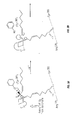


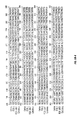

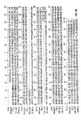


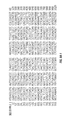


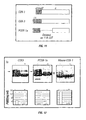

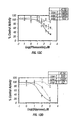

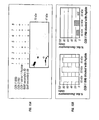




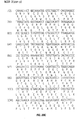

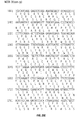

Classifications
-
- C—CHEMISTRY; METALLURGY
- C12—BIOCHEMISTRY; BEER; SPIRITS; WINE; VINEGAR; MICROBIOLOGY; ENZYMOLOGY; MUTATION OR GENETIC ENGINEERING
- C12N—MICROORGANISMS OR ENZYMES; COMPOSITIONS THEREOF; PROPAGATING, PRESERVING, OR MAINTAINING MICROORGANISMS; MUTATION OR GENETIC ENGINEERING; CULTURE MEDIA
- C12N9/00—Enzymes; Proenzymes; Compositions thereof; Processes for preparing, activating, inhibiting, separating or purifying enzymes
- C12N9/0004—Oxidoreductases (1.)
- C12N9/0071—Oxidoreductases (1.) acting on paired donors with incorporation of molecular oxygen (1.14)
- C12N9/0083—Miscellaneous (1.14.99)
-
- A—HUMAN NECESSITIES
- A61—MEDICAL OR VETERINARY SCIENCE; HYGIENE
- A61P—SPECIFIC THERAPEUTIC ACTIVITY OF CHEMICAL COMPOUNDS OR MEDICINAL PREPARATIONS
- A61P25/00—Drugs for disorders of the nervous system
- A61P25/28—Drugs for disorders of the nervous system for treating neurodegenerative disorders of the central nervous system, e.g. nootropic agents, cognition enhancers, drugs for treating Alzheimer's disease or other forms of dementia
-
- A—HUMAN NECESSITIES
- A61—MEDICAL OR VETERINARY SCIENCE; HYGIENE
- A61P—SPECIFIC THERAPEUTIC ACTIVITY OF CHEMICAL COMPOUNDS OR MEDICINAL PREPARATIONS
- A61P29/00—Non-central analgesic, antipyretic or antiinflammatory agents, e.g. antirheumatic agents; Non-steroidal antiinflammatory drugs [NSAID]
-
- A—HUMAN NECESSITIES
- A61—MEDICAL OR VETERINARY SCIENCE; HYGIENE
- A61P—SPECIFIC THERAPEUTIC ACTIVITY OF CHEMICAL COMPOUNDS OR MEDICINAL PREPARATIONS
- A61P37/00—Drugs for immunological or allergic disorders
-
- A—HUMAN NECESSITIES
- A61—MEDICAL OR VETERINARY SCIENCE; HYGIENE
- A61P—SPECIFIC THERAPEUTIC ACTIVITY OF CHEMICAL COMPOUNDS OR MEDICINAL PREPARATIONS
- A61P43/00—Drugs for specific purposes, not provided for in groups A61P1/00-A61P41/00
Definitions
- This invention relates to novel nucleic acids encoding novel mammalian cyclooxygenase (Cox) polypeptides and methods of use therefore.
- the invention further relates to compounds that modulate Cox activity and methods of identifying such compounds.
- COXs cyclooxygenases
- PIOXs pathogen-inducible oxygenases
- the cyclooxygenation of arachidonic acid, catalyzed by two forms of cyclooxygenase produces prostaglandins which, in turn, regulate neurotransmission and immune and inflammatory responses by activating receptors coupled to cAMP formation.
- prostaglandins which, in turn, regulate neurotransmission and immune and inflammatory responses by activating receptors coupled to cAMP formation.
- NSAIDS aspirin-like non-steroidal anti-inflammatory drugs
- NSAIDs are analgesic/antiinflammatory/antipyretic medications that act as inhibitors of the cyclooxygenase active site of COX isozymes. Important mechanistic differences in the actions of individual NSAIDs with the COX active site exist. Of the NSAIDs in medical use, only aspirin is a covalent modifier of COX-1 and COX-2.
- COX-1 variant nucleic acid molecules include those derived from the COX-1 genomic sequence and possessing intron 1.
- COX-1 variant amino acid sequence is encoded by a COX-1 variant nucleic acid sequence containing intron 1.
- COX-3 i.e.. pCox-1
- PCOX-1a i.e., pCox-1 ⁇ 657
- PCOX-1b are examples of COX-1 variants.
- COX-1 variants include hCOX-3(cc) (human COX-3 derived from cerebral cortex), hCOX-3(af) (human COX-3 derived from lung cells), hCOX-3 (del10) (human COX-3 derived from lung cells with exon 10 deleted) and hCOX-3(cs) (human COX-3 consensus sequence).
- hCOX-3(cc) human COX-3 derived from cerebral cortex
- hCOX-3(af) human COX-3 derived from lung cells
- hCOX-3 (del10) human COX-3 derived from lung cells with exon 10 deleted
- hCOX-3(cs) human COX-3 consensus sequence.
- this invention provides isolated nucleic acid molecule at least 98% identical to SEQ ID NO: 10, 11 or 13. These nucleic acid molecules encode COX-1 variant proteins or biologically active portions thereof. Further aspects of the invention are set out in the accompanying claims.
- a COX-1 variant nucleic acid molecule of the invention comprises intron 1, or fragment thereof, of cycloxygenase type 1.
- the nucleic acid molecule is an mRNA transcript.
- the nucleic acid molecule is cDNA.
- the nucleic acid molecule may encode a polypeptide comprising at least one domain that catalyzes the cyclization and/or oxygenation of an fatty acid radical, at least one membrane-binding domain, and at least one heme blinding domain.
- the nucleic acid molecule encodes a cyclooxygenase polypeptide, or naturally occurring allelic variant thereof, which comprises intron 1, or fragment thereof, of cyclooxygenase 1.
- a COX-1 variant nucleic acid molecule may be at least 98% homologous to a nucleotide sequence including SEQ ID NO:10 (i.e., hCOX-3(cc)), or a complement thereof.
- a COX-1 variant nucleic acid molecule may be at least 98% homologous to a nucleotide sequence including SEQ ID NO:11 (i.e., hCOX-3(af), or a complement thereof.
- a COX-1 variant nucleic acid molecule may be at least 98% homologous to a nucleotide sequence including SEQ ID NO:13 (i.e., hCOX-3(cs)), or a complement thereof.
- the isolated nucleic acid molecule may include the nucleotide sequence shown SEQ ID NO:10, or a complement thereof. In another embodiment, the nucleic acid molecule has the nucleotide sequence shown in SEQ ID NO:10.
- the isolated nucleic acid molecule may include the nucleotide sequence shown SEQ ID NO:11, or a complement thereof. In another embodiment, the nucleic acid molecule has the nucleotide sequence shown in SEQ ID NO:11.
- the isolated nucleic acid molecule may include the nucleotide sequence shown SEQ ID NO:13, or a complement thereof. In another embodiment, the nucleic acid molecule has the nucleotide sequence shown in SEQ ID NO:13.
- COX-1 variant nucleic acid molecules encode polypeptides having an amino acid sequence homologous to the amino acid sequence of SEQ ID NO:14 (hCOX-3(cs1),
- COX-1 variant nucleic acid molecules may specifically detect COX-1 variant nucleic acid molecules encoding a COX-1 variant polypeptide relative to nucleic acid molecules encoding non-COX-1 variant polypeptides.
- Such a nucleic acid molecule is at least 50, 100, 150, 200, 250, 300, 350, 400, 450, 500, 550, 600, 650, 700, 750, or 800 nucleotides in length and hybridizes under stringent conditions to a nucleic acid molecule of the invention.
- the nucleic acid molecule may encode a naturally occurring allelic variant of a polypeptide which includes the amino acid sequence of SEQ ID NO: 14 wherein the nucleic acid molecule hybridizes to a nucleic acid molecule which includes SEQ ID NO: 10, SEQ ID NO: 11 or SEQ ID NO: 13 under stringent conditions.
- An isolated nucleic acid molecule may be antisense to a COX-1 variant nucleic acid molecule, e.g., the coding strand of a COX-1 variant nucleic acid molecule.
- Another aspect of the invention provides a vector comprising a COX-1 variant nucleic acid molecule of the first aspect of the invention.
- the vector is a recombinant expression vector.
- the invention provides a host cell containing a vector of the invention.
- the invention also provides a method for producing a protein or polypeptide, by culturing in a suitable medium, a host cell, e.g., a mammalian host cell or insect cell, of the invention containing a recombinant expression vector, such that the protein is produced.
- the isolated protein includes at least one domain that catalyzes the cyclization and/or oxygenation of an fatty acid radical, at least one membrane-binding domain, and at least one heme binding domain.
- the isolated protein may include at least one domain that catalyzes the cyclization and/or oxygenation of an fatty acid radical, at least one membrane-binding domain, at least one heme binding domain.
- the isolated protein may include at least one domain that catalyzes the cyclization and/or oxygenation of an fatty acid radical, at least one membrane-binding domain, at least one heme binding domain, and is expressed and/or functions in cells of the central nervous system.
- the isolated protein may include at least one domain that catalyzes the cyclization and/or oxygenation of an fatty acid radical, at least one membrane-binding domain, at least one heme binding domain and plays a role in signalling pathways associated with cellular growth, e.g., signalling pathways associated with cell cycle regulation and central nervous system function.
- the isolated protein may include at least one domain that catalyzes the cyclization and/or oxygenation of an fatty acid radical, at least one membrane-binding domain, at least one heme binding domain, and is encoded by a nucleic acid molecule having a nucleotide sequence which hybridizes under stringent hybridization conditions to a nucleic acid molecule comprising the nucleotide sequence of SEQ ID NO:10, SEQ ID NO:11 or SEQ ID NO:13.
- the isolated protein may have an amino sequence homologous to the amino acid sequence of SEQ ID NO:14.
- An isolated COX-1 variant protein is encoded by a nucleic acid molecule having a nucleotide sequence at least 98% or more homologous to a nucleotide sequence (e.g., to the entire length of the nucleotide sequence) including SEQ ID NO:10, SEQ ID NO:11 or SEQ ID NO:13, or a complement thereof.
- the proteins of the present invention or biologically active portions thereof can be operatively linked to a non-COX-1 variant polypeptide (e.g., heterologous amino acid sequences) to form fusion proteins.
- Antibodies such as monoclonal or polyclonal antibodies, may specifically bind such COX-1 variant proteins (e.g., hCOX-3(cc), hCOX-3(af) or hCOX(cs)).
- the COX-1 variant proteins or biologically active portions thereof can be incorporated into pharmaceutical compositions, which optionally include pharmaceutically acceptable carriers.
- the present invention provides a method for detecting the presence of a Cox-1 variant nucleic acid molecule of the invention in a biological sample by contacting the biological sample with an agent capable of detecting a COX-1 variant nucleic acid molecule such that the presence of a COX-1 variant nucleic acid molecule is detected in the biological sample.
- the agent is a nucleic acid probe or primer which selectively hybridizes to the nucleic acid molecule.
- the cells of the invention may be used to identify compounds which bind to a polypeptide having cyclooxygenase activity or compounds which modulate the activity of a polypeptide having cyclooxygenase activity.
- a subject having a disorder characterized by aberrant COX-1 variant protein or nucleic acid expression or activity may be treated by administering an agent that is a COX-1 variant modulator to the subject.
- the COX-1 variant modulator may be a COX-1 variant protein.
- the COX-1 variant modulator may be a COX-1 variant nucleic acid molecule.
- the COX-1 variant modulator may be a peptide, peptidomimetic, or other small molecule.
- the disorder characterized by aberrant COX-1 variant protein or nucleic acid expression may be a cellular growth related disorder e.g., a neoplastic disorder, or a disorder of the central nervous system, e.g., Alzheimer's Disease.
- a diagnostic assay may identify the presence or absence of a genetic alteration characterized by at least one of (i) aberrant modification or mutation of a gene encoding a COX-1 variant protein; (ii) mis-regulation of the gene; and (iii) aberrant post-translational modification of a COX-1 variant protein, wherein a wild-type form of the gene encodes a protein with a COX-1 variant activity.
- a diagnostic assay can include, for example, an array-based system for detecting the presence or absence of a COX-1 variant or the presence or absence of a genetic alteration in a COX-1 variant. Arrays of the invention are set out in the claims.
- a method for ameliorating a neurodegenerative condition in a subject may be by administering a specific inhibitor of a COX-1 variant encoded by a nucleic acid as set forth in the present invention, in a pharmaceutically acceptable carrier.
- the invention provides a method for selectively inhibiting hCOX-3(cc), hCOX-3(af) or hCOX-3(cs) activity in a subject by administering a compound that selectively inhibits activity of the nucleic acid of the invention.
- a non-steroidal compound may selectively inhibit activity of the hCOX-3(cc), hCOX-3(af) or hCOX-3(cs) gene product.
- the activity of the non-steroidal compound does not result in significant toxic side effects in the subject.
- the ability of the non-steroidal compound to selectively inhibit the activity of the COX-1 variant gene product may be determined by contacting a genetically engineered cell that expresses a nucleic acid of the invention with the compound and exposing the cell to a pre-determined amount of arachidonic acid; contacting a genetically engineered cell that expresses COX-1 or COX-2, and not a COX-1 variant, with the compound and exposing the cell to a pre-determined amount of arachidonic acid; measuring the conversion of arachidonic acid to its prostaglandin metabolite; and comparing the amount of the converted arachidonic acid converted by each cell exposed to the compound to the amount of the arachidonic acid converted by control cells that were not exposed to the compound, so that the compounds that inhibit a COX-1 variant activity and not COX-1 or COX-2 activity are identified.
- Figure 1A depicts an alignment of known COX-2 sequences.
- "Guinea” represents guinea pig
- "Rainbow” is rainbow trout
- “Brook” is brook trout.
- Asterisks (*) are placed above cysteine residues that are known to be involved in disulfide bonding and gaps in the sequence are represented by a dash (-). All numbering in these alignments uses the ovine sequence as a reference. Domains are indicated.
- Figure 1B depicts an alignment of known COX-1 amino acid sequences for human (SEQ ID NO:22), ovine (SEQ ID NO:23), canine (SEQ ID NO:24), bovine (SEQ ID NO:25), equine (SEQ ID NO:26), rabbit (SEQ ID NO:27), guinea (SEQ ID NO:28), murine (SEQ ID NO:29), rat (SEQ ID NO:30), mink (SEQ ID NO:30), chicken (SEQ ID NO:31), rainbow trout (SEQ ID NO:32), and brook trout (SEQ ID NO:33).
- Asterisks, dashes and alignment are the same as those indicated for Figure 1A . Domains are indicated.
- Figure 1C depicts an alignment of the consensus amino acid sequences of COX-1 (SEQ ID NO:34) and COX-2 (SEQ ID NO:35) with the sequences of cyclooxygenases from Gersemia fruticosa (SEQ ID NO:36) and Plexaura homomalla (SEQ ID NO:37), which are two species of coral.
- a period represents a residue for which no clear consensus (50% or greater) could be seen.
- Figure 2 depicts the primary sequence alignment of the consensus cyclooxygenase sequences with three plant PIOXs isolated from rice (SEQ ID NO:38), A. Thaliana (SEQ ID NO:39), and tobacco (SEQ ID NO:40).
- the domains shown are for cyclooxygenase. Periods represent residues for which there is no consensus (less than 50% of known sequences have the same residue here).
- the signal peptide and EGF-like, binding, and dimerization domains are not present in the PIOX sequences. Additionally, the distal histidine is not present in the PIOX sequences.
- the "REHN” sequence is part of the peroxidase catalytic domain of cyclooxygenases, and represents a stretch of 9 amino acids that is absolutely conserved in all known cyclooxygenases. This sequence is degenerated in the PIOXs. The active site tyrosine and proximal histidine heme ligand are conserved in all of the PIOX sequences.
- FIG. 3 depicts activation of arachidonic acid by COX enzymes showing the essential role of Tyr385- an amino acid residue conserved in COXs and PIOXs.
- Step 1 Arachidonate is coordinated in the COX active site in an extended L shape, its carboxyl group being coordinated by ARG120 and TYR355. The Pro-S hydrogen from carbon 13 is abstracted by Tyr385 to form an arachidonyl radical.
- Step 2 Oxygen presumed to have diffused in to the COX active site through the mouth of the channel attacks the arachidonyl radical forming an endoperoxyl and cyclopentane ring.
- Step 3 The endoperoxyl radical is attacked by a second molecule of oxygen at carbon 15.
- Figure 4 depicts a diagram of the catalytic cycle responsible for activation of Tyr 385 - an amino acid residue conserved in COXs and PIOXs.
- An endogenous oxidant binds the peroxidase active site and oxidizes ferric heme to ferryl-oxo-porphyrin radical which in turn abstracts hydrogen from Tyr 385 to form a tyrosyl radical. Only one oxidation event at the peroxidase is needed to activate the enzyme, since the Tyr 385 radical is regenerated with each cyclooxygenase cycle.
- the blots were hybridized with 32 P-labeled canine COX-1 DNA (specific activity 8.8x10 8 cpm/ ⁇ g ,6x10 6 cpm/ml). Post hybridization washes were carried out for 3h with 3-4 changes in 2 x SSC/0.5%SDS at about 65°C.
- Figure 5 panel C, depicts a Northern blot analysis of PCOX-1 (i.e., COX-3) and PCOX-1 ⁇ 657 (i.e., PCOX1a) RNA.
- Figure 6A depcits a nucleic acid sequence alignment of canine COX-1, PCOX-1 (i.e., COX-3) and PCOX-1 ⁇ 657 (i.e., PCOX1a) and a consensus sequence.
- Figure 6B depicts the predicted amino acid sequence of canine COX-1, PCOX-1 (i.e., COX-3) and PCOX-1 ⁇ 657 (i.e., PCOX1a) as compared with a consensus sequence.
- Figure 7 depicts an analysis of the structure of intron-1 of a COX-1 variant in human (SEQ ID NO:41) and mouse (SEQ ID NO:42) as compared with canine (SEQ ID NO:43).
- the human and mouse sequences contain an intron-1 that is similar in size to that in canine which, when retained, would provide an in-frame insertion into the signal peptide encoding the protein.
- Figure 8 depicts a Northern blot analysis of canine total RNA (25ug) probed with 32 P-end labeled oligo (50mer) designed from within the first intron of COX-1 in canine.
- Figure 9A depicts the nucleotide coding sequence of COX-3.
- Figure 9B depicts the amino acid sequence of a COX-3 polypeptide.
- Figure 9C depicts the cDNA sequence of COX-3 transcript.
- Figure 9D depicts the nucleotide coding sequence of PCOX-1a.
- Figure 9E depicts the amino acid sequence of PCOX-1 a polypeptide.
- Figure 9F depicts the cDNA sequence of PCOX-1b transcript.
- Figure 10 panel A, depicts a Northern blot analysis and RT-PCR of canine cerebral cortex poly(A) RNA (lane 1, 5.0 ⁇ g; lane 2, 2.5 ⁇ g) probed with 1) 32 P-labeled canine COX-1 cDNA fragment, 2) 32 P-labeled canine antisense oligonucleotide to intron 1 (CCI).
- Figure 10 panel B, depicts PCR amplification of PCOX-1 in canine cerebral cortex.
- Lane 1 ethidium bromide-stained gel of amplified products corresponding to PCOX-1a containing intron 1 (upper band) and PCOX-1b (lower band) lacking intron 1;
- lane 2 Southern blot of the amplified products probed with antisense oligonucleotide (CCI) to intron 1; and lane 3, Southern blot using COX-3 cDNA as probe.
- CCI antisense oligonucleotide
- Figure 10 panel C, depicts human Multiple Tissue Northern blots (MTNR) probed with a 32 P-labeled human antisense oligonucleotide to intron 1 (HCI). The ⁇ 5.2 kb mRNA was detected in blots 1-3 (adult tissues), and 4 (fetal tissues).
- MTNR Multiple Tissue Northern blots
- Am amygdala
- B brain
- C cerebellum: Cc, cerebral cortex
- Fl frontal lobe
- H hippocampus
- Ht heart
- K kidney
- L lung
- Li liver
- M skeletal muscle
- Md medulla
- N caudate nucleus
- Op occipital pole
- P placenta
- Pn pancreas
- Pu putamen
- Sc spinal cord
- T thalamus
- T1 temporal lobe
- X corpus callosum.
- Figure 1 depicts a schematic representation of the domains of COX-3 and PCOX-1 in comparison to COX-1.
- Figure 12 depicts Western blots showing the expression of COX-3, PCOX-1a and COX-1 in insect cells treated with (+) and without (-) tunicamycin (top panels). Arrows indicate glycosylated forms of COX-1 which are not present in cells treated with tunicamycin. Polyclonal antibodies to human and mouse COX-1 intron 1 sequence were used to probe the COX-3 and PCOX-1a blots while a monoclonal antibody to ovine COX-1 (Cayman) was used to probe the mouse COX-1 blot. COX activity in insect cells expressing COX-3, PCOX-1a, and COX-1. Cells were treated with (+) and without (-) tunicamycin (bottom panels).
- Figure 13 depicts line graphs of drug inhibition studies showing the effects of acetaminophen (panel A and panel B), phenacetin (panel C), and dipyrone (panel D) on COX-1 ( ⁇ ), COX-2 (•) and COX-3 ( ⁇ ) activity in insect cells.
- Figure 14 depicts an alignment of the consensus sequences of COX-1, COX-2 and coral COX corresponding to structural helices H2, H5, and H8 with plant PIOXs and LDS.
- the PIOXs are from Oryza sativa (rice), Arabidopsis thaliana (arabidopsis) and Nicotiana tabacum (tobacco).
- Also aligned is linoleate diol synthase from Gaeumannomyces graminis (LDS).
- LDS Gaeumannomyces graminis
- Figure 15 panel A, depicts a Western blot of human aorta lysate probed with COX-1 and COX-3 antibodies.
- the blot (lanes 3-8, 20 ⁇ g total aorta protein each lane) probed with primary, secondary, or blocked antibodies as indicated.
- a solid horizontal arrow indicates the 65 kDa protein
- an open arrow indicates the 53 kDa proteins
- an upward diagonal solid arrow indicates the 50 kDa protein.
- a single asterisk (*) denotes unglycosylated canine COX-3
- a double asterisk (**) denotes unglycosylated canine PCOX-1a.
- Figure 15 panel B, depicts a densitometric analysis of 65, 53, and 50 kDa proteins. Percent relative densitometric units (% rdu) were calculated by comparison to the signal from unblocked primary antibodies. The 50kDa protein is not detected (n/d) by unblocked or blocked COX-3 PAb.
- Figure 16 depicts a comparison of hCOX-3(cc), hCOX-3(af) and hCOX-3(del10) cDNA and provides a hCOX-3(cs) consensus sequence (SEQ ID NO:13) which is a consensus sequence of hCOX-3(af), hCOX-3(cc) and hCOX-3(del10).
- Figure 17 depicts the cDNA sequence of hCOX-3(cc) transcript (SEQ ID NO:10).
- Figure 18 depicts the cDNA sequence of hCOX-3(af) transcript (SEQ ID NO:11).
- Figure 19 depicts the cDNA sequence of hCOX-3(de110) transcript (SEQ ID NO:12).
- Figure 20A-F depicts consensus amino acid sequences (SEQ ID NO:14, SEQ ID NO:15 and SEQ ID NO:16) for different reading frames of hCOX-3(cs) (SEQ ID NO:13).
- COX-1 variants or COX-1 variant nucleic acid and polypeptide molecules
- cyclooxygenase type 1 variants include hCOX-3(cc), hCOX-3(af), and hCOX-3(cs).
- COX-1 variant molecules modulate the activity of one or more proteins involved in cellular growth or differentiation.
- the COX-1 variant molecules of the present invention are capable of modulating the function of the central nervous system.
- Cyclooxygenase isozymes are the cellular targets of non-steroidal antiinflammatory drugs (NSAIDs), which include pharmaceutically-important therapeutic agents such as aspirin, ibuprofen, and naproxen.
- NSAIDs non-steroidal antiinflammatory drugs
- the present invention provides nucleic acid sequences encoding novel COX-1 variant enzymes. Fatty acid oxygenase activity is central to the production of prostaglandins, thromboxanes, hydroxy- and hydroperoxy-fatty acids by cyclooxygenases and is also shared by a related group of enzymes, which in plants are called pathogen inducible fatty acid oxygenases (PIOXs).
- PIOXs pathogen inducible fatty acid oxygenases
- the present data indicate that PIOX-like enzymes are found widely in nature. PIOXs make hydroperoxy-fatty acids and their derivatives.
- the present COX-1 variants like PIOXs, contain the critical amino acid residues needed to synthesize important oxygenated
- a "cellular growth related disorder” includes a disorder, disease, or condition characterized by a deregulation, e.g., an upregulation or a downregulation, of cellular growth.
- a deregulation e.g., an upregulation or a downregulation
- Cellular growth deregulation may be due to a deregulation of cellular proliferation, cell cycle progression, cellular differentiation and/or cellular hypertrophy.
- cellular growth related disorders examples include disorders such as cancer, e.g., melanoma, prostate cancer, cervical cancer, breast cancer, colon cancer, or sarcoma.
- Cellular growth related disorders further include disorders related to unregulated or dysregulated apoptosis (i.e., programmed cell death).
- Apoptosis is a cellular suicide process in which damaged or harmful cells are eliminated from multicellular organisms. Cells undergoing apoptosis have distinct morphological changes including cell shrinkage, membrane blebbing, chromatin condensation, apoptotic body formation and fragmentation. This cell suicide program is evolutionarily conserved across animal and plant species.
- Apoptosis plays an important role in the development and homeostasis of metazoans and is also critical in insect embryonic development and metamorphosis. Furthermore, apoptosis acts as a host defense mechanism. For example, virally infected cells are eliminated by apoptosis to limit the propagation of viruses. Apoptosis mechanisms are involved in plant reactions to biotic and abiotic insults. Dysregulation of apoptosis has been associated with a variety of human diseases including cancer, neurodegenerative disorders and autoimmune diseases. Accordingly, identification of novel mechanisms to manipulate apoptosis provides new means to study and manipulate this process.
- the present invention is based, at least in part, on the discovery of novel molecules, referred to herein as COX-1 variant protein and nucleic acid molecules, which comprise a family of molecules having certain conserved structural and functional features.
- family when referring to the protein and nucleic acid molecules of the invention is intended to mean two or more proteins or nucleic acid molecules having a common structural domain or motif and having sufficient amino acid or nucleotide sequence homology as defined herein.
- family members can be naturally or non-naturally occurring and can be from either the same or different species.
- a family can contain a first protein of human origin, as well as other, distinct proteins of human origin or alternatively, can contain homologues of non-human origin.
- Members of a family may also have common functional characteristics.
- the nucleic acid molecules of the invention are described in further detail in the following subsections.
- a COX-1 variant nucleic acid molecule of the invention comprises intron 1, or fragment thereof, of cycloxygenase type 1.
- the nucleic acid molecule is an mRNA transcript.
- the nucleic acid molecule is cDNA.
- the nucleic acid molecule encodes a polypeptide comprising at least one domain that catalyzes the cyclization and/or oxygenation of an fatty acid radical, at least one membrane-binding domain, and at least one heme binding domain.
- the nucleic acid molecule encodes a cyclooxygenase polypeptide, or naturally occurring allelic variant thereof, which comprises intron 1, or fragment thereof, of cyclooxygenase 1.
- the present invention provides nucleic acid molecules of COX-1 variants that possess a cyclooxygenase intron-1. Retention of intron-1 in these mRNA transcripts and cDNAs disrupts the signal peptide of the protein and, therefore, is predicted to change the subcellular localization of the proteins encoded by these mRNA transcripts and any cDNA derived therefrom. Changing the subcellular localization of these proteins from the lumen of the endoplasmic reticulum, where COX-1 is normally found, to the cytosol or other location will change posttranslational modifications, redox states, and protein-protein interactions of the proteins encoded by our cDNAs. These changes are predicted to have significant effect on the enzymatic activities of the proteins that will make them novel drug targets separate from COX-1.
- An exemplary COX-1 variant includes COX-3.
- Northern blot analysis of (polyA) RNA from human tissues using an anti-sense oligonucleotide probe to intron 1 shows that a ⁇ 5.2 kb mRNA and, in some cases smaller mRNAs, are specifically detected by this probe.
- Expression of this human ⁇ 5.2 kb, intron-1-hybridizing RNA was highest in brain cortex, the same tissue which possesses a high amount of intron-1 containing COX-1 mRNA in dog.
- the ⁇ 5.2 kb RNA, from which COX-3 is expressed, was also found to be present in other parts of the brain and in other tissues such as heart and muscle.
- RT-PCR Reverse-transcriptase-coupled polymerase chain reaction
- the isolated COX-1 variant proteins or polypeptides are identified based on the presence of at least one domain that catalyzes the cyclization and/or oxygenation of an fatty acid radical, at least one membrane-binding domain, and at least one heme binding domain.
- Isolated proteins have an amino acid sequence homologous to the amino acid sequence of COX-3, PCOX-1a, hCOX-3(cc), hCOX-3(af), hCOX-3 (del10) and hCOX-3(cs) or are encoded by a nucleotide sequence homologous to SEQ ID NO:1, SEQ ID NO:3, SEQ ID NO:4, SEQ ID NO:6, SEQ ID NO:10, SEQ ID NO:11, SEQ ID NO:12 or SEQ ID NO:13.
- homologous refers to a first amino acid or nucleotide sequence which contains a sufficient or minimum number of identical or equivalent (e.g., an amino acid residue which has a similar side chain) amino acid residues or nucleotides to a second amino acid or nucleotide sequence such that the first and second amino acid or nucleotide sequences share common structural domains or motifs and/or a common functional activity.
- a sufficient or minimum number of identical or equivalent e.g., an amino acid residue which has a similar side chain
- amino acid or nucleotide sequences which share common structural domains have at least 30%, 40%, or 50% homology, preferably 60% homology, more preferably 70%-80%, and even more preferably 90-95% homology across the amino acid sequences of the domains and contain at least one and preferably two structural domains or motifs, are defined herein as sufficiently homologous.
- amino acid or nucleotide sequences which share at least 30%, 40%, or 50%, preferably 60%, more preferably 70-80%, or 90-95% homology and share a common functional activity are defined herein as sufficiently homologous.
- COX-3 activity refers to an activity exerted by a COX-3 protein, polypeptide or nucleic acid molecule on a COX-3 responsive cell or a COX-3 protein substrate, as determined in vivo, or in vitro, according to standard techniques. The biological activity of COX-3 is described herein.
- PCOX-la activity refers to an activity exerted by a PCOX-1a protein, polypeptide or nucleic acid molecule on a PCOX-1a responsive cell or a PCOX-1a protein substrate, as determined in vivo, or in vitro, according to standard techniques.
- the biological activity of PCOX-1a is described herein. The previously described terms are applicable to all exemplary COX-1 variants described herein, including PCOX-1b hCOX-3(cc), hCOX-3(af), hCOX-3 (de110) and hCOX-3(cs).
- the nucleotide sequence of the isolated COX-3 cDNA and the predicted amino acid sequence of the COX-3 polypeptide are shown in Figures 9A (SEQ ID NO:1) and 9B (SEQ ID NO:2), respectively.
- the nucleotide sequence of the isolated PCOX-1a cDNA and the predicted amino acid sequence of the PCOX-1a polypeptide are shown in Figures 9D (SEQ ID NO:4) and 9E (SEQ ID NO:5), respectively.
- the consensus nucleotide sequence of hCOX-3(cc), hCOX-3(af) and hCOX-3(de110) cDNA is shown in Figure 16 (SEQ ID NO:13).
- the nucleotide sequence of the isolated hCOX-3(cc) cDNA is shown in Figure 17 (SEQ ID NO:10).
- the nucleotide sequence of the isolated hCOX-3(af) cDNA is shown in Figure 18 (SEQ ID NO:11).
- the nucleotide sequence of the isolated hCOX-3(de110) cDNA is shown in Figure 19 (SEQ ID NO:12).
- the amino acid sequences derived from the consensus sequence is shown in Figure 20A-F (SEQ ID NO:14, SEQ ID NO:15 and SEQ ID NO16).
- Plasmids containing the nucleotide sequence encoding COX-3, PCOX1a, hCOX-3(cc), hCOX-3(af), hCOX-3 (del10) and hCOX-3(cs) were deposited with American Type Culture Collection (ATCC), 10801 University Boulevard, Manassas, VA 20110-2209, on _ and assigned Accession Numbers_. These deposits will be maintained under the terms of the Budapest Treaty on the International Recognition of the Deposit of Microorganisms for the Purposes of Patent Procedure. These deposits was made merely as a convenience for those of skill in the art and is not an admission that a deposit is required under 35 U.S.C. ⁇ 112.
- Isolated nucleic acid molecules encode proteins or biologically active portions thereof, as well as nucleic acid fragments sufficient for use as hybridization probes to identify COX-1 variants (i.e., COX-3, PCOX-1a, hCOX-3(cc), hCOX-3(af), hCOX-3 (de110) and hCOX-3(cs) -encoding nucleic acids (e.g., mRNA) and fragments for use as PCR primers for the amplification or mutation of nucleic acid molecules.
- COX-1 variants i.e., COX-3, PCOX-1a, hCOX-3(cc), hCOX-3(af), hCOX-3 (de110) and hCOX-3(cs) -encoding nucleic acids (e.g., mRNA) and fragments for use as PCR primers for the amplification or mutation of nucleic acid molecules.
- nucleic acid molecule is intended to include DNA molecules (e.g., cDNA or genomic DNA) and RNAmolecules (e.g., mRNA) and analogs of the DNA or RNA generated using nucleotide analogs.
- the nucleic acid molecule can be single-stranded or double-stranded, but preferably is double-stranded DNA.
- an “isolated” nucleic acid molecule is one which is separated from other nucleic acid molecules which are present in the natural source of the nucleic acid.
- the term “isolated” includes nucleic acid molecules which are separated from the chromosome with which the genomic DNA is naturally associated.
- an “isolated” nucleic acid is free of sequences which naturally flank the nucleic acid (i.e., sequences located at the 5' and 3' ends of the nucleic acid) in the genomic DNA of the organism from which the nucleic acid is derived.
- the isolated nucleic acid molecule can contain less than about 5 kb, 4kb, 3kb, 2kb, 1 kb, 0.5 kb or 0.1 kb of nucleotide sequences which naturally flank the nucleic acid molecule in genomic DNA of the cell from which the nucleic acid is derived.
- an "isolated" nucleic acid molecule such as a COX-1 variant cDNAmolecule, can be substantially free of other cellular material, or culture medium when produced by recombinant techniques, or substantially free of chemical precursors or other chemicals when chemically synthesized.
- a nucleic acid molecule of the present invention e.g., a nucleic acid molecule having the nucleotide sequence of SEQ ID NO:10, SEQ ID NO:11, or SEQ DNO:13
- nucleic acid molecules can be isolated using standard molecular biology techniques and the sequence information provided herein.
- nucleic acid molecules can be isolated using standard hybridization and cloning techniques (e.g., as described in Sambrook, J., Fritsh, E. F., and Maniatis, T. Molecular Cloning: A Laboratory Manual. 2nd, ed., Cold Spring Harbor Laboratory, Cold Spring Harbor Laboratory Press, Cold Spring Harbor, NY, 1989 ).
- nucleic acid molecule encompassing all or a portion of SEQ ID NO:1, SEQ ID NO:3, SEQ ID NO:4, SEQ ID NO:6, SEQ ID NO:10, SEQ ID NO:11, SEQ ID NO:12 or SEQ ID NO:13 can be isolated by the polymerase chain reaction (PCR) using synthetic oligonucleotide primers designed based upon the sequence of SEQ ID NO:1, SEQ ID NO:3, SEQ ID NO:4, SEQ ID NO:6, SEQ ID NO:10, SEQ ID NO:11, SEQ ID NO:12 or SEQ ID NO:13, respectively.
- PCR polymerase chain reaction
- a nucleic acid of the invention can be amplified using cDNA, mRNA or alternatively, genomic DNA, as a template and appropriate oligonucleotide primers according to standard PCR amplification techniques.
- the nucleic acid so amplified can be cloned into an appropriate vector and characterized by DNA sequence analysis.
- oligonucleotides corresponding to COX-1 variant nucleotide sequences can be prepared by standard synthetic techniques, e.g., using an automated DNA synthesizer.
- An isolated nucleic acid molecule comprises the nucleotide sequence shown in SEQ ID NO:1, SEQ ID NO:4, SEQ ID NO:10, SEQ ID NO:11, SEQ ID NO:12 or SEQ ID NO:13 corresponding to the coding region of COX-3, PCOX-1a, PCOX-1b, hCOX-3(cc), hCOX-3(af), hCOX-3 (del10) and hCOX-3(cs), respectively.
- An isolated nucleic acid molecule comprises a nucleic acid molecule which is a complement of the nucleotide sequence shown in SEQ ID NO:1, SEQ ID NO:4, SEQ ID NO:10, SEQ ID NO:11, SEQ ID NO:12 or SEQ ID NO:13, or a portion of any of these nucleotide sequences.
- a nucleic acid molecule which is complementary to the nucleotide sequence shown in SEQ ID NO:1, SEQ ID NO:4, SEQ ID NO:10, SEQ ID NO:11, SEQ ID NO:12 or SEQ ID NO:13 is one which is sufficiently complementary to the nucleotide sequence shown in SEQ ID NO:1, SEQ ID NO:4, SEQ ID NO:10, SEQ ID NO:11, SEQ ID NO:12 or SEQ ID NO:13, respectively, such that it can hybridize to the nucleotide sequence shown in SBQ ID NO:1, SEQ ID NO:4, SEQ ID NO:10, SEQ ID NO:11, SEQ ID NO:12 or SEQ ID NO:13, respectively, thereby forming a stable duplex.
- An isolated nucleic acid molecule comprises a nucleotide sequence which is at least about 50%, 54%, 55%, 60%, 62%, 65%, 70%, 75%, 78%, 80%, 85%, 86%, 90%, 95%, 97%, 98% or more homologous to the nucleotide sequence (e.g., to the entire length of the nucleotide sequence) shown in SEQ ID NO:1, SEQ ID NO:4, SEQ ID NO:10, SEQ ID NO:11, SEQ ID NO:12 or SEQ ID NO:13, or a portion of any of these nucleotide sequences.
- the nucleic acid molecule can comprise only a portion of the nucleic acid sequence of SEQ ID NO:1, SEQ ID NO:4, SEQ ID NO:10, SEQ ID NO:11, SEQ ID NO:12 or SEQ ID NO:13, for example a fragment which can be used as a probe or primer or a fragments encoding a biologically active portion of a protein.
- the nucleotide sequence determined from the cloning of the COX-1 variant transcript allows for the generation of probes and primers designed for use in identifying and/or cloning other COX-1 variant family members, as well as homologues from other species.
- the probe/primer typically comprises substantially purified oligonucleotide.
- the oligonucleotide typically comprises a region of nucleotide sequence that hybridizes under stringent conditions to at least about 12 or 15, preferably about 20 or 25, more preferably about 30, 35, 40, 45, 50, 55, 60, 65, or 75 consecutive nucleotides of a sense sequence of SEQ ID NO:1, SEQ ID NO:4, SEQ ID NO:10, SEQ ID NO:11, SEQ ID NO:12 or SEQ ID NO:13, of an anti-sense sequence of SEQ ID NO:1, SEQ ID NO:4, SBQ ID NO:10, SEQ ID NO:11, SEQ ID NO:12 or SEQ ID NO:13, or of a naturally occurring allelic variant or mutant of SEQ ID NO:1, SEQ ID NO:4, SEQ ID NO:10, SEQ ID NO:11, SEQ ID NO:12 or SEQ ID NO:13.
- a nucleic acid molecule comprises a nucleotide sequence which is at least 350, 400, 450, 500, 550, 600, 650, 700, 750, or 800 nucleotides in length and hybridizes under stringent hybridization conditions to a nucleic acid molecule of SEQ ID NO:1, SEQ ID NO:4, SEQ ID NO:10, SEQ ID NO:11, SEQ ID NO:12 or SEQ ID NO:13
- nucleic acids that do not hybridize to each other under stringent conditions are still substantially homologous to one another if they encode polypeptides that are substantially identical to each other This occurs, for example, when a nucleic acid is created synthetically or recombinantly using a high codon degeneracy as permitted by the redundancy of the genetic code.
- Probes based on COX-1 variant nucleotide sequences can be used to detect transcripts or genomic sequences encoding the same or homologous proteins.
- the probe may further comprise a label group attached thereto, e.g., the label group can be a radioisotope, a fluorescent compound, an enzyme, or an enzyme co-factor.
- Such probes can be used as a part of a diagnostic test kit for identifying cells or tissues which misexpress a COX-1 variant protein, such as by measuring a level of a COX-1 variant-encoding nucleic acid in a sample of cells from a subject e.g., detecting COX-1 variant mRNA levels.
- a nucleic acid fragment encoding a "biologically active portion of a COX-1 variant protein” can be prepared by isolating a portion of the nucleotide sequence of SEQ ID NO:1, SEQ ID NO:4, SEQ ID NO:10, SEQ ID NO:11, SEQ ID NO:12 or SEQ ID NO:13, which encodes a polypeptide having a biological activity (the biological activities of the proteins are described herein), expressing the encoded portion of the protein (e.g., by recombinant expression in vitro) and assessing the activity of the encoded portion of the protein.
- Nucleic, acid molecules may differ from the nucleotide sequence shown in SEQ ID NO:1, SEQ ID NO:4, SEQ ID NO:10, SEQ ID NO:11, SEQ ID NO:12 or SEQ ID NO:13, due to the degeneracy of the genetic code and, thus, encode the same proteins as those encoded by the nucleotide sequence shown in SEQ ID NO:1, SEQ ID NO:4, SEQ ID NO:10, SEQ ID NO:11, SEQ ID NO:12 or SEQ ID NO:13.
- An isolated nucleic acid molecule may have a nucleotide sequence encoding a protein having an amino acid sequence shown in SEQ ID NO:2, SEQ ID NO:5, SEQ ID NO:14, SEQ ID NO:15 or SEQ ID NO:16.
- DNA sequence polymorphisms that lead to changes in the amino acid sequences of the proteins may exist within a population (e.g., the human population). Such genetic polymorphism may exist among individuals within a population due to natural allelic variation.
- the terms "gene” and “recombinant gene” refer to nucleic acid molecules which include an open reading frame encoding a COX-1 protein, preferably a mammalian protein, and can further include non-coding regulatory sequences, and introns. Since natural allelic variations can arise in the COX-1 gene, variant mRNA transcripts encoding COX-1 variant polypeptides can include such allelic variations. Any and all such nucleotide variations and resulting amino acid polymorphisms in COX-1 variant genes that are the result of natural allelic variation and that do not alter the functional activity of a COX-1 variant protein are intended to be within the scope of the invention.
- COX-1 variant cDNA can be identified based on the nucleotide sequence of the disclosed human, canine or chicken sequences. Moreover, nucleic acid molecules encoding proteins f rom different species will have a nucleotide sequence which differs from the disclosed sequences of SEQ ID NO:1, SEQ ID NO:3, SEQ ID NO:4, SEQ ID NO:6, SEQ ID NO:10, SEQ ID NO:11, SEQ ID NO:12 or SEQ ID NO:13. For example, a mouse COX-1 variant cDNA can be identified based on the nucleotide sequence of a human, canine or ovine.
- Nucleic acid molecules corresponding to natural allelic variants and homologues of the cDNAs disclosed can be isolated based on their homology to the COX-1 variant nucleic acids disclosed herein using the cDNAs disclosed herein, or a portion thereof, as a hybridization probe according to standard hybridization techniques under stringent hybridization conditions.
- An isolated nucleic acid molecule is at least 15, 20, 25, 30 or more nucleotides in length and hybridizes under stringent conditions to the nucleic acid molecule comprising the nucleotide sequence of SEQ ID NO:1, SEQ ID NO:3, SEQ ID NO:4, SEQ ID NO:6, SEQ ID NO:10, SEQ ID NO:11, SEQ ID NO:12 or SEQ ID NO:13.
- the nucleic acid is at least 30, 50, 100, 150, 200, 250, 300, 350, 400, 450, 500, 550, or 600 nucleotides in length.
- hybridizes under stringent conditions is intended to describe conditions for hybridization and washing under which nucleotide sequences at least 30%, 40%, 50%, or 60% homologous to each other typically remain hybridized to each other.
- the conditions are such that sequences at least about 70%, more preferably at least about 80%, even more preferably at least about 85% or 90% homologous to each other typically remain hybridized to each other.
- stringent conditions are known to those skilled in the art and can be found in Current Protocols in Molecular Biology, John Wiley & Sons, N.Y (1989), 6.3.1-6.3.6 .
- a preferred, non-limiting example of stringent hybridization conditions are hybridization in 6X sodium chloride/sodium citrate (SSC) at about 45°C, followed by one or more washes in 0.2 X SSC, 0.1% SDS at 50-65°C.
- An isolated nucleic acid molecule that hybridizes under stringent conditions to the sequence of SEQ ID NO:1, SEQ ID NO:3, SEQ ID NO:4, SEQ ID NO:6, SEQ ID NO:10, SEQ ID NO:11, SEQ ID NO:12 or SEQ ID NO:13 corresponds to a naturally-occumng nucleic acid molecule.
- a "naturally-occurring" nucleic acid molecule refers to an RNA or DNA molecule having a nucleotide sequence that occurs in nature (e.g., encodes a natural protein).
- allelic variants of the sequences that may exist in the population the skilled artisan will further appreciate that changes can be introduced by mutation into the nucleotide sequences of SEQ ID NO:1, SEQ ID NO:3, SEQ ID NO:4, SEQ ID NO:6, SEQ ID NO:10, SEQ ID NO:11, SEQ ID NO:12 or SEQ ID NO:13, thereby leading to changes in the amino acid sequence of the encoded proteins, without altering the functional ability of the proteins.
- nucleotide substitutions leading to amino acid substitutions at "non-essential" amino acid residues can be made in the sequence of SEQ ID NO:1, SEQ ID NO:3, SEQ ID NO:4, SEQ ID NO:6, SEQ ID NO:10, SEQ ID NO:11, SEQ ID NO:12 or SEQ ID NO:13.
- a "non-essential" amino acid residue is a residue that can be altered from the wild-type sequence of (e.g., the sequence of SEQ ID NO:2, SEQ ID NO:5, SEQ ID NO:14, SEQ ID NO:15 or SEQ ID NO:16) without altering the biological activity, whereas an "essential" amino acid residue is required for biological activity.
- amino acid residues that are conserved among the COX-3, PCOX-1a, PCOX-1b, hCOX-3(cc), hCOX-3(af), hCOX-3 (del10) and hCOX-3(cs) proteins of the present invention are predicted to be particularly unamenable to alteration. Furthermore, additional amino acid residues that are conserved between the proteins disclosed and other family members are not likely to be amenable to alteration.
- Nucleic acid molecules encode proteins that contain changes in amino acid residues that are not essential for activity. Such proteins differ in amino acid sequence from SEQ ID NO:2, SEQ ID NO:5, SEQ ID NO:14, SEQ ID NO:15 or SEQ ID NO:16, yet retain biological activity.
- the isolated nucleic acid molecule comprises a nucleotide sequence encoding a protein, wherein the protein comprises an amino acid sequence at least about 41%, 42%, 45%, 50%, 55%, 59%, 60%, 65%, 70%, 75%, 80%, 81%, 85%, 90%, 95%, 98% or more homologous to the amino acid sequence of SEQ ID NO:2, SEQ ID NO:5, SEQ ID NO:14, SEQ ID NO:15 or SEQ ID NO:16, (e.g., the entire amino acid sequence of SEQ ID NO:2, SEQ ID NO:5, SEQ ID NO:14, SEQ ID NO15 or SEQ ID NO:16).
- An isolated nucleic acid molecule encoding a protein which is homologous to the protein of SBQ ID NO:2, SEQ ID NO:5, SEQ ID NO:14, SEQ ID NO:15 or SEQ ID NO:16 can be created by introducing one or more nucleotide substitutions, additions or deletions into the nucleotide sequence of SEQ ID NO:1, SEQ ID NO:3, SEQ ID NO:4, SEQ ID NO:6, SEQ ID NO:10, SEQ ID NO:11, SEQ ID NO:12 or SEQ ID NO:13, respectively, such that one or more amino acid substitutions, additions or deletions are introduced into the encoded protein.
- Mutations can be introduced into SEQ ID NO:1, SEQ ID NO:3, SEQ ID NO:4, SEQ ID NO:6, SEQ ID NO:10, SEQ ID NO:11, SEQ ID NO:12 or SEQ ID NO:13, by standard techniques, such as site-directed mutagenesis and PCR-mediated mutagenesis.
- conservative amino acid substitutions are made at one or more predicted non-essential amino acid residues.
- a "conservative amino acid substitution” is one in which the amino acid residue is replaced with an amino acid residue having a similar side chain. Families of amino acid residues having similar side chains have been defined in the art.
- amino acids with basic side chains e.g., lysine, arginine, histidine
- acidic side chains e.g., aspartic acid, glutamic acid
- uncharged polar side chains e.g., glycine, asparagine, glutamine, serine, threonine, tyrosine, cysteine
- nonpolar side chains e.g., alanine, valine, leucine, isoleucine, proline, phenylalanine, methionine, tryptophan
- beta-branched side chains e.g., threonine, valine, isoleucine
- aromatic side chains e.g., tyrosine, phenylalanine, tryptophan, histidine
- a predicted nonessential amino acid residue in a protein is preferably replaced with another amino acid residue from the same side chain family.
- mutations can be introduced randomly along all or part of a COX-1 variant coding sequence, such as by saturation mutagenesis, and the resultant mutants can be screened for COX-1 variant biological activity to identify mutants that retain activity.
- SEQ ID NO:1, SEQ ID NO:3, SEQ ID NO:4, SEQ ID NO:6, SEQ ID NO: 10, SEQ ID NO:11, SEQ ID NO:12 or SEQ ID NO:13 the encoded protein can be expressed recombinantly and the activity of the protein can be determined.
- isolated nucleic acid molecules may be antisense thereto.
- An "antisense" nucleic acid comprise a nucleotide sequence which is complementary to a "sense" nucleic acid encoding a protein, e.g., complementary to the coding strand of a double-stranded cDNA molecule or complementary to an mRNA sequence. Accordingly, an antisense nucleic acid can hydrogen bond to a sense nucleic acid.
- the antisense nucleic acid can be complementary to an entire COX-1 variant coding strand, or only to a portion thereof.
- an antisense nucleic acid molecule is antisense to a "coding region" of the coding strand of a nucleotide sequence encoding a COX-1 variant.
- the term "coding region” refers to the region of the nucleotide sequence comprising codons which are translated into amino acid residues.
- the antisense nucleic acid molecule is antisense to a "noncoding region" of the coding strand of a nucleotide sequence encoding a protein.
- noncoding region refers to 5' and 3' sequences which flank the coding region that are not translated into amino acids (i.e., also referred to as 5' and 3' untranslated regions).
- antisense nucleic acids can be designed according to the rules of Watson and Crick base pairing.
- the antisense nucleic acid molecule can be complementary to the entire coding region of mRNA, but more preferably is an oligonucleotide which is antisense to only a portion of the coding or noncoding region of RNA.
- the antisense oligonucleotide can be complementary to the region surrounding the translation start site of mRNA.
- An antisense oligonucleotide can be, for example, about 5, 10, 15, 20, 25, 30, 35, 40, 45 or 50 nucleotides in length.
- An antisense nucleic acid of the invention can be constructed using chemical synthesis and enzymatic ligation reactions using procedures known in the art.
- an antisense nucleic acid e.g., an antisense oligonucleotide
- an antisense nucleic acid e.g., an antisense oligonucleotide
- modified nucleotides which can be used to generate the antisense nucleic acid include 5-fluorouracil, 5-bromouracil, 5-chlorouracil, S-iodouracil, hypoxanthine, xantine, 4-acetylcytosine, 5-(carboxyhydroxylmethyl) uracil, 5-carboxymethylaminomethyl-2-thiouridine, 5-carboxymethylaminomethyluracil, dihydrouracil, beta-D-galactosylqueosine, inosine, N6-isopentenyladenine, 1-methylguanine, 1-methylinosine, 2,2-dimethylguanine, 2-methyladenine, 2-methylguanine, 3-methylcytosine, 5-methylcytosine, N6-adenine, 7-methylguanine, 5-methylaminomethyluracil, 5-methoxyaminomethyl-2-thiouracil, beta-D-mannosylqueosine, 5'-methoxycar
- the antisense nucleic acid can be produced biologically using an expression vector into which a nucleic acid has been subcloned in an antisense orientation (i.e., RNA transcribed from the inserted nucleic acid will be of an antisense orientation to a target nucleic acid of interest, described further in the following subsection).
- the antisense nucleic acid molecules are typically administered to a subject or generated in situ such that they hybridize with or bind to cellular mRNA and/or genomic DNA encoding a protein to thereby inhibit expression of the protein, e.g., by inhibiting transcription and/or translation.
- the hybridization can be by conventional nucleotide complementarity to form a stable duplex, or, for example, in the case of an antisense nucleic acid molecule which binds to DNA duplexes, through specific interactions in the major groove of the double helix.
- An example of a route of administration of antisense nucleic acid molecules include direct injection at a tissue site.
- antisense nucleic acid molecules can be modified to target selected cells and then administered systemically.
- antisense molecules can be modified such that they specifically bind to receptors or antigens expressed on a selected cell surface, e.g., by linking the antisense nucleic acid molecules to peptides or antibodies which bind to cell surface receptors or antigens.
- the antisense nucleic acid molecules can also be delivered to cells using the vectors described herein.
- vector constructs in which the antisense nucleic acid molecule is placed under the control of a strong pol II or pol III promoter are preferred.
- An antisense nucleic acid may be a ribozyme.
- Ribozymes are catalytic RNA molecules with ribonuclease activity which are capable of cleaving a single-stranded nucleic acid, such as an mRNA, to which they have a complementary region.
- ribozymes e.g., hammerhead ribozymes (described in Haselhoff and Gerlach (1988) Nature 334:585-591 )
- a ribozyme having specificity for a -encoding nucleic acid can be designed based upon the nucleotide sequence of a COX-1 variant cDNA disclosed herein (i.e., SEQ ID NO:1, SEQ ID NO:3, SEQ ID NO:4, SEQ ID NO:6, SEQ ID NO:10, SEQ ID NO:11, SEQ ID NO:12. or SEQ ID NO:13).
- a derivative of a Tetrahymena L-19 IVS RNA can be constructed in which the nucleotide sequence of the active site is complementary to the nucleotide sequence to be cleaved in a -encoding mRNA. See, e.g., Cech et al. U.S. Patent No.
- mRNA can be used to select a catalytic RNA having a specific ribonuclease activity from a pool of RNA molecules. See, e.g., Bartel, D. and Szostak, J.W. (1993) Science 261:1411-1418 .
- COX-1 variant gene expression can be inhibited by targeting nucleotide sequences complementary to the regulatory region of the (e.g., the promoter and/or enhancers) to form triple helical structures that prevent transcription of the gene in target cells.
- nucleotide sequences complementary to the regulatory region of the e.g., the promoter and/or enhancers
- the regulatory region of the e.g., the promoter and/or enhancers
- the nucleic acid molecules can be modified at the base moiety, sugar moiety or phosphate backbone to improve, e.g., the stability, hybridization, or solubility of the molecule.
- the deoxyribose phosphate backbone of the nucleic acid molecules can be modified to generate peptide nucleic acids (see Hyrup B. et al. (1996) Bioorganic & Medicinal Chemistry 4 (1): 5-23 ).
- the terms "peptide nucleic acids” or "PNAs” refer to nucleic acid mimics, e.g., DNA mimics, in which the deoxyribose phosphate backbone is replaced by a pseudopeptide backbone and only the four natural nucleobases are retained.
- PNAs The neutral backbone of PNAs has been shown to allow for specific hybridization to DNA and RNA under conditions of low ionic strength.
- the synthesis of PNA oligomers can be performed using standard solid phase peptide synthesis protocols as described in Hyrup B. et al. (1996) supra; Perry-O ⁇ Keefe et al. Proc. Natl. Acad. Sci. 93: 14670-675 .
- PNAs of nucleic acid molecules disclosed herein can be used in therapeutic and diagnostic applications.
- PNAs can be used as antisense or antigene agents for sequence-specific modulation of gene expression by, for example, inducing transcription or translation arrest or inhibiting replication.
- PNAs of the present nucleic acid molecules can also be used in the analysis of single base pair mutations in a gene, (e.g., by PNA-directed PCR clamping); as 'artificial restriction enzymes' when used in combination with other enzymes, (e.g., S1 nucleases (Hyrup B. (1996) supra)); or as probes or primers for DNA sequencing or hybridization (Hyrup B. et al. (1996) supra; Perry-O'Keefe supra).
- PNAs of a COX-1 variant can be modified, (e.g., to enhance their stability or cellular uptake), by attaching lipophilic or other helper groups to PNA, by the formation of PNA-DNA chimeras, or by the use of liposomes or other techniques of drug delivery known in the art.
- PNA-DNA chimeras of COX-1 variant nucleic acid molecules can be generated which may combine the advantageous properties of PNA and DNA.
- Such chimeras allow DNA recognition enzymes, (e.g., RNAse H and DNA polymemes), to interact with the DNA portion while the PNA portion would provide high binding affinity and specificity.
- PNA-DNA chimeras can be linked using linkers of appropriate lengths selected in terms of base stacking, number of bonds between the nucleobases, and orientation (Hyrup B. (1996) supra).
- the synthesis of PNA-DNA chimeras can be performed as described in Hyrup B. (1996) supra and Finn P.J. et al. (1996) Nucleic Acids Res. 24 (17): 3357-63 .
- a DNA chain can be synthesized on a solid support using standard phosphoramidite coupling chemistry and modified nucleoside analogs, e.g., 5'-(4-methoxytrtyl)amino-5'-deoxy-thymidine phosphoramidite, can be used as a between the PNA and the 5' end of DNA ( Mag, M. et al. (1989) Nucleic Acid Res. 17: 5973-88 ). PNA monomers are then coupled in a stepwise manner to produce a chimeric molecule with a 5' PNA segment and a 3' DNA segment (Finn P.J. et al. (1996) supra). Alternatively, chimeric molecules can be synthesized with a 5' DNA segment and a 3' PNA segment ( Peterser, K.H. et al. (1975) Bioorganic Med. Chem. Lett. 5: 1119-11124 ).
- modified nucleoside analogs e.g., 5'-
- the oligonucleotide may include other appended groups such as peptides (e.g., for targeting host cell receptors in vivo), or agents facilitating transport across the cell membrane (see, e.g., Letsinger et al. (1989) Proc. Natl. Acad. Sci. US. 86:6553-6556 ; Lemaitre et al. (1987) Proc. Natl. Acad. Sci. USA 84:648-652 ; PCT Publication No. W088/09810 ) or the blood-brain barrier (see, e.g., PCT Publication No. W089/10134 ).
- peptides e.g., for targeting host cell receptors in vivo
- agents facilitating transport across the cell membrane see, e.g., Letsinger et al. (1989) Proc. Natl. Acad. Sci. US. 86:6553-6556 ; Lemaitre et al. (1987)
- oligonucleotides can be modified with hybridization-triggered cleavage agents (See, e.g., Krol et al. (1988) Bio-Techniques 6:958-976 ) or intercalating agents. (See, e.g., Zon (1988) Pharm. Res. 5:539-549 ).
- the oligonucleotide may be conjugated to another molecule, (e.g., a peptide, hybridization triggered cross-linking agent, transport agent, or hybridization-triggered cleavage agent).
- Isolated cox-1 variant proteins, and biologically active portions thereof are disclosed, as well as polypeptide fragments suitable for use as immunogens to raise anti-COX-1 variant antibodies.
- Native pCox-1 and COX-3, PCOX-1a, PCOX-1b, hCOX-3(cc), hCOX-3(af), hCOX-3 (del10) and hCOX-3(cs) proteins can be isolated from cells or tissue sources by an appropriate purification scheme using standard protein purification techniques.
- COX-3, PCOX-1a, PCOX-1b, hCOX-3(cc), hCOX-3(af), hCOX-3 (del10) and hCOX-3(cs) proteins may be produced by recombinant DNA techniques.
- COX-3, PCOX-1a, PCOX-1b, hCOX-3(cc), hCOX-3(af), hCOX-3 (de110) and hCOX-3(cs) protein or polypeptide can be synthesized chemically using standard peptide synthesis techniques.
- an “isolated” or “purified” protein or biologically active portion thereof is substantially free of cellular material or other contaminating proteins from the cell or tissue source from which the COX-1 variant protein is derived, or substantially free from chemical precursors or other chemicals when chemically synthesized.
- the language “substantially free of cellular material” includes preparations of a COX-1 variant protein in which the protein is separated from cellular components of the cells from which it is isolated or recombinantly produced.
- substantially free of Cellular material may include preparations of a COX-1 variant protein having less than about 30% (by dry weight) of non-protein (also referred to herein as a "contaminating protein"), more preferably less than about 20% of non- protein, still more preferably less than about 10% of non- protein, and most preferably less than about 5% non- protein.
- contaminating protein also referred to herein as a "contaminating protein”
- the COX-1 variant protein or biologically active portion thereof is recombinantly produced, it is also preferably substantially free of culture medium, i.e., culture medium represents less than about 20%, more preferably less than about 10%, and most preferably less than about 5% of the volume of the protein preparation.
- the language “substantially free of chemical precursors or other chemicals” includes preparations of the present proteins in which the protein is separated from chemical precursors or other chemicals that are involved in the synthesis of the protein.
- the language “substantially free of chemical precursors or other chemicals” includes preparations of a COX-1 variant protein such as a COX-3, PCOX-1a, Cox-1b, hCOX-3(cc), hCOX-3(af), hCOX-3 (del10) or hCOX-3(cs) protein having less than about 30% (by dry weight) of chemical precursors or non- chemicals, more preferably less than about 20% chemical precursors or non- chemicals, still more preferably less than about 10% chemical precursors or non- chemicals, and most preferably less than about 5% chemical precursors or non- chemicals.
- Biologically active portions of a COX-1 variant protein include peptides comprising amino acid sequences sufficiently homologous to or derived from the amino acid sequence of the COX-1 variant protein, e.g., the amino acid sequence shown in COX-1 variant, which include less amino acids than the full length proteins, and exhibit at least one activity of a protein.
- Abiologically active portion of a protein can be a polypeptide which is, for example, at least 10, 25, 50, 100 or more amino acids in length.
- the COX-1 variant protein may have an amino acid sequence shown in SBQ ID NO:2, SEQ ID NO:5, SEQ ID NO:14, SEQ ID NO15 or SBQ ID NO:16.
- the COX-1 variant protein may be substantially homologous to SEQ ID NO:2, SEQ ID NO:5, SEQ ID NO:14, SEQ ID NO15 or SBQ ID NO:16, and retain the functional activity of the protein of SEQ ID NO:2, SEQ ID NO:5, SEQ ID NO:14, SEQ ID NO15 or SEQ ID NO:16, yet differ in amino acid sequence due to natural allelic variation or mutagenesis, as described in detail in subsection I above.
- the COX-1 variant protein may be a a protein which comprises an amino acid sequence at least about 50%, 55%, 59%, 60%, 65%, 70%, 75%, 80%, 85%, 90%, 95%, 98% or more homologous to the amino acid sequence of SEQ ID NO:2 or SEQ ID NO:5 (e.g., the entire amino acid sequence of SEQ ID NO:2, SEQ ID NO:5, SEQ ID NO:14, SEQ ID NO15 or SEQ ID NO:16).
- the sequences are aligned for optimal comparison purposes (e.g., gaps can be introduced in one or both of a first and a second amino acid or nucleic acid sequence for optimal alignment and non-homologous sequences can be disregarded for comparison purposes).
- the length of a reference sequence aligned for comparison purposes is at least 30%, preferably at least 40%, more preferably at least 50%, even more preferably at least 60%, and even more preferably at least 70%, 80%, or 90% of the length of the reference sequence.
- the amino acid residues or nucleotides at corresponding amino acid positions or nucleotide positions are then compared.
- amino acid or nucleic acid “identity” is equivalent to amino acid or nucleic acid "homology”).
- the percent identity between the two sequences is a function of the number of identical positions shared by the sequences, taking into account the number of gaps, and the length of each gap, which need to be introduced for optimal alignment of the two sequences.
- the comparison of sequences and determination of percent identity between two sequences can be accomplished using a mathematical algorithm.
- the percent identity between two amino acid sequences may be determined using the GAP program in the GCG software package (available at http://www.gcg.com), using either a Blossom 62 matrix or a PAM250 matrix, and a gap weight of 16, 14, 12, 10, 8, 6, or 4 and a length weight of 1,2, 3, 4, 5, or 6.
- the percent identity between two nucleotide sequences is determined using the GAP program in the GCG software package (available at http://www.gcg.com), using a NWSgapdna.CMP matrix and a gap weight of 40, 50, 60, 70, or 80 and a length weight of 1, 2, 3, 4, 5, or 6.
- nucleic acid and protein sequences disclosed can further be used as a "query sequence" to perform a search against public databases to, for example, identify other family members or related sequences.
- search can be performed using the NBLAST and XBLAST programs (version 2.0) of Altschul, et al. (1990) J. Mol. Biol. 215:403-10 .
- Gapped BLAST can be utilized as described in Altschul et al., (1997) Nucleic Acids Res. 25(17):3389-3402 .
- the default parameters of the respective programs e.g., XBLAST and NBLAST
- XBLAST and NBLAST can be used. See http://www.ncbi.nlm.nih.gov.
- COX-1 variant chimeric or fusion proteins comprises a COX-1 variant polypeptide operatively linked to a non-COX-1 variant polypeptide.
- An "COX-1 variant polypeptide” refers to a polypeptide having an amino acid sequence corresponding to a COX-1 variant, including COX-3, PCOX-1a, PCOX-1b, hCOX-3(cc), hCOX-3(af), hCOX-3 (de110) or hCOX-3(cs), whereas a "non-COX-1 variant polypeptide” refers to a polypeptide having an amino acid sequence corresponding to a protein which is not substantially homologous to a present protein e.g., a protein which is different from a COX-3, PCOX-1a, PCOX-1b, hCOX-3(cc), hCOX-3(af), hCOX-3 (del10) or hCO
- COX-1 variant polypeptide can correspond to all or a portion of a protein.
- a COX-1 variant fusion protein may comprise at least one biologically active portion of a COX-1 variant protein.
- a COK-1 variant fusion protein comprises at least two biologically active portions of a COX-1 variant protein.
- the term "operatively linked" is intended to indicate that the COX-1 variant polypeptide and the non- polypeptide are fused in-frame to each other.
- the non-polypeptide can be fused to the N-terminus or C-terminus of the COX-1 variant polypeptide.
- the fusion protein is a GST-fusion protein in which the sequences are fused to the C-terminus of the GST sequences.
- Such fusion proteins can facilitate the purification of recombinant COX-1 variants.
- the fusion protein may be a COX-1 variant protein containing a heterologous signal sequence at its N-tenninus.
- expression and/or secretion of a COX-1 variant can be increased through use of a heterologous signal sequence.
- the fusion proteins can be incorporated into pharmaceutical compositions and administered to a subject in vivo.
- the fusion proteins can be used to affect the bioavailability of a COX-1 variant substrate.
- Use of COX-1 variant fusion proteins may be useful therapeutically for the treatment of cellular growth related disorders or disorders associated with neurodegenerative disesaes.
- the COX-1 variant -fusion proteins can be used as immunogens to produce anti- COX-1 variant antibodies in a subject, to purify ligands and in screening assays to identify molecules which inhibit the interaction of the enzyme with a substrate.
- a chimeric or fusion protein is produced by standard recombinant DNA techniques.
- DNA fragments coding for the different polypeptide sequences are ligated together in-frame in accordance with conventional techniques, for example by employing blunt-ended or stagger-ended termini for ligation, restriction enzyme digestion to provide for appropriate termini, filling-in of cohesive ends as appropriate, alkaline phosphatase treatment to avoid undesirable joining, and enzymatic ligation.
- the fusion gene can be synthesized by conventional techniques including automated DNA synthesizers.
- PCR amplification of gene fragments can be carried out using anchor primers which give rise to complementary overhangs between two consecutive gene fragments which can subsequently be annealed and reamplified to generate a chimeric gene sequence (see, for example, Current Protocols in Molecular Biology, eds. Ausubel et aL John Wiley & Sons: 1992 ).
- anchor primers which give rise to complementary overhangs between two consecutive gene fragments which can subsequently be annealed and reamplified to generate a chimeric gene sequence
- many expression vectors are commercially available that already encode a fusion moiety (e.g., a GST polypeptide). An encoding nucleic acid can be cloned into such an expression vector such that the fusion moiety is linked in-frame to the protein.
- variants of the COX-1 variant proteins which function as either COX-1 variant agonists (mimetics) or as COX-1 variant antagonists.
- Variants of the COX-1 variant proteins can be generated by mutagenesis, e.g., discrete point mutation or truncation of a COX-1 variant protein.
- An agonist of the proteins can retain substantially the same, or a subset, of the biological activities of the naturally occurring form of a protein.
- An antagonist of a protein can inhibit one or more of the activities of the naturally occurring form of a protein by, for example, competitively modulating a cardiovascular system activity of a protein.
- specific biological effects can be elicited by treatment with a variant of limited function. Treatment of a subject with a variant having a subset of the biological activities of the naturally occurring form of the protein can have fewer side effects in a subject relative to treatment with the naturally occurring form of the protein.
- a polypeptide "mutein” refers to a polypeptide whose sequence contains substitutions, insertions or deletions of one or more amino acids compared to the amino acid sequence of the native or wild type protein.
- a mutein has at least 50% sequence homology to the wild type protein, preferred is 60% sequence homology, more preferred is 70% sequence homology. Most preferred are muteins having 80%, 90% or 95% sequence homology to the wild type protein, in which sequence homology is measured by any common sequence analysis algorithm, such as Gap or Bestfit.
- a “derivative” refers to polypeptides or fragments thereof that are substantially homologous in primary structural sequence but which include, e.g., in vivo or in vitro chemical and biochemical modifications or which incorporate unusual amino acids. Such modifications include but are not limited to, for example, acetylation, carboxylation, phosphorylation, glycosylation, ubiquitination, labeling, e.g., with radionuclides, and various enzymatic modifications, or conservative substitutions, as will be readily appreciated by those well skilled in the art.
- a variety of methods for labeling polypeptides and of substituents or labels useful for such purposes are well known in the art, and include radioactive isotopes such as 125 I, 32 P, 35 S, and 3 H, ligands which bind to labeled antiligands (e.g., antibodies), fluorophores, chemiluminescent agents, enzymes, and antiligands which can serve as specific binding pair members for a labeled ligand.
- the choice of label depends on the sensitivity required, ease of conjugation with the primer, stability requirements, and available instrumentation.
- Methods for labeling polypeptides are well known in the art. See Ausubel et al., 1992.
- a modified COX-1 variant protein which function as either a COX-1 variant agonists (mimetics) or as COX-1 variant antagonists can be identified by screening combinatorial libraries of mutants, e.g., truncation mutants, of a COX-1 variant protein (e.g., COX-3, PCOX-1a, PCOX-1b, hCOX-3(cc), hCOX-3(af), hCOX-3 (del10) or hCOX-3(cs)) agonist or antagonist activity.
- a variegated library of modified COX-1 variants is generated by combinatorial mutagenesis at the nucleic acid level and is encoded by a variegated gene library.
- a variegated library of modified COX-1 variants can be produced by, for example, enzymatically ligating a mixture of synthetic oligonucleotides into gene sequences such that a degenerate set of potential COX-1 variant sequences is expressible as individual polypeptides, or alternatively, as a set of larger fusion proteins (e.g., for phage display) containing the set of COX-1 variant sequences therein.
- methods which can be used to produce libraries of potential modified COX-1 variants from a degenerate oligonucleotide sequence. Chemical synthesis of a degenerate gene sequence can be performed in an automatic DNA synthesizer, and the synthetic gene then ligated into an appropriate expression vector.
- degenerate set of genes allows for the provision, in one mixture, of all of the sequences encoding the desired set of potential sequences.
- Methods for synthesizing degenerate oligonucleotides are known in the art (see, e.g., Narang, S.A. (1983) Tetrahedron 39:3 ; Itakura et al. (1984) Annu. Rev. Biochem. 53:323 ; Itakura et al. (1984) Science 198:1056 ; Ike et al. (1983) Nucleic Acid Res. 11:477 .
- libraries of fragments of a Cox-1 variants protein coding sequence can be used to generate a variegated population of COX-1 variants fragments for screening and subsequent selection of modified COX-1 variant protein.
- a library of coding sequence fragments can be generated by treating a double stranded PCR fragment of a COX-1 variant coding sequence with a nuclease under conditions wherein nicking occurs only about once per molecule, denaturing the double stranded DNA, renaturing the DNA to form double stranded DNA which can include sense/antisense pairs from different nicked products, removing single stranded portions from reformed duplexes by treatment with S 1 nuclease, and ligating the resulting fragment library into an expression vector.
- an expression library can be derived which encodes N-tenninal, C-terminal and internal fragments of various sizes of the protein.
- Recrusive ensemble mutagenesis (REM), a new technique which enhances the frequency of functional mutants in the libraries, can be used in combination with the screening assays to identify modified COX-1 variants ( Arkin and Yourvan (1992) Proc. Natl. Acad. Sci. USA 89:7811-7815 ; Delgrave et al. (1993) Protein Engineering 6(3):327-331 ).
- COX-1 variant protein or a portion or fragment thereof, can be used as an immunogen to generate antibodies that bind a COX-1 variant disclosed herein using standard techniques for polyclonal and monoclonal antibody preparation.
- a full-length protein can be used or, alternatively, the invention provides antigenic peptide fragments of, for example, COX-3, PCOX-1a, PCOX-1b, hCOX-3(cc), hCOX-3(af), hCOX-3 (del10) or hCOX-3(cs) for use as immunogens.
- the antigenic peptide of a COX-1 variant comprises at least 8 amino acid residues of the amino acid sequence shown in SEQ ID NO:2, SEQ ID NO:5, SEQ ID NO:8, SEQ ID NO:14, SEQ ID NO15 or SEQ ID NO:16, and encompasses an epitope of such that an antibody raised against the peptide forms a specific immune complex with .
- the antigenic peptide comprises at least 10 amino acid residues, more preferably at least 15 amino acid residues, even more preferably at least 20 amino acid residues, and most preferably at least 30 amino acid residues.
- Preferred epitopes encompassed by the antigenic peptide are regions of a COX-1 variant that are located on the surface of the protein, e.g., hydrophilic regions.
- a COX-1 variant immunogen typically is used to prepare antibodies by immunizing a suitable subject, (e.g., rabbit, goat, mouse or other mammal) with the immunogen.
- An appropriate immunogenic preparation can contain, for example, recombinantly expressed protein or a chemically synthesized COX-1 variant polypeptide.
- the preparation can further include an adjuvant, such as Freund's complete or incomplete adjuvant, or similar immunostimulatory agent. Immunization of a suitable subject with an immunogenic COX-1 variant preparation induces a polyclonal anti- antibody response.
- antibody refers to immunoglobulin molecules and immmologically active portions of immunoglobulin molecules, i.e., molecules that contain an antigen binding site which specifically binds (immunoreacts with) an antigen, such as a COX-1 variant.
- immunologically active portions of immunoglobulin molecules include F(ab) and P(ab')2 fragments which can be generated by treating the antibody with an enzyme such as pepsin.
- Polyclonal and monoclonal antibodies that bind a COX-1 variant are disclosed.
- monoclonal antibody or “monoclonal antibody composition”, as used herein, refers to a population of antibody molecules that contain only one species of an antigen binding site capable of immunoreacting with a particular epitope of a COX-1 variant.
- a monoclonal antibody composition thus typically displays a single binding affinity for a particular COX-1 variant protein with which it immunoreacts.
- Polyclonal anti- antibodies can be prepared as described above by immunizing a suitable subject with a COX-1 variant immunogen.
- the anti- antibody titer in the immunized subject can be monitored over time by standard techniques, such as with an enzyme linked immunosorbent assay (ELISA) using immobilized COX-1 variant.
- ELISA enzyme linked immunosorbent assay
- the antibody molecules directed against a COX-1 variant can be isolated from the mammal (e.g., from the blood) and further purified by well-known techniques, such as protein A chromatography to obtain the IgG fraction.
- antibody-producing cells can be obtained from the subject and used to prepare monoclonal antibodies by standard techniques, such as the hybridoma technique originally described by Kohler and Milstein (1975) Nature 256:495-497 ) (see also, Brown et al. (1981) J. Immunol. 127:539-46 ; Brown et al. (1980) J. Biol. Chem .255:4980-83 ; Yeh et al. (1976) Proc. Natl. Acad. Sci. USA 76:2927-31 ; and Yeh et al. (1982) Int. J.
- an immortal cell line typically a myeloma
- lymphocytes typically splenocytes
- the culture supernatants of the resulting hybridoma cells are screened to identify a hybridoma producing a monoclonal antibody that binds.
- the immortal cell line e.g., a myeloma cell line
- the immortal cell line is derived from the same mammalian species as the lymphocytes.
- murine hybridomas can be made by fusing lymphocytes from a mouse immunized with an immunogenic preparation of the present invention with an immortalized mouse cell line.
- Preferred immortal cell lines are mouse myeloma cell lines that are sensitive to culture medium containing hypoxanthine, aminopterin and thymidine ("HAT medium").
- HAT medium culture medium containing hypoxanthine, aminopterin and thymidine
- Any of a number of myeloma cell lines can be used as a fusion partner according to standard techniques, e.g., the P3-NS 1/1-Ag4-1, P3-x63-Ag8.653 or Sp2/O-Ag14 myeloma lines. These myeloma lines are available from ATCC.
- HAT-sensitive mouse myeloma cells are fused to mouse splenocytes using polyethylene glycol ("PEG").
- PEG polyethylene glycol
- Hybridoma cells resulting from the fusion are then selected using HAT medium, which kills unfused and unproductively fused myeloma cells (unfused splenocytes die after several days because they are not transformed).
- Hybridoma cells producing a monoclonal antibody are detected by screening the hybridoma culture supernatants for antibodies that bind , e.g., using a standard ELISA assay.
- a monoclonal anti- antibody can be identified and isolated by screening a recombinant combinatorial immunoglobulin library (e.g., an antibody phage display library) with a COX-1 variant to thereby isolate immunoglobulin library members that bind a COX-1 variant.
- Kits for generating and screening phage display libraries are commercially available (e.g., the Pharmacia Recombinant Phage Antibody System, Catalog No. 27-9400-01; and the Stratagene SurfZAPTM Phage Display Kit, Catalog No. 240612). Additionally, examples of methods and reagents particularly amenable for use in generating and screening antibody display library can be found in, for example, Ladner et al.
- recombinant anti-COX-1 variant antibodies such as chimeric and humanized monoclonal antibodies, comprising both human and non-human portions, which can be made using standard recombinant DNA techniques.
- Such chimeric and humanized monoclonal antibodies can be produced by recombinant DNA techniques known in the art, for example using methods described in Robinson et al. International Application No. PCT/US86/02269 ; Akira, et al. European Patent Application 184,187 ; Taniguchi, M., European Patent Application 171,496 ; Morrison et al. European Patent Application 173,494 ; Neuberger et al. PCT International Publication No.
- An anti-COX-1 variant antibody (e.g., monoclonal antibody) can be used to isolate additional COX-1 variants, particularly those proteins retaining intron 1 of the COX-1 gene, by standard techniques, such as affinity chromatography or immunoprecipitation.
- An anti-COX-1 variant antibody can facilitate the purification of natural COX-1 variant from cells and of recombinantly produced COX-1 variant expressed in host cells.
- an anti- antibody can be used to detect a COX-1 variant protein (e.g., in a cellular lysate or cell supernatant) in order to evaluate the abundance and pattern of expression of the COX-1 variant protein.
- Anti-COX-1 variant antibodies can be used diagnostically to monitor protein levels in tissue as part of a clinical testing procedure, e.g., to, for example, determine the efficacy of a given treatment regimen. Detection can be facilitated by coupling (i.e., physically linking) the antibody to a detectable substance.
- detectable substances include various enzymes, prosthetic groups, fluorescent materials, luminescent materials, bioluminescent materials, and radioactive materials.
- suitable enzymes include horseradish peroxidase, alkaline phosphatase, -galactosidase, or acetylcholinesterase;
- suitable prosthetic group complexes include streptavidin/biotin and avidin/biotin;
- suitable fluorescent materials include umbelliferone, fluorescein, fluorescein isothiocyanate, rhodamine, dichlorotriazinylamine fluorescein, dansyl chloride or phycoerythrin;
- an example of a luminescent material includes luminol;
- examples of bioluminescent materials include luciferase, luciferin, and aequorin, and examples of suitable radioactive material include 125 I, 131 I, 35 S or 3 H.
- vectors preferably expression vectors, containing a nucleic acid encoding a COX-1 variant protein (or a portion thereof).
- vector refers to a nucleic acid molecule capable of transporting another nucleic acid to which it has been linked.
- plasmid refers to a circular double stranded DNA loop into which additional DNA segments can be ligated.
- viral vector Another type of vector is a viral vector, wherein additional DNA segments can be ligated into the viral genome.
- Certain vectors are capable of autonomous replication in a host cell into which they are introduced (e.g., bacterial vectors having a bacterial origin of replication and episomal mammalian vectors).
- vectors e.g., non-episomal mammalian vectors
- Other vectors are integrated into the genome of a host cell upon introduction into the host cell, and thereby are replicated along with the host genome.
- certain vectors are capable of directing the expression of genes to which they are operatively linked.
- Such vectors are referred to herein as "expression vectors".
- expression vectors of utility in recombinant DNA techniques are often in the form of plasmids.
- plasmid and vector can be used interchangeably as the plasmid is the most commonly used form of vector.
- the invention is intended to include such other forms of expression vectors, such as viral vectors (e.g., replication defective retroviruses, adenoviruses and adeno-associated viruses), which serve equivalent functions.
- the recombinant expression vectors of the invention comprise a nucleic acid of the invention in a form suitable for expression of the nucleic acid in a host cell, which means that the recombinant expression vectors include one or more regulatory sequences, selected on the basis of the host cells to be used for expression, which is operatively linked to the nucleic acid sequence to be expressed.
- "operably linked" is intended to mean that the nucleotide sequence of interest is linked to the regulatory sequence(s) in a manner which allows for expression of the nucleotide sequence (e.g., in an in vitro transcription/translation system or in a host cell when the vector is introduced into the host cell).
- regulatory sequence is intended to includes promoters, enhancers and other expression control elements (e.g., polyadenylation signals). Such regulatory sequences are described, for example, in Goeddel; Gene Expression Technology: Methods in Enzymology 185, Academic Press, San Diego, CA (1990 ). Regulatory sequences include those which direct constitutive expression of a nucleotide sequence in many types of host cell and those which direct expression of the nucleotide sequence only in certain host cells (e.g., tissue-specific regulatory sequences). It will be appreciated by those skilled in the art that the design of the expression vector can depend on such factors as the choice of the host cell to be transformed, the level of expression of protein desired, and the like.
- the expression vectors of the invention can be introduced into host cells to thereby produce proteins or peptides, including fusion proteins or peptides, encoded by nucleic acids as described herein (e.g., COX-1 variant proteins, modified forms of COX-1 variant proteins, fusion proteins, and the like).
- the recombinant expression vectors of the invention can be designed for expression of COX-1 variant proteins in prokaryotic or eukaryotic cells.
- COX-1 variant proteins can be expressed in bacterial cells such as E. coli, insect cells (using baculovirus expression vectors) yeast cells or mammalian cells. Suitable host cells are discussed further in Goeddel, Gene Expression Technology: Methods in Enzymology 185, Academic Press, San Diego, CA (1990 ).
- the recombinant expression vector can be transcribed and translated in vitro, for example using T7 promoter regulatory sequences and T7 polymerase.
- Fusion vectors add a number of amino acids to a protein encoded therein, usually to the amino terminus of the recombinant protein.
- Such fusion vectors typically serve three purposes: 1) to increase expression of recombinant protein; 2) to increase the solubility of the recombinant protein; and 3) to aid in the purification of the recombinant protein by acting as a ligand in affinity purification.
- a proteolytic cleavage site is introduced at the junction of the fusion moiety and the recombinant protein to enable separation of the recombinant protein from the fusion moiety subsequent to purification of the fusion protein.
- enzymes, and their cognate recognition sequences include Factor Xa, thrombin and enterokinase.
- Typical fusion expression vectors include pGEX (Pharmacia Biotech Inc; Smith, D.B. and Johnson, K.S.
- GST glutathione S-transferase
- Purified fusion proteins can be utilized in COX-1 variant activity assays, (e.g., direct assays or competitive assays described in detail below), or to generate antibodies specific for COX-1 variant proteins, for example.
- Suitable inducible non-fusion E. coli expression vectors include pTrc ( Amann et al., (1988) Gene 69:301-315 ) and pET 11d ( Studier et al., Gene Expression Technology: Methods in Enzymology 185, Academic Press, San Diego, California (1990) 60-89 ).
- Target gene expression from the pTrc vector relies on host RNA polymerase transcription from a hybrid trp-lac fusion promoter.
- Target gene expression from the pET 11d vector relies on transcription from a T7 gn10-1ac fusion promoter mediated by a coexpressed viral RNA polymerase (T7 gn1). This viral polymerase is supplied by host strains BL21(DE3) or HMS174(DE3) from a resident prophage harboring a T7 gn1 gene under the transcriptional control of the lacUV 5 promoter.
- One strategy to maximize recombinant protein expression in E. coli is to express the protein in a host bacteria with an impaired capacity to proteolytically cleave the recombinant protein ( Gottesman, S., Gene Expression Technology: Methods in Enzymology 185, Academic Press, San Diego, California (1990) 119-128 ).
- Another strategy is to alter the nucleic acid sequence of the nucleic acid to be inserted into an expression vector so that the individual codons for each amino acid are those preferentially utilized in E. coli ( Wada et al., (1992) Nucleic Acids Res. 20:2111-2118 ).
- Such alteration of nucleic acid sequences of the invention can be carried out by standard DNA synthesis techniques.
- the COX-1 variant expression vector is a yeast expression vector.
- yeast expression vectors for expression in yeast S. cerevisiae include pYepSecl ( Baldari, et al., (1987) Embo J. 6:229-234 ), pMFa ( Kurjan and Herskowitz, (1982) Cell 30:933-943 ), pJRY88 ( Schultz et al., (1987) Gene 54:113-123 ), pYES2 (Invitrogen Corporation, San Diego, CA), and picZ (In Vitrogen Corp, San Diego, CA).
- COX-1 variant proteins can be expressed in insect cells using baculovirus expression vectors.
- Baculovirus vectors available for expression of proteins in cultured insect cells include the pAc series ( Smith et al. (1983) Mol. Cell Biol. 3:2156-2165 ) and the pVL series ( Lucklow and Summers (1989) Virology 170:31-39 ).
- a nucleic acid of the invention is expressed in mammalian cells using a mammalian expression vector.
- mammalian expression vectors include pCDM8 ( Seed, B. (1987) Nature 329:840 ) and pMT2PC ( Kaufman et al. (1987) EMBO J. 6:187-195 ).
- the expression vector's control functions are often provided by viral regulatory elements.
- commonly used promoters are derived from polyoma, Adenovirus 2, cytomegalovirus and Simian Virus 40.
- suitable expression systems for both prokaryotic and eukaryotic cells see chapters 16 and 17 of Sambrook, J., Fritsh, E. F., and Maniatis, T. Molecular Cloning: A Laboratory Manual. 2nd, ed., Cold Spring Harbor Laboratory, Cold Spring Harbor Laboratory Press, Cold Spring Harbor, NY, 1989 .
- the recombinant mammalian expression vector is capable of directing expression of the nucleic acid preferentially in a particular cell type (e.g., tissue-specific regulatory elements are used to express the nucleic acid).
- tissue-specific regulatory elements are known in the art.
- suitable tissue-specific promoters include the albumin promoter (liver-specific; Pinkert et al. (1987) Genes Dev. 1:268-277 ), lymphoid-specific promoters ( Calame and Eaton (1988) Adv. Immunol. 43:235-275 ), in particular promoters of T cell receptors ( Winoto and Baltimore (1989) EMBO J.
- promoters are also encompassed, for example the murine hox promoters ( Kessel and Gruss (1990) Science 249:374-379 ) and the a-fetoprotein promoter ( Campes and Tilghman (1989) Genes Dev. 3:537-546 ).
- the invention further provides a recombinant expression vector comprising a DNA molecule of the invention cloned into the expression vector in an antisense orientation. That is, the DNA molecule is operatively linked to a regulatory sequence in a manner which allows for expression (by transcription of the DNA molecule) of an RNA molecule which is antisense to COX-1 variant mRNA.
- Regulatory sequences operatively linked to a nucleic acid cloned in the antisense orientation can be chosen which direct the continuous expression of the antisense RNA molecule in a variety of cell types, for instance viral promoters and/or enhancers, or regulatory sequences can be chosen which direct constitutive, tissue specific or cell type specific expression of antisense RNA.
- the antisense expression vector can be in the form of a recombinant plasmid, phagemid or attenuated virus in which antisense nucleic acids are produced under the control of a high efficiency regulatory region, the activity of which can be determined by the cell type into which the vector is introduced.
- a high efficiency regulatory region the activity of which can be determined by the cell type into which the vector is introduced.
- host cell and "recombinant host cell” are used interchangeably herein. It is understood that such terms refer not only to the particular subject cell but to the progeny or potential progeny of such a cell. Because certain modifications may occur in succeeding generations due to either mutation or environmental influences, such progeny may not, in fact, be identical to the parent cell, but are still included within the scope of the term as used herein.
- a host cell can be any prokaryotic or eukaryotic cell.
- a COX-1 variant protein can be expressed in bacterial cells such as E. coli, insect cells, yeast or mammalian cells (such as Chinese hamster ovary cells (CHO) or COS cells).
- bacterial cells such as E. coli, insect cells, yeast or mammalian cells (such as Chinese hamster ovary cells (CHO) or COS cells).
- CHO Chinese hamster ovary cells
- COS cells Other suitable host cells are known to those skilled in the art.
- Vector DNA can be introduced into prokaryotic or eukaryotic cells via conventional transformation or transfection techniques.
- transformation and “transfection” are intended to refer to a variety of art-recognized techniques for introducing foreign nucleic acid (e.g., DNA) into a host cell, including calcium phosphate or calcium chloride co-precipitation, DEAE-dextran-mediated transfection, lipofection, or electroporation. Suitable methods for transforming or transfecting host cells can be found in Sambrook, et al. (Molecular Cloning: A Laboratory Manual. 2nd, ed., Cold Spring Harbor Laboratory, Cold Spring Harbor Laboratory Press, Cold Spring Harbor, NY, 1989 ), and other laboratory manuals.
- a gene that encodes a selectable marker (e.g., resistance to antibiotics) is generally introduced into the host cells along with the gene of interest.
- selectable markers include those which confer resistance to drugs, such as G418, hygromycin and methotrexate.
- Nucleic acid encoding a selectable marker can be introduced into a host cell on the same vector as that encoding a pCox-1 or pcox-1 ⁇ 657 protein or can be introduced on a separate vector. Cells stably transfected with the introduced nucleic acid can be identified by drug selection (e.g., cells that have incorporated the selectable marker gene will survive, while the other cells die).
- a host cell of the invention such as a prokaryotic or eukaryotic host cell in culture, can be used to produce (i.e., express) a COX-1 variant protein.
- the invention further provides methods for producing a COX-1 variant protein using the host cells of the invention.
- the method comprises culturing the host cell of invention (into which a recombinant expression vector encoding COX-1 variant protein has been introduced) in a suitable medium such that a COX-1 variant protein is produced.
- the method further comprises isolating a COX-1 variant protein from the medium or the host cell.
- the host cells of the invention can also be used to produce non-human transgenic animals.
- a host cell of the invention is a fertilized oocyte or an embryonic stem cell into which -coding sequences have been introduced.
- Such host cells can then be used to create non-human transgenic animals in which exogenous COX-1 variant sequences have been introduced into their genome or homologous recombinant animals in which endogenous COX-1 variant sequences have been altered.
- Such animals are useful for studying the function and/or activity of a COX-1 variant such as hCOX-3(cc), hCOX-3(af), and hCOX-3(cs) and for identifying and/or evaluating modulators of their activity.
- transgenic animal would include those animals that have been modified to express only a COX-1 variant protein (as opposed to co-expression of COX-1 and COX-1 variants).
- a "transgenic animal” is a non-human animal, preferably a mammal, more preferably a rodent such as a rat or mouse, in which one or more of the cells of the animal includes a transgene,
- Other examples of transgenic animals include non-human primates, sheep, dogs, cows, goats, chickens, amphibians, and the like.
- a transgene is exogenous DNA which is integrated into the genome of a cell from which a transgenic animal develops and which remains in the genome of the mature animal, thereby directing the expression of an encoded gene product in one or more cell types or tissues of the transgenic animal.
- a "homologous recombinant animal” is a non-human animal, preferably a mammal, more preferably a mouse, in which an endogenous COX-1 variant gene has been altered by homologous recombination between the endogenous gene and an exogenous DNA molecule introduced into a cell of the animal, e.g., an embryonic cell of the animal, prior to development of the animal.
- the nucleic acid molecules, proteins, protein homologues, and antibodies described herein can be used in one or more of the following methods: 1) screening assays; 2) predictive medicine (e.g., diagnostic assays, prognostic assays, monitoring clinical trials, and pharmacogenetics); and 3) methods of treatment (e.g., therapeutic and prophylactic).
- the isolated nucleic acid molecules of the invention can be used, for example, to express COX-1 variant proteins (e.g., via a recombinant expression vector in a host cell), to detect COX-1 variant mRNA (e.g., in a biological sample), to modulate the activity of prostaglandins, and to identify compounds that modify the activity of a COX-1 variant.
- the COX-1 variant proteins can be used to treat disorders characterized by insufficient or excessive production of a substrate or production of COX-1 variant inhibitors.
- the proteins disclosed can be used to screen for naturally occurring cyclooxygenase substrates, to screen for drugs or compounds which modulate the activity of a COX-1 variant, as well as to treat disorders characterized by insufficient or excessive production of a COX-1 variant protein.
- the anti-COX-1 variant antibodies disclosed can be used to detect and isolate COX-1 variant proteins, regulate the bioavailability of COX-1 variant proteins, and modulate COX-1 variant activity.
- the invention provides a method (also referred to herein as a "screening assay") for identifying modulators, i.e., candidate or test compounds or agents (e.g., peptides, peptidomimetics, small molecules or other drugs) which bind to COX-1 variant proteins (e.g., hCOX-3(cc), hCOX-3(af), or hCOX-3(cs)), have a stimulatory or inhibitory effect on, for example, COX-1 variant expression or COX-1 variant activity, or have a stimulatory or inhibitory effect on, for example, the expression or activity of a COX-1 variant substrate.
- modulators i.e., candidate or test compounds or agents (e.g., peptides, peptidomimetics, small molecules or other drugs) which bind to COX-1 variant proteins (e.g., hCOX-3(cc), hCOX-3(af), or hCOX-3(cs))
- COX-1 variant proteins
- a method for making a compound that modulates the activity of a COX-1 variant includes providing a cell transfected with a DNA encoding a COX-1 variant, wherein the cell expresses the variant; contacting said cell, in an intact or disrupted state, with a test compound; and determining whether the activity of the COX-1 variant is decreased or increased in the presence of the test compound, wherein a decrease or increase in said Cox-3 activity is an indication that the test compound modulates the activity of Cox-3 and manufacturing the compound so identified.
- the invention provides assays for screening candidate or test compounds which are substrates of COX-1 variant protein or polypeptide or biologically active portion thereof.
- the invention provides assays for screening candidate or test compounds which bind to or modulate the activity of a COX-1 variant protein or polypeptide or biologically active portion thereof, e.g., modulate the ability of COX-1 variant to interact with its cognate ligand.
- the test compounds can be obtained using any of the numerous approaches in combinatorial library methods known in the art, including: biological libraries; spatially addressable parallel solid phase or solution phase libraries; synthetic library methods requiring deconvolution; the 'one-bead one-compound' library method; and synthetic library methods using affinity chromatography selection.
- an assay is a cell-based assay comprising contacting a cell expressing a COX-1 variant target molecule (e.g., arachadonic acid) with a test compound and determining the ability of the test compound to modulate (e.g. stimulate or inhibit) the activity of the COX-1 variant target molecule. Determining the ability of the test compound to modulate the activity of a COX-1 variant on a target molecule can be accomplished, for example, by determining the ability of the COX-1 variant protein to bind to or interact with the compound target molecule, or by determining the ability of the COX-1 variant protein to modify the test molecule.
- a COX-1 variant target molecule e.g., arachadonic acid
- COX-1 variant molecules e.g., COX-1 variant proteins
- COX-1 variant molecules can be labeled with 125 I, 35 S, 14 C, or 3 H, either directly or indirectly, and the radioisotope detected by direct counting of radioemmission or by scintillation counting.
- COX-1 variant molecules can be enzymatically labeled with, for example, horseradish peroxidase, alkaline phosphatase, or luciferase, and the enzymatic label detected by determination of conversion of an appropriate substrate to product.
- a microphysiometer can be used to detect the interaction of COX-1 variant with its target molecule without the labeling of a COX-1 variant or the target molecule. McConnell, H. M. et al. (1992) Science 257:1906-1912 .
- a "microphysiometer” e.g., Cytosensor
- LAPS light-addressable potentiometric sensor
- determining the ability of the COX-1 variant protein to bind to or interact with a COX-1 variant target molecule can be accomplished by determining the activity of the target molecule.
- the activity of the target molecule can be determined by detecting induction of a cellular second messenger of the target (e.g., intracellular Ca 2+ , diacylglycerol, IP3, etc.), detecting catalytic/enzymatic activity of the target an appropriate substrate, detecting the induction of a reporter gene (comprising a target-responsive regulatory element operatively linked to a nucleic acid encoding a detectable marker, e.g., chloramphenicol acetyl transferase), or detecting a target-regulated cellular response.
- a cellular second messenger of the target e.g., intracellular Ca 2+ , diacylglycerol, IP3, etc.
- detecting catalytic/enzymatic activity of the target an appropriate substrate detecting the induction of a reporter gene (compris
- COX-1 variant protein One example of a simple in vitro system for the screening of compounds that modulate the activity of a COX-1 variant protein includes assays performed on living cells or on microsomal extracts prepared from the cultured cells.
- the COX-1 variant -synthesizing cell lines disclosed herein are useful for evaluating the activity of a compound on the activity of a COX-1 variant in comparison to the activity of the same compound on, for example, COX-1 or COX-2.
- the present invention also provides a method to evaluate the relative inhibitory activity of a compound to selectively inhibit a COX-1 variant versus COX-1 or COX-2 activity, and thus to specifically inhibit the COX-1 variant activities associated with, for example, inflamed mammalian tissues, preferably human tissues, or in other physiological or pathological conditions in a mammalian host, preferably a human host.
- Such an assay can comprise contacting a COX-1 variant-expressing cell line or a microsomal extract thereof with a preselected amount of the compound in a suitable culture medium or buffer, adding a substrate (e.g., arachidonic acid) to the mixture, and measuring the level of synthesis of a COX-1 variant-mediated arachidonic acid metabolite, or the synthesis of any other metabolite unique to the cyclooxygenase pathway, by the cell line, or microsomal extract, as compared to a control cell line or portion of microsomal extract in the absence of said compound.
- the compound can be evaluated for its ability to selectively inhibit COX-1 variants or COX-1 or COX-2 by performing a second assay, in parallel, employing the above-described steps, with a COX-1 and/or COX-2 expressing cell line.
- an assay of the present invention is a cell-free assay in which a COX-1 variant protein or biologically active portion thereof is contacted with a test compound and the ability of the test compound to bind to the COX-1 variant protein or biologically active portion thereof is determined. Binding of the test compound to the COX-1 variant protein can be determined either directly or indirectly as described above.
- the assay includes contacting the COX-1 variant protein or biologically active portion thereof with a known compound which binds COX-1 variant to form an assay mixture, contacting the assay mixture with a test compound, and determining the ability of the test compound to interact with a COX-1 variant protein, wherein determining the ability of the test compound to interact with a COX-1 variant protein comprises determining the ability of the test compound to preferentially bind to or biologically active portion thereof as compared to the known compound.
- the present studies have identified COX-1 variants that are inhibited by compounds that have little or no inhibitory activity against COX-1 or COX-2, including analgesic/antipyretic compounds such as acetaminophen, phenacetin, antipyrine and dipyrone (see Table 1, and Figure 13 ).
- analgesic/antipyretic compounds such as acetaminophen, phenacetin, antipyrine and dipyrone (see Table 1, and Figure 13 ).
- the screening methods described herein provide the means by which derivatives of such compounds can be identified for their selective inhibition of COX-1 variant activity.
- Such compounds are useful for treating a COX-1 variant-associated disorder in a subject.
- acetaminophen is often categorized as a nonsteroidal antiinflammatory drug (NSAID) despite the fact that in clinical practice and in animal models it possesses little anti-inflammatory activity.
- NSAID nonsteroidal antiinflammatory drug
- acetaminophen inhibits pain and fever. It has been shown that acetaminophen generally inhibits COX activity in dog brain homogenates more than in homogenates from spleen ( Flower and Vane, (1972) Nature 240:410-411 ). However, as previous and current studies indicate, neither COX-1 nor COX-2 is inhibited by acetaminophen at physiological concentrations of the drug in whole cells or homogenates ( Botting (2000) Clin. Infect. Dis. 31:8202-8210 .) suggesting that neither isozyme is a good candidate for the site of action of acetaminophen.
- COX-1 variants are clearly enriched in dog brain and the human 5.2kb transcript is highest in brain cortex.
- epidemiologic evidence indicates that NSAID use is associated with a lower incidence or risk of Alzheimer's Disease (AD).
- AD Alzheimer's Disease
- An inverse relationship is seen between NSAID use (particularly aspirin), and AD incidence in case-controlled studies of patients who have osteoarthritis, rheumatoid arthritis, or who use NSAIDs for other purposes.
- a similar inverse correlation was seen in a co-twin control study of 50 elderly twins with AD onset separated by 3 years or more.
- the assay is a cell-free assay in which a COX-1 variant protein or biologically active portion thereof is contacted with a test compound and the ability of the test compound to modulate (e.g., stimulate or inhibit) the activity of the COX-1 variant protein or biologically active portion thereof is determined.
- Determining the ability of the test compound to modulate the activity of a COX-1 variant protein can be accomplished, for example, by determining the ability of the COX-1 variant protein to bind to a COX-1 variant target molecule by one of the methods described above for determining direct binding. Determining the ability of the COX-1 variant protein to bind to a COX-1 variant target molecule can also be accomplished using a technology such as real-time Biomolecular Interaction Analysis (BIA).
- BIOS Biomolecular Interaction Analysis
- BIOA is a technology for studying biospecific interactions in real time, without labeling any of the interactants (e.g., BIAcore). Changes in the optical phenomenon of surface plasmon resonance (SPR) can be used as an indication of real-time reactions between biological molecules.
- SPR surface plasmon resonance
- the cell-free assay involves contacting a COX-1 variant protein or biologically active portion thereof with a known compound which binds the COX-1 variant protein to form an assay mixture, contacting the assay mixture with a test compound, and determining the ability of the test compound to interact with the COX-1 variant protein, wherein determining the ability of the test compound to interact with the COX-1 variant protein comprises determining the ability of the protein to preferentially bind to or modulate the activity of a target molecule.
- binding of a test compound to a COX-1 variant protein, or interaction of a COX-1 variant protein with a target molecule in the presence and absence of a candidate compound can be accomplished in any vessel suitable for containing the reactants. Examples of such vessels include microtitre plates, test tubes, and micro-centrifuge tubes.
- a fusion protein can be provided which adds a domain that allows one or both of the proteins to be bound to a matrix.
- glutathione-S-transferase/ COX-1 variant fusion proteins or glutathione-S-transferase/target fusion proteins can be adsorbed onto glutathione sepharose beads (Sigma Chemical, St. Louis, MO) or glutathione derivatized microtitre plates, which are then combined with the test compound or the test compound and either the non-adsorbed target protein or COX-1 variant protein, and the mixture incubated under conditions conducive to complex formation (e.g., at physiological conditions for salt and pH). Following incubation, the beads or microtitre plate wells are washed to remove any unbound components, the matrix immobilized in the case of beads, complex determined either directly or indirectly, for example, as described above. Alternatively, the complexes can be dissociated from the matrix, and the level of COX-1 variant binding or activity determined using standard techniques.
- modulators of COX-1 variant expression are identified in a method wherein a cell is contacted with a candidate compound and the expression of COX-1 variant mRNA or protein in the cell is determined.
- the level of expression of COX-1 variant mRNA or protein in the presence of the candidate compound is compared to the level of expression of COX-1 variant mRNA or protein in the absence of the candidate compound.
- the candidate compound can then be identified as a modulator of COX-1 variant expression based on this comparison. For example, when expression of COX-1 variant mRNA or protein is greater (statistically significantly greater) in the presence of the candidate compound than in its absence, the candidate compound is identified as a stimulator of COX-1 variant mRNA or protein expression.
- the candidate compound when expression of COX-1 variant mRNA or protein is less (statistically significantly less) in the presence of the candidate compound than in its absence, the candidate compound is identified as an inhibitor of COX-1 variant mRNA or protein expression.
- the level of COX-1 variant mRNA or protein expression in the cells can be determined by methods described herein for detecting COX-1 variant mRNA or protein.
- the nucleic acid and polypeptide sequences disclosed herein provide a method for making structure-based predictions about the behavior of a COX-1 variant enzyme in the presence or absence of a test compound.
- Such in silico methods are based on mathematical algorithms that manipulate various types of structural information based in part on the primary amino acid structure of a polypeptide. Additional information generated from homologous or partially homologous proteins can be integrated into the method in order to augment the amino acid structure information.
- the polypeptide sequence information disclosed herein for novel COX-1 variant proteins can be used, in conjunction with structural information available from COX-1 and COX-2 studies, to predict which compounds, or family of compounds, will specifically interact with a COX-1 variant protein. The entire process can be accomplished in silico by algorithms known to those skilled in the art.
- COX-1 and COX-2 dimers are held together via molecular interactions involving the dimerization domains of each monomer. Heterodimerization of COX-1 and COX-2 subunits does not occur.
- the dimerization domain is encoded by approximately 50 amino acids near the amino terminus of the proteolytically processsed protein. Three disulfide bonds hold this domain together in a structure reminiscent of epidermal growth factor (EGF). A fourth disulfide bond links the dimerization domain with the globular catalytic domain.
- EGF epidermal growth factor
- COX isozymes associate with the intralumenal surface of microsomal membranes in an unusual fashion. Rather than employing transmembrane spanning sequences or covalently-bound lipids for attachment, COX isozymes contain a tandem series of four amphipathic helices which creates a hydrophobic surface that penetrates into the lumenal-side of the hydrophobic core of the lipid bilayer. These helices are encoded by approximately 50 amino acids found immediately carboxyterminal to the bulk of the dimerization domain. The helices allow COX dimers to attach to the inside surface of the lumen of the ER/nuclear envelope, with the majority of the protein protruding into the lumenal space of these compartments. The membrane binding domain also forms the mouth of a narrow, hydrophobic channel that is the cyclooxygenase active site.
- Carboxy-terminal to the membrane binding domain in COX primary structures is the catalytic domain, which comprises 80% (approximately 480 amino acids) of the protein and contains two distinct enzymatic active sites. The first is a peroxidase (POX) active site.
- POX peroxidase
- the entire catalytic domain of COX isozymes is globular with 2 distinct intertwining lobes. The interface of these lobes creates a shallow cleft on the upper surface of the enzyme (i.e. the surface furthest from the membrane) where the peroxidase active site is located and where heme is bound. Coordination of the heme is via an iron-histidine bond involving His 388 in sheep COX-1.
- the second distinct enzymatic active site in the catalytic domain is a cyclooxygenase (COX) active site.
- COX cyclooxygenase
- the cyclooxgyenase active site is a long, narrow, dead-end channel of largely hydrophobic character whose entrance is framed by the four amphipathic helices of the membrane binding domain.
- the channel extends approximately 25 angstroms into the globular catalytic domain and is on average about 8 angstroms wide.
- significant narrowing of the channel is observed where arginine 120, one of only two ionic residues found in the COX active site, protrudes into the channel and forms a hydrogen bonded network with glutamate 524 (the other ionic residue in the channel) and tyrosine 355.
- Arginine 120 is essential for substrate binding in COX-1 but appears to be significantly less important in COX-2. Arginine 120 is also clearly important in the binding of carboxylate-containing NSAIDs in the COX-1 active site but as with AA binding, it is significantly less important in coordinating these NSAIDs in COX-2.
- the upper portion of the channel, or catalytic pocket contains tyrosine 385 that forms a tyrosyl radical, abstracts hydrogen from the pro-S side of carbon 13 of AA, and creates an activated fatty acid radical that undergoes the cyclization and/or oxygenation reaction (see Figure 3 ).
- Ser 530 which is transacetylated by aspirin.
- the hydroxyl of serine 530 itself is not essential for catalysis. However, its acetylation prevents abstraction of hydrogen from AA in COX-1 by sterically preventing AA from binding productively in the active site.
- a structural difference between the active sites of COX-1 and COX-2 is a substitution of isoleucine 523 in COX-1 for a valine in COX-2. This single difference opens a hydrophobic outpocketing in COX-2 that can be accessed by some COX-2 selective drugs. There are other changes in residues that are near but do not line the COX active site, so-called second shell residues, that result in subtle changes and a slightly enlarged COX-2 active site relative to COX-1.
- NSAIDs are analgesic/antiinflammatory/antipyretic medications that act as inhibitors of the cyclooxygenase active site of COX isozymes. Important mechanistic differences in the actions of individual NSAIDs with the COX active site exist. Of the NSAIDs in medical use, only aspirin is a covalent modifier of COX-1 and COX-2. The crystallographic studies of Garavito and colleagues demonstrated why this drug so efficiently acetylates serine 530 of COX-1 (Loll,1995, cite). Like other NSAIDs, aspirin diffuses into the COX active site of enzyme through the mouth of the channel and traverses up the channel to the constriction point formed by Arg 120, Tyr 355, and Glu 524.
- the carboxyl of aspirin forms a weak ionic bond with the side-chain of Arg 120. This positions aspirin only 5 angstroms below Ser 530 and in the correct orientation for transacetylation. Because the catalytic pocket of the channel is somewhat larger in COX-2 than in COX-1, orientation of aspirin for attack on Ser 530 is not as good in COX-2 and transacetylation efficiency is reduced. This accounts for the 10-100-fold lowered sensitivity to aspirin of COX-2 in comparison to COX-1.
- NSAIDs in addition to aspirin inhibit COX-1 and COX-2 by competing with AA for binding in the COX active site.
- NSAIDs significantly differ from each other in whether they bind the COX active site in a time-dependent or independent fashion. For example, NSAIDs differ dramatically with regard to how quickly they productively bind in the COX active site and how quickly they come out of the COX channel.
- Some NSAIDs, such as ibuprofen have very rapid on and off rates. They inhibit COX activity essentially instantaneously after addition of the NSAID and they readily wash out of the COX active site when the NSAID is removed from the environment of the enzyme.
- NSAIDs such as indomethacin and diclofenac are time-dependent. They require typically seconds to minutes to bind the COX active site. Once bound, however, these drugs typically have low off-rates that may require many hours for the NSAID to wash out of the active site. Time-dependent NSAIDs compete very poorly with AA in instantaneous assays of COX activity. Co-crystallization studies have been performed for flurbiprofen and COX-1 and COX-2 as well as indomethacin and COX-1 which define the precise binding interactions of carboxyl-containing NSAIDs in the COX binding site.
- NS398 is a particularly important COX-2 inhibitor which is commercially available and, therefore, is widely used in pharmacology studies.
- Celecoxib, rofecoxib, and NS398 have been co-crystallized with COX-2.
- Celecoxib and rofecoxib are diaryl compounds containing a sulfonamide and methylsulfone, respectively, rather than a carboxyl group.
- the identification of COX isozymes has allowed the eventual synthesis and testing of NSAIDs, in the form of celecoxib, rofecoxib, that have resulted in important therapeutic agents.
- a method for identifying a potential inhibitor for a COX-1 variant involves providing a three-dimensional structure of the COX-1 variant as defined by atomic coordinates and employing the three-dimensional structure to design or select a potential inhibitor. The method further involves synthesizing the potential inhibitor and contacting the potential inhibitor with the COX-1 variant in the presence or absence of a substrate of COX-1 variant to determine the ability of the potential inhibitor to inhibit enzyme Z.
- a method for identifying a potential inhibitor of a COX-1 variant involves providing the three-dimensional coordinates of an inhibitor when it is bound to COX-1 variant and comparing the three-dimensional coordinates of the inhibitor when it is bound to the COX-1 variant to the three-dimensional coordinates of compounds in a database of compound structures and selecting from the database at least one compound that is structurally similar to the inhibitor when it is bound to the COX-1 variant.
- a method for identifying a potential inhibitor of a COX-1 variant may include providing the three-dimensional coordinates and identities of the atoms of inhibitor I when it is bound to the COX-1 variant; selecting a subset of atoms of the inhibitor that govern its interaction with the COX-1 variant; comparing the three-dimensional coordinates of the selected subset of atoms of the inhibitor with the three-dimensional coordinates of compounds in a database of compound structures; and selecting from the database at least one compound comprising three-dimensional coordinates that are identical to the three-dimensional coordinates of the selected subset of atoms of inhibitor, wherein the selected compound is a potential inhibitor of a COX-1 variant.
- novel polypeptides disclosed can be expressed and crystallized in the presence of absence of a test compound. Once crystallized, the three-dimensional structure of a COX-1 variant polypeptide may be determined in a number of ways. Many of the most precise methods employ X-ray crystallography (for a general review, see, Van Hold, Physical Biochemistry, Prentice-Hall, N. J. pp. 221-239, (1971 ), which is incorporated herein by reference). This technique relies on the ability of crystalline lattices to diffract X-rays or other forms of radiation. Diffraction experiments suitable for determining the three-dimensional structure of macromolecules typically require high-quality crystals.
- Novel agents or compounds are identified by the above-described screening assays. Accordingly, a compound identified as described herein may be used in an appropriate animal model.
- an compound identified as described herein e.g., a COX-1 variant modulating compound, an antisense COX-1 variant nucleic acid molecule, a COX-1 variant -specific antibody, or a COX-1 variant -binding partner
- an animal model to determine the efficacy, toxicity, or side effects of treatment with such an compound.
- an compound identified as described herein can be used in an animal model to determine the mechanism of action of such an compound.
- novel compounds identified by the above-described screening assays may be used for treatments as described herein.
- High-throughput screening techniques may identify candidate compounds that modulate the activity of COX-1 variants
- new chemical entities with useful properties are generated by identifying a chemical compound (called a "lead compound") with some desirable property or activity, creating variants of the lead compound, and evaluating the property and activity of those variant compounds.
- a chemical compound called a "lead compound”
- HTS high throughput screening
- high throughput screening methods involve providing a library containing a large number of potential therapeutic compounds (candidate compounds). Such "combinatorial chemical libraries" are then screened in one or more assays, as described herein, to identify those library members (particular chemical species or subclasses) that display a desired characteristic activity. The compounds thus identified can serve as conventional "lead compounds” or can themselves be used as potential or actual therapeutics.
- a combinatorial chemical library is a collection of diverse chemical compounds generated by either chemical synthesis or biological synthesis by combining a number of chemical "building blocks" such as reagents.
- a linear combinatorial chemical library such as a polypeptide library is formed by combining a set of chemical building blocks called amino acids in every possible way for a given compound length (i.e., the number of amino acids in a polypeptide compound). Millions of chemical compounds can be synthesized through such combinatorial mixing of chemical building blocks.
- combinatorial chemical libraries include, but are not limited to, peptide libraries (see, e.g., U.S. Patent 5,010,175 , Furka (1991) Int. J. Pept. Prot. Res., 37: 487-493 , Houghton et al. (1991) Nature, 354: 84-88 ).
- Peptide synthesis is by no means the only approach envisioned and intended for use with the present invention.
- Other chemistries for generating chemical diversity libraries can also be used. Such chemistries include, but are not limited to: peptoids ( PCT Publication No WO 91/19735, 26 Dec.
- nucleic acid libraries nucleic acid libraries, peptide nucleic acid libraries (see, e.g., U.S. Patent 5,539,083 ) antibody libraries (see, e.g., Vaughn et al. (1996) Nature Biotechnology, 14(3): 309-314 ), and PCT/US96/10287 ), carbohydrate libraries (see, e.g., Liang et al. (1996) Science, 274: 1520-1522 , and U.S. Patent 5,593,853 ), and small organic molecule libraries (see, e.g., benzodiazepines, Baum (1993) C&EN, Jan 18, page 33 , isoprenoids U.S.
- Patent 5,569,588 thiazolidinones and metathiazanones
- U.S. Patent 5,549,974 pyrrolidines
- U.S. Patents 5,525,735 and 5,519,134 pyrrolidines
- morpholino compounds U.S. Patent 5,506,337
- benzodiazepines 5,288,514 , and the like).
- any of the assays for compounds capable of modulating COX-1 variant activity described herein are amenable to high throughput screening.
- High throughput screening systems are commercially available (see, e.g., Zymark Corp., Hopkinton, MA; Air Technical Industries, Mentor, OH; Beckman Instruments, Inc. Fullerton, CA; Precision Systems, Inc., Natick, MA, etc.). These systems typically automate entire procedures including all sample and reagent pipetting, liquid dispensing, timed incubations, and final readings of the microplate in detector(s) appropriate for the assay.
- These configurable systems provide high throughput and rapid start up as well as a high degree of flexibility and customization. The manufacturers of such systems provide detailed protocols the various high throughput.
- Zymark Corp. provides technical bulletins describing screening systems for detecting the modulation of gene transcription, ligand binding, and the like.
- portions or fragments of the novel cDNA sequences identified herein can be used in numerous ways as polynucleotide reagents. For example, these sequences can be used to: (i) map their respective genes on a chromosome; and, thus, locate gene regions associated with genetic disease; (ii) identify an individual from a minute biological sample (tissue typing); and (iii) aid in forensic identification of a biological sample.
- Monitoring the influence of agents (e.g., drugs or compounds) on the expression or activity of a COX-1 variant protein can be applied not only in basic drug screening, but also in clinical trials.
- agents e.g., drugs or compounds
- the effectiveness of an agent determined by a screening assay as described herein to increase COX-1 variant gene expression, protein levels, or upregulate COX-1 variant activity can be monitored in clinical trials of subjects exhibiting decreased COX-1 variant transcript expression, protein levels, or downregulated COX-1 variant activity.
- the effectiveness of an agent determined by a screening assay to decrease COX-1 variant gene expression, protein levels, or downregulate COX-1 variant activity can be monitored in clinical trials of subjects exhibiting increased COX-1 variant gene expression, protein levels, or upregulated COX-1 variant activity.
- the expression or activity of a gene, and preferably, other genes that have been implicated in a disorder can be used as a "read out" or markers of the phenotype of a particular cell.
- a method for monitoring the effectiveness of treatment of a subject with an agent comprises the steps of (i) obtaining a pre-administration sample from a subject prior to administration of the agent; (ii) detecting the level of expression of a COX-1 variant protein, mRNA in the pre-administration sample; (iii) obtaining one or more post-administration samples from the subject; (iv) detecting the level of expression or activity of the protein or mRNA in the post-administration samples; (v) comparing the level of expression or activity of the protein or mRNA in the pre-administration sample with the protein or mRNA in the post administration sample or samples; and (vi) altering the administration of the agent to the subject accordingly.
- an agent e.g., an agonist, antagonist, peptidomimetic, protein, peptide, nucleic acid, small molecule, or other drug candidate identified by the screening assays described herein
- increased administration of the agent may be desirable to increase the expression or activity of a COX-1 variant to higher levels than detected, i.e., to increase the effectiveness of the agent.
- decreased administration of the agent may be desirable to decrease expression or activity of COX-1 variant to lower levels than detected, i.e. to decrease the effectiveness of the agent COX-1 variant expression or activity may be used as an indicator of the effectiveness of an agent, even in the absence of an observable phenotypic response.
- prophylactic and therapeutic methods of treating a subject at risk of (or susceptible to) a disorder or having a disorder associated with aberrant COX-1 variant expression or activity are disclosed.
- treatments may be specifically tailored or modified, based on knowledge obtained from the field of pharmacogenomics.
- “Pharmacogenomics”, as used herein, refers to the application of genomics technologies such as gene sequencing, statistical genetics, and gene expression analysis to drugs in clinical development and on the market.
- the term refers the study of how a patient's genes determine his or her response to a drug (e.g., a patient's "drug response phenotype", or "drug response genotype”.)
- a drug e.g., a patient's "drug response phenotype", or "drug response genotype”.
- Pharmacogenomics allows a clinician or physician to target prophylactic or therapeutic treatments to patients who will most benefit from the treatment and to avoid treatment of patients who will experience toxic drug-related side effects.
- diagnostic assays for identifying the presence or absence of a genetic alteration characterized by at least one of (i) aberrant modification or mutation of a gene encoding a COX-1 variant protein; (ii) mis-regulation of the gene; and (iii) aberrant post-translational modification of a COX-1 variant protein, wherein a wild-type form of the gene encodes a protein with a COX-1 variant activity.
- Diagnostic assays may determine the relative expression levels of a COX-1 variant transcript or polypeptide in relation to a COX-1 or COX-2 transcript or polypeptide.
- a diagnostic assay can include, for example, an array-based system for detecting the presence or absence of a COX-1 variant or the presence or absence of a genetic alteration in a COX-1 variant.
- An array-based system can include a) bead arrays, bead based arrays, bioarrays, bioelectronic arrays, cDNA arrays, cell arrays, DNA arrays, encoded bead arrays, gel pad arrays, gene arrays, gene expression arrays, genome arrays, genomic arrays, high density oligonucleotide arrays, high density protein arrays, hybridization arrays, in situ arrays, low density arrays, microelectronic arrays, multiplex DNA hybridization arrays, nanoarrays, nylon macroarrays, oligo arrays, oligonucleotide arrays, oligosaccharide arrays, peptide arrays, planar arrays, protein arrays, solution arrays, spotted arrays, tissue arrays, exon arrays, filter array
- an array comprising a nucleic acid, protein or polypeptide of the invention or molecule that interacts with a nucleic acid, protein or polypeptide disclosed herein can be used in detection assays, diagnostic assays and in assays for monitoring the effects of a compound during clinical trials.
- an array can include a nucleic acid, protein or polypeptide disclosed herein or molecule that interacts with a nucleic acid, protein or polypeptide disclosed herein, including COX-3, PCOX-1a, PCOX1b, hCOX-3(cc), hCOX-3(af), hCOX-3 (de110) or hCOX-3(cs).
- a method for preventing, in a subject, a disease or condition associated with an aberrant COX-1 variant expression or activity involves administering to the subject a COX-1 variant or a compound which modulates COX-1 variant expression or at least one COX-1 variant activity
- Subjects at risk for a disease which is caused or contributed to by aberrant COX-1 variant expression or activity can be identified by, for example, any or a combination of diagnostic or prognostic assays as described herein.
- Administration of a prophylactic agent can occur prior to the manifestation of symptoms characteristic of the COX-1 variant aberrancy, such that a disease or disorder is prevented or, alternatively, delayed in its progression.
- a COX-1 variant, agonist or antagonist agent can be used for treating the subject. The appropriate agent can be determined based on screening assays described herein.
- a method of selecting a therapy for a patient involves providing a subject expression profile of a sample from said patient; providing a plurality of reference profiles, each associated with a therapy, wherein the subject expression profile and each reference profile has a plurality of values, each value representing the expression level of a Cox-1 variant transcript or polypeptide; and selecting the reference profile most similar to the subject expression profile, to thereby select a therapy for said patient.
- An array comprises a substrate having a plurality of addresses, wherein each address has disposed thereon a capture probe that can specifically bind a COX-1 variant nucleic acid.
- the nucleic acids can be selected from the group consisting of COX-1 variant SEQ ID NO:1, SEQ ID NO:4, SEQ ID NO:10, SEQ ID NO:11, SEQ ID NO:12 or SEQ ID NO:13.
- the substrate can possess a range of addresses, each corresponding to a unique COX-1 variant sequence.
- the range of addresses can include 5-10,000, depending on the density of the array.
- a method of choosing a therapy for a patient involves providing a plurality of reference expression profiles, each associated with a therapy; providing a nucleic acid obtained from a patient; contacting the nucleic acid with the array comprising a substrate having a plurality of addresses, wherein each address has disposed thereon a capture probe that can specifically bind a COX-1 variant nucleic acid; detecting binding of the nucleic acid to each address of the plurality of addresses to thereby provide a subject expression profile; and selecting the reference profile most similar to the subject expression profile, to thereby choose a therapy for said patient.
- a method for evaluating whether or not a pharmaceutical composition will be effective for interacting with a COX-1 variant is disclosed.
- the method can utilize an array having a substrate including a plurality of addresses, wherein each address has disposed thereon a capture probe that can specifically bind a COX-1 variant nucleic acid; and a computer-readable medium having a plurality of digitally-encoded expression profiles wherein each profile of the plurality has a plurality of values, each value representing the expression of a COX-1 variant nucleic acid detected by the array.
- a method of selecting a therapy for a subject involves obtaining a subject sample from a caregiver; obtaining a nucleic acid from the subject sample; identifying a subject expression profile from the nucleic acid; selecting from a plurality of reference profiles a matching reference profile most similar to the subject expression profile, wherein the reference profiles and the subject expression profile have a plurality of values, each value representing the expression level of a COX-1 variant, wherein each reference profile of the plurality of reference profiles is associated with a therapy; and transmitting a descriptor of the therapy associated with the matching reference profile to the caregiver, thereby selecting a therapy for said subject.
- a kit for evaluating a pharmaceutical composition comprises an array as described above and a computer-readable medium having a plurality of expression profiles, wherein each profile of the plurality has a plurality of values, each value representing the expression of a COX-1 variant nucleic acid detected by the array.
- a compound or agent that modulates COX-1 variant protein activity can be an agent as described herein, such as a nucleic acid or a protein, a naturally-occurring target molecule of a COX-1 variant protein, a COX-1 variant antibody, a COX-1 variant agonist or antagonist, a peptidomimetic of a COX-1 variant agonist or antagonist, or other small molecule.
- the agent may stimulate one or more COX-1 variant activities.
- stimulatory agents include active COX-1 variant protein and a nucleic acid molecule encoding COX-1 variant that has been introduced into the cell.
- the agent inhibits one or more COX-1 variant activites.
- inhibitory compounds or agents include antisense COX-1 variant nucleic acid molecules, anti-COX-1 variant antibodies, and COX-1 variant inhibitors.
- compositions suitable for administration can be incorporated into pharmaceutical compositions suitable for administration.
- Such compositions typically comprise the nucleic acid molecule, protein, compound or antibody and a pharmaceutically acceptable carrier.
- pharmaceutically acceptable carrier is intended to include any and all solvents, dispersion media, coatings, antibacterial and antifungal agents, isotonic and absorption delaying agents, and the like, compatible with pharmaceutical administration.
- the use of such media and agents for pharmaceutically active substances is well known in the art. Except insofar as any conventional media or agent is incompatible with the active compound, use thereof in the compositions is contemplated. Supplementary active compounds can also be incorporated into the compositions.
- AD non-steroidal anti-inflammatory drugs
- a composition that modulates a COX-1 variant can be used to treat neurodegenerative diseases associated with an overabundance of Amyloid Precursor Protein (APP).
- APP Amyloid Precursor Protein
- Cytosolic phospholipase A2 which releases arachidonic acid from cellular phospholipids, is elevated in AD brain and after transient global ischemia.
- the cyclooxygenation of arachidonic acid catalyzed by two forms of cyclooxygenase (COX), COX-1 and COX-2, produces prostaglandins which, in turn, regulate neurotransmission, immune and inflammatory responses by activating receptors coupled to cAMP formation.
- active compounds identified by a screening assay disclosed herein can be in included in a pharmaceutical composition in order to ameliorate a COX-1 variant associated disorder such as, for example, a neurodegenerative condition or disease.
- the condition can be treated in a subject by administering a specific inhibitor of COX-1 variant activity , in a pharmaceutically acceptable carrier.
- a method for preventing or treating Alzheimer's Disease in a subject involves administering an effective amount of a specific inhibitor of COX-1 variant activity as disclosed.
- a method for treating immune or inflammatory conditions associated with a neurodegenerative condition in a subject involves administering a specific inhibitor of a COX-1 variant as provided in the this disclosure.
- a method of modulating expression, production, or formation of amyloid precursor protein (APP) in a subject involves administering an effective amount of an antagonist of a COX-1 variant.
- the antagonist can be, for example, a non-steroidal anti-inflammatory agent that is a specific inhibitor of COX-1 variant activity, in a pharmaceutically acceptable carrier.
- the production of APP by mammalian cells in particular, by cells in the brain, can be increased or reduced.
- the disclosure is useful in the treatment or alleviation of disease, especially those disorders related to neurological diseases or neurodegenerative disorders, such as Alzheimer's disease, Parkinson's disease, Lou Gehrig's disease, or multiple sclerosis, to name a few, not to mention central or peripheral nervous system damage, dysfunction, or complications involving same stemming from edema, injury, or trauma.
- Such damage, dysfunction, or complications may be characterized by an apparent neurological, neurodegenerative, physiological, psychological, or behavioral aberrations, the symptoms of which can be reduced by the administration of an effective amount of the active compounds or substances of the present invention.
- NSAIDs non-steroidal anti-inflammatory agents
- a composition that modulates the activity of a COX-1 variant can be used to suppress, inhibit, or neutralize the action of increased cAMP activity, which activity if unchecked leads to the overproduction of APP.
- NSAIDs non-steroidal anti-inflammatory agents
- a variety of non-steroidal anti-inflammatory agents (NSAIDs) are found to be suitable for reversing the stimulatory effects of cAMP, its derivatives, a ligand, an agonist, or an antagonist of a receptor that is coupled to the cellular levels of cAMP, or a compound that enhances the nuclear actions of cAMP.
- Suitable NSAIDs include, but are not limited to, Advil, Aspirin, Aleve, Anaprox, Diclofenac, Docosahexaenoic acid, Dolobid, Etodolac, Feldene, Flurbiprofen, Ibuprofen, Indomethacin, Ketorolac tromethamine, Lodine, Meclofenamate, 6-MNA, Motrin, Nalfon, Naprosyn, Nuprin, Orudis, Phenylbutazone, Piroxicam, Phenylbutazone, Ponstel, Relafen, Salicylic acid, Sulindac sulfide, Tolectin, Toradol, Voltaren; also 5-lipoxygenase inhibitors, phosphodiesterase inhibitors, or cyclooxygenase inhibitors (e.g., cyclosalicylazosulfapyridine, azulfasalazine, DFU (5,5-d
- central nervous system refers to all structures within the dura mater. Such structures include, but are not limited to, the brain and spinal cord.
- the terms “subject suffering from Alzheimer's disease,” “subject suffering from a disease with an inflammatory component,” and “subject suffering from central nervous system injury,” refer to subjects that are identified as having or likely having the particular disease, injury, or condition, respectively.
- the terms “subject susceptible to Alzheimer's disease” and “subject susceptible to a disease with an inflammatory component,” refer to subjects identified as having a risk of contracting or developing the particular disease, injury, or condition, respectively.
- the term “disease with an inflammatory component” refers to diseases and conditions that are associated with an inflammatory element.
- the inflammatory element can comprise a symptom, side-effect, or causative event associated with the disease or condition.
- Diseases with an inflammatory component include, but are not limited to, stroke, ischemic damage to the nervous system, neural trauma (e.g., percussive brain damage, spinal cord injury, and traumatic damage to the nervous system), multiple sclerosis and other immune-mediated neuropathies (e.g., Guillain-Barre syndrome and its variants, acute motor axonal neuropathy, acute inflammatory demyelinating polyneuropathy, and Fisher Syndrome), HIV/AIDs dementia complex, and bacterial and viral meningitis.
- neural trauma e.g., percussive brain damage, spinal cord injury, and traumatic damage to the nervous system
- multiple sclerosis and other immune-mediated neuropathies e.g., Guillain-Barre syndrome and its variants, acute motor axonal neuropathy, acute inflammatory demyelinating polyneuropathy, and Fisher Syndrome
- HIV/AIDs dementia complex e.g., HIV/AIDs dementia complex
- bacterial and viral meningitis e.g., stroke
- Such diseases further include degenerative diseases, such as Alzheimer's Disease (AD), Parkinson's Disease (PD), Amyotrophic lateral sclerosis (ALS), Huntington's Disease (HD), Pick's disease, progressive supranuclear palsy, striatonigral degeneration, cortico-basal degeneration, olivopontocerebellar atrophy, Leigh's disease, infantile necrotizing encephalomyelopathy, Hunter's disease, mucopolysaccharidosis, various leukodystrophies (such as Krabbe's disease, Pelizaeus-Merzbacher disease and the like), amaurotic (familial) idiocy, Kuf's disease, Spielmayer-Vogt disease, Tay Sachs disease, Batten disease, Jansky- Bielschowsky disease, Reye's disease, cerebral ataxia, chronic alcoholism, beriberi, Hallervorden-Spatz; syndrome, cerebellar degeneration, and the like.
- AD Alzheimer'
- the term "neurological defect” refers to a defect involving or relating to the nervous system. Some neurological defects are caused by defective tissues or cells of the nervous system, while other defects are caused by defective tissues or cells that affect the nervous system.
- the term “neurologically defective mammal” refers to a mammal having one or more neurological defects. When a neurological defect is “ameliorated,” the condition of the host is improved. For example, amelioration can occur when defective tissue is returned partially or entirely to a normal state. However, amelioration can also occur when tissue remains subnormal, but is otherwise altered to benefit the host.
- the term “lesion” refers to a wound or injury, or to a pathologic change in a tissue.
- a pharmaceutical composition is formulated to be compatible with its intended route of administration.
- routes of administration include parenteral, e.g., intravenous, intradermal, subcutaneous, oral (e.g., inhalation), transdermal (topical), transmucosal, and rectal administration.
- Solutions or suspensions used for parenteral, intradermal, or subcutaneous application can include the following components: a sterile diluent such as water for injection, saline solution, fixed oils, polyethylene glycols, glycerine, propylene glycol or other synthetic solvents; antibacterial agents such as benzyl alcohol or methyl parabens; antioxidants such as ascorbic acid or sodium bisulfite; chelating agents such as ethylenediaminetetraacetic acid; buffers such as acetates, citrates or phosphates and agents for the adjustment of tonicity such as sodium chloride or dextrose. pH can be adjusted with acids or bases, such as hydrochloric acid or sodium hydroxide.
- the parenteral preparation can be enclosed in ampoules, disposable syringes or multiple dose vials made of glass or plastic.
- compositions suitable for injectable use include sterile aqueous solutions (where water soluble) or dispersions and sterile powders for the extemporaneous preparation of sterile injectable solutions or dispersion.
- suitable carriers include physiological saline, bacteriostatic water, Cremophor ELTM (BASF, Parsippany, NJ) or phosphate buffered saline (PBS).
- the composition must be sterile and should be fluid to the extent that easy syringability exists. It must be stable under the conditions of manufacture and storage and must be preserved against the contaminating action of microorganisms such as bacteria and fungi.
- the carrier can be a solvent or dispersion medium containing, for example, water, ethanol, polyol (for example, glycerol, propylene glycol, and liquid polyetheylene glycol, and the like), and suitable mixtures thereof.
- the proper fluidity can be maintained, for example, by the use of a coating such as lecithin, by the maintenance of the required particle size in the case of dispersion and by the use of surfactants.
- Prevention of the action of microorganisms can be achieved by various antibacterial and antifungal agents, for example, parabens, chlorobutanol, phenol, ascorbic acid, thimerosal, and the like.
- isotonic agents for example, sugars, polyalcohols such as manitol, sorbitol, sodium chloride in the composition.
- Prolonged absorption of the injectable compositions can be brought about by including in the composition an agent which delays absorption, for example, aluminum monostearate and gelatin.
- Sterile injectable solutions can be prepared by incorporating the active compound in the required amount in an appropriate solvent with one or a combination of ingredients enumerated above, as required, followed by filtered sterilization.
- dispersions are prepared by incorporating the active compound into a sterile vehicle which contains a basic dispersion medium and the required other ingredients from those enumerated above.
- the preferred methods of preparation are vacuum drying and freeze-drying which yields a powder of the active ingredient plus any additional desired ingredient from a previously sterile-filtered solution thereof.
- Oral compositions generally include an inert diluent or an edible carrier. They can be enclosed in gelatin capsules or compressed into tablets. For the purpose of oral therapeutic administration, the active compound can be incorporated with excipients and used in the form of tablets, troches, or capsules. Oral compositions can also be prepared using a fluid carrier for use as a mouthwash, wherein the compound in the fluid carrier is applied orally and swished and expectorated or swallowed. Pharmaceutically compatible binding agents, and/or adjuvant materials can be included as part of the composition.
- the tablets, pills, capsules, troches and the like can contain any of the following ingredients, or compounds of a similar nature: a binder such as microcrystalline cellulose, gum tragacanth or gelatin; an excipient such as starch or lactose, a disintegrating agent such as alginic acid, Primogel, or corn starch; a lubricant such as magnesium stearate or Sterotes; a glidant such as colloidal silicon dioxide; a sweetening agent such as sucrose or saccharin; or a flavoring agent such as peppermint, methyl salicylate, or orange flavoring.
- a binder such as microcrystalline cellulose, gum tragacanth or gelatin
- an excipient such as starch or lactose, a disintegrating agent such as alginic acid, Primogel, or corn starch
- a lubricant such as magnesium stearate or Sterotes
- a glidant such as colloidal silicon dioxide
- the compounds are delivered in the form of an aerosol spray from pressured container or dispenser which contains a suitable propellant, e.g., a gas such as carbon dioxide, or a nebulizer.
- a suitable propellant e.g., a gas such as carbon dioxide, or a nebulizer.
- Systemic administration can also be by transmucosal or transdermal means.
- penetrants appropriate to the barrier to be permeated are used in the formulation.
- penetrants are generally known in the art, and include, for example, for transmucosal administration, detergents, bile salts, and fusidic acid derivatives.
- Transmucosal administration can be accomplished through the use of nasal sprays or suppositories.
- the active compounds are formulated into ointments, salves, gels, or creams as generally known in the art
- the compounds can also be prepared in the form of suppositories (e.g., with conventional suppository bases such as cocoa butter and other glycerides) or retention enemas for rectal delivery.
- suppositories e.g., with conventional suppository bases such as cocoa butter and other glycerides
- retention enemas for rectal delivery.
- the active compounds may be prepared with carriers that will protect the compound against rapid elimination from the body, such as a controlled release formulation, including implants and microencapsulated delivery systems.
- a controlled release formulation including implants and microencapsulated delivery systems.
- Biodegradable, biocompatible polymers can be used, such as ethylene vinyl acetate, polyanhydrides, polyglycolic acid, collagen, polyorthoesters, and polylactic acid. Methods for preparation of such formulations will be apparent to those skilled in the art.
- the materials can also be obtained commercially from Alza Corporation and Nova Pharmaceuticals, Inc.
- Liposomal suspensions (including liposomes targeted to infected cells with monoclonal antibodies to viral antigens) can also be used as pharmaceutically acceptable carriers. These can be prepared according to methods known to those skilled in the art, for example, as described in U.S. Patent No. 4,522,811 .
- Dosage unit form refers to physically discrete units suited as unitary dosages for the subject to be treated; each unit containing a predetermined quantity of active compound calculated to produce the desired therapeutic effect in association with the required pharmaceutical carrier.
- the specification for the dosage unit forms of the invention are dictated by and directly dependent on the unique characteristics of the active compound and the particular therapeutic effect to be achieved, and the limitations inherent in the art of compounding such an active compound for the treatment of individuals.
- Toxicity and therapeutic efficacy of such compounds can be determined by standard pharmaceutical procedures in cell cultures or experimental animals, e.g., for determining the LD50 (the dose lethal to 50% of the population) and the ED50 (the dose therapeutically effective in 50% of the population).
- the dose ratio between toxic and therapeutic effects is the therapeutic index and it can be expressed as the ratio LD50/ED50.
- Compounds which exhibit large therapeutic indices are preferred. While compounds that exhibit toxic side effects may be used, care should be taken to design a delivery system that targets such compounds to the site of affected tissue in order to minimize potential damage to uninfected cells and, thereby, reduce side effects.
- the data obtained from the cell culture assays and animal studies can be used in formulating a range of dosage for use in humans.
- the dosage of such compounds lies preferably within a range of circulating concentrations that include the ED50 with little or no toxicity.
- the dosage may vary within this range depending upon the dosage form employed and the route of administration utilized.
- the therapeutically effective dose can be estimated initially from cell culture assays.
- a dose may be formulated in animal models to achieve a circulating plasma concentration range that includes the IC50 (i.e., the concentration of the test compound which achieves a half-maximal inhibition of symptoms) as determined in cell culture.
- IC50 i.e., the concentration of the test compound which achieves a half-maximal inhibition of symptoms
- levels in plasma may be measured, for example, by high performance liquid chromatography.
- the nucleic acid molecules of the invention can be inserted into vectors and used as gene therapy vectors.
- Gene therapy vectors can be delivered to a subject by, for example, intravenous injection, local administration (see U.S. Patent 5,328,470 ) or by stereotactic injection (see e.g., Chen et al. (1994) Proc. Natl. Acad. Sci. USA 91:3054-3057 ).
- the pharmaceutical preparation of the gene therapy vector can include the gene therapy vector in an acceptable diluent, or can comprise a slow release matrix in which the gene delivery vehicle is imbedded.
- the pharmaceutical preparation can include one or more cells which produce the gene delivery system.
- compositions comprising a compound identified by a method disclosed contained in a container and labeled with instructions for use as a COX-lvariant specific inhibitor.
- the pharmaceutical composition con be included in a kit with instructions for use of the composition in the treatment of a COX-1 variant associated disorder.
- the kit can further comprise instructions for using dosage.
- An article of manufacture comprises packaging material and, contained within the packaging material, a compound that modulates the activity of a COX-1 variant, such as, for example, Cox-3, wherein the packaging material comprises a label or package insert indicating that said compound modulates the activity of a COX-1 variant and can be used for treating (pain/inflammation) in a subject.
- An article of manufacture comprises packaging material and, contained within the packaging material, a compound that preferentially modulates the activity of a COX-1 variant in comparison to Cox-1 and Cox-2, wherein the packaging material comprises a label or package insert indicating that said compound modulates the activity of a COX-1 variant and can be used for treating (pain/inflammation) in a subject.
- COX-1 possesses at least three distinct domains responsible for dimerization, membrane binding, and catalysis.
- the amino terminal signal peptide directs synthesis of the COX isozymes into the lumen of the endoplasmic reticulum/nuclear envelope.
- the amino terminal hydrophobic signal peptide shows a size difference between COX-1 and COX-2 that, prior to the present invention, had unknown biological significance.
- the signal peptide for COX-1 is generally 22-29 amino acids in length with a large hydrophobic core comprised of 4 or more leucines or isoleucines. This sequence is encoded by exons 1 and 2 of the COX gene. Exon 2 of COX-1 terminates precisely at the cleavage site for the signal peptide. In contrast to COX-1, COX-2's signal peptide is 17 amino acids long in all species and it is encoded entirely by exon 1 of the COX-2 gene, which terminates precisely at the cleavage site for the signal peptide. Therefore, the hydrophobic signal peptide is precisely encoded by exons 1 and 2 in COX-1 and exon 1, alone, in the COX-2 gene. Intron 1 of the COX-1 gene is missing in the COX-2 gene. This represents a major difference in structure between the COX-1 and COX-2 genes.
- novel mRNAs encoding COX-variant proteins are expressed in mammalian tissue and are provided herein.
- COX-variant proteins e.g., COX-3, PCOX-1a, hCOX-3(cc), hCOX-3(af), hCOX-3 (del10) and hCOX-3(cs)
- canine and human cerebral cortex express COX-1 variant mRNA.
- human COX-3 mRNA ⁇ 5.2 kb transcript
- Intron 1 is conserved in length and in sequence in mammalian COX-1 genes.
- This intron contains an open reading frame that introduces an insertion of 30-34 amino acids, depending on the mammalian species, into the hydrophobic signal peptide that directs COX-1 into the lumen of the endoplasmic reticulum and nuclear envelope.
- COX-variant proteins expressed efficiently in insect cells as membrane-bound proteins.
- COX-3 and PCOX-1a are examples of COX-1 variants described herein. While the expression and activities of COX-3 and PCOX-1a are specifically described, it is noted that such expression is applicable to any of the COX-1 variants provided in the disclosure.
- COX-3 possesses cyclooxygenase activity and this activity is dependent on the enzyme being glycosylated.
- Methods of screening for compounds that selectively inhibit COX-1 variants are also provided.
- COX-1 variant activity can be inhabited by analgesic/antipyretic drugs such as acetaminophen, phenacetin, antipyrine, dipyrone and NSAIDs. Therefore, methods for identifying compounds useful for treating, for example, central nervous system disorders (e.g., decrease pain and/or fever) are provided.
- COX inhibitors include Celecoxib (Celebrex®) and rofecoxib (Vioxx ®) which were developed as COX-2 selective inhibitors.
- Other NSAIDs including meloxicam (Mobic®), nimesulide, and etodolac (Lodine ®), were also identified COX-2 preferential inhibitors.
- the invention provides a mechanism for identifying variants of the above-described compounds that preferentially inhibit a COX-1 variant over that of COX-1 and or COX-2.
- RNA samples with the exception of those from brain (cortex), contained primarily a single 2.6 kb mRNA that hybridized to a canine COX-1 cDNA probe.
- the canine probe was ⁇ 1.0kbp in size and was made to the coding region of the COX-1 mRNA.
- This probe used in these experiments was generated by reverse transcription-coupled polymerase chain reaction (RT-PCR) using degenerate oligonucleotides made to conserved sequences in COX isozymes. The identity of the probe was confirmed by DNA sequencing.
- RT-PCR reverse transcription-coupled polymerase chain reaction
- this probe detected a novel COX-1 mRNA in total RNA isolated from brain tissue ( Figure 5 , panel A).
- This novel RNA was approximately 1.9 kb in size in contrast to the 2.6 kb mRNA that encodes COX-1 in dogs.
- a similarly sized message was detected in chicken brain mRNA ( Figure 5 , panel b).
- cDNA libraries were created in both lambda ZIPLOX ® and lambda ZAP ® cloning vectors purchased from Gibco BRL and Stratagene, respectively. Methods of cDNA synthesis, vector ligation, and phage propagation are known to those skilled in the art. Approximately 45,000 recombinants from the ZIPLOX ® library and ⁇ 149,000 recombinants from the lambdaZAP ® libraries were probed with the canine 1.0 kb COX-1 cDNA fragment, radiolabeled with ⁇ 32 PCTP and hybridized at a concentration of 2 X 10 6 cpm/ml.
- intron-1 containing clone identified Of the three intron-1 containing clone identified, one was found to contain, in addition to the 90-nucleotide insertion, an approximately 657 bp in-frame deletion. This in-frame deletion corresponded approximately to the removal of exons 5-8 of the COX-1 message. Additionally, one codon appears to be deleted from the 5' end of exon 4 and another codon appears to be added from the 3' end of exon 8. This deletion is predicted to remove parts of the catalytic domain that might decrease peroxidase activity and might alter, but not destroy the fatty acid oxygenation activity of the enzyme encoded by this enzyme.
- COX-1 variants e.g. COX-3, PCOX-1a, hCOX-3(cc), hCOX-3(af), hCOX-3 (del10) and hCOX-3(cs)
- COX-1 variants contain an in-frame insertion of intron-1. Insertion of this sequence in these RNAs occurs 2 amino acid residues downstream from the initiating methionine of the protein and results in the addition of about 30 amino acids into the signal peptide. This addition may change the subcellular location of this enzyme in the cell.
- this protein is predicted to target this protein to specific organelles, such as the endoplasmic reticulum, nuclear envelope, lipid bodies or of the membrane structures in the cytoplasm where the enzyme would bind to cytosolic surfaces of cell membranes by virtue of its retained membrane binding domain.
- organelles such as the endoplasmic reticulum, nuclear envelope, lipid bodies or of the membrane structures in the cytoplasm where the enzyme would bind to cytosolic surfaces of cell membranes by virtue of its retained membrane binding domain.
- the location of these enzymes to the cytosolic surface of cellular membranes or lipid bodies would be predicted to alter folding of the protein since it would lack glycosylation provided by microsomal enzyme.
- the enzyme would contain approximately 60 amino acids at to its amino terminus that would not normally be in this protein. This addition, itself, would alter folding and likely prevent dimerization.
- the present data indicate that a COX-1 variant protein, although containing all or significant portions of the COX-1 sequence, would have different enzymatic properties then those of the COX
- COX-1 variant includes PCOX-1a which exhibits a significant (219 amino acid) deletion in addition to having an insertion of intron -1 at its amino terminus.
- This enzyme possesses structural motifs for binding heme, having peroxidase activity, and oxygenating fatty acids similar to PIOXs.
- PCOX-1a will not likely produce products such as prostaglandins that contain cyclopentane rings, since formation of such products require interaction of the fatty acid with hydrophobic residues deleted in PCOX-1a. Instead, it is likely that PCOX-1a forms monooxygenated hydroperoxy- or hydroxy- derivatives of fatty acids similar to PIOXs.
- the structure of the COX-1 gene is known in human and mouse. Analysis of the structure of intron-1 in these species show that both organisms contain an intron-1 that is similar in size to that in dogs which, when retained, would provide an in-frame insertion into the signal peptide encoding the protein ( Figure 7 ).
- Four amino acids (ArgGluXAspPro) at the amino terminus of this intron are conserved in all three species.
- RNA's were analyzed by Northern blot using oligonucleotide antisense probes specific to intron 1. Canine tissues were analyzed with a oligonucleotide (50 bp in length) found in intron 1. It detected specific RNA species containing this intron in a variety of tissues, including extensively in brain ( Figure 8 ).
- RNA isolated from a variety of human tissues were analyzed by Northern Blot using an antisense oligo (50 nucleotides in length) to intron-1. Washing conditions for this blot included two 30- minute washes at a temperature -20 degrees below the calculated melting temperature (Tm) of the probe. This was followed by one 10 minute wash at 4°C degrees below the calculated melting temperature. This high degree of stringency predicts an authentic rather than non-specific interaction of the probe with any interacting RNA.
- Tm melting temperature
- a 5.2 kb RNA was detected by the intron-1 specific oligonucleotide probe in human tissues of the forebrain, particularly the cortex, as well as in heart, muscle, liver, placenta, kidney and pancreas.
- RNAs of ⁇ 2-2.8 kb were detected by the probe in the cortex and other regions of the brain.
- intron-1 containing COX-1 transcripts exist in humans
- reverse transcription coupled PCR was performed using RNA from human cells and tissues. Amplification of a predicted ⁇ 1.8kb fragment was achieved using a forward primer located in intron1 of the human gene and a reverse primer located immediately 3' to the predicted stop codon of the message. This amplicon hybridized in a Southern blot procedure with canine COX-1 cDNA. In the Southern blot procedure the blot was washed at several times at 65°C in 2X SSC.
- Antisense oligonucleotides to the first intron of human and canine cyclooxygenase (COX)-1 genes were synthesized and end-labeled using ( ⁇ - 32 P)-dATP.
- a canine cerebral cortex cDNA library was screened using a ⁇ 1.0 kb canine COX-1 fragment by reverse transcription-coupled PCR (RT-PCR). The library was also screened with a 32 P-labeled canine COX-1 intron 1 antisense oligonucleotide.
- Two full-length clones were isolated, completely sequenced, and designated COX-3 and PCOX-1a. Both were derived from the canine COX-1 gene but retain intron 1.
- PCOX-1a also has a 657 bp in-frame deletion spanning exons 5-8.
- Canine cerebral cortex cDNA was synthesized, and primers were designed for PCR amplification.
- the sense primer (5'-CGGATCCGCCGCCCAGAGCTATGAG-3' (SEQ ID NO:7)) corresponded to nucleotides 15-32 of canine COX-3 sequence (submitted to GenBank under accession no. AF535138), with the 3' end of the primer being 2 nucleotides downstream of the initiating methionine.
- the antisense primer (5'-CGCCATCCTGGTGGGGGTCAGGCAC ACGGA-3' (SEQ ID NO:8)) corresponded to nucleotides 1865-1894, located 32 nucleotides upstream of the stop codon.
- COX-3 and PCOX-1a were cloned into the baculovirus expression vector pBlueBac 4.5/V5-His (Invitrogen).
- Sf9 cells ( ⁇ 1 x 10 6 ) were infected with viral stocks at a multiplicity of infection (MOI) of 3 for expression of COX-3, PCOX-1a, mouse COX-1 and mouse COX-2.
- MOI multiplicity of infection
- Total protein (20 ⁇ g) from human aorta was analyzed by Western blotting, using COX-1 monoclonal antibody (MAb) (Cayman Chemical, Ann Arbor, MI) and COX-3 antipeptide polyclonal antibodies (PAb).
- MAb monoclonal antibody
- PAb COX-3 antipeptide polyclonal antibodies
- Primary antibodies were either preincubated with a mixture of human and mouse COX-1 intron 1 peptide (described below) for 1 hr, 4°C, or left unblocked. Blots were processed with appropriate rabbit-anti-mouse secondary antibody (1:2000) or goat-anti-rabbit secondary antibody (1:10,000) from Sigma. Densitometry of the autoradiographic image was performed using the AlphaImagerTM 2000 Documentation and Analysis System (Alpha Innotech Corporation).
- Sf9 cells were infected with a high titer viral stock at a MOI of 3 and cultured for 48 hr.
- Infected cells expressing COX-3 were aliquoted into tubes ( ⁇ 1.5 ⁇ 10 6 cells) and centrifuged (1000 ⁇ g, 5min). The supernatant was discarded and the cell pellet resuspended in 100 ⁇ l serum-free media containing the drug to be tested and preincubated at room temperature for 30 minutes.
- Arachidonic acid 100 ⁇ l, final concentration 5 or 30 ⁇ M was then added, mixed and incubated (37°C, 10min).
- Northern blot analysis detected a ⁇ 5.2 kb mRNA containing intron 1 ( Fig. 10 , panel B).
- the antisense primer (HCLE: 5'-CGGATCCTGGA ATAGGCCACCGGATGGAAGGA-3' (SEQ ID NO:9)) was designed from the 3' end of the published sequence and the sense primer (HCF: 5'-CGGATCCTGCGTCCC GCACCCCAGCA-3' (SEQ ID NO:17) from a site 5 nucleotides upstream from the initiation codon of the human COX-1 gene (Gen-Bank, accession number L 08404).
- the primers were designed with a Bam HI recognition sequence at their 5' ends to facilitate cloning.
- Marathon-ready TM human cerebral cortex cDNA (Clontech) was amplified by PCR (Clontech - Advantage ® 2 PCR enzyme system) using the above primers.
- the resulting ⁇ 4.2 kb amplified fragment was recovered from a low melting agarose gel and reamplified using nested primers (sense, HCEI: 5'-CGGATCCGCGCCATGAGCC GTGA-3' (SEQ ID NO:18); antisense, HCS: 5'-CGGATCCTCAGAGCTCTGTGGATGGTCGCT-3' (SEQ ID NO:19).
- the resulting fragment ( ⁇ 2.0 kb) containing the entire coding region of human COX-1 (with intron 1 retained) was then cloned in the plasmid Bluescript and sequenced.
- RNA isolated from canine cerebral cortex Fig. 10 , panel A, lane 1
- canine cerebral cortex cDNA library was constructed and the non-amplified library was screened as described above. Eleven clones were isolated and subsequently characterized by automated DNA sequencing. All of the eleven clones were found to contain canine COX-1 cDNA sequence.
- COX enzymes are intralumenal residents of the endoplasmic reticulum and depend on N-linked glycosylation for proper folding and activity. Retention of intron 1 could prevent COX-3 and PCOX-1 expression by preventing export of these mRNAs from the nucleus or by targeting these proteins to another subcellular compartment, preventing glycosylation. Therefore, insect cells (Sf9) were infected with recombinant baculovirus expressing COX-3, PCOX-1, and COX-1 and cell homogenates were assayed for protein expression by Western blotting. Antibodies specific for the conserved amino acid sequence (MSREXDPXA) predicted to be encoded by intron 1 in mammals were used to probe for COX-3 and PCOX-1a and b.
- MSREXDPXA conserved amino acid sequence
- Western blot analysis of human aorta ( Fig. 15 ) using either COX-1 monoclonal antibody or COX-3 antipeptide polyclonal antibody detected the presence of distinct 65 and 53 kDa COX-1 related proteins. Additionally, the COX-1 but not COX-3 antibody, detected a 69 kDa protein, corresponding to glycosylated COX-1, as well as a 50 kDa protein, which may represent a proteolytic fragment of COX-1 or PCOX-1b.
- Analgesic/antipyretic drugs and NSAIDs were tested for their ability to inhibit COX activity of COX-3 as compared to their ability to inhibit COX-1 and COX-2. Analyses were done in the presence of exogenously added arachidonic acid at 30 and 5 ⁇ M concentrations. At the higher concentration of substrate, only COX-3 was inhibited by acetaminophen ( Fig. 13 , panel A). Moreover, COX-3 was found to be significantly more sensitive to acetaminophen than either COX-1 or COX-2 at the lower substrate concentration ( Fig. 13 , panel B).
- Acetaminophen is considered to be the active metabolite of phenacetin, a once popular analgesic/antipyretic drug that is no longer extensively used due to the occurrence of methemoglobinemia, renal toxicity, and suspected renal and bladder carcinogenesis. Phenacetin is rapidly O-de-ethylated in the body to form acetaminophen and is further metabolized to other minor but toxic compounds. Thus only small levels of of phenacetin circulate in the blood. Interestingly, however, phenacetin was much more potent at inhibiting COX-3 than was acetaminophen ( Fig. 13 , panel C).
- phenacetin inhibited COX-3 at an IC 50 value of 102 ⁇ M as opposed to 460 ⁇ M for acetaminophen tested under similar conditions. As with acetaminophen, phenacetin preferentially inhibited COX-3.
- dipyrone Another analgesic/antipyretic drug, dipyrone, was also significantly more potent at inhibiting COX-3 than either COX-1 or COX-2 ( Fig. 13 , panel D).
- Dipyrone inhibited COX-3 with an IC 50 value of 52 ⁇ M and COX-1 at a 6.6-fold higher concentration. No detectable inhibition of COX-2 by dipyrone was observed below 1 mM.
- Dipyrone is a prodrug that spontaneously breaks down in aqueous solutions to a variety of structurally related pyrazolone compounds that differ in their potency as analgesic/antipyretic agents.
- Antipyrine and dimethylaminopyrene are similar to two breakdown products of dipyrone, and possess markedly reduced therapeutic potency and similarly show markedly reduced inhibition of COX-3 as compared to dipyrone (Table 1). However, these compounds, like other analgesic/antipyretic agents, preferentially inhibit COX-3.
- COX-3 was also found to differ in its sensitivity to inhibition by a selection of NSAIDs.
- Diclofenac was the most potent inhibitor of COX-3 tested and diclofenac, aspirin and ibuprofen preferentially inhibited COX-3 over COX-1 and COX-2.
- the IC 50 values of these drugs are tabulated (Table 1). Importantly, the overall results indicate that COX-3 possesses a COX activity which differs pharmacologically from both COX-1 and COX-2.
- COX-3 and PCOX-1a are formed by intron retention.
- COX-2 in chicken is regulated by intron 1 retention, similar to that seen with COX-3.
- Unspliced mRNAs are largely retained in the nucleus.
- retention of intron 1 prevents translation and nuclear export of the mRNA.
- both COX-3 and PCOX-1a mRNAs in insect cells retain the intron and are exported from the nucleus and are translated ( Fig. 12 ).
- the polypeptides produced from COX-3 and PCOX-1a include sequence encoded by the intron 1 and are functionally different from fully-spliced COX-1.
- intron 1 provides a mechanism by which a novel COX enzyme, COX-3, can be produced in cells and tissues. Consistent with the concept that retention of intron 1 is important in creating COX-3 and/or regulating COX-1 is the finding that the DNA sequence of intron 1 from dog, human, and mouse COX-1 genes displays a high degree of conservation. This is most evident in the 5' and central regions of the intron. Overall intron 1 shows 41 % sequence identity between all three species with the sequence 5'-GCCTcNGGNGGAGCCTYGAAYGCYAG-3' (SEQ ID NO:44) in the central region of the intron being highly conserved. In fact intron 1, is more conserved in these species than is exon 1, suggesting that intron 1 plays an important and similar role in mammals.
- intron 1 may also play a role in regulation of its retention. Further buttressing the concept that intron 1 plays an important role in regulating COX-3 expression is the fact that the gene structure of COX-1 and COX-2 differ only in their placement of intron 1. COX-1 has 10 introns while COX-2 has 9. The additional intron in the COX-1 gene is intron 1, which is retained in COX-3.
- COX-3 shares all the catalytic features and important structural features of COX-1 and COX-2. However, the insertion of intron 1, two amino acids downstream from the initiating methionine would result in the addition of 30 amino acids to the signal peptide. Despite having a signal peptide and intron-1-encoded sequence retained, COX-3 co-migrates with COX-1 in SDS-PAGE gels. It also appears to enter the endoplasmic reticulum where it is glycosylated and its glycosylation is required for activity. In insect cells COX-3 shows approximately 20% of the activity of COX-1, which in turn exhibits about 20% of the activity of COX-2.
- COX-1, COX-2, COX-3, and PCOX-1a all show equivalent expression in our baculovirus system, and so a lowered ability of insect cells to express active COX-1 relative to COX-2 may be due to the inability of insect cells to posttranslationally process COX-1 correctly.
- Subcellular localization studies done by differential centrifugation demonstrate that neither COX-3 nor PCOX-1a is cytosolic.
- Membrane binding of both proteins is predicted from the fact that both retain a membrane binding domain and both appear to enter the lumen of the endoplasmic reticulum. Retention of intron 1 could alter folding and may affect dimerization and the active site. These effects could be through structural changes or altered protein targeting.
- COX-1 variant COX-3 is sensitive to drugs that are analgesic/antipyretic, but which have low anti-inflammatory activity. Pain and fever have many etiologies that employ complex cellular and biochemical pathways. The finding that COX-3 is sensitive to analgesic/antipyretic drugs suggests that the COX-1 gene plays an integral role in pain and/or fever. Depending on the physiological context, pain pathways involve products from either the COX-1 or COX-2 genes.
- COX-2 selective drugs are clinically useful in inhibiting inflammatory pain in humans and are more potent than COX-1-selective NSAIDs at inhibiting pain induced by pro-inflammatory agents (e.g. carrageenan) in some paw inflammation assays in rodents.
- pro-inflammatory agents e.g. carrageenan
- COX-1 selective drugs in contrast, are superior to COX-2-selective agents at inhibiting visceronociception caused by a variety of chemical pain stimulators.
- Ballou et al. Proc. Natl. Acad. Sci. USA 97:10272, 2000 ) found that visceronociception was greatly decreased in COX-1 but not COX-2 knockout mice.
- Both COX-1 and COX-2 have been implicated in nociception models that measure analgesia outside the gut, such as in formalin and urate crystal tests.
- a role for COX-1 in pain is further supported by the fact that COX-1-selective NSAIDs (e.g.
- COX-2 but not COX-1 knockout mice demonstrate reduction in LPS- and interleukin-1-induced fevers, and some new COX-1 selective inhibitors, such as SC-560, have proven ineffective at inhibiting LPS-induced fever in animal models.
- rofecoxib a COX-2 selective inhibitor
- a COX-1 preferential inhibitor is one of the most effective antipyretic NSAIDs, and inhibits fever at doses ranging from 5-15 mg/kg, far below the 60-80 mg/kg used to treat inflammatory disease.
- nimesulide a COX-2 preferential inhibitor, was found to be antipyretic in dogs only at plasma concentrations that would also inhibit COX-1. Thus a role for COX-1 in fever may exist.
- pyrazolone drugs such as dipyrone and related compounds aminopyrine and antipyrine.
- Dipyrone is a potent analgesic/antipyretic drug which, like acetaminophen, lacks antiinflammatory activity.
- Dypyrone however is structurally unrelated to acetaminophen. Consistent with COX-3 being the target for analgesic and antipyretic drugs is the finding that these structurally dissimilar agents preferentially inhibit COX-3 and that their therapeutic potencies follow their ability to inhibit COX-3.
- the IC 50 values are as follows: dipyrone (52 ⁇ M), 4-dimethylaminoantipyrine (688 ⁇ M), and antipyrine (862 ⁇ M). Only dipyrone is therapeutically effective as an analgesic/antipyretic drug. Its active breakdown product, 4-methylaminoantipyrine reaches concentrations of 104 ⁇ M and 86 ⁇ M in plasma and the central nervous system, respectively. Thus, COX-3 inhibition occurs at known physiological concentrations of pyralazone drugs as well as acetaminophen. Additionally, inhibition of COX-3 does not require addition of glutathione, epinephrine, or other exogenously added "cofactors" which have been required in other systems.
- Analgesic/antipyretic drugs inhibit COX-3 activity at higher concentrations than standard NSAIDs. From a therapeutic standpoint this may be rationalized by the fact that these drugs penetrate the blood brain barrier well, thus accumulating in the CNS at high enough concentrations to inhibit COX-3.
- Analgesic/antipyretic drugs like acetaminophen, have long been postulated to have a central mechanism of action.
- Carboxylate-containing NSAIDs on the other hand, cross the blood-brain barrier poorly and have a well-defined ability to reduce pain peripherally by reducing prostaglandin synthesis that sensitizes nociceptors.
- COX-3 inhibition by analgesic/antipyretics and NSAIDs suggest that both types of drugs may be capable of modulating a COX-variant activity (e.g., COX-3).
- Table 1 shows IC50 values of selected analgesic/antipyretic drugs and NSAIDs. Also shown are relevant inhibition ratios of COX-1/COX-3 and COX-2/COX-3 indicating preferential inhibition towards COX-3. All assays were carried out at 30 mM arachidonic acid. Asterisks in the table indicate the following notations: *, 4-dimethylaminoantipyrine; **, no detectable inhibition at 1mM; ***, ratios not applicable.
- COX-3 is most like COX-1 in its sensitivity to NSAIDs but is significantly more sensitive to many drugs, such as diclofenac and ibuprofen, and less sensitive to others like sodium salicylate than is either COX-1 or COX-2.
- the higher sensitivity of COX-3 to NSAID inhibition may allow it to be preferentially inhibited in the CNS by low levels of NSAIDs that cross the blood-brain barrier.
- the differential sensitivity of COX-3 to analgesic/antipyretic drugs and NSAIDs suggests that highly selective inhibitors can be made for COX-3.
- Human COX-3 is mainly expressed as a ⁇ 5.2 kb mRNA and has a tissue-specific pattern of expression ( Fig. 10 , panel C).
- This ⁇ 5.2 kb mRNA is an alternatively polyadenylated human COX-1 message previously reported and partly characterized in its 3' region (5). It appears, therefore, that the retention of intron 1 may influence the site at which the mRNA is polyadenylated. This finding suggests that the 3' untranslated regions of the mRNA may play a functional role in expression of COX-3 and perhaps PCOX-1a.
- the functional significance and the mechanism by which intron retention and alternative polyadenylation are coordinated need to be elucidated.
- the ⁇ 5.2 kb mRNA has been shown to be regulatable (36) and hence may be regulated in response to physiological stimuli and signal transduction.
- the levels of COX-3 mRNA in human and canine cerebral cortex are relatively low. This may be due to cell type-specific expression such as has been shown for COX-1 immunoreactive protein in a subpopulation of putative nociceptor neurons (23).
- COX-3 in human will require further experimentation since some of the published sequences differ by one nucleotide in intron 1 and hence are out of frame. These may constitute genuine polymorphisms or sequencing errors.
- intron 1 may be out of frame in humans, requiring other mechanisms such as ribosomal frame shifting to produce a functional COX-3 protein.
- COX-1 variants including COX-3 protein of about 65 kDa in human aorta and a PCOX-1a protein of about 53 kDa. These proteins are detected by both COX-3 antipeptide polyclonal antibody and a COX-1 monoclonal antibody and appear to be present at about 25% of the level of COX-1.
- the 65 kDa protein is smaller than would be predicted if the protein is glycosylated to the same extent as COX-1, suggesting hypoglycosylation or other differences exist between the 65 kDa protein and COX-1.
- the 53 kDa proteins are present as a doublet, and are of a higher molecular weight than that predicted by the PCOX-1a protein primary sequence.
- the human protein may be glycosylated, and that different glycosylation states may exist giving rise to the doublet observed.
- a 50 kDa protein is also detected only by the COX-1 monoclonal antibody, and is a candidate for being PCOX-1b. It appears to be present at about 15% of the level of COX-1.
- PCOX-1a is identical to COX-3 except for a deletion of 219 amino acids in the catalytic domain of the protein, corresponding to exons 5-8. It lacks detectable cyclooxygenase activity, as shown by its inability to make prostaglandins from arachidonic acid.
- the deleted portion contains structural helices HE, H1, H2, H3, H5, and part of H6 defined for COX-1 and COX-2. Of these helices, H2 and H5 form part of the core peroxidase catalytic site. Because of the lack of H2 and H5, PCOX-1 most likely lacks detectable peroxidase activity.
- PCOX-1 proteins Because only one turnover of the peroxidase active site is required for cyclooxygenase activity in COX-1 and -2, there may be enough residual peroxidase activity in PCOX-1 proteins to prime them. However, we have shown that PCOX-1a does not have cyclooxygenase activity. It is possible, based on comparison with PIOXs that PCOX-1 proteins do retain lipid oxygenase activity, similar to the lipid oxygenase activity of PIOXs. Further studies are required to determine what the substrate of PCOX-1 proteins would be.
- PCOX-1a and PCOX-1b are missing such a large portion of its catalytic domain, it is possible that it needs to be bound to another protein for it to be catalytically active.
- cyclooxygenases bind to nucleobindin (Ballif, 1996).
- Nucleobindin is a candidate for binding to PCOX-1 proteins as well.
- a form of COX-1 has been described that co-localizes with prostacyclin synthase in filamentous structures of cultured endothelial cells. This filamentous form of COX-1 has no cyclooxygenase activity, and is a candidate for being a PCOX-1 protein.
- Human COX-3 is mainly expressed as a ⁇ 5.2 kb mRNA and has a tissue-specific pattern of expression ( Fig. 10 , panel C).
- This ⁇ 5.2 kb mRNA is an alternatively polyadenylated human COX-1 message and partly characterized its 3' region.
- the data provided herein indicates that retention of intron 1 influences the site at which the mRNA is polyadenylated.
- the functional significance and the mechanism by which intron retention and alternative polyadenylation are coordinated need to be elucidated.
- the ⁇ 5.2 kb mRNA has been shown to be inducible and may be regulated in response to physiological stimuli and signal transduction.
- COX-3 mRNA in human and canine cerebral cortex are relatively low and may be due to cell type-specific expression requiring specific signals.
- COX-3 in human will require further experimentation since some of the published sequences differ by one nucleotide in intron 1 and hence are out of frame. These may constitute genuine polymorphisms or sequencing errors.
- intron 1 may be out of frame in humans, requiring other mechanisms such as ribosomal frame shifting to produce a functional COX-3 protein.
- the finding that retention of intron 1 is coordinately tied to alternative polyadenylation suggests that the 3' untranslated regions of the mRNA may play a functional role in expression.
Landscapes
- Health & Medical Sciences (AREA)
- Chemical & Material Sciences (AREA)
- Life Sciences & Earth Sciences (AREA)
- Organic Chemistry (AREA)
- Engineering & Computer Science (AREA)
- Bioinformatics & Cheminformatics (AREA)
- General Health & Medical Sciences (AREA)
- Medicinal Chemistry (AREA)
- Biomedical Technology (AREA)
- Genetics & Genomics (AREA)
- Pharmacology & Pharmacy (AREA)
- General Chemical & Material Sciences (AREA)
- Animal Behavior & Ethology (AREA)
- Chemical Kinetics & Catalysis (AREA)
- Public Health (AREA)
- Veterinary Medicine (AREA)
- Nuclear Medicine, Radiotherapy & Molecular Imaging (AREA)
- Zoology (AREA)
- Wood Science & Technology (AREA)
- General Engineering & Computer Science (AREA)
- Microbiology (AREA)
- Neurosurgery (AREA)
- Biochemistry (AREA)
- Molecular Biology (AREA)
- Biotechnology (AREA)
- Neurology (AREA)
- Rheumatology (AREA)
- Immunology (AREA)
- Hospice & Palliative Care (AREA)
- Psychiatry (AREA)
- Pain & Pain Management (AREA)
- Measuring Or Testing Involving Enzymes Or Micro-Organisms (AREA)
- Medicines That Contain Protein Lipid Enzymes And Other Medicines (AREA)
- Peptides Or Proteins (AREA)
- Micro-Organisms Or Cultivation Processes Thereof (AREA)
- Enzymes And Modification Thereof (AREA)
- Apparatus Associated With Microorganisms And Enzymes (AREA)
- Pharmaceuticals Containing Other Organic And Inorganic Compounds (AREA)
- Detergent Compositions (AREA)
Claims (23)
- Molécule d'acide nucléique isolé comprenant une séquence de nucléotides qui est au moins 98% identique à la SEQ ID NO: 10, 11 ou 13.
- La molécule d'acide nucléique de la revendication 1, dans laquelle la séquence de nucléotides est la SEQ ID NO: 10, 11 ou 13.
- La molécule d'acide nucléique de la revendication 1 ou 2, comprenant en outre une séquence de nucléotides codant un polypeptide hétérologue.
- Vecteur comprenant la molécule d'acide nucléique de la revendication 1, 2 ou 3.
- Le vecteur de la revendication 4, lequel est un vecteur d'expression.
- Cellule hôte transfectée avec le vecteur de la revendication 4.
- Procédé de production d'un polypeptide ayant une activité cyclooxygénase, comprenant cultiver une cellule hôte mammalienne ou d'insecte transfectée avec le vecteur de la revendication 4 ou 5 dans un milieu de culture approprié afin de produire ainsi le polypeptide.
- Le procédé de la revendication 7, dans lequel le vecteur comprend la molécule d'acide nucléique de la revendication 2.
- Molécule d'acide nucléique isolé comprenant une séquence de nucléotides qui est complémentaire le long de toute sa longueur à la séquence de nucléotides de la molécule d'acide nucléique de la revendication 1 ou 2.
- La molécule d'acide nucléique de la revendication 9, dans laquelle la séquence de nucléotides est complémentaire le long de toute sa longueur à la SEQ ID NO: 10, 11 ou 13.
- Procédé de détection de la présence d'une molécule d'acide nucléique de la revendication 1 ou 2 dans un échantillon, comprenant:(a) mettre l'échantillon en contact avec une sonde ou une amorce d'acide nucléique qui s'hybride sélectivement à la molécule d'acide nucléique; et(b) déterminer si la sonde ou l'amorce d'acide nucléique se lie à la molécule d'acide nucléique dans l'échantillon afin de déterminer ainsi la présence de la molécule d'acide nucléique dans l'échantillon.
- Le procédé de la revendication 11, dans lequel l'échantillon comprend des molécules d'ARNm et est mis en contact avec une sonde d'acide nucléique.
- Procédé d'inhibition d'une molécule d'acide nucléique de la revendication 1 ou 2, où le procédé comprend mettre ladite molécule d'acide nucléique en contact avec une séquence d'acide nucléique qui se lie sélectivement à ladite molécule d'acide nucléique, où ladite séquence d'acide nucléique comprend une séquence qui est anti-sens par rapport à ladite séquence de nucléotides renfermée dans ladite molécule d'acide nucléique.
- Procédé d'identification d'un composé qui se lie à un polypeptide ayant une activité cyclooxygénase, comprenant:a) mettre une cellule selon la revendication 6 exprimant le polypeptide, en contact avec un composé de test; etb) déterminer si le polypeptide se lie au composé de test.
- Le procédé de la revendication 14, dans lequel la cellule comprend un vecteur comprenant une molécule d'acide nucléique selon la revendication 2.
- Procédé d'identification d'un composé qui module l'activité d'un polypeptide ayant une activité cyclooxygénase, le procédé comprenant:a) fournir une cellule selon la revendication 6 qui exprime ledit polypeptide;b) mettre ladite cellule, à l'état intact ou brisé, en contact avec un composé de test; etc) déterminer l'activité du polypeptide en présence ou en l'absence du composé de test, où une augmentation ou une réduction dans ladite activité en présence du composé de test est une indication du fait que le composé de test module l'activité du polypeptide.
- Le procédé de la revendication 16, dans lequel la cellule comprend un vecteur comprenant une molécule d'acide nucléique selon la revendication 2.
- Le procédé de la revendication 16, dans lequel la cellule est une cellule mammalienne.
- Le procédé de la revendication 16, dans lequel la cellule est une cellule d'insecte.
- Le procédé de la revendication 16, dans lequel le composé de test est un médicament anti-inflammatoire non stéroïdien.
- Une puce comprenant un substrat ayant une pluralité d'adresses, dans laquelle une adresse au moins de ladite pluralité d'adresses comprend une molécule d'acide nucléique selon la revendication 1 ou 2.
- La puce de la revendication 21, dans laquelle la molécule d'acide nucléique est la molécule d'acide nucléique de la revendication 2.
- Méthode pour choisir une thérapie destinée à un sujet, la méthode comprenant:a) fournir une pluralité de profils d'expression de référence, associés chacun à une thérapie;b) fournir un acide nucléique obtenu d'un sujet;c) mettre l'acide nucléique en contact avec une puce de la revendication 21 ou 22;d) détecter la liaison de l'acide nucléique avec chaque adresse de la pluralité d'adresses afin de fournir ainsi un profil d'expression du sujet; ete) sélectionner le profil de référence le plus semblable au profil d'expression du sujet afin de choisir ainsi une thérapie pour le sujet.
Applications Claiming Priority (9)
| Application Number | Priority Date | Filing Date | Title |
|---|---|---|---|
| US32613301P | 2001-09-28 | 2001-09-28 | |
| US326133P | 2001-09-28 | ||
| US37322502P | 2002-04-15 | 2002-04-15 | |
| US373225P | 2002-04-15 | ||
| US37366102P | 2002-04-16 | 2002-04-16 | |
| US41157502P | 2002-09-16 | 2002-09-16 | |
| US411575P | 2002-09-16 | ||
| PCT/US2002/030947 WO2003029411A2 (fr) | 2001-09-28 | 2002-09-28 | Nouveaux variants de la cyclooxygenase et methodes d'utilisation |
| US373661P | 2010-08-13 |
Related Child Applications (1)
| Application Number | Title | Priority Date | Filing Date |
|---|---|---|---|
| EP10186306.6 Division-Into | 2010-10-01 |
Publications (3)
| Publication Number | Publication Date |
|---|---|
| EP1463806A2 EP1463806A2 (fr) | 2004-10-06 |
| EP1463806A4 EP1463806A4 (fr) | 2006-07-05 |
| EP1463806B1 true EP1463806B1 (fr) | 2011-01-05 |
Family
ID=27502323
Family Applications (1)
| Application Number | Title | Priority Date | Filing Date |
|---|---|---|---|
| EP02778399A Expired - Lifetime EP1463806B1 (fr) | 2001-09-28 | 2002-09-28 | Nouveaux variants de la cyclooxygenase et methodes d'utilisation |
Country Status (8)
| Country | Link |
|---|---|
| US (2) | US7179627B2 (fr) |
| EP (1) | EP1463806B1 (fr) |
| JP (1) | JP2005534279A (fr) |
| AT (1) | ATE494363T1 (fr) |
| AU (1) | AU2002340063B2 (fr) |
| CA (1) | CA2417455C (fr) |
| DE (1) | DE60238872D1 (fr) |
| WO (1) | WO2003029411A2 (fr) |
Families Citing this family (19)
| Publication number | Priority date | Publication date | Assignee | Title |
|---|---|---|---|---|
| US20020035107A1 (en) * | 2000-06-20 | 2002-03-21 | Stefan Henke | Highly concentrated stable meloxicam solutions |
| US20020187187A1 (en) * | 2001-04-21 | 2002-12-12 | Toshimitsu Ohki | Fast disintegrating meloxicam tablet |
| DE10161077A1 (de) * | 2001-12-12 | 2003-06-18 | Boehringer Ingelheim Vetmed | Hochkonzentrierte stabile Meloxicamlösungen zur nadellosen Injektion |
| US8992980B2 (en) | 2002-10-25 | 2015-03-31 | Boehringer Ingelheim Vetmedica Gmbh | Water-soluble meloxicam granules |
| US20040235017A1 (en) * | 2003-02-21 | 2004-11-25 | Ning Qin | Human cyclooxygenase-3 enzyme and uses thereof |
| US7198928B2 (en) * | 2003-09-15 | 2007-04-03 | Allergan, Inc. | Human COX-1 alternatively spliced variants and methods of using same |
| EP1568369A1 (fr) * | 2004-02-23 | 2005-08-31 | Boehringer Ingelheim Vetmedica Gmbh | Utilisation du meloxicam pour le traitement de maladies respiratoires des porcs |
| DE102004021281A1 (de) * | 2004-04-29 | 2005-11-24 | Boehringer Ingelheim Vetmedica Gmbh | Verwendung von Meloxicam-Formulierungen in der Veterinärmedizin |
| DE102004030409A1 (de) * | 2004-06-23 | 2006-01-26 | Boehringer Ingelheim Vetmedica Gmbh | Neue Verwendung von Meloxicam in der Veterinärmedizin |
| AU2006298895B9 (en) * | 2005-09-30 | 2013-01-24 | Boehringer Ingelheim Vetmedica Gmbh | Pharmaceutical preparation containing meloxicam |
| US20080228151A1 (en) * | 2007-02-28 | 2008-09-18 | Jie Zhang | Transdermal drug delivery with controlled heat for treating musculoskeletal pain and/or inflammation |
| US20090005745A1 (en) * | 2007-06-01 | 2009-01-01 | Jie Zhang | Transdermal drug delivery systems for delivering anti-inflammatory drugs |
| MX389960B (es) * | 2009-10-12 | 2025-03-20 | Boehringer Ingelheim Vetmedica Gmbh | Recipientes para composiciones que comprenden meloxicam. |
| CA2791805A1 (fr) | 2010-03-03 | 2011-09-09 | Boehringer Ingelheim Vetmedica Gmbh | Utilisation de meloxicam pour le traitement a long terme de troubles musculo-squelettiques chez les chats |
| US9795568B2 (en) | 2010-05-05 | 2017-10-24 | Boehringer Ingelheim Vetmedica Gmbh | Low concentration meloxicam tablets |
| CN104102539B (zh) * | 2013-04-09 | 2019-06-28 | 腾讯科技(深圳)有限公司 | 获取移动终端应用程序调用的底层库的方法及装置 |
| EP2818177A1 (fr) * | 2013-06-24 | 2014-12-31 | Celica, D.O.O. | Mécanisme et cibles de médicaments pour la réduction de l'oedème cellulaire (neuroprotection) et l'excitabilité cytoplasmique dans les astrocytes en états normaux et pathologiques |
| US20190321355A1 (en) * | 2016-12-15 | 2019-10-24 | Sharon Anavi-Goffer | Treatment of mental, movement and behavioral disorders |
| KR102442204B1 (ko) * | 2019-09-20 | 2022-09-08 | 경북대학교 산학협력단 | Cox2 단백질의 아세틸화 검출용 항체 및 이의 용도 |
Family Cites Families (14)
| Publication number | Priority date | Publication date | Assignee | Title |
|---|---|---|---|---|
| JPH01228479A (ja) * | 1988-03-10 | 1989-09-12 | Meiji Milk Prod Co Ltd | プロスタグランジンエンドペルオキシドシンテターゼをコードするdna |
| US5328470A (en) | 1989-03-31 | 1994-07-12 | The Regents Of The University Of Michigan | Treatment of diseases by site-specific instillation of cells or site-specific transformation of cells and kits therefor |
| US6048850A (en) | 1992-09-22 | 2000-04-11 | Young; Donald A. | Method of inhibiting prostaglandin synthesis in a human host |
| US5543297A (en) * | 1992-12-22 | 1996-08-06 | Merck Frosst Canada, Inc. | Human cyclooxygenase-2 cDNA and assays for evaluating cyclooxygenase-2 activity |
| WO1995009238A1 (fr) | 1993-09-27 | 1995-04-06 | Merck Frosst Canada Inc. | Expression de haut niveau de la cyclooxygenase-2 d'origine humaine |
| US5643960A (en) | 1994-04-15 | 1997-07-01 | Duke University | Method of delaying onset of alzheimer's disease symptoms |
| US6025395A (en) | 1994-04-15 | 2000-02-15 | Duke University | Method of preventing or delaying the onset and progression of Alzheimer's disease and related disorders |
| EP1006798A4 (fr) | 1996-09-05 | 2003-03-05 | Massachusetts Inst Technology | Compositions et procedes de traitement de troubles neurologiques et de maladies neurodegeneratives |
| JPH10324698A (ja) | 1997-03-28 | 1998-12-08 | Takeda Chem Ind Ltd | 新規タンパク質およびそのdna |
| AR025049A1 (es) | 1999-08-06 | 2002-11-06 | Searle & Co | Ciclooxigenasa-1 (cox-1) y ciclooxigenasa-2 (cox-2) caninas. |
| CA2395872A1 (fr) | 2000-01-31 | 2001-08-02 | Human Genome Sciences, Inc. | Acides nucleiques, proteines et anticorps |
| AU2001264939A1 (en) | 2000-05-24 | 2001-12-03 | Genaissance Pharmaceuticals, Inc. | Haplotypes of the pdxk gene |
| US6638744B2 (en) * | 2000-08-11 | 2003-10-28 | Heska Corporation | Canine cox-2 nucleic acid molecules and uses thereof |
| AU2002258518A1 (en) | 2001-03-14 | 2002-09-24 | Millennium Pharmaceuticals, Inc. | Nucleic acid molecules and proteins for the identification, assessment, prevention, and therapy of ovarian cancer |
-
2002
- 2002-09-28 WO PCT/US2002/030947 patent/WO2003029411A2/fr not_active Ceased
- 2002-09-28 US US10/260,937 patent/US7179627B2/en not_active Expired - Fee Related
- 2002-09-28 JP JP2003532629A patent/JP2005534279A/ja active Pending
- 2002-09-28 AU AU2002340063A patent/AU2002340063B2/en not_active Ceased
- 2002-09-28 DE DE60238872T patent/DE60238872D1/de not_active Expired - Lifetime
- 2002-09-28 CA CA002417455A patent/CA2417455C/fr not_active Expired - Fee Related
- 2002-09-28 AT AT02778399T patent/ATE494363T1/de not_active IP Right Cessation
- 2002-09-28 EP EP02778399A patent/EP1463806B1/fr not_active Expired - Lifetime
-
2006
- 2006-11-17 US US11/601,208 patent/US7601816B2/en not_active Expired - Fee Related
Also Published As
| Publication number | Publication date |
|---|---|
| CA2417455A1 (fr) | 2003-03-27 |
| US20030220306A1 (en) | 2003-11-27 |
| EP1463806A4 (fr) | 2006-07-05 |
| DE60238872D1 (de) | 2011-02-17 |
| WO2003029411A3 (fr) | 2004-08-05 |
| ATE494363T1 (de) | 2011-01-15 |
| WO2003029411A2 (fr) | 2003-04-10 |
| EP1463806A2 (fr) | 2004-10-06 |
| AU2002340063B2 (en) | 2007-05-10 |
| JP2005534279A (ja) | 2005-11-17 |
| US20070065445A1 (en) | 2007-03-22 |
| US7601816B2 (en) | 2009-10-13 |
| US7179627B2 (en) | 2007-02-20 |
| CA2417455C (fr) | 2008-01-29 |
Similar Documents
| Publication | Publication Date | Title |
|---|---|---|
| EP1463806B1 (fr) | Nouveaux variants de la cyclooxygenase et methodes d'utilisation | |
| AU2002340063A1 (en) | Novel cyclooxygenase variants and methods of use | |
| Jones et al. | Molecular cloning of human prostaglandin endoperoxide synthase type II and demonstration of expression in response to cytokines. | |
| Korn et al. | Blunted feedback suppression of SREBP processing by dietary cholesterol in transgenic mice expressing sterol-resistant SCAP (D443N). | |
| JP2003533978A (ja) | トリグリセリド減少治療薬を同定するステアロイルCoAデサチュラーゼを使用する方法と組成物 | |
| PT673426E (pt) | Acetil-hidrolase do factor activador das plaquetas | |
| AU2002221404A1 (en) | Human elongase genes and uses thereof | |
| WO2002044320A2 (fr) | Genes humains de l'elongase, leurs utilisations et composes destines a leur modulation | |
| CA2537844A1 (fr) | Traitement de maladies neurodegeneratives | |
| US20020076786A1 (en) | 25869, a novel human carboxylesterase and uses thereof | |
| US5871960A (en) | Nucleic acids encoding CR5 polypeptide, vector and transformed cell thereof, and expression thereof | |
| US20030059919A1 (en) | Novel human 39228, 21956, 25856, 22244, 8701, 32263, 50250, 55158, 47765, 62088, 50566, and 48118 molecules and uses therefor | |
| JP2002539762A (ja) | Pgeシンターゼおよびその活性をモジュレートする方法及び手段 | |
| EP1436382A2 (fr) | 9136, membre humain de la famille des aldehyde deshydrogenases et applications | |
| EP1294899B1 (fr) | 16836, un nouvel element de la famille de la phospholipase c humaine et ses utilisations | |
| US20020193303A1 (en) | 58860, a human cholesteryl ester hydrolase and uses therefor | |
| US20020034783A1 (en) | 39228, a novel human alcohol dehydrogenase and uses therefor | |
| US20030166900A1 (en) | Methods of using 18903 to treat pain and pain-related disorders | |
| JP2002519034A (ja) | ヒト酸化還元酵素タンパク質 | |
| US7335756B2 (en) | Retinoic acid metabolizing cytochrome P450 | |
| US20020055157A1 (en) | 22244 and 8701, novel human dehydrogenases and uses thereof | |
| US20020165208A1 (en) | Compositions and methods relating to hypertension | |
| Cui | Cytochrome P450 4F isoforms in different species: Identification, gene regulation and putative roles in inflammation | |
| US20020127680A1 (en) | 62112, a novel human dehydrogenase and uses thereof | |
| AU2002302253A1 (en) | A retinoic acid metabolizing cytochrome P450 |
Legal Events
| Date | Code | Title | Description |
|---|---|---|---|
| PUAI | Public reference made under article 153(3) epc to a published international application that has entered the european phase |
Free format text: ORIGINAL CODE: 0009012 |
|
| 17P | Request for examination filed |
Effective date: 20040407 |
|
| AK | Designated contracting states |
Kind code of ref document: A2 Designated state(s): AT BE BG CH CY CZ DE DK EE ES FI FR GB GR IE IT LI LU MC NL PT SE SK TR |
|
| AX | Request for extension of the european patent |
Extension state: AL LT LV MK RO SI |
|
| A4 | Supplementary search report drawn up and despatched |
Effective date: 20060607 |
|
| 17Q | First examination report despatched |
Effective date: 20070605 |
|
| GRAP | Despatch of communication of intention to grant a patent |
Free format text: ORIGINAL CODE: EPIDOSNIGR1 |
|
| GRAS | Grant fee paid |
Free format text: ORIGINAL CODE: EPIDOSNIGR3 |
|
| GRAA | (expected) grant |
Free format text: ORIGINAL CODE: 0009210 |
|
| AK | Designated contracting states |
Kind code of ref document: B1 Designated state(s): AT BE BG CH CY CZ DE DK EE ES FI FR GB GR IE IT LI LU MC NL PT SE SK TR |
|
| AX | Request for extension of the european patent |
Extension state: AL LT LV MK RO SI |
|
| REG | Reference to a national code |
Ref country code: GB Ref legal event code: FG4D |
|
| REG | Reference to a national code |
Ref country code: CH Ref legal event code: EP |
|
| REG | Reference to a national code |
Ref country code: IE Ref legal event code: FG4D |
|
| REG | Reference to a national code |
Ref country code: CH Ref legal event code: NV Representative=s name: BOVARD AG |
|
| REF | Corresponds to: |
Ref document number: 60238872 Country of ref document: DE Date of ref document: 20110217 Kind code of ref document: P |
|
| REG | Reference to a national code |
Ref country code: DE Ref legal event code: R096 Ref document number: 60238872 Country of ref document: DE Effective date: 20110217 |
|
| REG | Reference to a national code |
Ref country code: NL Ref legal event code: VDEP Effective date: 20110105 |
|
| LTIE | Lt: invalidation of european patent or patent extension |
Effective date: 20110105 |
|
| PG25 | Lapsed in a contracting state [announced via postgrant information from national office to epo] |
Ref country code: PT Free format text: LAPSE BECAUSE OF FAILURE TO SUBMIT A TRANSLATION OF THE DESCRIPTION OR TO PAY THE FEE WITHIN THE PRESCRIBED TIME-LIMIT Effective date: 20110505 Ref country code: GR Free format text: LAPSE BECAUSE OF FAILURE TO SUBMIT A TRANSLATION OF THE DESCRIPTION OR TO PAY THE FEE WITHIN THE PRESCRIBED TIME-LIMIT Effective date: 20110406 Ref country code: ES Free format text: LAPSE BECAUSE OF FAILURE TO SUBMIT A TRANSLATION OF THE DESCRIPTION OR TO PAY THE FEE WITHIN THE PRESCRIBED TIME-LIMIT Effective date: 20110416 Ref country code: SE Free format text: LAPSE BECAUSE OF FAILURE TO SUBMIT A TRANSLATION OF THE DESCRIPTION OR TO PAY THE FEE WITHIN THE PRESCRIBED TIME-LIMIT Effective date: 20110105 |
|
| PG25 | Lapsed in a contracting state [announced via postgrant information from national office to epo] |
Ref country code: CY Free format text: LAPSE BECAUSE OF FAILURE TO SUBMIT A TRANSLATION OF THE DESCRIPTION OR TO PAY THE FEE WITHIN THE PRESCRIBED TIME-LIMIT Effective date: 20110105 Ref country code: BG Free format text: LAPSE BECAUSE OF FAILURE TO SUBMIT A TRANSLATION OF THE DESCRIPTION OR TO PAY THE FEE WITHIN THE PRESCRIBED TIME-LIMIT Effective date: 20110405 Ref country code: NL Free format text: LAPSE BECAUSE OF FAILURE TO SUBMIT A TRANSLATION OF THE DESCRIPTION OR TO PAY THE FEE WITHIN THE PRESCRIBED TIME-LIMIT Effective date: 20110105 Ref country code: BE Free format text: LAPSE BECAUSE OF FAILURE TO SUBMIT A TRANSLATION OF THE DESCRIPTION OR TO PAY THE FEE WITHIN THE PRESCRIBED TIME-LIMIT Effective date: 20110105 Ref country code: AT Free format text: LAPSE BECAUSE OF FAILURE TO SUBMIT A TRANSLATION OF THE DESCRIPTION OR TO PAY THE FEE WITHIN THE PRESCRIBED TIME-LIMIT Effective date: 20110105 Ref country code: FI Free format text: LAPSE BECAUSE OF FAILURE TO SUBMIT A TRANSLATION OF THE DESCRIPTION OR TO PAY THE FEE WITHIN THE PRESCRIBED TIME-LIMIT Effective date: 20110105 |
|
| PG25 | Lapsed in a contracting state [announced via postgrant information from national office to epo] |
Ref country code: DK Free format text: LAPSE BECAUSE OF FAILURE TO SUBMIT A TRANSLATION OF THE DESCRIPTION OR TO PAY THE FEE WITHIN THE PRESCRIBED TIME-LIMIT Effective date: 20110105 Ref country code: EE Free format text: LAPSE BECAUSE OF FAILURE TO SUBMIT A TRANSLATION OF THE DESCRIPTION OR TO PAY THE FEE WITHIN THE PRESCRIBED TIME-LIMIT Effective date: 20110105 |
|
| PLBE | No opposition filed within time limit |
Free format text: ORIGINAL CODE: 0009261 |
|
| STAA | Information on the status of an ep patent application or granted ep patent |
Free format text: STATUS: NO OPPOSITION FILED WITHIN TIME LIMIT |
|
| PG25 | Lapsed in a contracting state [announced via postgrant information from national office to epo] |
Ref country code: CZ Free format text: LAPSE BECAUSE OF FAILURE TO SUBMIT A TRANSLATION OF THE DESCRIPTION OR TO PAY THE FEE WITHIN THE PRESCRIBED TIME-LIMIT Effective date: 20110105 Ref country code: SK Free format text: LAPSE BECAUSE OF FAILURE TO SUBMIT A TRANSLATION OF THE DESCRIPTION OR TO PAY THE FEE WITHIN THE PRESCRIBED TIME-LIMIT Effective date: 20110105 |
|
| 26N | No opposition filed |
Effective date: 20111006 |
|
| PG25 | Lapsed in a contracting state [announced via postgrant information from national office to epo] |
Ref country code: IT Free format text: LAPSE BECAUSE OF FAILURE TO SUBMIT A TRANSLATION OF THE DESCRIPTION OR TO PAY THE FEE WITHIN THE PRESCRIBED TIME-LIMIT Effective date: 20110105 |
|
| REG | Reference to a national code |
Ref country code: DE Ref legal event code: R097 Ref document number: 60238872 Country of ref document: DE Effective date: 20111006 |
|
| PG25 | Lapsed in a contracting state [announced via postgrant information from national office to epo] |
Ref country code: MC Free format text: LAPSE BECAUSE OF NON-PAYMENT OF DUE FEES Effective date: 20110930 |
|
| PG25 | Lapsed in a contracting state [announced via postgrant information from national office to epo] |
Ref country code: LU Free format text: LAPSE BECAUSE OF NON-PAYMENT OF DUE FEES Effective date: 20110928 |
|
| PG25 | Lapsed in a contracting state [announced via postgrant information from national office to epo] |
Ref country code: TR Free format text: LAPSE BECAUSE OF FAILURE TO SUBMIT A TRANSLATION OF THE DESCRIPTION OR TO PAY THE FEE WITHIN THE PRESCRIBED TIME-LIMIT Effective date: 20110105 |
|
| PGFP | Annual fee paid to national office [announced via postgrant information from national office to epo] |
Ref country code: DE Payment date: 20130927 Year of fee payment: 12 Ref country code: IE Payment date: 20130925 Year of fee payment: 12 |
|
| PGFP | Annual fee paid to national office [announced via postgrant information from national office to epo] |
Ref country code: GB Payment date: 20130927 Year of fee payment: 12 Ref country code: FR Payment date: 20130919 Year of fee payment: 12 |
|
| PGFP | Annual fee paid to national office [announced via postgrant information from national office to epo] |
Ref country code: CH Payment date: 20130927 Year of fee payment: 12 |
|
| REG | Reference to a national code |
Ref country code: DE Ref legal event code: R119 Ref document number: 60238872 Country of ref document: DE |
|
| REG | Reference to a national code |
Ref country code: CH Ref legal event code: PL |
|
| GBPC | Gb: european patent ceased through non-payment of renewal fee |
Effective date: 20140928 |
|
| REG | Reference to a national code |
Ref country code: FR Ref legal event code: ST Effective date: 20150529 |
|
| REG | Reference to a national code |
Ref country code: IE Ref legal event code: MM4A |
|
| PG25 | Lapsed in a contracting state [announced via postgrant information from national office to epo] |
Ref country code: DE Free format text: LAPSE BECAUSE OF NON-PAYMENT OF DUE FEES Effective date: 20150401 Ref country code: LI Free format text: LAPSE BECAUSE OF NON-PAYMENT OF DUE FEES Effective date: 20140930 Ref country code: CH Free format text: LAPSE BECAUSE OF NON-PAYMENT OF DUE FEES Effective date: 20140930 Ref country code: GB Free format text: LAPSE BECAUSE OF NON-PAYMENT OF DUE FEES Effective date: 20140928 |
|
| PG25 | Lapsed in a contracting state [announced via postgrant information from national office to epo] |
Ref country code: FR Free format text: LAPSE BECAUSE OF NON-PAYMENT OF DUE FEES Effective date: 20140930 Ref country code: IE Free format text: LAPSE BECAUSE OF NON-PAYMENT OF DUE FEES Effective date: 20140928 |