EP1466975A1 - Proteines postsynaptiques - Google Patents
Proteines postsynaptiques Download PDFInfo
- Publication number
- EP1466975A1 EP1466975A1 EP02788621A EP02788621A EP1466975A1 EP 1466975 A1 EP1466975 A1 EP 1466975A1 EP 02788621 A EP02788621 A EP 02788621A EP 02788621 A EP02788621 A EP 02788621A EP 1466975 A1 EP1466975 A1 EP 1466975A1
- Authority
- EP
- European Patent Office
- Prior art keywords
- polypeptide
- amino acid
- set forth
- acid sequence
- seq
- Prior art date
- Legal status (The legal status is an assumption and is not a legal conclusion. Google has not performed a legal analysis and makes no representation as to the accuracy of the status listed.)
- Withdrawn
Links
Images






Classifications
-
- C—CHEMISTRY; METALLURGY
- C07—ORGANIC CHEMISTRY
- C07K—PEPTIDES
- C07K14/00—Peptides having more than 20 amino acids; Gastrins; Somatostatins; Melanotropins; Derivatives thereof
- C07K14/435—Peptides having more than 20 amino acids; Gastrins; Somatostatins; Melanotropins; Derivatives thereof from animals; from humans
- C07K14/46—Peptides having more than 20 amino acids; Gastrins; Somatostatins; Melanotropins; Derivatives thereof from animals; from humans from vertebrates
- C07K14/47—Peptides having more than 20 amino acids; Gastrins; Somatostatins; Melanotropins; Derivatives thereof from animals; from humans from vertebrates from mammals
-
- A—HUMAN NECESSITIES
- A61—MEDICAL OR VETERINARY SCIENCE; HYGIENE
- A61K—PREPARATIONS FOR MEDICAL, DENTAL OR TOILETRY PURPOSES
- A61K38/00—Medicinal preparations containing peptides
- A61K38/16—Peptides having more than 20 amino acids; Gastrins; Somatostatins; Melanotropins; Derivatives thereof
- A61K38/17—Peptides having more than 20 amino acids; Gastrins; Somatostatins; Melanotropins; Derivatives thereof from animals; from humans
- A61K38/1703—Peptides having more than 20 amino acids; Gastrins; Somatostatins; Melanotropins; Derivatives thereof from animals; from humans from vertebrates
- A61K38/1709—Peptides having more than 20 amino acids; Gastrins; Somatostatins; Melanotropins; Derivatives thereof from animals; from humans from vertebrates from mammals
-
- A—HUMAN NECESSITIES
- A61—MEDICAL OR VETERINARY SCIENCE; HYGIENE
- A61P—SPECIFIC THERAPEUTIC ACTIVITY OF CHEMICAL COMPOUNDS OR MEDICINAL PREPARATIONS
- A61P25/00—Drugs for disorders of the nervous system
-
- A—HUMAN NECESSITIES
- A61—MEDICAL OR VETERINARY SCIENCE; HYGIENE
- A61P—SPECIFIC THERAPEUTIC ACTIVITY OF CHEMICAL COMPOUNDS OR MEDICINAL PREPARATIONS
- A61P25/00—Drugs for disorders of the nervous system
- A61P25/28—Drugs for disorders of the nervous system for treating neurodegenerative disorders of the central nervous system, e.g. nootropic agents, cognition enhancers, drugs for treating Alzheimer's disease or other forms of dementia
-
- A—HUMAN NECESSITIES
- A61—MEDICAL OR VETERINARY SCIENCE; HYGIENE
- A61P—SPECIFIC THERAPEUTIC ACTIVITY OF CHEMICAL COMPOUNDS OR MEDICINAL PREPARATIONS
- A61P43/00—Drugs for specific purposes, not provided for in groups A61P1/00-A61P41/00
-
- G—PHYSICS
- G01—MEASURING; TESTING
- G01N—INVESTIGATING OR ANALYSING MATERIALS BY DETERMINING THEIR CHEMICAL OR PHYSICAL PROPERTIES
- G01N33/00—Investigating or analysing materials by specific methods not covered by groups G01N1/00 - G01N31/00
- G01N33/48—Biological material, e.g. blood, urine; Haemocytometers
- G01N33/50—Chemical analysis of biological material, e.g. blood, urine; Testing involving biospecific ligand binding methods; Immunological testing
- G01N33/68—Chemical analysis of biological material, e.g. blood, urine; Testing involving biospecific ligand binding methods; Immunological testing involving proteins, peptides or amino acids
- G01N33/6893—Chemical analysis of biological material, e.g. blood, urine; Testing involving biospecific ligand binding methods; Immunological testing involving proteins, peptides or amino acids related to diseases not provided for elsewhere
- G01N33/6896—Neurological disorders, e.g. Alzheimer's disease
Definitions
- the present invention relates to a postsynaptic density protein (hereinafter referred to as protein A), which possesses a PDZ domain and is capable of forming a complex with an N-methyl-D-aspartate (hereinafter abbreviated as NMDA) receptor; and a protein (hereinafter referred to as protein B), which interacts with protein A; as well as a controlling agent (an inhibiting agent or a promoting agent) of an NMDA receptor mediated signal transduction, which inhibits or promotes the formation of the complex of protein A and the NMDA receptor; a controlling agent of NMDA receptor mediated signal transduction, which inhibits or promotes the interaction of protein A with protein B; a method for controlling an NMDA receptor mediated signal transduction by inhibiting or promoting the formation of the complex of protein A and the NMDA receptor; and a method for controlling an NMDA receptor mediated signal transduction by inhibiting or promoting the interaction of protein A with protein B.
- protein A postsynaptic density protein
- a polypeptide or peptide having complete or a partial amino acid sequence of protein A or protein B a polynucleotide containing a nucleotide sequence coding for the polypeptide or peptide, or containing the complementary nucleotide sequences thereof; a recombinant vector containing the polynucleotide; a transformant containing the recombinant vector; an antibody directed against the polypeptide or peptide; a compound that interacts with the polypeptide or peptide; a pharmaceutical composition containing one or more of the above; a method for manufacturing the polypeptide or peptide; a method for identifying compounds that interact with the polypeptide or peptide; a method for measuring the polypeptide or peptide; and a reagent kit.
- PSD postsynaptic density protein
- a postsynaptic density protein forms the postsynaptic densities that are present in postsynaptic cells and receive the synaptic information during signal transduction between nerve cells.
- PSD is involved in the localization and accumulation of functional membrane proteins (such as receptors and ion channels), or the formation of bio-multisomes.
- proteins that are involved in biological functions such as the formation and maintenance of complex cell membrane structures (such as synapses and tight junctions), the accumulation of membrane protein, signal transduction, the formation of complexes and the maintenance of cell polarity
- a peptide-binding domain thought to be involved in these functions as a module that bears protein-protein interactions
- This domain is called a PDZ domain and comprises 90 to 100 amino acid residues.
- the PDZ domain is thought to play a more important role in functions such as localizing a specific protein to a specific intracellular site, or promoting the binding of a protein containing the PDZ domain to a target protein.
- involvement of the PDZ domain in the localization of signal transduction proteins to protein complexes in the cell membrane may be necessary to achieve appropriate signal transduction.
- the PDZ domain recognizes the C-terminal amino acid sequence of a target protein.
- the target protein is often a transmembrane receptor or channel.
- PSD-95 and PSD-93 which belong to the MAGUK protein (membrane associated guanylate kinase protein) family that is present in the synapse of vertebrates or invertebrates, and hdlg (a human homolog of Drosophila dlg protein) have been reported to recognize the C-terminus of an NMDA receptor and the Shaker-type potassium ion channel Kir 1.4, through their second and third PDZ domains (Non-Patent Reference 2).
- PSD-95, PSD-93, and hdlg all showed the same localization as an NMDA receptor, or a potassium ion channel, in each tissue as well as in each cell species of the nervous system (Non-Patent Reference 3, Non-Patent Reference 4, Non-Patent Reference 5, and Non-Patent Reference 6).
- PSD-95 is a postsynaptic density protein, which is known to be involved in a number of functions such as embryonic development, neurogenesis, neurotransmission, signal transduction, and protein complex formation.
- transferase activity, kinase activity, activity as an anchor protein in coupling membrane proteins (such as receptors and ion channels) to the cytoskeleton, and activity as an adhesin/agglutinin that participates in the aggregation and conjunction of cells have been reported (Non-Patent References 4 and 8). From the foregoing, PSD-95 is thought to be involved in the control of neurotransmitter release, and in the inhibition of cell proliferation and cancers (Non-Patent References 9, 10, and 11).
- PSD-95 has three PDZ domains, one SH3 domain (Src homology region 3 domain), and one GK domain (guanylate kinase domain) in the amino acid sequence thereof.
- PSD-95 binds via the PDZ domain thereof to the 2B subunit, which is a component of the NMDA receptor present in the postsynaptic membrane (Non-Patent References 2, 12, 13, and 14). It is thus believed that PSD-95 is a cytoskeletal protein involved in the signal transduction mediated by the receptor, or the like.
- PSD95 has been reported to interact via the GK domain thereof with PSD95/SAP90-associated protein-3 (hereinafter abbreviated as SAPAP-3), in a rat (Non-Patent Reference 15).
- SAPAP-3 PSD95/SAP90-associated protein-3
- Rat SAPAP-3 is expressed specifically in nerve cells, and is present abundantly in the postsynaptic density fraction.
- rat SAPAP-3 is thought to be involved in the maintenance of postsynaptic density structures by assembling postsynaptic density components, such as PSD95/SAP90, in the membrane region.
- the NMDA receptor is one type of glutamate receptor, which is thought to form an ion channel in the cell membrane, since it possesses a higher order structure, such as second or third structure, common to ligand-dependent ion channels.
- the ion channel is permeable to calcium ions and has the physiological function of increasing the calcium concentration inside the postsynaptic membrane.
- the NMDA receptor is normally obstructed by magnesium ions present in the synaptic cleft and is thought not to be involved in a single synapse transmission. However, when the membrane potential is depolarized as a result of frequent stimulation or the like, obstruction by the magnesium ions is removed, and the NMDA receptor is activated.
- Glutamic acid and aspartic acid can be exemplified as in vivo ligands. Since memory impairment is provoked by administering amino-phosphono-valeric acid or MK-801 and the like (which are known as inhibitors of the NMDA receptor) directly into the brain of a mammal, it is suggested that the NMDA receptor is involved in the establishment of memory.
- amino-phosphono-valeric acid or MK-801 and the like which are known as inhibitors of the NMDA receptor
- the PDZ domain is anticipated to function in a considerably wide range of biological phenomena. Therefore, by elucidating and controlling the complexes formed by proteins that possess the PDZ domain and the proteins involved in these complexes, it becomes possible to prevent, treat, and diagnose diseases caused by anomalies in protein-protein interactions, such as the formation of cytoskeletal structures, accumulation of membrane proteins, signal transduction, formation of complexes, and maintenance of cell polarity. For example, by discovering a novel PSD that possesses the PDZ domain, it becomes possible to elucidate diseases in which an anomaly of the PSD is involved, for example, neurodegenerative diseases, as well as the prevention, treatment, and diagnosis thereof.
- the present invention was achieved by way of discovering and using a protein A that comprises a specific amino acid sequence having a PDZ domain acting as a module for carrying out protein-protein interactions and is capable of forming a complex with an NMDA receptor; a protein B that interacts with the protein A; and genes coding therefor.
- one aspect of the present invention is an agent for controlling NMDA receptor mediated signal transduction, wherein the agent inhibits or promotes the binding of a polypeptide having the amino acid sequence set forth in SEQ ID NO: 1 in the Sequence Listing, to the NMDA receptor, and/or, inhibits or promotes the interaction of a polypeptide having the amino acid sequence set forth in SEQ ID NO: 3 in the Sequence Listing, with the polypeptide having the amino acid sequence set forth in SEQ ID NO: 1 in the Sequence Listing.
- one aspect of the present invention is an agent for inhibiting NMDA receptor mediated signal transduction, wherein the agent inhibits binding of the polypeptide having the amino acid sequence set forth in SEQ ID NO: 1 in the Sequence Listing, to the NMDA receptor, and/or inhibits the interaction of the polypeptide having the amino acid sequence set forth in SEQ ID NO: 3 in the Sequence Listing, with the polypeptide having the amino acid sequence set forth in SEQ ID NO: 1 in the Sequence Listing.
- one aspect of the present invention is an agent for enhancing NMDA receptor mediated signal transduction, wherein the agent promotes the binding of the polypeptide having the amino acid sequence set forth in SEQ ID NO: 1 in the Sequence Listing, to the NMDA receptor, and/or promotes the interaction of the polypeptide having the amino acid sequence set forth in SEQ ID NO: 3 in the Sequence Listing with the polypeptide having the amino acid sequence set forth in SEQ ID NO: 1 in the Sequence Listing.
- one further aspect of the present invention is a method for controlling NMDA receptor mediated signal transduction, wherein the method includes inhibiting or promoting the binding of the polypeptide having the amino acid sequence set forth in SEQ ID NO: 1 in the Sequence Listing, to the NMDA receptor, and/or, inhibiting or promoting the interaction of the polypeptide having the amino acid sequence set forth in SEQ ID NO: 3 in the Sequence Listing, with the polypeptide having the amino acid sequence set forth in SEQ ID NO: 1 in the Sequence Listing.
- one further aspect of the present invention is a method for inhibiting NMDA receptor mediated signal transduction, wherein the method includes inhibiting the binding of the polypeptide having the amino acid sequence set forth in SEQ ID NO: 1 in the Sequence Listing, to the NMDA receptor, and/or inhibiting the interaction of the polypeptide having the amino acid sequence set forth in SEQ ID NO: 3 in the Sequence Listing, with the polypeptide having the amino acid sequence set forth in SEQ ID NO: 1 in the Sequence Listing.
- one aspect of the present invention is a method for promoting NMDA receptor mediated signal transduction, wherein the method includes promoting the binding of the polypeptide having the amino acid sequence set forth in SEQ ID NO: 1 in the Sequence Listing, to the NMDA receptor, and/or promoting the interaction of the polypeptide having the amino acid sequence set forth in SEQ ID NO: 3 in the Sequence Listing, with the polypeptide having the amino acid sequence set forth in SEQ ID NO: 1 in the Sequence Listing.
- polypeptide selected from the following polypeptides:
- one further aspect of the present invention is a polypeptide selected from the following polypeptides, wherein the polypeptide binds to an NMDA receptor/2B subunit:
- polypeptide selected from the following polypeptides:
- polypeptide selected from the following polypeptides, wherein the polypeptide interacts with the polypeptide having the amino acid sequence set forth in SEQ ID NO: 1 in the Sequence Listing:
- one aspect of the present invention is a polypeptide selected from the following polypeptides, wherein the polypeptide amplifies NMDA receptor mediated signal transduction, in the presence of the polypeptide having the amino acid sequence set forth in SEQ ID NO: 1 in the Sequence Listing:
- one aspect of the present invention is one of the following polypeptides, which binds to the NMDA receptor/2B subunit but does not interact with the polypeptide having the amino acid sequence set forth in SEQ ID NO: 3 in the Sequence Listing:
- one further aspect of the present invention is a peptide comprising at least five consecutive amino acid residues from the amino acid sequence set forth in SEQ ID NO: 1 or 2 in the Sequence Listing.
- one aspect of the present invention is a peptide comprising at least five consecutive amino acid residues within the amino acid sequence set forth in SEQ ID NO: 1 or 2 in the Sequence Listing and binding to the NMDA receptor.
- one aspect of the present invention is a peptide comprising at least five consecutive amino acid residues within the amino acid sequence set forth in SEQ ID NO: 1 in the Sequence Listing, and interacting with the polypeptide having the amino acid sequence set forth in SEQ ID NO: 3 in the Sequence Listing.
- one further aspect of the present invention is a peptide comprising at least five consecutive amino acid residues within the amino acid sequence set forth in SEQ ID NO: 3 in the Sequence Listing.
- one aspect of the present invention is a peptide comprising at least five consecutive amino acid residues within the amino acid sequence set forth in SEQ ID NO: 3 in the Sequence Listing, and interacting with the polypeptide having the amino acid sequence set forth in SEQ ID NO: 1 in the Sequence Listing.
- one aspect of the present invention is an agent for controlling NMDA receptor mediated signal transduction, wherein the agent includes an effective amount of at least one kind of polypeptide or peptide selected from the aforementioned polypeptides and peptides.
- one aspect of the present invention is an agent for inhibiting NMDA receptor mediated signal transduction, wherein the agent includes an effective amount of at least one kind of polypeptide or peptide selected from the aforementioned polypeptides and peptides.
- one aspect of the present invention is an agent for promoting NMDA receptor mediated signal transduction, wherein the agent includes an effective amount of at least one type of polypeptide or peptide selected from the aforementioned polypeptides and peptides.
- one aspect of the present invention is a method for controlling NMDA receptor mediated signal transduction, wherein the method includes using at least one kind of polypeptide or peptide selected from the aforementioned polypeptides and peptides.
- one aspect of the present invention is a method for inhibiting NMDA receptor mediated signal transduction, wherein the method includes using at least one kind of polypeptide or peptide selected from the aforementioned polypeptides and peptides.
- one aspect of the present invention is a method for promoting NMDA receptor mediated signal transduction, wherein the method includes using at least one kind of polypeptide or peptide selected from the aforementioned polypeptides and peptides.
- one further aspect of the present invention is a polynucleotide including a nucleotide sequence coding for any of the aforementioned polypeptides or peptides, or a complementary nucleotide sequence thereof.
- one further aspect of the present invention is a polynucleotide having a nucleotide sequence set forth in SEQ ID NO: 4 or 5 in the Sequence Listing, or a complementary nucleotide sequence thereof.
- one aspect of the present invention is a polynucleotide having a nucleotide sequence set forth in SEQ ID NO: 6 in the Sequence Listing, or a complementary nucleotide sequence thereof.
- one further aspect of the present invention is a polynucleotide that hybridizes with the aforementioned polynucleotide under stringent conditions.
- one aspect of the present invention is a recombinant vector that contains the aforementioned polynucleotide.
- one aspect of the present invention is the aforementioned recombinant vector, wherein the recombinant vector is a recombinant expression vector.
- one aspect of the present invention is a transformant that has been transfected with the aforementioned recombinant vector.
- one aspect of the present invention is a method for manufacturing the aforementioned polypeptide or peptide, wherein the method includes a step of culturing the transformant that has been transformed with the aforementioned recombinant vector, or a cell-free protein synthesis means that uses the recombinant vector.
- one aspect of the present invention is an antibody that immunologically recognizes the aforementioned polypeptide and/or peptide.
- one additional aspect of the present invention is the aforementioned antibody that inhibits the function of the aforementioned polypeptide.
- one aspect of the present invention is the aforementioned antibody which inhibits the interaction of the polypeptide having the amino acid sequence set forth in SEQ ID NO: 1 in the Sequence Listing, with the polypeptide having the amino acid sequence set forth in SEQ ID NO: 3 in the Sequence Listing.
- one further aspect of the present invention is a method for identifying a compound that interacts with the aforementioned polypeptide and inhibits or promotes the function thereof and/or a compound that interacts with the aforementioned polynucleotide and inhibits or promotes the expression thereof, wherein the method includes using at least one selected from the group consisting of the aforementioned polypeptides, polynucleotides, recombinant vectors, transformants, and antibodies.
- one further aspect of the present invention is a method for identifying a compound that interacts with the aforementioned polypeptide and inhibits or promotes the function thereof, and/or a compound that interacts with the aforementioned polynucleotide and inhibits or promotes the expression thereof, wherein the method includes contacting the compound with the polypeptide or the polynucleotide under conditions where the interaction of the compound with the polypeptide or the interaction of the compound with the polynucleotide are allowed, and determining whether the compound interacts with the polypeptide or the polynucleotide and inhibits or promotes the function of the polypeptide or the expression of the polynucleotide by detecting presence, absence, or variation of a signal which results from the interaction of the compound with the polypeptide or the interaction of the compound with the polynucleotide.
- one further aspect of the present invention is a method for identifying a compound that interacts with the aforementioned polypeptides and inhibits or promotes the function thereof, and/or a compound that interacts with the polynucleotides and inhibits or promotes the expression thereof, wherein the method includes contacting the compound with the transformant, and determining whether the compound inhibits or promotes the expression or function of the polypeptide by using a system that uses a signal and/or a marker being capable of detecting presence or absence of the expression or the function of the polypeptide to detect presence, absence, or variation of the signal and/or marker.
- one further aspect of the present invention is a method for identifying a compound that inhibits or promotes the binding of the polypeptide having the amino acid sequence set forth in SEQ ID NO: 1 in the Sequence Listing, to the NMDA receptor, wherein the method includes using at least one selected from the group consisting of the aforementioned polypeptides, polynucleotides, recombinant vectors, transformants, and antibodies.
- one further aspect of the present invention is a method for identifying a compound that inhibits or promotes the interaction of the polypeptide having the amino acid sequence set forth in SEQ ID NO: 1 in the Sequence Listing, with the polypeptide having the amino acid sequence set forth in SEQ ID NO: 3 in the Sequence Listing, wherein the method includes using at least one selected from the group consisting of the aforementioned polypeptides, polynucleotides, recombinant vectors, transformants, and antibodies.
- one aspect of the present invention is a compound that has been identified by any of the aforementioned methods.
- one additional aspect of the present invention is a compound that interacts with the aforementioned polypeptide and inhibits or promotes the function thereof.
- one aspect of the present invention is a compound that interacts with the aforementioned polypeptide and inhibits or promotes the interaction of the polypeptide with the polypeptide having the amino acid sequence set forth in SEQ ID NO: 1 in the Sequence Listing.
- one aspect of the present invention is a compound that interacts with the aforementioned polypeptide and inhibits or promotes the amplification of the NMDA receptor mediated signal transduction in the presence of the polypeptide and the polypeptide having the amino acid sequence set forth in SEQ ID NO: 1 in the Sequence Listing.
- one additional aspect of the present invention is a compound that interacts with the aforementioned polynucleotide and inhibits or promotes the expression thereof.
- one further aspect of the present invention is a pharmaceutical composition
- a pharmaceutical composition comprising an effective dose of at least one selected from the group consisting of the aforementioned polypeptides, peptides, polynucleotides, recombinant vectors, transformants, antibodies, compounds, controlling agents, inhibiting agents, and promoting agents.
- one further aspect of the present invention is an agent for preventing, treating, or improving a disease caused by an anomaly in the NMDA receptor mediated signal transduction, wherein the agent includes an effective dose of at least one selected from the group consisting of the aforementioned polypeptides, peptides, polynucleotides, recombinant vectors, transformants, antibodies, compounds, controlling agents, inhibiting agents, and promoting agents.
- one aspect of the present invention is an agent for preventing, treating, or improving a disease caused by an anomaly in memory recall, wherein the agent includes an effective dose of at least one selected from the group consisting of the aforementioned polypeptides, peptides, polynucleotides, recombinant vectors, transformants, antibodies, compounds, controlling agents, inhibiting agents, and promoting agents.
- one aspect of the present invention is an agent for preventing, treating, or improving a neurodegenerative disease, wherein the agent includes an effective dose of at least one selected from the group consisting of the aforementioned polypeptides, peptides, polynucleotides, recombinant vectors, transformants, antibodies, compounds, controlling agents, inhibiting agents, and promoting agents.
- one aspect of the present invention is an agent for preventing, treating, or improving Alzheimer's disease, wherein the agent includes an effective dose of at least one selected from the group consisting of the aforementioned polypeptides, peptides, polynucleotides, recombinant vectors, transformants, antibodies, compounds, controlling agents, inhibiting agents, and promoting agents.
- one further aspect of the present invention is a method for preventing, treating, or improving a disease caused by an anomaly in the NMDA receptor mediated signal transduction, wherein the method includes administering at least one selected from the group consisting of the aforementioned polypeptides, peptides, polynucleotides, recombinant vectors, transformants, antibodies, compounds, controlling agents, inhibiting agents, and promoting agents.
- one further aspect of the present invention is a method for preventing, treating or improving a disease caused by an anomaly in memory recall, wherein the method includes administering at least one selected from the group consisting of the aforementioned polypeptides, peptides, polynucleotides, recombinant vectors, transformants, antibodies, compounds, controlling agents, inhibiting agents, and promoting agents.
- one further aspect of the present invention is a method for preventing, treating, or improving a neurodegenerative disease, wherein the method includes administering at least one selected from the group consisting of the aforementioned polypeptides, peptides, polynucleotides, recombinant vectors, transformants, antibodies, compounds, controlling agents, inhibiting agents, and promoting agents.
- one further aspect of the present invention is a method for preventing, treating, or improving Alzheimer's disease, wherein the method includes administering at least one selected from the group consisting of the aforementioned polypeptides, peptides, polynucleotides, recombinant vectors, transformants, antibodies, compounds, controlling agents, inhibiting agents, and promoting agents.
- one additional aspect of the present invention is a method for quantitatively or qualitatively measuring the aforementioned polypeptides or polynucleotides.
- one aspect of the present invention is a reagent kit containing at least one selected from the group consisting of the aforementioned polypeptides, peptides, polynucleotides, recombinant vectors, transformants, and antibodies.
- the present invention provides a novel human PSD and a protein interacting with the PSD, as well as the genes coding for each of these.
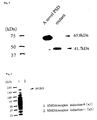
- the novel human PSD is a protein coded by clone hj02537, which was selected from a cDNA library (constructed by human brain mRNA and covered relatively long length DNA), as a cloned gene that has a PDZ domain, a SH3 domain and a GK domain. This protein was obtained as expressed product of Escherichia coli that was transformed with an expression plasmid carrying the hj02537 gene.
- the human PSD of the present invention may be referred to as Protein-X
- the gene coding for the PSD may be referred to as the Protein-X gene.
- the Protein-X gene comprises 4941 bps (SEQ ID NO: 4 in the Sequence Listing), which contains the full length of an open reading frame (ORF) including 1731 bps; the gene product thereof comprising 576 amino acid residues (SEQ ID NO: 1 in the Sequence Listing).
- the Protein-X possesses a PDZ domain from isoleucine (Ile) 139 to glycine (Gly) 219, an SH3 domain from methionine (Met) 231 to arginine (Arg) 296, and a GK domain from threonine (Thr) 404 to asparagine (Asn) 500, in the amino acid sequence thereof.
- Ile isoleucine
- glycine Gly
- SH3 domain methionine
- Met methionine
- Thr threonine
- Asparagine Asparagine
- Protein-X is thought to have similar activities to PSD-95, so that it is anticipated to exist in the vicinity of membrane receptors and ion channels to form an apparatus (which means a functional structure); to participate in the control of neurotransmitter release and signal transfer between cells.
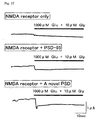
- Protein-X can bind to an NMDA receptor/2B subunit via the PDZ domain; and furthermore, it can exhibit an amplification activity greater than that of PSD-95, in response to a signal resulting from the stimulation of the NMDA receptor by a ligand. That is to say, Protein-X is thought to form a complex with an NMDA receptor and enhance the NMDA receptor mediated signal transduction.
- Protein-X and PSD-95 carry different numbers of PDZ domains: three in PSD-95, and one in Protein-X.
- Protein-X can probably support for PSD-95-like signal transduction or exhibit binding selectivity to other receptors and the like due to the number of PDZ domains.
- the present invention provides a polypeptide in which the 85 amino acids on the N-terminal side of Protein-X have been deleted (SEQ ID NO: 2 in the Sequence Listing).
- This polypeptide is encoded by a gene clone pj02677 obtained from a cDNA library (constructed by human brain hippocampus mRNA and covered relatively long length DNA).
- the pj02677 is a polynucleotide comprising 4370 bases (SEQ ID NO: 5 in the Sequence Listing), which codes for a polypeptide comprising 491 amino acids (SEQ ID NO: 2 in the Sequence Listing).
- the amino acid sequence of the polypeptide encoded by the pj02677 is identical to that of Protein-X with the exception of the deletion of the 85 amino acid residues on the N-terminal side. Therefore, it possesses one PDZ domain, one SH3 domain, and one GK domain in the amino acid sequence thereof; this fact indicate that it may bind to a NMDA receptor/2B subunit in a similar manner as Protein-X does and may exhibit a similar biological activity as that of Protein-X.
- the expression of pj02677 was observed extensively in various organs such as the brain (including cerebellum and the like), the heart, the liver, the skeletal muscle, the kidneys, the pancreas, the spleen, and the spinal cord. As pj02677 is believed to result from the aforementioned hj02537 with a deletion of the nucleotide sequence from the 5' end side thereof, the Protein-X gene is also probably expressed in these organs.
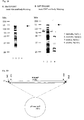
- the protein that interacts with Protein-X is encoded by clone PJ01087, which was extracted from the cDNA analysis information database (containing information of cDNA derived from human brain almost completely mRNA) of the Kazusa DNA Research Institute, as a gene having homology of 96% with the rat PSD95/SAP90-associated protein 3 (SAPAP-3) (GenBank: Accession No: U67139).
- SAPAP-3 rat PSD95/SAP90-associated protein 3
- This protein was obtained as expressed product of Escherichia coli which was transformed with a plasmid carrying the PJ01087 gene.
- this protein is referred to as the PJ01087 protein
- the gene that codes for the protein is referred to as the PJ01087 gene.
- the PJ01087 protein can be referred to as Protein-Y.
- the PJ01087 gene comprises 3705 bps (SEQ ID NO: 6 in the Sequence Listing), which contains the full length of the ORF comprising 2940 bps; the gene product thereof comprises 979 amino acid residues (SEQ ID NO: 3 in the Sequence Listing).
- RT-PCR reverse transcription polymerase chain reaction
- ELISA enzyme-linked immunosorbent assay
- Protein-Y markedly amplified the signal from the NMDA receptor in the presence of Protein-X.
- the signal amplification caused by Protein-Y and Protein-X was considerably greater than the amplification caused by Protein-X alone.
- the signal amplification by Protein-Y was not observed in the presence of PSD-95. From the foregoing, it was revealed that Protein-Y interacts with Protein-X, and that the signal transduction resulting from the stimulation of the NMDA receptor by a ligand is markedly amplified by the interaction.
- Protein-Y interacting with Protein-X means that both proteins mutually exert an activity in a certain scheme, resulting in enhancement of the function of each protein.
- the function of each protein can be exemplified by the promotion of physiological functions of membrane receptors and ion channels (such as the promotion of the stabilization of the membrane receptors and the acceleration of receptor mediated signal transduction).
- the membrane receptor and the ion channel can be exemplified by NMDA receptor.
- the interaction schemes can be exemplified by binding, temporary binding, or the formation of a complex via another substance: however it is not limited thereto. Since the binding of Protein-Y to Protein-X was not observed in immunoprecipitation analyses, the interaction between the two proteins may not be accomplished through binding, but through some alternative scheme.
- a signal of a membrane receptor for example, a signal of an NMDA receptor
- a signal of an NMDA receptor can be amplified by the overexpression of Protein-X or by promoting the biological activity thereof (for example, the interaction with another protein or a guanylate kinase activity).
- an abnormal signal from a membrane receptor for example, an abnormal signal from of an NMDA receptor
- a signal from a membrane receptor can be amplified by the overexpression of Protein-Y or by promoting the biological activity thereof.
- an abnormal signal of a membrane receptor can be normalized by inhibiting the expression of Protein-Y or by inhibiting the biological activity thereof. That is to say, the signal transduction, and the like, of a membrane receptor can be controlled by inhibiting or promoting the interaction of Protein-X with the membrane receptor or with a protein that participates in the receptor mediated signal transduction.
- control means “inhibition” or “promotion.”
- promotion includes the common meanings of "enhancement” and "amplification.”
- the NMDA receptor mediated signal transduction and the like can be controlled by inhibiting or promoting the interaction of Protein-X with the NMDA receptor, or inhibiting or promoting the interaction of Protein-X with Protein-Y.
- Protein-X and Protein-Y as well as an inhibitor and a promoting agent for the expression thereof or for the biological activity thereof, can be applied to the prevention, improvement, or treatment of a disease: caused by an anomaly in Protein-X; caused by an anomaly in Protein-Y; caused by an anomaly in both proteins; or caused by an anomaly in the interaction between the two proteins. That is to say, they can be used for a prophylactic agent, an improving agent, or a therapeutic agent of these diseases, as well as in a prevention method, an improvement method, or a treatment method.
- a disease based on an anomaly of a membrane receptor mediated signal transduction (where Protein-X and/or Protein-Y is implicated) can be cited as such a disease. More specifically, it can be exemplified by neurodegenerative diseases such as Alzheimer's disease, Parkinson's disease, and polyglutamine disease; however it is not limited thereto.
- a longer chain peptide (having any number of peptides containing two or more amino acids that bind to one another through a peptide bond or a modified peptide bond), such as a protein, is called a polypeptide; a shorter chain peptide (sometimes also referred to as oligopeptide or oligomer) is simply called a peptide.
- an amino acid can sometimes be represented by three letters.
- the polypeptide according to the present invention is a gene product of the Protein-X gene; it can be obtained by expressing the gene in a cell such as Escherichia coli .
- it can be a polypeptide obtained by chemical synthesis based on the amino acid sequence of the polypeptide of interest; it can also be a polypeptide derived from cells or from any tissue where these cells are exist.
- the polypeptide can be a polypeptide comprising an amino acid sequence that is identical or substantially identical to the amino acid sequence set forth in SEQ ID NO: 1 or 2 in the Sequence Listing.
- polypeptide As the amino acid sequence that is substantially identical to the amino acid sequences set forth in SEQ ID NO: 1 or 2 in the Sequence Listing, it is not limited as long as the polypeptide can at least bind to an NMDA receptor/2B subunit, and can, for example be a polypeptide that contains a polypeptide having the amino acid sequences set forth in SEQ ID NO: 1 or 2 in the Sequence Listing.
- polypeptide that has an amino acid sequence homologus to the polypeptide having the amino acid sequences set forth in SEQ ID NO: 1 or 2 in the Sequence Listing, with 70% or greater, preferably 80% or greater, more preferably 90% or greater, and even more preferably 95% or greater, and that is capable of binding to an NMDA receptor/2B subunit.
- a polypeptide further having a guanylate kinase activity is more preferred.
- a polypeptide possessing one PDZ domain is further preferable.
- Binding to an NMDA receptor/2B subunit can be measured by any well-known method such as the Overlay method, as described in the examples below.
- the guanylate kinase activity can be measured by any well-known method.
- Techniques for determining the amino acid sequence homology are well-known, for example, a method that directly determines the amino acid sequence, or a method that determines the nucleotide sequence of the cDNA and then infers the amino acid sequence encoded thereby. Needless to say, homologous gene products of animal species other than human are also included in the present invention.
- a polypeptide based on a polypeptide thus specified and using an indicator (for example, binding to the NMDA receptor/2B subunit and/or guanylate kinase activity), a polypeptide can be provided, which includes an amino acid sequence having a mutation, which can be a deletion, a substitution, an addition, or an insertion of one or more amino acids, for instance one to 100, preferably one to 30, more preferably one to 20, even more preferably one to 10, and particularly preferably one to several amino acids.
- These polypeptides are also included in the polypeptides comprising an amino acid sequence that is substantially identical to the amino acid sequences set forth in SEQ ID NO: 1 or 2 in the Sequence Listing.
- the polypeptide having the amino acid sequence set forth in SEQ ID NO: 2 in the Sequence Listing is a polypeptide comprising an amino acid sequence that is substantially identical to the amino acid sequence set forth in SEQ ID NO: 1 in the Sequence Listing.
- the aforementioned polypeptides having a mutation can be those that exist naturally, or those into which a mutation has been introduced.
- the present invention can also include a polypeptide that comprises an amino acid sequence substantially identical to the amino acid sequence set forth in SEQ ID NO: 1 in the Sequence Listing, and does not interact with the polypeptide having the amino acid sequence set forth in SEQ ID NO: 3 in the Sequence Listing.
- Such a polypeptide is inferred to inhibit the interaction of Protein-X with Protein-Y by competing with Protein-X.
- such a polypeptide probably inhibits the NMDA receptor mediated signal transduction.
- polypeptide according to the present invention is a gene product of the Protein-Y gene; it can be obtained by expressing the gene in a cell such as Escherichia coli .
- it can be a polypeptide obtained by chemical synthesis based on the amino acid sequence of the polypeptide of interest; it can also be a polypeptide derived from cells or from any tissue where these cells are present.
- the polypeptide can be a polypeptide comprising an amino acid sequence that is identical or substantially identical to the amino acid sequence set forth in SEQ ID NO: 3 in the Sequence Listing.
- amino acid sequence that is substantially identical to the amino acid sequence set forth in SEQ ID NO: 3 in the Sequence Listing it is not limited as long as the polypeptide can at least interact with the polypeptide having the amino acid sequence set forth in SEQ ID NO: 1 in the Sequence Listing, and can, for instance be a polypeptide that contains a polypeptide having the amino acid sequence set forth in SEQ ID NO: 3 in the Sequence Listing.
- it can be a polypeptide that has an amino acid sequence homologous to the polypeptide having the amino acid sequence set forth in SEQ ID NO: 3 in the Sequence Listing, with 70% or greater, preferably 80% or greater, more preferably 90% or greater, and even more preferably 95% or greater, and that is capable interacting with the polypeptide having the amino acid sequence set forth in SEQ ID NO: 1 in the Sequence Listing.
- it can also be a polypeptide that amplifies NMDA receptor mediated signal transduction in the presence of the polypeptide having the amino acid sequence set forth in SEQ ID NO: 1 in the Sequence Listing. In this case, the amino acid sequence of SAPAP-3 is not included in the present invention.
- a polypeptide comprising at least five consecutive amino acids among the amino acid sequence set forth in SEQ ID NO: 3 in the Sequence Listing, can also be used for the interacting peptide.
- the number of amino acid residues of the module is known to be 15 on average; however considering its function of being capable of working as an antigen or the like, the five amino acid residues may form a sufficient functional unit.
- the interaction with the polypeptide having the amino acid sequence set forth in SEQ ID NO: 1 in the Sequence Listing can be assayed, for example, by co-expressing the polypeptide, a polypeptide that is the object of the assay, and the NMDA receptor together in a cell, followed by measuring the intracellular signal transduction resulting from the stimulation of the NMDA receptor by a ligand; the measurement can performed by using a well-known method (see Example 4).
- a method that directly determines the amino acid sequence or a method that determines the nucleotide sequence of the cDNA and then infers the amino acid sequence encoded thereby can be used.
- an indicator for example, the interaction with the polypeptide having the amino acid sequence set forth in SEQ ID NO: 3 in the Sequence Listing; the promotion of the NMDA receptor mediated signal transduction; the amplification of the NMDA receptor mediated signal transduction in the presence of the polypeptide having the amino acid sequence set forth in SEQ ID NO: 1 in the Sequence Listing
- an indicator for example, the interaction with the polypeptide having the amino acid sequence set forth in SEQ ID NO: 3 in the Sequence Listing; the promotion of the NMDA receptor mediated signal transduction; the amplification of the NMDA receptor mediated signal transduction in the presence of the polypeptide having the amino acid sequence set forth in SEQ ID NO: 1 in the Sequence Listing.
- the polypeptide can include an amino acid sequence having a mutation, which can be a deletion, a substitution, an addition, or an insertion of one or more amino acids, for example, one to 100, preferably one to 30, more preferably one to 20, even more preferably one to 10, and particularly preferably one to several amino acids.
- These polypeptides are also included in the polypeptides comprising an amino acid sequence that is substantially identical to the amino acid sequence set forth in SEQ ID NO: 3 in the Sequence Listing. In this case, the amino acid sequence of SAPAP-3 is not included in the present invention.
- the peptides having a mutation can be those that exist naturally, or those into which a mutation has been introduced.
- a mutation such as a deletion, a substitution, an addition, and/or an insertion
- site-directed mutagenesis, homologous gene recombination, primer extension or polymerase chain reaction (PCR) can be used alone or in appropriate combination, according to the methods described in manuals such as Sambrook et al. Eds., Molecular Cloning: A Laboratory Manual, 2nd Ed., Cold Spring Harbor Press, 1989; Masami Muramatsu Ed., Laboratory Manual Genetic Engineering, Maruzen Co. Ltd., 1988; Ehrlich, H.E. Ed., PCR Technology - Principles and Applications for DNA Amplification, Stockton Press, 1989. These methods may be modified for use.
- the polypeptide comprising an amino acid sequence that is substantially identical to the amino acid sequence set forth in SEQ ID NO: 1 in the Sequence Listing can be a polypeptide with a function or an activity that is promoted or decreased compared to the polypeptide having the amino acid sequence set forth in SEQ ID NO: 1 in the Sequence Listing.
- the ability thereof to form a complex with an NMDA receptor, the guanylate kinase activity thereof, and/or the extent of the interaction thereof with the polypeptide having the amino acid sequence set forth in SEQ ID NO: 3 in the Sequence Listing can be different. More specifically, for instance, the magnitude of the promotion of the NMDA receptor mediated signal transduction can be different, the function thereof can be additionally promoted, or the function thereof can be decreased.
- the polypeptide comprising an amino acid sequence that is substantially identical to the amino acid sequence set forth in SEQ ID NO: 3 in the Sequence Listing can be a polypeptide with a function or an activity that is promoted or more decreased compared to the polypeptide having the amino acid sequence set forth in SEQ ID NO: 3 in the Sequence Listing.
- the extent of the interaction thereof with the polypeptide having the amino acid sequence set forth in SEQ ID NO: 1 in the Sequence Listing can be different, the interaction can be promoted, or the interaction can be decreased.
- the magnitude of the promotion of the NMDA receptor mediated signal transduction can be different, the function thereof can be promoted, or the function thereof can be decreased.
- the present invention also includes the polypeptides to which a different type of protein or substance has been ligated, for example, a carrier and the like.
- a different type of protein or peptide for example, alkaline phosphatase, ⁇ -galactosidase, glutathione S-transferase (GST), or an Fc fragment of an immunoglobulin such as immunoglobulin G (IgG)
- GST glutathione S-transferase
- IgG immunoglobulin G
- the present invention includes a polypeptide or a peptide that has a partial sequence of the polypeptide having the amino acid sequence set forth in SEQ ID NO: 1 or 3 in the Sequence Listing.
- the polypeptide or the peptide that has the partial sequence comprises consecutive amino acids of 5 or more, preferably 8 or more, more preferably 12 or more, further preferably 15 amino acids or more, as the minimum unit thereof.
- a polypeptide or a peptide comprising a minimum active unit (region or domain) related to the function of Protein-X or Protein-Y is also provided in the present invention.
- the polypeptide or the peptide that has the aforementioned partial sequence can be used, for instance, to inhibit the function of Protein-X and/or Protein-Y.
- the peptide being capable of binding to an NMDA receptor/2B subunit can inhibit the binding of Protein-X to the NMDA receptor/2B subunit.
- a peptide that is a partial peptide of Protein-X, or Protein-Y, and contains a region that is involved in the interaction of both proteins can inhibit the interaction.
- it can inhibit the amplification of the NMDA receptor mediated signal transduction that is generated in the presence of Protein-Y and Protein-X. Therefore, such a peptide can inhibit the promotion of the NMDA receptor mediated signal transduction.
- polypeptide or the peptide that has the aforementioned partial sequence is useful as a reagent in, for example, identifying a substance that controls the biological activity (binding to the NMDA receptor/2B subunit, guanylate kinase activity, and/or interaction with Protein-Y) of Protein-X or a polypeptide that has the same biological activity as Protein-X.
- it is useful as a reagent in, for example, identifying a substance that controls the biological activity (such as interaction with Protein-X) of Protein-Y or a polypeptide that has the same biological activity as Protein-Y.
- peptide recognized immunologically such as an epitope peptide
- it can be used to produce antibodies specific to Protein-X or Protein-Y, by using it singly as an antigen, or by linking it to a carrier (for example, keyhole limpet hemocyanin or egg-white albumin), as described below.
- a carrier for example, keyhole limpet hemocyanin or egg-white albumin
- the polynucleotide of the present invention means a polynucleotide containing a nucleotide sequence coding for each of the polypeptides or peptides of the present invention, or a complementary nucleotide sequence thereof.
- it can be a polynucleotide comprising the nucleotide sequence coding for the polypeptide having the amino acid sequence set forth in SEQ ID NO: 1, 2, or 3 in the Sequence Listing, or a complementary nucleotide sequence thereof.
- it is a polynucleotide comprising the nucleotide sequence set forth in SEQ ID NO: 4, 5, or 6 in the Sequence Listing, or a complementary nucleotide sequence thereof.
- polynucleotides comprising complementary nucleotide sequences can be referred to as complementary strands.
- the present invention includes polynucleotides that hybridize under stringent conditions to the region corresponding to the aforementioned polynucleotide, preferably the polynucleotide comprising the nucleotide sequence set forth in SEQ ID NO: 4, 5, or 6 in the Sequence Listing, or the complementary nucleotide sequence thereof.
- Hybridization conditions can follow the publications, for instance, Sambrook et al. eds. Molecular Cloning: A Laboratory Manual, Second Edition, Cold-Spring Harbor Laboratory Press, 1989, and the like.
- polynucleotides do not necessarily need to be complementary sequences as far as they hybridize to the target polynucleotide, preferably the polynucleotide comprising the nucleotide sequence set forth in SEQ ID NO: 4, 5, or 6 in the Sequence Listing, or to the complementary nucleotide sequence thereof.
- it can be a polynucleotide having a nucleotide sequence homologous to the polynucleotide comprising the nucleotide sequence set forth in SEQ ID NO: 4, 5, or 6 in the Sequence Listing, or the complementary sequence thereof, with at least 70% or greater, preferably 80% or greater, more preferably 90% or greater, and even more preferably 95% or greater.
- the nucleotide sequence of SAPAP-3 is not included in the present invention.
- the polynucleotides of the present invention include polynucleotides or oligonucleotides having a nucleotide sequence of consecutive nucleotides of 10 or more, preferably 15 or more, and more preferably 20 or more, which correspond to a specified region of the nucleotide sequence of the aforementioned polynucleotide, or the complementary nucleotide sequence thereof.
- polynucleotides provide genetic information useful in manufacturing the polypeptides and the like of the present invention, or can also be used as reagents or standards related to nucleic acids. For instance, they can be used as nucleic acids coding for Protein-X or Protein-Y, for example as probes or primers for detecting the gene or the mRNA thereof, or as antisense oligonucleotides to control the gene expression, and the like.
- the polynucleotides and the oligonucleotides of the present invention include those corresponding to translated-regions as well as those corresponding to untranslated-regions.
- the screening for the polynucleotides coding for the polypeptides of the present invention can be performed, for example, by verifying the expressed protein using a well-known protein expression system and taking the biological activity thereof as an indicator.
- the biological activities to be used as indicators are exemplified by binding to an NMDA receptor/2B subunit; by the guanylate kinase activity;or by interaction with the polypeptide having the amino acid sequence set forth in SEQ ID NO: 1 or 3 in the Sequence Listing.
- the interaction can be evaluated, for instance by measuring the promotion of the NMDA receptor mediated signal transduction.
- measurement can be performed by taking as an indicator the function of amplifying the NMDA receptor mediated signal transduction in the presence of two types of polypeptides having the respective amino acid sequences set forth in SEQ ID NO: 1 and 3 in the Sequence Listing.
- protein expression systems cell-free protein expression systems that use the technology of the ribosome system derived from embryo or rabbit reticulocytes and the like (Nature, 1957, Vol. 179, p.160-161) can be cited.
- Recombinant vectors can be obtained by transfecting the polynucleotides of the present invention into adequate vector DNAs.
- the vector DNAs to be used can be selected appropriately depending on the type of host and purpose of use.
- vector DNAs can be those that lack a part of the DNA, other than that required for multiplication.
- chromosome, episome and virus derived vectors such as bacterial plasmid-derived, bacteriophage-derived, transposon-derived, yeast episome-derived, insertion element-derived, and yeast chromosomal element-derived
- virus-derived vectors such as those derived from baculovirus, papovavirus, SV40, vaccinia virus, adenovirus, fowlpox virus, pseudorabies virus and retrovirus
- vectors combining the same such as vectors derived from plasmid and bacteriophage genetic elements, including cosmid and phagemid and the like.
- expression vectors, cloning vectors, and the like can be used depending on the purpose.
- a recombinant vector has, as components, the target gene sequence and gene sequences that carry information regarding replication and control (such as a promoter, ribosome binding site, terminator, signal sequence and enhancer), and is produced by combining them by using the well-known methods.
- the method for transfecting the polynucleotides of the present invention into the previously mentioned vector DNAs well-known methods can be adopted. For instance, a method can be used, which comprises: selecting an adequate restriction enzyme, treating DNA to cleave it at specific sites, mixing the DNA with vector DNA that has been treated in the same way, and re-ligating with a ligase. Otherwise, a desired recombinant vector can also be obtained by ligating an adequate linker to the target polynucleotide, and inserting it into the multicloning site of a vector that is suitable for the purpose.
- Transformants can be obtained by introducing the vector DNA containing aforementioned polynucleotide into a host being well-known to one skilled in the art; the introducing methods are well-known to one skilled in the art.
- the vector DNA introduced into a host can be one type of vector DNA, or two or more types of vector DNA. For instance, it can be the vector DNA containing the polynucleotide set forth in SEQ ID NO: 4 in the Sequence Listing; the vector DNA containing the polynucleotide set forth in SEQ ID NO: 6; or both vector DNAs.
- Escherichia coli , yeast, Bacillus subtilis , insect cells, or animal cells and the like can be cited.
- the method of integration into chromosomes can be cited if gene stability is to be considered; however, for simplicity, auto-replicating systems that use extranuclear genes can be employed.
- Introduction of a vector DNA into a host cell can be carried out by a standard method, for instance, that described in Sambrook et al. eds., Molecular Cloning: A Laboratory Manual, Second Edition, Cold-Spring Harbor Laboratory Press, 1989. Concretely, calcium phosphate transfection, DEAE-dextran-mediated transfection, microinjection, cationic lipid-mediated transfection, electroporation, transduction, scrape loading, ballistic introduction, infection, and the like can be cited.
- the polypeptides or peptides of the present invention can be provided when an expression vector is used as the vector DNA for use in transformation of the host.
- the transformant into which an expression vector DNA containing aforementioned polynucleotide has been introduced
- the transformant can be cultured under culture conditions and by culture methods that are suitable for each host and well-known to one skilled in the art. Culturing can be performed by referring to the function (for example binding to an NMDA receptor/2B subunit, guanylate kinase activity, or interaction with the polypeptide having the amino acid sequence set forth in SEQ ID NO: 1 or 3 in the Sequence Listing) of the polypeptide or peptide of the present invention that is expressed by the transformant.
- culturing can be performed by referring to the quantity of polypeptides or peptides generated inside or outside the host; a passage culture or a batch culturing can also be performed by referring to the quantity of transformant in the culture medium.
- the collection and/or purification of the polypeptides or peptides of the present invention from the culture media in which the transformant was cultured can be performed by referring to the function (for example, binding to an NMDA receptor/2B subunit, guanylate kinase activity, or interaction with the polypeptide having the amino acid sequence set forth in SEQ ID NO: 1 or 3 in the Sequence Listing) of the polypeptide or peptide.
- Fractionation methods based on differences in solubility using ammonium sulfate or alcohol and the like, gel filtration, ion column chromatography, affinity chromatography, and the like can be cited as methods of collection and/or purification, which are used alone or in combination.
- a method can be used, in which polypeptides or peptides are specifically adsorbed and collected by using polyclonal antibodies or monoclonal antibodies that can be prepared against the polypeptides or the peptides based on the information of their amino acid sequences.
- the antibodies can be produced by using the aforementioned polypeptides or peptides as antigens.
- the antigen can be the polypeptides or the peptides, or a fragment thereof; antigens can be composed of at least 8, preferably at least 10, more preferably at least 12, further preferably 15 or more amino acids.
- regions comprising amino acid sequences that are unique to the polypeptides or peptides it is preferable to use regions comprising amino acid sequences that are unique to the polypeptides or peptides. This region of the amino acid sequence does not necessarily need to be homologous or identical to the amino acid sequences of the polypeptides or peptides. Sites that are exposed to the exterior of the tertiary structure of the protein are preferred.
- the amino acid sequences at the exposed sites are discontinuous in the primary structure, it suffices as far as they are amino acid sequences that are continuous on the exposed site.
- the antibodies There are no particular limits on the antibodies, as long as they immunologically bind or recognize the polypeptides and/or peptides. Whether or not this binding or recognition occurs is determined by the well-known antigen-antibody-binding reaction.
- the antibody can be obtained by administering the antigen to an animal with or without linking such to a carrier, in the presence or absence of an adjuvant, to induce immunity such as a humoral response and/or cell-mediated response.
- a carrier is not limited in particular, as long as it does not exert a harmful effect by itself on the host and is capable of enhancing antigenicity.
- Cellulose, polymeric amino acids, albumin, keyhole limpet hemocyanin (KLH), and the like can be given as examples of carriers.
- the adjuvant can be Freund complete adjuvant (FCA), Freund incomplete adjuvant (FIA), Ribi (MPL), Ribi (TDM), Ribi (MPL+TDM), Bordetella pertussis vaccine, muramyl dipeptide (MDP), aluminum adjuvant (ALUM), and combinations thereof.
- FCA Freund complete adjuvant
- FIA Freund incomplete adjuvant
- MPL MPL
- TDM Ribi
- MPL+TDM Ribi
- Bordetella pertussis vaccine muramyl dipeptide
- MDP muramyl dipeptide
- ALUM aluminum adjuvant
- Mouse, rat, rabbit, goat, horse, and the like are suitable animals for immunization.
- Polyclonal antibodies can be obtained from the serum of the animals subjected to the aforementioned immunization means, by any suitable method for collecting antibodies. As a preferable means, the antibodies are obtained by the immune-affinity chromatography method.
- Monoclonal antibodies can be produced by collecting antibody-producing cells (for instance, a lymphocyte derived from a spleen or a lymph node) from the animal that was subjected to the aforementioned immunization, followed by the introduction of a well-known transformation technique using a permanently proliferating cell (for example, myeloma strain such as P3X63Ag8 cells.)
- a permanently proliferating cell for example, myeloma strain such as P3X63Ag8 cells.
- an antibody-producing cell is fused with a permanently proliferating cell to produce a hybridoma by methods being well-known to one skilled in the art, and then cloning of the hybridoma is performed, followed by selecting hybridoma that produces an antibody recognizing specifically the aforementioned polypeptides and/or peptides.
- the antibody can be collected from the cultured solution of the hybridoma.
- polyclonal antibody or monoclonal antibodies thus obtained, which can recognize and bind to the aforementioned polypeptides and/or peptides, can be used as a purification antibody, reagent, or labeling marker for the polypeptides or peptides.
- the antibodies that directly bind to Protein-X and inhibit the biological activity thereof are useful in the elucidation, prevention, improvement, or treatment of various diseases caused by an anomaly in Protein-X and/or the function thereof.
- antibodies that directly bind to Protein-Y and inhibit the function thereof are useful in the elucidation, prevention, improvement, or treatment of various diseases caused by an anomaly in Protein-Y and/or the function thereof.
- antibodies that inhibit the promotion of the NMDA receptor mediated signal transduction, wherein the promotion was caused by the interaction of Protein-X with Protein-Y can be cited as examples of such antibodies. More specifically, antibodies that inhibit the amplification of the NMDA receptor mediated signal transduction in the presence of both Protein-X and Protein-Y can be cited.
- polypeptides or peptides of the present invention provide a method that is effective in identifying an inhibiting agent or a promoting agent of the functions of the aforementioned polypeptides or the aforementioned peptides, and/or identifying an inhibiting agent or promoting agent of the expression of the aforementioned polynucleotides, when they are used alone or in combination.
- the identification method of the present invention can be established using pharmaceutical screening systems being well-known in the art.
- screening for an antagonist by drug design based on the tertiary structure of the aforementioned polypeptide or peptide of the invention screening for an inhibiting agent or a promoting agent of the expression at the gene level using the protein synthesis system, or screening for a substance recognized by an antibody using an antibody, and the like, is possible.
- compounds can be identified which promote or inhibit the activation of Protein-X and of polypeptides comprising substantially the same amino acid sequence as Protein-X, by using polypeptides or peptides derived from Protein-X; selecting conditions that allow for interactions of a test compound with these polypeptides or peptides; bringing these polypeptides or peptides to contact with the compound under these conditions; and detecting the presence, the absence, or the change in a signal generated by the interaction.
- Compounds can be identified which promote or inhibit the interaction of Protein-X with another protein that binds to the polypeptides or the peptides (for example, an NMDA receptor), by using an assay system that measures the interaction; adding the test compound thereto; and detecting the presence, the absence, or the change in a signal generated by the interaction.
- the assay system can be established using screening systems being well-known in the art. For instance, the method described below in Example 3 can be used.
- compounds that promote or inhibit the guanylate kinase activity can be identified.
- Measurement of guanylate kinase activity can be carried out according to the well-known methods (Cook, P.F., et al., Biochemistry, 1982, Vol. 21 p. 5794 ff.; Wright, D.E., et al., Proc. Natl. Acad. Sci. USA, 1981, Vol. 78, p. 6048 ff.; Corbin, J.D., et al., Methods in Enzymology, 1974, Vol. 38, p. 287).
- polypeptides or peptides derived from Protein-Y compounds can be identified as described above, which inhibit or promote the activity of Protein-Y and of a polypeptide having the same physiological activity as that of Protein-Y.
- Compounds that inhibit or promote the interaction of Protein-X with Protein-Y can be identified using polypeptides or peptides derived from Protein-X and polypeptides or peptides derived from Protein-Y, by using an assay system that measures the interaction thereof; adding the test compound thereto; and detecting the presence, the absence, or the change in a signal generated by the interaction.
- compounds can be identified which inhibit or further promote the promotion of the NMDA receptor mediated signal transduction, wherein the promotion is caused by the interaction of Protein-X with Protein-Y, Alternatively, for example, compounds can be identified which inhibit or promote the amplification of the NMDA receptor mediated signal transduction in the presence of both Protein-X and Protein-Y.
- the assay system can be established using screening systems beint well-known in the art. For example, the method described below in Example 6 can be used.
- compounds can be identified which interact with the polynucleotides of the present invention and inhibit or promote the expression thereof, by selecting conditions that allow the interaction of the polynucleotides with the test compound; bringing the polynucleotides to contact with the test compound under the conditions; using a system that uses a signal and/or a marker that can detect the expression of the polynucleotides; and detecting the presence, the absence, or the change of the signal and/or marker.
- Compounds can be identified which inhibit or promote the expression of these polynucleotides, such as the Protein-X or Protein-Y, by further incorporating the method of using transformants described below.
- compounds can be identified which inhibit or promote the expression of the polynucleotides (such as the Protein-X gene or the Protein-Y gene), by bringing the transformants of the present invention into contact with a test compound or a compound identified above under appropriate conditions; and detecting the presence, the absence, or the change of the expression of the polynucleotides of the present invention (such as the Protein-X gene or the Protein-Y gene).
- the detection of the presence, the absence, or the change of the expression of the Protein-X gene or the Protein-Y gene can be performed simply by measuring the function of the expressed gene product.
- the detection of the presence, the absence, or the variation of the expression of the Protein-X gene can be performed by measuring the guanylate kinase activity thereof, as an indicator.
- a system well-known in the art which uses a signal or a marker for detection
- a signal indicates an entity that is directly detected by the physical properties or the chemical properties thereof
- a marker indicates an entity that is detected indirectly taking the physical properties or the chemical properties thereof as indicators.
- any substances well-known can be used for the signal: any substances well-known (such as a reporter gene (such as the chloramphenicol acetyltransferase (CAT) gene) or a detection tag (such as His-tag)) can be used for the marker.
- the signals or markers can be ligated to the target gene sequence, and transfected into a vector; the obtained vector can be used to produce a transformant by transforming a host cell therewith.
- methods for utilizing and for detecting these signals or markers are well-known to those skilled in the art.
- Compounds that inhibit or promote the expression or function of Protein-Y or Protein-Y
- an experimental system wherein a fusion protein of Protein-X or Protein-Y with a His-tag is expressed (for example in Escherichia coli ) as shown in the examples, by adding the test compound to the experimental system and then detecting the His-tag.
- Another example is a method that comprises transforming a cell with the Protein-X gene, the Protein-Y gene, and the NMDA receptor gene for co-expression thereof, adding the test compound, and measuring the intracellular signal transduction due to the stimulation of the NMDA receptor by a ligand using a well-known method in the art.
- compounds that inhibit or promote the expression of Protein-X or Protein-Y can be identified, in addition to compounds that inhibit or promote the function of Protein-X or Protein-Y.
- a controlling agent of interaction of Protein-Y with Protein-X and a pharmaceutical composition
- Protein-X binds to an NMDA receptor/2B subunit and amplifies the NMDA receptor mediated signal transduction.
- Protein-Y also remarkably amplifies the membrane receptor mediated signal transduction (for instance an NMDA receptor mediated signal transduction) in the presence of Protein-X. From the foregoing, it was inferred that, when a membrane receptor/ion channel (for example, an NMDA receptor), is stimulated by a ligand thereof or the like, Protein-Y accumulates in the vicinity of the receptor, and then stabilizes the receptor and/or promotes the receptor mediated signal transduction through an interaction with Protein-X.
- a membrane receptor/ion channel for example, an NMDA receptor
- Protein-X and Protein-Y can be involved in physiological functions such as neurotransmitter release, wherein the function are triggered as a result of the signal transduction mediated by a membrane receptor (for instance of an NMDA receptor) that they are involved in. Therefore, by inhibiting or promoting the interaction of Protein-Y with Protein-X, physiological functions that Protein-Y and Protein-X are involved in (for example, at least the NMDA receptor mediated signal transduction) can be controlled. In addition, NMDA receptor mediated signal transduction can be controlled by inhibiting or promoting the binding of the NMDA receptor to Protein-X.
- a membrane receptor for instance of an NMDA receptor
- the present invention thus provides an agent and a method for controlling NMDA receptor mediated signal transduction, wherein the agent and the method utilizes a means for inhibiting or promoting the binding of Protein-X to the NMDA receptor, and/or, a means for inhibiting or promoting the interaction of Protein-X with Protein-Y.
- a controlling agent is a collective term to designate an inhibiting agent, an antagonist, or a promoting agent and the like.
- a controlling method means an inhibiting method or a promoting method and the like.
- the binding of Protein-X to an NMDA receptor or the interaction of Protein-X with Protein-Y is promoted by overexpressing Protein-X, or by overexpressing both Protein-X and Protein-Y, or by promoting the function thereof, the NMDA receptor mediated signal transduction can thereby be promoted.
- Inhibition of the binding of Protein-X to the NMDA receptor, or inhibition of the interaction between Protein-X and/or of Protein-Y is acceptable pratically, for instance by inhibiting the expression of Protein-X and/or Protein-Y.
- An abnormal signal of a membrane receptor can be normalized by the inhibition of the expression of the proteins, or the inhibition of the function thereof.
- a compound identified by the aforementioned method can be cited as a means for inhibiting or promoting the binding of Protein-X to the NMDA receptor, or the interaction of Protein-X with Protein-Y.
- the compound can be used as an inhibiting agent or a promoting agent of the binding of Protein-X to an NMDA receptor, or as an inhibiting agent or a promoting agent of the interaction of Protein-X with Protein-Y.
- it can be used as an inhibiting agent or a promoting agent of NMDA receptor mediated signal transduction. More specifically, the compound can be used as an inhibiting agent or a promoting agent of the amplification of NMDA receptor mediated signal transduction in the presence of both Protein-X and Protein-Y of the present invention.
- a polypeptide or a peptide comprising the minimum activity unit (region or domain) related to the function of the polypeptide of the present invention, and being capable of inhibiting the interaction of Protein-X with Protein-Y can be given as examples of compounds using as inhibitors.
- Such polypeptides or peptides can be identified, for example, by designing based on the amino acid sequence of Protein-Y, synthesizing by a peptide synthesis method being well-known in the art, and assaying by the aforementioned detection method.
- a polypeptide comprising an amino acid sequence that is substantially identical to the amino acid sequence set forth in SEQ ID NO: 1 in the Sequence Listing, and not interacting with the polypeptide having the amino acid sequence set forth in SEQ ID NO: 3 in the Sequence Listing, can be used as an inhibitor.
- an antibody that inhibits the interaction of Protein-Y with Protein-X can also be given as one example of the aforementioned compound.
- the aforementioned screened compounds and controlling agents can be used, singly or in combination thereof, as reagents or ingredients for pharmaceutical compositions.
- the compounds and controlling agents can be used in the elucidation of biological functions or diseases that Protein-X and/or Protein-Y as well as the genes thereof are involved in.
- the elucidation of the mechanism of the NMDA receptor signal transduction, or the elucidation of neurodegenerative diseases and diseases caused by an anomaly in the NMDA receptor mediated signal transduction are contemplated.
- the compounds identified by the aforementioned method can be used as candidate compounds for a controlling agent (for instance, an inhibiting agent, an antagonist, or a promoting agent) of the activity of Protein-X or of a polypeptide that has the same biological activity as that of Protein-X, for example, of the binding activity to other proteins such as an NMDA receptor, or of the guanylate kinase activity.
- a controlling agent for instance, an inhibiting agent, an antagonist, or a promoting agent
- a controlling agent for instance, an inhibiting agent, an antagonist, or a promoting agent
- they can be used as candidate compounds for a controlling agent, for instance, an inhibiting agent, an antagonist, or a promoting agent of the activity of Protein-Y or of a polypeptide that has the same biological activity as that of Protein-Y (for example, interaction with Protein-X).
- a controlling agent for instance, an inhibiting agent, an antagonist, or a promoting agent
- a controlling agent for instance, an inhibiting agent, an antagonist, or a promoting agent
- antisense oligonucleotides of the Protein-X gene or the Protein-Y gene can be given as examples of compounds that inhibit such an expression.
- the antisense oligonucleotide is obtained from the oligonucleotides (designed by referring to the nucleotide sequence of the Protein-X gene or the Protein-Y gene), by selecting oligomers that specifically inhibit the expression of the Protein-X gene or the Protein-Y gene with an expression system of the Protein-X gene or the Protein-Y gene.
- “specifically inhibit the expression of the Protein-X gene or the Protein-Y gene” means to powerfully inhibit the expression of the Protein-X gene or the Protein-Y gene, while not inhibiting or weakly inhibiting the expression of other genes.
- the candidate compound screened in such a manner can be prepared as a pharmaceutical composition by further selecting it while taking into account the balance between biological usefulness and toxicity.
- the polypeptides or the peptides of the invention, the polynucleotides of the invention or complementary strands thereof, vectors that contain the polynucleotides or complementary strands thereof, as well as antibodies that immunologically recognize the polypeptides or the peptides of the present invention can be used in the elucidation, diagnosis, prevention, improvement, or treatment of various disease conditions caused by an anomaly in the expression or function of the polypeptide of the present invention, for example, neurodegenerative diseases. That is to say, the present invention provides a pharmaceutical composition that contains at least one among the aforementioned substances, for use singly or in combination thereof.
- anomalies in the expression excess or decrease in the expression can be cited.
- anomalies in the functions anomalies in the binding of Protein-X to an NMDA receptor, or anomalies in the interaction of Protein-X with Protein-Y, can be cited. These anomalies result in anomalies in NMDA receptor mediated signal transduction. More specifically, those result in excess, decrease, loss, or the like of the NMDA receptor mediated signal transduction.
- neurodegenerative diseases Alzheimer's disease, Parkinson's disease, and polyglutamine disease, and the like can be cited: however neurodegenerative diseases are not restricted to the above.
- Protein-X possesses a single PDZ domain, while PSD-95 possesses three. This single PDZ domain was shown to also bind to an NMDA receptor/2B subunit. Therefore, Protein-X can probably support for PSD-95-like signal transduction and exhibit binding selectivity to other receptors and the like according to the number of PDZ domains. A scheme for enhancement of signals and normalization of abnormal signals that is derived from this inferred function can also be used.
- One method for treating abnormal conditions related to the expression of Protein-X and/or Protein-Y of the present invention, and/or a decrease, loss, or the like of the functions thereof is characterized by administering Protein-X and/or Protein-Y, or a polypeptide having the same functions as these proteins, or a therapeutically effective dose of a compound that activates the genes coding therefore, together with a pharmaceutically acceptable carrier, and thereby improving an abnormal condition.
- Protein-X and/or Protein-Y or a polypeptide having the same function as these proteins can be produced within a cell of a subject.
- a well-known method can be used for the gene therapy; for example, a replication-defective retroviral vector containing the polynucleotide of the invention (that is produced by transfecting the polynucleotide to the vector as described above) can be used in the gene therapy.
- a replication-defective retroviral vector containing the polynucleotide of the invention that is produced by transfecting the polynucleotide to the vector as described above
- cells derived from the subject can be treated ex vivo, for instance, using a retroviral plasmid vector, and then the cells can be introduced into the subject.
- an effective dose of the aforementioned inhibiting compound can be administered together with a pharmaceutically acceptable carrier into a subject to inhibit the function of these proteins.
- a pharmaceutically acceptable carrier for instance, the binding of Protein-X to an NMDA receptor, and/or the promotion of the NMDA receptor mediated signal transduction by the interaction of Protein-X with Protein-Y, thereby improving the abnormal condition.
- expression block can be used to inhibit the expression of the gene coding for the endogenous polypeptide.
- the expression of the gene can be inhibited using an oligonucleotide that has been generated in a cell or separately administered, which can include the antisense sequence of the gene.
- oligonucleotides can be designed and synthesized, based on the aforementioned polynucleotides of the present invention.
- the oligonucleotides can be administered by themselves; otherwise, a related oligomer can be expressed in vivo.
- the present invention is useful in the elucidation of the biological functions in which Protein-X and/or the PJ1087 protein are involved, for instance, the elucidation of the control of intracellular signal transduction and neurotransmitter release.
- the present invention is extremely useful for a prophylactic agent, an improving agent, or a therapeutic agent, as well as a prevention method, an improvement method, or a treatment method for diseases provoked by an anomaly in the control of intracellular signal transduction or neurotransmitter release in which Protein-X and/or Protein-Y are involved.
- diseases caused by an anomaly of the NMDA receptor mediated signal transduction, or neurodegenerative diseases are extremely useful.
- it is extremely useful for the measurement method used as a means for diagnosing the diseases.
- the present invention provides a medicament for use in the prevention, the improvement, or the treatment of diseases related to memory recovery, such as Alzheimer's disease, to be developed.
- Such a prescription can include a therapeutically effective dose of the polypeptides or the peptides of the invention, the polynucleotides of the invention or the complementary strands thereof, the vectors comprising the polynucleotides or the complementary strands thereof, the antibodies that immunologically recognize the polypeptides or the peptides of the invention, the aforementioned compounds, the aforementioned controlling agents, prophylactic agents, therapeutic agents, improving agents, or pharmaceutical compositions, and a pharmaceutically acceptable carrier or excipient.
- Such a carrier can include physiological saline, buffered physiological saline, dextrose, water, glycerol, ethanol, and mixtures thereof, but are not limited thereto. It is adequate to select a prescription that is suited to the administration route, and such prescriptions are well-known to those skilled in the art.
- These pharmaceutical compositions, controlling agents, prophylactic agents, therapeutic agents, or improving agents can be used alone or together with another compound or medicament that is needed in the treatment.
- the administration form of the pharmaceutical compositions, controlling agents, prophylactic agents, therapeutic agents, or improving agents of the present invention can be a systemic administration or a topical administration.
- One preferred mode of systemic administration is injection, for example, venous injection.
- Other injection routes such as subcutaneous, intramuscular, or intraperitoneal injection can also be used.
- Other modes of administration can be oral administration, if an enteric formulation or capsule formulation can be suitably formulated.
- per mucosal administration or per cutaneous administration using a permeating agent such as bile salt, fusidic acid, or other surfactants can also be used.
- Topical administration can be in the forms of plaster, paste, gel and similar form.
- the required dosage range depends on the efficacy of the polypeptides or the peptides of the invention, the polynucleotides of the invention or the complementary strands thereof, the vectors comprising the polynucleotides or the complementary strands thereof, the antibodies that immunologically recognize the polypeptides or the peptides of the invention, the aforementioned compounds, controlling agents, prophylactic agents, improving agents, therapeutic agents, or pharmaceutical compositions, the administration route, the characteristics of the prescription, the characteristics of the conditions of the subject, and the assessment by the physician in charge. More specifically, an adequate dose is, for example, a range between 0.1 ⁇ g and 100 ⁇ g per 1 kg of the body weight of the subject. However, these doses can be modified using general conventional experiments for optimization well-known in the field.
- formulation means that are well-known should be introduced in accordance with the physical properties of each subject such as a peptide, protein, oligonucleotide, antibody, or compound. More specifically, a formulation method for, for instance, powdered drug, pills, tablets, capsule formulations, aqueous solution formulations, ethanol solution formulations, liposome formulations, fat emulsions, or clathrates such as cyclodextrin can be used.
- Powdered drugs, pills, capsule formulations, and tablets can be manufactured using excipients such as lactose, glucose, sucrose, and mannitol; disintegrants such as starch and sodium alginate; lubricants such as magnesium, stearate, and talc; binders such as polyvinyl alcohol, hydroxypropyl cellulose, and gelatin; surfactants such as fatty acid ester; and plasticizers such as glycerin.
- a solid pharmaceutical carrier can be used to manufacture a tablet or a capsule.
- Suspending agents can be manufactured using water; sugars such as sucrose, sorbitol, and fructose; glycols such as PEG; and oils.
- Injectable solutions can be prepared using a carrier comprising a saline solution, a glucose solution, or a mixture of salt water and glucose solution.
- Inclusion into liposomes can be performed, for instance, by adding a solution wherein the substance of interest has been dissolved in a solvent (such as ethanol), to a solution wherein phospholipids have been dissolved in an organic solvent (such as chloroform), then removing the solvent by evaporation, adding a phosphate-buffered solution thereto, and after agitating, sonicating, and centrifugating, filtrating the supernatant for recovery.
- a solvent such as ethanol
- an organic solvent such as chloroform
- fat emulsions can be performed, for example, by mixing and heating the substance of interest, oil ingredients (vegetable oils such as bean oil, sesame oil, and olive oil as well as MCT and the like), emulsifying agent (such as phospholipids) and the like to obtain a solution, then adding a required amount of water and emulsifying/homogenizing by an emulsifier (homogenizer, for instance, high-pressure-spray type or sonicating type and the like). In addition, this can also be lyophilized.
- oil ingredients vegetable oils such as bean oil, sesame oil, and olive oil as well as MCT and the like
- emulsifying agent such as phospholipids
- homogenizer for instance, high-pressure-spray type or sonicating type and the like.
- this can also be lyophilized.
- an emulsification helper when preparing a fat emulsion, an emulsification helper can be added; examples of an emulsification helper include glycerin and sugars (for instance, glucose, sorbitol, fructose, and the like).
- cyclodextrin clathrates can be performed, for instance, by adding a solution wherein cyclodextrin has been dissolved in water and the like by heating to a solution wherein the substance of interest has been dissolved in a solvent (such as ethanol), then cooling, filtrating the deposition resulting from cooling, and dry-sterilizing.
- a solvent such as ethanol
- the cyclodextrin to be used should be suitably selected from cyclodextrins with different void diameters ( ⁇ , ⁇ , and ⁇ types) according to the size of the substance.
- polypeptides or the peptides of the present invention, the polynucleotides of the invention or the complementary strands thereof, or the antibodies that immunologically recognize the polypeptides or the peptides can be used singly as diagnostic markers or reagents and the like.
- these are reagents they can contain a substance such as buffering solution, salt, stabilization agent, and/or antiseptic agent.
- the polypeptides or the peptides of the invention can be a cell in which these have been expressed by a genetic engineering method, cell-free synthesis products, chemical synthesis products, or those prepared from the cells and biological samples, as well as those that are further purified therefrom.
- the polypeptides or the peptides of the invention may have another protein or peptide, for example such as ⁇ -gatactosidase, immunoglobulin Fc fragment from IgG or the like, His-tag, Myc-tag, HA-tag or FLAG-tag, ligated to the N-terminal side or the C-terminal side, directly or indirectly via a linker peptide or the like, using genetic engineering techniques or the like.
- another protein or peptide for example such as ⁇ -gatactosidase, immunoglobulin Fc fragment from IgG or the like, His-tag, Myc-tag, HA-tag or FLAG-tag, ligated to the N-terminal side or the C-terminal side, directly or indirectly via a linker peptide or the like, using genetic engineering techniques or the like.
- the polynucleotides of the present invention may have a signal such as luciferase or green fluorescent protein (GFP), or a reporter gene such as chloramphenicol acetyl transferase (CAT) gene ligated to the 5' end side or the C-terminal side.
- GFP green fluorescent protein
- CAT chloramphenicol acetyl transferase
- the present invention also provides a reagent kit comprising one or more containers that are filled with one or more kinds of these reagents.
- formulation means that are well-known in the art should be introduced, in accordance with each of a polypeptide, peptide, protein, polynucleotide, or antibody, and the like.
- reagents and kits can be used in the identification methods of the present invention.
- these reagents and kits can be used for quantitatively and/or qualitatively measuring the polypeptides or peptides of the present invention, or polynucleotides coding for any one of these.
- the measurement method can be established using methods well-known to those skilled in the art. Examples of methods that can be used to measure the polypeptides or the peptides include radio immunoassay, competitive binding assay, Western blot analysis, and ELISA.
- polynucleotides can be detected and quantified at the nucleic acid level, for example the RNA level, using, for instance, amplification, PCR, RT-PCR, RNase protection, Northern blotting, and other hybridization methods.
- the aforementioned reagents, reagent kits, and measurement methods can be used in the detection method of diseases caused by an anomaly in the expression of the polypeptides or peptides of the present invention, for instance, Protein-X and/or Protein-Y, or the function thereof. Alternatively, they can be used in detection methods of various pathologies caused by a mutation and the like of the DNA coding therefor.
- diseases include neurodegenerative diseases, such as Alzheimer's disease, Parkinson's disease, and polyglutamine disease.
- samples to be measured include cells, blood, urine, saliva, spinal fluid, tissue biopsy, or necropsy materials and the like derived from an individual.
- the nucleic acids to be measured can be obtained from each of the aforementioned samples by nucleic acid preparation methods well-known in the art.
- genomic DNA can be used directly for detection, or it may be enzymatically amplified prior to analysis by PCR or other amplification methods.
- RNA or cDNA can be used in a similar manner. Deletions and insertions can be detected in comparison with the normal genotype, based on the changes in the sizes of the amplification products. Point mutations can be identified by hybridizing the amplified DNA to a labeled DNA that codes for the polypeptide of the invention.
- the disease can be diagnosed, for instance, by detecting the presence of the corresponding nucleic acid to the polynucleotide that codes for the polypeptide or the peptide of interest using the interaction therewith and responsiveness thereto; determining the quantity present thereof; and/or identifying the variation thereof; as well as determining the in vivo distribution of the polypeptide or peptide in the individual; and/or detecting the presence of the polypeptide or peptide; determining the quantity present thereof; and/or detecting the variation thereof.
- the aforementioned diseases can be examined and diagnosed by qualitatively or quantitatively measuring the polypeptides or peptides of the present invention or the nucleic acid coding for any one of these, as diagnostics markers. That is to say, by using the aforementioned detection method, a method for examining or diagnosing the diseases can further be performed.
- Cloning was performed using a template cDNA that was prepared by reverse transcription polymerase chain reaction (RT-PCR) from human brain-derived mRNA based on clone hj02537, which was extracted as a gene having a PDZ domain, an SH3 domain and a GK domain, via bioinformatics from the cDNA analysis information database (containing information of cDNA derived from human brain almost completely mRNA) of the Kazusa DNA Research Institute, to verify the in vivo expression of the Protein-X gene of the present invention.
- RT-PCR reverse transcription polymerase chain reaction
- human brain-derived mRNA was used to perform a reverse transcription reaction using the Super Script II kit (Gibco BRL). After mixing 0.2 ⁇ l of human brain-derived mRNA (1 ⁇ g/ ⁇ l), 1 ⁇ l of oligo (dT) primer (0.5 ⁇ g/ ⁇ l) and 10.8 ⁇ l of H 2 O; the mixture was heated for 10 minutes at 70°C, cooled on ice; and then 4 ⁇ l of 5x First strand buffer, 2 ⁇ l of 0.1 M dithiothreitol (DTT) and 1 ⁇ l of 10 mM deoxynucleotide trisphosphate (dNTP) mix were added. Next, 1 ⁇ l of Super Script II (200 U/ ⁇ l) was added, and the reaction was allowed to take place for 10 minutes at room temperature, for 50 minutes at 42°C, and for 15 minutes at 70°C to prepare cDNA.
- Super Script II 200 U/ ⁇ l
- the Advantage 2 PCR kit (Clontech) was used for the polymerase chain reaction (PCR). After mixing 2 ⁇ l of 10 ⁇ Advantage 2 PCR buffer, 0.2 ⁇ l of the above-mentioned Pr-HJf (53.09 pmol/ ⁇ l), 0.3 ⁇ l of the above-mentioned Pr-HJr (38.59 pmol/ ⁇ l), 1 ⁇ l of cDNA prepared above, 1.6 ⁇ l of 1.25 mM dNTP mix, 0.4 ⁇ l of 50 ⁇ polymerase mix and 14.5 ⁇ l of H 2 O (20 ⁇ l in total), PCR reaction was performed under the following conditions.
- the obtained PCR product was used to conduct cloning using the Gate way system (Invitrogen). After adjusting 16 ⁇ l of the PCR product to 100 ⁇ l with TE buffer followed by adding 50 ⁇ l of 30% PEG8000/30mM MgCl 2 , the mixture was centrifuged at room temperature (at 15,000 rpm for 10 minutes). The pellet was washed with 70% ethanol, dried, and dissolved in 30 ⁇ l of TE buffer.
- BP clonase reaction buffer 1 ⁇ l of BP clonase reaction buffer, 1 ⁇ l of the PCR product, 0.5 ⁇ l of entry vector (pDONR 201:150 ng/ ⁇ l) and 1.5 ⁇ l of TE buffer were mixed on ice (4 ⁇ l in total) followed by adding 1 ⁇ l of BP clonase enzyme mix, and then the reaction was allowed to take place for 4.5 hours at 25°C. After the reaction, 0.5 ⁇ l of Proteinase K was added, and the reaction solution was incubated for 10 minutes at 37°C to inactivate the enzyme mix.
- Competent cells JM109 were transformed with 1 ⁇ l of this reaction solution, and pDONR 201/hj02537 #7 and pDONR 201/hj02537 #9 were obtained. From the nucleotide sequences of these clones, expression in the brain was verified.
- Protein-X In order to express Protein-X, an expression vector and an expression system of Escherichia coli were established using the Gate way system (Invitrogen). The protein-coding region was amplified using the Advantage 2 PCR kit using the clone hj02537 as a template.
- a vector that expresses Protein-X as a fusion protein with a 6 ⁇ His-tag was constructed. After mixing 1 ⁇ l of LR clonase reaction buffer, 1 ⁇ l of pDONR 201/hj02537 #1 (50 ng/ ⁇ l), 0.5 ⁇ l of 6 ⁇ His-tag expression vector (pDEST17:150 ng/ ⁇ l) and 1.5 ⁇ l of TE buffer (4 ⁇ l in total) on ice, 1 ⁇ l of LR clonase enzyme mix was added, and then the reaction was allowed to take place for 2 hours at 25°C.
- Each Escherichia coli was cultured by agitating overnight at 37°C in 2 ml of LB medium containing ampicillin (hereinafter referred to as LB-Amp), to which NaCl (NaCl-) was not added.
- LB-Amp LB medium containing ampicillin
- the pellets were suspended in 200 ⁇ l of 2% SDS / 20 mM Tris (pH 7.4), or 20 mM Tris (pH 7.4), and then sonicated and centrifuged again (for 10 minutes at 15,000 rpm at 10°C or 4°C).
- This supernatant of the centrifugation (hereinafter can be referred to as an insoluble fraction) was mixed with an equal volume of 2 ⁇ sample buffer (2% SDS / 50 mM Tris (pH 6.8) / 30% glycerol / 0.01% Bromophenol Blue (BPB)) containing 10% ⁇ -mercaptoethanol (ME); the mixture was boiled for 2 minutes, it was then subjected to SDS-polyacrylamide gel electrophoresis (SDS-PAGE) over a 7.5% polyacrylamide gel; and the proteins were detected by Coomassie Brilliant Blue (CBB) staining.
- sample buffer 2% SDS / 50 mM Tris (pH 6.8) / 30% glycerol / 0.01% Bromophenol Blue (BPB)
- BBPB Bromophenol Blue
- ME ⁇ -mercaptoethanol
- SDS-PAGE SDS-polyacrylamide gel electrophoresis
- CBB Coomassie Brilliant Blue
- a band at approximately 65.8 kDa was detected, which is expected to be a fusion protein of the human Protein-X with the 6 ⁇ His-tag. It was considered that the fusion protein was present in small amounts in the soluble fraction of the cultured Escherichia coli mentioned above (Fig. 3), but was present in large amounts in the insoluble fraction.
- each Escherichia coli was cultured overnight in 2 ml of LB-Amp (NaCI-), under agitation at 25°C. After culturing a total volume of 2.2 ml of LB-Amp (NaCI-), to which 200 ⁇ l of this pre-cultured solution had been added, under agitation for 4 hours at 25°C, 132 ⁇ l of 5 M NaCl was added (a final concentration of 0.3 M), and culture under agitation at 25°C for 2 more hours.
- H 2 O 132 ⁇ l of H 2 O was added instead of NaCl, and cultured in the same way. Thereafter, two samples of 1ml of the cultured solution were prepared and centrifuged (at 15,000 rpm for 10 minutes at 4°C), and separated into supernatants and pellets. The pellets were suspended in 200 ⁇ l of 2% SDS / 20 mM Tris (pH 7.4) and 20 mM Tris (pH 7.4), and then sonicated and centrifuged again (at 15,000 rpm for 10 minutes at 10°C or 4°C).
- the supernatants of the centrifugation were mixed with an equal volume of 2 ⁇ sample buffer containing 10% ⁇ -ME; the mixture was boiled for 2 minutes and subjected to SDS-PAGE over a 7.5% polyacrylamide gel; and the fusion proteins were detected in the same way as described above.
- the fusion protein of Protein-X with the 6 ⁇ His-tag was also expressed in the soluble fraction of the culture at 25°C.
- Escherichia coli (pDEST17/hj02537 #11) that expresses the fusion protein of Protein-X with a 6xHis-tag was cultured overnight in 2 ml of LB-Amp (NaCl-) at 25°C. After culturing a total of 2.2 ml of LB-Amp (NaCl-), to which 200 ⁇ l of this pre-cultured solution had been added, under agitation for 4 hours at 25°C, 132 ⁇ l of 5 M NaCl was added thereto (a final concentration of 0.3 M), and cultured under agitation for 2 more hours at 25°C to induce the production of Protein-X.
- Escherichia coli was collected; 200 ⁇ l of extraction buffer (1% Triton X / 10 mM Tris (pH 7.5) / 150 mM NaCl / 1 mM PMSF (phenylmethylsulfonylfluoride)) was added; and after sonication and incubation on ice for 20 minutes, centrifugation was performed (at 15,000 rpm for 10 minutes at 4°C). The supernatant of the centrifugation was collected and used as a sample containing Protein-X.
- extraction buffer 1% Triton X / 10 mM Tris (pH 7.5) / 150 mM NaCl / 1 mM PMSF (phenylmethylsulfonylfluoride)
- a fraction of the supernatant of the centrifugation was used to carry out SDS-PAGE in the same way as described in Example 2, to verify the expression and the expressed amount of Protein-X by Western blotting (Fig. 5), in order to determine the quantity of sample to use.
- the Western blot was carried out as described below. First, after electrophoresis, the proteins were transferred by the semi-dry method (for 1 hour at 100 mA) onto a wet PVDF transfer membrane, and the membrane was blocked with 5% skim milk / TBS-T for 1 hour at room temperature.
- a mouse anti-His antibody (Amersham Pharmacia Biotech) that was diluted 1000-fold with 5% skim milk / TBS-T was added, and allowed to react for 1 hour at room temperature. After the reaction, the transfer membrane was washed three times with TBS-T for 10 minutes at room temperature. Then a secondary antibody (anti-mouse IgG antibody-horseradish per oxidase (HRP) (Cell Signaling)) that was diluted 3000-fold with 5% skim milk / TBS-T was added, and was allowed to react for 1 hour at room temperature. After that, a 10-minute wash with TBS-T was performed three times at room temperature. Thereafter, the signal was detected using the ECL kit and Hyperfilm.
- HRP anti-mouse IgG antibody-horseradish per oxidase
- Escherichia coli pDEST17/hjPDZ (-) #2 a mutant that lacks the PDZ domain, which is the region that binds to an NMDA receptor/2B subunit, was prepared to be used as a negative control as described below.
- pDEST17/hjPDZ (-) #2 was cultured in 2 ml of LB-Amp (NaCl-) overnight at 37°C.
- Escherichia coli pDEST15/NMDA receptor #5 which expresses the fusion protein of NMDA receptor/2B subunit with GST (hereinafter can be referred to as GST-NMDA receptor/2B subunit), was prepared as described below, and cultured overnight in 2 ml of LB-Amp (NaCl-) at 37°C.
- the Escherichia coli was collected, 200 ⁇ l of 2% SDS / 20 mM Tris (pH 7.5) was added, and the resulting solution was sonicated and centrifuged (at 15,000 rpm for 10 minutes at 10°C). The supernatant of the centrifugation was collected and used as a sample containing an NMDA receptor/2B subunit. In addition, to verify the expression and the expressed amount of the target protein, a portion of the supernatant of the centrifugation was collected and diluted one-fold and one-half-fold with 2% SDS / 20 mM Tris (pH 7.5).
- a goat anti-GST antibody (Amersham Pharmacia Biotech) that was diluted 1000-fold with 5% skim milk / TBS-T, was added to the incubation solution, and allowed to react for 1 hour at room temperature. After the reaction, the transfer membrane was washed three times with TBS-T for 10 minutes at room temperature. Then a secondary antibody (anti-goat IgG antibody-HRP, Santa Cruz Biotechnology) that was diluted 2000-fold with 5% skim milk / TBS-T was added, and allowed to react for 1 hour at room temperature. After that, a 10-minute wash with TBS-T was performed three times at room temperature. Thereafter, the signal was detected using the ECL kit and Hyper Film Signal (Amersham Pharmacia Biotech) (Fig. 6).
- Escherichia coli DH5 ⁇ (derived from pGEX-4T-3 from Amersham Pharmacia Biotech) expressing only GST was cultured in 8 ml of LB-Amp overnight at 37°C. After culturing a total of 22 ml of LB-Amp, to which 2ml of this pre-cultured solution had been added, for 1.5 hours at 37°C until the value at OD600 reached to approximately 1.0, 42 ⁇ l of 500mM IPTG (isopropyl 1-thio- ⁇ -D-galactoside) was added thereto (a final concentration of 1mM), and cultured under agitation for 2 more hours at 37°C.
- IPTG isopropyl 1-thio- ⁇ -D-galactoside
- Each sample and 3 ⁇ sample buffer (NEB) containing 10% ⁇ -ME were mixed at a proportion of 2:1, and the mixtures were boiled for 2 minutes and then subjected to electrophoresis over a 5%-20% polyacrylamide gel. After electrophoresis, the proteins were transferred onto a wet PVDF transfer membrane (for 1.5 hours at 300 mA in a bath), and the membrane was blocked with 5% skim milk / TBS-T for 2 hour at room temperature.
- a mouse anti-His antibody (Amersham Pharmacia Biotech) was diluted 1000-fold with 5% skim milk / TBS-T and added; and this composition was allowed to react for 1 hour at room temperature. After the reaction, the transfer membranes were washed using TBS-T for 10 minutes at room temperature; the wash was performed three times; then a secondary antibody (anti-mouse IgG antibody-HRP) (Cell Signaling) was diluted 3000-fold with 5% skim milk / TBS-T, then added and allowed to react for 1 hour at room temperature. After that, a 10-minute wash with TBS-T was performed three times at room temperature. Thereafter, a signal was detected using the ECL kit and Hyper film.
- NMDA receptor/2B subunit is a protein that is susceptible to degradation.
- a signal was detected only at the position of the band for the full-length NMDA receptor/2B subunit (Fig. 8), as well as that GST is located at the N-terminus, the region that binds to Protein-X is expected to be at the C-terminus of the NMDA receptor/2B subunit, which agrees with information from the literature (Nagano, T. et al., Journal of Biochemistry, 1998, Vol. 124, pp. 869-875).
- Proteins that possess a PDZ domain recognize sequences comprising three amino acid residues, where a serine (Ser) or a threonine (Thr) is followed by another amino acid that is followed by a valine (Val) (SXV or TXV), which are present at the C-terminal of the target protein (tSXV motif).
- the C-terminal amino acid sequence of the NMDA receptor/2B subunit used in the present Example was SDV.
- the mutant which lacks the PDZ domain that is the region for binding to the NMDA receptor/2B subunit from the Protein-X, was prepared as described in the following.
- PCR was carried out using the Advantage 2 PCR kit with the clone hj02537 as a template. After mixing 2 ⁇ l of 10 ⁇ Advantage 2 PCR buffer, 0.2 ⁇ l of Pr-Dpdz-F1 (58.64 pmol/ ⁇ l) and 0.3 ⁇ l of Pr-HJr (38.59 pmol/ ⁇ l), 1 ⁇ l of clone hj02537 (1 ng/ ⁇ l), 1.6 ⁇ l of 1.25 mM dNTP mix, 0.4 ⁇ l of 50 ⁇ polymerase mix, and 14.5 ⁇ l of H 2 O (20 ⁇ l in total), a PCR reaction was carried out under the conditions described in Example 1.
- the three clones were tested for the presence or absence of induction by NaCl of the production of the target protein and also for the preparation of a soluble protein.
- Each Escherichia coli was cultured overnight in 2 ml of LB-Amp (NaCl-) under agitation at 37°C. After culturing, a total volume of 3.3 ml of LB-Amp (NaCl-), to which 300 ⁇ l of this pre-cultured solution had been added, under agitation for 2 hours at 37°C, 180 ⁇ l of 5 M NaCl was then added thereto (a final concentration of 0.3 M), and cultured under agitation for a further 2 hours, at 37°C.
- the mixture was boiled for 2 minutes, subjected to SDS-PAGE on 5%-20% polyacrylamide gel, and the target protein was detected in the same way as described in Example 2.
- a band at approximately 41.7 kDa was detected, which is expected to be a fusion protein of the human Protein-X mutant protein with the 6xHis-tag.
- the fusion protein was observed both in the soluble fraction and in the insoluble fraction of the cultured Escherichia coli mentioned above. In addition, the expression thereof was also observed in the soluble fraction when the culture was performed at 25°C (Fig. 11).
- NMDA receptor/2B subunit The preparation of an NMDA receptor/2B subunit was carried out using clone fj07108 (Kazusa DNA Research Institute), which contains a portion thereof, as described below. Since clone fj07108 was lacking the 347 amino acid residues on the N-terminal side, this region was first subcloned, by RT-PCT using human brain-derived mRNA as a template.
- PCR was carried out using an Advantage 2 PCR kit in the same way as in Example 1, using a template cDNA that was reverse-transcribed from human brain-derived mRNA using superscript II with an oligo(dT) primer and random primers, and PCR primers (Pr-NMDAR2Bf and Pr-NMDAR2B (RV), described below) that were designed based on the nucleotide sequence downstream from the AfIII site at position 352 of clone fj07108.
- the PCR primers were designed taking into consideration of the region upstream from the initiation codon and recombination.
- guanine (G) at 144 bp in the nucleotide sequence was lacking, a recombination was performed using pBS(SK-)/NMDAr-N #25 and exploiting the Smal site present in the region downstream therefrom and the BamHI site of pBluescript(SK-), and a new pBS(SK-)/NMDAr-N #3 was obtained.
- the nucleotide sequence thereof was determined, which was identical to that of the NMDA receptor/2B subunit (Accession No: NM_000843) registered in GenBank.
- MCS multicloning site
- pBS/NMDAr #2 is a vector that contains the full-length NMDA receptor/2B subunit.
- the protein-coding region of the target gene was amplified using the Advantage HF2 PCR kit (Clontech) with pBS/NMDAr #2 as a template.
- the primers were designed and synthesized, based on the full-length nucleotide sequence of the NMDA receptor/28 subunit.
- PCR was performed by mixing 2.5 ⁇ l of 10 ⁇ Advantage HF2 PCR buffer, 0.4 ⁇ l of Pr-2Bf (52.94 pmol/ ⁇ l), 0.6 ⁇ l of Pr-2Br (37.44 pmol/ ⁇ l), 0.2 ⁇ l of pBS/NMDAr #2 (0.48 ⁇ g/ ⁇ l), 2.5 ⁇ l of dNTP mix, 0.5 ⁇ l of 50 ⁇ polymerase mix, and 18.3 ⁇ l of H 2 O (25 ⁇ l in total).
- the PCR product was subjected to electrophoresis (1% agarose gel). A band of the target gene of approximately 4.5 kbp was isolated. After that, it was extracted with a Gen elute EtBr minus spin column (SIGMA), purified, dried, and then dissolved in 10 ⁇ l of TE buffer. After adjusting to 100 ⁇ l with TE buffer, 50 ⁇ l of 30% PEG8000 / 30 mM MgCl 2 was added. The mixture was centrifuged at room temperature (at 15,000 rpm for 10 minutes), and then the pellet was washed with 70% ethanol, dried, and dissolved in 20 ⁇ l of TE buffer.
- Gen elute EtBr minus spin column SIGMA
- BP clonase reaction buffer 1 ⁇ l of the PCR product, 0.5 ⁇ l of entry vector (pDONR 201:150 ng/ ⁇ l), and 1.5 ⁇ l of TE buffer were mixed on ice (4 ⁇ l in total); 1 ⁇ l of BP clonase enzyme mix was added thereto; and then the reaction was allowed to take place for 1.7 hours at 25°C.
- 0.5 ⁇ l of Proteinase K was added, and the reaction solution was incubated for 10 minutes at 37°C to inactivate the enzyme mix. Competent cells (DH5 ⁇ ) were transformed with 1 ⁇ l of this reaction solution, and pDONR 201/NMDA receptor #1 was obtained.
- pDONR 210/NMDA receptor #1 When the nucleotide sequence of pDONR 210/NMDA receptor #1 was determined, mutations that were believed to be caused by PCR were present at several positions, which includes mutations accompanied by amino acid substitutions. Therefore, pDONR 210/NMDA receptor #1 was digested with Mfel and Aatll to remove the mutation region, and a fragment of approximately 3.4 kbp resulting from a digestion of pBS/NMDAr #2 with Mfel and Aatll was introduced thereto to obtain pDONR 210/NMDA receptor #2.
- a vector expressing a fusion protein of an NMDA receptor/2B subunit with GST was constructed.
- 1 ⁇ l of LR clonase reaction buffer 1 ⁇ l of pDONR 201/NMDA receptor #2 (50 ng/ ⁇ l), 0.5 ⁇ l of GST expression vector (pDEST15: 150 ng/ ⁇ l), and 1.5 ⁇ l of TE buffer (4 ⁇ l in total) on ice, 1 ⁇ l of LR clonase enzyme mix was added thereto, and then the reaction was allowed to take place for 1 hour at 25°C. After the reaction, 0.5 ⁇ l of Proteinase K was added, and the reaction solution was incubated for 10 minutes at 37°C, to inactivate the enzyme mix.
- Competent cells (BL21-SI) were transformed with 1 ⁇ l of this reaction solution, and three clones (pDEST15/NMDA receptor #4, pDEST15/NMDA receptor #5, and pDEST15/NMDA receptor #6) were obtained.
- the three clones were tested for induction by NaCl, for the production of the target protein.
- Each Escherichia coli clone was cultured overnight in 2 ml of LB-Amp (NaCl-) under agitation at 37°C. After culturing a total of 3 ml of LB-Amp (NaCl-), to which 300 ⁇ l of this pre-cultured solution had been added, under agitation, for 4 hours at 37°C, 180 ⁇ l of 5 M NaCl was added thereto (a final concentration of 0.3 M), and cultured under agitation for a further 2 hours at 37°C. As a control, 180 ⁇ l of H 2 O was added, and the culture proceeded in the same way.
- the cultured solution was centrifuged (at 15,000 rpm for 10 minutes at 4°C).
- the pellet was suspended in 200 ⁇ l of 2% SDS / 20 mM Tris (pH 7.4), sonicated, and centrifuged (at 15,000 rpm for 10 minutes at 10°C).
- the supernatant of the centrifugation was mixed with an equal volume of 2 ⁇ sample buffer containing 10% ⁇ -ME.
- the mixture was boiled for 2 minutes and subjected to SDS-PAGE over a 5%-20% polyacrylamide gel.
- the target protein was detected using an anti-GST antibody in the same way as described above.
- Protein-X was co-expressed with an NMDA receptor in a Xenopus oocyte, and the current response to the stimulation of the NMDA receptor by a ligand was measured to examine the action of Protein-X on the signal of the NMDA receptor.
- the cDNA corresponding to clone hj02537 extracted in Example 1 was selected from a cDNA library prepared from the human immature myeloid cell line KG-1 according to a method described in the literature (Nomura, N., et al., DNA Research, 1994, Vol. 1, pp. 27-35), and used (Fig. 13). To date, no information regarding the sequence of this clone has been disclosed.
- PCR was carried out using an Advantage 2 PCR kit in the same way as in Example 1, using a template cDNA that was reverse-transcribed from human brain-derived mRNA, using superscript II with an oligo(dT) primer and random primers, and PCR primers that were designed and synthesized based on the nucleotide sequence of the NMDA receptor I. Thereafter, using the obtained PCR product, the pGEM-T Easy Vector systems (Promega) was used to carry out TA cloning, and a pGEM-T Easy vector was obtained (Fig. 15). The vector retains a 2658 bps translated region of the NMDA receptor I between a position of 2 bp (CC) downstream from EcoRI, and a position of 2 bp (GG) upstream from Spel.
- PCR was carried out using an Advantage 2 PCR kit in the same way as in Example 1, using a template cDNA that was prepared from human brain-derived mRNAs in the same way as described above, and PCR primers that were designed and synthesized based on the nucleotide sequence of the PSD-95 gene. Thereafter, using the obtained PCR product, pGEM-T Easy Vector systems (Promega) was used to carry out TA cloning, and the pGEM-T Easy vector was obtained (Fig. 16). The vector retains a 2657 bp translated region of PSD-95 between a position of 3 bp (GAG) downstream from Spel, and a position of 4 bp (TTCC) upstream from EcoRl.
- GAG 3 bp
- TTCC position of 4 bp
- the plasmid DNA containing the NMDA receptor I gene was treated with Sall, while the plasmid DNAs containing other genes were treated with Notl, leading to linearization of the plasmids, and then phenol/chloroform purification was performed.
- a MEGAscript kit (Ambion) was used according to the product instructions to carry out RNA synthesis reaction.
- SP6 was used as an RNA polymerase for the PSD-95 gene, and T7 was used for other genes.
- the template DNA was removed by DNAase treatment.
- the RNA synthesis reaction product was verified by 1% agarose gel electrophoresis, phenol/chloroform purification was performed.
- the synthesized RNA after purification, was dissolved in sterile water, and prepared so as to obtain a total RNA concentration of 1 ⁇ g/ ⁇ L. The RNA concentration was determined by optical density.
- the Xenopus was purchased from Shiki leda Chemicals Co., Ltd., fatted for several weeks, and then oocytes were extracted. After the oocytes were treated with collagenase and then cultured overnight, the NMDA receptor RNA prepared as described above was micro-injected thereto by a well-known method.
- NMDA receptor/2B subunit RNA and NMDA receptor I RNA were mixed with a ratio of 1:2 and prepared so as to give 20 ng per cell, and used.
- the oocytes were incubated for 48 hours at 20°C in a medium (115 mM NaCl, 2.5 mM KCI, 1.8 mM BaCl 2 , and 10 mM HEPES, pH 7.2).
- the NMDA receptor RNA When co-expressing Protein-X or PSD-95 with the NMDA receptor, the NMDA receptor RNA was injected in the same way as described above, and then 10 ng per cell of Protein-X RNA or PSD-95 RNA was re-injected after 24 hours. Thereafter, incubation proceeded in a culture medium for 24 hours at 20°C.
- Ligands were made to act on the NMDA receptor expressed in the oocytes; the influx of cations arising from the opening of the NMDA receptor ion channel as a result thereof was measured as a variation of the current by an electrophysiological measurement method.
- the measurements were carried out by the two-electrode voltage clamp method according to a reference article (FEBS Letter, 1999, Vol. 458, pp. 295-298).
- the BA buffer 115 mM NaCl, 2.5 mM KCI, 1.8 mM BaCl 2 , and 10 mM HEPES, pH 7.2
- the membrane potential was fixed at -70 mV.
- a solution mixture of L-glutamic acid (Glu) and glycine (Gly) was used for ligands, which were made to act on the NMDA receptor by direct instillation to the oocytes.
- Glu L-glutamic acid
- Gly glycine
- current variation the value obtained by subtracting the mean value of the leak current prior to the stimulation from the maximum value of the inward current after stimulation by the ligands. The measurement of the current response was carried out using 5 to 6 cells per experiment. Within the same experiment, large differences in the waveform patterns due to the current responses were not observed between each cell.
- Protein-X forms an apparatus by binding to an NMDA receptor/2B receptor, and that Protein-X is involved in the signal generated by the stimulation of the NMDA receptor, for instance, opening of the receptor ion channel and the accompanying cationic influx, and in the promotion thereof.
- the gene of the present invention was isolated and identified based on clone PJ01087, which was extracted by using the human brain-derived long-strand cDNA analysis data (bioinformatics) of the Kazusa DNA Research Institute, as a gene having 96% homology to the rat PSD95/SAP90-associated protein 3 (SAPAP-3).
- DH ⁇ competent cells were transformed with a pBluescript SK+ vector containing clone PJ01087 for amplification, and the length of the insert resulting from a Notl/Sal1 cut was verified to be approximately 3.7 kb.
- PCR was performed with this as the template, using the primers described below.
- the primers were designed and synthesized based on the nucleotide sequence of PJ01087, obtained from the information database described above.
- the PCR was carried out using an Advantage 2 PCR kit (Clontech) according to the user's manual.
- PCR product of approximately 2.9 kb containing the full-length ORF of the PJ01087 clone was obtained.
- the PCR product was cloned into the entry vector pDONRTM 201, using the Gate way system (Invitrogen). The cloning was carried out according to the user's manual of the same system.
- each cultured solution was centrifuged to recover the bacteria.
- the bacteria were suspended in phosphate-buffered physiological saline (PBS), sonicated three times for 10 seconds, centrifuged again (at 15,000 rpm for 10 minutes at 10°C or at 4°C), and separated into a supernatant (hereinafter referred to as soluble fraction) and a pellet.
- PBS phosphate-buffered physiological saline
- the protein was detected by Western blotting using antibodies against His-Tag and GST-Tag.
- the results show that in both tests using His-tag and GST-tag, an expression of approximately 115 kDa of the target protein and other proteins believed to be the decomposition products thereof were observed in the insoluble fraction of the Escherichia coli induced with NaCl (Figs. 18A and 18B).
- One cell-free protein expression system Rapid Translation System RTS5000 (Roche Diagnostics), which is based on the protein expression system of Escherichia coli, was used to examine protein expression; however the target protein was still found in the insoluble fraction.
- the human protein thus obtained comprises 979 amino acid residues as set forth in SEQ ID NO: 3 in the Sequence Listing.
- the gene coding for the protein comprises 3705 bases as set forth in SEQ ID NO: 6 in the Sequence Listing.
- the Protein-Y gene has 96% homology to SAPAP-3. Since SAPAP-3 is a protein related to rat PSD-95/SAP90, it was anticipated that the Protein-Y gene product would form a complex with human PSD-95 and would be involved in the constitution of the postsynaptic density. Since PSD-95 has been reported to be involved in the NMDA receptor mediated signal transduction, the Protein-Y gene and the PSD-95 gene were co-expressed with the NMDA receptor gene in Xenopus oocytes, and then the current response to the stimulation of the NMDA receptor by a ligand was measured to examine the effects of Protein-Y on the signal of the NMDA receptor.
- Protein-X a gene (SEQ ID NO: 4 in the Sequence Listing) coding for the novel PSD protein (Protein-X) (SEQ ID NO: 1 in the Sequence Listing) was used instead of PSD-95 and examined in the same way as above.
- Protein-X possesses a PDZ domain, an SH3 domain, and a GK domain as PSD-95 does, and was inferred to bind to an NMDA receptor resulting in signal transduction.
- the method used in the test was identical to the method described in Example 4.
- Plasmid DNA containing the PJ01087 gene (the Protein-Y gene)
- the cDNA corresponding to clone PJ01087 extracted in Example 5, was selected from a cDNA library prepared from the human immature myeloid cell line KG-1 according to a method described in the literature (Nomura, N., et al., DNA Research, 1994, Vol. 1, pp. 27-35), and was used in this experiment (Fig. 19).
- the plasmid pBS/NMDAr (Fig. 14) prepared in Example 3 was used.
- the plasmid DNA prepared in Example 4 was used (Fig. 15).
- the plasmid DNA prepared in Example 4 was used (Fig. 16).
- the NMDA receptor RNA was injected into Xenopus oocytes in the same way as described in Example 4, and then 10 ng RNA per cell of Protein-Y, PSD-95, and/or Protein-X was re-injected after 24 hours. Thereafter, incubation proceeded in a culture medium for 24 hours at 20°C.
- Ligands were made to act on the NMDA receptor expressed in the oocytes, and the influx of cations arising from the opening of the NMDA receptor ion channel as a result thereof was measured by the same method as described in Example 4. The results are shown in Figs. 20 and 21.
- Example 4 by co-expressing PSD-95 or Protein-X with the NMDA receptor, the current response to the ligand stimulation was observed to be greater than that when the NMDA receptor was expressed by itself. In addition, even by co-expressing Protein-Y and PSD-95 with an NMDA receptor, the current response did not differ from that observed when the PSD-95 was expressed. Meanwhile, when Protein-Y was co-expressed with Protein-X, a current response approximately seven to eight times greater than that when only Protein-X was expressed was obtained.
- Protein-Y markedly amplifies the NMDA receptor mediated signal transduction in the presence of Protein-X. From the foregoing, it was revealed that Protein-Y amplifies the intracellular signal generated by the stimulation of the NMDA receptor, by an interaction with Protein-X that possesses a PDZ domain and is capable of binding to an NMDA receptor/2B subunit. Furthermore, it was revealed that it is involved in the opening of the NMDA receptor ion channel and the promotion of the accompanying cation influx.
- mutant protein was prepared in the same way (GST-hj(GK-)).
- Clone hj02537 was extracted as a gene having a PDZ domain, an SH3 domain and a GK domain, by way of bioinformatics from the human brain-derived long-strand cDNA library analysis information database of the Kazusa DNA Research Institute, and the gene product (SEQ ID NO: 1) of this gene (SEQ ID NO: 4) was found to be a novel protein (Protein-X), which binds to an NMDA receptor/2B subunit. Protein-X is believed to be, from the characteristics of the amino acid sequence thereof, of a guanylate kinase family, which is cell membrane associated proteins, as is PSD-95. In addition, Protein-X was found to be involved in the signal arising from the stimulation of the NMDA receptor, and to have a promoting activity thereof.
- clone PJ01087 was extracted as a gene having 96% homology to the rat PSD95/SAP90-associated protein 3 (SAPAP-3). Then, the gene product (SEQ ID NO: 3) of this gene (SEQ ID NO: 6) was found to markedly amplify the signal transduced from the NMDA receptor, by interacting with Protein-X (SEQ ID NO: 1). The NMDA receptor mediated signal transduction was amplified more strongly in the presence of both Protein-X and Protein-Y than in the presence of Protein-X alone.
- the present invention is extremely useful for enabling the elucidation of biological functions or diseases in which Protein-X and Protein-Y, as well as the genes thereof, are involved.
- it is useful for elucidation of the mechanism of an NMDA receptor mediated signal transduction, and elucidation of the mechanism of memory recall.
- diseases caused by an anomaly in the NMDA receptor mediated signal transduction or an anomaly in memory recollection for example neurodegenerative diseases such as Alzheimer's disease, Parkinson's disease, and polyglutamine disease, as well as for prevention, treatment, or improvement of these diseases.
Landscapes
- Health & Medical Sciences (AREA)
- Life Sciences & Earth Sciences (AREA)
- Chemical & Material Sciences (AREA)
- Engineering & Computer Science (AREA)
- Biomedical Technology (AREA)
- General Health & Medical Sciences (AREA)
- Medicinal Chemistry (AREA)
- Organic Chemistry (AREA)
- Molecular Biology (AREA)
- Proteomics, Peptides & Aminoacids (AREA)
- Immunology (AREA)
- Bioinformatics & Cheminformatics (AREA)
- Neurosurgery (AREA)
- Pharmacology & Pharmacy (AREA)
- Animal Behavior & Ethology (AREA)
- Public Health (AREA)
- Veterinary Medicine (AREA)
- Neurology (AREA)
- Gastroenterology & Hepatology (AREA)
- Urology & Nephrology (AREA)
- Zoology (AREA)
- Hematology (AREA)
- Biochemistry (AREA)
- Nuclear Medicine, Radiotherapy & Molecular Imaging (AREA)
- Chemical Kinetics & Catalysis (AREA)
- General Chemical & Material Sciences (AREA)
- Biotechnology (AREA)
- General Physics & Mathematics (AREA)
- Marine Sciences & Fisheries (AREA)
- Biophysics (AREA)
- Epidemiology (AREA)
- Pathology (AREA)
- Cell Biology (AREA)
- Genetics & Genomics (AREA)
- Microbiology (AREA)
- Toxicology (AREA)
- Food Science & Technology (AREA)
- Physics & Mathematics (AREA)
- Analytical Chemistry (AREA)
- Hospice & Palliative Care (AREA)
Applications Claiming Priority (7)
| Application Number | Priority Date | Filing Date | Title |
|---|---|---|---|
| JP2001354678 | 2001-11-20 | ||
| JP2001354678 | 2001-11-20 | ||
| JP2002046786 | 2002-02-22 | ||
| JP2002046786 | 2002-02-22 | ||
| JP2002229863 | 2002-08-07 | ||
| JP2002229863 | 2002-08-07 | ||
| PCT/JP2002/012102 WO2003044196A1 (fr) | 2001-11-20 | 2002-11-20 | Proteines postsynaptiques |
Publications (2)
| Publication Number | Publication Date |
|---|---|
| EP1466975A1 true EP1466975A1 (fr) | 2004-10-13 |
| EP1466975A4 EP1466975A4 (fr) | 2005-10-12 |
Family
ID=27347846
Family Applications (1)
| Application Number | Title | Priority Date | Filing Date |
|---|---|---|---|
| EP02788621A Withdrawn EP1466975A4 (fr) | 2001-11-20 | 2002-11-20 | Proteines postsynaptiques |
Country Status (6)
| Country | Link |
|---|---|
| US (1) | US20060252677A1 (fr) |
| EP (1) | EP1466975A4 (fr) |
| JP (1) | JPWO2003044196A1 (fr) |
| AU (1) | AU2002355016A1 (fr) |
| CA (1) | CA2492536A1 (fr) |
| WO (1) | WO2003044196A1 (fr) |
Families Citing this family (3)
| Publication number | Priority date | Publication date | Assignee | Title |
|---|---|---|---|---|
| US8114843B2 (en) * | 2005-11-18 | 2012-02-14 | The Regents Of The University Of California | Photoreactive regulator of protein function and methods of use thereof |
| US20160186188A1 (en) * | 2010-02-09 | 2016-06-30 | Rutgers, The State University Of New Jersey | Methods for altering polypeptide expression and solubility |
| CN114957445B (zh) * | 2022-05-31 | 2023-09-19 | 陕西脉元生物科技有限公司 | 一种nmdar nr1亚基、nmdar的突变体及其构建方法和应用 |
Family Cites Families (5)
| Publication number | Priority date | Publication date | Assignee | Title |
|---|---|---|---|---|
| AU2208097A (en) * | 1996-03-08 | 1997-09-22 | Regents Of The University Of California, The | Muscular dystrophy, stroke, and neurodegenerative disease diagnosis and treatment |
| AU783686B2 (en) * | 2000-02-18 | 2005-11-24 | Lexicon Pharmaceuticals, Inc. | Human kinases and polynucleotides encoding the same |
| WO2001079556A2 (fr) * | 2000-04-14 | 2001-10-25 | Millennium Pharmaceuticals, Inc. | Nouveaux genes, compositions et methodes destines a l'identification, l'evaluation, la prevention, et la therapie de cancers humains |
| JP2004522409A (ja) * | 2000-06-15 | 2004-07-29 | インサイト・ゲノミックス・インコーポレイテッド | ヒトキナーゼ |
| US20060063152A1 (en) * | 2000-12-22 | 2006-03-23 | Osamu Ohara | Novel gene and protein encoded by the gene |
-
2002
- 2002-11-20 CA CA002492536A patent/CA2492536A1/fr not_active Abandoned
- 2002-11-20 EP EP02788621A patent/EP1466975A4/fr not_active Withdrawn
- 2002-11-20 US US10/496,224 patent/US20060252677A1/en not_active Abandoned
- 2002-11-20 AU AU2002355016A patent/AU2002355016A1/en not_active Abandoned
- 2002-11-20 WO PCT/JP2002/012102 patent/WO2003044196A1/fr not_active Ceased
- 2002-11-20 JP JP2003545817A patent/JPWO2003044196A1/ja active Pending
Also Published As
| Publication number | Publication date |
|---|---|
| CA2492536A1 (fr) | 2003-05-30 |
| EP1466975A4 (fr) | 2005-10-12 |
| US20060252677A1 (en) | 2006-11-09 |
| WO2003044196A1 (fr) | 2003-05-30 |
| AU2002355016A1 (en) | 2003-06-10 |
| JPWO2003044196A1 (ja) | 2005-03-24 |
Similar Documents
| Publication | Publication Date | Title |
|---|---|---|
| KR100529270B1 (ko) | 혈관신생 및 심혈관형성의 촉진 또는 억제 | |
| Scales et al. | Amisyn, a novel syntaxin-binding protein that may regulate SNARE complex assembly | |
| MXPA05007964A (es) | Oligomeros ¦-(1,42) amiloides, derivados de los mismos y anticuerpos de estos, metodos para la preparacion de los mismos y el uso de los mismos. | |
| US20090136970A1 (en) | Nogo receptor homologues and their use | |
| US20080118951A1 (en) | Nogo receptor homologues and their use | |
| KR20040088077A (ko) | 혈관신생 및 심혈관형성의 촉진 또는 억제 | |
| JP2004536552A (ja) | フォン・ヒッペル・リンドウ腫瘍抑制タンパク質による低酸素誘導因子−1の条件付き調節のメカニズム | |
| US7070940B2 (en) | Method for determining the ability of a compound to modify the interaction between parkin and the p38 protein | |
| KR100626475B1 (ko) | 프리세닐린과 베타-아밀로이드 펩타이드 또는 이의 전구체간의 상호작용을 억제할 수 있는 펩타이드 | |
| US20070117138A1 (en) | Splice variant cannabinoid receptor (cb1b) | |
| EP1466975A1 (fr) | Proteines postsynaptiques | |
| US20060094013A1 (en) | Salt-inducible kinases 2 and use thereof | |
| JP2003523723A (ja) | ヘルマンスキー−パドラック症候群タンパク質相互作用タンパク質およびその使用の方法 | |
| JP2003510053A (ja) | ヘパラナーゼ蛋白質ファミリーの1種、ヘパラナーゼ−2 | |
| JP2002517998A (ja) | p27(KIP1)のFKBP−12との相互作用 | |
| US7790843B2 (en) | Cypin polypeptide and fragments thereof | |
| US20050228169A1 (en) | Polypeptide binding to human syntaxin 1a | |
| KR20040010644A (ko) | Epf 수용체 에세이, 화합물 및 치료학적 조성물 | |
| AU1614400A (en) | Human glycine transporter type 2 | |
| WO2005103257A1 (fr) | GÈNE CODANT POUR UN FACTEUR D'ÉCHANGE DE NUCLÉOTIDE GUANINE LIANT RhoA | |
| US7049120B2 (en) | Regulation of human mrp5-like protein | |
| US20110091464A1 (en) | Novel peptides and protein and uses thereof | |
| WO2005095612A1 (fr) | Gène codant pour le facteur d’échange du nucléotide guanine et produit génique de celui-ci | |
| JP2005192567A (ja) | チロシンキナーゼ遺伝子およびその遺伝子産物 | |
| Wu | Secretory carrier membrane proteins (SCAMPs) 1, 2, and 3: Localization, interactions, and phosphorylation |
Legal Events
| Date | Code | Title | Description |
|---|---|---|---|
| PUAI | Public reference made under article 153(3) epc to a published international application that has entered the european phase |
Free format text: ORIGINAL CODE: 0009012 |
|
| 17P | Request for examination filed |
Effective date: 20040621 |
|
| AK | Designated contracting states |
Kind code of ref document: A1 Designated state(s): AT BE BG CH CY CZ DE DK EE ES FI FR GB GR IE IT LI LU MC NL PT SE SK TR |
|
| AX | Request for extension of the european patent |
Extension state: AL LT LV MK RO SI |
|
| RIC1 | Information provided on ipc code assigned before grant |
Ipc: 7C 12R 1/19 B Ipc: 7A 61P 25/28 B Ipc: 7A 61P 25/00 B Ipc: 7A 61K 39/395 B Ipc: 7A 61K 38/00 B Ipc: 7A 61K 45/00 B Ipc: 7C 12Q 1/68 B Ipc: 7C 07K 16/18 B Ipc: 7C 07K 14/435 B Ipc: 7C 12P 21/02 B Ipc: 7C 12N 1/21 B Ipc: 7C 12N 15/12 A |
|
| A4 | Supplementary search report drawn up and despatched |
Effective date: 20050830 |
|
| 17Q | First examination report despatched |
Effective date: 20060726 |
|
| STAA | Information on the status of an ep patent application or granted ep patent |
Free format text: STATUS: THE APPLICATION IS DEEMED TO BE WITHDRAWN |
|
| 18D | Application deemed to be withdrawn |
Effective date: 20090603 |