EP1564554A1 - Verfahren zur Früherkennung von B-Zellen in Impfstoffentwicklung - Google Patents
Verfahren zur Früherkennung von B-Zellen in Impfstoffentwicklung Download PDFInfo
- Publication number
- EP1564554A1 EP1564554A1 EP04075439A EP04075439A EP1564554A1 EP 1564554 A1 EP1564554 A1 EP 1564554A1 EP 04075439 A EP04075439 A EP 04075439A EP 04075439 A EP04075439 A EP 04075439A EP 1564554 A1 EP1564554 A1 EP 1564554A1
- Authority
- EP
- European Patent Office
- Prior art keywords
- antigen
- binding
- label
- cells
- cell
- Prior art date
- Legal status (The legal status is an assumption and is not a legal conclusion. Google has not performed a legal analysis and makes no representation as to the accuracy of the status listed.)
- Withdrawn
Links
- 238000000034 method Methods 0.000 title claims abstract description 92
- 229960005486 vaccine Drugs 0.000 title claims abstract description 24
- 210000003719 b-lymphocyte Anatomy 0.000 title claims description 106
- 238000001514 detection method Methods 0.000 title description 26
- 238000011161 development Methods 0.000 title description 7
- 239000000427 antigen Substances 0.000 claims abstract description 160
- 102000036639 antigens Human genes 0.000 claims abstract description 157
- 108091007433 antigens Proteins 0.000 claims abstract description 157
- 239000002245 particle Substances 0.000 claims abstract description 36
- 238000000159 protein binding assay Methods 0.000 claims abstract description 32
- 230000028993 immune response Effects 0.000 claims abstract description 17
- 239000000203 mixture Substances 0.000 claims abstract description 15
- 239000003814 drug Substances 0.000 claims abstract description 14
- 108010008038 Synthetic Vaccines Proteins 0.000 claims abstract description 11
- 230000001939 inductive effect Effects 0.000 claims abstract description 5
- 108090000765 processed proteins & peptides Proteins 0.000 claims description 106
- 210000004027 cell Anatomy 0.000 claims description 92
- 238000010186 staining Methods 0.000 claims description 41
- 108010052343 Gastrins Proteins 0.000 claims description 29
- AOXOCDRNSPFDPE-UKEONUMOSA-N chembl413654 Chemical compound C([C@H](C(=O)NCC(=O)N[C@H](CC=1C2=CC=CC=C2NC=1)C(=O)N[C@H](CCSC)C(=O)N[C@H](CC(O)=O)C(=O)N[C@H](CC=1C=CC=CC=1)C(N)=O)NC(=O)[C@@H](C)NC(=O)[C@@H](CCC(O)=O)NC(=O)[C@@H](CCC(O)=O)NC(=O)[C@@H](CCC(O)=O)NC(=O)[C@H](CCC(O)=O)NC(=O)[C@H](CCC(O)=O)NC(=O)[C@H](CC(C)C)NC(=O)[C@H](CC=1C2=CC=CC=C2NC=1)NC(=O)[C@H]1N(CCC1)C(=O)CNC(=O)[C@@H](N)CCC(O)=O)C1=CC=C(O)C=C1 AOXOCDRNSPFDPE-UKEONUMOSA-N 0.000 claims description 26
- 102000004169 proteins and genes Human genes 0.000 claims description 22
- 108090000623 proteins and genes Proteins 0.000 claims description 22
- 102000043299 Parathyroid hormone-related Human genes 0.000 claims description 20
- 206010028980 Neoplasm Diseases 0.000 claims description 19
- 238000003556 assay Methods 0.000 claims description 17
- 239000000539 dimer Substances 0.000 claims description 16
- 210000002865 immune cell Anatomy 0.000 claims description 16
- 238000002360 preparation method Methods 0.000 claims description 15
- 230000035945 sensitivity Effects 0.000 claims description 13
- 238000002255 vaccination Methods 0.000 claims description 12
- 108091008875 B cell receptors Proteins 0.000 claims description 11
- 150000001413 amino acids Chemical class 0.000 claims description 10
- 238000011282 treatment Methods 0.000 claims description 10
- 229940024606 amino acid Drugs 0.000 claims description 8
- 201000011510 cancer Diseases 0.000 claims description 8
- 208000037147 Hypercalcaemia Diseases 0.000 claims description 7
- 230000000148 hypercalcaemia Effects 0.000 claims description 7
- 201000010099 disease Diseases 0.000 claims description 6
- 208000037265 diseases, disorders, signs and symptoms Diseases 0.000 claims description 6
- 210000004408 hybridoma Anatomy 0.000 claims description 6
- 241000124008 Mammalia Species 0.000 claims description 5
- 208000005718 Stomach Neoplasms Diseases 0.000 claims description 4
- 230000000010 osteolytic effect Effects 0.000 claims description 4
- QNAYBMKLOCPYGJ-UHFFFAOYSA-N D-alpha-Ala Natural products CC([NH3+])C([O-])=O QNAYBMKLOCPYGJ-UHFFFAOYSA-N 0.000 claims description 3
- 150000008574 D-amino acids Chemical class 0.000 claims description 3
- 206010016654 Fibrosis Diseases 0.000 claims description 3
- QNAYBMKLOCPYGJ-UWTATZPHSA-N L-Alanine Natural products C[C@@H](N)C(O)=O QNAYBMKLOCPYGJ-UWTATZPHSA-N 0.000 claims description 3
- QNAYBMKLOCPYGJ-REOHCLBHSA-N L-alanine Chemical compound C[C@H](N)C(O)=O QNAYBMKLOCPYGJ-REOHCLBHSA-N 0.000 claims description 3
- 206010061902 Pancreatic neoplasm Diseases 0.000 claims description 3
- 201000010208 Seminoma Diseases 0.000 claims description 3
- 208000025865 Ulcer Diseases 0.000 claims description 3
- 229960003767 alanine Drugs 0.000 claims description 3
- 210000004556 brain Anatomy 0.000 claims description 3
- 230000007882 cirrhosis Effects 0.000 claims description 3
- 208000019425 cirrhosis of liver Diseases 0.000 claims description 3
- 210000004185 liver Anatomy 0.000 claims description 3
- 210000004072 lung Anatomy 0.000 claims description 3
- 210000000496 pancreas Anatomy 0.000 claims description 3
- 210000002784 stomach Anatomy 0.000 claims description 3
- 230000002381 testicular Effects 0.000 claims description 3
- 231100000397 ulcer Toxicity 0.000 claims description 3
- 208000003174 Brain Neoplasms Diseases 0.000 claims description 2
- 206010009944 Colon cancer Diseases 0.000 claims description 2
- 208000001333 Colorectal Neoplasms Diseases 0.000 claims description 2
- 208000008839 Kidney Neoplasms Diseases 0.000 claims description 2
- 208000024313 Testicular Neoplasms Diseases 0.000 claims description 2
- 208000007097 Urinary Bladder Neoplasms Diseases 0.000 claims description 2
- 230000000903 blocking effect Effects 0.000 claims description 2
- 230000035558 fertility Effects 0.000 claims description 2
- 206010017758 gastric cancer Diseases 0.000 claims description 2
- 208000014018 liver neoplasm Diseases 0.000 claims description 2
- 208000020816 lung neoplasm Diseases 0.000 claims description 2
- 201000011549 stomach cancer Diseases 0.000 claims description 2
- 210000003932 urinary bladder Anatomy 0.000 claims description 2
- 108700020797 Parathyroid Hormone-Related Proteins 0.000 claims 4
- 102100021022 Gastrin Human genes 0.000 claims 2
- NMJREATYWWNIKX-UHFFFAOYSA-N GnRH Chemical compound C1CCC(C(=O)NCC(N)=O)N1C(=O)C(CC(C)C)NC(=O)C(CC=1C2=CC=CC=C2NC=1)NC(=O)CNC(=O)C(NC(=O)C(CO)NC(=O)C(CC=1C2=CC=CC=C2NC=1)NC(=O)C(CC=1NC=NC=1)NC(=O)C1NC(=O)CC1)CC1=CC=C(O)C=C1 NMJREATYWWNIKX-UHFFFAOYSA-N 0.000 claims 2
- 101000857870 Squalus acanthias Gonadoliberin Proteins 0.000 claims 2
- 208000020084 Bone disease Diseases 0.000 claims 1
- 206010060862 Prostate cancer Diseases 0.000 claims 1
- 208000000236 Prostatic Neoplasms Diseases 0.000 claims 1
- 108700012941 GNRH1 Proteins 0.000 description 49
- 102000004196 processed proteins & peptides Human genes 0.000 description 42
- 241000699670 Mus sp. Species 0.000 description 38
- 102400000921 Gastrin Human genes 0.000 description 23
- 238000002649 immunization Methods 0.000 description 20
- 235000018102 proteins Nutrition 0.000 description 20
- 230000003053 immunization Effects 0.000 description 19
- 101710123753 Parathyroid hormone-related protein Proteins 0.000 description 16
- 210000001744 T-lymphocyte Anatomy 0.000 description 16
- 210000004988 splenocyte Anatomy 0.000 description 14
- 241001465754 Metazoa Species 0.000 description 13
- 238000000684 flow cytometry Methods 0.000 description 13
- 230000002163 immunogen Effects 0.000 description 13
- 210000004698 lymphocyte Anatomy 0.000 description 11
- 238000012360 testing method Methods 0.000 description 11
- 102100024222 B-lymphocyte antigen CD19 Human genes 0.000 description 10
- 101000980825 Homo sapiens B-lymphocyte antigen CD19 Proteins 0.000 description 10
- 108010004469 allophycocyanin Proteins 0.000 description 9
- 238000002474 experimental method Methods 0.000 description 9
- 230000001965 increasing effect Effects 0.000 description 9
- 235000001014 amino acid Nutrition 0.000 description 8
- 210000000952 spleen Anatomy 0.000 description 8
- 238000012137 double-staining Methods 0.000 description 7
- 229940088597 hormone Drugs 0.000 description 7
- 239000005556 hormone Substances 0.000 description 7
- 230000005847 immunogenicity Effects 0.000 description 7
- 238000011534 incubation Methods 0.000 description 7
- 229920001213 Polysorbate 20 Polymers 0.000 description 6
- 108010090804 Streptavidin Proteins 0.000 description 6
- 230000000890 antigenic effect Effects 0.000 description 6
- XUJNEKJLAYXESH-UHFFFAOYSA-N cysteine Natural products SCC(N)C(O)=O XUJNEKJLAYXESH-UHFFFAOYSA-N 0.000 description 6
- 230000018109 developmental process Effects 0.000 description 6
- 235000010486 polyoxyethylene sorbitan monolaurate Nutrition 0.000 description 6
- 239000000256 polyoxyethylene sorbitan monolaurate Substances 0.000 description 6
- 239000000126 substance Substances 0.000 description 6
- 108010058846 Ovalbumin Proteins 0.000 description 5
- 239000002671 adjuvant Substances 0.000 description 5
- 238000013459 approach Methods 0.000 description 5
- 210000000988 bone and bone Anatomy 0.000 description 5
- 239000002771 cell marker Substances 0.000 description 5
- 239000006285 cell suspension Substances 0.000 description 5
- 230000036755 cellular response Effects 0.000 description 5
- 235000018417 cysteine Nutrition 0.000 description 5
- 210000003743 erythrocyte Anatomy 0.000 description 5
- 239000007850 fluorescent dye Substances 0.000 description 5
- 238000009472 formulation Methods 0.000 description 5
- 230000005764 inhibitory process Effects 0.000 description 5
- 229940092253 ovalbumin Drugs 0.000 description 5
- 239000000813 peptide hormone Substances 0.000 description 5
- 229940023041 peptide vaccine Drugs 0.000 description 5
- 108091003079 Bovine Serum Albumin Proteins 0.000 description 4
- 241000283707 Capra Species 0.000 description 4
- KDXKERNSBIXSRK-RXMQYKEDSA-N D-lysine group Chemical group N[C@H](CCCCN)C(=O)O KDXKERNSBIXSRK-RXMQYKEDSA-N 0.000 description 4
- 238000011510 Elispot assay Methods 0.000 description 4
- 206010027476 Metastases Diseases 0.000 description 4
- 229940098773 bovine serum albumin Drugs 0.000 description 4
- 238000006243 chemical reaction Methods 0.000 description 4
- 239000003153 chemical reaction reagent Substances 0.000 description 4
- 230000021615 conjugation Effects 0.000 description 4
- 238000003114 enzyme-linked immunosorbent spot assay Methods 0.000 description 4
- 210000000987 immune system Anatomy 0.000 description 4
- 238000004519 manufacturing process Methods 0.000 description 4
- 239000003068 molecular probe Substances 0.000 description 4
- 108010087904 neutravidin Proteins 0.000 description 4
- 230000035935 pregnancy Effects 0.000 description 4
- 230000008569 process Effects 0.000 description 4
- 239000006228 supernatant Substances 0.000 description 4
- NPWMTBZSRRLQNJ-VKHMYHEASA-N (3s)-3-aminopiperidine-2,6-dione Chemical compound N[C@H]1CCC(=O)NC1=O NPWMTBZSRRLQNJ-VKHMYHEASA-N 0.000 description 3
- OYPRJOBELJOOCE-UHFFFAOYSA-N Calcium Chemical compound [Ca] OYPRJOBELJOOCE-UHFFFAOYSA-N 0.000 description 3
- 238000012413 Fluorescence activated cell sorting analysis Methods 0.000 description 3
- KDXKERNSBIXSRK-YFKPBYRVSA-N L-lysine Chemical compound NCCCC[C@H](N)C(O)=O KDXKERNSBIXSRK-YFKPBYRVSA-N 0.000 description 3
- KDXKERNSBIXSRK-UHFFFAOYSA-N Lysine Natural products NCCCCC(N)C(O)=O KDXKERNSBIXSRK-UHFFFAOYSA-N 0.000 description 3
- 206010027452 Metastases to bone Diseases 0.000 description 3
- 150000001408 amides Chemical class 0.000 description 3
- 230000009286 beneficial effect Effects 0.000 description 3
- 229910052791 calcium Inorganic materials 0.000 description 3
- 239000011575 calcium Substances 0.000 description 3
- 229960003983 diphtheria toxoid Drugs 0.000 description 3
- 239000012636 effector Substances 0.000 description 3
- MHMNJMPURVTYEJ-UHFFFAOYSA-N fluorescein-5-isothiocyanate Chemical compound O1C(=O)C2=CC(N=C=S)=CC=C2C21C1=CC=C(O)C=C1OC1=CC(O)=CC=C21 MHMNJMPURVTYEJ-UHFFFAOYSA-N 0.000 description 3
- 238000001943 fluorescence-activated cell sorting Methods 0.000 description 3
- 210000001806 memory b lymphocyte Anatomy 0.000 description 3
- 238000002156 mixing Methods 0.000 description 3
- 108020003175 receptors Proteins 0.000 description 3
- 102000005962 receptors Human genes 0.000 description 3
- 238000009738 saturating Methods 0.000 description 3
- 210000002966 serum Anatomy 0.000 description 3
- 239000000758 substrate Substances 0.000 description 3
- 238000002560 therapeutic procedure Methods 0.000 description 3
- CSCPPACGZOOCGX-UHFFFAOYSA-N Acetone Chemical compound CC(C)=O CSCPPACGZOOCGX-UHFFFAOYSA-N 0.000 description 2
- NLXLAEXVIDQMFP-UHFFFAOYSA-N Ammonia chloride Chemical compound [NH4+].[Cl-] NLXLAEXVIDQMFP-UHFFFAOYSA-N 0.000 description 2
- 206010006187 Breast cancer Diseases 0.000 description 2
- 208000026310 Breast neoplasm Diseases 0.000 description 2
- 101100028791 Caenorhabditis elegans pbs-5 gene Proteins 0.000 description 2
- 108010078791 Carrier Proteins Proteins 0.000 description 2
- 102000014914 Carrier Proteins Human genes 0.000 description 2
- 238000002965 ELISA Methods 0.000 description 2
- WSFSSNUMVMOOMR-UHFFFAOYSA-N Formaldehyde Chemical compound O=C WSFSSNUMVMOOMR-UHFFFAOYSA-N 0.000 description 2
- 101001135738 Homo sapiens Parathyroid hormone-related protein Proteins 0.000 description 2
- 108010002350 Interleukin-2 Proteins 0.000 description 2
- 239000004472 Lysine Substances 0.000 description 2
- 241000700159 Rattus Species 0.000 description 2
- 241000700605 Viruses Species 0.000 description 2
- 230000004913 activation Effects 0.000 description 2
- 238000004458 analytical method Methods 0.000 description 2
- 230000005875 antibody response Effects 0.000 description 2
- 210000000628 antibody-producing cell Anatomy 0.000 description 2
- 230000015572 biosynthetic process Effects 0.000 description 2
- 210000004899 c-terminal region Anatomy 0.000 description 2
- 238000004113 cell culture Methods 0.000 description 2
- 230000010261 cell growth Effects 0.000 description 2
- 238000012512 characterization method Methods 0.000 description 2
- 230000009260 cross reactivity Effects 0.000 description 2
- 230000006378 damage Effects 0.000 description 2
- 230000004069 differentiation Effects 0.000 description 2
- 238000010790 dilution Methods 0.000 description 2
- 239000012895 dilution Substances 0.000 description 2
- 230000000694 effects Effects 0.000 description 2
- 239000000834 fixative Substances 0.000 description 2
- 239000012634 fragment Substances 0.000 description 2
- 238000002523 gelfiltration Methods 0.000 description 2
- 230000002779 inactivation Effects 0.000 description 2
- 210000003734 kidney Anatomy 0.000 description 2
- 239000003446 ligand Substances 0.000 description 2
- 235000018977 lysine Nutrition 0.000 description 2
- 239000003550 marker Substances 0.000 description 2
- 239000000463 material Substances 0.000 description 2
- 230000009401 metastasis Effects 0.000 description 2
- 239000000178 monomer Substances 0.000 description 2
- 238000006386 neutralization reaction Methods 0.000 description 2
- 244000052769 pathogen Species 0.000 description 2
- 230000001717 pathogenic effect Effects 0.000 description 2
- 229940125667 peptide vaccine candidate Drugs 0.000 description 2
- 210000004180 plasmocyte Anatomy 0.000 description 2
- 230000002062 proliferating effect Effects 0.000 description 2
- 230000004044 response Effects 0.000 description 2
- 239000000523 sample Substances 0.000 description 2
- 239000000243 solution Substances 0.000 description 2
- 210000004989 spleen cell Anatomy 0.000 description 2
- 238000007447 staining method Methods 0.000 description 2
- 230000000638 stimulation Effects 0.000 description 2
- 238000003786 synthesis reaction Methods 0.000 description 2
- 210000004881 tumor cell Anatomy 0.000 description 2
- QRXMUCSWCMTJGU-UHFFFAOYSA-N 5-bromo-4-chloro-3-indolyl phosphate Chemical compound C1=C(Br)C(Cl)=C2C(OP(O)(=O)O)=CNC2=C1 QRXMUCSWCMTJGU-UHFFFAOYSA-N 0.000 description 1
- 208000023275 Autoimmune disease Diseases 0.000 description 1
- 229940122361 Bisphosphonate Drugs 0.000 description 1
- 208000006386 Bone Resorption Diseases 0.000 description 1
- 206010061728 Bone lesion Diseases 0.000 description 1
- 206010006002 Bone pain Diseases 0.000 description 1
- 201000009030 Carcinoma Diseases 0.000 description 1
- 208000035473 Communicable disease Diseases 0.000 description 1
- 108010060123 Conjugate Vaccines Proteins 0.000 description 1
- 150000008564 D-lysines Chemical class 0.000 description 1
- 229920002307 Dextran Polymers 0.000 description 1
- 108090000790 Enzymes Proteins 0.000 description 1
- 102000004190 Enzymes Human genes 0.000 description 1
- LFQSCWFLJHTTHZ-UHFFFAOYSA-N Ethanol Chemical compound CCO LFQSCWFLJHTTHZ-UHFFFAOYSA-N 0.000 description 1
- SXRSQZLOMIGNAQ-UHFFFAOYSA-N Glutaraldehyde Chemical compound O=CCCCC=O SXRSQZLOMIGNAQ-UHFFFAOYSA-N 0.000 description 1
- 102400000932 Gonadoliberin-1 Human genes 0.000 description 1
- 101710112034 Gonadoliberin-1 Proteins 0.000 description 1
- 101001002657 Homo sapiens Interleukin-2 Proteins 0.000 description 1
- 102100021711 Ileal sodium/bile acid cotransporter Human genes 0.000 description 1
- 102000018071 Immunoglobulin Fc Fragments Human genes 0.000 description 1
- 108010091135 Immunoglobulin Fc Fragments Proteins 0.000 description 1
- 241000245000 Kinugasa Species 0.000 description 1
- 235000019766 L-Lysine Nutrition 0.000 description 1
- 150000008545 L-lysines Chemical class 0.000 description 1
- 101800000597 N-terminal peptide Proteins 0.000 description 1
- 102400000108 N-terminal peptide Human genes 0.000 description 1
- 206010061309 Neoplasm progression Diseases 0.000 description 1
- 239000000020 Nitrocellulose Substances 0.000 description 1
- 208000003076 Osteolysis Diseases 0.000 description 1
- 108090000445 Parathyroid hormone Proteins 0.000 description 1
- 102100036893 Parathyroid hormone Human genes 0.000 description 1
- 108010076504 Protein Sorting Signals Proteins 0.000 description 1
- 108091006614 SLC10A2 Proteins 0.000 description 1
- 240000004808 Saccharomyces cerevisiae Species 0.000 description 1
- 239000005864 Sulphur Substances 0.000 description 1
- 108091008874 T cell receptors Proteins 0.000 description 1
- 102000016266 T-Cell Antigen Receptors Human genes 0.000 description 1
- 230000009858 acid secretion Effects 0.000 description 1
- 230000009471 action Effects 0.000 description 1
- 206010002022 amyloidosis Diseases 0.000 description 1
- 238000010171 animal model Methods 0.000 description 1
- 230000002788 anti-peptide Effects 0.000 description 1
- 230000003305 autocrine Effects 0.000 description 1
- 239000011324 bead Substances 0.000 description 1
- 230000008901 benefit Effects 0.000 description 1
- 230000004071 biological effect Effects 0.000 description 1
- 230000033228 biological regulation Effects 0.000 description 1
- 150000004663 bisphosphonates Chemical class 0.000 description 1
- 210000004369 blood Anatomy 0.000 description 1
- 239000008280 blood Substances 0.000 description 1
- 230000024279 bone resorption Effects 0.000 description 1
- 239000003610 charcoal Substances 0.000 description 1
- 238000002512 chemotherapy Methods 0.000 description 1
- 229940096384 chicken egg white lysozyme Drugs 0.000 description 1
- 229940031670 conjugate vaccine Drugs 0.000 description 1
- 238000007796 conventional method Methods 0.000 description 1
- 229940028617 conventional vaccine Drugs 0.000 description 1
- 230000008878 coupling Effects 0.000 description 1
- 238000010168 coupling process Methods 0.000 description 1
- 238000005859 coupling reaction Methods 0.000 description 1
- 125000000151 cysteine group Chemical group N[C@@H](CS)C(=O)* 0.000 description 1
- 231100000673 dose–response relationship Toxicity 0.000 description 1
- 230000002124 endocrine Effects 0.000 description 1
- 238000005516 engineering process Methods 0.000 description 1
- 230000002255 enzymatic effect Effects 0.000 description 1
- 229940088598 enzyme Drugs 0.000 description 1
- 210000000981 epithelium Anatomy 0.000 description 1
- 238000011156 evaluation Methods 0.000 description 1
- 238000001914 filtration Methods 0.000 description 1
- GNBHRKFJIUUOQI-UHFFFAOYSA-N fluorescein Chemical compound O1C(=O)C2=CC=CC=C2C21C1=CC=C(O)C=C1OC1=CC(O)=CC=C21 GNBHRKFJIUUOQI-UHFFFAOYSA-N 0.000 description 1
- 230000002496 gastric effect Effects 0.000 description 1
- 230000014509 gene expression Effects 0.000 description 1
- XLXSAKCOAKORKW-AQJXLSMYSA-N gonadorelin Chemical compound C([C@@H](C(=O)NCC(=O)N[C@@H](CC(C)C)C(=O)N[C@@H](CCCNC(N)=N)C(=O)N1[C@@H](CCC1)C(=O)NCC(N)=O)NC(=O)[C@H](CO)NC(=O)[C@H](CC=1C2=CC=CC=C2NC=1)NC(=O)[C@H](CC=1N=CNC=1)NC(=O)[C@H]1NC(=O)CC1)C1=CC=C(O)C=C1 XLXSAKCOAKORKW-AQJXLSMYSA-N 0.000 description 1
- 230000012010 growth Effects 0.000 description 1
- 239000003102 growth factor Substances 0.000 description 1
- 108091008039 hormone receptors Proteins 0.000 description 1
- 210000003016 hypothalamus Anatomy 0.000 description 1
- 230000006872 improvement Effects 0.000 description 1
- 238000001727 in vivo Methods 0.000 description 1
- 208000015181 infectious disease Diseases 0.000 description 1
- 230000002401 inhibitory effect Effects 0.000 description 1
- 238000002372 labelling Methods 0.000 description 1
- 230000002934 lysing effect Effects 0.000 description 1
- 208000029791 lytic metastatic bone lesion Diseases 0.000 description 1
- 230000003211 malignant effect Effects 0.000 description 1
- 208000015486 malignant pancreatic neoplasm Diseases 0.000 description 1
- 238000013507 mapping Methods 0.000 description 1
- 210000003519 mature b lymphocyte Anatomy 0.000 description 1
- 239000012528 membrane Substances 0.000 description 1
- 230000002503 metabolic effect Effects 0.000 description 1
- 244000005700 microbiome Species 0.000 description 1
- 108091005601 modified peptides Proteins 0.000 description 1
- 238000012544 monitoring process Methods 0.000 description 1
- 230000003472 neutralizing effect Effects 0.000 description 1
- 229920001220 nitrocellulos Polymers 0.000 description 1
- 201000002528 pancreatic cancer Diseases 0.000 description 1
- 208000008443 pancreatic carcinoma Diseases 0.000 description 1
- 230000003076 paracrine Effects 0.000 description 1
- 210000005259 peripheral blood Anatomy 0.000 description 1
- 239000011886 peripheral blood Substances 0.000 description 1
- 230000001817 pituitary effect Effects 0.000 description 1
- 210000002826 placenta Anatomy 0.000 description 1
- 239000002243 precursor Substances 0.000 description 1
- 230000002265 prevention Effects 0.000 description 1
- 210000001948 pro-b lymphocyte Anatomy 0.000 description 1
- 239000000047 product Substances 0.000 description 1
- 230000035755 proliferation Effects 0.000 description 1
- 210000002307 prostate Anatomy 0.000 description 1
- 230000005180 public health Effects 0.000 description 1
- 230000002285 radioactive effect Effects 0.000 description 1
- 230000036647 reaction Effects 0.000 description 1
- 239000002464 receptor antagonist Substances 0.000 description 1
- 229940044551 receptor antagonist Drugs 0.000 description 1
- 230000010076 replication Effects 0.000 description 1
- PYWVYCXTNDRMGF-UHFFFAOYSA-N rhodamine B Chemical compound [Cl-].C=12C=CC(=[N+](CC)CC)C=C2OC2=CC(N(CC)CC)=CC=C2C=1C1=CC=CC=C1C(O)=O PYWVYCXTNDRMGF-UHFFFAOYSA-N 0.000 description 1
- 229920006395 saturated elastomer Polymers 0.000 description 1
- 238000012216 screening Methods 0.000 description 1
- 230000028327 secretion Effects 0.000 description 1
- 238000000926 separation method Methods 0.000 description 1
- 230000011664 signaling Effects 0.000 description 1
- 125000006850 spacer group Chemical group 0.000 description 1
- 238000011895 specific detection Methods 0.000 description 1
- 239000012128 staining reagent Substances 0.000 description 1
- 238000006467 substitution reaction Methods 0.000 description 1
- 230000004083 survival effect Effects 0.000 description 1
- 229940126577 synthetic vaccine Drugs 0.000 description 1
- 230000009897 systematic effect Effects 0.000 description 1
- 239000008399 tap water Substances 0.000 description 1
- 235000020679 tap water Nutrition 0.000 description 1
- 238000010998 test method Methods 0.000 description 1
- 230000001225 therapeutic effect Effects 0.000 description 1
- 238000004448 titration Methods 0.000 description 1
- 230000009261 transgenic effect Effects 0.000 description 1
- 230000005751 tumor progression Effects 0.000 description 1
- 210000002700 urine Anatomy 0.000 description 1
- 238000012800 visualization Methods 0.000 description 1
Images










Classifications
-
- G—PHYSICS
- G01—MEASURING; TESTING
- G01N—INVESTIGATING OR ANALYSING MATERIALS BY DETERMINING THEIR CHEMICAL OR PHYSICAL PROPERTIES
- G01N33/00—Investigating or analysing materials by specific methods not covered by groups G01N1/00 - G01N31/00
- G01N33/48—Biological material, e.g. blood, urine; Haemocytometers
- G01N33/50—Chemical analysis of biological material, e.g. blood, urine; Testing involving biospecific ligand binding methods; Immunological testing
- G01N33/53—Immunoassay; Biospecific binding assay; Materials therefor
- G01N33/569—Immunoassay; Biospecific binding assay; Materials therefor for microorganisms, e.g. protozoa, bacteria, viruses
- G01N33/56966—Animal cells
- G01N33/56972—White blood cells
-
- A—HUMAN NECESSITIES
- A61—MEDICAL OR VETERINARY SCIENCE; HYGIENE
- A61P—SPECIFIC THERAPEUTIC ACTIVITY OF CHEMICAL COMPOUNDS OR MEDICINAL PREPARATIONS
- A61P1/00—Drugs for disorders of the alimentary tract or the digestive system
- A61P1/04—Drugs for disorders of the alimentary tract or the digestive system for ulcers, gastritis or reflux esophagitis, e.g. antacids, inhibitors of acid secretion, mucosal protectants
-
- A—HUMAN NECESSITIES
- A61—MEDICAL OR VETERINARY SCIENCE; HYGIENE
- A61P—SPECIFIC THERAPEUTIC ACTIVITY OF CHEMICAL COMPOUNDS OR MEDICINAL PREPARATIONS
- A61P1/00—Drugs for disorders of the alimentary tract or the digestive system
- A61P1/16—Drugs for disorders of the alimentary tract or the digestive system for liver or gallbladder disorders, e.g. hepatoprotective agents, cholagogues, litholytics
-
- A—HUMAN NECESSITIES
- A61—MEDICAL OR VETERINARY SCIENCE; HYGIENE
- A61P—SPECIFIC THERAPEUTIC ACTIVITY OF CHEMICAL COMPOUNDS OR MEDICINAL PREPARATIONS
- A61P13/00—Drugs for disorders of the urinary system
- A61P13/08—Drugs for disorders of the urinary system of the prostate
-
- A—HUMAN NECESSITIES
- A61—MEDICAL OR VETERINARY SCIENCE; HYGIENE
- A61P—SPECIFIC THERAPEUTIC ACTIVITY OF CHEMICAL COMPOUNDS OR MEDICINAL PREPARATIONS
- A61P13/00—Drugs for disorders of the urinary system
- A61P13/10—Drugs for disorders of the urinary system of the bladder
-
- A—HUMAN NECESSITIES
- A61—MEDICAL OR VETERINARY SCIENCE; HYGIENE
- A61P—SPECIFIC THERAPEUTIC ACTIVITY OF CHEMICAL COMPOUNDS OR MEDICINAL PREPARATIONS
- A61P15/00—Drugs for genital or sexual disorders; Contraceptives
- A61P15/16—Masculine contraceptives
-
- A—HUMAN NECESSITIES
- A61—MEDICAL OR VETERINARY SCIENCE; HYGIENE
- A61P—SPECIFIC THERAPEUTIC ACTIVITY OF CHEMICAL COMPOUNDS OR MEDICINAL PREPARATIONS
- A61P15/00—Drugs for genital or sexual disorders; Contraceptives
- A61P15/18—Feminine contraceptives
-
- A—HUMAN NECESSITIES
- A61—MEDICAL OR VETERINARY SCIENCE; HYGIENE
- A61P—SPECIFIC THERAPEUTIC ACTIVITY OF CHEMICAL COMPOUNDS OR MEDICINAL PREPARATIONS
- A61P19/00—Drugs for skeletal disorders
-
- A—HUMAN NECESSITIES
- A61—MEDICAL OR VETERINARY SCIENCE; HYGIENE
- A61P—SPECIFIC THERAPEUTIC ACTIVITY OF CHEMICAL COMPOUNDS OR MEDICINAL PREPARATIONS
- A61P3/00—Drugs for disorders of the metabolism
- A61P3/12—Drugs for disorders of the metabolism for electrolyte homeostasis
- A61P3/14—Drugs for disorders of the metabolism for electrolyte homeostasis for calcium homeostasis
-
- A—HUMAN NECESSITIES
- A61—MEDICAL OR VETERINARY SCIENCE; HYGIENE
- A61P—SPECIFIC THERAPEUTIC ACTIVITY OF CHEMICAL COMPOUNDS OR MEDICINAL PREPARATIONS
- A61P35/00—Antineoplastic agents
-
- G—PHYSICS
- G01—MEASURING; TESTING
- G01N—INVESTIGATING OR ANALYSING MATERIALS BY DETERMINING THEIR CHEMICAL OR PHYSICAL PROPERTIES
- G01N33/00—Investigating or analysing materials by specific methods not covered by groups G01N1/00 - G01N31/00
- G01N33/48—Biological material, e.g. blood, urine; Haemocytometers
- G01N33/50—Chemical analysis of biological material, e.g. blood, urine; Testing involving biospecific ligand binding methods; Immunological testing
- G01N33/53—Immunoassay; Biospecific binding assay; Materials therefor
- G01N33/543—Immunoassay; Biospecific binding assay; Materials therefor with an insoluble carrier for immobilising immunochemicals
- G01N33/54306—Solid-phase reaction mechanisms
-
- G—PHYSICS
- G01—MEASURING; TESTING
- G01N—INVESTIGATING OR ANALYSING MATERIALS BY DETERMINING THEIR CHEMICAL OR PHYSICAL PROPERTIES
- G01N33/00—Investigating or analysing materials by specific methods not covered by groups G01N1/00 - G01N31/00
- G01N33/48—Biological material, e.g. blood, urine; Haemocytometers
- G01N33/50—Chemical analysis of biological material, e.g. blood, urine; Testing involving biospecific ligand binding methods; Immunological testing
- G01N33/53—Immunoassay; Biospecific binding assay; Materials therefor
- G01N33/543—Immunoassay; Biospecific binding assay; Materials therefor with an insoluble carrier for immobilising immunochemicals
- G01N33/54313—Immunoassay; Biospecific binding assay; Materials therefor with an insoluble carrier for immobilising immunochemicals the carrier being characterised by its particulate form
-
- G—PHYSICS
- G01—MEASURING; TESTING
- G01N—INVESTIGATING OR ANALYSING MATERIALS BY DETERMINING THEIR CHEMICAL OR PHYSICAL PROPERTIES
- G01N33/00—Investigating or analysing materials by specific methods not covered by groups G01N1/00 - G01N31/00
- G01N33/48—Biological material, e.g. blood, urine; Haemocytometers
- G01N33/50—Chemical analysis of biological material, e.g. blood, urine; Testing involving biospecific ligand binding methods; Immunological testing
- G01N33/53—Immunoassay; Biospecific binding assay; Materials therefor
- G01N33/543—Immunoassay; Biospecific binding assay; Materials therefor with an insoluble carrier for immobilising immunochemicals
- G01N33/54393—Improving reaction conditions or stability, e.g. by coating or irradiation of surface, by reduction of non-specific binding, by promotion of specific binding
Definitions
- the invention relates to the field of immunology and vaccine development.
- the invention further relates to the detection of early B cell responses after immunisation with specific antigens.
- Vaccines have proven to be extraordinary effective means to improve public health (Jackson et al ., 2002). However, conventional vaccine development can be hampered by technical problems in pathogen inactivation as well as high costs.
- peptide-based synthetic vaccines are valid alternatives (Jackson et al ., 2002). Peptide vaccination has been successfully used to prevent infectious diseases (Monzavi-Karbassi et al ,. 2002),and to treat tumours (Ribas et al ,. 2003; Noguchi et al ,. 2003), amyloidosis (Nicoll et al ,. 2003) and autoimmune disease (Liu et al ,. 2002).
- peptide vaccine candidates must elicit an immune response and cause clonal expansion of specific T cells and/or B cells.
- Said immune response is elicited by epitopes that are recognized by T cells and/or B cells and initiate a proliferative reaction of antigen specific T and B cells.
- the number of specific immune B cells increases by clonal expansion until high levels of effector cells are reached after three or four weeks after vaccination. The levels of these effector cells after clonal expansion are high enough for conventional methods to detect the effector cells.
- B cell response against an antigen is usually measured by measuring the level of antigen specific antibodies in circulating blood.
- B cells can be detected specifically by direct or indirect staining methods, usually achieved by coupling antigens or antibodies to a signalling molecule, like for example a fluorescent stain (fluorescein isothyocyanate, FITC, or Rhodamine), or a chemical, radioactive, or enzymatic signal or another marker substance that enables a skilled person to detect binding of the marker substance to a B cell.
- a signalling molecule like for example a fluorescent stain (fluorescein isothyocyanate, FITC, or Rhodamine), or a chemical, radioactive, or enzymatic signal or another marker substance that enables a skilled person to detect binding of the marker substance to a B cell.
- FITC fluorescein isothyocyanate
- Rhodamine a chemical, radioactive, or enzymatic signal or another marker substance that enables a skilled person to detect binding of the marker substance to a B cell.
- Many methods have been developed to increase the sensitivity of B cell detection
- Said clonal expansion process increases the numbers of B cells to a level where either B-cells or antibodies produced by said B cells, can be detected.
- flow cytometry was developed and further adapted to detect antigen specific B cells (McHeyzer-Williams et al. , 1993).
- investigators have employed and combined two different approaches to study antigen specific B cells.
- One approach is hybridoma technique to capture immune reactive B cells and the other approach is to study genetically manipulated animals with an enhanced number of antigen specific B cells. Both methods are too insensitive to detect the low levels of emerging antigen specific B cells after vaccination before clonal expansion has been completed.
- One method developed for the detection of B cells has been adapted from the staining of T cells.
- the sensitivity of detecting T cells was enhanced by incubating the cells with a tetrameric peptide-MHC molecule that binds to T cell receptors specific for said peptide-MHC complex (Altman et al. , 1996; Stetson et al. , 2002).
- the above-mentioned method has been adapted for the detection of antigen-specific B cells (Newman et al. , 2003)
- the sensitivity of the normal procedures was only increased tenfold. This is still far too insensitive for effective detection of emerging low- frequency antigen specific B cells, shortly after vaccination.
- This "single epitope multiple staining procedure" reduced the background staining, thereby enabling an increase in the sensitivity of flow cytometry by 1 or 2 orders of magnitude enabling the detection of high affinity antigen-specific B cells in vivo.
- This increase in sensitivity may enable the detection of transgenic B cells or B cells after clonal expansion is completed, but it is still too insensitive for the detection of low frequency early B cells within 7 days after immunization.
- the method is complicated and the authors warn the public that it is critical to note that several requirements must be met before this strategy will be effective in increasing the sensitivity of flow cytometry.
- the above-described method of Townsend et al. used as an antigen a foreign antigen for mice namely chicken egg white lysozyme.
- An affinity-binding assay is a test for detecting or measuring binding of two or more substances that have a certain affinity for each other. This can for example be the binding between an antibody and an antigen, or of an enzyme to its substrate, or of a hormone to its hormone receptor.
- affinity binding between the antigen specific B cell receptor to an antigen.
- said affinity binding may be detected and measured by various methods. As an example, we disclose the detection of affinity binding by an adapted flow cytometry method.
- the present application discloses a binding assay and a test method using this binding assay in which a particle or a cell comprising at least four target molecules, for example membrane bound antibodies or receptors or antigen-specific B cell receptors (BCRs), can be detected by contacting said particle or cell with at least two binding molecules that have a different label.
- Detecting of particles or cells by flow cytometry is based on staining said particle or cell with a fluorescent label and detecting labelled particles or cells by registering fluorescence signals using the fluorescence detectors.
- Each fluorescent label has its own characteristics for intensity and the level of background staining.
- This application discloses that staining with a molecule comprising a multiple form of an antigen, in which at least two, or three, preferably four, or more, binding epitopes of essentially the same antigen are present and exposed, increases the intensity of the staining.
- a further increase in sensitivity is achieved by combining the staining of above described multiple forms of an antigen with two different fluorescent labels.
- two quantities of essentially the same multiple antigen molecules are associated with two different labels.
- labels are selected that differ in their fluorescent signal, like for example R-phycoerythrin (PE)-labelled neutravidin and allophycocyanin (APC) coupled to streptavidin.
- PE R-phycoerythrin
- APC allophycocyanin
- the cells By contacting the cells with said both differently labelled antigenic molecules, the cells bind both molecules and combine the two different fluorescent labels on the surface.
- This contacting can for example be done in consecutive steps, for example by first incubating the cells with the first fluorescent-labelled antigen molecule in a sub-saturating amount, followed by incubation with the second fluorescent-labelled antigen in a more saturating or a saturated amount.
- Another example of a way of staining particles or cells with both fluorescent-labelled antigen molecules is by mixing the two differently labelled antigen molecules at an approximately equimolar amount and incubating the particles or cells with the mixture. Because the chance of aspecific binding of two separate molecules on the same particle is very small, the specificity of the method is increased.
- binding molecules The antigen molecules that bind to said target molecules are in this application named binding molecules.
- Said binding molecules may comprise one or more peptides or proteins or fragments thereof.
- said binding molecules may comprise a staining molecule.
- a particle in this application can be a virus or a microorganism, or a part of a cell or yeast.
- the size of said particle is at least about the size of a virus and at most about the size of a thousand cells, more preferably about the size of a hundred cells, even more preferably about the size of 10 cells, even more preferably about the size of one cell.
- label means in this context preferably a fluorescent staining label.
- the present invention discloses an affinity-binding assay comprising a particle having at least four copies of a target molecule and at least two binding molecules specific for said target molecule, wherein a first of said binding molecules is associated with a first label and a second of said binding molecules is associated with a second label, wherein a particle having said first label and a particle having said second label are distinguishable from a particle having both said first and said second label, wherein said first and said second binding molecule each comprise at least two binding regions specific for said target molecule.
- Said particle can also be a cell, therefore the invention also discloses the above-described assay, wherein said particle comprises a cell.
- Said cell may be a living cell or said cell may be treated with a fixative such as for example fixatives that are normally used in flow cytometry, like for example formalin, acetone, alcohol, or glutaraldehyde.
- the method of the invention is very sensitive, this is the first time that such a method is capable of detecting very low frequency antigen specific B cells, like for example very early immune B cells. These very early immune cells are only present at very low frequency because these cells have not yet accomplished the complete clonal expansion process. Therefore, the present invention discloses an affinity-binding assay as described above, wherein said cell comprises an activated immune cell in the clonal expansion phase of a primary immune response. In mice for example, this activation takes place within hours after first or second contact with an antigen and results in antibody levels in peripheral blood within three to four weeks.
- the method is especially suitable for the detection of very low frequency B cells and saves a lot of time because one does not have to wait any more for the antibody response to evolve. This shortens the animal phase for each peptide from at least 3 to 4 weeks to one week. Furthermore, the detection of very low frequency B cells is also very suitable for the detection of memory B cells. This may be important for assessing the immune status against certain diseases.
- a B cell in this application means a B cell in any state of activation or differentiation, including for example antigen specific precursor B cells, antibody secreting cells, plasma cells and memory B cells. Therefore, the present invention discloses in a preferred embodiment the assay as described above, wherein said cell comprises a B cell.
- B cells as disclosed in this application enable a person skilled in the art to measure the early immune response against immunization or infection, e.g., proliferation and differentiation of naive B cells into antibody secreting cells, memory B cells and plasma cells.
- the present invention discloses an affinity-binding assay as described above, wherein said particle having said first and said second label increases the sensitivity of the affinity-binding assay.
- the binding properties of said multiple antigen molecules are increased with the number of exposed antigenic sites on the molecule.
- tetramer molecules comprising four antigenic sites have been tested as an example.
- other numbers of antigens repeated in the same molecule may also have the desired effect. Therefore, the present invention discloses an affinity-binding assay as described above, wherein said first and said second binding molecule each comprise at least two binding regions specific for said target molecule. Preferably said number of binding regions is four.
- the binding may be increased even further if the antigenic sites or epitopes of said target molecule are essentially identical epitopes. Therefore, the present invention discloses an affinity-binding assay as described above, wherein said at least two binding regions are essentially identical.
- a big advantage of the assay is that the binding molecules of the detection assay may represent an epitope of a native protein, because in this way, immunization with altered antigens of said native protein can be monitored for the cross-specificity for said native protein.
- a native protein is in this application a protein as it is present in nature. Therefore, the present invention discloses an affinity-binding assay as described above, wherein said binding molecule represents an epitope of a native protein.
- the present invention is very suited for detecting low frequency B cells.
- B cells when activated by contact with an antigen, expose during their clonal expansion an antigen-specific B cell receptor or BCR on their cell surface.
- Suitable B cell receptors are for example the well-known cell bound antibody-like molecules that are inserted in the wall of the B cell with their Fc fragment and which are specifically recognising antigen with the variable region, said antigen being the antigen that was used to activate the B cells (Kouskoff et al ., 2000).
- said BCRs are the target molecules with which the binding molecules bind. Therefore, the present invention discloses an affinity-binding assay as described above, wherein said target molecule comprises a BCR.
- the present invention discloses an affinity-binding assay as described above, wherein said target molecule comprises a variable region of said BCR.
- the assay is performed with a set of binding molecules detecting the target molecule.
- Said binding molecule preferably comprising tetramer molecules. Therefore, the present invention in another embodiment discloses a composition comprising a first multiple binding molecule associated with a first label and a second multiple binding molecule associated with a second label, wherein the signal obtained from said first label and said second label is distinguishable from the combined signal of said first and second label, wherein each binding molecule comprises at least four binding regions specific for essentially the same target molecule, preferably for essentially the same epitope on said target molecule.
- a range of modified antigens can be produced, for example by the production of synthetic peptides. Changes in the peptides may increase the immunogenicity, and by testing said peptides, new and improved antigens may be detected and selected by the assay and the method of the invention. A range of changes made to a peptide in order to changes the antigenicity of said peptide results in various forms of said peptide, which is also called a collection of peptides.
- Antigen-specific B cell detection as disclosed in this application expedites the evaluation of vaccine immunogenicity, and enables analysis of the fine-specificity of the response.
- the present invention discloses a method for selecting a synthetic antigen from a collection of at least two antigens comprising using the composition as described above for detecting in an affinity-binding assay for immune cells specific for said synthetic antigen, clonal expansion of antigen specific immune cells in samples of cells obtained from a mammal immunized with an antigen of said collection of antigens, and comparing said clonal expansion with the clonal expansion of another mammal immunized with another antigen form said collection and selecting from said collection an antigen with which clonal expansion was more extensive than clonal expansion observed with at least one other antigen from said collection.
- a more extensive clonal expansion means in this application that the numbers of specific B cells increase faster and to higher levels compared to clonal expansions as reaction to other antigens.
- increased clonal expansion at 7 days is indicative for an increased clonal expansion at 14 days and usually for a high level of antibodies later in the immune response.
- this increase may show later or earlier in the immune response but be highly indicative of a more extensive clonal expansion, if compared to the clonal expansion in other rats or other animals immunized with another antigen of said collection of antigens.
- the above-described method may use any of the affinity-binding assays as are described above. Therefore, the present invention discloses a method for selecting a synthetic antigen as described above, wherein said affinity-binding assay comprises any assay as described herein.
- said synthetic peptides to be a good vaccine against a native protein
- cross reactivity of the antibodies directed against said synthetic peptide antigen with the native protein from which said peptides were derived is highly appreciated. Therefore, the method as described above is preferably used wherein said at least two binding molecules comprise as a binding part for said target molecule a synthetic antigen of said collection of antigens, or a native antigen or homologue of said antigen.
- a native antigen is in this application an antigen as it occurs in a protein in nature.
- a homologue of an antigen is a substance showing the same antigenic characteristics in kind, not necessarily in amount. Said homologue may comprise a natural peptide or protein or a synthetic peptide or a part thereof. Therefore, direct B cell staining procedures enable the assessment of specific B cell receptor cross-reactivity between peptide vaccines and the native antigens from which they are derived.
- the invention also discloses the method as described above, further comprising selecting an antigen for which clonal expansion of antigen-specific immune cells more extensive than the clonal expansion with at least two other antigens.
- B cells specific for a certain antigen can be selected and isolated. Said isolated B cells may also be further tested for the specificity and avidity of their binding to the native protein, also called the native antigen or homologue of said antigen. Therefore, the invention teaches a method as described above further comprising evaluating whether said antigen-specific immune cells are specific for a native antigen or homologue of said antigen.
- the invention discloses a method for an affinity-binding assay for selecting antigen specific immune cells, comprising: (a) contacting a cell having at least four copies of a target molecule with at least two binding molecule, preferably tetrameric binding molecules, said binding molecules specific for said target molecule, wherein a first of said binding molecules is associated with a first label and a second of said binding molecules is associated with a second label and; (b) detecting cells staining with each label and; (c) selecting cells binding both labels.
- the present invention teaches with above described methods a new way to test and select a synthetic antigen from a collection of antigens inducing a cross-reactive immune response with a native protein. This is an important improvement of the technical possibilities in this field and opens the possibility for new methods of selection and thus to other products. Therefore, the invention discloses a synthetic antigen, inducing a cross-reactive immune response with a native protein, selectable with a method as described above for use as a vaccine.
- said peptide motif can be made into dimer or trimeric or multimeric peptides wherein two or three or more peptides are linked directly to each other or through a spacer molecule. Combining two identical peptides into a dimer peptide further increases the immunogenic properties of said peptide. Therefore, the present invention discloses an immunogenic peptide, obtainable by above described method, wherein said peptide comprises a dimer peptide.
- the peptides can be linked by sulphur bridges or by a linkage molecule.
- Another method of increasing the immunogenicity of a peptide is by combining a peptide in a tandem peptide and/or a tandem dimer peptide. From WO 96/40755 it is known that the tandem-dimer principle applied to a variant of the GnRH-I molecule resulted in a vaccine that was highly effective in low doses and with a mild adjuvant. Therefore, the present application discloses a method for selecting an immunogenic peptide derived from an antigen comprising detecting clonal expansion of antigen specific immune cells as described above, wherein said peptide comprises a tandem dimer peptide.
- the antigenic properties of peptides provided herein are further optimised using a variety of techniques, such as replacement-net mapping, allowing detecting peptides with improved characteristics.
- one such peptide may be a peptide that binds to an antibody directed against an epitope, thereby mimicking the immunogenic properties of said epitope.
- Such a peptide is called a mimotope.
- This method has been disclosed in patent application WO 00/29851. Therefore, the present application also discloses an immunogenic peptide derived from a protein, comprising a mimotope of said protein.
- Amino acid substitution of at least one amino acid by a D-amino acid and/or a L-alanine as described in WO 02/22659 also increases the immunogenicity of a peptide. Therefore, the present invention discloses an immunogenic peptide derived from a protein, wherein at least one amino acid is substituted by a D-amino acid and/or a L-alanine.
- GnRH gonadotrophin releasing hormone
- Gonadotrophin releasing hormone is a decapeptide, produced by the hypothalamus. The GnRH travels through portal circulation to the pituitary to stimulate the release of gonadotrophins FSH and LH (Talwar, 1999).
- Anti-GnRH immunization blocks the fertility of both male and female animals (Meloen et al ., 2001), and GnRH vaccines have applications in prostate and in female cancer (Talwar, 1999; Fuerst et al. ,1997).
- mice were immunized with GnRH-like peptides conjugated to ovalbumin (OVA).
- OVA ovalbumin
- GnRH-monomer pEHWSYGLRPGC
- GnRH-tandem pEHWSYGLRPGQHWSYGLRPGC
- TDK GnRH tandem dimer
- the GnRH tandem and TDK peptide conjugated to a carrier protein have shown to be highly immunogenic, resulting in GnRH neutralizing antibodies and a full biological effect in all treated animals (Meloen et al., 1994; Oonk et a . 1998). Therefore, the present application provides an immunogenic peptide obtainable by the above-described method, wherein said peptide is derived from GnRH.
- Gastrin Another example of a peptide hormone for which peptides have been prepared according to the sequence of said protein and which are tested in abovementioned method is Gastrin. Therefore, the application discloses an immunogenic peptide derived from a peptide hormone and obtainable by above- mentioned methods, wherein said peptide is derived from Gastrin.
- Gastrin is a peptide hormone that is important in the regulation of acid secretion and the growth of both normal and malignant gastrointestinal epithelium (Jensen et al. , 2002).
- Tumor cells can respond both to circulating endocrine gastrin (Watson et al ., 1989) and locally produced gastrin, which acts in an autocrine or paracrine manner (Hoosein et al. , 1990). Effective inhibition of gastrin may be beneficial as a therapy for colorectal cancer, gastric cancer and pancreatic cancer, as gastrine acts as a growth factor for these tumours.
- Gastrine receptor antagonists are not fully effective because several receptor subtypes are involved in the action of gastrin and high amounts are required to displace gastrin. Neutralisation of gastrin may circumvent this problem.
- Peptides derived from gastrine can be used for vaccination against gastrin (amino acid sequence pEGPWLEEEEEAYGWMDF).
- a Cysteine is included at the N- or C-terminal end for conjugation purposes.
- the peptides can also be applied in tandem or tandem dimer formulation with a Cysteine added at the N- or C-terminus or a cysteine between the two gastrin sequences in the tandem, as in pEGPWLEEEECQGPWLEEEE.
- L-Lysines or D-Lysines are introduced in the tandem formulation to allow dimerisation of these peptides via the cysteine and conjugation via the L- or D-Lysine, like in in which 'k' represents a D-lysine residue.
- These peptides were tested as a vaccine in mice and at 7 and 14 days after immunization specific B cells were detected with the method of the invention using tetramer Gastrin peptide molecules.
- the following peptide was used to form a tetramer: pEGPWLEEEEEAYGWMDFK($)# , wherein # is amide; pE is pyroGlutamine; and K($) is biotinylated Lysin
- the present invention discloses an immunogenic peptide obtainable by any of the above-described methods wherein said peptide is derived from Gastrin.
- hCG- ⁇ Human Chorionic Gonadotropin-beta
- the protein can be detected in serum or urine.
- hCG beta is elevated during the first trimester of pregnancy and is often used as an indicator of pregnancy.
- hCG- ⁇ is also a tumor-associated antigen that is in various types of cancer. Most commonly, hCG beta is elevated, >10 mIU/ml (Gauchi et al ., 1981), in gynaecological cancers (Gauchi et al.
- Non-malignant elevations may be observed in pregnancy (Meyer et al ., 2001), ulcers (Manabe et al ., 1985), duke's disease (Carpelan-Holmstrom et al ., 1996), and cirrhosis (Hoermann et al. , 1992).
- Levels of hCG- ⁇ are useful in monitoring the effectiveness of treatment, such as chemotherapy, against tumor progression. Cancer patients with elevated levels of hCG- ⁇ have significantly shorter survival time than patients with levels below the median level.
- Effective inhibition of hCG- ⁇ is, therefore, beneficial as a therapy in gynaecological, colorectal, seminoma testicular, bladder, liver, stomach, pancreas, lung, brain, and kidney cancers, both in the prevention of the disease and in advanced disease.
- Effective inhibition of hCG- ⁇ is, therefore, also beneficial as a therapy in ulcers, duke's disease, and cirrhosis.
- the accession number of the hCG- ⁇ sequence is: P01233 .
- the Swiss-Protein entry name is: CGHB_HUMAN.
- the hormone comprises 165 amino acids, wherein amino acid 1-20 form a signal peptide
- Overlapping 20-mer peptides were used for immunization with a N-terminal Cystein for conjugation to a carrier protein.
- the following peptides were included: 21-40, 31-50, 41-60, 51-70, 61-80, 71-90, 81-100, 91-110, 101-120, 111-130,121-140, 129-165 and 141-165
- PTHrP Human Parathyroid hormone-related protein
- Hypercalcaemia is one of the most common metabolic complications in patients with cancer. Hypercalcaemia occurs in a majority of the epithelial cancers in an advanced stage and is caused by PTHrP secretion by the tumor. PTHrP levels are undetectable in healthy persons. PTHrP secreted by tumours causes high calcium levels because it acts on the common PTH receptor.
- PTHrP plays an important role in breast cancer. Approximately 50% of the primary tumours secrete PTHrP. This feature is associated with development of bone metastases. In these metastases PTHrP induces osteolytic bone lesions and is responsible for destruction of bone tissue. This osteolytic bone resorption results in release of TGF-B from the bone tissue, which in turn stimulates the production of more PTHrP
- PTHrP also plays a role in bone metastases. It can induce a local osteolysis near a bone metastasis, allowing the tumour metastasis to grow into the bone tissue. In breast cancer almost all metastases contain high levels of PTHrP whereas only 17% of the non-bone metastases expresses PTHrP. It causes fractures and bone-pain in these patients.
- the current treatment for hypercalcaemia is administration of bisphosphonates, which reduces calcium levels. But this treatment does not affect the PTHrP levels.
- the Swiss-Prot entry name is: PTHR_HUMAN.
- the accession number of the sequence is P12272.
- the length of human PTHrP is 177 amino acids 1-177, wherein amino acids 1 - 36 comprise a leader sequence.
- the peptides can be used as tandems and tandem dimers
- the present invention also discloses the use of an immunogenic protein and/or part thereof and/or an immunogenic peptide, selectable with a method as described above for the preparation of a medicament.
- specific emerging B cells can be sorted and isolated by for example cell sorting and/or magnetic bead separation.
- Said isolated B cells can be immortalized according to methods generally known in the field of hybridoma production and thus become immortalized B cells producing monoclonal antibodies. Therefore, the present invention also discloses a B-cell selected with the method as described above for the preparation of an antibody, and the use of such a B cell for the production of a hybridoma.
- Monoclonal antibodies produced by said B cell hybridoma are particularly useful for diagnostic purposes or for the preparation of a medicament, for example for the inactivation of GnRH in the circulation or for the specific destruction of a tumour cell, or for inhibiting the replication of a pathogen. Therefore, the present invention also discloses an isolated antibody produced by above-described B cell and the use of said antibody for the preparation of a medicament
- kits of parts comprising at least a first binding molecule associated with a first label and a second binding molecule associated with a second label, said binding molecules comprising at least two binding regions for the same target molecule.
- a kit as above described is very useful to select a peptide from a library of peptides. Therefore, the present invention discloses the use of said kit of for the selection of an antigen.
- mice 6-8 week old mice were used and were treated according to the ethical guidelines of our institutions. Mice were immunized intraperitoneally on day 0 with GnRH-TDK coupled with ovalbumin (100 ⁇ g) or with Gastrin-TDK1 coupled with diphtheria toxoid. (Pepscan Systems, Lelystad, NL), in Complete Freunds Adjuvant. Control mice were not immunized. On day 7, half of the mice of each group were boosted, using Incomplete Freunds Adjuvant, and half of the animals were sacrificed and spleens were harvested. On day 14, spleens were harvested from the remaining mice. All animal experiments were done with permission from the local ethical committee (DEC).
- DEC local ethical committee
- Tetrameric molecules were produced by mixing equal volumes of C-biotinylated, middle biotinylated or N-biotinylated GnRH at 200 ⁇ M (Pepscan Systems) with R-phycoerythrin (PE)-labelled neutravidin at 3.3 ⁇ M (PE-NA, Molecular Probes, Eugene, OR), or allophycocyanin (APC)-labelled streptavidin at 6.1 ⁇ M (APC-SA, Molecular Probes). Each mixture was incubated at 4°C for at least 12 hours. Then, tetramers were separated from non-complexed peptide by gel filtration using Bio-Gel P-30 spin columns (Bio-Rad, Hercules, CA).
- Cell suspensions of splenocytes were obtained by mechanical disruption of the spleens, and erythrocytes were lysed in 0.16 M chloride ammonium solution pH 7.4. The resulting single cell suspensions were stained with combinations of fluorochrome-labelled antibodies and GnRH tetramers at optimal dilution. Staining was conducted at 4°C in two steps. First, cells were stained with the PE-labelled tetramer for one hour, using the empirically determined optimal concentration. Cells were then washed three times with FACS buffer.
- ELIspot assay Nitrocellulose bottomed 96-well Multiscreen HA filtration plates (Millipore) were coated with 20 ⁇ g/ml of antigen or goat anti-mouse IgG antibody (SBA, Cat. No 1031-01) and incubated at 4°C overnight. Wells were washed 3 times with PBS and blocked for 30 minutes with PBS 5% FCS. Blocking medium was replaced with 100 ⁇ l of RMPI medium 10% FCS and the resuspended cells from the cell cultures. Plates were incubated for 24 h at 37°C in incubator 6% CO 2 . Wells were washed 3 times with PBS 0.05% Tween-20.
- Elisa test 96-well multi-well plates were coated with 20 ⁇ g/ml of antigen or goat anti-mouse IgG antibody (SBA, Cat. No 1031-01) and incubated at 4°C overnight. Wells were washed 3 times with PBS 0.05% Tween-20 and blocked for 30 minutes with PBS 5% BSA (Sigma). Wells were washed 3 times with PBS 0.05% Tween-20. In each well the samples were added and incubated for 1h.Wells were washed 3 times with PBS 0.05% Tween-20. 100 ⁇ l/well of PO-conjugated goat anti-mouse IgG was added and incubated for 1 h at room temperature. Wells were washed 3 times with PBA 0.05% Tween-20. 100 ⁇ l/well of ASBT substrate were added. After 3 minutes of incubation the plates were read with an Elisa reader (Bio Rad).
- Anti-peptide serum antibody level radio-autoimmune assay.
- Antibody titres against GnRH were determined with a radio-immune assay (RIA) as described by Meloen et al. (1994).
- An amount of 50 ⁇ l antiserum diluted 1:1000 in PBS with 0.4% bovine serum albumin (BSA) was allowed to bind with iodinated GnRH (Amersham Pharmacia Biotech, Buckinghamshire, England) in 50 ⁇ l PBS with 0.4% BSA. After incubation for two days at 4°C, the iodinated GnRH bound to the antibodies was separated from the unbound using dextran-coated charcoal. The supernatant was counted and the percentage of iodinated GnRH bound by the antibodies in the 1:2000 diluted serum was calculated.
- RIA radio-immune assay
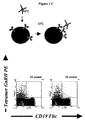
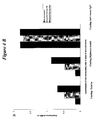
- GnRH-specific B cells To detect GnRH-specific B cells we used directly labelled native GnRH, or labelled tetramers with native GnRH, both in single and double staining protocols. GnRH tetramers were produced by incubating biotinylated GnRH with fluorescent-labelled streptavidin or neutravidin. Monoclonal antibodies against the B-cell marker CD19 and the T-cell marker CD3 were included in the staining procedure. The anti-CD3 staining was used to negatively select (irrelevant) T cells, as well as auto-fluorescent cells. As shown in Fig.1, our results demonstrated that only double tetramer staining produced discriminating results (Fig.
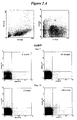
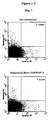
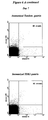
- Lymphocytes were stained with peptide-tetramers, and monoclonal antibody against CD19 and CD3. Since we expected only a very small population of specific B cells, debris were excluded with a live gate (forward and side scatter), and T cells were excluded with a negative gating on CD3e. Biotinylated GnRH tetrameric molecules or biotinylated gastrin tetrameric molecules were used in a double staining strategy to identify peptide-specific cells (Fig 2A). Using this approach, we were able to detect 20-30 specific peptide-tetramers double-positive cells in one million lymphocytes at day 7 after immunization, and 100 specific cells at day 14 after immunization (Fig. 2A).
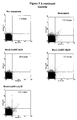
- tetramer binding was demonstrated by inhibition studies with unlabeled GnRH (see figure 3A) or Gastrin (data not shown). Lymphocytes were preincubated with unlabeled peptide followed by incubation with labelled tetramers, CD19 and CD3e antibodies. As shown in Fig 3A tetramer staining was inhibited by inclusion of unlabeled peptide in a dose-dependent manner.
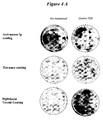
- splenocytes from gastrin-immunized mice were cultivated for 5 days under IL-2 and Pansorbin stimulation. At the end of this time the supernatants were used for performing an ELISA test, and the cells were used in an ELIspot assay. As shown in fig.4A, only the cells of the immunized mice were able to produce spots on the ELIspot well. These results were confirmed by ELISA test (Fig 4B) and they are consistent with the results of FACS analysis, proving that B cell detection is a reliable method for selecting peptide vaccines.
- mice 6-8 week old mice were used and treated for according to the ethical guidelines of University of Utrecht. Mice were immunized intraperitoneally on day 0 with , GnRH-like peptides conjugated to ovalbumin (OVA).
- OVA ovalbumin
- pEHWSYGLRPGC GnRH-monomer
- pEHWSYGLRPGQHWSYGLRPGC GnRH-tandem
- TDK GnRH tandem dimer
- TDK the dimerized form of pEHWSYkLRPGQHWSYkLRPGC in which 'k' represents a D-lysine residue
- mice were not immunized. On day 7 half of the mice of each group were boosted, using Incomplete Freunds Adjuvant, and half of the animals were sacrificed and spleens were harvested. On day 14, spleens were harvested from the remaining mice. All animal experiments were done with permission from the local ethical committee (DEC).
- DEC local ethical committee
- Cell cultivation Cell suspensions of splenocytes were cleared of erythrocytes and the cells were cultured in T75 flasks in the presence of Pansorbin (SAC, Calbiochem, Cat. No 507858) and recombinant human IL-2 (CETUS) for 5 days in incubator at 37 °C and 5% CO 2 . Cells were cultivated 5-10.10 7 spleen cells at 2.10 6 /ml in RMPI 10% FCS. After the incubation the cells were collected in tubes and centrifuged at 1200 rpm 10'. Supernatants were used for Elisa tests.
- Pansorbin SAC, Calbiochem, Cat. No 507858
- CETUS recombinant human IL-2
- Tetramer synthesis Tetrameric molecules were produced by mixing an equal amount of C-term biotinylated peptide at 200 ⁇ M (Pepscan B.V.) with R-phycoerythrin (PE)-labelled neutravidin at 3.3 ⁇ M (PE-NA, Molecular Probes, Eugene, OR), or allophycocyanin (APC)-labelled streptavidin at 6.1 ⁇ M (APC-SA, Molecular Probes). Each mixture was incubated at 4°C for a minimum of 12 hours. Than, tetramers were separated from non-complexed peptide by gel filtration using a Bio-Gel P-30 spin column (Bio-Rad, Hercules, CA). The amount of tetramers to use was determined by titration experiments. Peptides used were derived from GnRH (Pepscan B.V.).
- Flow cytometry Cell suspension of splenocytes was obtained by mechanical disruption of the spleens, and erythrocytes were lysed in 0.16 M chloride ammonium solution pH 7.4. The resultant cell suspensions were stained with combinations of fluorochrome-labelled antibodies and peptide's tetrameric molecules at optimal dilution. Staining was routinely conducted at 4°C in two steps: first with peptide's tetrameric molecule labelled with PE for one hour. Cells were then washed three times with FACS Buffer.
- FIG. 1 Visualization of antigen-specific B cells.
- flow cytometry strategies have been developed to detect specific B cells, and we have compared their effectiveness.
Landscapes
- Health & Medical Sciences (AREA)
- Life Sciences & Earth Sciences (AREA)
- Engineering & Computer Science (AREA)
- Immunology (AREA)
- Chemical & Material Sciences (AREA)
- Hematology (AREA)
- Urology & Nephrology (AREA)
- General Health & Medical Sciences (AREA)
- Medicinal Chemistry (AREA)
- Molecular Biology (AREA)
- Biomedical Technology (AREA)
- Chemical Kinetics & Catalysis (AREA)
- Cell Biology (AREA)
- Pharmacology & Pharmacy (AREA)
- Animal Behavior & Ethology (AREA)
- Organic Chemistry (AREA)
- Public Health (AREA)
- Veterinary Medicine (AREA)
- Nuclear Medicine, Radiotherapy & Molecular Imaging (AREA)
- General Chemical & Material Sciences (AREA)
- Biochemistry (AREA)
- Food Science & Technology (AREA)
- Pathology (AREA)
- General Physics & Mathematics (AREA)
- Analytical Chemistry (AREA)
- Biotechnology (AREA)
- Physics & Mathematics (AREA)
- Microbiology (AREA)
- Bioinformatics & Cheminformatics (AREA)
- Endocrinology (AREA)
- Virology (AREA)
- Tropical Medicine & Parasitology (AREA)
- Zoology (AREA)
- Reproductive Health (AREA)
- Gynecology & Obstetrics (AREA)
- Physical Education & Sports Medicine (AREA)
- Diabetes (AREA)
- Gastroenterology & Hepatology (AREA)
- Rheumatology (AREA)
- Obesity (AREA)
Priority Applications (7)
| Application Number | Priority Date | Filing Date | Title |
|---|---|---|---|
| EP04075439A EP1564554A1 (de) | 2004-02-12 | 2004-02-12 | Verfahren zur Früherkennung von B-Zellen in Impfstoffentwicklung |
| CA002556149A CA2556149A1 (en) | 2004-02-12 | 2005-02-11 | Method for the detection of early b cell populations in vaccine development |
| EP05710882A EP1714150A2 (de) | 2004-02-12 | 2005-02-11 | Verfahren zur früherkennung von b zellen in impfstoffentwicklung |
| JP2006553073A JP2007527000A (ja) | 2004-02-12 | 2005-02-11 | ワクチン選択のための初期b細胞検出 |
| PCT/NL2005/000101 WO2005078450A2 (en) | 2004-02-12 | 2005-02-11 | Method for the detection of early b cell populations in vaccine development |
| AU2005213571A AU2005213571A1 (en) | 2004-02-12 | 2005-02-11 | Method for the detection early B cell populations in vaccine development |
| US11/502,744 US20070065428A1 (en) | 2004-02-12 | 2006-08-11 | Early B-cell detection for selecting vaccines |
Applications Claiming Priority (1)
| Application Number | Priority Date | Filing Date | Title |
|---|---|---|---|
| EP04075439A EP1564554A1 (de) | 2004-02-12 | 2004-02-12 | Verfahren zur Früherkennung von B-Zellen in Impfstoffentwicklung |
Publications (1)
| Publication Number | Publication Date |
|---|---|
| EP1564554A1 true EP1564554A1 (de) | 2005-08-17 |
Family
ID=34684718
Family Applications (2)
| Application Number | Title | Priority Date | Filing Date |
|---|---|---|---|
| EP04075439A Withdrawn EP1564554A1 (de) | 2004-02-12 | 2004-02-12 | Verfahren zur Früherkennung von B-Zellen in Impfstoffentwicklung |
| EP05710882A Withdrawn EP1714150A2 (de) | 2004-02-12 | 2005-02-11 | Verfahren zur früherkennung von b zellen in impfstoffentwicklung |
Family Applications After (1)
| Application Number | Title | Priority Date | Filing Date |
|---|---|---|---|
| EP05710882A Withdrawn EP1714150A2 (de) | 2004-02-12 | 2005-02-11 | Verfahren zur früherkennung von b zellen in impfstoffentwicklung |
Country Status (6)
| Country | Link |
|---|---|
| US (1) | US20070065428A1 (de) |
| EP (2) | EP1564554A1 (de) |
| JP (1) | JP2007527000A (de) |
| AU (1) | AU2005213571A1 (de) |
| CA (1) | CA2556149A1 (de) |
| WO (1) | WO2005078450A2 (de) |
Cited By (2)
| Publication number | Priority date | Publication date | Assignee | Title |
|---|---|---|---|---|
| CN100428254C (zh) * | 2006-07-20 | 2008-10-22 | 上海交通大学 | 交叉反应抗原计算机辅助筛选的方法 |
| CN103049679A (zh) * | 2012-12-28 | 2013-04-17 | 上海交通大学 | 蛋白质潜在致敏性的预测方法 |
Families Citing this family (12)
| Publication number | Priority date | Publication date | Assignee | Title |
|---|---|---|---|---|
| CA2655511C (en) * | 2005-07-01 | 2017-03-21 | John Schrader | Methods of isolating cells and generating monoclonal antibodies |
| EP2575821B1 (de) | 2010-05-26 | 2015-08-12 | Satiogen Pharmaceuticals, Inc. | Gallensäurerückflusshemmer und satiogene zur behandlung von diabetes, adipositas und entzündlichen magen-darm-erkrankungen |
| ES2930651T3 (es) * | 2011-09-06 | 2022-12-20 | Becton Dickinson Co | Métodos y composiciones para la detección citométrica de células tumorales circulantes en una muestra |
| CA2852957C (en) | 2011-10-28 | 2020-08-04 | Lumena Pharmaceuticals, Inc. | Bile acid recycling inhibitors for treatment of hypercholemia and cholestatic liver disease |
| CN104023727B (zh) | 2011-10-28 | 2017-04-05 | 鲁美纳医药公司 | 用于治疗小儿胆汁淤积性肝病的胆汁酸再循环抑制剂 |
| GB201121571D0 (en) | 2011-12-15 | 2012-01-25 | Astrimmune Ltd | Compounds and uses thereof |
| US20140275090A1 (en) | 2013-03-15 | 2014-09-18 | Lumena Pharmaceuticals, Inc. | Bile acid recycling inhibitors for treatment of primary sclerosing cholangitis and inflammatory bowel disease |
| CN105228615A (zh) | 2013-03-15 | 2016-01-06 | 鲁美纳医药公司 | 用于治疗巴雷特食管和胃食管返流疾病的胆汁酸再循环抑制剂 |
| DK3562451T3 (da) * | 2016-12-30 | 2022-02-07 | Euromed Inc | Klæbeplaster med forbedret skillelagsystem |
| PL3923943T3 (pl) | 2019-02-12 | 2024-12-09 | Mirum Pharmaceuticals, Inc. | Zależna od genotypu i dawki odpowiedź na asbti u pacjentów z niedoborem pompy eksportu soli żółciowych |
| CN110954706B (zh) * | 2019-11-20 | 2020-10-02 | 宁波三生生物科技有限公司 | 一种测定GnRH并列体二聚体人工抗原偶联率的方法 |
| WO2026032326A1 (zh) * | 2024-08-06 | 2026-02-12 | 上海绾塍生物科技有限公司 | 一种目标细胞以及细胞表面受体的筛选方法 |
-
2004
- 2004-02-12 EP EP04075439A patent/EP1564554A1/de not_active Withdrawn
-
2005
- 2005-02-11 WO PCT/NL2005/000101 patent/WO2005078450A2/en not_active Ceased
- 2005-02-11 EP EP05710882A patent/EP1714150A2/de not_active Withdrawn
- 2005-02-11 CA CA002556149A patent/CA2556149A1/en not_active Abandoned
- 2005-02-11 JP JP2006553073A patent/JP2007527000A/ja not_active Withdrawn
- 2005-02-11 AU AU2005213571A patent/AU2005213571A1/en not_active Abandoned
-
2006
- 2006-08-11 US US11/502,744 patent/US20070065428A1/en not_active Abandoned
Non-Patent Citations (4)
| Title |
|---|
| ALTMAN J ET AL: "Phenotypic analysis of antigen-specific T lymphocytes", SCIENCE, AMERICAN ASSOCIATION FOR THE ADVANCEMENT OF SCIENCE, US, vol. 274, no. 5284, 4 October 1996 (1996-10-04), pages 94 - 96, XP002135711, ISSN: 0036-8075 * |
| NEWMAN J ET AL: "Identification of an antigen-specific B cell population", JOURNAL OF IMMUNOLOGICAL METHODS, ELSEVIER SCIENCE PUBLISHERS B.V.,AMSTERDAM, NL, vol. 272, no. 1-2, 15 January 2003 (2003-01-15), pages 177 - 187, XP004400050, ISSN: 0022-1759 * |
| STETSON DANIEL B ET AL: "Rapid expansion and IL-4 expression by Leishmania-specific naive helper T cells in vivo", IMMUNITY, vol. 17, no. 2, August 2002 (2002-08-01), pages 191 - 200, XP002283954, ISSN: 1074-7613 * |
| TOWNSEND S E ET AL: "Single epitope multiple staining to detect ultralow frequency B cells", JOURNAL OF IMMUNOLOGICAL METHODS, ELSEVIER SCIENCE PUBLISHERS B.V.,AMSTERDAM, NL, vol. 249, no. 1-2, 1 March 2001 (2001-03-01), pages 137 - 146, XP004317478, ISSN: 0022-1759 * |
Cited By (3)
| Publication number | Priority date | Publication date | Assignee | Title |
|---|---|---|---|---|
| CN100428254C (zh) * | 2006-07-20 | 2008-10-22 | 上海交通大学 | 交叉反应抗原计算机辅助筛选的方法 |
| CN103049679A (zh) * | 2012-12-28 | 2013-04-17 | 上海交通大学 | 蛋白质潜在致敏性的预测方法 |
| CN103049679B (zh) * | 2012-12-28 | 2017-07-11 | 上海交通大学 | 蛋白质潜在致敏性的预测方法 |
Also Published As
| Publication number | Publication date |
|---|---|
| WO2005078450A3 (en) | 2006-08-03 |
| CA2556149A1 (en) | 2005-08-25 |
| EP1714150A2 (de) | 2006-10-25 |
| WO2005078450A2 (en) | 2005-08-25 |
| US20070065428A1 (en) | 2007-03-22 |
| JP2007527000A (ja) | 2007-09-20 |
| AU2005213571A1 (en) | 2005-08-25 |
Similar Documents
| Publication | Publication Date | Title |
|---|---|---|
| EP1564554A1 (de) | Verfahren zur Früherkennung von B-Zellen in Impfstoffentwicklung | |
| ES2194782T5 (es) | Procedimiento mejorado de detección de bacterias acidorresistentes del género Helicobacter en las heces | |
| CA2287872C (en) | Immunogenic compositions to the cck-b/gastrin receptor and methods for the treatment of tumors | |
| Brown et al. | Tumours can act as adjuvants for humoral immunity | |
| CN106706914B (zh) | 用于诊断上皮源性癌症的血液标志物及单克隆抗体 | |
| CN102245767B (zh) | 人cxcl1蛋白质的免疫学测定方法 | |
| US20150072886A1 (en) | Methods and Systems for Detecting MHC Class I Binding Peptides | |
| JP2008513536A (ja) | プロガストリンに対するモノクローナル抗体 | |
| AU2003226096A1 (en) | Method and device for trichomonas detection | |
| WO2008140774A2 (en) | Methods for diagnosing and treating prostate and lung cancer | |
| CN110873711B (zh) | 一种基于全自动化学发光分析仪的血清tk1检测试剂盒 | |
| AU2014266396A1 (en) | Method for predicting clinical effect of immunotherapy | |
| JP2008500968A (ja) | ガストリンホルモンに対するモノクローナル抗体 | |
| CN1312182C (zh) | 抗hla-g的单克隆抗体及分泌它的杂交瘤细胞株、癌症诊断试剂盒及其应用 | |
| WO1999040837A2 (en) | Compositions for detecting and surgically removing lymphoid tissue involved in tumor progression | |
| Li et al. | Effects of hapten density on the induced antibody repertoire | |
| Harriman et al. | Antibody discovery via multiplexed single cell characterization | |
| KR101777259B1 (ko) | En2 단백질을 특이적으로 인식하는 단클론 항체 또는 이를 함유하는 전립선암 진단용 조성물 | |
| JP5144742B2 (ja) | 乳がんの評価のためのhe4の使用 | |
| JP2006115716A (ja) | 抗c反応性タンパク質モノクローナル抗体産生細胞ライン、その作製方法、およびそれにより産生されたモノクローナル抗体 | |
| JP2007522447A (ja) | 細胞傷害性アッセイ | |
| Mecheri et al. | Immunogenic Ia-binding peptides immobilize the Ia molecule and facilitate its aggregation on the B cell membrane. Control by the M1s-1 gene. | |
| US5605831A (en) | Human melanoma cell specific antigens and antibodies | |
| Shanmugam et al. | Identification of PSA peptide mimotopes using phage display peptide library | |
| Samoylova et al. | ZP-binding peptides identified via phage display stimulate production of sperm antibodies in dogs |
Legal Events
| Date | Code | Title | Description |
|---|---|---|---|
| PUAI | Public reference made under article 153(3) epc to a published international application that has entered the european phase |
Free format text: ORIGINAL CODE: 0009012 |
|
| AK | Designated contracting states |
Kind code of ref document: A1 Designated state(s): AT BE BG CH CY CZ DE DK EE ES FI FR GB GR HU IE IT LI LU MC NL PT RO SE SI SK TR |
|
| AX | Request for extension of the european patent |
Extension state: AL LT LV MK |
|
| AKX | Designation fees paid | ||
| REG | Reference to a national code |
Ref country code: DE Ref legal event code: 8566 |
|
| STAA | Information on the status of an ep patent application or granted ep patent |
Free format text: STATUS: THE APPLICATION IS DEEMED TO BE WITHDRAWN |
|
| 18D | Application deemed to be withdrawn |
Effective date: 20060218 |