EP1574951A1 - Verfahren und System für die automatische Konsistenzkontrolle von Applikationsteilen einer verteilten programmierten Applikation - Google Patents
Verfahren und System für die automatische Konsistenzkontrolle von Applikationsteilen einer verteilten programmierten Applikation Download PDFInfo
- Publication number
- EP1574951A1 EP1574951A1 EP03405850A EP03405850A EP1574951A1 EP 1574951 A1 EP1574951 A1 EP 1574951A1 EP 03405850 A EP03405850 A EP 03405850A EP 03405850 A EP03405850 A EP 03405850A EP 1574951 A1 EP1574951 A1 EP 1574951A1
- Authority
- EP
- European Patent Office
- Prior art keywords
- consistency
- module
- property data
- application
- property
- Prior art date
- Legal status (The legal status is an assumption and is not a legal conclusion. Google has not performed a legal analysis and makes no representation as to the accuracy of the status listed.)
- Ceased
Links
Images


Classifications
-
- G—PHYSICS
- G06—COMPUTING OR CALCULATING; COUNTING
- G06F—ELECTRIC DIGITAL DATA PROCESSING
- G06F9/00—Arrangements for program control, e.g. control units
- G06F9/06—Arrangements for program control, e.g. control units using stored programs, i.e. using an internal store of processing equipment to receive or retain programs
- G06F9/44—Arrangements for executing specific programs
- G06F9/445—Program loading or initiating
- G06F9/44505—Configuring for program initiating, e.g. using registry, configuration files
-
- G—PHYSICS
- G06—COMPUTING OR CALCULATING; COUNTING
- G06F—ELECTRIC DIGITAL DATA PROCESSING
- G06F8/00—Arrangements for software engineering
- G06F8/60—Software deployment
- G06F8/61—Installation
-
- G—PHYSICS
- G06—COMPUTING OR CALCULATING; COUNTING
- G06F—ELECTRIC DIGITAL DATA PROCESSING
- G06F8/00—Arrangements for software engineering
- G06F8/60—Software deployment
Definitions
- the present invention relates to a method and a system for the automatic consistency control of application parts of a distributed programmed application.
- the invention particularly relates to a method and a system for automatic consistency control of application parts a distributed programmed application, which application parts on several various electronic channels connected by communication channels Device units of the system are installed.
- Electronic devices are becoming more common heterogeneous hardware platforms for the execution of distributed program applications, their individual application parts on several different electronic device units connected by communication channels are installed.
- Electronic device units include, for example Personal Computers (PC), Laptop Computers, Personal Digital Assistants (PDA) and communication terminals such as mobile phones, each about Processors as well as data and program memory have to application parts to install.
- electronic device units also include special functional modules in which application parts can be installed and which via wired or with other electronic device units wireless communication channels are connectable.
- Such functional modules include, for example, memory modules, communication modules or identification modules.
- the communication channels for the connection of electronic Device units include, for example, serial or parallel contact-based device interfaces, infrared, radio-based or inductive wireless device interfaces as well as local wireless networks.
- Application parts include Different resources of a distributed program application, for example Services, scripts, applets, executable code, program interfaces, User interface functions, cryptographic functions and keys, encoding functions, conversion functions, compression functions, Billing functions, data, templates and type definitions documents, multimedia capabilities, storage capacity or communication capacity.
- Application parts flexibly and dynamically interconnected to form a program application which are from the individual cooperating application parts consists. Because both the electronic device units as well the application parts are produced by different manufacturers and different Versions and configurations may remain dynamic Distribution of programmed applications in such heterogeneous Environments theoretically a technical possibility, but fails in the practice of the lack of consistency of the application parts.
- the present invention In particular, achieved by providing property records, each providing information via properties of one of the application parts, by a property data generation module, the relevant one of the application parts assigned to one of the device units is provided become.
- the provided property records are provided by the property data generation modules to at least one property data aggregation module transmitted.
- the received property records are aggregated by the Property Data Aggregation module.
- Based on the aggregate property records are through a consistency data generation module Consistency data generated.
- Consistency control module based on the generated consistency data Decision about the consistency of the application parts like.
- the Property Data Aggregation module, the consistency data generation module and the consistency control module For example, they may be together in one of the device units be installed, for example in a communication terminal.
- a property data aggregation module to install with an application part on one of the device units and / or a property data aggregation module and a consistency data generation module together with an application part on one of the Install device units.
- About the boundaries of Device units communicate the function modules on the Communication channels between the device units.
- Within one Device unit communicate the function modules via internal program interfaces between the functional modules.
- a consistency control initiation to the property data aggregation module transmitted.
- Consistency check request transmitted to the property data generation modules.
- the Transmission of the consistency control initiation enables the automatic and Consistent initiation of consistency control via a hierarchically higher level Function module, the property data aggregation module.
- the transmission the consistency check request by the parent Property Data Aggregation module to the property data generation modules allows complete capture of the current property data of all Application parts currently involved in the distributed program application are.
- the received consistency data are aggregated by the consistency data aggregation module and the decision the consistency of the application parts is determined by the consistency control module, based on aggregate consistency data, like.
- the Consistency Data Aggregation module becomes another higher-level hierarchy introduced, which allows the consistency data of several involved To aggregate consistency data generation modules. This will be another Flexibilization of the consistency control architecture, ie the connection and interaction, the functional modules involved in the consistency control, allows.
- At least one application part dependent on the installation request is provided by the application provider unit via the communications network transmitted to the consistency control module.
- the installation request and the delivery of the application part of the application provider unit via the communication network to a device unit enables the dynamic Updating and improving the consistency of the application parts that involved in the distributed program application.
- a communication terminal and smart cards provided with processors and memory elements as device units used, and the smart cards are over contact or contactless communication channels with the communication terminal connected.
- the communication terminal is for example a mobile communication terminal, that set up for communication via mobile networks is, for example, and the smart card is as a subscriber identification module set up.
- SIM card Subscriber Identity Module
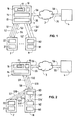
- FIGS. 1 to 5 corresponding components are obtained and steps denoted by like reference numerals.
- reference numeral 1 denotes an as Communication terminal running electronic device unit with a communication module 10 for connection to the telecommunications network 3.
- the telecommunications network 3 includes a mobile network and / or a landline.
- the mobile network for example, a GSM (Global System for Mobile Communication) or a UMTS network (Universal Mobile Telephone System) or another, for example satellite-based mobile radio network or a wireless network (Wireless Local Area Network).
- the landline is for example the public switched telephone network, an ISDN network (Integrated Services Digital Network) or the Internet.
- the communication terminal configured device unit 1 a mobile phone or a Laptop or PDA (Personal Digital Assistant) computer with a communication module 10 for communication over a cellular network, or a communication terminal with a communication module 10 for communication via a landline, for example a PC (personal computer).
- a mobile phone or a Laptop or PDA (Personal Digital Assistant) computer with a communication module 10 for communication over a cellular network or a communication terminal with a communication module 10 for communication via a landline, for example a PC (personal computer).
- the reference numeral 4 denotes one with the Telecommunications network 3 connected computer-based application provider unit.
- the application provider unit 4 comprises one or more computers which are controlled by a software program.
- the application provider unit 4, respectively their software program, is set up so that in the application vendor unit received 4 installation requests be in the steps indicated by S5 of the device unit. 1 transmitted via the telecommunications network 3 to the application provider unit 4 become.
- An installation request includes information for addressing the device unit 1 and information for identifying a or several application parts. Examples of application parts were in the Introduction cited.
- Submitted in response to a received installation request the application provider unit 4 in step S6 based on the in The information contained in the installation request one or more application parts via the telecommunications network 3 to the communication module 10 of the device unit 1.
- FIG. 5 shows another electronic device unit 5, via a communication channel with the device unit 1 is connectable.
- the electronic device units 2, 5, N include Processors and / or data and program memories in which application parts 21, 51, N1 are installable and / or executable.
- the electronic device units 2, 5, N are, for example, as smart cards, especially as SIM cards, memory modules or communication modules running over Contact, wire or cable connections with the device unit 1 connectable are.
- the electronic Device units 2, 5, N also with wireless device interfaces, For example, infrared, radio-based (e.g., Bluetooth), optical, or inductive Device interfaces, or with wireless communication modules, for example for Wi-Fi networks, be provided.
- wireless device interfaces For example, infrared, radio-based (e.g., Bluetooth), optical, or inductive Device interfaces, or with wireless communication modules, for example for Wi-Fi networks, be provided.
- the device units 1, 2, 5, N include various functional modules for performing the automatic consistency control of the application parts 21, 51, N1 involved in a shared distributed program application.
- the electronic device units 1, 2, 5 and N and in particular the functional modules installed thereon form the system for automatic consistency control of the application parts 21, 51, N1.
- the functional modules comprise, in addition to communication modules 10, in particular property data generation modules 22, 52, N2, property data aggregation modules 13, 53, N3, consistency data generation modules 14, 54, N4, consistency data aggregation modules N5, consistency control modules N6 and consistency control modules 17.
- the functional modules are preferably implemented as programmed software modules but also partially or completely executed by hardware. As can be seen in Table 1 below, the functional modules are each assigned to a functional hierarchy level or protocol layer.
- the Data and / or instructions become similar to the layer model of the OSI reference model (Open Systems Interconnection), from a deeper functional Module to a higher functional module respectively from a higher one functional module passed to a deeper functional module, wherein the Data and / or instructions in the modules respectively prior to disclosure accordingly the assigned functions of the module in question become.
- OSI reference model Open Systems Interconnection
- a device unit 1, 2, 5, N communicate the functional modules via internal program interfaces between the functional modules.
- a device unit 1, 2, 5, N becomes the availability of functional modules, for example controlled by registration mechanisms which allow enter active functional modules in a local data structure, for example in a table.
- the availability of external functional modules, outside a respective device unit 1, 2, 5, N for example Based on availability notifications detected by the Device units 1, 2, 5, N periodically or exchanged on request or to be spread. Similar mechanisms are for example self-organizing local networks or network routers known.
- the application part 21, 51, N1 of a device unit 1, 2, 5, N are each a property data generation module 22, 52, N2 assigned.
- the property data generation modules 22, 52, N2 generate property records that give information about properties of the associated application part 21, 51, N1.
- the provided Property records are from a property data generation module 22, 52, N2 to a hierarchically overlying functional module, preferably to a property data aggregation module 13, 53, N3.
- the provision and transmission of the property records by the property data generation module 22, 52, N2 is preferably in response to a consistency check request from the property data aggregation module 13, 53, N3 is received.
- the properties contained in the provided property records an application part 21, 51, N1 comprise an identification the application part 21, 51, N1, information about the origin, for example an identification of the manufacturer, information about the sales source, for example an identification of the application provider unit 4, state information, for example, if the relevant application part 21, 51, N1 installed, initialized, personalized, blocked or deleted, version number, output or date of manufacture, information about supported interfaces, for example for data communication, program interfaces, data formats or document types, information about the available functionality, the means supported functions, information about permissions, for example Execute specific rights functions, information about time-related restrictions, For example, validity periods or restrictions regarding Time or duration, information on restrictions on use, for example, number of allowed executions or frequency of executions, Registration information, such as registered services, user information, Information about resource requirements, such as disk space, Bandwidth, sessions, or threads, cryptographic information, for example, key identifications and versions, identifications of security areas and / or a checksum, for example a so-called cryptographic fingerprint. For example, the checksum
- the property data aggregation modules 13, 53, N3 transmit Consistency control requests to property data generation modules 22, 52, N2, preferably in response to a consistency control initiation initiated by one of the device units 1, 2, 5, N due to the reinstallation or first execution of an application part 21, 51, N1 on the relevant one of the device units 1, 2, 5, N to the relevant property data aggregation module 13, 53, N3 is transmitted.
- the property data aggregation modules 13, 53, N3 aggregate those of several property data generation modules 22, 52, N2 received property records and pass the aggregated data to a consistency data generation module 14, 54, N4 continue.
- the consistency data generation modules 14, 54, N4 generate based on aggregate property records, consistency data, qualitative and quantitative information about the consistency of the distributed program application involved application parts 21, 51, N1 include.
- the consistency data generation modules 14, 54, N4 forward the consistency data provided to a consistency control module 16, N6 or, if multiple consistency data generation modules 14, 54, N4 are involved in a consistency data aggregation module N5.
- the consistency data aggregation module N5 aggregates those of several Consistency data generation modules 14, 54, N4 Consistency data received and forwards the aggregated consistency data to a consistency control module 16, N6 continue.
- the consistency control modules 16, N6 make decisions based on the received ones Consistency data obtained from a consistency data generation module 14, 54, N4 or received from a consistency data aggregation module N5 were a decision about the consistency of the distributed program application involved application parts 21, 51, N1. If a critical inconsistency was detected, the consistency control modules 16, N6 break the others Execution of the automatic consistency check, for example by means of an abort instruction.
- the consistency control modules 16, N6 conduct the Decided decision to a consistency control module 17. With a negative Decision consign the consistency control modules 16, N6 also the Consistency data received, or at least parts thereof, to the consistency control module 17.
- the decision on the consistency of the application parts 21, 51, N1 is based on the properties contained in the property records the application part 21, 51, N1 and is dependent, for example the compatibility respectively backward compatibility of different output versions the application parts 21, 51, N1, from the safety requirements the distributed application and that performed by the distributed application Services, requirements and technical limitations of the application provider unit 4, of the device units 1, 2, 5, N used, different from the compatibility respectively backward compatibility Output versions of the device units used 1, 2, 5, N, and of the probability of changes to the device units or the Replacement of device units.
- the consistency control module is shown 17 associated with the consistency control module 16 and is located on the same device unit 1 as the consistency control module 16. As shown in Figures 4 and 5, the consistency control module 17 but also separately from the consistency control module N6 on another device unit 1 installed.
- a positive decision that transmits Consistency control module 17 a consistency control acknowledgment to the application parts 21, 51, N1 associated with the property data generation modules 22, 52, N2 and releases the execution of the distributed program application.
- a negative decision is determined by the consistency control module 17 on the consistency data received, whether a consistency of the application parts involved 21, 51, N1 by additional or different application parts of the application provider unit 4 can be achieved.
- the consistency control module 17 If applicable, transmitted the consistency control module 17 by means of the communication module 10th a corresponding installation request via the telecommunications network. 3 to the application provider unit 4, which is based as described above on the information contained in the received installation request one or more application parts via the telecommunications network 3 the requesting consistency control module 17 transmitted.
- the received application parts be from the consistency control module 17 for installation to the Feature data generation modules 22, 52, N2 transmitted, the already installed inconsistent application parts 21, 51, N1 are assigned.
- the consistency control module 17 transmits a consistency control acknowledgment to the property data generation modules associated with the application parts 21, 51, N1 22, 52, N2 and indicates the execution of the distributed program application free.
- the automatic consistency control initiated by in step S1 of the device unit 2 a consistency control initiation transmitted to the property data aggregation module 13 becomes.
- the consistency control initiation for example, by the application part 21 or the property data generation module 22 or by another programmed module of the device unit 2 generates and transmits.
- the Property data aggregation module 13 in steps S2 and S2 ', respectively a consistency check request to the property data generation modules 22 and N2.
- the received property records are in the Property Data Aggregation module 13 aggregated and from the consistency data generation module 14 creates consistency data from the aggregated property records.
- From the consistency control module 16 based on the consistency data, over the consistency of the application parts 21, N1 decided. If necessary, will the further execution of the automatic consistency control by the consistency control module 16 aborted and by the consistency control module 17th from the application provider unit 4 new or additional application parts requested. If necessary, the new or additional application parts loaded into the device units 2, N and in steps S4, and S4 ' a consistency control acknowledgment to the property data generation modules 22, N2 transmitted, whereby the consistency control is terminated.
- the arrangement of the functional modules according to FIG. 2 differs differ from that of Figure 1 in that the property data aggregation module N3 is arranged in the device unit N.
- the automatic Consistency control is initiated in step S7 by a consistency control initiation initiated by the device unit 2 to the property data aggregation module N3 is transmitted.
- the consistency control initiation will be from the property data aggregation module N3 in step S8 to the consistency data generation module 14 forwarded.
- the Consistency data generation module 14 in step S9 a consistency control request to the Property Data Aggregation Module N3.
- the property data aggregation module N3 derives a consistency control request, respectively to the property data generation modules 22 and N2.
- the property data generation modules transmit 22 and N2 in steps S11 and S11 ' Property data sets with properties of the application parts 21 respectively N1 to the property data aggregation module N3.
- the received property records are passed through the property data aggregation module N3 aggregates and the aggregated data in step S12 to the consistency data generation module 14 headed.
- the based on the aggregated property records Consistency data generated by the consistency data generation module 14, as described above, for further processing on the Consistency control module 16 passed. If necessary, new or additional Application parts in the device units 2, N loaded and in the step S13 a consistency control acknowledgment to the property data aggregation module N3 transmitted.
- the consistency control acknowledgment is in the steps S14, and S14 'are transmitted to the property data generation modules 22, N2, which concludes the consistency check.
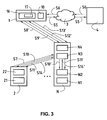
- the arrangement of the functional modules according to FIG. 3 differs from that of Figure 2 in that also the consistency data generation module N4 is arranged in the device unit N.
- the consistency control initiation is the property data aggregation module N3 passed the consistency data generation module N4 and from there in step S8 ' transmitted to the consistency control module 16.
- the Consistency control module 16 in step S9 'to a consistency control request the consistency data generation module N4.
- the consistency check request is from the consistency data generation module N4 to the property data aggregation module N3, which sends them to the property data generation modules in steps S10 and S10 ' 22 and N2 transmitted.
- the aggregated Property records are taken from the Property Data Aggregation module N3 directed to the consistency data generation module N4, where based on the Consistency data are generated.
- the generated consistency data is generated by the Consistency data generation module N4 in step S12 ', as described above, transmitted to the consistency control module 16 for further processing. Possibly new or additional application parts in the device units 2, N loaded and in step S13 'a consistency control acknowledgment transmitted to the consistency data generation module N4.
- the consistency control acknowledgment is forwarded to the property data aggregation module N3 and in steps S14, and S14 'to the property data generation modules 22, N2 transmitted, whereby the consistency control is terminated.
- the arrangement of the functional modules according to FIG. 4 differs from that of Figure 3 in that also the consistency control module N6 is arranged in the device unit N.
- the consistency control initiation is used by the property data aggregation module N3 over the Consistency data generation module N4 passed to the consistency control module N6.
- the consistency control module N6 initiates a consistency check request via the consistency data generation module N4 to the property data aggregation module N3, which in steps S10 and S10 ' transmitted to the property data generation modules 22 and N2.
- the aggregated Property records are taken from the Property Data Aggregation module N3 is directed to the consistency data generation module N4 where based thereon the consistency data is generated.
- the generated consistency data are used by the consistency data generation module N4 for decision making passed to the consistency control module N6.
- the precipitated decision over the Consistency of application parts 21, N1 is provided by the consistency control module N6 transmitted to the consistency control module 17 in step S17. With a negative Decision in step S17 also the received consistency data, or at least parts thereof, transmitted to the consistency control module 17. If necessary, new or additional application parts in the device units 2, N are loaded and in step S18 a consistency control acknowledgment transmitted to the consistency control module N6.
- the consistency control acknowledgment is sent via the consistency data generation module N4 to the Property Data Aggregation Module N3 forwarded and in the steps S14, and S14 'are transmitted to the property data generation modules 22, N2, which concludes the consistency check.
- a further device unit 5 is provided in contrast to the arrangements according to the figures 1 to 4, a further device unit 5 is provided.
- the arrangement of the functional modules according to FIG. 5 differs from that of Figure 4 also in that in the device unit N additionally a consistency data aggregation module N5 is arranged.
- the device unit 5 comprises an application part 51, a property data generation module 52, a property data aggregation module 53 and a consistency data generation module 54.
- the automatic consistency control is initiated in step S20 by a consistency control initiation, the from the device unit 5 to the property data aggregation module 53 is transmitted.
- the consistency control is initiated by the Property Data Aggregation module 53 is forwarded to the consistency data generation module 54 and from there in step S21 to the consistency data aggregation module N5 transmitted.
- the consistency control is initiated by the consistency data aggregation module N5 directed to the consistency control module N6.
- the consistency control module N6 initiates a consistency check request the consistency data aggregation module N5, which on the one hand in step S22 is communicated to the consistency data generation module 54 and on the other hand via the consistency data generation module N4 to the property data aggregation module N3 heads.
- the consistency data generation module 54 forwards the consistency check request to the property data aggregation module 53, from where, in steps S23 and S23 ', to the property data generation modules 52 and 22, respectively.
- the Property Data Aggregation module N3 forwards the consistency check request in step S22 ' to the property data generation module N2.
- Consistency check requests convey the property data generation modules 22 and 52 in steps S24 and S24 'property records with Properties of application parts 51 and 21, respectively, to the property data aggregation module 53.
- the received property records are aggregated by the property data aggregation module 53 and the aggregated Data is passed to the consistency data generation module 54.
- the based Consistency data generated on the aggregated property records are sent from the consistency data generation module 54 to the consistency data aggregation module N5 transmitted. From the property data generation module N2 are used in response to the received consistency check request Step S24 "Property data sets with properties of the application part N1 directly or via the optional property data aggregation module N3 the consistency data generation module N4 transmitted.
- the consistency data generation module N4 based on the (aggregated) property records, the consistency data is generated.
- the generated consistency data will be from the consistency data generation module N4 to the consistency data aggregation module N5 headed.
- the consistency data aggregation module N5 aggregates received from the consistency data generation modules N4 and 54 Consistency data and forwards the aggregated data for decision-making the consistency control module N6.
- the precipitated decision about the consistency the application parts 21, 51, N1 is the consistency control module N6 in step S26 transmitted to the consistency control module 17. For a negative decision
- new or additional application parts in the device units 2, 5, N loaded and in step S27 a consistency control acknowledgment transmitted to the consistency control module N6.
- the consistency control acknowledgment is forwarded to the consistency data aggregation module N5.
- the consistency data aggregation module N5 issues the consistency control acknowledgment on the one hand in step S28 to the consistency data generation module 54th and, on the other hand, via the consistency data generation module N4 the property data aggregation module N3 forwarded.
- Consistency data generation module 54 is the consistency control acknowledgment the property data aggregation module 53 forwarded and from there into the Steps S29 and S29 'to the property data generation modules 52, respectively 22, which terminates the consistency check.
Landscapes
- Engineering & Computer Science (AREA)
- Software Systems (AREA)
- Theoretical Computer Science (AREA)
- General Engineering & Computer Science (AREA)
- Physics & Mathematics (AREA)
- General Physics & Mathematics (AREA)
- Mobile Radio Communication Systems (AREA)
Abstract
Description
| - | Figuren 1 bis 4 | Figur 5 | ||
| Hierarchiestufe | funktionales Modul | Bezugszeichen | funktionales Modul | Bezugszeichen |
| 7 | Konsistenzsteuermodul | 17 | Konsistenzsteuermodul | 17 |
| 6 | Konsistenzkontrollmodul | 16 oder N6 | Konsistenzkontrollmodul | N6 |
| 5 | Konsistenzdatenaggregationsmodul | N5 | ||
| 4 | Konsistenzdatenerzeugungsmodul | 14 oder N4 | Konsistenzdatenerzeugungsmodul | 54, N4 |
| 3 | Eigenschaftsdatenaggregationsmodul | 13 oder N3 | Eigenschaftsdatenaggregationsmodul | 13, 53, N3 |
| 2 | Eigenschaftsdatenerzeugungsmodul | 22, N2 | Eigenschaftsdatenerzeugungsmodul | 22, 52, N2 |
Claims (20)
- Verfahren für eine automatische Konsistenzkontrolle von Applikationsteilen (21, 51, N1) einer verteilten programmierten Applikation, welche Applikationsteile (21, 51, N1) auf mehreren verschiedenen durch Kommunikationskanäle verbundenen elektronischen Vorrichtungseinheiten (1, 2, 5, N), installiert sind, gekennzeichnet durch
Bereitstellen von Eigenschaftsdatensätzen, die jeweils Angaben über Eigenschaften eines der Applikationsteile (21, 51, N1) umfassen, jeweils durch ein Eigenschaftsdatenerzeugungsmodul (22, 52, N2), das dem betreffenden einen der Applikationsteile (21, 51, N1) zugeordnet auf einer der Vorrichtungseinheiten (2, 5, N) installiert ist,
Übermitteln der bereitgestellten Eigenschaftsdatensätze von den Eigenschaftsdatenerzeugungsmodulen (22, 52, N2) an mindestens ein Eigenschaftsdatenaggregationsmodul (13, 53, N3),
Aggregieren der empfangenen Eigenschaftsdatensätze durch das Eigenschaftsdatenaggregationsmodul (13, 53, N3),
Erzeugen von Konsistenzdaten basierend auf den aggregierten Eigenschaftsdatensätzen durch ein Konsistenzdatenerzeugungsmodul (14, 54, N4), und
Fällen eines Entscheids über die Konsistenz der Applikationsteile (21, 51, N1) basierend auf den erzeugten Konsistenzdaten durch ein Konsistenzkontrollmodul (16, N6). - Verfahren nach Anspruch 1, gekennzeichnet durch Übermitteln einer Konsistenzkontrollinitiierung von einer der Vorrichtungseinheiten (2, 5, N) an das Eigenschaftsdatenaggregationsmodul (13, 53, N3) beim Installieren o-der erstmaligen Ausführen eines der Applikationsteile (21, 51, N1) auf der betreffenden einen der Vorrichtungseinheiten (2, 5, N), Übermitteln einer Konsistenzkontrollanfrage vom Eigenschaftsdatenaggregationsmodul (13, 53, N3) an die Eigenschaftsdatenerzeugungsmodule (22, 52, N2) als Reaktion auf die empfangene Konsistenzkontrollinitiierung, und Übermitteln der bereitgestellten Eigenschaftsdatensätze von den Eigenschaftsdatenerzeugungsmodulen (22, 52, N2) an das Eigenschaftsdatenaggregationsmodul (13, 53, N3) als Antwort auf die empfangene Konsistenzkontrollanfrage.
- Verfahren nach einem der Ansprüche 1 oder 2, gekennzeichnet durch Übermitteln der erzeugten Konsistenzdaten von mehreren Konsistenzdatenerzeugungsmodulen (14, 54, N4) an mindestens ein Konsistenzdatenaggregationsmodul (N5), Aggregieren der empfangenen Konsistenzdaten durch das Konsistenzdatenaggregationsmodul (N5), Fällen des Entscheids über die Konsistenz der Applikationsteile (21, 51, N 1 ) basierend auf den aggregierten Konsistenzdaten durch das Konsistenzkontrollmodul (16, N6).
- Verfahren nach einem der Ansprüche 1 bis 3, gekennzeichnet durch Übermitteln einer Installationsanfrage von einem Konsistenzsteuermodul (17) über ein Kommunikationsnetz (3) an eine Applikationsanbietereinheit (4) bei einem gefällten negativen Entscheid über die Konsistenz der Applikationsteile (21, 51, N1), und Übermitteln mindestens eines von der Installationsanfrage abhängigen Applikationsteils von der Applikationsanbietereinheit (4) über das Kommunikationsnetz (3) an das Konsistenzsteuermodul (17).
- Verfahren nach einem der Ansprüche 1 bis 4, dadurch gekennzeichnet, dass ein Kommunikationsendgerät als Vorrichtungseinheit (1) verwendet wird, dass mit Prozessoren und Speicherelementen versehene Chipkarten als Vorrichtungseinheiten (2, 5, N) verwendet werden, und dass die letztgenannten Vorrichtungseinheiten (2, 5, N) über kontaktbehaftete oder kontaktlose Kommunikationskanäle mit dem Kommunikationsendgerät verbunden werden.
- Verfahren nach Anspruch 5, dadurch gekennzeichnet, dass ein mobiles für die Kommunikation über Mobilfunknetze eingerichtetes Kommunikationsendgerät verwendet wird, und dass eine als Teilnehmeridentifizierungsmodul eingerichtete Chipkarte verwendet wird.
- Verfahren nach einem der Ansprüche 5 oder 6, dadurch gekennzeichnet, dass das Eigenschaftsdatenaggregationsmodul (13, 53, N3), das Konsistenzdatenerzeugungsmodul (14, 54, N4), und das Konsistenzkontrollmodul (16, N6) gemeinsam im Kommunikationsendgerät installiert werden.
- Verfahren nach einem der Ansprüche 1 bis 7, dadurch gekennzeichnet, dass mindestens ein Eigenschaftsdatenaggregationsmodul (13, 53, N3) gemeinsam mit einem Applikationsteil (21, 51, N 1 ) auf einer der Vorrichtungseinheiten (2, 5, N) installiert wird.
- Verfahren nach einem der Ansprüche 1 bis 8, dadurch gekennzeichnet, dass mindestens ein Eigenschaftsdatenaggregationsmodul (13, 53, N3) und mindestens ein Konsistenzdatenerzeugungsmodul (14, 54, N4) gemeinsam mit einem Applikationsteil (21, 51, N1) auf einer der Vorrichtungseinheiten (2, 5, N) installiert werden.
- Verfahren nach einem der Ansprüche 1 bis 9, dadurch gekennzeichnet, dass mindestens drei Vorrichtungseinheiten (2, 5, N) mit darauf installierten Applikationsteilen (21, 51, N1) verwendet werden.
- System zur automatischen Konsistenzkontrolle von Applikationsteilen (21, 51, N1) einer verteilten programmierten Applikation, welches mehrere verschiedene durch Kommunikationskanäle verbundene elektronische Vorrichtungseinheiten (1, 2, 5, N) umfasst, auf welchen die Applikationsteile (21, 51, N1) installiert sind, gekennzeichnet durch
mehrere Eigenschaftsdatenerzeugungsmodule (22, 52, N2) zum Bereitstellen von Eigenschaftsdatensätzen, die jeweils Angaben über Eigenschaften eines der Applikationsteile (21, 51, N1) umfassen, welche Eigenschaftsdatenerzeugungsmodule (22, 52, N2) jeweils dem betreffenden einen der Applikationsteile (21, 51, N1) zugeordnet auf einer der Vorrichtungseinheiten (2, 5, N) installiert sind,
mindestens ein Eigenschaftsdatenaggregationsmodul (13, 53, N3) zum Entgegennehmen und Aggregieren der von mehreren Eigenschaftsdatenerzeugungsmodulen (22, 52, N2) bereitgestellten Eigenschaftsdatensätze,
mindestens ein Konsistenzdatenerzeugungsmodul (14, 54, N4) zum Erzeugen von Konsistenzdaten basierend auf den aggregierten Eigenschaftsdatensätzen, und
ein Konsistenzkontrollmodul (16, N6) zum Fällen eines Entscheids über die Konsistenz der Applikationsteile (21, 51, N1) basierend auf den erzeugten Konsistenzdaten. - System nach Anspruch 11, dadurch gekennzeichnet, dass die Vorrichtungseinheiten (2, 5, N) eingerichtet sind beim Installieren oder erstmaligen Ausführen eines der Applikationsteile (21, 51, N 1 ) auf einer betreffenden der Vorrichtungseinheiten (2, 5, N) eine Konsistenzkontrollinitiierung an das Eigenschaftsdatenaggregationsmodul (13, 53, N3) zu übermitteln, dass das Eigenschaftsdatenaggregationsmodul (13, 53, N3) eingerichtet ist als Reaktion auf die empfangene Konsistenzkontrollinitiierung eine Konsistenzkontrollanfrage an die Eigenschaftsdatenerzeugungsmodule (22, 52, N2) zu übermitteln, und dass die Eigenschaftsdatenerzeugungsmodule (22, 52, N2) eingerichtet sind, die bereitgestellten Eigenschaftsdatensätze als Antwort auf die empfangene Konsistenzkontrollanfrage an das Eigenschaftsdatenaggregationsmodul (13, 53, N3) zu übermitteln.
- System nach einem der Ansprüche 11 oder 12, gekennzeichnet durch mindestens ein Konsistenzdatenaggregationsmodul (N5) zum Entgegennehmen und Aggregieren der von mehreren Konsistenzdatenerzeugungsmodulen (14, 54, N4) erzeugten Konsistenzdaten, und dadurch, dass das Konsistenzkontrollmodul (16, N6) eingerichtet ist, den Entscheid über die Konsistenz der Applikationsteile (21, 51, N 1) basierend auf den aggregierten Konsistenzdaten zu fällen.
- System nach einem der Ansprüche 11 bis 13, gekennzeichnet durch ein Konsistenzsteuermodul (17) zum Übermitteln einer Installationsanfrage über ein Kommunikationsnetz (3) an eine Applikationsanbietereinheit (4) bei einem gefällten negativen Entscheid über die Konsistenz der Applikationsteile (21, 51, N1) und zum Entgegennehmen mindestens eines von der Installationsanfrage abhängigen Applikationsteils über das Kommunikationsnetz (3) von der Applikationsanbietereinheit (4).
- System nach einem der Ansprüche 11 bis 14, dadurch gekennzeichnet, dass mindestens eine Vorrichtungseinheit (1) als Kommunikationsendgerät ausgeführt ist, dass mindestens eine Vorrichtungseinheit (2, 5, N) als Chipkarte ausgeführt ist, welche Chipkarte mit mindestens einem Prozessor und Speicherelementen versehen ist, und dass die letztgenannte Vorrichtungseinheit (2, 5, N) über kontaktbehaftete oder kontaktlose Kommunikationskanäle mit dem Kommunikationsendgerät verbunden ist.
- System nach Anspruch 15, dadurch gekennzeichnet, dass das Kommunikationsendgerät als mobiles für die Kommunikation über Mobilfunknetze eingerichtetes Kommunikationsendgerät ausgeführt ist, und dass die Chipkarte als Teilnehmeridentifizierungsmodul ausgeführt ist.
- System nach einem der Ansprüche 15 oder 16, dadurch gekennzeichnet, dass das Eigenschaftsdatenaggregationsmodul (13, 53, N3), das Konsistenzdatenerzeugungsmodul (14, 54, N4), und das Konsistenzkontrollmodul (16, N6) gemeinsam im Kommunikationsendgerät installiert sind.
- System nach einem der Ansprüche 11 bis 17, dadurch gekennzeichnet, dass mindestens ein Eigenschaftsdatenaggregationsmodul (13, 53, N3) gemeinsam mit einem Applikationsteil (21, 51, N1) auf einer der Vorrichtungseinheiten (2, 5, N) installiert sind.
- System nach einem der Ansprüche 11 bis 18, dadurch gekennzeichnet, dass mindestens ein Eigenschaftsdatenaggregationsmodul (13, 53, N3) und mindestens ein Konsistenzdatenerzeugungsmodul (14, 54, N4) gemeinsam mit einem Applikationsteil (21, 51, N1) auf einer der Vorrichtungseinheiten (2, 5, N) installiert sind.
- System nach einem der Ansprüche 11 bis 19, dadurch gekennzeichnet, dass auf mindestens drei der Vorrichtungseinheiten (2, 5, N) Applikationsteile (21, 51, N1) installiert sind.
Priority Applications (1)
| Application Number | Priority Date | Filing Date | Title |
|---|---|---|---|
| EP03405850A EP1574951A1 (de) | 2003-11-28 | 2003-11-28 | Verfahren und System für die automatische Konsistenzkontrolle von Applikationsteilen einer verteilten programmierten Applikation |
Applications Claiming Priority (1)
| Application Number | Priority Date | Filing Date | Title |
|---|---|---|---|
| EP03405850A EP1574951A1 (de) | 2003-11-28 | 2003-11-28 | Verfahren und System für die automatische Konsistenzkontrolle von Applikationsteilen einer verteilten programmierten Applikation |
Publications (1)
| Publication Number | Publication Date |
|---|---|
| EP1574951A1 true EP1574951A1 (de) | 2005-09-14 |
Family
ID=34814225
Family Applications (1)
| Application Number | Title | Priority Date | Filing Date |
|---|---|---|---|
| EP03405850A Ceased EP1574951A1 (de) | 2003-11-28 | 2003-11-28 | Verfahren und System für die automatische Konsistenzkontrolle von Applikationsteilen einer verteilten programmierten Applikation |
Country Status (1)
| Country | Link |
|---|---|
| EP (1) | EP1574951A1 (de) |
Cited By (1)
| Publication number | Priority date | Publication date | Assignee | Title |
|---|---|---|---|---|
| WO2015181461A1 (fr) * | 2014-05-26 | 2015-12-03 | Orange | Dispositif et procede pour passerelle de mise a jour consistente des services d'un reseau domestique |
Citations (5)
| Publication number | Priority date | Publication date | Assignee | Title |
|---|---|---|---|---|
| JPH0916391A (ja) * | 1995-06-30 | 1997-01-17 | Hitachi Ltd | ソフトウェア開発・保守支援システム |
| WO2001093019A2 (en) * | 2000-05-31 | 2001-12-06 | Adc Telecommunications Israel Ltd. | Managing compatibility of software in distributed systems |
| US6467088B1 (en) * | 1999-06-30 | 2002-10-15 | Koninklijke Philips Electronics N.V. | Reconfiguration manager for controlling upgrades of electronic devices |
| US20020188937A1 (en) * | 2001-06-06 | 2002-12-12 | Hitachi, Ltd. | Network apparatus, network system and software updating method for network apparatus |
| US20030221190A1 (en) * | 2002-05-22 | 2003-11-27 | Sun Microsystems, Inc. | System and method for performing patch installation on multiple devices |
-
2003
- 2003-11-28 EP EP03405850A patent/EP1574951A1/de not_active Ceased
Patent Citations (5)
| Publication number | Priority date | Publication date | Assignee | Title |
|---|---|---|---|---|
| JPH0916391A (ja) * | 1995-06-30 | 1997-01-17 | Hitachi Ltd | ソフトウェア開発・保守支援システム |
| US6467088B1 (en) * | 1999-06-30 | 2002-10-15 | Koninklijke Philips Electronics N.V. | Reconfiguration manager for controlling upgrades of electronic devices |
| WO2001093019A2 (en) * | 2000-05-31 | 2001-12-06 | Adc Telecommunications Israel Ltd. | Managing compatibility of software in distributed systems |
| US20020188937A1 (en) * | 2001-06-06 | 2002-12-12 | Hitachi, Ltd. | Network apparatus, network system and software updating method for network apparatus |
| US20030221190A1 (en) * | 2002-05-22 | 2003-11-27 | Sun Microsystems, Inc. | System and method for performing patch installation on multiple devices |
Non-Patent Citations (1)
| Title |
|---|
| PATENT ABSTRACTS OF JAPAN vol. 1997, no. 05 30 May 1997 (1997-05-30) * |
Cited By (2)
| Publication number | Priority date | Publication date | Assignee | Title |
|---|---|---|---|---|
| WO2015181461A1 (fr) * | 2014-05-26 | 2015-12-03 | Orange | Dispositif et procede pour passerelle de mise a jour consistente des services d'un reseau domestique |
| US10779141B2 (en) | 2014-05-26 | 2020-09-15 | Orange | Device and method for a gateway for the consistent updating of the services of a home network |
Similar Documents
| Publication | Publication Date | Title |
|---|---|---|
| EP1361514B1 (de) | System und Verfahren zum Verwalten von Ressourcen von tragbaren Ressourcenmodulen | |
| EP1216587B1 (de) | Verfahren, um die authentizität von durch eine zertifizierungsinstanz herausgegebenen elektronischen zertifikaten in einem mobilgerät zu verifizieren und entsprechendes identifizierungsmodul | |
| DE60215990T2 (de) | Dynamisches Dienstmerkmal in einem mobilen Kommunikationsgerät oder einer SIM-Karte zum Empfang und zur Ausführung von dynamischen Dienstskripten in Form kurzer Textnachrichten, beispielsweise SMS | |
| DE60316213T2 (de) | System und Verfahren zum Speichern von Benutzerpräferenzen | |
| DE102014204222A1 (de) | Verfahren und vorrichtung für die umprogrammierung mehrerer fahrzeugsoftwaremodule | |
| DE10297351T5 (de) | Verfahren und Vorrichtung für eine Autokonfiguration für optimale Multimedialeistung | |
| WO1999025140A1 (de) | Identifizierungskarte und identifizierungsverfahren | |
| DE60127326T2 (de) | Endgerät , Vorrichtung und Verfahren zur Steuerung eines Endgeräts und eines Prozesses in einem Endgerät | |
| EP2779722B1 (de) | Verfahren zum Personalisieren eines Sicherheitsmuduls eines Tele-kommunikations-Endgerätes | |
| DE102006020683A1 (de) | Kommunikationsverfahren, Kommunikationsvorrichtung, Zugriffssteuerverfahren und Smartcard | |
| EP1569475B1 (de) | Vorrichtung und Verfahren zur Aktualisierung der Konfiguration des Datenspeichers der Chipkarte eines mobilen Endgeräts | |
| DE60303158T2 (de) | System zur Verwaltung von in Ubertragungen zwischen Chipkarten benutzten Verbindungsinformationen | |
| EP1574951A1 (de) | Verfahren und System für die automatische Konsistenzkontrolle von Applikationsteilen einer verteilten programmierten Applikation | |
| DE10218148A1 (de) | Server, insbesondere für ein Telekommunikationssystem, und Verfahren zum Erstellen einer Telekommunikationsverbindung | |
| EP1230779B1 (de) | Verfahren, chipkarte, und vorrichtung für eine logische schnittstelle zwischen zwei anwendungen | |
| DE102024106558A1 (de) | System, verfahren und vorrichtung zur informationsverarbeitung | |
| DE102004057766B4 (de) | Funkschnittstellensteuerung auf Grundlage einer Ereignislistenspezifikation | |
| DE60205206T2 (de) | Verfahren zur Sicherung des Herunterladens von aktiven Daten auf ein Kommunikationsgerät | |
| DE102009041924A1 (de) | Verfahren zum Installieren und Konfigurieren von Applikationen auf einem portablen Datenträger | |
| EP3276994A1 (de) | Teilnehmeridentitätsmodul für einen zugriff auf ein mobilfunknetzwerk | |
| DE60203811T2 (de) | Funkkommunikationsmodul, das ein hauptsoftwareprogramm ausführt, dessen niedrige schichten einem client-softwareprogramm, das ebenfalls durch das modul ausgeführt wird, offen sind | |
| DE102023124350B3 (de) | Exportverfahren für ein nutzer-identifikations-profil eines ersten kommunikations-steuergeräts, sowie ein importverfahren für ein nutzer-identifikations-profil eines zweiten kommunikations-steuergeräts | |
| DE102022001848B3 (de) | Verfahren zum nutzerbezogenen Einrichten eines Endgerätes | |
| EP4687359A1 (de) | Verfahren zum einrichten eines benutzergerätes, einrichtungsprogramm, computerlesbarer datenträger, benutzergerät und einrichtungsanordnung dafür | |
| CH694309A5 (de) | Vorrichtung zur Aktualisierung der Konfiguration von mobilen Endgeraeten. |
Legal Events
| Date | Code | Title | Description |
|---|---|---|---|
| PUAI | Public reference made under article 153(3) epc to a published international application that has entered the european phase |
Free format text: ORIGINAL CODE: 0009012 |
|
| AK | Designated contracting states |
Kind code of ref document: A1 Designated state(s): AT BE BG CH CY CZ DE DK EE ES FI FR GB GR HU IE IT LI LU MC NL PT RO SE SI SK TR |
|
| AX | Request for extension of the european patent |
Extension state: AL LT LV MK |
|
| 17P | Request for examination filed |
Effective date: 20060130 |
|
| AKX | Designation fees paid |
Designated state(s): AT BE BG CH CY CZ DE DK EE ES FI FR GB GR HU IE IT LI LU MC NL PT RO SE SI SK TR |
|
| 17Q | First examination report despatched |
Effective date: 20080214 |
|
| RAP1 | Party data changed (applicant data changed or rights of an application transferred) |
Owner name: SWISSCOM AG |
|
| APBK | Appeal reference recorded |
Free format text: ORIGINAL CODE: EPIDOSNREFNE |
|
| APBN | Date of receipt of notice of appeal recorded |
Free format text: ORIGINAL CODE: EPIDOSNNOA2E |
|
| APBR | Date of receipt of statement of grounds of appeal recorded |
Free format text: ORIGINAL CODE: EPIDOSNNOA3E |
|
| APAF | Appeal reference modified |
Free format text: ORIGINAL CODE: EPIDOSCREFNE |
|
| APAF | Appeal reference modified |
Free format text: ORIGINAL CODE: EPIDOSCREFNE |
|
| APBT | Appeal procedure closed |
Free format text: ORIGINAL CODE: EPIDOSNNOA9E |
|
| STAA | Information on the status of an ep patent application or granted ep patent |
Free format text: STATUS: THE APPLICATION HAS BEEN REFUSED |
|
| 18R | Application refused |
Effective date: 20141030 |