EP1725105B1 - Suspensionskonzentrate auf ölbasis - Google Patents
Suspensionskonzentrate auf ölbasis Download PDFInfo
- Publication number
- EP1725105B1 EP1725105B1 EP05731791A EP05731791A EP1725105B1 EP 1725105 B1 EP1725105 B1 EP 1725105B1 EP 05731791 A EP05731791 A EP 05731791A EP 05731791 A EP05731791 A EP 05731791A EP 1725105 B1 EP1725105 B1 EP 1725105B1
- Authority
- EP
- European Patent Office
- Prior art keywords
- alkyl
- optionally
- substituted
- methyl
- alkoxy
- Prior art date
- Legal status (The legal status is an assumption and is not a legal conclusion. Google has not performed a legal analysis and makes no representation as to the accuracy of the status listed.)
- Expired - Lifetime
Links
- 0 CC(NC(C)=*)=C Chemical compound CC(NC(C)=*)=C 0.000 description 3
Classifications
-
- A—HUMAN NECESSITIES
- A01—AGRICULTURE; FORESTRY; ANIMAL HUSBANDRY; HUNTING; TRAPPING; FISHING
- A01N—PRESERVATION OF BODIES OF HUMANS OR ANIMALS OR PLANTS OR PARTS THEREOF; BIOCIDES, e.g. AS DISINFECTANTS, AS PESTICIDES OR AS HERBICIDES; PEST REPELLANTS OR ATTRACTANTS; PLANT GROWTH REGULATORS
- A01N43/00—Biocides, pest repellants or attractants, or plant growth regulators containing heterocyclic compounds
- A01N43/02—Biocides, pest repellants or attractants, or plant growth regulators containing heterocyclic compounds having rings with one or more oxygen or sulfur atoms as the only ring hetero atoms
-
- A—HUMAN NECESSITIES
- A01—AGRICULTURE; FORESTRY; ANIMAL HUSBANDRY; HUNTING; TRAPPING; FISHING
- A01N—PRESERVATION OF BODIES OF HUMANS OR ANIMALS OR PLANTS OR PARTS THEREOF; BIOCIDES, e.g. AS DISINFECTANTS, AS PESTICIDES OR AS HERBICIDES; PEST REPELLANTS OR ATTRACTANTS; PLANT GROWTH REGULATORS
- A01N43/00—Biocides, pest repellants or attractants, or plant growth regulators containing heterocyclic compounds
- A01N43/34—Biocides, pest repellants or attractants, or plant growth regulators containing heterocyclic compounds having rings with one nitrogen atom as the only ring hetero atom
- A01N43/36—Biocides, pest repellants or attractants, or plant growth regulators containing heterocyclic compounds having rings with one nitrogen atom as the only ring hetero atom five-membered rings
- A01N43/38—Biocides, pest repellants or attractants, or plant growth regulators containing heterocyclic compounds having rings with one nitrogen atom as the only ring hetero atom five-membered rings condensed with carbocyclic rings
-
- A—HUMAN NECESSITIES
- A01—AGRICULTURE; FORESTRY; ANIMAL HUSBANDRY; HUNTING; TRAPPING; FISHING
- A01N—PRESERVATION OF BODIES OF HUMANS OR ANIMALS OR PLANTS OR PARTS THEREOF; BIOCIDES, e.g. AS DISINFECTANTS, AS PESTICIDES OR AS HERBICIDES; PEST REPELLANTS OR ATTRACTANTS; PLANT GROWTH REGULATORS
- A01N43/00—Biocides, pest repellants or attractants, or plant growth regulators containing heterocyclic compounds
- A01N43/34—Biocides, pest repellants or attractants, or plant growth regulators containing heterocyclic compounds having rings with one nitrogen atom as the only ring hetero atom
- A01N43/36—Biocides, pest repellants or attractants, or plant growth regulators containing heterocyclic compounds having rings with one nitrogen atom as the only ring hetero atom five-membered rings
-
- A—HUMAN NECESSITIES
- A01—AGRICULTURE; FORESTRY; ANIMAL HUSBANDRY; HUNTING; TRAPPING; FISHING
- A01N—PRESERVATION OF BODIES OF HUMANS OR ANIMALS OR PLANTS OR PARTS THEREOF; BIOCIDES, e.g. AS DISINFECTANTS, AS PESTICIDES OR AS HERBICIDES; PEST REPELLANTS OR ATTRACTANTS; PLANT GROWTH REGULATORS
- A01N47/00—Biocides, pest repellants or attractants, or plant growth regulators containing organic compounds containing a carbon atom not being member of a ring and having no bond to a carbon or hydrogen atom, e.g. derivatives of carbonic acid
- A01N47/02—Biocides, pest repellants or attractants, or plant growth regulators containing organic compounds containing a carbon atom not being member of a ring and having no bond to a carbon or hydrogen atom, e.g. derivatives of carbonic acid the carbon atom having no bond to a nitrogen atom
- A01N47/06—Biocides, pest repellants or attractants, or plant growth regulators containing organic compounds containing a carbon atom not being member of a ring and having no bond to a carbon or hydrogen atom, e.g. derivatives of carbonic acid the carbon atom having no bond to a nitrogen atom containing —O—CO—O— groups; Thio analogues thereof
Definitions
- the present invention relates to novel, oil-based suspension concentrates of cyclic ketoenols, to a process for the preparation of these formulations and to their use for the application of the cyclic ketoenols present.
- oil-based suspension concentrates according to the invention are very well suited for the administration of the compounds of the formula (I ') present on plants and / or their habitat.
- oil-based suspension concentrates according to the invention show markedly better crop plant compatibility, although the biological action / uptake of foreign substances in the plant tissue is distinctly higher in comparison with the most closely matched, previously known formulations. This effect was unpredictable due to the above-described prior art.
- the oil-based suspension concentrates according to the invention are also distinguished by a number of advantages. Thus, their preparation is less expensive than the preparation of appropriate formulations in which thickening agents are present. A further advantage is that when diluting the concentrates according to the invention with water neither a significant creaming nor a disturbing flocculation occurs, which is often the case with corresponding prior art preparations. Finally, the formulations according to the invention favor the crop plant compatibility and / or the biological effectiveness of the active components contained, so that either a higher efficacy is achieved or less active ingredient is required in comparison with conventional preparations.
- alkanol alkoxylates are generally defined by the above formula. These substances are mixtures of substances of the specified type with different chain lengths. For the indices, therefore, average values are calculated, which can also differ from whole numbers.
- alkanol alkoxylates of the formulas given are known and available commercially under the trade names: Genapol, Marlipal, Lutensol, Renex.
- EP-A-0 262 399 and GB-A-2 266 888 similarly structured compounds (3-arylpyrrolidine-2,4-diones) are disclosed. Unsubstituted, bicyclic 3-aryl-pyrrolidine-2,4-dione derivatives ( EP-A-355 599 . EP-A-415 211 and JP-A-12-053 670 ) and substituted monocyclic 3-arylpyrrolidine-2,4-dione derivatives ( EP-A-377 893 and EP-A-442,077 ).
- EP-A-442 073 polycyclic 3-arylpyrrolidine-2,4-dione derivatives
- EP-A-456 063 EP-A-521 334 .
- EP-A-596 298 EP-A-613,884 .
- EP-A-613,885 EP-A-613,885 .
- WO 95/26954 WO 95/20 572 .
- WO 96/25 395 WO 96/35 664 .
- WO 97/02 243 WO 97/36868 .
- WO 97/43275 are also known.
- WO 98/05638 WO 98/06721 . WO 98/25928 . WO 99/16748 . WO 99/24437 . WO 99/43649 . WO 99/48869 and WO 99/55673 . WO 01/17972 . WO 01/23354 . WO 01/74770 . WO 04/024688 . WO 04/007448 . WO 04/080962 and WO 04/065366 ).
- WO02 / 098230 describes the use of fatty alcohol ethoxylates as penetrants for insecticidal neonicotinyls.
- oils are all commonly used in agrochemical means, recoverable from plants oils in question. Examples include sunflower oil, rapeseed oil, corn oil, olive oil and soybean oil.
- the oil-based suspension concentrates according to the invention comprise at least one nonionic surfactant and / or at least one anionic surfactant.
- Suitable nonionic surfactants are all substances of this type conventionally usable in agrochemical compositions.
- polyethylene oxide-polypropylene oxide block copolymers polyethylene glycol ethers of linear alcohols, reaction products of fatty acids with ethylene oxide and / or propylene oxide, furthermore polyvinyl alcohol, polyvinylpyrrolidone, copolymers of polyvinyl alcohol and polyvinylpyrrolidone and copolymers of (meth) acrylic acid and (meth) acrylic acid esters, furthermore alkylethoxylates and Alkylaryl ethoxylates which may optionally be phosphated and optionally neutralized with bases, wherein sorbitol ethoxylates may be mentioned as examples.
- Suitable anionic surfactants are all substances of this type conventionally usable in agrochemical compositions. Preference is given to alkali metal and alkaline earth metal salts of alkylsulfonic acids or alkylarylsulfonic acids.
- Suitable additives which may be present in the formulations according to the invention are emulsifiers, spreading agents, foam-inhibiting agents, preservatives, antioxidants, dyes and inert fillers.
- emulsifiers As Spreitstoff come all commonly used for this purpose in agro-chemical agents substances into consideration. Preference is given to alkylsiloxanes.
- Preferred emulsifiers are ethoxylated nonylphenols, reaction products of alkylphenols with ethylene oxide and / or propylene oxide, ethoxylated arylalkylphenols, furthermore ethoxylated and propoxylated arylalkylphenols, and sulfated or phosphated arylalkyl ethoxylates or ethoxy-propoxylates, where sorbitan derivatives, polyethylene oxide sorbitan fatty acid esters and sorbitan Fatty acid esters, may be mentioned as examples.
- Suitable foam-inhibiting substances are all substances customarily usable for this purpose in agrochemical compositions.
- Preferred are silicone oils and magnesium stearate.
- Suitable preservatives are all substances customarily usable for this purpose in agrochemical compositions of this type. Examples which may be mentioned are Preventol® (Bayer AG) and Proxel®.
- antioxidants are all commonly used for this purpose in agrochemical agents substances into consideration. Preference is given to 2,6-di-tert-butyl-4-methylphenol.
- Suitable dyes are all substances customarily usable for this purpose in agrochemical compositions. Examples include titanium dioxide, carbon black, zinc oxide and blue pigments as well as permanent red FGR.
- Suitable inert fillers are all substances customarily usable for this purpose in agrochemical compositions which do not function as thickeners. Preference is given to inorganic particles, such as carbonates, silicates and oxides, as well as organic substances, such as urea-formaldehyde condensates. Examples include kaolin, rutile, silicon dioxide, so-called highly disperse silica, silica gels, and natural and synthetic silicates, as well as talc.
- the oil-based suspension concentrates according to the invention are prepared in such a way that the components are mixed together in the ratios desired in each case.
- the order in which the ingredients are mixed together is arbitrary. Conveniently, If one uses the solid components in finely ground state. However, it is also possible first to subject the suspension formed after mixing the constituents to a coarse and then to a fine grinding so that the mean particle size is less than 20 ⁇ m. Preference is given to suspension concentrates in which the solid particles have an average particle size of between 1 and 10 ⁇ m.
- the temperatures can be varied in carrying out the method according to the invention in a certain range. It generally works at temperatures between 10 ° C and 60 ° C, preferably between 15 ° C and 40 ° C.
- customary mixing and grinding devices which are used for the production of agrochemical formulations are suitable.
- the oil-based suspension concentrates according to the invention are formulations which remain stable even after prolonged storage at elevated temperatures or in the cold, since no crystal growth is observed. They can be converted by dilution with water into homogeneous spray liquids. The application of these spray liquids by conventional methods, so for example by spraying, pouring or injecting.
- the application rate of the oil-based suspension concentrates according to the invention can be varied within a relatively wide range. It depends on the particular agrochemical active ingredients and their content in the formulations.
- agrochemical active substances can be applied in a particularly advantageous manner to plants and / or their habitat.
- the agrochemical active ingredients contained develop a better biological activity (in particular a better insecticidal activity and / or a better crop plant compatibility) than when applied in the form of the corresponding conventional formulations.
- plants and parts of plants can be treated.
- plants are understood as meaning all plants and plant populations, such as desired and undesired wild plants or crop plants (including naturally occurring crop plants).
- Crop plants can be plants which can be obtained by conventional breeding and optimization methods or by biotechnological and genetic engineering methods or combinations of these methods, including the transgenic plants and including the plant varieties which can or can not be protected by plant breeders' rights.
- Plant parts are to be understood as meaning all aboveground and subterranean parts and organs of the plants, such as shoot, leaf, flower and root, examples of which include leaves, needles, stems, stems, flowers, fruiting bodies, fruits and seeds, and roots, tubers and rhizomes be listed.
- the plant parts also include crops and vegetative and generative propagation material, such as cuttings, tubers, rhizomes, offshoots and seeds.
- the treatment according to the invention of the plants and plant parts with the suspension concentrates is carried out directly or by acting on their environment, habitat or storage space according to the usual treatment methods, e.g. by dipping, spraying, spraying, vaporizing, atomizing, brushing and in propagating material, in particular in seeds, further by single or multi-layer wrapping.
- plants and their parts can be treated.
- wild-type or plant species obtained by conventional biological breeding methods such as crossing or protoplast fusion
- plant cultivars and their parts are treated.
- transgenic plants and plant cultivars which have been obtained by genetic engineering methods if appropriate in combination with conventional methods (Genetically Modified Organisms), and parts thereof are treated.
- the term "parts” or “parts of plants” or “plant parts” has been explained above.
- Plant varieties are understood as meaning plants having new traits which have been bred by conventional breeding, by mutagenesis or by recombinant DNA techniques. These can be varieties, biotypes and genotypes.
- the treatment according to the invention may also give rise to superadditive ("synergistic") effects.
- superadditive for example, reduced application rates and / or extensions of the spectrum of action and / or an increase in the effect of the substances and agents usable in the invention, better plant growth, increased tolerance to high or low temperatures, increased tolerance to drought or to water or soil salt content, increased flowering power facilitated harvest, acceleration of ripeness, higher crop yields, higher quality and / or higher nutritional value of the harvested products, higher shelf life and / or machinability of the harvested products, which exceed the actual expected effects.
- transgenic plants or plant species include all plants that received genetic material by the genetic engineering modification, which these plants particularly advantageous valuable Properties ("traits").
- traits are better plant growth, increased tolerance to high or low temperatures, increased tolerance to dryness or to bottoms salt, increased flowering, easier harvesting, acceleration of ripeness, higher crop yields, higher quality and / or higher nutritional value of the harvested products , higher shelf life and / or workability of the harvested products.
- Further and particularly emphasized examples of such properties are an increased defense of the plants against animal and microbial pests, as against insects, mites, phytopathogenic fungi, bacteria and / or viruses as well as an increased tolerance of the plants against certain herbicidal active substances.
- transgenic plants include the important crops such as cereals (wheat, rice), corn, soybean, potato, cotton, oilseed rape, beets, sugarcane and fruit plants (with the fruits apples, pears, citrus fruits and grapes), with corn, soybean Potato, cotton and oilseed rape are particularly emphasized.
- Traits which are particularly emphasized are the increased defense of the plants against insects by toxins which are formed in the plants, in particular those which are produced by the genetic material from Bacillus thuringiensis (for example by the genes CryIA (a), CryIA (b), CryIA (c), CryIIA, CryIIIA, CryIIIB2, Cry9c Cry2Ab, Cry3Bb and CryIF and their combinations) in the plants (hereafter "Bt plants”). Traits also highlight the increased resistance of plants to fungi, bacteria and viruses by systemic acquired resistance (SAR), systemin, phytoalexins, elicitors and resistance genes and correspondingly expressed proteins and toxins.
- SAR systemic acquired resistance
- Traits which are also particularly emphasized are the increased tolerance of the plants to certain herbicidal active compounds, for example imidazolinones, sulfonylureas, glyphosate or phosphinotricin (eg "PAT" gene).
- the genes which confer the desired properties (“traits") can also occur in combinations with one another in the transgenic plants.
- Examples of “Bt plants” are maize varieties, cotton varieties, soybean varieties and potato varieties which are sold under the trade names YIELD GARD® (eg corn, cotton, soya), KnockOut® (eg maize), StarLink® (eg maize), Bollgard® ( Cotton), Nucotn® (cotton) and NewLeaf® (potato).
- herbicide-tolerant plants are maize varieties, cotton varieties and soybean varieties, which are sold under the trade names Roundup Ready® (tolerance to glyphosate eg corn, cotton, soy), Liberty Link® (tolerance to phosphinotricin, eg rapeseed), IMI® (tolerance to Imidazolinone) and STS® (tolerance to sulfonylureas eg corn).
- Herbicide-resistant (conventionally grown on herbicide tolerance) plants are also the varieties marketed under the name Clearfield® (eg corn) mentioned. Of course, these statements also apply to future developed or future on the Market-leading plant varieties with these or future developed genetic traits.
- the listed plants can be treated particularly advantageously with the suspension concentrates according to the invention.
- the preferred ranges given above for the suspension concentrates also apply to the treatment of these plants. Particularly emphasized is the plant treatment with the suspension concentrates specifically listed herein.
- a suspension concentrate 100 g the connection (1 "-4) 100 g Polyoxyethylene sorbitol oleate 80 g of a mixture of polyalkoxylated alcohols (Atlox 4894) 20 g Lignosulfonate (Borresperse NA) 0.5 g polydimethylsiloxane 2.0 g anhydrous citric acid 2.0 g 2-6-di-tert-butyl-4-methylphenol with stirring at room temperature in a mixture of 250 g the compound RO (EO) 8 (PO) 4 -H in which R is straight-chain or branched alkyl having 12 to 15 carbon atoms, EO is CH 2 -CH 2 -O and PO for stands, and 450.0 g Sunflower oil given.
- RO EO
- PO straight-chain or branched alkyl having 12 to 15 carbon atoms
- EO is CH 2 -CH 2 -O and PO for stands, and 450.0 g Sunflower oil given.
- Bushbeams Phaseolus vulgaris ) , cucumber plants ( Cucumis sativus ) and soybean plants ( Glycine max ) are treated with a drip wet spray at 1 to 2 leaf stages, with the spray mixture being applied to the leaf top with a drug concentration of 400 ppm. At least 2 replicates are used. After the desired time the plant damage is determined in%. 100% means that the plant has completely died, 0% means that the plant is not damaged compared to the untreated control.
Landscapes
- Life Sciences & Earth Sciences (AREA)
- Dentistry (AREA)
- Wood Science & Technology (AREA)
- Plant Pathology (AREA)
- Health & Medical Sciences (AREA)
- Engineering & Computer Science (AREA)
- Agronomy & Crop Science (AREA)
- General Health & Medical Sciences (AREA)
- Pest Control & Pesticides (AREA)
- Zoology (AREA)
- Environmental Sciences (AREA)
- Agricultural Chemicals And Associated Chemicals (AREA)
- Indole Compounds (AREA)
- Cosmetics (AREA)
- Detergent Compositions (AREA)
Abstract
Description
- Die vorliegende Erfindung betrifft neue, ölbasierte Suspensionskonzentrate von cyclischen Ketoenolen, ein Verfahren zur Herstellung dieser Formulierungen und deren Verwendung zur Applikation der enthaltenen cyclischen Ketoenole.
- Es sind bereits zahlreiche wasserfreie Suspensionskonzentrate von agrochemischen Wirkstoffen bekannt geworden. So werden in der
EP-A 0 789 999 Formulierungen dieses Typs beschrieben, die neben Wirkstoff und Öl ein Gemisch verschiedener Tenside, - darunter auch solche, die als Penetrationsförderer dienen -, sowie ein hydrophobiertes Alumoschichtsilikat als Verdickungsmittel enthalten. Die Stabilität dieser Zubereitungen ist gut. Nachteilig ist aber, dass zwingend ein Verdickungsmittel vorhanden ist, denn dadurch wird die Herstellung aufwendiger. Außerdem absorbiert das Verdickungsmittel jeweils einen Teil der zugesetzten Menge an Penetrationsförderer, der deshalb für seine eigentliche Funktion nicht zur Verfügung steht. - Weiterhin sind aus der
US-A 6 165 940 schon nicht-wässrige Suspensionskonzentrate bekannt, in denen außer agrochemischem Wirkstoff, Penetrationsförderer und Tensid bzw. Tensid-Gemisch ein organisches Solvens vorhanden ist, wobei als derartige Lösungsmittel auch Parafinöl oder Pflanzenöl-Ester in Frage kommen. Die Kulturpflanzenverträglichkeit und/oder biologische Wirksamkeit und/oder die Stabilität der aus diesen Formulierungen durch Verdünnen mit Wasser herstellbaren Spritzbrühen ist jedoch nicht immer ausreichend. - Es wurden nun neue Suspensionskonzentrate auf Ölbasis gefunden, die aus
- mindestens einer bei Raumtemperatur festen Verbindung der Formel (I')

- V
- für N-D steht,
- X
- für Halogen, Alkyl, Alkoxy, Halogenalkyl, Halogenalkoxy oder Cyano steht,
- W, Y und Z
- unabhängig voneinander für Wasserstoff, Halogen, Alkyl, Alkoxy, Halogenalkyl, Halogenalkoxy oder Cyano stehen,
- A
- für Wasserstoff, jeweils gegebenenfalls durch Halogen substituiertes Alkyl, Alkoxyalkyl, gesättigtes, gegebenenfalls substituiertes Cycloalkyl steht, in welchem gegebenenfalls mindestens ein Ringatom durch ein Heteroatom ersetzt ist,
- B
- für Wasserstoff oder Alkyl steht,
- A und B
- gemeinsam mit dem Kohlenstoffatom an das sie gebunden sind, für einen gesättigten oder ungesättigten, gegebenenfalls mindestens ein Heteroatom enthaltenden unsubstituierten oder substituierten Cyclus stehen,
- D
- für Wasserstoff oder einen gegebenenfalls substituierten Rest aus der Reihe Alkyl, Alkenyl, Alkoxyalkyl, gesättigtes Cycloalkyl steht, in welchem gegebenenfalls eines oder mehrere Ringglieder durch Heteroatome ersetzt sind,
- A und D
- gemeinsam mit den Atomen an die sie gebunden sind für einen gesättigten oder ungesättigten und gegebenenfalls mindestens ein Heteroatom enthaltenden, im A,D-Teil unsubstituierten oder substituierten Cyclus stehen,
- G
- für Wasserstoff (a) oder für eine der Gruppen

worin
E für ein Metallion oder ein Ammoniumion steht,
L für Sauerstoff oder Schwefel steht,
M für Sauerstoff oder Schwefel steht,
R1 für jeweils gegebenenfalls durch Halogen substituiertes Alkyl, Alkenyl, Alkoxyalkyl, Alkylthioalkyl, Polyalkoxyalkyl oder gegebenenfalls durch Halogen, Alkyl oder Alkoxy substituiertes Cycloalkyl, das durch mindestens ein Heteroatom unterbrochen sein kann, jeweils gegebenenfalls substituiertes Phenyl, Phenylalkyl, Hetaryl, Phenoxyalkyl oder Hetaryloxyalkyl steht,
R2 für jeweils gegebenenfalls durch Halogen substituiertes Alkyl, Alkenyl, Alkoxyalkyl, Polyalkoxyalkyl oder für jeweils gegebenenfalls substituiertes Cycloalkyl, Phenyl oder Benzyl steht,
R3 für gegebenenfalls durch Halogen substituiertes Alkyl oder gegebenenfalls substituiertes Phenyl steht,
R4 und R5 unabhängig voneinander für jeweils gegebenenfalls durch Halogen substituiertes Alkyl, Alkoxy, Alkylamino, Dialkylamino, Alkylthio, Alkenylthio, Cycloalkylthio oder für jeweils gegebenenfalls substituiertes Phenyl, Benzyl, Phenoxy oder Phenylthio stehen und
R6 und R7 unabhängig voneinander für Wasserstoff, jeweils gegebenenfalls durch Halogen substituiertes Alkyl, Cycloalkyl, Alkenyl, Alkoxy, Alkoxyalkyl, für gegebenenfalls substituiertes Phenyl, für gegebenenfalls substituiertes Benzyl oder gemeinsam mit dem N-Atom, an das sie gebunden sind, für einen gegebenenfalls durch Sauerstoff oder Schwefel unterbrochenen gegebenenfalls substituierten Ring stehen und
- mindestens einem Penetrationsförderer der Formel (Id)
CH3-(CH2)t-CH2-O-(-CH2-CH2-O-)u-H (Id)
in welcher- t
- für Zahlen von 9 bis 10,5 steht
- u
- für Zahlen von 7 bis 9 steht,
- mindestens einem Pflanzenöl,
- mindestens einem nicht-ionischen Tensid und/oder mindestens einem anionischen Tensid und
- gegebenenfalls einem oder mehreren Zusatzstoffen aus den Gruppen der Emulgiermittel, der schaumhemmenden Mittel, der Konservierungsmittel, der Antioxydantien, der Farbstoffe und/oder der inerten Füllmaterialien
- Weiterhin wurde gefunden, dass sich die erfindungsgemäßen Suspensionkonzentrate auf Ölbasis herstellen lassen, indem man
- mindestens eine bei Raumtemperatur feste Verbindung der Formel (I'),
- mindestens einen Penetrationsförderer der Formel (Id),
- mindestens ein Pflanzenöl,
- mindestens ein nicht-ionisches Tensid und/oder mindestens ein anionisches Tensid und
- gegebenenfalls einen oder mehrere Zusatzstoffe aus den Gruppen der Emulgiermittel, der schaumhemmenden Mittel, der Konservierungsmittel, der Antioxydantien, der Farbstoffe und/oder der inerten Füllmaterialien
- Schließlich wurde gefunden, dass sich die erfindungsgemäßen Suspensionskonzentrate auf Ölbasis sehr gut zur Applikation der enthaltenen Verbindungen der Formel (I') auf Pflanzen und/oder deren Lebensraum eignen.
- Es ist als äußerst überraschend zu bezeichnen, dass die erfindungsgemäßen Suspensionskonzentrate auf Ölbasis eine deutlich bessere Kulturpflanzenverträglichkeit zeigen, obwohl die biologische Wirkung / Aufnahme von Fremdstoffe im Pflanzengewebe eindeutig höher ist im Vergleich zu den am ähnlichsten zusammengesetzten, vorbekannten Formulierungen. Dieser Effekt war aufgrund des vorbeschriebenen Standes der Technik nicht vorhersehbar.
- Die erfindungsgemäßen Suspensionskonzentrate auf Ölbasis zeichnen sich auch durch eine Reihe von Vorteilen aus. So ist deren Herstellung weniger aufwendig als die Zubereitung entsprechender Formulierungen, in denen Verdickungsmittel vorhanden sind. Vorteilhaft ist weiterhin, dass beim Verdünnen der erfindungsgemäßen Konzentrate mit Wasser weder eine signifikante Aufrahmung noch eine störende Flockenbildung eintritt, was bei entsprechenden vorbekannten Zubereitungen häufig der Fall ist. Schließlich begünstigen die erfindungsgemäßen Formulierungen die Kulturpflanzenverträglichkeit und/oder die biologische Wirksamkeit der enthaltenen aktiven Komponenten, so dass im Vergleich zu herkömmlichen Zubereitungen entweder eine höhere Wirksamkeit erzielt wird oder weniger Wirkstoff erforderlich ist.
- Bevorzugt sind Ölsuspensionskonzentrate auf Ölbasis enthaltend Verbindungen der Formel (I'), in welcher die Reste die folgende Bedeutung haben:
- V
- steht für N-D,
- W
- steht bevorzugt für Wasserstoff, C1-C4-Alkyl, C1-C4-Alkoxy, Chlor, Brom oder Fluor,
- X
- steht bevorzugt für C1-C4-Alkyl, C1-C4-Alkoxy, C1-C4-Halogenalkyl, Fluor, Chlor oder Brom,
- Y und Z
- stehen unabhängig voneinander bevorzugt für Wasserstoff, C1-C4-Alkyl, Halogen, C1-C4-Alkoxy oder C1-C4-Halogenalkyl,
- A
- steht bevorzugt für Wasserstoff oder jeweils gegebenenfalls durch Halogen substituiertes C1-C6-Alkyl oder C3-C8-Cycloalkyl,
- B
- steht bevorzugt für Wasserstoff, Methyl oder Ethyl,
- A, B
- und das Kohlenstoffatom an das sie gebunden sind, stehen bevorzugt für gesättigtes C3-C6-Cycloalkyl, worin gegebenenfalls ein Ringglied durch Sauerstoff oder Schwefel ersetzt ist und welches gegebenenfalls einfach oder zweifach durch C1-C4-Alkyl, Trifluormethyl oder C1-C4-Alkoxy substituiert ist,
- D
- steht bevorzugt für Wasserstoff, jeweils gegebenenfalls durch Fluor oder Chlor substituiertes C1-C6-Alkyl, C3-C4-Alkenyl oder C3-C6-Cycloalkyl,
- A und D
- stehen gemeinsam bevorzugt für jeweils gegebenenfalls durch Methyl substituiertes C3-C4-Alkandiyl, worin gegebenenfalls eine Methylengruppe durch Schwefel ersetzt ist,
- G
- steht bevorzugt für Wasserstoff (a) oder für eine der Gruppen

in welchen
E für ein Metallion oder ein Ammoniumion steht,
L für Sauerstoff oder Schwefel steht und
M für Sauerstoff oder Schwefel steht, - R1
- steht bevorzugt für jeweils gegebenenfalls durch Halogen substituiertes C1-C10-Alkyl, C2-C10-Alkenyl, C1-C4-Alkoxy-C1-C4-alkyl, C1-C4-Alkylthio-C1-C4-alkyl oder gegebenenfalls durch Fluor, Chlor, C1-C4-Alkyl oder C1-C2-Alkoxy substituiertes C3-C6-Cycloalkyl, für gegebenenfalls durch Fluor, Chlor, Brom, Cyano, Nitro, C1-C4-Alkyl, C1-C4-Alkoxy, Trifluormethyl oder Trifluormethoxy substituiertes Phenyl,
für jeweils gegebenenfalls durch Chlor oder Methyl substituiertes Pyridyl oder Thienyl, - R2
- steht bevorzugt für jeweils gegebenenfalls durch Fluor oder Chlor substituiertes C1-C10-Alkyl, C2-C10-Alkenyl, C1-C4-Alkoxy-C2-C4-alkyl,
für gegebenenfalls durch Methyl oder Methoxy substituiertes C5-C6-Cycloalkyl oder
für jeweils gegebenenfalls durch Fluor, Chlor, Brom, Cyano, Nitro, C1-C4-Alkyl, C1-C4-Alkoxy, Trifluormethyl oder Trifluormethoxy substituiertes Phenyl oder Benzyl, - R3
- steht bevorzugt für gegebenenfalls durch Fluor substituiertes C1-C4-Alkyl oder für gegebenenfalls durch Fluor, Chlor, Brom, C1-C4-Alkyl, C1-C4-Alkoxy, Trifluormethyl, Trifluormethoxy, Cyano oder Nitro substituiertes Phenyl,
- R4
- steht bevorzugt für jeweils gegebenenfalls durch Fluor oder Chlor substituiertes C1-C4-Alkyl, C1-C4-Alkoxy, C1-C4-Alkylamino, C1-C4-Alkylthio oder für jeweils gegebenenfalls durch Fluor, Chlor, Brom, Nitro, Cyano, C1-C4-Alkoxy, Trifluormethoxy, C1-C4-Alkylthio, C1-C4-Halogenalkylthio, C1-C4-Alkyl oder Trifluormethyl substituiertes Phenyl, Phenoxy oder Phenylthio,
- R5
- steht bevorzugt für C1-C4-Alkoxy oder C1-C4-Thioalkyl,
- R6
- steht bevorzugt für C1-C6-Alkyl, C3-C6-Cycloalkyl, C1-C6-Alkoxy, C3-C6-Alkenyl, C1-C4-Alkoxy-C1-C4-alkyl,
- R7
- steht bevorzugt für C1-C6-Alkyl, C3-C6-Alkenyl oder C1-C4-Alkoxy-C1-C4-alkyl,
- R6 und R7
- stehen zusammen bevorzugt für einen gegebenenfalls durch Methyl oder Ethyl substituierten C3-C6-Alkylenrest, in welchem gegebenenfalls ein Kohlenstoffatom durch Sauerstoff oder Schwefel ersetzt ist.
- V
- steht für N-D,
- W
- steht besonders bevorzugt für Wasserstoff, Methyl, Ethyl, Chlor, Brom oder Methoxy,
- X
- steht besonders bevorzugt für Chlor, Brom, Methyl, Ethyl, Propyl, i-Propyl, Methoxy, Ethoxy oder Trifluormethyl,
- Y und Z
- stehen besonders bevorzugt unabhängig voneinander für Wasserstoff, Fluor, Chlor, Brom, Methyl, Ethyl, Propyl, i-Propyl, Trifluormethyl oder Methoxy,
- A
- steht besonders bevorzugt für Methyl, Ethyl, Propyl, i-Propyl, Butyl, i-Butyl, sec.-Butyl, tert.-Butyl, Cyclopropyl, Cyclopentyl oder Cyclohexyl,
- B
- steht besonders bevorzugt für Wasserstoff, Methyl oder Ethyl,
- A, B
- und das Kohlenstoffatom an das sie gebunden sind, stehen besonders bevorzugt für gesättigtes C6-Cycloalkyl, worin gegebenenfalls ein Ringglied durch Sauerstoff ersetzt ist und welches gegebenenfalls einfach durch Methyl, Ethyl, Trifluormethyl, Methoxy, Ethoxy, Propoxy oder Butoxy substituiert ist,
- D
- steht besonders bevorzugt für Wasserstoff, für Methyl, Ethyl, Propyl, i-Propyl, Butyl; i-Butyl, Allyl, Cyclopropyl, Cyclopentyl oder Cyclohexyl,
- A und D
- stehen gemeinsam besonders bevorzugt für gegebenenfalls durch Methyl substituiertes C3-C4-Alkandiyl,
- G
- steht besonders bevorzugt für Wasserstoff (a) oder für eine der Gruppen

M für Sauerstoff oder Schwefel steht, - R1
- steht besonders bevorzugt für C1-C8-Alkyl, C2-C4-Alkenyl, Methoxymethyl, Ethoxymethyl, Ethylthiomethyl, Cyclopropyl, Cyclopentyl oder Cyclohexyl,
für gegebenenfalls durch Fluor, Chlor, Brom, Cyano, Nitro, Methyl, Ethyl, Methoxy, Trifluormethyl oder Trifluormethoxy substituiertes Phenyl,
für jeweils gegebenenfalls durch Chlor oder Methyl substituiertes Pyridyl oder Thienyl, - R2
- steht besonders bevorzugt für C1-C8-Alkyl, C2-C4-Alkenyl, Methoxyethyl, Ethoxyethyl oder für Phenyl oder Benzyl,
- R6 und R7
- stehen unabhängig voneinander besonders bevorzugt für Methyl, Ethyl oder zusammen für einen C5-Alkylenrest, in welchem die C3-Methylengruppe durch Sauerstoff ersetzt ist.
- V
- steht für N-D,
- W
- steht ganz besonders bevorzugt für Wasserstoff oder Methyl,
- X
- steht ganz besonders bevorzugt für Chlor, Brom oder Methyl,
- Y und Z
- stehen ganz besonders bevorzugt unabhängig voneinander für Wasserstoff, Chlor, Brom oder Methyl,
- A, B
- und das Kohlenstoffatom an das sie gebunden sind, stehen ganz besonders bevorzugt für gesättigtes C6-Cycloalkyl, in welchem gegebenenfalls ein Ringglied durch Sauerstoff ersetzt ist und welches gegebenenfalls einfach durch Methyl, Trifluormethyl, Methoxy, Ethoxy, Propoxy oder Butoxy substituiert ist,
- D
- steht ganz besonders bevorzugt für Wasserstoff,
- G
- steht ganz besonders bevorzugt für Wasserstoff (a) oder für eine der Gruppen

- M
- für Sauerstoff oder Schwefel steht,
- R1
- steht ganz besonders bevorzugt für C1-C8-Alkyl, C2-C4-Alkenyl, Methoxymethyl, Ethoxymethyl, Ethylmethylthio, Cyclopropyl, Cyclopentyl, Cyclohexyl oder
für gegebenenfalls durch Fluor, Chlor, Brom, Methyl, Methoxy, Trifluormethyl, Trifluormethoxy, Cyano oder Nitro substituiertes Phenyl,
für jeweils gegebenenfalls durch Chlor oder Methyl substituiertes Pyridyl oder Thienyl, - R2
- steht ganz besonders bevorzugt für C1-C8-Alkyl, C2-C4-Alkenyl, Methoxyethyl, Ethoxyethyl, Phenyl oder Benzyl,
- R6 und R7
- stehen unabhängig voneinander ganz besonders bevorzugt für Methyl, Ethyl oder zusammen für einen C5-Alkylenrest, in welchem die C3-Methylengruppe durch Sauerstoff ersetzt ist.
- Insbesondere bevorzugt sind Suspensionskonzentrate auf Ölbasis enthaltend Verbindungen der Formel (I")

Beispiel-Nr. W X Y Z R G Fp.°C I"-1 H Br 5-CH3 H OCH3 CO-i-C3H7 122 I"-2 H Br 5-CH3 H OCH3 CO2-C2H5 140 - 142 I"-3 H CH3 5-CH3 H OCH3 H > 220 I"-4 H CH3 5-CH3 H OCH3 CO2-C2H5 128 I"-5 CH3 CH3 3-Br H OCH3 H > 220 I"-6 CH3 CH3 3-Cl H OCH3 H 219 I"-7 H Br 4-CH3 5-CH3 OCH3 CO-i-C3H7 217 I"-8 H CH3 4-Cl 5-CH3 OCH3 CO2C2H5 162 I"-9 CH3 CH3 3-CH3 4-CH3 OCH3 H >220 I"-10 CH3 CH3 3-Br H OC2H5 CO-i-C3H7 212-214 I"-11 H CH3 4-CH3 5-CH3 OC2H5 CO-n-C3H7 134 I"-12 H CH3 4-CH3 5-CH3 OC2H5 CO-i-C3H7 108 I"-13 H CH3 4-CH3 5-CH3 OC2H5 CO-c-C3H5 163 - Penetrationsförderer die das Eindringen von Verbindungen der Formel (I') in Pflanzen verbessern sind Alkanol-alkoxylate der Formel
CH3-(CH2)t-CH2-O-(-CH2-CH2-O-)u-H (Id)
in welcher - t
- für Zahlen von 9 bis 10,5 steht
und - u
- für Zahlen von 7 bis 9 steht.
- Die Alkanol-Alkoxylate sind durch die obige Formel allgemein definiert. Bei diesen Substanzen handelt es sich um Gemische von Stoffen des angegebenen Typs mit unterschiedlichen Kettenlängen. Für die Indices errechnen sich deshalb Durchschnittswerte, die auch von ganzen Zahlen abweichen können.
-
- t
- für den Durchschnittswert 10,5 steht und
- u
- für den Durchschnittswert 8,4 steht.
- Die Alkanol-Alkoxylate der angegebenen Formeln sind bekannt und kommerziell unter den Handelsnamen: Genapol, Marlipal, Lutensol, Renex erhältlich.
- Von 3-Acyl-pyrrolidin-2,4-dionen sind pharmazeutische Eigenschaften vorbeschrieben (S. Suzuki et al. Chem. Pharm. Bull. 15 1120 (1967)). Weiterhin wurden N-Phenylpyrrolidin-2,4-dione von R. Schmierer und H. Mildenberger (Liebigs Ann. Chem. 1985, 1095) synthetisiert.
- In
EP-A-0 262 399 undGB-A-2 266 888 EP-A-355 599 EP-A-415 211 JP-A-12-053 670 EP-A-377 893 EP-A-442 077 - Weiterhin bekannt sind polycyclische 3-Arylpyrrolidin-2,4-dion-Derivate (
EP-A-442 073 EP-A-456 063 EP-A-521 334 EP-A-596 298 EP-A-613 884 EP-A-613 885 WO 94/01 997 WO 95/26 954 WO 95/20 572 EP-A-0 668 267 ,WO 96/25 395 WO 96/35 664 WO 97/01 535 WO 97/02 243 WO 97/36 868 WO 97/43275 WO 98/05638 WO 98/06721 WO 98/25928 WO 99/16748 WO 99/24437 WO 99/43649 WO 99/48869 WO 99/55673 WO 01/17972 WO 01/23354 WO 01/74770 WO 04/024688 WO 04/007448 WO 04/080962 WO 04/065366 - In
WO03/000053 - In
WO02/098230 - Als Pflanzenöle kommen alle üblicherweise in agrochemischen Mitteln einsetzbaren, aus Pflanzen gewinnbaren Öle in Frage. Beispielhaft genannt seien Sonnenblumenöl, Rapsöl, Maisöl, Olivenöl und Sojabohnenöl.
- Die erfindungsgemäßen Suspensionskonzentrate auf Ölbasis enthalten mindestens ein nicht-ionisches Tensid und/oder mindestens ein anionisches Tensid.
- Als nicht-ionische Tenside kommen alle üblicherweise in agrochemischen Mitteln einsetzbaren Stoffe dieses Typs in Betracht. Vorzugsweise genannt seien Polyethylenoxid-polypropylenoxid-Blockcopolymere, Polyethylenglykolether von linearen Alkoholen, Umsetzungsprodukte von Fettsäuren mit Ethylenoxid und/oder Propylenoxid, ferner Polyvinylalkohol, Polyvinylpyrrolidon, Mischpolymerisate aus Polyvinylalkohol und Polyvinylpyrrolidon sowie Copolymerisate aus (Meth)acrylsäure und (Meth)acrylsäureestern, weiterhin Alkylethoxylate und Alkylarylethoxylate, die gegebenenfalls phosphatiert und gegebenenfalls mit Basen neutralisiert sein können, wobei Sorbitolethoxylate beispielhaft genannt seien.
- Als anionische Tenside kommen alle üblicherweise in agrochemischen Mitteln einsetzbaren Substanzen dieses Typs in Frage. Bevorzugt sind Alkalimetall- und Erdalkalimetall-Salze von Alkylsulfonsäuren oder Alkylarylsulfonsäuren.
- Als Zusatzstoffe, die in den erfindungsgemäßen Formulierungen enthalten sein können, kommen Emulgatoren, Spreitmittel, schaumhemmende Mittel, Konservierungsmittel, Antioxydantien, Farbstoffe und inerte Füllmaterialien in Betracht. Als Spreitmittel kommen alle üblicherweise für diesen Zweck in agro-chemischen Mitteln einsetzbaren Substanzen in Betracht. Bevorzugt sind Alkylsiloxane.
- Bevorzugte Emulgatoren sind ethoxylierte Nonylphenole, Umsetzungsprodukte von Alkylphenolen mit Ethylenoxid und/oder Propylenoxid, ethoxylierte Arylalkylphenole, weiterhin ethoxylierte und propoxylierte Arylalkylphenole, sowie sulfatierte oder phosphatierte Arylalkylethoxylate bzw. - ethoxy-propoxylate, wobei Sorbitan-Derivate, Polyethylenoxid-Sorbitan-Fettsäureester und Sorbitan-Fettsäureester, beispielhaft genannt seien.
- Als schaumhemmende Stoffe kommen alle üblicherweise für diesen Zweck in agrochemischen Mitteln einsetzbaren Substanzen in Betracht. Bevorzugt sind Silikonöle und Magnesiumstearat.
- Als Konservierungsmittel kommen alle üblicherweise für diesen Zweck in agrochemischen Mitteln dieses Typs einsetzbaren Substanzen in Frage. Als Beispiele genannt seien Preventol® (Fa. Bayer AG) und Proxel®.
- Als Antioxydantien kommen alle üblicherweise für diesen Zweck in agrochemischen Mitteln einsetzbaren Substanzen in Betracht. Bevorzugt ist 2,6-Di-tert-butyl-4-methylphenol.
- Als Farbstoffe kommen alle üblicherweise für diesen Zweck in agrochemischen Mitteln einsetzbaren Substanzen in Frage. Beispielhaft genannt seien Titandioxid, Farbruß, Zinkoxid und Blaupigmente sowie Permanentrot FGR.
- Als inerte Füllmaterialien kommen alle üblicherweise für diesen Zweck in agrochemischen Mitteln einsetzbaren Substanzen in Betracht, die nicht als Verdickungsmittel fungieren. Bevorzugt sind anorganische Partikel, wie Carbonate, Silikate und Oxide, sowie auch organische Substanzen, wie Harnstoff-Formaldehyd-Kondensate. Beispielhaft erwähnt seien Kaolin, Rutil, Siliciumdioxid, sogenannte hochdisperse Kieselsäure, Kieselgele, sowie natürliche und synthetische Silikate, außerdem Talkum.
- Der Gehalt an den einzelnen Komponenten kann in den erfindungsgemäßen Suspensionskonzentraten auf Ölbasis innerhalb eines größeren Bereiches variiert werden. So liegen die Konzentrationen
- an Verbindung der Formel (I') im allgemeinen zwischen 5 und 30 Gew.-%, vorzugsweise zwischen 10 und 25 Gew.-%,
- an Penetrationsförderer der Formel (Id) im allgemeinen zwischen 5 und 30 Gew.-%, vorzugsweise zwischen 15 und 25 Gew.-%,
- an Pflanzenöl im allgemeinen zwischen 20 und 55 Gew.-%, vorzugsweise zwischen 25 und 50 Gew.-%,
- an Tensiden im allgemeinen zwischen 2,5 und 30 Gew.-%, vorzugsweise zwischen 5,0 und 25 Gew.-% und
- an Zusatzstoffen im allgemeinen zwischen 0 und 25 Gew.-%, vorzugsweise zwischen 0 und 20 Gew.-%.
- Die Herstellung der erfindungsgemäßen Suspensionskonzentrate auf Ölbasis erfolgt in der Weise, dass man die Komponenten in den jeweils gewünschten Verhältnissen miteinander vermischt. Die Reihenfolge, in der die Bestandteile miteinander vermengt werden, ist beliebig. Zweckmäßigerweise setzt man die festen Komponenten in feingemahlenem Zustand ein. Es ist aber auch möglich, die nach dem Vermengen der Bestandteile entstehende Suspension zunächst einer Grob- und dann einer Feinmahlung zu unterziehen, so dass die mittlere Teilchengröße unterhalb von 20 µm liegt. Bevorzugt sind Suspensionskonzentrate, in denen die festen Partikel eine mittlere Teilchengröße zwischen 1 und 10 µm aufweisen.
- Die Temperaturen können bei der Durchführung des erfindungsgemäßen Verfahrens in einem bestimmten Bereich variiert werden. Man arbeitet im allgemeinen bei Temperaturen zwischen 10°C und 60°C, vorzugsweise zwischen 15°C und 40°C. Zur Durchführung des erfindungsgemäßen Verfahrens kommen übliche Misch- und Mahlgeräte in Betracht, die zur Herstellung von agrochemischen Formulierungen eingesetzt werden.
- Bei den erfindungsgemäßen Suspensionskonzentraten auf Ölbasis handelt es sich um Formulierungen, die auch nach längerer Lagerung bei erhöhten Temperaturen oder in der Kälte stabil bleiben, da kein Kristallwachstum beobachtet wird. Sie lassen sich durch Verdünnen mit Wasser in homogene Spritzflüssigkeiten überführen. Die Anwendung dieser Spritzflüssigkeiten erfolgt nach üblichen Methoden, also zum Beispiel durch Verspritzen, Gießen oder Injizieren.
- Die Aufwandmenge an den erfindungsgemäßen Suspensionskonzentraten auf Ölbasis kann innerhalb eines größeren Bereiches variiert werden. Sie richtet sich nach den jeweiligen agrochemischen Wirkstoffen und nach deren Gehalt in den Formulierungen.
- Mit Hilfe der erfindungsgemäßen Suspensionskonzentrate auf Ölbasis lassen sich agrochemische Wirkstoffe in besonders vorteilhafter Weise auf Pflanzen und/oder deren Lebensraum ausbringen. Die enthaltenen agrochemischen Wirkstoffe entfalten dabei eine bessere biologische Wirksamkeit (insbesondere eine bessere insektizide Wirkung und/oder eine bessere Kulturpflanzenverträglichkeit) als bei Applikation in Form der entsprechenden herkömmlichen Formulierungen.
- Erfindungsgemäß können alle Pflanzen und Pflanzenteile behandelt werden. Unter Pflanzen werden hierbei alle Pflanzen und Pflanzenpopulationen verstanden, wie erwünschte und unerwünschte Wildpflanzen oder Kulturpflanzen (einschließlich natürlich vorkommender Kulturpflanzen). Kulturpflanzen können Pflanzen sein, die durch konventionelle Züchtungs- und Optimierungsmethoden oder durch biotechnologische und gentechnologische Methoden oder Kombinationen dieser Methoden erhalten werden können, einschließlich der transgenen Pflanzen und einschließlich der durch Sortenschutzrechte schützbaren oder nicht schützbaren Pflanzensorten. Unter Pflanzenteilen sollen alle oberirdischen und unterirdischen Teile und Organe der Pflanzen, wie Spross, Blatt, Blüte und Wurzel verstanden werden, wobei beispielhaft Blätter, Nadeln, Stängel, Stämme, Blüten, Fruchtkörper, Früchte und Samen sowie Wurzeln, Knollen und Rhizome aufgeführt werden. Zu den Pflanzenteilen gehört auch Erntegut sowie vegetatives und generatives Vermehrungsmaterial, beispielsweise Stecklinge, Knollen, Rhizome, Ableger und Samen.
- Die erfindungsgemäße Behandlung der Pflanzen und Pflanzenteile mit den Suspensionskonzentraten erfolgt direkt oder durch Einwirkung auf deren Umgebung, Lebensraum oder Lagerraum nach den üblichen Behandlungsmethoden, z.B. durch Tauchen, Sprühen, Spritzen, Verdampfen, Vernebeln, Aufstreichen und bei Vermehrungsmaterial, insbesondere bei Samen, weiterhin durch ein- oder mehrschichtiges Umhüllen.
- Wie bereits oben erwähnt, können erfindungsgemäß alle Pflanzen und deren Teile behandelt werden. In einer bevorzugten Ausführungsform werden wild vorkommende oder durch konventionelle biologische Zuchtmethoden, wie Kreuzung oder Protoplastenfusion erhaltenen Pflanzenarten und Pflanzensorten sowie deren Teile behandelt. In einer weiteren bevorzugten Ausführungsform werden transgene Pflanzen und Pflanzensorten, die durch gentechnologische Methoden gegebenenfalls in Kombination mit konventionellen Methoden erhalten wurden (Genetic Modified Organisms) und deren Teile behandelt. Der Begriff "Teile" bzw. "Teile von Pflanzen" oder "Pflanzenteile" wurde oben erläutert.
- Besonders bevorzugt werden erfindungsgemäß Pflanzen der jeweils handelsüblichen oder in Gebrauch befindlichen Pflanzensorten behandelt. Unter Pflanzensorten versteht man Pflanzen mit neuen Eigenschaften ("Traits"), die sowohl durch konventionelle Züchtung, durch Mutagenese oder durch rekombinante DNA-Techniken gezüchtet worden sind. Dies können Sorten, Bio- und Genotypen sein.
- Je nach Pflanzenarten bzw. Pflanzensorten, deren Standort und Wachstumsbedingungen (Böden, Klima, Vegetationsperiode, Ernährung) können durch die erfindungsgemäße Behandlung auch überadditive ("synergistische") Effekte auftreten. So sind beispielsweise erniedrigte Aufwandmengen und/oder Erweiterungen des Wirkungsspektrums und/oder eine Verstärkung der Wirkung der erfindungsgemäß verwendbaren Stoffe und Mittel, besseres Pflanzenwachstum, erhöhte Toleranz gegenüber hohen oder niedrigen Temperaturen, erhöhte Toleranz gegen Trockenheit oder gegen Wasser- bzw. Bodensalzgehalt, erhöhte Blühleistung, erleichterte Ernte, Beschleunigung der Reife, höhere Ernteerträge, höhere Qualität und/oder höherer Ernährungswert der Ernteprodukte, höhere Lagerfähigkeit und/oder Bearbeitbarkeit der Ernteprodukte möglich, die über die eigentlich zu erwartenden Effekte hinausgehen.
- Zu den bevorzugten erfindungsgemäß zu behandelnden transgenen (gentechnologisch erhaltenen) Pflanzen bzw. Pflanzensorten gehören alle Pflanzen, die durch die gentechnologische Modifikation genetisches Material erhielten, welches diesen Pflanzen besondere vorteilhafte wertvolle Eigenschaften ("Traits") verleiht. Beispiele für solche Eigenschaften sind besseres Pflanzenwachstum, erhöhte Toleranz gegenüber hohen oder niedrigen Temperaturen, erhöhte Toleranz gegen Trockenheit oder gegen Wasser- bzw. Bodensalzgehalt, erhöhte Blühleistung, erleichterte Ernte, Beschleunigung der Reife, höhere Ernteerträge, höhere Qualität und/oder höherer Ernährungswert der Ernteprodukte, höhere Lagerfähigkeit und/oder Bearbeitbarkeit der Ernteprodukte. Weitere und besonders hervorgehobene Beispiele für solche Eigenschaften sind eine erhöhte Abwehr der Pflanzen gegen tierische und mikrobielle Schädlinge, wie gegenüber Insekten, Milben, pflanzenpathogenen Pilzen, Bakterien und/oder Viren sowie eine erhöhte Toleranz der Pflanzen gegen bestimmte herbizide Wirkstoffe. Als Beispiele transgener Pflanzen werden die wichtigen Kulturpflanzen, wie Getreide (Weizen, Reis), Mais, Soja, Kartoffel, Baumwolle, Raps, Rüben, Zuckerrohr sowie Obstpflanzen (mit den Früchten Äpfel, Birnen, Zitrusfrüchten und Weintrauben) erwähnt, wobei Mais, Soja, Kartoffel, Baumwolle und Raps besonders hervorgehoben werden. Als Eigenschaften ("Traits") werden besonders hervorgehoben die erhöhte Abwehr der Pflanzen gegen Insekten durch in den Pflanzen entstehende Toxine, insbesondere solche, die durch das genetische Material aus Bacillus Thuringiensis (z.B. durch die Gene CryIA(a), CryIA(b), CryIA(c), CryIIA, CryIIIA, CryIIIB2, Cry9c Cry2Ab, Cry3Bb und CryIF sowie deren Kombinationen) in den Pflanzen erzeugt werden (im Folgenden "Bt Pflanzen"). Als Eigenschaften ("Traits") werden auch besonders hervorgehoben die erhöhte Abwehr von Pflanzen gegen Pilze, Bakterien und Viren durch Systemische Akquirierte Resistenz (SAR), Systemin, Phytoalexine, Elicitoren sowie Resistenzgene und entsprechend exprimierte Proteine und Toxine. Als Eigenschaften ("Traits") werden weiterhin besonders hervorgehoben die erhöhte Toleranz der Pflanzen gegenüber bestimmten herbiziden Wirkstoffen, beispielsweise Imidazolinonen, Sulfonylhamstoffen, Glyphosate oder Phosphinotricin (z.B. "PAT"-Gen). Die jeweils die gewünschten Eigenschaften ("Traits") verleihenden Gene können auch in Kombinationen miteinander in den transgenen Pflanzen vorkommen. Als Beispiele für "Bt Pflanzen" seien Maissorten, Baumwollsorten, Sojasorten und Kartoffelsorten genannt, die unter den Handelsbezeichnungen YIELD GARD® (z.B. Mais, Baumwolle, Soja), KnockOut® (z.B. Mais), StarLink® (z.B. Mais), Bollgard® (Baumwolle), Nucotn® (Baumwolle) und NewLeaf® (Kartoffel) vertrieben werden. Als Beispiele für Herbizid tolerante Pflanzen seien Maissorten, Baumwollsorten und Sojasorten genannt, die unter den Handelsbezeichnungen Roundup Ready® (Toleranz gegen Glyphosate z.B. Mais, Baumwolle, Soja), Liberty Link® (Toleranz gegen Phosphinotricin, z.B. Raps), IMI® (Toleranz gegen Imidazolinone) und STS® (Toleranz gegen Sulfonylharnstoffe z.B. Mais) vertrieben werden. Als Herbizid resistente (konventionell auf Herbizid-Toleranz gezüchtete) Pflanzen seien auch die unter der Bezeichnung Clearfield® vertriebenen Sorten (z.B. Mais) erwähnt. Selbstverständlich gelten diese Aussagen auch für in der Zukunft entwickelte bzw. zukünftig auf den Markt kommende Pflanzensorten mit diesen oder zukünftig entwickelten genetischen Eigenschaften ("Traits").
- Die aufgeführten Pflanzen können besonders vorteilhaft mit den erfindungsgemäßen Suspensionskonzentraten behandelt werden. Die bei den Suspensionskonzentraten oben angegebenen Vorzugsbereiche gelten auch für die Behandlung dieser Pflanzen. Besonders hervorgehoben sei die Pflanzenbehandlung mit den im vorliegenden Text speziell aufgeführten Suspensionskonzentraten.
- Die Erfindung wird durch die folgenden Beispiele veranschaulicht.
- Zur Herstellung eines Suspensionskonzentrates werden
100,0 g der Verbindung der Formel (I"-4) 100,0 g Polyoxyethylen-sorbitol-oleat 70,0 g eines Gemisches aus Polyalkoxylierten Alkoholen (Atlox 4894) 30,0 g Ligninsulfonat (Borresperse NA) 0,5 g Polydimethylsiloxan 2,0 g wasserfreie Zitronensäure 2,0 g 2-6-Di-tert-butyl-4-methylphenol 250,0 g der Verbindung der Formel (I-d-l) und 450,0 g Sonnenblumenöl - Zur Herstellung eines Suspensionkonzentrates werden
100 g der Verbindung (1"-4) 100 g Polyoxyethylen-sorbitol-oleat 80 g eines Gemisches aus Poly-alkoxylierten Alkoholen (Atlox 4894) 20 g Ligninsulfonat (Borresperse NA) 0,5 g Polydimethylsiloxan 2,0 g wasserfreie Zitronensäure 2,0 g 2-6-Di-tert-butyl-4-methylphenol 250 g der Verbindung RO (EO)8 (PO)4-H
R für geradkettiges oder verzweigtes Alkyl mit 12 bis 15 Kohlenstoffatomen steht,
EO für CH2-CH2-O steht und
PO für
450,0 g Sonnenblumenöl - Zur Herstellung eines Suspensionkonzentrates werden
100 g der Verbindung (I"-4) 100 g Polyoxyethylen-sorbitol-oleat 80 g eines Gemisches aus Poly-alkoxylierten Alkoholen (Atlox 4894) 20 g Ligninsulfonat (Borresperse NA) 0,5 g Polydimethylsiloxan 2,0 g wasserfreie Zitronensäure 2,0 g 2-6-Di-tert-butyl-4-methylphenol 250 g der Verbindung C13H27-O-(EO)10-H - EO
- für CH2-CH2-O steht und
- Buschbohner<pflanzen (Phaseolus vulgaris), Gurkenpflanzen (Cucumis sativus) und Sojapflanzen (Glycine max) werden im 1 bis 2 Blattstadium mit einer Tropfnasspritzung behandelt, wobei die Spritzbrühe auf die Blattoberseite mit einer Wirkstoffkonzentration von 400 ppm appliziert wird. Es werden mindestens 2 Replikate angesetzt. Nach der gewünschten Zeit wird die Pflanzenschädigung in % bestimmt. Dabei bedeutet 100 %, dass die Pflanze komplett abgestorben ist, 0 % bedeutet, dass die Pflanze im Vergleich zur unbehandelten Kontrolle nicht geschädigt ist.
-
Tabelle 1 Schädigung des Neuzuwachses in %; 7 d nach Applikation Buschbohne Gurke Soja Beispiel I 0 5 0 Vergleichsbeispiel I 0 40 10 Tabelle 2 Schädigung des Neuzuwachses in %; 14 d nach Applikation Buschbohne Gurke Soja Beispiel 1 0 0 0 Vergleichsbeispiel I 5 50 5 Tabelle 3 Schädigung des Neuzuwachses in %; 7 d nach Applikation Buschbohne Gurke Soja Beispiel I 0 5 0 Vergleichsbeispiel II 10 40 0 Tabelle 4 Schädigung des Neuzuwachses in %; 14 d nach Applikation Buschbohne Gurke Soja Beispiel I 0 0 0 Vergleichsbeispiel II 20 70 10 - Baumwolle und Kohlpflanzen im 2 Blattstadium, jeweils mit Aphis gossypii (APHIGO) und Myzus persicae (MYZUPE) infiziert, werden mit der Wirkstofflösung behandelt (Mengenangaben siehe Tabelle). Dabei beträgt die Wasseraufwandmenge umgerechnet 300 1/ha. Die Kohlpflanzen werden im Gewächshaus bei 20 °C und die Baumwollpflanzen bei 25 °C inkubiert. Nach der gewünschten Zeit wird die Wirksamkeit im Vergleich zur unbehandelten Kontrolle evaluiert.
Tabelle 5 5 d nach Applikation Konzentration Baumwolle (APHIGO) Kohl (MYZUPE) Beispiel 1 Vergleichsbeispiel I Vergleichsbeispiel II Beispiel I Vergleichsbeispiel 1 Vergleichsbeispiel II 4,8 g Wirkstoff/ha 93 70 77 83 70 53
| 450,0 g | Sonnenblumenöl |
Claims (11)
- Suspensionskonzentrate auf Ölbasis, bestehend aus- mindestens einer bei Raumtemperatur festen Verbindung der Formel (I')
 V für N-D steht,X für Halogen, Alkyl, Alkoxy, Halogenalkyl, Halogenalkoxy oder Cyano steht,W, Y und Z unabhängig voneinander für Wasserstoff, Halogen, Alkyl, Alkoxy, Halogenalkyl, Halogenalkoxy oder Cyano stehen,A für Wasserstoff, jeweils gegebenenfalls durch Halogen substituiertes Alkyl, Alkoxyalkyl, gesättigtes, gegebenenfalls substituiertes Cycloalkyl steht, in welchem gegebenenfalls mindestens ein Ringatom durch ein Heteroatom ersetzt ist,B für Wasserstoff oder Alkyl steht,A und B gemeinsam mit dem Kohlenstoffatom an das sie gebunden sind, für einen gesättigten oder ungesättigten, gegebenenfalls mindestens ein Heteroatom enthaltenden unsubstituierten oder substituierten Cyclus stehen,D für Wasserstoff oder einen gegebenenfalls substituierten Rest aus der Reihe Alkyl, Alkenyl, Alkoxyalkyl, gesättigtes Cycloalkyl steht, in welchem gegebenenfalls eines oder mehrere Ringglieder durch Heteroatome ersetzt sind,A und D gemeinsam mit den Atomen an die sie gebunden sind für einen gesättigten oder ungesättigten und gegebenenfalls mindestens ein Heteroatom enthaltenden, im A,D-Teil unsubstituierten oder substituierten Cyclus stehen,G für Wasserstoff (a) oder für eine der Gruppen
worinE für ein Metallion oder ein Ammoniumion steht,L für Sauerstoff oder Schwefel steht,M für Sauerstoff oder Schwefel steht,R1 für jeweils gegebenenfalls durch Halogen substituiertes Alkyl, Alkenyl, Alkoxyalkyl, Alkylthioalkyl, Polyalkoxyalkyl oder gegebenenfalls durch Halogen, Alkyl oder Alkoxy substituiertes Cycloalkyl, das durch mindestens ein Heteroatom unterbrochen sein kann, jeweils gegebenenfalls substituiertes Phenyl, Phenylalkyl, Hetaryl, Phenoxyalkyl oder Hetaryloxyalkyl steht,R2 für jeweils gegebenenfalls durch Halogen substituiertes Alkyl, Alkenyl, Alkoxyalkyl, Polyalkoxyalkyl oder für jeweils gegebenenfalls substituiertes Cycloalkyl, Phenyl oder Benzyl steht,R3 für gegebenenfalls durch Halogen substituiertes Alkyl oder gegebenenfalls substituiertes Phenyl steht,R4 und R5 unabhängig voneinander für jeweils gegebenenfalls durch Halogen substituiertes Alkyl, Alkoxy, Alkylamino, Dialkylamino, Alkylthio, Alkenylthio, Cycloalkylthio oder für jeweils gegebenenfalls substituiertes Phenyl, Benzyl, Phenoxy oder Phenylthio stehen undR6 und R7 unabhängig voneinander für Wasserstoff, jeweils gegebenenfalls durch Halogen substituiertes Alkyl, Cycloalkyl, Alkenyl, Alkoxy, Alkoxyalkyl, für gegebenenfalls substituiertes Phenyl, für gegebenenfalls substituiertes Benzyl oder gemeinsam mit dem N-Atom, an das sie gebunden sind, für einen gegebenenfalls durch Sauerstoff oder Schwefel unterbrochenen gegebenenfalls substituiertes Ring stehen und- mindestens einem Penetrationsförderer der Formel (Id)
CH3-(CH2)t-CH2-O-(-CH2-CH2-O-)u-H (Id)
in welchert für Zahlen von 9 bis 10,5 stehtundu für Zahlen von 7 bis 9 steht,- mindestens einem Pflanzenöl,- mindestens einem nicht-ionischen Tensid und/oder mindestens einem anionischen Tensid und- gegebenenfalls einem oder mehreren Zusatzstoffen aus den Gruppen der Emulgiermittel, der schaumhemmenden Mittel, der Konservierungsmittel, der Antioxydantien, der Farbstoffe und/oder der inerten Füllmaterialien. - Suspensionskonzentrate gemäß Anspruch 1 enthaltend Verbindungen der Formel (I'), in welcherV für N-D steht,W für Wasserstoff, C1-C4-Alkyl, C1-C4-Alkoxy, Chlor, Brom oder Fluor steht,X für C1-C4-Alkyl, C1-C4-Alkoxy, C1-C4-Halgenalkyl, Fluor, Chlor oder Brom steht,Y und Z unabhängig voneinander für Wasserstoff, C1-C4-Alkyl, Halogen, C1-C4-Alkoxy oder C 1-C4-Halogenalkyl stehen,A für Wasserstoff oder jeweils gegebenenfalls durch Halogen substituiertes C1-C6-Alkyl oder C3-C8-Cycloalkyl steht,B für Wasserstoff, Methyl oder Ethyl steht,A, B und das Kohlenstoffatom an das sie gebunden sind, für gesättigtes C3-C6-Cycloalkyl stehen, worin gegebenenfalls ein Ringglied durch Sauerstoff oder Schwefel ersetzt ist und welches gegebenenfalls einfach oder zweifach durch C1-C4-Alkyl, Trifluormethyl oder C1-C4-Alkoxy substituiert ist,D für Wasserstoff, jeweils gegebenenfalls durch Fluor oder Chlor substituiertes C1-C6-Alkyl, C3-C4-Alkenyl oder C3-C6-Cycloalkyl steht,A und D gemeinsam für jeweils gegebenenfalls durch Methyl substituiertes C3-C4-Alkandiyl stehen, worin gegebenenfalls eine Methylengruppe durch Schwefel ersetzt ist,G für Wasserstoff (a) oder für eine der Gruppen
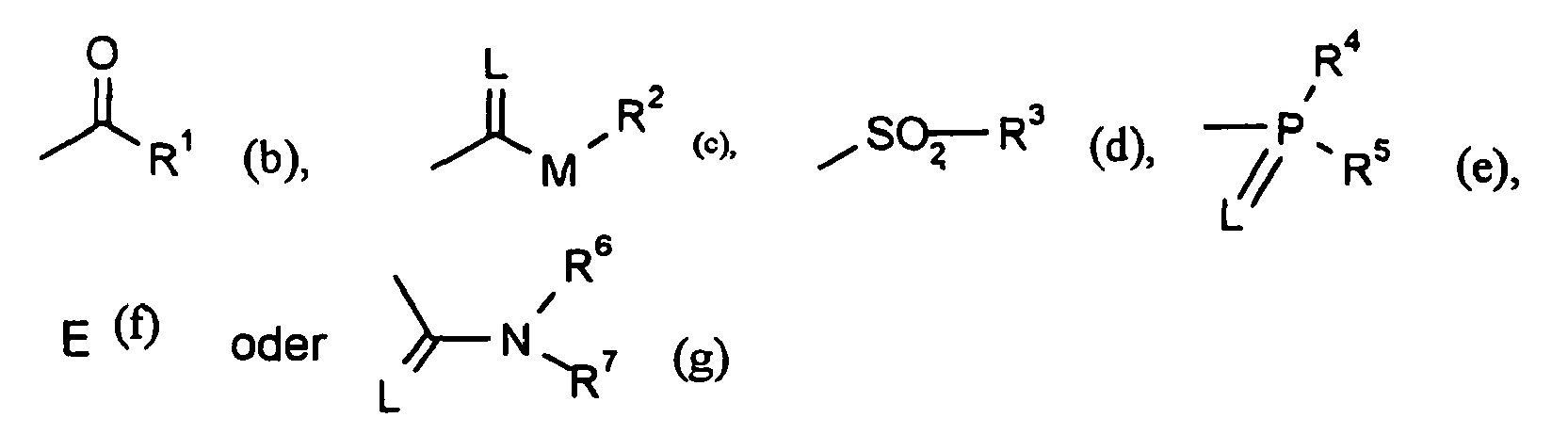
in welchenE für ein Metallion oder ein Ammoniumion steht,L für Sauerstoff oder Schwefel steht undM für Sauerstoff oder Schwefel steht,R1 für jeweils gegebenenfalls durch Halogen substituiertes C1-C10-Alkyl, C2-C10-Alkenyl, C1-C4-Alkoxy-C1-C4-alkyl, C1-C4-Alkylthio-C1-C4-alkyl oder gegebenenfalls durch Fluor, Chlor, C1C4-Alkyl oder C1-C2-Alkoxy substituiertes C3-C6-Cycloalkyl,
für gegebenenfalls durch Fluor, Chlor, Brom, Cyano, Nitro, C1-C4-Alkyl, C1-C4-Alkoxy, Trifluormethyl oder Trifluormethoxy substituiertes Phenyl,
für jeweils gegebenenfalls durch Chlor oder Methyl substituiertes Pyridyl oder Thienyl steht,R2 für jeweils gegebenenfalls durch Fluor oder Chlor substituiertes C1-C10-Alkyl, C2-C10-Alkenyl, C1-C4-Alkoxy-C2-C4-alkyl, für gegebenenfalls durch Methyl oder Methoxy substituiertes C5-C6-Cycloalkyl oder
für jeweils gegebenenfalls durch Fluor, Chlor, Brom, Cyano, Nitro, C1-C4-Alkyl, C1-C4-Alkoxy, Trifluormethyl oder Trifluormethoxy substituiertes Phenyl oder Benzyl steht,R3 für gegebenenfalls durch Fluor substituiertes C1-C4-Alkyl oder für gegebenenfalls durch Fluor, Chlor, Brom, C1-C4-Alkyl, C1-C4-Alkoxy, Trifluormethyl, Trifluormethoxy, Cyano oder Nitro substituiertes Phenyl steht,R4 für jeweils gegebenenfalls durch Fluor oder Chlor substituiertes C1-C4-Alkyl, C1-C4-Alkoxy, C1-C4-Alkylamino, C1-C4-Alkylthio oder für jeweils gegebenenfalls durch Fluor, Chlor, Brom, Nitro, Cyano, C1-C4-Alkoxy, Trifluormethoxy, C1-C4-Alkylthio, C1-C4-Halogenalkylthio, C1-C4-Alkyl oder Trifluormethyl substituiertes Phenyl, Phenoxy oder Phenylthio steht,R5 für C1-C4-Alkoxy oder C1-C4-Thioalkyl steht,R6 für C1-C6-Alkyl, C3-C6-Cycloalkyl, C1-C6-Alkoxy, C3-C6-Akenyl, C1-C4-Alkoxy-C1-C4-alkyl steht,R7 für C1-C6-Alkyl, C3-C6-Alkenyl oder C1-C4-Alkoxy-C1-C4-alkyl steht,R6 und R7 zusammen für einen gegebenenfalls durch Methyl oder Ethyl substituierten C3-C6-Alkylenrest stehen, in welchem gegebenenfalls ein Kohlenstoffatom durch Sauerstoff oder Schwefel ersetzt ist. - Suspensionskonzentrate gemäß Anspruch 1 enthaltend Verbindungen der Formel (I'), in welcherV für N-D steht,W für Wasserstoff, Methyl, Ethyl, Chlor, Brom oder Methoxy steht,X für Chlor, Brom, Methyl, Ethyl, Propyl, i-Propyl, Methoxy, Ethoxy oder Trifluormethyl steht,Y und Z unabhängig voneinander für Wasserstoff, Fluor, Chlor, Brom, Methyl, Ethyl, Propyl, i-Propyl, Trifluormethyl oder Methoxy stehen,A für Methyl, Ethyl, Propyl, i-Propyl, Butyl, i-Butyl, sec.-Butyl, tert.-Butyl, Cyclopropyl, Cyclopentyl oder Cyclohexyl steht,B für Wasserstoff, Methyl oder Ethyl steht,A, B und das Kohlenstoffatom an das sie gebunden sind, für gesättigtes C6-Cycloalkyl stehen, worin gegebenenfalls ein Ringglied durch Sauerstoff ersetzt ist und welches gegebenenfalls einfach durch Methyl, Ethyl, Trifluormethyl, Methoxy, Ethoxy, Propoxy oder Butoxy substituiert ist,D für Wasserstoff, für Methyl, Ethyl, Propyl, i-Propyl, Butyl, i-Butyl, Allyl, Cyclopropyl, Cyclopentyl oder Cyclohexyl steht,A und D gemeinsam für gegebenenfalls durch Methyl substituiertes C3-C4-Alkandiyl stehen,G für Wasserstoff (a) oder für eine der Gruppen

in welchenM für Sauerstoff oder Schwefel steht,R1 für C1-C8-Alkyl, C2-C4-Alkenyl, Methoxymethyl, Ethoxymethyl, Ethylthiomethyl, Cyclopropyl, Cyclopentyl oder Cyclohexyl,
für gegebenenfalls durch Fluor, Chlor, Brom, Cyano, Nitro, Methyl, Ethyl, Methoxy, Trifluormethyl oder Trifluormethoxy substituiertes Phenyl,
für jeweils gegebenenfalls durch Chlor oder Methyl substituiertes Pyridyl oder Thienyl steht,R2 für C1-C8-Alkyl, C2-C4-Alkenyl, Methoxyethyl, Ethoxyethyl oder für Phenyl oder Benzyl steht,R6 und R7 unabhängig voneinander für Methyl, Ethyl oder zusammen für einen C5-Alkylenrest stehen, in welchem die C3-Methylengruppe durch Sauerstoff ersetzt ist. - Suspensionskonzentrate gemäß Anspruch 1 enthaltend Verbindungen der Formel (I'), in welcherV für N-D steht,W für Wasserstoff oder Methyl steht,X für Chlor, Brom oder Methyl steht,Y und Z unabhängig voneinander für Wasserstoff, Chlor, Brom oder Methyl stehen,A, B und das Kohlenstoffatom an das sie gebunden sind, für gesättigtes C6-Cycloalkyl stehen, in welchem gegebenenfalls ein Ringglied durch Sauerstoff ersetzt ist und welches gegebenenfalls einfach durch Methyl, Trifluormethyl, Methoxy, Ethoxy, Propoxy oder Butoxy substituiert ist,D für Wasserstoff steht,G für Wasserstoff (a) oder für eine der Gruppen

in welchenM für Sauerstoff oder Schwefel steht,R1 für C1-C8-Alkyl, C2-C4-Alkenyl, Methoxymethyl, Ethoxymethyl, Ethylmethylthio, Cyclopropyl, Cyclopentyl, Cyclohexyl oder
für gegebenenfalls durch Fluor, Chlor, Brom, Methyl, Methoxy, Trifluormethyl, Trifluormethoxy, Cyano oder Nitro substituiertes Phenyl,
für jeweils gegebenenfalls durch Chlor oder Methyl substituiertes Pyridyl oder Thienyl steht,R2 für C1-C8-Alkyl, C2-C4-Alkenyl, Methoxyethyl, Ethoxyethyl, Phenyl oder Benzyl steht,R6 und R7 unabhängig voneinander für Methyl, Ethyl oder zusammen für einen C5-Alkylenrest stehen, in welchem die C3-Methylengruppe durch Sauerstoff ersetzt ist. - Suspensionskonzentrate gemäß Anspruch 1 enthaltend Verbindungen der Formel (I'), in welcherV für N-H steht, undA und B gemeinsam mit dem Kohlenstoffatom an das die gebunden sind für einen substituierten sechsgliedrigen Ring

W X Y Z R G H Br 5-CH3 H OCH3 CO-i-C3H7 H Br 5-CH3 H OCH3 CO2-C2H5 H CH3 5-CH3 H OCH3 H H CH3 5-CH3 H OCH3 CO2-C2H5 CH3 CH3 3-Br H OCH3 H CH3 CH3 3-Cl H OCH3 H H Br 4-CH3 5-CH3 OCH3 CO-i-C3H7 H CH3 4-Cl 5-CH3 OCH3 CO2C2H5 CH3 CH3 3-CH3 4-CH3 OCH3 H CH3 CH3 3-Br H OC2H5 CO-i-C3H7 H CH3 4-CH3 5-CH3 OC2H5 CO-n- C3H7 H CH3 4-CH3 5-CH3 OC2H5 CO-i- C3H7 H CH3 4-CH3 5-CH3 OC2H5 CO-c- C3H5 - Verfahren zur Herstellung von Suspensionskonzentraten gemäß Anspruch 1, dadurch gekennzeichnet, dass man- mindestens eine bei Raumtemperatur feste Verbindung der Formel (I'),- mindestens einen Penetrationsförderer,- mindestens ein Pflanzenöl,- mindestens ein nicht-ionisches Tensid und/oder mindestens ein anionisches Tensid und- gegebenenfalls einen oder mehrere Zusatzstoffe aus den Gruppen der Emulgiermittel, der schaumhemmenden Mittel, der Konservierungsmittel, der Antioxydantien, der Farbstoffe und/oder der inerten Füllmaterialien miteinander vermischt und die entstehende Suspension gegebenenfalls anschließend mahlt.
- Suspensionskonzentrate gemäß Anspruch 1, dadurch gekennzeichnet, dass als Penetrationsförderer mindestens ein Alkanol-Alkoxylat der Formel (Id) enthalten ist, in welchert für den Durchschnittswert 10,5 steht undu für den Durchschnittswert 8,4 steht.
- Suspensionskonzentrate gemäß Anspruch 1, dadurch gekennzeichnet, dass der Gehalt- an Verbindung der Formel (I') zwischen 5 und 30 Gew.-%,- an Penetrationsförderern zwischen 5 und 30 Gew.-%,- an Pflanzenöl zwischen 20 und 55 Gew.-%,- an Tensiden zwischen 2,5 und 30 Gew.%,- an Zusatzstoffen zwischen 0 und 25 Gew.-% liegt.
- Verwendung von Suspensionskonzentraten gemäß Anspruch 1 zur Applikation der enthaltenen Verbindungen der Formel (I') auf Pflanzen und/oder deren Lebensraum.
- Verwendung von Suspensionskonzentraten gemäß Anspruch 1 zur Bekämpfung von Insekten.
- Mittel, gekennzeichnet durch einen Gehalt an einem Suspensionskonzentrat gemäß Anspruch 1 und Streckmittel und/oder oberflächenaktiven Reagenzien.
Priority Applications (1)
| Application Number | Priority Date | Filing Date | Title |
|---|---|---|---|
| PL05731791T PL1725105T3 (pl) | 2004-03-06 | 2005-03-04 | Oparte na olejach koncentraty zawiesinowe |
Applications Claiming Priority (2)
| Application Number | Priority Date | Filing Date | Title |
|---|---|---|---|
| DE102004011006A DE102004011006A1 (de) | 2004-03-06 | 2004-03-06 | Suspensionskonzentrate auf Ölbasis |
| PCT/EP2005/002294 WO2005084441A2 (de) | 2004-03-06 | 2005-03-04 | Suspensionskonzentrate auf ölbasis |
Publications (2)
| Publication Number | Publication Date |
|---|---|
| EP1725105A2 EP1725105A2 (de) | 2006-11-29 |
| EP1725105B1 true EP1725105B1 (de) | 2008-05-14 |
Family
ID=34877481
Family Applications (1)
| Application Number | Title | Priority Date | Filing Date |
|---|---|---|---|
| EP05731791A Expired - Lifetime EP1725105B1 (de) | 2004-03-06 | 2005-03-04 | Suspensionskonzentrate auf ölbasis |
Country Status (21)
| Country | Link |
|---|---|
| US (1) | US8664259B2 (de) |
| EP (1) | EP1725105B1 (de) |
| JP (1) | JP4705627B2 (de) |
| KR (1) | KR101217667B1 (de) |
| CN (1) | CN100548124C (de) |
| AR (2) | AR048748A1 (de) |
| AT (1) | ATE394927T1 (de) |
| AU (1) | AU2005220024B2 (de) |
| BR (1) | BRPI0508526B1 (de) |
| CA (1) | CA2558421C (de) |
| DE (2) | DE102004011006A1 (de) |
| DK (1) | DK1725105T3 (de) |
| EC (1) | ECSP066828A (de) |
| ES (1) | ES2306129T3 (de) |
| IL (1) | IL177742A0 (de) |
| MA (1) | MA28521B1 (de) |
| PL (1) | PL1725105T3 (de) |
| PT (1) | PT1725105E (de) |
| TW (1) | TWI350141B (de) |
| WO (1) | WO2005084441A2 (de) |
| ZA (1) | ZA200607335B (de) |
Families Citing this family (27)
| Publication number | Priority date | Publication date | Assignee | Title |
|---|---|---|---|---|
| DE102004011007A1 (de) * | 2004-03-06 | 2005-09-22 | Bayer Cropscience Ag | Suspensionskonzentrate auf Ölbasis |
| DE102004044827A1 (de) | 2004-09-16 | 2006-03-23 | Bayer Cropscience Ag | Jod-phenylsubstituierte cyclische Ketoenole |
| DE102004053191A1 (de) | 2004-11-04 | 2006-05-11 | Bayer Cropscience Ag | 2,6-Diethyl-4-methyl-phenyl substituierte Tetramsäure-Derivate |
| DE102004053192A1 (de) * | 2004-11-04 | 2006-05-11 | Bayer Cropscience Ag | 2-Alkoxy-6-alkyl-phenyl substituierte spirocyclische Tetramsäure-Derivate |
| DE102005048539A1 (de) * | 2005-10-11 | 2007-04-12 | Bayer Cropscience Ag | Suspensionskonzentrate auf Ölbasis |
| DE102006014653A1 (de) * | 2006-03-28 | 2007-10-04 | Bayer Cropscience Ag | Verwendung von Tetramsäurederivaten zur Bekämpfung von Insekten durch Angiessen, Tröpfchenapplikation oder Bodeninjektion |
| DE102006025874A1 (de) | 2006-06-02 | 2007-12-06 | Bayer Cropscience Ag | Alkoxyalkyl-substituierte cyclische Ketoenole |
| DE102006027731A1 (de) | 2006-06-16 | 2007-12-20 | Bayer Cropscience Ag | Wirkstoffkombinationen mit insektiziden und akariziden Eigenschaften |
| DE102006027730A1 (de) * | 2006-06-16 | 2007-12-20 | Bayer Cropscience Ag | Wirkstoffkombinationen mit insektiziden und akariziden Eigenschaften |
| DE102006033154A1 (de) | 2006-07-18 | 2008-01-24 | Bayer Cropscience Ag | Wirkstoffkombinationen mit insektiziden und akariziden Eigenschaften |
| EP1905302A1 (de) * | 2006-09-30 | 2008-04-02 | Bayer CropScience AG | Suspensionskonzentrate |
| MX2009003378A (es) * | 2006-09-30 | 2009-04-09 | Bayer Cropscience Ag | Concentrados en suspension para la mejora de la absorcion por la raiz de principios activos agroquimicos. |
| DE102006057037A1 (de) * | 2006-12-04 | 2008-06-05 | Bayer Cropscience Ag | cis-Alkoxyspirocyclische biphenylsubstituierte Tetramsäure-Derivate |
| DE102007009957A1 (de) | 2006-12-27 | 2008-07-03 | Bayer Cropscience Ag | Verfahren zur verbesserten Nutzung des Produktionsptentials transgener Pflanzen |
| DE102007001866A1 (de) * | 2007-01-12 | 2008-07-17 | Bayer Cropscience Ag | Spirocyclische Tetronsäure-Derivate |
| EP2011394A1 (de) * | 2007-07-03 | 2009-01-07 | Bayer CropScience AG | Verwendung von Tetramsäure - Derivaten zur Bekämpfung von virusübertragenden Vektoren |
| EP2092822A1 (de) * | 2008-02-25 | 2009-08-26 | Bayer CropScience AG | Suspensionskonzentrate auf Ölbasis |
| WO2009118027A1 (en) * | 2008-03-27 | 2009-10-01 | Bayer Cropscience Aktiengesellschaft | Suspension concentrates for improving root uptake of agrochemically active compounds |
| CN102348684B (zh) * | 2009-03-11 | 2014-11-12 | 拜尔农作物科学股份公司 | 被卤代烷基亚甲基氧基苯基取代的酮烯醇 |
| WO2011100424A1 (en) * | 2010-02-12 | 2011-08-18 | Bayer Croscience Lp | Methods for reducing nematode damage to plants |
| US20120122696A1 (en) | 2010-05-27 | 2012-05-17 | Bayer Cropscience Ag | Use of oil based suspension concentrates for reducing drift during spray application |
| CN107484767A (zh) * | 2017-08-14 | 2017-12-19 | 江苏龙灯化学有限公司 | 一种油基悬浮剂及其制备方法和用途 |
| NZ768576A (en) | 2018-04-13 | 2026-01-30 | Bayer Ag | Solid formulation of insecticidal mixtures |
| CN111970928B (zh) * | 2018-04-13 | 2023-04-07 | 拜耳作物科学股份公司 | 油基悬浮浓缩剂 |
| CN112055537A (zh) * | 2018-04-13 | 2020-12-08 | 拜耳公司 | 用于滴注和浸透施用的含酮烯醇类杀虫剂的高负载制剂 |
| EP3878279A1 (de) | 2020-03-10 | 2021-09-15 | Bayer Aktiengesellschaft | Verwendung von ölbasierten suspo-emulsion-konzentraten zur verringerung des verwehens bei sprühanwendungen |
| CN113749089B (zh) * | 2020-06-02 | 2023-11-03 | 江苏龙灯化学有限公司 | 一种具有改善的稳定性的油分散组合物 |
Family Cites Families (29)
| Publication number | Priority date | Publication date | Assignee | Title |
|---|---|---|---|---|
| DE4416303A1 (de) * | 1994-05-09 | 1995-11-16 | Bayer Ag | Schaumarmes Netzmittel und seine Verwendung |
| CN1215390A (zh) * | 1996-04-02 | 1999-04-28 | 拜尔公司 | 取代的苯基酮烯醇杀虫剂及除草剂 |
| ES2275796T3 (es) * | 1996-08-05 | 2007-06-16 | Bayer Cropscience Ag | Fenilcetoenoles 2- y 2,5-substituidos. |
| GB9817354D0 (en) * | 1998-08-11 | 1998-10-07 | Agrevo Env Health Ltd | Liquid formulation |
| AR029677A1 (es) * | 2000-06-29 | 2003-07-10 | Bayer Ag | Combinaciones de compuestos activos con propiedades insecticidas y acaricidas |
| DE10118076A1 (de) * | 2001-04-11 | 2002-10-17 | Bayer Ag | Verwendung von Fettalkoholethoxylaten als Penetrationsförderer |
| DE10129855A1 (de) * | 2001-06-21 | 2003-01-02 | Bayer Ag | Suspensionskonzentrate auf Ölbasis |
| DE10216737A1 (de) * | 2002-04-16 | 2003-10-30 | Bayer Ag | Bekämpfung von Parasiten bei Tieren |
| DE10330724A1 (de) * | 2003-07-08 | 2005-01-27 | Bayer Cropscience Ag | Wirkstoffkombinationen mit insektiziden und akariziden Eigenschaften |
| DE10331674A1 (de) * | 2003-07-14 | 2005-02-10 | Bayer Cropscience Ag | Verwendung von 2,2-Dimethyl-3(2,4-dichlorophenyl)-2-oxo-1-oxaspiro[4.5]dec-3-en-4-yl butanoat zur Bekämpfung von Akariden |
| DE10337497A1 (de) * | 2003-08-14 | 2005-03-10 | Bayer Cropscience Ag | 4-Biphenylsubstituierte-Pyrazolidin-3,5-dion-Derivate |
| DE10351646A1 (de) * | 2003-11-05 | 2005-06-09 | Bayer Cropscience Ag | 2-Halogen-6-alkyl-phenyl substituierte spirocyclische Tetramsäure-Derivate |
| DE10353281A1 (de) * | 2003-11-14 | 2005-06-16 | Bayer Cropscience Ag | Wirkstoffkombination mit insektiziden und akariziden Eigenschaften |
| DE10354629A1 (de) * | 2003-11-22 | 2005-06-30 | Bayer Cropscience Ag | 2-Ethyl-4,6-dimethyl-phenyl substituierte spirocyclische Tetramsäure-Derivate |
| WO2005053405A1 (de) * | 2003-12-04 | 2005-06-16 | Bayer Cropscience Aktiengesellschaft | Wirkstoffkombinationen mit insektiziden und akariziden eigenschaften |
| DE102004001433A1 (de) * | 2004-01-09 | 2005-08-18 | Bayer Cropscience Ag | cis-Alkoxyspiro-substituierte Tetramsäure-Derivate |
| DE102004030753A1 (de) * | 2004-06-25 | 2006-01-19 | Bayer Cropscience Ag | 3'-Alkoxy spirocyclische Tetram- und Tretronsäuren |
| DE102004032420A1 (de) * | 2004-07-05 | 2006-01-26 | Bayer Cropscience Ag | Verwendung von 3-(2,4,6-Trimethylphenyl)-4-neopentylcarbonyloxy-5,5-tetramethylen-Δ3-dihydrofuran-2-on zur Bekämpfung von Psylliden |
| US20080200499A1 (en) * | 2004-07-20 | 2008-08-21 | Reiner Fischer | Selective Insecticides and/or Acaricides Based on Substituted Cyclic Dicarbonyl Compounds and Safeners |
| DE102004035133A1 (de) * | 2004-07-20 | 2006-02-16 | Bayer Cropscience Ag | Selektive Insektizide auf Basis von substituierten, cyclischen Ketoenolen und Safenern |
| DE102004041529A1 (de) * | 2004-08-27 | 2006-03-02 | Bayer Cropscience Gmbh | Herbizid-Kombinationen mit speziellen Ketoenolen |
| DE102004053192A1 (de) * | 2004-11-04 | 2006-05-11 | Bayer Cropscience Ag | 2-Alkoxy-6-alkyl-phenyl substituierte spirocyclische Tetramsäure-Derivate |
| DE102004053191A1 (de) * | 2004-11-04 | 2006-05-11 | Bayer Cropscience Ag | 2,6-Diethyl-4-methyl-phenyl substituierte Tetramsäure-Derivate |
| DE102005003076A1 (de) * | 2005-01-22 | 2006-07-27 | Bayer Cropscience Ag | Verwendung von Tetramsäurederivaten zur Bekämpfung von Insekten aus der Gattung der Pflanzenläuse (Sternorrhyncha) |
| DE102005008033A1 (de) * | 2005-02-22 | 2006-08-24 | Bayer Cropscience Ag | Wirkstoffkombinationen mit insektiziden und akariziden Eigenschaften |
| DE102005008021A1 (de) * | 2005-02-22 | 2006-08-24 | Bayer Cropscience Ag | Spiroketal-substituierte cyclische Ketoenole |
| DE102005051325A1 (de) * | 2005-10-27 | 2007-05-03 | Bayer Cropscience Ag | Alkoxyalkyl spirocyclische Tetram- und Tetronsäuren |
| DE102006025874A1 (de) * | 2006-06-02 | 2007-12-06 | Bayer Cropscience Ag | Alkoxyalkyl-substituierte cyclische Ketoenole |
| US20090281157A1 (en) * | 2006-07-11 | 2009-11-12 | Bayer Cropscience Ag | Active Ingredient Combinations With Insecticidal and Acaricidal Properties |
-
2004
- 2004-03-06 DE DE102004011006A patent/DE102004011006A1/de not_active Withdrawn
-
2005
- 2005-03-04 PT PT05731791T patent/PT1725105E/pt unknown
- 2005-03-04 AR ARP050100844A patent/AR048748A1/es active IP Right Grant
- 2005-03-04 AT AT05731791T patent/ATE394927T1/de not_active IP Right Cessation
- 2005-03-04 ES ES05731791T patent/ES2306129T3/es not_active Expired - Lifetime
- 2005-03-04 AU AU2005220024A patent/AU2005220024B2/en not_active Expired
- 2005-03-04 EP EP05731791A patent/EP1725105B1/de not_active Expired - Lifetime
- 2005-03-04 AR ARP050100843A patent/AR048810A1/es active IP Right Grant
- 2005-03-04 TW TW094106506A patent/TWI350141B/zh not_active IP Right Cessation
- 2005-03-04 DK DK05731791T patent/DK1725105T3/da active
- 2005-03-04 JP JP2007501227A patent/JP4705627B2/ja not_active Expired - Lifetime
- 2005-03-04 CN CNB2005800072329A patent/CN100548124C/zh not_active Expired - Lifetime
- 2005-03-04 US US10/591,128 patent/US8664259B2/en active Active
- 2005-03-04 PL PL05731791T patent/PL1725105T3/pl unknown
- 2005-03-04 CA CA2558421A patent/CA2558421C/en not_active Expired - Lifetime
- 2005-03-04 DE DE502005004114T patent/DE502005004114D1/de not_active Expired - Lifetime
- 2005-03-04 BR BRPI0508526-8A patent/BRPI0508526B1/pt not_active IP Right Cessation
- 2005-03-04 WO PCT/EP2005/002294 patent/WO2005084441A2/de not_active Ceased
-
2006
- 2006-08-29 IL IL177742A patent/IL177742A0/en unknown
- 2006-09-01 ZA ZA200607335A patent/ZA200607335B/xx unknown
- 2006-09-06 EC EC2006006828A patent/ECSP066828A/es unknown
- 2006-09-29 KR KR1020067020378A patent/KR101217667B1/ko not_active Expired - Lifetime
- 2006-10-06 MA MA29372A patent/MA28521B1/fr unknown
Also Published As
| Publication number | Publication date |
|---|---|
| ATE394927T1 (de) | 2008-05-15 |
| PL1725105T3 (pl) | 2008-10-31 |
| CN100548124C (zh) | 2009-10-14 |
| CA2558421A1 (en) | 2005-09-15 |
| ECSP066828A (es) | 2006-11-24 |
| CN1929742A (zh) | 2007-03-14 |
| AR048810A1 (es) | 2006-05-31 |
| DE102004011006A1 (de) | 2005-09-22 |
| WO2005084441A2 (de) | 2005-09-15 |
| KR101217667B1 (ko) | 2013-01-02 |
| AU2005220024B2 (en) | 2010-04-22 |
| ZA200607335B (en) | 2008-04-30 |
| AU2005220024A1 (en) | 2005-09-15 |
| PT1725105E (pt) | 2008-07-24 |
| JP2007527426A (ja) | 2007-09-27 |
| EP1725105A2 (de) | 2006-11-29 |
| MA28521B1 (fr) | 2007-04-03 |
| ES2306129T3 (es) | 2008-11-01 |
| US20070276023A1 (en) | 2007-11-29 |
| DK1725105T3 (da) | 2008-09-01 |
| BRPI0508526B1 (pt) | 2014-09-23 |
| WO2005084441A3 (de) | 2005-11-24 |
| AR048748A1 (es) | 2006-05-24 |
| DE502005004114D1 (de) | 2008-06-26 |
| CA2558421C (en) | 2013-04-30 |
| US8664259B2 (en) | 2014-03-04 |
| JP4705627B2 (ja) | 2011-06-22 |
| TW200540151A (en) | 2005-12-16 |
| KR20070004000A (ko) | 2007-01-05 |
| BRPI0508526A (pt) | 2007-08-14 |
| TWI350141B (en) | 2011-10-11 |
| IL177742A0 (en) | 2006-12-31 |
Similar Documents
| Publication | Publication Date | Title |
|---|---|---|
| EP1725105B1 (de) | Suspensionskonzentrate auf ölbasis | |
| EP1725104B1 (de) | Suspensionskonzentrate auf lbasis | |
| EP2092822A1 (de) | Suspensionskonzentrate auf Ölbasis | |
| EP2564703B1 (de) | Nematizide Wirkstoffkombinationen umfassend Fluopyram und Cyazypyr | |
| EP2040553B1 (de) | Wirkstoffkombinationen mit insektiziden und akariziden eigenschaften | |
| EP1771064B1 (de) | Insektizide auf basis von neonicotinoiden und safenern | |
| EP2023723A2 (de) | Verwendung von tetramsäurederivaten zur bekämpfung von insekten | |
| DE102005003076A1 (de) | Verwendung von Tetramsäurederivaten zur Bekämpfung von Insekten aus der Gattung der Pflanzenläuse (Sternorrhyncha) | |
| EP2175723A1 (de) | Verwendung von tetramsäure-derivaten zur bekämpfung von virusübertragenden vektoren | |
| EP2560487A1 (de) | Insektizide und/oder herbizide zusammensetzung mit verbesserter wirkung auf basis von spiroheterocyclisch-substituierten tetramsäure-derivaten | |
| EP1587367B1 (de) | Selektive herbizide auf basis von substituierten, cyclischen dicarbonylverbindungen und safenern | |
| EP3772956B1 (de) | Hochbeladene formulierungen mit insektiziden aus der ketoenol-klasse zur verwendung bei drip- und drench- applikationen | |
| EP2090167A1 (de) | Verwendung von Tetramsäurederivaten zur Bekämpfung von tierischen Schädlingen nach Stamm-, Zweig-, Blütenstand- und Knospenbehandlungen | |
| CH666990A5 (de) | Verfahren zur herstellung eines pflanzenbehandlungsmittels. | |
| MXPA06010031A (en) | Oil-based suspension concentrates |
Legal Events
| Date | Code | Title | Description |
|---|---|---|---|
| PUAI | Public reference made under article 153(3) epc to a published international application that has entered the european phase |
Free format text: ORIGINAL CODE: 0009012 |
|
| 17P | Request for examination filed |
Effective date: 20061006 |
|
| AK | Designated contracting states |
Kind code of ref document: A2 Designated state(s): AT BE BG CH CY CZ DE DK EE ES FI FR GB GR HU IE IS IT LI LT LU MC NL PL PT RO SE SI SK TR |
|
| DAX | Request for extension of the european patent (deleted) | ||
| 17Q | First examination report despatched |
Effective date: 20070424 |
|
| GRAP | Despatch of communication of intention to grant a patent |
Free format text: ORIGINAL CODE: EPIDOSNIGR1 |
|
| RIC1 | Information provided on ipc code assigned before grant |
Ipc: A01N 47/06 20060101AFI20071017BHEP Ipc: A01N 43/38 20060101ALI20071017BHEP |
|
| GRAS | Grant fee paid |
Free format text: ORIGINAL CODE: EPIDOSNIGR3 |
|
| GRAA | (expected) grant |
Free format text: ORIGINAL CODE: 0009210 |
|
| AK | Designated contracting states |
Kind code of ref document: B1 Designated state(s): AT BE BG CH CY CZ DE DK EE ES FI FR GB GR HU IE IS IT LI LT LU MC NL PL PT RO SE SI SK TR |
|
| REG | Reference to a national code |
Ref country code: GB Ref legal event code: FG4D Free format text: NOT ENGLISH |
|
| REG | Reference to a national code |
Ref country code: CH Ref legal event code: EP |
|
| REG | Reference to a national code |
Ref country code: IE Ref legal event code: FG4D Free format text: LANGUAGE OF EP DOCUMENT: GERMAN |
|
| REF | Corresponds to: |
Ref document number: 502005004114 Country of ref document: DE Date of ref document: 20080626 Kind code of ref document: P |
|
| REG | Reference to a national code |
Ref country code: PT Ref legal event code: SC4A Free format text: AVAILABILITY OF NATIONAL TRANSLATION Effective date: 20080715 |
|
| REG | Reference to a national code |
Ref country code: RO Ref legal event code: EPE Ref country code: CH Ref legal event code: NV |
|
| REG | Reference to a national code |
Ref country code: DK Ref legal event code: T3 |
|
| REG | Reference to a national code |
Ref country code: GR Ref legal event code: EP Ref document number: 20080401847 Country of ref document: GR |
|
| PG25 | Lapsed in a contracting state [announced via postgrant information from national office to epo] |
Ref country code: SI Free format text: LAPSE BECAUSE OF FAILURE TO SUBMIT A TRANSLATION OF THE DESCRIPTION OR TO PAY THE FEE WITHIN THE PRESCRIBED TIME-LIMIT Effective date: 20080514 |
|
| REG | Reference to a national code |
Ref country code: HU Ref legal event code: AG4A Ref document number: E003537 Country of ref document: HU |
|
| PG25 | Lapsed in a contracting state [announced via postgrant information from national office to epo] |
Ref country code: FI Free format text: LAPSE BECAUSE OF FAILURE TO SUBMIT A TRANSLATION OF THE DESCRIPTION OR TO PAY THE FEE WITHIN THE PRESCRIBED TIME-LIMIT Effective date: 20080514 |
|
| REG | Reference to a national code |
Ref country code: PL Ref legal event code: T3 |
|
| REG | Reference to a national code |
Ref country code: ES Ref legal event code: FG2A Ref document number: 2306129 Country of ref document: ES Kind code of ref document: T3 |
|
| PG25 | Lapsed in a contracting state [announced via postgrant information from national office to epo] |
Ref country code: IS Free format text: LAPSE BECAUSE OF FAILURE TO SUBMIT A TRANSLATION OF THE DESCRIPTION OR TO PAY THE FEE WITHIN THE PRESCRIBED TIME-LIMIT Effective date: 20080914 |
|
| REG | Reference to a national code |
Ref country code: IE Ref legal event code: FD4D |
|
| PG25 | Lapsed in a contracting state [announced via postgrant information from national office to epo] |
Ref country code: SE Free format text: LAPSE BECAUSE OF FAILURE TO SUBMIT A TRANSLATION OF THE DESCRIPTION OR TO PAY THE FEE WITHIN THE PRESCRIBED TIME-LIMIT Effective date: 20080814 Ref country code: IE Free format text: LAPSE BECAUSE OF FAILURE TO SUBMIT A TRANSLATION OF THE DESCRIPTION OR TO PAY THE FEE WITHIN THE PRESCRIBED TIME-LIMIT Effective date: 20080514 Ref country code: LT Free format text: LAPSE BECAUSE OF FAILURE TO SUBMIT A TRANSLATION OF THE DESCRIPTION OR TO PAY THE FEE WITHIN THE PRESCRIBED TIME-LIMIT Effective date: 20080514 |
|
| PLBE | No opposition filed within time limit |
Free format text: ORIGINAL CODE: 0009261 |
|
| STAA | Information on the status of an ep patent application or granted ep patent |
Free format text: STATUS: NO OPPOSITION FILED WITHIN TIME LIMIT |
|
| 26N | No opposition filed |
Effective date: 20090217 |
|
| PG25 | Lapsed in a contracting state [announced via postgrant information from national office to epo] |
Ref country code: EE Free format text: LAPSE BECAUSE OF FAILURE TO SUBMIT A TRANSLATION OF THE DESCRIPTION OR TO PAY THE FEE WITHIN THE PRESCRIBED TIME-LIMIT Effective date: 20080514 |
|
| PG25 | Lapsed in a contracting state [announced via postgrant information from national office to epo] |
Ref country code: MC Free format text: LAPSE BECAUSE OF NON-PAYMENT OF DUE FEES Effective date: 20090331 |
|
| PGFP | Annual fee paid to national office [announced via postgrant information from national office to epo] |
Ref country code: CH Payment date: 20100323 Year of fee payment: 6 Ref country code: DK Payment date: 20100312 Year of fee payment: 6 Ref country code: HU Payment date: 20100301 Year of fee payment: 6 Ref country code: RO Payment date: 20100125 Year of fee payment: 6 |
|
| PGFP | Annual fee paid to national office [announced via postgrant information from national office to epo] |
Ref country code: SK Payment date: 20100226 Year of fee payment: 6 |
|
| PGFP | Annual fee paid to national office [announced via postgrant information from national office to epo] |
Ref country code: AT Payment date: 20100312 Year of fee payment: 6 Ref country code: GB Payment date: 20100303 Year of fee payment: 6 |
|
| PGFP | Annual fee paid to national office [announced via postgrant information from national office to epo] |
Ref country code: BG Payment date: 20100312 Year of fee payment: 6 |
|
| PG25 | Lapsed in a contracting state [announced via postgrant information from national office to epo] |
Ref country code: LU Free format text: LAPSE BECAUSE OF NON-PAYMENT OF DUE FEES Effective date: 20090304 |
|
| PG25 | Lapsed in a contracting state [announced via postgrant information from national office to epo] |
Ref country code: CY Free format text: LAPSE BECAUSE OF FAILURE TO SUBMIT A TRANSLATION OF THE DESCRIPTION OR TO PAY THE FEE WITHIN THE PRESCRIBED TIME-LIMIT Effective date: 20080514 |
|
| REG | Reference to a national code |
Ref country code: DK Ref legal event code: EBP Ref country code: CH Ref legal event code: PL |
|
| GBPC | Gb: european patent ceased through non-payment of renewal fee |
Effective date: 20110304 |
|
| PG25 | Lapsed in a contracting state [announced via postgrant information from national office to epo] |
Ref country code: AT Free format text: LAPSE BECAUSE OF NON-PAYMENT OF DUE FEES Effective date: 20110304 |
|
| REG | Reference to a national code |
Ref country code: SK Ref legal event code: MM4A Ref document number: E 3878 Country of ref document: SK Effective date: 20110304 |
|
| PG25 | Lapsed in a contracting state [announced via postgrant information from national office to epo] |
Ref country code: CH Free format text: LAPSE BECAUSE OF NON-PAYMENT OF DUE FEES Effective date: 20110331 Ref country code: HU Free format text: LAPSE BECAUSE OF NON-PAYMENT OF DUE FEES Effective date: 20110305 Ref country code: LI Free format text: LAPSE BECAUSE OF NON-PAYMENT OF DUE FEES Effective date: 20110331 |
|
| PG25 | Lapsed in a contracting state [announced via postgrant information from national office to epo] |
Ref country code: SK Free format text: LAPSE BECAUSE OF NON-PAYMENT OF DUE FEES Effective date: 20110304 Ref country code: GB Free format text: LAPSE BECAUSE OF NON-PAYMENT OF DUE FEES Effective date: 20110304 |
|
| PG25 | Lapsed in a contracting state [announced via postgrant information from national office to epo] |
Ref country code: RO Free format text: LAPSE BECAUSE OF NON-PAYMENT OF DUE FEES Effective date: 20110304 |
|
| PG25 | Lapsed in a contracting state [announced via postgrant information from national office to epo] |
Ref country code: DK Free format text: LAPSE BECAUSE OF NON-PAYMENT OF DUE FEES Effective date: 20110331 |
|
| PG25 | Lapsed in a contracting state [announced via postgrant information from national office to epo] |
Ref country code: BG Free format text: LAPSE BECAUSE OF NON-PAYMENT OF DUE FEES Effective date: 20111231 |
|
| REG | Reference to a national code |
Ref country code: DE Ref legal event code: R081 Ref document number: 502005004114 Country of ref document: DE Owner name: BAYER INTELLECTUAL PROPERTY GMBH, DE Free format text: FORMER OWNER: BAYER CROPSCIENCE AG, 40789 MONHEIM, DE Effective date: 20141023 Ref country code: DE Ref legal event code: R081 Ref document number: 502005004114 Country of ref document: DE Owner name: BAYER CROPSCIENCE AKTIENGESELLSCHAFT, DE Free format text: FORMER OWNER: BAYER CROPSCIENCE AG, 40789 MONHEIM, DE Effective date: 20141023 |
|
| REG | Reference to a national code |
Ref country code: FR Ref legal event code: PLFP Year of fee payment: 11 |
|
| REG | Reference to a national code |
Ref country code: ES Ref legal event code: PC2A Owner name: BAYER INTELLECTUAL PROPERTY GMBH Effective date: 20150316 Ref country code: ES Ref legal event code: PC2A Owner name: BAYER INTELLECTUAL PROPERTY GMBH Effective date: 20150408 |
|
| REG | Reference to a national code |
Ref country code: PT Ref legal event code: PC4A Owner name: BAYER INTELLECTUAL PROPERTY GMBH, DE Effective date: 20150402 |
|
| REG | Reference to a national code |
Ref country code: NL Ref legal event code: SD Effective date: 20150819 |
|
| REG | Reference to a national code |
Ref country code: FR Ref legal event code: TP Owner name: BAYER INTELLECTUAL PROPERTY GMBH, DE Effective date: 20151117 |
|
| REG | Reference to a national code |
Ref country code: FR Ref legal event code: PLFP Year of fee payment: 12 |
|
| REG | Reference to a national code |
Ref country code: FR Ref legal event code: PLFP Year of fee payment: 13 |
|
| REG | Reference to a national code |
Ref country code: FR Ref legal event code: PLFP Year of fee payment: 14 |
|
| REG | Reference to a national code |
Ref country code: DE Ref legal event code: R081 Ref document number: 502005004114 Country of ref document: DE Owner name: BAYER CROPSCIENCE AKTIENGESELLSCHAFT, DE Free format text: FORMER OWNER: BAYER INTELLECTUAL PROPERTY GMBH, 40789 MONHEIM, DE |
|
| P01 | Opt-out of the competence of the unified patent court (upc) registered |
Effective date: 20230507 |
|
| REG | Reference to a national code |
Ref country code: NL Ref legal event code: PD Owner name: BAYER CROPSCIENCE AKTIENGESELLSCHAFT; DE Free format text: DETAILS ASSIGNMENT: CHANGE OF OWNER(S), ASSIGNMENT; FORMER OWNER NAME: BAYER INTELLECTUAL PROPERTY GMBH Effective date: 20230630 |
|
| REG | Reference to a national code |
Ref country code: BE Ref legal event code: PD Owner name: BAYER CROPSCIENCE AKTIENGESELLSCHAFT; DE Free format text: DETAILS ASSIGNMENT: CHANGE OF OWNER(S), OTHER; FORMER OWNER NAME: BAYER INTELLECTUAL PROPERTY GMBH Effective date: 20230810 |
|
| PGFP | Annual fee paid to national office [announced via postgrant information from national office to epo] |
Ref country code: GR Payment date: 20240229 Year of fee payment: 20 |
|
| PGFP | Annual fee paid to national office [announced via postgrant information from national office to epo] |
Ref country code: NL Payment date: 20240226 Year of fee payment: 20 |
|
| PGFP | Annual fee paid to national office [announced via postgrant information from national office to epo] |
Ref country code: DE Payment date: 20240220 Year of fee payment: 20 Ref country code: CZ Payment date: 20240228 Year of fee payment: 20 Ref country code: PT Payment date: 20240222 Year of fee payment: 20 |
|
| PGFP | Annual fee paid to national office [announced via postgrant information from national office to epo] |
Ref country code: TR Payment date: 20240219 Year of fee payment: 20 Ref country code: IT Payment date: 20240227 Year of fee payment: 20 Ref country code: FR Payment date: 20240223 Year of fee payment: 20 Ref country code: BE Payment date: 20240229 Year of fee payment: 20 |
|
| REG | Reference to a national code |
Ref country code: ES Ref legal event code: PC2A Owner name: BAYER CROPSCIENCE AKTIENGESELLSCHAFT Effective date: 20240606 |
|
| PGFP | Annual fee paid to national office [announced via postgrant information from national office to epo] |
Ref country code: ES Payment date: 20240409 Year of fee payment: 20 |
|
| PGFP | Annual fee paid to national office [announced via postgrant information from national office to epo] |
Ref country code: PL Payment date: 20240304 Year of fee payment: 20 |
|
| REG | Reference to a national code |
Ref country code: DE Ref legal event code: R071 Ref document number: 502005004114 Country of ref document: DE |
|
| REG | Reference to a national code |
Ref country code: NL Ref legal event code: MK Effective date: 20250303 |
|
| REG | Reference to a national code |
Ref country code: ES Ref legal event code: FD2A Effective date: 20250327 |
|
| PG25 | Lapsed in a contracting state [announced via postgrant information from national office to epo] |
Ref country code: PT Free format text: LAPSE BECAUSE OF EXPIRATION OF PROTECTION Effective date: 20250314 |
|
| PG25 | Lapsed in a contracting state [announced via postgrant information from national office to epo] |
Ref country code: ES Free format text: LAPSE BECAUSE OF EXPIRATION OF PROTECTION Effective date: 20250305 |
|
| PG25 | Lapsed in a contracting state [announced via postgrant information from national office to epo] |
Ref country code: CZ Free format text: LAPSE BECAUSE OF EXPIRATION OF PROTECTION Effective date: 20250304 |
|
| REG | Reference to a national code |
Ref country code: BE Ref legal event code: MK Effective date: 20250304 |