EP1731037A1 - Increase of stress tolerance by application of neonicotinoids on plants engineered to be stress tolerant - Google Patents
Increase of stress tolerance by application of neonicotinoids on plants engineered to be stress tolerant Download PDFInfo
- Publication number
- EP1731037A1 EP1731037A1 EP05012090A EP05012090A EP1731037A1 EP 1731037 A1 EP1731037 A1 EP 1731037A1 EP 05012090 A EP05012090 A EP 05012090A EP 05012090 A EP05012090 A EP 05012090A EP 1731037 A1 EP1731037 A1 EP 1731037A1
- Authority
- EP
- European Patent Office
- Prior art keywords
- nucleotide sequence
- seq
- plant
- plants
- stress
- Prior art date
- Legal status (The legal status is an assumption and is not a legal conclusion. Google has not performed a legal analysis and makes no representation as to the accuracy of the status listed.)
- Withdrawn
Links
- 150000001875 compounds Chemical class 0.000 claims abstract description 82
- 238000000034 method Methods 0.000 claims abstract description 49
- 230000001965 increasing effect Effects 0.000 claims abstract description 16
- YWTYJOPNNQFBPC-UHFFFAOYSA-N imidacloprid Chemical compound [O-][N+](=O)\N=C1/NCCN1CC1=CC=C(Cl)N=C1 YWTYJOPNNQFBPC-UHFFFAOYSA-N 0.000 claims abstract description 15
- UAWMVMPAYRWUFX-UHFFFAOYSA-N 6-Chloronicotinic acid Chemical compound OC(=O)C1=CC=C(Cl)N=C1 UAWMVMPAYRWUFX-UHFFFAOYSA-N 0.000 claims abstract description 14
- 239000005906 Imidacloprid Substances 0.000 claims abstract description 14
- 229940056881 imidacloprid Drugs 0.000 claims abstract description 14
- CFRPSFYHXJZSBI-DHZHZOJOSA-N (E)-nitenpyram Chemical compound [O-][N+](=O)/C=C(\NC)N(CC)CC1=CC=C(Cl)N=C1 CFRPSFYHXJZSBI-DHZHZOJOSA-N 0.000 claims abstract description 13
- WCXDHFDTOYPNIE-RIYZIHGNSA-N (E)-acetamiprid Chemical compound N#C/N=C(\C)N(C)CC1=CC=C(Cl)N=C1 WCXDHFDTOYPNIE-RIYZIHGNSA-N 0.000 claims abstract description 12
- 239000005875 Acetamiprid Substances 0.000 claims abstract description 12
- 229940079888 nitenpyram Drugs 0.000 claims abstract description 12
- PGOOBECODWQEAB-UHFFFAOYSA-N (E)-clothianidin Chemical compound [O-][N+](=O)\N=C(/NC)NCC1=CN=C(Cl)S1 PGOOBECODWQEAB-UHFFFAOYSA-N 0.000 claims abstract description 10
- 239000005888 Clothianidin Substances 0.000 claims abstract description 10
- HOKKPVIRMVDYPB-UVTDQMKNSA-N (Z)-thiacloprid Chemical compound C1=NC(Cl)=CC=C1CN1C(=N/C#N)/SCC1 HOKKPVIRMVDYPB-UVTDQMKNSA-N 0.000 claims abstract description 7
- 239000005940 Thiacloprid Substances 0.000 claims abstract description 7
- 241000196324 Embryophyta Species 0.000 claims description 231
- 239000002773 nucleotide Substances 0.000 claims description 120
- 125000003729 nucleotide group Chemical group 0.000 claims description 120
- 108090000623 proteins and genes Proteins 0.000 claims description 70
- 108091032973 (ribonucleotides)n+m Proteins 0.000 claims description 42
- 230000009261 transgenic effect Effects 0.000 claims description 41
- 229920000776 Poly(Adenosine diphosphate-ribose) polymerase Polymers 0.000 claims description 34
- 229950006238 nadide Drugs 0.000 claims description 32
- BAWFJGJZGIEFAR-NNYOXOHSSA-N NAD zwitterion Chemical compound NC(=O)C1=CC=C[N+]([C@H]2[C@@H]([C@H](O)[C@@H](COP([O-])(=O)OP(O)(=O)OC[C@@H]3[C@H]([C@@H](O)[C@@H](O3)N3C4=NC=NC(N)=C4N=C3)O)O2)O)=C1 BAWFJGJZGIEFAR-NNYOXOHSSA-N 0.000 claims description 30
- 230000000692 anti-sense effect Effects 0.000 claims description 20
- 230000002401 inhibitory effect Effects 0.000 claims description 18
- 102000004190 Enzymes Human genes 0.000 claims description 17
- 108090000790 Enzymes Proteins 0.000 claims description 17
- -1 phenyl-C1-C4-alkyl Chemical group 0.000 claims description 13
- 102000040650 (ribonucleotides)n+m Human genes 0.000 claims description 12
- 230000037361 pathway Effects 0.000 claims description 12
- 230000008488 polyadenylation Effects 0.000 claims description 11
- 230000005030 transcription termination Effects 0.000 claims description 11
- 108010019703 Nicotinamidase Proteins 0.000 claims description 10
- 102000000780 Nicotinate phosphoribosyltransferase Human genes 0.000 claims description 10
- 108700040046 Nicotinate phosphoribosyltransferases Proteins 0.000 claims description 10
- 239000012634 fragment Substances 0.000 claims description 10
- 102100032347 Poly(ADP-ribose) glycohydrolase Human genes 0.000 claims description 9
- 230000015572 biosynthetic process Effects 0.000 claims description 9
- 230000000295 complement effect Effects 0.000 claims description 9
- 125000004169 (C1-C6) alkyl group Chemical group 0.000 claims description 8
- 125000002496 methyl group Chemical group [H]C([H])([H])* 0.000 claims description 8
- 238000003786 synthesis reaction Methods 0.000 claims description 8
- 125000000882 C2-C6 alkenyl group Chemical group 0.000 claims description 6
- 125000003601 C2-C6 alkynyl group Chemical group 0.000 claims description 6
- 101150003479 Parg gene Proteins 0.000 claims description 6
- 125000000623 heterocyclic group Chemical group 0.000 claims description 6
- 229930027945 nicotinamide-adenine dinucleotide Natural products 0.000 claims description 6
- 102000004357 Transferases Human genes 0.000 claims description 5
- 108090000992 Transferases Proteins 0.000 claims description 5
- ZAMOUSCENKQFHK-UHFFFAOYSA-N Chlorine atom Chemical compound [Cl] ZAMOUSCENKQFHK-UHFFFAOYSA-N 0.000 claims description 4
- 125000001797 benzyl group Chemical group [H]C1=C([H])C([H])=C(C([H])=C1[H])C([H])([H])* 0.000 claims description 4
- 239000000460 chlorine Substances 0.000 claims description 4
- 229910052801 chlorine Inorganic materials 0.000 claims description 4
- 239000001257 hydrogen Substances 0.000 claims description 4
- 229910052739 hydrogen Inorganic materials 0.000 claims description 4
- 125000004435 hydrogen atom Chemical group [H]* 0.000 claims description 4
- 125000000449 nitro group Chemical group [O-][N+](*)=O 0.000 claims description 4
- 239000002689 soil Substances 0.000 claims description 4
- 101000999829 Escherichia coli (strain K12) NH(3)-dependent NAD(+) synthetase Proteins 0.000 claims description 3
- 125000005913 (C3-C6) cycloalkyl group Chemical group 0.000 claims description 2
- 125000003349 3-pyridyl group Chemical group N1=C([H])C([*])=C([H])C([H])=C1[H] 0.000 claims description 2
- 125000001495 ethyl group Chemical group [H]C([H])([H])C([H])([H])* 0.000 claims description 2
- 239000011737 fluorine Substances 0.000 claims description 2
- 229910052731 fluorine Inorganic materials 0.000 claims description 2
- 125000001153 fluoro group Chemical group F* 0.000 claims description 2
- 125000004496 thiazol-5-yl group Chemical group S1C=NC=C1* 0.000 claims description 2
- 101000589450 Homo sapiens Poly(ADP-ribose) glycohydrolase Proteins 0.000 claims 3
- YKBZOVFACRVRJN-UHFFFAOYSA-N dinotefuran Chemical compound [O-][N+](=O)\N=C(/NC)NCC1CCOC1 YKBZOVFACRVRJN-UHFFFAOYSA-N 0.000 abstract description 9
- 239000005941 Thiamethoxam Substances 0.000 abstract description 8
- NWWZPOKUUAIXIW-FLIBITNWSA-N thiamethoxam Chemical compound [O-][N+](=O)\N=C/1N(C)COCN\1CC1=CN=C(Cl)S1 NWWZPOKUUAIXIW-FLIBITNWSA-N 0.000 abstract description 8
- OKDGRDCXVWSXDC-UHFFFAOYSA-N 2-chloropyridine Chemical group ClC1=CC=CC=N1 OKDGRDCXVWSXDC-UHFFFAOYSA-N 0.000 abstract description 3
- 230000035882 stress Effects 0.000 description 89
- 108010061844 Poly(ADP-ribose) Polymerases Proteins 0.000 description 36
- 102000012338 Poly(ADP-ribose) Polymerases Human genes 0.000 description 33
- 241000219195 Arabidopsis thaliana Species 0.000 description 28
- 108091028043 Nucleic acid sequence Proteins 0.000 description 27
- 108020004414 DNA Proteins 0.000 description 25
- 108091026890 Coding region Proteins 0.000 description 21
- 239000000203 mixture Substances 0.000 description 21
- 230000000694 effects Effects 0.000 description 18
- 240000008042 Zea mays Species 0.000 description 16
- 241000219194 Arabidopsis Species 0.000 description 15
- 102000004169 proteins and genes Human genes 0.000 description 15
- 240000007594 Oryza sativa Species 0.000 description 14
- 230000014509 gene expression Effects 0.000 description 14
- 239000002609 medium Substances 0.000 description 13
- 235000018102 proteins Nutrition 0.000 description 13
- 239000003642 reactive oxygen metabolite Substances 0.000 description 13
- 239000000463 material Substances 0.000 description 12
- 241000219198 Brassica Species 0.000 description 11
- 230000036541 health Effects 0.000 description 11
- 235000006008 Brassica napus var napus Nutrition 0.000 description 10
- 235000007164 Oryza sativa Nutrition 0.000 description 10
- 235000007244 Zea mays Nutrition 0.000 description 10
- 230000002708 enhancing effect Effects 0.000 description 10
- 238000009472 formulation Methods 0.000 description 10
- 238000006243 chemical reaction Methods 0.000 description 9
- 240000002791 Brassica napus Species 0.000 description 8
- 239000011535 reaction buffer Substances 0.000 description 8
- 239000000243 solution Substances 0.000 description 8
- 229920000742 Cotton Polymers 0.000 description 7
- 241000219146 Gossypium Species 0.000 description 7
- 101150101566 Parp gene Proteins 0.000 description 7
- 241000235070 Saccharomyces Species 0.000 description 7
- 238000009331 sowing Methods 0.000 description 7
- 235000011331 Brassica Nutrition 0.000 description 6
- 101100407084 Caenorhabditis elegans parp-2 gene Proteins 0.000 description 6
- LFQSCWFLJHTTHZ-UHFFFAOYSA-N Ethanol Chemical compound CCO LFQSCWFLJHTTHZ-UHFFFAOYSA-N 0.000 description 6
- 108030003379 NAD(+) synthases Proteins 0.000 description 6
- 241000208125 Nicotiana Species 0.000 description 6
- 229920001213 Polysorbate 20 Polymers 0.000 description 6
- 235000002595 Solanum tuberosum Nutrition 0.000 description 6
- 244000061456 Solanum tuberosum Species 0.000 description 6
- 235000002017 Zea mays subsp mays Nutrition 0.000 description 6
- 125000003275 alpha amino acid group Chemical group 0.000 description 6
- 108010078356 poly ADP-ribose glycohydrolase Proteins 0.000 description 6
- 239000000256 polyoxyethylene sorbitan monolaurate Substances 0.000 description 6
- 235000010486 polyoxyethylene sorbitan monolaurate Nutrition 0.000 description 6
- 241000238631 Hexapoda Species 0.000 description 5
- 235000002637 Nicotiana tabacum Nutrition 0.000 description 5
- 108010029485 Protein Isoforms Proteins 0.000 description 5
- 102000001708 Protein Isoforms Human genes 0.000 description 5
- 244000062793 Sorghum vulgare Species 0.000 description 5
- 230000000875 corresponding effect Effects 0.000 description 5
- 230000006378 damage Effects 0.000 description 5
- 230000008641 drought stress Effects 0.000 description 5
- 239000008187 granular material Substances 0.000 description 5
- 239000002917 insecticide Substances 0.000 description 5
- 235000001968 nicotinic acid Nutrition 0.000 description 5
- 239000011664 nicotinic acid Substances 0.000 description 5
- 230000004083 survival effect Effects 0.000 description 5
- 239000008399 tap water Substances 0.000 description 5
- 235000020679 tap water Nutrition 0.000 description 5
- 235000013311 vegetables Nutrition 0.000 description 5
- 229920001817 Agar Polymers 0.000 description 4
- 235000009854 Cucurbita moschata Nutrition 0.000 description 4
- 240000001980 Cucurbita pepo Species 0.000 description 4
- 241001057636 Dracaena deremensis Species 0.000 description 4
- 244000068988 Glycine max Species 0.000 description 4
- 235000010469 Glycine max Nutrition 0.000 description 4
- 235000004341 Gossypium herbaceum Nutrition 0.000 description 4
- 240000002024 Gossypium herbaceum Species 0.000 description 4
- 235000007340 Hordeum vulgare Nutrition 0.000 description 4
- 240000005979 Hordeum vulgare Species 0.000 description 4
- MHAJPDPJQMAIIY-UHFFFAOYSA-N Hydrogen peroxide Chemical compound OO MHAJPDPJQMAIIY-UHFFFAOYSA-N 0.000 description 4
- DFPAKSUCGFBDDF-UHFFFAOYSA-N Nicotinamide Chemical compound NC(=O)C1=CC=CN=C1 DFPAKSUCGFBDDF-UHFFFAOYSA-N 0.000 description 4
- 229930006000 Sucrose Natural products 0.000 description 4
- CZMRCDWAGMRECN-UGDNZRGBSA-N Sucrose Chemical compound O[C@H]1[C@H](O)[C@@H](CO)O[C@@]1(CO)O[C@@H]1[C@H](O)[C@@H](O)[C@H](O)[C@@H](CO)O1 CZMRCDWAGMRECN-UGDNZRGBSA-N 0.000 description 4
- 235000021307 Triticum Nutrition 0.000 description 4
- 241000209140 Triticum Species 0.000 description 4
- 244000078534 Vaccinium myrtillus Species 0.000 description 4
- 241000607479 Yersinia pestis Species 0.000 description 4
- 101100407077 Zea mays PARP1 gene Proteins 0.000 description 4
- 239000008272 agar Substances 0.000 description 4
- 239000000872 buffer Substances 0.000 description 4
- 238000011534 incubation Methods 0.000 description 4
- 229910052500 inorganic mineral Inorganic materials 0.000 description 4
- 239000007788 liquid Substances 0.000 description 4
- 101150063226 parp-1 gene Proteins 0.000 description 4
- 239000008363 phosphate buffer Substances 0.000 description 4
- 239000000843 powder Substances 0.000 description 4
- 235000009566 rice Nutrition 0.000 description 4
- VYPSYNLAJGMNEJ-UHFFFAOYSA-N silicon dioxide Inorganic materials O=[Si]=O VYPSYNLAJGMNEJ-UHFFFAOYSA-N 0.000 description 4
- 239000007787 solid Substances 0.000 description 4
- 239000000126 substance Substances 0.000 description 4
- 239000005720 sucrose Substances 0.000 description 4
- 238000012546 transfer Methods 0.000 description 4
- ZWEHNKRNPOVVGH-UHFFFAOYSA-N 2-Butanone Chemical compound CCC(C)=O ZWEHNKRNPOVVGH-UHFFFAOYSA-N 0.000 description 3
- SRNWOUGRCWSEMX-KEOHHSTQSA-N ADP-beta-D-ribose Chemical group C([C@H]1O[C@H]([C@@H]([C@@H]1O)O)N1C=2N=CN=C(C=2N=C1)N)OP(O)(=O)OP(O)(=O)OC[C@H]1O[C@@H](O)[C@H](O)[C@@H]1O SRNWOUGRCWSEMX-KEOHHSTQSA-N 0.000 description 3
- CSCPPACGZOOCGX-UHFFFAOYSA-N Acetone Chemical compound CC(C)=O CSCPPACGZOOCGX-UHFFFAOYSA-N 0.000 description 3
- 244000099147 Ananas comosus Species 0.000 description 3
- 235000007119 Ananas comosus Nutrition 0.000 description 3
- 235000007319 Avena orientalis Nutrition 0.000 description 3
- 244000075850 Avena orientalis Species 0.000 description 3
- 235000004936 Bromus mango Nutrition 0.000 description 3
- 235000009467 Carica papaya Nutrition 0.000 description 3
- 240000006432 Carica papaya Species 0.000 description 3
- 241001672694 Citrus reticulata Species 0.000 description 3
- 235000013162 Cocos nucifera Nutrition 0.000 description 3
- 244000060011 Cocos nucifera Species 0.000 description 3
- YMWUJEATGCHHMB-UHFFFAOYSA-N Dichloromethane Chemical compound ClCCl YMWUJEATGCHHMB-UHFFFAOYSA-N 0.000 description 3
- 241000233866 Fungi Species 0.000 description 3
- 235000003222 Helianthus annuus Nutrition 0.000 description 3
- 206010061217 Infestation Diseases 0.000 description 3
- 235000003228 Lactuca sativa Nutrition 0.000 description 3
- 240000008415 Lactuca sativa Species 0.000 description 3
- 235000007688 Lycopersicon esculentum Nutrition 0.000 description 3
- 235000014826 Mangifera indica Nutrition 0.000 description 3
- 240000007228 Mangifera indica Species 0.000 description 3
- ZMXDDKWLCZADIW-UHFFFAOYSA-N N,N-Dimethylformamide Chemical compound CN(C)C=O ZMXDDKWLCZADIW-UHFFFAOYSA-N 0.000 description 3
- BAWFJGJZGIEFAR-NNYOXOHSSA-O NAD(+) Chemical compound NC(=O)C1=CC=C[N+]([C@H]2[C@@H]([C@H](O)[C@@H](COP(O)(=O)OP(O)(=O)OC[C@@H]3[C@H]([C@@H](O)[C@@H](O3)N3C4=NC=NC(N)=C4N=C3)O)O2)O)=C1 BAWFJGJZGIEFAR-NNYOXOHSSA-O 0.000 description 3
- PVNIIMVLHYAWGP-UHFFFAOYSA-N Niacin Chemical compound OC(=O)C1=CC=CN=C1 PVNIIMVLHYAWGP-UHFFFAOYSA-N 0.000 description 3
- 240000004808 Saccharomyces cerevisiae Species 0.000 description 3
- 240000000111 Saccharum officinarum Species 0.000 description 3
- 235000007238 Secale cereale Nutrition 0.000 description 3
- 244000082988 Secale cereale Species 0.000 description 3
- 240000003768 Solanum lycopersicum Species 0.000 description 3
- 235000011684 Sorghum saccharatum Nutrition 0.000 description 3
- 235000009184 Spondias indica Nutrition 0.000 description 3
- YXFVVABEGXRONW-UHFFFAOYSA-N Toluene Chemical compound CC1=CC=CC=C1 YXFVVABEGXRONW-UHFFFAOYSA-N 0.000 description 3
- 235000005824 Zea mays ssp. parviglumis Nutrition 0.000 description 3
- 235000016383 Zea mays subsp huehuetenangensis Nutrition 0.000 description 3
- 230000036579 abiotic stress Effects 0.000 description 3
- 239000000969 carrier Substances 0.000 description 3
- 238000010609 cell counting kit-8 assay Methods 0.000 description 3
- 235000013339 cereals Nutrition 0.000 description 3
- 235000005822 corn Nutrition 0.000 description 3
- 239000001177 diphosphate Substances 0.000 description 3
- XPPKVPWEQAFLFU-UHFFFAOYSA-J diphosphate(4-) Chemical compound [O-]P([O-])(=O)OP([O-])([O-])=O XPPKVPWEQAFLFU-UHFFFAOYSA-J 0.000 description 3
- 235000011180 diphosphates Nutrition 0.000 description 3
- 239000003995 emulsifying agent Substances 0.000 description 3
- 230000002255 enzymatic effect Effects 0.000 description 3
- 238000003306 harvesting Methods 0.000 description 3
- 239000004009 herbicide Substances 0.000 description 3
- 230000006698 induction Effects 0.000 description 3
- 235000009973 maize Nutrition 0.000 description 3
- BOPGDPNILDQYTO-NNYOXOHSSA-N nicotinamide-adenine dinucleotide Chemical compound C1=CCC(C(=O)N)=CN1[C@H]1[C@H](O)[C@H](O)[C@@H](COP(O)(=O)OP(O)(=O)OC[C@@H]2[C@H]([C@@H](O)[C@@H](O2)N2C3=NC=NC(N)=C3N=C2)O)O1 BOPGDPNILDQYTO-NNYOXOHSSA-N 0.000 description 3
- 108010068475 nicotinic acid mononucleotide adenylyltransferase Proteins 0.000 description 3
- 102000039446 nucleic acids Human genes 0.000 description 3
- 108020004707 nucleic acids Proteins 0.000 description 3
- 150000007523 nucleic acids Chemical class 0.000 description 3
- FIKAKWIAUPDISJ-UHFFFAOYSA-L paraquat dichloride Chemical compound [Cl-].[Cl-].C1=C[N+](C)=CC=C1C1=CC=[N+](C)C=C1 FIKAKWIAUPDISJ-UHFFFAOYSA-L 0.000 description 3
- 230000036961 partial effect Effects 0.000 description 3
- 230000009467 reduction Effects 0.000 description 3
- 230000002829 reductive effect Effects 0.000 description 3
- 150000003839 salts Chemical class 0.000 description 3
- 239000002904 solvent Substances 0.000 description 3
- 230000001954 sterilising effect Effects 0.000 description 3
- 238000004659 sterilization and disinfection Methods 0.000 description 3
- XLYOFNOQVPJJNP-UHFFFAOYSA-N water Substances O XLYOFNOQVPJJNP-UHFFFAOYSA-N 0.000 description 3
- MASUWVVNWALEEM-UHFFFAOYSA-M 1-methoxy-5-methylphenazin-5-ium;methyl sulfate Chemical compound COS([O-])(=O)=O.C1=CC=C2N=C3C(OC)=CC=CC3=[N+](C)C2=C1 MASUWVVNWALEEM-UHFFFAOYSA-M 0.000 description 2
- ZYDGCYWJDWIJCS-UHFFFAOYSA-N 1-methoxyphenazine Chemical compound C1=CC=C2N=C3C(OC)=CC=CC3=NC2=C1 ZYDGCYWJDWIJCS-UHFFFAOYSA-N 0.000 description 2
- PWJFNRJRHXWEPT-UHFFFAOYSA-N ADP ribose Natural products C1=NC=2C(N)=NC=NC=2N1C1OC(COP(O)(=O)OP(O)(=O)OCC(O)C(O)C(O)C=O)C(O)C1O PWJFNRJRHXWEPT-UHFFFAOYSA-N 0.000 description 2
- 235000009434 Actinidia chinensis Nutrition 0.000 description 2
- 244000298697 Actinidia deliciosa Species 0.000 description 2
- 235000009436 Actinidia deliciosa Nutrition 0.000 description 2
- 244000291564 Allium cepa Species 0.000 description 2
- 235000002732 Allium cepa var. cepa Nutrition 0.000 description 2
- 244000144725 Amygdalus communis Species 0.000 description 2
- 235000011437 Amygdalus communis Nutrition 0.000 description 2
- 244000144730 Amygdalus persica Species 0.000 description 2
- 240000007087 Apium graveolens Species 0.000 description 2
- 235000015849 Apium graveolens Dulce Group Nutrition 0.000 description 2
- 235000010591 Appio Nutrition 0.000 description 2
- 108700030367 Arabidopsis AT2G31320 Proteins 0.000 description 2
- 108700018063 Arabidopsis AT4G02390 Proteins 0.000 description 2
- 235000017060 Arachis glabrata Nutrition 0.000 description 2
- 244000105624 Arachis hypogaea Species 0.000 description 2
- 235000010777 Arachis hypogaea Nutrition 0.000 description 2
- 235000018262 Arachis monticola Nutrition 0.000 description 2
- 244000003416 Asparagus officinalis Species 0.000 description 2
- 235000005340 Asparagus officinalis Nutrition 0.000 description 2
- 235000000832 Ayote Nutrition 0.000 description 2
- 241000219310 Beta vulgaris subsp. vulgaris Species 0.000 description 2
- 241000167854 Bourreria succulenta Species 0.000 description 2
- 235000014698 Brassica juncea var multisecta Nutrition 0.000 description 2
- 240000000385 Brassica napus var. napus Species 0.000 description 2
- 235000011299 Brassica oleracea var botrytis Nutrition 0.000 description 2
- 240000003259 Brassica oleracea var. botrytis Species 0.000 description 2
- 235000006618 Brassica rapa subsp oleifera Nutrition 0.000 description 2
- 235000004977 Brassica sinapistrum Nutrition 0.000 description 2
- 235000002566 Capsicum Nutrition 0.000 description 2
- CURLTUGMZLYLDI-UHFFFAOYSA-N Carbon dioxide Chemical compound O=C=O CURLTUGMZLYLDI-UHFFFAOYSA-N 0.000 description 2
- 235000003255 Carthamus tinctorius Nutrition 0.000 description 2
- 244000020518 Carthamus tinctorius Species 0.000 description 2
- 235000007542 Cichorium intybus Nutrition 0.000 description 2
- 244000298479 Cichorium intybus Species 0.000 description 2
- 244000241235 Citrullus lanatus Species 0.000 description 2
- 235000012828 Citrullus lanatus var citroides Nutrition 0.000 description 2
- 235000008733 Citrus aurantifolia Nutrition 0.000 description 2
- 235000005979 Citrus limon Nutrition 0.000 description 2
- 244000131522 Citrus pyriformis Species 0.000 description 2
- 240000000560 Citrus x paradisi Species 0.000 description 2
- 241000219112 Cucumis Species 0.000 description 2
- 235000015510 Cucumis melo subsp melo Nutrition 0.000 description 2
- 240000008067 Cucumis sativus Species 0.000 description 2
- 235000009852 Cucurbita pepo Nutrition 0.000 description 2
- 235000009804 Cucurbita pepo subsp pepo Nutrition 0.000 description 2
- 241000219130 Cucurbita pepo subsp. pepo Species 0.000 description 2
- 235000003954 Cucurbita pepo var melopepo Nutrition 0.000 description 2
- 235000002767 Daucus carota Nutrition 0.000 description 2
- 244000000626 Daucus carota Species 0.000 description 2
- LYCAIKOWRPUZTN-UHFFFAOYSA-N Ethylene glycol Chemical compound OCCO LYCAIKOWRPUZTN-UHFFFAOYSA-N 0.000 description 2
- 241000206602 Eukaryota Species 0.000 description 2
- 239000004606 Fillers/Extenders Substances 0.000 description 2
- 235000016623 Fragaria vesca Nutrition 0.000 description 2
- 240000009088 Fragaria x ananassa Species 0.000 description 2
- 235000011363 Fragaria x ananassa Nutrition 0.000 description 2
- 108010031186 Glycoside Hydrolases Proteins 0.000 description 2
- 102000005744 Glycoside Hydrolases Human genes 0.000 description 2
- 241000208818 Helianthus Species 0.000 description 2
- DGAQECJNVWCQMB-PUAWFVPOSA-M Ilexoside XXIX Chemical compound C[C@@H]1CC[C@@]2(CC[C@@]3(C(=CC[C@H]4[C@]3(CC[C@@H]5[C@@]4(CC[C@@H](C5(C)C)OS(=O)(=O)[O-])C)C)[C@@H]2[C@]1(C)O)C)C(=O)O[C@H]6[C@@H]([C@H]([C@@H]([C@H](O6)CO)O)O)O.[Na+] DGAQECJNVWCQMB-PUAWFVPOSA-M 0.000 description 2
- 244000017020 Ipomoea batatas Species 0.000 description 2
- 235000002678 Ipomoea batatas Nutrition 0.000 description 2
- XEEYBQQBJWHFJM-UHFFFAOYSA-N Iron Chemical class [Fe] XEEYBQQBJWHFJM-UHFFFAOYSA-N 0.000 description 2
- UQSXHKLRYXJYBZ-UHFFFAOYSA-N Iron oxide Chemical compound [Fe]=O UQSXHKLRYXJYBZ-UHFFFAOYSA-N 0.000 description 2
- 240000007049 Juglans regia Species 0.000 description 2
- 235000009496 Juglans regia Nutrition 0.000 description 2
- 235000004431 Linum usitatissimum Nutrition 0.000 description 2
- 240000006240 Linum usitatissimum Species 0.000 description 2
- 235000011430 Malus pumila Nutrition 0.000 description 2
- 244000070406 Malus silvestris Species 0.000 description 2
- 235000015103 Malus silvestris Nutrition 0.000 description 2
- 240000004658 Medicago sativa Species 0.000 description 2
- 235000017587 Medicago sativa ssp. sativa Nutrition 0.000 description 2
- 240000005561 Musa balbisiana Species 0.000 description 2
- 235000018290 Musa x paradisiaca Nutrition 0.000 description 2
- LRHPLDYGYMQRHN-UHFFFAOYSA-N N-Butanol Chemical compound CCCCO LRHPLDYGYMQRHN-UHFFFAOYSA-N 0.000 description 2
- 108091005461 Nucleic proteins Proteins 0.000 description 2
- 235000000370 Passiflora edulis Nutrition 0.000 description 2
- 244000288157 Passiflora edulis Species 0.000 description 2
- 239000006002 Pepper Substances 0.000 description 2
- 235000010627 Phaseolus vulgaris Nutrition 0.000 description 2
- 244000046052 Phaseolus vulgaris Species 0.000 description 2
- 235000016761 Piper aduncum Nutrition 0.000 description 2
- 240000003889 Piper guineense Species 0.000 description 2
- 235000017804 Piper guineense Nutrition 0.000 description 2
- 235000008184 Piper nigrum Nutrition 0.000 description 2
- 235000003447 Pistacia vera Nutrition 0.000 description 2
- 240000006711 Pistacia vera Species 0.000 description 2
- 240000004713 Pisum sativum Species 0.000 description 2
- 235000010582 Pisum sativum Nutrition 0.000 description 2
- 229920003171 Poly (ethylene oxide) Polymers 0.000 description 2
- 102100023652 Poly [ADP-ribose] polymerase 2 Human genes 0.000 description 2
- 235000009827 Prunus armeniaca Nutrition 0.000 description 2
- 244000018633 Prunus armeniaca Species 0.000 description 2
- 235000006029 Prunus persica var nucipersica Nutrition 0.000 description 2
- 235000006040 Prunus persica var persica Nutrition 0.000 description 2
- 244000017714 Prunus persica var. nucipersica Species 0.000 description 2
- 241000508269 Psidium Species 0.000 description 2
- 235000014443 Pyrus communis Nutrition 0.000 description 2
- 240000001987 Pyrus communis Species 0.000 description 2
- 244000088415 Raphanus sativus Species 0.000 description 2
- 235000006140 Raphanus sativus var sativus Nutrition 0.000 description 2
- 235000017848 Rubus fruticosus Nutrition 0.000 description 2
- 240000007651 Rubus glaucus Species 0.000 description 2
- 235000011034 Rubus glaucus Nutrition 0.000 description 2
- 235000009122 Rubus idaeus Nutrition 0.000 description 2
- 235000007201 Saccharum officinarum Nutrition 0.000 description 2
- FAPWRFPIFSIZLT-UHFFFAOYSA-M Sodium chloride Chemical compound [Na+].[Cl-] FAPWRFPIFSIZLT-UHFFFAOYSA-M 0.000 description 2
- 235000002597 Solanum melongena Nutrition 0.000 description 2
- 244000061458 Solanum melongena Species 0.000 description 2
- 235000009337 Spinacia oleracea Nutrition 0.000 description 2
- 244000300264 Spinacia oleracea Species 0.000 description 2
- 235000021536 Sugar beet Nutrition 0.000 description 2
- OUUQCZGPVNCOIJ-UHFFFAOYSA-M Superoxide Chemical compound [O-][O] OUUQCZGPVNCOIJ-UHFFFAOYSA-M 0.000 description 2
- 244000299461 Theobroma cacao Species 0.000 description 2
- 235000005764 Theobroma cacao ssp. cacao Nutrition 0.000 description 2
- 235000005767 Theobroma cacao ssp. sphaerocarpum Nutrition 0.000 description 2
- 240000006909 Tilia x europaea Species 0.000 description 2
- 235000011941 Tilia x europaea Nutrition 0.000 description 2
- ISAKRJDGNUQOIC-UHFFFAOYSA-N Uracil Chemical compound O=C1C=CNC(=O)N1 ISAKRJDGNUQOIC-UHFFFAOYSA-N 0.000 description 2
- 235000003095 Vaccinium corymbosum Nutrition 0.000 description 2
- 240000001717 Vaccinium macrocarpon Species 0.000 description 2
- 235000012545 Vaccinium macrocarpon Nutrition 0.000 description 2
- 235000017537 Vaccinium myrtillus Nutrition 0.000 description 2
- 235000002118 Vaccinium oxycoccus Nutrition 0.000 description 2
- 235000009754 Vitis X bourquina Nutrition 0.000 description 2
- 235000012333 Vitis X labruscana Nutrition 0.000 description 2
- 240000006365 Vitis vinifera Species 0.000 description 2
- 235000014787 Vitis vinifera Nutrition 0.000 description 2
- 101100407086 Zea mays PARP2 gene Proteins 0.000 description 2
- 238000010521 absorption reaction Methods 0.000 description 2
- 230000009471 action Effects 0.000 description 2
- 150000001338 aliphatic hydrocarbons Chemical class 0.000 description 2
- 235000020224 almond Nutrition 0.000 description 2
- 235000001014 amino acid Nutrition 0.000 description 2
- 150000001413 amino acids Chemical class 0.000 description 2
- 238000003556 assay Methods 0.000 description 2
- 235000021029 blackberry Nutrition 0.000 description 2
- 235000021014 blueberries Nutrition 0.000 description 2
- 235000001046 cacaotero Nutrition 0.000 description 2
- 239000003795 chemical substances by application Substances 0.000 description 2
- 235000019693 cherries Nutrition 0.000 description 2
- 239000002299 complementary DNA Substances 0.000 description 2
- 235000004634 cranberry Nutrition 0.000 description 2
- JHIVVAPYMSGYDF-UHFFFAOYSA-N cyclohexanone Chemical compound O=C1CCCCC1 JHIVVAPYMSGYDF-UHFFFAOYSA-N 0.000 description 2
- 239000002270 dispersing agent Substances 0.000 description 2
- 239000000975 dye Substances 0.000 description 2
- 235000013399 edible fruits Nutrition 0.000 description 2
- 239000000839 emulsion Substances 0.000 description 2
- 150000002170 ethers Chemical class 0.000 description 2
- 239000003337 fertilizer Substances 0.000 description 2
- 238000009363 floriculture Methods 0.000 description 2
- 239000000417 fungicide Substances 0.000 description 2
- 238000003898 horticulture Methods 0.000 description 2
- 238000000338 in vitro Methods 0.000 description 2
- 230000001939 inductive effect Effects 0.000 description 2
- 208000015181 infectious disease Diseases 0.000 description 2
- 230000000749 insecticidal effect Effects 0.000 description 2
- 230000003834 intracellular effect Effects 0.000 description 2
- 239000004571 lime Substances 0.000 description 2
- 238000004519 manufacturing process Methods 0.000 description 2
- 239000002207 metabolite Substances 0.000 description 2
- 235000019713 millet Nutrition 0.000 description 2
- 239000011707 mineral Substances 0.000 description 2
- 239000002480 mineral oil Substances 0.000 description 2
- 238000010369 molecular cloning Methods 0.000 description 2
- 235000005152 nicotinamide Nutrition 0.000 description 2
- 239000011570 nicotinamide Substances 0.000 description 2
- 229960003966 nicotinamide Drugs 0.000 description 2
- JOUIQRNQJGXQDC-ZYUZMQFOSA-L nicotinate D-ribonucleotide(2-) Chemical compound O1[C@H](COP([O-])([O-])=O)[C@@H](O)[C@@H](O)[C@@H]1[N+]1=CC=CC(C([O-])=O)=C1 JOUIQRNQJGXQDC-ZYUZMQFOSA-L 0.000 description 2
- 235000020232 peanut Nutrition 0.000 description 2
- 239000000575 pesticide Substances 0.000 description 2
- 235000020233 pistachio Nutrition 0.000 description 2
- 230000001124 posttranscriptional effect Effects 0.000 description 2
- 235000015136 pumpkin Nutrition 0.000 description 2
- 230000005855 radiation Effects 0.000 description 2
- 239000012429 reaction media Substances 0.000 description 2
- 239000011734 sodium Substances 0.000 description 2
- 229910052708 sodium Inorganic materials 0.000 description 2
- 125000006850 spacer group Chemical group 0.000 description 2
- 241000894007 species Species 0.000 description 2
- 235000020354 squash Nutrition 0.000 description 2
- 239000010421 standard material Substances 0.000 description 2
- RWQNBRDOKXIBIV-UHFFFAOYSA-N thymine Chemical compound CC1=CNC(=O)NC1=O RWQNBRDOKXIBIV-UHFFFAOYSA-N 0.000 description 2
- 230000002103 transcriptional effect Effects 0.000 description 2
- 235000015112 vegetable and seed oil Nutrition 0.000 description 2
- 239000008158 vegetable oil Substances 0.000 description 2
- 230000017260 vegetative to reproductive phase transition of meristem Effects 0.000 description 2
- 235000020234 walnut Nutrition 0.000 description 2
- 238000010792 warming Methods 0.000 description 2
- 239000005631 2,4-Dichlorophenoxyacetic acid Substances 0.000 description 1
- PQGCEDQWHSBAJP-TXICZTDVSA-N 5-O-phosphono-alpha-D-ribofuranosyl diphosphate Chemical compound O[C@H]1[C@@H](O)[C@@H](O[P@](O)(=O)OP(O)(O)=O)O[C@@H]1COP(O)(O)=O PQGCEDQWHSBAJP-TXICZTDVSA-N 0.000 description 1
- 240000004507 Abelmoschus esculentus Species 0.000 description 1
- 244000215068 Acacia senegal Species 0.000 description 1
- 229930024421 Adenine Natural products 0.000 description 1
- GFFGJBXGBJISGV-UHFFFAOYSA-N Adenine Chemical compound NC1=NC=NC2=C1N=CN2 GFFGJBXGBJISGV-UHFFFAOYSA-N 0.000 description 1
- 229920000936 Agarose Polymers 0.000 description 1
- RGCKGOZRHPZPFP-UHFFFAOYSA-N Alizarin Natural products C1=CC=C2C(=O)C3=C(O)C(O)=CC=C3C(=O)C2=C1 RGCKGOZRHPZPFP-UHFFFAOYSA-N 0.000 description 1
- 108700028369 Alleles Proteins 0.000 description 1
- 235000005254 Allium ampeloprasum Nutrition 0.000 description 1
- 240000006108 Allium ampeloprasum Species 0.000 description 1
- 108700023418 Amidases Proteins 0.000 description 1
- 108020005544 Antisense RNA Proteins 0.000 description 1
- 101100347752 Arabidopsis thaliana At1g55090 gene Proteins 0.000 description 1
- 101100294135 Arabidopsis thaliana At3g16190 gene Proteins 0.000 description 1
- 101100026713 Arabidopsis thaliana NAPRT1 gene Proteins 0.000 description 1
- 101100026714 Arabidopsis thaliana NAPRT2 gene Proteins 0.000 description 1
- 101100294133 Arabidopsis thaliana NIC2 gene Proteins 0.000 description 1
- 101100294134 Arabidopsis thaliana NIC3 gene Proteins 0.000 description 1
- 101100133516 Arabidopsis thaliana NMNAT gene Proteins 0.000 description 1
- 241000238421 Arthropoda Species 0.000 description 1
- BSYNRYMUTXBXSQ-UHFFFAOYSA-N Aspirin Chemical compound CC(=O)OC1=CC=CC=C1C(O)=O BSYNRYMUTXBXSQ-UHFFFAOYSA-N 0.000 description 1
- 235000007558 Avena sp Nutrition 0.000 description 1
- 108700003918 Bacillus Thuringiensis insecticidal crystal Proteins 0.000 description 1
- 241000894006 Bacteria Species 0.000 description 1
- 235000016068 Berberis vulgaris Nutrition 0.000 description 1
- 241000335053 Beta vulgaris Species 0.000 description 1
- ZOXJGFHDIHLPTG-UHFFFAOYSA-N Boron Chemical compound [B] ZOXJGFHDIHLPTG-UHFFFAOYSA-N 0.000 description 1
- 235000003351 Brassica cretica Nutrition 0.000 description 1
- 235000011297 Brassica napobrassica Nutrition 0.000 description 1
- 244000178924 Brassica napobrassica Species 0.000 description 1
- 235000011293 Brassica napus Nutrition 0.000 description 1
- 240000007124 Brassica oleracea Species 0.000 description 1
- 235000003899 Brassica oleracea var acephala Nutrition 0.000 description 1
- 235000011301 Brassica oleracea var capitata Nutrition 0.000 description 1
- 235000017647 Brassica oleracea var italica Nutrition 0.000 description 1
- 235000001169 Brassica oleracea var oleracea Nutrition 0.000 description 1
- 235000003343 Brassica rupestris Nutrition 0.000 description 1
- 229910021532 Calcite Inorganic materials 0.000 description 1
- 241001468265 Candidatus Phytoplasma Species 0.000 description 1
- KXDHJXZQYSOELW-UHFFFAOYSA-M Carbamate Chemical compound NC([O-])=O KXDHJXZQYSOELW-UHFFFAOYSA-M 0.000 description 1
- 229920002134 Carboxymethyl cellulose Polymers 0.000 description 1
- 235000009025 Carya illinoensis Nutrition 0.000 description 1
- 244000068645 Carya illinoensis Species 0.000 description 1
- 108090000994 Catalytic RNA Proteins 0.000 description 1
- 102000053642 Catalytic RNA Human genes 0.000 description 1
- 241000207199 Citrus Species 0.000 description 1
- 244000175448 Citrus madurensis Species 0.000 description 1
- 235000001759 Citrus maxima Nutrition 0.000 description 1
- 244000276331 Citrus maxima Species 0.000 description 1
- 241000555678 Citrus unshiu Species 0.000 description 1
- RYGMFSIKBFXOCR-UHFFFAOYSA-N Copper Chemical compound [Cu] RYGMFSIKBFXOCR-UHFFFAOYSA-N 0.000 description 1
- 235000009849 Cucumis sativus Nutrition 0.000 description 1
- 235000010799 Cucumis sativus var sativus Nutrition 0.000 description 1
- XDTMQSROBMDMFD-UHFFFAOYSA-N Cyclohexane Chemical compound C1CCCCC1 XDTMQSROBMDMFD-UHFFFAOYSA-N 0.000 description 1
- 244000019459 Cynara cardunculus Species 0.000 description 1
- 235000019106 Cynara scolymus Nutrition 0.000 description 1
- 102000016928 DNA-directed DNA polymerase Human genes 0.000 description 1
- 108010014303 DNA-directed DNA polymerase Proteins 0.000 description 1
- IAZDPXIOMUYVGZ-UHFFFAOYSA-N Dimethylsulphoxide Chemical compound CS(C)=O IAZDPXIOMUYVGZ-UHFFFAOYSA-N 0.000 description 1
- 241000199914 Dinophyceae Species 0.000 description 1
- 240000005717 Dioscorea alata Species 0.000 description 1
- 235000002723 Dioscorea alata Nutrition 0.000 description 1
- 235000007056 Dioscorea composita Nutrition 0.000 description 1
- 235000009723 Dioscorea convolvulacea Nutrition 0.000 description 1
- 235000005362 Dioscorea floribunda Nutrition 0.000 description 1
- 235000004868 Dioscorea macrostachya Nutrition 0.000 description 1
- 235000005361 Dioscorea nummularia Nutrition 0.000 description 1
- 235000005360 Dioscorea spiculiflora Nutrition 0.000 description 1
- 102000004533 Endonucleases Human genes 0.000 description 1
- 108010042407 Endonucleases Proteins 0.000 description 1
- 235000009419 Fagopyrum esculentum Nutrition 0.000 description 1
- 240000008620 Fagopyrum esculentum Species 0.000 description 1
- 235000017317 Fortunella Nutrition 0.000 description 1
- 241001610411 Fourraea alpina Species 0.000 description 1
- 108700039691 Genetic Promoter Regions Proteins 0.000 description 1
- 108700007698 Genetic Terminator Regions Proteins 0.000 description 1
- 229920000084 Gum arabic Polymers 0.000 description 1
- 244000020551 Helianthus annuus Species 0.000 description 1
- 102000018802 High Mobility Group Proteins Human genes 0.000 description 1
- 108010052512 High Mobility Group Proteins Proteins 0.000 description 1
- 102000006947 Histones Human genes 0.000 description 1
- 108010033040 Histones Proteins 0.000 description 1
- 101001113440 Homo sapiens Poly [ADP-ribose] polymerase 2 Proteins 0.000 description 1
- 206010020649 Hyperkeratosis Diseases 0.000 description 1
- 235000006350 Ipomoea batatas var. batatas Nutrition 0.000 description 1
- 239000005909 Kieselgur Substances 0.000 description 1
- 241000209499 Lemna Species 0.000 description 1
- 102000003960 Ligases Human genes 0.000 description 1
- 108090000364 Ligases Proteins 0.000 description 1
- NTIZESTWPVYFNL-UHFFFAOYSA-N Methyl isobutyl ketone Chemical compound CC(C)CC(C)=O NTIZESTWPVYFNL-UHFFFAOYSA-N 0.000 description 1
- UIHCLUNTQKBZGK-UHFFFAOYSA-N Methyl isobutyl ketone Natural products CCC(C)C(C)=O UIHCLUNTQKBZGK-UHFFFAOYSA-N 0.000 description 1
- 241000237852 Mollusca Species 0.000 description 1
- ZOKXTWBITQBERF-UHFFFAOYSA-N Molybdenum Chemical compound [Mo] ZOKXTWBITQBERF-UHFFFAOYSA-N 0.000 description 1
- 241000244206 Nematoda Species 0.000 description 1
- 102100034450 Nicotinamide/nicotinic acid mononucleotide adenylyltransferase 2 Human genes 0.000 description 1
- CTQNGGLPUBDAKN-UHFFFAOYSA-N O-Xylene Chemical compound CC1=CC=CC=C1C CTQNGGLPUBDAKN-UHFFFAOYSA-N 0.000 description 1
- CBENFWSGALASAD-UHFFFAOYSA-N Ozone Chemical compound [O-][O+]=O CBENFWSGALASAD-UHFFFAOYSA-N 0.000 description 1
- 108010064218 Poly (ADP-Ribose) Polymerase-1 Proteins 0.000 description 1
- 102000015087 Poly (ADP-Ribose) Polymerase-1 Human genes 0.000 description 1
- 108091026813 Poly(ADPribose) Proteins 0.000 description 1
- 239000004372 Polyvinyl alcohol Substances 0.000 description 1
- 108010009736 Protein Hydrolysates Proteins 0.000 description 1
- 101100515677 Rattus norvegicus Nadsyn1 gene Proteins 0.000 description 1
- 108020004511 Recombinant DNA Proteins 0.000 description 1
- 235000002357 Ribes grossularia Nutrition 0.000 description 1
- 244000171263 Ribes grossularia Species 0.000 description 1
- 108091028664 Ribonucleotide Proteins 0.000 description 1
- 108091006473 SLC25A33 Proteins 0.000 description 1
- 101100025606 Saccharomyces cerevisiae (strain ATCC 204508 / S288c) QNS1 gene Proteins 0.000 description 1
- 239000004113 Sepiolite Substances 0.000 description 1
- 239000005708 Sodium hypochlorite Substances 0.000 description 1
- 102100033827 Solute carrier family 25 member 33 Human genes 0.000 description 1
- 235000006468 Thea sinensis Nutrition 0.000 description 1
- 244000269722 Thea sinensis Species 0.000 description 1
- GWEVSGVZZGPLCZ-UHFFFAOYSA-N Titan oxide Chemical compound O=[Ti]=O GWEVSGVZZGPLCZ-UHFFFAOYSA-N 0.000 description 1
- 101710183280 Topoisomerase Proteins 0.000 description 1
- 235000019714 Triticale Nutrition 0.000 description 1
- 241000251539 Vertebrata <Metazoa> Species 0.000 description 1
- BZHJMEDXRYGGRV-UHFFFAOYSA-N Vinyl chloride Chemical class ClC=C BZHJMEDXRYGGRV-UHFFFAOYSA-N 0.000 description 1
- 241000700605 Viruses Species 0.000 description 1
- HCHKCACWOHOZIP-UHFFFAOYSA-N Zinc Chemical compound [Zn] HCHKCACWOHOZIP-UHFFFAOYSA-N 0.000 description 1
- DFPAKSUCGFBDDF-ZQBYOMGUSA-N [14c]-nicotinamide Chemical compound N[14C](=O)C1=CC=CN=C1 DFPAKSUCGFBDDF-ZQBYOMGUSA-N 0.000 description 1
- FJJCIZWZNKZHII-UHFFFAOYSA-N [4,6-bis(cyanoamino)-1,3,5-triazin-2-yl]cyanamide Chemical compound N#CNC1=NC(NC#N)=NC(NC#N)=N1 FJJCIZWZNKZHII-UHFFFAOYSA-N 0.000 description 1
- 230000001594 aberrant effect Effects 0.000 description 1
- 238000002835 absorbance Methods 0.000 description 1
- 239000000205 acacia gum Substances 0.000 description 1
- 235000010489 acacia gum Nutrition 0.000 description 1
- 239000000642 acaricide Substances 0.000 description 1
- 229960001138 acetylsalicylic acid Drugs 0.000 description 1
- 239000004480 active ingredient Substances 0.000 description 1
- 239000000654 additive Substances 0.000 description 1
- 229960000643 adenine Drugs 0.000 description 1
- 239000002671 adjuvant Substances 0.000 description 1
- 230000002411 adverse Effects 0.000 description 1
- 230000009418 agronomic effect Effects 0.000 description 1
- 150000001298 alcohols Chemical class 0.000 description 1
- HFVAFDPGUJEFBQ-UHFFFAOYSA-M alizarin red S Chemical compound [Na+].O=C1C2=CC=CC=C2C(=O)C2=C1C=C(S([O-])(=O)=O)C(O)=C2O HFVAFDPGUJEFBQ-UHFFFAOYSA-M 0.000 description 1
- 125000003342 alkenyl group Chemical group 0.000 description 1
- 125000003545 alkoxy group Chemical group 0.000 description 1
- 125000002877 alkyl aryl group Chemical group 0.000 description 1
- 125000000217 alkyl group Chemical group 0.000 description 1
- PNEYBMLMFCGWSK-UHFFFAOYSA-N aluminium oxide Inorganic materials [O-2].[O-2].[O-2].[Al+3].[Al+3] PNEYBMLMFCGWSK-UHFFFAOYSA-N 0.000 description 1
- 235000012211 aluminium silicate Nutrition 0.000 description 1
- 102000005922 amidase Human genes 0.000 description 1
- 125000003368 amide group Chemical group 0.000 description 1
- 150000003863 ammonium salts Chemical class 0.000 description 1
- 238000004458 analytical method Methods 0.000 description 1
- 125000000129 anionic group Chemical group 0.000 description 1
- 230000000844 anti-bacterial effect Effects 0.000 description 1
- 235000016520 artichoke thistle Nutrition 0.000 description 1
- 229960000892 attapulgite Drugs 0.000 description 1
- 239000000987 azo dye Substances 0.000 description 1
- 239000003899 bactericide agent Substances 0.000 description 1
- 230000033590 base-excision repair Effects 0.000 description 1
- 230000008901 benefit Effects 0.000 description 1
- 230000004790 biotic stress Effects 0.000 description 1
- QKSKPIVNLNLAAV-UHFFFAOYSA-N bis(2-chloroethyl) sulfide Chemical compound ClCCSCCCl QKSKPIVNLNLAAV-UHFFFAOYSA-N 0.000 description 1
- 239000007844 bleaching agent Substances 0.000 description 1
- 229910052796 boron Inorganic materials 0.000 description 1
- 239000001569 carbon dioxide Substances 0.000 description 1
- 229910002092 carbon dioxide Inorganic materials 0.000 description 1
- 125000003178 carboxy group Chemical group [H]OC(*)=O 0.000 description 1
- 239000001768 carboxy methyl cellulose Substances 0.000 description 1
- 235000010948 carboxy methyl cellulose Nutrition 0.000 description 1
- 150000007942 carboxylates Chemical class 0.000 description 1
- 239000008112 carboxymethyl-cellulose Substances 0.000 description 1
- 230000015556 catabolic process Effects 0.000 description 1
- 230000030833 cell death Effects 0.000 description 1
- 150000008280 chlorinated hydrocarbons Chemical class 0.000 description 1
- 150000008422 chlorobenzenes Chemical class 0.000 description 1
- 235000020971 citrus fruits Nutrition 0.000 description 1
- 238000010367 cloning Methods 0.000 description 1
- 239000011248 coating agent Substances 0.000 description 1
- 238000000576 coating method Methods 0.000 description 1
- 239000010941 cobalt Substances 0.000 description 1
- 229910017052 cobalt Inorganic materials 0.000 description 1
- GUTLYIVDDKVIGB-UHFFFAOYSA-N cobalt atom Chemical compound [Co] GUTLYIVDDKVIGB-UHFFFAOYSA-N 0.000 description 1
- 239000003086 colorant Substances 0.000 description 1
- 239000003184 complementary RNA Substances 0.000 description 1
- 235000008504 concentrate Nutrition 0.000 description 1
- 239000012141 concentrate Substances 0.000 description 1
- 238000010276 construction Methods 0.000 description 1
- 238000011109 contamination Methods 0.000 description 1
- 229910052802 copper Inorganic materials 0.000 description 1
- 239000010949 copper Substances 0.000 description 1
- 230000002596 correlated effect Effects 0.000 description 1
- 238000005520 cutting process Methods 0.000 description 1
- SENPVEZBRZQVST-HISDBWNOSA-O deamido-NAD(+) Chemical compound [N+]1([C@@H]2O[C@@H]([C@H]([C@H]2O)O)COP(O)(=O)OP(O)(=O)OC[C@H]2O[C@H]([C@@H]([C@@H]2O)O)N2C=3N=CN=C(C=3N=C2)N)=CC=CC(C(O)=O)=C1 SENPVEZBRZQVST-HISDBWNOSA-O 0.000 description 1
- 230000002950 deficient Effects 0.000 description 1
- 238000006731 degradation reaction Methods 0.000 description 1
- 238000012217 deletion Methods 0.000 description 1
- 230000037430 deletion Effects 0.000 description 1
- 230000001419 dependent effect Effects 0.000 description 1
- GUJOJGAPFQRJSV-UHFFFAOYSA-N dialuminum;dioxosilane;oxygen(2-);hydrate Chemical compound O.[O-2].[O-2].[O-2].[Al+3].[Al+3].O=[Si]=O.O=[Si]=O.O=[Si]=O.O=[Si]=O GUJOJGAPFQRJSV-UHFFFAOYSA-N 0.000 description 1
- 235000014113 dietary fatty acids Nutrition 0.000 description 1
- 238000009792 diffusion process Methods 0.000 description 1
- 229960001760 dimethyl sulfoxide Drugs 0.000 description 1
- 235000004879 dioscorea Nutrition 0.000 description 1
- 201000010099 disease Diseases 0.000 description 1
- 208000037265 diseases, disorders, signs and symptoms Diseases 0.000 description 1
- 239000010459 dolomite Substances 0.000 description 1
- 229910000514 dolomite Inorganic materials 0.000 description 1
- 239000003344 environmental pollutant Substances 0.000 description 1
- 150000002148 esters Chemical class 0.000 description 1
- 230000008020 evaporation Effects 0.000 description 1
- 238000001704 evaporation Methods 0.000 description 1
- 239000000194 fatty acid Substances 0.000 description 1
- 229930195729 fatty acid Natural products 0.000 description 1
- 230000002349 favourable effect Effects 0.000 description 1
- 230000009123 feedback regulation Effects 0.000 description 1
- 230000035784 germination Effects 0.000 description 1
- 125000000291 glutamic acid group Chemical group N[C@@H](CCC(O)=O)C(=O)* 0.000 description 1
- 230000012010 growth Effects 0.000 description 1
- 239000003630 growth substance Substances 0.000 description 1
- 229910001385 heavy metal Inorganic materials 0.000 description 1
- 125000005842 heteroatom Chemical group 0.000 description 1
- 230000007062 hydrolysis Effects 0.000 description 1
- 238000006460 hydrolysis reaction Methods 0.000 description 1
- WGCNASOHLSPBMP-UHFFFAOYSA-N hydroxyacetaldehyde Natural products OCC=O WGCNASOHLSPBMP-UHFFFAOYSA-N 0.000 description 1
- 238000007654 immersion Methods 0.000 description 1
- 230000006872 improvement Effects 0.000 description 1
- 238000000099 in vitro assay Methods 0.000 description 1
- 239000001023 inorganic pigment Substances 0.000 description 1
- 238000003780 insertion Methods 0.000 description 1
- 230000037431 insertion Effects 0.000 description 1
- 229910052742 iron Inorganic materials 0.000 description 1
- DCYOBGZUOMKFPA-UHFFFAOYSA-N iron(2+);iron(3+);octadecacyanide Chemical compound [Fe+2].[Fe+2].[Fe+2].[Fe+3].[Fe+3].[Fe+3].[Fe+3].N#[C-].N#[C-].N#[C-].N#[C-].N#[C-].N#[C-].N#[C-].N#[C-].N#[C-].N#[C-].N#[C-].N#[C-].N#[C-].N#[C-].N#[C-].N#[C-].N#[C-].N#[C-] DCYOBGZUOMKFPA-UHFFFAOYSA-N 0.000 description 1
- 150000002576 ketones Chemical class 0.000 description 1
- 229920000126 latex Polymers 0.000 description 1
- 239000000787 lecithin Substances 0.000 description 1
- 235000010445 lecithin Nutrition 0.000 description 1
- 239000012669 liquid formulation Substances 0.000 description 1
- WPBNNNQJVZRUHP-UHFFFAOYSA-L manganese(2+);methyl n-[[2-(methoxycarbonylcarbamothioylamino)phenyl]carbamothioyl]carbamate;n-[2-(sulfidocarbothioylamino)ethyl]carbamodithioate Chemical class [Mn+2].[S-]C(=S)NCCNC([S-])=S.COC(=O)NC(=S)NC1=CC=CC=C1NC(=S)NC(=O)OC WPBNNNQJVZRUHP-UHFFFAOYSA-L 0.000 description 1
- 239000004579 marble Substances 0.000 description 1
- 239000011159 matrix material Substances 0.000 description 1
- 235000012054 meals Nutrition 0.000 description 1
- 238000005259 measurement Methods 0.000 description 1
- 229910052751 metal Inorganic materials 0.000 description 1
- 239000002184 metal Substances 0.000 description 1
- 229920000609 methyl cellulose Polymers 0.000 description 1
- 239000001923 methylcellulose Substances 0.000 description 1
- 230000002438 mitochondrial effect Effects 0.000 description 1
- 238000002156 mixing Methods 0.000 description 1
- 230000004048 modification Effects 0.000 description 1
- 238000012986 modification Methods 0.000 description 1
- 238000001823 molecular biology technique Methods 0.000 description 1
- 229910052750 molybdenum Inorganic materials 0.000 description 1
- 239000011733 molybdenum Substances 0.000 description 1
- 229910052901 montmorillonite Inorganic materials 0.000 description 1
- 230000000877 morphologic effect Effects 0.000 description 1
- 239000006870 ms-medium Substances 0.000 description 1
- 235000010460 mustard Nutrition 0.000 description 1
- 238000002703 mutagenesis Methods 0.000 description 1
- 231100000350 mutagenesis Toxicity 0.000 description 1
- 229940042880 natural phospholipid Drugs 0.000 description 1
- 229920005615 natural polymer Polymers 0.000 description 1
- 230000017074 necrotic cell death Effects 0.000 description 1
- 125000000627 niacin group Chemical group 0.000 description 1
- 229960003512 nicotinic acid Drugs 0.000 description 1
- 235000015097 nutrients Nutrition 0.000 description 1
- 210000000056 organ Anatomy 0.000 description 1
- 239000011368 organic material Substances 0.000 description 1
- 239000003960 organic solvent Substances 0.000 description 1
- 230000002018 overexpression Effects 0.000 description 1
- 238000010422 painting Methods 0.000 description 1
- 229910052625 palygorskite Inorganic materials 0.000 description 1
- 244000052769 pathogen Species 0.000 description 1
- 230000001717 pathogenic effect Effects 0.000 description 1
- 239000003208 petroleum Substances 0.000 description 1
- 150000003904 phospholipids Chemical class 0.000 description 1
- 239000001007 phthalocyanine dye Substances 0.000 description 1
- 230000008635 plant growth Effects 0.000 description 1
- 239000005648 plant growth regulator Substances 0.000 description 1
- 239000002798 polar solvent Substances 0.000 description 1
- 231100000719 pollutant Toxicity 0.000 description 1
- 229920000151 polyglycol Polymers 0.000 description 1
- 239000010695 polyglycol Substances 0.000 description 1
- 229920000642 polymer Polymers 0.000 description 1
- 238000003752 polymerase chain reaction Methods 0.000 description 1
- 238000006116 polymerization reaction Methods 0.000 description 1
- 239000011118 polyvinyl acetate Substances 0.000 description 1
- 229920002689 polyvinyl acetate Polymers 0.000 description 1
- 229920002451 polyvinyl alcohol Polymers 0.000 description 1
- 235000012015 potatoes Nutrition 0.000 description 1
- 229930010796 primary metabolite Natural products 0.000 description 1
- 239000003531 protein hydrolysate Substances 0.000 description 1
- 229960003351 prussian blue Drugs 0.000 description 1
- 239000013225 prussian blue Substances 0.000 description 1
- 239000008262 pumice Substances 0.000 description 1
- 238000011002 quantification Methods 0.000 description 1
- 239000010453 quartz Substances 0.000 description 1
- 150000003254 radicals Chemical class 0.000 description 1
- 238000011160 research Methods 0.000 description 1
- 239000002336 ribonucleotide Substances 0.000 description 1
- 108091092562 ribozyme Proteins 0.000 description 1
- 239000011435 rock Substances 0.000 description 1
- 229920006395 saturated elastomer Polymers 0.000 description 1
- 229930195734 saturated hydrocarbon Natural products 0.000 description 1
- 229910052624 sepiolite Inorganic materials 0.000 description 1
- 235000019355 sepiolite Nutrition 0.000 description 1
- 238000002864 sequence alignment Methods 0.000 description 1
- 150000004760 silicates Chemical class 0.000 description 1
- 239000000377 silicon dioxide Substances 0.000 description 1
- 230000033443 single strand break repair Effects 0.000 description 1
- 239000011780 sodium chloride Substances 0.000 description 1
- SUKJFIGYRHOWBL-UHFFFAOYSA-N sodium hypochlorite Chemical compound [Na+].Cl[O-] SUKJFIGYRHOWBL-UHFFFAOYSA-N 0.000 description 1
- VSIVTUIKYVGDCX-UHFFFAOYSA-M sodium;4-[2-(2-methoxy-4-nitrophenyl)-3-(4-nitrophenyl)tetrazol-2-ium-5-yl]benzene-1,3-disulfonate Chemical compound [Na+].COC1=CC([N+]([O-])=O)=CC=C1[N+]1=NC(C=2C(=CC(=CC=2)S([O-])(=O)=O)S([O-])(=O)=O)=NN1C1=CC=C([N+]([O-])=O)C=C1 VSIVTUIKYVGDCX-UHFFFAOYSA-M 0.000 description 1
- 238000005507 spraying Methods 0.000 description 1
- 238000003860 storage Methods 0.000 description 1
- 238000006467 substitution reaction Methods 0.000 description 1
- 239000004094 surface-active agent Substances 0.000 description 1
- 239000000725 suspension Substances 0.000 description 1
- 208000024891 symptom Diseases 0.000 description 1
- 230000002195 synergetic effect Effects 0.000 description 1
- 229920002994 synthetic fiber Polymers 0.000 description 1
- 229920001059 synthetic polymer Polymers 0.000 description 1
- 230000009885 systemic effect Effects 0.000 description 1
- 239000000454 talc Substances 0.000 description 1
- 229910052623 talc Inorganic materials 0.000 description 1
- 238000012360 testing method Methods 0.000 description 1
- 125000003831 tetrazolyl group Chemical group 0.000 description 1
- 229940113082 thymine Drugs 0.000 description 1
- OGIDPMRJRNCKJF-UHFFFAOYSA-N titanium oxide Inorganic materials [Ti]=O OGIDPMRJRNCKJF-UHFFFAOYSA-N 0.000 description 1
- 230000035897 transcription Effects 0.000 description 1
- 238000013518 transcription Methods 0.000 description 1
- 230000009466 transformation Effects 0.000 description 1
- 230000007704 transition Effects 0.000 description 1
- 230000000472 traumatic effect Effects 0.000 description 1
- 229930195735 unsaturated hydrocarbon Natural products 0.000 description 1
- 229940035893 uracil Drugs 0.000 description 1
- 239000013598 vector Substances 0.000 description 1
- 230000009105 vegetative growth Effects 0.000 description 1
- 229940088594 vitamin Drugs 0.000 description 1
- 235000013343 vitamin Nutrition 0.000 description 1
- 239000011782 vitamin Substances 0.000 description 1
- 229930003231 vitamin Natural products 0.000 description 1
- 239000002699 waste material Substances 0.000 description 1
- 241000228158 x Triticosecale Species 0.000 description 1
- 239000008096 xylene Substances 0.000 description 1
- 229910052725 zinc Inorganic materials 0.000 description 1
- 239000011701 zinc Substances 0.000 description 1
Classifications
-
- A—HUMAN NECESSITIES
- A01—AGRICULTURE; FORESTRY; ANIMAL HUSBANDRY; HUNTING; TRAPPING; FISHING
- A01N—PRESERVATION OF BODIES OF HUMANS OR ANIMALS OR PLANTS OR PARTS THEREOF; BIOCIDES, e.g. AS DISINFECTANTS, AS PESTICIDES OR AS HERBICIDES; PEST REPELLANTS OR ATTRACTANTS; PLANT GROWTH REGULATORS
- A01N51/00—Biocides, pest repellants or attractants, or plant growth regulators containing organic compounds having the sequences of atoms O—N—S, X—O—S, N—N—S, O—N—N or O-halogen, regardless of the number of bonds each atom has and with no atom of these sequences forming part of a heterocyclic ring
-
- A—HUMAN NECESSITIES
- A01—AGRICULTURE; FORESTRY; ANIMAL HUSBANDRY; HUNTING; TRAPPING; FISHING
- A01N—PRESERVATION OF BODIES OF HUMANS OR ANIMALS OR PLANTS OR PARTS THEREOF; BIOCIDES, e.g. AS DISINFECTANTS, AS PESTICIDES OR AS HERBICIDES; PEST REPELLANTS OR ATTRACTANTS; PLANT GROWTH REGULATORS
- A01N43/00—Biocides, pest repellants or attractants, or plant growth regulators containing heterocyclic compounds
- A01N43/34—Biocides, pest repellants or attractants, or plant growth regulators containing heterocyclic compounds having rings with one nitrogen atom as the only ring hetero atom
- A01N43/40—Biocides, pest repellants or attractants, or plant growth regulators containing heterocyclic compounds having rings with one nitrogen atom as the only ring hetero atom six-membered rings
-
- A—HUMAN NECESSITIES
- A01—AGRICULTURE; FORESTRY; ANIMAL HUSBANDRY; HUNTING; TRAPPING; FISHING
- A01N—PRESERVATION OF BODIES OF HUMANS OR ANIMALS OR PLANTS OR PARTS THEREOF; BIOCIDES, e.g. AS DISINFECTANTS, AS PESTICIDES OR AS HERBICIDES; PEST REPELLANTS OR ATTRACTANTS; PLANT GROWTH REGULATORS
- A01N47/00—Biocides, pest repellants or attractants, or plant growth regulators containing organic compounds containing a carbon atom not being member of a ring and having no bond to a carbon or hydrogen atom, e.g. derivatives of carbonic acid
- A01N47/40—Biocides, pest repellants or attractants, or plant growth regulators containing organic compounds containing a carbon atom not being member of a ring and having no bond to a carbon or hydrogen atom, e.g. derivatives of carbonic acid the carbon atom having a double or triple bond to nitrogen, e.g. cyanates, cyanamides
Definitions
- neonicotinoid compounds such as but not limited to imidacloprid, clothianidin, thiamethoxam, dinotefuran, nitenpyram, acetamiprid or thiacloprid, are applied to plants, or cells thereof, which comprise a genome that has been modified to make the plants or their cells more stress tolerant i.e. plants engineered to be stress tolerant.
- Particularly effective stress tolerance synergists in combination with genetically modified stress tolerant plants or their cells are neonicotinoid compounds which comprise a chloropyridine side chain, like e.g. imidacloprid, thiacloprid, acetamiprid, nitenpyram and 6-chloronicotinic acid (6-CNA).
- Plants engineered to be stress tolerant are known in the art. Stress tolerance in plant cells and plants can e.g. be achieved by reducing the activity or the level of the endogenous poly-ADP-ribose polymerases (ParP) or poly(ADP-ribose) glycohydrolases (ParG) as described in WO 00/04173 A1 and PCT/EP2004/003995 , respectively. It is thought that in this way, fatal NAD and ATP depletion in plant cells subject to stress conditions, resulting in traumatic cell death, can be avoided or sufficiently postponed for the stressed cells to survive and acclimate to the stress conditions.
- ParP poly-ADP-ribose polymerases
- ParG poly(ADP-ribose) glycohydrolases
- European patent application No. 04077624.7 describes that stress tolerance in plants and plant cells is achieved by using nucleotide sequences encoding enzymes involved in the NAD salvage synthesis pathway and/or the NAD de novo synthesis pathway e.g. for overexpression in plants.
- WO 01/26468 A2 discloses a method of improving the growth of plants comprising applying to the plants or the locus thereof at least one compound selected from the class of the neonicotinoids.
- WO03/096811 A1 describes that the yield and/or the vigor of an agronomic plant can be increased or improved in locations where the level of insect infestation below that indicating the need for the use of an insecticide for insect control purposes by treating a seed of the plant with a neonicotinoid compound.
- the method is deemed useful for non-transgenic plants and for plants having a foreign gene that encodes for the production of a modified Bacillus thuringiensis delta-endotoxin protein.
- the present invention is directed to a novel method of increasing the stress tolerance of plants and plant cells which are engineered to be stress tolerant, comprising treating the plant and/or the habitat of said plants, the plant cells or the seeds from which such plants are grown with a neonicotinoid compound.
- the present invention is also directed to a novel method of increasing the health and vigor of plants and plant cells which are engineered to be stress tolerant, comprising treating the plant and/or the habitat of said plants, the plant cells or the seeds from which such plants are grown with a neonicotinoid compound.
- the present invention is also directed to a novel seed from which stress-tolerant plants are grown from and that is treated with a neonicotinoid compound.
- plants engineered to be stress tolerant or “plant cells engineered to be stress tolerant”, refers to plants or cells and seed thereof, which contain foreign DNA comprising an exogenous stress tolerance enhancing gene or a variant of an endogenous gene corresponding to such a exogenous stress tolerance enhancing gene, which variant results in higher stress tolerance of the plant cells or plants harbouring such variant.
- the stress tolerance, health and vigor of a plant which is engineered to be stress tolerant can be increased by treating the plants or the seed of the plant and/or the habitat of said plants with an effective amount of a neonicotinoid compound.
- a neonicotinoid compound having the capability of causing an increase in the stress tolerance and health of plants which are already more stress tolerant than the respective wild-type plants. This effect even exceeds the effect which could be expected from merely relying on the added effects of the growth enhancing properties of neonicotinoids when applied on plants, such as described in WO 01/26468 A2 and of the effects derived from the engineered stress tolerance of a given plant.
- the effect is independent of the presence of insects which are the targets of the above-mentioned neonicotinoids. Accordingly, the effect is connected with the biochemical improvement of the stress-tolerance of a plant or plant cell or the seed from which it is grown. It has been discovered that this effect enhances the genetically engineered stress tolerance of such engineered plants and plant cells.
- stress tolerance refers to a better tolerance to stress, compared to the non-engineered plant, when stress is applied to a plant e.g. by the application of chemical compounds (e.g. herbicides, fungicides, insecticides, plant growth regulators, adjuvants, fertilizers), exposure to abiotic stress (e.g. drought, high light conditions, extreme temperatures, ozone and other atmospheric pollutants, soil salinity or heavy metals) or biotic stress (e.g. pathogen or pest infection including infection by fungi, viruses, bacteria, insects, nematodes, mycoplasms and mycoplasma like organisms etc.).
- chemical compounds e.g. herbicides, fungicides, insecticides, plant growth regulators, adjuvants, fertilizers
- abiotic stress e.g. drought, high light conditions, extreme temperatures, ozone and other atmospheric pollutants, soil salinity or heavy metals
- biotic stress e.g. pathogen or pest infection including infection by fungi, viruses, bacteria, insects
- a method which is useful to increase the stress tolerance and health of a plant or plant cell or seed from which such plant is grown and which is engineered to be stress tolerant, comprising applying to said plant and/or its habitat, to a plant cell or to seed from which said plants are grown an effective amount of a neonicotinoid compound of the formula (I) wherein
- Saturated or unsaturated hydrocarbon radicals such as alkyl or alkenyl
- alkyl or alkenyl can in each case be straight-chain or branched as far as this is possible, including in combination with heteroatoms, such as, for example, in alkoxy.
- Preferred compounds of the formula (I) which may be mentioned are the neonicotinoids listed in " The Pesticide Manual", 13th Edition, 2003 (British Crop Protection Council ).
- a very particularly preferred compound is imidacloprid of the formula known, for example, from EP A1 0 192 060 .
- a further very particularly preferred compound is acetamiprid of the formula known, for example, from WO A1 91/04965 .
- a further very particularly preferred compound is thiacloprid of the formula known, for example, from EP A2 0 235 725 .
- a further very particularly preferred compound is nitenpyram of the formula known, for example, from EP A2 0 302 389 .
- a further preferred compound is clothianidin of the formula know, for example, from EP A2 0 376 279 .
- a further preferred compound is thiamethoxam of the formula known, for example, from EP A2 0 580 553 .
- a further preferred compound is dinotefuran of the formula known, for example, from EP A1 0 649 845 .
- Imidacloprid is an especially preferred compound for the use in methods according to the invention.
- Clothianidin should also be mentioned as a preferred compound in the context of the present invention.
- a method which is useful to increase the stress tolerance and health of a plant or plant cell or seed from which such plant is grown and which is engineered to be stress tolerant, comprising applying to said plant and/or its habitat, to a plant cell or to seed from which said plants are grown an effective amount of 6-chloronicotinic acid (niacin, CAS NO: 5326-23-8) of the formula
- 6-Chloronicotinic acid can be set free during the degradation of the above mentioned neonicotinoids which carry this group, such as imidacloprid, thiacloprid, acetamiprid, nitenpyram.
- imidacloprid is degraded stepwise to the primary metabolite 6-chloronicotinic acid, which eventually breaks down into carbon dioxide. It was discovered that this metabolite also increases the stress tolerance and health of a plant or plant cell or seed from which such plant is grown and which has been engineered to be stress tolerant.
- the compounds mentioned above cause an increase of stress tolerance of plants or cells and seed thereof, which contain foreign DNA comprising an exogenous stress tolerance enhancing gene or a variant of an endogenous gene corresponding to such an exogenous stress tolerance enhancing gene, which variant results in higher stress tolerance of the plant cells or plants harbouring such variant.
- an increase in stress tolerance means at least a significant reduction of a stress indicating parameter, which can be measured either as a morphological, physiological or biochemical difference in a comparison of stressed untreated, non-transgenic reference plants or cells and seed thereof versus treated, transgenic reference plants or cells and seed thereof.
- a stress indicating parameter which can be measured either as a morphological, physiological or biochemical difference in a comparison of stressed untreated, non-transgenic reference plants or cells and seed thereof versus treated, transgenic reference plants or cells and seed thereof.
- “Health” as it is mentioned herein, refers to a significant lower infestation level of plants, cells and seed thereof with pests and diseases , which e.g. can be counted or estimated as a number of individual pest species present or as macroscopical symptoms expression (e.g. relative relative leaf area reduction, leaf area infestation, leaf area necrosis). Significance is proven with the Colby formula.
- resistance to stress conditions can also be measured by measuring NAD(H) levels (which remain higher in stressed, tolerant plants than in stressed control plants) and reactive oygen species level (lower in stressed, tolerant plants than in stressed control plants) under stress conditions as described in European patent application EP04077624.7 (incorporated herein by reference)
- compositions comprising said compounds mean that treatment of the seed of plants which have been engineered to be stress tolerant with these compositions increases the stress tolerance of the germinating plant and the resulting plant after emergence. In this manner, the immediate treatment of the crop at the time of sowing or shortly thereafter can be dispensed with.
- a method which is useful to increase the stress tolerance and health of a plant or plant cell or seed from which such plant is grown and which is engineered to be stress tolerant, comprising applying to said plant and/or its habitat, to a plant cell or to seed from which said plants are grown an effective amount of a composition comprising the compounds of the formula (I).
- the invention also relates to compositions comprising the compounds of the formula (I) for the use of such compositions according to the invention.
- the compounds of formula (I) can be used also in a mixture with other active compounds, for example, insecticides, bactericides, miticides, fungicides, etc. in the form of their commercially useful formulations or in the application forms prepared from such formulations. This can be done to obtain compositions which in addition to improving the stress tolerance and health of the plants according to the invention also combat pests which may be present.
- active compounds for example, insecticides, bactericides, miticides, fungicides, etc.
- Insecticides which can be used are, for example, organophosphorous agents, carbamate agents, carboxylate type chemicals, chlorinated hydrocarbon type chemicals, insecticidal substances produced by microbes, etc.
- a mixture with other known active compounds, such as herbicides, or with safeners, fertilizers and growth regulators is also possible.
- Treatment according to the invention of the plants and plant parts with the active compounds is carried out directly or by allowing the compounds to act on their surroundings, environment or storage space by the customary treatment methods, for example by immersion, spraying, evaporation, fogging, scattering, painting on and, in the case of propagation material, in particular in the case of seed, also by applying one or more coats.
- the active compounds can be converted into the customary formulations, such as solutions, emulsions, wettable powders, suspensions, powders, dusts, pastes, soluble powders, granules, suspension-emulsion concentrates, natural and synthetic materials impregnated with active compound, and microencapsulations in polymeric substances.
- the content of the active compounds of the present invention in a commercially useful formulation or application form can be varied in a wide range.
- the active-compound content of the use forms prepared from the commercial formulations can vary within wide limits.
- formulations are produced in a known manner, for example by mixing the active compounds with extenders, that is liquid solvents and/or solid carriers, optionally with the use of surfactants, that is emulsifiers and/or dispersants, and/or foam-formers.
- suitable liquid solvents are: aromatics such as xylene, toluene or alkylnaphthalenes, chlorinated aromatics or chlorinated aliphatic hydrocarbons such as chlorobenzenes, chloroethylenes or methylene chloride, aliphatic hydrocarbons such as cyclohexane or paraffins, for example petroleum fractions, mineral and vegetable oils, alcohols such as butanol or glycol and also their ethers and esters, ketones such as acetone, methyl ethyl ketone, methyl isobutyl ketone or cyclohexanone, strongly polar solvents such as dimethylformamide and dimethyl sulphoxide, and also water.
- aromatics such as xylene, toluene or alkylnaphthalenes
- chlorinated aromatics or chlorinated aliphatic hydrocarbons such as chlorobenzenes, chloroethylenes or methylene chloride
- aliphatic hydrocarbons
- solid carriers for example ammonium salts and ground natural minerals such as kaolins, clays, talc, chalk, quartz, attapulgite, montmorillonite or diatomaceous earth, and ground synthetic minerals, such as highly disperse silica, alumina and silicates; as solid carriers for granules there are suitable: for example crushed and fractionated natural rocks such as calcite, marble, pumice, sepiolite and dolomite, and also synthetic granules of inorganic and organic meals, and granules of organic material such as sawdust, coconut shells, maize cobs and tobacco stalks; as emulsifiers and/or foam-formers there are suitable: for example nonionic and anionic emulsifiers, such as polyoxyethylene fatty acid esters, polyoxyethylene fatty alcohol ethers, for example alkylaryl polyglycol ethers, alkylsulphonates, alkyl sulphates, arylsul
- Tackifiers such as carboxymethylcellulose and natural and synthetic polymers in the form of powders, granules or latices, such as gum arabic, polyvinyl alcohol and polyvinyl acetate, as well as natural phospholipids such as cephalins and lecithins, and synthetic phospholipids, can be used in the formulations.
- Other additives can be mineral and vegetable oils.
- colorants such as inorganic pigments, for example iron oxide, titanium oxide and Prussian Blue, and organic dyes, such as alizarin dyes, azo dyes and metal phthalocyanine dyes, and trace nutrients such as salts of iron, manganese, boron, copper, cobalt, molybdenum and zinc.
- the formulations generally comprise between 0.1 and 98% by weight of active compound, preferably between 0.1 and 90% and particularly preferably between 0.5 and 70% by weight of active compound.
- the advantageous stress tolerance enhancing effect of the neonicotinoid compounds and 6-CNA is particularly strongly pronounced at certain application rates.
- the application rates of the active compounds can be varied within relatively wide ranges. In general, the rates of applications are from 1 g to 1600 g of the active compound per hectare, preferably from 10 g to 800 g of the active compound per hectare, and particularly preferably from 10 g to 600 g of the active compound per hectare
- one embodiment of the invention is a method which is useful to increase the stress tolerance and health of a plant which is engineered to be stress tolerant, comprising applying to the plant propagation material including seed from which said plant is grown an effective amount of a composition comprising the compounds of the formula (I).
- the plant propagation material may be treated before planting, for example seed may be dressed before sowing.
- the compounds according to the invention may also be applied to seed grains either by impregnating the grains with a liquid formulation or by coating them with a solid formulation..
- the composition may also be applied to the planting site when the propagation material is being planted, e.g. during sowing.
- the invention also relates to seed of a plant which is engineered to be stress tolerant and which has been treated with a compound according to the invention.
- favourable rates of application are in general 0,1 to 1000g, in particular 1 to 800g, preferably 10 to 500 g of one of the neonicotinoid compounds or 6-CNA per 100 kg of material to be treated.
- Crops which can be improved according to the present method include any plant engineered to be stress resistant, both dicotyledonous and monocotyledonous seeds, plant cells especially cotton, canola, oilseed rape, wheat, corn or maize, barley, rice, oats, rye, buckwheat, triticale, sugarcane, soybean, sunflowers, alfalfa, bean, flax, mustard, pea, tobacco, potato, sweet potato, sugarbeet, turfgrass, sorghum, millet, vegetable brassicas, other vegetables (including artichoke, asparagus, carrot, celery, chicory, cucumbers, eggplants, leek, lettuce, melons, okra, onion, pepper, pumpkin, radish, rutabaga, safflower, spinach, squash, tomato, watermelons, yam, zucchini), almond, apple, apricot, banana, blackberry, blueberry, cacao, citrus (including grapefruit, lemon, orange, kumquat, lime, mandar
- Plant parts are to be understood to mean all above-ground and underground parts and organs of plants, such as shoot, leaf, flower and root, examples which may be mentioned being leaves, needles, stalks, stems, flowers, fruit bodies, fruits, seeds, roots, tubers and rhizomes.
- the plant parts also include harvested material, and vegetative and generative propagation material, for example cuttings, tubers, rhizomes, offsets and seeds.
- plant cells such as may be used or result from the transformation of a plant cell in accordance with the invention. It is also possible to apply the aforementioned compounds onto or into the soil, e.g. before planting or sowing to achieve the effect described, e.g. to enhance the stress tolerance of the plants after planting and the emerging plant which grows from a seed which has been sown into treated soil.
- the plants, plant cells and seed referred to in this invention are engineered to increase the stress tolerance of said plants in a specific way.
- an exogenous stress tolerance enhancing gene is capable of reducing the expression and/or the activity of poly(ADP-ribose)polymerase (PARP) gene in the plant cells or plants as described in WO 00/04173 A1 or EP 04077984.5 (herein incorporated by reference).
- PARP poly(ADP-ribose)polymerase
- PARP Poly(ADP-ribose) polymerase
- ADPRT poly(ADP-ribose) transferase
- PARP catalyzes the transfer of an ADP-ribose moiety derived from NAD + , mainly to the carboxyl group of a glutamic acid residue in the target protein, and subsequent ADP-ribose polymerization.
- the major target protein is PARP itself, but also histones, high mobility group chromosomal proteins, topoisomerase, endonucleases and DNA polymerases have been shown to be subject to this modification.
- the stress tolerance enhancing gene may comprise the following operably linked DNA fragments:
- the mentioned DNA region may result in a so-called antisense RNA molecule reducing in a transcriptional or post-transcriptional manner the expression of a PARP encoding gene in the target plant or plant cell, comprising at least 20 or 21 consecutive nucleotides having at least 95% to 100% sequence identity to the complement of the nucleotide sequence of a PARP encoding gene present in the plant cell or plant.
- the mentioned DNA region may also result in a so-called sense RNA molecule comprising reducing in a transcriptional or post-transcriptional manner the expression of a PARP encoding gene in the target plant or plant cell, comprising at least 20 or 21 consecutive nucleotides having at least 95% to 100% sequence identity to the nucleotide sequence of a PARP encoding gene present in the plant cell or plant.
- the minimum nucleotide sequence of the antisense or sense RNA region of about 20 nt of the PARP coding region may be comprised within a larger RNA molecule, varying in size from 20 nt to a length equal to the size of the target gene.
- the mentioned antisense or sense nucleotide regions may thus be about from about 21 nt to about 5000 nt long, such as 21 nt, 40 nt, 50 nt, 100 nt, 200 nt, 300 nt, 500 nt, 1000 nt, 2000 nt or even about 5000 nt or larger in length.
- the nucleotide sequence of the used inhibitory PARP RNA molecule or the encoding region of the exogenous gene is completely identical or complementary to the endogenous PARP gene the expression of which is targeted to be reduced in the plant cell.
- the sense or antisense regions may have an overall sequence identity of about 40 % or 50 % or 60 % or 70 % or 80 % or 90 % or 100 % to the nucleotide sequence of the endogenous PARP gene or the complement thereof.
- antisense or sense regions should comprise a nucleotide sequence of 20 consecutive nucleotides having about 100 % sequence identity to the nucleotide sequence of the endogenous PARP gene.
- stretch of about 100% sequence identity should be about 50, 75 or 100 nt.
- sequence identity of two related nucleotide sequences, expressed as a percentage, refers to the number of positions in the two optimally aligned sequences which have identical residues (x100) divided by the number of positions compared.
- a gap i.e. a position in an alignment where a residue is present in one sequence but not in the other is regarded as a position with non-identical residues.
- the alignment of the two sequences is performed by the Needleman and Wunsch algorithm (Needleman and Wunsch 1970) Computer-assisted sequence alignment, can be conveniently performed using standard software program such as GAP which is part of the Wisconsin Package Version 10.1 (Genetics Computer Group, Madison, Wisconsin, USA) using the default scoring matrix with a gap creation penalty of 50 and a gap extension penalty of 3.
- RNA molecules are defined by reference to nucleotide sequence of corresponding DNA molecules, the thymine (T) in the nucleotide sequence should be replaced by uracil (U). Whether reference is made to RNA or DNA molecules will be clear from the context of the application.
- the efficiency of the above mentioned exogenous genes in reducing the expression of the endogenous PARP gene may be further enhanced by inclusion of DNA elements which result in the expression of aberrant, unpolyadenylated PARP inhibitory RNA molecules.
- One such DNA element suitable for that purpose is a DNA region encoding a self-splicing ribozyme, as described in WO 00/01133 A1 .
- the efficiency of the above mentioned exogenous genes in reducing the expression of the endogenous PARP gene of a plant cell may also be further enhanced by including into one plant cell simultaneously a exogenous gene as herein described encoding a antisense PARP inhibitory RNA molecule and a exogenous gene as herein described encoding a sense PARP inhibitory RNA molecule, wherein said antisense and sense PARP inhibitory RNA molecules are capable of forming a double stranded RNA region by base pairing between the mentioned at least 20 consecutive nucleotides, as described in WO 99/53050 A1 .
- the sense and antisense PARP inhibitory RNA regions capable of forming a double stranded RNA region may be present in one RNA molecule, preferably separated by a spacer region.
- the spacer region may comprise an intron sequence.
- Such an exogenous gene may be conveniently constructed by operably linking a DNA fragment comprising at least 20 nucleotides from the isolated or identified endogenous PARP gene, the expression of which is targeted to be reduced, in an inverted repeat, to a plant expressible promoter and 3'end formation region involved in transcription termination and polyadenylation. To achieve the construction of such an exogenous gene, use can be made of the vectors described in WO 02/059294 A1 .
- PARP1 proteins and corresponding parp1 genes
- PARP2 and corresponding parp2 genes
- PARP encoding genes may refer to either type.
- the PARP gene expression reducing gene may comprise the following operably linked DNA fragments:
- the goal of the current invention to increase stress tolerance may also be achieved by applying the mentioned chemical compounds on plants or plant cells which comprise in their genome a variant PARP encoding gene whereby the PARP expression and/or activity is reduced when compared with PARP expression and/or activity in a similar plant, which would also result in increased stress tolerance of the plant with the variant PARP.
- variant PARP encoding genes may be induced, e.g. by mutagenesis or it may be naturally occurring alleles of PARP encoding genes, which are correlated with increased stress tolerance of the harboring plants.
- the mentioned compounds are applied on plants or plant cells comprising an exogenous stress tolerance enhancing gene capable of reducing the expression and/or the activity of the ParG encoding genes of the plants or plants cells, as described e.g. in WO 2004/090140 (herein incorporated by reference).
- PARG poly (ADP-ribose) glycohydrolase; E.C.3.2.1.143 converts poly (ADP-ribose) polymers to free ADP-ribose by its exoglycosidase and endoglycosidase activity (PARG).
- a poly(ADP-ribose) glycohydrolase has been identified by map-based cloning of the wild-type gene inactivated in a mutant affected in clock-controlled transcription of genes in Arabidopsis and in photoperiod dependent transition from vegetative growth to flowering (tej).
- the nucleotide sequence of the gene can be obtained from nucleotide databases under the accession number AF394690 ( Panda et al., 2002 Dev. Cell. 3, 51-61 ; SEQ ID No 7)
- Nucleotide sequences of other plant PARG encoding genes from plants can be found in WO 2004/090140 A2 , such as the PARG gene from Solanum tuberosum (SEQ ID No 8); Oryza sativa (SEQ ID No 9) or Zea mays (SEQ ID No 10) as well as methods to isolate additional PARG encoding genes and variants thereof from other plants.
- the plants or plant cells engineered to be stress resistant may comprise the following operably linked DNA fragments:
- the exogenous stress tolerance enhancing gene may comprise the following operably linked DNA molecules:
- a plant-functional enzyme of the nicotinamide adenine dinucleotide salvage synthesis pathway is an enzyme which when introduced into plants, linked to appropriate control elements such as plant expressible promoter and terminator region, can be transcribed and translated to yield a enzyme of the NAD salvage synthesis pathway functional in plant cells. Included are the enzymes (and encoding genes) from the NAD salvage synthesis, which are obtained from a plant source, but also the enzymes obtained from yeast (Saccharomyces cereviseae) or from other yeasts or fungi. It is thought that the latter proteins may be even more suitable for the methods according to the invention, since these are less likely to be subject to the enzymatic feedback regulation etc. to which similar plant-derived enzymes may be subject.
- Enzymes involved in the NAD salvage synthesis pathway comprise the following
- the DNA regions coding for a plant functional enzyme of the NAD salvage pathway may comprise a nucleotide sequence from SEQ ID Nos 11, 12, 13, 14 or 15 or a nucleotide sequence encoding a protein with similar or identical amino acid sequences as the proteins encoded by the above mentioned nucleotide sequences.
- the plants engineered to be stress resistant may also comprise variants of these nucleotide sequences, including insertions, deletions and substitutions thereof.
- homologues to the mentioned nucleotide sequences from species different from Saccharomyces cerevisea can be used. These include but are not limited to nucleotide sequences from plants, and nucleotide sequences encoding proteins with the same amino acid sequences, as well as variants of such nucleotide sequences.
- Variants of the described nucleotide sequence will have a sequence identity which is preferably at least about 80%, or 85 or 90% or 95% with identified nucleotide sequences encoding enzymes from the NAD salvage pathway, such as the ones identified in the sequence listing.
- these variants will encode functional proteins with the same enzymatic activity as the enzymes from the NAD salvage pathway.
- the methods of the invention can be used to increase the tolerance of plants or plant cells to different kinds of stress-inducing conditions, particularly abiotic stress conditions including submergence, high light conditions, high UV radiation levels, increased hydrogen peroxide levels, drought conditions, high or low temperatures, increased salinity conditions, application of herbicides, pesticides, insecticides etc.
- the methods of the invention can also be used to reduce the level of reactive oxygen species (ROS) or to increase the level of NAD+, NADH+ or ATP in the cells of plants growing under adverse conditions, particularly abiotic stress conditions including submergence, high light conditions, high UV radiation levels, increased hydrogen peroxide levels, drought conditions, high or low temperatures, increased salinity conditions etc.
- ROS reactive oxygen species
- the level of ROS or the level of NADH can be determined using the methods known in the art, including those described in the Examples. Increased stress tolerance of plants, can also be analyzed using the methods to determine the mitochondrial electron flow as described in WO97/06267 or WO02/066972 .
- the method of the current invention to increase stress resistance by applying neonicotinoid compounds on plant or plant cells may be suitable for any plant engineered to be stress resistant, both dicotyledonous and monocotyledonous plant cells and plants including but not limited to cotton, Brassica vegetables, oilseed rape, wheat, corn or maize, barley, sunflowers, rice, oats, sugarcane, soybean, vegetables (including chicory, lettuce, tomato), tobacco, potato, sugarbeet, papaya, pineapple, mango, Arabidopsis thaliana, but also plants used in horticulture, floriculture or forestry, cereal plants including wheat, oat, barley, rye, rice, turfgrass, sorghum, millet or sugarcane plants.
- the methods of the invention can also be applied to any plant including but not limited to cotton, tobacco, canola, oilseed rape, soybean, vegetables, potatoes, Lemna spp., Nicotiana spp., sweet potatoes, Arabidopsis, alfalfa, barley, bean, corn, cotton, flax, pea, rape, rice, rye, safflower, sorghum, soybean, sunflower, tobacco, wheat, asparagus, beet, broccoli, cabbage, carrot, cauliflower, celery, cucumber, eggplant, lettuce, onion, oilseed rape, pepper, potato, pumpkin, radish, spinach, squash, tomato, zucchini, almond, apple, apricot, banana, blackberry, blueberry, cacao, cherry, coconut, cranberry, date, grape, grapefruit, guava, kiwi, lemon, lime, mango, melon, nectarine, orange, papaya, passion fruit, peach, peanut, pear, pineapple, pistachio, plum, raspberry, strawberry,
- nucleic acid or protein comprising a sequence of nucleotides or amino acids
- nucleic acid or protein comprising a sequence of nucleotides or amino acids
- An exogenous gene comprising a DNA region which is functionally or structurally defined, may comprise additional DNA regions etc.
- Example 1 Protocols for measurement of NADH content and superoxide content.
- Most plant material can be used, e.g. in vitro grown Arabidopsis shoots 14-18 days old but NOT flowering or hypocotyl explants of oilseed rape.
- Sowing medium (medium 201): Half concentrated Murashige and Skoog salts; 2% sucrose, pH 5.8; 0.6% agar (Difco Bacto Agar); 250mg/l triacillin.
- Callus inducing medium A2S3 MS medium, 0.5g/l Mes (pH 5.8), 3% sucrose, 40mg/l adenine-SO 4 , 0.5% agarose, 1mg/l 2,4-D, 0.25mg/l NAA, 1mg/l BAP, 250mg/l triacillin.
- Seeds are soaked in 70% ethanol for 2 min, then surface-sterilized for 15 min in a sodium hypochlorite solution (with about 6% active chlorine) containing 0.1% Tween20. Finally, the seeds are rinsed with 11 of sterile tap water. Incubate seeds for at least one hour in sterile tap water (to allow diffusion from seeds of components that may inhibit germination). Seeds are put in 250ml erlenmeyer flasks containing 50ml of sterile tap water (+ 250mg/l triacillin). Shake for about 20 hours.
- Seeds from which the radicle is protruded are put in Vitro Vent containers from Duchefa containing about 125ml of sowing medium (10 seeds/vessel, not too many to reduce loss of seed by contamination).
- the seeds are germinated at ⁇ 24°C and 10-30 ⁇ Einstein s -1 m -2 with a daylength of 16h.
- 5 hypocytyl segments/seedling 5 hypocytyl segments/seedling.
- hypocotyls 12-14 days after sowing, the hypocotyls are cut in about 7-10mm segments.
- the hypocotyl explants 25 hypocotyls/Optilux Petridish, Falcon S1005, Denmark) are cultured for 5 days on medium A2S3 at 25°C (at 10-30 ⁇ Einstein s -1 m -2 ). 150 hypocotyl explants are used per condition.
- Plant medium Half concentrated Murashige and Skoog salts; B5 vitamins; 1.5% sucrose; pH 5.8; 0.7% Difco agar.
- Incubation medium 1/2 concentrated MS-salts; 1% sucrose ; 0.5g/L MES pH 5.8 ; 1 drop Tween20 for 25ml medium.
- Arabidopsis lines control (mother line from which tested lines were derived); lines to test.
- Plants are sown in Intergrid Tissue Culture disks of Falcon (nr. 3025) containing ⁇ 125ml of plant medium: 1 seed/grid. Plants are grown at 24°C. 30 ⁇ Einstein s -1 m -2 . 16hours light - 8hours dark for about 18 days (before bolting). 1g of plant material (shoots without roots)/line/condition are needed to carry out the asssay. 1g shoots corresponds wilth 40-60 plants.
- Paraquat Harvest Arabidopsis shoots (without roots). Put 1g shoots in incubation medium (shoots have to be submerged, but do not vacuum infiltrate) containing respectively 0, 5 and 10 ⁇ M paraquat. Incubation medium: ⁇ 150ml in Intergrid Tissue Culture disks of Falcon (nr. 3025). Incubate at 24°C in the dark for ⁇ 24 hours and 30-50 ⁇ Einstein s -1 m -2 with a daylength of 16h.
- High light _Transfer half of the plates to high light (250 ⁇ Einstein s -1 m -2 ) and incubate for 4 to 20 hours.
- Example 2 Analysis of stress tolerance after application of neonicotinoid compounds on plants comprising a transgenic gene which increases stress tolerance.
- Brassica plants comprising a transgenic gene encoding a dsRNA molecule which is capable of reducing endogenous PARP genes, as described in WO 00/04173 A1 , (e.g. in Example 8) are treated with various concentrations of Imidacloprid, Clothianidin, Thiamethoxam, Acetamiprid, Nitenpyram, Dinotefuran, 6-chloronicotinic acid and Thiachloprid and subjected to various stress conditions, particularly high-low temperature, high light intensities or drought stress or any combination thereof
- the plants are visually scored for survival and damage as compared to untreated transgenic control plants, and to non-transgenic isogenic plants treated with the mentioned compounds in a similar manner.
- the level of reactive oxygen species, NAD and ATP are determined and compared to the control plants.
- Transgenic Brassica plants treated with the chemical compounds survive stress conditions better than untreated transgenic control plants.
- the level of ROS is lower in the treated transgenic Brassica plants than in the untreated transgenic Brassica plants, while the level of NAD or ATP is higher.
- Corn plants comprising a transgenic gene encoding a dsRNA molecule which is capable of reducing endogenous PARP genes, as described in WO 00/04173 A1 , are treated with various concentrations of Imidacloprid, Clothianidin, Thiamethoxam, Acetamiprid, Nitenpyram, Dinotefuran, 6-chloronicotinic acid and Thiachloprid and subjected to various stress conditions, particularly high-low temperature, high light intensities or drought stress or any combination thereof.
- the plants are visually scored for survival and damage as compared to untreated transgenic control plants, and to non-transgenic isogenic plants treated with the mentioned compounds in a similar manner.
- the level of reactive oxygen species, NAD and ATP are determined and compared to the control plants.
- Transgenic corn plants treated with the chemical compounds survive stress conditions better than untreated transgenic control plants.
- the level of ROS is lower in the treated transgenic corn plants than in the untreated transgenic corn plants, while the level of NAD or ATP is higher.
- Cotton plants comprising a transgenic gene encoding a dsRNA molecule which is capable of reducing endogenous PARP genes, as described in EP 04077984.5 are treated with various concentrations of Imidacloprid, Clothianidin, Thiamethoxam, Acetamiprid, Nitenpyram, Dinotefuran, 6-chloronicotinic acid and Thiachloprid and subjected to various stress conditions, particularly high-low temperature, high light intensities or drought stress or any combination thereof
- the plants are visually scored for survival and damage as compared to untreated transgenic control plants, and to non-transgenic isogenic plants treated with the mentioned compounds in a similar manner.
- the level of reactive oxygen species, NAD and ATP are determined and compared to the control plants.
- Transgenic cotton plants treated with the chemical compounds survive stress conditions better than untreated transgenic control plants.
- the level of ROS is lower in the treated transgenic cotton plants than in the untreated transgenic cotton plants, while the level of NAD or ATP is higher.
- Brassica or rice plants comprising a transgenic gene encoding a dsRNA molecule which is capable of reducing endogenous PARG genes, as described in WO2004/090140 are treated with various concentrations of Imidacloprid, Clothianidin, Thiamethoxam, Acetamiprid, Nitenpyram, Dinotefuran, 6-chloronicotinic acid and Thiachloprid and subjected to various stress conditions, particularly high-low temperature, high light intensities or drought stress or any combination thereof
- the plants are visually scored for survival and damage as compared to untreated transgenic control plants, and to non-transgenic isogenic plants treated with the mentioned compounds in a similar manner.
- the level of reactive oxygen species, NAD and ATP are determined and compared to the control plants.
- Transgenic Brassica or rice plants treated with the chemical compounds survive stress conditions better than untreated transgenic control plants.
- the level of ROS is lower in the treated transgenic Brassica or rice plants than in the untreated transgenic Brassica or rice plants, while the level of NAD or ATP is higher.
- Arabidopsis plants comprising a transgenic gene encoding a plant functional enzyme involved in the NAD salvage pathway, as described in EP0477624.7 are treated with various concentrations of Imidacloprid, Clothianidin, Thiamethoxam, Acetamiprid, Nitenpyram, Dinotefuran, 6-chloronicotinic acid and Thiachloprid and subjected to various stress conditions, particularly high-low temperature, high light intensities or drought stress or any combination thereof
- the plants are visually scored for survival and damage as compared to untreated transgenic control plants, and to non-transgenic isogenic plants treated with the mentioned compounds in a similar manner.
- the level of reactive oxygen species, NAD and ATP are determined and compared to the control plants.
- Transgenic Arabidopsis plants treated with the chemical compounds survive stress conditions better than untreated transgenic control plants.
- the level of ROS is lower in the treated transgenic Arabidopsis plants than in the untreated transgenic Arabidopsis plants, while the level of NAD or ATP is higher.
Landscapes
- Life Sciences & Earth Sciences (AREA)
- Agronomy & Crop Science (AREA)
- Pest Control & Pesticides (AREA)
- Plant Pathology (AREA)
- Health & Medical Sciences (AREA)
- Engineering & Computer Science (AREA)
- Dentistry (AREA)
- General Health & Medical Sciences (AREA)
- Wood Science & Technology (AREA)
- Zoology (AREA)
- Environmental Sciences (AREA)
- Agricultural Chemicals And Associated Chemicals (AREA)
- Breeding Of Plants And Reproduction By Means Of Culturing (AREA)
- Micro-Organisms Or Cultivation Processes Thereof (AREA)
- Pretreatment Of Seeds And Plants (AREA)
- Cultivation Of Plants (AREA)
Abstract
Description
- Methods are provided for increasing the stress tolerance in plants and plant cells whereby neonicotinoid compounds such as but not limited to imidacloprid, clothianidin, thiamethoxam, dinotefuran, nitenpyram, acetamiprid or thiacloprid, are applied to plants, or cells thereof, which comprise a genome that has been modified to make the plants or their cells more stress tolerant i.e. plants engineered to be stress tolerant. Particularly effective stress tolerance synergists in combination with genetically modified stress tolerant plants or their cells are neonicotinoid compounds which comprise a chloropyridine side chain, like e.g. imidacloprid, thiacloprid, acetamiprid, nitenpyram and 6-chloronicotinic acid (6-CNA).
- Plants engineered to be stress tolerant are known in the art. Stress tolerance in plant cells and plants can e.g. be achieved by reducing the activity or the level of the endogenous poly-ADP-ribose polymerases (ParP) or poly(ADP-ribose) glycohydrolases (ParG) as described in
WO 00/04173 A1 PCT/EP2004/003995 -
European patent application No. 04077624.7 - The application of compounds of the class of neonicotinoids on plants for purposes other than insect control is also known from the art (
WO 01/26468 A2 WO 03/096811 A1 -
WO 01/26468 A2 -
WO03/096811 A1 - However, the art remains silent on the possibility to increase the health and vigor of stress tolerant plants such as described in the prior art, and, in addition, further increase the stress tolerance of plants already engineered to be stress tolerant by application of chemical compounds.
- Briefly therefore, the present invention is directed to a novel method of increasing the stress tolerance of plants and plant cells which are engineered to be stress tolerant, comprising treating the plant and/or the habitat of said plants, the plant cells or the seeds from which such plants are grown with a neonicotinoid compound.
- The present invention is also directed to a novel method of increasing the health and vigor of plants and plant cells which are engineered to be stress tolerant, comprising treating the plant and/or the habitat of said plants, the plant cells or the seeds from which such plants are grown with a neonicotinoid compound.
- The present invention is also directed to a novel seed from which stress-tolerant plants are grown from and that is treated with a neonicotinoid compound.
- As used herein, "plants engineered to be stress tolerant" or "plant cells engineered to be stress tolerant", refers to plants or cells and seed thereof, which contain foreign DNA comprising an exogenous stress tolerance enhancing gene or a variant of an endogenous gene corresponding to such a exogenous stress tolerance enhancing gene, which variant results in higher stress tolerance of the plant cells or plants harbouring such variant.
- In accordance with the present invention, it has been discovered that the stress tolerance, health and vigor of a plant which is engineered to be stress tolerant can be increased by treating the plants or the seed of the plant and/or the habitat of said plants with an effective amount of a neonicotinoid compound. Surprisingly, such neonicotinod compounds have the capability of causing an increase in the stress tolerance and health of plants which are already more stress tolerant than the respective wild-type plants. This effect even exceeds the effect which could be expected from merely relying on the added effects of the growth enhancing properties of neonicotinoids when applied on plants, such as described in
WO 01/26468 A2 - As used herein, "stress tolerance" refers to a better tolerance to stress, compared to the non-engineered plant, when stress is applied to a plant e.g. by the application of chemical compounds (e.g. herbicides, fungicides, insecticides, plant growth regulators, adjuvants, fertilizers), exposure to abiotic stress (e.g. drought, high light conditions, extreme temperatures, ozone and other atmospheric pollutants, soil salinity or heavy metals) or biotic stress (e.g. pathogen or pest infection including infection by fungi, viruses, bacteria, insects, nematodes, mycoplasms and mycoplasma like organisms etc.).
- In one embodiment of the invention, a method is described which is useful to increase the stress tolerance and health of a plant or plant cell or seed from which such plant is grown and which is engineered to be stress tolerant, comprising applying to said plant and/or its habitat, to a plant cell or to seed from which said plants are grown an effective amount of a neonicotinoid compound of the formula (I)

- Het
- represents a heterocycle which is in each case optionally mono- or polysubstituted by fluorine, chlorine, methyl or ethyl, which heterocycle is selected from the following group of heterocycles:
pyrid-3-yl, pyrid-5-yl, 3-pyridinio, 1-oxido-5-pyridinio, 1-oxido-5-pyridinio, tetra-hydrofuran-3-yl, thiazol-5-yl, - A
- represents C1-C6-alkyl, -N(R1)(R2) or S(R2),
in which
R1 represents hydrogen, C1-C6-alkyl, phenyl-C1-C4-alkyl, C3-C6-cycloalkyl, C2-C6-alkenyl or C2-C6-alkynyl, and
R2 represents C1-C6-alkyl, C2-C6-alkenyl, C2-C6-alkynyl, -C(=O)-CH3 or benzyl, - R
- represents hydrogen, C1-C6-alkyl, C2-C6-alkenyl, C2-C6-alkynyl, -C(=O)-CH3 or benzyl or together with R2 represents the groups below:
-CH2-CH2-, -CH2-CH2-CH2-, -CH2-O-CH2-, -CH2-S-CH2-, -CH2-NH-CH2-, -CH2-N(CH3)-CH2-, and - X
- represents N-NO2, N-CN or CH-NO2.
- Saturated or unsaturated hydrocarbon radicals, such as alkyl or alkenyl, can in each case be straight-chain or branched as far as this is possible, including in combination with heteroatoms, such as, for example, in alkoxy.
- These compounds are known to have insecticidal activity (see, for example,
EP-A1-192 606 EP-A2-580 533 EP-A2-376 279 EP-A2-235 725 - Preferred compounds of the formula (I) which may be mentioned are the neonicotinoids listed in "The Pesticide Manual", 13th Edition, 2003 (British Crop Protection Council).
- A very particularly preferred compound is imidacloprid of the formula
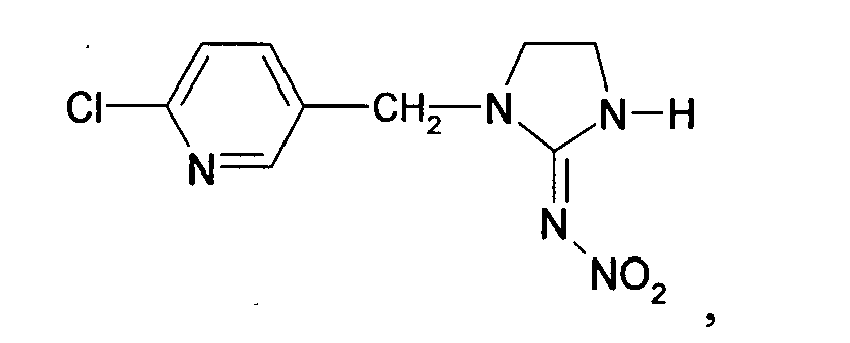
EP A1 0 192 060 . - A further very particularly preferred compound is acetamiprid of the formula

WO A1 91/04965 - A further very particularly preferred compound is thiacloprid of the formula

EP A2 0 235 725 . - A further very particularly preferred compound is nitenpyram of the formula

EP A2 0 302 389 . - A further preferred compound is clothianidin of the formula
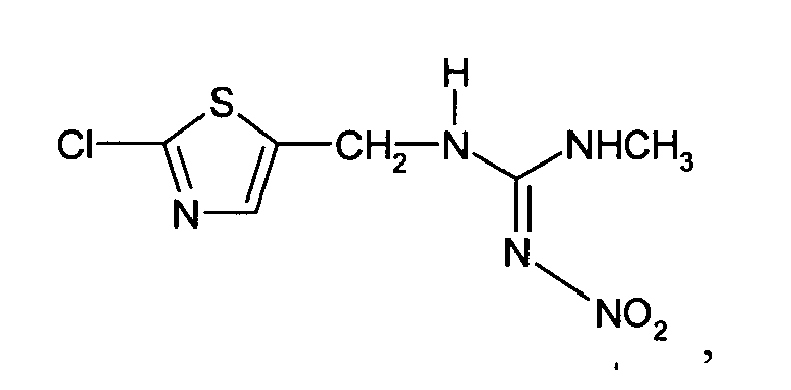
EP A2 0 376 279 . - A further preferred compound is thiamethoxam of the formula

EP A2 0 580 553 . - A further preferred compound is dinotefuran of the formula

EP A1 0 649 845 . - Imidacloprid is an especially preferred compound for the use in methods according to the invention. Clothianidin should also be mentioned as a preferred compound in the context of the present invention.
- In another embodiment of the invention, a method is described which is useful to increase the stress tolerance and health of a plant or plant cell or seed from which such plant is grown and which is engineered to be stress tolerant, comprising applying to said plant and/or its habitat, to a plant cell or to seed from which said plants are grown an effective amount of 6-chloronicotinic acid (niacin, CAS NO: 5326-23-8) of the formula

- 6-Chloronicotinic acid can be set free during the degradation of the above mentioned neonicotinoids which carry this group, such as imidacloprid, thiacloprid, acetamiprid, nitenpyram. For example, imidacloprid is degraded stepwise to the primary metabolite 6-chloronicotinic acid, which eventually breaks down into carbon dioxide. It was discovered that this metabolite also increases the stress tolerance and health of a plant or plant cell or seed from which such plant is grown and which has been engineered to be stress tolerant.
- The compounds mentioned above cause an increase of stress tolerance of plants or cells and seed thereof, which contain foreign DNA comprising an exogenous stress tolerance enhancing gene or a variant of an endogenous gene corresponding to such an exogenous stress tolerance enhancing gene, which variant results in higher stress tolerance of the plant cells or plants harbouring such variant.
- As a rule, an increase in stress tolerance means at least a significant reduction of a stress indicating parameter, which can be measured either as a morphological, physiological or biochemical difference in a comparison of stressed untreated, non-transgenic reference plants or cells and seed thereof versus treated, transgenic reference plants or cells and seed thereof. "Health" as it is mentioned herein, refers to a significant lower infestation level of plants, cells and seed thereof with pests and diseases , which e.g. can be counted or estimated as a number of individual pest species present or as macroscopical symptoms expression (e.g. relative relative leaf area reduction, leaf area infestation, leaf area necrosis). Significance is proven with the Colby formula. Moreover, resistance to stress conditions can also be measured by measuring NAD(H) levels (which remain higher in stressed, tolerant plants than in stressed control plants) and reactive oygen species level (lower in stressed, tolerant plants than in stressed control plants) under stress conditions as described in European patent application
EP04077624.7 - One of the advantages of the present invention is that the particular systemic properties of the compounds according to the invention and compositions comprising said compounds mean that treatment of the seed of plants which have been engineered to be stress tolerant with these compositions increases the stress tolerance of the germinating plant and the resulting plant after emergence. In this manner, the immediate treatment of the crop at the time of sowing or shortly thereafter can be dispensed with.
- In another embodiment of the invention, a method is described which is useful to increase the stress tolerance and health of a plant or plant cell or seed from which such plant is grown and which is engineered to be stress tolerant, comprising applying to said plant and/or its habitat, to a plant cell or to seed from which said plants are grown an effective amount of a composition comprising the compounds of the formula (I).
- Accordingly, the invention also relates to compositions comprising the compounds of the formula (I) for the use of such compositions according to the invention.
- The compounds of formula (I) can be used also in a mixture with other active compounds, for example, insecticides, bactericides, miticides, fungicides, etc. in the form of their commercially useful formulations or in the application forms prepared from such formulations. This can be done to obtain compositions which in addition to improving the stress tolerance and health of the plants according to the invention also combat pests which may be present. Insecticides which can be used are, for example, organophosphorous agents, carbamate agents, carboxylate type chemicals, chlorinated hydrocarbon type chemicals, insecticidal substances produced by microbes, etc.
- In many cases, this results in synergistic effects, i.e. the activity of the mixture exceeds the activity of the individual components. Such formulations and application forms are commercially and ecologically especially useful as generally lower amounts of active ingredients can be used. A synergist, however, must not necessarily be active itself, as long as it enhances the action of the active compound.
- A mixture with other known active compounds, such as herbicides, or with safeners, fertilizers and growth regulators is also possible.
- Treatment according to the invention of the plants and plant parts with the active compounds is carried out directly or by allowing the compounds to act on their surroundings, environment or storage space by the customary treatment methods, for example by immersion, spraying, evaporation, fogging, scattering, painting on and, in the case of propagation material, in particular in the case of seed, also by applying one or more coats.
- The active compounds can be converted into the customary formulations, such as solutions, emulsions, wettable powders, suspensions, powders, dusts, pastes, soluble powders, granules, suspension-emulsion concentrates, natural and synthetic materials impregnated with active compound, and microencapsulations in polymeric substances.
- The content of the active compounds of the present invention in a commercially useful formulation or application form can be varied in a wide range. The active-compound content of the use forms prepared from the commercial formulations can vary within wide limits.
- These formulations are produced in a known manner, for example by mixing the active compounds with extenders, that is liquid solvents and/or solid carriers, optionally with the use of surfactants, that is emulsifiers and/or dispersants, and/or foam-formers.
- If the extender used is water, it is also possible to employ for example organic solvents as auxiliary solvents. Essentially, suitable liquid solvents are: aromatics such as xylene, toluene or alkylnaphthalenes, chlorinated aromatics or chlorinated aliphatic hydrocarbons such as chlorobenzenes, chloroethylenes or methylene chloride, aliphatic hydrocarbons such as cyclohexane or paraffins, for example petroleum fractions, mineral and vegetable oils, alcohols such as butanol or glycol and also their ethers and esters, ketones such as acetone, methyl ethyl ketone, methyl isobutyl ketone or cyclohexanone, strongly polar solvents such as dimethylformamide and dimethyl sulphoxide, and also water.
- As solid carriers there are suitable: for example ammonium salts and ground natural minerals such as kaolins, clays, talc, chalk, quartz, attapulgite, montmorillonite or diatomaceous earth, and ground synthetic minerals, such as highly disperse silica, alumina and silicates; as solid carriers for granules there are suitable: for example crushed and fractionated natural rocks such as calcite, marble, pumice, sepiolite and dolomite, and also synthetic granules of inorganic and organic meals, and granules of organic material such as sawdust, coconut shells, maize cobs and tobacco stalks; as emulsifiers and/or foam-formers there are suitable: for example nonionic and anionic emulsifiers, such as polyoxyethylene fatty acid esters, polyoxyethylene fatty alcohol ethers, for example alkylaryl polyglycol ethers, alkylsulphonates, alkyl sulphates, arylsulphonates and also protein hydrolysates; as dispersants there are suitable: for example lignin-sulphite waste liquors and methylcellulose.
- Tackifiers such as carboxymethylcellulose and natural and synthetic polymers in the form of powders, granules or latices, such as gum arabic, polyvinyl alcohol and polyvinyl acetate, as well as natural phospholipids such as cephalins and lecithins, and synthetic phospholipids, can be used in the formulations. Other additives can be mineral and vegetable oils.
- It is possible to use colorants such as inorganic pigments, for example iron oxide, titanium oxide and Prussian Blue, and organic dyes, such as alizarin dyes, azo dyes and metal phthalocyanine dyes, and trace nutrients such as salts of iron, manganese, boron, copper, cobalt, molybdenum and zinc.
- The formulations generally comprise between 0.1 and 98% by weight of active compound, preferably between 0.1 and 90% and particularly preferably between 0.5 and 70% by weight of active compound.
- The advantageous stress tolerance enhancing effect of the neonicotinoid compounds and 6-CNA is particularly strongly pronounced at certain application rates. However, the application rates of the active compounds can be varied within relatively wide ranges. In general, the rates of applications are from 1 g to 1600 g of the active compound per hectare, preferably from 10 g to 800 g of the active compound per hectare, and particularly preferably from 10 g to 600 g of the active compound per hectare
- As mentioned before, one embodiment of the invention is a method which is useful to increase the stress tolerance and health of a plant which is engineered to be stress tolerant, comprising applying to the plant propagation material including seed from which said plant is grown an effective amount of a composition comprising the compounds of the formula (I). The plant propagation material may be treated before planting, for example seed may be dressed before sowing. The compounds according to the invention may also be applied to seed grains either by impregnating the grains with a liquid formulation or by coating them with a solid formulation.. The composition may also be applied to the planting site when the propagation material is being planted, e.g. during sowing.
- Accordingly, the invention also relates to seed of a plant which is engineered to be stress tolerant and which has been treated with a compound according to the invention.
- In connection with the treatment of plant propagation material such as seeds, favourable rates of application are in general 0,1 to 1000g, in particular 1 to 800g, preferably 10 to 500 g of one of the neonicotinoid compounds or 6-CNA per 100 kg of material to be treated.
- Crops which can be improved according to the present method include any plant engineered to be stress resistant, both dicotyledonous and monocotyledonous seeds, plant cells especially cotton, canola, oilseed rape, wheat, corn or maize, barley, rice, oats, rye, buckwheat, triticale, sugarcane, soybean, sunflowers, alfalfa, bean, flax, mustard, pea, tobacco, potato, sweet potato, sugarbeet, turfgrass, sorghum, millet, vegetable brassicas, other vegetables (including artichoke, asparagus, carrot, celery, chicory, cucumbers, eggplants, leek, lettuce, melons, okra, onion, pepper, pumpkin, radish, rutabaga, safflower, spinach, squash, tomato, watermelons, yam, zucchini), almond, apple, apricot, banana, blackberry, blueberry, cacao, citrus (including grapefruit, lemon, orange, kumquat, lime, mandarin, tangerine, pummelo and Satsuma mandarin), cherry, coconut, cranberry, date, gooseberry, grape, guava, kiwi, mango, nectarine, papaya, passion fruit, peach, peanut, pear, pineapple, pecan, pistachio, plum, raspberry, strawberry, teaplant, walnut but also plants used in horticulture, floriculture or forestry.
- All plants and plant parts can be treated in accordance with the invention. Plant parts are to be understood to mean all above-ground and underground parts and organs of plants, such as shoot, leaf, flower and root, examples which may be mentioned being leaves, needles, stalks, stems, flowers, fruit bodies, fruits, seeds, roots, tubers and rhizomes. The plant parts also include harvested material, and vegetative and generative propagation material, for example cuttings, tubers, rhizomes, offsets and seeds. They also include plant cells, such as may be used or result from the transformation of a plant cell in accordance with the invention. It is also possible to apply the aforementioned compounds onto or into the soil, e.g. before planting or sowing to achieve the effect described, e.g. to enhance the stress tolerance of the plants after planting and the emerging plant which grows from a seed which has been sown into treated soil.
- The plants, plant cells and seed referred to in this invention are engineered to increase the stress tolerance of said plants in a specific way.
- In one embodiment of the invention, an exogenous stress tolerance enhancing gene is capable of reducing the expression and/or the activity of poly(ADP-ribose)polymerase (PARP) gene in the plant cells or plants as described in
WO 00/04173 A1 EP 04077984.5 - Poly(ADP-ribose) polymerase (PARP), also known as poly(ADP-ribose) transferase (ADPRT) (EC 2.4.2.30), is a nuclear enzyme found in most eukaryotes, including vertebrates, arthropods, molluscs, slime moulds, dinoflagellates, fungi and other low eukaryotes with the exception of yeast. The enzymatic activity has also been demonstrated in a number of plants (Payne et al., 1976; Willmitzer and Wagner, 1982; Chen et al., 1994; O'Farrell, 1995).
- PARP catalyzes the transfer of an ADP-ribose moiety derived from NAD+, mainly to the carboxyl group of a glutamic acid residue in the target protein, and subsequent ADP-ribose polymerization. The major target protein is PARP itself, but also histones, high mobility group chromosomal proteins, topoisomerase, endonucleases and DNA polymerases have been shown to be subject to this modification.
- As a particular embodiment, the stress tolerance enhancing gene may comprise the following operably linked DNA fragments:
- a) a plant-expressible promoter;
- b) a DNA region which when transcribed results in an RNA molecule capable of reducing the expression of the endogenous PARP encoding genes of a plant (a PARP inhibitory RNA molecule);
- c) a DNA region involved in transcription termination and polyadenylation.
- The mentioned DNA region may result in a so-called antisense RNA molecule reducing in a transcriptional or post-transcriptional manner the expression of a PARP encoding gene in the target plant or plant cell, comprising at least 20 or 21 consecutive nucleotides having at least 95% to 100% sequence identity to the complement of the nucleotide sequence of a PARP encoding gene present in the plant cell or plant.
- The mentioned DNA region may also result in a so-called sense RNA molecule comprising reducing in a transcriptional or post-transcriptional manner the expression of a PARP encoding gene in the target plant or plant cell, comprising at least 20 or 21 consecutive nucleotides having at least 95% to 100% sequence identity to the nucleotide sequence of a PARP encoding gene present in the plant cell or plant.
- However, the minimum nucleotide sequence of the antisense or sense RNA region of about 20 nt of the PARP coding region may be comprised within a larger RNA molecule, varying in size from 20 nt to a length equal to the size of the target gene. The mentioned antisense or sense nucleotide regions may thus be about from about 21 nt to about 5000 nt long, such as 21 nt, 40 nt, 50 nt, 100 nt, 200 nt, 300 nt, 500 nt, 1000 nt, 2000 nt or even about 5000 nt or larger in length. Moreover, it is not required for the purpose of the invention that the nucleotide sequence of the used inhibitory PARP RNA molecule or the encoding region of the exogenous gene, is completely identical or complementary to the endogenous PARP gene the expression of which is targeted to be reduced in the plant cell. The longer the sequence, the less stringent the requirement for the overall sequence identity is. Thus, the sense or antisense regions may have an overall sequence identity of about 40 % or 50 % or 60 % or 70 % or 80 % or 90 % or 100 % to the nucleotide sequence of the endogenous PARP gene or the complement thereof. However, as mentioned antisense or sense regions should comprise a nucleotide sequence of 20 consecutive nucleotides having about 100 % sequence identity to the nucleotide sequence of the endogenous PARP gene. Preferably the stretch of about 100% sequence identity should be about 50, 75 or 100 nt.
- For the purpose of this invention, the "sequence identity" of two related nucleotide sequences, expressed as a percentage, refers to the number of positions in the two optimally aligned sequences which have identical residues (x100) divided by the number of positions compared. A gap, i.e. a position in an alignment where a residue is present in one sequence but not in the other is regarded as a position with non-identical residues. The alignment of the two sequences is performed by the Needleman and Wunsch algorithm (Needleman and Wunsch 1970) Computer-assisted sequence alignment, can be conveniently performed using standard software program such as GAP which is part of the Wisconsin Package Version 10.1 (Genetics Computer Group, Madison, Wisconsin, USA) using the default scoring matrix with a gap creation penalty of 50 and a gap extension penalty of 3.
- It will be clear that whenever nucleotide sequences of RNA molecules are defined by reference to nucleotide sequence of corresponding DNA molecules, the thymine (T) in the nucleotide sequence should be replaced by uracil (U). Whether reference is made to RNA or DNA molecules will be clear from the context of the application.
- The efficiency of the above mentioned exogenous genes in reducing the expression of the endogenous PARP gene may be further enhanced by inclusion of DNA elements which result in the expression of aberrant, unpolyadenylated PARP inhibitory RNA molecules. One such DNA element suitable for that purpose is a DNA region encoding a self-splicing ribozyme, as described in
WO 00/01133 A1 - The efficiency of the above mentioned exogenous genes in reducing the expression of the endogenous PARP gene of a plant cell may also be further enhanced by including into one plant cell simultaneously a exogenous gene as herein described encoding a antisense PARP inhibitory RNA molecule and a exogenous gene as herein described encoding a sense PARP inhibitory RNA molecule, wherein said antisense and sense PARP inhibitory RNA molecules are capable of forming a double stranded RNA region by base pairing between the mentioned at least 20 consecutive nucleotides, as described in
WO 99/53050 A1 - As further described in
WO 99/53050 A1 WO 02/059294 A1 - Current nomenclature refers to the classical Zn-finger-containing polymerases as PARP1 proteins (and corresponding parp1 genes) whereas the structurally non-classical PARP proteins are currently referred to as PARP2 (and corresponding parp2 genes) and PARP encoding genes as used herein, may refer to either type.
- The following database entries (herein incorporated by reference) identifying experimentally demonstrated and putative poly ADP-ribose polymerase protein sequences, parts thereof or homologous sequences, could be used according to the current invention: BAD53855 (Oryza sativa); BAD52929 (Oryza sativa); XP_477671 (Oryza sativa); BAC84104 (Oryza sativa); AAT25850 (Zea mays); AAT25849 (Zea mays); NP_197639 (Arabidopsis thaliana); NP_850165 (Arabidopsis thaliana); NP_188107 (Arabidopsis thaliana); NP_850586 (Arabidopsis thaliana); BAB09119 (Arabidopsis thaliana); AAD20677 (Arabidopsis thaliana); Q11207 (Arabidopsis thaliana); C84719 (Arabidopsis thaliana); T51353 (Arabidopsis thaliana); T01311 (Arabidopsis thaliana); AAN12901 (Arabidopsis thaliana); AAM13882 (Arabidopsis thaliana); CAB80732 (Arabidopsis thaliana); CAA10482 (Arabidopsis thaliana); AAC79704 (Zea mays): AAC19283 (Arabidopsis thaliana); CAA10888 (Zea mays); CAA10889 (Zea mays); CAA88288 (Arabidopsis thaliana).
- As a particular embodiment of the invention, the PARP gene expression reducing gene may comprise the following operably linked DNA fragments:
- a) a plant expressible promoter
- b) a DNA region which when transcribed yields an RNA molecule, the RNA molecule comprising:
- a. An antisense nucleotide sequence comprising at least about 20 consecutive nucleotides having about 96% sequence identity to a nucleotide sequence of about 20 consecutive nucleotides selected from the nucleotide sequences of SEQ ID 1 (Arabidopsis parp1 coding region) SEQ ID 2 (Arabidopsis parp 2 coding region) SEQ ID 3 (Zea mays parp1 coding region), SEQ ID 4 (another Zea mays parp1 coding region), SEQ ID 5 (Zea mays parp2 coding region) or SEQ ID 6 (cotton parp2 partial cDNA) or from nucleotide sequences encoding proteins with similar or identical amino acid sequences as encoded by the mentioned nucleotide sequences.
- b. A sense nucleotide sequence comprising at least about 20 nucleotides which are complementary to the antisense nucleotide sequence. The sense nucleotide sequence may thus comprise a sequence of at least about 20 consecutive nucleotides having about 96% sequence identity to a nucleotide sequence of about 20 consecutive nucleotides selected from the nucleotide sequences of SEQ ID 1 (Arabidopsis parp1 coding region) SEQ ID 2 (Arabidopsis parp 2 coding region) SEQ ID 3 (Zea mays parp1 coding region), SEQ ID 4 (another Zea mays parp1 coding region), SEQ ID 5 (Zea mays parp2 coding region) or SEQ ID 6 (cotton parp2 partial cDNA) of from from nucleotide sequences encoding proteins with similar or identical amino acid sequences as encoded by the mentioned nucleotide sequences;
- c) A DNA region for transcription termination and polyadenylation.
- However, it will be clear that other PARP encoding genes as described in
WO00/04173 EP 04077984.5 - It will also be clear that the goal of the current invention to increase stress tolerance may also be achieved by applying the mentioned chemical compounds on plants or plant cells which comprise in their genome a variant PARP encoding gene whereby the PARP expression and/or activity is reduced when compared with PARP expression and/or activity in a similar plant, which would also result in increased stress tolerance of the plant with the variant PARP. Such variant PARP encoding genes may be induced, e.g. by mutagenesis or it may be naturally occurring alleles of PARP encoding genes, which are correlated with increased stress tolerance of the harboring plants.
- In another embodiment of the invention, the mentioned compounds are applied on plants or plant cells comprising an exogenous stress tolerance enhancing gene capable of reducing the expression and/or the activity of the ParG encoding genes of the plants or plants cells, as described e.g. in
WO 2004/090140 (herein incorporated by reference). - PARG (poly (ADP-ribose) glycohydrolase; E.C.3.2.1.143) converts poly (ADP-ribose) polymers to free ADP-ribose by its exoglycosidase and endoglycosidase activity (PARG).
- In plants, a poly(ADP-ribose) glycohydrolase has been identified by map-based cloning of the wild-type gene inactivated in a mutant affected in clock-controlled transcription of genes in Arabidopsis and in photoperiod dependent transition from vegetative growth to flowering (tej). The nucleotide sequence of the gene can be obtained from nucleotide databases under the accession number AF394690 (Panda et al., 2002 Dev. Cell. 3, 51-61; SEQ ID No 7)
- Nucleotide sequences of other plant PARG encoding genes from plants can be found in
WO 2004/090140 A2 , such as the PARG gene from Solanum tuberosum (SEQ ID No 8); Oryza sativa (SEQ ID No 9) or Zea mays (SEQ ID No 10) as well as methods to isolate additional PARG encoding genes and variants thereof from other plants. - Thus, in one embodiment, the plants or plant cells engineered to be stress resistant may comprise the following operably linked DNA fragments:
- a) a plant expressible promoter
- b) a DNA region, which when transcribed yields an inhibitory RNA molecule, the RNA molecule comprising
- i. a antisense nucleotide region comprising at least 20 consecutive nucleotides having at least 96% sequence identity to a nucleotide sequence of about 20 nucleotides selected from the complement of a nucleotide sequence encoding a plant PARG protein, such as the nucleotide sequences of SEQ ID 7, SEQ ID 8, SEQ ID 9 or SEQ ID 10 or nucleotide sequences encoding proteins with similar or identical amino acid sequences as the nucleotide sequences mentioned; or
- ii. a sense nucleotide region comprising at least 20 consecutive nucleotides selected from a nucleotide sequence encoding a plant PARG protein, such as the nucleotide sequences of SEQ ID 7, SEQ ID 8, SEQ ID 9 or SEQ ID 10 or nucleotide sequences encoding proteins with similar or identical amino acid sequences as the nucleotide sequences mentioned; or
- iii. a antisense and sense nucleotide sequences as mentioned sub i) or ii) whereby said antisense and sense nucleotide sequence are capable of forming a double stranded RNA molecule;
- c) A DNA region involved in transcription termination and polyadenylation.
- It will be immediately clear to the skilled artisan that additional parameters of length of sense and antisense nucleotide sequences or dsRNA molecules, and sequence identity for the ParG inhibitory RNA molecules can be used as mentioned above for the PARP inhibitory RNA molecules.
- In yet another embodiment of the invention, the exogenous stress tolerance enhancing gene may comprise the following operably linked DNA molecules:
- a) a plant-expressible promoter;
- b) a DNA region coding for a plant-functional enzyme of the nicotinamide adenine dinucleotide salvage synthesis pathway selected from nicotinamidase, nicotinate phosphoribosyltransferase, nicotinic acid mononucleotide adenyl transferase or nicotinamide adenine dinucleotide synthetase; and
- c) a 3'end region involved in transcription termination and polyadenylation,
- As used herein, "a plant-functional enzyme of the nicotinamide adenine dinucleotide salvage synthesis pathway" is an enzyme which when introduced into plants, linked to appropriate control elements such as plant expressible promoter and terminator region, can be transcribed and translated to yield a enzyme of the NAD salvage synthesis pathway functional in plant cells. Included are the enzymes (and encoding genes) from the NAD salvage synthesis, which are obtained from a plant source, but also the enzymes obtained from yeast (Saccharomyces cereviseae) or from other yeasts or fungi. It is thought that the latter proteins may be even more suitable for the methods according to the invention, since these are less likely to be subject to the enzymatic feedback regulation etc. to which similar plant-derived enzymes may be subject.
- Enzymes involved in the NAD salvage synthesis pathway comprise the following
- Nicotinamidase (EC 3.5.1.19) catalyzing the hydrolysis of the amide group of nicotinamide, thereby releasing nicotinate and NH3. The enzyme is also known as nicotinamide deaminase, nicotinamide amidase, YNDase or nicotinamide amidohydrolase
- Nicotinate phophoribosyltransferase (EC 2.4.2.11) also known as niacin ribonucleotidase, nicotinic acid mononucleotide glycohydrolase; nicotinic acid mononucleotide pyrophosphorylase; nicotinic acid phosphoribosyltransferase catalyzing the following reaction


- Nicotinate-nucleotide adenylyltransferase, (EC 2.7.7.18) also known as deamido-NAD+ pyrophosphorylase; nicotinate mononucleotide adenylyltransferase; deamindonicotinamide adenine dinucleotide pyrophsophorylase; NaMT-ATase; nicotinic acid mononucleotide adenylyltransferase catalyzing the following reaction

- NAD-synthase (EC 6.3.1.5) also known as NAD synthetase; NAD+synthase; nicotinamide adenine dinucleotide synthetase; diphosphopyridine nucleotide synthetase, catalyzing the following reaction

- In one embodiment of the invention, the DNA regions coding for a plant functional enzyme of the NAD salvage pathway may comprise a nucleotide sequence from SEQ ID Nos 11, 12, 13, 14 or 15 or a nucleotide sequence encoding a protein with similar or identical amino acid sequences as the proteins encoded by the above mentioned nucleotide sequences.
- As described by Hunt et al., 2004 plant homologues of these enzymes have been identified and these DNA sequences may be used to similar effect(Hunt et al. , 2004, New Phytologist163(1): 31-44). The identified DNA sequences have the following Accession numbers: for nicotinamidase: At5g23220 (SEQ ID No 16); At5g23230 (SEQ ID No 17) and At3g16190 (SEQ ID No 18); for nicotinate phosphoribosyltransferase: At4g36940 (SEQ ID No 19), At2g23420 (SEQ ID No 20), for nicotinic acid mononucleotide adenyltransferase: At5g55810 (SEQ ID No 21) and for NAD synthetase: At1g55090 (SEQ ID No 22).
- However, it will be clear that the plants engineered to be stress resistant may also comprise variants of these nucleotide sequences, including insertions, deletions and substitutions thereof. Equally, homologues to the mentioned nucleotide sequences from species different from Saccharomyces cerevisea can be used. These include but are not limited to nucleotide sequences from plants, and nucleotide sequences encoding proteins with the same amino acid sequences, as well as variants of such nucleotide sequences.
- Variants of the described nucleotide sequence will have a sequence identity which is preferably at least about 80%, or 85 or 90% or 95% with identified nucleotide sequences encoding enzymes from the NAD salvage pathway, such as the ones identified in the sequence listing. Preferably, these variants will encode functional proteins with the same enzymatic activity as the enzymes from the NAD salvage pathway.
- The methods of the invention can be used to increase the tolerance of plants or plant cells to different kinds of stress-inducing conditions, particularly abiotic stress conditions including submergence, high light conditions, high UV radiation levels, increased hydrogen peroxide levels, drought conditions, high or low temperatures, increased salinity conditions, application of herbicides, pesticides, insecticides etc. The methods of the invention can also be used to reduce the level of reactive oxygen species (ROS) or to increase the level of NAD+, NADH+ or ATP in the cells of plants growing under adverse conditions, particularly abiotic stress conditions including submergence, high light conditions, high UV radiation levels, increased hydrogen peroxide levels, drought conditions, high or low temperatures, increased salinity conditions etc. The level of ROS or the level of NADH can be determined using the methods known in the art, including those described in the Examples. Increased stress tolerance of plants, can also be analyzed using the methods to determine the mitochondrial electron flow as described in
WO97/06267 WO02/066972 - Although not intending to limit the invention to a particular mode of action, it is expected that metabolites of the neonicotinoids, particularly of neonicotinoid compounds which comprise a chloropyridine side chain, feed into the NAD salvage pathway and result in higher yields of NAD levels. In this light, it was not expected that application of such compounds on plants engineered to be stress resistant would have any effect, as NAD levels under stress conditions in such plant cells were already significantly higher than in plant cells not engineered to be stress resistant.
- The method of the current invention to increase stress resistance by applying neonicotinoid compounds on plant or plant cells may be suitable for any plant engineered to be stress resistant, both dicotyledonous and monocotyledonous plant cells and plants including but not limited to cotton, Brassica vegetables, oilseed rape, wheat, corn or maize, barley, sunflowers, rice, oats, sugarcane, soybean, vegetables (including chicory, lettuce, tomato), tobacco, potato, sugarbeet, papaya, pineapple, mango, Arabidopsis thaliana, but also plants used in horticulture, floriculture or forestry, cereal plants including wheat, oat, barley, rye, rice, turfgrass, sorghum, millet or sugarcane plants. The methods of the invention can also be applied to any plant including but not limited to cotton, tobacco, canola, oilseed rape, soybean, vegetables, potatoes, Lemna spp., Nicotiana spp., sweet potatoes, Arabidopsis, alfalfa, barley, bean, corn, cotton, flax, pea, rape, rice, rye, safflower, sorghum, soybean, sunflower, tobacco, wheat, asparagus, beet, broccoli, cabbage, carrot, cauliflower, celery, cucumber, eggplant, lettuce, onion, oilseed rape, pepper, potato, pumpkin, radish, spinach, squash, tomato, zucchini, almond, apple, apricot, banana, blackberry, blueberry, cacao, cherry, coconut, cranberry, date, grape, grapefruit, guava, kiwi, lemon, lime, mango, melon, nectarine, orange, papaya, passion fruit, peach, peanut, pear, pineapple, pistachio, plum, raspberry, strawberry, tangerine, walnut and watermelon.
- As used herein "comprising" is to be interpreted as specifying the presence of the stated features, integers, steps or components as referred to, but does not preclude the presence or addition of one or more features, integers, steps or components, or groups thereof. Thus, e.g., a nucleic acid or protein comprising a sequence of nucleotides or amino acids, may comprise more nucleotides or amino acids than the actually cited ones, i.e., be embedded in a larger nucleic acid or protein. An exogenous gene comprising a DNA region which is functionally or structurally defined, may comprise additional DNA regions etc.
- Unless stated otherwise in the Examples, all recombinant DNA techniques are carried out according to standard protocols as described in Sambrook et al. (1989) Molecular Cloning: A Laboratory Manual, Second Edition, Cold Spring Harbor Laboratory Press, NY and in Volumes 1 and 2 of Ausubel et al. (1994) Current Protocols in Molecular Biology, Current Protocols, USA. Standard materials and methods for plant molecular work are described in Plant Molecular Biology Labfax (1993) by R.D.D. Croy, jointly published by BIOS Scientific Publications Ltd (UK) and Blackwell Scientific Publications, UK. Other references for standard molecular biology techniques include Sambrook and Russell (2001) Molecular Cloning: A Laboratory Manual, Third Edition, Cold Spring Harbor Laboratory Press, NY, Volumes I and II of Brown (1998) Molecular Biology LabFax, Second Edition, Academic Press (UK). Standard materials and methods for polymerase chain reactions can be found in Dieffenbach and Dveksler (1995) PCR Primer: A Laboratory Manual, Cold Spring Harbor Laboratory Press, and in McPherson at al. (2000) PCR - Basics: From Background to Bench, First Edition, Springer Verlag, Germany.
- Throughout the description and Examples, reference is made to the following sequences:
- SEQ ID No. 1: parp1 coding region from Arabidopsis thaliana.
- SEQ ID No. 2: parp2 coding region from Arabidopsis thaliana.
- SEQ ID No. 3: parp1 coding region 1 from Zea mays.
- SEQ ID No. 4: parp1 coding region 2 from Zea mays.
- SEQ ID No. 5: parp2 coding region from Zea mays.
- SEQ ID No. 6: parp2 partial coding region from cotton.
- SEQ ID No.7: parG coding region from Arabidopsis thaliana.
- SEQ ID No. 8: parG coding region from Solanum tuberosum.
- SEQ ID No. 9: parG coding region from Oryza sativa.
- SEQ ID No. 10: parG coding region from Zea mays.
- SEQ ID No. 11: nucleotide sequence of the nicotinamidase from Saccharomyces cereviseae (PNC1).
- SEQ ID No. 12:. nucleotide sequence of the nicotinate phosphoribosyltransferase from Saccharomyces cereviseae (NPT1) (complement)
- SEQ ID No. 13: nucleotide sequence of the nicotinic acid mononucleotide adenyl transferase 1 (NMA 1) from Saccharomyces cereviseae.
- SEQ ID No. 14: nucleotide sequence of the nicotinic acid mononucleotide adenyl transferase 2 (NMA2) from Saccharomyces cereviseae.
- SEQ ID No. 15: nucleotide sequence of the NAD synthetase (QNS1) from Saccharomyces cereviseae..
- SEQ ID No. 16: nucleotide sequence of the nicotinamidase from Arabidopsis thaliana (isoform 1).
- SEQ ID No. 17:. nucleotide sequence of the nicotinamidase from Arabidopsis thaliana (isoform 2)
- SEQ ID No. 18:. nucleotide sequence of the nicotinamidase from Arabidopsis thaliana (isoform 3)
- SEQ ID No. 19: nucleotide sequence of the nicotinate phosphoribosyltransferase from Arabidopsis thaliana (isoform 1).
- SEQ ID No. 20: nucleotide sequence of the nicotinate phosphoribosyltransferase from Arabidopsis thaliana (isoform 2).
- SEQ ID No. 21: nucleotide sequence of the nicotinic acid mononucleotide adenyl transferase from Arabidopsis thaliana.
- SEQ ID No. 22: nucleotide sequence of the NAD synthetase from Arabidopsis thaliana.
- Reference: Jun Nakamura, Shoji Asakura, Susan D. Hester, Gilbert de Murcia, Keith W. Caldecott and James A. Swenberg (2003): Quantitation of intracellular NAD(P)H can monitor an imbalance of DNA single strand break repair in base excision repair deficient cells in real time. Nucleic Acids Research 31(17), e104.
- Most plant material can be used, e.g. in vitro grown Arabidopsis shoots 14-18 days old but NOT flowering or hypocotyl explants of oilseed rape.
- Sopachem n.v./Belgium, 72A, Avenue du Laarbeeklaan, 1090 Brussels, Belgium
-
- 5mL bottles containing 5mMol/L WST-8 (tetrazolium salt), 0.2mMol/L 1-Methoxy PMS, 150mMol/L NaCl;
- Reaction solution: 10mL 25mM K-phosphate buffer pH7.4; 0.5mL CCK-8; 0.1mM 1-Methoxy-5-methylphenazinium methyl sulfate (= 1-Methoxyphenazine methosulfate): 1µL/mL of 100mM stock (MW= 336.4; 100mg in 2.973mL water); 1 drop Tween20/25mL
- Harvest plant material and put in 25mM K-phosphate buffer pH7.4 (e.g.: 150 oilseed rape hypocotyl explants or 1gr Arabidopsis shoots (without roots)). Replace buffer with reaction solution (15mL for 1gr Arabidopsis shoots or 15mL for 150 oilseed rape hypocotyl explants). Incubate at 26°C in the dark for about 1/2 hour (follow reaction). Measure the absorbance of the reaction solution at 450nm.
- Reference: De Block, M., De Brouwer, D. (2002) A simple and robust in vitro assay to quantify the vigour of oilseed rape lines and hybrids. Plant Physiol. Biochem. 40, 845-852
- Sowing medium (medium 201): Half concentrated Murashige and Skoog salts; 2% sucrose, pH 5.8; 0.6% agar (Difco Bacto Agar); 250mg/l triacillin.
- Callus inducing medium A2S3: MS medium, 0.5g/l Mes (pH 5.8), 3% sucrose, 40mg/l adenine-SO4, 0.5% agarose, 1mg/l 2,4-D, 0.25mg/l NAA, 1mg/l BAP, 250mg/l triacillin.
- Reaction buffer: 25mM K-phosphate buffer pH 8; 1mM sodium,3'-{1-[phenylamino-carbonyl]-3,4-tetrazolium}-bis(4-methoxy-6-nitro) = XTT (BioVectra, Canada) (MW 674.53). Dissolve XTT by careful warming solution (± 37°C) (cool down to room temperature before use). 1 drop Tween20 for 25ml buffer
- Seeds are soaked in 70% ethanol for 2 min, then surface-sterilized for 15 min in a sodium hypochlorite solution (with about 6% active chlorine) containing 0.1% Tween20. Finally, the seeds are rinsed with 11 of sterile tap water. Incubate seeds for at least one hour in sterile tap water (to allow diffusion from seeds of components that may inhibit germination). Seeds are put in 250ml erlenmeyer flasks containing 50ml of sterile tap water (+ 250mg/l triacillin). Shake for about 20 hours. Seeds from which the radicle is protruded are put in Vitro Vent containers from Duchefa containing about 125ml of sowing medium (10 seeds/vessel, not too many to reduce loss of seed by contamination). The seeds are germinated at ±24°C and 10-30µEinstein s-1m-2 with a daylength of 16h. For calculating the amount of seeds that have to be sawn: 5 hypocytyl segments/seedling.
- 12-14 days after sowing, the hypocotyls are cut in about 7-10mm segments. The hypocotyl explants (25 hypocotyls/Optilux Petridish, Falcon S1005, Denmark) are cultured for 5 days on medium A2S3 at 25°C (at 10-30µEinstein s-1m-2). 150 hypocotyl explants are used per condition.
- Transfer hypocotyl explants to A2S3 medium containing respectively 0, 25 and 50mg/l acetylsalicylic acid. Incubate for about 24 hours at 25°C and10-30µEinstein s-1m-2 with a daylength of 16h.
- Transfer 150 hypocotyl explants to a 50ml Falcon tube. Wash with reaction buffer (without XTT). Add 20mL reaction buffer + XTT. Explants have to be submerged, but do not vacuum infiltrate. Incubate in the dark at 26°C. Follow the reaction by measuring the absorption of the reaction medium at 470 nm.
- Plant medium: Half concentrated Murashige and Skoog salts; B5 vitamins; 1.5% sucrose; pH 5.8; 0.7% Difco agar.
- Incubation medium: 1/2 concentrated MS-salts; 1% sucrose ; 0.5g/L MES pH 5.8 ; 1 drop Tween20 for 25ml medium.
- Reaction buffer: 25mM K-phosphate buffer pH 8; 1mM sodium,3'-{1-[phenylamino-carbonyl]-3,4-tetrazolium}-bis(4-methoxy-6-nitro) = XTT (BioVectra, Canada) (MW 674.53). Dissolve XTT by careful warming solution (± 37°C) (cool down to room temperature before use).l drop Tween20 for 25ml buffer.
- Arabidopsis lines: control (mother line from which tested lines were derived); lines to test.
- Sterilization of Arabidopsis seeds: 2min. 70% ethanol; 10 min. bleach (6% active chlorine) + 1drop Tween 20 for 20ml solution; wash 5 times with sterile tap water; sterilization is done in 2ml eppendorf tubes. Arabidopsis seeds sink to the bottom of the tube, allowing removal of the liquids by means of a 1 ml pipetman.
- Pregermination of seeds: In 9cm Optilux Petridishes (Falcon) containing 12ml sterile tap water. Low light overnight to 24 hours.
- Growing of Arabidopsis plants: Seeds are sown in Intergrid Tissue Culture disks of Falcon (nr. 3025) containing ±125ml of plant medium: 1 seed/grid. Plants are grown at 24°C. 30µEinstein s-1m-2. 16hours light - 8hours dark for about 18 days (before bolting). 1g of plant material (shoots without roots)/line/condition are needed to carry out the asssay. 1g shoots corresponds wilth 40-60 plants.
- Paraquat: Harvest Arabidopsis shoots (without roots). Put 1g shoots in incubation medium (shoots have to be submerged, but do not vacuum infiltrate) containing respectively 0, 5 and 10µM paraquat. Incubation medium: ±150ml in Intergrid Tissue Culture disks of Falcon (nr. 3025). Incubate at 24°C in the dark for ±24 hours and 30-50µEinstein s-1m-2 with a daylength of 16h.
- High light:_Transfer half of the plates to high light (250µEinstein s-1m-2) and incubate for 4 to 20 hours.
- Harvest shoots (without roots) from agar plates (high light stress) or from liquid incubation medium (paraquat stress) and put them in 50ml Falcon tubes containing reaction buffer (without XTT). Replace reaction buffer with buffer containing XTT (15mL/gr). Shoots have to be submerged, but do not vacuum infiltrate. Incubate in the dark at 26°C. Follow the reaction by measuring the absorption of the reaction medium at 470nm (about one hour).
- Brassica plants comprising a transgenic gene encoding a dsRNA molecule which is capable of reducing endogenous PARP genes, as described in
WO 00/04173 A1 - After treatment, the plants are visually scored for survival and damage as compared to untreated transgenic control plants, and to non-transgenic isogenic plants treated with the mentioned compounds in a similar manner. The level of reactive oxygen species, NAD and ATP are determined and compared to the control plants.
- Transgenic Brassica plants treated with the chemical compounds survive stress conditions better than untreated transgenic control plants. The level of ROS is lower in the treated transgenic Brassica plants than in the untreated transgenic Brassica plants, while the level of NAD or ATP is higher.
- Corn plants comprising a transgenic gene encoding a dsRNA molecule which is capable of reducing endogenous PARP genes, as described in
WO 00/04173 A1 - After treatment, the plants are visually scored for survival and damage as compared to untreated transgenic control plants, and to non-transgenic isogenic plants treated with the mentioned compounds in a similar manner. The level of reactive oxygen species, NAD and ATP are determined and compared to the control plants.
- Transgenic corn plants treated with the chemical compounds survive stress conditions better than untreated transgenic control plants. The level of ROS is lower in the treated transgenic corn plants than in the untreated transgenic corn plants, while the level of NAD or ATP is higher.
- Cotton plants comprising a transgenic gene encoding a dsRNA molecule which is capable of reducing endogenous PARP genes, as described in
EP 04077984.5 - After treatment, the plants are visually scored for survival and damage as compared to untreated transgenic control plants, and to non-transgenic isogenic plants treated with the mentioned compounds in a similar manner. The level of reactive oxygen species, NAD and ATP are determined and compared to the control plants.
- Transgenic cotton plants treated with the chemical compounds survive stress conditions better than untreated transgenic control plants. The level of ROS is lower in the treated transgenic cotton plants than in the untreated transgenic cotton plants, while the level of NAD or ATP is higher.
- Brassica or rice plants comprising a transgenic gene encoding a dsRNA molecule which is capable of reducing endogenous PARG genes, as described in
WO2004/090140 are treated with various concentrations of Imidacloprid, Clothianidin, Thiamethoxam, Acetamiprid, Nitenpyram, Dinotefuran, 6-chloronicotinic acid and Thiachloprid and subjected to various stress conditions, particularly high-low temperature, high light intensities or drought stress or any combination thereof - After treatment, the plants are visually scored for survival and damage as compared to untreated transgenic control plants, and to non-transgenic isogenic plants treated with the mentioned compounds in a similar manner. The level of reactive oxygen species, NAD and ATP are determined and compared to the control plants.
- Transgenic Brassica or rice plants treated with the chemical compounds survive stress conditions better than untreated transgenic control plants. The level of ROS is lower in the treated transgenic Brassica or rice plants than in the untreated transgenic Brassica or rice plants, while the level of NAD or ATP is higher.
- Arabidopsis plants comprising a transgenic gene encoding a plant functional enzyme involved in the NAD salvage pathway, as described in
EP0477624.7 are treated with various concentrations of Imidacloprid, Clothianidin, Thiamethoxam, Acetamiprid, Nitenpyram, Dinotefuran, 6-chloronicotinic acid and Thiachloprid and subjected to various stress conditions, particularly high-low temperature, high light intensities or drought stress or any combination thereof - After treatment, the plants are visually scored for survival and damage as compared to untreated transgenic control plants, and to non-transgenic isogenic plants treated with the mentioned compounds in a similar manner. The level of reactive oxygen species, NAD and ATP are determined and compared to the control plants.
- Transgenic Arabidopsis plants treated with the chemical compounds survive stress conditions better than untreated transgenic control plants. The level of ROS is lower in the treated transgenic Arabidopsis plants than in the untreated transgenic Arabidopsis plants, while the level of NAD or ATP is higher.








Claims (27)
- A method for increasing stress tolerance in a plant, comprising applying an effective amount of 6-chloronicotinic acid or a compound of formula (I)
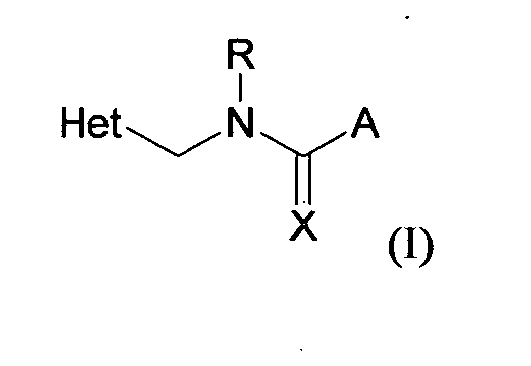 Het represents a heterocycle which is in each case optionally mono- or polysubstituted by fluorine, chlorine, methyl or ethyl, which heterocycle is selected from the following group of heterocycles:
pyrid-3-yl, pyrid-5-yl, 3-pyridinio, 1-oxido-5-pyridinio, 1-oxido-5-pyridinio, tetra-hydrofuran-3-yl, thiazol-5-yl,A represents C1-C6-alkyl, -N(R1)(R2) or S(R2),
in whichR1 represents hydrogen, C1-C6-alkyl, phenyl-C1-C4-alkyl, C3-C6-cycloalkyl, C2-C6-alkenyl or C2-C6-alkynyl, andR2 represents C1-C6-alkyl, C2-C6-alkenyl, C2-C6-alkynyl, -C(=O)-CH3 or benzyl,R represents hydrogen, C1-C6-alkyl, C2-C6-alkenyl, C2-C6-alkynyl, -C(=O)-CH3 or benzyl or together with R2 represents the groups below:
-CH2-CH2-, -CH2-CH2-CH2-, -CH2-O-CH2-, -CH2-S-CH2-, -CH2-NH-CH2-, -CH2-N(CH3)-CH2-, andX represents N-NO2, N-CN or CH-NO2on said plant or on its locus, or on seeds of said plant, characterized in that said plant is a plant engineered to be stress tolerant. - The method according to claim 1, wherein said plant engineered to be stress tolerant is a transgenic plant comprising an exogenous gene which increases stress tolerance.
- The method according to claim 2, wherein said exogenous gene codes for a PARP inhibitory RNA molecule.
- The method according to claim 3, wherein said exogenous gene comprises the following operably linked DNA fragments:a. a plant expressible promoter;b. a DNA region coding for a PARP inhibitory RNA molecule comprising at least 19 out of 20 consecutive nucleotides selected from the nucleotide sequence of SEQ ID No 1, the nucleotide sequence of SEQ ID No 2, the nucleotide sequence of SEQ ID No 3, the nucleotide sequence of SEQ ID No 4, the nucleotide sequence of SEQ ID No 5 or the nucleotide sequence of SEQ ID No 6; andc. a transcription termination and polyadenylation DNA region.
- The method according to claim 3, wherein said exogenous gene comprises the following operably linked DNA fragments:a. a plant expressible promoter;b. a DNA region coding for a PARP inhibitory RNA molecule comprising at least 19 out of 20 consecutive nucleotides selected from the complement of the nucleotide sequence of SEQ ID No 1, the nucleotide sequence of SEQ ID No 2, the nucleotide sequence of SEQ ID No 3, the nucleotide sequence of SEQ ID No 4, the nucleotide sequence of SEQ ID No 5 or the nucleotide sequence of SEQ ID No 6; andc. a transcription termination and polyadenylation DNA region.
- The method according to claim 3, wherein said exogenous gene comprises the following operably linked DNA fragments:a. a plant expressible promoter;b. a DNA region coding for a PARP inhibitory RNA molecule, said RNA molecule comprising:i. a sense nucleotide sequence comprising at least 19 out of 20 consecutive nucleotides selected from the nucleotide sequence of SEQ ID No 1, the nucleotide sequence of SEQ ID No 2, the nucleotide sequence of SEQ ID No 3, the nucleotide sequence of SEQ ID No 4, the nucleotide sequence of SEQ ID No 5 or the nucleotide sequence of SEQ ID No 6; andii. an antisense nucleotide sequence comprising a nucleotide sequence complementary to said at least 20 consecutive nucleotides in said sense nucleotide sequenceiii. wherein said sense and antisense nucleotide sequence are capable of forming a double stranded RNA region; andc. a transcription termination and polyadenylation DNA region.
- The method according to claim 6, wherein said antisense nucleotide sequence has about 95% sequence identity or is identical to said sense nucleotide sequence.
- The method according to claim 2, wherein said exogenous gene codes for a ParG inhibitory RNA molecule.
- The method according to claim 8, wherein said exogenous gene comprises the following operably linked DNA fragments:a. a plant expressible promoter;b. a DNA region coding for a PARG inhibitory RNA molecule comprising at least 19 out of 20 consecutive nucleotides selected from the nucleotide sequence of SEQ ID No 7, the nucleotide sequence of SEQ ID No 8, the nucleotide sequence of SEQ ID No 9 or the nucleotide sequence of SEQ ID No 10; andc. a transcription termination and polyadenylation DNA region.
- The method according to claim 3, wherein said exogenous gene comprises the following operably linked DNA fragments:a. a plant expressible promoter;b. a DNA region coding for a PARG inhibitory RNA molecule comprising at least 19 out of 20 consecutive nucleotides selected from the nucleotide sequence of SEQ ID No 7, the nucleotide sequence of SEQ ID No 8, the nucleotide sequence of SEQ ID No 9 or the nucleotide sequence of SEQ ID No 10;; andc. a transcription termination and polyadenylation DNA region.
- The method according to claim 3, wherein said exogenous gene comprises the following operably linked DNA fragments:a. a plant expressible promoter;b. a DNA region coding for a PARG inhibitory RNA molecule, said RNA molecule comprising:i. a sense nucleotide sequence comprising at least 19 out of 20 consecutive nucleotides selected from the nucleotide sequence of SEQ ID No 7, the nucleotide sequence of SEQ ID No 8, the nucleotide sequence of SEQ ID No 9 or the nucleotide sequence of SEQ ID No 10; andii. an antisense nucleotide sequence comprising a nucleotide sequence complementary to said at least 20 consecutive nucleotides in said sense nucleotide sequenceiii. wherein said sense and antisense nucleotide sequence are capable of forming a double stranded RNA region; andc. a transcription termination and polyadenylation DNA region.
- The method according to claim 11, wherein said antisense nucleotide sequence has about 95% sequence identity or is identical to said sense nucleotide sequence.
- The method according to claim 2, wherein said exogenous gene codes for a for a plant-functional enzyme of the nicotinamide adenine dinucleotide salvage synthesis pathway selected from nicotinamidase, nicotinate phosphoribosyltransferase, nicotinic acid mononucleotide adenyl transferase or nicotinamide adenine dinucleotide synthetase.
- The method according to claim 13 , wherein said exogenous gene comprises a nucleotide sequence selected from the nucleotide sequence of SEQ ID 11, the nucleotide sequence of SEQ ID 12, the nucleotide sequence of SEQ ID 13, the nucleotide sequence of SEQ ID 14, the nucleotide sequence of SEQ ID 15, the nucleotide sequence of SEQ ID 16, the nucleotide sequence of SEQ ID 17, the nucleotide sequence of SEQ ID 18, the nucleotide sequence of SEQ ID 19, the nucleotide sequence of SEQ ID 20, the nucleotide sequence of SEQ ID 21 or the nucleotide sequence of SEQ ID 22.
- The method of anyone of claims 1 to 14 wherein said compound selected from the class of neonicotinoids is imidacloprid.
- The method of anyone of claims 1 to 14 wherein said compound selected from the class of neonicotinoids is clothianidin.
- The method of anyone of claims 1 to 14 wherein said compound selected from the class of neonicotinoids is thiacloprid.
- The method of anyone of claims 1 to 14 wherein said compound selected from the class of neonicotinoids is nitenpyram.
- The method of anyone of claims 1 to 14 wherein said compound selected from the class of neonicotinoids is acetamiprid.
- The method of anyone of claims 1 to 14 wherein said compound is 6-chloronicotinic acid.
- The use of a compound in accordance with claim 1 for increasing stress tolerance of a plant engineered to be stress tolerant according to anyone of claims 2 to 14.
- A seed of a plant engineered to be stress tolerant according to anyone of claims 2 to 14 which has been treated with a compound according to claim 1.
- A method for increasing stress tolerance in a plant, comprising treating the soil in which a the seed of a plant engineered to be stress tolerant in accordance with anyone of claims 2 to 14 is planted with an effective amount of 6-chloronicotinic acid or a compound of formula (I) according to claim 1
- A method according to claim 1, wherein the plant is said transgenic stress tolerant dicotyledonous or monocotyledonous plant, plant cell or seed thereof.
- A method according to claim 1, wherein the seed is treated with an amount of a compound according to claim 1 from 0,1 g/100kg of seed to 1000 g/100kg of seed.
- A method according to claim 1, wherein the plant is treated with an application rate from 10 g to 1600 g per hectare of a compound according to claim 1.
- A package comprising at leasta. a chemical compound according to claim 1, andb. a plant engineered to be stress tolerant or a seed of said plant according to anyone of claims 2 to 14.
Priority Applications (15)
| Application Number | Priority Date | Filing Date | Title |
|---|---|---|---|
| EP05012090A EP1731037A1 (en) | 2005-06-04 | 2005-06-04 | Increase of stress tolerance by application of neonicotinoids on plants engineered to be stress tolerant |
| KR1020077029728A KR20080036170A (en) | 2005-06-04 | 2006-05-26 | Method of increasing stress resistance by applying neonicotinoid in plants engineered to be stress resistant |
| US11/921,519 US20090270254A1 (en) | 2005-06-04 | 2006-05-26 | Increase of stress tolerance by application of neonicotinoids on plants engineered to be stress tolerant |
| JP2008513992A JP2008545421A (en) | 2005-06-04 | 2006-05-26 | Increased stress tolerance by applying neonicotinoids to plants engineered to be stress resistant |
| BRPI0611103-3A BRPI0611103A2 (en) | 2005-06-04 | 2006-05-26 | increased stress tolerance by applying neonicotinoids to plants manipulated to be stress tolerant |
| CNA2006800292944A CN101267737A (en) | 2005-06-04 | 2006-05-26 | Increase of stress tolerance by application of neonicotinoids on plants engineered to be stress tolerant |
| EP20060743074 EP1890543A1 (en) | 2005-06-04 | 2006-05-26 | Increase of stress tolerance by application of neonicotinoids on plants engineered to be stress tolerant |
| EP10184265A EP2308307A3 (en) | 2005-06-04 | 2006-05-26 | Increase of stress tolerance by application of neonicotinoids on plants engineered to be stress tolerant |
| AU2006254794A AU2006254794A1 (en) | 2005-06-04 | 2006-05-26 | Increase of stress tolerance by application of neonicotinoids on plants engineered to be stress tolerant |
| PCT/EP2006/005072 WO2006131222A1 (en) | 2005-06-04 | 2006-05-26 | Increase of stress tolerance by application of neonicotinoids on plants engineered to be stress tolerant |
| MX2007015001A MX2007015001A (en) | 2005-06-04 | 2006-05-26 | Increase of stress tolerance by application of neonicotinoids on plants engineered to be stress tolerant. |
| TW095119491A TW200715976A (en) | 2005-06-04 | 2006-06-02 | Increase of stress tolerance by application of neonicotinoids on plants engineered to be stress tolerant |
| ARP060102314A AR054054A1 (en) | 2005-06-04 | 2006-06-02 | INCREASE OF TOLERANCE TO STRESS THROUGH THE APPLICATION OF NEONICOTINOIDS IN MODIFIED PLANTS THROUGH ENGINEERING TO BE TOLERANT TO STRESS |
| IL187555A IL187555A0 (en) | 2005-06-04 | 2007-11-22 | Increase of stress tolerance by application of neonicotinoids on plants engineered to be stress tolerant |
| ZA200710430A ZA200710430B (en) | 2005-06-04 | 2007-12-03 | Increase of stress tolerance by application of neo-nicotinoids on plants engineered to be stress tolerant |
Applications Claiming Priority (1)
| Application Number | Priority Date | Filing Date | Title |
|---|---|---|---|
| EP05012090A EP1731037A1 (en) | 2005-06-04 | 2005-06-04 | Increase of stress tolerance by application of neonicotinoids on plants engineered to be stress tolerant |
Publications (1)
| Publication Number | Publication Date |
|---|---|
| EP1731037A1 true EP1731037A1 (en) | 2006-12-13 |
Family
ID=35266857
Family Applications (3)
| Application Number | Title | Priority Date | Filing Date |
|---|---|---|---|
| EP05012090A Withdrawn EP1731037A1 (en) | 2005-06-04 | 2005-06-04 | Increase of stress tolerance by application of neonicotinoids on plants engineered to be stress tolerant |
| EP10184265A Withdrawn EP2308307A3 (en) | 2005-06-04 | 2006-05-26 | Increase of stress tolerance by application of neonicotinoids on plants engineered to be stress tolerant |
| EP20060743074 Withdrawn EP1890543A1 (en) | 2005-06-04 | 2006-05-26 | Increase of stress tolerance by application of neonicotinoids on plants engineered to be stress tolerant |
Family Applications After (2)
| Application Number | Title | Priority Date | Filing Date |
|---|---|---|---|
| EP10184265A Withdrawn EP2308307A3 (en) | 2005-06-04 | 2006-05-26 | Increase of stress tolerance by application of neonicotinoids on plants engineered to be stress tolerant |
| EP20060743074 Withdrawn EP1890543A1 (en) | 2005-06-04 | 2006-05-26 | Increase of stress tolerance by application of neonicotinoids on plants engineered to be stress tolerant |
Country Status (13)
| Country | Link |
|---|---|
| US (1) | US20090270254A1 (en) |
| EP (3) | EP1731037A1 (en) |
| JP (1) | JP2008545421A (en) |
| KR (1) | KR20080036170A (en) |
| CN (1) | CN101267737A (en) |
| AR (1) | AR054054A1 (en) |
| AU (1) | AU2006254794A1 (en) |
| BR (1) | BRPI0611103A2 (en) |
| IL (1) | IL187555A0 (en) |
| MX (1) | MX2007015001A (en) |
| TW (1) | TW200715976A (en) |
| WO (1) | WO2006131222A1 (en) |
| ZA (1) | ZA200710430B (en) |
Cited By (11)
| Publication number | Priority date | Publication date | Assignee | Title |
|---|---|---|---|---|
| EP2090168A1 (en) | 2008-02-12 | 2009-08-19 | Bayer CropScience AG | Method for improving plant growth |
| DE102008041695A1 (en) | 2008-08-29 | 2010-03-04 | Bayer Cropscience Ag | Methods for improving plant growth |
| WO2014053450A1 (en) | 2012-10-02 | 2014-04-10 | Bayer Cropscience Ag | Heterocyclic compounds as pesticides |
| WO2014060381A1 (en) | 2012-10-18 | 2014-04-24 | Bayer Cropscience Ag | Heterocyclic compounds as pesticides |
| WO2014067962A1 (en) | 2012-10-31 | 2014-05-08 | Bayer Cropscience Ag | Novel heterocyclic compounds as pest control agents |
| WO2015004028A1 (en) | 2013-07-08 | 2015-01-15 | Bayer Cropscience Ag | Six-membered c-n-linked aryl sulfide derivatives and aryl sulfoxide derivatives as pest control agents |
| DE102013012498A1 (en) | 2013-07-26 | 2015-01-29 | Skw Stickstoffwerke Piesteritz Gmbh | Use of simple 1,2,4-triazole derivatives as dry stress tolerance improvers |
| DE102013012500A1 (en) | 2013-07-26 | 2015-01-29 | Skw Stickstoffwerke Piesteritz Gmbh | Use of phosphoric acid amides as dry stress tolerance improvers |
| DE102013021933A1 (en) | 2013-12-20 | 2015-06-25 | Skw Stickstoffwerke Piesteritz Gmbh | Use of pyrazole derivatives as dry stress tolerance improvers |
| WO2016001122A1 (en) * | 2014-07-01 | 2016-01-07 | Bayer Cropscience Aktiengesellschaft | Method for improving plant growth |
| DE102016107338A1 (en) | 2016-04-20 | 2017-10-26 | Skw Stickstoffwerke Piesteritz Gmbh | Use of imidamide derivatives as an agent for improving the dry stress tolerance |
Families Citing this family (13)
| Publication number | Priority date | Publication date | Assignee | Title |
|---|---|---|---|---|
| DE102004005786A1 (en) * | 2004-02-06 | 2005-08-25 | Bayer Cropscience Ag | Haloalkylcarboxamide |
| DE102004056626A1 (en) * | 2004-11-24 | 2006-06-01 | Bayer Cropscience Ag | Substituted oxyguanidines |
| DE102005045174A1 (en) * | 2005-09-21 | 2007-03-22 | Bayer Cropscience Ag | Increase in pathogen defense in plants |
| EP1917858A1 (en) * | 2006-09-29 | 2008-05-07 | Syngeta Participations AG | A method for enhancing plant tolerance |
| EP1922928A1 (en) * | 2006-09-29 | 2008-05-21 | Syngeta Participations AG | A method for enhancing intrinsic productivity of a plant |
| AR075463A1 (en) * | 2008-10-22 | 2011-04-06 | Basf Se | USE OF NEONICOTINOIDS IN CULTIVATED PLANTS |
| EP2255626A1 (en) * | 2009-05-27 | 2010-12-01 | Bayer CropScience AG | Use of succinate dehydrogenase inhibitors to increase resistance of plants or parts of plants to abiotic stress |
| WO2011060151A2 (en) * | 2009-11-11 | 2011-05-19 | Kansas State University Research Foundation | Compositions and methods for controlling parasitic nematodes |
| AR081242A1 (en) | 2010-04-28 | 2012-07-18 | Univ California | MODIFIED PYR / PYL RECEPTORS ACTIVATED BY ORTOGONAL LIGANDS |
| JP5643823B2 (en) | 2010-07-16 | 2014-12-17 | 花王株式会社 | Plant stress tolerance imparting method, plant stress tolerance imparting agent composition and use thereof |
| CN102057940A (en) * | 2011-01-18 | 2011-05-18 | 青岛泰生生物科技有限公司 | Insecticidal composition containing clothianidin and nitenpyram |
| US20140096445A1 (en) * | 2011-06-03 | 2014-04-10 | Syngenta Participations Ag | Method of cultivation in water deficit conditions |
| MX2015012152A (en) | 2013-03-14 | 2016-05-18 | Univ California | Modified pyr/pyl receptors activated by orthogonal ligands. |
Citations (20)
| Publication number | Priority date | Publication date | Assignee | Title |
|---|---|---|---|---|
| EP0192606A2 (en) | 1985-02-22 | 1986-08-27 | Sandoz Ag | Herbicidal chloroacetamides |
| EP0192060A1 (en) | 1985-02-04 | 1986-08-27 | Nihon Bayer Agrochem K.K. | Heterocyclic compounds |
| EP0235725A2 (en) | 1986-03-07 | 1987-09-09 | Nihon Bayer Agrochem K.K. | Heterocyclic compounds |
| EP0302389A2 (en) | 1987-08-01 | 1989-02-08 | Takeda Chemical Industries, Ltd. | Alpha-unsaturated amines, their production and use |
| EP0376279A2 (en) | 1988-12-27 | 1990-07-04 | Takeda Chemical Industries, Ltd. | Guanidine derivatives, their production and insecticides |
| WO1991004965A1 (en) | 1989-10-06 | 1991-04-18 | Nippon Soda Co., Ltd. | Amine derivatives |
| EP0477624A1 (en) | 1990-09-17 | 1992-04-01 | E.R. SQUIBB & SONS, INC. | Method for preventing or treating depression employing a combination of an ace inhibitor and a drug that acts at serotonin receptors |
| EP0580553A2 (en) | 1992-07-22 | 1994-01-26 | Ciba-Geigy Ag | Oxadiazine derivatives |
| EP0649845A1 (en) | 1993-10-26 | 1995-04-26 | MITSUI TOATSU CHEMICALS, Inc. | Furanyl insecticide |
| WO1997006267A2 (en) | 1995-08-04 | 1997-02-20 | Plant Genetic Systems, N.V. | Genetic transformation using a parp inhibitor |
| WO1999009830A1 (en) * | 1997-08-22 | 1999-03-04 | Rhone-Poulenc Agro | Method of increasing foreign protein expression |
| WO1999053050A1 (en) | 1998-04-08 | 1999-10-21 | Commonwealth Scientific And Industrial Research Organisation | Methods and means for obtaining modified phenotypes |
| WO2000001133A1 (en) | 1998-06-30 | 2000-01-06 | Ericsson Inc. | Method and apparatus for controlling a performance characteristic of an electronic device |
| WO2000004173A1 (en) | 1998-07-17 | 2000-01-27 | Aventis Cropscience N.V. | Methods and means to modulate programmed cell death in eukaryotic cells |
| WO2001026468A2 (en) | 1999-10-13 | 2001-04-19 | Syngenta Participations Ag | Method for improving plant growth |
| WO2002028184A1 (en) * | 2000-10-06 | 2002-04-11 | Monsanto Technology, Llc | Treatment of transgenic corn seeds with clothianidin |
| WO2002059294A1 (en) | 2001-01-26 | 2002-08-01 | Commonwealth Scientific And Industrial Research O Rganisation | Methods and means for producing efficient silencing construct using recombinational cloning |
| WO2002066972A2 (en) | 2001-02-19 | 2002-08-29 | Bayer Bioscience N.V. | Methods and means for determining fitness in plants |
| WO2003096811A1 (en) | 2002-05-16 | 2003-11-27 | Monsanto Technology, Llc | Increasing plant yield by seed treatment with a neonicotinoid compound |
| WO2004090140A2 (en) | 2003-04-09 | 2004-10-21 | Bayer Bioscience N.V. | Methods and means for increasing the tolerance of plants to stress conditions |
Family Cites Families (13)
| Publication number | Priority date | Publication date | Assignee | Title |
|---|---|---|---|---|
| US4226876A (en) * | 1976-12-20 | 1980-10-07 | Burroughs Wellcome Co. | Arthropodicidal imidazoline derivatives |
| US4243408A (en) * | 1978-05-11 | 1981-01-06 | Chevron Research Company | Herbicidal N-triazolylmethyl-substituted alpha-haloacetanilide |
| US4379147A (en) * | 1981-02-09 | 1983-04-05 | Ciba-Geigy Corporation | Substituted 2-(anilinomethyl)-2-imidazoline derivatives, compositions containing these derivatives, and the use thereof for combating pests |
| US5001138B1 (en) * | 1985-02-04 | 1998-01-20 | Bayer Agrochem Kk | Heterocyclic compounds |
| USRE39130E1 (en) * | 1986-03-07 | 2006-06-13 | Bayer Cropscience K.K. | Heterocyclic compounds |
| US5201931A (en) * | 1988-12-01 | 1993-04-13 | Her Majesty The Queen In Right Of Canada, As Represented By The National Research Council Of Canada | Abscisic acid-related plant growth regulators - germination promoters |
| DE3842798A1 (en) * | 1988-12-20 | 1990-06-21 | Hoechst Ag | IMIDAZOLIN DERIVATIVES CONTAINING AGENTS FOR THE ECONOMIC CONTROL OF ECTOPARASITES AND NEW IMIDAZOLINE DERIVATIVES |
| DE3921144A1 (en) | 1989-06-28 | 1991-01-10 | Hoechst Ag | DEGRADABLE POLYMER BLOCKS |
| DE3922493A1 (en) | 1989-07-08 | 1991-01-17 | Bayer Ag | PROCESS FOR PREPARING WAESSEN DISPERSIONS OF POLYURETHANES AND THEIR USE AS COATING AGENTS FOR ANY SUBSTRATE |
| FR2693928B1 (en) | 1992-07-24 | 1994-09-02 | Pechiney Aluminium | Process for the thermal treatment of spent pot lining from Hall-Héroult electrolysis tanks. |
| US5961687A (en) * | 1996-07-26 | 1999-10-05 | University Of Maryland Eastern Shore | Method for treating plants |
| US20040023802A1 (en) * | 2002-05-16 | 2004-02-05 | Monsanto Technology, L.L.C. | Increasing plant yield and/or vigor by seed treatment with a neonicotinoid compound |
| MXPA06003596A (en) * | 2003-09-29 | 2006-06-20 | Monsanto Technology Llc | Methods for enhancing stress tolerance in plants and methods thereof. |
-
2005
- 2005-06-04 EP EP05012090A patent/EP1731037A1/en not_active Withdrawn
-
2006
- 2006-05-26 BR BRPI0611103-3A patent/BRPI0611103A2/en not_active IP Right Cessation
- 2006-05-26 US US11/921,519 patent/US20090270254A1/en not_active Abandoned
- 2006-05-26 CN CNA2006800292944A patent/CN101267737A/en active Pending
- 2006-05-26 WO PCT/EP2006/005072 patent/WO2006131222A1/en not_active Ceased
- 2006-05-26 KR KR1020077029728A patent/KR20080036170A/en not_active Ceased
- 2006-05-26 AU AU2006254794A patent/AU2006254794A1/en not_active Abandoned
- 2006-05-26 JP JP2008513992A patent/JP2008545421A/en not_active Withdrawn
- 2006-05-26 EP EP10184265A patent/EP2308307A3/en not_active Withdrawn
- 2006-05-26 MX MX2007015001A patent/MX2007015001A/en not_active Application Discontinuation
- 2006-05-26 EP EP20060743074 patent/EP1890543A1/en not_active Withdrawn
- 2006-06-02 AR ARP060102314A patent/AR054054A1/en not_active Application Discontinuation
- 2006-06-02 TW TW095119491A patent/TW200715976A/en unknown
-
2007
- 2007-11-22 IL IL187555A patent/IL187555A0/en unknown
- 2007-12-03 ZA ZA200710430A patent/ZA200710430B/en unknown
Patent Citations (20)
| Publication number | Priority date | Publication date | Assignee | Title |
|---|---|---|---|---|
| EP0192060A1 (en) | 1985-02-04 | 1986-08-27 | Nihon Bayer Agrochem K.K. | Heterocyclic compounds |
| EP0192606A2 (en) | 1985-02-22 | 1986-08-27 | Sandoz Ag | Herbicidal chloroacetamides |
| EP0235725A2 (en) | 1986-03-07 | 1987-09-09 | Nihon Bayer Agrochem K.K. | Heterocyclic compounds |
| EP0302389A2 (en) | 1987-08-01 | 1989-02-08 | Takeda Chemical Industries, Ltd. | Alpha-unsaturated amines, their production and use |
| EP0376279A2 (en) | 1988-12-27 | 1990-07-04 | Takeda Chemical Industries, Ltd. | Guanidine derivatives, their production and insecticides |
| WO1991004965A1 (en) | 1989-10-06 | 1991-04-18 | Nippon Soda Co., Ltd. | Amine derivatives |
| EP0477624A1 (en) | 1990-09-17 | 1992-04-01 | E.R. SQUIBB & SONS, INC. | Method for preventing or treating depression employing a combination of an ace inhibitor and a drug that acts at serotonin receptors |
| EP0580553A2 (en) | 1992-07-22 | 1994-01-26 | Ciba-Geigy Ag | Oxadiazine derivatives |
| EP0649845A1 (en) | 1993-10-26 | 1995-04-26 | MITSUI TOATSU CHEMICALS, Inc. | Furanyl insecticide |
| WO1997006267A2 (en) | 1995-08-04 | 1997-02-20 | Plant Genetic Systems, N.V. | Genetic transformation using a parp inhibitor |
| WO1999009830A1 (en) * | 1997-08-22 | 1999-03-04 | Rhone-Poulenc Agro | Method of increasing foreign protein expression |
| WO1999053050A1 (en) | 1998-04-08 | 1999-10-21 | Commonwealth Scientific And Industrial Research Organisation | Methods and means for obtaining modified phenotypes |
| WO2000001133A1 (en) | 1998-06-30 | 2000-01-06 | Ericsson Inc. | Method and apparatus for controlling a performance characteristic of an electronic device |
| WO2000004173A1 (en) | 1998-07-17 | 2000-01-27 | Aventis Cropscience N.V. | Methods and means to modulate programmed cell death in eukaryotic cells |
| WO2001026468A2 (en) | 1999-10-13 | 2001-04-19 | Syngenta Participations Ag | Method for improving plant growth |
| WO2002028184A1 (en) * | 2000-10-06 | 2002-04-11 | Monsanto Technology, Llc | Treatment of transgenic corn seeds with clothianidin |
| WO2002059294A1 (en) | 2001-01-26 | 2002-08-01 | Commonwealth Scientific And Industrial Research O Rganisation | Methods and means for producing efficient silencing construct using recombinational cloning |
| WO2002066972A2 (en) | 2001-02-19 | 2002-08-29 | Bayer Bioscience N.V. | Methods and means for determining fitness in plants |
| WO2003096811A1 (en) | 2002-05-16 | 2003-11-27 | Monsanto Technology, Llc | Increasing plant yield by seed treatment with a neonicotinoid compound |
| WO2004090140A2 (en) | 2003-04-09 | 2004-10-21 | Bayer Bioscience N.V. | Methods and means for increasing the tolerance of plants to stress conditions |
Non-Patent Citations (11)
| Title |
|---|
| "THE PESTICIDE MANUAL", 2003, BRITISH CROP PROTECTION COUNCIL |
| AUSUBEL: "CURRENT PROTOCOLS IN MOLECULAR BIOLOGY, CURRENT PROTOCOLS", vol. 1 AND 2, 1994 |
| BROWN: "MOLECULAR BIOLOGY LABFAX", vol. I AND II, 1998, ACADEMIC PRESS |
| DE BLOCK , M.; DE BROUWER, D.: "A simple and robust in vitro assay to quantify the vigour of oilseed rape lines and hybrids.", PLANT PHYSIOL. BIOCHEM., vol. 40, 2002, pages 845 - 852 |
| DIEFFENBACH; DVEKSLER: "PCR PRIMER: A LABORATORY MANUAL", 1995, COLD SPRING HARBOR LABORATORY PRESS |
| JUN NAKAMURA ET AL.: "Quantitation of intracellular NAD(P)H can monitor an imbalance of DNA single strand break repair in base excision repair deficient cells in real time", NUCLEIC ACIDS RESEARCH, vol. 31, no. 17, 2003, pages E104 |
| MCPHERSON: "PCR - BASICS: FROM BACKGROUND TO BENCH", 2000, SPRINGER VERLAG |
| PANDA, DEV. CELL, vol. 3, 2002, pages 51 - 61 |
| R.D.D. CROY: "PLANT MOLECULAR BIOLOGY LABFAX", 1993, BIOS SCIENTIFIC PUBLICATIONS LTD (UK) AND BLACKWELL SCIENTIFIC PUBLICATIONS |
| SAMBROOK: "MOLECULAR CLONING: A LABORATORY MANUAL", 1989, COLD SPRING HARBOR LABORATORY PRESS |
| SAMBROOK; RUSSE LL: "MOLECULAR CLONING: A LABORATORY MANUAL", 2001, COLD SPRING HARBOR LABORATORY PRESS |
Cited By (12)
| Publication number | Priority date | Publication date | Assignee | Title |
|---|---|---|---|---|
| EP2090168A1 (en) | 2008-02-12 | 2009-08-19 | Bayer CropScience AG | Method for improving plant growth |
| DE102008041695A1 (en) | 2008-08-29 | 2010-03-04 | Bayer Cropscience Ag | Methods for improving plant growth |
| US8796175B2 (en) | 2008-08-29 | 2014-08-05 | Bayer Cropscience Ag | Method for enhancing plant intrinsic defense |
| WO2014053450A1 (en) | 2012-10-02 | 2014-04-10 | Bayer Cropscience Ag | Heterocyclic compounds as pesticides |
| WO2014060381A1 (en) | 2012-10-18 | 2014-04-24 | Bayer Cropscience Ag | Heterocyclic compounds as pesticides |
| WO2014067962A1 (en) | 2012-10-31 | 2014-05-08 | Bayer Cropscience Ag | Novel heterocyclic compounds as pest control agents |
| WO2015004028A1 (en) | 2013-07-08 | 2015-01-15 | Bayer Cropscience Ag | Six-membered c-n-linked aryl sulfide derivatives and aryl sulfoxide derivatives as pest control agents |
| DE102013012498A1 (en) | 2013-07-26 | 2015-01-29 | Skw Stickstoffwerke Piesteritz Gmbh | Use of simple 1,2,4-triazole derivatives as dry stress tolerance improvers |
| DE102013012500A1 (en) | 2013-07-26 | 2015-01-29 | Skw Stickstoffwerke Piesteritz Gmbh | Use of phosphoric acid amides as dry stress tolerance improvers |
| DE102013021933A1 (en) | 2013-12-20 | 2015-06-25 | Skw Stickstoffwerke Piesteritz Gmbh | Use of pyrazole derivatives as dry stress tolerance improvers |
| WO2016001122A1 (en) * | 2014-07-01 | 2016-01-07 | Bayer Cropscience Aktiengesellschaft | Method for improving plant growth |
| DE102016107338A1 (en) | 2016-04-20 | 2017-10-26 | Skw Stickstoffwerke Piesteritz Gmbh | Use of imidamide derivatives as an agent for improving the dry stress tolerance |
Also Published As
| Publication number | Publication date |
|---|---|
| KR20080036170A (en) | 2008-04-25 |
| IL187555A0 (en) | 2008-03-20 |
| JP2008545421A (en) | 2008-12-18 |
| MX2007015001A (en) | 2008-02-15 |
| US20090270254A1 (en) | 2009-10-29 |
| EP1890543A1 (en) | 2008-02-27 |
| AR054054A1 (en) | 2007-05-30 |
| ZA200710430B (en) | 2009-08-26 |
| WO2006131222A1 (en) | 2006-12-14 |
| CN101267737A (en) | 2008-09-17 |
| BRPI0611103A2 (en) | 2010-08-10 |
| EP2308307A2 (en) | 2011-04-13 |
| EP2308307A3 (en) | 2012-04-18 |
| AU2006254794A1 (en) | 2006-12-14 |
| TW200715976A (en) | 2007-05-01 |
Similar Documents
| Publication | Publication Date | Title |
|---|---|---|
| AU2006257420B2 (en) | Methods for increasing the resistance of plants to hypoxic conditions | |
| US20090270254A1 (en) | Increase of stress tolerance by application of neonicotinoids on plants engineered to be stress tolerant | |
| AU2005287499B2 (en) | Stress resistant plants | |
| Sibony et al. | Sulfometuron‐resistant Amaranthus retroflexus: cross‐resistance and molecular basis for resistance to acetolactate synthase‐inhibiting herbicides | |
| Riechers et al. | Herbicide resistance is complex: a global review of cross-resistance in weeds within herbicide groups | |
| Kumar et al. | First report of Ser653Asn mutation endowing high‐level resistance to imazamox in downy brome (Bromus tectorum L.) | |
| WO2024133722A1 (en) | Methods of controlling undesirable plants with ppo herbicides and combinations in herbicide tolerant crop plants | |
| AU2013201202A1 (en) | Increase of stress tolerance by application of neonicotinoids on plants engineered to be stress tolerant | |
| Matola et al. | Safening efficacy of halogenated acetals, ketals and amides and relationship between the structure and effect on glutathione and glutathione S-transferases in maize | |
| CN102533846A (en) | Method for increasing the resistance of plants to hypoxic conditions | |
| Bester | The use of Flucarbazone-sodium to control wild oats (Avena spp.) in cultivated wheat fields of the Western Cape of South Africa |
Legal Events
| Date | Code | Title | Description |
|---|---|---|---|
| PUAI | Public reference made under article 153(3) epc to a published international application that has entered the european phase |
Free format text: ORIGINAL CODE: 0009012 |
|
| AK | Designated contracting states |
Kind code of ref document: A1 Designated state(s): AT BE BG CH CY CZ DE DK EE ES FI FR GB GR HU IE IS IT LI LT LU MC NL PL PT RO SE SI SK TR |
|
| AX | Request for extension of the european patent |
Extension state: AL BA HR LV MK YU |
|
| 17P | Request for examination filed |
Effective date: 20070613 |
|
| AKX | Designation fees paid |
Designated state(s): AT BE BG CH CY CZ DE DK EE ES FI FR GB GR HU IE IS IT LI LT LU MC NL PL PT RO SE SI SK TR |
|
| 17Q | First examination report despatched |
Effective date: 20080305 |
|
| RIC1 | Information provided on ipc code assigned before grant |
Ipc: A01N 51/00 20060101AFI20110919BHEP |
|
| RTI1 | Title (correction) |
Free format text: INCREASE OF STRESS TOLERANCE BY APPLICATION OF IMIDACLOPRID ON PLANTS ENGINEERED TO BE STRESS TOLERANT |
|
| GRAP | Despatch of communication of intention to grant a patent |
Free format text: ORIGINAL CODE: EPIDOSNIGR1 |
|
| GRAC | Information related to communication of intention to grant a patent modified |
Free format text: ORIGINAL CODE: EPIDOSCIGR1 |
|
| STAA | Information on the status of an ep patent application or granted ep patent |
Free format text: STATUS: THE APPLICATION HAS BEEN WITHDRAWN |
|
| 18W | Application withdrawn |
Effective date: 20120425 |