EP2212964B1 - Lithium-sekundärbatterie mit wasserfreiem elektrolyt - Google Patents
Lithium-sekundärbatterie mit wasserfreiem elektrolyt Download PDFInfo
- Publication number
- EP2212964B1 EP2212964B1 EP08793487.3A EP08793487A EP2212964B1 EP 2212964 B1 EP2212964 B1 EP 2212964B1 EP 08793487 A EP08793487 A EP 08793487A EP 2212964 B1 EP2212964 B1 EP 2212964B1
- Authority
- EP
- European Patent Office
- Prior art keywords
- secondary battery
- lithium secondary
- comparative example
- carbonate
- propionate
- Prior art date
- Legal status (The legal status is an assumption and is not a legal conclusion. Google has not performed a legal analysis and makes no representation as to the accuracy of the status listed.)
- Active
Links
Classifications
-
- H—ELECTRICITY
- H01—ELECTRIC ELEMENTS
- H01M—PROCESSES OR MEANS, e.g. BATTERIES, FOR THE DIRECT CONVERSION OF CHEMICAL ENERGY INTO ELECTRICAL ENERGY
- H01M10/00—Secondary cells; Manufacture thereof
- H01M10/05—Accumulators with non-aqueous electrolyte
- H01M10/052—Li-accumulators
- H01M10/0525—Rocking-chair batteries, i.e. batteries with lithium insertion or intercalation in both electrodes; Lithium-ion batteries
-
- H—ELECTRICITY
- H01—ELECTRIC ELEMENTS
- H01M—PROCESSES OR MEANS, e.g. BATTERIES, FOR THE DIRECT CONVERSION OF CHEMICAL ENERGY INTO ELECTRICAL ENERGY
- H01M10/00—Secondary cells; Manufacture thereof
- H01M10/05—Accumulators with non-aqueous electrolyte
-
- H—ELECTRICITY
- H01—ELECTRIC ELEMENTS
- H01M—PROCESSES OR MEANS, e.g. BATTERIES, FOR THE DIRECT CONVERSION OF CHEMICAL ENERGY INTO ELECTRICAL ENERGY
- H01M10/00—Secondary cells; Manufacture thereof
- H01M10/05—Accumulators with non-aqueous electrolyte
- H01M10/056—Accumulators with non-aqueous electrolyte characterised by the materials used as electrolytes, e.g. mixed inorganic/organic electrolytes
- H01M10/0564—Accumulators with non-aqueous electrolyte characterised by the materials used as electrolytes, e.g. mixed inorganic/organic electrolytes the electrolyte being constituted of organic materials only
- H01M10/0566—Liquid materials
- H01M10/0567—Liquid materials characterised by the additives
-
- H—ELECTRICITY
- H01—ELECTRIC ELEMENTS
- H01M—PROCESSES OR MEANS, e.g. BATTERIES, FOR THE DIRECT CONVERSION OF CHEMICAL ENERGY INTO ELECTRICAL ENERGY
- H01M10/00—Secondary cells; Manufacture thereof
- H01M10/05—Accumulators with non-aqueous electrolyte
- H01M10/056—Accumulators with non-aqueous electrolyte characterised by the materials used as electrolytes, e.g. mixed inorganic/organic electrolytes
- H01M10/0564—Accumulators with non-aqueous electrolyte characterised by the materials used as electrolytes, e.g. mixed inorganic/organic electrolytes the electrolyte being constituted of organic materials only
- H01M10/0566—Liquid materials
- H01M10/0569—Liquid materials characterised by the solvents
-
- H—ELECTRICITY
- H01—ELECTRIC ELEMENTS
- H01M—PROCESSES OR MEANS, e.g. BATTERIES, FOR THE DIRECT CONVERSION OF CHEMICAL ENERGY INTO ELECTRICAL ENERGY
- H01M4/00—Electrodes
- H01M4/02—Electrodes composed of, or comprising, active material
-
- H—ELECTRICITY
- H01—ELECTRIC ELEMENTS
- H01M—PROCESSES OR MEANS, e.g. BATTERIES, FOR THE DIRECT CONVERSION OF CHEMICAL ENERGY INTO ELECTRICAL ENERGY
- H01M4/00—Electrodes
- H01M4/02—Electrodes composed of, or comprising, active material
- H01M2004/021—Physical characteristics, e.g. porosity, surface area
-
- H—ELECTRICITY
- H01—ELECTRIC ELEMENTS
- H01M—PROCESSES OR MEANS, e.g. BATTERIES, FOR THE DIRECT CONVERSION OF CHEMICAL ENERGY INTO ELECTRICAL ENERGY
- H01M4/00—Electrodes
- H01M4/02—Electrodes composed of, or comprising, active material
- H01M2004/026—Electrodes composed of, or comprising, active material characterised by the polarity
- H01M2004/028—Positive electrodes
-
- H—ELECTRICITY
- H01—ELECTRIC ELEMENTS
- H01M—PROCESSES OR MEANS, e.g. BATTERIES, FOR THE DIRECT CONVERSION OF CHEMICAL ENERGY INTO ELECTRICAL ENERGY
- H01M10/00—Secondary cells; Manufacture thereof
- H01M10/42—Methods or arrangements for servicing or maintenance of secondary cells or secondary half-cells
- H01M2010/4292—Aspects relating to capacity ratio of electrodes/electrolyte or anode/cathode
-
- H—ELECTRICITY
- H01—ELECTRIC ELEMENTS
- H01M—PROCESSES OR MEANS, e.g. BATTERIES, FOR THE DIRECT CONVERSION OF CHEMICAL ENERGY INTO ELECTRICAL ENERGY
- H01M2300/00—Electrolytes
- H01M2300/0017—Non-aqueous electrolytes
- H01M2300/0025—Organic electrolyte
- H01M2300/0028—Organic electrolyte characterised by the solvent
- H01M2300/0037—Mixture of solvents
-
- H—ELECTRICITY
- H01—ELECTRIC ELEMENTS
- H01M—PROCESSES OR MEANS, e.g. BATTERIES, FOR THE DIRECT CONVERSION OF CHEMICAL ENERGY INTO ELECTRICAL ENERGY
- H01M2300/00—Electrolytes
- H01M2300/0017—Non-aqueous electrolytes
- H01M2300/0025—Organic electrolyte
- H01M2300/0028—Organic electrolyte characterised by the solvent
- H01M2300/0037—Mixture of solvents
- H01M2300/004—Three solvents
-
- H—ELECTRICITY
- H01—ELECTRIC ELEMENTS
- H01M—PROCESSES OR MEANS, e.g. BATTERIES, FOR THE DIRECT CONVERSION OF CHEMICAL ENERGY INTO ELECTRICAL ENERGY
- H01M4/00—Electrodes
- H01M4/02—Electrodes composed of, or comprising, active material
- H01M4/36—Selection of substances as active materials, active masses, active liquids
- H01M4/48—Selection of substances as active materials, active masses, active liquids of inorganic oxides or hydroxides
- H01M4/483—Selection of substances as active materials, active masses, active liquids of inorganic oxides or hydroxides for non-aqueous cells
-
- H—ELECTRICITY
- H01—ELECTRIC ELEMENTS
- H01M—PROCESSES OR MEANS, e.g. BATTERIES, FOR THE DIRECT CONVERSION OF CHEMICAL ENERGY INTO ELECTRICAL ENERGY
- H01M4/00—Electrodes
- H01M4/02—Electrodes composed of, or comprising, active material
- H01M4/36—Selection of substances as active materials, active masses, active liquids
- H01M4/58—Selection of substances as active materials, active masses, active liquids of inorganic compounds other than oxides or hydroxides, e.g. sulfides, selenides, tellurides, halogenides or LiCoFy; of polyanionic structures, e.g. phosphates, silicates or borates
- H01M4/583—Carbonaceous material, e.g. graphite-intercalation compounds or CFx
- H01M4/587—Carbonaceous material, e.g. graphite-intercalation compounds or CFx for inserting or intercalating light metals
-
- Y—GENERAL TAGGING OF NEW TECHNOLOGICAL DEVELOPMENTS; GENERAL TAGGING OF CROSS-SECTIONAL TECHNOLOGIES SPANNING OVER SEVERAL SECTIONS OF THE IPC; TECHNICAL SUBJECTS COVERED BY FORMER USPC CROSS-REFERENCE ART COLLECTIONS [XRACs] AND DIGESTS
- Y02—TECHNOLOGIES OR APPLICATIONS FOR MITIGATION OR ADAPTATION AGAINST CLIMATE CHANGE
- Y02E—REDUCTION OF GREENHOUSE GAS [GHG] EMISSIONS, RELATED TO ENERGY GENERATION, TRANSMISSION OR DISTRIBUTION
- Y02E60/00—Enabling technologies; Technologies with a potential or indirect contribution to GHG emissions mitigation
- Y02E60/10—Energy storage using batteries
-
- Y—GENERAL TAGGING OF NEW TECHNOLOGICAL DEVELOPMENTS; GENERAL TAGGING OF CROSS-SECTIONAL TECHNOLOGIES SPANNING OVER SEVERAL SECTIONS OF THE IPC; TECHNICAL SUBJECTS COVERED BY FORMER USPC CROSS-REFERENCE ART COLLECTIONS [XRACs] AND DIGESTS
- Y02—TECHNOLOGIES OR APPLICATIONS FOR MITIGATION OR ADAPTATION AGAINST CLIMATE CHANGE
- Y02T—CLIMATE CHANGE MITIGATION TECHNOLOGIES RELATED TO TRANSPORTATION
- Y02T10/00—Road transport of goods or passengers
- Y02T10/60—Other road transportation technologies with climate change mitigation effect
- Y02T10/70—Energy storage systems for electromobility, e.g. batteries
Definitions
- the present invention relates to a non-aqueous electrolyte lithium secondary battery, and more particularly to a high-loading lithium secondary battery.
- a lithium secondary battery developed in the early 1990's includes an anode made of carbon material capable of occluding or emitting lithium ions, a cathode made of lithium-containing oxide, and a non-aqueous electrolyte obtained by dissolving a suitable amount of lithium salt in a mixed organic solvent.
- the lithium secondary battery has an average discharge voltage of about 3.6 V to 3.7V, which exhibits advantageously higher operation voltage than those of other batteries such as alkali batteries or nickel-cadmium batteries.
- an electrolyte composition should be electrochemically stable in a charging/discharging voltage range from 0 to 4.2V.
- a mixed solvent in which a cyclic carbonate compound such as ethylene carbonate or propylene carbonate and a linear carbonate compound such as dimethyl carbonate, ethylmethyl carbonate or diethyl carbonate are suitably mixed is used as a solvent for the electrolyte.
- the solute of the electrolyte is usually a lithium salt, such as LiPF 6 , LiBF 4 or LiClO 4 , which acts as a source for supplying lithium ions in the battery and thus enables the lithium battery to operate.
- Lithium ions coming out from the cathode active material such as lithium metal oxide during an initial charging process of a lithium secondary battery move towards the anode active material such as graphite and then are intercalated between layers of the anode active material.
- the electrolyte reacts with carbon of the anode active material on the surface of the anode active material such as graphite, thereby generating compounds such as Li 2 CO 3 , Li 2 O and LiOH.
- SEI Solid Electrolyte Interface
- the SEI film plays the role of an ion tunnel, which allows only lithium ions to pass. Due to the ion tunnel effects, the SEI film prevents organic solvent having a high molecular weight from moving together with lithium ions in the electrolyte and being intercalated into layers of the anode active material and thus breaking down the anode structure. Thus, since the electrolyte is not contacted with the anode active material, the electrolyte is not decomposed, and also the amount of lithium ions in the electrolyte is reversibly maintained, thereby ensuring stable charging/discharging.
- gas such as CO, CO 2 , CH 4 and C 2 H 6 , generated by decomposition of a carbonate-based solvent, increases the battery thickness during the charging process.
- gas such as CO, CO 2 , CH 4 and C 2 H 6 , generated by decomposition of a carbonate-based solvent, increases the battery thickness during the charging process.
- the SEI film is slowly broken down due to increased electrochemical energy and thermal energy over time. As a result, side reactions continuously occur between the exposed surface of the anode and surrounding electrolyte.
- an inner pressure of the battery for example, an angled battery or pouch-type battery
- an inner pressure of the battery is increased, thereby increasing thickness of the battery, and this may cause problems in electronics such as cellular phones and notebook computers with regard to a high-temperature performance of the battery.
- the lithium secondary battery containing a large amount of ethylene carbonate exhibits a more serious problem in inner pressure increase of the battery since the SEI film is unstable.
- the ethylene carbonate has a high freezing point (37 to 39°C) and it is in a solid state at room temperature, it has low ionic conductivity at a low temperature.
- a lithium battery using a non-aqueous solvent containing a large amount of ethylene carbonate exhibits poor low-temperature conductivity.
- Japanese Laid-open Patent Publication No. H07-153486 discloses a lithium secondary battery using an electrolyte made by adding 0.5 to 50 volume% of ⁇ -butyrolactone to a 1:1 (volume ratio) mixture of ethylene carbonate and dimethyl carbonate.
- ⁇ -butyrolactone is added in this manner, the life cycle of the battery may be shortened though high-rate discharging characteristics at a low temperature are improved.
- Japanese Patent No. 3,032,338 discloses a non-aqueous electrolyte secondary battery containing a ternary system organic solvent composed of ethylene carbonate, dimethyl carbonate and methyl propionate.
- a linear carbonate such as dimethyl carbonate deteriorates charging/discharging cycle efficiencies of a lithium secondary battery, and methyl propionate deteriorates discharging characteristics since it has a relatively high reactivity with the anode.
- Japanese Laid-open Patent Publication No. 1999-31527 discloses a non-aqueous electrolyte secondary battery containing a ternary system organic solvent composed of a cyclic carbonate, linear carbonate and ethyl propionate.
- this lithium secondary battery shows deteriorated charging/discharging cycle efficiencies due to the linear carbonate, and it is difficult to obtain good low-temperature discharging characteristics since a small amount of ethyl propionate, as much as 5 volume% or less, is added.
- Japanese Patent No. 3,029,271 discloses a lithium secondary battery using a mixed organic solvent in which a cyclic carbonate such as propylene carbonate and a linear ester carbonate compound such as methyl acetate are mixed.
- a cyclic carbonate such as propylene carbonate
- a linear ester carbonate compound such as methyl acetate
- EP 1 598 895 seeks to provide a battery that has a high capacity, is excellent in storage characteristics, cycle characteristics and continuous charging characteristics, and is small in gas generation amount, whereby size reduction and improvement in performance of a lithium secondary battery can be attained.
- the battery includes a nonaqueous electrolytic solution comprising a lithium salt and a nonaqueous solvent dissolving the same, wherein the electrolytic solution contains, as the lithium salt, LiPF 6 in a concentration of from 0.2 to 2 mol/L, and LiBF 4 and/or a compound represented by the following formula (1) in a molar ratio of from 0.005 to 0.4 with respect to LiPF 6 , and the nonaqueous solvent mainly comprises (1) ethylene carbonate and/or propylene carbonate, (2-1) a symmetric linear carbonate, (2-2) an asymmetric linear carbonate, and (3) vinylene carbonate.
- the electrolytic solution contains, as the lithium salt, LiPF 6 in a concentration of from 0.2 to 2 mol/L, and LiBF 4 and/or a compound represented by the following formula (1) in a molar ratio of from 0.005 to 0.4 with respect to LiPF 6
- the nonaqueous solvent mainly comprises (1) ethylene carbonate and/or propylene carbonate, (2-1) a
- US 2001/019800 is directed to a rechargeable lithium electrochemical cell comprising an electrolyte containing a lithium salt dissolved in a non-aqueous solvent, at least one positive electrode, and at least one negative electrode of the paste type containing an electrochemically active material which is a carbon compound suitable for inserting lithium ions and a binder, the cell being characterized in that said solvent contains at least one saturated cyclic carbonate and at least one linear ester of a saturated aliphatic monocarboxylic acid, and in that said binder is a polymer having no fluorine.
- the present invention is designed to solve the problems of the prior art, and therefore it is an object of the present invention to provide a high-loading lithium secondary battery, which exhibits excellent high-rate charging/discharging characteristics and ensures improved life cycle and low-temperature discharging characteristics.
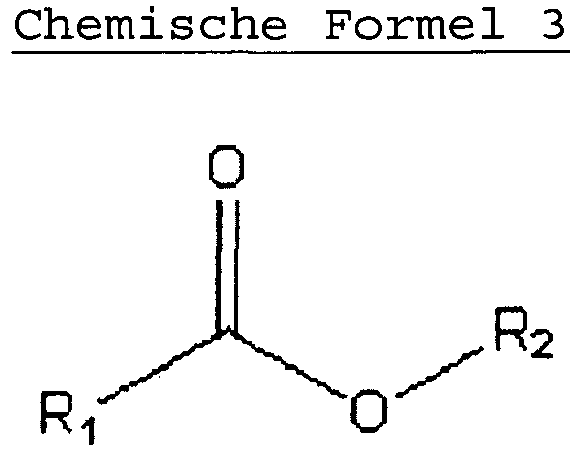
- the present invention provides a lithium secondary battery having an anode made of carbon material capable of occluding or emitting a lithium ion, a cathode made of lithium-contained oxide, and a non-aqueous electrolyte, wherein the non-aqueous electrolyte includes a lithium salt; and a non-linear carbonate-based mixed organic solvent in which (a) a cyclic carbonate compound selected from the group consisting of a carbonate compound expressed by the following Chemical Formula 1, a carbonate compound expressed by the following Chemical Formula 2, and their mixtures and (b) a propionate-based ester compound expressed by the following Chemical Formula 3 are mixed at a volume ratio (a:b) in the range from 10:90 to 70:30, wherein the cathode has a capacity density in the range firom 3.5 to 5.5 mAh/cm 2 and a porosity in the range from 18 to 35%.
- R3 to R6 are independently any one selected from the group consisting of a hydrogen atom, fluorine, and an alkyl group having a carbon number of 1 to 4, respectively.
- R7 and R8 are independently a hydrogen atom or an alkyl group having a carbon number of 1 to 4, respectively.
- R 1 and R 2 are independently a linear or branched C 1-6 alkyl group, and R 1 and R 2 may be unsubstituted or substituted with at least one halogen, respectively.
- R 1 is a CH 3 CH 2 group.
- Non-limiting examples of the propionate-based ester compound expressed by the Chemical Formula 3 include at least one compound selected from the group consisting of methyl propionate-based ester, ethyl propionate-based ester, propyl propionate-based ester, and butyl propionate-based ester.
- the ethyl propionate-based ester compound expressed by the following Chemical Formula 4 is more preferable. where at least one hydrogen atom may be substituted with fluorine.
- the carbonate compound expressed by the Chemical Formula 1 may include any one compound or a mixture of at least two compounds selected from the group consisting of ethylene carbonate, propylene carbonate, fluoroethylene carbonate and butylene carbonate, but it is not limited thereto.
- the propionate-based ester compound expressed by the Chemical Formula 3 may include any one compound or a mixture of at least two compounds selected from the group consisting of ethyl propionate, ethyl 3-fluoropropanoate, ethyl 3,3-difluoropropanoate, ethyl 3,3,3-trifluoropropanoate, 2-fluoroethyl propionate, 2,2-difluoroethyl propionate, 2,2,2-trifluoroethyl propionate, 2,2,2-trifluoroethyl 3-fluoropropanoate, 2,2,2-trifluoroethyl 3,3-difluoropropanoate, and 2,2,2-trifluoroethyl 3,3,3-trifluoropropanoate.
- a lithium secondary battery includes an anode made of carbon material capable of occluding or emitting common lithium ions, a cathode made of lithium-containing oxide, and a non-aqueous electrolyte.
- the non-aqueous electrolyte includes a lithium salt; and a non-linear carbonate-based mixed organic solvent in which (a) a cyclic carbonate compound selected from the group consisting of a carbonate compound expressed by the following Chemical Formula 1, a carbonate compound expressed by the following Chemical Formula 2, and their mixtures and (b) a propionate-based ester compound expressed by the following Chemical Formula 3 are mixed at a volume ratio (a:b) in the range from about 10:90 to about 70:30.
- R3 to R6 are independently any one selected from the group consisting of a hydrogen atom, fluorine, and an alkyl group having a carbon number of 1 to 4, respectively.
- R7 and R8 are independently a hydrogen atom or an alkyl group having a carbon number of 1 to 4, respectively.
- R 1 and R 2 are independently a linear or branched C 1-6 alkyl group, and R 1 and R 2 may be unsubstituted or substituted with at least one halogen, respectively.
- R 1 is a CH 3 CH 2 group.
- Non-limiting examples of the propionate-based ester compound expressed by the Chemical Formula 3 include at least one compound selected from the group consisting of methyl propionate-based ester, ethyl propionate-based ester, propyl propionate-based ester, and butyl propionate-based ester.
- the ethyl propionate-based ester compound expressed by the following Chemical Formula 4 is more preferable. where at least one hydrogen atom may be substituted with fluorine.
- the cyclic carbonate compound expressed by the Chemical Formula 1 or 2 easily dissociates a lithium salt in an electrolyte, so it attributes to improvement of a charging/discharging capacity of a battery.
- the carbonate compound expressed by the Chemical Formula 1 may be ethylene carbonate, propylene carbonate, fluoroethylene carbonate and butylene carbonate alone or in combination.
- ethylene carbonate or a mixture of ethylene carbonate and propylene carbonate may more easily dissociate a lithium salt in an electrolyte due to a high dielectric rate.
- the carbonate compound expressed by the Chemical Formula 2 may include a vinylene carbonate.
- One of the non-aqueous electrolytes employed in the lithium secondary battery according to the present invention is a carbonate compound, which uses the cyclic carbonate compound expressed by the Chemical Formula 1 or 2, namely a non-linear carbonate compound.
- a linear carbonate compound is not added to improve charging/discharging efficiency of the lithium secondary battery, a small amount of linear carbonate compound may be added if it does not cause negative properties inconsistent with the purpose of the present invention.
- the propionate-based ester compound expressed by the Chemical Formula 3 is a linear ester that has a low freezing point and a high boiling point and exhibits excellent low-temperature characteristics. Also, the propionate-based ester compound exhibits relatively low reactivity with an anode. Such propionate-based ester compound is mixed with the above-mentioned cyclic carbonate, attributing to improvement of low-temperature discharging characteristics, high-rate discharging characteristics and life cycle of the lithium secondary battery. That is to say, the propionate-based ester compound improves low-temperature discharging characteristics and high-rate discharging characteristics of a battery since it exhibits high ionic conductivity at normal and low temperatures by suitably coordinating lithium ions.
- an oxidation voltage of the propionate-based compound which is an inherent properties of solvent, is about 4.5V or above, so it gives resistance against decomposition reaction of electrolyte at a cathode during a charging process, thereby extending life cycle of a battery. Also, since wettability to an electrode is improved rather than when only an ester carbonate solvent is used as a non-aqueous electrolyte, it restrains formation of lithium dendrite on an electrode surface, thereby improving safety of a battery.
- the ethyl propionate-based compound expressed by the Chemical Formula 4 may include ethyl propionate, ethyl 3-fluoropropanoate, ethyl 3,3-difluoropropanoate, ethyl 3,3,3-trifluoropropanoate, 2-fluoroethyl propionate, 2,2-difluoroethyl propionate, 2,2,2-trifluoroethyl propionate, 2,2,2-trifluoroethyl 3-fluoropropanoate, 2,2,2-trifluoroethyl 3,3-difluoropropanoate, and 2,2,2-trifluoroethyl 3,3,3-trifluoropropanoate alone or in combination.
- a volume ratio (a:b) of (a) the cyclic carbonate compound and (b) the propionate-based ester compound is preferably in the range from 10:90 to 70:30, more preferably from 20:80 to 60:40. If the volume ratio of propionate-based ester compound is less than the above range, low-temperature discharging characteristics of a lithium secondary battery deteriorate. If the volume ratio of propionate-based ester compound exceeds the above range, high-rate charging/discharging characteristics of a lithium secondary battery decrease.
- the cathode has a capacity density in the range from 3.5 to 5.5 mAh/cm 2 . If the capacity density of the cathode is less than 3.5 mAh/cm 2 , the lithium secondary battery is unsuitable for a high-loading lithium secondary battery. If the capacity density of the cathode exceeds 5.5 mAh/cm 2 , wettability of the electrolyte is insufficient. Accordingly, it is difficult to realize the performance of a high-loading lithium secondary battery. Also, in the lithium secondary battery of the present invention, the cathode has a porosity in the range from 18 to 35%.
- the porosity of the cathode is less than 18%, it is difficult to make an electrode, or the electrolyte exhibits deteriorated wettability. If the porosity exceeds 35%, side reaction between the electrolyte and the electrode is increased, so it is not easy to make a small size battery with higher capacity.
- the lithium salt included as an electrolyte may include any compounds commonly used as an electrolyte for a lithium secondary battery.
- the lithium salt may include LiPF 6 , LiBF 4 , LiSbF 6 , LiAsF 6 , LiClO 4 , LiN(C 2 F 5 SO 2 ) 2 , LiN(CF 3 SO 2 ) 2 , CF 3 SO 3 Li and LiC(CF 3 SO 2 ) 3 .
- other compounds such as lactone, ether, ester, acetonitrile, lactam, and ketone may be added to the non-aqueous electrolyte of the lithium secondary battery without departing from the purpose of the present invention.
- the anode made of a carbon material capable of occluding or emitting a lithium ion and the cathode made of lithium-containing oxide, which is used for the lithium secondary battery of the present invention, may be any one commonly used for making a lithium secondary battery.
- the carbon material capable of occluding or emitting a lithium ion may be low-crystalline carbon or high-crystalline carbon.
- the low-crystalline carbon may include soft carbon or hard carbon
- the high-crystalline carbon may include natural graphite, Kish graphite, pyrolytic carbon, mesophase pitch based carbon fiber, mesocarbon microbeads, mesophase pitches, and high-temperature sintered carbon such as petroleum or coal tar pitch derived cokes, it is not limited thereto.
- the anode may have a binding agent, of which non-limiting examples may include various kinds of binder polymers such as PVDF-co-HFP (Polyvinyliden-co-hexafluoropropylene), polyvinylidenefluoride (PVDF), polyacrylonitrile, polymethylmethacrylate, SBR (styrene-butadiene rubber) copolymer, and modified styrene-butadiene copolymer.
- binder polymers such as PVDF-co-HFP (Polyvinyliden-co-hexafluoropropylene), polyvinylidenefluoride (PVDF), polyacrylonitrile, polymethylmethacrylate, SBR (styrene-butadiene rubber) copolymer, and modified styrene-butadiene copolymer.
- the kind of the binder used in the present invention may vary depending on the specific surface area size of the anode.
- organic-based binder such as polyvinylidenefluorides (PVDFs) may be employed for the anode having a small specific surface area of less than 1.5 m 2 /g, especially from 0.5 m 2 /g to 1.5 m 2 /g.
- water-based binder such as Styrene Butadiene Rubbers (SBRs) may be employed for the anode having a large specific surface area of more than 1.5 m 2 /g, especially from 1.5 m 2 /g to 4.5 m 2 /g.
- the electrode of the lithium secondary battery according to the present invention may be conventionally manufactured in a way of making a slurry by adding electrode active material particles and binder polymer, together with conductive material and dispersing agent if required, to a solvent, then coating a current collector with the slurry, and then compressing and drying it.
- the capacity density and porosity of the cathode are controlled to range from 3.5 to 5.5 mAh/cm 2 and from 18 to 35%, respectively.
- a cathode with such capacity density and porosity may be easily prepared by those of ordinary skill in the art by controlling thickness of the cathode active material applied on the current collector, amount of binder polymer, process conditions, or the like.
- an inhibitor against reaction between ethyl propionate and the anode preferably may be used.
- the content of the added inhibitor against a reaction between the anode and the ethyl propionate may be 1 to 10 weight% based on the total weight of the non-aqueous electrolyte.
- a separator is generally interposed between the cathode and the anode, and the separator may be common porous polymer films used as a conventional separator.
- porous polymer film prepared from polyolefins such as ethylene homopolymer, propylene homopolymer, ethylene/butene copolymer, ethylene/hexene copolymer or ethylene/methacrylate copolymer, in a single layer or in laminate form.
- the separator may be a common porous non-woven fabric such as a non-woven fabric made of glass fiber with a high melt point or polyethylene terephthalate fiber, but it is not limited thereto.
- the type of shape of the lithium secondary battery which may be a cylindrical can shape, an angled shape, a pouch shape or a coin shape.
- LiPF 6 1 M of LiPF 6 was added to a mixed organic solvent in which ethylene carbonate and ethylmethyl carbonate are mixed in a volume ratio of 1:2, thereby preparing a non-aqueous electrolyte.
- a cathode having a capacity density of 3.5 mAh/cm 2 and a porosity of 19% was made usingLiCoO 2 as a cathode active material, and artificial graphite was used as an anode active material. Then, a pouch-type lithium secondary battery was manufactured in a common way using the non-aqueous electrolyte prepared as in the above.
- a lithium secondary battery was manufactured in the same way as in the Comparative Example 1, except that dimethyl carbonate was used instead of ethylmethyl carbonate.
- a lithium secondary battery was manufactured in the same way as in the Comparative Example 1, except that diethyl carbonate was used instead of ethylmethyl carbonate.
- a lithium secondary battery was manufactured in the same way as in the Comparative Example 1, except that fluoroethylene carbonate was used instead of ethylene carbonate.
- a lithium secondary battery was manufactured in the same way as in the Comparative Example 2, except that fluoroethylene carbonate was used instead of ethylene carbonate.
- a lithium secondary battery was manufactured in the same way as in the Comparative Example 3, except that fluoroethylene carbonate was used instead of ethylene carbonate.
- a lithium secondary battery was manufactured in the same way as in the Eomparative Example 1, except that a cathode having a capacity density of 4.5 mAh/cm 2 was made using LiCoO 2 as a cathode active material.
- a lithium secondary battery was manufactured in the same way as in the Eomparative Example 2, except that a cathode having a capacity density of 4.5 mAh/cm 2 was made using LiCoO 2 as a cathode active material.
- a lithium secondary battery was manufactured in the same way as in the Comparative Example 3 except that a cathode having a capacity density of 4.5 mAh/cm 2 was made using LiCoO 2 as a cathode active material.
- a lithium secondary battery was manufactured in the same way as in the Comparative Example 4 except that a cathode having a capacity density of 4.5 mAh/cm 2 was made using LiCoO 2 as a cathode active material.
- a lithium secondary battery was manufactured in the same way as in the Comparative Example 5 except that a cathode having a capacity density of 4.5 mAh/cm 2 was made using LiCoO 2 as a cathode active material.
- a lithium secondary battery was manufactured in the same way as in the Comparative Example 6 except that a cathode having a capacity density of 4.5 mAh/cm 2 was made using LiCoO 2 as a cathode active material.
- a lithium secondary battery was manufactured in the same way as in the Comparative Example 1, except that a cathode having a capacity density of 5.5 mAh/cm 2 was made using LiCoO 2 as a cathode active material.
- a lithium secondary battery was manufactured in the same way as in the Comparative Example 2, except that a cathode having a capacity density of 5.5 mAh/cm 2 was made using LiCoO 2 as a cathode active material.
- a lithium secondary battery was manufactured in the same way as in the Comparative Example 3, except that a cathode having a capacity density of 5.5 mAh/cm 2 was made using LiCoO 2 as a cathode active material.
- a lithium secondary battery was manufactured in the same way as in the Comparative Example 4, except that a cathode having a capacity density of 5.5 mAh/cm 2 was made using LiCoO 2 as a cathode active material.
- a lithium secondary battery was manufactured in the same way as in the Comparative Example 5, except that a cathode having a capacity density of 5.5 mAh/cm 2 was made using LiCoO 2 as a cathode active material.
- a lithium secondary battery was manufactured in the same way as in the Comparative Example 6 except that a cathode having a capacity density of 5.5 mAh/cm 2 was made using LiCoO 2 as a cathode active material.
- a lithium secondary battery was manufactured in the same way as in the Comparative Example 1, except that a cathode having a porosity of 26% was made using LiCoO 2 as a cathode active material.
- a lithium secondary battery was manufactured in the same way as in the Comparative Example 2, except that a cathode having a porosity of 26% was made using LiCoO 2 as a cathode active material.
- a lithium secondary battery was manufactured in the same way as in the Comparative Example 3, except that a cathode having a porosity of 26% was made using LiCoO 2 as a cathode active material.
- a lithium secondary battery was manufactured in the same way as in the Comparative Example 4, except that a cathode having a porosity of 26% was made using LiCoO 2 as a cathode active material.
- a lithium secondary battery was manufactured in the same way as in the Comparative Example 5, except that a cathode having a porosity of 26% was made using LiCoO 2 as a cathode active material.
- a lithium secondary battery was manufactured in the same way as in the Comparative Example 6, except that a cathode having a porosity of 26% was made using LiCoO 2 as a cathode active material.
- a lithium secondary battery was manufactured in the same way as in the Comparative Example 7, except that a cathode having a porosity of 26% was made using LiCoO 2 as a cathode active material.
- a lithium secondary battery was manufactured in the same way as in the Comparative Example 8, except that a cathode having a porosity of 26% was made using LiCoO 2 as a cathode active material.
- a lithium secondary battery was manufactured in the same way as in the Comparative Example 9, except that a cathode having a porosity of 26% was made using LiCoO 2 as a cathode active material.
- a lithium secondary battery was manufactured in the same way as in the Comparative Example 10, except that a cathode having a porosity of 26% was made using LiCoO 2 as a cathode active material.
- a lithium secondary battery was manufactured in the same way as in the Comparative Example 11, except that a cathode having a porosity of 26% was made using LiCoO 2 as a cathode active material.
- a lithium secondary battery was manufactured in the same way as in the Comparative Example 12, except that a cathode having a porosity of 26% was made using LiCoO 2 as a cathode active material.
- a lithium secondary battery was manufactured in the same way as in the Comparative Example 13, except that a cathode having a porosity of 26% was made using LiCoO 2 as a cathode active material.
- a lithium secondary battery was manufactured in the same way as in the Comparative Example 14, except that a cathode having a porosity of 26% was made using LiCoO 2 as a cathode active material.
- a lithium secondary battery was manufactured in the same way as in the Comparative Example 15, except that a cathode having a porosity of 26% was made using LiCoO 2 as a cathode active material.
- a lithium secondary battery was manufactured in the same way as in the Comparative Example 16, except that a cathode having a porosity of 26% was made using LiCoO 2 as a cathode active material.
- a lithium secondary battery was manufactured in the same way as in the Comparative Example 17, except that a cathode having a porosity of 26% was made using LiCoO 2 as a cathode active material.
- a lithium secondary battery was manufactured in the same way as in the Comparative Example 18, except that a cathode having a porosity of 26% was made using LiCoO 2 as a cathode active material.
- a lithium secondary battery was manufactured in the same way as in the Comparative Example 1, except that a cathode having a porosity of 34% was made using LiCoO 2 as a cathode active material.
- a lithium secondary battery was manufactured in the same way as in the Comparative Example 2, except that a cathode having a porosity of 34% was made using LiCoO 2 as a cathode active material.
- a lithium secondary battery was manufactured in the same way as in the Comparative Example 3, except that a cathode having a porosity of 34% was made using LiCoO 2 as a cathode active material.
- a lithium secondary battery was manufactured in the same way as in the Comparative Example 4, except that a cathode having a porosity of 34% was made using LiCoO 2 as a cathode active material.
- a lithium secondary battery was manufactured in the same way as in the Comparative Example 5, except that a cathode having a porosity of 34% was made using LiCoO 2 as a cathode active material.
- a lithium secondary battery was manufactured in the same way as in the Comparative Example 6, except that a cathode having a porosity of 34% was made using LiCoO 2 as a cathode active material.
- a lithium secondary battery was manufactured in the same way as in the Comparative Example 7, except that a cathode having a porosity of 34% was made using LiCoO 2 as a cathode active material.
- a lithium secondary battery was manufactured in the same way as in the Comparative Example 8, except that a cathode having a porosity of 34% was made using LiCoO 2 as a cathode active material.
- a lithium secondary battery was manufactured in the same way as in the Comparative Example 9, except that a cathode having a porosity of 34% was made using LiCoO 2 as a cathode active material.
- a lithium secondary battery was manufactured in the same way as in the Comparative Example 10, except that a cathode having a porosity of 34% was made using LiCoO 2 as a cathode active material.
- a lithium secondary battery was manufactured in the same way as in the Comparative Example 11, except that a cathode having a porosity of 34% was made using LiCoO 2 as a cathode active material.
- a lithium secondary battery was manufactured in the same way as in the Comparative Example 12, except that a cathode having a porosity of 34% was made using LiCoO 2 as a cathode active material.
- a lithium secondary battery was manufactured in the same way as in the Comparative Example 13, except that a cathode having a porosity of 34% was made using LiCoO 2 as a cathode active material.
- a lithium secondary battery was manufactured in the same way as in the Comparative Example 14, except that a cathode having a porosity of 34% was made using LiCoO 2 as a cathode active material.
- a lithium secondary battery was manufactured in the same way as in the Comparative Example 15, except that a cathode having a porosity of 34% was made using LiCoO 2 as a cathode active material.
- a lithium secondary battery was manufactured in the same way as in the Comparative Example 16, except that a cathode having a porosity of 34% was made using LiCoO 2 as a cathode active material.
- a lithium secondary battery was manufactured in the same way as in the Comparative Example 17, except that a cathode having a porosity of 34% was made using LiCoO 2 as a cathode active material.
- a lithium secondary battery was manufactured in the same way as in the Comparative Example 18, except that a cathode having a porosity of 34% was made using LiCoO 2 as a cathode active material.
- a lithium secondary battery was manufactured in the same way as in the Comparative Example 1, except that ethyl propionate was used instead of ethylmethyl carbonate.
- a lithium secondary battery was manufactured in the same way as in the Comparative Example 4, except that ethyl propionate was used instead of ethylmethyl carbonate.
- a lithium secondary battery was manufactured in the same way as in the Comparative Example 7, except that ethyl propionate was used instead of ethylmethyl carbonate.
- a lithium secondary battery was manufactured in the same way as in the Comparative Example 10, except that ethyl propionate was used instead of ethylmethyl carbonate.
- a lithium secondary battery was manufactured in the same way as in the Comparative Exampl1e 13, except that ethyl propionate was used instead of ethylmethyl carbonate.
- a lithium secondary battery was manufactured in the same way as in the Comparative Example 16, except that ethyl propionate was used instead of ethylmethyl carbonate.
- a lithium secondary battery was manufactured in the same way as in the Comparative Example 19, except that ethyl propionate was used instead of ethylmethyl carbonate.
- a lithium secondary battery was manufactured in the same way as in the Comparative Example 22, except that ethyl propionate was used instead of ethylmethyl carbonate.
- a lithium secondary battery was manufactured in the same way as in the Comparative Example 25, except that ethyl propionate was used instead of ethylmethyl carbonate.
- a lithium secondary battery was manufactured in the same way as in the Comparative Example 28, except that ethyl propionate was used instead of ethylmethyl carbonate.
- a lithium secondary battery was manufactured in the same way as in the Comparative Example 31, except that ethyl propionate was used instead of ethylmethyl carbonate.
- a lithium secondary battery was manufactured in the same way as in the Comparative Example 34, except that ethyl propionate was used instead of ethylmethyl carbonate.
- a lithium secondary battery was manufactured in the same way as in the Comparative Example 37, except that ethyl propionate was used instead of ethylmethyl carbonate.
- a lithium secondary battery was manufactured in the same way as in the Comparative Example 40, except that ethyl propionate was used instead of ethylmethyl carbonate.
- a lithium secondary battery was manufactured in the same way as in the Comparative Example 43, except that ethyl propionate was used instead of ethylmethyl carbonate.
- a lithium secondary battery was manufactured in the same way as in the Comparative Example 46, except that ethyl propionate was used instead of ethylmethyl carbonate.
- a lithium secondary battery was manufactured in the same way as in the Comparative Example 49, except that ethyl propionate was used instead of ethylmethyl carbonate.
- a lithium secondary battery was manufactured in the same way as in the Comparative Example 52, except that ethyl propionate was used instead of ethylmethyl carbonate.
- a lithium secondary battery was manufactured in the same way as in the Embodiment 2, except that an anode having a capacity density of 3 mAh/cm 2 and a porosity of 15% was made as a substitute using LiCoO 2 as a cathode active material.
- a lithium secondary battery was manufactured in the same way as in the Embodiment 2, except that an anode having a capacity density of 6 mAh/cm 2 and a porosity of 15% was made as a substitute using LiCoO 2 as a cathode active material.
- a lithium secondary battery was manufactured in the same way as in the Embodiment 2, except that an anode having a capacity density of 3 mAh/cm 2 and a porosity of 40% was made as a substitute using LiCoO 2 as a cathode active material.
- a lithium secondary battery was manufactured in the same way as in the Embodiment 2, except that an anode having a capacity density of 6 mAh/cm 2 and a porosity of 40% was made as a substitute using LiCoO 2 as a cathode active material.
- the batteries were aged at a normal temperature for 2 days and then charged for 50 minutes at a 0.2C rate. Subsequently, the batteries were degassed and resealed, charged to 4.2V at a 0.2C rate at room temperature under a constant current/constant voltage condition, and then discharged to 3.0V at a 0.2C rate under a constant current condition, which is called an initial charging/discharging process. At this time, a ratio of charge capacity to the discharge capacity is called an initial efficiency. After the initial charging/discharging process, the batteries were charged/discharged 400 times at a 1.0 Crate in the same voltage region. A sustainable yield of capacity at 400 times relative to the initial discharge capacity is listed in the following Table 1.
- the batteries were charged/ discharged 4 times at a 1.0 C rate, charged at a 1.0 C-rate, and then discharged at a 0.2 C rate in the same voltage region.
- a ratio between a fourth discharge capacity at a 1.0 C rate and a discharge capacity at a 0.2C rate is listed in the following Table 1.
- the batteries were charged at a 1.0 C rate and discharged at a 0.2 C rate at normal temperature in the same voltage region. Subsequently, The batteries charged at a 1.0 C rate were put into a low-temperature chamber of -20°C, and then discharged at a 0.2 C rate. At this time, a ratio between discharge capacities at normal temperature and -20°C is shown in the following Table 1.
- the lithium secondary battery of the present invention includes a desired mixed organic solvent without a linear carbonate, and a capacity density and a porosity of a cathode employing such a mixed organic solvent are designed within optimal ranges, so it may be manufactured as a high-loading lithium secondary battery that ensures excellent high-rate charging/discharging characteristics and improved life cycle and low-temperature discharging characteristic.
Landscapes
- Chemical & Material Sciences (AREA)
- Engineering & Computer Science (AREA)
- Chemical Kinetics & Catalysis (AREA)
- Electrochemistry (AREA)
- General Chemical & Material Sciences (AREA)
- Manufacturing & Machinery (AREA)
- General Physics & Mathematics (AREA)
- Physics & Mathematics (AREA)
- Condensed Matter Physics & Semiconductors (AREA)
- Inorganic Chemistry (AREA)
- Materials Engineering (AREA)
- Secondary Cells (AREA)
- Battery Electrode And Active Subsutance (AREA)
Claims (11)
- Lithium-Sekundärbatterie, umfassend eine Anode, eine Kathode, einen Separator zwischen der Anode und der Kathode und einen nicht-wässrigen Elektrolyten, wobei der nicht-wässrige Elektrolyt umfasst:ein Lithiumsalz; undein gemischtes organisches Lösungsmittel auf Basis von nicht-linearem Carbonat, in dem (a) eine cyclische Carbonatverbindung, ausgedrückt durch die folgende Chemische Formel 1, und (b) eine Propionat-basierte Esterverbindung, ausgedrückt durch die folgende Chemische Formel 3, in einem Volumenverhältnis (a:b) im Bereich von 10.:90 bis 70:30 gemischt sind,wobei die Kathode eine Kapazitätsdichte im Bereich von 3,5 bis 5,5 mAh/cm2 und eine Porosität im Bereich von 18 bis 35% aufweist,

- Lithium-Sekundärbatterie gemäß Anspruch 1, wobei die Carbonatverbindung, ausgedrückt durch die Chemische Formel 1, eine beliebige Verbindung oder ein Gemisch von mindestens zwei Verbindungen, ausgewählt aus der Gruppe, bestehend aus Ethylencarbonat, Propylencarbonat, Fluorethylencarbonat und Butylencarbonat, ist.
- Lithium-Sekundärbatterie gemäß Anspruch 1, wobei die cyclische Carbonatverbindung zusätzlich ein Vinylencarbonat, ausgedrückt durch die folgende Chemische Formel 2, umfasst

- Lithium-Sekundärbatterie gemäß Anspruch 1, wobei die Propionat-basierte Esterverbindung, ausgedrückt durch die Chemische Formel 3, mindestens eine Verbindung, ausgewählt aus der Gruppe, bestehend aus Methylpropionat-basiertem Ester, Ethylpropionatbasiertem Ester, Propylpropionat-basiertem Ester und Butylpropionat-basiertem Ester, umfasst.
- Lithium-Sekundärbatterie gemäß Anspruch 1 wobei die Propionat-basierte Esterverbindung eine Ethylpropionat-basierte Esterverbindung, ausgedrückt durch die folgende Chemische Formel 4, ist

- Lithium-Sekundärbatterie gemäß Anspruch 5, wobei die Ethylpropionat-basierte Verbindung, ausgedrückt durch die Chemische Formel 4, eine beliebige Verbindung oder ein Gemisch von mindestens zwei Verbindungen, ausgewählt aus der Gruppe, bestehend aus Ethylpropionat, Ethyl-3-fluorpropanoat, Ethyl-3,3-difluorpropanoat, Ethyl-3,3,3-trifluorpropanoat, 2-Fluorethylpropionat, 2,2-Difluorethylpropionat, 2,2,2-Trifluorethylpropionat, 2,2,2-Trifluorethyl-3-fluorpropanoat, 2,2,2-trifluorethyl-3,3-difluorpropanoat und 2,2,2-Trifluorethyl-3,3,3-trifluorpropanoat, ist.
- Lithium-Sekundärbatterie gemäß Anspruch 1, wobei das Lithiumsalz eine beliebige Verbindung oder ein Gemisch von mindestens zwei Verbindungen, ausgewählt aus der Gruppe, bestehend aus LiPF6, LiBF4, LiSbF6, LiAsF6, LiClO4, LiN(C2F5SO2)2, LiN(CF3SO2)2, CF3SO3Li und LiC(CF3SO2)3, ist.
- Lithium-Sekundärbatterie gemäß Anspruch 1, wobei die Anode aus einem Kohlenstoffmaterial ist, das in der Lage ist, ein Lithium-Ion einzuschließen oder abzugeben.
- Lithium-Sekundärbatterie gemäß Anspruch 1, wobei die Kathode aus lithiumhaltigem Oxid ist.
- Lithium-Sekundärbatterie gemäß Anspruch 1, wobei der nicht-wässrige Elektrolyt zusätzlich einen Inhibitor zwischen der Anode und der Propionat-basierten Esterverbindung beinhaltet.
- Lithium-Sekundärbatterie gemäß Anspruch 10, wobei der Inhibitor aus der Gruppe ausgewählt ist, die aus cyclischem Carbonat mit einer Vinylgruppe, fluoriertem Ethylencarbonat, Vinylencarbonat, cyclischem Säureanhydrid, einer Verbindung mit einer cyclischen S=O-Gruppe und einer Acrylat-basierten Verbindung besteht.
Applications Claiming Priority (2)
| Application Number | Priority Date | Filing Date | Title |
|---|---|---|---|
| KR20070092634 | 2007-09-12 | ||
| PCT/KR2008/004982 WO2009035222A1 (en) | 2007-09-12 | 2008-08-26 | Non-aqueous electrolyte lithium secondary battery |
Publications (3)
| Publication Number | Publication Date |
|---|---|
| EP2212964A1 EP2212964A1 (de) | 2010-08-04 |
| EP2212964A4 EP2212964A4 (de) | 2011-12-14 |
| EP2212964B1 true EP2212964B1 (de) | 2017-06-21 |
Family
ID=40452194
Family Applications (1)
| Application Number | Title | Priority Date | Filing Date |
|---|---|---|---|
| EP08793487.3A Active EP2212964B1 (de) | 2007-09-12 | 2008-08-26 | Lithium-sekundärbatterie mit wasserfreiem elektrolyt |
Country Status (6)
| Country | Link |
|---|---|
| US (3) | US9105943B2 (de) |
| EP (1) | EP2212964B1 (de) |
| JP (1) | JP5323837B2 (de) |
| KR (1) | KR101020346B1 (de) |
| CN (2) | CN101803099B (de) |
| WO (1) | WO2009035222A1 (de) |
Cited By (1)
| Publication number | Priority date | Publication date | Assignee | Title |
|---|---|---|---|---|
| EP4507056A4 (de) * | 2023-02-16 | 2026-04-08 | Contemporary Amperex Technology Hong Kong Ltd | Lithiumsekundärbatterie und elektrische vorrichtung |
Families Citing this family (36)
| Publication number | Priority date | Publication date | Assignee | Title |
|---|---|---|---|---|
| CN101911370B (zh) * | 2008-01-02 | 2017-02-08 | 株式会社Lg化学 | 袋状锂二次电池 |
| EP2355214B1 (de) * | 2010-01-28 | 2013-12-25 | Prayon | Lithium-Akku auf Lithiumeisenphosphat und Kohlenstoffbasis |
| KR101277732B1 (ko) * | 2011-07-01 | 2013-06-24 | 주식회사 엘지화학 | 원통형 리튬 이차전지 |
| JP6178317B2 (ja) | 2011-09-02 | 2017-08-09 | イー・アイ・デュポン・ドウ・ヌムール・アンド・カンパニーE.I.Du Pont De Nemours And Company | リチウムイオン電池 |
| CA2844466C (en) | 2011-09-02 | 2021-08-17 | E. I. Du Pont De Nemours And Company | Fluorinated electrolyte compositions |
| US10461358B2 (en) * | 2011-10-11 | 2019-10-29 | Samsung Sdi Co., Ltd. | Rechargeable lithium battery |
| KR101332020B1 (ko) | 2012-01-31 | 2013-11-25 | 전자부품연구원 | 리튬 이차전지용 양극 활물질 및 그의 제조방법 |
| TWI487165B (zh) * | 2012-04-20 | 2015-06-01 | Lg Chemical Ltd | 用於鋰二次電池之電解質溶液及包含其之鋰二次電池 |
| EP2822083B1 (de) * | 2012-04-20 | 2017-07-19 | LG Chem, Ltd. | Lithiumsekundärbatterie mit verbesserten frequenzeigenschaften |
| CN102637899A (zh) * | 2012-04-29 | 2012-08-15 | 上海贯裕能源科技有限公司 | 锂离子电池 |
| US10044066B2 (en) * | 2012-06-01 | 2018-08-07 | Solvary SA | Fluorinated electrolyte compositions |
| JP6319305B2 (ja) | 2012-06-01 | 2018-05-09 | ソルベー エスアー | リチウムイオンバッテリ |
| US9666904B2 (en) * | 2012-07-02 | 2017-05-30 | Nec Corporation | Secondary battery |
| KR20140028592A (ko) * | 2012-08-29 | 2014-03-10 | 삼성에스디아이 주식회사 | 리튬 이차 전지용 비수 전해질 및 이를 포함하는 리튬 이차 전지 |
| KR20140066050A (ko) * | 2012-11-22 | 2014-05-30 | 주식회사 엘지화학 | 리튬 이차전지용 전해액 및 이를 포함하는 리튬 이차전지 |
| CN105103343B (zh) * | 2013-01-31 | 2017-05-17 | 三洋电机株式会社 | 非水电解质二次电池用正极和非水电解质二次电池 |
| US10686220B2 (en) | 2013-04-04 | 2020-06-16 | Solvay Sa | Nonaqueous electrolyte compositions |
| US20150044578A1 (en) * | 2013-08-07 | 2015-02-12 | E I Du Pont De Nemours And Company | Binders derived from polyamic acids for electrochemical cells |
| WO2016006557A1 (ja) * | 2014-07-07 | 2016-01-14 | 日立金属株式会社 | リチウムイオン二次電池用正極材、それを用いたリチウムイオン二次電池用正極及びリチウムイオン二次電池、並びにリチウムイオン二次電池用正極材の製造方法 |
| US20160087307A1 (en) * | 2014-09-19 | 2016-03-24 | E I Du Pont De Nemours And Company | Nonaqueous electrolyte compositions |
| US20230395858A1 (en) * | 2014-09-19 | 2023-12-07 | Solvay Sa | Nonaqueous electrolyte compositions |
| WO2016052996A1 (ko) * | 2014-09-30 | 2016-04-07 | 주식회사 엘지화학 | 비수 전해액 리튬 이차전지 |
| KR102221799B1 (ko) | 2014-10-22 | 2021-03-02 | 삼성에스디아이 주식회사 | 리튬 이차 전지 |
| KR101764266B1 (ko) * | 2014-12-02 | 2017-08-04 | 주식회사 엘지화학 | 저온 성능이 향상된 리튬 이차전지용 전해액 및 이를 포함하는 리튬 이차전지 |
| WO2016151983A1 (ja) * | 2015-03-26 | 2016-09-29 | 三洋電機株式会社 | 非水電解質二次電池 |
| JP2019501492A (ja) * | 2016-06-14 | 2019-01-17 | エルジー・ケム・リミテッド | 二次電池用電極及びこれを含むリチウム二次電池 |
| WO2018061301A1 (ja) * | 2016-09-30 | 2018-04-05 | パナソニック株式会社 | 非水電解質および非水電解質二次電池 |
| WO2019039763A1 (ko) * | 2017-08-22 | 2019-02-28 | 리켐주식회사 | 리튬 이차 전지용 전해액 및 이를 포함하는 리튬 이차 전지 |
| JP6871405B2 (ja) | 2017-10-26 | 2021-05-12 | 株式会社東芝 | 非水電解質電池及び電池パック |
| JP7068851B2 (ja) * | 2018-02-20 | 2022-05-17 | 三星エスディアイ株式会社 | リチウムイオン二次電池 |
| KR102762339B1 (ko) | 2019-01-23 | 2025-02-05 | 현대자동차주식회사 | 리튬 이차전지용 전해액, 이를 포함하는 리튬 이차전지 |
| KR102288602B1 (ko) * | 2019-09-05 | 2021-08-11 | 울산과학기술원 | 고에너지밀도 리튬이차전지의 고속충전용 전해질 조성 기술 |
| WO2021167360A1 (ko) * | 2020-02-21 | 2021-08-26 | 주식회사 엘지에너지솔루션 | 리튬 이차전지용 비수 전해액 및 이를 포함하는 리튬 이차전지 |
| KR102518386B1 (ko) * | 2020-08-20 | 2023-04-05 | 한국공학대학교산학협력단 | 양극 및 이를 포함하는 이차전지 |
| KR20230000124A (ko) | 2021-06-24 | 2023-01-02 | 주식회사 엘지에너지솔루션 | 리튬 이차전지용 전해액 및 이를 포함하는 리튬 이차전지 |
| CN119744452A (zh) * | 2022-12-16 | 2025-04-01 | 株式会社Lg新能源 | 正极及包括该正极的锂二次电池 |
Citations (1)
| Publication number | Priority date | Publication date | Assignee | Title |
|---|---|---|---|---|
| WO1997043795A1 (en) * | 1996-05-15 | 1997-11-20 | Motorola Inc. | Method of making a gel electrolyte bonded rechargeable electrochemical cell |
Family Cites Families (35)
| Publication number | Priority date | Publication date | Assignee | Title |
|---|---|---|---|---|
| JP3029271B2 (ja) | 1990-04-12 | 2000-04-04 | 旭化成工業株式会社 | 非水系二次電池 |
| JP3196226B2 (ja) * | 1991-03-13 | 2001-08-06 | ソニー株式会社 | 非水電解液二次電池 |
| JPH0574489A (ja) * | 1991-09-13 | 1993-03-26 | Matsushita Electric Ind Co Ltd | 非水電解液二次電池 |
| US5256504A (en) * | 1991-09-13 | 1993-10-26 | Matsushita Electric Industrial Co., Ltd. | Monaqueous electrolyte secondary batteries |
| JP3032338B2 (ja) | 1991-09-13 | 2000-04-17 | 松下電器産業株式会社 | 非水電解液二次電池 |
| JP3401884B2 (ja) | 1993-11-30 | 2003-04-28 | 日本電池株式会社 | リチウム二次電池 |
| JP3809662B2 (ja) * | 1996-01-30 | 2006-08-16 | 宇部興産株式会社 | 非水二次電池 |
| GB2327293A (en) | 1997-06-23 | 1999-01-20 | Solvay | Novel lithium batteries |
| JPH1131527A (ja) | 1997-07-09 | 1999-02-02 | Matsushita Electric Ind Co Ltd | 非水電解液二次電池 |
| US6579649B2 (en) * | 1998-02-18 | 2003-06-17 | Matsushita Electric Industrial Co., Ltd. | Polymer electrolyte battery |
| US6753114B2 (en) | 1998-04-20 | 2004-06-22 | Electrovaya Inc. | Composite electrolyte for a rechargeable lithium battery |
| DE69936706T2 (de) * | 1998-12-03 | 2008-04-30 | Sumitomo Electric Industries, Ltd. | Lithiumspeicherbatterie |
| FR2787243B1 (fr) * | 1998-12-10 | 2003-10-03 | Cit Alcatel | Generateur electrochimique rechargeable au lithium utilisable a basse temperature |
| KR100354455B1 (ko) | 1999-11-30 | 2002-09-30 | 한국과학기술연구원 | 자외선 경화형 고분자 블렌드 전해질, 이의 제조방법 및이를 이용한 리튬고분자 전지 |
| JP3580209B2 (ja) * | 2000-02-08 | 2004-10-20 | 新神戸電機株式会社 | リチウムイオン二次電池 |
| US6733925B2 (en) * | 2000-02-08 | 2004-05-11 | Shin-Kobe Electric Machinery Co., Ltd. | Non-aqueous electrolytic solution secondary battery with electrodes having a specific thickness and porosity |
| KR100326468B1 (ko) * | 2000-07-25 | 2002-02-28 | 김순택 | 리튬 설퍼 전지용 전해액 |
| KR100470287B1 (ko) * | 2000-12-28 | 2005-02-05 | 마쯔시다덴기산교 가부시키가이샤 | 비수전해질(非水電解質) 이차전지 |
| DE602004031086D1 (de) | 2003-02-27 | 2011-03-03 | Mitsubishi Chem Corp | Wasserfreie elektrolytische lösung und lithium-sekundärbatterie |
| US7083878B2 (en) * | 2003-02-27 | 2006-08-01 | Mitsubishi Chemical Corporation | Nonaqueous electrolytic solution and lithium secondary battery |
| EP2472638A3 (de) * | 2003-12-15 | 2013-09-11 | Mitsubishi Chemical Corporation | Nicht-wässrige Elektrolyt-Sekundärbatterie |
| CN1654450A (zh) * | 2004-02-12 | 2005-08-17 | 中国科学院成都有机化学有限公司 | 同时合成二元醇单醚羧酸酯和二芳基碳酸酯的方法 |
| JP4087343B2 (ja) * | 2004-02-25 | 2008-05-21 | Tdk株式会社 | リチウムイオン二次電池、及び、リチウムイオン二次電池の充電方法 |
| JP2006032300A (ja) | 2004-07-21 | 2006-02-02 | Sony Corp | 電解質および電池 |
| JP5084110B2 (ja) * | 2004-11-02 | 2012-11-28 | 三洋電機株式会社 | リチウム二次電池及びその製造方法 |
| TW200616269A (en) * | 2004-11-15 | 2006-05-16 | Exa Energy Technology Co Ltd | Electrolyte liquid of secondary battery |
| JP4951933B2 (ja) * | 2005-02-18 | 2012-06-13 | ソニー株式会社 | リチウムイオン二次電池用電解質およびリチウムイオン二次電池 |
| KR101191636B1 (ko) * | 2005-02-28 | 2012-10-18 | 삼성에스디아이 주식회사 | 리튬 전지용 전해질 및 그를 포함하는 리튬 전지 |
| EP2339684B1 (de) * | 2005-06-10 | 2013-01-09 | Mitsubishi Chemical Corporation | Nichtwässrige elektrolytlösung, nichtwässrige elektrolyt sekundärbatterie und karbonatverbindungen |
| KR100812056B1 (ko) * | 2005-10-24 | 2008-03-07 | 주식회사 엘지화학 | 레독스 셔틀제의 수명 감소 억제제, 이를 포함하는 비수전해액 및 이차전지 |
| JP5219401B2 (ja) | 2006-06-14 | 2013-06-26 | 三洋電機株式会社 | 二次電池用非水電解液及びこれを用いた非水電解液二次電池 |
| US20070287071A1 (en) * | 2006-06-11 | 2007-12-13 | Sanyo Electric Co., Ltd. | Non-aqueous electrolyte solution for secondary battery and non-aqueous electrolyte secondary battery using the electrolyte solution |
| CN1976111A (zh) | 2006-12-08 | 2007-06-06 | 中国科学院上海微系统与信息技术研究所 | 一种锂离子电池电解液及组成的锂离子电池 |
| US8748046B2 (en) * | 2007-01-25 | 2014-06-10 | California Institute Of Technology | Lithium-ion electrolytes with fluoroester co-solvents |
| JP5235437B2 (ja) * | 2007-02-20 | 2013-07-10 | 三洋電機株式会社 | 二次電池用非水電解液及び非水電解液二次電池 |
-
2008
- 2008-08-26 WO PCT/KR2008/004982 patent/WO2009035222A1/en not_active Ceased
- 2008-08-26 JP JP2010523938A patent/JP5323837B2/ja active Active
- 2008-08-26 KR KR20080083242A patent/KR101020346B1/ko active Active
- 2008-08-26 CN CN200880106582.4A patent/CN101803099B/zh active Active
- 2008-08-26 CN CN201310601157.5A patent/CN103594728B/zh active Active
- 2008-08-26 US US12/678,109 patent/US9105943B2/en active Active
- 2008-08-26 EP EP08793487.3A patent/EP2212964B1/de active Active
-
2012
- 2012-04-13 US US13/446,009 patent/US9246191B2/en active Active
- 2012-10-04 US US13/645,001 patent/US8546024B2/en active Active
Patent Citations (1)
| Publication number | Priority date | Publication date | Assignee | Title |
|---|---|---|---|---|
| WO1997043795A1 (en) * | 1996-05-15 | 1997-11-20 | Motorola Inc. | Method of making a gel electrolyte bonded rechargeable electrochemical cell |
Non-Patent Citations (2)
| Title |
|---|
| AURELIEN DU PASQUIER ET AL: "Microstructure effects in plasticized electrodes based on PVDF HFP for plastic Li-ion batteries", JOURNAL OF POWER SOURCES, ELSEVIER SA, CH, vol. 97, 28 December 2000 (2000-12-28), pages 758 - 761, XP028142908, ISSN: 0378-7753, [retrieved on 20110215], DOI: 10.1016/S0378-7753(01)00650-4 * |
| MAKRIDES A C ET AL: "Rechargeable Li/TiS2 AA cells", PROCEEDINGS OF THE INTERNATIONAL POWER SOURCES SYMPOSIUM. CHERRY HILL, JUNE 25 - 28, 1990; [PROCEEDINGS OF THE INTERNATIONAL POWER SOURCES SYMPOSIUM], NEW YORK, IEEE, US, vol. SYMP. 34, 25 June 1990 (1990-06-25), pages 167 - 171, XP010038366, ISBN: 978-0-87942-604-0, DOI: 10.1109/IPSS.1990.145819 * |
Cited By (1)
| Publication number | Priority date | Publication date | Assignee | Title |
|---|---|---|---|---|
| EP4507056A4 (de) * | 2023-02-16 | 2026-04-08 | Contemporary Amperex Technology Hong Kong Ltd | Lithiumsekundärbatterie und elektrische vorrichtung |
Also Published As
| Publication number | Publication date |
|---|---|
| CN101803099A (zh) | 2010-08-11 |
| US20130029231A1 (en) | 2013-01-31 |
| US9246191B2 (en) | 2016-01-26 |
| JP2010539640A (ja) | 2010-12-16 |
| US8546024B2 (en) | 2013-10-01 |
| US9105943B2 (en) | 2015-08-11 |
| EP2212964A4 (de) | 2011-12-14 |
| EP2212964A1 (de) | 2010-08-04 |
| US20100266904A1 (en) | 2010-10-21 |
| US20120196190A1 (en) | 2012-08-02 |
| CN101803099B (zh) | 2016-06-29 |
| JP5323837B2 (ja) | 2013-10-23 |
| WO2009035222A1 (en) | 2009-03-19 |
| KR20090027574A (ko) | 2009-03-17 |
| CN103594728A (zh) | 2014-02-19 |
| KR101020346B1 (ko) | 2011-03-08 |
| CN103594728B (zh) | 2017-01-11 |
Similar Documents
| Publication | Publication Date | Title |
|---|---|---|
| EP2212964B1 (de) | Lithium-sekundärbatterie mit wasserfreiem elektrolyt | |
| EP3793005B1 (de) | Anode für lithium-sekundärbatterie und verfahren zur herstellung einer lithium-sekundärbatterie | |
| EP2526578B1 (de) | Lithium-sekundärbatterie mit nichtwässrigem elektrolyten | |
| EP2206189B1 (de) | Lithium-sekundärbatterie mit wasserfreiem elektrolyt | |
| EP2266159B1 (de) | Wasserfreie elektrolytlösung für eine lithium-sekundärbatterie und lithium-sekundärbatterie damit | |
| EP3279998B1 (de) | Wasserfreier elektrolyt und lithiumsekundärbatterie damit | |
| EP2160788B1 (de) | Nicht-wässriger elektrolyt und lithium-sekundärbatterie denselben umfassend | |
| EP2736113B1 (de) | Lithiumsekundärbatterie | |
| EP2720307B1 (de) | Nichtwässriger elektrolyt und lithiumsekundärbatterie mit diesem | |
| EP3910716A1 (de) | Lithiumsekundärbatterie | |
| JP5723778B2 (ja) | リチウム二次電池用非水電解液及びこれを備えたリチウム二次電池 | |
| EP2733780B1 (de) | Nichtwässriges elektrolyt und lithiumsekundärbatterie damit | |
| KR20080097599A (ko) | 비수전해액 첨가제 및 이를 이용한 이차 전지 | |
| KR102722661B1 (ko) | 리튬 이차전지용 비수전해액 |
Legal Events
| Date | Code | Title | Description |
|---|---|---|---|
| PUAI | Public reference made under article 153(3) epc to a published international application that has entered the european phase |
Free format text: ORIGINAL CODE: 0009012 |
|
| 17P | Request for examination filed |
Effective date: 20100408 |
|
| AK | Designated contracting states |
Kind code of ref document: A1 Designated state(s): AT BE BG CH CY CZ DE DK EE ES FI FR GB GR HR HU IE IS IT LI LT LU LV MC MT NL NO PL PT RO SE SI SK TR |
|
| AX | Request for extension of the european patent |
Extension state: AL BA MK RS |
|
| RIN1 | Information on inventor provided before grant (corrected) |
Inventor name: LEE, HO-CHUN Inventor name: CHO, JEONG-JU Inventor name: JEON, JONG-HO |
|
| DAX | Request for extension of the european patent (deleted) | ||
| A4 | Supplementary search report drawn up and despatched |
Effective date: 20111110 |
|
| RIN1 | Information on inventor provided before grant (corrected) |
Inventor name: CHO, JEONG-JU Inventor name: LEE, HO-CHUN Inventor name: JEON, JONG-HO |
|
| 17Q | First examination report despatched |
Effective date: 20121012 |
|
| REG | Reference to a national code |
Ref country code: DE Ref legal event code: R079 Ref document number: 602008050804 Country of ref document: DE Free format text: PREVIOUS MAIN CLASS: H01M0010400000 Ipc: H01M0010052500 |
|
| GRAP | Despatch of communication of intention to grant a patent |
Free format text: ORIGINAL CODE: EPIDOSNIGR1 |
|
| RIC1 | Information provided on ipc code assigned before grant |
Ipc: H01M 4/02 20060101ALN20170302BHEP Ipc: H01M 10/0567 20100101ALI20170302BHEP Ipc: H01M 4/587 20100101ALN20170302BHEP Ipc: H01M 4/48 20100101ALN20170302BHEP Ipc: H01M 10/0525 20100101AFI20170302BHEP Ipc: H01M 10/0569 20100101ALI20170302BHEP Ipc: H01M 10/42 20060101ALN20170302BHEP |
|
| INTG | Intention to grant announced |
Effective date: 20170406 |
|
| RIC1 | Information provided on ipc code assigned before grant |
Ipc: H01M 10/42 20060101ALN20170327BHEP Ipc: H01M 10/0569 20100101ALI20170327BHEP Ipc: H01M 4/48 20100101ALN20170327BHEP Ipc: H01M 10/0525 20100101AFI20170327BHEP Ipc: H01M 10/0567 20100101ALI20170327BHEP Ipc: H01M 4/587 20100101ALN20170327BHEP Ipc: H01M 4/02 20060101ALN20170327BHEP |
|
| GRAS | Grant fee paid |
Free format text: ORIGINAL CODE: EPIDOSNIGR3 |
|
| GRAA | (expected) grant |
Free format text: ORIGINAL CODE: 0009210 |
|
| AK | Designated contracting states |
Kind code of ref document: B1 Designated state(s): AT BE BG CH CY CZ DE DK EE ES FI FR GB GR HR HU IE IS IT LI LT LU LV MC MT NL NO PL PT RO SE SI SK TR |
|
| REG | Reference to a national code |
Ref country code: GB Ref legal event code: FG4D |
|
| REG | Reference to a national code |
Ref country code: CH Ref legal event code: EP |
|
| REG | Reference to a national code |
Ref country code: IE Ref legal event code: FG4D |
|
| REG | Reference to a national code |
Ref country code: AT Ref legal event code: REF Ref document number: 903693 Country of ref document: AT Kind code of ref document: T Effective date: 20170715 |
|
| REG | Reference to a national code |
Ref country code: DE Ref legal event code: R096 Ref document number: 602008050804 Country of ref document: DE |
|
| REG | Reference to a national code |
Ref country code: FR Ref legal event code: PLFP Year of fee payment: 10 |
|
| REG | Reference to a national code |
Ref country code: NL Ref legal event code: MP Effective date: 20170621 |
|
| PG25 | Lapsed in a contracting state [announced via postgrant information from national office to epo] |
Ref country code: GR Free format text: LAPSE BECAUSE OF FAILURE TO SUBMIT A TRANSLATION OF THE DESCRIPTION OR TO PAY THE FEE WITHIN THE PRESCRIBED TIME-LIMIT Effective date: 20170922 Ref country code: LT Free format text: LAPSE BECAUSE OF FAILURE TO SUBMIT A TRANSLATION OF THE DESCRIPTION OR TO PAY THE FEE WITHIN THE PRESCRIBED TIME-LIMIT Effective date: 20170621 Ref country code: HR Free format text: LAPSE BECAUSE OF FAILURE TO SUBMIT A TRANSLATION OF THE DESCRIPTION OR TO PAY THE FEE WITHIN THE PRESCRIBED TIME-LIMIT Effective date: 20170621 Ref country code: NO Free format text: LAPSE BECAUSE OF FAILURE TO SUBMIT A TRANSLATION OF THE DESCRIPTION OR TO PAY THE FEE WITHIN THE PRESCRIBED TIME-LIMIT Effective date: 20170921 Ref country code: FI Free format text: LAPSE BECAUSE OF FAILURE TO SUBMIT A TRANSLATION OF THE DESCRIPTION OR TO PAY THE FEE WITHIN THE PRESCRIBED TIME-LIMIT Effective date: 20170621 |
|
| REG | Reference to a national code |
Ref country code: LT Ref legal event code: MG4D |
|
| REG | Reference to a national code |
Ref country code: AT Ref legal event code: MK05 Ref document number: 903693 Country of ref document: AT Kind code of ref document: T Effective date: 20170621 |
|
| PG25 | Lapsed in a contracting state [announced via postgrant information from national office to epo] |
Ref country code: NL Free format text: LAPSE BECAUSE OF FAILURE TO SUBMIT A TRANSLATION OF THE DESCRIPTION OR TO PAY THE FEE WITHIN THE PRESCRIBED TIME-LIMIT Effective date: 20170621 Ref country code: SE Free format text: LAPSE BECAUSE OF FAILURE TO SUBMIT A TRANSLATION OF THE DESCRIPTION OR TO PAY THE FEE WITHIN THE PRESCRIBED TIME-LIMIT Effective date: 20170621 Ref country code: BG Free format text: LAPSE BECAUSE OF FAILURE TO SUBMIT A TRANSLATION OF THE DESCRIPTION OR TO PAY THE FEE WITHIN THE PRESCRIBED TIME-LIMIT Effective date: 20170921 Ref country code: LV Free format text: LAPSE BECAUSE OF FAILURE TO SUBMIT A TRANSLATION OF THE DESCRIPTION OR TO PAY THE FEE WITHIN THE PRESCRIBED TIME-LIMIT Effective date: 20170621 |
|
| PG25 | Lapsed in a contracting state [announced via postgrant information from national office to epo] |
Ref country code: RO Free format text: LAPSE BECAUSE OF FAILURE TO SUBMIT A TRANSLATION OF THE DESCRIPTION OR TO PAY THE FEE WITHIN THE PRESCRIBED TIME-LIMIT Effective date: 20170621 Ref country code: CZ Free format text: LAPSE BECAUSE OF FAILURE TO SUBMIT A TRANSLATION OF THE DESCRIPTION OR TO PAY THE FEE WITHIN THE PRESCRIBED TIME-LIMIT Effective date: 20170621 Ref country code: SK Free format text: LAPSE BECAUSE OF FAILURE TO SUBMIT A TRANSLATION OF THE DESCRIPTION OR TO PAY THE FEE WITHIN THE PRESCRIBED TIME-LIMIT Effective date: 20170621 Ref country code: AT Free format text: LAPSE BECAUSE OF FAILURE TO SUBMIT A TRANSLATION OF THE DESCRIPTION OR TO PAY THE FEE WITHIN THE PRESCRIBED TIME-LIMIT Effective date: 20170621 Ref country code: EE Free format text: LAPSE BECAUSE OF FAILURE TO SUBMIT A TRANSLATION OF THE DESCRIPTION OR TO PAY THE FEE WITHIN THE PRESCRIBED TIME-LIMIT Effective date: 20170621 |
|
| PG25 | Lapsed in a contracting state [announced via postgrant information from national office to epo] |
Ref country code: PL Free format text: LAPSE BECAUSE OF FAILURE TO SUBMIT A TRANSLATION OF THE DESCRIPTION OR TO PAY THE FEE WITHIN THE PRESCRIBED TIME-LIMIT Effective date: 20170621 Ref country code: IS Free format text: LAPSE BECAUSE OF FAILURE TO SUBMIT A TRANSLATION OF THE DESCRIPTION OR TO PAY THE FEE WITHIN THE PRESCRIBED TIME-LIMIT Effective date: 20171021 Ref country code: ES Free format text: LAPSE BECAUSE OF FAILURE TO SUBMIT A TRANSLATION OF THE DESCRIPTION OR TO PAY THE FEE WITHIN THE PRESCRIBED TIME-LIMIT Effective date: 20170621 Ref country code: IT Free format text: LAPSE BECAUSE OF FAILURE TO SUBMIT A TRANSLATION OF THE DESCRIPTION OR TO PAY THE FEE WITHIN THE PRESCRIBED TIME-LIMIT Effective date: 20170621 |
|
| REG | Reference to a national code |
Ref country code: DE Ref legal event code: R097 Ref document number: 602008050804 Country of ref document: DE |
|
| REG | Reference to a national code |
Ref country code: CH Ref legal event code: PL |
|
| PG25 | Lapsed in a contracting state [announced via postgrant information from national office to epo] |
Ref country code: MC Free format text: LAPSE BECAUSE OF FAILURE TO SUBMIT A TRANSLATION OF THE DESCRIPTION OR TO PAY THE FEE WITHIN THE PRESCRIBED TIME-LIMIT Effective date: 20170621 |
|
| PLBE | No opposition filed within time limit |
Free format text: ORIGINAL CODE: 0009261 |
|
| STAA | Information on the status of an ep patent application or granted ep patent |
Free format text: STATUS: NO OPPOSITION FILED WITHIN TIME LIMIT |
|
| PG25 | Lapsed in a contracting state [announced via postgrant information from national office to epo] |
Ref country code: DK Free format text: LAPSE BECAUSE OF FAILURE TO SUBMIT A TRANSLATION OF THE DESCRIPTION OR TO PAY THE FEE WITHIN THE PRESCRIBED TIME-LIMIT Effective date: 20170621 Ref country code: CH Free format text: LAPSE BECAUSE OF NON-PAYMENT OF DUE FEES Effective date: 20170831 Ref country code: LI Free format text: LAPSE BECAUSE OF NON-PAYMENT OF DUE FEES Effective date: 20170831 |
|
| 26N | No opposition filed |
Effective date: 20180322 |
|
| REG | Reference to a national code |
Ref country code: IE Ref legal event code: MM4A |
|
| REG | Reference to a national code |
Ref country code: BE Ref legal event code: MM Effective date: 20170831 |
|
| PG25 | Lapsed in a contracting state [announced via postgrant information from national office to epo] |
Ref country code: LU Free format text: LAPSE BECAUSE OF NON-PAYMENT OF DUE FEES Effective date: 20170826 |
|
| REG | Reference to a national code |
Ref country code: FR Ref legal event code: PLFP Year of fee payment: 11 |
|
| PG25 | Lapsed in a contracting state [announced via postgrant information from national office to epo] |
Ref country code: IE Free format text: LAPSE BECAUSE OF NON-PAYMENT OF DUE FEES Effective date: 20170826 |
|
| PG25 | Lapsed in a contracting state [announced via postgrant information from national office to epo] |
Ref country code: BE Free format text: LAPSE BECAUSE OF NON-PAYMENT OF DUE FEES Effective date: 20170831 Ref country code: SI Free format text: LAPSE BECAUSE OF FAILURE TO SUBMIT A TRANSLATION OF THE DESCRIPTION OR TO PAY THE FEE WITHIN THE PRESCRIBED TIME-LIMIT Effective date: 20170621 |
|
| PG25 | Lapsed in a contracting state [announced via postgrant information from national office to epo] |
Ref country code: MT Free format text: LAPSE BECAUSE OF NON-PAYMENT OF DUE FEES Effective date: 20170826 |
|
| PG25 | Lapsed in a contracting state [announced via postgrant information from national office to epo] |
Ref country code: HU Free format text: LAPSE BECAUSE OF FAILURE TO SUBMIT A TRANSLATION OF THE DESCRIPTION OR TO PAY THE FEE WITHIN THE PRESCRIBED TIME-LIMIT; INVALID AB INITIO Effective date: 20080826 |
|
| PG25 | Lapsed in a contracting state [announced via postgrant information from national office to epo] |
Ref country code: CY Free format text: LAPSE BECAUSE OF NON-PAYMENT OF DUE FEES Effective date: 20170621 |
|
| PG25 | Lapsed in a contracting state [announced via postgrant information from national office to epo] |
Ref country code: TR Free format text: LAPSE BECAUSE OF FAILURE TO SUBMIT A TRANSLATION OF THE DESCRIPTION OR TO PAY THE FEE WITHIN THE PRESCRIBED TIME-LIMIT Effective date: 20170621 |
|
| PG25 | Lapsed in a contracting state [announced via postgrant information from national office to epo] |
Ref country code: PT Free format text: LAPSE BECAUSE OF FAILURE TO SUBMIT A TRANSLATION OF THE DESCRIPTION OR TO PAY THE FEE WITHIN THE PRESCRIBED TIME-LIMIT Effective date: 20170621 |
|
| REG | Reference to a national code |
Ref country code: DE Ref legal event code: R081 Ref document number: 602008050804 Country of ref document: DE Owner name: LG ENERGY SOLUTION LTD., KR Free format text: FORMER OWNER: LG CHEM, LTD., SEOUL, KR Ref country code: DE Ref legal event code: R081 Ref document number: 602008050804 Country of ref document: DE Owner name: LG ENERGY SOLUTION, LTD., KR Free format text: FORMER OWNER: LG CHEM, LTD., SEOUL, KR |
|
| P01 | Opt-out of the competence of the unified patent court (upc) registered |
Effective date: 20230408 |
|
| REG | Reference to a national code |
Ref country code: GB Ref legal event code: 732E Free format text: REGISTERED BETWEEN 20230824 AND 20230831 |
|
| REG | Reference to a national code |
Ref country code: DE Ref legal event code: R081 Ref document number: 602008050804 Country of ref document: DE Owner name: LG ENERGY SOLUTION, LTD., KR Free format text: FORMER OWNER: LG ENERGY SOLUTION LTD., SEOUL, KR |
|
| PGFP | Annual fee paid to national office [announced via postgrant information from national office to epo] |
Ref country code: DE Payment date: 20250721 Year of fee payment: 18 |
|
| PGFP | Annual fee paid to national office [announced via postgrant information from national office to epo] |
Ref country code: GB Payment date: 20250722 Year of fee payment: 18 |
|
| PGFP | Annual fee paid to national office [announced via postgrant information from national office to epo] |
Ref country code: FR Payment date: 20250725 Year of fee payment: 18 |