EP2269676A2 - Apparatus for the administration of continuous positive airway pressure therapy - Google Patents
Apparatus for the administration of continuous positive airway pressure therapy Download PDFInfo
- Publication number
- EP2269676A2 EP2269676A2 EP10012522A EP10012522A EP2269676A2 EP 2269676 A2 EP2269676 A2 EP 2269676A2 EP 10012522 A EP10012522 A EP 10012522A EP 10012522 A EP10012522 A EP 10012522A EP 2269676 A2 EP2269676 A2 EP 2269676A2
- Authority
- EP
- European Patent Office
- Prior art keywords
- gas
- flow
- patient
- pressure
- airway pressure
- Prior art date
- Legal status (The legal status is an assumption and is not a legal conclusion. Google has not performed a legal analysis and makes no representation as to the accuracy of the status listed.)
- Withdrawn
Links
- 238000011513 continuous positive airway pressure therapy Methods 0.000 title description 4
- 230000004044 response Effects 0.000 claims abstract description 23
- 230000029058 respiratory gaseous exchange Effects 0.000 claims description 27
- 238000012544 monitoring process Methods 0.000 claims description 22
- 230000000241 respiratory effect Effects 0.000 claims description 20
- 210000004072 lung Anatomy 0.000 claims description 12
- 239000004094 surface-active agent Substances 0.000 claims description 8
- 230000004936 stimulating effect Effects 0.000 claims description 7
- 230000004064 dysfunction Effects 0.000 claims description 4
- 210000001034 respiratory center Anatomy 0.000 claims description 3
- 230000001105 regulatory effect Effects 0.000 abstract description 2
- 239000007789 gas Substances 0.000 description 57
- 238000000034 method Methods 0.000 description 25
- QVGXLLKOCUKJST-UHFFFAOYSA-N atomic oxygen Chemical compound [O] QVGXLLKOCUKJST-UHFFFAOYSA-N 0.000 description 10
- 230000008901 benefit Effects 0.000 description 10
- 229910052760 oxygen Inorganic materials 0.000 description 10
- 239000001301 oxygen Substances 0.000 description 10
- 230000007246 mechanism Effects 0.000 description 8
- 238000011282 treatment Methods 0.000 description 6
- 230000001276 controlling effect Effects 0.000 description 5
- 230000003247 decreasing effect Effects 0.000 description 5
- 238000002347 injection Methods 0.000 description 5
- 239000007924 injection Substances 0.000 description 5
- 238000004891 communication Methods 0.000 description 4
- 239000012530 fluid Substances 0.000 description 4
- 238000005399 mechanical ventilation Methods 0.000 description 4
- 230000036387 respiratory rate Effects 0.000 description 4
- 230000004962 physiological condition Effects 0.000 description 3
- 230000002028 premature Effects 0.000 description 3
- 238000002627 tracheal intubation Methods 0.000 description 3
- CURLTUGMZLYLDI-UHFFFAOYSA-N Carbon dioxide Chemical compound O=C=O CURLTUGMZLYLDI-UHFFFAOYSA-N 0.000 description 2
- 230000008859 change Effects 0.000 description 2
- 210000000038 chest Anatomy 0.000 description 2
- 230000008602 contraction Effects 0.000 description 2
- 230000006870 function Effects 0.000 description 2
- 238000011221 initial treatment Methods 0.000 description 2
- 230000008569 process Effects 0.000 description 2
- 230000007115 recruitment Effects 0.000 description 2
- 210000002345 respiratory system Anatomy 0.000 description 2
- 230000002269 spontaneous effect Effects 0.000 description 2
- 210000000779 thoracic wall Anatomy 0.000 description 2
- 238000009423 ventilation Methods 0.000 description 2
- 230000003519 ventilatory effect Effects 0.000 description 2
- XLYOFNOQVPJJNP-UHFFFAOYSA-N water Substances O XLYOFNOQVPJJNP-UHFFFAOYSA-N 0.000 description 2
- 206010021079 Hypopnoea Diseases 0.000 description 1
- 206010036590 Premature baby Diseases 0.000 description 1
- 230000000996 additive effect Effects 0.000 description 1
- 229910002092 carbon dioxide Inorganic materials 0.000 description 1
- 239000001569 carbon dioxide Substances 0.000 description 1
- 238000010586 diagram Methods 0.000 description 1
- 201000010099 disease Diseases 0.000 description 1
- 208000037265 diseases, disorders, signs and symptoms Diseases 0.000 description 1
- 230000001771 impaired effect Effects 0.000 description 1
- 230000006872 improvement Effects 0.000 description 1
- 230000003434 inspiratory effect Effects 0.000 description 1
- 230000005980 lung dysfunction Effects 0.000 description 1
- 239000003550 marker Substances 0.000 description 1
- 238000005259 measurement Methods 0.000 description 1
- 230000004048 modification Effects 0.000 description 1
- 238000012986 modification Methods 0.000 description 1
- 238000006213 oxygenation reaction Methods 0.000 description 1
- 230000008288 physiological mechanism Effects 0.000 description 1
- 230000002685 pulmonary effect Effects 0.000 description 1
- 210000003019 respiratory muscle Anatomy 0.000 description 1
- 201000002859 sleep apnea Diseases 0.000 description 1
- 230000000087 stabilizing effect Effects 0.000 description 1
- 230000000638 stimulation Effects 0.000 description 1
- 239000000126 substance Substances 0.000 description 1
- 238000012360 testing method Methods 0.000 description 1
- 238000002560 therapeutic procedure Methods 0.000 description 1
- 230000007704 transition Effects 0.000 description 1
Images



Classifications
-
- A—HUMAN NECESSITIES
- A61—MEDICAL OR VETERINARY SCIENCE; HYGIENE
- A61M—DEVICES FOR INTRODUCING MEDIA INTO, OR ONTO, THE BODY; DEVICES FOR TRANSDUCING BODY MEDIA OR FOR TAKING MEDIA FROM THE BODY; DEVICES FOR PRODUCING OR ENDING SLEEP OR STUPOR
- A61M16/00—Devices for influencing the respiratory system of patients by gas treatment, e.g. ventilators; Tracheal tubes
-
- A—HUMAN NECESSITIES
- A61—MEDICAL OR VETERINARY SCIENCE; HYGIENE
- A61M—DEVICES FOR INTRODUCING MEDIA INTO, OR ONTO, THE BODY; DEVICES FOR TRANSDUCING BODY MEDIA OR FOR TAKING MEDIA FROM THE BODY; DEVICES FOR PRODUCING OR ENDING SLEEP OR STUPOR
- A61M16/00—Devices for influencing the respiratory system of patients by gas treatment, e.g. ventilators; Tracheal tubes
- A61M16/021—Devices for influencing the respiratory system of patients by gas treatment, e.g. ventilators; Tracheal tubes operated by electrical means
- A61M16/022—Control means therefor
-
- A—HUMAN NECESSITIES
- A61—MEDICAL OR VETERINARY SCIENCE; HYGIENE
- A61M—DEVICES FOR INTRODUCING MEDIA INTO, OR ONTO, THE BODY; DEVICES FOR TRANSDUCING BODY MEDIA OR FOR TAKING MEDIA FROM THE BODY; DEVICES FOR PRODUCING OR ENDING SLEEP OR STUPOR
- A61M16/00—Devices for influencing the respiratory system of patients by gas treatment, e.g. ventilators; Tracheal tubes
- A61M16/10—Preparation of respiratory gases or vapours
- A61M16/12—Preparation of respiratory gases or vapours by mixing different gases
-
- A—HUMAN NECESSITIES
- A61—MEDICAL OR VETERINARY SCIENCE; HYGIENE
- A61M—DEVICES FOR INTRODUCING MEDIA INTO, OR ONTO, THE BODY; DEVICES FOR TRANSDUCING BODY MEDIA OR FOR TAKING MEDIA FROM THE BODY; DEVICES FOR PRODUCING OR ENDING SLEEP OR STUPOR
- A61M16/00—Devices for influencing the respiratory system of patients by gas treatment, e.g. ventilators; Tracheal tubes
- A61M16/10—Preparation of respiratory gases or vapours
- A61M16/12—Preparation of respiratory gases or vapours by mixing different gases
- A61M16/122—Preparation of respiratory gases or vapours by mixing different gases with dilution
- A61M16/125—Diluting primary gas with ambient air
- A61M16/127—Diluting primary gas with ambient air by Venturi effect, i.e. entrainment mixers
-
- A—HUMAN NECESSITIES
- A61—MEDICAL OR VETERINARY SCIENCE; HYGIENE
- A61M—DEVICES FOR INTRODUCING MEDIA INTO, OR ONTO, THE BODY; DEVICES FOR TRANSDUCING BODY MEDIA OR FOR TAKING MEDIA FROM THE BODY; DEVICES FOR PRODUCING OR ENDING SLEEP OR STUPOR
- A61M16/00—Devices for influencing the respiratory system of patients by gas treatment, e.g. ventilators; Tracheal tubes
- A61M16/06—Respiratory or anaesthetic masks
- A61M16/0666—Nasal cannulas or tubing
-
- A—HUMAN NECESSITIES
- A61—MEDICAL OR VETERINARY SCIENCE; HYGIENE
- A61M—DEVICES FOR INTRODUCING MEDIA INTO, OR ONTO, THE BODY; DEVICES FOR TRANSDUCING BODY MEDIA OR FOR TAKING MEDIA FROM THE BODY; DEVICES FOR PRODUCING OR ENDING SLEEP OR STUPOR
- A61M16/00—Devices for influencing the respiratory system of patients by gas treatment, e.g. ventilators; Tracheal tubes
- A61M16/0003—Accessories therefor, e.g. sensors, vibrators, negative pressure
- A61M2016/0015—Accessories therefor, e.g. sensors, vibrators, negative pressure inhalation detectors
- A61M2016/0018—Accessories therefor, e.g. sensors, vibrators, negative pressure inhalation detectors electrical
- A61M2016/0021—Accessories therefor, e.g. sensors, vibrators, negative pressure inhalation detectors electrical with a proportional output signal, e.g. from a thermistor
-
- A—HUMAN NECESSITIES
- A61—MEDICAL OR VETERINARY SCIENCE; HYGIENE
- A61M—DEVICES FOR INTRODUCING MEDIA INTO, OR ONTO, THE BODY; DEVICES FOR TRANSDUCING BODY MEDIA OR FOR TAKING MEDIA FROM THE BODY; DEVICES FOR PRODUCING OR ENDING SLEEP OR STUPOR
- A61M16/00—Devices for influencing the respiratory system of patients by gas treatment, e.g. ventilators; Tracheal tubes
- A61M16/0003—Accessories therefor, e.g. sensors, vibrators, negative pressure
- A61M2016/003—Accessories therefor, e.g. sensors, vibrators, negative pressure with a flowmeter
- A61M2016/0033—Accessories therefor, e.g. sensors, vibrators, negative pressure with a flowmeter electrical
- A61M2016/0039—Accessories therefor, e.g. sensors, vibrators, negative pressure with a flowmeter electrical in the inspiratory circuit
-
- A—HUMAN NECESSITIES
- A61—MEDICAL OR VETERINARY SCIENCE; HYGIENE
- A61M—DEVICES FOR INTRODUCING MEDIA INTO, OR ONTO, THE BODY; DEVICES FOR TRANSDUCING BODY MEDIA OR FOR TAKING MEDIA FROM THE BODY; DEVICES FOR PRODUCING OR ENDING SLEEP OR STUPOR
- A61M2230/00—Measuring parameters of the user
- A61M2230/60—Muscle strain, i.e. measured on the user
Definitions
- the present invention generally relates to methods and devices used to improve gas exchange during spontaneous breathing when the patient's ability to breath is impaired, and more particularly, to methods and equipment used for the administration of continuous positive airway pressure (CPAP) therapy.
- CPAP continuous positive airway pressure
- Intubation involves placing a tube into the newborn's tracheal airway.
- Mechanical ventilation is a process which achieves a positive inflation of the lungs via the tube, thereby permitting gas to be exchanged in the lungs.
- CPAP continuous positive airway pressure
- CPAP is a technique that applies a counterbalancing force of air pressure to the normal recoil of the lungs that would cause the alveoli to collapse.
- the purpose of the application of CPAP is to maintain a normal lung volume in an infant while allowing them to breathe on their own. It is also known to use CPAP as an initial treatment for babies with respiratory problems before resorting to intubation and mechanical ventilation.
- CPAP utilizes slight positive pressure during the respiratory cycle in a spontaneously breathing baby to increase the volume of inspired air and to decrease the work and effort of breathing.
- This treatment can be applied by mouth, nose, or through ventilation tubes.
- Nasal CPAP also referred to as NCPAP, is administered through nasal prongs (small cylinders placed into the infants nostrils) which are placed and secured in the infant's nose. Again, a small consistent positive pressure is used to increase the amount of air inhaled without increasing the work of breathing.
- nasal prongs constitute a simple vehicle for the application of CPAP.
- Such nasal administered CPAP is referred to as NCPAP.
- One significant problem with early NCPAP equipment was the combination of high resistance to the breathing flow through the prongs and less effective pressure generators. This combination resulted in airway pressure instability which increased the work required for an infant to breathe, an undesirable condition. The unstable airway pressure also results in a less effective treatment in relation to the recruitment of alveoli and increasing lung capacity.
- NCPAP systems generally include two basic elements, a "driver” and a “generator.”
- the "driver” is a component that mixes dry medical air and oxygen and controls or meters its delivery to the infant patient. The driver also monitors the infant's airway pressure making it possible to evaluate whether the airway pressure remains at the level selected by the treating physician.
- the "generator” contains a miniature fluidic device, such as that disclosed in U.S. Patent No. 5,193,532 , that performs two functions simultaneously. First, it controls and maintains a stable continuous positive airway pressure for the infant. Second, it minimizes the baby's exhalation effort.
- the internal structure of the generator causes the flow of air or gas from the driver to accelerate or slightly elevate the pressure of incoming air, thereby reducing the work of breathing or effort required from the infant.
- the internal structure of the generator causes the flow from the driver to "flip" or change direction and assist with the removal of air, again reducing the work of breathing.
- the change of direction of the pressurized flow of air or gas is referred to as the "fluidic flip.” Due to the fluidic flip, this NCPAP equipment is able to maintain a stable positive pressure.
- the generator which is the subject of U.S. Patent No. 5,193,532 is incorporated in a system manufactured by Electro Medical Equipment Ltd. of the United Kingdom, the assignee herein, and is called the INFANT FLOWTM System.
- An embodiment of this generator is generally depicted in Fig. 1 and an example of the ability of the INFANT FLOWTM System to maintain a stable positive airway pressure is depicted in Fig. 2 .
- the INFANT FLOWTM System is believed to be in use in over 90% of UK hospitals and is seen as a cornerstone of treatment. Hospital in the United States are in the process of developing a similar level of confidence in neonatal NCPAP treatment.
- NCPAP has been shown to provide significant benefits to newborns, there are benefits remaining to be realized.
- the present invention involves an improved NCPAP system that provides intermittent sighs or deep breaths during administration. It is believed that injecting sighs into administered CPAP will have several benefits, including, stimulating the respiratory center, stimulating the release of surfactant, and offloading respiratory work.
- U.S. Patent No. 4,301,793 - Thompson a portable respirator apparatus is disclosed.
- the respirator apparatus is shown to include a blower controlled by a control circuit mechanism. Periodically, for two or as many as six seconds each hour, the blower speed is increased, thereby increasing the peak pressure supplied to a patient.
- the respirator disclosed in U.S. Patent No. 4,301,793 operates in accordance with a fixed pattern to control breathing. Such a system is incapable of administering CPAP. By contrast, patients on CPAP control their own respiratory pattern which is varied.
- CPAP has also been prescribed in the past for respiratory conditions such as sleep apnea and hypopnea.
- U.S. Patent No. 5,865,173 - Froehlich discloses a bi-level CPAP system in which pressure is regulated between a prescribed inspiratory positive airway pressure (IPAP) and a lower prescribed expiratory positive airway pressure.
- IIPAP inspiratory positive airway pressure
- a driver adapted for use in connection with a gas delivery device for the generation of CPAP in a patient, is provided with controllable valve and a controller.
- the valve is connected to receive gas from a source and regulate the flow of the gas to the gas delivery device in response to a control signal.
- a controller generates the control signal so that the valve periodically modifies the flow of gas to the delivery device, thereby injecting a sigh cycle.
- a sensor to sense the pressure in the delivery device breathing channel and to generate a pressure signal representative of the pressure in the breathing channel.
- the controlled connected to receive the pressure signal, generates the control signal in response to the pressure signal so that the gas flow is periodically modified.
- the controller is constructed to monitor the pressure signal, to determine when a drop is pressure is occurring and to cause the valve to modify the flow of gas in response to such pressure drop determination.
- a drop in pressure is a marker that inspiration is occurring.
- pressure in the breathing channel i.e., airway pressure. It is only preferred that one determine the onset of inspiration. This condition could be determined many ways, for example, via a flow sensor measuring either flow rate or flow direction, an electrical impedance measuring device connected to measure chest wall expansion and contraction, diaphramatic EMG, inductance plethysmogaphy or any other volume or flow condition that would indicate inspiration.
- the controller is also preferred for the controller to be a programmable controller.
- the driver also includes an input device, such as a keypad and a display.
- the novel method includes the steps of providing a controllable flow of gas from a source, controlling the flow of gas so that the flow is periodically modified to inject a sigh cycle into the CPAP and providing the controlled flow of gas to said patient.
- the step of providing the controlled flow of gas to the patient includes providing the controlled flow of gas to the gas delivery device.
- the method of the present invention can also be used to treat respiratory dysfunction in a patient and to stimulate the release of surfactant in immature lungs.
- FIG. 1 a gas delivery device 10 presently used in administering NCPAP.
- Delivery device 10 is more commonly called a generator and will be so referenced herein.
- Generator 10 includes breathing channels 12a and 12b and gas inlet channels 14a and 14b.
- Nasal prongs 16a and 16b are attached to device 10 at one end of breathing channels 12a and 12b, respectively.
- Nasal prongs 16a and 16b are designed to fit within the nostrils of a newborn. It is noted that gas applied to inlet channels 14a and 14b intersects channels 12a and 12b in the manner and with the benefits disclosed in U.S. Patent No. 5,193,532 .
- inlet channels 14a and 14b enable device 10 to administer NCPAP, i.e., to generate a continuous positive airway pressure condition.
- a further channel 20 is also formed in device 10.
- Channel or passage 20 is in fluid communication with the ends of breathing channels 12a and 12b in a location proximate nasal prongs 16a and 16b. Since channel 20 is in fluid communication with breathing channels 12a and 12b, sensing or monitoring the pressure in channel 20 permits one to also determine the airway pressure.
- Driver 30 is adapted to be connected to a source of air and a source of oxygen.
- the air and oxygen are connected by any suitable structure to mixer 32.
- Mixer 32 acts to control the proportions of air and oxygen. Typically, such a mixer controls the percent oxygen.
- Mixer 32 is coupled to meter or valve mechanism 34.
- valve mechanism 34 includes a single controllable valve.
- valve 34 is a controllable in response to a control signal so that more or less mixed gas is metered or permitted to flow.
- the control signal for controlling valve 34 is generated by controller 36.
- Controller 36 is connected to both an input device 38 and a display 40.
- controller 36 is programmable, with such programming being generated or made available via input device 38.
- input device 38 can be any form of apparatus for providing programming to controller 36, for example, a keyboard, a disk drive, electronic memory, etc.
- valve 34 can include more than one valve connected so that opening both valves at the same time has an additive effect.
- one valve would be operative for administering normal CPAP. Opening the second valve would produce a step increase in flow or pressure during the sigh or deep breath cycle.
- each valve would be controlled to maintain CPAP pressure and different levels. When one valve is open, normal CPAP is administered. When that vale is closed and the other valve is opened, the sigh or deep breath cycle is administered.
- Mixed gas the flow of which is controlled by valve 34 is provided by any conventional structure, such as plastic tubing, to heated respiratory humidifier 42.
- the function of humidifier 42 is to control the humidity and temperature of the mixed gas being supplied to generator 10. No particular heated respiratory humidifier is required in order to practice the invention. If it is desired to control the temperature and humidity of the mixed gas being provided to generator 10, any known heated respiratory humidifier will be sufficient. Consequently, no further description of this device will be given.
- the output of mixed gas, processed by humidifier 42 is provided to generator 10. If generator 10 is of the type depicted in Fig. 1 , the output of humidifier 42 is provided by any conventional structure, such as plastic tubing, to inlet 44 ( Fig. 1 ).
- a pressure sensor 46 is connected to sense the pressure in passage 20.
- such a connection is made by establishing fluid communication between sensor 46 and inlet 48 on generator 10.
- Such fluid communication can be achieved by any conventional structure such as plastic tubing.
- CPAP preferably NCPAP.
- controller 36 would monitor the signal generated by pressure sensor 46 and adjust the control signal to valve 34 to increase of decrease the flow of mixed gas there through, thereby increasing or decreasing airway pressure.
- controller 36 monitors physiological conditions in order to determine the onset of inspiration, a breath. At that point, a sigh cycle or deep breath cycle is injected, after which the CPAP is returned to its previous level.
- controller 36 monitors airway pressure to determine when such pressure is dropping, as shown in Fig. 4 . When controller 36 determines that airway pressure is dropping, indicating that inspiration has begun, a sigh in injected.
- sighs will be injected into CPAP periodically, for example, so many sighs or deep breaths per minute.
- controller 36 will operate to determine when the appropriate time has passed and determine the appropriate time to modify the control signal to valve 34.
- NCPAP has been shown to provide significant benefits for newborns
- benefits that may be realized by the injection of intermittent sighs or deep breaths during NCPAP.
- Sighs are naturally occurring physiologic mechanisms that provide several benefits to newborns. Sighs are associated with stimulation of the release of surfactant, a biochemical substance that is responsible for stabilizing the alveoli of the lungs. This is important for the premature infant on a CPAP system, as they frequently have insufficient or immature surfactant systems.
- sighs will off load some of the work of breathing as the deep breath of the sigh will assist with the increased removal of carbon dioxide, potentially open some collapsed alveoli to improve oxygenation, as well as, stimulate the immature central respiratory system of the premature newborn to generate signals to the respiratory muscles to move the lungs for respiration.
- the injection of sighs will also act to stimulate the immature central respiratory system of the premature newborn, much the same as the current practice healthcare professionals to provide some external stimulus such as pinching.
- a test of the invention was performed on a 1,003 gram newborn that was born eleven weeks prematurely and was three days old when placed on the system.
- the newborn had received NCPAP since birth, was given no surfactant and was down to an NCPAP pressure of 2. 5 cm of water with an inspired oxygen concentration of 21 % (equivalent to room air).
- the newborn's respiratory rate at the NCPAP pressure of 2.5 cm of water was 55 per minute and oxygen level by non-invasive saturation measurement was 98 %.
- the newborn was placed on a sigh rate of 10 per minute, i.e., 10 sighs were injected into the NCPAP per minute. After one hour the respiratory rate slowed to 47 per minute while the oxygen level remained normal at 99%.
- the present invention is useful in treating respiratory dysfunction in a patient and/or for stimulating the release of surfactant in immature lungs. To these ends the following method is utilized:
Landscapes
- Health & Medical Sciences (AREA)
- Emergency Medicine (AREA)
- Pulmonology (AREA)
- Engineering & Computer Science (AREA)
- Anesthesiology (AREA)
- Biomedical Technology (AREA)
- Heart & Thoracic Surgery (AREA)
- Hematology (AREA)
- Life Sciences & Earth Sciences (AREA)
- Animal Behavior & Ethology (AREA)
- General Health & Medical Sciences (AREA)
- Public Health (AREA)
- Veterinary Medicine (AREA)
- Measurement Of The Respiration, Hearing Ability, Form, And Blood Characteristics Of Living Organisms (AREA)
Abstract
Description
- The present invention generally relates to methods and devices used to improve gas exchange during spontaneous breathing when the patient's ability to breath is impaired, and more particularly, to methods and equipment used for the administration of continuous positive airway pressure (CPAP) therapy.
- For sick babies, the early hours of life are usually characterized by the need for respiratory or circulatory support. Premature babies are especially likely to have respiratory problems because their lungs have not had enough time to develop before birth. Such respiratory problems can include decreased pulmonary compliance, decreased functional residual capacity (FRC) and airway closure. Treatment of newborns requiring respiratory support is typically done in an intensive care environment.
- Historically, in many countries, the initial treatment method prescribed for infants with respiratory problems is intubation and mechanical ventilation. Intubation involves placing a tube into the newborn's tracheal airway. Mechanical ventilation is a process which achieves a positive inflation of the lungs via the tube, thereby permitting gas to be exchanged in the lungs. For many years now, this treatment method has been followed by the use of a therapy called CPAP (continuous positive airway pressure) as a transition or weaning technique from mechanical ventilation to total independent breathing. Stated another way, once the respiratory problem, i.e., the disease or lung dysfunction, has resolved to the point where the baby can support its own ventilation, the baby is transitioned to a less invasive respiratory support. CPAP is a technique that applies a counterbalancing force of air pressure to the normal recoil of the lungs that would cause the alveoli to collapse. The purpose of the application of CPAP is to maintain a normal lung volume in an infant while allowing them to breathe on their own. It is also known to use CPAP as an initial treatment for babies with respiratory problems before resorting to intubation and mechanical ventilation.
- CPAP utilizes slight positive pressure during the respiratory cycle in a spontaneously breathing baby to increase the volume of inspired air and to decrease the work and effort of breathing. This treatment can be applied by mouth, nose, or through ventilation tubes. Nasal CPAP, also referred to as NCPAP, is administered through nasal prongs (small cylinders placed into the infants nostrils) which are placed and secured in the infant's nose. Again, a small consistent positive pressure is used to increase the amount of air inhaled without increasing the work of breathing.
- Since most newborns are preferential nose breathers, nasal prongs constitute a simple vehicle for the application of CPAP. Such nasal administered CPAP is referred to as NCPAP. One significant problem with early NCPAP equipment was the combination of high resistance to the breathing flow through the prongs and less effective pressure generators. This combination resulted in airway pressure instability which increased the work required for an infant to breathe, an undesirable condition. The unstable airway pressure also results in a less effective treatment in relation to the recruitment of alveoli and increasing lung capacity.
-
U.S. Patent Patent No. 5,193,532 - Nilsson , incorporated herein by reference, discloses a device for administering CPAP and in particular NCPAP. NCPAP systems generally include two basic elements, a "driver" and a "generator." The "driver" is a component that mixes dry medical air and oxygen and controls or meters its delivery to the infant patient. The driver also monitors the infant's airway pressure making it possible to evaluate whether the airway pressure remains at the level selected by the treating physician. The "generator" contains a miniature fluidic device, such as that disclosed inU.S. Patent No. 5,193,532 , that performs two functions simultaneously. First, it controls and maintains a stable continuous positive airway pressure for the infant. Second, it minimizes the baby's exhalation effort. - In particular, during inspiration, the internal structure of the generator causes the flow of air or gas from the driver to accelerate or slightly elevate the pressure of incoming air, thereby reducing the work of breathing or effort required from the infant. During expiration, the internal structure of the generator causes the flow from the driver to "flip" or change direction and assist with the removal of air, again reducing the work of breathing. The change of direction of the pressurized flow of air or gas is referred to as the "fluidic flip." Due to the fluidic flip, this NCPAP equipment is able to maintain a stable positive pressure.
- Presently, the generator which is the subject of
U.S. Patent No. 5,193,532 is incorporated in a system manufactured by Electro Medical Equipment Ltd. of the United Kingdom, the assignee herein, and is called the INFANT FLOW™ System. An embodiment of this generator is generally depicted inFig. 1 and an example of the ability of the INFANT FLOW™ System to maintain a stable positive airway pressure is depicted inFig. 2 . The INFANT FLOW™ System is believed to be in use in over 90% of UK hospitals and is seen as a cornerstone of treatment. Hospital in the United States are in the process of developing a similar level of confidence in neonatal NCPAP treatment. - Although NCPAP has been shown to provide significant benefits to newborns, there are benefits remaining to be realized. In particular, the present invention involves an improved NCPAP system that provides intermittent sighs or deep breaths during administration. It is believed that injecting sighs into administered CPAP will have several benefits, including, stimulating the respiratory center, stimulating the release of surfactant, and offloading respiratory work.
- In the past, in connection with artificial respiration in adults, i.e., in relation to a device usually having a fixed respiratory pattern, it has been suggested to include sigh or deep breath cycles in the administration of such artificial respiration. In
U.S. Patent No. 4,301,793 - Thompson, a portable respirator apparatus is disclosed. The respirator apparatus is shown to include a blower controlled by a control circuit mechanism. Periodically, for two or as many as six seconds each hour, the blower speed is increased, thereby increasing the peak pressure supplied to a patient. The respirator disclosed inU.S. Patent No. 4,301,793 operates in accordance with a fixed pattern to control breathing. Such a system is incapable of administering CPAP. By contrast, patients on CPAP control their own respiratory pattern which is varied. - CPAP has also been prescribed in the past for respiratory conditions such as sleep apnea and hypopnea.
U.S. Patent No. 5,865,173 - Froehlich discloses a bi-level CPAP system in which pressure is regulated between a prescribed inspiratory positive airway pressure (IPAP) and a lower prescribed expiratory positive airway pressure. - Consequently, a need still exists for a system which is capable of injecting sighs during the administration of CPAP, and particularly during the administration of NCPAP.
- The above described problems are resolved and other advantages are achieved in novel methods and apparatus for administering continuous positive airway pressure (CPAP) therapy. In particular, a driver, adapted for use in connection with a gas delivery device for the generation of CPAP in a patient, is provided with controllable valve and a controller. The valve is connected to receive gas from a source and regulate the flow of the gas to the gas delivery device in response to a control signal. A controller generates the control signal so that the valve periodically modifies the flow of gas to the delivery device, thereby injecting a sigh cycle.
- It is preferred to use a sensor to sense the pressure in the delivery device breathing channel and to generate a pressure signal representative of the pressure in the breathing channel. The controlled, connected to receive the pressure signal, generates the control signal in response to the pressure signal so that the gas flow is periodically modified. In such an embodiment, the controller is constructed to monitor the pressure signal, to determine when a drop is pressure is occurring and to cause the valve to modify the flow of gas in response to such pressure drop determination. Such a drop in pressure is a marker that inspiration is occurring.
- However, it is not essential in the practice of the present invention to measure pressure in the breathing channel, i.e., airway pressure. It is only preferred that one determine the onset of inspiration. This condition could be determined many ways, for example, via a flow sensor measuring either flow rate or flow direction, an electrical impedance measuring device connected to measure chest wall expansion and contraction, diaphramatic EMG, inductance plethysmogaphy or any other volume or flow condition that would indicate inspiration.
- It is also preferred for the controller to be a programmable controller. In such a case, the driver also includes an input device, such as a keypad and a display.
- In administering CPAP to a patient, the novel method includes the steps of providing a controllable flow of gas from a source, controlling the flow of gas so that the flow is periodically modified to inject a sigh cycle into the CPAP and providing the controlled flow of gas to said patient. In such a method, it is also preferred to attach a gas delivery device to the patient, wherein the gas delivery device has a breathing channel formed therein. In such a situation, the step of providing the controlled flow of gas to the patient includes providing the controlled flow of gas to the gas delivery device.
- It is preferred in the method to monitor the airway pressure of the patient and periodically modifying the flow of gas in response to the monitoring of the airway pressure. In such a situation, it is especially preferred to determine when a drop is pressure is occurring and to periodically modify the gas flow to inject a sigh cycle into the CPAP in response to such pressure drop determination.
- The method of the present invention can also be used to treat respiratory dysfunction in a patient and to stimulate the release of surfactant in immature lungs.
- The present invention will be better understood, and its numerous objects and advantages will become apparent to those skilled in the art by reference to the following detailed description of the invention when taken in conjunction with the following drawings, in which:
-
Fig. 1 is a diagrammatic perspective view a generator presently available for use in administering NCPAP; -
Fig. 2 is a graph of airway pressure versus time during the administration of NCPAP using the device depicted inFig. 1 ; -
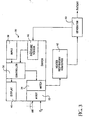
Fig. 3 is block diagram of a system for injecting sighs during the administration of CPAP constructed in accordance with the present invention; and -
Fig. 4 is a graph of airway pressure versus time during the administration of NCPAP using the device depicted inFig. 3 . - Referring to the drawings wherein like numerals indicate like elements throughout, there is shown in
Fig. 1 agas delivery device 10 presently used in administering NCPAP.Delivery device 10 is more commonly called a generator and will be so referenced herein.Generator 10 includesbreathing channels gas inlet channels Nasal prongs device 10 at one end ofbreathing channels Nasal prongs inlet channels channels U.S. Patent No. 5,193,532 . The provision of gas throughinlet channels device 10 to administer NCPAP, i.e., to generate a continuous positive airway pressure condition. Afurther channel 20 is also formed indevice 10. Channel orpassage 20 is in fluid communication with the ends ofbreathing channels nasal prongs channel 20 is in fluid communication withbreathing channels channel 20 permits one to also determine the airway pressure. - Referring now to
Fig. 3 , adriver 30 constructed in accordance with the present invention will be described.Driver 30 is adapted to be connected to a source of air and a source of oxygen. The air and oxygen are connected by any suitable structure tomixer 32.Mixer 32 acts to control the proportions of air and oxygen. Typically, such a mixer controls the percent oxygen.Mixer 32 is coupled to meter orvalve mechanism 34. In one embodiment,valve mechanism 34 includes a single controllable valve. In such an embodiment,valve 34 is a controllable in response to a control signal so that more or less mixed gas is metered or permitted to flow. The control signal for controllingvalve 34 is generated bycontroller 36.Controller 36 is connected to both aninput device 38 and adisplay 40. In the preferred embodiment,controller 36 is programmable, with such programming being generated or made available viainput device 38. Accordingly,input device 38 can be any form of apparatus for providing programming tocontroller 36, for example, a keyboard, a disk drive, electronic memory, etc. - Alternatively,
valve 34 can include more than one valve connected so that opening both valves at the same time has an additive effect. For example, one valve would be operative for administering normal CPAP. Opening the second valve would produce a step increase in flow or pressure during the sigh or deep breath cycle. In yet another embodiment, each valve would be controlled to maintain CPAP pressure and different levels. When one valve is open, normal CPAP is administered. When that vale is closed and the other valve is opened, the sigh or deep breath cycle is administered. - Mixed gas, the flow of which is controlled by
valve 34 is provided by any conventional structure, such as plastic tubing, to heatedrespiratory humidifier 42. The function ofhumidifier 42 is to control the humidity and temperature of the mixed gas being supplied togenerator 10. No particular heated respiratory humidifier is required in order to practice the invention. If it is desired to control the temperature and humidity of the mixed gas being provided togenerator 10, any known heated respiratory humidifier will be sufficient. Consequently, no further description of this device will be given. The output of mixed gas, processed byhumidifier 42 is provided togenerator 10. Ifgenerator 10 is of the type depicted inFig. 1 , the output ofhumidifier 42 is provided by any conventional structure, such as plastic tubing, to inlet 44 (Fig. 1 ). - A
pressure sensor 46 is connected to sense the pressure inpassage 20. In the preferred embodiment such a connection is made by establishing fluid communication betweensensor 46 andinlet 48 ongenerator 10. Such fluid communication can be achieved by any conventional structure such as plastic tubing. - It is noted that the above described apparatus is utilized for the purpose of injecting sighs or deep breaths during the administration of CPAP, preferably NCPAP. Prior to the present invention, it was believed that the benefits of CPAP were most effectively achieved when the airway pressure was kept as constant as possible at a preset CPAP level chosen by the treating physician. In this regard, the equipment described in
Fig. 3 could be used to produce the airway pressure pattern depicted inFig. 2 . To that end,controller 36 would monitor the signal generated bypressure sensor 46 and adjust the control signal tovalve 34 to increase of decrease the flow of mixed gas there through, thereby increasing or decreasing airway pressure. - However, the present invention is designed to inject sigh cycles or deep breaths into the CPAP therapy. To this end,
controller 36 monitors physiological conditions in order to determine the onset of inspiration, a breath. At that point, a sigh cycle or deep breath cycle is injected, after which the CPAP is returned to its previous level. In the embodiment depicted inFig. 3 ,controller 36 monitors airway pressure to determine when such pressure is dropping, as shown inFig. 4 . Whencontroller 36 determines that airway pressure is dropping, indicating that inspiration has begun, a sigh in injected. - It is noted that while it is preferable to inject a sigh at the moment inspiration begins, other points of injection are also within the scope of the invention. For example, any moment in time during the administration of CPAP can also be used. In such an embodiment, sighs will be injected into CPAP periodically, for example, so many sighs or deep breaths per minute. In such an embodiment,
controller 36 will operate to determine when the appropriate time has passed and determine the appropriate time to modify the control signal tovalve 34. - It is again noted, that it is not essential to the practice of the present invention to measure pressure in the breathing channel, i.e., airway pressure. It is only preferred that one determine the onset of inspiration. This condition could be determined in many ways, for example, using a flow sensor to measure either flow rate or flow direction. An electrical impedance measuring or sensing device can be connected to measure chest impedance changes during chest wall expansion and contraction. Such impedance changes are indicative of the onset of inspiration. Other alternatives to determine the onset of inspiration include the use of diaphragmatic EMG, inductance plethysmogaphy or any other volume or flow condition that would indicate inspiration.
- Although, until now, NCPAP has been shown to provide significant benefits for newborns, there are remaining benefits that may be realized by the injection of intermittent sighs or deep breaths during NCPAP. Sighs are naturally occurring physiologic mechanisms that provide several benefits to newborns. Sighs are associated with stimulation of the release of surfactant, a biochemical substance that is responsible for stabilizing the alveoli of the lungs. This is important for the premature infant on a CPAP system, as they frequently have insufficient or immature surfactant systems.
- Moreover, sighs will off load some of the work of breathing as the deep breath of the sigh will assist with the increased removal of carbon dioxide, potentially open some collapsed alveoli to improve oxygenation, as well as, stimulate the immature central respiratory system of the premature newborn to generate signals to the respiratory muscles to move the lungs for respiration. The injection of sighs will also act to stimulate the immature central respiratory system of the premature newborn, much the same as the current practice healthcare professionals to provide some external stimulus such as pinching.
- A test of the invention was performed on a 1,003 gram newborn that was born eleven weeks prematurely and was three days old when placed on the system. The newborn had received NCPAP since birth, was given no surfactant and was down to an NCPAP pressure of 2. 5 cm of water with an inspired oxygen concentration of 21 % (equivalent to room air). The newborn's respiratory rate at the NCPAP pressure of 2.5 cm of water was 55 per minute and oxygen level by non-invasive saturation measurement was 98 %. The newborn was placed on a sigh rate of 10 per minute, i.e., 10 sighs were injected into the NCPAP per minute. After one hour the respiratory rate slowed to 47 per minute while the oxygen level remained normal at 99%. This slowing of the newborn's spontaneous respiratory rate indicates that the injection of sighs provided additional off loading of the ventilatory work, thereby decreasing the ventilatory work that the newborn had to do on its own. The sigh rate was then changed to 20 per minute and the baby left for thirty minutes. The respiratory rate decreased further to 43 per minute while the oxygen level remained at 99%. The slight increase in oxygen saturation from 98 to 99 percent following the institution of sigh breath injections may reflect some improvement in alveoli recruitment. It is noted that this application of the invention did not involve monitoring airway pressure to detect the onset of inspiration.
- The present invention is useful in treating respiratory dysfunction in a patient and/or for stimulating the release of surfactant in immature lungs. To these ends the following method is utilized:
- administering CPAP to the patient so that a continuous positive airway pressure is caused; monitoring the airway pressure of the patient; and modifying the CPAP to inject a sigh cycle in response to the monitoring of the airway pressure.
- While the invention has been described and illustrated with reference to specific embodiments, those skilled in the art will recognize that modification and variations may be made without departing from the principles of the invention as described herein above and set forth in the following claims.
- As short summaries, this writing has disclosed at least the following concepts.
- Concept 1. A driver for use in connection with a gas delivery device for the generation of a continuous positive airway pressure in a patient, wherein said gas delivery device has a breathing channel formed therein and is adapted for attachment to said patient, said driver being adapted for connection to a source of gas and said driver being adapted for connection with said gas delivery device, said driver comprising:
- a valve mechanism, for receiving gas from said source, wherein said valve, in response to a control signal, regulates the flow of said gas from said source to said gas delivery device; and
- a controller, connected to said valve, for generating said control signal so that said valve periodically modifies said flow of gas to said delivery device.
- Concept 2. The driver of Concept 1, wherein said valve mechanism comprises a single controllable valve.
- Concept 3. The driver of Concept 1, wherein said valve mechanism comprises more than one valve.
- Concept 4. The driver of Concept 1, further comprising a sensor, connected to sense the pressure in said breathing channel, and connected to said controller, for generating a pressure signal representative of the pressure in said breathing channel, wherein said pressure signal is provided to said controller, wherein said controller periodically modifies said flow of gas in response to said pressure signal.
- Concept 5. The driver of Concept 1, further comprising a sensor, connected to sense a preselected physiological condition, and connected to said controller, for generating a monitoring signal representative of a physiological condition in said patient, wherein said monitoring signal is provided to said controller, wherein said controller periodically modifies said flow of gas in response to said monitoring signal.
- Concept 6. The driver of Concept 5, wherein said sensor in constructed to sense the onset of inspiration by said patient.
- Concept 7. The driver of Concept 5, wherein said sensor in constructed to sense the flow of gas to said patient.
- Concept 8. The driver of Concept 5, wherein said sensor in constructed to sense the electrical impedance in the chest of said patient.
- Concept 9. The driver of Concept 5, wherein said sensor in constructed to sense the diaphramatic EMG.
-
Concept 10. The driver of Concept 5, wherein said sensor in constructed to sense inductance plethysmogaphy. - Concept 11. The driver of Concept 4, wherein said controller is constructed to monitor said pressure signal, to determine when a drop is pressure is occurring and to cause said valve mechanism to modify said flow of gas in response to such pressure drop determination.
- Concept 12. The driver of Concept 4, wherein said controller is constructed to monitor said pressure signal, to determine when a drop is pressure is occurring and to cause said valve mechanism to administer a sigh cycle in response to such pressure drop determination.
- Concept 13. The driver of Concept 1, wherein said controller comprises a programmable controller and wherein said driver further comprises an input device connected to said controller and a display connected to said controller.
- Concept 14. The driver of Concept 1, further comprising a mixer, wherein said mixer is adapted to be connected to first and second sources of gas, for mixing gas from said first and second sources and for providing mixed gas to said valve.
- Concept 15. A method for administering CPAP to a patient, said method comprising the steps of:
- providing a controllable flow of gas from a source;
- controlling said flow of gas so that said flow is periodically modified to inject a sigh cycle into said CPAP; and
- providing said controlled flow of gas to said patient.
- Concept 16. The method of Concept 15, further comprising the step of attaching a gas delivery device to said patient, wherein said gas delivery device has a breathing channel formed therein, wherein said step of providing said controlled flow of gas to said patient, comprises providing said controlled flow of gas to said gas delivery device.
- Concept 17. The method of Concept 15, further comprising the step of monitoring the airway pressure of said patient, wherein said step of controlling said flow of gas so that said flow is periodically modified to inject a sigh cycle into said CPAP, comprises periodically modifying said flow of gas in response to the monitoring of said airway pressure.
- Concept 18. The method of Concept 17, wherein said step of monitoring the airway pressure of said patient, comprises the step of determining when a drop is pressure is occurring and wherein said step of controlling said flow of gas so that said flow is periodically modified to inject a sigh cycle into said CPAP is carried out in response to such pressure drop determination.
- Concept 19. A method for treating respiratory dysfunction in a patient, said method comprising the steps of:
- administering CPAP to said patient such that a continuous positive airway pressure is caused;
- monitoring the airway pressure of said patient; and
- modifying said CPAP to inject a sigh cycle in response to the monitoring of said airway pressure.
-
Concept 20. A method for stimulating the release of surfactant in the immature lungs of a patient, said method comprising the steps of:- administering CPAP to said patient such that a continuous positive airway pressure is caused;
- monitoring the airway pressure of said patient; and
- modifying said CPAP to inject a sigh cycle in response to the monitoring of said airway pressure.
- Concept 21. Method for stimulating the respiratory center of a patient, said method
comprising the steps of:- administering CPAP to said patient such that a continuous positive airway pressure is caused;
- monitoring the airway pressure of said patient; and
- modifying said CPAP to inject a sigh cycle in response to the monitoring of said airway pressure.
Claims (7)
- A system for treating respiratory dysfunction in a patient, said system comprising:means for administering CPAP to said patient such that a continuous positive airway pressure is caused;means for monitoring the airway pressure of said patient; andmeans for modifying said CPAP to inject a sigh cycle in response to the monitoring of said airway pressure.
- The system of Claim 1, further providing means for providing a controllable flow of gas from a source, wherein said means for modifying said CPAP to inject a sigh cycle in response to the monitoring of said airway pressure comprise means for controlling said flow of gas so that said flow is periodically modified to inject a sigh cycle into said CPAP in response to the means for monitoring said airway pressure.
- The system of Claim 2, wherein said means for monitoring the airway pressure of said patient comprises:means for determining when a drop is pressure is occurring and means for controlling said flow of gas so that said flow is periodically modified to inject a sigh cycle into said CPAP in response to such pressure drop determination.
- The system of claim 1, comprising means for providing a controllable flow of gas from a source; and means for providing said controlled flow of gas to said patient.
- The system of Claim 4, further comprising means for attaching a gas delivery device to said patient, wherein said gas delivery device has a breathing channel formed therein, wherein said means for providing said controlled flow of gas to said patient, comprises means for providing said controlled flow of gas to said gas delivery device.
- The system of claim 1, wherein the system is capable of stimulating the release of surfactant in the immature lungs of a patient.
- The system of claim 1, wherein the system is capable of stimulating the respiratory center of a patient.
Applications Claiming Priority (2)
| Application Number | Priority Date | Filing Date | Title |
|---|---|---|---|
| US56989800A | 2000-05-12 | 2000-05-12 | |
| EP01933149A EP1286716A1 (en) | 2000-05-12 | 2001-05-08 | Method and apparatus for the administration of continuous positive airway pressure therapy |
Related Parent Applications (1)
| Application Number | Title | Priority Date | Filing Date |
|---|---|---|---|
| EP01933149.5 Division | 2001-04-08 |
Publications (1)
| Publication Number | Publication Date |
|---|---|
| EP2269676A2 true EP2269676A2 (en) | 2011-01-05 |
Family
ID=24277350
Family Applications (2)
| Application Number | Title | Priority Date | Filing Date |
|---|---|---|---|
| EP01933149A Withdrawn EP1286716A1 (en) | 2000-05-12 | 2001-05-08 | Method and apparatus for the administration of continuous positive airway pressure therapy |
| EP10012522A Withdrawn EP2269676A2 (en) | 2000-05-12 | 2001-05-08 | Apparatus for the administration of continuous positive airway pressure therapy |
Family Applications Before (1)
| Application Number | Title | Priority Date | Filing Date |
|---|---|---|---|
| EP01933149A Withdrawn EP1286716A1 (en) | 2000-05-12 | 2001-05-08 | Method and apparatus for the administration of continuous positive airway pressure therapy |
Country Status (4)
| Country | Link |
|---|---|
| US (1) | US20030000527A1 (en) |
| EP (2) | EP1286716A1 (en) |
| AU (1) | AU2001259596A1 (en) |
| WO (1) | WO2001087395A1 (en) |
Cited By (2)
| Publication number | Priority date | Publication date | Assignee | Title |
|---|---|---|---|---|
| DE202023105827U1 (en) | 2023-10-09 | 2025-01-10 | pfm medical gmbh | Device and system for generating continuous positive airway pressure, in particular for respiratory support in premature and newborn babies |
| IT202300020877A1 (en) | 2023-10-09 | 2025-04-09 | Pfm Medical Ag | DEVICE AND SYSTEM FOR THE GENERATION OF CONTINUOUS POSITIVE PRESSURE IN THE AIRWAYS, PARTICULARLY FOR THE RESPIRATORY SUPPORT OF NEWBORN AND PREMATURE BABIES |
Families Citing this family (10)
| Publication number | Priority date | Publication date | Assignee | Title |
|---|---|---|---|---|
| US7267120B2 (en) * | 2002-08-19 | 2007-09-11 | Allegiance Corporation | Small volume nebulizer |
| KR100624337B1 (en) | 2004-10-27 | 2006-09-15 | 차은종 | Positive respiratory system for continuous airway pressure treatment |
| US7578294B2 (en) | 2005-12-02 | 2009-08-25 | Allegiance Corporation | Nasal continuous positive airway pressure device and system |
| US7762006B2 (en) * | 2006-06-14 | 2010-07-27 | Siestamed, Technologies | Medical equipment drying device |
| US8607794B2 (en) | 2010-10-05 | 2013-12-17 | Carefusion 207, Inc. | Non-invasive breathing assistance apparatus and method |
| US8567400B2 (en) | 2010-10-05 | 2013-10-29 | Carefusion 207, Inc. | Non-invasive breathing assistance device with flow director |
| US10159812B2 (en) * | 2011-03-29 | 2018-12-25 | Carefusion 207, Inc. | Flow splitting nCPAP device |
| USD833599S1 (en) * | 2015-09-09 | 2018-11-13 | Neores Ab | Mask for respiratory therapies |
| US12420045B2 (en) | 2022-03-15 | 2025-09-23 | GE Precision Healthcare LLC | System and method for patient-ventilator synchronization/onset detection utilizing time-frequency analysis of EMG signals |
| CN114917438B (en) * | 2022-05-17 | 2024-10-29 | 山东大学 | Working method of breathing machine based on flow rate control and breathing machine |
Citations (3)
| Publication number | Priority date | Publication date | Assignee | Title |
|---|---|---|---|---|
| US4301793A (en) | 1979-11-13 | 1981-11-24 | Thompson Harris S | Sigh producing mechanism for positive pressure respirator |
| US5193532A (en) | 1988-12-06 | 1993-03-16 | Moa Conny P G | Device for generating by means of ejector action a continuous positive airway pressure (cpap) during spontaneous breathing |
| US5865173A (en) | 1995-11-06 | 1999-02-02 | Sunrise Medical Hhg Inc. | Bilevel CPAP system with waveform control for both IPAP and EPAP |
Family Cites Families (8)
| Publication number | Priority date | Publication date | Assignee | Title |
|---|---|---|---|---|
| US5161525A (en) * | 1990-05-11 | 1992-11-10 | Puritan-Bennett Corporation | System and method for flow triggering of pressure supported ventilation |
| US5520192A (en) * | 1991-12-23 | 1996-05-28 | Imperial College Of Science, Technology And Medicine | Apparatus for the monitoring and control of respiration |
| US5438980A (en) * | 1993-01-12 | 1995-08-08 | Puritan-Bennett Corporation | Inhalation/exhalation respiratory phase detection circuit |
| DE69532011T2 (en) * | 1994-10-14 | 2004-07-29 | Bird Products Corporation, Palm Springs | exhalation |
| WO1996040337A1 (en) * | 1995-06-07 | 1996-12-19 | Nellcor Puritan Bennett Incorporated | Pressure control for constant minute volume |
| WO2000013731A1 (en) * | 1998-09-04 | 2000-03-16 | Caradyne (R & D) Limited | A continuous positive airway pressure controller |
| US6390091B1 (en) * | 1999-02-03 | 2002-05-21 | University Of Florida | Method and apparatus for controlling a medical ventilator |
| US6615831B1 (en) * | 1999-07-02 | 2003-09-09 | Respironics, Inc. | Pressure support system and method and a pressure control valve for use in such system and method |
-
2001
- 2001-05-08 EP EP01933149A patent/EP1286716A1/en not_active Withdrawn
- 2001-05-08 EP EP10012522A patent/EP2269676A2/en not_active Withdrawn
- 2001-05-08 AU AU2001259596A patent/AU2001259596A1/en not_active Abandoned
- 2001-05-08 WO PCT/US2001/014717 patent/WO2001087395A1/en not_active Ceased
-
2002
- 2002-06-05 US US10/163,320 patent/US20030000527A1/en not_active Abandoned
Patent Citations (3)
| Publication number | Priority date | Publication date | Assignee | Title |
|---|---|---|---|---|
| US4301793A (en) | 1979-11-13 | 1981-11-24 | Thompson Harris S | Sigh producing mechanism for positive pressure respirator |
| US5193532A (en) | 1988-12-06 | 1993-03-16 | Moa Conny P G | Device for generating by means of ejector action a continuous positive airway pressure (cpap) during spontaneous breathing |
| US5865173A (en) | 1995-11-06 | 1999-02-02 | Sunrise Medical Hhg Inc. | Bilevel CPAP system with waveform control for both IPAP and EPAP |
Cited By (3)
| Publication number | Priority date | Publication date | Assignee | Title |
|---|---|---|---|---|
| DE202023105827U1 (en) | 2023-10-09 | 2025-01-10 | pfm medical gmbh | Device and system for generating continuous positive airway pressure, in particular for respiratory support in premature and newborn babies |
| IT202300020877A1 (en) | 2023-10-09 | 2025-04-09 | Pfm Medical Ag | DEVICE AND SYSTEM FOR THE GENERATION OF CONTINUOUS POSITIVE PRESSURE IN THE AIRWAYS, PARTICULARLY FOR THE RESPIRATORY SUPPORT OF NEWBORN AND PREMATURE BABIES |
| EP4537884A1 (en) | 2023-10-09 | 2025-04-16 | Pfm medical GmbH | Device and system for generating continuous positive airway pressure, in particular for respiratory assistance in premature infants and neonates |
Also Published As
| Publication number | Publication date |
|---|---|
| AU2001259596A1 (en) | 2001-11-26 |
| EP1286716A1 (en) | 2003-03-05 |
| WO2001087395A1 (en) | 2001-11-22 |
| US20030000527A1 (en) | 2003-01-02 |
Similar Documents
| Publication | Publication Date | Title |
|---|---|---|
| US6457472B1 (en) | Method and apparatus for providing ventilatory support to a patient | |
| EP1001824B1 (en) | Tracheal gas insufflation delivery system for respiration equipment | |
| EP2379145B1 (en) | System for treating lung disease using positive pressure airway support | |
| US6637434B2 (en) | Nasal gas delivery system and method for use thereof | |
| US7533670B1 (en) | Systems, methods and apparatus for respiratory support of a patient | |
| US9295795B2 (en) | System for providing flow-targeted ventilation synchronized to a patients breathing cycle | |
| US7185649B2 (en) | Systems and methods for increasing cerebral spinal fluid flow | |
| JP2022050509A (en) | Methods and equipment for oxygenation and / or CO2 clearance | |
| EP1011770B1 (en) | Apparatus for breathing during anesthesia | |
| US20110232643A1 (en) | System and method for treating lung disease using positive pressure airway support | |
| WO1996040337A1 (en) | Pressure control for constant minute volume | |
| EP2269676A2 (en) | Apparatus for the administration of continuous positive airway pressure therapy | |
| HK1148965A (en) | Apparatus for the administration of continuous positive airway pressure therapy | |
| Cherian et al. | Mechanical Ventilation | |
| Hare et al. | Basic principles of ventilators | |
| Holt et al. | Principles of Mechanical | |
| Mayer et al. | Non‐invasive Ventilation | |
| Bronzino | Mechanical Ventilation |
Legal Events
| Date | Code | Title | Description |
|---|---|---|---|
| PUAI | Public reference made under article 153(3) epc to a published international application that has entered the european phase |
Free format text: ORIGINAL CODE: 0009012 |
|
| AC | Divisional application: reference to earlier application |
Ref document number: 1286716 Country of ref document: EP Kind code of ref document: P |
|
| AK | Designated contracting states |
Kind code of ref document: A2 Designated state(s): AT BE CH CY DE DK ES FI FR GB GR IE IT LI LU MC NL PT SE TR |
|
| RIN1 | Information on inventor provided before grant (corrected) |
Inventor name: STENZLER, ALEX Inventor name: NILSSON, KJELL, O. |
|
| REG | Reference to a national code |
Ref country code: HK Ref legal event code: DE Ref document number: 1148965 Country of ref document: HK |
|
| STAA | Information on the status of an ep patent application or granted ep patent |
Free format text: STATUS: THE APPLICATION IS DEEMED TO BE WITHDRAWN |
|
| 18D | Application deemed to be withdrawn |
Effective date: 20131203 |
|
| REG | Reference to a national code |
Ref country code: HK Ref legal event code: WD Ref document number: 1148965 Country of ref document: HK |