EP2397491A1 - LeaA de Trichoderma reesei - Google Patents
LeaA de Trichoderma reesei Download PDFInfo
- Publication number
- EP2397491A1 EP2397491A1 EP10166661A EP10166661A EP2397491A1 EP 2397491 A1 EP2397491 A1 EP 2397491A1 EP 10166661 A EP10166661 A EP 10166661A EP 10166661 A EP10166661 A EP 10166661A EP 2397491 A1 EP2397491 A1 EP 2397491A1
- Authority
- EP
- European Patent Office
- Prior art keywords
- protein
- nucleic acid
- trichoderma reesei
- promoter
- glucanase
- Prior art date
- Legal status (The legal status is an assumption and is not a legal conclusion. Google has not performed a legal analysis and makes no representation as to the accuracy of the status listed.)
- Withdrawn
Links
Images

Classifications
-
- C—CHEMISTRY; METALLURGY
- C12—BIOCHEMISTRY; BEER; SPIRITS; WINE; VINEGAR; MICROBIOLOGY; ENZYMOLOGY; MUTATION OR GENETIC ENGINEERING
- C12N—MICROORGANISMS OR ENZYMES; COMPOSITIONS THEREOF; PROPAGATING, PRESERVING, OR MAINTAINING MICROORGANISMS; MUTATION OR GENETIC ENGINEERING; CULTURE MEDIA
- C12N9/00—Enzymes; Proenzymes; Compositions thereof; Processes for preparing, activating, inhibiting, separating or purifying enzymes
- C12N9/10—Transferases (2.)
- C12N9/1003—Transferases (2.) transferring one-carbon groups (2.1)
- C12N9/1007—Methyltransferases (general) (2.1.1.)
-
- C—CHEMISTRY; METALLURGY
- C12—BIOCHEMISTRY; BEER; SPIRITS; WINE; VINEGAR; MICROBIOLOGY; ENZYMOLOGY; MUTATION OR GENETIC ENGINEERING
- C12P—FERMENTATION OR ENZYME-USING PROCESSES TO SYNTHESISE A DESIRED CHEMICAL COMPOUND OR COMPOSITION OR TO SEPARATE OPTICAL ISOMERS FROM A RACEMIC MIXTURE
- C12P21/00—Preparation of peptides or proteins
- C12P21/02—Preparation of peptides or proteins having a known sequence of two or more amino acids, e.g. glutathione
Definitions
- the present invention relates to a transcription promoting protein methyltransferase of Trichoderma reesei.
- filamentous fungi such as Trichoderma reesei can be used to produce valuable compounds. Due to their glycosylation and secretion capacities, filamentous fungi are preferred hosts for producing secreting proteins.
- Trichoderma reesei the anamorph of the tropical ascomycete Hypocrea jecorina. It is known that the genome contains a lower number of cellulase and hemicellulase genes than the genomes of other fungi. Although the number of said genes is relatively low Trichoderma reesei shows a relatively high expression of cellulases and hemicellulases which indicates that the expression of these enzymes is somehow up-regulated.
- the present invention relates to an isolated polypeptide with protein methyltransferase activity having at least 80% identity with amino acid sequence SEQ ID No. 1.
- the polypeptide of the present invention which may be encoded by nucleotide sequence SEQ ID No. 2 from Trichoderma reesei, is able to regulate the expression rate of a specific group of proteins which are all related to biomass degradation (carbohydrate-active enzymes, CAZymes). It could be shown herein that if the concentration of the polypeptide of the present invention is reduced within the cell the amount of the aforementioned proteins is also reduced. On the other hand an increase of the concentration of the polypeptide of the present invention within the cell leads to an increased production of CAZymes. This data clearly demonstrate that the regulation of the expression of the protein methyltransferase having at least 80% identity with amino acid sequence SEQ ID No. 1 allows the regulation of the expression rate of specific proteins within a cell.
- biomass degrading proteins are usually clustered within the genome of fungi like the enzymes involved in the biosynthesis of secondary metabolites.
- the latter are known to occur in clusters, frequently near the telomere end of the chromosomes.
- the Aspergilli such clusters of secondary metabolite genes have been demonstrated to be epigenetically regulated at an upper hierarchic level by the protein methyltransferase LaeA, by reversing the repressing heterochromatin structure resulting from methylation of K9 on histone 3A and binding of the heterochromatin protein HepA to histone 3A.
- cellulase formation is regulated by an LaeA orthologue which exhibits at least 80% identity with amino acid sequence SEQ ID No. 1.
- the findings of the present invention can be used to provide host cells, in particular genetically modified fungi like Trichoderma reesei, which show an increased or reduced CAZyme expression activity.
- host cells in particular genetically modified fungi like Trichoderma reesei, which show an increased or reduced CAZyme expression activity.
- Trichoderma reesei cells which do not express biomass degrading enzymes (by inactivating (e.g. gene deletion or disruption) of the gene encoding for the protein methyltransferase of the present invention).
- biomass degrading enzymes by inactivating (e.g. gene deletion or disruption) of the gene encoding for the protein methyltransferase of the present invention.
- the promoter region of the native gene may be modified to comprise homologous or heterologous promoter which are much stronger than the native promoter.
- one of the above identified enzymes, which are regulated by said protein methyltransferase may be exchanged by genetic manipulation by a heterologous nucleic acid molecule encoding for a product of interest. Since the genome sequence of Trichoderma reesei, for instance, is known in the art such manipulations can be easily performed.
- Trichoderma reesei Methods for the production of such genetically modified fungi, in particular Trichoderma reesei, are well known in the art. For instance, in WO 2006/060126 methods for transforming and cultivating Trichoderma reesei cells are disclosed.
- the polypeptide showing transcription promoting activity may be at least 80%, preferably at least 90%, more preferably at least 95%, even more preferably at least 98%, in particular 100%, identical with amino acid sequence SEQ ID No. 1.
- a further aspect of the present invention relates to an isolated nucleic acid molecule encoding an isolated polypeptide having at least 80% identity with amino acid sequence SEQ ID No. 1.
- the nucleic acid molecule according to the present invention exhibits preferably at least 80% identity with nucleic acid sequence SEQ ID No. 2.
- Nucleic acid sequence SEQ ID No. 2 is directly derived from Trichoderma reesei. However, according to the present invention this sequence may of course vary provided that the encoded protein still exhibits the transcription promoting protein methyltransferase of the polypeptide disclosed herein.
- the nucleic acid molecule exhibits at least 80%, preferably at least 90%, more preferably at least 95%, even more preferably at least 98%, in particular 100%, identity with nucleic acid sequence SEQ ID No. 2.
- a further aspect of the present invention relates to a vector comprising an isolated nucleic acid molecule according to the present invention.
- the nucleic acid molecule of the present invention is provided in a vector.
- the vector may be an expression vector capable to express the polypeptide of the present invention.
- the vector of the present invention may also be a recombination vector which allows to transfer a nucleic acid molecule encoding the polypeptide of the present invention into the genome of a host cell.
- the vector of the present invention may comprise further elements such as additional coding sequences within the same transcription unit, controlling elements such as promoters, ribosome binding sites, transcription terminators, polyadenylation sites, additional transcription units under control of the same or different promoters, sequences that permit cloning, expression, homologous recombination, and transformation of a host cell.
- the vector of the present invention preferably comprises further at least one promoter operably linked to said nucleic acid molecule.
- At least one promoter is provided within the vector.
- "Operably linked” refers to a juxtaposition wherein the components so described are in a relationship permitting them to function in their intended manner.
- a promoter "operably linked" to a coding sequence is present in the cell in such a way that expression of the coding sequence can be directly influenced by the promoter.
- the at least one promoter is selected from the group consisting of tef1 promoter (transcription elongation factor 1), gpg1 promoter, pki1 promoter, enol promoter and pgk1 promoter.
- Trichoderma reesei any other promoter which can be used to regulate gene expression in host organisms such as Trichoderma reesei.
- Particularly preferred promoters are those regulating the protein expression of the following proteins in Trichoderma reesei: GH5 glycoside hydrolase (protein ID 81087), Bradorhizobium bleomycin resistance (protein ID 103009), unknown hypothetical protein (protein ID 106270), HHE domain protein, conserved (protein ID 70608), hypothetical conserved protein (protein ID 109925), PTH11-type GPCRs (protein ID 109146), MSF permease (protein ID 78585), glutathione-S-transferase (protein ID 112022), Catalase (protein ID 58472), mannose-6-phosphate isomerase (protein ID 60445), unknown protein (protein ID 105287), translation initiation regulator Gnc20 (protein ID 22839), imidazole proprionase-related amidohydrolase (protein ID 110757), M
- Preferred promoters are selected from the group of promoters selected from the group consisting of cbh1, cbh2, xyn1, xyn2, xyn3, egl1, gna3, env1, cDNA1, bxl1, pki1, gpdA, gpd1 or hex1 promoters.
- Preferred promoters are also promoters disclosed, for instance, in Nakari- Setäla et al. (Appl. Env. Microbiol. 61 (1995), 3650-3655 ; cDNA1 promotor), Rahman et al. (Biosci. Biotechnol. Biochem.
- the promoters may be of heterologous or homologous origin.
- Suitable promoters can also be provided by using the method disclosed in US 5,989,870 .
- Another aspect of the present invention relates to a recombinant host cell comprising a nucleic acid molecule or a vector according to the present invention.
- more than one copy of the nucleic acid molecule or vector according to the present invention are preferably provided in said cells.
- the host cell is a fungus, preferably a fungus of the class of Sordariomycetes, more preferably a fungus of the family of Hypocreaceae, even more preferably a fungus of the genus of Trichoderma, in particular Trichoderma reesei.
- a further aspect of the present invention relates to a genetically modified Trichoderma reesei cell overexpressing a polypeptide with transcription promoting protein methyltransferase having at least 80% identity with amino acid sequence SEQ ID No. 1 compared to a wild-type Trichoderma reesei cell.
- the Trichoderma reesei cell according to the present invention comprises preferably a vector according as defined above.
- said cell comprises at least one mutation within the 5'-region of the genome location comprising nucleic acid sequence SEQ ID No. 2 or a variant thereof having at least 80% identity to SEQ ID No. 2.
- the Trichoderma reesei genome location comprising the 5' and 3' region of nucleic acid SEQ ID No. 2 comprises the following nucleotide sequence (SEQ ID No. 3; italic: intron, underlined: coding region) :
- SEQ ID No. 3 The 5' region of SEQ ID No. 2 as evidenced above (SEQ ID No. 3) may be mutated by incorporating additional or alternative regulatory sequences.
- These regulatory sequences include promoters, such as those listed above in connection with the vectors of the present invention.
- the at least one mutation is a deletion, an insertion or a point mutation.
- said Trichoderma reesei cell comprises within the 5'-region of the genome location comprising nucleic acid sequence SEQ ID No. 2 a promoter, a transcription factor binding site or a functional fragment thereof is inserted resulting in an increased expression of the polypeptide encoded by the nucleic acid sequence SEQ ID No. 2 or a variant thereof having at least 80% identity to SEQ ID No. 2 compared to the wild-type Trichoderma reesei.
- the Trichoderma reesei cell of the present invention preferably comprises further a recombinant nucleic acid coding region operatively linked to a Trichoderma reesei promoter sequence and/or a vector comprising a nucleic acid coding region operatively linked to a Trichoderma reesei promoter sequence, wherein the nucleic acid coding region is under the transcriptional control of said promoter sequence.
- the nucleic acid coding region encodes preferably for a peptide, a polypeptide, a protein or a functional DNA or RNA.
- a nucleic acid molecule encoding for a protein, polypeptide, peptide or functional DNA of interest may be introduced into the genome of Trichoderma reesei by gene replacement at the genome location comprising one or more of the genes encoding the proteins listed in table 1 of the example section.
- Methods for performing a gene replacement are well known in the art (see e.g. Guangtao Z et al., J. Biotechnol. 139 (2009): 146-151 ).
- the genomic sequence of Trichoderma reesei is known in the art ( Martinez D et al., Nat. Biotechnol.
- genes are examples that are abundantly expressed on lactose, and present in LAE1-regulated genomic clusters: alcohol oxidase AOX1 (Trire2: 80659), a hexose transporter (Trire2: 105260), the lactate/pyruvate transporter (Trire2: 121441), a major facilitator superfamily protein (Trire2:70972), and GPR1 (Trire2:60810).
- the following cellulase genes could be replaced: Ce16A (Trire2:72567), Ce17A (Trire2:123989), Ce161B (Trire2: 120961), and Cel5A (Trire2:120312)
- Yet another aspect of the present invention relates to a method for the recombinant production of a peptide, a polypeptide, a protein or a functional DNA or RNA comprising the step of cultivating a genetically modified Trichoderma reesei cell according to the present invention.
- Trichoderma reesei As described above and shown in the examples the expression of specific proteins in Trichoderma reesei is controlled by the protein methyltransferase of the present invention.
- This control mechanism allows to generate recombinant Trichoderma reesei cells which harbor heterologous nucleic acid molecules within the genomic loci of the nucleic acid molecules naturally regulated by the polypeptide of the present invention within the cell.
- genetically modified Trichoderma reesei cells as described above have to be used which overexpress the polypeptide of the present invention in comparison to wild-type Trichoderma reesei cells.
- T. reesei QM9414 (ATCC 26921), an early cellulase producing mutant and H. jecorina KU70, a derivative of the QM 9414 uridine auxotrophic pyr4 negative strain TU-6 (ATCC MYA-256), and which bears a deletion in the ku70 gene and is thus deficient in non-homologous end joining, were used in this example.
- Escherichia coli JM109 Promega, USA was used for plasmid construction and amplification.
- T. reesei To delete the lae1 gene of T. reesei, a 1.2 kb lae1 coding region was replaced by the T. reesei pyr4 (orotidine 5'-phosphate decarboxylase-encoding) gene. This was performed by amplifying around 1 kb of the up- and downstream non-coding region of lae1 from genomic DNA of T.
- Resulting PCR fragments were ligated by T/A cloning into pGEM-T Easy (Promega, USA).
- the upstream non-coding region was excised by digestion with XhoI/HindIII and the downstream region by XhoI/ApaI from the pGEM-T Easy backbone, and then both fragments were ligated into a ApaI/HindIII restricted vector pBluescript SK(+) (Stratagene, USA).
- the resulting plasmid was cleaved with XhoI, dephosphorylated and the 2.7 kb SalI fragment of T. reesei pyr4 inserted resulting in p ⁇ lae1.
- lae1 was then excised with SpeI/PstI and ptrA by PstI/HindIII, respectively.
- lae1 was subsequently ligated into pBluescript SK(+), previously cut with SpeI/PstI, followed by the cloning of ptrA into the resulting plasmid plae1ptrA.
- DNase treated (DNase I, RNase free; Fermentas) RNA (5 ⁇ g) was reverse transcribed with the RevertAidTM First Strand cDNA Kit (Fermentas) according to the manufacturer's protocol with a combination of the provided oligo-dT and random hexamer primers. All real-time RT-PCR experiments were performed on a Bio-Rad (USA) iCycler IQ. For the reaction the IQ SYBR Green Supermix (Bio-Rad, USA) was prepared for 25 ⁇ l assays with standard MgCl 2 concentration (3 mM) and a final primer concentration of 100 nM each. All assays were carried out in 96-well plates which were covered with optical tape.
- the amplification protocol consisted of an initial denaturation step (3 min at 95°C) followed by 40 cycles of denaturation (15 sec at 95°C), annealing (20 sec at 57°C) and elongation (10 sec at 72°C). Determination of the PCR efficiency was performed using triplicate reactions from a dilution series of cDNA (1.00E-00, 1.00E-01, 1.00E-02 and 1.00E-03). Amplification efficiency was then calculated from the given slopes in the IQ5 Optical system Software v2.0. Expression ratios were calculated using REST ⁇ Software ( Pfaffl M.W. et al. Nucleic Acid Research 30(2009): e36 )). All samples were analyzed in two independent experiments with three replicates in each run.
- RNAs were extracted using TRIzol® reagent (In-vitrogen Life Technologies, USA), according to the manufacturer's instructions, and then purified using the RNeasy MinE-lute Cleanup Kit (Qiagen, Germany). The RNA quality and quantity were determined using a Nanodrop spectrophotometer. High quality purified RNAs were submitted to Roche-NimbleGene (40 ⁇ g per 3-microarray set) where cDNAs were synthesized, amplified and la-beled and then used for subsequent hybridization.
- T. reesei high density oligonucleotide (HDO) microarray (Roche-NimbleGen, Inc., USA) was constructed, using 60-mer probes representing the 9.130 genes of T. reesei.
- Transcripts showing significantly up-regulated expression (2-fold and 5-fold changes) were annotated using the eukaryotic orthologous groups (KOG) classification.
- the microarray data and the related protocols are available at the GEO web site (www.ncbi.nlm.nih.gov/geo/) under accession number: GSE20516.
- T. reesei protein Trire2: 41617 was thus identified as the putative LaeA orthologue, LAE1. Genbank accession no.
- Organism Total score coverage E-value identity [%] EEU48790.1 Nectria haemato-cocca 255 89% 4,00E-66 46 XP 380833.1 Gibberella zeae 241 84% 7,00E-62 45 XP 001912425.1 Podospora anserina 204 85% 1,00E-50 38 XP 002837080.1 Tuber melanosporum 194 85% 2,00E-47 36 XP 001334837.1 Pyrenophora tritici-repentis 191 85% 1,00E-46 35 EEY21263.1 Verticillium albo-atrum 180 98% 2,00E-43 35 AAX68414.1 Aspergillus para-siticus 179 91% 5,00E-43 36 AAX68412.1 Aspergillus flavus 178 91% 8,00E-43 36 XP 002561699.1 Penicillium chry-sogenum 175 84% 8,00E-42 36
- the protein contained the expected SAM domain, and four S and three T residues were detected which fulfill the consensus of phosphorylation by respective protein kinases (analyzed by NetPhos V 2.0; Blom et al. J. Mol. Biol. 294: 1351-1362 (1999 )). Consistent with data from Aspergillus LaeA ( Bok and Keller, Eukaryot. Cell 3, 527 (2004 )), a conventional nuclear localization signal was not found.
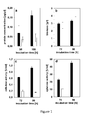
- Lae1 null mutants ( ⁇ lae1) were created by replacing the lae1 coding region with the orotidine-5-decarboxylase gene pyr410 in T. reesei KU70 (a ku70 delta strain). Growth of the ⁇ lae1-deleted strain on simple carbon sources such as glycerol was similar to that of the parent strain, but growth on cellulose was severely impaired ( Figure 1 a) , indicating that the loss of lae1 function indeed leads to a defect in growth on cellulose.
- reesei were used to examine their transcript levels when grown on lactose as a carbon source. 765 genes exhibited an at least twofold decrease in their hybridization intensity in the ⁇ lae1 strain compared to QM 9414. Among these, 65 carbohydrate-active enzyme encoding genes were detected, which in majority comprised glycosyl hydrolases involved in cellulose and hemicellulose degradation (GHs; Table 1): they included all 10 cellulases (CEL5A, CEL5B, CEL6A, CEL7A, CEL7B, CEL12, CEL45, CEL61A, CEL61B and CEL74), both known swollenins (SWO1 SWO2; proteins carrying an expansin-like domain and that disrupt the crystalline cellulase structure) and CIPs (CIP1, CIP2; proteins that contain a signal peptide and a cellulose-binding domain), 5 of the 7 known ⁇ -glucosidase (CEL1A, CEL1B
- GHs The majority of the other affected GHs (21 of 28) comprised glycosidases active against various side chains in hemicelluloses.
- Table 1 Changes in carbohydrate-active enzyme gene expression in T. reesei by knocking out the function of lae1 * (sequences and protein ID number are obtainable at genome.jgi-psf.org/Trire2/Trire2.home.html; Martinez D et al., Nat.
- the 25 carbohydrate-active enzyme clusters in the T. reesei genome contain an average five-fold increase in carbohydrate-active enzyme gene density compared to the expected density for randomly distributed genes. 765 of the total 9130 genes in the T. reesei genome to be at least 2-fold downregulated in the ⁇ lae1 strain were identified, thus implying that at a random distribution one at every twelfth gene should be found. If the genes would however be clustered as calculated above, the average gene density of LAE1-affected genes should be around 2.5. To investigate this, the 765 identified genes on the T. reesei scaffolds were mapped and searched for potential clusters. Indeed, 28 areas on 21 scaffolds were found that exhibited a fourfold increase of gene density over the random distribution.
- Clusters of expressed genes affected by lae1-loss of function in T. reesei scaffold cluster predicted* found** genes in cluster expressed genes gene density*** CAZys 1 yes 618-690 72 23 3,13 5 yes 112-135 23 9 2,55 3 2 yes 410-417 7 2 3,5 2 3 no 4-27 23 6 3,83 2 yes 530-547 17 6 2,83 2 4 no 285-293 8 5 1,6 1 5 no 3-18 15 5 3 1 yes 209-233 24 8 3 1 6 no 134-138 4 4 1 1 7 no 226-252 26 8 3,25 2 yes 394-419 25 9 2,77 2 8 yes 167-192 25 7 3,51 3 10 yes 183-201 18 10 1,8 2 13 yes 16-34 18 5 3,6 1 no 43-61 18 6 3 1 14 no 187-194 7 3 2,33 1 16 no 120-134 14 4 3,5 2 19 yes 62-97 35 10 3,5 1 yes 157-189 32 12 2, 67 1 22 no 48-98 50 17 2, 94 1 27 yes 40-59 19 5 3,8 1 28 no 68-
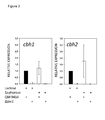
- cel7A and cel6A were used as cellulase model genes and their expression in the parent strain and in the ⁇ lae1 strain was specifically tested by Real Time PCR. These cells were cultivated on lactose, sophorose (a disaccharide confering high cellulase induction in resting cells) and on the non-inducing carbon source glycerol ( Figure 2 ). The data confirmed the finding of the microarray experiments as gene expression was absent in the ⁇ lae1 strains on all three carbon sources. The results also demonstrate that the nature of the inducer does not influence the epigenetic regulation of cellulase formation.
- LAE1 As a regulator of cellulase and hemicellulase biosynthesis in T. reesei, it was investigated whether an enhanced activity of LAE1 would even stimulate cellulase formation. To test this, two approaches were used: in one, a second copy of T. reesei lae1 was introduced into its genome.
- lae1 downstream of the regulatory signals of the tef1 (elongation factor 1 ⁇ -encoding) gene was fused which allow high constitutive expression.
- 740 bp of the promoter region of H. jecorina tef1 (Genbank accession number Z23012.1) were amplified by PCR using the oligonucleotides tef1Xhofw and tef1ClaSalrv(Table A, above); the XhoIlSalI- restricted tef1 fragment was then cloned in the corresponding sites of pLH1hph, which contains an E.
- coli hygromycin B phosphotransferase (hph) expression cassette as fungal selection marker.
- hph coli hygromycin B phosphotransferase expression cassette as fungal selection marker.
- a 1,820-bp lael PCR fragment including the coding and terminator region was amplified with the oligonucleotides TrLae1ATGCla and TrLae1TermHind (Table A, above) and inserted downstream of the tef1 promoter region at a ClaI / HindIII cleavage site resulting in vector Ptef1lae1hph.
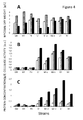
- T. reesei strains that contained a single lae1 copy and the tef1:lae1 construct, respectively, integrated ectopically in its genome, were examined for their ability to form cellulases on lactose ( Figure 4 ).
- the tef1:lae1 copies indeed exhibited an up to 10-fold increased cellulase formation and cel7A and cel6A gene expression, and this increased expression correlated with increased expression of lae1 in these strains.
Landscapes
- Life Sciences & Earth Sciences (AREA)
- Chemical & Material Sciences (AREA)
- Organic Chemistry (AREA)
- Health & Medical Sciences (AREA)
- Zoology (AREA)
- Engineering & Computer Science (AREA)
- Wood Science & Technology (AREA)
- Genetics & Genomics (AREA)
- Bioinformatics & Cheminformatics (AREA)
- Microbiology (AREA)
- General Health & Medical Sciences (AREA)
- Biotechnology (AREA)
- Molecular Biology (AREA)
- Biochemistry (AREA)
- General Engineering & Computer Science (AREA)
- Medicinal Chemistry (AREA)
- Biomedical Technology (AREA)
- Proteomics, Peptides & Aminoacids (AREA)
- Chemical Kinetics & Catalysis (AREA)
- General Chemical & Material Sciences (AREA)
- Micro-Organisms Or Cultivation Processes Thereof (AREA)
- Preparation Of Compounds By Using Micro-Organisms (AREA)
- Enzymes And Modification Thereof (AREA)
Priority Applications (2)
| Application Number | Priority Date | Filing Date | Title |
|---|---|---|---|
| EP10166661A EP2397491A1 (fr) | 2010-06-21 | 2010-06-21 | LeaA de Trichoderma reesei |
| PCT/EP2011/060254 WO2011161063A1 (fr) | 2010-06-21 | 2011-06-20 | Leaa de trichoderma reesei |
Applications Claiming Priority (1)
| Application Number | Priority Date | Filing Date | Title |
|---|---|---|---|
| EP10166661A EP2397491A1 (fr) | 2010-06-21 | 2010-06-21 | LeaA de Trichoderma reesei |
Publications (1)
| Publication Number | Publication Date |
|---|---|
| EP2397491A1 true EP2397491A1 (fr) | 2011-12-21 |
Family
ID=42352010
Family Applications (1)
| Application Number | Title | Priority Date | Filing Date |
|---|---|---|---|
| EP10166661A Withdrawn EP2397491A1 (fr) | 2010-06-21 | 2010-06-21 | LeaA de Trichoderma reesei |
Country Status (2)
| Country | Link |
|---|---|
| EP (1) | EP2397491A1 (fr) |
| WO (1) | WO2011161063A1 (fr) |
Cited By (5)
| Publication number | Priority date | Publication date | Assignee | Title |
|---|---|---|---|---|
| WO2011079048A3 (fr) * | 2009-12-23 | 2012-06-14 | Danisco Us Inc. | Procédés permettant d'améliorer le rendement de réactions simultanées de saccharification et de fermentation |
| EP2686425A2 (fr) * | 2011-03-17 | 2014-01-22 | Danisco US Inc. | Enzymes glycosyl hydrolases et ses utilisations dans l'hydrolyse de biomasse |
| US10190108B2 (en) | 2011-03-17 | 2019-01-29 | Danisco Us Inc. | Method for reducing viscosity in saccharification process |
| US10273465B2 (en) | 2009-09-23 | 2019-04-30 | Danisco Us Inc. | Glycosyl hydrolase enzymes and uses thereof |
| EP4092128A4 (fr) * | 2020-01-13 | 2024-02-14 | CAS Center for Excellence in Molecular Plant Sciences | Facteur régulant l'efficacité d'expression de protéine de trichoderma reesei, et son procédé de régulation et son utilisation |
Families Citing this family (2)
| Publication number | Priority date | Publication date | Assignee | Title |
|---|---|---|---|---|
| EP2708553A1 (fr) * | 2012-09-18 | 2014-03-19 | Technische Universität Wien | Cellule fongique modifiée |
| EP3778864A4 (fr) * | 2018-03-26 | 2021-12-15 | Toray Industries, Inc. | Mutant de trichoderma reesei et procédé de production de protéine |
Citations (7)
| Publication number | Priority date | Publication date | Assignee | Title |
|---|---|---|---|---|
| WO1998023764A1 (fr) | 1996-11-29 | 1998-06-04 | Röhm Enzyme Finland OY | Promoteur de cbh i, tronque et obtenu a partir de trichoderma reesei, et utilisation de celui-ci |
| EP0952223A1 (fr) | 1996-09-13 | 1999-10-27 | Meiji Seika Kabushiki Kaisha | Sequence de regulation des genes de la cellulase cbh1 provenant de trichoderma viride et systeme de production en serie de proteines ou de peptides utilisant une telle sequence |
| US5989870A (en) | 1986-04-30 | 1999-11-23 | Rohm Enzyme Finland Oy | Method for cloning active promoters |
| US20040058872A1 (en) * | 2002-09-24 | 2004-03-25 | Wisconsin Alumni Research Foundation | Global regulator of secondary metabolite biosynthesis and methods of use |
| WO2006060126A2 (fr) | 2004-11-30 | 2006-06-08 | Genencor International, Inc. | Expression d'une alpha-amylase heterologue dans aspergillus |
| US7393664B2 (en) | 2003-05-02 | 2008-07-01 | Novozymes, Inc. | Methods for producing secreted polypeptides |
| US7517685B2 (en) | 2001-12-13 | 2009-04-14 | Macquarie University | Gene promoters |
-
2010
- 2010-06-21 EP EP10166661A patent/EP2397491A1/fr not_active Withdrawn
-
2011
- 2011-06-20 WO PCT/EP2011/060254 patent/WO2011161063A1/fr not_active Ceased
Patent Citations (7)
| Publication number | Priority date | Publication date | Assignee | Title |
|---|---|---|---|---|
| US5989870A (en) | 1986-04-30 | 1999-11-23 | Rohm Enzyme Finland Oy | Method for cloning active promoters |
| EP0952223A1 (fr) | 1996-09-13 | 1999-10-27 | Meiji Seika Kabushiki Kaisha | Sequence de regulation des genes de la cellulase cbh1 provenant de trichoderma viride et systeme de production en serie de proteines ou de peptides utilisant une telle sequence |
| WO1998023764A1 (fr) | 1996-11-29 | 1998-06-04 | Röhm Enzyme Finland OY | Promoteur de cbh i, tronque et obtenu a partir de trichoderma reesei, et utilisation de celui-ci |
| US7517685B2 (en) | 2001-12-13 | 2009-04-14 | Macquarie University | Gene promoters |
| US20040058872A1 (en) * | 2002-09-24 | 2004-03-25 | Wisconsin Alumni Research Foundation | Global regulator of secondary metabolite biosynthesis and methods of use |
| US7393664B2 (en) | 2003-05-02 | 2008-07-01 | Novozymes, Inc. | Methods for producing secreted polypeptides |
| WO2006060126A2 (fr) | 2004-11-30 | 2006-06-08 | Genencor International, Inc. | Expression d'une alpha-amylase heterologue dans aspergillus |
Non-Patent Citations (12)
| Title |
|---|
| BLOM ET AL., J. MOL. BIOL., vol. 294, 1999, pages 1351 - 1362 |
| BOHNERT MARKUS ET AL: "Spotlights on advances in mycotoxin research", APPLIED MICROBIOLOGY AND BIOTECHNOLOGY, vol. 87, no. 1, 8 April 2010 (2010-04-08), pages 1 - 7, XP002594726 * |
| BOK JIN WOO ET AL: "Secondary metabolic gene cluster silencing in Aspergillus nidulans", MOLECULAR MICROBIOLOGY, vol. 61, no. 6, September 2006 (2006-09-01), pages 1636 - 1645, XP002594727, ISSN: 0950-382X * |
| BOK; KELLER, EUKARYOT. CELL, vol. 3, 2004, pages 527 |
| DATABASE EMBL [online] 22 May 2008 (2008-05-22), "Trichoderma virens cDNA clone CBHF1239 5'-mRNA sequence", XP002594728, Database accession no. FG361544 * |
| GUANGTAO Z ET AL., J. BIOTECHNOL., vol. 139, 2009, pages 146 - 151 |
| HENRISSAT B; BAIROCH A, BIOCHEM J., vol. 316, 1996, pages 695 - 696, Retrieved from the Internet <URL:www.cazy.org/Glycoside-Hydrolases.html> |
| MACH ET AL., CURR. GENETICS, vol. 25, 1994, pages 567 - 570 |
| MARTI- NEZ D ET AL., NAT. BIOTECHNOL., vol. 26, 2008, pages 553 - 560 |
| NAKARI-SETALA ET AL., APPL. ENV. MICROBIOL., vol. 61, 1995, pages 3650 - 3655 |
| PFAFFL M.W. ET AL., NUCLEIC ACID RESEARCH, vol. 30, 2009, pages E36 |
| RAHMAN ET AL., BIOSCI. BIOTECHNOL. BIOCHEM., vol. 73, 2009, pages 1083 - 1089 |
Cited By (6)
| Publication number | Priority date | Publication date | Assignee | Title |
|---|---|---|---|---|
| US10273465B2 (en) | 2009-09-23 | 2019-04-30 | Danisco Us Inc. | Glycosyl hydrolase enzymes and uses thereof |
| WO2011079048A3 (fr) * | 2009-12-23 | 2012-06-14 | Danisco Us Inc. | Procédés permettant d'améliorer le rendement de réactions simultanées de saccharification et de fermentation |
| US10138499B2 (en) | 2009-12-23 | 2018-11-27 | Danisco Us Inc. | Methods for improving the efficiency of simultaneous saccharification and fermentation reactions |
| EP2686425A2 (fr) * | 2011-03-17 | 2014-01-22 | Danisco US Inc. | Enzymes glycosyl hydrolases et ses utilisations dans l'hydrolyse de biomasse |
| US10190108B2 (en) | 2011-03-17 | 2019-01-29 | Danisco Us Inc. | Method for reducing viscosity in saccharification process |
| EP4092128A4 (fr) * | 2020-01-13 | 2024-02-14 | CAS Center for Excellence in Molecular Plant Sciences | Facteur régulant l'efficacité d'expression de protéine de trichoderma reesei, et son procédé de régulation et son utilisation |
Also Published As
| Publication number | Publication date |
|---|---|
| WO2011161063A1 (fr) | 2011-12-29 |
Similar Documents
| Publication | Publication Date | Title |
|---|---|---|
| Seiboth et al. | The putative protein methyltransferase LAE1 controls cellulase gene expression in Trichoderma reesei | |
| AU2015362784B2 (en) | Fungal genome modification systems and methods of use | |
| EP2397491A1 (fr) | LeaA de Trichoderma reesei | |
| Geysens et al. | Cloning and characterization of the glucosidase II alpha subunit gene of Trichoderma reesei: a frameshift mutation results in the aberrant glycosylation profile of the hypercellulolytic strain Rut-C30 | |
| US9695430B2 (en) | Method for improved protein production in filamentous fungi | |
| EP4092128A1 (fr) | Facteur régulant l'efficacité d'expression de protéine de trichoderma reesei, et son procédé de régulation et son utilisation | |
| JP5704609B2 (ja) | マンナン加水分解酵素群又はセルロース加水分解酵素群転写制御因子及び該転写制御因子遺伝子 | |
| EP2576792B1 (fr) | Procédé de production de protéines à partir de champignons filamenteux | |
| EP3419992B1 (fr) | Système fongique de production de protéines à haut rendement | |
| EP2576794B1 (fr) | Procédé de production de protéines à partir de champignons filamenteux | |
| US11718854B2 (en) | Gene targets for improved enzyme production in fungi | |
| CN112654704B (zh) | 包含蛋白质生产率提高表型的突变和遗传修饰的丝状真菌菌株及其方法 | |
| CN113201055B (zh) | 蛋白pox01387及其相关生物材料与应用 | |
| Emami et al. | A Xylanase Gene from Cochliobolus sativus | |
| BR112018015626B1 (pt) | Célula de myceliophthora thermophila modificada com produção de proteína aumentada e seu uso |
Legal Events
| Date | Code | Title | Description |
|---|---|---|---|
| AK | Designated contracting states |
Kind code of ref document: A1 Designated state(s): AL AT BE BG CH CY CZ DE DK EE ES FI FR GB GR HR HU IE IS IT LI LT LU LV MC MK MT NL NO PL PT RO SE SI SK SM TR |
|
| AX | Request for extension of the european patent |
Extension state: BA ME RS |
|
| PUAI | Public reference made under article 153(3) epc to a published international application that has entered the european phase |
Free format text: ORIGINAL CODE: 0009012 |
|
| STAA | Information on the status of an ep patent application or granted ep patent |
Free format text: STATUS: THE APPLICATION IS DEEMED TO BE WITHDRAWN |
|
| 18D | Application deemed to be withdrawn |
Effective date: 20120622 |