EP2725358A1 - Release system for cell-antibody-substrate conjugates containing a polyethylene glycol spacer unit - Google Patents
Release system for cell-antibody-substrate conjugates containing a polyethylene glycol spacer unit Download PDFInfo
- Publication number
- EP2725358A1 EP2725358A1 EP12189516.3A EP12189516A EP2725358A1 EP 2725358 A1 EP2725358 A1 EP 2725358A1 EP 12189516 A EP12189516 A EP 12189516A EP 2725358 A1 EP2725358 A1 EP 2725358A1
- Authority
- EP
- European Patent Office
- Prior art keywords
- biotin
- ligand
- moiety
- binding molecule
- bbm
- Prior art date
- Legal status (The legal status is an assumption and is not a legal conclusion. Google has not performed a legal analysis and makes no representation as to the accuracy of the status listed.)
- Withdrawn
Links
- 125000006850 spacer group Chemical group 0.000 title claims abstract description 24
- 239000002202 Polyethylene glycol Substances 0.000 title claims abstract description 13
- 229920001223 polyethylene glycol Polymers 0.000 title claims abstract description 9
- 239000000758 substrate Substances 0.000 title description 2
- YBJHBAHKTGYVGT-ZKWXMUAHSA-N (+)-Biotin Chemical group N1C(=O)N[C@@H]2[C@H](CCCCC(=O)O)SC[C@@H]21 YBJHBAHKTGYVGT-ZKWXMUAHSA-N 0.000 claims abstract description 273
- 239000011616 biotin Substances 0.000 claims abstract description 209
- 229960002685 biotin Drugs 0.000 claims abstract description 209
- 235000020958 biotin Nutrition 0.000 claims abstract description 135
- 238000009739 binding Methods 0.000 claims abstract description 68
- 239000003446 ligand Substances 0.000 claims abstract description 68
- 230000027455 binding Effects 0.000 claims abstract description 67
- 108010090804 Streptavidin Proteins 0.000 claims abstract description 47
- 238000000034 method Methods 0.000 claims abstract description 28
- 125000000217 alkyl group Chemical group 0.000 claims abstract description 12
- 125000004432 carbon atom Chemical group C* 0.000 claims abstract description 12
- AEJOEPSMZCEYJN-HXUWFJFHSA-N 2-(3,4-dichlorophenyl)-N-methyl-N-[(1S)-1-phenyl-2-(1-pyrrolidinyl)ethyl]acetamide Chemical compound C([C@@H](N(C)C(=O)CC=1C=C(Cl)C(Cl)=CC=1)C=1C=CC=CC=1)N1CCCC1 AEJOEPSMZCEYJN-HXUWFJFHSA-N 0.000 claims abstract description 5
- 239000003795 chemical substances by application Substances 0.000 claims description 48
- 102000004169 proteins and genes Human genes 0.000 claims description 7
- 108090000623 proteins and genes Proteins 0.000 claims description 7
- 239000000427 antigen Substances 0.000 claims description 5
- 102000036639 antigens Human genes 0.000 claims description 5
- 108091007433 antigens Proteins 0.000 claims description 5
- 102100024222 B-lymphocyte antigen CD19 Human genes 0.000 claims description 4
- 102000017420 CD3 protein, epsilon/gamma/delta subunit Human genes 0.000 claims description 4
- 108050005493 CD3 protein, epsilon/gamma/delta subunit Proteins 0.000 claims description 4
- 102100031573 Hematopoietic progenitor cell antigen CD34 Human genes 0.000 claims description 4
- 101000980825 Homo sapiens B-lymphocyte antigen CD19 Proteins 0.000 claims description 4
- 101000777663 Homo sapiens Hematopoietic progenitor cell antigen CD34 Proteins 0.000 claims description 4
- 101001057504 Homo sapiens Interferon-stimulated gene 20 kDa protein Proteins 0.000 claims description 4
- 101001055144 Homo sapiens Interleukin-2 receptor subunit alpha Proteins 0.000 claims description 4
- 101000946889 Homo sapiens Monocyte differentiation antigen CD14 Proteins 0.000 claims description 4
- 101000581981 Homo sapiens Neural cell adhesion molecule 1 Proteins 0.000 claims description 4
- 101000610551 Homo sapiens Prominin-1 Proteins 0.000 claims description 4
- 101000716102 Homo sapiens T-cell surface glycoprotein CD4 Proteins 0.000 claims description 4
- 101000946843 Homo sapiens T-cell surface glycoprotein CD8 alpha chain Proteins 0.000 claims description 4
- 102100026878 Interleukin-2 receptor subunit alpha Human genes 0.000 claims description 4
- 102100035877 Monocyte differentiation antigen CD14 Human genes 0.000 claims description 4
- 102100027347 Neural cell adhesion molecule 1 Human genes 0.000 claims description 4
- 102100040120 Prominin-1 Human genes 0.000 claims description 4
- 102100036011 T-cell surface glycoprotein CD4 Human genes 0.000 claims description 4
- 102100034922 T-cell surface glycoprotein CD8 alpha chain Human genes 0.000 claims description 4
- 102000004196 processed proteins & peptides Human genes 0.000 claims description 4
- 108090000765 processed proteins & peptides Proteins 0.000 claims description 4
- 150000001720 carbohydrates Chemical class 0.000 claims description 3
- 235000014633 carbohydrates Nutrition 0.000 claims description 3
- 150000002632 lipids Chemical class 0.000 claims description 3
- 102000039446 nucleic acids Human genes 0.000 claims description 3
- 108020004707 nucleic acids Proteins 0.000 claims description 3
- 150000007523 nucleic acids Chemical class 0.000 claims description 3
- 150000001408 amides Chemical class 0.000 claims description 2
- 150000001412 amines Chemical class 0.000 claims description 2
- 229910052739 hydrogen Inorganic materials 0.000 claims description 2
- 239000001257 hydrogen Substances 0.000 claims description 2
- 125000004435 hydrogen atom Chemical class [H]* 0.000 claims description 2
- 125000000547 substituted alkyl group Chemical group 0.000 claims description 2
- 150000003568 thioethers Chemical group 0.000 claims description 2
- 210000004027 cell Anatomy 0.000 description 99
- 239000000872 buffer Substances 0.000 description 39
- KCXVZYZYPLLWCC-UHFFFAOYSA-N EDTA Chemical compound OC(=O)CN(CC(O)=O)CCN(CC(O)=O)CC(O)=O KCXVZYZYPLLWCC-UHFFFAOYSA-N 0.000 description 27
- 239000004698 Polyethylene Substances 0.000 description 24
- 238000010494 dissociation reaction Methods 0.000 description 18
- 230000005593 dissociations Effects 0.000 description 18
- 239000011325 microbead Substances 0.000 description 15
- 238000000926 separation method Methods 0.000 description 12
- GHYOCDFICYLMRF-UTIIJYGPSA-N (2S,3R)-N-[(2S)-3-(cyclopenten-1-yl)-1-[(2R)-2-methyloxiran-2-yl]-1-oxopropan-2-yl]-3-hydroxy-3-(4-methoxyphenyl)-2-[[(2S)-2-[(2-morpholin-4-ylacetyl)amino]propanoyl]amino]propanamide Chemical compound C1(=CCCC1)C[C@@H](C(=O)[C@@]1(OC1)C)NC([C@H]([C@@H](C1=CC=C(C=C1)OC)O)NC([C@H](C)NC(CN1CCOCC1)=O)=O)=O GHYOCDFICYLMRF-UTIIJYGPSA-N 0.000 description 10
- 229940125797 compound 12 Drugs 0.000 description 10
- 150000001875 compounds Chemical class 0.000 description 9
- 238000011534 incubation Methods 0.000 description 9
- 238000000684 flow cytometry Methods 0.000 description 8
- 238000010186 staining Methods 0.000 description 8
- 239000006285 cell suspension Substances 0.000 description 7
- 238000006243 chemical reaction Methods 0.000 description 7
- 239000006249 magnetic particle Substances 0.000 description 7
- 239000011324 bead Substances 0.000 description 6
- 230000008878 coupling Effects 0.000 description 6
- 238000010168 coupling process Methods 0.000 description 6
- 238000005859 coupling reaction Methods 0.000 description 6
- 210000003819 peripheral blood mononuclear cell Anatomy 0.000 description 6
- 230000000717 retained effect Effects 0.000 description 6
- 230000001745 anti-biotin effect Effects 0.000 description 5
- 150000001615 biotins Chemical class 0.000 description 4
- 238000006073 displacement reaction Methods 0.000 description 4
- 230000003993 interaction Effects 0.000 description 4
- 238000012933 kinetic analysis Methods 0.000 description 4
- 239000002245 particle Substances 0.000 description 4
- 238000004780 2D liquid chromatography Methods 0.000 description 3
- 108090001008 Avidin Proteins 0.000 description 3
- IAZDPXIOMUYVGZ-UHFFFAOYSA-N Dimethylsulphoxide Chemical compound CS(C)=O IAZDPXIOMUYVGZ-UHFFFAOYSA-N 0.000 description 3
- 230000002776 aggregation Effects 0.000 description 3
- 108010004469 allophycocyanin Proteins 0.000 description 3
- 238000010828 elution Methods 0.000 description 3
- 238000002523 gelfiltration Methods 0.000 description 3
- 125000003827 glycol group Chemical group 0.000 description 3
- 230000002209 hydrophobic effect Effects 0.000 description 3
- 238000002372 labelling Methods 0.000 description 3
- 230000007246 mechanism Effects 0.000 description 3
- 230000001404 mediated effect Effects 0.000 description 3
- 230000004962 physiological condition Effects 0.000 description 3
- -1 polyethylene Polymers 0.000 description 3
- 229920000573 polyethylene Polymers 0.000 description 3
- 230000008569 process Effects 0.000 description 3
- 239000000126 substance Substances 0.000 description 3
- 108060003951 Immunoglobulin Proteins 0.000 description 2
- UQSXHKLRYXJYBZ-UHFFFAOYSA-N Iron oxide Chemical compound [Fe]=O UQSXHKLRYXJYBZ-UHFFFAOYSA-N 0.000 description 2
- 229920003171 Poly (ethylene oxide) Polymers 0.000 description 2
- 239000004743 Polypropylene Substances 0.000 description 2
- VYPSYNLAJGMNEJ-UHFFFAOYSA-N Silicium dioxide Chemical compound O=[Si]=O VYPSYNLAJGMNEJ-UHFFFAOYSA-N 0.000 description 2
- UIIMBOGNXHQVGW-UHFFFAOYSA-M Sodium bicarbonate Chemical compound [Na+].OC([O-])=O UIIMBOGNXHQVGW-UHFFFAOYSA-M 0.000 description 2
- 238000002835 absorbance Methods 0.000 description 2
- 238000004220 aggregation Methods 0.000 description 2
- 229960002684 aminocaproic acid Drugs 0.000 description 2
- 239000012491 analyte Substances 0.000 description 2
- 239000007864 aqueous solution Substances 0.000 description 2
- 125000003118 aryl group Chemical group 0.000 description 2
- 238000003556 assay Methods 0.000 description 2
- 230000008033 biological extinction Effects 0.000 description 2
- 238000003776 cleavage reaction Methods 0.000 description 2
- 238000001514 detection method Methods 0.000 description 2
- 102000018358 immunoglobulin Human genes 0.000 description 2
- 238000002955 isolation Methods 0.000 description 2
- 239000000463 material Substances 0.000 description 2
- 230000004048 modification Effects 0.000 description 2
- 238000012986 modification Methods 0.000 description 2
- 239000012071 phase Substances 0.000 description 2
- 229920003229 poly(methyl methacrylate) Polymers 0.000 description 2
- 239000004926 polymethyl methacrylate Substances 0.000 description 2
- 229920001155 polypropylene Polymers 0.000 description 2
- 229920002102 polyvinyl toluene Polymers 0.000 description 2
- 230000007017 scission Effects 0.000 description 2
- 239000007787 solid Substances 0.000 description 2
- 239000007790 solid phase Substances 0.000 description 2
- 239000000243 solution Substances 0.000 description 2
- GLGNXYJARSMNGJ-VKTIVEEGSA-N (1s,2s,3r,4r)-3-[[5-chloro-2-[(1-ethyl-6-methoxy-2-oxo-4,5-dihydro-3h-1-benzazepin-7-yl)amino]pyrimidin-4-yl]amino]bicyclo[2.2.1]hept-5-ene-2-carboxamide Chemical compound CCN1C(=O)CCCC2=C(OC)C(NC=3N=C(C(=CN=3)Cl)N[C@H]3[C@H]([C@@]4([H])C[C@@]3(C=C4)[H])C(N)=O)=CC=C21 GLGNXYJARSMNGJ-VKTIVEEGSA-N 0.000 description 1
- YMXHPSHLTSZXKH-RVBZMBCESA-N (2,5-dioxopyrrolidin-1-yl) 5-[(3as,4s,6ar)-2-oxo-1,3,3a,4,6,6a-hexahydrothieno[3,4-d]imidazol-4-yl]pentanoate Chemical compound C([C@H]1[C@H]2NC(=O)N[C@H]2CS1)CCCC(=O)ON1C(=O)CCC1=O YMXHPSHLTSZXKH-RVBZMBCESA-N 0.000 description 1
- UVGHPGOONBRLCX-NJSLBKSFSA-N (2,5-dioxopyrrolidin-1-yl) 6-[5-[(3as,4s,6ar)-2-oxo-1,3,3a,4,6,6a-hexahydrothieno[3,4-d]imidazol-4-yl]pentanoylamino]hexanoate Chemical compound C([C@H]1[C@H]2NC(=O)N[C@H]2CS1)CCCC(=O)NCCCCCC(=O)ON1C(=O)CCC1=O UVGHPGOONBRLCX-NJSLBKSFSA-N 0.000 description 1
- AUTOLBMXDDTRRT-JGVFFNPUSA-N (4R,5S)-dethiobiotin Chemical compound C[C@@H]1NC(=O)N[C@@H]1CCCCCC(O)=O AUTOLBMXDDTRRT-JGVFFNPUSA-N 0.000 description 1
- DEQPBRIACBATHE-FXQIFTODSA-N 5-[(3as,4s,6ar)-2-oxo-1,3,3a,4,6,6a-hexahydrothieno[3,4-d]imidazol-4-yl]-2-iminopentanoic acid Chemical compound N1C(=O)N[C@@H]2[C@H](CCCC(=N)C(=O)O)SC[C@@H]21 DEQPBRIACBATHE-FXQIFTODSA-N 0.000 description 1
- SLXKOJJOQWFEFD-UHFFFAOYSA-N 6-aminohexanoic acid Chemical compound NCCCCCC(O)=O SLXKOJJOQWFEFD-UHFFFAOYSA-N 0.000 description 1
- 0 C=C1*CCC1 Chemical compound C=C1*CCC1 0.000 description 1
- 241000283707 Capra Species 0.000 description 1
- 241000282693 Cercopithecidae Species 0.000 description 1
- 235000000638 D-biotin Nutrition 0.000 description 1
- 239000011665 D-biotin Substances 0.000 description 1
- GHVNFZFCNZKVNT-UHFFFAOYSA-N Decanoic acid Natural products CCCCCCCCCC(O)=O GHVNFZFCNZKVNT-UHFFFAOYSA-N 0.000 description 1
- 229920002307 Dextran Polymers 0.000 description 1
- 235000017274 Diospyros sandwicensis Nutrition 0.000 description 1
- 108090000790 Enzymes Proteins 0.000 description 1
- 102000004190 Enzymes Human genes 0.000 description 1
- 241000282838 Lama Species 0.000 description 1
- 239000007987 MES buffer Substances 0.000 description 1
- 241001465754 Metazoa Species 0.000 description 1
- 241000699670 Mus sp. Species 0.000 description 1
- 241000283973 Oryctolagus cuniculus Species 0.000 description 1
- 241001494479 Pecora Species 0.000 description 1
- 239000004793 Polystyrene Substances 0.000 description 1
- FAPWRFPIFSIZLT-UHFFFAOYSA-M Sodium chloride Chemical compound [Na+].[Cl-] FAPWRFPIFSIZLT-UHFFFAOYSA-M 0.000 description 1
- 239000002253 acid Substances 0.000 description 1
- 238000005054 agglomeration Methods 0.000 description 1
- 238000013019 agitation Methods 0.000 description 1
- 230000008901 benefit Effects 0.000 description 1
- 230000004071 biological effect Effects 0.000 description 1
- 230000015556 catabolic process Effects 0.000 description 1
- 239000003153 chemical reaction reagent Substances 0.000 description 1
- 230000000052 comparative effect Effects 0.000 description 1
- 229940125758 compound 15 Drugs 0.000 description 1
- 230000001268 conjugating effect Effects 0.000 description 1
- 238000006731 degradation reaction Methods 0.000 description 1
- 230000003292 diminished effect Effects 0.000 description 1
- 230000002255 enzymatic effect Effects 0.000 description 1
- 238000002474 experimental method Methods 0.000 description 1
- 230000003100 immobilizing effect Effects 0.000 description 1
- 230000002427 irreversible effect Effects 0.000 description 1
- 239000000696 magnetic material Substances 0.000 description 1
- 238000007885 magnetic separation Methods 0.000 description 1
- 239000012528 membrane Substances 0.000 description 1
- 238000002493 microarray Methods 0.000 description 1
- 239000000203 mixture Substances 0.000 description 1
- 230000009149 molecular binding Effects 0.000 description 1
- 229920000642 polymer Polymers 0.000 description 1
- 238000001556 precipitation Methods 0.000 description 1
- 125000002924 primary amino group Chemical group [H]N([H])* 0.000 description 1
- 238000000746 purification Methods 0.000 description 1
- 230000002285 radioactive effect Effects 0.000 description 1
- 230000035484 reaction time Effects 0.000 description 1
- 239000000377 silicon dioxide Substances 0.000 description 1
- 229910000030 sodium bicarbonate Inorganic materials 0.000 description 1
- 239000011780 sodium chloride Substances 0.000 description 1
- 230000035899 viability Effects 0.000 description 1
- 238000010626 work up procedure Methods 0.000 description 1
Images


Classifications
-
- G—PHYSICS
- G01—MEASURING; TESTING
- G01N—INVESTIGATING OR ANALYSING MATERIALS BY DETERMINING THEIR CHEMICAL OR PHYSICAL PROPERTIES
- G01N33/00—Investigating or analysing materials by specific methods not covered by groups G01N1/00 - G01N31/00
- G01N33/48—Biological material, e.g. blood, urine; Haemocytometers
- G01N33/50—Chemical analysis of biological material, e.g. blood, urine; Testing involving biospecific ligand binding methods; Immunological testing
- G01N33/53—Immunoassay; Biospecific binding assay; Materials therefor
- G01N33/569—Immunoassay; Biospecific binding assay; Materials therefor for microorganisms, e.g. protozoa, bacteria, viruses
- G01N33/56966—Animal cells
- G01N33/56972—White blood cells
-
- G—PHYSICS
- G01—MEASURING; TESTING
- G01N—INVESTIGATING OR ANALYSING MATERIALS BY DETERMINING THEIR CHEMICAL OR PHYSICAL PROPERTIES
- G01N33/00—Investigating or analysing materials by specific methods not covered by groups G01N1/00 - G01N31/00
- G01N33/48—Biological material, e.g. blood, urine; Haemocytometers
- G01N33/50—Chemical analysis of biological material, e.g. blood, urine; Testing involving biospecific ligand binding methods; Immunological testing
- G01N33/53—Immunoassay; Biospecific binding assay; Materials therefor
- G01N33/543—Immunoassay; Biospecific binding assay; Materials therefor with an insoluble carrier for immobilising immunochemicals
- G01N33/54313—Immunoassay; Biospecific binding assay; Materials therefor with an insoluble carrier for immobilising immunochemicals the carrier being characterised by its particulate form
- G01N33/54326—Magnetic particles
- G01N33/54333—Modification of conditions of immunological binding reaction, e.g. use of more than one type of particle, use of chemical agents to improve binding, choice of incubation time or application of magnetic field during binding reaction
-
- G—PHYSICS
- G01—MEASURING; TESTING
- G01N—INVESTIGATING OR ANALYSING MATERIALS BY DETERMINING THEIR CHEMICAL OR PHYSICAL PROPERTIES
- G01N33/00—Investigating or analysing materials by specific methods not covered by groups G01N1/00 - G01N31/00
- G01N33/48—Biological material, e.g. blood, urine; Haemocytometers
- G01N33/50—Chemical analysis of biological material, e.g. blood, urine; Testing involving biospecific ligand binding methods; Immunological testing
- G01N33/53—Immunoassay; Biospecific binding assay; Materials therefor
- G01N33/531—Production of immunochemical test materials
- G01N33/532—Production of labelled immunochemicals
-
- G—PHYSICS
- G01—MEASURING; TESTING
- G01N—INVESTIGATING OR ANALYSING MATERIALS BY DETERMINING THEIR CHEMICAL OR PHYSICAL PROPERTIES
- G01N33/00—Investigating or analysing materials by specific methods not covered by groups G01N1/00 - G01N31/00
- G01N33/48—Biological material, e.g. blood, urine; Haemocytometers
- G01N33/50—Chemical analysis of biological material, e.g. blood, urine; Testing involving biospecific ligand binding methods; Immunological testing
- G01N33/53—Immunoassay; Biospecific binding assay; Materials therefor
- G01N33/543—Immunoassay; Biospecific binding assay; Materials therefor with an insoluble carrier for immobilising immunochemicals
- G01N33/54353—Immunoassay; Biospecific binding assay; Materials therefor with an insoluble carrier for immobilising immunochemicals with ligand attached to the carrier via a chemical coupling agent
Definitions
- the present invention relates to a releasable conjugate comprising a biotinylated ligand and a biotin-binding molecule bound to the biotin moiety of the biotinylated ligand, wherein the biotin moiety and the ligand are separated by a spacer group; and a method to selectively dissociate the releasable conjugate.
- biotin to bind streptavidin, avidin, and other biotin-binding molecules has been exploited for several decades, because of the high affinity, specificity, and broad applicability of this system.
- biotin is also used to label living cells via biotinylated antibodies for cell separation applications.
- biotinylated antibodies for cell separation applications.
- These methodologies usually encompass two consecutively performed steps. First, a selective binding of the target cells by biotinylated antibodies.
- solid-supports e.g. magnetic beads or affinity matrices that bear, for example, streptavidin as a high-affinity biotin-binding molecule to facilitate an immobilization of the targeted compound.
- streptavidin as a high-affinity biotin-binding molecule
- biotin/streptavidin affinity systems To improve the release properties of biotin/streptavidin affinity systems, chemically modified biotin and streptavidin derivatives have been introduced, wherein only one or even both binding partners were modified. Such modifications lower the stability of the biotin/streptavidin complex by several orders of magnitude and thereby facilitate the dissociation of the two binding partners (see for example US 20080255004 ). Furthermore, mutated streptavidin proteins have been developed with reduced affinity to biotin or its analogues ( M. Qureshi et al, J. Biol. Chem. 276 (2001) 46422-46428 ; T. Sano et al., Proc. Natl. Acad. Sci. USA 92 (1995) 3180-3184 ). US 5506121 discloses so called "strept-tags" i.e. peptides with reduced binding affinity to streptavidin.
- biotin or streptavidin is laborious. Since many reagents for the coupling of biotin with substrates like antibodies are commercially available, it is widely spread to use unmodified biotin as labeling agent.
- US 5215927 describes the isolation of target cells by contacting the desired cell population with a monoclonal antibody and subsequent incubation with a biotinylated antispecies immunoglobulin directed to the specific monoclonal antibody.
- the mixture is separated over a solid-phase comprising immobilized avidin as biotin-binding molecule, which facilitates the immobilization of the target cells and separation of unlabelled targets.
- the desired cells are subsequently released by mechanical agitation to disrupt the immobilized complex.
- release mechanisms mediated by, e.g. unselective enzyme degradation, chemical reactions, intense mechanical forces, high temperature, or strong saline conditions are undesirable for the separation of living cells, because it is important to preserve the cells integrity and viability. Accordingly, mechanisms are desired that allow a rapid and selective release of the target cells at physiological conditions.
- biotin/streptavidin systems can also be cleaved by a ligand competition mechanism.
- a biotinylated molecule can be released from a streptavidin-support by adding an excess of free biotin in order to replace the biotinylated molecule.
- WO 92/16841 describes inter alia a method for detecting a reporter molecule, which is specifically bound to an analyte and an insoluble phase via a streptavidin/biotin-binding system. After the work-up procedure, the streptavidin/biotin-binding system is cleaved by a displacement ligand and the released analyte is analytically detectable via a reporter molecule.
- US 5518882 discloses a similar method, wherein target cells are bound via a biotin-binding system to an insoluble phase provided by magnetic particles. This allows a further enrichment by applying a magnetic field, which immobilizes the target cells coupled to the magnetic beads.
- the target cells can be released from the particles by cleaving the biotin-binding system with a displacement ligand.
- the conjugate "(magnetic bead)-biotin-antibody-cell” is cleaved by adding free streptavidin in access, resulting in a "(magnetic bead)-biotin-streptavidin-conjugate” and an "antibody-cell-complex".
- a competition reaction i.e. the displacement of a first ligand with a second ligand will only proceed until the equilibrium between the kinetics of the binding reaction of the first and second ligand is reached.
- the equilibrium depends on the respective binding forces and concentrations of the ligand and the thermodynamic conditions of the reaction.
- the known competition reactions to displace biotin by streptavidin therefore lead either to an uncompleted release or are difficult to control since the underlying kinetics are usually not known.
- biotinylated antibodies comprising modified biotin, wherein the biotin moiety and the antibody moiety of the biotinylated antibodies are separated by a spacer group consisting of an aryl, alkyl, or aminocaprolic acid group.
- a spacer group consisting of an aryl, alkyl, or aminocaprolic acid group.
- hydrophobic aryl or alkyl groups is expected to cause aggregation in aqueous solutions. Since physiological conditions of biological systems usually require aqueous solutions, agglomeration is an eminent problem for techniques utilizing rather hydrophobic substances.
- LC linker Spacer molecules derived from amino caprolic acid possess a linear alkyl chain with residues that support homo- or heterofunctional bioconjugation chemistries. However, the hydrophobic properties of these alkyl linkers and spacers are most often characterized by increased aggregation and precipitation of the modified or linked products.
- the binding affinity of a binding partner targeted to the biotin moiety of a biotinylated ligand can be modified by placing a biocompatible spacer molecule between the biotin moiety and the biotinylated ligand.
- Ligand 1 a biotinylated ligand having a biotin moiety, a ligand moiety and a biotin-binding molecule (bbm) bound to the biotin moiety of the biotinylated ligand characterized in that the biotin
- the releasable conjugate is dissociated by the treatment with a release agent, which disrupts the interaction between the biotin and the biotin-binding molecule.
- groups X and Y can stand for substituted alkyl groups having 1 to 20 carbon atoms having at least one or more amine, amide, and/or thioether residue.
- the releasable conjugate of the invention is prepared by coupling a biotinylated ligand comprising a spacer group consisting of polyethylene glycol between the biotin and the ligand moiety with a biotin-binding molecule.
- the biotinylated ligand comprising the spacer group consisting of polyethylene glycol units might be coupled with one or several biotin-binding molecules and vise versa resulting in a releasable conjugate having one or more releasable cleavage sites.
- releasable conjugates of the invention may comprise biotinylated ligands, especially biotinylated antibodies carrying 1 to 20 biotin-binding molecules (bbm).
- the number n of glycol units in the polyethylene spacer is between 1 and 100, more preferred between 1 and 25, and most preferred between 1 and 10.
- the releasable conjugate has the structure according to general formula IIa, IIb or IIc.
- X and/or Y stand for the shown substituted residues having 1 to 20 carbon atoms and n for the number of glycol units as already disclosed.
- Fig.1 shows conjugates according to the prior art containing Biotin (1), LC-Biotin (2), LC-LC-Biotin (3) (not according to the invention), and PEO-Biotin (4) (according to the invention).
- LC stands for "Long chain", a residue based on 6-aminocaproic acid
- LC-LC stands for a double 6-aminocaproic acid spacer
- PEO stands for polyethylene oxide also known as polyethylene glycol.
- the biotin-binding molecule can be an antibody, which is linked to a microbead i.e. a solid-phase particle.
- biotin refers to 5-[(3a S ,4 S ,6a R )-2-oxohexahydro-1 H -thieno[3,4- d ]imidazol-4-yl]pentanoic acid and its derivatives supporting host/guest interactions.
- Such compounds include, for example, iminobiotin, desthiobiotin, and DSB-X biotin, while the preferred molecule in this invention is biotin.
- ligand refers any kind of biomolecule that possesses the capability of binding to other biomolecules.
- Ligands are especially biomolecules selected from the group consisting of antibodies, proteins, peptides, nucleic acids, carbohydrates, lipids, and derivatives thereof.
- the term “ligand” refers to an antibody directed against cells having an antigen selected from the group consisting of CD3, CD4, CD8, CD14, CD19, CD25, CD34, CD56, and CD133.
- biotinylated ligand refers to covalently linked conjugates of biotin and any kind of biomolecule that possesses the capability of binding to other biomolecules.
- biotin-binding molecule refers to a biomolecule displaceable from the biotin moiety of the biotinylated ligand by biotin, streptavidin or derivates thereof.
- the biotin-binding molecule (bbm) is an antibody, especially directed against cells having an antigen selected from the group consisting of CD3, CD4, CD8, CD14, CD19, CD25, CD34, CD56, and CD133.
- the biotin-binding molecule used in this invention can be an antibody selected from the class of immunoglobulin, e.g. IgG, IgA, IgM, IgD, IgE derived from animals, like e.g.
- biotin-binding molecule also relates to fully intact or fragmented antibody derivatives, e.g., Fab, Fab', F(ab')2, sdAb, scFv, di-scFv that have been synthesized by recombinant procedures including covalent and non-covalent conjugates containing these kind of molecules.
- a release agent can dissociate the biotin-binding molecule from the biotin moiety.
- release agent refers to any compound capable of binding to the biotin moiety of the biotinylated ligand or the biotin-binding molecule thereby disrupting the interaction between the biotin moiety and the biotin-binding molecule.
- Suitable release agents are compounds, e.g., streptavidin, avidin, biotin, and/or derivatives thereof.
- the preferred release agent in this invention is biotin. Suitable-modified streptavidin molecules are disclosed by James Hirsch et al. in Analytical Biochemistry 308 (2002) 343-357 .
- streptavidin and derivates thereof refers to any molecule derived from streptavidin providing a binding affinity to biotin that is comparable to the binding affinity of unmodified streptavidin to biotin as well as to derivatives and conjugates of streptavidin without having the purpose of especially lowering the binding affinity to biotin.
- the ligand, the biotin-binding molecule (bbm) that binds to the biotin moiety and/or the release agent possess a label that can emit a detection signal, e.g., comprises at least one fluorescent, chemiluminescent, or radioactive unit.
- a label that can emit a detection signal e.g., comprises at least one fluorescent, chemiluminescent, or radioactive unit.
- Suitable labeled release agents are, for example, commercial available under the trade names "Anti-Biotin-PE” and "APC Streptavidin” at Miltenyi Biotec GmbH, Germany and BioLegend Inc., respectively.
- labeled release agents or labeled ligands enables a quantitative detection of respective compounds and/or of targeted cells.
- the biotin-binding molecule (bbm) is immobilized i.e. attached to a solid-support.
- the solid-support may be any of the known systems in biotechnology for immobilizing cells and can have the shape of particles, for example, sheets, plates, membranes, tubes, columns, wells, or micro arrays manufactured from various materials like polystyrene (PS), polymethylmethacrylate (PMMA), polyvinyl toluene (PVT), polyethylene (PE), or polypropylene (PP). Suitable materials are commercially available.
- the solid support can further be a nano- to microscale magnetic particle, known in the art as magnetic beads.
- the mean diameter of the beads can range from 10 nm to 10 ⁇ m.
- Biocompatible magnetic particles are commercially available and consist of, for example, forms of magnetically iron oxide coated by a shell of dextran molecules or silica.
- the solid support may also be polymers containing magnetic materials. Suitable particles are commercial available from Miltenyi Biotec GmbH, Germany under the trade name "MicroBeads" and "MACSiBEADS” possessing a hydrodynamic diameter of 50-100 nm and 3-4 ⁇ m, respectively.
- magnetic particles are used as solid-support to facilitate magnetic separation processes.
- the biotin-binding molecule (bbm) can be coupled to a magnetic particle via a covalent coupling procedure.
- the magnetic particles would act as a solid-support in separation protocols.
- Suitable magnetic particles conjugated, for example, with anti-biotin antibodies and respective apparatus that support magnetic field separations of living cells are available from Miltenyi Biotec GmbH, Germany.
- the biotin-binding molecule might be an IgG antibody, for example, an anti-biotin antibody.
- This IgG antibody may than be recognized by a second antibody, for example, by an anti-IgG antibody, which can be conjugated to a solid-support as already disclosed.
- Supported anti-IgG antibodies are commercial available from Miltenyi Biotec GmbH as "Anti-IgG MicroBeads". Such a releasable conjugate is illustrated in general formula IV, with antibody 1 targeted to a biomolecule of interest, antibody 2 as biotin-binding molecule, and antibody 3 binding to antibody 2 .
- Ligand 1 a bio
- the method of the invention results in the dissociation of the releasable conjugate between the biotin moiety and the biotin-binding molecule (bbm) as shown in figures V and VI.
- biotin-binding molecule bbm
- the releasable conjugate is selectively cleaved between the biotin moiety and the anti-biotin antibody by adding an excess of free biotin as release agent.
- the release agent forms a non-covalent complex with the biotin-binding molecule (bbm) and facilitates the release of the biotinylated ligand (V).
- the method of the invention is based on a competition reaction and will proceed until the binding equilibrium between the release agent and the biotin-binding molecule (bbm) or accordingly to the biotin moiety is reached.
- the equilibrium depends on the respective binding forces, the concentration of the free release agent, and the thermodynamic conditions of the reaction. Accordingly, the term "sufficient amount to displace the second ligand by streptavidin or derivates thereof" does not stand for a specific value but needs to be evaluated according to the desired release rate.
- the releasable conjugate of the invention can be selectively cleaved by utilizing free biotin or streptavidin as release agent.
- free biotin is used as release agent, a molar ratio (biotinylated ligand : free biotin) of 1:1,000 to 1:1,000,000, preferable a molar ratio of 1:1,000 to 1:100,000 is sufficient to dissociate the releasable conjugate.
- a molar ratio (biotinylated ligand : streptavidin) of 1:1 to 1:10,000 preferable 1:10 to 1:1,000 may be provided to dissociate the releasable conjugate.
- auxiliary release agent improves the release efficiency method of the invention.
- auxiliary release agents according to the invention.
- auxiliary release agent for example, compound 15 despite its similar molecular structure in comparison to compounds 7 -14.
- the person skilled in the art can easily evaluate the suitable concentration of the auxiliary release agent with respect to the desired release rate.
- the examples provide some insights regarding suitable conditions and resulting release efficiencies.
- the auxiliary release agent can be used in an high excess in comparison to the release agent, for example with a molar ratio of 1:1,000 to 1:1,000,000 (release agent : auxiliary release agent).
- kits comprising a biotinylated antibody, a biotin binding molecule, a release agent and optionally an auxiliary release agent.
- the biotinylated antibody is selected according to the desired target cells, e.g., against a certain antigen.
- the kit according to the invention is used by first labeling the desired cells with the biotinylated antibody, then conjugating the biotin-binding molecule, which is optionally labeled or coupled to a solid-support. After performing an isolation/purification step to yield the desired target cells, the release agent and optionally the auxiliary release agent is added to cleave the biotinylated antibody with the target cells from the biotin-binding molecule.
- the examples and comparative examples show that the releasable conjugates and the method according to the invention allow a fast and reliable dissociation. Cells targeted by the releasable conjugates can be separated from cell suspensions and efficiently released, which enables further processing of the isolated cells.
- biotinylated conjugates according to the second embodiment IIb or IIc anti-CD8-antibody was reduced with 10 mM DTT in MES-buffer. After 1 h incubation time at room temperature, the antibody was purified by gel filtration utilizing PBS/EDTA-buffer.
- maleimide-PEO-Biotin or maleimide-PEO 2 -Biotin (available from Thermo Scientific/Pierce), respectively, were dissolved in PBS/EDTA-buffer at 5 mg/mL and added with a molar excess to the antibody solution at 2.5 mg/mL. After 15 h incubation time at room temperature, the unreacted biotin was removed by gel filtration utilizing PBS/EDTA-buffer. Protein concentrations were determined by the absorbance at 280 nm using experimentally determined extinction coefficients. The approximate biotin to protein ratios (B/P) were determined by the standardized HABA-avidin-assay.
- PBMCs peripheral blood mononuclear cells
- PBS/EDTA/BSA-buffer peripheral blood mononuclear cells
- PBMCs peripheral blood mononuclear cells
- the cells were washed with cold PBS/EDTA/BSA-buffer and stained for 10 min at 4 °C with an excess of anti-Biotin-PE.
- the cells were washed with cold PBS/EDTA-BSA-buffer and analyzed by flow cytometry.
- Fig. 2 shows the mean fluorescence intensities that have been achieved with different anti-CD8-Biotin conjugates as a function of the B/P ratio.
- cells stained with anti-CD8-Biotin (1) missing a spacer molecule between the biotin and the antibody moiety provided diminished mean fluorescence intensity although the B/P ratio of the biotinylated conjugates was comparable among each other.
- PBMCs in PBS/EDTA/BSA-buffer were stained for 10 min at 4 °C with 0.5 ⁇ g/mL of anti-CD8-Biotin (1), anti-CD8-LC-Biotin (2), anti-CD8-LC-LC-Biotin (3), anti-CD8-PEO-Biotin (4), anti-CD8-PEO-Biotin (5), or anti-CD8-PEO 2 -Biotin (6).
- the cells were washed with cold PBS/EDTA/BSA-buffer and stained for 10 min at 4 °C with an excess of anti-Biotin-PE.
- the cells were washed with cold PBS/EDTA-BSA-buffer and incubated with 0.1 mM biotin at room temperature in the dark.
- the cells and the dissociation of anti-Biotin-PE was monitored by flow cytometry analysis after certain time points in relation to the starting sample missing release agent.
- Fig. 3 illustrate a fast decrease of the fluorescence signal of CD8 positive cells within the first 10 min reaction time in the presence of anti-CD8-Biotin (1), anti-CD8-PEO-Biotin (4), anti-CD8-PEO-Biotin (5), or anti-CD8-PEO 2 -Biotin (6), while the dissociation rate in the case of anti-CD8-LC-Biotin (2) and anti-CD8-LC-LC-Biotin (3) was significant lower.
- These examples show that the release of conjugates comprising either no spacer molecule or spacer units according to the invention is much faster than with conjugates comprising a spacer molecule not according to the invention, like LC or LC-LC. It is important to note, that spacer molecules seem to be necessary to achieve equally cell stainings as already disclosed in Fig. 2 .
- CD8 positive cells in PBS/EDTA/BSA-buffer were stained for 10 min at 4 °C with 0.5 ⁇ g/mL anti-CD8-PEO-Biotin (4).
- the cells were washed with cold PBS/EDTA/BSA-buffer and stained 10 min at 4 °C with an excess of anti-Biotin-PE.
- the cells were washed with cold PBS/EDTA-BSA-buffer and incubated with different concentrations of the compounds 10, 12, and 15 at room temperature in the dark.
- the dissociation of the CD8-PEO-Biotin/anti-Biotin-PE system was monitored by flow cytometry analysis after 10 min incubation time in relation to samples missing release agent.
- Fig. 4 illustrates that the compounds 10 and 12 highly facilitate the dissociation of the CD8-PEO-Biotin/anti-Biotin-PE system in comparison to molecule 15, furnishing lower release yields.
- CD8 positive cells in PBS/EDTA/BSA-buffer were stained for 10 min at 4 °C with 0.5 ⁇ g/mL anti-CD8-LC-LC-Biotin (3) and anti-CD8-PEO-Biotin (4).
- the cells were washed with cold PBS/EDTA/BSA-buffer and stained for 10 min at 4 °C with an excess of anti-Biotin-PE.
- the cells were washed with cold PBS/EDTA-BSA-buffer and incubated with different amounts of streptavidin in absence or in combination with compound 12 at 100 mM concentration.
- Fig. 5 shows that the CD8-PEO-Biotin/anti-Biotin-PE system dissociates significantly faster than the CD8-LC-LC-Biotin/anti-Biotin-PE system in the presence of streptavidin.
- compound 12 as auxiliary release agent accelerates the streptavidin-mediated dissociation process.
- streptavidin on its own and in combination with compound 12 as auxiliary release agent can facilitate the dissociation of conjugates containing a spacer molecule according to the invention.
- the dissociation of affinity systems possessing a spacer molecule not according to the invention is significantly less influenced by the utilization of the release agents.
- CD8 positive cells in PBS/EDTA/BSA-buffer were stained for 10 min at 4 °C with 0.5 ⁇ g/mL of anti-CD8-LC-LC-Biotin (3) and anti-CD8-PEO-Biotin (4).
- the cells were washed with cold PBS/EDTA/BSA-buffer and stained for 10 min at 4 °C with an excess of anti-Biotin-PE.
- the cells were washed with cold PBS/EDTA-BSA-buffer and incubated with different concentrations of allophycocyanin (APC)-labeled streptavidin (Biolegend, Inc.) in absence or in combination with compound 12.
- APC allophycocyanin
- Fig. 6 shows that the CD8-PEO-Biotin/anti-Biotin-PE system dissociates significantly faster that the CD8-LC-LC-Biotin/anti-Biotin-PE system in the presence of APC-streptavidin.
- compound 12 as auxiliary release agent accelerates the APC-streptavidin-mediated dissociation process.
- APC-streptavidin on its own and in combination with compound 12 as auxiliary release agent can facilitate the dissociation of releasable conjugates containing a spacer molecule according to the invention.
- the release agents significantly less influence the dissociation of affinity systems possessing a spacer molecule not according to the invention, like the CD8-LC-LC-Biotin/anti-Biotin-PE system.
- PBMCs in PBS/EDTA/BSA-buffer were incubated at 4 °C for 10 min with anti-CD8-LC-LC-Biotin (3) and anti-CD8-PEO-Biotin (4).
- the cells were washed with cold PBS/EDTA/BSA-buffer and incubated for 15 min at 4 °C with anti-Biotin-MicroBeads (Miltenyi Biotec GmbH) and for 10 min at 4 °C with anti-CD8-PE.
- the cells were washed with cold PBS/EDTA-BSA-buffer and resuspended in 500 ⁇ L of cold buffer.
- the cell suspension was applied on a MS-column (Miltenyi Biotec GmbH) in a magnetic field for magnetic cell separation.
- the flow-through was collected as magnetically unlabeled cell fraction.
- the cells were washed within the magnetic field and the column was removed from the separator prior to the elution of the cells with 1 mL of cold PBS/EDTA/BSA-buffer.
- the isolated cell fraction was incubated for 10 min at different concentrations of biotin.
- the cell suspension was applied onto a second column and flow-through was collected as eluted cells. Cells retained on the column were eluted with 500 ⁇ L of cold PBS/EDTA/BSA-buffer in absence of the magnetic field.
- the amount of CD8 positive cells in the isolated fractions was determined by flow cytometry analysis.
- the percentage allocation of the eluted cells was calculated as follows: amount of cells in the eluted fraction amount of cells in the eluted fraction + amount of cells in the fraction retained by magnetic field
- Fig. 7 illustrates that the incubation of cells labeled by the CD8-PEO-Biotin/anti-Biotin-MicroBead system according to the invention with biotin leads to a significantly better release of the magnetic label in comparison to the CD8-LC-LC-Biotin/anti-Biotin-MicroBead system.
- This example shows the possibility to efficiently release the magnetic labeling of separated cells in the CD8-PEO-Biotin/anti-Biotin-MicroBead system by the addition of biotin as release agent.
- PBMCs in PBS/EDTA/BSA-buffer were incubated for 10 min at 4 °C with anti-CD8-LC-LC-Biotin (3) and anti-CD8-PEO-Biotin (4).
- the cells were washed with cold PBS/EDTA/BSA-buffer and incubated for 15 min at 4 °C with anti-Biotin-MicroBeads (Miltenyi Biotec GmbH) and for 10 min at 4°C with anti-CD8-PE.
- the cells were washed with cold PBS/EDTA-BSA-buffer and resuspended in 500 ⁇ L of cold buffer.
- the cell suspension was applied on a MS-column in a magnetic field for magnetic cell separation.
- the flow-through was collected as magnetically unlabeled cell fraction.
- the cells were washed within the magnetic field and the column was removed from the separator prior to elution of the cells with 1 mL of cold PBS/EDTA/BSA-buffer.
- the isolated cell fraction was incubated for 10 min at different concentrations of streptavidin with and without compound 12.
- the cell suspension was applied onto a second column and flow-through was collected as eluted cells. Cells retained by the column were eluted with 500 ⁇ L of cold PBS/EDTA/BSA-buffer in absence of the magnetic field.
- the amount of CD8 positive cells in the isolated fractions was determined by flow cytometry analysis. The percentage allocation of the eluted cells was calculated as follows: amount of cells in the eluted fraction amount of cells in the eluted fraction + amount of cells in the fraction retained by magnetic field
- Fig. 8 illustrates that the incubation of cells labeled by the CD8-PEO-Biotin/anti-Biotin-MicroBead system according to the invention with streptavidin provides a significantly faster release of the magnetic label in comparison to the CD8-LC-LC-Biotin/anti-Biotin-MicroBead system. Moreover, the addition of compound 12 to streptavidin as release agent further improves the dissociation of the CD8-PEO-Biotin/anti-Biotin-MicroBead system. This example shows that the use of an auxiliary release agent according to the invention can significantly improve the release efficiency.
- PBMCs in PBS/EDTA/BSA-buffer were incubated for 10 min at 4 °C with anti-CD8-LC-LC-Biotin (3) and anti-CD8-PEO-Biotin (4).
- the cells were washed with cold PBS/EDTA/BSA-buffer and incubated for 15 min at 4 °C with anti-Biotin-MicroBeads and for 10 min at 4 °C with anti-CD8-PE.
- the cells were washed with cold PBS/EDTA-BSA-buffer and resuspended in 500 ⁇ L of cold buffer.
- the cell suspension was applied on a MS-column in a magnetic field for magnetic cell separation.
- the flow-through was collected as magnetically unlabeled cell fraction.
- the cells were washed within the magnetic field and the column was removed from the separator prior to elution of the cells with 1 mL of cold PBS/EDTA/BSA-buffer.
- the isolated cell fraction was incubated for 10 min at different concentrations of APC-streptavidin with and without compound 12.
- the cell suspension was applied onto a second column and flow-through was collected as eluted cells. Cells retained by the column were eluted with 500 ⁇ L of cold PBS/EDTA/BSA-buffer in absence of the magnetic field.
- the amount of CD8 positive cells in the isolated fractions was determined by flow cytometry analysis. The percentage allocation of the eluted cells was calculated as follows: amount of cells in the eluted fraction amount of cells in the eluted fraction + amount of cells in the fraction retained by magnetic field
- Fig. 9 illustrates that cells labeled by the CD8-PEO-Biotin/anti-Biotin-MicroBead system according to the invention and treated with APC-streptavidin as release agent are significantly faster eluted from the magnetic field in comparison to cells labeled with the CD8-LC-LC-Biotin/anti-Biotin-MicroBead system. Moreover, the addition of compound 12 to APC-streptavidin as release agent further improves the dissociation of the CD8-PEO-Biotin/anti-Biotin-MicroBead system. These results demonstrate that the use of auxiliary release agents according to the invention can significantly improve the release efficiency.
Landscapes
- Health & Medical Sciences (AREA)
- Life Sciences & Earth Sciences (AREA)
- Immunology (AREA)
- Engineering & Computer Science (AREA)
- Chemical & Material Sciences (AREA)
- Hematology (AREA)
- Molecular Biology (AREA)
- Biomedical Technology (AREA)
- Urology & Nephrology (AREA)
- Cell Biology (AREA)
- Medicinal Chemistry (AREA)
- General Physics & Mathematics (AREA)
- Biotechnology (AREA)
- Food Science & Technology (AREA)
- Pathology (AREA)
- Physics & Mathematics (AREA)
- Analytical Chemistry (AREA)
- Biochemistry (AREA)
- General Health & Medical Sciences (AREA)
- Microbiology (AREA)
- Chemical Kinetics & Catalysis (AREA)
- Zoology (AREA)
- Tropical Medicine & Parasitology (AREA)
- Virology (AREA)
- Measuring Or Testing Involving Enzymes Or Micro-Organisms (AREA)
- Micro-Organisms Or Cultivation Processes Thereof (AREA)
- Peptides Or Proteins (AREA)
- Heterocyclic Carbon Compounds Containing A Hetero Ring Having Oxygen Or Sulfur (AREA)
Abstract
The invention is directed to a releasable conjugate comprising a biotinylated ligand (ligand1) having a biotin moiety, a ligand moiety, and a biotin-binding molecule (bbm) bound to the biotin moiety of the biotinylated ligand wherin the biotin moiety and the ligand moiety of the biotinylated ligand are separated by a spacer group consisting of polyethylene glycol according to the general formula I

with n = 1 - 500, and X, Y = same or different, substituted or unsubstituted alkyl groups with 1 to 20 carbon atoms.
Furthermore, the invention relates to a method for cleaving the releasable conjugate by providing biotin, streptavidin, or derivates thereof in a sufficient concentration to displace the biotin-binding molecule (bbm) from the biotin moiety of the biotinylated ligand.
Description
- The present invention relates to a releasable conjugate comprising a biotinylated ligand and a biotin-binding molecule bound to the biotin moiety of the biotinylated ligand, wherein the biotin moiety and the ligand are separated by a spacer group; and a method to selectively dissociate the releasable conjugate.
- The ability of biotin to bind streptavidin, avidin, and other biotin-binding molecules has been exploited for several decades, because of the high affinity, specificity, and broad applicability of this system.
- Besides many other applications, biotin is also used to label living cells via biotinylated antibodies for cell separation applications. These methodologies usually encompass two consecutively performed steps. First, a selective binding of the target cells by biotinylated antibodies. Second, a selective recognition of the introduced biotin-label by solid-supports, e.g. magnetic beads or affinity matrices that bear, for example, streptavidin as a high-affinity biotin-binding molecule to facilitate an immobilization of the targeted compound. Such methods are known with a great number of variants in the chemistry of biotin and streptavidin as well as in the number and type of solid-supports.
- For some applications, the major drawback of the high-affinity interaction between biotin and streptavidin is the almost irreversible nature at physiological conditions. In order to dissociate the two binding partners, extreme denaturing conditions are required, which usually inactivates the biological activity of the biotin-labeled biomolecules. This fact in particular renders the separation of living cells difficult.
- To improve the release properties of biotin/streptavidin affinity systems, chemically modified biotin and streptavidin derivatives have been introduced, wherein only one or even both binding partners were modified. Such modifications lower the stability of the biotin/streptavidin complex by several orders of magnitude and thereby facilitate the dissociation of the two binding partners (see for example
US 20080255004 ). Furthermore, mutated streptavidin proteins have been developed with reduced affinity to biotin or its analogues (M. Qureshi et al, J. Biol. Chem. 276 (2001) 46422-46428; T. Sano et al., Proc. Natl. Acad. Sci. USA 92 (1995) 3180-3184).US 5506121 discloses so called "strept-tags" i.e. peptides with reduced binding affinity to streptavidin. - The modification of biotin or streptavidin is laborious. Since many reagents for the coupling of biotin with substrates like antibodies are commercially available, it is widely spread to use unmodified biotin as labeling agent.
- In this respect,
US 5215927 describes the isolation of target cells by contacting the desired cell population with a monoclonal antibody and subsequent incubation with a biotinylated antispecies immunoglobulin directed to the specific monoclonal antibody. The mixture is separated over a solid-phase comprising immobilized avidin as biotin-binding molecule, which facilitates the immobilization of the target cells and separation of unlabelled targets. The desired cells are subsequently released by mechanical agitation to disrupt the immobilized complex. - The use of release mechanisms mediated by, e.g. unselective enzyme degradation, chemical reactions, intense mechanical forces, high temperature, or strong saline conditions are undesirable for the separation of living cells, because it is important to preserve the cells integrity and viability. Accordingly, mechanisms are desired that allow a rapid and selective release of the target cells at physiological conditions.
- In alternative to enzymatic or chemical cleavage or the use of modified biotin/streptavidin molecules, biotin/streptavidin systems can also be cleaved by a ligand competition mechanism. For example, a biotinylated molecule can be released from a streptavidin-support by adding an excess of free biotin in order to replace the biotinylated molecule.
- Methods based on the competition of free biotin or streptavidin against the respective counterpart (streptavidin or biotin) are known in numerous variants. James Hirsch et al. give an overview of these techniques in Analytical Biochemistry 308 (2002) 343-357.
- The competition reaction of free biotin/streptavidin against the respective bounded counterpart is disclosed in
WO 92/16841 WO 92/16841 -
US 5518882 discloses a similar method, wherein target cells are bound via a biotin-binding system to an insoluble phase provided by magnetic particles. This allows a further enrichment by applying a magnetic field, which immobilizes the target cells coupled to the magnetic beads. The target cells can be released from the particles by cleaving the biotin-binding system with a displacement ligand. Preferable, the conjugate "(magnetic bead)-biotin-antibody-cell" is cleaved by adding free streptavidin in access, resulting in a "(magnetic bead)-biotin-streptavidin-conjugate" and an "antibody-cell-complex". - In general, a competition reaction, i.e. the displacement of a first ligand with a second ligand will only proceed until the equilibrium between the kinetics of the binding reaction of the first and second ligand is reached. The equilibrium depends on the respective binding forces and concentrations of the ligand and the thermodynamic conditions of the reaction. The known competition reactions to displace biotin by streptavidin therefore lead either to an uncompleted release or are difficult to control since the underlying kinetics are usually not known.
-
US 2008/0255004 ,US 6869606 , andUS 4656252 disclose biotinylated antibodies comprising modified biotin, wherein the biotin moiety and the antibody moiety of the biotinylated antibodies are separated by a spacer group consisting of an aryl, alkyl, or aminocaprolic acid group. The use of hydrophobic aryl or alkyl groups is expected to cause aggregation in aqueous solutions. Since physiological conditions of biological systems usually require aqueous solutions, agglomeration is an eminent problem for techniques utilizing rather hydrophobic substances. Spacer molecules derived from amino caprolic acid (so called "LC linker") possess a linear alkyl chain with residues that support homo- or heterofunctional bioconjugation chemistries. However, the hydrophobic properties of these alkyl linkers and spacers are most often characterized by increased aggregation and precipitation of the modified or linked products. - It was therefore an object of the present invention to provide a reliable releasable conjugate comprising a biotinylated ligand, like an antibody, and a releasable molecule binding to the biotin moiety of the biotinylated ligand.
- Surprisingly, it was found that the binding affinity of a binding partner targeted to the biotin moiety of a biotinylated ligand can be modified by placing a biocompatible spacer molecule between the biotin moiety and the biotinylated ligand.
- Object of the invention was therefore a releasable conjugate comprising a biotinylated ligand (Ligand1) having a biotin moiety, a ligand moiety and a biotin-binding molecule (bbm) bound to the biotin moiety of the biotinylated ligand characterized in that the biotin moiety and the ligand moiety of the biotinylated ligand are separated by a spacer group consisting of polyethylene glycol according to the general formula I

- The releasable conjugate is dissociated by the treatment with a release agent, which disrupts the interaction between the biotin and the biotin-binding molecule.
- In the releasable conjugate, groups X and Y can stand for substituted alkyl groups having 1 to 20 carbon atoms having at least one or more amine, amide, and/or thioether residue.
- The releasable conjugate of the invention is prepared by coupling a biotinylated ligand comprising a spacer group consisting of polyethylene glycol between the biotin and the ligand moiety with a biotin-binding molecule. The biotinylated ligand comprising the spacer group consisting of polyethylene glycol units might be coupled with one or several biotin-binding molecules and vise versa resulting in a releasable conjugate having one or more releasable cleavage sites. Accordingly, releasable conjugates of the invention may comprise biotinylated ligands, especially biotinylated antibodies carrying 1 to 20 biotin-binding molecules (bbm).
- Preferable, the number n of glycol units in the polyethylene spacer is between 1 and 100, more preferred between 1 and 25, and most preferred between 1 and 10.
- In a first, second or third embodiment of the invention, the releasable conjugate has the structure according to general formula IIa, IIb or IIc. In these embodiments, X and/or Y stand for the shown substituted residues having 1 to 20 carbon atoms and n for the number of glycol units as already disclosed.


-
Fig.1 shows conjugates according to the prior art containing Biotin (1), LC-Biotin (2), LC-LC-Biotin (3) (not according to the invention), and PEO-Biotin (4) (according to the invention). LC stands for "Long chain", a residue based on 6-aminocaproic acid; LC-LC stands for a double 6-aminocaproic acid spacer, while PEO stands for polyethylene oxide also known as polyethylene glycol. - As shown in
Fig. 1 , the biotin-binding molecule can be an antibody, which is linked to a microbead i.e. a solid-phase particle. - The term "biotin" refers to 5-[(3aS,4S,6aR)-2-oxohexahydro-1H-thieno[3,4-d]imidazol-4-yl]pentanoic acid and its derivatives supporting host/guest interactions. Such compounds include, for example, iminobiotin, desthiobiotin, and DSB-X biotin, while the preferred molecule in this invention is biotin.
- The term "ligand" refers any kind of biomolecule that possesses the capability of binding to other biomolecules. Ligands are especially biomolecules selected from the group consisting of antibodies, proteins, peptides, nucleic acids, carbohydrates, lipids, and derivatives thereof. Preferable, the term "ligand" refers to an antibody directed against cells having an antigen selected from the group consisting of CD3, CD4, CD8, CD14, CD19, CD25, CD34, CD56, and CD133. Accordingly, the term "biotinylated ligand" refers to covalently linked conjugates of biotin and any kind of biomolecule that possesses the capability of binding to other biomolecules.
- The term "biotin-binding molecule" (bbm) refers to a biomolecule displaceable from the biotin moiety of the biotinylated ligand by biotin, streptavidin or derivates thereof. Preferable, the biotin-binding molecule (bbm) is an antibody, especially directed against cells having an antigen selected from the group consisting of CD3, CD4, CD8, CD14, CD19, CD25, CD34, CD56, and CD133. Furthermore, the biotin-binding molecule used in this invention can be an antibody selected from the class of immunoglobulin, e.g. IgG, IgA, IgM, IgD, IgE derived from animals, like e.g. mice, monkeys, goats, rabbits, sheep, or lamas. The term "biotin-binding molecule" (bbm) also relates to fully intact or fragmented antibody derivatives, e.g., Fab, Fab', F(ab')2, sdAb, scFv, di-scFv that have been synthesized by recombinant procedures including covalent and non-covalent conjugates containing these kind of molecules. In the releasable conjugate according to the invention a release agent can dissociate the biotin-binding molecule from the biotin moiety.
- The term "release agent" refers to any compound capable of binding to the biotin moiety of the biotinylated ligand or the biotin-binding molecule thereby disrupting the interaction between the biotin moiety and the biotin-binding molecule. Suitable release agents are compounds, e.g., streptavidin, avidin, biotin, and/or derivatives thereof. The preferred release agent in this invention is biotin. Suitable-modified streptavidin molecules are disclosed by James Hirsch et al. in Analytical Biochemistry 308 (2002) 343-357. Accordingly, the term "streptavidin and derivates thereof" refers to any molecule derived from streptavidin providing a binding affinity to biotin that is comparable to the binding affinity of unmodified streptavidin to biotin as well as to derivatives and conjugates of streptavidin without having the purpose of especially lowering the binding affinity to biotin.
- The releasable conjugate according to general formula I may contain a biotinylated antibody as ligand, X, Y as already disclosed, and n = 1 - 500 as shown in general formula III.

- In a first variant of the invention, the ligand, the biotin-binding molecule (bbm) that binds to the biotin moiety and/or the release agent possess a label that can emit a detection signal, e.g., comprises at least one fluorescent, chemiluminescent, or radioactive unit. Suitable labeled release agents are, for example, commercial available under the trade names "Anti-Biotin-PE" and "APC Streptavidin" at Miltenyi Biotec GmbH, Germany and BioLegend Inc., respectively.
- The use of labeled release agents or labeled ligands enables a quantitative detection of respective compounds and/or of targeted cells.
- In a second variant of the invention, the biotin-binding molecule (bbm) is immobilized i.e. attached to a solid-support. The solid-support may be any of the known systems in biotechnology for immobilizing cells and can have the shape of particles, for example, sheets, plates, membranes, tubes, columns, wells, or micro arrays manufactured from various materials like polystyrene (PS), polymethylmethacrylate (PMMA), polyvinyl toluene (PVT), polyethylene (PE), or polypropylene (PP). Suitable materials are commercially available.
- The solid support can further be a nano- to microscale magnetic particle, known in the art as magnetic beads. The mean diameter of the beads can range from 10 nm to 10 µm. Biocompatible magnetic particles are commercially available and consist of, for example, forms of magnetically iron oxide coated by a shell of dextran molecules or silica. The solid support may also be polymers containing magnetic materials. Suitable particles are commercial available from Miltenyi Biotec GmbH, Germany under the trade name "MicroBeads" and "MACSiBEADS" possessing a hydrodynamic diameter of 50-100 nm and 3-4 µm, respectively.
- According to this invention, magnetic particles are used as solid-support to facilitate magnetic separation processes. For example, the biotin-binding molecule (bbm) can be coupled to a magnetic particle via a covalent coupling procedure. In this respect, the magnetic particles would act as a solid-support in separation protocols. Suitable magnetic particles conjugated, for example, with anti-biotin antibodies and respective apparatus that support magnetic field separations of living cells are available from Miltenyi Biotec GmbH, Germany.
- In a third variant of the invention, the biotin-binding molecule (bbm) might be an IgG antibody, for example, an anti-biotin antibody. This IgG antibody may than be recognized by a second antibody, for example, by an anti-IgG antibody, which can be conjugated to a solid-support as already disclosed. Supported anti-IgG antibodies are commercial available from Miltenyi Biotec GmbH as "Anti-IgG MicroBeads". Such a releasable conjugate is illustrated in general formula IV, with antibody1 targeted to a biomolecule of interest, antibody2 as biotin-binding molecule, and antibody3 binding to antibody2.

- Another object of the invention is a method for cleaving a releasable conjugate comprising a biotinylated ligand (Ligand1) having a biotin moiety, a ligand moiety and a biotin-binding molecule (bbm) bound to the biotin moiety of the biotinylated ligand, wherein the biotin moiety and the ligand moiety of the biotinylated ligand are separated by a spacer group consisting of polyethylene glycol according to the general formula I

- All embodiments and variants of the already disclosed releasable conjugate can be employed in the method of the invention.
- The method of the invention results in the dissociation of the releasable conjugate between the biotin moiety and the biotin-binding molecule (bbm) as shown in figures V and VI. For example, if an anti-biotin antibody is used as biotin-binding molecule (bbm), the releasable conjugate is selectively cleaved between the biotin moiety and the anti-biotin antibody by adding an excess of free biotin as release agent. The release agent forms a non-covalent complex with the biotin-binding molecule (bbm) and facilitates the release of the biotinylated ligand (V).

- In alternative, the utilization of an excess of, e.g., Streptavidin as release agent forms a non-covalent complex with the biotinylated ligand, which results in a displacement of the biotin-binding molecule (VI).

- The method of the invention is based on a competition reaction and will proceed until the binding equilibrium between the release agent and the biotin-binding molecule (bbm) or accordingly to the biotin moiety is reached. The equilibrium depends on the respective binding forces, the concentration of the free release agent, and the thermodynamic conditions of the reaction. Accordingly, the term "sufficient amount to displace the second ligand by streptavidin or derivates thereof" does not stand for a specific value but needs to be evaluated according to the desired release rate.
- For example, by utilizing an anti-biotin antibody as biotin-binding molecule (bbm) the releasable conjugate of the invention can be selectively cleaved by utilizing free biotin or streptavidin as release agent. If free biotin is used as release agent, a molar ratio (biotinylated ligand : free biotin) of 1:1,000 to 1:1,000,000, preferable a molar ratio of 1:1,000 to 1:100,000 is sufficient to dissociate the releasable conjugate. In case of streptavidin as release agent, a molar ratio (biotinylated ligand : streptavidin) of 1:1 to 1:10,000 preferable 1:10 to 1:1,000 may be provided to dissociate the releasable conjugate.
- In another embodiment of the method of the invention, it was found that the addition of an auxiliary release agent improves the release efficiency method of the invention. In this embodiment, streptavidin or derivates thereof and an auxiliary release agent having the general formulas VII, VIII, or IX

- The following compounds 7-15 illustrate specific examples of auxiliary release agents according to the invention. Not suitable as auxiliary release agent according to the invention is, for example,
compound 15 despite its similar molecular structure in comparison to compounds 7 -14.No. chemical structure 7 
8 
9 
10 
11 
12 
13 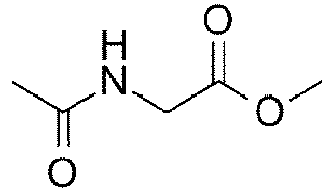
14 
15 
- In this variant of the invention, the person skilled in the art can easily evaluate the suitable concentration of the auxiliary release agent with respect to the desired release rate. The examples provide some insights regarding suitable conditions and resulting release efficiencies. In praxis, the auxiliary release agent can be used in an high excess in comparison to the release agent, for example with a molar ratio of 1:1,000 to 1:1,000,000 (release agent : auxiliary release agent).
- It is furthermore an obj ect of the invention to provide a kit comprising a biotinylated antibody, a biotin binding molecule, a release agent and optionally an auxiliary release agent. The biotinylated antibody is selected according to the desired target cells, e.g., against a certain antigen. The kit according to the invention is used by first labeling the desired cells with the biotinylated antibody, then conjugating the biotin-binding molecule, which is optionally labeled or coupled to a solid-support. After performing an isolation/purification step to yield the desired target cells, the release agent and optionally the auxiliary release agent is added to cleave the biotinylated antibody with the target cells from the biotin-binding molecule.
- The examples and comparative examples show that the releasable conjugates and the method according to the invention allow a fast and reliable dissociation. Cells targeted by the releasable conjugates can be separated from cell suspensions and efficiently released, which enables further processing of the isolated cells.
- To prepare biotinylated conjugates according to the first embodiment, IIa anti-CD8-antibody in PBS/EDTA-buffer was re-buffered to 100 mM NaHCO3-buffer (pH 8.3). NHS-Biotin, NHS-LC-Biotin, NHS-LC-LC-Biotin, and NHS-PEO-Biotin (n=4, as shown in
Fig.1 , available from Thermo Scientific/Pierce) were dissolved in DMSO at concentration of 5 mg/mL and added in different molar ratios to the antibody solution at 2.5 mg/mL. After 1 h incubation time at room temperature, unreacted biotin was removed by gel filtration utilizing PBS/EDTA-buffer. Protein concentrations were determined by the absorbance at 280 nm using experimentally determined extinction coefficients. The approximate biotin to protein ratios (B/P) were determined by the standardized HABA-avidin-assay. - To prepare biotinylated conjugates according to the second embodiment IIb or IIc anti-CD8-antibody was reduced with 10 mM DTT in MES-buffer. After 1 h incubation time at room temperature, the antibody was purified by gel filtration utilizing PBS/EDTA-buffer. To afford the anti-CD8-PEO-Biotin (5) (according to IIb) and anti-CD8-PEPO2-Biotin (6) (according to IIc) conjugates, maleimide-PEO-Biotin or maleimide-PEO2-Biotin (available from Thermo Scientific/Pierce), respectively, were dissolved in PBS/EDTA-buffer at 5 mg/mL and added with a molar excess to the antibody solution at 2.5 mg/mL. After 15 h incubation time at room temperature, the unreacted biotin was removed by gel filtration utilizing PBS/EDTA-buffer. Protein concentrations were determined by the absorbance at 280 nm using experimentally determined extinction coefficients. The approximate biotin to protein ratios (B/P) were determined by the standardized HABA-avidin-assay.
- Cell surface staining with anti-CD8-Biotin conjugates: peripheral blood mononuclear cells (PBMCs) in PBS/EDTA/BSA-buffer were stained for 10 min at 4 °C with 0.5 µg/mL of anti-CD8-Biotin (1), anti-CD8-LC-Biotin (2), anti-CD8-LC-LC-Biotin (3), or anti-CD8-PEO-Biotin (4) as illustrated in
Fig. 1 . The cells were washed with cold PBS/EDTA/BSA-buffer and stained for 10 min at 4 °C with an excess of anti-Biotin-PE. The cells were washed with cold PBS/EDTA-BSA-buffer and analyzed by flow cytometry. -
Fig. 2 shows the mean fluorescence intensities that have been achieved with different anti-CD8-Biotin conjugates as a function of the B/P ratio. Cell surface staining with anti-CD8-LC-Biotin (2), anti-CD8-LC-LC-Biotin (3), or anti-CD8-PEO-Biotin (4) furnished equally fluorescence signals. In contrast, cells stained with anti-CD8-Biotin (1) missing a spacer molecule between the biotin and the antibody moiety provided diminished mean fluorescence intensity although the B/P ratio of the biotinylated conjugates was comparable among each other. These experiments illustrate the advantage of affinity systems containing spacer molecules as in anti-CD8-LC-Biotin (2), anti-CD8-LC-LC-Biotin (3), or anti-CD8-PEO-Biotin (4) in comparison to conjugates, like anti-CD8-Biotin (1) missing an additional linker between the biotin and antibody moiety. - PBMCs in PBS/EDTA/BSA-buffer were stained for 10 min at 4 °C with 0.5 µg/mL of anti-CD8-Biotin (1), anti-CD8-LC-Biotin (2), anti-CD8-LC-LC-Biotin (3), anti-CD8-PEO-Biotin (4), anti-CD8-PEO-Biotin (5), or anti-CD8-PEO2-Biotin (6). The cells were washed with cold PBS/EDTA/BSA-buffer and stained for 10 min at 4 °C with an excess of anti-Biotin-PE. The cells were washed with cold PBS/EDTA-BSA-buffer and incubated with 0.1 mM biotin at room temperature in the dark. The cells and the dissociation of anti-Biotin-PE was monitored by flow cytometry analysis after certain time points in relation to the starting sample missing release agent.
-
Fig. 3 illustrate a fast decrease of the fluorescence signal of CD8 positive cells within the first 10 min reaction time in the presence of anti-CD8-Biotin (1), anti-CD8-PEO-Biotin (4), anti-CD8-PEO-Biotin (5), or anti-CD8-PEO2-Biotin (6), while the dissociation rate in the case of anti-CD8-LC-Biotin (2) and anti-CD8-LC-LC-Biotin (3) was significant lower. These examples show that the release of conjugates comprising either no spacer molecule or spacer units according to the invention is much faster than with conjugates comprising a spacer molecule not according to the invention, like LC or LC-LC. It is important to note, that spacer molecules seem to be necessary to achieve equally cell stainings as already disclosed inFig. 2 . - CD8 positive cells in PBS/EDTA/BSA-buffer were stained for 10 min at 4 °C with 0.5 µg/mL anti-CD8-PEO-Biotin (4). The cells were washed with cold PBS/EDTA/BSA-buffer and stained 10 min at 4 °C with an excess of anti-Biotin-PE. The cells were washed with cold PBS/EDTA-BSA-buffer and incubated with different concentrations of the
compounds -
Fig. 4 illustrates that thecompounds molecule 15, furnishing lower release yields. These examples show that auxiliary release agents according to the invention can facilitate the dissociation of the invented releasable conjugates. - CD8 positive cells in PBS/EDTA/BSA-buffer were stained for 10 min at 4 °C with 0.5 µg/mL anti-CD8-LC-LC-Biotin (3) and anti-CD8-PEO-Biotin (4). The cells were washed with cold PBS/EDTA/BSA-buffer and stained for 10 min at 4 °C with an excess of anti-Biotin-PE. The cells were washed with cold PBS/EDTA-BSA-buffer and incubated with different amounts of streptavidin in absence or in combination with
compound 12 at 100 mM concentration. The dissociation of the CD8-PEO-Biotin/anti-Biotin-PE and the CD8-LC-LC-Biotin/anti-Biotin-PE systems were monitored by flow cytometry analysis after 10 min incubation times in relation to samples missing release agent. -
Fig. 5 shows that the CD8-PEO-Biotin/anti-Biotin-PE system dissociates significantly faster than the CD8-LC-LC-Biotin/anti-Biotin-PE system in the presence of streptavidin. Moreover, the addition ofcompound 12 as auxiliary release agent accelerates the streptavidin-mediated dissociation process. This example shows that streptavidin on its own and in combination withcompound 12 as auxiliary release agent can facilitate the dissociation of conjugates containing a spacer molecule according to the invention. In contrast, the dissociation of affinity systems possessing a spacer molecule not according to the invention, like LC-LC, is significantly less influenced by the utilization of the release agents. - CD8 positive cells in PBS/EDTA/BSA-buffer were stained for 10 min at 4 °C with 0.5 µg/mL of anti-CD8-LC-LC-Biotin (3) and anti-CD8-PEO-Biotin (4). The cells were washed with cold PBS/EDTA/BSA-buffer and stained for 10 min at 4 °C with an excess of anti-Biotin-PE. The cells were washed with cold PBS/EDTA-BSA-buffer and incubated with different concentrations of allophycocyanin (APC)-labeled streptavidin (Biolegend, Inc.) in absence or in combination with
compound 12. The dissociation of the CD8-PEO-Biotin/anti-Biotin-PE and the CD8-LC-LC-Biotin/anti-Biotin-PE systems were monitored by flow cytometry analysis after 10 min incubation times in relation to samples missing release agent. -
Fig. 6 shows that the CD8-PEO-Biotin/anti-Biotin-PE system dissociates significantly faster that the CD8-LC-LC-Biotin/anti-Biotin-PE system in the presence of APC-streptavidin. Moreover, the addition ofcompound 12 as auxiliary release agent accelerates the APC-streptavidin-mediated dissociation process. This example shows that APC-streptavidin on its own and in combination withcompound 12 as auxiliary release agent can facilitate the dissociation of releasable conjugates containing a spacer molecule according to the invention. In contrast, the release agents significantly less influence the dissociation of affinity systems possessing a spacer molecule not according to the invention, like the CD8-LC-LC-Biotin/anti-Biotin-PE system. - PBMCs in PBS/EDTA/BSA-buffer were incubated at 4 °C for 10 min with anti-CD8-LC-LC-Biotin (3) and anti-CD8-PEO-Biotin (4). The cells were washed with cold PBS/EDTA/BSA-buffer and incubated for 15 min at 4 °C with anti-Biotin-MicroBeads (Miltenyi Biotec GmbH) and for 10 min at 4 °C with anti-CD8-PE. The cells were washed with cold PBS/EDTA-BSA-buffer and resuspended in 500 µL of cold buffer. The cell suspension was applied on a MS-column (Miltenyi Biotec GmbH) in a magnetic field for magnetic cell separation. The flow-through was collected as magnetically unlabeled cell fraction. The cells were washed within the magnetic field and the column was removed from the separator prior to the elution of the cells with 1 mL of cold PBS/EDTA/BSA-buffer. The isolated cell fraction was incubated for 10 min at different concentrations of biotin. The cell suspension was applied onto a second column and flow-through was collected as eluted cells. Cells retained on the column were eluted with 500 µL of cold PBS/EDTA/BSA-buffer in absence of the magnetic field. The amount of CD8 positive cells in the isolated fractions was determined by flow cytometry analysis. The percentage allocation of the eluted cells was calculated as follows:

-
Fig. 7 illustrates that the incubation of cells labeled by the CD8-PEO-Biotin/anti-Biotin-MicroBead system according to the invention with biotin leads to a significantly better release of the magnetic label in comparison to the CD8-LC-LC-Biotin/anti-Biotin-MicroBead system. This example shows the possibility to efficiently release the magnetic labeling of separated cells in the CD8-PEO-Biotin/anti-Biotin-MicroBead system by the addition of biotin as release agent. - PBMCs in PBS/EDTA/BSA-buffer were incubated for 10 min at 4 °C with anti-CD8-LC-LC-Biotin (3) and anti-CD8-PEO-Biotin (4). The cells were washed with cold PBS/EDTA/BSA-buffer and incubated for 15 min at 4 °C with anti-Biotin-MicroBeads (Miltenyi Biotec GmbH) and for 10 min at 4°C with anti-CD8-PE. The cells were washed with cold PBS/EDTA-BSA-buffer and resuspended in 500 µL of cold buffer. The cell suspension was applied on a MS-column in a magnetic field for magnetic cell separation. The flow-through was collected as magnetically unlabeled cell fraction. The cells were washed within the magnetic field and the column was removed from the separator prior to elution of the cells with 1 mL of cold PBS/EDTA/BSA-buffer. The isolated cell fraction was incubated for 10 min at different concentrations of streptavidin with and without
compound 12. The cell suspension was applied onto a second column and flow-through was collected as eluted cells. Cells retained by the column were eluted with 500 µL of cold PBS/EDTA/BSA-buffer in absence of the magnetic field. The amount of CD8 positive cells in the isolated fractions was determined by flow cytometry analysis. The percentage allocation of the eluted cells was calculated as follows:
-
Fig. 8 illustrates that the incubation of cells labeled by the CD8-PEO-Biotin/anti-Biotin-MicroBead system according to the invention with streptavidin provides a significantly faster release of the magnetic label in comparison to the CD8-LC-LC-Biotin/anti-Biotin-MicroBead system. Moreover, the addition ofcompound 12 to streptavidin as release agent further improves the dissociation of the CD8-PEO-Biotin/anti-Biotin-MicroBead system. This example shows that the use of an auxiliary release agent according to the invention can significantly improve the release efficiency. - PBMCs in PBS/EDTA/BSA-buffer were incubated for 10 min at 4 °C with anti-CD8-LC-LC-Biotin (3) and anti-CD8-PEO-Biotin (4). The cells were washed with cold PBS/EDTA/BSA-buffer and incubated for 15 min at 4 °C with anti-Biotin-MicroBeads and for 10 min at 4 °C with anti-CD8-PE. The cells were washed with cold PBS/EDTA-BSA-buffer and resuspended in 500 µL of cold buffer. The cell suspension was applied on a MS-column in a magnetic field for magnetic cell separation. The flow-through was collected as magnetically unlabeled cell fraction. The cells were washed within the magnetic field and the column was removed from the separator prior to elution of the cells with 1 mL of cold PBS/EDTA/BSA-buffer. The isolated cell fraction was incubated for 10 min at different concentrations of APC-streptavidin with and without
compound 12. The cell suspension was applied onto a second column and flow-through was collected as eluted cells. Cells retained by the column were eluted with 500 µL of cold PBS/EDTA/BSA-buffer in absence of the magnetic field. The amount of CD8 positive cells in the isolated fractions was determined by flow cytometry analysis. The percentage allocation of the eluted cells was calculated as follows:
-
Fig. 9 illustrates that cells labeled by the CD8-PEO-Biotin/anti-Biotin-MicroBead system according to the invention and treated with APC-streptavidin as release agent are significantly faster eluted from the magnetic field in comparison to cells labeled with the CD8-LC-LC-Biotin/anti-Biotin-MicroBead system. Moreover, the addition ofcompound 12 to APC-streptavidin as release agent further improves the dissociation of the CD8-PEO-Biotin/anti-Biotin-MicroBead system. These results demonstrate that the use of auxiliary release agents according to the invention can significantly improve the release efficiency.
Claims (15)
- Releasable conjugate comprising a biotinylated ligand (Ligand1) having a biotin moiety, a ligand moiety and a biotin-binding molecule (bbm) bound to the biotin moiety of the biotinylated ligand characterized in that the biotin moiety and the ligand moiety of the biotinylated ligand are separated by a spacer group consisting of polyethylene glycol according to the general formula I

- Releasable conjugate according to claim 1, characterized in that the ligand is a biomolecule selected from the group consisting of antibodies, proteins, peptides, nucleic acids, carbohydrates, lipids, and derivatives thereof.
- Releasable conjugate according to claim 1 or 2 characterized in that the ligand is an antibody directed against cells having an antigen selected from the group consisting of CD3, CD4, CD8, CD14, CD19, CD25, CD34, CD56, and CD133.
- Releasable conjugate according to any of the claims 1 to 3, characterized in that X and Y stand for substituted alkyl groups having 1 to 20 carbon atoms having amine, amide, and/or thioether residues.
- Releasable conjugate according to any of the claims 1 to 4, characterized in that the releasable conjugate has the general formula IIa, IIb, or IIc


- Releasable conjugate according to any of the claims 1 to 5, characterized in that the biotin-binding molecule (bbm) is a biomolecule displaceable from the biotin moiety of the biotinylated ligand by biotin, streptavidin or derivates thereof.
- Releasable conjugate according to any of the claims 1 to 6, characterized in that the biotin-binding molecule (bbm) is an antibody.
- Releasable conjugate according to any of the claims 1 to 7 characterized in that the biotin-binding molecule (bbm) is attached to a solid-support.
- Method for cleaving a releasable conjugate comprising a biotinylated ligand (Ligand1) having a biotin moiety, a ligand moiety, and a biotin-binding molecule (bbm) bound to the biotin moiety of the biotinylated ligand, wherein the biotin moiety and the ligand moiety of the biotinylated ligand are separated by a spacer group consisting of polyethylene glycol according to the general formula I

- Method according to claim 9, characterized in that the ligand is a biomolecule selected from the group consisting of antibodies, proteins, peptides, nucleic acids, carbohydrates, lipids, and derivatives thereof
- Method according to claim 9 characterized in that the ligand is an antibody directed against cells having an antigen selected from the group consisting of CD3, CD4, CD8, CD14, CD19, CD25, CD34, CD56, and CD133.
- Method according to any of the claims 8 to 11, characterized in that the biotin-binding molecule (bbm) is a biomolecule displaceable from the biotin moiety of the biotinylated ligand by biotin, streptavidin or derivates thereof.
- Method according to claim 12, characterized in that the biotin-binding molecule (bbm) is an antibody.
- Method according to any of the claims 8 to 13 characterized in that the biotin-binding molecule (bbm) is attached to a solid-support.
- Method according to any of the claims 8 to 14 characterized in providing biotin, streptavidin or derivates thereof and an auxiliary release agent having the general formulas VII, VIII, or IX

Priority Applications (5)
| Application Number | Priority Date | Filing Date | Title |
|---|---|---|---|
| EP12189516.3A EP2725358A1 (en) | 2012-10-23 | 2012-10-23 | Release system for cell-antibody-substrate conjugates containing a polyethylene glycol spacer unit |
| US13/998,112 US20140113315A1 (en) | 2012-10-23 | 2013-10-02 | Cell separation method using a release system for cell-antibody-substrate conjugates containing a polyethylene glycol spacer unit |
| EP13188639.2A EP2725359B1 (en) | 2012-10-23 | 2013-10-15 | Cell separation method using a release system for cell-antibody-substrate conjugates containing a polyethylene glycol spacer unit |
| ES13188639.2T ES2540083T3 (en) | 2012-10-23 | 2013-10-15 | Method of cell separation through the use of a release system for cell-antibody-substrate conjugates containing a polyethylene glycol spacer unit |
| US15/166,675 US10196631B2 (en) | 2012-10-23 | 2016-05-27 | Cell separation method using a release system for cell-antibody-substrate conjugates containing a polyethylene glycol spacer unit |
Applications Claiming Priority (1)
| Application Number | Priority Date | Filing Date | Title |
|---|---|---|---|
| EP12189516.3A EP2725358A1 (en) | 2012-10-23 | 2012-10-23 | Release system for cell-antibody-substrate conjugates containing a polyethylene glycol spacer unit |
Publications (1)
| Publication Number | Publication Date |
|---|---|
| EP2725358A1 true EP2725358A1 (en) | 2014-04-30 |
Family
ID=47046475
Family Applications (2)
| Application Number | Title | Priority Date | Filing Date |
|---|---|---|---|
| EP12189516.3A Withdrawn EP2725358A1 (en) | 2012-10-23 | 2012-10-23 | Release system for cell-antibody-substrate conjugates containing a polyethylene glycol spacer unit |
| EP13188639.2A Active EP2725359B1 (en) | 2012-10-23 | 2013-10-15 | Cell separation method using a release system for cell-antibody-substrate conjugates containing a polyethylene glycol spacer unit |
Family Applications After (1)
| Application Number | Title | Priority Date | Filing Date |
|---|---|---|---|
| EP13188639.2A Active EP2725359B1 (en) | 2012-10-23 | 2013-10-15 | Cell separation method using a release system for cell-antibody-substrate conjugates containing a polyethylene glycol spacer unit |
Country Status (3)
| Country | Link |
|---|---|
| US (1) | US20140113315A1 (en) |
| EP (2) | EP2725358A1 (en) |
| ES (1) | ES2540083T3 (en) |
Cited By (2)
| Publication number | Priority date | Publication date | Assignee | Title |
|---|---|---|---|---|
| EP3037821A1 (en) * | 2014-12-27 | 2016-06-29 | Miltenyi Biotec GmbH | Cell detection with conjugates having an enzymatically releasable detection moiety |
| WO2017149262A1 (en) | 2016-03-04 | 2017-09-08 | Michael Sadoun | Preform for the production of a dental prosthesis |
Families Citing this family (11)
| Publication number | Priority date | Publication date | Assignee | Title |
|---|---|---|---|---|
| US10196631B2 (en) * | 2012-10-23 | 2019-02-05 | Miltenyi Biotec Gmbh | Cell separation method using a release system for cell-antibody-substrate conjugates containing a polyethylene glycol spacer unit |
| JP6675165B2 (en) * | 2015-07-31 | 2020-04-01 | シスメックス株式会社 | Test substance detection method, detection reagent kit and detection reagent |
| EP3336545A1 (en) * | 2016-12-13 | 2018-06-20 | Miltenyi Biotec GmbH | Reversible labeling of antigens in biological specimens |
| EP3336546B1 (en) * | 2016-12-13 | 2020-07-01 | Miltenyi Biotec B.V. & Co. KG | Reversible cell labelling with conjugates having two releasable binding sites |
| US11633741B2 (en) | 2019-03-19 | 2023-04-25 | Miltenyi Biotec B.V. & Co. KG | Slide chamber |
| KR20220015452A (en) | 2019-05-28 | 2022-02-08 | 밀테니 비오텍 비.브이. & 씨오. 케이지 | Methods of Generating Genetically Modified T Cells |
| CN114585895A (en) | 2019-08-22 | 2022-06-03 | 迈克尔·伊安诺蒂 | High throughput analysis and sorting and sampling interface and assembly for high throughput analysis and sorting |
| US20220315894A1 (en) | 2019-09-11 | 2022-10-06 | Miltenyi Biotec B.V. & Co. KG | Method for Transduction of T Cells in the Presence of Malignant Cells |
| EP4204809A1 (en) | 2020-08-27 | 2023-07-05 | Miltenyi Biotec B.V. & Co. KG | Releasable reagents for cell separation |
| EP4462105A1 (en) | 2023-05-10 | 2024-11-13 | Medcom Advance, S.A. | Sers-active reagent, method of synthesizing the sers-active reagent, and method of detecting an analyte in a sample using the sers-active reagent |
| WO2025068451A1 (en) | 2023-09-28 | 2025-04-03 | Miltenyi Biotec B.V. & Co. KG | Flow cell for sequencing |
Citations (9)
| Publication number | Priority date | Publication date | Assignee | Title |
|---|---|---|---|---|
| US4656252A (en) | 1980-01-24 | 1987-04-07 | Giese Roger W | Amidobiotin compounds useful in a avidin-biotin multiple layering process |
| WO1992016841A1 (en) | 1991-03-12 | 1992-10-01 | E.I. Du Pont De Nemours And Company | Method for specific binding assays using a releasable ligand |
| US5215927A (en) | 1986-01-30 | 1993-06-01 | Fred Hutchinson Cancer Research Center | Method for immunoselection of cells using avidin and biotin |
| US5506121A (en) | 1992-11-03 | 1996-04-09 | Institut Fur Bioanalytik Gemeinnutzige Gesellschaft MBH | Fusion peptides with binding activity for streptavidin |
| US5518882A (en) | 1993-12-21 | 1996-05-21 | Biotex Laboratories, Inc. | Immunological methods of component selection and recovery |
| US20030003514A1 (en) * | 2001-05-03 | 2003-01-02 | Victor Kovalenko | Systems and methods for detection of analytes in biological fluids |
| US6869606B1 (en) | 1999-02-22 | 2005-03-22 | Millennium Pharmaceuticals, Inc. | Biotinylated-chemokine antibody complexes |
| US20070092558A1 (en) * | 2005-10-20 | 2007-04-26 | George Heavner | Methods of Preparing Targeted Immunoliposomes |
| US20080255004A1 (en) | 2006-11-15 | 2008-10-16 | Invitrogen Dynal As | Methods of reversibly binding a biotin compound to a support |
-
2012
- 2012-10-23 EP EP12189516.3A patent/EP2725358A1/en not_active Withdrawn
-
2013
- 2013-10-02 US US13/998,112 patent/US20140113315A1/en not_active Abandoned
- 2013-10-15 EP EP13188639.2A patent/EP2725359B1/en active Active
- 2013-10-15 ES ES13188639.2T patent/ES2540083T3/en active Active
Patent Citations (9)
| Publication number | Priority date | Publication date | Assignee | Title |
|---|---|---|---|---|
| US4656252A (en) | 1980-01-24 | 1987-04-07 | Giese Roger W | Amidobiotin compounds useful in a avidin-biotin multiple layering process |
| US5215927A (en) | 1986-01-30 | 1993-06-01 | Fred Hutchinson Cancer Research Center | Method for immunoselection of cells using avidin and biotin |
| WO1992016841A1 (en) | 1991-03-12 | 1992-10-01 | E.I. Du Pont De Nemours And Company | Method for specific binding assays using a releasable ligand |
| US5506121A (en) | 1992-11-03 | 1996-04-09 | Institut Fur Bioanalytik Gemeinnutzige Gesellschaft MBH | Fusion peptides with binding activity for streptavidin |
| US5518882A (en) | 1993-12-21 | 1996-05-21 | Biotex Laboratories, Inc. | Immunological methods of component selection and recovery |
| US6869606B1 (en) | 1999-02-22 | 2005-03-22 | Millennium Pharmaceuticals, Inc. | Biotinylated-chemokine antibody complexes |
| US20030003514A1 (en) * | 2001-05-03 | 2003-01-02 | Victor Kovalenko | Systems and methods for detection of analytes in biological fluids |
| US20070092558A1 (en) * | 2005-10-20 | 2007-04-26 | George Heavner | Methods of Preparing Targeted Immunoliposomes |
| US20080255004A1 (en) | 2006-11-15 | 2008-10-16 | Invitrogen Dynal As | Methods of reversibly binding a biotin compound to a support |
Non-Patent Citations (7)
| Title |
|---|
| JAMES HIRSCH ET AL., ANALYTICAL BIOCHEMISTRY, vol. 308, 2002, pages 343 - 357 |
| JAMES HIRSCH ET AL., GIVE AN OVERVIEW OF THESE TECHNIQUES IN ANALYTICAL BIOCHEMISTRY, vol. 308, 2002, pages 343 - 357 |
| KE S ET AL: "Intermolecular interaction of avidin and PEGylated biotin", BIOCONJUGATE CHEMISTRY, ACS, WASHINGTON, DC, US, vol. 18, no. 6, 21 November 2007 (2007-11-21), pages 2109 - 2114, XP002573017, ISSN: 1043-1802, [retrieved on 20071019], DOI: 10.1021/BC700204K * |
| M. QURESHI ET AL., J. BIOL. CHEM., vol. 276, 2001, pages 46422 - 46428 |
| RAMPERSAUD A A ET AL: "Novel discrete PEG-based crosslinking reagents for conjugation of antibodies and proteins to biotin, fluorochromes, enzymes and gold that eliminate aggregation, improves solubility, reduces non-specific binding and enhances low level detection limits", MOLECULAR BIOLOGY OF THE CELL, vol. 22, 2011, & ANNUAL MEETING OF THE AMERICAN-SOCIETY-FOR-CELL-BIOLOGY (ASCB); DENVER, CO, USA; DECEMBER 03 -07, 2011, pages 1931, XP055050022, ISSN: 1059-1524 * |
| SHAN KE ET AL: "Avidin-Biotin-PEG-CPA Complexes as Potential EPR-Directed Therapeutic Protein Carriers: Preparation and Characterization", BIOCONJUGATE CHEMISTRY, vol. 18, no. 5, 1 September 2007 (2007-09-01), pages 1644 - 1650, XP055050030, ISSN: 1043-1802, DOI: 10.1021/bc700182t * |
| T. SANO ET AL., PROC. NATL. ACAD. SCI. USA, vol. 92, 1995, pages 3180 - 3184 |
Cited By (4)
| Publication number | Priority date | Publication date | Assignee | Title |
|---|---|---|---|---|
| EP3037821A1 (en) * | 2014-12-27 | 2016-06-29 | Miltenyi Biotec GmbH | Cell detection with conjugates having an enzymatically releasable detection moiety |
| US10197561B2 (en) | 2014-12-27 | 2019-02-05 | Miltenyi Biotec, Gmbh | Cell detection with conjugates having an enzymatically releasable detection moiety |
| WO2017149262A1 (en) | 2016-03-04 | 2017-09-08 | Michael Sadoun | Preform for the production of a dental prosthesis |
| US11622918B2 (en) | 2016-03-04 | 2023-04-11 | Vita Zahnfabrik H. Rauter Gmbh & Co Kg | Preform for the production of a dental prosthesis |
Also Published As
| Publication number | Publication date |
|---|---|
| EP2725359B1 (en) | 2015-05-27 |
| US20140113315A1 (en) | 2014-04-24 |
| EP2725359A1 (en) | 2014-04-30 |
| ES2540083T3 (en) | 2015-07-08 |
Similar Documents
| Publication | Publication Date | Title |
|---|---|---|
| EP2725359B1 (en) | Cell separation method using a release system for cell-antibody-substrate conjugates containing a polyethylene glycol spacer unit | |
| JP7192014B2 (en) | Chromatographic isolation of cells and other complex biological materials | |
| EP2109669B1 (en) | Methods for reversibly binding a biotin compound to a support | |
| EP3137905B1 (en) | Method of isolating a target cell | |
| US9983203B2 (en) | Method for protein analysis | |
| EP1774334B1 (en) | Use of magnetic material to direct isolation of compounds and fractionation of multipart samples | |
| JP2005538929A (en) | Methods for isolating nucleic acids and proteins from a single sample | |
| Ugelstad et al. | Biochemical and biomedical application of monodisperse polymer particles | |
| CN106133211A (en) | Nucleic acid reagent for carrying out hypersensitive Digital Detecting and quantitative purposes to target molecule | |
| US10196631B2 (en) | Cell separation method using a release system for cell-antibody-substrate conjugates containing a polyethylene glycol spacer unit | |
| Cao et al. | Partitioning-induced isolation of analyte and analysis via multiscaled aqueous two-phase system | |
| EP2758532A1 (en) | Screening methods and uses thereof | |
| US20020151089A1 (en) | Separating components of biological samples | |
| US20180217151A1 (en) | Reversible labeling of antigens in biological specimens | |
| US9347863B2 (en) | Phosphorothioate oligonucleotide-labeling of white blood cells | |
| Shiranifaradonbeh | Antibody-mediated cell enrichment using a boronic acid complex |
Legal Events
| Date | Code | Title | Description |
|---|---|---|---|
| PUAI | Public reference made under article 153(3) epc to a published international application that has entered the european phase |
Free format text: ORIGINAL CODE: 0009012 |
|
| 17P | Request for examination filed |
Effective date: 20121023 |
|
| AK | Designated contracting states |
Kind code of ref document: A1 Designated state(s): AL AT BE BG CH CY CZ DE DK EE ES FI FR GB GR HR HU IE IS IT LI LT LU LV MC MK MT NL NO PL PT RO RS SE SI SK SM TR |
|
| AX | Request for extension of the european patent |
Extension state: BA ME |
|
| STAA | Information on the status of an ep patent application or granted ep patent |
Free format text: STATUS: THE APPLICATION IS DEEMED TO BE WITHDRAWN |
|
| 18D | Application deemed to be withdrawn |
Effective date: 20141031 |