EP2812431B1 - Pepmixes to generate multiviral ctls with broad specificity - Google Patents
Pepmixes to generate multiviral ctls with broad specificity Download PDFInfo
- Publication number
- EP2812431B1 EP2812431B1 EP13746524.1A EP13746524A EP2812431B1 EP 2812431 B1 EP2812431 B1 EP 2812431B1 EP 13746524 A EP13746524 A EP 13746524A EP 2812431 B1 EP2812431 B1 EP 2812431B1
- Authority
- EP
- European Patent Office
- Prior art keywords
- cells
- ctls
- antigen
- cell
- virus
- Prior art date
- Legal status (The legal status is an assumption and is not a legal conclusion. Google has not performed a legal analysis and makes no representation as to the accuracy of the status listed.)
- Active
Links
- 0 CCCN*(C)CCC*(C(*)C(C)*)O Chemical compound CCCN*(C)CCC*(C(*)C(C)*)O 0.000 description 1
- HMWXCSCBUXKXSA-UHFFFAOYSA-N CCCOCCN Chemical compound CCCOCCN HMWXCSCBUXKXSA-UHFFFAOYSA-N 0.000 description 1
Images










Classifications
-
- C—CHEMISTRY; METALLURGY
- C12—BIOCHEMISTRY; BEER; SPIRITS; WINE; VINEGAR; MICROBIOLOGY; ENZYMOLOGY; MUTATION OR GENETIC ENGINEERING
- C12N—MICROORGANISMS OR ENZYMES; COMPOSITIONS THEREOF; PROPAGATING, PRESERVING, OR MAINTAINING MICROORGANISMS; MUTATION OR GENETIC ENGINEERING; CULTURE MEDIA
- C12N5/00—Undifferentiated human, animal or plant cells, e.g. cell lines; Tissues; Cultivation or maintenance thereof; Culture media therefor
- C12N5/06—Animal cells or tissues; Human cells or tissues
- C12N5/0602—Vertebrate cells
- C12N5/0634—Cells from the blood or the immune system
- C12N5/0636—T lymphocytes
- C12N5/0638—Cytotoxic T lymphocytes [CTL] or lymphokine activated killer cells [LAK]
-
- A—HUMAN NECESSITIES
- A61—MEDICAL OR VETERINARY SCIENCE; HYGIENE
- A61K—PREPARATIONS FOR MEDICAL, DENTAL OR TOILETRY PURPOSES
- A61K39/00—Medicinal preparations containing antigens or antibodies
- A61K39/12—Viral antigens
-
- A—HUMAN NECESSITIES
- A61—MEDICAL OR VETERINARY SCIENCE; HYGIENE
- A61K—PREPARATIONS FOR MEDICAL, DENTAL OR TOILETRY PURPOSES
- A61K40/00—Cellular immunotherapy
- A61K40/10—Cellular immunotherapy characterised by the cell type used
- A61K40/11—T-cells, e.g. tumour infiltrating lymphocytes [TIL] or regulatory T [Treg] cells; Lymphokine-activated killer [LAK] cells
-
- A—HUMAN NECESSITIES
- A61—MEDICAL OR VETERINARY SCIENCE; HYGIENE
- A61K—PREPARATIONS FOR MEDICAL, DENTAL OR TOILETRY PURPOSES
- A61K40/00—Cellular immunotherapy
- A61K40/40—Cellular immunotherapy characterised by antigens that are targeted or presented by cells of the immune system
- A61K40/46—Viral antigens
-
- C—CHEMISTRY; METALLURGY
- C07—ORGANIC CHEMISTRY
- C07K—PEPTIDES
- C07K14/00—Peptides having more than 20 amino acids; Gastrins; Somatostatins; Melanotropins; Derivatives thereof
- C07K14/005—Peptides having more than 20 amino acids; Gastrins; Somatostatins; Melanotropins; Derivatives thereof from viruses
- C07K14/01—DNA viruses
- C07K14/025—Papovaviridae, e.g. papillomavirus, polyomavirus, SV40, BK virus, JC virus
-
- C—CHEMISTRY; METALLURGY
- C07—ORGANIC CHEMISTRY
- C07K—PEPTIDES
- C07K14/00—Peptides having more than 20 amino acids; Gastrins; Somatostatins; Melanotropins; Derivatives thereof
- C07K14/005—Peptides having more than 20 amino acids; Gastrins; Somatostatins; Melanotropins; Derivatives thereof from viruses
- C07K14/01—DNA viruses
- C07K14/03—Herpetoviridae, e.g. pseudorabies virus
-
- C—CHEMISTRY; METALLURGY
- C07—ORGANIC CHEMISTRY
- C07K—PEPTIDES
- C07K14/00—Peptides having more than 20 amino acids; Gastrins; Somatostatins; Melanotropins; Derivatives thereof
- C07K14/005—Peptides having more than 20 amino acids; Gastrins; Somatostatins; Melanotropins; Derivatives thereof from viruses
- C07K14/08—RNA viruses
- C07K14/11—Orthomyxoviridae, e.g. influenza virus
-
- C—CHEMISTRY; METALLURGY
- C07—ORGANIC CHEMISTRY
- C07K—PEPTIDES
- C07K14/00—Peptides having more than 20 amino acids; Gastrins; Somatostatins; Melanotropins; Derivatives thereof
- C07K14/005—Peptides having more than 20 amino acids; Gastrins; Somatostatins; Melanotropins; Derivatives thereof from viruses
- C07K14/08—RNA viruses
- C07K14/115—Paramyxoviridae, e.g. parainfluenza virus
- C07K14/135—Respiratory syncytial virus
-
- C—CHEMISTRY; METALLURGY
- C12—BIOCHEMISTRY; BEER; SPIRITS; WINE; VINEGAR; MICROBIOLOGY; ENZYMOLOGY; MUTATION OR GENETIC ENGINEERING
- C12N—MICROORGANISMS OR ENZYMES; COMPOSITIONS THEREOF; PROPAGATING, PRESERVING, OR MAINTAINING MICROORGANISMS; MUTATION OR GENETIC ENGINEERING; CULTURE MEDIA
- C12N7/00—Viruses; Bacteriophages; Compositions thereof; Preparation or purification thereof
-
- A—HUMAN NECESSITIES
- A61—MEDICAL OR VETERINARY SCIENCE; HYGIENE
- A61K—PREPARATIONS FOR MEDICAL, DENTAL OR TOILETRY PURPOSES
- A61K39/00—Medicinal preparations containing antigens or antibodies
- A61K2039/555—Medicinal preparations containing antigens or antibodies characterised by a specific combination antigen/adjuvant
- A61K2039/55511—Organic adjuvants
- A61K2039/55522—Cytokines; Lymphokines; Interferons
- A61K2039/55527—Interleukins
-
- A—HUMAN NECESSITIES
- A61—MEDICAL OR VETERINARY SCIENCE; HYGIENE
- A61K—PREPARATIONS FOR MEDICAL, DENTAL OR TOILETRY PURPOSES
- A61K39/00—Medicinal preparations containing antigens or antibodies
- A61K2039/57—Medicinal preparations containing antigens or antibodies characterised by the type of response, e.g. Th1, Th2
-
- A—HUMAN NECESSITIES
- A61—MEDICAL OR VETERINARY SCIENCE; HYGIENE
- A61K—PREPARATIONS FOR MEDICAL, DENTAL OR TOILETRY PURPOSES
- A61K39/00—Medicinal preparations containing antigens or antibodies
- A61K2039/57—Medicinal preparations containing antigens or antibodies characterised by the type of response, e.g. Th1, Th2
- A61K2039/572—Medicinal preparations containing antigens or antibodies characterised by the type of response, e.g. Th1, Th2 cytotoxic response
-
- A—HUMAN NECESSITIES
- A61—MEDICAL OR VETERINARY SCIENCE; HYGIENE
- A61K—PREPARATIONS FOR MEDICAL, DENTAL OR TOILETRY PURPOSES
- A61K39/00—Medicinal preparations containing antigens or antibodies
- A61K2039/57—Medicinal preparations containing antigens or antibodies characterised by the type of response, e.g. Th1, Th2
- A61K2039/577—Medicinal preparations containing antigens or antibodies characterised by the type of response, e.g. Th1, Th2 tolerising response
-
- A—HUMAN NECESSITIES
- A61—MEDICAL OR VETERINARY SCIENCE; HYGIENE
- A61K—PREPARATIONS FOR MEDICAL, DENTAL OR TOILETRY PURPOSES
- A61K39/00—Medicinal preparations containing antigens or antibodies
- A61K2039/70—Multivalent vaccine
-
- C—CHEMISTRY; METALLURGY
- C12—BIOCHEMISTRY; BEER; SPIRITS; WINE; VINEGAR; MICROBIOLOGY; ENZYMOLOGY; MUTATION OR GENETIC ENGINEERING
- C12N—MICROORGANISMS OR ENZYMES; COMPOSITIONS THEREOF; PROPAGATING, PRESERVING, OR MAINTAINING MICROORGANISMS; MUTATION OR GENETIC ENGINEERING; CULTURE MEDIA
- C12N2501/00—Active agents used in cell culture processes, e.g. differentation
- C12N2501/20—Cytokines; Chemokines
- C12N2501/23—Interleukins [IL]
- C12N2501/2302—Interleukin-2 (IL-2)
-
- C—CHEMISTRY; METALLURGY
- C12—BIOCHEMISTRY; BEER; SPIRITS; WINE; VINEGAR; MICROBIOLOGY; ENZYMOLOGY; MUTATION OR GENETIC ENGINEERING
- C12N—MICROORGANISMS OR ENZYMES; COMPOSITIONS THEREOF; PROPAGATING, PRESERVING, OR MAINTAINING MICROORGANISMS; MUTATION OR GENETIC ENGINEERING; CULTURE MEDIA
- C12N2501/00—Active agents used in cell culture processes, e.g. differentation
- C12N2501/20—Cytokines; Chemokines
- C12N2501/23—Interleukins [IL]
- C12N2501/2304—Interleukin-4 (IL-4)
-
- C—CHEMISTRY; METALLURGY
- C12—BIOCHEMISTRY; BEER; SPIRITS; WINE; VINEGAR; MICROBIOLOGY; ENZYMOLOGY; MUTATION OR GENETIC ENGINEERING
- C12N—MICROORGANISMS OR ENZYMES; COMPOSITIONS THEREOF; PROPAGATING, PRESERVING, OR MAINTAINING MICROORGANISMS; MUTATION OR GENETIC ENGINEERING; CULTURE MEDIA
- C12N2501/00—Active agents used in cell culture processes, e.g. differentation
- C12N2501/20—Cytokines; Chemokines
- C12N2501/23—Interleukins [IL]
- C12N2501/2307—Interleukin-7 (IL-7)
-
- C—CHEMISTRY; METALLURGY
- C12—BIOCHEMISTRY; BEER; SPIRITS; WINE; VINEGAR; MICROBIOLOGY; ENZYMOLOGY; MUTATION OR GENETIC ENGINEERING
- C12N—MICROORGANISMS OR ENZYMES; COMPOSITIONS THEREOF; PROPAGATING, PRESERVING, OR MAINTAINING MICROORGANISMS; MUTATION OR GENETIC ENGINEERING; CULTURE MEDIA
- C12N2501/00—Active agents used in cell culture processes, e.g. differentation
- C12N2501/20—Cytokines; Chemokines
- C12N2501/23—Interleukins [IL]
- C12N2501/2315—Interleukin-15 (IL-15)
-
- C—CHEMISTRY; METALLURGY
- C12—BIOCHEMISTRY; BEER; SPIRITS; WINE; VINEGAR; MICROBIOLOGY; ENZYMOLOGY; MUTATION OR GENETIC ENGINEERING
- C12N—MICROORGANISMS OR ENZYMES; COMPOSITIONS THEREOF; PROPAGATING, PRESERVING, OR MAINTAINING MICROORGANISMS; MUTATION OR GENETIC ENGINEERING; CULTURE MEDIA
- C12N2710/00—MICROORGANISMS OR ENZYMES; COMPOSITIONS THEREOF; PROPAGATING, PRESERVING, OR MAINTAINING MICROORGANISMS; MUTATION OR GENETIC ENGINEERING; CULTURE MEDIA dsDNA viruses
- C12N2710/00011—Details
- C12N2710/16011—Herpesviridae
- C12N2710/16111—Cytomegalovirus, e.g. human herpesvirus 5
- C12N2710/16134—Use of virus or viral component as vaccine, e.g. live-attenuated or inactivated virus, VLP, viral protein
-
- C—CHEMISTRY; METALLURGY
- C12—BIOCHEMISTRY; BEER; SPIRITS; WINE; VINEGAR; MICROBIOLOGY; ENZYMOLOGY; MUTATION OR GENETIC ENGINEERING
- C12N—MICROORGANISMS OR ENZYMES; COMPOSITIONS THEREOF; PROPAGATING, PRESERVING, OR MAINTAINING MICROORGANISMS; MUTATION OR GENETIC ENGINEERING; CULTURE MEDIA
- C12N2710/00—MICROORGANISMS OR ENZYMES; COMPOSITIONS THEREOF; PROPAGATING, PRESERVING, OR MAINTAINING MICROORGANISMS; MUTATION OR GENETIC ENGINEERING; CULTURE MEDIA dsDNA viruses
- C12N2710/00011—Details
- C12N2710/16011—Herpesviridae
- C12N2710/16211—Lymphocryptovirus, e.g. human herpesvirus 4, Epstein-Barr Virus
- C12N2710/16234—Use of virus or viral component as vaccine, e.g. live-attenuated or inactivated virus, VLP, viral protein
-
- Y—GENERAL TAGGING OF NEW TECHNOLOGICAL DEVELOPMENTS; GENERAL TAGGING OF CROSS-SECTIONAL TECHNOLOGIES SPANNING OVER SEVERAL SECTIONS OF THE IPC; TECHNICAL SUBJECTS COVERED BY FORMER USPC CROSS-REFERENCE ART COLLECTIONS [XRACs] AND DIGESTS
- Y02—TECHNOLOGIES OR APPLICATIONS FOR MITIGATION OR ADAPTATION AGAINST CLIMATE CHANGE
- Y02A—TECHNOLOGIES FOR ADAPTATION TO CLIMATE CHANGE
- Y02A50/00—TECHNOLOGIES FOR ADAPTATION TO CLIMATE CHANGE in human health protection, e.g. against extreme weather
- Y02A50/30—Against vector-borne diseases, e.g. mosquito-borne, fly-borne, tick-borne or waterborne diseases whose impact is exacerbated by climate change
Definitions
- the present invention generally concerns the fields of immunology, cell biology, molecular biology, and medicine.
- hematopoietic stem cell transplant may cure hematological malignancies and genetic disorders
- extension to donors other than HLA-matched siblings has resulted in the emergence of viral infections as major contributors to post-transplant morbidity and mortality 1-4 .
- CMV cytomegalovirus
- EBV Epstein-Barr virus
- HSV herpes-simplex virus
- Adv Adenovirus
- BK BK
- HHV human herpesvirus
- RSV Respiratory Syncytial virus
- parainfluenza parainfluenza
- influenza 2 While pharmacological agents are standard therapy for some, they have substantial toxicities, generate resistant variants, are frequently ineffective and do not provide long-term protection 5,6 .
- T cell therapy is restricted by (i) the limited spectrum of viruses that can be effectively targeted in a single T cell line, and (ii) the logistics of manufacture.
- Antigenic competition between high and low frequency T cells as well as between multiple antigens expressed at different levels and competing for presentation on shared antigen presenting cells (APCs) may favor generation of lines dominated by responses to a single virus or to a restricted spectrum of viral antigens 13,14 , thus limiting the antiviral coverage provided by a single T cell product.
- APCs shared antigen presenting cells
- our current manufacturing process is complex, requiring infectious virus material (EBV/Adv), production of a clinical grade vector, and prolonged (10-12 weeks) in vitro culture 8-10,15 .
- T cell products for adoptive transfer.
- streptamer selection to directly isolate virus-specific CD8+ T cells from peripheral blood 16 , as well as the selection of cells based on cytokine production (IFN) or expression of activation markers (e.g . CD154) following antigen exposure 17-19 .
- IFN cytokine production
- activation markers e.g . CD154
- Described herein are methods and compositions that concern immune system components that are modified to immunogenically recognize particular targets.
- Some aspects described herein concern the development of cytotoxic T-lymphocytes (CTLs) that target a biological moiety that elicits an immune response in an individual.
- CTLs cytotoxic T-lymphocytes
- Specific aspects described herein concern the development of CTLs that target at least one antigen from a pathogen (including viral, bacterial, or fungal) or other disease-associated antigen.
- Certain aspects described herein concern the development of CTLs that target antigens from at least one virus, for example.
- Alternative aspects described herein concern the development of CTLs that target at least one tumor antigen, for example.
- the CTLs target antigens from two or more viruses (or two or more tumors, in alternative aspects described herein). In some embodiments, the CTLs target one or more, two or more, three or more, or four or more antigens from the same virus. In some embodiments, the CTLs target one antigen from more than one virus. In certain embodiments, the CTLs target one or more, two or more, three or more, or four or more antigens from different viruses.
- the invention provides a method of generating cytotoxic T-lymphocytes (CTLs) that target at least one antigen from two or more viruses, comprising the steps of contacting peripheral blood mononuclear cells (PBMCs) with at least two libraries of peptides, said libraries of peptides each comprising peptides that overlap in sequence to span part or all of a viral antigen and that are at least seven amino acids in length; and expanding the quantity of virus-specific T cells in the presence of one or more cytokines, wherein (a) one of the viruses is BK virus and the antigen is selected from LT and VP-1; or (b) one of the viruses is HHV6 and the antigen is selected from U14, U11, U71, U54, and U90; or (c) one of the viruses is RSV and the antigen is selected from N and F; or (d) one of the viruses is Influenza and the antigen is selected from MP1 and NP1; and wherein the method is performed in the absence of isolated PBMC
- the present disclosure provides significant and non-obvious improvements on methods for generating CTL lines with specificity against multiple tumor antigens or multiple viruses (for example).
- the methods described herein obviate the need for dendritic cells in the preparation of such lines.
- the antigen is presented to PBMCs in the form of one or more peptides that span some or all of the antigen.
- the antigenic peptides may be provided to the PBMCs in a library of peptide mixtures, which may be referred to as pepmixes.
- pepmixes a library of peptide mixtures
- the method described herein allows for the pooling of a variety of pepmixes.
- the collection of antigens may include both immunodominant and subdominant antigens, yet despite the presence of immunodominant antigens in the collection with subdominant antigens, CTLs specific antigens including subdominant antigens are surprisingly generated.
- an individual is in need of the methods and/or compositions described herein.
- the individual is immunocompromised (which for example, may be defined as an individual whose ability to fight infectious disease or cancer with the immune system is compromised or entirely absent).
- the immunocompromised individual has had a stem cell transplant, has had an organ transplant and/or has received one or more cancer treatments, including chemotherapy or radiation, for example.
- the individual acquired or inherited immune deficiency disorder.
- those that are immunocompromised by their disease and/or its treatment are provided methods and/or compositions described herein.
- polyclonal for example, CD4+ and CD8+
- CTLs that are consistently specific for a variety of immunodominant and/or subdominant antigens derived from one or more viruses (for example, EBV, CMV, Adv, BK virus, HHV6, RSV and Influenza) that are frequent causes of post transplant disease or death.
- viruses for example, EBV, CMV, Adv, BK virus, HHV6, RSV and Influenza
- cytotoxic T-lymphocytes that target at least one antigen from two or more viruses, comprising the steps of : contacting a plurality of peripheral blood mononuclear cells with at least two libraries of peptides, said libraries of peptides each comprising peptides that overlap in sequence to span part or all of a viral antigen and that are at least seven amino acids in length; and expanding the quantity of virus-specific T cells in the presence of one or more cytokines; wherein (a) one of the viruses is BK virus and the antigen is selected from LT and VP-1; or (b) one of the viruses is HHV6 and the antigen is selected from U14, U11, U71, U54, and U90; or (c) one of the viruses is RSV and the antigen is selected from N and F; or (d) one of the viruses is Influenza and the antigen is selected from MP1 and NP1; and wherein the method is performed
- the one or more cytokines are selected from the group consisting of IL4, IL7 and a combination thereof.
- the peptides are further defined as peptides that overlap in sequence to span part or all of a viral antigen. For example, in certain aspects the peptides overlap by at least three, four, five, or six amino acids, and in some embodiments the peptides are at least six, seven, or eight or more amino acids in length.
- the viruses targeted by the mechanisms described herein are selected from the group consisting of EBV, CMV, Adenovirus, BK virus, HHV6, RSV, Influenza, Parainfluenza, Bocavirus, Coronavirus, LCMV, Mumps, Measles, Metapneumovirus, Parvovirus B, Rotavirus, West Nile Virus, JC, HHV7, and a combination thereof.
- the virus is EBV and the antigen is selected from the group consisting of EBNA1, LMP2, and BZLF1.
- the virus is CMV and the antigen is selected from the group consisting of IE1 and pp65.
- the virus is Adv and the antigen is selected from the group consisting of Hexon and penton.
- the virus is BK virus and the antigen is selected from the group consisting of LT and VP-1.
- the virus is HHV6 and the antigen is selected from the group consisting of U14 and U90.
- the virus is RSV and the antigen is selected from the group consisting of N and F.
- the virus is Influenza and the antigen is selected from the group consisting of MP1 and NP1.
- CTLs generated by the method of the invention may be administered to an individual, for example, an immunocompromised individual.
- the present disclosure provides CTLs that target at least one antigen from two or more viruses for use in a method of treating disease in an individual, the method comprising generating the CTLs using a method of the invention and administering the CTLs to said individual.
- the individual has had allogeneic stem cell transplant.
- the cells are administered by injection, such as intravenous, intramuscular, intradermal, subcutaneous, intraperitoneal injection, and so forth, for example.
- the individual has lymphoma or leukemia.
- the CTLs are further defined as polyclonal CD4+ and CD8+ CTLs.
- the PBMCs may be allogeneic to the individual or are autologous to the individual.
- the methods of the invention further comprise the step of exposing the CTLs to one or more compositions that stimulate cell division, such as phytohemagglutinin; in some aspects the compound is a mitogen.
- tumor antigen refers to an antigenic substance produced/expressed on tumor cells and which triggers an immune response in the host.
- viral antigen refers to an antigen that is protein in nature and is closely associated with the virus particle.
- a viral antigen is a coat protein.
- the present disclosure concerns the development of CTLs that target one or more antigens from at least one virus or at least one tumor antigen, for example.
- the CTLs target one or more antigens from two or more viruses or two or more tumors.
- the present disclosure concerns methods for generating CTL lines with specificity against multiple tumor antigens or multiple viruses in at least general embodiments.
- the antigen is presented to PBMCs (for example) in the form of one or more peptides that span some or all of the antigen.
- the antigenic peptides may be provided to the PBMCs in a library of peptide mixtures, which may be referred to as pepmixes, and multiple libraries of pepmixes may be provided to the same collection of PBMCs.
- the collection includes both immunodominant and subdominant antigens.
- HSCT hematopoietic stem cell transplantation
- Described herein is a system that rapidly generates a single preparation of polyclonal (CD4+ and CD8+) CTLs that is consistently specific for 15 immunodominant and subdominant antigens derived from 7 viruses (EBV, CMV, Adv, BK, HHV6, RSV and Influenza) that commonly cause post-transplant morbidity and mortality.
- CTLs can be rapidly produced (10 days) by a single stimulation of donor PBMCs with a peptide mixture spanning the target antigens in the presence of the potent pro-survival cytokines IL4 and IL7. This approach reduces the impact of antigenic competition with a consequent increase in the antigenic repertoire and frequency of virus-specific T cells.
- Aspects described herein can be readily introduced into clinical practice and are a cost-effective alternative to common anti-viral prophylactic agents for allogeneic HSCT recipients.
- the generated CTLs are provided to an individual that has or is at risk of having a pathogenic infection, including a viral, bacterial, or fungal infection.
- the individual may or may not have a deficient immune system.
- the individual has a viral, bacterial, or fungal infection following organ or stem cell transplant (including hematopoietic stem cell transplantation), or has cancer or has been subjected to cancer treatment, for example.
- the individual has infection following an acquired immune system deficiency.
- the infection in the individual may be of any kind, but in specific aspects the infection is the result of one or more viruses.
- the pathogenic virus may be of any kind, but in specific embodiments it is from one of the following families: Adenoviridae, Picornaviridae, Herpesviridae, Hepadnaviridae, Flaviviridae, Retroviridae, Orthomyxoviridae, Paramyxoviridae, Papovaviridae, Polyomavirus, Rhabdoviridae, or Togaviridae.
- the virus produces antigens that are immunodominant or subdominant or produces both kinds.
- the virus is selected from the group consisting of EBV, CMV, Adenovirus, BK virus, HHV6, RSV, Influenza, Parainfluenza, Bocavirus, Coronavirus, LCMV, Mumps, Measles, Metapneumovirus, Parvovirus B, Rotavirus, West Nile Virus, Spanish influenza, and a combination thereof.
- the infection is the result of a pathogenic bacteria
- the present invention is applicable to any type of pathogenic bacteria.
- Exemplary pathogenic bacteria include at least Mycobacterium tuberculosis, Mycobacterium leprae, Clostridium botulinum, Bacillus anthracis, Yersinia pestis, Rickettsia prowazekii, Streptococcus, Pseudomonas, Shigella, Campylobacter, and Salmonella.
- the infection is the result of a pathogenic fungus, and the present invention is applicable to any type of pathogenic fungus.
- exemplary pathogenic fungi include at least Candida, Aspergillus, Cryptococcus, Histoplasma, Pneumocystis, or Stachybotrys.
- TAA-specific CTL are employed for the treatment and/or prevention of cancer
- a variety of TAA may be targeted.
- Tumor antigens are substances produced in tumor cells that trigger an immune response in a host.
- Exemplary tumor antigens include at least the following: carcinoembryonic antigen (CEA) for bowel cancers; CA-125 for ovarian cancer; MUC-1 or epithelial tumor antigen (ETA) or CA15-3 for breast cancer; tyrosinase or melanoma-associated antigen (MAGE) for malignant melanoma; and abnormal products of ras, p53 for a variety of types of tumors; alphafetoprotein for hepatoma, ovarian, or testicular cancer; beta subunit of hCG for men with testicular cancer; prostate specific antigen for prostate cancer; beta 2 microglobulin for multiple myelom and in some lymphomas; CA19-9 for colorectal, bile duct, and pancreatic cancer; chromogranin A for lung and prostate cancer; TA90 for melanoma, soft tissue sarcomas, and breast, colon, and lung cancer.
- tumor antigens are known in the art, for
- tumor antigens include at least CEA, MHC, CTLA-4, gp100, mesothelin, PD-L1, TRP1, CD40, EGFP, Her2, TCR alpha, trp2, TCR, MUC1, cdr2, ras, 4-1BB, CT26, GITR, OX40, TGF- ⁇ .
- a library of peptides is provided to PBMCs ultimately to generate CTLs.
- the library in particular cases comprises a mixture of peptides ("pepmixes") that span part or all of the same antigen.
- Pepmixes utilized in the invention may be from commercially available peptide libraries made up of peptides that are 15 amino acids long and overlapping one another by 11 amino acids, in certain aspects. In some cases, they may be generated synthetically. Examples include those from JPT Technologies (Springfield, VA) or Miltenyi Biotec (Auburn, CA).
- the peptides are at least 7, 8, 9, 10, 11, 12, 13, 14, 15, 16, 17, 18, 19, 20, 21, 22, 23, 24, 25, 26, 27, 28, 29, 30, 31, 32, 33, 34, or 35 or more amino acids in length, for example, and in specific embodiments there is overlap of at least 3, 4, 5, 6, 7, 8, 9, 10, 11, 12, 13, 14, 15, 16, 17, 18, 19, 20, 21, 22, 23, 24, 25, 26, 27, 28, 29, 30, 31, 32, 33, or 34 amino acids in length, for example.
- the mixture of different peptides may include any ratio of the different peptides, although in some embodiments each particular peptide is present at substantially the same numbers in the mixture as another particular peptide.
- an "anti-cancer” agent is capable of negatively affecting cancer in a subject, for example, by killing cancer cells, inducing apoptosis in cancer cells, reducing the growth rate of cancer cells, reducing the incidence or number of metastases, reducing tumor size, inhibiting tumor growth, reducing the blood supply to a tumor or cancer cells, promoting an immune response against cancer cells or a tumor, preventing or inhibiting the progression of cancer, or increasing the lifespan of a subject with cancer. More generally, these other compositions would be provided in a combined amount effective to kill or inhibit proliferation of the cell.
- This process may involve contacting the cancer cells with the expression construct and the agent(s) or multiple factor(s) at the same time. This may be achieved by contacting the cell with a single composition or pharmacological formulation that includes both agents, or by contacting the cell with two distinct compositions or formulations, at the same time, wherein one composition includes the expression construct and the other includes the second agent(s).
- HS-tK herpes simplex-thymidine kinase
- the therapy described herein may precede or follow the other agent treatment by intervals ranging from minutes to weeks.
- the other agent and therapy described herein are applied separately to the individual, one would generally ensure that a significant period of time did not expire between the time of each delivery, such that the agent and therapy would still be able to exert an advantageously combined effect on the cell.
- Cancer therapies also include a variety of combination therapies with both chemical and radiation based treatments.
- Combination chemotherapies include, for example, abraxane, altretamine, docetaxel, herceptin, methotrexate, novantrone, zoladex, cisplatin (CDDP), carboplatin, procarbazine, mechlorethamine, cyclophosphamide, camptothecin, ifosfamide, melphalan, chlorambucil, busulfan, nitrosurea, dactinomycin, daunorubicin, doxorubicin, bleomycin, plicomycin, mitomycin, etoposide (VP16), tamoxifen, raloxifene, estrogen receptor binding agents, taxol, gemcitabien, navelbine, farnesyl-protein tansferase inhibitors, transplatinum, 5-fluorouracil, vincristin, vinblastin and methotre
- Dosage ranges for X-rays range from daily doses of 50 to 200 roentgens for prolonged periods of time (3 to 4 wk), to single doses of 2000 to 6000 roentgens.
- Dosage ranges for radioisotopes vary widely, and depend on the half-life of the isotope, the strength and type of radiation emitted, and the uptake by the neoplastic cells.
- contacted and “exposed,” when applied to a cell are used herein to describe the process by which a therapeutic construct and a chemotherapeutic or radiotherapeutic agent are delivered to a target cell or are placed in direct juxtaposition with the target cell.
- both agents are delivered to a cell in a combined amount effective to kill the cell or prevent it from dividing.
- Immunotherapeutics generally, rely on the use of immune effector cells and molecules to target and destroy cancer cells.
- the immune effector may be, for example, an antibody specific for some marker on the surface of a tumor cell.
- the antibody alone may serve as an effector of therapy or it may recruit other cells to actually effect cell killing.
- the antibody also may be conjugated to a drug or toxin (chemotherapeutic, radionuclide, ricin A chain, cholera toxin, pertussis toxin, etc .) and serve merely as a targeting agent.
- the effector may be a lymphocyte carrying a surface molecule that interacts, either directly or indirectly, with a tumor cell target.
- Various effector cells include cytotoxic T cells and NK cells.
- Immunotherapy could be used as part of a combined therapy, in conjunction with the cell therapy described herein.
- the general approach for combined therapy is discussed below.
- the tumor cell must bear some marker that is amenable to targeting, i.e ., is not present on the majority of other cells.
- Common tumor markers include carcinoembryonic antigen, prostate specific antigen, urinary tumor associated antigen, fetal antigen, tyrosinase (p97), gp68, TAG-72, HMFG, Sialyl Lewis Antigen, MucA, MucB, PLAP, estrogen receptor, laminin receptor, erb B and p155.
- the secondary treatment is a gene therapy in which a therapeutic polynucleotide is administered before, after, or at the same time as the clinical aspects described herein.
- a variety of expression products are encompassed within the disclosure, including inducers of cellular proliferation, inhibitors of cellular proliferation, or regulators of programmed cell death.
- Curative surgery is a cancer treatment that may be used in conjunction with other therapies, such as the treatment of the present disclosure, chemotherapy, radiotherapy, hormonal therapy, gene therapy, immunotherapy and/or alternative therapies.
- Curative surgery includes resection in which all or part of cancerous tissue is physically removed, excised, and/or destroyed.
- Tumor resection refers to physical removal of at least part of a tumor.
- treatment by surgery includes laser surgery, cryosurgery, electrosurgery, and miscopically controlled surgery (Mohs' surgery). It is further contemplated that aspects described herein may be used in conjunction with removal of superficial cancers, precancers, or incidental amounts of normal tissue.
- a cavity may be formed in the body.
- Treatment may be accomplished by perfusion, direct injection or local application of the area with an additional anti-cancer therapy.
- Such treatment may be repeated, for example, every 1, 2, 3, 4, 5, 6, or 7 days, or every 1, 2, 3, 4, and 5 weeks or every 1, 2, 3, 4, 5, 6, 7, 8, 9, 10, 11, or 12 months.
- These treatments may be of varying dosages as well.
- agents may be used in combination with aspects described herein to improve the therapeutic efficacy of treatment.
- additional agents include immunomodulatory agents, agents that affect the upregulation of cell surface receptors and GAP junctions, cytostatic and differentiation agents, inhibitors of cell adhesion, or agents that increase the sensitivity of the hyperproliferative cells to apoptotic inducers.
- Immunomodulatory agents include tumor necrosis factor; interferon alpha, beta, and gamma; IL-2 and other cytokines; F42K and other cytokine analogs; or MIP-1, MIP-1beta, MCP-1, RANTES, and other chemokines.
- cell surface receptors or their ligands such as Fas / Fas ligand, DR4 or DR5 / TRAIL would potentiate the apoptotic inducing abililties of aspects described herein by establishment of an autocrine or paracrine effect on hyperproliferative cells. Increases intercellular signaling by elevating the number of GAP junctions would increase the anti-hyperproliferative effects on the neighboring hyperproliferative cell population.
- cytostatic or differentiation agents can be used in combination with aspects described herein to improve the anti-hyerproliferative efficacy of the treatments.
- Inhibitors of cell adhesion are contemplated to improve the efficacy of aspects described herein.
- cell adhesion inhibitors are focal adhesion kinase (FAKs) inhibitors and Lovastatin. It is further contemplated that other agents that increase the sensitivity of a hyperproliferative cell to apoptosis, such as the antibody c225, could be used in combination with aspects described herein to improve the treatment efficacy.
- FAKs focal adhesion kinase
- Lovastatin Lovastatin
- Hormonal therapy may also be used in conjunction with aspects described herein or in combination with any other cancer therapy previously described.
- the use of hormones may be employed in the treatment of certain cancers such as breast, prostate, ovarian, or cervical cancer to lower the level or block the effects of certain hormones such as testosterone or estrogen. This treatment is often used in combination with at least one other cancer therapy as a treatment option or to reduce the risk of metastases.
- DNA methyltransferase inhibitors and/or histone deacetylase inhibitors.
- Exemplary DNA methyltransferase inhibitors include, for example, 5-azacytidine, 5-aza-2'-deoxycytidine, 1-beta-D-arabinofuranosyl-5-azacytosine and dihydro-5-azacytidine.
- Exemplary HDAC inhibitors include hydroxamic acids, such as trichostatin A; cyclic tetrapeptides (such as trapoxin B), and the depsipeptides; benzamides; electrophilic ketones; and the aliphatic acid compounds such as phenylbutyrate and valproic acid.
- compositions described herein may be comprised in a kit.
- a library of pepmixes may be comprised in a kit, any type of cells may be provided in the kit, and/or reagents for manipulation of pepmixes and/or cells may be provided in the kit.
- the components are provided in suitable container means.
- kits may comprise a suitably aliquoted compositions of aspects described herein.
- the components of the kits may be packaged either in aqueous media or in lyophilized form.
- the container means of the kits will generally include at least one vial, test tube, flask, bottle, syringe or other container means, into which a component may be placed, and preferably, suitably aliquoted. Where there are more than one component in the kit, the kit also will generally contain a second, third or other additional container into which the additional components may be separately placed. However, various combinations of components may be comprised in a vial.
- the kits also will typically include a means for containing the components in close confinement for commercial sale. Such containers may include injection or blow-molded plastic containers into which the desired vials are retained.
- the components of the kit may be provided as dried powder(s).
- the powder can be reconstituted by the addition of a suitable solvent. It is envisioned that the solvent may also be provided in another container means.
- the inventors stimulated PBMCs in the presence of different Th1, pro-proliferative and pro-survival cytokines. The inventors then compared the frequency and repertoire of responding cells to those generated by conventional activation in the absence of cytokines.
- PBMCs were simulated with a pepmix (peptide library of overlapping 15mers) spanning the immunodominant CMV-pp65 antigen, then expanded without cytokines, or with media supplemented with (i) IL15 (5ng/ml), (ii) IL2 (20U/ml), or (iii) IL4 (1666U/ml) + IL7 (10ng/ml). After 9-12 days the inventors assessed cell expansion, phenotype, specificity and function.
- Optimal in vivo T cell persistence and activity requires both helper (CD4+) and cytotoxic (CD8+) T cells 23 .
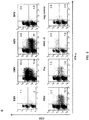
- the inventors therefore used phenotypic analyses to determine that the cells in the cytokine-supplemented cultures reflected the selective expansion of polyclonal T cells.
- ICS intracellular cytokine staining
- IL4 is a prototypic Th2 cytokine, therefore to more comprehensively evaluate the cytokine profile of the induced CTLs the supernatant of antigen-activated T cells was assessed using luminex array.
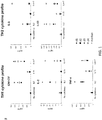
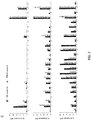
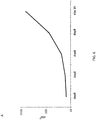
- Figure IF shows that, in addition to IFNy, the IL4+7-supplemented lines produced the prototypic Th1 cytokines GM-CSF, IL-2 and TNF ⁇ , at levels similar to that of IL2-induced CTLs.
- levels of Th2 cytokines IL5 and IL13
- FIG. 1G shows that, in combination with IL7, induces selective expansion of polyclonal, Th1-polarized T cells that produce multiple effector cytokines upon stimulation ( FIG. 8 ).
- the inventors next compared the breadth of epitopes recognized by measuring responses to 110 20mer peptides (overlapping by 15aa) spanning CMV-pp65 and arranged into 22 pools such that each peptide was represented in 2 pools 24 .
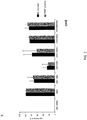
- FIG. 2C shows that both the recognition of a given peptide and the magnitude of the response thereto was little changed by the antigen source.
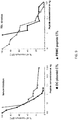
- the inventors compared functional avidity by IPN ⁇ ELIspot using log dilutions of the pp65 pepmix or epitope peptides (A2-NLV and A24-QAD) as a stimulus. As shown in FIG. 2D , there was no significant difference in the avidity of the CTLs. This data was confirmed for other viral antigens using Adv-Hexon pepmix and viral antigen-encoding plasmid as a stimulus ( FIG. 9 ).
- CD4+ epitopes >20aa
- CD8 epitopes (8-10aa) the inventors next determined whether longer peptides would induce higher frequencies of antigen-specific CD4+ T cells.
- the inventors obtained three overlapping peptide libraries (#1 - 15mers overlapping by 11, #2 - 20mers overlapping by 15, and #3 - 30mers overlapping by 15) spanning the C terminus (aa539-953) of Adv-Hexon; a region rich in both CD4+ and CD8+ epitopes 25,26 ( FIG. 3A ).
- the inventors directly stimulated PBMCs with each of the libraries and evaluated the phenotype, epitope specificity and breadth of the lines.
- the inventors After successfully generating CTLs using peptides derived from a single viral antigen and culture in IL4+7, the inventors next prepared a single culture of CTLs simultaneously recognizing CMV, EBV, and Adv. For each virus the inventors targeted immunogenic antigens; CMV - IE1 and pp65, Adv - Hexon and Penton, and EBV - EBNA1, LMP2 and BZLF1 8,9,17,18,27-31 and pulsed PBMCs with the relevant pepmixes before culture in IL4+7.
- the inventors compared the antiviral reactivity of the resulting CTLs with those generated using our current clinical trivirus CTL protocol which uses DCs nucleofected with plasmids encoding the same antigens as a stimulus 20,21 ( FIG. 4 ).
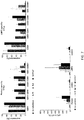
- IPN ⁇ ELIspot confirmed that pepmix-generated CTLs from 4 donors had antiviral activity against all three viruses and seven stimulating antigens.
- the frequency of T cells reactive against EBV (EBNA1, LMP2, BZLF1) and CMV (IE1, pp65) was comparable irrespective of the stimulus.
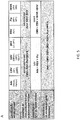
- FIG. 5C shows 8 additional CTL lines with consistent multivirus specificity.
- the highest responses were seen against CMV-pp65 and Adv-Hexon (951.6 ⁇ 82.1 and 461.4 ⁇ 19.2 SFC/1x10 5 CTL) while activity against HHV6-U90, EBV-BZLF1 and EBV-LMP2 was weakest (26.9 ⁇ 4.2, 35.6 ⁇ 5, 39.6 ⁇ 2.6 SFC/1x10 5 CTL).
- Adv-Penton, Influenza-MP1 and RSV-F demonstrated intermediate response rates (191 ⁇ 13.7, 117.6 ⁇ 8.6, 90.1 ⁇ 10.3 SFC/1x10 5 CTL, respectively) ( FIG. 5C ).
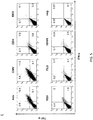
- FIG. 5E shows the results for one representative donor in whom 63% of all Adv, 55% of CMV, 40% of EBV, 46% of RSV, 36% of Influenza and 28% of HHV6-specific CTLs produced both IPN ⁇ and TNF ⁇ after antigenic stimulation.
- ICS for IPN ⁇ and/or TNF ⁇ showed that 67.7 ⁇ 13.3% of all T cells in multivirus cultures were antigen-specific.
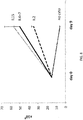
- FIG. 6A shows that the expanded CTLs remained polyclonal, with activity detected in both CD4+ and CD8+ compartments. Expansion was associated with an overall increase in the magnitude of the response directed against all of the stimulating antigens on day 16 relative to day 9 ( FIG.
- the inventors have shown that they can rapidly generate polyclonal, CD4+ and CD8+ T cells with specificities directed to a wide range of lytic and latent viruses responsible for infection in the immunocompromised host and after HSCT. These cells were Th1-polarized, had high avidity for a multiplicity of individual viral antigens, produced multiple effector cytokines upon stimulation, and killed virus-infected targets without alloreactivity. Because the inventors generated these T cells using combinations of clinically-available peptide-libraries and pro-survival cytokines, our approach should be well suited to clinical application.
- CMV, EBV and Adv are the most frequently detected viral infections following allogeneic HSCT
- recipients are also susceptible to numerous other viruses, including BK, JC, HHV6, HHV7, influenza, parainfluenza, coronavirus, and RSV, all of which may cause severe morbidity and mortality 1,2 .
- viruses are only seasonally detected (e.g. influenza, RSV) while others, such as HHV7, JC, and coronavirus, are infrequent, so that it is impracticable to cover all these pathogens post-transplant by generating individualized patient and single virus-specific T cell products.
- the inventors sought to develop a strategy that would enable the production of a single CTL line with simultaneous specificity for a multiplicity of antigens.
- the inventors have used EBV-LCL, adenovectors and/or viral antigen-encoding DNA plasmids to generate virus-directed T cells 7-9,20,21 .
- EBV-LCL full-length antigen ensures that CTL can be generated from all donors, irrespective of HLA, and that the antigen is physiologically processed by APCs and produces CTLs that recognize multiple CD4+ and CD8+ T cell epitopes and have sufficient avidity to kill virus-infected targets.
- the induction of lines that recognize multiple epitopes also minimizes virus escape due to epitope loss and produces potent and sustained anti-viral activity in vivo 34 .
- the inventors chose to use a whole antigen source in the form of overlapping peptide libraries, but for optimal induction of polyclonal CTL the inventors compared peptides of different lengths (15mers, 20mers and 30mers) for stimulation. However, the inventors saw no difference in the phenotype, specificity or epitope breadth of our lines, highlighting the differences between delivering peptides as a vaccine, where one relies on endogenous APCs to take up and process antigen versus in vitro T cell activation using professional APCs within PBMCs at optimal effector:target ratios 37 .
- T cells are activated when they receive signals from TCR stimulation (signal 1), co-stimulation (signal 2), and cytokines (signal 3).
- the "conventional CTLs” are activated in the absence of exogenous cytokines, a deficit that appears to adversely affect their proliferative capacity in vitro and also increases their susceptibility to activation induced cell death (AICD), likely resulting in a more restricted repertoire of epitope recognition.
- AICD activation induced cell death
- both the frequency and breadth of cells with viral specificity could be increased by supplementing cultures with inflammatory and pro-survival cytokines at initiation.
- the inventors chose to test cytokines that support cell proliferation in vitro and in vivo (IL2, IL15) 38,39 , as well as combinations (IL4+7) that also support the retention of a central memory phenotype, and promote the survival of activated T cells by upregulation of anti-apoptotic molecules e.g. Bcl-2 40-43 .
- CD3/28-activated CD8+ T cells cultured in an inflammatory cocktail consisting of IL1+IL6+IL23 underwent significantly less cell death after activation as compared with cells activated in any of the cytokines alone or activated in the presence of IL12 46 .
- PBMCs themselves could act as both a source of antigen presenting and responding cells.
- B cells, monocytes and macrophages may all have the capacity to present antigen to T cells and these APCs can utilize endo- and exopeptidases to liberate class I or class II epitopes from 15mer peptides 48,49 .
- the inventors can avoid reliance on a single APC endogenously expressing multiple antigens at different levels as a shared T cell stimulator, and instead have a diverse group of APCs in which each cell has the potential to display a diverse repertoire of peptides, allowing sufficient access for both high and low frequency T cells.
- antigenic competition both within the APC and between T cells could be alleviated.
- the inventors generated a single culture of T cells with reactivity for 15 antigens derived from 7 latent and lytic viruses (EBV, CMV, BK, HHV6, Adv, Flu, and RSV) using pooled pepmixes as a stimulus and saw no evidence of competition. Additional pathogens can be included in this platform, although in some aspects ultimately APC numbers can eventually become limiting; thus additions must be performed in a stepwise manner and one must evaluate changes in the frequency and breadth of T cell recognition of all peptides in the mix.
- a second stimulation using pepmix-pulsed PHA blasts can expand the total number of CTLs without impairing their epitope specificity or breadth.
- PBMCs were obtained from healthy volunteers with informed consent using a Baylor College of Medicine IRB-approved protocol. PBMCs were used to generate DCs, CTL lines and PHA blasts. PHA blasts were generated from PBMC (2x10 6 /ml) using PHA (5 ⁇ g/ml) and maintained in CTL media (RPMI 1640, 45% Click's (Irvine Scientific, Santa Ana, CA), 2mM GlutaMAX TM-I, and 5% Human AB Serum) supplemented with IL2 (100U/ml, NIH, Bethesda, VA), which was replenished every 3 days.
- CTL media RPMI 1640, 45% Click's (Irvine Scientific, Santa Ana, CA), 2mM GlutaMAX TM-I, and 5% Human AB Serum
- pepmixes For PBMC stimulation the inventors used commercially available pepmixes (15mers overlapping by 11aa spanning EBV-LMP2, BZLF1, EBNA1; Adv-Penton, Hexon; CMV-pp65, IE-1; BKV-VP1, large T; Influenza A-MP1 (H3N2), NP (H3N2); RSV-F, N, JPT Technology, Berlin, Germany.
- Pepmixes spanning HHV6 U14 and U90 were synthesized by Genemed Synthesis Inc., San Antonio, Texas USA.
- PBMCs 15x10 6 fresh/frozen PBMCs were pelleted in a 15ml tube and pulsed for 30-60min at 37°C with peptide libraries/pepmixes, either singly or pooled, at a concentration of 100ng/peptide/15x10 6 PBMCs. After incubation cells were resuspended in CTL media alone or supplemented with cytokines (as outlined below) and transferred to a G-Rex10 (Wilson Wolf Manufacturing Corporation, New Brighton, MN) (15x10 6 /G-Rex10) or plated out in a 24-well plate (2x10⁶/well).
- G-Rex10 Wang Wolf Manufacturing Corporation, New Brighton, MN
- the inventors compared 4 conditions; (i) no cytokine, (ii) IL7 (10ng/ml) + IL4 (1666U/ml), (iii) IL15 (5ng/ml) (R&D Systems, Minneapolis, MN) and (iv) IL2 (20U/ml). Cytokines were added to CTLs at day 0 and replenished on day 5. In some aspects, 400U of IL4 is employed.
- CTLs were restimulated at a S:R ratio of 1:1 with irradiated (30Gy) pepmix-pulsed autologous PHA blasts in CTL media with IL4+7 and IL15 (5ng/ml) on the day of restimulation and fed with IL15 twice weekly. Seven days later CTLs were harvested, and used for further studies.
- CTLs were surface-stained with monoclonal antibodies to: CD3, CD4, CD8, CD16, CD56, CD28, CD45RO, and CD62L (Becton Dickinson BD, Franklin Lakes, NJ).
- Cells were washed once with phosphate-buffered saline (PBS) (Sigma, St Louis, MO) containing 2% FBS (HyClone, Thermo Fisher Scientific Inc, NH), pelleted, and antibodies added in saturating amounts (10 ⁇ l). After 15min at 4°C in the dark, cells were washed twice and analyzed. Approximately 20,000 live cells were acquired using a FACSCalibur equipped with Cell Quest software
- PBMCs were isolated, pelleted and pulsed with pp65 pepmix (100ng/15x10 6 PBMC) for 30-60 min.
- PBMCs were washed twice using PBS+0.1% FBS and incubated for 10min with 1501/20x10 6 PBMC 10 ⁇ M CSFE. Subsequently FBS was added at a 1:1 ratio and incubated for 10min at 37C°.
- FBS was added at a 1:1 ratio and incubated for 10min at 37C°.
- CFSE labeling PBMCs were washed twice using PBS+2% FBS and plated at a concentration of 1x10 6 /ml in CTL media with cytokines. Dilution of CFSE was examined every 2-3 days by flow after surface staining with CD3, CD4, CD8 and CD56.
- CTLs were harvested, resuspended at a concentration of 5x10 6 /ml in CTL media and plated at 200 ⁇ l/well in a 96well plate. The cells were then stimulated with 100ng of test or control pepmix in the presence of Brefeldin A (1 ⁇ g/ml), (BD) CD28 and CD49d (1 ⁇ g/ml) for 5-7 hours. Subsequently, CTLs were washed with PBS+2% FBS, pelleted, and surface stained with CD8, CD4 and CD3 (10 ⁇ l/antibody/tube). After 15mins, cells were washed twice, pelleted, fixed and permeabilized with Cytofix/Cytoperm solution (BD) for 20mins at 4°C in the dark.
- BD Cytofix/Cytoperm solution
- cytokine production the inventors used a multiplex assays. 1x10⁵ pp65-CTLs were restimulated using 500ng/ml pp65 or control pepmix. After 16hrs supernatant was collected and the cytokine profile assessed using the MILLIPLEX High Sensitivity Human Cytokine Magnetic Bead Panel (Millipore, Billerica, MA). Specifically, 50 ⁇ l supernatant was incubated overnight at 4°C with cytokine antibody beads. After incubation, samples were washed and incubated for 1hr at room temperature (RT) with the biotinylated detection antibody. Finally Streptavidin-Phycoerythrin was added for 30min at RT, then samples were washed and analyzed using the Luminex 200 instrument. Samples were run in duplicate.
- the inventors used ELISpot to quantify IFNy-producing T cells and assess the breadth of reactivity in the CTL lines.
- the populations were serially diluted from 4-1x10 5 cells/well, and antigen-specific activity measured after direct pepmix or peptide mini-pool stimulation. Each condition was run in triplicate. After 20 hours, plates were developed as previously described 22 , dried overnight at RT, then sent to Zellnet Consulting, New York, NY for quantification. SFC and input cell numbers were plotted, and a linear regression calculated after excluding plateau data points.
- TCR avidity was assessed by IFN ELIspot. 2x10 5 CTLs were stimulated with serial dilutions of pepmixes (pp65, Hexon) or 9mer peptides (NLV-pp65: NLVPMVATV HLA-A2 restricted, QYD-pp65: QYDPVAALF HLA-A24 restricted; TDL-Hexon: TDLGQNLLY HLA-A1 restricted). The frequency of T cells specific for each antigen/peptide was expressed as a percentage of the maximal SFC/input cell number.
- the inventors measured the cytotoxic specificity in a standard 4hr Cr 51 release assay, using E:T ratios of 40:1, 20:1, 10:1, and 5:1. CTLs were used as effectors and the targets were PHA blasts pulsed with pepmixes. Autologous and allogeneic PHA blasts alone or loaded with an irrelevant pepmix were used as specificity and alloreactivity controls. The percentage of specific lysis was calculated as [(experimental release - spontaneous release)/(maximum release - spontaneous release)] x 100.
Landscapes
- Health & Medical Sciences (AREA)
- Life Sciences & Earth Sciences (AREA)
- Chemical & Material Sciences (AREA)
- Organic Chemistry (AREA)
- Virology (AREA)
- General Health & Medical Sciences (AREA)
- Engineering & Computer Science (AREA)
- Genetics & Genomics (AREA)
- Immunology (AREA)
- Biomedical Technology (AREA)
- Medicinal Chemistry (AREA)
- Biochemistry (AREA)
- Wood Science & Technology (AREA)
- Zoology (AREA)
- Bioinformatics & Cheminformatics (AREA)
- Animal Behavior & Ethology (AREA)
- Veterinary Medicine (AREA)
- Public Health (AREA)
- Epidemiology (AREA)
- Microbiology (AREA)
- Biotechnology (AREA)
- Biophysics (AREA)
- Molecular Biology (AREA)
- Proteomics, Peptides & Aminoacids (AREA)
- Gastroenterology & Hepatology (AREA)
- General Engineering & Computer Science (AREA)
- Cell Biology (AREA)
- Hematology (AREA)
- Mycology (AREA)
- Pharmacology & Pharmacy (AREA)
- Pulmonology (AREA)
- Communicable Diseases (AREA)
- Tropical Medicine & Parasitology (AREA)
- Medicines Containing Material From Animals Or Micro-Organisms (AREA)
- Medicines That Contain Protein Lipid Enzymes And Other Medicines (AREA)
- Peptides Or Proteins (AREA)
Priority Applications (4)
| Application Number | Priority Date | Filing Date | Title |
|---|---|---|---|
| PL13746524T PL2812431T3 (pl) | 2012-02-09 | 2013-02-08 | Mieszanki peptydowe do wytwarzania wielowirusowych CTL o szerokiej swoistości |
| DK19178235.8T DK3591047T3 (da) | 2012-02-09 | 2013-02-08 | Peptidblandinger til generering af multivirale CTL¿er med bred specificitet |
| EP19178235.8A EP3591047B1 (en) | 2012-02-09 | 2013-02-08 | Pepmixes to generate multiviral ctls with broad specificity |
| EP22166731.4A EP4089167A1 (en) | 2012-02-09 | 2013-02-08 | Pepmixes to generate multiviral ctls with broad specificity |
Applications Claiming Priority (2)
| Application Number | Priority Date | Filing Date | Title |
|---|---|---|---|
| US201261596875P | 2012-02-09 | 2012-02-09 | |
| PCT/US2013/025342 WO2013119947A1 (en) | 2012-02-09 | 2013-02-08 | Pepmixes to generate multiviral ctls with broad specificity |
Related Child Applications (3)
| Application Number | Title | Priority Date | Filing Date |
|---|---|---|---|
| EP19178235.8A Division-Into EP3591047B1 (en) | 2012-02-09 | 2013-02-08 | Pepmixes to generate multiviral ctls with broad specificity |
| EP19178235.8A Division EP3591047B1 (en) | 2012-02-09 | 2013-02-08 | Pepmixes to generate multiviral ctls with broad specificity |
| EP22166731.4A Division EP4089167A1 (en) | 2012-02-09 | 2013-02-08 | Pepmixes to generate multiviral ctls with broad specificity |
Publications (3)
| Publication Number | Publication Date |
|---|---|
| EP2812431A1 EP2812431A1 (en) | 2014-12-17 |
| EP2812431A4 EP2812431A4 (en) | 2015-08-19 |
| EP2812431B1 true EP2812431B1 (en) | 2019-07-17 |
Family
ID=48948057
Family Applications (3)
| Application Number | Title | Priority Date | Filing Date |
|---|---|---|---|
| EP19178235.8A Active EP3591047B1 (en) | 2012-02-09 | 2013-02-08 | Pepmixes to generate multiviral ctls with broad specificity |
| EP13746524.1A Active EP2812431B1 (en) | 2012-02-09 | 2013-02-08 | Pepmixes to generate multiviral ctls with broad specificity |
| EP22166731.4A Pending EP4089167A1 (en) | 2012-02-09 | 2013-02-08 | Pepmixes to generate multiviral ctls with broad specificity |
Family Applications Before (1)
| Application Number | Title | Priority Date | Filing Date |
|---|---|---|---|
| EP19178235.8A Active EP3591047B1 (en) | 2012-02-09 | 2013-02-08 | Pepmixes to generate multiviral ctls with broad specificity |
Family Applications After (1)
| Application Number | Title | Priority Date | Filing Date |
|---|---|---|---|
| EP22166731.4A Pending EP4089167A1 (en) | 2012-02-09 | 2013-02-08 | Pepmixes to generate multiviral ctls with broad specificity |
Country Status (9)
| Country | Link |
|---|---|
| US (5) | US20150010519A1 (es) |
| EP (3) | EP3591047B1 (es) |
| DK (2) | DK2812431T3 (es) |
| ES (2) | ES2928851T3 (es) |
| HR (1) | HRP20221303T1 (es) |
| HU (1) | HUE060369T2 (es) |
| PL (2) | PL3591047T3 (es) |
| PT (2) | PT2812431T (es) |
| WO (1) | WO2013119947A1 (es) |
Families Citing this family (23)
| Publication number | Priority date | Publication date | Assignee | Title |
|---|---|---|---|---|
| EP3101122B1 (en) | 2009-08-24 | 2023-06-14 | Baylor College of Medicine | Generation of ctl lines with specificity against multiple tumor antigens or multiple viruses |
| CN104769104A (zh) | 2011-12-12 | 2015-07-08 | 细胞药物有限公司 | 扩大t细胞的方法 |
| GB201121308D0 (en) | 2011-12-12 | 2012-01-25 | Cell Medica Ltd | Process |
| PT2812431T (pt) | 2012-02-09 | 2019-10-18 | Baylor College Medicine | Pepmixes para gerar ctls multivirais com larga especifidade |
| CN104411819B (zh) * | 2012-06-11 | 2019-05-10 | 威尔逊沃夫制造公司 | 用于过继细胞疗法的改进的细胞培养方法 |
| JP6999941B2 (ja) | 2015-09-18 | 2022-02-10 | ベイラー カレッジ オブ メディスン | 病原体からの免疫原性抗原同定および臨床的有効性との相関 |
| US11473059B2 (en) | 2015-10-22 | 2022-10-18 | Lucas Bio Co. Ltd. | Method for enrichment and expansion of virus antigen-specific T cells |
| JP2019520332A (ja) * | 2016-05-23 | 2019-07-18 | ザ カウンシル オブ ザ クイーンズランド インスティテュート オブ メディカル リサーチ | Cmvエピトープ |
| AU2017300096A1 (en) * | 2016-07-18 | 2019-02-07 | The Council Of The Queensland Institute Of Medical Research | Multivirus-specific T cell immunotherapy |
| AU2017326173B2 (en) * | 2016-09-16 | 2022-08-18 | Baylor College Of Medicine | Platform for activation and expansion of virus-specific T-cells |
| US10821134B2 (en) | 2017-05-17 | 2020-11-03 | Board Of Regents, The University Of Texas System | BK virus specific T cells |
| IL286629B2 (en) * | 2019-03-25 | 2024-10-01 | Baylor College Medicine | Multi-respiratory virus antigen-specific t cells and methods of making and using the same therapeutically |
| CN120172958A (zh) | 2019-04-12 | 2025-06-20 | C4医药公司 | Ikaros和aiolos的三环降解物 |
| US10772914B1 (en) * | 2019-04-18 | 2020-09-15 | Baylor College Of Medicine | EBV-specific immune cells |
| WO2020243729A1 (en) * | 2019-05-31 | 2020-12-03 | Children's National Medical Center | Cytokine cocktails for selective expansion of t cell subsets |
| AU2020333654A1 (en) * | 2019-08-16 | 2022-03-17 | Baylor College Of Medicine | Third party virus-specific T cell compositions, and methods of making and using the same in anti-viral prophylaxis |
| WO2021101466A1 (en) * | 2019-11-19 | 2021-05-27 | Acibadem Labmed Sağlik Hi̇zmetleri̇ A.Ş. | A method for producing multivirus specific t cells |
| US20230028788A1 (en) * | 2019-12-23 | 2023-01-26 | Baylor College Of Medicine | T cell performance assay as a prognostic factor for clinical outcome |
| WO2021189084A1 (en) | 2020-03-20 | 2021-09-23 | Baylor College Of Medicine | Sars-cov2-specific t cell compositions and their use in treating and preventing coronavirus and other respiratory virus infections |
| CN113564116B (zh) * | 2021-07-21 | 2023-08-01 | 北京赛傲生物技术有限公司 | 特异性抗病毒过继免疫细胞ce的制备方法 |
| WO2023224599A1 (en) | 2022-05-16 | 2023-11-23 | Allovir, Inc. | Multivirus-specific t cell compositions and their use in treating or preventing viral infection or disease in solid organ transplant recipients |
| TW202408549A (zh) | 2022-05-16 | 2024-03-01 | 美商艾洛維爾公司 | 多病毒特異性t細胞組合物及其於治療或預防實體器官移植接受者中之病毒感染或疾病的用途 |
| JP2026017056A (ja) * | 2024-07-23 | 2026-02-04 | 瑞愛生醫股▲ふん▼有限公司 | T細胞増殖のための無血清処方 |
Family Cites Families (116)
| Publication number | Priority date | Publication date | Assignee | Title |
|---|---|---|---|---|
| US5641628A (en) | 1989-11-13 | 1997-06-24 | Children's Medical Center Corporation | Non-invasive method for isolation and detection of fetal DNA |
| WO1994002156A1 (en) | 1992-07-16 | 1994-02-03 | The Board Of Trustees Of Leland Stanford Junior University | Methods for using dendritic cells to activate t cells |
| US6821778B1 (en) | 1993-12-01 | 2004-11-23 | The Board Of Trustees Of Leland Stanford Junior University | Methods for using dendritic cells to activate gamma/delta-T cell receptor-positive T cells |
| WO1995024217A1 (en) | 1994-03-08 | 1995-09-14 | Dana-Farber Cancer Institute | Methods for modulating t cell unresponsiveness |
| AUPM446594A0 (en) | 1994-03-16 | 1994-04-14 | Csl Limited | Cytotoxic t-cell epitopes identified within epstein-barr virus |
| PT772624E (pt) | 1994-04-06 | 2001-03-30 | Immunex Corp | Interleucina-15 |
| PT804210E (pt) | 1994-05-16 | 2003-04-30 | Roche Diagnostics Gmbh | Processo de imunomodelacao por transferencia adoptiva de linfocitos t citotoxicos especificos de um antigenio |
| US6300090B1 (en) | 1994-07-29 | 2001-10-09 | The Rockefeller University | Methods of use of viral vectors to deliver antigen to dendritic cells |
| US5827642A (en) | 1994-08-31 | 1998-10-27 | Fred Hutchinson Cancer Research Center | Rapid expansion method ("REM") for in vitro propagation of T lymphocytes |
| PT747481E (pt) | 1995-06-06 | 2002-05-31 | Organon Teknika Bv | Peptidos do virus de epstein-barr e anticorpos contra estes peptidos |
| FR2745185B1 (fr) | 1996-02-28 | 1998-05-15 | Sanofi Sa | Utilisation de l'il-7 dans le traitement des maladies auto-immunes, en particulier le diabete mellitus insulinodependant |
| US6699477B2 (en) | 1996-05-24 | 2004-03-02 | The Council Of The Queensland Institute Of Medical Research | EBV CTL epitopes |
| US5962318A (en) | 1996-11-15 | 1999-10-05 | St. Jude Children's Research Hospital | Cytotoxic T lymphocyte-mediated immunotherapy |
| WO1998033888A1 (en) | 1997-01-31 | 1998-08-06 | Epimmune, Inc. | Peptides and peptide-loaded antigen presenting cells for the activation of ctl |
| US6528307B1 (en) | 1997-04-25 | 2003-03-04 | The Wistar Institute Of Anatomy And Biology | Cytolytic T-cell clones against colorectal carcinoma |
| US7951383B2 (en) | 1997-05-23 | 2011-05-31 | The United States Of America As Represented By The Department Of Health And Human Services | Attenuated parainfluenza virus (PIV) vaccines |
| AUPO784197A0 (en) | 1997-07-10 | 1997-08-07 | Csl Limited | Treatment of nasopharyngeal carcinoma |
| ATE428769T1 (de) | 1997-10-27 | 2009-05-15 | Univ Rockefeller | Methode und zusammensetzung zur herstellung von reifen dendritischen zellen |
| US20020155108A1 (en) | 1998-05-04 | 2002-10-24 | Biocrystal, Ltd. | Method for ex vivo loading of antigen presenting cells with antigen, and a vaccine comprising the loaded cells |
| US6828147B1 (en) | 1999-02-24 | 2004-12-07 | The Wistar Institute Of Anatomy And Biology | Method of modifying cytotoxic cells and uses thereof |
| WO2000050569A1 (en) | 1999-02-24 | 2000-08-31 | The Wistar Institute Of Anatomy And Biology | Method of modifying cytotoxic cells and uses thereof |
| US7005131B1 (en) | 1999-08-13 | 2006-02-28 | The Rockefeller University | Protective antigen of Epstein Barr Virus |
| US20150037297A1 (en) | 1999-08-30 | 2015-02-05 | David S Terman | Sickled Erythrocytes and Progenitors Target Cytotoxics to Tumors |
| AU2425801A (en) | 1999-11-24 | 2001-06-04 | Ernest G. Hope | Anti-angiogenic cellular agent for cancer therapy |
| AU785148B2 (en) | 1999-12-10 | 2006-10-05 | Government Of The United States Of America, As Represented By The Secretary Of The Department Of Health And Human Services, The | Use of recombinant parainfluenza viruses (PIVs) as vectors to protect against infection and disease caused by PIV and other human pathogens |
| DE10009341A1 (de) | 2000-02-22 | 2001-09-06 | Florian Kern | Verfahren zur antigen-spezifischen Stimulation von T-Lymphozyten |
| US20020155127A1 (en) | 2000-06-02 | 2002-10-24 | Danher Wang | Genetic vaccine against human immunodeficiency virus |
| DK2336187T3 (en) | 2000-06-19 | 2016-08-22 | Beth Israel Deaconess Medical Ct Inc | Compositions and Methods of monoclonal and polyclonal antibodies which are specific for T-cell subpopulations |
| AU2001288863A1 (en) | 2000-09-15 | 2002-03-26 | Ortho-Mcneil Pharmaceutical, Inc. | Compositions and methods for inducing specific cytolytic t cell responses |
| EP1229043A1 (en) | 2001-01-30 | 2002-08-07 | Cyto-Barr B.V. | Peptides derived from Epstein Barr virus (EBV) proteins LMP1, LMP2 and BARF1 antibody reagents reactive therewith |
| GB0107628D0 (en) | 2001-03-27 | 2001-05-16 | Avidex Ltd | Substances |
| US20040022761A1 (en) | 2001-05-11 | 2004-02-05 | Banchereau Jacques F | Compositions and methods for producing antigen-presenting cells |
| ATE438710T1 (de) | 2001-05-15 | 2009-08-15 | Ortho Mcneil Janssen Pharm | Ex-vivo-priming zur erzeugung cd40-ligand spezifischer zytotoxischer t-lymphozyten zur behandlung von autoimmun- und allergischen erkrankungen |
| UA75429C2 (en) | 2001-09-28 | 2006-04-17 | Mowing blade | |
| EP1444330A1 (en) | 2001-11-07 | 2004-08-11 | Kirin Beer Kabushiki Kaisha | Expansion of t cells in vitro and expanded t cell populations |
| US20030148982A1 (en) | 2001-11-13 | 2003-08-07 | Brenner Malcolm K. | Bi-spcific chimeric T cells |
| RU2313365C2 (ru) | 2001-11-29 | 2007-12-27 | Дандрит Байотек А/С | Фармацевтическая композиция для индукции иммунной реакции у человека |
| US20040096457A1 (en) | 2001-12-11 | 2004-05-20 | Huber Brigitte T | Treatment and prevention of ebv infection and ebv-associated disorders |
| US7745140B2 (en) | 2002-01-03 | 2010-06-29 | The Trustees Of The University Of Pennsylvania | Activation and expansion of T-cells using an engineered multivalent signaling platform as a research tool |
| WO2003057171A2 (en) | 2002-01-03 | 2003-07-17 | The Trustees Of The University Of Pennsylvania | Activation and expansion of t-cells using an engineered multivalent signaling platform |
| WO2004041849A1 (en) | 2002-11-07 | 2004-05-21 | The Council Of The Queensland Institute Of Medical Research | Epstein barr virus peptide epitopes, polyepitopes and delivery system therefor |
| AU2002953238A0 (en) | 2002-12-09 | 2003-01-02 | The Corporation Of The Trustees Of The Order Of The Sisters Of Mercy In Queensland | In vitro immunization |
| IL158140A0 (en) | 2003-09-25 | 2004-03-28 | Hadasit Med Res Service | Multiepitope polypeptides for cancer immunotherapy |
| CN101120083B (zh) | 2003-10-08 | 2013-03-27 | 威尔森沃尔夫制造公司 | 利用透气性材料进行细胞培养的方法及装置 |
| US20050221481A1 (en) | 2004-03-30 | 2005-10-06 | Istituto Superiore Di Sanita' | Amplification of T cells from human cord blood in serum-deprived culture stimulated with stem cell factor, interleukin-7 and interleukin-2 |
| US7785806B2 (en) | 2004-04-28 | 2010-08-31 | Vaxdesign Corporation | Method for determining the immunogenicity of an antigen |
| AU2005250408B2 (en) | 2004-05-27 | 2010-09-23 | The Trustees Of The University Of Pennsylvania | Novel artificial antigen presenting cells and uses therefor |
| US7785875B2 (en) | 2004-07-03 | 2010-08-31 | Mogam Biotechnology Research Institute | Polynucleotide encoding HCV epitopes which can bind to various HLA supertypes, immunogenic composition comprising same and method of inducing an HCV-specific immune response using same |
| US20060045883A1 (en) | 2004-08-26 | 2006-03-02 | Jeffrey Molldrem | Anti-cancer vaccines |
| JP4731867B2 (ja) | 2004-10-01 | 2011-07-27 | 国立大学法人三重大学 | Cd8陽性の細胞傷害性tリンパ球の誘導方法 |
| WO2006099448A2 (en) | 2005-03-14 | 2006-09-21 | University Of Iowa Research Foundation | Accelerated cd8+ t-cell memory after dendritic cell vaccination |
| EP1712615A1 (en) | 2005-04-15 | 2006-10-18 | Txcell | In vitro production of a cell population using feeder cells |
| ES2334936T3 (es) | 2005-04-20 | 2010-03-17 | F. Hoffmann-La Roche Ag | Metodo de identificacion de epitopos relacionados con la inmunogenicidad en biofarmacos. |
| WO2006124412A2 (en) | 2005-05-11 | 2006-11-23 | The Trustees Of The University Of Pennsylvania | Methods for the rapid expansion of antigen specific t-cells |
| US20070003531A1 (en) | 2005-06-30 | 2007-01-04 | University Of Connecticut | Methods for improving immunotherapy by enhancing survival of antigen-specific cytotoxic T lymphocytes |
| US20100035282A1 (en) | 2005-08-03 | 2010-02-11 | Maria Chiara Bonini | Use of common gamma chain cytokines for the visualization, isolation and genetic modification of memory t lymphocytes |
| JP4824389B2 (ja) * | 2005-10-28 | 2011-11-30 | 株式会社医学生物学研究所 | エプスタイン−バールウイルス感染細胞を特異的に攻撃する細胞傷害性t細胞エピトープペプチド及びその用途 |
| JP5492418B2 (ja) | 2005-11-18 | 2014-05-14 | ザ オハイオ ステート ユニバーシティー リサーチ ファウンデーション | ウイルス関連疾患を予防するためのウイルス遺伝子産物およびワクチン接種の方法 |
| PL1989544T3 (pl) | 2006-03-02 | 2012-01-31 | Antitope Ltd | Testy na komórkach T |
| GB0604170D0 (en) | 2006-03-02 | 2006-04-12 | Antitope Ltd | T cell assays |
| US20070243549A1 (en) | 2006-04-12 | 2007-10-18 | Biocept, Inc. | Enrichment of circulating fetal dna |
| WO2008025992A2 (en) | 2006-09-01 | 2008-03-06 | Cambridge Enterprise Limited | Methods of expanding non-effector cd8 t-cell populations |
| EP2091961A4 (en) | 2006-11-22 | 2009-12-09 | Univ Arkansas | IMMUNOTHERAPY AGAINST CANCER WITH MULTIPPITOP-PEPTIDE-LOADED DENDRITIC CELLS |
| AU2007332869B2 (en) | 2006-12-07 | 2012-10-11 | Wilson Wolf Manufacturing, LLC | Highly efficient gas permeable devices and methods for culturing cells |
| DK2117571T3 (en) | 2006-12-08 | 2017-05-08 | Monopar Therapeutics Inc | Urokinase-type plasminogen activator receptor epitope |
| DE102006060824B4 (de) | 2006-12-21 | 2011-06-01 | Johannes-Gutenberg-Universität Mainz | Nachweis von individuellen T-Zell-Reaktionsmustern gegen Tumor-assoziierte Antigene (TAA) in Tumorpatienten als Basis für die individuelle therapeutische Vakzinierung von Patienten |
| WO2008148170A1 (en) | 2007-06-08 | 2008-12-11 | The University Of Queensland | Human metapneumovirus immunogenic peptides, compositions, and methods of use |
| CA2700618A1 (en) | 2007-09-27 | 2009-04-02 | The Board Of Trustees Of The University Of Arkansas | Inhibition of dendritic cell-driven regulatory t cell activation and potentiation of tumor antigen-specific t cell responses by interleukin-15 and map kinase inhibitor |
| EP2060583A1 (en) | 2007-10-23 | 2009-05-20 | Ganymed Pharmaceuticals AG | Identification of tumor-associated markers for diagnosis and therapy |
| US20100254958A1 (en) | 2007-10-24 | 2010-10-07 | Anne Letsch | Antigen-Specific T-Cell Preparations from Bone Marrow |
| JP2011502484A (ja) | 2007-11-01 | 2011-01-27 | メイヨ・ファウンデーション・フォー・メディカル・エデュケーション・アンド・リサーチ | Hla−dr結合性ペプチドおよびそれらの使用 |
| EP2065462A1 (en) | 2007-11-27 | 2009-06-03 | Helmholtz Zentrum München Deutsches Forschungszentrum für Gesundheit und Umwelt (GmbH) | Ex vivo method for producing a preparation containing CD4+ T cells specific for EBV structural antigens |
| EP2321407A4 (en) | 2008-09-11 | 2012-07-18 | Univ Florida | SYSTEM AND METHOD FOR THE PRODUCTION OF T-CELLS |
| CN101824400B (zh) | 2009-03-05 | 2012-08-08 | 中国科学院微生物研究所 | 一种放大增殖抗原特异性t细胞的方法 |
| EP3101122B1 (en) * | 2009-08-24 | 2023-06-14 | Baylor College of Medicine | Generation of ctl lines with specificity against multiple tumor antigens or multiple viruses |
| JP5833443B2 (ja) | 2009-08-29 | 2015-12-16 | 株式会社バイオメッドコア | 抗原特異的t細胞誘導能測定法 |
| GB0917090D0 (en) | 2009-09-29 | 2009-11-11 | Ucl Biomedica Plc | T-cell receptor |
| US8956860B2 (en) | 2009-12-08 | 2015-02-17 | Juan F. Vera | Methods of cell culture for adoptive cell therapy |
| US20130115617A1 (en) | 2009-12-08 | 2013-05-09 | John R. Wilson | Methods of cell culture for adoptive cell therapy |
| US8809050B2 (en) | 2009-12-08 | 2014-08-19 | Wilson Wolf Manufacturing | Methods of cell culture for adoptive cell therapy |
| BR112012029066A2 (pt) | 2010-05-14 | 2020-09-01 | The General Hospital Corporation | composições e processos de identificação de neoantígenos específicos de tumor. |
| US9114100B2 (en) | 2010-05-17 | 2015-08-25 | Duke University | Methods of treatment using ex vivo expansion of cord blood T cells |
| EP2600890A1 (en) | 2010-08-04 | 2013-06-12 | Instituto Europeo di Oncologia S.r.l. | Method of antigen loading for immunotherapy |
| US8741642B2 (en) | 2010-10-22 | 2014-06-03 | Virginia Commonwealth University | Methods for producing autologous immune cells resistant to myeloid-derived suppressor cells effects |
| EP2453243A1 (en) | 2010-11-11 | 2012-05-16 | Cosmo S.p.A. | Method for the diagnosis and/or follow up of the evolution of a tumor |
| US20130045491A1 (en) | 2011-07-19 | 2013-02-21 | Derya Unutmaz | Methods for activating t cells |
| AU2012305931B2 (en) | 2011-09-08 | 2017-09-07 | Yeda Research And Development Co. Ltd | Anti third party central memory T cells, methods of producing same and use of same in transplantation and disease treatment |
| CN104769104A (zh) | 2011-12-12 | 2015-07-08 | 细胞药物有限公司 | 扩大t细胞的方法 |
| GB201121308D0 (en) | 2011-12-12 | 2012-01-25 | Cell Medica Ltd | Process |
| PT2812431T (pt) * | 2012-02-09 | 2019-10-18 | Baylor College Medicine | Pepmixes para gerar ctls multivirais com larga especifidade |
| US20130217122A1 (en) | 2012-02-21 | 2013-08-22 | The Trustees Of The University Of Pennsylvania | Expansion of Interferon-Gamma-Producing T-Cells Using Glypican-3 Peptide Library |
| HK1207667A1 (en) | 2012-05-08 | 2016-02-05 | Western University Of Health Sciences | Standardized ex vivo platforms for the antigen-specific expansion of cd4+ t cell populations |
| US10357515B2 (en) | 2013-11-22 | 2019-07-23 | Cellectis | Method for generating batches of allogeneic T-cells with averaged potency |
| US20160341718A1 (en) | 2014-01-21 | 2016-11-24 | INSERM (Institut National de la Santé et de la Recherche Médicale) | Methods for testing t cell priming efficacy in a subject |
| MY189857A (en) | 2014-11-05 | 2022-03-14 | Memorial Sloan Kettering Cancer Center | Methods of selecting t cell line and donor thereof for adoptive cellular therapy |
| WO2016073595A1 (en) | 2014-11-05 | 2016-05-12 | The United States Of America, As Represented By The Secretary, Department Of Health & Human Services | T cells and dendritic cells for polyomavirus therapy |
| IL294055A (en) | 2015-03-20 | 2022-08-01 | Childrens Nat Medical Ct | Generating virus or other antigen-specific t cells from a naive t cell population |
| HK1254397A1 (zh) | 2015-06-26 | 2019-07-19 | 纪念斯隆-凯特林癌症中心 | 通过t细胞疗法治疗cmv视网膜炎的方法 |
| JP6999941B2 (ja) | 2015-09-18 | 2022-02-10 | ベイラー カレッジ オブ メディスン | 病原体からの免疫原性抗原同定および臨床的有効性との相関 |
| MX2018013959A (es) | 2016-05-25 | 2019-08-22 | Council Queensland Inst Medical Res | Metodos para tratar enfermedad autoinmune usando celulas t alogenicas. |
| KR20190037243A (ko) | 2016-06-28 | 2019-04-05 | 지니우스 바이오테크놀로지 인코포레이티드 | 면역치료를 위한 티 세포 조성물 |
| AU2017326173B2 (en) | 2016-09-16 | 2022-08-18 | Baylor College Of Medicine | Platform for activation and expansion of virus-specific T-cells |
| US20200172864A1 (en) | 2016-09-26 | 2020-06-04 | Tessa Therapeutics Ltd. | T Cell Expansion Method |
| WO2018232467A1 (en) | 2017-06-22 | 2018-12-27 | The Westmead Institute for Medical Research | Adoptive t cell therapy 2 |
| JP2020533688A (ja) | 2017-09-06 | 2020-11-19 | ナント ホールディングス アイピー,エルエルシー | Hla組織照合およびそのための方法 |
| GB201808651D0 (en) | 2018-05-25 | 2018-07-11 | Rolls Royce Plc | Rotor blade arrangement |
| IL286629B2 (en) | 2019-03-25 | 2024-10-01 | Baylor College Medicine | Multi-respiratory virus antigen-specific t cells and methods of making and using the same therapeutically |
| TWI777160B (zh) | 2019-05-08 | 2022-09-11 | 美商百歐恩泰美國公司 | T細胞製備組合物及方法 |
| AU2020297019A1 (en) | 2019-06-20 | 2022-02-17 | Janssen Sciences Ireland Unlimited Company | Carbohydrate nanocarrier delivery of hepatitis B virus (HBV) vaccines |
| US20220257654A1 (en) | 2019-07-23 | 2022-08-18 | Baylor College Of Medicine | Antigen-specific t cell banks and methods of making and using the same therapeutically |
| MX2022001322A (es) | 2019-07-29 | 2022-05-24 | Baylor College Medicine | Bancos de células t específicas de antígeno y métodos para fabricar y usar los mismos terapéuticamente. |
| AU2020333654A1 (en) | 2019-08-16 | 2022-03-17 | Baylor College Of Medicine | Third party virus-specific T cell compositions, and methods of making and using the same in anti-viral prophylaxis |
| US20230028788A1 (en) | 2019-12-23 | 2023-01-26 | Baylor College Of Medicine | T cell performance assay as a prognostic factor for clinical outcome |
| WO2021189084A1 (en) | 2020-03-20 | 2021-09-23 | Baylor College Of Medicine | Sars-cov2-specific t cell compositions and their use in treating and preventing coronavirus and other respiratory virus infections |
| EP3974029A1 (en) | 2020-09-25 | 2022-03-30 | Universidad Autónoma de Madrid | Memory t cells as adoptive cell therapy for viral infections |
| WO2023159088A1 (en) | 2022-02-15 | 2023-08-24 | Marker Therapeutics, Inc. | Compositions and methods for antigen-specific t cell expansion |
-
2013
- 2013-02-08 PT PT137465241T patent/PT2812431T/pt unknown
- 2013-02-08 PL PL19178235.8T patent/PL3591047T3/pl unknown
- 2013-02-08 HR HRP20221303TT patent/HRP20221303T1/hr unknown
- 2013-02-08 EP EP19178235.8A patent/EP3591047B1/en active Active
- 2013-02-08 ES ES19178235T patent/ES2928851T3/es active Active
- 2013-02-08 US US14/377,825 patent/US20150010519A1/en not_active Abandoned
- 2013-02-08 EP EP13746524.1A patent/EP2812431B1/en active Active
- 2013-02-08 ES ES13746524T patent/ES2748652T3/es active Active
- 2013-02-08 PL PL13746524T patent/PL2812431T3/pl unknown
- 2013-02-08 EP EP22166731.4A patent/EP4089167A1/en active Pending
- 2013-02-08 HU HUE19178235A patent/HUE060369T2/hu unknown
- 2013-02-08 DK DK13746524.1T patent/DK2812431T3/da active
- 2013-02-08 DK DK19178235.8T patent/DK3591047T3/da active
- 2013-02-08 PT PT191782358T patent/PT3591047T/pt unknown
- 2013-02-08 WO PCT/US2013/025342 patent/WO2013119947A1/en not_active Ceased
-
2018
- 2018-02-26 US US15/905,176 patent/US11118164B2/en active Active
-
2021
- 2021-07-23 US US17/443,261 patent/US12227764B2/en active Active
-
2022
- 2022-04-18 US US17/659,624 patent/US11981923B2/en active Active
-
2025
- 2025-01-14 US US19/020,866 patent/US20260092256A1/en active Pending
Non-Patent Citations (1)
| Title |
|---|
| None * |
Also Published As
| Publication number | Publication date |
|---|---|
| US11118164B2 (en) | 2021-09-14 |
| HRP20221303T1 (hr) | 2022-12-23 |
| DK2812431T3 (da) | 2019-10-14 |
| US20210348127A1 (en) | 2021-11-11 |
| EP3591047A1 (en) | 2020-01-08 |
| PT2812431T (pt) | 2019-10-18 |
| ES2928851T3 (es) | 2022-11-23 |
| WO2013119947A1 (en) | 2013-08-15 |
| PT3591047T (pt) | 2022-10-20 |
| PL3591047T3 (pl) | 2022-12-05 |
| EP2812431A4 (en) | 2015-08-19 |
| HUE060369T2 (hu) | 2023-02-28 |
| US12227764B2 (en) | 2025-02-18 |
| US20180187152A1 (en) | 2018-07-05 |
| EP3591047B1 (en) | 2022-08-03 |
| EP4089167A1 (en) | 2022-11-16 |
| US20150010519A1 (en) | 2015-01-08 |
| US20260092256A1 (en) | 2026-04-02 |
| US11981923B2 (en) | 2024-05-14 |
| ES2748652T3 (es) | 2020-03-17 |
| EP2812431A1 (en) | 2014-12-17 |
| US20220251508A1 (en) | 2022-08-11 |
| PL2812431T3 (pl) | 2020-02-28 |
| DK3591047T3 (da) | 2022-10-24 |
Similar Documents
| Publication | Publication Date | Title |
|---|---|---|
| US11981923B2 (en) | Pepmixes to generate multiviral CTLS with broad specificity | |
| US20220251509A1 (en) | Platform for activation and expansion of virus-specific t-cells | |
| Gerdemann et al. | Rapidly generated multivirus-specific cytotoxic T lymphocytes for the prophylaxis and treatment of viral infections | |
| ES2953434T3 (es) | Generación de líneas de CTL con especificidad frente a múltiples antígenos tumorales o múltiples virus | |
| CN103582699A (zh) | 使用嵌合细胞因子受体逆转肿瘤微环境的影响 | |
| CN108245673A (zh) | 表达Th1特性和溶细胞性质的细胞 | |
| CA3028168C (en) | Compositions and methods for activating antigen presenting cells with chimeric poliovirus | |
| HK40084539A (en) | Pepmixes to generate multiviral ctls with broad specificity | |
| HK40020879B (en) | Pepmixes to generate multiviral ctls with broad specificity | |
| HK40020879A (en) | Pepmixes to generate multiviral ctls with broad specificity | |
| Chen et al. | EBV LMP2A-specific T cell immune responses elicited by dendritic cells loaded with LMP2A protein | |
| HARFUDDIN | CHARACTERISATION OF THE ANTI-VIRAL T-CELL RESPONSE INDUCED BY HUMAN CD137 LIGAND DENDRITIC CELLS | |
| HK1257638A1 (en) | Cells expressing th1 characteristics and cytolytic properties | |
| NZ791258A (en) | Platform for activation and expansion of virus-specific t-cells | |
| Hwu et al. | of June 13, 2013. |
Legal Events
| Date | Code | Title | Description |
|---|---|---|---|
| PUAI | Public reference made under article 153(3) epc to a published international application that has entered the european phase |
Free format text: ORIGINAL CODE: 0009012 |
|
| 17P | Request for examination filed |
Effective date: 20140822 |
|
| AK | Designated contracting states |
Kind code of ref document: A1 Designated state(s): AL AT BE BG CH CY CZ DE DK EE ES FI FR GB GR HR HU IE IS IT LI LT LU LV MC MK MT NL NO PL PT RO RS SE SI SK SM TR |
|
| AX | Request for extension of the european patent |
Extension state: BA ME |
|
| DAX | Request for extension of the european patent (deleted) | ||
| RA4 | Supplementary search report drawn up and despatched (corrected) |
Effective date: 20150720 |
|
| RIC1 | Information provided on ipc code assigned before grant |
Ipc: C12N 15/00 20060101AFI20150714BHEP Ipc: A01N 63/00 20060101ALI20150714BHEP |
|
| 17Q | First examination report despatched |
Effective date: 20160628 |
|
| STAA | Information on the status of an ep patent application or granted ep patent |
Free format text: STATUS: EXAMINATION IS IN PROGRESS |
|
| GRAP | Despatch of communication of intention to grant a patent |
Free format text: ORIGINAL CODE: EPIDOSNIGR1 |
|
| STAA | Information on the status of an ep patent application or granted ep patent |
Free format text: STATUS: GRANT OF PATENT IS INTENDED |
|
| INTG | Intention to grant announced |
Effective date: 20190130 |
|
| GRAS | Grant fee paid |
Free format text: ORIGINAL CODE: EPIDOSNIGR3 |
|
| GRAA | (expected) grant |
Free format text: ORIGINAL CODE: 0009210 |
|
| STAA | Information on the status of an ep patent application or granted ep patent |
Free format text: STATUS: THE PATENT HAS BEEN GRANTED |
|
| AK | Designated contracting states |
Kind code of ref document: B1 Designated state(s): AL AT BE BG CH CY CZ DE DK EE ES FI FR GB GR HR HU IE IS IT LI LT LU LV MC MK MT NL NO PL PT RO RS SE SI SK SM TR |
|
| REG | Reference to a national code |
Ref country code: GB Ref legal event code: FG4D |
|
| REG | Reference to a national code |
Ref country code: CH Ref legal event code: EP |
|
| REG | Reference to a national code |
Ref country code: DE Ref legal event code: R096 Ref document number: 602013057901 Country of ref document: DE |
|
| REG | Reference to a national code |
Ref country code: IE Ref legal event code: FG4D |
|
| REG | Reference to a national code |
Ref country code: AT Ref legal event code: REF Ref document number: 1155867 Country of ref document: AT Kind code of ref document: T Effective date: 20190815 |
|
| REG | Reference to a national code |
Ref country code: DK Ref legal event code: T3 Effective date: 20191011 |
|
| REG | Reference to a national code |
Ref country code: PT Ref legal event code: SC4A Ref document number: 2812431 Country of ref document: PT Date of ref document: 20191018 Kind code of ref document: T Free format text: AVAILABILITY OF NATIONAL TRANSLATION Effective date: 20190930 |
|
| REG | Reference to a national code |
Ref country code: SE Ref legal event code: TRGR |
|
| REG | Reference to a national code |
Ref country code: CH Ref legal event code: NV Representative=s name: VENI GMBH, CH |
|
| REG | Reference to a national code |
Ref country code: NL Ref legal event code: FP |
|
| REG | Reference to a national code |
Ref country code: NO Ref legal event code: T2 Effective date: 20190717 |
|
| REG | Reference to a national code |
Ref country code: LT Ref legal event code: MG4D |
|
| REG | Reference to a national code |
Ref country code: GR Ref legal event code: EP Ref document number: 20190403152 Country of ref document: GR Effective date: 20200122 |
|
| PG25 | Lapsed in a contracting state [announced via postgrant information from national office to epo] |
Ref country code: HR Free format text: LAPSE BECAUSE OF FAILURE TO SUBMIT A TRANSLATION OF THE DESCRIPTION OR TO PAY THE FEE WITHIN THE PRESCRIBED TIME-LIMIT Effective date: 20190717 Ref country code: LT Free format text: LAPSE BECAUSE OF FAILURE TO SUBMIT A TRANSLATION OF THE DESCRIPTION OR TO PAY THE FEE WITHIN THE PRESCRIBED TIME-LIMIT Effective date: 20190717 Ref country code: BG Free format text: LAPSE BECAUSE OF FAILURE TO SUBMIT A TRANSLATION OF THE DESCRIPTION OR TO PAY THE FEE WITHIN THE PRESCRIBED TIME-LIMIT Effective date: 20191017 |
|
| PG25 | Lapsed in a contracting state [announced via postgrant information from national office to epo] |
Ref country code: RS Free format text: LAPSE BECAUSE OF FAILURE TO SUBMIT A TRANSLATION OF THE DESCRIPTION OR TO PAY THE FEE WITHIN THE PRESCRIBED TIME-LIMIT Effective date: 20190717 Ref country code: IS Free format text: LAPSE BECAUSE OF FAILURE TO SUBMIT A TRANSLATION OF THE DESCRIPTION OR TO PAY THE FEE WITHIN THE PRESCRIBED TIME-LIMIT Effective date: 20191117 Ref country code: LV Free format text: LAPSE BECAUSE OF FAILURE TO SUBMIT A TRANSLATION OF THE DESCRIPTION OR TO PAY THE FEE WITHIN THE PRESCRIBED TIME-LIMIT Effective date: 20190717 Ref country code: AL Free format text: LAPSE BECAUSE OF FAILURE TO SUBMIT A TRANSLATION OF THE DESCRIPTION OR TO PAY THE FEE WITHIN THE PRESCRIBED TIME-LIMIT Effective date: 20190717 |
|
| REG | Reference to a national code |
Ref country code: ES Ref legal event code: FG2A Ref document number: 2748652 Country of ref document: ES Kind code of ref document: T3 Effective date: 20200317 |
|
| PG25 | Lapsed in a contracting state [announced via postgrant information from national office to epo] |
Ref country code: RO Free format text: LAPSE BECAUSE OF FAILURE TO SUBMIT A TRANSLATION OF THE DESCRIPTION OR TO PAY THE FEE WITHIN THE PRESCRIBED TIME-LIMIT Effective date: 20190717 Ref country code: EE Free format text: LAPSE BECAUSE OF FAILURE TO SUBMIT A TRANSLATION OF THE DESCRIPTION OR TO PAY THE FEE WITHIN THE PRESCRIBED TIME-LIMIT Effective date: 20190717 |
|
| PG25 | Lapsed in a contracting state [announced via postgrant information from national office to epo] |
Ref country code: SM Free format text: LAPSE BECAUSE OF FAILURE TO SUBMIT A TRANSLATION OF THE DESCRIPTION OR TO PAY THE FEE WITHIN THE PRESCRIBED TIME-LIMIT Effective date: 20190717 Ref country code: IS Free format text: LAPSE BECAUSE OF FAILURE TO SUBMIT A TRANSLATION OF THE DESCRIPTION OR TO PAY THE FEE WITHIN THE PRESCRIBED TIME-LIMIT Effective date: 20200224 Ref country code: SK Free format text: LAPSE BECAUSE OF FAILURE TO SUBMIT A TRANSLATION OF THE DESCRIPTION OR TO PAY THE FEE WITHIN THE PRESCRIBED TIME-LIMIT Effective date: 20190717 |
|
| REG | Reference to a national code |
Ref country code: DE Ref legal event code: R097 Ref document number: 602013057901 Country of ref document: DE |
|
| PLBE | No opposition filed within time limit |
Free format text: ORIGINAL CODE: 0009261 |
|
| STAA | Information on the status of an ep patent application or granted ep patent |
Free format text: STATUS: NO OPPOSITION FILED WITHIN TIME LIMIT |
|
| PG2D | Information on lapse in contracting state deleted |
Ref country code: IS |
|
| 26N | No opposition filed |
Effective date: 20200603 |
|
| PG25 | Lapsed in a contracting state [announced via postgrant information from national office to epo] |
Ref country code: SI Free format text: LAPSE BECAUSE OF FAILURE TO SUBMIT A TRANSLATION OF THE DESCRIPTION OR TO PAY THE FEE WITHIN THE PRESCRIBED TIME-LIMIT Effective date: 20190717 |
|
| PG25 | Lapsed in a contracting state [announced via postgrant information from national office to epo] |
Ref country code: LU Free format text: LAPSE BECAUSE OF NON-PAYMENT OF DUE FEES Effective date: 20200208 Ref country code: MC Free format text: LAPSE BECAUSE OF FAILURE TO SUBMIT A TRANSLATION OF THE DESCRIPTION OR TO PAY THE FEE WITHIN THE PRESCRIBED TIME-LIMIT Effective date: 20190717 |
|
| REG | Reference to a national code |
Ref country code: AT Ref legal event code: UEP Ref document number: 1155867 Country of ref document: AT Kind code of ref document: T Effective date: 20190717 |
|
| PG25 | Lapsed in a contracting state [announced via postgrant information from national office to epo] |
Ref country code: MT Free format text: LAPSE BECAUSE OF FAILURE TO SUBMIT A TRANSLATION OF THE DESCRIPTION OR TO PAY THE FEE WITHIN THE PRESCRIBED TIME-LIMIT Effective date: 20190717 Ref country code: CY Free format text: LAPSE BECAUSE OF FAILURE TO SUBMIT A TRANSLATION OF THE DESCRIPTION OR TO PAY THE FEE WITHIN THE PRESCRIBED TIME-LIMIT Effective date: 20190717 |
|
| PG25 | Lapsed in a contracting state [announced via postgrant information from national office to epo] |
Ref country code: MK Free format text: LAPSE BECAUSE OF FAILURE TO SUBMIT A TRANSLATION OF THE DESCRIPTION OR TO PAY THE FEE WITHIN THE PRESCRIBED TIME-LIMIT Effective date: 20190717 |
|
| P01 | Opt-out of the competence of the unified patent court (upc) registered |
Effective date: 20230523 |
|
| PGFP | Annual fee paid to national office [announced via postgrant information from national office to epo] |
Ref country code: NL Payment date: 20250226 Year of fee payment: 13 |
|
| PGFP | Annual fee paid to national office [announced via postgrant information from national office to epo] |
Ref country code: DE Payment date: 20250305 Year of fee payment: 13 |
|
| PGFP | Annual fee paid to national office [announced via postgrant information from national office to epo] |
Ref country code: DK Payment date: 20250226 Year of fee payment: 13 Ref country code: FI Payment date: 20250226 Year of fee payment: 13 |
|
| PGFP | Annual fee paid to national office [announced via postgrant information from national office to epo] |
Ref country code: SE Payment date: 20250226 Year of fee payment: 13 Ref country code: IE Payment date: 20250310 Year of fee payment: 13 |
|
| PGFP | Annual fee paid to national office [announced via postgrant information from national office to epo] |
Ref country code: NO Payment date: 20250312 Year of fee payment: 13 |
|
| PGFP | Annual fee paid to national office [announced via postgrant information from national office to epo] |
Ref country code: AT Payment date: 20250310 Year of fee payment: 13 Ref country code: BE Payment date: 20250226 Year of fee payment: 13 Ref country code: GR Payment date: 20250226 Year of fee payment: 13 Ref country code: CH Payment date: 20250319 Year of fee payment: 13 |
|
| PGFP | Annual fee paid to national office [announced via postgrant information from national office to epo] |
Ref country code: FR Payment date: 20250226 Year of fee payment: 13 Ref country code: PL Payment date: 20250331 Year of fee payment: 13 |
|
| PGFP | Annual fee paid to national office [announced via postgrant information from national office to epo] |
Ref country code: IT Payment date: 20250227 Year of fee payment: 13 Ref country code: GB Payment date: 20250227 Year of fee payment: 13 |
|
| PGFP | Annual fee paid to national office [announced via postgrant information from national office to epo] |
Ref country code: ES Payment date: 20250331 Year of fee payment: 13 |
|
| PGFP | Annual fee paid to national office [announced via postgrant information from national office to epo] |
Ref country code: PT Payment date: 20250414 Year of fee payment: 13 |
|
| PGFP | Annual fee paid to national office [announced via postgrant information from national office to epo] |
Ref country code: TR Payment date: 20250417 Year of fee payment: 13 |
|
| PGFP | Annual fee paid to national office [announced via postgrant information from national office to epo] |
Ref country code: CZ Payment date: 20250422 Year of fee payment: 13 |