EP2903757B1 - Procédé de production rapide d'un tuyau multicouche - Google Patents
Procédé de production rapide d'un tuyau multicouche Download PDFInfo
- Publication number
- EP2903757B1 EP2903757B1 EP13783468.5A EP13783468A EP2903757B1 EP 2903757 B1 EP2903757 B1 EP 2903757B1 EP 13783468 A EP13783468 A EP 13783468A EP 2903757 B1 EP2903757 B1 EP 2903757B1
- Authority
- EP
- European Patent Office
- Prior art keywords
- material layer
- tube
- layer
- overlying
- adjacent
- Prior art date
- Legal status (The legal status is an assumption and is not a legal conclusion. Google has not performed a legal analysis and makes no representation as to the accuracy of the status listed.)
- Not-in-force
Links
Images


Classifications
-
- B—PERFORMING OPERATIONS; TRANSPORTING
- B21—MECHANICAL METAL-WORKING WITHOUT ESSENTIALLY REMOVING MATERIAL; PUNCHING METAL
- B21C—MANUFACTURE OF METAL SHEETS, WIRE, RODS, TUBES, PROFILES OR LIKE SEMI-MANUFACTURED PRODUCTS OTHERWISE THAN BY ROLLING; AUXILIARY OPERATIONS USED IN CONNECTION WITH METAL-WORKING WITHOUT ESSENTIALLY REMOVING MATERIAL
- B21C37/00—Manufacture of metal sheets, rods, wire, tubes, profiles or like semi-manufactured products, not otherwise provided for; Manufacture of tubes of special shape
- B21C37/06—Manufacture of metal sheets, rods, wire, tubes, profiles or like semi-manufactured products, not otherwise provided for; Manufacture of tubes of special shape of tubes or metal hoses; Combined procedures for making tubes, e.g. for making multi-wall tubes
- B21C37/08—Making tubes with welded or soldered seams
- B21C37/0815—Making tubes with welded or soldered seams without continuous longitudinal movement of the sheet during the bending operation
-
- B—PERFORMING OPERATIONS; TRANSPORTING
- B21—MECHANICAL METAL-WORKING WITHOUT ESSENTIALLY REMOVING MATERIAL; PUNCHING METAL
- B21C—MANUFACTURE OF METAL SHEETS, WIRE, RODS, TUBES, PROFILES OR LIKE SEMI-MANUFACTURED PRODUCTS OTHERWISE THAN BY ROLLING; AUXILIARY OPERATIONS USED IN CONNECTION WITH METAL-WORKING WITHOUT ESSENTIALLY REMOVING MATERIAL
- B21C37/00—Manufacture of metal sheets, rods, wire, tubes, profiles or like semi-manufactured products, not otherwise provided for; Manufacture of tubes of special shape
- B21C37/06—Manufacture of metal sheets, rods, wire, tubes, profiles or like semi-manufactured products, not otherwise provided for; Manufacture of tubes of special shape of tubes or metal hoses; Combined procedures for making tubes, e.g. for making multi-wall tubes
- B21C37/15—Making tubes of special shape; Making tube fittings
- B21C37/154—Making multi-wall tubes
-
- B—PERFORMING OPERATIONS; TRANSPORTING
- B21—MECHANICAL METAL-WORKING WITHOUT ESSENTIALLY REMOVING MATERIAL; PUNCHING METAL
- B21D—WORKING OR PROCESSING OF SHEET METAL OR METAL TUBES, RODS OR PROFILES WITHOUT ESSENTIALLY REMOVING MATERIAL; PUNCHING METAL
- B21D39/00—Application of procedures in order to connect objects or parts, e.g. coating with sheet metal otherwise than by plating; Tube expanders
- B21D39/02—Application of procedures in order to connect objects or parts, e.g. coating with sheet metal otherwise than by plating; Tube expanders of sheet metal by folding, e.g. connecting edges of a sheet to form a cylinder
-
- B—PERFORMING OPERATIONS; TRANSPORTING
- B21—MECHANICAL METAL-WORKING WITHOUT ESSENTIALLY REMOVING MATERIAL; PUNCHING METAL
- B21D—WORKING OR PROCESSING OF SHEET METAL OR METAL TUBES, RODS OR PROFILES WITHOUT ESSENTIALLY REMOVING MATERIAL; PUNCHING METAL
- B21D5/00—Bending sheet metal along straight lines, e.g. to form simple curves
- B21D5/01—Bending sheet metal along straight lines, e.g. to form simple curves between rams and anvils or abutments
- B21D5/015—Bending sheet metal along straight lines, e.g. to form simple curves between rams and anvils or abutments for making tubes
Definitions
- the present invention relates to a method for the rapid production of a multilayer pipe.
- Multilayer pipes are preferably used in case of high requirements against corrosion or abrasion.
- Corrosion-resistant pressure vessels or pressure lines can be produced more cost-effectively by using multilayer pipes than solid versions made of appropriate materials. This is achieved by the load sharing on a thin, corrosion-resistant inner layer (e.g., stainless and acid resistant steel) and a high strength, pressure resistant outer layer (eg, fine-block steel). As a result, overall steel consumption can be significantly reduced and much of the remaining steel consumption can be shifted to low-cost materials.
- a thin, corrosion-resistant inner layer e.g., stainless and acid resistant steel
- a high strength, pressure resistant outer layer eg, fine-block steel
- Abrasion-resistant pipes are made possible by the design as a multilayer pipe (such as mechanical bond, see below) in certain grades in the first place, because materials (eg high-strength steels with high hardness) can be used as an inner layer, which alone or only very difficult can be processed into tubes.
- steel sheets - is used as a starting semi-finished a clad composite sheet of two different (steel) materials use.
- the disadvantage of this method according to the prior art is due to the fact that the outer tube must have a higher yield strength than the inner, otherwise the lack of adhesion to the inner tube causing and therefore required elastic resilience of the outer tube.
- This is particularly disadvantageous because high-strength materials - such as particularly high-strength steels - as they are preferably for abrasion-resistant pipelines are particularly advantageous in the interior of the tube, have high or even very high yield strengths and thus are not suitable for this production process.
- the use of rolled and / or blast-plated semifinished product is avoided by first creating a first joint between the layers of material, such as a weld, and thereafter the respective layer of material acting as an inner tube during tube forming in the bending roll by attaching it after a certain deformation progress - Pressed further connection between the material layers frictionally in the respective functioning as an outer tube material layer and is held in this way frictionally in each outer tube, without having to expand the multilayer tube and thus the above Expansion methods mentioned.
- this method has the technical production disadvantage that it is necessary to create a further connection between the material layers during the tube forming in the bending roll after a certain deformation progress, which is usually done by welding. For this connection, it is therefore necessary to interrupt the tube forming in order to connect the two material layers together at this further point.
- the still unfinished pipe must be removed from the bending roll and then created the connection, so in general, the weld can be applied.
- It can also be welded in the bending roll, which blocks it during this time. Then, the tube blank (also called slot tube) can be re-introduced into the bending roll to continue the local manufacturing process.
- Such a procedure is extremely time-consuming and therefore represents a significant production cost disadvantage.
- the respective inner layer it is also possible to use materials such as particularly high-strength steels which are difficult or impossible to weld.
- materials such as particularly high-strength steels which are difficult or impossible to weld.
- the functioning as an inner tube material layer is pressed during the Rohrfomung in the bending roller frictionally in the respective acting as an outer tube material layer and so frictionally held in the respective outer tube and without that it requires a connection, such as a weld to be created. Therefore, a time- and cost-intensive interruption of the tube forming process in the bending roll is also not required here.
- this manufacturing process in turn has the disadvantage that in this case the pipe inner layer is not completely closed inwardly, since a part of the pipe inner circumference is formed by the on the respective base plate, so the respective outer material layer, attached stop edges, which leads to here the beneficial effects of the tube inner layer, such as corrosion or abrasion resistance can not occur.
- This disadvantage can not be solved simply by a build-up welding in this area, as a welded joint between the material of the stop edge and the inner layer in this process, which wants to avoid welding between outer and inner layer, just out of the question.
- the interruption of the tube forming process in the sheet metal forming - ie in the bending roll - avoided by at least two elements that later form the inner layer, initially, ie before the tube forming process, edge laterally with the later the outer layer forming material layer, that is usually welded to this, be.
- the tube forming process So eg in the bending roll, then move the free ends of these elements due to the different bending radii (or circumferential lengths, which means the same) of inner and outer tube to each other and eventually encounter each other.
- the aforementioned method steps by the order of their listing in the above text by no means require the same order in the execution of the method according to the invention.
- the two material layer connections (preferably approximately) can be created simultaneously instead of successively. It is essential to first make the bend, and then create the second connection between the material layers.
- Such bending on the end radius can be about preferably with a bending press for metal sheets, as shown in the WO 2010/118759 A2 is known.
- L nfa THERE - SA ⁇ ⁇ which corresponds to the average circumference length (considered in the tube cross-section) - here the (later) outer tube - (and thus also the width of the respective material layer acting as the outer tube).
- the inner layer can exactly fit into the outer layer during tube forming, which means that the respective longitudinal edges of the outer as well as the inner layer with the completion of the tube forming process - a geometrically ideal running tube forming process, ie the ideal formation of a circle (seen in the tube cross section) once assumed - at the same time abut each other.
- the inner tube would be pressed against the outer layer only by its built-up during the forming process spring-back force. A compression of the inner tube, which would open due to the built-up in the material pressure and its curvature outwards against the respective outer material layer out in an additional pressing force of the inner tube against the outer tube, however, would not take place.
- width of the inner layer is chosen to be greater than the right of the equation term, a possible compression allowance (see above) is taken into account, which can compensate for the production inaccuracies - such as in position and / or leadership of the material material bands to each other so that the desired maximum pressing force of the inner tube against the outer tube - at least in some - safely achieved.
- the compression of the inner layer is provided by the two connections between the material layers, wherein the - seen in the (later) pipe cross section - respective two corresponding edges of the adjacent material layers at the time of creation of the first and the second connection between the material layers in each case - preferably approximately - lie flush against each other and the respective connection also - preferably approximately - along the respective edge - preferably by a weld along the edge - takes place.
- the second compound is created, so is the resulting distance d 2 between the second - along or parallel to the still free (second) edge of the overlying material layer running - material layer connection and the corresponding (second) edge of the adjacent material layer to be considered.
- the method for producing a multi-layer tube according to the present invention is characterized in that the first connection between the material layers is created by this - preferably approximately - along one of the longitudinal or transverse edges of the overlying material layer or - preferably along - along a line parallel thereto but also along or parallel to the future pipe seam.
- the laid-up (n) material layer (s) may or may therefore lie with its longitudinal edge parallel to the longitudinal edge of the adjacent (about underlying) material layer, but need not or must not. So it is also possible that they come to lie with their longitudinal edge transverse thereto or come.
- the connection with the adjacent (approximately below) material layer is preferably carried out along or parallel to the future pipe longitudinal seam.
- connection along an edge or along a (preferably imaginary) line means any type of connection along the edge or line, whether or not it is Connection along the entire edge or line or only in sections along the edge or line or even in single points (such as spot welds), for instance at two points - preferably at the end points of the edge or line - or even at a single point at the point Edge or on the line.
- the functioning as an inner tube material layer in the finished multilayer tube in cross section form a circle, which can be achieved in that the elements of the overlying material layer, which later form the Rohrmnenlage cover only a portion of the surface of the material layer, which later forms the outer layer.
- the material layer functioning as an inner tube and forming a partial circle in cross-section in the finished multilayer tube forms a groove at the foot of the multilayer tube.
- the multilayer tube can be closed by welding the outer tube along the pipe seam. Also, this is preferably carried out a surfacing of the inner tube along the pipe seam. Preferably, the multilayer tubular body is thus completed.
- the material layers can be connected to the front sides of the tube, such as there to prevent the ingress of moisture between the metallurgically yes not fully connected material layers.
- a preferred application of the method according to the present invention is the production of double-layer tubes, however, the invention is not limited thereto, also three-, four- and more multi-layer tubes of the invention are hereby basically produced.
- sheets preferably metal sheets and more preferably steel sheets, as a material layer or elements of the material layer use.
- At least one of the joints of the material layers is preferably used as a weld, which is particularly suitable for the aforementioned metal sheets, preferably steel sheets.
- sheet metal forming machine is about a bending roll, for example, a three-roll bending machine, but also a press / die assembly, such as in the context of known from the prior art UOE (U- forms, O- forms, expand) -Rohrformungsvons (see, for example, the UOE method: Hiersig, Heinz M., Encyclopedia Mechanical Engineering, Heidelberg 1997, p. 704f.
- UOE U- forms, O- forms, expand
- the pipe is formed by first placing the sheet in a press by means of a sword in the shape of a recumbent 'J' and then in that of a recumbent 'C' . After that, it is then - as in the case of the UOE method - bent into the O'- shape.
- Fig. 1 shows a first and second step of an embodiment of the method according to the invention for the rapid production of a multilayer pipe by means of a Blechumformmachine in perspective view (the sheet metal forming machine is not seen here).
- a first connection 3a - preferably a welded connection - between the overlying material layer 1 and the adjacent material layer 2 created by the fact that the overlying material layer 1 with the adjacent material layer 2 - preferably approximately - along a first edge 4a of the lying Material layer 1 connected - preferably welded - is.
- the first edge 4a of the overlying material layer 1 corresponding (first) edge 6a of the adjacent material layer 2 lies on the first link 3a of the two to be seen material layers 1, 2 by the distance d 1 - with respect to the overlying material layer 1 and the first Edge 4a - offset to the outside.
- the first connection 3a of the material layers 1, 2 is therefore also of the first edge 4a of the overlying material layer 1 corresponding (first) edge 6a of the adjacent material layer 2 by the distance d 1 - in view of the adjacent (here below) material layer. 2 and its first edge 6a - offset inwards.
- Fig. 2 shows a third step of the method according to the Fig. 1 to 6
- the formed by the preceding steps multi-layer material in the area in which the material layers 1, 2 along the edge 4a through the first connection 3a connected to each other are, is bent, which can be done about by means of a bending roll, for example a three-roll bending machine or by means of a press, such as a press brake, but also by means of any other suitable machine or any other suitable tool (possibly also manually).
- the first edge 4a of the overlying material layer 1 and the corresponding edge 6a of the adjacent material layer 1 are flush with each other.
- the in Fig. 1 mentioned distance d 1 between the first compound 3a of the material layers 1 and 2 and the edge 6a of the adjacent material layer 2, which runs along the two adjacent edges 4a and 6a here is therefore zero in the material layers 1, 2 to be seen here ,
- Fig. 3 shows a fourth step of the method according to the present invention according to the Fig. 1 to 6 , in which case the still free edge 4b of the resting material layer 1 is moved relative to the adjacent material layer 2 in the direction 10 of its likewise free (second) edge 6b .
- This is preferably done so that this edge 4b approximately by means of a gripping device (not seen here) is detected, for example by a pair of pliers, which engages the overlying material layer 1 by means of one or more jaws (not seen here) and then - about by means of Gripping device - in the direction 10 of the yes also still free (second) edge 6b of the adjacent material layer 2 is pulled.
- the second edges 4b of the overlying material layer 1 corresponding (second) edge 6b of the adjacent material layer 2 lies on the second link 3b of the two to be seen material layers 1, 2 by the distance d 2 - with respect to the overlying material layer 1 and the second Edge 4b - offset to the outside.
- the second connection 3b of the material layers 1, 2 is thus also of the second edge 4b of the overlying material layer 1 corresponding (second) edge 6b of the adjacent material layer 2 by the distance d 2 - with respect to the adjacent (here below) material layer. 2 and its second edge 6b - offset inwards.
- Fig. 4 shows, for the first, a fifth step of the method according to the Fig. 1 to 6 , Are to be seen in the two material layers 1, 2, after previously still free edge 4b of the overlying material layer 1 relative to the adjacent material layer 2 in the direction 10 which is also previously still free edge 6b is moved - preferably drawn - has been and is, from this Movement finally resulting position of the material layers 1, 2 to each other a second connection 3b - preferably a welded joint, such as a weld - between the overlying material layer 1 and the adjacent material layer 2 was created.
- a first connection 3a had previously been created along the first edge 4a of the overlying material layer 1 .
- the respectively corresponding edges 4a, 6a on the one hand and 4b and 6b on the other hand lie flush (approximately) flush with each other on the material layers 1 and 2 , namely on the line along which the two material layer connections also follow 3a on the one hand and 3b on the other.
- the embodiment as can be seen here, thereby moving the previously free edge 4b of the overlying material layer 1 in the direction 10 of the previously still free edge 6b of - here below - adjacent material layer 2 and the subsequent second connection 3b the two material layers 1, 2 along the previously free edge 4b of the overlying material layer 1 already caused a curvature of the entire future tubular body.
- the adjacent material layer 2 was bent, such as by means of bending press for metal sheets, as they are known from WO 2010/118759 A2 is known and which makes it possible to reach in the region of the edges 6a and 6b of the adjacent material layer 2 already the end radius of the multilayer tube to be produced.
- the bending of the adjacent material layer 2 can also be achieved approximately in that this layer 2 is pressed into a correspondingly shaped die or even placed where it undergoes a bend due to the pressure or its own weight.
- the material layers 1, 2 to be combined to form the multilayer pipe were then stacked on one another, the first material layer 1 being positioned as a resting material layer 1 on the adjacent material layer 2 .
- a first connection 3a between the overlying material layer 1 and the adjacent material layer 2 was created by connecting the overlying material layer 1 to the adjacent material layer 2 approximately along a first edge 4a of the overlying material layer 1 .
- a second connection 3b between the overlying material layer 1 and the adjacent material layer 2 has also been created and approximately along a second edge 4b of the overlying material layer 1, these compounds both sequentially, but also - preferably approximately - can be created simultaneously.
- a (approximately) simultaneous creation of both compounds is approximately possible if the resting material layer 1 immediately - for example by means of a suitable conveyor - in the correct position on the adjacent - then already bent - material layer 2 is positioned.
- the thus-formed multi-ply material 1, 2 may then by means of the sheet metal forming machine (not shown here) to the multi-layer pipe 5 are formed, wherein 3a during this molding from a certain degree of deformation of the respective overlying and then acting as an internal pipe material layer 1 between the two material layer compounds , 3b in - seen in the cross section of the (later) (multi-layer) pipe - (partial) circumferential direction and thus compressed in the adjacent and then acting as an outer tube material layer 2 is pressed.
- the Fig. 5 and 6 finally show the last step of a preferred embodiment of the method according to the present invention according to the Fig. 1 to 6
- the formed by preceding steps of multilayer material with the aid of the sheet metal forming machine (not shown here) to the pipe 5 (more precisely to the slotted tube) is formed, namely to the multi-layer pipe (more precisely multi-layer slotted tube), wherein during this molding, the material layers 1, 2 - due to the previously made connections 3a, 3b with each other - (preferably from a certain deformation progress) between the two compounds 3a and 3b in - seen in the cross section of the (later) (multilayer) pipe - (partial) circumferential direction compressed be, whereby the respective functioning as an inner tube material layer 1 - preferably non-positively - is pressed into each functioning as an outer tube material layer 2 .
- Fig. 7 shows a perspective cross-section through a finished multilayer pipe 5 with inner layer (about also inner material layer, inner layer of material, inner tube, inner tube, inner plate or the like called) 1 and outer layer (as well as outer material layer, material outer layer, outer tube, outer tube, base plate or the like called ) 2, wherein the multilayer pipe 5 was preferably closed by a weld 7 of the outer tube 2 along a Rorhmaht 8 .
- a contract weld 9 of the inner tube 1 can be made to close the tube, which can be seen here.
- build-up welding 9 is not mandatory.
- the first (welding) connection 3a and the second (welding) connection 3b between the resting material layer 1 and the adjacent material layer 2 are also shown.
- Fig. 8 shows a perspective cross section through a multilayer pipe after Fig. 7 with inner layer 1 and outer layer 2 in a detailed view in the area of the (welded) connections (such as welds) 3a, 3b and the welds (such as welds or build-up welds) 7 and 9.
- welded connections such as welds
- welds such as welds or build-up welds
- Fig. 9 shows a situation of the inventive method, when the sheet metal forming is carried out approximately by means of a UO (E) -Pressen- / Gesenkanaku.
- the later outer material layer 2 is here below and the subsequent inner layer 1 above.
- the upper layer 1 was with her - after welding the first compound 3a with the adjacent layer 2 - still free edge 4b in the direction 10 of the still free edge 6b of the adjacent (here below lying) material layer 2 pulled to the distance between both edges 4b and 6b was zero (the edges 4b and 6b thus abut one another directly) and in this position the edges 4b and 6b are welded to one another at the edges along the edge 4b adjacent to the adjacent material layer 2 below, whereby a second connection 3b between the material layers 1, 2 has emerged.
- the pulling over of the first still free edge 4b of the overlying material layer 1 in the direction 10 of the first also still free edge 6b of the adjacent (Here below) material layer 2 has here at the same time also a bending (be it a plastic bending, be it an elastic bending) at the other end of the material layers 1, 2, namely caused in the region of the first compound 3a , which again shows that bending does not necessarily have to be carried out as a first method step.
- Fig. 10 shows the forming step of a , U ' shaped by means of a press (not shown here), which drives a correspondingly shaped punch 11 down, where the material layers 1 and 2 together in a die (not here also not seen) to be driven.
- the functioning as an inner tube material layer 1 - preferably from a certain deformation progress - (with a corresponding width of the inner layer 1) between the two compounds 3a, 3b of the material layers 1, 2 compressed and (non-positively) pressed into the outer layer acting as material layer 2.
- Fig. 11 then shows the forming step, which forms an 'O', ie a slot tube by means of a press (not shown here), the two formed as a half round punch 12, 13 drives against the tubular body to be formed, where the material layers 1 and 2 in turn together to one - seen in cross-section - round shaped.
- the inner material layer 1 is compressed with a corresponding width between the two material layer connections 3a and 3b and pressed there into the outer layer 2 .
- the inner layer 1 does not jump from the outer layer 2, but hangs up the outer layer 2 at.
- the method according to the invention can be carried out in a similar manner by means of a press / die arrangement designed for the so-called 'JCO' method.
- 'JCO' method is then proceeded according to the JCO method, but this modified so that in turn two layers of material 1 and 2, as in the present invention modified UO (E) method are formed.
- the overlying material layer 1 is connected to the later outer layer forming material layer 2 at least by two compounds 3a, 3b and then formed a slot tube by the JCO method.
- the desired effect of the invention occurs at the (preferably from a given shaping progress) compression of the inner layer 1 - with a corresponding width - between enters the two material layer connections 3a and 3b and so the inner layer 1 is pressed into the outer layer 2 .
- connections 3a and 3b of the two material layers 1 and 2 can be produced by means of a weld, for example a weld.
- Fig. 12 shows an exemplary stress-strain diagram for explaining how the desired maximum pressing force is achieved by compression of the inner layer in the extent.
- the aim of the present invention is to compress the inner layer material of the multilayer pipe so far that you get into the area S of the here seen stress-strain diagram, so as to achieve the maximum possible compression of the inner to the outer layer by the compression, which to ensure a firm fit of the inner tube in the outer tube.
Landscapes
- Engineering & Computer Science (AREA)
- Mechanical Engineering (AREA)
- Rigid Pipes And Flexible Pipes (AREA)
- Laminated Bodies (AREA)
- Bending Of Plates, Rods, And Pipes (AREA)
Claims (21)
- Procédé pour la fabrication rapide d'un tube multicouche (5) à l'aide d'une machine de formage à la presse, caractérisé en ce que le tube multicouche (5) comprend au moins une première couche de matériau (1) et une couche de matériau (2) adjacente de la première couche de matériau (1), dans lequel- pas obligatoirement dans l'ordre ci-après- on cintre au moins légèrement la couche de matériau adjacente (2),- on superpose les couches de matériau (1, 2) destinées à être combinées pour former le tube multicouche (5), la première couche de matériau (1) étant positionnée, en tant que couche de matériau surjacente (1), sur la couche de matériau adjacente (2),- on crée une première liaison (3a) entre la couche de matériau surjacente (1) et la couche de matériau adjacente (2) par le fait que l'on relie la couche de matériau surjacente (1) à la couche de matériau adjacente (2) approximativement le long d'une première arête (4a) de la couche de matériau surjacente (1), ou approximativement le long d'une ligne qui lui est parallèle, et- après que l'on a au moins légèrement cintré la couche de matériau adjacente (2), on crée une deuxième liaison (3b) entre la couche de matériau surjacente (1) et la couche de matériau adjacente (2), par le fait que l'on relie la couche de matériau surjacente (1) à la couche de matériau adjacente (2) approximativement le long d'une deuxième arête (4b) opposée à la première arête (4a) de la couche de matériau surjacente (1), ou approximativement le long d'une ligne qui lui est parallèle,
puis- on forme le matériau multicouche (1, 2) ainsi formé, à l'aide de la machine de formage à la presse, pour obtenir le tube multicouche (5),
ce à l'occasion de quoi, pendant ce formage, à partir d'un certain degré de déformation, on refoule la couche de matériau (1) surjacente respective, et ensuite exécutée en une pièce pour jouer le rôle de tube intérieur, entre les deux liaisons (3a, 3b) entre couches de matériau, dans la direction de la circonférence ou d'un arc de celle-ci, et on la presse ainsi dans la couche de matériau (2) adjacente respective, et joue ensuite le rôle de tube extérieur. - Procédé pour la fabrication rapide d'un tube multicouche (5) selon la revendication 1, caractérisé en ce que le cintrage de la couche de matériau adjacente (2) a lieu le long d'au moins l'une de ses arêtes, déjà au rayon final du tube multicouche (5) à fabriquer.
- Procédé de fabrication rapide d'un tube multicouche (5) selon la revendication 1 ou 2, caractérisé en ce que- on cintre d'abord la couche de matériau adjacente (2),- puis on superpose les couches de matériau (1, 2) destinées à être combinées pour former le tube multicouche (5), ce à l'occasion de quoi la première couche de matériau (1) est positionnée en tant que couche de matériau surjacente (1) sur la couche de matériau adjacente (2),
puis, successivement ou simultanément,- on crée une première liaison (3a) entre la couche de matériau surjacente (1) et la couche de matériau adjacente (2),
par le fait que l'on relie la couche de matériau surjacente (1) à la couche de matériau adjacente (2) approximativement le long d'une première arête (4a) de la couche de matériau surjacente (1) ou approximativement le long d'une ligne qui lui est parallèle,- on crée une deuxième liaison (3b) entre la couche de matériau surjacente (1) et la couche de matériau adjacente (2),
par le fait que l'on relie la couche de matériau surjacente (1) à la couche de matériau adjacente (2) approximativement le long d'une deuxième arête (4b) de la couche de matériau surjacente (1), ou approximativement le long d'une ligne qui lui est parallèle,
puis- on forme le matériau multicouche (1, 2) ainsi formé, à l'aide de la machine de formage à la presse, pour obtenir le tube multicouche (5),
ce à l'occasion de quoi, pendant ce formage, à partir d'un certain degré de déformation, on refoule la couche de matériau (1) surjacente respective, puis jouant le rôle de tube intérieur, entre les deux liaisons entre couches de matériau (3a, 3b) dans la direction de la circonférence ou d'un arc celle-ci, et ainsi on la presse dans la couche de matériau (2) adjacente respective, et jouant ensuite le rôle de tube extérieur. - Procédé de fabrication rapide d'un tube multicouche (5) selon la revendication 1 ou 2, caractérisé en ce que- on superpose les couches de matériau (1, 2) destinées à être combinées pour donner le tube multicouche (5),- puis on crée une première liaison (3a) entre la couche de matériau surjacente (1) et la couche de matériau adjacente (2) par le fait que l'on relie la couche de matériau surjacente (1) à la couche de matériau adjacente (2) approximativement le long d'une première arête (4a) de la couche de matériau surjacente (1) ou approximativement le long d'une ligne qui lui est parallèle,- ce après quoi on cintre au moins légèrement le matériau multicouche ainsi formé, dans la zone dans laquelle les couches de matériau (1, 2) sont, grâce à la première liaison (3a), reliées l'une à l'autre approximativement le long de l'arête (4a) ou le long d'une ligne qui lui est approximativement parallèle, et- on déplace la deuxième arête encore libre (4b) de la couche de matériau surjacente (1) par rapport à la couche de matériau adjacente (2) dans la direction d'une arête (6b), elle aussi encore libre, de la couche de matériau adjacente (2),- puis on crée la deuxième liaison (3b) entre la couche de matériau surjacente (1) et la couche de matériau adjacente (2),
par le fait que l'on relie la couche de matériau surjacente (1) à la couche de matériau adjacente (2) approximativement le long de la deuxième arête (4b), qui est encore libre jusque là, de la couche de matériau surjacente (1), ou approximativement le long d'une ligne qui lui est parallèle, puis- on forme le matériau multicouche ainsi formé, à l'aide la machine de formage à la presse, pour obtenir le tube multicouche (5), ce à l'occasion de quoi
pendant ce formage, à partir d'un certain degré de déformation, on refoule la couche de matériau (1) surjacente respective et ensuite jouant le rôle de tube intérieur, entre les deux liaisons entre couches de matériau (3a, 3b) dans la direction de la circonférence ou d'un arc de celle-ci, puis on la presse dans la couche de matériau (2) adjacente respective, et jouant le rôle de tube extérieur. - Procédé de fabrication rapide d'un tube multicouche (5) selon l'une des revendications 1 à 4, caractérisé en ce que la largeur Bi, avant formage du tube, de la couche de matériau (1) jouant respectivement le rôle de tube intérieur, dans la zone entre les deux liaisons (3a et 3b) des couches de matériau (1, 2) l'une à l'autre, est choisi de telle sorte que
 dans laquelle Bi, en tant que longueur de la circonférence (de l'arc de celle-ci), considérée dans la section transversale du tube, c'est-à-dire en tant que largeur avant formage du tube, de la couche de matériau (1) qui respectivement joue le rôle de tube intérieur, dans la zone entre les deux liaisons (3a, 3b) entre les couches de matériau (1, 2), est exprimé de préférence en mm,Lnfa, en tant que longueur de la circonférence, vue dans la section transversale du tube, c'est-à-dire en tant que largeur avant formage du tube, de la couche de matériau (2) qui respectivement joue le rôle de tube extérieur, est de préférence exprimé en mm, SA, en tant qu'épaisseur de paroi de la couche de matériau (2) qui respectivement joue le rôle de tube extérieur, est de préférence exprimé en mm, SI, en tant qu'épaisseur de paroi de la couche de matériau (1) qui respectivement joue le rôle de tube intérieur, est de préférence exprimé en mm, etd1, en tant que distance de la première liaison (3a) le long de la première arête (4a) de la couche de matériau surjacente (1) ou le long d'une ligne qui lui est parallèle, à la première arête correspondante (6a) de la couche de matériau adjacente (2) au moment de la création de la première liaison (3a) entre les couches de matériau (1, 2), est de préférence exprimé en mm, et d2, en tant que distance de la deuxième liaison (3b) le long de la deuxième arête (4b) de la couche de matériau surjacente (1) ou le long d'une ligne qui lui est parallèle, a la deuxième arête correspondante (6b) de la couche de matériau adjacente (2) à l'instant de la création de la deuxième liaison (3b) entre les couches de matériau (1, 2), est de préférence exprimé en mm.
 - Procédé de fabrication rapide d'un tube multicouche (5) selon les revendications 1 à 5, caractérisé en ce que la largeur Bi, avant formage du tube, de la couche de matériau (1) qui respectivement joue le rôle de tube intérieur, est, dans la zone entre les deux liaisons (3a et 3b) des couches de matériau (1, 2) l'une à l'autre, choisie de telle sorte que

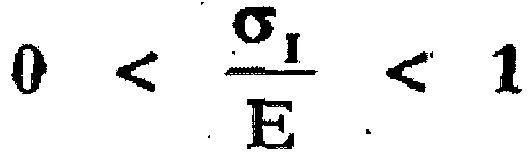 dans laquelle Bi, en tant que longueur de la circonférence (de l'arc de celle-ci), considérée dans la section transversale du tube, c'est-à-dire en tant que largeur avant formage du tube, de la couche de matériau (1) qui respectivement joue le rôle de tube intérieur, dans la zone entre les deux liaisons (3a, 3b) entre les couches de matériau (1, 2), est exprimé de préférence en mm,Lnfa, en tant que longueur de la circonférence, vue dans la section transversale du tube, c'est-à-dire en tant que largeur avant formage du tube, de la couche de matériau (2) qui respectivement joue le rôle de tube extérieur, est de préférence exprimé en mm, SA, en tant qu'épaisseur de paroi de la couche de matériau (2) qui respectivement joue le rôle de tube extérieur, est de préférence exprimé en mm, SI, en tant qu'épaisseur de paroi de la couche de matériau (1) qui respectivement joue le rôle de tube intérieur, est de préférence exprimé en mm, σ1, en tant que limite apparente d'élasticité ou limite élastique à la compression de la couche de matériau surjacente, c'est-à-dire de la couche intérieure (1), c'est-à-dire de la couche intérieure ultérieure, est de préférence exprimé en N/mm2, etE, en tant que module d'élasticité (module E) de la couche de matériau surjacente, c'est-à-dire que couche intérieure (1), c'est-à-dire du tube intérieur ultérieur, est de préférence exprimé en N/mm2, etd1, en tant que distance de la première liaison (3a) le long de la première arête (4a) de la couche de matériau surjacente (1) ou le long d'une ligne qui lui est parallèle, à la première arête correspondante (6a) de la couche de matériau adjacente (2) au moment de la création de la première liaison (3a) entre les couches de matériau (1, 2), est de préférence exprimé en mm, et d2, en tant que distance de la deuxième liaison (3b) le long de la deuxième arête (4b) de la couche de matériau surjacente (1) ou le long d'une ligne qui lui est parallèle, a la deuxième arête correspondante (6b) de la couche de matériau adjacente (2) à l'instant de la création de la deuxième liaison (3b) entre les couches de matériau (1, 2), est de préférence exprimé en mm.
 - Procédé de fabrication rapide d'un tube multicouche (5) selon la revendication 4 ou selon l'une des revendication 5 ou 6, dans la mesure où ces dernières font référence à la revendication 4, caractérisé en ce que le mouvement rapide de la deuxième arête encore libre (4b) de la couche de matériau surjacente (1) vers la couche de matériau adjacente (2) a lieu dans la direction de l'arête (6b), elle aussi encore libre, de la couche de matériau adjacente (1), par le fait que l'on emboutit la couche de matériau surjacente (1) contre sa deuxième arête encore libre (4b) dans la direction de l'arête (6b), elle aussi encore libre, de la couche de matériau adjacente (2).
- Procédé de fabrication rapide d'un tube multicouche (5) selon l'une des revendications 1 à 7, caractérisé en ce qu'on crée la première liaison (3a) entre les couches de matériau (1, 2) par le fait que l'on relie l'une à l'autre les couches de matériau (1, 2) approximativement le long de l'une des arêtes longitudinales ou transversales de la couche de matériau surjacente (1) ou parallèlement à ces dernières, et approximativement le long de la soudure longitudinale future (8) du tube, et parallèlement à celle-ci.
- Procédé de fabrication rapide d'un tube multicouche (5) selon l'une des revendications 1 à 8, caractérisé en ce qu'on crée la deuxième liaison (3b) entre les couches de matériau (1, 2) par le fait que l'on relie l'une à l'autre les couches de matériau (1, 2) approximativement le long de l'une des arêtes longitudinales ou transversales de la couche de matériau surjacente (1) ou parallèlement à celles-ci, et approximativement le long de la soudure longitudinale future (8) du tube, ou parallèlement à cette dernière.
- Procédé de fabrication rapide d'un tube multicouche (5) selon l'une des revendications 1 à 9, caractérisé en ce que la couche de matériau (1) jouant le rôle de tube intérieur forme en section transversale un arc de cercle dans le tube multicouche fini (5).
- Procédé de fabrication rapide d'un tube multicouche (5) selon la revendication 10, caractérisé en ce que la couche de matériau (1) jouant le rôle de tube intérieur et, dans le tube multicouche fini (5), formant en section transversale un arc de cercle, forme un canal au pied du tube multicouche.
- Procédé de fabrication rapide d'un tube multicouche (5) selon l'une des revendications 1 à 11, caractérisé en ce qu'on exécute une soudire en tant que première (3a) ou deuxième (3b) liaison entre les couches de matériau superposées (1, 2).
- Procédé de fabrication d'un tube multicouche (5) selon l'une des revendications 1 à 12, caractérisé en ce que le tube multicouche (5) est fermé par une soudure (7) du tube extérieur (2) le long de la soudure (8) du tube.
- Procédé de fabrication d'un tube multicouche (5) selon la revendication 13, caractérisé en ce qu'on procède en outre à une soudure par recouvrement (9) du tube intérieur (1) le long de la soudure (8) du tube, à partir de l'intérieur.
- Procédé de fabrication d'un tube multicouche (5) selon l'une des revendications 1 à 14, caractérisé en ce que les couches de matériau (1, 2) sont reliées - de préférence soudées - aux faces avant du tube (5).
- Procédé de fabrication d'un tube multicouche (5) selon l'une des revendications 1 à 15, caractérisé en ce qu'on fabrique en tant que tube multicouche (5) un tube bicouche.
- Procédé de fabrication d'un tube multicouche (5) selon l'une des revendications 1 à 16, caractérisé en ce qu'on utilise en tant que couches de matériau (1, 2) des tôles, de préférence des tôles métalliques et d'une manière particulièrement préférée des tôles d'acier.
- Procédé de fabrication d'un tube multicouche (5) selon l'une des revendications 1 à 17, caractérisé en ce qu'on utilise en tant que machine de formage à la presse un rouleau de cintrage.
- Procédé de fabrication d'un tube multicouche (5) selon la revendication 18, caractérisé en ce que c'est une machine à cintrer à trois rouleaux qui sert de rouleau de cintrage.
- Procédé de fabrication d'un tube multicouche (5) selon l'une des revendications 1 à 17, caractérisé en ce qu'on utilise en tant que machine de formage à la presse un arrangement de pressage-estampage UO(E) (13, 14, 15).
- Procédé de fabrication d'un tube multicouche (5) selon l'une des revendications 1 à 17, caractérisé en ce qu'on utilise en tant que machine de formage à la presse un arrangement de pressage-estampage JCO.
Applications Claiming Priority (2)
| Application Number | Priority Date | Filing Date | Title |
|---|---|---|---|
| DE102012019315.7A DE102012019315A1 (de) | 2012-10-02 | 2012-10-02 | Verfahren zur schnellen Herstellung eines Mehrlagenrohres |
| PCT/DE2013/000473 WO2014053108A1 (fr) | 2012-10-02 | 2013-08-22 | Procédé de production rapide d'un tuyau multicouche |
Publications (2)
| Publication Number | Publication Date |
|---|---|
| EP2903757A1 EP2903757A1 (fr) | 2015-08-12 |
| EP2903757B1 true EP2903757B1 (fr) | 2016-11-16 |
Family
ID=49509893
Family Applications (1)
| Application Number | Title | Priority Date | Filing Date |
|---|---|---|---|
| EP13783468.5A Not-in-force EP2903757B1 (fr) | 2012-10-02 | 2013-08-22 | Procédé de production rapide d'un tuyau multicouche |
Country Status (7)
| Country | Link |
|---|---|
| EP (1) | EP2903757B1 (fr) |
| KR (1) | KR20150064733A (fr) |
| CN (1) | CN104853859B (fr) |
| DE (2) | DE102012019315A1 (fr) |
| EA (1) | EA201590383A1 (fr) |
| SG (1) | SG11201502000VA (fr) |
| WO (1) | WO2014053108A1 (fr) |
Families Citing this family (4)
| Publication number | Priority date | Publication date | Assignee | Title |
|---|---|---|---|---|
| DE102015000202A1 (de) | 2014-07-28 | 2016-01-28 | Sosta Gmbh & Co. Kg | Verfahren zur Herstellung eines Mehrlagenrohres |
| KR101657817B1 (ko) * | 2014-12-23 | 2016-09-20 | 주식회사 포스코 | 클래드 강관용 판재 제조방법과 그 제조장치 및 클래드 강관 |
| US9822908B2 (en) * | 2015-12-10 | 2017-11-21 | Ford Global Technologies, Llc | Hydroform tube and method of forming |
| DE102024111997A1 (de) * | 2024-04-29 | 2025-10-30 | Voestalpine Grobblech Gmbh | Verfahren zum Erzeugen eines mehrlagigen Stahlrohres, mehrlagiges Stahlrohr und Stahlband zu dessen Herstellung |
Family Cites Families (7)
| Publication number | Priority date | Publication date | Assignee | Title |
|---|---|---|---|---|
| DE582387C (de) * | 1933-08-14 | Kurt Ruppin | Verfahren zur Herstellung von doppelwandigen Rohren oder aehnlichen Hohlkoerpern | |
| US3327383A (en) * | 1963-01-03 | 1967-06-27 | Walter C Reed | Method of making clad pipe |
| JPS60111791A (ja) * | 1983-11-21 | 1985-06-18 | Kawasaki Steel Corp | 多重uoe管の製法 |
| ATE395150T1 (de) * | 2004-12-21 | 2008-05-15 | Bergrohr Gmbh Siegen | Verfahren zur herstellung eines mehrlagenrohres |
| WO2010118759A2 (fr) | 2009-04-16 | 2010-10-21 | Gmbh Siegen Bergrohr | Presse à cintrer pour feuilles de tôle |
| EP2285508B1 (fr) | 2009-06-19 | 2011-08-17 | Bergrohr GmbH Siegen | Procédé optimisé de production pour la fabrication d'un tube multicouche |
| WO2011110195A1 (fr) * | 2010-03-11 | 2011-09-15 | Bergrohr Gmbh Siegen | Ligne de formage et procédé de fabrication d'un tube multicouche |
-
2012
- 2012-10-02 DE DE102012019315.7A patent/DE102012019315A1/de not_active Withdrawn
-
2013
- 2013-08-22 CN CN201380051620.1A patent/CN104853859B/zh not_active Expired - Fee Related
- 2013-08-22 DE DE112013004862.0T patent/DE112013004862A5/de not_active Withdrawn
- 2013-08-22 WO PCT/DE2013/000473 patent/WO2014053108A1/fr not_active Ceased
- 2013-08-22 EA EA201590383A patent/EA201590383A1/ru unknown
- 2013-08-22 SG SG11201502000VA patent/SG11201502000VA/en unknown
- 2013-08-22 KR KR1020157008288A patent/KR20150064733A/ko not_active Ceased
- 2013-08-22 EP EP13783468.5A patent/EP2903757B1/fr not_active Not-in-force
Also Published As
| Publication number | Publication date |
|---|---|
| CN104853859B (zh) | 2017-06-09 |
| EA201590383A1 (ru) | 2015-09-30 |
| KR20150064733A (ko) | 2015-06-11 |
| DE102012019315A1 (de) | 2014-04-03 |
| DE112013004862A5 (de) | 2015-08-27 |
| EP2903757A1 (fr) | 2015-08-12 |
| SG11201502000VA (en) | 2015-05-28 |
| WO2014053108A1 (fr) | 2014-04-10 |
| CN104853859A (zh) | 2015-08-19 |
Similar Documents
| Publication | Publication Date | Title |
|---|---|---|
| EP1827727B9 (fr) | Procédé de production d'un tuyau multicouche | |
| EP1479842B1 (fr) | Profilé creux | |
| EP2986402B1 (fr) | Procédé permettant de fabriquer un tube à grand diamètre multicouche | |
| DE19861391B4 (de) | Verfahren zum Formen einer Nabenscheibe und Drückrolle zur Verwendung beim Formen einer Nabenscheibe | |
| DE102009031981B4 (de) | Verfahren zur Herstellung eines Kraftfahrzeugbauteils in Form eines Torsionsprofils | |
| WO2015036562A1 (fr) | Procédé de soudage bout à bout et outil de soudage par agitation-friction | |
| EP2903757B1 (fr) | Procédé de production rapide d'un tuyau multicouche | |
| EP2285508B1 (fr) | Procédé optimisé de production pour la fabrication d'un tube multicouche | |
| EP2720813B1 (fr) | Procédé de fabrication de profilés creux fendus | |
| EP2212039A1 (fr) | Procédé de fabrication d'un profilé à partir d'un feuillard métallique plat | |
| EP1954420B1 (fr) | Procede et dispositif de moulage sans noyau de profiles creux | |
| DE102007002450B3 (de) | Verbundlenkerachse für Kraftfahrzeuge und Verfahren zur Herstellung eines Torsionsprofils für eine Verbundlenkerachse | |
| EP2544833A1 (fr) | Ligne de formage et procédé de fabrication d'un tube multicouche | |
| EP2205370B1 (fr) | Procede et dispositif de fabrication d'un corps creux et corps creux | |
| DE102006031503B4 (de) | Verfahren und Vorrichtung zum Biegen von Hohlprofilen mit minimalem Biegeradius | |
| EP2959985B1 (fr) | Poutre profilée en feuillard laminé à froid ayant une résistance à la flexion accrue et son procédé de production | |
| DE102007010117A1 (de) | Strukturbauteil aus blechförmigem Material sowie Vorrichtung und Verfahren zum Fügen eines Strukturbauteils aus blechförmigem Material | |
| DE102009007701B4 (de) | Verfahren zur Herstellung eines geschlossenen Profils aus einem Flachmaterialband mittels Walzprofilieren | |
| DE102010050237A1 (de) | Verfahren zur Herstellung von Sitzschienenprofilen und Sitzschienenprofil | |
| EP1712307A2 (fr) | Méthode d'obtention d'une pièce en tôle comprenant au moins un bord au moins partiellement roulé et pièce obtenue suivant cette méthode. | |
| DE102018122877A1 (de) | Zusammenbau mit einem ersten Bauteil sowie einem hiermit verbundenen zweiten Bauteil | |
| DE102017100920A1 (de) | Verfahren und Vorrichtung zum Aufweiten eines Metallelements | |
| DE1254109B (de) | Verfahren zum Versteifen der Wandung eines Schraubennahtrohres aus einem Band mit rechteckigem Querschnitt und Rohrwerk zur Durchfuehrung des Verfahrens |
Legal Events
| Date | Code | Title | Description |
|---|---|---|---|
| PUAI | Public reference made under article 153(3) epc to a published international application that has entered the european phase |
Free format text: ORIGINAL CODE: 0009012 |
|
| 17P | Request for examination filed |
Effective date: 20150423 |
|
| AK | Designated contracting states |
Kind code of ref document: A1 Designated state(s): AL AT BE BG CH CY CZ DE DK EE ES FI FR GB GR HR HU IE IS IT LI LT LU LV MC MK MT NL NO PL PT RO RS SE SI SK SM TR |
|
| AX | Request for extension of the european patent |
Extension state: BA ME |
|
| DAX | Request for extension of the european patent (deleted) | ||
| GRAP | Despatch of communication of intention to grant a patent |
Free format text: ORIGINAL CODE: EPIDOSNIGR1 |
|
| INTG | Intention to grant announced |
Effective date: 20160610 |
|
| GRAS | Grant fee paid |
Free format text: ORIGINAL CODE: EPIDOSNIGR3 |
|
| GRAA | (expected) grant |
Free format text: ORIGINAL CODE: 0009210 |
|
| AK | Designated contracting states |
Kind code of ref document: B1 Designated state(s): AL AT BE BG CH CY CZ DE DK EE ES FI FR GB GR HR HU IE IS IT LI LT LU LV MC MK MT NL NO PL PT RO RS SE SI SK SM TR |
|
| REG | Reference to a national code |
Ref country code: GB Ref legal event code: FG4D Free format text: NOT ENGLISH |
|
| REG | Reference to a national code |
Ref country code: CH Ref legal event code: EP |
|
| REG | Reference to a national code |
Ref country code: IE Ref legal event code: FG4D Free format text: LANGUAGE OF EP DOCUMENT: GERMAN |
|
| REG | Reference to a national code |
Ref country code: AT Ref legal event code: REF Ref document number: 845424 Country of ref document: AT Kind code of ref document: T Effective date: 20161215 |
|
| REG | Reference to a national code |
Ref country code: DE Ref legal event code: R096 Ref document number: 502013005418 Country of ref document: DE |
|
| PG25 | Lapsed in a contracting state [announced via postgrant information from national office to epo] |
Ref country code: LV Free format text: LAPSE BECAUSE OF FAILURE TO SUBMIT A TRANSLATION OF THE DESCRIPTION OR TO PAY THE FEE WITHIN THE PRESCRIBED TIME-LIMIT Effective date: 20161116 |
|
| REG | Reference to a national code |
Ref country code: NL Ref legal event code: MP Effective date: 20161116 |
|
| REG | Reference to a national code |
Ref country code: LT Ref legal event code: MG4D |
|
| PG25 | Lapsed in a contracting state [announced via postgrant information from national office to epo] |
Ref country code: LT Free format text: LAPSE BECAUSE OF FAILURE TO SUBMIT A TRANSLATION OF THE DESCRIPTION OR TO PAY THE FEE WITHIN THE PRESCRIBED TIME-LIMIT Effective date: 20161116 Ref country code: SE Free format text: LAPSE BECAUSE OF FAILURE TO SUBMIT A TRANSLATION OF THE DESCRIPTION OR TO PAY THE FEE WITHIN THE PRESCRIBED TIME-LIMIT Effective date: 20161116 Ref country code: NO Free format text: LAPSE BECAUSE OF FAILURE TO SUBMIT A TRANSLATION OF THE DESCRIPTION OR TO PAY THE FEE WITHIN THE PRESCRIBED TIME-LIMIT Effective date: 20170216 Ref country code: GR Free format text: LAPSE BECAUSE OF FAILURE TO SUBMIT A TRANSLATION OF THE DESCRIPTION OR TO PAY THE FEE WITHIN THE PRESCRIBED TIME-LIMIT Effective date: 20170217 Ref country code: NL Free format text: LAPSE BECAUSE OF FAILURE TO SUBMIT A TRANSLATION OF THE DESCRIPTION OR TO PAY THE FEE WITHIN THE PRESCRIBED TIME-LIMIT Effective date: 20161116 |
|
| PG25 | Lapsed in a contracting state [announced via postgrant information from national office to epo] |
Ref country code: RS Free format text: LAPSE BECAUSE OF FAILURE TO SUBMIT A TRANSLATION OF THE DESCRIPTION OR TO PAY THE FEE WITHIN THE PRESCRIBED TIME-LIMIT Effective date: 20161116 Ref country code: PT Free format text: LAPSE BECAUSE OF FAILURE TO SUBMIT A TRANSLATION OF THE DESCRIPTION OR TO PAY THE FEE WITHIN THE PRESCRIBED TIME-LIMIT Effective date: 20170316 Ref country code: ES Free format text: LAPSE BECAUSE OF FAILURE TO SUBMIT A TRANSLATION OF THE DESCRIPTION OR TO PAY THE FEE WITHIN THE PRESCRIBED TIME-LIMIT Effective date: 20161116 Ref country code: HR Free format text: LAPSE BECAUSE OF FAILURE TO SUBMIT A TRANSLATION OF THE DESCRIPTION OR TO PAY THE FEE WITHIN THE PRESCRIBED TIME-LIMIT Effective date: 20161116 Ref country code: PL Free format text: LAPSE BECAUSE OF FAILURE TO SUBMIT A TRANSLATION OF THE DESCRIPTION OR TO PAY THE FEE WITHIN THE PRESCRIBED TIME-LIMIT Effective date: 20161116 Ref country code: FI Free format text: LAPSE BECAUSE OF FAILURE TO SUBMIT A TRANSLATION OF THE DESCRIPTION OR TO PAY THE FEE WITHIN THE PRESCRIBED TIME-LIMIT Effective date: 20161116 |
|
| PG25 | Lapsed in a contracting state [announced via postgrant information from national office to epo] |
Ref country code: DK Free format text: LAPSE BECAUSE OF FAILURE TO SUBMIT A TRANSLATION OF THE DESCRIPTION OR TO PAY THE FEE WITHIN THE PRESCRIBED TIME-LIMIT Effective date: 20161116 Ref country code: EE Free format text: LAPSE BECAUSE OF FAILURE TO SUBMIT A TRANSLATION OF THE DESCRIPTION OR TO PAY THE FEE WITHIN THE PRESCRIBED TIME-LIMIT Effective date: 20161116 Ref country code: CZ Free format text: LAPSE BECAUSE OF FAILURE TO SUBMIT A TRANSLATION OF THE DESCRIPTION OR TO PAY THE FEE WITHIN THE PRESCRIBED TIME-LIMIT Effective date: 20161116 Ref country code: RO Free format text: LAPSE BECAUSE OF FAILURE TO SUBMIT A TRANSLATION OF THE DESCRIPTION OR TO PAY THE FEE WITHIN THE PRESCRIBED TIME-LIMIT Effective date: 20161116 Ref country code: SK Free format text: LAPSE BECAUSE OF FAILURE TO SUBMIT A TRANSLATION OF THE DESCRIPTION OR TO PAY THE FEE WITHIN THE PRESCRIBED TIME-LIMIT Effective date: 20161116 |
|
| REG | Reference to a national code |
Ref country code: DE Ref legal event code: R097 Ref document number: 502013005418 Country of ref document: DE |
|
| PG25 | Lapsed in a contracting state [announced via postgrant information from national office to epo] |
Ref country code: SM Free format text: LAPSE BECAUSE OF FAILURE TO SUBMIT A TRANSLATION OF THE DESCRIPTION OR TO PAY THE FEE WITHIN THE PRESCRIBED TIME-LIMIT Effective date: 20161116 Ref country code: BG Free format text: LAPSE BECAUSE OF FAILURE TO SUBMIT A TRANSLATION OF THE DESCRIPTION OR TO PAY THE FEE WITHIN THE PRESCRIBED TIME-LIMIT Effective date: 20170216 |
|
| PLBE | No opposition filed within time limit |
Free format text: ORIGINAL CODE: 0009261 |
|
| STAA | Information on the status of an ep patent application or granted ep patent |
Free format text: STATUS: NO OPPOSITION FILED WITHIN TIME LIMIT |
|
| 26N | No opposition filed |
Effective date: 20170817 |
|
| PG25 | Lapsed in a contracting state [announced via postgrant information from national office to epo] |
Ref country code: SI Free format text: LAPSE BECAUSE OF FAILURE TO SUBMIT A TRANSLATION OF THE DESCRIPTION OR TO PAY THE FEE WITHIN THE PRESCRIBED TIME-LIMIT Effective date: 20161116 |
|
| REG | Reference to a national code |
Ref country code: CH Ref legal event code: PL |
|
| PG25 | Lapsed in a contracting state [announced via postgrant information from national office to epo] |
Ref country code: MC Free format text: LAPSE BECAUSE OF FAILURE TO SUBMIT A TRANSLATION OF THE DESCRIPTION OR TO PAY THE FEE WITHIN THE PRESCRIBED TIME-LIMIT Effective date: 20161116 |
|
| GBPC | Gb: european patent ceased through non-payment of renewal fee |
Effective date: 20170822 |
|
| PG25 | Lapsed in a contracting state [announced via postgrant information from national office to epo] |
Ref country code: LI Free format text: LAPSE BECAUSE OF NON-PAYMENT OF DUE FEES Effective date: 20170831 Ref country code: CH Free format text: LAPSE BECAUSE OF NON-PAYMENT OF DUE FEES Effective date: 20170831 |
|
| REG | Reference to a national code |
Ref country code: FR Ref legal event code: ST Effective date: 20180430 |
|
| REG | Reference to a national code |
Ref country code: IE Ref legal event code: MM4A |
|
| REG | Reference to a national code |
Ref country code: BE Ref legal event code: MM Effective date: 20170831 |
|
| PG25 | Lapsed in a contracting state [announced via postgrant information from national office to epo] |
Ref country code: LU Free format text: LAPSE BECAUSE OF NON-PAYMENT OF DUE FEES Effective date: 20170822 |
|
| PG25 | Lapsed in a contracting state [announced via postgrant information from national office to epo] |
Ref country code: GB Free format text: LAPSE BECAUSE OF NON-PAYMENT OF DUE FEES Effective date: 20170822 Ref country code: IE Free format text: LAPSE BECAUSE OF NON-PAYMENT OF DUE FEES Effective date: 20170822 |
|
| PG25 | Lapsed in a contracting state [announced via postgrant information from national office to epo] |
Ref country code: BE Free format text: LAPSE BECAUSE OF NON-PAYMENT OF DUE FEES Effective date: 20170831 Ref country code: FR Free format text: LAPSE BECAUSE OF NON-PAYMENT OF DUE FEES Effective date: 20170831 |
|
| PG25 | Lapsed in a contracting state [announced via postgrant information from national office to epo] |
Ref country code: MT Free format text: LAPSE BECAUSE OF FAILURE TO SUBMIT A TRANSLATION OF THE DESCRIPTION OR TO PAY THE FEE WITHIN THE PRESCRIBED TIME-LIMIT Effective date: 20161116 |
|
| PG25 | Lapsed in a contracting state [announced via postgrant information from national office to epo] |
Ref country code: HU Free format text: LAPSE BECAUSE OF FAILURE TO SUBMIT A TRANSLATION OF THE DESCRIPTION OR TO PAY THE FEE WITHIN THE PRESCRIBED TIME-LIMIT; INVALID AB INITIO Effective date: 20130822 |
|
| REG | Reference to a national code |
Ref country code: AT Ref legal event code: MM01 Ref document number: 845424 Country of ref document: AT Kind code of ref document: T Effective date: 20180822 |
|
| PG25 | Lapsed in a contracting state [announced via postgrant information from national office to epo] |
Ref country code: CY Free format text: LAPSE BECAUSE OF FAILURE TO SUBMIT A TRANSLATION OF THE DESCRIPTION OR TO PAY THE FEE WITHIN THE PRESCRIBED TIME-LIMIT Effective date: 20161116 |
|
| PGFP | Annual fee paid to national office [announced via postgrant information from national office to epo] |
Ref country code: IT Payment date: 20190821 Year of fee payment: 7 Ref country code: DE Payment date: 20190819 Year of fee payment: 7 |
|
| PG25 | Lapsed in a contracting state [announced via postgrant information from national office to epo] |
Ref country code: MK Free format text: LAPSE BECAUSE OF FAILURE TO SUBMIT A TRANSLATION OF THE DESCRIPTION OR TO PAY THE FEE WITHIN THE PRESCRIBED TIME-LIMIT Effective date: 20161116 |
|
| PG25 | Lapsed in a contracting state [announced via postgrant information from national office to epo] |
Ref country code: AT Free format text: LAPSE BECAUSE OF NON-PAYMENT OF DUE FEES Effective date: 20180822 |
|
| PG25 | Lapsed in a contracting state [announced via postgrant information from national office to epo] |
Ref country code: TR Free format text: LAPSE BECAUSE OF FAILURE TO SUBMIT A TRANSLATION OF THE DESCRIPTION OR TO PAY THE FEE WITHIN THE PRESCRIBED TIME-LIMIT Effective date: 20161116 |
|
| PG25 | Lapsed in a contracting state [announced via postgrant information from national office to epo] |
Ref country code: AL Free format text: LAPSE BECAUSE OF FAILURE TO SUBMIT A TRANSLATION OF THE DESCRIPTION OR TO PAY THE FEE WITHIN THE PRESCRIBED TIME-LIMIT Effective date: 20161116 Ref country code: IS Free format text: LAPSE BECAUSE OF FAILURE TO SUBMIT A TRANSLATION OF THE DESCRIPTION OR TO PAY THE FEE WITHIN THE PRESCRIBED TIME-LIMIT Effective date: 20170316 |
|
| REG | Reference to a national code |
Ref country code: DE Ref legal event code: R119 Ref document number: 502013005418 Country of ref document: DE |
|
| PG25 | Lapsed in a contracting state [announced via postgrant information from national office to epo] |
Ref country code: DE Free format text: LAPSE BECAUSE OF NON-PAYMENT OF DUE FEES Effective date: 20210302 Ref country code: IT Free format text: LAPSE BECAUSE OF NON-PAYMENT OF DUE FEES Effective date: 20200822 |