EP3011896A1 - System for monitoring sitting posture in real-time using pressure sensors - Google Patents
System for monitoring sitting posture in real-time using pressure sensors Download PDFInfo
- Publication number
- EP3011896A1 EP3011896A1 EP15157849.9A EP15157849A EP3011896A1 EP 3011896 A1 EP3011896 A1 EP 3011896A1 EP 15157849 A EP15157849 A EP 15157849A EP 3011896 A1 EP3011896 A1 EP 3011896A1
- Authority
- EP
- European Patent Office
- Prior art keywords
- pressure
- chair
- pressure applied
- thigh
- threshold
- Prior art date
- Legal status (The legal status is an assumption and is not a legal conclusion. Google has not performed a legal analysis and makes no representation as to the accuracy of the status listed.)
- Withdrawn
Links
- 238000012544 monitoring process Methods 0.000 title claims abstract description 40
- 210000000689 upper leg Anatomy 0.000 claims abstract description 77
- 210000001217 buttock Anatomy 0.000 claims abstract description 38
- 238000005259 measurement Methods 0.000 claims abstract description 7
- 210000002414 leg Anatomy 0.000 claims description 6
- 238000005452 bending Methods 0.000 claims description 3
- 238000000034 method Methods 0.000 description 7
- 208000008035 Back Pain Diseases 0.000 description 3
- 208000008930 Low Back Pain Diseases 0.000 description 3
- 238000004891 communication Methods 0.000 description 2
- 238000010586 diagram Methods 0.000 description 2
- 238000012986 modification Methods 0.000 description 2
- 230000004048 modification Effects 0.000 description 2
- 238000011161 development Methods 0.000 description 1
- 201000010099 disease Diseases 0.000 description 1
- 208000037265 diseases, disorders, signs and symptoms Diseases 0.000 description 1
- 230000003278 mimic effect Effects 0.000 description 1
- 230000037081 physical activity Effects 0.000 description 1
- 238000012545 processing Methods 0.000 description 1
- 238000011084 recovery Methods 0.000 description 1
Images


Classifications
-
- A—HUMAN NECESSITIES
- A61—MEDICAL OR VETERINARY SCIENCE; HYGIENE
- A61B—DIAGNOSIS; SURGERY; IDENTIFICATION
- A61B5/00—Measuring for diagnostic purposes; Identification of persons
- A61B5/68—Arrangements of detecting, measuring or recording means, e.g. sensors, in relation to patient
- A61B5/6887—Arrangements of detecting, measuring or recording means, e.g. sensors, in relation to patient mounted on external non-worn devices, e.g. non-medical devices
- A61B5/6891—Furniture
-
- A—HUMAN NECESSITIES
- A47—FURNITURE; DOMESTIC ARTICLES OR APPLIANCES; COFFEE MILLS; SPICE MILLS; SUCTION CLEANERS IN GENERAL
- A47C—CHAIRS; SOFAS; BEDS
- A47C31/00—Details or accessories for chairs, beds, or the like, not provided for in other groups of this subclass, e.g. upholstery fasteners, mattress protectors, stretching devices for mattress nets
- A47C31/12—Means, e.g. measuring means, for adapting chairs, beds or mattresses to the shape or weight of persons
- A47C31/126—Means, e.g. measuring means, for adapting chairs, beds or mattresses to the shape or weight of persons for chairs
-
- A—HUMAN NECESSITIES
- A61—MEDICAL OR VETERINARY SCIENCE; HYGIENE
- A61B—DIAGNOSIS; SURGERY; IDENTIFICATION
- A61B5/00—Measuring for diagnostic purposes; Identification of persons
- A61B5/103—Measuring devices for testing the shape, pattern, colour, size or movement of the body or parts thereof, for diagnostic purposes
- A61B5/1036—Measuring load distribution, e.g. podologic studies
-
- A—HUMAN NECESSITIES
- A61—MEDICAL OR VETERINARY SCIENCE; HYGIENE
- A61B—DIAGNOSIS; SURGERY; IDENTIFICATION
- A61B5/00—Measuring for diagnostic purposes; Identification of persons
- A61B5/103—Measuring devices for testing the shape, pattern, colour, size or movement of the body or parts thereof, for diagnostic purposes
- A61B5/11—Measuring movement of the entire body or parts thereof, e.g. head or hand tremor or mobility of a limb
- A61B5/1116—Determining posture transitions
-
- A—HUMAN NECESSITIES
- A61—MEDICAL OR VETERINARY SCIENCE; HYGIENE
- A61B—DIAGNOSIS; SURGERY; IDENTIFICATION
- A61B5/00—Measuring for diagnostic purposes; Identification of persons
- A61B5/45—For evaluating or diagnosing the musculoskeletal system or teeth
- A61B5/4538—Evaluating a particular part of the muscoloskeletal system or a particular medical condition
- A61B5/4561—Evaluating static posture, e.g. undesirable back curvature
-
- A—HUMAN NECESSITIES
- A61—MEDICAL OR VETERINARY SCIENCE; HYGIENE
- A61B—DIAGNOSIS; SURGERY; IDENTIFICATION
- A61B5/00—Measuring for diagnostic purposes; Identification of persons
- A61B5/74—Details of notification to user or communication with user or patient; User input means
- A61B5/742—Details of notification to user or communication with user or patient; User input means using visual displays
-
- A—HUMAN NECESSITIES
- A61—MEDICAL OR VETERINARY SCIENCE; HYGIENE
- A61B—DIAGNOSIS; SURGERY; IDENTIFICATION
- A61B2562/00—Details of sensors; Constructional details of sensor housings or probes; Accessories for sensors
- A61B2562/02—Details of sensors specially adapted for in-vivo measurements
- A61B2562/0247—Pressure sensors
-
- A—HUMAN NECESSITIES
- A61—MEDICAL OR VETERINARY SCIENCE; HYGIENE
- A61B—DIAGNOSIS; SURGERY; IDENTIFICATION
- A61B2562/00—Details of sensors; Constructional details of sensor housings or probes; Accessories for sensors
- A61B2562/04—Arrangements of multiple sensors of the same type
Definitions
- the present invention relates to a system for monitoring a sitting posture in real-time using pressure sensors, and more specifically, to a system for monitoring a sitting posture in real-time using pressure sensors, which can recognize a form of a sitting posture in real-time by separately sensing pressures respectively applied to a chair by the left thigh, the right thigh, the left buttock, the right buttock, the left back and the right back.
- the low back pain is a typical disease related to the spine, which is experienced by eighty per cents of the total population due to various causes and results from a poor posture as well as spinal damage.
- a conventional system has a problem in that an algorithm for acquiring or processing measurement information for determining a sitting posture is complicated, and a type of an incorrect posture is difficult to be determined in real-time.
- the present invention has been made in view of the above problems, and it is an object of the present invention to provide a system for monitoring a sitting posture in real-time using pressure sensors, which can recognize a form of a sitting posture in real-time by separately sensing pressures respectively applied to a chair by the left thigh, the right thigh, the left buttock, the right buttock, the left back and the right back.
- a system for monitoring a sitting posture in real-time using pressure sensors including: a measurement unit including a first pressure sensor for sensing a pressure applied to a chair by the left thigh, a second pressure sensor for sensing a pressure applied to the chair by the right thigh, a third pressure sensor for sensing a pressure applied to the chair by the left buttock, a fourth pressure sensor for sensing a pressure applied to the chair by the right buttock, a fifth pressure sensor for sensing a pressure applied to the chair by the left back, and a sixth pressure sensor for sensing a pressure applied to the chair by the right back; a control unit for converting pressure values sensed by the first pressure sensor, the second pressure sensor, the third pressure sensor, the fourth pressure sensor, the fifth pressure sensor and the sixth pressure sensor into digital data and transmitting the converted data; and a monitoring unit for storing and displaying the pressure digital data transmitted from the control unit by the measured date and time.
- the respective pressure sensors are arranged on a chair at positions arranged to correspond with the left thigh, right thigh, left buttock, right buttock, left back and right back.
- the chair comprises a chair seat and a chair back.
- the thigh and buttock sensors are arranged on the chair seat and the back sensors are arranged on the chair back.
- the monitoring unit may display a case in which the pressure applied to the chair by the left thigh is zero, the pressure applied to the chair by the right thigh is not zero and the pressure applied to the chair by the left back is not zero, or the pressure applied to the chair by the left thigh is not zero, the pressure applied to the chair by the right thigh is zero and the pressure applied to the chair by the left back is not zero as a posture crossing the left leg.
- the respective sensors are arranged to detect a zero pressure and a not zero pressure when the pressure sensor senses a pressure below and above a threshold pressure respectively. That is, the sensors may be arranged to sense a zero pressure, when the sensor senses a minimal pressure, below the preset threshold pressure and may be arranged to sense a not zero pressure when the sensed pressure exceeds the preset threshold pressure.
- the preset threshold pressure is set at zero rather than a minimal pressure
- the system is arranged to sense a pressure below the threshold pressure when the pressure sensed by the sensors is zero and to sense a pressure above the threshold pressure when the pressure sensed by the sensors is not zero.
- the monitoring unit may display a case in which the pressure applied to the chair by the left thigh is zero, the pressure applied to the chair by the right thigh is not zero and the pressure applied to the chair by the left back is zero, or the pressure applied to the chair by the left thigh is not zero, the pressure applied to the chair by the right thigh is zero and the pressure applied to the chair by the left back is zero as a posture crossing the right leg.
- the monitoring unit may display a case in which the pressure applied to the chair by the left thigh is not zero or the pressure applied to the chair by the right thigh is zero, and the pressure applied to the chair by the left thigh is zero or the pressure applied to the chair by the right thigh is not zero, and the pressure applied to the chair by the left buttock is zero and the pressure applied to the chair by the right buttock is zero as a posture pushing forward the buttocks.
- the monitoring unit may display a case in which the pressure applied to the chair by the left thigh is not zero or the pressure applied to the chair by the right thigh is zero, and the pressure applied to the chair by the left thigh is zero or the pressure applied to the chair by the right thigh is not zero, and the pressure applied to the chair by the left buttock is not zero or the pressure applied to the chair by the right buttock (RH) is not zero, and the pressure applied to the chair by the left back is zero and the pressure applied to the chair by the right back is zero as a posture bending down the upper body.
- RH right buttock
- the monitoring unit may display a case in which the pressure applied to the chair by the left thigh is not zero or the pressure applied to the chair by the right thigh is zero, and the pressure applied to the chair by the left thigh is zero or the pressure applied to the chair by the right thigh is not zero, and the pressure applied to the chair by the left buttock is not zero or the pressure applied to the chair by the right buttock (RH) is not zero, and the pressure applied to the chair by the left back is not zero and the pressure applied to the chair by the right back is not zero as a correct posture.
- RH right buttock
- the respective sensors sense a pressure.
- the system is arranged to operate the method of the background technique as described in Korean Patent Publication No. 10-2014-0032082 filed on March 14, 2014 , the features of the background technique being hereby incorporated by reference, and the features of which may therefore be combined with one or more of the exemplary embodiments.
- a system for monitoring a sitting posture in real-time using pressure sensors may be configured to include a measurement unit 100, a control unit 200 and a monitoring unit 300.
- the measurement unit 100 includes a first pressure sensor 101 for sensing a pressure applied to a chair by the left thigh LL, a second pressure sensor 102 for sensing a pressure applied to the chair by the right thigh RL, a third pressure sensor 103 for sensing a pressure applied to the chair by the left buttock LH, a fourth pressure sensor 104 for sensing a pressure applied to the chair by the right buttock RH, a fifth pressure sensor 105 for sensing a pressure applied to the chair by the left back LB, and a sixth pressure sensor 106 for sensing a pressure applied to the chair by the right back RB.
- a first pressure sensor 101 for sensing a pressure applied to a chair by the left thigh LL
- a second pressure sensor 102 for sensing a pressure applied to the chair by the right thigh RL
- a third pressure sensor 103 for sensing a pressure applied to the chair by the left buttock LH
- a fourth pressure sensor 104 for sensing a pressure
- the first pressure sensor 101 is arranged at the left front of a chair seat 1000
- the second pressure sensor 102 is arranged at the right front of the chair seat 1000
- the third pressure sensor 103 is arranged at the left rear of the chair seat 1000
- the fourth pressure sensor 104 is arranged at the right rear of the chair seat 1000
- the fifth pressure sensor 105 is arranged at the upper left of a chair back 2000 connected to the chair seat 1000
- the sixth pressure sensor 106 is arranged at the upper right of the chair back 2000.
- control unit 200 converts pressure values sensed by the first pressure sensor 101, the second pressure sensor 102, the third pressure sensor 103, the fourth pressure sensor 104, the fifth pressure sensor 105 and the sixth pressure sensor 106 into digital data and transmits the converted data to the monitoring unit 300 in a Bluetooth communication method.
- the monitoring unit 300 receives the pressure digital data transmitted from the control unit 200 in the Bluetooth communication method and stores and displays the pressure digital data by the measured date and time.
- the monitoring unit 300 may be configured of an Android-based application or an iPhone OS-based application.
- the monitoring unit 300 displays a case in which the pressure applied to the chair by the left thigh (LL) is zero, the pressure applied to the chair by the right thigh (RL) is not zero and the pressure applied to the chair by the left back (LB) is not zero, or the pressure applied to the chair by the left thigh (LL) is not zero, the pressure applied to the chair by the right thigh (RL) is zero and the pressure applied to the chair by the left back (LB) is not zero as a posture crossing the left leg P1.
- the monitoring unit 300 displays a case in which the pressure applied to the chair by the left thigh (LL) is zero, the pressure applied to the chair by the right thigh (RL) is not zero and the pressure applied to the chair by the left back (LB) is zero, or the pressure applied to the chair by the left thigh (LL) is not zero, the pressure applied to the chair by the right thigh (RL) is zero and the pressure applied to the chair by the left back (LB) is zero as a posture crossing the right leg P2.
- the monitoring unit 300 displays a case in which the pressure applied to the chair by the left thigh (LL) is not zero or the pressure applied to the chair by the right thigh (RL) is zero, and the pressure applied to the chair by the left thigh (LL) is zero or the pressure applied to the chair by the right thigh (RL) is not zero, and the pressure applied to the chair by the left buttock (LH) is zero and the pressure applied to the chair by the right buttock (RH) is zero as a posture pushing forward the buttocks P3.
- the monitoring unit 300 displays a case in which the pressure applied to the chair by the left thigh (LL) is not zero or the pressure applied to the chair by the right thigh (RL) is zero, and the pressure applied to the chair by the left thigh (LL) is zero or the pressure applied to the chair by the right thigh (RL) is not zero, and the pressure applied to the chair by the left buttock (LH) is not zero or the pressure applied to the chair by the right buttock (RH) is not zero, and the pressure applied to the chair by the left back (LB) is zero and the pressure applied to the chair by the right back (RB) is zero as a posture bending down the upper body P4.
- the monitoring unit 300 displays a case in which the pressure applied to the chair by the left thigh (LL) is not zero or the pressure applied to the chair by the right thigh (RL) is zero, and the pressure applied to the chair by the left thigh (LL) is zero or the pressure applied to the chair by the right thigh (RL) is not zero, and the pressure applied to the chair by the left buttock (LH) is not zero or the pressure applied to the chair by the right buttock (RH) is not zero, and the pressure applied to the chair by the left back (LB) is not zero and the pressure applied to the chair by the right back (RB) is not zero as a correct posture P5.
- pressure sensors Although six pressure sensors are used in the present invention, it is not limited thereto, but a sitting posture of a person can be classified and monitored as shown in the present invention by using a plurality of pressure sensors.
- the system for monitoring a sitting posture in real-time using pressure sensors may recognize a form of a sitting posture in real-time by separately sensing pressures respectively applied to a chair by the left thigh, the right thigh, the left buttock, the right buttock, the left back and the right back, whether or not the sitting posture is correct can be monitored in real-time.
Landscapes
- Health & Medical Sciences (AREA)
- Life Sciences & Earth Sciences (AREA)
- Surgery (AREA)
- Public Health (AREA)
- Pathology (AREA)
- Engineering & Computer Science (AREA)
- Biomedical Technology (AREA)
- Heart & Thoracic Surgery (AREA)
- Medical Informatics (AREA)
- Molecular Biology (AREA)
- Physics & Mathematics (AREA)
- Animal Behavior & Ethology (AREA)
- General Health & Medical Sciences (AREA)
- Biophysics (AREA)
- Veterinary Medicine (AREA)
- Dentistry (AREA)
- Oral & Maxillofacial Surgery (AREA)
- Physical Education & Sports Medicine (AREA)
- Physiology (AREA)
- Orthopedic Medicine & Surgery (AREA)
- Rheumatology (AREA)
- Measurement Of The Respiration, Hearing Ability, Form, And Blood Characteristics Of Living Organisms (AREA)
- Chair Legs, Seat Parts, And Backrests (AREA)
Abstract
A system for monitoring a sitting posture in real-time using pressure sensors includes: a measurement unit including a first pressure sensor for sensing a pressure applied to a chair by the left thigh, a second pressure sensor for sensing a pressure applied to the chair by the right thigh, a third pressure sensor for sensing a pressure applied to the chair by the left buttock, a fourth pressure sensor for sensing a pressure applied to the chair by the right buttock, a fifth pressure sensor for sensing a pressure applied to the chair by the left back, and a sixth pressure sensor for sensing a pressure applied to the chair by the right back; a control unit for converting pressure values sensed by the first pressure sensor, the second pressure sensor, the third pressure sensor, the fourth pressure sensor, the fifth pressure sensor and the sixth pressure sensor into digital data and transmitting the converted data; and a monitoring unit for storing and displaying the pressure digital data transmitted from the control unit by the measured date and time.
Description
- The present invention relates to a system for monitoring a sitting posture in real-time using pressure sensors, and more specifically, to a system for monitoring a sitting posture in real-time using pressure sensors, which can recognize a form of a sitting posture in real-time by separately sensing pressures respectively applied to a chair by the left thigh, the right thigh, the left buttock, the right buttock, the left back and the right back.
- As working and learning environments are changed owing to development of computer science and advancement in economy, times living in a chair, rather than doing dynamic physical activities, have been abruptly increased. If a person maintains an incorrect sitting posture for a long time in these environments, the person may easily feel fatigue and suffer from low back pain.
- The low back pain is a typical disease related to the spine, which is experienced by eighty per cents of the total population due to various causes and results from a poor posture as well as spinal damage.
- Since the low back pain can be sufficiently lessened and improved through a treatment merely correcting the posture and building a good habit, rather than a recovery through a direct treatment, before curvature of the spine is worsened, systems for correcting the sitting posture are actively developed recently.
- However, a conventional system has a problem in that an algorithm for acquiring or processing measurement information for determining a sitting posture is complicated, and a type of an incorrect posture is difficult to be determined in real-time.
- The background technique of the present invention has been disclosed in Korean Patent Publication No.
10-2014-0032082 filed on March 14, 2014 - Therefore, the present invention has been made in view of the above problems, and it is an object of the present invention to provide a system for monitoring a sitting posture in real-time using pressure sensors, which can recognize a form of a sitting posture in real-time by separately sensing pressures respectively applied to a chair by the left thigh, the right thigh, the left buttock, the right buttock, the left back and the right back.
- Technical problems to be solved by the present invention are not limited to the technical problems described above, and unmentioned other technical problems may be clearly understood by those skilled in the art from the following descriptions.
- To accomplish the above object, according to one aspect of the present invention, there is provided a system for monitoring a sitting posture in real-time using pressure sensors, the system including: a measurement unit including a first pressure sensor for sensing a pressure applied to a chair by the left thigh, a second pressure sensor for sensing a pressure applied to the chair by the right thigh, a third pressure sensor for sensing a pressure applied to the chair by the left buttock, a fourth pressure sensor for sensing a pressure applied to the chair by the right buttock, a fifth pressure sensor for sensing a pressure applied to the chair by the left back, and a sixth pressure sensor for sensing a pressure applied to the chair by the right back; a control unit for converting pressure values sensed by the first pressure sensor, the second pressure sensor, the third pressure sensor, the fourth pressure sensor, the fifth pressure sensor and the sixth pressure sensor into digital data and transmitting the converted data; and a monitoring unit for storing and displaying the pressure digital data transmitted from the control unit by the measured date and time.
- In one exemplary embodiment, the respective pressure sensors are arranged on a chair at positions arranged to correspond with the left thigh, right thigh, left buttock, right buttock, left back and right back. Here, the chair comprises a chair seat and a chair back. The thigh and buttock sensors are arranged on the chair seat and the back sensors are arranged on the chair back.
- In the system for monitoring a sitting posture in real-time using pressure sensors, the monitoring unit may display a case in which the pressure applied to the chair by the left thigh is zero, the pressure applied to the chair by the right thigh is not zero and the pressure applied to the chair by the left back is not zero, or the pressure applied to the chair by the left thigh is not zero, the pressure applied to the chair by the right thigh is zero and the pressure applied to the chair by the left back is not zero as a posture crossing the left leg.
- In one exemplary embodiment, the respective sensors are arranged to detect a zero pressure and a not zero pressure when the pressure sensor senses a pressure below and above a threshold pressure respectively. That is, the sensors may be arranged to sense a zero pressure, when the sensor senses a minimal pressure, below the preset threshold pressure and may be arranged to sense a not zero pressure when the sensed pressure exceeds the preset threshold pressure. Here, when the preset threshold pressure is set at zero rather than a minimal pressure, the system is arranged to sense a pressure below the threshold pressure when the pressure sensed by the sensors is zero and to sense a pressure above the threshold pressure when the pressure sensed by the sensors is not zero.
- In the system for monitoring a sitting posture in real-time using pressure sensors, the monitoring unit may display a case in which the pressure applied to the chair by the left thigh is zero, the pressure applied to the chair by the right thigh is not zero and the pressure applied to the chair by the left back is zero, or the pressure applied to the chair by the left thigh is not zero, the pressure applied to the chair by the right thigh is zero and the pressure applied to the chair by the left back is zero as a posture crossing the right leg.
- In the system for monitoring a sitting posture in real-time using pressure sensors, the monitoring unit may display a case in which the pressure applied to the chair by the left thigh is not zero or the pressure applied to the chair by the right thigh is zero, and the pressure applied to the chair by the left thigh is zero or the pressure applied to the chair by the right thigh is not zero, and the pressure applied to the chair by the left buttock is zero and the pressure applied to the chair by the right buttock is zero as a posture pushing forward the buttocks.
- In the system for monitoring a sitting posture in real-time using pressure sensors, the monitoring unit may display a case in which the pressure applied to the chair by the left thigh is not zero or the pressure applied to the chair by the right thigh is zero, and the pressure applied to the chair by the left thigh is zero or the pressure applied to the chair by the right thigh is not zero, and the pressure applied to the chair by the left buttock is not zero or the pressure applied to the chair by the right buttock (RH) is not zero, and the pressure applied to the chair by the left back is zero and the pressure applied to the chair by the right back is zero as a posture bending down the upper body.
- In the system for monitoring a sitting posture in real-time using pressure sensors, the monitoring unit may display a case in which the pressure applied to the chair by the left thigh is not zero or the pressure applied to the chair by the right thigh is zero, and the pressure applied to the chair by the left thigh is zero or the pressure applied to the chair by the right thigh is not zero, and the pressure applied to the chair by the left buttock is not zero or the pressure applied to the chair by the right buttock (RH) is not zero, and the pressure applied to the chair by the left back is not zero and the pressure applied to the chair by the right back is not zero as a correct posture.
- In exemplary embodiments, when pressure is applied to the chair, the respective sensors sense a pressure.
- According to one exemplary embodiment the system is arranged to operate the method of the background technique as described in Korean Patent Publication No.
10-2014-0032082 filed on March 14, 2014 -
-
FIG. 1 is a block diagram showing a system for monitoring a sitting posture in real-time using pressure sensors according to an embodiment of the present invention. -
FIG. 2 is a mimic diagram showing a chair arranging a measurement unit of a system for monitoring a sitting posture in real-time using pressure sensors according to an embodiment of the present invention. -
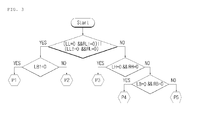
FIG. 3 is a view showing a posture classification tree applied to a system for monitoring a sitting posture in real-time using pressure sensors according to an embodiment of the present invention. - The preferred embodiments of the invention will be hereafter described in detail, with reference to the accompanying drawings.
- As shown in
FIG. 1 , a system for monitoring a sitting posture in real-time using pressure sensors according to an embodiment of the present invention may be configured to include ameasurement unit 100, acontrol unit 200 and amonitoring unit 300. - Here, the
measurement unit 100 includes afirst pressure sensor 101 for sensing a pressure applied to a chair by the left thigh LL, asecond pressure sensor 102 for sensing a pressure applied to the chair by the right thigh RL, athird pressure sensor 103 for sensing a pressure applied to the chair by the left buttock LH, afourth pressure sensor 104 for sensing a pressure applied to the chair by the right buttock RH, afifth pressure sensor 105 for sensing a pressure applied to the chair by the left back LB, and asixth pressure sensor 106 for sensing a pressure applied to the chair by the right back RB. - Specifically, as shown in
FIG. 2 , thefirst pressure sensor 101 is arranged at the left front of achair seat 1000, thesecond pressure sensor 102 is arranged at the right front of thechair seat 1000, thethird pressure sensor 103 is arranged at the left rear of thechair seat 1000, thefourth pressure sensor 104 is arranged at the right rear of thechair seat 1000, thefifth pressure sensor 105 is arranged at the upper left of a chair back 2000 connected to thechair seat 1000, and thesixth pressure sensor 106 is arranged at the upper right of the chair back 2000. - Meanwhile, the
control unit 200 converts pressure values sensed by thefirst pressure sensor 101, thesecond pressure sensor 102, thethird pressure sensor 103, thefourth pressure sensor 104, thefifth pressure sensor 105 and thesixth pressure sensor 106 into digital data and transmits the converted data to themonitoring unit 300 in a Bluetooth communication method. - In addition, the
monitoring unit 300 receives the pressure digital data transmitted from thecontrol unit 200 in the Bluetooth communication method and stores and displays the pressure digital data by the measured date and time. Here, themonitoring unit 300 may be configured of an Android-based application or an iPhone OS-based application. - Hereinafter, a method of classifying a sitting form using the pressure digital data by the
monitoring unit 300 is described with reference toFIG. 3 . - The
monitoring unit 300 displays a case in which the pressure applied to the chair by the left thigh (LL) is zero, the pressure applied to the chair by the right thigh (RL) is not zero and the pressure applied to the chair by the left back (LB) is not zero, or the pressure applied to the chair by the left thigh (LL) is not zero, the pressure applied to the chair by the right thigh (RL) is zero and the pressure applied to the chair by the left back (LB) is not zero as a posture crossing the left leg P1. - On the other hand, the
monitoring unit 300 displays a case in which the pressure applied to the chair by the left thigh (LL) is zero, the pressure applied to the chair by the right thigh (RL) is not zero and the pressure applied to the chair by the left back (LB) is zero, or the pressure applied to the chair by the left thigh (LL) is not zero, the pressure applied to the chair by the right thigh (RL) is zero and the pressure applied to the chair by the left back (LB) is zero as a posture crossing the right leg P2. - In addition, the
monitoring unit 300 displays a case in which the pressure applied to the chair by the left thigh (LL) is not zero or the pressure applied to the chair by the right thigh (RL) is zero, and the pressure applied to the chair by the left thigh (LL) is zero or the pressure applied to the chair by the right thigh (RL) is not zero, and the pressure applied to the chair by the left buttock (LH) is zero and the pressure applied to the chair by the right buttock (RH) is zero as a posture pushing forward the buttocks P3. - In addition, the
monitoring unit 300 displays a case in which the pressure applied to the chair by the left thigh (LL) is not zero or the pressure applied to the chair by the right thigh (RL) is zero, and the pressure applied to the chair by the left thigh (LL) is zero or the pressure applied to the chair by the right thigh (RL) is not zero, and the pressure applied to the chair by the left buttock (LH) is not zero or the pressure applied to the chair by the right buttock (RH) is not zero, and the pressure applied to the chair by the left back (LB) is zero and the pressure applied to the chair by the right back (RB) is zero as a posture bending down the upper body P4. - In addition, the
monitoring unit 300 displays a case in which the pressure applied to the chair by the left thigh (LL) is not zero or the pressure applied to the chair by the right thigh (RL) is zero, and the pressure applied to the chair by the left thigh (LL) is zero or the pressure applied to the chair by the right thigh (RL) is not zero, and the pressure applied to the chair by the left buttock (LH) is not zero or the pressure applied to the chair by the right buttock (RH) is not zero, and the pressure applied to the chair by the left back (LB) is not zero and the pressure applied to the chair by the right back (RB) is not zero as a correct posture P5. - Although six pressure sensors are used in the present invention, it is not limited thereto, but a sitting posture of a person can be classified and monitored as shown in the present invention by using a plurality of pressure sensors.
- Since the system for monitoring a sitting posture in real-time using pressure sensors according to an embodiment of present invention may recognize a form of a sitting posture in real-time by separately sensing pressures respectively applied to a chair by the left thigh, the right thigh, the left buttock, the right buttock, the left back and the right back, whether or not the sitting posture is correct can be monitored in real-time.
- While the present invention has been described in relation to preferred embodiments for illustrating the principle of the present invention, the present invention is not limited to the configurations and operations as is shown and described.
- Rather, it is to be appreciated that those skilled in the art may make a plurality of changes or modifications of the present invention without departing from the scope and spirit of the attached claims.
- Therefore, all the relevant modifications, changes and equivalents should be regarded within the scope of the present invention.
Claims (8)
- A system for monitoring a sitting posture in real-time using pressure sensors, the system comprising:a measurement unit including a first pressure sensor for sensing a pressure applied to a chair by a left thigh, a second pressure sensor for sensing a pressure applied to the chair by a right thigh, a third pressure sensor for sensing a pressure applied to the chair by a left buttock, a fourth pressure sensor for sensing a pressure applied to the chair by a right buttock, a fifth pressure sensor for sensing a pressure applied to the chair by a left back, and a sixth pressure sensor for sensing a pressure applied to the chair by a right back;a control unit for converting pressure values sensed by the first pressure sensor, the second pressure sensor, the third pressure sensor, the fourth pressure sensor, the fifth pressure sensor and the sixth pressure sensor into digital data and transmitting the converted data; anda monitoring unit for storing and displaying the pressure digital data transmitted from the control unit by measured date and time.
- The system according to claim 1, wherein the monitoring unit displays a case in which the pressure applied to the chair by the left thigh is below a threshold pressure, the pressure applied to the chair by the right thigh is above a threshold pressure and the pressure applied to the chair by the left back is above a threshold pressure, or the pressure applied to the chair by the left thigh is above a threshold pressure, the pressure applied to the chair by the right thigh is below the threshold pressure and the pressure applied to the chair by the left back is above the threshold pressure as a posture crossing the left leg.
- The system according to claim 1 or claim 2, wherein the monitoring unit displays a case in which the pressure applied to the chair by the left thigh is below a threshold pressure, the pressure applied to the chair by the right thigh is above a threshold pressure and the pressure applied to the chair by the left back is below a threshold pressure, or the pressure applied to the chair by the left thigh is above a threshold pressure, the pressure applied to the chair by the right thigh is below a threshold pressure and the pressure applied to the chair by the left back is below a threshold pressure as a posture crossing the right leg.
- The system according to any of claims 1 to 3, wherein the monitoring unit displays a case in which the pressure applied to the chair by the left thigh is above a threshold pressure or the pressure applied to the chair by the right thigh is below a threshold pressure, and the pressure applied to the chair by the left thigh is below a threshold pressure or the pressure applied to the chair by the right thigh is above a threshold pressure, and the pressure applied to the chair by the left buttock is below a threshold pressure and the pressure applied to the chair by the right buttock is below a threshold pressure as a posture pushing forward the buttocks.
- The system according to any of claims 1 to 4, wherein the monitoring unit displays a case in which the pressure applied to the chair by the left thigh is above a threshold pressure or the pressure applied to the chair by the right thigh is below a threshold pressure, and the pressure applied to the chair by the left thigh is below a threshold pressure or the pressure applied to the chair by the right thigh is above a threshold pressure, and the pressure applied to the chair by the left buttock is above a threshold pressure or the pressure applied to the chair by the right buttock (RH) is above a threshold pressure, and the pressure applied to the chair by the left back is below a threshold pressure and the pressure applied to the chair by the right back is below a threshold pressure as a posture bending down an upper body.
- The system according to any of claims 1 to 5, wherein the monitoring unit displays a case in which the pressure applied to the chair by the left thigh is above a threshold pressure or the pressure applied to the chair by the right thigh is below a threshold pressure, and the pressure applied to the chair by the left thigh is below a threshold pressure or the pressure applied to the chair by the right thigh is above a threshold pressure, and the pressure applied to the chair by the left buttock is above a threshold pressure or the pressure applied to the chair by the right buttock (RH) is above a threshold pressure, and the pressure applied to the chair by the left back is above a threshold pressure and the pressure applied to the chair by the right back is above a threshold pressure as a correct posture.
- The system according to any of claims 2 to 6 wherein the threshold pressure is zero.
- The system according to any of claims 1 to 7, wherein the first pressure sensor is arranged at a left front of a chair seat, the second pressure sensor is arranged at a right front of the chair seat, the third pressure sensor is arranged at a left rear of the chair seat, the fourth pressure sensor is arranged at a right rear of the chair seat, the fifth pressure sensor is arranged at a upper left of a chair back connected to the chair seat, and the sixth pressure sensor is arranged at a upper right of the chair back.
Applications Claiming Priority (2)
| Application Number | Priority Date | Filing Date | Title |
|---|---|---|---|
| KR20140145198 | 2014-10-24 | ||
| KR1020150017744A KR20160048617A (en) | 2014-10-24 | 2015-02-05 | Real-time sitting posture monitoring system using pressure sensor |
Publications (1)
| Publication Number | Publication Date |
|---|---|
| EP3011896A1 true EP3011896A1 (en) | 2016-04-27 |
Family
ID=52697210
Family Applications (1)
| Application Number | Title | Priority Date | Filing Date |
|---|---|---|---|
| EP15157849.9A Withdrawn EP3011896A1 (en) | 2014-10-24 | 2015-03-05 | System for monitoring sitting posture in real-time using pressure sensors |
Country Status (3)
| Country | Link |
|---|---|
| US (1) | US20160113583A1 (en) |
| EP (1) | EP3011896A1 (en) |
| JP (1) | JP2016083335A (en) |
Cited By (4)
| Publication number | Priority date | Publication date | Assignee | Title |
|---|---|---|---|---|
| WO2018000150A1 (en) * | 2016-06-27 | 2018-01-04 | 刘冬华 | Intelligent body inspection device |
| WO2018000155A1 (en) * | 2016-06-27 | 2018-01-04 | 薛冰涛 | Intelligent chair |
| WO2021072462A1 (en) | 2019-10-16 | 2021-04-22 | Zenzmaier Cornelia | Device for determining the position of a person's pelvis |
| CN113727628A (en) * | 2019-04-26 | 2021-11-30 | C·泽兹迈尔 | Device for positioning a body |
Families Citing this family (8)
| Publication number | Priority date | Publication date | Assignee | Title |
|---|---|---|---|---|
| US10562412B1 (en) * | 2016-03-24 | 2020-02-18 | Xsensor Technology Corporation | Intelligent seat systems |
| CN106923509B (en) * | 2016-04-29 | 2019-11-22 | 江苏宁江文化科技有限公司 | A kind of school chair adjustment based reminding method with sitting posture adjustment prompting function |
| US9795322B1 (en) | 2016-10-14 | 2017-10-24 | Right Posture Pte. Ltd. | Methods and systems for monitoring posture with alerts and analytics generated by a smart seat cover |
| JP6660425B2 (en) * | 2018-07-20 | 2020-03-11 | ミネベアミツミ株式会社 | Attitude control device |
| CN108887978B (en) * | 2018-07-20 | 2021-04-06 | 深圳中云创新技术有限公司 | Sitting posture detection system |
| CN111345633A (en) * | 2020-04-08 | 2020-06-30 | 时新 | A smart sensor pad |
| ES2929927A1 (en) * | 2021-06-02 | 2022-12-02 | Univ Del Pais Vasco / Euskal Herriko Unibertsitatea | Sensor device for postural monitoring of sitting position of a user |
| KR102875988B1 (en) * | 2024-12-19 | 2025-10-27 | 근로복지공단 | Status analysis method of posture-shifting wheelchair based on center of gravity |
Citations (3)
| Publication number | Priority date | Publication date | Assignee | Title |
|---|---|---|---|---|
| US20020167486A1 (en) * | 2001-04-09 | 2002-11-14 | Tan Hong Z. | Sensing chair as an input device for human-computer interaction |
| US20090058661A1 (en) * | 2007-05-18 | 2009-03-05 | Gleckler Anthony D | Providing information related to the posture mode of a user applying pressure to a seat component |
| KR20140032082A (en) | 2012-09-05 | 2014-03-14 | 재단법인대구경북과학기술원 | Monitoring system for sitting posture of user |
Family Cites Families (6)
| Publication number | Priority date | Publication date | Assignee | Title |
|---|---|---|---|---|
| JPH05180712A (en) * | 1991-12-29 | 1993-07-23 | Shiroki Corp | Body pressure sensor |
| US5570301A (en) * | 1994-07-15 | 1996-10-29 | Mitsubishi Electric Information Technology Center America, Inc. | System for unencumbered measurement and reporting of body posture |
| JP3132332B2 (en) * | 1995-04-20 | 2001-02-05 | 三菱自動車工業株式会社 | Drowsy driving alarm |
| US6392550B1 (en) * | 2000-11-17 | 2002-05-21 | Ford Global Technologies, Inc. | Method and apparatus for monitoring driver alertness |
| JP3753083B2 (en) * | 2001-06-27 | 2006-03-08 | 株式会社デンソー | Seating status detection device |
| JP2004136811A (en) * | 2002-10-18 | 2004-05-13 | Auto Network Gijutsu Kenkyusho:Kk | Occupant detection sensor and occupant detection device |
-
2015
- 2015-03-03 JP JP2015041147A patent/JP2016083335A/en active Pending
- 2015-03-05 EP EP15157849.9A patent/EP3011896A1/en not_active Withdrawn
- 2015-04-09 US US14/682,241 patent/US20160113583A1/en not_active Abandoned
Patent Citations (3)
| Publication number | Priority date | Publication date | Assignee | Title |
|---|---|---|---|---|
| US20020167486A1 (en) * | 2001-04-09 | 2002-11-14 | Tan Hong Z. | Sensing chair as an input device for human-computer interaction |
| US20090058661A1 (en) * | 2007-05-18 | 2009-03-05 | Gleckler Anthony D | Providing information related to the posture mode of a user applying pressure to a seat component |
| KR20140032082A (en) | 2012-09-05 | 2014-03-14 | 재단법인대구경북과학기술원 | Monitoring system for sitting posture of user |
Cited By (6)
| Publication number | Priority date | Publication date | Assignee | Title |
|---|---|---|---|---|
| WO2018000150A1 (en) * | 2016-06-27 | 2018-01-04 | 刘冬华 | Intelligent body inspection device |
| WO2018000155A1 (en) * | 2016-06-27 | 2018-01-04 | 薛冰涛 | Intelligent chair |
| CN113727628A (en) * | 2019-04-26 | 2021-11-30 | C·泽兹迈尔 | Device for positioning a body |
| CN113727628B (en) * | 2019-04-26 | 2023-08-18 | C·泽兹迈尔 | Devices for positioning the body |
| WO2021072462A1 (en) | 2019-10-16 | 2021-04-22 | Zenzmaier Cornelia | Device for determining the position of a person's pelvis |
| AT523113A1 (en) * | 2019-10-16 | 2021-05-15 | Zenzmaier Cornelia | Device for determining the position of a person's pelvis |
Also Published As
| Publication number | Publication date |
|---|---|
| JP2016083335A (en) | 2016-05-19 |
| US20160113583A1 (en) | 2016-04-28 |
Similar Documents
| Publication | Publication Date | Title |
|---|---|---|
| EP3011896A1 (en) | System for monitoring sitting posture in real-time using pressure sensors | |
| JP5039900B2 (en) | Device for monitoring user posture | |
| JP2020503938A5 (en) | ||
| JP2010108500A (en) | User interface device for wearable computing environmental base, and method therefor | |
| EP2413783A1 (en) | Method and system for detecting a fall of a user | |
| EP4446736A3 (en) | Health tracking device | |
| WO2018053152A3 (en) | User interface for a sleep system | |
| JP2013094337A5 (en) | ||
| KR20140066341A (en) | Shoe insole, shoe having the same, and walking form correction system | |
| JP2020129018A (en) | Motion evaluation system and method | |
| CN111160088A (en) | VR (virtual reality) somatosensory data detection method and device, computer equipment and storage medium | |
| KR20170112058A (en) | Method for analyzing posture of user | |
| KR20160048617A (en) | Real-time sitting posture monitoring system using pressure sensor | |
| KR101087135B1 (en) | Motion Content Based Learning Device and Method | |
| KR101694489B1 (en) | Load Cell Matric system, and method for posture reform using the same | |
| JP2015150150A (en) | Information providing device and program | |
| JP2018075147A (en) | Input system, measuring device | |
| CN115062657B (en) | Pressure sensor data identification method, mattress control method and related device | |
| JP2016033800A5 (en) | ||
| JP2020124464A5 (en) | ||
| JP2020074860A (en) | Inner structure estimation device, method, and program | |
| CN106327484A (en) | Method for evaluating operation posture of dentist | |
| WO2018145250A1 (en) | Ergonomic feedback | |
| JP6887021B2 (en) | Ring-type user-operated sensing device worn between finger joints | |
| JP6050368B2 (en) | Load distribution measuring system and information processing apparatus |
Legal Events
| Date | Code | Title | Description |
|---|---|---|---|
| PUAI | Public reference made under article 153(3) epc to a published international application that has entered the european phase |
Free format text: ORIGINAL CODE: 0009012 |
|
| 17P | Request for examination filed |
Effective date: 20150305 |
|
| AK | Designated contracting states |
Kind code of ref document: A1 Designated state(s): AL AT BE BG CH CY CZ DE DK EE ES FI FR GB GR HR HU IE IS IT LI LT LU LV MC MK MT NL NO PL PT RO RS SE SI SK SM TR |
|
| AX | Request for extension of the european patent |
Extension state: BA ME |
|
| STAA | Information on the status of an ep patent application or granted ep patent |
Free format text: STATUS: THE APPLICATION HAS BEEN WITHDRAWN |
|
| 18W | Application withdrawn |
Effective date: 20160825 |