EP3167015B1 - Pulverförmige zusammensetzung und behältnis für diese zusammensetzung - Google Patents
Pulverförmige zusammensetzung und behältnis für diese zusammensetzung Download PDFInfo
- Publication number
- EP3167015B1 EP3167015B1 EP15744506.5A EP15744506A EP3167015B1 EP 3167015 B1 EP3167015 B1 EP 3167015B1 EP 15744506 A EP15744506 A EP 15744506A EP 3167015 B1 EP3167015 B1 EP 3167015B1
- Authority
- EP
- European Patent Office
- Prior art keywords
- composition according
- composition
- water
- pigment
- container
- Prior art date
- Legal status (The legal status is an assumption and is not a legal conclusion. Google has not performed a legal analysis and makes no representation as to the accuracy of the status listed.)
- Not-in-force
Links
Images

Classifications
-
- C—CHEMISTRY; METALLURGY
- C09—DYES; PAINTS; POLISHES; NATURAL RESINS; ADHESIVES; COMPOSITIONS NOT OTHERWISE PROVIDED FOR; APPLICATIONS OF MATERIALS NOT OTHERWISE PROVIDED FOR
- C09C—TREATMENT OF INORGANIC MATERIALS, OTHER THAN FIBROUS FILLERS, TO ENHANCE THEIR PIGMENTING OR FILLING PROPERTIES ; PREPARATION OF CARBON BLACK ; PREPARATION OF INORGANIC MATERIALS WHICH ARE NO SINGLE CHEMICAL COMPOUNDS AND WHICH ARE MAINLY USED AS PIGMENTS OR FILLERS
- C09C1/00—Treatment of specific inorganic materials other than fibrous fillers; Preparation of carbon black
- C09C1/02—Compounds of alkaline earth metals or magnesium
- C09C1/021—Calcium carbonates
-
- C—CHEMISTRY; METALLURGY
- C04—CEMENTS; CONCRETE; ARTIFICIAL STONE; CERAMICS; REFRACTORIES
- C04B—LIME, MAGNESIA; SLAG; CEMENTS; COMPOSITIONS THEREOF, e.g. MORTARS, CONCRETE OR LIKE BUILDING MATERIALS; ARTIFICIAL STONE; CERAMICS; REFRACTORIES; TREATMENT OF NATURAL STONE
- C04B28/00—Compositions of mortars, concrete or artificial stone, containing inorganic binders or the reaction product of an inorganic and an organic binder, e.g. polycarboxylate cements
- C04B28/02—Compositions of mortars, concrete or artificial stone, containing inorganic binders or the reaction product of an inorganic and an organic binder, e.g. polycarboxylate cements containing hydraulic cements other than calcium sulfates
-
- C—CHEMISTRY; METALLURGY
- C09—DYES; PAINTS; POLISHES; NATURAL RESINS; ADHESIVES; COMPOSITIONS NOT OTHERWISE PROVIDED FOR; APPLICATIONS OF MATERIALS NOT OTHERWISE PROVIDED FOR
- C09C—TREATMENT OF INORGANIC MATERIALS, OTHER THAN FIBROUS FILLERS, TO ENHANCE THEIR PIGMENTING OR FILLING PROPERTIES ; PREPARATION OF CARBON BLACK ; PREPARATION OF INORGANIC MATERIALS WHICH ARE NO SINGLE CHEMICAL COMPOUNDS AND WHICH ARE MAINLY USED AS PIGMENTS OR FILLERS
- C09C1/00—Treatment of specific inorganic materials other than fibrous fillers; Preparation of carbon black
- C09C1/40—Compounds of aluminium
-
- C—CHEMISTRY; METALLURGY
- C09—DYES; PAINTS; POLISHES; NATURAL RESINS; ADHESIVES; COMPOSITIONS NOT OTHERWISE PROVIDED FOR; APPLICATIONS OF MATERIALS NOT OTHERWISE PROVIDED FOR
- C09C—TREATMENT OF INORGANIC MATERIALS, OTHER THAN FIBROUS FILLERS, TO ENHANCE THEIR PIGMENTING OR FILLING PROPERTIES ; PREPARATION OF CARBON BLACK ; PREPARATION OF INORGANIC MATERIALS WHICH ARE NO SINGLE CHEMICAL COMPOUNDS AND WHICH ARE MAINLY USED AS PIGMENTS OR FILLERS
- C09C1/00—Treatment of specific inorganic materials other than fibrous fillers; Preparation of carbon black
- C09C1/40—Compounds of aluminium
- C09C1/42—Clays
-
- C—CHEMISTRY; METALLURGY
- C09—DYES; PAINTS; POLISHES; NATURAL RESINS; ADHESIVES; COMPOSITIONS NOT OTHERWISE PROVIDED FOR; APPLICATIONS OF MATERIALS NOT OTHERWISE PROVIDED FOR
- C09D—COATING COMPOSITIONS, e.g. PAINTS, VARNISHES OR LACQUERS; FILLING PASTES; CHEMICAL PAINT OR INK REMOVERS; INKS; CORRECTING FLUIDS; WOODSTAINS; PASTES OR SOLIDS FOR COLOURING OR PRINTING; USE OF MATERIALS THEREFOR
- C09D1/00—Coating compositions, e.g. paints, varnishes or lacquers, based on inorganic substances
- C09D1/06—Coating compositions, e.g. paints, varnishes or lacquers, based on inorganic substances cement
-
- C—CHEMISTRY; METALLURGY
- C09—DYES; PAINTS; POLISHES; NATURAL RESINS; ADHESIVES; COMPOSITIONS NOT OTHERWISE PROVIDED FOR; APPLICATIONS OF MATERIALS NOT OTHERWISE PROVIDED FOR
- C09D—COATING COMPOSITIONS, e.g. PAINTS, VARNISHES OR LACQUERS; FILLING PASTES; CHEMICAL PAINT OR INK REMOVERS; INKS; CORRECTING FLUIDS; WOODSTAINS; PASTES OR SOLIDS FOR COLOURING OR PRINTING; USE OF MATERIALS THEREFOR
- C09D17/00—Pigment pastes, e.g. for mixing in paints
-
- C—CHEMISTRY; METALLURGY
- C09—DYES; PAINTS; POLISHES; NATURAL RESINS; ADHESIVES; COMPOSITIONS NOT OTHERWISE PROVIDED FOR; APPLICATIONS OF MATERIALS NOT OTHERWISE PROVIDED FOR
- C09D—COATING COMPOSITIONS, e.g. PAINTS, VARNISHES OR LACQUERS; FILLING PASTES; CHEMICAL PAINT OR INK REMOVERS; INKS; CORRECTING FLUIDS; WOODSTAINS; PASTES OR SOLIDS FOR COLOURING OR PRINTING; USE OF MATERIALS THEREFOR
- C09D5/00—Coating compositions, e.g. paints, varnishes or lacquers, characterised by their physical nature or the effects produced; Filling pastes
- C09D5/02—Emulsion paints including aerosols
- C09D5/024—Emulsion paints including aerosols characterised by the additives
-
- C—CHEMISTRY; METALLURGY
- C01—INORGANIC CHEMISTRY
- C01P—INDEXING SCHEME RELATING TO STRUCTURAL AND PHYSICAL ASPECTS OF SOLID INORGANIC COMPOUNDS
- C01P2004/00—Particle morphology
- C01P2004/01—Particle morphology depicted by an image
- C01P2004/04—Particle morphology depicted by an image obtained by TEM, STEM, STM or AFM
-
- C—CHEMISTRY; METALLURGY
- C01—INORGANIC CHEMISTRY
- C01P—INDEXING SCHEME RELATING TO STRUCTURAL AND PHYSICAL ASPECTS OF SOLID INORGANIC COMPOUNDS
- C01P2006/00—Physical properties of inorganic compounds
- C01P2006/22—Rheological behaviour as dispersion, e.g. viscosity, sedimentation stability
-
- C—CHEMISTRY; METALLURGY
- C04—CEMENTS; CONCRETE; ARTIFICIAL STONE; CERAMICS; REFRACTORIES
- C04B—LIME, MAGNESIA; SLAG; CEMENTS; COMPOSITIONS THEREOF, e.g. MORTARS, CONCRETE OR LIKE BUILDING MATERIALS; ARTIFICIAL STONE; CERAMICS; REFRACTORIES; TREATMENT OF NATURAL STONE
- C04B2111/00—Mortars, concrete or artificial stone or mixtures to prepare them, characterised by specific function, property or use
- C04B2111/00474—Uses not provided for elsewhere in C04B2111/00
- C04B2111/00482—Coating or impregnation materials
- C04B2111/00508—Cement paints
-
- C—CHEMISTRY; METALLURGY
- C04—CEMENTS; CONCRETE; ARTIFICIAL STONE; CERAMICS; REFRACTORIES
- C04B—LIME, MAGNESIA; SLAG; CEMENTS; COMPOSITIONS THEREOF, e.g. MORTARS, CONCRETE OR LIKE BUILDING MATERIALS; ARTIFICIAL STONE; CERAMICS; REFRACTORIES; TREATMENT OF NATURAL STONE
- C04B2111/00—Mortars, concrete or artificial stone or mixtures to prepare them, characterised by specific function, property or use
- C04B2111/72—Repairing or restoring existing buildings or building materials
-
- C—CHEMISTRY; METALLURGY
- C08—ORGANIC MACROMOLECULAR COMPOUNDS; THEIR PREPARATION OR CHEMICAL WORKING-UP; COMPOSITIONS BASED THEREON
- C08K—Use of inorganic or non-macromolecular organic substances as compounding ingredients
- C08K3/00—Use of inorganic substances as compounding ingredients
- C08K3/18—Oxygen-containing compounds, e.g. metal carbonyls
- C08K3/24—Acids; Salts thereof
- C08K3/26—Carbonates; Bicarbonates
- C08K2003/265—Calcium, strontium or barium carbonate
-
- C—CHEMISTRY; METALLURGY
- C08—ORGANIC MACROMOLECULAR COMPOUNDS; THEIR PREPARATION OR CHEMICAL WORKING-UP; COMPOSITIONS BASED THEREON
- C08K—Use of inorganic or non-macromolecular organic substances as compounding ingredients
- C08K3/00—Use of inorganic substances as compounding ingredients
- C08K3/18—Oxygen-containing compounds, e.g. metal carbonyls
- C08K3/24—Acids; Salts thereof
- C08K3/26—Carbonates; Bicarbonates
-
- C—CHEMISTRY; METALLURGY
- C08—ORGANIC MACROMOLECULAR COMPOUNDS; THEIR PREPARATION OR CHEMICAL WORKING-UP; COMPOSITIONS BASED THEREON
- C08K—Use of inorganic or non-macromolecular organic substances as compounding ingredients
- C08K3/00—Use of inorganic substances as compounding ingredients
- C08K3/34—Silicon-containing compounds
-
- C—CHEMISTRY; METALLURGY
- C08—ORGANIC MACROMOLECULAR COMPOUNDS; THEIR PREPARATION OR CHEMICAL WORKING-UP; COMPOSITIONS BASED THEREON
- C08K—Use of inorganic or non-macromolecular organic substances as compounding ingredients
- C08K3/00—Use of inorganic substances as compounding ingredients
- C08K3/34—Silicon-containing compounds
- C08K3/36—Silica
Definitions
- the invention relates to a pulverulent composition for dispersing and / or dissolving in water, which comprises 5% by weight to 98% by weight of chalk and at least one substance having water retention capacity and at least one hydrophilic additive.
- the invention also relates to a container for this powdered composition, which comprises at least one bag which has at least one opening which is provided with at least one closure means.
- the invention further relates to the use of the powdered composition, for example as a putty, casting material, paints, cosmetics or spa product.
- the container comprises a container made of cardboard or cardboard and a bag which is located inside the container and intended to receive the compositions. Between the bag and the container, a liquid-tight separating element is arranged, wherein the bag is provided in particular for receiving liquid paint.
- Paints usually consist of liquid to pasty compositions which, when applied to surfaces, give a physically or chemically drying paint. They are usually packaged in buckets of plastic or tin cans.
- Conventional paints generally contain binders, fillers (for example calcium carbonate, silicates or quartz flour), colorants or pigments, water or other solvents and, optionally, additives such as, for example, thickeners, dispersants, preservatives, stabilizers or defoamers. Oils, acrylic resins, epoxy resins, acrylate polymers, polyurethane polymers, vinyl acetate copolymers (polyvinyl acetate), casein, cellulose and lime are frequently used as binders.
- powdered paints, fillers and casting compounds are known, which are packaged for example in bags and / or boxes.
- powder paints or powder compositions must be removed from the container and mixed in a separate container, usually plastic, with water or another solvent and then stirred by means of a simple stirring rod or a drill whisk. This is followed by a swelling time of 10 minutes to two hours, with the color or mass subsequently stirred again (beaten) must.
- the previously known paints, fillers and casting compounds usually contain celluloses (CMC, HEC, HPMC, HEMC, MC) with viscosities greater than 1,000 mPa * s, usually from 5,000 to 100,000 mPa * s.
- CMC celluloses
- HPMC HPMC
- HEMC HEMC
- MC celluloses
- Medium to high-viscosity celluloses (5,000-100,000 mPa * s) are chemically treated in such a way that they generate a high water absorption capacity.
- a high thickening effect can be ensured, so that the costs can be reduced overall.
- Medium to high-viscosity celluloses need a longer swelling time in the basic pH range of 6.5-7.5, then swell up strongly and bind a lot of water.
- a small particle of cellulose e.g., 0.5 mm
- a cellulose lump about 2-5 mm in size.
- This process takes some time and after the swelling process by mechanical action (stir bar, mixer) the whole product must be homogenized. In this homogenization process, the swollen cellulose lumps are mixed with the other ingredients until no more clumping is present.
- a coating system for the color-providing coating of surfaces which comprises a liquid matrix and at least one pigment in solid form, which is dispersible in the matrix.
- the pigment is portioned, for example, formed into pellets or tablets, and dispersible in liquid, especially water.
- the pigments are surrounded by a liquid-soluble, in particular water-soluble, coating.
- WO 2013/113 642 A1 is a method for repairing the surfaces of vehicles and a coating known therefor, the lime, talc (Magnesium silicate) and clay (aluminum silicate) and contains an organic solvent.
- the US 2005/065294 A1 discloses a powder for producing electrically insulating coatings.
- the coating proposed there contains silicon dioxide as a filler and is applied to a substrate, for example by means of electrostatic processes.
- a paint processing system which uses a mixing and spraying beaker (3M PPS paint processing system - innovation that decides).
- a paint spraying system that can be mixed, measured and filtered in one system is known as the 3M PPS Paint Preparation System.
- the object is achieved by a powdery composition of the type mentioned, which additionally comprises a hydrophobic additive.
- This powdery composition can be used, for example, as a putty, casting material, paints, cosmetics or spa product.
- the composition according to the invention which has a chalk content of between 5% by weight and 98% by weight, advantageously differs from known powder paints or powder compositions in that it is no longer agitated by vigorous stirring by means of a drill and whisk must become.
- This advantage is achieved by adding a hydrophobic additive to the individual constituents become.
- the other constituents and optional optional components of the composition such as the white pigment titanium dioxide, surprisingly no additional dispersing process is required when adding water. In addition, no swelling time is necessary until the product is processable.
- the powdery composition of the invention comprises hydrophobic and amorphous silica or natural or synthetic (precipitated) aluminosilicate. So far, water-dilutable paints have been worked exclusively with hydrophilic silica. Hydrophobic does not tolerate water, even repels it completely. Surprisingly, it has turned out, however, that due to the combined use of hydrophilic additives (eg hydrophilic amorphous silica) and hydrophobic additives (eg hydrophobic amorphous silicon dioxide, hydrophobic aluminum silicates, hydrophobic calcium carbonates or kaolins, etc.) the individual particles remain separated from each other in the composition, since each individual component still has a residual content of water.
- hydrophilic additives eg hydrophilic amorphous silica
- hydrophobic additives eg hydrophobic amorphous silicon dioxide, hydrophobic aluminum silicates, hydrophobic calcium carbonates or kaolins, etc.
- calcium carbonate still contains 4% residual moisture, titanium dioxide 1-3%, etc.
- a hydrophobic additive By separating the particles by means of a hydrophobic additive, the particles remain separated (no sticking), while caused by the hydrophilic additive capillaries.
- the added water can surprisingly reach directly to each individual particle of the composition, without having to use mixers or expensive stirring is required.
- the composition of the invention combines with the water almost by itself, only slight kneading of the container speeds up the connection, but is not absolutely necessary.
- the hydrophobic additive is selected from a group consisting of hydrophobic amorphous silica, aluminum silicate, calcium carbonate, talc, kaolin, bentonite and other silicate u. Calcium compounds exists.
- natural or synthetic (precipitated) aluminum silicates can be used.
- the substance with water retention capacity is selected from the group consisting of cellulose, cellulose derivatives, xanthan gum, starch, starch derivatives, protein polymers and protein derivatives.
- the substance with water retention capacity has a viscosity of about 5 mPa * s to about 5000 mPa * s.
- the pulverulent composition according to the invention may therefore comprise, for example, an extremely low-viscosity cellulose, so that significantly more cellulose is needed to achieve the same thickening effect. This increases the cost, but causes immediate swelling of the composition immediately after the addition of water.
- the composition according to the invention is thus advantageously immediately after addition of the water in the final viscosity and thus also processable.
- the use of low-viscosity substances with water retention has the advantage that can be dispensed with the use of synthetic binders such as acrylates.
- a natural hydroxypropylmethylcellulose (HPMC) is used which has been pharmaceutically tested and approved. The result is a high ecological composition of excellent quality.
- the inventive composition has a higher Whiteness, an improved flowability (which is necessary for filling in glass packaging), a longer water retention (eg in face packs and other skin applications, so no short drying on the skin) and has a higher suppleness and causes a natural moisturizing of the skin.
- the composition according to the invention is also suitable as "healing chalk” or "wellness chalk” for cosmetic applications.
- this additionally comprises cement or other hydraulic mineral binders (cements).
- cement preferably hydraulic white cement
- facade paints can be advantageously without the use of synthetic Binders are provided.
- any use of cement is impossible, so that a high use of synthetic binders (PU, acrylic, PVA) is required.
- synthetic binders PU, acrylic, PVA
- the additional advantage is a mineral-based reaction with mineral substrates, so that a coat of cementitious ingredients on mineral substrates adheres much more firmly and permanently than a coat of synthetic binders.
- this comprises at least one organic binder.
- organic binder For example, starch and / or protein products may be added as organic binders.
- this additionally comprises at least one pigment or colorant.
- Titanium dioxide or zinc oxide for example, can be used as the pigment for white.
- a photocatalytic pigment preferably photocatalytic titanium (IV) oxide (titanium dioxide, TiO 2 ).
- titanium dioxide titanium dioxide, TiO 2
- a photocatalytic pigment preferably photocatalytic titanium (IV) oxide (titanium dioxide, TiO 2 ).
- ITZ photocatalytic titanium oxide
- the pigment or colorant is enclosed, collared, agglomerated or granulated in a capsule, this compact compound of individual pigment particles becoming permeable or bursting on contact with water for the pigment or colorant.
- a special surface-treated spherical pigment can be used which immediately bursts with water and then releases the pigment or colorant.
- the apparent powdery composition is therefore optically completely white at first. But if you add water to the capsules jump on and the released pigments directly color the now liquid or pasty composition.
- an optically "white” product in powder form is present only after adding water takes its final color shade within seconds.
- Such encapsulated, pre-granulated, collagenized and / or agglomerated pigments are in the DE 20 2005 008677 U1 described in detail.
- this additionally comprises at least one cavity element.
- These cavity elements may, for example, be cavity beads (for example made of ceramic, plastic or glass) which advantageously additionally provide a heat protection effect for the pulverulent composition according to the invention and, moreover, reduce the bulk density of the composition.
- the invention further relates to the use of the pulverulent composition, for example as a putty, casting compound, paint, cosmetic or spa product.
- the closure means comprises at least one sieve-like separating element, wherein the separating element in the region of the opening separates the inner volume of the bag from the external environment. Due to the sieve-like separating element, lumps and impurities can be retained in the container when the ready-to-use composition is removed, so that a very homogeneous product is available for processing.
- the opening and / or the closure means is provided with at least one valve device and / or at least one integrated Kavitationskanal /, so that a controlled filling and / or emptying of the container to be guaranteed.
- the closure means for example, the safety-related "Nachdispergieren by hand" a closure means can be used, in which during the pouring process from the container, a physical cavitation is generated.
- powder products are filled in bags (usually paper sacks) which are "easy" to fill, i. H. have correspondingly large filling openings, through which the powder can be filled relatively easily.
- the composition according to the invention Due to the particularly advantageous properties of the composition according to the invention with respect to the flowability, it can also be filled into containers (eg plastic bags) with smaller openings.
- the solvent eg water
- the addition of the solvent can be done in the package so that the product can be made ready for use without having to transfer the powdered composition from the package to another container.
- the basic steps are already completed. Unscrew the closure (eg cap) and gently massage the mass 2-3 times by hand - the finished product is ready and ready for use. From the bag, it is possible to easily dose the required quantity into any desired container.
- the combination of a small environmentally friendly sealant and direct mixing of the product in the bag means about 70% less plastic waste compared to the usual plastic bucket.
- the closure means By means of the closure means, the container when not in use again safely and preferably airtight be closed.
- the closure means may be in the form of a lid which can be screwed onto a spout molded onto the opening of the container.
- the durability of residual amounts of paints can be significantly increased.
- the shelf life of residual amounts in the paints, without the addition of biocides or preservatives, can also be prolonged for months due to the higher alkalinity of the powder product with lime or cement.
- a cement reaction is due to the unusually high proportion of water-retaining substances (eg celluloses, xantan gum, starch and egg white polymers or their derivatives) delayed over weeks.
- Chalk in the sense of the invention refers to ground fine-grained limestones, which consist essentially of calcite (CaCO 3 ). Preference according to the invention is chalk from deposits on the island of Rügen in northern Germany.
- Wilding in the context of the invention refers to chalk, which has been freed from contamination by slurrying, grinding and sieving.
- Cellulose derivatives in the context of the invention refers to celluloses (poly- ⁇ -D-glucose, (C 6 H 10 O 5 ) [n] ) which have been modified by substitution and / or chemical reaction.
- HPMC hydroxypropylmethylcellulose
- HPMC is a cellulose derivative in the sense of the invention, since it is a mixture of different partially alkyl-substituted celluloses.
- White cement in the context of the invention refers to cement from the group of Portland cements, which is characterized by its low iron oxide content. White cement is produced from very low-iron raw materials (Fe 2 O 3 content below 0.1%).
- the container 1 by means of the closure means 2 when not in use again safe and preferably airtight can be closed.
- the container 1 may be in the form of a bag 3.
- the closure means 2 may be embodied in the form of a lid 4 which is in contact with the opening of the container 1 molded spout 5 can be screwed.
- the closure means 2 comprises a sieve-like separating element 6, which separates the inner volume of the bag 3 from the external environment.
- a putty according to the invention may for example have the composition given in Table 1:
- a paint according to the invention may for example have the composition given in Table 2:
- a spa product according to the invention (“healing chalk”) can have, for example, the composition given in Table 3:
- the flowability of the composition is significantly improved, so that it can be easily filled into bottles or similar containers and removed from these again.
- the use of low-viscosity substances with water retention has the advantage that can be dispensed with the use of synthetic binders such as acrylates or other technically improving additives, so that a highly ecological composition with very good skin compatibility, which moisturizes on the skin for a long time stays and does not dry out quickly.
- a casting composition according to the invention may have the composition given in Table 4, for example:
- Additives for water retention may be: (cellulose derivatives, xantan gum, starch / protein polymer and derivatives thereof, etc.)
- the casting composition according to the invention can thus advantageously have a proportion of chalk (CaCO 3 ) of more than 5% by weight.
- Gypsum can thus be replaced by chalk, in particular with casting compounds.
- casting compounds are made of gypsum. This has many disadvantages, since gypsum is not waterproof or weatherproof.
- gypsum is usually not a natural raw material, but is a waste by-product which is obtained in the flue gas desulfurization of coal power plants. Furthermore, gypsum from grain structure with particle size distributions of 5-20 ⁇ m is considerably larger than slurry chalk with particle size distribution of 1.5-6 ⁇ m. More detailed casting molds can be shaped in detail with whiting chalk (CaCO 3 ).
- whiting chalk CaCO 3
- a disadvantage of whiting (CaCO 3 ) over gypsum is the drying time for hardening. Therefore, the use of hydraulic binders such. As cement at an intended drying time of less than 3 days are not waived. Longer drying times allow a strong reduction of cement.
- the finished casting compound based on whiting CaCO 3 as well as cementitious components enables casting molds which are waterproof and weatherproof.
Landscapes
- Chemical & Material Sciences (AREA)
- Organic Chemistry (AREA)
- Engineering & Computer Science (AREA)
- Materials Engineering (AREA)
- Life Sciences & Earth Sciences (AREA)
- Wood Science & Technology (AREA)
- Dispersion Chemistry (AREA)
- Inorganic Chemistry (AREA)
- Ceramic Engineering (AREA)
- Chemical Kinetics & Catalysis (AREA)
- Structural Engineering (AREA)
- Paints Or Removers (AREA)
- Cosmetics (AREA)
- Sealing Material Composition (AREA)
Description
- Die Erfindung betrifft eine pulverförmige Zusammensetzung zum Dispergieren und/oder Lösen in Wasser, welche 5 Gew.-% bis 98 Gew.-% Kreide sowie mindestens eine Substanz mit Wasserrückhaltevermögen und mindestens ein hydrophiles Additiv umfasst. Die Erfindung betrifft auch ein Behältnis für diese pulverförmige Zusammensetzung, welches mindestens einen Beutel umfasst, der mindestens eine Öffnung aufweist, die mit mindestens einem Verschlussmittel versehen ist. Insbesondere betrifft die Erfindung ferner die Verwendung der pulverförmigen Zusammensetzung beispielsweise als Spachtelmasse, Gießmasse, Anstrichmittel, Kosmetik- oder Wellnessprodukt.
- Aus der
DE 10 2010 050 915 A1 sind Gebinde zur Aufnahme von flüssigen, pastösen oder pulverförmigen Zusammensetzungen bekannt. Das Gebinde umfasst einen Behälter aus Pappe oder Karton und einen Beutel, der sich innerhalb des Behälters befindet und zur Aufnahme der Zusammensetzungen vorgesehen ist. Zwischen dem Beutel und dem Behälter ist ein flüssigkeitsdichtes Trennelement angeordnet, wobei der Beutel insbesondere zur Aufnahme von flüssigen Anstrichmitteln vorgesehen ist. - Anstrichmittel bestehen üblicherweise aus flüssigen bis pastösen Zusammensetzungen, die auf Oberflächen aufgetragen einen physikalisch oder chemisch trocknenden Anstrich ergeben. Sie werden üblicherweise in Eimern aus Kunststoff oder in Dosen aus Blech verpackt. Herkömmliche Anstrichmittel enthalten grundsätzlich Bindemittel, Füllstoffe (z. B. Calciumcarbonat, Silikate oder Quarzmehl), Farbmittel oder Pigment, Wasser oder andere Lösungsmittel und optional Additive wie beispielsweise Verdickungsmittel, Dispergiermittel, Konservierungsmittel, Stabilisatoren oder Entschäumer. Als Bindemittel werden dabei häufig Öle, Acrylharze, Epoxidharze, Acrylat-Polymere, Polyurethan-Polymere, VinylacetatCopolymere (Polyvinylacetat), Casein, Cellulose und Kalk eingesetzt.
- Darüber hinaus sind auch pulverförmige Anstrichmittel, Spachtelmassen und Gießmassen bekannt, wobei diese beispielsweise in Beutel und/oder Kartons verpackt werden. Solche sogenannten Pulver-Farben oder Pulver-Massen müssen aber aus dem Gebinde entnommen und in einem separaten Gebinde, meist Plastik, mit Wasser oder einem anderen Lösungsmittel vermischt und danach mittels eines einfachen Rührstabs oder eines Bohrmaschinen-Quirls aufgerührt werden. Daran schließt sich eine Quellzeit von 10 Minuten bis zwei Stunden an, wobei die Farbe bzw. Masse anschließend nochmals aufgerührt (durchgeschlagen) werden muss.
- Als Verdickungsmittel enthalten die bisher bekannten Anstrichmittel, Spachtelmassen und Gießmassen üblicherweise Cellulosen (CMC, HEC, HPMC, HEMC, MC) mit Viskositäten größer 1.000 mPa*s, in der Regel von 5.000-100.000 mPa*s. Mittel bis Hochviskose Cellulosen (5.000-100.000 mPa*s) werden chemisch so aufbereitet, dass diese eine hohe Wasseraufnahmekapazität erzeugen. Hierdurch kann auch bei nur geringem Einsatz von Cellulose eine hohe Verdickungswirkung gewährleistet werden, so dass die Kosten insgesamt reduziert werden können. Mittel bis Hochviskose Cellulosen brauchen im basischen pH-Wert-Bereich von 6,5-7,5 eine längere Quellzeit, quellen dann stark auf und binden viel Wasser. D. h., ein kleines Körnchen Cellulose (z. B. 0,5 mm) quillt auf einen Cellulose-Klumpen in der Größe von ca. 2-5mm. Dieser Vorgang dauert einige Zeit und nach dem Quellvorgang muss mittels mechanischer Einwirkung (Rührstab, Mixer) das ganze Produkt noch homogenisiert werden. In diesem Homogenisierungsprozess werden die aufgequollenen Cellulose-Klumpen mit den anderen Inhaltsstoffen verrührt bis keine Klumpenbildung mehr vorhanden ist.
- Aus der
DE 20 2005 008677 U1 ist ein Beschichtungssystem zur farbgebenden Beschichtung von Oberflächen bekannt, das eine flüssige Grundmasse und mindestens ein Pigment in fester Form, das in der Grundmasse dispergierbar ist, umfasst. Das Pigment ist portioniert, beispielsweise zu Pellets oder Tabletten geformt, und in Flüssigkeit, insbesondere Wasser, dispergierbar. Darüber hinaus sind die Pigmente von einer flüssigkeitslöslichen, insbesondere wasserlöslichen, Umhüllung umgeben. - Aus der
WO 2013/113 642 A1 ist ein Verfahren zur Ausbesserung der Oberflächen von Fahrzeugen und eine Beschichtung hierzu bekannt, die Kalk, Talkum (Magnesiumsilikat) und Ton (Aluminiumsilikat) umfasst und ein organisches Lösungsmittel enthält. - Die
US 2005/065 294 A1 offenbart ein Pulver zur Herstellung elektrisch isolierender Beschichtungen. Die dort vorgeschlagene Beschichtung enthält Siliziumdioxyd als Füllstoff und wird beispielsweise mittels elektrostatischer Prozesse auf ein Substrat aufgetragen. - Aus der
DE 43 00 319 C1 ist ein in Wasser lösliches Farbpulver bekannt. Dieses Farbpulver dient zur Herstellung einer Dispersionsfarbe, die bis zu 30% eines wasserlöslichen Kunstharzpulvers, 50-90% Rügen-Schlemmkreide und ggf. Zellulose, Titandioxyd sowie Dispergiermittel und Entschäumer aufweist. - Es ist auch ein Lackverarbeitungssystem bekannt, bei dem ein Einsatzbecher zum Mischen und Spritzen verwendet wird (3M PPS Lackverarbeitungssystem - Innovation, die entscheidet).
Ein Lackaufsprühsystem, bei dem in einem System gemischt, gemessen und gefiltert werden kann, ist als 3M PPS Paint Preparation System bekannt. - Es ist Aufgabe der Erfindung eine pulverförmige Zusammensetzung zu schaffen, die ohne weiteres Einwirken sofort nach Zugabe des Lösungsmittels einsatzfähig ist. Es ist ferner Aufgabe der Erfindung eine pulverförmige Zusammensetzung zu schaffen, welche als Anstrichmittel verwendet werden kann.
- Erfindungsgemäß wird die Aufgabe durch eine pulverförmige Zusammensetzung der eingangs genannten Art gelöst, welche zusätzlich ein hydrophobes Additiv umfasst. Diese pulverförmigen Zusammensetzung kann beispielsweise als Spachtelmasse, Gießmasse, Anstrichmittel, Kosmetik- oder Wellnessprodukt verwendet werden. Die erfindungsgemäße Zusammensetzung, die einen Kreide-Anteil zwischen 5 Gew.-% und 98 Gew.-% aufweist, unterscheidet sich dabei in vorteilhafter Weise von bekannten Pulverfarben oder Pulver-Massen dadurch, dass sie nicht mehr durch starkes Rühren mittels Bohrmaschine und Quirl aufgerührt werden muss. Dieser Vorteil wird dadurch erreicht, dass die einzelnen Bestandteile mit einem hydrophoben Additiv versetzt werden. Für die weiteren Bestandteile und eventuell optionale Bestandteile der Zusammensetzung, wie das Weißpigment Titandioxyd, ist bei Zugabe von Wasser dann überraschender Weise kein besonderer Dispergierprozess mehr erforderlich. Darüber hinaus ist keine Quellzeit mehr notwendig bis das Produkt verarbeitungsfähig ist. Die erfindungsgemäße pulverförmige Zusammensetzung umfasst hydrophobes und amorphes Siliciumdioxid oder natürliches oder synthetisches (gefälltes) Aluminiumsilikat. Bisher wurde bei wasserverdünnbaren Farben ausschließlich mit hydrophilem Siliciumdioxid gearbeitet. Hydrophob verträgt sich nicht mit Wasser, stoßt es sogar völlig ab. Überraschender Weise hat sich aber herausgestellt, dass durch den kombinierten Einsatz von hydrophilen Additiven (z. B. hydrophiles amorphes Siliciumdioxid) und hydrophoben Additiven (z. B. hydrophobes amorphes Siliciumdioxid, hydrophobe Aluminiumsilikate, hydrophobe Calciumcarbonate oder Kaoline, etc.) die einzelnen Partikel in der Zusammensetzung voneinander getrennt bleiben, da jeder einzelne Bestandteil noch einen Restgehalt an Wasser besitzt. So enthält beispielsweise Calciumcarbonat noch 4 % Restfeuchte, Titandioxid 1-3 %, usw. Durch das Trennen der Partikel mittels eines hydrophoben Additivs bleiben die Partikel getrennt (kein Verkleben), während durch das hydrophile Additiv Kapillaren entstehen. Durch das Zusammenwirken beider Kräfte kann das zugesetzte Wasser überraschender Weise direkt an jeden einzelnen Partikel der Zusammensetzung gelangen, ohne dass Mixer eingesetzt werden müssen oder aufwendiges Rühren erforderlich ist. Die erfindungsgemäße Zusammensetzung verbindet sich mit dem Wasser fast von alleine, lediglich leichtes Kneten des Behältnisses beschleunigt die Verbindung, ist aber nicht absolut notwendig.
- Erfindungsgemäß ist vorgesehen, dass das hydrophobe Additiv aus einer Gruppe ausgewählt ist, die aus hydrophobem amorphem Siliciumdioxid, Aluminiumsilikat, Calciumcarbonat, Talkum, Kaolin, Bentonit und sonstigen Silikat- u. Calciumverbindungen besteht. Dabei können beispielsweise natürliche oder synthetische (gefällte) Aluminumsilikate eingesetzt werden.
- Erfindungsgemäß ist vorgesehen, dass die Substanz mit Wasserrückhaltevermögen aus einer Gruppe ausgewählt ist, die aus Cellulose, Cellulose-Derivaten, Xantan-Gum, Stärke, Stärke-Derivaten, Eiweiß-Polymeren und Eiweiß-Derivaten besteht.
- In vorteilhafter Ausgestaltung der Erfindung ist vorgesehen, dass die Substanz mit Wasserrückhaltevermögen eine Viskosität von ungefähr 5 mPa*s bis ungefähr 5000 mPa*s aufweist. Die erfindungsgemäße pulverförmige Zusammenfassung kann also beispielsweise eine extrem niedrig viskose Cellulose umfassen, so dass deutlich mehr Cellulose benötigt wird, um die gleiche Verdickungswirkung zu erreichen. Das erhöht zwar die Kosten, bewirkt aber sofortige Quellung der Zusammensetzung unmittelbar nach Zugabe von Wasser. Die erfindungsgemäße Zusammensetzung ist also in vorteilhafter Weise ist sofort nach Zugabe des Wassers in der Endviskosität und somit auch verarbeitungsfähig. Zusätzlich hat der Einsatz von niedrig viskosen Substanzen mit Wasserrückhaltevermögen den Vorteil, dass auf den Einsatz von synthetischen Bindemitteln wie beispielsweise Acrylate verzichtet werden kann. Vorzugsweise wird dabei eine natürliche Hydroxypropylmethylcellulose (HPMC) eingesetzt, die pharmazeutisch geprüft und zugelassen ist. Das Ergebnis ist eine hoch ökologische Zusammensetzung von ausgezeichneter Qualität.
- Durch den Einsatz von wasserrückhaltenden Substanzen, beispielsweise Cellulosen, Xantan-Gum, Stärke- und Eiweisspolymeren (pflanzlichen oder tierischen Ursprungs) und deren Derivaten, vorzugsweise einer natürlichen Hydroxypropylmethylcellulose (HPMC), kann in vorteilhafter Weise auch erreicht werden, dass die erfindungsgemäße Zusammensetzung einen höheren Weißgrad, eine verbesserte Rieselfähigkeit (welche zur Füllung in Glasverpackungen notwendig ist), ein längeres Wasserrückhaltevermögen (z. B. bei Gesichtspackungen und anderen Hautauftragungen, also keine kurze Austrocknung auf der Haut) und eine höhere Geschmeidigkeit aufweist sowie eine natürliche Rückfettung der Haut bewirkt. Hierdurch eignet sich die erfindungsgemäße Zusammensetzung auch als "Heilkreide" oder "Wellnesskreide" für kosmetische Anwendungen.
- In weiterer vorteilhafter Ausgestaltung der Erfindung ist vorgesehen, dass diese zusätzlich Zement oder andere hydraulische Mineralbinder (Zemente) umfasst. Dadurch, dass die erfindungsgemäße Zusammensetzung in Pulverform vorliegt, kann problemlos Zement, vorzugsweise hydraulischer Weißzement, hinzufügt werden, ohne eine Zementreaktion (die nur bei Zusammentreffen mit Wasser abläuft) auszulösen. D. h., dass zusätzliche mineralische Bindekraft durch Zement gewährleistet ist und keine Einschränkung der Lagerfähigkeit vorliegt. Insbesondere Fassadenfarben können in vorteilhafter Weise ohne den Einsatz synthetischer Bindemittel zur Verfügung gestellt werden. Bei flüssigen Zusammensetzungen ist dagegen jeglicher Einsatz von Zement unmöglich, so dass ein hoher Einsatz von synthetischen Bindemitteln (PU, Acryl, PVA) erforderlich ist. Beim Einsatz von Zement ergibt sich als zusätzlicher Vorteil eine mineralgebundene Reaktion mit mineralischen Untergründen, so dass sich ein Anstrich mit zementären Inhaltsstoffen auf mineralischen Untergründen wesentlich fester und dauerhafter als ein Anstrich mit synthetischen Bindemitteln haftet.
- In weiterer vorteilhafter Ausgestaltung der Erfindung ist vorgesehen, dass diese mindestens ein organisches Bindemittel umfasst. Als organische Bindemittel können beispielsweise Stärke und/oder Eiweißprodukte zugegeben werden.
- In weiterer vorteilhafter Ausgestaltung der Erfindung ist vorgesehen, dass diese zusätzlich mindestens ein Pigment oder Farbmittel umfasst. Als Pigment für Weiß kann beispielsweise Titandioxid oder Zinkoxyd eingesetzt werden. Zum Einfärben der erfindungsgemäßen Zusammensetzung können alle bekannten und üblichen Pigmente und Farbmittel verwendet werden. Beispielsweise kann auch ein photokatalytisches Pigment verwendet werden, vorzugsweise photokatalytisches Titan(IV)-oxid (Titandioxid, TiO2). Bei der Photokatalyse reagieren gasförmige oder gelöste Stoffe per Radikalreaktion oder Ladungsträgerübergang an Titandioxid oder anderen Stoffen unter UV-Beleuchtung. Titandioxid kann beispielsweise zur photokatalytischen Selbstreinigung verwendet werden oder zum Abbau von Stickoxyden (NOx) beitragen.
- In besonders vorteilhafter Ausgestaltung der Erfindung dabei vorgesehen, dass das Pigment oder Farbmittel in einer Kapsel eingeschlossen, collagriert, agglomeriert oder granuliert ist, wobei diese kompakte Verbindung von einzelnen Pigmentteilchen bei Kontakt mit Wasser für das Pigment oder Farbmittel durchlässig wird, bzw. aufplatzt. Beispielsweise kann ein spezielles oberflächenbehandeltes kugelförmiges Pigment verwendet werden, welches in Verbindung mit Wasser sofort aufplatzt und dann das Pigment oder Farbmittel freisetzt. Die augenscheinliche pulverförmige Zusammensetzung ist also optisch zunächst völlig weiß. Gibt man aber Wasser dazu, springen die Kapseln auf und die freigesetzten Pigmente färben die nun flüssige oder pastöse Zusammensetzung unmittelbar. So liegt beispielsweise beim Einsatz von gekapselten Pulverpigmenten ein optisch "weißes" Produkt in Pulverform vor, das erst nach Zugabe von Wasser seinen Endfarbton binnen Sekunden annimmt. Solche gekapselten, vorgranulierten, collagierten und/oder agglomerierten Pigmente sind in der
DE 20 2005 008677 U1 ausführlich beschrieben. - In weiterer vorteilhafter Ausgestaltung der Erfindung ist ferner vorgesehen, dass diese zusätzlich mindestens ein Hohlraumelement umfasst. Bei diesen Hohlraumelementen kann es sich beispielsweise um Hohlraumkugeln (z. B. aus Keramik, Kunststoff oder Glas) handeln, welche der erfindungsgemäßen pulverförmigen Zusammensetzung in vorteilhafter Weise zusätzlich eine Wärmeschutzwirkung verleihen und darüber hinaus die Schüttdichte der Zusammensetzung verringern.
- Bei flüssigen Farben, Spachtelmassen und sonstigen Anstrichstoffen werden durch den scheerintensiven Dispergierprozess mittels leistungsstarker Mischaggregate bereits Teile der Hohlraumelemente durch "Zerhacken" zerstört. Bei pulverförmigen Produkten ist diese Scheerwirkung wesentlich geringer, da die Hohlraumelemente nicht flüssig "eindispergiert" werden müssen, sondern bereits minimalstes Mischen binnen Sekunden ausreicht, um die Elemente im Pulver zu verteilen.
- Die Erfindung betrifft ferner die Verwendung der pulverförmigen Zusammensetzung beispielsweise als Spachtelmasse, Gießmasse, Anstrichmittel, Kosmetik- oder Wellnessprodukt.
- Zur Lösung der Aufgabe trägt auch ein Behältnis der eingangs genannten Art bei, bei dem das Verschlussmittel mindestens ein siebartiges Trennelement umfasst, wobei das Trennelement im Bereich der Öffnung das innere Volumen des Beutels von der äußeren Umgebung trennt. Durch das siebartige Trennelement können beim Entnehmen der gebrauchsfertigen Zusammensetzung Klumpen und Verunreinigungen im Behältnis zurückgehalten werden, so dass ein sehr homogenes Produkt zur Verarbeitung zur Verfügung steht.
- Zur Lösung der Aufgabe trägt ferner ein Behältnis der eingangs genannten Art bei, bei dem die Öffnung und/oder das Verschlussmittel mit mindestens einer Ventileinrichtung und/oder mindestens einem integrierten Kavitationskanal versehen ist/sind, so dass ein kontrolliertes Befüllen und/oder Entleeren des Behältnisses zu gewährleistet ist. Im Verschlussmittel kann beispielsweise zum sicherheitstechnischen "Nachdispergieren per Hand" ein Verschlussmittel verwendet werden, in welchem während des Ausgießprozesses aus dem Behältnis eine physikalische Kavitation erzeugt wird.
- Bislang werden Pulverprodukte in Beutel (in der Regel Papiersäcke) gefüllt welche "einfach" zu befüllen sind, d. h. die dementsprechend große Füllöffnungen haben, durch die das Pulver relativ einfach eingefüllt werden kann. Aufgrund der besonders vorteilhaften Eigenschaften der erfindungsgemäßen Zusammensetzung in Bezug auf die Rieselfähigkeit kann diese auch in Behältnisse (z. B. Kunststoffbeutel) mit kleineren Öffnungen eingefüllt werden. Das hat den Vorteil, dass die Zugabe des Lösungsmittels (z. B. Wasser) in der Verpackung erfolgen kann, so dass das Produkt gebrauchsfertig gemacht werden kann, ohne die pulverförmige Zusammensetzung aus dem Verpackung in ein anderes Behältnis überführen zu müssen. Durch einfaches Auffüllen von Wasser in beispielsweise einen Beutel, in welchem sich bereits das zubereitete Pulver befindet, vorzugsweise in einem einfachen Mischungsverhältnis von 1:1 (1 kg fertige Pulvermischung zu 1 L klarem Wasser), sind bereits die Grundschritte vollzogen. Verschlussmittel (z. B. Kappe) wieder aufdrehen und die Masse per Hand 2-3 mal leicht durchmassieren - fertig ist das Endprodukt und sofort verarbeitungsfähig. Aus dem Beutel ist einfaches Dosieren der jeweiligen Bedarfsmenge in jedes beliebige Gebinde möglich.
- Man kann also mit der erfindungsgemäßen Zusammensetzung extrem sauber arbeiten. Die Kombination von kleinem umweltfreundlichen Verschlussmittel und direktes Anmischen des Produktes im Beutel bedeutet ca. 70 % weniger Plastikabfall im Vergleich zum marktüblichen Plastikeimer.
- Mittels des Verschlussmittels kann das Behältnis bei Nichtbenutzung wieder sicher und vorzugsweise luftdicht verschlossen werden. Vorzugsweise kann das Verschlussmittel in der Form eines Deckels ausgeführt sein, der auf einen an die Öffnung des Behältnisses angeformten Ausguss aufschraubbar ist. So kann beispielsweise die Haltbarkeit von Restmengen von Anstrichmitteln deutlich gesteigert werden. Die Haltbarkeit von Restmengen in den Anstrichmitteln, ohne Zugabe von Bioziden oder Konservierungsmitteln, kann auch durch die höher eingestellte Alkalität des Pulverproduktes mittels Kalk oder Zement über Monate verlängert werden. Eine Zementreaktion wird durch den unüblich hohen Anteil von wasserrückhaltenden Substanzen (z. B. Cellulosen, Xantan-Gum, Stärke- u. Eiweisspolymere oder deren Derivate) über Wochen verzögert.
- "Kreide" im Sinne der Erfindung bezeichnet gemahlene feinkörnige Kalksteine, die im Wesentlichen aus Calcit (CaCO3) bestehen. Erfindungsgemäß bevorzugt ist Kreide aus Vorkommen auf der Insel Rügen in Norddeutschland.
- "Schlämmkreide" im Sinne der Erfindung bezeichnet Kreide, die durch Schlämmen, Mahlen und Sieben von Verunreinigungen befreit wurde.
- "Cellulose-Derivate" im Sinne der Erfindung bezeichnet Cellulosen (Poly-β-D-Glucose, (C6H10O5)[n]), die durch Substitution und/oder chemische Reaktion modifiziert wurden. So ist beispielsweise auch die Hydroxypropylmethylcellulose (HPMC) ein CelluloseDerivat im Sinne der Erfindung, da sie ein Gemisch aus verschiedenen teilweise alkylsubstituierten Cellulosen ist.
- "Weißzement" im Sinne der Erfindung bezeichnet Zement aus der Gruppe der Portlandzemente, der sich durch seinen geringen Eisenoxidgehalt auszeichnet. Weißzement wird aus sehr eisenarmen Rohstoffen hergestellt (Fe2O3-Gehalt unter 0,1%).
- Die Erfindung wird im Folgenden anhand der Ausführungsbeispiele und Figuren beispielhaft näher erläutert.
-
-
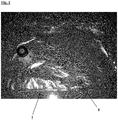
Figur 1 zeigt ein erfindungsgemäßes Behältnis mit Verschlussmittel und -
Figur 2 zeigt das Verschlussmittel gemäßFigur 1 in vergrößerter Ansicht. - Aus den
Figuren 1 und2 wird deutlich, dass das Behältnis 1 mittels des Verschlussmittels 2 bei Nichtbenutzung wieder sicher und vorzugsweise luftdicht verschlossen werden kann. Vorzugsweise kann das Behältnis 1 in der Form eines Beutels 3 ausgeführt sein. Vorzugsweise kann das Verschlussmittel 2 in der Form eines Deckels 4 ausgeführt sein, der auf einen an die Öffnung des Behältnisses 1 angeformten Ausguss 5 aufschraubbar ist. Das Verschlussmittel 2 weist ein siebartiges Trennelement 6 auf, welches das innere Volumen des Beutels 3 von der äußeren Umgebung trennt. - Eine erfindungsgemäße Spachtelmasse kann beispielsweise die in Tabelle 1 angegebene Zusammensetzung haben:

- Ein erfindungsgemäßes Anstrichmittel kann beispielsweise die in Tabelle 2 angegebene Zusammensetzung haben:

- Ein erfindungsgemäßes Wellnessprodukt ("Heilkreide") kann beispielsweise die in Tabelle 3 angegebene Zusammensetzung haben:


- Durch die die hydrophoben Additive wird die Rieselfähigkeit der Zusammensetzung signifikant verbessert, so dass diese problemlos in Flaschen oder ähnliche Behältnisse gefüllt und aus diesen auch wieder entnommen werden kann. Zusätzlich hat der Einsatz von niedrig viskosen Substanzen mit Wasserrückhaltevermögen den Vorteil, dass auf den Einsatz von synthetischen Bindemitteln wie beispielsweise Acrylate oder andere technisch verbessernde Additive verzichtet werden kann, so dass eine hoch ökologische Zusammensetzung mit sehr guter Hautverträglichkeit entsteht, die auf der Haut lange feucht bleibt und nicht schnell austrocknet.
- Zusätzlich zu oben genannten Rezepturmöglichkeiten bieten sich weitere hautpflegende Inhaltsstoffe an: Ziegenbuttercreme, Stutenmilchpulver, Vanille- und Kräuterzusätze, Salzzusätze etc., die Bandbreite natürlicher Proteine, Eiweiße, Enyzme und Öle enthaltender gesättigter Fettsäuren, ungesättigter Fettsäuren sowie mehrfach gesättigter Fettsäuren, sowie Öle welche insbesondere Anteile von Ölsäuren, Palmetinsäuren, Stearinsäuren, Linol- und Linolensäuren enthalten.
- Zusätzlich zu oben genannten Rezepturmöglichkeiten können Riech- und Aromastoffe hinzugefügt werden, insbesondere:
- Lavendel, Rosen, Kümmel, Eukalyptus, Vanille, Zitruspflanzen
- Phenole
- Alkohole
- Ätherische Öle
- Eine erfindungsgemäße Gießmasse kann beispielsweise die in Tabelle 4 angegebene Zusammensetzung haben:

- Additive zur Wasserrückhaltung können sein: (Cellulosederivate, Xantan-Gum, Stärke-/Eiweisspolymer und Derivate hieraus, etc.)
- Die erfindungsgemäße Gießmasse kann also in vorteilhafter Weise einen Kreideanteil (CaCO3) von mehr als 5 Gew.-% aufweisen. Insbesondere bei Gießmassen kann somit Gips durch Kreide ersetzt werden. Normalerweise werden Gießmassen nämlich aus Gips hergestellt. Das hat viele Nachteile, da Gips nicht wasser- oder wetterfest ist.
- Gips ist darüber hinaus meistens auch kein natürlicher Rohstoff, sondern ist ein Abfallnebenprodukt welches bei der Rauchgasentschwefelung von Kohlekraftwerken anfällt. Weiter ist Gips von der Kornstruktur her mit Kornverteilungen von 5-20 µm wesentlich größer als Schlämm-Kreide mit Kornverteilung von 1,5-6 µm. Detailgetreuere Abgussformen lassen sich mit Schlämmkreide (CaCO3) detailierter abformen. Ein Nachteil von Schlämmkreide (CaCO3) gegenüber Gips ist die Trockenzeit zur Aushärtung. Daher kann auf den Einsatz von hydraulischen Bindern wie z. B. Zement bei einer beabsichtigten Trockenzeit von unter 3 Tagen nicht verzichtet werden. Längere Trockenzeiten ermöglichen eine starke Reduzierung von Zement. Die fertige Gießmasse auf Basis von Schlämmkreide CaCO3 sowie zementären Bestandteilen ermöglicht Abgussformen welche wasser- und wetterfest sind.
- In allen Fällen ist der Einsatz von Keramikkugeln und "Glasbubbles" oder anderen Hohlraumelementen im Bereich von 1-30 Gew.-% möglich.
Claims (8)
- Pulverförmige Zusammensetzung zum Dispergieren und/oder Lösen in Wasser, welche 5 Gew.-% bis 98 Gew.-% Kreide sowie mindestens eine Substanz mit Wasserrückhaltevermögen und mindestens ein hydrophiles Additiv umfasst, wobei die Substanz mit Wasserrückhaltevermögen aus einer Gruppe ausgewählt ist, die aus Cellulose, Cellulose-Derivaten, Xantan-Gum, Stärke, Stärke-Derivaten, Eiweiß-Polymeren und Eiweiß-Derivaten besteht, dadurch gekennzeichnet, dass diese zusätzlich ein hydrophobes Additiv umfasst, das aus einer Gruppe ausgewählt ist, die aus hydrophobem amorphem Siliciumdioxid, Aluminiumsilikat, Calciumcarbonat, Talkum, Kaolin, Bentonit und sonstigen Silikat- u. Calciumverbindungen besteht.
- Zusammensetzung nach Anspruch 1, dadurch gekennzeichnet, dass die Substanz mit Wasserrückhaltevermögen eine Viskosität von ungefähr 5 mPa*s bis ungefähr 5000 mPa*s aufweist.
- Zusammensetzung nach Anspruch 1 oder 2, dadurch gekennzeichnet, dass diese zusätzlich Zement umfasst.
- Zusammensetzung nach einem der Ansprüche 1 bis 3, dadurch gekennzeichnet, dass diese zusätzlich mindestens ein Pigment oder Farbmittel umfasst, vorzugsweise ein photokatalytisches Pigment.
- Zusammensetzung nach Anspruch 4, dadurch gekennzeichnet, dass das Pigment oder Farbmittel in einer Kapsel eingeschlossen, collagriert, agglomeriert oder granuliert ist, wobei diese kompakte Verbindung von einzelnen Pigmentteilchen bei Kontakt mit Wasser für das Pigment oder Farbmittel durchlässig wird.
- Zusammensetzung nach einem der Ansprüche 1 bis 5, dadurch gekennzeichnet, dass diese zusätzlich mindestens ein Hohlraumelement umfasst.
- Behältnis für die Zusammensetzung nach einem der Ansprüche 1 bis 6, welches mindestens einen Beutel umfasst, der mindestens eine Öffnung aufweist, die mit mindestens einem Verschlussmittel versehen ist, dadurch gekennzeichnet, dass das Verschlussmittel mindestens ein siebartiges Trennelement umfasst, wobei das Trennelement im Bereich der Öffnung das innere Volumen des Beutels von der äußeren Umgebung trennt.
- Behältnis für die Zusammensetzung nach einem der Ansprüche 1 bis 6, welches mindestens einen Beutel umfasst, der mindestens eine Öffnung aufweist, die mit mindestens einem Verschlussmittel versehen ist, dadurch gekennzeichnet, dass die Öffnung und/oder das Verschlussmittel mit mindestens einer Ventileinrichtung und/oder mindestens einem integrierten Kavitationskanal versehen ist/sind.
Applications Claiming Priority (2)
| Application Number | Priority Date | Filing Date | Title |
|---|---|---|---|
| DE102014109756.4A DE102014109756A1 (de) | 2014-07-11 | 2014-07-11 | Pulverförmige Zusammensetzung und Behältnis für diese Zusammensetzung |
| PCT/EP2015/065981 WO2016005606A1 (de) | 2014-07-11 | 2015-07-13 | Pulverförmige zusammensetzung und behältnis für diese zusammensetzung |
Publications (2)
| Publication Number | Publication Date |
|---|---|
| EP3167015A1 EP3167015A1 (de) | 2017-05-17 |
| EP3167015B1 true EP3167015B1 (de) | 2018-11-28 |
Family
ID=53762144
Family Applications (1)
| Application Number | Title | Priority Date | Filing Date |
|---|---|---|---|
| EP15744506.5A Not-in-force EP3167015B1 (de) | 2014-07-11 | 2015-07-13 | Pulverförmige zusammensetzung und behältnis für diese zusammensetzung |
Country Status (3)
| Country | Link |
|---|---|
| EP (1) | EP3167015B1 (de) |
| DE (1) | DE102014109756A1 (de) |
| WO (1) | WO2016005606A1 (de) |
Families Citing this family (5)
| Publication number | Priority date | Publication date | Assignee | Title |
|---|---|---|---|---|
| CN105731936A (zh) * | 2016-03-09 | 2016-07-06 | 佛山市恒学科技服务有限公司 | 一种外墙瓷砖翻新腻子 |
| WO2018002603A1 (en) | 2016-06-27 | 2018-01-04 | Am Technology Limited | Photocatalytic compositions, and uses thereof for obtaining water paints |
| TR201903148A2 (tr) | 2019-03-01 | 2020-09-21 | Isildak Insaat Taahhuet Ve Ticaret Anonim Sirketi | Sirali hareketli̇ panel si̇stemi̇ |
| DE102021208402A1 (de) * | 2021-08-03 | 2023-02-09 | Franken Maxit Mauermörtel Gmbh & Co | Werkmauermörtel, Trockenmörtelformkörper, Lagerfugenmörtelschicht, Mauerwerk mit einer derartigen Lagerfugenmörtelschicht sowie Verfahren zur Herstellung einer derartigen Lagerfugenmörtelschicht und eines Mauerwerks |
| DE102024113104A1 (de) * | 2024-05-10 | 2025-11-13 | I.S.G. Industriesteingesellschaft mit beschränkter Haftung | Lösungsmittelarme Farbzusammensetzung, deren Herstellung, Verarbeitung und Verwendung |
Family Cites Families (6)
| Publication number | Priority date | Publication date | Assignee | Title |
|---|---|---|---|---|
| DE4300319C1 (de) * | 1992-12-24 | 1994-01-27 | Friedrich Dipl Ing Hagen | In Wasser lösliches Farbpulver |
| DE10126651A1 (de) * | 2001-06-01 | 2002-12-12 | Basf Coatings Ag | Pulverlacksuspensionen (Pulverslurries) und Pulverlacke, Verfahren zu ihrer Herstellung und ihre Verwendung |
| EP1519389A1 (de) * | 2003-09-18 | 2005-03-30 | Rohm And Haas Company | Elektrisch isolerende Pulverbeschichtungen und Zusammensetzungen und Verfahren zu deren Herstellung |
| DE102005006591A1 (de) | 2005-02-11 | 2007-01-04 | Ewald Dörken Ag | Farbgebende Beschichtungssysteme, insbesondere Farben und Lacke |
| DE102010050915A1 (de) | 2010-11-11 | 2012-05-16 | Nico Gruber | Gebinde zur Aufnahme von flüssigen, pastösen oder pulverförmigen Stoffen oder Zusammensetzungen |
| WO2013113642A1 (en) * | 2012-01-30 | 2013-08-08 | Akzo Nobel Coatings International B.V. | Repair process and primer composition |
-
2014
- 2014-07-11 DE DE102014109756.4A patent/DE102014109756A1/de not_active Ceased
-
2015
- 2015-07-13 WO PCT/EP2015/065981 patent/WO2016005606A1/de not_active Ceased
- 2015-07-13 EP EP15744506.5A patent/EP3167015B1/de not_active Not-in-force
Non-Patent Citations (1)
| Title |
|---|
| None * |
Also Published As
| Publication number | Publication date |
|---|---|
| WO2016005606A1 (de) | 2016-01-14 |
| EP3167015A1 (de) | 2017-05-17 |
| DE102014109756A1 (de) | 2016-01-14 |
Similar Documents
| Publication | Publication Date | Title |
|---|---|---|
| EP3167015B1 (de) | Pulverförmige zusammensetzung und behältnis für diese zusammensetzung | |
| EP1995283B1 (de) | Pigmentzubereitungen von pastöser oder gelförmiger Konsistenz | |
| EP1292539B1 (de) | Mikronisiertes bariumsulfat | |
| DE69729320T2 (de) | Mit gefalltem calciumcarbonat beschichtete pigmentteilchen und verfahren zu deren herstellung | |
| DE102007023912A1 (de) | Pigmentzubereitungen von pastöser oder gelförmiger Konsistenz | |
| DE102004026443B3 (de) | Isolierende Granulate für Anwendungen im Hochtemperaturbereich | |
| EP1153995B1 (de) | Pigmentpräparation mit modifizierten Kolophoniumharzen | |
| DE69724568T2 (de) | Verfahren zur Herstellung von dispergierten wässrigen Suspensionen | |
| EP0955344A2 (de) | Oberflächenmodifizierte Füllstoffe, Verfahren zu deren Herstellung sowie deren Verwendung | |
| CH637989A5 (de) | Anorganisches bindemittel und verfahren zu seiner herstellung. | |
| DE2844052A1 (de) | Waessrige dispersion einer hydrophoben kieselsaeure | |
| DE10319483A1 (de) | Schnell zerfallendes Pigmentkonzentrat | |
| DE202006020712U1 (de) | Pulverförmige bauchemische Produkte mit vermindertem Staubbildungsverhalten | |
| DE69328863T2 (de) | Stabile carboxymethylcellulosemasse | |
| US5482543A (en) | Multipurpose, ecological water-paint | |
| DE69622040T2 (de) | Farbe und seine verwendung | |
| DE1814569B2 (de) | Titandioxydpigment mit verbesserter Benetzbarkeit in Überzugszusammensetzungen und Verfahren zu seiner Herstellung | |
| EP1529805B1 (de) | Lagerstabile Teilchenzusammensetzung aus Polysacchariden und/oder Polysaccharidderivaten und zumindestens einem synthetischen Polymerisat, ein Verfahren zu deren Herstellung sowie deren Verwendung in Baustoffgemischen | |
| DE102009046244A1 (de) | Verkapselung von Reaktivkomponenten für 1-K-Systeme unter Verwendung von Koaxialdüsen | |
| EP2877542A1 (de) | Verfahren zur herstellung von dispersionsfarben | |
| EP3498784B1 (de) | Beschichtungsmasse, verfahren zur herstellung der beschichtungsmasse und deren verwendung | |
| CN104151916B (zh) | 一种含有玻璃纤维微粉的高触变性乳液涂料配方 | |
| DE2449802C3 (de) | Verfahren zum Herstellen von Clciumaluminathydraten und deren Verwendung | |
| DE2910374C2 (de) | Fließfähiges Gemisch auf der Basis eines hydrophilen Polymeren, ein Verfahren zu seiner Herstellung und seine Verwendung | |
| JP4975326B2 (ja) | 水性塗料組成物 |
Legal Events
| Date | Code | Title | Description |
|---|---|---|---|
| STAA | Information on the status of an ep patent application or granted ep patent |
Free format text: STATUS: THE INTERNATIONAL PUBLICATION HAS BEEN MADE |
|
| PUAI | Public reference made under article 153(3) epc to a published international application that has entered the european phase |
Free format text: ORIGINAL CODE: 0009012 |
|
| STAA | Information on the status of an ep patent application or granted ep patent |
Free format text: STATUS: REQUEST FOR EXAMINATION WAS MADE |
|
| 17P | Request for examination filed |
Effective date: 20170213 |
|
| AK | Designated contracting states |
Kind code of ref document: A1 Designated state(s): AL AT BE BG CH CY CZ DE DK EE ES FI FR GB GR HR HU IE IS IT LI LT LU LV MC MK MT NL NO PL PT RO RS SE SI SK SM TR |
|
| AX | Request for extension of the european patent |
Extension state: BA ME |
|
| DAV | Request for validation of the european patent (deleted) | ||
| DAX | Request for extension of the european patent (deleted) | ||
| STAA | Information on the status of an ep patent application or granted ep patent |
Free format text: STATUS: EXAMINATION IS IN PROGRESS |
|
| 17Q | First examination report despatched |
Effective date: 20171026 |
|
| GRAP | Despatch of communication of intention to grant a patent |
Free format text: ORIGINAL CODE: EPIDOSNIGR1 |
|
| STAA | Information on the status of an ep patent application or granted ep patent |
Free format text: STATUS: GRANT OF PATENT IS INTENDED |
|
| INTG | Intention to grant announced |
Effective date: 20180606 |
|
| GRAS | Grant fee paid |
Free format text: ORIGINAL CODE: EPIDOSNIGR3 |
|
| GRAA | (expected) grant |
Free format text: ORIGINAL CODE: 0009210 |
|
| STAA | Information on the status of an ep patent application or granted ep patent |
Free format text: STATUS: THE PATENT HAS BEEN GRANTED |
|
| AK | Designated contracting states |
Kind code of ref document: B1 Designated state(s): AL AT BE BG CH CY CZ DE DK EE ES FI FR GB GR HR HU IE IS IT LI LT LU LV MC MK MT NL NO PL PT RO RS SE SI SK SM TR |
|
| REG | Reference to a national code |
Ref country code: CH Ref legal event code: EP |
|
| REG | Reference to a national code |
Ref country code: AT Ref legal event code: REF Ref document number: 1070182 Country of ref document: AT Kind code of ref document: T Effective date: 20181215 |
|
| REG | Reference to a national code |
Ref country code: DE Ref legal event code: R096 Ref document number: 502015007012 Country of ref document: DE |
|
| REG | Reference to a national code |
Ref country code: IE Ref legal event code: FG4D Free format text: LANGUAGE OF EP DOCUMENT: GERMAN |
|
| REG | Reference to a national code |
Ref country code: CH Ref legal event code: NV Representative=s name: VALIPAT S.A. GEVERS SA, CH |
|
| REG | Reference to a national code |
Ref country code: CH Ref legal event code: PCAR Free format text: NEW ADDRESS: RUE DES NOYERS 11, 2000 NEUCHATEL (CH) |
|
| REG | Reference to a national code |
Ref country code: LT Ref legal event code: MG4D Ref country code: NL Ref legal event code: FP |
|
| PG25 | Lapsed in a contracting state [announced via postgrant information from national office to epo] |
Ref country code: HR Free format text: LAPSE BECAUSE OF FAILURE TO SUBMIT A TRANSLATION OF THE DESCRIPTION OR TO PAY THE FEE WITHIN THE PRESCRIBED TIME-LIMIT Effective date: 20181128 Ref country code: NO Free format text: LAPSE BECAUSE OF FAILURE TO SUBMIT A TRANSLATION OF THE DESCRIPTION OR TO PAY THE FEE WITHIN THE PRESCRIBED TIME-LIMIT Effective date: 20190228 Ref country code: LV Free format text: LAPSE BECAUSE OF FAILURE TO SUBMIT A TRANSLATION OF THE DESCRIPTION OR TO PAY THE FEE WITHIN THE PRESCRIBED TIME-LIMIT Effective date: 20181128 Ref country code: BG Free format text: LAPSE BECAUSE OF FAILURE TO SUBMIT A TRANSLATION OF THE DESCRIPTION OR TO PAY THE FEE WITHIN THE PRESCRIBED TIME-LIMIT Effective date: 20190228 Ref country code: LT Free format text: LAPSE BECAUSE OF FAILURE TO SUBMIT A TRANSLATION OF THE DESCRIPTION OR TO PAY THE FEE WITHIN THE PRESCRIBED TIME-LIMIT Effective date: 20181128 Ref country code: IS Free format text: LAPSE BECAUSE OF FAILURE TO SUBMIT A TRANSLATION OF THE DESCRIPTION OR TO PAY THE FEE WITHIN THE PRESCRIBED TIME-LIMIT Effective date: 20190328 Ref country code: FI Free format text: LAPSE BECAUSE OF FAILURE TO SUBMIT A TRANSLATION OF THE DESCRIPTION OR TO PAY THE FEE WITHIN THE PRESCRIBED TIME-LIMIT Effective date: 20181128 |
|
| PG25 | Lapsed in a contracting state [announced via postgrant information from national office to epo] |
Ref country code: GR Free format text: LAPSE BECAUSE OF FAILURE TO SUBMIT A TRANSLATION OF THE DESCRIPTION OR TO PAY THE FEE WITHIN THE PRESCRIBED TIME-LIMIT Effective date: 20190301 Ref country code: SE Free format text: LAPSE BECAUSE OF FAILURE TO SUBMIT A TRANSLATION OF THE DESCRIPTION OR TO PAY THE FEE WITHIN THE PRESCRIBED TIME-LIMIT Effective date: 20181128 Ref country code: RS Free format text: LAPSE BECAUSE OF FAILURE TO SUBMIT A TRANSLATION OF THE DESCRIPTION OR TO PAY THE FEE WITHIN THE PRESCRIBED TIME-LIMIT Effective date: 20181128 Ref country code: AL Free format text: LAPSE BECAUSE OF FAILURE TO SUBMIT A TRANSLATION OF THE DESCRIPTION OR TO PAY THE FEE WITHIN THE PRESCRIBED TIME-LIMIT Effective date: 20181128 Ref country code: PT Free format text: LAPSE BECAUSE OF FAILURE TO SUBMIT A TRANSLATION OF THE DESCRIPTION OR TO PAY THE FEE WITHIN THE PRESCRIBED TIME-LIMIT Effective date: 20190328 |
|
| PG25 | Lapsed in a contracting state [announced via postgrant information from national office to epo] |
Ref country code: PL Free format text: LAPSE BECAUSE OF FAILURE TO SUBMIT A TRANSLATION OF THE DESCRIPTION OR TO PAY THE FEE WITHIN THE PRESCRIBED TIME-LIMIT Effective date: 20181128 Ref country code: DK Free format text: LAPSE BECAUSE OF FAILURE TO SUBMIT A TRANSLATION OF THE DESCRIPTION OR TO PAY THE FEE WITHIN THE PRESCRIBED TIME-LIMIT Effective date: 20181128 Ref country code: CZ Free format text: LAPSE BECAUSE OF FAILURE TO SUBMIT A TRANSLATION OF THE DESCRIPTION OR TO PAY THE FEE WITHIN THE PRESCRIBED TIME-LIMIT Effective date: 20181128 Ref country code: IT Free format text: LAPSE BECAUSE OF FAILURE TO SUBMIT A TRANSLATION OF THE DESCRIPTION OR TO PAY THE FEE WITHIN THE PRESCRIBED TIME-LIMIT Effective date: 20181128 Ref country code: ES Free format text: LAPSE BECAUSE OF FAILURE TO SUBMIT A TRANSLATION OF THE DESCRIPTION OR TO PAY THE FEE WITHIN THE PRESCRIBED TIME-LIMIT Effective date: 20181128 |
|
| REG | Reference to a national code |
Ref country code: DE Ref legal event code: R097 Ref document number: 502015007012 Country of ref document: DE |
|
| PG25 | Lapsed in a contracting state [announced via postgrant information from national office to epo] |
Ref country code: RO Free format text: LAPSE BECAUSE OF FAILURE TO SUBMIT A TRANSLATION OF THE DESCRIPTION OR TO PAY THE FEE WITHIN THE PRESCRIBED TIME-LIMIT Effective date: 20181128 Ref country code: SK Free format text: LAPSE BECAUSE OF FAILURE TO SUBMIT A TRANSLATION OF THE DESCRIPTION OR TO PAY THE FEE WITHIN THE PRESCRIBED TIME-LIMIT Effective date: 20181128 Ref country code: EE Free format text: LAPSE BECAUSE OF FAILURE TO SUBMIT A TRANSLATION OF THE DESCRIPTION OR TO PAY THE FEE WITHIN THE PRESCRIBED TIME-LIMIT Effective date: 20181128 Ref country code: SM Free format text: LAPSE BECAUSE OF FAILURE TO SUBMIT A TRANSLATION OF THE DESCRIPTION OR TO PAY THE FEE WITHIN THE PRESCRIBED TIME-LIMIT Effective date: 20181128 |
|
| PLBE | No opposition filed within time limit |
Free format text: ORIGINAL CODE: 0009261 |
|
| STAA | Information on the status of an ep patent application or granted ep patent |
Free format text: STATUS: NO OPPOSITION FILED WITHIN TIME LIMIT |
|
| PG25 | Lapsed in a contracting state [announced via postgrant information from national office to epo] |
Ref country code: SI Free format text: LAPSE BECAUSE OF FAILURE TO SUBMIT A TRANSLATION OF THE DESCRIPTION OR TO PAY THE FEE WITHIN THE PRESCRIBED TIME-LIMIT Effective date: 20181128 |
|
| 26N | No opposition filed |
Effective date: 20190829 |
|
| PG25 | Lapsed in a contracting state [announced via postgrant information from national office to epo] |
Ref country code: MC Free format text: LAPSE BECAUSE OF FAILURE TO SUBMIT A TRANSLATION OF THE DESCRIPTION OR TO PAY THE FEE WITHIN THE PRESCRIBED TIME-LIMIT Effective date: 20181128 |
|
| PG25 | Lapsed in a contracting state [announced via postgrant information from national office to epo] |
Ref country code: TR Free format text: LAPSE BECAUSE OF FAILURE TO SUBMIT A TRANSLATION OF THE DESCRIPTION OR TO PAY THE FEE WITHIN THE PRESCRIBED TIME-LIMIT Effective date: 20181128 |
|
| PG25 | Lapsed in a contracting state [announced via postgrant information from national office to epo] |
Ref country code: LU Free format text: LAPSE BECAUSE OF NON-PAYMENT OF DUE FEES Effective date: 20190713 |
|
| PG25 | Lapsed in a contracting state [announced via postgrant information from national office to epo] |
Ref country code: IE Free format text: LAPSE BECAUSE OF NON-PAYMENT OF DUE FEES Effective date: 20190713 |
|
| PGFP | Annual fee paid to national office [announced via postgrant information from national office to epo] |
Ref country code: NL Payment date: 20200728 Year of fee payment: 6 |
|
| PGFP | Annual fee paid to national office [announced via postgrant information from national office to epo] |
Ref country code: CH Payment date: 20200825 Year of fee payment: 6 Ref country code: BE Payment date: 20200728 Year of fee payment: 6 Ref country code: AT Payment date: 20200727 Year of fee payment: 6 |
|
| PG25 | Lapsed in a contracting state [announced via postgrant information from national office to epo] |
Ref country code: CY Free format text: LAPSE BECAUSE OF FAILURE TO SUBMIT A TRANSLATION OF THE DESCRIPTION OR TO PAY THE FEE WITHIN THE PRESCRIBED TIME-LIMIT Effective date: 20181128 |
|
| PG25 | Lapsed in a contracting state [announced via postgrant information from national office to epo] |
Ref country code: MT Free format text: LAPSE BECAUSE OF FAILURE TO SUBMIT A TRANSLATION OF THE DESCRIPTION OR TO PAY THE FEE WITHIN THE PRESCRIBED TIME-LIMIT Effective date: 20181128 Ref country code: HU Free format text: LAPSE BECAUSE OF FAILURE TO SUBMIT A TRANSLATION OF THE DESCRIPTION OR TO PAY THE FEE WITHIN THE PRESCRIBED TIME-LIMIT; INVALID AB INITIO Effective date: 20150713 |
|
| REG | Reference to a national code |
Ref country code: CH Ref legal event code: PL |
|
| REG | Reference to a national code |
Ref country code: NL Ref legal event code: MM Effective date: 20210801 |
|
| REG | Reference to a national code |
Ref country code: AT Ref legal event code: MM01 Ref document number: 1070182 Country of ref document: AT Kind code of ref document: T Effective date: 20210713 |
|
| REG | Reference to a national code |
Ref country code: BE Ref legal event code: MM Effective date: 20210731 |
|
| PG25 | Lapsed in a contracting state [announced via postgrant information from national office to epo] |
Ref country code: LI Free format text: LAPSE BECAUSE OF NON-PAYMENT OF DUE FEES Effective date: 20210731 Ref country code: CH Free format text: LAPSE BECAUSE OF NON-PAYMENT OF DUE FEES Effective date: 20210731 Ref country code: AT Free format text: LAPSE BECAUSE OF NON-PAYMENT OF DUE FEES Effective date: 20210713 |
|
| PG25 | Lapsed in a contracting state [announced via postgrant information from national office to epo] |
Ref country code: NL Free format text: LAPSE BECAUSE OF NON-PAYMENT OF DUE FEES Effective date: 20210801 |
|
| PG25 | Lapsed in a contracting state [announced via postgrant information from national office to epo] |
Ref country code: MK Free format text: LAPSE BECAUSE OF FAILURE TO SUBMIT A TRANSLATION OF THE DESCRIPTION OR TO PAY THE FEE WITHIN THE PRESCRIBED TIME-LIMIT Effective date: 20181128 |
|
| PG25 | Lapsed in a contracting state [announced via postgrant information from national office to epo] |
Ref country code: BE Free format text: LAPSE BECAUSE OF NON-PAYMENT OF DUE FEES Effective date: 20210731 |
|
| PGFP | Annual fee paid to national office [announced via postgrant information from national office to epo] |
Ref country code: FR Payment date: 20230118 Year of fee payment: 8 |
|
| PGFP | Annual fee paid to national office [announced via postgrant information from national office to epo] |
Ref country code: GB Payment date: 20230117 Year of fee payment: 8 Ref country code: DE Payment date: 20230126 Year of fee payment: 8 |
|
| REG | Reference to a national code |
Ref country code: DE Ref legal event code: R119 Ref document number: 502015007012 Country of ref document: DE |
|
| GBPC | Gb: european patent ceased through non-payment of renewal fee |
Effective date: 20230713 |
|
| PG25 | Lapsed in a contracting state [announced via postgrant information from national office to epo] |
Ref country code: DE Free format text: LAPSE BECAUSE OF NON-PAYMENT OF DUE FEES Effective date: 20240201 Ref country code: GB Free format text: LAPSE BECAUSE OF NON-PAYMENT OF DUE FEES Effective date: 20230713 |
|
| PG25 | Lapsed in a contracting state [announced via postgrant information from national office to epo] |
Ref country code: FR Free format text: LAPSE BECAUSE OF NON-PAYMENT OF DUE FEES Effective date: 20230731 |