EP3345012B1 - Verfahren und netzwerkknoten zur bestimmung einer wahrscheinlichkeit, dass sich ein erstes benutzergerät in einem gebäude befindet - Google Patents
Verfahren und netzwerkknoten zur bestimmung einer wahrscheinlichkeit, dass sich ein erstes benutzergerät in einem gebäude befindet Download PDFInfo
- Publication number
- EP3345012B1 EP3345012B1 EP15903150.9A EP15903150A EP3345012B1 EP 3345012 B1 EP3345012 B1 EP 3345012B1 EP 15903150 A EP15903150 A EP 15903150A EP 3345012 B1 EP3345012 B1 EP 3345012B1
- Authority
- EP
- European Patent Office
- Prior art keywords
- cell
- building
- ues
- network node
- relation
- Prior art date
- Legal status (The legal status is an assumption and is not a legal conclusion. Google has not performed a legal analysis and makes no representation as to the accuracy of the status listed.)
- Not-in-force
Links
- 238000000034 method Methods 0.000 title claims description 17
- 238000004891 communication Methods 0.000 claims description 26
- 230000009471 action Effects 0.000 description 34
- 230000001413 cellular effect Effects 0.000 description 10
- 238000005259 measurement Methods 0.000 description 9
- 230000005540 biological transmission Effects 0.000 description 5
- 238000005516 engineering process Methods 0.000 description 5
- 238000004590 computer program Methods 0.000 description 4
- 238000001914 filtration Methods 0.000 description 4
- 230000010267 cellular communication Effects 0.000 description 3
- 238000012544 monitoring process Methods 0.000 description 3
- 230000006399 behavior Effects 0.000 description 2
- 230000008901 benefit Effects 0.000 description 2
- 238000004422 calculation algorithm Methods 0.000 description 2
- 238000010586 diagram Methods 0.000 description 2
- 230000007774 longterm Effects 0.000 description 2
- 238000010295 mobile communication Methods 0.000 description 2
- 238000013146 percutaneous coronary intervention Methods 0.000 description 2
- 241000760358 Enodes Species 0.000 description 1
- 241000255890 Galleria Species 0.000 description 1
- 210000003484 anatomy Anatomy 0.000 description 1
- 230000009286 beneficial effect Effects 0.000 description 1
- 238000004364 calculation method Methods 0.000 description 1
- 239000000969 carrier Substances 0.000 description 1
- 230000008859 change Effects 0.000 description 1
- 238000007635 classification algorithm Methods 0.000 description 1
- 238000010276 construction Methods 0.000 description 1
- 238000011161 development Methods 0.000 description 1
- 230000009429 distress Effects 0.000 description 1
- 230000005672 electromagnetic field Effects 0.000 description 1
- 230000006870 function Effects 0.000 description 1
- 238000009499 grossing Methods 0.000 description 1
- 230000004807 localization Effects 0.000 description 1
- 238000005065 mining Methods 0.000 description 1
- 238000012986 modification Methods 0.000 description 1
- 230000004048 modification Effects 0.000 description 1
- 238000005457 optimization Methods 0.000 description 1
- 230000011664 signaling Effects 0.000 description 1
- 230000003068 static effect Effects 0.000 description 1
- 238000012546 transfer Methods 0.000 description 1
- 230000007704 transition Effects 0.000 description 1
Images



Classifications
-
- H—ELECTRICITY
- H04—ELECTRIC COMMUNICATION TECHNIQUE
- H04W—WIRELESS COMMUNICATION NETWORKS
- H04W64/00—Locating users or terminals or network equipment for network management purposes, e.g. mobility management
- H04W64/003—Locating users or terminals or network equipment for network management purposes, e.g. mobility management locating network equipment
-
- G—PHYSICS
- G01—MEASURING; TESTING
- G01S—RADIO DIRECTION-FINDING; RADIO NAVIGATION; DETERMINING DISTANCE OR VELOCITY BY USE OF RADIO WAVES; LOCATING OR PRESENCE-DETECTING BY USE OF THE REFLECTION OR RERADIATION OF RADIO WAVES; ANALOGOUS ARRANGEMENTS USING OTHER WAVES
- G01S5/00—Position-fixing by co-ordinating two or more direction or position line determinations; Position-fixing by co-ordinating two or more distance determinations
- G01S5/02—Position-fixing by co-ordinating two or more direction or position line determinations; Position-fixing by co-ordinating two or more distance determinations using radio waves
- G01S5/0252—Radio frequency fingerprinting
-
- G—PHYSICS
- G01—MEASURING; TESTING
- G01S—RADIO DIRECTION-FINDING; RADIO NAVIGATION; DETERMINING DISTANCE OR VELOCITY BY USE OF RADIO WAVES; LOCATING OR PRESENCE-DETECTING BY USE OF THE REFLECTION OR RERADIATION OF RADIO WAVES; ANALOGOUS ARRANGEMENTS USING OTHER WAVES
- G01S5/00—Position-fixing by co-ordinating two or more direction or position line determinations; Position-fixing by co-ordinating two or more distance determinations
- G01S5/02—Position-fixing by co-ordinating two or more direction or position line determinations; Position-fixing by co-ordinating two or more distance determinations using radio waves
- G01S5/0278—Position-fixing by co-ordinating two or more direction or position line determinations; Position-fixing by co-ordinating two or more distance determinations using radio waves involving statistical or probabilistic considerations
-
- G—PHYSICS
- G01—MEASURING; TESTING
- G01S—RADIO DIRECTION-FINDING; RADIO NAVIGATION; DETERMINING DISTANCE OR VELOCITY BY USE OF RADIO WAVES; LOCATING OR PRESENCE-DETECTING BY USE OF THE REFLECTION OR RERADIATION OF RADIO WAVES; ANALOGOUS ARRANGEMENTS USING OTHER WAVES
- G01S5/00—Position-fixing by co-ordinating two or more direction or position line determinations; Position-fixing by co-ordinating two or more distance determinations
- G01S5/02—Position-fixing by co-ordinating two or more direction or position line determinations; Position-fixing by co-ordinating two or more distance determinations using radio waves
- G01S5/0284—Relative positioning
-
- H—ELECTRICITY
- H04—ELECTRIC COMMUNICATION TECHNIQUE
- H04W—WIRELESS COMMUNICATION NETWORKS
- H04W24/00—Supervisory, monitoring or testing arrangements
- H04W24/10—Scheduling measurement reports ; Arrangements for measurement reports
-
- H—ELECTRICITY
- H04—ELECTRIC COMMUNICATION TECHNIQUE
- H04W—WIRELESS COMMUNICATION NETWORKS
- H04W4/00—Services specially adapted for wireless communication networks; Facilities therefor
- H04W4/02—Services making use of location information
- H04W4/029—Location-based management or tracking services
-
- H—ELECTRICITY
- H04—ELECTRIC COMMUNICATION TECHNIQUE
- H04W—WIRELESS COMMUNICATION NETWORKS
- H04W64/00—Locating users or terminals or network equipment for network management purposes, e.g. mobility management
-
- H—ELECTRICITY
- H04—ELECTRIC COMMUNICATION TECHNIQUE
- H04W—WIRELESS COMMUNICATION NETWORKS
- H04W64/00—Locating users or terminals or network equipment for network management purposes, e.g. mobility management
- H04W64/006—Locating users or terminals or network equipment for network management purposes, e.g. mobility management with additional information processing, e.g. for direction or speed determination
Definitions
- Embodiments herein relate to a network node and a method therein. In particular, they relate to deciding a probability that a first User Equipment (UE) is located in a building.
- UE User Equipment
- Wireless devices or terminals for communication are also known as e.g. User Equipments (UE), mobile terminals, wireless terminals and/or mobile stations.
- Wireless devices are enabled to communicate wirelessly in a cellular communications network or wireless communication system, sometimes also referred to as a cellular radio system or cellular networks.
- the communication may be performed e.g. between two wireless devices, between a wireless device and a regular telephone and/or between a wireless device and a server, such as server providing video streaming service, via a Radio Access Network (RAN) and possibly one or more core networks, comprised within the cellular communications network.
- RAN Radio Access Network
- Wireless devices may further be referred to as mobile telephones, cellular telephones, computers, or surf plates with wireless capability, just to mention some further examples.
- the wireless devices in the present context may be, for example, portable, pocket-storable, hand-held, computer-comprised, or vehicle-mounted mobile devices, enabled to communicate voice and/or data, via the RAN, with another entity, such as another wireless device or a server.
- a cellular communications network covers a geographical area which is divided into cell areas, wherein each cell area is served by a base station, e.g. a Radio Base Station (RBS), which sometimes may be referred to as e.g. eNodeB (eNB), NodeB, B node, Base Transceiver Station (BTS), or AP (Access Point), depending on the technology and terminology used.
- the base stations may be of different classes such as e.g. macro eNodeB, home eNodeB or pico base station, based on transmission power and thereby also cell size.
- a cell is the geographical area where radio coverage is provided by the base station at a base station site.
- One base station, situated on the base station site may serve one or several cells.
- each base station may support one or several communication technologies.
- the base stations communicate over the air interface operating on radio frequencies with the wireless devices within range of the base stations.
- the base stations and wireless devices involved in communication may also be referred to as transmitter-receiver pairs, where the respective transmitter and receiver in a pair may refer to a base station or a wireless device, depending on the direction of the communication.
- Two wireless devices involved in Device to Device (D2D) communication may also be referred to as a transmitter-receiver pair.
- D2D Device to Device
- the expression Downlink (DL) is used for the transmission path from the base station to a wireless device.
- the expression Uplink (UL) is used for the transmission path in the opposite direction i.e. from the wireless device to the base station.
- Universal Mobile Telecommunications System is a third generation mobile communication system, which evolved from the GSM, and is intended to provide improved mobile communication services based on Wideband Code Division Multiple Access (WCDMA) technology.
- UMTS Terrestrial Radio Access Network (UTRAN) is essentially a radio access network using wideband code division multiple access for communication with terminals. The 3GPP has undertaken to evolve further the UTRAN and GSM based radio access network technologies.
- base stations which may be referred to as eNodeBs or even eNBs, may be directly connected to one or more core networks.
- 3GPP LTE radio access standard has been written in order to support high bitrates and low latency both for uplink and downlink traffic. All data transmission is in LTE is controlled by the radio base station.
- a cellular user such as e.g. a UE
- a network may try to find out if the UE is located indoors is by using positioning services, and more specifically in context of emergency matters.
- indoor UEs may be assumed to be subject to specific mobility behavior, or may be requested to start monitoring indoor cells on a dedicated frequency carrier.
- RFID Radio-Frequency Identification
- INS Inertial Navigation Systems
- An INS is a navigation aid that uses a computer, motion sensors and rotation sensors to continuously calculate e.g. the position of a moving object without the need for external references.
- INS Inertial Navigation Systems
- a specific UE is connected to a specific cell, or having that cell as the serving and/or strongest cell within active and monitored set for long enough time, but given cell overlaps in that indoor cells leak to outdoor areas, and the other way around with outdoor cells providing coverage inside buildings, there is not often a clear correspondence between cell-location-belonging and the physical location of a specific UE.
- GPS-assisted solutions require that information about no GPS coverage is signaled from UE to network.
- Short range radio tags solutions such as RFID may possibly provide improved indoor positioning, but such systems are currently rare, and corresponding positioning not easily incorporated in today's signalling between a UE and a base station.
- US 8830909 disclose a method of tracking users based upon wireless fingerprint information. This may include accessing proximity records, clustering proximity records based upon time information and user information to generate a plurality of clusters, identifying one or more events based upon the generated clusters, and outputting information related to the identified one or more events.
- the object is achieved by a method performed by a network node for deciding a probability that a first User Equipment, UE, is located in a building.
- the network node, the first UE and one or more second UEs operate in a wireless communications network.
- the network node learns that one or more second UEs are associated to a respective subscription comprised in a group of subscriptions related to the building.
- the one or more second UEs are decided to be located in said building.
- the network node identifies cell relation metrics for the one or more second UEs associated to the group of subscriptions.
- the cell relation metrics relate to the building.
- the network node then decides the probability that the first UE is located in the building, based on to what extent a cell relation metric of the first UE matches the identified cell relation metrics for the one or more second UEs.
- the object is achieved by a network node for deciding a probability that a first User Equipment, UE, is located in a building.
- the network node, the first UE and one or more second UEs are configured to be operable in a wireless communications network.
- the network node is configured to:
- the network node can decide the probability that the first UE is located in the building, based on to what extent the cell relation metric of the first UE matches the identified cell relation metrics for the one or more second UEs.
- An advantage with embodiments herein is that they are able to more accurately decide UEs as physically indoors or outdoors. This will e.g. improve localization of emergency calls; e.g. which floor in a tall building a UE is positioned, in which specific building the UE probably is located.
- Embodiments herein may also be an enabler for other radio network features.
- Indoor/outdoor classification may be used in the radio resource management to improve the user experience. For example, indoor users may be assumed to be subject to specific mobility behavior, or may be requested to start monitoring indoor cells on a dedicated frequency carrier. Knowing if q UE is in fact indoors or outdoors can help to tune the network so that the UE is connected to the best serving network node. For some outdoor UEs it may be disadvantageous to be served by an indoor node despite that some Key Performance Indicators (KPIs) indicate otherwise for example.
- KPIs Key Performance Indicators
- FIG. 1 depicts an example of a wireless communications network 100 in which embodiments herein may be implemented.
- the wireless communications network100 may be a wireless communication network such as an LTE, WCDMA, GSM network, any 3GPP cellular network, Wimax, or any cellular network or system.
- the wireless communications network100 comprises a first cell 101 and one or more second cells 102.
- a plurality of network nodes operates in the wireless communications network 100 whereof one, a network node 110 is depicted in Figure 1 .
- the network node 110 may for example be an eNodeB, a NodeB, a Home Node B, a Home eNode B, a WiFi Access Point (AP) or any other network node capable to serve a UE in a wireless communications network.
- the network node 110 may in some embodiments be a Radio Network Controller (RNC)
- a first UE 121 operates in the wireless communications network 100.
- the first UE 121 may be served by the network node 110.
- the first UE 121 may e.g. be a wireless device, a mobile wireless terminal or a wireless terminal, a mobile phone, a computer such as e.g. a laptop, a Personal Digital Assistants (PDAs) or a tablet computer, sometimes referred to as a surf plate, with wireless capability, or any other radio network units capable to communicate over a radio link in a wireless communications network.
- PDAs Personal Digital Assistants
- a surf plate sometimes referred to as a surf plate
- any other radio network units capable to communicate over a radio link in a wireless communications network.
- M2M Machine to Machine
- one or more second UEs 122 operate in the wireless communications network 100.
- the one or more second UEs 122 may be served by the network node 110.
- Each of the one or more second UEs 122 may e.g. be a wireless device, a mobile wireless terminal or a wireless terminal, a mobile phone, a computer such as e.g. a laptop, a Personal Digital Assistants (PDAs) or a tablet computer, sometimes referred to as a surf plate, with wireless capability, or any other radio network units capable to communicate over a radio link in a wireless communications network.
- PDAs Personal Digital Assistants
- UE sometimes referred to as a surf plate, with wireless capability, or any other radio network units capable to communicate over a radio link in a wireless communications network.
- UE used in this document also covers other wireless devices such as M2M devices.
- the one or more second UEs 122 are associated to a respective subscription comprised in a group of subscriptions related to a building 130.
- the one or more second UEs 122 may be located in said building 130.
- the building 130 may e.g. be a mall a galleria, an arcade a hospital, an airport, office building of varying sizes and forms, science parks, university campus, train stations, sporting venue, arenas, construction site, mining facility, street market, etc.
- the building 130 may e.g. comprise one or more companies, stores, etc.
- the first cell 101 and the one or more second cells 102 may be located in the building 130.
- the network node 110 learns that a specific group of users e.g. comprising the one or more second UEs 122 has a certain relation to a building. This may e.g. be to the building 130, to part of the building 130, to a floor in the building 130, or a corporate location in the building 130.
- the relation is in the sense that the cellular phone subscriptions of the one or more second UEs 122 are within a specific group, i.e. a group of subscriptions.
- the network node 110 identifies cell relation metrics for the known group of subscriptions. Based on the identified cell relation metrics, the network node 110 decides whether or not the one or more second UEs 122 are located in the building 130.
- the network node 110 then applies derived classification metric for unknown users in terms that the geographical belonging of their cellular subscriptions are unknown such as the first UE 121, to increase the probability for unknown users location to be correctly classified and/or decided.
- Example embodiments of a method performed by a network node 110 for deciding a probability that the first UE 121 is located in the building 130, will be described with reference to a flowchart depicted in Figure 2 . The method will be described in a more general way first, and will be explained and exemplified more in detail later on.
- the network node 110, the first UE 121 and one or more second UEs 122 operate in the wireless communications network 100.
- the network node 110 wishes to know whether the first UE of an unknown subscription is located outdoors or indoors, i.e. outside or inside a building.
- the method comprises the following actions, which actions may be taken in any suitable order. Actions that are optional are presented in dashed boxes in Figure 2 .
- the network node 110 collects related information from connected UEs.
- the network node 110 may receive a report from the respective one or more second UEs 122, which report comprises information about a cell relation metric of the respective second UE 122. This may be performed by receiving e.g. a measurement report stating signal strength measurements for serving and other detected network nodes.
- the network node 110 learns that the one or more second UEs 122 are associated to a respective subscription comprised in a group of subscriptions related to the building 130. This may be based on the received reports from the one or more second UEs 122. The one or more second UEs 122 are decided to be located in said building 130.
- this knowledge will be used such as if the network node 110 then receives measurements from another unknown UE, i.e. the first UE 121, that resembles these measurements from the one or more second UEs 122, it can be assumed that to a certain probability this user is also in the building 130, floor 7.
- the network node 110 decides that the one or more second UEs 122 are located in said building 130 based on knowledge of the group of subscriptions. In other words, the network node 110 classifies the one or more second UEs 122 as being indoors or outdoors, of the building 130.
- the group of subscriptions relating to the building 130 may comprise: the group of subscriptions belonging to a wireless indoor system located in the building 130 such as e.g. that the group of subscriptions belonging to a specific company.
- the network node 110 identifies cell relation metrics for the one or more second UEs 122 associated to the group of subscriptions.
- the cell relation metrics relate to the building 130. Please see example in Action 202.
- the network node 110 receives a report from the first UE 121, which report comprises information about the cell relation metric of the first UE 121.
- the first UE 121 is served by the network node 110. This report may be received in Action 201 above.
- the network node 110 decides the probability that the first UE 121 is located in the building 130, based on to what extent the cell relation metric of the first UE 121 matches the identified cell relation metrics for the one or more second UEs 122.
- the cell relation metrics may comprise the relation of a specific UE 121, 122 to any one or more out of: The first cell 101, the one or more second cells 102, and the first cell 101 in relation to the one or more second cells 102.
- the first cell 101 may be a serving cell of the specific UE 121, 122, and the one or more second cells 102 may be neighbouring cells of the specific UE 121, 122.
- the specific UE 121, 122 may comprise any one or more out of: the first UE 121, and the one or more second UEs 122.
- the deciding of the probability that the first UE 121 is located in the building (130), may further is based on how often the first UE 121 changes serving cell from one cell to another cell.
- the cell relation metrics are assigned different values with respect to their respective strength of being a basis for deciding in Action 205, the probability that the first UE 121 is located inside the building 130.
- the cell relation metrics may also be referred to as cell relation patterns.
- the network node 110 learns that a specific group of users comprising the one or more second UEs 122 has a certain relation to the building 130.
- a specific group of users comprising the one or more second UEs 122 has a certain relation to the building 130.
- One such example is that their UE subscriptions belong to a specific company. With this learned knowledge it will be more probable that UEs belonging to this group, will report a best cell or a specific subset of cells that e.g. belong to an indoor system of the building 140 or parts thereof, floor, etc.
- the other detected cells such as e.g. the one or more second cells 102 may e.g. be other cells in the same building, other cells not being in the same building, or other outdoor cells, or a combination thereof.
- An algorithm e.g. in the network node 110 may learn cell relation metrics such as e.g. serving cell to other cells patterns for the one or more second UEs 122 associated with specific subscriptions, and reapply that learned cell relation metrics on unknown users, e.g. users such as the first UE 121, which origin of subscription is not known.
- cell relation metrics such as e.g. serving cell to other cells patterns for the one or more second UEs 122 associated with specific subscriptions, and reapply that learned cell relation metrics on unknown users, e.g. users such as the first UE 121, which origin of subscription is not known.
- typical user-subscription cell relation metrics may be assigned different values with respect to their corresponding strength of classification.
- the cell relation metrics may be assigned different values with respect to their respective strength of being a basis for deciding in Action 205, the probability that the first UE 121 is located inside the building 130.
- Matching known cell relation metrics of the one or more second UEs 122 to measurement data from unknown users such as the first UE 121 may in these embodiments generate a list with order of precedence e.g. sorted by grade of metric matching, i.e. in the end reflecting the probability that a specific user is located indoors or outdoors, such as e.g. the probability that the first UE 121 is located in the building 130.
- Decision basis for indoor/outdoor classification such as e.g. for deciding the probability that the first UE 121 is located in the building 130 may be further improved taking UE mobility patterns into consideration.
- UEs with low mobility from a cell change perspective are plausible to have a corresponding low physical mobility.
- a UE report e.g. from the first UE 121 comprises static cell relations and with cell relation metrics sufficiently fulfilled, i.e. typically including known indoor cell
- such low-mobility users may be assumed as partly stationary.
- Such partly stationary user with including known indoor cell such as e.g. an In-Building System (IBS) cell in the building 130, in its metric is likely to be indoors, such as e.g. located in the building 130.
- IBS In-Building System
- same cell relation matrices may then be applied on users such as the first UE 121 for which the physical home turf of their subscription is not known, and hence deduct their corresponding plausible location, such as e.g. the probability that the first UE 121 is in the building 130.
- Examples of typical metrics according to some cases may be as follows, wherein the unknown user may be the first UE 121, and wherein the known user relates to the one or more second UEs 122:
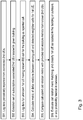
- FIG. 3 An exemplifying flowchart for an indoor classification algorithm, such for deciding the probability that the first UE 121 is in the building 130, is depicted in Figure 3 .
- the network node 110 logs data comprising Reference Signal Received Power (RSRP)/ Physical Cell Identity (PCI) periodically reported from UEs connected to the network node 110, comprising among them the first UE 121, and one or more second UEs 122.
- RSRP Reference Signal Received Power
- PCI Physical Cell Identity
- the UEs connected to the network node 110 may be located outside and/or inside the building 130.
- the network node 110 establishes a set of subscription associated UEs that are located inside the building 130, which comprises the one or more second UEs 122. From the logged data, the network node 110 may create a building 130 to user subscription associated UE list.
- the list may e.g. comprise any one or more out of: IMSI-to landlord Lookup, an IBS PCI and anatomy of indoor solution, other nearby buildings PCIs, Macro PCIs, GPS coordinates for the building 130.
- a Landlord here relates to a building owner or manager.
- the output may e.g. be such as: With probability y % the UEs X2 such as the one of the second UEs 122, are located in building Z3 such as e.g. the building 130, with coordinates latitude X longitude Y.
- the network node 110 logs data from an unknown user such as the first UE 121 in the wireless communications network 100 having a known IBS cell for a specific building such as the building 130, as a reported cell.
- the network node 110 calculates a cell relation metric such as cell relations or delta relations between serving cells and detected neighbor cells of the first UE 121. This is also performed for the one or more second UEs 122.
- a cell relation metric such as cell relations or delta relations between serving cells and detected neighbor cells of the first UE 121. This is also performed for the one or more second UEs 122.
- This Action relates to Action 205 above.
- the network node 110 compares the calculated relations such as matches the cell relation metrics of the fist UE 121 with the cell relation metrics of the one or more second UEs 122.
- the indoor PCI to other cells RSRP metric is calculated. This may be performed by filtering in RSRP domain such as looking at RSRP over a longer time, possibly via a smoothing filter to see how stable/stationary it is, and/or filtering in time domain to benefit from observation that e.g. a known user subscription associated UE has been stable on said PCI relation for e.g. Y1 minutes.
- the output of the calculation may be a metric that provides an RSRP metric, also referred to as a an RSRP fingerprint, telling that with known IBS cell as serving cell with a probability z% the first UE 121 may detect cell Q within q dB and cell W within w dB and e.g. another IBS cell E within e dB.
- an RSRP fingerprint also referred to as a an RSRP fingerprint
- This Action relates to Action 205 above.
- the network node 110 evaluates the compared calculated relations and based on that decides the probability that the first UE 121 is located in the building 130. Such as e.g. basing the decision on to what extent a cell relation metric of the first UE 121 matches the identified cell relation metrics for the one or more second UEs 121
- filtering of signal strength and other radio metrics may be applied for example to estimate the mobility of a user such as the first UE 121. For example, if the first UE 121 when it has seemed stationary for a time, has serving to other cells metric matching the area of the subscription associated users such as the one or more second UEs 122, it is more likely to be positioned in the building 130 area where this subscription-associated users generally are located since stationary outdoor users with an indoor-plausible metric are less probable outdoors.
- the network node 100 has the additional aid of user-subscription association information such as the cell relation metrics of the second user equipments 122.
- This user-subscription association information provides an additional input to help in sorting out in which of the two buildings the first UE 121 probably is located, although not providing absolute certainty.
- Embodiments herein may not be a one-to-one 100 % reliable look-up, but if a general user such as the first UE 121 randomly selected from the network statistics holds same cell-relation metric as a known subscription-associated user such as the one or more second UEs 122, for example having same subscription-associated IBS cell as serving cell and same cell relation metric within some selected delta and given some appropriate filtering applied, it will be likely that the arbitrary selected unknown users has a similar physical location as the prior mentioned known users.
- Embodiments herein provides a capability of the network node 110 to use information of cell relations for users with known or more probable indoor location such as the one or more UEs 122 to improve probability of correct indoor/outdoor position classification for unknown users such as the first UE 121.
- Such capability may be exploited to improve radio resource management For example tuning the network to have indoor cells pick up indoor traffic. To help identify outdoor areas with poor coverage that should either be covered with an indoor cell or have an additional or retuned outdoor cell.
- the network node 110 may comprise the following arrangement depicted in Figure 4 .
- the network node 110, the first UE 121 and one or more second UEs 122 are configured to be operable in the wireless communications network 100.
- the network node 110 is configured to, e.g. by means of a learning module 410 configured to, learn that one or more second UEs 122 are associated to a respective subscription comprised in a group of subscriptions related to the building 130.
- the one or more second UEs 122 are decided to be located in said building 130.
- the network node 110 is further configured to, e.g. by means of an identifying module 420 configured to, identify cell relation metrics for the one or more second UEs 121 associated to the group of subscriptions.
- the cell relation metrics relate to the building 130.
- the group of subscriptions relating to the building 130 may comprise the group of subscriptions belong to a wireless indoor system located in the building 130.
- the network node 110 is further configured to, e.g. by means of a deciding module 430 configured to, decide the probability that the first UE 121 is located in the building 130, based on to what extent a cell relation metric of the first UE 121 matches the identified cell relation metrics for the one or more second UEs 122.
- a deciding module 430 configured to, decide the probability that the first UE 121 is located in the building 130, based on to what extent a cell relation metric of the first UE 121 matches the identified cell relation metrics for the one or more second UEs 122.
- the network node 110 may further be configured to, e.g. by means of the deciding module 430 configured to, decide that the one or more second UEs 122 are located in said building 130, based on knowledge of the group of subscriptions.
- the network node 110 may further be configured to, e.g. by means of a receiving module 440 configured to, receive a report from the respective one or more second UEs 122, which report comprises information about a cell relation metric of the respective second UE 122.
- a receiving module 440 configured to, receive a report from the respective one or more second UEs 122, which report comprises information about a cell relation metric of the respective second UE 122.
- the network node 110 may further be configured to, e.g. by means of the receiving module 440 configured to, receive a report from the first UE 121, which report comprises information about the cell relation metric of the first UE 121.
- the cell relation metrics comprise the relation of a specific UE 121, 122 to any one or more out of: A first cell 101, one or more second cells 102, and the first cell 101 in relation to the one or more second cell 102.
- the first cell 101 may be a serving cell of the specific UE 121, 122, and the one or more second cells 102 may be neighbouring cells of the specific UE 121, 122.
- the specific UE 121, 122 may comprise any one or more out of: the first UE 121, and the one or more second UEs 122.
- the cell relation metrics may be assigned different values with respect to their respective strength of being a basis for deciding the probability that the first UE 121 is located inside the building 130.
- the network node 110 may further be configured to decide the probability that the first UE 121 is located in the building 130, further based on how often the first UE 121 changes serving cell from one cell to another cell.
- the embodiments herein may be implemented through one or more processors, such as a processor 450 in the network node 110 depicted in Figure 4 , together with computer program code for performing the functions and actions of the embodiments herein.
- the program code mentioned above may also be provided as a computer program product, for instance in the form of a data carrier carrying computer program code for performing the embodiments herein when being loaded into the network node 110.
- a data carrier carrying computer program code for performing the embodiments herein when being loaded into the network node 110.
- One such carrier may be in the form of a CD ROM disc. It is however feasible with other data carriers such as a memory stick.
- the computer program code may furthermore be provided as pure program code on a server and downloaded to the network node 110.
- the network node 110 may further comprise a memory 460 comprising one or more memory units.
- the memory 460 comprises instructions executable by the processor 450.
- the memory 460 is arranged to be used to store e.g. information about the cell relation metrics, the cell relation metrics' assigned different values, data, configurations, and applications to perform the methods herein when being executed in the network node 110.
- modules in the network node 110 may refer to a combination of analog and digital circuits, and/or one or more processors configured with software and/or firmware, e.g. stored in the memory 460, that when executed by the one or more processors such as the processor 450 as described above.
- processors may be included in a single Application-Specific Integrated Circuitry (ASIC), or several processors and various digital hardware may be distributed among several separate components, whether individually packaged or assembled into a system-on-a-chip (SoC).
- ASIC Application-Specific Integrated Circuitry
- SoC system-on-a-chip
Landscapes
- Engineering & Computer Science (AREA)
- Physics & Mathematics (AREA)
- General Physics & Mathematics (AREA)
- Radar, Positioning & Navigation (AREA)
- Remote Sensing (AREA)
- Computer Networks & Wireless Communication (AREA)
- Signal Processing (AREA)
- Probability & Statistics with Applications (AREA)
- Mobile Radio Communication Systems (AREA)
Claims (10)
- Verfahren, das von einem Netzwerkknoten (110) durchgeführt wird, zur Bestimmung einer Wahrscheinlichkeit, dass eine erste Benutzereinrichtung, UE, (121) sich in einem Gebäude (130) befindet, wobei der Netzwerkknoten (110), die erste UE (121) und eine oder mehrere zweite UEs (122) in einem drahtlosen Kommunikationsnetzwerk (100) funktionieren, und das Verfahren umfasst:In-Erfahrung-bringen (202), dass eine oder mehrere zweite UEs (122) mit einem jeweiligen Abonnement assoziiert sind, das in einer Gruppe von Abonnements in Bezug auf das Gebäude (130) umfasst ist, wobei bestimmt wird, dass die eine oder die mehreren zweiten UEs (122) sich im Gebäude (130) befinden, wobei die Bestimmung, dass die eine oder die mehreren zweiten UEs (122) sich im Gebäude (130) befinden, auf der Kenntnis der Gruppe von Abonnements basiert,Identifizieren (203) von Zellbeziehungsmetriken für die eine oder die mehreren zweiten UEs (122), die mit der Gruppe von Abonnements assoziiert sind, wobei die Zellbeziehungsmetriken sich auf das Gebäude (130) beziehen,Bestimmen (205) der Wahrscheinlichkeit, dass die erste UE (121) sich im Gebäude (130) befindet, basierend darauf, inwieweit eine Zellbeziehungsmetrik der ersten UE (121) mit den identifizierten Zellbeziehungsmetriken für die eine oder die mehreren zweiten UEs (122) übereinstimmt,wobei die Zellbeziehungsmetriken die Beziehung einer spezifischen UE (121, 122) zu einer oder mehreren umfassen von: einer ersten Zelle (101), einer oder mehreren zweiten Zellen (102) und der ersten Zelle (101) in Beziehung zu der einen oder den mehreren zweiten Zellen (102), wobei die erste Zelle (101) eine versorgende Zelle der spezifischen UE (121, 122) ist, und wobei die eine oder die mehreren zweiten Zellen (102) Nachbarzellen der spezifischen UE (121, 122) sind, wobei die spezifische UE (121,122) eine oder mehrere umfasst von: der ersten UE (121) und der einen oder den mehreren zweiten UEs (122).
- Verfahren nach Anspruch 1, ferner umfassend:Empfangen (201) einer Meldung von der einen oder den mehreren jeweiligen zweiten UEs (122), wobei die Meldung Informationen über eine Zellbeziehungsmetrik der jeweiligen zweiten UE (122) umfasst,Empfangen (204) einer Meldung von der ersten UE (121), wobei die Meldung Informationen über eine Zellbeziehungsmetrik der ersten UE (121) umfasst.
- Verfahren nach einem der Ansprüche 1 bis 2, wobei die Gruppe von Abonnements in Bezug auf das Gebäude (130) umfasst, dass die Gruppe von Abonnements zu einem drahtlosen Innenraumsystem gehört, das sich im Gebäude (130) befindet.
- Verfahren nach einem der Ansprüche 1 bis 3, wobei den Zellbeziehungsmetriken verschiedene Werte in Bezug auf ihre jeweilige Stärke, eine Basis für das Bestimmen (205) der Wahrscheinlichkeit darzustellen, dass die erste UE (121) sich innerhalb des Gebäudes (130) befindet, zugeordnet werden.
- Verfahren nach einem der Ansprüche 1 bis 4, wobei das Bestimmen (205) der Wahrscheinlichkeit, dass die erste UE (121) sich im Gebäude (130) befindet, ferner darauf basiert, wie oft die erste UE (121) eine versorgende Zelle von einer Zelle zu einer anderen Zelle wechselt.
- Netzwerkknoten (110) zum Bestimmen einer Wahrscheinlichkeit, dass eine erste Benutzereinrichtung, UE, (121) sich in einem Gebäude (130) befindet, wobei der Netzwerkknoten (110), die erste UE (121) und eine oder mehrere zweite UEs (122) so konfiguriert sind, dass sie in einem drahtlosen Kommunikationsnetzwerk (100) funktionieren, und wobei der Netzwerkknoten (110) konfiguriert ist zum:- In-Erfahrung-bringen, dass eine oder mehrere zweite UEs (122) mit einem jeweiligen Abonnement assoziiert sind, das in einer Gruppe von Abonnements in Bezug auf das Gebäude (130) umfasst ist, wobei bestimmt wird, dass die eine oder die mehreren zweiten UEs (122) sich im Gebäude (130) befinden, wobei die Bestimmung, dass die eine oder die mehreren zweiten UEs (122) sich im Gebäude (130) befinden, auf der Kenntnis der Gruppe von Abonnements basiert,- Identifizieren von Zellbeziehungsmetriken für die eine oder die mehreren zweiten UEs (122), die mit der Gruppe von Abonnements assoziiert sind, wobei die Zellbeziehungsmetriken sich auf das Gebäude (130) beziehen,- Bestimmen der Wahrscheinlichkeit, dass die erste UE (121) sich im Gebäude (130) befindet, basierend darauf, inwieweit eine Zellbeziehungsmetrik der ersten UE (121) mit den identifizierten Zellbeziehungsmetriken für die eine oder die mehreren zweiten UEs (122) übereinstimmt,wobei die Zellbeziehungsmetriken die Beziehung einer spezifischen UE (121, 122) zu einer oder mehreren umfassen von: einer ersten Zelle (101), einer oder mehreren zweiten Zellen (102) und der ersten Zelle (101) in Beziehung zu der einen oder den mehreren zweiten Zellen (102), wobei die erste Zelle (101) eine versorgende Zelle der spezifischen UE (121, 122) ist, und wobei die eine oder die mehreren zweiten Zellen (102) Nachbarzellen der spezifischen UE (121, 122) sind, wobei die spezifische UE (121,122) eine oder mehrere umfasst von: der ersten UE (121) und der einen oder den mehreren zweiten UEs (122).
- Netzwerkknoten (110) nach Anspruch 6, der ferner konfiguriert ist zum:- Empfangen einer Meldung von der einen oder den mehreren jeweiligen zweiten UEs (122), wobei die Meldung Informationen über eine Zellbeziehungsmetrik der jeweiligen zweiten UE (122) umfasst,- Empfangen einer Meldung von der ersten UE (121), wobei die Meldung Informationen über eine Zellbeziehungsmetrik der ersten UE (121) umfasst.
- Netzwerkknoten (110) einem der Ansprüche 6 bis 7, wobei die Gruppe von Abonnements in Bezug auf das Gebäude (130) umfasst, dass die Gruppe von Abonnements zu einem drahtlosen Innenraumsystem gehört, das sich im Gebäude (130) befindet.
- Netzwerkknoten (110) nach einem der Ansprüche 6 bis 8, wobei den Zellbeziehungsmetriken verschiedene Werte in Bezug auf ihre jeweilige Stärke, eine Basis für das Bestimmen der Wahrscheinlichkeit darzustellen, dass die UE (121) sich innerhalb des Gebäudes (130) befindet, zugeordnet sind.
- Netzwerkknoten (110) nach einem der Ansprüche 6 bis 9, wobei der Netzwerkknoten (110) so konfiguriert ist, dass er die Wahrscheinlichkeit, dass die erste UE (121) sich im Gebäude (130) befindet, ferner basierend darauf bestimmt, wie oft die erste UE (121) eine versorgende Zelle von einer Zelle zu einer anderen Zelle wechselt.
Applications Claiming Priority (1)
| Application Number | Priority Date | Filing Date | Title |
|---|---|---|---|
| PCT/SE2015/050912 WO2017039495A1 (en) | 2015-08-31 | 2015-08-31 | Method and network node for deciding a probability that a first user equipment is located in a building |
Publications (3)
| Publication Number | Publication Date |
|---|---|
| EP3345012A1 EP3345012A1 (de) | 2018-07-11 |
| EP3345012A4 EP3345012A4 (de) | 2018-09-05 |
| EP3345012B1 true EP3345012B1 (de) | 2019-07-10 |
Family
ID=58188107
Family Applications (1)
| Application Number | Title | Priority Date | Filing Date |
|---|---|---|---|
| EP15903150.9A Not-in-force EP3345012B1 (de) | 2015-08-31 | 2015-08-31 | Verfahren und netzwerkknoten zur bestimmung einer wahrscheinlichkeit, dass sich ein erstes benutzergerät in einem gebäude befindet |
Country Status (3)
| Country | Link |
|---|---|
| US (1) | US10425914B2 (de) |
| EP (1) | EP3345012B1 (de) |
| WO (1) | WO2017039495A1 (de) |
Families Citing this family (1)
| Publication number | Priority date | Publication date | Assignee | Title |
|---|---|---|---|---|
| CN112243225B (zh) * | 2019-07-16 | 2022-07-29 | 中国移动通信集团浙江有限公司 | 楼宇室内用户识别方法、装置、设备和存储介质 |
Family Cites Families (22)
| Publication number | Priority date | Publication date | Assignee | Title |
|---|---|---|---|---|
| US20060014548A1 (en) | 2004-07-16 | 2006-01-19 | Telefonaktiebolaget Lm Ericsson (Publ) | Determination of mobile terminal position |
| CN2741293Y (zh) | 2004-10-12 | 2005-11-16 | 上海久隆电力科技有限公司 | 一种具有待机节电功能的电视机 |
| CN2741292Y (zh) | 2004-11-23 | 2005-11-16 | 海信集团有限公司 | Pdp电视机用单通道d类伴音功率放大器 |
| DE102006044293A1 (de) | 2006-03-31 | 2007-10-25 | Siemens Ag | Verfahren zur rechnergestützten Lokalisation eines mobilen Objekts |
| EP2141957A1 (de) | 2008-07-02 | 2010-01-06 | IBBT vzw | System und Verfahren zur Positionsschätzung |
| EP2404439B1 (de) | 2009-03-04 | 2019-04-24 | Nokia Corporation | Positionsüberwachung für ein deckungsgebiet |
| US8976679B2 (en) | 2010-06-09 | 2015-03-10 | Telefonaktiebolaget L M Ericsson (Publ) | Method and communication network node for improving communication performance |
| CN102075936A (zh) | 2010-12-28 | 2011-05-25 | 中兴通讯股份有限公司 | 定位方法及终端 |
| WO2012096603A1 (en) | 2011-01-11 | 2012-07-19 | Telefonaktiebolaget L M Ericsson (Publ) | Nodes and methods for positioning |
| US9229090B2 (en) * | 2012-01-24 | 2016-01-05 | Ta-gang Chiou | Method for indoor/outdoor call judgment |
| US8830909B1 (en) | 2012-02-22 | 2014-09-09 | Google Inc. | Methods and systems to determine user relationships, events and spaces using wireless fingerprints |
| US9913239B2 (en) | 2012-03-09 | 2018-03-06 | Qualcomm Incorporated | Method and system for determining location of mobile devices in a femtocell |
| WO2013149382A1 (en) | 2012-04-05 | 2013-10-10 | Telefonaktiebolaget L M Ericsson (Publ) | Method and apparatus for determining geographic position of mobile terminals |
| US9234958B2 (en) | 2012-04-19 | 2016-01-12 | Nokia Technologies Oy | Method, apparatus, and computer program product for distributed indoor three-dimensional radiomap |
| US8930134B2 (en) | 2012-06-12 | 2015-01-06 | Sears Brands, Llc | Systems and methods for high-precision indoor positioning, navigation and shopping behavior profiling |
| US9494432B2 (en) * | 2012-06-19 | 2016-11-15 | Qualcomm Incorporated | Collaborative navigation techniques for mobile devices |
| KR101417920B1 (ko) | 2012-11-12 | 2014-07-09 | 에스케이 텔레콤주식회사 | 가중치를 이용한 측위 방법과 그를 위한 측위 장치 |
| EP2809107B1 (de) | 2013-05-29 | 2019-07-24 | Nokia Technologies Oy | Nähebezogene Messkonfiguration zur Auffindung von Radiozellen |
| US9433010B2 (en) * | 2014-01-27 | 2016-08-30 | Qualcomm Incorporated | Method and apparatus for network based positioning (NBP) |
| CN106170712B (zh) | 2014-02-07 | 2019-05-17 | 飞利浦灯具控股公司 | 以网络为中心的定位 |
| WO2015126901A1 (en) * | 2014-02-18 | 2015-08-27 | Andrew Llc | System and method for information enhancement in a mobile environment |
| US20160227367A1 (en) * | 2015-02-04 | 2016-08-04 | Sensewhere Limited | Method of providing positioning data to mobile device |
-
2015
- 2015-08-31 US US15/747,042 patent/US10425914B2/en not_active Expired - Fee Related
- 2015-08-31 WO PCT/SE2015/050912 patent/WO2017039495A1/en not_active Ceased
- 2015-08-31 EP EP15903150.9A patent/EP3345012B1/de not_active Not-in-force
Non-Patent Citations (1)
| Title |
|---|
| None * |
Also Published As
| Publication number | Publication date |
|---|---|
| EP3345012A4 (de) | 2018-09-05 |
| WO2017039495A1 (en) | 2017-03-09 |
| US10425914B2 (en) | 2019-09-24 |
| US20180376450A1 (en) | 2018-12-27 |
| EP3345012A1 (de) | 2018-07-11 |
Similar Documents
| Publication | Publication Date | Title |
|---|---|---|
| JP6189912B2 (ja) | セルラネットワークにおける測位支援方法及び装置 | |
| US9462529B2 (en) | Method and apparatus for accounting of cell related data | |
| US10477559B2 (en) | Handover of a user equipment between an indoor and an outdoor network node | |
| US10827361B2 (en) | Method in a radio communication network | |
| CN102256284A (zh) | 邻区关系的发现方法、pci检测方法和演进基站 | |
| US12342189B2 (en) | Cellular network indoor traffic auto-detection | |
| US11844041B2 (en) | Method and apparatus for fingerprinting positioning | |
| US9883341B2 (en) | Wireless device, a radio network node, a network node and methods therein | |
| EP3520513B1 (de) | Drahtlose vorrichtung, kernnetzwerkknoten und verfahren darin | |
| KR20160136306A (ko) | 포지셔닝 측정 관리를 위한 방법 및 장치 | |
| US12200574B2 (en) | Dynamic tracing in wireless communication networks | |
| JP7100645B2 (ja) | 位置算出装置、無線基地局、位置算出方法、および測位制御方法 | |
| US20140357274A1 (en) | Cell handovers | |
| EP3345012B1 (de) | Verfahren und netzwerkknoten zur bestimmung einer wahrscheinlichkeit, dass sich ein erstes benutzergerät in einem gebäude befindet | |
| US20170171835A1 (en) | A Network Node, a User Equipment, and Methods Therein | |
| US10382967B2 (en) | Location information protection | |
| JP2018023051A (ja) | 無線アクセスネットワークノード、Mobile Edge Computingサーバ、および通信システム |
Legal Events
| Date | Code | Title | Description |
|---|---|---|---|
| STAA | Information on the status of an ep patent application or granted ep patent |
Free format text: STATUS: THE INTERNATIONAL PUBLICATION HAS BEEN MADE |
|
| PUAI | Public reference made under article 153(3) epc to a published international application that has entered the european phase |
Free format text: ORIGINAL CODE: 0009012 |
|
| STAA | Information on the status of an ep patent application or granted ep patent |
Free format text: STATUS: REQUEST FOR EXAMINATION WAS MADE |
|
| 17P | Request for examination filed |
Effective date: 20180126 |
|
| AK | Designated contracting states |
Kind code of ref document: A1 Designated state(s): AL AT BE BG CH CY CZ DE DK EE ES FI FR GB GR HR HU IE IS IT LI LT LU LV MC MK MT NL NO PL PT RO RS SE SI SK SM TR |
|
| AX | Request for extension of the european patent |
Extension state: BA ME |
|
| STAA | Information on the status of an ep patent application or granted ep patent |
Free format text: STATUS: EXAMINATION IS IN PROGRESS |
|
| A4 | Supplementary search report drawn up and despatched |
Effective date: 20180802 |
|
| RIC1 | Information provided on ipc code assigned before grant |
Ipc: G01S 5/02 20100101AFI20180727BHEP Ipc: H04W 64/00 20090101ALI20180727BHEP |
|
| 17Q | First examination report despatched |
Effective date: 20180820 |
|
| DAV | Request for validation of the european patent (deleted) | ||
| DAX | Request for extension of the european patent (deleted) | ||
| GRAP | Despatch of communication of intention to grant a patent |
Free format text: ORIGINAL CODE: EPIDOSNIGR1 |
|
| STAA | Information on the status of an ep patent application or granted ep patent |
Free format text: STATUS: GRANT OF PATENT IS INTENDED |
|
| INTG | Intention to grant announced |
Effective date: 20190409 |
|
| GRAS | Grant fee paid |
Free format text: ORIGINAL CODE: EPIDOSNIGR3 |
|
| GRAA | (expected) grant |
Free format text: ORIGINAL CODE: 0009210 |
|
| STAA | Information on the status of an ep patent application or granted ep patent |
Free format text: STATUS: THE PATENT HAS BEEN GRANTED |
|
| AK | Designated contracting states |
Kind code of ref document: B1 Designated state(s): AL AT BE BG CH CY CZ DE DK EE ES FI FR GB GR HR HU IE IS IT LI LT LU LV MC MK MT NL NO PL PT RO RS SE SI SK SM TR |
|
| REG | Reference to a national code |
Ref country code: GB Ref legal event code: FG4D |
|
| REG | Reference to a national code |
Ref country code: CH Ref legal event code: EP Ref country code: AT Ref legal event code: REF Ref document number: 1154158 Country of ref document: AT Kind code of ref document: T Effective date: 20190715 |
|
| REG | Reference to a national code |
Ref country code: DE Ref legal event code: R096 Ref document number: 602015033782 Country of ref document: DE |
|
| REG | Reference to a national code |
Ref country code: IE Ref legal event code: FG4D |
|
| REG | Reference to a national code |
Ref country code: NL Ref legal event code: MP Effective date: 20190710 |
|
| REG | Reference to a national code |
Ref country code: LT Ref legal event code: MG4D |
|
| REG | Reference to a national code |
Ref country code: AT Ref legal event code: MK05 Ref document number: 1154158 Country of ref document: AT Kind code of ref document: T Effective date: 20190710 |
|
| PG25 | Lapsed in a contracting state [announced via postgrant information from national office to epo] |
Ref country code: FI Free format text: LAPSE BECAUSE OF FAILURE TO SUBMIT A TRANSLATION OF THE DESCRIPTION OR TO PAY THE FEE WITHIN THE PRESCRIBED TIME-LIMIT Effective date: 20190710 Ref country code: HR Free format text: LAPSE BECAUSE OF FAILURE TO SUBMIT A TRANSLATION OF THE DESCRIPTION OR TO PAY THE FEE WITHIN THE PRESCRIBED TIME-LIMIT Effective date: 20190710 Ref country code: AT Free format text: LAPSE BECAUSE OF FAILURE TO SUBMIT A TRANSLATION OF THE DESCRIPTION OR TO PAY THE FEE WITHIN THE PRESCRIBED TIME-LIMIT Effective date: 20190710 Ref country code: SE Free format text: LAPSE BECAUSE OF FAILURE TO SUBMIT A TRANSLATION OF THE DESCRIPTION OR TO PAY THE FEE WITHIN THE PRESCRIBED TIME-LIMIT Effective date: 20190710 Ref country code: LT Free format text: LAPSE BECAUSE OF FAILURE TO SUBMIT A TRANSLATION OF THE DESCRIPTION OR TO PAY THE FEE WITHIN THE PRESCRIBED TIME-LIMIT Effective date: 20190710 Ref country code: PT Free format text: LAPSE BECAUSE OF FAILURE TO SUBMIT A TRANSLATION OF THE DESCRIPTION OR TO PAY THE FEE WITHIN THE PRESCRIBED TIME-LIMIT Effective date: 20191111 Ref country code: BG Free format text: LAPSE BECAUSE OF FAILURE TO SUBMIT A TRANSLATION OF THE DESCRIPTION OR TO PAY THE FEE WITHIN THE PRESCRIBED TIME-LIMIT Effective date: 20191010 Ref country code: NL Free format text: LAPSE BECAUSE OF FAILURE TO SUBMIT A TRANSLATION OF THE DESCRIPTION OR TO PAY THE FEE WITHIN THE PRESCRIBED TIME-LIMIT Effective date: 20190710 Ref country code: NO Free format text: LAPSE BECAUSE OF FAILURE TO SUBMIT A TRANSLATION OF THE DESCRIPTION OR TO PAY THE FEE WITHIN THE PRESCRIBED TIME-LIMIT Effective date: 20191010 |
|
| PG25 | Lapsed in a contracting state [announced via postgrant information from national office to epo] |
Ref country code: ES Free format text: LAPSE BECAUSE OF FAILURE TO SUBMIT A TRANSLATION OF THE DESCRIPTION OR TO PAY THE FEE WITHIN THE PRESCRIBED TIME-LIMIT Effective date: 20190710 Ref country code: LV Free format text: LAPSE BECAUSE OF FAILURE TO SUBMIT A TRANSLATION OF THE DESCRIPTION OR TO PAY THE FEE WITHIN THE PRESCRIBED TIME-LIMIT Effective date: 20190710 Ref country code: IS Free format text: LAPSE BECAUSE OF FAILURE TO SUBMIT A TRANSLATION OF THE DESCRIPTION OR TO PAY THE FEE WITHIN THE PRESCRIBED TIME-LIMIT Effective date: 20191110 Ref country code: AL Free format text: LAPSE BECAUSE OF FAILURE TO SUBMIT A TRANSLATION OF THE DESCRIPTION OR TO PAY THE FEE WITHIN THE PRESCRIBED TIME-LIMIT Effective date: 20190710 Ref country code: RS Free format text: LAPSE BECAUSE OF FAILURE TO SUBMIT A TRANSLATION OF THE DESCRIPTION OR TO PAY THE FEE WITHIN THE PRESCRIBED TIME-LIMIT Effective date: 20190710 Ref country code: GR Free format text: LAPSE BECAUSE OF FAILURE TO SUBMIT A TRANSLATION OF THE DESCRIPTION OR TO PAY THE FEE WITHIN THE PRESCRIBED TIME-LIMIT Effective date: 20191011 |
|
| PG25 | Lapsed in a contracting state [announced via postgrant information from national office to epo] |
Ref country code: TR Free format text: LAPSE BECAUSE OF FAILURE TO SUBMIT A TRANSLATION OF THE DESCRIPTION OR TO PAY THE FEE WITHIN THE PRESCRIBED TIME-LIMIT Effective date: 20190710 |
|
| PG25 | Lapsed in a contracting state [announced via postgrant information from national office to epo] |
Ref country code: IT Free format text: LAPSE BECAUSE OF FAILURE TO SUBMIT A TRANSLATION OF THE DESCRIPTION OR TO PAY THE FEE WITHIN THE PRESCRIBED TIME-LIMIT Effective date: 20190710 Ref country code: EE Free format text: LAPSE BECAUSE OF FAILURE TO SUBMIT A TRANSLATION OF THE DESCRIPTION OR TO PAY THE FEE WITHIN THE PRESCRIBED TIME-LIMIT Effective date: 20190710 Ref country code: RO Free format text: LAPSE BECAUSE OF FAILURE TO SUBMIT A TRANSLATION OF THE DESCRIPTION OR TO PAY THE FEE WITHIN THE PRESCRIBED TIME-LIMIT Effective date: 20190710 Ref country code: DK Free format text: LAPSE BECAUSE OF FAILURE TO SUBMIT A TRANSLATION OF THE DESCRIPTION OR TO PAY THE FEE WITHIN THE PRESCRIBED TIME-LIMIT Effective date: 20190710 Ref country code: PL Free format text: LAPSE BECAUSE OF FAILURE TO SUBMIT A TRANSLATION OF THE DESCRIPTION OR TO PAY THE FEE WITHIN THE PRESCRIBED TIME-LIMIT Effective date: 20190710 |
|
| PG25 | Lapsed in a contracting state [announced via postgrant information from national office to epo] |
Ref country code: LI Free format text: LAPSE BECAUSE OF NON-PAYMENT OF DUE FEES Effective date: 20190831 Ref country code: CZ Free format text: LAPSE BECAUSE OF FAILURE TO SUBMIT A TRANSLATION OF THE DESCRIPTION OR TO PAY THE FEE WITHIN THE PRESCRIBED TIME-LIMIT Effective date: 20190710 Ref country code: SK Free format text: LAPSE BECAUSE OF FAILURE TO SUBMIT A TRANSLATION OF THE DESCRIPTION OR TO PAY THE FEE WITHIN THE PRESCRIBED TIME-LIMIT Effective date: 20190710 Ref country code: MC Free format text: LAPSE BECAUSE OF FAILURE TO SUBMIT A TRANSLATION OF THE DESCRIPTION OR TO PAY THE FEE WITHIN THE PRESCRIBED TIME-LIMIT Effective date: 20190710 Ref country code: SM Free format text: LAPSE BECAUSE OF FAILURE TO SUBMIT A TRANSLATION OF THE DESCRIPTION OR TO PAY THE FEE WITHIN THE PRESCRIBED TIME-LIMIT Effective date: 20190710 Ref country code: IS Free format text: LAPSE BECAUSE OF FAILURE TO SUBMIT A TRANSLATION OF THE DESCRIPTION OR TO PAY THE FEE WITHIN THE PRESCRIBED TIME-LIMIT Effective date: 20200224 Ref country code: LU Free format text: LAPSE BECAUSE OF NON-PAYMENT OF DUE FEES Effective date: 20190831 Ref country code: CH Free format text: LAPSE BECAUSE OF NON-PAYMENT OF DUE FEES Effective date: 20190831 |
|
| REG | Reference to a national code |
Ref country code: BE Ref legal event code: MM Effective date: 20190831 |
|
| REG | Reference to a national code |
Ref country code: DE Ref legal event code: R097 Ref document number: 602015033782 Country of ref document: DE |
|
| PLBE | No opposition filed within time limit |
Free format text: ORIGINAL CODE: 0009261 |
|
| STAA | Information on the status of an ep patent application or granted ep patent |
Free format text: STATUS: NO OPPOSITION FILED WITHIN TIME LIMIT |
|
| PG2D | Information on lapse in contracting state deleted |
Ref country code: IS |
|
| PG25 | Lapsed in a contracting state [announced via postgrant information from national office to epo] |
Ref country code: IE Free format text: LAPSE BECAUSE OF NON-PAYMENT OF DUE FEES Effective date: 20190831 |
|
| 26N | No opposition filed |
Effective date: 20200603 |
|
| PG25 | Lapsed in a contracting state [announced via postgrant information from national office to epo] |
Ref country code: SI Free format text: LAPSE BECAUSE OF FAILURE TO SUBMIT A TRANSLATION OF THE DESCRIPTION OR TO PAY THE FEE WITHIN THE PRESCRIBED TIME-LIMIT Effective date: 20190710 Ref country code: BE Free format text: LAPSE BECAUSE OF NON-PAYMENT OF DUE FEES Effective date: 20190831 |
|
| PGFP | Annual fee paid to national office [announced via postgrant information from national office to epo] |
Ref country code: GB Payment date: 20200827 Year of fee payment: 6 |
|
| PG25 | Lapsed in a contracting state [announced via postgrant information from national office to epo] |
Ref country code: CY Free format text: LAPSE BECAUSE OF FAILURE TO SUBMIT A TRANSLATION OF THE DESCRIPTION OR TO PAY THE FEE WITHIN THE PRESCRIBED TIME-LIMIT Effective date: 20190710 |
|
| PG25 | Lapsed in a contracting state [announced via postgrant information from national office to epo] |
Ref country code: HU Free format text: LAPSE BECAUSE OF FAILURE TO SUBMIT A TRANSLATION OF THE DESCRIPTION OR TO PAY THE FEE WITHIN THE PRESCRIBED TIME-LIMIT; INVALID AB INITIO Effective date: 20150831 Ref country code: MT Free format text: LAPSE BECAUSE OF FAILURE TO SUBMIT A TRANSLATION OF THE DESCRIPTION OR TO PAY THE FEE WITHIN THE PRESCRIBED TIME-LIMIT Effective date: 20190710 |
|
| PGFP | Annual fee paid to national office [announced via postgrant information from national office to epo] |
Ref country code: FR Payment date: 20210825 Year of fee payment: 7 |
|
| PGFP | Annual fee paid to national office [announced via postgrant information from national office to epo] |
Ref country code: DE Payment date: 20210827 Year of fee payment: 7 |
|
| GBPC | Gb: european patent ceased through non-payment of renewal fee |
Effective date: 20210831 |
|
| PG25 | Lapsed in a contracting state [announced via postgrant information from national office to epo] |
Ref country code: MK Free format text: LAPSE BECAUSE OF FAILURE TO SUBMIT A TRANSLATION OF THE DESCRIPTION OR TO PAY THE FEE WITHIN THE PRESCRIBED TIME-LIMIT Effective date: 20190710 |
|
| PG25 | Lapsed in a contracting state [announced via postgrant information from national office to epo] |
Ref country code: GB Free format text: LAPSE BECAUSE OF NON-PAYMENT OF DUE FEES Effective date: 20210831 |
|
| REG | Reference to a national code |
Ref country code: DE Ref legal event code: R119 Ref document number: 602015033782 Country of ref document: DE |
|
| PG25 | Lapsed in a contracting state [announced via postgrant information from national office to epo] |
Ref country code: FR Free format text: LAPSE BECAUSE OF NON-PAYMENT OF DUE FEES Effective date: 20220831 Ref country code: DE Free format text: LAPSE BECAUSE OF NON-PAYMENT OF DUE FEES Effective date: 20230301 |