EP3621605B1 - Bétaïne pour la prévention de l'obésité - Google Patents
Bétaïne pour la prévention de l'obésité Download PDFInfo
- Publication number
- EP3621605B1 EP3621605B1 EP18722567.7A EP18722567A EP3621605B1 EP 3621605 B1 EP3621605 B1 EP 3621605B1 EP 18722567 A EP18722567 A EP 18722567A EP 3621605 B1 EP3621605 B1 EP 3621605B1
- Authority
- EP
- European Patent Office
- Prior art keywords
- betaine
- betaine compound
- obesity
- subject
- use according
- Prior art date
- Legal status (The legal status is an assumption and is not a legal conclusion. Google has not performed a legal analysis and makes no representation as to the accuracy of the status listed.)
- Active
Links
- 0 C*(C)(CC(C1)O)C1C(O)=O Chemical compound C*(C)(CC(C1)O)C1C(O)=O 0.000 description 1
Images




Classifications
-
- A—HUMAN NECESSITIES
- A61—MEDICAL OR VETERINARY SCIENCE; HYGIENE
- A61K—PREPARATIONS FOR MEDICAL, DENTAL OR TOILETRY PURPOSES
- A61K31/00—Medicinal preparations containing organic active ingredients
- A61K31/185—Acids; Anhydrides, halides or salts thereof, e.g. sulfur acids, imidic, hydrazonic or hydroximic acids
- A61K31/205—Amine addition salts of organic acids; Inner quaternary ammonium salts, e.g. betaine, carnitine
-
- A—HUMAN NECESSITIES
- A61—MEDICAL OR VETERINARY SCIENCE; HYGIENE
- A61K—PREPARATIONS FOR MEDICAL, DENTAL OR TOILETRY PURPOSES
- A61K31/00—Medicinal preparations containing organic active ingredients
- A61K31/28—Compounds containing heavy metals
- A61K31/285—Arsenic compounds
-
- A—HUMAN NECESSITIES
- A61—MEDICAL OR VETERINARY SCIENCE; HYGIENE
- A61K—PREPARATIONS FOR MEDICAL, DENTAL OR TOILETRY PURPOSES
- A61K31/00—Medicinal preparations containing organic active ingredients
- A61K31/33—Heterocyclic compounds
- A61K31/395—Heterocyclic compounds having nitrogen as a ring hetero atom, e.g. guanethidine or rifamycins
- A61K31/40—Heterocyclic compounds having nitrogen as a ring hetero atom, e.g. guanethidine or rifamycins having five-membered rings with one nitrogen as the only ring hetero atom, e.g. sulpiride, succinimide, tolmetin, buflomedil
- A61K31/401—Proline; Derivatives thereof, e.g. captopril
-
- A—HUMAN NECESSITIES
- A61—MEDICAL OR VETERINARY SCIENCE; HYGIENE
- A61K—PREPARATIONS FOR MEDICAL, DENTAL OR TOILETRY PURPOSES
- A61K31/00—Medicinal preparations containing organic active ingredients
- A61K31/33—Heterocyclic compounds
- A61K31/395—Heterocyclic compounds having nitrogen as a ring hetero atom, e.g. guanethidine or rifamycins
- A61K31/40—Heterocyclic compounds having nitrogen as a ring hetero atom, e.g. guanethidine or rifamycins having five-membered rings with one nitrogen as the only ring hetero atom, e.g. sulpiride, succinimide, tolmetin, buflomedil
- A61K31/403—Heterocyclic compounds having nitrogen as a ring hetero atom, e.g. guanethidine or rifamycins having five-membered rings with one nitrogen as the only ring hetero atom, e.g. sulpiride, succinimide, tolmetin, buflomedil condensed with carbocyclic rings, e.g. carbazole
- A61K31/404—Indoles, e.g. pindolol
- A61K31/405—Indole-alkanecarboxylic acids; Derivatives thereof, e.g. tryptophan, indomethacin
-
- A—HUMAN NECESSITIES
- A61—MEDICAL OR VETERINARY SCIENCE; HYGIENE
- A61K—PREPARATIONS FOR MEDICAL, DENTAL OR TOILETRY PURPOSES
- A61K33/00—Medicinal preparations containing inorganic active ingredients
- A61K33/24—Heavy metals; Compounds thereof
- A61K33/36—Arsenic; Compounds thereof
-
- A—HUMAN NECESSITIES
- A61—MEDICAL OR VETERINARY SCIENCE; HYGIENE
- A61K—PREPARATIONS FOR MEDICAL, DENTAL OR TOILETRY PURPOSES
- A61K35/00—Medicinal preparations containing materials or reaction products thereof with undetermined constitution
- A61K35/12—Materials from mammals; Compositions comprising non-specified tissues or cells; Compositions comprising non-embryonic stem cells; Genetically modified cells
- A61K35/20—Milk; Whey; Colostrum
-
- A—HUMAN NECESSITIES
- A61—MEDICAL OR VETERINARY SCIENCE; HYGIENE
- A61P—SPECIFIC THERAPEUTIC ACTIVITY OF CHEMICAL COMPOUNDS OR MEDICINAL PREPARATIONS
- A61P3/00—Drugs for disorders of the metabolism
- A61P3/04—Anorexiants; Antiobesity agents
Definitions
- the present invention relates to the field of nutrition and disease, more particularly to the prevention and treatment of obesity and related diseases.
- Obesity is widely recognized as a chronic disease associated with many serious health problems including type 2 diabetes, cardiovascular disease, hypertension, and at least a dozen types of cancer.
- type 2 diabetes cardiovascular disease
- hypertension hypertension
- at least a dozen types of cancer In the past three decades, the prevalence of obesity and overweight has risen substantially and affects over 600 million people globally. authorities worldwide view it as one of the most serious public health problems of the 21st century.
- Surgical interventions are effective for the treatment of obesity and are routinely performed in some countries in severe obese patients.
- the types of procedures include laparoscopic adjustable gastric banding, Roux-en-Y gastric bypass, vertical-sleeve gastrectomy, and biliopancreatic diversion.
- Surgery for severe obesity is associated with long-term weight loss, improvement in obesity related conditions, and decreased overall mortality.
- associated costs to public health are high and complications occur in about 17% of cases (reoperation is needed in 7% of cases). Due to its cost and risks, researchers are searching for other effective yet less invasive treatments for this condition.
- Childhood obesity has been steadily increasing in developed countries and has become a mayor public concern. Governments worldwide design strategic plans and launch official publicity programs to raise awareness on this issue. But childhood obesity is not easily dealt with, since constant dieting is difficult to be observed by children and surgical interventions are not indicated. Great efforts are being made in prevention strategies but these often fail on the face of lifestyle and dietary habits.
- EP2143341 describes a composition to be administered to an infant to prevent future obesity, said composition comprising oligosaccharides.
- CN101322698 describes that betaine is effective in treating to prevent or treat obesity.
- FR2710245 and US2014/050810 describe compositions to treat obesity comprising betaine.
- Linde van Lee, et al disclose that high betaine maternal status is generally associated with smaller infant birth size and less abdominal fat mass.
- the inventors have surprisingly found that administering betaine to infants reduces the incidence of obesity and associated disorders not only while supplementation is performed, but also later in the life of said infants, far after betaine supplementation has been stopped.
- a first aspect of the invention provides a betaine compound for use in the prevention of obesity, excessive fat accumulation and/or metabolic disorders associated with either of the foregoing in a subject, wherein the prevention comprises administering the betaine compound directly to the subject during infancy or, alternatively, to the subject's mother during breast-feeding.
- the above aspect may be reformulated as use of a betaine compound for the preparation of a composition for the prevention of obesity, excessive fat accumulation and/or metabolic disorders associated with either of the foregoing in a subject, wherein the prevention comprises administering the betaine compound directly to the subject during infancy or, alternatively, to the subject's mother during breast-feeding.
- the invention also relates to a method for the prevention of obesity, excessive fat accumulation and/or metabolic disorders associated with either of the foregoing in a subject comprising administering an effective amount of the betaine compound together with pharmaceutically or edible acceptable excipients and/or carriers directly to the subject during infancy or, alternatively, to the subject's mother during breast-feeding.
- the invention provides a composition comprising an effective amount of a betaine compound together with one or more pharmaceutically or edible acceptable excipients and/or carriers for use as defined above.
- the composition may be a pharmaceutical composition (that is, a medicament) or a non-pharmaceutical composition, such as an edible composition, for example a food product or a dietary supplement.
- the present invention is related to prevention of obesity, excessive fat accumulation and associated disorders by administering a betaine compound to infants.
- “Obesity” is a condition in which the natural energy reserve, stored in the fatty tissue of animals, in particular humans and other mammals, is increased to a point where it is associated with certain health conditions or increased mortality.
- the expression “excessive fat accumulation” is understood as having more body fat than is optimally healthy.
- “Excessive fat accumulation” may be also termed “overweight”. Obesity and excessive fat accumulation are usually defined by the Body mass index of an individual.
- Body mass index or “BMI” means the ratio of weight in kg divided by the height in meters, squared.
- “Obesity” is generally defined for a human adult as having a BMI greater than 30.
- “Overweight” is generally considered for human adults as BMI from 25 to 30.
- Percentiles and z-scores are the most commonly used indicator to assess the size and growth patterns of individual children.
- the percentile indicates the relative position of the child's BMI or weight-for-length in a population of individuals with the same sex and age.
- the z-score indicates the number of standard deviations (SDS) that one individual deviates from the mean of a population with the same sex and age.
- Metabolic disorders that are associated with overweight, obesity and/or excessive fat accumulation are well known to skilled artisans.
- these disorders include cardiovascular diseases such as coronary heart disease; insulin resistance; type 2 diabetes; hypertension; sleep apnoea, respiratory problems and /or dyslipidaemia; but also some cancers such as endometrial, breast, and/or colon cancer; stroke; liver and gallbladder disease; osteoarthritis; and/or gynaecological problems.
- the metabolic disorders that are associated with obesity and/or excessive fat accumulation are selected from coronary heart disease, insulin resistance, type 2 diabetes, hypertension, dyslipidaemia, and sleep apnoea, more particularly with coronary heart disease, hypertension, dyslipidaemia, and sleep apnoea.
- infant is understood as the time period when a subject has an age for which breast feeding is recommended, either as sole feeding means or combined with infant formula and/or solid food.
- infancy is usually considered from 0 to around 2 years of age, i.e. from birth to around 2 years of age.
- infanthood same as the terms “childhood”, “adolescence” and “adulthood” is not an absolute term, since it depends on the maturation of each individual. Thus, each of these terms is associated to an average age range, more than to an exact age range.
- “Childhood” is understood in the sense of the present invention as the period between infancy and the beginning of puberty. "Puberty” is generally defined as the process of physical changes through which a child's body matures into an adult body capable of sexual reproduction. The terms “puberty” and “adolescence” are used interchangeably. On average for humans, girls begin puberty around ages 10-11; boys around ages 11-12. Thus, for humans, “childhood” expands on average from around 3 to around 12 years of age. “Puberty” expands in humans on average from around 13 to around 18 years of age.
- “Adulthood” is generally defined as the period starting from the end of puberty, when the individual is fully growth and sexually mature. In human context, the term adult additionally has meanings associated with social and legal concepts. In the sense of the present invention the term “adulthood” refers preferably to biological adulthood, which in humans starts at around age 18 until death of the individual.
- Prevention is understood in the sense of avoiding developing obesity, excessive fat accumulation and/or metabolic disorders associated with either of the foregoing, as well as to reducing the likelihood of developing obesity, excessive fat accumulation and/or metabolic disorders associated with either of the foregoing.
- mother is the female that is breast-feeding the subject as an infant.
- the mother is usually but not necessarily the female parent of the subject.
- Infection is understood as the invasion of an organism's body tissues by disease-causing agents (often called pathogens), their multiplication, and the reaction of host tissues to these organisms and the toxins they produce. Infections are the cause of a great number of diseases.
- an effective amount refers to the amount of a compound that, when administered, is sufficient to prevent development of, or alleviate to some extent, one or more of the symptoms of the condition which is addressed.
- the particular dose of compound administered according to this invention will of course be determined by the particular circumstances surrounding the case, including the compound administered, the route of administration, the particular condition being treated, and the similar considerations.
- the composition of the invention is a pharmaceutical composition
- the "effective amount” is a "therapeutically effective amount”.
- pharmaceutically acceptable excipients and/or carriers refers to pharmaceutically acceptable materials, compositions or vehicles. Each component must be pharmaceutically acceptable in the sense of being compatible with the other ingredients of the pharmaceutical composition. It must also be suitable for use in contact with the tissue or organ of humans and animals without excessive toxicity, irritation, allergic response, immunogenicity or other problems or complications commensurate with a reasonable benefit/risk ratio.
- edible acceptable excipients and/or carriers refers to ingredients, materials, compositions or vehicles that are acceptable for edible compositions, such as food products, nutraceuticals or dietary supplements. "Edible acceptable excipients and/or carriers" must be food grade ingredients.
- Each component must be edible acceptable in the sense of being compatible with the other ingredients of the edible composition. It must also be suitable for use when ingested without excessive toxicity, irritation, allergic response, immunogenicity or other problems or complications commensurate with a reasonable benefit/risk ratio.
- dietary supplement refers to a preparation intended to supplement the diet and provide nutrients that may be missing or may not be consumed in sufficient quantity in a person's diet.
- Infant formula is understood as generally in the art as a manufactured food designed and marketed for feeding to infants and usually prepared for bottle-feeding or cup-feeding from powder (mixed with water) or liquid (with or without additional water).
- Betaine compound in the sense of the present invention is understood as zwitterionic compounds like glycine betaine (also called N,N,N-trimethylammonioacetate or N,N,N-trimethylglycine) and compounds similar to glycine betaine derived from other amino acids.
- the betaine compound has the formula (I): wherein:
- (C1-Cn)-alkyl refers to a saturated branched or linear hydrocarbon side chain with 1 to n carbon atoms.
- betaine compound is selected from glycine betaine, arsenobetaine, proline betaine, 4-hydroxyproline betaine and tryptophan betaine, represented, respectively, by formula II to VI:
- the betaine compound is selected from glycine betaine, arsenobetaine and proline betaine. In yet another embodiment, the betaine compound is glycine betaine.
- the present invention finds application in mammals, for veterinary or medicinal fields.
- the invention is useful in particular in the fields of pet's health, livestock health and human health.
- the present invention finds application in human health.
- the betaine compound is for administration to humans.
- the betaine compound is for the prevention of obesity.
- the prevention of obesity, excessive fat accumulation and/or metabolic disorders associated with either of the foregoing comprises the prevention after infancy, that is, in the subject's childhood, in the subject's adolescence and/or in the subject's adulthood.
- the prevention of obesity, excessive fat accumulation and/or metabolic disorders associated with either of the foregoing comprises the prevention starting from 3 years of age, starting from 13 years of age and/or starting from 18 years of age.
- the subjects are at higher risk of developing obesity, excessive fat accumulation and/or metabolic disorders associated with either of the foregoing. Interventions to reduce the likelihood of developing these conditions in such at-risk population are particularly beneficial.
- the subjects are at risk of suffering from obesity, excessive fat accumulation, and/or metabolic disorders associated with either of the foregoing.
- Some early-life factors have been clearly associated with overweight, obesity and associated disorders later in life, i.e. during childhood, adolescence and/or adulthood. Among them, maternal obesity and diabetes, foetus undernutrition, excess gestational weight gain, lack of breast-feeding, maternal smoking and rapid infant growth are particularly representative. These risk factors may be due to lifestyle or genetic reasons. Although the association may be modest for each of the risk factors, a large effect may be achieved when acting on a small attributable risk if the risk factor is highly prevalent in a population. Also, some possible determinants may become more important than others because they are easier to be addressed through the implementation of an effective intervention.
- the subjects have a condition selected from being born to obese mothers, have suffered intrauterine growth retardation, have low birth-weight (in particular a weight-for-length located on or below the 3th percentile), have rapid weight gain after birth, and combinations thereof.
- an effective strategy to prevent obesity, excessive fat accumulation and/or associated disorders may be feeding a betaine compound to the breast-feeding mothers.
- the betaine compound is administered to the subject's mother while breast-feeding.
- this strategy is not always possible, because some infants are mainly or solely fed on infant formula.
- formula-fed infants are at higher risk of accelerated growth and obesity.
- Prevention of obesity by betaine compound administration to these infants is desirable.
- the betaine compound is administered directly to the subject during infancy.
- Direct administration to the subject during infancy may be achieved, for example, by including betaine compound in infant formula, infant food or dietary supplements for infants. Direct administration to the subjects during infancy may also be in the form of a solution containing the betaine compound and appropriate excipients and/or carriers for oral administration, for example, with a syringe or with a dropper.
- the betaine compound is administered to a male human subject during infancy.
- the betaine compound is administered to a female human subject during infancy.
- the inventors have found that the amount of betaine compound that is needed to obtain the effect of preventing obesity, excessive fat accumulation and/or metabolic disorders associated with either of the foregoing is far above what can be obtained with the natural diet, and is also far above what could be obtained by increasing the ingestion of natural betaine sources.
- the amount of betaine compound that needs to be administered directly to the subject during infancy in order to achieve the sought effect may be from 2 to 500 mg/Kg/day, in particular from 4 to 100 mg/Kg/day, more particularly from 4 to 50 mg/Kg/day.
- another embodiment of the invention refers to a betaine compound for use as defined above, wherein the prevention and/or treatment comprises administering directly to the subject during infancy from 4 to 100 mg betaine compound/Kg/day. This is also generally termed as "daily dose".
- the daily dose to be administered to the mother may be from 500 mg to 20 g per day, in particular from 1 to 10 g/day, more particularly from 2 to 6 g/day.
- another embodiment of the invention refers to a betaine compound for use as defined above, wherein the prevention and/or treatment comprises administering from 1 to 10 g betaine compound/day to the subject's mother during breast-feeding.
- the present invention contemplates administering the betaine compound as a pure betaine compound, for example, in the form of a powder to be ingested directly or dissolved in liquids.
- the invention additionally contemplates formulating the betaine compound as composition comprising an effective amount of betaine compound together with other ingredients, such as excipients and/or carriers.
- a second aspect of the invention thus provides a composition comprising an effective amount of betaine compound together with one or more pharmaceutically or edible acceptable excipients and/or carriers for use as defined above.
- the effective amount in the composition can be determined by the skilled person considering the compound administered, daily dose, route of administration, age of the subject, weight of the subject, and other considerations.
- the composition of the invention can be administered once a day, once a week, several days per week or several times per day.
- the composition for use as defined above is a pharmaceutical composition and the excipients are pharmaceutically acceptable excipients.
- the composition for use as defined above is a dietary supplement and the excipients are edible acceptable excipients.
- the composition is a dietary supplement for breast-feeding women.
- the composition is a dietary supplement for infants.
- compositions and dietary supplements of the invention can be formulated in several forms that include, but are not limited to, solutions, tablets, capsules, granules, suspensions, dispersions, powders, lozenge, chewable candy, candy bar, concentrate, drops, elixir, emulsion, film, gel, granule, chewing gum, jelly, oil, paste, pastille, pellet, syrup, chewable gelatin form, or chewable tablet. Selection of the excipients and the most appropriate methods for formulation in view of the particular purpose of the composition is within the scope of ordinary persons skilled in the art.
- drops, solutions, syrups and suspensions may be more appropriate for administration of the betaine compound directly to infants, while powder, tablets and capsules may be more appropriate for administration of the betaine compound to the breast-feeding mother.
- pharmaceutical compositions and dietary supplements for oral administration are preferred.
- compositions comprising an effective amount of betaine compound together with edible acceptable excipients and/or carriers for use as defined above, wherein the composition is an edible product.
- the composition is an edible infant product.
- the edible composition is an infant formula.
- the intestinal microbiota plays an important role in heath and disease. It exerts important metabolic activities by extracting energy from otherwise indigestible dietary polysaccharides such as resistant starch and dietary fibres. These metabolic activities also lead to the production of important nutrients, such as short-chain fatty acids (SCFA), vitamins (e.g. vitamin K, vitamin B12 and folic acid) and amino acids, which humans are unable to produce for themselves.
- SCFA short-chain fatty acids
- vitamins e.g. vitamin K, vitamin B12 and folic acid
- amino acids which humans are unable to produce for themselves.
- the intestinal microbiota participates in the defence against pathogens by mechanisms such as colonisation resistance and production of antimicrobial compounds.
- the intestinal microbiota is involved in the development, maturation and maintenance of the gastrointestinal sensory and motoric functions, the intestinal barrier and the mucosal immune system.
- dysbiosis of the gut microbiota is associated with the pathogenesis of both intestinal and extra-intestinal disorders.
- the beneficial modulation of the intestinal microbiota afforded by betaine supplementation may thus result in additional benefits.
- the present disclosure also refers to a betaine compound for use in the beneficial modulation of intestinal microbiota. Beneficial modulation is understood as enhancing growth of beneficial intestinal microbial communities.
- the present description also refers to a betaine compound for use in prevention and/or treatment of disorders associated to dysbiosis of intestinal microbiota in a subject, wherein the prevention and/or treatment comprises administering the betaine compound directly to the subject during infancy or, alternatively, to the subject's mother during breast-feeding.
- the disclosure also relates to a method for the prevention and/or treatment of disorders associated to dysbiosis of intestinal microbiota comprising administering directly to a subject during infancy or, alternatively, to the subject's mother during breast-feeding an effective amount of a betaine compound, together with pharmaceutically or edible acceptable excipients and/or carriers.
- Said disorders include undernourishment, infections, inflammatory bowel disease, irritable bowel syndrome (IBS), coeliac disease, allergy, asthma, as well as obesity and associated disorders such as cardiovascular diseases, insulin resistance, type 2 diabetes; hypertension, sleep apnoea, respiratory problems, dyslipidaemia and cancer.
- IBS irritable bowel syndrome
- betaine promotes intestinal barrier integrity (see example 2.4 and figure 4 ).
- the present disclosure also refers to a betaine compound for use in maintaining or ameliorating intestinal barrier function in a subject, wherein the maintaining or ameliorating intestinal barrier function comprises administering the betaine compound directly to the subject during infancy or, alternatively, to the subject's mother during breast-feeding.
- This can be reformulated as use of a betaine compound for the preparation of a composition for maintaining or ameliorating intestinal barrier function in a subject, wherein the composition is administered directly to the subject during infancy or, alternatively, to the subject's mother during breast-feeding.
- the disclosure also relates to a method for maintaining or ameliorating intestinal barrier function in a subject comprising administering directly to the subject during infancy or, alternatively, to the subject's mother during breast-feeding an effective amount of a betaine compound, together with pharmaceutically or edible acceptable excipients and/or carriers.
- the subject is a human.
- the subject is an animal.
- infant undernourishment results in intestinal dysbiosis and impaired intestinal barrier function, which has multiple consequences for the child, including nutrient malabsorption, impaired growth and cognitive development, bacteria translocation (endotoxemia) and systemic inflammation. This can have critical consequences, from stunting to peritonitis. Therefore, ameliorating or maintaining the intestinal barrier function in undernourished infants could potentially affect the absorption and metabolism of amino acids, proteins, lipids, carbohydrates, and other nutrients.
- the present disclosure further relates to a betaine compound for use in preventing infections in a subject, wherein the prevention comprises administering the betaine compound directly to the subject during infancy or, alternatively, to the subject's mother during breast-feeding.
- This can be reformulated as use of a betaine compound for the preparation of a composition for the prevention of infections in a subject, wherein the composition is administered directly to the subject during infancy or, alternatively, to the subject's mother during breast-feeding.
- the disclosure also relates to a method preventing infections in a subject comprising administering directly to the subject during infancy or, alternatively, to the subject's mother during breast-feeding an effective amount of a betaine compound, together with pharmaceutically or edible acceptable excipients and/or carriers.
- the subject is a human.
- the subject is an animal.
- the betaine compound is, as defined above, preferably selected from glycine betaine, arsenobetaine, proline betaine, 4-hydroxyproline betaine and tryptophan betaine, more preferably from glycine betaine, arsenobetaine and proline betaine, still more preferably it is glycine betaine.
- the betaine compound may be administered to the infant through the breast milk, i.e. by feeding betaine compound to the subject's mother during breast-feeding, or, alternatively, it may be administered directly to the subject during infancy, for example as a dietary supplement or included in infant formula or infant food.
- the daily dose of betaine compound to be administered directly to the infant in order to obtain the above benefits may be from 2 to 500 mg/Kg/day, in particular from 4 to 100 mg/Kg/day, more particularly from 4 to 50 mg/Kg/day.
- the daily dose may from 500 mg to 20 g per day, in particular from 1 to 10 g/day, more particularly from 2 to 6 g/day
- the effective daily dose of betaine compound according to the present disclosure may be administered by directly ingesting pure betaine compound, for example in the form of a powder to be ingested directly or dissolved in liquids.
- the present disclosure is also related to a composition comprising an effective amount of betaine compound together with one or more pharmaceutically or edible acceptable excipients and/or carriers for use in the prevention and/or treatment of disorders associated to dysbiosis of intestinal microbiota, to maintaining or ameliorating intestinal barrier function and to preventing infections, as defined above.
- the composition may be a pharmaceutical composition with pharmaceutically acceptable excipients and/or carriers or, alternatively, a dietary supplement with edible acceptable excipients and/or carriers or, alternatively, an edible product with edible acceptable excipients and/or carriers.
- the composition is an edible product it may be, for example, an infant formula.
- the infections are in particular gut infections, for example, infections causing gastroenteritis, such as enteropathogens.
- the prevention of infections preferably gut infections, may comprise prevention during infancy and/or childhood.
- the subjects may be subjects at risk of suffering from infections, particularly because of suffering from undernutrition and/or because of being subject of antibiotic treatments.
- Betaine in all examples is glycine betaine.
- Samples were analyzed following injection of 10 ⁇ L of extract on a Synergi Hydro 4 ⁇ 150x3mm (Phenomenex), maintained at 30°C, and eluted in a gradient with buffer A (100% water, 0.5% formic acid and 0.25% heptafluorobutyric acid) and buffer B (100% acetonitrile, 0.5% formic acid 0.25% heptafluorobutyric acid).
- Flow rate was 0.5 mL/min, with a step-wise gradient over a total run time of 10 min.
- Mass Spectrometry was performed on a 4000 QTrap (Sciex, Framingham, MA) and the observed (m/z) values of the fragment ions were homocysteine ( m / z 136 ⁇ 90) and d4-homocysteine ( m / z 140 ⁇ 94). All data were collected and processed using Analyst software v1.4.2 (Sciex, Framingham, MA).
- mice All animal protocols were approved by the Institutional Animal Care and Use Committee of the University of Barcelona (Spain). Mice were housed on a 12-hour light-dark cycle with free access to food and water. Male and female ICR-CD1 mice (Envigo) were mated to obtain progeny. To minimize growth variability, litters were adjusted to 8 pups per dam at birth removing heaviest and lightest mice. Glycine betaine (1% wt/vol), ampicilin (1 g/L), and neomycin (0.5 g/L) (Sigma-Aldrich) were administered in water during lactation. After weaning, mice were housed 4 per cage and fed the 2014 Teklad diet (Envigo).
- HFD high-fat diet
- D12451 Research Diets
- Body composition was determined by using a 7.0T Bruker Biospect MRI system (Bruker Medical Gmbh, Germany). Indirect calorimetry was measured in metabolic cages (PhenoMaster/LabMaster, TSE Systems GmbH, Germany); O 2 , CO 2 , food intake, and locomotor activity were monitored for 48 hours, and data analyzed using 2-way ANOVA for repeated measures. Intraperitoneal glucose (1.5 g/kg) and insulin (0.6 U/kg) tolerance test were performed after a 16 or 4 hour fast, respectively. Mice were anesthetized (intraperitoneal pentobarbital, 50 mg/kg) and sacrificed between 9-11am.
- Mouse milk samples were diluted 1:3 before macronutrient analysis by mid-infrared spectroscopy in a Miris Analyzer (Miris AB). Relative betaine concentrations were determined by liquid chromatography (Acquity UPLC BEH HILIC column, Waters) coupled to mass spectrometry (QqQ/MS 6490, Agilent). Plasma insulin was determined by ELISA (Millipore). Plasma MCP-1, IL-6 and PAI-1 were measured using Milliplex Map (EMD Millipore, Merck). Hepatic and fecal triglycerides were quantified in chloroform-methanol extracts from liver or feces (50 mg) using Triglyceride Assay Kit (Sigma-Aldrich).
- RNA from tissues was isolated with TRI Reagent (Sigma-Aldrich) and cDNA obtained with High-capacity cDNA kit (Applied Biosystems). qPCR was performed with SybrGreen (Takara Bio), using Hprt as housekeeping gene. Primer sequences are the following:
- Tissues were fixed by immersion in formalin, paraffin-embedded, and sections stained with hematoxylin/eosin.
- WAT adipocyte area was measured in 30 random microscopic fields per animal (10-20 cells/field).
- ileum cross-sectional cuts were stained with Periodic acid-Schiff (PAS) method.
- PAS Periodic acid-Schiff
- Cecal content from 2 and 6-week-old male mice from lean control and betaine-treated dams was collected and stored at -80°C until bacterial DNA was isolated using the PowerSoil® DNA Isolation Kit (MOBIO Laboratories).
- Microbial composition was analyzed using Illumina MiSeq System to sequence the V3-V4 region of the 16S rRNA gene. Paired-end reads were processed with QIIME v1.9 and assigned to phylum, class, order, family, genus and species levels. Within-sample diversity was estimated at a rarefaction depth of 4827 reads per sample, and phylogenetic diversity expressed as a function of sequence depth. Unweighted UniFrac distances were used to perform the principal coordinate analysis (PCoA). Differences in relative abundance were determined using LEfSe (N. Segata, et al, Metagenomic biomarker discovery and explanation. Genome Biol 12, R60 (2011)).
- Metabolite levels were log-transformed and the correlation to 1-month WLZ was assessed.
- Bold font indicates p ⁇ 0.05.
- ⁇ std standardized beta coefficient from regression model; CHO, choline; BET, betaine; MET, methionine; SAM, s-adenosylmethionine; SAH, s-adenosylhomocysteine; CYSTA, cystathionine; 5-MTHF, 5-methyltetrahydrofolate; tHCY, total homocysteine.
- aModel adjusted for maternal age, pre-pregnacy BMI, gestational age, and birth WLZ.
- a similar obesity-dependent effect was observed for SAH (Table 2).
- Milk betaine content also correlated to other growth parameters, including ponderal index, and no correlation was observed to head circumference or body composition measures (data not shown).
- mice Dietary betaine transfers into breast milk and decreases offspring adiposity in mice
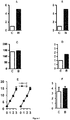
- betaine supplementation was performed during lactation in a mouse model of maternal obesity. Dams were fed a high-fat diet (HFD) for 8 weeks before mating, and randomly assigned to control (MO-C) or betaine treatment (MO-B) groups at delivery. Supplementation was performed as described above. Maternal obesity resulted in increased offspring weight gain during lactation, as compared with offspring of lean mothers (compare Figures 1E and 2B ). In this context, betaine supplementation moderated offspring growth compared to controls ( Figure 2B ) with no differences in milk intake ( Figure 2C ), and induced a trend towards lower fat mass at 6 weeks of age ( Figure 2D ).
- Maternal betaine-induced changes in young mice translated into long-term metabolic effects in male offspring, and also protected against diet-induced obesity in both male and female mice. These data indicate that increased betaine exposure during early life might suffice for lowering adiposity. Treatment also protected against hepatic lipid accumulation after high-fat feeding.
- Linear discriminant analysis effect size (LEfSe) analysis identified several bacterial groups that significantly differed between groups, including Actinobacteria spp., Akkermansia spp., and Pseudomonas spp. at 2 weeks, and Akkermansia spp., Odoribacter spp., Oscillospiraceae spp., and Roseburia spp. at 6 weeks ( Figure 3A-3B ).
- Actinobacteria spp. Actinobacteria spp.
- Akkermansia spp. Akkermansia spp.
- Pseudomonas spp. at 2 weeks
- Akkermansia spp. Odoribacter spp.
- Oscillospiraceae spp. Oscillospiraceae spp.
- Roseburia spp. at 6 weeks
- Roseburia spp. are known butyrate producers, which can induce beneficial metabolic effects in the host.
- Akkermansia muciniphila was the only species altered at both 2 and 6 weeks of age, and the only bacterial group that sustained a more stringent bioinformatic analysis.
- a number of studies have reported an association between Akkermansia muciniphila and improved metabolic health.
- increased Akkermansia spp. population has been recently associated with slower weight gain in a mouse model of postnatal undernutrition.
- Akkermansia muciniphila prior studies demonstrate that administration to adult mice increases ileal goblet cell number and improves the gut barrier function, leading to decreased systemic inflammation and ameliorated metabolic health.
- cecal short-chain fatty acid No differences in cecal short-chain fatty acid were found at 6 weeks of age. Moreover, betaine supplementation did not modify the maternal intestinal microbiome.
- Maternal betaine supplementation improves intestinal epithelium function, low-grade systemic inflammation, and metabolic dysfunction.
- IL-6 pro-inflammatory marker interleukin-6
- PAI-1 plasminogen activator inhibitor-1
- Maternal betaine supplementation improves offspring metabolic health throughout adulthood.
- Insulin tolerance testing revealed significantly lower blood glucose at each time point in males from the treatment group, but no difference in the response to insulin administration. Supplementation had no significant effect on hepatic triglyceride accumulation.
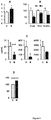
- a similar phenotype was observed in the maternal obesity mouse model, in which adult male offspring showed lower body weight and adiposity ( Figures 5E-4F ), improved glucose tolerance ( Figure 5G ), and decreased basal insulin levels ( Figure 5H ) in the betaine-treated compared to the control group.
Landscapes
- Health & Medical Sciences (AREA)
- Life Sciences & Earth Sciences (AREA)
- Chemical & Material Sciences (AREA)
- Medicinal Chemistry (AREA)
- Pharmacology & Pharmacy (AREA)
- Animal Behavior & Ethology (AREA)
- General Health & Medical Sciences (AREA)
- Public Health (AREA)
- Veterinary Medicine (AREA)
- Epidemiology (AREA)
- Engineering & Computer Science (AREA)
- Hematology (AREA)
- Bioinformatics & Cheminformatics (AREA)
- Diabetes (AREA)
- Child & Adolescent Psychology (AREA)
- Obesity (AREA)
- Chemical Kinetics & Catalysis (AREA)
- General Chemical & Material Sciences (AREA)
- Nuclear Medicine, Radiotherapy & Molecular Imaging (AREA)
- Organic Chemistry (AREA)
- Biomedical Technology (AREA)
- Biotechnology (AREA)
- Cell Biology (AREA)
- Developmental Biology & Embryology (AREA)
- Immunology (AREA)
- Virology (AREA)
- Zoology (AREA)
- Inorganic Chemistry (AREA)
- Acyclic And Carbocyclic Compounds In Medicinal Compositions (AREA)
- Coloring Foods And Improving Nutritive Qualities (AREA)
- Dairy Products (AREA)
Claims (15)
- Un composé de bétaïne destiné à être utilisé dans la prévention de l'obésité, de l'accumulation excessive de graisse et / ou de troubles métaboliques associés à l'un ou l'autre de ce qui précède chez un patient, dans lequel la prévention comprend l'administration du composé de bétaïne directement au patient en bas âge ou, en variante, à la mère du patient pendant l'allaitement.
- Le composé de bétaïne destiné à être utilisé selon la revendication 1, dans lequel le composé de bétaïne a la formule (I) :
 X est N ou As ;R1 et R2 sont indépendamment un alkyle en (C1-C6) facultativement substitué par un ou plusieurs atomes d'halogène ; etR3 et R4 forment un cycle de 5 à 6 chaînons conjointement avec les atomes auxquels ils sont liés qui est facultativement substitué par un ou plusieurs substituants choisis parmi OH, halogène et alkyle en (C1-C3) facultativement substitué par un ou plusieurs atomes d'halogènes ; ou, alternativementR3 est alkyle en (C1-C6) ; etR4 est H ou (1H-indol-3-yl)méthyle.
 - Le composé de bétaïne destiné à être utilisé selon la revendication 2, dans lequel le composé de bétaïne est la glycine bétaïne.
- Le composé de bétaïne destiné à être utilisé selon l'une quelconque des revendications 1 à 3, qui est pour la prévention de l'obésité.
- Le composé de bétaïne destiné à être utilisé selon l'une quelconque des revendications 1 à 4, dans lequel la prévention de l'obésité, de l'accumulation excessive de graisse et/ ou de troubles métaboliques associés à l'un ou l'autre de ce qui précède comprend la prévention en bas âge du patient, à l'adolescence du patient et / ou à l'âge adulte du patient.
- Le composé de bétaïne destiné à être utilisé selon l'une quelconque des revendications 1 à 5, dans lequel les patients risquent de souffrir d'obésité, d'accumulation excessive de graisse et / ou de troubles métaboliques associés à l'un ou l'autre de ce qui précède.
- Le composé de bétaïne destiné à être utilisé selon la revendication 6, dans lequel les patients ont des mères obèses.
- Le composé de bétaïne destiné à être utilisé selon l'une quelconque des revendications 1 à 7, dans lequel le composé de bétaïne est administré à la mère du patient pendant l'allaitement.
- Le composé de bétaïne destiné à être utilisé selon la revendication 8, dans lequel la quantité de composé de bétaïne administrée à la mère est de 1 à 10 g / jour.
- Le composé de bétaïne destiné à être utilisé selon l'une quelconque des revendications 1 à 7, dans lequel le composé de bétaïne est administré directement au patient pendant le bas âge.
- Le composé de bétaïne destiné à être utilisé selon la revendication 10, dans lequel la quantité de composé de bétaïne administrée directement au patient pendant le bas âge est de 4 à 100 mg / kg / jour.
- Une composition comprenant une quantité efficace de composé de bétaïne conjointement avec un ou plusieurs excipients et / ou véhicules pharmaceutiquement acceptables ou comestibles acceptables à utiliser dans la prévention et / ou le traitement de l'obésité, de l'accumulation excessive de graisse et / ou de troubles métaboliques associés à l'un ou l'autre des précédents tel que défini dans l'une quelconque des revendications 1-11.
- La composition destinée à être utilisée selon la revendication 12, qui est une composition pharmaceutique et dans laquelle les excipients sont des excipients pharmaceutiquement acceptables.
- La composition destinée à être utilisée selon la revendication 12, qui est un supplément nutritionnel et dans laquelle les excipients sont des excipients comestibles acceptables.
- La composition destinée à être utilisée selon la revendication 12, qui est une préparation pour nourrissons.
Priority Applications (1)
| Application Number | Priority Date | Filing Date | Title |
|---|---|---|---|
| PL18722567T PL3621605T3 (pl) | 2017-05-12 | 2018-05-11 | Betaina do zapobiegania otyłości |
Applications Claiming Priority (2)
| Application Number | Priority Date | Filing Date | Title |
|---|---|---|---|
| EP17382270.1A EP3400935A1 (fr) | 2017-05-12 | 2017-05-12 | Bétaïne pour la prévention de l'obésité |
| PCT/EP2018/062203 WO2018206763A1 (fr) | 2017-05-12 | 2018-05-11 | Bétaïne pour la prévention de l'obésité |
Publications (2)
| Publication Number | Publication Date |
|---|---|
| EP3621605A1 EP3621605A1 (fr) | 2020-03-18 |
| EP3621605B1 true EP3621605B1 (fr) | 2021-07-07 |
Family
ID=58765789
Family Applications (2)
| Application Number | Title | Priority Date | Filing Date |
|---|---|---|---|
| EP17382270.1A Withdrawn EP3400935A1 (fr) | 2017-05-12 | 2017-05-12 | Bétaïne pour la prévention de l'obésité |
| EP18722567.7A Active EP3621605B1 (fr) | 2017-05-12 | 2018-05-11 | Bétaïne pour la prévention de l'obésité |
Family Applications Before (1)
| Application Number | Title | Priority Date | Filing Date |
|---|---|---|---|
| EP17382270.1A Withdrawn EP3400935A1 (fr) | 2017-05-12 | 2017-05-12 | Bétaïne pour la prévention de l'obésité |
Country Status (7)
| Country | Link |
|---|---|
| US (1) | US11464754B2 (fr) |
| EP (2) | EP3400935A1 (fr) |
| JP (1) | JP7184805B2 (fr) |
| CN (2) | CN117243938A (fr) |
| ES (1) | ES2899639T3 (fr) |
| PL (1) | PL3621605T3 (fr) |
| WO (1) | WO2018206763A1 (fr) |
Families Citing this family (3)
| Publication number | Priority date | Publication date | Assignee | Title |
|---|---|---|---|---|
| IL295912A (en) * | 2020-02-28 | 2022-10-01 | Mucosa Innovations S L | Preparations for the treatment of dysbiosis |
| CN115868628B (zh) * | 2022-10-11 | 2024-01-26 | 泓博元生命科技(深圳)有限公司 | 减肥组合物 |
| CN119591575B (zh) * | 2024-08-19 | 2025-09-30 | 河北农业大学 | 一种大豆苷元药物共晶体及其制备方法和应用 |
Family Cites Families (8)
| Publication number | Priority date | Publication date | Assignee | Title |
|---|---|---|---|---|
| LU88373A1 (fr) * | 1993-07-12 | 1994-04-01 | Michel Urso Prof Medecin Et Ch | Produit pour maigrir |
| EP0951842B1 (fr) * | 1999-01-20 | 2002-12-04 | N.V. Nutricia | Aliment pour bébé |
| OA13177A (en) * | 2003-06-04 | 2006-12-13 | Willem Jacob Serfontein | Nutritional compositions and use thereof. |
| WO2006086856A1 (fr) * | 2005-02-15 | 2006-08-24 | Messadek, Jallal | Compositions therapeutiques combinees et leurs procedes d’utilisation |
| WO2007107319A1 (fr) * | 2006-03-17 | 2007-09-27 | Biotecmarin Gmbh | Isolement, détermination de la structure, synthèse et bioactivité de la damipipecoline et de la damituricine |
| CN101322698A (zh) * | 2007-06-15 | 2008-12-17 | 复旦大学 | 甜菜碱在制备预防和治疗饮食性肥胖药物中的应用 |
| EP2143341A1 (fr) * | 2008-07-08 | 2010-01-13 | Nestec S.A. | Composition nutritionnelle contenant un mélange d'oligosaccharides |
| KR101412221B1 (ko) * | 2012-08-14 | 2014-06-27 | (주)바이오뉴트리젠 | 구기자잎 추출 분말과 베타인을 유효성분으로 함유하는 항비만 조성물 |
-
2017
- 2017-05-12 EP EP17382270.1A patent/EP3400935A1/fr not_active Withdrawn
-
2018
- 2018-05-11 JP JP2019562641A patent/JP7184805B2/ja active Active
- 2018-05-11 ES ES18722567T patent/ES2899639T3/es active Active
- 2018-05-11 CN CN202311207964.9A patent/CN117243938A/zh active Pending
- 2018-05-11 WO PCT/EP2018/062203 patent/WO2018206763A1/fr not_active Ceased
- 2018-05-11 US US16/612,806 patent/US11464754B2/en active Active
- 2018-05-11 EP EP18722567.7A patent/EP3621605B1/fr active Active
- 2018-05-11 PL PL18722567T patent/PL3621605T3/pl unknown
- 2018-05-11 CN CN201880030180.4A patent/CN110831587A/zh active Pending
Non-Patent Citations (1)
| Title |
|---|
| None * |
Also Published As
| Publication number | Publication date |
|---|---|
| CN110831587A (zh) | 2020-02-21 |
| EP3400935A1 (fr) | 2018-11-14 |
| EP3621605A1 (fr) | 2020-03-18 |
| CN117243938A (zh) | 2023-12-19 |
| PL3621605T3 (pl) | 2022-01-03 |
| JP7184805B2 (ja) | 2022-12-06 |
| JP2020519650A (ja) | 2020-07-02 |
| US20200147027A1 (en) | 2020-05-14 |
| US11464754B2 (en) | 2022-10-11 |
| WO2018206763A1 (fr) | 2018-11-15 |
| ES2899639T3 (es) | 2022-03-14 |
Similar Documents
| Publication | Publication Date | Title |
|---|---|---|
| Chen et al. | Resveratrol attenuates high-fat diet-induced non-alcoholic steatohepatitis by maintaining gut barrier integrity and inhibiting gut inflammation through regulation of the endocannabinoid system | |
| JP2023100869A (ja) | 対象におけるマイトファジーを改善するための方法 | |
| Wu et al. | Chitosan alleviated menopausal symptoms and modulated the gut microbiota in estrogen-deficient rats | |
| JP2023100870A (ja) | 対象におけるマイトファジーを改善するための方法 | |
| JP2008273938A (ja) | アディポネクチン産生促進剤 | |
| CN101977600A (zh) | 原人参二醇-型人参皂甙组合物及其用途 | |
| CN105530930A (zh) | 含有以单乙酰基二酰基甘油化合物作为有效成分的类风湿性关节炎的预防或者治疗用组合物 | |
| EP3621605B1 (fr) | Bétaïne pour la prévention de l'obésité | |
| US20230114648A1 (en) | Tannin-containing gastrointestinal formulations and methods of use | |
| CN103445175B (zh) | 具有解酒保肝作用的组合物 | |
| CN103446166B (zh) | 肝功能改善剂 | |
| CN116546981A (zh) | 使用至少一种甘氨酸或其衍生物和/或至少一种n-乙酰半胱氨酸或其衍生物以及至少一种百里酚和/或香芹酚的组合物和方法 | |
| US20150313862A1 (en) | "Pharmaceutical composition for reducing the trimethylamine N-oxide level" | |
| JP2017515830A (ja) | 7−ヒドロキシマタイレシノールを含む組成物 | |
| CN103355665B (zh) | 一种用于辅助降血糖的组合物 | |
| TWI850233B (zh) | 脂肪蓄積抑制劑及血中脂質改善劑 | |
| SK11212002A3 (sk) | Použitie proteínového zdroja, spôsob zachovania syntézy mucínov v tele pacienta a výživový prípravok | |
| CN105555289A (zh) | 可可多酚及其在治疗或预防嗜酸性食管炎中的效用 | |
| US11826338B2 (en) | Methods for treating obesity | |
| US11185565B2 (en) | Compositions including milk thistle and methods of use | |
| WO2026074197A1 (fr) | Riboprine destinée à être utilisée dans l'entretien, (b) l'amélioration ou (c) la gestion diététique de la fonction barrière intestinale (intégrité de la barrière intestinale) | |
| HK40098676A (zh) | 使用至少一种甘氨酸或其衍生物和/或至少一种n-乙酰半胱氨酸或其衍生物以及至少一种百里酚和/或香芹酚的组合物和方法 | |
| HK40127528A (en) | Methods for improving mitophagy in subjects | |
| Ali | Polyamines in foods and human milk | |
| CN112203686A (zh) | 代谢改善剂 |
Legal Events
| Date | Code | Title | Description |
|---|---|---|---|
| STAA | Information on the status of an ep patent application or granted ep patent |
Free format text: STATUS: UNKNOWN |
|
| STAA | Information on the status of an ep patent application or granted ep patent |
Free format text: STATUS: THE INTERNATIONAL PUBLICATION HAS BEEN MADE |
|
| PUAI | Public reference made under article 153(3) epc to a published international application that has entered the european phase |
Free format text: ORIGINAL CODE: 0009012 |
|
| STAA | Information on the status of an ep patent application or granted ep patent |
Free format text: STATUS: REQUEST FOR EXAMINATION WAS MADE |
|
| 17P | Request for examination filed |
Effective date: 20191212 |
|
| AK | Designated contracting states |
Kind code of ref document: A1 Designated state(s): AL AT BE BG CH CY CZ DE DK EE ES FI FR GB GR HR HU IE IS IT LI LT LU LV MC MK MT NL NO PL PT RO RS SE SI SK SM TR |
|
| AX | Request for extension of the european patent |
Extension state: BA ME |
|
| DAV | Request for validation of the european patent (deleted) | ||
| DAX | Request for extension of the european patent (deleted) | ||
| RIC1 | Information provided on ipc code assigned before grant |
Ipc: A61P 3/04 20060101ALI20201126BHEP Ipc: A61K 31/285 20060101ALI20201126BHEP Ipc: A61K 31/205 20060101AFI20201126BHEP |
|
| GRAP | Despatch of communication of intention to grant a patent |
Free format text: ORIGINAL CODE: EPIDOSNIGR1 |
|
| STAA | Information on the status of an ep patent application or granted ep patent |
Free format text: STATUS: GRANT OF PATENT IS INTENDED |
|
| INTG | Intention to grant announced |
Effective date: 20210121 |
|
| GRAS | Grant fee paid |
Free format text: ORIGINAL CODE: EPIDOSNIGR3 |
|
| GRAA | (expected) grant |
Free format text: ORIGINAL CODE: 0009210 |
|
| STAA | Information on the status of an ep patent application or granted ep patent |
Free format text: STATUS: THE PATENT HAS BEEN GRANTED |
|
| AK | Designated contracting states |
Kind code of ref document: B1 Designated state(s): AL AT BE BG CH CY CZ DE DK EE ES FI FR GB GR HR HU IE IS IT LI LT LU LV MC MK MT NL NO PL PT RO RS SE SI SK SM TR |
|
| REG | Reference to a national code |
Ref country code: GB Ref legal event code: FG4D |
|
| REG | Reference to a national code |
Ref country code: AT Ref legal event code: REF Ref document number: 1407894 Country of ref document: AT Kind code of ref document: T Effective date: 20210715 |
|
| REG | Reference to a national code |
Ref country code: DE Ref legal event code: R096 Ref document number: 602018019713 Country of ref document: DE |
|
| REG | Reference to a national code |
Ref country code: IE Ref legal event code: FG4D |
|
| REG | Reference to a national code |
Ref country code: FI Ref legal event code: FGE |
|
| REG | Reference to a national code |
Ref country code: NL Ref legal event code: FP |
|
| REG | Reference to a national code |
Ref country code: LT Ref legal event code: MG9D |
|
| PG25 | Lapsed in a contracting state [announced via postgrant information from national office to epo] |
Ref country code: SE Free format text: LAPSE BECAUSE OF FAILURE TO SUBMIT A TRANSLATION OF THE DESCRIPTION OR TO PAY THE FEE WITHIN THE PRESCRIBED TIME-LIMIT Effective date: 20210707 Ref country code: RS Free format text: LAPSE BECAUSE OF FAILURE TO SUBMIT A TRANSLATION OF THE DESCRIPTION OR TO PAY THE FEE WITHIN THE PRESCRIBED TIME-LIMIT Effective date: 20210707 Ref country code: HR Free format text: LAPSE BECAUSE OF FAILURE TO SUBMIT A TRANSLATION OF THE DESCRIPTION OR TO PAY THE FEE WITHIN THE PRESCRIBED TIME-LIMIT Effective date: 20210707 Ref country code: NO Free format text: LAPSE BECAUSE OF FAILURE TO SUBMIT A TRANSLATION OF THE DESCRIPTION OR TO PAY THE FEE WITHIN THE PRESCRIBED TIME-LIMIT Effective date: 20211007 Ref country code: PT Free format text: LAPSE BECAUSE OF FAILURE TO SUBMIT A TRANSLATION OF THE DESCRIPTION OR TO PAY THE FEE WITHIN THE PRESCRIBED TIME-LIMIT Effective date: 20211108 Ref country code: LT Free format text: LAPSE BECAUSE OF FAILURE TO SUBMIT A TRANSLATION OF THE DESCRIPTION OR TO PAY THE FEE WITHIN THE PRESCRIBED TIME-LIMIT Effective date: 20210707 Ref country code: BG Free format text: LAPSE BECAUSE OF FAILURE TO SUBMIT A TRANSLATION OF THE DESCRIPTION OR TO PAY THE FEE WITHIN THE PRESCRIBED TIME-LIMIT Effective date: 20211007 |
|
| PG25 | Lapsed in a contracting state [announced via postgrant information from national office to epo] |
Ref country code: LV Free format text: LAPSE BECAUSE OF FAILURE TO SUBMIT A TRANSLATION OF THE DESCRIPTION OR TO PAY THE FEE WITHIN THE PRESCRIBED TIME-LIMIT Effective date: 20210707 Ref country code: GR Free format text: LAPSE BECAUSE OF FAILURE TO SUBMIT A TRANSLATION OF THE DESCRIPTION OR TO PAY THE FEE WITHIN THE PRESCRIBED TIME-LIMIT Effective date: 20211008 |
|
| REG | Reference to a national code |
Ref country code: ES Ref legal event code: FG2A Ref document number: 2899639 Country of ref document: ES Kind code of ref document: T3 Effective date: 20220314 |
|
| REG | Reference to a national code |
Ref country code: DE Ref legal event code: R097 Ref document number: 602018019713 Country of ref document: DE |
|
| PG25 | Lapsed in a contracting state [announced via postgrant information from national office to epo] |
Ref country code: DK Free format text: LAPSE BECAUSE OF FAILURE TO SUBMIT A TRANSLATION OF THE DESCRIPTION OR TO PAY THE FEE WITHIN THE PRESCRIBED TIME-LIMIT Effective date: 20210707 |
|
| PLBE | No opposition filed within time limit |
Free format text: ORIGINAL CODE: 0009261 |
|
| STAA | Information on the status of an ep patent application or granted ep patent |
Free format text: STATUS: NO OPPOSITION FILED WITHIN TIME LIMIT |
|
| PG25 | Lapsed in a contracting state [announced via postgrant information from national office to epo] |
Ref country code: SM Free format text: LAPSE BECAUSE OF FAILURE TO SUBMIT A TRANSLATION OF THE DESCRIPTION OR TO PAY THE FEE WITHIN THE PRESCRIBED TIME-LIMIT Effective date: 20210707 Ref country code: SK Free format text: LAPSE BECAUSE OF FAILURE TO SUBMIT A TRANSLATION OF THE DESCRIPTION OR TO PAY THE FEE WITHIN THE PRESCRIBED TIME-LIMIT Effective date: 20210707 Ref country code: RO Free format text: LAPSE BECAUSE OF FAILURE TO SUBMIT A TRANSLATION OF THE DESCRIPTION OR TO PAY THE FEE WITHIN THE PRESCRIBED TIME-LIMIT Effective date: 20210707 Ref country code: EE Free format text: LAPSE BECAUSE OF FAILURE TO SUBMIT A TRANSLATION OF THE DESCRIPTION OR TO PAY THE FEE WITHIN THE PRESCRIBED TIME-LIMIT Effective date: 20210707 Ref country code: CZ Free format text: LAPSE BECAUSE OF FAILURE TO SUBMIT A TRANSLATION OF THE DESCRIPTION OR TO PAY THE FEE WITHIN THE PRESCRIBED TIME-LIMIT Effective date: 20210707 Ref country code: AL Free format text: LAPSE BECAUSE OF FAILURE TO SUBMIT A TRANSLATION OF THE DESCRIPTION OR TO PAY THE FEE WITHIN THE PRESCRIBED TIME-LIMIT Effective date: 20210707 |
|
| 26N | No opposition filed |
Effective date: 20220408 |
|
| REG | Reference to a national code |
Ref country code: CH Ref legal event code: PL |
|
| REG | Reference to a national code |
Ref country code: BE Ref legal event code: MM Effective date: 20220531 |
|
| PG25 | Lapsed in a contracting state [announced via postgrant information from national office to epo] |
Ref country code: MC Free format text: LAPSE BECAUSE OF FAILURE TO SUBMIT A TRANSLATION OF THE DESCRIPTION OR TO PAY THE FEE WITHIN THE PRESCRIBED TIME-LIMIT Effective date: 20210707 Ref country code: LU Free format text: LAPSE BECAUSE OF NON-PAYMENT OF DUE FEES Effective date: 20220511 Ref country code: LI Free format text: LAPSE BECAUSE OF NON-PAYMENT OF DUE FEES Effective date: 20220531 Ref country code: CH Free format text: LAPSE BECAUSE OF NON-PAYMENT OF DUE FEES Effective date: 20220531 |
|
| PG25 | Lapsed in a contracting state [announced via postgrant information from national office to epo] |
Ref country code: BE Free format text: LAPSE BECAUSE OF NON-PAYMENT OF DUE FEES Effective date: 20220531 |
|
| REG | Reference to a national code |
Ref country code: AT Ref legal event code: UEP Ref document number: 1407894 Country of ref document: AT Kind code of ref document: T Effective date: 20210707 |
|
| PG25 | Lapsed in a contracting state [announced via postgrant information from national office to epo] |
Ref country code: MK Free format text: LAPSE BECAUSE OF FAILURE TO SUBMIT A TRANSLATION OF THE DESCRIPTION OR TO PAY THE FEE WITHIN THE PRESCRIBED TIME-LIMIT Effective date: 20210707 Ref country code: CY Free format text: LAPSE BECAUSE OF FAILURE TO SUBMIT A TRANSLATION OF THE DESCRIPTION OR TO PAY THE FEE WITHIN THE PRESCRIBED TIME-LIMIT Effective date: 20210707 |
|
| PG25 | Lapsed in a contracting state [announced via postgrant information from national office to epo] |
Ref country code: HU Free format text: LAPSE BECAUSE OF FAILURE TO SUBMIT A TRANSLATION OF THE DESCRIPTION OR TO PAY THE FEE WITHIN THE PRESCRIBED TIME-LIMIT; INVALID AB INITIO Effective date: 20180511 |
|
| PG25 | Lapsed in a contracting state [announced via postgrant information from national office to epo] |
Ref country code: TR Free format text: LAPSE BECAUSE OF FAILURE TO SUBMIT A TRANSLATION OF THE DESCRIPTION OR TO PAY THE FEE WITHIN THE PRESCRIBED TIME-LIMIT Effective date: 20210707 |
|
| PG25 | Lapsed in a contracting state [announced via postgrant information from national office to epo] |
Ref country code: MT Free format text: LAPSE BECAUSE OF FAILURE TO SUBMIT A TRANSLATION OF THE DESCRIPTION OR TO PAY THE FEE WITHIN THE PRESCRIBED TIME-LIMIT Effective date: 20210707 |
|
| PGFP | Annual fee paid to national office [announced via postgrant information from national office to epo] |
Ref country code: NL Payment date: 20250526 Year of fee payment: 8 |
|
| PGFP | Annual fee paid to national office [announced via postgrant information from national office to epo] |
Ref country code: FI Payment date: 20250526 Year of fee payment: 8 |
|
| PGFP | Annual fee paid to national office [announced via postgrant information from national office to epo] |
Ref country code: PL Payment date: 20250424 Year of fee payment: 8 Ref country code: DE Payment date: 20250529 Year of fee payment: 8 |
|
| PGFP | Annual fee paid to national office [announced via postgrant information from national office to epo] |
Ref country code: GB Payment date: 20250527 Year of fee payment: 8 Ref country code: ES Payment date: 20250601 Year of fee payment: 8 |
|
| PGFP | Annual fee paid to national office [announced via postgrant information from national office to epo] |
Ref country code: IT Payment date: 20250521 Year of fee payment: 8 |
|
| PGFP | Annual fee paid to national office [announced via postgrant information from national office to epo] |
Ref country code: FR Payment date: 20250526 Year of fee payment: 8 |
|
| PGFP | Annual fee paid to national office [announced via postgrant information from national office to epo] |
Ref country code: AT Payment date: 20250423 Year of fee payment: 8 |
|
| PGFP | Annual fee paid to national office [announced via postgrant information from national office to epo] |
Ref country code: IE Payment date: 20250527 Year of fee payment: 8 |