EP3686219A1 - Kombination eines pd-1-antagonisten und eines 4-1bb-agonisten zur behandlung von krebs - Google Patents
Kombination eines pd-1-antagonisten und eines 4-1bb-agonisten zur behandlung von krebs Download PDFInfo
- Publication number
- EP3686219A1 EP3686219A1 EP19216065.3A EP19216065A EP3686219A1 EP 3686219 A1 EP3686219 A1 EP 3686219A1 EP 19216065 A EP19216065 A EP 19216065A EP 3686219 A1 EP3686219 A1 EP 3686219A1
- Authority
- EP
- European Patent Office
- Prior art keywords
- cancer
- agonist
- antagonist
- medicament
- seq
- Prior art date
- Legal status (The legal status is an assumption and is not a legal conclusion. Google has not performed a legal analysis and makes no representation as to the accuracy of the status listed.)
- Withdrawn
Links
Images








Classifications
-
- C—CHEMISTRY; METALLURGY
- C07—ORGANIC CHEMISTRY
- C07K—PEPTIDES
- C07K16/00—Immunoglobulins [IG], e.g. monoclonal or polyclonal antibodies
- C07K16/18—Immunoglobulins [IG], e.g. monoclonal or polyclonal antibodies against material from animals or humans
- C07K16/28—Immunoglobulins [IG], e.g. monoclonal or polyclonal antibodies against material from animals or humans against receptors, cell surface antigens or cell surface determinants
- C07K16/2878—Immunoglobulins [IG], e.g. monoclonal or polyclonal antibodies against material from animals or humans against receptors, cell surface antigens or cell surface determinants against the NGF-receptor/TNF-receptor superfamily, e.g. CD27, CD30, CD40, CD95
-
- A—HUMAN NECESSITIES
- A61—MEDICAL OR VETERINARY SCIENCE; HYGIENE
- A61P—SPECIFIC THERAPEUTIC ACTIVITY OF CHEMICAL COMPOUNDS OR MEDICINAL PREPARATIONS
- A61P35/00—Antineoplastic agents
-
- C—CHEMISTRY; METALLURGY
- C07—ORGANIC CHEMISTRY
- C07K—PEPTIDES
- C07K16/00—Immunoglobulins [IG], e.g. monoclonal or polyclonal antibodies
- C07K16/18—Immunoglobulins [IG], e.g. monoclonal or polyclonal antibodies against material from animals or humans
- C07K16/28—Immunoglobulins [IG], e.g. monoclonal or polyclonal antibodies against material from animals or humans against receptors, cell surface antigens or cell surface determinants
- C07K16/2803—Immunoglobulins [IG], e.g. monoclonal or polyclonal antibodies against material from animals or humans against receptors, cell surface antigens or cell surface determinants against the immunoglobulin superfamily
- C07K16/2818—Immunoglobulins [IG], e.g. monoclonal or polyclonal antibodies against material from animals or humans against receptors, cell surface antigens or cell surface determinants against the immunoglobulin superfamily against CD28 or CD152
-
- C—CHEMISTRY; METALLURGY
- C07—ORGANIC CHEMISTRY
- C07K—PEPTIDES
- C07K16/00—Immunoglobulins [IG], e.g. monoclonal or polyclonal antibodies
- C07K16/18—Immunoglobulins [IG], e.g. monoclonal or polyclonal antibodies against material from animals or humans
- C07K16/28—Immunoglobulins [IG], e.g. monoclonal or polyclonal antibodies against material from animals or humans against receptors, cell surface antigens or cell surface determinants
- C07K16/30—Immunoglobulins [IG], e.g. monoclonal or polyclonal antibodies against material from animals or humans against receptors, cell surface antigens or cell surface determinants from tumour cells
-
- C—CHEMISTRY; METALLURGY
- C07—ORGANIC CHEMISTRY
- C07K—PEPTIDES
- C07K16/00—Immunoglobulins [IG], e.g. monoclonal or polyclonal antibodies
- C07K16/18—Immunoglobulins [IG], e.g. monoclonal or polyclonal antibodies against material from animals or humans
- C07K16/28—Immunoglobulins [IG], e.g. monoclonal or polyclonal antibodies against material from animals or humans against receptors, cell surface antigens or cell surface determinants
- C07K16/30—Immunoglobulins [IG], e.g. monoclonal or polyclonal antibodies against material from animals or humans against receptors, cell surface antigens or cell surface determinants from tumour cells
- C07K16/3015—Breast
-
- C—CHEMISTRY; METALLURGY
- C07—ORGANIC CHEMISTRY
- C07K—PEPTIDES
- C07K16/00—Immunoglobulins [IG], e.g. monoclonal or polyclonal antibodies
- C07K16/18—Immunoglobulins [IG], e.g. monoclonal or polyclonal antibodies against material from animals or humans
- C07K16/28—Immunoglobulins [IG], e.g. monoclonal or polyclonal antibodies against material from animals or humans against receptors, cell surface antigens or cell surface determinants
- C07K16/30—Immunoglobulins [IG], e.g. monoclonal or polyclonal antibodies against material from animals or humans against receptors, cell surface antigens or cell surface determinants from tumour cells
- C07K16/3023—Lung
-
- C—CHEMISTRY; METALLURGY
- C07—ORGANIC CHEMISTRY
- C07K—PEPTIDES
- C07K16/00—Immunoglobulins [IG], e.g. monoclonal or polyclonal antibodies
- C07K16/18—Immunoglobulins [IG], e.g. monoclonal or polyclonal antibodies against material from animals or humans
- C07K16/28—Immunoglobulins [IG], e.g. monoclonal or polyclonal antibodies against material from animals or humans against receptors, cell surface antigens or cell surface determinants
- C07K16/30—Immunoglobulins [IG], e.g. monoclonal or polyclonal antibodies against material from animals or humans against receptors, cell surface antigens or cell surface determinants from tumour cells
- C07K16/303—Liver or Pancreas
-
- C—CHEMISTRY; METALLURGY
- C07—ORGANIC CHEMISTRY
- C07K—PEPTIDES
- C07K16/00—Immunoglobulins [IG], e.g. monoclonal or polyclonal antibodies
- C07K16/18—Immunoglobulins [IG], e.g. monoclonal or polyclonal antibodies against material from animals or humans
- C07K16/28—Immunoglobulins [IG], e.g. monoclonal or polyclonal antibodies against material from animals or humans against receptors, cell surface antigens or cell surface determinants
- C07K16/30—Immunoglobulins [IG], e.g. monoclonal or polyclonal antibodies against material from animals or humans against receptors, cell surface antigens or cell surface determinants from tumour cells
- C07K16/3038—Kidney, bladder
-
- C—CHEMISTRY; METALLURGY
- C07—ORGANIC CHEMISTRY
- C07K—PEPTIDES
- C07K16/00—Immunoglobulins [IG], e.g. monoclonal or polyclonal antibodies
- C07K16/18—Immunoglobulins [IG], e.g. monoclonal or polyclonal antibodies against material from animals or humans
- C07K16/28—Immunoglobulins [IG], e.g. monoclonal or polyclonal antibodies against material from animals or humans against receptors, cell surface antigens or cell surface determinants
- C07K16/30—Immunoglobulins [IG], e.g. monoclonal or polyclonal antibodies against material from animals or humans against receptors, cell surface antigens or cell surface determinants from tumour cells
- C07K16/3053—Skin, nerves, brain
-
- C—CHEMISTRY; METALLURGY
- C07—ORGANIC CHEMISTRY
- C07K—PEPTIDES
- C07K16/00—Immunoglobulins [IG], e.g. monoclonal or polyclonal antibodies
- C07K16/18—Immunoglobulins [IG], e.g. monoclonal or polyclonal antibodies against material from animals or humans
- C07K16/28—Immunoglobulins [IG], e.g. monoclonal or polyclonal antibodies against material from animals or humans against receptors, cell surface antigens or cell surface determinants
- C07K16/30—Immunoglobulins [IG], e.g. monoclonal or polyclonal antibodies against material from animals or humans against receptors, cell surface antigens or cell surface determinants from tumour cells
- C07K16/3061—Blood cells
-
- C—CHEMISTRY; METALLURGY
- C07—ORGANIC CHEMISTRY
- C07K—PEPTIDES
- C07K16/00—Immunoglobulins [IG], e.g. monoclonal or polyclonal antibodies
- C07K16/18—Immunoglobulins [IG], e.g. monoclonal or polyclonal antibodies against material from animals or humans
- C07K16/28—Immunoglobulins [IG], e.g. monoclonal or polyclonal antibodies against material from animals or humans against receptors, cell surface antigens or cell surface determinants
- C07K16/30—Immunoglobulins [IG], e.g. monoclonal or polyclonal antibodies against material from animals or humans against receptors, cell surface antigens or cell surface determinants from tumour cells
- C07K16/3069—Reproductive system, e.g. ovaria, uterus, testes, prostate
-
- A—HUMAN NECESSITIES
- A61—MEDICAL OR VETERINARY SCIENCE; HYGIENE
- A61K—PREPARATIONS FOR MEDICAL, DENTAL OR TOILETRY PURPOSES
- A61K39/00—Medicinal preparations containing antigens or antibodies
- A61K2039/505—Medicinal preparations containing antigens or antibodies comprising antibodies
- A61K2039/507—Comprising a combination of two or more separate antibodies
-
- C—CHEMISTRY; METALLURGY
- C07—ORGANIC CHEMISTRY
- C07K—PEPTIDES
- C07K2317/00—Immunoglobulins specific features
- C07K2317/20—Immunoglobulins specific features characterized by taxonomic origin
- C07K2317/24—Immunoglobulins specific features characterized by taxonomic origin containing regions, domains or residues from different species, e.g. chimeric, humanized or veneered
-
- C—CHEMISTRY; METALLURGY
- C07—ORGANIC CHEMISTRY
- C07K—PEPTIDES
- C07K2317/00—Immunoglobulins specific features
- C07K2317/70—Immunoglobulins specific features characterized by effect upon binding to a cell or to an antigen
- C07K2317/73—Inducing cell death, e.g. apoptosis, necrosis or inhibition of cell proliferation
-
- C—CHEMISTRY; METALLURGY
- C07—ORGANIC CHEMISTRY
- C07K—PEPTIDES
- C07K2317/00—Immunoglobulins specific features
- C07K2317/70—Immunoglobulins specific features characterized by effect upon binding to a cell or to an antigen
- C07K2317/75—Agonist effect on antigen
-
- C—CHEMISTRY; METALLURGY
- C07—ORGANIC CHEMISTRY
- C07K—PEPTIDES
- C07K2317/00—Immunoglobulins specific features
- C07K2317/70—Immunoglobulins specific features characterized by effect upon binding to a cell or to an antigen
- C07K2317/76—Antagonist effect on antigen, e.g. neutralization or inhibition of binding
Definitions
- the present invention relates to combination therapies useful for the treatment of cancer.
- the invention relates to a combination therapy which comprises an antagonist of a Programmed Death 1 protein (PD-1) and an agonist of a 4-1BB protein.
- PD-1 Programmed Death 1 protein
- PD-1 is recognized as an important player in immune regulation and the maintenance of peripheral tolerance. PD-1 is moderately expressed on naive T, B and NKT cells and up-regulated by T/B cell receptor signaling on lymphocytes, monocytes and myeloid cells (1).
- PD-L1 Two known ligands for PD-1, PD-L1 (B7-H1) and PD-L2 (B7-DC), are expressed in human cancers arising in various tissues.
- PD-L1 expression correlated with poor prognosis and reduced overall survival irrespective of subsequent treatment (2-13).
- PD-1 expression on tumor infiltrating lymphocytes was found to mark dysfunctional T cells in breast cancer and melanoma (14-15) and to correlate with poor prognosis in renal cancer (16).
- PD-L1 expressing tumor cells interact with PD-1 expressing T cells to attenuate T cell activation and evasion of immune surveillance, thereby contributing to an impaired immune response against the tumor.
- 4-1BB (CD137 and TNFRSF9), which was first identified as an inducible costimulatory receptor expressed on activated T cells, is a membrane spanning glycoprotein of the Tumor Necrosis Factor (TNF) receptor superfamily.
- TNF Tumor Necrosis Factor
- Current understanding of 4-1 BB indicates that expression is generally activation dependent and encompasses a broad subset of immune cells including activated NK and NKT cells; regulatory T cells; dendritic cells (DC) including follicular DC; stimulated mast cells, differentiating myeloid cells, monocytes, neutrophils, eosinophils (17), and activated B cells (18).
- 4-1BB expression has also been demonstrated on tumor vasculature (19-20) and atherosclerotic endothelium (21).
- the ligand that stimulates 4-1BB (4-1BBL) is expressed on activated antigen-presenting cells (APCs), myeloid progenitor cells and hematopoeitic stem cells.
- 4-1BB is undetectable on the surface of naive T cells but expression increases upon activation.
- TRAF 1 and TRAP 2 which are pro-survival members of the TNFR-associated factor (TRAF) family, are recruited to the 4-1BB cytoplasmic tail, resulting in downstream activation of NFkB and the Mitogen Activated Protein (MAP) Kinase cascade including Erk, Jnk, and p38 MAP kinases.
- NFkB activation leads to upregulation of Bfl-1 and Bcl-XL, pro-survival members of the Bcl-2 family.
- the pro-apoptotic protein Bim is downregulated in a TRAF1 and Erk dependent manner (24).
- 4-1BB agonist mAbs increase costimulatory molecule expression and markedly enhance cytolytic T lymphocyte responses, resulting in anti-tumor efficacy in various models.
- 4-1BB agonist mAbs have demonstrated efficacy in prophylactic and therapeutic settings and both monotherapy and combination therapy tumor models and have established durable anti-tumor protective T cell memory responses (25).
- 4-1BB agonists also inhibit autoimmune reactions in a variety of autoimmunity models (26).
- the invention provides a method for treating a cancer in an individual comprising administering to the individual a combination therapy which comprises a PD-1 antagonist and a 4-1BB agonist.
- the invention provides a medicament comprising a PD-1 antagonist for use in combination with a 4-1BB agonist for treating a cancer.
- the invention provides a medicament comprising a 4-1BB agonist for use in combination with a PD-1 antagonist for treating a cancer.
- a PD-1 antagonist in the manufacture of medicament for treating a cancer in an individual when administered in combination with a 4-1BB agonist and use of a 4-1BB agonist in the manufacture of a medicament for treating a cancer in an individual when administered in combination with a PD-1 antagonist.
- the invention provides for use of a PD-1 antagonist and a 4-1BB agonist in the manufacture of medicaments for treating a cancer in an individual.
- the medicaments comprise a kit, and the kit also comprises a package insert comprising instructions for using the PD-1 antagonist in combination with a 4-1BB agonist to treat a cancer in an individual.
- the PD-1 antagonist inhibits the binding of PD-L1 to PD-1, and preferably also inhibits the binding of PD-L2 to PD-1.
- the PD-1 antagonist is a monoclonal antibody, or an antigen binding fragment thereof, which specifically binds to PD-1 or to PD-L1 and blocks the binding of PD-L1 to PD-1.
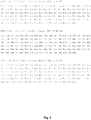
- the PD-1 antagonist is an anti-PD-1 antibody which comprises a heavy chain and a light chain, and wherein the heavy and light chains comprise the amino acid sequences shown in Figure 6 (SEQ ID NO: 21 and SEQ ID NO: 22).
- the 4-1BB agonist binds to the extracellular domain of 4-1BB and is capable of agonizing 4-1BB.
- the 4-1BB agonist is a monoclonal antibody, or an antigen binding fragment thereof.
- the isolated antibody binds human 4-1BB at an epitope located within amino acid residues 115 - 156 of SEQ ID NO: 26.
- the antibody comprises the H-CDR1 amino acid sequence of SEQ ID NO: 27, H-CDR2 amino acid sequence of SEQ ID NO: 28 and H-CDR3 amino acid sequence of SEQ ID NO: 29.
- the 4-1BB agonist is a monoclonal antibody, or antigen-binding fragment thereof, which comprises the L-CDR1 amino acid sequence of SEQ ID NO: 30, L-CDR2 amino acid sequence of SEQ ID NO: 31, and L-CDR3 amino acid sequence of SEQ ID NO: 32.
- the 4-IBB agonist is a monoclonal antibody, or antigen-binding fragment thereof, which comprises a light chain variable region amino acid sequence as set forth in SEQ ID NO: 34.
- the 4-1BB agonist is a monoclonal antibody, or antigen-binding fragment thereof, which comprises a heavy chain variable region amino acid sequence as set forth in SEQ ID NO: 33, and further comprises a light chain variable region amino acid sequence as set forth in SEQ ID NO: 34.
- the 4-1BB agonist is a monoclonal antibody, or antigen-binding fragment thereof, which comprises a heavy chain amino acid sequence as set forth in SEQ ID NO: 35 and further comprises a light chain amino acid sequence as set forth in SEQ ID NO: 36, with the proviso that the C-terminal lysine residue of SEQ ID NO: 35 is optionally absent.
- the individual is a human and the cancer is a solid tumor and in some embodiments, the solid tumor is bladder cancer, breast cancer, clear cell kidney cancer, colon cancer, head/neck squamous cell carcinoma, lung squamous cell carcinoma, malignant melanoma, non-small-cell lung cancer (NSCLC), ovarian cancer, pancreatic cancer, prostate cancer, renal cell cancer, small-cell lung cancer (SCLC) or triple negative breast cancer.
- the cancer is an advanced solid tumor malignancy.
- the individual is a human and the cancer is a Heme malignancy and in some embodiments, the Heme malignancy is acute lymphoblastic leukemia (ALL), acute myeloid leukemia (AML), chronic lymphocytic leukemia (CLL), chronic myeloid leukemia (CML), diffuse large B-cell lymphoma (DLBCL), EBV-positive DLBCL, pimary mediastinal large B-cell lymphoma, T-cell/histiocyte-rich large B-cell lymphoma, follicular lymphoma, Hodgkin's lymphoma (HL), mantle cell lymphoma (MCL), multiple myeloma (MM), myeloid cell leukemia-1 protein (Mcl-1), myelodysplastic syndrome (MDS), non-Hodgkin's lymphoma (NHL), or small lymphocytic lymphoma (SLL).
- ALL acute lymphoblastic leukemia
- AML acute myeloid le
- the individual is a human and the cancer is an advanced solid tumor that tests positive for human PD-L1.
- the invention provides a composition comprising an antagonist anti-PD-1 monoclonal antibody, for use in the treatment of cancer wherein the antagonist anti-PD-1 monoclonal antibody is for separate, sequential or simultaneous use in a combination with an agonist anti-4-1BB monoclonal antibody, and wherein the PD-1 antagonist is an anti-PD-1 monoclonal antibody which comprises a heavy chain and a light chain, wherein the heavy and light chains comprise SEQ ID NO: 21 and SEQ ID NO: 22, respectively; and wherein the 4-1BB agonist is a 4-1BB agonist monoclonal antibody which comprises a heavy chain and a light chain, wherein the heavy and light chains comprise SEQ ID NO: 35 and SEQ ID NO: 36, respectively.
- the invention provides a composition comprising an agonist anti-4-1BB monoclonal antibody, for use in the treatment of cancer wherein the agonist anti-4-1BB monoclonal antibody is for separate, sequential or simultaneous use in a combination with an antagonist anti-PD-1 monoclonal antibody, and wherein the PD-1 antagonist is an anti-PD-1 monoclonal antibody which comprises a heavy chain and a light chain, wherein the heavy and light chains comprise SEQ ID NO: 21 and SEQ ID NO: 22, respectively; and wherein the 4-1BB agonist is a 4-1BB agonist monoclonal antibody which comprises a heavy chain and a light chain, wherein the heavy and light chains comprise SEQ ID NO: 35 and SEQ ID NO: 36, respectively.
- “About” when used to modify a numerically defined parameter means that the parameter may vary by as much as 10% below or above the stated numerical value for that parameter. For example, a dose of about 5 mg/kg may vary between 4.5 mg/kg and 5.5 mg/kg.
- administering refers to contact of an exogenous pharmaceutical, therapeutic, diagnostic agent, or composition to the animal, human, subject, cell, tissue, organ, or biological fluid.
- Treatment of a cell encompasses contact of a reagent to the cell, as well as contact of a reagent to a fluid, where the fluid is in contact with the cell.
- administering and “treatment” also means in vitro and ex vivo treatments, e.g., of a cell, by a reagent, diagnostic, binding compound, or by another cell.
- subject includes any organism, preferably an animal, more preferably a mammal ( e.g., rat, mouse, dog, cat, rabbit) and most preferably a human.
- pharmaceutically acceptable carrier refers to any inactive substance that is suitable for use in a formulation for the delivery of a binding molecule.
- a carrier may be an antiadherent, binder, coating, disintegrant, filler or diluent, preservative (such as antioxidant, antibacterial, or antifungal agent), sweetener, absorption delaying agent, wetting agent, emulsifying agent, buffer, and the like.
- Suitable pharmaceutically acceptable carriers include water, ethanol, polyols (such as glycerol, propylene glycol, polyethylene glycol, and the like) dextrose, vegetable oils (such as olive oil), saline, buffer, buffered saline, and isotonic agents such as sugars, polyalcohols, sorbitol, and sodium chloride.
- antibody refers to any form of immunoglobulin molecule that exhibits the desired biological or binding activity. Thus, it is used in the broadest sense and specifically covers, but is not limited to, monoclonal antibodies (including full length monoclonal antibodies), polyclonal antibodies, multispecific antibodies ( e.g., bispecific antibodies), humanized, fully human antibodies, chimeric antibodies and camelized single domain antibodies.
- Monoclonal antibodies including full length monoclonal antibodies
- polyclonal antibodies include multispecific antibodies (e.g., bispecific antibodies), humanized, fully human antibodies, chimeric antibodies and camelized single domain antibodies.
- Parental antibodies are antibodies obtained by exposure of an immune system to an antigen prior to modification of the antibodies for an intended use, such as humanization of an antibody for use as a human therapeutic.
- antibody encompasses not only intact polyclonal or monoclonal antibodies, but also, unless otherwise specified, any antigen binding portion thereof that competes with the intact antibody for specific binding, fusion proteins comprising an antigen binding portion, and any other modified configuration of the immunoglobulin molecule that comprises an antigen recognition site.
- immunoglobulins can be assigned to different classes. There are five major classes of immunoglobulins: IgA, IgD, IgE, IgG, and IgM, and several of these may be further divided into subclasses (isotypes), e.g., IgG 1 , IgG 2 , IgG 3 , IgG 4 , IgA 1 and IgA 2 .
- the heavy-chain constant regions that correspond to the different classes of immunoglobulins are called alpha, delta, epsilon, gamma, and mu, respectively.
- the subunit structures and three-dimensional configurations of different classes of immunoglobulins are well known.
- 4-1BB antibody means an antibody, as defined herein, capable of binding to human 4-1BB receptor.
- variable regions or “V region” or “V chain” as used herein means the segment of IgG chains which is variable in sequence between different antibodies. It extends to Kabat residue 109 in the light chain and 113 in the heavy chain.
- a "variable region” of an antibody refers to the variable region of the antibody light chain or the variable region of the antibody heavy chain, either alone or in combination.
- the variable regions of both the heavy and light chains comprise three hypervariable regions, also called complementarity determining regions (CDRs), which are located within relatively conserved framework regions (FR). The CDRs are usually aligned by the framework regions, enabling binding to a specific epitope.
- both light and heavy chains variable domains comprise FR1, CDR1, FR2, CDR2, FR3, CDR3 and FR4.
- the assignment of amino acids to each domain is, generally, in accordance with the definitions of Sequences of Proteins of Immunological Interest, Kabat, et al.; National Institutes of Health, Bethesda, Md.; 5th ed.; NIH Publ. No. 91-3242 (1991 ); Kabat (1978) Adv. Prot. Chem. 32:1-75 ; Kabat, et al., (1977) J. Biol. Chem. 252:6609-6616 ; Chothia, et al., (1987) J Mol. Biol. 196:901-917 or Chothia, et al., (1989) Nature 342:878-883 .
- hypervariable region refers to the amino acid residues of an antibody that are responsible for antigen-binding.
- the hypervariable region comprises amino acid residues from a "complementarity determining region" or "CDR" (i.e. CDRL1, CDRL2 and CDRL3 in the light chain variable domain and CDRH1, CDRH2 and CDRH3 in the heavy chain variable domain).
- CDR complementarity determining region
- CDR complementarity determining region
- antibody fragment or “antigen binding fragment” refers to antigen binding fragments of antibodies, i.e. antibody fragments that retain the ability to bind specifically to the antigen bound by the full-length antibody, e.g. fragments that retain one or more CDR regions.
- antibody binding fragments include, but are not limited to, Fab, Fab', F(ab') 2 , and Fv fragments; diabodies; linear antibodies; single-chain antibody molecules, e.g., sc-Fv; nanobodies and multispecific antibodies formed from antibody fragments.
- An antibody that "specifically binds to" a specified target protein is an antibody that exhibits preferential binding to that target as compared to other proteins, but this specificity does not require absolute binding specificity.
- An antibody is considered “specific” for its intended target if its binding is determinative of the presence of the target protein in a sample, e.g. without producing undesired results such as false positives.
- Antibodies, or binding fragments thereof, useful in the present invention will bind to the target protein with an affinity that is at least two fold greater, preferably at least ten times greater, more preferably at least 20-times greater, and most preferably at least 100-times greater than the affinity with non-target proteins.
- an antibody is said to bind specifically to a polypeptide comprising a given amino acid sequence, e.g. the amino acid sequence of a mature human PD-1 or human PD-L1 molecule, if it binds to polypeptides comprising that sequence but does not bind to proteins lacking that sequence.
- Chimeric antibody refers to an antibody in which a portion of the heavy and/or light chain is identical with or homologous to corresponding sequences in an antibody derived from a particular species (e.g., human) or belonging to a particular antibody class or subclass, while the remainder of the chain(s) is identical with or homologous to corresponding sequences in an antibody derived from another species (e.g., mouse) or belonging to another antibody class or subclass, as well as fragments of such antibodies, so long as they exhibit the desired biological activity.
- a particular species e.g., human
- another species e.g., mouse
- Human antibody refers to an antibody that comprises human immunoglobulin protein sequences only.
- a human antibody may contain murine carbohydrate chains if produced in a mouse, in a mouse cell, or in a hybridoma derived from a mouse cell.
- mouse antibody or rat antibody refer to an antibody that comprises only mouse or rat immunoglobulin sequences, respectively.
- Humanized antibody refers to forms of antibodies that contain sequences from non-human (e.g., murine) antibodies as well as human antibodies. Such antibodies contain minimal sequence derived from non-human immunoglobulin.
- the humanized antibody will comprise substantially all of at least one, and typically two, variable domains, in which all or substantially all of the hypervariable loops correspond to those of a non-human immunoglobulin and all or substantially all of the FR regions are those of a human immunoglobulin sequence.
- the humanized antibody optionally also will comprise at least a portion of an immunoglobulin constant region (Fc), typically that of a human immunoglobulin.
- Fc immunoglobulin constant region
- the prefix "hum”, "hu” or “h” is added to antibody clone designations when necessary to distinguish humanized antibodies from parental rodent antibodies.
- the humanized forms of rodent antibodies will generally comprise the same CDR sequences of the parental rodent antibodies, although certain amino acid substitutions may be included to increase affinity, increase stability of the humanized antibody, or for other reasons.
- cancer refers to or describe the physiological condition in mammals that is typically characterized by unregulated cell growth.
- cancer include but are not limited to, carcinoma, lymphoma, leukemia, blastoma, and sarcoma.
- cancers where 4-1BB, PD-L1 or PD-L2 are implicated may be treated or prevented with a method provided by the disclosure.
- Particularly preferred cancers that may be treated in accordance with the present invention include those characterized by elevated expression of one or both of PD-L1 and PD-L2 in tested tissue samples.
- Biotherapeutic agent means a biological molecule, such as an antibody or fusion protein, that blocks ligand / receptor signaling in any biological pathway that supports tumor maintenance and/or growth or suppresses the anti-tumor immune response.
- CDR or “CDRs” as used herein means complementarity determining region(s) in a immunoglobulin variable region, defined using the Kabat numbering system, unless otherwise indicated.
- “Chemotherapeutic agent” refers to a chemical or biological substance that can cause death of cancer cells, or interfere with growth, division, repair, and/or function of cancer cells.
- Examples of chemotherapeutic agents include those that are disclosed in WO 2006/129163 , and US 20060153808 , the disclosures of which are incorporated herein by reference.
- Classes of chemotherapeutic agents include, but are not limited to: alkylating agents, antimetabolites, kinase inhibitors, spindle poison plant alkaloids, cytoxic/antitumor antibiotics, topisomerase inhibitors, photosensitizers, anti-estrogens and selective estrogen receptor modulators (SERMs), anti-progesterones, estrogen receptor down-regulators (ERDs), estrogen receptor antagonists, leutinizing hormone-releasing hormone agonists, anti-androgens, aromatase inhibitors, EGFR inhibitors, VEGF inhibitors, anti-sense oligonucleotides that inhibit expression of genes implicated in abnormal cell proliferation or tumor growth.
- Chemotherapeutic agents useful in the treatment methods of the present invention include cytostatic and/or cytotoxic agents.
- enteral route refers to the administration via any part of the gastrointestinal tract.
- enteral routes include oral, mucosal, buccal, and rectal route, or intragastric route.
- Parenteral route refers to a route of administration other than enteral route.
- parenteral routes of administration examples include intravenous, intramuscular, intradermal, intraperitoneal, intratumor, intravesical, intraarterial, intrathecal, intracapsular, intraorbital, intracardiac, transtracheal, intraarticular, subcapsular, subarachnoid, intraspinal, epidural and intrasternal, subcutaneous, or topical administration.
- the antibodies and compositions of the disclosure can be administered using any suitable method, such as by oral ingestion, nasogastric tube, gastrostomy tube, injection, infusion, implantable infusion pump, and osmotic pump.
- the suitable route and method of administration may vary depending on a number of factors such as the specific antibody being used, the rate of absorption desired, specific formulation or dosage form used, type or severity of the disorder being treated, the specific site of action, and conditions of the patient, and can be readily selected by a person skilled in the art.
- simultaneous administration refers to the administration of medicaments such that the individual medicaments are present within a subject at the same time.
- simultaneous administration may include the administration of the medicaments (via the same or an alternative route) at different times.
- the Bliss value defined to be the difference between the experimental response and the calculated Bliss Independence value, indicates whether the two compounds in combination are additive or synergistic.
- a Bliss value of zero (0) is considered additive.
- additive means that the result of the combination of the two targeted agents is the sum of each agent individually.
- Chothia as used herein means an antibody numbering system described in Al-Lazikani et al., JMB 273:927-948 (1997 ).
- Consatively modified variants or “conservative substitution” refers to substitutions of amino acids in a protein with other amino acids having similar characteristics (e.g. charge, side-chain size, hydrophobicity/hydrophilicity, backbone conformation and rigidity, etc.), such that the changes can frequently be made without altering the biological activity or other desired property of the protein, such as antigen affinity and/or specificity.
- Those of skill in this art recognize that, in general, single amino acid substitutions in non-essential regions of a polypeptide do not substantially alter biological activity ( see, e.g., Watson et al. (1987) Molecular Biology of the Gene, The Benjamin/Cummings Pub. Co., p. 224 (4th Ed .)).
- a PD-1 antagonist that consists essentially of a recited amino acid sequence may also include one or more amino acids, including substitutions of one or more amino acid residues, which do not materially affect the properties of the binding compound.
- Diagnostic anti-PD-L monoclonal antibody means a mAb which specifically binds to the mature form of the designated PD-L (PD-L1 or PDL2) that is expressed on the surface of certain mammalian cells.
- a mature PD-L lacks the presecretory leader sequence, also referred to as leader peptide
- the terms "PD-L” and “mature PD-L” are used interchangeably herein, and shall be understood to mean the same molecule unless otherwise indicated or readily apparent from the context.
- a diagnostic anti-human PD-L1 mAb or an anti-hPD-Ll mAb refers to a monoclonal antibody that specifically binds to mature human PD-L1.
- a mature human PD-L1 molecule consists of amino acids 19-290 of the following sequence:
- diagnostic anti-human PD-L1 mAbs useful as diagnostic mAbs for immunohistochemistry (IHC) detection of PD-L1 expression in formalin-fixed, paraffin-embedded (FFPE) tumor tissue sections are antibody 20C3 and antibody 22C3, which are described in the copending international patent application PCT/US13/075932, filed 18 December 2013 .
- Another anti-human PD-L1 mAb that has been reported to be useful for IHC detection of PD-L1 expression in FFPE tissue sections Chen, B.J. et al., Clin Cancer Res 19: 3462-3473 (2013 )
- Framework region or "FR” as used herein means the immunoglobulin variable regions excluding the CDR regions.
- “Homology” refers to sequence similarity between two polypeptide sequences when they are optimally aligned. When a position in both of the two compared sequences is occupied by the same amino acid monomer subunit, e.g., if a position in a light chain CDR of two different Abs is occupied by alanine, then the two Abs are homologous at that position. The percent of homology is the number of homologous positions shared by the two sequences divided by the total number of positions compared ⁇ 100. For example, if 8 of 10 of the positions in two sequences are matched or homologous when the sequences are optimally aligned then the two sequences are 80% homologous.
- the comparison is made when two sequences are aligned to give maximum percent homology.
- the comparison can be performed by a BLAST algorithm wherein the parameters of the algorithm are selected to give the largest match between the respective sequences over the entire length of the respective reference sequences.
- BLAST ALGORITHMS Altschul, S.F., et al., (1990) J. Mol. Biol. 215:403-410 ; Gish, W., et al., (1993) Nature Genet. 3:266-272 ; Madden, T.L., et al., (1996) Meth. Enzymol. 266:131-141 ; Altschul, S.F., et al., (1997) Nucleic Acids Res. 25:3389-3402 ; Zhang, J., et al., (1997) Genome Res.
- isolated antibody and “isolated antibody fragment” refers to the purification status and in such context means the named molecule is substantially free of other biological molecules such as nucleic acids, proteins, lipids, carbohydrates, or other material such as cellular debris and growth media. Generally, the term “isolated” is not intended to refer to a complete absence of such material or to an absence of water, buffers, or salts, unless they are present in amounts that substantially interfere with experimental or therapeutic use of the binding compound as described herein.
- Kabat as used herein means an immunoglobulin alignment and numbering system pioneered by Elvin A. Kabat ((1991) Sequences of Proteins of Immunological Interest, 5th Ed. Public Health Service, National Institutes of Health, Bethesda, Md .).
- conventional (polyclonal) antibody preparations typically include a multitude of different antibodies having different amino acid sequences in their variable domains, particularly their CDRs, which are often specific for different epitopes.
- the modifier “monoclonal” indicates the character of the antibody as being obtained from a substantially homogeneous population of antibodies, and is not to be construed as requiring production of the antibody by any particular method.
- the monoclonal antibodies to be used in accordance with the present invention may be made by the hybridoma method first described by Kohler et al. (1975) Nature 256: 495 , or may be made by recombinant DNA methods ( see, e.g., U.S. Pat. No. 4,816,567 ).
- the "monoclonal antibodies” may also be isolated from phage antibody libraries using the techniques described in Clackson et al. (1991) Nature 352: 624-628 and Marks et al. (1991) J. Mol. Biol. 222: 581-597 , for example. See also Presta (2005) J. Allergy Clin. Immunol. 116:731 .
- Patient refers to any single subject for which therapy is desired or that is participating in a clinical trial, epidemiological study or used as a control, including humans and mammalian veterinary patients such as cattle, horses, dogs, and cats.
- PD-1 antagonist means any chemical compound or biological molecule that blocks binding of PD-L1 expressed on a cancer cell to PD-1 expressed on an immune cell (T cell, B cell or NKT cell) and preferably also blocks binding of PD-L2 expressed on a cancer cell to the immune-cell expressed PD-1.
- Alternative names or synonyms for PD-1 and its ligands include: PDCD1, PD1, CD279 and SLEB2 for PD-1; PDCD1L1, PDL1, B7H1, B7-4, CD274 and B7-H for PD-L1; and PDCD1L2, PDL2, B7-DC, Btdc and CD273 for PD-L2.
- the PD-1 antagonist blocks binding of human PD-L1 to human PD-1, and preferably blocks binding of both human PD-L1 and PD-L2 to human PD-1.
- Exemplary human PD-1 amino acid sequences can be found in NCBI Locus No.: NP 005009.
- Exemplary human PD-L1 and PD-L2 amino acid sequences can be found in NCBI Locus No.: NP_054862 and NP_079515, respectively.
- PD-1 antagonists useful in any of the treatment method, medicaments and uses of the present invention include a monoclonal antibody (mAb), or antigen binding fragment thereof, which specifically binds to PD-1 or PD-L1, and preferably specifically binds to human PD-1 or human PD-L1.
- the mAb may be a human antibody, a humanized antibody or a chimeric antibody, and may include a human constant region.
- the human constant region is selected from the group consisting of IgG1, IgG2, IgG3 and IgG4 constant regions, and in some embodiments, the human constant region is an IgG1 or IgG4 constant region.
- the antigen binding fragment is selected from the group consisting of Fab, Fab'-SH, F(ab') 2 , scFv and Fv fragments.
- mAbs that bind to human PD-1 are described in US7488802 , US7521051 , US8008449 , US8354509 , US8168757 , WO2004/004771 , WO2004/072286 , WO2004/056875 , and US2011/0271358 .
- Specific anti-human PD-1 mAbs useful as the PD-1 antagonist in the treatment method, medicaments and uses of the present invention include: MK-3475, a humanized IgG4 mAb with the structure described in WHO Drug Information, Vol. 27, No.
- mAbs that bind to human PD-L1 are described in WO2013/019906 , WO201O/077634 A1 and US8383796 .
- Specific anti-human PD-L1 mAbs useful as the PD-1 antagonist in the treatment method, medicaments and uses of the present invention include MPDL3280A, BMS-936559, MEDI4736, MSB0010718C and an antibody which comprises the heavy chain and light chain variable regions of SEQ ID NO: 24 and SEQ ID NO: 21, respectively, of WO2013/019906 .
- PD-1 antagonists useful in any of the treatment method, medicaments and uses of the present invention include an immunoadhesin that specifically binds to PD-1 or PD-L1, and preferably specifically binds to human PD-1 or human PD-L1, e.g., a fusion protein containing the extracellular or PD-1 binding portion of PD-L1 or PD-L2 fused to a constant region such as an Fc region of an immunoglobulin molecule.
- immunoadhesion molecules that specifically bind to PD-1 are described in WO2010/027827 and WO2011/066342 .
- Specific fusion proteins useful as the PD-1 antagonist in the treatment method, medicaments and uses of the present invention include AMP-224 (also known as B7-DCIg), which is a PD-L2-FC fusion protein and binds to human PD-1.
- the PD-1 antagonist is a monoclonal antibody, or antigen binding fragment thereof, which comprises: (a) light chain CDRs SEQ ID NOs: 1, 2 and 3 and heavy chain CDRs SEQ ID NOs: 4, 5 and 6; or (b) light chain CDRs SEQ ID NOs: 7, 8 and 9 and heavy chain CDRs SEQ ID NOs: 10, 11 and 12.
- the PD-1 antagonist is a monoclonal antibody, or antigen binding fragment thereof, which specifically binds to human PD-1 and comprises (a) a heavy chain variable region comprising SEQ ID NO: 13 or a variant thereof, and (b) a light chain variable region comprising an amino acid sequence selected from the group consisting of SEQ ID NO: 15 or a variant thereof; SEQ ID NO: 16 or a variant thereof; and SEQ ID NO: 17 or a variant thereof.
- a variant of a heavy chain variable region sequence is identical to the reference sequence except having up to 17 conservative amino acid substitutions in the framework region (i.e., outside of the CDRs), and preferably has less than ten, nine, eight, seven, six or five conservative amino acid substitutions in the framework region.
- a variant of a light chain variable region sequence is identical to the reference sequence except having up to five conservative amino acid substitutions in the framework region (i.e., outside of the CDRs), and preferably has less than four, three or two conservative amino acid substitutions in the framework region.
- the PD-1 antagonist is a monoclonal antibody which specifically binds to human PD-1 and comprises (a) a heavy chain comprising SEQ ID NO: 14 and (b) a light chain comprising SEQ ID NO: 18, SEQ ID NO: 19 or SEQ ID NO: 20.
- the PD-1 antagonist is a monoclonal antibody which specifically binds to human PD-1 and comprises (a) a heavy chain comprising SEQ ID NO: 14 and (b) a light chain comprising SEQ ID NO: 18.
- Table 2 below provides a list of the amino acid sequences of exemplary anti-PD-1 mAbs for use in the treatment method, medicaments and uses of the present invention, and the sequences are shown in Figures 1-5 .
- Table 2 EXEMPLARY ANTI-HUMAN PD-1 MONOCLONAL ANTIBODIES A. Comprises light and heavy chain CDRs of hPD-1.08A in WO2008/156712 CDRL1 SEQ ID NO:1 CDRL2 SEQ ID NO:2 CDRL3 SEQ ID NO:3 CDRH1 SEQ ID NO:4 CDRH2 SEQ ID NO:5 CDRH3 SEQ ID NO:6 B.
- Table 3 provides a brief description of the sequences in the sequence listing.
- Table 3 SEQ ID NO: Description 1 hPD-1.08A light chain CDR1 2 hPD-1.08A light chain CDR2 3 hPD-1-08A light chain CDR3 4 hPD-1.08A heavy chain CDR1 5 hPD-1.08A heavy chain CDR2 6 hPD-1.08A heavy chain CDR3 7 hPD-1.09A light chain CDR1 8 hPD-1.09A light chain CDR2 9 hPD-1.09A light chain CDR3 10 hPD-1.09A heavy chain CDR1 11 hPD-1.09A heavy chain CDR2 12 hPD-1.09A heavy chain CDR3 13 109A-H heavy chain variable region 14 409A-H heavy chain full length 15 K09A-L-11 light chain variable region 16 K09A-L-16 light chain variable region 17 K09A-L-17 light chain variable region 18 K09A-L-11 light chain full length 19 K09A-L-16 light
- PD-L1 expression or "PD-L2" expression as used herein means any detectable level of expression of the designated PD-L protein on the cell surface or of the designated PD-L mRNA within a cell or tissue.
- PD-L protein expression may be detected with a diagnostic PD-L antibody in an IHC assay of a tumor tissue section or by flow cytometry.
- PD-L protein expression by tumor cells may be detected by PET imaging, using a binding agent (e.g., antibody fragment, affibody and the like) that specifically binds to the desired PD-L target, e.g., PD-L1 or PD-L2.
- a binding agent e.g., antibody fragment, affibody and the like
- Techniques for detecting and measuring PD-L mRNA expression include RT-PCR and realtime quantitative RT-PCR.
- One approach employs a simple binary end-point of positive or negative for PD-L1 expression, with a positive result defined in terms of the percentage of tumor cells that exhibit histologic evidence of cell-surface membrane staining.
- a tumor tissue section is counted as positive for PD-L1 expression is at least 1%, and preferably 5% of total tumor cells.
- PD-L1 expression in the tumor tissue section is quantified in the tumor cells as well as in infiltrating immune cells, which predominantly comprise lymphocytes.
- the percentage of tumor cells and infiltrating immune cells that exhibit membrane staining are separately quantified as ⁇ 5%, 5 to 9%, and then in 10% increments up to 100%.
- PD-L1 expression is counted as negative if the score is ⁇ 5% score and positive if the score is ⁇ 5%.
- PD-L1 expression in the immune infiltrate is reported as a semi-quantitative measurement called the adjusted inflammation score (AIS), which is determined by multiplying the percent of membrane staining cells by the intensity of the infiltrate, which is graded as none (0), mild (score of 1, rare lymphocytes), moderate (score of 2, focal infiltration of tumor by lymphohistiocytic aggregates), or severe (score of 3, diffuse infiltration).
- AIS adjusted inflammation score
- the level of PD-L mRNA expression may be compared to the mRNA expression levels of one or more reference genes that are frequently used in quantitative RT-PCR, such as ubiquitin C.
- a level of PD-L1 expression (protein and/or mRNA) by malignant cells and/or by infiltrating immune cells within a tumor is determined to be "overexpressed” or “elevated” based on comparison with the level of PD-L1 expression (protein and/ or mRNA) by an appropriate control.
- a control PD-L1 protein or mRNA expression level may be the level quantified in nonmalignant cells of the same type or in a section from a matched normal tissue.
- PD-L1 expression in a tumor sample is determined to be elevated if PD-L1 protein (and/or PD-L1 mRNA) in the sample is at least 10%, 20%, or 30% greater than in the control.
- RECIST 1.1 Response Criteria means the definitions set forth in Eisenhauer et al., E.A. et al., Eur. J Cancer 45:228-247 (2009 ) for target lesions or nontarget lesions, as appropriate based on the context in which response is being measured.
- sustained response means a sustained therapeutic effect after cessation of treatment with a therapeutic agent, or a combination therapy described herein.
- the sustained response has a duration that is at least the same as the treatment duration, or at least 1.5, 2.0, 2.5 or 3 times longer than the treatment duration.
- Bliss synergy refers to "excess over Bliss independence", as determined by the Bliss value defined above. When the Bliss value is greater than zero (0), or more preferably greater than 0.2, it is considered indicative of synergy.
- Bliss synergy refers to "excess over Bliss independence", as determined by the Bliss value defined above. When the Bliss value is greater than zero (0), or more preferably greater than 0.2, it is considered indicative of synergy.
- the use of "synergy” herein also encompasses in vitro synergy as measured by additional and/or alternate methods.
- references herein to a combination's in vitro biological effects including but not limited to anti-cancer effects, being greater than, or equal to, the sum of the combination's components individually, may be correlated to Bliss values.
- the use of "synergy" herein, including whether a combination of components demonstrates activity equal to or greater than the sum of the components individually, may be measured by additional and/or alternate methods and are known, or will be apparent, to those skilled in this art.
- tissue Section refers to a single part or piece of a tissue sample, e.g., a thin slice of tissue cut from a sample of a normal tissue or of a tumor.
- Treat” or “treating” a cancer means to administer a combination therapy of a PD-1 antagonist and a 4-1BB agonist to a subject having a cancer, or diagnosed with a cancer, to achieve at least one positive therapeutic effect, such as for example, reduced number of cancer cells, reduced tumor size, reduced rate of cancer cell infiltration into peripheral organs, or reduced rate of tumor metastasis or tumor growth.
- Positive therapeutic effects in cancer can be measured in a number of ways (See, W. A. Weber, J. Nucl. Med. 50:1S-10S (2009 )).
- a T/C ⁇ 42% is the minimum level of anti-tumor activity.
- the treatment achieved by a combination of the invention is any of PR, CR, OR, PFS, DFS and OS.
- PFS also referred to as "Time to Tumor Progression" indicates the length of time during and after treatment that the cancer does not grow, and includes the amount of time patients have experienced a CR or PR, as well as the amount of time patients have experienced SD.
- DFS refers to the length of time during and after treatment that the patient remains free of disease.
- OS refers to a prolongation in life expectancy as compared to naive or untreated individuals or patients.
- response to a combination of the invention is any of PR, CR, PFS, DFS, OR or OS that is assessed using RECIST 1.1 response criteria.
- the treatment regimen for a combination of the invention that is effective to treat a cancer patient may vary according to factors such as the disease state, age, and weight of the patient, and the ability of the therapy to elicit an anti-cancer response in the subject.
- any of the aspects of the invention may not be effective in achieving a positive therapeutic effect in every subject, it should do so in a statistically significant number of subjects as determined by any statistical test known in the art such as the Student's t-test, the chi 2 -test, the U-test according to Mann and Whitney, the Kruskal-Wallis test (H-test), Jonckheere-Terpstra-test and the Wilcoxon-test.
- any statistical test known in the art such as the Student's t-test, the chi 2 -test, the U-test according to Mann and Whitney, the Kruskal-Wallis test (H-test), Jonckheere-Terpstra-test and the Wilcoxon-test.
- treatment regimen means the dose and timing of administration of each therapeutic agent in a combination of the invention.
- Tumor as it applies to a subject diagnosed with, or suspected of having, a cancer refers to a malignant or potentially malignant neoplasm or tissue mass of any size, and includes primary tumors and secondary neoplasms.
- a solid tumor is an abnormal growth or mass of tissue that usually does not contain cysts or liquid areas. Different types of solid tumors are named for the type of cells that form them. Examples of solid tumors are sarcomas, carcinomas, and lymphomas. Leukemias (cancers of the blood) generally do not form solid tumors (National Cancer Institute, Dictionary of Cancer Terms).
- Advanced solid tumor malignancy and “advanced solid tumor” are used interchangeably to refer to a tumor that has relapsed, progressed, metastasized after, locally advanced, and/or is refractory to, the initial or first line treatment.
- Advanced solid tumors include, but are not limited to, metastatic tumors in bone, brain, breast, liver, lungs, lymph node, pancreas, prostate, and soft tissue (sarcoma).
- Tumor burden also referred to as “tumor load” refers to the total amount of tumor material distributed throughout the body. Tumor burden refers to the total number of cancer cells or the total size of tumor(s), throughout the body, including lymph nodes and bone narrow. Tumor burden can be determined by a variety of methods known in the art, such as, e.g. by measuring the dimensions of tumor(s) upon removal from the subject, e.g., using calipers, or while in the body using imaging techniques, e.g., ultrasound, bone scan, computed tomography (CT) or magnetic resonance imaging (MRI) scans.
- CT computed tomography
- MRI magnetic resonance imaging
- tumor size refers to the total size of the tumor which can be measured as the length and width of a tumor. Tumor size may be determined by a variety of methods known in the art, such as, e.g. by measuring the dimensions of tumor(s) upon removal from the subject, e.g., using calipers, or while in the body using imaging techniques, e.g., bone scan, ultrasound, CT or MRI scans.
- imaging techniques e.g., bone scan, ultrasound, CT or MRI scans.
- 4-1BB comprises a signal sequence (amino acid residues 1-17), followed by an extracellular domain (169 amino acids), a transmembrane region (27 amino acids), and an intracellular domain (42 amino acids) ( Cheuk ATC et al. 2004 Cancer Gene Therapy 11: 215-226 ).
- the receptor is expressed on the cell surface in monomer and dimer forms and likely trimerizes with 4-1BB ligand to signal.
- TRAF 1 and TRAF 2 which are pro-survival members of the TNFR-associated factor (TRAF) family, are recruited to the 4-1BB cytoplasmic tail, resulting in downstream activation of NFkB and the Mitogen Activated Protein (MAP) Kinase cascade including Erk, Jnk, and p38 MAP kinases.
- NFkB activation leads to upregulation of Bfl-1 and Bcl-XL, pro-survival members of the Bcl-2 family.
- the pro-apoptotic protein Bim is downregulated in a TRAF1 and Erk dependent manner (24).
- 4-1BB and 4-1BB receptor are used interchangeably in the present application, and refer to any form of 4-1BB receptor, as well as variants, isoforms, and species homologs thereof that retain at least a part of the activity of 41BB receptor. Accordingly, a binding molecule, as defined and disclosed herein, may also bind 4-1BB from species other than human. In other cases, a binding molecule may be completely specific for the human 4-1BB and may not exhibit species or other types of cross-reactivity. Unless indicated differently, such as by specific reference to human 41BB, 41BB includes all mammalian species of native sequence 41BB, e.g., human, canine, feline, equine and bovine. One exemplary human 4-1BB is a 255 amino acid protein (Accession No. NM_001561; NP_001552). One embodiment of a complete human 4-1BB amino acid sequence is provided in SEQ ID NO: 26.
- 4-1BB agonist means, any chemical compound or biological molecule, as defined herein, which upon binding to 4-1BB, (1) stimulates or activates 4-1BB, (2) enhances, increases, promotes, induces, or prolongs an activity, function, or presence of 4-1BB, or (3) enhances, increases, promotes, or induces the expression of 4-1BB.
- 4-1BB agonists useful in the any of the treatment method, medicaments and uses of the present invention include a monoclonal antibody (mAb), or antigen binding fragment thereof, which specifically binds to 4-1BB.
- Alternative names or synonyms for 4-1BB include CD137 and TNFRSF9.
- the 4-1BB agonists increase a 4-1BB-mediated response.
- 4-1BB agonists markedly enhance cytotoxic T-cell responses, resulting in anti-tumor activity in several models.
- the mAb may be a human antibody, a humanized antibody or a chimeric antibody, and may include a human constant region.
- the human constant region is selected from the group consisting of IgG1, IgG2, IgG3 and IgG4 constant regions, and in some embodiments, the human constant region is an IgG1 or IgG4 constant region.
- the antigen binding fragment is selected from the group consisting of Fab, Fab'-SH, F(ab') 2 , scFv and Fv fragments.
- mAbs that bind to human 4-1BB are described in US 8,337,850 and US 2013-0078240 .
- Specific anti-human 4-1BB mAbs useful as the 4-1BB agonist in the treatment method, medicaments and uses of the present invention include PF-05082566.
- PF-05082566 is a fully humanized IgG2 agonist monoclonal antibody targeting 4-1 BB.
- the 4-1BB agonist is a monoclonal antibody, or antigen binding fragment thereof, which comprises: (a) light chain CDRs SEQ ID NOs: 30, 31 and 32 and heavy chain CDRs SEQ ID NOs: 27,28 and 29.
- the 4-1BB agonist is a monoclonal antibody, or antigen binding fragment thereof, which specifically binds to human 4-1BB and comprises (a) a heavy chain variable region comprising SEQ ID NO: 33 or a variant thereof, and (b) a light chain variable region comprising an amino acid sequence selected from the group consisting of SEQ ID NO: 34 or a variant thereof.
- a variant of a heavy chain variable region sequence is identical to the reference sequence except having up to 17 conservative amino acid substitutions in the framework region (i.e., outside of the CDRs), and preferably has less than ten, nine, eight, seven, six or five conservative amino acid substitutions in the framework region.
- a variant of a light chain variable region sequence is identical to the reference sequence except having up to five conservative amino acid substitutions in the framework region (i.e., outside of the CDRs), and preferably has less than four, three or two conservative amino acid substitution in the framework region.
- the 4-1BB agonist is a monoclonal antibody which specifically binds to human 4-1BB and comprises (a) a heavy chain amino acid sequence as set forth in SEQ ID NO: 35 and (b) a light chain amino acid sequence as set forth in SEQ ID NO: 36, with the proviso that the C-terminal lysine residue of SEQ ID NO: 35 is optionally absent.
- the present invention encompasses not only the entire group listed as a whole, but each member of the group individually and all possible subgroups of the main group, but also the main group absent one or more of the group members.
- the present invention also envisages the explicit exclusion of one or more of any of the group members in the claimed invention.
- the invention provides a method for treating a cancer in an individual comprising administering to the individual a combination therapy which comprises a PD-1 antagonist and a 4-1BB agonist.
- the combination therapy may also comprise one or more additional therapeutic agents.
- the additional therapeutic agent may be, e.g., a chemotherapeutic, a biotherapeutic agent (including but not limited to antibodies to VEGF, VEGFR, EGFR, Her2/neu, other growth factor receptors, CD20, CD40, CD-40L, CTLA-4, OX-40, 4-1BB, and ICOS), an immunogenic agent (for example, attenuated cancerous cells, tumor antigens, antigen presenting cells such as dendritic cells pulsed with tumor derived antigen or nucleic acids, immune stimulating cytokines (for example, IL-2, IFN ⁇ 2, GM-CSF), and cells transfected with genes encoding immune stimulating cytokines such as but not limited to GM-CSF).
- a chemotherapeutic including but not limited to antibodies to VEGF, VEGFR, EGFR, Her2/neu, other growth factor receptors, CD20, CD40, CD-40L, CTLA-4, OX-40,
- chemotherapeutic agents include alkylating agents such as thiotepa and cyclosphosphamide; alkyl sulfonates such as busulfan, improsulfan and piposulfan; aziridines such as benzodopa, carboquone, meturedopa, and uredopa; ethylenimines and methylamelamines including altretamine, triethylenemelamine, trietylenephosphoramide, triethylenethiophosphoramide and trimethylolomelamine; acetogenins (especially bullatacin and bullatacinone); a camptothecin (including the synthetic analogue topotecan); bryostatin; callystatin; CC-1065 (including its adozelesin, carzelesin and bizelesin synthetic analogues); cryptophycins (particularly cryptophycin 1 and cryptophycin 8); dolastatin; duocarmycin (including the synthetic an
- calicheamicin especially calicheamicin gamma1I and calicheamicin phiI1, see, e.g., Agnew, Chem. Intl. Ed. Engl., 33:183-186 (1994 ); dynemicin, including dynemicin A; bisphosphonates, such as clodronate; an esperamicin; as well as neocarzinostatin chromophore and related chromoprotein enediyne antibiotic chromomophores), aclacinomysins, actinomycin, authramycin, azaserine, bleomycins, cactinomycin, carabicin, caminomycin, carzinophilin, chromomycins, dactinomycin, daunorubicin, detorubicin, 6-diazo-5-oxo-L-norleucine, doxorubicin (including morpholino-doxorubicin,
- paclitaxel and doxetaxel paclitaxel and doxetaxel; chlorambucil; gemcitabine; 6-thioguanine; mercaptopurine; methotrexate; platinum analogs such as cisplatin and carboplatin; vinblastine; platinum; etoposide (VP-16); ifosfamide; mitoxantrone; vincristine; vinorelbine; novantrone; teniposide; edatrexate; daunomycin; aminopterin; xeloda; ibandronate; CPT-11; topoisomerase inhibitor RFS 2000; difluoromethylornithine (DMFO); retinoids such as retinoic acid; capecitabine; and pharmaceutically acceptable salts, acids or derivatives of any of the above.
- platinum analogs such as cisplatin and carboplatin; vinblastine; platinum; etoposide (VP-16); ifosf
- anti-hormonal agents that act to regulate or inhibit hormone action on tumors
- SERMs selective estrogen receptor modulators
- aromatase inhibitors that inhibit the enzyme aromatase, which regulates estrogen production in the adrenal glands, such as, for example, 4(5)-imidazoles, aminoglutethimide, megestrol acetate, exemestane, formestane, fadrozole, vorozole, letrozole, and anastrozole
- anti-androgens such as flutamide, nilutamide, bicalutamide, leuprolide, and goserelin
- pharmaceutically acceptable salts, acids or derivatives of any of the above such as anti-estrogens and selective estrogen receptor modulators
- Each therapeutic agent in a combination therapy of the invention may be administered either alone or in a medicament (also referred to herein as a pharmaceutical composition) which comprises the therapeutic agent and one or more pharmaceutically acceptable carriers, excipients and diluents, according to standard pharmaceutical practice.
- Each therapeutic agent in a combination therapy of the invention may be administered simultaneously (e.g., in the same medicament or at the same time), concurrently (i.e., in separate medicaments administered one right after the other in any order or sequentially in any order.
- Sequential administration is particularly useful when the therapeutic agents in the combination therapy are in different dosage forms (one agent is a tablet or capsule and another agent is a sterile liquid) and/or are administered on different dosing schedules, e.g., a chemotherapeutic that is administered at least daily and a biotherapeutic that is administered less frequently, such as once weekly, once every two weeks, or once every three weeks.
- Dosage units may be expressed in mg/kg (i.e. mg/kg of body weight) or mg/m 2 .
- the mg/m 2 dosage units refer to the quantity in milligrams per square meter of body surface area.
- PD-1 antagonist and the 4-1BB agonist are combined or co-formulated in a single dosage form.
- anti-cancer activity may also be achieved by subsequent administration of one compound in isolation (for example, PD-1 antagonist without the 4-1BB agonist, following combination treatment, or alternatively the 4-1BB agonist, without PD-1 antagonist, following combination treatment.
- the 4-1BB agonist is administered before administration of the PD-1 antagonist, while in other embodiments, the 4-1BB agonist is administered after administration of the PD-1 antagonist.
- At least one of the therapeutic agents in the combination therapy is administered using the same dosage regimen (dose, frequency and duration of treatment) that is typically employed when the agent is used as monotherapy for treating the same cancer.
- the patient receives a lower total amount of at least one of the therapeutic agents in the combination therapy than when the agent is used as monotherapy, e.g., smaller doses, less frequent doses, and/or shorter treatment duration.
- a combination therapy of the invention may be used prior to or following surgery to remove a tumor and may be used prior to, during or after radiation therapy.
- a combination therapy of the invention is administered to a patient who has not been previously treated with a biotherapeutic or chemotherapeutic agent, i.e., is treatment-naive.
- the combination therapy is administered to a patient who failed to achieve a sustained response after prior therapy with a biotherapeutic or chemotherapeutic agent, i.e., is treatment-experienced.
- a combination therapy of the invention is typically used to treat a tumor that is large enough to be found by palpation or by imaging techniques well known in the art, such as MRI, ultrasound, or CAT scan.
- a combination therapy of the invention is used to treat an advanced stage tumor having dimensions of at least about 200 mm 3. 300 mm 3 , 400 mm 3 , 500 mm 3 , 750 mm 3 , or up to 1000 mm 3 .
- a combination therapy of the invention is preferably administered to a human patient who has a cancer that expresses PD-L1 or that tests positive for PD-L1 expression.
- PD-L1 expression is detected using a diagnostic anti-human PD-L1 antibody, or antigen binding fragment thereof, in an IHC assay on an FFPE or frozen tissue section of a tumor sample removed from the patient.
- the patient's physician would order a diagnostic test to determine PD-L1 expression in a tumor tissue sample removed from the patient prior to initiation of treatment with the PD-1 antagonist and 4-1BB agonist, but it is envisioned that the physician could order the first or subsequent diagnostic tests at any time after initiation of treatment, such as for example after completion of a treatment cycle.
- the dosage regimen is tailored to the particular patient's conditions, response and associate treatments, in a manner which is conventional for any therapy, and may need to be adjusted in response to changes in conditions and/or in light of other clinical conditions.
- selecting a dosage regimen for a combination therapy of the invention depends on several factors, including the serum or tissue turnover rate of the entity, the level of symptoms, the immunogenicity of the entity, and the accessibility of the target cells, tissue or organ in the individual being treated.
- a dosage regimen maximizes the amount of each therapeutic agent delivered to the patient consistent with an acceptable level of side effects.
- the dose amount and dosing frequency of each biotherapeutic and chemotherapeutic agent in the combination depends in part on the particular therapeutic agent, the severity of the cancer being treated, and patient characteristics. Guidance in selecting appropriate doses of antibodies, cytokines, and small molecules are available.
- Determination of the appropriate dosage regimen may be made by the clinician, e.g., using parameters or factors known or suspected in the art to affect treatment or predicted to affect treatment, and will depend, for example, the patient's clinical history (e.g., previous therapy), the type and stage of the cancer to be treated and biomarkers of response to one or more of the therapeutic agents in the combination therapy.
- Biotherapeutic agents in a combination therapy of the invention may be administered by continuous infusion, or by doses at intervals of, e.g., daily, every other day, three times per week, or one time each week, two weeks, three weeks, monthly, bimonthly, etc.
- a total weekly dose is generally at least 0.05 ⁇ g/kg, 0.2 ⁇ g/kg, 0.5 ⁇ g/kg, 1 ⁇ g/kg, 10 ⁇ g/kg, 100 ⁇ g/kg, 0.2 mg/kg, 1.0 mg/kg, 2.0 mg/kg, 10 mg/kg, 25 mg/kg, 50 mg/kg body weight or more. See, e.g., Yang et al. (2003) New Engl. J. Med.
- the dosing regimen will comprise administering the anti-human PD-1 mAb at a dose of 1, 2, 3, 5 or 10mg/kg at intervals of about 14 days ( ⁇ 2 days) or about 21 days ( ⁇ 2 days) or about 30 days ( ⁇ 2 days) throughout the course of treatment.
- the dosing regimen will comprise administering the anti-human PD-1 mAb at a dose of from about 0.005 mg/kg to about 10 mg/kg, with intra-patient dose escalation.
- the interval between doses will be progressively shortened, e.g., about 30 days ( ⁇ 2 days) between the first and second dose, about 14 days ( ⁇ 2 days) between the second and third doses.
- the dosing interval will be about 14 days ( ⁇ 2 days), for doses subsequent to the second dose.
- a subject will be administered an intravenous (IV) infusion of a medicament comprising any of the PD-1 antagonists described herein.
- IV intravenous
- the PD-1 antagonist in the combination therapy is nivolumab, which is administered intravenously at a dose selected from the group consisting of: 1 mg/kg Q2W, 2 mg/kg Q2W, 3 mg/kg Q2W, 5 mg/kg Q2W, 10 mg Q2W, 1 mg/kg Q3W, 2 mg/kg Q3W, 3 mg/kg Q3W, 5 mg/kg Q3W, and 10 mg Q3W.
- the PD-1 antagonist in the combination therapy is MK-3475, which is administered in a liquid medicament at a dose selected from the group consisting of 1 mg/kg Q2W, 2 mg/kg Q2W, 3 mg/kg Q2W, 5 mg/kg Q2W, 10 mg Q2W, 1 mg/kg Q3W, 2 mg/kg Q3W, 3 mg/kg Q3W, 5 mg/kg Q3W, and 10 mg Q3W.
- MK-3475 is administered as a liquid medicament which comprises 25 mg/ml MK-3475, 7% (w/v) sucrose, 0.02% (w/v) polysorbate 80 in 10 mM histidine buffer pH 5.5, and the selected dose of the medicament is administered by IV infusion over a time period of about 30 minutes.
- the dosing regimen will comprise administering the 4-1BB agonist at a dose of 1, 2, 3, 5 or 10mg/kg at intervals of about 14 days ( ⁇ 2 days) or about 21 days ( ⁇ 2 days) or about 30 days ( ⁇ 2 days) throughout the course of treatment.
- the dosing regimen will comprise administering the 4-1BB agonist at a dose of from about 0.005 mg/kg to about 10 mg/kg, with intra-patient dose escalation.
- the interval between doses will be progressively shortened, e.g., about 30 days ( ⁇ 2 days) between the first and second dose, about 14 days ( ⁇ 2 days) between the second and third doses.
- the dosing interval will be about 14 days ( ⁇ 2 days), for doses subsequent to the second dose.
- the 4-1BB agonist in the combination therapy is PF-05082566, which is administered in a liquid medicament at a dose selected from the group consisting of 1 mg/kg Q2W, 2 mg/kg Q2W, 3 mg/kg Q2W, 5 mg/kg Q2W, 10 mg Q2W, 1 mg/kg Q3W, 2 mg/kg Q3W, 3 mg/kg Q3W, 5 mg/kg Q3W, and 10 mg Q3W.
- PF-05082566 is administered as a liquid medicament, and the selected dose of the medicament is administered by IV infusion over a time period of about 60 minutes.
- the optimal dose for MK-3475 in combination with PF-05082566 may be identified by dose escalation of one or both of these agents.
- MK-3475 is administered at a starting dose of 2 mg/kg Q2W and PF-05082566 is administered Q4W at a starting dose of 0.3 mg/kg, 0.6 mg/kg, 1.2 mg/kg, 2.4 mg/kg, or 5 mg/kg.
- MK-3475 is administered at a starting dose of 2 mg/kg Q3W and PF-05082566 is administered Q3W at a starting dose of 0.3 mg/kg, 0.6 mg/kg, 1.2 mg/kg, 2.4 mg/kg, or 5 mg/kg.
- PF-05082566 is administered at a starting dose of 0.6 mg/kg Q4W and MK-3475 is administered at a starting dose of 10 mg/kg Q2W, and if the starting dose combination is not tolerated by the patient, then the dose of MK-3475 is reduced to 2 mg/kg Q2W and/or the dose of PF-05082566 is reduced to 0.3 mg/kg Q4W.
- the dosage regimen is any combination of MK-3475 at a dose selected from the group consisting of 2 mg/kg q2wk and 10 mg/kg q2wk, and PF-05082566 at a dose selected from the group consisting of 1.2 mg/kg q4wk, 2.4 mg/kg q4wk and 5.0 mg/kg q4wk.
- dosage levels below the lower limit of the aforesaid range may be more than adequate, while in other cases still larger doses may be employed, as determined by those skilled in the art.
- a treatment cycle begins with the first day of combination treatment and last for 3 weeks or 4 weeks.
- the MK-3475 IV infusion preferably begins 30 minutes after completion of the PF-05082566 infusion.
- MK-3475 is administered by IV infusion after completion of the PF-05082566 infusion.
- the invention also contemplates simultaneous IV infusion of PF-05082566 and MK-3475.
- the combination therapy is preferably administered for at least 12 weeks (three 4 week cycles or four 3 week cycles), more preferably at least 24 weeks, and even more preferably at least 2 to 4 weeks after the patient achieves a CR.
- the patient selected for treatment with the combination therapy of the invention has been diagnosed with an advanced solid malignant tumor.
- the patient has not received prior systemic therapy for the advanced tumor.
- the present invention also provides a medicament which comprises a PD-1 antagonist as described above and a pharmaceutically acceptable excipient.
- a PD-1 antagonist is a biotherapeutic agent, e.g., a mAb
- the antagonist may be produced in CHO cells using conventional cell culture and recovery/purification technologies.
- a medicament comprising an anti-PD-1 antibody as the PD-1 antagonist may be provided as a liquid formulation or prepared by reconstituting a lyophilized powder with sterile water for injection prior to use.
- WO 2012/135408 describes the preparation of liquid and lyophilized medicaments comprising MK-3475 that are suitable for use in the present invention.
- a medicament comprising MK-3475 is provided in a glass vial which contains about 50 mg of MK-3475.
- the present invention also provides a medicament which comprises a 4-1BB agonist antibody and a pharmaceutically acceptable excipient.
- the 4-1BB agonist antibody may be prepared as described in U.S. Patent No. 8,337,850 .
- the 4-1BB agonist antibody may be formulated at a concentration of 10 mg/mL to allow intravenous (IV).
- the commercial formulation may contain L-histidine buffer with ⁇ , ⁇ -trehalose dihydrate, disodium ethylenediaminetetraacetic acid dihydrate and polysorbate 80 at pH 5.5.
- the anti-PD-1 and 4-1BB medicaments described herein may be provided as a kit which comprises a first container and a second containiner and a package insert.
- the first container contains at least one dose of a medicament comprising an anti-PD-1 antagonist
- the second container contains at least one dose of a medicament comprising a 4-1BB agonist
- the package insert, or label which comprises instructions for treating a patient for cancer using the medicaments.
- the first and second containers may be comprised of the same or different shape (e.g., vials, syringes and bottles) and/or material (e.g., plastic or glass).
- the kit may further comprise other materials that may be useful in administering the medicaments, such as diluents, filters, IV bags and lines, needles and syringes.
- the anti-PD-1 antagonist is an anti-PD-1 antibody and the instructions state that the medicaments are intended for use in treating a patient having a cancer that tests positive for PD-L1 expression by an IHC assay.
- a method for treating a cancer in an individual comprising administering to the individual a combination therapy which comprises a PD-1 antagonist and a 4-1BB agonist.
- a medicament comprising a PD-1 antagonist for use in combination with a 4-1BB agonist for treating a cancer in an individual.
- a medicament comprising a 4-1BB agonist for use in combination with a PD-1 antagonist for treating a cancer in an individual.
- the medicament of embodiment 3 or 4 which further comprises a pharmaceutically acceptable excipient. 5.
- kits which comprises a first container, a second container and a package insert, wherein the first container comprises at least one dose of a medicament comprising an anti-PD-1 antagonist, the second container comprises at least one dose of a medicament comprising a 4-1BB agonist, and the package insert comprises instructions for treating an individual for cancer using the medicaments.
- IHC immunohistochemical
- the PD-1 antagonist is MPDL3280A, BMS-936559, MEDI4736, MSB0010718C or a monoclonal antibody which comprises the heavy chain and light chain variable regions of SEQ ID NO: 24 and SEQ ID NO: 21, respectively, of WO2013/019906 .
- the monoclonal antibody, or antigen binding fragment thereof comprises: (a) light chain CDRs of SEQ ID NOs: 1, 2 and 3 and heavy chain CDRs of SEQ ID NOs: 4, 5 and 6; or (b) light chain CDRs of SEQ ID NOs: 7, 8 and 9 and heavy chain CDRs of SEQ ID NOs: 10, 11 and 12. 15.
- the PD-1 antagonist is an anti-PD-1 monoclonal antibody which comprises a heavy chain and a light chain, and wherein the heavy chain comprises SEQ ID NO: 21 and the light chain comprises SEQ ID NO: 22. 17.
- the PD-1 antagonist is an anti-PD-1 monoclonal antibody which comprises a heavy chain and a light chain, and wherein the heavy chain comprises SEQ ID NO: 23 and the light chain comprises SEQ ID NO: 24. 18.
- the method, medicament, use or kit of any of embodiments 10-17 wherein the cancer is bladder cancer, breast cancer, clear cell kidney cancer, head/neck squamous cell carcinoma, lung squamous cell carcinoma, malignant melanoma, non-small-cell lung cancer (NSCLC), ovarian cancer, pancreatic cancer, prostate cancer, renal cell cancer, small-cell lung cancer (SCLC) or triple negative breast cancer.
- the cancer is bladder cancer, breast cancer, clear cell kidney cancer, head/neck squamous cell carcinoma, lung squamous cell carcinoma, malignant melanoma, non-small-cell lung cancer (NSCLC), ovarian cancer, pancreatic cancer, prostate cancer, renal cell cancer, small-cell lung cancer (SCLC) or triple negative breast cancer.
- NSCLC non-small-cell lung cancer
- SCLC small-cell lung cancer
- the cancer is acute lymphoblastic leukemia (ALL), acute myeloid leukemia (AML), chronic lymphocytic leukemia (CLL), chronic myeloid leukemia (CML), diffuse large B-cell lymphoma (DLBCL), follicular lymphoma, Hodgkin's lymphoma (HL), mantle cell lymphoma (MCL), multiple myeloma (MM), myeloid cell leukemia-1 protein (Mcl-1), myelodysplastic syndrome (MDS), non-Hodgkin's lymphoma (NHL), or small lymphocytic lymphoma (SLL). 22.
- ALL acute lymphoblastic leukemia
- AML acute myeloid leukemia
- CLL chronic lymphocytic leukemia
- CML chronic myeloid leukemia
- DLBCL diffuse large B-cell lymphoma
- follicular lymphoma Hodgkin's lymphoma
- HL high mantle
- the 4-1BB agonist is a monoclonal antibody which comprises a heavy chain and a light chain, and wherein the heavy chain comprises SEQ ID NO: 35 and the light chain comprises SEQ ID NO: 36.
- the cancer tests positive for human PD-L1.
- 26. The method, medicament, use or kit of embodiment 23, wherein the human PD-L1 expression is elevated.
- the PD-1 antagonist is MK-3475 or nivolumab. 28.
- Monoclonal, polyclonal, and humanized antibodies can be prepared (see, e.g., Sheperd and Dean (eds.) (2000) Monoclonal Antibodies, Oxford Univ. Press, New York, NY ; Kontermann and Dubel (eds.) (2001) Antibody Engineering, Springer-Verlag, New York ; Harlow and Lane (1988) Antibodies A Laboratory Manual, Cold Spring Harbor Laboratory Press, Cold Spring Harbor, NY, pp. 139-243 ; Carpenter, et al. (2000) J. Immunol. 165:6205 ; He, et al. (1998) J. Immunol. 160:1029 ; Tang et al. (1999) J. Biol. Chem.
- Animals can be immunized with cells bearing the antigen of interest. Splenocytes can then be isolated from the immunized animals, and the splenocytes can fused with a myeloma cell line to produce a hybridoma (see, e.g., Meyaard et al. (1997) Immunity 7:283-290 ; Wright et al. (2000) Immunity 13:233-242 ; Preston et al., supra; Kaithamana et al. (1999) J. Immunol. 163:5157-5164 ).
- Antibodies can be conjugated, e.g., to small drug molecules, enzymes, liposomes, polyethylene glycol (PEG). Antibodies are useful for therapeutic, diagnostic, kit or other purposes, and include antibodies coupled, e.g., to dyes, radioisotopes, enzymes, or metals, e.g., colloidal gold (see, e.g., Le Doussal et al. (1991) J. Immunol. 146:169-175 ; Gibellini et al. (1998) J. Immunol. 160:3891-3898 ; Hsing and Bishop (1999) J. Immunol. 162:2804-2811 ; Everts et al. (2002) J. Immunol. 168:883-889 ).
- PEG polyethylene glycol
- Fluorescent reagents suitable for modifying nucleic acids including nucleic acid primers and probes, polypeptides, and antibodies, for use, e.g., as diagnostic reagents, are available ( Molecular Probesy (2003) Catalogue, Molecular Probes, Inc., Eugene , OR; Sigma-Aldrich (2003) Catalogue, St. Louis, MO).
- Example 1 Anti-tumor response of concurrent administration of a PD-1 antagonist and a 4-1BB agonist to tumor-bearing mice.
- PD-L1 tumor expression of PD-L1 can limit the ability of cytotoxic T cells to directly kill the tumor cells. Therefore, even if a 4-1BB agonist is used to stimulate cytotoxic T cells, capable of recognizing such tumors, PD-L1 expressed on the tumor cells may down-modulate the activity of these stimulated T cells.
- a 4-1BB agonist antibody resistant mouse MC38 colon cancer tumor model, that expresses PD-L1 was used to provide evidence for improved anti-tumor activity using the combination of a 4-1BB agonist antibody with PD-1 antagonist antibody compared with either single agent.
- C57BL6 mice were subcutaneously implanted with 1X10 6 MC38 murine colon carcinoma cells. Tumor growth was monitored and animals randomized to four groups of 8 when the tumors reached an average size of 150 mm 3 and intraperitoneal dosed with vehicle (PBS), 1 mg/kg of a rat anti-mouse 41BB agonist monoclonal antibody (R&D Systems # MAB9371), 10 mg/kg of an anti-mouse PD-1 antagonist antibody (Affymetrix eBioscience Clone RMP1-14), or the simultaneous combination of the two once every 5 days for a total of two doses. The study was terminated when tumor sizes of the controls reached 1000mm3.
- vehicle PBS
- 1 mg/kg of a rat anti-mouse 41BB agonist monoclonal antibody R&D Systems # MAB9371
- an anti-mouse PD-1 antagonist antibody Affymetrix eBioscience Clone RMP1-14
- Example 2 Evaluation of anti-tumor efficacy and tolerability of simultaneous administration of a PD1 antagonist (mDX400) and a 4-1BB agonist in MC38 tumor-bearing C57BL/6 mice.
- the MC38 model used in these studies is a murine colorectal adenocarcinoma syngeneic to C57BL/6 strain.
- MC38 cells were cultured in DMEM medium supplemented with 10% heat-inactivated fetal bovine serum and L-glutamine (2mM) at 37°C.
- DMEM medium supplemented with 10% heat-inactivated fetal bovine serum and L-glutamine (2mM) at 37°C.
- fetal bovine serum and L-glutamine (2mM) at 37°C.
- 7-8 weeks old female C57BL/6 mice Jackson Labs
- mice with equivalent mean tumor sizes were randomized into 5 treatment groups (Table 4) with 12 animals per group: (1) 5 mg/kg of a mouse monoclonal IgG1 isotype control antibody [64AFW] specific to adenoviral hexon 25 (Merck Research Labs, Palo Alto), (2) 10mg/kg of a rat anti-mouse monoclonal IgG1 isotype control antibody [67ABW] specific to human IL-4 (Merck Research Labs, Palo Alto) (3) 10 mg/kg of a rat anti-mouse 41BB (anti-CD137) agonist monoclonal antibody [04AFR] (BioXcell#BE0169), (4) 5 mg/kg of a monoclonal anti-mouse PD-1 antagonist antibody (muDX400) [78AFS] (Merck Research Labs, Palo Alto), and (5) simultaneous combination of the anti-mouse 41BB agonist antibody [04AFR]
- IP intraperitoneally
- Treatment tolerability was assessed by monitoring animal body weight as shown in Figure 13 . There was no significant body weight loss associated with administration of single agents or combination therapy indicating that treatments were well tolerated.
Landscapes
- Health & Medical Sciences (AREA)
- Chemical & Material Sciences (AREA)
- Immunology (AREA)
- Organic Chemistry (AREA)
- Life Sciences & Earth Sciences (AREA)
- Medicinal Chemistry (AREA)
- General Health & Medical Sciences (AREA)
- Biophysics (AREA)
- Proteomics, Peptides & Aminoacids (AREA)
- Molecular Biology (AREA)
- Genetics & Genomics (AREA)
- Biochemistry (AREA)
- Cell Biology (AREA)
- Pregnancy & Childbirth (AREA)
- Biomedical Technology (AREA)
- Gastroenterology & Hepatology (AREA)
- Reproductive Health (AREA)
- Gynecology & Obstetrics (AREA)
- Urology & Nephrology (AREA)
- Neurology (AREA)
- Hematology (AREA)
- Engineering & Computer Science (AREA)
- Nuclear Medicine, Radiotherapy & Molecular Imaging (AREA)
- Animal Behavior & Ethology (AREA)
- General Chemical & Material Sciences (AREA)
- Public Health (AREA)
- Pharmacology & Pharmacy (AREA)
- Chemical Kinetics & Catalysis (AREA)
- Veterinary Medicine (AREA)
- Medicines Containing Antibodies Or Antigens For Use As Internal Diagnostic Agents (AREA)
- Peptides Or Proteins (AREA)
- Medicines That Contain Protein Lipid Enzymes And Other Medicines (AREA)
Applications Claiming Priority (3)
| Application Number | Priority Date | Filing Date | Title |
|---|---|---|---|
| US201461935748P | 2014-02-04 | 2014-02-04 | |
| EP15703438.0A EP3102604B1 (de) | 2014-02-04 | 2015-02-03 | Kombination eines pd-1-antagonisten und eines 4-1bb-agonisten zur behandlung von krebs |
| PCT/US2015/014199 WO2015119923A1 (en) | 2014-02-04 | 2015-02-03 | Combination of a pd-1 antagonist and a 4-abb agonist for treating cancer |
Related Parent Applications (1)
| Application Number | Title | Priority Date | Filing Date |
|---|---|---|---|
| EP15703438.0A Division EP3102604B1 (de) | 2014-02-04 | 2015-02-03 | Kombination eines pd-1-antagonisten und eines 4-1bb-agonisten zur behandlung von krebs |
Publications (1)
| Publication Number | Publication Date |
|---|---|
| EP3686219A1 true EP3686219A1 (de) | 2020-07-29 |
Family
ID=52463237
Family Applications (2)
| Application Number | Title | Priority Date | Filing Date |
|---|---|---|---|
| EP19216065.3A Withdrawn EP3686219A1 (de) | 2014-02-04 | 2015-02-03 | Kombination eines pd-1-antagonisten und eines 4-1bb-agonisten zur behandlung von krebs |
| EP15703438.0A Active EP3102604B1 (de) | 2014-02-04 | 2015-02-03 | Kombination eines pd-1-antagonisten und eines 4-1bb-agonisten zur behandlung von krebs |
Family Applications After (1)
| Application Number | Title | Priority Date | Filing Date |
|---|---|---|---|
| EP15703438.0A Active EP3102604B1 (de) | 2014-02-04 | 2015-02-03 | Kombination eines pd-1-antagonisten und eines 4-1bb-agonisten zur behandlung von krebs |
Country Status (5)
| Country | Link |
|---|---|
| US (1) | US10899840B2 (de) |
| EP (2) | EP3686219A1 (de) |
| ES (1) | ES2783026T3 (de) |
| TW (1) | TW201613635A (de) |
| WO (1) | WO2015119923A1 (de) |
Families Citing this family (151)
| Publication number | Priority date | Publication date | Assignee | Title |
|---|---|---|---|---|
| HRP20131167T1 (hr) | 2007-06-18 | 2014-01-03 | Merck Sharp & Dohme B.V. | Antitijela za humani receptor programirane smrti pd-1 |
| MY184154A (en) | 2013-12-12 | 2021-03-23 | Shanghai hengrui pharmaceutical co ltd | Pd-1 antibody, antigen-binding fragment thereof, and medical application thereof |
| JP6701079B2 (ja) * | 2013-12-20 | 2020-05-27 | インターベット インターナショナル ベー. フェー. | ヒトpd−1に対するイヌ化マウス抗体 |
| KR101503341B1 (ko) | 2014-03-12 | 2015-03-18 | 국립암센터 | 자가암항원 특이적 cd8+ t 세포의 분리 및 증식방법 |
| US20170247455A1 (en) * | 2014-08-22 | 2017-08-31 | Bristol-Myers Squibb Company | Treatment of cancer using a combination of an anti-pd-1 antibody and an anti-cd137 antibody |
| WO2016162368A1 (en) * | 2015-04-07 | 2016-10-13 | INSERM (Institut National de la Santé et de la Recherche Médicale) | Non-invasive imaging of tumor pd-l1 expression |
| US20160347836A1 (en) * | 2015-05-28 | 2016-12-01 | Bristol-Myers Squibb Company | Treatment of hodgkin's lymphoma using an anti-pd-1 antibody |
| CN114591433A (zh) | 2015-07-13 | 2022-06-07 | 西托姆克斯治疗公司 | 抗pd-1抗体、可活化抗pd-1抗体及其使用方法 |
| US20190022092A1 (en) | 2015-09-15 | 2019-01-24 | Acerta Pharma B.V. | Therapeutic Combinations of a BTK Inhibitor and a GITR Binding Molecule, a 4-1BB Agonist, or an OX40 Agonist |
| CA2995502A1 (en) * | 2015-09-21 | 2017-03-30 | Merck Sharp & Dohme Corp. | Antibody that binds to human programmed death ligand 2 (pd-l2) and uses thereof |
| CA2999079A1 (en) * | 2015-09-28 | 2017-04-06 | Jiangsu Hengrui Medicine Co., Ltd. | Stable anti-pd-1 antibody pharmaceutical preparation and application thereof in medicine |
| KR20190022632A (ko) | 2016-06-20 | 2019-03-06 | 에프-스타 베타 리미티드 | Lag-3 결합 구성원 |
| GB201612520D0 (en) | 2016-07-19 | 2016-08-31 | F-Star Beta Ltd | Binding molecules |
| BR112019005895A2 (pt) | 2016-09-23 | 2019-06-11 | Merus N.V. | moléculas de ligação que modulam uma atividade biológica expressa por uma célula |
| TWI788307B (zh) | 2016-10-31 | 2023-01-01 | 美商艾歐凡斯生物治療公司 | 用於擴增腫瘤浸潤性淋巴細胞之工程化人造抗原呈現細胞 |
| BR112019013940A2 (pt) | 2017-01-06 | 2020-02-11 | Iovance Biotherapeutics, Inc. | Método de tratar um câncer com uma população de linfócitos infiltrantes de tumor, processo para preparação de uma população de linfócitos infiltrantes de tumor, população de linfócitos infiltrantes de tumor, e, composição farmacêutica. |
| US10174122B2 (en) * | 2017-01-06 | 2019-01-08 | Eutilex Co., Ltd. | Anti-human 4-1BB antibodies and uses thereof |
| US11566077B2 (en) | 2017-01-17 | 2023-01-31 | The University Of Chicago | Dysfunctional antigen-specific CD8+ T cells in the tumor microenvironment |
| JP7297672B2 (ja) | 2017-04-13 | 2023-06-26 | アジェナス インコーポレイテッド | 抗cd137抗体およびその使用方法 |
| JP7187486B2 (ja) | 2017-05-25 | 2022-12-12 | レイドス, インコーポレイテッド | Pd-1およびctla-4二重インヒビターペプチド |
| EP3635097A1 (de) | 2017-06-05 | 2020-04-15 | Iovance Biotherapeutics, Inc. | Verfahren zur verwendung von tumorinfiltrierenden lymphozyten in einem doppeltrefraktären melanom |
| SG11201913137VA (en) | 2017-07-11 | 2020-01-30 | Compass Therapeutics Llc | Agonist antibodies that bind human cd137 and uses thereof |
| CA3071383C (en) | 2017-08-01 | 2022-04-12 | Eli Lilly And Company | Anti-cd137 antibodies |
| US11512134B2 (en) | 2017-08-01 | 2022-11-29 | Eli Lilly And Company | Anti-CD137 antibodies |
| WO2019089753A2 (en) | 2017-10-31 | 2019-05-09 | Compass Therapeutics Llc | Cd137 antibodies and pd-1 antagonists and uses thereof |
| ES2984919T3 (es) | 2017-11-06 | 2024-10-31 | Hoffmann La Roche | Procedimientos diagnósticos y terapéuticos para el cáncer |
| EP4501408A3 (de) | 2017-11-17 | 2025-04-09 | Iovance Biotherapeutics, Inc. | Til-expansion von feinnadelaspiraten und kleinen biopsien |
| US11851497B2 (en) | 2017-11-20 | 2023-12-26 | Compass Therapeutics Llc | CD137 antibodies and tumor antigen-targeting antibodies and uses thereof |
| WO2019129054A1 (zh) * | 2017-12-27 | 2019-07-04 | 信达生物制药(苏州)有限公司 | 三链抗体、其制备方法及其用途 |
| US11713446B2 (en) | 2018-01-08 | 2023-08-01 | Iovance Biotherapeutics, Inc. | Processes for generating TIL products enriched for tumor antigen-specific T-cells |
| WO2019136459A1 (en) | 2018-01-08 | 2019-07-11 | Iovance Biotherapeutics, Inc. | Processes for generating til products enriched for tumor antigen-specific t-cells |
| SG11202006541UA (en) | 2018-01-08 | 2020-08-28 | Iovance Biotherapeutics Inc | Processes for generating til products enriched for tumor antigen-specific t-cells |
| CA3090795A1 (en) | 2018-02-13 | 2019-08-22 | Iovance Biotherapeutics, Inc. | Expansion of tumor infiltrating lymphocytes (tils) with adenosine a2a receptor antagonists and therapeutic combinations of tils and adenosine a2a receptor antagonists |
| DK3758732T3 (da) | 2018-02-27 | 2024-10-07 | Leidos Inc | PD-1-peptidinhibitorer |
| KR20240017090A (ko) * | 2018-03-23 | 2024-02-06 | 일라이 릴리 앤드 캄파니 | 항-pd-1 항체와의 조합을 위한 항-cd137 항체 |
| CA3094763C (en) * | 2018-03-23 | 2024-01-02 | Eli Lilly And Company | Anti-cd137 antibodies for combination with anti-pd-l1 antibodies |
| MA52667B1 (fr) | 2018-03-29 | 2024-07-31 | Iovance Biotherapeutics, Inc. | Procédés de production de lymphocytes infiltrant les tumeurs et leurs utilisations en immunothérapie |
| AU2018418224B2 (en) | 2018-04-09 | 2025-04-17 | Oricell Therapeutics Co., Ltd. | Anti-PD-L1 antibody and use thereof |
| US20210130779A1 (en) | 2018-04-27 | 2021-05-06 | Iovance Biotherapeutics, Inc. | Closed process for expansion and gene editing of tumor infiltrating lymphocytes and uses of same in immunotherapy |
| CN110404066B (zh) * | 2018-04-28 | 2022-06-17 | 齐鲁制药有限公司 | 一种抗人pd-1的单克隆抗体制剂、联合用药物及其用途 |
| WO2019217753A1 (en) | 2018-05-10 | 2019-11-14 | Iovance Biotherapeutics, Inc. | Processes for production of tumor infiltrating lymphocytes and uses of same in immunotherapy |
| CN112638375A (zh) | 2018-06-15 | 2021-04-09 | 旗舰创业创新五公司 | 通过后细胞信号传导因子的调节来增加免疫活性 |
| CN112585166A (zh) | 2018-06-23 | 2021-03-30 | 豪夫迈·罗氏有限公司 | 用pd-1轴结合拮抗剂、铂剂和拓扑异构酶ii抑制剂治疗肺癌的方法 |
| BR112021000282A2 (pt) | 2018-07-12 | 2021-04-06 | F-Star Beta Limited | Moléculas de anticorpo que se ligam a cd137 e ox40 |
| GB201811403D0 (en) | 2018-07-12 | 2018-08-29 | F Star Beta Ltd | Antibody molecules |
| GB201811415D0 (en) | 2018-07-12 | 2018-08-29 | F Star Beta Ltd | Anti-Mesothelin Anti bodies |
| PL3820569T3 (pl) | 2018-07-12 | 2025-07-14 | Invox Pharma Limited | Cząsteczki przeciwciał, które wiążą PD-L1 oraz CD137 |
| GB201811404D0 (en) | 2018-07-12 | 2018-08-29 | F Star Beta Ltd | Anti-CD137 Antibodies |
| GB201811408D0 (en) | 2018-07-12 | 2018-08-29 | F Star Beta Ltd | CD137 Binding Molecules |
| GB201811410D0 (en) | 2018-07-12 | 2018-08-29 | F Star Beta Ltd | OX40 Binding molecules |
| GB201811450D0 (en) | 2018-07-12 | 2018-08-29 | F Star Delta Ltd | Mesothelin and CD137 binding molecules |
| BR112021000673A2 (pt) | 2018-07-18 | 2021-04-20 | Genentech, Inc. | métodos para tratar um indivíduo com câncer de pulmão, kits, anticorpo anti-pd-l1 e composições |
| EP3823988A1 (de) | 2018-07-19 | 2021-05-26 | Eli Lilly and Company | Gegen immun-checkpoints gerichtete, bispezifische antikörper |
| AU2019312200B2 (en) | 2018-07-23 | 2024-11-14 | Heidelberg Pharma Research Gmbh | Use of anti-CD137 antibody drug conjugate (ADC) in allogeneic cell therapy |
| US20210301020A1 (en) | 2018-07-24 | 2021-09-30 | Amgen Inc. | Combination of lilrb1/2 pathway inhibitors and pd-1 pathway inhibitors |
| EP3835321A4 (de) | 2018-08-10 | 2022-11-02 | Chugai Seiyaku Kabushiki Kaisha | Anti-cd137-antigen-bindendes molekül und verwendung davon |
| TW202031273A (zh) | 2018-08-31 | 2020-09-01 | 美商艾歐凡斯生物治療公司 | 抗pd-1抗體難治療性之非小細胞肺癌(nsclc)病患的治療 |
| WO2020051099A1 (en) | 2018-09-03 | 2020-03-12 | Genentech, Inc. | Carboxamide and sulfonamide derivatives useful as tead modulators |
| CA3112599A1 (en) | 2018-09-20 | 2020-03-26 | Iovance Biotherapeutics, Inc. | Expansion of tils from cryopreserved tumor samples |
| TW202039831A (zh) | 2018-11-05 | 2020-11-01 | 美商艾歐凡斯生物治療公司 | 對抗pd-1抗體呈現難治性之非小細胞肺癌(nsclc)病患之治療 |
| CA3118493A1 (en) | 2018-11-05 | 2020-05-14 | Iovance Biotherapeutics, Inc. | Expansion of tils utilizing akt pathway inhibitors |
| TW202039830A (zh) | 2018-11-05 | 2020-11-01 | 美商艾歐凡斯生物治療公司 | 用於製造腫瘤浸潤性淋巴細胞之方法及其在免疫療法中之用途 |
| US20230039976A1 (en) | 2018-11-05 | 2023-02-09 | Iovance Biotherapeutics, Inc. | Selection of improved tumor reactive t-cells |
| US11046769B2 (en) | 2018-11-13 | 2021-06-29 | Compass Therapeutics Llc | Multispecific binding constructs against checkpoint molecules and uses thereof |
| JP7710372B2 (ja) | 2018-12-19 | 2025-07-18 | アイオバンス バイオセラピューティクス,インコーポレイテッド | 操作されたサイトカイン受容体対を使用して腫瘍浸潤リンパ球を拡大培養する方法及びその使用 |
| TW202515617A (zh) | 2019-01-14 | 2025-04-16 | 美商建南德克公司 | 用於癌症療法之rna分子 |
| CA3134144A1 (en) | 2019-03-29 | 2020-10-08 | Myst Therapeutics, Llc | Ex vivo methods for producing a t cell therapeutic and related compositions and methods |
| BR112021020867A2 (pt) | 2019-04-19 | 2022-01-04 | Genentech Inc | Anticorpos, ácido nucleico, vetor, célula hospedeira, método de produção de um anticorpo, imunoconjugado, formulação farmacêutica, usos do anticorpo, método de tratamento de um indivíduo com câncer e método para reduzir a depuração |
| SG11202110287QA (en) | 2019-04-24 | 2021-10-28 | Heidelberg Pharma Res Gmbh | Amatoxin antibody-drug conjugates and uses thereof |
| WO2020227159A2 (en) | 2019-05-03 | 2020-11-12 | Flagship Pioneering Innovations V, Inc. | Methods of modulating immune activity |
| US20220249559A1 (en) | 2019-05-13 | 2022-08-11 | Iovance Biotherapeutics, Inc. | Methods and compositions for selecting tumor infiltrating lymphocytes and uses of the same in immunotherapy |
| CA3141162A1 (en) | 2019-05-22 | 2020-11-26 | Leidos, Inc. | Lag3 binding peptides |
| JP2022553389A (ja) | 2019-10-25 | 2022-12-22 | アイオバンス バイオセラピューティクス,インコーポレイテッド | 腫瘍浸潤リンパ球の遺伝子編集及び免疫療法におけるその使用 |
| CN114728905B (zh) | 2019-11-13 | 2025-08-01 | 基因泰克公司 | 治疗性化合物及使用方法 |
| CA3162703A1 (en) | 2019-11-27 | 2021-06-03 | Myst Therapeutics, Llc | Method of producing tumor-reactive t cell composition using modulatory agents |
| US12516291B2 (en) | 2019-12-11 | 2026-01-06 | Iovance Biotherapeutics, Inc. | Processes for the production of tumor infiltrating lymphocytes (TILs) and methods of using the same |
| JP2023509359A (ja) | 2019-12-17 | 2023-03-08 | フラグシップ パイオニアリング イノベーションズ ブイ,インコーポレーテッド | 鉄依存性細胞分解の誘導物質との併用抗癌療法 |
| MX2022009391A (es) | 2020-01-31 | 2022-09-26 | Genentech Inc | Metodos para inducir linfocitos t especificos para neoepitopo con un antagonista de union al eje de pd-1 y una vacuna de arn. |
| TWI895351B (zh) * | 2020-02-12 | 2025-09-01 | 日商中外製藥股份有限公司 | 用於癌症之治療的抗cd137抗原結合分子 |
| JP7817937B2 (ja) | 2020-02-27 | 2026-02-19 | ターンストーン バイオロジクス コーポレイション | 腫瘍反応性t細胞のエクスビボ富化および増大のための方法ならびに関連するその組成物 |
| EP4146794A1 (de) | 2020-05-04 | 2023-03-15 | Iovance Biotherapeutics, Inc. | Verfahren zur herstellung von tumorinfiltrierenden lymphozyten und verwendungen davon in der immuntherapie |
| TW202208616A (zh) | 2020-05-04 | 2022-03-01 | 美商艾歐凡斯生物治療公司 | 改良之腫瘤反應性t細胞的選擇 |
| WO2021231732A1 (en) * | 2020-05-15 | 2021-11-18 | Bristol-Myers Squibb Company | Antibodies to garp |
| KR20230012559A (ko) | 2020-05-19 | 2023-01-26 | 베링거 인겔하임 인터내셔날 게엠베하 | 암 치료를 위한 결합 분자 |
| US11338040B2 (en) | 2020-06-04 | 2022-05-24 | Leidos, Inc. | Immunomodulatory compounds |
| JP2023532339A (ja) | 2020-06-29 | 2023-07-27 | フラグシップ パイオニアリング イノベーションズ ブイ,インコーポレーテッド | サノトランスミッションを促進するためにエンジニアリングされたウイルス及び癌の処置におけるそれらの使用 |
| US11787775B2 (en) | 2020-07-24 | 2023-10-17 | Genentech, Inc. | Therapeutic compounds and methods of use |
| WO2022026496A2 (en) | 2020-07-31 | 2022-02-03 | Leidos, Inc. | Lag3 binding peptides |
| US20230372397A1 (en) | 2020-10-06 | 2023-11-23 | Iovance Biotherapeutics, Inc. | Treatment of nsclc patients with tumor infiltrating lymphocyte therapies |
| WO2022076606A1 (en) | 2020-10-06 | 2022-04-14 | Iovance Biotherapeutics, Inc. | Treatment of nsclc patients with tumor infiltrating lymphocyte therapies |
| WO2022081426A1 (en) | 2020-10-12 | 2022-04-21 | Leidos, Inc. | Immunomodulatory peptides |
| AR123855A1 (es) | 2020-10-20 | 2023-01-18 | Genentech Inc | Anticuerpos anti-mertk conjugados con peg y métodos de uso |
| WO2022093981A1 (en) | 2020-10-28 | 2022-05-05 | Genentech, Inc. | Combination therapy comprising ptpn22 inhibitors and pd-l1 binding antagonists |
| CA3196539A1 (en) | 2020-11-04 | 2022-05-12 | Chi-Chung Li | Dosing for treatment with anti-cd20/anti-cd3 bispecific antibodies |
| AU2021374594B2 (en) | 2020-11-04 | 2026-03-05 | Genentech, Inc. | Dosing for treatment with anti-cd20/anti-cd3 bispecific antibodies and anti-cd79b antibody drug conjugates |
| KR20230100732A (ko) | 2020-11-04 | 2023-07-05 | 제넨테크, 인크. | 항-cd20/항-cd3 이중특이성 항체의 피하 투여 |
| KR20230117162A9 (ko) | 2020-12-02 | 2024-03-21 | 제넨테크, 인크. | 신보조 및 보조 요로상피 암종 요법을 위한 방법 및 조성물 |
| TW202241468A (zh) | 2020-12-11 | 2022-11-01 | 美商艾歐凡斯生物治療公司 | 用腫瘤浸潤性淋巴球療法與braf抑制劑及/或mek抑制劑組合治療癌症患者 |
| CA3202483A1 (en) | 2020-12-17 | 2022-06-23 | Maria Fardis | Treatment with tumor infiltrating lymphocyte therapies in combination with ctla-4 and pd-1 inhibitors |
| US20240123067A1 (en) | 2020-12-17 | 2024-04-18 | Iovance Biotherapeutics, Inc. | Treatment of cancers with tumor infiltrating lymphocyte therapies |
| EP4274852A4 (de) * | 2021-01-11 | 2025-02-26 | Eutilex Co., Ltd. | Bispezifisches epitopbindendes protein mit anti-4-1bb-antikörper und pd-1-protein oder fragmenten davon und verwendung davon |
| CA3207359A1 (en) | 2021-02-05 | 2022-08-11 | Cecile Chartier-Courtaud | Adjuvant therapy for cancer |
| WO2022187741A2 (en) | 2021-03-05 | 2022-09-09 | Iovance Biotherapeutics, Inc. | Tumor storage and cell culture compositions |
| AU2022246174A1 (en) | 2021-03-25 | 2023-09-14 | Iovance Biotherapeutics, Inc. | Methods and compositions for t-cell coculture potency assays and use with cell therapy products |
| JP2024512669A (ja) | 2021-03-31 | 2024-03-19 | フラグシップ パイオニアリング イノベーションズ ブイ,インコーポレーテッド | タノトランスミッションポリペプチド及び癌の処置におけるそれらの使用 |
| EP4326287A2 (de) | 2021-04-19 | 2024-02-28 | Iovance Biotherapeutics, Inc. | Chimäre kostimulatorische rezeptoren, chemokinrezeptoren und deren verwendung in zellulären immuntherapien |
| CA3213632A1 (en) | 2021-04-30 | 2022-11-03 | F. Hoffmann-La Roche Ag | Dosing for combination treatment with anti-cd20/anti-cd3 bispecific antibody and anti-cd79b antibody drug conjugate |
| EP4330436A1 (de) | 2021-04-30 | 2024-03-06 | Genentech, Inc. | Therapeutische und diagnostische verfahren und zusammensetzungen gegen krebs |
| WO2022245754A1 (en) | 2021-05-17 | 2022-11-24 | Iovance Biotherapeutics, Inc. | Pd-1 gene-edited tumor infiltrating lymphocytes and uses of same in immunotherapy |
| US20240287199A1 (en) * | 2021-06-18 | 2024-08-29 | Alligator Bioscience Ab | Novel combination therapies and uses thereof |
| US20240316104A1 (en) | 2021-06-29 | 2024-09-26 | Flagship Pioneering Innovations V, Inc. | Immune cells engineered to promote thanotransmission and uses thereof |
| EP4363449A2 (de) | 2021-07-02 | 2024-05-08 | Genentech, Inc. | Verfahren und zusammensetzungen zur behandlung von krebs |
| US20240342285A1 (en) | 2021-07-28 | 2024-10-17 | Iovance Biotherapeutics, Inc. | Treatment of cancer patients with tumor infiltrating lymphocyte therapies in combination with kras inhibitors |
| CN118871463A (zh) | 2021-07-28 | 2024-10-29 | 基因泰克公司 | 用于治疗癌症的方法和组合物 |
| AU2022317820A1 (en) | 2021-07-28 | 2023-12-14 | F. Hoffmann-La Roche Ag | Methods and compositions for treating cancer |
| EP4404969A1 (de) | 2021-09-24 | 2024-07-31 | Iovance Biotherapeutics, Inc. | Expansionsverfahren und mittel für tumorinfiltrierende lymphozyten |
| TW202321308A (zh) | 2021-09-30 | 2023-06-01 | 美商建南德克公司 | 使用抗tigit抗體、抗cd38抗體及pd—1軸結合拮抗劑治療血液癌症的方法 |
| WO2023077015A2 (en) | 2021-10-27 | 2023-05-04 | Iovance Biotherapeutics, Inc. | Systems and methods for coordinating manufacturing of cells for patient-specific immunotherapy |
| WO2023080900A1 (en) | 2021-11-05 | 2023-05-11 | Genentech, Inc. | Methods and compositions for classifying and treating kidney cancer |
| EP4430167A1 (de) | 2021-11-10 | 2024-09-18 | Iovance Biotherapeutics, Inc. | Verfahren zur expansionsbehandlung mit cd8-tumorinfiltrierenden lymphozyten |
| EP4436957A1 (de) | 2021-11-24 | 2024-10-02 | Genentech, Inc. | Therapeutische indazolverbindungen und verfahren zur verwendung bei der behandlung von krebs |
| TW202340212A (zh) | 2021-11-24 | 2023-10-16 | 美商建南德克公司 | 治療性化合物及其使用方法 |
| US20250101380A1 (en) | 2022-01-28 | 2025-03-27 | Iovance Biotherapeutics, Inc. | Tumor infiltrating lymphocytes engineered to express payloads |
| IL315770A (en) | 2022-04-01 | 2024-11-01 | Genentech Inc | Dosage for treatment with bispecific anti-FCRH5/anti-CD3 antibodies |
| CA3248034A1 (en) | 2022-04-15 | 2023-10-19 | Iovance Biotherapeutics, Inc. | METHODS FOR EXPANSION OF TIL CELLS BY MEANS OF SPECIFIC CYTOKINE COMBINATIONS AND/OR AKT INHIBITOR TREATMENT |
| CN119317641A (zh) | 2022-05-11 | 2025-01-14 | 基因泰克公司 | 针对用抗fcrh5/抗cd3双特异性抗体进行治疗的给药 |
| EP4537107A2 (de) | 2022-06-07 | 2025-04-16 | Genentech, Inc. | Verfahren zur bestimmung der wirksamkeit einer lungenkrebsbehandlung mit einem anti-pd-l1-antagonisten und einem anti-tigit-antagonisten-antikörper |
| JP2025523020A (ja) | 2022-07-13 | 2025-07-17 | ジェネンテック, インコーポレイテッド | 抗FcRH5/抗CD3二重特異性抗体による処置のための投与 |
| CA3261510A1 (en) | 2022-07-19 | 2024-01-25 | F. Hoffmann-La Roche Ag | DOSAGE FOR TREATMENT WITH BISOPECIFIC ANTI-FCRH5/ANTI-CD3 ANTIBODIES |
| EP4565683A1 (de) | 2022-08-01 | 2025-06-11 | Iovance Biotherapeutics, Inc. | Chimäre kostimulatorische rezeptoren, chemokinrezeptoren und deren verwendung in zellulären immuntherapien |
| JP2025531738A (ja) | 2022-09-01 | 2025-09-25 | ジェネンテック, インコーポレイテッド | 膀胱がんの治療方法及び診断方法 |
| WO2024077166A1 (en) | 2022-10-05 | 2024-04-11 | Genentech, Inc. | Methods and compositions for classifying and treating lung cancer |
| WO2024077191A1 (en) | 2022-10-05 | 2024-04-11 | Flagship Pioneering Innovations V, Inc. | Nucleic acid molecules encoding trif and additionalpolypeptides and their use in treating cancer |
| WO2024077095A1 (en) | 2022-10-05 | 2024-04-11 | Genentech, Inc. | Methods and compositions for classifying and treating bladder cancer |
| WO2024091991A1 (en) | 2022-10-25 | 2024-05-02 | Genentech, Inc. | Therapeutic and diagnostic methods for multiple myeloma |
| JP2026501282A (ja) | 2022-12-20 | 2026-01-14 | ジェネンテック, インコーポレイテッド | Pd-1軸結合アンタゴニストおよびrnaワクチンを用いて膵臓がんを処置する方法 |
| WO2024151687A1 (en) | 2023-01-09 | 2024-07-18 | Flagship Pioneering Innovations V, Inc. | Genetic switches and their use in treating cancer |
| WO2024151885A1 (en) | 2023-01-13 | 2024-07-18 | Iovance Biotherapeutics, Inc. | Use of til as maintenance therapy for nsclc patients who achieved pr/cr after prior therapy |
| WO2024233341A1 (en) | 2023-05-05 | 2024-11-14 | Genentech, Inc. | Dosing for treatment with anti-fcrh5/anti-cd3 bispecific antibodies |
| IL324490A (en) | 2023-05-10 | 2026-01-01 | Genentech Inc | Methods and preparations for treating cancer |
| WO2024263904A1 (en) | 2023-06-23 | 2024-12-26 | Genentech, Inc. | Methods for treatment of liver cancer |
| WO2024263195A1 (en) | 2023-06-23 | 2024-12-26 | Genentech, Inc. | Methods for treatment of liver cancer |
| WO2025024257A1 (en) | 2023-07-21 | 2025-01-30 | Genentech, Inc. | Diagnostic and therapeutic methods for cancer |
| WO2025049277A1 (en) | 2023-08-25 | 2025-03-06 | Genentech, Inc. | Methods and compositions for treating non-small cell lung cancer comprising an anti-tigit antagonist antibody and a pd-1 axis binding antagonist |
| AU2024330458A1 (en) | 2023-09-01 | 2026-02-12 | Amgen Inc. | Molecules for treatment of cancer |
| WO2025085404A1 (en) | 2023-10-16 | 2025-04-24 | Genentech, Inc. | Diagnostic and therapeutic methods for treating lung cancer |
| WO2025096843A1 (en) | 2023-11-03 | 2025-05-08 | Amgen Inc. | Bispecific molecules |
| WO2025101484A1 (en) | 2023-11-06 | 2025-05-15 | Iovance Biotherapeutics, Inc. | Treatment of endometrial cancers with tumor infiltrating lymphocyte therapies |
| TW202539700A (zh) | 2024-01-16 | 2025-10-16 | 美商建南德克公司 | 用pd-1軸結合拮抗劑及rna疫苗治療泌尿上皮癌之方法 |
| WO2025174933A1 (en) | 2024-02-14 | 2025-08-21 | Genentech, Inc. | Methods for treatment of pancreatic cancer with anti-pd-l1 ab, anti-tigit ab, gemcitabine and nab-placlitaxel |
| WO2025259515A2 (en) | 2024-06-11 | 2025-12-18 | Amgen Inc. | Combination treatment |
Family Cites Families (22)
| Publication number | Priority date | Publication date | Assignee | Title |
|---|---|---|---|---|
| US6303121B1 (en) | 1992-07-30 | 2001-10-16 | Advanced Research And Technology | Method of using human receptor protein 4-1BB |
| US6362325B1 (en) | 1988-11-07 | 2002-03-26 | Advanced Research And Technology Institute, Inc. | Murine 4-1BB gene |
| ES2185770T3 (es) | 1995-04-08 | 2003-05-01 | Lg Chemical Ltd | Anticuerpo monoclonal especifico para 4-1bb humano y linea celular que lo produce. |
| RU2192281C2 (ru) | 1996-10-11 | 2002-11-10 | Бристол-Маерс Сквибб Компани | Способы и композиции для иммуномодуляции |
| ES2350687T3 (es) | 2002-07-03 | 2011-01-26 | Ono Pharmaceutical Co., Ltd. | Composiciones de inmunopotenciación. |
| PL375144A1 (en) | 2002-07-30 | 2005-11-28 | Bristol-Myers Squibb Company | Humanized antibodies against human 4-1bb |
| CN1753912B (zh) | 2002-12-23 | 2011-11-02 | 惠氏公司 | 抗pd-1抗体及其用途 |
| US7563869B2 (en) | 2003-01-23 | 2009-07-21 | Ono Pharmaceutical Co., Ltd. | Substance specific to human PD-1 |
| US7288638B2 (en) | 2003-10-10 | 2007-10-30 | Bristol-Myers Squibb Company | Fully human antibodies against human 4-1BB |
| RU2494107C2 (ru) | 2005-05-09 | 2013-09-27 | Оно Фармасьютикал Ко., Лтд. | Моноклональные антитела человека к белку программируемой смерти 1 (pd-1) и способы лечения рака с использованием анти-pd-1-антител самостоятельно или в комбинации с другими иммунотерапевтическими средствами |
| CN104356236B (zh) | 2005-07-01 | 2020-07-03 | E.R.施贵宝&圣斯有限责任公司 | 抗程序性死亡配体1(pd-l1)的人单克隆抗体 |
| HRP20131167T1 (hr) | 2007-06-18 | 2014-01-03 | Merck Sharp & Dohme B.V. | Antitijela za humani receptor programirane smrti pd-1 |
| WO2009114335A2 (en) | 2008-03-12 | 2009-09-17 | Merck & Co., Inc. | Pd-1 binding proteins |
| WO2010098788A2 (en) | 2008-08-25 | 2010-09-02 | Amplimmune, Inc. | Pd-i antagonists and methods for treating infectious disease |
| KR101814408B1 (ko) | 2008-09-26 | 2018-01-04 | 다나-파버 캔서 인스티튜트 인크. | 인간 항-pd-1, pd-l1, 및 pd-l2 항체 및 그의 용도 |
| AU2009333580B2 (en) | 2008-12-09 | 2016-07-07 | Genentech, Inc. | Anti-PD-L1 antibodies and their use to enhance T-cell function |
| WO2011066342A2 (en) | 2009-11-24 | 2011-06-03 | Amplimmune, Inc. | Simultaneous inhibition of pd-l1/pd-l2 |
| PT2614082T (pt) | 2010-09-09 | 2018-12-03 | Pfizer | Moléculas de ligação a 4-1bb |
| DK2699598T3 (en) | 2011-04-19 | 2019-04-23 | Pfizer | COMBINATIONS OF ANTI-4-1BB ANTIBODIES AND ADCC-INducing ANTIBODIES FOR TREATMENT OF CANCER |
| JP6238459B2 (ja) | 2011-08-01 | 2017-11-29 | ジェネンテック, インコーポレイテッド | Pd−1軸結合アンタゴニストとmek阻害剤を使用する癌の治療方法 |
| EA201691376A1 (ru) | 2014-02-04 | 2017-01-30 | Пфайзер Инк. | Комбинация антагониста pd-1 и ингибитора vegfr для лечения рака |
| CA2955676A1 (en) | 2014-08-25 | 2016-03-03 | Pfizer Inc. | Combination of a pd-1 antagonist and an alk inhibitor for treating cancer |
-
2015
- 2015-02-03 EP EP19216065.3A patent/EP3686219A1/de not_active Withdrawn
- 2015-02-03 ES ES15703438T patent/ES2783026T3/es active Active
- 2015-02-03 TW TW104103604A patent/TW201613635A/zh unknown
- 2015-02-03 WO PCT/US2015/014199 patent/WO2015119923A1/en not_active Ceased
- 2015-02-03 EP EP15703438.0A patent/EP3102604B1/de active Active
- 2015-02-03 US US15/115,727 patent/US10899840B2/en active Active
Non-Patent Citations (5)
| Title |
|---|
| CLINICAL TRIALS: "A Phase 1 Study Of The 4-1BB Agonist PF-05082566 In Combination With The PD-1 Inhibitor MK-3475 In Patients With Advanced Solid Tumors", 1 July 2014 (2014-07-01), pages 1 - 6, XP055179633, Retrieved from the Internet <URL:https://clinicaltrials.gov/archive/NCT02179918/2014_07_01> [retrieved on 20150326] * |
| HUAFENG WEI ET AL: "Combinatorial PD-1 Blockade and CD137 Activation Has Therapeutic Efficacy in Murine Cancer Models and Synergizes with Cisplatin", PLOS ONE, vol. 8, no. 12, 19 December 2013 (2013-12-19), pages e84927, XP055132841, ISSN: 1932-6203, DOI: 10.1371/journal.pone.0084927 * |
| J. DURAISWAMY ET AL: "Therapeutic PD-1 Pathway Blockade Augments with Other Modalities of Immunotherapy T-Cell Function to Prevent Immune Decline in Ovarian Cancer", CANCER RESEARCH, vol. 73, no. 23, 1 December 2013 (2013-12-01), pages 6900 - 6912, XP055179871, ISSN: 0008-5472, DOI: 10.1158/0008-5472.CAN-13-1550 * |
| MIN DAI ET AL: "Long-lasting Complete Regression of Established Mouse Tumors by Counteracting Th2 Inflammation", JOURNAL OF IMMUNOTHERAPY, vol. 36, no. 4, 1 May 2013 (2013-05-01), pages 248 - 257, XP055180025, ISSN: 1524-9557, DOI: 10.1097/CJI.0b013e3182943549 * |
| TOLCHER: "Phase Ib study of PF-05082566 in combination with pembrolizumab in patients with advanced solid tumors. | 2016 ASCO Annual Meeting | Abstracts | Meeting Library", 2016 ASCO ANNUAL MEETING, vol. 34, 3 June 2016 (2016-06-03), pages 1 - 3, XP055375015 * |
Also Published As
| Publication number | Publication date |
|---|---|
| US10899840B2 (en) | 2021-01-26 |
| EP3102604A1 (de) | 2016-12-14 |
| TW201613635A (en) | 2016-04-16 |
| ES2783026T3 (es) | 2020-09-16 |
| EP3102604B1 (de) | 2020-01-15 |
| US20170174773A1 (en) | 2017-06-22 |
| WO2015119923A1 (en) | 2015-08-13 |
Similar Documents
| Publication | Publication Date | Title |
|---|---|---|
| US12534530B2 (en) | Combination of a PD-1 antagonist and a VEGFR inhibitor for treating cancer | |
| US12083112B2 (en) | Combination of a PD-1 antagonist and a VEGFR/FGFR/RET tyrosine kinase inhibitor for treating cancer | |
| EP3102604B1 (de) | Kombination eines pd-1-antagonisten und eines 4-1bb-agonisten zur behandlung von krebs | |
| AU2017211540B2 (en) | Combination of an OX40 agonist and a 4-1BB agonist monoclonal antibody for treating cancer | |
| US10023649B2 (en) | Method of treating cancer with a combination of an anti-CCR4 antibody and a 4-1BB agonist | |
| US10695426B2 (en) | Combination of a PD-1 antagonist and an ALK inhibitor for treating cancer | |
| US20260116979A1 (en) | Combination of a pd-1 antagonist and a vegfr inhibitor for treating cancer | |
| HK40010365A (en) | Combination of a pd-1 antagonist and a vegfr inhibitor for treating cancer | |
| HK40010365B (en) | Combination of a pd-1 antagonist and a vegfr inhibitor for treating cancer |
Legal Events
| Date | Code | Title | Description |
|---|---|---|---|
| PUAI | Public reference made under article 153(3) epc to a published international application that has entered the european phase |
Free format text: ORIGINAL CODE: 0009012 |
|
| STAA | Information on the status of an ep patent application or granted ep patent |
Free format text: STATUS: THE APPLICATION HAS BEEN PUBLISHED |
|
| AC | Divisional application: reference to earlier application |
Ref document number: 3102604 Country of ref document: EP Kind code of ref document: P |
|
| AK | Designated contracting states |
Kind code of ref document: A1 Designated state(s): AL AT BE BG CH CY CZ DE DK EE ES FI FR GB GR HR HU IE IS IT LI LT LU LV MC MK MT NL NO PL PT RO RS SE SI SK SM TR |
|
| AX | Request for extension of the european patent |
Extension state: BA ME |
|
| STAA | Information on the status of an ep patent application or granted ep patent |
Free format text: STATUS: THE APPLICATION IS DEEMED TO BE WITHDRAWN |
|
| 18D | Application deemed to be withdrawn |
Effective date: 20210130 |