EP3789501A1 - Procédé de diagnostic, de traitement et de prévention de la maladie de parkinson - Google Patents
Procédé de diagnostic, de traitement et de prévention de la maladie de parkinson Download PDFInfo
- Publication number
- EP3789501A1 EP3789501A1 EP20203903.8A EP20203903A EP3789501A1 EP 3789501 A1 EP3789501 A1 EP 3789501A1 EP 20203903 A EP20203903 A EP 20203903A EP 3789501 A1 EP3789501 A1 EP 3789501A1
- Authority
- EP
- European Patent Office
- Prior art keywords
- prevotella
- composition
- use according
- prevotellaceae
- abundance
- Prior art date
- Legal status (The legal status is an assumption and is not a legal conclusion. Google has not performed a legal analysis and makes no representation as to the accuracy of the status listed.)
- Granted
Links
Images







Classifications
-
- C—CHEMISTRY; METALLURGY
- C12—BIOCHEMISTRY; BEER; SPIRITS; WINE; VINEGAR; MICROBIOLOGY; ENZYMOLOGY; MUTATION OR GENETIC ENGINEERING
- C12Q—MEASURING OR TESTING PROCESSES INVOLVING ENZYMES, NUCLEIC ACIDS OR MICROORGANISMS; COMPOSITIONS OR TEST PAPERS THEREFOR; PROCESSES OF PREPARING SUCH COMPOSITIONS; CONDITION-RESPONSIVE CONTROL IN MICROBIOLOGICAL OR ENZYMOLOGICAL PROCESSES
- C12Q1/00—Measuring or testing processes involving enzymes, nucleic acids or microorganisms; Compositions therefor; Processes of preparing such compositions
- C12Q1/68—Measuring or testing processes involving enzymes, nucleic acids or microorganisms; Compositions therefor; Processes of preparing such compositions involving nucleic acids
-
- G—PHYSICS
- G01—MEASURING; TESTING
- G01N—INVESTIGATING OR ANALYSING MATERIALS BY DETERMINING THEIR CHEMICAL OR PHYSICAL PROPERTIES
- G01N33/00—Investigating or analysing materials by specific methods not covered by groups G01N1/00 - G01N31/00
- G01N33/48—Biological material, e.g. blood, urine; Haemocytometers
- G01N33/50—Chemical analysis of biological material, e.g. blood, urine; Testing involving biospecific ligand binding methods; Immunological testing
- G01N33/53—Immunoassay; Biospecific binding assay; Materials therefor
- G01N33/569—Immunoassay; Biospecific binding assay; Materials therefor for microorganisms, e.g. protozoa, bacteria, viruses
- G01N33/56911—Bacteria
-
- A—HUMAN NECESSITIES
- A61—MEDICAL OR VETERINARY SCIENCE; HYGIENE
- A61K—PREPARATIONS FOR MEDICAL, DENTAL OR TOILETRY PURPOSES
- A61K35/00—Medicinal preparations containing materials or reaction products thereof with undetermined constitution
- A61K35/66—Microorganisms or materials therefrom
- A61K35/74—Bacteria
- A61K35/741—Probiotics
-
- A—HUMAN NECESSITIES
- A61—MEDICAL OR VETERINARY SCIENCE; HYGIENE
- A61P—SPECIFIC THERAPEUTIC ACTIVITY OF CHEMICAL COMPOUNDS OR MEDICINAL PREPARATIONS
- A61P25/00—Drugs for disorders of the nervous system
- A61P25/14—Drugs for disorders of the nervous system for treating abnormal movements, e.g. chorea, dyskinesia
- A61P25/16—Anti-Parkinson drugs
-
- C—CHEMISTRY; METALLURGY
- C12—BIOCHEMISTRY; BEER; SPIRITS; WINE; VINEGAR; MICROBIOLOGY; ENZYMOLOGY; MUTATION OR GENETIC ENGINEERING
- C12Q—MEASURING OR TESTING PROCESSES INVOLVING ENZYMES, NUCLEIC ACIDS OR MICROORGANISMS; COMPOSITIONS OR TEST PAPERS THEREFOR; PROCESSES OF PREPARING SUCH COMPOSITIONS; CONDITION-RESPONSIVE CONTROL IN MICROBIOLOGICAL OR ENZYMOLOGICAL PROCESSES
- C12Q1/00—Measuring or testing processes involving enzymes, nucleic acids or microorganisms; Compositions therefor; Processes of preparing such compositions
- C12Q1/02—Measuring or testing processes involving enzymes, nucleic acids or microorganisms; Compositions therefor; Processes of preparing such compositions involving viable microorganisms
- C12Q1/04—Determining presence or kind of microorganism; Use of selective media for testing antibiotics or bacteriocides; Compositions containing a chemical indicator therefor
-
- G—PHYSICS
- G01—MEASURING; TESTING
- G01N—INVESTIGATING OR ANALYSING MATERIALS BY DETERMINING THEIR CHEMICAL OR PHYSICAL PROPERTIES
- G01N33/00—Investigating or analysing materials by specific methods not covered by groups G01N1/00 - G01N31/00
- G01N33/48—Biological material, e.g. blood, urine; Haemocytometers
- G01N33/50—Chemical analysis of biological material, e.g. blood, urine; Testing involving biospecific ligand binding methods; Immunological testing
- G01N33/68—Chemical analysis of biological material, e.g. blood, urine; Testing involving biospecific ligand binding methods; Immunological testing involving proteins, peptides or amino acids
- G01N33/6893—Chemical analysis of biological material, e.g. blood, urine; Testing involving biospecific ligand binding methods; Immunological testing involving proteins, peptides or amino acids related to diseases not provided for elsewhere
- G01N33/6896—Neurological disorders, e.g. Alzheimer's disease
-
- G—PHYSICS
- G01—MEASURING; TESTING
- G01N—INVESTIGATING OR ANALYSING MATERIALS BY DETERMINING THEIR CHEMICAL OR PHYSICAL PROPERTIES
- G01N2800/00—Detection or diagnosis of diseases
- G01N2800/28—Neurological disorders
- G01N2800/2835—Movement disorders, e.g. Parkinson, Huntington, Tourette
-
- G—PHYSICS
- G01—MEASURING; TESTING
- G01N—INVESTIGATING OR ANALYSING MATERIALS BY DETERMINING THEIR CHEMICAL OR PHYSICAL PROPERTIES
- G01N2800/00—Detection or diagnosis of diseases
- G01N2800/50—Determining the risk of developing a disease
-
- Y—GENERAL TAGGING OF NEW TECHNOLOGICAL DEVELOPMENTS; GENERAL TAGGING OF CROSS-SECTIONAL TECHNOLOGIES SPANNING OVER SEVERAL SECTIONS OF THE IPC; TECHNICAL SUBJECTS COVERED BY FORMER USPC CROSS-REFERENCE ART COLLECTIONS [XRACs] AND DIGESTS
- Y02—TECHNOLOGIES OR APPLICATIONS FOR MITIGATION OR ADAPTATION AGAINST CLIMATE CHANGE
- Y02A—TECHNOLOGIES FOR ADAPTATION TO CLIMATE CHANGE
- Y02A50/00—TECHNOLOGIES FOR ADAPTATION TO CLIMATE CHANGE in human health protection, e.g. against extreme weather
- Y02A50/30—Against vector-borne diseases, e.g. mosquito-borne, fly-borne, tick-borne or waterborne diseases whose impact is exacerbated by climate change
Definitions
- the present invention relates to the field of medicine and in particular to Parkinson's disease (PD). Specifically the present disclosure relates to methods and means for early detection of PD. The invention relates to means for treatment or prevention of PD.
- PD Parkinson's disease
- Parkinson's disease is the most frequent movement disorder. The prevalence in people above 65 years is approximately 1% and it has a great negative effect on quality of life. The cause of Parkinson's disease (PD) is unknown and there are no disease modifying treatments available.
- PD Parkinson's disease
- the cardinal motor symptoms are mainly related to the loss of dopaminergic neurons in the substantia nigra.
- neuropathologic changes are much more widespread involving the autonomic nervous system, olfactory structures, lower brainstem and cerebral cortex. Extranigral pathology is related to a broad spectrum of non-motor symptoms (NMS) that have been increasingly recognized as an important feature of PD.
- NMS non-motor symptoms
- Gastrointestinal dysfunction in particular constipation, affects up to 80% of PD-patients and may precede the onset of motor symptoms by years (Savica et al. 2009). Idiopathic constipation is one of the strongest risk-factors for PD (Noyce et al. 2012).
- Intestinal microbiota have gained a lot of attention in research in recent years and dysequilibrium of the gut microbiome has been associated with several diseases, including autism, bowel disease and cancer, rheumatoid arthritis, diabetes, and obesity.
- the gut microbiome in PD has not been previously investigated.
- An object of the present invention is thus to provide means for treatment or prevention of PD.
- compositions for use in treatment or prevention of PD are achieved by a composition for use in treatment or prevention of PD.
- the present invention provides a composition increasing abundance of Prevotellaceae in the intestine and comprising live or killed Prevotellaceae.
- the inventors of the present application surprisingly noticed an association of microbiota, especially gut microbiota and neurodegenerative disease.
- the present disclosure provides a novel approach for the diagnostics of PD.
- the method is rapid, non-invasive and easy to use.
- the present disclosure provides a considerable advantage of enabling the individuals having a risk of PD being diagnosed at an early stage preferably before motor symptoms appear e.g. in patients with severe constipation of unknown cause or irritable bowel syndrome. Once diagnosed at an early stage as belonging to the risk group, the onset of PD in the individual can be prevented by modifying the community structure of the gut microbiota.
- the present invention specifically provides novel means for preventing PD in a subject and also means for slowing the disease process or even stopping it.
- the combination of the method of the disclosure and the composition of the invention enable development of personalized treatment and possibly personalized dietary guidance.
- a further advantage of the disclosure is that the present method to measure the risk of a person to develop PD provides also a new tool for investigation of patients with irritable bowel syndrome (IBS) that currently is a diagnose of exclusion
- IBS irritable bowel syndrome
- IBS symptoms are frequently severe and impairing quality of life (pain, constipation, diarrhea) and treatment is purely symptomatic. Diagnosing PD in these patients using the methods of the present invention opens a way for disease modifying treatment. The same applies to patients with idiopathic constipation.
- Still a further advantage of the invention is that selecting donors for fecal transplantation to PD subjects based on high Prevotellaceae abundance ensures effective treatment and is a clear improvement to a transplantation of feces with unknown microbiome structure.
- the present invention may improve gut function in PD patients leading to relief of gastrointestinal symptoms including constipation and IBS, improved nutritional status. It may increase levels of thiamine, folate, short chain fatty acids, hydrogen sulfide, and gut hormones like ghrelin in the body of PD patients leading to alleviation of symptoms and slowing of disease progression. Prevotella enterotype is associated with high production of these molecules and those have been shown to be decreased in PD and effective in PD treatment.
- the present disclosure may provide a tool for differentiating patients with PD from patients with another disease mimicking PD (such as Progressive supranuclear palsy, Multiple system atrophy, Corticobasal degeneration, vascular parkinsonism, Alzheimer's disease, Essential tremor, Normal pressure hydrocephalus)
- PD a disease mimicking PD
- PD such as Progressive supranuclear palsy, Multiple system atrophy, Corticobasal degeneration, vascular parkinsonism, Alzheimer's disease, Essential tremor, Normal pressure hydrocephalus
- the method of the disclosure improves barrier function of the gut mucosa reducing exposure to bacterial endotoxin, inflammation and oxidative stress in the patient organism leading to better health.
- microbiota composition is associated with certain medications e.g. COMT-inhibitors
- analysis of microbiota in PD patients can be useful to select the optimal medications for a patient, minimizing adverse side effects.
- the present disclosure relates to a method, wherein the probability of a subject developing or having Parkinson's disease (PD) is determined by a method wherein a sample is obtained from a subject; relative abundances of one or more microbial taxa in the sample are measured; and probability of the subject developing or having PD is determined based on the measured relative abundances of one or multiple microbial taxa in the sample.
- PD Parkinson's disease
- the present invention concerns generally Parkinsons's disease and also Parkinsons's disease where the definition of PD includes a prodromal and a premotor period of the disorder in which the subject has no motor symptoms.
- a prodromal period means a period of early symptoms that might indicate the start of a disease before specific symptoms occur.
- typical motor symptoms of PD have not yet developed although neurons in the autonomic nervous system or brain have started to degenerate.
- PD is suspected based on the subject having one or more of the following conditions that are associated with PD: family history of PD, family history of tremor, constipation, irritable bowel syndrome, hyposmia, REM-sleep behavior disorder, mood disorder, hyperechogenicity of the substantia nigra on transcranial ultrasound examination.
- a sample is a microbial sample taken from an individual. Preferably it is a gut microbiota sample obtained from lower gastrointestinal tract, more preferably it is e.g. feces sample.
- the sample may also be an oral or nasal mucosal swab sample.
- Gut flora or, more appropriately, gut microbiota consists of a complex community of microorganism species that live in the digestive tracts of human and animals and is the largest reservoir of microorganisms mutual to humans.
- gut is synonymous with intestinal, and flora with microbiota and microflora.
- the gut microbiome refers to the genomes of the gut microbiota, but is also used synonymously with microbiota and microflora.
- the probability of the subject developing or having PD is determined based on the measured relative abundances of one or multiple microbial taxa in the sample.
- the high relative abundance is defined as being higher as a reference value, which is a predefined threshold value, and vice versa.
- Relative abundance means the abundance of a microbial taxon relative to the sum of the abundances of all taxa detected in a sample.
- a reference sample is a sample from an individual not having PD and having a low risk of developing PD.
- Indicators of low risk are e.g. no strong family history of PD, no strong family history of tremor, no constipation, no irritable bowel syndrome, no hyposmia, no REM-sleep behaviour disorder, no mood disorder.
- taxa abundances in reference samples including samples from PD patients can be used to generate a logistic regression model, wherein the probability of developing or having PD is modelled as a function of taxa abundances.
- the value of a logistic regression classifier is calculated based on said logistic regression model and the values of the subject.
- the value of said logistic regression classifier is then used to determine the probability of the subject developing or having PD.
- the relative abundance of the microbial taxa can be measured using techniques based on DNA sequencing, quantitative PCR, DNA microarray, by using test beds utilizing arrays or other suitable platforms including microfluidistic solutions, techniques based on droplet PCR, or any other suitable method wherein the abundance of taxa is expressed as read count, percentage, cell count, or value expressing intensity of any other suitable signal.
- a microbial taxon as used herein refers to a taxonomic unit, whether named or not: i.e. a population, or group of populations of organisms which are usually inferred to be phylogenetically related and which have characters in common which differentiate the unit (e.g. a genus, a family) from other such units.
- a taxon encompasses all included taxa of lower rank and individual organisms.
- the term as used herein furthermore includes termed species-level phylotypes or operational taxonomic units that are identified only by their complete 16S rRNA sequence and usually defined as sharing 97% or less sequence identity with other entries in the ribosomal databases.
- the measurement of relative abundances of microbial taxa may include all taxa that can be identified in a sample.
- the microbial taxa is preferably Prevotellaceae, and more preferably Prevotella.
- the taxon is one or more of the following: Prevotella amnii, Prevotella bergensis, Prevotella bivia, Prevotella bryantii, Prevotella buccae, Prevotella buccalis, Prevotella copri, Prevotella disiens, Prevotella marshii, Prevotella melaninogenica, Prevotella oralis, Prevotella oris, Prevotella ruminicola, Prevotella salivae, Prevotella sp oral taxon 299, Prevotella sp oral taxon 317, Prevotella sp oral taxon 472, Prevotella tannerae, Prevotella timonensis and Prevotella veroralis.
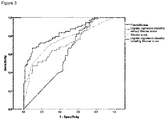
- the basic idea behind the present invention is the finding of the reduced abundance of Prevotellaceae in PD patients. According to the present study, a person with a relative abundance of Prevotellaceae of more than 6.5% is very unlikely to have PD (86.1% sensitivity). In other words, high relative abundance of Prevotellaceae indicates a low probability of the subject developing or having PD.
- Prevotella is a genus of Gram-negative bacteria. It is a commensal microbe in the human large intestine and has the ability to degrade a broad spectrum of plant polysaccharides. It not only plays a key role in digesting carbohydrate-rich food and degrading of mucin glycoproteins in the mucosal layer of the gut, but may also interact with the immune system.
- Prevotella is the main contributor of one of the recently suggested gut microbiome enterotypes (Arumugam et al. 2011) in addition to Bacteroides, and Ruminococcus. The composition of the gut microbiome of an individual is established in early childhood and the enterotype of an individual is thereafter very stable. Therefore the present invention measuring Prevotella, Bacteroides, and Ruminococcaceae abundances as determinants of the enterotype can also be used to determine the risk of a subject for future development of PD.
- Lactobacillaceae In addition to Prevotellaceae, also the abundances of Lactobacillaceae, Verrucomicrobiaceae, Bradyrhizobiaceae, and Clostridiales Incertae Sedis IV were independently associated with PD in the studies of the present invention. Thus, in one aspect one or more of the following taxa may be included in the measurement: Lactobacillaceae, Verrucomicrobiaceae, Bradyrhizobiaceae, Clostridiales Incertae Sedis IV and Ruminococcaceae.
- low relative abundance of Prevotellaceae and high relative abundances of Lactobacillaceae, Verrucomicrobiaceae, Bradyrhizobiaceae, Clostridiales Incertae Sedis IV and/or Ruminococcaceae indicates a high probability of the subject developing or having PD.
- one or more of the following taxa are included in the determination in addition to Prevotella: Sutterella, Saccharofermentans, Mahella, Lactobacillus, Phaeovibrio, Agromonas, and/or Anaerotruncus.
- Prevotella Sutterella, Saccharofermentans, Mahella, Lactobacillus, Phaeovibrio, Agromonas, and/or Anaerotruncus.
- low relative abundance of the taxon Sutterella and high relative abundance of the taxa Saccharofermentans, Mahella, Lactobacillus, Phaeovibrio, Agromonas, and/or Anaerotruncus indicates a high probability of the subject developing or having PD.
- one or more of the following taxa are included in the determination in addition to Prevotellaceae and Prevotella: Bacteroidia, Clostridiaceae, Clostridium sensu stricto, Faecalibacterium, Mogibacterium, Oscillibacter, Prevotella, Prevotellaceae, Roseburia, Acetivibrio, Actinobacteria, Allobaculum, Anaerotruncus, Blautia, Butyricicoccus, Clostridium IV, Collinsella, Coriobacteriaceae, Coriobacteriales, Eggerthella, Firmicutes, Parabacteroides, Porphyromonadaceae, Ruminococcaceae, Sporobacterium.
- Prevotella and/or Prevotellaceae low relative abundance of the taxa Bacteroidia, Clostridiaceae, Clostridium sensu stricto, Faecalibacterium, Mogibacterium, Oscillibacter, and / or Roseburia and high relative abundance of the taxa Acetivibrio, Actinobacteria, Allobaculum, Anaerotruncus, Blautia, Butyricicoccus, Clostridium IV, Collinsella, Coriobacteriaceae, Coriobacteriales, Eggerthella, Firmicutes, Parabacteroides, Porphyromonadaceae, Ruminococcaceae, and / or Sporobacterium indicates a high probability of the subject developing or having PD.
- Prevotella and the taxa from one or more of the further bacterial species which may be selected from the group of Bacteroides barnesiae, Bacteroides coprocola, Bacteroides coprophilus, Clostridium argentinense, Dialister invisus, Dialister micraerophilus, Fibrobacter succinogenes, Haemophilus influenzae, Haemophilus parainfluenzae, Leadbetterella byssophila, Shigelladysenteriae, Shigella and Sporanaerobacteracetigenes, and the high relative abundance of one or more of the taxa, which may be selected from the following group: Achromobacter denitrificans, Alistipes putredinis, Alistipes shahii, Alistipes sp HGB5, Alkaliphilus metalliredigens, Bacteroides dorei, Bacteroides eggerthii, Bacteroides fragilis, Bacteroides
- the method of the present disclosure may include a quantitative measurement of constipation, wherein values indicating constipation indicate a high probability of the subject developing or having PD.
- the constipation may be measured e.g. by using a questionnaire or an objective assessment of colonic transit time.
- clinical measures of patient symptoms may include, but are not restricted to quantitative measurements of constipation, may be included in the logistic regression model. Also information on the presence of PD risk alleles in the genome of the subject may be included in the model.
- taxa abundances from reference samples including samples from PD patients and healthy controls and abundances from the sample of the subject are subjected to a statistical classification method such as, but not restricted to "partitioning around the medoid” and "Dirichlet multinomial mixture", that assigns samples into groups based on their taxonomic composition (Arumugam et al., 2011). If the method from a statistical classification assigns the subject's sample to a group containing few PD samples, the probability of the subject developing or having PD is determined to be low and vice versa.
- the method from a statistical classification assigns the subject's sample to a group where the samples have higher abundances of one or more of the taxa Prevotellaceae or Prevotella as compared to the other groups the probability of the subject developing or having PD is determined to be low.
- PD is a clinically heterogenic disorder and it has been suggested that different pathophysiologic mechanisms underlie the observed differences in expression of tremor and non-tremor symptoms between patients.
- tremor dominant (TD) patients patients with a non-TD phenotype progress faster, have a worse prognosis, and show more severe alpha-synuclein pathology in the colonic enteric nervous system.
- the present disclosure relates also to a method for determining a clinical subtype of a PD patient, especially a motor subtype
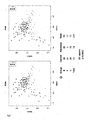
- the method comprises obtaining a sample from a subject; determining the abundance of one or multiple of the following taxa: Enterobacteriaceae, Clostridium XVIII, Anaerofilum, Papillibacter, Succiniclasticum, Klebsiella, Escherichia / Shigella and Paludibacter in said sample; and by using statistical methods determining a motor subtype based on the measured abundances, wherein low relative abundance of the said taxon or taxa indicates a tremor dominant subtype and high relative abundance indicates a non-tremor subtype.
- the determination of clinical subtypes can be a useful tool to improve research methods and thus find a cure or better treatments, or help to counsel patients or direct existing therapies.
- the present disclosure relates to a kit for use in a method of the disclosure i.e for detection and risk assessment of PD, the comprising means for determining alterations in the microbiota, especially gut microbiota.
- the kit comprises reagents and means for determining the abundance of one or more of the taxa mentioned in claims of the present invention in a sample.
- the present invention relates further to a composition
- a composition comprising a gut microbiome altering agent that, when administered to an individual, increases the abundance of Prevotellaceae or supports growth of these taxa in the intestine.
- the composition may comprise live or killed microbes and optionally a pharmaceutically acceptable carrier.
- the microbes are from the taxon Prevotellaceae.
- a composition may also be such that when administered to an individual, it decreases the abundance of one or more of the taxa Lactobacillaceae, Verrucomicrobiaceae, Bradyrhizobiaceae, Clostridiales Incertae Sedis IV, Ruminococcaceae, Lachnospiraceae, Enterobacteri aceae, Bacteroidaceae, Alistipes, Coprococcus, Anaerotruncus, Porphyromonadaceae, Parabacteroides, Butyricicoccus, Collinsella, Eggerthella, Coriobacteriaceae, Sporobacterium, Actinobacteria, Blautia, Enterococcus, Acetivibrio, Allobaculum Agromonas, Firmicutes, Mahella, Phaeovibrio, Porphyromonadaceae, Oscillibacter, and/or Saccharofermentans in the intestine.
- the composition of the invention may be in the form of a food composition, pharmaceutical composition, nutraceutical, supplement or an anaerobical microbiota culture. It may include probiotics and other micro-organisms, prebiotics, antibiotics, growth factors, bacteriophages etc..
- the composition may be administered mixed in food or drink, for example, or separately in the form of a tablets, capsules, microcapsules, powders, solutions, pastes, etc.
- Food composition may be any kind of food (functional, conventional and novel), food supplement, formula for nutritional purposes, or nutraceutical and it may contain any suitable additives and excipients.
- the effect of the bacterial supplementation may be enhanced by adding prebiotics such as fibre or oligosaccharides to the composition.
- the composition may also be a prebiotic and optionally contain a pharmaceutically acceptable carrier.
- the composition may contain live microbes of the taxon Prevotellaceae and a prebioticial agent or compound supporting growth of these taxa and optionally a pharmaceutically acceptable carrier.
- composition of gut microbiome can be changed by following a long-term diet.
- the present disclosure relates further to a method for treatment or prevention of PD in an individual by administering said individual a composition comprising a gut microbiome altering agent that, when administered to an individual, increases the abundance of Prevotellaceae in the intestine.
- the composition to be administered may be the composition of the present invention as disclosed above.
- the composition may also be a stool transplant.
- the administration of a gut microbiome altering agent can be done e.g via a bacterial composition given orally, via a nasogastric tube, as a suppository, or by fecal microbiota transplantation.
- Fecal microbiota transplantation (FMT) or a stool transplant is the process of transplantation of fecal bacteria from a healthy individual into a recipient. It involves restoration of the colonic flora by introducing healthy bacterial flora through infusion of stool, e.g. by enema.
- the feces donor is preferably previously selected according to the present disclosure based on a high abundance of Prevotellaceae and/or low abundance of one or more of the taxa Enterobacteriaceae, Lactobacillaceae, Ruminococcaceae, Bacteroidaceae, Lachnospiraceae, Verrucomicrobiaceae, Bradyrhizobiaceae, Clostridiales Incertae Sedis IV, Alistipes, Coprococcus, Anaerotruncus, Porphyromonadaceae, Parabacteroides, Butyricicoccus, Collinsella, Eggerthella, Coriobacteriaceae, Sporobacterium, Actinobacteria, Blautia, Enterococcus, Acetivibrio, Allobaculum Agromonas, Firmicutes, Mahella, Phaeovibrio, Porphyromonadaceae, Oscillibacter, and / or
- the treatment or prevention of PD in an individual is initiated before the diagnosis of PD based on results of the microbial analysis of the present disclosure.
- the goal of the treatment is to slow the disease process or to even stop it, or even prevent PD.
- treatment may refer to both therapeutic treatment and prophylactic treatment or preventative measures, wherein the goal of the treatment is to slow the disease process or even stop it, or prevent PD.
- This case-control study compared patients with a diagnosis of PD according to the Queen Square Brain Bank criteria with gender- and agematched ( ⁇ five years) control subjects without any signs of parkinsonism or potential premotor symptoms.
- the chance of recruiting patients with monogenic parkinsonism was minimized by restricting the age of motor-symptom onset to above 50 years and by excluding subjects with more than one relative or one first-degree relative with PD.
- subjects with symptoms associated with premotor PD such as hyposmia, REM sleep behaviour disorder (RBD), and accumulation of other NMS were excluded. Further exclusion criteria covered a broad range of conditions and medications that could independently affect the fecal microbiome.
- Subjects were recruited from in- and outpatient departments of the participating hospitals as well as via referrals from cooperating neurologists. We also accepted referrals via participants and invited subjects via announcements in patient journals and meetings. Between November 2011 and December 2012, 277 subjects were screened for the study. Of these, 152 (76 patients, 76 controls) were included. All patients were under regular follow-up by a neurologist who was confident in the diagnosis. Patient records were reviewed if available. Due to sample processing 72 patients and 72 controls were included in the final analysis.
- Parkinsonian symptoms were measured using the Unified Parkinson's Disease Rating Scale (UPDRS) and the modified Hoehn & Yahr scale (H&Y).
- the PD patients were classified into postural instability and gait difficulty (PIGD), tremor dominant (TD), and mixed phenotypes (MX) as described by Jankovic et al 1990.
- PIGD postural instability and gait difficulty
- TD tremor dominant
- MX mixed phenotypes
- an akinetic-rigid symptom score was calculated as described by Poletti et al. 2011, but items 29 (gait) and 30 (postural stability) were excluded since those are included in the PIGD score.
- Overall NMS severity was assessed using the Non-Motor Symptoms Scale (NMSS). The degree of constipation was quantified in more detail using the Wexner constipation score.
- IBS active irritable bowel syndrome
- Stool DNA Stabilizer PSP® Spin Stool DNA Plus Kit, STRATEC Molecular
- the replicate PCR products were pooled and purified with Agencourt® AMPure® XP magnetic beads (Agencourt Bioscience) and subjected to a second PCR round with barcoded forward primers and a reverse primer, both of which attached to the respective 18-mer overhang sequences from the primers of the first PCR amplification.
- Phusion polymerase (Thermo Fisher Scientific / Finnzymes) with HF buffer and 2.5% DMSO were used. Cycling conditions for both PCR reactions consisted of an initial denaturation at 98°C for 30 s, followed by 15 cycles at 98°C for 10 s, 65°C for 30 s, and 72°C for 10 s, and then a final extension for 5 min. Between 3.6 and 60 ng of template DNA were used in the initial reaction. DNA concentration and quality were measured with Qubit (Invitrogen) and Bioanalyzer 2100 (Agilent).
- PCR products were sequenced using 454-GS FLX Titanium chemistry, with an average read length of ⁇ 400 bp (Roche Diagnostics).
- the dataset consisted of 2549217 raw reads (mean read count 17224 per subject).
- Basic sequence quality control and taxonomical assignment were performed with mothur, following the standard operating procedure for 454 sequenced 16S data (Schloss et al., 2011).
- the phylotype based approach was selected for further analysis.
- the final dataset included 1131504 reads, with a mean read count of 7645 per subject, and a mean read length of 218 bases.
- the sequences have been deposited in the Sequence Read Archive at the European Bioinformatics Institute (accession no. PRJEB4927).
- Table 1 Selected demographic and clinical parameters of the cohort including all those parameters that showed significantly different distributions between groups.
- the mean ( ⁇ SD) scores for total UPDRS and UPDRS-III were 45.5 ⁇ 13.6 and 31.6 ⁇ 9.0 points, respectively. 97.3% of PD patients were using antiparkinsonian medication (Table 1). Two patients (2.8%) were treated by deep brain stimulation (DBS). 55.6% of our patients had a PIGD phenotype, 31.9% were TD, and 12.5% were classified as MX. PD patients had significantly more severe NMS overall (median NMSS score 40 [25.25-55.00] vs. 8 [4.00-11.75] points; P ⁇ 0.001) and constipation in particular than control subjects (median Wexner constipation score 5 [3-9] vs. 2 [1-4] points; P ⁇ 0.001).
- the full dataset included bacteria from 360 genera, 125 families, 60 orders, 29 classes and 18 phyla.
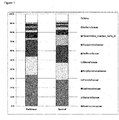
- the majority of the reads (94%) represented the phyla Firmicutes and Bacteroidetes, which are typically the dominant phyla in the gut microbiome.
- the 10 and 5 most common families accounted for 91.6% and 81.3% of all reads, respectively ( Figure 1 ).
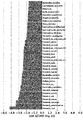
- Table 4a Mean abundance and variation of taxa at the genus level (Table 4a) and family level (Table 4b) that showed different abundances in PD and control groups (Metastats analysis) are shown in Table 4a and b. Data is based on same sample as family data. Table 4a.
- Ruminococcaceae abundance was significantly associated only with levels of Prevotellaceae suggesting that the higher levels of Ruminococcaceae in the PD group were not related to PD itself, but rather compensating lower levels of Prevotellaceae (Table 5).
- Abundances of Verrucomicrobiaceae and Bradyrhizobiaceae were associated with the severity of NMS and in particular constipation.
- Abundances of Lactobacillaceae, Bradyrhizobiaceae, and Clostridiales Incertae Sedis IV were associated with statin medication and abundance of Lactobacillaceae also with previous TIA/ischaemic stroke.
- ROC receiver operating characteristic
- Table 7 Logistic Regression Results of logistic regression analysis with study group as the dependent variable after adding Wexner constipation score to the model. Based on Z-transformed values. Covariate Wald P-Value OR per 1 unit Z-score increase for belonging to PD group [95% CI] Prevotellaceae 7 ⁇ 053 0 ⁇ 008 0 ⁇ 429 [0 ⁇ 230-0 ⁇ 801] Lactobacillaceae 1 ⁇ 752 0 ⁇ 186 156 ⁇ 372 [0 ⁇ 088-277179 ⁇ 530] Bradyrhizobiaceae 3 ⁇ 562 0 ⁇ 059 2 ⁇ 590 [0 ⁇ 964-6 ⁇ 957] Clostridiales Incertae Sedis IV 1 ⁇ 084 0 ⁇ 298 1 ⁇ 349 [0 ⁇ 768-2 ⁇ 371] Wexner total score 17 ⁇ 742 ⁇ 0 ⁇ 001 2 ⁇ 969 [1 ⁇ 789-4 ⁇ 927]
- Table 8 Bacterial families showing differences in abundances between TD and PIGD phenotypes with a p-value less than 0.05. Taxonomy TD* PIGD* P-Value Q-Value Enterobacteriaceae 0.28 ⁇ 0.00 2.31 ⁇ 0.26 0.004 0.018 Erysipelotrichaceae 1.17 ⁇ 0.02 2.19 ⁇ 0.04 0.024 0.103 * mean % ⁇ variance
- IBS active irritable bowel syndrome
Landscapes
- Health & Medical Sciences (AREA)
- Life Sciences & Earth Sciences (AREA)
- Chemical & Material Sciences (AREA)
- Engineering & Computer Science (AREA)
- Immunology (AREA)
- Molecular Biology (AREA)
- Biomedical Technology (AREA)
- Microbiology (AREA)
- General Health & Medical Sciences (AREA)
- Organic Chemistry (AREA)
- Hematology (AREA)
- Urology & Nephrology (AREA)
- Proteomics, Peptides & Aminoacids (AREA)
- Biotechnology (AREA)
- Physics & Mathematics (AREA)
- Analytical Chemistry (AREA)
- Biochemistry (AREA)
- Medicinal Chemistry (AREA)
- Wood Science & Technology (AREA)
- Zoology (AREA)
- Food Science & Technology (AREA)
- Pathology (AREA)
- General Physics & Mathematics (AREA)
- Cell Biology (AREA)
- Bioinformatics & Cheminformatics (AREA)
- Neurology (AREA)
- Neurosurgery (AREA)
- Mycology (AREA)
- Biophysics (AREA)
- General Engineering & Computer Science (AREA)
- Genetics & Genomics (AREA)
- Tropical Medicine & Parasitology (AREA)
- Toxicology (AREA)
- Pharmacology & Pharmacy (AREA)
- Animal Behavior & Ethology (AREA)
- Public Health (AREA)
- Veterinary Medicine (AREA)
- Virology (AREA)
- Epidemiology (AREA)
- Psychology (AREA)
Applications Claiming Priority (3)
| Application Number | Priority Date | Filing Date | Title |
|---|---|---|---|
| FI20145492A FI127671B (en) | 2014-05-28 | 2014-05-28 | Method for diagnostics of Parkinson’s disease |
| PCT/FI2015/050374 WO2015181449A1 (fr) | 2014-05-28 | 2015-05-28 | Procédé de diagnostic, de traitement et de prévention de la maladie de parkinson |
| EP15798909.6A EP3149205B1 (fr) | 2014-05-28 | 2015-05-28 | Procédé de diagnostic, de traitement et de prévention de la maladie de parkinson |
Related Parent Applications (1)
| Application Number | Title | Priority Date | Filing Date |
|---|---|---|---|
| EP15798909.6A Division EP3149205B1 (fr) | 2014-05-28 | 2015-05-28 | Procédé de diagnostic, de traitement et de prévention de la maladie de parkinson |
Publications (2)
| Publication Number | Publication Date |
|---|---|
| EP3789501A1 true EP3789501A1 (fr) | 2021-03-10 |
| EP3789501B1 EP3789501B1 (fr) | 2023-12-20 |
Family
ID=54698167
Family Applications (2)
| Application Number | Title | Priority Date | Filing Date |
|---|---|---|---|
| EP20203903.8A Active EP3789501B1 (fr) | 2014-05-28 | 2015-05-28 | Procédé de diagnostic, de traitement et de prévention de la maladie de parkinson |
| EP15798909.6A Active EP3149205B1 (fr) | 2014-05-28 | 2015-05-28 | Procédé de diagnostic, de traitement et de prévention de la maladie de parkinson |
Family Applications After (1)
| Application Number | Title | Priority Date | Filing Date |
|---|---|---|---|
| EP15798909.6A Active EP3149205B1 (fr) | 2014-05-28 | 2015-05-28 | Procédé de diagnostic, de traitement et de prévention de la maladie de parkinson |
Country Status (6)
| Country | Link |
|---|---|
| US (4) | US10139408B2 (fr) |
| EP (2) | EP3789501B1 (fr) |
| DK (1) | DK3789501T3 (fr) |
| ES (1) | ES2972858T3 (fr) |
| FI (2) | FI127671B (fr) |
| WO (1) | WO2015181449A1 (fr) |
Cited By (1)
| Publication number | Priority date | Publication date | Assignee | Title |
|---|---|---|---|---|
| WO2023094733A1 (fr) | 2021-11-29 | 2023-06-01 | Neurobiome Oy | Méthode de traitement et de prévention de la maladie de parkinson |
Families Citing this family (23)
| Publication number | Priority date | Publication date | Assignee | Title |
|---|---|---|---|---|
| WO2014036182A2 (fr) | 2012-08-29 | 2014-03-06 | California Institute Of Technology | Diagnostic et traitement du trouble du spectre autistique |
| EA201790811A1 (ru) | 2014-10-30 | 2017-11-30 | Калифорния Инститьют Оф Текнолоджи | Содержащие бактерии композиции и способы для улучшения видов поведения при нарушениях неврологического развития |
| WO2016069801A1 (fr) | 2014-10-30 | 2016-05-06 | California Institute Of Technology | Compositions et procédés comprenant des bactéries pour améliorer le comportement dans les troubles neurodéveloppementaux |
| CN106974940B (zh) * | 2016-01-15 | 2020-08-25 | 深圳华大生命科学研究院 | 厚壁菌类益生菌在治疗和预防肥胖及其相关疾病中的应用 |
| EP4707410A3 (fr) * | 2016-05-23 | 2026-03-25 | California Institute of Technology | Régulation du microbiote intestinal pour traiter des troubles neurodégénératifs |
| KR101944664B1 (ko) * | 2017-02-24 | 2019-02-01 | 주식회사 엠디헬스케어 | 세균 메타게놈 분석을 통한 파킨슨병 진단방법 |
| EP3369423A1 (fr) | 2017-03-01 | 2018-09-05 | Reminisciences | Composition symbiotique et son utilisation pour la prévention et/ou le traitement de troubles neurodégénératifs |
| WO2018213204A1 (fr) | 2017-05-15 | 2018-11-22 | Axial Biotherapeutics, Inc. | Inhibiteurs d'amyloïde induite par voie microbienne |
| US11834695B2 (en) * | 2017-05-18 | 2023-12-05 | Kabushiki Kaisha Yakult Honsha | Marker and method for determination of Parkinson's disease |
| DE102017111547A1 (de) * | 2017-05-26 | 2018-11-29 | Aiden Haghikia | Mittel zur Behandlung von Erkrankungen mit Mikrobiom-Bezug |
| MX2020003198A (es) * | 2017-09-29 | 2020-10-12 | Univ Industry Cooperation Group Kyung Hee Univ | Bacterias acidolácticas novedosas y uso de las mismas. |
| KR102130485B1 (ko) * | 2017-10-13 | 2020-07-06 | 주식회사 엠디헬스케어 | 세균 메타게놈 분석을 통한 알츠하이머치매 진단방법 |
| US20210158895A1 (en) * | 2018-04-13 | 2021-05-27 | Dana-Farber Cancer Institute, Inc. | Ultra-sensitive detection of cancer by algorithmic analysis |
| WO2020214538A1 (fr) * | 2019-04-17 | 2020-10-22 | Aztherapies, Inc | Traitement et prévention de la démence et d'autres maladies neurodégénératives |
| WO2021053666A1 (fr) * | 2019-09-19 | 2021-03-25 | Ramot At Tel-Aviv University Ltd. | Procédés de diagnostic et de surveillance du traitement de patients ayant une déficience liée à l'adnp |
| EP3879272A1 (fr) * | 2020-03-09 | 2021-09-15 | Albert-Ludwigs-Universität Freiburg | Procédés associés au microbiote intestinal pour le traitement de la démence et du déclin des facultés cognitives liées au vieillissement |
| EP4081804A1 (fr) * | 2019-12-23 | 2022-11-02 | Albert-Ludwigs-Universität Freiburg | Méthodes associées au microbiote intestinal destinées au traitement de la démence et du déclin cognitif dépendant de l'âge |
| US20240066074A1 (en) * | 2020-09-11 | 2024-02-29 | California Institute Of Technology | Probiotic treatments for parkinson's disease |
| CN115537461A (zh) * | 2022-10-12 | 2022-12-30 | 广东省中医院(广州中医药大学第二附属医院、广州中医药大学第二临床医学院、广东省中医药科学院) | 微生物菌种标志物在制备诊断或预测帕金森病的产品中的应用 |
| CN117363763B (zh) * | 2023-11-02 | 2025-05-27 | 美益添生物医药(武汉)有限公司 | 一种与功能性便秘相关的微生物标志物组合及其应用 |
| US20250194988A1 (en) | 2023-12-18 | 2025-06-19 | Biomedical Lab S.r.l. | System and method for determining motor signs of neurodegenerative disorders |
| WO2025188889A1 (fr) * | 2024-03-05 | 2025-09-12 | The Medical College Of Wisconsin, Inc. | Procédés pour déterminer si un sujet est atteint d'une neurodégénérescence ou est suspecté d'être atteint d'une neurodégénérescence |
| CN119614730B (zh) * | 2025-02-17 | 2025-05-13 | 美益添生物医药(武汉)有限公司 | 一种与帕金森综合征相关的肠道菌群标志物及其应用 |
Citations (1)
| Publication number | Priority date | Publication date | Assignee | Title |
|---|---|---|---|---|
| US20040170617A1 (en) * | 2000-06-05 | 2004-09-02 | Finegold Sydney M. | Method of treating diseases associated with abnormal gastrointestinal flora |
Family Cites Families (11)
| Publication number | Priority date | Publication date | Assignee | Title |
|---|---|---|---|---|
| US20020013270A1 (en) * | 2000-06-05 | 2002-01-31 | Bolte Ellen R. | Method for treating a mental disorder |
| US20040062757A1 (en) | 2001-06-05 | 2004-04-01 | Finegold Sydney M. | Method of testing gastrointestinal diseases associated with species of genus clostridium |
| US8030002B2 (en) * | 2000-11-16 | 2011-10-04 | Curemark Llc | Methods for diagnosing pervasive development disorders, dysautonomia and other neurological conditions |
| WO2011053653A2 (fr) | 2009-10-30 | 2011-05-05 | Mayo Foundation For Medical Education And Research | Préparations à base de prevotella histicola et traitement d'états auto-immuns |
| EP2763540A4 (fr) * | 2011-09-09 | 2015-04-22 | Univ Yale | Compositions et procédés d'évaluation et de traitement de maladies et de troubles inflammatoires |
| PT2750682T (pt) | 2011-10-11 | 2016-07-26 | Achim Biotherapeutics Ab | Composição compreendendo a flora intestinal cultivada anaerobiamente |
| US10011883B2 (en) | 2011-10-14 | 2018-07-03 | New York University | Causative agents and diagnostic methods relating to rheumatoid arthritis |
| WO2013176774A1 (fr) | 2012-05-25 | 2013-11-28 | Arizona Board Of Regents | Marqueurs de microbiome et thérapies pour troubles du spectre autistique |
| WO2013190068A1 (fr) | 2012-06-22 | 2013-12-27 | Nestec S.A. | Probiotique et polyphénol contre la neurodégénérescence |
| CA2899925A1 (fr) | 2013-02-04 | 2014-08-07 | Seres Therapeutics, Inc. | Compositions et procedes pour l'inhibition de croissance bacterienne pathogene |
| US10137157B2 (en) * | 2013-06-03 | 2018-11-27 | Proprev Ab | Treatment of obesity, the metabolic syndrome, type 2 diabetes, cardiovascular diseases, dementia, alzheimer's disease and inflammatory bowel disease by using at least one bacterial strain from Prevotella |
-
2014
- 2014-05-28 FI FI20145492A patent/FI127671B/en active IP Right Grant
-
2015
- 2015-05-28 US US15/314,240 patent/US10139408B2/en active Active
- 2015-05-28 EP EP20203903.8A patent/EP3789501B1/fr active Active
- 2015-05-28 EP EP15798909.6A patent/EP3149205B1/fr active Active
- 2015-05-28 DK DK20203903.8T patent/DK3789501T3/da active
- 2015-05-28 ES ES20203903T patent/ES2972858T3/es active Active
- 2015-05-28 WO PCT/FI2015/050374 patent/WO2015181449A1/fr not_active Ceased
- 2015-05-28 FI FIEP20203903.8T patent/FI3789501T3/fi active
-
2018
- 2018-11-12 US US16/186,663 patent/US20190137493A1/en not_active Abandoned
-
2020
- 2020-12-09 US US17/116,045 patent/US11499971B2/en active Active
-
2022
- 2022-09-21 US US17/933,952 patent/US11906517B2/en active Active
Patent Citations (1)
| Publication number | Priority date | Publication date | Assignee | Title |
|---|---|---|---|---|
| US20040170617A1 (en) * | 2000-06-05 | 2004-09-02 | Finegold Sydney M. | Method of treating diseases associated with abnormal gastrointestinal flora |
Non-Patent Citations (14)
| Title |
|---|
| ALFONSO FASANO ET AL: "The role of small intestinal bacterial overgrowth in Parkinson's disease : Sibo in Parkinson's Disease", MOVEMENT DISORDERS., vol. 28, no. 9, 27 May 2013 (2013-05-27), US, pages 1241 - 1249, XP055413745, ISSN: 0885-3185, DOI: 10.1002/mds.25522 * |
| ARUMUGAM MRAES JPELLETIER E ET AL.: "Enterotypes of the human gut microbiome", NATURE, vol. 473, no. 7346, 2011, pages 174 - 180, XP055018562, DOI: 10.1038/nature09944 |
| DE VOS WMDE VOS EA: "Role of the intestinal microbiome in health and disease: From correlation to causation", NUTR REV, vol. 70, 2012, pages S45 - 56, XP055391808, DOI: 10.1111/j.1753-4887.2012.00505.x |
| EDWARDS UROGALL TBLOCKER H ET AL.: "Isolation and direct complete nucleotide determination of entire genes. characterization of a gene coding for 16S ribosomal RNA", NUCLEIC ACIDS RES, vol. 17, no. 19, 1989, pages 7843 - 7853, XP000226736 |
| H. H. NIELSEN ET AL: "Treatment for Helicobacter pylori infection and risk of parkinson's disease in Denmark : Helicobacter pylori, Parkinson's disease", EUROPEAN JOURNAL OF NEUROLOGY, vol. 19, no. 6, 17 January 2012 (2012-01-17), GB, pages 864 - 869, XP055413746, ISSN: 1351-5101, DOI: 10.1111/j.1468-1331.2011.03643.x * |
| JANKOVIC JMCDERMOTT MCARTER J ET AL.: "Variable expression of parkinson's disease: A base-line analysis of the DATATOP cohort. the parkinson study group", NEUROLOGY, vol. 40, no. 10, 1990, pages 1529 - 1534 |
| KIEBURTZ KWUNDERLE KB: "Parkinson's disease: Evidence for environmental risk factors", MOV DISORD, vol. 28, no. 1, 2013, pages 8 - 13 |
| LANE DJ: "Nucleic Acid Techniques in Bacterial Systematics", 1991, STACKEBRANDT,E. GOODFEL-LOW,M. EDS., pages: 115 - 175 |
| NOYCE AJBESTWICK JPSILVEIRA-MORIYAMA L ET AL.: "Meta-analysis of early nonmotor features and risk factors for parkinson disease", ANN NEUROL, vol. 72, no. 6, 2012, pages 893 - 901 |
| POLETTI MFROSINI DPAGNI C ET AL.: "The association between motor subtypes and alexithymia in de novo parkinson's disease", J NEUROL, vol. 258, no. 6, 2011, pages 1042 - 1045, XP019908071, DOI: 10.1007/s00415-010-5878-8 |
| SAVICA RCARLIN JMGROSSARDT BR ET AL.: "Medical records documentation of constipation preceding parkinson disease: A case-control study", NEUROLOGY, vol. 73, no. 21, 2009, pages 1752 - 1758 |
| SCHLOSS PDWESTCOTT SLRYABIN T ET AL.: "Introducing mothur: Open-source, platform-independent, community-supported software for describing and comparing microbial communities", APPL ENVIRON MICROBIOL, vol. 75, no. 23, 2009, pages 7537 - 7541, XP055154024, DOI: 10.1128/AEM.01541-09 |
| SEGATA NIZARD JWALDRON LGEVERS DMIROPOLSKY LGARRETT WSHUTTENHOWER C: "Metagenomic biomarker discovery and explanation", GENOME BIOL, vol. 12, no. 6, 24 June 2011 (2011-06-24), pages R60, XP021106546, DOI: 10.1186/gb-2011-12-6-r60 |
| WHITE JRNAGARAJAN NPOP M: "Statistical methods for detectingdif-ferentially abundant features in clinical metagenomic samples", PLOS COMPUT BIOL, vol. 5, 2009, pages e1000352 |
Cited By (1)
| Publication number | Priority date | Publication date | Assignee | Title |
|---|---|---|---|---|
| WO2023094733A1 (fr) | 2021-11-29 | 2023-06-01 | Neurobiome Oy | Méthode de traitement et de prévention de la maladie de parkinson |
Also Published As
| Publication number | Publication date |
|---|---|
| FI20145492A7 (fi) | 2015-11-29 |
| US20190137493A1 (en) | 2019-05-09 |
| US20230221314A1 (en) | 2023-07-13 |
| ES2972858T3 (es) | 2024-06-17 |
| DK3789501T3 (da) | 2024-03-04 |
| FI3789501T3 (fi) | 2024-02-26 |
| EP3149205A1 (fr) | 2017-04-05 |
| EP3149205A4 (fr) | 2018-02-21 |
| US10139408B2 (en) | 2018-11-27 |
| US20170191998A1 (en) | 2017-07-06 |
| FI127671B (en) | 2018-11-30 |
| US11906517B2 (en) | 2024-02-20 |
| WO2015181449A1 (fr) | 2015-12-03 |
| EP3789501B1 (fr) | 2023-12-20 |
| US11499971B2 (en) | 2022-11-15 |
| EP3149205B1 (fr) | 2020-11-18 |
| US20210109098A1 (en) | 2021-04-15 |
Similar Documents
| Publication | Publication Date | Title |
|---|---|---|
| US11906517B2 (en) | Method for diagnostics, treatment and prevention of Parkinson's disease | |
| Suez et al. | Post-antibiotic gut mucosal microbiome reconstitution is impaired by probiotics and improved by autologous FMT | |
| Zmora et al. | Personalized gut mucosal colonization resistance to empiric probiotics is associated with unique host and microbiome features | |
| Nishino et al. | Analysis of endoscopic brush samples identified mucosa-associated dysbiosis in inflammatory bowel disease | |
| Montassier et al. | Probiotics impact the antibiotic resistance gene reservoir along the human GI tract in a person-specific and antibiotic-dependent manner | |
| Marti et al. | Effects of Lactobacillus reuteri supplementation on the gut microbiota in extremely preterm infants in a randomized placebo-controlled trial | |
| Liu et al. | Metagenomic analysis of the gut microbiome in atherosclerosis patients identify cross‐cohort microbial signatures and potential therapeutic target | |
| Liguori et al. | Fungal dysbiosis in mucosa-associated microbiota of Crohn’s disease patients | |
| Xun et al. | Dysbiosis and ecotypes of the salivary microbiome associated with inflammatory bowel diseases and the assistance in diagnosis of diseases using oral bacterial profiles | |
| Biagi et al. | Early gut microbiota signature of aGvHD in children given allogeneic hematopoietic cell transplantation for hematological disorders | |
| Odamaki et al. | Age-related changes in gut microbiota composition from newborn to centenarian: a cross-sectional study | |
| Lamas et al. | CARD9 impacts colitis by altering gut microbiota metabolism of tryptophan into aryl hydrocarbon receptor ligands | |
| De Cruz et al. | Association between specific mucosa‐associated microbiota in Crohn's disease at the time of resection and subsequent disease recurrence: A pilot study | |
| Maccaferri et al. | IBS-associated phylogenetic unbalances of the intestinal microbiota are not reverted by probiotic supplementation | |
| Lu et al. | Altered gut microbiota diversity and composition in chronic urticaria | |
| Van Best et al. | Influence of probiotic supplementation on the developing microbiota in human preterm neonates | |
| US20170356029A1 (en) | Microbiome markers and therapies for autism spectrum disorders | |
| US20160022745A1 (en) | Butyrogenic bacteria as probiotics to treat clostridium difficile | |
| Piewngam et al. | Composition of the intestinal microbiota in extended-spectrum β-lactamase-producing Enterobacteriaceae carriers and non-carriers in Thailand | |
| Alatawi et al. | Attributes of intestinal microbiota composition and their correlation with clinical primary non-response to anti-TNF-α agents in inflammatory bowel disease patients | |
| Mangin et al. | Long-term changes in human colonic Bifidobacterium populations induced by a 5-day oral amoxicillin-clavulanic acid treatment | |
| Del Chierico et al. | Characterization of the gut microbiota and mycobiota in Italian pediatric patients with primary sclerosing cholangitis and ulcerative colitis | |
| Oliveira et al. | Deprivation of dietary fiber enhances susceptibility of mice to cryptosporidiosis | |
| Chen et al. | Intestinal microbiota and probiotic intervention in children with bronchial asthma | |
| Chang et al. | Fecal microbiota profile in patients with inflammatory bowel disease in Taiwan |
Legal Events
| Date | Code | Title | Description |
|---|---|---|---|
| PUAI | Public reference made under article 153(3) epc to a published international application that has entered the european phase |
Free format text: ORIGINAL CODE: 0009012 |
|
| STAA | Information on the status of an ep patent application or granted ep patent |
Free format text: STATUS: THE APPLICATION HAS BEEN PUBLISHED |
|
| AC | Divisional application: reference to earlier application |
Ref document number: 3149205 Country of ref document: EP Kind code of ref document: P |
|
| AK | Designated contracting states |
Kind code of ref document: A1 Designated state(s): AL AT BE BG CH CY CZ DE DK EE ES FI FR GB GR HR HU IE IS IT LI LT LU LV MC MK MT NL NO PL PT RO RS SE SI SK SM TR |
|
| STAA | Information on the status of an ep patent application or granted ep patent |
Free format text: STATUS: REQUEST FOR EXAMINATION WAS MADE |
|
| 17P | Request for examination filed |
Effective date: 20210907 |
|
| RBV | Designated contracting states (corrected) |
Designated state(s): AL AT BE BG CH CY CZ DE DK EE ES FI FR GB GR HR HU IE IS IT LI LT LU LV MC MK MT NL NO PL PT RO RS SE SI SK SM TR |
|
| STAA | Information on the status of an ep patent application or granted ep patent |
Free format text: STATUS: EXAMINATION IS IN PROGRESS |
|
| 17Q | First examination report despatched |
Effective date: 20221011 |
|
| GRAP | Despatch of communication of intention to grant a patent |
Free format text: ORIGINAL CODE: EPIDOSNIGR1 |
|
| STAA | Information on the status of an ep patent application or granted ep patent |
Free format text: STATUS: GRANT OF PATENT IS INTENDED |
|
| GRAS | Grant fee paid |
Free format text: ORIGINAL CODE: EPIDOSNIGR3 |
|
| GRAA | (expected) grant |
Free format text: ORIGINAL CODE: 0009210 |
|
| STAA | Information on the status of an ep patent application or granted ep patent |
Free format text: STATUS: THE PATENT HAS BEEN GRANTED |
|
| INTG | Intention to grant announced |
Effective date: 20231024 |
|
| AC | Divisional application: reference to earlier application |
Ref document number: 3149205 Country of ref document: EP Kind code of ref document: P |
|
| AK | Designated contracting states |
Kind code of ref document: B1 Designated state(s): AL AT BE BG CH CY CZ DE DK EE ES FI FR GB GR HR HU IE IS IT LI LT LU LV MC MK MT NL NO PL PT RO RS SE SI SK SM TR |
|
| REG | Reference to a national code |
Ref country code: GB Ref legal event code: FG4D |
|
| REG | Reference to a national code |
Ref country code: CH Ref legal event code: EP |
|
| REG | Reference to a national code |
Ref country code: DE Ref legal event code: R096 Ref document number: 602015087055 Country of ref document: DE |
|
| REG | Reference to a national code |
Ref country code: IE Ref legal event code: FG4D |
|
| P01 | Opt-out of the competence of the unified patent court (upc) registered |
Effective date: 20240111 |
|
| REG | Reference to a national code |
Ref country code: FI Ref legal event code: FGE |
|
| REG | Reference to a national code |
Ref country code: DK Ref legal event code: T3 Effective date: 20240229 |
|
| REG | Reference to a national code |
Ref country code: NL Ref legal event code: FP |
|
| REG | Reference to a national code |
Ref country code: SE Ref legal event code: TRGR |
|
| PG25 | Lapsed in a contracting state [announced via postgrant information from national office to epo] |
Ref country code: GR Free format text: LAPSE BECAUSE OF FAILURE TO SUBMIT A TRANSLATION OF THE DESCRIPTION OR TO PAY THE FEE WITHIN THE PRESCRIBED TIME-LIMIT Effective date: 20240321 |
|
| REG | Reference to a national code |
Ref country code: LT Ref legal event code: MG9D |
|
| PG25 | Lapsed in a contracting state [announced via postgrant information from national office to epo] |
Ref country code: LT Free format text: LAPSE BECAUSE OF FAILURE TO SUBMIT A TRANSLATION OF THE DESCRIPTION OR TO PAY THE FEE WITHIN THE PRESCRIBED TIME-LIMIT Effective date: 20231220 |
|
| PG25 | Lapsed in a contracting state [announced via postgrant information from national office to epo] |
Ref country code: LT Free format text: LAPSE BECAUSE OF FAILURE TO SUBMIT A TRANSLATION OF THE DESCRIPTION OR TO PAY THE FEE WITHIN THE PRESCRIBED TIME-LIMIT Effective date: 20231220 Ref country code: GR Free format text: LAPSE BECAUSE OF FAILURE TO SUBMIT A TRANSLATION OF THE DESCRIPTION OR TO PAY THE FEE WITHIN THE PRESCRIBED TIME-LIMIT Effective date: 20240321 Ref country code: BG Free format text: LAPSE BECAUSE OF FAILURE TO SUBMIT A TRANSLATION OF THE DESCRIPTION OR TO PAY THE FEE WITHIN THE PRESCRIBED TIME-LIMIT Effective date: 20240320 |
|
| REG | Reference to a national code |
Ref country code: AT Ref legal event code: MK05 Ref document number: 1642483 Country of ref document: AT Kind code of ref document: T Effective date: 20231220 |
|
| PG25 | Lapsed in a contracting state [announced via postgrant information from national office to epo] |
Ref country code: RS Free format text: LAPSE BECAUSE OF FAILURE TO SUBMIT A TRANSLATION OF THE DESCRIPTION OR TO PAY THE FEE WITHIN THE PRESCRIBED TIME-LIMIT Effective date: 20231220 Ref country code: LV Free format text: LAPSE BECAUSE OF FAILURE TO SUBMIT A TRANSLATION OF THE DESCRIPTION OR TO PAY THE FEE WITHIN THE PRESCRIBED TIME-LIMIT Effective date: 20231220 Ref country code: HR Free format text: LAPSE BECAUSE OF FAILURE TO SUBMIT A TRANSLATION OF THE DESCRIPTION OR TO PAY THE FEE WITHIN THE PRESCRIBED TIME-LIMIT Effective date: 20231220 |
|
| REG | Reference to a national code |
Ref country code: ES Ref legal event code: FG2A Ref document number: 2972858 Country of ref document: ES Kind code of ref document: T3 Effective date: 20240617 |
|
| PG25 | Lapsed in a contracting state [announced via postgrant information from national office to epo] |
Ref country code: IS Free format text: LAPSE BECAUSE OF FAILURE TO SUBMIT A TRANSLATION OF THE DESCRIPTION OR TO PAY THE FEE WITHIN THE PRESCRIBED TIME-LIMIT Effective date: 20240420 |
|
| PG25 | Lapsed in a contracting state [announced via postgrant information from national office to epo] |
Ref country code: CZ Free format text: LAPSE BECAUSE OF FAILURE TO SUBMIT A TRANSLATION OF THE DESCRIPTION OR TO PAY THE FEE WITHIN THE PRESCRIBED TIME-LIMIT Effective date: 20231220 Ref country code: AT Free format text: LAPSE BECAUSE OF FAILURE TO SUBMIT A TRANSLATION OF THE DESCRIPTION OR TO PAY THE FEE WITHIN THE PRESCRIBED TIME-LIMIT Effective date: 20231220 |
|
| PG25 | Lapsed in a contracting state [announced via postgrant information from national office to epo] |
Ref country code: SK Free format text: LAPSE BECAUSE OF FAILURE TO SUBMIT A TRANSLATION OF THE DESCRIPTION OR TO PAY THE FEE WITHIN THE PRESCRIBED TIME-LIMIT Effective date: 20231220 |
|
| PG25 | Lapsed in a contracting state [announced via postgrant information from national office to epo] |
Ref country code: SM Free format text: LAPSE BECAUSE OF FAILURE TO SUBMIT A TRANSLATION OF THE DESCRIPTION OR TO PAY THE FEE WITHIN THE PRESCRIBED TIME-LIMIT Effective date: 20231220 Ref country code: SK Free format text: LAPSE BECAUSE OF FAILURE TO SUBMIT A TRANSLATION OF THE DESCRIPTION OR TO PAY THE FEE WITHIN THE PRESCRIBED TIME-LIMIT Effective date: 20231220 Ref country code: RO Free format text: LAPSE BECAUSE OF FAILURE TO SUBMIT A TRANSLATION OF THE DESCRIPTION OR TO PAY THE FEE WITHIN THE PRESCRIBED TIME-LIMIT Effective date: 20231220 Ref country code: IS Free format text: LAPSE BECAUSE OF FAILURE TO SUBMIT A TRANSLATION OF THE DESCRIPTION OR TO PAY THE FEE WITHIN THE PRESCRIBED TIME-LIMIT Effective date: 20240420 Ref country code: EE Free format text: LAPSE BECAUSE OF FAILURE TO SUBMIT A TRANSLATION OF THE DESCRIPTION OR TO PAY THE FEE WITHIN THE PRESCRIBED TIME-LIMIT Effective date: 20231220 Ref country code: CZ Free format text: LAPSE BECAUSE OF FAILURE TO SUBMIT A TRANSLATION OF THE DESCRIPTION OR TO PAY THE FEE WITHIN THE PRESCRIBED TIME-LIMIT Effective date: 20231220 Ref country code: AT Free format text: LAPSE BECAUSE OF FAILURE TO SUBMIT A TRANSLATION OF THE DESCRIPTION OR TO PAY THE FEE WITHIN THE PRESCRIBED TIME-LIMIT Effective date: 20231220 |
|
| PG25 | Lapsed in a contracting state [announced via postgrant information from national office to epo] |
Ref country code: PT Free format text: LAPSE BECAUSE OF FAILURE TO SUBMIT A TRANSLATION OF THE DESCRIPTION OR TO PAY THE FEE WITHIN THE PRESCRIBED TIME-LIMIT Effective date: 20240422 Ref country code: PL Free format text: LAPSE BECAUSE OF FAILURE TO SUBMIT A TRANSLATION OF THE DESCRIPTION OR TO PAY THE FEE WITHIN THE PRESCRIBED TIME-LIMIT Effective date: 20231220 |
|
| PG25 | Lapsed in a contracting state [announced via postgrant information from national office to epo] |
Ref country code: PT Free format text: LAPSE BECAUSE OF FAILURE TO SUBMIT A TRANSLATION OF THE DESCRIPTION OR TO PAY THE FEE WITHIN THE PRESCRIBED TIME-LIMIT Effective date: 20240422 Ref country code: PL Free format text: LAPSE BECAUSE OF FAILURE TO SUBMIT A TRANSLATION OF THE DESCRIPTION OR TO PAY THE FEE WITHIN THE PRESCRIBED TIME-LIMIT Effective date: 20231220 |
|
| REG | Reference to a national code |
Ref country code: DE Ref legal event code: R097 Ref document number: 602015087055 Country of ref document: DE |
|
| PLBE | No opposition filed within time limit |
Free format text: ORIGINAL CODE: 0009261 |
|
| STAA | Information on the status of an ep patent application or granted ep patent |
Free format text: STATUS: NO OPPOSITION FILED WITHIN TIME LIMIT |
|
| PG25 | Lapsed in a contracting state [announced via postgrant information from national office to epo] |
Ref country code: SI Free format text: LAPSE BECAUSE OF FAILURE TO SUBMIT A TRANSLATION OF THE DESCRIPTION OR TO PAY THE FEE WITHIN THE PRESCRIBED TIME-LIMIT Effective date: 20231220 |
|
| PG25 | Lapsed in a contracting state [announced via postgrant information from national office to epo] |
Ref country code: SI Free format text: LAPSE BECAUSE OF FAILURE TO SUBMIT A TRANSLATION OF THE DESCRIPTION OR TO PAY THE FEE WITHIN THE PRESCRIBED TIME-LIMIT Effective date: 20231220 |
|
| 26N | No opposition filed |
Effective date: 20240923 |
|
| PG25 | Lapsed in a contracting state [announced via postgrant information from national office to epo] |
Ref country code: MC Free format text: LAPSE BECAUSE OF FAILURE TO SUBMIT A TRANSLATION OF THE DESCRIPTION OR TO PAY THE FEE WITHIN THE PRESCRIBED TIME-LIMIT Effective date: 20231220 |
|
| PG25 | Lapsed in a contracting state [announced via postgrant information from national office to epo] |
Ref country code: MC Free format text: LAPSE BECAUSE OF FAILURE TO SUBMIT A TRANSLATION OF THE DESCRIPTION OR TO PAY THE FEE WITHIN THE PRESCRIBED TIME-LIMIT Effective date: 20231220 |
|
| PGFP | Annual fee paid to national office [announced via postgrant information from national office to epo] |
Ref country code: NL Payment date: 20250507 Year of fee payment: 11 |
|
| PGFP | Annual fee paid to national office [announced via postgrant information from national office to epo] |
Ref country code: FI Payment date: 20250507 Year of fee payment: 11 |
|
| PGFP | Annual fee paid to national office [announced via postgrant information from national office to epo] |
Ref country code: DE Payment date: 20250506 Year of fee payment: 11 |
|
| PGFP | Annual fee paid to national office [announced via postgrant information from national office to epo] |
Ref country code: GB Payment date: 20250515 Year of fee payment: 11 Ref country code: DK Payment date: 20250515 Year of fee payment: 11 |
|
| PGFP | Annual fee paid to national office [announced via postgrant information from national office to epo] |
Ref country code: NO Payment date: 20250508 Year of fee payment: 11 |
|
| PGFP | Annual fee paid to national office [announced via postgrant information from national office to epo] |
Ref country code: LU Payment date: 20250513 Year of fee payment: 11 Ref country code: BE Payment date: 20250507 Year of fee payment: 11 Ref country code: IT Payment date: 20250505 Year of fee payment: 11 |
|
| PGFP | Annual fee paid to national office [announced via postgrant information from national office to epo] |
Ref country code: FR Payment date: 20250515 Year of fee payment: 11 |
|
| PGFP | Annual fee paid to national office [announced via postgrant information from national office to epo] |
Ref country code: CH Payment date: 20250601 Year of fee payment: 11 |
|
| PGFP | Annual fee paid to national office [announced via postgrant information from national office to epo] |
Ref country code: IE Payment date: 20250507 Year of fee payment: 11 |
|
| PGFP | Annual fee paid to national office [announced via postgrant information from national office to epo] |
Ref country code: SE Payment date: 20250506 Year of fee payment: 11 |
|
| PG25 | Lapsed in a contracting state [announced via postgrant information from national office to epo] |
Ref country code: CY Free format text: LAPSE BECAUSE OF FAILURE TO SUBMIT A TRANSLATION OF THE DESCRIPTION OR TO PAY THE FEE WITHIN THE PRESCRIBED TIME-LIMIT; INVALID AB INITIO Effective date: 20150528 |
|
| PGFP | Annual fee paid to national office [announced via postgrant information from national office to epo] |
Ref country code: ES Payment date: 20250812 Year of fee payment: 11 |
|
| PG25 | Lapsed in a contracting state [announced via postgrant information from national office to epo] |
Ref country code: HU Free format text: LAPSE BECAUSE OF FAILURE TO SUBMIT A TRANSLATION OF THE DESCRIPTION OR TO PAY THE FEE WITHIN THE PRESCRIBED TIME-LIMIT; INVALID AB INITIO Effective date: 20150528 |