EP4119135A1 - Methoden zur wiederherstellung des gleichgewichts der darmflora bei patienten mit parkinson-krankheit - Google Patents
Methoden zur wiederherstellung des gleichgewichts der darmflora bei patienten mit parkinson-krankheit Download PDFInfo
- Publication number
- EP4119135A1 EP4119135A1 EP21305978.5A EP21305978A EP4119135A1 EP 4119135 A1 EP4119135 A1 EP 4119135A1 EP 21305978 A EP21305978 A EP 21305978A EP 4119135 A1 EP4119135 A1 EP 4119135A1
- Authority
- EP
- European Patent Office
- Prior art keywords
- parkinson
- disease
- food
- patients
- butyrate
- Prior art date
- Legal status (The legal status is an assumption and is not a legal conclusion. Google has not performed a legal analysis and makes no representation as to the accuracy of the status listed.)
- Withdrawn
Links
- 208000018737 Parkinson disease Diseases 0.000 title claims abstract description 62
- 238000000034 method Methods 0.000 title claims abstract description 27
- 230000000968 intestinal effect Effects 0.000 title description 4
- 230000001580 bacterial effect Effects 0.000 claims abstract description 70
- 235000013734 beta-carotene Nutrition 0.000 claims abstract description 56
- 239000011648 beta-carotene Substances 0.000 claims abstract description 56
- FERIUCNNQQJTOY-UHFFFAOYSA-M Butyrate Chemical compound CCCC([O-])=O FERIUCNNQQJTOY-UHFFFAOYSA-M 0.000 claims abstract description 55
- FERIUCNNQQJTOY-UHFFFAOYSA-N Butyric acid Natural products CCCC(O)=O FERIUCNNQQJTOY-UHFFFAOYSA-N 0.000 claims abstract description 55
- OENHQHLEOONYIE-JLTXGRSLSA-N β-Carotene Chemical compound CC=1CCCC(C)(C)C=1\C=C\C(\C)=C\C=C\C(\C)=C\C=C\C=C(/C)\C=C\C=C(/C)\C=C\C1=C(C)CCCC1(C)C OENHQHLEOONYIE-JLTXGRSLSA-N 0.000 claims abstract description 55
- OENHQHLEOONYIE-UKMVMLAPSA-N all-trans beta-carotene Natural products CC=1CCCC(C)(C)C=1/C=C/C(/C)=C/C=C/C(/C)=C/C=C/C=C(C)C=CC=C(C)C=CC1=C(C)CCCC1(C)C OENHQHLEOONYIE-UKMVMLAPSA-N 0.000 claims abstract description 54
- TUPZEYHYWIEDIH-WAIFQNFQSA-N beta-carotene Natural products CC(=C/C=C/C=C(C)/C=C/C=C(C)/C=C/C1=C(C)CCCC1(C)C)C=CC=C(/C)C=CC2=CCCCC2(C)C TUPZEYHYWIEDIH-WAIFQNFQSA-N 0.000 claims abstract description 54
- 229960002747 betacarotene Drugs 0.000 claims abstract description 54
- 229920000926 Galactomannan Polymers 0.000 claims abstract description 47
- OMDQUFIYNPYJFM-XKDAHURESA-N (2r,3r,4s,5r,6s)-2-(hydroxymethyl)-6-[[(2r,3s,4r,5s,6r)-4,5,6-trihydroxy-3-[(2s,3s,4s,5s,6r)-3,4,5-trihydroxy-6-(hydroxymethyl)oxan-2-yl]oxyoxan-2-yl]methoxy]oxane-3,4,5-triol Chemical compound O[C@@H]1[C@@H](O)[C@@H](O)[C@@H](CO)O[C@@H]1OC[C@@H]1[C@@H](O[C@H]2[C@H]([C@@H](O)[C@H](O)[C@@H](CO)O2)O)[C@H](O)[C@H](O)[C@H](O)O1 OMDQUFIYNPYJFM-XKDAHURESA-N 0.000 claims abstract description 46
- 241001608234 Faecalibacterium Species 0.000 claims abstract description 38
- LUEWUZLMQUOBSB-FSKGGBMCSA-N (2s,3s,4s,5s,6r)-2-[(2r,3s,4r,5r,6s)-6-[(2r,3s,4r,5s,6s)-4,5-dihydroxy-2-(hydroxymethyl)-6-[(2r,4r,5s,6r)-4,5,6-trihydroxy-2-(hydroxymethyl)oxan-3-yl]oxyoxan-3-yl]oxy-4,5-dihydroxy-2-(hydroxymethyl)oxan-3-yl]oxy-6-(hydroxymethyl)oxane-3,4,5-triol Chemical compound O[C@H]1[C@@H](O)[C@H](O)[C@@H](CO)O[C@H]1O[C@@H]1[C@@H](CO)O[C@@H](O[C@@H]2[C@H](O[C@@H](OC3[C@H](O[C@@H](O)[C@@H](O)[C@H]3O)CO)[C@@H](O)[C@H]2O)CO)[C@H](O)[C@H]1O LUEWUZLMQUOBSB-FSKGGBMCSA-N 0.000 claims abstract description 35
- 241001202853 Blautia Species 0.000 claims abstract description 35
- 229920002581 Glucomannan Polymers 0.000 claims abstract description 35
- 229940046240 glucomannan Drugs 0.000 claims abstract description 35
- 241001557932 Butyricicoccus Species 0.000 claims abstract description 24
- 235000020660 omega-3 fatty acid Nutrition 0.000 claims abstract description 22
- 244000005709 gut microbiome Species 0.000 claims abstract description 19
- 230000008569 process Effects 0.000 claims abstract description 6
- 241000894006 Bacteria Species 0.000 claims description 61
- 239000000203 mixture Substances 0.000 claims description 56
- 238000009472 formulation Methods 0.000 claims description 38
- 241000605947 Roseburia Species 0.000 claims description 37
- 239000000843 powder Substances 0.000 claims description 37
- 244000247812 Amorphophallus rivieri Species 0.000 claims description 21
- 235000001206 Amorphophallus rivieri Nutrition 0.000 claims description 21
- 229920002752 Konjac Polymers 0.000 claims description 21
- 239000000252 konjac Substances 0.000 claims description 21
- 235000010485 konjac Nutrition 0.000 claims description 21
- 240000008886 Ceratonia siliqua Species 0.000 claims description 17
- 235000013912 Ceratonia siliqua Nutrition 0.000 claims description 16
- 241000736262 Microbiota Species 0.000 claims description 12
- 244000000626 Daucus carota Species 0.000 claims description 9
- 235000002767 Daucus carota Nutrition 0.000 claims description 9
- 230000004770 neurodegeneration Effects 0.000 claims description 4
- 208000015122 neurodegenerative disease Diseases 0.000 claims description 4
- 239000002775 capsule Substances 0.000 claims description 2
- 235000015872 dietary supplement Nutrition 0.000 abstract description 20
- 238000004458 analytical method Methods 0.000 abstract description 19
- 241000193403 Clostridium Species 0.000 abstract description 18
- 238000012163 sequencing technique Methods 0.000 abstract description 12
- 235000012631 food intake Nutrition 0.000 abstract description 11
- 239000011785 micronutrient Substances 0.000 abstract description 7
- 235000013369 micronutrients Nutrition 0.000 abstract description 7
- 230000036642 wellbeing Effects 0.000 abstract description 7
- 230000036541 health Effects 0.000 abstract description 6
- 230000037406 food intake Effects 0.000 abstract description 5
- 230000001079 digestive effect Effects 0.000 abstract description 4
- 235000013305 food Nutrition 0.000 description 92
- 238000004519 manufacturing process Methods 0.000 description 39
- 235000015097 nutrients Nutrition 0.000 description 33
- 235000021391 short chain fatty acids Nutrition 0.000 description 23
- VYFYYTLLBUKUHU-UHFFFAOYSA-N dopamine Chemical compound NCCC1=CC=C(O)C(O)=C1 VYFYYTLLBUKUHU-UHFFFAOYSA-N 0.000 description 22
- 230000000813 microbial effect Effects 0.000 description 21
- 239000000047 product Substances 0.000 description 20
- 238000010197 meta-analysis Methods 0.000 description 18
- JVTAAEKCZFNVCJ-UHFFFAOYSA-M Lactate Chemical compound CC(O)C([O-])=O JVTAAEKCZFNVCJ-UHFFFAOYSA-M 0.000 description 17
- XBDQKXXYIPTUBI-UHFFFAOYSA-M Propionate Chemical compound CCC([O-])=O XBDQKXXYIPTUBI-UHFFFAOYSA-M 0.000 description 16
- QTBSBXVTEAMEQO-UHFFFAOYSA-M Acetate Chemical compound CC([O-])=O QTBSBXVTEAMEQO-UHFFFAOYSA-M 0.000 description 15
- 230000000694 effects Effects 0.000 description 14
- 238000000855 fermentation Methods 0.000 description 14
- 230000004151 fermentation Effects 0.000 description 14
- 210000001035 gastrointestinal tract Anatomy 0.000 description 13
- 229960003638 dopamine Drugs 0.000 description 11
- 150000004666 short chain fatty acids Chemical class 0.000 description 11
- JAZBEHYOTPTENJ-JLNKQSITSA-N all-cis-5,8,11,14,17-icosapentaenoic acid Chemical compound CC\C=C/C\C=C/C\C=C/C\C=C/C\C=C/CCCC(O)=O JAZBEHYOTPTENJ-JLNKQSITSA-N 0.000 description 10
- 235000020673 eicosapentaenoic acid Nutrition 0.000 description 10
- 229960005135 eicosapentaenoic acid Drugs 0.000 description 10
- JAZBEHYOTPTENJ-UHFFFAOYSA-N eicosapentaenoic acid Natural products CCC=CCC=CCC=CCC=CCC=CCCCC(O)=O JAZBEHYOTPTENJ-UHFFFAOYSA-N 0.000 description 10
- 238000011534 incubation Methods 0.000 description 10
- 235000016709 nutrition Nutrition 0.000 description 10
- 241000702460 Akkermansia Species 0.000 description 9
- 230000003292 diminished effect Effects 0.000 description 9
- 208000037265 diseases, disorders, signs and symptoms Diseases 0.000 description 9
- 235000013399 edible fruits Nutrition 0.000 description 9
- 239000002207 metabolite Substances 0.000 description 9
- 241000894007 species Species 0.000 description 9
- 235000013311 vegetables Nutrition 0.000 description 9
- 108700035965 MEG3 Proteins 0.000 description 8
- 102100023075 Protein Niban 2 Human genes 0.000 description 8
- 235000005911 diet Nutrition 0.000 description 8
- 235000018823 dietary intake Nutrition 0.000 description 8
- 238000000338 in vitro Methods 0.000 description 8
- 235000006286 nutrient intake Nutrition 0.000 description 8
- 150000008442 polyphenolic compounds Chemical class 0.000 description 8
- 235000013824 polyphenols Nutrition 0.000 description 8
- 238000011282 treatment Methods 0.000 description 8
- WTDRDQBEARUVNC-LURJTMIESA-N L-DOPA Chemical compound OC(=O)[C@@H](N)CC1=CC=C(O)C(O)=C1 WTDRDQBEARUVNC-LURJTMIESA-N 0.000 description 7
- WTDRDQBEARUVNC-UHFFFAOYSA-N L-Dopa Natural products OC(=O)C(N)CC1=CC=C(O)C(O)=C1 WTDRDQBEARUVNC-UHFFFAOYSA-N 0.000 description 7
- 229920000294 Resistant starch Polymers 0.000 description 7
- 230000009286 beneficial effect Effects 0.000 description 7
- 235000021466 carotenoid Nutrition 0.000 description 7
- 150000001747 carotenoids Chemical class 0.000 description 7
- 210000004027 cell Anatomy 0.000 description 7
- 230000000112 colonic effect Effects 0.000 description 7
- 201000010099 disease Diseases 0.000 description 7
- 238000009826 distribution Methods 0.000 description 7
- 235000013406 prebiotics Nutrition 0.000 description 7
- 230000002829 reductive effect Effects 0.000 description 7
- 235000021254 resistant starch Nutrition 0.000 description 7
- 238000012360 testing method Methods 0.000 description 7
- 102100024522 Bladder cancer-associated protein Human genes 0.000 description 6
- 101150110835 Blcap gene Proteins 0.000 description 6
- 101100493740 Oryza sativa subsp. japonica BC10 gene Proteins 0.000 description 6
- 230000006870 function Effects 0.000 description 6
- 229960004502 levodopa Drugs 0.000 description 6
- 238000005259 measurement Methods 0.000 description 6
- 108090000623 proteins and genes Proteins 0.000 description 6
- 208000024891 symptom Diseases 0.000 description 6
- 230000015572 biosynthetic process Effects 0.000 description 5
- 230000003247 decreasing effect Effects 0.000 description 5
- 230000007812 deficiency Effects 0.000 description 5
- 230000037213 diet Effects 0.000 description 5
- 238000001727 in vivo Methods 0.000 description 5
- 239000002417 nutraceutical Substances 0.000 description 5
- 235000021436 nutraceutical agent Nutrition 0.000 description 5
- 230000004044 response Effects 0.000 description 5
- MFBOGIVSZKQAPD-UHFFFAOYSA-M sodium butyrate Chemical compound [Na+].CCCC([O-])=O MFBOGIVSZKQAPD-UHFFFAOYSA-M 0.000 description 5
- 239000000758 substrate Substances 0.000 description 5
- 108020004465 16S ribosomal RNA Proteins 0.000 description 4
- 241000251468 Actinopterygii Species 0.000 description 4
- 238000006243 chemical reaction Methods 0.000 description 4
- 230000007423 decrease Effects 0.000 description 4
- 238000002474 experimental method Methods 0.000 description 4
- 235000019688 fish Nutrition 0.000 description 4
- 230000003993 interaction Effects 0.000 description 4
- 210000000936 intestine Anatomy 0.000 description 4
- JVTAAEKCZFNVCJ-UHFFFAOYSA-N lactic acid Chemical compound CC(O)C(O)=O JVTAAEKCZFNVCJ-UHFFFAOYSA-N 0.000 description 4
- 239000000463 material Substances 0.000 description 4
- 238000011160 research Methods 0.000 description 4
- 235000014102 seafood Nutrition 0.000 description 4
- 241000196324 Embryophyta Species 0.000 description 3
- 241000192125 Firmicutes Species 0.000 description 3
- 241001112693 Lachnospiraceae Species 0.000 description 3
- 239000002253 acid Substances 0.000 description 3
- 102000003802 alpha-Synuclein Human genes 0.000 description 3
- 108090000185 alpha-Synuclein Proteins 0.000 description 3
- 210000004556 brain Anatomy 0.000 description 3
- 235000014633 carbohydrates Nutrition 0.000 description 3
- 150000001720 carbohydrates Chemical class 0.000 description 3
- 210000003169 central nervous system Anatomy 0.000 description 3
- 210000001072 colon Anatomy 0.000 description 3
- 230000000378 dietary effect Effects 0.000 description 3
- 238000005516 engineering process Methods 0.000 description 3
- 230000001747 exhibiting effect Effects 0.000 description 3
- 230000002496 gastric effect Effects 0.000 description 3
- 239000004615 ingredient Substances 0.000 description 3
- 230000002503 metabolic effect Effects 0.000 description 3
- 230000020477 pH reduction Effects 0.000 description 3
- 102000004169 proteins and genes Human genes 0.000 description 3
- 238000004088 simulation Methods 0.000 description 3
- 241000702462 Akkermansia muciniphila Species 0.000 description 2
- 102100038238 Aromatic-L-amino-acid decarboxylase Human genes 0.000 description 2
- IJGRMHOSHXDMSA-UHFFFAOYSA-N Atomic nitrogen Chemical compound N#N IJGRMHOSHXDMSA-UHFFFAOYSA-N 0.000 description 2
- 235000000832 Ayote Nutrition 0.000 description 2
- 241001148536 Bacteroides sp. Species 0.000 description 2
- 241000186000 Bifidobacterium Species 0.000 description 2
- 235000004936 Bromus mango Nutrition 0.000 description 2
- 102000006378 Catechol O-methyltransferase Human genes 0.000 description 2
- 108020002739 Catechol O-methyltransferase Proteins 0.000 description 2
- 244000241235 Citrullus lanatus Species 0.000 description 2
- 235000012828 Citrullus lanatus var citroides Nutrition 0.000 description 2
- 206010010774 Constipation Diseases 0.000 description 2
- 240000004244 Cucurbita moschata Species 0.000 description 2
- 235000009854 Cucurbita moschata Nutrition 0.000 description 2
- 235000009804 Cucurbita pepo subsp pepo Nutrition 0.000 description 2
- 229920001503 Glucan Polymers 0.000 description 2
- 235000017367 Guainella Nutrition 0.000 description 2
- 244000017020 Ipomoea batatas Species 0.000 description 2
- 235000002678 Ipomoea batatas Nutrition 0.000 description 2
- 241000186660 Lactobacillus Species 0.000 description 2
- 229920000161 Locust bean gum Polymers 0.000 description 2
- 235000007688 Lycopersicon esculentum Nutrition 0.000 description 2
- 240000007228 Mangifera indica Species 0.000 description 2
- 235000014826 Mangifera indica Nutrition 0.000 description 2
- 241000692844 Prevotellaceae Species 0.000 description 2
- 235000009827 Prunus armeniaca Nutrition 0.000 description 2
- 244000018633 Prunus armeniaca Species 0.000 description 2
- 244000141353 Prunus domestica Species 0.000 description 2
- 235000011449 Rosa Nutrition 0.000 description 2
- 240000007651 Rubus glaucus Species 0.000 description 2
- 235000011034 Rubus glaucus Nutrition 0.000 description 2
- 235000009122 Rubus idaeus Nutrition 0.000 description 2
- 240000003768 Solanum lycopersicum Species 0.000 description 2
- 235000009337 Spinacia oleracea Nutrition 0.000 description 2
- 244000300264 Spinacia oleracea Species 0.000 description 2
- 235000009184 Spondias indica Nutrition 0.000 description 2
- 108010035075 Tyrosine decarboxylase Proteins 0.000 description 2
- 241001183271 Verrucomicrobiaceae Species 0.000 description 2
- 150000007513 acids Chemical class 0.000 description 2
- MBMBGCFOFBJSGT-KUBAVDMBSA-N all-cis-docosa-4,7,10,13,16,19-hexaenoic acid Chemical compound CC\C=C/C\C=C/C\C=C/C\C=C/C\C=C/C\C=C/CCC(O)=O MBMBGCFOFBJSGT-KUBAVDMBSA-N 0.000 description 2
- DTOSIQBPPRVQHS-PDBXOOCHSA-N alpha-linolenic acid Chemical compound CC\C=C/C\C=C/C\C=C/CCCCCCCC(O)=O DTOSIQBPPRVQHS-PDBXOOCHSA-N 0.000 description 2
- 206010002026 amyotrophic lateral sclerosis Diseases 0.000 description 2
- 239000004599 antimicrobial Substances 0.000 description 2
- YZXBAPSDXZZRGB-DOFZRALJSA-N arachidonic acid Chemical compound CCCCC\C=C/C\C=C/C\C=C/C\C=C/CCCC(O)=O YZXBAPSDXZZRGB-DOFZRALJSA-N 0.000 description 2
- HVYWMOMLDIMFJA-DPAQBDIFSA-N cholesterol Chemical compound C1C=C2C[C@@H](O)CC[C@]2(C)[C@@H]2[C@@H]1[C@@H]1CC[C@H]([C@H](C)CCCC(C)C)[C@@]1(C)CC2 HVYWMOMLDIMFJA-DPAQBDIFSA-N 0.000 description 2
- 150000001875 compounds Chemical class 0.000 description 2
- 238000002790 cross-validation Methods 0.000 description 2
- 230000034994 death Effects 0.000 description 2
- 238000011161 development Methods 0.000 description 2
- 230000018109 developmental process Effects 0.000 description 2
- 208000035475 disorder Diseases 0.000 description 2
- 239000003814 drug Substances 0.000 description 2
- 238000011156 evaluation Methods 0.000 description 2
- 238000000605 extraction Methods 0.000 description 2
- 230000002550 fecal effect Effects 0.000 description 2
- 210000003608 fece Anatomy 0.000 description 2
- 230000012010 growth Effects 0.000 description 2
- 239000000665 guar gum Substances 0.000 description 2
- 235000010417 guar gum Nutrition 0.000 description 2
- 230000008821 health effect Effects 0.000 description 2
- 239000003112 inhibitor Substances 0.000 description 2
- 239000002054 inoculum Substances 0.000 description 2
- 238000002955 isolation Methods 0.000 description 2
- 235000007260 kalia Nutrition 0.000 description 2
- 230000033001 locomotion Effects 0.000 description 2
- 239000000711 locust bean gum Substances 0.000 description 2
- 235000010420 locust bean gum Nutrition 0.000 description 2
- 239000011159 matrix material Substances 0.000 description 2
- 235000013372 meat Nutrition 0.000 description 2
- 238000002705 metabolomic analysis Methods 0.000 description 2
- 230000001431 metabolomic effect Effects 0.000 description 2
- 244000005700 microbiome Species 0.000 description 2
- 238000012544 monitoring process Methods 0.000 description 2
- 210000002569 neuron Anatomy 0.000 description 2
- IWDCLRJOBJJRNH-UHFFFAOYSA-N p-cresol Chemical compound CC1=CC=C(O)C=C1 IWDCLRJOBJJRNH-UHFFFAOYSA-N 0.000 description 2
- 239000006187 pill Substances 0.000 description 2
- 239000002243 precursor Substances 0.000 description 2
- 238000012545 processing Methods 0.000 description 2
- 230000022558 protein metabolic process Effects 0.000 description 2
- 230000002797 proteolythic effect Effects 0.000 description 2
- 235000015136 pumpkin Nutrition 0.000 description 2
- 238000011002 quantification Methods 0.000 description 2
- 230000000717 retained effect Effects 0.000 description 2
- 238000012216 screening Methods 0.000 description 2
- 238000007619 statistical method Methods 0.000 description 2
- 238000000528 statistical test Methods 0.000 description 2
- 230000004936 stimulating effect Effects 0.000 description 2
- 239000000126 substance Substances 0.000 description 2
- 239000000725 suspension Substances 0.000 description 2
- 238000003786 synthesis reaction Methods 0.000 description 2
- 239000000213 tara gum Substances 0.000 description 2
- 235000010491 tara gum Nutrition 0.000 description 2
- 229940088594 vitamin Drugs 0.000 description 2
- 229930003231 vitamin Natural products 0.000 description 2
- 235000013343 vitamin Nutrition 0.000 description 2
- 239000011782 vitamin Substances 0.000 description 2
- 108091032973 (ribonucleotides)n+m Proteins 0.000 description 1
- GWYFCOCPABKNJV-UHFFFAOYSA-M 3-Methylbutanoic acid Natural products CC(C)CC([O-])=O GWYFCOCPABKNJV-UHFFFAOYSA-M 0.000 description 1
- PFDUUKDQEHURQC-ZETCQYMHSA-N 3-O-methyldopa Chemical compound COC1=CC(C[C@H](N)C(O)=O)=CC=C1O PFDUUKDQEHURQC-ZETCQYMHSA-N 0.000 description 1
- 208000024827 Alzheimer disease Diseases 0.000 description 1
- QGZKDVFQNNGYKY-UHFFFAOYSA-O Ammonium Chemical compound [NH4+] QGZKDVFQNNGYKY-UHFFFAOYSA-O 0.000 description 1
- 206010003840 Autonomic nervous system imbalance Diseases 0.000 description 1
- -1 BC30 Proteins 0.000 description 1
- 241000605059 Bacteroidetes Species 0.000 description 1
- 241000028537 Blautia luti Species 0.000 description 1
- 241001038648 Blautia wexlerae Species 0.000 description 1
- 241000301580 Butyricicoccus pullicaecorum Species 0.000 description 1
- 101100119767 Caenorhabditis elegans fat-4 gene Proteins 0.000 description 1
- 101100468762 Caenorhabditis elegans ric-3 gene Proteins 0.000 description 1
- 241000404109 Catabacter Species 0.000 description 1
- 241001112695 Clostridiales Species 0.000 description 1
- 208000028698 Cognitive impairment Diseases 0.000 description 1
- 241001443882 Coprobacillus Species 0.000 description 1
- 241000195493 Cryptophyta Species 0.000 description 1
- 244000007835 Cyamopsis tetragonoloba Species 0.000 description 1
- WQZGKKKJIJFFOK-QTVWNMPRSA-N D-mannopyranose Chemical compound OC[C@H]1OC(O)[C@@H](O)[C@@H](O)[C@@H]1O WQZGKKKJIJFFOK-QTVWNMPRSA-N 0.000 description 1
- 238000000018 DNA microarray Methods 0.000 description 1
- 238000001712 DNA sequencing Methods 0.000 description 1
- 102000004190 Enzymes Human genes 0.000 description 1
- 108090000790 Enzymes Proteins 0.000 description 1
- 208000018522 Gastrointestinal disease Diseases 0.000 description 1
- 229920002907 Guar gum Polymers 0.000 description 1
- 240000005979 Hordeum vulgare Species 0.000 description 1
- 235000007340 Hordeum vulgare Nutrition 0.000 description 1
- 241001304190 Hungatella Species 0.000 description 1
- 208000023105 Huntington disease Diseases 0.000 description 1
- PFDUUKDQEHURQC-UHFFFAOYSA-N L-3-methoxytyrosine Natural products COC1=CC(CC(N)C(O)=O)=CC=C1O PFDUUKDQEHURQC-UHFFFAOYSA-N 0.000 description 1
- 208000009829 Lewy Body Disease Diseases 0.000 description 1
- 201000002832 Lewy body dementia Diseases 0.000 description 1
- OYHQOLUKZRVURQ-HZJYTTRNSA-N Linoleic acid Chemical compound CCCCC\C=C/C\C=C/CCCCCCCC(O)=O OYHQOLUKZRVURQ-HZJYTTRNSA-N 0.000 description 1
- 206010028980 Neoplasm Diseases 0.000 description 1
- 241000872831 Roseburia faecis Species 0.000 description 1
- 241000398180 Roseburia intestinalis Species 0.000 description 1
- 241000095588 Ruminococcaceae Species 0.000 description 1
- 240000004808 Saccharomyces cerevisiae Species 0.000 description 1
- 238000000692 Student's t-test Methods 0.000 description 1
- 241001424341 Tara spinosa Species 0.000 description 1
- 241000897276 Termes Species 0.000 description 1
- 206010044565 Tremor Diseases 0.000 description 1
- 235000021307 Triticum Nutrition 0.000 description 1
- 244000098338 Triticum aestivum Species 0.000 description 1
- 241001430183 Veillonellaceae Species 0.000 description 1
- 241001261005 Verrucomicrobia Species 0.000 description 1
- 238000007239 Wittig reaction Methods 0.000 description 1
- 230000002159 abnormal effect Effects 0.000 description 1
- 230000002378 acidificating effect Effects 0.000 description 1
- 230000004913 activation Effects 0.000 description 1
- 230000002411 adverse Effects 0.000 description 1
- 230000002776 aggregation Effects 0.000 description 1
- 238000004220 aggregation Methods 0.000 description 1
- 235000020661 alpha-linolenic acid Nutrition 0.000 description 1
- VREFGVBLTWBCJP-UHFFFAOYSA-N alprazolam Chemical compound C12=CC(Cl)=CC=C2N2C(C)=NN=C2CN=C1C1=CC=CC=C1 VREFGVBLTWBCJP-UHFFFAOYSA-N 0.000 description 1
- 230000003110 anti-inflammatory effect Effects 0.000 description 1
- 230000000648 anti-parkinson Effects 0.000 description 1
- 239000003963 antioxidant agent Substances 0.000 description 1
- 230000003078 antioxidant effect Effects 0.000 description 1
- 235000006708 antioxidants Nutrition 0.000 description 1
- 239000000939 antiparkinson agent Substances 0.000 description 1
- 229960004046 apomorphine Drugs 0.000 description 1
- VMWNQDUVQKEIOC-CYBMUJFWSA-N apomorphine Chemical compound C([C@H]1N(C)CC2)C3=CC=C(O)C(O)=C3C3=C1C2=CC=C3 VMWNQDUVQKEIOC-CYBMUJFWSA-N 0.000 description 1
- 239000002830 appetite depressant Substances 0.000 description 1
- 238000013459 approach Methods 0.000 description 1
- 229940114079 arachidonic acid Drugs 0.000 description 1
- 235000021342 arachidonic acid Nutrition 0.000 description 1
- 230000003190 augmentative effect Effects 0.000 description 1
- 230000037358 bacterial metabolism Effects 0.000 description 1
- 239000011324 bead Substances 0.000 description 1
- BNQDCRGUHNALGH-UHFFFAOYSA-N benserazide Chemical compound OCC(N)C(=O)NNCC1=CC=C(O)C(O)=C1O BNQDCRGUHNALGH-UHFFFAOYSA-N 0.000 description 1
- 229960000911 benserazide Drugs 0.000 description 1
- 150000001579 beta-carotenes Chemical class 0.000 description 1
- 230000002146 bilateral effect Effects 0.000 description 1
- 238000003766 bioinformatics method Methods 0.000 description 1
- 230000000903 blocking effect Effects 0.000 description 1
- 210000005013 brain tissue Anatomy 0.000 description 1
- 239000006227 byproduct Substances 0.000 description 1
- 238000004422 calculation algorithm Methods 0.000 description 1
- 238000004364 calculation method Methods 0.000 description 1
- 201000011510 cancer Diseases 0.000 description 1
- 238000003965 capillary gas chromatography Methods 0.000 description 1
- 229960004205 carbidopa Drugs 0.000 description 1
- TZFNLOMSOLWIDK-JTQLQIEISA-N carbidopa (anhydrous) Chemical compound NN[C@@](C(O)=O)(C)CC1=CC=C(O)C(O)=C1 TZFNLOMSOLWIDK-JTQLQIEISA-N 0.000 description 1
- 230000023852 carbohydrate metabolic process Effects 0.000 description 1
- 235000021256 carbohydrate metabolism Nutrition 0.000 description 1
- 230000010036 cardiovascular benefit Effects 0.000 description 1
- 235000013339 cereals Nutrition 0.000 description 1
- 238000012512 characterization method Methods 0.000 description 1
- 239000003795 chemical substances by application Substances 0.000 description 1
- 235000012000 cholesterol Nutrition 0.000 description 1
- 208000010877 cognitive disease Diseases 0.000 description 1
- 238000010411 cooking Methods 0.000 description 1
- 239000002537 cosmetic Substances 0.000 description 1
- 239000002577 cryoprotective agent Substances 0.000 description 1
- 235000021316 daily nutritional intake Nutrition 0.000 description 1
- 230000006378 damage Effects 0.000 description 1
- 230000013872 defecation Effects 0.000 description 1
- 230000007850 degeneration Effects 0.000 description 1
- 235000014113 dietary fatty acids Nutrition 0.000 description 1
- 230000004069 differentiation Effects 0.000 description 1
- 238000004090 dissolution Methods 0.000 description 1
- 235000020669 docosahexaenoic acid Nutrition 0.000 description 1
- 229940090949 docosahexaenoic acid Drugs 0.000 description 1
- 239000003210 dopamine receptor blocking agent Substances 0.000 description 1
- 229940079593 drug Drugs 0.000 description 1
- 208000019479 dysautonomia Diseases 0.000 description 1
- 235000006694 eating habits Nutrition 0.000 description 1
- JRURYQJSLYLRLN-BJMVGYQFSA-N entacapone Chemical compound CCN(CC)C(=O)C(\C#N)=C\C1=CC(O)=C(O)C([N+]([O-])=O)=C1 JRURYQJSLYLRLN-BJMVGYQFSA-N 0.000 description 1
- 229960003337 entacapone Drugs 0.000 description 1
- 210000000105 enteric nervous system Anatomy 0.000 description 1
- 238000006911 enzymatic reaction Methods 0.000 description 1
- 235000020774 essential nutrients Nutrition 0.000 description 1
- 229930195729 fatty acid Natural products 0.000 description 1
- 239000000194 fatty acid Substances 0.000 description 1
- 150000004665 fatty acids Chemical class 0.000 description 1
- 238000001914 filtration Methods 0.000 description 1
- 235000015219 food category Nutrition 0.000 description 1
- 239000003349 gelling agent Substances 0.000 description 1
- 230000035784 germination Effects 0.000 description 1
- 150000004676 glycans Chemical class 0.000 description 1
- 238000000227 grinding Methods 0.000 description 1
- 229960002154 guar gum Drugs 0.000 description 1
- 238000004896 high resolution mass spectrometry Methods 0.000 description 1
- 230000013632 homeostatic process Effects 0.000 description 1
- 229910052500 inorganic mineral Inorganic materials 0.000 description 1
- KQNPFQTWMSNSAP-UHFFFAOYSA-N isobutyric acid Chemical compound CC(C)C(O)=O KQNPFQTWMSNSAP-UHFFFAOYSA-N 0.000 description 1
- FGKJLKRYENPLQH-UHFFFAOYSA-M isocaproate Chemical compound CC(C)CCC([O-])=O FGKJLKRYENPLQH-UHFFFAOYSA-M 0.000 description 1
- GWYFCOCPABKNJV-UHFFFAOYSA-N isovaleric acid Chemical compound CC(C)CC(O)=O GWYFCOCPABKNJV-UHFFFAOYSA-N 0.000 description 1
- 239000004310 lactic acid Substances 0.000 description 1
- 235000014655 lactic acid Nutrition 0.000 description 1
- 229940039696 lactobacillus Drugs 0.000 description 1
- 210000002429 large intestine Anatomy 0.000 description 1
- 235000021374 legumes Nutrition 0.000 description 1
- 210000004558 lewy body Anatomy 0.000 description 1
- 235000020778 linoleic acid Nutrition 0.000 description 1
- OYHQOLUKZRVURQ-IXWMQOLASA-N linoleic acid Natural products CCCCC\C=C/C\C=C\CCCCCCCC(O)=O OYHQOLUKZRVURQ-IXWMQOLASA-N 0.000 description 1
- 229960004488 linolenic acid Drugs 0.000 description 1
- 150000002632 lipids Chemical class 0.000 description 1
- 239000007788 liquid Substances 0.000 description 1
- 238000000622 liquid--liquid extraction Methods 0.000 description 1
- 210000004185 liver Anatomy 0.000 description 1
- 238000007477 logistic regression Methods 0.000 description 1
- 235000021073 macronutrients Nutrition 0.000 description 1
- 235000012054 meals Nutrition 0.000 description 1
- 230000007246 mechanism Effects 0.000 description 1
- 230000009988 metabolic benefit Effects 0.000 description 1
- 230000007269 microbial metabolism Effects 0.000 description 1
- 230000007483 microbial process Effects 0.000 description 1
- 230000002906 microbiologic effect Effects 0.000 description 1
- 239000011707 mineral Substances 0.000 description 1
- 235000010755 mineral Nutrition 0.000 description 1
- 238000012986 modification Methods 0.000 description 1
- 230000004048 modification Effects 0.000 description 1
- 239000000178 monomer Substances 0.000 description 1
- 210000003097 mucus Anatomy 0.000 description 1
- 229920001206 natural gum Polymers 0.000 description 1
- 239000013642 negative control Substances 0.000 description 1
- 210000002241 neurite Anatomy 0.000 description 1
- 229910052757 nitrogen Inorganic materials 0.000 description 1
- 239000002773 nucleotide Substances 0.000 description 1
- 125000003729 nucleotide group Chemical group 0.000 description 1
- 230000035764 nutrition Effects 0.000 description 1
- 238000001139 pH measurement Methods 0.000 description 1
- 244000052769 pathogen Species 0.000 description 1
- 230000008506 pathogenesis Effects 0.000 description 1
- 230000007170 pathology Effects 0.000 description 1
- 230000002093 peripheral effect Effects 0.000 description 1
- 239000008363 phosphate buffer Substances 0.000 description 1
- 229920000642 polymer Polymers 0.000 description 1
- 229920001282 polysaccharide Polymers 0.000 description 1
- 239000005017 polysaccharide Substances 0.000 description 1
- 230000008092 positive effect Effects 0.000 description 1
- 239000003755 preservative agent Substances 0.000 description 1
- 230000002335 preservative effect Effects 0.000 description 1
- 230000002265 prevention Effects 0.000 description 1
- 208000018290 primary dysautonomia Diseases 0.000 description 1
- 229930010796 primary metabolite Natural products 0.000 description 1
- 238000004886 process control Methods 0.000 description 1
- 230000000750 progressive effect Effects 0.000 description 1
- 238000003908 quality control method Methods 0.000 description 1
- 238000004445 quantitative analysis Methods 0.000 description 1
- 238000003753 real-time PCR Methods 0.000 description 1
- 230000002441 reversible effect Effects 0.000 description 1
- 238000012552 review Methods 0.000 description 1
- KFQYTPMOWPVWEJ-INIZCTEOSA-N rotigotine Chemical compound CCCN([C@@H]1CC2=CC=CC(O)=C2CC1)CCC1=CC=CS1 KFQYTPMOWPVWEJ-INIZCTEOSA-N 0.000 description 1
- 229960003179 rotigotine Drugs 0.000 description 1
- 238000013515 script Methods 0.000 description 1
- 229930000044 secondary metabolite Natural products 0.000 description 1
- 230000028327 secretion Effects 0.000 description 1
- 208000019116 sleep disease Diseases 0.000 description 1
- 238000000638 solvent extraction Methods 0.000 description 1
- 238000003756 stirring Methods 0.000 description 1
- 210000002784 stomach Anatomy 0.000 description 1
- 238000003860 storage Methods 0.000 description 1
- 210000000470 submucous plexus Anatomy 0.000 description 1
- 210000003523 substantia nigra Anatomy 0.000 description 1
- 235000000346 sugar Nutrition 0.000 description 1
- 230000009469 supplementation Effects 0.000 description 1
- 230000002194 synthesizing effect Effects 0.000 description 1
- 230000001225 therapeutic effect Effects 0.000 description 1
- 231100000331 toxic Toxicity 0.000 description 1
- 230000002588 toxic effect Effects 0.000 description 1
- 230000032258 transport Effects 0.000 description 1
- 238000001195 ultra high performance liquid chromatography Methods 0.000 description 1
- 210000001186 vagus nerve Anatomy 0.000 description 1
- 230000002747 voluntary effect Effects 0.000 description 1
Images


Classifications
-
- A—HUMAN NECESSITIES
- A61—MEDICAL OR VETERINARY SCIENCE; HYGIENE
- A61P—SPECIFIC THERAPEUTIC ACTIVITY OF CHEMICAL COMPOUNDS OR MEDICINAL PREPARATIONS
- A61P1/00—Drugs for disorders of the alimentary tract or the digestive system
- A61P1/14—Prodigestives, e.g. acids, enzymes, appetite stimulants, antidyspeptics, tonics, antiflatulents
-
- A—HUMAN NECESSITIES
- A23—FOODS OR FOODSTUFFS; TREATMENT THEREOF, NOT COVERED BY OTHER CLASSES
- A23L—FOODS, FOODSTUFFS OR NON-ALCOHOLIC BEVERAGES, NOT OTHERWISE PROVIDED FOR; PREPARATION OR TREATMENT THEREOF
- A23L33/00—Modifying nutritive qualities of foods; Dietetic products; Preparation or treatment thereof
- A23L33/10—Modifying nutritive qualities of foods; Dietetic products; Preparation or treatment thereof using additives
- A23L33/105—Plant extracts, their artificial duplicates or their derivatives
-
- A—HUMAN NECESSITIES
- A23—FOODS OR FOODSTUFFS; TREATMENT THEREOF, NOT COVERED BY OTHER CLASSES
- A23L—FOODS, FOODSTUFFS OR NON-ALCOHOLIC BEVERAGES, NOT OTHERWISE PROVIDED FOR; PREPARATION OR TREATMENT THEREOF
- A23L33/00—Modifying nutritive qualities of foods; Dietetic products; Preparation or treatment thereof
- A23L33/10—Modifying nutritive qualities of foods; Dietetic products; Preparation or treatment thereof using additives
- A23L33/115—Fatty acids or derivatives thereof; Fats or oils
- A23L33/12—Fatty acids or derivatives thereof
-
- A—HUMAN NECESSITIES
- A23—FOODS OR FOODSTUFFS; TREATMENT THEREOF, NOT COVERED BY OTHER CLASSES
- A23L—FOODS, FOODSTUFFS OR NON-ALCOHOLIC BEVERAGES, NOT OTHERWISE PROVIDED FOR; PREPARATION OR TREATMENT THEREOF
- A23L33/00—Modifying nutritive qualities of foods; Dietetic products; Preparation or treatment thereof
- A23L33/20—Reducing nutritive value; Dietetic products with reduced nutritive value
- A23L33/21—Addition of substantially indigestible substances, e.g. dietary fibres
-
- A—HUMAN NECESSITIES
- A23—FOODS OR FOODSTUFFS; TREATMENT THEREOF, NOT COVERED BY OTHER CLASSES
- A23L—FOODS, FOODSTUFFS OR NON-ALCOHOLIC BEVERAGES, NOT OTHERWISE PROVIDED FOR; PREPARATION OR TREATMENT THEREOF
- A23L33/00—Modifying nutritive qualities of foods; Dietetic products; Preparation or treatment thereof
- A23L33/20—Reducing nutritive value; Dietetic products with reduced nutritive value
- A23L33/21—Addition of substantially indigestible substances, e.g. dietary fibres
- A23L33/22—Comminuted fibrous parts of plants, e.g. bagasse or pulp
-
- A—HUMAN NECESSITIES
- A61—MEDICAL OR VETERINARY SCIENCE; HYGIENE
- A61K—PREPARATIONS FOR MEDICAL, DENTAL OR TOILETRY PURPOSES
- A61K31/00—Medicinal preparations containing organic active ingredients
- A61K31/01—Hydrocarbons
- A61K31/015—Hydrocarbons carbocyclic
-
- A—HUMAN NECESSITIES
- A61—MEDICAL OR VETERINARY SCIENCE; HYGIENE
- A61K—PREPARATIONS FOR MEDICAL, DENTAL OR TOILETRY PURPOSES
- A61K31/00—Medicinal preparations containing organic active ingredients
- A61K31/045—Hydroxy compounds, e.g. alcohols; Salts thereof, e.g. alcoholates
- A61K31/07—Retinol compounds, e.g. vitamin A
-
- A—HUMAN NECESSITIES
- A61—MEDICAL OR VETERINARY SCIENCE; HYGIENE
- A61K—PREPARATIONS FOR MEDICAL, DENTAL OR TOILETRY PURPOSES
- A61K31/00—Medicinal preparations containing organic active ingredients
- A61K31/185—Acids; Anhydrides, halides or salts thereof, e.g. sulfur acids, imidic, hydrazonic or hydroximic acids
- A61K31/19—Carboxylic acids, e.g. valproic acid
-
- A—HUMAN NECESSITIES
- A61—MEDICAL OR VETERINARY SCIENCE; HYGIENE
- A61K—PREPARATIONS FOR MEDICAL, DENTAL OR TOILETRY PURPOSES
- A61K31/00—Medicinal preparations containing organic active ingredients
- A61K31/70—Carbohydrates; Sugars; Derivatives thereof
- A61K31/715—Polysaccharides, i.e. having more than five saccharide radicals attached to each other by glycosidic linkages; Derivatives thereof, e.g. ethers, esters
- A61K31/736—Glucomannans or galactomannans, e.g. locust bean gum, guar gum
-
- A—HUMAN NECESSITIES
- A61—MEDICAL OR VETERINARY SCIENCE; HYGIENE
- A61K—PREPARATIONS FOR MEDICAL, DENTAL OR TOILETRY PURPOSES
- A61K35/00—Medicinal preparations containing materials or reaction products thereof with undetermined constitution
- A61K35/66—Microorganisms or materials therefrom
- A61K35/74—Bacteria
- A61K35/741—Probiotics
-
- A—HUMAN NECESSITIES
- A61—MEDICAL OR VETERINARY SCIENCE; HYGIENE
- A61K—PREPARATIONS FOR MEDICAL, DENTAL OR TOILETRY PURPOSES
- A61K36/00—Medicinal preparations of undetermined constitution containing material from algae, lichens, fungi or plants, or derivatives thereof, e.g. traditional herbal medicines
- A61K36/18—Magnoliophyta (angiosperms)
- A61K36/185—Magnoliopsida (dicotyledons)
- A61K36/23—Apiaceae or Umbelliferae (Carrot family), e.g. dill, chervil, coriander or cumin
-
- A—HUMAN NECESSITIES
- A61—MEDICAL OR VETERINARY SCIENCE; HYGIENE
- A61K—PREPARATIONS FOR MEDICAL, DENTAL OR TOILETRY PURPOSES
- A61K36/00—Medicinal preparations of undetermined constitution containing material from algae, lichens, fungi or plants, or derivatives thereof, e.g. traditional herbal medicines
- A61K36/18—Magnoliophyta (angiosperms)
- A61K36/185—Magnoliopsida (dicotyledons)
- A61K36/48—Fabaceae or Leguminosae (Pea or Legume family); Caesalpiniaceae; Mimosaceae; Papilionaceae
- A61K36/483—Gleditsia (locust)
-
- A—HUMAN NECESSITIES
- A61—MEDICAL OR VETERINARY SCIENCE; HYGIENE
- A61K—PREPARATIONS FOR MEDICAL, DENTAL OR TOILETRY PURPOSES
- A61K36/00—Medicinal preparations of undetermined constitution containing material from algae, lichens, fungi or plants, or derivatives thereof, e.g. traditional herbal medicines
- A61K36/18—Magnoliophyta (angiosperms)
- A61K36/88—Liliopsida (monocotyledons)
- A61K36/888—Araceae (Arum family), e.g. caladium, calla lily or skunk cabbage
-
- A—HUMAN NECESSITIES
- A61—MEDICAL OR VETERINARY SCIENCE; HYGIENE
- A61K—PREPARATIONS FOR MEDICAL, DENTAL OR TOILETRY PURPOSES
- A61K45/00—Medicinal preparations containing active ingredients not provided for in groups A61K31/00 - A61K41/00
- A61K45/06—Mixtures of active ingredients without chemical characterisation, e.g. antiphlogistics and cardiaca
-
- A—HUMAN NECESSITIES
- A61—MEDICAL OR VETERINARY SCIENCE; HYGIENE
- A61P—SPECIFIC THERAPEUTIC ACTIVITY OF CHEMICAL COMPOUNDS OR MEDICINAL PREPARATIONS
- A61P25/00—Drugs for disorders of the nervous system
- A61P25/28—Drugs for disorders of the nervous system for treating neurodegenerative disorders of the central nervous system, e.g. nootropic agents, cognition enhancers, drugs for treating Alzheimer's disease or other forms of dementia
Definitions
- the present inventors have demonstrated that there is a correlation between the relative abundance of certain bacterial genera, determined from faecal samples (analysis by 16S sequencing), and the content of the food intake of the individuals sampled. This information enabled them to establish a relationship between the ingestion of certain micronutrients, depending on their daily amount absorbed, and the relative abundance of 5 bacterial genera of interest, namely Robesuria, Faecalibacterium, Blautia, Butyricicoccus , and Clostridium XVIII.
- Parkinson's disease is a progressive neurodegenerative disease, characterized mainly by the degeneration of dopamine neurons located in the substantia nigra of the brain as well as Lewy pathology, an abnormal aggregation of ⁇ -synuclein proteins in the form of Lewy bodies or of Lewy neurites in the central nervous system (Dauer and Przedborski, 2003 [9]; Kalia and Lang, 2015 [12]; Raza et al., 2019 [19]).
- ⁇ -Synuclein aggregates have also been identified outside the central nervous system, such as in the submucosal plexus at the oesophageal, gastric or colonic level (Kupsky et al., 1987 [14]; Braak et al ., 2006 [4]).
- Dopamine neurons are specific to movement control and their destruction results in motor symptoms such as slowness of movement, rigidity or even tremors at rest (Kalia and Lang, 2015 [12]).
- motor symptoms are regularly added non-motor symptoms, in particular neuropsychiatric disorders (depression, cognitive impairment), sleep disorders, dysautonomia and gastrointestinal disorders (Chaudhuri et al., 2006 [5]; Pfeiffer, 2016 [ 17]).
- Constipation is very common in Parkinson's patients. Its prevalence is estimated at around 50% to 60% (Moisan et al., 2018 [21]) and this non-motor sign is one of the precursor signs of the disease. Research into the etiology and pathogenesis of Parkinson's disease continues, with some researchers even hypothesizing that the disease may originate in the intestine, where thousands of proteins are produced by bacteria and among them amyloid-like proteins now known to increase ⁇ -synuclein proteins (Friedland, 2015 [10]; Cryan et al., 2020 [8]).
- levodopa The main treatment for Parkinson's disease is a dopamine precursor, called levodopa or L-dopa.
- This molecule is administered through the digestive tract and will reach the brain tissue where it will be transformed by enzymatic reaction into dopamine thanks to dopadecarboxylase.
- dopadecarboxylase The availability, in the brain, of the dopamine obtained by this molecule is often disturbed by the presence of peripheral dopadecarboxylase.
- levodopa is often co-administered with inhibitors of this enzyme such as carbidopa or benserazide, making it possible both to increase the bioavailability of levodopa in the brain, but also to adjust the dose administered and reduce side effects.
- catechol-O-methyltransferase (COMT) inhibitor entacapone
- entacapone Another specific and reversible catechol-O-methyltransferase (COMT) inhibitor, entacapone, can also be co-administered with levodopa, blocking the conversion of levodopa to 3-O-methyldopa.
- levodopa has been mainly reserved for patients suffering from Parkinson's for several years, other antiparkinsonians exist, for example dopamine antagonists (apomorphine or rotigotine for example). Research is continuing in order to identify molecules that are more effective and, above all, that cause fewer side effects.
- the central nervous system, the enteric nervous system and the microbiota interact with each other, in particular via the vagus nerve.
- the description of this axis is mainly based on one of the major scientific revolutions of recent years, which is the relatively exhaustive description of the bacterial composition of the intestinal microbiota, made possible thanks to new DNA sequencing technologies.
- we have a non-exhaustive description of the intestinal microbiota in particular because the number of non-annotated species is estimated at 40%, that the proteins produced by bacteria and their function are still poorly described, and that the host-microbiota interaction is still a field in full exploration.
- a meta-analysis was therefore carried out to assess which bacterial genus(ies) present(s) a particularly reduced relative abundance within the microbiota of people with Parkinson's disease.
- This analysis identified for the first time five bacterial genera negatively associated with the disease. These are: Faecalibacterium, Blautia, Roseburia, Butyricicoccus, and Clostridium-XVII.
- the present invention meets this need, by proposing a food supplement specifically designed to increase the abundance of these five bacteria of interest and thus make it possible to improve digestive well-being and/or the general state of health in individuals. suffering from Parkinson's disease.
- the inventors analyzed the composition of the microbiota of hundreds of individuals with regard to their food consumption over the past month. To do this, they analyzed their faecal samples by 16S sequencing (generating bioinformatics data relating to the bacterial composition of their microbiota) as well as questionnaires informing them of their food consumption over the past month. The average frequencies of daily food consumption per individual, their daily nutrient intakes (macronutrients, minerals, vitamins, etc.) of these individuals were determined and compared with the bacterial profiles of the individuals in the cohort.
- the present inventors therefore propose to administer, orally, an effective quantity of at least one, preferably two, preferably three, even four of these nutrients (chosen from beta-carotene, omega-3, galactomannan and glucomannan), in patients with bacterial loss of these bacterial genera of interest ( Roseburia, Clostridium XVIII, Blautia, and / or Faecalibacterium ), particularly in patients with Parkinson's disease.
- these nutrients can be administered in the form of a dietary supplement or prebiotics, as described below.
- butyrate-producing bacteria by modifying their diet, for example by administering foods/nutrients such as in particular Chitin-glucan complexes, b-1,3/1,6-D glucans, barley grains, or wheat (Cantu-Jungles TM et al, 2019 [33]). These foods/nutrients are not part of this invention.
- the present inventors propose to add, in the food supplement of the invention, in association with the nutrients described above, an effective quantity of sodium butyrate.
- the present invention therefore relates to an oral formulation, for example a food supplement or a prebiotic composition, comprising an effective amount of at least one nutrient chosen from: beta-carotene, glucomannan, galactomannan, omega -3 and butyrate.
- this formulation contains at least two nutrients from this list, for example beta-carotene and glucomannan, beta-carotene and galactomannan; beta-carotene and butyrate; beta-carotene and omega-3; glucomannan and galactomannan; glucomannan and butyrate; glucomannan and omega-3s; galactomannan and butyrate; galactomannan and omega-3; or even butyrate and omega-3s.
- nutrients from this list for example beta-carotene and glucomannan, beta-carotene and galactomannan; beta-carotene and butyrate; beta-carotene and omega-3; glucomannan and galactomannan; glucomannan and butyrate; glucomannan and omega-3s; galactomannan and butyrate; galactomannan and omega-3; or even butyrate and omega-3s.
- this formulation contains at least three nutrients from this list, for example beta-carotene, glucomannan, and galactomannan; beta-carotene, glucomannan and butyrate; beta-carotene, glucomannan and omega-3; glucomannan, galactomannan and butyrate; glucomannan, galactomannan and omega-3; galactomannan, butyrate and omega-3.
- nutrients from this list for example beta-carotene, glucomannan, and galactomannan; beta-carotene, glucomannan and butyrate; beta-carotene, glucomannan and omega-3; glucomannan, galactomannan and omega-3; galactomannan, butyrate and omega-3.
- this formulation contains at least four nutrients from this list, for example: beta-carotene, glucomannan, galactomannan, and butyrate; beta-carotene, glucomannan, galactomannan, and omega-3; glucomannan, galactomannan, butyrate, and omega-3; beta-carotene, galactomannan, butyrate, and omega-3.
- the formulation of the invention contains the 5 nutrients of this list, namely beta-carotene, glucomannan, galactomannan, butyrate, and omega-3.
- This formulation can be called “food supplement” or “nutraceutical formulation” or “prebiotic composition” or “nutraceutical composition” according to the invention. It is intended to improve the quality of life of subjects with a low relative abundance of the bacterial genera Roseburia, Blautia, Faecalibacterium, Butyricicoccus and/or Clostridium_XVIII, more specifically a lower abundance of the genera Blautia, Faecalibacterium, or Roseburia, in particular in patients suffering from of Parkinson's disease.
- the present invention therefore relates to a method making it possible to improve the quality of life of patients suffering from Parkinson's disease, said method comprising the administration to these patients of the formulation of the invention.
- This formulation is intended to promote the development of bacteria of the genera Roseburia, Blautia, Faecalibacterium, Butyricicoccus and/or Clostridium_XVIII in the microbiota of said patients.
- a prebiotic agent it does not necessarily have a medical vocation.
- Such an oral formulation may, when it is administered regularly, make it possible to reduce the disorders linked to the imbalance of their intestinal flora, thus making it possible to improve their quality of life in these subjects.
- the present invention also relates to a method for increasing the relative abundance of the bacterial genera Roseburia, Blautia, Faecalibacterium, Butyricicoccus and/or Clostridium_XVIII within the intestinal microbiota of an individual, characterized in that it comprises the administration of a effective amount of one of the five nutrients identified by the inventors, orally, to that individual.
- said method makes it possible to increase the relative abundance of the bacterial genera Blautia or Faecalibacterium or Clostridium XVIII in patients exhibiting a relative abundance of one of these bacterial genera which is reduced.
- said method makes it possible to increase the abundance precisely of these bacteria in patients suffering from Parkinson's disease.
- the present application is aimed at the use of beta-carotene to increase the relative abundance of the bacterial genera Blautia or Faecalibacterium or Clostridium XVIII in patients with a relative abundance of one of these reduced bacterial genera, in particular to improve the well - be patients suffering from Parkinson's disease.
- said method makes it possible to increase the relative abundance of bacteria of the Roseburia genus in patients presenting a reduced relative abundance of these bacteria.
- said method makes it possible to increase the abundance of precisely this type of bacteria in patients suffering from Parkinson's disease.
- the present application relates to the use of glucomannan and/or galactomannan to increase the relative abundance of bacteria of the genus Roseburia in patients with a low relative abundance of these bacteria, in particular to improve the well-being of patients suffering from Parkinson's disease.
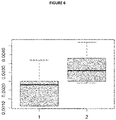
- the galactomannan also exhibiting an activation of the production of dopamine (cf. example 3 and figure 6 ), the present application is aimed at the use of this particular nutrient to thereby improve the well-being of patients suffering from Parkinson's disease.
- the term “abundance of a bacterial genus” designates here the quantity of bacteria of said bacterial genus, identified by means of specific gene markers of the bacteria of said bacterial genus. This quantity can be measured by any means known in the art, in particular by analyzing the DNA present in a stool sample taken from a subject, for example by quantitative PCR, by sequencing, by using RNA/DNA chips, or even by using antibodies capable of discriminating between different bacterial genera. It is preferable to measure the amount of genes encoding 16S ribosomal RNA (16S rRNA) which is very specific for each bacterial genus and is commonly used for this purpose [22].
- the “relative abundance” of a bacterial genus refers to the amount of bacteria from that genus relative to the total amount of all bacteria present in the gut of the individual or in a stool sample from that individual. It corresponds to the ratio between the quantity of bacteria of a given bacterial genus in a sample (preferably a stool sample), divided by the total quantity of bacteria present in said sample.
- the method of the invention makes it possible to increase said relative abundance by at least 50%, preferably by at least 100%, even more preferably by 300%, relative to the initial relative abundance in the subject studied. , before administration of the composition of the invention.
- This increase can for example be detected by measuring the proportion of Roseburia, Blautia, Faecalibacterium, Butyricicoccus and/or Clostridium_XVIII bacteria in the stools of the subjects, before administration of the composition, and after administration of the composition for at least four weeks.
- Beta-carotene is an antioxidant from the carotenoid family, mainly found in products of plant origin such as sweet potato (cooked), carrot (raw), tomato, spinach (cooked) , pumpkin, raspberry, watermelon, apricot, mango or prune.
- beta-carotene by various methods well known to those skilled in the art (Bogacz-Radomska et al, 2018 [23]). These methods are, for example, physico-chemical (by extraction from plant material rich in carotenoids), chemical (obtaining synthetic beta-carotene, for example by Wittig reaction), or by microbiological biosynthesis (in particular from algae or yeasts synthesizing beta-carotene).
- an “effective amount of beta-carotene” is, in the context of the invention, defined as any amount of beta-carotene which makes it possible to increase the relative abundance of bacteria of the genus Roseburia, Blautia, Faecalibacterium, Butyricicoccus and/or Clostridium_XVIII and in particular of the genera Blautia and/or Faecalibacterium by a factor of 0.5, 1 or 3, in patients exhibiting a low bacterial abundance, in particular in patients suffering from Parkinson's disease.
- beta-carotene When beta-carotene is administered to the individual in the form of a food supplement, in powder or in pill, such an effective quantity is for example between 600 ⁇ g and 1500 ⁇ g, preferably between 1000 ⁇ g and 1500 ⁇ g, even more preferably between 1000 and 1300 mcg of beta-carotene per day. This quantity will be added to the quantity ingested elsewhere by the individual during his food intake.
- Said beta-carotene can also be delivered to the individual through a dietary intake specifically designed to be enriched with beta-carotene.
- the meals of said individual will be enriched with foods rich in beta-carotene, for example chosen from: sweet potato (cooked), carrot, tomato, spinach, pumpkin, raspberry, watermelon, apricot, mango or prune.
- beta-carotene When beta-carotene is administered to the individual through a dietary intake specifically designed to be enriched with beta-carotene, said effective amount of beta-carotene is between 6 and 15 mg per day, preferably between 10 and 15 mg per day, even more preferably between 12 and 15 mg per day.
- the beta-carotene is administered in the form of food supplements, for example in powder or capsule form. It is possible for example to use carrot powder, which is naturally rich in beta-carotene. In this case, it is preferable to administer between 6 and 15 mg of carrot powder per day.
- the present invention relates to the use of beta-carotene, or the use of an oral formulation (nutraceutical composition or dietary supplement) containing an effective amount of beta-carotene, to improve the quality of life of patients with Parkinson's disease.
- said formulation oral is as defined above.
- it contains either beta-carotene alone or beta-carotene combined with an effective amount of omega-3, galactomannan, glucomannan and/or butyrate.
- Galactomannan is a linear polymer composed of a chain of mannose monomers ((1,4)-beta-D-mannopyranose) to which are branched by a 1-6 bridge a galactose unit. It is found in the seeds of plants, where it serves as a sugar reserve during germination. It is abundant in the seed albumen of legumes, such as Cyamopsis tetragonoloba, Caesalpinia spinosa and Ceratonia siliqua.
- the galactomannans that can be used in the context of the invention are those approved and already used in the food industry. Mention may be made, for example, of natural gums: guar gum (E412), tara gum (E417) and locust bean gum (E410).
- the present invention therefore relates to the use of galactomannan, or the use of an oral formulation (prebiotic composition, nutraceutical or food supplement) containing an effective amount of galactomannan, to improve the quality of life of patients suffering from of Parkinson's disease.
- said oral formulation is as defined above.
- it contains either galactomannan alone, or galactomannan associated with an effective quantity of omega-3, beta-carotene, glucomannan and/or butyrate.
- Carob powder comes from the carob tree, a Mediterranean tree.
- the powder is obtained by grinding the bark of the fruit only. It is rich in galactomannan.
- the formulation of the invention comprises carob powder which contains an effective amount of galactomannan.
- carob powder is used in the formulation of the invention, such an effective amount of galactomannan is achieved by administering, for example, between 5 to 30 g per day of carob powder.
- Konjac or amorphophalus konjac
- Konjac is a vegetable from Southeast Asia. It grows in forests in Vietnam, China, Indonesia, South Korea and Japan. Its roots contain glucomannan, a very effective gelling agent which "lines" the stomach when ingested.
- the present invention relates to the use of glucomannan, in particular konjac glucomannan, or the use of an oral formulation (nutraceutical composition or dietary supplement) containing an effective amount of glucomannan, to improve the quality of life of patients with Parkinson's disease.
- said oral formulation is as defined above.
- it contains either glucomannan alone or glucomannan associated with an effective quantity of omega-3, galactomannan, beta-carotene and/or butyrate.
- Such an effective quantity is for example between 1 and 5 g per day.
- omega-3s are preferably docohexaenoic acid (DHA) or eicosapentaenoic acid (EPA). In this case, it is recommended to administer approximately 250mg/day of DHA and/or EPA to patients, without exceeding 2g per day.
- DHA docohexaenoic acid
- EPA eicosapentaenoic acid
- the nutrients can be added in isolation, or they can be provided by foods which contain these nutrients in large quantities.
- carob powder which is rich in galactomannan
- konjac powder which is rich in glucomannan.
- carrot powder rich in carotenoids especially beta-carotene.
- the oral formulation of the invention contains an effective amount of carrot powder and/or an effective amount of konjac powder and/or an effective amount of carob powder.
- the quantities in question are as proposed above.
- the oral formulation of the invention comprises carrot powder, konjac powder, and carob powder.
- the present invention relates to the therapeutic use of the formulation of the invention, in order to prevent the onset of Parkinson's disease, to reduce its development, and to reduce the daily dosage of the aforementioned drugs.
- the invention therefore also relates to the formulation of the invention, for its use for preventing or treating the symptoms of Parkinson's disease, and/or to adapt the treatments administered to patients suffering from Parkinson's disease.
- the formulation of the invention to prevent or treat or adapt the treatments of all diseases due to or associated with a low abundance of the bacteria Roseburia, Blautia, Faecalibacterium, Butyricicoccus and/or Clostridium_XVIII in the gut microbiota.
- diseases are in particular neurodegenerative diseases such as Alzheimer's disease, Charcot's disease, amyotrophic lateral sclerosis, Huntington's disease, or even Lewy body disease, the etiology of which may be linked to a low abundance in one of the bacterial genera identified by the inventors for Parkinson's disease.
- beta-carotene, glucomannan, and/or galactomannan, and optionally omega-3s and/or butyrate to prepare a medicament intended to prevent or treat the symptoms of neurodegenerative diseases in patients with a low abundance of bacteria of the genus Roseburia, Blautia, Faecalibacterium, Butyricicoccus and/or Clostridium_XVIII in their intestinal microbiota.
- a meta-analysis was performed on the relative abundance of bacterial genera to identify markers associated with Parkinson's disease in an elderly North American and European population. This meta-analysis highlighted a signature of 6 bacterial genera, namely Akkermansia, the only genus significantly increased in Parkinsons compared to controls, as well as Blautia, Butyricicoccus, Clostridium XVIII, Faecalibacterium and Roseburia, all significantly decreased in the Parkinsons.
- the Fastq files of each study were downloaded from databases, in particular the SRA (Sequencing Read Archive) database. As some data were not available, we sent a request to the authors to retrieve the sequencing data and/or the associated clinical data. "Non-faecal" samples (eg "mock samples”) were removed from the bioinformatics analysis. For each study, fastq files were used thanks to Luxia Scientific's proprietary pipeline, adapted from QIIME2 pipeline (version 2019.10) (Bolyen et al., 2019 [24]). Sequence quality was analyzed with the FastqC tool. Poor quality footage was removed. The size of the sequences varied between studies, but also within each study.
- SRA Sequence Read Archive
- Taxonomic annotation of bacterial genera from representative sequences was performed using the RDP database (version 11) (Cole et al., 2014 [25]). A matrix containing the raw counts per sample and bacterial genus was obtained. From this sparse matrix, values within 5 counts ( ⁇ 5) were imputed to 0 to reduce background noise. Then the relative abundance of bacterial genera was estimated by dividing the counts of each genus by the initial sequencing depth. For each study, the bacterial genera were filtered in order to focus the statistical analysis only on the prevalent genera. Thus, a bacterial genus has been retained if it has a prevalence of at least 35% in one of the two groups (PD, HC), i.e. it must be quantified in at least 35 % of samples in an analysis group. Bacterial genera without precise annotation were excluded because the reconciliation between studies was carried out on the basis of taxonomic annotation. This filter step (imputation, prevalence, annotation) of the bacterial genera was carried out for each study independently.
- a signature assessment has been completed. To do this, for each study, a logistic regression model was fitted with the bacterial genera selected as explanatory variables and the classification of patients (Parkinson vs. Control) as a response variable. The evaluation was done in LOOCV (leave-one-out cross-validation), an iterative cross-validation which consists in setting aside a sample, learning the parameters of the algorithm on the other samples in order to predict the status of the sample. isolated sample, and this iteratively for all the samples. Based on the predictions, for each study, an ROC curve was produced and the AUC (area under the curve) was calculated with a 95% confidence interval. It is important to note that the relative abundances are not directly comparable from one study to another, and the predictive models were built independently for each study.
- the length of the sequences obtained in the sequencing files varies greatly.
- the median of the sequence lengths is 134 nucleotides (nts) but varies between 25 (2nd percentile) and 234 (98th percentile).
- the distribution of sequence lengths does not follow a predetermined law.
- the length should be constant (or vary very little) for each sample, as for Hill-Burns for example.
- we used a predefined length finding a compromise not to lose too many samples, while keeping the length as large as possible.
- Clostridiales Clostridiales (Firmicutes) and are primarily associated with anti-inflammatory functions via butyrate production.
- the technology used does not allow us to have a precise characterization at the species level, however to date, the genus Faecalibacterium is characterized by a single species, Faecalibacterium praunsitzii, and the same is true for Butyricicoccus with the species Butyricicoccus pullicaecorum.
- Roseburia and Blautia have mainly two species characterized in the intestine, respectively Roseburia intestinalis, Roseburia faecis, Blautia luti and Blautia wexlerae, when Clostridium XVIII does not have very well characterized species at the moment. Roseburia is also associated with butyrate producing functions.
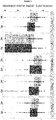
- the figures 1 to 5 show the distributions of the bacterial genera associated with Parkinson's disease for all the cohorts in which they are detected and quantified.
- the relative abundance of bacterial genera is represented in log10 basis.
- the main objective was to identify the best possible composition of a food supplement to be developed in order to improve the well-being of individuals with a decrease in these five bacteria of interest, and in particular, for patients with of Parkinson's disease.
- This questionnaire has nine sub-groups of questions, each constituting a food category. Within these subgroups, a comprehensive list of foods is provided and gives people the option to choose how often they consumed each possible food in the past month in a specified serving size.
- Omega-3 intake was calculated by adding the intake values of alpha-linolenic acid (18:3; ALA), eicosapentaenoic acid (20:5; EPA) and docosahexaenoic acid (22:6; DHA ).
- the omega-6 intake was calculated by adding the intake values for linoleic acid (18:2; ALA) and arachidonic acid (20:4; ARA) which are both present in the Ciqual Table.
- the Phenol-Explorer database (version 3.6) was used to retrieve only the total polyphenol content of foods. Similar to the foods in the Ciqual table, priority has been given, as far as possible, to the food that best matches in the Phenol-Explorer database as being the corresponding polyphenol intake of the food of the survey. If several foods from this database can be assimilated to a single food from the questionnaire, the polyphenol intakes of all these corresponding foods in the database have been taken to calculate the average as being the corresponding polyphenol intake for this food. in the questionnaire. If a food in the questionnaire does not have its equivalent in the Phenol-Explorer database, then, where possible, the polyphenol intake of the closest variation of that food has been taken as the corresponding intake. .
- the FSANZ Nutrition Database (release 1) was used to retrieve total resistant starch contents. Similar to the foods on the Ciqual table, priority has been given, as far as possible, to the food that best matches the database. FSANZ data as the corresponding resistant starch intake of the questionnaire food. If several foods from this database can be equated to a single food from the questionnaire, the resistant starch intakes of all these corresponding foods in the database were taken to calculate the average as being the corresponding resistant starch intake for this food in the questionnaire. If a food in the questionnaire does not have its equivalent in the FSANZ database, then where possible the resistant starch intake of the closest variation of that food has been taken as the corresponding intake .
- the Table Ciqual does not provide all the FOS and GOS contents of foods either.
- the FOS we therefore retrieved the contents (g/100g fresh weight) present in the two tables of the publication Muir et al. [29]
- the GOS we retrieved the contents present in the three tables of the publication Muir et al. [30] and added the levels of GOS detected in each food found in our questionnaire.
- the FOS (respectively GOS) intakes of all these corresponding foods were taken to calculate the average as being the FOS (respectively GOS) corresponding to this food in the questionnaire. If a food in the questionnaire does not have its equivalent in the tables, then, when possible, the FOS (respectively GOS) intake of the closest variation of this food has been taken as the corresponding intake.
- the quantities of meat (respectively vegetables, fruit or fish+seafood) consumed are then calculated by adding the number of servings of meat (respectively vegetables, fruit or fish+seafood) consumed.
- the amount of Vegetables + Fruit corresponds to the sum between the previous servings of fruit and those of vegetables. Idem, a division by 30 is carried out to obtain an estimated daily average.
- the diversity of vegetables is calculated by counting the number of different vegetables (respectively fruit, fish+seafood) consumed at least once during the last month.
- the "vegetable+fruit” diversity is calculated by adding the two previous scores of vegetable diversity and fruit diversity.
- a division by 30 is performed to obtain an estimated daily average.
- the results used for the analysis of the intestinal microbiota were generated by following the analysis process of the In Vitro Diagnostic Medical Device 1test1. Briefly, the faecal samples were collected with a collection tube containing a preservative to allow transport at uncontrolled temperature from the user to the analysis laboratory (DNA/RNA Shield from Zymo Research). The DNA was then extracted and the sequencing of the v3-v4 RNA16s region carried out by the IBBL laboratory in Luxembourg on an Illumina MiSeq sequencer according to the protocol in application (maybe add a publication reference).
- sequencing files (files commonly called fastq) were then analyzed according to the protocol applied at Luxia with the proprietary 1TEST1SOFT software which is based on the Qiimell software and the RDP database (see example 1).
- the statistical analyzes were carried out on the data of the entire cohort, that is to say on the total corpuscle of the 469 individuals and the 286 food data on the nutrients/foods, which corresponds to 215 individuals.
- This table shows the positive correlation that exists between beta-carotene and bacteria of the genus Blautia, Faecalibacterium and Clostridium XVIII as well as between omega-3 (DHA and EPA) and Clostridium XVIII.
- microbiota reconstituted from the stools of healthy individuals and patients suffering from Parkinson's disease.
- beneficial effect of the intake of these nutrients was evaluated through the increase in the production of butyrate and short-chain fatty acids in general, as well as the changes observed at the level of metabolites.
- Feces were collected in anaerobic containers and stored at refrigerator temperature until further processing.
- fecal suspensions (15% (w/v)) were prepared in phosphate buffer and mixed in a 1:1 ratio with an optimized cryoprotectant internally in an anaerobic chamber.
- the suspensions obtained were immediately deep-frozen in liquid nitrogen and then stored at ⁇ 80° C. (cryostock).
- the samples were thawed and immediately added to the reactors, so that only one freeze-thaw cycle was applied to each individual inoculum.
- a short-term screening test typically consists of colonic incubation of a single dose of a test compound under conditions representative of the proximal large intestine, using bacterial inocula from selected donors as microbial sources. Five treatments and one reference condition (negative control) were tested per donor. The composition of the medium in the control and treatments is exactly the same, but the control does not contain the test ingredient. Monitoring is included to determine baseline changes in the various parameters studied (pH, SCFA production, lactate, and gut-related metabolites) resulting from the fermentation of nutrients in the carbohydrate-depleted nutritional medium that is introduced with the test ingredients in reactors (see below), to provide essential nutrients to the microbial population. Each condition was tested in a single replicate in five donors.
- Carbohydrate-depleted nutritional medium (containing basal colonic nutrients) was added to each reactor (including the control), along with 10% (v/v) of a 7.5% cryopreserved fecal inoculum (which was served as a microbial source) from each of the five donors, bringing the total volume in the reactors to 70 mL.
- Mucin-bearing beads were included in each reactor, to simulate the mucus layer of the colon.
- the Carob (galactomannan) and Konjac (glucomannan) powders were dosed at 4 g/L, which is optimal to see the metabolic modifications resulting from the fermentation of the polysaccharides, if any.
- the reactors were incubated for 48 h at 37° C., with continuous stirring (90 rpm) and under anaerobic conditions. Incubations were performed in fully independent reactors with a sufficiently large volume to not only ensure robust microbial fermentation, but also to allow multiple samples to be collected over time. The collection of samples allows the production of metabolites to be assessed and thus to understand the complex microbial interactions that take place.
- SCFA production pattern is an assessment of microbial metabolism of carbohydrates (acetate, propionate and butyrate) or protein metabolism (branched AGCC) and can be compared to typical fermentation patterns for the gastrointestinal microbiota.
- the quantitative analysis of SCFAs is done by means of capillary gas chromatography coupled with a flame ionization detector (FID). Isolation of SCFAs is achieved by liquid-liquid extraction. Each measurement was performed in a single repetition.
- Lactate Changes in the production of microbial metabolites by measurement of lactate (0h, 24h and 48h):
- the human intestine harbors both lactate-producing and using bacteria. Lactate is produced by lactic acid bacteria and lowers the pH of the environment, thus also acting as an antimicrobial agent. Protonated lactic acid can enter the microbial cell, after which it dissociates and releases protons inside the cell, resulting in acidification and death of microbial cells. It can also be rapidly transformed into propionate and butyrate by other microorganisms. Lactate concentrations were determined using the EnzytecTM kit (R-Biopharm). Each measurement was performed in a single repetition.
- Short chain fatty acids (SCFA)
- SCFAs results from carbohydrate metabolism in the colon and is linked to various health effects.
- the most abundantly produced SCFAs are acetate, propionate and butyrate. While acetate can be used as an energy source for the host and as a potential substrate for lipid synthesis in the organism, the propionate reduces the synthesis of cholesterol and fatty acids in the liver (beneficial effect on metabolic homeostasis).
- Butyrate on the other hand, is a major source of energy for colonocytes and induces the differentiation of these cells (linked to the prevention of cancer).
- the positive effects of the studied substrates on the production of SCFA therefore include an increase in acetate, propionate and/or butyrate.
- Acetate can be produced by many different gut microbes (including but not limited to Bifidobacterium spp., Bacteroides spp. and Lactobacillus spp.) and is a primary metabolite generated by the fermentation of prebiotic substrates.
- the results indicate that in the two Parkinson's patients, the OMEGA-3 (MEG-3), konjac powder and carob powder produced more acetate than the control.
- Beta-carotene BC10 slightly stimulated acetate production; beta-carotene BC30 and butyrate (in donor B) gave acetate concentrations similar to the control.
- OMEGA-3, Konjac powder, and Carob powder generated significantly more acetate than the control, and BC10 also tended to moderately stimulate acetate production.
- BC30 and butyrate gave acetate concentrations similar to the control.
- Propionate can be produced by different gut microbes, with the most abundant propionate producers being Bacteroides spp. (phylum Bacteroidetes), Akkermansia muciniphila (phylum Verrucomicrobia) and Veillonellaceae (phylum Firmicutes).
- Bacteroides spp. phylum Bacteroidetes
- Akkermansia muciniphila phylum Verrucomicrobia
- Veillonellaceae phylum Firmicutes
- branched SCFAs isobutyrate, isovalerate, and isocaproate.
- the production of branched SCFAs results from microbial proteolytic activity, which is associated with the formation of toxic by-products such as p-cresol. Therefore, high production of branched SCFAs in the colon has been associated with adverse health effects. Accordingly, products that reduce the production of branched SCFAs are considered beneficial to health.
- Lactate is produced by lactic bacteria (bifidobacteria and lactobacilli) and lowers the pH of the environment. Especially at low pH, lactate can exert powerful effects antimicrobials against pathogens, because protonated lactic acid can enter the microbial cell, after which it dissociates and releases protons inside the cell, resulting in acidification and death of microbial cells.
- Another beneficial effect of lactate results from its conversion into butyrate and/or propionate by specific microorganisms. Stimulating effects on lactate production were not observed after addition of the 5 test nutrients, but may have occurred early in incubation.
- Sodium butyrate a treatment typically applied to deliver butyrate to Parkinson's patients, stimulated butyrate production in the Parkinson's population, but not in the healthy population.
Landscapes
- Health & Medical Sciences (AREA)
- Life Sciences & Earth Sciences (AREA)
- Chemical & Material Sciences (AREA)
- Natural Medicines & Medicinal Plants (AREA)
- Animal Behavior & Ethology (AREA)
- Veterinary Medicine (AREA)
- Public Health (AREA)
- Medicinal Chemistry (AREA)
- Pharmacology & Pharmacy (AREA)
- General Health & Medical Sciences (AREA)
- Engineering & Computer Science (AREA)
- Epidemiology (AREA)
- Mycology (AREA)
- Microbiology (AREA)
- Nutrition Science (AREA)
- Botany (AREA)
- Polymers & Plastics (AREA)
- Food Science & Technology (AREA)
- Bioinformatics & Cheminformatics (AREA)
- Alternative & Traditional Medicine (AREA)
- Biotechnology (AREA)
- Medical Informatics (AREA)
- Molecular Biology (AREA)
- Chemical Kinetics & Catalysis (AREA)
- General Chemical & Material Sciences (AREA)
- Nuclear Medicine, Radiotherapy & Molecular Imaging (AREA)
- Organic Chemistry (AREA)
- Biomedical Technology (AREA)
- Neurology (AREA)
- Neurosurgery (AREA)
- Oil, Petroleum & Natural Gas (AREA)
- Hospice & Palliative Care (AREA)
- Psychiatry (AREA)
- Pharmaceuticals Containing Other Organic And Inorganic Compounds (AREA)
Priority Applications (1)
| Application Number | Priority Date | Filing Date | Title |
|---|---|---|---|
| EP21305978.5A EP4119135A1 (de) | 2021-07-13 | 2021-07-13 | Methoden zur wiederherstellung des gleichgewichts der darmflora bei patienten mit parkinson-krankheit |
Applications Claiming Priority (1)
| Application Number | Priority Date | Filing Date | Title |
|---|---|---|---|
| EP21305978.5A EP4119135A1 (de) | 2021-07-13 | 2021-07-13 | Methoden zur wiederherstellung des gleichgewichts der darmflora bei patienten mit parkinson-krankheit |
Publications (1)
| Publication Number | Publication Date |
|---|---|
| EP4119135A1 true EP4119135A1 (de) | 2023-01-18 |
Family
ID=77168126
Family Applications (1)
| Application Number | Title | Priority Date | Filing Date |
|---|---|---|---|
| EP21305978.5A Withdrawn EP4119135A1 (de) | 2021-07-13 | 2021-07-13 | Methoden zur wiederherstellung des gleichgewichts der darmflora bei patienten mit parkinson-krankheit |
Country Status (1)
| Country | Link |
|---|---|
| EP (1) | EP4119135A1 (de) |
Citations (8)
| Publication number | Priority date | Publication date | Assignee | Title |
|---|---|---|---|---|
| AU2005229753A1 (en) * | 2005-11-08 | 2007-05-24 | Alice Wai Fun Ma | A botanical composition for aiding optimal health and prevention of illness |
| WO2011060123A1 (en) * | 2009-11-12 | 2011-05-19 | Nestec S.A. | Nutritional composition for promoting gut microbiota balance and health |
| US20140356340A1 (en) * | 2011-12-15 | 2014-12-04 | Nestec S.A. | Extensional viscosity to promote safe swallowing of food boluses |
| WO2015062518A1 (zh) * | 2013-10-30 | 2015-05-07 | 帝斯曼知识产权资产管理有限公司 | 含有营养物质的凝胶颗粒及其制备方法和用途 |
| JP2016526028A (ja) * | 2013-05-17 | 2016-09-01 | ネステク ソシエテ アノニム | 嚥下障害を治療するための方法 |
| CN106307472A (zh) * | 2009-10-26 | 2017-01-11 | 雀巢产品技术援助有限公司 | 稳定的增稠剂制品 |
| CN107853678A (zh) * | 2011-03-01 | 2018-03-30 | 雀巢产品技术援助有限公司 | 促进食物团块安全吞咽的拉伸粘度 |
| CN108902914A (zh) * | 2011-12-15 | 2018-11-30 | 雀巢产品技术援助有限公司 | 在吞咽困难患者中促进安全吞咽的粘性稀薄液体 |
-
2021
- 2021-07-13 EP EP21305978.5A patent/EP4119135A1/de not_active Withdrawn
Patent Citations (8)
| Publication number | Priority date | Publication date | Assignee | Title |
|---|---|---|---|---|
| AU2005229753A1 (en) * | 2005-11-08 | 2007-05-24 | Alice Wai Fun Ma | A botanical composition for aiding optimal health and prevention of illness |
| CN106307472A (zh) * | 2009-10-26 | 2017-01-11 | 雀巢产品技术援助有限公司 | 稳定的增稠剂制品 |
| WO2011060123A1 (en) * | 2009-11-12 | 2011-05-19 | Nestec S.A. | Nutritional composition for promoting gut microbiota balance and health |
| CN107853678A (zh) * | 2011-03-01 | 2018-03-30 | 雀巢产品技术援助有限公司 | 促进食物团块安全吞咽的拉伸粘度 |
| US20140356340A1 (en) * | 2011-12-15 | 2014-12-04 | Nestec S.A. | Extensional viscosity to promote safe swallowing of food boluses |
| CN108902914A (zh) * | 2011-12-15 | 2018-11-30 | 雀巢产品技术援助有限公司 | 在吞咽困难患者中促进安全吞咽的粘性稀薄液体 |
| JP2016526028A (ja) * | 2013-05-17 | 2016-09-01 | ネステク ソシエテ アノニム | 嚥下障害を治療するための方法 |
| WO2015062518A1 (zh) * | 2013-10-30 | 2015-05-07 | 帝斯曼知识产权资产管理有限公司 | 含有营养物质的凝胶颗粒及其制备方法和用途 |
Non-Patent Citations (32)
| Title |
|---|
| AHO VTEPEREIRA PABVOUTILAINEN SPAULIN LPEKKONEN EAUVINEN P ET AL.: "Gut microbiota in Parkinson's disease: Temporal stability and relations to disease progression", EBIOMEDICINE, vol. 44, 2019, pages 691 - 707 |
| ALEJANDRA ESCOBAR-ZEPEDAELIZABETH ERNESTINA GODOY-LOZANOLUCIANA RAGGILORENZO SEGOVIAENRIQUE MERINOROSA MARIA GUTIÉRREZ-RIOSKATY JU: "Analysis of sequencing stratégies and tools for taxonomic annotation: Defining standards for progressive metagenomics", SCIENTIFIC REPORTS, vol. 8, no. 12034, 2018 |
| BENJAMINI YHOCHBERG Y: "Controlling the false discovery rate: a practical and powerful approach to multiple testing", PDF). JOURNAL OF THE ROYAL STATISTICAL SOCIETY, SERIES B., vol. 57, no. 1, 1995, pages 289 - 300 |
| BOERTIEN JMPEREIRA PABAHO VTECHEPERJANS F.: "Increasing Comparability and Utility of Gut Microbiome Studies in Parkinson's Disease: A Systematic Review", J PARKINSONS D, vol. 9, 2019, pages S297 - 312 |
| BOGACZ-RADOMSKA L.HARASYM J.: "B-Carotene-properties and production methods", FOOD QUALITY AND SAFETY, vol. 00, 2018, pages 1 - 6 |
| BOLYEN E ET AL.: "Reproducible, interactive, scalable and extensible microbiome data science using QIIME 2.", NAT BIOTECHNOL., vol. 37, no. 8, August 2019 (2019-08-01), pages 852 - 857, XP036850011, DOI: 10.1038/s41587-019-0209-9 |
| BOLYEN ERIDEOUT JRDILLON MRBOKULICH NAABNET CCGHALITH GA ET AL.: "Reproducible, interactive, scalable and extensible microbiome data science using QIIME 2", NAT BIOTECHNOL, vol. 37, 2019, pages 852 - 7, XP036850011, DOI: 10.1038/s41587-019-0209-9 |
| BRAAK HDE VOS RAIBOHL JDEL TREDICI K: "Gastric a-synuclein immunoreactive inclusions in Meissner's and Auerbach's plexuses in cases staged for Parkinson's disease-related brain pathology", NEUROSCI LETT, vol. 396, 2006, pages 67 - 72, XP025023607, DOI: 10.1016/j.neulet.2005.11.012 |
| CANTU-JUNGLES TMRASMUSSEN HEHAMAKER BR: "Potential of Prebiotic Butyrogenic Fibers in Parkinson's Disease", FRONT NEUROL., vol. 10, 20 June 2019 (2019-06-20), pages 663 |
| CHAUDHURI KRHEALY DGSCHAPIRA AH V: "National Institute for Clinical Excellence. Non-motor symptoms of Parkinson's disease: diagnosis and management", LANCET NEUROL, vol. 5, 2006, pages 235 - 45 |
| CHIRICOZZI ELUNGHI GDI BIASE EFAZZARI MSONNINO SMAURI L.: "GM1 ganglioside is a key factor in maintaining the mammalian neuronal functions avoiding neurodegeneration", INT J MOL SCI, vol. 21, 2020, pages 1 - 29 |
| COLE JRWANG QFISH JACHAI BMCGARRELL DMSUN Y ET AL.: "Ribosomal Database Project: Data and tools for high throughput rRNA analysis", NUCLEIC ACIDS RES, vol. 42, 2014, pages 633 - 42 |
| COLE JRWANG QFISH JACHAI BMCGARRELL DMSUN YBROWN CTPORRAS-ALFARO AKUSKE CRTIEDJE JM: "Ribosomal Database Project: data and tools for high throughput rRNA analysis. Ribosomal Database Project: data and tools for high throughput rRNA analysis", NUCLEIC ACIDS RES., vol. 42, January 2014 (2014-01-01) |
| CRYAN JFO'RIORDAN KJSANDHU KPETERSON VDINAN TG: "The gut microbiome in neurological disorders", LANCET NEUROL, vol. 19, 2020, pages 179 - 94, XP085997172, DOI: 10.1016/S1474-4422(19)30356-4 |
| DAUER WPRZEDBORSKI S.: "Parkinson's disease: mechanisms and models", NEURON, vol. 39, 2003, pages 889 - 909, XP002593276 |
| FRIEDLAND RP: "Mechanisms of Molecular Mimicry Involving the Microbiota in Neurodegeneration", J ALZHEIMER'S DIS, vol. 45, 2015, pages 349 - 62 |
| HEINTZ-BUSCHART APANDEY UWICKE TSIXEL-DORING FJANZEN ASITTIG-WIEGAND E ET AL.: "The nasal and gut microbiome in Parkinson's disease and idiopathic rapid eye movement sleep behavior disorder", MOV DISORD, vol. 33, 2018, pages 88 - 98 |
| HILL-BURNS EMDEBELIUS JWMORTON JTWISSEMANN WTLEWIS MRWALLEN ZD ET AL.: "Parkinson's disease and Parkinson's disease médications have distinct signatures of the gut microbiome", MOV DISORD, vol. 32, 2017, pages 739 - 49, XP055743698, DOI: 10.1002/mds.26942 |
| HOPFNER FKÜNSTNER AMÜLLER SHKÜNZEL SZEUNER KEMARGRAF NG ET AL.: "Gut microbiota in Parkinson disease in a northern German cohort", BRAIN RES, vol. 1667, 2017, pages 41 - 5, XP085042935, DOI: 10.1016/j.brainres.2017.04.019 |
| JANE G MUIRSUSAN J SHEPHERDOURANIA ROSELLAROSEMARY ROSEJACQUELINE S BARRETTPETER R GIBSON: "Fructan and free fructose content of common Australian vegetables and fruit", J AGRIC FOOD CHEM., vol. 55, no. 16, 8 August 2007 (2007-08-08), pages 6619 - 27 |
| JANE G. MUIRROSMARY ROSEOURANIA ROSELLAKELLY LIELSJACQUELINE S. BARRETTSUSAN J. SHEPHERDPETER R: "GibsonMeasurement of Short-Chain Carbohydrates in Common Australian Vegetables and Fruits by High-Performance Liquid Chromatography (HPLC", J. AGRIC. FOOD CHEM., vol. 57, no. 2, 2009, pages 554 - 565 |
| KALIA L V.LANG AE: "Parkinson's disease", LANCET, vol. 386, 2015, pages 896 - 912, XP055491886, DOI: 10.1016/S0140-6736(14)61393-3 |
| KESHAVARZIAN AGREEN SJENGEN PAVOIGT RMNAQIB AFORSYTH CB ET AL.: "Colonie bacterial composition in Parkinson's disease", MOV DISORD, vol. 30, 2015, pages 1351 - 60 |
| LA ROSA SLLETH MLMICHALAK LHANSEN MEPUDLO NAGLOWACKI RPEREIRA GWORKMAN CTARNTZEN M0POPE PB: "The human gut Firmicute Roseburia intestinalis is a primary degrader of dietary B-mannans", NAT COMMUN., vol. 10, no. 1, 22 February 2019 (2019-02-22), pages 905 |
| MOISAN FWANNEVEICH MKAB SMOUTENGOU ÉBOUSSAC-ZAREBSKA MCARCAILLON-BENTATA L ET AL.: "Fréquence de la maladie de Parkinson en France en 2015 et évolution jusqu'en 2030", BULL ÉPIDÉMIOLOGIQUE HEBD, vol. 8-9, 2018, pages 128 - 40 |
| NISHIWAKI HITO MISHIDA THAMAGUCHI TMAEDA TKASHIHARA K ET AL.: "Meta-Analysis of Gut Dysbiosis in Parkinson's Disease", MOV DISORD, 2020, pages 28119 |
| PETROV VASALTYKOVA 1 V.ZHUKOVA IAALIFIROVA VMZHUKOVA NGDOROFEEVA YB ET AL.: "Analysis of gut microbiota in patients with parkinson's disease", BULL EXP BIOL MED, vol. 162, 2017, pages 734 - 7, XP036226360, DOI: 10.1007/s10517-017-3700-7 |
| PFEIFFER RF: "Non-motor symptoms in Parkinson's disease", PARK RELAT DISORD, vol. 22, 2016, pages 119 - 22 |
| PIETRUCCI DCERRONI RUNIDA VFARCOMENI APIERANTOZZI MMERCURI NB ET AL.: "Dysbiosis of gut microbiota in a selected population of Parkinson's patients", PARK RELAT DISORD, vol. 65, 2019, pages 124 - 30, XP085844284, DOI: 10.1016/j.parkreldis.2019.06.003 |
| R CORE TEAM: "R : A language and environment for statistical computing", R FOUNDATION FOR STATISTICAL COMPUTING, VIENNA, AUSTRIA. DISPONIBLE SUR, 2019, Retrieved from the Internet <URL:https://www.R-proiect.org/> |
| RAZA CANJUM RSHAKEEL N UL A: "Parkinson's disease: Mechanisms, translational models and management stratégies", LIFE SCI, vol. 226, 2019, pages 77 - 90 |
| TAGHIZADEH MTAMTAJI ORDADGOSTAR EDANESHVAR KAKHAKI RBAHMANI FABOLHASSANI JAARABI MHKOUCHAKI EMEMARZADEH MRASEMI Z: "The effects of omega-3 fatty acids and vitamin E co-supplementation on clinical and metabolic status in patients with Parkinson's disease: A randomized, double-blind, placebo-controlled trial", NEUROCHEM INT., vol. 108, September 2017 (2017-09-01), pages 183 - 189, XP085128677, DOI: 10.1016/j.neuint.2017.03.014 |
Similar Documents
| Publication | Publication Date | Title |
|---|---|---|
| Pagliai et al. | Influence of a 3-month low-calorie Mediterranean diet compared to the vegetarian diet on human gut microbiota and SCFA: The CARDIVEG Study | |
| Önal et al. | A review of the nutritional approach and the role of dietary components in children with autism spectrum disorders in light of the latest scientific research | |
| Jiao et al. | Metabonomics and the gut microbiome analysis of the effect of 6-shogaol on improving obesity | |
| Dahl et al. | Gut microbial modulation by culinary herbs and spices | |
| Liu et al. | Microbiome and metabolome integrally reveal the anti-depression effects of Cistanche deserticola polysaccharides from the perspective of gut homeostasis | |
| KUDOH et al. | Effect of indigestible saccharides on B lymphocyte response of intestinal mucosa and cecal fermentation in rats | |
| US20180200285A1 (en) | Dietary prebiotic supplement and related method | |
| EP3277295A1 (de) | Zusammensetzung zur behandlung eines pathogenen stoffwechselzustandes der darmflora und daraus folgenden erkrankungen | |
| Eor et al. | Neuroprotective effect of both synbiotics and ketogenic diet in a pentylenetetrazol-induced acute seizure murine model | |
| WO2016156527A1 (fr) | Composition pour le traitement d'un etat metabolique pathogene du microbiote intestinal et des maladies derivees | |
| Pansai et al. | Effects of dragon fruit oligosaccharides on immunity, gut microbiome, and their metabolites in healthy adults–A randomized double-blind placebo controlled study | |
| Somodi et al. | Gut microbiome changes and cancer immunotherapy outcomes associated with dietary interventions: a systematic review of preclinical and clinical evidence | |
| Liu et al. | The lotus seed starch-EGCG complex modulates obesity in C57BL/6J mice through the regulation of the gut microbiota | |
| Feng et al. | Based on 16 S rRNA sequencing and metabonomics to reveal the new mechanism of aluminum potassium sulfate induced inflammation and abnormal lipid metabolism in mice | |
| EP3996729B1 (de) | Zusammensetzung zur vorbeugung oder behandlung von depressionen oder angstzuständen | |
| Bai et al. | The dietary supplementation of Sargassum fusiforme can effectively alleviate high-fat diet induced metabolic abnormalities | |
| Kang et al. | Dietary inclusion of Yellow mealworms (T. molitor) and lesser mealworms (A. diaperinus) modifies intestinal microbiota populations of Diet-Induced obesity mice | |
| FR3081685A1 (fr) | Composition alimentaire comprenant de la phycocyanine | |
| EP4119135A1 (de) | Methoden zur wiederherstellung des gleichgewichts der darmflora bei patienten mit parkinson-krankheit | |
| Kim et al. | The effect of hydrolyzed Spirulina by malted barley on forced swimming test in ICR mice | |
| Pal et al. | Product development with Cissus quadrangularis (HADJOD) to create awareness among young adults | |
| Lee et al. | Effect of Ecklonia cava polyphenol on adiposity reduction is associated with gut microbiota composition in subjects with abdominal obesity: a secondary analysis | |
| Yang et al. | The short-term and long-term effects of Dendrobium officinale leaves polysaccharides on the gut microbiota differ | |
| CN115381863A (zh) | 一种海篷子提取物及其制备方法和应用 | |
| Kirschner et al. | Systemic but not fecal short-chain fatty acid (SCFA) concentrations reflect intestinal SCFA production as assessed by novel stable isotope method |
Legal Events
| Date | Code | Title | Description |
|---|---|---|---|
| PUAI | Public reference made under article 153(3) epc to a published international application that has entered the european phase |
Free format text: ORIGINAL CODE: 0009012 |
|
| STAA | Information on the status of an ep patent application or granted ep patent |
Free format text: STATUS: THE APPLICATION HAS BEEN PUBLISHED |
|
| AK | Designated contracting states |
Kind code of ref document: A1 Designated state(s): AL AT BE BG CH CY CZ DE DK EE ES FI FR GB GR HR HU IE IS IT LI LT LU LV MC MK MT NL NO PL PT RO RS SE SI SK SM TR |
|
| STAA | Information on the status of an ep patent application or granted ep patent |
Free format text: STATUS: THE APPLICATION IS DEEMED TO BE WITHDRAWN |
|
| 18D | Application deemed to be withdrawn |
Effective date: 20230719 |