EP4185292B1 - S100-proteine als neuartige therapeutische targets in myeloproliferativen neoplasmen - Google Patents
S100-proteine als neuartige therapeutische targets in myeloproliferativen neoplasmen Download PDFInfo
- Publication number
- EP4185292B1 EP4185292B1 EP21749566.2A EP21749566A EP4185292B1 EP 4185292 B1 EP4185292 B1 EP 4185292B1 EP 21749566 A EP21749566 A EP 21749566A EP 4185292 B1 EP4185292 B1 EP 4185292B1
- Authority
- EP
- European Patent Office
- Prior art keywords
- inhibitor
- protein
- use according
- treatment
- cells
- Prior art date
- Legal status (The legal status is an assumption and is not a legal conclusion. Google has not performed a legal analysis and makes no representation as to the accuracy of the status listed.)
- Active
Links
Images






Classifications
-
- A—HUMAN NECESSITIES
- A61—MEDICAL OR VETERINARY SCIENCE; HYGIENE
- A61K—PREPARATIONS FOR MEDICAL, DENTAL OR TOILETRY PURPOSES
- A61K31/00—Medicinal preparations containing organic active ingredients
- A61K31/33—Heterocyclic compounds
- A61K31/395—Heterocyclic compounds having nitrogen as a ring hetero atom, e.g. guanethidine or rifamycins
- A61K31/435—Heterocyclic compounds having nitrogen as a ring hetero atom, e.g. guanethidine or rifamycins having six-membered rings with one nitrogen as the only ring hetero atom
- A61K31/47—Quinolines; Isoquinolines
- A61K31/4704—2-Quinolinones, e.g. carbostyril
-
- A—HUMAN NECESSITIES
- A61—MEDICAL OR VETERINARY SCIENCE; HYGIENE
- A61K—PREPARATIONS FOR MEDICAL, DENTAL OR TOILETRY PURPOSES
- A61K45/00—Medicinal preparations containing active ingredients not provided for in groups A61K31/00 - A61K41/00
- A61K45/06—Mixtures of active ingredients without chemical characterisation, e.g. antiphlogistics and cardiaca
-
- A—HUMAN NECESSITIES
- A61—MEDICAL OR VETERINARY SCIENCE; HYGIENE
- A61P—SPECIFIC THERAPEUTIC ACTIVITY OF CHEMICAL COMPOUNDS OR MEDICINAL PREPARATIONS
- A61P35/00—Antineoplastic agents
Definitions
- the present invention relates to the field of medicine, in particular to molecular oncology. More specifically, the invention concerns an inhibitor for use in the prevention, amelioration and/or treatment of a myeloproliferative neoplasm, preferably a myeloproliferative neoplasm associated with a fibrotic phase.
- MPNs Myeloproliferative neoplasms
- MPDs myeloproliferative diseases
- BM bone marrow
- PMF Primary myelofibrosis
- overt PMF The hallmark feature of overt PMF is the excess deposition of extracellular matrix (ECM) which is accompanied by a progressive loss of hematopoiesis (cytopenia) causing transfusion dependency, splenomegaly due to extramedullary hematopoiesis and ultimately bone marrow failure.
- ECM extracellular matrix
- cytopenia hematopoiesis
- cytopenia progressive loss of hematopoiesis
- cytopenia hematopoiesis
- bone marrow transplantation is a complex treatment carrying a significant risk of serious complications.
- a majority of patients is not eligible for this challenging procedure e.g. due to age, disease stage, comorbidities and the lack of a suitable donor.
- the bone marrow morphology in patients with PMF suggests that there is a stepwise evolution from an initial pre-fibrotic phase with absent to minimal fibrosis, to a fibrotic phase with marked reticulin or collagen fibrosis, and often accompanied by osteosclerosis.
- the initial changes and sequential events underlying the pre-fibrotic phase of the disease are not well characterized (Barbui et al., 2018).
- MSCs mesenchymal stromal cells
- MSCs are a distinct or heterogeneous cell population.
- MSCs contribute to fibrosis-driving ⁇ -SMA+ myofibroblasts (Decker et al., 2017; Schneider et al., 2017) but it has remained unknown if they are the only source of fibrosis-driving cells in the bone marrow microenvironment or if other cell types of the non-hematopoietic bone marrow niche contribute to the fibrotic transformation.
- US 2010/021472 A1 describes the use of an inhibitor of an S100 protein, such as S100A8 and S100A9, for the treatment of cancer, i.a. polycythemia vera and essential thrombocytosis, not however myelofibrosis.
- a first embodiment is an inhibitor of an S100 protein, as defined in the claims, for use in the prevention or treatment of a myeloproliferative neoplasm, wherein the myeloproliferative neoplasm is myelofibrosis.
- the S100 protein is at least one of S100A8 and S100A9.
- the inhibitor for use according to any one of the preceding embodiments is an inhibitor that inhibits S100 protein functional activity.
- the inhibitor inhibiting S100 protein functional activity is a small molecule of formula (I) or a pharmaceutically acceptable salt thereof, wherein
- R 2 is methyl or ethyl.
- R 3 is in para-position and is selected from the group consisting of methyl, methoxy, fluoro, chloro, trifluoromethyl, and trifluoromethoxy.
- R 4 is H.
- the inhibitor is 4-hydroxy-5-methoxy-N,I-dimethyl-2-oxo-N-[4-(trifluoromethyl)phenyl] -1,2-dihydroquino line-3 -carboxamide (tasquinimod).
- the prevention or treatment is by administration of the inhibitor at a total daily dose of about 0.05 - 10 mg.
- the prevention or treatment is by oral administration of the inhibitor.
- the prevention or treatment further comprises at least one of radiation therapy, chemotherapy, and stem cell transplantation.
- a ratio in the range of about 1 to about 200 should be understood to include the explicitly recited limits of about 1 and about 200, but also to include individual ratios such as about 2, about 3, and about 4, and sub-ranges such as about 10 to about 50, about 20 to about 100, and so forth.
- At least a particular value means that particular value or more.
- “at least 2” is understood to be the same as “2 or more” i.e., 2, 3, 4, 5, 6, 7, 8, 9, 10, 11, 12, 13, 14, 15, ..., etc.
- this term means "serving as an example, instance, or illustration,” and should not be construed as excluding other configurations disclosed herein.
- cancer and “cancerous”, refer to or describe the physiological condition in mammals that is typically characterized by unregulated cell growth. Cancer is also referred to as malignant neoplasm.
- a preferred cancer is a blood cancer, preferably the blood cancer is a myoloproliferative neoplasm.
- combination with is intended to refer to all forms of administration that provide a first drug together with a further (second, third) drug.
- the drugs may be administered simultaneous, separate or sequential and in any order. Drugs administered in combination have biological activity in the subject to which the drugs are delivered.
- spontaneous administration refers to administration of more than one drug at the same time, but not necessarily via the same route of administration or in the form of one combined formulation.
- one drug may be provided orally whereas the other drug may be provided intravenously.
- Separate includes the administration of the drugs in separate form and/or at separate moments in time, but again, not necessarily via the same route of administration. Sequentially indicates that the administration of a first drug is followed, immediately or in time, by the administration of the second drug.
- compositions useful in the methods of the present disclosure include those suitable for various routes of administration, including, but not limited to, intravenous, subcutaneous, intradermal, subdermal, intranodal, intratumoral, intramuscular, intraperitoneal, oral, nasal, topical (including buccal and sublingual), rectal, vaginal, aerosol and/or parenteral or mucosal application.
- the compositions, formulations, and products according to the disclosure invention normally comprise the drugs (alone or in combination) and one or more suitable pharmaceutically acceptable excipients.
- the terms “prevent”, “preventing”, and “prevention” refers to the prevention or reduction of the recurrence, onset, development or progression of a disease, preferably a myeloproliferative neoplasm as defined herein, or the prevention or reduction of the severity and/or duration of the disease or one or more symptoms thereof.
- treat refers to the reduction or amelioration of the progression, severity, and/or duration of a disease, preferably a myeloproliferative neoplasm as defined herein, and/or reduces or ameliorates one or more symptoms of the disease.
- the terms “therapies” and “therapy” can refer to any protocol(s), method(s) and/or agent(s), preferably as specified herein below, that can be used in the prevention, treatment, management or amelioration of a disease, preferably a myeloproliferative neoplasm as defined herein below, or one or more symptoms thereof.
- the term "effective amount" refers to the amount of an agent, e.g., of an inhibitor as defined herein, which is sufficient to reduce the severity, and/or duration of a myeloproliferative neoplasm, ameliorate one or more symptoms thereof, prevent the advancement of the myeloproliferative neoplasm, or cause regression of the myeloproliferative neoplasm, or which is sufficient to result in the prevention of the development, recurrence, onset, or progression of the myeloproliferative neoplasm or one or more symptoms thereof.
- the effective amount of the inhibitor can be an amount that enhances or improves the prophylactic and/or therapeutic effect(s) of another therapy.
- the effective amount of the inhibitor as defined herein prevents the onset, reduces and/or reverses the progression of primary myelofibrosis in a subject in need thereof.
- the effective amount of the inhibitor as defined herein prevents the onset of primary myelofibrosis in a subject in need thereof.
- the effective amount of the inhibitor as defined herein reduces the progression of primary myelofibrosis in a subject in need thereof.
- the effective amount of the inhibitor as defined herein reverses the progression of primary myelofibrosis in a subject in need thereof.
- the effective amount of the inhibitor as defined herein prevents the onset, reduces and/or reverses the progression of primary myelofibrosis in a subject having a myeloproliferative neoplasm.
- the effective amount of the inhibitor as defined herein prevents the onset of primary myelofibrosis in a subject having a myeloproliferative neoplasm.
- the effective amount of the inhibitor as defined herein reduces the progression of primary myelofibrosis in a subject having a myeloproliferative neoplasm.
- the effective amount of the inhibitor as defined herein reverses the progression of primary myelofibrosis in a subject having a myeloproliferative neoplasm.
- the effective amount of the inhibitor used to practice the present invention for therapeutic treatment of a myeloproliferative neoplasm may vary depending upon the manner of administration, the age, body weight, and general health of the subject. Ultimately, the attending physician or veterinarian will decide the appropriate amount and dosage regimen. Such amount is referred to as an "effective" amount.
- a myeloproliferative neoplasm indicates that administration in a clinically appropriate manner results in a beneficial effect for at least a statistically significant fraction of patients, such as an improvement of symptoms, a cure, a reduction in at least one disease sign or symptom, extension of life, improvement in quality of life, or other effect generally recognized as positive by medical doctors familiar with treating the particular type of disease or condition.
- the inhibitor as detailed herein is preferably an (active) agent.
- agent refers generally to any entity which is normally not present or not present at the levels being administered to a cell, tissue or subject.
- An agent can be a compound or a composition.
- the medical use herein described is formulated as a compound as defined herein for use as a medicament for treatment of the stated disease(s) but could equally be formulated as a method of treatment of the stated disease(s) using a compound as defined herein, a compound as defined herein for use in the preparation of a medicament to treat the stated disease(s), and use of a compound as defined herein for the treatment of the stated disease(s) by administering an effective amount.
- Such medical uses are all envisaged by the present invention.
- small molecule can refer to compounds that are "natural product-like” but mostly will refer synthetic compounds.
- a small molecule is typically characterized in that it contains several carbon-carbon bonds, and has a molecular weight of less than 5000 Daltons (5 kD), preferably less than 3 kD, still more preferably less than 2 kD, and most preferably less than 1 kD. In some cases it is preferred that a small molecule have a molecular mass equal to or less than 700 Daltons.
- protein or “polypeptide” refers to a molecule consisting of a chain of amino acids, without reference to a specific mode of action, size, 3 dimensional structure or origin. A “fragment” or “portion” of a protein may thus still be referred to as a "protein.”
- a protein as defined herein and as used in any method as defined herein may be an isolated protein.
- An “isolated protein” is used to refer to a protein which is no longer in its natural environment, for example in vitro or in a recombinant bacterial or animal host cell. Preferably, the protein comprises more than 50 amino acid residues.
- Examples of pharmaceutically acceptable salts comprise salts with (as counter ion) an alkali metal ion, e.g. Li + , Na + or K + , or with an alkaline earth ion, e.g. Mg ++ or Ca ++ , or with any other pharmaceutically acceptable metal ion, e.g. Zn ++ or Al 3+ ; or pharmaceutically acceptable salts formed with organic bases, such as diethanolamine, ethanolamine, N-methylglucamine, triethanolamine or tromethamine.
- an alkali metal ion e.g. Li + , Na + or K +
- an alkaline earth ion e.g. Mg ++ or Ca ++
- any other pharmaceutically acceptable metal ion e.g. Zn ++ or Al 3+
- pharmaceutically acceptable salts formed with organic bases such as diethanolamine, ethanolamine, N-methylglucamine, triethanolamine or tromethamine.
- C1-C4 alkyl refers to a branched or unbranched alkyl group having from 1, 2, 3 or 4 carbon atoms, i.e. methyl, ethyl, n-propyl, isopropyl, n-butyl, sec-butyl, isobutyl or tertbutyl.
- methoxy refers to the moiety MeO-, or CH3O-.
- ethoxy refers to the moiety EtO-, or CH 3 CH 2 O-.
- fluoro, chloro and bromo also may be represented by F, Cl and Br.
- trifluoromethyl refers to the moiety CF 3 -.
- trifluoromethoxy refers to the moiety CF 3 O-.
- S100 proteins and in particular the Alarmins S100A8 and S100A9, were upregulated in the blood cancer myeloproliferative neoplasms (MPN) in a murine model as well as in patient samples. Inhibiting the activity of S100A8 and S100A9 in an MPN mouse model strikingly improved disease associated symptoms and fibrosis.
- MPN blood cancer myeloproliferative neoplasms
- the inventors discovered that inhibiting the activity of an S100 protein, in particular an S100A8/A9 protein, results in an effective and/or earlier treatment of myeloproliferative neoplasms, in particular the treatment of primary myelofibrosis.
- This novel treatment can prevent the progression of the myeloproliferative neoplasm, and/or reverses the disease.
- the treatment can be used in combination with another available treatment for a myeloproliferative neoplasm, in particular in combination with another treatment for primary myelofibrosis, preferably to target complementary pathways.
- the S100 protein preferably the S100A8/A9 protein, can function as a biomarker indicative of a myeloproliferative neoplasm, and may be used to stratify patients.
- the invention therefore pertains to an inhibitor of an S100 protein, as defined in the claims, for use in the prevention or treatment of a myeloproliferative neoplasm, which is myelofibrosis.
- the prevention or treatment as described herein is the prevention or treatment of a myeloproliferative neoplasm as defined herein in a mammalian subject, preferably a human subject.
- a myeloproliferative neoplasm is a type of blood cancer, characterized by the overproduction of at least one of red blood cells, white blood cells and platelets.
- the MPN may be categorized by the presence or absence of the so-called Philadelphia chromosome, which is a genetic abnormality in chromosome 22. More in particular, the (Philadelphia) chromosome 22 comprises a reciprocal translocation, t(9;22)(q34;q11), of genetic material between chromosome 9 and chromosome 22, and contains the fusion gene BCR-ABL1. Preferably, the MPN is negative for the Philadelphia chromosome.
- An MPN may be characterized by the presence, or development of, a fibrotic phase. Alternatively or in addition, the MPN is therefore preferably associated with a fibrotic phase. It is understood herein that the prevention or treatment as detailed herein can be before, during and/or after the onset of a fibrotic phase, preferably bone marrow fibrosis.
- the fibrotic phase is preferably characterized by at least one of collagenous fibrosis and reticulin fibrosis, preferably in the bone marrow.
- the MPN as defined herein preferably may result in, or is characterised by, an fibrotic phase, preferably a bone marrow fibrotic phase.
- the MPN is preferably associated with a JAK2 mutation, preferably a JAK2 V617F mutation or a functional equivalent thereof, such as but not limited to, a JAK2 exon 12 mutation.
- Essential thrombocythemia is a chronic blood cancer (myeloproliferative neoplasm) characterised by the overproduction of platelets (thrombocytes) by megakaryocytes in the bone marrow. Essential thrombocythemia may develop into myelofibrosis.
- Polycythemia vera is a myeloproliferative neoplasm in which the bone marrow makes too many red blood cells. It may also result in the overproduction of white blood cells and platelets. Polycythemia vera may develop into myelofibrosis.
- the myeloproliferative neoplasm is myelofibrosis.
- Myelofibrosis also called primary myelofibrosis, chronic idiopathic myelofibrosis, or agnogenic myeloid metaplasia
- Myelofibrosis can the advanced stage of the Philadelphia chromosome-negative myeloproliferative neoplasms (MPNs).
- Administration of the inhibitor of the S100 protein to prevent or treat an MPN as defined herein may prevent, normalize or reduce at least one symptom associated with the MPN.
- administration of the inhibitor of the S100 protein to prevent or treat an MPN as defined herein may prevent, normalize or reduce at least one symptom associated with an MPN-related bone marrow fibrosis.
- administration of the inhibitor of the S100 protein to prevent or treat an MPN as defined herein may prevent, normalize or reduce at least one of leucocytosis, splenomegaly, platelet counts, thrombocytosis and fibrosis grade.
- administration of the inhibitor of the S100 protein to prevent or treat an MPN as defined herein may reduce the grade of myelofibrosis.
- an inhibitor of an S100 protein as defined in the claims, preferably an inhibitor of at least one of S100A8/A9, can be used for the prevention and/or reduction of myelofibrosis in a subject in need thereof.
- an inhibitor of an S100 protein, as defined in the claims, preferably an inhibitor of at least one of S100A8/A9 can be used to reduce grade 3 myelofibrosis to at least one of grade 2, grade 1, or grade 0 in a subject suffering from an MPN as defined herein.
- An inhibitor of an S100 protein as defined in the claims, preferably an inhibitor of at least one of S100A8/A9, can be used to reduce grade 2 myelofibrosis to at least one of grade 1 or grade 0 in a subject suffering from an MPN as defined herein.
- the inventors discovered that the inhibition of an S100 protein can be used for the prevention or treatment of a myeloproliferative neoplasm as defined herein above.
- the S100 proteins are preferably a family of low-molecular-weight proteins characterized by two calcium-binding sites that have helix-loop-helix ( ⁇ F-hand type") conformation. There are at least 21 different S100 proteins and they are encoded by a family of genes whose symbols use the S100 prefix. They are considered Damage-associated molecular pattern molecules (DAMPs, also termed Alarmins). S100 proteins are localized in the cytoplasm and/or nucleus of a wide range of cells, and involved in the regulation of a number of cellular processes such as cell cycle progression and differentiation.
- DAMPs Damage-associated molecular pattern molecules
- the S100 protein to be inhibited in accordance with the invention preferably is a mammalian S100 protein, more preferably a human S100 protein.
- the S100 protein to be inhibited is preferably selected from the group consisting of S100A1, S100A2, S100A3, S100A4, S100A5, S100A6, S100A7 (psoriasin), S100A8 (calgranulin A), S100A9 (calgranulin B), S100A10, S100A11, S100A12 (calgranulin C), S100A13, S100A14, S100A15 (koebnerisin), S100A16, S100B and S100P.
- the S100 protein to be inhibited is an S100A protein, of which at least one of S100A8 and S100A9 is preferred, of which S100A9 is most preferred.
- S100A8 and S100A9 form a heterodimer called calprotectin, which is secreted during inflammation.
- Other names for calprotectin include MRP8-MRP14, calgranulin A and B, cystic fibrosis antigen, L1, 60BB antigen, and 27E10 antigen.
- the S100 protein to be inhibited in accordance with the invention is preferably the heterodimer calprotectin.
- An inhibitor of an S100 protein preferably an inhibitor of at least one of S100A8 and S100A9, is herein defined as any agent that reduces or eliminates the activity, preferably the specific activity, of said S100 protein in a cell.
- the activity of the S100 protein is reduced or eliminated in the cell by reducing or inhibiting the functional activity of the S100 protein in the cell.
- the inventors discovered that the inhibition of an S100 protein, in particular the inhibition of at least one of S100A8 or S100A9, can be used for the prevention or treatment of an MPN.
- the inhibitor of the S100-protein preferably at least one of S100A8 and S100A9, is an agent that inhibits S100 protein functional activity.
- the agent that inhibits S100 protein functional activity is a small moleculeas defined in the claims.
- the skilled person may use any conventional means to determine whether the agent inhibits S100 protein functional activity as defined herein, preferably inhibits S100A8 or S100A9 protein functional activity.
- Such conventional means may include, but are not limited to, ELISA assays, e.g. to measure secretion or reduced inflammation, and western blotting (see e.g. Vogl T et al, J Clin Invest. 2018;128(5):1852-1866 ).
- the inhibitor may inhibit at least about 10%, 20%, 30%, 40%, 50%, 60%, 70%, 80%, 90% or 100% of the functional activity of an S100 protein, preferably of an S100A8 or S100A9 protein, wherein 100% indicates a complete absence of functional activity as compared to a control.
- the control is preferably the activity of the S100 protein, preferably the S100A8 or S100A9 protein, that is not exposed to the inhibitor.
- the inhibitor is a quinoline carboxamide as defined in the claims.
- Processes for preparing therapeutically active quinoline carboxamides have been described in WO 03/106424 and WO 2012/004338 .
- a deuterated form of a quinoline carboxamide is described in WO 2012/175541 .
- Pharmaceutical compositions containing a salt of a quinoline carboxamide having enhanced stability during long-term storage at room temperature, methods for the manufacture of such compositions, crystalline salts of quinoline carboxamides and methods for preparing crystalline salts of quinoline carboxamides are described in WO 2005/074899 .
- the inhibitor is a small molecule of formula (I) or a pharmaceutically acceptable salt thereof, wherein R 1 preferably is selected from the group consisting of H, methyl, ethyl, n-propyl, iso-propyl, methoxy, ethoxy, fluoro, chloro, bromo, trifluoromethyl, and trifluoromethoxy.
- R 1 is selected from methyl, ethyl, n-propyl, iso-propyl, methoxy, ethoxy, fluoro, chloro, bromo, trifluoromethyl, and trifluoromethoxy.
- R 1 is selected from ethyl, n-propyl, iso-propyl, methoxy, ethoxy, chloro, bromo, trifluoromethyl, and trifluoromethoxy. In still other embodiments, R 1 is selected from ethyl, methoxy, chloro, and trifluoromethyl. In some particular embodiments, R 1 is methoxy.
- R 2 preferably is a C1-C4 alkyl radical, which radical may be branched or linear. In some embodiments, R 2 is a C1-C3 alkyl radical. In some embodiments, R 2 is methyl or ethyl. In some particular embodiments, R 2 is methyl.
- R 3 preferably is selected from methyl, methoxy, hydrogen, fluoro, chloro, bromo, trifluoromethyl, and trifluoromethoxy. In some embodiments, R 3 is selected from methyl, methoxy, fluoro, chloro, trifluoromethyl, and trifluoromethoxy. In some embodiments, R 3 is hydrogen or trifluoromethyl. In some embodiments, R 3 is trifluoromethyl.
- R 4 is preferably selected from hydrogen, fluoro and chloro, with the proviso that R 4 is selected from fluoro and chloro only when R 3 is selected from fluoro and chloro.
- R 4 is hydrogen or fluoro. In some particular embodiments, R 4 is hydrogen.
- R 3 is in para-position, i.e. the compound for use as defined herein may be represented by formula (la) wherein R 1 , R2, R 3 and R 4 preferably are as defined herein above.
- R 4 is hydrogen.
- the compound of formula (I) may be represented by formula (Ib) wherein R 1 , R 2 and R 3 preferably are as defined herein above.
- R 3 is in para-position and R 4 is H, and the compound for use as defined herein may then be represented by formula (Ic) wherein R 1 , R 2 and R 3 are as defined herein above.
- any reference to a compound of formula (I) also should be understood as a reference to a compound of any one of the formulas (Ia), (Ib) and (Ic), unless otherwise specified or apparent from the context.
- the compound of formula (I) is 4-hydroxy-5-methoxy-N,1-dimethyl-2-oxo-N-[4-(trifluoromethyl)phenyl]-1,2-dihydroquinoline-3-carboxamide (tasquinimod), of the structural formula:
- a preferred inhibitor is tasquinimod or a functional equivalent thereof.
- a preferred inhibitor is tasquinimod or analogues thereof, for instance a small molecule of formula (I) as defined herein.
- the inhibitor is tasquinimod.
- Tasquinimod (ABR-215050) is a known inhibitor of S100A9 (see e.g. JT Isaacs et al , "Identification of ABR-215050 as lead second generation quinoline-3-carboxamide anti-angiogenic agent for the treatment of prostate cancer". The Prostate. 66 (16): 1768-78 ).
- any reference to a compound of formula (I) also encompasses the deuterated form of thereof.
- a deuterated form of tasquinimod is described in WO 2012/175541 .
- the person of ordinary skill in the art will be capable of preparing analogously deuterated compounds of formula (I) by following the description of in said WO pamphlet.
- the compound of formula (I) has a deuterium enrichment in the moiety R 2 of formula (I) of at least 70%, more preferably at least 90%.
- R 2 is methyl having a deuterium enrichment of at least 70%,more preferably at least 90%.
- the compound of formula (I) is tasquinimod having a deuterium enrichment in the amide-N methyl group of at least 70%, more preferably at least 90%. In some other embodiments, the compound of formula (I) is non-deuterated, having a deuterium content corresponding to the natural abundance of deuterium.
- the compound is the quinolone-3-carboxamide paquinimod (ABR-25757), having the structural formula: Paquinimod is a known inhibitor of S100A9 (see e.g. Schelbergen RF, et al. Ann Rheum Dis. 2015;74(12):2254-8 .).
- the inhibitor for use according to the invention has structural formula I),wherein R 1 and R 2 are ethyl and wherein R 3 and R 4 are hydrogen.
- the inhibitor of an S100 protein, as defined herein above is for the prevention or treatment of an MPN as defined herein above, wherein the inhibitor is administered at a total daily dose of about 0.05 - 10 mg.
- daily dose and “total daily dose” are used interchangeably herein.
- total daily dose can be administrated over one or several units (doses) per day as detailed herein below.
- the total daily dose is therapeutically effective and preferably also well tolerated, e.g. does not cause a side effect.
- a side effect is herein defined as an effect, whether therapeutic or adverse, that is secondary to the one intended.
- the side effect is preferably an adverse effect.
- Side effects can be graded as mild (grade 1), moderate (grade 2), severe (grade 3) or potentially life threatening (grade 4).
- the administered total daily dose is well-tolerated, e.g. does not cause any side effects that are grade 1, 2, 3 and/or 4, preferably the administered total daily dose does not cause any side effects that are grade 1, 2 and/or grade 3 and more preferably the administered total daily dose does not cause any side effects that are grade 2 or 3.
- the administered total daily dose does not cause a very common, common, uncommon, rare or very rare side effect. More preferably the administered dose does not cause a very common, common, uncommon or rare side effect, even more preferably the administered total daily dose does not cause a very common, common or uncommon side effect and even more preferably the administered total daily dose does not cause a very common or common side effect. Most preferably the administered total daily dose does not cause a very common side effect.
- a very rare side effect is herein defined as the probability of experiencing the side effect is ⁇ 1/10000.
- the inhibitor can be administered at the recommended maximum clinical dosage or at lower doses. Dosage levels of the inhibitor as defined herein may be varied so as to obtain a desired therapeutic response depending on the route of administration, severity of the disease and the response of the patient.
- the active agents can be formulated as separate compositions that are given at the same time or different times, or the active agents can be given as a single composition.
- the total daily dose of the S100 protein inhibitor is preferably in the range of 0.05 - 10 mg.
- the total daily dose of a small molecule S100 protein inhibitor as defined herein is in the range of 0.05 - 10 mg.
- the total daily dose of tasquinimod is in the range of 0.05 - 10 mg.
- the total daily dose is in the range of about 0.05 - 10 mg, 0.06 - 9 mg, 0.07 - 8 mg, 0.08 - 7 mg, 0.09 - 6 mg, 0.1 - 5 mg, 0.2 - 4 mg, 0.3 - 3 mg, 0.4 - 2 mg, 0.5 - 1 mg or 0.25 - 1 mg.
- the total daily dose is about 0.10 mg, 0.15 mg, 0.20 mg, 0.25 mg, 0.30 mg, 0.40 mg, 0.50 mg, 0.60 mg, 0.70 mg, 0.80 mg, 0.90 mg, 1.0 mg, 1.2 mg, 1.4 mg, 1.6 mg, 1.8 mg, 2.0 mg, 2.5 mg, 3.0 mg, 3.5 mg, 4.0 mg, 4.5 mg or about 5.0 mg.
- the total daily dose is about 0.52 mg, 0.5 mg or 1 mg.
- the total daily dose is about 1 mg.
- the total daily dose can be divided over several doses per day. These separate doses may differ in amount. For example for each total daily dose, the first dose may have a larger amount of the compound than the second dose or vice versa. However preferably, the compound is administered in similar or equal doses.
- the inhibitor may be administered 1, 2, 3, 4, 5 times per day, or more often. Preferably, the inhibitor is administered once a day. The inhibitor may also be administered once every 2, 3, 4, 5, 6, 7, 8, 9, 10 or more days.
- the inhibitor, or a composition comprising the inhibitor, as defined herein may be administered enterally, orally, parenterally, sublingually, by inhalation (e. g. as mists or sprays), rectally, or topically, preferably in dosage unit formulations containing conventional nontoxic pharmaceutically or physiologically acceptable carriers, adjuvants, and vehicles as desired.
- inhalation e. g. as mists or sprays
- rectally rectally
- topically preferably in dosage unit formulations containing conventional nontoxic pharmaceutically or physiologically acceptable carriers, adjuvants, and vehicles as desired.
- the inhibitor, or a composition comprising the inhibitor is administered orally.
- suitable modes of administration include oral, subcutaneous, transdermal, transmucosal, iontophoretic, intravenous, intraarterial, intramuscular, intraperitoneal, intranasal (e. g. via nasal mucosa), subdural, rectal, gastrointestinal, and the like, and directly to a specific or affected organ or tissue, e.g. a cancerous tissue.
- a specific or affected organ or tissue e.g. a cancerous tissue.
- spinal and epidural administration, or administration to cerebral ventricles can be used.
- Topical administration may also involve the use of transdermal administration such as transdermal patches or iontophoresis devices.
- parenteral as used herein includes subcutaneous injections, intravenous, intramuscular, intrasternal injection, or infusion techniques.
- the inhibitor of an S100 protein as defined herein can be mixed with pharmaceutically acceptable carriers, adjuvants, and vehicles appropriate for the desired route of administration.
- the inhibitor as defined herein may be administered by supplementation via gastric or percutaneous tubes.
- the invention pertains to an inhibitor as defined herein above, for use in treating, preventing, or suppressing symptoms associated with the MPN by administration of an effective total daily dose for a specified period of time.
- the dosage form for oral administration can be a solid oral dosage form.
- the class of solid oral dosage forms consists primarily of tablets and capsules, although other forms are known in the art and can be equally suitable.
- an inhibitor or a composition comprising an inhibitor as defined herein may e.g. be administered in the form of an immediate release tablet (or a capsule and the like) or a sustained release tablet (or a capsule and the like). Any suitable immediate release or sustained release solid dosage forms can be used in the context of the invention as will be evident for the skilled person.
- a composition as described herein, for a use as described herein, can be administered in solid form, in liquid form, in aerosol form, or in the form of tablets, pills, powder mixtures, capsules, granules, injectables, creams, solutions, suppositories, enemas, colonic irrigations, emulsions, dispersions, food premixes, and in other suitable forms.
- the composition can also be administered in liposome formulations.
- the composition comprising the S100 protein inhibitor can be administered as prodrugs, where the prodrug undergoes transformation in the treated subject to a form which is therapeutically effective. Additional methods of administration are known in the art.
- composition comprising a compound as defined herein, preferably a sulphonamide as defined herein, is administered orally or parenterally.
- the invention pertains to a composition comprising an inhibitor of an S100 protein as defined herein.
- the composition may be suitable for use in cell culture, preferably animal cell culture, more preferably mammalian cell culture.
- the composition preferably is a pharmaceutical composition.
- the composition is preferably for a use in the prevention or treatment of a myeloproliferative neoplasm (MPN), preferably an MPN as defined herein above.
- MPN myeloproliferative neoplasm
- a composition may comprise one type of compound as defined herein or a combination of compounds as defined herein, e.g. a combination of S100 protein inhibitors.
- a composition may comprise at least 1, 2, 3 or more different types of S100 protein inhibitors.
- composition may comprise an S100 protein inhibitor together with a physiologically acceptable carrier.
- composition can be formulated as pharmaceutical composition by formulation with additives such as pharmaceutically or physiologically acceptable excipients, carriers, and vehicles.
- Suitable pharmaceutically or physiologically acceptable excipients, carriers and vehicles can include processing agents and drug delivery modifiers and enhancers, such as, for example, calcium phosphate, magnesium stearate, talc, monosaccharides, disaccharides, starch, gelatin, cellulose, methyl cellulose, sodium carboxymethyl cellulose, dextrose, hydroxypropyl-P-cyclodextrin, polyvinylpyrrolidinone, low melting waxes, ion exchange resins, and the like, as well as combinations of any two or more thereof.
- processing agents and drug delivery modifiers and enhancers such as, for example, calcium phosphate, magnesium stearate, talc, monosaccharides, disaccharides, starch, gelatin, cellulose, methyl cellulose, sodium carboxymethyl cellulose, dextrose, hydroxypropyl-P-cyclodextrin, polyvinylpyrrolidinone, low melting waxes, ion exchange resins, and the like,
- compositions as described herein for use according to the invention may be in any form suitable for the intended method of administration, including, for example, a solution, a suspension, or an emulsion.
- a composition as defined herein is administered in a solid form or in a liquid form.
- Solid dosage forms for oral administration may include capsules, tablets, pills, powders, and granules.
- the composition preferably a composition comprising a S100 protein inhibitor as described herein, may be admixed with at least one inert diluent such as sucrose, lactose, or starch.
- Such dosage forms may also comprise additional substances other than inert diluents, e.g., lubricating agents such as magnesium stearate.
- the dosage forms may also comprise buffering agents. Tablets and pills can additionally be prepared with enteric coatings.
- the composition is in the form of a capsule.
- Liquid dosage forms for oral administration may include pharmaceutically acceptable emulsions, solutions, suspensions, syrups, and elixirs containing inert diluents commonly used in the art, such as water or saline. Such compositions may also comprise adjuvants, such as wetting agents, emulsifying and suspending agents, cyclodextrins, and sweetening, flavoring, and perfuming agents.
- adjuvants such as wetting agents, emulsifying and suspending agents, cyclodextrins, and sweetening, flavoring, and perfuming agents.
- Liquid carriers are typically used in preparing solutions, suspensions, and emulsions.
- Liquid carriers / liquid dosage forms contemplated for use in the practice of the present invention include, for example, water, saline, pharmaceutically acceptable organic solvent(s), pharmaceutically acceptable oils or fats, and the like, as well as mixtures of two or more thereof.
- a composition as described herein can be admixed with an aqueous solution prior to administration.
- the aqueous solution should be suitable for administration and such aqueous solutions are well known in the art. It is further known in the art that the suitability of an aqueous solution for administration may be dependent on the route of administration.
- the aqueous solution is an isotonic aqueous solution.
- the isotonic aqueous solution preferably is almost (or completely) isotonic to blood plasma. In an even more preferred embodiment, the isotonic aqueous solution is saline.
- the liquid carrier may contain other suitable pharmaceutically acceptable additives such as solubilizers, emulsifiers, nutrients, buffers, preservatives, suspending agents, thickening agents, viscosity regulators, stabilizers, flavorants and the like.
- Preferred flavorants are sweeteners, such as monosaccharides and / or disaccharides.
- Suitable organic solvents include, for example, monohydric alcohols, such as ethanol, and polyhydric alcohols, such as glycols.
- Suitable oils include, for example, soybean oil, coconut oil, olive oil, safflower oil, cottonseed oil, and the like.
- Injectable preparations for example, sterile injectable aqueous or oleaginous suspensions, may be formulated according to the known art using suitable dispersing or wetting agents and suspending agents.
- the sterile injectable preparation may also be a sterile injectable solution or suspension in a nontoxic parenterally acceptable diluent or solvent, for example, as a solution in propylene glycol.
- a nontoxic parenterally acceptable diluent or solvent for example, as a solution in propylene glycol.
- the acceptable vehicles and solvents that may be employed are water, Ringer's solution, and isotonic sodium chloride solution.
- sterile, fixed oils are conventionally employed as a solvent or suspending medium.
- any bland fixed oil may be employed including synthetic mono- or diglycerides.
- fatty acids such as oleic acid find use in the preparation of injectables.
- Suppositories for rectal administration of the composition as defined herein can be prepared by mixing with a suitable nonirritating excipient such as cocoa butter and polyethylene glycols that are solid at room temperature but liquid at the rectal temperature and will therefore melt in the rectum and release the compound and/or immune checkpoint blocking agent.
- a suitable nonirritating excipient such as cocoa butter and polyethylene glycols that are solid at room temperature but liquid at the rectal temperature and will therefore melt in the rectum and release the compound and/or immune checkpoint blocking agent.
- the carrier can also be an oily ester such as ethyl oleate, isopropyl myristate, and the like.
- Compositions for use in the present invention may also be in the form of microparticles, microcapsules, liposomal encapsulates, and the like, as well as combinations of any two or more thereof.
- Time-release, sustained release or controlled release delivery systems may be used for administration of one or more of the compositions as described herein, such as a diffusion controlled matrix system or an erodible system, as described for example in: Lee, "Diffusion-Controlled Matrix Systems", pp. 155-198 and Ron and Langer, “Erodible Systems", pp. 199-224 , in “ Treatise on Controlled Drug Delivery", A. Kydonieus Ed. , Marcel Dekker, Inc. , New York 1992 .
- the matrix may be, for example, a biodegradable material that can degrade spontaneously in situ and in vivo for, example, by hydrolysis or enzymatic cleavage, e.g. , by proteases.
- the delivery system may be, for example, a naturally occurring or synthetic polymer or copolymer, for example in the form of a hydrogel.
- exemplary polymers with cleavable linkages include polyesters, polyorthoesters, polyanhydrides, polysaccharides, poly(phosphoesters), polyamides, polyurethanes, poly(imidocarbonates) and poly(phosphazenes).
- a composition as defined herein can also be administered in the form of liposomes.
- liposomes are generally derived from phospholipids or other lipid substances. Liposomes are formed by mono- or multilamellar hydrated liquid crystals that are dispersed in an aqueous medium. Any non-toxic, physiologically acceptable and metabolizable lipid capable of forming liposomes can be used.
- the present compositions in liposome form can contain, in addition to a compound, immune checkpoint blocking agent or a combination of a compound and an immune checkpoint blocking agent as defined herein, stabilizers, preservatives, excipients, and the like.
- the preferred lipids are the phospholipids and phosphatidyl cholines (lecithins), both natural and synthetic. Methods to form liposomes are known in the art. See, for example, Prescott, Ed., Methods in Cell Biology, Volume XIV, Academic Press, New York, N. Y., p. 33 et seq (1976 ).
- a pharmaceutical composition as defined herein i.e. comprising an S100 protein inhibitor
- the unit dose may be sufficient as a single dose to have a preventive and/or therapeutic effect on an MPN as defined herein.
- the unit dose may be a dose administered periodically in a course of treatment of an MPN as defined herein. During the course of the treatment, the concentration of the subject compositions may be monitored to insure that the desired level is maintained.
- While the compound for use as described herein can be administered as the sole active pharmaceutical agent, they can also be used in combination with one or more other agents known in the art to be used for the treatment or prevention of an MPN.
- the current goal for the treatment of an MPN as defined herein is to reduce the number of increased blood cells and to help control any complications as bleeding or blood clotting.
- Venesection is a procedure in which a controlled amount of blood is removed from the bloodstream. For many people, particularly younger patients and those with mild disease, regular venesection (every few months) may be all that is needed to control their disease for many years. Chemotherapy is a further option, mostly myelosuppressive agents as hydroxyurea (oral capsule chemotherapy). Interferon is sometimes prescribed for younger patients to help control the production of blood cells. Interferon can be given as an injection under the skin (subcutaneous injection). Many people are prescribed daily doses of aspirin, which have been shown to reduce the risk of thrombosis.
- Anagrelide hydrochloride (Agrylin) is a drug used to reduce high platelet counts. Anagrelide can be taken in capsule form by mouth.
- Myelofibrosis is typically associated with enlargement of the spleen (splenomegaly). Chemotherapy such as hydroxyurea, or thalidomide may be used to reduce an enlarged spleen. In some cases, the surgical removal of the spleen (splenectomy) may be considered. Small doses of radiation to the spleen can also be given to reduce its size. This usually provides temporary relief for about three to six months. Myelofibrosis is generally regarded as incurable. Some younger patients who have a suitably matched donor may be offered an allogeneic (donor) stem cell transplant. Stem cell transplants carry significant risks and are only suitable for a small minority of younger patients (usually under 60 years).
- JAK2 inhibitors which work by blocking the activity of the JAK2 protein, which may lead to a reduction in splenomegaly and decreased symptoms. They also work in patients with myelofibrosis without the JAK2 mutation. A number of JAK2 inhibitors are in clinical trials. The problem is that some patients never respond to JAK2 inhibition or become resistant over time. Moreover JAK2 inhibitors are known to cause cytopenia (a reduction in the number of mature blood cells), rendering JAK2 inhibitors unsuitable for use in the treatment of patients having myelofibrosis in combination with cytopenia.
- S100 protein inhibitors as described herein in particular the S100A8/A9 protein inhibitors described herein, may thus be particularly useful for the treatment of a subject suffering from myelofibrosis in combination with cytopenia.
- an S100 protein inhibitor for use in the prevention or treatment of an MPN as defined herein can be used in combination with at least one of radiation therapy, chemotherapy, and stem cell transplantation.
- the stem cell transplantation is preferably a bone marrow stem cell transplantation.
- An S100 protein inhibitor for use in the prevention or treatment of an MPN as defined herein can be used in combination with a myelosuppressive agent.
- An S100 protein inhibitor for use in the prevention or treatment of an MPN as defined herein can be used in combination with an agent selected from the group consisting of hydroxyurea, thalidomide, interferon, aspirin, anagrelide hydrochloride and an JAK2 inhibitor, or any combination thereof.
- the S100 protein inhibitor for use in the prevention or treatment of an MPN as defined herein can be used in combination with a JAK2 inhibitor.
- a preferred JAK2 inhibitor may be ruxolitinib or fedratinib. The inventors discovered that a combined inhibition of the inflammatory axis through S100A8/S100A9 in combination with Ruxolitinib will lead to more efficient inhibition of MPN-associated inflammation (data not shown).
- the S100 protein inhibitor for use in the prevention or treatment of an MPN as defined herein can be used in combination with at least one of venesection, splenectomy and a stem cell transplantation.
- Further representative agents useful in combination with the inhibitor, for the treatment of an MPN include, but are not limited to, Coenzyme Q, vitamin E, idebenone, MitoQ, EPI-743, vitamin K and analogues thereof, naphtoquinones and derivatives thereof, other vitamins, and antioxidant compounds.
- the further active agents may generally be employed in therapeutic amounts as indicated in the Physicians' Desk Reference (PDR) 53rd Edition (1999 ), or such therapeutically useful amounts as would be known to one of ordinary skill in the art.
- PDR Physicians' Desk Reference
- a composition as described herein can be prepared as a medicinal or cosmetic preparation or in various other media, such as foods for humans or animals, including medical foods and dietary supplements.
- a “medical food” is a product that is intended for the specific dietary management of a disease or condition for which distinctive nutritional requirements exist.
- medical foods may include vitamin and mineral formulations fed through a feeding tube (referred to as enteral administration).
- a “dietary supplement” shall mean a product that is intended to supplement the human diet and is typically provided in the form of a pill, capsule, and tablet or like formulation.
- a dietary supplement may include one or more of the following ingredients: vitamins, minerals, herbs, botanicals; amino acids, dietary substances intended to supplement the diet by increasing total dietary intake, and concentrates, metabolites, constituents, extracts or combinations of any of the foregoing.
- Dietary supplements may also be incorporated into food, including, but not limited to, food bars, beverages, powders, cereals, cooked foods, food additives and candies.
- compositions for use as described herein may be administered orally in combination with (the separate) administration of food.
- kits of parts comprising one or more compositions, preferably pharmaceutical compositions, as defined herein above.
- a kit of parts as defined herein is for a use in the treatment of an MPN as defined herein.
- the kit of parts further comprises a leaflet.
- the leaflet may comprise instructions for use.
- the leaflet may be at least one of a patient information leaflet and a Summary of Product Characteristics (an SmPC).
- the instructions specify the use of the inhibitor of an S100 protein as defined herein, or the composition comprising the inhibitor, for the prevention or treatment of an MPN as defined herein.
- c-kit + -enriched cells from 8-12-week-old WT mice were isolated by crushing compact bone and cells were lineage depleted by magnetic separation (Miltenyi Biotec).
- c-kit + BM cells were pre-stimulated for 24 hours in CellGro media (Corning) supplemented by murine stem-cell factor (m-Scf, 50ng/ml, Peprotech) and murine thrombopoietin (m-Tpo, 50ng/ml, Peprotech).
- Oncoretroviral vectors were pseudotyped with ecotropic envelope and produced using standard protocols.
- Retroviral transduction was performed on retroNectin (Takara Bio)-coated cell culture dishes loaded with unconcentrated virus. Cells were resuspended in virus containing medium in the presence of 4 ⁇ g/ml polybrene at 37°C for a minimum of 24 hours. Lentiviral particles were produced by transient transfection with lentiviral plasmid together with pSPAX and VSVG packaging plasmids using Fugene. Lentivirus and retrovirus particles were concentrated by ultracentrifugation at 4°C.
- cells were resuspended in 80 ⁇ l/1e7 cells PBS/10% FCS, mixed with 20 ⁇ l/1e7 cells magnetic anti-biotin beads (Biolegend) and incubated for 15 minutes at 4°C with gentle agitation.
- cells were resuspended in 1ml PBS/10 % FCS and placed into a cell separation magnet (BD) for 15 minutes at 4°C.
- BD cell separation magnet
- the negative fraction was transferred to a new FACS-tube and placed into the cell separation magnet for another 30 minutes. The supernatant was centrifuged for 5 minutes at 300 ⁇ g at 4°C.
- fluorochrome conjugated antibodies were used: CD41-APC-Cy7, CD3-APC-Cy7, CD11b-APC-Cy7, Gr1-APC-Cy7, Ter119-APC-Cy7, B220-APC-Cy7, CD45.1-APC-Cy7, CD45.2-APC-Cy7, Sca1-PerCP, CD31-APC, CD51-PE.
- the libraries were prepared using the Chromium Single Cell 3' Reagent Kits (v2): Single Cell 3' Library & Gel Bead Kit v2 (PN-120237), Chromium Single Cell A Chip Kit v2 (PN-120236) and i7 Multiplex Kit (PN-120262) (10x Genomics), and following the Single Cell 3' Reagent Kits (v2) User Guide (manual part no. CG00052, Rev D).
- Finalized libraries were sequenced on a Novaseq6000 platform (Illumina), aiming for a minimum of 50.000 reads/cell using the 10x Genomics recommended number of cycles (28-8-0-91 cycles).
- Samples were thawed gently on ice and centrifuged for 5 minutes at 2500 ⁇ g before further processing. Samples were diluted 1:100 and S100A8 concentration was quantified using the Human S100A8 DuoSet ELISA (R&D Systems, DY4570-05) according to the manufacturer's instructions.
- Murine organs were fixed in 4% paraformaldehyde for 24 hours and transferred to 70% ethanol.
- Femurs were decalcified in 10% EDTA/Tris-HCI (pH 6.6) solution for 72 hours, dehydrated and paraffin embedded.
- H&E and reticulin staining were performed on 4 ⁇ m sections according to established routine protocols.
- JAK2V617F For JAK2V617F studies, WT BM cells were transduced with JAK2(V617F) (JAK2) retrovirus or control pMIG retrovirus (control: JAK2 empty vector) and transplanted into 10.5 Gy-irradiated 8-10-week-old female B6.SJL recipients. Mice were randomly assigned to transplant groups. Mice from the early ThPO cohort were sacrificed 5 weeks post-transplant, whilst mice in the late ThPO cohort were sacrificed 10 weeks post-transplant. Mice used in the JAK2 experiment were sacrificed at 28 weeks post-BM transplant, when hemoglobin levels decreased, owing to the varying phenotypic severity of JAK2V617F.
- JAK2(V617F) JAK2(V617F)
- control pMIG retrovirus control: JAK2 empty vector
- Tasquinimod treatment (ABR-215050, Biorbyt) was administered via drinking water at 30mg/kg/day dissolved in 3% sucrose in autoclaved water. Tasquinimod was first dissolved in DMSO and mixed with 3% sucrose, 2% PEG300 (Sigma) in water. Vehicle-treated groups received DMSO-, PEG300-treated water with 3% sucrose. Drinking bottles were renewed twice a week. Treatment was started at 5 weeks post-transplant until 10 post-transplant, and resumed at 13 weeks post-transplant until sacrifice at 20 weeks post-transplant. Mice were randomly assigned to transplant and treatment groups.
- the JAK2 V617F mutation is found in the majority (50-60%) of patients with PMF.
- the retroviral expression of the JAK2 V617F mutation in transplanted HSPCs leads to an MPN phenotype including splenomegaly due to extramedullary hematopoiesis and the development of myelofibrosis after a short latency with a high degree of penetrance ( Mullally, A. et al. (2012), Hematology/oncology clinics of North America, 26(5), pp. 1065-1081 ; Schneider, R. K. et al. (2017), Cell stem cell, 20(6), pp. 785-800.e8 ).
- the inventors thus either transplanted c-kit + HSCPs expressing the JAK2V617F mutation or the control empty vector (EV) into lethally irradiated mice.
- c-kit + HSCPs expressing the JAK2V617F mutation or the control empty vector (EV) into lethally irradiated mice.
- EV empty vector
- bone marrow histology demonstrated severe fibrosis, characterized by thick, intercrossing reticulin-positive fibers and also severe osteosclerosis, indicative of grade 3 myelofibrosis ( Figure 1A ).
- MSC-1 and MSC-2 showed the highest up-regulation of extracellular matrix (ECM) proteins, in particular "core matrisome” and collagens, confirming that these two MSC populations are the cellular drivers of the fibrotic progression and acquire myofibroblast characteristics in fibrosis ( Figure 1C ).
- ECM extracellular matrix
- the most significantly de-regulated genes in MSCs could be grouped into 1) down-regulated genes and 2) up-regulated genes with onset of the MPN phenotype ( Figure 1D ).
- the down-regulated genes comprised 1) MSC markers ( Vcam, Lepr, Adipoq ) and 2) hematopoiesis-support ( Kitl , II7 , Igf1 , Cxcl2 , Csf1 , Bmp4 ).
- MSC-1 showed a highly significant down-regulation of MSC markers and genes involved in the regulation of hematopoietic stem cells.
- a significant down-regulation of Vcam1 occured in MSC-1, MSC-2 and -3, further indicating a spatial activation and migration of MSC as VCAM1 plays a central role in the firm adhesion of MSC to the ECM.
- the up-regulated genes were defined through four major biological processes: 1) secreted factors ( S100a8 , S100a9 , Pdgfa ), 2) osteogenesis ( Mgp, Fndc1 ), 3) neoangiogenesis ( Vegfa, C3 ) and 4) ECM synthesis ( Col8a1, Col1a1 ).
- DAMPs danger-associated molecular patterns
- the inventors aimed to validate the findings of transcriptional changes in the bone marrow microenvironment in patient bone marrow biopsies.
- Single cells of the bone marrow microenvironment were isolated from a PMF patient with grade 2 (advanced) myelofibrosis from a small piece of a bone marrow punch biopsy and from two age-matched control patients with peripheral lymphoma without contribution to the bone marrow.
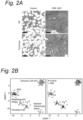
- the HE analysis of the bone marrow showed a hypercellular marrow in the PMF patient with dysplastic megakaryocytes and thick coarse black fibers in the Reticulin staining ( Figure 2A ).
- control patients showed a normocellular bone marrow without any fibers present.
- S100A8 might serve as a marker for progression of (human) bone marrow fibrosis as they also observed increased S100a8/S100a9 expression in murine models in MSCs already in pre-fibrosis (compared to control) which then significantly increased in fibrotic stages in almost all niche cells, suggesting S100A8 as a sensitive marker for disease/fibrosis progression.
- S100A8 was significantly increased in MPN patients ( Figure 3A ) and clearly demarcated the transition from MF0 to MF1 and higher MF grades in general, indicating S100A8 as a sensitive biomarker for fibrosis onset or progression in PMF (when follow-up samples are taken; Figure 3B ).
- the inventors linked increased S100A8 expression in the stroma (in MDS) to decreased hematopoiesis-support ( Ribezzo, F. et al.
- S100A8 is a good marker for the reprogramming of the stroma from hematopoiesis-support towards fibrotic transformation, in particular if followed up in patients over time.
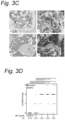
- the inventors further performed immunohistochemistry for S100A8 in bone marrow biopsies from patients and controls ( Figure 3C ).
- S100A8 specifically marks neutrophils (S100A8 grade 0).
- S100A8 is not only expressed in hematopoietic cells but stains positive in the interstitium (grade 1-2), while in progressed fibrosis (MF3) stromal cells are strongly positively stained (grade 3).
- the quantification of the S100A8 score showed that it correlates with disease severity reflected by the MF grade ( Figure 3D ).
- Tasquinimod as an inhibitor of S100A8/S100A9 ameliorates the MPN phenotype and bone marrow fibrosis
- tasquinimod a S100A9-inhibitor known as tasquinimod (ABR-215050) in mice developing JAK2(V617F)-mediated myelofibrosis.
- Tasquinimod a quinoline compound with anti-angiogenic and anti-tumor activity under investigation for solid tumors (Isaacs et al., 2006, supra ), binds to S100A9 protein and impedes its interaction with TLR4 and RAGE receptors.
- Tasquinimod treatment was administered via drinking water starting at 5 weeks post-transplant, until sacrifice at 20 weeks post-transplant with a treatment break at 10 weeks post-transplant to minimize deleterious effects on normal granulocyte function ( Figure 4A ).
- JAK2 (V617F) mice receiving tasquinimod did not develop MPN-specific leukocytosis, which was observed in the JAK2 (V611F) -vehicle-treated mice ( Figure 4B ).
- Severe splenomegaly which is a major clinical manifestation in PMF patients, was observed in vehicle-treated JAK2(V617F) mice but completely normalized with tasquinimod treatment ( Figure 4C-D ).
- the inventors observed a progressive increase in peripheral platelet counts until 10 weeks post-transplant in JAK2 (V617F) mice, followed by a sharp decrease in platelets associated with the progressive replacement of hematopoietic cells in the bone marrow ( Figure 4E ).
- JAK2 (V617F) mice treated with tasquinimod did not develop thrombocytosis. Additionally, tasquinimod treatment in JAK2 (V617F) mice reduced fibrosis grade, compared to JAK2 (V617F) -vehicle-treated mice that developed grade 2-3 fibrosis and osteosclerosis ( Figure 4F-H ), indeed showing that the inhibition of S1 00A8/S1 00A9 through Tasquinimod has a striking effect on reduction of life-threatening symptoms in patients with MPN/PMF.
Landscapes
- Health & Medical Sciences (AREA)
- Life Sciences & Earth Sciences (AREA)
- Chemical & Material Sciences (AREA)
- Medicinal Chemistry (AREA)
- General Health & Medical Sciences (AREA)
- Animal Behavior & Ethology (AREA)
- Pharmacology & Pharmacy (AREA)
- Public Health (AREA)
- Veterinary Medicine (AREA)
- Epidemiology (AREA)
- Chemical Kinetics & Catalysis (AREA)
- General Chemical & Material Sciences (AREA)
- Nuclear Medicine, Radiotherapy & Molecular Imaging (AREA)
- Organic Chemistry (AREA)
- Medicines That Contain Protein Lipid Enzymes And Other Medicines (AREA)
- Pharmaceuticals Containing Other Organic And Inorganic Compounds (AREA)
- Investigating Or Analysing Biological Materials (AREA)
- Engineering & Computer Science (AREA)
- Immunology (AREA)
- Urology & Nephrology (AREA)
- Biomedical Technology (AREA)
- Molecular Biology (AREA)
- Hematology (AREA)
- Microbiology (AREA)
- Cell Biology (AREA)
- Biotechnology (AREA)
- Proteomics, Peptides & Aminoacids (AREA)
- Food Science & Technology (AREA)
- Physics & Mathematics (AREA)
- Analytical Chemistry (AREA)
- Biochemistry (AREA)
- General Physics & Mathematics (AREA)
- Pathology (AREA)
Claims (15)
- Inhibitor eines S100-Proteins zur Verwendung bei der Vorbeugung oder Behandlung einer myeloproliferativen Neoplasie, wobei es sich bei der myeloproliferativen Neoplasie um Myelofibrose handelt und wobei der Inhibitor eine Verbindung der Formel (I)

wobeiR1 ausgewählt ist aus der Gruppe, bestehend aus H, Methyl, Ethyl, n-Propyl, iso-Propyl, Methoxy, Ethoxy, Fluor, Chlor, Brom, Trifluormethyl und Trifluormethoxy;R2 C1-C4-Alkyl ist;R3 ausgewählt ist aus der Gruppe, bestehend aus Methyl, Methoxy, Wasserstoff, Fluor, Chlor, Brom, Trifluormethyl und Trifluormethoxy, undR4 ausgewählt ist aus der Gruppe, bestehend aus Wasserstoff, Fluor und Chlor, mit der Maßgabe, dass R4 nur dann aus Fluor und Chlor ausgewählt ist, wenn R3 aus Fluor und Chlor ausgewählt ist. - Inhibitor zur Verwendung gemäß Anspruch 1, wobei die Vorbeugung oder Behandlung das Verhindern des Beginns und/oder die Verringerung des Fortschreitens einer fibrotischen Phase der Myelofibrose einschließt.
- Inhibitor zur Verwendung gemäß Anspruch 2, wobei es sich bei der fibrotischen Phase um eine fibrotische Phase des Knochenmarks handelt.
- Inhibitor zur Verwendung gemäß einem der Ansprüche 1 - 3, wobei es sich bei dem S100-Protein um mindestens eines aus S100A8 und S100A9 handelt.
- Inhibitor zur Verwendung gemäß einem der vorhergehenden Ansprüche, wobei der Inhibitor verwendet wird, um den Beginn einer Myelofibrose zu verhindern und/oder deren Fortschreiten zu verringern.
- Inhibitor zur Verwendung gemäß einem der vorhergehenden Ansprüche, wobei R2 Methyl oder Ethyl ist.
- Inhibitor zur Verwendung gemäß einem der vorhergehenden Ansprüche, wobei sich R3 in der para-Stellung befindet.
- Inhibitor zur Verwendung gemäß einem der vorhergehenden Ansprüche, wobei R3 ausgewählt ist aus der Gruppe, bestehend aus Methyl, Methoxy, Wasserstoff, Fluor, Chlor, Brom, Trifluormethyl und Trifluormethoxy.
- Inhibitor zur Verwendung gemäß Anspruch 8, wobei R3 ausgewählt ist aus der Gruppe, bestehend aus Wasserstoff und Trifluormethyl.
- Inhibitor zur Verwendung gemäß einem der vorhergehenden Ansprüche, wobei R4 Wasserstoff ist.
- Inhibitor zur Verwendung gemäß einem der vorhergehenden Ansprüche, wobei es sich bei dem Inhibitor um 4-Hydroxy-5-methoxy-N,1-dimethyl-2-oxo-N-[4-(trifluormethyl)phenyl]-1,2-dihydrochinolin-3-carboxamid (Tasquinimod) oder ein pharmazeutisch verträgliches Salz davon handelt.
- Inhibitor zur Verwendung gemäß einem der vorhergehenden Ansprüche, wobei die Vorbeugung oder Behandlung durch die Verabreichung des Inhibitors in einer täglichen Gesamtdosis von etwa 0,05 - 10 mg erfolgt.
- Inhibitor zur Verwendung gemäß einem der vorhergehenden Ansprüche, wobei die Vorbeugung oder Behandlung durch orale Verabreichung des Inhibitors erfolgt.
- Inhibitor zur Verwendung gemäß einem der vorhergehenden Ansprüche, wobei der Inhibitor in Kombination mit mindestens einem aus Strahlentherapie, Chemotherapie und Stammzelltransplantation verwendet wird.
- Inhibitor zur Verwendung gemäß einem der vorhergehenden Ansprüche, wobei der Inhibitor in Kombination mit einem JAK2-Inhibitor verwendet wird.
Priority Applications (1)
| Application Number | Priority Date | Filing Date | Title |
|---|---|---|---|
| EP25177507.8A EP4582448A3 (de) | 2020-07-23 | 2021-07-23 | S100-proteine als neue therapeutische targets in myeloproliferativen neoplasmen |
Applications Claiming Priority (2)
| Application Number | Priority Date | Filing Date | Title |
|---|---|---|---|
| EP20187323 | 2020-07-23 | ||
| PCT/EP2021/070629 WO2022018240A1 (en) | 2020-07-23 | 2021-07-23 | S100 proteins as novel therapeutic targets in myeloproliferative neoplasms |
Related Child Applications (1)
| Application Number | Title | Priority Date | Filing Date |
|---|---|---|---|
| EP25177507.8A Division EP4582448A3 (de) | 2020-07-23 | 2021-07-23 | S100-proteine als neue therapeutische targets in myeloproliferativen neoplasmen |
Publications (3)
| Publication Number | Publication Date |
|---|---|
| EP4185292A1 EP4185292A1 (de) | 2023-05-31 |
| EP4185292B1 true EP4185292B1 (de) | 2025-05-21 |
| EP4185292C0 EP4185292C0 (de) | 2025-05-21 |
Family
ID=71783860
Family Applications (2)
| Application Number | Title | Priority Date | Filing Date |
|---|---|---|---|
| EP21749566.2A Active EP4185292B1 (de) | 2020-07-23 | 2021-07-23 | S100-proteine als neuartige therapeutische targets in myeloproliferativen neoplasmen |
| EP25177507.8A Pending EP4582448A3 (de) | 2020-07-23 | 2021-07-23 | S100-proteine als neue therapeutische targets in myeloproliferativen neoplasmen |
Family Applications After (1)
| Application Number | Title | Priority Date | Filing Date |
|---|---|---|---|
| EP25177507.8A Pending EP4582448A3 (de) | 2020-07-23 | 2021-07-23 | S100-proteine als neue therapeutische targets in myeloproliferativen neoplasmen |
Country Status (15)
| Country | Link |
|---|---|
| US (1) | US20230293512A1 (de) |
| EP (2) | EP4185292B1 (de) |
| JP (1) | JP7747732B2 (de) |
| KR (1) | KR20230043916A (de) |
| CN (1) | CN116782902A (de) |
| AU (1) | AU2021313388A1 (de) |
| BR (1) | BR112023000892A2 (de) |
| CA (1) | CA3185531A1 (de) |
| ES (1) | ES3037361T3 (de) |
| IL (1) | IL300068A (de) |
| MX (1) | MX2023000903A (de) |
| NZ (1) | NZ796051A (de) |
| PL (1) | PL4185292T3 (de) |
| WO (1) | WO2022018240A1 (de) |
| ZA (1) | ZA202301267B (de) |
Families Citing this family (4)
| Publication number | Priority date | Publication date | Assignee | Title |
|---|---|---|---|---|
| KR20240012436A (ko) | 2021-05-25 | 2024-01-29 | 액티브 바이오테크 에이비 | 복수의 타스퀴니모드 입자 및 그 용도 |
| WO2023275248A1 (en) | 2021-07-02 | 2023-01-05 | Active Biotech Ab | A pharmaceutical product containing tasquinimod and a method for assessing the purity of said product |
| CN114848826B (zh) * | 2022-07-06 | 2023-03-28 | 北京天宇恒泰科技有限公司 | 用于治疗胰腺癌的组合物及用途和评价系统 |
| CN121443292A (zh) * | 2023-06-28 | 2026-01-30 | 得克萨斯大学体系董事会 | 用于在治疗mpn中使用的喹啉甲酰胺 |
Family Cites Families (15)
| Publication number | Priority date | Publication date | Assignee | Title |
|---|---|---|---|---|
| US4816567A (en) | 1983-04-08 | 1989-03-28 | Genentech, Inc. | Recombinant immunoglobin preparations |
| US5641870A (en) | 1995-04-20 | 1997-06-24 | Genentech, Inc. | Low pH hydrophobic interaction chromatography for antibody purification |
| SE9801474D0 (sv) | 1998-04-27 | 1998-04-27 | Active Biotech Ab | Quinoline Derivatives |
| SE9802549D0 (sv) | 1998-07-15 | 1998-07-15 | Active Biotech Ab | Quinoline derivatives |
| SE0201778D0 (sv) | 2002-06-12 | 2002-06-12 | Active Biotech Ab | Process for the manufacture of quinoline derivatives |
| SE0400235D0 (sv) | 2004-02-06 | 2004-02-06 | Active Biotech Ab | New composition containing quinoline compounds |
| US20100021472A1 (en) * | 2008-07-25 | 2010-01-28 | Geetha Srikrishna | Methods for diagnosing and treating cancer |
| PT2590949E (pt) * | 2010-07-09 | 2016-03-07 | Active Biotech Ab | Método para o fabrico de quinolina-3-carboxamidas |
| EP2537517A1 (de) | 2011-06-22 | 2012-12-26 | Active Biotech AB | Deuterium-angereichertes 4-hydroxy-5-methoxy-n,1-dimethyl-2-oxo-n-[(4-trifluor-methyl)phenyl]-1,2-dihydrochinolin-3-carboxamid |
| US9956212B2 (en) * | 2014-09-23 | 2018-05-01 | Active Biotech Ab | Quinoline carboxamides for use in the treatment of multiple myeloma |
| EP3212239A1 (de) * | 2014-10-29 | 2017-09-06 | Westfälische Wilhelms-Universität Münster | Chinolin-2-carboxamid-verbindungen und deren verwendung in der diagnostik |
| JP6715833B2 (ja) | 2014-11-19 | 2020-07-01 | アクティブ バイオテック エイビー | 白血病の治療に使用するためのキノリンカルボキサミド |
| US11359010B2 (en) | 2015-07-13 | 2022-06-14 | UNIVERSITé LAVAL | Humanized anti-S100A9 antibody and uses thereof |
| US20190218299A1 (en) * | 2016-05-19 | 2019-07-18 | Momenta Pharmaceuticals, Inc. | Methods for Treating Disorders Associated with Fibrosis and Systemic Sclerosis |
| WO2019006371A1 (en) * | 2017-06-30 | 2019-01-03 | City Of Hope | COMPOSITIONS AND METHODS FOR MODULATING MACROPHAGE ACTIVITY |
-
2021
- 2021-07-23 AU AU2021313388A patent/AU2021313388A1/en active Pending
- 2021-07-23 PL PL21749566.2T patent/PL4185292T3/pl unknown
- 2021-07-23 BR BR112023000892A patent/BR112023000892A2/pt unknown
- 2021-07-23 IL IL300068A patent/IL300068A/en unknown
- 2021-07-23 CA CA3185531A patent/CA3185531A1/en active Pending
- 2021-07-23 KR KR1020237006110A patent/KR20230043916A/ko active Pending
- 2021-07-23 NZ NZ796051A patent/NZ796051A/en unknown
- 2021-07-23 WO PCT/EP2021/070629 patent/WO2022018240A1/en not_active Ceased
- 2021-07-23 CN CN202180050063.6A patent/CN116782902A/zh active Pending
- 2021-07-23 ES ES21749566T patent/ES3037361T3/es active Active
- 2021-07-23 EP EP21749566.2A patent/EP4185292B1/de active Active
- 2021-07-23 JP JP2023504279A patent/JP7747732B2/ja active Active
- 2021-07-23 MX MX2023000903A patent/MX2023000903A/es unknown
- 2021-07-23 EP EP25177507.8A patent/EP4582448A3/de active Pending
- 2021-07-23 US US18/017,078 patent/US20230293512A1/en active Pending
-
2023
- 2023-01-31 ZA ZA2023/01267A patent/ZA202301267B/en unknown
Also Published As
| Publication number | Publication date |
|---|---|
| CA3185531A1 (en) | 2022-01-27 |
| PL4185292T3 (pl) | 2025-10-13 |
| EP4582448A3 (de) | 2025-12-10 |
| BR112023000892A2 (pt) | 2023-02-07 |
| AU2021313388A1 (en) | 2023-01-19 |
| CN116782902A (zh) | 2023-09-19 |
| WO2022018240A1 (en) | 2022-01-27 |
| EP4185292C0 (de) | 2025-05-21 |
| KR20230043916A (ko) | 2023-03-31 |
| US20230293512A1 (en) | 2023-09-21 |
| EP4582448A2 (de) | 2025-07-09 |
| IL300068A (en) | 2023-03-01 |
| JP7747732B2 (ja) | 2025-10-01 |
| NZ796051A (en) | 2026-02-27 |
| ZA202301267B (en) | 2024-05-30 |
| ES3037361T3 (en) | 2025-10-01 |
| EP4185292A1 (de) | 2023-05-31 |
| MX2023000903A (es) | 2023-04-20 |
| JP2023535021A (ja) | 2023-08-15 |
Similar Documents
| Publication | Publication Date | Title |
|---|---|---|
| EP4185292B1 (de) | S100-proteine als neuartige therapeutische targets in myeloproliferativen neoplasmen | |
| US9816998B2 (en) | Circulating exosomes as diagnostic/prognostic indicators and therapeutic targets of melanoma and other cancers | |
| Xiao-Ni et al. | microRNA-204 shuttled by mesenchymal stem cell-derived exosomes inhibits the migration and invasion of non-small-cell lung cancer cells via the KLF7/AKT/HIF-1α axis. | |
| US7906331B2 (en) | Methods for identifying stem cells expressing breast cancer resistance protein (BCRP) | |
| JP2020517601A (ja) | 骨格筋ジストロフィーを治療する方法及び組成物 | |
| TW201023895A (en) | A therapeutical agent for treating myelofibrosis | |
| EP2193805A1 (de) | Immunsuppressions-entwöhnungsmittel mit tumorzellen und dieses verwendende antitumorale mittel | |
| EP2275114B1 (de) | REIC Protein zur Verwendung in der Aktivierung der Krebsimmunität | |
| Liu et al. | Osteocyte-derived extracellular vesicles mediate the bone-to-cartilage crosstalk and promote osteoarthritis progression | |
| Yu et al. | Exosomal circ-CACNG2 promotes cardiomyocyte apoptosis in multiple myeloma via modulating miR-197-3p/caspase3 axis | |
| EP3154580B1 (de) | Verwendung von negativen funktionellen modulatoren von erythropoietin für therapie | |
| CN111166867A (zh) | Pd-1泛素化激动剂的功能与用途 | |
| JP7837338B2 (ja) | 骨髄異形成症候群の処置における使用のためのタスキニモドまたはその薬学的に許容される塩 | |
| KR102795727B1 (ko) | Mdsc 활성 저해 약물의 선별 방법 | |
| AU2001263496A1 (en) | Method of identifying and/or isolating stem cells and prognosing responsiveness to leukemia treatment | |
| US9199028B2 (en) | Use of entrained neutrophils to treat metastatic and micrometastatic disease in at risk patients | |
| HK40128480A (en) | S100 proteins as novel therapeutic targets in myeloproliferative neoplasms | |
| US20110165173A1 (en) | Therapeutic agent and detection reagent for arteriosclerotic disease which targets for salusin | |
| EP3999097B1 (de) | Rac2 mutante zur verwendung bei der ablation der hämatopoiese und bei der behandlung von hämatopoetischen krebserkrankungen | |
| WO2023168241A1 (en) | Combination immunotherapy compositions and methods of use thereof | |
| EA048527B1 (ru) | Белки s100 как новые терапевтические мишени при миелопролиферативных новообразованиях | |
| EP3903805A1 (de) | Immunpotenzierende oder antikrebsaktivitätssteigernde zusammensetzung mit einer mal-exprimierten stammzellenähnlichen gedächtnis-t-zelle als wirkstoff | |
| CN116139275A (zh) | Cd300ld抑制剂在制备预防、诊断或治疗肿瘤产品中的用途 | |
| EP4434544A9 (de) | Cd300ld-inhibitor und verwendung davon bei der herstellung eines tumorimmuntherapieprodukts | |
| Rodems et al. | Temporal Single Cell Analysis of Leukemia Microenvironment Identifies Taurine-Taurine Transporter Axis as a Key Regulator of Myeloid Leukemia |
Legal Events
| Date | Code | Title | Description |
|---|---|---|---|
| STAA | Information on the status of an ep patent application or granted ep patent |
Free format text: STATUS: UNKNOWN |
|
| STAA | Information on the status of an ep patent application or granted ep patent |
Free format text: STATUS: THE INTERNATIONAL PUBLICATION HAS BEEN MADE |
|
| PUAI | Public reference made under article 153(3) epc to a published international application that has entered the european phase |
Free format text: ORIGINAL CODE: 0009012 |
|
| STAA | Information on the status of an ep patent application or granted ep patent |
Free format text: STATUS: REQUEST FOR EXAMINATION WAS MADE |
|
| 17P | Request for examination filed |
Effective date: 20230202 |
|
| AK | Designated contracting states |
Kind code of ref document: A1 Designated state(s): AL AT BE BG CH CY CZ DE DK EE ES FI FR GB GR HR HU IE IS IT LI LT LU LV MC MK MT NL NO PL PT RO RS SE SI SK SM TR |
|
| RAP3 | Party data changed (applicant data changed or rights of an application transferred) |
Owner name: ERASMUS UNIVERSITY MEDICAL CENTER ROTTERDAM |
|
| DAV | Request for validation of the european patent (deleted) | ||
| DAX | Request for extension of the european patent (deleted) | ||
| REG | Reference to a national code |
Ref country code: HK Ref legal event code: DE Ref document number: 40092037 Country of ref document: HK |
|
| STAA | Information on the status of an ep patent application or granted ep patent |
Free format text: STATUS: EXAMINATION IS IN PROGRESS |
|
| 17Q | First examination report despatched |
Effective date: 20240201 |
|
| 111L | Licence recorded |
Designated state(s): AL AT BE BG CH CY CZ DE DK EE ES FI FR GB GR HR HU IE IS IT LT LU LV MC MK MT NL NO PL PT RO RS SE SI SK SM TR Free format text: EXCLUSIVE LICENSE Name of requester: ACTIVE BIOTECH AB, SE Effective date: 20240320 |
|
| GRAP | Despatch of communication of intention to grant a patent |
Free format text: ORIGINAL CODE: EPIDOSNIGR1 |
|
| STAA | Information on the status of an ep patent application or granted ep patent |
Free format text: STATUS: GRANT OF PATENT IS INTENDED |
|
| INTG | Intention to grant announced |
Effective date: 20250110 |
|
| GRAS | Grant fee paid |
Free format text: ORIGINAL CODE: EPIDOSNIGR3 |
|
| GRAA | (expected) grant |
Free format text: ORIGINAL CODE: 0009210 |
|
| STAA | Information on the status of an ep patent application or granted ep patent |
Free format text: STATUS: THE PATENT HAS BEEN GRANTED |
|
| 111L | Licence recorded |
Designated state(s): AL AT BE BG CH CY CZ DE DK EE ES FI FR GB GR HR HU IE IS IT LT LU LV MC MK MT NL NO PL PT RO RS SE SI SK SM TR Free format text: EXCLUSIVE LICENSE Name of requester: ACTIVE BIOTECH AB, SE Effective date: 20240320 |
|
| AK | Designated contracting states |
Kind code of ref document: B1 Designated state(s): AL AT BE BG CH CY CZ DE DK EE ES FI FR GB GR HR HU IE IS IT LI LT LU LV MC MK MT NL NO PL PT RO RS SE SI SK SM TR |
|
| REG | Reference to a national code |
Ref country code: GB Ref legal event code: FG4D |
|
| REG | Reference to a national code |
Ref country code: CH Ref legal event code: EP |
|
| REG | Reference to a national code |
Ref country code: DE Ref legal event code: R096 Ref document number: 602021031149 Country of ref document: DE |
|
| REG | Reference to a national code |
Ref country code: IE Ref legal event code: FG4D |
|
| U01 | Request for unitary effect filed |
Effective date: 20250521 |
|
| U07 | Unitary effect registered |
Designated state(s): AT BE BG DE DK EE FI FR IT LT LU LV MT NL PT RO SE SI Effective date: 20250530 |
|
| U20 | Renewal fee for the european patent with unitary effect paid |
Year of fee payment: 5 Effective date: 20250815 |
|
| REG | Reference to a national code |
Ref country code: ES Ref legal event code: FG2A Ref document number: 3037361 Country of ref document: ES Kind code of ref document: T3 Effective date: 20251001 |
|
| PG25 | Lapsed in a contracting state [announced via postgrant information from national office to epo] |
Ref country code: NO Free format text: LAPSE BECAUSE OF FAILURE TO SUBMIT A TRANSLATION OF THE DESCRIPTION OR TO PAY THE FEE WITHIN THE PRESCRIBED TIME-LIMIT Effective date: 20250821 Ref country code: GR Free format text: LAPSE BECAUSE OF FAILURE TO SUBMIT A TRANSLATION OF THE DESCRIPTION OR TO PAY THE FEE WITHIN THE PRESCRIBED TIME-LIMIT Effective date: 20250822 |
|
| PGFP | Annual fee paid to national office [announced via postgrant information from national office to epo] |
Ref country code: GB Payment date: 20250819 Year of fee payment: 5 |
|
| PG25 | Lapsed in a contracting state [announced via postgrant information from national office to epo] |
Ref country code: HR Free format text: LAPSE BECAUSE OF FAILURE TO SUBMIT A TRANSLATION OF THE DESCRIPTION OR TO PAY THE FEE WITHIN THE PRESCRIBED TIME-LIMIT Effective date: 20250521 |
|
| REG | Reference to a national code |
Ref country code: CH Ref legal event code: U11 Free format text: ST27 STATUS EVENT CODE: U-0-0-U10-U11 (AS PROVIDED BY THE NATIONAL OFFICE) Effective date: 20251021 |
|
| PG25 | Lapsed in a contracting state [announced via postgrant information from national office to epo] |
Ref country code: RS Free format text: LAPSE BECAUSE OF FAILURE TO SUBMIT A TRANSLATION OF THE DESCRIPTION OR TO PAY THE FEE WITHIN THE PRESCRIBED TIME-LIMIT Effective date: 20250821 |
|
| PGFP | Annual fee paid to national office [announced via postgrant information from national office to epo] |
Ref country code: IE Payment date: 20250718 Year of fee payment: 5 |
|
| PG25 | Lapsed in a contracting state [announced via postgrant information from national office to epo] |
Ref country code: IS Free format text: LAPSE BECAUSE OF FAILURE TO SUBMIT A TRANSLATION OF THE DESCRIPTION OR TO PAY THE FEE WITHIN THE PRESCRIBED TIME-LIMIT Effective date: 20250921 |
|
| U76 | Licence for the european patent with unitary effect registered |
Designated state(s): AT BE BG DE DK EE FI FR IT LT LU LV MT NL PT RO SE SI Free format text: SERIAL NUMBER OF LICENSE: 0101; EXCLUSIVE LICENSE Name of requester: ACTIVE BIOTECH AB; SE Effective date: 20251113 |
|
| PG25 | Lapsed in a contracting state [announced via postgrant information from national office to epo] |
Ref country code: SM Free format text: LAPSE BECAUSE OF FAILURE TO SUBMIT A TRANSLATION OF THE DESCRIPTION OR TO PAY THE FEE WITHIN THE PRESCRIBED TIME-LIMIT Effective date: 20250521 |
|
| PGFP | Annual fee paid to national office [announced via postgrant information from national office to epo] |
Ref country code: CH Payment date: 20251021 Year of fee payment: 5 |
|
| PG25 | Lapsed in a contracting state [announced via postgrant information from national office to epo] |
Ref country code: CZ Free format text: LAPSE BECAUSE OF FAILURE TO SUBMIT A TRANSLATION OF THE DESCRIPTION OR TO PAY THE FEE WITHIN THE PRESCRIBED TIME-LIMIT Effective date: 20250521 |
|
| PGFP | Annual fee paid to national office [announced via postgrant information from national office to epo] |
Ref country code: PL Payment date: 20250704 Year of fee payment: 5 |
|
| PG25 | Lapsed in a contracting state [announced via postgrant information from national office to epo] |
Ref country code: SK Free format text: LAPSE BECAUSE OF FAILURE TO SUBMIT A TRANSLATION OF THE DESCRIPTION OR TO PAY THE FEE WITHIN THE PRESCRIBED TIME-LIMIT Effective date: 20250521 |
|
| PGFP | Annual fee paid to national office [announced via postgrant information from national office to epo] |
Ref country code: ES Payment date: 20251028 Year of fee payment: 5 |
|
| PLBE | No opposition filed within time limit |
Free format text: ORIGINAL CODE: 0009261 |
|
| STAA | Information on the status of an ep patent application or granted ep patent |
Free format text: STATUS: NO OPPOSITION FILED WITHIN TIME LIMIT |
|
| REG | Reference to a national code |
Ref country code: CH Ref legal event code: L10 Free format text: ST27 STATUS EVENT CODE: U-0-0-L10-L00 (AS PROVIDED BY THE NATIONAL OFFICE) Effective date: 20260402 |