EP4293359A1 - Protéines de sulcus pour la détection de la péri-implantite - Google Patents
Protéines de sulcus pour la détection de la péri-implantite Download PDFInfo
- Publication number
- EP4293359A1 EP4293359A1 EP22179079.3A EP22179079A EP4293359A1 EP 4293359 A1 EP4293359 A1 EP 4293359A1 EP 22179079 A EP22179079 A EP 22179079A EP 4293359 A1 EP4293359 A1 EP 4293359A1
- Authority
- EP
- European Patent Office
- Prior art keywords
- sample
- peri
- implantitis
- protein
- subject
- Prior art date
- Legal status (The legal status is an assumption and is not a legal conclusion. Google has not performed a legal analysis and makes no representation as to the accuracy of the status listed.)
- Pending
Links
Images




Classifications
-
- G—PHYSICS
- G01—MEASURING; TESTING
- G01N—INVESTIGATING OR ANALYSING MATERIALS BY DETERMINING THEIR CHEMICAL OR PHYSICAL PROPERTIES
- G01N33/00—Investigating or analysing materials by specific methods not covered by groups G01N1/00 - G01N31/00
- G01N33/48—Biological material, e.g. blood, urine; Haemocytometers
- G01N33/50—Chemical analysis of biological material, e.g. blood, urine; Testing involving biospecific ligand binding methods; Immunological testing
- G01N33/68—Chemical analysis of biological material, e.g. blood, urine; Testing involving biospecific ligand binding methods; Immunological testing involving proteins, peptides or amino acids
- G01N33/6893—Chemical analysis of biological material, e.g. blood, urine; Testing involving biospecific ligand binding methods; Immunological testing involving proteins, peptides or amino acids related to diseases not provided for elsewhere
-
- A—HUMAN NECESSITIES
- A61—MEDICAL OR VETERINARY SCIENCE; HYGIENE
- A61P—SPECIFIC THERAPEUTIC ACTIVITY OF CHEMICAL COMPOUNDS OR MEDICINAL PREPARATIONS
- A61P1/00—Drugs for disorders of the alimentary tract or the digestive system
- A61P1/02—Stomatological preparations, e.g. drugs for caries, aphtae, periodontitis
-
- G—PHYSICS
- G01—MEASURING; TESTING
- G01N—INVESTIGATING OR ANALYSING MATERIALS BY DETERMINING THEIR CHEMICAL OR PHYSICAL PROPERTIES
- G01N2500/00—Screening for compounds of potential therapeutic value
- G01N2500/04—Screening involving studying the effect of compounds C directly on molecule A (e.g. C are potential ligands for a receptor A, or potential substrates for an enzyme A)
-
- G—PHYSICS
- G01—MEASURING; TESTING
- G01N—INVESTIGATING OR ANALYSING MATERIALS BY DETERMINING THEIR CHEMICAL OR PHYSICAL PROPERTIES
- G01N2800/00—Detection or diagnosis of diseases
- G01N2800/18—Dental and oral disorders
-
- G—PHYSICS
- G01—MEASURING; TESTING
- G01N—INVESTIGATING OR ANALYSING MATERIALS BY DETERMINING THEIR CHEMICAL OR PHYSICAL PROPERTIES
- G01N2800/00—Detection or diagnosis of diseases
- G01N2800/52—Predicting or monitoring the response to treatment, e.g. for selection of therapy based on assay results in personalised medicine; Prognosis
Definitions
- the present invention relates to a method, in particular an in vitro method, for a method for detecting peri-implantitis (PI) in a mammalian subject having a tooth implant, comprising detecting, and quantifying at least one protein in a sulcus fluid sample obtained from said subject that is enriched or depleted in the sample when compared to a sulcus fluid sample obtained from a healthy implant (I) and/or a healthy tooth (T), wherein an enrichment of at least one protein as identified and/or wherein a depletion of at least one protein as identified detects a PI in said subject.
- the present invention relates to the application of the findings of the invention in the development of new anti-PI therapies and as well as to a kit for performing the above methods as well as respective uses thereof.
- improved anti-PI compounds or pharmaceutical compositions are provided.
- peri-implant inflammation peri-implant mucositis: PM; peri-implantitis: PI
- peri-implant mucositis peri-implant mucositis
- PI peri-implant mucositis
- the etiology is assumed to be determined by a microbial biofilm in a susceptible host. Prosthetic, surgical or biomechanical factors are discussed as an additional etiological mechanism for peri-implant bone loss (Canullo et al.
- peri-implant pocket depth measurement radiological peri-implant bone level are available to detect peri-implantitis (Schwarz 2016). Radiological bone loss and probing depth indicate peri-implantitis when the disease has already progressed.
- the microbiological analysis of peri-implant disease has not demonstrated any consistent, disease-specific microbiome profiles and can therefore not be used for diagnosis or disease monitoring (Lafaurie et al. 2017; Sahrmann et al. 2020).
- GCF gingival crevicular fluid
- PICF peri-implant crevicular fluid
- Immunohistologic examination of inflamed peri-implant und periodontal tissues demonstrated larger areas of inflammatory infiltrates in peri-implantitis compared to periodontitis. Furthermore, macrophages (CD-68 positive cells), plasma cells (CD-138 positive cells) and neutrophils (myeloperoxidase (MPO) -positive cells) are detected in the peri-implant infiltrates (Carcuac und Berglundh 2014).
- Inflamed peri-implant tissue demonstrates a pro-inflammatory M1 macrophage polarization and a lymphocyte-dominated inflammation with interindividual, patient-specific differences (Fretwurst et al. 2016; Fretwurst et al.
- KR20220022835A discloses a biomarker for diagnosing peri-implantitis, a composition for diagnosing peri-implantitis using the same, and a diagnostic kit using the same, and more particularly, to a biomarker for diagnosing peri-implantitis using an oral microbiome, a composition for diagnosing peri-implantitis using the same, and to a diagnostic kit as used.
- GCF gingival crevicular fluid
- MS Mass spectrometry
- proteomics enables quantification and identification of almost all proteins in the medium allowing for multibiomarker approaches and non-targeted exploratory essays (Kwon et al. 2016; Fretwurst 2021, under revision).
- targeted proteomic methods enabled the evaluation of approximately 100 proteins (Loos und Tjoa 2005), when using MS based proteomics more than 600 proteins were identified in the gingival crevicular fluid of periodontitis diseased teeth (Rizal et al.
- PICF proteome has not been systematically investigated by comparing healthy and diseased implants nor has the proteomic composition found in PICF been compared to the composition of GCF (Esberg et al. 2019). MS-based proteomics of PICF has only been performed once, not including healthy implants or healthy teeth as a control group (Esberg et al. 2019), therefore not allowing for the identification of disease specific markers or proteomic clusters.
- the present invention solves the above problem by providing a method for detecting peri-implantitis (PI) in a mammalian subject having a tooth implant, comprising detecting, and quantifying at least one protein in a sulcus fluid sample obtained from said subject that is enriched or depleted in the sample when compared to a sulcus fluid sample i) obtained from a healthy implant (I), ii) a healthy tooth (T), iii) an earlier sulcus fluid sample taken from said subject, and/or iv) to a control sample, wherein an enrichment of at least one protein selected from the group consisting of IGHV70D, ARPC5, XRP2, DYSF, FLOT1, APOM, HGPRT, CA2, HBD, LRG, PRBP, CAT, CD18, SERPING1, MPO, HC-II, PYGL, GPI, BPGM, ANX6, RNASE2, ITGAM, G6PD,
- a protein selected from the group consisting of FLOT1, APOM, CD18, MPO, ITGAM, BPI, ITGB5, FLOT2, PLBD1, ADSF, and APMAP, and/or CTSD such as, for example, a protein selected from the group consisting of FLOT1, APOM, CD18, MPO, ITGAM, BPI, ITGB5, FLOT2, PLBD1, ADSF, and APMAP, and/or CTSD.
- the present invention solves the above problem by providing a method for diagnosing the status of peri-implantitis (PI) in a mammalian subject having a tooth implant, comprising performing the method according to the present invention, and diagnosing an exacerbated state of the PI if the at least one protein in the sulcus fluid sample obtained from said subject is further enriched or further depleted in the sample when compared to an earlier sulcus fluid sample obtained from the subject.
- PI peri-implantitis
- the present invention solves the above problem by providing a method for identifying a compound that is active against PI, comprising the steps of: a) providing at least one candidate compound with a subject suffering from PI, and b) performing the method according to the present invention, wherein a lesser enrichment and/or a lesser depletion of at least one protein in the sulcus fluid sample in the presence of said candidate compound, when compared to the absence of said candidate compound identifies a compound that is active against PI.
- the present invention solves the above problem by providing a compound that is active against PI as identified according to the present invention, or a pharmaceutical composition comprising said compound that is active against PI, together with a pharmaceutically acceptable carrier.
- the present invention solves the above problem by providing a method for monitoring of a treatment or prophylaxis against PI in a mammalian subject in need thereof, comprising a) providing a treatment or prophylaxis against PI to said subject, comprising administering to said subject a compound or pharmaceutical composition that is active against PI, preferably a compound or pharmaceutical composition according to the present invention, b) performing the method according to the present invention on a biological sample obtained from said subject, and c) comparing the enrichment and/or depletion of at least one protein in the sulcus fluid sample as detected with the enrichment and/or depletion of the at least one protein in an earlier sulcus fluid sample taken from said subject, and/or to a control sample.
- the present invention solves the above problem by providing a method for preventing or treating PI in a mammalian subject, comprising administering to said subject an effective amount of the compound that is active against PI or the pharmaceutical composition comprising said compound that is active against PI according to the present invention.
- the present invention solves the above problem by providing a compound that is active against PI or the pharmaceutical composition comprising said compound that is active against PI according to the present invention for use in the prevention or treatment of PI in a subject.
- PICF peri-implant crevicular fluid
- sulcus fluid is of particular interest, and in the context of the present invention "sulcus fluid" shall mean the fluid in the crevices between tooth or implant, respectively, and the gingival tissue. Sulcus has to be distinguished from sputum.
- Sulcus fluid is usually and preferably collected from the sulcus in a minimum depth of 1-2 mm and may be collected with sterile paper strips by insertion for about 30 sec, like, for example, gingival crevicular fluid (GCF).
- GCF gingival crevicular fluid
- Preferred examples are endodontic paper points or periopapers.
- IL-1 ⁇ interleukin-1 beta
- MMP-8 matrix metalloproteinase-8
- TNF- ⁇ tumor necrosis factor-alpha
- PICF peri-implant sulcus fluid
- Pro-inflammatory cytokines such as TNF, IL-1, 1L-6, IL-12, IL-17, anti-inflammatory cytokines, such as IL-4 and IL-10, biomarkers of bone metabolism, such as receptor activator nuclear factor kappa-B ligand (RANKL), receptor activator nuclear factor B (RANK), osteoprotegerine (OPG) and osteocalcin, as well as specific enzymes, such as matrix metalloproteinases (MMP1, MMP8, MMP9, MMP13) and tissue inhibitor of metalloproteinases (TIMP) were in the focus of periimplantitis research (Alassy et al. 2019, Iglhaut et al. 2021).
- Hu Z, et al. in: Inflammatory cytokine profiles in the crevicular fluid around clinically healthy dental implants compared to the healthy contralateral side during the early stages of implant function.
- PMID: 31494437 describe and compare cytokines levels in clinically healthy sites of dental implants and natural teeth.
- the present invention solves the above problem by providing a method for detecting peri-implantitis (PI) in a mammalian subject having a tooth implant, comprising detecting, and quantifying at least one protein in a sulcus fluid sample obtained from said subject that is enriched or depleted in the sample when compared to a sulcus fluid sample i) obtained from a healthy implant (I), ii) a healthy tooth (T), iii) an earlier sulcus fluid sample taken from said subject, and/or iv) to a control sample, wherein an enrichment of at least one protein selected from the group consisting of IGHV70D, ARPC5, XRP2, DYSF, FLOT1, APOM, HGPRT, CA2, HBD, LRG, PRBP, CAT, CD18, SERPING1, MPO, HC-II, PYGL, GPI, BPGM, ANX6, RNASE2, ITGAM, G
- the present invention assessed the proteomic composition of PICF of peri-implantitis affected implants in comparison to healthy implants and healthy teeth in an untargeted approach to reveal the proteomic difference between healthy and diseased implants. Furthermore included is a method that detects PI based on the changes when compared to an earlier sulcus fluid sample taken from said subject, i.e. based on the "internal" comparison of markers.
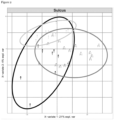
- PLS-DA and LIMMA as performed in the context of the present invention indicated no alterations in the proteomic composition of PICF/GCF of healthy teeth (T) and healthy implants (I).
- PICF/GCF of healthy teeth T
- I healthy implants
- 59 proteins were identified as upregulated and 31 downregulated in peri-implantitis when compared to healthy implants.
- peri-implantitis is defined according to the current international guideline with peri-implant pocket depth ⁇ 6 mm, ⁇ 3 mm peri-implant radiological bone loss with bleeding and / or suppuration on probing (Berglundh 2018).
- peri-implantitis PI
- the method for detecting peri-implantitis (PI) in a mammalian subject having a tooth implant according to the present invention is the method for detecting peri-implantitis (PI) in a mammalian subject having a tooth implant according to the present invention, wherein the at least one protein in the sulcus fluid sample is secreted or shedded, such as, for example, a protein selected from the group consisting of FLOT1, APOM, CD18, MPO, ITGAM, BPI, ITGB5, FLOT2, PLBD1, ADSF, APMAP, and CTSD.
- PI peri-implantitis
- Shedded proteins as herein relates to the proteolytic removal of proteins from the surface of a cell, in particular of membrane protein ectodomains (ectodomain shedding) which designates a post-translational modification that controls levels and function of hundreds of membrane proteins.
- the contributing proteases are referred to as sheddases.
- Secreted proteins as herein relates to proteins or protein fragments released from a cell.
- Secretion of proteins usually is a multistep "active" cellular process that involves vesicle biogenesis, cargo loading, concentration and processing, vesicle transport and targeting, vesicle docking and Ca2+-dependent vesicular fusion with the plasma membrane.
- shedded proteins or the fragments thereof and secreted proteins are thus found in the cell-free part (e.g., the supernatant) of the sulcus fluid sample, which is a preferred embodiment of the sample to be used in the context of the present invention.
- peri-implantitis PI
- the method for detecting peri-implantitis (PI) in a mammalian subject having a tooth implant according to the present invention wherein the significance of the at least one protein has a moderated p-value of ⁇ 0.05, more preferably of ⁇ 0.01.
- peri-implantitis in a mammalian subject having a tooth implant according to the present invention, wherein the significance of the combination of the proteins as analyzed has a moderated p-value of ⁇ 0.05, more preferably of ⁇ 0.01, and most preferred of less than 0.005.
- Sulcus fluid is usually and preferably collected from the sulcus in a minimum depth of 1-2 mm and may be collected with sterile paper strips by insertion for about 30 sec, like, for example, gingival crevicular fluid (GCF).
- GCF gingival crevicular fluid
- Preferred examples are endodontic paper points or periopapers.
- Preferred is the method for detecting peri-implantitis (PI) in a mammalian subject having a tooth implant according to the present invention, wherein the sulcus fluid sample was obtained from said subject using sterile paper strips such as, for example, are endodontic paper points or periopapers.
- the detection and quantification of the at least one protein in the sample can be performed by any suitable method as is known to the person of skill.
- Preferred is the method for detecting peri-implantitis (PI) in a mammalian subject having a tooth implant according to the present invention, wherein the detection and quantification of the at least one protein in the sample comprises a method selected from at least one of Enzyme-linked Immunosorbent Assay (ELISA), proteolysis, bicinchoninic acid assay, and mass spectrometry.
- ELISA Enzyme-linked Immunosorbent Assay
- proteolysis proteolysis
- bicinchoninic acid assay bicinchoninic acid assay
- mass spectrometry mass spectrometry
- a higher proteolytic activity in PI was found in peri-implantitis, with cleavage patterns pointing to typical inflammatory proteases cathepsin G and neutrophil elastase.
- endogenous proteolysis inherits an important role, which has not been assessed for peri-implantitis previously.
- Cathepsin G and neutrophil elastase were identified in all samples with higher levels in the diseased condition, although without significance.
- PI peri-implantitis
- a mammalian subject having a tooth implant further comprising detecting endogenous proteolysis in the sample, wherein a higher endogenous proteolytic activity as detected when compared to a non-PI sample, a T sample (sample from a healthy tooth), an I sample (sample from a healthy implant) and/or a control sample indicates a PI-sample (sample from a subject suffering from PI) from a subject.
- PI peri-implantitis
- the inventors performed a mass spectrometry-based assessment of bacterial proteins in PICF, demonstrating that the relative intensity of bacterial proteins was increased in peri-implantitis. Nevertheless, it is in question whether bacterial proteins can serve as diagnostic indicators of PI (Mombelli und Décaillet 2011; Wang et al. 2016). Therefore, preferred is the method for detecting peri-implantitis (PI) in a mammalian subject having a tooth implant according to the present invention, further comprising detecting and quantifying bacterial proteins in the sample, wherein a higher amount as detected when compared to a non-PI sample, a T sample, an I sample and/or a control sample indicates a PI sample.
- This analysis further supports the results as obtained with the sulcus-proteins as above.
- peri-implantitis in a mammalian subject having a tooth implant according to the present invnetion, further comprising detecting the missingness of bacterial proteins in the sample, wherein a lower missingness as detected when compared to a non-PI sample, a T sample, an I sample and/or a control sample indicates a PI sample.
- the present method may be performed with a sample from any mammal having a tooth implant, suspected of suffering from PI.
- Preferred is the method for detecting peri-implantitis (PI) in a mammalian subject having a tooth implant according to the present invention, wherein the mammalian subject is selected from a cat, dog, mouse, rat, horse, sheep, goat, monkey, cow, or human.
- Preferred is a human.
- Another aspect of the present invention relates to a method for diagnosing the status of peri-implantitis (PI) in a mammalian subject having a tooth implant, comprising performing the method according to the present invention, and diagnosing an exacerbated state of the PI if the at least one protein in the sulcus fluid sample obtained from said subject is further enriched or further depleted in the sample when compared to an earlier sulcus fluid sample obtained from the subject.
- PI peri-implantitis
- the present invention can be used to improve the prevention and treatment of a PI in a subject.
- the present invention provides a method for identifying a compound that is active against PI, comprising the steps of: a) providing at least one candidate compound with a subject suffering from PI, and b) performing the method according to the present invention, wherein a lesser enrichment and/or a lesser depletion of at least one protein in the sulcus fluid sample in the presence of said candidate compound, when compared to the absence of said candidate compound identifies a compound that is active against PI.
- the compound may have an effect on the bacterial proteins as identified and/or the missingness thereof.
- any suitable candidate compound may be screened.
- Preferred is the method for identifying a compound that is active against PI according to the present invention, wherein the candidate compound is selected from the group consisting of a chemical molecule, a molecule selected from a library of small organic molecules (molecular weight less than 500 Da), a molecule selected from a combinatory library, a cell extract, in particular a plant cell extract, a small molecular drug, a protein, a protein fragment, a molecule selected from a peptide library, and an antibody or fragment thereof.
- Methods for screening are known in the art, preferred is a high-throughput method (HTS).
- Preferred is a screening in a suitable animal model.
- the method further comprises the step of chemically modifying the compound.
- chemical modifications e.g., through the addition of additional chemical groups
- c) changes of the size/length of the compound e.g., through the addition of additional chemical groups
- d) the attachment of additional groups to the molecule including marker groups, labels, linkers or carriers, such as chelators.
- the modified compound is tested again in at least one of tests as above, and if the property of the compound is improved compared to its unaltered state.
- Yet another aspect of the present invention relates to a compound that is active against PI as identified according to a method according to the present invention, or a pharmaceutical composition comprising said compound that is active against PI, together with a pharmaceutically acceptable carrier.
- a compound that is active against PI according to the present invention wherein the compound is selected from the group consisting of a chemical molecule, a molecule selected from a library of small organic molecules, a molecule selected from a combinatory library, a cell extract, in particular a plant cell extract, a small molecular drug, a protein, a protein fragment, a molecule selected from a peptide library, and an antibody or fragment thereof.
- compositions as used may optionally comprise a pharmaceutically acceptable carrier.
- Pharmaceutically acceptable carriers or excipients include diluents (fillers, bulking agents, e.g. lactose, microcrystalline cellulose), disintegrants (e.g. sodium starch glycolate, croscarmellose sodium), binders (e.g. PVP, HPMC), lubricants (e.g. magnesium stearate), glidants (e.g. colloidal SiO2), solvents/co-solvents (e.g. aqueous vehicle, Propylene glycol, glycerol), buffering agents (e.g. citrate, gluconates, lactates), preservatives (e.g.
- BHT anti oxidants
- BHA Ascorbic acid
- wetting agents e.g. polysorbates, sorbitan esters
- thickening agents e.g. methylcellulose or hydroxyethylcellulose
- sweetening agents e.g. sorbitol, saccharin, aspartame, acesulf
- the pharmaceutical composition can be administered orally, e.g., in the form of pills, tablets, coated tablets, sugar coated tablets, hard and soft gelatin capsules, solutions, syrups, emulsions or suspensions or as aerosol mixtures. Administration, however, can also be carried out rectally, e.g., in the form of suppositories, or parenterally, e.g., in the form of injections or infusions, or percutaneously, e.g. in the form of ointments, creams or tinctures.
- the pharmaceutical composition can contain further customary, usually inert carrier materials or excipients.
- the pharmaceutical preparations can also contain additives, such as, for example, fillers, extenders, disintegrants, binders, glidants, wetting agents, stabilizers, emulsifiers, preservatives, sweetening agents, colorants, flavorings or aromatizers, buffer substances, and furthermore solvents or solubilizers or agents for achieving a depot effect, as well as salts for changing the osmotic pressure, coating agents or antioxidants. They can also contain the aforementioned salts of two or more compounds as identified according to the invention and also other therapeutically active substances as described herein.
- Another aspect of the present invention relates to a method for producing a pharmaceutical composition
- a method for producing a pharmaceutical composition comprising formulating at least one anti-PI compound as identified herein with a pharmaceutically acceptable carrier.
- Yet another aspect of the present invention relates to a method, such as diagnostic method, for monitoring of a treatment or prophylaxis against PI in a mammalian subject in need thereof, comprising a) providing a treatment or prophylaxis against PI to said subject, comprising administering to said subject a compound or pharmaceutical composition that is active against PI, preferably a compound or pharmaceutical composition according to the present invention, b) performing the method according to the present invention on a biological sample obtained from said subject, and c) comparing the enrichment and/or depletion of at least one protein in the sulcus fluid sample as detected with the enrichment and/or depletion of the at least one protein in an earlier sulcus fluid sample taken from said subject, and/or to a control sample.
- a method such as diagnostic method, for monitoring of a treatment or prophylaxis against PI in a mammalian subject in need thereof, comprising a) providing a treatment or prophylaxis against PI to said subject, compris
- the method may further comprise adjusting the treatment or prophylaxis of said subject or patient based on said monitoring.
- the attending physician will be readily able to make and apply respective treatment decisions, also taking into account additional patient parameters, if required.
- Yet another aspect of the present invention relates to a method for preventing or treating PI in a mammalian subject, comprising administering to said subject an effective amount of the compound that is active against PI or the pharmaceutical composition comprising said compound that is active against PI according to the present invention.
- the method according to the present invention wherein the anti-PI treatment or prophylaxis in the patient or subject comprises administering an effective amount of the compound as identified herein in a pharmaceutical composition as described.
- the compound is administered to said subject in an effective dosage.
- This dosage can vary within wide limits and is to be suited to the individual conditions in each individual case.
- the appropriate dosage will vary depending on the mode of administration, the particular condition to be treated and the effect desired. In general, however, satisfactory results are achieved at dosage rates are as above, e.g. of about 1 to 100 mg/kg animal body weight particularly 1 to 50 mg/kg.
- Suitable dosage rates for larger mammals, for example humans are of the order of from about 10 mg to 3 g/day, conveniently administered once or in divided doses, e.g. 2 to 4 times a day, or in sustained release form.
- a daily dose of approximately 10 mg to 100 mg, particularly 10 to 50 mg, per human individual is appropriate in the case of the oral administration.
- An effective concentration to be reached at the cellular level can be set at between 50 to 200 ⁇ M, preferably at about 100 ⁇ M.
- Particularly preferred is topical application, such as to the airways by inhalation.
- the dosage can be conveniently reduced to between 0.1 to 10 mg/dose, preferably 0.2 to 5 mg per dose, which equals about 3 to about 80 ⁇ g per kilogram for a 70 kg subject.
- the present compound and/or a pharmaceutical composition comprising the present compound is for use to be administered to a human patient.
- the term "administering" means administration of a sole therapeutic agent or in combination with another therapeutic agent.
- the pharmaceutical composition of the present invention is employed in co-therapy approaches, i.e. in co-administration with other medicaments or drugs and/or any other therapeutic agent which might be beneficial in the context of the methods of the present invention.
- the other medicaments or drugs and/or any other therapeutic agent can be administered separately from the compound for use, if required, as long as they act in combination (i.e. directly and/or indirectly, preferably synergistically) with the present compound for use.
- the compounds of the invention can be used alone or in combination with other active compounds - for example with medicaments already known for the prevention or treatment of PI, whereby in the latter case a favorable additive, amplifying or preferably synergistically effect is noticed.
- Suitable amounts to be administered to humans range from 1 to 500 mg, in particular 5 mg to 100 mg, such as between 1 and 10 mg/kg/day oral dose.
- An effective concentration to be reached at the cellular level can be set at between 50 to 200 ⁇ M, preferably at about 100 ⁇ M.
- the compound (for use) can be provided and/or is administered as a suitable pharmaceutical composition, such as a tablet, capsule, injection, granule, powder, sachet, reconstitutable powder, dry powder inhaler, inhalation, and/or chewable.
- a suitable pharmaceutical composition such as a tablet, capsule, injection, granule, powder, sachet, reconstitutable powder, dry powder inhaler, inhalation, and/or chewable.
- Such solid formulations may comprise excipients and other ingredients in suitable amounts.
- Such solid formulations may contain e.g., cellulose, cellulose microcrystalline, polyvidone, in particular FB polyvidone, magnesium stearate and the like.
- Administration can also be carried out rectally, e.g. in the form of suppositories, or parenterally, e.g. in the form of injections or infusions, or percutaneously, e.g. in the form of ointments, creams or tinct
- Preferred is the use of the (local) inhibition of proteases as identified in the sulcus; further preferred examples include the injection of inhibitor depots.
- the compound that is active against PI or the pharmaceutical composition comprising said compound that is active against PI according to the present invention is also for use in the prevention or treatment of PI in a subject as above.
- Yet another aspect of the present invention relates to a diagnostic or therapeutic kit comprising materials for performing a method according to the present invention in one or separate containers, optionally together with auxiliary agents and/or instructions for performing said method.
- kits comprising at least one of a specific antibody binding to the at least protein as above, dyes and other labels, as well buffers and matrices for performing the methods as above.
- the kit may further comprise manuals, paper strips, proteases, and other materials for mass spectrometry analysis as herein.
- the kit may be used in the methods of the invention, i.e., for identifying an anti-PI compound, for detecting PI in a mammalian subject, for monitoring an anti-PI treatment or prophylaxis in a patient or subject in need thereof, and/or for an anti-PI treatment or prophylaxis in a patient or subject.
- the present invention is based on the findings by the inventors, when sulcus samples were analyzed in a retrospective cohort study using quantitative proteomics (liquid chromatography-tandem spectrometry, LC-MS/MS). A depletion of highly abundant proteins was not necessary.
- the initial study included 11 cases of healthy implants and 18 cases of peri-implantitis.
- limma linear models of microarray analysis (limma)
- the markers according to the present invention were found which were significantly (pa djusted ⁇ 0.05; mean quantitative difference > 50%) enriched or depleted in the sulcus of the peri-implantitis (compared to healthy implants):
- the significant enriched or depleted proteins are listed in the following two tables.
- Sulcus also contains cellular debris or cellular components.
- Classical secreted or shed proteins from the cell surface are marked. It is interesting to note that in peri-implantitis significantly more classically secreted or shed of the relevant proteins are enriched than depleted.
- Peri-implantitis can be detected in a non-invasive, biochemical way by detecting and quantifying the inventive sulcus proteins (alone or in combination).
- inventive sulcus proteins alone or in combination.
- Classically secreted or shed proteins are particularly suitable for detecting peri-implantitis.
- proteolytic enzymes such as MMP-9 (with gelatinolytic and collagenolytic activity) and cathepsin G opens up new perspectives for curbing tissue-degrading processes through (local) inhibition of these proteases; examples include the injection of inhibitor depots.
- the present invention should form the basis for the translational application and further development of the inventors' findings in order to enable longitudinal, multi-modal monitoring of peri-implant diseases in the near future and, based on this, to pursue personalized prevention and therapy concepts (Steinhubl 2019, Schüssler -Fiorenza Rose 2019).
- the present invention thus first assessed the proteomic composition of PICF of peri-implantitis affected implants in comparison to healthy implants and healthy teeth in an untargeted approach to reveal the proteomic difference between healthy and diseased implants.
- PLS-DA and LIMMA indicated no alterations in the proteomic composition of PICF/GCF of healthy teeth and healthy implants.
- 90 proteins were identified as either upregulated (enriched) or downregulated (depleted) in peri-implantitis when compared to healthy implants.
- Esberg et al. found 42 proteins to be increased in case of implant loss after peri-implantitis therapy in comparison to peri-implantitis therapy success (Esberg et al. 2019).
- gene ontology analysis revealed biological processes related to local immune response like "humoral immune response”, “extracellular matrix organization” or “regulated exocytosis” to be upregulated in peri-implantitis. This is in accordance with the classic depiction of peri-implantitis as a local inflammation, orchestrated by the host immune response (Berglundh et al. 2018). Cytoskeletal proteins like fibrinogens, actins, or actin related proteins were found upregulated in the present invention as well as in previous publications on periodontitis, suggesting an increase of apoptosis (Bostanci et al. 2015; Rizal et al. 2020).
- cytokines Proinflammatory cytokines, as discussed by a variety of publications using antibody-based protein detection in periodontitis and peri-implantitis, were not identified in the present invention. Missingness of cytokines in MS-based proteomic studies has frequently been attributed to low concentrations of the molecules of interest (Baliban et al. 2012; Bostanci et al. 2010). For quantification of cytokines, targeted MS-based approaches are preferably applied.
- neutrophiles myeloperoxidase, bacterial permeability-increasing protein, azurocidin, cathelicidin antimicrobial peptide
- Azurodicin is expressed by neutrophiles and shows antimicrobial activity against Gram-negative species, including P. aeruginosa and A. actinomycetemcomitans, by binding lipopolysaccharides (LPS) (Wasiluk et al. 1991; Campanelli et al. 1990).
- LPS lipopolysaccharides
- myeloperoxidase is expressed in neutrophiles and acts synergistically with azurocidin (Furtmüller et al. 1998).
- azurodicin and myeloperoxidase were found to be elevated in GCF of periodontitis sites, using both ELISA and MS-based proteomics (Nalmpantis et al. 2020; Rizal et al. 2020; Bostanci et al. 2015).
- myeloperoxidase was found more abundant in PICF of implants with peri-implantitis (Durrani und Singh 2015), which is in accordance with the findings of the present invention.
- Neutrophile granulocytes have been found in peri-implantitis lesions both in higher proportion and in higher total amounts when compared to periodontitis (Carcuac und Berglundh 2014). Increased proteolytic activity by cathepsin G and/or neutrophil elastase as well as upregulation of azurocidin and myeloperoxidase, as presented here, underlines elevated neutrophile activity in peri-implant inflammation.
- proteins involved in inflammatory processes were detected to be enriched e.g. S100P, leukotriene A(4) hydrolase (LTA4H) or lymphocyte specific protein 1 (LSP-1), which have not been described in crevicular fluid before (Rizal et al. 2020; Salazar et al. 2013; Esberg et al. 2019).
- LSP-1 and LTA4H inherit proinflammatory properties through their contribution to migration and lamellipodia formation of macrophages (Maxeiner et al. 2015; Shuringer et al. 2021) and conversion of leukotriene A4 into proinflammatory leukotriene B4 (Tholander et al. 2008), respectively.
- S100P is a calcium binding protein localized in the cytoplasm and the nucleus. Calcium-binding of S100P leads to activation of several target proteins, such as RAGE (receptor for advanced glycation end points) (Jiang et al. 2012). RAGE is strongly associated with inflammation and immunologic diseases (Palanissami und Paul 2018) and, among other effects, may activate nuclear factor- ⁇ B (NF- ⁇ B) (Arumugam et al. 2004), which is connected to bone homeostasis via receptor activator of NF- ⁇ B (RANK) and RANK-Ligand (RANKL) (Krakauer 2008; Khosla 2001).
- NF- ⁇ B nuclear factor- ⁇ B
- RANKL receptor activator of NF- ⁇ B
- RANKL RANK-Ligand
- S100P may play a central role in inflammation and bone homeostasis and resemble a link between immune response and crestal bone loss (Palanissami und Paul 2018). This is the first time to find elevated levels of S100P in case of PI.
- S100A6, S100A7, S100A8, S100A9 have frequently been found upregulated in GCF of periodontally diseased teeth (Rizal et al. 2020).
- S100P no significantly elevated levels of calcium-binding S100-proteins were detected.
- S100A11 was significantly decreased in PI whereas in periodontitis S100A11 was found elevated in GCF (Kido et al. 2012).
- MMPs 8 and 9 were identified in all samples and most abundant in the diseased subgroup (PI), yet without significance. MMPs have frequently been observed to be elevated at periodontally diseased sites, with some publications also describing upregulation in case of peri-implantitis (Gianazza et al. 2016; Sorsa et al. 2016; Alassiri et al. 2018; Alassy et al. 2019; Arakawa et al. 2012). Previous studies mainly focused on MMP8, a collagenase, secreted by neutrophils (Arakawa et al. 2012; Basegmez et al. 2012; Alassy et al. 2019). No MMP dominated fingerprint of endogenous proteolysis was detected in the present invention.
- the present invention demonstrates the potency of mass spectrometry-based proteomics on crevicular fluid of peri-implantitis. Ideally, because of the small cohort size larger cohorts would provide an even better correlation of the proteomic data with patient individual clinical data to enable evaluations of potential etiological pathways.
- the PICF proteome of peri-implantitis affected sites exhibits an inflammatory fingerprint when compared to healthy implants and teeth. Healthy implants and teeth share strong similarities in their proteome.
- the method according to the present invention will pave the way to a more profound understanding of disease biology, new diagnostic and prognostic tools and a more patient-specific therapy of peri-implantitis in the future.
- the present invention relates to the following items.
- Table 1 Enriched sulcus-proteins in peri-implantitis as identified in the context of the present invention Uniprot ID Protein Secreted or shedded A0A0C4DH43 Immunoglobulin heavy variable 2-70D (IGHV70D) 015511 Actin-related protein 2/3 complex subunit 5 (Arp2/3 complex 16 kDa subunit) (ARPC5) O75695 Protein XRP2 (XRP2) O75923 Dysferlin (Dystrophy-associated fer-1-like protein) (DYSF) O75955 Flotillin-1 (FLOT1) x O95445 Apolipoprotein M (Apo-M) (APOM) x P00492 Hypoxanthine-guanine phosphoribosyltransferase (HGPRT) P00918 Carbonic anhydrase 2
- Peri-implantitis is defined according to the current international guideline with peri-implant pocket depth ⁇ 6 mm, ⁇ 3 mm peri-implant radiological bone loss with bleeding and / or suppuration on probing (Berglundh 2018). Minimum age was 18 years. Prosthetically restored Implants were included which had received the restoration > 12 months prior. Screw retained and cemented restorations were included.
- Patients were excluded from the study if one of the following conditions was met: diabetes, immunosuppression or immunosuppressive medication, current radiation of the head or neck area, or oral mucosal diseases (e.g. erosive lichen planus), bisphosphonate or antiresorptive agent intake, current untreated periodontal disease or gingivitis, pocket depth of ⁇ 4 mm at the teeth immediately next to the dental implant to be examined, severe bruxism and patients with inadequate oral hygiene or not motivated to provide adequate oral care at home, current intake of antibiotics or local application of antibiotics. Also, patients were only included if no peri-implantitis treatment had been performed before.
- oral mucosal diseases e.g. erosive lichen planus
- bisphosphonate or antiresorptive agent intake e.g. erosive lichen planus
- current untreated periodontal disease or gingivitis e.g. erosive lichen planus
- pocket depth ⁇ 4 mm at the teeth immediately next
- PICF sample collection was performed as described (Iglhaut et al. 2021). Briefly, after gentle air-drying, peri-implant sulcus fluid samples were obtained at the mesio-buccal aspect of the target implant site, as well as at the healthy tooth and healthy implant, with sterile paper strips (Periopaper, Oraflow Inc., Hewlett, NY, USA). The strips were placed into the sulcus with a minimum depth of 1-2 mm for 30 sec. The procedure was performed three times with fresh strips. Strips were instantly collected in cryotubes and frozen using liquid nitrogen. Subsequently, samples were transported on ice and stored at - 80 °C.
- Peptides were eluted into low bind Eppendorf-tubes with 200 ⁇ l of 2 % triethylamine in 80 % acetonitrile (in water). Peptide amount was measured with a bicinchoninic acid assay. To generate a spectral library, 5 ⁇ g of each sample with more than 10 ⁇ g of peptides were pooled. Until MS, samples were dried and stored at - 80 °C.
- the pooled sample was injected for MS six consecutive times with different mass ranges (mass ranges: 400-500, 500-600, 600-700, 700-800, 800-900, 900-1000 Th).
- a two-step gradient (110 min) was applied with Buffer B increasing from 8 % to 43 % over 90 min and from 43 to 65 % in 20 min.
- the mass spectrometer was set to DIA-mode with the following settings: AGC target: 1e6; maximum injection time: 80ms; NCE: 25 and 30; MS1 resolution: 70,000; MS2 resolution: 17,500.
- DIA-NN v. 1.7.12
- iRT protein sequences Biogynesis
- DIA-NN For identification of bacterial proteins, a second DIA-NN analysis was performed. Genomes of bacteria found in the oral cavity were downloaded from the NIH Human Microbiome Project Reference Genome Sequence Database in September 2021. The reviewed human database that was used for the detection of human proteins was combined with the microbiome genomes. The fasta-file compiling both human and bacterial proteins was imported into DIA-NN for spectral library generation. Otherwise, the same settings as listed above applied for library generation and subsequent sample analysis. For further analysis, only proteotyptic peptides were allowed.
- PLS-DA Partial Least Squares Regression Analysis
- LIMMA Linear Models for Microarray Data
- Missingness represents the proportion of samples of one condition in which a given protein was not identified. High missingness in one condition indicates that the protein was identified only in a small number of samples.
- PLS-DA Partial Least Square Regression Analysis
- LIMMA Indicate Distinct Crevicular Fluid Proteome Profiles for Peri-implantitis as Compared to Healthy Teeth and Healthy Implants
- PLS-DA resembles a supervised method to distinguish between expected and observed variables.
- healthy implants were identified as a subgroup of healthy teeth on the proteome level.
- Peri-implantitis is separated from healthy teeth and healthy implants. This finding underlines a distinguishable proteome profile for crevicular fluid stemming from peri-implantitis as compared to healthy implants or healthy teeth.
- PI vs. I T vs. I.
- the latter revealed no significantly expressed proteins, indicating strong similarities between the crevicular fluid of healthy teeth and implants on the proteome level.
- 78 proteins were found either upregulated or downregulated in PI with statistical significance of adjusted p-value ⁇ 0.05.
- inflammatory proteins disferlin, leukotriene A-4 hydrolase (LTA4H), S100P and others
- proteins related to bacterial defense myeloperoxidase, bactericidal permeability-increasing protein, azurocidin and others
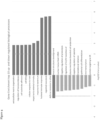
- TopGO gene ontology
- Figure 6 shows).
- aliphatic (Valin) and aromatic (Tyrosine) amino acids occurred more frequently (up to 5 times more often).
- proinflammatory proteases such as cathepsin G or neutrophil elastase which prefer aliphatic amino acids in the PI position.
- bacterial proteins were identified and quantified. To evaluate differences in intensities of bacterial proteins, proportional intensities of all bacterial proteins found were calculated per sample ( Figure 7 ). Kruskal-Wallis rank test revealed significant differences between conditions (PI, I and T) and Dunns post-hoc-test indicated significant differences between PI and both healthy conditions (T and I). Furthermore, missingness of bacterial proteins was calculated.
Landscapes
- Life Sciences & Earth Sciences (AREA)
- Health & Medical Sciences (AREA)
- Engineering & Computer Science (AREA)
- Chemical & Material Sciences (AREA)
- Molecular Biology (AREA)
- Biomedical Technology (AREA)
- Urology & Nephrology (AREA)
- Hematology (AREA)
- Immunology (AREA)
- Medicinal Chemistry (AREA)
- General Health & Medical Sciences (AREA)
- Pathology (AREA)
- Biotechnology (AREA)
- Food Science & Technology (AREA)
- Proteomics, Peptides & Aminoacids (AREA)
- Physics & Mathematics (AREA)
- Analytical Chemistry (AREA)
- Biochemistry (AREA)
- Cell Biology (AREA)
- Microbiology (AREA)
- General Physics & Mathematics (AREA)
- General Chemical & Material Sciences (AREA)
- Chemical Kinetics & Catalysis (AREA)
- Bioinformatics & Cheminformatics (AREA)
- Nuclear Medicine, Radiotherapy & Molecular Imaging (AREA)
- Organic Chemistry (AREA)
- Pharmacology & Pharmacy (AREA)
- Animal Behavior & Ethology (AREA)
- Public Health (AREA)
- Veterinary Medicine (AREA)
- Investigating Or Analysing Biological Materials (AREA)
Priority Applications (3)
| Application Number | Priority Date | Filing Date | Title |
|---|---|---|---|
| EP22179079.3A EP4293359A1 (fr) | 2022-06-15 | 2022-06-15 | Protéines de sulcus pour la détection de la péri-implantite |
| US18/870,129 US20250327818A1 (en) | 2022-06-15 | 2023-06-15 | Sulcus-proteins for the detection of peri-implantitis |
| PCT/EP2023/066182 WO2023242373A1 (fr) | 2022-06-15 | 2023-06-15 | Protéines de sillon pour la détection de péri-implantite |
Applications Claiming Priority (1)
| Application Number | Priority Date | Filing Date | Title |
|---|---|---|---|
| EP22179079.3A EP4293359A1 (fr) | 2022-06-15 | 2022-06-15 | Protéines de sulcus pour la détection de la péri-implantite |
Publications (1)
| Publication Number | Publication Date |
|---|---|
| EP4293359A1 true EP4293359A1 (fr) | 2023-12-20 |
Family
ID=82067429
Family Applications (1)
| Application Number | Title | Priority Date | Filing Date |
|---|---|---|---|
| EP22179079.3A Pending EP4293359A1 (fr) | 2022-06-15 | 2022-06-15 | Protéines de sulcus pour la détection de la péri-implantite |
Country Status (3)
| Country | Link |
|---|---|
| US (1) | US20250327818A1 (fr) |
| EP (1) | EP4293359A1 (fr) |
| WO (1) | WO2023242373A1 (fr) |
Citations (3)
| Publication number | Priority date | Publication date | Assignee | Title |
|---|---|---|---|---|
| EP2583684A2 (fr) * | 2010-06-16 | 2013-04-24 | Nano Intelligent Biomedical Engineering Corporation Co., Ltd. | Peptide ayant une activité antimicrobienne ou anti-inflammatoire et composition pharmaceutique le contenant en tant que principe actif |
| WO2015117881A1 (fr) * | 2014-02-06 | 2015-08-13 | Nobel Biocare Services Ag | Procédé pour la détermination de l'état d'une maladie |
| KR20220022835A (ko) | 2020-08-19 | 2022-02-28 | 부산대학교 산학협력단 | 임플란트 주위염 진단용 바이오마커 및 이의 용도 |
Family Cites Families (1)
| Publication number | Priority date | Publication date | Assignee | Title |
|---|---|---|---|---|
| EP3671215B1 (fr) * | 2012-04-26 | 2023-03-29 | Stichting VUmc | Biomarqueurs |
-
2022
- 2022-06-15 EP EP22179079.3A patent/EP4293359A1/fr active Pending
-
2023
- 2023-06-15 US US18/870,129 patent/US20250327818A1/en active Pending
- 2023-06-15 WO PCT/EP2023/066182 patent/WO2023242373A1/fr not_active Ceased
Patent Citations (3)
| Publication number | Priority date | Publication date | Assignee | Title |
|---|---|---|---|---|
| EP2583684A2 (fr) * | 2010-06-16 | 2013-04-24 | Nano Intelligent Biomedical Engineering Corporation Co., Ltd. | Peptide ayant une activité antimicrobienne ou anti-inflammatoire et composition pharmaceutique le contenant en tant que principe actif |
| WO2015117881A1 (fr) * | 2014-02-06 | 2015-08-13 | Nobel Biocare Services Ag | Procédé pour la détermination de l'état d'une maladie |
| KR20220022835A (ko) | 2020-08-19 | 2022-02-28 | 부산대학교 산학협력단 | 임플란트 주위염 진단용 바이오마커 및 이의 용도 |
Non-Patent Citations (79)
| Title |
|---|
| AHADI, SARAZHOU, WENYUSCHUSSLER-FIORENZA ROSESOPHIA MIRYAMSAILANI, M. REZACONTREPOIS, KEVINAVINA, MONIKA ET AL.: "Personal aging markers and ageotypes revealed by deep longitudinal profiling", NATURE MEDICINE, vol. 26, no. 1, 2020, pages 83 - 90, XP036986950, DOI: 10.1038/s41591-019-0719-5 |
| ALASSIRI, SAEEDPARNANEN, PIRJORATHNAYAKE, NILMINIEJOHANNSEN, GUNNARHEIKKINEN, ANNA-MARIALAZZARA, RICHARD ET AL.: "The Ability of Quantitative, Specific, and Sensitive Point-of-Care/Chair-Side Oral Fluid Immunotests for aMMP-8 to Detect Periodontal and Peri-Implant Diseases", DISEASE MARKERS, 2018, pages 1306396 |
| ALASSY, HATEMPARACHURU, PRAVEENWOLFF, LARRY: "Peri-Implantitis Diagnosis and Prognosis Using Biomarkers in Peri-Implant Crevicular Fluid: A Narrative Review", DIAGNOSTICS (BASEL, SWITZERLAND, vol. 9, 2019, pages 4 |
| ALBREKTSSON, TOMASCANULLO, LUIGICOCHRAN, DAVIDBRUYN, HUGO DE: "Peri-Implantitis'': A Complication of a Foreign Body or a Man-Made ''Disease''. Facts and Fiction", CLINICAL IMPLANT DENTISTRY AND RELATED RESEARCH, vol. 18, no. 4, 2016, pages 840 - 849 |
| ANDRUCIOLI, MARCELA CRISTINA DAMIAOMATSUMOTO, MIRIAN AIKO NAKANEFUKADA, SANDRA YASUYOSARAIVA, MARIA CONCEICAO PEREIRABERGAMO, ANA : "Quantification of pro-inflammatory cytokines and osteoclastogenesis markers in successful and failed orthodontic mini-implants", JOURNAL OF APPLIED ORAL SCIENCE: REVISTA FOB, vol. 27, 2019, pages e20180476 |
| ANONYMOUS: "Gene Family: Immunoglobulin heavy locus at 14q32.33 (IGH)", HGNC, 31 July 2017 (2017-07-31), XP055408985, Retrieved from the Internet <URL:http://www.genenames.org/cgi-bin/genefamilies/set/349> [retrieved on 20170922] * |
| ARAKAWA, HIKARUUEHARA, JUNJIHARA, EMILIO SATOSHISONOYAMA, WATARUKIMURA, AYAKANYAMA, MANABU ET AL.: "Matrix metalloproteinase-8 is the major potential collagenase in active peri-implantitis", JOURNAL OF PROSTHODONTIC RESEARCH, vol. 56, no. 4, 2012, pages 249 - 255 |
| ARIAS-BUJANDA, NORAREGUEIRA-IGLESIAS, ALBABALSA-CASTRO, CARLOSNIBALI, LUIGIDONOS, NIKOSTOMAS, INMACULADA: "Accuracy of single molecular biomarkers in gingival crevicular fluid for the diagnosis of periodontitis: A systematic review and meta-analysis", JOURNAL OF CLINICAL PERIODONTOLOGY, vol. 46, no. 12, 2019, pages 1166 - 1182 |
| ARUMUGAM, THIRUVENGADAMSIMEONE, DIANE M.SCHMIDT, ANN MARIELOGSDON, CRAIG D: "S100P stimulates cell proliferation and survival via receptor for activated glycation end products (RAGE", THE JOURNAL OF BIOLOGICAL CHEMISTRY, vol. 279, no. 7, 2004, pages 5059 - 5065 |
| BALIBAN, RICHARD C.SAKELLARI, DIMITRALI, ZUKUIDIMAGGIO, PETER A.GARCIA, BENJAMIN A.FLOUDAS, CHRISTODOULOS A.: "Novel protein identification methods for biomarker discovery via a proteomic analysis of periodontally healthy and diseased gingival crevicular fluid samples", JOURNAL OF CLINICAL PERIODONTOLOGY, 2012, pages 203 - 212 |
| BAO, KAILI, XIAOFEIKAJIKAWA, TETSUHIROTOSHIHARU, ABESELEVSEK, NATHALIEGROSSMANN, JONAS ET AL.: "Pressure Cycling Technology Assisted Mass Spectrometric Quantification of Gingival Tissue Reveals Proteome Dynamics during the Initiation and Progression of Inflammatory Periodontal Disease", PROTEOMICS, vol. 20, no. 3-4, 2020, pages e1900253 |
| BASEGMEZ, CANSU; YALCIN, SERDAR; YALCIN, FUNDA; ERSANLI, SELIM; MIJIRITSKY, EITAN: "Evaluation of periimplant crevicular fluid prostaglandin E2 and matrix metalloproteinase-8 levels from health to periimplant disease status: a prospective study", IMPLANT DENTISTRY, vol. 21, no. 4, pages 306 - 310 |
| BAUER ET AL.: "Pharmazeutische Technologic", 1997, GOVI-VERLAG FRANKFURT |
| BERGLUNDH, TORDARMITAGE, GARYARAUJO, MAURICIO G.AVILA-ORTIZ, GUSTAVOBLANCO, JUANCAMARGO, PAULO M. ET AL.: "Peri-implant diseases and conditions: Consensus report of workgroup 4 of the 2017 World Workshop on the Classification of Periodontal and Peri-Implant Diseases and Conditions", JOURNAL OF PERIODONTOLOGY, vol. 89, 2018, pages S313 - S318 |
| BOSTANCI, N.; BAO, K.; WAHLANDER, A.; GROSSMANN, J.; THURNHEER, T.; BELIBASAKIS, G. N.: "Secretome of gingival epithelium in response to subgingival biofilms", MOLECULAR ORAL MICROBIOLOGY, 2015, pages 323 - 335 |
| BOSTANCI, N.HEYWOOD, W.MILLS, K.PARKAR, M.NIBALI, L.DONOS, N.: "Application of label-free absolute quantitative proteomics in human gingival crevicular fluid by LC/MS E (gingival exudatome", JOURNAL OF PROTEOME RESEARCH, vol. 9, no. 5, 2010, pages 2191 - 2199 |
| BRUDERER, ROLANDBERNHARDT, OLIVER M.GANDHI, TEJASMILADINOVIC, SAGA M.CHENG, LIN-YANGMESSNER, SIMON ET AL.: "Extending the limits of quantitative proteome profiling with data-independent acquisition and application to acetaminophen-treated three-dimensional liver microtissues", MOLECULAR & CELLULAR PROTEOMICS : MCP, vol. 14, no. 5, 2015, pages 1400 - 1410, XP055532148, DOI: 10.1074/mcp.M114.044305 |
| CAMPANELLI, D.DETMERS, P. A.NATHAN, C. F.GABAY, J. E.: "Azurocidin and a homologous serine protease from neutrophils. Differential antimicrobial and proteolytic properties", THE JOURNAL OF CLINICAL INVESTIGATION, vol. 85, no. 3, 1990, pages 904 - 915, XP003013071, DOI: 10.1172/JCI114518 |
| CANULLO, LUIGISCHLEE, MARKUSWAGNER, WILFRIEDCOVANI, UGO: "International Brainstorming Meeting on Etiologic and Risk Factors of Peri-implantitis, Montegrotto (Padua, Italy", THE INTERNATIONAL JOURNAL OF ORAL & MAXILLOFACIAL IMPLANTS, vol. 30, no. 5, August 2014 (2014-08-01), pages 1093 - 1104 |
| CARCUAC, O.BERGLUNDH, T.: "Composition of human peri-implantitis and periodontitis lesions", JOURNAL OF DENTAL RESEARCH, vol. 93, no. 11, 2014, pages 1083 - 1088 |
| CARCUAC, OLIVIERDERKS, JANABRAHAMSSON, INGEMARWENNSTROM, JAN L.BERGLUNDH, TORD: "Risk for recurrence of disease following surgical therapy of peri-implantitis-A prospective longitudinal study", CLINICAL ORAL IMPLANTS RESEARCH, vol. 31, no. 11, 2020, pages 1072 - 1077 |
| DE AGUIAR MC ET AL.: "The Gingival Crevicular Fluid as a Source of Biomarkers to Enhance Efficiency of Orthodontic and Functional Treatment of Growing Patients", BIOMED RES INT, vol. 2017, 2017, pages 3257235 |
| DEMICHEV, VADIMMESSNER, CHRISTOPH B.VERNARDIS, SPYROS I.LILLEY, KATHRYN S.RAISER, MARKUS: "DIA-NN: neural networks and interference correction enable deep proteome coverage in high throughput", NATURE METHODS, vol. 17, no. 1, 2020, pages 41 - 44, XP036979562, DOI: 10.1038/s41592-019-0638-x |
| DERKS, JANSCHALLER, DENNISHAKANSSON, JANWENNSTROM, JAN L.TOMASI, CRISTIANOBERGLUNDH, TORD: "Peri-implantitis - onset and pattern of progression", JOURNAL OF CLINICALPERIODONTOLOGY, vol. 43, no. 4, 2016, pages 383 - 388 |
| DUARTE, P. M.SERRAO, C. R.MIRANDA, T. S.ZANATTA, L. C. S.BASTOS, M. F.FAVERI, M. ET AL.: "Could cytokine levels in the peri-implant crevicular fluid be used to distinguish between healthy implants and implants with peri-implantitis? A systematic review", JOURNAL OF PERIODONTAL RESEARCH, vol. 51, no. 6, 2016, pages 689 - 698 |
| DURRANI, FARHANSINGH, ROYANA: "Myeloperoxidase level around dental implants as an indicator of an inflammatory process", INDIAN JOURNAL OF DENTISTRY, vol. 6, no. 1, 2015, pages 2 - 6 |
| ESBERG, ANDERSISEHED, CATRINEHOLMLUND, ANDERSLUNDBERG, PERNILLA: "Peri-implant crevicular fluid proteome before and after adjunctive enamel matrix derivative treatment of peri-implantitis", JOURNAL OF CLINICAL PERIODONTOLOGY, vol. 46, no. 6, 2019, pages 669 - 677 |
| ESPOSITO, MARCOGRUSOVIN, MARIA GABRIELLAWORTHINGTON, HELEN V.: "Treatment of peri-implantitis: what interventions are effective? A Cochrane systematic review", EUROPEAN JOURNAL OF ORAL IMPLANTOLOGY, vol. 5, 2012, pages 21 - 41 |
| FAHRNER, MATTHIASKOOK, LUCASFROHLICH, KLEMENSBINIOSSEK, MARTIN L.SCHILLING, OLIVER: "A Systematic Evaluation of Semispecific Peptide Search Parameter Enables Identification of Previously Undescribed N-Terminal Peptides and Conserved Proteolytic Processing in Cancer Cell Lines", PROTEOMES, vol. 9, no. 2, 2021 |
| FRETWURST, T.NELSON, K.TARNOW, D. P.WANG, H-LGIANNOBILE, W. V.: "Is Metal Particle Release Associated with Peri-implant Bone Destruction? An Emerging Concept", JOURNAL OF DENTAL RESEARCH, vol. 97, no. 3, 2018, pages 259 - 265 |
| FRETWURST, TOBIASBUZANICH, GUENTERNAHLES, SUSANNEWOELBER, JOHAN PETERRIESEMEIER, HEINRICHNELSON, KATJA: "Metal elements in tissue with dental peri-implantitis: a pilot study", CLINICAL ORAL IMPLANTS RESEARCH, vol. 27, no. 9, 2016, pages 1178 - 1186 |
| FRETWURST, TOBIASGARAICOA-PAZMINO, CARLOSNELSON, KATJAGIANNOBILE, WILLIAM V.SQUARIZE, CRISTIANE H.LARSSON, LENACASTILHO, ROGERIO M: "Characterization of macrophages infiltrating peri-implantitis lesions", CLINICAL ORAL IMPLANTS RESEARCH, vol. 31, no. 3, 2020, pages 274 - 281 |
| FRETWURST, TOBIASMIILLER, JANINALARSSON, LENABRONSERT, PETERHAZARD, DEREKCASTILHO, ROGERIO M. ET AL.: "Immunohistological composition of peri-implantitis affected tissue around ceramic implants - A pilot study", JOURNAL OF PERIODONTOLOGY, 2021 |
| FURTMULLER, P. G.BURNER, U.OBINGER, C.: "Reaction of myeloperoxidase compound I with chloride, bromide, iodide, and thiocyanate", BIOCHEMISTRY, vol. 37, no. 51, 1998, pages 17923 - 17930, XP002229304, DOI: 10.1021/bi9818772 |
| GIANAZZA, ELISABETTAMILLER, INGRIDPALAZZOLO, LUCAPARRAVICINI, CHIARAEBERINI, IVANO: "With or without you — Proteomics with or without major plasma/serum proteins", JOURNAL OF PROTEOMICS, vol. 140, 2016, pages 62 - 80 |
| GIIRLEK, ONDER; GUMIIS, PINAR; NILE, CHRISTOPHER J.; LAPPIN, DAVID F.; BUDUNELI, NURCAN: "Biomarkers and Bacteria Around Implants and Natural Teeth in the Same Individuals", JOURNAL OF PERIODONTOLOGY, vol. 88, no. 8, 2017, pages 752 - 761 |
| GILLET, LUDOVIC C.NAVARRO, PEDROTATE, STEPHENPOST, HANNESSELEVSEK, NATHALIEREITER, LUKAS ET AL.: "Targeted data extraction of the MS/MS spectra generated by data-independent acquisition: a new concept for consistent and accurate proteome analysis", MOLECULAR & CELLULAR PROTEOMICS : MCP, vol. 11, no. 6, 2012, pages 016717, XP055471043, DOI: 10.1074/mcp.O111.016717 |
| G�NC� G�LIZ N. ET AL: "Effect of inflammation on cytokine levels and bone remodelling markers in peri-implant sulcus fluid: A preliminary report", CYTOKINE, vol. 59, no. 2, 1 August 2012 (2012-08-01), US, pages 313 - 316, XP055977268, ISSN: 1043-4666, DOI: 10.1016/j.cyto.2012.04.024 * |
| HENTENAAR DIEDERIK F. M. ET AL: "Biomarker levels in peri-implant crevicular fluid of healthy implants, untreated and non-surgically treated implants with peri-implantitis", JOURNAL OF CLINICAL PERIODONTOLOGY, vol. 48, no. 4, 16 February 2021 (2021-02-16), DK, pages 590 - 601, XP055977213, ISSN: 0303-6979, Retrieved from the Internet <URL:https://onlinelibrary.wiley.com/doi/full-xml/10.1111/jcpe.13423> DOI: 10.1111/jcpe.13423 * |
| HU Z ET AL.: "Inflammatory cytokine profiles in the crevicular fluid around clinically healthy dental implants compared to the healthy contralateral side during the early stages of implant function", ARCH ORAL BIOL, vol. 108, December 2019 (2019-12-01), pages 104509 |
| IGLHAUT, GERHARDSALOMON, SEBASTIANFRETWURST, TOBIASTHOMAS, PETERENDRES, JANINAKESSLER, SELINASUMMER, BURKHARD: "Cross-sectional evaluation of clinical and immunological parameters at partially microgrooved vs machined abutments in humans.", INTERNATIONAL JOURNAL OF IMPLANT DENTISTRY, vol. 7, no. 1, 2021, pages 46 |
| JIANG, HONGFEIHU, HANGTONG, XIAOMEIJIANG, QIUHONGZHU, HAIYANZHANG, SONGYING: "Calcium-binding protein S100P and cancer: mechanisms and clinical relevance", JOURNAL OF CANCER RESEARCH AND CLINICAL ONCOLOGY, vol. 138, no. 1, 2012, pages 1 - 9, XP019995707, DOI: 10.1007/s00432-011-1062-5 |
| JIANG, LIHUAWANG, MENGLIN, SHINJIAN, RUIQILI, XIAOCHAN, JOANNE ET AL.: "A Quantitative Proteome Map of the Human Body", CELL, vol. 183, no. 1, 2020, pages 269 - 283, XP086280371, DOI: 10.1016/j.cell.2020.08.036 |
| KAPILA, YVONNE L.: "Host-microbe interactions: Profiles in the transcriptome, the proteome, and the metabolome", PERIODONTOLOGY, vol. 82, no. 1, 2020, pages 115 - 128 |
| KARATAS, OZKANBALCI YUCE, HATICETASKAN, MEHMET MURATGEVREK, FIKRETLAFCI, EMREKASAP, HAYRUNNISA: "Histological evaluation of peri-implant mucosal and gingival tissues in peri-implantitis, peri-implant mucositis and periodontitis patients: a cross-sectional clinical study", ACTA ODONTOLOGICA SCANDINAVICA, vol. 78, no. 4, 2020, pages 241 - 249 |
| KELSTRUP, CHRISTIAN D.BEKKER-JENSEN, DORTE B.ARREY, TABIWANG N.HOGREBE, ALEXANDERHARDER, ALEXANDEROLSEN, JESPER V.: "Performance Evaluation of the Q Exactive HF-X for Shotgun Proteomics", JOURNAL OF PROTEOME RESEARCH, vol. 17, no. 1, 2018, pages 727 - 738, XP055532746, DOI: 10.1021/acs.jproteome.7b00602 |
| KENSARA, ANMARHEFNI, EMANWILLIAMS, MARY ANNSAITO, HANAEMONGODIN, EMMANUELMASRI, RADI: "Microbiological Profile and Human Immune Response Associated with Peri-Implantitis: A Systematic Review", JOURNAL OF PROSTHODONTICS : OFFICIAL JOURNAL OF THE AMERICAN COLLEGE OF PROSTHODONTISTS, vol. 30, no. 3, 2021, pages 210 - 234 |
| KHOSLA, S.: "Minireview: the OPG/RANKL/RANK system", ENDOCRINOLOGY, vol. 142, no. 12, 2001, pages 5050 - 5055 |
| KORKMAZ, BRICEHORWITZ, MARSHALL S.JENNE, DIETER E.GAUTHIER, FRANCIS: "Neutrophil elastase, proteinase 3, and cathepsin G as therapeutic targets in human diseases", PHARMACOLOGICAL REVIEWS, vol. 62, no. 4, 2010, pages 726 - 759, XP009152862 |
| KRAKAUER, TERESA: "Nuclear factor-kappaB: fine-tuning a central integrator of diverse biologic stimuli", INTERNATIONAL REVIEWS OF IMMUNOLOGY, vol. 27, no. 5, 2008, pages 286 - 292, XP009143234, DOI: 10.1080/08830180802317957 |
| KRAUSPE, VANESSAFAHRNER, MATTHIASSPAT, PHILIPPSTEGLICH, CLAUDIAFRANKENBERG-DINKEL, NICOLEMACEK, BORIS ET AL.: "Discovery of a small protein factor involved in the coordinated degradation of phycobilisomes in cyanobacteria", PROCEEDINGS OF THE NATIONAL ACADEMY OF SCIENCES OF THE UNITED STATES OF AMERICA, vol. 118, 2021, pages 5 |
| KWON, HO JEONGFEHNIGER, THOMAS E.MARKO-VARGA, GYORGY: "Building the basis for proteomics in personalized medicine for targeted treatment", CLINICAL AND TRANSLATIONAL MEDICINE, vol. 5, no. 1, 2016, pages 19 |
| LAFAURIE, GLORIA INESSABOGAL, MARIA ALEJANDRACASTILLO, DIANA MARCELARINCON, MARIA VICTORIAGOMEZ, LUZ AMPAROLESMES, YAMIL AUGUSTOCH: "Microbiome and Microbial Biofilm Profiles of Peri-Implantitis: A Systematic Review", JOURNAL OFPERIODONTOLOGY, vol. 88, no. 10, 2017, pages 1066 - 1089, XP055747794, DOI: 10.1902/jop.2017.170123 |
| LE TOURNEAU, CHRISTOPHEBORCOMAN, EDITHKAMAL, MAUD: "Molecular profiling in precision medicine oncology", NATURE MEDICINE, vol. 25, no. 5, 2019, pages 711 - 712, XP036778200, DOI: 10.1038/s41591-019-0442-2 |
| LOOS, BRUNO G.TJOA, STANLEY: "Host-derived diagnostic markers for periodontitis: do they exist in gingival crevice fluid", PERIODONTOLOGY, vol. 2000, no. 39, 2005, pages 53 - 72, XP002580067 |
| LUDWIG, CHRISTINAGILLET, LUDOVICROSENBERGER, GEORGEAMON, SABINECOLLINS, BEN C.AEBERSOLD, RUEDI: "Data-independent acquisition-based SWATH-MS for quantitative proteomics: a tutorial", MOLECULAR SYSTEMS BIOLOGY, vol. 14, no. 8, 2018, pages e8126 |
| MARINHO, MARCELO C.PACHECO, ANA BEATRIZ F.COSTA, GIOVANI C. V.ORTIZ, NINA D.ZAJDENVERG, LENITASANSONE, CARMELO: "Quantitative gingival crevicular fluid proteome in type 2 diabetes mellitus and chronic periodontitis", ORAL DISEASES, vol. 25, no. 2, 2019, pages 588 - 595 |
| MAXEINER, SEBASTIANSHI, NIANSCHALLA, CARMENAYDIN, GUELCANHOSS, MAREIKEVOGEL, SIMON ET AL.: "Crucial role for the LSP1-myosin1e bimolecular complex in the regulation of Fey receptor-driven phagocytosis", MOLECULAR BIOLOGY OF THE CELL, vol. 26, no. 9, 2015, pages 1652 - 1664 |
| MOMBELLI, ANDREADECAILLET, FABIEN: "The characteristics of biofilms in peri-implant disease", JOURNAL OF CLINICAL PERIODONTOLOGY, vol. 38, 2011, pages 203 - 213 |
| NALMPANTIS, DIMITRIOS; GATOU, ASIMINA; FRAGKIOUDAKIS, IOANNIS; MARGARITI, APOSTOLIA; SKOURA, LEMONIA; SAKELLARI, DIMITRA: "Azurocidin in gingival crevicular fluid as a potential biomarker of chronic periodontitis", JOURNAL OF PERIODONTAL RESEARCH, vol. 55, no. 2, 2020, pages 209 - 214 |
| NAZAR MAJEED, ZEYAD ET AL.: "Identification of Gingival Crevicular Fluid Sampling, Analytical Methods, and Oral Biomarkers for the Diagnosis and Monitoring of Periodontal Diseases: A Systematic Review", DISEASE MARKERS, vol. 2016, 2016, pages 1804727 |
| PALANISSAMI, GOWRI; PAUL, SOLOMON F. D.: "RAGE and Its Ligands: Molecular Interplay Between Glycation, Inflammation, and Hallmarks of Cancer-a Review", HORMONES & CANCER, vol. 9, no. 5, 2018, pages 295 - 325, XP036591218, DOI: 10.1007/s12672-018-0342-9 |
| PERSSON, G. RUTGERRENVERT, STEFAN: "Cluster of bacteria associated with peri-implantitis", CLINICAL IMPLANT DENTISTRY AND RELATED RESEARCH, vol. 16, no. 6, 2014, pages 783 - 793 |
| RAKIC, MIALEKOVIC, VOJISLAVNIKOLIC-JAKOBA, NATASAVOJVODIC, DANILOPETKOVIC-CURCIN, ALEKSANDRASANZ, MARIANO: "Bone loss biomarkers associated with peri-implantitis. A cross-sectional study", CLINICAL ORAL IMPLANTS RESEARCH, vol. 24, no. 10, 2013, pages 1110 - 1116 |
| RAMANAUSKAITE, AUSRA; FRETWURST, TOBIAS; SCHWARZ, FRANK: "Efficacy of alternative or adjunctive measures to conventional non-surgical and surgical treatment of peri-implant mucositis and peri-implantitis: a systematic review and meta-analysis", INTERNATIONALJOURNAL OF IMPLANT DENTISTRY, vol. 7, no. 1, 2021, pages 112 |
| RENVERT, STEFANROOS-JANSAKER, ANNE-MARIELINDAHL, CHRISTELRENVERT, HELENARUTGER PERSSON, G.: "Infection at titanium implants with or without a clinical diagnosis of inflammation", CLINICAL ORAL IMPLANTS RESEARCH, vol. 18, no. 4, 2007, pages 509 - 516 |
| RITCHIE, MATTHEW E.; PHIPSON, BELINDA; DI WU; HU, YIFANG; LAW, CHARITY W.; SHI, WEI; SMYTH, GORDON K.: "limma powers differential expression analyses for RNA-sequencing and microarray studies", NUCLEIC ACIDS RESEARCH, vol. 43, no. 7, 2015, pages e47 |
| RIZAL, MUHAMMAD IHSAN; SOEROSO, YUNIARTI; SULIJAYA, BENSO; ASSIDDIQ, BOBBY F.; BACHTIAR, ENDANG W.; BACHTIAR, BOY M.: "Proteomics approach for biomarkers and diagnosis of periodontitis: systematic review", HELIYON, vol. 6, no. 6, 2020, pages e04022 |
| SAHRMANN, PHILIPP; GILLI, FABIENNE; WIEDEMEIER, DANIEL B.; ATTIN, THOMAS; SCHMIDLIN, PATRICK R.; KARYGIANNI, LAMPRINI: "The Microbiome of Peri-Implantitis: A Systematic Review and Meta-Analysis", MICROORGANISMS, vol. 8, 2020, pages 5 |
| SALAZAR, MANUELA GESELL; JEHMLICH, NICO; MURR, ANNETTE; DHOPLE, VISHNU M.; HOLTFRETER, BIRTE; HAMMER, ELKE: "Identification of periodontitis associated changes in the proteome of whole human saliva by mass spectrometric analysis", JOURNAL OF CLINICALPERIODONTOLOGY, vol. 40, no. 9, 2013, pages 825 - 832, XP055455015, DOI: 10.1111/jcpe.12130 |
| SCHARINGER, KATJA; MAXEINER, SEBASTIAN; SCHALLA, CARMEN; RIITTEN, STEPHAN; ZENKE, MARTIN; SECHI, ANTONIO: "LSP1-myosin1e bimolecular complex regulates focal adhesion dynamics and cell migration", FASEB JOURNAL : OFFICIAL PUBLICATION OF THE FEDERATION OF AMERICAN SOCIETIES FOR EXPERIMENTAL BIOLOGY, vol. 35, no. 2, 2021, pages e21268 |
| SCHWARZ, FRANK, AWMF-LEITLINIE ''PERIIMPLANTARE INFEKTIONEN AN ZAHNIMPLANTATEN, BEHANDLUNG'' 2016, 2016 |
| SHIN, MYUNG-SEOP; KIM, YUN-GON; SHIN, YOO JIN; KO, BYOUNG JOON; KIM, SUNGTAE; KIM, HYUN-DUCK: "Deep sequencing salivary proteins for periodontitis using proteomics", CLINICAL ORAL INVESTIGATIONS, 2019, pages 3571 - 3580 |
| SORSA, TIMO; GURSOY, ULVI K.; NWHATOR, SOLOMON; HERNANDEZ, MARCELA; TERVAHARTIALA, TAINA; LEPPILAHTI, JUSSI: "Analysis of matrix metalloproteinases, especially MMP-8, in gingival creviclular fluid, mouthrinse and saliva for monitoring periodontal diseases", PERIODONTOLOGY, vol. 70, no. 1, 2016, pages 142 - 163, XP055486882, DOI: 10.1111/prd.12101 |
| SORSA, TIMOGIESELMANN, DIRKARWEILER, NICOLE B.HERNANDEZ, MARCELA: "A quantitative point-of-care test for periodontal and dental peri-implant diseases", NATURE REVIEWS. DISEASE PRIMERS, vol. 3, 2017, pages 17069 |
| THOLANDER, FREDRIKMUROYA, AYUMOROQUES, BERNARD-PIERREFOURNIE-ZALUSKI, MARIE-CLAUDETHUNNISSEN, MARJOLEIN M. G. M.HAEGGSTROM, JESPER: "Structure-based dissection of the active site chemistry of leukotriene A4 hydrolase: implications for M1 aminopeptidases and inhibitor design", CHEMISTRY & BIOLOGY, vol. 15, no. 9, 2008, pages 920 - 929, XP025533970, DOI: 10.1016/j.chembiol.2008.07.018 |
| WANG, CHIN-WEI; HAO, YUNING; DI GIANFILIPPO, RICCARDO; SUGAI, JAMES; LI, JIAQIAN; GONG, WANG: "Machine learning-assisted immune profiling stratifies peri-implantitis patients with unique microbial colonization and clinical outcomes", THERANOSTICS, vol. 11, no. 14, 2021, pages 6703 - 6716 |
| WANG, HORN-LAY; GARAICOA-PAZMINO, CARLOS; COLLINS, AMY; ONG, HWEN-SEI; CHUDRI, RINI; GIANNOBILE, WILLIAM V.: "Protein biomarkers and microbial profiles in peri-implantitis", CLINICAL ORAL IMPLANTS RESEARCH, vol. 27, no. 9, 2016, pages 1129 - 1136 |
| WASILUK, K. R.SKUBITZ, K. M.GRAY, B. H.: "Comparison of granule proteins from human polymorphonuclear leukocytes which are bactericidal toward Pseudomonas aeruginosa", INFECTION AND IMMUNITY, vol. 59, no. 11, 1991, pages 4193 - 4200 |
Also Published As
| Publication number | Publication date |
|---|---|
| WO2023242373A1 (fr) | 2023-12-21 |
| US20250327818A1 (en) | 2025-10-23 |
Similar Documents
| Publication | Publication Date | Title |
|---|---|---|
| Aral et al. | Differential expression of inflammasome regulatory transcripts in periodontal disease | |
| Puklo et al. | Analysis of neutrophil‐derived antimicrobial peptides in gingival crevicular fluid suggests importance of cathelicidin LL‐37 in the innate immune response against periodontogenic bacteria | |
| Bostanci et al. | Application of label-free absolute quantitative proteomics in human gingival crevicular fluid by LC/MSE (gingival exudatome) | |
| Fang et al. | Hypoxia-inducible factors 1 and 2 are important transcriptional effectors in primary macrophages experiencing hypoxia | |
| EP2175851B1 (fr) | Traitement de biofilm | |
| EP2651972B1 (fr) | Nouveau biomarqueur et ses utilisations dans le diagnostic, le traitement de l'autisme | |
| Halstenbach et al. | Impact of peri‐implantitis on the proteome biology of crevicular fluid: A pilot study | |
| Trautmann et al. | Deep proteomic insights into the individual short‐term pellicle formation on enamel—an in situ pilot study | |
| Bader et al. | Dynamic proteome alteration and functional modulation of human saliva induced by dietary chemosensory stimuli | |
| Gliozzi et al. | A link between interferon and augmented plasmin generation in exocrine gland damage in Sjögren's syndrome | |
| Shen et al. | The spatial transcriptomic landscape of human gingiva in health and periodontitis | |
| Loureiro et al. | Quantitative proteomic analysis in symptomatic and asymptomatic apical periodontitis | |
| Ellias et al. | Proteomic analysis of saliva identifies potential biomarkers for orthodontic tooth movement | |
| Weckerle et al. | Transcriptomic and proteomic changes driving pulmonary fibrosis resolution in young and old mice | |
| Xu et al. | FOSL2 promotes intertumoral infiltration of T cells and increases pathological complete response rates in locally advanced rectal cancer patients | |
| Araujo et al. | Acquired pellicle and biofilm engineering with CaneCPI-5: Insights from proteomic and microbiomics analysis | |
| US20040002112A1 (en) | Proteins involved in regulation of adipocytes and uses related thereto | |
| Jourdain et al. | Antimicrobial peptide gene expression in periodontitis patients: a pilot study | |
| EP4293359A1 (fr) | Protéines de sulcus pour la détection de la péri-implantite | |
| Iavarone et al. | Top down proteomic analysis of gingival crevicular fluid in deciduous, exfoliating and permanent teeth in children | |
| Coimbra et al. | Gene expression in cortex and hippocampus during acute pneumococcal meningitis | |
| Na et al. | Plasminogen activator inhibitor type 1 expression induced by lipopolysaccharide of Porphyromonas gingivalis in human gingival fibroblast | |
| Płonczyńska et al. | Porphyromonas gingivalis virulence factors and their role in undermining antimicrobial defenses and host cell death programs in the pathobiology of chronic periodontal disease | |
| Lopes et al. | Effects of periodontal disease on the proteomic profile of the periodontal ligament | |
| Yamada et al. | Effects of novel lactoferrin peptides on LPS‐induced alveolar bone destruction in a rat model |
Legal Events
| Date | Code | Title | Description |
|---|---|---|---|
| PUAI | Public reference made under article 153(3) epc to a published international application that has entered the european phase |
Free format text: ORIGINAL CODE: 0009012 |
|
| STAA | Information on the status of an ep patent application or granted ep patent |
Free format text: STATUS: THE APPLICATION HAS BEEN PUBLISHED |
|
| AK | Designated contracting states |
Kind code of ref document: A1 Designated state(s): AL AT BE BG CH CY CZ DE DK EE ES FI FR GB GR HR HU IE IS IT LI LT LU LV MC MK MT NL NO PL PT RO RS SE SI SK SM TR |
|
| STAA | Information on the status of an ep patent application or granted ep patent |
Free format text: STATUS: REQUEST FOR EXAMINATION WAS MADE |
|
| 17P | Request for examination filed |
Effective date: 20240619 |
|
| RBV | Designated contracting states (corrected) |
Designated state(s): AL AT BE BG CH CY CZ DE DK EE ES FI FR GB GR HR HU IE IS IT LI LT LU LV MC MK MT NL NO PL PT RO RS SE SI SK SM TR |
|
| STAA | Information on the status of an ep patent application or granted ep patent |
Free format text: STATUS: EXAMINATION IS IN PROGRESS |
|
| 17Q | First examination report despatched |
Effective date: 20250728 |
|
| GRAP | Despatch of communication of intention to grant a patent |
Free format text: ORIGINAL CODE: EPIDOSNIGR1 |
|
| STAA | Information on the status of an ep patent application or granted ep patent |
Free format text: STATUS: GRANT OF PATENT IS INTENDED |
|
| INTG | Intention to grant announced |
Effective date: 20260105 |
|
| GRAS | Grant fee paid |
Free format text: ORIGINAL CODE: EPIDOSNIGR3 |