EP4434579A1 - Obestatin zur verwendung als antineoplastisches mittel bei der behandlung von bauchspeicheldrüsenkrebs - Google Patents
Obestatin zur verwendung als antineoplastisches mittel bei der behandlung von bauchspeicheldrüsenkrebs Download PDFInfo
- Publication number
- EP4434579A1 EP4434579A1 EP23382269.1A EP23382269A EP4434579A1 EP 4434579 A1 EP4434579 A1 EP 4434579A1 EP 23382269 A EP23382269 A EP 23382269A EP 4434579 A1 EP4434579 A1 EP 4434579A1
- Authority
- EP
- European Patent Office
- Prior art keywords
- obestatin
- seq
- amino acid
- substituted
- cells
- Prior art date
- Legal status (The legal status is an assumption and is not a legal conclusion. Google has not performed a legal analysis and makes no representation as to the accuracy of the status listed.)
- Withdrawn
Links
Images





Classifications
-
- A—HUMAN NECESSITIES
- A61—MEDICAL OR VETERINARY SCIENCE; HYGIENE
- A61K—PREPARATIONS FOR MEDICAL, DENTAL OR TOILETRY PURPOSES
- A61K38/00—Medicinal preparations containing peptides
- A61K38/16—Peptides having more than 20 amino acids; Gastrins; Somatostatins; Melanotropins; Derivatives thereof
- A61K38/17—Peptides having more than 20 amino acids; Gastrins; Somatostatins; Melanotropins; Derivatives thereof from animals; from humans
- A61K38/22—Hormones
- A61K38/25—Growth hormone-releasing factor [GH-RF], i.e. somatoliberin
-
- A—HUMAN NECESSITIES
- A61—MEDICAL OR VETERINARY SCIENCE; HYGIENE
- A61P—SPECIFIC THERAPEUTIC ACTIVITY OF CHEMICAL COMPOUNDS OR MEDICINAL PREPARATIONS
- A61P5/00—Drugs for disorders of the endocrine system
- A61P5/48—Drugs for disorders of the endocrine system of the pancreatic hormones
-
- C—CHEMISTRY; METALLURGY
- C07—ORGANIC CHEMISTRY
- C07K—PEPTIDES
- C07K14/00—Peptides having more than 20 amino acids; Gastrins; Somatostatins; Melanotropins; Derivatives thereof
- C07K14/435—Peptides having more than 20 amino acids; Gastrins; Somatostatins; Melanotropins; Derivatives thereof from animals; from humans
- C07K14/46—Peptides having more than 20 amino acids; Gastrins; Somatostatins; Melanotropins; Derivatives thereof from animals; from humans from vertebrates
- C07K14/47—Peptides having more than 20 amino acids; Gastrins; Somatostatins; Melanotropins; Derivatives thereof from animals; from humans from vertebrates from mammals
- C07K14/4701—Peptides having more than 20 amino acids; Gastrins; Somatostatins; Melanotropins; Derivatives thereof from animals; from humans from vertebrates from mammals not used
- C07K14/4702—Regulators; Modulating activity
-
- C—CHEMISTRY; METALLURGY
- C07—ORGANIC CHEMISTRY
- C07K—PEPTIDES
- C07K14/00—Peptides having more than 20 amino acids; Gastrins; Somatostatins; Melanotropins; Derivatives thereof
- C07K14/435—Peptides having more than 20 amino acids; Gastrins; Somatostatins; Melanotropins; Derivatives thereof from animals; from humans
- C07K14/575—Hormones
- C07K14/60—Growth hormone-releasing factor [GH-RF], i.e. somatoliberin
-
- C—CHEMISTRY; METALLURGY
- C12—BIOCHEMISTRY; BEER; SPIRITS; WINE; VINEGAR; MICROBIOLOGY; ENZYMOLOGY; MUTATION OR GENETIC ENGINEERING
- C12N—MICROORGANISMS OR ENZYMES; COMPOSITIONS THEREOF; PROPAGATING, PRESERVING, OR MAINTAINING MICROORGANISMS; MUTATION OR GENETIC ENGINEERING; CULTURE MEDIA
- C12N9/00—Enzymes; Proenzymes; Compositions thereof; Processes for preparing, activating, inhibiting, separating or purifying enzymes
- C12N9/10—Transferases (2.)
- C12N9/12—Transferases (2.) transferring phosphorus containing groups, e.g. kinases (2.7)
-
- C—CHEMISTRY; METALLURGY
- C12—BIOCHEMISTRY; BEER; SPIRITS; WINE; VINEGAR; MICROBIOLOGY; ENZYMOLOGY; MUTATION OR GENETIC ENGINEERING
- C12Y—ENZYMES
- C12Y207/00—Transferases transferring phosphorus-containing groups (2.7)
- C12Y207/11—Protein-serine/threonine kinases (2.7.11)
- C12Y207/11024—Mitogen-activated protein kinase (2.7.11.24), i.e. MAPK or MAPK2 or c-Jun N-terminal kinase
Definitions
- the present invention refers to the medical field. Particularly, the present invention refers to the use of obestatin as antineoplastic agent in the treatment of pancreatic cancer.
- Obestatin is a 23-amino-acid peptide derived from the pre-proghrelin precursor. This novel peptide was first isolated in 2005. Initially, obestatin was described as a circulating peptide that has a pulsatile secretion with an ultradian rhythm similar to ghrelin. Obestatin was reported as a molecule with an action opposite to the orexigenic action of ghrelin; however, its role in the food intake is still very controversial.
- Preproghrelin is a polypeptide encoded by the GHRL gene. After translation, the signal peptide is removed and processed into both ghrelin and obestatin. The post-transcriptional processing of pre-proghrelin generates different molecules derived from ghrelin based on splicing and post-transcriptional residues modification.
- Preproghrelin is composed of a signal peptide and a fragment of 94 amino acids: the proghrelin.
- the signal peptide is removed and proghrelin suffers from several proteolytic processes.
- the proghrelin produces mature ghrelin and c-ghrelin, a 66 amino acid peptide.
- C-ghrelin can freely circulate and/or be processed resulting in smaller peptides including obestatin.
- obestatin has also been found in other tissues.
- reactive cells for obestatin have also been found in the periphery of the islets of the pancreas, as well as in breast glands.
- a weak expression of obestatin can be detected.
- the orphan G protein-coupled receptor 39 (GPR39) has initially been reported to be the receptor of obestatin, however, some authors questioned any stimulatory activity of obestatin on GPR39 suggested that obestatin does not activate GPR39 and that its ligand is yet to be discovered.
- GLP1R glucagon-like peptide-1 receptor
- Zinc ions have been suggested likewise as a specific ligand of the GPR39 receptor, considering it as a key component of the Zn metabotropic signalling.
- Obestatin has been shown to have a variety of iodination levels. Peptides with different levels of iodination have distinct metabolizing properties and presumably different biological activities. In this sense, it has been demonstrated that mono-iodo-obestatin is able to bind specifically to the GPR39 receptor in transiently transfected HEK293T cells with plasmids encoding human and murine GPR39.
- obestatin is the ligand of the GPR39 receptor
- Obestatin is able to induce the expression of transcription factors related to gastrointestinal activity such as c-fos in wild-type mice, while this effect is mitigated when using knockout mice for the GPR39 receptor.
- the signal triggered by the obestatin is inhibited by GPR39 receptor silencing.
- Coimmunoprecipitation assays conclusively prove the binding of obestatin as a ligand of the GPR39 receptor.
- GPR39 A wide range of tissues expresses GPR39, both in humans and rodents.
- the expression of GPR39 has been tested in different tissues through the analysis of protein and RNA expression. Despite the fact that obestatin was originally described as an opponent of ghrelin activity this effect is still very controversial.
- the obestatin/GPR39 system has also been proposed as an important regulator of adipocyte metabolism and adipogenesis. In this sense, preproghrelin and consequently obestatin are overexpressed during adipogenesis in vitro. In addition, studies in which obestatin is removed or blocked demonstrated the importance of this peptide during adipogenesis. In human adipose tissue, decreased GPR39 expression was found in patients with obesity-associated type 2 diabetes mellitus.
- obestatin/GPR39 system plays a role in the myogenesis regulation.
- Preproghrelin is increased during L6E9 cell differentiation.
- Overexpression of the obestatin/GPR39 system in skeletal muscle promotes stimulation of expansion and differentiation of satellite cells and hypertrophy of the myofiber, increasing regenerative capacity after muscle damage.
- obestatin through its receptor, is capable of increase the secretion of epinephrine from the sympathetic neurons, which leads to an increase in the ex vivo and in vivo contraction force.
- GPR39 was found upregulated in a hippocampal cell line resistant against cell death stimulators. The overexpression of GPR39 in these cells is able to protect against different proapoptotic signals such as oxidative stress and endoplasmic reticulum stress. These data suggest a possible role for GPR39 as a potential neuroprotective mediator target.
- Obestatin has been also involved in the improvement of the peripheral nerve repair, by enhancing both neuroprotection and remyelination, and thus the regeneration of the damaged nerve, counteracting the severe loss of function and the atrophy of the innervated muscle.
- pancreas is central to the control of energy consumption and metabolism.
- This organ consists of two morphologically and functionally distinct components: the exocrine unit, which produces digestive enzymes, and the endocrine unit, represented by the islets of Langerhans. Insulin and glucagon are among the hormones secreted by the islets that play a key role in regulating blood glucose levels.
- Different diseases affect the exocrine and endocrine pancreas.
- Pancreatitis acute and chronic
- pancreatic cancers most of which are ductal carcinomas (PDAC, up to 93%), originate from the exocrine pancreas, while diabetes and rare pancreatic neuroendocrine tumours arise from the islets.
- pancreatic cancer does not have a high incidence, it does have a high mortality, reaching annual figures that overlap with incidence. Moreover, in the case of women it increases every year with values of 5.6/10E5 inhabitants per year, representing the second worst predicted cancer after lung cancer. These increases are especially important in countries such as France and Spain, where tobacco use became widespread among women in the 1970s and 1980s.
- Pancreatic cancer is one of the most aggressive cancers with the worst prognosis, mainly due to the lack of specific symptoms in the early stages of development and the consequent late diagnosis.
- PDAC has a poor prognosis, with a life expectancy of only 5% at 5 years.
- the survival rate has not changed substantially since the introduction of pancreaticoduodenectomy 80 years ago.
- surgical resection is the only potentially curative treatment for early stage PDAC, but this only occurs in less than 20% of patients.
- pancreatic cancer Patients with pancreatic cancer often present with non-specific symptoms leading to delayed presentation.
- the most common presenting symptoms include asthenia (86%), weight loss (85%), anorexia (83%), abdominal pain (79%), dark urine (59%), jaundice (56%), nausea (51%), back pain (49%), diarrhoea (44%), vomiting (33%), steatorrhea (25%), and thrombophlebitis (3%).
- the most frequent signs are jaundice (55%), hepatosplenomegaly (39%), right upper quadrant mass (15%), cachexia (13%), Courvoisier's sign (13%), epigastric mass (9%), and ascites (5%).
- Other rare presentations can be unexplained superficial thrombophlebitis (classic Trousseau's syndrome) and paraneoplastic skin manifestations such as cicatricial and bullous pemphigoid.
- Pancreatic tumours are usually hypovascular and thus are better visualized under contrast imaging.
- Computerized tomography (CT) scan is the selected study and can provide an evaluation of the disease extent, which will determine the resectability of the tumour.
- Magnetic Resonance Imaging (MRI) is suitable in differentiate tumours from the normal surrounding pancreas or CP or in detecting liver and early lymph node metastasis.
- Endoscopic ultrasound (EUS) is essential in the diagnosis and management of pancreatic cancer, for measuring the depth of the tumour or to guide a fine needle aspiration biopsy for diagnosis without aggressive surgery. Since a majority of patients have pancreatic head/body tumours which can lead to biliary obstruction, endoscopic retrograde cholangiopancreatography (ERCP) is used to relieve biliary obstruction.
- ERCP endoscopic retrograde cholangiopancreatography
- PET Positron emission tomography
- CA 19-9 is the most commonly used marker in pancreatic cancer, having a sensitivity ranging from 70% to 92% and specificity of 68-92%. However, CA 19-9 does have some role in prognosis and monitoring disease activity in patients with high initial levels. Other markers have been studied only in the preclinical setting, such as macrophage inhibitory cytokine 1 (MIC-1), osteopontin, tissue inhibitor of metalloproteinase 1, and hepatocarcinoma-intestine-pancreas protein.
- MIC-1 macrophage inhibitory cytokine 1
- osteopontin tissue inhibitor of metalloproteinase 1
- tissue inhibitor of metalloproteinase 1 tissue inhibitor of metalloproteinase 1
- hepatocarcinoma-intestine-pancreas protein hepatocarcinoma-intestine-pancreas protein.
- Tumour-node metastasis (TNM) staging is the preferred staging system for pancreatic cancer.
- Conventional or pylorus-preserving Whipple operation pancreaticoduodenectomy
- standard lymphadenectomy and distal pancreatectomy with splenectomy are the surgeries of choice for cancers of the head/neck and body/tail, respectively.
- Other important predictors of survival include tumor staging, status of the surgical margin, and node status at the time of surgery.
- 5-year survival is about 20% and median survival is 18-24 months.
- Even in the patients with complete resection there are local recurrence rates of 35-60% and systemic recurrence rates as high as 80-90%. Pain occurs in 50-70% of pancreatic cancer patients.
- Narcotics are usually used for chronic pain treatment; however, celiac plexus neurolysis is used in selected patients. Patients with advanced disease often have nutritional issues. Certain approaches involving improved exocrine function of the pancreas by pancreatic enzyme replacement therapy, increase survival in patients with unresectable pancreatic cancer ( Dom ⁇ nguez-Mu ⁇ oz JE, et al. Impact of the treatment of pancreatic exocrine insufficiency on survival of patients with unresectable pancreatic cancer: a retrospective analysis. BMC Cancer. 2018;18(1):534. doi: 10.1186/s12885-018-4439-x ).
- Neoadjuvant chemotherapy is used to down stage the tumour and increase the potential for an R0 (margin negative) resection.
- Gemcitabine or 5-fluorouracil (5FU) chemotherapy 5FU + oxaliplatin + irinotecan + leucovorin (FOLFIRINOX) or nab-paclitaxel are the drugs of choice.
- tumours are considered inoperable and the treatments of choice are chemotherapy alone (gemcitabine, FOLFIRINOX, nab-paclitaxel) or in combination with radiotherapy in order to eradicate ocult micrometastasis and downstage the primary tumour.
- chemotherapy alone gemcitabine, FOLFIRINOX, nab-paclitaxel
- radiotherapy in order to eradicate ocult micrometastasis and downstage the primary tumour.
- Recurrence is observed in up to 70% of receted patients [liver (47%), lung (22%), tumor bed/regional lymph nodes (17%), and peritoneum (13%)]; consequently, adjuvant chemotherapy is recommended in all resected cancers including T1N0 disease.
- the standard first line therapy for these patiens is gemcitabine although some improvements have been reached with nab-paclitaxel.
- As second line therapy 5-FU, FOLFOX, or FOLFIRINOX are used.
- the chemotherapy toxicities in these aggressive managements of pancreatic cancer can also impact patient survival.
- the present invention is focused on solving the above cited problem and provides a new treatment aimed at inhibiting tumour growth, directly or indirectly, through the remodelling of parameters associated with the tumour microenvironment.
- the present invention refers to the use of obestatin for the treatment of pancreatic cancer, preferably to the use of obestatin as antineoplastic agent in the treatment of pancreatic cancer.
- Example 2 Such it is shown in Example 2, particularly in Example 2.1, obestatin inhibits mitogenic features (ERK1/2 activity) in pancreatic cancer cells both murine (KPC cells) and human (PANC1, RWP1 and BxPC3). Indeed, obestatin treatment does not activate the proliferation of different pancreatic cancer cell lines in chronic treatments.
- Example 2 the in vivo syngeneic orthotopic murine pancreatic cancer model, in which KPC FC1242 cells were inoculated into the pancreas of C57BL/6 mice, was designed to evaluate the therapeutic efficacy of obestatin.
- Obestatin treatment mitigated the manifestations of cancer-associated cachexia while maintaining food intake.
- obestatin not only mitigated cachectic symptoms, but also inhibited tumour growth.
- the size and weight of tumours in the obestatin-treated group were significantly smaller than those in the control or vehicle-treated groups (Example 2.2).
- obestatin treatment reduced the number of Ki67+ proliferating cells and inhibited effectors of the MAPK pathway (ERK1/2), while increasing signalling through PI3K-Akt (Example 2.3).
- obestatin activated the caspase pathway (cleaved caspase 3) and apoptosis through Bax Example 2.4. Pro-apoptotic activity was associated with inhibition of autophagic flux through upregulation of p62. Obestatin increased the expression of HIF1a, a regulator of oxygen homeostasis, compared to control or vehicle-treated Example 2.5.
- obestatin treatment inhibited the expression of fibrosis-related markers collagen and fibronectin Example 2.6, implying that this peptide shapes the tumour microenvironment towards conditions unfavourable for tumour growth through the regulation of fibrosis.
- obestatin increased the expression of myofibroblastic cancer-associated fibroblasts (myCAF) markers, including aSMA, HSP47 and vimentin Example 2.6.
- myCAF myofibroblastic cancer-associated fibroblasts
- Example 2.6 shows the augmentation of aSMA expression in tumor with obestatin treatment.
- obestatin in the presence of cancer cells allows remodelling of the tumour microenvironment by facilitating the reprogramming of key cells thereby inhibiting tumour proliferation and growth.
- the first embodiment of the present invention refers to obestatin comprising or consisting of the amino acid sequence of Formula I: C -FNAP X 1 X 2 X 3 GIKLSG X 4 QX 5 X 6 X 7 H X 8 X 9 X 10 L- N (I) or any fragment thereof comprising or consisting of the aminoacid sequence of Formula II: C -LSG X 4 Q X 5 X 6 X 7 H X 8 X 9 X 10 L - N (II) or any molecule comprising the above defined obestatin, for use as antineoplastic agent in the treatment of pancreatic cancer, wherein: X 1 can be substituted by the amino acid F or C, X 2 can be substituted by the amino acid D or N, X 3 can be substituted by the amino acid V or I, X 4 can be substituted by the amino acid V, A or P, X 5 can be substituted by the amino acid Y or S,
- amino acid sequence of Formula I is selected from the list comprising or consisting of: SEQ ID NO: 1, SEQ ID NO: 2, SEQ ID NO: 3, SEQ ID NO: 4, SEQ ID NO: 5, SEQ ID NO: 6, SEQ ID NO: 7, SEQ ID NO: 8 or SEQ ID NO: 9 or the amino acid sequence of Formula II is selected from the list comprising or consisting of: SEQ ID NO: 10, SEQ ID NO: 11, SEQ ID NO: 12, SEQ ID NO: 13, SEQ ID NO: 14, SEQ ID NO: 15, SEQ ID NO: 16, SEQ ID NO: 17 or SEQ ID NO: 18.
- Obestatin and variants or derivatives thereof may be synthesized, for example, although without limitation, by chemical synthesis, recombinant DNA techniques, isolation of natural sources or by in vitro proteolysis.
- Obestatin may be produced recombinantly, not only directly but as a fusion polypeptide together with a heterologous polypeptide, which may contain, for example, although without limiting our, a signal sequence, or another polypeptide which has a cut-off site for a protease, for example, although without limiting us, at the N-terminal end of the mature protein or of the polypeptide.
- the present invention refers to obestatin for use as antineoplastic agent.
- the treatment comprises the diminution of size pancreatic tumour.
- obestatin is administered systemically via subcutaneous devices (subcutaneous pumps) to the patient to be treated.
- the second embodiment of the present invention refers to a pharmaceutical composition comprising or consisting of obestatin, or a fragment thereof, or any molecule comprising the above defined obestatin, dissolved in a suitable solvent and, optionally, pharmaceutically acceptable excipients or carrier, wherein obestatin comprises or consists of the amino acid sequence of Formula I: C -FNAP X 1 X 2 X 3 GIKLSG X 4 Q X 5 X 6 X 7 H X 8 X 9 X 10 L- N (I) and the fragment thereof comprising or consisting of the aminoacid sequence of Formula II: C -LSG X 4 Q X 5 X 6 X 7 H X 8 X 9 X 10 L- N (II) wherein: X 1 can be substituted by the amino acid F or C, X 2 can be substituted by the amino acid D or N, X 3 can be substituted by the amino acid V or I, X 4 can be substituted by the amino acid V, A or
- amino acid sequence of Formula I is selected from the list comprising or consisting of: SEQ ID NO: 1, SEQ ID NO: 2, SEQ ID NO: 3, SEQ ID NO: 4, SEQ ID NO: 5, SEQ ID NO: 6, SEQ ID NO: 7, SEQ ID NO: 8 or SEQ ID NO: 9 or wherein the amino acid sequence of Formula II is selected from the list comprising or consisting of: SEQ ID NO: 10, SEQ ID NO: 11, SEQ ID NO: 12, SEQ ID NO: 13, SEQ ID NO: 14, SEQ ID NO: 15, SEQ ID NO: 16, SEQ ID NO: 17 or SEQ ID NO: 18.
- the present invention refers to the above defined pharmaceutical composition for use in the treatment of pancreatic cancer, wherein the treatment comprises the reduction of tumour size.
- the composition is administered systemically to the patient.
- obestatin is prepared in aqueous medium.
- the third embodiment of the present invention refers to a method for treating patients suffering from pancreatic cancer, which comprises treating the patient with a therapeutically effective dose or amount of obestatin or any molecule comprising thereof, or any fragment thereof, or any pharmaceutical composition comrpising obestatin of fragments thereof.
- the medicament comprises obestatin in a therapeutically effective quantity, understanding as "therapeutically effective quantity" the quantity of obestatin, which produces the desired effect.
- the dosage to obtain a therapeutically effective quantity depends on a variety of factors, such as, for example, the weight, sex or tolerance of the individual the medicament is going to be administered to.
- obestatin or the pharmaceutical composition comprising obestatin is preferably administered systemically to the patient
- obestatin can be also presented in parenteral preparations, either solid or liquid.
- the vehicle is the aqueous medium, however, in some circumstances, non-aqueous liposoluble vehicles (benzene, benzoate or vegetable oils) and water-miscible hydrophilic vehicles (for example ethanol, glycerine or polyethylene glycol) can be used to achieve preparations of obestatin with a longer effect, a higher solubility of the peptide and/or an increase in the stability of the peptide.
- surfactant excipients can be used to improve the solubility of obestatin by reducing the surface tension, which may have detergent, emulsifier, foaming and wetting power
- the surfactant excipients are selected from the list: Polysorbate 80 Tween 80 ® , Polysorbate 20 Tween 20 ® , Lecithins, Solutol ® , Pluronic ® or Polyethylene glycol derivatives.
- pH regulating excipients can be used to approximate the pH of the preparation of obestatin to a physiological value and an increase in the stability of obestatin
- the pH regulating excipients are selected from the list: Acetates, Arginine, Boric acid, Carbonates, Glycine, Lysine or Phosphates.
- isotonizing agents can be used to ensure the isotonicity of the preparation of obestatin, in a preferred embodiment, the isotonizing agents are selected from the list: Sodium Chloride, Potassium Chloride, Glucose, Sucrose, and Mannitol.
- antioxidants can be added to protect the active obestatin from oxidation, in a preferred embodiment, antioxidants are selected from the list: Derivatives of ascorbic acid, Salts of sulphurous acid, Monothioglycerol, Amino acids (cysteine, methionine), Monosodium glutamate or Glutathione.
- antimicrobial preservatives are used to prevent the growth of microorganisms in the preparation of obestatin
- antimicrobial preservatives are selected from the list: Benzalkonium Chloride, Benzethonium Chloride, Coristor myristyl-gamma-picolinium, Benzyl Alcohol, Chlorobutanol, m-Cresol, Phenol, 2-Phenoxyethanol, Methyl Paraben, Propyl Paraben, Nitrate phenyl mercury or thiomersal.
- the main chelating agents are: ethylenediaminetetraacetic acid (EDTA) and derivatives, and phosphoric / citric acid and salts derived.
- EDTA ethylenediaminetetraacetic acid
- a local administration is also possible, by suitable devices to reach the tumour (i.e. endoscopic ultrasound-guided fine needle injection) and to deliver obestatin or preparations containing obestatin in the tumour or its periphery allowing a controlled release ( Endoscopic ultrsound-guided injectable therapy for pancreatic cancer: a systematic review. Kaur J, et al. World J Gastroenterol. 2022; 28(21): 2383-2395. doi: 10. 3748/wjg. v28. i21.2383 ).
- modified-release dosage can be also used in the present invention with the intention to deliver obestatin with a delay after its administration (delayed-release dosage) or for a prolonged period of time (extended-release dosage) or to a specific target in the body (targeted-release dosage).
- This type of administration is focused on eliminating the limitations of the parenteral administration, and is designed to generate customizable release profiles.
- the implantable controlled release systems are administered by subcutaneous, intramuscular, intravenous, intradermal injection or by surgical operation. This management model, although it is more complex than the traditional administration routes, allows improving the control of the administration speed, optimizing the dose-response-duration of action, avoiding direct medical monitoring and improving the acceptance of treatment by the patient.
- the implants are composed of solid forms placed by minor surgery, allowing the release of the peptide continuously for prolonged periods of time.
- These devices are generally composed of biodegradable and biocompatible excipients, although non-biodegradable compounds can be also used.
- Local drug delivery systems can be divided into two groups based on their mode of administration and mechanism of action.
- the first relies on systemic delivery and consists of nano-materials such as polymer nanoparticles, liposomes, and dendrimers.
- nano-materials such as polymer nanoparticles, liposomes, and dendrimers.
- These delivery vehicles find their target by localization to solid tumors by passive diffusion via leaky tumor vasculature, active targeting by conjugation to a chemical moiety with an affinity for an overexpressed/unique tumor cell marker (i.e. folic acid receptor, monoclonal antibody, etc), or by triggering the release of payload from an environment-responsive nano-carrier using a local stimulus (i.e. pH, temperature, etc).
- a local stimulus i.e. pH, temperature, etc.
- the second group of polymer delivery vehicles includes controlled release drug delivery depot systems for implantation intra-tumorally or adjacent to the cancerous tissue.
- These technologies have been embodied in a variety of form-factors such as drug-eluting films, gels, wafers, rods, and particles and feature predictable and prolonged drug release kinetics. The majority of these devices are biodegradable so as to circumvent a second surgery for device removal and to avoid a chronic foreign-body immune response.
- the polymers used in these systems can be broadly divided in to natural and synthetic materials. Natural polymers that have been investigated for drug delivery applications include polysaccharides such as alginate, hyaluronic acid, dextran and chitosan and polypeptides including collagen, albumin, elastin, and gelatin.
- the present invention also refers to truncated obestatin, thus comprising any fragment of the original obestatin where an N- or C-terminal portion of the protein has been eliminated.
- the present invention refers to an obestatin truncated fragment of 13 amino acids: obestatin-(11-23), preferably to the truncated fragments which are included in Table 3.
- Example 1.1 Cell culture
- the murine pancreatic cancer cells KPC FC1242 were isolated from PDAC tumour tissues obtained from LSL-KrasG12D; LSL-Trp53R172H; Pdx1-Cre mice of a pure C57BL/6 background. This cell line was kindly donated by David A. Tuveson (Cold Spring Harbor Laboratory, Cold Spring Harbor, New York, US).
- KPC FC1242 were maintained in DMEN (Lonza, Basel, CH), and supplemented with 10% fetal bovine serum (FBS; Hyclone, GE Healthcare Life Sciences, South Logan, UT, US), 4.5 g/L glucose, 200 mg/L sodium pyruvate, 584 mg/L L-glutamine and 1% penicillin/streptomycin (Sigma-Aldrich, St. Louis, MO, US) and incubated in an atmosphere containing 5% CO 2 at 37 °C. These cells were periodically tested and resulted negative for mycoplasma contamination.
- PANC1 cell line was obtained from ECACC (87092802; ECACC, Wiltshire, UK).
- RWP1 and BxPC3 human pancreatic cancer cell lines were kindly provided by FX Real (Epithelial Carcinogenesis Group, Cancer Cell Biology Programme, Spanish National Cancer Research Centre-CNIO, Madrid, ES).
- PANC1 cells were cultured in DMEM (supplemented with 4.5 g/L glucose, 10% FBS, and 1% penicillin/streptomycin), RWP1 and BxPC3 cell lines were maintained in RPMI (supplemented with 10% FBS and 1% penicillin/streptomycin) and incubated in an atmosphere containing 5% CO 2 at 37 °C. These cells were periodically tested and resulted negative for mycoplasma contamination.
- the cells were seeded on 12-well plates at an amount of 50,000 cells per well and maintained for 24 h in culture media (see above) to allow attachment. The medium was completely removed and replaced with serum-free media for additional 24 h. Then, cells were treated or not with different doses of obestatin: mouse obestatin for KPC FC1242 and human obestatin for PANC1, RWP1 and BxPC3. The following treatments were used: 0% FBS as negative control, 10% FBS as positive control, 100 nM obestatin, 200 nM obestatin, 100 nM obestatin + 10% FBS, and 200 nM obestatin + 10% FBS. These treatments were administered every 24h for three days. Twenty-four h after the last treatment, the cells were trypsinized and manually counted with a Neubauer camera.
- mice obtained from the Central Animal Facility of the University of Santiago de Compostela.
- Male C57BL/6 mice weighing 25 g on arrival, were housed four per cage at a constant temperature of 22 ⁇ 2°C and at a 12 h light/dark cycle. The mice were kept for 5 days for acclimation, with free access to water, and a standard mice chow with a composition of 5.5 % fat, 23 % protein and 70 % carbohydrate (SAFE-Panlab, Spain).
- the cells were resuscitated and maintained in DMEN (Lonza, Basel, CH), and supplemented with 10% fetal bovine serum (FBS; Hyclone, GE Healthcare Life Sciences, South Logan, UT, US), 4.5 g/L glucose, 200 mg/L sodium pyruvate, 584 mg/L L-glutamine and 1% penicillin/streptomycin (Sigma-Aldrich, St. Louis, MO, US) and incubated in an atmosphere containing 5% CO 2 at 37 °C.
- the cells should be subcultured at least four times before implantation in mice pancreases and with a 70% of confluence, to ensure the exponential growing phase and, therefore, viability of the procedure.
- a 29G insulin syringe was loaded with 30 ⁇ L of cell suspension (this corresponds to 1 ⁇ 10E6 KPC FC1242 cells per injectate).
- the spleen and the pancreatic tail were exteriorized through the opening and the pancreatic tail was exposed for injection.
- the tail of the pancreas was grasped and a lateral tension was gently placed on it.
- the ventral peritoneal surface was punctured with the needle at a shallow angle, using the forceps for guidance and support.
- the tail was released and the needle was clamped with the forceps, allowing pressure to be applied to the embolus.
- the cell suspension was injected into the pancreas in a slow and controlled fashion (over 10-15 s) with the syringe.
- the lid was placed on. Then, the micropump was weighed again to check correct filling. The prepared micropump was then placed in a 12-well plate, filled with saline, and then placed at 37 °C overnight.
- the contents of the pump will be delivered into the local subcutaneous space. Absorption of the compound by local capillaries results in systemic administration.
- Each mouse was anesthetized as described above. Then, the mouse was laid in ventral recumbency on the warm plate. The midscapular region of the back of the animal was shaved and the skin was prepared with povidone-iodine followed with 70% ethanol for surgery. A longitudinal suitable incision was made in the skin. Using a hemostat into the incision, the subcutaneous tissue was spread to create a pocket for the micropump, approximately 1 cm longer than the micropump. The pump should not rest immediately beneath the incision, which could interfere with the healing of the incision. The filled micropump was inserted into the pocket, delivery portal first.
- mice were sacrificed by injectable anaesthetic overdose.
- Example 1.4 Tissue extraction and sample processing
- mice were weighed at set times over the 15-day period. The sterilized surgical material was used for the tissue extraction. Pancreases and muscles were carefully removed from each animal minimizing contamination with surrounding tissue or mouse hair. Pancreases and muscles were weighed. The skeletal muscles selected were: tibialis anterior, TA; extensor digitorum longus, EDL; gastrocnemius, GAST; soleus, SOL; and diaphragm, DIA. Pancreases were also measured with a scale (cm) and pictures were taken.
- the samples were immersion-fixed in 10% buffered formalin for 24 h, dehydrated and embedded in paraffin by a standard procedure.
- the 3 ⁇ m-thick sections were mounted on Polysine TM adhesion microscope slides (Epredia, Gerhard Menzel, Braunschweig, DE), dewaxed and rehydrated.
- Antigen retrieval was performed in PT-Link (Dako Agilent Technologies, Glostrup, DK) for 20 min at 97 °C in high pH buffered solution (Dako Agilent Technologies, Glostrup, DK).
- the immunohistochemical technique was automatically performed using an AutostainerLink 48 instrument (Dako Agilent Technologies, Glostrup, DK).
- the corresponding Ki-67 antibody was incubated for 30 min (Table 1).
- Vimentin IB RTU IR630 Dako Agilent Secondary Antibodies Use Dilution Code Manufacter En Vision TM FLEX, High pH (Link) IHC RTU K8000 Dako Agilent Peroxidase-AffiniPure Goat Anti-Rabbit IgG (H+L) IB 1:10000 111-035-003 Jackson ImmunoResearch Europe Peroxidase-AffiniPure Goat Anti-Mouse IgG (H+L) IB 1:10000 15-035-003 Jackson ImmunoResearch Europe RTU: ready to use; IB: immunoblot; IH: immunohistochemistry.
- EnVision TM peroxidase FLEX/HRP (Dako Agilent Technologies, Glostrup, DK) was employed as a detection system. All sections were counterstained with Harris' Hematoxylin solution (HHS) for 15 min.
- HHS Harris' Hematoxylin solution
- the immunohistochemical protocol has been performed manually with the following modifications: 1) epitope retrieval in high pH buffered solution using a PT-Link (Dako Agilent Technologies, Glostrup, DK) for 20 min at 97 °C); 2) incubation with peroxidase-blocking agent (5 min); 3) incubation with primary antibody in EnVision FLEX Antibody Diluent (20 min, room temperature; Table 1); 4) incubation with HRP (20 min); 5) incubation with DAB-tetrahydrochloride (10 min); and 6) counterstaining with HHS (15 min). Photographs were taken using Olympus BX51 microscope (Olympus Corporation, Tokyo, JP).
- Tissues were disrupted and homogenized in ice-cold lysis buffer [50 mM Tris-HCl pH 7.2, 150 mM NaCl, 1 mM EDTA, 1% (v/v) NP-40, 0.25% (w/v) Na-deoxycholate, protease inhibitor cocktail (PIC; 1:100; Sigma Chemical Co., St. Luis, MO, US), phosphatase inhibitor cocktail (PHIC; 1: 100; Sigma Chemical Co., St. Luis, MO, US)] with 5 mm stainless steel beads using a TissueLyser (Qiagen, Hilden, DE) at 30 Hz for 3 min.
- PIC protease inhibitor cocktail
- PHIC phosphatase inhibitor cocktail
- the soluble cell lysates were precleared by centrifuging at 14,000 rpm for 15 min. Supernatants were recovered and the protein was quantified with BCA Protein Assay Kit (Thermo Fisher Scientific, Rockford, IL, US). The same amount of protein for each sample was separated on 7-15% SDS/polyacrylamide gels and transferred to nitrocellulose membranes (Bio-Rad, Hercules, CA, US).
- the blots were incubated with 5% bovine serum albumin (BSA) in a Tris buffer solution (TBS) containing Tween-20 [TBST; 20 mM Tris-HCl (pH 8.0), 150 mM NaCl, 0.1% (v/v) Tween-20, solution used for all incubation and washing steps] for 1 h.
- BSA bovine serum albumin
- TSS Tris buffer solution
- the blots were then incubated with the corresponding primary antibodies and subsequently were incubated with the corresponding peroxidase-conjugated IgG antibody ( Table 1). After washing, the signals were visualized using an ECL plus Western Blotting Detection System (Pierce ECL Western Blotting Substrate; Thermo Fisher Scientific, Pierce, Rockford, IL, US).
- the image processing was performed using the NIH Image Software ImageJ 1.53o (National Institutes of Health, Bethesda, MD, US).
- Example 2.1 shows that obestatin does not exert mitogenic features in pancreatic cancer (PC) cells both murine (KPC cells) and human (PANC1, RWP1 and BxPC3) Figure 1 .
- PC pancreatic cancer
- KPC cells murine cells
- PANC1, RWP1 and BxPC3 human
- Figure 1 obestatin chronic treatment (100 nM each 24h for 72 h) does not activate the proliferation of the different PC cell lines.
- FBS (10%) was used as a positive control of the proliferation.
- obestatin does exert a significant inhibitory effect on the FBS-mediated proliferation (100 nM obestatin + 10% FBS each 24h for 72 h) downregulating proliferation to initial control levels.
- Example 2.2 Obestatin inhibits pancreatic tumour growth in an in vivo model of pancreatic cancer
- This Example 2.2 shows that obestatin treatment inhibits tumoral growth.
- Ki-67 is a well-known marker of cellular proliferation.
- the MIB-5 clone was used for the murine tissues.
- Figure 4A illustrates Ki67 different expression in the tumour area of the pancreas of mice treated or not with obestatin and shows a 56.0 ⁇ 5.2 % diminution in the number of Ki67 positive cells in the obestatin treated animals.
- Obestatin exerts its effects mainly via kinase panels in which ERK1/2 and Akt are the key signalling nodes.
- the metabolic pathway controlled by MAPK (ERK1/2) is characterized mainly by its proliferative role.
- the Akt controls the signalling pathway triggering effects on cell growth, proliferation and differentiation.
- Figure 4B shows the variation in the activation of pERK1/2(T202/Y204) and pAkt(S473) in tumoral pancreatic tissue in obestatin-treated, vehicle-treated compare with tumoral non treated animals.
- Western blotting showed that the total expressions of ERK and AKT were found to be unchanged.
- Obestatin causes a reduction in ERK1/2 activation of almost 50% in obestatin-treated mice, which correlates with the observed diminution in Ki67 expression (56.0 ⁇ 5.2 %).
- Akt activation was augmented in obestatin-treated animals (369.5 ⁇ 100.1 %).
- Example 2.4 Obestatin activates apoptosis and inhibits autophagic flux in the tumour
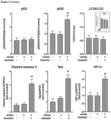
- Figure 5 shows the effect of obestatin in the Bad-Bax-caspase-3 cascade, the canonical apoptosis pathway.
- the intrinsic pathway can be initiated in mitochondria by stress stimuli and is regulated by the balance of the action of pro-apoptotic and anti-apoptotic Bcl-2 protein family members.
- Obestatin treatment caused an increase in levels of the proapoptotic Bax (141.6 ⁇ 28.4 %) and its downstream effector caspase-3 (cleaved caspase 3; 264.6 ⁇ 57.7 %).
- This proapoptotic activity was also associated to the inhibition of the autophagic flux via the regulation of LC3-II and p62.
- Example 2.5 Obestatin activates the hypoxia inducible factor 1 alpha
- Pancreatic ductal adenocarcinomas are hypovascular, resulting in the up-regulation of hypoxia inducible factor 1 alpha (HIF1a), which promotes the survival of cells under low-oxygen conditions.
- HIF1 ⁇ can also act as a tumour suppressor by preventing the expression of PPP1R1B and subsequent degradation of the p53 protein in pancreatic cancer cells.
- Figure 5 shows that obestatin treated mice presented increased expression of HIF1 ⁇ compared to control or vehicle-treated animals (106.6 ⁇ 17.8 %).
- Example 2.6 Obestatin modulates the response of the cancer associated fibroblasts
- Pancreatic cancer is characterized by abundant desmoplasia that constitutes up to 90 % of the total tumour volume and contains extracellular matrix (ECM), immune cells, vasculature, and cancer-associated fibroblasts.
- ECM extracellular matrix
- CAFs secrete ECM and soluble factors that stimulate cancer progression, and are believed to be derived from mesenchymal cells of different origins that are resident or recruited to the pancreas by neoplastic cells.
- obestatin treatment inhibited the expression of the fibrosis-related markers collagen (60.1 ⁇ 2.9 %) and fibronectin (57.0 ⁇ 7.1 %) ( Figure 6 ), implying that this peptide reorganizes the tumour microenvironment towards conditions unfavourable for tumour growth through the regulation of fibrosis.
- pancreatic stellate cells which are resident mesenchymal cells of the pancreas that store lipid droplets and express fibroblast-activation protein ⁇ (FAP).
- FAP fibroblast-activation protein ⁇
- PSCs Upon activation, PSCs express the myofibroblast protein ⁇ -smooth muscle actin ( ⁇ SMA) and secrete factors that stimulate tumour growth, cell survival, and metastasis.
- ⁇ SMA myofibroblast protein ⁇ -smooth muscle actin
- obestatin increased the expression of the myofibroblasts-CAF (my-CAF) marker, aSMA (53.7 ⁇ 7.3 %; Figure 6 ).
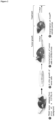
- FIG 7 also shows the spatial distribution of ⁇ SMA, a hallmark of myofibroblasts, in the pancreatic tumours of the obestatin treated animals.
- Heat shock protein 47 (HSP47) is a collagen-specific molecular chaperone that is indispensable for the proper folding and secretion of collagen into the extracellular space. The chaperone also functions as a nodal hub in the regulation of the ECM network, and it is associated to activated PSCs. Obestatin treated mice presented higher levels of this protein (49.5 ⁇ 17.7 %; Figure 6 ). Vimentin is a major intermediate filament protein present in mesenchymal cells that plays an important role in the development, invasion, and metastasis of cancer.
- Activated PSCs expressed higher levels of this mesenchymal marker, and it participates in the ability of these cells to migrate.
- the augment observed for vimentin in the obestatin treated tumours is shown in (111.1 ⁇ 19.1 %), shown in Figure 6 .
- adipophilin (ADRP) a stablished marker of quiescent PSCs, was diminished in obestatin treated pancreases (42.6 ⁇ 8.8 %; Figure 6 ).
- obestatin treatment inhibited the NF-kB and JAK/STAT pathways, nodes involved in stromal modification and tumour growth through the determination of CAFs (inflammatory-type myCAF/CAF ratio, iCAF), by downregulating pNF-KB p65(S536) and pSTAT3(S727) in a 43.6 ⁇ 9.0 % and 52.3 ⁇ 12.4 %, respectively ( Figure 8 ).
- CAFs inflammatory-type myCAF/CAF ratio, iCAF
- Example 2.7 Obestatin mitigates the pancreatic cancer associated cachexia
- Cancer cachexia is a highly debilitating condition characterized by weight loss and muscle wasting that contributes significantly to the morbidity and mortality of pancreatic cancer.
- TA tibialis anterior
- GA gastrocnemius
- SOL soleus
- EDL extensor digitorum longus
- DIA diaphragm
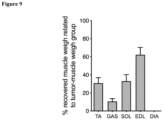
- Figure 9 shows that obestatin treatment notably mitigated the manifestations of pancreatic cancer-associated cachexia, reducing the skeletal muscle weight loss caused by the tumour in 30.8 ⁇ 6.1 % for TA, 10.6 ⁇ 3.2 % for GAS, 33.0 ⁇ 7.3 % for SOL, and 62.2 ⁇ 8.1 % for EDL. No effect was observed in the DIA muscle. The observed differences could have relationship with fibre type composition of the selected muscles. The results are expressed as the percentage of the weight recovery of the muscle of obestatin-treated mice related to vehicle treated mice.
Landscapes
- Health & Medical Sciences (AREA)
- Life Sciences & Earth Sciences (AREA)
- Chemical & Material Sciences (AREA)
- Organic Chemistry (AREA)
- Zoology (AREA)
- General Health & Medical Sciences (AREA)
- Endocrinology (AREA)
- Engineering & Computer Science (AREA)
- Bioinformatics & Cheminformatics (AREA)
- Medicinal Chemistry (AREA)
- Genetics & Genomics (AREA)
- Biochemistry (AREA)
- Molecular Biology (AREA)
- Wood Science & Technology (AREA)
- Gastroenterology & Hepatology (AREA)
- Proteomics, Peptides & Aminoacids (AREA)
- General Engineering & Computer Science (AREA)
- Veterinary Medicine (AREA)
- Public Health (AREA)
- Pharmacology & Pharmacy (AREA)
- Toxicology (AREA)
- Biophysics (AREA)
- Animal Behavior & Ethology (AREA)
- Microbiology (AREA)
- General Chemical & Material Sciences (AREA)
- Nuclear Medicine, Radiotherapy & Molecular Imaging (AREA)
- Chemical Kinetics & Catalysis (AREA)
- Diabetes (AREA)
- Biotechnology (AREA)
- Biomedical Technology (AREA)
- Immunology (AREA)
- Epidemiology (AREA)
- Medicines That Contain Protein Lipid Enzymes And Other Medicines (AREA)
Priority Applications (3)
| Application Number | Priority Date | Filing Date | Title |
|---|---|---|---|
| EP23382269.1A EP4434579A1 (de) | 2023-03-23 | 2023-03-23 | Obestatin zur verwendung als antineoplastisches mittel bei der behandlung von bauchspeicheldrüsenkrebs |
| PCT/EP2024/057766 WO2024194459A1 (en) | 2023-03-23 | 2024-03-22 | Obestatin for use as antineoplastic agent in the treatment of pancreatic cancer |
| EP24712267.4A EP4683714A1 (de) | 2023-03-23 | 2024-03-22 | Obestatin zur verwendung als antineoplastisches mittel bei der behandlung von bauchspeicheldrüsenkrebs |
Applications Claiming Priority (1)
| Application Number | Priority Date | Filing Date | Title |
|---|---|---|---|
| EP23382269.1A EP4434579A1 (de) | 2023-03-23 | 2023-03-23 | Obestatin zur verwendung als antineoplastisches mittel bei der behandlung von bauchspeicheldrüsenkrebs |
Publications (1)
| Publication Number | Publication Date |
|---|---|
| EP4434579A1 true EP4434579A1 (de) | 2024-09-25 |
Family
ID=85726246
Family Applications (2)
| Application Number | Title | Priority Date | Filing Date |
|---|---|---|---|
| EP23382269.1A Withdrawn EP4434579A1 (de) | 2023-03-23 | 2023-03-23 | Obestatin zur verwendung als antineoplastisches mittel bei der behandlung von bauchspeicheldrüsenkrebs |
| EP24712267.4A Pending EP4683714A1 (de) | 2023-03-23 | 2024-03-22 | Obestatin zur verwendung als antineoplastisches mittel bei der behandlung von bauchspeicheldrüsenkrebs |
Family Applications After (1)
| Application Number | Title | Priority Date | Filing Date |
|---|---|---|---|
| EP24712267.4A Pending EP4683714A1 (de) | 2023-03-23 | 2024-03-22 | Obestatin zur verwendung als antineoplastisches mittel bei der behandlung von bauchspeicheldrüsenkrebs |
Country Status (2)
| Country | Link |
|---|---|
| EP (2) | EP4434579A1 (de) |
| WO (1) | WO2024194459A1 (de) |
Citations (2)
| Publication number | Priority date | Publication date | Assignee | Title |
|---|---|---|---|---|
| WO2009033795A2 (en) * | 2007-09-11 | 2009-03-19 | Mondobiotech Laboratories Ag | Use of a obestatin as a therapeutic agent |
| WO2020058533A1 (en) * | 2018-09-21 | 2020-03-26 | Universidade De Santiago De Compostela | Obestatin for use in the treatment of peripheral nerve damages or injuries |
-
2023
- 2023-03-23 EP EP23382269.1A patent/EP4434579A1/de not_active Withdrawn
-
2024
- 2024-03-22 EP EP24712267.4A patent/EP4683714A1/de active Pending
- 2024-03-22 WO PCT/EP2024/057766 patent/WO2024194459A1/en not_active Ceased
Patent Citations (2)
| Publication number | Priority date | Publication date | Assignee | Title |
|---|---|---|---|---|
| WO2009033795A2 (en) * | 2007-09-11 | 2009-03-19 | Mondobiotech Laboratories Ag | Use of a obestatin as a therapeutic agent |
| WO2020058533A1 (en) * | 2018-09-21 | 2020-03-26 | Universidade De Santiago De Compostela | Obestatin for use in the treatment of peripheral nerve damages or injuries |
Non-Patent Citations (8)
| Title |
|---|
| BAZEED AY ET AL.: "Pancreatic cancer: Challenges and opportunities in locoregional therapies", CANCERS, vol. 14, 2022, pages 4257 |
| BEGONA O. ALEN ET AL.: "The NMR structure of human obestatin in membrane-like environments: insights into the structure-bioactivity relationship of obestatin", PLOS ONE, vol. 7, no. 10, 2012, pages e45434, XP055565407, DOI: 10.1371/journal.pone.0045434 |
| DOMINGUEZ-MUNOZ JE ET AL.: "Impact of the treatment of pancreatic exocrine insufficiency on survival of patients with unresectable pancreatic cancer: a retrospective analysis", BMC CANCER, no. 1, 2018, pages 534 |
| ESTÉVEZ PÉREZ LARA SOFÍA: "Endogenous systems involved in the development of pancreatic cancer: role of the obestatin/GPR39 system", 2019, XP093065129, Retrieved from the Internet <URL:https://minerva.usc.es/xmlui/bitstream/handle/10347/18839/rep_1792.pdf?sequence=1&isAllowed=y> [retrieved on 20230719] * |
| KAUR J ET AL.: "Endoscopic ultrsound-guided injectable therapy for pancreatic cancer: a systematic review", WORLD J GASTROENTEROL, vol. 28, no. 21, 2022, pages 2383 - 2395 |
| LEAL-L OPEZ S ET AL: "e-P237 - Effect of obestatin on the migration and invasion of pancreatic tumor cells.", PANCREATOLOGY, vol. 20, 4 December 2020 (2020-12-04), pages S135, XP093064816, DOI: 10.1016/j.pan.2020.07.252 * |
| TEMPERO MA: "NCCN Guidelines Updates: Pancreatic Cancer", J NATL COMPR CANC NETW, vol. 17, no. 5.5, 1 May 2019 (2019-05-01), pages 603 - 605 |
| WOLINSKY JB, ET AL.: "Local drug delivery strategies for cancer treatment: gels, nanoparticles, polymeric films, rods, and wafers", J CONTROL RELEASE, vol. 159, no. 1, 2012, pages 14 - 26, XP055364798, DOI: 10.1016/j.jconrel.2011.11.031 |
Also Published As
| Publication number | Publication date |
|---|---|
| EP4683714A1 (de) | 2026-01-28 |
| WO2024194459A1 (en) | 2024-09-26 |
Similar Documents
| Publication | Publication Date | Title |
|---|---|---|
| Kato et al. | Glucagonlike peptide-2 enhances small intestinal absorptive function and mucosal mass in vivo | |
| Vegge et al. | Glucagon-like peptide-2 induces rapid digestive adaptation following intestinal resection in preterm neonates | |
| CA2730391C (en) | Delivery of dry formulations of octreotide | |
| AU2009262263B2 (en) | Octreotide implant having a release agent | |
| KR20200103764A (ko) | 유방 장애의 관내 치료 방법 | |
| US11957736B2 (en) | Stable therapeutic compositions in aprotic polar solvents and methods of manufacturing the same | |
| Paragliola et al. | Novel somatostatin receptor ligands therapies for acromegaly | |
| EP4340824A1 (de) | Verfahren und zusammensetzungen zur induzierung von brauner adipogenese | |
| JP2015514096A (ja) | 末梢神経損傷を処置するためのニューレグリンの使用 | |
| WO2014025146A1 (ko) | C-펩타이드를 포함하는 당뇨성 혈관신생 장애의 예방 또는 치료용 조성물 | |
| US20140162991A1 (en) | Testosterone-anastrozole (t + a) combination implants in the neo-adjuvant, local and systemic therapy of newly diagnosed, previously untreated breast cancer | |
| Hendley et al. | The host response to poly (lactide-co-glycolide) scaffolds protects mice from diet induced obesity and glucose intolerance | |
| Bhansali et al. | Efficacy and safety of autologous bone marrow derived hematopoietic stem cell transplantation in patients with type 2 DM: A 15 months follow-up study | |
| CN104736709A (zh) | 基于钙粘蛋白调节的组合物和治疗 | |
| EP4434579A1 (de) | Obestatin zur verwendung als antineoplastisches mittel bei der behandlung von bauchspeicheldrüsenkrebs | |
| Takata et al. | Effects of ghrelin administration on the early postoperative inflammatory response after esophagectomy | |
| Salmela et al. | Effective clinical response to long term octreotide treatment, with reduced serum concentrations of growth hormone, insulin-like growth factor-I, and the amino-terminal propeptide of type III procollagen in acromegaly | |
| WO2020139999A1 (en) | Pancreatic cancer treatment | |
| Song et al. | Blocking transforming growth factor-beta reduces the migration and invasion of the residual tumour after TAE | |
| Liu et al. | Treatment with growth hormone, somatostatin, and insulin in combination with hypocaloric parenteral nutrition in gastrointestinal cancer patients after surgery | |
| US20250025508A1 (en) | Compositions and methods for treating exposure of surgical mesh | |
| De Francesco et al. | Malignant granular cell tumor of the anal-perianal region and suprarenal hyperplasia: a casual association? | |
| CN106692974A (zh) | 雌激素受体抑制剂在制备治疗缺血性疾病的药物中的应用 | |
| Zheng et al. | Dual-Mode Ventilation Promotes Diaphragm Function Recovery in Rats With Ventilator-Induced Diaphragmatic Dysfunction by Upregulating Insulin-Like Growth Factor-1 | |
| NunziaPrencipe et al. | Treatment with Long-Acting Somatostatin Analogues in Patients with Acromegaly: When and How |
Legal Events
| Date | Code | Title | Description |
|---|---|---|---|
| PUAI | Public reference made under article 153(3) epc to a published international application that has entered the european phase |
Free format text: ORIGINAL CODE: 0009012 |
|
| STAA | Information on the status of an ep patent application or granted ep patent |
Free format text: STATUS: THE APPLICATION HAS BEEN PUBLISHED |
|
| AK | Designated contracting states |
Kind code of ref document: A1 Designated state(s): AL AT BE BG CH CY CZ DE DK EE ES FI FR GB GR HR HU IE IS IT LI LT LU LV MC ME MK MT NL NO PL PT RO RS SE SI SK SM TR |
|
| STAA | Information on the status of an ep patent application or granted ep patent |
Free format text: STATUS: THE APPLICATION IS DEEMED TO BE WITHDRAWN |
|
| 18D | Application deemed to be withdrawn |
Effective date: 20250326 |