EP4474480A2 - Kombination aus telomerasehemmer und gemcitabin zur behandlung von krebs - Google Patents
Kombination aus telomerasehemmer und gemcitabin zur behandlung von krebs Download PDFInfo
- Publication number
- EP4474480A2 EP4474480A2 EP24190163.6A EP24190163A EP4474480A2 EP 4474480 A2 EP4474480 A2 EP 4474480A2 EP 24190163 A EP24190163 A EP 24190163A EP 4474480 A2 EP4474480 A2 EP 4474480A2
- Authority
- EP
- European Patent Office
- Prior art keywords
- oligonucleotide
- cancer
- gemcitabine
- telomerase inhibitor
- subject
- Prior art date
- Legal status (The legal status is an assumption and is not a legal conclusion. Google has not performed a legal analysis and makes no representation as to the accuracy of the status listed.)
- Withdrawn
Links
Images
Classifications
-
- C—CHEMISTRY; METALLURGY
- C12—BIOCHEMISTRY; BEER; SPIRITS; WINE; VINEGAR; MICROBIOLOGY; ENZYMOLOGY; MUTATION OR GENETIC ENGINEERING
- C12N—MICROORGANISMS OR ENZYMES; COMPOSITIONS THEREOF; PROPAGATING, PRESERVING, OR MAINTAINING MICROORGANISMS; MUTATION OR GENETIC ENGINEERING; CULTURE MEDIA
- C12N15/00—Mutation or genetic engineering; DNA or RNA concerning genetic engineering, vectors, e.g. plasmids, or their isolation, preparation or purification; Use of hosts therefor
- C12N15/09—Recombinant DNA-technology
- C12N15/11—DNA or RNA fragments; Modified forms thereof; Non-coding nucleic acids having a biological activity
- C12N15/113—Non-coding nucleic acids modulating the expression of genes, e.g. antisense oligonucleotides; Antisense DNA or RNA; Triplex- forming oligonucleotides; Catalytic nucleic acids, e.g. ribozymes; Nucleic acids used in co-suppression or gene silencing
- C12N15/1137—Non-coding nucleic acids modulating the expression of genes, e.g. antisense oligonucleotides; Antisense DNA or RNA; Triplex- forming oligonucleotides; Catalytic nucleic acids, e.g. ribozymes; Nucleic acids used in co-suppression or gene silencing against enzymes
-
- A—HUMAN NECESSITIES
- A61—MEDICAL OR VETERINARY SCIENCE; HYGIENE
- A61K—PREPARATIONS FOR MEDICAL, DENTAL OR TOILETRY PURPOSES
- A61K31/00—Medicinal preparations containing organic active ingredients
- A61K31/70—Carbohydrates; Sugars; Derivatives thereof
- A61K31/7042—Compounds having saccharide radicals and heterocyclic rings
- A61K31/7052—Compounds having saccharide radicals and heterocyclic rings having nitrogen as a ring hetero atom, e.g. nucleosides, nucleotides
- A61K31/706—Compounds having saccharide radicals and heterocyclic rings having nitrogen as a ring hetero atom, e.g. nucleosides, nucleotides containing six-membered rings with nitrogen as a ring hetero atom
- A61K31/7064—Compounds having saccharide radicals and heterocyclic rings having nitrogen as a ring hetero atom, e.g. nucleosides, nucleotides containing six-membered rings with nitrogen as a ring hetero atom containing condensed or non-condensed pyrimidines
- A61K31/7068—Compounds having saccharide radicals and heterocyclic rings having nitrogen as a ring hetero atom, e.g. nucleosides, nucleotides containing six-membered rings with nitrogen as a ring hetero atom containing condensed or non-condensed pyrimidines having oxo groups directly attached to the pyrimidine ring, e.g. cytidine, cytidylic acid
-
- A—HUMAN NECESSITIES
- A61—MEDICAL OR VETERINARY SCIENCE; HYGIENE
- A61K—PREPARATIONS FOR MEDICAL, DENTAL OR TOILETRY PURPOSES
- A61K31/00—Medicinal preparations containing organic active ingredients
- A61K31/70—Carbohydrates; Sugars; Derivatives thereof
- A61K31/7088—Compounds having three or more nucleosides or nucleotides
-
- C—CHEMISTRY; METALLURGY
- C12—BIOCHEMISTRY; BEER; SPIRITS; WINE; VINEGAR; MICROBIOLOGY; ENZYMOLOGY; MUTATION OR GENETIC ENGINEERING
- C12Y—ENZYMES
- C12Y207/00—Transferases transferring phosphorus-containing groups (2.7)
- C12Y207/07—Nucleotidyltransferases (2.7.7)
- C12Y207/07049—RNA-directed DNA polymerase (2.7.7.49), i.e. telomerase or reverse-transcriptase
-
- C—CHEMISTRY; METALLURGY
- C12—BIOCHEMISTRY; BEER; SPIRITS; WINE; VINEGAR; MICROBIOLOGY; ENZYMOLOGY; MUTATION OR GENETIC ENGINEERING
- C12N—MICROORGANISMS OR ENZYMES; COMPOSITIONS THEREOF; PROPAGATING, PRESERVING, OR MAINTAINING MICROORGANISMS; MUTATION OR GENETIC ENGINEERING; CULTURE MEDIA
- C12N2310/00—Structure or type of the nucleic acid
- C12N2310/10—Type of nucleic acid
- C12N2310/11—Antisense
-
- C—CHEMISTRY; METALLURGY
- C12—BIOCHEMISTRY; BEER; SPIRITS; WINE; VINEGAR; MICROBIOLOGY; ENZYMOLOGY; MUTATION OR GENETIC ENGINEERING
- C12N—MICROORGANISMS OR ENZYMES; COMPOSITIONS THEREOF; PROPAGATING, PRESERVING, OR MAINTAINING MICROORGANISMS; MUTATION OR GENETIC ENGINEERING; CULTURE MEDIA
- C12N2310/00—Structure or type of the nucleic acid
- C12N2310/30—Chemical structure
- C12N2310/31—Chemical structure of the backbone
- C12N2310/314—Phosphoramidates
- C12N2310/3145—Phosphoramidates with the nitrogen in 3' or 5'-position
-
- C—CHEMISTRY; METALLURGY
- C12—BIOCHEMISTRY; BEER; SPIRITS; WINE; VINEGAR; MICROBIOLOGY; ENZYMOLOGY; MUTATION OR GENETIC ENGINEERING
- C12N—MICROORGANISMS OR ENZYMES; COMPOSITIONS THEREOF; PROPAGATING, PRESERVING, OR MAINTAINING MICROORGANISMS; MUTATION OR GENETIC ENGINEERING; CULTURE MEDIA
- C12N2310/00—Structure or type of the nucleic acid
- C12N2310/30—Chemical structure
- C12N2310/35—Nature of the modification
- C12N2310/351—Conjugate
- C12N2310/3515—Lipophilic moiety, e.g. cholesterol
-
- C—CHEMISTRY; METALLURGY
- C12—BIOCHEMISTRY; BEER; SPIRITS; WINE; VINEGAR; MICROBIOLOGY; ENZYMOLOGY; MUTATION OR GENETIC ENGINEERING
- C12N—MICROORGANISMS OR ENZYMES; COMPOSITIONS THEREOF; PROPAGATING, PRESERVING, OR MAINTAINING MICROORGANISMS; MUTATION OR GENETIC ENGINEERING; CULTURE MEDIA
- C12N2320/00—Applications; Uses
- C12N2320/30—Special therapeutic applications
- C12N2320/31—Combination therapy
Definitions
- chemotherapeutic agents have been identified over the past few decades, and these are generally grouped into several categories on the basis of their mechanism of action. Combined-therapy treatments have become more common, in view of the perceived advantage of attacking the disease via multiple avenues. In practice, however, many such combinations do not provide even simple additivity of therapeutic effects.
- a combined-drug approach for cancer treatment should provide a significant boost in efficacy and/or a significant reduction in undesired side effects, due to a reduced dose of the more toxic component and/or a reduction in the development of drug-resistance in the cancer being treated.
- Particularly desirable are combination therapies which produce therapeutic results that are supraadditive or synergistic in nature relative to the effects of the individual agents, with minimal exacerbation of side effects.
- the invention includes a method for inhibiting the proliferation of cancer cells, by the steps of: (a) exposing the cells to gencitabine, and (b) either proceeding, following, or concomitantly with step (a), exposing the cells to an oligonucleotide telomerase inhibitor of the type composed of an oligonucleotide having nuclease-resistant intersubunit linkages and an oligonucleotide sequence effective to bind by sequence-specific hybridization to a template region of hTR.
- the internucleoside linkages in the oligonucleotide may be selected from N3' ⁇ P5' phosphoramidate and N3' ⁇ P5' thiophosphoramidate linkages.
- the telomerase inhibitor may include a lipid moiety (i) selected from the group consisting of fatty acids, sterols, and derivatives thereof, and (ii) attached covalently to one end of the oligonucleotide.
- the oligonucleotide may be 10-20 bases in length.
- An exemplary oligonucleotide telomerase inhibitor is characterized by:
- the exemplary compound may be that designated herein as GRN163L, where step (b) of the method may include infusing the telomerase inhibitor intravenously to the subject under infusion conditions effective to produce a blood concentration of the inhibitor of between 1 nM and 100 ⁇ M.
- the telomerase inhibitor and gemcitabine may be administered to a subject diagnosed with a cancer selected from the group consisting of non-small cell lung cancer, pancreatic cancer, breast cancer, oesophageal cancer, and lymphomas, bladder cancer, cancer of the lymph system, epithelial ovarian cancer, cancer of the bile ducts, cancer of the gallbladder, and germ cell tumors
- a cancer selected from the group consisting of non-small cell lung cancer, pancreatic cancer, breast cancer, oesophageal cancer, and lymphomas, bladder cancer, cancer of the lymph system, epithelial ovarian cancer, cancer of the bile ducts, cancer of the gallbladder, and germ cell tumors
- the method may provide a supraadditive inhibiting effect relative to the effects of the individual gemcitabine and the telomerase inhibitor agents.
- the invention includes enhancing the anti-cancer treatment efficacy of gemcitabine administered to a subject, by administering to the subject, before, during, or after administering gemcitabine, an oligonucleotide telomerase inhibitor of the type composed of an oligonucleotide having nuclease-resistant intersubunit linkages and an oligonucleotide sequence effective to bind by sequence-specific hybridization to a template region of hTR.
- exemplary telomerase inhibitors are as above.
- the telomerase inhibitor may be administered in an amount effective to inhibit the proliferation of cancer cells in the subject, when the telomerase inhibitor is administered alone.
- the enhanced treatment efficacy may be evidenced by an increased survival time of the subject, an inhibition of tumor growth in the subject, or a combination thereof.
- the telomerase inhibitor and gemcitabine may be administered to the subject as a composition containing both inhibitors.
- kits for use in cancer therapy comprising (a) a dose of gemcitabine in an amount effective, when administered alone, to inhibit the proliferation of cancer cells in a subject, and (b) a dose of an oligonucleotide telomerase inhibitor of the type composed of an oligonucleotide having nuclease-resistant intersubunit linkages and an oligonucleotide sequence effective to bind by sequence-specific hybridization to a template region of hTR, in amount effective, when administered alone, to inhibit proliferation of cancer cells in the subject.
- exemplary telomerase inhibitors are as above.
- the invention includes the use of a gemcitabine and an oligonucleotide telomerase inhibitor in the manufacture of a medicament for treating cancer in a subject, and the use of an oligonucleotide telomerase inhibitor in the manufacture of a medicament for treating cancer in a subject who is being treated with a gemcitabine, for the purpose of enhancing the anti-cancer efficacy of gemcitabine in the subject.
- nucleoside includes the natural nucleosides, including 2'-deoxy and 2'-hydroxyl forms, e.g ., as described in Komberg and Baker, DNA Replication, 2nd Ed. (Freeman, San Francisco, 1992 ), and analogs.
- Aminalogs in reference to nucleosides, includes synthetic nucleosides having modified nucleobase moieties (see definition of “nucleobase” below) and/or modified sugar moieties, e.g ., described generally by Scheit, Nucleotide Analogs (John Wiley, New York, 1980 ).
- Such analogs include synthetic nucleosides designed to enhance binding properties, e.g ., stability, specificity, or the like, such as disclosed by Uhlmann and Peyman (Chemical Reviews 90:543-584, 1990 ).
- An oligonucleotide containing such nucleosides, and which typically contains synthetic nuclease-resistant internucleoside linkages, may itself be referred to as an "analog".
- nucleobase includes (i) native DNA and RNA nucleobases (uracil, thymine, adenine, guanine, and cytosine), (ii) modified nucleobases or nucleobase analogs ( e.g ., 5-methylcytosine, 5-bromouracil, or inosine) and (iii) nucleobase analogs.
- a nucleobase analog is a compound whose molecular structure mimics that of a typical DNA or RNA base.
- lipid is used broadly herein to encompass substances that are soluble in organic solvents, but sparingly soluble, if at all, in water.
- the term lipid includes, but is not limited to, hydrocarbons, oils, fats (such as fatty acids and glycerides), sterols, steroids and derivative forms of these compounds.
- Preferred lipids are fatty acids and their derivatives, hydrocarbons and their derivatives, and sterols, such as cholesterol.
- Fatty acids usually contain even numbers of carbon atoms in a straight chain (commonly 12-24 carbons) and may be saturated or unsaturated, and can contain, or be modified to contain, a variety of substituent groups.
- fatty acid also encompasses fatty acid derivatives, such as fatty or esters.
- hydrocarbon encompasses compounds that consist only of hydrogen and carbon, joined by covalent bonds.
- the term encompasses open chain (aliphatic) hydrocarbons, including straight chain and branched hydrocarbons, and saturated as well as mono-and poly-unsaturated hydrocarbons.
- the term also encompasses hydrocarbons containing one or more aromatic rings.
- substituted refers to a compound which has been modified by the exchange of one atom or moiety for another, typically substitution of hydrogen by a different atom or moiety.
- the term is used in reference to halogenated hydrocarbons and fatty acids, particularly those in which one or more hydrogen atoms are substituted with fluorine.
- oligonucleotide telomerase inhibitor refers to a telomerase inhibitor composed of an oligonucleotide having nuclease-resistant intersubunit linkages and an oligonucleotide sequence effective to bind by sequence-specific hybridization to a template region of the RNA component of human telomerase.
- An "hTR template inhibitor” is an oligonucleotide telomerase inhibitor that blocks the template region (the region spanning nucleotides 30-67 of SEQ ID NO: 1 herein) of the RNA component of human telomerase, thereby inhibiting the activity of the enzyme.
- the inhibitor is typically an oligonucleotide that is able to hybridize to this region.
- the oligonucleotide includes a sequence effective to hybridize to a more specific portion of this region, having sequence 5'-CUAACCCUAAC-3' (SEQ ID NO: 12), spanning nucleotides 46-56 of SEQ ID NO: 1 herein.
- a compound is said to "inhibit the proliferation of cancer cells” if the proliferation of cells in the presence of the compound is less than that observed in the absence of the compound. That is, proliferation of the cells is either slowed or halted in the presence of the compound. Inhibition of cancer-cell proliferation may be evidenced, for example, by reduction in the number of cells or rate of expansion of cells, reduction in tumor mass or the rate of tumor growth, or increase in survival rate of a subject being treated.
- Gemcitabine in Gemcitabine HCl form, is 2'-deoxy-2',2'-difluorocytidine monohydrochloride ((beta)-isomer).
- the structural formula is as follows:
- Gemcitabine is used in various carcinomas: non-small cell lung cancer, pancreatic cancer, and breast cancer, and has showed experimental or clinical promise for oesophageal cancer, lymphomas and various other tumor types, such as consisting of bladder cancer, cancer of the lymph system, epithelial ovarian cancer, cancer of the bile ducts, cancer of the gallbladder, and germ cell tumors of the ovaries and testes.
- oesophageal cancer such as consisting of bladder cancer, cancer of the lymph system, epithelial ovarian cancer, cancer of the bile ducts, cancer of the gallbladder, and germ cell tumors of the ovaries and testes.
- gemcitabine may be administered at doses recommended in the product insert.
- Telomerase is a ribonucleoprotein that catalyzes the addition of telomeric repeat sequences (having the sequence 5'-TTAGGG-3' in humans) to chromosome ends. See e.g. Blackburn, 1992, Ann. Rev. Biochem. 61:113-129 . The enzyme is expressed in most cancer cells but not in mature somatic cells. Loss of telomeric DNA may play a role in triggering cellular senescence; see Harley, 1991, Mutation Research 256:271-282 .
- telomere-positive A variety of cancer cells have been shown to be telomerase-positive, including cells from cancer of the skin, connective tissue, adipose, breast, lung, stomach, pancreas, ovary, cervix, uterus, kidney, bladder, colon, prostate, central nervous system (CNS), retina and hematologic tumors (such as myeloma, leukemia and lymphoma).
- CNS central nervous system
- hematologic tumors such as myeloma, leukemia and lymphoma.
- Inhibitors of telomerase identified to date include oligonucleotides, preferably oligonucleotides having nuclease resistant linkages, as well as small molecule compounds.
- telomere protein component the human form of which is known as human telomerase reverse transcriptase, or hTERT
- RNA component of the telomerase holoenzyme the human form of which is known as human telomerase RNA, or hTR
- RNA component of human telomerase hTR
- SEQ ID NO: 1 The nucleotide sequence of the RNA component of human telomerase (hTR) is shown in the Sequence Listing below (SEQ ID NO: 1), in the 5' ⁇ 3' direction. The sequence is shown using the standard abbreviations for ribonucleotides; those of skill in the art will recognize that the sequence also represents the sequence of the cDNA, in which the ribonucleotides are replaced by deoxyribonucleotides, with uridine (U) being replaced by thymidine (T).
- Such agents may be designed to target the hTERT mRNA and thereby inhibit production of hTERT protein in a target cell, such as a cancer cell (see, for example, U.S. Pat. Nos. 6,444,650 and 6,331,399 ).
- Oligonucleotides targeting hTR act as inhibitors of telomerase enzyme activity by blocking or otherwise interfering with the interaction of hTR with the hTERT protein, which interaction is necessary for telomerase function. See, for example, Villeponteau et al., U.S. Patent No. 6,548,298 .
- the region of the therapeutic oligonucleotide that is targeted to the hTR sequence is preferably exactly complementary to the corresponding hTR sequence. While mismatches may be tolerated in certain instances, they are expected to decrease the specificity and activity of the resultant oligonucleotide conjugate.
- the base sequence of the oligonucleotide is thus selected to include a sequence of at least 5 nucleotides exactly complementary to the hTR target, and enhanced telomerase inhibition may be obtained if increasing lengths of complementary sequence are employed, such as at least 8, at least 10, at least 12, at least 13 or at least 15 nucleotides exactly complementary to the hTR target.
- the sequence of the oligonucleotide includes a sequence of from at least 5 to 20, from at least 8 to 20, from at least 10 to 20 or from at least 10 to 15 nucleotides exactly complementary to the hTR target sequence.
- Optimal telomerase inhibitory activity may be obtained when the full length of the oligonucleotide is selected to be complementary to the hTR target sequence.
- the oligonucleotide sequence may include regions that are not complementary to the target sequence. Such regions may be added, for example, to confer other properties on the compound, such as sequences that facilitate purification.
- an oligonucleotide may include multiple repeats of a sequence complementary to an hTR target sequence.
- the internucleoside linkages in the oligonucleotide may include any of the available oligonucleotide chemistries, e.g . phosphodiester, phosphotriester, methylphosphonate, P3' ⁇ N5' phosphoramidate, N3' ⁇ P5' phosphoramidate, N3' ⁇ P5' thiophosphoramidate, and phosphorothioate.
- all of the internucleoside linkages within the oligonucleotide will be of the same type, although the oligonucleotide component may be synthesized using a mixture of different linkages.
- a particularly preferred sequence for an hTR template inhibitor oligonucleotide is the sequence complementary to nucleotides 42-54 of SEQ ID NO: 12 above.
- the oligonucleotide having this sequence (TAGGGTTAGACA) and N3' ⁇ P5' thiophosphoramidate (NPS) linkages is designated herein as GRN163.
- GRN163 N3' ⁇ P5' thiophosphoramidate linkages
- this oligonucleotide inhibits telomerase at low concentrations in a biochemical assay (FlashPlate TM ; see Experimental Section).
- An alternative 13-mer having the sequence CAGTTAGGGTTAG, complementary to nucleotides 46-58 of SEQ ID NO: 1 (fifth row of table), showed near-equivalent activity in the FlashPlate TM assay.
- the corresponding NP-linked oligonucleotide, and shorter (11- and 12-mer) oligonucleotides targeting the same region (complementary to nucleotides 42-53 and 42-42, respectively, of SEQ ID NO: 1), showed moderate activity. The effect is clearly sequence-specific, as shown by the mismatch and non-targeting sequences in the table.
- the oligonucleotide-based enzyme inhibitor includes at least one covalently linked lipid group (see US Pubn. No. 2005/0113325 , which is incorporated herein by reference).
- This modification provides superior cellular uptake properties, such that an equivalent biological effect may be obtained using smaller amounts of the conjugated oligonucleotide compared to the unmodified form. When applied to the human therapeutic setting, this may translate to reduced toxicity risks, and cost savings.
- the lipid group L is typically an aliphatic hydrocarbon or fatty acid, including derivatives of hydrocarbons and fatty acids, with examples being saturated straight chain compounds having 14-20 carbons, such as myristic (tetradecanoic) acid, palmitic (hexadecanoic) acid, and stearic (octadeacanoic) acid, and their corresponding aliphatic hydrocarbon forms, tetradecane, hexadecane and octadecane.
- suitable lipid groups that may be employed are sterols, such as cholesterol, and substituted fatty acids and hydrocarbons, particularly polyfluorinated forms of these groups.
- the scope of the lipid group L includes derivatives such as amine, amide, ester and carbamate derivatives. The type of derivative is often determined by the mode of linkage to the oligonucleotide, as exemplified below.
- the lipid moiety is palmitoyl amide (derived from palmitic acid), conjugated through an aminoglycerol linker to the 5' thiophosphate group of an NPS-linked oligonucleotide.
- the NPS oligonucleotide having the sequence shown for GRN163 and conjugated in this manner (as shown below) is designated GRN163L herein.
- the lipid, as a palmitoyl amide is conjugated through the terminal 3' amino group of an NPS oligonucleotide.
- Table 4 presents further data directed to telomerase inhibition in vitro by GRN163 (unconjugated) and GRN163L (lipidated) in various cancer cell lines.
- Table 3. Comparative Pharmacokinetics of Lipidated (GRN163L) and Unlipidated (GRN163) NPS Oligonucleotide (Rat, 4 mg/kg dose) GRN163 GRN163L T 1/2 ⁇ , min 17 20 T 1/2 ⁇ , hrs 65-86 68-72 AUC 0- ⁇ , ⁇ g-hr/g 27 120 C MAX , ⁇ g/ml 16 58 % excreted in 24h 45 13 Table 4.
- GRN163L Comparative Telomerase Inhibitory Activity of Lipidated (GRN163L) and Unlipidated (GRN163) NPS Oligonucleotide in vitro Cell Line
- GRN163 IC 50 ( ⁇ M) GRN163L IC 50 ( ⁇ M) HT-3 (Cervical) 1.62 0.3 U251 (Glioblastoma) 1.75 0.17 U87 (Glioblastoma) 0.75 0.11 Hep3B (Hepatoma) 6.5 0.36 HepG2 (Hepatoma) 2.72 0.48 NCI-H522 (Lung) 2.59 0.23 RPMI 8226 (Myeloma) 2.67 0.38 Ovcar5 (Ovarian) 3.74 0.92 DU 145 (Prostate) 1.4 0.15
- the conjugated oligonucleotide GRN163L had significantly greater telomerase inhibiting activity in vivo than the unconjugated GRN163, as demonstrated in hepatoma cell xenografts ( Fig. 1 ) and flank CAG myeloma tumor xenografts (Fig. 2) following i.v. administration.
- GRN163L inhibited tumor growth in mice (A549-luc IV lung metastases model) for at least 4 weeks after i.v. injection of cancer cells.
- the dosage was 1 ⁇ M biweekly for 5 weeks prior to injection of cancer cells, followed by 5 mg/kg twice weekly after injection. Controls showed substantial tumor growth, but none was apparent in the GRN163L-treated mouse.
- Therapeutic benefits for treatment of cancer can be realized by combining gemcitabine with an oligonucleotide telomerase inhibitor that acts as an hTR template blocking agent.
- the combination of gemcitabine with the telomerase inhibition may have a supraadditive effect; that is, the combined benefit is greater than would be expected simply from the additive effects of the two therapeutic approaches. This is demonstrated herein for the combination of a telomerase inhibitor and gemcitabine study herein.
- telomere inhibitor enhances the extent to which cell proliferation is inhibited relative to gemcitabine alone, or the telomerase inhibitor alone.
- the effect is seen both for inhibition of cancer cell growth in vitro, where the inhibition is evidenced by a reduced rate of cell proliferation, and for in vivo treatment of cancer in a mammalian subject, where the inhibition is evidenced by a reduced rate of tumor growth and/or increased survival time of the subject being treated.
- a subject having a cancer type that is responsive to gemcitabine, or a subject currently receiving cancer therapy with gemcitabine is initially identified as a candidate for the combined therapy.
- Preferred cancer indications include, for example, non-small cell lung cancer, pancreatic cancer, breast cancer, oesophageal cancer, and lymphomas, bladder cancer, cancer of the lymph system, epithelial ovarian cancer, cancer of the bile ducts, cancer of the gallbladder, and germ cell tumors of the ovaries and testes.
- an aspect of the invention involves identifying cancer patients who are candidates for effective anti-cancer treatment with a telomerase inhibitor.
- the candidate patients are those whose cancer is responding to treatment with a gemcitabine, but for whom combined treatment with a telomerase inhibitor is desired to enhance the anti-tumor efficacy of gemcitabine alone.
- the cancer should also be one that is responsive to cancer-cell inhibition by telomerase inhibition.
- oligonucleotide telomerase inhibitors as exemplified by GRN163 and GRN163L, have shown inhibitory activity in vitro against human kidney, lung, pancreatic, brain, colon, prostate, breast, leukemia, lymphoma, myeloma, epidermal, cervical, ovarian and liver cancer cells, and in vivo, via local and systemic delivery, against human brain, prostate, lymphoma, myeloma, cervical, lung, and liver cancer cells.
- Other preferred targets include small cell lung, esophogeal, head and neck, and stomach cancers.
- the subject is administered gemcitabine, in an amount that is effective inhibiting proliferation of cancer cells in the subject.
- the dose administered and the dosing schedule will follow, for example, known or recommended doses for gemcitabine employed, as indicated, for example, in the drug product insert or published clinical or animal-model data.
- One advantage of the present invention is that lower-than-normal doses of gemcitabine may be administered, if necessary, due to the compensating enhancement effect of the telomerase inhibitor. Such a protocol allows for a reduced dosage of gemcitabine, which can have significant toxic effects at higher dosages.
- kits containing a dose of the telomerase inhibitor could optionally contain a product insert having one set of directions for using the inhibitor in monotherapy, and another set of directions for using the inhibitor in a combination therapy with gemcitabine.
- the set of instructions for the combination therapy could recommend (i) a lower dose of the telomerase inhibitor, when used in combination with gemcitabine, (ii) a lower dose of gemcitabine, when used in combination with the telomerase inhibitor, and/or (iii) a different dosing regimen for one or both inhibitors, when used together, than would normally be recommended for the two agents, when used alone.
- the telomerase inhibitor may be administered, before, during, or after administration of gemcitabine.
- the two inhibitors are administered in a common dosing regimen, as described below, and the two inhibitors themselves may be administered in a combined-drug composition, e.g ., by IV administration, or separately.
- a dosing regimen in which the telomerase inhibitor is administered before or after administering gemcitabine is also contemplated.
- a person under treatment with a gemcitabine may be subsequently placed on a combined therapy that includes telomerase inhibitor.
- the patient may be initially administered gemcitabine, followed one-to-several days later with the telomerase treatment.
- gemcitabine may function, in part, to sensitize the cancer cells to inhibition by a telomerase inhibition, e.g ., by synchronizing the cell-division cycle and/or promoting apoptosis in the cells.
- Preferred dose levels and dosing schedules are considered further below.
- gemcitabine is administered in combination with a telomerase-inhibitor oligonucleotide targeted against hTR.
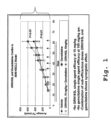
- Fig. 1 shows the results of the treatment method in which gemcitabine is administered in combination with the telomerase inhibitor GRN163L, for the treatment of A549 tumor cells in a mouse xenograft model. Briefly, A549 cells (approximately 3 x 10 6) were implanted subcutaneously in immunocompromised mice, and treatment with GRN163L and/or gemcitabine was started on days 4, and 14, respectively.
- mice Groups of 10 mice each were treated in accordance with one of three protocols: (1) Gemcitabine (100 mg/kg, IP) was administered 2 times/week for the first 1.5 weeks, then once weekly for the remainder of the study. (2) GRN163L (15mg/kg, IP) was given 3 times/week for the duration of the study. (3) The two agents were administered together according to the individual-agent protocols. After 60 days, tumor mass was assayed by a standard bioluminescence assay, with the results shown in Fig. 1 .
- the therapeutic protocol for administering such combinations will depend on various factors including, but not limited to, the type of cancer, the age and general health of the patient, the aggressiveness of disease progression, the TRF length (terminal restriction fragment length; see Section V below) and telomerase activity of the diseased cells to be treated, and the ability of the patient to tolerate the agents that comprise the combination.
- the target disease comprises a solid tumor; in other embodiments, the target disease comprises a hematological malignancy.
- An exemplary course of treatment involves multiple doses. Sequence of combination treatments will be determined by clinical compliance criteria and/or preclinical or clinical data supporting dose optimization strategies to augment efficacy or reduce toxicity of the combination treatment. In general, various combinations of the telomerase inhibitor and gemcitabine may be employed, used either sequentially or simultaneously. For multiple dosages, the two agents may directly alternate, or two or more doses of one agent may be alternated with a single dose of the other agent, for example.
- Simultaneous administration of both agents may also be alternated or otherwise interspersed with dosages of the individual agents.
- the time between dosages may be for a period from about 1-6 hours, to about 6-12 hours, to about 12-24 hours, to about 1-2 days, to about 1-2 wk or longer following the initiation of treatment.
- the need to complete the planned dosings may be re-evaluated.
- the compounds may be administered by direct injection of a tumor or its vasculature.
- the tumor may be infused or perfused with the therapeutic compounds using any suitable delivery vehicle.
- the compounds may be administered locally to an affected organ.
- Systemic administration may also be performed.
- Continuous administration may be applied where appropriate; for example, where a tumor is excised and the tumor bed is treated to eliminate residual disease. Delivery via syringe or catheterization is preferred.
- Such continuous perfusion may take place for a period from about 1-6 hours, to about 6-12 hours, to about 12-24 hours, to about 1-2 days, to about 1-2 weeks or longer following the initiation of treatment.
- the dose of the therapeutic composition via continuous perfusion will be equivalent to that given by a single or multiple injections, adjusted over a period of time during which the perfusion occurs.
- the therapeutic agents are administered to a subject, such as a human patient, in a formulation and in an amount effective to achieve a clinically desirable result.
- desirable results include reduction in tumor mass (as determined by palpation or imaging; e.g., by radiography, radionucleotide scan, CAT scan, or MRI), reduction in the rate of tumor growth, reduction in the rate of metastasis formation (as determined e.g. , by histochemical analysis of biopsy specimens), reduction in biochemical markers (including general markers such as ESR, and tumor specific markers such as serum PSA), and improvement in quality of life (as determined by clinical assessment, e.g ., Karnofsky score), increased time to progression, disease-free survival and overall survival.
- the amount of each agent per dose and the number of doses required to achieve such effects will vary depending on many factors including the disease indication, characteristics of the patient being treated and the mode of administration.
- the formulation and route of administration will provide a local concentration at the disease site of between 1 nM and 100 ⁇ M of each agent.
- the physician will be able to vary the amount of the compounds, the carrier, the dosing frequency, and the like, taking into consideration such factors as the particular neoplastic disease state and its severity; the overall condition of the patient; the patient's age, sex, and weight; the mode of administration; the suitability of concurrently administering systemic anti-toxicity agents; monitoring of the patient's vital organ functions; and other factors typically monitored during cancer chemotherapy.
- the compounds are administered at a concentration that affords effective results without causing excessive harmful or deleterious side effects.
- the amount of the agent used in combination with a telomerase inhibitor may be less than would be required for the agent used in non-combination therapy.
- the pharmaceutical carrier(s) employed may be solid or liquid.
- Liquid carriers can be used in the preparation of solutions, emulsions, suspensions and pressurized compositions.
- the compounds are dissolved or suspended in a pharmaceutically acceptable liquid excipient.
- suitable examples of liquid carriers for parenteral administration include water (which may contain additives, e.g ., cellulose derivatives, preferably sodium carboxymethyl cellulose solution), phosphate buffered saline solution (PBS), alcohols (including monohydric alcohols and polyhydric alcohols, e.g ., glycols) and their derivatives, and oils (e.g ., fractionated coconut oil and arachis oil).
- the liquid carrier can contain other suitable pharmaceutical additives including, but not limited to, the following: solubilizers, suspending agents, emulsifiers, buffers, thickening agents, colors, viscosity regulators, preservatives, stabilizers and osmolarity regulators.
- the carrier can also be an oily ester such as ethyl oleate and isopropyl myristate.
- Sterile carriers are useful in sterile liquid form compositions for parenteral administration. Sterile liquid pharmaceutical compositions, solutions or suspensions can be utilized by, for example, intraperitoneal injection, subcutaneous injection, intravenously, or topically. The compositions can also be administered intravascularly or via a vascular stent.
- the liquid carrier for pressurized compositions can be a halogenated hydrocarbon or other pharmaceutically acceptable propellant.
- Such pressurized compositions may also be lipid encapsulated for delivery via inhalation.
- the compositions may be formulated into an aqueous or partially aqueous solution, which can then be utilized in the form of an aerosol.
- compositions may be administered topically as a solution, cream, or lotion, by formulation with pharmaceutically acceptable vehicles containing the active compound.
- the compositions of this invention may be orally administered in any acceptable dosage including, but not limited to, formulations in capsules, tablets, powders or granules, and as suspensions or solutions in water or non-aqueous media.
- Pharmaceutical compositions and/or formulations comprising the oligonucleotides of the present invention may include carriers, lubricants, diluents, thickeners, flavoring agents, emulsifiers, dispersing aids or binders.
- carriers that are commonly used include lactose and corn starch.
- Lubricating agents such as magnesium stearate, are also typically added.
- useful diluents include lactose and dried corn starch.
- the active ingredient is combined with emulsifying and suspending agents. If desired, certain sweetening, flavoring or coloring agents may also be added.
- Modes of administration and formulation may be dependent on the drug and its approved mode of administration.
- IV administration is indicated for gemcitabine.
- the telomerase inhibitor is GRN163L
- formulation in 0.9% sodium chloride (normal saline) and administration by IV is a preferred route, preferably via infusion over 4-8 hours, e.g . a 6 hr infusion.
- lipid-conjugated oligonucleotides described herein have superior characteristics for cellular and tissue penetration
- these and other compounds may be formulated to provide further benefit in this area, e.g . in liposome carriers.
- liposomes to facilitate cellular uptake is described, for example, in U.S. Pat. Nos. 4,897,355 and 4,394,448 , and numerous publications describe the formulation and preparation of liposomes.
- Liposomal formulations can also be engineered, by attachment of targeting ligands to the liposomal surface, to target sites of neovascularization, such as tumor angiogenic regions.
- the compounds can also be formulated with additional penetration/transport enhancers, such as unconjugated forms of the lipid moieties described above, including fatty acids and their derivatives.
- additional penetration/transport enhancers such as unconjugated forms of the lipid moieties described above, including fatty acids and their derivatives. Examples include oleic acid, lauric acid, capric acid, myristic acid, palmitic acid, stearic acid, linoleic acid, linolenic acid, dicaprate, tricaprate, recinleate, monoolein (a.k.a.
- acylcarnitines acylcholines, mono- and di-glycerides and physiologically acceptable salts thereof ( i.e ., oleate, laurate, caprate, myristate, palmitate, stearate, linoleate, etc. ) .
- Other useful adjuvants include substrates for transendothelial migration, such as glucose uptake systems for facilitated egress from the vascular space to the tumor microenvironment.
- telomere length can be measured by a flow cytometry method using fluorescence in situ hybridization, referred to as flow FISH (see e.g . M. Hultdin et al., Nucleic Acids Res. 26(16):3651-6, 1998 ; N. Rufer et al., Nature Biotechnology 16:743-7, 1998 ).
- TRF terminal restriction fragment
- telomere inhibiting agent may be predicted for tumor cells having shorter telomeric DNA, although telomerase has been shown to have other inhibitory effects independent of telomere length.
- the TRAP assay (see Experimental, below) is a standard method for measuring telomerase activity in a cell extract system ( Kim et al., Science 266:2011, 1997 ; Weinrich et al., Nature Genetics 17:498, 1997 ). Briefly, this assay measures the amount of nucleotides incorporated into elongation products (polynucleotides) formed by nucleotide addition to a labeled telomerase substrate or primer.
- the TRAP assay is described in detail in U.S. Pat. Nos. 5,629,154, 5,837,453 and 5,863,726, and its use in testing the activity of telomerase inhibitory compounds is described in various publications, including WO 01/18015 .
- kits are available commercially for research purposes for measuring telomerase activity: TRAPeze TM XK Telomerase Detection Kit (Intergen Co., Purchase N.Y.); and TeloTAGGG Telomerase PCR ELISA plus (Roche Diagnostics, Indianapolis Ind.).
- the anticancer activity of the therapeutic combinations can be evaluated using standard in vitro and in vivo assays.
- the ability of a composition to specifically inhibit the growth of tumor cells can be assayed using tumor cell lines in vitro, or in xenograft animal models in vivo.
- a preferred protocol for such growth curve assays is the short term cell viability assay described in Asai et al. (2003, cited above).
- the test compound is administered either directly to the tumor site or systemically, and the growth of the tumor is followed by physical measurement.
- a preferred example of a suitable in vivo tumor xenograft assay is also described in Asai et al . (2003, cited above).
- a variety of synthetic approaches can be used to conjugate a lipid moiety L to the oligonucleotide, depending on the nature of the linkage selected; see, for example, Mishra et al., Biochim. et Biophys. Acta 1264:229-237 (1995 ), Shea et al., Nucleic Acids Res. 18:3777-3783 (1995 ), or Rump et al., Bioconj. Chem. 9:341-349 (1995 ).
- conjugation is achieved through the use of a suitable functional groups at an oligonucleotide terminus.
- the 3'-amino group present at the 3'-terminus of the NP and NPS oligonucleotides can be reacted with carboxylic acids, acid chlorides, anhydrides and active esters, using suitable coupling catalysts, to form an amide linkage.
- Thiol groups are also suitable as functional groups (see Kupihar et al., Bioorg. Med. Chem. 9:1241-1247 (2001 )).
- Various amino- and thiol-functionalized modifiers of different chain lengths are commercially available for oligonucleotide synthesis.
- lipids may also be attached to the oligonucleotide chain using a phosphoramidite derivative of the lipid, to produce a phosphoramidate or thiophosphoramidate linkage connecting the lipid and the oligonucleotide.
- the free 3'-amino group of the fully protected support-bound oligonucleotide may also be reacted with a suitable lipid aldehyde, followed by reduction with sodium cyanoborohydride, which produces an amine linkage.
- the oligonucleotide can be synthesized using a modified, lipid-containing solid support. Reaction of 3-amino-1,2-propanediol with a fatty acyl chloride (RC(O)CI), followed by dimethoxytritylation of the primary alcohol and succinylation of the secondary alcohol, provides an intermediate which is then coupled, via the free succinyl carboxyl group, to the solid support.
- a modified support is shown below, where Srepresents a long chain alkyl amine CPG support, and R represents a lipid.
- GRN163L The structure above, when -R is -(CH 2 ) 13 CH 3 (palmitoyl), is designated herein as GRN163L.
- the assay detects and/or measures telomerase activity by measuring the addition of TTAGGG telomeric repeats to a biotinylated telomerase substrate primer.
- the biotinylated products are captured on streptavidin-coated microtiter plates, and an oligonucleotide probe complementary to 3.5 telomere repeats, labeled with 33P, is used for measuring telomerase products. Unbound probe is removed by washing, and the amount of probe annealing to the captured telomerase products is determined by scintillation counting.
- telomere activity in a cell can be determined using the TRAP (Telomeric Repeat Amplification Protocol) assay, which is described, for example, in Kim et al., U.S. Patent No. 5,629,154 ; Harley et al., U.S. Patent No. 5,891,639 ; and Harley et al., PCT Pubn. No. WO 2005/000245 . Briefly, telomerase-expressing tumor cell lines are incubated with test compositions, lysed, and treated with a labeled oligonucleotide telomerase substrate, appropriate primers, and internal standard for quantitation purposes.
- TRAP Telomeric Repeat Amplification Protocol
- telomere repeats will be added to the substrate, to form telomerase extended products.
- the mixture is incubated at room temperature, followed by multiple cycles of PCR.
- the mixture is separated on a gel, and labeled extension product is detected and quantitated via comparison with the internal standard.
- SEQ ID NO: 1 the RNA component of human telomerase (hTR): SEQ ID NOS: 2-26, the nucleotide sequences of targeting agents against SEQ ID NO: 1: ACATTTTTTGTTTGCTCTAG 2 GCTCTAGAATGAACGGTGGAAGGCGGCAGG 3 GTGGAGGCGGCAGG 4 GGAAGGCGGCAGG 5 GTGGAAGGCGGCA 6 GTGGAAGGCGG 7 CGGTGGAAGGCGG 8 ACGGTGGAAGGCG 9 AACGGTGGAAGGCGGC 10 ATGAACGGTGGAAGGCGG 11 TAGGGTTAGACAA 12 CAGTTAGGGTTAG 13 TAGGGTTAGACA 14 TAGGGTTAGAC 15 GTTAGGGTTAG 16 GTTAGGGTTAGAC 17 GTTAGGGTTAGACAA 18 GGGTTAGAC 19 CAGTTAGGG 20 CCCTTCTCAGTT 21 CGCCCTTCTCAG 22 TAGG TG TA AG CAA 23 TTGTCTAACCCTA 24 GTT GA G TG TAG 25
Landscapes
- Health & Medical Sciences (AREA)
- Life Sciences & Earth Sciences (AREA)
- Chemical & Material Sciences (AREA)
- Engineering & Computer Science (AREA)
- Genetics & Genomics (AREA)
- Molecular Biology (AREA)
- Organic Chemistry (AREA)
- General Health & Medical Sciences (AREA)
- Biomedical Technology (AREA)
- Wood Science & Technology (AREA)
- General Engineering & Computer Science (AREA)
- Zoology (AREA)
- Bioinformatics & Cheminformatics (AREA)
- Pharmacology & Pharmacy (AREA)
- Medicinal Chemistry (AREA)
- Veterinary Medicine (AREA)
- Biotechnology (AREA)
- Biochemistry (AREA)
- Public Health (AREA)
- Animal Behavior & Ethology (AREA)
- Epidemiology (AREA)
- Virology (AREA)
- Microbiology (AREA)
- Physics & Mathematics (AREA)
- Biophysics (AREA)
- Plant Pathology (AREA)
- Pharmaceuticals Containing Other Organic And Inorganic Compounds (AREA)
- Medicines That Contain Protein Lipid Enzymes And Other Medicines (AREA)
Priority Applications (2)
| Application Number | Priority Date | Filing Date | Title |
|---|---|---|---|
| EP24214419.4A EP4538376A2 (de) | 2006-10-30 | 2007-10-30 | Kombination aus telomerasehemmer und gemcitabin zur behandlung von krebs |
| EP25163802.9A EP4600359A2 (de) | 2006-10-30 | 2007-10-30 | Kombination aus telomerasehemmer und gemcitabin zur behandlung von krebs |
Applications Claiming Priority (5)
| Application Number | Priority Date | Filing Date | Title |
|---|---|---|---|
| US85558306P | 2006-10-30 | 2006-10-30 | |
| EP18196347.1A EP3494975B1 (de) | 2006-10-30 | 2007-10-30 | Kombination aus telomerasehemmer und gemcitabin zur behandlung von krebs |
| EP14198829.5A EP2898887B1 (de) | 2006-10-30 | 2007-10-30 | Kombination aus Telomerasehemmer und Gemcitabin zur Behandlung von Krebs |
| PCT/US2007/022850 WO2008054711A2 (en) | 2006-10-30 | 2007-10-30 | Combined telomerase inhibitor and gemcitabine for the treatment of cancer |
| EP07867297.9A EP2101789B1 (de) | 2006-10-30 | 2007-10-30 | Kombination aus telomerasehemmer und gemcitabin zur behandlung von krebs |
Related Parent Applications (3)
| Application Number | Title | Priority Date | Filing Date |
|---|---|---|---|
| EP07867297.9A Division EP2101789B1 (de) | 2006-10-30 | 2007-10-30 | Kombination aus telomerasehemmer und gemcitabin zur behandlung von krebs |
| EP14198829.5A Division EP2898887B1 (de) | 2006-10-30 | 2007-10-30 | Kombination aus Telomerasehemmer und Gemcitabin zur Behandlung von Krebs |
| EP18196347.1A Division EP3494975B1 (de) | 2006-10-30 | 2007-10-30 | Kombination aus telomerasehemmer und gemcitabin zur behandlung von krebs |
Related Child Applications (2)
| Application Number | Title | Priority Date | Filing Date |
|---|---|---|---|
| EP25163802.9A Division EP4600359A2 (de) | 2006-10-30 | 2007-10-30 | Kombination aus telomerasehemmer und gemcitabin zur behandlung von krebs |
| EP24214419.4A Division EP4538376A2 (de) | 2006-10-30 | 2007-10-30 | Kombination aus telomerasehemmer und gemcitabin zur behandlung von krebs |
Publications (1)
| Publication Number | Publication Date |
|---|---|
| EP4474480A2 true EP4474480A2 (de) | 2024-12-11 |
Family
ID=39344866
Family Applications (6)
| Application Number | Title | Priority Date | Filing Date |
|---|---|---|---|
| EP07867297.9A Active EP2101789B1 (de) | 2006-10-30 | 2007-10-30 | Kombination aus telomerasehemmer und gemcitabin zur behandlung von krebs |
| EP18196347.1A Active EP3494975B1 (de) | 2006-10-30 | 2007-10-30 | Kombination aus telomerasehemmer und gemcitabin zur behandlung von krebs |
| EP24190163.6A Withdrawn EP4474480A2 (de) | 2006-10-30 | 2007-10-30 | Kombination aus telomerasehemmer und gemcitabin zur behandlung von krebs |
| EP14198829.5A Active EP2898887B1 (de) | 2006-10-30 | 2007-10-30 | Kombination aus Telomerasehemmer und Gemcitabin zur Behandlung von Krebs |
| EP25163802.9A Withdrawn EP4600359A2 (de) | 2006-10-30 | 2007-10-30 | Kombination aus telomerasehemmer und gemcitabin zur behandlung von krebs |
| EP24214419.4A Withdrawn EP4538376A2 (de) | 2006-10-30 | 2007-10-30 | Kombination aus telomerasehemmer und gemcitabin zur behandlung von krebs |
Family Applications Before (2)
| Application Number | Title | Priority Date | Filing Date |
|---|---|---|---|
| EP07867297.9A Active EP2101789B1 (de) | 2006-10-30 | 2007-10-30 | Kombination aus telomerasehemmer und gemcitabin zur behandlung von krebs |
| EP18196347.1A Active EP3494975B1 (de) | 2006-10-30 | 2007-10-30 | Kombination aus telomerasehemmer und gemcitabin zur behandlung von krebs |
Family Applications After (3)
| Application Number | Title | Priority Date | Filing Date |
|---|---|---|---|
| EP14198829.5A Active EP2898887B1 (de) | 2006-10-30 | 2007-10-30 | Kombination aus Telomerasehemmer und Gemcitabin zur Behandlung von Krebs |
| EP25163802.9A Withdrawn EP4600359A2 (de) | 2006-10-30 | 2007-10-30 | Kombination aus telomerasehemmer und gemcitabin zur behandlung von krebs |
| EP24214419.4A Withdrawn EP4538376A2 (de) | 2006-10-30 | 2007-10-30 | Kombination aus telomerasehemmer und gemcitabin zur behandlung von krebs |
Country Status (12)
| Country | Link |
|---|---|
| US (1) | US7989428B2 (de) |
| EP (6) | EP2101789B1 (de) |
| CY (1) | CY1121244T1 (de) |
| DK (2) | DK2101789T3 (de) |
| ES (3) | ES2696828T3 (de) |
| HU (1) | HUE041448T2 (de) |
| LT (1) | LT2898887T (de) |
| PL (2) | PL2101789T3 (de) |
| PT (2) | PT2101789E (de) |
| SI (2) | SI2898887T1 (de) |
| TR (1) | TR201819789T4 (de) |
| WO (1) | WO2008054711A2 (de) |
Families Citing this family (12)
| Publication number | Priority date | Publication date | Assignee | Title |
|---|---|---|---|---|
| CN100393209C (zh) | 2003-09-09 | 2008-06-11 | 杰龙公司 | 用于端粒酶抑制的改性寡核苷酸 |
| US9155753B2 (en) * | 2007-03-09 | 2015-10-13 | Geron Corporation | Treatment of carcinomas with a combination of EGF-pathway and telomerase inhibitors |
| US9200327B2 (en) | 2012-11-30 | 2015-12-01 | Geron Corporation | Diagnostic markers for treating cell proliferative disorders with telomerase inhibitors |
| US9375485B2 (en) | 2012-12-07 | 2016-06-28 | Geron Corporation | Use of telomerase inhibitors for the treatment of myeloproliferative disorders and myeloproliferative neoplasms |
| UA128370C2 (uk) * | 2012-12-07 | 2024-06-26 | Джерон Корпорейшн | Використання інгібітора теломерази для лікування мієлопроліферативних неоплазм |
| PL3065828T3 (pl) | 2013-11-06 | 2019-06-28 | Mayo Foundation For Medical Education And Research | Sposoby i materiały do leczenia złośliwych nowotworów hematologicznych |
| JOP20200257A1 (ar) | 2014-05-01 | 2017-06-16 | Geron Corp | تركيبات أوليجو نوكليوتيد وطرق لتحضيرها |
| US20180036331A1 (en) * | 2016-03-24 | 2018-02-08 | The Board Of Regents Of The University Of Texas System | Treatment of drug resistant proliferative diseases with telomerase mediated telomere altering compounds |
| EP3318276A1 (de) | 2016-11-04 | 2018-05-09 | Janssen Biotech, Inc. | Zusammensetzungen aus einem telomerase-hemmer und einem bcl-2-hemmer zur behandlung von blutkrebs |
| KR102867725B1 (ko) | 2017-07-28 | 2025-10-13 | 제론 코포레이션 | 골수형성이상 증후군의 치료 방법 |
| UA130012C2 (uk) | 2018-11-29 | 2025-10-15 | Джерон Корпорейшн | Спосіб лікування мієлодиспластичного синдрому |
| EP4463151A4 (de) | 2022-01-19 | 2025-10-01 | Univ Northwestern | Auf telomerase reverse transkriptase (tert) abzielende mittel zur behandlung von krebs und sensibilisierung von krebszellen für eine genotoxische therapie |
Citations (16)
| Publication number | Priority date | Publication date | Assignee | Title |
|---|---|---|---|---|
| US4394448A (en) | 1978-02-24 | 1983-07-19 | Szoka Jr Francis C | Method of inserting DNA into living cells |
| US4897355A (en) | 1985-01-07 | 1990-01-30 | Syntex (U.S.A.) Inc. | N[ω,(ω-1)-dialkyloxy]- and N-[ω,(ω-1)-dialkenyloxy]-alk-1-yl-N,N,N-tetrasubstituted ammonium lipids and uses therefor |
| US5489508A (en) | 1992-05-13 | 1996-02-06 | University Of Texas System Board Of Regents | Therapy and diagnosis of conditions related to telomere length and/or telomerase activity |
| US5583016A (en) | 1994-07-07 | 1996-12-10 | Geron Corporation | Mammalian telomerase |
| US5629154A (en) | 1993-11-12 | 1997-05-13 | Geron Corporation | Telomerase activity assays |
| WO1998028442A1 (en) | 1996-12-20 | 1998-07-02 | Geron Corporation | Methods for detecting and inhibiting the rna component of telomerase |
| US5837453A (en) | 1992-05-13 | 1998-11-17 | Geron Corporation | Telomerase activity assays |
| US5863726A (en) | 1993-11-12 | 1999-01-26 | Geron Corporation | Telomerase activity assays |
| WO2001018015A1 (en) | 1999-09-10 | 2001-03-15 | Geron Corporation | Oligonucleotide n3'→p5' thiophosphoramidates: their synthesis and use |
| US6261836B1 (en) | 1996-10-01 | 2001-07-17 | Geron Corporation | Telomerase |
| US6331399B1 (en) | 2000-05-16 | 2001-12-18 | Isis Pharmaceuticals, Inc. | Antisense inhibition of tert expression |
| US6444650B1 (en) | 1996-10-01 | 2002-09-03 | Geron Corporation | Antisense compositions for detecting and inhibiting telomerase reverse transcriptase |
| US6548298B2 (en) | 1994-07-07 | 2003-04-15 | Geron Corporation | Mammalian telomerase |
| WO2005000245A2 (en) | 2003-06-23 | 2005-01-06 | Geron Corporation | Compositions and methods for increasing telomerase activity |
| US20050113325A1 (en) | 2003-09-09 | 2005-05-26 | Sergei Gryaznov | Modified oligonucleotides for telomerase inhibition |
| US20060009636A1 (en) | 2004-07-02 | 2006-01-12 | Gryaznov Sergei M | Synthesis of protected 3'-amino nucleoside monomers |
Family Cites Families (7)
| Publication number | Priority date | Publication date | Assignee | Title |
|---|---|---|---|---|
| US7067497B2 (en) | 1992-09-29 | 2006-06-27 | Isis Pharmaceuticals, Inc. | Modulation of telomere length by oligonucleotides having a G-core sequence |
| IL107150A0 (en) | 1992-09-29 | 1993-12-28 | Isis Pharmaceuticals Inc | Oligonucleotides having a conserved g4 core sequence |
| US6995145B1 (en) | 1999-06-04 | 2006-02-07 | Au Jessie L-S | Methods and compositions for modulating drug activity through telomere damage |
| EP1876893B1 (de) | 2005-04-15 | 2012-04-11 | Geron Corporation | Behandlung von krebs durch die kombinierte hemmung der proteasom- und telomeraseaktivitäten |
| WO2006113426A2 (en) | 2005-04-15 | 2006-10-26 | Geron Corporation | Cancer treatment by combined inhibition of telomerase and tubulin activities |
| WO2006124904A2 (en) | 2005-05-16 | 2006-11-23 | Geron Corporation | Cancer treatment by combined inhibition of telomerase and hsp90 activities |
| US9155753B2 (en) | 2007-03-09 | 2015-10-13 | Geron Corporation | Treatment of carcinomas with a combination of EGF-pathway and telomerase inhibitors |
-
2007
- 2007-10-30 SI SI200732076T patent/SI2898887T1/sl unknown
- 2007-10-30 DK DK07867297.9T patent/DK2101789T3/en active
- 2007-10-30 EP EP07867297.9A patent/EP2101789B1/de active Active
- 2007-10-30 TR TR2018/19789T patent/TR201819789T4/tr unknown
- 2007-10-30 PT PT07867297T patent/PT2101789E/pt unknown
- 2007-10-30 HU HUE14198829A patent/HUE041448T2/hu unknown
- 2007-10-30 PT PT14198829T patent/PT2898887T/pt unknown
- 2007-10-30 ES ES14198829T patent/ES2696828T3/es active Active
- 2007-10-30 EP EP18196347.1A patent/EP3494975B1/de active Active
- 2007-10-30 DK DK14198829.5T patent/DK2898887T3/en active
- 2007-10-30 WO PCT/US2007/022850 patent/WO2008054711A2/en not_active Ceased
- 2007-10-30 PL PL07867297T patent/PL2101789T3/pl unknown
- 2007-10-30 LT LTEP14198829.5T patent/LT2898887T/lt unknown
- 2007-10-30 EP EP24190163.6A patent/EP4474480A2/de not_active Withdrawn
- 2007-10-30 ES ES18196347T patent/ES2986404T3/es active Active
- 2007-10-30 EP EP14198829.5A patent/EP2898887B1/de active Active
- 2007-10-30 EP EP25163802.9A patent/EP4600359A2/de not_active Withdrawn
- 2007-10-30 EP EP24214419.4A patent/EP4538376A2/de not_active Withdrawn
- 2007-10-30 PL PL14198829T patent/PL2898887T3/pl unknown
- 2007-10-30 US US12/446,931 patent/US7989428B2/en active Active
- 2007-10-30 SI SI200731627T patent/SI2101789T1/sl unknown
- 2007-10-30 ES ES07867297.9T patent/ES2533264T3/es active Active
-
2018
- 2018-11-22 CY CY20181101238T patent/CY1121244T1/el unknown
Patent Citations (17)
| Publication number | Priority date | Publication date | Assignee | Title |
|---|---|---|---|---|
| US4394448A (en) | 1978-02-24 | 1983-07-19 | Szoka Jr Francis C | Method of inserting DNA into living cells |
| US4897355A (en) | 1985-01-07 | 1990-01-30 | Syntex (U.S.A.) Inc. | N[ω,(ω-1)-dialkyloxy]- and N-[ω,(ω-1)-dialkenyloxy]-alk-1-yl-N,N,N-tetrasubstituted ammonium lipids and uses therefor |
| US5837453A (en) | 1992-05-13 | 1998-11-17 | Geron Corporation | Telomerase activity assays |
| US5489508A (en) | 1992-05-13 | 1996-02-06 | University Of Texas System Board Of Regents | Therapy and diagnosis of conditions related to telomere length and/or telomerase activity |
| US5891639A (en) | 1993-11-12 | 1999-04-06 | Geron Corporation | Telomerase activity assays |
| US5629154A (en) | 1993-11-12 | 1997-05-13 | Geron Corporation | Telomerase activity assays |
| US5863726A (en) | 1993-11-12 | 1999-01-26 | Geron Corporation | Telomerase activity assays |
| US5583016A (en) | 1994-07-07 | 1996-12-10 | Geron Corporation | Mammalian telomerase |
| US6548298B2 (en) | 1994-07-07 | 2003-04-15 | Geron Corporation | Mammalian telomerase |
| US6261836B1 (en) | 1996-10-01 | 2001-07-17 | Geron Corporation | Telomerase |
| US6444650B1 (en) | 1996-10-01 | 2002-09-03 | Geron Corporation | Antisense compositions for detecting and inhibiting telomerase reverse transcriptase |
| WO1998028442A1 (en) | 1996-12-20 | 1998-07-02 | Geron Corporation | Methods for detecting and inhibiting the rna component of telomerase |
| WO2001018015A1 (en) | 1999-09-10 | 2001-03-15 | Geron Corporation | Oligonucleotide n3'→p5' thiophosphoramidates: their synthesis and use |
| US6331399B1 (en) | 2000-05-16 | 2001-12-18 | Isis Pharmaceuticals, Inc. | Antisense inhibition of tert expression |
| WO2005000245A2 (en) | 2003-06-23 | 2005-01-06 | Geron Corporation | Compositions and methods for increasing telomerase activity |
| US20050113325A1 (en) | 2003-09-09 | 2005-05-26 | Sergei Gryaznov | Modified oligonucleotides for telomerase inhibition |
| US20060009636A1 (en) | 2004-07-02 | 2006-01-12 | Gryaznov Sergei M | Synthesis of protected 3'-amino nucleoside monomers |
Non-Patent Citations (31)
| Title |
|---|
| ASAI ET AL., CANCER RESEARCH, vol. 63, 2003, pages 3931 - 3939 |
| BLACKBURN, ANN. REV. BIOCHEM., vol. 61, 1992, pages 113 - 129 |
| CHEN ET AL., CELL, vol. 100, 2000, pages 503 - 514 |
| DAMM ET AL., EMBO J., vol. 20, 2001, pages 6958 - 6968 |
| FOLINI ET AL., CURR. PHARM. DESIGN, vol. 11, no. 9, 2005, pages 1105 |
| GRYAZNOV ET AL., NUCLEOSIDES NUCLEOTIDES NUCLEIC ACIDS, vol. 22, no. 5-8, 2003, pages 577 - 81 |
| HARLEY ET AL., NATURE, vol. 345, 1990, pages 458 |
| HARLEY, MUTATION RESEARCH, vol. 256, 1991, pages 271 - 282 |
| HERBERT ET AL., ONCOGENE, vol. 21, no. 4, 2002, pages 638 - 42 |
| KIM ET AL., PROC. NATL. ACAD. SCI. USA, vol. 98, no. 14, 2001, pages 7982 - 7987 |
| KIM ET AL., SCIENCE, vol. 266, 1997, pages 2011 |
| KUPIHAR ET AL., BIOORG. MED. CHEM., vol. 9, 2001, pages 1241 - 1247 |
| LEBEDEVA ET AL., ANNUAL REVIEW OF PHARMACOLOGY AND TOXICOLOGY, vol. 41, April 2001 (2001-04-01), pages 403 - 419 |
| M. HULTDIN ET AL., NUCLEIC ACIDS RES., vol. 26, no. 16, 1998, pages 3651 - 6 |
| MACEJAK, D ET AL., JOURNAL OF VIROLOGY, vol. 73, no. 9, September 1999 (1999-09-01), pages 7745 - 7751 |
| MCCURDY ET AL., TETRAHEDRON LETTERS, vol. 38, 1997, pages 207 - 210 |
| MISHRA ET AL., BIOCHIM. ET BIOPHYS. ACTA, vol. 1264, 1995, pages 229 - 237 |
| N. RUFER ET AL., NATURE BIOTECHNOLOGY, vol. 16, 1998, pages 743 - 7 |
| NELSON ET AL., J. ORG. CHEM., vol. 62, 1997, pages 7278 - 7287 |
| PONGRACZGRYAZNOV, TETRAHEDRON LETTERS, vol. 49, 1999, pages 7661 - 7664 |
| PRUZAN ET AL., NUCL. ACIDS RESEARCH, vol. 30, 2002, pages 559 - 568 |
| RUBAIYAT ET AL., ONCOGENE, vol. 24, no. 8, 2005, pages 1320 |
| RUMP ET AL., BIOCONJ. CHEM., vol. 9, 1995, pages 341 - 349 |
| SCHEIT: "Nucleotide Analogs", 1980, JOHN WILEY |
| SCORSKI ET AL., PROC. NATL. ACAD. SCI. USA, vol. 94, 1997, pages 3966 - 3971 |
| SHEA ET AL., NUCLEIC ACIDS RES, vol. 18, 1995, pages 3777 - 3783 |
| STEWART ET AL., PNAS, vol. 99, 2002, pages 12606 |
| UHLMANNPEYMAN, CHEMICAL REVIEWS, vol. 90, 1990, pages 543 - 584 |
| WEINRICH ET AL., NATURE GENETICS, vol. 17, 1997, pages 498 |
| ZENG, Y ET AL., PNAS, vol. 100, no. 17, 19 August 2003 (2003-08-19), pages 9779 - 9784 |
| ZHU ET AL., PNAS, vol. 93, 1996, pages 6091 |
Also Published As
| Publication number | Publication date |
|---|---|
| LT2898887T (lt) | 2018-11-12 |
| EP4538376A2 (de) | 2025-04-16 |
| HUE041448T2 (hu) | 2019-05-28 |
| EP4600359A2 (de) | 2025-08-13 |
| ES2986404T3 (es) | 2024-11-11 |
| ES2533264T3 (es) | 2015-04-08 |
| EP3494975A1 (de) | 2019-06-12 |
| EP2101789A4 (de) | 2010-11-10 |
| PT2898887T (pt) | 2018-12-20 |
| PL2101789T3 (pl) | 2015-05-29 |
| TR201819789T4 (tr) | 2019-01-21 |
| DK2898887T3 (en) | 2019-01-07 |
| SI2101789T1 (sl) | 2015-04-30 |
| EP2101789A2 (de) | 2009-09-23 |
| SI2898887T1 (sl) | 2019-01-31 |
| HK1212612A1 (en) | 2016-06-17 |
| PT2101789E (pt) | 2015-03-24 |
| EP2898887A1 (de) | 2015-07-29 |
| EP3494975B1 (de) | 2024-07-24 |
| US20100016407A1 (en) | 2010-01-21 |
| US7989428B2 (en) | 2011-08-02 |
| ES2696828T3 (es) | 2019-01-18 |
| CY1121244T1 (el) | 2020-05-29 |
| EP3494975C0 (de) | 2024-07-24 |
| EP2898887B1 (de) | 2018-09-26 |
| WO2008054711A2 (en) | 2008-05-08 |
| WO2008054711A3 (en) | 2008-12-24 |
| EP2101789B1 (de) | 2014-12-31 |
| PL2898887T3 (pl) | 2019-05-31 |
| DK2101789T3 (en) | 2015-03-23 |
Similar Documents
| Publication | Publication Date | Title |
|---|---|---|
| EP3494975B1 (de) | Kombination aus telomerasehemmer und gemcitabin zur behandlung von krebs | |
| EP1876893B1 (de) | Behandlung von krebs durch die kombinierte hemmung der proteasom- und telomeraseaktivitäten | |
| EP3342425B1 (de) | Modifizierte oligonukleotide zur telomerasehemmung | |
| EP2134364B1 (de) | Behandlung von karzinomen mit einer kombination aus egf-pfad- und telomerase-hemmern | |
| WO2006113426A2 (en) | Cancer treatment by combined inhibition of telomerase and tubulin activities | |
| WO2006124904A2 (en) | Cancer treatment by combined inhibition of telomerase and hsp90 activities | |
| HK40009942A (en) | Combined telomerase inhibitor and gemcitabine for the treatment of cancer | |
| HK40009942B (en) | Combined telomerase inhibitor and gemcitabine for the treatment of cancer | |
| HK1212612B (en) | Combined telomerase inhibitor and gemcitabine for the treatment of cancer | |
| HK40033707A (en) | Modified oligonucleotides for telomerase inhibition | |
| HK1257622B (en) | Modified oligonucleotides for telomerase inhibition | |
| HK1090517A (en) | Modified oligonucleotides for telomerase inhibition | |
| HK1090517B (en) | Modified oligonucleotides for telomerase inhibition |
Legal Events
| Date | Code | Title | Description |
|---|---|---|---|
| PUAI | Public reference made under article 153(3) epc to a published international application that has entered the european phase |
Free format text: ORIGINAL CODE: 0009012 |
|
| STAA | Information on the status of an ep patent application or granted ep patent |
Free format text: STATUS: THE APPLICATION HAS BEEN PUBLISHED |
|
| AC | Divisional application: reference to earlier application |
Ref document number: 2101789 Country of ref document: EP Kind code of ref document: P Ref document number: 2898887 Country of ref document: EP Kind code of ref document: P Ref document number: 3494975 Country of ref document: EP Kind code of ref document: P |
|
| AK | Designated contracting states |
Kind code of ref document: A2 Designated state(s): AT BE BG CH CY CZ DE DK EE ES FI FR GB GR HU IE IS IT LI LT LU LV MC MT NL PL PT RO SE SI SK TR |
|
| STAA | Information on the status of an ep patent application or granted ep patent |
Free format text: STATUS: THE APPLICATION IS DEEMED TO BE WITHDRAWN |
|
| 18D | Application deemed to be withdrawn |
Effective date: 20250123 |