EP4480486A1 - Composition de liposome contenant un ligand de cellules nkt - Google Patents
Composition de liposome contenant un ligand de cellules nkt Download PDFInfo
- Publication number
- EP4480486A1 EP4480486A1 EP23752989.6A EP23752989A EP4480486A1 EP 4480486 A1 EP4480486 A1 EP 4480486A1 EP 23752989 A EP23752989 A EP 23752989A EP 4480486 A1 EP4480486 A1 EP 4480486A1
- Authority
- EP
- European Patent Office
- Prior art keywords
- group
- carbon number
- formula
- liposome
- compound represented
- Prior art date
- Legal status (The legal status is an assumption and is not a legal conclusion. Google has not performed a legal analysis and makes no representation as to the accuracy of the status listed.)
- Pending
Links
Images




Classifications
-
- A—HUMAN NECESSITIES
- A61—MEDICAL OR VETERINARY SCIENCE; HYGIENE
- A61P—SPECIFIC THERAPEUTIC ACTIVITY OF CHEMICAL COMPOUNDS OR MEDICINAL PREPARATIONS
- A61P31/00—Antiinfectives, i.e. antibiotics, antiseptics, chemotherapeutics
-
- A—HUMAN NECESSITIES
- A61—MEDICAL OR VETERINARY SCIENCE; HYGIENE
- A61K—PREPARATIONS FOR MEDICAL, DENTAL OR TOILETRY PURPOSES
- A61K39/00—Medicinal preparations containing antigens or antibodies
- A61K39/39—Medicinal preparations containing antigens or antibodies characterised by the immunostimulating additives, e.g. chemical adjuvants
-
- A—HUMAN NECESSITIES
- A61—MEDICAL OR VETERINARY SCIENCE; HYGIENE
- A61K—PREPARATIONS FOR MEDICAL, DENTAL OR TOILETRY PURPOSES
- A61K31/00—Medicinal preparations containing organic active ingredients
- A61K31/70—Carbohydrates; Sugars; Derivatives thereof
- A61K31/7028—Compounds having saccharide radicals attached to non-saccharide compounds by glycosidic linkages
- A61K31/7032—Compounds having saccharide radicals attached to non-saccharide compounds by glycosidic linkages attached to a polyol, i.e. compounds having two or more free or esterified hydroxy groups, including the hydroxy group involved in the glycosidic linkage, e.g. monoglucosyldiacylglycerides, lactobionic acid, gangliosides
-
- A—HUMAN NECESSITIES
- A61—MEDICAL OR VETERINARY SCIENCE; HYGIENE
- A61K—PREPARATIONS FOR MEDICAL, DENTAL OR TOILETRY PURPOSES
- A61K39/00—Medicinal preparations containing antigens or antibodies
- A61K39/0005—Vertebrate antigens
- A61K39/0012—Lipids; Lipoproteins
-
- A—HUMAN NECESSITIES
- A61—MEDICAL OR VETERINARY SCIENCE; HYGIENE
- A61K—PREPARATIONS FOR MEDICAL, DENTAL OR TOILETRY PURPOSES
- A61K47/00—Medicinal preparations characterised by the non-active ingredients used, e.g. carriers or inert additives; Targeting or modifying agents chemically bound to the active ingredient
- A61K47/50—Medicinal preparations characterised by the non-active ingredients used, e.g. carriers or inert additives; Targeting or modifying agents chemically bound to the active ingredient the non-active ingredient being chemically bound to the active ingredient, e.g. polymer-drug conjugates
- A61K47/69—Medicinal preparations characterised by the non-active ingredients used, e.g. carriers or inert additives; Targeting or modifying agents chemically bound to the active ingredient the non-active ingredient being chemically bound to the active ingredient, e.g. polymer-drug conjugates the conjugate being characterised by physical or galenical forms, e.g. emulsion, particle, inclusion complex, stent or kit
- A61K47/6905—Medicinal preparations characterised by the non-active ingredients used, e.g. carriers or inert additives; Targeting or modifying agents chemically bound to the active ingredient the non-active ingredient being chemically bound to the active ingredient, e.g. polymer-drug conjugates the conjugate being characterised by physical or galenical forms, e.g. emulsion, particle, inclusion complex, stent or kit the form being a colloid or an emulsion
- A61K47/6911—Medicinal preparations characterised by the non-active ingredients used, e.g. carriers or inert additives; Targeting or modifying agents chemically bound to the active ingredient the non-active ingredient being chemically bound to the active ingredient, e.g. polymer-drug conjugates the conjugate being characterised by physical or galenical forms, e.g. emulsion, particle, inclusion complex, stent or kit the form being a colloid or an emulsion the form being a liposome
-
- A—HUMAN NECESSITIES
- A61—MEDICAL OR VETERINARY SCIENCE; HYGIENE
- A61K—PREPARATIONS FOR MEDICAL, DENTAL OR TOILETRY PURPOSES
- A61K9/00—Medicinal preparations characterised by special physical form
- A61K9/0012—Galenical forms characterised by the site of application
- A61K9/0019—Injectable compositions; Intramuscular, intravenous, arterial, subcutaneous administration; Compositions to be administered through the skin in an invasive manner
-
- A—HUMAN NECESSITIES
- A61—MEDICAL OR VETERINARY SCIENCE; HYGIENE
- A61K—PREPARATIONS FOR MEDICAL, DENTAL OR TOILETRY PURPOSES
- A61K9/00—Medicinal preparations characterised by special physical form
- A61K9/10—Dispersions; Emulsions
- A61K9/127—Synthetic bilayered vehicles, e.g. liposomes or liposomes with cholesterol as the only non-phosphatidyl surfactant
-
- A—HUMAN NECESSITIES
- A61—MEDICAL OR VETERINARY SCIENCE; HYGIENE
- A61K—PREPARATIONS FOR MEDICAL, DENTAL OR TOILETRY PURPOSES
- A61K9/00—Medicinal preparations characterised by special physical form
- A61K9/10—Dispersions; Emulsions
- A61K9/127—Synthetic bilayered vehicles, e.g. liposomes or liposomes with cholesterol as the only non-phosphatidyl surfactant
- A61K9/1271—Non-conventional liposomes, e.g. PEGylated liposomes or liposomes coated or grafted with polymers
-
- A—HUMAN NECESSITIES
- A61—MEDICAL OR VETERINARY SCIENCE; HYGIENE
- A61P—SPECIFIC THERAPEUTIC ACTIVITY OF CHEMICAL COMPOUNDS OR MEDICINAL PREPARATIONS
- A61P35/00—Antineoplastic agents
-
- A—HUMAN NECESSITIES
- A61—MEDICAL OR VETERINARY SCIENCE; HYGIENE
- A61P—SPECIFIC THERAPEUTIC ACTIVITY OF CHEMICAL COMPOUNDS OR MEDICINAL PREPARATIONS
- A61P37/00—Drugs for immunological or allergic disorders
- A61P37/02—Immunomodulators
- A61P37/04—Immunostimulants
-
- A—HUMAN NECESSITIES
- A61—MEDICAL OR VETERINARY SCIENCE; HYGIENE
- A61K—PREPARATIONS FOR MEDICAL, DENTAL OR TOILETRY PURPOSES
- A61K39/00—Medicinal preparations containing antigens or antibodies
- A61K2039/555—Medicinal preparations containing antigens or antibodies characterised by a specific combination antigen/adjuvant
- A61K2039/55511—Organic adjuvants
- A61K2039/55555—Liposomes; Vesicles, e.g. nanoparticles; Spheres, e.g. nanospheres; Polymers
-
- A—HUMAN NECESSITIES
- A61—MEDICAL OR VETERINARY SCIENCE; HYGIENE
- A61K—PREPARATIONS FOR MEDICAL, DENTAL OR TOILETRY PURPOSES
- A61K39/00—Medicinal preparations containing antigens or antibodies
- A61K2039/555—Medicinal preparations containing antigens or antibodies characterised by a specific combination antigen/adjuvant
- A61K2039/55511—Organic adjuvants
- A61K2039/55572—Lipopolysaccharides; Lipid A; Monophosphoryl lipid A
-
- A—HUMAN NECESSITIES
- A61—MEDICAL OR VETERINARY SCIENCE; HYGIENE
- A61K—PREPARATIONS FOR MEDICAL, DENTAL OR TOILETRY PURPOSES
- A61K39/00—Medicinal preparations containing antigens or antibodies
- A61K2039/57—Medicinal preparations containing antigens or antibodies characterised by the type of response, e.g. Th1, Th2
-
- A—HUMAN NECESSITIES
- A61—MEDICAL OR VETERINARY SCIENCE; HYGIENE
- A61K—PREPARATIONS FOR MEDICAL, DENTAL OR TOILETRY PURPOSES
- A61K39/00—Medicinal preparations containing antigens or antibodies
- A61K2039/57—Medicinal preparations containing antigens or antibodies characterised by the type of response, e.g. Th1, Th2
- A61K2039/572—Medicinal preparations containing antigens or antibodies characterised by the type of response, e.g. Th1, Th2 cytotoxic response
Definitions
- the present invention relates to a liposome composition containing an NKT cell ligand (glycolipid described later) that is useful as an anti-malignant tumor agent, an anti-infective agent, an NKT cell activator, an IFN- ⁇ production inducer, an activator for innate immune system lymphocytes and acquired immune system lymphocytes, and a long-term immune memory inducer.
- an NKT cell ligand glycolipid described later
- NK T cells are immunocytes belonging to a new lymphocyte lineage that exhibit characteristics different from those of other lymphocyte lineages (T, B, and NK cells). NKT cells are related to NK cells because cytotoxic perforin granules are present therein (non-patent document 1). However, because NKT cells express not only NK cell markers, but also T cell receptors (TCRs), they have been shown to represent a new class of cells that are completely different (non-patent document 2).
- TCRs T cell receptors
- NKT cells can produce both Th1 type cytokine [mainly interferon (IFN)- ⁇ ] produced by T helper(Th)1 cell that promotes immunostimulatory action, and Th2 type cytokine [mainly interleukin (IL)-4, IL-10, and the like] produced by Th2 cell that promotes immunosuppressive action (non-patent document 3).
- Th1 type cytokine mainly interferon (IFN)- ⁇
- Th2 type cytokine mainly interleukin (IL)-4, IL-10, and the like
- NKT cells The characteristic of NKT cells that is attracting the greatest attention resides in the fact that the antigen receptor ⁇ chain expressed in NKT cells is the same in all the individuals belonging to one certain species. This essentially shows that all NKT cells of the same species of organism are activated by recognizing the same substance. As such, the ⁇ chain is V ⁇ 24J ⁇ 18 for humans and V ⁇ 14J ⁇ 18 for mice, there is a very high homology between the two species. For the ⁇ chain, which forms a pair with the ⁇ chain, only a very limited number of kinds are known, and therefore, this NKT cell antigen receptor is called "invariant TCR" and cannot be expressed by normal T cells. It is also characteristic that the antigen receptor (TCR) of NKT cells recognizes glycolipid, whereas the antigen receptor of T cells recognizes a protein fragment.
- TCR antigen receptor
- sphingoglycolipids are known to exist in living organisms.
- various sugars or sugar chains are bound to ceramides via ⁇ -bonds, and they are present in the cellular membranes of various organs.
- ⁇ -Galactosylceramides typified by agelasphins
- ⁇ -Galactosylceramides are glycolipids isolated from extracts from Agelas mauritianus, a kind of marine sponge, and have been reported to potently activate NKT cells (non-patent document 5).
- ⁇ -Galactosyl ceramides are taken by antigen-presenting cells (APC) represented by dendritic cell (DC) and the like, and presented on a cellular membrane by CDld molecule similar to major histocompatibility complex (MHC) class I molecule.
- APC antigen-presenting cells
- DC dendritic cell
- MHC major histocompatibility complex
- NKT cells are activated by recognizing a complex of the thus-presented CDld molecule and ⁇ -galactosylceramide by using an NKT cell-specific antigen receptor, whereby various immune reactions are initiated.
- KRN7000 ( ⁇ -GalCer) developed by Kirin Brewery Co., Ltd. shows an extremely strong anti-tumor activity, and the corresponding ⁇ -form ( ⁇ -GalCer) does not show an immunostimulatory activity (Non Patent Literature 6).
- KRN7000 is sphingoglycolipid containing a ceramide resulting from the acylation of the sphingosine base by a long-chain fatty acid, and galactose bound thereto in ⁇ -configuration.
- NKT cells activated by the administration of KRN7000 produce IFN- ⁇ , which is a cytokine useful for the treatment of cancer and infectious diseases and inducing immunostimulatory activity, as well as simultaneously produce IL-4, which is a cytokine inducing an immunosuppressive action.
- IFN- ⁇ which is a cytokine useful for the treatment of cancer and infectious diseases and inducing immunostimulatory activity
- IL-4 which is a cytokine inducing an immunosuppressive action.
- Patent Literatures 1, 2 For the treatment of cancer and infectious diseases, many ⁇ -GalCer derivatives have been developed that strongly activate NKT cells and preferentially produce IFN- ⁇ over IL-4 (Patent Literatures 1, 2).
- Patent Literature 1 describes a compound represented by the following formula or a salt thereof: wherein
- NKT cell ligands such as ⁇ -GalCer and the like are glycolipids.
- the hydrophobic group forms micelles, which in turn prevent efficient delivery to the target cell and the effect could not be exerted.
- a potent antitumor effect is exerted by a cell therapy in which the ligands are administered through presentation by antigen-presenting cells.
- Non Patent Literatures 7 to 9 Based on the above-mentioned studies, clinical trials of cancer treatment drugs have been conducted to artificially activate NKT cells in the living body by administering antigen-presenting cell (APC) preparations (cell preparations) pulsed with a glycolipid NKT cell ligand, and results with extremely high effectiveness have been obtained (Non Patent Literatures 7 to 9) .
- APC antigen-presenting cell
- Malignant tumors are cells that develop from self-tissues, and do not have, unlike pathogens, adjuvant substances that activate NKT cells. Therefore, they cannot activate NKT cells, which are essential for inducing long-term immune memory, and have difficulty in inducing and maintaining immune memory against malignant tumors. Accordingly, the development of a preparation that can induce and maintain immune memory against malignant tumors is desired.
- the present invention aims to provide an NKT cell ligand-containing preparation that can artificially activate NKT cells in a living body.
- the present invention aims to provide an NKT cell ligand-containing preparation that induces and maintains long-term immune memory against malignant tumors by artificial activation of NKT cells in a malignant tumor-bearing living body and can control the progression, recurrence, and metastasis of malignant tumors by sustained attack on malignant tumors through immune memory.
- the present invention aims to provide an NKT cell ligand-containing preparation that also induces and maintains long-term immune memory against pathogens in infectious diseases and can treat or prevent infectious diseases as an adjuvant agent.
- the present inventors have conducted intensive studies of the above-mentioned problems and found that the below-mentioned glycolipid, which is an NKT cell ligand, can be efficiently delivered to antigen-presenting cells in a living body by incorporating the glycolipid in a liposome and administering same to the body, as a result of which NKT cells are artificially activated, immune cells of the innate immune system and acquired immune system are activated and proliferated by IFN- ⁇ produced by the activated NKT cells, and long-term immune memory can be induced. Based on such findings, the inventors have conducted further studies and completed the present invention. Accordingly, the present invention provides the following.
- the liposome composition of the present invention containing a glycolipid selected from the group consisting of a compound represented by the formula (I), a compound represented by the formula (II), and salts thereof can be efficiently delivered to antigen-presenting cells in a living body by administering the composition to the body (particularly malignant tumor-bearing living body, or living body carrying infectious disease pathogen), as a result of which NKT cells are artificially activated, immune cells of the innate immune system and acquired immune system are activated and proliferated by IFN- ⁇ produced by the activated NKT cells, and long-term immune memory can be induced.
- the liposome composition of the present invention is useful as an anti-malignant tumor agent, an anti-infective agent, an NKT cell activator, an IFN- ⁇ production inducer, an innate immune system lymphocyte and an acquired immune system lymphocyte activator, and a long-term immune memory inducer.
- the liposome composition of the present invention can activate cell groups of both the innate immune system lymphocytes and the acquired immune system lymphocytes, so that the acquired immune system lymphocyte CD8 killer T cells attack the former and the innate immune system NK cells attack the latter, thus eliminating both cancer cells.
- Activation of innate immune system lymphocytes and acquired immune system lymphocytes in the patient's body can be expected to achieve an antitumor enhancing effect.
- the liposome composition of the present invention (NKT cell ligand-containing liposome) can be expected to achieve the following effects after administration to a living body.
- the present invention relates to an "immune memory induction treatment technique for malignant tumors" that includes efficient artificial activation of NKT cells in a malignant tumor-bearing living body, followed by activation of immune cell groups and immune memory induction.
- the present invention relates to a method for producing an "NKT cell ligand-containing liposome" that artificially activates NKT cells in a malignant tumor-bearing living body, and a medicament for the treatment of malignant tumors that can control the progression, recurrence, and metastasis of all malignant tumors regardless of the type of malignant tumor by activating the immune system of a malignant tumor-bearing individual by inducing and maintaining long-term immune memory against malignant tumors, which has previously been difficult to induce and maintain in malignant tumor-bearing living bodies, by the administration of the liposome, and by inducing sustained anti-tumor activity through immune memory, and use of the medicament.
- the present invention also relates to a medicament (vaccine or the like) that treats and prevents infectious diseases as an adjuvant agent, by inducing and maintaining long-term immune memory of pathogens in infectious diseases, and use of the medicament.
- a medicament vaccine or the like
- the compound represented by the formula (I), the compound represented by the formula (II), and salts thereof are NKT cell ligands.
- the NKT cell ligand refers to a compound that is specifically recognized by an NKT cell-specific antigen recognition receptor (NKT cell receptor) on the NKT cell when presented on a COld molecule, and can specifically activate the NKT cell.
- NKT cell receptor NKT cell-specific antigen recognition receptor
- a compound represented by the formula (I), a compound represented by the formula (II), and a salt thereof are also collectively referred to as "the NKT cell ligand in the present invention”.
- R 1 and R 2 are the same or different and each is a hydrogen atom, an alkyl group, a hydroxy group, an alkoxy group, or an aryl group optionally having substituent(s). R 1 and R 2 optionally form a 5- or 6-membered ring together with the adjacent nitrogen atom.
- alkyl group is, for example, a C 1-24 , more preferably C 1-16 , further preferably C 1-10 , particularly preferably C 1-6 straight chain or branched alkyl group.
- Specific examples include methyl, ethyl, n-propyl, isopropyl, n-butyl, isobutyl, sec-butyl, tert-butyl, pentyl, hexyl, heptyl, octyl, nonyl, decyl, undecyl, dodecyl, tridecyl, tetradecyl, pentadecyl, hexadecyl, heptadecyl, octadecyl and the like.
- Preferred as the alkyl group for R 1 or R 2 is a C 1-6 alkyl group (e.g., methyl, ethyl).
- alkoxy group is, for example, a C 1-24 , more preferably C 1-16 , further preferably C 1-10 , particularly preferably C 1-6 , straight chain or branched alkoxy group. Specific examples include methoxy, ethoxy, propoxy, isopropoxy, butoxy, tert-butoxy and the like. Preferred as the alkoxy group for R 1 or R 2 is a C 1-6 alkoxy group (e.g., methoxy).
- the "aryl group” in the “aryl group optionally having substituent (s)” is, for example, a C 6-14 , more preferably C 6-12 , monocyclic-tricyclic aryl group. Specific examples include phenyl, naphthyl, anthryl, phenanthryl and the like. Preferred as the aryl group for R 1 or R 2 is a C 6-12 aryl group (e.g., phenyl).
- the 5- or 6-membered ring optionally formed by R 1 and R 2 together with the adjacent nitrogen atom is, for example, a 5- or 6-membered nitrogen-containing saturated heterocycle, which is specifically pyrrolidine, piperidine, morpholine, thiomorpholine, piperazine or the like. Preferred is pyrrolidine, piperidine or morpholine.
- R 3 is a hydrocarbon group having a carbon number of 1 to 20.
- the "hydrocarbon group having a carbon number of 1 to 20" is a concept encompassing a C 1-20 alkyl group, a C 2-20 alkenyl group, a C 2-20 alkynyl group, a C 3-20 cycloalkyl group, a C 3-20 cycloalkenyl group, and even a C 6-20 aryl group, which may be linear, branched or cyclic, or may be a saturated hydrocarbon group or an unsaturated hydrocarbon group, and optionally having an unsaturated bond in a molecule or at the terminal.
- R 3 preferred as R 3 are a C 1-20 alkyl group, a C 2-20 alkenyl group, and a C 2-20 alkynyl group, and more preferred is a C 12-14 alkyl group.
- R 3 specifically, -(CH 2 ) 13 CH 3 and the like can be mentioned.
- R 4 is a hydrocarbon group having a carbon number of 1 to 30.
- the "hydrocarbon group having a carbon number of 1 to 30" is a concept encompassing a C 1-30 alkyl group, a C 2-30 alkenyl group, a C 2-30 alkynyl group, a C 3-30 cycloalkyl group, a C 3-30 cycloalkenyl group, and even a C 6-30 aryl group, which may be linear, branched or cyclic, or may be a saturated hydrocarbon group or an unsaturated hydrocarbon group, and optionally has an unsaturated bond in a molecule or at the terminal.
- R 4 are a C 1-30 alkyl group, a C 2-30 alkenyl group, and a C 2-30 alkynyl group, more preferred is a C 10-30 alkyl group, and further preferred is a C 15-25 alkyl group.
- R 4 include -(CH 2 ) 15 CH 3 , -(CH 2 ) 23 CH 3 , and the like.
- the hydrocarbon group for R 3 or R 4 optionally has substituent(s).
- substituents include an electron-donating group such as a halogen atom (preferably chlorine atom, fluorine atom); an alkoxy group (preferably C 1-24 , more preferably C 1-16 , still more preferably C 1-10 , particularly preferably C 1-4 ) such as methoxy, ethoxy, propoxy, isopropoxy, butoxy, tert-butoxy and the like; an aryloxy group (preferably C 6-14 ) such as phenoxy and the like; a hydroxy group; an amino group; an alkylamino group such as methylamino, dimethylamino, ethylamino, diethylamino and the like; a cycloalkylamino group; an alkylcarbonylamino group such as acetamide and the like; a cycloalkylcarbonylamino group;
- acyl group in the present specification is, for example, a formyl group; an alkyl-carbonyl group (e.g., an alkyl-carbonyl group wherein the alkyl moiety is a straight chain or branched alkyl group having a carbon number of 1 to 24 (preferably 1 to 12) (e.g., acetyl, propionyl, butyryl, isobutyryl, valeryl, pivaloyl, hexanoyl)); a cycloalkyl-carbonyl group (e.g., a cycloalkyl-carbonyl group wherein the cycloalkyl moiety is a cycloalkyl group having a carbon number of 3 to 10); an alkenyl-carbonyl group (e.g., an alkenyl-carbonyl group wherein the alkenyl moiety is a straight chain or branched alkenyl group having a carbon number of 2 to 12 (e.g.,
- the aryl group of the aryl-carbonyl group is, for example, a monocyclic-tricyclic aromatic hydrocarbon group, and specific examples include phenyl, naphthyl, anthryl and phenanthryl.
- phenyl, naphthyl, anthryl and phenanthryl include phenyl, naphthyl, anthryl and phenanthryl.
- acyl group formyl, acetyl, propionyl, butyryl, isobutyryl, benzoyl, naphthoyl and the like are preferred, and acetyl and benzoyl are more preferred.
- Examples of the cycloalkyl moiety of the above-mentioned cycloalkylamino group and cycloalkylcarbonylamino group include a cycloalkyl group (preferably having a carbon number of 3 to 24, more preferably a carbon number of 3 to 16, still more preferably a carbon number of 3 to 10, particularly preferably a carbon number of 3 to 6) such as cyclopentyl, cyclohexyl and the like.
- alkoxy moiety of the above-mentioned alkoxycarbonyl group examples include those similar to the above-mentioned alkoxy group.
- substituents may be further substituted at substitutable position(s) by at least one kind from halogen, an alkyl group, a cycloalkyl group, an alkenyl group, an alkynyl group, a phenyl group, an alkoxy group, a hydroxy group, an amino group, an alkylamino group and a cycloalkylamino group.
- halogen, alkoxy group, alkylamino group and cycloalkylamino group examples include those similar to the above.
- alkyl group examples include an alkyl group (preferably having a carbon number of 1 to 24, more preferably a carbon number of 1 to 16, still more preferably a carbon number of 1 to 10, particularly preferably a carbon number of 1 to 4) such as methyl, ethyl, n-propyl, isopropyl, n-butyl, isobutyl, sec-butyl, tert-butyl, pentyl, hexyl, heptyl, octyl, nonyl, decyl, undecyl, dodecyl, tridecyl, tetradecyl, pentadecyl, hexadecyl, heptadecyl, octadecyl and the like.
- an alkyl group preferably having a carbon number of 1 to 24, more preferably a carbon number of 1 to 16, still more preferably a carbon number of 1 to 10, particularly preferably a carbon number of
- cycloalkyl group examples include a cycloalkyl group (preferably having a carbon number of 3 to 24, more preferably a carbon number of 3 to 16, still more preferably a carbon number of 3 to 10, particularly preferably a carbon number of 3 to 6) such as cyclopentyl, cyclohexyl and the like.
- alkenyl group examples include an alkenyl group (preferably having a carbon number of 2 to 24, more preferably a carbon number of 2 to 16, still more preferably a carbon number of 2 to 10, particularly preferably a carbon number of 2 to 4) such as vinyl, propenyl, butenyl and the like.
- alkynyl group examples include an alkynyl group (preferably having a carbon number of 2 to 24, more preferably a carbon number of 2 to 16, still more preferably a carbon number of 2 to 10, particularly preferably a carbon number of 2 to 4) such as ethynyl, propargyl, butynyl, pentynyl and the like.
- the ⁇ configuration is employed from among the stereoisomers derived from the cyclic structure of sugar (galactopyranose).
- any isomers are also encompassed in the present invention, which may be a mixture (including racemate) of two or more kinds of isomers at any ratio.
- compound (I) contains an optical isomer derived from the asymmetric carbon of a part other than the cyclic structure of sugar.
- compound (I) may be a single optically active form or a mixture of two or more kinds of optically active forms at any ratio (including racemates).
- the asymmetric carbon to which R 3 is bonded is preferably in an R configuration.
- Examples of preferred compound (I) or a salt thereof include the following.
- RCAI-124 also to be referred to as RK-163 in the present specification
- a compound represented by the formula (I) or a salt thereof can be produced by the methods disclosed in WO 2013/162016A1 , US 2015/152128 A1 , and the like.
- a compound represented by the formula (II) (also to be referred to as compound (II) in the present specification) and a salt thereof are described next.
- the formula (II): wherein R 5 is a hydrogen atom, an alkyl group having a carbon number of 1 to 7, an alkoxy group having a carbon number of 1 to 6 or a halogen atom, R 6 and R 7 are each independently a substituted or unsubstituted hydrocarbon group having a carbon number of 1 to 28, and Y is -CH 2 -, -CH(OH)- or -CH CH-.
- R 5 is a hydrogen atom, an alkyl group having a carbon number of 1 to 7, an alkoxy group having a carbon number of 1 to 6 or a halogen atom.
- the alkyl group having a carbon number of 1 to 7 for R 5 is a substituted or unsubstituted alkyl group, and may form a ring.
- methyl, ethyl, n-propyl, isopropyl, cyclopropyl, cyclopropylmethyl, n-butyl, isobutyl, sec-butyl, tert-butyl, pentyl, hexyl, heptyl, cyclohexylmethyl and the like can be mentioned, with preference given to methyl and ethyl.
- the alkoxy group having a carbon number of 1 to 6 for R 5 is an oxygen atom bound with a substituted or unsubstituted alkyl group, wherein the alkyl moiety thereof may form a ring.
- methoxy, ethoxy, n-propyloxy, isopropyloxy, cyclopropyloxy, cyclopropylmethyloxy, n-butoxy, isobutyloxy, sec-butyloxy, tert-butyloxy, pentyloxy, hexyloxy, cyclohexyloxy and the like can be mentioned, with preference given to methoxy, ethoxy and n-propyloxy.
- halogen atom for R 5 examples include a fluorine atom, a chlorine atom, a bromine atom and an iodine atom, with preference given to a fluorine atom and a chlorine atom.
- R 6 and R 7 are each independently a substituted or unsubstituted hydrocarbon group having a carbon number of 1 to 28.
- the "hydrocarbon group” is a concept encompassing a substituted or unsubstituted alkyl group having a carbon number of 1 to 28, a substituted or unsubstituted alkenyl group having a carbon number of 2 to 28, a substituted or unsubstituted alkynyl group having a carbon number of 2 to 28, a substituted or unsubstituted cycloalkyl group having a carbon number of 3 to 28, a substituted or unsubstituted cycloalkenyl group having a carbon number of 3 to 28, a substituted or unsubstituted aryl group having a carbon number of 6 to 14, and a substituted or unsubstituted arylalkyl group having a carbon number of 7 to 28 (e.g., C 6-14 aryl-C 1-14 alkyl group), which may
- R 6 and R 7 a substituted or unsubstituted alkyl group having a carbon number of 1 to 28 or a substituted or unsubstituted arylalkyl group having a carbon number of 7 to 28 are preferred.
- R 6 is preferably a substituted or unsubstituted hydrocarbon group having a carbon number of 24 to 28, and a substituted or unsubstituted alkyl group having a carbon number of 24 to 28 is further preferred.
- Examples of the substituent of the hydrocarbon group for R 6 and R 7 include an electron-donating group such as a halogen atom (preferably chlorine atom, fluorine atom); an alkoxy group (preferably C 1-24 , more preferably C 1-16 , still more preferably C 1-10 , particularly preferably C 1-4 ) such as a methoxy group, an ethoxy group, a propoxy group, an isopropoxy group, a butoxy group, a tert-butoxy group and the like; an aryloxy group (preferably C 6-14 ) such as a phenoxy group and the like; a hydroxy group; an amino group; an alkylamino group such as a methylamino group, a dimethylamino group, an ethylamino group, a diethylamino group and the like; a cycloalkylamino group; an alkylcarbonylamino group such as an acetamide group and the like; a cycloalky
- acyl group in the present specification is, for example, a formyl group; an alkyl-carbonyl group (e.g., an alkyl-carbonyl group wherein the alkyl moiety is a straight chain or branched alkyl group having a carbon number of 1 to 24 (preferably 1 to 12) (e.g., acetyl group, propionyl group, butyryl group, isobutyryl group, valeryl group, pivaloyl group, hexanoyl group)); a cycloalkyl-carbonyl group (e.g., a cycloalkyl-carbonyl group wherein the cycloalkyl moiety is a cycloalkyl group having a carbon number of 3 to 10); an alkenyl-carbonyl group (e.g., an alkenyl-carbonyl group wherein the alkenyl moiety is a straight chain or branched alkenyl group having a carbon number of 2 to
- the aryl group of the aryl-carbonyl group is, for example, a monocyclic - tricyclic aromatic hydrocarbon group, and specific examples include a phenyl group, a naphthyl group, an anthryl group and a phenanthryl group.
- a formyl group, an acetyl group, a propionyl group, a butyryl group, an isobutyryl group, a benzoyl group, a naphthoyl group and the like are preferred, and an acetyl group and a benzoyl group are more preferred.
- alkyl moiety of the above-mentioned alkylamino group and alkylcarbonylamino group examples include a straight chain or branched alkyl group (preferably having a carbon number of 1 to 24, more preferably a carbon number of 1 to 16, still more preferably a carbon number of 1 to 10, particularly preferably a carbon number of 1 to 4) such as a methyl group, an ethyl group, an n-propyl group, an isopropyl group, an n-butyl group, an isobutyl group, a sec-butyl group, a tert-butyl group, a pentyl group, a hexyl group, a heptyl group, an octyl group, a nonyl group, a decyl group, an undecyl group, a dodecyl group, a tridecyl group, a tetradecyl group, a pentadecyl
- Examples of the cycloalkyl moiety of the above-mentioned cycloalkylamino group and cycloalkylcarbonylamino group include a cycloalkyl group (preferably having a carbon number of 3 to 24, more preferably a carbon number of 3 to 16, still more preferably a carbon number of 3 to 10, particularly preferably a carbon number of 3 to 6) such as a cyclopentyl group, a cyclohexyl group and the like.
- alkoxy moiety of the above-mentioned alkoxycarbonyl group examples include those similar to the above-mentioned alkoxy group.
- substituents may be further substituted at substitutable position(s) by at least one kind from halogen, an alkyl group, a cycloalkyl group, an alkenyl group, an alkynyl group, a phenyl group, an alkoxy group, a hydroxy group, an amino group, an alkylamino group and a cycloalkylamino group.
- halogen, alkoxy group, alkylamino group and cycloalkylamino group examples include those similar to the above.
- cycloalkyl group examples include a cycloalkyl group (preferably having a carbon number of 3 to 24, more preferably a carbon number of 3 to 16, still more preferably a carbon number of 3 to 10, particularly preferably a carbon number of 3 to 6) such as a cyclopentyl group, a cyclohexyl group and the like.
- alkenyl group examples include an alkenyl group (preferably having a carbon number of 2 to 24, more preferably a carbon number of 2 to 16, still more preferably a carbon number of 2 to 10, particularly preferably a carbon number of 2 to 4) such as a vinyl group, a propenyl group, a butenyl group and the like.
- alkynyl group examples include an alkynyl group (preferably having a carbon number of 2 to 24, more preferably a carbon number of 2 to 16, still more preferably a carbon number of 2 to 10, particularly preferably a carbon number of 2 to 4) such as an ethynyl group, a propargyl group, a butynyl group, a pentynyl group and the like.
- R 6 a substituted or unsubstituted alkyl group is preferred, and a linear alkyl group is preferred.
- R 6 substituted or unsubstituted arylalkyl group is also preferred.
- R 5 is an alkyl group having a carbon number of 1 to 7
- the carbon number of R 6 is preferably 18 to 26, more preferably 24 to 26.
- R 5 is a hydrogen atom
- the carbon number of R 6 is preferably 24 to 26.
- R 6 examples include -(CH 2 ) 23 -CH 3 , -(CH 2 ) 24 -CH 3 , -(CH 2 ) 25 -CH 3 , 10-(4-fluorophenyl)decyl, and the like.
- R 7 a substituted or unsubstituted alkyl group is preferred, and a linear alkyl group is preferred.
- the carbon number of R 7 is preferably 9 to 20, more preferably 12 to 18.
- Specific examples of R 7 include -(CH 2 ) 11 -CH 3 , -(CH 2 ) 12 -CH 3 , - (CH 2 ) 13 -CH 3 , - (CH 2 ) 14 -CH 3 , - (CH 2 ) 15 -CH 3 , - (CH 2 ) 16 -CH 3 , -(CH 2 ) 17 -CH 3 and the like.
- any isomers are also encompassed in the present invention, which may be a mixture (including racemate) of two or more kinds of isomers at any ratio.
- compound (II) contains an optical isomer derived from asymmetric carbon in the lipid moiety.
- they may be a single optically active form or a mixture (including racemate) of two or more kinds of optically active forms at any ratio.
- the asymmetric carbon to be bonded to -NHCOR 6 is preferably an S configuration.
- the asymmetric carbon having -OH and adjacent to the asymmetric carbon to be bonded to -NHCOR 6 is preferably an anti configuration relative to the asymmetric carbon to be bonded to -NHCOR 6 .
- Y is -CH(OH)-
- the asymmetric carbon in -CH(OH)-for Y is preferably an R configuration.
- Examples of the lipid moiety of compound (II) include wherein each symbol is as defined above, and the like.
- the salts of compound (II) are preferably pharmaceutically acceptable salts.
- examples thereof include inorganic acid salts such as hydrochloride, hydrobromide, hydroiodide, sulfate, nitrate, phosphate and the like; organic acid salts such as succinate, fumarate, acetate, methanesulfonate, toluenesulfonate and the like; alkali metal salts such as sodium salt, potassium salt and the like; alkaline earth metal salts such as magnesium salt, calcium salt and the like; ammonium salts such as ammonium salt, alkylammonium salt and the like, and the like.
- the compound represented by the formula (II) or a salt thereof can be produced by the methods described in WO 2009/119692 A1 , US patent No. 8551959 and the like.
- the above-mentioned glycolipid is contained in liposomes.
- lipid nanoparticle LNP
- the concept of liposome also includes those called lipid nanoparticles as long as they have the above-mentioned structure.
- the liposome is preferably one that has affinity for antigen-presenting cells.
- Examples of preferred liposomes in the present invention include the following liposomes (#2) to (#8).
- the weight ratio of DOTAP, DOPE, and cholesterol (DOTAP:DOPE:cholesterol) in the liposome (#2) is, for example, 1:0.1-10:0.1-10, preferably 1:0.3-3:0.2-2.
- liposome composition of the present invention using liposome (#2) is, for example, RK-163-containing liposome: (#2) described later.
- the weight ratio of DOTAP, DOPE, MPEG2000-DMPE, Na salt, and cholesterol ((DOTAP:DOPE:MPEG2000-DMPE, Na salt:cholesterol) in the liposome (#3) is, for example, 1:0.1-10:0.1-10:0.1-10, preferably 1:0.3-3:0.2-2:0.2-2.
- liposome composition of the present invention using liposome (#3) is, for example, RK-163-containing liposome: (#3) described later.
- the weight ratio of DOTAP, DOPE, MPEG2000-DSPE, Na salt, and cholesterol (DOTAP:DOPE:MPEG2000-DSPE, Na salt:cholesterol) in the liposome (#4) is, for example, 1:0.1-10:0.1-10:0.1-10, preferably 1:0.3-3:0.2-2:0.2-2.
- the weight ratio of "NKT cell ligand in the present invention” and “total of HSPC, DSPG, and cholesterol” is, for example, 1:1-10,000, preferably 1:1-1,000.
- liposome composition of the present invention using liposome (#5) is, for example, RK-163-containing liposome: (#5) described later.
- Liposome (#6) and liposome (#7) below have the same composition, but when used to produce NKT cell ligand-containing liposomes, the former is an example of an embodiment in which a relatively large amount is blended relative to the NKT cell ligand, and the latter is an example of an embodiment in which a relatively small amount is blended relative to the NKT cell ligand.
- the weight ratio of HSPC, DOPS, and cholesterol (HSPC:DOPS:cholesterol) in the liposome (#6) is, for example, 1:0.1-10:0.1-10, preferably 1:0.2-2:0.2-2.
- liposome composition of the present invention using liposome (#6) is, for example, RK-163-containing liposome: (#6) described later.
- the weight ratio of HSPC, DOPS, and cholesterol (HSPC:DOPS:cholesterol) in the liposome (#7) is, for example, 1:0.1-10:0.1-10, preferably 1:0.2-2:0.2-2.
- the weight ratio of "NKT cell ligand in the present invention” and “total of HSPC, DOPS, and cholesterol” is, for example, 1:1-10,000, preferably 1:1-1,000.
- liposome composition of the present invention using liposome (#7) is, for example, RK-163-containing liposome: (#7), RCAI-61-containing liposome: (#9), or RCAI-137-containing liposome: (#10) described later.
- the weight ratio of HSPC, MPEG2000-DSPE, Na salt, and cholesterol (HSPC:MPEG2000-DSPE, Na salt:cholesterol) in the liposome (#8) is, for example, 1:0.1-10:0.1-10, preferably 1:0.2-2:0.2-2.
- the weight ratio of "NKT cell ligand in the present invention” and “total of HSPC, MPEG2000-DSPE, Na salt, and cholesterol” is, for example, 1:1-10,000, preferably 1:1-1,000.
- liposome composition of the present invention using liposome (#8) is, for example, RK-163-containing liposome: (#8) described later.
- the liposome constituting the liposome composition of the present invention can be prepared according to a known method.
- the methods described in Liposome Technology, vol. 1, 2nd edition (by Gregory Gregoriadis (CRC Press, Boca Raton, Ann Arbor, London, Tokyo), Chapter 4, pp 67-80, Chapter 10, pp 167-184, and Chapter 17, pp 261-276 (1993 ))can be used. More specifically, examples include, but are not limited to, ultrasonication method, ethanol injecting method, French Press method, ether injection method, cholic acid method, calcium fusion method, freeze-thawing method, reversed-phase evaporation method, and the like.
- the liposome components and the NKT cell ligand are each dissolved in an organic solvent in a glass test tube, nitrogen gas is sprayed onto the solution to evaporate the organic solvent, and the solution is completely dried in a desiccator (reduced pressure).
- An isotonic aqueous solvent e.g., 9% sucrose aqueous solution, 5% glucose aqueous solution, phosphate buffered saline, etc.
- is added to the dried solution is emulsified with a homogenizer or the like to obtain an NKT cell ligand-containing liposome (liposome composition of the present invention).
- liposomes with a uniform particle size can be obtained by passing the liposome through a polycarbonate membrane filter (pore size 0.4 ⁇ m or 0.2 ⁇ m) under heating and pressurization. Finally, to ensure sterility, the liposome can also be passed through a general filter for sterilization (pore size 0.22 ⁇ m; for example, a PVDF membrane filter).
- the weight ratio of the "glycolipid selected from the group consisting of a compound represented by the formula (I), a compound represented by the formula (II), and salts thereof (NKT cell ligand in the present invention)" and "the total of other lipids (other than NKT cell ligand as the main drug) constituting liposome” is, for example, 1:1-100,000, preferably 1:1-10,000, more preferably 1:1-1,000, further preferably 1:1-100.
- the average particle size of the liposome composition of the present invention is not particularly limited and is, for example, 10-1,000 nm, preferably 10-500 nm, more preferably 50-500 nm.
- the average particle size can be measured by the Quasi-Elastic Light scattering method.
- the liposome composition of the present invention can be used alone or formulated by known methods together with pharmaceutically acceptable additives used generally (e.g., solvent, stabilizer, isotonicity agent, soothing agent, buffering agent, pH adjuster).
- pharmaceutically acceptable additives used generally (e.g., solvent, stabilizer, isotonicity agent, soothing agent, buffering agent, pH adjuster).
- the liposome composition of the present invention is preferably formulated as an intravenous injection.
- the liposome composition of the present invention may be stored frozen or freeze-dried to remove water. A freeze-dried preparation is redissolved by adding distilled water for injection or the like before use and then used.
- the liposome composition of the present invention is effective as an anti-malignant tumor agent.
- malignant tumor examples include liver cancer, esophageal cancer, gastric cancer, biliary tract cancer, pancreatic cancer, colorectal cancer, breast cancer, small cell lung cancer, non-small cell lung cancer, prostate cancer, bladder cancer, renal cancer, renal pelvic and ureteral cancer, penile cancer, retroperitoneal tumor, adrenal cancer, cancer of the head and neck, thyroid cancer, ovarian cancer, uterine cancer, skin cancer, malignant lymphoma, brain tumor, malignant melanoma, retinoblastoma, choroidal melanoma, intraocular lymphoma, eyelid tumor, lacrimal gland cancer, ocular adnexa lymphoma, orbital sarcoma, optic nerve tumor, pilocytic astrocytoma, diffuse astrocytoma, oligodendroglial tumor, glioblastoma, ependymoma, ganglioglioma, central neurocytoma, med
- the liposome composition of the present invention is effective as an anti-infective agent.
- infectious disease examples include viral disease (e.g., viral hepatitis due to hepatitis B virus, hepatitis C virus, or hepatitis D virus, herpes, epidemic influenza, novel coronavirus infection, Ebola hemorrhagic fever, yellow fever, rabies, Zika virus, SARS, MARS, dengue fever, Japanese encephalitis, polio, Lassa fever, varicella, Streptococcus pneumoniae, measles), bacterium infectious disease (e.g., drug-resistant tuberculosis, atypical mycobacterium infection, cholera, diphtheria, typhus), and fungus disease (e.g., candidiasis, toxoplasmosis, trypanosomiasis).
- viral disease e.g., viral hepatitis due to hepatitis B virus, hepatitis C virus, or hepatitis D virus, herpes, epidemic influenza, novel corona
- the liposome composition of the present invention is effective as an NKT cell activator, an inducer for IFN- ⁇ production from NKT cell, an activator for innate immune system lymphocytes and acquired immune system lymphocytes, or a long-term immune memory inducer.
- the liposome composition of the present invention can be safely administered to human, mammals other than human (e.g., mouse, rat, rabbit, dog, cat, bovine, horse, monkey, swine, etc.).
- mammals other than human e.g., mouse, rat, rabbit, dog, cat, bovine, horse, monkey, swine, etc.
- the subject of administration of the liposome composition of the present invention is suitably a human or a mammal other than human affected with malignant tumor, or a human or a mammal other than human affected with an infectious disease or at a risk of having an initial infectious disease.
- the liposome preparation of the present invention is also applicable to the treatment or prophylaxis of infectious disease or metastasis or recurrence of malignant tumor.
- NKT cells can activate various immune cells (e.g., cytotoxic T cells, NK cells, etc.) that act directly on malignant tumor cells and pathogen-infected cells in the body.
- the liposome composition of the present invention may be applicable to the treatment of malignant tumor and infectious diseases irrespective of the kind of malignant tumor or pathogens.
- the administration method of the liposome composition of the present invention is not limited as long as it can make the liposome composition of the present invention reach antigen-presenting cells existing in or around the affected part.
- mainly intravenous administration and further, intraarterial administration, intramucosal administration, administration into lymph node, administration into affected part tissue and the like can be mentioned.
- the liposome composition is administered intravenously to allow delivery thereof to the lungs and liver, where NKT cells are abundant, thereby artificially activating NKT cells.
- the liposome composition can be delivered directly to the disease site of the patient through an injection needle, or the liposome composition can also be administered into vein through a catheter.
- the dosage of the liposome composition of the present invention can be appropriately set according to the administration route, severity of symptoms, age of the patient, degree of side effects, and the like.
- the dosage of the liposome composition of the present invention in the amount of "a glycolipid selected from the group consisting of a compound represented by the formula (I), a compound represented by the formula (II), and salts thereof" is, for example, about 12 to 400 ng, preferably about 40 to 400 ng, per kg body weight for the first administration, in which one course is completed by re-administering the same amount four weeks after the first administration. Thereafter, the number of CD8 immune memory T cells is followed up by progress observation, and "two administrations at four-week intervals" are continuously repeated with the aim of maintaining the number of memory cells at or above the level before treatment.
- the liposome composition of the present invention can be efficiently delivered to antigen-presenting cells (e.g., dendritic cells) in a living body by intravenously administering to the living body. Therefore, the present invention also relates to "a method for delivering the glycolipid to an antigen-presenting cell, comprising administering a liposome composition comprising a glycolipid selected from the group consisting of a compound represented by the formula (I), a compound represented by the formula (II), and salts thereof to the target".
- a method for delivering the glycolipid to an antigen-presenting cell comprising administering a liposome composition comprising a glycolipid selected from the group consisting of a compound represented by the formula (I), a compound represented by the formula (II), and salts thereof to the target.
- RK-163, RCAI-61, and RCAI-137 used in Example are compounds represented by the aforementioned chemical structural formulas.
- sample #1 for safety test and main pharmacological test was prepared.
- APF2160 RK-163 provided by RIKEN F-01 9% sucrose aqueous solution prepared by dissolving sucrose at 9% in ultrapure water, and passing through filter for filtration sterilization with pore size 0.22 ⁇ m * Wako Pure Chemical Industries, Ltd.: now FUJIFILM Wako Pure Chemical Corporation, hereinafter the same
- sample #2 for safety test and main pharmacological test was prepared.
- sucrose aqueous solution prepared by dissolving sucrose at 9% in ultrapure water, and passing through filter for filtration sterilization with pore size 0.22 ⁇ m
- sample #3 for safety test
- 9 mL of 9% sucrose aqueous solution was added and diluted by mixing.
- the liposome dispersion was filtered with a PVDF membrane filter for filtration sterilization with 0.22 ⁇ m pore size and stored at 4°C in a glass bottle with a screw cap. This solution was used as sample #3 (for main pharmacological test).
- sample #4 for safety test
- 9 mL of 9% sucrose aqueous solution was added and diluted by mixing.
- the liposome dispersion was filtered with a PVDF membrane filter for filtration sterilization with 0.22 ⁇ m pore size and stored at 4°C in a glass bottle with a screw cap. This solution was used as sample #4 (for main pharmacological test).
- sample #5 for safety test and main pharmacological test was prepared.
- Lipid composition (the above-mentioned lipid concentration of safety test sample):
- This liposome dispersion was further diluted 1000-fold with a 10% sucrose aqueous solution, filtered with a PVDF membrane filter for filtration sterilization with a pore size of 0.22 ⁇ m, placed in a glass bottle with a screw cap, and stored at 4°C. This solution was used as sample #5 (for safety test).
- sample #5 for safety test
- 9 mL of 10% sucrose aqueous solution was added and diluted by mixing.
- the liposome dispersion was filtered with a PVDF membrane filter for filtration sterilization with 0.22 ⁇ m pore size and stored at 4°C in a glass bottle with a screw cap.
- This solution was used as sample #5 (for main pharmacological test). Since the RK-163 concentration of the main pharmacological test sample was 32.2 ng/mL, the sample was further diluted with PBS and the RK-163 concentration was set to 1.5 ng/mL in the experiment.
- sample #6 for safety test and main pharmacological test was prepared.
- sample #6 for safety test
- 9 mL of 9% sucrose aqueous solution was added and diluted by mixing.
- the liposome dispersion was filtered with a PVDF membrane filter for filtration sterilization with 0.22 ⁇ m pore size and stored at 4°C in a glass bottle with a screw cap. This solution was used as sample #6 (for main pharmacological test).
- sample #7 for safety test and main pharmacological test was prepared.
- sample #8 for safety test and main pharmacological test was prepared.
- sample #8 for safety test
- 9 mL of 9% sucrose aqueous solution was added and diluted by mixing.
- the liposome dispersion was filtered with a PVDF membrane filter for filtration sterilization with 0.22 ⁇ m pore size and stored at 4°C in a glass bottle with a screw cap. This solution was used as sample #8 (for main pharmacological test).
- sample #9 for safety test and main pharmacological test was prepared.
- Sample #9 was produced by the same preparation method as in sample #7 except that RCAI-61 was used instead of RK-163.
- sample #9 for safety test
- 9 mL of 9% sucrose aqueous solution was added and diluted by mixing.
- the liposome dispersion was filtered with a PVDF membrane filter for filtration sterilization with 0.22 ⁇ m pore size and stored at 4°C in a glass bottle with a screw cap. This solution was used as sample #9 (for main pharmacological test).
- sample #10 for safety test and main pharmacological test was prepared.
- Sample #10 was produced by the same preparation method as in sample #7 except that RCAI-137 was used instead of RK-163.
- sample #10 for safety test
- 9 mL of 9% sucrose aqueous solution was added and diluted by mixing.
- the liposome dispersion was filtered with a PVDF membrane filter for filtration sterilization with 0.22 ⁇ m pore size and stored at 4°C in a glass bottle with a screw cap. This solution was used as sample #10 (for main pharmacological test).
- test was performed by the same method except that RK-163-containing CAPTISOL aqueous solution (sample #1 (for main pharmacological test)) was used instead of the RK-163-containing liposome.
- sample #1 for main pharmacological test
- a group administered with the same amount of PBS as the RK-163-containing liposome was used as a control group.
- RK-163-containing liposome (#7) (0.001 ng/25 g body weight to 1 ng/25 g body weight, converted to RK-163 amount, was administered) and MO4 cells expressing the pseudo-cancer antigen OVA irradiated with X-rays (50 Gy) were administered to the tail vein of C57BL/6 mice (10 weeks old). Thereafter, 3 ⁇ 10 5 cells of B16 mouse melanoma cells (MO4) were subcutaneously transplanted into the same mice. After transplantation, the tumor diameter was observed on days 7, 11, 14, and 17. All measurements were performed using digital calipers. Tumor volume (mm 3 ) was calculated by major axis (mm) ⁇ minor axis (mm) ⁇ height (mm). A group administered with the same amount of PBS instead of the RK-163-containing liposome: (#7) was used as a control.
- RK-163-containing liposome (#7) showed a strong antitumor effect and suppressed the proliferation of melanoma tumor cells in proportion to the amount of RK-163 (i.e., in a dose-dependent manner).
- the effective dose, converted to RK-163 amount was 0.3 ng/25 g mouse body weight to 1 ng/25 g mouse body weight.
- the ED50 was 0.01393.
- RK-163-containing liposome: (#7), RCAI-61-containing liposome: (#9) or RCAI-137-containing liposome: (#10) (0.003 ng/25 g body weight to 1 ng/25 g body weight, converted to the amount of RK-163, RCAI-61, or RCAI-137, was administered) and MO4 cells expressing the pseudo-cancer antigen OVA irradiated with X-rays (50 Gy) were administered to the vein of C57BL/6 mice (10 weeks old). Thereafter, 3 ⁇ 10 5 cells of B16 mouse melanoma cells (MO4) were subcutaneously transplanted into the same mice. After transplantation, the tumor diameter was observed on days 7, 11, 14, and 17.
- Tumor volume (mm 3 ) was calculated by major axis (mm) ⁇ minor axis (mm) ⁇ height (mm).
- a group administered with the same amount of PBS instead of the RK-163, RCAI-61, or RCAI-137-containing liposome was used as a control.
- both the RCAI-61-containing liposome: (#9) and RCAI-137-containing liposome: (#10) showed a strong antitumor effect, like the RK-163-containing liposome: (#7) that showed the effectiveness in Experimental Example 1.
- a liver toxicity test (liver toxicity: ALT, AST, liver white spots) of RK-163-containing liposome: (#7) was performed using 10 times the effective amount (10 ng/mouse, 25 g body weight) of the antitumor effect shown in Fig. 2 (1 ng/mouse, 25 g body weight) as the results of Experimental Example 2.
- 10 ng of RK-163-containing liposome: (#7) was administered from the tail vein of C57BL/6 mice (10 weeks old) (5 mice per group), blood was collected on days 3, 7, and 17 after administration, and ALT and AST were measured by ELISA.
- liver was removed from the mice on day 17 after administration and the presence or absence of white spots on the liver was confirmed.
- the "standard value upper limit" in Fig. 4 was calculated statistically by CLEA Japan, Inc. from data of normal 10-week-old C57BL/6 mice, wherein ALT (GPT) was 34.4 IU/L and AST (GOT) was 77.4 IU/L. Therefore, values not more than the "standard value upper limit", 0-34.4 IU/L (ALT) and 0-77.4 IU/L (AST), are normal values.
- RK-163-containing liposome (#7) (1 ng/mouse, converted to RK-163 amount) and a pseudo-cancer antigen (OVA-pulsed C57BL/6J mouse splenocytes, 2 ⁇ 10 7 cells) were administered from the tail vein of C57BL/6 mice (10 weeks old) (5 mice per group) to have the RK-163-containing liposome: (#7) taken up by antigen-presenting cells in the liver (e.g., Kupffer cell and the like), and NKT cells in the liver were activated by the RK-163 ligand antigen-presented on COld molecules.
- antigen-presenting cells e.g., Kupffer cell and the like
- mouse NKT cells expressed the activation marker KLRG1 on the cell surface and produced IFN- ⁇ , an adjuvant substance that activates other immune cell groups.
- Fig. 5-1 shows data three days after administration of RK-163-containing liposome: (#7)). NKT cells were activated by the RK-163-containing liposome, increased in number, and induced the expression of the activation marker KLRG1 and the production of IFN- ⁇ .
- RK-163-containing liposome (#7) (1 ng, converted to RK-163 amount) was added and pulse cultured at 37°C for 24 hr. Thereafter, the culture supernatant was removed, and human NKT hybridoma cells (Raoult cells) were seeded at 5.0 ⁇ 10 4 cells/well and cultured for an additional 24 hr at 37°C. The culture supernatant was collected and the amount of IFN- ⁇ produced in the culture supernatant was measured using Human IFN- ⁇ ELISA. A group administered with the same amount of the culture medium (medium) instead of the RK-163-containing liposome: (#7) was used as a control group.
- RK-163-containing liposome can activate human NKT cells
- RK-163-containing liposome presented on mouse antigen-presenting cells can also activate human NKT cells, demonstrating that NKT cells can be activated across species.
- RACI-61-containing liposome: (#9) or RCAI-137-containing liposome: (#10) (1 ng/mouse, converted to the amount of RCAI-61 or RCAI-137) and pseudo-cancer antigen OVA-pulsed splenocytes were administered from the tail vein of C57BL/6 mice to have the RACI-61-containing liposome: (#9) or RCAI-137-containing liposome: (#10) taken up by antigen-presenting cells in the liver (Kupffer cell and the like), and NKT cells in the liver were activated by the RCAI-61 or RCAI-137 ligand antigen-presented on CDld molecules.
- RACI-61-containing liposome: (#9) or RCAI-137-containing liposome: (#10) caused marked proliferation of NKT cells ( Fig. 6 , left diagram), expression of the activation marker KLRG1 on the cell surface, and production of IFN- ⁇ , which is an adjuvant substance that activates other immune cell groups ( Fig. 6 , right diagram).
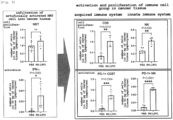
- NKT cells artificially activated outside tumor tissue can infiltrate tumor tissue and activate immune cell groups within the tumor tissue.
- RK-163-containing liposome (#7) (1 ng/mouse, converted to RK-163 amount) and OVA-pulsed splenocytes (2 ⁇ 10 7 cells) as pseudo-cancer antigen were administered from the tail vein of C57BL/6 mice (10 weeks old) (5 mice per group) to activate NKT cells in the liver.
- the adjuvant action of NKT cell activation was analyzed for the influence on the innate immune system and acquired immune system cell groups, by using PD-1 expression as an index.
- a group administered with the same amount of PBS instead of the RK-163-containing liposome: (#7) was used as a control group.
- RACI-61-containing liposome: (#9) or RCAI-137-containing liposome: (#10) and pseudo-cancer antigen OVA-pulsed splenocytes were administered from the tail vein of C57BL/6 mice.
- the cell number and PD-1 expression were analyzed.
- both the RACI-61-containing liposome: (#9) ( Fig. 8 , left diagram) and RCAI-137-containing liposome: (#10) ( Fig. 8 , right diagram) activated acquired immune system CD4T, CD8T cells, and innate immune system NK cell after activation of NKT cells, and the expression of PD-1 as an activation index was confirmed along with an increase in the number of cells.
- RK-163-containing liposome (#7) (1 ng/mouse body weight, converted to RK-163 amount) and 1 ⁇ 10 6 X-ray-irradiated MO4 cells (OVA-expressing B16 mouse melanoma cells) as pseudo-cancer antigen were administered from the tail vein of mice (C57BL/6J, 10 weeks old, 5 per group). Thereafter, 3 ⁇ 10 5 MO4 tumor cells were transplanted subcutaneously, and immune cell analysis within the tumor was performed 17 days later. A group administered with the same amount of PBS instead of the RK-163-containing liposome: (#7) was used as a control group.
- the artificially activated NKT cells infiltrated the tumor tissue ( Fig. 9 , left, upper diagram), produced IFN- ⁇ in the tumor tissue ( Fig. 9 , left, lower diagram), and activated the acquired immune system CD8T cells present in the tumor tissue and also the innate immune NK cells ( Fig. 9 , right diagram).
- the PBS administration group almost the same number of artificially non-activated NKT cells infiltrated into the tumor tissue ( Fig. 9 , left, upper diagram), but because they did not produce IFN- ⁇ ( Fig. 9 , left, lower diagram), they did not activate the innate immune system or acquired immune group, and the expression of PD-1 as an activation marker was not observed ( Fig. 9 , right diagram). This shows that artificial activation of NKT cells is important.
- NKT cells artificially activated outside the tumor tissue infiltrate into the tumor and remain activated within the tumor tissue. They continue to produce large amounts of IFN- ⁇ , which activates other immune cell groups.
- CD8T cells that attack antigen-expressing positive cancer cells, including mutated cancer cells, and NK cell groups that attack cancer cells that have lost antigen expression were activated.
- mice C57BL/6 mice (10 weeks old) (5 mice per group) were simultaneously immunized by intravenous administration of RK-163-containing liposome: (#7) (1 ng/mouse body weight, converted to RK-163 amount) and 2 ⁇ 10 7 spleen cells pulsed with a pseudo-cancer antigen (OVA).
- OVA pseudo-cancer antigen
- C57BL/6 mice were immunized by intravenous administration of RCAI-61-containing liposome: (#9) or RCAI-137-containing liposome: (#10) and spleen cells pulsed with a pseudo-cancer antigen (OVA).
- OVA pseudo-cancer antigen
- the mice were sacrificed 30 days and 90 days after administration of RCAI-61-containing liposome: (#9) or RCAI-137-containing liposome: (#10), and the spleen cells were used for analysis.
- mice (10 weeks old) were simultaneously immunized with RK-163-containing liposome: (#7) and 2 ⁇ 10 7 spleen cells pulsed with pseudo-cancer antigen (OVA) and left standing.
- OVA pseudo-cancer antigen
- B16 mouse melanoma cells (MO4) (3 ⁇ 10 5 cells) were subcutaneously transplanted into the long-term memory-induced C57BL/6 mice, and the tumor diameter was observed on days 7, 10, 14, and 17. All measurements were performed using digital calipers. Tumor volume (mm 3 ) was calculated by major axis (mm) ⁇ minor axis (mm) ⁇ height (mm).
- NKT cell-deficient NKT-KO mouse instead of C57BL/6 mouse, a similar experiment was performed.
- a group administered with the same amount of a liposome preparation not containing RK-163 (LIPO) instead of RK-163-containing liposome: (#7) was used as a control group.
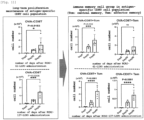
- RK-163-containing liposome (#7) afforded a strong antitumor effect even one year after administration, and it was confirmed that it has the effect of establishing long-term cancer memory, which is important for cancer treatment.
- the LIPO administration group and NKT cell-deficient NKT-KO mice, as control groups, could not induce long-term memory, and as a result, could not suppress the onset of cancer. Therefore, it was verified that activated NKT cells are essential cells for long-term immune memory.
- an NKT cell ligand-containing preparation that can artificially activate NKT cells in a living body and is useful as an anti-malignant tumor agent and the like can be provided.
Landscapes
- Health & Medical Sciences (AREA)
- Life Sciences & Earth Sciences (AREA)
- Chemical & Material Sciences (AREA)
- Veterinary Medicine (AREA)
- General Health & Medical Sciences (AREA)
- Medicinal Chemistry (AREA)
- Pharmacology & Pharmacy (AREA)
- Public Health (AREA)
- Animal Behavior & Ethology (AREA)
- Epidemiology (AREA)
- Chemical Kinetics & Catalysis (AREA)
- General Chemical & Material Sciences (AREA)
- Immunology (AREA)
- Organic Chemistry (AREA)
- Nuclear Medicine, Radiotherapy & Molecular Imaging (AREA)
- Dispersion Chemistry (AREA)
- Molecular Biology (AREA)
- Microbiology (AREA)
- Mycology (AREA)
- Bioinformatics & Cheminformatics (AREA)
- Engineering & Computer Science (AREA)
- Dermatology (AREA)
- Biophysics (AREA)
- Communicable Diseases (AREA)
- Oncology (AREA)
- Medicinal Preparation (AREA)
- Pharmaceuticals Containing Other Organic And Inorganic Compounds (AREA)
Applications Claiming Priority (2)
| Application Number | Priority Date | Filing Date | Title |
|---|---|---|---|
| JP2022020306 | 2022-02-14 | ||
| PCT/JP2023/005048 WO2023153527A1 (fr) | 2022-02-14 | 2023-02-14 | Composition de liposome contenant un ligand de cellules nkt |
Publications (1)
| Publication Number | Publication Date |
|---|---|
| EP4480486A1 true EP4480486A1 (fr) | 2024-12-25 |
Family
ID=87564605
Family Applications (1)
| Application Number | Title | Priority Date | Filing Date |
|---|---|---|---|
| EP23752989.6A Pending EP4480486A1 (fr) | 2022-02-14 | 2023-02-14 | Composition de liposome contenant un ligand de cellules nkt |
Country Status (5)
| Country | Link |
|---|---|
| US (1) | US20250152701A1 (fr) |
| EP (1) | EP4480486A1 (fr) |
| JP (1) | JPWO2023153527A1 (fr) |
| CN (1) | CN119255809A (fr) |
| WO (1) | WO2023153527A1 (fr) |
Families Citing this family (1)
| Publication number | Priority date | Publication date | Assignee | Title |
|---|---|---|---|---|
| AU2024323500A1 (en) | 2023-08-15 | 2026-03-19 | Peace Venture Capital 168 Co., Ltd. | Anticancer agent containing nkt cell ligand-containing liposome composition |
Family Cites Families (8)
| Publication number | Priority date | Publication date | Assignee | Title |
|---|---|---|---|---|
| WO2005007172A1 (fr) * | 2003-07-17 | 2005-01-27 | Otsuka Pharmaceutical Co., Ltd. | Liposome contenant du glycoside |
| CA2584971C (fr) * | 2004-11-02 | 2013-08-06 | The Board Of Trustees Of The Leland Stanford Junior University | Methodes d'inhibition des cellules nkt |
| EP2272854B1 (fr) | 2008-03-25 | 2015-08-05 | Riken | Nouveau glycolipide et son utilisation |
| ES2617510T3 (es) | 2012-04-26 | 2017-06-19 | Riken | Nuevo carbamato de glicolípido y uso del mismo |
| WO2014001204A1 (fr) * | 2012-06-28 | 2014-01-03 | Universiteit Gent | Dérivés de galactopyranosyle utiles en tant que médicaments |
| TW201442739A (zh) * | 2013-02-27 | 2014-11-16 | Riken | 過敏疾病治療藥 |
| US9782476B2 (en) * | 2013-09-06 | 2017-10-10 | Academia Sinica | Human iNKT cell activation using glycolipids with altered glycosyl groups |
| JP2022020306A (ja) | 2020-07-20 | 2022-02-01 | 京セラドキュメントソリューションズ株式会社 | 画像形成装置 |
-
2023
- 2023-02-14 EP EP23752989.6A patent/EP4480486A1/fr active Pending
- 2023-02-14 JP JP2023580339A patent/JPWO2023153527A1/ja active Pending
- 2023-02-14 CN CN202380034144.6A patent/CN119255809A/zh active Pending
- 2023-02-14 WO PCT/JP2023/005048 patent/WO2023153527A1/fr not_active Ceased
- 2023-02-14 US US18/838,548 patent/US20250152701A1/en active Pending
Also Published As
| Publication number | Publication date |
|---|---|
| JPWO2023153527A1 (fr) | 2023-08-17 |
| WO2023153527A1 (fr) | 2023-08-17 |
| CN119255809A (zh) | 2025-01-03 |
| US20250152701A1 (en) | 2025-05-15 |
Similar Documents
| Publication | Publication Date | Title |
|---|---|---|
| CA2559802C (fr) | Technique de stimulation de reponse immune, inflammatoire ou neuroprospective | |
| EP3845249A1 (fr) | Nanopréparation ciblée de mannose, sa préparation et son application | |
| US20020012998A1 (en) | Cationic liposomes | |
| US20150374850A1 (en) | Composition for gene delivery comprising chitosan and liquid crystal formation material | |
| PT1767216E (pt) | Fármaco tendo um ligando de células reguladoras contido num lipossoma | |
| WO2008052766A2 (fr) | Vecteurs colloïdaux cationiques pour administration d'agents actifs sur la barrière hémato-encéphalique au cours des maladies neuro-inflammatoires | |
| EP4480486A1 (fr) | Composition de liposome contenant un ligand de cellules nkt | |
| CN118215496A (zh) | 抗原和药物-脂质缀合物的免疫调节组合 | |
| WO2014133106A1 (fr) | Médicament traitant les maladies allergiques | |
| HK40120251A (en) | Nkt cell ligand-containing liposome composition | |
| JP7823298B2 (ja) | 体内動態が改善されたCD1dリガンド化合物含有リポソーム製剤 | |
| US9962448B2 (en) | Compounds and methods for targeted immune system delivery | |
| DE112024002330T5 (de) | Krebsantigene | |
| TW202515581A (zh) | 含有含nkt細胞配體之脂質體組成物的抗癌劑 | |
| EP3388059A1 (fr) | Liquide de dispersion aqueuse de nanoparticules de glycosphingolipide | |
| KR20260055431A (ko) | Nkt 세포 리간드 함유 리포솜 조성물을 포함하는 항암제 | |
| US20240108685A1 (en) | Oral liposomal compositions | |
| JP2009510076A (ja) | 眼の炎症および血管異常の治療 | |
| JP2024511520A (ja) | 免疫製剤、免疫製剤を含む組成物及びその用途、製造方法 | |
| WO2015098907A1 (fr) | Structure membranaire lipidique possédant une propriété de localisation intranucléaire | |
| EP4727917A1 (fr) | Lipides de carbamate biodégradables présentant une stabilité accrue | |
| CN121202780A (zh) | 一种含有喹啉的可电离脂质化合物及其纳米组合物和应用 | |
| WO2000048611A1 (fr) | Preparations de liposomes contenant des medicaments antitumoraux | |
| HUT58523A (en) | Process for producing antiviral compositions from modified gangliosides |
Legal Events
| Date | Code | Title | Description |
|---|---|---|---|
| STAA | Information on the status of an ep patent application or granted ep patent |
Free format text: STATUS: THE INTERNATIONAL PUBLICATION HAS BEEN MADE |
|
| PUAI | Public reference made under article 153(3) epc to a published international application that has entered the european phase |
Free format text: ORIGINAL CODE: 0009012 |
|
| STAA | Information on the status of an ep patent application or granted ep patent |
Free format text: STATUS: REQUEST FOR EXAMINATION WAS MADE |
|
| 17P | Request for examination filed |
Effective date: 20240911 |
|
| AK | Designated contracting states |
Kind code of ref document: A1 Designated state(s): AL AT BE BG CH CY CZ DE DK EE ES FI FR GB GR HR HU IE IS IT LI LT LU LV MC ME MK MT NL NO PL PT RO RS SE SI SK SM TR |
|
| RAP1 | Party data changed (applicant data changed or rights of an application transferred) |
Owner name: PEACE VENTURE CAPITAL 168 CO., LTD. Owner name: RIKEN |
|
| DAX | Request for extension of the european patent (deleted) | ||
| RAV | Requested validation state of the european patent: fee paid |
Extension state: KH Effective date: 20240911 |
|
| REG | Reference to a national code |
Ref country code: HK Ref legal event code: DE Ref document number: 40120251 Country of ref document: HK |