EP4484578A1 - Verfahren zum nachweis und zur bestätigung von shigatoxin-produzierenden escherichia coli und/oder enterohämorrhagischer e. coli - Google Patents
Verfahren zum nachweis und zur bestätigung von shigatoxin-produzierenden escherichia coli und/oder enterohämorrhagischer e. coli Download PDFInfo
- Publication number
- EP4484578A1 EP4484578A1 EP23182506.8A EP23182506A EP4484578A1 EP 4484578 A1 EP4484578 A1 EP 4484578A1 EP 23182506 A EP23182506 A EP 23182506A EP 4484578 A1 EP4484578 A1 EP 4484578A1
- Authority
- EP
- European Patent Office
- Prior art keywords
- halo
- stx1
- stx2
- stec
- sample
- Prior art date
- Legal status (The legal status is an assumption and is not a legal conclusion. Google has not performed a legal analysis and makes no representation as to the accuracy of the status listed.)
- Pending
Links
Images
Classifications
-
- C—CHEMISTRY; METALLURGY
- C12—BIOCHEMISTRY; BEER; SPIRITS; WINE; VINEGAR; MICROBIOLOGY; ENZYMOLOGY; MUTATION OR GENETIC ENGINEERING
- C12Q—MEASURING OR TESTING PROCESSES INVOLVING ENZYMES, NUCLEIC ACIDS OR MICROORGANISMS; COMPOSITIONS OR TEST PAPERS THEREFOR; PROCESSES OF PREPARING SUCH COMPOSITIONS; CONDITION-RESPONSIVE CONTROL IN MICROBIOLOGICAL OR ENZYMOLOGICAL PROCESSES
- C12Q1/00—Measuring or testing processes involving enzymes, nucleic acids or microorganisms; Compositions therefor; Processes of preparing such compositions
- C12Q1/68—Measuring or testing processes involving enzymes, nucleic acids or microorganisms; Compositions therefor; Processes of preparing such compositions involving nucleic acids
- C12Q1/6876—Nucleic acid products used in the analysis of nucleic acids, e.g. primers or probes
- C12Q1/6888—Nucleic acid products used in the analysis of nucleic acids, e.g. primers or probes for detection or identification of organisms
- C12Q1/689—Nucleic acid products used in the analysis of nucleic acids, e.g. primers or probes for detection or identification of organisms for bacteria
-
- C—CHEMISTRY; METALLURGY
- C12—BIOCHEMISTRY; BEER; SPIRITS; WINE; VINEGAR; MICROBIOLOGY; ENZYMOLOGY; MUTATION OR GENETIC ENGINEERING
- C12Q—MEASURING OR TESTING PROCESSES INVOLVING ENZYMES, NUCLEIC ACIDS OR MICROORGANISMS; COMPOSITIONS OR TEST PAPERS THEREFOR; PROCESSES OF PREPARING SUCH COMPOSITIONS; CONDITION-RESPONSIVE CONTROL IN MICROBIOLOGICAL OR ENZYMOLOGICAL PROCESSES
- C12Q1/00—Measuring or testing processes involving enzymes, nucleic acids or microorganisms; Compositions therefor; Processes of preparing such compositions
- C12Q1/02—Measuring or testing processes involving enzymes, nucleic acids or microorganisms; Compositions therefor; Processes of preparing such compositions involving viable microorganisms
- C12Q1/04—Determining presence or kind of microorganism; Use of selective media for testing antibiotics or bacteriocides; Compositions containing a chemical indicator therefor
- C12Q1/10—Enterobacteria
-
- G—PHYSICS
- G01—MEASURING; TESTING
- G01N—INVESTIGATING OR ANALYSING MATERIALS BY DETERMINING THEIR CHEMICAL OR PHYSICAL PROPERTIES
- G01N33/00—Investigating or analysing materials by specific methods not covered by groups G01N1/00 - G01N31/00
- G01N33/48—Biological material, e.g. blood, urine; Haemocytometers
- G01N33/50—Chemical analysis of biological material, e.g. blood, urine; Testing involving biospecific ligand binding methods; Immunological testing
- G01N33/53—Immunoassay; Biospecific binding assay; Materials therefor
- G01N33/569—Immunoassay; Biospecific binding assay; Materials therefor for microorganisms, e.g. protozoa, bacteria, viruses
- G01N33/56911—Bacteria
- G01N33/56916—Enterobacteria, e.g. shigella, salmonella, klebsiella, serratia
-
- C—CHEMISTRY; METALLURGY
- C12—BIOCHEMISTRY; BEER; SPIRITS; WINE; VINEGAR; MICROBIOLOGY; ENZYMOLOGY; MUTATION OR GENETIC ENGINEERING
- C12Q—MEASURING OR TESTING PROCESSES INVOLVING ENZYMES, NUCLEIC ACIDS OR MICROORGANISMS; COMPOSITIONS OR TEST PAPERS THEREFOR; PROCESSES OF PREPARING SUCH COMPOSITIONS; CONDITION-RESPONSIVE CONTROL IN MICROBIOLOGICAL OR ENZYMOLOGICAL PROCESSES
- C12Q2600/00—Oligonucleotides characterized by their use
- C12Q2600/158—Expression markers
-
- G—PHYSICS
- G01—MEASURING; TESTING
- G01N—INVESTIGATING OR ANALYSING MATERIALS BY DETERMINING THEIR CHEMICAL OR PHYSICAL PROPERTIES
- G01N2333/00—Assays involving biological materials from specific organisms or of a specific nature
- G01N2333/195—Assays involving biological materials from specific organisms or of a specific nature from bacteria
- G01N2333/24—Assays involving biological materials from specific organisms or of a specific nature from bacteria from Enterobacteriaceae (F), e.g. Citrobacter, Serratia, Proteus, Providencia, Morganella, Yersinia
- G01N2333/245—Escherichia (G)
-
- G—PHYSICS
- G01—MEASURING; TESTING
- G01N—INVESTIGATING OR ANALYSING MATERIALS BY DETERMINING THEIR CHEMICAL OR PHYSICAL PROPERTIES
- G01N2333/00—Assays involving biological materials from specific organisms or of a specific nature
- G01N2333/195—Assays involving biological materials from specific organisms or of a specific nature from bacteria
- G01N2333/24—Assays involving biological materials from specific organisms or of a specific nature from bacteria from Enterobacteriaceae (F), e.g. Citrobacter, Serratia, Proteus, Providencia, Morganella, Yersinia
- G01N2333/25—Shigella (G)
Definitions
- the present invention relates to the field of microbiological control in the broad sense, such as the microbiological control of a sample of industrial or clinical origin. More particularly, the present invention relates to a method for the detection, identification, enumeration and/or isolation of Shiga toxin-producing Escherichia coli and/or an enterohemorrhagic E. coli .
- Microbiological control of samples of various origins requires the implementation of techniques which allow the detection - for example for the purposes of identification and/or counting and/or biochemical characterization - of microorganisms and the rendering of results must be as rapid as possible.
- E. coli Shiga toxin-producing E. coli
- EHEC Enterohemorrhagic E. coli
- EHEC are strains representing a subgroup of STEC, which have acquired the eae gene and cause hemolytic uremic syndrome. The possession of these two virulence factors simultaneously, stx and eae, makes this pathovar very virulent for humans. There are other virulence factors such as aggR, LT, ST, afaC, ipaH.
- microbiological analysis is done in two stages.
- the first is a detection phase that can use many technologies such as culture media, immunoassays, molecular biology.
- detection stage it is difficult to know if the same strain carries one or more virulence factors.
- the confirmation stage therefore requires additional steps and requires a step of isolation of the bacteria sought.
- the methods of the prior art require a succession of amplification, immunoconcentration and culture steps on a dish in order to detect and confirm the presence of a virulent Escherichia coli pathovar.
- the method according to the present invention has the advantage of confirming the presence or absence of a STEC directly on the reaction medium by the formation of a halo around said strain.
- This invention is particularly interesting for facilitating the detection and confirmation of the presence of STEC or EHEC in a polymicrobial sample. Indeed, without the present invention which makes it possible to locate the colony of interest, the ISO 16136 reference method specifies that it is necessary to test up to 50 colonies by molecular method to confirm the presence of a STEC. In view of the large number of colonies on the dish and the low representation of the target microorganism, the person collecting the colonies for confirmation purposes may never collect the target microorganism. Thus, the present invention makes it possible to avoid false negatives and saves time in carrying out the microbiological control. It is particularly advantageous for samples loaded with additional flora, where the large quantity of colonies on the Petri dishes can lead to a risk of false negatives.
- the advantage of this method is that the serogroup approach allows to strengthen the presumption that it is a STEC of a target serogroup.
- the advantage of the supra method is that it allows to discriminate in the same sample the STEC bacteria producing shiga toxin STX1 and/or STX2 from the EHEC bacteria expressing the EAE protein.
- the method according to the present invention has the advantage of confirming the presence or absence of a STEC directly on the reaction medium.
- detection is meant the detection by eye or by optical device of the existence of growth of the target microorganisms, preferably target bacteria.
- the detection may be carried out by optical device for fluorogenic substrates, or by eye or by optical device for chromogenic substrates. Since the culture medium comprises an agglutinating conjugate, the detection may be carried out by eye or by optical device by observing the appearance of a halo due to the agglutination of the conjugate around the target microorganism.
- confirmation is meant the act of confirming by a second method a presumptive positive result obtained by a first detection method.
- the two methods may or may not be different.
- the technologies used, such as molecular biology, immunology, may or may not be different.
- isolation we mean obtaining different colonies spaced apart from each other.
- sample may be of various origins, for example of food, environmental, veterinary or clinical origin.
- sample refers to a part or quantity (especially a small part or quantity) taken from one or more entities for the purpose of analysis.
- This sample may possibly have undergone prior treatment, involving for example mixing, dilution or even grinding steps, in particular if the starting entity is in the solid state.
- the sample may undergo an enrichment step to grow microorganisms, including STEC.
- the sample may also undergo an immunoselection step to select at least one STEC strain.
- the sample analyzed is, in general, likely to - or suspected of - containing at least one Shiga toxin-producing E. coli or one enterohemorrhagic E. coli that should be detected for health purposes.
- Enterohemorrhagic E. coli are strains representing a subgroup of Shiga toxin STX-producing E. coli , which have the eae gene and cause hemolytic uremic syndrome. The possession of these two virulence factors simultaneously makes this pathovar very virulent for humans. These include serogroups O26, O45, O80, O91, O103, O104, O111, O113, O121, O128ab, O145, O146, O157, O174.
- the present method allows to detect target microorganisms which can be the STEC group, the typical EHEC group carrying the stx and eae genes, or the atypical EHEC group carrying the stx and aggR gene for example.
- an incubation or enrichment step is carried out prior to lysis of the sample.
- This enrichment step requires not only an ad hoc culture medium but also an incubation of the assembly formed at least by the biological sample and the culture medium at an optimal temperature to allow the growth of the target microorganism(s).
- the incubation is generally carried out at a temperature ranging from 25 to 45°C for a predetermined period of time (for example from 6 hours to 48 hours).
- This enrichment phase requires the use of culture media, selective or not (depending on the desired goal), which aim to promote the growth of the target microorganisms in the samples, while limiting the growth of non-target flora.
- Culture media are frequently used in sterile plastic bag type containers, in which they are placed in contact with food, clinical or environmental samples, for the purpose of resuspension and enrichment of the microorganisms sought.
- this enrichment phase may be necessary in particular in order to reveal the presence of at least one target microorganism in a very variable and possibly very large quantity of sample, for example from 25 grams (g) to 375 g diluted in a volume of culture medium of between 225 and 3375 milliliters (mL).
- an aliquot (usually between 5 microliters ( ⁇ L) and 5 mL in volume) is traditionally taken to implement the target microorganism detection step.
- the sample of target microorganisms undergoes lysis. Indeed, in order to carry out an amplification, it is necessary to extract the DNA from the bacteria.
- the GENE-UP ® lysis kit will be used. Any other lysis method known to those skilled in the art is conceivable.
- stx1 and/or stx2 genes are carried out. It is also possible to amplify the subtypes of stx1 or stx2 such as stx2a or stx2d.
- Amplification can be carried out by any molecular biology method known to those skilled in the art. Examples include amplification methods such as all PCR methods or isothermal methods.
- the confirmation is carried out from an aliquot of the sample or enrichment or from a sample having undergone an immunoselection step of at least one STEC of a targeted serogroup.
- the confirmation is carried out on a reaction medium comprising at least one toxin inducer and at least one specific binding partner of a component of a Shiga toxin-producing E. coli or of a component derived from the latter, coupled to at least one nanoparticle to form at least one agglutinating conjugate.
- the culture medium comprises a specific binding partner of STX1 and/or a specific binding partner of STX2. It is also possible to have a specific binding partner of certain subtypes of STX1 or STX2 such as STX2a or STX2d.
- the inoculation is carried out according to conventional microbiology techniques.
- the inoculation is carried out by exhausting the polymicrobial sample on the culture medium.
- the techniques for inoculating by exhaustion are well known to those skilled in the art. This may involve inoculating in quadrants.
- the quadrant method consists of dividing a Petri dish in two, then dividing one half in half again in order to obtain 3 quadrants of 50%, 25% and 25%.
- a small amount of inoculum is placed on the largest quadrant and then spread out.
- the dish is then turned by a quarter in order to spread the bacteria on a smaller quadrant, then turned again by a quarter in order to inoculate the last small quadrant.
- It can also be a multiple streak exhaustion which consists of spreading the inoculum downwards in tight streaks and then again other streaks starting from the edges of the previous ones edge to edge.
- reaction medium is incubated under appropriate conditions known to those skilled in the art.
- the reaction medium is a gelled reaction medium comprising at least one toxin inducer and at least one specific binding partner of STX1 and/or at least one specific binding partner of STX2, coupled to a nanoparticle.
- reaction medium is meant a medium comprising all the elements necessary for the expression of a metabolism, for the survival and/or growth of microorganisms.
- This reaction medium can either be a microbiological culture medium or a microbiological revelation medium. In the latter case, the culture of the microorganisms can be carried out beforehand in another medium.
- the reaction medium can also be placed in contact with an agar culture medium. It can be placed under or on the culture medium which allows the growth of the target microorganisms.
- the reaction medium can be added after incubation of the culture medium.
- the reaction medium is gelled. It is in solid or semi-solid form.
- Agar is the traditional gelling agent used in microbiology for the culture of microorganisms, but it is possible to use other gelling agents such as, for example, gelatin, agarose as well as other natural or artificial gelling agents.
- the conjugate is capable of forming a network with the target component in a gelled medium. This network is visually detectable by the formation of a halo.
- reaction medium can also comprise possible additives such as for example amino acids, peptones, one or more growth factors, carbohydrates, nucleotides, minerals, vitamins, one or more selective agents, inducers, toxin inducers, buffers, etc.
- selective agent is meant any compound capable of preventing or slowing the growth of a so-called “non-target” microorganism, namely other than the target microorganism(s).
- the term "inducer” refers to a compound capable of inducing the expression of a compound, such as an enzyme, a toxin, which would normally remain unexpressed.
- Said reaction medium can also comprise a dye.
- the following dyes may be mentioned: Evans blue, neutral red, sheep's blood, horse's blood, an opacifier such as titanium oxide, nitroaniline, malachite green, brilliant green.
- a chromogenic and/or fluorogenic substrate is preferably used.
- chromogenic and/or fluorogenic substrate is meant a substrate allowing the detection of an enzymatic or metabolic activity of the target/sought microorganisms using a detectable signal.
- the reaction medium may also comprise a pH indicator, sensitive to the pH variation induced by the consumption of the substrate and revealing the metabolism of the target microorganisms.
- Said pH indicator may be a chromophore or a fluorophore.
- chromophores include bromocresol purple, bromothymol blue, neutral red, aniline blue, bromocresol blue.
- a person skilled in the art can also use a Petri dish divided into segments, such as a bi-dish or a tri-dish, making it possible to easily compare several media, comprising different substrates or different selective mixtures, on which the same biological sample has been deposited.
- the reaction medium comprises a specific binding partner of a component of a target microorganism or of a component originating from said microorganism, coupled to a nanoparticle.
- the specific binding partner is chosen from antibodies, all types of Fab fragments, recombinant proteins, phages, phage proteins, oligonucleotides, aptamers, affimers or any other ligand or anti-ligand well known to those skilled in the art.
- the binding partner is an antibody or a phage protein.
- the antibody is a monoclonal antibody or a monoclonal antibody fragment.
- the binding partner is specific for a component of a microorganism. target.
- the component of the target microorganism is a component released by said microorganism.
- the component can thus be an element from the surface of the bacteria such as a protein, a Lipopolysaccharide (LPS), a flagellum. It can also be an element internal to the bacteria such as RNA, an intracellular protein which can be detected during the death of a part of the bacterial colony during its growth.
- the binding partner can also be specific for a component from said microorganism.
- This component can be a molecule of interest produced by the target microorganism such as a protein, an antibiotic, a molecule of resistance to antimicrobial agents, enzymes such as proteases, lipases or glusidases.
- the medium comprises at least one binding partner specific for the STX1 protein and/or at least one binding partner specific for the STX2 protein.
- the medium comprises at least one specific binding partner of STX2a and/or STX2d.
- the binding partner is coupled to a nanoparticle.
- This final complex is called a conjugate.
- conjugates having binding partners of different nature coupled to nanoparticles themselves of different nature.
- the term "nanoparticle” designates particles of the order of magnitude of the nanometer.
- the nanoparticles can be chosen from gold, iron, silver, copper, carbon, latex, silicon, aluminum.
- the nanoparticles are colloidal nanoparticles chosen for their optical property, namely their ability to distinguish themselves when a network is formed.
- the nanoparticle is chosen from gold, silver, copper.
- the nanoparticles are made of gold, they change color, for example from red to gray when they form a network.
- the wavelength of the absorbed light is in the red around 530nm.
- the absorbed wavelength changes from red to blue/gray around 600 to 700nm.
- the nanoparticles have a size between 10 and 200nm.
- the nanoparticles have a size between 20 and 90nm, allowing better mobility of the conjugates in the reaction medium.
- the nanoparticles make it possible to reduce the quantity of binding partners required for the formation of agglutination.
- the concentration of binding partners required for the production of a reaction medium according to the invention requires 100 to 1000 times fewer binding partners than a medium without nanoparticles.
- the quantity of binding partners required corresponds to the quantity required to cover at least half of the surface of the nanoparticle, and even more preferably to cover between a third and half of the surface of the nanoparticle. This proportion allows the agglutinating conjugate to form a network in the gelled reaction medium.
- the nanoparticles can make it possible to visualize agglutination around a bacterial colony whose size does not yet allow it to be visible to the naked eye. Detection can thus be earlier.
- the nanoparticles can make it possible to visualize agglutination around a bacterial colony whose translucent appearance does not allow detection by a reading machine. Detection can thus be facilitated.
- the binding partner is an antibody present in an amount making it possible to cover at least half of the surface of the nanoparticle and preferably at least one third of the surface of the nanoparticle.
- the nanoparticle is a gold nanoparticle with a size of between 20 and 90 nm and at a concentration of between 10 10 and 10 12 nanoparticles/ml of reaction medium.
- the coupling of the nanoparticle to the binding partner can be done either by direct attachment or by indirect attachment.
- Direct attachment means attachment by adsorption or by covalent bonding.
- Indirect attachment means attachment by the interaction of ligands/anti-ligands such as for example biotin/strepatividin or other pairs well known to those skilled in the art. Depending on the type of bond chosen, those skilled in the art will adapt the physicochemical conditions of the reaction medium and in particular its pH.
- the network formed by said specific reaction is then detected either visually or automatically using an optical system.
- the colony of the target microorganism is thus identified.
- the network forms a halo in the gelled reaction medium detectable either visually or using an optical system. The network or the halo thus circumscribes the colony which can then be advantageously differentiated and/or identified within a population.
- the reaction medium comprises a toxin inducer.
- the toxin inducer causes stress in the bacteria which will trigger the lytic cycle of the prophages in the bacteria and therefore stimulate the production of toxins which will be released. Mention will be made of the shiga toxins secreted by the STEC strains. There are two main types of shiga toxins: STX1 and STX2 which themselves have many variants.
- STX1 has 4 subtypes STX1a, STX1c, STX1d, STX1e, and STX2 has 12: STX2a, STX2b STX2c, STX2d, STX2e, STX2f, STX2g, STX2h, STX2i, STX2j, STX2K, STX2l.
- the toxin inducer is chosen from antibiotics or a physicochemical stress.
- antibiotics examples include trimethoprim, sulfamethoxazole, norfloxacin, azithromycin, gemtamicin, polymyxin B, chloramphenicol, streptomycin, chlortetracycline, oxytetracyline, tylosin, mitomycin C, carbodox, oliquindox, rifampincin, imipenem, ciprofloxacin, cotrimoxazole, penicillin G, linomycin.
- the medium according to the invention comprises ciprofloxacin at a concentration of between 0.005 and 0.030 mg/l.
- the medium according to the invention comprises mitomycin C at a concentration of between 0.10 and 0.50 mg/l.
- the toxin inducer can also be a physicochemical stress achieved, for example, by the addition of salt or EDTA or by a change in pH or by UV stress. Stress can also be, for example, induced by the addition of noradrenaline.
- the reaction medium can be manufactured extemporaneously. This allows the unitary use of a reaction medium, and to increase its stability.
- the method of obtaining a reaction medium comprises the steps of bringing an agglutinating conjugate into contact with a gelling medium to form the reaction medium.
- the preparation of the conjugate is carried out by coupling the binding partner with the nanoparticle. These coupling methods are well known to those skilled in the art (Nicholas G. Weich et al, 2017).
- the conjugate is then added to the supercooled gelled medium. The whole is then homogenized and poured into the Petri dish.
- the presence of at least one STEC is detected and confirmed by the appearance of a halo on the agar around said STEC.
- STX1 and/or STX2 detected on the agar such as STX2a and/or STX2d.
- the advantage of this method is that it allows to detect and confirm the presence of STEC.
- the serogroup approach allows to strengthen the presumption that it is a STEC of a target serogroup.
- the serogroup can be confirmed by molecular biology from the isolated colony.
- the serogroup can also be confirmed by latex particle agglutination test such as SLIDEX ® E. coli O26 or E. coli O80 etc...
- the advantage of the supra method is that it allows to discriminate in the same sample the STEC bacteria producing shiga toxin STX1 and/or STX2 from the EHEC bacteria expressing the EAE protein.
- the advantage of the supra method is that it allows a serogroup approach in which the presumption of a STEC and/or an EHEC of a typical serogroup is reinforced.
- the nucleic acid solution is contacted with primers for amplifying the aggR gene or gene fragment, thereby also detecting enteroaggregative E. coli .
- the sample is brought into contact with a toxin inducer during or after enrichment.
- the toxin inducer causes stress in the bacteria which will trigger the lytic cycle of the prophages in the bacteria and therefore stimulate the production of toxins which will be released.
- shiga toxins secreted by STEC strains There are two main types of shiga toxins: STX1 and STX2 which themselves have many variants.
- STX1 has 4 subtypes STX1a, STX1c, STX1d, STX1e, and STX2 has 12: STX2a, STX2b STX2c, STX2d, STX2e, STX2f, STX2g, STX2h, STX2i, STX2j, STX2K, STX2l.
- the toxin inducer is chosen from antibiotics or a physicochemical stress.
- antibiotics examples include trimethoprim, sulfamethoxazole, norfloxacin, azithromycin, gemtamicin, polymyxin B, chloramphenicol, streptomycin, chlortetracycline, oxytetracyline, tylosin, mitomycin C, carbodox, oliquindox, rifampincin, imipenem, ciprofloxacin, cotrimoxazole, penicillin G, linomycin.
- the medium according to the invention comprises ciprofloxacin at a concentration of between 0.005 and 0.030 mg/l.
- the medium according to the invention comprises mitomycin C at a concentration of between 0.10 and 0.50 mg/l.
- the toxin inducer can also be a physicochemical stress achieved, for example, by the addition of salt or EDTA or by a change in pH or by UV stress. Stress can also be, for example, induced by the addition of noradrenaline.
- the sample is brought into contact with anti-STX1 and anti-STX2 antibodies.
- anti-STX1 and anti-STX2 antibodies For example, the applicant's VIDAS® instrument will be used.
- the specific antibodies used are anti-STX1a and/or anti-STX1d antibodies.
- the sample is then deposited on a culture medium as described above.
- the present invention advantageously makes it possible to detect and confirm the presence of a STEC strain and/or an EHEC strain by the formation of a halo around said strain.
- This invention is particularly interesting for facilitating the detection and confirmation of the presence of STEC or EHEC in a polymicrobial sample. Indeed, without the present invention which makes it possible to locate the colony of interest, the ISO 16136 reference method specifies that it is necessary to test up to 50 colonies by molecular method to confirm the presence of a STEC. In view of the large number of colonies on the dish and the low representation of the target microorganism, the person collecting the colonies for confirmation purposes may never collect the target microorganism. Thus the present invention makes it possible to avoid false negatives and saves time in carrying out the microbiological control. It is particularly advantageous for samples loaded with additional flora, where the large quantity of colonies on the Petri dishes can lead to a risk of false negatives.
- a 25g sample of ground beef with vegetable proteins (Carrefour Ref., lot 671579) was artificially contaminated by equilibration with a bacterial suspension of the E. coli serogroup O80 strain possessing the virulence markers eae stx2 (Robert Debré Hospital Center Paris REF H15-66.3). Equilibration was carried out for 48/72 hours at 2-8°C. The inoculation rates for the samples generated were 1.5 and 3cfu/25g, respectively.
- a negative control was also carried out: 25g of ground beef with vegetable proteins that was not artificially contaminated.
- the artificially contaminated samples were then diluted 1/10 with buffered peptone water (BPW Dilubag 5L ref. AEB910305/2, bioMérieux) in an enrichment bag. Homogenization was carried out using a paddle mixer (Seward Stomacher), then the bags were placed in an oven at 41.5°C for 8-24 hours.
- a 25g sample of Carpaccio marinade with basil (Charal, lot 71394005) was artificially contaminated by equilibration with a bacterial suspension of the strain Escherichia coli serogroup O45 (ATCC BAA-2198) carrying the eae and stx1 genes.
- the equilibration was carried out 48/72h at 2-8°C.
- the inoculation rate for the generated sample was 1.1 cfu/25g.
- a negative control was also carried out: 25g of uncontaminated carpaccio.
- the artificially contaminated samples were then diluted 1/10 with buffered peptone water (BPW Dilubag 5L ref AEB910305/2, bioMérieux) in a bag enrichment. Homogenization was carried out in a paddle mixer, then the bags were placed in an oven at 41.5°C for 8-24 hours.
- buffered peptone water BPW Dilubag 5L ref AEB910305/2, bioMérieux
- the 40 nm nanoparticles are manufactured by reducing gold chloride with sodium citrate (method described by Turkevich and Frens in 1951).
- the 20 nm gold nanoparticles are manufactured using a solution of gold chloride diluted in distilled water, to which trisodium citrate is added and then brought to the boil.
- the presence of an absorbance peak at 517-519 nm ensures the correct particle size.
- 40 nm particles are synthesized.
- the 20 nm particles are diluted in distilled water and then brought to the boil with the addition of trisodium citrate and gold chloride.
- the absorbance peak is then observed at 524-526 nm when cold, indicating the increase in particle size.
- the antibodies used are the 13C4 antibody (hybridoma ref ATCC CRL-1794) directed against the STX1 toxin and the 9E4H11 antibody directed against the STX2 toxin.
- This mixture is adsorbed on the nanoparticles at a pH of 8
- the conjugate is added to the agar (bioMerieux TBX ref AEB522819) supercooled at 50°C containing the toxin inducer, namely mitomycin C (Sigma M4287) at 250 ng/mL, in order to obtain a nanoparticle concentration of OD 3.
- the medium is then poured into the dishes and dried.
- Example 2- Detection and confirmation of the presence of a E . coli O80 producing shiga toxins within a matrix comprising enterobacteria according to the invention
- a sample of the contaminated “minced meat” was taken from each of the enrichment bags and 20 ⁇ L was transferred to a GENE-UP lysis kit tube (Ref 414057, bioMérieux) and shaken for 5 minutes using the Talboys Troemner Vortex (161111001, Talboys).
- a PCR was performed by transferring 10 ⁇ L of this lysate into a GENE-UP STEC stx & eae 2 PCR tube (Ref 423109, bioMerieux).
- a Second PCR was performed by transferring 10 ⁇ L of lysate into a tube containing a PCR reaction mixture containing primers and probes specific to serogroup O80 in lyophilized form.
- the PCRs performed on the non-artificially contaminated “minced meat” sample are negative.
- the PCR performed on the 2 artificially contaminated enrichments allows the detection of the virulence genes stx1 and/or stx2 and eae, as well as the marker of serogroup O80.
- Example 1 Since the result is positive, the sample is inoculated onto a medium as described in Example 1.
- Isolation is carried out on the environment.
- a PCR is performed on this colony using a PCR reaction mixture containing primers and probes specific to the genes or gene portions eae, stxl, stx2. The PCR gives a positive result for eae and stx2. A second PCR using a PCR reaction mixture containing primers and probes specific to serogroup O80 is also performed.
- a second PCR was performed by transferring 10 ⁇ L of lysate into a tube containing a PCR reaction mixture containing primers and probes specific to serogroup O45 in lyophilized form.
- the PCRs performed on the non-artificially contaminated Carpaccio Marinade with Basil sample are negative.
- the PCR performed on the artificially contaminated enrichment allows the detection of the virulence genes stx1 and/or 2 and eae, as well as the marker of serogroup O45.
- the sample undergoes immunoselection with anti-O45 antibodies.
- the sample is inoculated onto a medium as described in Example 1.
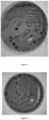
- the PCR carried out allows us to confirm the presence of the stx gene, and the eae gene, on the colony presenting a gray halo.
- the method presented therefore allowed the detection and confirmation of the O45 strain (ATCC BAA-2198) with which the sample had been artificially contaminated.
Landscapes
- Life Sciences & Earth Sciences (AREA)
- Chemical & Material Sciences (AREA)
- Health & Medical Sciences (AREA)
- Engineering & Computer Science (AREA)
- Organic Chemistry (AREA)
- Immunology (AREA)
- Proteomics, Peptides & Aminoacids (AREA)
- Analytical Chemistry (AREA)
- Molecular Biology (AREA)
- Zoology (AREA)
- Wood Science & Technology (AREA)
- Physics & Mathematics (AREA)
- Microbiology (AREA)
- Biochemistry (AREA)
- General Health & Medical Sciences (AREA)
- Biotechnology (AREA)
- Biophysics (AREA)
- Genetics & Genomics (AREA)
- General Engineering & Computer Science (AREA)
- Hematology (AREA)
- Bioinformatics & Cheminformatics (AREA)
- Biomedical Technology (AREA)
- Urology & Nephrology (AREA)
- Toxicology (AREA)
- Pathology (AREA)
- General Physics & Mathematics (AREA)
- Virology (AREA)
- Tropical Medicine & Parasitology (AREA)
- Cell Biology (AREA)
- Medicinal Chemistry (AREA)
- Food Science & Technology (AREA)
- Measuring Or Testing Involving Enzymes Or Micro-Organisms (AREA)
Priority Applications (4)
| Application Number | Priority Date | Filing Date | Title |
|---|---|---|---|
| EP23182506.8A EP4484578A1 (de) | 2023-06-29 | 2023-06-29 | Verfahren zum nachweis und zur bestätigung von shigatoxin-produzierenden escherichia coli und/oder enterohämorrhagischer e. coli |
| PCT/EP2024/067785 WO2025003119A1 (fr) | 2023-06-29 | 2024-06-25 | Methode pour la detection et la confirmation des escherichia coli productrice de shigatoxine et/ou d'une e. coli enterohemorragique |
| CN202480043777.8A CN121443757A (zh) | 2023-06-29 | 2024-06-25 | 用于检测和确认产生志贺毒素的大肠杆菌和/或肠出血性大肠杆菌的方法 |
| AU2024308641A AU2024308641A1 (en) | 2023-06-29 | 2024-06-25 | Method for detecting and confirming shiga toxin-producing escherichia coli and/or enterohaemorrhagic e. coli |
Applications Claiming Priority (1)
| Application Number | Priority Date | Filing Date | Title |
|---|---|---|---|
| EP23182506.8A EP4484578A1 (de) | 2023-06-29 | 2023-06-29 | Verfahren zum nachweis und zur bestätigung von shigatoxin-produzierenden escherichia coli und/oder enterohämorrhagischer e. coli |
Publications (1)
| Publication Number | Publication Date |
|---|---|
| EP4484578A1 true EP4484578A1 (de) | 2025-01-01 |
Family
ID=87060484
Family Applications (1)
| Application Number | Title | Priority Date | Filing Date |
|---|---|---|---|
| EP23182506.8A Pending EP4484578A1 (de) | 2023-06-29 | 2023-06-29 | Verfahren zum nachweis und zur bestätigung von shigatoxin-produzierenden escherichia coli und/oder enterohämorrhagischer e. coli |
Country Status (4)
| Country | Link |
|---|---|
| EP (1) | EP4484578A1 (de) |
| CN (1) | CN121443757A (de) |
| AU (1) | AU2024308641A1 (de) |
| WO (1) | WO2025003119A1 (de) |
Citations (2)
| Publication number | Priority date | Publication date | Assignee | Title |
|---|---|---|---|---|
| WO1998020148A1 (en) * | 1996-11-04 | 1998-05-14 | The Regents Of The University Of California | Method for detection of pathogens in food |
| EP2843057A1 (de) * | 2013-09-03 | 2015-03-04 | Pall Genedisc Technologies | Verfahren zur Bestimmung des Vorhandenseins oder Nichtvorhandenseins von Shiga-Toxin produzierenden Escherichia Coli (STEC) in einer Lebensmittelprobe |
-
2023
- 2023-06-29 EP EP23182506.8A patent/EP4484578A1/de active Pending
-
2024
- 2024-06-25 CN CN202480043777.8A patent/CN121443757A/zh active Pending
- 2024-06-25 WO PCT/EP2024/067785 patent/WO2025003119A1/fr not_active Ceased
- 2024-06-25 AU AU2024308641A patent/AU2024308641A1/en active Pending
Patent Citations (2)
| Publication number | Priority date | Publication date | Assignee | Title |
|---|---|---|---|---|
| WO1998020148A1 (en) * | 1996-11-04 | 1998-05-14 | The Regents Of The University Of California | Method for detection of pathogens in food |
| EP2843057A1 (de) * | 2013-09-03 | 2015-03-04 | Pall Genedisc Technologies | Verfahren zur Bestimmung des Vorhandenseins oder Nichtvorhandenseins von Shiga-Toxin produzierenden Escherichia Coli (STEC) in einer Lebensmittelprobe |
Non-Patent Citations (2)
| Title |
|---|
| ERIC GRONINGEN SIETSEMA: "Comparing novel approaches for the rapid and specific detection of pathogenic Escherichia coli O157:H7 in food samples", 10 June 2016 (2016-06-10), pages 1 - 19, XP055766585, Retrieved from the Internet <URL:https://fse.studenttheses.ub.rug.nl/14133/1/Biol_BC_2016_ESietsema.pdf> [retrieved on 20210119] * |
| FEI WANG ET AL: "Current Trends in Detecting Non-O157 Shiga Toxin-Producing Escherichia coli in Food", FOODBORNE PATHOGENS AND DISEASE, vol. 10, no. 8, 1 August 2013 (2013-08-01), pages 665 - 677, XP055089305, ISSN: 1535-3141, DOI: 10.1089/fpd.2012.1448 * |
Also Published As
| Publication number | Publication date |
|---|---|
| CN121443757A (zh) | 2026-01-30 |
| AU2024308641A1 (en) | 2026-02-12 |
| WO2025003119A1 (fr) | 2025-01-02 |
Similar Documents
| Publication | Publication Date | Title |
|---|---|---|
| EP1546366B1 (de) | Verfahren zur detektion und zählung von mikroorganismen in einer probe | |
| EP2252892B1 (de) | Verfahren zum echtzeitnachweis von mikroorganismen in einem flüssigen kulturmedium durch agglutinierung | |
| Zadernowska et al. | Detection of Salmonella spp. presence in food | |
| CN116482357B (zh) | 一种用于检测单增李斯特菌的荧光淬灭型生物传感器及其制备方法 | |
| EP2802874A1 (de) | Verfahren zur erfassung und konzentration eines mikroorganismus in einer biologischen probe | |
| EP4484578A1 (de) | Verfahren zum nachweis und zur bestätigung von shigatoxin-produzierenden escherichia coli und/oder enterohämorrhagischer e. coli | |
| EP4484569A1 (de) | Reaktionsmedium und verfahren zum nachweis von shigatoxin-produzierenden e. coli und/oder enterohämorrhagischer e. coli | |
| EP4153769B1 (de) | Vorrichtung zum nachweis eines bestimmten bakteriums | |
| EP0864657B1 (de) | Oligonukleotide von vts Genen aus Verotoxinen produzierenden E.coli und deren Verwendung | |
| WO2014161864A1 (fr) | Utilisation d'au moins un substrat de phosphatase chromogène et/ou fluorogène pour la détection et/ou le dénombrement d'entérobactéries dans un échantillon | |
| WO2023209287A1 (fr) | Milieu réactionnel et méthode associée pour la détection, d'un micro-organisme cible | |
| WO2009056762A2 (fr) | Test biochimique pour confirmer la presence de l. monocytogenes | |
| EP2252700B1 (de) | Verfahren zum echtzeitnachweis von mikroorganismen in einem flüssigen kulturmedium mithilfe zellulärer lyse | |
| Wang | Rapid and simultaneous detection of foodborne bacterial pathogens using multiplex assays | |
| Jensen et al. | P1156 Phenotypic characteristics of 357 consecutively collected human isolates of Fusobacterium necrophorum ssp. funduliforme from Denmark | |
| Roobthaisong | Comparison of Salmo-dot, Bacterial Culture and PCR for Detection of Salmonella Spp. in Food Samples | |
| WO2004111263A1 (fr) | Milieu de culture pour la recherche des salmonelles |
Legal Events
| Date | Code | Title | Description |
|---|---|---|---|
| PUAI | Public reference made under article 153(3) epc to a published international application that has entered the european phase |
Free format text: ORIGINAL CODE: 0009012 |
|
| STAA | Information on the status of an ep patent application or granted ep patent |
Free format text: STATUS: REQUEST FOR EXAMINATION WAS MADE |
|
| 17P | Request for examination filed |
Effective date: 20230629 |
|
| AK | Designated contracting states |
Kind code of ref document: A1 Designated state(s): AL AT BE BG CH CY CZ DE DK EE ES FI FR GB GR HR HU IE IS IT LI LT LU LV MC ME MK MT NL NO PL PT RO RS SE SI SK SM TR |