WO1993018652A1 - Methods of achieving antitumor activity using 16-membered-macrolide-type compounds - Google Patents

Methods of achieving antitumor activity using 16-membered-macrolide-type compounds Download PDF

Info

Publication number
WO1993018652A1
WO1993018652A1 PCT/US1993/002378 US9302378W WO9318652A1 WO 1993018652 A1 WO1993018652 A1 WO 1993018652A1 US 9302378 W US9302378 W US 9302378W WO 9318652 A1 WO9318652 A1 WO 9318652A1
Authority
WO
WIPO (PCT)
Prior art keywords
hydrogen
mammal
tumor
methyl
cells
Prior art date
Legal status (The legal status is an assumption and is not a legal conclusion. Google has not performed a legal analysis and makes no representation as to the accuracy of the status listed.)
Ceased
Application number
PCT/US1993/002378
Other languages
French (fr)
Inventor
Tom G. Holt
Richard L. Monaghan
Current Assignee (The listed assignees may be inaccurate. Google has not performed a legal analysis and makes no representation or warranty as to the accuracy of the list.)
Merck and Co Inc
Original Assignee
Merck and Co Inc
Priority date (The priority date is an assumption and is not a legal conclusion. Google has not performed a legal analysis and makes no representation as to the accuracy of the date listed.)
Filing date
Publication date
Priority to US07/854,167 priority Critical patent/US5324720A/en
Application filed by Merck and Co Inc filed Critical Merck and Co Inc
Priority to CA002132311A priority patent/CA2132311A1/en
Priority to AU38100/93A priority patent/AU3810093A/en
Priority to EP93907524A priority patent/EP0727941A4/en
Priority to JP5516666A priority patent/JPH07504913A/en
Priority claimed from CA002132311A external-priority patent/CA2132311A1/en
Publication of WO1993018652A1 publication Critical patent/WO1993018652A1/en
Anticipated expiration legal-status Critical
Ceased legal-status Critical Current

Links

Classifications

    • AHUMAN NECESSITIES
    • A61MEDICAL OR VETERINARY SCIENCE; HYGIENE
    • A61KPREPARATIONS FOR MEDICAL, DENTAL OR TOILETRY PURPOSES
    • A61K31/00Medicinal preparations containing organic active ingredients
    • A61K31/70Carbohydrates; Sugars; Derivatives thereof
    • AHUMAN NECESSITIES
    • A61MEDICAL OR VETERINARY SCIENCE; HYGIENE
    • A61KPREPARATIONS FOR MEDICAL, DENTAL OR TOILETRY PURPOSES
    • A61K31/00Medicinal preparations containing organic active ingredients
    • A61K31/33Heterocyclic compounds
    • A61K31/335Heterocyclic compounds having oxygen as the only ring hetero atom, e.g. fungichromin
    • A61K31/365Lactones
    • AHUMAN NECESSITIES
    • A61MEDICAL OR VETERINARY SCIENCE; HYGIENE
    • A61PSPECIFIC THERAPEUTIC ACTIVITY OF CHEMICAL COMPOUNDS OR MEDICINAL PREPARATIONS
    • A61P35/00Antineoplastic agents

Definitions

  • the invention pertains to the inhibition of certain types of cancerous cells. More specifically, renal cancer, melanoma, lung cancer, colon cancer and leukemia cells are inhibited by administration of compounds from the groups of bafilomycin and hygrolidin and analogs of each of them.
  • Figure 1 is a type of bar chart known as a mean graph, showing the Total Growth Inhibition caused by compound number 4 from the table below, upon a panel of some 60 tumor cell lines.
  • Figure 2 is the same type of chart as in Figure 1, showing the Total Growth Inhibition caused by compound number 16 from the table below.
  • bafilomycins and hygrolidins (which collectively are known as hygrolides) were previously known and shown to have activity as antiparasitics, anthelmrntics, antibiotics, insecticides, antifimgals, agents for the therapy of bone diseases such as osteoporosis and as Na + , K + ATP-ase inhibitors leading to increased cardiac function.
  • hygrolides which collectively are known as hygrolides
  • the invention here is a method of obtaining antitumor activity, in particular against cancers taken from the group consisting of melanoma, renal cancer, lung cancer, colon cancer and leukemia,by administration to mammalian tumor cells of a pharmacologically effective amount of a compound selected from the group consisting of
  • R is hydrogen or acetyl
  • R 1 is hydrogen or the acyl radical of a carboxylic acid having one to six carbon atoms
  • R 3 is hydrogen or methyl
  • R 4 is hydrogen, methyl, the acyl radical of a carboxylic acid having one to six carbon atoms,
  • R 5 is hydrogen or
  • R 6 is methyl or isopropyl
  • R 7 is hydrogen or acetate
  • R 8 is hydrogen or methyl
  • R 9 is hydroxy or methyl
  • R 11 is hydrogen, , or
  • pharmaceutically effective amount shall mean that amount of a drug or pharmaceutical agent that will elicit the biological or medical response of a tissue, system, animal or human that is being sought by a researcher or clinician.
  • the compounds of the present invention can be administered in such oral dosage forms as tablets, capsules (each including timed release and sustained release formulations), pills, powders, granules, elixers, tinctures, suspensions, syrups and emulsions. Likewise, they may also be administered in intravenous form (both bolus and infusion), intraperitoneal, subcutaneous or intramuscular form, all using forms well known to those of ordinary skill in the pharmaceutical arts. An effective but non-lethal amount of the
  • compound desired can be employed as an antitumor agent.
  • the dosage regimen utilizing the compounds of the present invention is selected in accordance with a variety of factors including type, species, age, weight, sex and medical condition of the patient; the severity of the condition to be treated; the route of administration; the renal and hepatic function of the patient; and the particular compound or salt thereof employed.
  • Oral dosages of the present invention when used for the indicated effects, will range between about 1-25 mg/day orally.
  • the total daily dosage may be administered in divided doses of two, three or four times daily.
  • preferred compounds for the present invention can be administered in intranasal form via topical use of suitable intranasal vehicles, or via transdermal routes, using those forms of transdermal skin patches well known to those of ordinary skill in that art.
  • the dosage administration will, of course, be continuous rather than intermittant throughout the dosage regimen.
  • the compounds herein described in detail can form the active ingredient, and are typically adininistered in admixture with suitable pharmaceutical diluents, excipients or carriers (collectively referred to herein as "carrier” materials) suitably selected with respect to the intended form of administration, that is, oral tablets, capsules, elixirs, syrups and the like, and consistent with conventional pharmaceutical practices.
  • carrier suitable pharmaceutical diluents, excipients or carriers
  • the active drug component can be combined with an oral, non-toxic pharmaceutically acceptable inert carrier such as ethanol, glycerol, water and the like.
  • suitable binders, lubricants, disintegrating agents and coloring agents can also be incorporated into the mixture.
  • suitable binders include starch, gelatin, natural sugars such as glucose or beta-lactose, com sweeteners, natural and synthetic gums such as acacia, tragacanth or sodium alginate, carboxymethylcellulose, polyethylene glycol, waxes and the like.
  • Lubricants used in these dosage forms include sodium oleate, sodium stearate, magnesium stearate, sodium benzoate, sodium acetate, sodium chloride and the like.
  • Disintegrators include, without limitation, starch, methyl cellulose, agar, bentonite, xanthan gum and the like.
  • the compounds of the present invention can also be administered in the form of liposome delivery systems, such as small unilamellar vesicles, large unilamellar vesicles and multilamellar vesicles.
  • Liposomes can be formed from a variety of phospholipids, such as cholesterol, stearylamine or phosphatidylcholines.
  • Compounds of the present invention may also be delivered by the use of monoclonal antibodies as individual carriers to which the compound molecules are coupled.
  • the compounds of the present invention may also be coupled with soluble polymers as targetable drug carriers.
  • Such polymers can include polyvinylpyrrolidone, pyran copolymer, polyhydroxypropylmethacrylamidephenol, polyhydroxyethylaspartamidephenol, or polyethyleneoxidepolylysme substituted with palmitoyl residues.
  • the compounds of the present invention may be coupled to a class of biodegradable polymers useful in achieving controlled release of a drug, for example, polylactic acid, polyepsilon caprolactone, polyhydroxy butyric acid, polyorthoesters, polyacetals, polydihydropyrans, polycyanoacrylates and cross-linked or amphipathic block copolymers or hydrogels.
  • a drug for example, polylactic acid, polyepsilon caprolactone, polyhydroxy butyric acid, polyorthoesters, polyacetals, polydihydropyrans, polycyanoacrylates and cross-linked or amphipathic block copolymers or hydrogels.
  • Preferred bafilomycins used in the method of the invention include the following:
  • Ieucanicidins Some compounds in the bafilomycin class are sometimes referred to as Ieucanicidins. Examples include the following:
  • Preferred hygrolidins used in the method of the invention include the following
  • the most preferred compounds of the invention are any or all of those specifically set forth in these examples. These compounds are not, however, to be construed as forming the only genus that is considered as the invention, and any combination of the compounds of their moieties may itself form a genus.
  • bafilomycins Methods of making bafilomycins are taught in U.S. Patent Nos. 4,385,065 and 4,558,139 and in Kretschmer et al. Agric. Biol. Chem., 49.8 (1985) 2509-2511. Methods of making leucanicidins are taught in Meyer et al, Helv. Chim. Acta. 68 (1985) 83-94. Methods of making hygrolidins are taught in U.S. Patent No. 4,390,546 and in Kretschmer, et al, ibid. The entire disclosure of these patents and journal articles is incorporated herein by reference, and variations of the methods disclosed therein are readily made by those of ordinary skill in the art.
  • the screen is a disease-oriented primary screen that employs multiple disease-specific (i.e. tumor-type specific) models.
  • the models are based on the availability of a wide variety of human tumor cell lines, representing many different forms of human cancer. These cell lines comprise a diverse panel of human tumor cell lines arrayed in disease-specific subpanels.
  • the panel contains a total of 60 human tumor cell lines derived from seven cancer types (lung, colon, melanoma, renal, ovarian, brain and leukemia) that have been adapted to a single growth medium and that have reproducible profiles for growth and drug sensitivity.
  • cell lines were adapted to a single, standard culture medium: RPMI 1640 (Quality Biologicals, Inc., Gaithersburg, MD) supplemented with 10% heat-inactivated fetal bovine serum (Sterile Systems Hyclone, Logan, UT) and 2 mM L-glutamine (NCI-FCRF Central Medium Laboratory) without antibiotics and cultured under conventional culture conditions, that is, 37°C, 5% CO 2 , 95% air, 100% relative humidity. Cell lines were than expanded (five passages maximum) and cryopreserved for generation of seed stocks.
  • Tetrazolium/formazan reagents were purchased from Sigma Chemical Co. (St. Louis, MO): MTT (m2128), MTT formazan (M2003), INT (18377), INT formazan (17375), and NBT (N6876).
  • DMSO was purchased from Sigma Chemical Co. (D5879), J. T. Baker Chemical Co. (9194-3, Phillipsburg, NJ), and American Burdick and Jackson Laboratories (Spectrophotometric Grade Product 081,
  • solubilization can be measured spectrophotometrically.
  • cells were harvested from exponential-phase maintenance cultures (T-75 cm 2 flasks; Falcon Plastics 3023), counted by trypan blue exclusion, and dispensed within replicate 96-well culture plates (Falcon Plastics 3075) in 100- ⁇ l volumes using a repeating pipet (Eppendorf repeater 4780) or multichannel pipet (Flow Labs, Titertek).
  • MTT stock solution was prepared as follows: 5 mg MTT/ml PBS (Quality Biologicals, Inc.) was sterile filtered with 0.45- ⁇ m filter units (Nalgene type SCN) and stored at 4°C for a maximum of 1 month. MTT working solution was prepared just prior to culture application by diluting MTT stock solution 1 :5 (v/v) in prewarmed standard culture medium.
  • tetrazolium reagents namely, INT or NBT
  • INT or NBT tetrazolium reagents
  • a more preferred method uses the anionic dye sulforhodamine B (SRB).
  • SRB is a bright pink anionic dye that, in dilute acetic acid, binds electrostatically to the basic amino acids of fixed monolayers of cells. SRB can detect about 1000 cells at 560 nM and 200-300 cells fluorescently. Supermaximal concentration and staining time were determined by dose-response and kinetic analyses.
  • a more preferred medium comprises beta-glycerophosphate as the buffering agent, and the medium has a stable physiological pH of 7.4 in
  • the medium includes biotin, L-asparagine, pyravate and oxaloacetate for metabolic stimulation of intracellular CO 2 production.
  • Measures of relative cell line sensitivities are done by comparing relative drag concentrations required to produce the same level of response in each cell line visually. This is presented by a mean graph. Two mean graphs appear at Figures 1 and 2.
  • the mean graph derived from Total Growth Inhibition (TGI) values, is centered at the arithmetic mean of the logarithm of the TGI values for all cell live responses measured for a given compound.
  • the mean graph is construed by projecting bars, one for each cell line (listed by identified on the left of the graph) to either the right or the left of the mean, depending on whether cell sensitivity to the test drag is greater or less than average.
  • the length of a bar is proportional to the difference between the logarithm of the cell line TGI and the mean. For example, for a given cell line, a bar projecting three log units to the right of the mean would reflect an individual cellular sensitivity 1,000 times that of the average of all the cellular responses to the given compound represented on the graph.
  • Figures 1 and 2 demonstrate that compounds 4 and 19, respectively have especially good antitumor activity against colon cancer cells, renal cancer cells, melanoma cells, lung cancer cells (non-small cells) and leukemia cells. More limited activity is also shown against the other cell lines.

Landscapes

  • Health & Medical Sciences (AREA)
  • Life Sciences & Earth Sciences (AREA)
  • General Health & Medical Sciences (AREA)
  • Public Health (AREA)
  • Medicinal Chemistry (AREA)
  • Pharmacology & Pharmacy (AREA)
  • Chemical & Material Sciences (AREA)
  • Animal Behavior & Ethology (AREA)
  • Veterinary Medicine (AREA)
  • Epidemiology (AREA)
  • Molecular Biology (AREA)
  • Chemical Kinetics & Catalysis (AREA)
  • General Chemical & Material Sciences (AREA)
  • Nuclear Medicine, Radiotherapy & Molecular Imaging (AREA)
  • Organic Chemistry (AREA)
  • Pharmaceuticals Containing Other Organic And Inorganic Compounds (AREA)
  • Pyrane Compounds (AREA)

Abstract

Inhibition of renal cancer, melanoma, colon cancer, lung cancer and leukemia cells by administration of compounds from the bafilomycin and hygrolidin groups of compounds.

Description

TITLE OF THE INVENTION
METHODS OF ACHIEVING ANTITUMOR ACTIVITY
USING 16-MEMBERED-MACROLIDE-TYPE COMPOUNDS FIELD OF THE INVENTION
The invention pertains to the inhibition of certain types of cancerous cells. More specifically, renal cancer, melanoma, lung cancer, colon cancer and leukemia cells are inhibited by administration of compounds from the groups of bafilomycin and hygrolidin and analogs of each of them.
BRIEF DESCRIPTION OF THE FIGURES
Figure 1 is a type of bar chart known as a mean graph, showing the Total Growth Inhibition caused by compound number 4 from the table below, upon a panel of some 60 tumor cell lines.
Figure 2 is the same type of chart as in Figure 1, showing the Total Growth Inhibition caused by compound number 16 from the table below.
BACKGROUND OF THE INVENTION
The aforementioned bafilomycins and hygrolidins (which collectively are known as hygrolides) were previously known and shown to have activity as antiparasitics, anthelmrntics, antibiotics, insecticides, antifimgals, agents for the therapy of bone diseases such as osteoporosis and as Na+, K+ ATP-ase inhibitors leading to increased cardiac function. These compounds share the structural feature of having a 16-membered macrocyclic lactone ring:
Figure imgf000004_0001
When run through whole tumor-cell assays, compounds from this group have been found to exhibit antitumor activity.
SUMMARY OF THE INVENTION
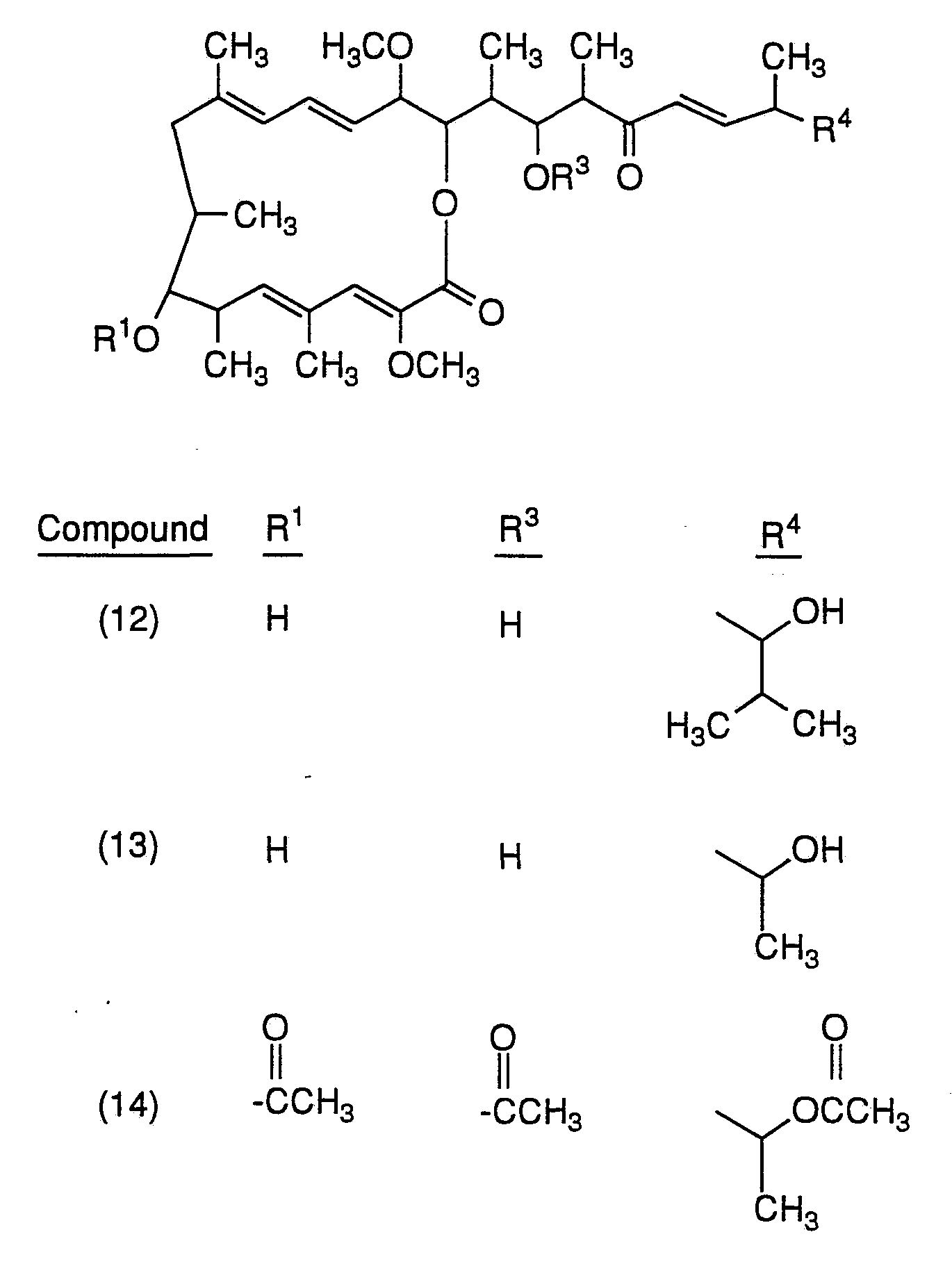
The invention here is a method of obtaining antitumor activity, in particular against cancers taken from the group consisting of melanoma, renal cancer, lung cancer, colon cancer and leukemia,by administration to mammalian tumor cells of a pharmacologically effective amount of a compound selected from the group consisting of
(a) a bafilomycin of the formula
Figure imgf000005_0001
where R is hydrogen or acetyl, R1 is hydrogen or the acyl radical of a carboxylic acid having one to six carbon atoms;
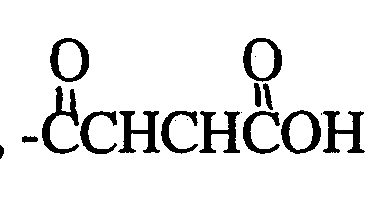
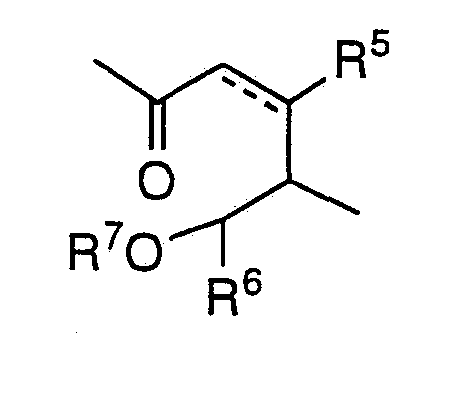
R2 is
or
Figure imgf000005_0003
Figure imgf000005_0002
R3 is hydrogen or methyl;
R4 is hydrogen, methyl, the acyl radical of a carboxylic acid having one to six carbon atoms,
or
;
Figure imgf000005_0004
Figure imgf000005_0005
R5 is hydrogen or
Figure imgf000006_0001
R6 is methyl or isopropyl;
R7 is hydrogen or acetate;
R8 is hydrogen or methyl;
R9 is hydroxy or methyl; and
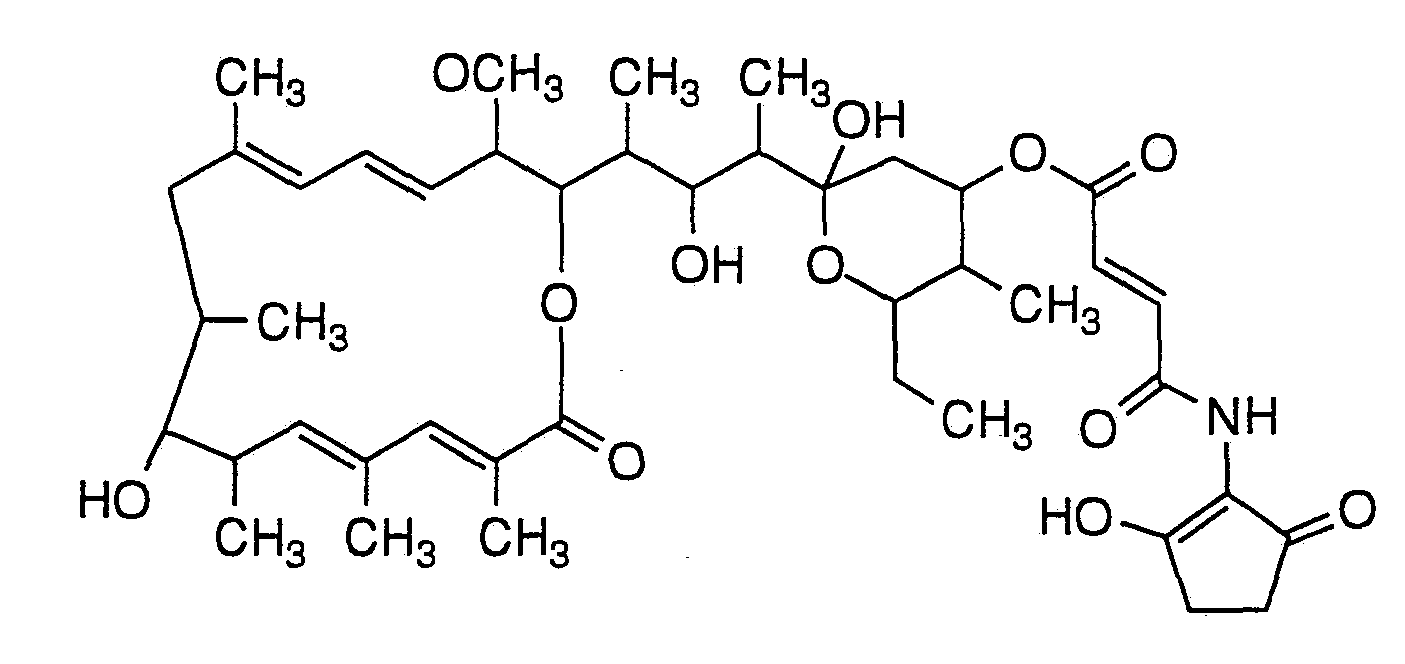
(b) a hygrolidin of the formula
Figure imgf000006_0002
where R10 is
or
Figure imgf000006_0004
Figure imgf000006_0003
and R11 is hydrogen, , or
Figure imgf000006_0006
Figure imgf000006_0005
Figure imgf000007_0001
The term "pharmacologically effective amount" shall mean that amount of a drug or pharmaceutical agent that will elicit the biological or medical response of a tissue, system, animal or human that is being sought by a researcher or clinician.
The compounds of the present invention can be administered in such oral dosage forms as tablets, capsules (each including timed release and sustained release formulations), pills, powders, granules, elixers, tinctures, suspensions, syrups and emulsions. Likewise, they may also be administered in intravenous form (both bolus and infusion), intraperitoneal, subcutaneous or intramuscular form, all using forms well known to those of ordinary skill in the pharmaceutical arts. An effective but non-lethal amount of the
compound desired can be employed as an antitumor agent.
The dosage regimen utilizing the compounds of the present invention is selected in accordance with a variety of factors including type, species, age, weight, sex and medical condition of the patient; the severity of the condition to be treated; the route of administration; the renal and hepatic function of the patient; and the particular compound or salt thereof employed. An ordinarily skilled physician or
veterinarian can readily determine and prescribe the effective amount of the drug required.
Oral dosages of the present invention, when used for the indicated effects, will range between about 1-25 mg/day orally.
Advantageously, compounds of the present invention may be
administered in a single daily dose, or the total daily dosage may be administered in divided doses of two, three or four times daily.
Furthermore, preferred compounds for the present invention can be administered in intranasal form via topical use of suitable intranasal vehicles, or via transdermal routes, using those forms of transdermal skin patches well known to those of ordinary skill in that art. To be administered in the form of a transdermal dehvery system, the dosage administration will, of course, be continuous rather than intermittant throughout the dosage regimen.
In the methods of the present invention, the compounds herein described in detail can form the active ingredient, and are typically adininistered in admixture with suitable pharmaceutical diluents, excipients or carriers (collectively referred to herein as "carrier" materials) suitably selected with respect to the intended form of administration, that is, oral tablets, capsules, elixirs, syrups and the like, and consistent with conventional pharmaceutical practices.
For instance, for oral administration in the form of a tablet or capsule, the active drug component can be combined with an oral, non-toxic pharmaceutically acceptable inert carrier such as ethanol, glycerol, water and the like. Moreover, when desired or necessary, suitable binders, lubricants, disintegrating agents and coloring agents can also be incorporated into the mixture. Suitable binders include starch, gelatin, natural sugars such as glucose or beta-lactose, com sweeteners, natural and synthetic gums such as acacia, tragacanth or sodium alginate, carboxymethylcellulose, polyethylene glycol, waxes and the like. Lubricants used in these dosage forms include sodium oleate, sodium stearate, magnesium stearate, sodium benzoate, sodium acetate, sodium chloride and the like. Disintegrators include, without limitation, starch, methyl cellulose, agar, bentonite, xanthan gum and the like.
The compounds of the present invention can also be administered in the form of liposome delivery systems, such as small unilamellar vesicles, large unilamellar vesicles and multilamellar vesicles. Liposomes can be formed from a variety of phospholipids, such as cholesterol, stearylamine or phosphatidylcholines.
Compounds of the present invention may also be delivered by the use of monoclonal antibodies as individual carriers to which the compound molecules are coupled. The compounds of the present invention may also be coupled with soluble polymers as targetable drug carriers. Such polymers can include polyvinylpyrrolidone, pyran copolymer, polyhydroxypropylmethacrylamidephenol, polyhydroxyethylaspartamidephenol, or polyethyleneoxidepolylysme substituted with palmitoyl residues. Furthermore, the compounds of the present invention may be coupled to a class of biodegradable polymers useful in achieving controlled release of a drug, for example, polylactic acid, polyepsilon caprolactone, polyhydroxy butyric acid, polyorthoesters, polyacetals, polydihydropyrans, polycyanoacrylates and cross-linked or amphipathic block copolymers or hydrogels.
Preferred bafilomycins used in the method of the invention include the following:
Figure imgf000009_0001
Figure imgf000010_0001
Figure imgf000011_0001
Figure imgf000012_0001
Another group of preferred compounds are set forth as follows:
Figure imgf000013_0001
Some compounds in the bafilomycin class are sometimes referred to as Ieucanicidins. Examples include the following:
Figure imgf000014_0001
Preferred hygrolidins used in the method of the invention include the following
Figure imgf000015_0001
An additional preferred compound is oxyhygrolidin:
Figure imgf000016_0001
The most preferred compounds of the invention are any or all of those specifically set forth in these examples. These compounds are not, however, to be construed as forming the only genus that is considered as the invention, and any combination of the compounds of their moieties may itself form a genus.
Methods of making bafilomycins are taught in U.S. Patent Nos. 4,385,065 and 4,558,139 and in Kretschmer et al. Agric. Biol. Chem., 49.8 (1985) 2509-2511. Methods of making leucanicidins are taught in Meyer et al, Helv. Chim. Acta. 68 (1985) 83-94. Methods of making hygrolidins are taught in U.S. Patent No. 4,390,546 and in Kretschmer, et al, ibid. The entire disclosure of these patents and journal articles is incorporated herein by reference, and variations of the methods disclosed therein are readily made by those of ordinary skill in the art.
DETAILED DESCRIPTION OF THE INVENTION
An in vitro human tumor drug screen is used to evaluate compounds used in the method of the present invention. The screen employed has been described and the experimental details are taught in the text and bibliography of Boyd, et al., Status of the NCI Preclinical Antitumor Drug Discovery Screen; Principles and Practices of
Oncology, Vol. 3, No. 10, Oct. 1989, Lippincott. The screen is a disease-oriented primary screen that employs multiple disease-specific (i.e. tumor-type specific) models. The models are based on the availability of a wide variety of human tumor cell lines, representing many different forms of human cancer. These cell lines comprise a diverse panel of human tumor cell lines arrayed in disease-specific subpanels.
The panel contains a total of 60 human tumor cell lines derived from seven cancer types (lung, colon, melanoma, renal, ovarian, brain and leukemia) that have been adapted to a single growth medium and that have reproducible profiles for growth and drug sensitivity.
EXAMPLE 1
Individual cell lines were initailly photographed, expanded (two passages maximum) and cryo-preserved (master stocks) with growth medium and split-ratios recommended by their respective sources. Only cell lines documented to be free of adventitious bacteria and pathogenic viruses (NCI-FCRF3 Diagnostic Microbiology Lab and Animal Health Diagnostic Lab) were accepted for subsequent
characterization. Following recovery of master stocks, cell lines were adapted to a single, standard culture medium: RPMI 1640 (Quality Biologicals, Inc., Gaithersburg, MD) supplemented with 10% heat-inactivated fetal bovine serum (Sterile Systems Hyclone, Logan, UT) and 2 mM L-glutamine (NCI-FCRF Central Medium Laboratory) without antibiotics and cultured under conventional culture conditions, that is, 37°C, 5% CO2, 95% air, 100% relative humidity. Cell lines were than expanded (five passages maximum) and cryopreserved for generation of seed stocks. Established adherent cell monolayers approaching 80% confluency were harvested with trypsin/EDTA (NCI-FCRF Central Medium Laboratory) whereas some early passage adherent cell lines were harvested with solution A and 2X-crystalized trypsin in (Sigma Chemical Co.). Leukemia cell lines were subcultured by trituration and dilution. Small cell lung carcinoma cell lines (which generally form large aggregates in suspension under conventional culture conditions) were cultured and assayed in suspension as well as adherent monolayers utilizing poly-L-lysine pretreatment of culture vessels. Following recovery of seed stock, cell lines were subjected to isoenzyme analysis as well as preliminary growth and drug sensitivity assays using one or more in vitro growth inhibition assays (described below). Cell lines meeting basic quality assurance criteria
(mycoplasma-negative, MAP-negative, human isoenzymes only) and exhibiting suitable growth profiles were expanded (five serial passages from seed stock, maximum) and cryopreserved as a large number of aliquots designated working seed stock. Cell cryopreservation was achieved using a CryoMed controller (Model 801) and a CryoMed freezing chamber (No. 2700) with a step rate of -1°C/min followed by storage in vapor-phase hquid N2 (NCI-FCRF Central Repository). Cell line seed stocks were tested also for in vivo tumorigenicity (s.c. and i.p. inoculations) in accordance with established protocols. Cell lines recovered from working seed stocks were subjected to repeat
mycoplasma tests and to more extensive in vitro growth
characterization. Cell lines subsequently were evaluated with respect to stability in drag sensitivity profiles over the course of 20 weekly passages. In addition, each cell line was expanded (eight passages, maximum from seed stock thaw) and cryopreserved as a large number of aliquots ("roller bottle" stock) for in vivo characterization and assay development.
Tetrazolium/formazan reagents were purchased from Sigma Chemical Co. (St. Louis, MO): MTT (m2128), MTT formazan (M2003), INT (18377), INT formazan (17375), and NBT (N6876). DMSO was purchased from Sigma Chemical Co. (D5879), J. T. Baker Chemical Co. (9194-3, Phillipsburg, NJ), and American Burdick and Jackson Laboratories (Spectrophotometric Grade Product 081,
Muskegan, MI). These chemicals were stored in unopened bottles at room temperature in the dark or in 50-ml sterile plastic tubes at -20°C in the dark. Anhydrous isopropanol (505-7) and propylene glycol (P-1009) were purchased from Sigma Chemical Co. Reagent grade hydrochloric acid (A-744) and hexane (H-302-1) were purchased from Fisher Scientific Co. Dimethylformamide (27,054-7) was purchased from Aldrich Chemical Co. (Milwaukee, WI) Propanol
(spectrophotometric grade 9068-1) was purchased from American Burdick and Jackson Laboratories. Crystalline stock materials were stored at -20°C. Solvent-reconstituted chemotherapeutic agents were prepared at high concentration, partitioned into multiple aliquots, and stored at -70°C. Just prior to culture application the contents of frozen vials were thawed and mixed. Measured aliquots (20-200 μl) were transferred by micropipet (Gilson Pipetman, Models P200 and P1000) equipped with polypropylene tips to standard culture medium within polypropylene tubes (Sarstedt 62.554/002 or Falcon 2098) and serially diluted in culture medium containing an appropriate concentration of vehicle. In principle, the viable cell number/well is directly
proportional to the production of formazan, which following
solubilization, can be measured spectrophotometrically. In brief, cells were harvested from exponential-phase maintenance cultures (T-75 cm2 flasks; Falcon Plastics 3023), counted by trypan blue exclusion, and dispensed within replicate 96-well culture plates (Falcon Plastics 3075) in 100-μl volumes using a repeating pipet (Eppendorf repeater 4780) or multichannel pipet (Flow Labs, Titertek). Following a 24-h incubation at 37°C, 5% CO2, 100% relative humidity (Heraeus B5060EKO2 incubators or NAPCO 5300 incubators), 100 μl of culture medium, culture medium containing drug or culture medium containing drug vehicle was dispensed within appropriate wells (vehicle control group, N = 6; each drag treatment group, N = 3). Peripheral wells of each plate (lacking cells) were utilized for drug blank (N = 2) and
medium/tetrazolium reagent blank (N = 6) "background"
determinations. Culture plates were then incubated for 1 to 11 days prior to the addition of tetrazolium reagent. MTT stock solution was prepared as follows: 5 mg MTT/ml PBS (Quality Biologicals, Inc.) was sterile filtered with 0.45-μm filter units (Nalgene type SCN) and stored at 4°C for a maximum of 1 month. MTT working solution was prepared just prior to culture application by diluting MTT stock solution 1 :5 (v/v) in prewarmed standard culture medium.
Alternatively, other tetrazolium reagents (namely, INT or NBT ) were prepared and utilized in a simiah fashion for selected experiments.
Under standard MTA conditions 50 ml of MTT working solution was added to each culture well (resulting in 50 μg MTT/250 μl to total medium volume) and cultures were incubated at 37°C for 4 to 24 h depending upon individual cell line requirements. Following incubation cell monolayers and formazan were inspected microscopically: Culture plates containing suspension lines or any detached cells were centrifuged at low speed for 5 min. All but 10-20 μl of culture medium supernatant was removed from wells by slow aspiration through a blunt 18-gauge needle and replaced with 150 μl of DMSO (Burdick & Jackson) using a multichannel pipet. Following thorough formazan solubilization
(trituration by pipet or vibration on a plate shaker), the absorbance of each well was measured using a microculture plate reader (Dynatech MR600; Alexandria, VA) at 540 nm (single wavelength, calibration factor = 1.00) interfaced with an Apple lie computer. Subsequently, data were stored and analyzed through use of Apple Soft, Apple
Turnover, and Lotus Symphony software. Cell line growth and growth inhibition were expressed in terms of mean (±1 SD) absorbance units and/or percentage of control absorbance (±1 SD%) following
subtraction of mean "background" absorbance. Linearity and
reproducibility of instrument measurements were verified by the use of formazan reagents in appropriate solvent systems.
Absorption spectra of formazan reagents as well as cell- generated formazans were measured with a UV/visible scanning spectrophotometer (Perkin-Elmer Lambda V; Perkin-Elmer Corp., Norwalk, CT). Samples were placed in 1-cm pathlength disposable polystyrene cuvets (Fisher Scientific Co. 14-385-942) except those solubilized in dimethylformamide solvent which were evaluated in 1-cm pathlength glass spectrophotometer cells (Coleman S7300-4). Freshly prepared material was analyzed in dual beam mode with 2-nm slit width, at 120 nm/min. 0.02 A threshold, and 0.5 s response. Instrament wavelength calibration was verified by examination of deuterium emission spectra to be 653.1± 0.3 nm. Following 1-11 days' incubation, supernatant culture medium was removed and 200 μl of methylene blue (Sigma MB-1) solution [5 g/liter in ethanohwater (50%, v/v)] was added without delay. Following incubation at room temperature for 45 min, unbound stain was removed by plate inversion on absorbant paper and subsequent emersion/dilution in four, 1 -liter washes with distilled deionized water. Bound protein stain was solubilized by the addition of 100 μl SDS (Sigma L4509) solution (1%, v/v in water) to each well. Absorbances of wells were measured at 630 nm (single wavelengths, calibration factor = 1.00) using equipment and computerized analysis procedures described above for the MTA.
EXAMPLE 2
A more preferred method uses the anionic dye sulforhodamine B (SRB). SRB is a bright pink anionic dye that, in dilute acetic acid, binds electrostatically to the basic amino acids of fixed monolayers of cells. SRB can detect about 1000 cells at 560 nM and 200-300 cells fluorescently. Supermaximal concentration and staining time were determined by dose-response and kinetic analyses. A more preferred medium comprises beta-glycerophosphate as the buffering agent, and the medium has a stable physiological pH of 7.4 in
atmospheric CO2. The medium includes biotin, L-asparagine, pyravate and oxaloacetate for metabolic stimulation of intracellular CO2 production.
EXAMPLE 3
Measures of relative cell line sensitivities are done by comparing relative drag concentrations required to produce the same level of response in each cell line visually. This is presented by a mean graph. Two mean graphs appear at Figures 1 and 2. The mean graph, derived from Total Growth Inhibition (TGI) values, is centered at the arithmetic mean of the logarithm of the TGI values for all cell live responses measured for a given compound. The mean graph is construed by projecting bars, one for each cell line (listed by identified on the left of the graph) to either the right or the left of the mean, depending on whether cell sensitivity to the test drag is greater or less than average. The length of a bar is proportional to the difference between the logarithm of the cell line TGI and the mean. For example, for a given cell line, a bar projecting three log units to the right of the mean would reflect an individual cellular sensitivity 1,000 times that of the average of all the cellular responses to the given compound represented on the graph.
Figures 1 and 2 demonstrate that compounds 4 and 19, respectively have especially good antitumor activity against colon cancer cells, renal cancer cells, melanoma cells, lung cancer cells (non-small cells) and leukemia cells. More limited activity is also shown against the other cell lines.
The extrapolation of positive results in the above-described assays to utility as antitumor agents is supported by Boyd, M.R., Status of the NCI Preclinical Antitumor Drag Discovery Screen; Principles and Practices of Oncology, Vol. 3, No. 10, October 1989, Lippincott, the entire disclosure of which is incorporated herein by reference.

Claims

WHAT IS CLAIMED IS:
1. A method of treating tumors of renal cells, colon cells, lung cells or melanoma in a mammal in need thereof, comprising the step of administering to said mammal a pharmacologically effective amount of a compound selected from the group consisting of
(a) a bafilomycin of the formula
Figure imgf000023_0001
where R is hydrogen or acetyl, R1 is hydrogen or the acyl radical of a carboxylic acid having one to six carbon atoms;
R2 is
or
Figure imgf000023_0003
Figure imgf000023_0002
R3 is hydrogen or methyl;
R4 is hydrogen, methyl, the acyl radical of a carboxylic acid having one to six carbon atoms; or
Figure imgf000024_0001
;
Figure imgf000024_0002
R5 is hydrogen or
Figure imgf000024_0003
R6 is methyl or isopropyl;
R7 is hydrogen or acetate;
R8 is hydrogen or methyl;
R9 is hydroxy or methyl; or
(b) a hygrohdin of the formula
Figure imgf000024_0004
where R10 is or
Figure imgf000025_0005
Figure imgf000025_0006
and R11 is hydrogen, or
Figure imgf000025_0003
Figure imgf000025_0004
Figure imgf000025_0002
2. A method of treating tumors of renal cells in a mammal in need thereof, comprising the step of administering to said mammal a pharmacologically effective amount of a compound selected from the group consisting of
(a) a bafilomycin of the formula
Figure imgf000025_0001
where R is hydrogen or acetyl, R1 is hydrogen or the acyl radical of a carboxylic acid having one to six carbon atoms; R2 is or
Figure imgf000026_0002
Figure imgf000026_0001
R3 is hydrogen or methyl;
R4 is hydrogen, methyl, the acyl radical of a carboxylic acid having one to six carbon atoms;
or
Figure imgf000026_0003
Figure imgf000026_0004
R5 is hydrogen or
Figure imgf000026_0005
R6 is methyl or isopropyl;
R7 is hydrogen or acetate;
R8 is hydrogen or methyl;
R9 is hydroxy or methyl; or (b) a hygrolidin of the formula
Figure imgf000027_0006
where R10 is
or
Figure imgf000027_0004
Figure imgf000027_0005
and R1 1 is hydrogen, or
Figure imgf000027_0002
Figure imgf000027_0003
Figure imgf000027_0001
3. A method of treating tumors of colon cells, in a mammal in need thereof, comprising the step of administering to said mammal a pharmacologically effective amount of a compound selected from the group consisting of (a) a bafilomycin of the formula
Figure imgf000028_0005
where R is hydrogen or acetyl, R1 is hydrogen or the acyl radical of a carboxyhc acid having one to six carbon atoms;
R2 is
or
Figure imgf000028_0002
Figure imgf000028_0001
R3 is hydrogen or methyl;
R4 is hydrogen, methyl, the acyl radical of a carboxylic acid having one to six carbon atoms;
or
Figure imgf000028_0003
Figure imgf000028_0004
R5 is hydrogen or
Figure imgf000029_0001
R6 is methyl or isopropyl;
R7 is hydrogen or acetate;
R8 is hydrogen or methyl;
R9 is hydroxy or methyl; or
(b) a hygrolidin of the formula
Figure imgf000029_0002
where R10 is
or
Figure imgf000029_0003
Figure imgf000029_0004
and R1 1 is hydrogen or
Figure imgf000029_0005
Figure imgf000029_0006
Figure imgf000030_0001
4. A method of treating tumors of lung cells in a mammal in need thereof, comprising the step of administering to said mammal a pharmacologically effective amount of a compound selected from the group consisting of
(a) a bafilomycin of the formula
Figure imgf000030_0002
where R is hydrogen or acetyl, R1 is hydrogen or the acyl radical of a carboxyhc acid having one to six carbon atoms;
R2 is
or
Figure imgf000030_0004
Figure imgf000030_0003
R3 is hydrogen or methyl; R4 is hydrogen, methyl, the acyl radical of a carboxylic acid having one to six carbon atoms;
or
Figure imgf000031_0002
Figure imgf000031_0003
R5 is hydrogen or
Figure imgf000031_0001
R6 is methyl or isopropyl;
R7 is hydrogen or acetate;
R8 is hydrogen or methyl;
R9 is hydroxy or methyl; or
(b) a hygrolidin of the formula
Figure imgf000031_0004
where R10 is or
Figure imgf000032_0005
Figure imgf000032_0006
where R11 is hydrogen, -
Figure imgf000032_0003
Figure imgf000032_0004
Figure imgf000032_0002
5. A method of treating tumors of melanoma in a mammal in need thereof, comprising the step of administering to said mammal a pharmacologically effective amount of a compound selected from the group consisting of
(a) a bafilomycin of the formula
Figure imgf000032_0001
where R is hydrogen or acetyl, R1 is hydrogen or the acyl radical of a carboxyhc acid having one to six carbon atoms; R2 is
or
Figure imgf000033_0001
Figure imgf000033_0002
R3 is hydrogen or methyl;
R4 is hydrogen, methyl, the acyl radical of a carboxylic acid having one to six carbon atoms;
or
;
Figure imgf000033_0003
Figure imgf000033_0004
R5 is hydrogen or
Figure imgf000033_0005
R6 is methyl or isopropyl;
R7 is hydrogen or acetate;
R8 is hydrogen or methyl;
R9 is hydroxy or methyl; or (b) a hygrolidin of the formula
Figure imgf000034_0001
where R10 is
or
Figure imgf000034_0002
Figure imgf000034_0003
where R11 is hydrogen,
Figure imgf000034_0004
,
Figure imgf000034_0005
Figure imgf000034_0006
6. The method as claimed in Claim 1, wherein said compound administered to said mammal is
Figure imgf000035_0001
7. The method as claimed in Claim 1, wherein said compound administered to said mammal is
Figure imgf000035_0002
AMENDED CLAIMS
[received by the International Bureau on 20 August 1993 (20.08.93); original claims 1-7 replaced by amended claims 1-22 (9 pages)]
WHAT IS CLAIMED IS:
1. A method of treating tumors of renal cells, colon cells, lung cells or melanoma in a mammal in need thereof, comprising the step of administering to said mammal a pharmacologically effective amount of a compound selected from the group consisting of a bafilomycin of the formula:
Figure imgf000036_0001
Figure imgf000037_0001
Figure imgf000038_0001
Figure imgf000039_0001
2. A method of treating tumors of renal cells, colon cells, lung cells or melanoma in a mammal in need thereof, comprising the step of administering to said mammal a pharmacologically effective amount of a compound selected from the group consisting of a bafilomycin of the formula:
Figure imgf000039_0002
3. A method of treating tumors of renal cells, colon cells, lung cells or melanoma in a mammal in need thereof, comprising the step of administering to said mammal a pharmacologically effective amount of a compound selected from the group consisting of a bafilomycin of the formula:
Figure imgf000040_0001
4. A method of treating tumors of renal cells, colon cells, lung cells or melanoma in a mammal in need thereof, comprising the step of administering to said mammal a pharmacologically effective amount of a compound selected from the group consisting of a hygrolidin of the formula
Figure imgf000041_0001
where R10 is
or
Figure imgf000041_0002
Figure imgf000041_0003
and R11 is hydrogen, or
Figure imgf000041_0004
Figure imgf000041_0005
Figure imgf000041_0006
5. The method according to Claim 1 wherein the type of tumor which is treated is a tumor of renal cells in a mammal.
6. The method according to Claim 2 wherein the type of tumor which is treated is a tumor of renal cells in a mammal.
7. The method according to Claim 3 wherein the type of tumor which is treated is a tumor of renal ceUs in a mammal.
8. The method according to Claim 4 wherein the type of tumor which is treated is a tumor of renal cells in a mammal.
9. The method according to Claim 1 wherein the type of tumor which is treated is a tumor of colon cells in a mammal.
10. The method according to Claim 2 wherein the type of tumor which is treated is a tumor of colon cells in a mammal.
11. The method according to Claim 3 wherein the type of tumor which is treated is a tumor of colon cells in a mammal.
12. The method according to Claim 4 wherein the type of tumor which is treated is a tumor of colon cells in a mammal.
13. The method according to Claim 1 wherein the type of tumor which is treated is a tumor of lung cells in a mammal.
14. The method according to Claim 2 wherein the type of tumor which is treated is a tumor of lung cells in a mammal.
15. The method according to Claim 3 wherein the type of tumor which is treated is a tumor of lung cells in a mammal.
16. The method according to Claim 4 wherein the type of tumor which is treated is a tumor of lung cells in a mammal.
17. The method according to Claim 1 wherein the type of tumor which is treated is a tumor of melanoma in a mammal.
18. The method according to Claim 2 wherein the type of tumor which is treated is a tumor of melanoma in a mammal.
19. The method according to Claim 3 wherein the type of tumor which is treated is a tumor of melanoma in a mammal.
20. The method according to Claim 4 wherein the type of tumor which is treated is a tumor of melanoma in a mammal.
21. The method as claimed in Claim 4, wherein said compound administered to said mammal is
Figure imgf000043_0001
22. The method as claimed in Claim 1, wherein said compound administered to said mammal is
Figure imgf000044_0001
STATEMENT UNDER ARTICLE 19
Applicants have amended Claim 1 as originally filed by rewriting it as four separate independent claims.
New Claims 1-3 claim methods of treatment of tumors utilizing bafilomycins selected from groups of compounds. Support for Claims 1-3 is found on pages 7-12 of the
specification as originally filed. Applicants note that the new Claims 1-3 do not include the method of treatment which utilizes the compounds disclosed as antitumor compounds in the J. Antibiotics reference or the JP,A, 1-216927 application cited in the International Search Report.
New Claim 4 is merely part (b) of originally written Claim 1 as an independent claim.
New Claims 5-20 are merely dependent claims similar to originally filed Claims 2-5 which depend on new Claims 1-4 instead of the original Claim 1.
New Claims 21-22 are the same as original Claims 6-7 but now depend on the appropriate new Claims 4 and 1, respectively.
Applicants respectfully contend that no new matter has been introduced by these amendments and that the relevance of the references cited in the international search report may have changed as a result of these amendments.
Applicants, therefore, respectfully request entry of the amendments as specified on the substitute sheets and respectfully assert that the claimed invention as amended discloses an invention that is novel and has an inventive step.
PCT/US1993/002378 1992-03-20 1993-03-12 Methods of achieving antitumor activity using 16-membered-macrolide-type compounds Ceased WO1993018652A1 (en)

Priority Applications (5)

Application Number Priority Date Filing Date Title
US07/854,167 US5324720A (en) 1992-03-20 1992-03-20 Methods of achieving antitumor activity using 16-membered-macrolide-type compounds
CA002132311A CA2132311A1 (en) 1992-03-20 1993-03-12 Methods of achieving antitumor activity using 16-membered-macrolide-type compounds
AU38100/93A AU3810093A (en) 1992-03-20 1993-03-12 Methods of achieving antitumor activity using 16-membered-macrolide-type compounds
EP93907524A EP0727941A4 (en) 1992-03-20 1993-03-12 METHODS FOR PRODUCING ANTI-TUMOR ACTIVITY USING 16-ELEMENT MACROLIDE COMPOUNDS
JP5516666A JPH07504913A (en) 1992-03-20 1993-03-12 Drugs with antitumor activity containing 16-membered ring macrolide compounds

Applications Claiming Priority (3)

Application Number Priority Date Filing Date Title
US07/854,167 US5324720A (en) 1992-03-20 1992-03-20 Methods of achieving antitumor activity using 16-membered-macrolide-type compounds
US854,167 1992-03-20
CA002132311A CA2132311A1 (en) 1992-03-20 1993-03-12 Methods of achieving antitumor activity using 16-membered-macrolide-type compounds

Publications (1)

Publication Number Publication Date
WO1993018652A1 true WO1993018652A1 (en) 1993-09-30

Family

ID=25677497

Family Applications (1)

Application Number Title Priority Date Filing Date
PCT/US1993/002378 Ceased WO1993018652A1 (en) 1992-03-20 1993-03-12 Methods of achieving antitumor activity using 16-membered-macrolide-type compounds

Country Status (5)

Country Link
US (1) US5324720A (en)
EP (1) EP0727941A4 (en)
JP (1) JPH07504913A (en)
AU (1) AU3810093A (en)
WO (1) WO1993018652A1 (en)

Cited By (8)

* Cited by examiner, † Cited by third party
Publication number Priority date Publication date Assignee Title
WO2001002413A1 (en) * 1999-06-30 2001-01-11 Instituto Biomar S.A. BAFIlOMYCIN DERIVATIVES WITH ANTICANCER ACTIVITY
US6649645B1 (en) 1998-12-23 2003-11-18 Pharmacia Corporation Combination therapy of radiation and a COX-2 inhibitor for treatment of neoplasia
WO2004005311A1 (en) * 2002-07-02 2004-01-15 Janssen Pharmaceutica N.V. Bafilomycin-like metabolite from a novel micromonospora species
US6833373B1 (en) 1998-12-23 2004-12-21 G.D. Searle & Co. Method of using an integrin antagonist and one or more antineoplastic agents as a combination therapy in the treatment of neoplasia
US6858598B1 (en) 1998-12-23 2005-02-22 G. D. Searle & Co. Method of using a matrix metalloproteinase inhibitor and one or more antineoplastic agents as a combination therapy in the treatment of neoplasia
US6872708B2 (en) 2001-09-10 2005-03-29 Mitsukazu Matsumoto Local injection prescription
US7381744B1 (en) * 1999-03-05 2008-06-03 The United States Of America As Represented By The Department Of Health And Human Services Method of treating osteoporosis comprising vacuolar-type (H+)-ATPase-inhibiting compounds
CN102260251A (en) * 2010-05-26 2011-11-30 华东理工大学 Macrolide compound, its preparation method and its application

Families Citing this family (3)

* Cited by examiner, † Cited by third party
Publication number Priority date Publication date Assignee Title
DE602007006663D1 (en) 2006-06-12 2010-07-01 Univ Ramot METHOD FOR THE TREATMENT OF CANCER
EP2657238A4 (en) 2010-12-24 2014-06-18 Univ Tohoku MACROLIDE HAVING AN ANTICANCER EFFECT
WO2012150543A1 (en) 2011-05-02 2012-11-08 Universite De Geneve Macrocyclic lactones and use thereof

Citations (1)

* Cited by examiner, † Cited by third party
Publication number Priority date Publication date Assignee Title
JPH01216927A (en) * 1988-02-25 1989-08-30 Ajinomoto Co Inc Antitumor agent

Family Cites Families (7)

* Cited by examiner, † Cited by third party
Publication number Priority date Publication date Assignee Title
US854174A (en) * 1906-05-17 1907-05-21 Joseph N Noyer Ratchet-wrench.
AT371816B (en) * 1979-10-08 1983-08-10 Henkel Kgaa METHOD FOR PRODUCING NEW ISOCYANURS [UREDERIVATIVES
US4385065A (en) * 1980-10-23 1983-05-24 Merck & Co., Inc. Novel substances and process for their production
US4390546A (en) * 1981-12-07 1983-06-28 Merck & Co., Inc. Antiparasitic macrolide from a strain of Streptomyces hygroscopicus
DE3310533A1 (en) * 1983-03-23 1984-09-27 Bayer Ag, 5090 Leverkusen ORGANIC CHEMICAL COMPOUNDS AND METHOD FOR THEIR PRODUCTION
JPS6343040A (en) * 1986-08-05 1988-02-24 Showa Mfg Co Ltd looping damper
SE8903529D0 (en) * 1989-10-24 1989-10-24 M Hersloef MEDICAL USE

Patent Citations (1)

* Cited by examiner, † Cited by third party
Publication number Priority date Publication date Assignee Title
JPH01216927A (en) * 1988-02-25 1989-08-30 Ajinomoto Co Inc Antitumor agent

Non-Patent Citations (2)

* Cited by examiner, † Cited by third party
Title
See also references of EP0727941A4 *
THE JOURNAL OF ANTIBIOTICS, Vol. XXXVIII, No. 11, "PD 118,576:", "A New Antitumor Macrolide Antibiotic", (WILTON), November 1985, pages 1449-1452. *

Cited By (11)

* Cited by examiner, † Cited by third party
Publication number Priority date Publication date Assignee Title
US6649645B1 (en) 1998-12-23 2003-11-18 Pharmacia Corporation Combination therapy of radiation and a COX-2 inhibitor for treatment of neoplasia
US6833373B1 (en) 1998-12-23 2004-12-21 G.D. Searle & Co. Method of using an integrin antagonist and one or more antineoplastic agents as a combination therapy in the treatment of neoplasia
US6858598B1 (en) 1998-12-23 2005-02-22 G. D. Searle & Co. Method of using a matrix metalloproteinase inhibitor and one or more antineoplastic agents as a combination therapy in the treatment of neoplasia
US7381744B1 (en) * 1999-03-05 2008-06-03 The United States Of America As Represented By The Department Of Health And Human Services Method of treating osteoporosis comprising vacuolar-type (H+)-ATPase-inhibiting compounds
WO2001002413A1 (en) * 1999-06-30 2001-01-11 Instituto Biomar S.A. BAFIlOMYCIN DERIVATIVES WITH ANTICANCER ACTIVITY
US6872708B2 (en) 2001-09-10 2005-03-29 Mitsukazu Matsumoto Local injection prescription
WO2004005311A1 (en) * 2002-07-02 2004-01-15 Janssen Pharmaceutica N.V. Bafilomycin-like metabolite from a novel micromonospora species
US7214705B2 (en) 2002-07-02 2007-05-08 Janssen Pharmaceutica N.V. Bafilomycin-like metabolite from a novel micromonospora species
US7803600B2 (en) 2002-07-02 2010-09-28 Janssen Pharmaceutica N.V. Micromonospora species that produces a bafilomycin-like metabolite
CN102260251A (en) * 2010-05-26 2011-11-30 华东理工大学 Macrolide compound, its preparation method and its application
CN102260251B (en) * 2010-05-26 2015-09-02 华东理工大学 A kind of macrolides compound and Synthesis and applications thereof

Also Published As

Publication number Publication date
EP0727941A1 (en) 1996-08-28
JPH07504913A (en) 1995-06-01
EP0727941A4 (en) 1997-05-07
AU3810093A (en) 1993-10-21
US5324720A (en) 1994-06-28

Similar Documents

Publication Publication Date Title
Voloshina et al. Antimicrobial and cytotoxic effects of ammonium derivatives of diterpenoids steviol and isosteviol
Pina-Vaz et al. Cytometric approach for a rapid evaluation of susceptibility of Candida strains to antifungals
Kannabiran Bioactivity of Pyrrolo [1, 2-a] pyrazine-1, 4-dione, hexahydro-3-(phenylmethyl)-Extracted from Streptomyces sp. VITPK9 Isolated from the Salt Spring Habitat of Manipur, India
Shao et al. The palmitoyltransferase ZDHHC21 regulates oxidative phosphorylation to induce differentiation block and stemness in AML
WO2002040702A2 (en) Methods for the treatment of cancer and other diseases and methods of developing the same
EP0727941A1 (en) Methods of achieving antitumor activity using 16-membered-macrolide-type compounds
Boyd et al. Leukemic cell differentiation in vivo and in vitro: arrest of proliferation parallels the differentiation induced by the antileukemic drug harringtonine
US5306716A (en) Methods of achieving antileukemia activity using 16-membered-macrolide-type compounds
CA2367149C (en) Combination of antibiotic and nucleic acid binding compound for bacterial antibiotic resistance
Klees et al. Apocynin derivatives interrupt intracellular signaling resulting in decreased migration in breast cancer cells
Bouwer et al. NMS-873 functions as a dual inhibitor of mitochondrial oxidative phosphorylation
Kunze et al. Cruentaren A, a highly cytotoxic benzolactone from Myxobacteria is a novel selective inhibitor of mitochondrial F1-ATPases
Zhang et al. Synthesis and characterization of NH2-(AEEA) n-amphotericin B derivatives
Swain et al. Two novel piperidones induce apoptosis and antiproliferative effects on human prostate and lymphoma cancer cell lines
Han et al. Covalent targeting the LAS1-NOL9 axis for selective treatment in NPM1 mutant acute myeloid leukemia
Randall et al. Adapting antibacterial display to identify serum-active macrocyclic peptide antibiotics
Murugesan et al. PFL-lectin regulates the expression of apoptosis-related proteins to antecedent apoptosis in A549 and HT29 cells
Zhang et al. Synthesis and biological evaluation of esterified and acylated derivatives of NH2-(AEEA) 5-amphotericin B
US6020360A (en) Anticancer property of dithiolopyrrolones
CA2132311A1 (en) Methods of achieving antitumor activity using 16-membered-macrolide-type compounds
Akbar et al. Potential anti-amoebic activity of sulfonate-and sulfamate-containing carboxamide derivatives against pathogenic Acanthamoeba castellanii belonging to the genotype T4
Sugeena et al. Cytotoxicity evaluation of Swasanandam Gutika by MTT assay in mouse fibroblast cells
Kovalishyn et al. In vitro Selective Effect of Imidazole Derivatives as Inhibitors of Human Laryngeal Carcinoma
von Hofsten et al. Amphipathic barbiturates as marine product mimics with cytolytic and immunogenic effects on head and neck squamous cell carcinoma cell lines
WO2001081920A2 (en) Comparative phenotype analysis for assessment of biologically active compounds

Legal Events

Date Code Title Description
AK Designated states

Kind code of ref document: A1

Designated state(s): AU BB BG BR CA CZ FI HU JP KR LK MG MN MW NO NZ PL RO RU SD SK UA

AL Designated countries for regional patents

Kind code of ref document: A1

Designated state(s): AT BE CH DE DK ES FR GB GR IE IT LU MC NL PT SE BF BJ CF CG CI CM GA GN ML MR SN TD TG

DFPE Request for preliminary examination filed prior to expiration of 19th month from priority date (pct application filed before 20040101)
WWE Wipo information: entry into national phase

Ref document number: 1993907524

Country of ref document: EP

WWE Wipo information: entry into national phase

Ref document number: 2132311

Country of ref document: CA

WWP Wipo information: published in national office

Ref document number: 1993907524

Country of ref document: EP

WWW Wipo information: withdrawn in national office

Ref document number: 1993907524

Country of ref document: EP