WO1995009161A1 - Hepatobiliary magnetic resonance contrast agents - Google Patents

Hepatobiliary magnetic resonance contrast agents Download PDF

Info

Publication number
WO1995009161A1
WO1995009161A1 PCT/IB1994/000298 IB9400298W WO9509161A1 WO 1995009161 A1 WO1995009161 A1 WO 1995009161A1 IB 9400298 W IB9400298 W IB 9400298W WO 9509161 A1 WO9509161 A1 WO 9509161A1
Authority
WO
WIPO (PCT)
Prior art keywords
compound
alkyl
hydrogen
fused
tetracarboxymethyl
Prior art date
Legal status (The legal status is an assumption and is not a legal conclusion. Google has not performed a legal analysis and makes no representation as to the accuracy of the status listed.)
Ceased
Application number
PCT/IB1994/000298
Other languages
French (fr)
Inventor
Jean-François DESREUX
Michael F. Tweedle
Peter C. Ratsep
Thomas R. Wagler
Edmund R. Marinelli
Current Assignee (The listed assignees may be inaccurate. Google has not performed a legal analysis and makes no representation or warranty as to the accuracy of the list.)
Bracco International BV
Original Assignee
Bracco International BV
Priority date (The priority date is an assumption and is not a legal conclusion. Google has not performed a legal analysis and makes no representation as to the accuracy of the date listed.)
Filing date
Publication date
Application filed by Bracco International BV filed Critical Bracco International BV
Priority to AT94926365T priority Critical patent/ATE218554T1/en
Priority to DE69430730T priority patent/DE69430730T2/en
Priority to EP94926365A priority patent/EP0670832B1/en
Priority to JP51019495A priority patent/JP3949714B2/en
Priority to AU76234/94A priority patent/AU7623494A/en
Priority to KR1019950702155A priority patent/KR960702447A/en
Publication of WO1995009161A1 publication Critical patent/WO1995009161A1/en
Priority to NO952111A priority patent/NO300131B1/en
Anticipated expiration legal-status Critical
Ceased legal-status Critical Current

Links

Classifications

    • CCHEMISTRY; METALLURGY
    • C07ORGANIC CHEMISTRY
    • C07DHETEROCYCLIC COMPOUNDS
    • C07D257/00Heterocyclic compounds containing rings having four nitrogen atoms as the only ring hetero atoms
    • C07D257/10Heterocyclic compounds containing rings having four nitrogen atoms as the only ring hetero atoms condensed with carbocyclic rings or ring systems
    • CCHEMISTRY; METALLURGY
    • C07ORGANIC CHEMISTRY
    • C07DHETEROCYCLIC COMPOUNDS
    • C07D257/00Heterocyclic compounds containing rings having four nitrogen atoms as the only ring hetero atoms
    • C07D257/02Heterocyclic compounds containing rings having four nitrogen atoms as the only ring hetero atoms not condensed with other rings
    • AHUMAN NECESSITIES
    • A61MEDICAL OR VETERINARY SCIENCE; HYGIENE
    • A61KPREPARATIONS FOR MEDICAL, DENTAL OR TOILETRY PURPOSES
    • A61K49/00Preparations for testing in vivo
    • YGENERAL TAGGING OF NEW TECHNOLOGICAL DEVELOPMENTS; GENERAL TAGGING OF CROSS-SECTIONAL TECHNOLOGIES SPANNING OVER SEVERAL SECTIONS OF THE IPC; TECHNICAL SUBJECTS COVERED BY FORMER USPC CROSS-REFERENCE ART COLLECTIONS [XRACs] AND DIGESTS
    • Y10TECHNICAL SUBJECTS COVERED BY FORMER USPC
    • Y10TTECHNICAL SUBJECTS COVERED BY FORMER US CLASSIFICATION
    • Y10T436/00Chemistry: analytical and immunological testing
    • Y10T436/24Nuclear magnetic resonance, electron spin resonance or other spin effects or mass spectrometry

Definitions

  • novel compounds are provided. These compounds are useful, for example, as metal-chelating ligands and, in the form of metal complexes, the present compounds are especially useful as diagnostic contrast agents.
  • the diagnostic contrast agents are suitable for magnetic resonance imaging, and are particularly useful for magnetic resonance imaging (MRI)of the liver and bile ducts.
  • the compounds of the invention comprise a tetraazacyclododecane macrocycle containing at least one fused cyclohexyl ring, and are represented by the formula I:
  • R 1 and R 2 and R 3 and R 4 independently form, together with the carbon atoms in the
  • R 1 and R 2 are each hydrogen and R 3 and R 4 form a fused fully or partially saturated non-aromatic cyclohexyl ring as defined above, or R 1 and R 2 form a fused fully or partially saturated non-aromatic cyclohexyl ring as defined above and R 3 and R 4 are hydrogen;
  • R 5 is or hydrogen, alkyl, aralkyl, aryl, alkoxy, hydroxyalkyl,
  • R 6 is hydrogen or alkyl
  • R 7 is hydrogen, hydroxyalkyl, alkoxy, alkyl, aryl or aralkyl
  • G is -NH 2 , -NCS, , -CO 2 H, -NHR 8 ,
  • R 8 is alkyl, hydroxyalkyl, ,
  • R 9 and R 10 are each independently hydrogen, alkyl, -NO 2 , -NH 2 , , -NCS, or
  • R 11 is hydrogen, alkyl or hydroxyalkyl
  • R 12 is hydrogen, hydroxyalkyl, alkoxy, alkyl, aryl or aralkyl
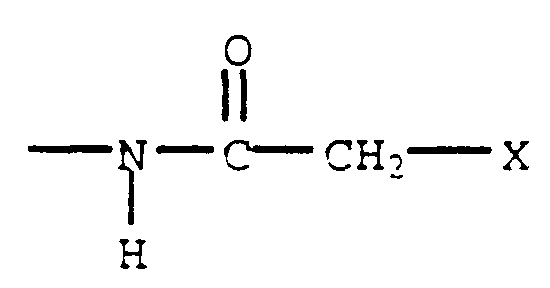
  • X is chloro, bromo or iodo
  • n and n are each independently zero or an integer from one to five; p is zero or one; and
  • q is an integer from 1 to 5;
  • alkyl and alkoxy refer to both straight and branched, unsubstituted chains of carbon atoms . Those chains having 1 to 5 carbon atoms are preferred. Methyl and methoxy are the most preferred alkyl and alkoxy groups, respectively.
  • aryl refers to phenyl
  • substituted phenyl Preferred substituted phenyl groups are those substituted with 1, 2 or 3 halogen, hydroxyl, hydroxyalkyl, alkyl, alkoxy, carbamoyl, carboxamide, acylammo or carboxyl moieties.
  • Hydroalkyl refers to straight and branched alkyl groups including one or more hydroxy radicals such as -CH 2 CH 2 OH, -CH 2 CH 2 OHCH 2 OH, CH(CH 2 OH) 2 and the like. (See, for example, Sovak, M., Editor,
  • aralkyl refers to an aryl group bonded through an alkyl group.
  • ether refers to an alkyl or aryl oxide of the general type -R-O-R where each R is independently alkyl or aryl.
  • carrier ring refers to a ring system in which all the ring atoms are carbon, e.g., phenyl or cyclohexyl.
  • the ring may be unsubstituted or substituted by, for example, alkyl, halogen, hydroxy, alkoxy, alkanoyl, alkanoyloxy, amino,
  • alkylamino dialkylamino, alkanoylamino, thiol, alkylthiol, nitro, cyano, carboxy, carbamoyl,
  • alkoxycarbcnyl alkylsulfonyl, sulfonamido and the like.
  • halogen refers to bromo, chloro, fluoro or iodo.
  • alkanoyl refers to the group alkyl-C(O)-.
  • alkanoyloxy refers to the group alkyl-C(O)-O-.
  • amino refers to the group -NH 2 .
  • alkylamino refers to the group -NHR where R is alkyl.
  • dialkylamino refers to the group -NRR' where R and R' are eauh, independently, alkyl.
  • alkanoylamino refers to the group alkyl-C(O)-NH-.
  • thiol refers to the group -SH.
  • alkylthiol refers to the group -SR where R is alkyl.
  • nitro refers to the group -NO 2 .
  • cyano refers to the group -CN.
  • Carboxy refers to the group -C(O)OH or the group -C(O)OR where R is alkyl.
  • alkoxycarbonyl refers to the group alkoxy-C-(O)-.
  • alkylsulfonyl refers to the group alkyl-SO 2 -.
  • sulfonamido refers to the group -SO 2 NH 2 , the group -SO 2 NHR or the group -SO 2 NRR' where R and R' are each, independently, alkyl.
  • carbamoyl refers to the group
  • carboxamide refers to the group -C(O)NH 2 , the group -C(O)NHR or the group -C(O)NRR' where R and R" are each, independently, alkyl.
  • acylammo refers to the group -NH-C(O)-R where R is alkyl.
  • Preferred compounds of the present invention are those wherein
  • R 5 is . Most preferred are
  • the compounds of formula I, and salts thereof, may be complexed with a paramagnetic metal atom and used as relaxation enhancement agents for magnetic resonance imaging.
  • These agents when administered to a mammalian host (e.g., a human) distribute in various concentrations to different tissues, and catalyze relaxation of protons (in the tissues) that have been excited by the absorption of radiofrequency energy from a magnetic resonance imager. This acceleration of the rate of relaxation of the excited protons provides for an image of different contrast when the host is scanned with a magnetic resonance imager.
  • the magnetic resonance imager is used to record images at various times, generally either before and after administration of the agents, or after administration only, and the differences in the images created by the agents' presence in tissues are used in diagnosis.
  • paramagnetic metal atoms such as
  • gadolinium (III), and manganese (II), chromium(III) and iron (III) are preferred as metals complexed by the ligands of formula I.
  • Gadolinium (III) is the most preferred complexed metal due to the fact that it has the highest
  • paramagnetism it has low toxicity when complexed to a suitable ligand, and it has high lability of coordinated water.
  • the metal-chelating ligands of the present invention can be complexed with a lanthanide (atomic number 58 to 71) and used as chemical shift agents in magnetic resonance imaging or in magnetic resonance in vivo spectroscopy.
  • a lanthanide atomic number 58 to 71
  • Paramagnetic metal complexes of the present invention are particularly useful as hepatobiliary agents, i.e., for magnetic resonance imaging of the liver and bile ducts.
  • the metal-chelating ligands of the present invention are preferred, those working in the diagnostic arts will appreciate that the ligands can also be complexed with the appropriate metals and used as contrast agents in other imaging techniques such as x-ray imaging, radionuclide imaging and ultrasound imaging, and in radiotherapy.
  • the metal can be added to water in the form of an oxide or m the form of a halide or acetate and treated with an equimolar amount of a ligand of the present
  • the ligand can be added as an aqueous solution or suspension.
  • Dilute acid or base can be added (where appropriate) to maintain a suitable pH. Heating at temperatures as high as 100°C for periods of up to 24 hours or more may sometimes be employed to facilitate complexation, depending on the metal and the chelator, and their concentrations.
  • compositions of the metal complexes of the ligands of this invention are also useful as imaging agents. They can be prepared by using a base (e.g., an alkali metal hydroxide, meglumine, arginine or lysme) to neutralize the above-prepared metal complexes while they are still in solution.
  • a base e.g., an alkali metal hydroxide, meglumine, arginine or lysme
  • Such neutral complexes may be preferred as intravenously administered x-ray and NMR imaging agents over charged complexes because they may provide solutions of greater physiologic tolerance due to their lower osmolality.
  • negatively charged ligands are preferred.
  • compositions comprising a compound of formula I, or a salt thereof, optionally complexed with a metal, and a pharmaceutically acceptable vehicle or diluent.
  • the present invention further provides a method for diagnostic imaging comprising the steps of
  • a host a compound of the formula I, or a salt thereof, which is complexed with a metal, and obtaining a diagnostic image, preferably a
  • Sterile aqueous solutions of the chelate complexes of the present invention are preferably administered to mammals (e.g., humans) orally, intrathecally and, especially, intravenously in concentrations of 0.003 to 1.0 molar.
  • mammals e.g., humans
  • intrathecally e.g., intrathecally
  • intravenously e.g., intravenously in concentrations of 0.003 to 1.0 molar.
  • hepatobiliary agents is preferred.
  • the dose is preferably 0.03 to 0.3 millimole/kilogram.
  • the metal complexes of the present invention may be employed for visualization of other sites.
  • a gadolinium complex of a ligand of formula I may be administered intravenously at a dose of 0.05 to 0.5 millii ⁇ oles of the complex per kilogram of body weight, preferably at a dose of 0.1 to 0.3 millimoles/kilogram.
  • the dose is preferably 0.05 to 0.20
  • the dose is preferably 0.05 to 0.3 millimoles/kilogram.
  • the pH of the formulation of the present metal complexes is preferably between about 6.0 and 8.0, most preferably between about 6.5 and 7.5.
  • Physiologically acceptable buffers e.g.,
  • physiologically acceptable additives e.g., glucose
  • stabilizers such as parabens
  • parabens may also be present.
  • D and D' are independently Ca or Zn
  • L' is an organic ligand which may be different from, or the same as, the ligand employed to complex the metal
  • s and t are independently 1, 2 or 3.
  • Bromoacetic acid (11.9 g., 86 mmol.) was dissolved in water (25 ml.). The temperature of the solution was lowered to 5° C. in an ice bath and the acid was neutralized with an aqueous solution of sodium hydroxide (3.43 g., 86 mmol. in 13 ml. water). Compound (B) (3.24 g., 14.3 mmol.) was added to the solution of sodium bromoacetate and the temperature was raised to 70 - 80° C. The pH was maintained between 9 and 10 by the dropwise addition of a solution of sodium hydroxide (3.43 g., 86 mmol.) in water (13 ml.).
  • N,N'-bis(chloroacetyl)-trans-1,2 -diaminocyclohexane was prepared according to the procedure outlined by Saburi, M. and Yoshikawa, S., "Stereochemical studies of N-methyl-(S)-alaninatocobalt(III) complexes with chiral tetraamines. II. Cobalt(III)-N-methyl(S)- and (R)-alaninate-N,N'-bis( ⁇ -aminoethyl)-1(R), 2(R)-diaminocyclohexane systems," Bull. Chem. Soc. Jon.. 1974, 47, 1184 - 1189.
  • dimethylformamide was prepared by mixing 1.88 g. (6.7 mmol.) of compound (B), 3.72 ml. (33.5 mmol.) of Br-CH 2 COOC 2 H 5 , and 4.63 g. (33.5 mmol.) of potassium carbonate. The mixture was heated at 90° C. under nitrogen for 12 hours. The suspension was filtered and a solution of LiOH-H 2 O (3.09 g., 73.6 mmol.) in 90 ml. water was added to the filtrate. The mixture was refluxed for 2 hours. The solvent was eliminated under vacuum and the residue was dissolved in a minimum amount of water. The pH was adjusted to 3 - 4 with concentrated hydrochloric acid and a colorless compound crystallized out. It was easily
  • Trans-2,3-diamino-1,2,3,4-tetrahydronaphthalene was prepared as reported by Yano, T., Kobayashi, H. and Ueno, K., "Stereospecific syntheses and acid dissociation of 2,3-diaminotetralins and 2,3-diamino-trans-decalins",
  • the colorless oil was dissolved in dry 1,4-dioxane (50 ml.) and the solution was treated with azidotrimethylsilane (34 ml., 250 mmol.). Nitrogen evolution was initiated using an 80 - 85° C. oil bath and the reaction mixture was heated at 105° C
  • a suspension containg compound (B) (33.4 g., 125 mmol.), compound (A) (23.1 g., 125 mmol., hydrochloride salt) and anhydrous sodium carbonate (250 g., 2.36 mmol.) in acetonitrile (3750 ml.) was vigorously stirred and refluxed for 26 hours. After cooling, sodium carbonate was removed by filtration and the filtrate was evaporated to dryness under reduced pressure. The solid residue (22.1 g.) was recrystallized from ethanol (150 ml.) and afforded 7.95 g. of a material which contained two isomers. A single, pure isomer (1.28 g.) was obtained by a second recrystallization step. The original mother liquor furnished 1.97 g. more of the isomeric
  • the column was washed with a linear gradient of formic acid (0 to 0.2 N formic acid, 2 1. each), and the product was eluted at approximately 0.05 N formic acid.
  • the fractions containg pure product were combined, evaporated to dryness, dissolved in water and lyophilized to afford 541 mg. (45%) of the title compound as a fluffy white material.
  • trans-4-cyclohexene-1,2-diamine The synthesis of trans-4-cyclohexene-1,2-diamine has been reported by Witiak et al. (J . Med . Chem . 1987, 30, 1327-1336).
  • Trans-4-cyclohexene-1,2-diamine (9.25 g., 82.5 mmol.) and N,N'-dichloroacethylenediamine (17.55 g., 82.5 mmol.) were dissolved in 2700 ml. of acetonitrile.
  • Anhydrous sodium carbonate 158 g., 1.5 mol. was added to the solution and the mixture was refluxed for 23 hours. After cooling, the insoluble salt was filtered off and the filtrate was brought to dryness. The solid residue was recrystallized in about 20 ml. of hot ethanol.
  • Compound (A) (0.8 g., 3.17 mmol.) was added under nitrogen to 100 ml. of diglyme that had been dried and distilled over lithium aluminum hydride. The compound solubilized when the temperature was increased. Lithium aluminum hydride (3.91 g., 0.1 mol.) was added to the warm solution and the
  • Bromoacetic acid (0.63 g., 4.5 mol.) was dissolved in water and was slowly neutralized below 5°C with an aqueous solution of sodium hydroxide (0.18 g., 4.55 mmol., in 2 ml. of water). This solution was added to a solution of compound (B) (0.17 g., 0.76 mmol.) in 3 ml. of water.
  • reaction mixture was heated at 70-80°C and a solution of sodium hydroxide (0.18 g., 4.55 mmol., in 2 ml. of water) was added dropwise over 5 hours so as to maintain the pH between 9 and 10.
  • the agitation was continued overnight at 80°C.
  • the pH was lowered to 3 with concentrated hydrochloric acid and the reaction mixture was slowly concentrated under a stream of air.
  • the title compound easily formed crystals and was recrystallized in a small volume of water.
  • the dihydrochloride of the compound of Example 7 (0.2 g., 0.38 mmol.) was dissolved in 4 ml. of water and the pH was adjusted to 6. N-bromosuccinimide (0.07 g., 0.38 mmol.) was added to this solution at 10°C. The reaction mixture was stirred at 10°C for one hour until N-bromosuccinimide was totally dissolved. The clear solution was kept overnight at 4°C. The solvent was stripped off in a rotary evaporator and in the dark. The solid residue was dissolved in a minimum amount of methanol, and acetone was added until the solution became slightly cloudy. The compound was left to crystallize
  • gadolinium (III) complexes were prepared by adjusting the pH of a stoichiometric mixture of gadolinium trichloride and one of the ligands

Landscapes

  • Chemical & Material Sciences (AREA)
  • Organic Chemistry (AREA)
  • Health & Medical Sciences (AREA)
  • General Health & Medical Sciences (AREA)
  • Life Sciences & Earth Sciences (AREA)
  • Animal Behavior & Ethology (AREA)
  • Epidemiology (AREA)
  • Public Health (AREA)
  • Veterinary Medicine (AREA)
  • Medicines Containing Antibodies Or Antigens For Use As Internal Diagnostic Agents (AREA)
  • Soft Magnetic Materials (AREA)
  • Magnetic Resonance Imaging Apparatus (AREA)
  • Nitrogen Condensed Heterocyclic Rings (AREA)
  • Pharmaceuticals Containing Other Organic And Inorganic Compounds (AREA)

Abstract

Novel compounds of formula (I) and metal chelates of the compounds are useful particularly for MRI of the hepatobiliary system.

Description

HEPATOBTLTARY MAGNETIC RESONANCE CONTRAST AGENTS
Brief Description of the Invention In accordance with the present invention, novel compounds are provided. These compounds are useful, for example, as metal-chelating ligands and, in the form of metal complexes, the present compounds are especially useful as diagnostic contrast agents. When the metal in the complex is paramagnetic, the diagnostic contrast agents are suitable for magnetic resonance imaging, and are particularly useful for magnetic resonance imaging (MRI)of the liver and bile ducts.
The compounds of the invention comprise a tetraazacyclododecane macrocycle containing at least one fused cyclohexyl ring, and are represented by the formula I:
Figure imgf000003_0001
wherein
R1 and R2 and R3 and R4 independently form, together with the carbon atoms in the
tetraazacyclododecane macrocycle to which they are attached, a fused fully or partially saturated non- aromatic cyclohexyl ring which may be unsubstituted or substituted by one or more halogen, alkyl, ether, hydroxy or hydroxyalkyl groups, and which may be further fused to a carbocyclic ring, or R1 and R2 are each hydrogen and R3 and R4 form a fused fully or partially saturated non-aromatic cyclohexyl ring as defined above, or R1 and R2 form a fused fully or partially saturated non-aromatic cyclohexyl ring as defined above and R3 and R4 are hydrogen; R5 is
Figure imgf000004_0001
or hydrogen, alkyl, aralkyl, aryl, alkoxy, hydroxyalkyl,
Figure imgf000004_0002
or
A1 is -(CH2)q-, -(CH=CH)-, -{CH=CH)2- or a single bond; each -(CH2)q- may be independently substituted with alkyl or hydroxyalkyl;
R6 is hydrogen or alkyl; R7 is hydrogen, hydroxyalkyl, alkoxy, alkyl, aryl or aralkyl;
G is -NH2, -NCS, , -CO2H, -NHR8,
Figure imgf000005_0002
-N(R8)2 or -CN;
R8 is alkyl, hydroxyalkyl,
Figure imgf000005_0001
,
Figure imgf000005_0005
(where A is an anion),
Figure imgf000005_0003
or
Figure imgf000005_0004
R9 and R10 are each independently hydrogen, alkyl, -NO2, -NH2, , -NCS, or
Figure imgf000005_0006
Figure imgf000005_0007
-NR7COR6;
R11 is hydrogen, alkyl or hydroxyalkyl;
R12 is hydrogen, hydroxyalkyl, alkoxy, alkyl, aryl or aralkyl;
X is chloro, bromo or iodo;
m and n are each independently zero or an integer from one to five; p is zero or one; and
q is an integer from 1 to 5;
and salts thereof. Detailed Description of the Invention
Listed below are definitions of various terms used in the description of this invention. These definitions apply to the terms as they are used throughout this specification, unless otherwise limited in specific instances, either individually or as part of a larger group.
The terms "alkyl" and "alkoxy" refer to both straight and branched, unsubstituted chains of carbon atoms . Those chains having 1 to 5 carbon atoms are preferred. Methyl and methoxy are the most preferred alkyl and alkoxy groups, respectively.
The term "aryl" refers to phenyl and
substituted phenyl. Preferred substituted phenyl groups are those substituted with 1, 2 or 3 halogen, hydroxyl, hydroxyalkyl, alkyl, alkoxy, carbamoyl, carboxamide, acylammo or carboxyl moieties.
"Hydroxyalkyl" refers to straight and branched alkyl groups including one or more hydroxy radicals such as -CH2CH2OH, -CH2CH2OHCH2OH, CH(CH2OH)2 and the like. (See, for example, Sovak, M., Editor,
Radiocontrast Agents. Spnnger-Verlag, 1984, pp. 1-125).
The term "aralkyl" refers to an aryl group bonded through an alkyl group.
The term "ether" refers to an alkyl or aryl oxide of the general type -R-O-R where each R is independently alkyl or aryl.
The term "carbocyclic ring" refers to a ring system in which all the ring atoms are carbon, e.g., phenyl or cyclohexyl. The ring may be unsubstituted or substituted by, for example, alkyl, halogen, hydroxy, alkoxy, alkanoyl, alkanoyloxy, amino,
alkylamino, dialkylamino, alkanoylamino, thiol, alkylthiol, nitro, cyano, carboxy, carbamoyl,
alkoxycarbcnyl, alkylsulfonyl, sulfonamido and the like.
The term "halogen" refers to bromo, chloro, fluoro or iodo.
The term "alkanoyl" refers to the group alkyl-C(O)-.
The term "alkanoyloxy" refers to the group alkyl-C(O)-O-.
The term "amino" refers to the group -NH2.
The term "alkylamino" refers to the group -NHR where R is alkyl.
The term "dialkylamino" refers to the group -NRR' where R and R' are eauh, independently, alkyl.
The term "alkanoylamino" refers to the group alkyl-C(O)-NH-.
The term "thiol" refers to the group -SH. The term "alkylthiol" refers to the group -SR where R is alkyl.
The term "nitro" refers to the group -NO2.
The term "cyano" refers to the group -CN.
The term "carboxy" refers to the group -C(O)OH or the group -C(O)OR where R is alkyl.
The term "alkoxycarbonyl" refers to the group alkoxy-C-(O)-.
The term "alkylsulfonyl" refers to the group alkyl-SO2-.
The term "sulfonamido" refers to the group -SO2NH2, the group -SO2NHR or the group -SO2NRR' where R and R' are each, independently, alkyl. The term "carbamoyl" refers to the group
-C(O)NH2, the group -C(O)NHR or the group -C(O)NRR' where R and R' are each, independently, alkyl, alkoxy or hydroxyalkyl.
The term "carboxamide" refers to the group -C(O)NH2, the group -C(O)NHR or the group -C(O)NRR' where R and R" are each, independently, alkyl.
The term "acylammo" refers to the group -NH-C(O)-R where R is alkyl.
Preferred compounds of the present invention are those wherein
R5 is . Most preferred are
Figure imgf000008_0001
those compounds wherein both R1 and R2 and R3 and R4 form a fused fully saturated cyclohexyl ring, R5 is , R6 is -H and p is zero.
Figure imgf000008_0002
The compounds of formula I, and salts thereof, may be complexed with a paramagnetic metal atom and used as relaxation enhancement agents for magnetic resonance imaging. These agents, when administered to a mammalian host (e.g., a human) distribute in various concentrations to different tissues, and catalyze relaxation of protons (in the tissues) that have been excited by the absorption of radiofrequency energy from a magnetic resonance imager. This acceleration of the rate of relaxation of the excited protons provides for an image of different contrast when the host is scanned with a magnetic resonance imager. The magnetic resonance imager is used to record images at various times, generally either before and after administration of the agents, or after administration only, and the differences in the images created by the agents' presence in tissues are used in diagnosis. In proton magnetic resonance imaging, paramagnetic metal atoms such as
gadolinium (III), and manganese (II), chromium(III) and iron (III) (all are paramagnetic metal atoms with favorable electronic properties) are preferred as metals complexed by the ligands of formula I.
Gadolinium (III) is the most preferred complexed metal due to the fact that it has the highest
paramagnetism, it has low toxicity when complexed to a suitable ligand, and it has high lability of coordinated water.
The metal-chelating ligands of the present invention can be complexed with a lanthanide (atomic number 58 to 71) and used as chemical shift agents in magnetic resonance imaging or in magnetic resonance in vivo spectroscopy.
Paramagnetic metal complexes of the present invention are particularly useful as hepatobiliary agents, i.e., for magnetic resonance imaging of the liver and bile ducts.
While the above-described uses for the metal-chelating ligands of the present invention are preferred, those working in the diagnostic arts will appreciate that the ligands can also be complexed with the appropriate metals and used as contrast agents in other imaging techniques such as x-ray imaging, radionuclide imaging and ultrasound imaging, and in radiotherapy.
Use in Imaging
To use the ligands of the present invention for imaging, they are first complexed with an
appropriate metal. This may be accomplished by methodology known in the art. For example, the metal can be added to water in the form of an oxide or m the form of a halide or acetate and treated with an equimolar amount of a ligand of the present
invention. The ligand can be added as an aqueous solution or suspension. Dilute acid or base can be added (where appropriate) to maintain a suitable pH. Heating at temperatures as high as 100°C for periods of up to 24 hours or more may sometimes be employed to facilitate complexation, depending on the metal and the chelator, and their concentrations.
Pharmaceutically acceptable salts of the metal complexes of the ligands of this invention are also useful as imaging agents. They can be prepared by using a base (e.g., an alkali metal hydroxide, meglumine, arginine or lysme) to neutralize the above-prepared metal complexes while they are still in solution. Some of the metal complexes are
formally uncharged and do not need cations as
counterions. Such neutral complexes may be preferred as intravenously administered x-ray and NMR imaging agents over charged complexes because they may provide solutions of greater physiologic tolerance due to their lower osmolality. However, for use as hepatobiliary agents, negatively charged ligands are preferred.
The present invention provides pharmaceutical compositions comprising a compound of formula I, or a salt thereof, optionally complexed with a metal, and a pharmaceutically acceptable vehicle or diluent.
The present invention further provides a method for diagnostic imaging comprising the steps of
administering to a host a compound of the formula I, or a salt thereof, which is complexed with a metal, and obtaining a diagnostic image, preferably a
magnetic resonance image, of said host.
Sterile aqueous solutions of the chelate complexes of the present invention are preferably administered to mammals (e.g., humans) orally, intrathecally and, especially, intravenously in concentrations of 0.003 to 1.0 molar. Use of the metal complexes of the present invention as
hepatobiliary agents is preferred. For example, for visualization of the liver, the dose is preferably 0.03 to 0.3 millimole/kilogram. While visualization of the liver and bile ducts is preferred, the metal complexes of the present invention may be employed for visualization of other sites. For example, for the visualization of brain lesions using magnetic resonance imaging, a gadolinium complex of a ligand of formula I may be administered intravenously at a dose of 0.05 to 0.5 milliiαoles of the complex per kilogram of body weight, preferably at a dose of 0.1 to 0.3 millimoles/kilogram. For visualization of the kidneys, the dose is preferably 0.05 to 0.20
millimoles/kilogram. For visualization of the heart, the dose is preferably 0.05 to 0.3 millimoles/kilogram.
The pH of the formulation of the present metal complexes is preferably between about 6.0 and 8.0, most preferably between about 6.5 and 7.5.
Physiologically acceptable buffers (e.g.,
tris(hydroxymethyl)-aminomethane) and other
physiologically acceptable additives (e.g.,
stabilizers such as parabens) may also be present.
It is also advantageous to employ dual scavenging excipients such as those described in copending application U.S. Serial No. 032,763, filed March 15, 1993, entitled "DUAL FUNCTIONING EXCIPIENT FOR METAL CHELATE CONTRAST AGENTS", incorporated herein by reference. Those excipients have a general formula corresponding to:
DS[D'(L')]t wherein D and D' are independently Ca or Zn, L' is an organic ligand which may be different from, or the same as, the ligand employed to complex the metal, and s and t are independently 1, 2 or 3.
The compounds of formula I can be prepared according to the following general scheme:
Figure imgf000014_0001
All stereoisomers of the compounds and complexes of the present invention are contemplated herein, whether alone (that is, substantially free of other isomers), in a mixture of certain stereoisomers (for example, as a racemate) or in any other mixture thereof.
The invention will now be further described by the following examples. These examples are
illustrative rather than limiting. Example 1
Figure imgf000015_0001
2,5,8,11-Tetracarboxymethyl-2,5,8,11-tetraazabicyclo[10,4,0]hexadecane
(A) 4,9-dioxo-2,5,8,11-tetraaza-bicyclo[10,4,0]- hexadecane
Sodium carbonate (226 g., 2.13 mol.) and trans-1,2-diaminocyclohexane (14.1 ml., 117 mmol.) were added to a solution of N,N'-dichloroacetylethylenediamine (25 g., 117 rnmol.) in dry acetonitrile (3.75 1.) under nitrogen. N,N'-dichloroacetylethylenediamine was prepared as reported in "New multidentate potential ionophors of ether-amide type", Monata. Chem., 1985, 116, 217-221. The reaction mixture was refluxed for 20 hours. The insoluble material formed was filtered off and the volume of the filtrate was reduced to 1 1. by evaporation. Crystals of the monomer slowly formed at room temperature. They were collected by
filtration and the product was purified by
crystallization in acetonitrile. The yield was 7.43 g. of a white solid. The acetonitrile solution obtained after filtration of compound (A) was concentrated and several fractions of crystallization were collected. The mass spectrum (FAB) and the 1H and 13C NMR spectra of each fraction was recorded and the
fractions containing primarily the same compound were combined. Each fraction was crystallized twice from acetonitrile.
(B) 2,5,8,11-tetraaza-bicyclo[10,4,0]hexadecane
Dried compound (A) (2.54 g., 10 mmol.) was added under nitrogen to a 1 M solution of BH3 in tetrahydrofuran (100 ml., 100 mmol.). The reaction mixture was refluxed overnight. After cooling, water was added dropwise until the excess of BH3 was completely eliminated. The resulting suspension was brought to dryness in a rotary evaporator and the remaining solid was added to 140 ml. of a 6 M
hydrochloric acid solution. The temperature was maintained at 100° C. overnight. Water was
eliminated under vacuum and the solid residue was dissolved in a minimum amount of water. LiOH-H2O was added to give a pH adjusted to 12 - 13. The mixture was extracted three times with methylene chloride. The combined organic fractions were dried (magnesium sulfate), filtered, and evaporated to give 2 g. of compound (B) as a white solid. (C) 2,5,8,11-tetracarboxymethyl-2,5,8,11-tetraazabicyclo[10,4,0]hexadecane
Bromoacetic acid (11.9 g., 86 mmol.) was dissolved in water (25 ml.). The temperature of the solution was lowered to 5° C. in an ice bath and the acid was neutralized with an aqueous solution of sodium hydroxide (3.43 g., 86 mmol. in 13 ml. water). Compound (B) (3.24 g., 14.3 mmol.) was added to the solution of sodium bromoacetate and the temperature was raised to 70 - 80° C. The pH was maintained between 9 and 10 by the dropwise addition of a solution of sodium hydroxide (3.43 g., 86 mmol.) in water (13 ml.). At the end of the addition, the temperature was maintained at 70 - 80° C. for 6 hours. The volume of the reaction mixture was then brought down to 40 ml. and the pH was acidified to 3 with 6 M hydrochloric acid. An insoluble material formed rapidly. It was filtered and recrystallized in water until no trace of glycolic acid could be found by NMR. A second fraction of the title
compound was obtained after further concentration of the reaction mixture. The two fractions were
combined and 3.6 g. of the title compound as a white solid was obtained after recrystallization in water. Mass spectrum (FAB): m/e 459 (M+H) and 481 (M+Na).
Example 2
Figure imgf000018_0001
2,5,12,15-Tetracarboxymethyl-2,5,12,15-tetraazatricyclo[14,4,0,06,11]icosane
(A) 3,14-dioxo-2,5,12,15-tetraazatricyclo- [14,4,0,06,11]icosane
N,N'-bis(chloroacetyl)-trans-1,2 -diaminocyclohexane was prepared according to the procedure outlined by Saburi, M. and Yoshikawa, S., "Stereochemical studies of N-methyl-(S)-alaninatocobalt(III) complexes with chiral tetraamines. II. Cobalt(III)-N-methyl(S)- and (R)-alaninate-N,N'-bis(β-aminoethyl)-1(R), 2(R)-diaminocyclohexane systems," Bull. Chem. Soc. Jon.. 1974, 47, 1184 - 1189. Anhydrous sodium carbonate (250 g., 2.36 mol.) was added to a solution of 33.4 g. (125 mmol.) of N,N'-bis(chloroacetyl)-trans-1,2-diaminocyclohexane and 15 ml. (125 mmol.) of trans-1,2-diaminocyclohexane in 3750 ml. of acetonitrile. The temperature was raised to 82° C, and the reaction mixture was violently agitated for 20 hours. At the end of the reaction, sodium carbonate was eliminated by filtration and the solvent was evaporated under vacuum. The solid residue was recrystallized from ethanol. Up to five successive batches of the
desired compound were obtained after the progressive concentration of the ethanolic solution under vacuum. The yield was 9.6 g. of compound (A) as a white powder.
(B) 2,5,12,15-tetraazatricyclo[14. 4 . 0 . 06 , 11 ) - icosane
A 1 M solution of BH3 in tetrahydrofuran (265 ml.) was slowly added to 10.2 g. (33.1 mmol.) of compound (A). The solution was boiled for 24 hours. Water was then added dropwise to destroy the excess BH3 and the reaction mixture was brought to dryness. The solid residue was added to 265 ml. of a 6 M hydrochloric acid solution and the mixture was
refluxed overnight. Hydrochloric acid was eliminated under vacuum. The residue was digested in ethanol, filtered and dissolved in water. Concentrated
ammonia was added until the pH became strongly basic. The inorganic precipitate that formed was filtered off and the filtrate was extracted with methylene chloride yielding 6.3 g. of compound (B) as a white solid after elimination of the solvent.
(C) 2,5,12,15-tetracarboxymethyl-2,5,12,15-tetraazatricyclo[14,4,0,06,11]icosane
A suspension in 90 ml. of dried
dimethylformamide was prepared by mixing 1.88 g. (6.7 mmol.) of compound (B), 3.72 ml. (33.5 mmol.) of Br-CH2COOC2H5, and 4.63 g. (33.5 mmol.) of potassium carbonate. The mixture was heated at 90° C. under nitrogen for 12 hours. The suspension was filtered and a solution of LiOH-H2O (3.09 g., 73.6 mmol.) in 90 ml. water was added to the filtrate. The mixture was refluxed for 2 hours. The solvent was eliminated under vacuum and the residue was dissolved in a minimum amount of water. The pH was adjusted to 3 - 4 with concentrated hydrochloric acid and a colorless compound crystallized out. It was easily
recrystallized in boiling water. After drying under vacuum, 1.05 g. of the title compound as a white powder was obtained. 13C NMR (D20, 320K, strongly acid pH, ppm vs TMS): 174.2, 66.8, 66.6, 58.3, 52.8, 52.1, 49.6, 27.8, 26.9, 26.5. Mass spectrum (FAB): m/e 281 (M+H).
Example 3
Figure imgf000021_0001
2,5,11-Tricarboxymethyl-8-( 2'-hydroxymthyl)-2,5,8,11-tetraazabicyclo[10,4,0]hexadecane
(A) 3,10-dioxo-8-(2'-hydroxyethyl)-2,5,8,11-tetraaza-bicyclo[10,4,0]hexadecane
Into a 5 1. erlenmeyer flask containing 5 1. of anhydrous acetonitrile was placed 17.4 g. (65 mmol.) of N,N'-bis(chloroacetyl)-trans-1,2-diaminocyclohexane (see Example 2), 6.8 g. (65 mmol.) of 2-(2-aminoethylamino)ethanol and 130 g. (1.23 mmol.) of sodium carbonate. The reaction mixture was heated at 82° C. under nitrogen for 50 hours. After eliminating sodium carbonate by filtration,
acetonitrile was eliminated under vacuum until the volume was reduced to 500 ml. A precipitate formed immediately and the reaction mixture was stirred for several hours at room temperature. The precipitate was filtered off and was washed with a few ml. of acetonitrile and dried under vacuum. 8.2 g. of compound (A) was obtained as a white solid. (B) 8-(2'-hydroxyethyl)-2,5,8,11-tetraazabicyclo[10,4,0]hexadecane
Into a dry flask under nitrogen was placed
3.00 g. (10 mmol.) of compound (A) and 100 ml. of a 1 M solution of BH3-THF in anhydrous tetrahydrofuran. The reaction mixture was refluxed for 12 hours.
Water was added dropwise until no reaction was taking place with the excess of
BH3-THF. The solvent was stripped off on a rotary evaporator after addition of a few ml. of methanol to avoid excessive foaming. The solid residue was treated with about 10 ml. of a concentrated solution of LiOF-H2O until the pH reached 12 - 13. This aqueous phase was extracted 6 times with 100 ml. of methylene chloride. The extracts were collected and dried over magnesium sulfate. The solvent was removed under vacuum to yield 2.62 g. of Compound (B) as a white powder that was used in the next step without further purification.
(C) 2,5,11-tricarboxymethyl-8-(2'-hydroxyethyl)- 2,5,8,11-tetraazabi cyclo[10,4,0]hexadecane
To a solution of 3.19 g. (23 mmol.) of bromoacetic acid in 10 ml. of water chilled in an ice bath was added dropwise 0.92 g. (23 mmol.) of sodium hydroxide dissolved in 5 ml. of water while
maintaining the temperature below 5° C. This mixture was added to a solution of 1.38 g. (5.1 mmol.) of compound (B) dissolved in 5 ml. of water. The reaction mixture was heated to 70 - 80° C. and a solution of 0.92 g. of sodium hydroxide (23 mmol.) in 5 ml. of water was added dropwise while maintaining the pH in the 9 - 10 range. After completing the addition of sodium hydroxide, the reaction mixture was agitated 12 additional hours at 70 - 80°C. The reaction mixture was allowed to cool to room
temperature and the pH was brought to 3 by addition of a 6 M hydrochloric acid solution. The solution was applied to a cation exchange resin (H+ form).
After washing with water, the macrocyclic ligand was eluted with 0.5 M aqueous ammonia. Obtained after rotary evaporation was 1.66 g. of the title compound as the ammonium salt. The acid form was obtained by elution on an anion exchange column (formate form) with 0.5 M formic acid. 13C NMR (D20, strongly acid pH, ppm vs TMS) : 177.6, 175.4, 170.4, 67.7, 59.9, 57.9, 57.2, 54.9, 53.4, 52.2, 51.9, 49.9, 48.9, 48.3, 26.0 - 25.6. Mass spectrum (FAB): title compound in the acid form, m/e 445 (M+H).
Example 4
Figure imgf000024_0001
2,5,8,11-Tetracarboxymethyl-14,15-benzo-2,5,8,11-tetraaza-bicyclo[10,4,0]hexadecane
(A) 4,9-dioxo-14,15-benzo-2,5,8,11-tetraazabicyclo[10,4,0]hexadecane
Trans-2,3-diamino-1,2,3,4-tetrahydronaphthalene was prepared as reported by Yano, T., Kobayashi, H. and Ueno, K., "Stereospecific syntheses and acid dissociation of 2,3-diaminotetralins and 2,3-diamino-trans-decalins",
Bull. Chem. Soc. Jpn., 1973 46, 985 - 990. In a 2 l . flask equipped with a mechanical stirrer and a refluxed condenser were placed 5.38 g. (33.16 mmol.) of trans-2,3-diamino-1,2,3,4-tetrahydronaphthalene and 1 l. of anhydrous acetonitrile. N,N'-dichloroacetylethylenediamine (7.06 g., 33.16 mmol.) and 64 g. (0.60 mol.) of anhydrous sodium carbonate were added to the solution. After 20 hours at
90° C, the reaction mixture was filtered and the filtrate was evaporated until the volume was reduced to 500 ml. A precipitate formed slowly when the solution was allowed to stand at room temperature overnight. It was filtered off and dried under vacuum. The yield was 5.52 g. of a brownish powder. Compound (A) was isolated by adding the powder to 500 ml. of water at 50° C. A brown viscous oil did not dissolve and was eliminated by filtration. The remaining aqueous solution was concentrated under vacuum until white crystals were formed. After letting the solution stand overnight at room
temperature, 3.73 g. of compound (A) were collected by filtration. The reaction mixture left after isolation of compound (A) was concentrated further by evaporation of the acetonitrile but it yielded only the dimeric form, m.p. 230 - 231° C. (B) 14,15-benzo-2,5,8,11-tetraaza-bicyclo- [10,4,0]hexadecane
The reduction of compound (A) was accomplished by adding 1.5 g. (4.96 mmol.) under a nitrogen sparge to 50 ml. of a 1 M solution of BH3·THF in dry
tetrahydrofuran. The reaction mixture was left boiling for 12 hours. The reaction mixture was chilled in an ice bath and water was slowly added until the generation of hydrogen could no longer be observed. The solvent was removed on a rotary evaporator and the remaining solid was suspended in 50 ml. of 6 M hydrochloric acid. The reaction mixture was refluxed overnight. The volatiles were removed on a rotary evaporator. The excess of hydrochloric acid was eliminated by dissolving the remaining solid in water and by evaporating the solution under reduced pressure. This procedure had to be repeated three times. The solid residue obtained after the elimination of the hydrochloric acid in excess was dissolved in 30 ml. of water, and a concentrated solution of LiOH-H2O was added until the pH reached 12 - 13. The solution was extracted with 200 ml. of dichloromethane. The organic phase was separated by decantation and was dried (magnesium sulfate), filtered and evaporated to give 1.06 g. of a yellowish vitreous solid. An analytically pure sample was obtained by recrystallization of the tetraamine as the hydrochloride salt. (C) 2,5,8,11-tetracarboxymethyl-14,15-benzo- 2,5,8,11-tetraaza-bicyclo[10,4,0]hexadecane
Bromoacetic acid (7.14 g., 51.4 mmol.) was dissolved in 20 ml. of water and was slowly
neutralized by the dropwise addition of a solution of 2.05 g. (51.2 mmol.) of sodium hydroxide in 10 ml. of water while maintaining the temperature below 5° C. The reaction mixture was added to a solution of 2.35 g. (8.57 mmol.) of compourd (B) in 10 ml. of water. The temperature was raised to 70 - 80° C. and the pH was maintained between 9 and 10 by the dropwise addition of an aqueous solution of sodium hydroxide (2.05 g., 51.42 mmol. in 10 ml. of water). The addition of sodium hydroxide was completed after 5 hours and the reaction mixture was left at 70 - 80° C. overnight. After cooling, the volume of the reaction mixture was reduced to 45 ml. on a rotary evaporator and a 6 M solution of hydrochloric acid was added dropwise until the pH was lowered to 3. A beige precipitate (3.5 g.) formed immediately. It was collected by filtration, recrystallized in water (colorless needles) and dried under vacuum. 13C NMR (D2O, strongly basic medium, ppm vs TMS) : 182.2, 182.1, 161.9, 161.8, 140.9, 140.3, 129.9, 129.5, 128.8, 128.2, 64.0, 60.7, 59.9, 58.1, 57.3, 56.1, 55.1, 54.9, 51.0, 50.6, 50.4, 46,6, 28.4. Mass spectrum (FAB) : m/e 507 (M+H).
Example 5
Figure imgf000027_0001
Eicosahydrodibenzo[b,h][1 ,4,7,10]tetraazacyclododecane-5,8,13,16-tetraacetic acid (A) N,N'-(1,2-Cyclohexylene)-bis-(2- chloroacetamide)
A solution of 1,2-diaminocyclohexane (100 g., 0.88 mole) in methylene chloride (875 ml.) was cooled to 5° C. in an ice bath. The reaction mixture was treated concurrently with 1) a solution of
chloroacetyl chloride (298 g., 2.64 mmol) in
methylene chloride (1050 ml.), and 2) a solution of potassium carbonate (279 g., 2.02 mol.) in water (280 ml.), dropwise. After the addition was complete, the reaction mixture was stirred an additional 2 hours at ambient temperature. The reaction mixture was filtered. This reaction was repeated on the same scale. The solid remaining after filtration was combined with the above sample, and both were washed with 2 × 1000 ml. ice-cold water to afford 278 g. (60%) of compound (A) as a white solid. (B) Eicosahydrodibenzo[b,h][1,4,7,10]tetra- azacyclo-dodecan-6,15-dione
A solution of trans-1,2-diaminocyclohexane (15 ml., 125 mmol.) and compound (A) (33.4 g., 125 mmol.) in acetonitrile (3000 ml.) was treated with sodium carbonate (250 g., 2.36 mmol.) and the mixture was heated to reflux under nitrogen. The progress of the reaction was monitored by HPLC by noting the
disappearance of starting materials along with the formation of a new peak corresponding to the desired product. The reaction was cooled to ambient
temperature, and filtered to remove sodium carbonate. This solution was concentrated in vacuo to afford crude product which was recrystallized from absolute ethanol to afford 9.2 g. (24%) of the trans-syn-trans isomer, compound (B), as a white solid with a melting point of 251 - 271° C.
(C) Eicosahydrodibenzo[b,h][1,4,7,10]tetraazacyclo-dodecane
A suspension of compound (B) (5.1 g., 16.5 mmol.) in freshly distilled tetrahydrofuran (250 ml.) was cooled to 0° C. under nitrogen, and treated dropwise with a solution of diborane in tetra- hydrofuran (1 M, 132 ml., 132 mmol.). After the addition was complete, the reaction mixture was heated to reflux under nitrogen overnight. After 24 hours, the reaction mixture was cooled to 0° C, and the excess diborane was destroyed by the dropwise addition of 20% water in tetrahydrofuran (about 100 ml.). The solvent was removed in vacuo. The residue was treated with 132 ml. of 6 N hydrochloric acid, and heated to reflux overnight. The mixture was concentrated to dryness in vacuo. The residue was taken up in water and adjusted to pH 12.5 with concentrated sodium hydroxide. This material was extracted with methylene chloride and concentrated in vacuo to afford 3.4 g. (74%) of desired compound (C) as a white solid.
(D) (L)-Benzyl-2-TrifIyloxypropionate
A solution of L-benzyl lactate (7.95 g., 44.1 mmol.) and pyridine (3.66 g., 46.3 mmol.) in
methylene chloride (40 ml.) at 0° C. under nitrogen was treated with triflic anhydride (12.44 g., 44.1 mmol.) dropwise, via syringe. After 20 hours, silica gel TLC run in hexanes:methylmne chloride (1:1, v/v) indicated formation of a single spot, as well as disappearance of the starting lactate. The
pyridinium triflate was filtered, and the filtrate was concentrated in vacuo to afford crude product. This material was flashed on 200 g. of silica gel, eluting with hexanes: methylene chloride (2:1, v/v). The product-containing fractions were pooled to afford 5.4 g. (39%) of compound (D) as a colorless, light oil.
(E) Eicosahydrodibenzo[b,h][1,4,7,10]tetraazacyclo-dodecane-5,8,13,16-tetraacetic acid, tetrakis-5,8,13,16(benzyloxycarbonyl)methyl ester
A solution of compound (C) (1.37 g., 4.91 mmol.) in acetonitrile (25 ml.) under nitrogen was treated with powdered potassium carbonate (3.38 g., 24.5 mmol.). The reaction mixture was treated with compound (D) (6.75 g., 21.6 mmol.), dropwise, via syringe. After 22 hours, the reaction mixture was diluted with 50 ml. of acetonitrile and filtered. The filtrate was concentrated in vacuo . The residue was suspended in 100 ml. of water, and extracted with 4 x 100 ml. of methylene chloride. The organic extracts were dried (magnesium sulfate) and
concentrated in vacuo to afford 4.6 g. (101%) of product as a light, pale yellow oil. This material was flash chromatographed in 450 g. of silica gel, eluting with 4 liters of hexanes: ethyl acetate (3:1, v/v), followed by 2 liters of hexanes: ethyl acetate (1:1, v/v). The product-containing fractions were pooled to afford 1.62 g. (35%) of compound (E) as a viscous, pale yellow oil.
(F) Eicosahydrodibenzo[b,h][1,4,7,10]tetraazacyclo-dodecane-5,8,13,16-tetraacetic acid
A solution of compound (E) in methanol (6 ml.) and 2 M aqueous hydrochloric acid (2.5 ml.) was treated with 10% Pd/C (wet, Degussa type), and the reaction mixture was subjected to a steady stream of hydrogen gas at 1 atmosphere. After 22 hours, the reaction mixture was filtered through Celite®, and washed with 2 M aqueous hydrochloric acid. The filtrate was concentrated in vacuo and lyophilized from water to afford 870 mg. (73%) of 4 hydrochloric acid salt. This mmaterial was combined with 75 mg. of previous crude product from an identical
preparation, and the resulting solid was dissolved in 100 ml. of water. This solution was adjusted to pH 7.5 with concentrated ammonium hydroxide. The resulting solution was applied to a 2.5 × 45 cm column of AG1-X2 (formate form) anion exchange resin, and eluted with water to remove inorganic salts. The compound was eluted with a gradient from 2000 ml. of water to 2000 ml. of 0.2 N formic acid. Two separate fractions were collected and lyophilized: Fraction 1: 425 mg. (40% of theoretical), HPLC purity (see below) = 99.4%; Fraction 2: 100 mg. (10% of
theoretical), HPLC purity = 94.8%.
HPLC: Retention time = 8.39 min., purity = 99.4%;
Conditions: Column: PRP-X-100 5μ-100* A, 250 × 4.6 mm i.d.; Solvent: CH3CN/50 mM phosphate buffer, pH 6.2 (1:4, v/v); Flow rate: 1.0 ml/minute; Detection: UV @ 220 nm.
IR: (KBr) 2942 and 2866 (CH stretching), 1723 and 1623 (C = 0)cm-1.
Mass Spectrum: (FAB) 569+ (M+H)+, 523+ (M+H-COOH)+, 497+ (M+H-CH(CH3)COOH)+.
Anal. calc'd. for C28H48N4O8 · 2.56 water (614.8):
C, 54.70; H, 8.71; N, 9.11; O, 27.48.
Found: C, 54.31; H, 8.94; N, 8.91.
Example 6
Figure imgf000032_0001
1,2,3,4,4a,5,6,7,8,8a,g,12.12a.13,14.15.16,16a-Octadecahydrodibenzo[b,h][1,4,7,10]-tetraazacyclododecin-5,8,13,16-tetraacetic acid
(A) trans-4-Cyclohexene-1,2-diamine
dihydrochloride
In an oven-dried 2-neck, round-bottomed flask equipped with a Dewar condenser and septum, a stirred solution of freshly distilled fumaryl dichloride (13.0 ml., 110 mmol.) in dry ethyl ether (50 ml.) was cooled to -50° C. under a dry nitrogen atmosphere. Condensed butadiene (40 ml.) was added via cannula to the solution, and the reaction mixture was allowed to warm to room temperature. The solution was allowed to reflux spontaneously for 3 hours, after which the excess butadiene and ethyl ether were removed in vacuo. The colorless oil was dissolved in dry 1,4-dioxane (50 ml.) and the solution was treated with azidotrimethylsilane (34 ml., 250 mmol.). Nitrogen evolution was initiated using an 80 - 85° C. oil bath and the reaction mixture was heated at 105° C
overnight. The solution was cooled to room
temperature, diluted with acetone (75 ml.), and cautiously treated with concentrated hydrochloric acid (35 ml.). The hydrochloric acid salt of the diamine was collected by filtration and was washed with acetone and ethyl ether. 14.4 g. (64.69%) of compound (A) was obtained as a white powder.
(B) N,N'-(1,2-Cyclohexylene)-bis-(2- chloroacetamide)
A solution of 1,2-diaminocyclohexane (50.0 g., 438 mmol.) in methylene chloride (438 ml.) was cooled to 0 - 5° C. and vigorously stirred with a mechanical stirrer. To it was concurrently added solutions of chloroacetyl chloride (105 ml., 1.28 mmol.) in methylene chloride (430 ml.) and potassium carbonate (139.5 g., 1.01 mol.) in wter (279 ml.) over a period of 4 hours, and the resultant mixture was stirred at room temperature overnight. The
suspension was filtered and the solid was thoroughly washed with ice-cold water to remove potassium carbonate. The layers in the filtrate were separated and the organic layer was concentrated to near dryness. The mixture was filtered and the solid was treated as before. The recovered solids were
combined and dried in a vacuum oven at 50° C. over phosphorus pentoxide. The yield of compound (B) was 109.77 g. (93.84%) as a white solid.
(C) 1,2,3,4,4a,5,6,7,8,8a,9,12,12a,13,14,15,- 16,16a-Octadecahydrodibenzo[b,h][1,4,7,10]- tetraaza-cyclododecin-6,15-dione
A suspension containg compound (B) (33.4 g., 125 mmol.), compound (A) (23.1 g., 125 mmol., hydrochloride salt) and anhydrous sodium carbonate (250 g., 2.36 mmol.) in acetonitrile (3750 ml.) was vigorously stirred and refluxed for 26 hours. After cooling, sodium carbonate was removed by filtration and the filtrate was evaporated to dryness under reduced pressure. The solid residue (22.1 g.) was recrystallized from ethanol (150 ml.) and afforded 7.95 g. of a material which contained two isomers. A single, pure isomer (1.28 g.) was obtained by a second recrystallization step. The original mother liquor furnished 1.97 g. more of the isomeric
material. The mother liquor from the second
crystallization was dried under vacuum and combined with the second crop of crystals. A portion of the material (3.22 g.) was purified by silica gel
chromatography using methylene chloride :methanol (4:1 v/v) as the eluant to afford an additional 2.104 g. (65% recovery) of the pure product. The yield was 9.92 g. (26%) of the mixed isomer product.
(D) 1,2,3,4,4a,5,6,7,8,8a,9,12,12a,13,14,15,- 16,16a-Octadecahydrodibenzo[b,h][1,4,7,10]- tetraazacyclo-dodecin-trihydrochloride
A mixture containing compound (C) (3.45 g., 11.3 mmol.) and 1 M LAH (40 ml.) in tetrahydrofuran (100 ml.) was refluxed for 21 hours under a dry nitrogen atmosphere. The solution was cooled and the excess LAH was decomposed by the careful addition of a saturated aqueous solution of Rochelles's salt (10 ml.). Absolute ethanol (50 ml.) was added to the suspension and the mixture was refluxed overnight. After filtration, the residual product in the filter cake was extracted by treatment of the solid with hot ethanol (2 × 100 ml.). The filtrates were combined and evaporated to afford 4.0 g. of a brownish mass. Crystallization from acetonitrile gave off-white crystals which dissolved in ethyl ether and hexane washes. A portion of this material (400 mg., 1.6 mmol.) was converted to the hydrochloride salt by treatment with methanolic hydrochloric acid (7 ml.). (E) 1,2,3,4,4a,5,6,7,8,8a,9,12,12a,13,14,15,- 16,16a-Octadecahydrodibenzo[b,h][1,4,7,10]- tetraazacyclodo-decin-5,8,13,16-tetraacetic acid
A mixture containing crude compound (D) (1.05 g., 3.77 mmol.), anhydrous potassium carbonate (2.61 g., 18.8 mmol.) and t-butyl bromoacetate (3.23 g., 16.6 mmol.) was heated at 50 - 55° C. overnight under a dry nitrogen atmosphere. After cooling, the reaction mixture was diluted with acetonitrile (10 ml.), filtered, and the filter cake was washed with an additional 10 ml. of acetonitrile. The filtrates were combined and evaporated under reduced pressure. The residue was suspended in water (25 ml.) and was extracted with methylene chloride (4 × 10 ml.). The organic layer was washed with brine (40 ml.), dried over magnesium sulfate, and evaporated to dryness to afford 2.35 g. of crude tetraester. Deprotection of the crude tetraester was accomplished by overnight treatment of the ester with anisole (12 ml.) and TFA (100 ml.) under a dry nitrogen atmosphere. The TFA was removed in vacuo and the residue was repeatedly dissolved in water and concentrated under reduced pressure until the solution was free of cloudiness. The crude product (2.0 g.) was dissolved in water (50 ml.), neutralized to pH 7.0 and purified by AG-1 (1.5 × 30 cm, formate) anion exchange chromatography. The column was washed with a linear gradient of formic acid (0 to 0.2 N formic acid, 2 1. each), and the product was eluted at approximately 0.05 N formic acid. The fractions containg pure product were combined, evaporated to dryness, dissolved in water and lyophilized to afford 541 mg. (45%) of the title compound as a fluffy white material.
HPLC:
Column: PRPX-100, 5μ, 250 × 4.6 mm.
Conditions: 20% CH3CN in 50 mM NaH2PO4 (pH 6.2); flowrate: 1.0 ml./min.; detector: UV at 220 nm.; tr = 7.31 minutes.
IR (KBr.cm-1): 2940 (CH stretching); 1717 (C=O stretching); 1636 (C = C stretching).
MS(PPINCI NH3/dep 100, m/z): 511 (M + H)+.
Anal, calc'd. for C24H38N4O8 · 2.28 H2O:
C, 52.26; H, 7.78; N, 10.16; 0, 29.81
Found: C, 52.27; H, 7.84; N, 10.01; H2O, 7.44%
(desorption KF).
Example 7
Figure imgf000037_0001
2,5,8,11-Tetracarboxymethyl-2,5,8,11-tetraaza¬bicyclo[10,4,0]hexadec-14-ene
(A) 4,9-dioxo-2,5,8,11-tetraaza-bicyclo- [10,4,0]hexadec-14-ene
The synthesis of trans-4-cyclohexene-1,2-diamine has been reported by Witiak et al. (J . Med . Chem . 1987, 30, 1327-1336). Trans-4-cyclohexene-1,2-diamine (9.25 g., 82.5 mmol.) and N,N'-dichloroacethylenediamine (17.55 g., 82.5 mmol.) were dissolved in 2700 ml. of acetonitrile. Anhydrous sodium carbonate (158 g., 1.5 mol.) was added to the solution and the mixture was refluxed for 23 hours. After cooling, the insoluble salt was filtered off and the filtrate was brought to dryness. The solid residue was recrystallized in about 20 ml. of hot ethanol.
Melting point: 203-205°C.
(B) 2,5,8,11-bicyclo[10.4.0]hexadec-14-ene
Compound (A) (0.8 g., 3.17 mmol.) was added under nitrogen to 100 ml. of diglyme that had been dried and distilled over lithium aluminum hydride. The compound solubilized when the temperature was increased. Lithium aluminum hydride (3.91 g., 0.1 mol.) was added to the warm solution and the
temperature was brought to 100°C. The reaction mixture was agitated for 15 days. After cooling, excess hydride was destroyed by the careful addition of ethyl acetate and water. The insoluble material was filtered off and washed with water and ethanol. The solvents were eliminated under vacuum at 80°C. The residue was dissolved in hydrochloric acid 6 M and the solution was brought to dryness on a rotary evaporator. The residue was added to about 20 ml. of ethanol. The suspension was refluxed for one hour and then kept overnight at 4°C. The precipitate was filtered and dried under vacuum. The free amine was obtained by adding the hydrochloride to trichloro- methane and saturated with dry ammonia. The
suspension was agitated overnight and the insoluble ammonium chloride was filtered off. The solvent was eliminated and a viscous liquid remained.
Mass spectrum: (FAB, sample in 3-nitrobenzyl
alcohol): m/e 225 (M+H)
(C) 2,5,8,11-tetracarboxymethyl-2,5,8,11-tetraazabicyclo[10.4.0]hexadec-14-ene
Bromoacetic acid (0.63 g., 4.5 mol.) was dissolved in water and was slowly neutralized below 5°C with an aqueous solution of sodium hydroxide (0.18 g., 4.55 mmol., in 2 ml. of water). This solution was added to a solution of compound (B) (0.17 g., 0.76 mmol.) in 3 ml. of water. The
reaction mixture was heated at 70-80°C and a solution of sodium hydroxide (0.18 g., 4.55 mmol., in 2 ml. of water) was added dropwise over 5 hours so as to maintain the pH between 9 and 10. The agitation was continued overnight at 80°C. The pH was lowered to 3 with concentrated hydrochloric acid and the reaction mixture was slowly concentrated under a stream of air. The title compound easily formed crystals and was recrystallized in a small volume of water.
Yield: 45%, 0.15 g. 13C NMR (in D2O, protonated form): 177.6, 177.0, 173.0, 172.8, 127.5, 124.7, 64.5, 58.4, 57.3, 57.0, 55.7, 53.6, 52.5, 52.4, 50.2, 48.8, 47.6, 26.0, 25.4
Mass spectrum (sample in 3-nitrobenzyl alcohol): m/e 479 (M + Na), 501 (M - H + 2 Na).
Example 8
Figure imgf000040_0001
2,5,8,11-Tetracarboxymethyl-16(14)-bromo-14(16)-hydroxy-2,5,8,11-tetraazabicyclo[10,4,0]hexadecane
The dihydrochloride of the compound of Example 7 (0.2 g., 0.38 mmol.) was dissolved in 4 ml. of water and the pH was adjusted to 6. N-bromosuccinimide (0.07 g., 0.38 mmol.) was added to this solution at 10°C. The reaction mixture was stirred at 10°C for one hour until N-bromosuccinimide was totally dissolved. The clear solution was kept overnight at 4°C. The solvent was stripped off in a rotary evaporator and in the dark. The solid residue was dissolved in a minimum amount of methanol, and acetone was added until the solution became slightly cloudy. The compound was left to crystallize
overnight at 4°C, and was collected by filtration in the dark.
Yield: 45%. 13C NMR (in D2O, protonated form):
179.2, 178.6, 173.1, 172.5, 71.6, 63.2, 62.8, 58.5, 58.4, 57.2, 56.7, 56.0, 53.7, 52.9, 52.6, 51.7, 50.2, 49.4, 48.0, 47.7, 29.2, 28.9, 27.8, 27.1
Mass spectrum: (sample in 3-nitrobenzyl alcohol): m/e 575 and 577 (M + Na), 597 and 599 (M - H + 2 Na). Example 9
Gadolinium (III) complexes of the ligands reported in Examples 1 - 8
All gadolinium (III) complexes were prepared by adjusting the pH of a stoichiometric mixture of gadolinium trichloride and one of the ligands
reported in Examples 1 - 8 in water. The
complexation reactions were started at about pH 3 and the solutions were heated to 60° C. for about 10 minutes before each addition of a few drops of a diluted aqueous solution of sodium hydroxide. The addition of sodium hydroxide was stopped when the pH reached 6.5. The complexation reactions were
completed in a minimum of 3 to 4 hours. Each
solution was concentrated and the products were purified by preparative HPLC. Evaporation of the appropriate fractions yielded colorless solids.

Claims

What is claimed is:
1. A compound of the formula:
Figure imgf000042_0001
wherein
R1 and R2 and R3 and R4 independently form, together with the carbon atoms in the
tetraazacyclododecane macrocycle to which they are attached, a fused fully or partially saturated non- aromatic cyclohexyl ring which may be unsubstituted or substituted by one or more halogen, alkyl, ether, hydroxy or hydroxyalkyl groups, and which may be further fused to a carbocyclic ring, or R1 and R2 are each hydrogen and R3 and R4 form a fused fully or partially saturated non-aromatic cyclohexyl ring as defined above, or R1 and R2 form a fused fully or partially saturated non-aromatic cyclohexyl ring as defined above and R3 and R4 are hydrogen;
R5 is
Figure imgf000042_0002
or hydrogen, alkyl , aralkyl , aryl , alkoxy, hydroxyalkyl ,
Figure imgf000043_0001
A1 is -(CH2)q-, -(CH=CH)-, -(CH=CH)2- or a single bond; each -(CH2)q- may be independently substituted with alkyl or hydroxyalkyl;
R6 is hydrogen or alkyl;
R7 is hydrogen, hydroxyalkyl, alkoxy, alkyl, aryl or aralkyl;
G is -NH2, -NCS, , -CO2H,
Figure imgf000043_0003
-NHR8, -N(R8)2 or -CN;
R8 is alkyl, hydroxyalkyl,
Figure imgf000043_0002
Figure imgf000043_0004
y (where A is an anion) , or
Figure imgf000044_0001
Figure imgf000044_0002
R9 and R10 are each independently hydrogen, alkyl , -NO2 , -NH2 , , -NCS , or
Figure imgf000044_0003
Figure imgf000044_0004
-NR7COR6 ;
R11 is hydrogen, alkyl or hydroxyalkyl;
R12 is hydrogen, hydroxyalkyl, alkoxy, alkyl, aryl or aralkyl;
X is chloro, bromo or iodo;
m and n are each independently zero or an integer from one to five;
p is zero or one; and
q is an integer from 1 to 5;
or a salt thereof.
2. A compound of Claim 1 wherein R1 and R2 are each hydrogen and R3 and R4 form a fused fully or partially saturated non-aromatic cyclohexyl ring which may be unsubstituted or substituted by one or more halogen, alkyl, ether, hydroxy or hydroxyalkyl groups, and which may be further fused to a
carbocyclic ring.
3. A compound of Claim 1 wherein R3 and R4 are each hydrogen and R1 and R2 form a fused fully or partially saturated non-aromatic cyclohexyl ring which may be unsubstituted or substituted by one or more halogen, alkyl, ether, hydroxy or hydroxyalkyl groups, and which may be further fused to a
carbocyclic ring.
4. A compound of Claim 1 wherein R1 and R2 and R3 and R4 independently form a fused fully or partially saturated non-aromatic cyclohexyl ring which may be unsubstituted or substituted by one or more halogen, alkyl, ether, hydroxy or hydroxyalkyl groups, and which may be further fused to a
carbocyclic ring.
5. A compound of Claim 1 wherein R5 is
Figure imgf000045_0001
6. A compound of Claim 1 wherein both R1 and
R2, and R3 and R4, form a fused fully saturated cyclohexyl ring, R5 is
Figure imgf000045_0002
, R6 is -H and p is zero.
7. A compound of claim 1 selected from the group consisting of 2,5,8,11-Tetracarboxymethyl-2,5,8,11-tetraaza-bicyclo[10,4,0]hexadecane;
2,5,12,15-Tetracarboxymethyl-2,5,12,15-tetra¬azatricyclo[14.4.0.06,11]icosane; 2,5, 11- Tricarboxymethyl-8-(2'-hydroxyethyl)-2,5,8,11-tetraazabicyclo[10,4,0]hexadecane; 2,5,8,11- Tetracarboxymethyl-14,15-benzo-2,5,8,11-tetraazabicyclo[10,4,0]hexadecane; Eicosahydrodibenzo[b,h] [1,4,7,10]tetraazacyclododecane-5,8,13,16-tetraacetic acid; 1,2,3,4,4a,5,6,7,8,8a,9,12,12a,
13,14,15,16,16a-Octadecahydrodibenzo[b,h]][1,4,7,10]-tetraazacyclododecin-5,8,13,16-tetraacetic acid;
2,5,8,11-Tetracarboxymethyl-2,5,8,11-tetraazabicyclo[10,4,0]hexadec-14-ene; and 2,5,8,11-Tetracarboxymethyl-16(14)-bromo-14(16)-hydroxy-2,5,8,11-tetraazabicyclo[10,4,0]hexadecane .
8. A metal chelate comprising a compound of Claim 1 complexed with a metal atom.
9. The chelate of Claim 8 wherein the metal is selected from atoms having an atomic number of 21 to 29, 42, 44, or 57 to 83.
10. The chelate of Claim 8 wherein said metal is gadolinium.
11. A method for diagnostic imaging
comprising the steps of administering to a host a compound of Claim 1, which compound is complexed with a metal, and obtaining a diagnostic image of said host.
12. The method of Claim 11 wherein R1 and R2 are each hydrogen and R3 and R4 form a fused fully or partially saturated non-aromatic cyclohexyl ring which may be unsubstituted or substituted by one or more halogen, alkyl, ether, hydroxy or hydroxyalkyl groups, and which may be further fused to a
carbocyclic ring.
13. The method of Claim 11 wherein R3 and R4 are each hydrogen and R1 and R2 form a fused fully or partially saturated non-aromatic cyclohexyl ring which may be unsubstituted or substituted by one or more halogen, alkyl, ether, hydroxy or hydroxyalkyl groups, and which may be further fused to a
carbocyclic ring.
14. The method of Claim 11 wherein R1 and R2 and R3 and R4 independently form a fused fully or partially saturated non-aromatic cyclohexyl ring which may be unsubstituted or substituted by one or more halogen, alkyl, ether, hydroxy or hydroxyalkyl groups, and which may be further fused to a
carbocyclic ring.
15. The method of Claim 11 wherein R5 in said compound is
Figure imgf000047_0001
16. The method of Claim 11 wherein both R1 and R2 and R3 and R4 form a fused fully saturated cyclohexyl ring, R5 is , R6 is -H
Figure imgf000047_0002
and p is zero in said compound.
17. The method of Claim 11 wherein the compound is selected from the group consisting of 2,5,8,11-Tetracarboxymethyl-2,5,8,11-tetraazabicyclo[10,4,0]hexadecane; 2,5,12,15-Tetracarboxymethyl-2,5,12,15-tetraazatricyclo[14.4.0.06,11]icosane; 2,5,11-Tricarboxymethyl-8-(2'-hydroxyethyl)-2,5,8,11-tetraazabicyclo[10,4,0]hexadecane; 2,5,8,11-Tetracarboxymethyl-14,15-benzo-2,5,8,11-tetraazabicyclo[10,4,0]hexadecane; Eicosahydrodibenzo[b,h] [1,4,7,10]tetraazacyclododecane-5,8,13,16-tetraacetic acid; 1,2,3,4,4a,5,6,7,8,8a,9,12,12a,13,
14,15,16,16a-Octadecahydrodibenzo[b,h][1,4,7,10]-tetraazacyclododecin-5,8,13,16-tetraacetic acid;
2,5,8,11-Tetracarboxymethyl-2,5,8,11-tetraazabicyclo[10,4,0]hexadec-14-ene; and 2,5,8,11-Tetracarboxymethyl-16(14)-bromo-14(16)-hydroxy-2,5,8,11-tetraazabicyclo[10,4,0]hexadecane.
18. The method of Claim 11 wherein said image is a magnetic resonance image.
19. The method of Claim 18 wherein said metal is gadolinium and said image comprises an image of the hepatobiliary system of said host.
20. A pharmaceutical composition comprising a compound of Claim 1, optionally complexed with a metal, and a pharmaceutically acceptable vehicle or diluent.
PCT/IB1994/000298 1993-09-30 1994-09-29 Hepatobiliary magnetic resonance contrast agents Ceased WO1995009161A1 (en)

Priority Applications (7)

Application Number Priority Date Filing Date Title
AT94926365T ATE218554T1 (en) 1993-09-30 1994-09-29 HEPATOBILLIAN MAGNETIC RESONANCE CONTRAST AGENTS
DE69430730T DE69430730T2 (en) 1993-09-30 1994-09-29 HEPATOBILLIAN MAGNETIC RESONANCE CONTRAST
EP94926365A EP0670832B1 (en) 1993-09-30 1994-09-29 Hepatobiliary magnetic resonance contrast agents
JP51019495A JP3949714B2 (en) 1993-09-30 1994-09-29 Hepatobiliary nonmagnetic resonance contrast agent
AU76234/94A AU7623494A (en) 1993-09-30 1994-09-29 Hepatobiliary magnetic resonance contrast agents
KR1019950702155A KR960702447A (en) 1993-09-30 1994-09-29 HEPATOBILIARY MAGNETIC RESONANCE CONTRAST AGENTS
NO952111A NO300131B1 (en) 1993-09-30 1995-05-29 New tetraazacyclododecan macrocycle compounds, metal chelate and pharmaceutical composition

Applications Claiming Priority (2)

Application Number Priority Date Filing Date Title
US08/129,870 1993-09-30
US08/129,870 US5358704A (en) 1993-09-30 1993-09-30 Hepatobiliary tetraazamacrocyclic magnetic resonance contrast agents

Publications (1)

Publication Number Publication Date
WO1995009161A1 true WO1995009161A1 (en) 1995-04-06

Family

ID=22441998

Family Applications (1)

Application Number Title Priority Date Filing Date
PCT/IB1994/000298 Ceased WO1995009161A1 (en) 1993-09-30 1994-09-29 Hepatobiliary magnetic resonance contrast agents

Country Status (14)

Country Link
US (1) US5358704A (en)
EP (2) EP0670832B1 (en)
JP (1) JP3949714B2 (en)
KR (1) KR960702447A (en)
CN (1) CN1115180A (en)
AT (2) ATE288422T1 (en)
AU (1) AU7623494A (en)
CA (1) CA2150452A1 (en)
CZ (1) CZ136995A3 (en)
DE (2) DE69430730T2 (en)
HK (1) HK1046131A1 (en)
IL (1) IL111083A0 (en)
NO (1) NO300131B1 (en)
WO (1) WO1995009161A1 (en)

Cited By (1)

* Cited by examiner, † Cited by third party
Publication number Priority date Publication date Assignee Title
WO1999035133A3 (en) * 1997-12-30 1999-08-26 Bracco Spa 1,4,7,10-tetraazacyclododecane-1,4-diacetic acid derivatives as chelating agents

Families Citing this family (53)

* Cited by examiner, † Cited by third party
Publication number Priority date Publication date Assignee Title
DE4009119A1 (en) * 1990-03-19 1991-09-26 Schering Ag 1,4,7,10-TETRAAZACYCLODODECANE-BUTYLTRIOLS, METHOD FOR THE PRODUCTION THEREOF AND PHARMACEUTICAL AGENTS CONTAINING THEM
DE4318369C1 (en) * 1993-05-28 1995-02-09 Schering Ag Use of macrocyclic metal complexes as temperature probes
JPH0797340A (en) * 1993-06-03 1995-04-11 Terumo Corp Mri contrast medium composition
IT1269839B (en) * 1994-05-26 1997-04-15 Bracco Spa CONJUGATES OF BILIARY ACIDS, THEIR DERIVATIVES WITH METALLIC COMPLEXES AND RELATED USES
US6962686B2 (en) * 1994-10-12 2005-11-08 California Institute Of Technology Cell-specific gene delivery vehicles
US5672335A (en) * 1994-11-30 1997-09-30 Schering Aktiengesellschaft Use of metal complexes as liver and gallbladder X-ray diagnostic agents
TW319763B (en) * 1995-02-01 1997-11-11 Epix Medical Inc
US5707605A (en) * 1995-06-02 1998-01-13 Research Corporation Technologies Magnetic resonance imaging agents for the detection of physiological agents
US6713045B1 (en) 1995-06-02 2004-03-30 Research Corporation Technologies, Inc. Targeted magnetic resonance imaging agents for the detection of physiological processes
US6770261B2 (en) 1995-06-02 2004-08-03 Research Corporation Technologies Magnetic resonance imaging agents for the detection of physiological agents
US5980862A (en) * 1995-06-02 1999-11-09 Research Corporation Technologies Magnetic resonance imaging agents for the detection of physiological agents
EP0846003A1 (en) * 1995-08-17 1998-06-10 Monsanto Company Methods of diagnostic image analysis using bioconjugates of metal complexes of nitrogen-containing macrocyclic ligands
US5900228A (en) 1996-07-31 1999-05-04 California Institute Of Technology Bifunctional detection agents having a polymer covalently linked to an MRI agent and an optical dye
DE19744004C1 (en) * 1997-09-26 1999-07-22 Schering Ag Lipophilic metal complexes for necrosis and infarct imaging
US6495118B1 (en) * 1997-09-26 2002-12-17 Schering Aktiengesellschaft Lipophilic metal complexes for necrosis and infarction imaging
US6713046B1 (en) 1997-10-27 2004-03-30 Research Corporation Technologies Magnetic resonance imaging agents for the delivery of therapeutic agents
EP1032430A2 (en) 1997-11-17 2000-09-06 Research Corporation Technologies, Inc. Magnetic resonance imaging agents for the detection of physiological agents
US6093382A (en) * 1998-05-16 2000-07-25 Bracco Research Usa Inc. Metal complexes derivatized with folate for use in diagnostic and therapeutic applications
US6056939A (en) * 1998-08-28 2000-05-02 Desreux; Jean F. Self-assembling heteropolymetallic chelates as imaging agents and radiopharmaceuticals
AU2001276956A1 (en) 2000-07-17 2002-01-30 California Institute Of Technology Macrocyclic mri contrast agents
AU2002211517A1 (en) 2000-10-04 2002-04-15 California Institute Of Technology Magnetic resonance imaging agents for in vivo labeling and detection of amyloid deposits
US20030004236A1 (en) * 2001-04-20 2003-01-02 Meade Thomas J. Magnetic resonance imaging agents for detection and delivery of therapeutic agents and detection of physiological substances
US20030135108A1 (en) * 2001-05-02 2003-07-17 Silva Robin M. High throughput screening methods using magnetic resonance imaging agents
WO2002087632A1 (en) * 2001-05-02 2002-11-07 Metaprobe, Inc. High throughput screening methods using magnetic resonance imaging agents
US20040038303A1 (en) * 2002-04-08 2004-02-26 Unger Gretchen M. Biologic modulations with nanoparticles
CA2495442C (en) * 2002-09-06 2013-12-10 Martin W. Brechbiel Backbone-substituted bifunctional dota ligands, complexes and compositions thereof, and methods of using same
EP1587547A2 (en) * 2003-01-22 2005-10-26 The General Hospital Corporation Amyloid-binding, metal-chelating agents
US7012140B1 (en) * 2003-07-14 2006-03-14 Board Of Regents, The University Of Texas System Selection of coordination geometry to adjust water exchange rates of paramagnetic metal ion-based macrocyclic contrast agents
US20060088475A1 (en) * 2004-05-10 2006-04-27 Northwestern University Self-immolative magnetic resonance imaging contrast agents sensitive to beta-glucuronidase
AU2005253962A1 (en) 2004-06-09 2005-12-29 Kereos, Inc. Lipophilic derivatives of chelate monoamides
CA2591942A1 (en) 2005-01-13 2006-07-20 Cinvention Ag Composite materials containing carbon nanoparticles
JP2009511727A (en) * 2005-10-18 2009-03-19 シンベンション アーゲー Thermosetting particles and manufacturing method thereof
US20090317335A1 (en) * 2006-04-20 2009-12-24 Wenbin Lin Hybrid Nanomaterials as Multimodal Imaging Contrast Agents
US20080241061A1 (en) * 2006-11-21 2008-10-02 Lanza Gregory M Methods of imaging employing chelating agents
CN100459932C (en) * 2007-01-15 2009-02-11 北京大学人民医院 A kind of MRI molecular imaging probe and preparation method thereof
CN101646402A (en) * 2007-01-19 2010-02-10 金文申有限公司 Porous, non-degradable implants made by powder molding
CA2677699A1 (en) * 2007-02-28 2008-09-04 Cinvention Ag High surface cultivation system
WO2008104599A1 (en) * 2007-02-28 2008-09-04 Cinvention Ag High surface cultivation system bag
EP2072060A1 (en) 2007-12-18 2009-06-24 Institut Curie Methods and compositions for the preparation and use of toxin conjugates.
US20100029909A1 (en) * 2008-05-23 2010-02-04 Northwestern University Compositions and methods comprising magnetic resonance contrast agents
US8580231B2 (en) 2008-05-23 2013-11-12 Northwestern University Compositions and methods comprising magnetic resonance contrast agents
CA2726050A1 (en) 2008-05-30 2009-12-10 Siemens Medical Solutions Usa, Inc. Achievement of high therapeutic index through molecular imaging guided targeted drug treatment
EP2416806B8 (en) 2009-04-10 2017-03-15 INSERM (Institut National de la Santé et de la Recherche Médicale) Fucoidans as ligands for the diagnosis of degenerative pathologies
EP2646058A1 (en) 2010-12-03 2013-10-09 INSERM (Institut National de la Santé et de la Recherche Médicale) Agents for the molecular imaging of serine-protease in human pathologies
EP2658869B1 (en) 2010-12-30 2019-06-12 INSERM (Institut National de la Santé et de la Recherche Médicale) Antigen binding formats for use in therapeutic treatments or diagnostic assays
EP2836597A1 (en) 2012-04-11 2015-02-18 Institut National de la Santé et de la Recherche Médicale (INSERM) Matrix metalloproteinase 9 (mmp-9) aptamer and uses thereof
EP2733153A1 (en) 2012-11-15 2014-05-21 INSERM (Institut National de la Santé et de la Recherche Médicale) Methods for the preparation of immunoconjugates and uses thereof
CN111700877A (en) 2014-09-03 2020-09-25 吉倪塞思公司 Therapeutic nanoparticles and related compositions, methods and systems
HRP20200922T1 (en) 2016-09-27 2020-09-18 Bayer Pharma Aktiengesellschaft Method for producing the crystalline form of modification a of calcobutrol
WO2018204872A2 (en) 2017-05-05 2018-11-08 Fusion Pharmaceuticals Inc. Igf-1r monoclonal antibodies and uses thereof
MA48861A (en) 2017-05-05 2020-04-01 Fusion Pharmaceuticals Inc PHARMACOKINETIC ENHANCEMENTS OF BIFUNCTIONAL CHELATES AND THEIR USES
US10093741B1 (en) 2017-05-05 2018-10-09 Fusion Pharmaceuticals Inc. IGF-1R monoclonal antibodies and uses thereof
US11607462B2 (en) 2017-05-16 2023-03-21 Northwestern University Systems and methods for minimally-invasive assessment of toxicity-induced tissue injury

Citations (3)

* Cited by examiner, † Cited by third party
Publication number Priority date Publication date Assignee Title
EP0073456A1 (en) * 1981-08-24 1983-03-09 Asahi Kasei Kogyo Kabushiki Kaisha Tetraazaannulene cobalt complex compounds and method for preparation thereof
EP0108181A1 (en) * 1982-11-03 1984-05-16 Ciba-Geigy Ag Dibenzo(b,i)-1,4,8,11-tetraaza(14)annulenocobalt(III) iodide
EP0162804A1 (en) * 1984-04-18 1985-11-27 Ciba-Geigy Ag Substituted dibenzotetraaza-[14]-annulene metal complexes, process for their preparation and their use

Family Cites Families (6)

* Cited by examiner, † Cited by third party
Publication number Priority date Publication date Assignee Title
US4880008A (en) * 1985-05-08 1989-11-14 The General Hospital Corporation Vivo enhancement of NMR relaxivity
US4899755A (en) * 1985-05-08 1990-02-13 The General Hospital Corporation Hepatobiliary NMR contrast agents
GB8603537D0 (en) * 1986-02-13 1986-03-19 Parker D Conjugate compound
DE3625417C2 (en) * 1986-07-28 1998-10-08 Schering Ag Tetraazacyclododecane derivatives
DE4001655A1 (en) * 1990-01-18 1991-07-25 Schering Ag 6-RING MACROCYCLIC TETRAAZA COMPOUNDS, METHOD FOR PRODUCING THE SAME AND PHARMACEUTICAL PRODUCTS CONTAINING THEM
JP3131219B2 (en) * 1990-01-19 2001-01-31 ニユコメド・イメージング・アクシエセルカペト Chelate compounds

Patent Citations (3)

* Cited by examiner, † Cited by third party
Publication number Priority date Publication date Assignee Title
EP0073456A1 (en) * 1981-08-24 1983-03-09 Asahi Kasei Kogyo Kabushiki Kaisha Tetraazaannulene cobalt complex compounds and method for preparation thereof
EP0108181A1 (en) * 1982-11-03 1984-05-16 Ciba-Geigy Ag Dibenzo(b,i)-1,4,8,11-tetraaza(14)annulenocobalt(III) iodide
EP0162804A1 (en) * 1984-04-18 1985-11-27 Ciba-Geigy Ag Substituted dibenzotetraaza-[14]-annulene metal complexes, process for their preparation and their use

Cited By (2)

* Cited by examiner, † Cited by third party
Publication number Priority date Publication date Assignee Title
WO1999035133A3 (en) * 1997-12-30 1999-08-26 Bracco Spa 1,4,7,10-tetraazacyclododecane-1,4-diacetic acid derivatives as chelating agents
US6342597B1 (en) 1997-12-30 2002-01-29 Dibra S.P.A. 1,4,7,10-tetraazacyclododecane-1,4-diacetic acid derivatives as chelating agents

Also Published As

Publication number Publication date
EP0670832A1 (en) 1995-09-13
EP0670832B1 (en) 2002-06-05
ATE288422T1 (en) 2005-02-15
IL111083A0 (en) 1994-11-28
EP1184377A1 (en) 2002-03-06
AU7623494A (en) 1995-04-18
ATE218554T1 (en) 2002-06-15
NO952111D0 (en) 1995-05-29
DE69434260D1 (en) 2005-03-10
DE69430730D1 (en) 2002-07-11
HK1046131A1 (en) 2002-12-27
JPH08503967A (en) 1996-04-30
EP1184377B1 (en) 2005-02-02
CA2150452A1 (en) 1995-04-06
CZ136995A3 (en) 1995-12-13
JP3949714B2 (en) 2007-07-25
NO952111L (en) 1995-05-29
DE69430730T2 (en) 2003-02-06
CN1115180A (en) 1996-01-17
DE69434260T2 (en) 2006-01-19
NO300131B1 (en) 1997-04-14
KR960702447A (en) 1996-04-27
US5358704A (en) 1994-10-25

Similar Documents

Publication Publication Date Title
US5358704A (en) Hepatobiliary tetraazamacrocyclic magnetic resonance contrast agents
US5582814A (en) 1-(p-n-butylbenzyl) DTPA for magnetic resonance imaging
US5380515A (en) MRI image enhancement of bone and related tissue using complexes of paramagnetic cations and polyphosphonated ligands
EP0232751B1 (en) 1-substituted-4,7,10-triscarboxymethyl-1,4,7,10-tetraazacyclododecane and analogs
US5980864A (en) 1,4,7,10-tetraazacyclododecane butyltriols, processes for their production and pharmaceutical agents containing them
JP4689775B2 (en) Low toxicity paramagnetic metal chelate complexes
CA1341035C (en) Macrocyclic polyaza compounds containing 5 or 6 membered rings, process for producing them and pharmaceutical media containing them.
Hovland et al. Preparation and in vitro evaluation of a novel amphiphilic GdPCTA-[12] derivative; a micellar MRI contrast agent
US5162109A (en) Magnetic resonance imaging agents
EP0662972A1 (en) 3-,8-substituted deuteroporphyrine derivatives, pharmaceuticals containing them and methods of producing them
US5409689A (en) MRI image enhancement using complexes of paramagnetic cations and amine ligands containing a mixture of phosphonate and non-phosphonate pendant arms
US4983376A (en) Triazamacrocyclic NMR contrast agents and methods for their use
DE10002939C1 (en) New aromatic-substituted tetraazacyclododecane-triacetic acid paramagnetic metal complex compounds, are useful as contrast agents for magnetic resonance imaging of necrotic or infarction tissue
EP0513000B1 (en) Mri image enhancement of bone and related tissue using complexes of paramagnetic cations and polyphosphonate ligands
US5344639A (en) Contrast agent for NMR imaging comprising peptide structures
ZA200202742B (en) Calcium complex of phosphorus containing ethylenediamine derivatives.

Legal Events

Date Code Title Description
WWE Wipo information: entry into national phase

Ref document number: 94190738.4

Country of ref document: CN

AK Designated states

Kind code of ref document: A1

Designated state(s): AU BG CA CN CZ FI HU JP KR KZ NO NZ PL RO RU SK UA

AL Designated countries for regional patents

Kind code of ref document: A1

Designated state(s): AT BE CH DE DK ES FR GB GR IE IT LU MC NL PT SE

WWE Wipo information: entry into national phase

Ref document number: 1994926365

Country of ref document: EP

WWE Wipo information: entry into national phase

Ref document number: 2150452

Country of ref document: CA

Ref document number: PV1995-1369

Country of ref document: CZ

121 Ep: the epo has been informed by wipo that ep was designated in this application
WWP Wipo information: published in national office

Ref document number: 1994926365

Country of ref document: EP

WWP Wipo information: published in national office

Ref document number: PV1995-1369

Country of ref document: CZ

WWR Wipo information: refused in national office

Ref document number: PV1995-1369

Country of ref document: CZ

WWG Wipo information: grant in national office

Ref document number: 1994926365

Country of ref document: EP