WO1996037472A2 - Pyridine-microbicides - Google Patents

Pyridine-microbicides Download PDF

Info

Publication number
WO1996037472A2
WO1996037472A2 PCT/EP1996/002060 EP9602060W WO9637472A2 WO 1996037472 A2 WO1996037472 A2 WO 1996037472A2 EP 9602060 W EP9602060 W EP 9602060W WO 9637472 A2 WO9637472 A2 WO 9637472A2
Authority
WO
WIPO (PCT)
Prior art keywords
coch
alkyl
formula
compound
phenyl
Prior art date
Legal status (The legal status is an assumption and is not a legal conclusion. Google has not performed a legal analysis and makes no representation as to the accuracy of the status listed.)
Ceased
Application number
PCT/EP1996/002060
Other languages
French (fr)
Other versions
WO1996037472A3 (en
Inventor
Thomas Maetzke
Current Assignee (The listed assignees may be inaccurate. Google has not performed a legal analysis and makes no representation or warranty as to the accuracy of the list.)
Novartis AG
Original Assignee
Ciba Geigy AG
Novartis AG
Priority date (The priority date is an assumption and is not a legal conclusion. Google has not performed a legal analysis and makes no representation as to the accuracy of the date listed.)
Filing date
Publication date
Application filed by Ciba Geigy AG, Novartis AG filed Critical Ciba Geigy AG
Priority to AU58963/96A priority Critical patent/AU5896396A/en
Priority to JP8535336A priority patent/JPH11510788A/en
Priority to EP96916067A priority patent/EP0828713A2/en
Publication of WO1996037472A2 publication Critical patent/WO1996037472A2/en
Publication of WO1996037472A3 publication Critical patent/WO1996037472A3/en
Anticipated expiration legal-status Critical
Ceased legal-status Critical Current

Links

Classifications

    • C—CHEMISTRY; METALLURGY
    • C07—ORGANIC CHEMISTRY
    • C07D—HETEROCYCLIC COMPOUNDS
    • C07D213/00—Heterocyclic compounds containing six-membered rings, not condensed with other rings, with one nitrogen atom as the only ring hetero atom and three or more double bonds between ring members or between ring members and non-ring members
    • C07D213/02—Heterocyclic compounds containing six-membered rings, not condensed with other rings, with one nitrogen atom as the only ring hetero atom and three or more double bonds between ring members or between ring members and non-ring members having three double bonds between ring members or between ring members and non-ring members
    • C07D213/04—Heterocyclic compounds containing six-membered rings, not condensed with other rings, with one nitrogen atom as the only ring hetero atom and three or more double bonds between ring members or between ring members and non-ring members having three double bonds between ring members or between ring members and non-ring members having no bond between the ring nitrogen atom and a non-ring member or having only hydrogen or carbon atoms directly attached to the ring nitrogen atom
    • C07D213/60—Heterocyclic compounds containing six-membered rings, not condensed with other rings, with one nitrogen atom as the only ring hetero atom and three or more double bonds between ring members or between ring members and non-ring members having three double bonds between ring members or between ring members and non-ring members having no bond between the ring nitrogen atom and a non-ring member or having only hydrogen or carbon atoms directly attached to the ring nitrogen atom with hetero atoms or with carbon atoms having three bonds to hetero atoms with at the most one bond to halogen, e.g. ester or nitrile radicals, directly attached to ring carbon atoms
    • C07D213/78—Carbon atoms having three bonds to hetero atoms, with at the most one bond to halogen, e.g. ester or nitrile radicals
    • C07D213/79—Acids; Esters
    • A—HUMAN NECESSITIES
    • A01—AGRICULTURE; FORESTRY; ANIMAL HUSBANDRY; HUNTING; TRAPPING; FISHING
    • A01N—PRESERVATION OF BODIES OF HUMANS OR ANIMALS OR PLANTS OR PARTS THEREOF; BIOCIDES, e.g. AS DISINFECTANTS, AS PESTICIDES OR AS HERBICIDES; PEST REPELLANTS OR ATTRACTANTS; PLANT GROWTH REGULATORS
    • A01N43/00—Biocides, pest repellants or attractants, or plant growth regulators containing heterocyclic compounds
    • A01N43/34—Biocides, pest repellants or attractants, or plant growth regulators containing heterocyclic compounds having rings with one nitrogen atom as the only ring hetero atom
    • A01N43/40—Biocides, pest repellants or attractants, or plant growth regulators containing heterocyclic compounds having rings with one nitrogen atom as the only ring hetero atom six-membered rings
    • A—HUMAN NECESSITIES
    • A01—AGRICULTURE; FORESTRY; ANIMAL HUSBANDRY; HUNTING; TRAPPING; FISHING
    • A01N—PRESERVATION OF BODIES OF HUMANS OR ANIMALS OR PLANTS OR PARTS THEREOF; BIOCIDES, e.g. AS DISINFECTANTS, AS PESTICIDES OR AS HERBICIDES; PEST REPELLANTS OR ATTRACTANTS; PLANT GROWTH REGULATORS
    • A01N47/00—Biocides, pest repellants or attractants, or plant growth regulators containing organic compounds containing a carbon atom not being member of a ring and having no bond to a carbon or hydrogen atom, e.g. derivatives of carbonic acid
    • A01N47/08—Biocides, pest repellants or attractants, or plant growth regulators containing organic compounds containing a carbon atom not being member of a ring and having no bond to a carbon or hydrogen atom, e.g. derivatives of carbonic acid the carbon atom having one or more single bonds to nitrogen atoms
    • A01N47/10—Carbamic acid derivatives, i.e. containing the group —O—CO—N<; Thio analogues thereof
    • A01N47/18—Carbamic acid derivatives, i.e. containing the group —O—CO—N<; Thio analogues thereof containing a —O—CO—N< group, or a thio analogue thereof, directly attached to a heterocyclic or cycloaliphatic ring
    • C—CHEMISTRY; METALLURGY
    • C07—ORGANIC CHEMISTRY
    • C07D—HETEROCYCLIC COMPOUNDS
    • C07D213/00—Heterocyclic compounds containing six-membered rings, not condensed with other rings, with one nitrogen atom as the only ring hetero atom and three or more double bonds between ring members or between ring members and non-ring members
    • C07D213/02—Heterocyclic compounds containing six-membered rings, not condensed with other rings, with one nitrogen atom as the only ring hetero atom and three or more double bonds between ring members or between ring members and non-ring members having three double bonds between ring members or between ring members and non-ring members
    • C07D213/04—Heterocyclic compounds containing six-membered rings, not condensed with other rings, with one nitrogen atom as the only ring hetero atom and three or more double bonds between ring members or between ring members and non-ring members having three double bonds between ring members or between ring members and non-ring members having no bond between the ring nitrogen atom and a non-ring member or having only hydrogen or carbon atoms directly attached to the ring nitrogen atom
    • C07D213/60—Heterocyclic compounds containing six-membered rings, not condensed with other rings, with one nitrogen atom as the only ring hetero atom and three or more double bonds between ring members or between ring members and non-ring members having three double bonds between ring members or between ring members and non-ring members having no bond between the ring nitrogen atom and a non-ring member or having only hydrogen or carbon atoms directly attached to the ring nitrogen atom with hetero atoms or with carbon atoms having three bonds to hetero atoms with at the most one bond to halogen, e.g. ester or nitrile radicals, directly attached to ring carbon atoms
    • C07D213/62—Oxygen or sulfur atoms
    • C07D213/63—One oxygen atom
    • C07D213/68—One oxygen atom attached in position 4
    • C—CHEMISTRY; METALLURGY
    • C07—ORGANIC CHEMISTRY
    • C07D—HETEROCYCLIC COMPOUNDS
    • C07D213/00—Heterocyclic compounds containing six-membered rings, not condensed with other rings, with one nitrogen atom as the only ring hetero atom and three or more double bonds between ring members or between ring members and non-ring members
    • C07D213/02—Heterocyclic compounds containing six-membered rings, not condensed with other rings, with one nitrogen atom as the only ring hetero atom and three or more double bonds between ring members or between ring members and non-ring members having three double bonds between ring members or between ring members and non-ring members
    • C07D213/04—Heterocyclic compounds containing six-membered rings, not condensed with other rings, with one nitrogen atom as the only ring hetero atom and three or more double bonds between ring members or between ring members and non-ring members having three double bonds between ring members or between ring members and non-ring members having no bond between the ring nitrogen atom and a non-ring member or having only hydrogen or carbon atoms directly attached to the ring nitrogen atom
    • C07D213/60—Heterocyclic compounds containing six-membered rings, not condensed with other rings, with one nitrogen atom as the only ring hetero atom and three or more double bonds between ring members or between ring members and non-ring members having three double bonds between ring members or between ring members and non-ring members having no bond between the ring nitrogen atom and a non-ring member or having only hydrogen or carbon atoms directly attached to the ring nitrogen atom with hetero atoms or with carbon atoms having three bonds to hetero atoms with at the most one bond to halogen, e.g. ester or nitrile radicals, directly attached to ring carbon atoms
    • C07D213/78—Carbon atoms having three bonds to hetero atoms, with at the most one bond to halogen, e.g. ester or nitrile radicals
    • C07D213/81—Amides; Imides
    • C—CHEMISTRY; METALLURGY
    • C07—ORGANIC CHEMISTRY
    • C07D—HETEROCYCLIC COMPOUNDS
    • C07D213/00—Heterocyclic compounds containing six-membered rings, not condensed with other rings, with one nitrogen atom as the only ring hetero atom and three or more double bonds between ring members or between ring members and non-ring members
    • C07D213/02—Heterocyclic compounds containing six-membered rings, not condensed with other rings, with one nitrogen atom as the only ring hetero atom and three or more double bonds between ring members or between ring members and non-ring members having three double bonds between ring members or between ring members and non-ring members
    • C07D213/04—Heterocyclic compounds containing six-membered rings, not condensed with other rings, with one nitrogen atom as the only ring hetero atom and three or more double bonds between ring members or between ring members and non-ring members having three double bonds between ring members or between ring members and non-ring members having no bond between the ring nitrogen atom and a non-ring member or having only hydrogen or carbon atoms directly attached to the ring nitrogen atom
    • C07D213/60—Heterocyclic compounds containing six-membered rings, not condensed with other rings, with one nitrogen atom as the only ring hetero atom and three or more double bonds between ring members or between ring members and non-ring members having three double bonds between ring members or between ring members and non-ring members having no bond between the ring nitrogen atom and a non-ring member or having only hydrogen or carbon atoms directly attached to the ring nitrogen atom with hetero atoms or with carbon atoms having three bonds to hetero atoms with at the most one bond to halogen, e.g. ester or nitrile radicals, directly attached to ring carbon atoms
    • C07D213/78—Carbon atoms having three bonds to hetero atoms, with at the most one bond to halogen, e.g. ester or nitrile radicals
    • C07D213/83—Thioacids; Thioesters; Thioamides; Thioimides
    • C—CHEMISTRY; METALLURGY
    • C07—ORGANIC CHEMISTRY
    • C07D—HETEROCYCLIC COMPOUNDS
    • C07D213/00—Heterocyclic compounds containing six-membered rings, not condensed with other rings, with one nitrogen atom as the only ring hetero atom and three or more double bonds between ring members or between ring members and non-ring members
    • C07D213/02—Heterocyclic compounds containing six-membered rings, not condensed with other rings, with one nitrogen atom as the only ring hetero atom and three or more double bonds between ring members or between ring members and non-ring members having three double bonds between ring members or between ring members and non-ring members
    • C07D213/04—Heterocyclic compounds containing six-membered rings, not condensed with other rings, with one nitrogen atom as the only ring hetero atom and three or more double bonds between ring members or between ring members and non-ring members having three double bonds between ring members or between ring members and non-ring members having no bond between the ring nitrogen atom and a non-ring member or having only hydrogen or carbon atoms directly attached to the ring nitrogen atom
    • C07D213/60—Heterocyclic compounds containing six-membered rings, not condensed with other rings, with one nitrogen atom as the only ring hetero atom and three or more double bonds between ring members or between ring members and non-ring members having three double bonds between ring members or between ring members and non-ring members having no bond between the ring nitrogen atom and a non-ring member or having only hydrogen or carbon atoms directly attached to the ring nitrogen atom with hetero atoms or with carbon atoms having three bonds to hetero atoms with at the most one bond to halogen, e.g. ester or nitrile radicals, directly attached to ring carbon atoms
    • C07D213/78—Carbon atoms having three bonds to hetero atoms, with at the most one bond to halogen, e.g. ester or nitrile radicals
    • C07D213/86—Hydrazides; Thio or imino analogues thereof

Definitions

  • the present invention relates to novel substituted pyridine derivatives of the formula I below.
  • the invention also relates to the preparation of these substances and to compositions which comprise a compound of the formula I as an active compound.
  • the invention furthermore relates to the preparation of the said compositions and to the use of the active compounds or the compositions for protecting plants against infestation with pernicious microorganisms, for example fungi, bacteria and viruses.
  • X j is halogen or hydrogen
  • X 2 is halogen
  • Rj is hydrogen; C r C 4 alkyl which can be unsubstituted or substituted by phenyl,
  • R 4 and R 5 form, together with the nitrogen atom, a cyclopentylamine, cyclohexylamine, morpholine or dimethylmorpholine ring;
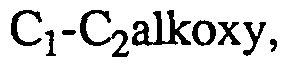
  • R 6 , R 7 , R 8 , R 9 and R 10 are hydrogen, Cj-C ⁇ lkyl, phenyl or pyridyl, where the phenyl radical or pyridyl radical can be unsubstituted or substituted once to three times by halogen, Cj-C 4 alkyl, hydroxyl, C j -C 2 alkoxy, trifluoromethyl or trifluoromethoxy; n is 0 or 1; and R 15 and R 16 are hydrogen, C 1 -C 4 alkyl, phenyl or benzyl.
  • Halogen is fluorine, chlorine, bromine or iodine, preferably fluorine, chlorine or bromine.
  • Alkyl on its own or as a constituent of another substituent, is to be understood as meaning straight-chain or branched-chain alkyls. Depending on the number of carbon atoms indicated, they constitute the following groups, for example: methyl, ethyl and the isomers of propyl, butyl, pentyl or hexyl, for example isopropyl, isobutyl, tert-butyl, sec-butyl or isopentyl.
  • Alkenyl is, for example, 1-propenyl, allyl, 1-butenyl, 2-butenyl or 3-butenyl.
  • Alkynyl is, for example, 1-propynyl or 1-butynyl.
  • Cycloalkyl is optionally cyclopropyl, cyclobutyl, cyclopentyl or cyclohexyl, preferably cyclopropyl, cyclopentyl or cyclohexyl.
  • Examples of those 5- or 6-membered heterocycles having nitrogen, oxygen and/or sulfur as heteroatoms which are preferred are: thiophene, thiazole, furan and pyridine.
  • Both X j and X 2 are either chlorine or bromine;
  • A is hydrogen, OR 3 , SR 3 or NHR 4 ;
  • R j is hydrogen, acetyl or benzoyl
  • R 5 is hydrogen
  • X j and X 2 are chlorine; Z is COOH, COOCH 3 or COObenzyl; and R ⁇ is hydrogen or acetyl.
  • These acetals can be open acetals, which are derived from C alcohols which have only one OH group (e.g. methanol, ethanol, propanol, isopropanol, etc.), or ring acetals, which are formed from -C ⁇ diols (e.g. glycol, 1,2-propanediol or 1,3-propanediol) or from glycerol.
  • the compound of the formula III can be reacted with a N,N-dialkylchloroformamide, for example N,N-diethylchloroformamide, in a polar solvent, for example dimethylformamide (DMF) or acetonitrile, in the presence of a base, for example triethylamine, to yield a compound of the formula IV.
  • a N,N-dialkylchloroformamide for example N,N-diethylchloroformamide
  • a polar solvent for example dimethylformamide (DMF) or acetonitrile
  • a base for example triethylamine
  • a compound of the formula IV with a lithium base, for example lithium 2,2,6,6-tetramethylpiperidide (LTMP), lithium diisopropylamide (LDA) or lithium hexamethyldisilazide (LHMDS), in an aprotic solvent, for example te rahydrofuran (THF), diethyl ether or hexane, at -20 to -80°C, and reaction with an electrophile, for example an alkyl chloroformate, a N,N-dialkylchloroformamide or C0 2 , yields, after aqueous working-up, a compound of the formula la or Ig, which, by means of acidic hydrolysis, for example in a mixture of concentrated hydrochloric acid and acetic acid, react to form a compound of the formula lb, which, by means of subsequent acid-catalysed esterification in an alcohol, for example methanol, yields a compound of the formula Ic, which,
  • a lithium base for example lithium 2,2,6,6-tetramethylpiperidide, lithium diisopropylamide or lithium hexamethyldisilazide
  • the compounds of the formula I in which X l is hydrogen or halogen, X 2 is halogen and Z is -CH(OR 2 ) 2 , and R is an alkyl radical (Cmpd. If), can be prepared by reacting a compound of formula le with an alcohol, for example methanol or ethanol, or with a glycol, for example ethylene glycol, in a solvent, for example toluene, which can be used as an entraining agent, under acidic catalysis using, for example, p-toluenesulfonic acid, and azeotropic removal of the water of reaction.
  • an alcohol for example methanol or ethanol
  • a glycol for example ethylene glycol
  • solvent for example toluene
  • the 2-fluoro-3-pyridinol (lllb) which is produced here is novel and can be prepared in high yield by diazotizing 2-amino-3-hydroxypyridine with sodium nitrite in a mixture of pyridine and hydrogen fluoride at temperatures of less than 25°C.
  • N,N-diethyl-2,6-dichloro-3-(N-diethylcarbamoyloxy)isonicotinamide which can be hydrolysed in a mixture of acetic acid and concentrated hydrochloric acid to give 2,6-dichloro-3-hydroxyisonicotinic acid, esterified in sulfuric methanol to give methyl 2,6-dichloro-3-hydroxyisonicotinate and finally reacted with acetyl chloride in a suitable solvent, for example acetonitrile, in the presence of a base such as pyridine or triethylamine to give methyl 2,6-dichloro-3-acetyloxyisonicotinate.
  • a suitable solvent for example acetonitrile
  • the 2,6-dichloro-3-hydroxyisonicotinoyl chloride can be obtained by reaction of the corresponding carboxylic acid with thionyl chloride or oxalyl chloride and be reacted with nucleophiles, for example benzyl alcohol or methylamine, to give benzyl 2,6-dichloro-3-hydroxyisonicotinate or N-methyl-2,6-dichloro-3-hydroxyisonicotinamide.
  • nucleophiles for example benzyl alcohol or methylamine
  • the corresponding thiocarboxylates or thiocarboxamides can be obtained by reaction with a thionating agent, for example phosphorus pentasulfide or
  • Suitable reaction-inert solvents and diluents are used as reaction media in process schemes 1 to 3, in conformity with the relevant reaction conditions.
  • Examples which may be mentioned are: aliphatic and aromatic hydrocarbons, such as benzene, toluene, xylenes and petroleum ether; halogenated hydrocarbons, such as chlorobenzene, methylene chloride, ethylene chloride, chloroform, carbon tetrachloride and tetrachloroethylene; ethers and ether-like compounds, such as dialkyl ethers (diethyl ether, diisopropyl ether), tert-butyl methyl ether, etc.), anisole, dioxane and tetrahydrofuran; nitriles, such as acetonitrile and propionitrile; N,N-dialkylated amides, such as dimethylformamide; dimethyl sulfoxide; ketones, such as acetone, diethyl
  • the compounds of the formula I according to the invention display a spectrum of activity which is very favourable in practice for protecting plants against diseases which are caused both by fungi and by bacteria and viruses.
  • the underlying mode of action of the compounds according to the invention is directed, in particular, towards effecting a general increase in the resistance of the treated plants, resulting in the achievement of a general antimicrobial resistance to a broad spectrum of harmful microorganisms.
  • the great advantage of the compounds according to the invention is that, when they are used for treating plants, they do not act directly on the phytopathogenic microorganisms but, instead, activate and stimulate the plant's own biological defence system prior to infestation, thereby providing the possibility of ensuring that the treated plants maintain their health by themselves, frequently without additional microbicidal substances being used during the vegetative period. Consequently, it is characteristic of the active compounds of the formula I that they do not exert any direct effect on the microorganisms but, instead, have the effect of immunizing healthy plants against plant diseases.
  • the resulting immunization against plant diseases can be employed to protect a large number of crop plants so that the appearance of harmful organisms on the plants or plant parts (fruits, blossoms, foliage, stalks, tubers and roots) of different economically useful crops is efficaciously prevented, with subsequently accruing plant parts also remaining free of phytopathogenic microorganisms.
  • the active compounds of the formula I exhibit their activity both by way of foliage application and systemically.
  • They may also be employed as dressing agents for treating seed (fruit, tubers and grains) and plant cuttings in order to protect them against fungal infections, for example against Fusarium nivale, Helminthosporium gramineum and Ustilago nuda, and also against phytopathogenic microorganisms which occur in the soil.
  • the spectrum of activity of the compounds of the formula I extends, for example, to phytopathogenic fungi of the following classes: Fungi imperfecti (e.g. Botrytis, Pyricularia, Colletotrichum, Helminthosporium, Fusarium, Septoria, Cercospora and - 9 -
  • Fungi imperfecti e.g. Botrytis, Pyricularia, Colletotrichum, Helminthosporium, Fusarium, Septoria, Cercospora and - 9 -
  • Basidiomycetens e.g. the genera Hemileia, Rhizocotonia and Puccinia
  • Ascomycetes e.g. Venturia, Podosphaera, Erysiphe, Monilinia and Uncinula
  • the Oomycetes which belong to the Phycomycetes (e.g. Phytophthora, Plasmopara, Pythium, Bremia etc.).
  • the compounds according to the invention are effective against phytopathogenic bacteria and viruses (e.g. against Xanthomonas spp., Pseudomonas spp. and Erwinia amylovora, and also against tobacco mosaic virus).
  • the invention also relates to compositions which comprise the compounds of the formula I as an active compound component, in particular plant-protecting compositions, and also to their use in the agricultural sector or related areas.
  • the present invention also includes the preparation of these compositions, wherein the active substance is intimately mixed with one or more of the herein-described excipients and surfactants.
  • the invention also includes a process for treating plants, wherein the novel compounds of the formula I, or the novel compositions containing these compounds, are applied.
  • Active compounds of the formula I are customarily used in the form of compositions and may be added, simultaneously or successively, to the surface or plant to be treated together with additional active compounds.
  • additional active compounds may be either fertilizers, trace element-supplying agents or other preparations which influence plant growth.
  • selective herbicides such as insecticides, fungicides, bactericides, nematicides or moUuscicides, or mixtures of several of these preparations, additionally, where appropriate, together with excipients, surfactants or other administration-promoting additives which are customary in formulation technology.
  • Suitable excipients and additives may be solid or liquid and are those substances which are appropriate in formulation technology, for example natural or regenerated minerals, solvents, dispersants, wetting agents, adhesives, thickening agents, binding agents or fertilizers.
  • a preferred method for applying an active compound of the formula I or an agrochemical composition which comprises at least one of these active compounds is application to the foliage (foliage application).
  • the frequency and rate of application depend on the infestation pressure of the pathogen concerned.
  • the active compounds of the formula I can also gain entry into the plant (systemic effect) by way of the soil and through the roots, by means of the plant site being drenched with a liquid preparation or the substances being introduced into the soil in solid form, for example in the form of granules (soil application).
  • the compounds of the formula I can also be applied (coating) to seed grains by either drenching the grains with a liquid preparation of the active compound or coating them with a solid preparation.
  • further modes of application are possible in particular cases, for example specific treatment of the plant stems or the buds, and the treatment of rice plants by means of the so-called "into water application” or "seedling box application”.
  • the compounds of the formula I are employed in unaltered form or, preferably, together with the adjuvants which are customary in formulation technology.
  • they are expediently processed, in a known manner, for example into emulsion concentrates, spreadable pastes, directly sprayable or dilutable solutions, diluted emulsions, wettable powders, soluble powders, dusting compositions or granules, or by encapsulations in, for example, polymeric substances.
  • the methods of application such as spraying, nebulizing, dusting, scattering, coating or pouring, are, like the type of composition, selected in accordance with the sought-after aims and the given conditions.
  • Advantageous rates of application are in general from 0.5 g to 5 kg of active substance (AS) per ha; preferably from 1 g to 2 kg of AS ha, in particular from 1 g to 600 g of AS/ha and particularly preferably from 1 g to 500 g of AS/ha.
  • AS active substance
  • compositions, preparations or combinations which comprise the active compound of the formula I and, where appropriate, a solid or liquid additive are prepared in a known manner, for example by intimately mixing and/or grinding the active compounds with extenders, for example with solvents, solid excipients and, where appropriate, surface-active compounds (surfactants).
  • Suitable solvents are: aromatic hydrocarbons, preferably the C 8 to C 12 fractions, for example xylene mixtures or substituted naphthalenes, phthalic esters, such as dibutyl phthalate or dioctyl phthalate, aliphatic hydrocarbons, such as cyclohexane or paraffins, alcohols and glycols, and also their ethers and esters, such as ethanol, ethylene glycol, ethylene glycol monomethyl ether or ethylene glycol monoethyl ether, ketones, such as cyclohexanone, strongly polar solvents, such as N-methyl-2-pyrrolidone, dimethyl sulfoxide or dimethylformamide, and also, where appropriate, epoxidized plant oils such as epoxidized coconut oil or soyabean oil; or water.
  • aromatic hydrocarbons preferably the C 8 to C 12 fractions, for example xylene mixtures or substituted naphthalenes
  • natural crushed rocks such as calcite, talc, kaolin, montmorillonite or attapulgite
  • solid excipients for example for dusting compositions and dispersible powders.
  • Highly disperse silicic acid or highly disperse, absorbent polymers can also be added in order to improve the physical properties.
  • Porous types for example pumice stone, crushed brick, sepiolite or bentonite, are suitable for use as granulated, adsorptive granular excipients, while calcite or sand, for example, are suitable for use as non-sorptive excipient materials.
  • a large number of pregranulated materials of inorganic or organic nature can be used, such as, in particular, dolomite or comminuted plant residues.
  • Natural (animal or vegetable) or synthetic phospholipids from the cephalins and lecithins series which can, for example, be obtained from soyabeans, are also particularly advantageous application-promoting additives which can lead to a marked reduction in the rate of application.
  • nonionic, cationic and/or anionic surfactants having good emulsifying, dispersing and wetting properties are suitable for use as surface-active compounds.
  • surfactants are also understood to mean surfactant mixtures.
  • Suitable anionic surfactants can be either so-called water-soluble soaps or water-soluble, synthetic surface-active compounds.
  • Soaps which may be mentioned are the alkali metal salts, alkaline earth metal salts or substituted or unsubstituted ammonium salts of higher fatty acids (CJO-C 22 ), for example the sodium salts or potassium salts of oleic or stearic acid, or of natural fatty acid mixtures which can, for example, be obtained from coconut oil or tallow oil.
  • CJO-C 22 substituted or unsubstituted ammonium salts of higher fatty acids
  • the sodium salts or potassium salts of oleic or stearic acid or of natural fatty acid mixtures which can, for example, be obtained from coconut oil or tallow oil.
  • the fatty acid methyllaurine salts may also be mentioned.
  • phosphates for example salts of the phosphoric ester of a p-nonylphenol-(4-14)-ethylene oxide adduct, also come into consideration.
  • nonionic surfactants which may be mentioned are nonylphenol polyethoxy ethanols, castor oil polyglycol ethers, polypropylene-polyethylene oxide adducts, tributylphenoxypolyethylene ethanol, polyethylene glycol and octylphenoxypolyethoxy ethanol.
  • fatty acid esters of polyoxyethylenesorbitan such as polyoxyethylene- sorbitan trioleate, also come into consideration.
  • the cationic surfactants are, in particular, quaternary ammonium salts which contain, as N substituents, at least one alkyl radical having from 8 to 22 C atoms, and, as additional substituents, have lower, halogenated or non-halogenated alkyl, benzyl or lower hydroxyalkyl radicals.
  • These salts are preferably present as halides, methyl sulfates or ethyl sulfates, for example stearyltrimethylammonium chloride or benzyldi(2-chloroethyl)ethylammonium bromide.
  • the agrochemical preparations comprise from 0.1 to 99 %, in particular from 0.1 to 95 %, of the active compound of the formula I, from 99.9 to 1 %, in particular from 99.8 to 5 %, of a solid or fluid additive, and from 0 to 25 %, in particular from 0.1 to 25 %, of a surfactant.
  • concentrated compositions are more likely to be preferred as a commercial product, the consumer uses diluted compositions as a rule.
  • compositions may also comprise further additives, such as stabilizers, defoamers, viscosity regulators, binders, adhesives and fertilizers, or other active compounds for achieving special effects.
  • additives such as stabilizers, defoamers, viscosity regulators, binders, adhesives and fertilizers, or other active compounds for achieving special effects.
  • Agrochemical compositions which comprise compounds of the formula I as the active component likewise constitute a constituent of the present invention.
  • THF tetrahydrofuran
  • TMP tetramethylpiperidine
  • N,N-diethyl-2,6-dichloro-3-(N-diethylcarbamoyloxy)isonicotinamide are boiled at reflux for 72 hr in a mixture of 50 ml of acetic acid and 100 ml of concentrated hydrochloric acid. After that, most of the acetic acid is distilled off and the remaining suspension is diluted with 200 ml of water and cooled down to 0°C; the solid is then filtered off with suction. 2.2 g of beige crystals are obtained having an m.p. of 213-215°C (decomposition).
  • Emulsion concentrates a) b) c) Active compound from Tables 1 to 6 25 % 40 % 50 % Calcium dodecylbenzenesulfonate 5 % 8 % 6 % Castor oil polyethylene glycol ether 5 % - - (36 mol of ethylene oxide) Tributylphenoyl polyethylene glycol - 12 % 4 % ether (30 mol of ethylene oxide Cyclohexanone . 15 % 20 % Xylene mixture 65 % 25 % 20 %
  • Emulsions of any desired concentration may be prepared from these concentrates by diluting with water.
  • the solutions are suitable for use in the form of very small drops.
  • Ready-to-use dusting compositions are obtained by intimately mixing the excipients with the active compound.
  • the active compound is mixed with the additives and ground homogeneously in a suitable mill. Wettable powders are obtained which can be diluted with water to give suspensions of any desired concentration.
  • Xylene mixture 50 % Emulsions of any desired concentration may be prepared from this concentrate by diluting with water.
  • Ready-to-use dusting compositions are obtained by mixing the active compound with the excipients and grinding on a suitable mill.
  • the active compound is mixed with the additives, ground and moistened with water. This mixture is extruded and then dried in a current of air.
  • the finely ground active compound is applied uniformly, in a mixer, to the kaolin which has been moistened with polyethylene glycol. Dust-free coating granules are obtained in this manner.
  • the finely ground active compound is mixed intimately with the additives.
  • a suspension concentrate is obtained from which suspensions of any desired concentration may be prepared by diluting with water.
  • Example 3.1 Effect against Colletotrichum lagenarium on Cucumis sativus L. a) Residual protective effect
  • cucumber plants After having been cultivated for 10 days, cucumber plants are sprayed with a spray liquor (concentration: 200 ppm) which has been prepared from a wettable powder of the active compound.
  • a spray liquor concentration: 200 ppm
  • the plants are infected with a spore suspension (approximately 1.5xl0 5 spores/ml) of the fungus and incubated at a temperature of 23°C for 30 hours at high atmospheric humidity. The incubation is then continued at normal atmospheric humidity and at from 22°C to 23°C.
  • a spore suspension approximately 1.5xl0 5 spores/ml
  • cucumber plants After having been cultivated for 10 days, cucumber plants are treated, by means of application to the soil, with a spray liquor which has been prepared from a wettable powder of the active compound (concentration: 60 or 20 ppm based on the soil volume).
  • the plants are infected with a spore suspension (approximately 1.5xl0 5 spores/ml) of the fungus and incubated at a temperature of 23°C for 30 hours at high atmospheric humidity. The incubation is then continued at normal atmospheric humidity and at 22°C. 10 days after the infection, the protective effect is assessed on the basis of the fungal infestation.
  • a spore suspension approximately 1.5xl0 5 spores/ml
  • Example 3.2 Effect against Puccinia graminis on wheat a) Residual protective effect
  • wheat plants are sprayed with a spray liquor (0.02 % active substance) which has been prepared from a wettable powder of the active compound. After 24 hours, the treated plants are infected with an uredo spore suspension of the fungus. After a 48-hour incubation at 95-100 % relative atmospheric humidity and at approximately 20°C, the infected plants are placed in a greenhouse at approximately 22°C. The development of rust pustules is assessed at 12 days after the infection.
  • a spray liquor 0.02 % active substance
  • a spray liquor (0.006 % active substance based on the soil volume) which has been prepared from a wettable powder of the active compound is supplied by pouring to wheat plants 5 days after they have been planted. After 48-72 hours, the treated plants are infected with an urediospore suspension of the fungus. After a 48-hour incubation at 95-100 % relative atmospheric humidity and at approximately 20°C, the infected plants are placed in a greenhouse at approximately 22°C. The development of rust pustules is assessed at 12 days after the infection.
  • Example 3.3 Effect against Phytophthora infestans on tomato plants a) Residual protective effect
  • tomato plants After having been cultivated for 3 weeks, tomato plants are sprayed with a spray liquor
  • a spray liquor (0.002 % active substance based on the soil volume) which has been prepared from a wettable powder of the active compound is supplied by pouring to tomato plants after they have been cultivated for 3 weeks. Care is taken, in this context, to ensure that the spray liquor does not come into contact with the parts of the plants which are above the soil. After 48-72 hours, the treated plants are infected with a spore suspension of the fungus. The fungal infestation is assessed after incubating the infected plants for 24-96 hours at 90-100 % relative atmospheric humidity and at 20°C.
  • Grapevine seedlings are sprayed, at the 4-5 leaf stage, with a spray liquor (0.02 % active substance) which has been prepared from a wettable powder of the active compound.
  • the treated plants are infected with a sporangial suspension of the fungus.
  • the fungal infestation is assessed after incubating for 6 days at 95-100 % relative atmospheric humidity and at 20°C.
  • Example 3.5 Effect against Piricularia oryzae on rice plants a) Residual protective effect
  • rice plants After having been cultivated for 2 weeks, rice plants are sprayed with a spray liquor (0.02 % active substance) which has been prepared from a wettable powder of the active compound. After 48 hours, the treated plants are infected with a conidial suspension of the fungus. The fungal infestation is assessed after incubating for 5 days at 95-100 % relative atmospheric humidity and at 24°C.
  • a spray liquor 0.2 % active substance
  • a spray liquor (0.006% active substance based on the soil volume) which has been prepared from a wettable powder of the active compound is supplied by pouring to 18 day-old rice plants. After that, the pots are filled with water to such an extent that the lowest parts of the rice plant stems are standing in the water. After 96-120 hours, the treated rice plants are infected with a conidial suspension of the fungus. The fungal infestation is assessed after the infected plants have been incubated for 5 days at 100 % relative atmospheric humidity and at approximately 24°C.
  • Example 3.6 Effect against Pseudomonas lachrymans on Cucumis sativus L. a) Residual protective effect
  • cucumber plants After having been cultivated for 10 days, cucumber plants are sprayed with a spray liquor (concentration: 200 ppm) which has been prepared from a wettable powder of the active compound.
  • a spray liquor concentration: 200 ppm
  • cucumber plants After having been cultivated for 10 days, cucumber plants are treated, by means of application to the soil, with a spray liquor which has been prepared from a wettable powder of the active compound (concentration: 60 or 20 ppm based on the soil volume).
  • Example 3.7 Immunizing effect against tobacco mosaic virus on tobacco 8 week-old tobacco plants are sprayed (concentration: 200 ppm) or injected (concentration: 200 ppm) with a formulated solution of the active compound. After 4 days, the plants are inoculated mechanically with a suspension of tobacco mosaic virus (0.5 ⁇ g/ml + carborundum) and incubated at a temperature of 20°-22°C.
  • the protective effect is assessed on the basis of the number and size of the local lesions.
  • Example 3.8 Effect against Xanthomonas oryzae on rice (Oryza sativa) a) Residual protective effect
  • rice plants After having been cultivated for 3 weeks in a greenhouse, rice plants are sprayed with the test substance in the form of a spray liquor (0.02 % active substance). After this spray coating has dried on for one day, the plants are placed in a climate chamber at 24 °C and 75-85 % relative atmospheric humidity, and infected. The infection is achieved by cutting off the leaf tips with a pair of scissors which has previously been immersed in a suspension of Xanthomonas oryzae. After having been incubated for 10 days, the cut leaves, if infested, wilt, roll up and become necrotic. The extent of these disease symptoms is used to assess the residual activity of the test substance. b) Systemic effect
  • a suspension of the test substance is supplied to rice plants by pouring such that the rice plant itself is not wetted (0.006 % active substance based on the soil volume).
  • the plants are placed in a climate chamber at 24°C and 75-85 % relative atmospheric humidity, and infected.
  • the infection is achieved by cutting off the leaf tips with a pair of scissors which has previously been immersed in a suspension of Xanthomonas oryzae. After having been incubated for 10 days, the cut leaves, if infested, wilt, roll up and become necrotic. The extent of these disease symptoms is used to assess the systemic activity of the test substance.
  • Example 3.9 Effect against Xanthomonas vesicatoria on pepper (Capsicum annuum) a) Residual protective effect
  • pepper plants of the "California Wonder" variety are sprayed with the test substance in the form of a spray liquor (0.02 % active substance). After this spray coating has dried on for one day, the plants are placed in a climate chamber at 26°C and 95-100 % relative atmospheric humidity and infected by spraying the undersides of the leaves with a standardized suspension of Xanthomonas vesicatoria. After 6 days of incubation, round, initially watery, subsequently necrotic, bright spots are formed on the leaves, if they arc infested. The extent of these spots is used to assess the residual activity of the test substance.
  • pepper plants of the "California Wonder" variety are watered with a suspension of the test substance (0.006 % active substance based on the soil volume).
  • the plants are placed in a climate chamber at 26°C and 95-100 % relative atmospheric humidity and infected by spraying the undersides of the leaves with a standardized suspension of Xanthomonas vesicatoria. After incubating for 6 days, round, initially watery, subsequently necrotic, bright spots are formed on the leaves, if they are infested. The extent of these spots is used to assess the systemic activity of the test substance.
  • Example 3.10 Dressing effect against Fusarium nivale on rye
  • Rye of the Tetrahell variety which has been naturally infected with Fusarium nivale, is dressed with the test substance on a mixing roller, with the following concentrations being used: 600, 200 or 60 ppm of active substance (based on the weight of the seed).
  • the experimental plantation is cultivated under normal field conditions (preferably in a region where there is a complete covering of snow during the winter months).
  • the percentage proportion of plants which are infested with Fusarium is determined in the spring immediately after the snow has melted.
  • Example 3.11 Dressing effect against Helminthosporium gramineum on barley Winter barley of the "Cl" variety, which has been naturally infected with Helminthosporium gramineum, is dressed with the test substance on a mixing roller, with the following concentrations being used: 600, 200 or 60 ppm of active substance (based on the weight of the seed).
  • the percentage proportion of stems which are infested with Helminthospora is determined at the time of earing up.
  • Example 3.13 Dressing effect against Colletotrichum lagenarium on Cucumis sativus L.
  • Cucumber seeds are dressed with a solution of the active compound (concentration: 180 g/100 kg of seed). These seeds are sown.
  • the plants are infected with a spore suspension (approximately 1.5xl0 5 spores/ml) of the fungus and incubated for 36 hours at a high atmospheric humidity and at a temperature of 23°C. The incubation is then continued at normal atmospheric humidity and at from 22° to 23°C.
  • the protective effect is assessed on the basis of the fungal infestation.
  • Example 3.14 Residual protective effect against Venturia inaequalis on apple shoots
  • Apple cuttings having fresh shoots of 10-20 cm in length are sprayed with a spray liquor (0.02 % active substance) which has been prepared from a wettable powder of the active compound.
  • a spray liquor 0.2 % active substance
  • the treated plants are infected with a conidial suspension of the fungus.
  • the plants are then incubated for 5 days at 90-100 % relative atmospheric humidity and placed in a greenhouse at 20-24°C for a further 10 days. Scab infestation is assessed 15 days after the infection.
  • Example 3.15 Effect against Cercospora nicotianae on tobacco

Landscapes

  • Chemical & Material Sciences (AREA)
  • Organic Chemistry (AREA)
  • Life Sciences & Earth Sciences (AREA)
  • Agronomy & Crop Science (AREA)
  • Pest Control & Pesticides (AREA)
  • Plant Pathology (AREA)
  • Health & Medical Sciences (AREA)
  • Engineering & Computer Science (AREA)
  • Dentistry (AREA)
  • General Health & Medical Sciences (AREA)
  • Wood Science & Technology (AREA)
  • Zoology (AREA)
  • Environmental Sciences (AREA)
  • Pyridine Compounds (AREA)
  • Agricultural Chemicals And Associated Chemicals (AREA)

Abstract

Novel substituted pyridine derivatives of general formula (I) in which: X1 is halogen or hydrogen, X2 is halogen; Z is -C(=O)A, -C(=S)A or -CH(OR2)2, and in which A is hydrogen, OR3, SR3, NR4R5, NHOR6, -ON=CR7R8 or NH-N(=C)n(R9)R10; R1 is as defined in the description. The novel active compounds possess plant-protecting properties and are particularly suitable for protecting plants preventatively against infestation with phytopathogenic microorganisms such as fungi, bacteria and viruses.

Description

Pyridine - microbicides
The present invention relates to novel substituted pyridine derivatives of the formula I below. The invention also relates to the preparation of these substances and to compositions which comprise a compound of the formula I as an active compound. The invention furthermore relates to the preparation of the said compositions and to the use of the active compounds or the compositions for protecting plants against infestation with pernicious microorganisms, for example fungi, bacteria and viruses.
The compounds according to the invention are of the general formula I
Figure imgf000003_0001
in which:
Xj is halogen or hydrogen,
X2 is halogen;
Z is -C(=O)A, -C(=S)A or -CH(OR2)2, and in which
A is hydrogen, OR3, SR3, NR4R5, NHOR6, -ON=CR7R8 or NH-N(=C)n(R9)R10;
Rj is hydrogen; CrC4alkyl which can be unsubstituted or substituted by phenyl,
-C(=0)OCrC2alkyl, -C(=O)Obenzyl, CrC3alkoxy, phenoxy, -C(=0)-CrC3alkyl or
-C(=0)phenyl, where the respective phenyl radicals of these substituents can be unsubstituted or substituted once or twice by halogen and/or methoxy; -C(=O)-C1-C8alkyl which can be unsubstituted or substituted by phenyl, -C(=O)OCrC2alkyl, CrC3alkoxy, phenoxy, benzyloxy or -OC(=O)-CrC3alkyl; -C(=O)phenyl, where the phenyl radical can be unsubstituted or substituted once or twice by halogen, hydroxyl, methoxy, trifluoromethyl or trifluoromethoxy; -C(=0)N(CrC2alkyl)2; -C(=S)N(CrC2alkyl)2;
-S02-CrC2alkyl; -S02-benzyl or -S02-phenyl, where the respective phenyl radicals of these substituents can be unsubstituted or substituted once or twice by halogen, hydroxyl, methoxy, trifluoromethyl or trifluoromethoxy; or -SO2-NR15R16;
R2 is Cj-C alkyl which can be unsubstituted or substituted by phenyl, CrC2alkoxy, phenoxy or benzyloxy; -C(=0)-CrC4alkyl; or a cyclic 5 to 6-membered acetal which can be unsubstituted or substituted by CrC3alkyl, CrC3hydτoxyalkyl, hydroxyl or benzyl; R3 is hydrogen; a singly to triply charged metallic cation, or MH4 +; -Cgalkyl which can be unsubstituted or substituted once to three times by halogen, C3-C6cycloalkyl, CrC4alkoxy, phenoxy, benzyloxy, hydroxyl, carboxyl, C(=0)OCj-C4alkyl or C(=0)Obenzyl; C3-C6alkenyl; C3-C6alkynyl; C3-C6cycloalkyl; phenyl, benzyl or phenethyl, where the respective phenyl radicals of these substituents can be unsubstituted or substituted once to three times by halogen, CrC alkyl, hydroxyl, C1-C2alkoxy, trifluoromethyl or trifluoromethoxy; -C(=O)-C1-C4alkyl; -C(=0)phenyl; or a 5- or 6-membered heterocycle having one to three heteroatoms selected from N, O and S; R4 is hydrogen; CrC8alkyl which can be unsubstituted or substituted once to three times by halogen, C3-C6cycloalkyl, Cj-C4alkoxy, phenoxy, benzyloxy, hydroxyl, carboxyl, C(=0)OCrC4alkyl or C(=0)Obenzyl; C3-C6alkenyl; C3-C6alkynyl; C3-C6cycloalkyl; phenyl, benzyl or phenethyl, where the respective phenyl radicals of these substituents can be unsubstituted or substituted once to three times by halogen, CrC4alkyl, hydroxyl, CrC2alkoxy, trifluoromethyl or trifluoromethoxy; -C(=O)-Cι-C4alkyl; -C(=O)phenyl; or a 5- or 6-membered heterocycle having one to three heteroatoms selected from N, O and S; R5 is hydrogen, CrC6alkyl or benzyl; or
R4 and R5 form, together with the nitrogen atom, a cyclopentylamine, cyclohexylamine, morpholine or dimethylmorpholine ring;
R6, R7, R8, R9 and R10 are hydrogen, Cj-Cβ lkyl, phenyl or pyridyl, where the phenyl radical or pyridyl radical can be unsubstituted or substituted once to three times by halogen, Cj-C4alkyl, hydroxyl, Cj-C2alkoxy, trifluoromethyl or trifluoromethoxy; n is 0 or 1; and R15 and R16 are hydrogen, C1-C4alkyl, phenyl or benzyl.
Halogen is fluorine, chlorine, bromine or iodine, preferably fluorine, chlorine or bromine.
Alkyl, on its own or as a constituent of another substituent, is to be understood as meaning straight-chain or branched-chain alkyls. Depending on the number of carbon atoms indicated, they constitute the following groups, for example: methyl, ethyl and the isomers of propyl, butyl, pentyl or hexyl, for example isopropyl, isobutyl, tert-butyl, sec-butyl or isopentyl.
Alkenyl is, for example, 1-propenyl, allyl, 1-butenyl, 2-butenyl or 3-butenyl.
Alkynyl is, for example, 1-propynyl or 1-butynyl.
Cycloalkyl is optionally cyclopropyl, cyclobutyl, cyclopentyl or cyclohexyl, preferably cyclopropyl, cyclopentyl or cyclohexyl.
Examples of those 5- or 6-membered heterocycles having nitrogen, oxygen and/or sulfur as heteroatoms which are preferred are: thiophene, thiazole, furan and pyridine.
Important compounds of the formula I are those in which Xj and X2 are both halogen, preferably those in which Z is -C(=O)A or -C(=S)A, in particular those in which A is hydrogen, OR3, SR3 or NR4R5.
Owing to their pronounced plant-protecting microbicidal properties, those active compounds of formula I are preferred which possess the following substituents or combinations of these substituents amongst themselves:
Both Xj and X2 are either chlorine or bromine;
Z is C(=0)A;
A is hydrogen, OR3, SR3 or NHR4;
Rj is hydrogen, acetyl or benzoyl;
R3 and R4 are hydrogen; Cj- alkyl which can be unsubstituted or substituted once to three times by halogen, C3-C6cycloalkyl, Cj-C4alkoxy, phenoxy, benzyloxy, hydroxyl, carboxyl, C(=0)OCrC4alkyl or C(=O)0benzyl; C3-C6alkenyl; phenyl or benzyl, where the respective phenyl radicals of these substituents can be unsubstituted or substituted once to three times by halogen, hydroxyl, methoxy, trifluoromethyl and/or trifluoromethoxy; and
R5 is hydrogen.
Of these, those are preferred in which Xj and X2 are chlorine; Z is COOH, COOCH3 or COObenzyl; and R} is hydrogen or acetyl.
Those compounds in which Z is either -C(=0)A or -C(=S)A, and A is one of the groups -NHOR6, -ON=CR7R8 or -NH-N(=C)n(R9)R10 are another preferred group within the formula I.
Acetals, i.e. compounds having the structural element Z = -CH(OR2)2, are a further preferred group of the formula I. These acetals can be open acetals, which are derived from C alcohols which have only one OH group (e.g. methanol, ethanol, propanol, isopropanol, etc.), or ring acetals, which are formed from -Cβdiols (e.g. glycol, 1,2-propanediol or 1,3-propanediol) or from glycerol.
The compounds of the formula I, in which Xj is hydrogen or halogen, X2 is halogen and Z is C(=0)A, and A is hydroxyl or methoxy, can be prepared as follows (Scheme 1).
Scheme 1
Figure imgf000006_0001
IV 1. LiN(R)2
2. CICON(alkyl)2
CON(alkyl)2
Figure imgf000006_0002
Figure imgf000006_0003
Ic Id
The compound of the formula III can be reacted with a N,N-dialkylchloroformamide, for example N,N-diethylchloroformamide, in a polar solvent, for example dimethylformamide (DMF) or acetonitrile, in the presence of a base, for example triethylamine, to yield a compound of the formula IV. Metallation of a compound of the formula IV with a lithium base, for example lithium 2,2,6,6-tetramethylpiperidide (LTMP), lithium diisopropylamide (LDA) or lithium hexamethyldisilazide (LHMDS), in an aprotic solvent, for example te rahydrofuran (THF), diethyl ether or hexane, at -20 to -80°C, and reaction with an electrophile, for example an alkyl chloroformate, a N,N-dialkylchloroformamide or C02, yields, after aqueous working-up, a compound of the formula la or Ig, which, by means of acidic hydrolysis, for example in a mixture of concentrated hydrochloric acid and acetic acid, react to form a compound of the formula lb, which, by means of subsequent acid-catalysed esterification in an alcohol, for example methanol, yields a compound of the formula Ic, which, by means of reaction with a carbonyl chloride, sulfonyl chloride or alkyl halide, for example acetyl chloride, methanesulfonyl chloride, or methyl iodide, yields a compound of the formula Id or of the formula I.
The compounds of formula I, in which Xj is hydrogen or halogen, X2 is halogen and Z is -C(=O)A, and A and also Rj are hydrogen, can be obtained in an analogous manner (Scheme 2) by metallation of a compound of the formula IV with a lithium base, for example lithium 2,2,6,6-tetramethylpiperidide, lithium diisopropylamide or lithium hexamethyldisilazide, in an aprotic solvent, for example tetrahydrofuran, diethyl ether or hexane, at -20 to -80°C, and reaction with DMF and subsequent alkaline hydrolysis, in a polar, water-miscible solvent, for example THF, with an aqueous solution of sodium or potassium hydroxide to form a compound of the formula le.
Scheme 2
Figure imgf000007_0001
IV le If
The compounds of the formula I, in which Xl is hydrogen or halogen, X2 is halogen and Z is -CH(OR2)2, and R is an alkyl radical (Cmpd. If), can be prepared by reacting a compound of formula le with an alcohol, for example methanol or ethanol, or with a glycol, for example ethylene glycol, in a solvent, for example toluene, which can be used as an entraining agent, under acidic catalysis using, for example, p-toluenesulfonic acid, and azeotropic removal of the water of reaction.
The preparation of the intermediates of the formula HI, in which Xj is hydrogen and X2 is F or CI, is also the subject-matter of the invention (Scheme 3).
Scheme 3
Figure imgf000008_0001
Ilia
Figure imgf000008_0002
lllb
The 2-fluoro-3-pyridinol (lllb) which is produced here is novel and can be prepared in high yield by diazotizing 2-amino-3-hydroxypyridine with sodium nitrite in a mixture of pyridine and hydrogen fluoride at temperatures of less than 25°C.
Compounds of the formula I in which Xj = X2 = CI can be prepared as follows: an alkali metal salt of 3-hydroxy-2-oxo-l(2H)-pyridinesulfonic acid (II), which can be prepared, for example, in accordance with Swiss Patent No. 5939 or British Patent GB- 1077036, can be reacted with thionyl chloride or phosgene in an inert solvent or solvent mixture, such as DMF/toluene, at 90°C, to form 2-chloro-3-pyridinol (Ilia) in high yield (Scheme 3), which is chlorinated in DMF to form 2,6-dichloro-3-pyridinol and can subsequently be reacted with diethylcarbamoyl chloride to form 2,6-dichloro-3-N-diethylcarbamoyloxypyridine. Subsequent metallation with lithium 2,2,6,6-tetramethylpiperidide (LTMP) in THF at -78°C and reaction with diethylcarbamoyl chloride yield
N,N-diethyl-2,6-dichloro-3-(N-diethylcarbamoyloxy)isonicotinamide, which can be hydrolysed in a mixture of acetic acid and concentrated hydrochloric acid to give 2,6-dichloro-3-hydroxyisonicotinic acid, esterified in sulfuric methanol to give methyl 2,6-dichloro-3-hydroxyisonicotinate and finally reacted with acetyl chloride in a suitable solvent, for example acetonitrile, in the presence of a base such as pyridine or triethylamine to give methyl 2,6-dichloro-3-acetyloxyisonicotinate. The 2,6-dichloro-3-hydroxyisonicotinoyl chloride can be obtained by reaction of the corresponding carboxylic acid with thionyl chloride or oxalyl chloride and be reacted with nucleophiles, for example benzyl alcohol or methylamine, to give benzyl 2,6-dichloro-3-hydroxyisonicotinate or N-methyl-2,6-dichloro-3-hydroxyisonicotinamide. The corresponding thiocarboxylates or thiocarboxamides can be obtained by reaction with a thionating agent, for example phosphorus pentasulfide or
4-methoxyphenylthiophosphonic acid cyclodithioanhydride ("Lawesson reagent"), in a suitable solvent, for example toluene.
Compounds of the formula I in which Xj = X2 = Br, Rx = acetyl and Z = COOCH3 can be obtained by an analogous synthesis proceeding from 2,6-dibromo-3-pyridinol [Beilstein, E iπ/IV, Vol. 21, p. 432].
Compounds of the formula I in which Xj = H and X2 = F, CI or Br, Rj = acetyl and Z = COOCH3 can be obtained by an analogous synthesis proceeding from the corresponding monohalogeno-3-pyridinol.
Compounds of the formula I in which Xj = CI or Br, and X2 is a halogen which is different from Xj, such as F, CI or Br, Rx = acetyl and Z = COOCH3 can likewise be obtained by an analogous synthesis, with it being possible to obtain the 2,6-dihalides by halogenating the corresponding monohalogeno-3-pyridinols.
Suitable reaction-inert solvents and diluents are used as reaction media in process schemes 1 to 3, in conformity with the relevant reaction conditions. Examples which may be mentioned are: aliphatic and aromatic hydrocarbons, such as benzene, toluene, xylenes and petroleum ether; halogenated hydrocarbons, such as chlorobenzene, methylene chloride, ethylene chloride, chloroform, carbon tetrachloride and tetrachloroethylene; ethers and ether-like compounds, such as dialkyl ethers (diethyl ether, diisopropyl ether), tert-butyl methyl ether, etc.), anisole, dioxane and tetrahydrofuran; nitriles, such as acetonitrile and propionitrile; N,N-dialkylated amides, such as dimethylformamide; dimethyl sulfoxide; ketones, such as acetone, diethyl ketone and methyl ethyl ketone, and mixtures of these solvents with each other.
Additional methods for preparing the precursors, also including those of the substituted 2-halopyridine derivatives, are familiar to the skilled person or are described in the specialist literature.
It has now been found, surprisingly, that, in practice, the compounds of the formula I according to the invention display a spectrum of activity which is very favourable in practice for protecting plants against diseases which are caused both by fungi and by bacteria and viruses. The underlying mode of action of the compounds according to the invention is directed, in particular, towards effecting a general increase in the resistance of the treated plants, resulting in the achievement of a general antimicrobial resistance to a broad spectrum of harmful microorganisms. The great advantage of the compounds according to the invention is that, when they are used for treating plants, they do not act directly on the phytopathogenic microorganisms but, instead, activate and stimulate the plant's own biological defence system prior to infestation, thereby providing the possibility of ensuring that the treated plants maintain their health by themselves, frequently without additional microbicidal substances being used during the vegetative period. Consequently, it is characteristic of the active compounds of the formula I that they do not exert any direct effect on the microorganisms but, instead, have the effect of immunizing healthy plants against plant diseases. The resulting immunization against plant diseases can be employed to protect a large number of crop plants so that the appearance of harmful organisms on the plants or plant parts (fruits, blossoms, foliage, stalks, tubers and roots) of different economically useful crops is efficaciously prevented, with subsequently accruing plant parts also remaining free of phytopathogenic microorganisms. However, in contrast to this, it is also possible to use a number of compounds of the formula I to protect against phytopathogenic microorganisms. The active compounds of the formula I exhibit their activity both by way of foliage application and systemically. They may also be employed as dressing agents for treating seed (fruit, tubers and grains) and plant cuttings in order to protect them against fungal infections, for example against Fusarium nivale, Helminthosporium gramineum and Ustilago nuda, and also against phytopathogenic microorganisms which occur in the soil.
The spectrum of activity of the compounds of the formula I extends, for example, to phytopathogenic fungi of the following classes: Fungi imperfecti (e.g. Botrytis, Pyricularia, Colletotrichum, Helminthosporium, Fusarium, Septoria, Cercospora and - 9 -
Alternaria); Basidiomycetens (e.g. the genera Hemileia, Rhizocotonia and Puccinia); Ascomycetes (e.g. Venturia, Podosphaera, Erysiphe, Monilinia and Uncinula) and the Oomycetes which belong to the Phycomycetes (e.g. Phytophthora, Plasmopara, Pythium, Bremia etc.). In addition to this, the compounds according to the invention are effective against phytopathogenic bacteria and viruses (e.g. against Xanthomonas spp., Pseudomonas spp. and Erwinia amylovora, and also against tobacco mosaic virus).
The invention also relates to compositions which comprise the compounds of the formula I as an active compound component, in particular plant-protecting compositions, and also to their use in the agricultural sector or related areas.
In addition to this, the present invention also includes the preparation of these compositions, wherein the active substance is intimately mixed with one or more of the herein-described excipients and surfactants. The invention also includes a process for treating plants, wherein the novel compounds of the formula I, or the novel compositions containing these compounds, are applied.
The following plant species, for example, are regarded, within the scope of this invention, as being target crops for the plant-protective use which is disclosed herein: cereals (wheat, barley, rye, oats, rice, maize, sorghum and related species); beets (sugar beet and feeding beet); pip fruit, stone fruit and berry fruit (apples, pears, plums, peaches, almonds, cherries, strawberries, raspberries and blackberries); legumes (beans, lentils, peas and soyabean); oil crops (rape, mustard, poppy, olives, sunflowers, coconut, castor oil, cacao and peanuts); cucumber plants (pumpkin, cucumbers and melons); fibre plants (cotton, flax, hemp and jute); citrus fruits (oranges, lemons, shaddocks and mandarins); vegetable varieties (spinach, garden lettuce, asparagus, cabbage species, carrots, onions, tomatoes, potatoes and pepper); laurel plants (avocado, cinnamon and camphor), or plants such as tobacco, nuts, coffee, sugar cane, tea, pepper, grapevines, hops, banana plants, natural rubber plants and ornamental plants (Compositae).
Active compounds of the formula I are customarily used in the form of compositions and may be added, simultaneously or successively, to the surface or plant to be treated together with additional active compounds. These additional active compounds may be either fertilizers, trace element-supplying agents or other preparations which influence plant growth. It is also possible, in this context, to use selective herbicides, such as insecticides, fungicides, bactericides, nematicides or moUuscicides, or mixtures of several of these preparations, additionally, where appropriate, together with excipients, surfactants or other administration-promoting additives which are customary in formulation technology.
Suitable excipients and additives may be solid or liquid and are those substances which are appropriate in formulation technology, for example natural or regenerated minerals, solvents, dispersants, wetting agents, adhesives, thickening agents, binding agents or fertilizers.
A preferred method for applying an active compound of the formula I or an agrochemical composition which comprises at least one of these active compounds is application to the foliage (foliage application). In this context, the frequency and rate of application depend on the infestation pressure of the pathogen concerned. However, the active compounds of the formula I can also gain entry into the plant (systemic effect) by way of the soil and through the roots, by means of the plant site being drenched with a liquid preparation or the substances being introduced into the soil in solid form, for example in the form of granules (soil application). However, the compounds of the formula I can also be applied (coating) to seed grains by either drenching the grains with a liquid preparation of the active compound or coating them with a solid preparation. In addition to this, further modes of application are possible in particular cases, for example specific treatment of the plant stems or the buds, and the treatment of rice plants by means of the so-called "into water application" or "seedling box application".
In this context, the compounds of the formula I are employed in unaltered form or, preferably, together with the adjuvants which are customary in formulation technology. For this purpose, they are expediently processed, in a known manner, for example into emulsion concentrates, spreadable pastes, directly sprayable or dilutable solutions, diluted emulsions, wettable powders, soluble powders, dusting compositions or granules, or by encapsulations in, for example, polymeric substances. The methods of application, such as spraying, nebulizing, dusting, scattering, coating or pouring, are, like the type of composition, selected in accordance with the sought-after aims and the given conditions. Advantageous rates of application are in general from 0.5 g to 5 kg of active substance (AS) per ha; preferably from 1 g to 2 kg of AS ha, in particular from 1 g to 600 g of AS/ha and particularly preferably from 1 g to 500 g of AS/ha.
The formulations, i.e. the compositions, preparations or combinations which comprise the active compound of the formula I and, where appropriate, a solid or liquid additive, are prepared in a known manner, for example by intimately mixing and/or grinding the active compounds with extenders, for example with solvents, solid excipients and, where appropriate, surface-active compounds (surfactants).
Suitable solvents are: aromatic hydrocarbons, preferably the C8 to C12 fractions, for example xylene mixtures or substituted naphthalenes, phthalic esters, such as dibutyl phthalate or dioctyl phthalate, aliphatic hydrocarbons, such as cyclohexane or paraffins, alcohols and glycols, and also their ethers and esters, such as ethanol, ethylene glycol, ethylene glycol monomethyl ether or ethylene glycol monoethyl ether, ketones, such as cyclohexanone, strongly polar solvents, such as N-methyl-2-pyrrolidone, dimethyl sulfoxide or dimethylformamide, and also, where appropriate, epoxidized plant oils such as epoxidized coconut oil or soyabean oil; or water.
As a rule, natural crushed rocks, such as calcite, talc, kaolin, montmorillonite or attapulgite, are used as solid excipients, for example for dusting compositions and dispersible powders. Highly disperse silicic acid or highly disperse, absorbent polymers can also be added in order to improve the physical properties. Porous types, for example pumice stone, crushed brick, sepiolite or bentonite, are suitable for use as granulated, adsorptive granular excipients, while calcite or sand, for example, are suitable for use as non-sorptive excipient materials. In addition to this, a large number of pregranulated materials of inorganic or organic nature can be used, such as, in particular, dolomite or comminuted plant residues. Natural (animal or vegetable) or synthetic phospholipids from the cephalins and lecithins series, which can, for example, be obtained from soyabeans, are also particularly advantageous application-promoting additives which can lead to a marked reduction in the rate of application.
Depending on the nature of the active compound of the formula I to be formulated, nonionic, cationic and/or anionic surfactants having good emulsifying, dispersing and wetting properties are suitable for use as surface-active compounds. Surfactants are also understood to mean surfactant mixtures.
Suitable anionic surfactants can be either so-called water-soluble soaps or water-soluble, synthetic surface-active compounds.
Soaps which may be mentioned are the alkali metal salts, alkaline earth metal salts or substituted or unsubstituted ammonium salts of higher fatty acids (CJO-C22), for example the sodium salts or potassium salts of oleic or stearic acid, or of natural fatty acid mixtures which can, for example, be obtained from coconut oil or tallow oil. In addition, the fatty acid methyllaurine salts may also be mentioned.
However, so-called synthetic surfactants, in particular alkanesulfonates, fatty alcohol sulfonates, sulfonated benzimidazole derivatives or alkylsulfonates, are more frequently used.
Furthermore, appropriate phosphates, for example salts of the phosphoric ester of a p-nonylphenol-(4-14)-ethylene oxide adduct, also come into consideration.
Polyglycol ether derivatives of aliphatic or cycloaliphatic alcohols, saturated or unsaturated fatty acids and alkylphenols, which can contain from 3 to 30 glycol ether groups and from 8 to 20 carbon atoms in the (aliphatic) hydrocarbon residue and from 6 to 18 carbon atoms in the alkyl radical of the alkylphenols, come firstly into consideration as nonionic surfactants.
Examples of nonionic surfactants which may be mentioned are nonylphenol polyethoxy ethanols, castor oil polyglycol ethers, polypropylene-polyethylene oxide adducts, tributylphenoxypolyethylene ethanol, polyethylene glycol and octylphenoxypolyethoxy ethanol.
Furthermore, fatty acid esters of polyoxyethylenesorbitan, such as polyoxyethylene- sorbitan trioleate, also come into consideration.
The cationic surfactants are, in particular, quaternary ammonium salts which contain, as N substituents, at least one alkyl radical having from 8 to 22 C atoms, and, as additional substituents, have lower, halogenated or non-halogenated alkyl, benzyl or lower hydroxyalkyl radicals. These salts are preferably present as halides, methyl sulfates or ethyl sulfates, for example stearyltrimethylammonium chloride or benzyldi(2-chloroethyl)ethylammonium bromide.
Additional surfactants which are customary in formulation technology are either known to the skilled person or can be obtained from the relevant specialist literature.
As a rule, the agrochemical preparations comprise from 0.1 to 99 %, in particular from 0.1 to 95 %, of the active compound of the formula I, from 99.9 to 1 %, in particular from 99.8 to 5 %, of a solid or fluid additive, and from 0 to 25 %, in particular from 0.1 to 25 %, of a surfactant. Whereas concentrated compositions are more likely to be preferred as a commercial product, the consumer uses diluted compositions as a rule.
The compositions may also comprise further additives, such as stabilizers, defoamers, viscosity regulators, binders, adhesives and fertilizers, or other active compounds for achieving special effects.
Agrochemical compositions which comprise compounds of the formula I as the active component likewise constitute a constituent of the present invention.
The following examples serve to explain the invention in more detail without limiting it.
1. Preparation examples
Temperatures are given in degrees centigrade.
The following abbrevations are used: Ac = acetyl, DMF = dimethylformamide; EA = ethyl acetate; Et = ethyl; sat. = saturated; i.v. = in vacuo; solv. = solvent; Me = methyl; min = minute; RM = reaction mixture; RT = room temperature; m.p. = melting point; hr = hour,
THF = tetrahydrofuran; TMP = tetramethylpiperidine.
1. Preparation of 2-chloro-3-pyridinol
Figure imgf000015_0001
Process A
70 ml of toluene and, within the space of 15 min, a solution of 7.14 g (60 mmol) of thionyl chloride in 15 ml of toluene are added, at RT and while stirring, to a solution of 4.26 g (20 mmol) of 3-hydroxy-2-oxo-l(2H)-pyridinesulfonic acid sodium salt in 30 ml of DMF. After having been stirred at 90°C for 3 hr, the RM is cooled down to RT and poured into a mixture of 200 ml of ice water and 200 ml of EA. 150 ml of a sat. solution of sodium hydrogen carbonate are added while stirring thoroughly, and the phases are then separated; the aqueous phase is extracted once again with 100 ml of EA, and the combined organic phases are washed twice with water, dried over magnesium sulfate and concentrated i.v. at 60°C. 1.70 g are obtained of a crystalline product having an m.p. of 172°C.
Process B
70 ml of toluene are added, while stirring, to a solution of 4.26 g (20 mmol) of 3-hydroxy-2-oxo-l(2H)-pyridinesulfonic acid sodium salt in 30 ml of DMF. While the RM is being heated to 90°C, 42.2 ml (80 mmol) of a 1.9 M solution of phosgene in toluene are added dropwise to it. After having been stirred at this temperature for 2.5 hr, the RM is cooled down to RT and poured into a mixture of 200 ml of ice water and 200 ml of EA. 250 ml of a sat. solution of sodium hydrogen carbonate are added slowly while stirring thoroughly and the phases are then separated; the aqueous phase is extracted once again with EA, and the combined organic phases are washed twice with water, dried over magnesium sulfate and concentrated i.v. at 60°C. 1.72 g are obtained of a crystalline product having an m.p. of 172°C.
2. Preparation of 2-fluoro-3-pyridinol
Figure imgf000016_0001
180 g of pyridine are added dropwise, in a Teflon-coated reaction vessel and at -78°C, to 400 g of hydrogen fluoride (exothermic), and 27.6 g (0.4 mol) of sodium nitrite are introduced; 40 g (0.36 mol) of 2-amino-3-pyridinol are then added over the space of 30 min after the mixture has been warmed to -20°C. After it has been warmed to RT (evolution of nitrogen), the RM is poured into ice water and this mixture is adjusted to pH 3-4 with ammonia solution and extracted four times with EA. The combined organic phases are dried over sodium sulfate and concentrated i.v. 34.5 g of yellow crystals are obtained having an m.p. of 131-132°C.
3. Preparation of 2,6-dichloro-3-pyridinol
Figure imgf000016_0002
70 ml (measured at -80°C, 0.93 mol) of chlorine are passed, at 0°C and within the space of 1.5 hr, into a solution of 100 g (0.77 mol) of 2-chloro-3-pyridinol in 350 ml of DMF (exothermic). After the mixture has been allowed to stand at 20°C for 1.5 hr, the sol v. is distilled off at 50°C i.v. and the residue is taken up in 100 ml of ether and 400 ml of water; the phases are separated and the aqueous phase is extracted a further five times with 100 ml of ether on each occasion. The combined organic phases are washed twice with 20 ml of water and concentrated i.v.; the residue is boiled up briefly at pH 3 in 1.61 of water and this mixture is filtered hot, stirred up with active charcoal and filtered. After cooling and then recrystallizing from water, 33 g of white crystals are obtained having an m.p. of 136-138°C. An additional 11 g of product can be obtained by continuously extracting the mother liquor with ether.
4. Preparation of 2,6-dichloro-3-N-diethylcarbamoyloxypyridine
Figure imgf000017_0001
6.5 g (48 mmol) of diethylcarbamoyl chloride and 5.26 g (52 mmol) of triethylamine are added, at RT, to a solution of 7.87 g (48 mmol) of 2,6-dichloro-3-hydroxypyridine in 30 ml of acetonitrile. After having been stirred for 2 hr at reflux, the RM is poured into 200 ml of water and the whole is extracted twice with EA. The combined organic extracts are washed twice with dilute NaOH and twice with water, dried over sodium sulfate and concentrated i.v. at 60°C. Distillation on a kugelrohr at 180°C/0.1 mbar yields 10.1 g of a colourless oil.
5. Preparation of N.N-diethyl-2,6-dichloro-3-(N-diethylcarbamoyloxy)isonicotinamide
Figure imgf000017_0002
20 ml of n-butyllithium (1.6 M in hexane) are added, under nitrogen and at -20°C, to a solution of 4.66 g (33 mmol) of TMP in 50 ml of THF. After having been stirred at this temperature for 45 min, the RM is cooled down to -78°C and a solution of 6.0 g (22 mmol) of 2,6-dichloro-3-N-diethylcarbamoyloxypyridine is added within the space of 10 min. After stirring at this temperature for 45 min, 4.34 g (32 mmol) of diethylcarbamoyl chloride are added. After stirring at -78°C for 30 min, 50 ml of saturated ammonium chloride solution are added and the RM is allowed to come to RT. The mixture is extracted twice with diethyl ether, and the combined organic extracts are washed with a saturated solution of sodium chloride, dried over sodium sulfate and concentrated i.v. at 60 °C. 5.8 g of a yellow oil are obtained after chromatography through 500 g of silica gel using hexane/EA = 2:1.
6. Preparation of 2,6-dichloro-3-hvdroxyisonicotinic acid
Figure imgf000018_0001
5.15 g (14.2 mmol) of
N,N-diethyl-2,6-dichloro-3-(N-diethylcarbamoyloxy)isonicotinamide are boiled at reflux for 72 hr in a mixture of 50 ml of acetic acid and 100 ml of concentrated hydrochloric acid. After that, most of the acetic acid is distilled off and the remaining suspension is diluted with 200 ml of water and cooled down to 0°C; the solid is then filtered off with suction. 2.2 g of beige crystals are obtained having an m.p. of 213-215°C (decomposition).
7. Preparation of methyl 2,6-dichloro-3-hvdroxyisonicotinate
Figure imgf000018_0002
0.76 g (7.7 mmol) of sulfuric acid is added to a solution of 0.8 g (3.85 mmol) of 2,6-dichloro-3-hydroxyisonicotinic acid in 25 ml of methanol and this mixture is boiled at reflux for 20 hr. After adding 25 ml of methanol and 0.76 g of sulfuric acid once again, the mixture is boiled at reflux for a further 24 hr. The RM is then cooled down to RT and poured into 200 ml of water, and the whole is extracted three times with EA; the combined organic phases are washed with water, dried over sodium sulfate and concentrated i.v. at 60°C. 0.7 g of yellowish crystals having an m.p. of 88-90°C is obtained after chromatography through 20 g of silica gel using ether.
8. Preparation of 2,6-dichloro-3-hvdroxyisonicotinoyl chloride
Figure imgf000019_0001
A solution of 1.5 g (7.2 mmol) of 2,6-dichloro-3-hydroxyisonicotinic acid and 5.09 g (42.8 mmol) of thionyl chloride in 35 ml of toluene is boiled at 80°C/490 mbar for 2 hr. Concentrating the RM i.v. at 60°C yields 1.6 g of brown resin.
9. Preparation of benzyl 2,6-dichloro-3-hvdroxyisonicotinate
Figure imgf000019_0002
0.67 g (8.5 mmol) of pyridine is added, at RT, to a solution of 1.6 g (7 mmol) of 2,6-dichloro-3-hydroxyisonicotinoyl chloride and 0.92 g (8.5 mmol) of benzyl alcohol in 50 ml of acetonitrile. After having been stirred at RT for 3 hr, the RM is concentrated i.v. at 60°C, and the residue is taken up in EA; this solution is washed with 1 N hydrochloric acid, dried over sodium sulfate and concentrated i.v. at 60°C. Chromatography through silica gel using hexane/EA = 3:1 yields 1.2 g of a pale-brown oil. 10. Preparation of methyl 2,6-dichloro-3-acetyloxyisonicotinate
Figure imgf000020_0001
0.43 g (5.4 mmol) of pyridine is added, at RT, to a solution of 1.0 g (4.5 mmol) of methyl 2,6-dichloro-3-hydroxyisonicotinate and 0.42 g (5.4 mmol) of acetyl chloride. After having been stirred at RT for 30 min, the RM is poured into 100 ml of water and the whole is extracted with EA; the combined organic phases are washed with water, dried over sodium sulfate and concentrated i.v. at 60°C. Chromatography through 75 g of silica gel using hexane EA yields 1.0 g of colourless crystals having an m.p. of 48-50°C.
11. Preparation of 2,6-dichloro-3-N-diethylcarbamoyloxyisonicotinaldehvde
Figure imgf000020_0002
30 ml (48 mmol) of n-butyllithium (1.6 M in hexane) are added, under nitrogen and at -40°C, to a solution of 7.1 g (50 mmol) of TMP in 100 ml of THF. After stirring at this temperature for 45 min, a solution of 9.03 g (34.3 mmol) of
2,6-dichloro-3-N-diethylcarbamoyloxypyridine in 30 ml of THF is added within the space of 5 min so that the temperature does not exceed -65°C. After stirring at -78°C for 1 hr, 3.5 g (48 mmol) of DMF are added and, after the mixture has been stirred at this temperature for 20 min, the cooling bath is removed and 100 ml of a saturated solution of ammonium chloride are introduced. After that, the mixture is extracted with EA .and the combined organic phases are washed twice with a saturated solution of sodium chloride, dried over sodium sulfate and concentrated i.v. at 60°C. The oily residue is stirred up with hot hexane, and this mixture is filtered and concentrated once again. 9.0 g of red oil are obtained. 12. Preparation of 2,6-dichloro-3-hydroxyisonicotinaldehyde
Figure imgf000021_0001
20 ml of a 1 N solution of sodium hydroxide are added, at RT and under nitrogen, to a solution of 2.85 g (9.8 mmol) of 2,6-dichloro-3-N-diethylcarbamoyloxyisonicotinaldehyde in 50 ml of THF. After 30 min, the RM is adjusted to pH 1 with 1 N hydrochloric acid and poured into 300 ml of water; this mixture is extracted twice with EA and the combined organic extracts are washed with dilute hydrochloric acid, dried over sodium sulfate and concentrated i.v. at 60°C. 2 g of red oil are obtained. Recrystallization from EA/hexane yields 0.7 g of yellowish crystals having an m.p. of 104-106°C.
13. Preparation of 2,6-dichloro-4-ri,31dioxolan-2-ylpyridin-3-ol
Figure imgf000021_0002
A mixture of 1.5 g (7.8 mmol) of 2,6-dichloro-3-hydroxyisonicotinaldehyde and 1.3 g (21 mmol) of ethylene glycol in 100 ml of toluene is boiled on a water separator in the presence of a catalytic quantity of p-toluenesulfonic acid. After 30 min, the RM is cooled down to RT and poured into 150 ml of a dilute solution of sodium bicarbonate, with this mixture then being extracted twice with EA. The combined organic phases are washed once in each case with water and with a saturated solution of sodium chloride, dried over sodium sulfate and concentrated i.v. at 60°C. 2.45 g of a yellowish oil are obtained after chromatography on 200 ml of silica gel using a mixture of hexane/EA = 2:1. The compounds which are listed below are obtained using the methods of preparation which have been described: Table 1: Compounds of the formula I
Figure imgf000022_0001
Cmpnd. Xi χ2 R3 Ri Phys. data
No.
1.1 CI CI H H m.p. 213-215°C
1.2 CI CI H COCH3 m.p. 117-119°C
1.3 CI CI H COCH2CH3
1.4 CI CI H COPh
1.5 CI •CI H CON(Et)2 oil
1.6 CI CI H CH3
1.7 CI CI H CH2Ph
1.8 CI CI Na+ H
1.9 CI CI Na+ COCH3
1.10 CI CI NH4 + H
1.11 CI CI NH4 + COCH3
1.12 CI CI CH3 H m.p. 88-90°C
1.13 CI CI CH3 COCH3 m.p. 48-50°C
1.14 CI CI CH3 COPh
1.15 CI CI CH2CH3 H
1.16 CI CI CH2CH3 COCH3
1.17 CI CI n-propyl H
1.18 CI CI n-propyl COCH3
1.19 CI CI CH2CH=CH2 H
1.20 CI CI CH2CH=CH2 H
1.21 CI CI n-butyl H
1.22 CI CI n-butyl COCH3
1.23 CI CI i-propyl H
1.24 CI CI i-propyl COCH3
1.25 CI CI i-butyl H
Figure imgf000023_0001
Cmpnd. Xi X-. R. Ri Phys. data No.
1.58 CI CI CH2-3-pyridyl H
1.59 CI CI CH2-3-pyridyl COCH3
1.60 CI CI CH2-4-pyridyl H
1.61 CI CI CH2-4-pyridyl COCH3
1.62 CI CI N=CH(CH3)phenyl H
1.63 CI CI N=CH(CH3)phenyl COCH3
1.64 CI CI N=CH(CH3)-4Clphenyl H
1.65 CI CI N=CH(CH3)4Cl-phenyl COCH3
1.66 CI CI CH2-2-furanyl H
1.67 CI CI CH2-2-furanyl COCH3
1.68 CI CI CH2-2-thienyl H
1.69 CI CI CH2-2-thienyl COCH3
1.70 Br CI H H
1.71 Br CI H COCH3
1.72 Br CI H COCH2CH3
1.73 Br CI H COPh
1.74 Br CI H CON(Et)2
1.75 Br CI H CH3
1.76 Br CI H CH2Ph
1.77 Br CI Na+ H
1.78 Br CI Na+ COCH3
1.79 Br CI NH4 + H
1.80 Br CI NH4 + COCH3
1.81 Br CI CH3 H
1.82 Br CI CH3 COCH3
1.83 Br CI CH3 COPh
1.84 Br CI CH2CH3 H
1.85 Br CI CH2CH3 COCH3
1.86 Br CI n-propyl H
1.87 Br CI n-propyl COCH3
1.88 Br CI CH2CH=CH2 H
1.89 Br CI CH2CH=CH2 H
Figure imgf000025_0001
Cmpnd. X? R, Ri Phys. data No.
1.122 Br CI 2-MeO-benzyl COCH3
1.123 Br CI 4-MeO-benzyl H
1.124 Br CI 4-MeO-benzyl COCH3
1.125 Br CI CH2-2-pyridyl H
1.126 Br CI CH2-2-pyridyl COCH3
1.127 Br CI CH2-3-pyridyl H
1.128 Br CI CH2-3-pyridyl COCH3
1.129 Br CI CH2-4-pyridyl H
1.130 Br CI CH2-4-pyridyl COCH3
1.131 Br CI N=CH(CH3)phenyl H
1.132 Br CI N=CH(CH3)phenyl COCH3
1.133 Br CI N=CH(CH3)-4Clphenyl H
1.134 Br CI N=CH(CH3)4Cl-phenyl COCH3
1.135 Br CI CH2-2-furanyl H
1.136 Br CI CH2-2-furanyl COCH3
1.137 Br CI CH2-2-thienyl H
1.138 Br CI CH2-2-thienyl COCH3
1.139 CI Br H H
1.140 CI Br H COCH3
1.141 CI Br H COCH2CH3
1.142 CI Br H COPh
1.143 CI Br H CON(Et)2
1.144 CI Br H CH3
1.145 CI Br H CH2Ph
1.146 CI Br Na+ H
1.147 CI Br Na+ COCH3
1.148 CI Br NH4 + H
1.149 CI Br NH4 + COCH3
1.150 CI Br CH3 H
1.151 CI Br CH3 COCH3
1.152 CI Br CH3 COPh
1.153 CI Br CH2CH3 H Cmpnd. X, X. R. Ri Phys. data No.
1.154 CI Br CH2CH3 ■ COCH3
1.155 CI Br n-propyl H
1.156 CI Br n-propyl COCH3
1.157 CI Br CH2CH=CH2 H
1.158 CI Br CH2CH=CH2 H
1.159 CI Br n-butyl H
1.160 CI Br n-butyl COCH3
1.161 CI Br i-propyl H
1.162 CI Br i-propyl COCH3
1.163 CI Br i-butyl H
1.164 CI Br i-butyl COCH3
1.165 CI Br CH2- H
1.166 CI Br CH2-4 COCH3
1.167 CI Br CH^henyl H
1.168 CI Br CH^henyl COCH3
1.169 CI Br CH^henyl COphenyl
1.170 CI Br n-pentyl H
1.171 CI Br n-pentyl COCH3
1.172 CI Br cycloCsE-- H
1.173 CI Br cyc-C5H9 COCH3
1.174 CI Br cyc-C6Hπ H
1.175 CI Br cyc-CgHn COCH3
1.176 CI Br phenyl H
1.177 CI Br phenyl COCH3
1.178 CI Br CH2CF3 H
1.179 CI Br CH2CF3 H
1.180 CI Br CH2CH2OCH3 H
1.181 CI Br CH2CH2OCH3 COCH3
1.182 CI Br CH2CH2Ophenyl H
1.183 CI Br CH2CH20phenyl COCH3
1.184 CI Br 2-F-benzyl H
1.185 CI Br 2-F-benzyl COCH3 -
26 -
Cmpnd. X! X Ri R. Phys. data No.
1.186 CI Br 3-F-benzyl H
1.187 CI Br 3-F-benzyl COCH3
1.188 CI Br 4-F-benzyl H
1.189 CI Br 4-F-benzyl COCH3
1.190 CI Br 2-MeO-benzyl H
1.191 CI Br 2-MeO-benzyl COCH3
1.192 CI Br 4-MeO-benzyl H
1.193 CI Br 4-MeO-benzyl COCH3
1.194 CI Br CH2-2-pyridyl H
1.195 CI Br CH2-2-pyridyl COCH3
1.196 CI Br CH2-3-pyridyl H
1.197 CI Br CH2-3-pyridyl COCH3
1.198 CI Br CH2-4-pyridyl H
1.199 CI Br CH2-4-pyridyl COCH3
1.200 CI Br N=CH(CH3)phenyl H
1.201 CI Br N=CH(CH3)phenyl COCH3
1.202 CI Br N=CH(CH3)-4Clphenyl H
1.203 CI Br N=CH(CH3)4Cl-phenyl COCH3
1.204 CI Br CH2-2-furanyl H
1.205 CI Br CH2-2-furanyl COCH3
1.206 CI Br CH2-2-thienyl H
1.207 CI Br CH2-2-thienyl COCH3
1.208 CI F H H
1.209 CI F H COCH3
1.210 CI F H COCH2CH3
1.211 CI F H COPh
1.212 CI F H CON(Et)2
1.213 CI F H CH3
1.214 CI F H CH2Ph
1.215 CI F Na+ H
1.216 CI F Na+ COCH3
1.217 CI F NH4 + H
Figure imgf000029_0001
Figure imgf000030_0001
Cmpnd. X, X, R. Ri Phys. data No.
1.282 H CI H CH3
1.283 H CI H CH2Ph
1.284 H CI Na+ H
1.285 H CI Na+ COCH3
1.286 H CI NH4 + H
1.287 H CI NH4 + COCH3
1.288 H CI CH3 H m.p. 74°C
1.289 H CI CH3 COCH3
1.290 H CI CH3 COPh
1.291 H CI CH2CH3 H
1.292 H CI CH2CH3 COCH3
1.293 H CI n-propyl H
1.294 H CI n-propyl COCH3
1.295 H CI CH2CH=CH2 H
1.296 H CI CH2CH=CH2 H
1.297 H CI n-butyl H
1.298 H CI n-butyl COCH3
1.299 H CI i-propyl H
1.300 H CI i-propyl COCH3
1.301 H CI i-butyl H
1.302 H CI i-butyl COCH3
1.303 H CI CHrΔ H
1.304 H CI CR2-Δ COCH3
1.305 H CI CH^henyl H
1.306 H CI CH^henyl COCH3
1.307 H CI CH^henyl COphenyl
1.308 H CI n-pentyl H
1.309 H CI n-pentyl COCH3
1.310 H CI cycloCsHjj H
1.311 H CI cyc-C5H9 COCH3
1.312 H CI cyc-C6Hπ H
1.313 H CI cyc-C6Hπ COCH3
Figure imgf000032_0001
Cmpnd. X! X2 R3 Rj Phys. data
No.
1.346 Br F H H
1.347 Br F H COCH3
1.348 Br F H COCH2CH3
1.349 Br F H COPh
1.350 Br F H CON(Et)2
1.351 Br F H CH3
1.352 Br F H CH2Ph
1.353 Br F Na+ H
1.354 Br F Na+ COCH3
1.355 Br F NH4 + H
1.356 Br F NH4 + COCH3
1.357 Br F CH3 H
1.358 Br F CH3 COCH3
1.359 Br F CH3 COPh
1.360 Br F CH2CH3 H
1.361 Br F CH2CH3 COCH3
1.362 Br F n-propyl H
1.363 Br F n-propyl COCH3
1.364 Br F CH2CH=CH2 H
1.365 Br F CH2CH=CH2 H
1.366 Br F n-butyl H
1.367 Br F n-butyl COCH3
1.368 Br F i-propyl H
1.370 Br F i-propyl COCH3
1.371 Br F i-butyl H
1.372 Br F i-butyl COCH3
1.373 Br F CH2-4 H
1.374 Br F CH2- COCH3
1.375 Br F CH^henyl H
1.376 Br F CH^henyl COCH3
1.377 Br F CHjphenyl COphenyl
1.378 Br F n-pentyl H
Figure imgf000034_0001
Figure imgf000035_0001
Cmpnd. Xj X2 R3 Rj Phys. data
No.
1.443 Br Br CR2-Δ COCH3
1.444 Br Br CH^henyl H
1.445 Br Br CH^henyl COCH3
1.446 Br Br CH^henyl COphenyl
1.447 Br Br n-pentyl H
1.448 Br Br n-pentyl COCH3
1.449 Br Br cycloCsHg H
1.450 Br Br cyc-CsHc, COCH3
1.451 Br Br cyc- Hπ H
1.452 Br Br cyc-C6Hπ COCH3
1.453 Br Br phenyl H
1.454 Br Br phenyl COCH3
1.455 Br Br CH2CF3 H
1.456 Br Br CH2CF3 H
1.457 Br Br CH2CH2OCH3 H
1.458 Br Br CH2CH2OCH3 COCH3
1.459 Br Br CH2CH2Ophenyl H
1.460 Br Br CH2CH2Ophenyl COCH3
1.461 Br Br 2-F-benzyl H
1.462 Br Br 2-F-benzyl COCH3
1.463 Br Br 3-F-benzyl H
1.464 Br Br 3-F-benzyl COCH3
1.465 Br Br 4-F-benzyl H
1.466 Br Br 4-F-benzyl COCH3
1.467 Br Br 2-MeO-benzyl H
1.468 Br Br 2-MeO-benzyl COCH3
1.469 Br Br 4-MeO-benzyl H
1.470 Br Br 4-MeO-benzyl COCH3
1.471 Br Br CH2-2-pyridyl H
1.472 Br Br CH2-2-pyridyl COCH3
1.473 Br Br CH2-3-pyridyl H
1.474 Br Br CH2-3-pyridyl COCH3
Figure imgf000037_0001
Cmpnd. X: X2 R3 R- Phys. data
No.
1.507 H F i-propyl H
1.508 H F i-propyl COCH *33
1.509 H F i-butyl H
1.510 H F i-butyl COCH3
1.511 H F CH2-Δ H
1.512 H F CR2-Δ COCH3
1.513 H F CH^henyl H
1.514 H F CHsphenyl COCH3
1.515 H F CHzphenyl COphenyl
1.516 H F n-pentyl H 1-517 H F n-pentyl COCH3
1.518 H F cycloC5H9 H
1.519 H F cyc-CsHe COCH3
Figure imgf000038_0001
1-521 H F cyc-CsHu COCH3
1.522 H F phenyl H
1.523 H F phenyl COCH3
1.524 H F CH2CF3 H
1.525 H F CH2CF3 H
1.526 H F CH2CH2OCH3 H
1.527 H F CH2CH2OCH3 COCH3
1.528 H F CH2CH2Ophenyl H
1.529 H F CH2CH20phenyl COCH3
1.530 H F 2-F-benzyl H
1.531 H F 2-F-benzyl COCH3
1.532 H F 3-F-benzyl H
1.533 H F 3-F-benzyl COCH3
1.534 H F 4-F-benzyl H
1.535 H F 4-F-benzyl COCH3
1.536 H F 2-MeO-benzyl H
1.537 H F 2-MeO-benzyl COCH3
1.538 H F 4-MeO-benzyl H Cmpnd. X, Xn R Ri Phys. data No.
1.539 H F 4-MeO-benzyl COCH3
1.540 H F CH2-2-pyridyl H
1.541 H F CH2-2-pyridyl COCH3
1.542 H F CH2-3-pyridyl H
1.543 H F CH2-3-pyridyl COCH3
1.544 H F CH2-4-pyridyl H
1.545 H F CH2-4-pyridyl COCH3
1.546 H F N=CH(CH3)phenyl H
1.547 H F N=CH(CH3)phenyl COCH3
1.548 H F N=CH(CH3)-4Clphenyl H
1.549 H F N=CH(CH3)4Cl-phenyl COCH3
1.550 H F CH2-2-furanyl H
1.551 H F CH2-2-furanyl COCH3
1.552 H F CH2-2-thienyl H
1.553 H F CH2-2-thienyl COCH3
1.554 H Br H H
1.555 H Br H COCH3
1.556 H Br H COCH2CH3
1.557 H Br H COPh
1.558 H Br H CON(Et)2
1.559 H Br H CH3
1.560 H Br H CH2Ph
1.561 H Br Na+ H
1.562 H Br Na+ COCH3
1.563 H Br NH4 + H
1.564 H Br NH4 + COCH3
1.565 H Br CH3 H
1.566 H Br CH3 COCH3
1.567 H Br CH3 COPh
1.568 H Br CH2CH3 H
1.569 H Br CH2CH3 COCH3
1.570 H Br n-propyl H Cmpnd. X! X2 R3 Rj Phys. data
No.
1.571 H Br n-propyl COCH3
1.572 H Br CH2CH=CH2 H
1.573 H Br CH2CH=CH2 H
1.574 H Br n-butyl H
1.575 H Br n-butyl COCH3
1.576 H Br i-propyl H
1.577 H Br i-propyl COCH3
1.578 H Br i-butyl H
1.579 H Br i-butyl COCH3
1.580 H Br CH2-Δ H
1.581 H Br CH2-zi COCH3
1.582 H Br CH^henyl H
1.583 H Br CH^henyl COCH3
1.584 H Br CH^henyl COphenyl
1.585 H Br n-pentyl H
1.586 H Br n-pentyl COCH3
1.587 H Br cycloC5H9 H
1.588 H Br cyc-C5H9 COCH3
1.589 H Br cyc-C6Hn H
1.590 H Br cyc-C6Hπ COCH3
1.591 H Br phenyl H
1.592 H Br phenyl COCH3
1.593 H Br CH2CF3 H
1.594 H Br CH2CF3 H
1.595 H Br CH2CH2OCH3 H
1.596 H Br CH2CH2OCH3 COCH3
1.597 H Br CH2CH2Ophenyl H
1.598 H Br CH2CH2Ophenyl COCH3
1.599 H Br 2-F-benzyl H
1.600 H Br 2-F-benzyl COCH3
1.601 H Br 3-F-benzyl H
1.602 H Br 3-F-benzyl COCH3
Figure imgf000041_0001
40
Table 2 : Compounds of the formula I
Figure imgf000042_0001
Cmpnd. X1 X2 R3 Ri Phys. data No.
2.1 CI CI CH3 H m.p. 115-117°C
2.2 CI CI CH3 COCH3 oil
2.3 CI CI CH2CH3 H
2.4 CI CI CH2CH3 COCH3
2.5 CI CI CH2CH2CH3 H
2.6 CI CI H2CH2C-J I3 COCH3
2.7 CI CI benzyl H
2.8 CI CI benzyl COCH3
2.9 Br CI CH3 H
2.10 Br CI CH3 COCH3
2.11 Br CI CH2CH3 H
2.12 Br CI CH2CH3 COCH3
2.13 Br CI CH CH2CH3 H
2.14 Br CI CH2CH2CH3 COCH3
2.15 Br CI benzyl H
2.16 Br CI benzyl COCH3
2.17 CI Br CH3 H
2.18 CI Br CH3 COCH3
2.19 CI Br CH2CH3 H
2.20 CI Br CH2CH3 COCH3
2.21 CI Br CH2CH2CH3 H
2.22 CI Br CH CH2CH3 COCH3 Cmpnd. Xi X R^ Ri Phys. data No.
2.23 CI Br benzyl H
2.24 CI Br benzyl COCH3
2.25 CI F CH3 H
2.26 CI F CH3 COCH3
2.27 CI F CH2CH3 H
2.28 CI F CH2CH3 COCH3
2.29 CI F CH2CH2CH3 H
2.30 CI F CH2CH2CH3 COCH3
2.31 CI F benzyl H
2.32 CI F benzyl COCH3
2.33 H CI CH3 H
2.34 H CI CH3 COCH3
2.35 H CI CH2CH3 H
2.36 H CI CH2CH3 COCH3
2.37 H CI CH2CH2CH3 H
2.38 H CI CH2CH2CH3 COCH3
2.39 H CI benzyl H
2.40 H CI benzyl COCH3
2.41 Br Br CH3 H
2.42 Br Br CH3 COCH3
2.43 Br Br CH2CH3 H
2.44 Br Br CH2CH3 COCH3
2.45 Br Br CH2CH2CH3 H
2.46 Br Br CH2CH2CH3 COCH3
2.47 Br Br benzyl H
2.48 Br Br benzyl COCH3
2.49 Br F CH3 H
2.50 Br F CH3 COCH3
2.51 Br F CH2CH3 H
2.52 Br F CH2CH3 COCH3
2.53 Br F CH2CH2CH H
2.54 Br F CH CH2CH3 COCH3
Figure imgf000044_0001
Figure imgf000045_0001
Figure imgf000046_0001
Figure imgf000047_0001
Cmpnd. Xi χ2 A Rl Phys. data
No.
3.87 Br F NHOCH3 COCH3
3.88 H F NHOCH3 COCH3
3.89 H CI NHOCH3 COCH3
3.90 H Br NHOCH3 COCH3
3.91 CI CI NHbenzyl H
3.92 Br Br NHbenzyl H
3.93 Br CI NHbenzyl H
3.94 CI Br NHbenzyl H
3.95 CI F NHbenzyl H
3.96 Br F NHbenzyl H
3.97 H F NHbenzyl H
3.98 H CI NHbenzyl H
3.99 H Br NHbenzyl H
3.100 CI CI NHbenzyl COCH3
3.101 Br Br NHbenzyl COCH3
3.102 Br CI NHbenzyl COCH3
3.103 CI Br NHbenzyl COCH3
3.104 CI F NHbenzyl COCH3
3.105 Br F NHbenzyl COCH3
3.106 H F NHbenzyl COCH3
3.107 H CI NHbenzyl COCH3
3.108 H Br NHbenzyl COCH3
3.109 CI CI NHCH(CH3)COOCH3 H m.p. 130-131°C (S isomer)
3.110 Br Br NHCH(CH3)COOCH3 H
3.111 Br CI NHCH(CH3)COOCH3 H
3.112 CI Br NHCH(CH3)COOCH3 H
3.113 CI F NHCH(CH3)COOCH3 H
3.114 Br F NHCH(CH3)COOCH3 H
3.115 H F NHCH(CH3)COOCH3 H
3.116 H CI NHCH(CH3)COOCH3 H
3.117 H Br NHCH(CH3)COOCH3 H Cmpnd. Xj X. Ri Phys. data No.
3.118 CI CI NHCH(CH3)COOCH3 COCH3
3.119 Br Br NHCH(CH3)COOCH3 COCH3
3.120 Br CI NHCH(CH3)COOCH3 COCH3
3.121 CI Br NHCH(CH3)COOCH3 COCH3
3.122 CI F NHCH(CH3)COOCH3 COCH3
3.123 Br F NHCH(CH3)COOCH3 COCH3
3.124 H F NHCH(CH3)COOCH3 COCH3
3.125 H CI NHCH(CH3)COOCH3 COCH3
3.126 H Br NHCH(CH3)COOCH3 COCH3
3.127 CI CI NHCH(CH3)COObenzyl H
3.128 Br Br NHCH(CH3)COObenzyl H
3.129 Br CI NHCH(CH3)COObenzyl H
3.130 CI Br NHCH(CH3)COObenzyl H
3.131 CI F NHCH(CH3)COObenzyl H
3.132 Br F NHCH(CH3)COObenzyl H
3.133 H F NHCH(CH3)COObenzyl H
3.134 H CI NHCH(CH3)COObenzyl H
3.135 H Br NHCH(CH3)COObenzyl H
3.136 CI CI NHCH(CH3)COObenzyl COCH3
3.137 Br Br NHCH(CH3)COObenzyl COCH3
3.138 Br CI NHCH(CH3)COObenzyl COCH3
3.139 CI Br NHCH(CH3)COObenzyl COCH3
3.140 CI F NHCH(CH3)COObenzyl COCH3
3.141 Br F NHCH(CH3)COObenzyl COCH3
3.142 H F NHCH(CH3)COObenzyl COCH3
3.143 H CI NHCH(CH3)COObenzyl COCH3
3.144 H Br NHCH(CH3)COObenzyl COCH3
3.145 CI CI NHCH(i-prop.)COOCH3 H m.p. 87-89°C (S isomer)
3.146 Br Br NHCH(i-prop.)COOCH3 H
3.147 Br CI NHCH(i-prop.)COOCH3 H
3.148 CI Br NHCH(i-prop.)COOCH3 H Cmpnd. X X Ri Phys. data No.
3.149 CI F NHCH(i-prop.)COOCH3 H
3.150 Br F NHCH(i-prop.)COOCH3 H
3.151 H F NHCH(i-prop.)COOCH3 H
3.152 H CI NHCH(i-prop.)COOCH3 H
3.153 H Br NHCH(i-prop.)COOCH3 H
3.154 CI CI NHCH(i-prop.)COOCH3 COCH3
3.155 Br Br NHCH(i-prop.)COOCH3 COCH3
3.156 Br CI NHCH(i-prop.)COOCH3 COCH3
3.157 CI Br NHCH(i-prop.)COOCH3 COCH3
3.158 CI F NHCH(i-prop.)COOCH3 COCH3
3.159 Br F NHCH(i-prop.)COOCH3 COCH3
3.160 H F NHCH(i-prop.)COOCH3 COCH3
3.161 H CI NHCH(i-prop.)COOCH3 COCH3
3.162 H Br NHCH(i-prop.)COOCH3 COCH3
3.163 CI CI NHCH(i-Pr)COObenzyl H
3.164 Br Br NHCH(i-Pr)COObenzyl H
3.165 Br CI NHCH(i-Pr)COObenzyl H
3.166 CI Br NHCH(i-Pr)COObenzyl H
3.167 CI F NHCH(i-Pr)COObenzyl H
3.168 Br F NHCH(i-Pr)COObenzyl H
3.169 H F NHCH(i-Pr)COObenzyl H
3.170 H CI NHCH(i-Pr)COObenzyl H
3.171 H Br NHCH(i-Pr)COObenzyl H
3.172 CI CI NHCH(i-Pr)COObenzyl COCH3
3.173 Br Br NHCH(i-Pr)COObenzyl COCH3
3.174 Br CI NHCH(i-Pr)COObenzyl COCH3
3.175 CI Br NHCH(i-Pr)COObenzyl COCH3
3.176 CI F NHCH(i-Pr)COObenzyl COCH3
3.177 Br F NHCH(i-Pr)COObenzyl COCH3
3.178 H F NHCH(i-Pr)COObenzyl COCH3
3.179 H CI NHCH(i-Pr)COObenzyl COCH3
3.180 H Br NHCH(i-Pr)COObenzyl COCH3 Cmpnd. Xl X. Ri Phys. data No.
3.181 CI CI N(Et)2 CON(Et)2 m.p.83-85°C
3.182 Br Br N(Et)2 CON(Et)2 m.p.l06-108°C
3.183 Br CI N(Et)2 CON(Et)2
3.184 CI Br N(Et)2 CON(Et)2
3.185 CI F N(Et)2 CON(Et)2
3.186 Br F N(Et)2 CON(Et)2
3.187 H F N(Et)2 CON(Et)2 oil
3.188 H CI N(Et)2 CON(Et)2 oil
3.189 H Br N(Et)2 CON(Et)2
3.190 CI CI N(Et)2 H m.p.122-124°C
3.191 CI CI N(Et)2 CSN(Et)2 m.p.65-68°C
3.192 H F N(Et)2 H m.p.l80-183°C
Table 4
Figure imgf000052_0001
Cmpnd. Xj X2 R10 Ri Phys. data No.
4.1 CI CI phenyl H
4.2 Br Br phenyl H
4.3 Br CI phenyl H
4.4 CI Br phenyl H
4.5 CI F phenyl H
4.6 Br F phenyl H
4.7 H F phenyl H
4.8 H CI phenyl H
4.9 H Br phenyl H
4.10 CI CI phenyl COCH3
4.11 Br Br phenyl COCH3
4.12 Br CI phenyl COCH3
4.13 CI Br phenyl COCH3
4.14 CI F phenyl COCH3
4.15 Br F phenyl COCH3
4.16 H F phenyl COCH3
4.17 H CI phenyl COCH3
4.18 H Br phenyl COCH3
4.19 CI CI 2,4,6-tri-Cl- -phenyl H
4.20 Br Br 2,4,6-tri- -CI- -phenyl H
4.21 Br CI 2,4,6-tri- -CI -phenyl H
4.22 CI Br 2,4,6-tri- -CI- -phenyl H
Figure imgf000053_0001
Figure imgf000054_0001
Cmpnd. X: X2 Rj Phys. data
No.
5.23 CI F CONEt2
5.24 Br F CONEt2
5.25 H F CONEt2
5.26 H CI CONEt2
5.27 H Br CONEt2
Figure imgf000056_0001
Figure imgf000057_0001
Cmpnd. X, X R Ri Phys. data No.
6.55 Cl Cl -CH2CH(CH2OH)- H
6.56 Cl Cl -CH3 H m.p. 65-67°C
6.57 Cl Cl -CH2CH3 H
6.58 Cl Cl -CH3 COCH3 m.p. 58-60°C
6.59 Cl Cl -CH2CH3 COCH3
2. Formulation examples for liquid active compounds of formula I (% = per cent by weight)
2.1 Emulsion concentrates a) b) c) Active compound from Tables 1 to 6 25 % 40 % 50 % Calcium dodecylbenzenesulfonate 5 % 8 % 6 % Castor oil polyethylene glycol ether 5 % - - (36 mol of ethylene oxide) Tributylphenoyl polyethylene glycol - 12 % 4 % ether (30 mol of ethylene oxide Cyclohexanone . 15 % 20 % Xylene mixture 65 % 25 % 20 %
Emulsions of any desired concentration may be prepared from these concentrates by diluting with water.
2.2 Solutions a) b) c) d)
Active compound from Tables 1 to 6 80 % 10 % 5 % 95%
Ethylene glycol monomethyl ether 20 % - - -
Polyethylene glycol MW 400 - 70 % - -
N-Methyl-2-pyrτolidone - 20 % - -
Epoxidated coconut oil - - 1 % 5%
Petrol (boiling limits 160-190°C) - _ 94 % _
(MW = molecular weight)
The solutions are suitable for use in the form of very small drops.
2.3 Granules a) b)
Active compound from Tables 1 to 6 5 % 10 %
Kaolin 94 % -
Highly disperse silicic acid 1 % .
Attapulgite 90 %
The active compound is dissolved in methylene chloride and this solution is sprayed onto the support and the solvent is subsequently evaporated off in vacuo. 2.4 Dusting compositions a) b)
Active compound from Tables 1 to 6 2 % 5 %
Highly disperse silicic acid 1 % 5 %
Talc 97 %
Kaolin - 90 %
Ready-to-use dusting compositions are obtained by intimately mixing the excipients with the active compound.
Formulation examples for solid active compounds of the formula I (% = per cent by weight)
2.5 Wettable powders a) b) c)
Active compound from Tables 1 to 6 25 % 50 % 75 %
Sodium lignosulfonate 5 % 5 %
Sodium lauryl sulfate 3 % - 5 %
Sodium diisobutylnaphthalene- sulfonate - 6 % 10 %
Octylphenol polyethylene glycol ether (7-8 mol of ethylene oxide) - 2 % -
Highly disperse silicic acid 5 % 10 % 10 %
Kaolin 62 % 27 % -
The active compound is mixed with the additives and ground homogeneously in a suitable mill. Wettable powders are obtained which can be diluted with water to give suspensions of any desired concentration.
2.6 Emulsion concentrate
Active compound from Tables 1 to 6 10 %
Octylphenol polyethylene glycol ether 3 %
(4-5 mol of ethylene oxide)
Calcium dodecylbenzenesulfonate 3 %
Castor oil polyglycol ether (35 mol of 4 % ethylene oxide
Cyclohexanone 30 %
Xylene mixture 50 % Emulsions of any desired concentration may be prepared from this concentrate by diluting with water.
2.7 Dusting compositions a) b) Active compound from Tables 1 to 6 5 % 8 % Talc 95 %
Kaolin - 92 %
Ready-to-use dusting compositions are obtained by mixing the active compound with the excipients and grinding on a suitable mill.
2.8 Extruder granules
Active compound from Tables 1 to 6 10 %
Sodium lignosulfonate 2 %
Carboxymethylcellulose 1 %
Kaolin 87 %
The active compound is mixed with the additives, ground and moistened with water. This mixture is extruded and then dried in a current of air.
2.9 Coating granules
Active compound from Tables 1 to 6 3 %
Polyethylene glycol (MW 200) 3 %
Kaolin 94 % (MW = molecular weight)
The finely ground active compound is applied uniformly, in a mixer, to the kaolin which has been moistened with polyethylene glycol. Dust-free coating granules are obtained in this manner.
2.10 Suspension concentrate
Active compound from Tables 1 to 6 40 %
Ethylene glycol 10 %
Nonylphenol polyethylene glycol ether 6 % (15 mol of ethylene oxide) Sodium lignosulfonate 10 %
Carboxymethylcellulose 1 %
37 % aqueous solution of formaldehyde 0.2 %
Silicone oil in the form of a 75 % aqueous emulsion 0.8 %
Water 32 %
The finely ground active compound is mixed intimately with the additives. A suspension concentrate is obtained from which suspensions of any desired concentration may be prepared by diluting with water.
3. Biological examples
Example 3.1: Effect against Colletotrichum lagenarium on Cucumis sativus L. a) Residual protective effect
After having been cultivated for 10 days, cucumber plants are sprayed with a spray liquor (concentration: 200 ppm) which has been prepared from a wettable powder of the active compound.
After 24-96 hours, the plants are infected with a spore suspension (approximately 1.5xl05 spores/ml) of the fungus and incubated at a temperature of 23°C for 30 hours at high atmospheric humidity. The incubation is then continued at normal atmospheric humidity and at from 22°C to 23°C.
10 days after the infection, the protective effect is assessed on the basis of the fungal infestation.
b) Systemic effect
After having been cultivated for 10 days, cucumber plants are treated, by means of application to the soil, with a spray liquor which has been prepared from a wettable powder of the active compound (concentration: 60 or 20 ppm based on the soil volume).
After 48-72 hours, the plants are infected with a spore suspension (approximately 1.5xl05 spores/ml) of the fungus and incubated at a temperature of 23°C for 30 hours at high atmospheric humidity. The incubation is then continued at normal atmospheric humidity and at 22°C. 10 days after the infection, the protective effect is assessed on the basis of the fungal infestation.
In tests (a) and (b), compounds from Tables 1 to 6 exhibited a protective effect against infestation with Colletotrichum. Thus, compounds 1.1, 1.2, 1.12, 1.13, 1.29, 1.30, 1.31, 1.623, 1.624, 1.625, 2.1, 2.2, 3.109, 3.145, 3.181, 3.190, 5.1, 5.10, 5.19, 6.1, 6.10, 6.19 and 6.46, for example, brought about a substantial reduction in fungal infestation. By contrast, untreated but infected control plants exhibited 100 % infestation with Colletotrichum.
Example 3.2: Effect against Puccinia graminis on wheat a) Residual protective effect
6 days after having been planted, wheat plants are sprayed with a spray liquor (0.02 % active substance) which has been prepared from a wettable powder of the active compound. After 24 hours, the treated plants are infected with an uredo spore suspension of the fungus. After a 48-hour incubation at 95-100 % relative atmospheric humidity and at approximately 20°C, the infected plants are placed in a greenhouse at approximately 22°C. The development of rust pustules is assessed at 12 days after the infection.
b) Systemic effect
A spray liquor (0.006 % active substance based on the soil volume) which has been prepared from a wettable powder of the active compound is supplied by pouring to wheat plants 5 days after they have been planted. After 48-72 hours, the treated plants are infected with an urediospore suspension of the fungus. After a 48-hour incubation at 95-100 % relative atmospheric humidity and at approximately 20°C, the infected plants are placed in a greenhouse at approximately 22°C. The development of rust pustules is assessed at 12 days after the infection.
Example 3.3: Effect against Phytophthora infestans on tomato plants a) Residual protective effect
After having been cultivated for 3 weeks, tomato plants are sprayed with a spray liquor
(0.02 % active substance) which has been prepared from a wettable powder of the active compound. After 24 hours, the treated plants are infected with a spore suspension of the fungus. The fungal infestation was assessed after incubating the infected plants for
24-96 hours at 90-100 % relative atmospheric humidity and at 20°C. b) Systemic effect
A spray liquor (0.002 % active substance based on the soil volume) which has been prepared from a wettable powder of the active compound is supplied by pouring to tomato plants after they have been cultivated for 3 weeks. Care is taken, in this context, to ensure that the spray liquor does not come into contact with the parts of the plants which are above the soil. After 48-72 hours, the treated plants are infected with a spore suspension of the fungus. The fungal infestation is assessed after incubating the infected plants for 24-96 hours at 90-100 % relative atmospheric humidity and at 20°C.
Compounds from Tables 1 to 6 exhibited a good systemic effect against the Phytophthora fungus. Thus, in test (a), for example, the compounds 1.1, 1.2, 1.12, 1.13, 1.29, 1.30, 1.31, 1.623, 1.624, 1.625, 2.1, 2.2, 3.109, 3.145, 3.181, 3.190, 5.1, 5.10, 5.19, 6.1, 6.10, 6.19 and 6.46 reduced the fungal infestation down to 0 to 20 %. By contrast, untreated but infected control plants exhibited a 100 % infestation with Phytophthora.
Example 3.4: Effect against Plasmopara viticola on grapevines
Residual protective effect
Grapevine seedlings are sprayed, at the 4-5 leaf stage, with a spray liquor (0.02 % active substance) which has been prepared from a wettable powder of the active compound.
After 24 hours, the treated plants are infected with a sporangial suspension of the fungus.
The fungal infestation is assessed after incubating for 6 days at 95-100 % relative atmospheric humidity and at 20°C.
Compounds from Tables 1 to 6 substantially prevented infestation with Plasmopara viticola. By contrast, untreated but infected control plants exhibited a 100 % infestation with Plasmopara.
Example 3.5: Effect against Piricularia oryzae on rice plants a) Residual protective effect
After having been cultivated for 2 weeks, rice plants are sprayed with a spray liquor (0.02 % active substance) which has been prepared from a wettable powder of the active compound. After 48 hours, the treated plants are infected with a conidial suspension of the fungus. The fungal infestation is assessed after incubating for 5 days at 95-100 % relative atmospheric humidity and at 24°C.
b) Systemic effect: A spray liquor (0.006% active substance based on the soil volume) which has been prepared from a wettable powder of the active compound is supplied by pouring to 18 day-old rice plants. After that, the pots are filled with water to such an extent that the lowest parts of the rice plant stems are standing in the water. After 96-120 hours, the treated rice plants are infected with a conidial suspension of the fungus. The fungal infestation is assessed after the infected plants have been incubated for 5 days at 100 % relative atmospheric humidity and at approximately 24°C.
In comparison with untreated control plants (100 % infestation), rice plants which were treated with a spray liquor which contained a compound from Tables 1 to 6 as the active substance exhibited only a low fungal infestation. Thus, in test (a), for example, the compounds 1.1, 1.2, 1.12, 1.13, 1.29, 1.30, 1.31, 1.623, 1.624, 1.625, 2.1, 2.2, 3.109, 3.145, 3.181, 3.190, 5.1, 5.10, 5.19, 6.1, 6.10, 6.19 and 6.46 reduced the fungal infestation down to 5 to 20 %.
Example 3.6: Effect against Pseudomonas lachrymans on Cucumis sativus L. a) Residual protective effect
After having been cultivated for 10 days, cucumber plants are sprayed with a spray liquor (concentration: 200 ppm) which has been prepared from a wettable powder of the active compound.
After 72 hours, the plants are infected with a bacterial suspension (approximately
108 spores/ml) and incubated for 7 days at high atmospheric humidity and at a temperature of 23°C.
10 days after the infection, the protective effect is assessed on the basis of the fungal infestation.
b) Systemic effect
After having been cultivated for 10 days, cucumber plants are treated, by means of application to the soil, with a spray liquor which has been prepared from a wettable powder of the active compound (concentration: 60 or 20 ppm based on the soil volume).
After 72 hours, the plants are infected with a bacterial suspension (approximately
108 spores/ml) and incubated for 7 days at high atmospheric humidity and at a temperature of 23°C. 10 days after the infection, the protective effect is assessed on the basis of the bacterial infestation.
In tests (a) and (b), compounds from Tables 1 to 6 exhibited a good protective effect against infestation with Pseudomonas. Thus, the compounds 1.1, 1.2, 1.12, 1.13, 1.29, 1.30, 1.31, 1.623, 1.624, 1.625, 2.1, 2.2, 3.109, 3.145, 3.181, 3.190, 5.1, 5.10, 5.19, 6.1, 6.10, 6.19 and 6.46, for example, reduced bacterial infestation down to 0 to 10 %. By contrast, untreated but infected control plants exhibited a 100 % infestation with Pseudomonas.
Example 3.7: Immunizing effect against tobacco mosaic virus on tobacco 8 week-old tobacco plants are sprayed (concentration: 200 ppm) or injected (concentration: 200 ppm) with a formulated solution of the active compound. After 4 days, the plants are inoculated mechanically with a suspension of tobacco mosaic virus (0.5 μg/ml + carborundum) and incubated at a temperature of 20°-22°C.
7 days after the inoculation, the protective effect is assessed on the basis of the number and size of the local lesions.
Compounds from Tables 1 to 6 evoked good immunization against tobacco mosaic virus, with compounds 1.1, 1.2, 1.12, 1.13, 1.29, 1.30, 1.31, 1.623, 1.624, 1.625, 2.1, 2.2, 3.109, 3.145, 3.181, 3.190, 5.1, 5.10, 5.19, 6.1, 6.10, 6.19 and 6.46, for example, to a large extent preventing viral infestation. By contrast, infected but untreated control plants exhibited 100 % lesions.
Example 3.8: Effect against Xanthomonas oryzae on rice (Oryza sativa) a) Residual protective effect
After having been cultivated for 3 weeks in a greenhouse, rice plants are sprayed with the test substance in the form of a spray liquor (0.02 % active substance). After this spray coating has dried on for one day, the plants are placed in a climate chamber at 24 °C and 75-85 % relative atmospheric humidity, and infected. The infection is achieved by cutting off the leaf tips with a pair of scissors which has previously been immersed in a suspension of Xanthomonas oryzae. After having been incubated for 10 days, the cut leaves, if infested, wilt, roll up and become necrotic. The extent of these disease symptoms is used to assess the residual activity of the test substance. b) Systemic effect
After having been cultivated in a greenhouse for 3 weeks, a suspension of the test substance is supplied to rice plants by pouring such that the rice plant itself is not wetted (0.006 % active substance based on the soil volume). Three days after this treatment, the plants are placed in a climate chamber at 24°C and 75-85 % relative atmospheric humidity, and infected. The infection is achieved by cutting off the leaf tips with a pair of scissors which has previously been immersed in a suspension of Xanthomonas oryzae. After having been incubated for 10 days, the cut leaves, if infested, wilt, roll up and become necrotic. The extent of these disease symptoms is used to assess the systemic activity of the test substance.
Compounds from Tables 1 to 6 exhibited a good effect against Xanthomonas oryzae. Thus, in tests (a) and (b), for example, compounds 1.1, 1.2, 1.12, 1.13, 1.29, 1.30, 1.31, 1.623, 1.624, 1.625, 2.1, 2.2, 3.109, 3.145, 3.181, 3.190, 5.1, 5.10, 5.19, 6.1, 6.10, 6.19 and 6.46 reduced fungal infestation down to 0 to 20 %. By contrast, untreated but infected control plants exhibited a 100 % attack by the disease.
Example 3.9: Effect against Xanthomonas vesicatoria on pepper (Capsicum annuum) a) Residual protective effect
After having been cultivated for 3 weeks in a greenhouse, pepper plants of the "California Wonder" variety are sprayed with the test substance in the form of a spray liquor (0.02 % active substance). After this spray coating has dried on for one day, the plants are placed in a climate chamber at 26°C and 95-100 % relative atmospheric humidity and infected by spraying the undersides of the leaves with a standardized suspension of Xanthomonas vesicatoria. After 6 days of incubation, round, initially watery, subsequently necrotic, bright spots are formed on the leaves, if they arc infested. The extent of these spots is used to assess the residual activity of the test substance.
b) Systemic effect
After having been cultivated for 3 weeks in a greenhouse, pepper plants of the "California Wonder" variety are watered with a suspension of the test substance (0.006 % active substance based on the soil volume). Three days after this treatment, the plants are placed in a climate chamber at 26°C and 95-100 % relative atmospheric humidity and infected by spraying the undersides of the leaves with a standardized suspension of Xanthomonas vesicatoria. After incubating for 6 days, round, initially watery, subsequently necrotic, bright spots are formed on the leaves, if they are infested. The extent of these spots is used to assess the systemic activity of the test substance.
Compounds from Tables 1 to 6 exhibited clear prevention of infestation by Xanthomonas vesicatoria. Thus, compounds 1.1, 1.2, 1.12, 1.13, 1.29, 1.30, 1.31, 1.623, 1.624, 1.625, 2.1, 2.2, 3.109, 3.145, 3.181, 3.190, 5.1, 5.10, 5.19, 6.1, 6.10, 6.19 and 6.46, for example, reduced infestation with bacteria down to 0 to 20 % in tests a) and b). By contrast, untreated but infected control plants exhibited 100 % attack by the disease.
Example 3.10: Dressing effect against Fusarium nivale on rye
Rye of the Tetrahell variety, which has been naturally infected with Fusarium nivale, is dressed with the test substance on a mixing roller, with the following concentrations being used: 600, 200 or 60 ppm of active substance (based on the weight of the seed).
In October, the infected .and treated rye is sown, using a sowing machine, in the open ground on plots of 3 m in length and having 6 rows of seeds, with there being 3 repetitions per experimental product.
Until infestation is assessed, the experimental plantation is cultivated under normal field conditions (preferably in a region where there is a complete covering of snow during the winter months).
In order to ascertain the activity of the active compound, the percentage proportion of plants which are infested with Fusarium is determined in the spring immediately after the snow has melted.
Compounds from Tables 1 to 6 exhibited an effect against Fusarium. Untreated but infected control plants exhibited a 100 % attack by the disease.
Example 3.11: Dressing effect against Helminthosporium gramineum on barley Winter barley of the "Cl" variety, which has been naturally infected with Helminthosporium gramineum, is dressed with the test substance on a mixing roller, with the following concentrations being used: 600, 200 or 60 ppm of active substance (based on the weight of the seed).
In October, the infected and treated barley is sown, using a sowing machine, in the open ground on plots of 2 m in length and having 3 rows of seeds, with there being 3 repetitions per experimental plot.
Until infestation is assessed, the experimental plantation is cultivated under normal field conditions.
In order to ascertain the activity of the active compound, the percentage proportion of stems which are infested with Helminthospora is determined at the time of earing up.
Compounds from Tables 1 to 6 to a large extent prevented infestation with Helminthosporium. Untreated but infected control pl- nts exhibited a 100 % attack by the disease.
Example 3.12: Dressing effect against Ustilago nuda on barley
Winter barley of the "RMl" variety, which has been naturally infected with Ustilago nuda, is dressed with the test substance on a mixing roller, with the following concentrations being used: 600, 200 or 60 ppm of active substance (based on the weight of the seed).
In October, the infected and treated barley is sown, using a sowing machine, in the open ground on plots of 2 m in length and having 3 rows of seeds, with there being 3 repetitions per experimental product.
Until infestation is assessed, the experimental plantation is cultivated under normal field conditions.
In order to ascertain the activity of the active compound, the percentage proportion of ears which are infested with Ustilago is determined during flowering.
Compounds from Tables 1 to 6 exhibited an effect against Ustilago. Untreated but infected control plants exhibited a 100 % attack by the disease.
Example 3.13: Dressing effect against Colletotrichum lagenarium on Cucumis sativus L. Cucumber seeds are dressed with a solution of the active compound (concentration: 180 g/100 kg of seed). These seeds are sown. After 4 weeks, the plants are infected with a spore suspension (approximately 1.5xl05 spores/ml) of the fungus and incubated for 36 hours at a high atmospheric humidity and at a temperature of 23°C. The incubation is then continued at normal atmospheric humidity and at from 22° to 23°C. At 7-8 days after - 68 -
the infection, the protective effect is assessed on the basis of the fungal infestation.
Compounds from Tables 1 to 6 exhibited a good effect against Colletotrichum. Thus, the compounds 1.1, 1.2, 1.12, 1.13, 1.29, 1.30, 1.31, 1.623, 1.624, 1.625, 2.1, 2.2, 3.109, 3.145, 3.181, 3.190, 5.1, 5.10, 5.19, 6.1, 6.10, 6.19 and 6.46, for example, reduced fungal infestation down to 0 to 20 %. By contrast, infected control plants, whose seeds have not been treated, exhibited a 100 % infestation with fungus.
Example 3.14: Residual protective effect against Venturia inaequalis on apple shoots Apple cuttings having fresh shoots of 10-20 cm in length are sprayed with a spray liquor (0.02 % active substance) which has been prepared from a wettable powder of the active compound. After 24 hours, the treated plants are infected with a conidial suspension of the fungus. The plants are then incubated for 5 days at 90-100 % relative atmospheric humidity and placed in a greenhouse at 20-24°C for a further 10 days. Scab infestation is assessed 15 days after the infection.
Compounds from Tables 1 to 6 exhibited a protective effect against infestation with Venturia. By contrast, untreated but infected shoots exhibited a 100 % infestation with Venturia.
Example 3.15: Effect against Cercospora nicotianae on tobacco
8 week-old tobacco plants are treated with a formulated solution of the active compound (concentration: 200 ppm). 4 days after treatment, the plants are sprayed with a spore suspension of Cercospora nicotianae (approximately 105 spores/ml) and incubated for 5 days at high atmospheric humidity and at a temperature of 22°-25°C. The incubation is then continued at normal atmospheric humidity and at 20°-22°C. 12-14 days after the infection, the symptoms are then assessed on the basis of the fungal infestation.
Compounds from Tables 1 to 6 exhibited a good effect against Cercospora. Thus, compounds 1.1, 1.2, 1.12, 1.13, 1.29, 1.30, 1.31, 1.623, 1.624, 1.625, 2.1, 2.2, 3.109, 3.145, 3.181, 3.190, 5.1, 5.10, 5.19, 6.1, 6.10, 6.19 and 6.46, for example, reduced the fungal infestation down to 0 to 20 %. Infected control plants exhibited a 100 % infestation with the fungus.

Claims

WHAT IS CLAIMED IS:
1. A compound of the formula I
Figure imgf000071_0001
in which:
Xl is halogen or hydrogen,
X2 is halogen;
Z is -C(=0)A, -C(=S)A or -CH(OR2)2, and in which
A is hydrogen, OR3, SR3, NR4R5, NHOR6, -ON=CR7R8 or NH-N(=C)n(R9)R10;
R1 is hydrogen; C1-C4alkyl which can be unsubstituted or substituted by phenyl,
-C(=0)OC1-C2alkyl, -C(=0)Obenzyl, CrC3alkoxy, phenoxy, -C(=0)-C1-C3alkyl or
-C(=0)phenyl, where the respective phenyl radicals of these substituents can be unsubstituted or substituted once or twice by halogen and/or methoxy; -C(=0)-C1-C8alkyl which can be unsubstituted or substituted by phenyl, -C(=0)OC1-C2alkyl, Cj-C3alkoxy, phenyloxy, benzyloxy or -OC(=0)-C1-C3alkyl; -C(=0)phenyl, where the phenyl radical can be unsubstituted or substituted once or twice by halogen, hydroxyl, methoxy, trifluoromethyl or trifluoromethoxy; -C(=0)N(C C2alkyl)2; -C(=S)N(CrC2alkyl)2;
-S02-CrC2alkyl; -S02-benzyl or -S02-phenyl, where the respective phenyl radicals of these substituents can be unsubstituted or substituted once or twice by halogen, hydroxyl, methoxy, trifluoromethyl or trifluoromethoxy; or -S02-NR15R16;
R2 is C1-C4alkyl which can be unsubstituted or substituted by phenyl, CrC2alkoxy, phenoxy or benzyloxy; CrC4acyl; or a cyclic 5 to 6-membered acetal which can be unsubstituted or substituted by CrC3alkyl, hydroxyl or benzyl;
R3 is hydrogen; a singly to triply charged metallic cation, or NH4 +; Cj-Cgalkyl which can be unsubstituted or substituted once to three times by halogen, C3-C6cycloalkyl,
CrC4alkoxy, phenoxy, benzyloxy, hydroxyl, carboxyl, C(=0)OCrC4alkyl or
C(=0)Obenzyl; C3-C6alkenyl; C3-C6alkynyl; C3-C6cycloalkyl; phenyl, benzyl or phenethyl, where the respective phenyl radicals of these substituents can be unsubstituted or substituted once to three times by halogen, CrC alkyl, hydroxyl, CrC2alkoxy, trifluoromethyl or trifluoromethoxy; -C(=0)-CrC alkyl; -C(=0)phenyl; or a 5- or
6-membered heterocycle having one to three heteroatoms selected from N, O and S;
R4 is hydrogen; -Cgalkyl which can be unsubstituted or substituted once to three times by halogen, C3-C6cycloalkyl, CrC4alkoxy, phenoxy, benzyloxy, hydroxyl, carboxyl,
C(=0)OCrC4alkyl or C(=0)Obenzyl; C3-C6alkenyl; C3-C6alkynyl; C3-C6cycloalkyl; phenyl, benzyl or phenethyl, where the respective phenyl radicals of these substituents can be unsubstituted or substituted once to three times by halogen, C1-C4alkyl, hydroxyl,
Figure imgf000072_0001
or a
5- or 6-membered heterocycle having one to three heteroatoms selected from N, O and S;
R5 is hydrogen, Cj^alkyl or benzyl; or
R4 and R5 form, together with the nitrogen atom, a cyclopentylamine, cyclohexylamine, morpholine or dimethylmorpholine ring;
R6, R7, Rg, R9 and R10 are hydrogen, C1-C6alkyl, phenyl or pyridyl, where the phenyl radical or pyridyl radical can be unsubstituted or substituted once to three times by halogen, Cι-C alkyl, hydroxyl,
Figure imgf000072_0002
trifluoromethyl or trifluoromethoxy; n is O or 1; and
R15 and R16 are hydrogen, C1-C alkyl, phenyl or benzyl.
2. A compound of the formula I according to claim 1, wherein Xj and X2 are halogen.
3. A compound of the formula I according to claim 2, wherein Z is -C(=0)A or -C(=S)A.
4. A compound of the formula I according to claim 3, wherein A is hydrogen, OR3, SR3 or NR4R5.
5. A compound of the formula I according to claim 4, wherein both X1 and X2 are either chlorine or bromine,
Z is -C(=0)A;
A is hydrogen, OR3, SR3 or -NHR4;
Rj is hydrogen, COCH3 or benzoyl; and
R and R are hydrogen, Cj-C8alkyl which can be unsubstituted or substituted once to three times by halogen, C3-C6cycloalkyl, CrC4alkoxy, phenoxy, benzyloxy, hydroxyl, carboxyl, C(=0)OCrC4alkyl or C(=0)Obenzyl, C3-C6alkenyl, phenyl or benzyl, where the respective phenyl radicals of these substituents can be unsubstituted or substituted once to three times by halogen, hydroxyl, methoxy, trifluoromethyl and/or trifluoromethoxy; and R5 is hydrogen.
6. A compound of the formula I according to claim 2, wherein Xj and X2 are chlorine, Z is COOH, COOCH3 or COObenzyl; and
Rj is hydrogen or COCH3.
7. A compound of the formula I according to claim 3, wherein A is NHOR6, ON=CR7R8 or NH-N(=C)n(R9)R10.
8. A compound of the formula I according to claim 1, wherein Z is -CH(OR2)2.
9. A process for preparing a compound of the formula III, in which X2 is Cl, which comprises reacting a 3-hydroxy-2-oxo-l(2H)-pyridinesulfonic acid alkali metal salt with thionyl chloride or phosgene in an inert solvent or solvent mixture at from room temperature to 150°C.
10. A process for preparing a compound of the formula IH, in which X2 is F, which comprises reacting a mixture of pyridine, hydrogen fluoride and sodium nitrite with 2-amino-3-pyridinol at a temperature of from -78°C to 25°C.
11. A compound of the formula III
Figure imgf000073_0001
in which Xj is hydrogen and X2 is fluorine.
12. A composition for protecting plants against infestation with microorganisms, which comprises, in addition to the customary excipients and adjuvants, at least one compound of the formula I according to claim 1 as the active component.
13. A composition according to claim 12, which comprises at least one compound of the formula I according to claims 2-8 as the active component.
14. A process for preparing an agrochemical composition as claimed in claim 12, which comprises intimately mixing at least one compound of the formula I as defined according to claim 1 with suitable solid or liquid excipients and adjuvants.
15. The use of compounds of the formula I according to claim 1 for protecting plants against infestation with phytopathogenic microorganisms.
16. The use of compounds of the formula I according to any one of claims 2 to 8 for protecting plants against infestation with phytopathogenic microorganisms.
17. A process for protecting plants against infestation with phytopathogenic microorganisms, which comprises applying a compound of the formula I according to claim 1, as the active compound, to the plant or its habitat.
18. A process for protecting plants against infestation with phytopathogenic microorganisms, which comprises applying a compound of the formula I according to any one of claims 2 to 8, as the active compound, to the plant or its habitat.
19. A process for immunizing plants against infestation with phytopathogenic microroganisms, which comprises applying a compound of the formula I according to claim 1, as the active compound, to the plant or its habitat.
20. A process for immunizing plants against infestation with phytopathogenic microorganisms, which comprises applying a compound of the formula I according to any one of claims 2 to 8, as the active compound, to the plant or its habitat.
21. A process according to claim 17, wherein the phytopathogenic microorganisms are fungal organisms.
22. A process according to claim 21, wherein the fungal organisms are from the Ascomycetes, Basidiomycetes or Fungi imperfecti classes.
23. A process according to claim 17, wherein the phytopathogenic microorganisms are bacteria.
24. A process according to claim 17, wherein the phytopathogenic microorganisms are viruses.
25. The compound of the formula I, in which Xj = X2 = chlorine, Rj is hydrogen and Z is COC1.
PCT/EP1996/002060 1995-05-24 1996-05-14 Pyridine-microbicides Ceased WO1996037472A2 (en)

Priority Applications (3)

Application Number Priority Date Filing Date Title
AU58963/96A AU5896396A (en) 1995-05-24 1996-05-14 Pyridine-microbicides
JP8535336A JPH11510788A (en) 1995-05-24 1996-05-14 Pyridine fungicide
EP96916067A EP0828713A2 (en) 1995-05-24 1996-05-14 Pyridine-microbicides

Applications Claiming Priority (2)

Application Number Priority Date Filing Date Title
CH1546/95 1995-05-24
CH154695 1995-05-24

Publications (2)

Publication Number Publication Date
WO1996037472A2 true WO1996037472A2 (en) 1996-11-28
WO1996037472A3 WO1996037472A3 (en) 1997-01-09

Family

ID=4212949

Family Applications (1)

Application Number Title Priority Date Filing Date
PCT/EP1996/002060 Ceased WO1996037472A2 (en) 1995-05-24 1996-05-14 Pyridine-microbicides

Country Status (6)

Country Link
EP (1) EP0828713A2 (en)
JP (1) JPH11510788A (en)
AU (1) AU5896396A (en)
IL (1) IL118380A0 (en)
WO (1) WO1996037472A2 (en)
ZA (1) ZA964127B (en)

Cited By (29)

* Cited by examiner, † Cited by third party
Publication number Priority date Publication date Assignee Title
EP0939079A1 (en) * 1998-02-27 1999-09-01 Novartis AG Process for the preparation of substituted pyridines
EP1016661A4 (en) * 1997-09-10 2001-05-16 Dainippon Ink & Chemicals 2,6-DICHLORO-4-PYRIDINEMETHANOL DERIVATIVES AND CHEMICALS USED IN AGRICULTURE
US6306839B1 (en) 1998-09-16 2001-10-23 Dow Agrosciences Llc 2-methoxyimino-2-(pyridinyloxymethyl) phenyl acetamides with (derivatised) hydroxyalkyl derivatives on the pyridine ring
WO2001014339A3 (en) * 1999-08-20 2001-11-15 Dow Agrosciences Llc Fungicidal heterocyclic aromatic amides and their compositions, methods of use and preparation
WO2001005769A3 (en) * 1999-07-20 2001-11-22 Dow Agrosciences Llc Fungicidal heterocyclic aromatic amides and their compositions, methods of use and preparation
US6355660B1 (en) 1999-07-20 2002-03-12 Dow Agrosciences Llc Fungicidal heterocyclic aromatic amides and their compositions, methods of use and preparation
EP1486489A3 (en) * 1999-08-20 2005-05-11 Dow AgroSciences LLC Fungicidal heterocyclic aromatic amides and their compositions, methods of use and preparation
KR100720766B1 (en) * 1999-08-20 2007-05-22 다우 아그로사이언시즈 엘엘씨 Bactericidal heterocyclic aromatic amides and compositions thereof, methods of use and preparation
USRE39991E1 (en) 1999-08-20 2008-01-01 Dow Agrosciences Llc Fungicidal heterocyclic aromatic amides and their compositions, methods of use and preparation
CN102321016A (en) * 2011-07-29 2012-01-18 山东轻工业学院 Synthesis method of 5-bromo-2-methyl 4-hydroxypyridinecarboxylate
US9624220B2 (en) 2010-04-01 2017-04-18 Critical Outcome Technologies Inc. Compounds and method for treatment of HIV
US10172354B2 (en) 2012-12-28 2019-01-08 Dow Agrosciences Llc Synergistic fungicidal mixtures for fungal control in cereals
US10173971B2 (en) 2014-12-30 2019-01-08 Dow Agrosciences Llc Picolinamides with fungicidal activity
US10173981B2 (en) 2014-12-30 2019-01-08 Dow Agrosciences Llc Picolinamides as fungicides
US10173982B2 (en) 2016-08-30 2019-01-08 Dow Agrosciences Llc Picolinamides as fungicides
US10172358B2 (en) 2016-08-30 2019-01-08 Dow Agrosciences Llc Thiopicolinamide compounds with fungicidal activity
US10182568B2 (en) 2014-12-30 2019-01-22 Dow Agrosciences Llc Use of picolinamide compounds as fungicides
US10188109B2 (en) 2014-12-30 2019-01-29 Dow Agrosciences Llc Picolinamide compounds with fungicidal activity
US10246417B2 (en) 2017-01-05 2019-04-02 Dow Agrosciences Llc Picolinamides as fungicides
US10244754B2 (en) 2016-08-30 2019-04-02 Dow Agrosciences Llc Picolinamide N-oxide compounds with fungicidal activity
US10334852B2 (en) 2016-08-30 2019-07-02 Dow Agrosciences Llc Pyrido-1,3-oxazine-2,4-dione compounds with fungicidal activity
US10433555B2 (en) 2014-12-30 2019-10-08 Dow Agrosciences Llc Picolinamide compounds with fungicidal activity
CN112028821A (en) * 2020-09-26 2020-12-04 安徽金禾实业股份有限公司 A kind of synthetic method of 2-methyl-3-methoxy-4-chloropyridine
US11155520B2 (en) 2018-03-08 2021-10-26 Dow Agrosciences Llc Picolinamides as fungicides
US11191269B2 (en) 2017-05-02 2021-12-07 Dow Agrosciences Llc Use of an acyclic picolinamide compound as a fungicide for fungal diseases on turfgrasses
US11206828B2 (en) 2017-05-02 2021-12-28 Corteva Agriscience Llc Synergistic mixtures for fungal controls in cereals
US11639334B2 (en) 2018-10-15 2023-05-02 Corteva Agriscience Llc Methods for synthesis of oxypicolinamides
US11771085B2 (en) 2017-05-02 2023-10-03 Corteva Agriscience Llc Synergistic mixtures for fungal control in cereals
US12281076B2 (en) 2019-10-18 2025-04-22 Corteva Agriscience Llc Process for synthesis of picolinamides

Families Citing this family (2)

* Cited by examiner, † Cited by third party
Publication number Priority date Publication date Assignee Title
US8466151B2 (en) 2007-12-26 2013-06-18 Critical Outcome Technologies, Inc. Compounds and method for treatment of cancer
EP3023426A1 (en) 2008-07-17 2016-05-25 Critical Outcome Technologies, Inc. Thiosemicarbazone inhibitor compounds and cancer treatment methods

Family Cites Families (5)

* Cited by examiner, † Cited by third party
Publication number Priority date Publication date Assignee Title
IL83978A (en) * 1986-09-26 1992-05-25 Ciba Geigy Process and compositions containing dihalopyridine derivatives for protecting plants against diseases,certain such novel derivatives and their preparation
ATE106394T1 (en) * 1987-04-29 1994-06-15 Ciba Geigy Ag PROTECTION AGAINST PLANT DISEASES.
ES2057172T3 (en) * 1988-03-09 1994-10-16 Ciba Geigy Ag AGENT FOR THE PROTECTION OF PLANTS AGAINST DISEASES.
ATE101134T1 (en) * 1988-03-25 1994-02-15 Ciba Geigy Ag MEANS OF PROTECTING PLANTS AGAINST DISEASES.
JPH06228101A (en) * 1993-01-29 1994-08-16 Ube Ind Ltd Isonicotinic acid amide derivative, its production and agricultural and horicultural disease damage controlling agent

Cited By (49)

* Cited by examiner, † Cited by third party
Publication number Priority date Publication date Assignee Title
EP1016661A4 (en) * 1997-09-10 2001-05-16 Dainippon Ink & Chemicals 2,6-DICHLORO-4-PYRIDINEMETHANOL DERIVATIVES AND CHEMICALS USED IN AGRICULTURE
US6281231B1 (en) 1997-09-10 2001-08-28 Dainippon Ink And Chemical, Inc. 2,6-dichloro-4-pyridinemethanol derivatives and agricultural chemicals
US6133447A (en) * 1998-02-27 2000-10-17 Novartis Crop Protection, Inc. Process for the preparation of substituted pyridines
EP0939079A1 (en) * 1998-02-27 1999-09-01 Novartis AG Process for the preparation of substituted pyridines
US6432951B1 (en) 1998-09-16 2002-08-13 Dow Agrosciences Llc 2-methoxyimino-2-(pyridinyloxymethyl)phenyl acetamides with (derivatized) hydroxyalkyl derivatives on the pyridine ring
US6306839B1 (en) 1998-09-16 2001-10-23 Dow Agrosciences Llc 2-methoxyimino-2-(pyridinyloxymethyl) phenyl acetamides with (derivatised) hydroxyalkyl derivatives on the pyridine ring
US6436963B1 (en) 1998-09-16 2002-08-20 Dow Agrosciences Llc 2-methoxyimino-2-(pyridinyloxymethyl) phenyl acetamides with (derivatised) hydroxyalkyl derivatives on the pyridine ring
KR100743262B1 (en) * 1999-07-20 2007-07-27 다우 아그로사이언시즈 엘엘씨 Bactericidal heterocyclic aromatic amides and compositions thereof, uses and preparation methods
US6927225B2 (en) 1999-07-20 2005-08-09 Dow Agrosciences Llc Fungicidal 2-pyridyl alkyl amides and their compositions, methods of use and preparation
WO2001005769A3 (en) * 1999-07-20 2001-11-22 Dow Agrosciences Llc Fungicidal heterocyclic aromatic amides and their compositions, methods of use and preparation
US6521622B1 (en) 1999-07-20 2003-02-18 Dow Agrosciences Llc Fungicidal heterocyclic aromatic amides and their compositions, methods of use and preparation
US6706740B2 (en) 1999-07-20 2004-03-16 Dow Agrosciences Llc Fungicidal heterocyclic aromatic amides and their compositions, methods of use and preparation
US6355660B1 (en) 1999-07-20 2002-03-12 Dow Agrosciences Llc Fungicidal heterocyclic aromatic amides and their compositions, methods of use and preparation
AU780698B2 (en) * 1999-07-20 2005-04-14 Dow Agrosciences Llc Fungicidal heterocyclic aromatic amides and their compositions, methods of use and preparation
US7034035B2 (en) 1999-07-20 2006-04-25 Dow Agrosciences Llc Fungicidal mono-, bi-, and tri-cycloheteroalkyl amides and their compositions, methods of use and preparation
AU778108B2 (en) * 1999-08-20 2004-11-18 Dow Agrosciences Llc Fungicidal heterocyclic aromatic amides and their compositions, methods of use and preparation
EP1486489A3 (en) * 1999-08-20 2005-05-11 Dow AgroSciences LLC Fungicidal heterocyclic aromatic amides and their compositions, methods of use and preparation
KR100720766B1 (en) * 1999-08-20 2007-05-22 다우 아그로사이언시즈 엘엘씨 Bactericidal heterocyclic aromatic amides and compositions thereof, methods of use and preparation
WO2001014339A3 (en) * 1999-08-20 2001-11-15 Dow Agrosciences Llc Fungicidal heterocyclic aromatic amides and their compositions, methods of use and preparation
USRE39991E1 (en) 1999-08-20 2008-01-01 Dow Agrosciences Llc Fungicidal heterocyclic aromatic amides and their compositions, methods of use and preparation
US9624220B2 (en) 2010-04-01 2017-04-18 Critical Outcome Technologies Inc. Compounds and method for treatment of HIV
CN102321016A (en) * 2011-07-29 2012-01-18 山东轻工业学院 Synthesis method of 5-bromo-2-methyl 4-hydroxypyridinecarboxylate
CN102321016B (en) * 2011-07-29 2013-04-10 山东轻工业学院 Synthesis method of 5-bromo-2-methyl hydroxypyridinecarboxylate
US10172354B2 (en) 2012-12-28 2019-01-08 Dow Agrosciences Llc Synergistic fungicidal mixtures for fungal control in cereals
US10173971B2 (en) 2014-12-30 2019-01-08 Dow Agrosciences Llc Picolinamides with fungicidal activity
US10252989B2 (en) 2014-12-30 2019-04-09 Dow Agrosciences Llc Picolinamides with fungicidal activity
US12114660B2 (en) 2014-12-30 2024-10-15 Corteva Agriscience Llc Picolinamide compounds with fungicidal activity
US11751568B2 (en) 2014-12-30 2023-09-12 Corteva Agriscience Llc Picolinamide compounds with fungicidal activity
US10182568B2 (en) 2014-12-30 2019-01-22 Dow Agrosciences Llc Use of picolinamide compounds as fungicides
US10188109B2 (en) 2014-12-30 2019-01-29 Dow Agrosciences Llc Picolinamide compounds with fungicidal activity
US10595531B2 (en) 2014-12-30 2020-03-24 Dow Agrosciences Llc Use of picolinamide compounds as fungicides
US10173981B2 (en) 2014-12-30 2019-01-08 Dow Agrosciences Llc Picolinamides as fungicides
US10588318B2 (en) 2014-12-30 2020-03-17 Dow Agrosciences Llc Picolinamide compounds with fungicidal activity
US10433555B2 (en) 2014-12-30 2019-10-08 Dow Agrosciences Llc Picolinamide compounds with fungicidal activity
US10231452B2 (en) 2016-08-30 2019-03-19 Dow Agrosciences Llc Thiopicolinamide compounds with fungicidal activity
US10172358B2 (en) 2016-08-30 2019-01-08 Dow Agrosciences Llc Thiopicolinamide compounds with fungicidal activity
US10244754B2 (en) 2016-08-30 2019-04-02 Dow Agrosciences Llc Picolinamide N-oxide compounds with fungicidal activity
US10173982B2 (en) 2016-08-30 2019-01-08 Dow Agrosciences Llc Picolinamides as fungicides
US10214490B2 (en) 2016-08-30 2019-02-26 Dow Agrosciences Llc Picolinamides as fungicides
US10334852B2 (en) 2016-08-30 2019-07-02 Dow Agrosciences Llc Pyrido-1,3-oxazine-2,4-dione compounds with fungicidal activity
US10246417B2 (en) 2017-01-05 2019-04-02 Dow Agrosciences Llc Picolinamides as fungicides
US11191269B2 (en) 2017-05-02 2021-12-07 Dow Agrosciences Llc Use of an acyclic picolinamide compound as a fungicide for fungal diseases on turfgrasses
US11206828B2 (en) 2017-05-02 2021-12-28 Corteva Agriscience Llc Synergistic mixtures for fungal controls in cereals
US11771085B2 (en) 2017-05-02 2023-10-03 Corteva Agriscience Llc Synergistic mixtures for fungal control in cereals
US11155520B2 (en) 2018-03-08 2021-10-26 Dow Agrosciences Llc Picolinamides as fungicides
US12180163B2 (en) 2018-03-08 2024-12-31 Corteva Agriscience Llc Picolinamides as fungicides
US11639334B2 (en) 2018-10-15 2023-05-02 Corteva Agriscience Llc Methods for synthesis of oxypicolinamides
US12281076B2 (en) 2019-10-18 2025-04-22 Corteva Agriscience Llc Process for synthesis of picolinamides
CN112028821A (en) * 2020-09-26 2020-12-04 安徽金禾实业股份有限公司 A kind of synthetic method of 2-methyl-3-methoxy-4-chloropyridine

Also Published As

Publication number Publication date
JPH11510788A (en) 1999-09-21
EP0828713A2 (en) 1998-03-18
ZA964127B (en) 1996-11-25
IL118380A0 (en) 1996-09-12
WO1996037472A3 (en) 1997-01-09
AU5896396A (en) 1996-12-11

Similar Documents

Publication Publication Date Title
EP0828713A2 (en) Pyridine-microbicides
JP3002786B2 (en) Pest control composition
US4785002A (en) Imidazo-pyrrolo-pyridines useful as fungicidal and growth-regulating agents
EP0332579A2 (en) Method for protecting plants from diseases
JPS59205368A (en) Microbicidal
JPS63162680A (en) Oxadiazole derivative and harmful organism control composition containing the same
US5468751A (en) Aminopyrimidine derivatives as microbicides, insecticides and acaricides
KR100406819B1 (en) N- (ortho-substituted benzyloxy) imine derivatives useful as fungicides, acaricides or insecticides
AU622892B2 (en) Heterocyclic substituted dihaloisonicotinic acid amide derivatives
EP0268775B1 (en) Method for protecting plants against diseases
HUT69054A (en) Alfa-pyrimidinyl acrylic acid derivatives, process for the preparation thereof and their use as fungicide
US5066661A (en) Agents for protecting plants against diseases
US5248683A (en) Benzo-1,2,3-thiadiazole derivatives
JP2575046B2 (en) Hydrazine derivatives, compositions thereof and plant protection methods against microorganisms
JP3204670B2 (en) Pyridyl-1,2,4-thiadiazole
KR0168051B1 (en) N-acyl- and N-sulfonylbenzo-1,2,3-thiadiazole-7-carboxylic acid amides and preparation methods thereof
HUT72163A (en) Pyrazolyl acrylic acid derivatives, intermediates thereto and their use as fungicides
EP0462931B1 (en) Benzotriazole-1-sulfonyl derivatives with microbicidal properties
JPH03169872A (en) Composition for protecting plant from disease
EP0780394A1 (en) Microbicides
JP2909469B2 (en) Plant protectants against diseases
KR930002278B1 (en) Method for preparing 5- (arylmethylimino) pyrimidine
EP0109925A1 (en) Microbicidal imidazolidine-2,4-dione derivatives
US4824844A (en) Saccharine salts of substituted amines, fungicidal compositions and use
US5061312A (en) Fungicidal N-vinyl-3-cyano-4-phenyl-pyrroles

Legal Events

Date Code Title Description
AK Designated states

Kind code of ref document: A2

Designated state(s): AL AU BB BG BR CA CN CZ EE GE HU IS JP KP KR LK LR LT LV MG MK MN MX NO NZ PL RO SG SI SK TR TT UA US UZ VN AM AZ BY KG KZ MD RU TJ TM

AL Designated countries for regional patents

Kind code of ref document: A2

Designated state(s): KE LS MW SD SZ UG AT BE CH DE DK ES FI FR GB GR IE IT LU MC NL PT SE BF BJ CF CG CI CM GA GN ML MR NE SN TD TG

DFPE Request for preliminary examination filed prior to expiration of 19th month from priority date (pct application filed before 20040101)
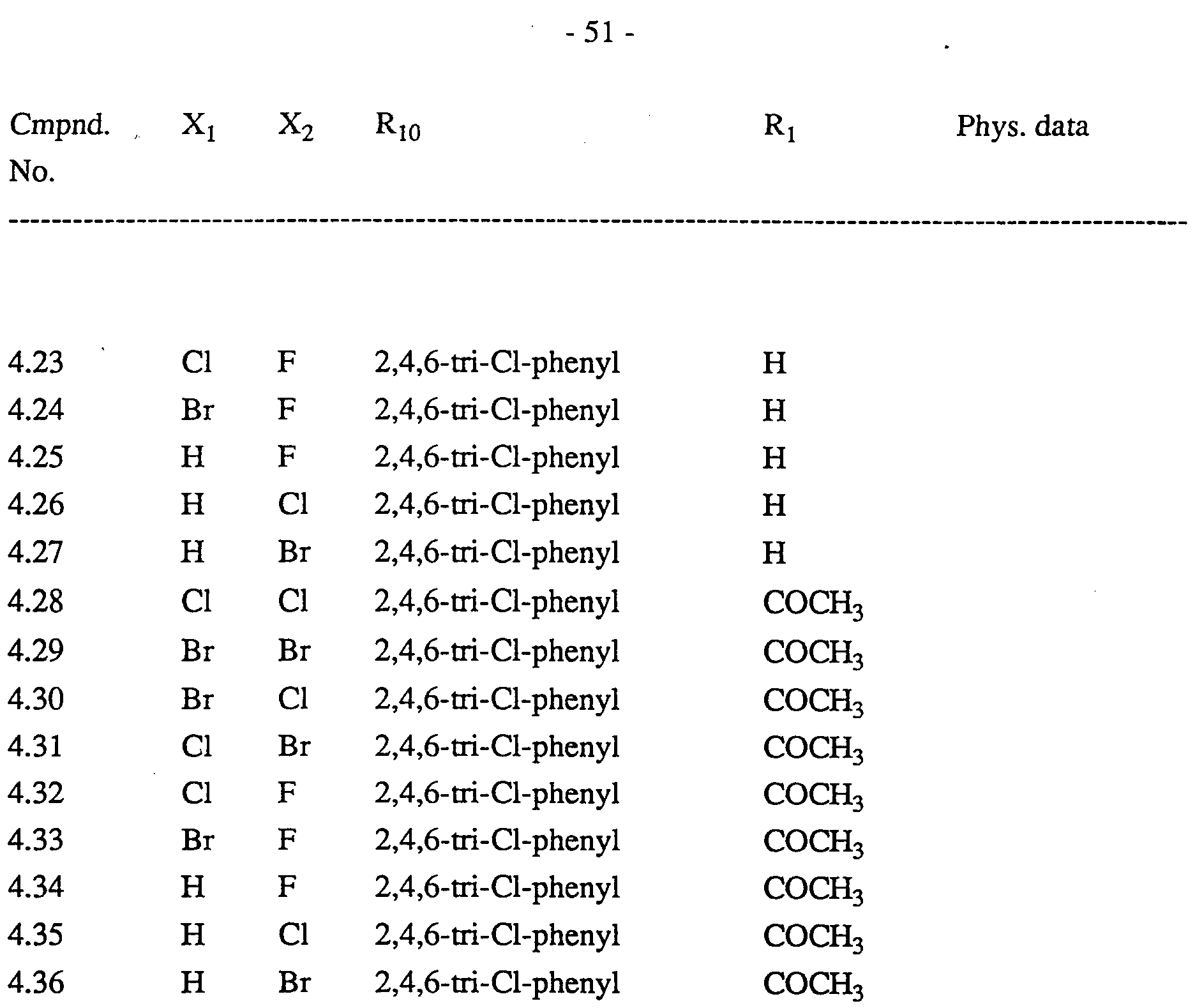
AK Designated states

Kind code of ref document: A3

Designated state(s): AL AU BB BG BR CA CN CZ EE GE HU IS JP KP KR LK LR LT LV MG MK MN MX NO NZ PL RO SG SI SK TR TT UA US UZ VN AM AZ BY KG KZ MD RU TJ TM

AL Designated countries for regional patents

Kind code of ref document: A3

Designated state(s): KE LS MW SD SZ UG AT BE CH DE DK ES FI FR GB GR IE IT LU MC NL PT SE BF BJ CF CG CI CM GA GN ML MR NE SN TD TG

121 Ep: the epo has been informed by wipo that ep was designated in this application
WWE Wipo information: entry into national phase

Ref document number: 1996916067

Country of ref document: EP

ENP Entry into the national phase

Ref country code: JP

Ref document number: 1996 535336

Kind code of ref document: A

Format of ref document f/p: F

ENP Entry into the national phase

Ref country code: US

Ref document number: 1997 973040

Date of ref document: 19971124

Kind code of ref document: A

Format of ref document f/p: F

WWP Wipo information: published in national office

Ref document number: 1996916067

Country of ref document: EP

NENP Non-entry into the national phase

Ref country code: CA

WWW Wipo information: withdrawn in national office

Ref document number: 1996916067

Country of ref document: EP