WO1998024848A1 - Thermoplastic resin composition and film made from the composition - Google Patents
Thermoplastic resin composition and film made from the composition Download PDFInfo
- Publication number
- WO1998024848A1 WO1998024848A1 PCT/JP1997/004272 JP9704272W WO9824848A1 WO 1998024848 A1 WO1998024848 A1 WO 1998024848A1 JP 9704272 W JP9704272 W JP 9704272W WO 9824848 A1 WO9824848 A1 WO 9824848A1
- Authority
- WO
- WIPO (PCT)
- Prior art keywords
- group
- acid
- thermoplastic resin
- resin composition
- weight
- Prior art date
- Legal status (The legal status is an assumption and is not a legal conclusion. Google has not performed a legal analysis and makes no representation as to the accuracy of the status listed.)
- Ceased
Links
Classifications
-
- C—CHEMISTRY; METALLURGY
- C08—ORGANIC MACROMOLECULAR COMPOUNDS; THEIR PREPARATION OR CHEMICAL WORKING-UP; COMPOSITIONS BASED THEREON
- C08K—Use of inorganic or non-macromolecular organic substances as compounding ingredients
- C08K5/00—Use of organic ingredients
- C08K5/04—Oxygen-containing compounds
- C08K5/10—Esters; Ether-esters
-
- C—CHEMISTRY; METALLURGY
- C08—ORGANIC MACROMOLECULAR COMPOUNDS; THEIR PREPARATION OR CHEMICAL WORKING-UP; COMPOSITIONS BASED THEREON
- C08J—WORKING-UP; GENERAL PROCESSES OF COMPOUNDING; AFTER-TREATMENT NOT COVERED BY SUBCLASSES C08B, C08C, C08F, C08G or C08H
- C08J5/00—Manufacture of articles or shaped materials containing macromolecular substances
- C08J5/18—Manufacture of films or sheets
-
- C—CHEMISTRY; METALLURGY
- C08—ORGANIC MACROMOLECULAR COMPOUNDS; THEIR PREPARATION OR CHEMICAL WORKING-UP; COMPOSITIONS BASED THEREON
- C08K—Use of inorganic or non-macromolecular organic substances as compounding ingredients
- C08K5/00—Use of organic ingredients
-
- C—CHEMISTRY; METALLURGY
- C08—ORGANIC MACROMOLECULAR COMPOUNDS; THEIR PREPARATION OR CHEMICAL WORKING-UP; COMPOSITIONS BASED THEREON
- C08K—Use of inorganic or non-macromolecular organic substances as compounding ingredients
- C08K5/00—Use of organic ingredients
- C08K5/04—Oxygen-containing compounds
-
- C—CHEMISTRY; METALLURGY
- C08—ORGANIC MACROMOLECULAR COMPOUNDS; THEIR PREPARATION OR CHEMICAL WORKING-UP; COMPOSITIONS BASED THEREON
- C08L—COMPOSITIONS OF MACROMOLECULAR COMPOUNDS
- C08L101/00—Compositions of unspecified macromolecular compounds
-
- C—CHEMISTRY; METALLURGY
- C08—ORGANIC MACROMOLECULAR COMPOUNDS; THEIR PREPARATION OR CHEMICAL WORKING-UP; COMPOSITIONS BASED THEREON
- C08L—COMPOSITIONS OF MACROMOLECULAR COMPOUNDS
- C08L23/00—Compositions of homopolymers or copolymers of unsaturated aliphatic hydrocarbons having only one carbon-to-carbon double bond; Compositions of derivatives of such polymers
- C08L23/02—Compositions of homopolymers or copolymers of unsaturated aliphatic hydrocarbons having only one carbon-to-carbon double bond; Compositions of derivatives of such polymers not modified by chemical after-treatment
-
- C—CHEMISTRY; METALLURGY
- C08—ORGANIC MACROMOLECULAR COMPOUNDS; THEIR PREPARATION OR CHEMICAL WORKING-UP; COMPOSITIONS BASED THEREON
- C08L—COMPOSITIONS OF MACROMOLECULAR COMPOUNDS
- C08L25/00—Compositions of, homopolymers or copolymers of compounds having one or more unsaturated aliphatic radicals, each having only one carbon-to-carbon double bond, and at least one being terminated by an aromatic carbocyclic ring; Compositions of derivatives of such polymers
- C08L25/02—Homopolymers or copolymers of hydrocarbons
- C08L25/04—Homopolymers or copolymers of styrene
- C08L25/08—Copolymers of styrene
-
- C—CHEMISTRY; METALLURGY
- C08—ORGANIC MACROMOLECULAR COMPOUNDS; THEIR PREPARATION OR CHEMICAL WORKING-UP; COMPOSITIONS BASED THEREON
- C08L—COMPOSITIONS OF MACROMOLECULAR COMPOUNDS
- C08L57/00—Compositions of unspecified polymers obtained by reactions only involving carbon-to-carbon unsaturated bonds
- C08L57/02—Copolymers of mineral oil hydrocarbons
-
- C—CHEMISTRY; METALLURGY
- C08—ORGANIC MACROMOLECULAR COMPOUNDS; THEIR PREPARATION OR CHEMICAL WORKING-UP; COMPOSITIONS BASED THEREON
- C08J—WORKING-UP; GENERAL PROCESSES OF COMPOUNDING; AFTER-TREATMENT NOT COVERED BY SUBCLASSES C08B, C08C, C08F, C08G or C08H
- C08J2323/00—Characterised by the use of homopolymers or copolymers of unsaturated aliphatic hydrocarbons having only one carbon-to-carbon double bond; Derivatives of such polymers
- C08J2323/02—Characterised by the use of homopolymers or copolymers of unsaturated aliphatic hydrocarbons having only one carbon-to-carbon double bond; Derivatives of such polymers not modified by chemical after treatment
Definitions
- Thermoplastic resin composition and film comprising the composition
- the present invention relates to a thermoplastic resin composition, and more specifically, exhibits antistatic performance and antifogging performance immediately after molding, and has stable antistatic performance and antifogging performance over a long period of time.
- the present invention relates to a thermoplastic resin composition having the same.
- Such thermoplastic resin compositions are used for films, sheets, injection molded articles, anti-fog master batches, anti-static master batches, etc., which require long-term anti-fogging properties or long-term anti-static properties.
- Thermoplastic resins such as carbonate, polyphenylene oxide, polyvinyl chloride, polyvinylidene chloride, polyvinyl acetate, and ethylene- (meth) acrylic acid ester copolymer have excellent processability and chemical resistance. Due to its mechanical properties, it is processed into injection molded products, hollow molded products, films, sheets, fibers, etc. and used for various purposes. I However, since the thermoplastic resin as described above has a large surface resistance and is easily charged, various surfactants are blended as antistatic agents at the time of molding.
- thermoplastic resin as described above is also used as an agricultural or food film or molded product.
- the resin as described above has a large contact angle with water, so that fine water droplets Since various types of surfactants are easily formed on the surface, and are often unsuitable for the intended use or impair the appearance, various surfactants are blended as an antifogging agent during molding.
- thermoplastic resins include those that exhibit antistatic and antifogging properties immediately after molding, and those that exhibit these properties over a long period of time, depending on the purpose. Have been
- thermoplastic resin composition comprising a thermoplastic resin, an organic compound satisfying a specific relational formula, and a specific surfactant.
- the molded article obtained from the present invention exhibited excellent antistatic performance and antifogging performance immediately after molding, and was found to have stable performance over a long period of time, thereby completing the present invention.
- the present invention has been made under the above circumstances, and exhibits thermoplasticity that exhibits antistatic performance and antifogging performance immediately after molding and has stable performance over a long period of time.
- An object of the present invention is to provide a resin composition and a film, a sheet, a molded article, and the like made of the composition. Disclosure of the invention
- thermoplastic resin composition according to the present invention
- thermoplastic resin (A) a thermoplastic resin
- thermoplastic resin (A) With respect to 100 parts by weight of the thermoplastic resin (A),
- (C) a functional group-containing organic compound, wherein the net charges E a and E b of the two atoms a and b contained in the functional group of the compound and bonded to each other are determined by molecular orbital calculation.
- Equation (1) , (2), E a and E b represent the net charges of atoms a and b, respectively. ].
- the functional group satisfying the relationship of the formula (1) is at least one selected from a carboxyl group, a carbonyl group, a hydroxyl group, an aromatic group, an amino group, a sulfon group and an ester group. It is preferred that there be.
- the functional group satisfying the relationship of the formula (2) is at least one selected from a carboxyl group, a carbonyl group, a hydroxyl group, an amino group, a sulfon group, and an ester group. Is preferred.
- the (C) functional group-containing organic compound is at least one type of rosinic acid selected from dehydroabietic acid, dihydroabietic acid, dihydropimaric acid, and derivatives thereof.
- Ester mouth An ester of a resin acid contained in a gin or an ester of the resin acid derivative), or
- the (C) functional group-containing organic compound is preferably at least one selected from the group consisting of hydrocarbon resins, modified polyolefins, oxidized polyolefins, and natural resins.
- the thermoplastic resin (A) may be a polyolefin, a polyamide, a polyester, a polyacetyl, a polystyrene, an acrylonitrile-butadiene styrene copolymer, a polymethacrylate.
- thermoplastic resin is at least one kind of thermoplastic resin
- the (A) thermoplastic resin is composed of polyolefin, polyvinyl chloride, and ethylene-vinyl acetate copolymer. More preferably, it is at least one thermoplastic selected from the group.
- the weight average molecular weight of the thermoplastic resin (A) is usually desirably 600 or more.
- the surfactant (B) is preferably a nonionic surfactant having a molecular weight of less than 1000, and further, the surfactant (B) is preferably glycerin.
- it is at least one compound selected.
- the modified polyolefin is an ethylenic unsaturated monomer having at least one of an unsaturated carboxylic acid and its derivative or a hydroxyl group, an amino group and a sulfone group in the polyolefin.
- Force 0.01-1.8 d1 Zg is preferred.
- the oxidized polyolefin is obtained by oxidizing polyolefin with an oxygen-containing gas, has an acid value of 0.1 to 100 mg K 0 Hg, and has an intrinsic viscosity [7?]. Force, preferably between 0.01 and 0.6 d1 / g.
- the natural wax, carnauba wax, rice wax, beeswax, montan wax and at least a part thereof are selected from the group consisting of saponified waxes. At least one species is preferred.
- an ester of a resin acid (hereinafter, referred to as rosin acid) contained in the rosin (hereinafter, referred to as rosin acid ester) is strongly used. It is preferred that it is at least one ester of rosin acid selected from the rosin acids represented by (lb).
- R 1 is isopropyl
- dehydroabietic acid (Ia) wherein R 2 and R 3 are methyl groups, and dihydroabietic acid having the same group in formula (Ib).
- the hydrocarbon resin comprises a styrene monomer (C-1) represented by the following formula (II) and a fraction having 4 and 5 carbon atoms by-produced during petroleum refining and petroleum cracking. (C-13) and at least one monomer selected from the group consisting of indene-based monomers (C-13) represented by the following formulas (II) (II) in the presence of a Friedel-Crafts catalyst. It is preferably obtained by superposition.
- R 1 , RR 3 and R 4 may be the same or different and are a hydrogen atom or an alkyl group having 4 or less carbon atoms. ].
- R 5 , R 6 and R 7 may be the same or different and are each a hydrogen atom or an alkyl group having 6 or less carbon atoms. ].
- the content of the styrene monomer (C-1) in the hydrocarbon resin is preferably 30 to 99 mol%.
- the film or sheet according to the present invention has a single-layer or multilayer structure, and has at least one layer made of the thermoplastic resin composition according to any of the above.
- films or sheets are preferred for agricultural use.
- thermoplastic resin composition is used for a film, a sheet, an injection-molded product, an antifogging agent, and an antistatic agent master batch which require long-term anti-fogging property and long-term anti-static property.
- thermoplastic resin composition according to the present invention exhibits antistatic performance and antifogging performance immediately after molding, and has excellent performance over a long period of time.
- thermoplastic resin composition according to the present invention and a film having a layer made of the composition will be specifically described.
- thermoplastic resin composition according to the present invention
- thermoplastic resin (A) a thermoplastic resin
- thermoplastic resin (A) With respect to 100 parts by weight of the thermoplastic resin (A), (B) a surfactant 0.01 to 30 parts by weight,
- (C) a functional group-containing organic compound, wherein the net charges E a and E b of the two atoms a and b contained in the functional group of the compound and bonded to each other are determined by molecular orbital calculation. And 0.1 to 30 parts by weight of an organic compound containing 0.1 to 10 mm 01 Zg in the compound having a functional group satisfying the relationship of the following formula (1).
- thermoplastic resin a thermoplastic resin
- surfactant a surfactant
- C a functional group-containing organic compound contained in such a thermoplastic resin composition
- thermoplastic resin (A) used in the present invention polyolefin, polyamide, polyester, polyacetal, polystyrene, acrylonitrile-butane-styrene copolymer (ABS) ), Polymethacrylate, polycarbonate, polyvinylidene oxide, polyvinyl chloride, polyvinylidene chloride, vinyl acetate polymer and ethylene (meth) acrylic acid Examples thereof include ester copolymers, and among them, at least one thermoplastic resin selected from the group consisting of polyolefin, polyvinyl chloride and ethylene-vinyl acetate copolymer. I like it.
- Polyolefins include polyethylene, polypropylene, and polypropylene.
- — 1 olefin homopolymers such as butene, polymethylpentene, and polymethylbutene;
- Olefin copolymers such as ethylene- ⁇ -olefin random copolymer and propylene-ene random copolymer; among others, polyethylene, polypropylene, ethylene- ⁇ -olefin copolymer. Random copolymers are preferred.
- the polyolefin is a polyolefin obtained from an orefin having 3 or more carbon atoms, it may be an isotactic polymer or a syndiotactic polymer.
- polyethylene ethylene homopolymer
- ethylene- ⁇ -olefin copolymer is particularly preferred.
- Suitable Echiren homopolymer in the present invention, or Echire emissions - alpha - Orefi Nra random copolymer has a density in the range of 0. 8 8 0 ⁇ 0. 9 6 0 g Z Ji m 3, Menore walk Mouth rate (MFR; AS TM D 1238-65 T, 190 ° C, load 2.16 Kg) is in the range of 0.01 to 100 g Zmin. It is desirable.
- polyolefins may be produced by a high-pressure radical polymerization method or a medium- or low-pressure polymerization method carried out in the presence of a transition metal compound catalyst such as a zircon-natta type catalyst or a metal oxide catalyst. It may be manufactured by a known method such as, for example.
- thermoplastic resin contained in the thermoplastic resin composition is preferably and low-pressure polymerization processes in density is 0.8 8 0 0. obtained 9 3 5 g Z cm 3, MFR is 0.1 l ⁇ 2 0 g / The force of using the ethylene-a-olefin copolymer alone for 10 minutes or the density obtained by high-pressure radical polymerization with the ethylene- ⁇ -olefin copolymer and 0.910 to 0.9 35 g Z cm, MFR force, '0.1 to 20 g / 10 min.Use in combination with high-density low-density polyethylene for moldability, light transmittance, strength, weather resistance, etc. Is preferred.
- Polyamides include aliphatic polyamides such as Nylon-16, Nylon-16, Nylon-10, Nylon-12, Nylon-46, etc .; Aroma Aromatic polyamides produced from aliphatic dicarboxylic acids and aliphatic diamines; and Nylon-16 is preferred.
- polyesters examples include aromatic polyesters such as polyethylene terephthalate, polyethylene naphthalate, and polybutylene terephthalate, polyproprolactone, and polyhydroxybutyrate. And polyethylene terephthalate is preferred.
- polyacetal examples include polyformaldehyde (polyoxymethylene), polyacetaldehyde, polypropionaldehyde, and polybutylaldehyde, with polyformaldehyde being particularly preferred.
- the polystyrene may be a homopolymer of styrene, and may be a binary copolymer of styrene and acrylonitrile, methyl methacrylate, ⁇ -methylstyrene, and the like. Ronitrile-styrene copolymer may be used.
- acrylonitrile-butadiene-styrene copolymer f ABS As the acrylonitrile-butadiene-styrene copolymer f ABS), 20 to 35 moles of structural units derived from acrylonitrile are used. %, The structural unit derived from butadiene is contained in an amount of 20 to 30 mol%, and the structural unit derived from styrene is contained in an amount of 40 to 60 mol%. Is preferably used.
- polymethylmethacrylate PMMA
- PMMA polymethylmethacrylate
- Polycarbonates include bis (4-hydroxyphenyl) methane, 1,1—bis (4—hydroxyphenyl) ethane, 2,2—bis (4—hydroxyphenyl) pun, 2, 2,2-bis (4-hydroxyphenyl) butane can be obtained from 2-bis (4-hydroxyphenyl) butane and the like. Polycarbonate obtained from plastic is preferred.
- poly(2,6-dimethyl-1,4-phenylene oxide) is preferred.
- the polyvinyl chloride may be a homopolymer of vinyl chloride or a copolymer with vinylidene chloride, acrylate, acrylonitrile, propylene, or the like.
- polyvinylidene chloride a copolymer containing at least 85 vinylidene chloride units is usually used.
- vinylidene chloride units vinyl chloride and acrylonitrile are used. Contains units derived from (meth) acrylic acid esters, aryl esters, unsaturated ethers, styrene, and the like.
- the vinyl acetate polymer may be a homopolymer of vinyl acetate or a copolymer of ethylene and vinyl chloride. Of these, ethylene-vinyl acetate copolymer is preferred. Examples of the ethylene- (meth) acrylate copolymer include ethylene-methyl acrylate copolymer, ethylene-ethyl acrylate copolymer, and ethylene-methyl methacrylate copolymer. A coalesced, ethylene-ethyl methacrylate copolymer is preferred.
- thermoplastic resins can be used alone or in combination of two or more.
- Surfactants include aliphatic sulfonates, higher alcohol sulfates, higher alcohol ethylene oxide adduct adducts sulfates, higher alcohol phosphates, higher alcohol ethylene oxide adducts Zwitterionic surfactants such as acid ester salts, quaternary ammonium salt-type cation surfactants, and betaine-type amphoteric surfactants;
- Glycerin monofatty acid ester glycerin difatty acid ester, glycerin trifatty acid ester, diglycerin fatty acid ester, polyethylene glycol fatty acid ester, higher alcohol monoethylenoxide adduct, polyhydric alcohol fatty acid ester, N, N-bis (2—Hydroxitytyl) aliphatic amine, N, N—Bis (2—hydroxyisopropyl) aliphatic amine, N, N—Bis (2—Hydroxyshetyl) aliphatic amide, N , N — bis (2-hydroxypropyl) nonionic surfactants such as aliphatic amides.
- aliphatic sulfonic acids ijm such as laurylsulfonic acid Na salt
- Quaternary ammonium salt-type cationic surfactants such as laurenole trimethylammonium methasulfate
- Betaine-type amphoteric surfactants such as lauryl dimethyl betain; glycerin monolaurate, glycerin monomyristylate, and glycerin monono.
- Glycerin mono-fatty acid esters such as noremitate, glycerin monostearate, glycerin monophosphate, and glycerin monooleate;
- Glycerin difatty acid esters such as glycerin dilaurate, glycerin dimyristate, glycerin dipalmitate, glycerin distearate, glycerin dibenate, glycerin dioleate, etc. Le;
- Diglycerin fatty acid esters such as noremitate, diglycerin monostearate, diglycerin phosphate, diglycerin monooleate;
- Polyethylene glycol fatty acid esters such as polyethylene glycol 200 monolaurate, polyethylene glycol 200 monostearate, polyethylene glycol 200 monooleate; lauryl alcohol E02 2 mol adduct, Laurine alcohol E ⁇ 4 mol adduct, lauryl alcohol E06 mol adduct, lauryl alcohol E010 mol adduct, nonylphenol E04 mol adduct, nonylphenol E0110 mol adduct Higher alcohol ethylene oxide adducts;
- Polyhydric alcohol fatty acid esters such as fatty acid esters, polyoxyethylene sorbitan fatty acid esters, polyethylene glycol fatty acid esters, and polypropylene glycol fatty acid esters; N, N — Bis (2 — Hydroxicetyl) Laurenoleamine, N, N-bis (2 — Hydroxicetil) Millistilamine, N, N — Bis
- mineral oil in addition, mineral oil, lauryl alcohol, diethylene glycol monolaurate, polyoxyethylene glycol fatty acid alcohol ether, polyoxyethylene alkylphenyl ether, polyoxypropylene-polyoxyethylene block polymer, polyethylene glycol, And polypropylene glycol.
- glycerin fatty acid esters glycerin fatty acid diesters, glycerin fatty acid triesters, polyethylene glycol fatty acid esters, higher alcohol ethylene oxide adducts, N, N-bis (2-hydroxyhydricyl) Aliphatic amines, N, N-bis (2-hydroxyisopropyl) Aliphatic amines, N, N-bis (2-hydroxyxethyl) Aliphatic amides, N, N-bis (2—hydroxy It is preferable to use at least one compound selected from aliphatic amides from the viewpoints of performance and cost.
- the above-mentioned surfactant functions as an antistatic agent and an antifogging agent having excellent fast-acting properties, and may be used alone or in combination of two or more.
- the functional group-containing organic compound is determined by molecular orbital calculation of two atoms a and b contained in the functional group of the compound and bonded to each other.
- Net charge Ea, Eb to be obtained is preferably 0.1 to 10 mmo1 / g, preferably a functional group satisfying the relationship of the following formula (1) or the following formula (2): Is a functional group-containing organic compound containing 0.15 to 8.0 mmol / g.
- Such a (C) functional group-containing organic compound plays a role as a migration control agent for controlling the migration of the surfactant to the surface.
- I Ea — Eb1 be in the range of (1), especially in the range of (2), since the transition is controlled appropriately.
- the atomic charge was calculated using the molecular orbital calculation software MO PAC93 (Fujitsu Sales) according to the AMI method.
- the carbon atom of the polymer chain linked to the functional group was calculated as a methyl group.
- a hydrocarbon resin obtained by copolymerizing a styrene monomer, a C4 to C5 fraction and an indene monomer an aromatic group derived from the styrene monomer, which is one of the functional groups, is used. (Benzene ring etc.) are calculated as the methyl group in the polymer chain.
- the content of the functional group in the above functional group-containing compound (mm o 1 / g) Is measured by an analytical method using a conventionally known organic element analyzer according to the type of the functional group.
- Examples of the functional group that satisfies the relationship of the formula (1) include a carboxyl group, a carbonyl group, a hydroxyl group, an aromatic group, an amino group, a sulfone group, and an ester group. It suffices if the compound has at least one functional group.
- the functional groups satisfying the relationship of the formula (2) include a carboxy group (including a carboxylic acid anhydride group), a carbonyl group, a hydroxyl group, an amino group, a sulfon group (including a sulfo group), Ester groups and the like are mentioned, and in the present invention, it is sufficient that at least one of these functional groups is provided.
- those having an ester group include phosphoric acid esters.
- Examples of those having a carboxyl group include modified polyolefins obtained by denaturing polyolefin with unsaturated power rubonic acid or a derivative thereof (for example, carboxylic acid anhydride, etc.), and oxidation obtained by subjecting polyolefin to air oxidation.
- modified polyolefins obtained by denaturing polyolefin with unsaturated power rubonic acid or a derivative thereof (for example, carboxylic acid anhydride, etc.), and oxidation obtained by subjecting polyolefin to air oxidation.
- Examples of the functional group-containing compound having a carbonyl group include oxidized polyolefin obtained by oxidizing polyolefin with air.
- the functional group-containing compound having a hydroxyl group is a modified polyolefin, which is obtained by graft copolymerization of a polyolefin with an ethylenically unsaturated monomer having a hydroxyl group, and is obtained by air oxidation of polyolefin. Oxidized polyrefin, etc.
- Examples of those having an aromatic group include petroleum resins.
- Polyamides that have amino groups are those that have amino groups.
- Examples of the functional group-containing compound having a sulfone group include a modified polyolefin obtained by graft copolymerizing a polyolefin with an ethylenically unsaturated monomer having a sulfone group.
- the weight-average molecular weight of such a (C) functional group-containing organic compound is usually less than 600,000, preferably 50,000 or less, and more preferably 30,000 to 100,000.
- thermoplastic resin thermoplastic resin
- surfactant a surfactant
- C a rosin acid ester as a functional group-containing organic compound described in detail below
- thermoplastic resin (A) a thermoplastic resin, (B) a surfactant,
- rosin acid esters that is, esters of resin acid (also referred to as rosin acid) or esters of derivatives of the resin acid contained in rosin. are listed.
- rosin acids rosin-based resin acids and resin acids contained in rosin
- examples of rosin acids include, for example, dehydroabietic acid and dihydroabietic acid.
- Dihydropimaric acid Abietic acid, pimaric acid, abietic anhydride, sandaracopimaric acid, pallastrinic acid, isopimaric acid, neoabietic acid, tetrahydroabietic acid or a derivative thereof, and preferably, dehydrohydric acid.
- a functional group-containing compound having two or more of the above functional groups such as a dehydroabietic acid ester having both an ester group and an aromatic group
- those having a large value of 1 Ea-EbI, ie, dehydroabietic acid ester are represented by an ester group.
- the dicarboxylic acid used in forming the rosin acid ester includes a rosin acid [compound (Ia)] represented by the following formula (Ia) and a compound represented by the following formula (Ia): It is preferable that the rosin acid represented by b) is at least one kind of diconic acid selected from the compounds (lb).
- R 1 , R 2 and R 3 may be the same or different from each other and represent a hydrogen atom, an alkyl group, a cycloalkyl group or an aryl group. is there.
- alkyl group examples include methyl, ethyl, n-propyl, Alkyl groups having 1 to 8 carbon atoms which may have a branch, such as propyl, n-butyl, i-butyl, tert-butyl, pentyl, heptyl, and octyl, are exemplified. And a substituent such as a carboxyl group, an alkoxy group, and a halogen.
- cycloalkyl group examples include cycloalkyl groups having 5 to 8 carbon atoms, such as cyclopentyl, cyclohexyl, and cyclohexyl, and these groups include a hydroxyyl group and a carboxyl group. And it may have a substituent such as an alkoxy group or a halogen.
- aryl group examples include aryl groups having 6 to 10 carbon atoms, such as a phenyl group, a tril group, and a naphthyl group, and these groups include a hydroxyl group, a carboxyl group and a carboxyl group. It may have a substituent such as a group, an alkoxy group and a halogen.
- R 1 , R 2 and R 3 are the same or different alkyl groups, respectively, are preferably rosin acids, R 1 is an i-propyl group, and R 2 and R : i are methyl groups Is more preferred.
- a rosin acid in which RR 2 and R : i are the same or different alkyl groups is preferred, and a dihydroabietic acid in which R 1 is an i-propyl group and R 2 and are methyl groups is more preferred.
- rosin acids represented by the formula (Ia) do not degrade natural rosins such as gum rosin, tall oil rosin, and woodrodine. It is obtained by homogenization or dehydrogenation followed by purification.
- natural rosin includes Pimal Acid, sandaracopimaric acid, pallastriic acid, isopimaric acid, abietic acid, dehydroabietic acid, neoabietic acid, dihydropimalic acid, dihydroabietic acid, tetrahydroabietic acid, etc.
- Resin acid is usually contained in multiple types.
- alcohols that form esters with rosin acids include methanol, ethanol, butanol, propyl alcohol, laurylanolechol, myristylanolole, cetyl alcohol, stearinoleanolole, oreolenole. It may be a mono alcohol such as alcohol, or a polyhydric alcohol such as ethylene glycol, propylene glycol or pentaerythritol.
- an ester of the compound (la) and a monoalcohol an ester of a monoalcohol having 1 to 30 carbon atoms is preferable.
- methyl dehydroabietic acid and dehydroabietic acid are used. Examples thereof include lower alcohol esters such as ethyl, higher alcohol esters such as lauryl dehydroabietic acid, myristyl dehydroabietic acid, stearyl dehydroabietic acid, and oleyl dehydroabietic acid.
- ester of the compound (la) and a polyhydric alcohol include ethylene glycol monoester of dehydroabietic acid, ethylene glycol deester of dehydroabietic acid, and propylene glycol monoester of dehydroabietic acid.
- Esters propylene glycol dehydroabietic acid glycolester, glycol monoester dehydroabietic acid, glycolester dehydroabietic acid, glycerin trihydroabietic acid ester, dehydroabietic acid ester
- Examples include pentaerythritol monoester, pentaerythritol diester dehydroabietic acid, pentaerythritol tritolutriate dehydroabietic acid, and pentaerythritol tetraester dehydroabietic acid.
- an ester of the compound (lb) and a monoalcohol an ester of a monoalcohol having 1 to 30 carbon atoms is preferred.
- methyl dihydroabietic acid and ethyl dihydroabietic acid are preferred.
- higher alcohol esters such as lower alcohol esters such as lauryl dihydroabietic acid, myristyl dihydroabietic acid, stearinole dihydroabietic acid, and oleyl dihydroabietic acid.
- ester of the compound (lb) with a polyhydric alcohol examples include ethylene glycol dihydroabietic acid monoester, ethylene glycol dihydroabietic acid monoester, propylene glycol dihydroabietic acid monoester, and dihydroabietic acid monoester.
- the mouth dicates as described above can be used alone or in combination of two or more. Contains such rosin acid ester
- the obtained thermoplastic resin composition exhibits antistatic performance and antifogging performance over a long period of time.
- the hydrocarbon resin is composed of a styrene monomer (C-11) represented by the following formula (II) and a fraction having 4 and 5 carbon atoms by-produced during petroleum refining and petroleum cracking ( At least one monomer selected from the group consisting of C-2) and an indene-based monomer (C-13) represented by the following formula (III) is polymerized in the presence of a Friedel-Crafff catalyst. Obtained.
- This hydrocarbon resin is obtained by combining a styrene-based monomer represented by the following formula (II), a fraction having 4 to 5 carbon atoms, and an indene-based monomer represented by the following formula (III). Any of multi-component copolymers such as a binary copolymer, a ternary copolymer, and a quaternary copolymer may be used.
- R 3 and R 4 may be the same or different and are a hydrogen atom or an alkyl group having 4 or less carbon atoms which may have a branch.
- alkyl group having 4 or less carbon atoms include a methyl group, an ethyl group, a propyl group, and a butyl group.
- Specific examples of the styrene monomer represented by the formula (II) include styrene, vinyl toluene, ⁇ -methylstyrene, and isopropenyl toluene. These may be used alone or in combination of two or more. The above may be used in combination.
- styrene monomers it is preferable to use styrene, vinyl toluene, ⁇ -methylstyrene, and isopropanol toluene from the viewpoint of availability and price.
- any fraction selected from fractions containing unsaturated hydrocarbons having 4 and 5 carbon atoms by-produced during petroleum refining and cracking is used. Can be used.
- C4 and C5 fractions The fraction containing unsaturated hydrocarbons with 4 and 5 carbon atoms by-produced during petroleum refining and cracking (hereinafter referred to as C4 and C5 fractions) usually has a boiling range under normal pressure of 15 to 15 ° C. + 45 ° C fraction, 1—butene, isobutene, 2—butene, 1,3—butadiene, 1 pentene, 2—methyl-1 butene, 3—methyl-1 butene, 2—pentene, Contains polymerizable monomers such as soprene, 1,3-pentene and cyclopentene.
- any fraction containing a polymerizable monomer selected from C 4 and C 5 fractions that is, C 4 fraction and C 4 fraction excluding butadiene as well as C 4 and C 5 fractions Fraction, C5 fraction, C5 fraction excluding isoprene, C5 fraction excluding cyclopentadiene, and the like can be used.
- R ⁇ R 6 and R 7 may be the same or different and each have a hydrogen atom or a carbon number of 6 or less which may have a branch. It is an alkyl group. This carbon Examples of the alkyl group having 6 or less atoms include a methyl group, an ethyl group, a propyl group, a butyl group, a pentyl group, and a hexyl group.
- indene-based monomer examples include indene, methylindene, and ethylindene, and these may be used alone or in combination of two or more.
- indene is preferred from the viewpoint of availability and price.
- the content of the styrene monomer (C-11) represented by the formula (II) in the hydrocarbon resin is as follows: (A) good compatibility with the thermoplastic resin, antistatic properties and antifogging properties. From 30 to 99 mol%, preferably from 45 to 9.9 mol%, in that a composition having excellent durability can be obtained.
- the content ratio of each monomer in the hydrocarbon resin can be measured by quantifying the remaining monomer in the solution after the reaction by gas chromatography.
- the production of the hydrocarbon resin can be carried out by copolymerizing the styrene-based monomer, the C4 and C5 fractions, and the indene-based monomer in the presence of a catalyst.
- the catalyst used for the polymerization is generally known as a Friedel-Crafts catalyst, for example, aluminum chloride, aluminum bromide, dichloromonoethylaluminum, titanium tetrachloride, tin tetrachloride, trifluoride, etc.
- a Friedel-Crafts catalyst for example, aluminum chloride, aluminum bromide, dichloromonoethylaluminum, titanium tetrachloride, tin tetrachloride, trifluoride, etc.
- Examples include various complexes of boron oxide.
- the amount of the catalyst used is preferably in the range of 0.01 to 5.0% by weight, and more preferably in the range of 0.05 to 3.0% by weight, based on the total amount of all monomers. Is preferred.
- Preferred hydrocarbon solvents include aromatic hydrocarbons such as toluene, xylene, ethylbenzene, mesitylene, cumene, simene, and mixtures thereof, or pentane, hexane and heptane. And a mixture with an aliphatic hydrocarbon such as octane and / or an alicyclic hydrocarbon such as cyclopentane, cyclohexane and methylcyclohexane.
- the amount of the hydrocarbon solvent is preferably adjusted so that the initial concentration of the monomer in the reaction mixture is in the range of 10 to 70% by weight ⁇ %.
- the polymerization temperature is preferably varied depending on the monomer used and the type and amount of the catalyst, usually in the range of ⁇ 30 to + 50 ° C.
- the polymerization time is generally about 0.5 to 5 hours. Usually, the polymerization is completed in most cases in 1 to 2 hours.
- the polymerization mode either a batch type or a continuous type can be adopted. Furthermore, multi-stage polymerization can be performed.
- the weight average molecular weight (Mw) of the hydrocarbon resin used in the present invention is (A) a composition having good compatibility with the thermoplastic resin and excellent antistatic properties and excellent anti-fogging property is obtained. In that respect, it is preferably between 300 and 500, more preferably between 500 and 300.
- the above hydrocarbon resins can be used alone or in combination of two or more. Can be.
- the polyolefin includes an unsaturated carboxylic acid and its derivative or an ethylenically unsaturated monomer having at least one of a hydroxyl group, an amino group and a sulfone group. It may be one obtained by graft copolymerizing at least one selected monomer.
- unsaturated carboxylic acids used herein include acrylinoleic acid, methacrylic acid, maleic acid, fumaric acid, tetrahydrophthalic acid, itaconic acid, citraconic acid, and croton.
- Unsaturated carboxylic acids such as acid, isocrotonic acid, norbornene dicarboxylic acid, and bicyclo [2,2,1] heptane-2-ene-5,6-dicarboxylic acid or derivatives thereof (eg, : Acid anhydrides, acid halides, amides, imides, esters, etc.).
- Hept-2-ene-5-Dicarboxylic anhydride dimethyl maleate, methyl maleate, dimethyl fumarate, dimethyl itaconate, dimethyl citraconic acid, dimethyl tetrahydrophthalate, bicyclo [22, 1]
- (meth) acrylic acid, maleic anhydride, and hydro- Kishetil (meta) acrylate, glycidyl (meta) acrylate, and aminopropyl methacrylate are preferably used.
- the modified polyolefin used in the present invention has a graft modification amount of an unsaturated carboxylic acid of 0.1 to 20% by weight, preferably 0.5 to 10% by weight. Excellent compatibility with activators.
- the amount of graft modification refers to the weight ratio of the graft copolymerized monomer to the graft copolymerized polymer. For example, 1 g of 100 g of the graft polymer per 1 g of the graft copolymer is used. When the monomer is graft copolymerized, the amount of graft modification is 1% by weight.
- Modified polyolefin is measured at 135 ° C in a decalin solvent, since a thermoplastic resin composition having stable antistatic performance and antifogging performance over a long period of time can be obtained.
- Intrinsic viscosity [7 /] is 0.0 l to 3 dl / g, preferably 0.02 to 1.8 dl / g, and more preferably 0.05 to 0.3 dlz 'g It is desirable that it is.
- the weight average molecular weight (Mw) of such a modified polyolefin is usually less than 600,000, preferably 50,000 or less, and more preferably 30,000 to 100,000.
- the above-mentioned modified polyolefin can be produced, for example, by a conventionally known method as disclosed in Japanese Patent Publication No. 52-22888.
- One example is a method in which polyolefin is heated and melted at a temperature equal to or higher than the softening point, and the unsaturated carboxylic acid and peroxide are successively added dropwise while stirring to carry out graft copolymerization. Can be mentioned.
- the modified polyolefin may be used alone or as a mixture of two or more.
- the oxidized polyolefin used in the present invention is obtained by oxidizing polyolefin with an oxygen-containing gas.
- the polyolefin for preparing oxidized polyolefin is a homopolymer composed of one kind of one-year-old fins having 2 to 12 carbon atoms or a copolymer composed of two or more kinds.
- the one-year-old refine having 2 to 12 carbon atoms may be either a chain or a branched one.
- the intrinsic viscosity [] measured at 135 ° C in decalin solvent is 0.01-3 d1 / g, especially 0.02-1.
- a range of 8 d 1 / g is preferred.
- polyolefins are used in the presence of various transition metal compound catalysts such as high-pressure radical polymerization, Ziegler catalysts, and metallocene catalysts. It can be produced by a conventionally known method such as a medium pressure / low pressure polymerization method.
- -A a method for producing the oxidized polyolefin by oxidizing the polyolefin, for example, as disclosed in Japanese Patent Publication No. 48-37991, the molten polyolefin is converted into oxygen.
- the polyolefin is heated to a temperature equal to or higher than the softening point in an autoclave and melted, and the oxygen-containing gas is stirred while stirring. Bubbling method may be used.
- oxygen-containing gas used for the oxidation of polyolefin pure oxygen, air, or the like is appropriately selected and used.
- the oxidized polyolefin used in the present invention has an acid value of 0.1 to 100 mg K ⁇ H / g, preferably 0.5 to 80 mg KOH / g. This is preferable because it has good affinity with the agent or the surfactant and can provide a composition having excellent antistatic properties or antifogging properties.
- the intrinsic viscosity measured in a decalin solvent at 135 ° C [] ⁇ 0.03 to 3 d, preferably 0.02 to: L.8 dl / g, more preferably 0.05 to 0.5 dlg is used.
- Such oxidized polyolefins can be used alone or as a mixture of two or more.
- Examples of the natural wax used in the present invention include vegetable waxes, animal waxes, and mineral waxes. As long as it is a compound of an ester of an acid and a higher alcohol or a derivative thereof and solid at ordinary temperature, it can be used without particular limitation.
- vegetable waxes include candelilla wax, carnauba wax, rice wax, wood wax, and jojoba oil.
- animal waxes include beeswax, Lanolin (wool fat), whale roe, etc.
- Montanax is a specific example of mineral-based wax.
- These natural waxes may be completely or partially saponified, and may be used alone or as a mixture of two or more.
- the weight average molecular weight of such a wax is usually less than 600,000, preferably 50,000 or less, more preferably 30,000 to 100,000.
- (C) functional group-containing organic compounds (C-i) rosin esters and (C-iii) modified polyolefin are excellent in the effect of imparting long-term anti-fog properties.
- the modified polyolefin a modified polyolefin modified by grafting with an unsaturated carboxylic anhydride is most effective.
- thermoplastic resin composition obtained by blending the above components (A), (B) and (C) at a predetermined ratio is a film, a sheet, or a sheet which requires long-term anti-fogging property and long-term antistatic property. Used for injection-molded products and anti-fog masterbatch and anti-static agent master batch. It exhibits anti-static and anti-fog properties immediately after molding and has excellent performance over a long period of time.
- the thermoplastic resin composition according to the present invention comprises the above components (A), (B), and (C), and optional components used as necessary, as will be described later, in a conventional manner.
- It can be prepared by melt-kneading using a well-known extruder or a conventional extruder, and furthermore, conventionally known molding means, for example, molding methods such as injection molding, extrusion molding and stretch molding.
- molding methods such as injection molding, extrusion molding and stretch molding.
- it is molded into various molded articles such as an injection molded article, an extruded molded article and a stretch molded article.
- thermoplastic resin composition according to the present invention may optionally contain a compatibilizing agent such as a higher fatty acid metal salt, a polyolefin wax, or an antistatic agent other than the above.
- a compatibilizing agent such as a higher fatty acid metal salt, a polyolefin wax, or an antistatic agent other than the above.
- Examples of the heat-resistant stabilizer used in the present invention include a phenol-based stabilizer, a phosphorus-based stabilizer, and a zeolite-based stabilizer.
- phenol-based stabilizer a phenol-based stabilizer conventionally used as a stabilizer is used without any particular limitation.
- the phenol-based stabilizer specifically, the following compounds are used.
- phenolic stabilizers for example, “Irganox 101” (Irganoxl010, Ciba-Geigy Co., Ltd., trademark), “Irganox 1076” (Irganoxl076) (Trademark), “Ilganox 133,” (Irganoxl330, Trademark of Ciba-Geigy.), “Irganox 3114" (Irganox3114, Trademark of Chiba-Geigy., Trademark), "Ilganox 131” 5 ”(Irganox3125, Ciba-Geigy Co., Ltd., trademark),“ BHT ”(Takeda Pharmaceutical Co., Ltd., trademark),“ Cyanox 179 ”(Cyanoxn90, Cyanamid, trademark),“ Smilyzer — GA -80 ”(SumilizerGA_80, Sumitomo Chemical Co., Ltd.,
- phenolic stabilizers can be used alone or in combination. Can be.
- the compounding amount of the phenolic stabilizer is 0.05 to 2 parts by weight, preferably 0.01 to 1 part by weight, more preferably 0 to 100 parts by weight of the thermoplastic resin. It is desirable to use 0.5 to 0.5 parts by weight.
- the content of the fuanol-based stabilizer is within the above range with respect to 100 parts by weight of the thermoplastic resin, the effect of improving stability such as heat resistance and aging resistance is high, and the stabilizer is also used. Costs are kept low, and the properties of the thermoplastic resin, such as tensile strength, are not reduced.
- a phosphorus-based stabilizer conventionally used as a stabilizer is used without any particular limitation.
- the phosphorus stabilizer specifically, the following compounds are used.
- Trioctyl phosphite Trilauryl phosphite, tridecyl phosphite, octyl diphenyl phosphite, tris
- Nonylphenyl phosphite, distearyl pentaerythritol — rudiphosphite, tetra (tridecyl) — 1, 1, 3 — tris
- a spiro type represented by the following formula (Ilia) or a cage type represented by the following formula (IVa) may be used.
- a mixture of both isomers is most often used for economic reasons arising from the process for producing such phosphate esters.
- RRR 3 may be the same or different, and may be hydrogen or an alkyl group having 1 to 9 carbon atoms which may have a branch.
- R 1 RR 3 is preferably a branched alkyl group, more preferably a tert-butyl group, and the above formulas (II la) and (IVa)
- the substitution position of RRR 3 in the phenyl group is most preferably at positions 2, 4, and 6.
- Suitable phosphite esters include bis (2,4-di-tert-butylphenyl) pentaerythritol diphosphite, bis (2,6-di-t-butyl-1_4-methylphenyl) pentaerythritol toluene diphosphate, and the like. And a phosphonate having a structure in which carbon and phosphorus are directly bonded, such as tetrakis (2,4-di-t-butylphenyl) -14,4'-biphenyl range phosphonate Compounds are also included.
- “Irgafos 168” (Irgafos 168, Ciba-Geigy Corporation, trademark), “Irgafos 12” (Irgafos 12, Ciba-Geigy Corporation, trademark), “Irgafos 38” (Irgafos 38, Chiba-Geigi) , "Mark 32K” (Mark 329K, Asahi Denka Co., Ltd., trademark), “Mark PEP 36” (Mark PEP36, Asahi Denka Co., Ltd., trademark), “Mark PEP-8” (Mark PEP 8, Asahi Denka Co., Ltd., trademark), “S andstab P — EPQ” (Clariant, trademark), “Weston 618” (Weston 618, GE, trademark), ⁇ Westin 619G (Weston 619G, GE, trademark), “Weston-624” (Weston-624, GE, trademark) and the like.
- phosphorus stabilizers can be used alone or in combination.
- the amount of the phosphorus-based stabilizer is 0.005 to 2 parts by weight, preferably 0.1 to 1 part by weight, and more preferably 0.1 to 1 part by weight based on 100 parts by weight of the thermoplastic resin. It is desirable to use 0.05 to 0.5 parts by weight.
- the content of the phosphorus-based stabilizer is within the above range with respect to 100 parts by weight of the thermoplastic resin, the effect of improving stability, such as heat resistance and aging resistance, is high and stable.
- the cost of the agent is kept low, and the properties of the thermoplastic resin, such as tensile strength, do not decrease.
- zeo-based stabilizers which have been conventionally used as a stabilizer are used without any particular limitation. Io system As specific examples of the stabilizer, the following compounds are used. Dialkylthiodipropionates such as dilaurylthiodipropionate, dimyristylthiodipropionate, distearylthiodipropionate, and the like; and
- Polyhydric alcohol esters of alkylthiopropionic acids And rilthiodibutyrate examples of the alkylthiopropionic acid include butylthiopropionic acid, octylthiopropionic acid, laurylthiopropionic acid, and stearylthiopropionic acid.
- alkylthiopropionic acid examples include butylthiopropionic acid, octylthiopropionic acid, laurylthiopropionic acid, and stearylthiopropionic acid.
- Polyhydric alcohols include, for example, glycerin, trimethylol ethane, trimethyl lipoprono. Pentaerythritol, tris-hydroxyl-shouldy sodium, etc. are used.
- zeolite stabilizer for example,
- zeo stabilizers can be used alone or in combination.
- the blending amount of the zeo-based stabilizer is 0.05 to 2 parts by weight, preferably 0.01 to 1 part by weight, more preferably 100 to 1 part by weight, based on 100 parts by weight of the thermoplastic resin. It is desirable to use 0.05 to 0.5 parts by weight.
- the content of the zeo-based stabilizer is within the above range with respect to 100 parts by weight of the thermoplastic resin, the effect of improving the stability such as heat resistance and aging resistance is high, and Costs are kept low, and the properties of the thermoplastic resin, such as tensile strength, are not reduced.
- weather resistance stabilizer used in the present invention compounds conventionally used for improving weather resistance can be used without any particular limitation, and known weather stabilizers (ultraviolet absorbers), light stabilizers and the like can be used. Can be used.
- thermoplastic resin composition of the present invention As described below, the light stabilizer is more effective, and the effect of improving weather resistance is improved. Is big.
- weather resistance stabilizer ultraviolet absorber
- ultraviolet absorber include the following compounds.
- HALS hindered amine light stabilizers
- Hindered Amine Light Stabilizers are preferably used.
- These light stabilizers are 1 Species can be used alone or in combination of two or more.
- a compound having a structure in which all hydrogens bonded to carbons at the 2- and 6-positions of a conventionally known piperidine are substituted with a methyl group is particularly preferred.
- the following compounds are used without limitation, and specifically, the following compounds are used.
- the compounds (1), (2), (3), (4), (8), (10), (11), (14), and (15) are preferably used. You.
- hindered amine stabilizers are used alone or in combination.
- the amount of the hindered amine stabilizer is 0.005 to 2 parts by weight, preferably 0.01 to 1 part by weight, more preferably 100 to 100 parts by weight of the thermoplastic resin. Preferably, the amount is 0.05 to 0.5 part by weight.
- the nucleating agent used in the present invention includes an organic phosphoric acid-based nucleating agent, a sorbitol-based nucleating agent, an aromatic carboxylic acid-based nucleating agent, a high melting polymer nucleating agent, an inorganic nucleating agent or Various nucleating agents such as rosin acid-based nucleating agents can be used alone or in combination of two or more.
- organic phosphoric acid nucleating agent examples include a compound represented by the following formula (V) and a compound represented by the following formula (VI).
- R 1 is oxygen, zeo or a hydrocarbon group having 1 to 10 carbon atoms which may have a branch, and R 2 and R j may be hydrogen or a branch It is a hydrocarbon group having a good carbon number of 1 to 10, and R 2 and R 3 may be the same or different, and R 2 , R 3 or R 2 and R 3 are bonded to each other. It may be cyclic, M is a monovalent to trivalent metal atom, and n is an integer of 1 to 3.
- Lithium 1,2'-methylene-bis (4,6-di-t-butylphenyl) phosphite Lithium 1,2'-methylene-bis (4,6-di-t-butylphenyl) phosphite
- sodium-2,2'-methylene-bis (4,6-di-t-butylphenyl) phosphate is particularly preferred.
- Preferred examples of the organic phosphoric acid nucleating agent include a compound represented by the following formula (VI).
- R 1 is hydrogen or an optionally branched hydrocarbon group having 110 carbon atoms
- M is a monovalent to trivalent metal atom
- n is an integer of 1 to 3 It is an integer.
- Sodium bis (4—t-butylphenyl) phosphate sodium bis (4—methylphenyl) phosphate, sodium bis (4—ethynolev) Enil) phosphate, sodium-bis (4-i-propylphenyl) phosphate, sodium-bis (4-t-octylphenol) phosphate
- Calcium bis (4-t-butylphenyl) phosphate calcium-bis (4-t-butylphenyl) phosphate, magnesium-bis (4-t-butylphenyl) phosphate
- Examples include sulfate, lithium-bis (4-t-butylphenyl) phosphate, and anolemmium-bis (4-t-butylphenyl) phosphate.
- These compounds represented by the formula (VI) can be used alone or in combination of two or more.
- sodium-bis (4-t-butylphenyl) phosphate is particularly preferred.
- the compound represented by the formula (V) and the compound represented by the above (VI) may be used in combination.
- Preferred examples of the sorbitol-based nucleating agent include a compound represented by the following formula (VII) and a compound represented by the following formula (VIII).
- each R 1 is the same or different and is a halogen such as hydrogen or chlorine, or an optionally branched hydrocarbon group having 1 to 10 carbon atoms. Each is an integer from 0 to 5.
- 1,3,2,4-di (p-chlorbenzilidene) sorbitol and mixtures of two or more thereof are preferred.
- Preferred sorbitol-based nucleating agents include compounds represented by the following formula (VIII).
- each R 1 is the same or different and is an alkyl group having 1 or 2 carbon atoms.
- the compound represented by the formula (VII) and the compound represented by the above (VI II) may be used in combination.
- Preferred examples of the aromatic carboxylic acid-based nucleating agent include aluminum hydroxydipara-t-butyl benzoate represented by the following formula (IX).
- nucleating agent examples include a high melting point polymer, other metal salts of aromatic carboxylic acids and metal salts of aliphatic carboxylic acids, and inorganic compounds.
- high melting point polymer examples include polyvinyl cycloalkanes such as polyvinyl cyclohexane and polyvinyl cyclopentane, poly 3-methylpentene 1-1, poly 3-methyl butene 1-1, And polyalkenylsilane.
- metal salts examples include aluminum benzoate, aluminum P-t-butylbenzoate, sodium adipate, sodium thiophenecarboxylate and sodium pyrocarboxylate. And the like.
- Examples of the above inorganic compounds include silica, gay alga earth, alumina, titanium oxide, magnesium oxide, pumice powder, pumice balloon, aluminum hydroxide, magnesium hydroxide, basic magnesium carbonate, and doloma. It, calcium sulfate, calcium titanate, barium sulfate, calcium sulfite, talc, cres, my strength, asbestos, glass fiber, glass flakes, glass beads, canolesum gay acid, montmorillonite, ben Examples include tonite, graphite, aluminum powder, and molybdenum sulfide. In addition, brominated biphenyl ether, cyclic triethylene glycol terephthalate, and the like can also be used.
- a well-known rosin acid nucleus (excluding rosin acid ester) can be used.
- Such an orifice-based nucleating agent may be such that the (C) functional group-containing organic compound contained in the thermoplastic resin composition of the present invention is a hydrocarbon resin, a modified polyolefin, an oxidized polyolefin, and a natural wax. It is preferably used when there is at least one member selected from the group consisting of
- the rosin acid (also referred to as resin acid contained in rosin or rosin resin acid) nucleating agent is a rosin acid partial metal salt, for example, rosin acid partial sodium Salt, rosin acid partial strength rhodium salt or rosin acid partial magnesium salt.
- rosin acid-based nucleating agent at least one partial metal salt of oxalic acid selected from natural rosin, modified rosin and purified products thereof is preferable, and the rosin acid partial metal salt is preferably More preferably, the partial metal salt of at least one kind of oral dicinic acid selected from dehydroabietic acid, dihydroabietic acid, dihydropimaric acid and derivatives thereof is more preferable.
- R 1 is an isopropyl group and R 2 and R 3 are methyl groups. That is, in the formula (Ia), dehydroabietic acid is preferable, and in the formula (lb), dihydroabietic acid is preferable.
- the rosin acid partial metal salt is a reaction product of rosin acid and a metal compound, a mixture of a rosin acid metal salt and unreacted rosin acid, and a rosin not containing unreacted rosin acid. It means both acid metal salts.
- the metal compound that forms a metal salt by reacting with rosin acid include a compound that has a metal element such as sodium, potassium, and magnesium and that forms a salt with the rosin acid. Specific examples include chlorides, nitrates, acetates, sulfates, carbonates, oxides, and hydroxides of the metals.
- rosin acids include natural rosins such as gum rosin, tall oil rosin, and pedrozin;
- modified gins such as disproportionated rosin, hydrogenated rosin, dehydrogenated rosin, polymerized rosin, ⁇ , ⁇ -ethylenically unsaturated carboxylic acid modified rosin, etc. Purified product of the natural rosin; And the like.
- natural rosin includes pimaric acid, sandaracopimaric acid, and rosin.
- Resin acids such as rastrinic acid, isopimaric acid, abietic acid, dehydroabietic acid, neoabietic acid, dihydropimalic acid, dihydroabietic acid, and tetrahydroabietic acid are usually contained in plural types. I have.
- Examples of the unsaturated carboxylic acid used for preparing the ⁇ , / 3-ethylenically unsaturated carboxylic acid-modified rosin include maleic acid, maleic anhydride, fumaric acid, and itaconic acid. And itaconic anhydride, citraconic acid, acrylic acid, and methacrylic acid.
- rosin acids it is preferable that at least one rosin acid selected from disproportionated rosin, hydrogenated rosin and dehydrogenated rosin is used, and dehydroabietic acid, dihydroabietic acid, dihydro Do More preferably, it is at least one kind of oxalic acid selected from oral pimaric acid and derivatives thereof.
- partial metal salt of rosin acid examples include the partial sodium salt of rosin acid, the partial potassium salt of oxalic acid, and the partial magnesium salt of oxalic acid.
- the compound [compound (Ia)] represented by the formula (la) or the compound [compound (I b)] is particularly preferred.
- a compound in which RR 2 and R 3 are the same or different alkyl groups is preferred, R 1 is i-propyl group, and R 2 And compounds in which R 3 is a methyl group, ie, (Ia) is more preferably dehydroabietic acid and (Ib) is more preferably dihydroabietic acid.
- the partial metal salt of such a compound is particularly effective in improving the crystallization speed of the crystalline resin.
- Examples of the metal salt of the compound (la) include a compound represented by the following formula (XIa) (compound (XIa): l; and a metal salt of the compound (lb): Compound represented by the formula (Xlb) [Compound (XIb): l.
- M is a monovalent to trivalent metal ion, specifically, a monovalent metal ion such as lithium, sodium, potassium, rubidium, and cesium, beryllium, magnesium, calcium, strontium, and the like.
- Divalent metal ions such as zinc and zinc;
- trivalent metal ions such as aluminum.
- a monovalent or divalent metal ion is preferable, and a sodium ion, a potassium ion, and a magnesium ion are more preferable.
- n is the same integer as the valence of the metal ion M, and is an integer of 1 to 3.
- RR 2 and R 3 are the same or different alkyl groups, respectively, or M is a monovalent or divalent metal ion
- R ′ is i-propyl and R 2 and R 3 are methyl groups, or compounds in which M is sodium, potassium or magnesium ion are more preferred.
- R 1 is i-propyl
- R 2 and R 3 are methyl and M is a sodium, potassium or magnesium ion are particularly preferred.
- Such a compound is particularly excellent in improving the crystallization speed.
- the compound (Xla) include lithium dehydroabietic acid, sodium dehydroabietic acid, and dehydroabietic acid.
- Metal salts of dehydroabietic acid such as calcium, beryllium dehydroabietic acid, magnesium dehydroabietic acid, canolecidium dehydroabietic acid, zinc dehydroabietic acid, aluminum dehydroabietic acid, etc.
- sodium dehydroabietic acid, potassium dehydroabietic acid, and magnesium dehydroabietic acid are preferably used.
- the compound (X lb) include lithium dihydroabietic acid, sodium dihydroabietic acid, potassium dihydroabietic acid, beryllium dihydroabietic acid, and dihydroabieticin.
- Metal salts of dihydrobiabietic acid such as magnesium silicate, calcium dihydroabietic acid, zinc dihydroabietic acid, aluminum dihydroabietic acid, etc .; sodium dihydroabietic acid; And magnesium dihydroabietic acid are preferably used.
- At least two kinds of rosin acid partial metal salts may be used as a nucleating agent.
- the at least two kinds of rosin acid partial metal salts may contain at least two kinds of rosin acid metal salts in which the same rosin acid is used and the metal is different, and the rosin acid is different and the metal is different. May contain at least two kinds of metal salts of rosin acid which are the same, and may contain at least two kinds of metal salts of rosin acid having different gin acids and different metals.
- At least two kinds of metal salts of rosin acid contain metal salts of rosin acid in a total amount of 5 to 100% by weight, preferably 10 to 100% by weight. It is preferable to be done.
- At least two rosin acid partial metal salts have a molar ratio of the metal salt of the rosin.
- 0 mole% of one metal rosinate is based on the total amount (100 mole%) of metal oxalate in at least two metal oxalate partial metal salts. More than 5%, preferably 5 to 95% by mole, and the remaining amount of one or more other metal oxalates is less than 100% by mole, preferably 95 to 5% by mole. It is desirable to combine them.
- a combination of a partial potassium salt of oxalic acid and a partial salt of sodium rosinic acid or a partial magnesium salt of rosinic acid is preferable.
- the content of the potassium rosinate salt is at least 20 mol%, preferably 40 to 100 mol%, based on the total amount (100 mol%) of the two rosin acid partial metal salts. 95 mol%, more preferably 45-80 mol%, with the remaining amount of sodium rosinate or magnesium rosinate being less than 80 mol%, preferably less than 60-5 mol% 0/6, more preferred properly is arbitrary desired be combined such that the ratio of 5 5-2 0 mol%.
- Such a partial metal salt of rosin acid containing at least two kinds of metals is more excellent in dispersibility in a thermoplastic resin than a partial metal salt of rosin acid containing only one kind of metal.
- metal deactivator used in the present invention a compound conventionally used to improve the deterioration of a resin due to various metals can be used without any particular limitation.
- Examples of the metal deactivator used in the present invention include N, N'-bis [3- (3,5-di-t-butyl-4-hydroxyphenyl) propionyl] hydrazine (manufactured by Ciba-Geigy Corporation) Name IRGAN MD XMD 1 0 2 4), distearylhydrazine, zirau-roinolehydrazine, dicaproylhydrazine, dioctanolylhydrazine, N, N'-bis (2-ethylhexanoyl) hydrazine Hydrazine-based compounds, such as benzophenone hydrazine, salcityrylbenzoinolehydrazine, and salicylidene salicylenolenohydrazine (Ciba 1-18, trade name, manufactured by Ciba Geigy);
- N salicyloyl—N ′ aldehyde hydrozine
- N N—dibenzal (oxalhi hydrazide)
- N N—bis (3,5—g-t-butyl-hydroxyhydride mouth) It)
- the metal deactivator may be used alone or in combination of two or more.
- N, N'-bis [3- (3,5-di-t-butyl-4-hydroxypropyl) propionyl] hydrazine (Ciba-Geigy, Inc., trade name IRGANOX MD 10) 2 4), bis ( ⁇ -phenyloxypropionyl) isophthalate hydrazide, 3 — ( ⁇ -salicyloyl) amino —1,2,4-triazole (made by Adeka Gas Co., Ltd.) Trade name AdekaStup CDA— 1), 2,2'-oxamido do bisethyl-3— (3,5—di—t—butyl-4—hydroxyphenyl) propionate (made by Uniroyal, trade name Naugard XL—) 1) is preferred.
- thermoplastic resin composition when the above metal deactivator is contained, copper, cobalt, iron, vanadium, nickel, titanium, calcium, silver, zinc, aluminum, magnesium , Lead, chromium, manganese, cadmium, tin, zirconium, hafnium, and other metals, and are polyolefins that have excellent resistance to gold and metal degradation, especially metal degradation at high temperatures.
- a propylene-based polymer composition is obtained. Therefore, the composition of the present invention does not change its properties even in a state where it comes into direct contact with a metal, and is excellent in long-term stability.
- the metal deactivator when one or two or more hydroxides such as magnesium hydroxide, aluminum hydroxide or calcium hydroxide are used in combination with the metal deactivator as described above, a synergistic effect of the two can be obtained. Thereby, the deterioration of the resin due to the metal can be greatly improved.
- Such water The amount of the oxide is preferably from 0.1 to 20 parts by weight, more preferably from 0.1 to 5 parts by weight, based on 100 parts by weight of the thermoplastic resin.
- lubricant used in the present invention those conventionally used as a resin lubricant can be used without any particular limitation.
- the lubricant specifically, the following compounds are used.
- Synthetic hydrocarbons such as polyethylene wax
- Synthetic modified boxes such as raffin-pack derivatives and microcrystalline-rein box derivatives
- Synthetic hydrogenated waxes such as hydrogenated castor oil, hydrogenated castor oil derivatives, hydrogenated rapeseed oil, hydrogenated soybean oil;
- Synthetic metal soaps such as stearate C a, stearate B a, stearate Zn, and stearate Li;
- Stearic acid 12—Synthetic higher fatty acids such as hydroxystearic acid;
- Synthetic fatty acid amides such as oleic acid amide, stearic acid amide, erlic acid amide, ethylene bisstearic acid amide, EBS; butyl stearate, long chain fatty acid Synthetic fatty acid esters such as esters;
- Synthetic higher alcohols such as setanol and stearyl alcohol.
- lubricants can also be used, such as “Armoslip CPJ (trademark, manufactured by Lion Corporation)” and “Newtron 2” (trademark, manufactured by Nippon Seika Co., Ltd.) , “Alflo P-10” (Nippon Oil & Fats) (Trademark), “AmoWax EBS”
- lubricants can be used alone or in combination of two or more.
- the lubricant is used in an amount of 0.05 to 2 parts by weight, preferably 0.01 to 1 part by weight, more preferably 0.05 to 1 part by weight, based on 100 parts by weight of the thermoplastic resin. It is desirable to use 1 part by weight.
- the thermoplastic resin composition of the present invention (particularly, a propylene-based polymer composition) is melted by heating and molded.
- the flowability during molding is improved, the adhesion to molding machines and molds is suppressed, the release of the molded product from the mold is improved, and when the film is formed into a film, a slit such as an opening is formed.
- the packing property is improved, and the properties of the thermoplastic resin, such as tensile strength, are not reduced.
- a propylene-based polymetal containing such a metal salt of higher fatty acids is used.
- the mar composition has excellent mold release properties and is effective in preventing rust in molding machines and the like.
- anti-blocking agent for example, synthetic or natural silica, silicon dioxide, talc, zeolite and the like are used.
- the average particle size of these antiblocking agents is preferably less than 5 ⁇ m, more preferably less than 4 m. When the average particle size is in such a range, a film having excellent transparency and scratch resistance can be obtained. It is.
- the water content of the anti-blocking agent is preferably 15% by weight or less, more preferably 5% by weight or less. It is preferable to use Antiblocking II having a water content in the above range, since foaming does not occur during film forming.
- the antiblocking agent is used in a proportion of preferably 0.01 to 0.5 part by weight, more preferably 0.05 to 0.2 part by weight, based on 100 parts by weight of the thermoplastic resin. .
- slipping agent for example, one or a combination of two or more linear monocarboxylic acid monoamide compounds or linear monocarboxylic acid bisamide compounds may be used. Can be.
- linear monocarboxylic acid monoamide compound examples include oleic acid amide, stearate amide, erlic acid amide, palmitic acid amide, and behenine. Acid amide, lauric acid amide and the like.
- linear monocarboxylic bisamide compound examples include ethylene bisoleic acid amide, ethylene bisstearic acid amide, and methylene bisstearic acid amide.
- a linear monocarboxylic acid monoamide compound alone.
- a linear monocarboxylic acid monoamide compound and a linear monocarboxylic acid monoamide compound are considered from the viewpoint of slip properties after lamination.
- Object It is preferable to use a carboxylic acid bisamide compound in combination.
- the above-mentioned slipping agent is preferably used in an amount of 0.01 to 0.5 parts by weight, more preferably 0.03 to 0.5 parts by weight, based on 100 parts by weight of the thermoplastic resin. Parts by weight, particularly preferably 0.05 to 0.2 part by weight.
- a linear monocarboxylic acid monoamide compound and a linear monocarboxylic acid bisamide compound are used in combination, a linear monocarboxylic acid monoamide compound Z a linear monocarboxylic acid
- the weight ratio of the bisamide compound is preferably in the range of 20/80 to 80/20, more preferably 30/70 to 70/30.
- inorganic fillers such as silica, magnesium compounds, and hydrotalcite
- water-absorbing resins such as ethylene-vinyl alcohol copolymer
- hydrotalcite compounds used in the present invention indicate the structures exemplified below.
- Hydrocarbonate minerals of the formula Mg 6 R 2 ( ⁇ H) 16 C ⁇ 3 Z 4 H 20 (R A 1, Cr, Fe) A small amount of natural mineral)
- M 2 divalent metal ion selected from Mg, Ca, and Zn
- n-valent anion for example, C 1 —, Br —, I —, N 0:, C 1 ⁇ , S 0, C 0, Sio 3 2 —, HP 0 2 ⁇ HB 0: , 2 P 0 4 3 -, F e (CN) 6 3 -, F e (CN), CH aC OO-, C 6 H (OH) COO-, ( hundred CCOO) 2 -, and the like.
- the average particle size of these talcite compounds at the mouth is not particularly limited as long as it does not adversely affect the appearance of the film, the elongation or the formability, but is not particularly limited. It is 10 ⁇ m or less, preferably 5 m or less, and more preferably 3 m or less.
- hydrotalcite compounds in order to improve the dispersibility of the above hydrotalcite compounds, it is preferable to use them after treating them with a surface treating agent.
- surface treatment agents include paraffin, fatty acids, higher alcohols, polyhydric alcohols, thionate coupling agents, silane coupling agents, and the like.
- the hydrotalcite compounds are in a weight ratio such that the ratio of the thermoplastic resin Z hydrotalcite compounds (weight ratio) is 98 to 60/2 to 40, and more preferably 98 to 7 5 Z Used in a weight ratio of 2 to 25.
- the antifog agent used in the present invention is a surfactant in which a part or all of H is bonded to C of a hydrophobic group of a normal surfactant and is partially or entirely substituted with F, particularly a perfluoroalkyl group or a surfactant.
- Fluorosurfactants containing perfluoroalkenyl groups are preferred.
- fluorine-based surfactant that can be used in the present invention are as follows. It is as follows.
- R f and R ′ f represent a fluoroalkyl group in which part or all of the hydrogen atoms of an alkyl group have been substituted with fluorine atoms
- B represents —C 0 —, 1 C 0 2 —, — Represents S 0 2 —
- R ′ represents a hydrogen atom or a lower alkyl group
- Y represents one CH 2 —, — C 2 H 4 ⁇ CH 2 —
- M represents a hydrogen atom, one NH 4
- an alkali metal represents an alkaline earth metal.
- CF (CF 2 ) is an integer from 2 to 19 CF
- CF.-CF-(CF 2 ) m — m is an integer from 0 to 17 HCF-(CF 2 ) n-n is an integer from 2 to 19
- R f , B, R ′ f and Y have the same meaning as described above, R ′ ′′ represents a hydrogen atom or a lower alkyl group, ⁇ represents an acid, X represents a halogen, Represents an acid radical.
- R represents a hydrogen atom or a lower alkyl group (the same applies hereinafter).
- n 5 to 12, preferably 6 to: 10;
- m l to 30, preferably 2 to 20;
- n 5 ⁇ : L 2
- preferable properly is 6 ⁇ 1
- m l ⁇ 3
- the above-mentioned fluorosurfactants can be used alone or in combination of two or more.
- the amount of the fluorosurfactant to be added is not critical and can vary widely depending on the type of the fluorosurfactant to be blended and the type of the resin.
- the amount can be at least 0.01 parts by weight per 100 parts by weight of the resin to be compounded, and the upper limit of the compounding amount is not strictly limited. If it is blended, it may cause blow-out or cloudiness, so that usually 2.0 parts by weight or less is sufficient.
- the film according to the present invention has a layer made of the thermoplastic resin composition.
- a film may be a single-layer film or a multi-layer film as long as it has at least one thermoplastic resin composition layer.
- a single-layer film can be manufactured by forming the thermoplastic resin composition into a film by a conventionally known method.
- the molten thermoplastic resin composition can be manufactured by extruding a molten thermoplastic resin composition from a ⁇ die using a single screw extruder, a kneading extruder, a ram extruder, a gear extruder, or the like.
- the molding conditions conventionally known conditions can be appropriately adopted.
- the film may be stretched, and the stretched film can be produced by a conventionally known stretching apparatus using a sheet or film made of the above-described thermoplastic resin composition. Examples of the stretching method include a tenter method (longitudinal and transverse stretching, transverse and longitudinal stretching), a simultaneous biaxial stretching method, and a uniaxial stretching method.
- the film may be an inflation finolem.
- Multi-layer film is also manufactured in the same manner as the above-mentioned single-layer film by a conventionally known method.
- co-extrusion film molding method eg, co-extrusion ⁇ die method, co-extrusion extrusion method, co-extrusion lamination method, etc.
- film-in-line molding method Example: dry lamination molding method, etc.
- the film according to the present invention may be a single-layer film as described above, or may be a multilayer film (laminated film).
- the outer layer, the intermediate layer, and the inner layer are laminated in this order (outer layer / intermediate layer / inner layer), and at least one of these layers is formed from the thermoplastic resin composition.
- a layer laminated film is formed from the thermoplastic resin composition.
- the film according to the present invention exhibits antistatic performance and antifogging performance immediately after molding, and has stable antistatic performance and antifogging performance over a long period of time.
- the laminated film shown below has an outer layer made of an ethylene. ⁇ one-year-old olefin copolymer (a), an intermediate layer made of an ethylene ⁇ ⁇ -olefin copolymer (b), An inner layer made of a plastic resin composition is laminated and formed in this order (outer layer / intermediate layer Z inner layer).
- the ethylene / ⁇ -olefin copolymer (a) forming the outer layer is a copolymer comprising ethylene and an ⁇ -olefin having 4 to 12 carbon atoms which may have a branch. It is united.
- the one-year-old refine having 4 to 12 carbon atoms may be linear or branched. More specifically, there may be mentioned 1-butene, 1-pentene, 1-hexene, 4-methyl-1-pentene, 1-octene, 1-decene, 1-dodecene, and the like. Of these, one-year-old fins having 4 to 10 carbon atoms, particularly —olefins having 4 to 6 carbon atoms, are preferred.
- Ethylene ⁇ -olefin copolymer (a) has a density of 0.925 to 0.940 g 7 cm 3 , preferably 0.927 to 0.935 g Z in the range of cm 3, Menore-flow, single-Bok (MFR; ASTMD 1 2 3 8 - 6 5 T, 1 9 0 ° C, the load 2. 1 6 kg) is, 0. 1 ⁇ 1 0 g / 1
- MwZM n measured by GPC
- Mw weight average molecular weight
- Mn number average molecular weight
- the density is 190.
- the strand obtained during the measurement of the menoleto flow rate with a 2.16 kg load at C was heat-treated at 120 ° C for 1 hour, gradually cooled to room temperature over 1 hour, and then subjected to a density gradient tube. Measure with
- Mw / Mn The molecular weight distribution (Mw / Mn) is measured as follows using GPC-150C manufactured by Millipore.
- the ethylene. ⁇ -olefin copolymer (a) has an n-decane soluble component fraction (W (% by weight)) at 23 ° C of 1% or less, preferably 0.5%. % Is desirable.
- the amount of the n-decane soluble component was determined by measuring about 3 g of the ethylene / ⁇ -olefin copolymer with n-decane 450 m. In addition to 1, dissolve at 1 45 ° C, cool to 23 ° C, remove the n-decane-insoluble component by filtration, collect the n-decane-soluble component from the filtrate, and remove the n-decane-soluble component. It is determined by measuring the amount.
- the outer layer made of the ethylene / ⁇ -olefin copolymer (a) has excellent mechanical properties, the outer layer of the multilayer film can be made thinner, and the weight of the multilayer film can be reduced. . Since the outer layer made of the ethylene / ⁇ -olefin copolymer (a) has a very small decrease in light transmittance with time, a multilayer film having such an outer layer was used for agricultural purposes. In that case, it can be extended over a long period of time.
- the ethylene / ⁇ -olefin olefin copolymer (a) is prepared by reacting ethylene and ⁇ -olefin having 4 to 12 carbon atoms in the presence of a conventionally known catalyst, for example, a metallocene olefin polymerization catalyst.
- the copolymer is obtained by combining It can be produced by copolymerizing so that the body density becomes 0.925 to 0.940 g / cm 3 .
- the ethylene-olefin copolymer (a) may be blended with a high-pressure low-density polyethylene (d) as described later.
- High-pressure low-density polyethylene (d) is composed of ethylene ' ⁇ -olefin copolymer (a) and high-pressure low-density polyethylene (d).
- Respect of the total amount from 1 to 4 0% by weight, is preferred properly used in a proportion of 1-2 0 weight 0.
- the ethylene ' ⁇ -olefin copolymer (a) used for the outer layer includes, in addition to the conventionally known additives (for example, weather-resistant stabilizer, anti-mist agent, heat stabilizer) described above, for example,
- the following high-pressure low-density polyethylene (d), inorganic compounds, and the like can be blended within a range that does not impair the object of the present invention.
- the high-pressure low-density polyethylene (d) blended with the ethylene / ⁇ -olefin copolymer (a) is MFR (ASTMD 1238, 190 ° C, load 2.16 kg)
- the force is between 0.1 and 100 g Z 10 min
- the density is between 0.915 and 0.935 g Z cm 3
- the swell ratio is less than 60%.
- the density of the high-pressure method low-density polyethylene (d) can be determined by the same method as the above-mentioned method for measuring the density of the ethylene / one-year-old olefin copolymer (a).
- the diameter at the position 5 mm from the end of the strand obtained at the time of flow rate measurement is measured with a micrometer as the sample suspicion (mm), and is calculated by the following formula.
- Swell ratio (3 ⁇ 4) [(L1 / L0)-1 1 x 1 0 0
- the high-pressure method low-density polyethylene (d) can be produced by a conventionally known high-pressure method.
- the high-pressure low-density polyethylene (d) is usually 1% by weight based on 100% by weight of the total amount of the ethylene ' ⁇ -ethylene copolymer (a) and the high-pressure low-density polyethylene (d). It is used in a proportion ranging from ⁇ 40% by weight ⁇ %, preferably from 1 to 20% by weight.
- the above-mentioned ultraviolet absorber is ethylene / ⁇ -olefin copolymer (a) 100 parts by weight (when a high-pressure method low-density polyethylene (d) is blended, (a) 0.005 to 5 parts by weight, preferably 0.05 to 2 parts by weight, and more preferably 0.01 to 5 parts by weight, Used in a proportion of up to 1 part by weight.
- the light stabilizer is ethylene / ⁇ -olefin copolymer (a) 100 parts by weight (when blended with high-pressure low-density polyethylene (d), the total of (a) and (d) is 1). 0.005 to 5 parts by weight, preferably 0.05 to 2 parts by weight, more preferably 0.01 to 1 part by weight with respect to (0.0 parts by weight).
- a 100 parts by weight (when blended with high-pressure low-density polyethylene (d), the total of (a) and (d) is 1).
- 0.005 to 5 parts by weight preferably 0.05 to 2 parts by weight, more preferably 0.01 to 1 part by weight with respect to (0.0 parts by weight).
- the inorganic compound examples include an inorganic oxide, an inorganic hydroxide, and a hydrotalcite containing at least one atom of Mg, Ca, A1, and Si. . Specifically, S i 0 2, A 1 0 M G_ ⁇ , C a O, A 1 ( OH) a, M g (OH) ⁇ >, C a (OH) 2 and hydrotalcite.
- the average particle size of the inorganic compound is preferably 10 m or less, preferably 5 ⁇ m or less, and more preferably 3 m or less. When the average particle size of the inorganic compound is within the above range, a multilayer film having good transparency can be obtained. Such an inorganic compound is effective as a heat insulator.
- the inorganic compounds as described above can be used alone or in combination of two or more.
- Such an inorganic compound is an ethylene- ⁇ -olefin copolymer.
- the ethylene / ⁇ -olefin copolymer (b) forming the intermediate layer is a copolymer of ethylene and ⁇ -olefin having 4 to 12 carbon atoms, and has a density of 0. Ethylene ' ⁇ -refin as described above, except that it is between 880 and 0.90 g / cm 3 , preferably between 0.80 and 0.95 g / cm 3 Same as the copolymer (a). .
- the ethylene .-olefin copolymer (b) is an ethylene .alpha.
- ethylene and an ⁇ -year-old fin having 4 to 12 carbon atoms are produced in the presence of a metallocene-based olefin polymerization catalyst.
- the copolymer can be produced by copolymerization so that the density of the obtained copolymer is 0.880 to 0.910 gZ cm 3 .
- the high-pressure low-density polyethylene (d) as described above may be blended with the ethylene / one-year-old olefin copolymer (b).
- the above-mentioned ethylene / ⁇ -olefin copolymer (b) may be added with additives such as conventionally known weather resistance stabilizers, antifog agents, inorganic compounds, and heat stabilizers within a range that does not impair the object of the present invention. Can be blended.
- the mixing ratio of the high-pressure low-density polyethylene (d) and the additives is the same as that of the ethylene / ⁇ one-year-old olefin copolymer (a).
- the inner layer is composed of 100 parts by weight of ethylene ( ⁇ ) -olefin copolymer (c) and 0.01 to 30 parts by weight of a surfactant (), preferably 0.05 to 10 parts by weight. Parts, more preferably 0.1 to 5 parts by weight, and C) a functional group-containing organic compound; 0.01 to 30 parts by weight, preferably 0.05 to 10 parts by weight, more preferably 0.1 to 5 parts by weight.
- a surfactant preferably 0.05 to 10 parts by weight.
- the ethylene-one-year-old olefin copolymer (c) is a copolymer composed of ethylene and a polyolefin having 4 to 12 carbon atoms which may have a branch and having a density of 4 to 12. 0. 9 0 5 ⁇ 0. 9 3 0 g Z cm 3, except that the preferred properly a 0. 9 1 0 ⁇ 0. 9 2 0 gZ cm 3, ethylene ⁇ alpha-Orefi down copolymerization described above It is the same as coalescence (a).
- the density of the ethylene- ⁇ -olefin copolymer is less than 0.905 g Z cm 3 , the stickiness on the inner surface of the film will increase, and for example, If it is used for a pipe house, the slip of the pipe in the pipe house will be poor, and the workability of the work will be impaired.
- the ethylene' ⁇ -olefin copolymer (c) as described above can be prepared by the same method as the above-mentioned method for producing the ethylene ⁇ -olefin copolymer (a), using a metallocene olefin copolymer.
- the ethylene / ⁇ -olefin copolymer (c) may be blended with high-pressure low-density polyethylene (d).
- Each layer of such a multilayer film may appropriately contain various compounding agents as described above as long as the object of the present invention is not impaired.
- Such a multilayer film is suitable for agricultural use, and has excellent antifogging durability, dustproofness and toughness as compared with conventional agricultural (multilayer) films.
- this multilayer film is lightweight and has a low molecular weight component in the polymer used, so that it has little stickiness, excellent spreadability, and little fusion between films at high temperatures. It has the advantage that.
- this multilayer film Since this multilayer film has the above-described effects, it can be spread over agricultural and horticultural facilities such as a house and a tunnel and used for a long time in cultivation of a useful crop.
- the method of stretching such a multilayer film is not particularly limited, but in a preferred embodiment of the present invention, such a multilayer film has an outer layer side surface in contact with outside air and an inner layer side surface as a house. It is used in such a manner that it is spread inside the tunnel or the like, that is, facing the cultivated plant.
- such a multilayer film may be, for example, a thermoplastic resin used in each layer of the multilayer film and the additive described above. Are mixed and melt-mixed with a Banbury mixer or roll mill, extruder, etc., and then the film or layer for each layer is formed by coextrusion inflation method or coextrusion ⁇ die method. The film or sheet for each layer is laminated so that the layer structure becomes the outer layer Z intermediate layer Z inner layer, and the film is stretched as necessary.
- thermoplastic resin composition according to the present invention When the thermoplastic resin composition according to the present invention is used as a masterbatch, (B) the surfactant and (C) the functional group-containing organic compound are: (A) 100 parts by weight of the thermoplastic resin; 2 to 30 parts by weight of CB) surfactant, preferably 5 to 30 parts by weight, and 2 to 30 parts by weight of (C) functional group-containing organic compound, and more preferably 5 to 30 parts by weight. It is desirable to mix them in parts.
- a masterbatch containing (B) a surfactant and (C) a functional group-containing organic compound at a high concentration includes, for example, a thermoplastic resin component containing no antistatic agent or antifogging agent, or It is used by blending it with a thermoplastic resin component containing an antistatic agent and an antifogging agent at a low concentration.
- a thermoplastic resin component containing no antistatic agent or antifogging agent or It is used by blending it with a thermoplastic resin component containing an antistatic agent and an antifogging agent at a low concentration.
- any conventionally known method can be adopted.
- thermoplastic resin composition in order to produce a thermoplastic resin composition by blending a master batch with a thermoplastic resin component, any conventionally known method can be employed.
- a master batch and a thermoplastic resin component are extruded together with an extruder.
- melt-kneading using a single method.
- thermoplastic resin composition according to the present invention contains the thermoplastic resin, the surfactant, and the specific functional group-containing organic compound as described above, various molded articles such as a film can be formed using the composition. When molded, it exhibits antistatic performance and antifogging performance immediately after molding, and has stable performance over a long period of time.
- the film according to the present invention has the force of the thermoplastic resin composition described above, and has at least one layer of the thermoplastic resin composition layer, and exhibits antistatic performance and antifogging performance immediately after molding. Also, it has excellent antifogging durability and antistatic durability compared to conventional films.
- the multi-layer film was covered with a pipe house (width 5.4 m, depth 20 m) installed in a test field of Mitsui Petrochemical Industry Co., Ltd. in Otake City, Hiroshima Prefecture.
- the expansion test was conducted for three years until September 2006. Water was sprayed almost every week during the test period to keep the water in the house. After a predetermined period, the state of water droplets adhering to the inner surface of the film was observed, and the antifogging property of the film was evaluated on a three-point scale as follows. ⁇ Evaluation criteria>
- the ethylene / hexene copolymer (i) obtained as described above has a 1-hexene content of 7.5% by weight and a density of 0.928 gZ cm 3 , MFR (AS TM D 1 238-65 T, 190 ° C load 2.-16 kg) Force 1.63 g Z10 minutes, weight average measured by GPC The molecular weight was 7900, and the molecular weight distribution (Mw / Mn) was 3.5.
- this copolymer had an n-decane soluble component fraction [W] at room temperature of 0.25 weight 0 .
- the ethylene / hexene copolymer (ii) obtained as described above had a hexene content of 13.5% by weight, a density of 0.908 g Z cm 3 and a MFR of (AS TM D 1 238-65 T, 190 ° C, load 2.16 kg) is 1.95 g / 10 min, and the weight average molecular weight measured by GPC is 75 At 000, the molecular weight distribution (Mw / Mn) was 3.0.
- this copolymer had an n-decane soluble component fraction [W] at room temperature of 0.554% by weight.
- Molding machine Alpine 3-layer machine, Die diameter: 400 mm, Molding temperature: 200 ° C
- Surfactant glycerin monostearate 20%, diglycerin mono and distearate 60, polyoxyethylene sorbitan mono and distearate 20 mixture
- Weatherproof stabilizer Chimaso 94.4 TM (HALS stabilizer manufactured by Ciba-Geigy)
- This rosin acid ester (R-2) contains an ester group as a functional group.
- Table 2 shows the difference between the net charges of the constituent atoms of the functional group in the rosin acid ester and the content of the functional group in the compound.
- the ⁇ film could be formed, but the thickness of the film was uneven.
- the sample film was immersed in warm water at 60 ° C., taken out from the warm water after 40 days, dried, and observed and evaluated for antifogging properties after 24 hours by the above method.
- Synthesis of hydrocarbon resin, modified polyolefin, and oxidized polyolefin was performed as follows.
- Carnauba wax (W-7) is manufactured by Kato Yoko Co., Ltd. ⁇ Trade name “Carnavac No. 2” (molecular weight: 820, type of functional group: ester group, functional group content: 1.2) mmo 1 / g)
- Montan Wax (W-8) is manufactured by Hex Toy Industry Co., Ltd. ⁇ Trade name “Hex Wax E” (Molecular weight: 800, Types of functional groups: ester group, functional group) Group content: 2.5 mmo 1 / g).
- the softening point of the obtained hydrocarbon resin W-1 is 96.
- C weight average molecular weight WO 98/24848, ni -PCT / JP97 / 04272
- the hydrocarbon resin W-1 has a benzene ring derived from isoprobenyl toluene as a functional group, and the atom in (C- ⁇ ) at the styrene ⁇ -position bonded to the benzene ring.
- 0.255 e, and the content of the functional group (benzene ring) was 8.3 mm 01 / g in this hydrocarbon resin.
- Table 2 shows the difference between the net charges of the constituent atoms of the functional groups in the hydrocarbon resin W-1 and the content of the functional groups in the compound.
- reaction mixture was transferred to the second autoclave and the polymerization reaction was continued at 5 ° C, and the total residence time in the first and second autoclaves was 2 hours.
- the reaction mixture was continuously discharged at the end of the reaction, and the polymerization reaction was terminated when the residence time became three times the residence time.
- a 1 N NaOH aqueous solution was added to the reaction mixture to stop the polymerization reaction.
- the obtained reaction mixture is washed five times with a large amount of water, and then dissolved with an evaporator. The solvent and unreacted monomer were removed under reduced pressure to obtain a hydrocarbon resin (hereinafter abbreviated as “w-12”).
- the resulting hydrocarbon resin W-2 had a softening point of 152 ° C. and a weight average molecular weight of 210.
- a benzene ring which is a functional group derived from isoprobenyltoluene
- a benzene ring which is a functional group derived from indene
- the difference between the net charge E a of atom a (C) in the -position (C-I) and the net charge E b of atom b (H): IE a — E b I 0.25 5 e
- the content of the functional group was 7.5 mmol / g in the hydrocarbon resin.
- Table 2 shows the difference between the net charges of the constituent atoms of the functional groups in the hydrocarbon resin W-2 and the content of the functional groups in the compound. .
- Intrinsic viscosity 600 g of high-density polyethylene wax of 0.13 d 1 / g was charged into a 1.5 liter glass reactor, and heated and melted at 160 ° C. . Then, while maintaining the temperature, 19 g of maleic anhydride and 4 g of di-tert-butylperoxide were added dropwise with force for 3 hours. After the completion of the dropwise addition, the mixture was further reacted for 1 hour. In the molten state, degassing was performed in 1 OmmHg vacuum for 1 hour to remove volatile components, cooled to room temperature, and modified polyolefin (hereinafter referred to as “ W-3 ”).
- W-3 modified polyolefin
- the intrinsic viscosity [ ⁇ ] of the resulting modified polyolefin (W-3) was 0.16 d 1 / g, and the graft modification amount of maleic anhydride was 2.9% by weight.
- 0.548 e
- the functional group content was 0.61 mmo1 / g in the modified polyolefin.
- the weight average molecular weight (Mw) of this modified polyolefin was 4300.
- Table 2 shows the difference between the net charges of the constituent atoms of the functional group in the modified polyolefin W-3 and the content of the functional group in the compound.
- Intrinsic viscosity [] 1.27 g / d of high-density polyethylene (744 g) and 570 ml of toluene are charged to a 15 liter stainless steel autoclave and heated to 160 ° C. And melted by heating. Then, while maintaining the temperature, a solution of 44.7 g of maleic anhydride dissolved in 25 O ml of toluene and a solution of 3.54 g of dicumylperoxide in 50 ml of toluene were added. It was added dropwise over 3 hours. After the completion of the dropwise addition, the mixture is further reacted for 1 hour, and then cooled to room temperature.
- the limiting viscosity [] of (W-4) is 1.31 dl Z g, maleic anhydride
- the amount of graft denaturation was 2.3% by weight.
- the difference between the charge Ea and the net charge Eb of the atom b (0): IEa-EbI 0.548 e, and the content of the functional group is 1.0 in the modified polyolefin. 2 mm 0 1 Z g.
- the weight average molecular weight (M w) of this modified polyolefin was 480,000.
- Table 2 shows the difference in net charge between the constituent atoms of the functional group in the modified polyolefin W-4 and the content of the functional group in the compound.
- Intrinsic viscosity [] 0.13 dl / g, acid value O mg KO HZ g High density polyethylene wax 80 Og was charged into a 1.5 liter glass reactor, and 16 ° Heated and melted at C. Next, air was blown into the wax in a molten state at a flow rate of 4.5 liters Zmin to perform an oxidation reaction. After 5 hours, the reaction was terminated and cooled to room temperature to obtain an oxidized polyolefin (hereinafter abbreviated as “W-5”).
- the intrinsic viscosity [] of this oxidized polyolefin was 0.13 dl Z g, and the acid value was 1 mg KO HZ g.
- the net charge E b of the atom b (0): IE a -E b I 0.593 e, and the functional group content is 0.36 mmol in the oxidized polyolefin. It was g.
- the weight average molecular weight (M w) of the oxidized polyolefin was 330 °.
- Table 2 shows the difference between the net charges of the constituent atoms of the functional group in the oxidized polyolefin W-5 and the content of the functional group in the compound.
- Intrinsic viscosity [] 0.2 1 d 1 Zg, acid density 0 mg K0H / 'g High density polyethylene wax 600 g was charged into a autoclave equipped with a constant pressure valve, and 16 It was heated and melted at 0 ° C. Then, while adjusting so that the pressure in auto click rate Bed keeps a 6. 5 kg Z cm 2, the air The oxidation reaction was carried out by blowing into the molten wax at a flow rate of 1.0 liter Z min. After 5 hours, the reaction was terminated and cooled to room temperature to obtain oxidized polyolefin (hereinafter abbreviated as “W-6”). The intrinsic viscosity [? 7] of this oxidized polyolefin was 0.16 d1 Zg, and the acid value was 17 mg KOHZg.
- 0.593 e, and the content of the functional group is 0.18 in the oxidized polyolefin.
- the weight average molecular weight (Mw) of the oxidized polyolefin was 540.
- Table 2 shows the difference between the net charges of the constituent atoms of the functional group in the oxidized polyolefin W_6 and the content of the functional group in the compound.
- Examples B1 to B35 and Comparative Examples B1 to B2 WO 98/24848 ⁇ ⁇ PCT / JP97 / 04272 Using the resin shown in Table 1 and only the single-layer inner layer shown in Table 1 to Table 5-8) or the three-layer film under the following conditions Inflation molded. The results of evaluation of the moldability and anti-fog properties of the obtained films are shown in Table 6 (1) to Table 6 (4).
- composition of the compounding agent used is as follows.
- thermoplastic resin composition as described above, antistatic performance and antifogging performance are exhibited immediately after molding, and stable over a long period of time. Since it has performance, it can be suitably used, for example, as an agricultural film.
Landscapes
- Chemical & Material Sciences (AREA)
- Health & Medical Sciences (AREA)
- Chemical Kinetics & Catalysis (AREA)
- Medicinal Chemistry (AREA)
- Polymers & Plastics (AREA)
- Organic Chemistry (AREA)
- Engineering & Computer Science (AREA)
- Manufacturing & Machinery (AREA)
- Materials Engineering (AREA)
- Oil, Petroleum & Natural Gas (AREA)
- Compositions Of Macromolecular Compounds (AREA)
Description


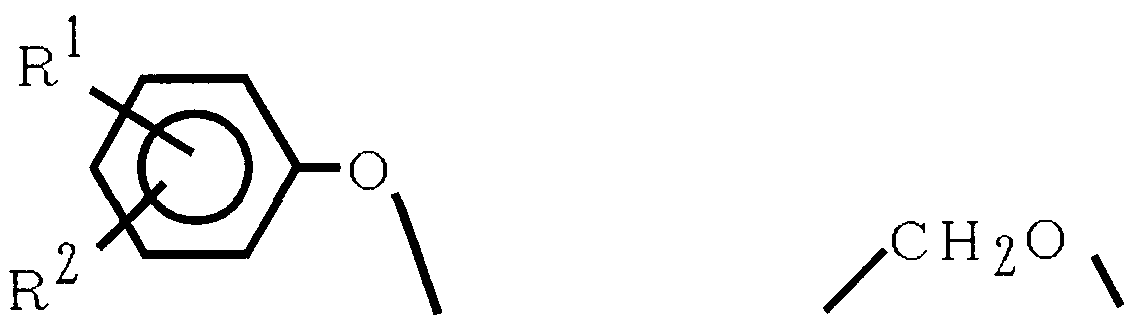
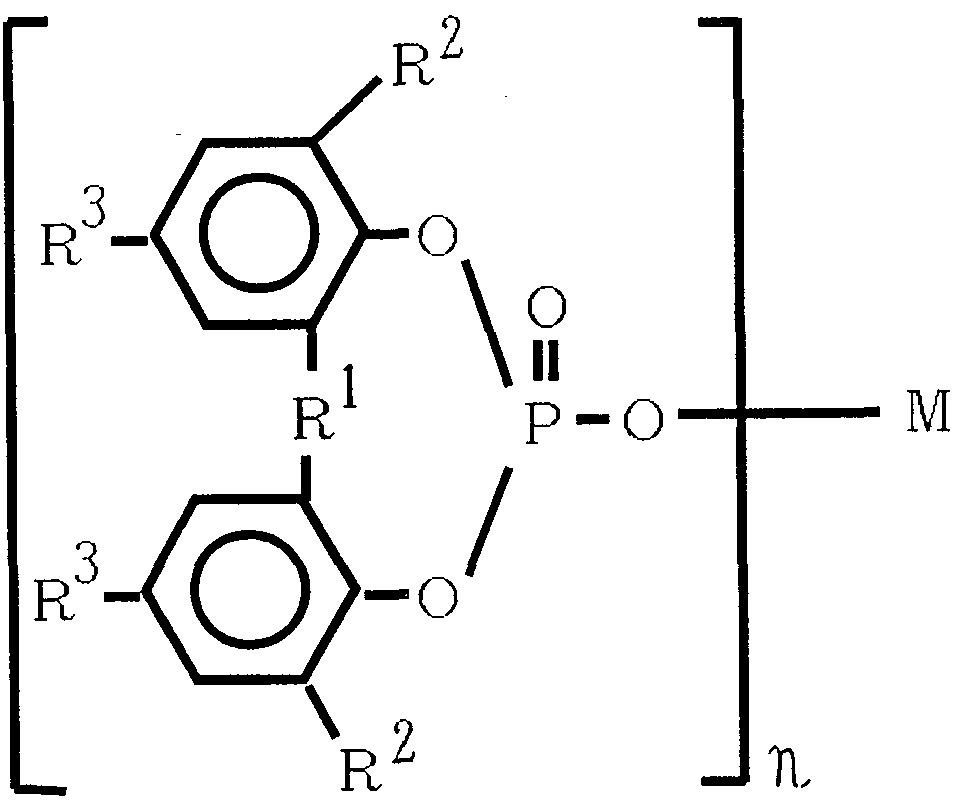





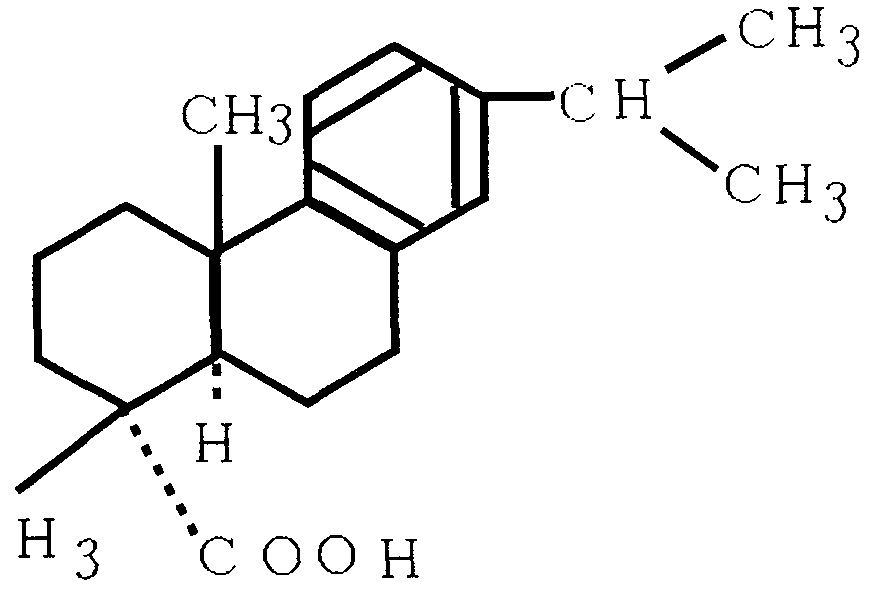


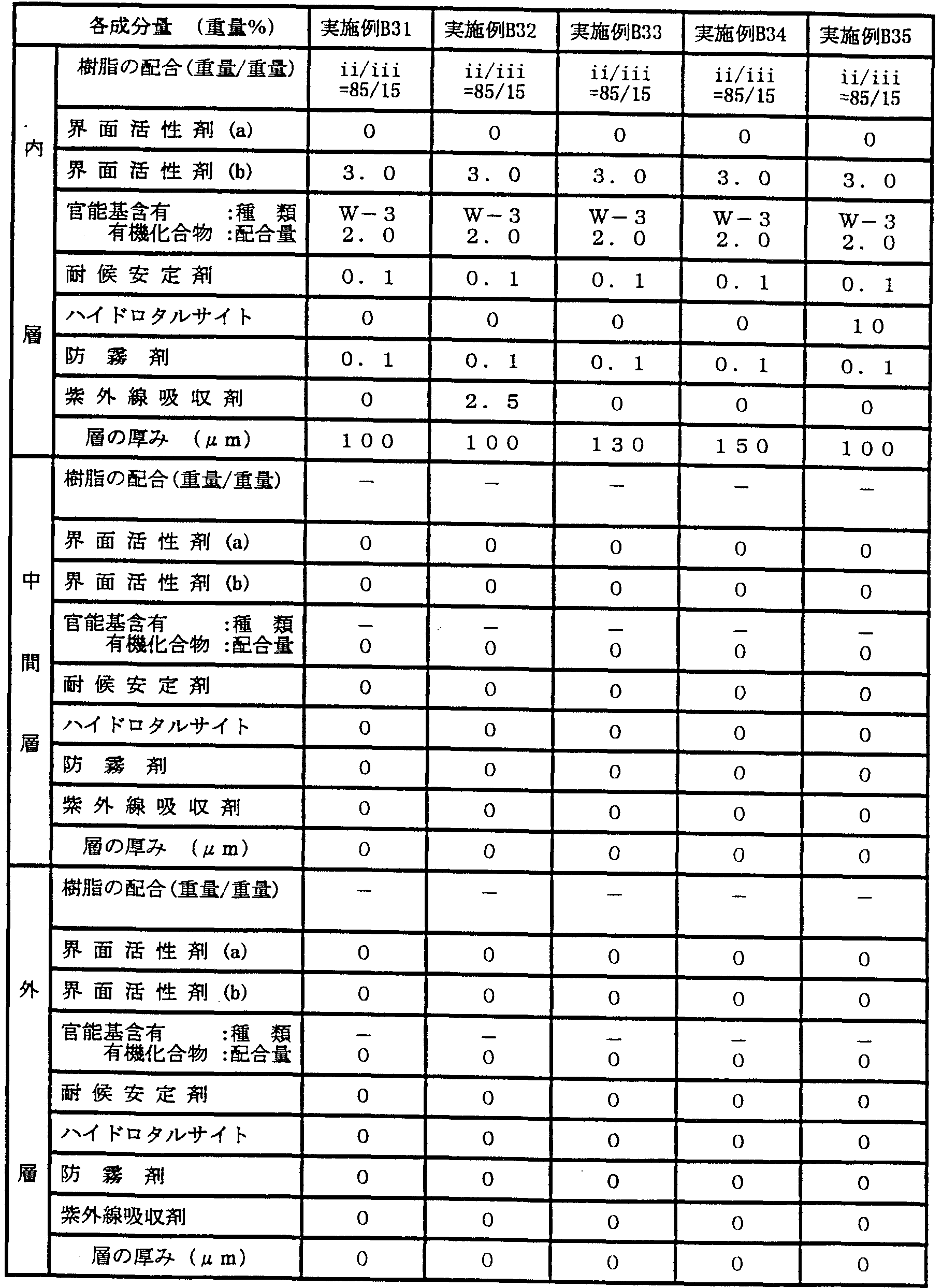

Claims


Priority Applications (1)
| Application Number | Priority Date | Filing Date | Title |
|---|---|---|---|
| EP97913432A EP0879855A4 (en) | 1996-11-22 | 1997-11-25 | THERMOPLASTIC RESIN COMPOSITION AND FILM MADE THEREOF |
Applications Claiming Priority (4)
| Application Number | Priority Date | Filing Date | Title |
|---|---|---|---|
| JP8/312227 | 1996-11-22 | ||
| JP31222796 | 1996-11-22 | ||
| JP9/63481 | 1997-03-17 | ||
| JP6348197 | 1997-03-17 |
Publications (1)
| Publication Number | Publication Date |
|---|---|
| WO1998024848A1 true WO1998024848A1 (en) | 1998-06-11 |
Family
ID=26404610
Family Applications (1)
| Application Number | Title | Priority Date | Filing Date |
|---|---|---|---|
| PCT/JP1997/004272 Ceased WO1998024848A1 (en) | 1996-11-22 | 1997-11-25 | Thermoplastic resin composition and film made from the composition |
Country Status (4)
| Country | Link |
|---|---|
| EP (1) | EP0879855A4 (ja) |
| KR (1) | KR19990081921A (ja) |
| CN (1) | CN1213391A (ja) |
| WO (1) | WO1998024848A1 (ja) |
Cited By (10)
| Publication number | Priority date | Publication date | Assignee | Title |
|---|---|---|---|---|
| JP2001200109A (ja) * | 2000-01-20 | 2001-07-24 | Tosoh Corp | エチレン系樹脂組成物及びそれよりなるフィルム |
| JP2007138008A (ja) * | 2005-11-18 | 2007-06-07 | Sumitomo Dow Ltd | 光拡散性ポリカーボネート樹脂組成物およびそれからなる光拡散板 |
| WO2009131232A1 (ja) * | 2008-04-23 | 2009-10-29 | 宇部興産株式会社 | ポリアミド樹脂組成物及び食品包装用ポリアミドフィルム |
| CN101864066A (zh) * | 2010-06-11 | 2010-10-20 | 中国科学院长春应用化学研究所 | 一种松香聚酯弹性体及其制备方法 |
| JP2010254730A (ja) * | 2009-04-21 | 2010-11-11 | Japan Advanced Institute Of Science & Technology Hokuriku | メタクリル酸エステル系樹脂組成物 |
| US8063127B2 (en) | 2005-12-06 | 2011-11-22 | Polyplastics Co., Ltd. | Antihazing agent for noncrystalline cycloolefin resins, resin compositions, and optical elements |
| JP2014218636A (ja) * | 2013-05-11 | 2014-11-20 | 松本油脂製薬株式会社 | 熱可塑性樹脂用帯電防止剤およびそれを含む熱可塑性樹脂組成物 |
| WO2015083818A1 (ja) * | 2013-12-06 | 2015-06-11 | 横浜ゴム株式会社 | タイヤ用ゴム組成物 |
| WO2016152249A1 (ja) * | 2015-03-24 | 2016-09-29 | 三菱樹脂株式会社 | 農業用フィルム |
| WO2018074273A1 (ja) * | 2016-10-17 | 2018-04-26 | 荒川化学工業株式会社 | 複合プラスチック成形物 |
Families Citing this family (15)
| Publication number | Priority date | Publication date | Assignee | Title |
|---|---|---|---|---|
| JP2002319316A (ja) * | 2001-02-15 | 2002-10-31 | Sumitomo Chem Co Ltd | 絶縁フィルム類 |
| CN102219981B (zh) * | 2011-06-13 | 2012-10-31 | 刘立文 | 一种改性丙烯腈–丁二烯–苯乙烯共聚物及其制备方法 |
| CN102561652B (zh) * | 2011-11-09 | 2014-02-26 | 万利环宇(福建)贸易有限公司 | 全环保无氯石塑地板及其生产方法 |
| CN102585422B (zh) * | 2012-01-03 | 2014-08-06 | 江苏南亚电缆集团有限公司 | 一种抗静电abs材料及其制备方法 |
| CN103333405B (zh) * | 2013-06-06 | 2015-07-29 | 中山北化高分子材料有限公司 | 一种无胺抗静电复合材料 |
| CN103819594B (zh) * | 2014-01-28 | 2016-06-22 | 汕头大学 | 一种聚烯烃塑料光-生物降解改性添加剂及其制备和应用 |
| CN104277185A (zh) * | 2014-09-24 | 2015-01-14 | 苏州博利迈新材料科技有限公司 | 一种耐高温防雾化pvc膜及其制备方法 |
| KR101706748B1 (ko) * | 2015-05-20 | 2017-02-14 | 한화케미칼 주식회사 | 에틸렌비닐아세테이트 수지 조성물 및 이를 이용한 접착필름 |
| CN104987678B (zh) * | 2015-07-28 | 2016-08-17 | 国网山东省电力公司莱芜供电公司 | 一种阻燃耐拉伸的电力工程用绝缘材料及其制备方法 |
| BR112018010450B1 (pt) | 2015-11-27 | 2022-05-24 | Solvay Sa | Composição polimérica de cloreto de vinilideno compreendendo pelo menos um éster sorbato, método para fabricação da composição, camada feita a partir da composição, método para fabricação da camada, conjunto de múltiplas camadas, método de fabricação de conjunto e embalagem feita a partir do conjunto |
| CN109401056A (zh) * | 2018-10-31 | 2019-03-01 | 丹阳博亚新材料技术服务有限公司 | 一种高性能透气膜的制备方法 |
| CN109608785B (zh) * | 2018-11-27 | 2020-07-28 | 万华化学集团股份有限公司 | 一种耐老化pvc组合物及其制备方法和应用 |
| KR102051830B1 (ko) * | 2019-05-09 | 2019-12-04 | 주식회사 일신웰스 | 폴리올레핀계 수지 조성물 및 이를 이용한 식품포장용 필름 |
| WO2021096737A1 (en) * | 2019-11-15 | 2021-05-20 | Dow Global Technologies Llc | Thermoplastic elastomer composition |
| CN118852696B (zh) * | 2024-09-23 | 2025-02-18 | 长春黄金研究院有限公司 | 聚酰胺酸薄膜、棒状银粉/聚酰亚胺复合薄膜及二者的制备方法 |
Citations (5)
| Publication number | Priority date | Publication date | Assignee | Title |
|---|---|---|---|---|
| JPS58101133A (ja) * | 1981-12-09 | 1983-06-16 | Denki Kagaku Kogyo Kk | ストレツチフイルム |
| JPH0249050A (ja) * | 1988-08-11 | 1990-02-19 | Sakai Chem Ind Co Ltd | 塩化ビニル系樹脂組成物 |
| JPH0559242A (ja) * | 1991-09-04 | 1993-03-09 | Asahi Denka Kogyo Kk | 加工性の改良された塩化ビニル系樹脂組成物 |
| JPH0711062A (ja) * | 1993-06-23 | 1995-01-13 | Tosoh Corp | 樹脂組成物 |
| JPH07166002A (ja) * | 1993-12-16 | 1995-06-27 | Tosoh Corp | 農業用フィルム |
Family Cites Families (4)
| Publication number | Priority date | Publication date | Assignee | Title |
|---|---|---|---|---|
| JPS6025455B2 (ja) * | 1976-09-20 | 1985-06-18 | 旭化成株式会社 | 粘着包装用フイルム樹脂組成物 |
| DK399489D0 (da) * | 1989-04-10 | 1989-08-14 | Kohjin Co | Straek- og varmekrympbar polyaetylenfolie |
| JP2904904B2 (ja) * | 1989-10-09 | 1999-06-14 | 株式会社興人 | ポリエチレン系ストレッチシュリンクフィルム及びその製造方法 |
| GB9010092D0 (en) * | 1990-05-04 | 1990-06-27 | Ici Plc | Polyolefin film |
-
1997
- 1997-11-25 KR KR1019980705634A patent/KR19990081921A/ko not_active Withdrawn
- 1997-11-25 EP EP97913432A patent/EP0879855A4/en not_active Withdrawn
- 1997-11-25 CN CN97193017A patent/CN1213391A/zh active Pending
- 1997-11-25 WO PCT/JP1997/004272 patent/WO1998024848A1/ja not_active Ceased
Patent Citations (5)
| Publication number | Priority date | Publication date | Assignee | Title |
|---|---|---|---|---|
| JPS58101133A (ja) * | 1981-12-09 | 1983-06-16 | Denki Kagaku Kogyo Kk | ストレツチフイルム |
| JPH0249050A (ja) * | 1988-08-11 | 1990-02-19 | Sakai Chem Ind Co Ltd | 塩化ビニル系樹脂組成物 |
| JPH0559242A (ja) * | 1991-09-04 | 1993-03-09 | Asahi Denka Kogyo Kk | 加工性の改良された塩化ビニル系樹脂組成物 |
| JPH0711062A (ja) * | 1993-06-23 | 1995-01-13 | Tosoh Corp | 樹脂組成物 |
| JPH07166002A (ja) * | 1993-12-16 | 1995-06-27 | Tosoh Corp | 農業用フィルム |
Non-Patent Citations (1)
| Title |
|---|
| See also references of EP0879855A4 * |
Cited By (14)
| Publication number | Priority date | Publication date | Assignee | Title |
|---|---|---|---|---|
| JP2001200109A (ja) * | 2000-01-20 | 2001-07-24 | Tosoh Corp | エチレン系樹脂組成物及びそれよりなるフィルム |
| JP2007138008A (ja) * | 2005-11-18 | 2007-06-07 | Sumitomo Dow Ltd | 光拡散性ポリカーボネート樹脂組成物およびそれからなる光拡散板 |
| US8063127B2 (en) | 2005-12-06 | 2011-11-22 | Polyplastics Co., Ltd. | Antihazing agent for noncrystalline cycloolefin resins, resin compositions, and optical elements |
| WO2009131232A1 (ja) * | 2008-04-23 | 2009-10-29 | 宇部興産株式会社 | ポリアミド樹脂組成物及び食品包装用ポリアミドフィルム |
| JPWO2009131232A1 (ja) * | 2008-04-23 | 2011-08-25 | 宇部興産株式会社 | ポリアミド樹脂組成物及び食品包装用ポリアミドフィルム |
| JP2010254730A (ja) * | 2009-04-21 | 2010-11-11 | Japan Advanced Institute Of Science & Technology Hokuriku | メタクリル酸エステル系樹脂組成物 |
| CN101864066A (zh) * | 2010-06-11 | 2010-10-20 | 中国科学院长春应用化学研究所 | 一种松香聚酯弹性体及其制备方法 |
| CN101864066B (zh) * | 2010-06-11 | 2012-10-03 | 中国科学院长春应用化学研究所 | 一种松香聚酯弹性体及其制备方法 |
| JP2014218636A (ja) * | 2013-05-11 | 2014-11-20 | 松本油脂製薬株式会社 | 熱可塑性樹脂用帯電防止剤およびそれを含む熱可塑性樹脂組成物 |
| WO2015083818A1 (ja) * | 2013-12-06 | 2015-06-11 | 横浜ゴム株式会社 | タイヤ用ゴム組成物 |
| US9976015B2 (en) | 2013-12-06 | 2018-05-22 | The Yokohama Rubber Co., Ltd. | Tire rubber composition |
| WO2016152249A1 (ja) * | 2015-03-24 | 2016-09-29 | 三菱樹脂株式会社 | 農業用フィルム |
| JPWO2016152249A1 (ja) * | 2015-03-24 | 2017-12-28 | 三菱ケミカル株式会社 | 農業用フィルム |
| WO2018074273A1 (ja) * | 2016-10-17 | 2018-04-26 | 荒川化学工業株式会社 | 複合プラスチック成形物 |
Also Published As
| Publication number | Publication date |
|---|---|
| CN1213391A (zh) | 1999-04-07 |
| EP0879855A1 (en) | 1998-11-25 |
| EP0879855A4 (en) | 2002-10-30 |
| KR19990081921A (ko) | 1999-11-15 |
Similar Documents
| Publication | Publication Date | Title |
|---|---|---|
| WO1998024848A1 (en) | Thermoplastic resin composition and film made from the composition | |
| DE10197071B4 (de) | Geformte lichtdurchlässige Polycarbonatzusammensetzung, Verfahren zu ihrer Herstellung und deren Verwendung | |
| CN101688004B (zh) | 含非酚稳定剂的受辐射聚合物组合物 | |
| TWI302546B (en) | Stabilization of organic materials | |
| CN102010549B (zh) | 聚丙烯树脂组合物及其生产方法 | |
| US20090263604A1 (en) | Process for production of cross copolymers, cross copolymers obtained by the process, and use thereof | |
| BRPI0918225B1 (pt) | polifarneseno, método para fabricar um polifarneseno, composição de polímero, e, artigo | |
| WO2000078828A1 (en) | Ethylene (co)polymers and uses thereof | |
| JP6770796B2 (ja) | 繊維強化ポリプロピレン系樹脂組成物 | |
| JP2017061595A (ja) | 繊維強化ポリプロピレン系樹脂組成物 | |
| JP3757530B2 (ja) | プロピレン系ポリマー組成物および成形体 | |
| WO1998044023A1 (en) | Triblock oligomers, thermoplastic resin compositions, and antifog moldings | |
| JP2002146121A (ja) | ポリエチレン樹脂組成物 | |
| JPH07505910A (ja) | ポリオレフィンに有用な難燃性添加剤組成物 | |
| JPH0621205B2 (ja) | 結晶性ポリプロピレン組成物 | |
| JPH10324662A (ja) | トリブロックオリゴマーおよび熱可塑性樹脂組成物な らびにその用途 | |
| WO2018079621A1 (ja) | 新規化合物、これを用いた組成物、オレフィン系樹脂組成物、その成形品および成形品の耐衝撃性の改善方法 | |
| JPH11168991A (ja) | 農業用ポリオレフィンフィルムおよび積層体 | |
| JPWO2018079621A6 (ja) | 新規化合物、これを用いた組成物、オレフィン系樹脂組成物、その成形品および成形品の耐衝撃性の改善方法 | |
| JP4003470B2 (ja) | 耐変色性ポリオレフィン系樹脂組成物 | |
| JPH11166059A (ja) | 防曇性成形体 | |
| JP4495387B2 (ja) | ポリオレフィン系樹脂組成物 | |
| JP2002285009A (ja) | 無機物含有熱可塑性重合体組成物 | |
| JPH09221569A (ja) | プロピレン系ポリマーの安定化組成物および熱成形体 | |
| JP3714054B2 (ja) | プロピレン系樹脂組成物 |
Legal Events
| Date | Code | Title | Description |
|---|---|---|---|
| WWE | Wipo information: entry into national phase |
Ref document number: 97193017.1 Country of ref document: CN |
|
| AK | Designated states |
Kind code of ref document: A1 Designated state(s): CN JP KR |
|
| AL | Designated countries for regional patents |
Kind code of ref document: A1 Designated state(s): ES FR IT |
|
| WWE | Wipo information: entry into national phase |
Ref document number: 1019980705634 Country of ref document: KR |
|
| WWE | Wipo information: entry into national phase |
Ref document number: 1997913432 Country of ref document: EP |
|
| 121 | Ep: the epo has been informed by wipo that ep was designated in this application | ||
| WWP | Wipo information: published in national office |
Ref document number: 1997913432 Country of ref document: EP |
|
| WWP | Wipo information: published in national office |
Ref document number: 1019980705634 Country of ref document: KR |
|
| WWW | Wipo information: withdrawn in national office |
Ref document number: 1997913432 Country of ref document: EP |
|
| WWW | Wipo information: withdrawn in national office |
Ref document number: 1019980705634 Country of ref document: KR |