WO1999054305A1 - Heterocyclisch substituierte amide als calpainhemmer - Google Patents

Heterocyclisch substituierte amide als calpainhemmer Download PDF

Info

Publication number
WO1999054305A1
WO1999054305A1 PCT/EP1999/002632 EP9902632W WO9954305A1 WO 1999054305 A1 WO1999054305 A1 WO 1999054305A1 EP 9902632 W EP9902632 W EP 9902632W WO 9954305 A1 WO9954305 A1 WO 9954305A1
Authority
WO
WIPO (PCT)
Prior art keywords
alkyl
phenyl
formula
amide
substituted amides
Prior art date
Legal status (The legal status is an assumption and is not a legal conclusion. Google has not performed a legal analysis and makes no representation as to the accuracy of the status listed.)
Ceased
Application number
PCT/EP1999/002632
Other languages
English (en)
French (fr)
Inventor
Wilfried Lubisch
Achim Möller
Hans-Jörg Treiber
Monika Knopp
Current Assignee (The listed assignees may be inaccurate. Google has not performed a legal analysis and makes no representation or warranty as to the accuracy of the list.)
BASF SE
Original Assignee
BASF SE
Priority date (The priority date is an assumption and is not a legal conclusion. Google has not performed a legal analysis and makes no representation as to the accuracy of the date listed.)
Filing date
Publication date
Priority to KR1020007011609A priority Critical patent/KR20010042842A/ko
Priority to HR20000764A priority patent/HRP20000764A2/hr
Priority to CA2328440A priority patent/CA2328440C/en
Priority to PL99343495A priority patent/PL343495A1/xx
Priority to HU0101599A priority patent/HUP0101599A3/hu
Priority to IL13840299A priority patent/IL138402A0/xx
Priority to BR9909773-7A priority patent/BR9909773A/pt
Priority to JP2000544646A priority patent/JP4621351B2/ja
Priority to DE59914996T priority patent/DE59914996D1/de
Application filed by BASF SE filed Critical BASF SE
Priority to SK1393-2000A priority patent/SK13932000A3/sk
Priority to EP99920710A priority patent/EP1082308B1/de
Priority to US09/647,681 priority patent/US6562827B1/en
Priority to AU38190/99A priority patent/AU3819099A/en
Publication of WO1999054305A1 publication Critical patent/WO1999054305A1/de
Priority to NO20005237A priority patent/NO20005237L/no
Anticipated expiration legal-status Critical
Priority to BG104961A priority patent/BG104961A/bg
Ceased legal-status Critical Current

Links

Classifications

    • C—CHEMISTRY; METALLURGY
    • C07—ORGANIC CHEMISTRY
    • C07D—HETEROCYCLIC COMPOUNDS
    • C07D213/00—Heterocyclic compounds containing six-membered rings, not condensed with other rings, with one nitrogen atom as the only ring hetero atom and three or more double bonds between ring members or between ring members and non-ring members
    • C07D213/02—Heterocyclic compounds containing six-membered rings, not condensed with other rings, with one nitrogen atom as the only ring hetero atom and three or more double bonds between ring members or between ring members and non-ring members having three double bonds between ring members or between ring members and non-ring members
    • C07D213/04—Heterocyclic compounds containing six-membered rings, not condensed with other rings, with one nitrogen atom as the only ring hetero atom and three or more double bonds between ring members or between ring members and non-ring members having three double bonds between ring members or between ring members and non-ring members having no bond between the ring nitrogen atom and a non-ring member or having only hydrogen or carbon atoms directly attached to the ring nitrogen atom
    • C07D213/60—Heterocyclic compounds containing six-membered rings, not condensed with other rings, with one nitrogen atom as the only ring hetero atom and three or more double bonds between ring members or between ring members and non-ring members having three double bonds between ring members or between ring members and non-ring members having no bond between the ring nitrogen atom and a non-ring member or having only hydrogen or carbon atoms directly attached to the ring nitrogen atom with hetero atoms or with carbon atoms having three bonds to hetero atoms with at the most one bond to halogen, e.g. ester or nitrile radicals, directly attached to ring carbon atoms
    • C07D213/78—Carbon atoms having three bonds to hetero atoms, with at the most one bond to halogen, e.g. ester or nitrile radicals
    • C07D213/79—Acids; Esters
    • C07D213/80—Acids; Esters in position 3
    • A—HUMAN NECESSITIES
    • A61—MEDICAL OR VETERINARY SCIENCE; HYGIENE
    • A61P—SPECIFIC THERAPEUTIC ACTIVITY OF CHEMICAL COMPOUNDS OR MEDICINAL PREPARATIONS
    • A61P17/00—Drugs for dermatological disorders
    • A61P17/02—Drugs for dermatological disorders for treating wounds, ulcers, burns, scars, keloids, or the like
    • A—HUMAN NECESSITIES
    • A61—MEDICAL OR VETERINARY SCIENCE; HYGIENE
    • A61P—SPECIFIC THERAPEUTIC ACTIVITY OF CHEMICAL COMPOUNDS OR MEDICINAL PREPARATIONS
    • A61P21/00—Drugs for disorders of the muscular or neuromuscular system
    • A—HUMAN NECESSITIES
    • A61—MEDICAL OR VETERINARY SCIENCE; HYGIENE
    • A61P—SPECIFIC THERAPEUTIC ACTIVITY OF CHEMICAL COMPOUNDS OR MEDICINAL PREPARATIONS
    • A61P21/00—Drugs for disorders of the muscular or neuromuscular system
    • A61P21/04—Drugs for disorders of the muscular or neuromuscular system for myasthenia gravis
    • A—HUMAN NECESSITIES
    • A61—MEDICAL OR VETERINARY SCIENCE; HYGIENE
    • A61P—SPECIFIC THERAPEUTIC ACTIVITY OF CHEMICAL COMPOUNDS OR MEDICINAL PREPARATIONS
    • A61P25/00—Drugs for disorders of the nervous system
    • A—HUMAN NECESSITIES
    • A61—MEDICAL OR VETERINARY SCIENCE; HYGIENE
    • A61P—SPECIFIC THERAPEUTIC ACTIVITY OF CHEMICAL COMPOUNDS OR MEDICINAL PREPARATIONS
    • A61P25/00—Drugs for disorders of the nervous system
    • A61P25/08—Antiepileptics; Anticonvulsants
    • A—HUMAN NECESSITIES
    • A61—MEDICAL OR VETERINARY SCIENCE; HYGIENE
    • A61P—SPECIFIC THERAPEUTIC ACTIVITY OF CHEMICAL COMPOUNDS OR MEDICINAL PREPARATIONS
    • A61P25/00—Drugs for disorders of the nervous system
    • A61P25/14—Drugs for disorders of the nervous system for treating abnormal movements, e.g. chorea, dyskinesia
    • A—HUMAN NECESSITIES
    • A61—MEDICAL OR VETERINARY SCIENCE; HYGIENE
    • A61P—SPECIFIC THERAPEUTIC ACTIVITY OF CHEMICAL COMPOUNDS OR MEDICINAL PREPARATIONS
    • A61P25/00—Drugs for disorders of the nervous system
    • A61P25/14—Drugs for disorders of the nervous system for treating abnormal movements, e.g. chorea, dyskinesia
    • A61P25/16—Anti-Parkinson drugs
    • A—HUMAN NECESSITIES
    • A61—MEDICAL OR VETERINARY SCIENCE; HYGIENE
    • A61P—SPECIFIC THERAPEUTIC ACTIVITY OF CHEMICAL COMPOUNDS OR MEDICINAL PREPARATIONS
    • A61P25/00—Drugs for disorders of the nervous system
    • A61P25/28—Drugs for disorders of the nervous system for treating neurodegenerative disorders of the central nervous system, e.g. nootropic agents, cognition enhancers, drugs for treating Alzheimer's disease or other forms of dementia
    • A—HUMAN NECESSITIES
    • A61—MEDICAL OR VETERINARY SCIENCE; HYGIENE
    • A61P—SPECIFIC THERAPEUTIC ACTIVITY OF CHEMICAL COMPOUNDS OR MEDICINAL PREPARATIONS
    • A61P27/00—Drugs for disorders of the senses
    • A61P27/02—Ophthalmic agents
    • A61P27/12—Ophthalmic agents for cataracts
    • A—HUMAN NECESSITIES
    • A61—MEDICAL OR VETERINARY SCIENCE; HYGIENE
    • A61P—SPECIFIC THERAPEUTIC ACTIVITY OF CHEMICAL COMPOUNDS OR MEDICINAL PREPARATIONS
    • A61P29/00—Non-central analgesic, antipyretic or antiinflammatory agents, e.g. antirheumatic agents; Non-steroidal antiinflammatory drugs [NSAID]
    • A—HUMAN NECESSITIES
    • A61—MEDICAL OR VETERINARY SCIENCE; HYGIENE
    • A61P—SPECIFIC THERAPEUTIC ACTIVITY OF CHEMICAL COMPOUNDS OR MEDICINAL PREPARATIONS
    • A61P35/00—Antineoplastic agents
    • A—HUMAN NECESSITIES
    • A61—MEDICAL OR VETERINARY SCIENCE; HYGIENE
    • A61P—SPECIFIC THERAPEUTIC ACTIVITY OF CHEMICAL COMPOUNDS OR MEDICINAL PREPARATIONS
    • A61P43/00—Drugs for specific purposes, not provided for in groups A61P1/00-A61P41/00
    • A—HUMAN NECESSITIES
    • A61—MEDICAL OR VETERINARY SCIENCE; HYGIENE
    • A61P—SPECIFIC THERAPEUTIC ACTIVITY OF CHEMICAL COMPOUNDS OR MEDICINAL PREPARATIONS
    • A61P9/00—Drugs for disorders of the cardiovascular system
    • A—HUMAN NECESSITIES
    • A61—MEDICAL OR VETERINARY SCIENCE; HYGIENE
    • A61P—SPECIFIC THERAPEUTIC ACTIVITY OF CHEMICAL COMPOUNDS OR MEDICINAL PREPARATIONS
    • A61P9/00—Drugs for disorders of the cardiovascular system
    • A61P9/06—Antiarrhythmics
    • A—HUMAN NECESSITIES
    • A61—MEDICAL OR VETERINARY SCIENCE; HYGIENE
    • A61P—SPECIFIC THERAPEUTIC ACTIVITY OF CHEMICAL COMPOUNDS OR MEDICINAL PREPARATIONS
    • A61P9/00—Drugs for disorders of the cardiovascular system
    • A61P9/10—Drugs for disorders of the cardiovascular system for treating ischaemic or atherosclerotic diseases, e.g. antianginal drugs, coronary vasodilators, drugs for myocardial infarction, retinopathy, cerebrovascula insufficiency, renal arteriosclerosis
    • C—CHEMISTRY; METALLURGY
    • C07—ORGANIC CHEMISTRY
    • C07D—HETEROCYCLIC COMPOUNDS
    • C07D213/00—Heterocyclic compounds containing six-membered rings, not condensed with other rings, with one nitrogen atom as the only ring hetero atom and three or more double bonds between ring members or between ring members and non-ring members
    • C07D213/02—Heterocyclic compounds containing six-membered rings, not condensed with other rings, with one nitrogen atom as the only ring hetero atom and three or more double bonds between ring members or between ring members and non-ring members having three double bonds between ring members or between ring members and non-ring members
    • C07D213/04—Heterocyclic compounds containing six-membered rings, not condensed with other rings, with one nitrogen atom as the only ring hetero atom and three or more double bonds between ring members or between ring members and non-ring members having three double bonds between ring members or between ring members and non-ring members having no bond between the ring nitrogen atom and a non-ring member or having only hydrogen or carbon atoms directly attached to the ring nitrogen atom
    • C07D213/60—Heterocyclic compounds containing six-membered rings, not condensed with other rings, with one nitrogen atom as the only ring hetero atom and three or more double bonds between ring members or between ring members and non-ring members having three double bonds between ring members or between ring members and non-ring members having no bond between the ring nitrogen atom and a non-ring member or having only hydrogen or carbon atoms directly attached to the ring nitrogen atom with hetero atoms or with carbon atoms having three bonds to hetero atoms with at the most one bond to halogen, e.g. ester or nitrile radicals, directly attached to ring carbon atoms
    • C07D213/78—Carbon atoms having three bonds to hetero atoms, with at the most one bond to halogen, e.g. ester or nitrile radicals
    • C07D213/81—Amides; Imides
    • C07D213/82—Amides; Imides in position 3
    • C—CHEMISTRY; METALLURGY
    • C07—ORGANIC CHEMISTRY
    • C07D—HETEROCYCLIC COMPOUNDS
    • C07D265/00—Heterocyclic compounds containing six-membered rings having one nitrogen atom and one oxygen atom as the only ring hetero atoms
    • C07D265/28—1,4-Oxazines; Hydrogenated 1,4-oxazines
    • C07D265/30—1,4-Oxazines; Hydrogenated 1,4-oxazines not condensed with other rings
    • C—CHEMISTRY; METALLURGY
    • C07—ORGANIC CHEMISTRY
    • C07D—HETEROCYCLIC COMPOUNDS
    • C07D295/00—Heterocyclic compounds containing polymethylene-imine rings with at least five ring members, 3-azabicyclo [3.2.2] nonane, piperazine, morpholine or thiomorpholine rings, having only hydrogen atoms directly attached to the ring carbon atoms
    • C07D295/04—Heterocyclic compounds containing polymethylene-imine rings with at least five ring members, 3-azabicyclo [3.2.2] nonane, piperazine, morpholine or thiomorpholine rings, having only hydrogen atoms directly attached to the ring carbon atoms with substituted hydrocarbon radicals attached to ring nitrogen atoms
    • C07D295/06—Heterocyclic compounds containing polymethylene-imine rings with at least five ring members, 3-azabicyclo [3.2.2] nonane, piperazine, morpholine or thiomorpholine rings, having only hydrogen atoms directly attached to the ring carbon atoms with substituted hydrocarbon radicals attached to ring nitrogen atoms substituted by halogen atoms or nitro radicals
    • C07D295/067—Heterocyclic compounds containing polymethylene-imine rings with at least five ring members, 3-azabicyclo [3.2.2] nonane, piperazine, morpholine or thiomorpholine rings, having only hydrogen atoms directly attached to the ring carbon atoms with substituted hydrocarbon radicals attached to ring nitrogen atoms substituted by halogen atoms or nitro radicals with the ring nitrogen atoms and the substituents attached to the same carbon chain, which is not interrupted by carbocyclic rings
    • C—CHEMISTRY; METALLURGY
    • C07—ORGANIC CHEMISTRY
    • C07D—HETEROCYCLIC COMPOUNDS
    • C07D295/00—Heterocyclic compounds containing polymethylene-imine rings with at least five ring members, 3-azabicyclo [3.2.2] nonane, piperazine, morpholine or thiomorpholine rings, having only hydrogen atoms directly attached to the ring carbon atoms
    • C07D295/16—Heterocyclic compounds containing polymethylene-imine rings with at least five ring members, 3-azabicyclo [3.2.2] nonane, piperazine, morpholine or thiomorpholine rings, having only hydrogen atoms directly attached to the ring carbon atoms acylated on ring nitrogen atoms
    • C07D295/18—Heterocyclic compounds containing polymethylene-imine rings with at least five ring members, 3-azabicyclo [3.2.2] nonane, piperazine, morpholine or thiomorpholine rings, having only hydrogen atoms directly attached to the ring carbon atoms acylated on ring nitrogen atoms by radicals derived from carboxylic acids, or sulfur or nitrogen analogues thereof
    • C07D295/182—Radicals derived from carboxylic acids
    • C07D295/192—Radicals derived from carboxylic acids from aromatic carboxylic acids
    • C—CHEMISTRY; METALLURGY
    • C07—ORGANIC CHEMISTRY
    • C07D—HETEROCYCLIC COMPOUNDS
    • C07D317/00—Heterocyclic compounds containing five-membered rings having two oxygen atoms as the only ring hetero atoms
    • C07D317/08—Heterocyclic compounds containing five-membered rings having two oxygen atoms as the only ring hetero atoms having the hetero atoms in positions 1 and 3
    • C07D317/44—Heterocyclic compounds containing five-membered rings having two oxygen atoms as the only ring hetero atoms having the hetero atoms in positions 1 and 3 ortho- or peri-condensed with carbocyclic rings or ring systems
    • C07D317/46—Heterocyclic compounds containing five-membered rings having two oxygen atoms as the only ring hetero atoms having the hetero atoms in positions 1 and 3 ortho- or peri-condensed with carbocyclic rings or ring systems condensed with one six-membered ring
    • C07D317/48—Methylenedioxybenzenes or hydrogenated methylenedioxybenzenes, unsubstituted on the hetero ring
    • C07D317/50—Methylenedioxybenzenes or hydrogenated methylenedioxybenzenes, unsubstituted on the hetero ring with only hydrogen atoms, hydrocarbon or substituted hydrocarbon radicals, directly attached to atoms of the carbocyclic ring
    • C07D317/58—Radicals substituted by nitrogen atoms
    • C—CHEMISTRY; METALLURGY
    • C07—ORGANIC CHEMISTRY
    • C07D—HETEROCYCLIC COMPOUNDS
    • C07D401/00—Heterocyclic compounds containing two or more hetero rings, having nitrogen atoms as the only ring hetero atoms, at least one ring being a six-membered ring with only one nitrogen atom
    • C07D401/02—Heterocyclic compounds containing two or more hetero rings, having nitrogen atoms as the only ring hetero atoms, at least one ring being a six-membered ring with only one nitrogen atom containing two hetero rings
    • C07D401/04—Heterocyclic compounds containing two or more hetero rings, having nitrogen atoms as the only ring hetero atoms, at least one ring being a six-membered ring with only one nitrogen atom containing two hetero rings directly linked by a ring-member-to-ring-member bond
    • C—CHEMISTRY; METALLURGY
    • C07—ORGANIC CHEMISTRY
    • C07D—HETEROCYCLIC COMPOUNDS
    • C07D401/00—Heterocyclic compounds containing two or more hetero rings, having nitrogen atoms as the only ring hetero atoms, at least one ring being a six-membered ring with only one nitrogen atom
    • C07D401/14—Heterocyclic compounds containing two or more hetero rings, having nitrogen atoms as the only ring hetero atoms, at least one ring being a six-membered ring with only one nitrogen atom containing three or more hetero rings
    • C—CHEMISTRY; METALLURGY
    • C07—ORGANIC CHEMISTRY
    • C07D—HETEROCYCLIC COMPOUNDS
    • C07D405/00—Heterocyclic compounds containing both one or more hetero rings having oxygen atoms as the only ring hetero atoms, and one or more rings having nitrogen as the only ring hetero atom
    • C07D405/02—Heterocyclic compounds containing both one or more hetero rings having oxygen atoms as the only ring hetero atoms, and one or more rings having nitrogen as the only ring hetero atom containing two hetero rings
    • C07D405/12—Heterocyclic compounds containing both one or more hetero rings having oxygen atoms as the only ring hetero atoms, and one or more rings having nitrogen as the only ring hetero atom containing two hetero rings linked by a chain containing hetero atoms as chain links
    • C—CHEMISTRY; METALLURGY
    • C07—ORGANIC CHEMISTRY
    • C07D—HETEROCYCLIC COMPOUNDS
    • C07D405/00—Heterocyclic compounds containing both one or more hetero rings having oxygen atoms as the only ring hetero atoms, and one or more rings having nitrogen as the only ring hetero atom
    • C07D405/14—Heterocyclic compounds containing both one or more hetero rings having oxygen atoms as the only ring hetero atoms, and one or more rings having nitrogen as the only ring hetero atom containing three or more hetero rings
    • C—CHEMISTRY; METALLURGY
    • C07—ORGANIC CHEMISTRY
    • C07D—HETEROCYCLIC COMPOUNDS
    • C07D413/00—Heterocyclic compounds containing two or more hetero rings, at least one ring having nitrogen and oxygen atoms as the only ring hetero atoms
    • C07D413/02—Heterocyclic compounds containing two or more hetero rings, at least one ring having nitrogen and oxygen atoms as the only ring hetero atoms containing two hetero rings
    • C07D413/12—Heterocyclic compounds containing two or more hetero rings, at least one ring having nitrogen and oxygen atoms as the only ring hetero atoms containing two hetero rings linked by a chain containing hetero atoms as chain links

Definitions

  • isoenzymes and cathepsins for example B and L.
  • Calpains are intracellular, proteolytic enzymes from the group of so-called cysteine proteases and are found in many cells.
  • the enzyme calpain is activated by increased calcium concentration, with a distinction between calpain I or ⁇ -calpain, which is activated by ⁇ -molar concentrations of calcium ions, and calpain II or m-calpain, which is activated by m-molar concentrations activated by calcium ions.
  • calpain II or m-calpain which is activated by m-molar concentrations activated by calcium ions.
  • calpaine play an important role in various physiological processes. These include cleavages of regulatory proteins such as protein kinase C, cytoskeleton proteins such as MAP 2 and spectrin, muscle proteins, protein degradation in rheumatoid arthritis, proteins when platelets are activated, neuropeptide metabolism, proteins in mitosis and other tere, which in MJBarrett et al., Life Sei. 1991, 48, 1659-69 and K.K. Wang et al., Trends in Pharmacol. Be . , 1994, 15, 412-9.
  • regulatory proteins such as protein kinase C, cytoskeleton proteins such as MAP 2 and spectrin
  • muscle proteins protein degradation in rheumatoid arthritis
  • proteins when platelets are activated proteins when platelets are activated
  • neuropeptide metabolism proteins in mitosis and other tere
  • Increased calpain activity was measured in various pathophysiological processes, for example in ischemia of the heart (e.g. heart attack), the kidney or the central nervous system (e.g. "stroke"), inflammation, muscular dystrophies, eye cataracts, injuries to the central nervous system (e.g. Jardina), Alzheimer's disease, etc. (see KK Wang, above). It is suspected that these diseases are associated with increased and persistent intracellular calcium levels. As a result, calcium-dependent processes are overactivated and are no longer subject to physiological regulation. Accordingly, overactivation of calpains can also trigger pathophysiological processes. Therefore, it has been postulated that inhibitors of calpain enzymes can be useful in the treatment of these diseases. Various studies confirm this. So Seung-Chyul Hong et al., Stroke 2
  • calpain inhibitors are in 25 K.K. Wang, Trends in Pharmacol. Be . , 1994, 15, 412-8. Calpain inhibitors have already been described in the literature. However, these are predominantly either irreversible or peptide inhibitors. Irreversible inhibitors are generally alkylating substances and have the disadvantage that they react unselectively in the organism or are unstable. So these inhibitors often show undesirable side effects, such as toxicity, and are then restricted in use or unusable.
  • the irreversible inhibitors include, for example, the epoxides E 64 (E.B. McGowan et al., Biochem.Biophys .Res .Commun. 35 1989, 158, 432-5), ⁇ -haloketones (H. Angliker et al.,
  • peptidic aldehydes in particular dipeptide and tripepidic aldehydes such as, for example, Z-Val-Phe-H (MDL 28170) (S.Mehdi, Tends in Biol. Sci. 1991, 16, 150-3) and the compounds from EP 520336.
  • non-peptide ketones are also potent, reversible calpain inhibitors.
  • the aim is therefore to obtain non-peptide inhibitors which are derived from carbonyl compounds and improve the general problems of peptides (metabolic stability, poor cell membrane overcoming, etc.).
  • Ketobenzamides are already known in the literature.
  • the ketoester PhCO-Abu-COOCH 2 CH 3 has been described in WO 91/09801, WO 94/00095 and 92/11850.
  • JP 8183759, JP 8183769, JP 8183771 and EP 520336 have already described aldehydes derived from dipeptides, with saturated carbocyclic rings, for example cyclohexanes, or saturated heterocyclic rings, for example piperidines, instead of an amino acid in these peptides Inhibitors were incorporated and novel aldehydes were obtained as calpain inhibitors.
  • substituted non-peptide heterocyclic substituted amide derivatives are described. These compounds are new and surprisingly show the possibility of incorporating rigid structural fragments into potent non-peptide inhibitors of cysteine proteases, such as e.g. Calpain.
  • the present invention relates to heterocyclically substituted amides of the general formula I. , 2 O
  • A means piperazine, homopiperazine, hexahydroazepine, piperidine and pyrrolidine, which can still carry an R 5 radical, and
  • B represents a phenyl, pyridine, pyrimidine, pyrazine or pyridazine ring and
  • R 1 and R 2 independently of one another are hydrogen, C ⁇ -C 6 -alkyl, branched or unbranched, O-Ci-C ß -alkyl, branched or unbranched, OH, Cl, F, Br, J, CF 3 , N0, NH 2 , CN, COOH, COO -C-C 4 alkyl, NHCO-C 1 -C 4 alkyl, NHCO-phenyl, CONHR 9 , NHS0 2 -C ⁇ -C 4 alkyl, NHS0 2 -phenyl, S0 2 -C x is -C alkyl and S0 is phenyl and R 1 and R 2 are a chain -
  • R 3 Ci-C ⁇ -alkyl, branched or unbranched, which is a S-CH 3 radical, cyclohexyl, cyclopentyl, cycloheptyl, phenyl, pyridyl, pyrimidyl, pyridazyl, pyrazyl, indolyl, thienyl or Naphthyl ring can wear, the rings being substituted with a maximum of two radicals R 7 and R 7 is hydrogen, C 1 -C 4 -alkyl, branched or unbranched, 0-C 1 -C 4 -alkyl, OH, Cl, F, Br, J , CF 3 , N0 2 , NH 2 , CN, COOH,
  • R 4 is hydrogen, -COR 8 , where R 8 can be -OR 9 , and -NR 9 R 10 and
  • R 5 is hydrogen, -CC 6 alkyl, branched or unbranched, which can also carry a substituent R 11 , or R 5 phenyl, pyridyl, pyrimidyl, pyridazyl, pyrazinyl, pyrazyl, naphthyl, thienyl , Piperidinyl, pyrrolidinyl, imida- 5 cyl ring, which can also carry one or two substituents R 5 , and
  • R 6 is hydrogen, Ci-C ß- alkyl, branched or unbranched, O-Ci-C ß- alkyl, branched or unbranched, OH, Cl, F, Br,
  • R 13 means or two radicals R s are a bridge OC (R 9 ) Can represent 2 0 and
  • R 9 is hydrogen, Ci-C ⁇ -alkyl, branched and unbranched, means and
  • R 10 is hydrogen, Ci-C ß- alkyl, branched or unbranched, means still with a phenyl ring, which can still carry a radical R 12 , and with
  • R 11 can be a phenyl, pyridyl, pyrimidyl, naphthyl, thienyl, furyl, pyridazyl, pyrazinyl, pyrazyl, pyrrolyl, imidazyl ring which also has one or two substituents R 6 can wear, and
  • R 12 is hydrogen, Ci-C ß- alkyl, branched or unbranched,
  • O-Ci-C ⁇ - alkyl branched or unbranched, OH, Cl, F, Br, J, CF 3 , N0, NH 2 , CN, COOH, COO-C ! -C 4 alkyl means and
  • R 13 is hydrogen, a C ⁇ -C 4 -alkyl chain and Co ⁇ C -alkylphenyl-, where the phenyl ring can also carry one or two radicals R 12 , and
  • x represents a number 0, 1 and 2.
  • the compounds of formula I can be used as racemates or as enantiomerically pure compounds or as diastereomers. If enantiomerically pure compounds are desired, these can be obtained, for example, by carrying out a classic resolution with the compounds of the formula I or their intermediates using a suitable optically active base or acid. On the other hand, the enantiomeric compounds can also be prepared by using commercially available compounds, for example optically active amino acids such as phenylalanine, tryprophan and tyrosine. 6
  • the invention also relates to compounds of the formula I mesomeric or tautomeric compounds, for example those in which the keto group of the formula I is present as an enol tautomer.
  • the invention also encompasses the acid addition salts of the compounds of the formula I with physiologically tolerated acids.
  • suitable physiologically acceptable organic and inorganic acids are hydrochloric acid, hydrobromic acid, phosphoric acid, sulfuric acid, oxalic acid, maleic acid, fumaric acid, lactic acid, tartaric acid, adipic acid or benzoic acid. Further usable acids are described in advances in drug research, volume 10, pages 224 ff., Birkhäuser Verlag, Basel and Stuttgart, 1966.
  • amides I according to the invention can be prepared in various ways, which have been outlined in synthesis schemes 1, 2, 3 and 4.
  • the carboxylic acid esters III are obtained by reacting the carboxylic acid esters II, where X is a leaving group such as chloride, bromide, iodide or tosylate, with the corresponding piperazine or piperidine derivatives. This reaction is carried out under normal conditions from the sodium or potassium amide of the secondary amines in solvents such as THF, DMF, toluene or benzene or in the presence of a Cu catalyst (see CRLarock, Comprehensive Organic Transformations, VCH Publisher, 1989, p. 397).
  • B represents a nitrogen-containing aromatic
  • solvents such as DMF or THF
  • a base such as triethylamine, NaH or potassium carbonate and a crown ether at elevated temperature.
  • B represents a phenyl ring and A represents a piperidine derivative and the AB bond is established with CC bond formation
  • Suzuki couplings Suzuki et al., THL 1986, 27, 6369
  • Couplings performed with tin organyls (see CRLarock, Comprehensive Organic Transformations, VCH Publisher, 1989, p. 64).
  • the carboxylic acid esters III are converted into the acids IV using acids or bases such as lithium hydroxide, sodium hydroxide or potassium hydroxide in aqueous medium or in mixtures of water and organic solvents such as alcohols or tetrahydrofuran at room temperature or elevated temperatures, such as 25-100 ° C.
  • Acids IV are linked to an ⁇ -amino acid derivative, using customary conditions which are described, for example, in Houben-Weyl, Methods of Organic Chemistry, 4th Edition, E5, chap. V, and CRLa- 7 rock, Comprehensive Organic Transformations, VCH Publisher, 1989, Ch .9.
  • the carboxylic acids IV are converted into "activated” acid derivatives R'-COOL, L representing a leaving group such as Cl, imidazole and N-hydroxybenzotriazole, and then by reaction with an amino acid derivative H 2 N-CH (R 3 ) -COOR converted into the derivative V.
  • This reaction takes place in anhydrous, inert solvents such as methylene chloride, tetrahydrofuran and dimethylformamide at temperatures from -20 to + 25 ° C.
  • the derivatives V are converted into the ketocarboxylic acids VI analogously to the hydrolysis described above.
  • a carboxylic acid such as VI is reacted with oxalic acid monoester chloride at elevated temperature (50-100 ° C) in solvents such as tetrahydrofuran and then the product thus obtained with bases such as sodium ethanolate in ethanol at temperatures of 25-80 ° C to the ketoester according to the invention I 'implemented.
  • the keto esters I 'can for example, be hydrolyzed to ketocarboxylic acids according to the invention.
  • ketoamides I ' is also carried out analogously to the method by ZhaoZhao Li et al. (see above).
  • the keto group in I ' is protected by adding 1,2-ethanedithiol with Lewis acid catalysis, such as, for example, boron trifluoride etherate, in inert solvents, such as methylene chloride, at room temperature, whereupon a dithiane is obtained.
  • Lewis acid catalysis such as, for example, boron trifluoride etherate
  • inert solvents such as methylene chloride
  • Swern and Swern analogous oxidations preferably dirnethyl sulfoxide / pyridine-sulfur trioxide complex in solvents such as methylene chloride or tetrahydrofuran, optionally with the addition of dimethyl sulfoxide, at room temperature or temperatures from -50 to 25 ° C, (TTTidwell, Synthesis 1990, 857-70) or sodium hypochlorite / TEMPO (S.L.Harbenson et al., see above ), to use.
  • solvents such as methylene chloride or tetrahydrofuran
  • esters ⁇ -hydroxy esters (X - O-alkyl)
  • these can be hydrolyzed to carboxylic acids IX, the procedure being analogous to the above methods, but preferably with lithium hydroxide in water / tetrahydrofuran mixtures at room temperature.
  • esters or amides X are prepared by reaction with alcohols or amines under the coupling conditions already described. The alcohol derivative X can be oxidized again to ketocarboxylic acid derivatives I according to the invention.
  • Carboxylic acid derivatives IV are linked with suitable amino alcohols XI to give the corresponding amides XII.
  • Usual peptide coupling methods are used, which are described either in CRLarock, Comprehensive Organic Transformations, VCH Publisher, 1989, page 5 972f. or in Houben-Weyl, Methods of Organic Chemistry, 4th edition, E5, Kap.V. It is preferred to work with "activated” acid derivatives of III, the acid group COOH being converted into a group COL.
  • L represents a leaving group such as Cl, imidazole and N-hydroxybenzotriazole.
  • inert aprotic solvents such as dimethylformamide, tetrahydrofuran or methylene chloride with oxidizing agents such as DMSO / pyridine x S0 or DMSO / oxalyl chloride at temperatures from -50 to + 25 ° C., depending on the method (see above literature) .
  • carboxylic acids IV can also be reacted with the esters or amides XIII.
  • the resulting amides XIV can be converted into the aldehydes I according to the invention by reduction.
  • the benzoic acid IV can be reacted with the aminohydroxamic acid derivatives XVI to give the amides XVII.
  • the same reaction procedure is used as for the representation of XII.
  • the hydroxam derivatives XVI are also obtainable from the protected amino acids XV by conversion with hydroxylamine.
  • the protective group Y 2 for example Boc, is cleaved off using standard processes, for example using trifluoroacetic acid in methylene chloride.
  • the benzamide hydroxamic acids XVII thus obtained can be converted into the aldehydes I according to the invention by reduction.
  • lithium aluminum hydride is used as a reducing agent at temperatures from -60 to 0 ° C in inert solvents such as tetrahydrofuran or ether.
  • Ketobenzamides I contained in the present invention are inhibitors of cysteine proteases, in particular cysteine proteases such as calpains I and II and cathepsins B and L.
  • Cathepsin B inhibition was determined analogously to a method by S.Hasnain et al., J.Biol.Chem. 1993, 268, 235-40.
  • cathepsin B cathepsin B from human liver (Calbiochem)
  • diluted to 5 units in 500 ⁇ M buffer are 2 ⁇ L of an inhibitor solution made from inhibitor and DMSO (final concentrations: 100 ⁇ M to 0.0l ⁇ M).
  • This mixture is preincubated for 60 minutes at room temperature (25 ° C.) and the reaction is then started by adding 10 ⁇ l 10 mm Z-Arg-Arg-pNA (in buffer with 10% DMSO). The reaction is followed for 30 minutes at 405nM in a microtiter plate reader. The IC 5 o's are then determined from the maximum slopes.
  • calpain inhibitors The inhibitory properties of calpain inhibitors are tested in buffer with 50 mM Tris-HCl, pH 7.5; 0.1 M NaCl; 1mM dithiotreithol; 0.11 mM CaCl, the fluorogenic calpain substrate Suc-Leu-Tyr-AMC (25 mM dissolved in DMSO, Bachern / Switzerland) being used.
  • Human ⁇ -calpain is isolated from erythrocytes and after several chromatographic steps (DEAE-Sepharose, Phenyl-Sepharose, Superdex 200 and Blue-Sepharose), enzyme with a purity> 95% is obtained, assessed according to SDS-PAGE, Western Blot Analysis and N -terminal sequencing.
  • the cleavage of the substrate is linear and the autocatalytic activity of calpain is low if the tests are carried out at temperatures of 12 ° C.
  • the inhibitors and the calpain substrate are added to the test batch as DMSO solutions, the final concentration of DMSO not exceeding 2%.
  • Calpain is an intracellular cysteine protease. Calpain inhibitors have to cross the cell membrane to prevent the breakdown of intracellular proteins by calpain. Some known calpain inhibitors, such as E 64 and leupeptin, only poorly cross the cell membranes and accordingly, although they are good calpain inhibitors, show only poor activity on cells. The aim is to find connections with better membrane passage. Human platelets were used to demonstrate the ability of calpain inhibitors to cross the membrane.
  • pp60src After platelet activation, the tyrosine kinase pp60src is cleaved by calpain. This was done by Oda et al. in J. Biol. Chem., 1993, Vol 268, 12603-12608. It was shown that the cleavage of pp60src by calpeptin, an inhibitor of calpain, can be prevented. Based on this publication, the cellular effectiveness of our substances was tested. Fresh human blood with citrate was mixed for 15 min. Centrifuged at 200g.
  • the platelet-rich plasma was pooled and diluted 1: 1 with platelet buffer (platelet buffer: 68 mM NaCl, 2.7 mM KC1, 0.5 mM MgCl 2 ⁇ 6 H 2 O, 0.24 mM NaH 2 PO 4 ⁇ H 2 0, 12 mM NaHC0 3 , 5, 6 mM glucose, 1 mM EDTA, pH 7.4). After a centrifugation and washing step with platelet buffer, the platelets were adjusted to 10 7 cells / ml. The human platelets were isolated at RT.
  • test mixture isolated platelets (2 x 10 6 ) with different concentrations of inhibitors (dissolved in DMSO) for 5 min. pre-incubated at 37 ° C. The platelets were then activated with 1 ⁇ M Ionophore A23187 and 5 mM CaCl. After 5 min.
  • SDS sample buffer 20 mM Tris-HCl, 5 mM EDTA, 5 mM EGTA, 1 mM DTT, 0.5 mM PMSF, 5 ⁇ g / ml leupeptin, 10 ⁇ g / ml pepstatin, 10% glycerin and 1% SDS.
  • the proteins were separated in a 12% gel and pp60src and its 52-kDa and 47-kDa cleavage products by Western 13
  • pp60src The cleavage of pp60src was quantified densitometrically, with controls not activated (control 1: no 10 cleavage) and plates treated with ionophore and calcium
  • Control 2 corresponds to 100% cleavage
  • the ED 50 value corresponds to the concentration of inhibitor at which the intensity of the color reaction is reduced by 50%.
  • the cortex halves were prepared from 15-day-old mouse embryos and the individual cells were obtained enzymatically (trypsin). These cells (glia and cortical neurons) are sown in 24 well plates. After three days (laminin coated panels) or
  • the cell damage was determined by determining the lactate dehydrogenase (LDH) in the cell culture supernatant.
  • calpain also plays a role in apoptotic cell death (M.K.T. Squier et al. J. Cell. Physiol. 1994, 159, 35, 229-237; T. Patel et al. Faseb Journal 1996, 590, 587-597). Therefore, in another model, cell death was triggered in a human cell line with calcium in the presence of a calcium ionophore. Calpain inhibitors must enter the cell and inhibit calpain there to prevent cell death.
  • cell death can be triggered by calcium in the presence of the ionophore A 23187.
  • 45 10 5 cells / well were plated in microtiter plates 20 hours before the experiment. After this period, the cells were treated with various concentrations of inhibitors in the presence of 2.5 14 ⁇ M ionophore and 5 mM calcium incubated. After 5 hours, 0.05 ml of XTT (Cell Proliferation Kit II, Boehringer Mannnheim) was added to the reaction mixture. The optical density is determined approximately 17 hours later, according to the manufacturer's instructions, in the Easy Reader EAR 400 from SLT. The optical density at which half of the cells died is calculated from the two controls with cells without inhibitors which were incubated in the absence and presence of ionophore.
  • a number of neurological diseases or mental disorders result in increased glutamate activity, which leads to states of overexcitation or toxic effects in the central nervous system (CNS). Glutamate mediates its effects via various receptors. Two of these receptors are classified according to the specific agonists as NMDA receptor and AMPA receptor. Substances that weaken these effects triggered by glutamate can therefore be used to treat these diseases, in particular for therapeutic use against neurodegenerative diseases such as Huntington and Parkinson, neurotoxic disorders after hypoxia, anoxia, ischemia and after lesions such as those after stroke and Trauma occur, or also as antiepileptics (see Medicinal Research 1990, 40, 511-514; TIPS, 1990, 11, 334-338; Drugs of the Future 1989, 14, 1059-1071).
  • EAA Extracerebral application of excitatory amino acids
  • EAA antagonists central active ingredients
  • the calpain inhibitors contained in this application are surprisingly effective even against the convulsions caused by EAA (e.g. NMDA or AMPA) in vivo (mouse) and thus indicate a possible therapeutic use in the above-mentioned CNS diseases.
  • EAA e.g. NMDA or AMPA
  • heterocyclically substituted amides I are inhibitors of cysteine derivatives such as calpain I or II and cathepsin B or L and can thus be used to combat diseases which are associated with an increased enzyme activity of the calpain enzymes or cathepsin enzymes.
  • the present amides I can thereafter be used for the treatment of neurodegenerative processes which occur after ischemia, trauma, subarachnoidal bleeding and stroke, and of neurodegenerative diseases such as multiple infarct dementia, Alzheimer's disease, Huntington's disease and epilepsy and also for the treatment of damage to the Heart after cardiac ischemia, damage and reperfusion after vascular occlusion, kidney damage after renal ischaemia, skeletal muscle damage, muscular dystrophy, damage caused by proliferation of smooth muscle cells, coronary vasospasm, cerebral vasospasm, cataracts of the eyes, restenosis of the bloodstream after angioplasty .
  • the amides I can be useful in the chemotherapy of tumors and their metastasis and can be used to treat diseases in which an increased level of interleukin-1 occurs, such as inflammation and rheumatic diseases.
  • the pharmaceutical preparations according to the invention contain a therapeutically effective amount of the compounds I.
  • the active compounds can be present in the usual concentrations.
  • the active substances are contained in an amount of 0.001 to 1% by weight, preferably 0.001 to 0.1% by weight.
  • the preparations are administered in single doses. 0.1 to 100 mg per kg body weight are given in a single dose.
  • the preparation can be administered daily in one or more doses depending on the type and severity of the diseases.
  • the pharmaceutical preparations according to the invention contain, in addition to the active ingredient, the customary excipients and diluents.
  • pharmaceutical-technical auxiliaries such as ethanol, isopropanol, ethoxylated castor oil, ethoxylated hydrogenated castor oil, polyacrylic acid, polyethylene glycol, polyethylene glycostearate, ethoxylated fatty alcohols, paraffin oil, petroleum jelly and wool fat.
  • Milk sugar, propylene glycol, ethanol, starch, talc and polyvinylpyrrolidone are suitable for internal use.
  • Antioxidants such as tocopherol and butylated hydroxyanisole and butylated hydroxytoluene, taste-improving additives, stabilizers, emulsifiers and lubricants can also be present.
  • the substances contained in the preparation in addition to the active ingredient and the substances used in the manufacture of the pharmaceutical preparations are toxicologically harmless and compatible with the respective substance.
  • the pharmaceutical preparations are produced in a customary manner, for example by mixing the active ingredient with other customary excipients and diluents.
  • the pharmaceutical preparations can be administered in various modes of administration, for example orally, parenterally and intravenously by infusion, subcutaneously, intraperitoneally and topically.
  • Forms of preparation such as tablets, emulsions, infusion and injection solutions, pastes, ointments, gels, creams, lotions, powders and sprays are possible.
  • the reaction mixture was filtered through a thin layer of silica gel, the filtrate was made alkaline with 2M NaOH and the organic phase was separated off.
  • the organic phase was extracted with 1H HCl solution, the aqueous phase neutralized with NaOH and extracted with methylene chloride.
  • the combined organic phases were dried over magnesium sulfate, filtered off and concentrated, whereby 1.3 g (56%) of the product were obtained.
  • Example 27c presented i n 80 ml of ethanol and treated with 1.1 g of 3 (bromomethyl) toluene and 0.8 g of potassium carbonate, and 1.8 g (70%) of the product.

Landscapes

  • Organic Chemistry (AREA)
  • Chemical & Material Sciences (AREA)
  • Health & Medical Sciences (AREA)
  • Bioinformatics & Cheminformatics (AREA)
  • Engineering & Computer Science (AREA)
  • Life Sciences & Earth Sciences (AREA)
  • Nuclear Medicine, Radiotherapy & Molecular Imaging (AREA)
  • Pharmacology & Pharmacy (AREA)
  • Medicinal Chemistry (AREA)
  • Animal Behavior & Ethology (AREA)
  • General Health & Medical Sciences (AREA)
  • Public Health (AREA)
  • Veterinary Medicine (AREA)
  • General Chemical & Material Sciences (AREA)
  • Chemical Kinetics & Catalysis (AREA)
  • Neurology (AREA)
  • Neurosurgery (AREA)
  • Biomedical Technology (AREA)
  • Heart & Thoracic Surgery (AREA)
  • Cardiology (AREA)
  • Pain & Pain Management (AREA)
  • Physical Education & Sports Medicine (AREA)
  • Orthopedic Medicine & Surgery (AREA)
  • Ophthalmology & Optometry (AREA)
  • Psychology (AREA)
  • Psychiatry (AREA)
  • Rheumatology (AREA)
  • Urology & Nephrology (AREA)
  • Vascular Medicine (AREA)
  • Hospice & Palliative Care (AREA)
  • Dermatology (AREA)
  • Pharmaceuticals Containing Other Organic And Inorganic Compounds (AREA)
  • Plural Heterocyclic Compounds (AREA)
  • Pyridine Compounds (AREA)
  • Cosmetics (AREA)
  • Organic Low-Molecular-Weight Compounds And Preparation Thereof (AREA)
  • Investigating Or Analysing Materials By Optical Means (AREA)

Abstract

Heterocyclisch substituierte Amide der allgemeinen Formel (I) und ihre tautomeren und isomeren Formen, enantiomeren und diastereomeren Formen, sowie physiologisch verträgliche Salze, worin die Variablen die Anspruch 1 angegebenen Bedeutungen besitzen, eignen sich als Enzymhemmer, insbesondere von Cyteinproteinasen wie Calpain und Cathepsine.

Description

HETEROCYCLISCH SUBSTITUIERTE AMIDE ALS CALPAINHEMMER
Beschreibung
Die vorliegende Erfindung betrifft neuartige heterocyclisch substituierte Amide, die Inhibitoren von Enzymen, insbesondere Cy- stein-Proteasen, wie Calpain (= Calcium dependant cysteine pro- teases) und dessen Isoenzyme und Cathepsine, zum Beispiel B und L, darstellen.
Calpaine stellen intracelluläre, proteolytische Enzyme aus der Gruppe der sogenannten Cystein-Proteasen dar und werden in vielen Zellen gefunden. Das Enzym Calpain wird durch erhöhte Kalziumkonzentration aktiviert, wobei man zwischen Calpain I oder μ-Cal- pain, das durch μ-molare Konzentrationen von Kalzium-Ionen aki- viert wird, und Calpain II oder m-Calpain, das durch m-molare Konzentrationen von Kalzium-Ionen aktiviert wird, unterscheidet (P.Johnson, Int . J.Biochem. 1990, 22 (8) , 811-22). Heute wird die Existenz weiterer Calpain-Isoenzyme postuliert (K.Suzuki et al., Biol.Chem. Hoppe-Seyler, 1995, 376 (9) ,523-9) .
Man vermutet, daß Calpaine in verschiedenen physiologischen Pro- zessen eine wichtige Rolle spielen. Dazu gehören Spaltungen von regulatorischen Proteinen wie Protein-Kinase C, Cytoskelett-Pro- teine wie MAP 2 und Spektrin, Muskelproteine, Proteinabbau in rheumatoider Arthritis, Proteine bei der Aktivierung von Platt- chen, Neuropeptid-Metabolismus, Proteine in der Mitose und wei- tere, die in M.J.Barrett et al., Life Sei. 1991, 48, 1659-69 und K.K.Wang et al., Trends in Pharmacol . Sei . , 1994, 15, 412-9 aufgeführt sind.
Bei verschiedenen pathophysiologischen Prozessen wurden erhöhte Calpain-Aktivität gemessen, zum Beispiel bei Ischämien des Herzens (z.B. Herzinfarkt) , der Niere oder des Zentralnervensystems (z.B. "Stroke") , Entzündungen, Muskeldystrophien, Katarakten der Augen, Verletzungen des Zentralnervensystems (z.B. rauma) , Alzheimer Krankheit usw. (siehe K.K. Wang, oben) . Man vermutet einen Zusammenhang dieser Krankheiten mit erhöhten und anhaltenden intrazellulären Kalziumspiegeln. Dadurch werden Kalzium-abhängige Prozesse überaktiviert und unterliegen nicht mehr der physiologischen Regelung. Dementsprechend kann eine Überaktivierung von Calpainen auch pathophysiologische Prozesse auslösen. Daher wurde postuliert, daß Inhibitoren der Calpain-Enzyme für die Behandlung dieser Krankheiten nützlich sein können. Verschiedene Untersuchungen bestätigen dies. So haben Seung-Chyul Hong et al., Stroke 2
1994, 25 (3) , 663-9 und R.T.Bartus et al . , Neurological Res . 1995, 1 7, 249-58 eine neuroprotektive Wirkung von Calpain-Inhibitoren in akuten neurodegenerativen Störungen oder Ischämien, wie sie nach Hirnschlag auftreten, gezeigt. Ebenso nach experimentellen
5 Gehirntraumata verbesserten Calpain-Inhibitoren die Erholung der auftretenden Gedächtnisleistungsdefizite und neuromotorischen Störungen (K.E.Saatman et al. Proc.Natl . Acad. Sei . USA, 1996, 53,3428-3433). C.L.Edelstein et al . , Proc.Natl .Acad. Sei . USA,
1995, 92, 7662-6, fand eine protektive Wirkung von Calpain-Inhi - 10 bitoren auf durch Hypoxie geschädigten Nieren. Yoshida, Ken Ischi et al., Jap.Circ.J. 1995, 59 (1) , 40-8, konnten günstige Effekte von Calpain-Inhibitoren nach cardialen Schädigungen aufzeigen, die durch Ischämie oder Reperfusion erzeugt wurden. Da Calpain- Inhibitoren die Freisetzung von dem ß-AP4-Protein hemmen, wurde
15 eine potentielle Anwendung als Therapeutikum der Alzheimer Krankheit vorgeschlagen (J.Higaki et al . , Neuron, 1995, 14 , 651-59). Die Freisetzung von Interleukin-lα wurde ebenfalls durch Calpain- Inhibitoren gehemmt (N.Watanabe et al . , Cytokine 1994, 6 (6) , 597-601) . Weiterhin wurde gefunden, daß Calpain-Inhibitoren cyto-
20 toxische Effekte an Tumorzellen zeigen ( E.Shiba et al. 20th Meeting Int.Ass.Breast Cancer Res., Sendai Jp, 1994, 25. -28. Sept . , Int.J.Oncol. 5 (Suppl . ) , 1994, 381).
Weitere mögliche Anwendungen von Calpain-Inhibitoren sind in 25 K.K.Wang, Trends in Pharmacol . Sei . , 1994, 15, 412-8, aufgeführt. Calpain-Inhibitoren sind in der Literatur bereits beschrieben worden. Überwiegend sind dies jedoch entweder irreversible oder peptidische Inhibitoren. Irreversible Inhibitoren sind in der Regel alkylierende Substanzen und haben den Nachteil, daß sie im 30 Organismus unselektiv reagieren oder instabil sind. So zeigen diese Inhibitoren oft unerwünschte Nebeneffekte, wie Toxizität, und sind danach in der Anwendung eingeschränkt oder nicht brauchbar. Zu den irreversiblen Inhibitoren kann man zum Beispiel die Epoxide E 64 (E.B.McGowan et al . , Biochem.Biophys .Res .Commun. 35 1989, 158, 432-5), α-Halogenketone (H.Angliker et al.,
J.Med.Chem. 1992, 35, 216-20) oder Disulfide (R.Matsueda et al., Chem.Lett. 1990, 191-194) zählen.
Viele bekannte reversible Inhibitoren von Cystein-Proteasen wie 40 Calpain stellen peptidische Aldehyde dar, insbesondere dipeptidi- sche und tripepidische Aldehyde wie zum Beispiel Z-Val-Phe-H (MDL 28170) (S.Mehdi, Tends in Biol.Sci. 1991, 16, 150-3) und die Verbindungen aus EP 520336.
45 Es sind ebenfalls peptidische Keton-Derivate als Inhibitoren von Cystein-Proteasen und insbesondere Calpain gefunden worden. Allerdings sind nur Ketone, bei denen einerseits α-ständige Ab- 3 gangsgruppen eine irreversible Hemmung verursachen und andererseits ein Carbonsäure-Derivat die Keto-Gruppe aktiviert, als wirksame Inhibitoren gefunden werden (siehe M.R.Angelastro et al., siehe oben; WO 92/11850; WO 92,12140; WO 94/00095 und WO 95/00535) . Jedoch sind von diesen Ketoamiden und Ketoestern bisher nur peptidische Derivate als wirksam beschrieben worden (Zhaozhao Li et al . , J.Med.Chem. 1993, 36, 3472-80; S . .Harbenson et al., J.Med.Chem. 1994, 37, 2918-29 und siehe oben M.R.Angelas- tro et al . ) .
Bisher ist noch nie gezeigt worden, daß nicht-peptidische Ketone ebenfalls potente, reversible Calpain-Inhibitoren darstellen. Ziel ist es somit, nicht-peptidische Inhibitoren zu erhalten, die sich von CarbonylVerbindungen ableiten und die allgemeinen Pro- bleme von Peptiden (metabolische Stabilität, schlechte Überwindung der Zellmembranen usw.) verbessern.
Ketobenzamide sind bereits in der Literatur bekannt. So wurde der Ketoester PhCO-Abu-COOCH2CH3 in WO 91/09801, WO 94/00095 und 92/11850 beschrieben. Das analoge Phenyl-Derivat Ph-CONH-
CH(CH2Ph)-CO-COCOOCH3 wurde in M.R.Angelastro et al . , J.Med.Chem. 1990, 33 , 11-13 als jedoch nur schwacher Calpain-Inhibitor gefunden. Dieses Derivat ist auch in J. P.Burkhardt, Tetrahedron Lett., 1988, 3433-36 beschrieben. Die Bedeutung der heterocyclisch sub- stituierten Amide ist jedoch bisher nie untersucht worden.
Andererseits gibt es Bemühungen, reversible nicht-peptidische Calpain-Inhibitoren zu finden. So sind in JP 8183759, JP 8183769, JP 8183771 und EP 520336 bereits von Dipeptiden abgeleitete Alde- hyde beschrieben worden, wobei gesättigte carbocyclische Ringe, zum Beispiel Cyclohexane, oder gesättigte heterocyclische Ringe, zum Beispiel Piperidine, anstelle einer Aminosäure in diese pep- tidischen Inhibitoren eingebaut wurden und man neuartige Aldehyde als Calpain-Inhibitoren erhielt.
In der vorliegenden Erfindung werden substituierte nicht-peptidische heterocyclisch substituierte Amid-Derivate beschrieben. Diese Verbindungen sind neu und zeigen überraschenderweise die Möglichkeit auf, durch Einbau von rigiden strukturellen Fragmen- ten potente nicht-peptidische Inhibitoren von Cystein-Proteasen, wie z.B. Calpain, zu erhalten.
Gegenstand der vorliegenden Erfindung sind heterocyclisch substituierte Amide der allgemeinen Formel I , 2 O
I I
Figure imgf000006_0001
( C H ) H
und ihre tautomeren und isomeren Formen, möglichen enantiomeren und diastereomeren Formen, sowie mögliche physiologisch verträg¬ liche Salze, worin die Variablen folgende Bedeutung haben:
A Piperazin, Homopiperazin, Hexahydroazepin Piperidin und Pyrrolidin, die noch einen Rest R5 tragen können, bedeu- tet und
B einen Phenyl-, Pyridin-, Pyrimidin-, Pyrazin- oder Pyri- dazin-Ring darstellt und
R1 und R2 unabhängig voneinander Wasserstoff, Cχ-C6-Alkyl, verzweigt oder unverzweigt, O-Ci-Cß-Alkyl, verzweigt oder unverzweigt, OH, Cl, F, Br, J, CF3 , N0 , NH2, CN, COOH, COO-Cι-C4-Alkyl, NHCO-C1-C4-Alkyl, NHCO-Phenyl, CONHR9 , NHS02-Cι-C4-Alkyl, NHS02-Phenyl, S02-Cx-C -Alkyl und S0 -Phenyl bedeuten und R1 und R2 eine Kette -
CH=CH-CH=CH- sein kann, die noch ein oder zwei Substi- tuenten R6 tragen kann, und
R3 Ci-Cβ-Alkyl, verzweigt oder unverzweigt, das noch einen S-CH3-Rest, Cyclohexyl, Cyclopentyl, Cycloheptyl, Phenyl-, Pyridyl-, Pyrimidyl-, Pyridazyl-, Pyrazyl-, Indo- lyl-, Thienyl oder Naphthyl-Ring tragen kann, wobei die Ringe mit maximal zwei Resten R7 substituiert sind und R7 Wasserstoff, Cι~C -Alkyl, verzweigt oder unverzweigt, 0-C1-C -Alkyl, OH, Cl, F, Br, J, CF3 , N02, NH2 , CN, COOH,
COO-Cι-C -Alkyl, CONHR9, NHCO-Cχ-C -Alkyl, NHCO-Phenyl, NHS02-Cι-C4-Alkyl, NHS02_Phenyl, S02-Cι-C -Alkyl und S0-Phenyl bedeutet, und
R4 Wasserstoff, -COR8 bedeutet, wobei R8 -OR9 , und -NR9R10 sein kann und
R5 Wasserstoff, Cι-C6-Alkyl, verzweigt oder unverzweigt, das noch einen Substituenten R11 tragen kann, oder R5 Phe- nyl-, Pyridyl-, Pyrimidyl-, Pyridazyl-, Pyrazinyl-, Pyrazyl-, Naphtyl, Thienyl, Piperidinyl, Pyrrolidinyl, Imida- 5 zyl-Ring sein kann, der noch einen oder zwei Substituen- ten R5 tragen kann, und
R6 Wasserstoff, Ci-Cß-Alkyl, verzweigt oder unverzweigt, O-Ci-Cß-Alkyl, verzweigt oder unverzweigt, OH, Cl, F, Br,
J, CF3, N0 , NH2, CN, COOH, COO-Cx-C4-Alkyl und C1-C4-AI- kyl-NR9R13 bedeutet oder zwei Reste Rs eine Brücke OC(R9)20 darstellen kann und
R9 Wasserstoff, Ci-Cβ-Alkyl, verzweigt und unverzweigt, bedeutet und
R10 Wasserstoff, Ci-Cß-Alkyl, verzweigt oder unverzweigt, bedeutet, das noch mit einen Phenylring, der noch einen Rest R12 tragen kann, und mit
,-R« - /
-N N- Λ\ .-R_"t: - ^Rβ -κT /~>\ -N^R13 _ £.Rβ
substituiert sein kann, und
R11 ein Phenyl-, Pyridyl-, Pyrimidyl-, Naphtyl, Thienyl, Fu- ryl, Pyridazyl-, Pyrazinyl-, Pyrazyl-, Pyrrolyl-, Imida- zyl-Ring sein kann, der noch einen oder zwei Substituen- ten R6 tragen kann, und
R12 Wasserstoff, Ci-Cß-Alkyl, verzweigt oder unverzweigt,
O-Ci-Cδ-Alkyl, verzweigt oder unverzweigt, OH, Cl, F, Br, J, CF3, N0 , NH2, CN, COOH, COO-C!-C4-Alkyl bedeutet und
R13 Wasserstoff, eine Cχ-C4-Alkylkette und Co~C -Alkylphenyl-, wobei der Phenylring noch ein oder zwei Resten R12 tragen kann, bedeutet und
x eine Zahl 0, 1 und 2 bedeutet.
Die Verbindungen der Formel I können als Racemate oder als enan- tiomerenreine Verbindungen oder als Diastereomere eingesetzt werden. Werden enantiomerenreine Verbindungen gewünscht, kann man diese beispielweise dadurch erhalten, daß man mit einer geeigneten optisch aktiven Base oder Säure eine klassische Racematspal- tung mit den Verbindungen der Formel I oder ihren Zwischenprodukten durchführt. Andererseits können die enantiomeren Verbindungen ebenfalls durch Einsatz von kommerziell erwerbbaren Verbindungen, zum Beispiel optisch aktiven Aminosäuren wie Phenylalanin, Tryp- tophan und Tyrosin, hergestellt werden. 6
Gegenstand der Erfindung sind auch zu Verbindungen der Formel I mesomere oder tautomere Verbindungen, beispielweise solche, bei denen die Ketogruppe der Formel I als Enol-Tautomeres vorliegt.
Die Erfindung umfaßt auch die Säureadditionssalze der Verbindungen der Formel I mit physiologisch verträglichen Säuren. Als physiologisch verträgliche organische und anorganische Säuren kommen beispielsweise Salzsäure, Bromwasserstoffsäure, Phosphorsäure, Schwefelsäure, Oxalsäure, Maleinsäure, Fumarsäure, Milchsäure, Weinsäure, Adipinsäure oder Benzoesäure in Betracht. Weitere brauchbare Säuren sind in Fortschritte der Arzneimittelforschung, Band 10, Seiten 224 ff., Birkhäuser Verlag, Basel und Stuttgart, 1966, beschrieben.
Die Herstellung der erfindungsgemäßen Amide I kann auf verschiedenen Wegen erfolgen, die in den Syntheseschemata 1, 2, 3 und 4 skizziert wurden.
Die Carbonsäureester III werden durch Umsetzung der Carbonsäuree- ster II, wobei X eine Abgangsgruppe wie Chlorid, Bromid, Iodid oder Tosylat darstellt, mit den entsprechenden Piperazin bzw. Pi- peridinderivaten erhalten. Diese Reaktion wird unter üblicher Bedingungen aus dem Natrium- oder Kaliumamid der sekundären Amine in Lösungsmitteln wie THF, DMF, Toluol oder Benzol oder in Gegen- wart eines Cu-Katalysators durchgeführt (s. C.R.Larock, Compre- hensive Organic Transformations, VCH Publisher, 1989, S. 397). In den Beispielen, in denen B einen stickstoffhaltigen Aromaten darstellt, wird bevorzugt in Lösungsmitteln wie DMF oder THF gegebenenfalls in Gegenwart einer Base wie Triethylamin, NaH oder Kali- umcarbonat und einem Kronenether bei erhöhter Temperatur durchgeführt. In den Beispielen, in denen B einen Phenyl-Ring und A ein Piperidin-Derivat darstellt und die A-B-Bindung unter C-C-Bin- dungsknüpfung etabliert wird, werden Suzuki-Kupplungen (Suzuki et al., THL 1986, 27, 6369) oder Kupplungen mit Zinnorganylen durch- geführt (s. C.R.Larock, Comprehensive Organic Transformations, VCH Publisher, 1989, S. 64).
Die Karbonsäureester III werden mit Säuren oder Basen wie Lithiumhydroxid, Natriumhydroxid oder Kaliumhydroxid in wäßrigen Me- dium oder in Gemischen aus Wasser und organischen Lösungsmitteln wie Alkohole oder Tetrahydrofuran bei Raumtemperatur oder erhöhten Temperaturen, wie 25-100°C, in die Säuren IV überführt. Säuren IV werden mit einem α-Aminosäure-Derivat verknüpft, wobei man übliche Bedingungen benutzt, die zum Beispiel im Houben-Weyl, Methoden der organischen Chemie, 4.Aufl., E5, Kap. V, und C.R.La- 7 rock, Comprehensive Organic Transformations, VCH Publisher, 1989, Ch .9 aufgelistet sind.
Die Carbonsäuren IV werden in "aktivierte" Säure-Derivate R'-COOL überführt, wobei L eine Abgangsgruppe wie Cl, Imidazol und N-Hy- droxybenzotriazol darstellt, und anschließend durch Umsatz mit einem Aminosäure-Derivat H2N-CH (R3) -COOR in das Derivat V überführt. Diese Reaktion erfolgt in wasserfreien, inerten Lösungsmitteln wie Methylenchlorid, Tetrahydrofuran und Dimethylformamid bei Temperaturen von -20 bis +25°C.
Die Derivate V werden analog der oben beschriebenen Hydrolyse in die Ketokarbonsäuren VI überführt. In einer Dakin-West analogen Reaktion werden die Ketoester I' hergestellt, wobei nach einer Methode von ZhaoZhao Li et al . J.Med.Chem. 1993, 36, 3472-80 gearbeitet wird. Dabei werden eine Karbonsäuren wie VI bei erhöhter Temperatur (50-100°C) in Lösungsmitteln, wie zum Beispiel Tetrahydrofuran, mit Oxalsäuremonoesterchlorid umgesetzt und anschließend das so erhaltene Produkt mit Basen wie Natriumethanolat in Ethanol bei Temperaturen von 25-80°C zum erfindungsgemäßen Ketoester I' umgesetzt. Die Ketoester I' können, wie oben beschrieben, zum Beispiel zu erfindungsgemäßen Ketocarbonsäuren hydrolysiert werden .
Syntheseschema 1
RΑ-^OR R'- R'-
< H2>»
IV
R2 O R' R* ° R O D2 0 R3 O
(4HA A δ ( HA A 8 (AH2) i I l A l
Die Umsetzung zu Ketoamiden I' erfolgt ebenfalls analog der Me- thode von ZhaoZhao Li et al . (s.oben). Die Ketogruppe in I' wird durch Zugabe von 1, 2-Ethandithiol unter Lewissäure-Katalyse, wie zum Beispiel Bortrifluoridetherat, in inerten Lösungsmitteln, wie Methylenchlorid, bei Raumtemperatur geschützt, wobei ein Dithian anfällt. Diese Derivate werden mit Aminen R8-H in polaren Lösungs- mitteln, wie Alkohole, bei Temperaturen von 0-80°C umgesetzt, wobei die Ketoamide I (R8 = NR9R10) anfallen. Syntheseschema 2
Fr o
R? °
Figure imgf000010_0001
=? 0 a? O
OH
<P CHHΛ.)„ H OH (I 2 H o
A IV VIII A |
3f U R2 O R3 0
OH
(^H2)„
Figure imgf000010_0002
(;CH2)χ H OH
IX A v
Eine alternative Methode ist im Schema 2 dargestellt. Die Carbonsäuren IV werden mit Aminohydroxykarbonsäure-Derivaten VII (Her- Stellung von IV siehe S . L.Harbenson et al., J.Med.Chem. 1994, 37, 2918-29) unter üblichen Peptid-Kupplungs-Methoden (siehe oben, Houben-Weyl) umgesetzt, wobei Amide VIII anfallen. Diese Alkohol- Derivate VIII können zu den erfindungsgemäßen Ketokarbonsäure-De- rivaten I oxidiert werden. Dafür kann man verschiedene übliche Oxidationsreaktionen (siehe C.R.Larock, Comprehensive Organic Transformations, VCH Publisher, 1989, Seite 604 f.) wie zum Beispiel Swern- und Swern-analoge Oxidationen, bevorzugt Dirnethyl - sulfoxid/Pyridin-Schwefeltrioxid-Komplex in Lösungsmitteln wie Methylenchorid oder Tetrahydrofuran, gegebenenfalls unter Zusatz von Dimethylsulfoxid, bei Raumtemperatur oder Temperaturen von -50 bis 25°C, (T.T.Tidwell, Synthesis 1990, 857-70) oder Natrium- hypochlorid/TEMPO (S .L.Harbenson et al . , siehe oben), benutzen.
Wenn VIII α-Hydroxyester darstellen (X - O-Alkyl) , können diese zu Karbonsäuren IX hydrolysiert werden, wobei analog zu den obigen Methoden gearbeitet wird, bevorzugt aber mit Lithiumhydroxid in Wasser/Tetrahydrofuran-Gemischen bei Raumtemperatur. Die Herstellung von anderen Estern oder Amiden X erfolgt durch Umsetzung mit Alkoholen oder A inen unter bereits beschriebenen Kupplungs- bedingungen. Das Alkohol-Derivat X kann erneut zu erfindungsgemäßen Ketokarbonsäure-Derivaten I oxidiert werden.
Die erfindungsgemäßen Aldehyde der Formel I (R5 = Wasserstoff) können analog dem Syntheseschema 3 hergestellt werden. Carbonsäure-Derivate IV werden mit geeigneten Aminoalkoholen XI zu den entsprechenden Amiden XII verknüpft. Dabei benutzt man übliche Peptid-Kupplungs-Methoden, die entweder im C.R.Larock, Com- prehensive Organic Transformations, VCH Publisher, 1989, Seite 5 972f . oder im Houben-Weyl, Methoden der organischen Chemie, 4.Aufl., E5, Kap.V aufgeführt sind. Bevorzugt arbeitet man mit "aktivierten" Säurederivaten von III, wobei die Säuregruppe COOH in eine Gruppe COL überführt wird. L stellt eine Abgangsgruppe wie zum Beispiel Cl, Imidazol und N-Hydroxybenzotriazol dar. 0 Diese aktivierte Säure wird anschließend mit Aminen zu den Amiden XII umgesetzt. Die Reaktion erfolgt in wasserfreien, inerten Lösungsmitteln wie Methylenchlorid, Tetrahydrofuran und Dimethyl- formamid bei Temperaturen von -20 bis +25°C.
5 Diese Alkohol-Derivate XII können zu den erfindungsgemäßen Aldehyd-Derivaten I oxidiert werden. Dafür kann man verschiedene übliche Oxidationsreaktionen (siehe C.R.Larock, Comrenhensive Organic Transformations, VCH Publisher, 1989, Seite 604 f.) wie zum Beispiel Swern- und Swern-analoge Oxidationen (T.T.Tidwell, Syn- 0 thesis 1990, 857-70), Natriumhypochlorid/TEMPO (S .L.Harbenson et al., siehe oben) oder Dess-Martin (J.Org.Chem. 1983, 48, 4155) benutzen. Bevorzugt arbeitet man hier in inerten aprotischen Lösungsmitteln wie Dimethylformamid, Tetrahydrofuran oder Methylen- chorid mit Oxidationsmitteln wie DMSO/Pyridin x S0 oder DMSO/Oxa- 5 lylchorid bei Temperaturen von -50 bis +25°C, je nach Methode (siehe obige Literatur) .
Syntheseschema 3
0
3f U J .OH i U π
R1- OH l^), 2)x H 0 5 IV XII
H2N o R1"~-B ^N^^COY 0
A
XII XIV
R2 o RJ
R3 ,"~~ \-B'X'^N' J'^LC0N(CH3)0h
VΉN Λ ^COOH H2N'^^CθN(CH3)θH
CH • ■'• 5 A
XV XVI XVII 10
Alternativ kann man Carbonsäuren IV auch mit den Estern oder Amiden XIII umsetzen. Die resultierenden Amide XIV können durch Reduktion in die erfindungsgemäßen Aldehyde I überführt werden. Diese Verfahren sind in R.C.Larock, Comprehensive Organic Trans - formations, VCH Publisher, 1989, Seite 619-26 aufgelistet.
Analog zum letzten Verfahren kann man die Benzoesäure IV mit den Aminohydroxamsäure-Derivaten XVI zu den Amiden XVII umsetzten. Dabei bedient man sich der gleichen Reaktionsführung wie bei der Darstellung von XII. Die Hydroxam-Derivate XVI sind auch aus den geschützten Aminosäuren XV durch Umsatz mit Hydroxylamin erhältlich. Dabei benutzt auch hier die bereits beschriebenen Amidher- stellungsverfahren. Die Abspaltung der Schutzgruppe Y2 , zum Beispiel Boc, erfolgt nach Standardverfahren, zum Beispiel mit Tri- fluoressigsäure in Methylenchlorid. Die so erhaltenen Benzamidhy- droxamsäuren XVII können durch Reduktion in die erfindungsgemäßen Aldehyde I umgewandelt werden. Dabei benutzt man zum Beispiel Lithiumaluminiumhydrid als Reduktionsmittel bei Temperaturen von -60 bis 0°C in inerten Lösungsmitteln wie Tetrahydrofuran oder Ether.
Syntheseschema 4
R'
R\ ° .- .OH R2 ° R3 Rl4^0H R-\ 1AN 1^0H
X X H
XVIII XIX
AH R2 \ ° R3 3? 0 R ΛN ^0H
Figure imgf000012_0001
Ä H i - ϊ
XII
Eine weitere Alternative, die für die Beispiele geeignet ist, bei denen A ein Piperazinderivat und B ein Pyridinderivat darstellt, ist in Schema 4 beschrieben. Die einzelnen Syntheseschritte dieses sehr kurzen Weges sind bereits in den vorherigen Ausführungen ausführlich erläutert worden.
In der vorliegenden Erfindung enthaltenen Ketobenzamide I stellen Inhibitoren von Cystein-Proteasen dar, insbesondere Cystein-Proteasen wie die Calpaine I und II und Cathepsine B bzw. L. Die inhibitorische Wirkung der Ketobenzamide I wurde mit in der Literatur üblichen Enzymtests ermittelt, wobei als Wirkmaßstab eine Konzentration des Inhibitors ermittelt wurde, bei der 50% 11 der Enzymaktivität gehemmt wird ( = IC50) . Zum Teil wurde auch ein Ki-Wert ermittelt. Die Benzamide I wurden in dieser Weise auf Hemmwirkung von Calpain I, Calpain II und Cathepsin B gemessen.
Cathepsin B-Test
Die Cathepsin B-Hemmung wurde analog einer Methode von S.Hasnain et al., J.Biol.Chem. 1993, 268, 235-40 bestimmt.
Zu 88μL Cathepsin B ( Cathepsin B aus menschlicher Leber (Calbio- chem) , verdünnt auf 5 Units in 500μM Puffer) werden 2μL einer Inhibitor-Lösung, hergestellt aus Inhibitor und DMSO (Endkonzentrationen: lOOμM bis 0,0lμM) . Dieser Ansatz wird für 60 Minuten bei Raumtemperatur (25°C) vorinkubiert und anschließend die Reaktion durch Zugabe von lOμL lOmM Z-Arg-Arg-pNA (in Puffer mit 10% DMSO) gestartet. Die Reaktion wird 30 Minuten bei 405nM im Mikrotiter- plattenreader verfolgt. Aus den maximalen Steigungen werden anschließend die IC5o's bestimmt.
Calpain I und II Test
Die Testung der inhibitorischen Eigenschaf en von Calpain-Inhibitoren erfolgt in Puffer mit 50 mM Tris-HCl, pH 7 , 5 ; 0,1 M NaCl; 1 mM Dithiotreithol; 0,11 mM CaCl , wobei das fluorogene Calpain- Substrat Suc-Leu-Tyr-AMC ( 25 mM gelöst in DMSO, Bachern/Schweiz) verwendet wird. Humanes μ-Calpain wird aus Erythrozyten isoliert und nach mehreren chromatographischen Schritten (DEAE-Sepharose, Phenyl-Sepharose, Superdex 200 und Blue-Sepharose) erhält man Enzym mit einer Reinheit >95%, beurteilt nach SDS-PAGE, Western Blot Analyse und N-terminaler Sequenzierung. Die Fluoreszenz des Spaltproduktes 7-Amino-4-methylcoumarin (AMC) wird in einem Spex- Fluorolog Fluorimeter bei λex = 380 nm und λem = 460 nm verfolgt. In einem Meßbereich von 60 min. ist die Spaltung des Substrats linear und die autokatalytische Aktivität von Calpain gering, wenn die Versuche bei Temperaturen von 12° C durchgeführt werden. Die Inhibitoren und das Calpainsubstrat werden in den Versuchsansatz als DMSO-Lösungen gegeben, wobei DMSO in der Endkonzentration 2% nicht überschreiten soll.
In einem Versuchsansatz werden 10 μl Substrat (250μM final) und anschließend 10 μl an μ-Calpain (2μg/ml final, d.h.18 nM) in eine 1 ml Küvette gegeben, die Puffer enthält. Die Calpain-vermittelte Spaltung des Substrats wird für 15 - 20 min. gemessen. Anschließend Zugabe von 10 μl Inhibitor (50 - 100 μM Lösung in DMSO) und Messung der Inhibition der Spaltung für weitere 40 min. 12
K -Werte werden nach der klassischen Gleichung für reversible Hemmung bestimmt:
Ki = I / (vO/vi) - 1 ; wobei 1= Inhibitorkonzentration, vO = An- fangsgeschwindigkeit vor Zugabe des Inhibitors; vi = Reaktionsgeschwindigkeit im Gleichgewicht.
Die Geschwindigkeit wird errechnet aus v = Freisetzung AMC/ Zeit d.h. Höhe /Zeit.
Calpain ist eine intrazelluläre Cysteinprotease. Calpain-Inhibitoren müssen die Zellmembran passieren, um den Abbau von intrazellulären Pproteinen durch Calpain zu verhindern. Einige bekannte Calpain-Inhibitoren, wie zum Beispiel E 64 und Leupeptin, überwinden die Zellmembranen nur schlecht und zeigen dementsprechend, obwohl sie gute Calpain-Inhibitoren darstellen, nur schlechte Wirkung an Zellen. Ziel ist es, Verbindungen mit besserer Membrangängigkeit zu finden. Als Nachweis der Membrangängig - keit von Calpain-Inhibitoren wurden humane Blutplättchen benutzt.
Calpain-vermittelter Abbau der Tyrosinkinase ppβOsrc in Plättchen
Nach der Aktivierung von Plättchen wird die Tyrosinkinase pp60src durch Calpain gespalten. Dies wurde von Oda et al . in J. Biol. Chem., 1993, Vol 268, 12603-12608 eingehend untersucht. Hierbei wurde gezeigt, daß die Spaltung von pp60src durch Calpeptin, einen Inhibitor von Calpain, verhindert werden kann. In Anlehnung an diese Publikation wurde die zellulare Effektivität unserer Substanzen getestet. Frisches humanes, mit Zitrat versetztes Blut wurde 15 min. bei 200g zentrifugiert. Das Plättchen-reiche Plasma wurde gepoolt und mit Plättchenpuffer 1:1 verdünnt ( Plättchenpuffer: 68 mM NaCl, 2,7 mM KC1, 0 , 5 mM MgCl2 x 6 H20, 0,24 mM NaH2P04 x H20, 12 mM NaHC03 , 5 , 6 mM Glukose, 1 mM EDTA, pH 7,4) . Nach einem Zentrifugations-und Waschschritt mit Plättchenpuffer wurden die Plättchen auf 107Zellen/ml eingestellt. Die Isolierung der humanen Plättchen erfolgte bei RT.
Im Testansatz wurden isolierte Plättchen (2 x 10⁶ ) mit unterschiedlichen Konzentrationen an Inhibitoren (gelöst in DMSO) für 5 min. bei 37°C vorinkubiert. Anschließend erfolgte die Aktivierung der Plättchen mit lμM Ionophor A23187 und 5 mM CaCl . Nach 5 min. Inkubation wurden die Plättchen kurz bei 13000 rpm zentrifugiert und das Pellet in SDS-Probenpuffer aufgenommen (SDS-Proben- puffer: 20 mM Tris-HCl, 5 mM EDTA, 5 mM EGTA, 1 mM DTT, 0 , 5 mM PMSF, 5 μg/ml Leupeptin, 10 μg/ml Pepstatin, 10% Glycerin und 1% SDS) . Die Proteine wurden in einem 12%igen Gel aufgetrennt und pp60src und dessen 52-kDa und 47-kDa Spaltprodukte durch Western- 13
Blotting identifiziert. Der verwendete polyklonale Kaninchen-Antikörper Anti-Cys-src (pp60c-src ) wurde von der Firma Biomol Feinchemikalien (Hamburg) erworben. Dieser primäre Antikörper wurde mit einem HRP-gekoppelten zweiten Antikörper aus der Ziege (Boeh- 5 ringer Mannheim, FRG) nachgewiesen. Die Durchführung des Western- Blotting erfolgte nach bekannten Methoden.
Die Quantifizierung der Spaltung von pp60src erfolgte densitome- trisch, wobei als Kontrollen nicht-aktivierte (Kontrolle 1: keine 10 Spaltung) und mit Ionophor- und Kalzium-behandelte Plättchen
(Kontrolle 2: entspricht 100% Spaltung) verwendet wurden. Der ED50 -Wert entspricht der Konzentration an Inhibitor, bei der die Intensität der Farbreaktion um 50% reduziert wird.
15 Glutamat induzierter Zelltod an corticalen Neuronen
Der Test wurde, wie bei Choi D. W. , Maulucci-Gedde M. A. and Kriegstein A. R. , "Glutamate neurotoxicity in cortical cell cul- ture" . J. Neurosci . 1989,7, 357-368, durchgeführt.
20
Aus 15 Tage alten Mäuseembryos wurden die Cortexhälften präpariert und die Einzelzellen enzymatisch (Trypsin) gewonnen. Diese Zellen (Glia und corticale Neuronen) werden in 24 Well-Platten ausgesät. Nach drei Tagen (Laminin beschichteten Platten) oder
25 sieben Tagen (Ornithin beschichteten Platten) wird mit FDU
(5-Fluor-2-Desoxyuridine) die Mitosebehandlung durchgeführt. 15 Tage nach der Zellpräparation wird durch Zugabe von Glutamat (15 Minuten) der Zelltod ausgelöst. Nach der Glutamatentfernung werden die Calpaininhibitoren zugegeben. 24 Stunden später wird
30 durch die Bestimmung der Lactatdehydrogenase (LDH) im Zellkultur- überstand die ZeilSchädigung ermittelt.
Man postuliert, daß Calpain auch eine Rolle im apoptotischen Zelltod spielt ( M.K.T.Squier et al. J.Cell . Physiol . 1994, 159, 35 229-237; T.Patel et al . Faseb Journal 1996, 590, 587-597 ). Deshalb wurde in einem weiteren Modell in einer humanen Zellinie der Zelltod mit Kalzium in Gegenwart eines Kalziumionophors ausgelöst. Calpain-Inhibitoren müssen in die Zelle gelangen und dort Calpain hemmen, um den ausgelösten Zelltod zu verhindern.
40
Kalzium-vermittelter Zelltod in NT2 Zellen
In der humanen Zellinie NT2 (Stratagene GmbH) läßt sich durch Kalzium in Gegenwart des Ionophors A 23187 der Zelltod auslösen. 45 105 Zellen/well wurden in Mikrotiterplatten 20 Stunden vor dem Versuch ausplattiert. Nach diesem Zeitraum wurden die Zellen mit verschiedenen Konzentrationen an Inhibitoren in Gegenwart von 2,5 14 μM Ionophor und 5 mM Kalzium inkubiert. Dem Reaktionsansatz wurden nach 5 Stunden 0,05 ml XTT (Cell Proliferation Kit II, Boeh- ringer Mannnheim ) hinzugegeben. Die optische Dichte wird ungefähr 17 Stunden später, entsprechend den Angaben des Herstellers, in dem Easy Reader EAR 400 der Firma SLT bestimmt. Die optische Dichte, bei der die Hälfte der Zellen abgestorben sind, errechnet sich aus den beiden Kontrollen mit Zellen ohne Inhibitoren, die in Abwesenheit und Gegenwart von Ionophor inkubiert wurden.
Bei einer Reihe von neurologischen Krankheiten oder psychischen Störungen treten erhöhte Glutamat-Aktivitäten auf, die zu Zuständen von Übererregungen oder toxischen Effekten im zentralen Nervensystem (ZNS) führen. Glutamat vermittelt seine Effekte über verschiedene Rezeptoren. Zwei von diesen Rezeptoren werden nach den spezifischen Agonisten als NMDA-Rezeptor und AMPA-Rezeptor klassifiziert. Substanzen, die diese von Glutamat ausgelöstenen Effekte abschwächen, können somit zur Behandlung dieser Krankheiten eingesetzt werden, insbesondere zur therapeutischen Anwendung gegen neurodegenerativen Krankheiten wie Huntington und Parki - son, neurotoxischen Störungen nach Hypoxie, Anoxie, Ischämie und nach Läsionen, wie sie nach Schlaganfall und Trauma auftreten, oder auch als Antiepileptika (vgl. Arzneim. Forschung 1990, 40, 511-514; TIPS, 1990, 11, 334-338; Drugs of the Future 1989, 14, 1059-1071) .
Schutz gegen zerebrale Übererregung durch exzitatorische Aminosäuren (NMDA- bzw. AMPA-Antagonismus an der Maus)
Durch intrazerebrale Applikation von exzitatorischen Aminosäuren EAA (Excitatory Amino Acids) wird eine so massive Übererregung induziert, daß diese in kurzer Zeit zu Krämpfen und zum Tod der Tiere führt. Durch systemische, z.B. intraperitoneale, Gabe von zentral-wirksamen Wirkstoffen (EAA-Antagonisten) lassen sich diese Symptome hemmen. Da die exzessive Aktivierung von EAA-Re- zeptoren des Zentralnervensystems in der Pathogenese verschiedener neurologischer Erkrankungen eine bedeutende Rolle spielt, kann aus dem nachgewiesenen EAA-Antagonismus in vivo auf eine mögliche therapeutische Verwendbarkeit der Substanzen gegen derartige ZNS-Erkrankungen geschlossen werden. Als Maß für die Wirk- samkeit der Substanzen wurde ein EDso-Wert bestimmt, bei dem 50% der Tiere durch eine festgelegte Dosis von entweder NMDA oder AMPA durch die vorangegangene ip.-Gabe der Meßsubstanz syptomfrei werden .
Es wurde bereits gezeigt, daß auch Calpain-Inhibitoren in Zell- kulturen protektive Wirkung gegen den durch EAA ausgelösten Zell- tod zeigen (H.Cauer et al . , Brain Research 1993, 607, 354-356; Yu 15
Cheg and A.Y. Sun, Neurochem. Res. 1994, 19, 1557-1564). Die in dieser Anmeldung enthaltenen Calpain-Inhibitoren sind überra- scehnderweise sogar gegen die durch EAA (z.B. NMDA oder AMPA) ausgelösten Krämpfe in vivo (Maus) wirksam und zeigen damit eine mögliche therapeutische Verwendung in den oben genannten ZNS-Erkrankungen an.
Die heterozyklisch substituierten Amide I stellen Inhibitoren von Cystein-Derivate wie Calpain I bzw. II und Cathepsin B bzw. L dar und können somit zur Bekämpfung von Krankheiten, die mit einer erhöhten Enzymaktivität der Calpain-Enzyme oder Cathepsin-Enzyme verbunden sind, dienen. Die vorliegenden Amide I können danach zur Behandlung von neurodegenerativen Prozessen, die nach Ischämie, Trauma, Subarachnoidal-Blutungen und Schlaganfall auftreten, und von neurodegenerativen Krankheiten wie multipler Infarkt-Dementia, Alzheimer Krankheit, Huntington Krankheit und von Epilepsien und weiterhin zur Behandlung von Schädigungen des Herzens nach cardialen Ischämien, Schädigungen und Reperfusion nach Gefäßverschlüssen, Schädigungen der Nieren nach renalen Ischämien, Skelettmuskelschädigungen, Muskeldystrophien, Schädigungen, die durch Proliferation der glatten Muskelzellen entstehen, coronaren Vasospasmen, cerebralen Vasospasmen, Katarakten der Augen, Reste- nose der Blutbahnen nach Angioplastie dienen. Zudem können die Amide I bei der Chemotherapie von Tumoren und deren Metastasie- rung nützlich sein und zur Behandlung von Krankheiten, bei denen ein erhöhter Interleukin-1-Spiegel auftritt, wie bei Entzündungen und rheumatischen Erkrankungen, dienen.
Die erfindungsgemäßen Arzneimittelzubereitungen enthalten neben den üblichen ArneimittelhilfStoffen eine therapeutisch wirksame Menge der Verbindungen I .
Für die lokale äußere Anwendung, zum Beispiel in Puder, Salben oder Sprays, können die Wirkstoffe in den üblichen Konzentratio- nen enthalten sein. In der Regel sind die Wirkstoffe in einer Menge von 0,001 bis 1 Gew.-%, vorzugsweise 0,001 bis 0,1 Gew.-% enthalten.
Bei der inneren Anwendung werden die Präperationen in Einzeldosen verabreicht. In einer Einzeldosis werden pro kg Körpergewicht 0,1 bis 100 mg gegeben. Die Zubereitung kann täglich in einer oder mehreren Dosierungen je nach Art und Schwere der Erkrankungen verabreicht werden.
Entsprechend der gewünschten Applikationsart enthalten die erfindungsgemäßen Arzneimittelzubereitungen neben dem Wirkstoff die üblichen Trägerstoffe und Verdünnungsmittel. Für die lokale äu- 16 ßere Anwendung können pharmazeutisch-technische Hilfsstoffe, wie Ethanol, Isopropanol, oxethyliertes Ricinusöl, oxethyliertes hydriertes Ricinusöl, Polyacrylsäure, Polyethylenglykol, Polyethy- lenglykostearat, ethoxylierte Fettalkohole, Paraffinöl, Vaseline und Wollfett, verwendet werden. Für die innere Anwendung eignen sich zum Beispiel Milchzucker, Propylenglykol, Ethanol, Stärke, Talk und Polyvinylpyrrolidon.
Ferner können Antioxidationsmittel wie Tocopherol und butyliertes Hydroxyanisol sowie butyliertes Hydroxytoluol, geschmacksverbes - sernde Zusatzstoffe, Stabilisierungs-, Emulgier- und Gleitmittel enthalten sein.
Die neben dem Wirkstoff in der Zubereitung enthaltenen Stoffe so- wie die bei der Herstellung der pharmazeutischen Zubereitungen verwendeten Stoffe sind toxikologisch unbedenklich und mit dem jeweiligen Wikstoff verträglich. Die Herstellung der Arzneimittelzubereitungen erfolgt in üblicher Weise, zum Beispiel durch Vermischung des Wirkstoffes mit anderen üblichen Trägerstoffen und Verdünnungsmitteln.
Die Arzneimittelzubereitungen können in verschiedenen Applikationsweisen verbreicht werden, zum Beispiel peroral, parenteral wie intravenös durch Infusion, subkutan, intraperitoneal und topisch. So sind Zubereitungsformen wie Tabletten, Emulsionen, Infusionsund Injektionslösungen, Pasten, Salben, Gele, Cremes, Lotionen, Puder und Sprays möglich.
Beispiele
Beispiel 1
2- (4- (Pyrid-4-yl)piperazin-l-yl)nikotinsäure-N- (3-phenylpro- pan-l-al-2-yl) amid
a) 2- (4- (Pyrid-4-yl)piperazin-l-yl) nikotinsäuremethylester
3.4 g Chlornikotinsäuremethylester, 5.5 g Kaliumcarbonat, 3.3 g 4-Pyridylpiperazin und eine Spatelspitze 18-Krone-6 wurden in 75 ml DMF 5 h bei 100 °C erhitzt und anschließend 60 h bei Raumtemperatur gerührt. Das überschüssige Kaliumcarbonat wurde abfiltriert, das Filtrat wurde eingeengt und der Rückstand zwischen Wasser und Essigester verteilt. Nach Trocknen der organischen Phase über Magnesiumsulfat und Einengen des Lösungsmittels fielen 3.9 g (82 %) des Produkts an. 17 b) 2- (4- (Pyrid-4-yl) piperazin-1-yl) nikotinsäure
5.6 g der Zwischenverbindung la wurden in 100 ml THF vorgelegt und mit 1.4 g LiOH in 50 ml Wasser bei Raumtemperatur versetzt. Die trübe Lösung wurde durch Zugabe von 10 ml MeOH geklärt. Die Reaktionsmischung wurde 12 h bei Raumtemperatur gerührt und mit einer äquimolaren Menge 1 M HC1 hydrolysiert . Die Reaktionsmischung wurde bis zur Trockne eingeengt und der Rückstand in Methanol/Toluol aufgenommen. Nach Entfernen des Lösungsmittels fielen 8.2 g des noch salzhaltigen Produkts an, die ohne weitere Reinigung in die nächste Stufe eingesetzt wurden.
c) 2- (4- (Pyrid-4-yl) piperazin-1-yl) nikotinsäure-N- (3-phenylpro- pan-l-ol-2-yl) amid
8.2 g der Zwischenverbindung lb und 5.2 g Triethylamin wurden in 200 ml Methylenchlorid und 50 ml DMF vorgelegt. Es wurden 5 g Natriumsulfat zugegeben und 30 min gerührt. 2.6 g Pheny- lalaninol, 2.3 g HOBT und 3.6 g EDC wurden nacheinander bei 0 °C zugegeben und über Nacht bei Raumtemperatur nachgerührt. Die Reaktionsmischung wurde auf destilliertes Wasser geschüttet, mit NaHC03 alkalisch gestellt, mit NaCl gesättigt und dreimal mit 100 ml Methylenchlorid extrahiert. Die organi- sehen Phasen wurden zweimal mit Wasser gewaschen und über Magnesiumsulfat getrocknet. Nach Einengen des Lösungsmittels fielen 0.61 g (8%) des Produkt an.
d) 2- (4- (Pyrid-4-yl)piperazin-l-yl) nikotinsäure-N- (3-phenylpro- pan-l-al-2-yl) amid
0.6 g der Zwischenverbindung lc wurden in Gegenwart von 0.6 g Triethylamin in 20 ml DMSO vorgelegt und mit 0.9 g S03-Pyri- din-Komplex versetzt. Es wurde über Nacht bei Raumtemperatur gerührt. Der Ansatz wurde auf 250 ml destilliertes Wasser geschüttet, mit NaHC0 alkalisch getsellt, mit NaCl gesättigt, mit 100 ml Methylenchlorid extrahiert und über Magnesiumsulfat getrocknet. Nach dem Einengen des Lösungsmittels wurde der Rückstand in THF gelöst und mit HC1 in Dioxan das Hy- drochlorid ausgefällt, Das Produkt wurde abgesaugt und mehrfach mit Ether gewaschen.
Ausbeute: 0.08 g (11 %)
MS: m/e = 488 (M+) 18
Beispiel 2
2- (4-Methylpiperazin-l-yl) ikotinsäure-N- (3-phenylpro- pan-l-al-2-yl) amid
a) 2- (4-Methylpiperazin-l-yl) nikotinsäuremethylester
3.4 g Chlornikotinsäuremethylester, 5.5 g Kaliumcarbonat und 2.0 g N-Methylpiperazin wurden in 50 ml DMF analog Beispiel la umgesetzt, wobei 3.9 g (82 %) des Produkts anfielen.
b) 2- (4-Methylpiperazin-l-yl) nikotinsäure
3.5 g der Zwischenverbindung 2a in 100 ml THF wurden analog Beispiel lb mit 1.1 g LiOH in 50 ml Wasser und 10 ml MeOH bei Raumtemperatur umgesetzt, wobei 6.1 g des noch salzhaltigen Produkts anfielen, die ohne weitere Reinigung in die nächste Stufe eingesetzt wurden.
c) 2- (4-Methylpiperazin-l-yl) nikotinsäure-N- (3-phenylpro- pan-l-ol-2-yl) amid
6.1 g Zwischenbverbindung 2b wurden analog Beispiel lc mit 2.1 g Phenylalaninol in 100 ml DMF in Gegenwart von 2.7 g EDC, 1.9 g HOBT und 5.0 g Triethylamin umgesetzt, wobei 1.2 g (23 %) des Produkts anfielen.
d) 2- (4-Methylpiperazin-l-yl) nikotinsäure-N- (3-phenylpro- pan-l-al-2-yl) amid
1.0 g der Zwischenverbindung 2c wurden analog Beispiel ld mit 1.9 g S03-Pyridin-Komplex in 25 ml DMSO in Gegenwart von 1.2 ml Triethylamin oxidiert, wobei 0.7 g (60 %) des Produkts in Form des Hydrochlorids anfielen.
4l-NMR (dg-DMSO) : δ = 2.5 (3H) , 2.7-3.9 (10H) , 4.7 (1H) , 6.9-7.9 (6H) , 8.1-8.2 (2H) , 9.7 (1H) , 10.9 (1H) ppm.
Beispiel 3
2- (4- (Pyrimid-2-yl)piperazin-l-yl) nikotinsäure-N- (3-phenylpro- pan-l-al-2-yl) amid
a) 2- (4- (Pyrimid-2-yl)piperazin-l-yl) nikotinsäuremethylester 19
3.4 g Chlornikotinsäuremethylester, 11.1 g Kaliumcarbonat und 4.7 g N- (2-Pyrimidyl)piperazin Dihydrochlorid wurden in 75 ml DMF analog Beispiel la umgesetzt, wobei 4.6 g (78 %) des Produkts anfielen.
b) 2- (4 - (Pyrimid-2-yl)piperazin-l-yl)nikotinsäure
4.3 g der Zwischenverbindung 3a in 100 ml THF wurden analog Beispiel lb mit 1.0 g LiOH in 50 ml Wasser und 10 ml MeOH bei Raumtemperatur umgesetzt, wobei 6.1 g des noch salzhaltigen Produkts anfielen, die ohne weitere Reinigung in die nächste Stufe eingesetzt wurden.
c) 2- (4- (Pyrimid-2-yl)piperazin-l-yl) nikotinsäure-N- (3-phenyl- propan-l-ol-2-yl) amid
3.8 g Zwischenbverbindung 3b wurden analog Beispiel lc in 200 ml Methylenchlorid und 50 ml DMF in Gegenwart von 4.0 g Triethylamin und 5 g Natriumsulfat vorgelegt und nacheinander mit 2.0 g Phenylalaninol, 2.7 g EDC und 1.8 g HOBT versetzt, wobei 1.5 g (28 %) des Produkts anfielen.
d) 2- (4- (Pyrimid-2-yl)piperazin-l-yl) nikotinsäure-N- (3-phenyl- propan-l-al-2-yl) amid
1.3 g der Zwischenverbindung 3c wurden analog Beispiel ld mit 1.9 g S03-Pyridin-Komplex in 20 ml DMSO in Gegenwart von 1.2 ml Triethylamin oxidiert, wobei 0.7 g (48 %) des Produkts in Form des Hydrochlorids anfielen.
iH-NMR (d6-DMSO) : δ =2.9 (1H) , 3.2-3.9 (9H) , 4.8 (1H) , 6.7 (1H) , 7.0-7.4 (5H) , 7.8 (1H) , 8.2 (1H) , 8.3 (4H) , 9.1 (1H) , 9.6 (1H) ppm.
Beispiel 4
2- (4-Benzylpiperazin-l-yl) nikotinsäure-N- (3-phenylpro- pan-l-al-2-yl) amid
a) 2- (4-Benzylpiperazin-l-yl) nikotinsäuremethylester
3.4 g 2-Chlornikotinsäuremethylester, 5.5 g Kaliumcarbonat und 3.5 g N-Benzylpiperazin wurden in 75 ml DMF analog Beispiel la umgesetzt, wobei 6.2 g (100 %) des Produkts anfielen.
2- (4-Benzylpiperazin-l-yl) nikotinsäure 20
6.2 g der Zwischenverbindung 4a in 100 ml THF wurden analog Beispiel lb mit 1.4 g LiOH hydrolysiert, wobei 8.70 g des noch salzhaltigen Produkts anfielen, die ohne weitere Reinigung direkt in die nächste Stufe eingesetzt wurden.
c) 2- (4-Benzylpiperazin-l-yl) nikotinsäure-N- (3-phenylpro- pan-l-ol-2-yl) amid
5.6 g der Zwischenverbindung 4b wurden analog Beispiel lc in Gegenwart von 5.7 g Triethylamin und 5 g Natriumsulfat in 200 ml Methylenchlorid und 50 ml DMF vorgelegt, und nacheinander mit 2.9 g Phenylalaninol , 2.6 g HOBT und 4.0 g EDC versetzt, wobei 1.0 g (12 %) des Produkts anfielen.
d) 2- (4-Benzylpiperazin-l-yl) nikotinsäure-N- (3-phenylpro- pan-l-al-2-yl ) amid
0.9 g der Zwischenverbindung 4c wurden analog Beispiel ld in 20 ml DMSO in Gegenwart von 0.8 g Triethylamin mit 1.2 g S03-Pyridin-Komplex oxidiert, wobei 0.7 g (72 %) des Produkts in Form des Hydrochlorids anfielen.
!H-NMR (d6-DMSO) : 8 = 2.8-3.5 (8H), 3.6 (1H) , 3.8 (1H) , 4.3 (2H) , 4.7 (1H), 6.9-7.8 (12H) , 8.3 (1H) , 9.1 (1H) , 9.7 (1H) , 11.7 (2H) ppm.
Beispiel 5
2- (4- (Picol-2-yl) piperazin-1-yl) nikotinsäure-N- (3-phenylpro- pan-l-al-2-yl) amid
a) 2- (4- (Picol-2-yl)piperazin-l-yl) nikotinsäuremethylester
2.6 g 2-Chlornikotinsäuremethylester wurden in 50 ml DMF ana- log Beispiel la mit 2.7 g 2-Picolylpiperazin in Gegenwart von 4.2 g Kaliumcarbonat umgesetzt, wobei 1.7 g (36 %) des Produkts anfielen.
b) 2- (4- (Picol-2-yl) piperazin-1-yl) nikotinsäure
1.7 g der Zwischenverbindung 5a wurden mit 20 ml 2 M NaOH 1 h auf 80 °C erhitzt. Sobald das gesamte Edukt gelöst ist, wurde die Reaktionsmischung eingeengt, der Rückstand mit 15 ml 4M HCl-Lösung in Dioxan versetzt und nach Entfernen des Dioxan der Rückstand in Methanol aufgenommen, vom Niederschlag ab- filtriert. Das Filtrat wurde mit Methylenchlorid versetzt, über Natriumsulfat getrocknet, filtriert und eingeengt, wobei 21
2.9 g des noch salzhaltigen Produkts anfielen, die ohne weitere Reinigung in die nächste Stufe eingesetzt wurden.
c) 2- (4- (Picol-2-yl)piperazin-l-yl) nikotinsäure-N- (3-phenylpro- pan-l-ol-2-yl) amid
3.0 g der Zwischenverbindung 5b wurden in 50 ml Methylenchlorid und 4 ml DMF in Gegenwart von 4.5 ml Triethylamin vorgelegt, nacheinander mit 0.8 g Phenylalaninol, 0.7 g HOBT und 1.2 g EDC versetzt und 12 h bei Raumtemperatur gerührt. Die
Reaktionsmischung wurde über eine dünne Kieselgelschicht filtriert, das Filtrat mit 2M NaOH alkalisch gestellt und die organische Phase abgetrennt. Die organische Phase wurde mit 1H HCl-Lösung extrahiert, die wäßrige Phase mit NaOH neutra- lisiert und mit Methylenchlorid extrahiert. Die vereinigten organischen Phasen wurden über Magnesiumsulfat getrocknet, abfiltriert und eingeengt, wobei 1.3 g (56 %) des Produkts anfielen.
d) 2- (4- (Picol-2-yl)piperazin-l-yl) nikotinsäure-N- (3-phenylpro- pan-l-al-2-yl) amid
1.3 g der Zwischenverbindung 5c wurden analog Beispiel ld in 30 ml Methylenchlorid und 4 ml DMSO in Gegenwart von 3.7 g Triethylamin mit 2.6 g S03-Pyridin-Komplex oxidiert. Das Produkt wurde als Hydrochlorid ausgefällt, wobei 0.3 g (23 %) des Produkts in Form des Hydrochlorids anfielen.
!H-NMR (d6-DMSO) : δ = 3.0-3.8 (10H) , 4.5 (3H) , 7.0-7.3 (4H) , 7.4 (3H), 7.7 (2H) , 8.0 (2H) , 8.4 (1H) , 8.7 (1H) , 9.6 (1H) ppm.
Beispiel 6
2- (4- (Picol-3-yl)piperazin-l-yl) nikotinsäure-N- (3-phenylpro- pan-l-al-2-yl) amid
a) 2- (4- (Picol-3-yl)piperazin-l-yl) nikotinsäuremethylester
2.6 g 2-Chlornikotinsäuremethylester wurden in 50 ml DMF analog Beispiel la mit 2.7 g 3-Picolylpiperazin in Gegenwart von 4.2 g Kaliumcarbonat umgesetzt, wobei 1.2 g (25 %) des Produkts anfielen.
b) 2- (4- (Picol-3-yl)piperazin-l-yl) nikotinsäure 22
1.2 g der Zwischenverbindung 6a wurden analog Beispiel 5b mit 20 ml 2 M NaOH bei 80 °C hydrolysiert, wobei 2.2 g des noch salzhaltigen Produkts anfielen, die ohne weitere Reinigung in die nächste Stufe eingesetzt wurden.
c) 2- (4- (Picol-3-yl)piperazin-l-yl) nikotinsäure-N- (3-phenylpro- pan-l-ol-2-yl) amid
2.2 g der Zwischenverbindung 6b wurden analog Beispiel 5c in Gegenwart von 4 ml Triethylamin in 50 ml Methylenchlorid und 4 ml DMF gelöst, und nacheinander mit 0.6 g Phenylalaninol , 0.5 g HOBT und 0.9 g EDC versetzt, wobei 1.7 g (42 %) des Produkts anfielen.
d) 2- (4- (Picol-3-yl) iperazin-1-yl) nikotinsäure-N- (3-phenylpro- pan-l-al-2-yl) amid
1.7 g der Zwischenverbindung 6c wurden analog Beispiel ld in 6 ml DMSO und 30 ml Methylenchlorid in Gegenwart von 6.1 ml Triethylamin mit 4.1 g S0 -Pyridin-Komplex oxidiert. Das Produkt wurde als Hydrochlorid ausgefällt, wobei 0.6 g (32 %) des Produkts anfielen.
iH-NMR (d6-DMSO) : δ = 3.0-3.6 (10H) , 4.5 (3H) , 7.0-7.5 (7H) , 8.0 (1H) , 8.2 (1H) , 8.4 (1H) , 8.8 (1H) , 9.0 (1H), 9.2 (1H) , 9.6 (1H) ppm.
Beispiel 7
2- (4- (Picol-4-yl) piperazin-1-yl) nikotinsäure-N- (3-phenylpro- pan-l-al-2-yl) amid
a) 2- (4- (Picol-4-yl)piperazin-l-yl) nikotinsäuremethylester
3.7 g 2-Chlornikotinsäuremethylester wurden in 50 ml DMF analog Beispiel la mit 2.5 g 4-Picol-4 -ylpiperazin in Gegenwart von 4.0 g Kaliumcarbonat umgesetzt, wobei 2.9 g (62 %) des Produkts anfielen.
b) 2- (4- (Picol-4-yl)piperazin-l-yl) nikotinsäure
2.9 g der Zwischenverbindung 7a wurden analog Beispiel 5b mit 20 ml 2 M NaOH bei 60 °C hydrolysiert, wobei 3.4 g des noch salzhaltigen Produkts anfielen, die ohne weitere Reinigung in die nächste Stufe eingesetzt wurden. 23 c) 2- (4- (Picol-4-yl) piperazin-1-yl) nikotinsäure-N- (3-phenylpro- pan-l-ol-2-yl) amid
3.4 g der Zwischenverbindung 7b wurden analog Beispiel 5c in Gegenwart von 4 ml Triethylamin und Molekularsieb in 30 ml
Methylenchlorid vorgelegt, und nacheinander mit 1.4 g Pheny- lalaninol, 1.1 g HOBT und 2.0 g EDC versetzt, wobei 3.6 g (95 %) des Produkts anfielen.
d) 2- (4- (Picol-4-yl)piperazin-l-yl) nikotinsäure-N- (3-phenylpro- pan-l-al-2-yl) amid
3.6 g der Zwischenverbindung 7c wurden analog Beispiel ld in 11 ml DMSO und 80 ml Methylenchlorid in Gegenwart von 6 ml Triethylamin mit 4.4 g S03-Pyridin-Komplex oxidiert, wobei
0.9 g (25 %) des Produkts in Form des Hydrochlorids anfielen.
iH-NMR (d6-DMSO) : δ = 2.7-3.9 (10H) , 4.3-4.6 (3H) , 7.0 (IH) , 7.1-7.3 (3H) , 7.4 (IH) , 7.8-8.0 (2H) , 8.3 (3H) , 9.0 (3H) , 9.7 (IH) ppm.
Beispiel 8
2- (4-Benzylhomopiperazin-l-yl) nikotinsäure-N- (3-phenylpro- pan-l-al-2-yl) amid
a) 2-Chlornikotinsäure-N- (3-phenylpropan-l-ol-2-yl) amid
10.0 g Chlornikotinsäure wurden mit 9.7 g Phenylalaninol in 250 ml CH2C12 in Gegenwart von 13.0 g EDC, 2.9 g HOBT und 9.6 g Triethylamin analog Beispiel lc umgesetzt, wobei 17.3 g (94 %) des Produkts anfielen.
b) 2- (4-Benzylhomopiperazin-l-yl) nikotinsäure-N- (3-phenylpro- pan-l-ol-2-yl) amid
5.0 g der Zwischenverbindung 8a wurden in 70 ml DMF mit 3.3 g Benzylhomopiperazin, 4.8 g Kaliumcarbonat und einer Spatel - spitze 18-Krone-6 versetzt und 2 h zum Rückfluß erhitzt. Die Reaktionsmischung wurde auf Wasser gegossen und mit Ether extrahiert. Die vereinigten organischen Extrakte wurden mit NaCl-Lösung gewaschen, über Magnesiumsulfat getrocknet und eingeengt. Nach MPLC-Reinigung fielen 1.0 g (13 %) des Produkts an. 24 c) 2- (4-Benzylhomopiρerazin-l-yl) nikotinsäure-N- (3-phenylpro- pan-l-al-2-yl) amid
1.0 g der Zwischenverbindung 8b wurden analog Beispiel ld in 20 ml DMSO in Gegenwart von 0.9 g Triethylamin mit 0.7 g
S03-Pyridin-Komplex oxidiert, wobei 0.5 g (50 %) des Produkts in Form der freien Base anfielen.
iH-NMR (CDC13): δ = 1.8 (2H) , 2.6 (2H) , 2.7 (2H) , 3.2 (2H) , 3.3 (2H) , 3.4 (2H) , 3.6 (2H) , 4.9 (IH) , 6.8 (IH) , 7.1-7.3 (11H) , 7.9 (IH), 8.3 (IH) , 9.7 (IH) ppm.
Beispiel 9
2- (4- (Picol-2-yl) homopiperazin-1-yl) nikotinsäure-N- (3-phenylpro- pan-l-al-2-yl) amid
a) 2- (4- (Picol-2-yl) homopiperazin-1-yl) nikotinsäuremethylester 2.4 g 2-Chlornikotinsäuremethylester wurden in 50 ml DMF ana- log Beispiel la mit 2.7 g 2-picolylhomopiperazin in Gegenwart von 3.8 g Kaliumcarbonat umgesetzt, wobei 3.7 g (81 %) des Produkts anfielen.
b) 2- (4- (Picol-2-yl) homopiperazin-1-yl) nikotinsäure
3.7 g der Zwischenverbindung 9a wurden analog Beispiel lb in 10 ml THF mit 30 ml 5M NaOH bei 80 °C hydrolysiert, wobei 3.0 g (86 %) des Produkts anfielen.
c) 2- (4- (Picol-2-yl) omopiperazin-1-yl) nikotinsäure-N- (3-phenyl- propan-l-ol-2-yl) amid
3.0 g der Zwischenverbindung 9b wurden analog Beispiel 1c in Gegenwart von 1.5 g Triethylamin in 60 ml Methylenchlorid ge- löst, und nacheinander mit 1.5 g Phenylalaninol, 0.4 g HOBT und 2.0 g EDC versetzt, wobei 2.7 g (62 %) des Produkts anfielen.
d) 2- (4- (Picol-2-yl)homopiperazin-l-yl) nikotinsäure-N- (3-phenyl- propan-l-al-2-yl) amid
2.7 g der Zwischenverbindung 9c wurden analog Beispiel ld in 10 ml DMSO in Gegenwart von 2.4 g Triethylamin mit 2.9 g S03-Pyridin-Komplex oxidiert, wobei 2.2 g (83 %) des Produkts in Form der freien Base anfielen. 25 iH-NMR (CDCI3) : δ = 1.8 (2H) , 3.3-3.5 (8H) , 3.7 (2H) , 4.6 (IH) , 6.7 (IH), 7.1-7.3 (2H) , 7.4 (3H) , 7.7 (2H) , 8.1 (2H) ,
8.5 (2H) , 8.8 (IH) , 9.6 (IH) ppm.
Beispiel 10
2- (4- (Picol-4-yl) homopiperazin-1-yl) nikotinsäure-N- (3-phenylpro- pan-l-al-2-yl) amid
a) 2- (4- (Picol-4-yl)homopiperazin-l-yl) nikotinsäuremethylester
2.4 g 2-Chlornikotinsäuremethyleseter wurden in 50 ml DMF analog Beispiel la in Gegenwart von 3.8 g Kaliumcarbonat mit
2.6 g 4-Picolylhomopiperazin umgesetzt, wobei 3.9 g (88 %) des Produkts anfielen.
b) 2- (4- (Picol-4-yl) homopiperazin-1-yl) nikotinsäure
3.9 g der Zwischenverbindung 10a wurden analog Beispiel lb in 20 ml THF mit 40 ml 5 M NaOH bei 80 °C hydrolysiert, wobei
2.7 g (70 %) des Produkts anfielen.
c) 2- (4- (Picol-4-yl)homopiperazin-l-yl) nikotinsäure-N- (3-phenyl- propan-l-ol-2-yl) amid
2.6 g der Zwischenverbindung 10b wurden analog Beispiel lc in Gegenwart von 1.7 g Triethylamin in 60 ml Methylenchlorid gelöst, und nacheinander mit 1.3 g Phenylalaninol, 0.4 g HOBT und 1.7 g EDC versetzt, wobei 1.7 g (46 %) des Produkts an- fielen.
d) 2- (4- (Picol-4-yl)homopiperazin-l-yl) nikotinsäure-N- (3-phenyl- propan-l-al-2-yl) amid
1.7 g der Zwischenverbindung 10c wurden analog Beispiel ld in 20 ml DMSO in Gegenwart von 1.6 g Triethylamin mit 1.8 g S0 -Pyridin-Komplex oxidiert, wobei 1.5 g (44 %) des Produkts in Form der freien Base anfielen.
iH- MR (CDCI3) : δ = 1.9 (2H) , 2.6-2.8 (4H) , 3.1-3.8 (8H) , 4.7 (IH), 6.8 (IH), 7.0-7.4 (5H) , 8.0 (IH) , 8.2-8.3 (2H) , 8.4-8.7 (4H) , 9.8 (IH) ppm. 26
Beispiel 11
2- (4- (2- (Pyrid-2-yl) - 1-ethyl) piperazin-1-yl) nikotinsäure- N- (3-phenylpropan-l-al-2-yl) amid
a) 2- (4- (2- (Pyrid-2-yl) - 1-ethyl) piperazin-1-yl) nikotinsäuremethylester
3.3 g 2-Chlornikotinsäuremethylester wurden in 20 ml Butanol analog Beispiel la mit 3.0 g N- (2- (Pyrid-2-yl) ethyl) piperazin in Gegenwart von 4.3 g Kaliumcarbonat umgesetzt, wobei 3.8 g (72 %) des Produkts anfielen.
b) 2- (4- (2- (Pyrid-2-yl) ethyl) piperazin-1-yl) nikotinsäure
3.8 g der Zwischenverbindung 11a wurden mit 20 ml 2 M NaOH 1 h bei 60 °C analog Beispiel 5b hydrolysiert, wobei 3.6 g des noch salzhaltigen Produkts anfielen, die ohne weitere Reinigung in die nächste Stufe eingesetzt wurden.
c) 2- (4- (2- (Pyrid-2-yl) ethyl) piperazin-1-yl) nikotinsäure- N- (3-phenylpropan-l-ol-2-yl) amid
3.6 g der Zwischenverbindung 11b wurden in 50 ml Methylench- lorid und 4 ml DMF analog Beispiel 5c in Gegenwart von 5.1 ml Triethylamin und Molekularsieb vorgelegt, und nacheinander mit 1.7 g Phenylalaninol, 1.4 g HOBT und 2.5 g EDC versetzt, wobei 4.6 g (95 %) des Produkts anfielen.
d) 2- (4- (2- (Pyrid-2-yl) ethyl)piperazin-l-yl) nikotinsäure- N- (3-phenylpropan-l-al-2-yl) amid
4.6 g der Zwischenverbindung 11c wurden analog Beispiel ld in 30 ml Methylenchlorid und 15 ml DMSO in Gegenwart von 7.6 g Triethylamin mit 3.5 g S03-Pyridin-Komplex oxidiert. Das Produkt wurde als Hydrochlorid ausgefällt, wobei 0.9 g (20 %) des Produkts in Form des Hydrochlorids anfielen.
!H-NMR (d6-DMSO) : δ = 3.0-3.4 (8H), 3.4-3.7 (4H) , 3.9-4.4 (3H) , 7.1-7.5 (5H) , 7.8 (2H) , 7.9 (2H) , 8.4 (3H) , 8.8 (2H) ,
9.7 (IH) ppm. 27
Beispiel 12
2- (4- (2-Methoxybenzyl) piperazin-1-yl) nikotinsäure-N- (3-phenylpro- pan-l-al-2-yl) amid
a) 2- (4- (2-Methoxybenzyl) piperazin-1-yl) nikotinsäure-N- (3-phe- nylpropan-l-ol-2-yl) amid
3.0 g Zwischenverbindung 8a wurden in 70 ml DMF mit 2.9 g N- (2-Methoxybenzyl)piperazin analog Beispiel 8b in Gegenwart von 5.7 g Kaliumcarbonat und einer Spatelspitze 18-Krone-6 umgesetzt, wobei 1.3 g (27 %) des Produkt anfielen.
b) 2- (4- (2-Methoxybenzyl)piperazin-l-yl) nikotinsäure-N- (3-phe- nylpropan-l-al-2-yl) amid
1.2 g Zwischenverbindung 12a wurden analog Beispiel ld mit 1.2 g S03-Pyridin-Komplex in 20 ml DMSO in Gegenwart von 1.1 g Triethylamin oxidiert, wobei 0.7 g (58 %) des Produkts in Form der freien Base anfielen.
MS: m/e = 458 (M+)
Beispiel 13
2- (4- (3 , 4-Dioxomethylenbenzyl) piperazin-1-yl) nikotinsäure- N- (3-phenylpropan-l-al-2-yl) amid
a) 2- (4- (3, 4-Dioxomethylenbenzyl)piperazin-l-yl)nikotinsäure- N- (3-phenylpropan-l-ol-2-yl) amid
3.0 g Zwischenverbindung 8a wurden 70 ml DMF mit 2.3 g N- (3 , 4-Dioxomethylenbenzyl)piperazin analog Beispiel 8b in Gegenwart von 2.9 g Kaliumcarbonat und einer Spatelspitze 18-Krone-6 umgesetzt, wobei 1.3 g (27 %) des Produkt anfielen.
b) 2- (4- (3, 4-Dioxomethylenbenzyl)piperazin-l-yl) nikotinsäure- N- (3-phenylpropan-l-al-2-yl) amid
0.6 g Zwischenverbindung 13a wurden analog Beispiel ld mit 0.6 g S03-Pyridin-Komplex in 20 ml DMSO in Gegenwart von 0.5 g Triethylamin oxidiert, wobei 0.3 g (55 %) des Produkts in Form der freien Base anfielen. 28
1H-NMR (CDCI3) : δ = 2.3 (2H) , 2.4 (2H) , 3.0-3.2 (4H) , 3.3-3.4 (4H) , 4.9 (IH) , 5.9 (2H) , 6.7 (2H) , 6.8 (IH), 7.1-7.3 (7H) , 8.4 (2H) , 9.8 (IH) ppm.
Beispiel 14
2- (4- (1-Piperidinyl) piperidin-1-yl) nikotinsäure-N- (3-phenylpro- pan-l-al-2-yl) amid
a) 2- (4- (1-Piperidinyl) piperidin-1-yl) nikotinsäuremethylester
3.4 g 2-Chloronikotinsäuremethylester wurden analog Beispiel la mit 3.4 g 4-Piperidinopideridin in 75 ml DMF in Gegenwart von 5.5 g Kaliumcarbonat und einer Spatelspitze 18-Krone-6 umgesetzt, wobei 5.9 g (97 %) des Produkts anfielen.
b) 2- (4- (l-Piperidinyl)piperidin-l-yl) nikotinsäure
5.5 g der Zwischenverbindung 14a in 100 ml THF wurden analog Beispiel lb mit 1.3 g LiOH in 50 ml Wasser und 10 ml MeOH umgesetzt, wobei 8.1 g des noch salzhaltigen Produkt anfielen, die ohne weitere Reinigung direkt in die nächste Stufe eingesetzt wurden.
c) 2- (4- (l-Piperidinyl)piperidin-l-yl) nikotinsäure-N- (3-phenyl- propan-l-ol-2-yl) amid
7.1 g der Zwischenverbindung 14b wurden analog Beispiel lc in Gegenwart von 5.2 g Triethylamin und 5 g Natriumsulfat in 200 ml Methylenchlorid und 50 ml DMF vorgelegt und nacheinander mit 2.6 g Phenylalaninol , 2.3 g HOBT und 3-6 g EDC versetzt, wobei 0.7g (10%) des Produkts anfielen.
d) 2- (4- (1-Piperidinyl) iperidin-1-yl) nikotinsäure-N- (3-phenyl- propan-l-al-2-yl) amid
0.6 g der Zwischenverbindung 14c wurden analog Beispiel ld in 20 ml DMSO in Gegenwart von 0.6 g Triethylamin mit 1.0 g S03-Pyridin-Komplex oxidiert, wobei 0.1 g (19 %) des Produkts in Form der freien Base anfielen.
MS: m/e = 420 (M+) 29
Beispiel 15
2- (4- (4-N, N-Dimethylamino)benzylhomopiperazin-l-yl) nikotinsäure- N- (3-phenylpropan-l-al-2-yl) amid
a) 2- (Homopiperazin-1-yl) nikotinsäureethylester
10.0 g 2-Chlornikotinsäureethylester wurden mit 21.6 g Homo- piperazin in 150 ml Ethanol 2 h zum Rückfluß erhitzt. Nach Entfernen des Lösungsmittels wurde der Rückstand zwischen NaCl-Lösung und Essigester verteilt und die wäßrige Phase mehrmals mit Essigester extrahiert. Die vereinigten organischen Phasen wurden über Magnesiumsulfat getrocknet und eingeengt, wobei 11.1 g (83 %) des Produkts anfielen.
b) 2- (4- (4-N,N-Dimethylaminobenzyl) homopiperazin-1-yl) nikotinsäureethylester
2.0 g der Zwischenverbindung 18a und 1.3 g 4-N,N-Dimethyl- aminobenzaldehyd wurden in 40 ml Ethanol vorgelegt und bei
Raumtemperatur mit 1.1 ml Boran-Pyridin-Komplex versetzt. Es wurde 18 h bei Raumtemperatur nachgerührt. Nach Entfernen des Lösungsmittels wurde der Rückstand zwischen Wasser und Essigester verteilt. Die organische Phase wurde mit 2N HCl extra - hiert, die wäßrige Phase zweimal mit Essigester gewaschen und mit 2N NaOH basisch gestellt. Das Produkt wurde mit Essigester extrahiert, die vereinigten Essigesterextrakte wurden über Magnesiumsulfat getrocknet und eingeengt, wobei 2.9 g (93%) des Produkt anfielen.
c) 2- (4- (4-N,N-Dirnethylaminobenzyl) homopiperazin-1-yl) nikotinsäure
2.8 g der Zwischenverbindung 18b wurden in 30 ml MeOH mit 30 ml 5N NaOH 2 h auf 60 °C erhitzt. Nach Einengen des Lösungs- mittels wurde mit konz . HCl neutralisiert, mit EtOH und Triethylamin ausgesalzt, vom Salz abfiltriet und das Filtrat eingeengt, wobei 2.5 g (100 %) des Produkts anfielen.
d) 2- (4- (4-N,N-Dimethylaminobenzyl)homopiperazin-l-yl) nikotin- säure-N- (3-phenylpropan-l-ol-2-yl) amid
2.3 g der Zwischenverbindung 18c wurden in 50 ml Methylenchlorid gelöst und nacheinander mit 0.8 g Triethylamin, 0.6 g Phenylalaninol, 0.2 g HOBT und 0.8 g EDC versetz. Es wurde bei Raumtemperatur 5h über Molsieb gerührt. Die Reaktionsmischung wurde mit Wasser und 2N NaOH gewaschen und das Produkt mit IN HCl extrahiert. Die wäßrige Phase wurde mit Essigester 30 gewaschen und mit 2N NaOH auf pH 9 gestellt. Das Produkt wurde mit Essigester extrahier. Die vereinigten organischen Phasen wurden über Magnesiumsulfat getrocknet und eingeengt, wobei 1.2 g (69 %) des Produkts anfielen.
e) 2- (4- (4-N,N-Dimethylaminobenzyl)homopiperazin-l-yl) nikotinsäure-N- (3-phenylpropan-l-al-2-yl) amid
1.2 g Zwischenstufe 18d wurden in 40 ml Methylenchlorid mit 1.2 g S0 -Pyridin-Komplex in Gegenwart von 1.0 g Triethylamin und 2 ml DMSO über Molsieb gerührt. Die Reaktionsmischung wurde mit Methylenchlorid verdünnt, dreimal mit NaCl gewaschen, über Magnesiumsulfat getrocknet und eingeengt, wobei 1.1 g (97 %) des Produkts anfielen.
1H-NMR (CDC13) : δ = 1.8 [2H) , 3 . 0 ( 6H) , 3 . 1 ( 4H) , 3 .2 ( 4H) , 3.4 (2H) , 4.4 (2H) , 4.8 ( IH) , 6 . 6 ( 3H) , 6 . 8 ( IH) , 7 . 2 ( 5H) , 8.0 (IH), 8.2 (IH), 8.7
Figure imgf000032_0001
( IH) , 9 . 8 ( IH) ppm .
Beispiel 16
2- (4- (2-FluorobenzyDpiperazin-1-yl) nikotinsäure-N- (3-phenylpro- pan-l-al-2-yl) amid
a) 2- (Piperazin-1-yl) nikotinsäureethylester
10.0 g 2-Chlornikotinsäureethylester wurden analog Beispiel 18a mit 27.8 g Piperazin in 400 ml Ethanol umgesetzt, wobei 6.9 g (54 %) des Produkts anfielen.
b) 2- (4- (2-Fluorobenzyl)piperazin-l-yl) nikotinsäureethylester
1.0 g der Zwischenverbindung 19a wurden analog Beispiel 18b mit 2-Fluorobenzaldehyd und 0.5 g Boran-Pyridin-Komplex in 40 ml Ethanol umgesetzt, wobei 1.2 g (39 %) des Produkt anfielen.
c) 2- (4- (2-Fluorobenzyl) piperazin-1-yl) nikotinsäure
1.2 g der Zwischenverbindung 19b wurden analog Beispiel 18c in 15 ml Methanol gelöst und mit 30 ml 5N NaOH hydrolysiert, wobei 0.7 g (63 %) des Produkts anfielen.
d) 2- (4- (2-Fluorobenzyl) piperazin-1-yl) nikotinsäure-N- (3-phenyl- propan-l-ol-2-yl) amid 31
0.7 g der Zwischenverbindung 19c wurden analog Beispiel 18d in 50 ml Methylenchlorid in Gegenwart von 0.5 g Triethylamin vorgelegt und nacheinander mit 0.3 g Phenylalaninol , 0.5 g EDC und 0.1 g HOBT versetzt, wobei 0.5 g (48 %) des Produkt anfielen.
e) 2- (4- (2-Fluorobenzyl) piperazin-1-yl) nikotinsäure-N- (3-phenyl- propan-l-al-2-yl) amid
0.5 g der Zwischenverbindung 19d wurden analog Beispiel 18e in 40 ml Methylenchlorid und 1 ml DMSO in Gegenwart von 0.4 g Triethylamin mit 0.5 g S03-Pyridin-Komplex oxidiert, wobei 0.5 g (100 %) des Produkts anfielen.
MS: m/e = 446 (M+)
Beispiel 17
2- (4-Phenylpiperazin-l-yl) nikotinsäure-N- (3-phenylpro- pan-l-al-2-yl) amid
a) 2- (4-Phenylpiperazin-l-yl) nikotinsäureethylester
2.0 g 2-Chlornikotinsäureethylester wurden analog Beispiel la mi 1.8 g Phenylpiperazin in Gegenwart von 2.5 g Kaliumcarbonat und einer Spatelspitze 18-Krone-6 in 40 ml Butanol 2.5 h bei 80 °C umgesetzt, wobei 1.2 g (35 %) des Produkts anfielen.
b) 2- (4-Phenylpiperazin-l-yl) nikotinsäure
1.2 g der Zwischenverbindung 20a wurden analog Beispiel 18c in 30 ml Methanol mit 30 ml 5M NaOH hydrolysiert, wobei 1.8 g des Rohprodukts anfielen, die ohne weitere Reinigung in die nächste Stufe eingesetzt wurden.
c) 2- (4-Phenylpiperazin-l-yl) nikotinsäure-N- (3-phenylpro- pan-l-ol-2-yl) amid
1.8 g der Zwischenverbindung 20b wurden analog Beispiel 18d in 50 ml Methylenchlorid in Gegenwart von 0.8 g Triethylamin vorgelegt und nacheinander mit 0.6 g Phenylalaninol, 0.8 g EDC und 0.2 g HOBT versetzt, wobei 1.1 g (72 %) des Produkt anfielen
d) 2- (4-Phenylpiperazin-l-yl) nikotinsäure-N- (3-phenylpro- pan-l-al-2-yl) amid 32
1.1 g der Zwischenverbindung 20c wurden analog Beispiel 18e in 40 ml Methylenchlorid und 2 ml DMSO in Gegenwart von 1.1 g Triethylamin mit 1.2 g S03-Pyridin-Komplex oxidiert, wobei 0.8 g (72 %) des Produkts anfielen.
MS: m/e = 414 (M+)
Beispiel 18
2- (4- (Picol-2-yl) homopiperazin-1-yl) nikotinsäure-N- (1-carba- moyl-l-oxo-3-phenylpropan-2-yl) amid
a) 2- (4- (Picol-2-yl) omopiperazin-1-yl) nikotinsäure-N- (1-carba- moyl-l-ol-3-phenylpropan-2-yl) amid
1.8 g der Zwischenverbindung 9b wurden analog Beispiel 18d in 50 ml Methylenchlorid in Gegenwart von 1.9 g Triethylamin vorgelegt und nacheinander mit 1.1 g 3-Amino-2-hydroxy-4-phe- nylbuttersäureamid-Hydrochlorid, 1.2 g EDC und 0.3 g HOBT versetzt, wobei 0.5 g (18 %) des Produkt anfielen.
b) 2- (4- (Picol-2-yl) homopiperazin-1-yl) nikotinsäure-N- (1-carba- moyl-l-oxo-3-phenylpropan-2-yl) amid
0.5 g der Zwischenverbindung 21a wurden analog Beispiel 18e in 40 ml Methylenchlorid und 2.5 ml DMSO in Gegenwart von 0.4 g Triethylamin mit 0.4 g S03-Pyridin-Komplex oxidiert, wobei 0.2 g (54 %) des Produkts anfielen.
MS: m/e = 486 (M+)
Beispiel 19
2- (4- (4-Methoxybenzyl)piperazin-l-yl) nikotinsäure-N- (3-phenylpro- pan-l-al-2-yl) amid
a) 2- (4- (4-Methoxybenzyl)piperazin-l-yl) nikotinsäureethylester 2.0 g der Zwischenverbindung 19a wurden analog Beispiel 18b 6.0 ml Anisaldehyd und 1.1 ml Boran-Pyridin-Komplex in 40 ml Ethanol umgesetzt, wobei 3.0 g (94 %) des Produkts anfielen.
b) 2- (4- (4-Methoxybenzyl)piperazin-l-yl) nikotinsäure
1.5 g der Zwischenverbindung 22a wurden analog Beispiel 18c in 10 ml Methanol mit 25 ml 5M NaOH hydrolysiert, wobei 1.6 g (61 %) des Produkts anfielen. 33 c) 2- (4- (4-Methoxybenzyl)piperazin-l-yl) nikotinsäure-N- (3-phe- nylpropan-l-ol-2-yl) amid
1.0 g der Zwischenverbindung 22b wurden analog Beispiel 18d in 50 ml Methylenchlorid in Gegenwart von 1.4 ml Triethylamin vorgelegt und nacheinander mit 0.5 g Phenylalaninol, 0.8 g EDC und 0.5 g HOBT versetzt, wobei 1.2 g (88 %) des Produkt anfielen.
d) 2- (4- (4-Methoxybenzyl)piperazin-l-yl) nikotinsäure-N- (3-phe- nylpropan-l-al-2-yl) amid
1.2 g der Zwischenverbindung 22c wurden analog Beispiel 18e in 50 ml Methylenchlorid und 3.5 ml DMSO in Gegenwart von 2.1 ml Triethylamin mit 3.0 g S03-Pyridin-Komplex oxidiert, wobei 0.5 g (46 %) des Produkts anfielen.
MS: m/e = 458 (M+)
Beispiel 20
2- (4- (4-Methoxybenzyl) omopiperazin-1-yl) nikotinsäure-N- (3-phe- nylpropan-l-al-2-yl) amid
a) 2- (4- (4-Methoxybenzyl) homopiperazin-1-yl) nikotinsäureethyle- ster
2.5 g der Zwischenverbindung 18a wurden analog Beispiel 18b 1.4 ml Anisaldehyd und 1.3 ml Boran-Pyridin-Komplex in 30 ml Ethanol umgesetzt, wobei 3.6 g (98 %) des Produkts anfielen.
b) 2- (4- (4-Methoxybenzyl)homopiperazin-l-yl) nikotinsäure
3.6 g der Zwischenverbindung 23a wurden analog Beispiel 18c in 10 ml Methanol mit 20 ml 5M NaOH hydrolysiert, wobei 2.9 g (87 %) des Produkts anfielen.
c) 2- (4- (4-Methoxybenzyl)homopiperazin-l-yl) nikotinsäure- N- (3-phenylpropan-l-ol-2-yl) amid
1.3 g der Zwischenverbindung 23b wurden analog Beispiel 18d in 50 ml Methylenchlorid in Gegenwart von 1.75 g Triethylamin vorgelegt und nacheinander mit 0.6 g Phenylalaninol, 0.9 g EDC und 0.6 g HOBT versetzt, wobei 1.3 g (69 %) des Produkt anfielen. 34 d) 2- (4- (4-Methoxybenzyl) homopiperazin-1-yl) nikotinsäure- N- (3-phenylpropan-l-al-2-yl) amid
1.2 g der Zwischenverbindung 23c wurden analog Beispiel 18e in 50 ml Methylenchlorid und 3.5 ml DMSO in Gegenwart von 2.1 ml Triethylamin mit 3.0 g S03-Pyridin-Komplex oxidiert, wobei 0.6 g (46 %) des Produkts anfielen.
MS: m/e = 472 (M+)
Beispiel 21
2- (4- (4-n-Butoxybenzyl) piperazin-1-yl) nikotinsäure-N- (3-phenyl- propan-l-al-2-yl) amid
a) 2- (4- (4-n-Butoxybenzyl)piperazin-l-yl)nikotinsäureethylester
2.4 g der Zwischenverbindung 19a wurden analog Beispiel 18b 2.1 ml 4-Butoxybenzaldehyd und 1.3 ml Boran-Pyridin-Komplex in 30 ml Ethanol umgesetzt, wobei 3.5 g (89 %) des Produkts anfielen.
b) 2- (4- (4-n-Butoxybenzyl)piperazin-l-yl) nikotinsäure
3.5 g der Zwischenverbindung 24a wurden analog Beispiel 18c in 30 ml Methanol mit 15 ml 5M NaOH hydrolysiert, wobei 3.2 g (97 %) des Produkts anfielen.
c) 2- (4- (4-n-Butoxybenzyl)piperazin-l-yl) nikotinsäure-N- (3-phe- nylpropan-l-ol-2-yl) amid
1.5 g der Zwischenverbindung 24b wurden analog Beispiel 18d in 50 ml Methylenchlorid in Gegenwart von 1.9 ml Triethylamin vorgelegt und nacheinander mit 0.7 g Phenylalaninol, 1.0 g EDC und 0.7 g HOBT versetzt, wobei 1.3 g (62 %) des Produkt anfielen.
d) 2- (4- ( 4-n-Butoxybenzyl)piperazin-l-yl) nikotinsäure-N- (3-phe- nylpropan-l-al-2-yl) amid
1.3 g der Zwischenverbindung 24c wurden analog Beispiel 18e in 40 ml Methylenchlorid und 3.5 ml DMSO in Gegenwart von 2.1 ml Triethylamin mit 2.0 g S03-Pyridin-Komplex oxidiert, wobei 0.8 g (52 %) des Produkts anfielen.
MS: m/e = 500 (M+) 35
Beispiel 22
3- (4-Benzylpiperazin-l-yl) benzoesäure-N- (l-carbamoyl-l-oxo-3-phe- nylpropan-2-yl) amid
a) 3- (4-Benzylpiperazin-l-yl)benzoesäure
1.5 g 3-Benzylpiperazin-l-ylbenzonitril wurden 2 h in 14 ml konz . HCl zum Rückfluß erhitzt. Beim Abkühlen auf Raumtempe- ratur fallen 1.7 g (100 %) des Produkt aus, die abgesaugt wurden und gründlich mit Wasser gewaschen wurden.
b) 3- (4-Benzylpiperazin-l-yl) benzoesäure-N- (1-carba- moy1-1-o1-3-phenylpropan-2-y1) amid
1.5 g der Zwischenverbindung 26a wurden in 50 ml DMF analog Beispiel lc in Gegenwart von 2.9 ml Triethylamin vorgelegt und nacheinander mit 0.7 g HOBT, 1.2 g 3-Amino-2-hy- droxy-4-phnylbuttersäureamid-Hydrochlorid und 1.1 g EDC ver- setzt, wobei 1.7 g (71 %) des Produkts anfielen.
c) 3- (4-Benzylpiperazin-l-yl)benzoesäure-N- (1-carba- moyl-l-oxo-3-phenylpropan-2-yl) amid
1.5 g der Zwischenverbindung 26b wurden analog Beispiel ld in 30 ml DMSO gelöst und in Gegenwart von 2 ml Triethylamin mit 1.5 g S03-Pyridin-Komplex oxidiert, wobei 0.5 g (33 %) des Produkts anfielen.
MS: m/e = 470 (M+)
Beispiel 23
2- (4- (2 -Naphtylmethyl)piperazin-l-yl) nikotinsäure-N- (3-phenylpro- pan-l-al-2-yl)amid
a) 2- (4-Butoxycarbonylpiperazin-l-yl) nikotinsäure-N- (3-phenyl- propan-l-ol-2-yl) amid
13 g 2- (4-Butoxycarbonylpiperazin-l-yl) nikotinsäure wurden analog Beispiel lc in 150 ml Methylenchlorid und 14.7 ml Triethylamin gelöst und nacheinander mit 6.4 g Phenylalaninol, 1.9 g HOBT und 8.11 g EDC versetzt, wobei 16.7 g (90 %) des Produkts anfielen. 36 b) 2- (Piperazin-1-yl) nikotinsäure-N- (3-phenylpro- pan-l-ol-2-yl) amid
16.7 g der Zwischenverbindung 27a wurden in 300 ml Methy- lenchlorid gelöst und mit 30 ml Konz . Trifluoressigsäure versetzt. Es wurde 1.5 h bei Raumtemperatur nachgerührt. Die Reaktionsmischung wurde auf Eiswasser geschüttet, basisch get- sellt und das Produkt mit Methylenchlorid extrahiert. Die vereinigten organischen Phasen wurden über Magnesiumsulfat getrocknet und eingeengt, wobei 12.8 g (98 %) des Produkts anfielen.
c) 2- (4- (2 -Naphtylmethylpiperazin-1-yl) nikotinsäure-N- (3-phenyl- propan-l-ol-2-yl) amid
1.9 g der Zwischenverbindung 27b wurden in 75 ml Ethanol vorgelegt und mit 1.3 g 2-α-Brommethylnaphthalin und 0.8 g Kaliumcarbonat versetzt. Es wurde 18 h bei Raumtemperatur gerührt. Die Reaktionsmischung wurde eingeengt, der Rückstand zwischen Essigester und Wasser verteilt, und die organische Phase über Magnesiumsulfat getrocknet und eingeengt, wobei 2.3 g (86 %) des Produkts anfielen.
d) 2- (4- (2 -Naphtylmethyl) -piperazin-1-yl) nikotinsäure-N- (3-phe- nylpropan-l-al-2-yl) amid
1.5 g der Zwischenverbindung 27c wurden anlog Beispiel ld in 25 ml DMSO in Gegenwart von 1.7 ml Triethylamin mit 1.5 g S03-Pyridinkomplex oxidiert, wobei 0.9 g (59 %) des Produkts anfielen.
MS: m/e = 478 (M+)
Beispiel 24
2- (4- ( 2-TolyDpiperazin-1-yl) nikotinsäure-N- (3-phenylpro- pan-l-al-2-yl) amid
a) 2- (4- (2-Tolyl) piperazin-1-yl) ikotinsäure-N- (3-phenylpro- pan-l-ol-2-yl)amid
2.0 g der Zwischenverbindung 27 wurden analog Beispiel 27c in 100 ml Ethanol vorgelegt und mit 1.1 g 2 - (Brommethyl) toluol und 0.8 g Kaliumcarbonat versetzt, wobei 1.6 g (62 %) des Produkts anfielen. 37 b) 2- (4- (2-Tolyl) piperazin-1-yl) nikotinsäure-N- (3-phenylpro- pan-l-al-2-yl) amid
1.4 g der Zwischenverbindung 28a wurden anlog Beispiel ld in 25 ml DMSO in Gegenwart von 1.7 ml Triethylamin mit 1.0 g S03-Pyridinkomplex oxidiert, wobei 0.7 g (48 %) des Produkts anfielen.
MS: m/e = 460 (M++H20)
Beispiel 25
2- (4- (3-Tolyl) piperazin-1-yl) nikotinsäure-N- (3-phenylpro- pan-l-al-2-yl) amid
a) 2- (4- (3-Tolyl)piperazin-l-yl) nikotinsäure-N- (3-phenylpro- pan-l-ol-2-yl) amid
2.0 g der Zwischenverbindung 29b wurden analog Beispiel 27c in 80 ml Ethanol vorgelegt und mit 1.1 g 3 (Brommethyl) toluol und 0.8 g Kaliumcarbonat versetzt, wobei 1.8 g (70 %) des Produkts anfielen.
b) 2- (4- (3-Tolyl)piperazin-l-yl) nikotinsäure-N- (3-phenylpro- pan-l-al-2-yl) amid
1.6 g der Zwischenverbindung 29a wurden anlog Beispiel ld in 25 ml DMSO in Gegenwart von 2.0 ml Triethylamin mit 1.2 g S03-Pyridinkomplex oxidiert, wobei 0.4 g (26 %) des Produkts anfielen.
MS: m/e = 442 (M+)
Beispiel 26
2- (4- (4-Tolyl) piperazin-1-yl) nikotinsäure-N- (3-phenylpro- pan-l-al-2-yl) amid
a) 2- (4- (4-Tolyl)piperazin-l-yl) nikotinsäure-N- (3-phenylpro- pan-l-ol-2-yl)amid
1.6 g der Zwischenverbindung 27b wurden analog Beispiel 27c in 80 ml Ethanol vorgelegt und mit 1.1 g 4 (Brommethyl) toluol und 0.8 g Kaliumcarbonat versetzt, wobei 1.8 g (69 %) des Produkts anfielen. 38 b) 2- (4- (4-Tolyl)piperazin-l-yl) nikotinsäure-N- (3-phenylpro- pan-l-al-2-yl) amid
1.6 g der Zwischenverbindung 30a wurden anlog Beispiel ld in 25 ml DMSO in Gegenwart von 2.0 ml Triethylamin mit 1.2 g
S03-Pyridinkomplex oxidiert, wobei 0.7 g (46 %) des Produkts anfielen.
MS: m/e = 460 (M++H20)
Beispiel 27
2- (4- (4 -Methoxycarbonylbenzylpiperazin-1-yl) nikotinsäure- N- (3-phenylpropan-l-al-2-yl) amid
a) 2- (4- (4 -Methoxycarbonylbenzylpiperazin-1-yl) nikotinsäure- N- (3-phenylpropan-l-ol-2-yl) amid
2.5 g der Zwischenverbindung 27b wurden analog Beispiel 27c in 100 ml Ethanol vorgelegt und mit 1.7 g Brommethylbenzoe- säuremethylester und 1.0 g Kaliumcarbonat versetzt, wobei 1.9 g (54 %) des Produkts anfielen.
b) 2- (4- (4 -Methoxycarbonylbenzylpiperazin-1-yl) nikotinsäure- N- (3-phenylpropan-l-al-2-yl) amid
0.9 g der Zwischenverbindung 31a wurden anlog Beispiel ld in 5 ml DMSO in Gegenwart von 1.0 ml Triethylamin mit 0.6 g S03-Pyridinkomplex oxidiert, wobei 0.1 g (15 %) des Produkts anfielen.
MS: m/e = 485 (M+-1)
Analog Beispiel 1-27 wurden folgende Beispiele synthetisiert:
Beispiel 28
2- (4- (Picol-3-yl) homopiperazin-1-yl) nikotinsäure-N- (3-phenylpro- pan-l-al-2-yl) amid
MS: m/e = 443 (M+) 39
Beispiel 29
2- (4-Benzylpiperazin-l-yl) nikotinsäure-N- (1-carba- moyl-l-oxo-3-phenylpropan-2-yl) amid-Dihydrochlorid
MS: m/e = 471 (M+)
Beispiel 30
2- (4-Benzylpiperazin-l-yl) benzoesäure-N- (l-carbamoyl-l-oxo-3-phe- nylpropan-2-yl) amid
MS: m/e = 470 (M+)
Beispiel 31
2- (4-Benzylpiperazin-l-yl) nikotinsäure-N- (1-carbamoyl-l-oxohe- xan-2-yl) amid
MS: m/e = 437 (M+)
Beispiel 32
2- (4-Benzylpiperazin-l-yl)pyridin-4-carbonsäure-N- (3-phenylpro- pan-l-al-2-yl) amid
MS: m/e = 428 (M+)
Beispiel 33
2- (4-Benzylpiperazin-l-yl) nikotinsäure-N- (N (2 -piperi- din-l-yl -1-ethyl) - l-carbamoyl-l-oxo-3-phenylpropan-2-yl) amid
MS: m/e = 582 (M+)
Beispiel 34
2- (4-Benzylpiperazin-l-yl) nikotinsäure-N- (N(2 -piperi- din-l-yl- 1-ethyl) -l-carbamoyl-l-oxo-3-phenylpropan-2-yl) amid
MS: m/e = 584 (M+) 40
Beispiel 35
2- (4-Benzylpiperazin-l-yl) nikotinsäure-N- (N (2 -py- rid-2yl - 1-ethyl) - 1 -carbamoyl-l-oxo-3-phenylpropan-2-yl) amid
MS: m/e = 576 (M+)
Beispiel 36
2- (4-Benzylpiperazin-l-yl) nikotinsäure-N- (N(3 (4 -methyl-pipera- zin-l-yl) -1-propyl) - l-carbamoyl-l-oxo-3-phenylpropan-2-yl) amid
MS: m/e = 611 (M+)
Beispiel 37
2- (4-Benzylpiperazin-l-yl) nikotinsäure-N- (N(3 (N,N-diethyla- mino) -1-propyl) - 1 -carbamoyl-l-oxo-3-phenylpropan-2-yl) amid
MS: m/e = 584 (M+)
Beispiel 38
2- ( (3-N,N-Dimethylaminomethylpyrid-2-yl)piperazin-l-yl) nikotin- säure-N- (3-phenylpropan-l-al-2-yl) amid x Trifumarsäure
MS: m/e = 500 (M++1)
Beispiel 39
2- (4-phenylpiperazin-l-yl) benzoesäure-N- (l-carbamoyl-l-oxo-3-phe- nylpropan-2-yl) amid
MS: m/e = 456 (M+)
Beispiel 40
5-Nitro-2- (4-phenylpiperazin-l-yl) benzoesäure-N- (1-carba- moyl-l-oxo-3-phenylpropan-2-yl) amid
MS: m/e = 501 (M+)
Beispiel 41
2- (4-Benzylpiperazin-l-yl) -5-nitrobenzoesäure-N- (1-carba- moyl-l-oxo-3-phenylpropan-2-yl) amid 41
MS: m/e = 515 (M+)
Beispiel 42
2- (3 -Phenylpyrrolidin-l-yl)nikotinsäure-N- (1-carba- oyl -l-oxo-3-phenylpropan-2 -yl) amid
iH- MR (CF3COOD) : δ = 2,0-2,7 (2H) ; 3,0 (IH) ; 3,3-4,0 (6H) ;
5,9 (IH) ; 6,9 (IH) , 7.0-7.4 (10H) und 7.9 (2H) ppm
Beispiel 43
2(4(4 (N,N-Dimethylamino) benzyl -piperazin- 1-yl) ) -nikotinsäure- N- (3 -phenylpropan-l-al-2 -yl) amid
MS: m/e = 471
Beispiel 44
2- (4 (3 (2- (N,N-Diethylamino) - 1-ethyl -pyrid-2-yl) pipera- zin-l-yl) -nikotinsäure-N- (l-carbamoyl-l-oxo-3 -phenyl -pro- pan-2 -yl) amid
!H-NMR (Methanol -D4) : δ= 1,4(6H); 3,0-4,0 (17H) ; 4,5 (2H) ;
7,0-7,5 (7H) ; 8,0-9,0 (5H)
Beispiel 45
4- (4 -Benzylpiperazin- 1-yl) nikotinsäure-N- (1-carba- moy1 - 1 -oxo - 3 -phenylpropan- 2 -y1 ) amid
MS: m/e = 471
Beispiel 46
2- (4 -Pyrid-2 -yl)piperazin- 1-yl) nikotinsäure-N- (3 -phenylpro- pan-l-al-2 -yl) amid
MS: m/e = 415
Beispiel 47
2- (4- (Pyrid-2-yl)piperazin-l-yl)nikotinsäure-N- (1-carba- moyl-l-oxo-3 -phenylpropan-2 -yl) amid 42 iH-NMR (DMSO-D6) : δ= 2,9-4,1 (10H); 5,5 (IH); 6,7-8,2 (14H);
9,1 (IH)
Beispiel 48
2 - (4 -Benzyl -piperazin-1-yl) nikotinsäure-N- (pentan-1 -al -2 -yl) amid
XH-NMR (CDC13): δ= 1,0-2,0 (7H) ; 2,7-3,8 (8H) ; 4,8 (IH) ;
7,3-8,4 (8H) ; 9,7 (2H)
Beispiel 49
2- (4 -Benzyl -piperazin- 1-yl) nikotinsäure-N- (3- (indol -3 -yl)pro- pa - 1 -al - 2 -yl ) amid
4I-NMR (CDCI3) : δ = 2,0-3,5 (12H) ; 5,0 (IH); 7,3-8,0 (13H) ;
8,4 (2H) ; 9,6-9,8 (2H)
Beispiel 50
2- (4- (Picol-2 -yl) homopiperazin- 1 -yl) nikotinsäure-N- (3- (indol - 3 -yl) propan- 1 -al - 2 -yl) amid
XH-NMR (CDCI3) : δ= 1,7 (2H) ; 2,6-3,7 (12H) ; 5,0 (IH) ; 6,8-8,6 (14H) ; 9,8 (IH)
Beispiel 51
2 - (4 -Benzylpiperazin-l-yl)pyridin-4-carbonsäure-N(l-carba- moyl-l-oxo-3 -phenylpropan-2 -yl) amid
MS: m/e = 471
Beispiel 52
2 - (4-Methylpiperazin-l-yl) chinolin-4 -carbonsäure-N- (1-carba- moyl-1 -oxo-3 -phenylpropan-2 -yl) amid
iH-NMR (D20) : δ= 2,8 (IH) ; 3,0 (3H) ; 3,2-4,5 (9H) ; 6,7-7,8 (10H)
Beispiel 53
2- (4-Benzylhomopiperazin-l-yl) -pyridin- 4 -carbonsäure -N- (3-phenyl- propan- 1-al- 2 -yl) amid 43
MS: m/e = 442
10
15
20
25
30
35
40 44
•* Ä x
«
Figure imgf000046_0001
Figure imgf000046_0004
\ \
Figure imgf000046_0007
«
Figure imgf000046_0002
Figure imgf000046_0005
Figure imgf000046_0008
in « A
/ /
/ 2 w u S 3
o o= o= _/ . \X y\
Figure imgf000046_0006
Figure imgf000046_0009
P.
Figure imgf000046_0003
H 45
tf ffi o u
et
Figure imgf000047_0001
Figure imgf000047_0004
\ \ / /
tf
Figure imgf000047_0002
Figure imgf000047_0005
Figure imgf000047_0007
Figure imgf000047_0009
in
« in er; «
/
/ /
υ ra
o
/
O: o= o=
=\χ
./ \.
Figure imgf000047_0003
Figure imgf000047_0006
Figure imgf000047_0008
Figure imgf000047_0010
« tf
in r- 46
cd ffi ffi
O U
n Cd
Figure imgf000048_0001
Figure imgf000048_0003
Figure imgf000048_0006
\
/ / o \
/
Pd ψ
Figure imgf000048_0004
Figure imgf000048_0007
Figure imgf000048_0009
in
< cd Ä cd
/ / 2
o s
/ / / /
o
/ O: λ PQX
,/ \
Figure imgf000048_0002
Figure imgf000048_0005
Figure imgf000048_0008
Figure imgf000048_0010
c.d
o v©
Rl
Nr. f R5 R3 R
-^CH2)X- -A *.
©
R y*
12 H
0
1- — N N — R5
Figure imgf000049_0003
Figure imgf000049_0001
Figure imgf000049_0002
13 CONH2
NMe2
• -N N — R5
Figure imgf000049_0006
Figure imgf000049_0004
Figure imgf000049_0005
*»
14 H
0 NMe2
1- — N N — R5
Figure imgf000049_0007
Figure imgf000049_0008
15 CONH2
0 - 'N
N
Figure imgf000049_0010
Figure imgf000049_0011
R5 N02
Figure imgf000049_0009
d
O
H
s
48
X cd X X
O U
cd
Figure imgf000050_0004
Figure imgf000050_0008
Figure imgf000050_0012
Figure imgf000050_0001
cd
Figure imgf000050_0013
Figure imgf000050_0002
Figure imgf000050_0005
Figure imgf000050_0009
cd P;
/ /
X o
Figure imgf000050_0014
/
Figure imgf000050_0006
Figure imgf000050_0010
/
o
\χ
-
Figure imgf000050_0007
Figure imgf000050_0011
Figure imgf000050_0015
Cd/ Cd
Figure imgf000050_0003
oo
Figure imgf000050_0016
49
cd X I X
O U
X o
Pd
Figure imgf000051_0001
Figure imgf000051_0002
Figure imgf000051_0003
Figure imgf000051_0004
Pd
Figure imgf000051_0005
Figure imgf000051_0006
Figure imgf000051_0007
Figure imgf000051_0008
< cd
Pd cd
/
X u
Figure imgf000051_0009
/ o
Figure imgf000051_0010
o
J
\ fflχ y
Figure imgf000051_0011
Figure imgf000051_0012
Figure imgf000051_0013
Figure imgf000051_0014
Pd \ Pd
o
CN 50
cd X ffi X
\ cd
Figure imgf000052_0008
Figure imgf000052_0012
\
Figure imgf000052_0004
/
cd
Figure imgf000052_0001
Figure imgf000052_0005
Figure imgf000052_0009
Figure imgf000052_0013
in Pd
X u
Figure imgf000052_0002
Figure imgf000052_0006
Figure imgf000052_0010
/
u
/
\ PQχ
,/ \,
Figure imgf000052_0003
Figure imgf000052_0007
Figure imgf000052_0011
Figure imgf000052_0014
tf
in
U CN 51
cd x
cd
Figure imgf000053_0010
\
Figure imgf000053_0001
Figure imgf000053_0004
Figure imgf000053_0007
/
m d
Figure imgf000053_0005
Figure imgf000053_0008
Figure imgf000053_0002
Figure imgf000053_0011
in cd Cd Cd Cd
X u
/
u
/ \χ
Figure imgf000053_0003
Figure imgf000053_0006
Figure imgf000053_0009
Figure imgf000053_0012
cd ,/ \. cd
00 CN 52
cd K X
cd
Figure imgf000054_0006
\
Figure imgf000054_0001
Figure imgf000054_0004
/
Figure imgf000054_0009
cd
Figure imgf000054_0002
Figure imgf000054_0007
Figure imgf000054_0010
Figure imgf000054_0005
< in in Pd cd Pi cd
/
£
X u
/ / / / \
o o=
\ pqχ
Figure imgf000054_0003
-
Figure imgf000054_0008
Figure imgf000054_0011
cd/ X cd
CN n in £ 53
cd X X X X
Cd
X o uo
/ X in cd r :0
Figure imgf000055_0001
Figure imgf000055_0004
Figure imgf000055_0002
Figure imgf000055_0003
: in in cd Cd cd Cd
/
£ £ o X y ^ / / /
o=
Figure imgf000055_0006
Figure imgf000055_0007
Figure imgf000055_0008
Figure imgf000055_0009
Figure imgf000055_0005
ID CTl m
£ 54
cd x x
cd
Figure imgf000056_0001
Figure imgf000056_0002
Figure imgf000056_0004
Figure imgf000056_0003
< in Pd cd cd P^
/
£ £
X o
/ / /
Figure imgf000056_0006
Figure imgf000056_0007
Figure imgf000056_0008
Figure imgf000056_0005
K
o CN
£ 55
cd 35 35 35
Pd
cd
Figure imgf000057_0004
Figure imgf000057_0006
Figure imgf000057_0002
Figure imgf000057_0008
in in
Pd Cd Cd Pd
35 V s*y^ / / / /
o=
Figure imgf000057_0003
Figure imgf000057_0005
Figure imgf000057_0007
Figure imgf000057_0009
Figure imgf000057_0001
in U3
£ 56
cd 35 35 X X
cd
d
Figure imgf000058_0004
Figure imgf000058_0002
Figure imgf000058_0006
Figure imgf000058_0008
Cd d d Cd
\ \ \
35 O
/ / / I
Figure imgf000058_0003
Figure imgf000058_0005
Figure imgf000058_0007
Figure imgf000058_0009
Figure imgf000058_0001
£ 57
35 cd 35 £ 35 O O
P5
Figure imgf000059_0003
Figure imgf000059_0007
Figure imgf000059_0010
\ / / /
in cd
Figure imgf000059_0008
Figure imgf000059_0011
Figure imgf000059_0001
Figure imgf000059_0004
< in in
Cd Cd PS Cd
\ /
o
Figure imgf000059_0005
£ £ s*y~s / *t*jys
Ό
/ \ PQχ
Figure imgf000059_0002
Figure imgf000059_0006
Figure imgf000059_0009
Figure imgf000059_0012
Cd ,/ rt
CN
U in r m in in in
£ 58
cd 35 35
cd
Figure imgf000060_0001
Figure imgf000060_0004
Figure imgf000060_0007
Figure imgf000060_0010
\ \
/ / / /
in Cd
Figure imgf000060_0002
Figure imgf000060_0005
Figure imgf000060_0008
Figure imgf000060_0011
cd in cd cd S
/ V
35 ü ( ( <
£ £ - £- £ - **s
CJ
/
"\ pqχ
Figure imgf000060_0003
Figure imgf000060_0006
Figure imgf000060_0009
Figure imgf000060_0012
cd ,/X cd
U3 u in in in
£ 59
cd 35 35 35 X
/ cd \
Figure imgf000061_0001
/
\ \
/
Figure imgf000061_0004
Figure imgf000061_0007
α) 0) ö P5 o o
/ in Cd
Figure imgf000061_0005
Figure imgf000061_0010
Figure imgf000061_0008
Figure imgf000061_0002
< cd Cd Cd d
/ / /
£
35 O O £
£
/ / / \
υ
O;
_/ o-
\ pqχ y
Figure imgf000061_0003
Figure imgf000061_0011
Pd Cd
Figure imgf000061_0006
Figure imgf000061_0009
o r-i u £ 60
cd 35 35 35 35
/
Cd \
/ \
Figure imgf000062_0003
Figure imgf000062_0005
Figure imgf000062_0007
in P5
Figure imgf000062_0004
Figure imgf000062_0001
Figure imgf000062_0006
Figure imgf000062_0008
< in
Pd cd P5
/
35 U
/ / /
Figure imgf000062_0009
\
α
_/ ,. ~ Or y-
\ PQχ
£ £ £ £ W // d cd
Figure imgf000062_0002
Figure imgf000062_0010
in
U3 £ 61
cd 35 35
Cd
Figure imgf000063_0008
/
Cd 35 35 35
Figure imgf000063_0001
<
35 O
Figure imgf000063_0002
Figure imgf000063_0004
Figure imgf000063_0006
Figure imgf000063_0009
U
J
\χ Ol
.
Figure imgf000063_0003
cXd X Pd
Figure imgf000063_0005
Figure imgf000063_0007
Figure imgf000063_0010
o τ-i
U3
£ 62
Pd 35 35 35 35
Pd
Figure imgf000064_0001
Figure imgf000064_0004
Figure imgf000064_0011
\ \ \ / /
Figure imgf000064_0008
/
Q) CD P5 Ö o o
\ / in
Pd U-
Figure imgf000064_0002
Figure imgf000064_0009
\
Figure imgf000064_0005
u
Figure imgf000064_0012
4 cd Pd Pd
7 7 7
35 O
Figure imgf000064_0006
o
J O; \X
-
Figure imgf000064_0003
Figure imgf000064_0007
Figure imgf000064_0010
Figure imgf000064_0013
Pd/ X cd
CN in r-
£ 63
S 35 35 35 X
Pd
Figure imgf000065_0001
Figure imgf000065_0007
Figure imgf000065_0011
\ /
Figure imgf000065_0004
cd
Figure imgf000065_0008
Figure imgf000065_0012
Figure imgf000065_0002
Figure imgf000065_0005
< Pd cd Pd
\ £
35 O £ ) k
Figure imgf000065_0009
/ \
Figure imgf000065_0013
u
/ λqX
Figure imgf000065_0003
Figure imgf000065_0006
Figure imgf000065_0010
Figure imgf000065_0014
cd ,/X cd
U3 r- ι
£ 64
PS 35 35 35
S
Figure imgf000066_0001
Figure imgf000066_0004
Figure imgf000066_0008
PS O
Figure imgf000066_0005
Figure imgf000066_0009
Figure imgf000066_0011
< PS S PS PS
/ / / /
35 O
Figure imgf000066_0002
Figure imgf000066_0006
/ / \ \
u
/ \ pqχ
Figure imgf000066_0003
Figure imgf000066_0007
P .S/ X PS
Figure imgf000066_0010
Figure imgf000066_0012
o oo 00
£ 65
35 S 35 35 35 £ O U
S
Figure imgf000067_0004
Figure imgf000067_0010
Figure imgf000067_0002
Figure imgf000067_0007
S
Figure imgf000067_0005
Figure imgf000067_0003
Figure imgf000067_0008
Figure imgf000067_0011
in in
< PS S PS S
/ / / /
35 U jr^
Figure imgf000067_0001
X
Figure imgf000067_0009
Figure imgf000067_0012
Figure imgf000067_0006
in
00 co oo co
£ 66
PS 35 35
PS
Figure imgf000068_0001
Figure imgf000068_0004
Figure imgf000068_0006
S
Figure imgf000068_0002
Figure imgf000068_0005
Figure imgf000068_0007
Figure imgf000068_0009
*5 PS PS PS PS
/ / / / s 35 CJ y\Jry /
u
J o
\χ
-/ \.
Figure imgf000068_0010
PS PS β 35
Figure imgf000068_0003
Figure imgf000068_0008
O
σ-ι o oo
£ 67
35 cd £ O CJ
S
PS -o
Figure imgf000069_0001
Figure imgf000069_0002
Figure imgf000069_0003
PS PS PS PS
/ / / /
X J
/ / / /
O _:
Figure imgf000069_0005
Figure imgf000069_0006
Figure imgf000069_0007
Figure imgf000069_0008
Figure imgf000069_0004
CN u cn
£ Ri
Nr. r R5 R3 R4 Öi
- CE2) - ©
R'
96 Bn CONH2
O
Figure imgf000070_0001
97 oc -N N — R5
one Bn CONH2
0
-N N- — R5
Figure imgf000070_0003
Figure imgf000070_0002
00
98 Bn C0NH2
0
.one
— N N — R5
Figure imgf000070_0005
Figure imgf000070_0004
99 Bn C0NH2
0
•N — R5
Figure imgf000070_0007
one
Figure imgf000070_0006
O ä© v©
O > w
69
PS 35 35 35
PS
O
S
Figure imgf000071_0002
Figure imgf000071_0004
Figure imgf000071_0006
Figure imgf000071_0008
< PS PS PS
/ / /
35 J £
Figure imgf000071_0003
Figure imgf000071_0005
Figure imgf000071_0007
Figure imgf000071_0009
Figure imgf000071_0001
o m o o £ 70
PS 35 35 o J
/
PS \
Figure imgf000072_0003
in PS
Figure imgf000072_0002
Figure imgf000072_0004
Figure imgf000072_0005
Figure imgf000072_0006
< PS PS PS
PS
/ / /
£ /
35 CJ
O: dd d "tf
Figure imgf000072_0007
Figure imgf000072_0001
in κθ r- o o O o
£ 71
35 35
PS £ £ O O CJ U
Figure imgf000073_0001
PS
Figure imgf000073_0004
Figure imgf000073_0002
Figure imgf000073_0003
in PS
Figure imgf000073_0005
Figure imgf000073_0006
Figure imgf000073_0007
Figure imgf000073_0008
m
< PS PS PS PS
/ / / /
£
35 J £ _J y>Jr*r
\
Figure imgf000073_0010
Figure imgf000073_0011
Figure imgf000073_0012
Figure imgf000073_0009
Figure imgf000073_0013
co O o O rH rH r-l rH £ 72
S
Figure imgf000074_0004
o
Figure imgf000074_0002
u
Figure imgf000074_0007
Figure imgf000074_0010
PS
PS
Figure imgf000074_0003
Figure imgf000074_0005
Figure imgf000074_0008
Figure imgf000074_0011
in
< PS S PS S
/ / / /
X u
\ \ \ \
o=
Figure imgf000074_0001
o H / \ o o φ s
Figure imgf000074_0009
Figure imgf000074_0012
CN in rH rH rH £ 73
es a 35 35
PS £ £ O O o O CJ J
Figure imgf000075_0011
PS
Figure imgf000075_0002
Figure imgf000075_0005
Figure imgf000075_0008
Figure imgf000075_0012
PS
Figure imgf000075_0003
Figure imgf000075_0006
Figure imgf000075_0009
Figure imgf000075_0013
< PS PS PS S
/ / / /
35 J £
\ \ \ \
Figure imgf000075_0001
Figure imgf000075_0004
Figure imgf000075_0007
Figure imgf000075_0010
Figure imgf000075_0014
o 00 rH
£ 74
S O \ 35 35 35
o o
PS o
Figure imgf000076_0007
Figure imgf000076_0011
Figure imgf000076_0001
PS
Figure imgf000076_0004
Figure imgf000076_0008
Figure imgf000076_0002
Figure imgf000076_0012
< PS PS PS PS
/ / / /
35 CJ
Figure imgf000076_0005
Figure imgf000076_0009
Figure imgf000076_0013
\
u
/
\ pqχ
,/X
Figure imgf000076_0006
Figure imgf000076_0010
Figure imgf000076_0014
Figure imgf000076_0003
CN CN
£ 75
PS 35 35 X 35
S
Figure imgf000077_0001
o
Figure imgf000077_0007
Figure imgf000077_0011
PS \
/
Figure imgf000077_0008
Figure imgf000077_0012
Figure imgf000077_0002
< PS S Cd S
/ / / /
35 CJ
Figure imgf000077_0005
Figure imgf000077_0009
y-Jr-iy
\
CJ
_/
\Qχ y
Figure imgf000077_0003
Figure imgf000077_0006
Figure imgf000077_0010
Figure imgf000077_0013
Cd \ Pd
m
CN CN £ 76
PS 35 35
S
Figure imgf000078_0001
Figure imgf000078_0004
Figure imgf000078_0007
PS
Figure imgf000078_0002
Figure imgf000078_0005
Figure imgf000078_0008
Figure imgf000078_0010
< PS PS PS PS
/ / / /
X CJ s°y^
\ \ \
CJ
/ \ pqχ
,/ X
Figure imgf000078_0003
Figure imgf000078_0009
Figure imgf000078_0011
Figure imgf000078_0006
S
σ rH
CN m
£ 77
35 35
PS £ £ O O CJ J
PS
Figure imgf000079_0001
Figure imgf000079_0002
Figure imgf000079_0003
PS
Figure imgf000079_0004
Figure imgf000079_0005
Figure imgf000079_0006
Figure imgf000079_0007
5
35 J
*^y^
Figure imgf000079_0008
Figure imgf000079_0009
Figure imgf000079_0010
Figure imgf000079_0011
o=
Figure imgf000079_0013
Figure imgf000079_0012
Figure imgf000079_0014
Figure imgf000079_0015
Figure imgf000079_0016
CN r in m m r
£ 78
PS o u
/
PS \
Figure imgf000080_0002
Figure imgf000080_0006
Figure imgf000080_0010
PS
Figure imgf000080_0003
Figure imgf000080_0007
Figure imgf000080_0011
Figure imgf000080_0014
<
X u
Figure imgf000080_0004
Figure imgf000080_0008
Figure imgf000080_0012
Figure imgf000080_0015
Figure imgf000080_0001
Figure imgf000080_0005
Figure imgf000080_0009
Figure imgf000080_0013
Figure imgf000080_0016
r- oo m ro ro £ 79
35 S 35 35 £ O J
\ \
PS
in PS 35 35 35
35 J sys
Figure imgf000081_0001
Figure imgf000081_0003
Figure imgf000081_0005
u
/
"\χ
Figure imgf000081_0002
Figure imgf000081_0004
Figure imgf000081_0006
P ,S/X PS
ro
£ 80
es
35 35 35
PS £ £ £ O O O J CJ J
PS
Figure imgf000082_0002
Figure imgf000082_0006
PS
Figure imgf000082_0003
Figure imgf000082_0007
Figure imgf000082_0013
Figure imgf000082_0010
<
35 O y^ ^
Figure imgf000082_0004
Figure imgf000082_0008
Figure imgf000082_0011
Figure imgf000082_0014
Figure imgf000082_0005
Figure imgf000082_0009
Figure imgf000082_0012
Figure imgf000082_0001
d in £ 81
35
PS £ O 35 CJ
Figure imgf000083_0008
/
PS \
Figure imgf000083_0001
Figure imgf000083_0005
Figure imgf000083_0009
S d/
Figure imgf000083_0002
Figure imgf000083_0010
Figure imgf000083_0013
S
<!
/
£
35 J ^ ^
Figure imgf000083_0003
Figure imgf000083_0006
Figure imgf000083_0011
cj o= J o=
\ pqχ
- PS/ X PS
Figure imgf000083_0014
Figure imgf000083_0004
Figure imgf000083_0007
Figure imgf000083_0012
o rH in in rH
£ 82
PS 35 35 35 35
PS \ \
\
PS
Figure imgf000084_0001
-p \ b
Figure imgf000084_0004
in
< PS PS S
/ /
35 J £ ^J^y
Figure imgf000084_0006
CJ
_/ \ PQX
Figure imgf000084_0003
/ o £
0)/ ^o O
Figure imgf000084_0002
2
Figure imgf000084_0005
CN 00 in in in in in rH
£ 83
PS 35 35 35
/ \
PS
Figure imgf000085_0004
Figure imgf000085_0007
Figure imgf000085_0010
PS
Figure imgf000085_0002
Figure imgf000085_0005
Figure imgf000085_0008
Figure imgf000085_0011
< S S PS PS
/ / / /
35 CJ £ s*y^
Figure imgf000085_0001
Figure imgf000085_0003
Figure imgf000085_0006
Figure imgf000085_0009
Figure imgf000085_0012
co in in in
£ 84
PS 35 35 35 35
S
Figure imgf000086_0003
Figure imgf000086_0006
PS
Figure imgf000086_0001
Figure imgf000086_0004
Figure imgf000086_0007
Figure imgf000086_0009
<: PS PS
PS PS /
/ /
35 J
u o=
\ PQχ
-
Figure imgf000086_0002
Figure imgf000086_0005
PS/ X PS
Figure imgf000086_0008
Figure imgf000086_0010
CN ro U3 £ 85
S 35 35 35
PS
Figure imgf000087_0001
Figure imgf000087_0002
Figure imgf000087_0003
Figure imgf000087_0004
in PS
Figure imgf000087_0005
Figure imgf000087_0006
Figure imgf000087_0007
Figure imgf000087_0008
< Pd PS PS PS
/ / /
£
35 CJ
Figure imgf000087_0009
o=
Figure imgf000087_0010
S PS
Figure imgf000087_0011
Figure imgf000087_0012
Figure imgf000087_0013
Figure imgf000087_0014
in
^Ω rH
£ 86
v
PS 35
35 £ O
Figure imgf000088_0003
U
Figure imgf000088_0010
S
Figure imgf000088_0004
Figure imgf000088_0007
Figure imgf000088_0011
PS
Figure imgf000088_0005
Figure imgf000088_0008
Figure imgf000088_0012
Figure imgf000088_0001
< PS PS S S
/ / /
X CJ
J o=
\ PQχ
Figure imgf000088_0006
Figure imgf000088_0009
Figure imgf000088_0013
P ,S/ X
Figure imgf000088_0002
co o Ω r- rH £ 87
PS
Figure imgf000089_0001
Figure imgf000089_0005
Figure imgf000089_0008
Figure imgf000089_0011
PS
Figure imgf000089_0002
Figure imgf000089_0012
PS
Figure imgf000089_0003
Figure imgf000089_0006
Figure imgf000089_0009
Figure imgf000089_0013
< PS S PS PS
/ / / /
35 £ J £
J
J
\ pqχ
Figure imgf000089_0004
Figure imgf000089_0007
Figure imgf000089_0010
- PS/ X PS
ro in r- rH £ 88
S q q
o o
Figure imgf000090_0001
J o
PS
Figure imgf000090_0002
Figure imgf000090_0005
PS
Figure imgf000090_0003
Figure imgf000090_0006
Figure imgf000090_0009
in PS S PS
PS
/ / /
£ /
X J _J
u
J \ PQX y
Figure imgf000090_0004
Figure imgf000090_0007
Figure imgf000090_0008
Figure imgf000090_0010
PS x PS
co r- [ rH
£ 89
35
PS £ O O
PS
PS
Figure imgf000091_0001
Figure imgf000091_0003
Figure imgf000091_0008
<5 S PS PS PS
/ / / /
£
55 J
Figure imgf000091_0006
^Jr^
CJ
_/ o=
\ pqχ
Figure imgf000091_0002
Figure imgf000091_0004
Figure imgf000091_0007
Figure imgf000091_0009
H/ \. S S
co oo 00 rH
£ 90
35 35
PS £ £ O O CJ U
PS
V in PS
Figure imgf000092_0006
Figure imgf000092_0001
Figure imgf000092_0003
Figure imgf000092_0009
S PS PS PS
/ / / /
X CJ
Figure imgf000092_0004
Figure imgf000092_0007
y* ry
% y
CJ o=
/
"\qχ
Figure imgf000092_0002
Figure imgf000092_0005
Figure imgf000092_0010
Figure imgf000092_0008
P XS
in U3 co co 00
£

Claims

91Neue heterocyclisch substituierte Amide, deren Herstellung und AnwendungPatentansprüche
1. Heterocyclisch substituierte Amide der allgemeinen Formel I
( ((C H
Figure imgf000093_0001
/ und ihre tautomeren und isomeren Formen, enantiomeren und diastereomeren Formen, sowie physiologisch verträgliche Salze, worin die Variablen folgende Bedeutung haben:
A Piperazin, Homopiperazin, Hexahydroazepin Piperidin und Pyrrolidin, die noch einen Rest R5 tragen können, bedeutet und
B einen Phenyl-, Pyridin-, Pyrimidin-, Pyrazin- oder Pyri- dazin-Ring darstellt und
R1 und R2 unabhängig voneinander Wasserstoff, Ci-Cg-Alkyl, verzweigt oder unverzweigt, O-Ci-Cg-Alkyl, verzweigt oder unverzweigt, OH, Cl, F, Br, J, CF3, N02, NH2, CN, COOH, COO-Cι-C -Alkyl, NHCO-Cι-C4-Alkyl, NHCO-Phenyl, CONHR9,
NHS02-Cι-C -Alkyl, NHS02-Phenyl, S02-Cχ-C -Alkyl und S0 -Phenyl bedeuten und R1 und R2 eine Kette - CH=CH-CH=CH- sein kann, die noch ein oder zwei Substi- tuenten R6 tragen kann, und
R3 Ci-Cg-Alkyl, verzweigt oder unverzweigt, das noch einen S-CH3-Rest, Cyclohexyl, Cyclopentyl, Cycloheptyl, Phenyl-, Pyridyl-, Pyrimidyl-, Pyridazyl-, Pyrazyl-, Indo- lyl-, Thienyl oder Naphthyl-Ring tragen kann, wobei die Ringe mit maximal zwei Resten R7 substituiert sind und R7 Wasserstoff, Cι-C4-Alkyl, verzweigt oder unverzweigt, 0-Cι-C4-Alkyl, OH, Cl, F, Br, J, CF3, N02, NH2 , CN, COOH, COO-Cι-C4-Alkyl, CONHR9, NHCO-Cι-C -Alkyl, NHCO-Phenyl, NHS02-Cι-C -Alkyl, NHS02_Phenyl , S02-C;-C4-Alkyl und S0 -Phenyl bedeutet, und 92
R4 Wasserstoff, -COR8 bedeutet, wobei R8 -OR9 , und -NR9R10 sein kann und
R5 Wasserstoff, Cι-C6-Alkyl, verzweigt oder unverzweigt, das noch einen Substituenten R11 tragen kann, oder R5 Phenyl-, Pyridyl-, Pyrimidyl-, Pyridazyl-, Pyrazinyl-, Pyra- zyl-, Naphtyl, Thienyl, Piperidinyl, Pyrrolidinyl, Imida- zyl-Ring sein kann, der noch einen oder zwei Substituenten R5 tragen kann, und
R6 Wasserstoff, Cι-C6-Alkyl, verzweigt oder unverzweigt,
O-Ci-Cß-Alkyl, verzweigt oder unverzweigt, OH, Cl, F, Br, J, CF3, N02, NH2, CN, COOH, COO-Cι-C -Alkyl und C3.- -AI- kyl-NR9R13 bedeutet oder zwei Reste R6 eine Brücke OC(R9) 0 darstellen kann und
R9 Wasserstoff, Ci-Cg-Alkyl, verzweigt und unverzweigt, bedeutet und
R10 Wasserstoff, Ci-Cß-Alkyl, verzweigt oder unverzweigt, bedeutet, das noch mit einen Phenylring, der noch einen Rest R12 tragen kann, und mit
— N-R13 ( N-R13 — N -N 0
\_ \_/ d F R 13 ^JNR'3
substituiert sein kann, und
R11 ein Phenyl-, Pyridyl-, Pyrimidyl-, Naphtyl, Thienyl, Fu- ryl, Pyridazyl-, Pyrazinyl-, Pyrazyl-, Pyrrolyl-, Imida- zyl-Ring sein kann, der noch einen oder zwei Substituenten R6 tragen kann, und
R12 Wasserstoff, Cχ-C6-Alkyl, verzweigt oder unverzweigt, O-Ci-Cß-Alkyl, verzweigt oder unverzweigt, OH, Cl, F, Br,
J, CF3, N02, NH , CN, COOH, COO-Cι~C4-Alkyl bedeutet und
R13 Wasserstoff, eine Cι-C -Alkylkette und Co-C4-Alkylphenyl-, wobei der Phenylring noch ein oder zwei Resten R12 tragen kann, bedeutet und
x eine Zahl 0 , 1 und 2 bedeutet .
2. Heterocyclisch substituierte Amide der Formel I gemäß dem An- spruch 1, wobei 93
R4 Wasserstoff bedeutet.
3. Heterocyclisch substituierte Amide der Formel I gemäß dem Anspruch 1, wobei
R4 CONR9R10 bedeutet.
4. Heterocyclisch substituierte Amide der Formel I gemäß dem Anspruch 1 , wobei
B Pyridin oder Phenyl und
R4 Wasserstoff bedeutet.
5. Heterocyclisch substituierte Amide der Formel I gemäß dem Anspruch 1, wobei
B Pyridin oder Phenyl und
R4 CONR9R10 bedeutet.
6. Heterocyclisch substituierte Amide der Formel I gemäß dem Anspruch 1, wobei
A Piperazin und
B Pyridin oder. Phenyl und
R4 Wasserstoff bedeutet.
7. Heterocyclisch substituierte Amide der Formel I gemäß dem Anspruch 1, wobei
A Piperazin und
B Pyridin oder Phenyl und
R4 CONR9R10 bedeutet.
8. Heterocyclisch substituierte Amide der Formel I gemäß dem Anspruch 1, wobei
A Piperazin und
B ortho-substituiertes Pyridin oder Phenyl und 94
R4 Wasserstoff bedeutet.
9. Heterocyclisch substituierte Amide der Formel I gemäß dem Anspruch 1, wobei
5
A Piperazin und
B ortho-substituiertes Pyridin oder Phenyl und
10 R4 CONR9R10 bedeutet.
10. Verwendung der heterocyclisch substituierten Amide der Formel I gemäß dem Anspruch 1-8 zur Bekämpfung von Krankheiten.
15 11. Verwendung der heterocyclisch substituierten Amide der Formel I gemäß dem Anspruch 1-8 als Inhibitoren von Cysteinprotea- sen.
12. Verwendung nach Anspruch 9 als Inhibitoren von Cysteinprotea- 20 sen wie Calpaine, Cathepsine B und L.
13. Verwendung der heterocyclisch substituierten Amide der Formel I gemäß dem Anspruch 1-8 zur Herstellung von Arzneimittel zur Behandlung von Krankheiten, bei denen erhöhte Calpain-Aktivi-
25 täten auftreten.
14. Verwendung der heterocyclisch substituierten Amide der Formel I gemäß dem Anspruch 1-8 zur Herstellung von Arzneimitteln zur Behandlung von neurodegenerativen Krankheiten und neuro-
30 nalen Schädigungen.
15. Verwendung nach Anspruch 12 zur Behandlung von solchen neurodegenerativen Krankheiten und neuronalen Schädigungen, die durch Ischämie, Trauma oder Massenblutungen ausgelöst werden.
35
16. Verwendung nach Anspruch 12 zur Behandlung von Hirnschlag und Schädel-Hirntrauma .
17. Verwendung nach Anspruch 12 zur Behandlung der Alzheimersehen 40 Krankheit und der Huntington-Krankheit.
18. Verwendung der heterocyclisch substituierten Amide der Formel I gemäß dem Anspruch 1-8 zur Herstellung von Arzneimitteln und Behandlung von Schädigungen des Herzens nach cardialen
45 Ischämien, Schädigungen und Reperfusion nach Gefäßverschlüssen, Schädigungen der Nieren nach renalen Ischämien, Skle- lettmuskelschädigungen, Muskeldystrophien, Schädigungen, die 95 durch Proliferation der glatten Muskelzellen entstehen, coro- narer Vasospasmus, cerebraler Vasospasmus, Katarakten der Augen und Restenose der Blutbahnen nach Angioplastie.
19. Verwendung der heterocyclisch substituierten Amide der Formel I gemäß dem Anspruch 1-8 zur Herstellung von Arzneimitteln zur Behandlung von Tumoren und deren Metastasierung.
20. Verwendung der heterocyclisch substituierten Amide der Formel I gemäß dem Anspruch 1-8 zur Herstellung von Arzneimitteln zur Behandlung von Krankheiten, bei denen erhöhte Interleu- kin-1-Spiegel auftreten.
21. Verwendung nach Anspruch 1-8 zur Behandlung von Entzündungen und rheumatischen Erkrankungen.
22. ArzneimittelZubereitungen zur peroralen, parenteralen und in- traperitonalen Anwendung, enthaltend pro Einzeldosis, neben den üblichen Arzneimittelhilfsstoffen, mindestens eines hete- rocyclisch substituierte Amides I gemäß Anspruch 1-8.
PCT/EP1999/002632 1998-04-20 1999-04-20 Heterocyclisch substituierte amide als calpainhemmer Ceased WO1999054305A1 (de)

Priority Applications (15)

Application Number Priority Date Filing Date Title
DE59914996T DE59914996D1 (en) 1998-04-20 1999-04-20 Heterocyclisch substituierte amide als calpainhemmer
CA2328440A CA2328440C (en) 1998-04-20 1999-04-20 Heterocyclically substituted amides used as calpain inhibitors
SK1393-2000A SK13932000A3 (sk) 1998-04-20 1999-04-20 Heterocyklicky substituované amidy, ich príprava a použitie
HU0101599A HUP0101599A3 (en) 1998-04-20 1999-04-20 Heterocyclically substituted amides, process for producing them, use of them and pharmaceutical compositions containing them
IL13840299A IL138402A0 (en) 1998-04-20 1999-04-20 Heterocyclically substituted amides used as calpain inhibitors
BR9909773-7A BR9909773A (pt) 1998-04-20 1999-04-20 Amida heterociclicamente substituìda, uso da mesma, e, preparação farmacêutica para uso oral, parenteral e intraperitoneal
JP2000544646A JP4621351B2 (ja) 1998-04-20 1999-04-20 カルパインインヒビターとしての複素環式的に置換されたアミド
KR1020007011609A KR20010042842A (ko) 1998-04-20 1999-04-20 칼파인 억제제로서 사용되는 헤테로고리 치환된 아미드
PL99343495A PL343495A1 (en) 1998-04-20 1999-04-20 Heterocyclically substituted amides used as calpain inhibitors
HR20000764A HRP20000764A2 (en) 1998-04-20 1999-04-20 New heterocyclically substituted amides, the production and use thereof
EP99920710A EP1082308B1 (de) 1998-04-20 1999-04-20 Heterocyclisch substituierte amide als calpainhemmer
US09/647,681 US6562827B1 (en) 1998-04-20 1999-04-20 Heterocyclically substituted amides used as calpain inhibitors
AU38190/99A AU3819099A (en) 1998-04-20 1999-04-20 Heterocyclically substituted amides used as calpain inhibitors
NO20005237A NO20005237L (no) 1998-04-20 2000-10-18 Heterocyklisk substituerte amider anvendt som calpain- inhibitorer
BG104961A BG104961A (bg) 1998-04-20 2000-11-17 Заместен с хетероцикли амиди

Applications Claiming Priority (2)

Application Number Priority Date Filing Date Title
DE19817462 1998-04-20
DE19817462.4 1998-04-20

Publications (1)

Publication Number Publication Date
WO1999054305A1 true WO1999054305A1 (de) 1999-10-28

Family

ID=7865114

Family Applications (1)

Application Number Title Priority Date Filing Date
PCT/EP1999/002632 Ceased WO1999054305A1 (de) 1998-04-20 1999-04-20 Heterocyclisch substituierte amide als calpainhemmer

Country Status (21)

Country Link
US (1) US6562827B1 (de)
EP (1) EP1082308B1 (de)
JP (2) JP4621351B2 (de)
KR (1) KR20010042842A (de)
CN (1) CN1297441A (de)
AT (1) ATE427300T1 (de)
AU (1) AU3819099A (de)
BG (1) BG104961A (de)
BR (1) BR9909773A (de)
CA (1) CA2328440C (de)
DE (1) DE59914996D1 (de)
ES (1) ES2325140T3 (de)
HR (1) HRP20000764A2 (de)
HU (1) HUP0101599A3 (de)
IL (1) IL138402A0 (de)
NO (1) NO20005237L (de)
PL (1) PL343495A1 (de)
SK (1) SK13932000A3 (de)
TR (1) TR200003004T2 (de)
WO (1) WO1999054305A1 (de)
ZA (1) ZA200006712B (de)

Cited By (25)

* Cited by examiner, † Cited by third party
Publication number Priority date Publication date Assignee Title
WO2003080182A1 (de) * 2001-03-26 2003-10-02 Abbott Gmbh & Co. Kg Verwendung von cysteinprotease-inhibitoren zur behandlung von erkrankungen
WO2002094799A3 (en) * 2001-05-22 2003-11-06 Neurogen Corp Melanin concentrating hormone receptor ligands: substituted 1-benzyl-4-aryl piperazine analogues
US7253198B2 (en) 2002-12-05 2007-08-07 Glaxo Group Limited Hydroxyethylamine derivatives for the treatment of Alzheimer's disease
US7282512B2 (en) 2002-01-17 2007-10-16 Smithkline Beecham Corporation Cycloalkyl ketoamides derivatives useful as cathepsin K inhibitors
WO2008080969A1 (en) * 2006-12-29 2008-07-10 Abbott Gmbh & Co. Kg Carboxamide compounds and their use as calpain inhibitors
EP1935885A3 (de) * 2001-05-22 2008-10-15 Neurogen Corporation Rezeptorliganden des melaninkonzentrierenden Hormons: substituierte 1-Benzyl-4-Aryl-Piperazinanaloga
US7592343B2 (en) 2004-09-20 2009-09-22 Xenon Pharmaceuticals Inc. Pyridazine-piperazine compounds and their use as stearoyl-CoA desaturase inhibitors
US7767677B2 (en) 2004-09-20 2010-08-03 Xenon Pharmaceuticals Inc. Heterocyclic derivatives and their use as stearoyl-CoA desaturase inhibitors
US7777036B2 (en) 2004-09-20 2010-08-17 Xenon Pharmaceuticals Inc. Heterocyclic derivatives and their use as therapeutic agents
WO2010094755A1 (en) 2009-02-20 2010-08-26 Abbott Gmbh & Co. Kg Carboxamide compounds and their use as calpain inhibitors
US7829712B2 (en) 2004-09-20 2010-11-09 Xenon Pharmaceuticals Inc. Pyridazine derivatives for inhibiting human stearoyl-CoA-desaturase
US7919496B2 (en) 2004-09-20 2011-04-05 Xenon Pharmaceuticals Inc. Heterocyclic derivatives for the treatment of diseases mediated by stearoyl-CoA desaturase enzymes
US7951805B2 (en) 2004-09-20 2011-05-31 Xenon Pharmaceuticals Inc. Heterocyclic derivatives and their use as mediators of stearoyl-CoA desaturase
WO2011076812A1 (en) 2009-12-22 2011-06-30 Abbott Gmbh & Co. Kg Carboxamide compounds and their use as calpain inhibitors iv
WO2011076811A1 (en) 2009-12-22 2011-06-30 Abbott Gmbh & Co. Kg Carboxamide compounds and their use as calpain inhibitors
WO2011137372A1 (en) 2010-04-30 2011-11-03 Abbott Cardiovascular Systems Inc. Improved balloon catheter exhibiting rapid inflation and deflation
US8071603B2 (en) 2004-09-20 2011-12-06 Xenon Pharmaceuticals Inc. Heterocyclic derivatives and their use as stearoyl-CoA desaturase inhibitors
WO2012076639A1 (en) 2010-12-09 2012-06-14 Abbott Gmbh & Co. Kg Carboxamide compounds and their use as calpain inhibitors v
US8236798B2 (en) 2009-05-07 2012-08-07 Abbott Gmbh & Co. Kg Carboxamide compounds and their use as calpain inhibitors
US8481542B2 (en) 2008-07-18 2013-07-09 Novartis Ag Pyridazinyl derivatives as smo inhibitors
US8536168B2 (en) 2007-03-15 2013-09-17 Novartis Ag Benzyl and pyridinyl derivatives as modulators of the hedgehog signaling pathway
US8541457B2 (en) 2005-06-03 2013-09-24 Xenon Pharmaceuticals Inc. Aminothiazole derivatives as human stearoyl-CoA desaturase inhibitors
US8609672B2 (en) 2010-08-27 2013-12-17 University Of The Pacific Piperazinylpyrimidine analogues as protein kinase inhibitors
TWI453019B (zh) * 2007-12-28 2014-09-21 Abbvie Deutschland 甲醯胺化合物
US9150545B2 (en) 2012-04-03 2015-10-06 AbbVie Deutschland GmbH & Co. KG Carboxamide compounds and their use as calpain inhibitors V

Families Citing this family (17)

* Cited by examiner, † Cited by third party
Publication number Priority date Publication date Assignee Title
US6878714B2 (en) * 2001-01-12 2005-04-12 Amgen Inc. Substituted alkylamine derivatives and methods of use
US6995162B2 (en) * 2001-01-12 2006-02-07 Amgen Inc. Substituted alkylamine derivatives and methods of use
US20050119251A1 (en) * 2001-12-21 2005-06-02 Jian-Min Fu Nicotinamide derivatives and their use as therapeutic agents
EP1562897B1 (de) * 2002-11-12 2009-09-16 Merck & Co., Inc. Phenylcarboxamide als beta-sekretase-hemmer zur behandlung von alzheimer
EP1689403A4 (de) * 2003-11-10 2007-09-05 Synta Pharmaceuticals Corp Heteroaryl-hydrazon-verbindungen
PE20060213A1 (es) 2004-04-30 2006-04-24 Irm Llc Compuestos y composiciones como inhibidores de catepsinas
US7547698B2 (en) * 2004-09-20 2009-06-16 Xenon Pharmaceuticals Inc. Bicyclic heterocyclic derivatives and their use as inhibitors of stearoyl-coadesaturase (SCD)
US8247556B2 (en) * 2005-10-21 2012-08-21 Amgen Inc. Method for preparing 6-substituted-7-aza-indoles
US8598209B2 (en) * 2008-10-31 2013-12-03 Merck Sharp & Dohme Corp. P2X3, receptor antagonists for treatment of pain
TW201139406A (en) * 2010-01-14 2011-11-16 Glaxo Group Ltd Voltage-gated sodium channel blockers
WO2014028829A1 (en) * 2012-08-16 2014-02-20 The Scripps Research Institute Novel kappa opioid ligands
EP3426674A4 (de) 2016-03-09 2019-08-14 Blade Therapeutics, Inc. Cyclische keto-amid-verbindungen als calpain-modulatoren sowie verfahren zur herstellung und verwendung davon
EP3432911B1 (de) 2016-03-23 2025-07-23 INSERM (Institut National de la Santé et de la Recherche Médicale) Agonisten des neuralen calciumsensor 1 zur behandlung des wolfram-syndroms
EP3481835A4 (de) 2016-07-05 2020-02-26 Blade Therapeutics, Inc. Calpain-modulatoren und therapeutische verwendungen davon
SG10201912574WA (en) * 2016-09-28 2020-02-27 Blade Therapeutics Inc Calpain modulators and therapeutic uses thereof
JP7132237B2 (ja) * 2017-03-17 2022-09-06 ザ スクリプス リサーチ インスティテュート κオピオイド受容体アンタゴニストならびにそれに関連する産物および方法
US20240368133A1 (en) * 2021-07-30 2024-11-07 Confo Therapeutics N.V. Compounds for the Treatment of Pain, in Particular, Neuropathic Pain, and/or Other Diseases or Disorders that are Associated with AT2R and/or AT2R Mediated Signaling

Citations (13)

* Cited by examiner, † Cited by third party
Publication number Priority date Publication date Assignee Title
WO1991009801A1 (de) 1990-01-05 1991-07-11 Steag Aktiengesellschaft Vorrichtung zum dosierten austragen von schüttfähigem feststoff
WO1992012140A1 (en) 1990-12-28 1992-07-23 Georgia Tech Research Corporation Peptides ketoamides, ketoacids, and ketoesters
WO1992011850A2 (en) 1990-12-28 1992-07-23 Cortex Pharmaceuticals, Inc. Use of calpain inhibitors in the inhibition and treatment of neurodegeneration
EP0520336A2 (de) 1991-06-19 1992-12-30 FUJIREBIO Inc. Aldehydderivate als Calpain-Inhibitoren
WO1994000095A2 (en) 1992-06-24 1994-01-06 Cortex Pharmaceuticals, Inc. Use of calpain inhibitors in the inhibition and treatment of medical conditions associated with increased calpain activity
WO1995000535A1 (en) 1993-06-24 1995-01-05 Alkermes, Incorporated Optically pure calpain inhibitor compounds
JPH08183769A (ja) 1994-12-28 1996-07-16 Fujirebio Inc アミド誘導体
JPH08183759A (ja) 1994-12-28 1996-07-16 Fujirebio Inc アミド誘導体
JPH08183771A (ja) 1994-12-28 1996-07-16 Fujirebio Inc アミド誘導体
DE19642591A1 (de) 1996-10-15 1998-04-16 Basf Ag Neue Piperidin-Ketocarbonsäure-Derivate, deren Herstellung und Anwendung
WO1998025883A1 (de) * 1996-12-11 1998-06-18 Basf Aktiengesellschaft Ketobenzamide als calpain-inhibitoren
WO1998041506A1 (en) * 1997-03-14 1998-09-24 Smithkline Beecham Corporation Novel quinoline- and naphthalenecarboxamides, pharmaceutical compositions and methods of inhibiting calpain
WO1999017775A1 (en) * 1997-10-07 1999-04-15 Cephalon Inc. QUINOLINE-CONTAINING α-KETOAMIDE CYSTEINE AND SERINE PROTEASE INHIBITORS

Family Cites Families (1)

* Cited by examiner, † Cited by third party
Publication number Priority date Publication date Assignee Title
DE19817459A1 (de) * 1998-04-20 1999-10-21 Basf Ag Neue heterozyklische substituierte Amide, Herstellung und Anwendung

Patent Citations (13)

* Cited by examiner, † Cited by third party
Publication number Priority date Publication date Assignee Title
WO1991009801A1 (de) 1990-01-05 1991-07-11 Steag Aktiengesellschaft Vorrichtung zum dosierten austragen von schüttfähigem feststoff
WO1992012140A1 (en) 1990-12-28 1992-07-23 Georgia Tech Research Corporation Peptides ketoamides, ketoacids, and ketoesters
WO1992011850A2 (en) 1990-12-28 1992-07-23 Cortex Pharmaceuticals, Inc. Use of calpain inhibitors in the inhibition and treatment of neurodegeneration
EP0520336A2 (de) 1991-06-19 1992-12-30 FUJIREBIO Inc. Aldehydderivate als Calpain-Inhibitoren
WO1994000095A2 (en) 1992-06-24 1994-01-06 Cortex Pharmaceuticals, Inc. Use of calpain inhibitors in the inhibition and treatment of medical conditions associated with increased calpain activity
WO1995000535A1 (en) 1993-06-24 1995-01-05 Alkermes, Incorporated Optically pure calpain inhibitor compounds
JPH08183769A (ja) 1994-12-28 1996-07-16 Fujirebio Inc アミド誘導体
JPH08183759A (ja) 1994-12-28 1996-07-16 Fujirebio Inc アミド誘導体
JPH08183771A (ja) 1994-12-28 1996-07-16 Fujirebio Inc アミド誘導体
DE19642591A1 (de) 1996-10-15 1998-04-16 Basf Ag Neue Piperidin-Ketocarbonsäure-Derivate, deren Herstellung und Anwendung
WO1998025883A1 (de) * 1996-12-11 1998-06-18 Basf Aktiengesellschaft Ketobenzamide als calpain-inhibitoren
WO1998041506A1 (en) * 1997-03-14 1998-09-24 Smithkline Beecham Corporation Novel quinoline- and naphthalenecarboxamides, pharmaceutical compositions and methods of inhibiting calpain
WO1999017775A1 (en) * 1997-10-07 1999-04-15 Cephalon Inc. QUINOLINE-CONTAINING α-KETOAMIDE CYSTEINE AND SERINE PROTEASE INHIBITORS

Non-Patent Citations (44)

* Cited by examiner, † Cited by third party
Title
"Fortschritte der Arzneimittelforschung", vol. 10, 1966, BIRKHÄUSER VERLAG
ARZNEIM.FORSCHUNG, vol. 40, 1990, pages 511 - 514
C.L.EDELSTEIN ET AL., PROC.NATL.ACAD.SCI. USA, vol. 92, 1995, pages 7662 - 6
C.R.LA- ROCK: "Comprehensive Organic Transformations", 1989, VCH PUBLISHER
C.R.LAROCK: "Comprehensive Organic Transformations", 1989, VCH PUBLISHER, pages: 397
C.R.LAROCK: "Comprehensive Organic Transformations", 1989, VCH PUBLISHER, pages: 604
C.R.LAROCK: "Comprehensive Organic Transformations", 1989, VCH PUBLISHER, pages: 64
C.R.LAROCK: "Comprehensive Organic Transformations", 1989, VCH PUBLISHER, pages: 972F
C.R.LAROCK: "Comrenhensive Organic Transformations", 1989, VCH PUBLISHER, pages: 604
CHOI D. W.; MAULUCCI-GEDDE M. A.; KRIEGSTEIN A. R.: "Glutamate neurotoxicity in cortical cell culture", J. NEUROSCI., vol. 7, 1989, pages 357 - 368
CHYUL HONG ET AL., STROKE, vol. 25, no. 3, 1994, pages 663 - 9
DESS-MARTIN, J.ORG.CHEM., vol. 48, 1983, pages 4155
DRUGS OF THE FUTURE, vol. 14, 1989, pages 1059 - 1071
E.B.MCGOWAN ET AL., BIOCHEM.BIOPHYS.RES.COMMUN., vol. 158, 1989, pages 432 - 5
E.SHIBA ET AL., 20TH MEETING INT.ASS.BREAST CANCER RES., 25 September 1994 (1994-09-25)
H.ANGLIKER ET AL., J.MED.CHEM., vol. 35, 1992, pages 216 - 20
H.CAUER ET AL., BRAIN RESEARCH, vol. 607, 1993, pages 354 - 356
HOUBEN-WEYL: "Methoden der organischen Chemie"
INT.J.ONCOL., vol. 5, 1994, pages 381
J.HIGAKI ET AL., NEURON, vol. 14, 1995, pages 651 - 59
J.P.BURKHARDT, TETRAHEDRON LETT., 1988, pages 3433 - 36
K.E.SAATMAN ET AL., PROC.NATL.ACAD.SCI. USA, vol. 93, 1996, pages 3428 - 3433
K.K.WANG ET AL., TRENDS IN PHARMACOL.SCI., vol. 15, 1994, pages 412 - 9
K.K.WANG, TRENDS IN PHARMACOL.SCI., vol. 15, 1994, pages 412 - 8
K.SUZUKI ET AL., BIOL.CHEM. HOPPE-SEYLER, vol. 376, no. 9, 1995, pages 523 - 9
M.J.BARRETT ET AL., LIFE SCI., vol. 48, 1991, pages 1659 - 69
M.K.T.SQUIER ET AL., J.CELL.PHYSIOL., vol. 159, 1994, pages 229 - 237
M.R.ANGELASTRO ET AL., J.MED.CHEM., vol. 33, 1990, pages 11 - 13
N.WATANABE ET AL., CYTOKINE, vol. 6, no. 6, 1994, pages 597 - 601
NIEREN. YOSHIDA; KEN ISCHI ET AL., JAP.CIRC.J., vol. 59, no. 1, 1995, pages 40 - 8
ODA ET AL., J. BIOL. CHEM., vol. 268, 1993, pages 12603 - 12608
P.JOHNSON, INT.J.BIOCHEM., vol. 22, no. 8, 1990, pages 811 - 22
R.C.LAROCK: "Comprehensive Organic Transformations", 1989, VCH PUBLISHER, pages: 619 - 26
R.MATSUEDA ET AL., CHEM.LETT., 1990, pages 191 - 194
R.T.BARTUS ET AL., NEUROLOGICAL RES, vol. 17, 1995, pages 249 - 58
S.HASNAIN ET AL., J.BIOL.CHEM., vol. 268, 1993, pages 235 - 40
S.L.HARBENSON ET AL., J.MED.CHEM., vol. 37, 1994, pages 2918 - 29
S.MEHDI, TENDS IN BIOL.SCI., vol. 16, 1991, pages 150 - 3
SUZUKI ET AL., THL, vol. 27, 1986, pages 6369
T.PATEL ET AL., FASEB JOURNAL, vol. 590, 1996, pages 587 - 597
T.T.TIDWELL, SYNTHESIS, 1990, pages 857 - 70
TIPS, vol. 11, 1990, pages 334 - 338
YU CHEG; A.Y. SUN, NEUROCHEM. RES., vol. 19, 1994, pages 1557 - 1564
ZHAOZHAO LI ET AL., J.MED.CHEM., vol. 36, 1993, pages 3472 - 80

Cited By (46)

* Cited by examiner, † Cited by third party
Publication number Priority date Publication date Assignee Title
WO2003080182A1 (de) * 2001-03-26 2003-10-02 Abbott Gmbh & Co. Kg Verwendung von cysteinprotease-inhibitoren zur behandlung von erkrankungen
EP1935885A3 (de) * 2001-05-22 2008-10-15 Neurogen Corporation Rezeptorliganden des melaninkonzentrierenden Hormons: substituierte 1-Benzyl-4-Aryl-Piperazinanaloga
WO2002094799A3 (en) * 2001-05-22 2003-11-06 Neurogen Corp Melanin concentrating hormone receptor ligands: substituted 1-benzyl-4-aryl piperazine analogues
US6953801B2 (en) 2001-05-22 2005-10-11 Neurogen Corporation Melanin concentrating hormone receptor ligands: substituted 1-benzyl-4-aryl piperazine analogues
US7081458B2 (en) 2001-05-22 2006-07-25 Neurogen Corp. Melanin concentrating hormone receptor ligands: substituted 1-benzyl-4-aryl piperazine analogues
US7241765B2 (en) 2001-05-22 2007-07-10 Neurogen Corporation Melanin concentrating hormone receptor ligands: substituted 1-benzyl-4-aryl piperazine analogues
US7282512B2 (en) 2002-01-17 2007-10-16 Smithkline Beecham Corporation Cycloalkyl ketoamides derivatives useful as cathepsin K inhibitors
US7253198B2 (en) 2002-12-05 2007-08-07 Glaxo Group Limited Hydroxyethylamine derivatives for the treatment of Alzheimer's disease
US8071603B2 (en) 2004-09-20 2011-12-06 Xenon Pharmaceuticals Inc. Heterocyclic derivatives and their use as stearoyl-CoA desaturase inhibitors
US7951805B2 (en) 2004-09-20 2011-05-31 Xenon Pharmaceuticals Inc. Heterocyclic derivatives and their use as mediators of stearoyl-CoA desaturase
US7767677B2 (en) 2004-09-20 2010-08-03 Xenon Pharmaceuticals Inc. Heterocyclic derivatives and their use as stearoyl-CoA desaturase inhibitors
US7777036B2 (en) 2004-09-20 2010-08-17 Xenon Pharmaceuticals Inc. Heterocyclic derivatives and their use as therapeutic agents
US7592343B2 (en) 2004-09-20 2009-09-22 Xenon Pharmaceuticals Inc. Pyridazine-piperazine compounds and their use as stearoyl-CoA desaturase inhibitors
US8026360B2 (en) 2004-09-20 2011-09-27 Xenon Pharmaceuticals Inc. Substituted pyridazines as stearoyl-CoA desaturase inhibitors
US7829712B2 (en) 2004-09-20 2010-11-09 Xenon Pharmaceuticals Inc. Pyridazine derivatives for inhibiting human stearoyl-CoA-desaturase
US7919496B2 (en) 2004-09-20 2011-04-05 Xenon Pharmaceuticals Inc. Heterocyclic derivatives for the treatment of diseases mediated by stearoyl-CoA desaturase enzymes
US8541457B2 (en) 2005-06-03 2013-09-24 Xenon Pharmaceuticals Inc. Aminothiazole derivatives as human stearoyl-CoA desaturase inhibitors
US9139557B2 (en) 2006-12-29 2015-09-22 AbbVie Deutschland GmbH & Co. KG Carboxamide compounds and their use as calpain inhibitors
US7799809B2 (en) 2006-12-29 2010-09-21 Abbott Gmbh & Co. Kg Carboxamide compounds and their use as calpain inhibitors
WO2008080969A1 (en) * 2006-12-29 2008-07-10 Abbott Gmbh & Co. Kg Carboxamide compounds and their use as calpain inhibitors
EP2439205A1 (de) 2006-12-29 2012-04-11 Abbott GmbH & Co. KG Carboxamidverbindungen und ihre Verwendung als Calpain-Hemmer
CN101616908B (zh) * 2006-12-29 2014-09-10 Abbvie德国有限责任两合公司 羧酰胺化合物及它们作为钙蛋白酶抑制剂的用途
US7728012B2 (en) 2006-12-29 2010-06-01 Abbott Gmbh & Co. Kg Carboxamide compounds and their use as calpain inhibitors
US8436034B2 (en) 2006-12-29 2013-05-07 Abbott Gmbh & Co. Kg Carboxamide compounds and their use as calpain inhibitors
RU2485114C2 (ru) * 2006-12-29 2013-06-20 Эбботт Гмбх Унд Ко.Кг Карбоксамидные соединения и их применение в качестве ингибиторов кальпаинов
US8536168B2 (en) 2007-03-15 2013-09-17 Novartis Ag Benzyl and pyridinyl derivatives as modulators of the hedgehog signaling pathway
US9150553B2 (en) 2007-12-28 2015-10-06 AbbVie Deutschland GmbH & Co. KG Carboxamide compounds and their use as calpain inhibitors
TWI453019B (zh) * 2007-12-28 2014-09-21 Abbvie Deutschland 甲醯胺化合物
US9409871B2 (en) 2008-07-18 2016-08-09 Novartis Ag Pyridazinyl derivatives as SMO inhibitors
US8481542B2 (en) 2008-07-18 2013-07-09 Novartis Ag Pyridazinyl derivatives as smo inhibitors
US8906941B2 (en) 2009-02-20 2014-12-09 Abbvie Inc. Carboxamide compounds and their use as calpain inhibitors
WO2010094755A1 (en) 2009-02-20 2010-08-26 Abbott Gmbh & Co. Kg Carboxamide compounds and their use as calpain inhibitors
US9567325B2 (en) 2009-02-20 2017-02-14 AbbVie Deutschland GmbH & Co. KG Carboxamide compounds and their use as calpain inhibitors
US9018206B2 (en) 2009-05-07 2015-04-28 AbbVie Deutschland GmbH & Co. KG Carboxamide compounds and their use as calpain inhibitors
US8236798B2 (en) 2009-05-07 2012-08-07 Abbott Gmbh & Co. Kg Carboxamide compounds and their use as calpain inhibitors
US8283363B2 (en) 2009-05-07 2012-10-09 Abbott Laboratories Carboxamide compounds and their use as calpain inhibitors
US9527811B2 (en) 2009-05-07 2016-12-27 AbbVie Deutschland GmbH & Co. KG Carboxamide compounds and their use as calpain inhibitors
US9051304B2 (en) 2009-12-22 2015-06-09 AbbVie Deutschland GmbH & Co. KG Carboxamide compounds and their use as calpain inhibitors V
WO2011076811A1 (en) 2009-12-22 2011-06-30 Abbott Gmbh & Co. Kg Carboxamide compounds and their use as calpain inhibitors
WO2011076812A1 (en) 2009-12-22 2011-06-30 Abbott Gmbh & Co. Kg Carboxamide compounds and their use as calpain inhibitors iv
US8598211B2 (en) 2009-12-22 2013-12-03 Abbvie Inc. Carboxamide compounds and their use as calpain inhibitors IV
WO2011137372A1 (en) 2010-04-30 2011-11-03 Abbott Cardiovascular Systems Inc. Improved balloon catheter exhibiting rapid inflation and deflation
US8609672B2 (en) 2010-08-27 2013-12-17 University Of The Pacific Piperazinylpyrimidine analogues as protein kinase inhibitors
WO2012076639A1 (en) 2010-12-09 2012-06-14 Abbott Gmbh & Co. Kg Carboxamide compounds and their use as calpain inhibitors v
US9062027B2 (en) 2010-12-09 2015-06-23 AbbVie Deutschland GmbH & Co. KG Carboxamide compounds and their use as calpain inhibitors V
US9150545B2 (en) 2012-04-03 2015-10-06 AbbVie Deutschland GmbH & Co. KG Carboxamide compounds and their use as calpain inhibitors V

Also Published As

Publication number Publication date
DE59914996D1 (en) 2009-05-14
EP1082308A1 (de) 2001-03-14
JP2002512229A (ja) 2002-04-23
NO20005237D0 (no) 2000-10-18
CA2328440C (en) 2010-06-15
HUP0101599A2 (hu) 2001-09-28
TR200003004T2 (tr) 2001-02-21
ATE427300T1 (de) 2009-04-15
HRP20000764A2 (en) 2001-06-30
CN1297441A (zh) 2001-05-30
HUP0101599A3 (en) 2002-12-28
JP4621351B2 (ja) 2011-01-26
KR20010042842A (ko) 2001-05-25
SK13932000A3 (sk) 2001-05-10
US6562827B1 (en) 2003-05-13
NO20005237L (no) 2000-10-18
AU3819099A (en) 1999-11-08
CA2328440A1 (en) 1999-10-28
PL343495A1 (en) 2001-08-27
ES2325140T3 (es) 2009-08-26
JP2010006834A (ja) 2010-01-14
IL138402A0 (en) 2001-10-31
BG104961A (bg) 2001-05-31
EP1082308B1 (de) 2009-04-01
BR9909773A (pt) 2000-12-19
ZA200006712B (en) 2002-09-23

Similar Documents

Publication Publication Date Title
EP1082308B1 (de) Heterocyclisch substituierte amide als calpainhemmer
EP0944582B1 (de) Ketobenzamide als calpain-inhibitoren
EP1073641B1 (de) Neue substituierte amide, deren herstellung und anwendung
EP1073638B1 (de) Heterozyklische substituierte amide, deren herstellung und anwendung
EP1073631A1 (de) Neue substituierte amide, deren herstellung und anwendung
EP1080083A1 (de) Neue heterocyclisch substituierte amide mit cystein-protease hemmender wirkung
EP1073632A1 (de) Substituierte benzamide,deren herstellung und anwendung als inhibitoren von cystein-proteasen
EP0934273A1 (de) Neue piperidin-ketocarbonsäure-derivate, deren herstellung und anwendung
EP0946509A1 (de) Neue heterocyclisch substituierte benzamide und deren anwendung bei der bekämpfung von krankheiten
EP1080074B1 (de) Heterocyclische substituierte Amide, deren Herstellung und Verwendung
DE19648793A1 (de) Neue Benzamide und deren Anwendung
EP1455790A1 (de) Verwendung von pyridin-2,4-dicarbons urediamiden und pyrimid in-4,6-dicarbons urediamiden zur selektiven inhibierung von kollagenasen
MXPA00009970A (en) Heterocyclically substituted amides used as calpain inhibitors
CZ20003891A3 (cs) Nové heterocyklicky substituované amidy, jejich příprava a použití

Legal Events

Date Code Title Description
WWE Wipo information: entry into national phase

Ref document number: 99805242.6

Country of ref document: CN

AK Designated states

Kind code of ref document: A1

Designated state(s): AL AU BG BR BY CA CN CZ GE HR HU ID IL IN JP KR KZ LT LV MK MX NO NZ PL RO RU SG SI SK TR UA US ZA

AL Designated countries for regional patents

Kind code of ref document: A1

Designated state(s): AM AZ BY KG KZ MD RU TJ TM AT BE CH CY DE DK ES FI FR GB GR IE IT LU MC NL PT SE

DFPE Request for preliminary examination filed prior to expiration of 19th month from priority date (pct application filed before 20040101)
121 Ep: the epo has been informed by wipo that ep was designated in this application
WWE Wipo information: entry into national phase

Ref document number: 1999920710

Country of ref document: EP

WWE Wipo information: entry into national phase

Ref document number: 138402

Country of ref document: IL

WWE Wipo information: entry into national phase

Ref document number: 507025

Country of ref document: NZ

Ref document number: 13932000

Country of ref document: SK

WWE Wipo information: entry into national phase

Ref document number: 09647681

Country of ref document: US

ENP Entry into the national phase

Ref document number: 2328440

Country of ref document: CA

Ref document number: 2328440

Country of ref document: CA

Kind code of ref document: A

WWE Wipo information: entry into national phase

Ref document number: PA/a/2000/009970

Country of ref document: MX

WWE Wipo information: entry into national phase

Ref document number: 2000/03004

Country of ref document: TR

WWE Wipo information: entry into national phase

Ref document number: 1020007011609

Country of ref document: KR

Ref document number: PV2000-3891

Country of ref document: CZ

WWE Wipo information: entry into national phase

Ref document number: 38190/99

Country of ref document: AU

WWE Wipo information: entry into national phase

Ref document number: P20000764A

Country of ref document: HR

WWE Wipo information: entry into national phase

Ref document number: IN/PCT/2000/654/CHE

Country of ref document: IN

WWP Wipo information: published in national office
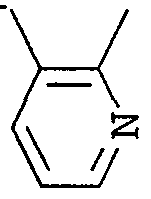
Ref document number: PV2000-3891

Country of ref document: CZ

Ref document number: 1999920710

Country of ref document: EP

WWP Wipo information: published in national office

Ref document number: 1020007011609

Country of ref document: KR

NENP Non-entry into the national phase

Ref country code: CA

WWW Wipo information: withdrawn in national office

Ref document number: 1020007011609

Country of ref document: KR