WO2000035855A1 - 3,4-diamino-3-cyclobutene-1,2-dione derivatives which inhibit leukocyte adhesion mediated by vla-4 - Google Patents

3,4-diamino-3-cyclobutene-1,2-dione derivatives which inhibit leukocyte adhesion mediated by vla-4 Download PDF

Info

Publication number
WO2000035855A1
WO2000035855A1 PCT/US1999/029369 US9929369W WO0035855A1 WO 2000035855 A1 WO2000035855 A1 WO 2000035855A1 US 9929369 W US9929369 W US 9929369W WO 0035855 A1 WO0035855 A1 WO 0035855A1
Authority
WO
WIPO (PCT)
Prior art keywords
dioxo
compound
cyclobut
pharmaceutical salt
amino
Prior art date
Legal status (The legal status is an assumption and is not a legal conclusion. Google has not performed a legal analysis and makes no representation as to the accuracy of the status listed.)
Ceased
Application number
PCT/US1999/029369
Other languages
French (fr)
Inventor
Louis John Lombardo
Joan E. Sabalski
Current Assignee (The listed assignees may be inaccurate. Google has not performed a legal analysis and makes no representation or warranty as to the accuracy of the list.)
Wyeth LLC
Original Assignee
American Home Products Corp
Priority date (The priority date is an assumption and is not a legal conclusion. Google has not performed a legal analysis and makes no representation as to the accuracy of the date listed.)
Filing date
Publication date
Application filed by American Home Products Corp filed Critical American Home Products Corp
Priority to EP99967265A priority Critical patent/EP1140792A1/en
Priority to CA002351464A priority patent/CA2351464A1/en
Priority to BR9916211-3A priority patent/BR9916211A/en
Priority to JP2000588117A priority patent/JP2002532457A/en
Priority to AU23576/00A priority patent/AU2357600A/en
Publication of WO2000035855A1 publication Critical patent/WO2000035855A1/en
Anticipated expiration legal-status Critical
Ceased legal-status Critical Current

Links

Classifications

    • CCHEMISTRY; METALLURGY
    • C07ORGANIC CHEMISTRY
    • C07DHETEROCYCLIC COMPOUNDS
    • C07D213/00Heterocyclic compounds containing six-membered rings, not condensed with other rings, with one nitrogen atom as the only ring hetero atom and three or more double bonds between ring members or between ring members and non-ring members
    • C07D213/02Heterocyclic compounds containing six-membered rings, not condensed with other rings, with one nitrogen atom as the only ring hetero atom and three or more double bonds between ring members or between ring members and non-ring members having three double bonds between ring members or between ring members and non-ring members
    • C07D213/04Heterocyclic compounds containing six-membered rings, not condensed with other rings, with one nitrogen atom as the only ring hetero atom and three or more double bonds between ring members or between ring members and non-ring members having three double bonds between ring members or between ring members and non-ring members having no bond between the ring nitrogen atom and a non-ring member or having only hydrogen or carbon atoms directly attached to the ring nitrogen atom
    • C07D213/60Heterocyclic compounds containing six-membered rings, not condensed with other rings, with one nitrogen atom as the only ring hetero atom and three or more double bonds between ring members or between ring members and non-ring members having three double bonds between ring members or between ring members and non-ring members having no bond between the ring nitrogen atom and a non-ring member or having only hydrogen or carbon atoms directly attached to the ring nitrogen atom with hetero atoms or with carbon atoms having three bonds to hetero atoms with at the most one bond to halogen, e.g. ester or nitrile radicals, directly attached to ring carbon atoms
    • C07D213/78Carbon atoms having three bonds to hetero atoms, with at the most one bond to halogen, e.g. ester or nitrile radicals
    • C07D213/81Amides; Imides
    • C07D213/82Amides; Imides in position 3
    • AHUMAN NECESSITIES
    • A61MEDICAL OR VETERINARY SCIENCE; HYGIENE
    • A61PSPECIFIC THERAPEUTIC ACTIVITY OF CHEMICAL COMPOUNDS OR MEDICINAL PREPARATIONS
    • A61P1/00Drugs for disorders of the alimentary tract or the digestive system
    • AHUMAN NECESSITIES
    • A61MEDICAL OR VETERINARY SCIENCE; HYGIENE
    • A61PSPECIFIC THERAPEUTIC ACTIVITY OF CHEMICAL COMPOUNDS OR MEDICINAL PREPARATIONS
    • A61P11/00Drugs for disorders of the respiratory system
    • A61P11/06Antiasthmatics
    • AHUMAN NECESSITIES
    • A61MEDICAL OR VETERINARY SCIENCE; HYGIENE
    • A61PSPECIFIC THERAPEUTIC ACTIVITY OF CHEMICAL COMPOUNDS OR MEDICINAL PREPARATIONS
    • A61P25/00Drugs for disorders of the nervous system
    • A61P25/28Drugs for disorders of the nervous system for treating neurodegenerative disorders of the central nervous system, e.g. nootropic agents, cognition enhancers, drugs for treating Alzheimer's disease or other forms of dementia
    • AHUMAN NECESSITIES
    • A61MEDICAL OR VETERINARY SCIENCE; HYGIENE
    • A61PSPECIFIC THERAPEUTIC ACTIVITY OF CHEMICAL COMPOUNDS OR MEDICINAL PREPARATIONS
    • A61P29/00Non-central analgesic, antipyretic or antiinflammatory agents, e.g. antirheumatic agents; Non-steroidal antiinflammatory drugs [NSAID]
    • AHUMAN NECESSITIES
    • A61MEDICAL OR VETERINARY SCIENCE; HYGIENE
    • A61PSPECIFIC THERAPEUTIC ACTIVITY OF CHEMICAL COMPOUNDS OR MEDICINAL PREPARATIONS
    • A61P3/00Drugs for disorders of the metabolism
    • A61P3/08Drugs for disorders of the metabolism for glucose homeostasis
    • A61P3/10Drugs for disorders of the metabolism for glucose homeostasis for hyperglycaemia, e.g. antidiabetics
    • AHUMAN NECESSITIES
    • A61MEDICAL OR VETERINARY SCIENCE; HYGIENE
    • A61PSPECIFIC THERAPEUTIC ACTIVITY OF CHEMICAL COMPOUNDS OR MEDICINAL PREPARATIONS
    • A61P35/00Antineoplastic agents
    • A61P35/04Antineoplastic agents specific for metastasis
    • AHUMAN NECESSITIES
    • A61MEDICAL OR VETERINARY SCIENCE; HYGIENE
    • A61PSPECIFIC THERAPEUTIC ACTIVITY OF CHEMICAL COMPOUNDS OR MEDICINAL PREPARATIONS
    • A61P43/00Drugs for specific purposes, not provided for in groups A61P1/00-A61P41/00
    • AHUMAN NECESSITIES
    • A61MEDICAL OR VETERINARY SCIENCE; HYGIENE
    • A61PSPECIFIC THERAPEUTIC ACTIVITY OF CHEMICAL COMPOUNDS OR MEDICINAL PREPARATIONS
    • A61P9/00Drugs for disorders of the cardiovascular system
    • A61P9/10Drugs for disorders of the cardiovascular system for treating ischaemic or atherosclerotic diseases, e.g. antianginal drugs, coronary vasodilators, drugs for myocardial infarction, retinopathy, cerebrovascula insufficiency, renal arteriosclerosis
    • CCHEMISTRY; METALLURGY
    • C07ORGANIC CHEMISTRY
    • C07CACYCLIC OR CARBOCYCLIC COMPOUNDS
    • C07C229/00Compounds containing amino and carboxyl groups bound to the same carbon skeleton
    • C07C229/46Compounds containing amino and carboxyl groups bound to the same carbon skeleton having amino or carboxyl groups bound to carbon atoms of rings other than six-membered aromatic rings of the same carbon skeleton
    • CCHEMISTRY; METALLURGY
    • C07ORGANIC CHEMISTRY
    • C07CACYCLIC OR CARBOCYCLIC COMPOUNDS
    • C07C271/00Derivatives of carbamic acids, i.e. compounds containing any of the groups, the nitrogen atom not being part of nitro or nitroso groups
    • C07C271/06Esters of carbamic acids
    • C07C271/40Esters of carbamic acids having oxygen atoms of carbamate groups bound to carbon atoms of six-membered aromatic rings
    • C07C271/42Esters of carbamic acids having oxygen atoms of carbamate groups bound to carbon atoms of six-membered aromatic rings with the nitrogen atoms of the carbamate groups bound to hydrogen atoms or to acyclic carbon atoms
    • C07C271/44Esters of carbamic acids having oxygen atoms of carbamate groups bound to carbon atoms of six-membered aromatic rings with the nitrogen atoms of the carbamate groups bound to hydrogen atoms or to acyclic carbon atoms to hydrogen atoms or to carbon atoms of unsubstituted hydrocarbon radicals
    • CCHEMISTRY; METALLURGY
    • C07ORGANIC CHEMISTRY
    • C07DHETEROCYCLIC COMPOUNDS
    • C07D209/00Heterocyclic compounds containing five-membered rings, condensed with other rings, with one nitrogen atom as the only ring hetero atom
    • C07D209/02Heterocyclic compounds containing five-membered rings, condensed with other rings, with one nitrogen atom as the only ring hetero atom condensed with one carbocyclic ring
    • C07D209/04Indoles; Hydrogenated indoles
    • C07D209/10Indoles; Hydrogenated indoles with substituted hydrocarbon radicals attached to carbon atoms of the hetero ring
    • C07D209/14Radicals substituted by nitrogen atoms, not forming part of a nitro radical
    • CCHEMISTRY; METALLURGY
    • C07ORGANIC CHEMISTRY
    • C07DHETEROCYCLIC COMPOUNDS
    • C07D213/00Heterocyclic compounds containing six-membered rings, not condensed with other rings, with one nitrogen atom as the only ring hetero atom and three or more double bonds between ring members or between ring members and non-ring members
    • C07D213/02Heterocyclic compounds containing six-membered rings, not condensed with other rings, with one nitrogen atom as the only ring hetero atom and three or more double bonds between ring members or between ring members and non-ring members having three double bonds between ring members or between ring members and non-ring members
    • C07D213/04Heterocyclic compounds containing six-membered rings, not condensed with other rings, with one nitrogen atom as the only ring hetero atom and three or more double bonds between ring members or between ring members and non-ring members having three double bonds between ring members or between ring members and non-ring members having no bond between the ring nitrogen atom and a non-ring member or having only hydrogen or carbon atoms directly attached to the ring nitrogen atom
    • C07D213/24Heterocyclic compounds containing six-membered rings, not condensed with other rings, with one nitrogen atom as the only ring hetero atom and three or more double bonds between ring members or between ring members and non-ring members having three double bonds between ring members or between ring members and non-ring members having no bond between the ring nitrogen atom and a non-ring member or having only hydrogen or carbon atoms directly attached to the ring nitrogen atom with substituted hydrocarbon radicals attached to ring carbon atoms
    • C07D213/36Radicals substituted by singly-bound nitrogen atoms
    • C07D213/38Radicals substituted by singly-bound nitrogen atoms having only hydrogen or hydrocarbon radicals attached to the substituent nitrogen atom
    • CCHEMISTRY; METALLURGY
    • C07ORGANIC CHEMISTRY
    • C07DHETEROCYCLIC COMPOUNDS
    • C07D295/00Heterocyclic compounds containing polymethylene-imine rings with at least five ring members, 3-azabicyclo [3.2.2] nonane, piperazine, morpholine or thiomorpholine rings, having only hydrogen atoms directly attached to the ring carbon atoms
    • C07D295/04Heterocyclic compounds containing polymethylene-imine rings with at least five ring members, 3-azabicyclo [3.2.2] nonane, piperazine, morpholine or thiomorpholine rings, having only hydrogen atoms directly attached to the ring carbon atoms with substituted hydrocarbon radicals attached to ring nitrogen atoms
    • C07D295/12Heterocyclic compounds containing polymethylene-imine rings with at least five ring members, 3-azabicyclo [3.2.2] nonane, piperazine, morpholine or thiomorpholine rings, having only hydrogen atoms directly attached to the ring carbon atoms with substituted hydrocarbon radicals attached to ring nitrogen atoms substituted by singly or doubly bound nitrogen atoms
    • C07D295/135Heterocyclic compounds containing polymethylene-imine rings with at least five ring members, 3-azabicyclo [3.2.2] nonane, piperazine, morpholine or thiomorpholine rings, having only hydrogen atoms directly attached to the ring carbon atoms with substituted hydrocarbon radicals attached to ring nitrogen atoms substituted by singly or doubly bound nitrogen atoms with the ring nitrogen atoms and the substituent nitrogen atoms separated by carbocyclic rings or by carbon chains interrupted by carbocyclic rings
    • CCHEMISTRY; METALLURGY
    • C07ORGANIC CHEMISTRY
    • C07DHETEROCYCLIC COMPOUNDS
    • C07D295/00Heterocyclic compounds containing polymethylene-imine rings with at least five ring members, 3-azabicyclo [3.2.2] nonane, piperazine, morpholine or thiomorpholine rings, having only hydrogen atoms directly attached to the ring carbon atoms
    • C07D295/16Heterocyclic compounds containing polymethylene-imine rings with at least five ring members, 3-azabicyclo [3.2.2] nonane, piperazine, morpholine or thiomorpholine rings, having only hydrogen atoms directly attached to the ring carbon atoms acylated on ring nitrogen atoms
    • C07D295/18Heterocyclic compounds containing polymethylene-imine rings with at least five ring members, 3-azabicyclo [3.2.2] nonane, piperazine, morpholine or thiomorpholine rings, having only hydrogen atoms directly attached to the ring carbon atoms acylated on ring nitrogen atoms by radicals derived from carboxylic acids, or sulfur or nitrogen analogues thereof
    • C07D295/182Radicals derived from carboxylic acids
    • C07D295/185Radicals derived from carboxylic acids from aliphatic carboxylic acids
    • CCHEMISTRY; METALLURGY
    • C07ORGANIC CHEMISTRY
    • C07DHETEROCYCLIC COMPOUNDS
    • C07D295/00Heterocyclic compounds containing polymethylene-imine rings with at least five ring members, 3-azabicyclo [3.2.2] nonane, piperazine, morpholine or thiomorpholine rings, having only hydrogen atoms directly attached to the ring carbon atoms
    • C07D295/16Heterocyclic compounds containing polymethylene-imine rings with at least five ring members, 3-azabicyclo [3.2.2] nonane, piperazine, morpholine or thiomorpholine rings, having only hydrogen atoms directly attached to the ring carbon atoms acylated on ring nitrogen atoms
    • C07D295/20Heterocyclic compounds containing polymethylene-imine rings with at least five ring members, 3-azabicyclo [3.2.2] nonane, piperazine, morpholine or thiomorpholine rings, having only hydrogen atoms directly attached to the ring carbon atoms acylated on ring nitrogen atoms by radicals derived from carbonic acid, or sulfur or nitrogen analogues thereof
    • C07D295/205Radicals derived from carbonic acid
    • CCHEMISTRY; METALLURGY
    • C07ORGANIC CHEMISTRY
    • C07CACYCLIC OR CARBOCYCLIC COMPOUNDS
    • C07C2601/00Systems containing only non-condensed rings
    • C07C2601/04Systems containing only non-condensed rings with a four-membered ring

Definitions

  • This invention relates to novel N-substituted 3,4-diamino-3-cyclobutene-l,2- dione derivatives which inhibit leukocyte adhesion mediated by interaction of the ⁇ 4 ⁇ . integrin (VLA-4) with its counterreceptor VCAM-1, and their use for the treatment of inflammatory and autoimmune diseases.
  • VLA-4 ⁇ 4 ⁇ . integrin
  • VLA-4 (also referred to as ⁇ ⁇ , integrin and CD49d/CD29), first identified by Hemler and Takada (Hemler and Takada, European Patent Application, Publication No. 330, 506, published August 30, 1989) is a member of the ⁇ , integrin family of cell surface receptors, each of which comprises two subunits, an ⁇ chain and a ⁇ , chain. There are at least nine ⁇ , integrins, all sharing the same ⁇ , chain and each having a distinct ⁇ chain. These nine receptors all bind a different complement of the various cell matrix molecules such as fibronectin, laminin and collagen. VLA-4, for example, binds to fibronectin.
  • VLA-4 is unique among ⁇ , integrins in that it also binds non-matrix molecules that are expressed by endothelial and other cells. These non-matrix molecules include VCAM-1, which is expressed on cytokine-activated human umbilical vein endothelial cells in culture. Distinct epitopes of VLA-4 are responsible for fibronectin and VCAM- 1 binding activities and each activity has been shown to be inhibited independently (Elices, et al, Cell, 60:577-584 (1990)).
  • Intercellular adhesion mediated by VLA-4 and other cell surface receptors is associated with a number of inflammatory responses.
  • activated vascular endothelial cells express molecules that are adhesive for leukocytes.
  • the mechanics of leukocyte adhesion to endothelial cells involves, in part, the recognition and binding of cell surface receptors on leukocytes to the corresponding cell surface molecules on endothelial cells. Once bound, the leukocytes migrate across the blood vessel wall to enter the injured site and release chemical mediators to combat infection.
  • adhesion receptors of the immune system see, for example. Springer (Springer, Nature, 346:425-434 (1990)) and Osborn (Osborn, Cell, 62:3-6 (1990)).
  • Inflammatory brain disorders such as multiple sclerosis (MS) and meningitis
  • MS multiple sclerosis
  • meningitis are examples of central nervous system disorders in which the endothelium / leukocyte adhesion mechanism results in destruction to otherwise healthy brain tissue.
  • BBB blood brain barrier
  • the leukocytes release toxic mediators that cause extensive tissue damage resulting in impaired nerve conduction and paralysis.
  • tissue damage also occurs via an adhesion mechanism resulting in migration or activation of leukocytes.
  • tissue damage also occurs via an adhesion mechanism resulting in migration or activation of leukocytes.
  • an adhesion mechanism mediated by an adhesion mechanism include asthma (Pretolani, et al., J. Exp. Med., 180:795 (1994); Abraham, et al., Clin.
  • each receptor/ligand interaction is rapidly reversible; however, during the process of cell adhesion, multiple ⁇ 4 ⁇ , integrin receptors on one cell engage multiple VCAM-1 ligands on another cell, and together provide a strong and stable adhesive bond.
  • small molecule inhibitors of ⁇ 4 ⁇ ⁇ integrin must achieve a high degree of receptor occupancy for disruption of a significant number of these adhesive interactions.
  • inhibitory compounds exhibit a very steep titration curve, since inhibition begins with 85-90% receptor occupancy and is complete when 95-100% of the receptors are occupied. With such a narrow dynamic range there is considerable assay to assay variation in cell-based adhesion studies.
  • A is alkylene or alkenylene.
  • This invention provides novel compounds of Formula I
  • R 1 is alkyl, aryl. heteroaryl. aralkyl or heteroaralkyl:
  • R 2 is H, alkyl. aryl, heteroaryl, aralkyl, or heteroaralkyl; or R' and R 2 may be taken together to form a saturated or unsaturated heterocycloalkyl;
  • R 3 is H, alkyl. aryl. heteroaryl, aralkyl, or heteroaralkyl;
  • A is aryl or heteroaryl; and
  • x, y and z are independently 0, 1, 2, 3, or a pharmaceutical salt thereof.
  • R 1 is alkyl of 1 to 10 carbon atoms, aralkyl of 7 to 1 1 carbon atoms, or heteroaralkyl of 7 to 1 1 members having 1 to 3 heteroatoms. In still more preferred embodiments of the present invention R 1 is straight chain alkyl of 4 to 8 carbon atoms, benzyl, benzhydryl, phenethyl, pyridylmethyl or pyridylethyl.
  • R 2 is preferably hydrogen, alkyl of 1 to 10 carbon atoms or aralkyl of 7 to 1 1 carbon atoms. More preferably R 2 is hydrogen, alkyl of 1 to 6 carbon atoms, benzyl or naphfhylmethyl. Alternatively, when R 1 and R 2 are taken together, they preferably form a substituted heterocycloalkyl of 5 to 7 members having 1 to 3 heteroatoms selected from N, O and S.
  • A is preferably substituted or unsubstituted aryl.
  • the substituent is preferably selected from -NR 4 COR 5 , -OCONR 6 R 7 or -O(CHdonating)mNR 6 R 7 wherein R 4 is hydrogen or alkyl of 1 to 3 carbon atoms, R " is substituted or unsubstituted aryl, heteroaryl or heterocycloalkyl, R 6 and R 7 are independently, hydrogen or alkyl of 1 to 3 carbon atoms, or R 6 and R 7 , taken together may form a substituted heterocycloalkyl, and m is an integer from 1 to 6. In some embodiments of the present invention it is preferred that x and y are 0 and z is 1.
  • R 3 is preferably hydrogen in some aspects of the invention.
  • preferred substituents are alkyl of 1 to 3 carbon atoms, aryl, -COR * or -COOR 9 wherein R 8 is alkyl of 1 to 3 carbon atoms, aryl of 5 or 6 carbon atoms or aralkyl of 6 or 7 carbon atoms, and R 9 is hydrogen, alkyl of 1 to 3 carbon atoms, aryl of 5 or 6 carbon atoms or aralkyl of 6 or 7 carbon atoms.
  • R 1 is alkyl, aralkyl or heteroaralkyl
  • A is phenyl
  • x and y are 0, and z is 1.
  • More preferred compounds of the present invention are the following compounds:
  • Alkyl' as used herein means a branched or straight chain having from 1 to
  • alkyl groups include methyl, ethyl, propyl. isopropyl, butyl, isobutyl, t-butyl, pentyl and hexyl.
  • Alkyl may be substituted and unsubstituted.
  • Aryl' as used herein means mono or bicyclic aromatic ring having from 5 to
  • Monocyclic rings preferably have 5 or 6 members and bicyclic rings preferably have 8, 9 or 10 membered ring structures.
  • Exemplary aryl groups include phenyl and naphthyl.
  • Aryl may be substituted or unsubstituted.
  • Aralkyl as used herein means an aryl-alkyl group in which the aryl and alkyl group are previously defined. Exemplary aralkyl groups include benzyl and phenethyl. The aralkyl may be substituted or unsubstituted.
  • Halogen is chlorine, fluorine, iodine or bromine.
  • Heteroaryl whether used alone or as part of a group such as “heteroaralkyl' " means 5 to 10 membered mono or bicyclic aromatic ring having from 1 to 3 heteroatoms selected from N. O and S.
  • Exemplary heteroaryls include pyridyl, pyrazinyl, pyridazinyl. pyrimidinyl, indolyl, imidazolyl, pyrazolyl and pyrrolyl.
  • Preferred heteroaryl groups include lH-indoly-3-yl, pyridin-3-yl, pyridin-4-yl, and 1H- imidazol-4-yl.
  • the heteroaryl may be substituted or unsubstituted.
  • Hetcraralkyl means an heteroaryl-alkyl group in which the heteroaryl and alkyl are as previously described.
  • exemplary heteroaralkyls include pyridylmethyl, pyridylethyl. thienylethyl, thienylmethyl. indolylmethyl. and furylmethyl.
  • the heteraralkyl may be substituted or unsubstituted.
  • Heterocycloalkyl refers to a monocycloalkyl having from 5 to 10 members including one or more heteroatoms selected from N, O or S.
  • the heterocycloalkyl may be saturated or unsatured and may be substituted or unsubstituted.
  • Suitable substituents are unsubstituted and include, but are not limited to, alkyl of 1 to 3 carbon atoms, halogen, -CN, -NO 2 , perhaloalkyl of 1 to 3 carbon atoms, aryl. aralkyl, -NR COR 5 , -CO 2 R 4 , -OR 4 , -OCONR 6 R 7 or -O(CH 2 )mNR 6 R 7 wherein R 4 is hydrogen, alkyl of 1 to 3 carbon atoms, or aralkyl of 7-10 carbon atoms, R 5 is aryl.
  • R 6 and R 7 are independently, hydrogen or alkyl of 1 to 3 carbon atoms, or R 6 and R 7 , taken together may form a heterocycloalkyl, and m is an integer from 1 to 6.
  • Carbon number refers to the number of carbons in the carbon backbone and does not include carbon atoms occurring in substituents thereof.
  • Pharmaceutically acceptable salts are the acid addition salts which can be formed from a compound of the above general formula and a pharmaceutically acceptable acid such as phosphoric, sulfuric. hydrochloric, hydrobromic, citric, maleic, succinic, fumaric, acetic, lactic, nitric, sulfonic, p-toluene sulfonic, methane sulfonic acid, and the like.
  • a pharmaceutically acceptable acid such as phosphoric, sulfuric. hydrochloric, hydrobromic, citric, maleic, succinic, fumaric, acetic, lactic, nitric, sulfonic, p-toluene sulfonic, methane sulfonic acid, and the like.
  • the compounds of this invention contain a chiral center, providing for various seteroisomeric forms of the compounds such as racemic mixtures as well as the individual optical isomers.
  • the individual isomers can be prepared directly or by asymmetric or stercospecific synthesis or by conventional separation of optical isomers from the racemic mixture.
  • Novel compounds of Formula I are prepared by the sequential addition of appropriate amine nucleophilcs to 3.4-diethoxy-3-cyclobutene- 1.2-dione in alcoholic solvent, followed by hydrolysis of the precursor carboxylic acid ester to the parent acid by treatment with aqueous base as shown in the following reaction schemes.
  • Example 8 2-(3.4-Dioxo-2-r(pyridin-3-ylmethyl)-aminol-cvclobut-l-enylamino)-3-phenyl-pro pionic acid methyl ester
  • the lithium salt of the title compound was obtained in 66% yield as a light yellow solid.
  • the modified procedure requires removing the volatiles in vacuo from the reaction mixture following completion of ester hydrolysis (usually 3 hours at room temperature), followed by partitioning the reaction mixture between EtOAc and water. The aqueous phase is then lyophilized to afford the lithium salt as an amorphous powder.
  • Example 36 N-r2-rMethyl(2-phenylethyl)aminol-3.4-dioxo-l -cyclobuten- l-yl]-4-r(4- pyridinylcarbonyl)aminol-L-phenylalanine methyl ester
  • IR (KBr, cm “1 ) 3375 (br), 2900, 1800, 1660, 1575, 1530, 1410, 1325.
  • Example 47 N-12-(Methyl-pyridin-3-ylmethyl-amino)-3.4-dioxo-cvclobut-l-enyl]-4-r(pyridine-3- carbonyl)-aminol-L-phenylalanine methyl ester
  • IR (KBr, cm “1 ) 3410, 2920, 1810, 1730, 1580, 1530, 1410, 1220.
  • VLA-4 binding activity of exemplary compounds was measured by measuring the inhibition of the interaction of soluble VCAM-1 with Jurkat cells (ATCC #TIB-153) which express high levels of ⁇ 4 ⁇ , integrin (VLA-4) using a modification of the fluorescence activated cell sorter (FACS) assay described by Yednock, et al., J. Biol. Chem., 1995, 270:28740.
  • FACS fluorescence activated cell sorter
  • Jurkat cells were grown in RPMI 1640 supplemented with 10% fetal bovine serum, penicillin, streptomycin and glutamine as described by Yednock, supra.
  • Recombinant soluble VCAM-1 (rsVCAM-1) was produced in a baculovirus expression system as a chimeric fusion protein containing the seven immunoglobulin domains of VCAM-1 on the N-terminus and the human IgG, heavy chain constant region on the C-terminus as described by Yednock, supra. Supernatant containing approximately lOug/ml rs VCAM-1 was collected after 72 hours and used in the assay without purification.
  • Jurkat cells (approximately 10 7 cells/ml) were treated with 1.5mM MnCl 2 and
  • Cells were washed twice and resuspended in 100 ⁇ l of a 1 : 100 dilution of FITC-conjugated goat anti-human IgG to detect the human Ig-VCAM-1 construct diluted in assay media containing 2.5% mouse serum to block potential cross- reactivity with cell surface bound 15/7. Cells were incubated on ice for 30 minutes in the dark. Cells were washed twice and analyzed with a standard FACS analysis as described in Yednock, et al., supra, on a FACScan flow cytometer (Becton Dickinson, Mountain View, CA).
  • compounds of the present invention exhibit high affinity for VLA-4, and can effectively inhibit the interaction of VLA-4 with VCAM.
  • the compounds are useful for the treatment of inflammatory and autoimmune diseases including, but not limited to multiple sclerosis, meningitis, asthma, Alzheimer's disease, atherosclerosis, AIDS dementia, diabetes, inflammatory bowel syndrome, rheumatoid arthritis, tumor metastasis, tissue transplantation, and myocardial ischemia.
  • the compounds of the present invention can be used in the form of salts derived from pharmaceutically or physiologically acceptable acids or bases.
  • These salts include, but are not limited to, salts with inorganic acids such as hydrochloric acid, sulfuric acid, nitric acid, phosphoric acid and salts with organic acids such as acetic acid, oxalic acid, succinic acid, and maleic acid.
  • Other salts include salts with alkali metals or alkaline earth metals, such as sodium, potassium, calcium or magnesium.
  • the compounds of the present invention can also be used in the form of esters at the C-terminus; carbamates, amides and the like at the N-terminus or other conventional "pro-drug" forms which, when administered, convert to the active moiety in vivo.
  • Compounds of the present invention may be administered in combination with one or more pharmaceutically acceptable carriers, for example, solvents, diluents and the like.
  • Solid carriers include starch, lactose, dicalcium phosphate, microcrystalline cellulose, sucrose and kaolin, while liquid carriers include sterile water, polyethylene glycols, non-ionic surfactants and edible oils such as corn, peanut and sesame oils.
  • Adjuvents customarily employed in the preparation of pharmaceutical compositions may be advantageously included, such as flavoring agents, coloring agents, preserving agents, and antioxidants, for example, vitamin E, ascorbic acid, BHT and BHA. These compounds may be administered orally as well as by intravenous, intramuscular, or subcutaneous routes.
  • formulations may contain, for example, from about 0.05 to 5% of suspending agent, syrups containing, for example, from about 10 to 50% of sugar, or elixirs containing, for example, from about 20 to 50% ethanol, and the like.
  • formulation may be, for example, sterile injectable solutions or suspensions containing from about 0.05 to 5% suspending agent in an isotonic medium.
  • Such pharmaceutical preparations may contain, for example, from about 25 to about 90% by weight of active ingredient in combination with a carrier, and more preferably between about 5% and 60% by weight of active ingredient.
  • compositions from the standpoint of ease of preparation and administration are solid compositions, particularly tablets and hard-filled or liquid-filled capsules. Oral administration of the compounds is preferred.
  • the dosage requirements can be determined by one skilled in the art and will vary with the particular composition employed, the route of administration, the severity of the symptoms presented and the particular subject being treated.

Landscapes

  • Organic Chemistry (AREA)
  • Chemical & Material Sciences (AREA)
  • Health & Medical Sciences (AREA)
  • Bioinformatics & Cheminformatics (AREA)
  • General Chemical & Material Sciences (AREA)
  • Medicinal Chemistry (AREA)
  • Nuclear Medicine, Radiotherapy & Molecular Imaging (AREA)
  • Chemical Kinetics & Catalysis (AREA)
  • Pharmacology & Pharmacy (AREA)
  • Life Sciences & Earth Sciences (AREA)
  • Animal Behavior & Ethology (AREA)
  • General Health & Medical Sciences (AREA)
  • Public Health (AREA)
  • Veterinary Medicine (AREA)
  • Engineering & Computer Science (AREA)
  • Diabetes (AREA)
  • Biomedical Technology (AREA)
  • Neurology (AREA)
  • Pulmonology (AREA)
  • Neurosurgery (AREA)
  • Obesity (AREA)
  • Pain & Pain Management (AREA)
  • Vascular Medicine (AREA)
  • Cardiology (AREA)
  • Heart & Thoracic Surgery (AREA)
  • Hematology (AREA)
  • Emergency Medicine (AREA)
  • Endocrinology (AREA)
  • Hospice & Palliative Care (AREA)
  • Psychiatry (AREA)
  • Rheumatology (AREA)
  • Urology & Nephrology (AREA)
  • Oncology (AREA)
  • Pharmaceuticals Containing Other Organic And Inorganic Compounds (AREA)
  • Acyclic And Carbocyclic Compounds In Medicinal Compositions (AREA)
  • Pyridine Compounds (AREA)
  • Organic Low-Molecular-Weight Compounds And Preparation Thereof (AREA)
  • Hydrogenated Pyridines (AREA)
  • Indole Compounds (AREA)

Abstract

Compounds of formula (I) which inhibit leukocyte adhesion mediated by interaction of the α4β1 integrin (VLA-4) with its counterreceptor VCAM-1, and their use for the treatment of inflammatory and autoimmune diseases.

Description

3,4-DIAMINO-3-CYCLOBUTENE-l,2-DIONE DERIVATIVES WHICH INHIBIT LEUKOCYTE ADHESION MEDIATED BY VLA-4
Field of the Invention
This invention relates to novel N-substituted 3,4-diamino-3-cyclobutene-l,2- dione derivatives which inhibit leukocyte adhesion mediated by interaction of the α4β. integrin (VLA-4) with its counterreceptor VCAM-1, and their use for the treatment of inflammatory and autoimmune diseases.
Background of the Invention
VLA-4 (also referred to as α β, integrin and CD49d/CD29), first identified by Hemler and Takada (Hemler and Takada, European Patent Application, Publication No. 330, 506, published August 30, 1989) is a member of the β, integrin family of cell surface receptors, each of which comprises two subunits, an α chain and a β, chain. There are at least nine β, integrins, all sharing the same β, chain and each having a distinct α chain. These nine receptors all bind a different complement of the various cell matrix molecules such as fibronectin, laminin and collagen. VLA-4, for example, binds to fibronectin. VLA-4 is unique among β, integrins in that it also binds non-matrix molecules that are expressed by endothelial and other cells. These non-matrix molecules include VCAM-1, which is expressed on cytokine-activated human umbilical vein endothelial cells in culture. Distinct epitopes of VLA-4 are responsible for fibronectin and VCAM- 1 binding activities and each activity has been shown to be inhibited independently (Elices, et al, Cell, 60:577-584 (1990)).
Intercellular adhesion mediated by VLA-4 and other cell surface receptors is associated with a number of inflammatory responses. At the site of an injury or other inflammatory stimulus, activated vascular endothelial cells express molecules that are adhesive for leukocytes. The mechanics of leukocyte adhesion to endothelial cells involves, in part, the recognition and binding of cell surface receptors on leukocytes to the corresponding cell surface molecules on endothelial cells. Once bound, the leukocytes migrate across the blood vessel wall to enter the injured site and release chemical mediators to combat infection. For reviews of adhesion receptors of the immune system, see, for example. Springer (Springer, Nature, 346:425-434 (1990)) and Osborn (Osborn, Cell, 62:3-6 (1990)).
Inflammatory brain disorders, such as multiple sclerosis (MS) and meningitis, are examples of central nervous system disorders in which the endothelium / leukocyte adhesion mechanism results in destruction to otherwise healthy brain tissue. Large numbers of leukocytes migrate across the blood brain barrier (BBB) in subjects with these inflammatory diseases. The leukocytes release toxic mediators that cause extensive tissue damage resulting in impaired nerve conduction and paralysis.
In other organ systems, tissue damage also occurs via an adhesion mechanism resulting in migration or activation of leukocytes. For example, it has been shown that the initial insult following myocardial ischemia to heart tissue can be further complicated by leukocyte entry to injured tissue causing still further insult (Vedder, et al., Surgeiy, 106:509 (1989)). Other inflammatory conditions mediated by an adhesion mechanism include asthma (Pretolani, et al., J. Exp. Med., 180:795 (1994); Abraham, et al., Clin. Invest., 93:776 (1994); Mulligan, et al., Immunology, 150:2407 (1993)), Alzheimer's disease, atherosclerosis (Cybulsky, et al., Science, 251:788 (1991); Li, et al., Atheroscler. Thromb., 13:197 (1993)), AIDS dementia (Sasseville, et al., Am. J. Path., 144:27 (1994)). diabetes (Yang, et al., Proc. Nat. Acad. Science (USA), 90: 10494 (1993); Burkly. et al., Diabetes, 43:526 (1994); Baron, et al, J. Clin. Invest., 93:1700 (1994)), inflammatory bowel disease (Hamann, et al, Immunology, 152:3238 (1994)). multiple sclerosis (Yednock, et al., Nature, 356:63 (1992); Baron, et al., J. Exp. Med.. 177:57 (1993)), rheumatoid arthritis (van Dinther- Janssen, et al., Annals. Rheumatic Dis., 52:672 (1993); Elices, et al., J. Clin. Invest, 93:405 (1994); Postigo, et al., J. Clin. Invest., 89:1445 (1991)), tissue transplantation (Paul, et al., Transpl. Proceed., 25:813 (1993). and tumor metastasis (Okahara, et al., Can. Res., 54:3233 (1994); Paavonen, et al., Int. J. Can., 58:298 (1994); Schadendorf, et al., J. Path., 170:429 (1993)). Because of the significance of VLA-4 in inflammatory and autoimmune conditions, it is desirable to test for the presence of VLA-4 in biological samples and for compounds which inhibit cell adhesion.
Individually, each receptor/ligand interaction is rapidly reversible; however, during the process of cell adhesion, multiple α4β, integrin receptors on one cell engage multiple VCAM-1 ligands on another cell, and together provide a strong and stable adhesive bond. In order to prevent cell adhesion, small molecule inhibitors of α4βιintegrin must achieve a high degree of receptor occupancy for disruption of a significant number of these adhesive interactions. Furthermore, due to the multivalency of the adhesive interaction, inhibitory compounds exhibit a very steep titration curve, since inhibition begins with 85-90% receptor occupancy and is complete when 95-100% of the receptors are occupied. With such a narrow dynamic range there is considerable assay to assay variation in cell-based adhesion studies.
An assay which can detect the presence of a single VCAM-1 molecule with a single receptor and thus prevent assay to assay variation is desired.
N-substituted 3,4-diamino-3-cyclobutene-l,2-dione derivatives have been taught. Japanese Patent JP05229999 A2 930907 discloses cyclobutenediones which are symmetrically disubstituted with α-amino acids.
U.S. Patent No. 5,168,103 issued December 1, 1992, and assigned to American Home Products, describes cyclobutenedione derivatives having formula (2)
Figure imgf000005_0001
where A is alkylene or alkenylene. These compounds are taught to be useful as N- methyl-D-aspartate antagonists. Description of Invention
This invention provides novel compounds of Formula I
Figure imgf000006_0001
wherein R1 is alkyl, aryl. heteroaryl. aralkyl or heteroaralkyl:
R2 is H, alkyl. aryl, heteroaryl, aralkyl, or heteroaralkyl; or R' and R2 may be taken together to form a saturated or unsaturated heterocycloalkyl; R3 is H, alkyl. aryl. heteroaryl, aralkyl, or heteroaralkyl; A is aryl or heteroaryl; and x, y and z are independently 0, 1, 2, 3, or a pharmaceutical salt thereof.
In some preferred embodiments of the present invention R1 is alkyl of 1 to 10 carbon atoms, aralkyl of 7 to 1 1 carbon atoms, or heteroaralkyl of 7 to 1 1 members having 1 to 3 heteroatoms. In still more preferred embodiments of the present invention R1 is straight chain alkyl of 4 to 8 carbon atoms, benzyl, benzhydryl, phenethyl, pyridylmethyl or pyridylethyl.
R2 is preferably hydrogen, alkyl of 1 to 10 carbon atoms or aralkyl of 7 to 1 1 carbon atoms. More preferably R2 is hydrogen, alkyl of 1 to 6 carbon atoms, benzyl or naphfhylmethyl. Alternatively, when R1 and R2 are taken together, they preferably form a substituted heterocycloalkyl of 5 to 7 members having 1 to 3 heteroatoms selected from N, O and S.
A is preferably substituted or unsubstituted aryl. When A is substituted the substituent is preferably selected from -NR4COR5, -OCONR6R7 or -O(CH„)mNR6R7 wherein R4 is hydrogen or alkyl of 1 to 3 carbon atoms, R" is substituted or unsubstituted aryl, heteroaryl or heterocycloalkyl, R6 and R7 are independently, hydrogen or alkyl of 1 to 3 carbon atoms, or R6 and R7, taken together may form a substituted heterocycloalkyl, and m is an integer from 1 to 6. In some embodiments of the present invention it is preferred that x and y are 0 and z is 1. R3 is preferably hydrogen in some aspects of the invention.
For purposes of defining preferred substituted heterocycloalkyl, preferred substituents are alkyl of 1 to 3 carbon atoms, aryl, -COR* or -COOR9 wherein R8 is alkyl of 1 to 3 carbon atoms, aryl of 5 or 6 carbon atoms or aralkyl of 6 or 7 carbon atoms, and R9 is hydrogen, alkyl of 1 to 3 carbon atoms, aryl of 5 or 6 carbon atoms or aralkyl of 6 or 7 carbon atoms.
In some embodiments of the present invention R1 is alkyl, aralkyl or heteroaralkyl, A is phenyl, x and y are 0, and z is 1. More preferred compounds of the present invention are the following compounds:
[2-(Benzylamino)-3,4-dioxo-cyclobut-l-enyl]-L-phenylalanine:
[2-(benzhydrylamino)-3,4-dioxo-cyclobut- l-enyl]-L-phenylalanine;
2-{ 2-[2-(lH-Indol-3-yl)-ethylamino]-3,4-dioxo-cyclobut-l-enylamino}-L- phenylalanine;
{3,4-Dioxo-2-[(pyridin-3-ylmethyl)-aminoJ-cyclobut-l-enyl }-L-phenyl- alanine;
[2-(Benzyl-hexyl-amino)-3,4-dioxo-cyclobut-l-enyl]-L-phenylalanine;
(2-Dibenzylamino-3,4-dioxo-cyclobut-l-enylamino)-L-phenylalanine: (S)-2-(2-Dihexylamino-3,4-dioxo-cyclobut- 1 -enylamino)-3-phenyl-propionic acid;
(S)-2-[2-(Hexyl-naphthalen-2-ylmethyl-amino)-3,4-dioxo-cyclobut-l-enyl- amino]-3-phenyl-propionic acid;
(S)-2-{2-[(4-Dimethylamino-benzyl)-hexyl-amino]-3,4-dioxo-cyclobut-l- enylamino}-3-phenyl-propionic acid;
N-[3,4-Dioxo-2-(4-phenyl-piperazin- 1 -yl)-cyclobut- 1 -en- 1 -yl]-L-phenyl- alanine; (S)-2-[2-(4-Acetyl-pιpcrazin- l-yl)-3.4-dioxo-cyclobut-l-enylamino]-3- phenyl-propionic acid;
(S)-3-(4-Benzoylamino-phenyl)-2-(2-dihexylamino-3,4-dioxo-cyclobut-l- enylamino)-propionic acid; (S)-3-(l -Benzyl- lH-imidazol-4-yl)-2-(2-dihexylamino-3,4-dioxo-cyclobut- l- enylamino)-propionic acid;
N-(2-Dihexylamino-3.4-dioxo-cyclobut- l-enylamino)-O-(3-dimethylamino- propyl)-L-tyrosine;
N-f 2-[Methyl[2-(4-pyridinyl)ethyl]amino]-3.4-dioxo- 1 -cyclobuten- 1 -yl]-4- [(4-pyridinylcarbonyl)aminoJ-L-phenylalanine;
N-[2-[Methyl(2-phenylethyl)amino]-3.4-dioxo-l -cyclobuten- l-ylJ-4-[(4- pyridinylcarbonyl)amino]-L-phenylalanine;
N-[2-(Dihexylamino)-3.4-dioxo-l -cyclobuten- l-yl]-4-[(4-pyridinylcarbonyl)- amino]-L-phenylalanine; N-[2-(Methyl-pyridin-3-ylmethyl-amino)-3.4-dioxo-cyclobut-l-enyl]-4-
[(pyridine-4-carbonyl)-amino]-L-phenylalanine;
N-[2-(Dihexylamino)-3.4-dioxo-l -cyclobuten- l-yl]-4-[(3-pyridinylcarbonyl)- amino]-L-phenylalanine;
N-[2-[Methyl[2-(4-pyridinyl)ethyl] amino]-3,4-dioxo-l -cyclobuten- l-yl]-4- [(3-pyridinylcarbonyl)amino]-L-phenylalanine:
N-[2-(Methyl-pyridin-3-ylmethyl-amino)-3,4-dioxo-cyclobut-l-enyl]-4- [(pyridine-3-carbonyl)-amino]-L-phenylalanine;
N-{ 2-[Methyl-(2-pyridin-4-yl-ethyl)-amino]-3,4-dioxo-cyclobut- 1 -enyl }-L- phenylalanine; N-[2-(Dihexylamino)-3.4-dioxo- l -cyclobuten- 1-yl]- {4- [4-(N- carboxy- benzoyl)piperidinylcarbonyl]amino}-L-phenylalanine methyl ester;
(2S)-3-(4-Dimethylcarbamoyloxy-phenyl)-2-[2-(methyl-phenethyl-amino)- 3,4-dioxo-cyclobut- 1 -enylamino]-propionic acid:
(2S)-2-(2-Dihexylamino-3.4-dioxo-cyclobut- l-enylamino)-3-(4-dimethyl- carbamoyloxy-phenyl)-propionic acid;
(2S)-3-(4-Dimethylcarbamoyloxy-phenyl)-2-[2-(methyl-pyridin-3-ylmethyl- amino)-3,4-dioxo-cyclobut-l-enylaminol-propionic acid; (2S)-3-(4-Dimethylcarbamoyloxy-phcnyl)-2-{2-[methyl-(2-pyridin-4-yl- ethyl)-amino]-3,4-dioxo-cyclobut- l -cnylamino}-propionic acid:
(2S)-3-[4-(4-methylpιperazinyl)carbamoyloxy-phenyll-2-[2-(methyl- phenethyl-amino)-3,4-dioxo-cyclobut- 1 -enylaminoj-propionic acid: (2S)-3-[4-(4-methylpiperazinyl)carbamoyloxy-phenyl)-2-{2-[methy]-(2- pyridin-4-yl-ethyl)-amino]-3.4-dioxo-cyclobut- l-enylamino}-propionic acid: and
(2S)-3-[4-(4-methylpιperazinyl)carbamoyloxy-phenyl)-2-{ 2-dihexylamino]- 3,4-dioxo-cyclobut- l-enylamino }-propionic acid: or a pharmaceutical salt thereof.
"Alkyl'" as used herein means a branched or straight chain having from 1 to
10 carbon atoms and more preferably from 1 to 8 carbon atoms. Exemplary alkyl groups include methyl, ethyl, propyl. isopropyl, butyl, isobutyl, t-butyl, pentyl and hexyl. Alkyl may be substituted and unsubstituted.
"Aryl'" as used herein means mono or bicyclic aromatic ring having from 5 to
12 carbon atoms. Monocyclic rings preferably have 5 or 6 members and bicyclic rings preferably have 8, 9 or 10 membered ring structures. Exemplary aryl groups include phenyl and naphthyl. Aryl may be substituted or unsubstituted.
"Aralkyl" as used herein means an aryl-alkyl group in which the aryl and alkyl group are previously defined. Exemplary aralkyl groups include benzyl and phenethyl. The aralkyl may be substituted or unsubstituted.
"Halogen" is chlorine, fluorine, iodine or bromine.
"Heteroaryl" whether used alone or as part of a group such as "heteroaralkyl'" means 5 to 10 membered mono or bicyclic aromatic ring having from 1 to 3 heteroatoms selected from N. O and S. Exemplary heteroaryls include pyridyl, pyrazinyl, pyridazinyl. pyrimidinyl, indolyl, imidazolyl, pyrazolyl and pyrrolyl. Preferred heteroaryl groups include lH-indoly-3-yl, pyridin-3-yl, pyridin-4-yl, and 1H- imidazol-4-yl. The heteroaryl may be substituted or unsubstituted. "Hetcraralkyl"" means an heteroaryl-alkyl group in which the heteroaryl and alkyl are as previously described. Exemplary heteroaralkyls include pyridylmethyl, pyridylethyl. thienylethyl, thienylmethyl. indolylmethyl. and furylmethyl. The heteraralkyl may be substituted or unsubstituted.
Heterocycloalkyl refers to a monocycloalkyl having from 5 to 10 members including one or more heteroatoms selected from N, O or S. The heterocycloalkyl may be saturated or unsatured and may be substituted or unsubstituted.
Suitable substituents, unless otherwise noted are unsubstituted and include, but are not limited to, alkyl of 1 to 3 carbon atoms, halogen, -CN, -NO2, perhaloalkyl of 1 to 3 carbon atoms, aryl. aralkyl, -NR COR5, -CO2R4, -OR4, -OCONR6R7 or -O(CH2)mNR6R7 wherein R4 is hydrogen, alkyl of 1 to 3 carbon atoms, or aralkyl of 7-10 carbon atoms, R5 is aryl. heteroaryl or heterocycloalkyl, R6 and R7 are independently, hydrogen or alkyl of 1 to 3 carbon atoms, or R6 and R7, taken together may form a heterocycloalkyl, and m is an integer from 1 to 6.
Carbon number refers to the number of carbons in the carbon backbone and does not include carbon atoms occurring in substituents thereof.
Where terms are used in combination, the definition for each individual part of the combination applies unless defined otherwise.
Pharmaceutically acceptable salts are the acid addition salts which can be formed from a compound of the above general formula and a pharmaceutically acceptable acid such as phosphoric, sulfuric. hydrochloric, hydrobromic, citric, maleic, succinic, fumaric, acetic, lactic, nitric, sulfonic, p-toluene sulfonic, methane sulfonic acid, and the like.
The compounds of this invention contain a chiral center, providing for various seteroisomeric forms of the compounds such as racemic mixtures as well as the individual optical isomers. The individual isomers can be prepared directly or by asymmetric or stercospecific synthesis or by conventional separation of optical isomers from the racemic mixture.
Novel compounds of Formula I are prepared by the sequential addition of appropriate amine nucleophilcs to 3.4-diethoxy-3-cyclobutene- 1.2-dione in alcoholic solvent, followed by hydrolysis of the precursor carboxylic acid ester to the parent acid by treatment with aqueous base as shown in the following reaction schemes.
Scheme 1
Figure imgf000011_0001
Figure imgf000011_0002
In the case where the product of Method 1 contains X = OH. the corresponding carbamates are prepared as in Scheme 2.
Scheme 2
Figure imgf000012_0001
Method 5
The carbamate products are then further elaborated via Method 2 above.
The method of preparing compounds of Formula I as described above are exemplified in the following specific examples. These examples are illustrative and are not meant to be limiting to this disclosure in any way/ Other methods of preparing compounds of the present invention may be apparent to those skilled in the art. Reactants and reagents used are either commercially available or can be prepared according to standard literature procedures. Example 1 (Method 1)
[2-Ethoxy-3.4-dioxo-cyclobut- l -enyll-L-phenylalanine methyl ester
To a stirred solution of L-phenylalanine methyl ester HCl (2.0 mmol. 431 mg) in absolute ethanol (20 mL) was added triethylamine (2.2 mmol, 202 mg: 278 μL) and the resulting solution was stirred at room temperature for 15 minutes. Subsequently, neat 3,4-diethoxy-3-cyclobutene- 1.2-dione (2 mmol. 340 mg: 296 μL) was added dropwise and the resulting solution was stirred at room temperature overnight, during which a white solid precipitated out of solution. The volatiles were removed in vacuo and the residue was taken up in EtO Ac and partitioned between EtO Ac and water. The organics were dried (Na,SO ) and purified by flash chromatography (SiO,: 1) 20% EtOAc/hexane; 2) 30% EtOAc/hexane: 3) 40% EtOAc/hexane) to afford the title compound as a colorless oil (551 mg: 85%).
'H NMR (DMSO-d6, 300 MHz) δ 9.1 (br d, 1H), 7.24 (m, 6H), 4.88 (m. 1H), 4.55 (m, 3H), 4.16 (m, 2H), 3.23 (dd. 1H). 2.96 (m, 1H), 1.30 (m, 2H).
Example 2 (Method 2) r2-(Benzylamino)-3.4-dioxo-cvclobut- 1 -enyll-L-phenylalanine methyl ester
To a stirred solution of [2-ethoxy-3,4-dioxo-cyclobut-l-enyl]-L-phenylalanine methyl ester (0.33 mmol, 100 mg) in absolute ethanol (3 mL) was added neat benzylamine (0.36 mmol, 39 mg: 40 μL) dropwise at room temperature. The resulting solution was stirred at room temperature overnight, during which a white solid precipitated out of solution. The volatiles were removed in vacuo and the residue was taken up in EtOAc and partitioned between EtOAc and water. The organics were dried (Na;SO4). concentrated in vacuo and purified by flash chromatography (SiO2: EtOAc/hexane) to afford the title compound as a white solid (113 mg; 94%). Η NMR (DMSO-d6, 400 MHz) δ 7.85 (br s, 1H), 7.66 (br s, 1H), 7.37 (m, 2H), 7.26 (m, 6H), 7.13 (m, 2H), 5.1 (m, 1H), 4.68 (m, 2H), 3.68 (s, 3H), 3.16 (dd, 1H, J = 13.9, 5.4 Hz), 3.03 (m, 1H). Example 3 (Method 3) 2-(Benzylamino)-3.4-dioxo-cvclobut- l-enyll-L-phenylalanine
Figure imgf000014_0001
To a stirred solution of [2-(benzylamino)-3,4-dioxo-cyclobut-l-enyl]-L-phenyl- alanine methyl ester (0.16 mmol, 60 mg) in THF (5 mL) was added aqueous LiOH (1.0 M; 0.16 mmol; 160 μL) and the resulting solution was stirred at room temperature for 3 hours. The volatiles were removed in vacuo and the residue partitoned between 0.1M acetic acid and EtOAc. The organics were dried (Na2SO4) and concentrated in vacuo to afford the title compound as a white solid, mp = 215- 216°C (33 mg; 59%).
Η NMR (DMSO-d6, 400 MHz) δ 13.1 (br s, IH), 7.89 (br s, IH), 7.59 (br s, IH), 7.37 (m, 2H), 7.26 (m, 6H), 7.14 (m, 2H), 4.91 (m, IH), 4.68 (m, 2H), 3.17 (m, IH), 3.01 (m, IH).
MS (El, m/e (%)) 350 (17, M+), 259 (16), 91 (100).
Example 4 (Method 2) r2-(benzhvdrylamino)-3.4-dioxo-cvclobut- 1 -enyll-L-phenylalanine methyl ester
Following the procedure of Method 2 above, the title compound was obtained from [2-ethoxy-3,4-dioxo-cyclobut-l-enyl]-L-phenylalanine methyl ester and diphenyl- methylamine in 88% yield.
Η NMR (DMSO-d6, 400 MHz) δ 8.38 (br s, IH), 7.68 (br s, IH), 7.39 (m, 4H), 7.26 (m, 9H), 7.12 (m, 2H), 6.33 (m, IH), 5.01 (m, IH), 3.69 (s, 3H), 3.16 (dd, IH, J = 13.4; 5.6 Hz), 3.05 (dd, IH, J = 13.4; 5.6 Hz). Example 5 (Method 3) r2-(benzhvdrylamino)-3.4-dioxo-cyclobut-l-envn-L-phenylalanine
Figure imgf000015_0001
Following the procedure of Method 3 above, the title compound was obtained in 76% yield as a white solid, mp = 187-188°C.
Η NMR (DMSO-d6, 400 MHz) δ 13.2 (br s, IH), 8.41 (br s, IH), 7.62 (be s, IH), 7.38 (m, 4H), 7.30 (m, 2H), 7.24 (m, 7H), 7.13 (d, 2H, J = 7.02 Hz), 6.34 (m, IH), 4.90 (M, IH), 3.16 (dd, IH, J = 13.7; 4.9 Hz), 3.05 (m, IH).
MS ((+)FAB, m/e (%)) 449 (14, (M+Na)+), 427 (45, (M+H)+), 217 (33), 167 (100). IR (KBr, cm"1) 3200, 1790, 1730, 1640, 1575, 1530, 1440, 710.
Anal. Calc'd for C26H22N2O • 0.25 H2O: C, 72.45; H, 5.26; N, 6.50. Found: C, 72.69; H, 5.22; N.6.67.
Example 6 (Method 2)
2-(2-r2-(lH-Indol-3-yl)-ethylamino1-3.4-dioxo-cvclobut-l-enylamino)-L- phenylalanine methyl ester
Following the procedure of Method 2 above, the title compound was obtained from [2-ethoxy-3,4-dioxo-cyclobut- l-enyl]-L-phenylalanine methyl ester and tryptamine in 86% yield.
'H NMR (DMSO-d6, 400 MHz) δ 10.88 (s, IH), 7.68 (br s, IH), 7.57 (d, 2H, J = 7.8 Hz), 7.33 (d, IH, J = 7.8 Hz), 7.23 (m, 3H), 7.12 (m, 3H), 7.07, (dt, IH, J = 7.03; 1.1 Hz), 6.96 (dt, IH, J = 7.03: 1.1 Hz), 5.0 (m, IH), 3.79 (m, 2H), 3.67 (s, 3H), 3.13 (M, IH), 3.02 (m, IH), 2.91 (m, 2H). Example 7 (Method 3)
2-(2-12-(lH-Indol-3-yl)-ethylaminol-3.4-dioxo-cyclobut- l-enylamino)-L- phenylalanine
Figure imgf000016_0001
Following the procedure of Method 3 above, the title compound was obtained in 61% yield as a white solid.
Η NMR (DMSO-d6, 400 MHz) δ 13.3 (br s, IH), 10.8 (s, IH), 7.58 (d, 2H, J = 7.8 Hz), 7.32 (d, IH, J = 8.1 Hz), 7.10 - 7.30 (m, 6H), 7.06 (m, IH), 6.97 (m, IH), 4.90 (m, IH), 3.79 (m, 2H), 3.38 (q, IH, J = 7.0 Hz), 3.14 (dd, IH, J = 13.9; 4.7 Hz), 3.01 (dd, IH, J = 13.9; 4.7 Hz), 2.92 (m, 2H). MS (El, m/e (%)) 403 (4, M+), 385 (16), 294 (60), 143 (100).
Anal. Calc'd for C23H2IN3O4 • 0.4 H2O: C, 67.27; H, 5.35; N, 10.23. Found: C, 67.58; H, 5.82; N, 9.78.
Example 8 (Method 2) 2-(3.4-Dioxo-2-r(pyridin-3-ylmethyl)-aminol-cvclobut-l-enylamino)-3-phenyl-pro pionic acid methyl ester
Following the procedure of Method 2 above, the title compound was obtained from [2-ethoxy-3,4-dioxo-cyclobut-l-enyl]-L-phenylalanine methyl ester and 3- pyridylmethylamine in 81 % yield, mp=191-192°C.
Η NMR (DMSO-d6, 400 MHz) δ 8.51 (d, 2H, J = 5.1 Hz), 7.87 (br s, IH), 7.68 (br s, 2H), 7.40 (dd, IH, J = 4.7, 7.6 Hz), 7.24 (m, 3H), 7.13 (d, 2H, J = 7.2 Hz), 5.01 (br s, IH), 4.72 (d, 2H, 5.7 Hz), 3.68 (s, 3H), 3.17 (dd, IH, J = 5.2, 13.7 Hz), 3.03 (m, IH). MS (El, m/e (%)) 365 (6, NT), 337 (7), 274 (15), 242 (40), 214 (18).186 (13), 146
(44), 44(100).
IR (KBr, cm"') 3175, 2960, 1800, 1745, 1650, 1570, 1480, 1430, 1310, 1280.
Anal. Calc'd for C,0H19N3O4: C, 65.74; H, 5.24; N, 1 1.50. Found: C, 65.22; H, 5.15; N. 1 1.27.
Example 9 (Method 3)
|3.4-Dioxo-2-r(pyridin-3-ylmethyl)-aminol-cyclobut- l-enyl )-L-phenylalanine
Figure imgf000017_0001
Following the procedure of Method 3 above, the title compound was obtained in 9% yield as a white solid, mp = 259-261 °C.
'H NMR (DMSO-d6, 300 MHz) δ 13.25 (br s, IH), 8.53 (br d, 2H) 7.93 (br s, IH), 7.69 (br d, 2H), 7.41 (m, IH), 7.20 (m, 5H), 4.91 (m, IH), 4.73 (m, 2H), 3.18 (dd, IH), 3.03 (m, IH). MS ((+) FAB, m/e (%)) 352 (10, (M+H)+), 232 (17), 179 (23), 157 (100).
Example 10 (Method 2) r2-(Benzyl-hexyl-amino)-3.4-dioxo-cvclobut- 1 -enyll-L-phenylalanine methyl ester
Following the procedure of Method 2 above, the title compound was obtained from [2-ethoxy-3,4-dioxo-cyclobut-l-enyl]-L-phenylalanine methyl ester and benzyl(hexyl)-amine in 57% yield as a light yellow oil which was carried on immediately to the subsequent reaction. Example 11 (Method 3)
[2-(Benzyl-hexyl-amino)-3.4-dioxo-cvclobut-l-enyll-L-phenylalanine
Figure imgf000018_0001
Following the procedure of Method 3 above, the title compound was obtained in 41 % yield as a yellow foam, mp = 61-65°C.
Η NMR (DMSO-d6, 400 MHz) δ 13.1 (s, IH), 7.79 (br s, IH), 7.35 (dd, 3H, J = 10.6, 6.9 Hz), 7.21 (m, 6H), 5.14 (m, IH), 4.67 (br s, 2H), 3.38 (br m, 2H), 3.26 (dd, 2H, J = 14, 4.0 Hz), 2.98 (dd, 1H, J = 14.1, 11.2 Hz), 1.38 (br s, 2H), 1.15 (m, 6H), 0.82 (t, 3H, J = 6.8 Hz).
MS ((+)FAB, m/e (%)) 457 (76, (M + Na)+), 435 (100, (M + H)+), 389 (13), 192 (35). IR (KBr, cm'1) 3290, 2940, 1800, 1740, 1675, 1570, 1520, 700.
Anal Calc'd for C26H30N2O4 • 0.25 H2O; C, 71.13; H, 7.00; N, 6.38. Found: C, 71.31 ; H, 7.00; 6.20.
Example 12 (Method 2)
(2-Dibenzylamino-3.4-dioxo-cvclobut- 1 -enylamino)-L-phenylalanine methyl ester
Following the procedure of Method 2 above, the title compound was obtained from [2-ethoxy-3,4-dioxo-cyclobut-l-enyl]-L-phenylalanine methyl ester and dibenzyl- amine in 44% yield as a light yellow solid which was carried on immediately to the subsequent reaction. Example 13 (Method 3)
(2-Dibenzylamino-3.4-dioxo-cvclobut- l-enylamino)-L-phenylalanine
Figure imgf000019_0001
Following the procedure of Method 3 above, the title compound was obtained in 79% yield as a yellow solid.
Η NMR (DMSO-d6, 400 MHz) δ 13.13 (s, IH), 8.01 (d, IH, J = 9.0 Hz), 7.35 (m, 6H), 7.20 (m, 8H), 5.19 (m, IH), 4.55 (br s, 4H), 3.26 (dd, 2H, J = 3.9, 14.0 Hz), 2.97 (m, IH).
MS (El, m/e (%)) 440 (20, M+), 349 (16), 91(100). IR (KBr, cm'1) 3450-3250 (br), 2925, 1800, 1740, 1680, 1570, 1520, 1445, 1265, 700.
Anal. Calc'd for C27H24N2O4: C, 73.62; H, 5.49; N, 6.36. Found: C, 72.48; H, 5.41 ; N, 6.01.
Example 14 (Method 2)
(S)-2-(2-Dihexylamino-3.4-dioxo-cyclobut- 1 -enylamino)-3-phenyl-propionic acid methyl ester
Following the procedure of Method 2 above, the title compound was obtained from [2-ethoxy-3,4-dioxo-cyclobut-l-enyl]-L-phenylalanine methyl ester and dihexylamine in 62% yield as a light yellow solid which was carried on immediately to the subsequent reaction. Example 15 (Method 3)
(S)-2-(2-Dihexylamino-3.4-dioxo-cvclobut- 1 -enylamino)-3-phenyl-propionic acid
Figure imgf000020_0001
Following the procedure of Method 3 above, the title compound was obtained in 86% yield as a colorless oil.
'H NMR (DMSO-d6, 400 MHz) δ 13.1 (br s, IH), 7.58 (d, IH, J = 9.2 Hz), 7.2 (m, 5H), 5.09 (m, IH), 3.44 (br s.4H), 3.24 (dd, IH, J = 4.0, 13.8 Hz), 3.0 (dd, IH, J = 11.3, 14.1 Hz), 1.43(brs,4H), 1.20 (m, 12H), 0.84 (t, 6H, J = 7.0 Hz). MS (El, m/e (%) 428 (100, M+), 372 (36), 337 (55), 224 (30).
Example 16 (Method 2)
(S)-2-r2-(Hexyl-naphthalen-2-ylmethyl-amino)-3.4-dioxo-cvclobut-l-enylaminol-3- phenyl-propionic acid methyl ester
Following the procedure of Method 2 above, the title compound was obtained from [2-ethoxy-3,4-dioxo-cyclobut-l-enyl]-L-phenylalanine methyl ester and (2- naphthalenyl-methyl)hexylamine in 63% yield as a colorless oil which was carried on immediately to the subsequent reaction.
Example 17 (Method 3)
(S)-2-r2-(Hexyl-naphthalen-2-ylmethyl-amino)-3.4-dioxo-cvclobut- l -enylaminol-3- phenyl-propionic acid
Figure imgf000021_0001
Following the procedure of Method 3 above, the title compound was obtained in 80% yield as a light yellow solid, mp = 62-70°C.
Η NMR (DMSO-d6, 400 MHz) δ 13.15 (br s, IH), 7.91 (m, 2H), 7.80 (s, IH), 7.52 (m, 2H), 7.29 (m, 2H) 7.21 (m, 6H), 5.17 (m, IH), 4.84 (br s, 2H), 3.24 (dd, 2H, J = 3.7, 14.3 Hz), 2.99 (m, IH), 1.48-1.2 (m, 3H), 1.13 (s, 6H), 0.78 (t. 3H, J = 6.7 Hz). MS (El, m/e (%)) 484 (5, M+). 439 (4), 219 (28), 44 (100).
Example 18 (Method 2) (S)-2-{2-r(4-Dimethylamino-benzyl)-hexyl-amino1-3.4-dioxo-cvclobut-l- enylamino}-3-phenyl-propionic acid methyl ester
Following the procedure of Method 2 above, the title compound was obtained from [2-ethoxy-3,4-dioxo-cyclobut-l-enyl]-L-phenylalanine methyl ester and (4-dimethyl- aminobenzyl)hexylamine in 59% yield as a colorless oil which was carried on immediately to the subsequent reaction. Example 19 (Method 3)
(S)-2-{2-[(4-Dimethylamino-benzyl)-hexyl-aminol-3.4-dioxo-cvclobut- enylamino }-3-phenyl-propionic acid
Figure imgf000022_0001
Following the procedure of Method 3 above, the title compound was obtained in 97% yield as a white solid, mp = 77-80°C.
Η NMR (DMSO-d6, 400 MHz) δ 13.07 (s, IH), 7.78 (br s, IH), 7.23 (m, 5H), 7.02 (br s, 2H), 6.65 (d, 2H, J = 7.9 Hz), 5.16 (br s, IH), 4.49 (br s, 2H), 3.26 (dd, IH, J = 3.7, 13.8 Hz), 3.0 (m, IH), 2.87 (s, 6H), 1.48 (br s, 3H), 1.15 (m, 7H), 0.82 (t, 3H, J = 6.8 Hz).
MS ((+)FAB, m/e (%)) 500 (100, [M+Na]+), 478 (34, [M+Hf), 455 (17), 357 (32).
Example 20 (Method 2)
N-r3.4-Dioxo-2-(4-phenyl-piperazin- l-yl)-cvclobut- l-en- l-yll-L-phenylalanine methyl ester
Following the procedure of Method 2 above, the title compound was obtained from [2-ethoxy-3,4-dioxo-cyclobut-l-enyl]-L-phenylalanine methyl ester and 1-phenyl- piperazine in 63% yield as a white solid which was carried on immediately to the subsequent reaction. Example 21 (Method 3)
N 3.4-Dioxo-2-(4-phenyl-piperazin- 1 -yl)-cvclobut- 1 -en- 1 -yll-L-phenylalanine
Figure imgf000023_0001
Following the procedure of Method 3 above, the title compound was obtained in 65% yield as a white solid, mp = 165-167°C.
'H NMR (DMSO-d6, 400 MHz) δ 13.1 (br s, IH), 8.01 (d, IH, J = 9.0 Hz) 7.29-7.16 (m, 7H), 6.98 (d, 2H, J = 8.1 Hz). 6.82 (t, IH, J = 7.2Hz), 5.08 (m, IH), 3.77 (br s, 4H), 3.24 (dd, 2H, J =4.0, 14.0Hz), 3.19 (t, 3H, J = 5.0 Hz), 2.98 (dd, IH, J = 1 1.0, 13.8 Hz). MS (El, m/e (%)) 405 (48, M+). 361 (6), 304 (5), 44 (100).
Example 22 (Method 2) (S)-2-r2-(4-Acetyl-piperazin- l-yl)-3.4-dioxo-cvclobut- l-enylaminol-3-phenyl- propionic acid methyl ester
Following the procedure of Method 2 above, the title compound was obtained from [2-ethoxy-3,4-dioxo-cyclobut-l-enyl]-L-phenylalanine methyl ester and 1- acetylpiperazine in 71% yield as a white solid which was carried on immediately to the subsequent reaction. Example 23 (Method 3)
(S)-2-[2-(4-Acetyl-piperazin- 1 -yl)-3.4-dioxo-cvclobut- 1 -enylaminol-3-phenyl- propionic acid
Figure imgf000024_0001
Following the procedure of Method 3 above, the title compound was obtained in 39% yield as a white solid, mp = 155-158°C.
'H NMR (DMSO-d6, 400 MHz) δ 13.1 (br s, IH), 7.96 (d, IH, J = 9.2 Hz) 7.24 (m, 5H), 5.07 (m, IH), 3.66 (br s. 2H), 3.57 (br s, 3H), 3.50 (d, 3H, J = 4.2 Hz), 3.23 (dd, IH, J = 4.2, 13.8 Hz), 2.97 (dd, IH, J = 1 1.0, 13.8 Hz), 2.03 (s, 3H). MS (El, m/e (%)) 371 (21, M+), 270 (10).
Example 24 (Method 1) [2-Ethoxy-3.4-dioxo-cvclobut- 1 -enyll-L-(4-benzoylamino)phenylalanine methyl ester
Following the procedure of Method 1 above, the title compound was obtained from L-(4-benzoylamino)phenylalanine methyl ester hydrochloride and 3,4-diethoxy-3- cyclobutene-l,2-dione in 64% yield.
Η NMR (DMSO-d6, 300 MHz) δ 10.2 (s, IH), 9.1 (br dd, IH), 7.93 (dd, 2H), 7.69 (d, 2H), 7.53 (m, 3H), 7.2 (d. 2H), 4.59 (m, 3H), 3.7 (s, 3H), 3.21 (dd, IH), 2.93 (br m, IH), 1.31 (m, 3H). Example 25 (Method 2)
(S)-3-(4-Benzoylamino-phenyl)-2-(2-dihexylamino-3.4-dioxo-cvclobut- enylamino)-propionic acid methyl ester
Following the procedure of Method 2 above, the title compound was obtained from [2-ethoxy-3.4-dioxo-cyclobut- l-enyl]-L-(4-benzoylamino)phenylalanine methyl ester and dihexylamine in 70% yield as a white solid which was carried on immediately to the subsequent reaction.
Example 26 (Method 3)
(S)-3-(4-Benzoylamino-phenyl)-2-(2-dihexylamino-3.4-dioxo-cvclobut-l- enylamino)-propionic acid
Figure imgf000025_0001
Following the procedure of Method 3 above, the title compound was obtained in 61% yield as a white solid, mp = 95-100°C.
'H NMR (DMSO-d6, 400 MHz) δ 13.1 (br s, IH), 10.17 (s, IH), 7.91 (m. 2H), 7.68 (d, 2H, J = 8.6 Hz), 7.6 - 7.48 (m. 4H), 7.19 (d, 2H, J = 8.6 Hz), 5.09 (m, IH), 3.45 (br m, 4H), 3.22 (dd, 1H, J = 3.8. 13.9 Hz), 2.98 (dd, IH, J = 11.2, 13.8 Hz), 1.43 (br s, 4H), 1.20 (s, 12H), 0.80 (t. 6H. J = 6.7 Hz). MS ((+)FAB, m/e (%)) 570 (51. [M+Na]+), 548 (25, [M+H]+), 210 (10), 105 (100).
Anal. Calc'd for C32H41N3O5 • 0.4 H2O: C, 69.26; H, 7.59; N, 7.57. Found: C, 69.14; H, 7.55; N. 7.52. Example 27 (Method 1) r2-Ethoxy-3.4-dioxo-cvclobut- 1 -envn-L-(/m-benzyl)histidine methyl ester
Following the procedure of Method 1 above, the title compound was obtained from L-(/m-benzyl)histidine methyl ester hydrochloride and 3,4-diethoxy-3-cyclobutene- l,2-dione in 58% yield.
Η NMR (DMSO-d6, 300 MHz) δ 9.0 (br dd, IH), 7.67 (s, IH), 7.31 (m, 3H). 7.16 (d, 2H), 6.91 (br s, IH), 5.12 (s, 2H), 4.6 (m, 3H), 3.62 (d, 3H), 3.05 (dd, IH), 2.9 (m, IH), 1.3 (m, 3H).
Example 28 (Method 2)
(S)-3-(l -Benzyl- 1 H-imidazol-4-yl)-2-(2-dihexylamino-3.4-dioxo-cyclobut- 1 - enylaminoVpropionic acid methyl ester
Following the procedure of Method 2 above, the title compound was obtained from [2-ethoxy-3,4-dioxo-cyclobut-l-enyl]-L-(/m-benzyl)histidine methyl ester and dihexylamine in 94% yield as a white solid which was carried on immediately to the subsequent reaction.
Example 29 (Method 3)
(S)-3-( 1 -Benzyl- 1 H-imidazol-4-yl)-2-(2-dihexylamino-3.4-dioxo-cvclobut- 1 - enylaminoVpropionic acid
Figure imgf000026_0001
Following the procedure of Method 3 above, the title compound was obtained in 45% yield as a white solid, mp = 75-80°C. Η NMR (DMSO-d6, 400 MHz) δ 7.87 (d, J = 8.8 Hz, IH); 7.66 (s, IH), 7.29 (m, 3H), 7.16 (dd, J = 6.4, 1.8 Hz, 2H), 6.92 (s, IH), 5.13 (s, 2H), 5.04 (q, J = 8.3, 5.8 Hz, IH), 3.55 (br, 4H), 3.01 (m, 2H), 1.49 (br s, 4H), 1.21 (s, 13H), 0.82 (s, 6H). MS ((+)FAB, m/e (%)) 509 (100, [M + H]+), 185 (30), 172 (40).
Anal. Calc'd for C29H 0N O4 • 0.5 H2O: C, 67.28; H, 7.98; N, 10.82. Found: C, 67.53; H, 8.10; N, 10.47.
Example 30 (Method 1) r2-Ethoxy-3.4-dioxo-cvclobut- l-envn-O-(3-dimethylaminopropyl)-L-tyrosine methyl ester
Following the procedure of Method 1 above, the title compound was obtained from O-(3-dimethylaminopropyl)-L-tyrosine methyl ester hydrochloride and 3,4-diethoxy- 3-cyclobutene- 1 ,2-dione in 71 % yield.
'H NMR (DMSO-d6, 300 MHz) δ 9.1 (br d, IH), 7.12 (d, 2H), 6.82 (d, 2H), 4.89 (m, IH), 4.6 (m, 2H), 3.93 (t, 2H), 3.69 (s, 3H), 3.1 (m, IH), 2.88 (m, IH), 2.31 (t, 2H), 2.12 (s, 6H), 1.8 (m, 2H), 1.3 (m, 3H).
Example 31 (Method 2)
N-(2-Dihexylamino-3.4-dioxo-cvclobut-l-enylamino)-O-(3-dimethylamino-propyl)- L-tyrosine methyl ester
Following the procedure of Method 2 above, the title compound was obtained from [2-ethoxy-3,4-dioxo-cyclobut-l-enyl]-O-(3-dimethylaminopropyl)-L-tyrosine methyl ester and dihexylamine in 23% yield as a white solid which was carried on immediately to the subsequent reaction. Example 32 (Method 3 (modified))
N-(2-Dihexylamino-3.4-dioxo-cvclobut-l-enylamino)-O-(3-dimethylamino-propyl)- L-tyrosine
Figure imgf000028_0001
Following a modification procedure of Method 3 above, the lithium salt of the title compound was obtained in 66% yield as a light yellow solid. The modified procedure requires removing the volatiles in vacuo from the reaction mixture following completion of ester hydrolysis (usually 3 hours at room temperature), followed by partitioning the reaction mixture between EtOAc and water. The aqueous phase is then lyophilized to afford the lithium salt as an amorphous powder.
'H NMR (DMSO-d6, 400 MHz) δ 7.08 (d, IH, J = 6.6 Hz), 6.95 (d, 2H, J = 8.6 Hz), 6.68 (d, 2H, J = 8.6 Hz), 4.28 (m, IH), 3.87 (t, 2H, J = 6.4 Hz), 3.3 (br s, 4H), 3.05 (d, 2H, J = 5.1 Hz) 2.31 (t, 2H. J = 7.1 Hz), 2.1 1 (s, 6H), 1.78 (t, 2H, J = 6.9 Hz), 1.43 (br s, 4H), 1.19 (br m, 12H), 0.82 (t, 6H, J = 7.0 Hz). MS ((+)FAB, m/e (%)) 536 (100, [M + Li]+), 530 (50, [M+Hf). IR (KBr, cm"1) 3400, 2960, 2930. 2880, 1800, 1575, 1520, 1240.
Example 33 (Method 1) r2-Ethoxy-3.4-dioxo-cvclobut-l-enyll-4-r(4-pyridinylcarbonyl)aminol-L- phenylalanine methyl ester
Following the procedure of Method 1 above, the title compound was obtained from 4-[(4-pyridinylcarbonyl)amino]-L-phenylalanine methyl ester hydrochloride and 3,4- diethoxy-3-cyclobutene-l,2-dione in 71% yield. 'H NMR (DMSO-d6, 300 MHz) δ 10.47 (s, IH), 9.12 (br dd, IH), 8.78 (dd, 2H), 7.83 (d, 2H), 7.69 (d, 2H), 7.23 (d. 2H). 4.9 (br m, IH), 4.59 (m, 2H), 3.7 (s, 3H), 3.22 (dd, IH), 2.94 (m, IH), 1.31 (m. 3H).
Example 34 (Method 2)
N-[2-rMethyir2-(4-pyridinyl)ethyllaminol-3.4-dioxo- l-cvclobuten- l-vn-4-r(4- pyridinylcarbonyl)amino1-L-phenylalanine methyl ester
Following the procedure of Method 2 above, the title compound was obtained from [2-ethoxy-3 ,4-dioxo-cyclobut- 1 -enyl] -4- [(4-pyridinylcarbonyl)amino] -L-phenyl- alanine methyl ester and methyl-[2-(4-pyridinyl)ethyl]amine in 41 % yield as a yellow foam which was carried on immediately to the subsequent reaction.
Example 35 (Method 3 (modified)) N-r2-rMethvir2-(4-pyridinyl)ethyllaminol-3.4-dioxo-l -cyclobuten- l-yl1-4-l(4- pyridinylcarbonyl)amino1-L-phenylalanine
Figure imgf000029_0001
Following the procedure of Method 3 (modified) above, the title compound was obtained as its corresponding lithium salt in 73% yield as a yellow solid.
'H NMR (DMSO-d6, 400 MHz) δ 10.45 (s, IH), 8.74 (dd, J = 1.5, 4.6 Hz, 2H), 8.40 (d, J = 4.8 Hz, 2H), 7.81 (d, J = 6.1 Hz, 2H), 7.59 (d, J = 8.3 Hz, 2H), 7.40 (br m, IH), 7.20 (d, J = 5.3 Hz, 2H). 7.10 (d, J = 8.3 Hz, 2H), 4.40 (m, IH), 3.70 (br s, 2H), 3.10 (m, 6H), 2.81 (m, 2H).
MS ((+)FAB, m/e (%)) 506 (100. [M + Li]+), 500 (50, [M+H]+). IR (KBr, cm"1) 3400, 1575, 1530, 1410, 1320. Anal. Calc"d for C27H24N5O5Li • 3.5 H2O: C, 56.98; H, 5.49: N, 12.31. Found: C, 56.96; H, 5.34; N| 11.82.
Example 36 (Method 2) N-r2-rMethyl(2-phenylethyl)aminol-3.4-dioxo-l -cyclobuten- l-yl]-4-r(4- pyridinylcarbonyl)aminol-L-phenylalanine methyl ester
Following the procedure of Method 2 above, the title compound was obtained from [2-ethoxy-3,4-dioxo-cyclobut-l-enyl]-4-[(4-pyridinylcarbonyl)amino]-L- phenylalanine methyl ester and methyl-(2-phenethyl)amine in 93% yield as a colorless foam which was carried on immediately to the subsequent reaction.
Example 37 (Method 3 (modified))
N-r2-rMethyl(2-phenylethyl)amino1-3.4-dioxo-l -cyclobuten- l-yl1-4-r(4- pyridinylcarbonyl)amino1-L-phenylalanine
Figure imgf000030_0001
Following the procedure of Method 3 (modified) above, the title compound was obtained as its corresponding lithium salt in 90% yield as a white solid.
Η NMR (DMSO-d6, 400 MHz) δ 10.45 (s, IH), 8.73 (m, 2H), 7.80 (d, J = 5.7 Hz, 2H), 7.60 (d, J = 8.6 Hz, 2H), 7.32-7.08 (m, 8H), 4.38 (d, J = 4.6 Hz, IH), 3.67 (br s, 2H), 3.08 (m, 5H), 2.79 (m, 2H).
MS ((+)FAB, m/e (%)) 521 (100, [M + Na]+), 505 (85, [M+Li]+), 499 (60, [M+H]+). IR (KBr, cm"1) 3400, 1810, 1660, 1580, 1530, 1410, 1330. Example 38 (Method 2)
N-r2-(Dihexylamino)-3.4-dioxo- l -cyclobuten- l-vn-4-[(4-pyridinylcarbonyl)amino]-
L-phenylalanine methyl ester
Following the procedure of Method 2 above, the title compound was obtained from
[2-ethoxy-3,4-dioxo-cyclobut-l-enyl]-4-[(4-pyridinylcarbonyl)amino]-L-phenyl- alanine methyl ester and dihexylamine in 87% yield as a light yellow foam which was carried on immediately to the subsequent reaction.
Example 39 (Method 3 (modified))
N-r2-(Dihexylamino)-3.4-dioxo-l -cyclobuten- l-yl1-4-r(4-pyridinylcarbonyl)amino1- L-phenylalanine
Figure imgf000031_0001
Following the procedure of Method 3 (modified) above, the title compound was obtained as its corresponding lithium salt in 92% yield as a white solid.
Η NMR (DMSO-d6, 400 MHz) δ 10.46 (s, IH), 8.75 (dd, J = 4.4, 1.8 Hz, 2H), 7.83 (dd, J = 4.4, 1.8 Hz, 2H), 7.61 (d, J = 8.6 Hz, 2H), 7.11 (d, J = 6.2 Hz, IH), 7.05 (d, J = 8.6 Hz, 2H), 4.33 (q, J = 5.5 Hz, IH), 3.65 (br s, 2H), 3.25 (br s, 2H), 3.11 (d, J = 5.7 Hz, 3H), 1.43 (br s, 4H), 1.15 (br s, 11 Hz), 0.78 (s, 6H). MS ((+)FAB, m/e (%)) 555 (100, [M+Li]+), 549 (97, [M+H]+). IR (KBr, cm"1) 3330, 2910, 1800, 1660, 1580, 1520, 1410, 1300.
Anal. Calc'd for C31H39N4O5Li • 2 H,O: C, 62.99; H, 7.33; N, 9.48. Found: C, 62.65; H, 7.23; N, 9.31. Example 40 (Method 2)
N-r2-(Methyl-pyridin-3-ylmethyl-amino)-3.4-dioxo-cvclobut- l-enyl1-4-f(pyridine-4- carbonyl)-amino]-L-phenylalanine methyl ester
Following the procedure of Method 2 above, the title compound was obtained from [2-ethoxy-3,4-dioxo-cyclobut-l-enyl]-4-[(4-pyridinylcarbonyl)amino]-L-phenyl- alanine methyl ester and methyl-(3-pyridinylmethyl)amine in 88% yield as a colorless foam which was carried on immediately to the subsequent reaction.
Example 41 (Method 3 (modified))
N-r2-(Methyl-pyridin-3-ylmethyl-amino)-3.4-dioxo-cvclobut-l-enyl]-4-r(pyridine-4- carbonyl)-amino1-L-phenylalanine
Figure imgf000032_0001
Following the procedure of Method 3 (modified) above, the title compound was obtained as its corresponding lithium salt in 85% yield as a yellow solid.
*H NMR (DMSO-d6, 400 MHz) δ 10.47 (s, IH), 8.77 (dd, J = 4.4, 1.8 Hz, 2H), 8.50
(m, 2H), 7.84 (m, 2H), 7.70 (br m, IH), 7.58 (d, J = 8.6 Hz, 3H), 7.39 (dd, J = 7.6, 4.9 Hz, IH), 7.11 (d, J = 8.3 Hz, 2H), 4.7 (d, J = 15.2 Hz, IH), 4.68 (br m, IH), 4.54
(br s, IH), 3.18 (dd, J = 13.6, 4.3 Hz, IH), 3.01 (s, 3H), 2.94 (dd, J = 13.6, 8.3 Hz,
IH).
MS ((+), (-) ESI, m/e (%)) 486 (82, [M+H]+), 484 (58, [M-H]").
IR (KBr, cm"1) 3400, 1800, 1620, 1580, 1530, 1410, 1325. Example 42 (Method 1)
12-Ethoxy-3.4-dioxo-cvclobut-l-enyl]-4-r(3-pyridinylcarbonyl)aminol-L- phenylalanine methyl ester
Following the procedure of Method 1 above, the title compound was obtained from 4-[(3-pyridinylcarbonyl)amino]-L-phenylalanine methyl ester hydrochloride and 3,4- diethoxy-3-cyclobutene-l,2-dione in 74% yield.
Η NMR (DMSO-d6, 300 MHz) δ 10.4 (s. IH), 9.1 (br dd, IH), 9.08 (d, IH) 8.75 (dd, IH), 8.27 (dt, IH), 7.68 (d, 2H). 7.56 (dd, IH), 7.23 (d, 2H), 4.9 (m, IH), 4.58 (m, 2H), 3.68 (s, 3H), 3.23 (dd, IH), 2.96 (m, IH), 1.32 (m, 3H).
Example 43 (Method 2)
N-12-(Dihexylamino)-3.4-dioxo-l -cyclobuten- l-yl1-4-r(3-pyridinylcarbonyl)amino1- L-phenylalanine methyl ester
Following the procedure of Method 2 above, the title compound was obtained from [2-ethoxy-3 ,4-dioxo-cyclobut- 1 -enyl] -4- [ (3-pyridinylcarbonyl)amino] -L- phenylalanine methyl ester and dihexylamine in 95% yield as a yellow foam which was carried on immediately to the subsequent reaction.
Example 44 (Method 3 (modified))
N-r2-(Dihexylamino)-3.4-dioxo- 1 -cyclobuten- 1 -yll-4-r(3-pyridinylcarbonyl)aminol- L-phenylalanine
Figure imgf000034_0001
Following the procedure of Method 3 (modified) above, the title compound was obtained as its corresponding lithium salt in 53% yield as a white solid.
'H NMR (DMSO-d6, 400 MHz) δ 10.38 (s, IH), 9.06 (dd, J = 2.4, 1.8 Hz, IH), 8.72 (dd, J = 4.7, 1.7 Hz, IH), 8.25 (dt, J = 2.0 Hz, IH), 7.60 (d, J = 8.6 Hz, 2H), 7.54 (m, IH), 7.09 (d, J = 6.4 Hz, IH), 7.04 (d, J = 8.6 Hz, 2H), 4.45 (m, IH), 3.28 (br s, 4H), 3.11 (dd, J = 13.6, 4.8 Hz, IH), 2.99 (dd, J = 13.8, 7.2 Hz, IH), 1.40 (br s, 4H), 1.16 (br s, 12H), 0.74 (s, 6H).
MS ((+)FAB, m/e (%)) 555 (43, [M+Li]+), 549 (100, [M+H]+).
IR (KBr, cm"1) 3375 (br), 2900, 1800, 1660, 1575, 1530, 1410, 1325.
Example 45 (Method 2)
N-r2-rMethvir2-(4-pyridinyl)ethyl1 amino]-3.4-dioxo- 1 -cyclobuten- 1 -yl]-4-r(3- pyridinylcarbonvDaminol-L-phenylalanine methyl ester
Following the procedure of Method 2 above, the title compound was obtained from [2-ethoxy-3,4-dioxo-cyclobut-l-enyl]-4-[(3-pyridinylcarbonyl)amino]-L- phenylalanine methyl ester and methyl-[2-(4-pyridinyl)ethyl]amine in 54% yield as a yellow foam which was carried on immediately to the subsequent reaction. Example 46 (Method 3 (modified))
N-[2-rMethvU2-(4-pyridinyl)ethvn aminol-3.4-dioxo-l -cyclobuten- l -yl]-4-r(3- pyridinylcarbonyl)amino]-L-phenylalanine
Figure imgf000035_0001
Following the procedure of Method 3 (modified) above, the title compound was obtained as its corresponding lithium salt in 81% yield as a pale yellow solid.
Η NMR (DMSO-d6, 400 MH) δ 10.39 (s, IH), 9.04 (d, J = 1.8 Hz, IH), 8.71 (dd, J = 4.8, 1.8 Hz, IH), 8.39 (d, J = 4.6 Hz, 2H), 8.24 (d, J = 8.1 Hz, IH), 7.58 (d, J = 8.3 Hz, 2H), 7.52 (m, IH), 7.43 (br s, IH), 7.19 (d, J = 5.3 Hz, 2H), 7.10 (d, J = 8.6 Hz, 2H), 4.42 (d, J = 4.4 Hz, IH), 3.70 (br s, 2H), 3.10 (m, 5H), 2.81 (m, 2H). MS ((+)ESI, m/e (%)) 506 (25, [M+Li]+), 500 (100, [M+H]+). IR (KBr, cm"1) 3400 (br), 1810, 1660, 1580, 1535, 1410, 1320.
Anal. Calc'd for C27H24NsO5Li • 2.5 H2O: C, 58.90; H, 5.49; N, 12.72. Found: C, 58.68; H, 5.25; N, 12.46.
Example 47 (Method 2) N-12-(Methyl-pyridin-3-ylmethyl-amino)-3.4-dioxo-cvclobut-l-enyl]-4-r(pyridine-3- carbonyl)-aminol-L-phenylalanine methyl ester
Following the procedure of Method 2 above, the title compound was obtained from [2-ethoxy-3,4-dioxo-cyclobut-l-enyl]-4-[(3-pyridinylcarbonyl)amino]-L- phenylalanine methyl ester and methyl-(3-pyridinylmethyl)amine in 66% yield as a colorless foam which was carried on immediately to the subsequent reaction. Example 48 (Method 3 (modified))
N-r2-(Methyl-pyridin-3-ylmethyl-amino)-3.4-dioxo-cvclobut-l-enyl1-4-r(pyridine-3- carbonyl)-amino1-L-phenylalanine
Figure imgf000036_0001
Following the procedure of Method 3 (modified) above, the title compound was obtained as its corresponding lithium salt in 73% yield as a white solid.
'H NMR (DMSO-d6, 400 MHz) δ 10.4 (s, IH), 9.08 (d, J = 2.2 Hz, IH), 8.73 (dd, J = 4.8, 1.8 Hz, IH), 8.5 (m, 2H), 8.28 (dt, J = 2.0 Hz, IH), 7.72 (br m, IH), 7.57 (m,
4H), 7.39 (dd, J = 7.7, 4.8 Hz, IH), 7.12 (d, J = 8.6 Hz, 2H), 4.76 (d, J = 14.9 Hz,
IH), 4.66 (br m, IH), 4.55 (br s, IH), 3.18 (dd, J = 13.6, 4.3 Hz, IH), 3.01 (s, 3H),
2.94 (dd, J = 13.8, 8.2 Hz, IH).
MS ((-), (+)ESI, m/e (%)) 486 (18, [M+H]+), 484 (100, [M-H]") IR (KBr, cm"1) 3275 (br), 1800, 1660, 1580, 1530, 1410, 1315.
Anal. Calc'd for C26H22N5O5Li • 2.8 H2O: C, 57.62; H, 5.13; N, 12.92. Found: C, 57.56; H, 4.74; N, 12.73.
Example 49 (Method 2)
N-(2-rMethyl-(2-pyridin-4-yl-ethyl)-amino1-3.4-dioxo-cvclobut-l-enyl)-L- phenylalanine methyl ester
Following the procedure of Method 2 above, the title compound was obtained from [2-ethoxy-3,4-dioxo-cyclobut-l-enyl]-L-phenylalanine methyl ester and methyl-[2- (4-pyridinyl)ethyl]amine in 55% yield as a clear oil which was carried on immediately to the subsequent reaction. Example 50 (Method 3 (modified))
N-(2-rMethyl-(2-pyridin-4-yl-ethyl)-amino]-3.4-dioxo-cvclobut- l-enyl l-L- phenylalanine
Figure imgf000037_0001
Following the procedure of Method 3 (modified) above, the title compound was obtained as its corresponding lithium salt in 87% yield as a white solid.
'H NMR (DMSO-d6, 400 MHz) δ 8.4 (d, J = 5.7 Hz, 2H), 7.42 (br m, IH), 7.2 (d, J =
5.7 Hz, 2H), 7.1 1 (m, 5H), 4.39 (d, J = 4.6 Hz, IH), 3.68 (br s, 2H), 3.18 (m, 5H),
2.78 (m, 2H).
MS ((+)FAB, m/e (%)) 402 (45, [M+Na]+), 380 (100, [M+H]+).
IR (KBr, cm"1) 3375, 1800, 1580, 1530, 1410.
Anal. Calc'd for C2]H20N3O4Li • 1.5 H2O: C, 61.21; H, 5.63; N, 10.20.
Found: C, 61.00; H, 5.44; N, 10.05.
Example 51 (Method 1) r2-Ethoxy-3.4-dioxo-cvclobut-l-envn- (4- T4-(N- carboxybenzovDpiperidinylcarbonyllamino }-L-phenylalanine methyl ester
Following the procedure of Method 1 above, the title compound was obtained from{4-[4-(N-carboxybenzoyl)piperidinylcarbonyl]amino}-L-phenylalanine methyl ester hydrochloride and 3,4-diethoxy-3-cyclobutene-l,2-dione in 37% yield. Example 52 (Method 2)
N-r2-(Dihexylamino)-3.4-dioxo- l -cyclobuten- 1-yll- (4- F4-(N- carboxybenzovDpiperidinylcarbonyllamino l-L-phenylalanine methyl ester
Following the procedure of Method 2 above, the title compound was obtained from [2-ethoxy-3,4-dioxo-cyclobut-l-enyl]- {4- [4-(N-carboxybenzoyl)piperidinyl- carbonyl]-amino}-L-phenylalanine methyl ester and dihexylamine in 50% yield as a clear oil which was carried on immediately to the subsequent reaction.
Example 53 (Method 3)
N-r2-(Dihexylamino)-3.4-dioxo-l -cyclobuten- 1-yll- 14- r4-(N-carboxybenzoyl)- piperidinylcarbonyllaminol-L-phenylalanine methyl ester
Figure imgf000038_0001
Following the procedure of Method 3 above, the title compound was obtained in 75% yield as a light yellow solid, mp = 75-80°C.
'H NMR (DMSO-d6, 400 MHz) δ 13.01 (br s, IH), 9.83 (s, IH), 7.57 (d, IH, J = 9.0 Hz), 7.47 (d, 2H, J = 8.3 Hz), 7.33 (m, 4H), 7.12 (d, 2H, J = 8.6 Hz), 5.07 (s, 2H),
5.03 (m, IH), 4.04 (d, 2H, J = 13.2 Hz), 3.5 (br m, 4H), 3.28 (br s, under H2O, IH),
3.16 (dd, IH, J = 3.8 Hz), 2.93 (dd, IH, J = 11.0 Hz), 2.85 (br m, 2H), 1.76 (m, 2H),
1.48 (m, 6H), 1.20 (br s, 13H), 0.82 (t, 6H, J = 6.7 Hz).
MS ([M+H]+, m/e (%)) 689 (30), 555 (25), 186 (65), 91 (100).
IR (KBr, cm"1) 3320, 2930, 1810, 1675, 1580, 1520, 1235.
Anal. Calc'd for C39H52N4O7. C, 68.00; H, 7.61 ; N, 8.13. Found: C, 67.60; H, 7.79; N, 7.95. Example 54 (Method 1)
[2-Ethoxy-3.4-dioxo-cvclobut- l-envn-L-tyrosine methyl ester
Following the procedure of Method 1 above, the title compound was obtained from L-tyrosine methyl ester hydrochloride and 3,4-diethoxy-3-cyclobutene-l,2-dione in 95% yield.
Example 55 (Method 4)
(2S)-3-(4-Dimethylcarbamoyloxy-phenyl)-2-ethoxy-3.4-dioxo-cvclobut-l- enylaminol-propionic acid methyl ester
To a solution of [2-ethoxy-3,4-dioxo-cyclobut-l-enyl]-L-tyrosine methyl ester (1.6 mmol, 500 mg) in pyridine (15 mL) was added neat dimethylcarbamyl chloride (4.7 mmol, 505 mg: 433 μL) dropwise and the resulting solution was heated at 40°C for 18 hours. The volatiles were removed in vacuo and the residue was partitioned between EtOAc and IN HCl. The organics were washed with additional IN HCl, water, and brine and dried (Na2SO ). Purification by flash chromatography (SiO2: 60% EtOAc/hexane) afforded the title compound as a yellow foam (282 mg; 45% yield).
Example 56 (Method 2)
(2S)-3-(4-Dimethylcarbamoyloxy-phenyl)-2-r2-(methyl-phenethyl-amino)-3.4-dioxo -cvclobut-1 -enylaminol-propionic acid methyl ester
Following the procedure of Method 2 above, the title compound was obtained from (2S)-3-(4-dimethylcarbamoyloxy-phenyl)-2-ethoxy-3,4-dioxo-cyclobut-l- enylamino]-propionic acid methyl ester and methyl-(2-phenethyl)amine in 75% yield as a colorless foam which was carried on immediately to the subsequent reaction.
Η NMR (DMSO-d6, 400 MHz) δ 7.85 (d, IH, J = 9.0 Hz), 7.22 (m, 8H), 7.01 (d, 2H, J = 8.6 Hz), 5.12 (m, IH), 3.72 (br m, IH), 3.68 (s, 3H), 3.21 (dd, IH, J = 4.5 Hz), 3.09 (s, 3H), 2.99 (s, 4H), 2.88 (s, 3H), 2.81 (m, 2H). Example 57 (Method 3 (modified))
(2S)-3-(4-Dimethylcarbamoyloxy-phenyl)-2-[2-(methyl-phenethyl-amino)-3.4-dioxo
-cvclobut- 1 -enylaminol-propionic acid
Figure imgf000040_0001
Following the procedure of Method 3 (modified) above, the title compound was obtained as its corresponding lithium salt in 82% yield as a white solid.
Η NMR (DMSO-d6, 400 MHz) δ 7.33 (br m, IH), 7.26 (m, 5H), 7.1 (d, 2H, J = 8.6 Hz), 6.88 (d, 2H, J = 8.6 Hz), 4.36 (d, IH, J = 4.8 Hz), 3.65 (br m, 2H), 3.12 (dd, 2H, J = 5.1 Hz), 3.07 (s, 3H), 2.98 (s, 3H), 2.86 (s, 3H), 2.79 (m, 2H). MS ((+)FAB, m/e (%)) 488 (55, [M + Naf), 472 (60, [M + Li]+), 466 (100, [M + H]+). IR (KBr, cm"1) 3410, 2910, 1810, 1725, 1580, 1530, 1410, 1210.
Anal. Calc'd for C25H26N3O6Li • 1.5 H2O. C, 60.24; H, 5.86; N, 8.43. Found: C, 60.40; H, 5.65; N, 8.27.
Example 58 (Method 2)
(2S)-2-(2-Dihexylamino-3,4-dioxo-cvclobut-l-enylamino)-3-(4-dimethylcarbamoyl- oxy-phenyl)-propionic acid methyl ester
Following the procedure of Method 2 above, the title compound was obtained from (2S)-3-(4-dimethylcarbamoyloxy-phenyl)-2-ethoxy-3,4-dioxo-cyclobut-l- enylamino]-propionic acid methyl ester and dihexylamine in 40% yield as a yellow oil which was carried on immediately to the subsequent reaction. Example 59 (Method 3)
(2S)-2-(2-Dihexylamino-3.4-dioxo-cyclobut-l-enylamino)-3-(4-dimethylcarbamoyl- oxy-phenyl)-propionic acid
Figure imgf000041_0001
Following the procedure of Method 3 (modified) above, the title compound was obtained as its corresponding lithium salt in 70% yield as a light yellow solid.
'H NMR (DMSO-d6, 400 MHz) δ 7.11 (d, IH, J = 6.4 Hz), 7.045 (m, 2H), 6.87 (m, 2H), 4.28 (m, IH), 3.5 (br m, 4H), 3.12 (d, 2H, J = 5.3 Hz), 2.99 (s, 3H), 2.87 (s, 3H), 1.43 (br m, 4H), 1.18 (br m, 12H), 0.82 (t, 6H, J = 6.9 Hz). MS ((+)ESI, m/e (%)) 533 (30, (M+NH4T), 516 (100, (M+H)+). IR (KBr, cm"1) 3400, 2910, 1800, 1730, 1580, 1520, 1380, 1220.
Anal. Calc'd for C2gH40N3O6Li • 1.25 H2O: C, 61.77; H, 7.87; N, 7.72. Found: C, 61.67; H, 7.42; N, 7.45.
Example 60 (Method 2)
(2S)-3-(4-Dimethylcarbamoyloxy-phenyl)-2-r2-(methyl-pyridin-3-ylmethyl-amino)- 3.4-dioxo-cvclobut-l -enylaminol-propionic acid methyl ester
Following the procedure of Method 2 above, the title compound was obtained from (2S)-3-(4-dimethylcarbamoyloxy-phenyl)-2-ethoxy-3,4-dioxo-cyclobut-l- enylamino]-propionic acid methyl ester and methyl-(3-pyridinylmethyl)amine in 82% yield as a colorless foam which was carried on immediately to the subsequent reaction. Example 61 (Method 3 (modified))
(2S)-3-(4-Dimethylcarbamoyloxy-phenyl)-2-r2-(methyl-pyridin-3-ylmethyl-amino)- 3.4-dioxo-cvclobut- 1 -enylaminol-propionic acid
Figure imgf000042_0001
Following the procedure of Method 3 (modified) above, the title compound was obtained as its corresponding lithium salt in 88% yield as a light yellow solid.
'H NMR (DMSO-d6, 400 MHz) 8.50 (m, 2H), 7.67 (br m, IH), 7.61 (d, IH, J = 7.7 Hz), 7.38 (dd, IH, J = 4.7 Hz), 7.12 (d, 2H, J = 8.6 Hz), 6.88 (d, 2H, J = 8.3 Hz), 4.0
(m, 2H), 4.51 (br s, IH), 3.18 (dd, IH, J = 4.3 Hz), 3.02 (s, 3H), 2.99 (s. 3H), 2.94
(m, IH), 2.88 (s, 3H).
MS ((+)ESI, m/e (%)) 459 (19, [M+Li]+), 453 (100, [M+Hf).
IR (KBr, cm"1) 3410, 2920, 1810, 1730, 1580, 1530, 1410, 1220.
Anal. Calc'd for C23H23N4O6Li • 1.5 H2O. C, 56.90; H, 5.40; N, 1 1.54.
Found: C, 56.63; H, 5.17; N, 11.41.
Example 62 (Method 2) (2S)-3-(4-Dimethylcarbamoyloxy-phenyl)-2-l2-lmethyl-(2-pyridin-4-yl-ethyl)- amino]-3.4-dioxo-cyclobut-l -enylaminol-propionic acid methyl ester
Following the procedure of Method 2 above, the title compound was obtained from (2S)-3-(4-dimethylcarbamoyloxy-phenyl)-2-ethoxy-3,4-dioxo-cyclobut-l- enylaminoj-propionic acid methyl ester and methyl- [2- (4-pyridinyl)ethyl]amine in 77% yield as a colorless foam which was carried on immediately to the subsequent reaction. Example 63 (Method 3 (modified))
(2S)-3-(4-Dimethylcarbamoyloxy-phenyl)-2-(2-rmethyl-(2-pyridin-4-yl-ethyl)- amino]-3.4-dioxo-cvclobut-l -enylaminol-propionic acid
Figure imgf000043_0001
Following the procedure of Method 3 (modified) above, the title compound was obtained as its corresponding lithium salt in 88% yield as a yellow solid.
'H NMR (DMSO-d6, 400 MHz) δ 8.41 (d, 2H, J = 5.5 Hz), 7.41 (m, IH), 7.21 (d, 2H, J = 5.7 Hz), 7.09 (d, 2H, J = 8.6 Hz), 6.88 (d, 2H, J = 8.6 Hz), 4.37 (m, IH), 3.70 (br m, 2H), 3.09 (m, 5H), 2.98 (s, 3H), 2.86 (s, 3H), 2.80 (br m, 2H). MS ((+)ESI, m/e (%)) 473 (20, [M+Li]+), 467 (100, [M+H]+). IR (KBr, cm"1) 3410, 2930, 1800, 1770, 1580, 1530, 1410, 1210, 1160.
Anal. Calc'd for C24H25N4O6Li • 2.0 H2O. C, 56.69; H, 5.75; N, 11.02. Found: C, 56.82; H, 5.43; N, 10.89.
Example 64 (Method 5)
(2S)-3-r4-(4-methylpiperazinyl carbamoyloxy-phenvn-2-ethoxy-3.4-dioxo-cvclobut- 1 -enylaminol-propionic acid methyl ester
To a solution of phosgene (1.9M solution in toluene; 7.8 mmol; 4.1 mL) in CH,C1, (80mL) at 0°C was added a solution of [2-ethoxy-3,4-dioxo-cyclobut-l-enyl]-L- tyrosine methyl ester (7.8 mmol, 2.5 g) and pyridine (8.0 mmol, 633 mg; 647 μL) in CH2C12 (10 mL) dropwise over 15 minutes. The resulting solution was stirred at 0°C for 30 minutes and a solution was N-methylpiperazine (11.7 mmol, 1.2 g; 1.3 mL) and pyridine (11.7 mmol, 929 mg; 950 μL) in CH2C12 (10 mL) was then added dropwise over 30 minutes. The resulting solution was warmed to room temperature and stirred overnight. The reaction mixture was concentrated in vacuo and the residue was partitioned between EtOAc and water. The organics were dried (Na2SO4), concentrated, and purified by falsh chromatography (SiO2: 5% Et3N / EtOAc) to afford the title compound as a colorless foam (1.3g; 37%).
Example 65 (Method 2)
(2S)-3-r4-(4-methylpiperazinyl)carbamoyloxy-phenyl1-2-r2-(methyl-phenethyl- amino)-3,4-dioxo-cvclobut-l -enylaminol-propionic acid methyl ester
Following the procedure of Method 2 above, the title compound was obtained from (2S)-3-[4-(4-methylpiperazinyl)carbamoyloxy-phenyl]-2-ethoxy-3,4-dioxo-cyclobut- l-enylamino]-propionic acid methyl ester and methyl-(2-phenethyl)amine in 95% yield as a colorless foam which was carried on immediately to the subsequent reaction.
Example 66 (Method 3)
(2S)-3-r4-(4-methylpiperazinyl)carbamoyloxy-phenyll-2-r2-(methyl-phenethyl- amino)-3.4-dioxo-cvclobut- 1 -enylamino]-propionic acid
Figure imgf000044_0001
Following the procedure of Method 3 (modified) above, the title compound was obtained as its corresponding lithium salt in 90% yield as a white solid.
'H NMR (DMSO-d6, 400 MHz) δ 7.32-7.16 (m, 6H), 7.09 (d, 2H, J = 8.6 Hz), 6.90 (d, 2H, J = 8.6 Hz), 4.32 (m, IH), 3.65 (br m, 2H), 3.51 (br s, 2H), 3.38 (br s, 2H), 3.08 (m, 5H), 2.79 (br m, 2H), 2.31 (m, 4H), 2.19 (s, 3H). MS (FAB, m/e (%)) 543 (35, (M+Na)+), 527 (40, (M+Li)) 521 (100). IR (KBr, cm"1) 3410, 2930, 1810, 1725, 1580, 1530, 1410, 1210. Anal. Calc'd for C28H3]N O6Li • 2.0 H2O. C, 59.78; H, 6.27; N, 9.96. Found: C, 60.04; H, 6.07; N, 9.77.
Example 67 (Method 2)
(2S)-3-r4-(4-methylpiperazinyl)carbamoyloxy-phenyl)-2-(2-[methyl-(2-pyridin-4-yl- ethyl)-aminol-3.4-dioxo-cvclobut- l -enylaminol-propionic acid methyl ester
Following the procedure of Method 2 above, the title compound was obtained from (2S)-3-[4-(4-methylpiperazinyl)lcarbamoyloxy-phenyl)-2-ethoxy-3,4-dioxo- cyclobut-l-enylamino]-propionic acid methyl ester and methyl-[2-(4- pyridinyl)ethyl]amine in 62% yield as a yellow foam which was carried on immediately to the subsequent reaction.
Example 68 (Method 3 (modified))
(2S)-3-[4-(4-methylpiperazinyl)carbamoyloxy-phenyl)-2-{2-rmethyl-(2-pyridin-4-yl- ethyl)-amino1-3.4-dioxo-cvclobut- 1 -enylamino 1-propionic acid
Figure imgf000045_0001
Following the procedure of Method 3 (modified) above, the title compound was obtained as its corresponding lithium salt in 80% yield as a off-white solid.
Η NMR (DMSO-d6, 400 MHz) δ 8.41 (d, 2H, J = 5.9 Hz), 7.39 (m, IH), 7.21 (d, 2H, J = 5.7 Hz), 7.09 (d, 2H, J = 8.6 Hz), 6.90 (d, 2H, J = 8.6 Hz), 4.38 (m, IH), 3.69 (br m, 2H), 3.51 (br s, 2H), 3.35 (br s, 4H, under H2O peak), 3.09 (m, 4H), 2.82 (m, 2H), 2.30 (m, 4H), 2.19 (s, 3H).
MS ((+)FAB, m/e (%)) 534 (100, [M+2Li]+), 528 (50, [M+Li]+). IR (KBr, cm"1) 3400 (br), 2920, 1810, 1720, 1580, 1530, 1410. Example 69 (Method 2)
(2S)-3-r4-(4-methylpiperazinyl)carbamoyloxy-phenyl)-2-{2-dihexylaminol-3.4- dioxo-cvclobut-1 -enylaminol-propionic acid methyl ester
Following the procedure of Method 2 above, the title compound was obtained from (2S)-3-[4-(4-mcthylpiperazinyl)lcarbamoyloxy-phenyl)-2-ethoxy-3,4-dioxo- cyclobut- 1 -enylaminoj-propionic acid methyl ester and dihexylamine in 85% yield as a colorless foam which was carried on immediately to the subsequent reaction.
Example 70 (Method 3 (modified))
(2S)-3-r4-(4-methylpiperazinyl)carbamoyloxy-phenyl)-2-(2-dihexylamino1-3.4- dioxo-cvclobut- 1 -enylamino I -propionic acid
Figure imgf000046_0001
Following the procedure of Method 3 (modified) above, the title compound was obtained as its corresponding lithium salt in 84% yield as a white solid.
Η NMR (DMSO-d6, 400 MHz) δ 7.11 (d, IH, J = 6.4 Hz), 7.05 (m, 2H), 6.88 (m, 2H), 4.29 (m, IH), 3.65 (br m, 2H), 3.55 (br s, 3H), 3.34 (br s, 4H, under H2O peak), 3.12 (d, 2H, J = 5.3 Hz), 2.31 (m, 4H), 2.19 (s, 3H), 1.43 (br m, 4H), 1.18 (br m, 11H), 0.82 (t, 6H, J - 6.9 Hz).
MS ((+)FAB, m/e (%)) 577 (100, [M+Lif ), 531 (20), 186 (45), 127 (80). IR (KBr, cm"1) 3410, 2920, 1810, 1580, 1520, 1410.
Anal. Calc'd for C3,H45N4O6Li • 1.5 H2O. C, 61.68; H, 8.02; N, 9.28. Found: C, 61.43; H, 7.78; N, 9.04. The foregoing compounds were tested for VLA-4 binding activity using the following monvalent FACS assay. The IC50 for a compound reflects 50% receptor occupancy. The assay can accurately measure the activity of compounds with IC50 ranging from 0.5nM to ImM.
Monovalent FACS Assay for β, Integrin/VCAM-1 Binding
The VLA-4 binding activity of exemplary compounds was measured by measuring the inhibition of the interaction of soluble VCAM-1 with Jurkat cells (ATCC #TIB-153) which express high levels of α4β, integrin (VLA-4) using a modification of the fluorescence activated cell sorter (FACS) assay described by Yednock, et al., J. Biol. Chem., 1995, 270:28740. VCAM-1 interacts with the cell surface in an α4β, integrin- dependent fashion.
Jurkat cells were grown in RPMI 1640 supplemented with 10% fetal bovine serum, penicillin, streptomycin and glutamine as described by Yednock, supra.
Recombinant soluble VCAM-1 (rsVCAM-1) was produced in a baculovirus expression system as a chimeric fusion protein containing the seven immunoglobulin domains of VCAM-1 on the N-terminus and the human IgG, heavy chain constant region on the C-terminus as described by Yednock, supra. Supernatant containing approximately lOug/ml rs VCAM-1 was collected after 72 hours and used in the assay without purification.
Jurkat cells (approximately 107 cells/ml) were treated with 1.5mM MnCl2 and
5μg/ml 15/7 for 30 minutes on ice to activate β, integrin. Mn+2 activates the receptor to enhance ligand binding, and 15/7 is a monoclonal antibody that recognizes an activated/ligand occupied conformation of α β, integrin and locks the molecule into this conformation thereby stabilizing the VCAM-l/α4β, integrin interaction.
Yednock, et al., supra. Antibodies similar to 15/7 have been prepared and may be used in this assay. For example, see, Luque, et al., 1996, J. Bio. Chem., 271: 11067.
Aliquots of 25 μl cells were incubated for 30 minutes at room temperature with compounds using a standard 5-point serial dilution. 15 μl of rsVCAM-Fc- containing baculovirus supernatant was added to the cells and incubated for 30 minutes on ice as described in Yednock, et al., supra.
Cells were washed twice and resuspended in 100 μl of a 1 : 100 dilution of FITC-conjugated goat anti-human IgG to detect the human Ig-VCAM-1 construct diluted in assay media containing 2.5% mouse serum to block potential cross- reactivity with cell surface bound 15/7. Cells were incubated on ice for 30 minutes in the dark. Cells were washed twice and analyzed with a standard FACS analysis as described in Yednock, et al., supra, on a FACScan flow cytometer (Becton Dickinson, Mountain View, CA).
Data is shown in Table 1.
Table 1
Figure imgf000048_0001
Figure imgf000049_0001
Thus, compounds of the present invention exhibit high affinity for VLA-4, and can effectively inhibit the interaction of VLA-4 with VCAM. The compounds are useful for the treatment of inflammatory and autoimmune diseases including, but not limited to multiple sclerosis, meningitis, asthma, Alzheimer's disease, atherosclerosis, AIDS dementia, diabetes, inflammatory bowel syndrome, rheumatoid arthritis, tumor metastasis, tissue transplantation, and myocardial ischemia.
The compounds of the present invention can be used in the form of salts derived from pharmaceutically or physiologically acceptable acids or bases. These salts include, but are not limited to, salts with inorganic acids such as hydrochloric acid, sulfuric acid, nitric acid, phosphoric acid and salts with organic acids such as acetic acid, oxalic acid, succinic acid, and maleic acid. Other salts include salts with alkali metals or alkaline earth metals, such as sodium, potassium, calcium or magnesium. The compounds of the present invention can also be used in the form of esters at the C-terminus; carbamates, amides and the like at the N-terminus or other conventional "pro-drug" forms which, when administered, convert to the active moiety in vivo. Compounds of the present invention may be administered in combination with one or more pharmaceutically acceptable carriers, for example, solvents, diluents and the like. Solid carriers include starch, lactose, dicalcium phosphate, microcrystalline cellulose, sucrose and kaolin, while liquid carriers include sterile water, polyethylene glycols, non-ionic surfactants and edible oils such as corn, peanut and sesame oils. Adjuvents customarily employed in the preparation of pharmaceutical compositions may be advantageously included, such as flavoring agents, coloring agents, preserving agents, and antioxidants, for example, vitamin E, ascorbic acid, BHT and BHA. These compounds may be administered orally as well as by intravenous, intramuscular, or subcutaneous routes. When administered orally in such forms as tablets, capsules, dispersible powders, granules, or suspensions, formulations may contain, for example, from about 0.05 to 5% of suspending agent, syrups containing, for example, from about 10 to 50% of sugar, or elixirs containing, for example, from about 20 to 50% ethanol, and the like. When administration is parenterally, formulation may be, for example, sterile injectable solutions or suspensions containing from about 0.05 to 5% suspending agent in an isotonic medium. Such pharmaceutical preparations may contain, for example, from about 25 to about 90% by weight of active ingredient in combination with a carrier, and more preferably between about 5% and 60% by weight of active ingredient.
The preferred pharmaceutical compositions from the standpoint of ease of preparation and administration are solid compositions, particularly tablets and hard- filled or liquid-filled capsules. Oral administration of the compounds is preferred.
The dosage requirements can be determined by one skilled in the art and will vary with the particular composition employed, the route of administration, the severity of the symptoms presented and the particular subject being treated.

Claims

CLAIMSWhat is claimed is:
1. A compound of the formula:
Figure imgf000051_0001
wherein R' is alkyl, aryl, heteroaryl, aralkyl or heteroaralkyl;
R2 is H, alkyl, aryl, heteroaryl, aralkyl, or heteroaralkyl; or R1 and R2 may be taken together to form a saturated or unsaturated heterocyclic ring; R3 is H, alkyl, aryl, heteroaryl, aralkyl, or heteroaralkyl;
A is aryl or heteroaryl; and x, y and z are independently 0, 1, 2, 3, or a pharmaceutical salt thereof.
2. The compound of Claim 1 wherein A is phenyl, R1 is alkyl, R2 and R3 are H, x and y are 0 and z is 1.
3. The compound of Claim 2 wherein A is substituted phenyl.
4. The compound of Claim 1 wherein A is phenyl, R1 is heteroaralkyl, R2 and R3 are H, x and y are 0 and z is 1.
5. The compound of Claim 1 wherein A is substituted aryl and the substituent is OCONR6R7.
6. A compound of Claim 1 which is [2-(benzylamino)-3,4-dioxo-cyclobut-l- enyl]-L-phenylalanine; or a pharmaceutical salt thereof.
7. A compound of Claim 1 which is [2-(benzhydrylamino)-3.4-dioxo-cyclobut- l-eny]]-L-phcnylalanine; or a pharmaceutical salt thereof.
8. A compound of Claim 1 which is 2-{2-[2-(lH-Indol-3-yl)-ethylamino]-3,4- dioxo-cyclobut- 1 -enylamino } -L-phenylalanine; or a pharmaceutical salt thereof.
9. A compound of Claim 1 which is {3,4-dioxo-2-[(pyridin-3-ylmethyl)-aminoJ- cyclobut-1 -enyl} -L-phenylalanine: or a pharmaceutical salt thereof.
10. A compound of Claim 1 which is [2-(bcnzyl-hexyl-amino)-3,4-dioxo- cyclobut-l-enyl]-L-phenylalanine: or a pharmaceutical salt thereof.
11. A compound of Claim 1 which is (2-dibenzylamino-3,4-dioxo-cyclobut-l- enylamino)-L-phenylalanine: or a pharmaceutical salt thereof.
12. A compound of Claim 1 which is (S)-2-(2-dihexylamino-3,4-dioxo-cyclobut- l-enylamino)-3-phenyl-propionic acid; or a pharmaceutical salt thereof.
13. A compound of Claim 1 which is (S)-2-[2-(hexyl-naphthalen-2-ylmethyl- amino)-3,4-dioxo-cyclobut-l-enylamino]-3-phenyl-propionic acid; or a pharmaceutical salt thereof.
14. A compound of Claim 1 which is (S)-2-{2-[(4-dimethylamino-benzyl)-hexyl- amino]-3,4-dioxo-cyclobut-l -enylamino }-3-phenyl-propionic acid; or a pharmaceutical salt thereof.
15. A compound of Claim 1 which is N-[3,4-dioxo-2-(4-phenyl-piperazin-l-yl)- cyclobut-l-en-l-yl]-L-phenylalanine; or a pharmaceutical salt thereof.
16. A compound of Claim 1 which is (S)-2-[2-(4-acetyl-piperazin-l-yl)-3,4- dioxo-cyclobut-l-enylamino]-3-phenyl-propionic acid; or a pharmaceutical salt thereof.
17. A compound of Claim 1 which is (S)-3-(4-benzoylamino-phenyl)-2-(2- dihexylamino-3,4-dioxo-cyclobut- l-enylamino)-propionic acid; or a pharmaceutical salt thereof.
18. A compound of Claim 1 which is (S)-3-(l -benzyl- 1 H-imidazol-4-yl)-2-(2- dihexylamino-3,4-dioxo-cyclobut- l-enylamino)-propionic acid; or a pharmaceutical salt thereof.
19. A compound of Claim 1 which is N-(2-dihexylamino-3,4-dioxo-cyclobut-l- enylamino)-O-(3-dimethylamino-propyl)-L-tyrosine; or a pharmaceutical salt thereof.
20. A compound of Claim 1 which is N-[2-[methyl[2-(4-pyridinyl)ethyl]aminoJ- 3,4-dioxo- 1 -cyclobuten- 1 -yl] -4- [ (4-pyridinylcarbonyl)amino] -L-phenylalanine; or a pharmaceutical salt thereof.
21. A compound of Claim 1 which is N-[2-[methyl(2-phenylethyl)amino]-3,4- dioxo- 1 -cyclobuten- 1 -yl]-4- [ (4-pyridinylcarbonyl)amino] -L-phenylalanine; or a pharmaceutical salt thereof.
22. A compound of Claim 1 which is N-[2-(dihexylamino)-3,4-dioxo- 1-cyclo- buten-l-yl]-4-[(4-pyridinylcarbonyl)amino]-L-phenylalanine; or a pharmaceutical salt thereof.
23. A compound of Claim 1 which is N-[2-(methyl-pyridin-3-ylmethyl-amino)- 3,4-dioxo-cyclobut-l-enyl]-4-[(pyridine-4-carbonyl)-amino]-L-phenylalanine; or a pharmaceutical salt thereof.
24. A compound of Claim 1 which is N-[2-(dihexylamino)-3,4-dioxo-l -cyclobuten- l-yl]-4-[(3-pyridinylcarbonyl)amino]-L-phenylalanine; or a pharmaceutical salt thereof.
25. A compound of Claim 1 which is N-[2-[methyl[2-(4-pyridinyl)ethyl] amino]- 3,4-dioxo-l -cyclobuten- l-yl]-4-[(3-pyridinylcarbonyl)amino]-L-phenylalanine; or a pharmaceutical salt thereof.
26. A compound of Claim 1 which is N-[2-(methyl-pyridin-3-ylmethyl-amino)- 3,4-dioxo-cyclobut- 1 -enylJ-4-[(pyridine-3-carbonyl)-amino]-L-phenylalanine: or a pharmaceutical salt thereof.
27. A compound of Claim 1 which is N-{2-[methyl-(2-pyridin-4-yl-ethyl)- aminoJ-3,4-dioxo-cyclobut- l-enyl}-L-phenylalanine; or a pharmaceutical salt thereof.
28. A compound of Claim 1 which is N-[2-(dihexylamino)-3,4-dioxo-l -cyclobuten- 1-ylJ- {4- [4-(N- carboxybenzoyl)-piperidinylcarbonyl]amino} -L-phenylalanine methyl ester; or a pharmaceutical salt thereof.
29. A compound of Claim 1 which is (2S)-3-(4-dimethylcarbamoyloxy-phenyl)- 2-[2-(methyl-phenethyl-amino)-3,4-dioxo-cyclobut-l -enylaminoj-propionic acid; or a pharmaceutical salt thereof.
30. A compound of Claim 1 which is (2S)-2-(2-dihexylamino-3,4-dioxo-cyclo- but-l-enylamino)-3-(4-dimethylcarbamoyloxy-phenyl)-propionic acid; or a pharmaceutical salt thereof.
31. A compound of Claim 1 which is (2S)-3-(4-dimethylcarbamoyloxy-phenyl)- 2-[2-(methyl-pyridin-3-ylmethyl-amino)-3,4-dioxo-cyclobut-l -enylaminoj-propionic acid; or a pharmaceutical salt thereof.
32. A compound of Claim 1 which is (2S)-3-(4-dimethylcarbamoyloxy-phenyl)- 2-{2-[methyl-(2-pyridin-4-yl-ethyl)-amino]-3,4-dioxo-cyclobut-l -enylamino }- propionic acid; or a pharmaceutical salt thereof.
33. A compound of Claim 1 which is (2S)-3-[4-(4-methylpiperazinyl)carbamoyl- oxy-phenyl]-2-[2-(methyl-phenethyl-amino)-3,4-dioxo-cyclobut-l -enylaminoj- propionic acid; or a pharmaceutical salt thereof.
34. A compound of Claim 1 which is (2S)-3-[4-(4-methylpiperazinyl)carbamoyl- oxy-phenyl)-2-{2-[methyl-(2-pyridin-4-yl-ethyl)-amino]-3,4-dioxo-cyclobut-l -enylamino} -propionic acid; or a pharmaceutical salt thereof.
35. A compound of Claim 1 which is (2S)-3-[4-(4-methylpiperazinyl)carbamoyl- oxy-phenyl) -2- { 2-dihexylamino] -3 ,4-dioxo-cyclobut- 1 -enylamino } -propionic acid; or a pharmaceutical salt thereof.
36. A method for inhibiting leukocyte adhesion in a patient suffering from a condition associated with leukocyte adhesion comprising administering to the patient a therapeutically effective amount of a compound of the formula:
Figure imgf000055_0001
wherein R' is alkyl, aryl, heteroaryl, aralkyl or heteroaralkyl; R2 is H, alkyl, aryl, heteroaryl, aralkyl, or heteroaralkyl; or
R1 and R2 may be taken together to form a saturated or unsaturated heterocyclic ring; R3 is H, alkyl, aryl, heteroaryl, aralkyl, or heteroaralkyl; A is aryl or heteroaryl; and x, y and z are independently 0, 1, 2, 3, or a pharmaceutical salt thereof.
37. A method of treating a patient suffering from an inflammatory diseases comprising administering to the patient a therapeutically effective amount of a compound of the formula:
Figure imgf000055_0002
wherein R1 is alkyl, aryl. heteroaryl, aralkyl or heteroaralkyl;
R2 is H, alkyl, aryl. heteroaryl, aralkyl, or heteroaralkyl; or R1 and R2 may be taken together to form a saturated or unsaturated heterocyclic ring; R3 is H, alkyl. aryl. heteroaryl, aralkyl, or heteroaralkyl;
A is aryl or heteroaryl; and x, y and z are independently 0, 1, 2, 3, or a pharmaceutical salt thereof.
38. The method of Claim 36 wherein the inflammatory disease is selected from the group consisting multiple sclerosis, meningitis, asthma, Alzheimer's disease, atherosclerosis, AIDS dementia, diabetes, inflammatory bowel syndrome, rheumatoid arthritis, tumor metastasis, tissue transplantation, and myocardial ischemia.
39. A pharmaceutical composition comprising a compound of the formula:
Figure imgf000056_0001
wherein R1 is alkyl, aryl. heteroaryl, aralkyl or heteroaralkyl;
R2 is H, alkyl, aryl, heteroaryl, aralkyl, or heteroaralkyl; or R1 and R2 may be taken together to form a saturated or unsaturated heterocyclic ring;
R3 is H, alkyl. aryl, heteroaryl, aralkyl, or heteroaralkyl; A is aryl or heteroaryl; and x, y and z are independently 0, 1, 2, 3, and a pharmaceutically acceptable carrier.
PCT/US1999/029369 1998-12-14 1999-12-10 3,4-diamino-3-cyclobutene-1,2-dione derivatives which inhibit leukocyte adhesion mediated by vla-4 Ceased WO2000035855A1 (en)

Priority Applications (5)

Application Number Priority Date Filing Date Title
EP99967265A EP1140792A1 (en) 1998-12-14 1999-12-10 3,4-diamino-3-cyclobutene-1,2-dione derivatives which inhibit leukocyte adhesion mediated by vla-4
CA002351464A CA2351464A1 (en) 1998-12-14 1999-12-10 3,4-diamino-3-cyclobutene-1,2-dione derivatives which inhibit leukocyte adhesion mediated by vla-4
BR9916211-3A BR9916211A (en) 1998-12-14 1999-12-10 3,4-diamino-3-cyclobutene-1,2-dione derivatives that inhibit vla-4-mediated leukocyte adhesion
JP2000588117A JP2002532457A (en) 1998-12-14 1999-12-10 3,4-Diamino-3-cyclobutene-1,2-dione derivatives inhibiting leukocyte adhesion mediated by VLA-4
AU23576/00A AU2357600A (en) 1998-12-14 1999-12-10 3,4-diamino-3-cyclobutene-1,2-dione derivatives which inhibit leukocyte adhesionmediated by vla-4

Applications Claiming Priority (2)

Application Number Priority Date Filing Date Title
US21118398A 1998-12-14 1998-12-14
US09/211,183 1998-12-14

Publications (1)

Publication Number Publication Date
WO2000035855A1 true WO2000035855A1 (en) 2000-06-22

Family

ID=22785877

Family Applications (1)

Application Number Title Priority Date Filing Date
PCT/US1999/029369 Ceased WO2000035855A1 (en) 1998-12-14 1999-12-10 3,4-diamino-3-cyclobutene-1,2-dione derivatives which inhibit leukocyte adhesion mediated by vla-4

Country Status (7)

Country Link
EP (1) EP1140792A1 (en)
JP (1) JP2002532457A (en)
CN (1) CN1334797A (en)
AU (1) AU2357600A (en)
BR (1) BR9916211A (en)
CA (1) CA2351464A1 (en)
WO (1) WO2000035855A1 (en)

Cited By (44)

* Cited by examiner, † Cited by third party
Publication number Priority date Publication date Assignee Title
WO2000073260A1 (en) * 1999-05-28 2000-12-07 Celltech R&D Limited Squaric acid derivatives as cell adhesion molecules
WO2001092256A1 (en) * 2000-05-30 2001-12-06 Celltech R & D Limited 2,7-naphthyridine derivatives
WO2001092233A1 (en) * 2000-05-30 2001-12-06 Celltech R & D Limited 3-substituted isoquinolin-1-yl derivatives
US6329362B1 (en) 1998-03-16 2001-12-11 Celltech Therapeutics Limited Cinnamic acid derivatives
US6329372B1 (en) 1998-01-27 2001-12-11 Celltech Therapeutics Limited Phenylalanine derivatives
WO2002004426A1 (en) * 2000-07-07 2002-01-17 Celltech R & D Limited Squaric acid derivatives containing a bicyclic heteroaromatic ring as integrin antagonists
WO2002010136A1 (en) * 2000-08-02 2002-02-07 Celltech R & D Limited 3-substituted isoquinolin-1-yl derivatives
US6362204B1 (en) 1998-05-22 2002-03-26 Celltech Therapeutics, Ltd Phenylalanine derivatives
US6369229B1 (en) 1998-06-03 2002-04-09 Celltech Therapeutics, Limited Pyridylalanine derivatives
EP1197485A1 (en) * 2000-10-12 2002-04-17 Les Laboratoires Servier Cyclobuten-dione derivatives for use in the treatment of artherosclerosis
WO2002042264A1 (en) * 2000-11-27 2002-05-30 Celltech R & D Limited 3-substituted 2,7-naphthyridin-1-yl derivatives
WO2002051396A1 (en) * 2000-12-26 2002-07-04 Sankyo Company, Limited Pharmaceutical compositions containing cyclobutene derivatives
WO2002083624A1 (en) * 2001-04-16 2002-10-24 Schering Corporation 3,4-di-substituted cyclobutene-1,2-diones as cxc-chemokine receptor ligands
US6534513B1 (en) 1999-09-29 2003-03-18 Celltech R&D Limited Phenylalkanoic acid derivatives
US6555562B1 (en) 1998-02-26 2003-04-29 Celltech R&D Limited Phenylalanine derivatives
US6667331B2 (en) 1999-12-28 2003-12-23 Pfizer Inc Non-peptidyl inhibitors of VLA-4 dependent cell binding useful in treating inflammatory, autoimmune, and respiratory diseases
WO2004007428A1 (en) * 2002-07-17 2004-01-22 Celltech R & D Limited Process for the preparation of phenylalanine enamide derivatives
WO2004011418A1 (en) 2002-07-30 2004-02-05 Schering Corporation 3,4-di-substituted cyclobutene-1, 2-diones as cxc-chemokine receptor ligands
US6780874B2 (en) 2000-04-17 2004-08-24 Celltech R & D Limited Enamine derivatives
US6878709B2 (en) 2002-01-04 2005-04-12 Schering Corporation 3,4-di-substituted pyridazinediones as CXC chemokine receptor antagonists
US6903131B2 (en) 2001-10-12 2005-06-07 Schering Corporation 3,4-di-substituted maleimide compounds as CXC chemokine receptor antagonists
US6911451B1 (en) 1998-06-05 2005-06-28 Celltech R&D Limited Phenylalanine derivatives
US6953798B1 (en) 1998-11-30 2005-10-11 Celltech R&D Limited β-alanine derivates
US7132445B2 (en) 2001-04-16 2006-11-07 Schering Corporation 3,4-Di-substituted cyclobutene-1,2-diones as CXC-chemokine receptor ligands
WO2007048767A1 (en) * 2005-10-27 2007-05-03 Janssen Pharmaceutica N.V. Squaric acid derivatives as inhibitors of histone deacetylase
US7338968B2 (en) 2003-12-19 2008-03-04 Schering Corporation Thiadiazoles AS CXC- and CC- chemokine receptor ligands
FR2918665A1 (en) * 2007-07-13 2009-01-16 Sod Conseils Rech Applic TRI-AMINO-PYRIMIDINE CYCLOBUTENEDIONE DERIVATIVES AS CDC25 PHOSPHATASE INHIBITORS
EP2096107A1 (en) 2004-12-23 2009-09-02 GPC Biotech AG Derivatives of squaric acid with anti-proliferative activity
US7671212B2 (en) 2003-12-22 2010-03-02 Schering Corporation Isothiazole dioxides as CXC- and CC-chemokine receptor ligands
US7691856B2 (en) 2002-10-09 2010-04-06 Schering Corporation Thiadiazoledioxides and thiadiazoleoxides as CXC- and CC-chemokine receptor ligands
US7718678B2 (en) 2005-06-29 2010-05-18 Schering Corporation Di-substituted oxadiazoles as CXC-chemokine receptor ligands
US7897606B2 (en) 2005-06-29 2011-03-01 Schering Corporation 5,6-di-substituted oxadiazolopyrazines and thiadiazolopyrazines as CXC-chemokine receptor ligands
US7960433B2 (en) 2002-03-18 2011-06-14 Schering Corporation Treatment of chemokine mediated diseases
US8071615B2 (en) 2002-03-13 2011-12-06 Janssen Pharmaceutica N.V. Carbonylamino-derivatives as novel inhibitors of histone deacetylase
US8114876B2 (en) 2006-01-19 2012-02-14 Janssen Pharmaceutica N.V. Pyridine and pyrimidine derivatives as inhibitors of histone deacetylase
US8114999B2 (en) 2002-03-13 2012-02-14 Janssen Pharmaceutica N.V. Aminocarbonyl-derivatives as novel inhibitors of histone deacetylase
US8450348B2 (en) 2007-02-21 2013-05-28 Forma Tm, Llc Derivatives of squaric acid with anti-proliferative activity
US8501737B2 (en) 2002-03-13 2013-08-06 Janssen Pharmaceutica N.V. Piperazinyl-, piperidinyl- and morpholinyl-derivatives as novel inhibitors of histone deacetylase
US9150543B2 (en) 2004-07-28 2015-10-06 Janssen Pharmaceutica N. V. Substituted indolyl alkyl amino derivatives as inhibitors of histone deacetylase
US11116760B2 (en) 2018-10-30 2021-09-14 Gilead Sciences, Inc. Quinoline derivatives
US11174256B2 (en) 2018-10-30 2021-11-16 Gilead Sciences, Inc. Imidazopyridine derivatives
US11179383B2 (en) 2018-10-30 2021-11-23 Gilead Sciences, Inc. Compounds for inhibition of α4β7 integrin
US11224600B2 (en) 2018-10-30 2022-01-18 Gilead Sciences, Inc. Compounds for inhibition of alpha 4 beta 7 integrin
US11578069B2 (en) 2019-08-14 2023-02-14 Gilead Sciences, Inc. Compounds for inhibition of α4 β7 integrin

Families Citing this family (1)

* Cited by examiner, † Cited by third party
Publication number Priority date Publication date Assignee Title
CN100338032C (en) * 2002-07-30 2007-09-19 先灵公司 3,4-di-substituted cyclobutene-1,2-diones as CXC-chemokine receptor ligands

Citations (2)

* Cited by examiner, † Cited by third party
Publication number Priority date Publication date Assignee Title
WO1994027947A1 (en) * 1993-06-01 1994-12-08 Rhone-Poulenc Rorer Ltd. PHENYLCYCLOPROPANE COMPOUNDS AND THEIR USE AS cAMP AND TNF INHIBITORS
WO1998050347A1 (en) * 1997-05-05 1998-11-12 The Regents Of The University Of California Naphthols useful in antiviral methods

Patent Citations (2)

* Cited by examiner, † Cited by third party
Publication number Priority date Publication date Assignee Title
WO1994027947A1 (en) * 1993-06-01 1994-12-08 Rhone-Poulenc Rorer Ltd. PHENYLCYCLOPROPANE COMPOUNDS AND THEIR USE AS cAMP AND TNF INHIBITORS
WO1998050347A1 (en) * 1997-05-05 1998-11-12 The Regents Of The University Of California Naphthols useful in antiviral methods

Cited By (67)

* Cited by examiner, † Cited by third party
Publication number Priority date Publication date Assignee Title
US6329372B1 (en) 1998-01-27 2001-12-11 Celltech Therapeutics Limited Phenylalanine derivatives
US6555562B1 (en) 1998-02-26 2003-04-29 Celltech R&D Limited Phenylalanine derivatives
US6329362B1 (en) 1998-03-16 2001-12-11 Celltech Therapeutics Limited Cinnamic acid derivatives
US6362204B1 (en) 1998-05-22 2002-03-26 Celltech Therapeutics, Ltd Phenylalanine derivatives
US6369229B1 (en) 1998-06-03 2002-04-09 Celltech Therapeutics, Limited Pyridylalanine derivatives
US6911451B1 (en) 1998-06-05 2005-06-28 Celltech R&D Limited Phenylalanine derivatives
US6953798B1 (en) 1998-11-30 2005-10-11 Celltech R&D Limited β-alanine derivates
WO2000073260A1 (en) * 1999-05-28 2000-12-07 Celltech R&D Limited Squaric acid derivatives as cell adhesion molecules
US6534513B1 (en) 1999-09-29 2003-03-18 Celltech R&D Limited Phenylalkanoic acid derivatives
US6903128B2 (en) 1999-12-28 2005-06-07 Pfizer Inc Non-peptidyl inhibitors of VLA-4 dependent cell binding useful in treating inflammatory, autoimmune, and respiratory diseases
US6667331B2 (en) 1999-12-28 2003-12-23 Pfizer Inc Non-peptidyl inhibitors of VLA-4 dependent cell binding useful in treating inflammatory, autoimmune, and respiratory diseases
US6668527B2 (en) 1999-12-28 2003-12-30 Pfizer Inc. Non-peptidyl inhibitors of VLA-4 dependent cell binding useful in treating inflammatory, autoimmune, and respiratory diseases
US6780874B2 (en) 2000-04-17 2004-08-24 Celltech R & D Limited Enamine derivatives
WO2001092233A1 (en) * 2000-05-30 2001-12-06 Celltech R & D Limited 3-substituted isoquinolin-1-yl derivatives
WO2001092256A1 (en) * 2000-05-30 2001-12-06 Celltech R & D Limited 2,7-naphthyridine derivatives
WO2002004426A1 (en) * 2000-07-07 2002-01-17 Celltech R & D Limited Squaric acid derivatives containing a bicyclic heteroaromatic ring as integrin antagonists
WO2002010136A1 (en) * 2000-08-02 2002-02-07 Celltech R & D Limited 3-substituted isoquinolin-1-yl derivatives
EP1197485A1 (en) * 2000-10-12 2002-04-17 Les Laboratoires Servier Cyclobuten-dione derivatives for use in the treatment of artherosclerosis
FR2815345A1 (en) * 2000-10-12 2002-04-19 Servier Lab NOVEL CYCLOBUTENE-DIONE DERIVATIVES, PROCESS FOR THEIR PREPARATION AND PHARMACEUTICAL COMPOSITIONS CONTAINING THEM
US6593338B2 (en) 2000-11-27 2003-07-15 Celltech R&D Limited 3-substituted 2,7-naphthyridin-1-yl derivatives
WO2002042264A1 (en) * 2000-11-27 2002-05-30 Celltech R & D Limited 3-substituted 2,7-naphthyridin-1-yl derivatives
WO2002051396A1 (en) * 2000-12-26 2002-07-04 Sankyo Company, Limited Pharmaceutical compositions containing cyclobutene derivatives
AU2010212484B2 (en) * 2001-04-16 2012-04-12 Merck Sharp & Dohme Corp. 3,4-Di-substituted cyclobutene-1,2-diones as cxc-chemokine receptor ligands
RU2344123C2 (en) * 2001-04-16 2009-01-20 Шеринг Корпорейшн 3,4-disubstituted cyclobutene-1,2-diones as ligands of cxc-chemokine receptor
WO2002083624A1 (en) * 2001-04-16 2002-10-24 Schering Corporation 3,4-di-substituted cyclobutene-1,2-diones as cxc-chemokine receptor ligands
US7964646B2 (en) 2001-04-16 2011-06-21 Schering Corporation 3,4-DI-substituted cyclobutene-1,2-diones as CXC-chemokine receptor ligands
US7132445B2 (en) 2001-04-16 2006-11-07 Schering Corporation 3,4-Di-substituted cyclobutene-1,2-diones as CXC-chemokine receptor ligands
US7947720B2 (en) 2001-04-16 2011-05-24 Schering Corporation 3,4-di-substituted cyclobutene-1,2-diones as CXC-chemokine receptor ligands
MY138202A (en) * 2001-04-16 2009-05-29 Schering Corp 3,4 di-substituted cyclobutene-1,2-diones as cxc-chemokine receptor ligands
RU2344123C9 (en) * 2001-04-16 2009-05-20 Шеринг Корпорейшн 3,4-disubstituted cyclobutene-1,2-diones as ligands of cxc-chemokine receptor
US6903131B2 (en) 2001-10-12 2005-06-07 Schering Corporation 3,4-di-substituted maleimide compounds as CXC chemokine receptor antagonists
US6878709B2 (en) 2002-01-04 2005-04-12 Schering Corporation 3,4-di-substituted pyridazinediones as CXC chemokine receptor antagonists
US8114999B2 (en) 2002-03-13 2012-02-14 Janssen Pharmaceutica N.V. Aminocarbonyl-derivatives as novel inhibitors of histone deacetylase
US8394831B2 (en) 2002-03-13 2013-03-12 Janssen Pharmaceutica, N.V. Carbonylamino-derivatives as novel inhibitors of histone deacetylase
US9556161B2 (en) 2002-03-13 2017-01-31 Janssen Pharmaceutica Nv Inhibitors of histone deacetylase
US9533979B2 (en) 2002-03-13 2017-01-03 Janssen Pharmaceutica Nv Amino-derivatives as novel inhibitors of histone deacetylase
US9150560B2 (en) 2002-03-13 2015-10-06 Janssen Pharmaceutica Nv Inhibitors of histone deacetylase
US8916554B2 (en) 2002-03-13 2014-12-23 Janssen Pharmaceutica, N.V. Amino-derivatives as novel inhibitors of histone deacetylase
US8071615B2 (en) 2002-03-13 2011-12-06 Janssen Pharmaceutica N.V. Carbonylamino-derivatives as novel inhibitors of histone deacetylase
US8501737B2 (en) 2002-03-13 2013-08-06 Janssen Pharmaceutica N.V. Piperazinyl-, piperidinyl- and morpholinyl-derivatives as novel inhibitors of histone deacetylase
US7960433B2 (en) 2002-03-18 2011-06-14 Schering Corporation Treatment of chemokine mediated diseases
WO2004007428A1 (en) * 2002-07-17 2004-01-22 Celltech R & D Limited Process for the preparation of phenylalanine enamide derivatives
WO2004011418A1 (en) 2002-07-30 2004-02-05 Schering Corporation 3,4-di-substituted cyclobutene-1, 2-diones as cxc-chemokine receptor ligands
AU2003259302B2 (en) * 2002-07-30 2008-06-26 Pharmacopeia, Inc. 3,4-di-substituted cyclobutene-1, 2-diones as CXC-chemokine receptor ligands
JP2005534684A (en) * 2002-07-30 2005-11-17 シェーリング コーポレイション 3,4-Disubstituted cyclobutene-1,2-diones as CXC chemokine receptor ligands
US7691856B2 (en) 2002-10-09 2010-04-06 Schering Corporation Thiadiazoledioxides and thiadiazoleoxides as CXC- and CC-chemokine receptor ligands
US7786149B2 (en) 2003-12-19 2010-08-31 Schering Corp. Thiadiazoles as CXC- and CC- chemokine receptor ligands
US7338968B2 (en) 2003-12-19 2008-03-04 Schering Corporation Thiadiazoles AS CXC- and CC- chemokine receptor ligands
US7671212B2 (en) 2003-12-22 2010-03-02 Schering Corporation Isothiazole dioxides as CXC- and CC-chemokine receptor ligands
US9636341B2 (en) 2004-07-28 2017-05-02 Janssen Pharmaceutica N.V. Substituted indolyl alkyl amino derivatives as novel inhibitors of histone deacetylase
US9150543B2 (en) 2004-07-28 2015-10-06 Janssen Pharmaceutica N. V. Substituted indolyl alkyl amino derivatives as inhibitors of histone deacetylase
EP2096107A1 (en) 2004-12-23 2009-09-02 GPC Biotech AG Derivatives of squaric acid with anti-proliferative activity
US7718678B2 (en) 2005-06-29 2010-05-18 Schering Corporation Di-substituted oxadiazoles as CXC-chemokine receptor ligands
US7897606B2 (en) 2005-06-29 2011-03-01 Schering Corporation 5,6-di-substituted oxadiazolopyrazines and thiadiazolopyrazines as CXC-chemokine receptor ligands
WO2007048767A1 (en) * 2005-10-27 2007-05-03 Janssen Pharmaceutica N.V. Squaric acid derivatives as inhibitors of histone deacetylase
US8664223B2 (en) 2006-01-19 2014-03-04 Janssen Pharmaceutica N.V Pyridine and pyrimidine derivatives as inhibitors of histone deacetylase
US8114876B2 (en) 2006-01-19 2012-02-14 Janssen Pharmaceutica N.V. Pyridine and pyrimidine derivatives as inhibitors of histone deacetylase
US9078896B2 (en) 2006-01-19 2015-07-14 Janssen Pharmaceutica, N.V. Pyridine and pyrimidine derivatives as inhibitors of histone deacetylase
US8450348B2 (en) 2007-02-21 2013-05-28 Forma Tm, Llc Derivatives of squaric acid with anti-proliferative activity
WO2009034258A1 (en) * 2007-07-13 2009-03-19 Ipsen Pharma S.A.S. Tri-amino-pyrimidine cyclobutenedione derivatives used as phosphatase cdc25 inhibitors
FR2918665A1 (en) * 2007-07-13 2009-01-16 Sod Conseils Rech Applic TRI-AMINO-PYRIMIDINE CYCLOBUTENEDIONE DERIVATIVES AS CDC25 PHOSPHATASE INHIBITORS
US11116760B2 (en) 2018-10-30 2021-09-14 Gilead Sciences, Inc. Quinoline derivatives
US11174256B2 (en) 2018-10-30 2021-11-16 Gilead Sciences, Inc. Imidazopyridine derivatives
US11179383B2 (en) 2018-10-30 2021-11-23 Gilead Sciences, Inc. Compounds for inhibition of α4β7 integrin
US11224600B2 (en) 2018-10-30 2022-01-18 Gilead Sciences, Inc. Compounds for inhibition of alpha 4 beta 7 integrin
US12053462B2 (en) 2018-10-30 2024-08-06 Gilead Sciences, Inc. Quinoline derivatives
US11578069B2 (en) 2019-08-14 2023-02-14 Gilead Sciences, Inc. Compounds for inhibition of α4 β7 integrin

Also Published As

Publication number Publication date
EP1140792A1 (en) 2001-10-10
CN1334797A (en) 2002-02-06
AU2357600A (en) 2000-07-03
BR9916211A (en) 2001-09-11
JP2002532457A (en) 2002-10-02
CA2351464A1 (en) 2000-06-22

Similar Documents

Publication Publication Date Title
WO2000035855A1 (en) 3,4-diamino-3-cyclobutene-1,2-dione derivatives which inhibit leukocyte adhesion mediated by vla-4
US7410984B2 (en) Compounds
US6166050A (en) 3,4-diamino-3-cyclobutene-1,2-dione derivatives which inhibit leukocyte adhesion mediated by VLA-4
AU725403B2 (en) Thrombin inhibitors
US6426348B1 (en) Diphenyl heterocyclic thioamide derivatives
US5948785A (en) Heterocyclic amide compounds and pharmaceutical use of the same
US6624152B2 (en) Cell adhesion inhibitors
KR100637110B1 (en) Cell adhesion inhibitors
US20030119788A1 (en) Novel compounds and compositions as protease inhibitors
RU2270193C2 (en) 4-pyridinyl-n-acyl-l-phenylalanines
JP2000502702A (en) Phenylthiazole derivatives having anti-herpesvirus properties
JP2000501090A (en) Amino acid derivative, drug containing the compound and method for producing the same
US20030114490A1 (en) New phenylalanine derivatives
US6545160B2 (en) αaminocetic acid derivatives- α4β7 receptor antagonists
DE19544686A1 (en) Amino acid derivatives, medicaments containing these compounds and processes for their preparation
US20040053907A1 (en) Cell adhesion inhibitors
EP0636621A1 (en) Beta-mercapto-propanamide derivatives useful in the treatment of cardiovascular diseases
MXPA01005968A (en) 3,4-diamino-3-cyclobutene-1,2-dione derivatives which inhibit leukocyte adhesion mediated by vla-4
AU708306B2 (en) Esters and amides as PLA2 inhibitors

Legal Events

Date Code Title Description
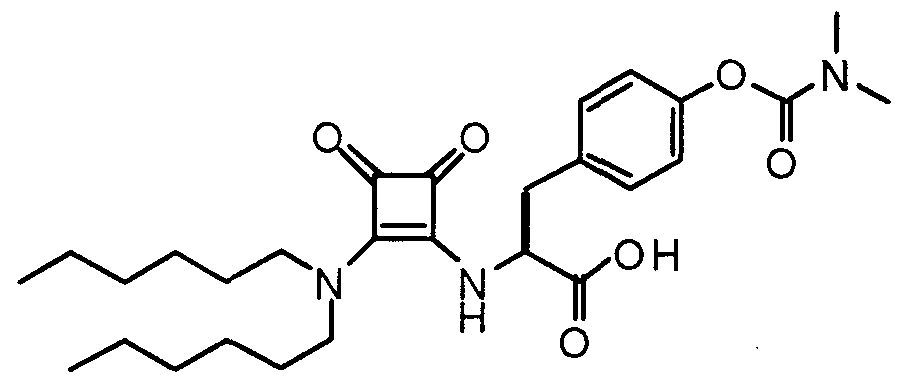
WWE Wipo information: entry into national phase

Ref document number: 99816064.4

Country of ref document: CN

AK Designated states

Kind code of ref document: A1

Designated state(s): AE AL AM AT AU AZ BA BB BG BR BY CA CH CN CR CU CZ DE DK DM EE ES FI GB GD GE GH GM HR HU ID IL IN IS JP KE KG KP KR KZ LC LK LR LS LT LU LV MA MD MG MK MN MW MX NO NZ PL PT RO RU SD SE SG SI SK SL TJ TM TR TT TZ UA UG UZ VN YU ZA ZW

AL Designated countries for regional patents

Kind code of ref document: A1

Designated state(s): GH GM KE LS MW SD SL SZ TZ UG ZW AM AZ BY KG KZ MD RU TJ TM AT BE CH CY DE DK ES FI FR GB GR IE IT LU MC NL PT SE BF BJ CF CG CI CM GA GN GW ML MR NE SN TD TG

121 Ep: the epo has been informed by wipo that ep was designated in this application
DFPE Request for preliminary examination filed prior to expiration of 19th month from priority date (pct application filed before 20040101)
ENP Entry into the national phase

Ref document number: 2351464

Country of ref document: CA

Ref document number: 2351464

Country of ref document: CA

Kind code of ref document: A

WWE Wipo information: entry into national phase

Ref document number: 1999967265

Country of ref document: EP

WWE Wipo information: entry into national phase

Ref document number: 23576/00

Country of ref document: AU

ENP Entry into the national phase

Ref document number: 2000 588117

Country of ref document: JP

Kind code of ref document: A

WWE Wipo information: entry into national phase

Ref document number: 512233

Country of ref document: NZ

WWE Wipo information: entry into national phase

Ref document number: PA/a/2001/005968

Country of ref document: MX

WWP Wipo information: published in national office

Ref document number: 1999967265

Country of ref document: EP

REG Reference to national code

Ref country code: DE

Ref legal event code: 8642

WWW Wipo information: withdrawn in national office

Ref document number: 1999967265

Country of ref document: EP