WO2001012184A1 - Neurotherapeutic composition and method - Google Patents
Neurotherapeutic composition and method Download PDFInfo
- Publication number
- WO2001012184A1 WO2001012184A1 PCT/US2000/022450 US0022450W WO0112184A1 WO 2001012184 A1 WO2001012184 A1 WO 2001012184A1 US 0022450 W US0022450 W US 0022450W WO 0112184 A1 WO0112184 A1 WO 0112184A1
- Authority
- WO
- WIPO (PCT)
- Prior art keywords
- inhibitor
- compound
- lactam
- patient
- activity
- Prior art date
- Legal status (The legal status is an assumption and is not a legal conclusion. Google has not performed a legal analysis and makes no representation as to the accuracy of the status listed.)
- Ceased
Links
- 0 C**N(C)[Zn](C)=O Chemical compound C**N(C)[Zn](C)=O 0.000 description 6
Classifications
-
- A—HUMAN NECESSITIES
- A61—MEDICAL OR VETERINARY SCIENCE; HYGIENE
- A61K—PREPARATIONS FOR MEDICAL, DENTAL OR TOILETRY PURPOSES
- A61K31/00—Medicinal preparations containing organic active ingredients
- A61K31/33—Heterocyclic compounds
- A61K31/395—Heterocyclic compounds having nitrogen as a ring hetero atom, e.g. guanethidine or rifamycins
- A61K31/535—Heterocyclic compounds having nitrogen as a ring hetero atom, e.g. guanethidine or rifamycins having six-membered rings with at least one nitrogen and one oxygen as the ring hetero atoms, e.g. 1,2-oxazines
- A61K31/5365—Heterocyclic compounds having nitrogen as a ring hetero atom, e.g. guanethidine or rifamycins having six-membered rings with at least one nitrogen and one oxygen as the ring hetero atoms, e.g. 1,2-oxazines ortho- or peri-condensed with heterocyclic ring systems
-
- A—HUMAN NECESSITIES
- A61—MEDICAL OR VETERINARY SCIENCE; HYGIENE
- A61K—PREPARATIONS FOR MEDICAL, DENTAL OR TOILETRY PURPOSES
- A61K31/00—Medicinal preparations containing organic active ingredients
-
- A—HUMAN NECESSITIES
- A61—MEDICAL OR VETERINARY SCIENCE; HYGIENE
- A61K—PREPARATIONS FOR MEDICAL, DENTAL OR TOILETRY PURPOSES
- A61K31/00—Medicinal preparations containing organic active ingredients
- A61K31/185—Acids; Anhydrides, halides or salts thereof, e.g. sulfur acids, imidic, hydrazonic or hydroximic acids
- A61K31/19—Carboxylic acids, e.g. valproic acid
- A61K31/195—Carboxylic acids, e.g. valproic acid having an amino group
- A61K31/197—Carboxylic acids, e.g. valproic acid having an amino group the amino and the carboxyl groups being attached to the same acyclic carbon chain, e.g. gamma-aminobutyric acid [GABA], beta-alanine, epsilon-aminocaproic acid or pantothenic acid
- A61K31/198—Alpha-amino acids, e.g. alanine or edetic acid [EDTA]
-
- A—HUMAN NECESSITIES
- A61—MEDICAL OR VETERINARY SCIENCE; HYGIENE
- A61K—PREPARATIONS FOR MEDICAL, DENTAL OR TOILETRY PURPOSES
- A61K31/00—Medicinal preparations containing organic active ingredients
- A61K31/33—Heterocyclic compounds
- A61K31/395—Heterocyclic compounds having nitrogen as a ring hetero atom, e.g. guanethidine or rifamycins
- A61K31/41—Heterocyclic compounds having nitrogen as a ring hetero atom, e.g. guanethidine or rifamycins having five-membered rings with two or more ring hetero atoms, at least one of which being nitrogen, e.g. tetrazole
- A61K31/42—Oxazoles
- A61K31/424—Oxazoles condensed with heterocyclic ring systems, e.g. clavulanic acid
-
- A—HUMAN NECESSITIES
- A61—MEDICAL OR VETERINARY SCIENCE; HYGIENE
- A61K—PREPARATIONS FOR MEDICAL, DENTAL OR TOILETRY PURPOSES
- A61K31/00—Medicinal preparations containing organic active ingredients
- A61K31/33—Heterocyclic compounds
- A61K31/395—Heterocyclic compounds having nitrogen as a ring hetero atom, e.g. guanethidine or rifamycins
- A61K31/41—Heterocyclic compounds having nitrogen as a ring hetero atom, e.g. guanethidine or rifamycins having five-membered rings with two or more ring hetero atoms, at least one of which being nitrogen, e.g. tetrazole
- A61K31/425—Thiazoles
- A61K31/429—Thiazoles condensed with heterocyclic ring systems
- A61K31/43—Compounds containing 4-thia-1-azabicyclo [3.2.0] heptane ring systems, i.e. compounds containing a ring system of the formula, e.g. penicillins, penems
- A61K31/431—Compounds containing 4-thia-1-azabicyclo [3.2.0] heptane ring systems, i.e. compounds containing a ring system of the formula, e.g. penicillins, penems containing further heterocyclic rings, e.g. ticarcillin, azlocillin, oxacillin
-
- A—HUMAN NECESSITIES
- A61—MEDICAL OR VETERINARY SCIENCE; HYGIENE
- A61K—PREPARATIONS FOR MEDICAL, DENTAL OR TOILETRY PURPOSES
- A61K31/00—Medicinal preparations containing organic active ingredients
- A61K31/33—Heterocyclic compounds
- A61K31/395—Heterocyclic compounds having nitrogen as a ring hetero atom, e.g. guanethidine or rifamycins
- A61K31/435—Heterocyclic compounds having nitrogen as a ring hetero atom, e.g. guanethidine or rifamycins having six-membered rings with one nitrogen as the only ring hetero atom
- A61K31/4353—Heterocyclic compounds having nitrogen as a ring hetero atom, e.g. guanethidine or rifamycins having six-membered rings with one nitrogen as the only ring hetero atom ortho- or peri-condensed with heterocyclic ring systems
-
- A—HUMAN NECESSITIES
- A61—MEDICAL OR VETERINARY SCIENCE; HYGIENE
- A61K—PREPARATIONS FOR MEDICAL, DENTAL OR TOILETRY PURPOSES
- A61K31/00—Medicinal preparations containing organic active ingredients
- A61K31/33—Heterocyclic compounds
- A61K31/395—Heterocyclic compounds having nitrogen as a ring hetero atom, e.g. guanethidine or rifamycins
- A61K31/535—Heterocyclic compounds having nitrogen as a ring hetero atom, e.g. guanethidine or rifamycins having six-membered rings with at least one nitrogen and one oxygen as the ring hetero atoms, e.g. 1,2-oxazines
- A61K31/5375—1,4-Oxazines, e.g. morpholine
- A61K31/5383—1,4-Oxazines, e.g. morpholine ortho- or peri-condensed with heterocyclic ring systems
-
- A—HUMAN NECESSITIES
- A61—MEDICAL OR VETERINARY SCIENCE; HYGIENE
- A61K—PREPARATIONS FOR MEDICAL, DENTAL OR TOILETRY PURPOSES
- A61K31/00—Medicinal preparations containing organic active ingredients
- A61K31/33—Heterocyclic compounds
- A61K31/395—Heterocyclic compounds having nitrogen as a ring hetero atom, e.g. guanethidine or rifamycins
- A61K31/54—Heterocyclic compounds having nitrogen as a ring hetero atom, e.g. guanethidine or rifamycins having six-membered rings with at least one nitrogen and one sulfur as the ring hetero atoms, e.g. sulthiame
- A61K31/542—Heterocyclic compounds having nitrogen as a ring hetero atom, e.g. guanethidine or rifamycins having six-membered rings with at least one nitrogen and one sulfur as the ring hetero atoms, e.g. sulthiame ortho- or peri-condensed with heterocyclic ring systems
- A61K31/545—Compounds containing 5-thia-1-azabicyclo [4.2.0] octane ring systems, i.e. compounds containing a ring system of the formula:, e.g. cephalosporins, cefaclor, or cephalexine
- A61K31/546—Compounds containing 5-thia-1-azabicyclo [4.2.0] octane ring systems, i.e. compounds containing a ring system of the formula:, e.g. cephalosporins, cefaclor, or cephalexine containing further heterocyclic rings, e.g. cephalothin
-
- A—HUMAN NECESSITIES
- A61—MEDICAL OR VETERINARY SCIENCE; HYGIENE
- A61K—PREPARATIONS FOR MEDICAL, DENTAL OR TOILETRY PURPOSES
- A61K45/00—Medicinal preparations containing active ingredients not provided for in groups A61K31/00 - A61K41/00
- A61K45/06—Mixtures of active ingredients without chemical characterisation, e.g. antiphlogistics and cardiaca
-
- A—HUMAN NECESSITIES
- A61—MEDICAL OR VETERINARY SCIENCE; HYGIENE
- A61P—SPECIFIC THERAPEUTIC ACTIVITY OF CHEMICAL COMPOUNDS OR MEDICINAL PREPARATIONS
- A61P13/00—Drugs for disorders of the urinary system
- A61P13/08—Drugs for disorders of the urinary system of the prostate
-
- A—HUMAN NECESSITIES
- A61—MEDICAL OR VETERINARY SCIENCE; HYGIENE
- A61P—SPECIFIC THERAPEUTIC ACTIVITY OF CHEMICAL COMPOUNDS OR MEDICINAL PREPARATIONS
- A61P15/00—Drugs for genital or sexual disorders; Contraceptives
-
- A—HUMAN NECESSITIES
- A61—MEDICAL OR VETERINARY SCIENCE; HYGIENE
- A61P—SPECIFIC THERAPEUTIC ACTIVITY OF CHEMICAL COMPOUNDS OR MEDICINAL PREPARATIONS
- A61P15/00—Drugs for genital or sexual disorders; Contraceptives
- A61P15/10—Drugs for genital or sexual disorders; Contraceptives for impotence
-
- A—HUMAN NECESSITIES
- A61—MEDICAL OR VETERINARY SCIENCE; HYGIENE
- A61P—SPECIFIC THERAPEUTIC ACTIVITY OF CHEMICAL COMPOUNDS OR MEDICINAL PREPARATIONS
- A61P21/00—Drugs for disorders of the muscular or neuromuscular system
- A61P21/02—Muscle relaxants, e.g. for tetanus or cramps
-
- A—HUMAN NECESSITIES
- A61—MEDICAL OR VETERINARY SCIENCE; HYGIENE
- A61P—SPECIFIC THERAPEUTIC ACTIVITY OF CHEMICAL COMPOUNDS OR MEDICINAL PREPARATIONS
- A61P25/00—Drugs for disorders of the nervous system
-
- A—HUMAN NECESSITIES
- A61—MEDICAL OR VETERINARY SCIENCE; HYGIENE
- A61P—SPECIFIC THERAPEUTIC ACTIVITY OF CHEMICAL COMPOUNDS OR MEDICINAL PREPARATIONS
- A61P25/00—Drugs for disorders of the nervous system
- A61P25/04—Centrally acting analgesics, e.g. opioids
-
- A—HUMAN NECESSITIES
- A61—MEDICAL OR VETERINARY SCIENCE; HYGIENE
- A61P—SPECIFIC THERAPEUTIC ACTIVITY OF CHEMICAL COMPOUNDS OR MEDICINAL PREPARATIONS
- A61P25/00—Drugs for disorders of the nervous system
- A61P25/08—Antiepileptics; Anticonvulsants
-
- A—HUMAN NECESSITIES
- A61—MEDICAL OR VETERINARY SCIENCE; HYGIENE
- A61P—SPECIFIC THERAPEUTIC ACTIVITY OF CHEMICAL COMPOUNDS OR MEDICINAL PREPARATIONS
- A61P25/00—Drugs for disorders of the nervous system
- A61P25/14—Drugs for disorders of the nervous system for treating abnormal movements, e.g. chorea, dyskinesia
- A61P25/16—Anti-Parkinson drugs
-
- A—HUMAN NECESSITIES
- A61—MEDICAL OR VETERINARY SCIENCE; HYGIENE
- A61P—SPECIFIC THERAPEUTIC ACTIVITY OF CHEMICAL COMPOUNDS OR MEDICINAL PREPARATIONS
- A61P25/00—Drugs for disorders of the nervous system
- A61P25/18—Antipsychotics, i.e. neuroleptics; Drugs for mania or schizophrenia
-
- A—HUMAN NECESSITIES
- A61—MEDICAL OR VETERINARY SCIENCE; HYGIENE
- A61P—SPECIFIC THERAPEUTIC ACTIVITY OF CHEMICAL COMPOUNDS OR MEDICINAL PREPARATIONS
- A61P25/00—Drugs for disorders of the nervous system
- A61P25/20—Hypnotics; Sedatives
-
- A—HUMAN NECESSITIES
- A61—MEDICAL OR VETERINARY SCIENCE; HYGIENE
- A61P—SPECIFIC THERAPEUTIC ACTIVITY OF CHEMICAL COMPOUNDS OR MEDICINAL PREPARATIONS
- A61P25/00—Drugs for disorders of the nervous system
- A61P25/22—Anxiolytics
-
- A—HUMAN NECESSITIES
- A61—MEDICAL OR VETERINARY SCIENCE; HYGIENE
- A61P—SPECIFIC THERAPEUTIC ACTIVITY OF CHEMICAL COMPOUNDS OR MEDICINAL PREPARATIONS
- A61P25/00—Drugs for disorders of the nervous system
- A61P25/24—Antidepressants
-
- A—HUMAN NECESSITIES
- A61—MEDICAL OR VETERINARY SCIENCE; HYGIENE
- A61P—SPECIFIC THERAPEUTIC ACTIVITY OF CHEMICAL COMPOUNDS OR MEDICINAL PREPARATIONS
- A61P25/00—Drugs for disorders of the nervous system
- A61P25/28—Drugs for disorders of the nervous system for treating neurodegenerative disorders of the central nervous system, e.g. nootropic agents, cognition enhancers, drugs for treating Alzheimer's disease or other forms of dementia
-
- A—HUMAN NECESSITIES
- A61—MEDICAL OR VETERINARY SCIENCE; HYGIENE
- A61P—SPECIFIC THERAPEUTIC ACTIVITY OF CHEMICAL COMPOUNDS OR MEDICINAL PREPARATIONS
- A61P25/00—Drugs for disorders of the nervous system
- A61P25/30—Drugs for disorders of the nervous system for treating abuse or dependence
- A61P25/32—Alcohol-abuse
-
- A—HUMAN NECESSITIES
- A61—MEDICAL OR VETERINARY SCIENCE; HYGIENE
- A61P—SPECIFIC THERAPEUTIC ACTIVITY OF CHEMICAL COMPOUNDS OR MEDICINAL PREPARATIONS
- A61P25/00—Drugs for disorders of the nervous system
- A61P25/30—Drugs for disorders of the nervous system for treating abuse or dependence
- A61P25/34—Tobacco-abuse
-
- A—HUMAN NECESSITIES
- A61—MEDICAL OR VETERINARY SCIENCE; HYGIENE
- A61P—SPECIFIC THERAPEUTIC ACTIVITY OF CHEMICAL COMPOUNDS OR MEDICINAL PREPARATIONS
- A61P29/00—Non-central analgesic, antipyretic or antiinflammatory agents, e.g. antirheumatic agents; Non-steroidal antiinflammatory drugs [NSAID]
-
- A—HUMAN NECESSITIES
- A61—MEDICAL OR VETERINARY SCIENCE; HYGIENE
- A61P—SPECIFIC THERAPEUTIC ACTIVITY OF CHEMICAL COMPOUNDS OR MEDICINAL PREPARATIONS
- A61P3/00—Drugs for disorders of the metabolism
-
- A—HUMAN NECESSITIES
- A61—MEDICAL OR VETERINARY SCIENCE; HYGIENE
- A61P—SPECIFIC THERAPEUTIC ACTIVITY OF CHEMICAL COMPOUNDS OR MEDICINAL PREPARATIONS
- A61P3/00—Drugs for disorders of the metabolism
- A61P3/06—Antihyperlipidemics
-
- A—HUMAN NECESSITIES
- A61—MEDICAL OR VETERINARY SCIENCE; HYGIENE
- A61P—SPECIFIC THERAPEUTIC ACTIVITY OF CHEMICAL COMPOUNDS OR MEDICINAL PREPARATIONS
- A61P3/00—Drugs for disorders of the metabolism
- A61P3/08—Drugs for disorders of the metabolism for glucose homeostasis
- A61P3/10—Drugs for disorders of the metabolism for glucose homeostasis for hyperglycaemia, e.g. antidiabetics
-
- A—HUMAN NECESSITIES
- A61—MEDICAL OR VETERINARY SCIENCE; HYGIENE
- A61P—SPECIFIC THERAPEUTIC ACTIVITY OF CHEMICAL COMPOUNDS OR MEDICINAL PREPARATIONS
- A61P35/00—Antineoplastic agents
-
- A—HUMAN NECESSITIES
- A61—MEDICAL OR VETERINARY SCIENCE; HYGIENE
- A61P—SPECIFIC THERAPEUTIC ACTIVITY OF CHEMICAL COMPOUNDS OR MEDICINAL PREPARATIONS
- A61P43/00—Drugs for specific purposes, not provided for in groups A61P1/00-A61P41/00
-
- A—HUMAN NECESSITIES
- A61—MEDICAL OR VETERINARY SCIENCE; HYGIENE
- A61P—SPECIFIC THERAPEUTIC ACTIVITY OF CHEMICAL COMPOUNDS OR MEDICINAL PREPARATIONS
- A61P9/00—Drugs for disorders of the cardiovascular system
- A61P9/10—Drugs for disorders of the cardiovascular system for treating ischaemic or atherosclerotic diseases, e.g. antianginal drugs, coronary vasodilators, drugs for myocardial infarction, retinopathy, cerebrovascula insufficiency, renal arteriosclerosis
-
- A—HUMAN NECESSITIES
- A61—MEDICAL OR VETERINARY SCIENCE; HYGIENE
- A61P—SPECIFIC THERAPEUTIC ACTIVITY OF CHEMICAL COMPOUNDS OR MEDICINAL PREPARATIONS
- A61P9/00—Drugs for disorders of the cardiovascular system
- A61P9/12—Antihypertensives
-
- Y—GENERAL TAGGING OF NEW TECHNOLOGICAL DEVELOPMENTS; GENERAL TAGGING OF CROSS-SECTIONAL TECHNOLOGIES SPANNING OVER SEVERAL SECTIONS OF THE IPC; TECHNICAL SUBJECTS COVERED BY FORMER USPC CROSS-REFERENCE ART COLLECTIONS [XRACs] AND DIGESTS
- Y02—TECHNOLOGIES OR APPLICATIONS FOR MITIGATION OR ADAPTATION AGAINST CLIMATE CHANGE
- Y02A—TECHNOLOGIES FOR ADAPTATION TO CLIMATE CHANGE
- Y02A90/00—Technologies having an indirect contribution to adaptation to climate change
- Y02A90/10—Information and communication technologies [ICT] supporting adaptation to climate change, e.g. for weather forecasting or climate simulation
Definitions
- This invention relates to a novel mechanism of neuropsychiatric intervention. More particularly, this invention is directed to pharmaceutical formulations and methods for treatment of a variety of neurological disease states, including cognitive and behavioral disorders.
- the pharmaceutical industry has directed extensive research and development efforts toward discovery and commercialization of drugs for treatment of neurological disorders. Such disorders typically derive from chemical imbalances in the brain. Overproduction or underproduction of pertinent neurochemical species and/or receptor dysfunction has been identified with many disease states recognized by neurologists, psychiatrists, psychologists and other medical practitioners skilled in the diagnosis and treatment of mental disease. Most of the discovery effort for new neurologically active drugs has been based on the study of agonist/antagonist drug interaction with one or more of the numerous receptors in the brain and/or their respective receptor ligands.
- the present invention provides a novel approach to drug intervention in the treatment of a wide variety of neurologic disease states and other disease states or clinical conditions of related etiology.
- NAALADases N-acetylated- ⁇ -linked acidic peptidases
- neurogenic proteases now believed to be NAALADases and related peptidases and transferases, capable of recognizing and transforming certain neuropeptides (e.g., N-acetyl-L-aspartyl-L-glutamate) play a significant if not dominant role at the neurochemical level of brain function and concomitantly have a substantial impact on patient behavior and cognitive performance.
- certain glutamate analogs acting as NAALADase inhibitors can be used to treat prostate disease and glutamate abnormalities associated with certain nervous tissue insult.
- NAALADase inhibitors including particularly certain ⁇ -lactam-containing bacterial peptidase and ⁇ -lactamase inhibitors capable of blood-brain barrier transport, can function in the brain at very low concentrations as potent neuroactive drug substances to reduce the symptoms of a wide variety of neurological disorders characterized by behavioral aberration or sensory/cognitive dysfunction.
- bacterial enzyme inhibitors are believed to be effective inhibitors of NAALADase and related neurogenic peptidases, at concentrations below those concentrations known to be required for clinically effective bacterial enzyme inhibition.
- such compounds can also be used effectively for treating prostate disease and the disease states associated with nervous tissue insult previously described as responsive to treatment with other NAALADase inhibitors.
- one embodiment of the present invention is directed to a method for treatment of cognitive and behavioral disorders in warm-blooded vertebrates by administering compounds known for their activity as bacterial protease or peptidase inhibitors, which compounds, when present at effective concentrations in the brain, have now been determined to be capable of inhibiting or otherwise modulating the activity of one or more neurogenic NAALADases and related neurogenic enzymes.
- a related embodiment there is provided method for treatment of cognitive and behavioral disorders in a patient in need of such treatment. The method comprises the step of inhibiting neurogenic peptidases, including NAALADase and related neurogenic enzymes.
- such neuropeptidase inhibition is effected by administering an effective amount of a ⁇ -lactam compound recognized for its capacity to bind to and inhibit a bacterial enzyme, for example, a ⁇ -lactamase or a bacterial protease involved in bacterial cell wall synthesis.
- a bacterial enzyme for example, a ⁇ -lactamase or a bacterial protease involved in bacterial cell wall synthesis.
- bacterial proteases are known in the art as "penicillin binding proteins.”
- the method is effected by administration of art-recognized NAALADase inhibitors, including particularly certain deaminoglutamate analogues and N-substituted glutamate derivatives. Effective inhibition of such neuro-peptidase activity in warmblooded vertebrates has been found to produce marked enhancement in cognitive performance and behavioral management.
- Exemplary of cognitive and behavioral disorders susceptible to treatment in accordance with this invention include aggressive disorder, obsessive compulsive disorder, anxiety, depression, ADHD, and memory impairment.
- Animal data suggest that the method and formulation of this invention have potential as an antiaggressive agent to control impulsivity and violence in autism, Tourette's syndrome, mental retardation, psychosis, mania, senile dementia and individuals with personality disorders and history of inappropriate aggression.
- Clinic applications extend to the treatment of children with ADHD and conduct disorder, as an anxiolytic, and as a cognition enhancer for the geriatric population to improve learning and memory and to ameliorate disorientation.
- a method of treating a patient afflicted with a condition, or disposed to development of a condition, characterized at least in part by abnormal extracellular concentration of glutamate in the brain or other nervous tissue comprises the step of administering to the patient in effective amounts of a compound capable of inhibiting the activity of a penicillin-binding protein of bacterial origin.
- the composition is administered in an amount effective to prevent or alleviate the symptoms of such condition.
- localized high glutamate concentrations in the brain have been reported in stroke victims and victims of other brain trauma. More recently high glutamate concentrations in the brain and peripheral nerve tissue have been reported to be associated with multiple sclerosis.
- a method for treating prostate disease selected from prostate cancer and benign prostate hyperplasia in a human patient comprises the step of administering to the patient a composition comprising a compound capable of inhibiting the activity of a penicillin-binding protein of bacterial origin.
- the compound is administered in an amount effective to retard the progress of the disease or to reduce the symptoms of the disease.
- ⁇ -lactam compounds i.e., compounds having a ⁇ -lactam ring system, including particularly ⁇ -lactam antibiotics such as penicillins, cephalosporins and analogues thereof.
- ⁇ -lactam antibiotics such as penicillins, cephalosporins and analogues thereof.
- the peptide Ala-D- ⁇ -Glu-Lys-D-Ala-D-Ala (believed to serve as a substrate for NAALADase) has been found effective as a peptidase inhibitor useful for behavior modification and cognitive enhancement in accordance with the invention.
- Non- ⁇ -lactam NAALADase inhibitors have been reported in the patent and non-patent literature. See, e.g., U.S. Patents Nos.
- the antibiotic compounds for use in this invention can be administered in combination with one or more of other enzyme inhibitors, for example, effective amounts of a ⁇ - lactamase inhibitqr (where the active compound is a ⁇ -lactam compound) or another NAALADase inhibitor or a P-glycoprotein efflux inhibitor to enhance brain levels of the active compound.
- a ⁇ - lactamase inhibitqr where the active compound is a ⁇ -lactam compound
- NAALADase inhibitor or a P-glycoprotein efflux inhibitor to enhance brain levels of the active compound.
- the method and formulation embodiments of the invention find use in both human health and veterinary applications, e.g., in canine, feline and equine species.
- a warm-blooded vertebrate most typically a human patient, affected by a neurologic disease state characterized by cognitive or behavioral abnormalities is treated with a 1-oxa-l-dethia cephalosporin, more preferably a 7-methoxy- 1-oxa-l-dethia cephalosporin, optionally as an active ester derivative in an orally (including buccal or sublingual administration) or a parenterally administered formulation.
- the peptidase inhibitor is moxalactam, [7- ⁇ -[2-carboxy-2-(4-hydroxyphenyl)acetamido]-7 ⁇ -methoxy-3-[[(l- methyl-lH-tetrazol-5-yl)thio]methyl]-l-oxa-l-dethia-3-cephem-4-carboxylic acid], described and claimed with related compounds, including their orally absorbed active ester derivatives, in U.S. Patent No. 4,323,567, the specification of which is expressly incorporated herein by reference.
- Moxalactam has been found to exhibit significant dose responsive neuroactivity when administered parenterally at least at about 50 ⁇ g/kg of body weight.
- a pharmaceutical formulation for treatment with consequent reduction of symptoms of behavioral or cognitive disorders in patients in need of such treatment comprises a compound characterized by its affinity to bacteria derived penicillin-binding proteins.
- the compound is capable of binding to and inhibiting the function of a bacterial protease known to exhibit its proteolytic activity on a peptidoglycan substrate comprising the C-terminal peptide sequence acyl- D-alanyl-D-alanine.
- the compound is capable of binding to ⁇ - lactamase, another bacterial protein capable of binding to penicillin, and inhibiting the function of that enzyme.
- the amount of the inhibitor used in the formulation is that determined to be effective to inhibit the activity of endogenous NAALADase.
- the amount is effective to inhibit NAALADase in the brain at a level sufficient to modulate cognitive and behavioral characteristics.
- the level of activity exhibited by the NAALADase inhibitor in the present method is not only dependent on its affinity to penicillin-binding proteins and to NAALADase, it is also particularly dependent on ability of the inhibitor compound to cross the blood brain barrier to achieve levels in the brain effective to modify patient behavior and/or cognitive performance.
- the pharmaceutical formulation comprises a ⁇ -lactam containing compound selected from the group consisting of penicillin, cephalosporins, ⁇ -lactam containing analogues thereof, including ⁇ -lactamase inhibitors, and a pharmaceutical carrier for such ⁇ -lactam containing compound.
- the ⁇ -lactam compound is, for example, a commercially available antibiotic
- the amount of ⁇ -lactam compound in said formulation is less than that required to produce, upon administration by the commercially detailed mode of administration, clinically effective antibiotic blood levels of the compound.
- Such formulations can optionally include, in addition, effective amounts of one or more of a ⁇ -lactamase inhibitor and a P-glycoprotein efflux pump inhibitor or another compound capable of inhibiting the activity of NAALADase and related neurogenic enzymes.
- formulations of this invention can be prepared specifically for any art-recognized mode of administration capable of achieving threshold minimum protease inhibiting concentrations in the brain, they are typically formulated for parenteral or oral administration, optionally in the form of prolonged release or "drug depot" type formulations well known in the art.
- Figs. 1-42 are graphic representations of data gathered in the conduct of testing of moxalactam, other ⁇ -lactam antibiotics, clavulanic acid, and other neuroactive compounds in various animal models accepted in the art for detection of activity against offensive aggression (Figs. 1-4, 9-14, 24, 29, 31 and 32), general motor activity, olfactory discrimination (Fig. 5), sexual activity (Fig. 6), anxiolytic activity (Figs. 7, 25, 26, 28, 37 and 40), and spatial memory (Figs. 8 and 29-36).
- Figs. 15 and 16 are graphic illustrations of the effect of intracerebrally administered peptidoglycan-precursor protein on offensive aggression and olfactory discrimination in hamsters.
- NAALADase N-acetylated- ⁇ -linked acid dipeptidase
- NAALADase inhibitors effective for use in accordance with the present invention are characterized by their capacity to inhibit a bacterial protease exhibiting selective proteolytic activity on a protein or peptide substrate comprising acyl-D-alanyl-D-alanine.
- effective NAALADase inhibitors for use in treatment of behavioral and cognitive disorders in accordance with one embodiment of this invention can be characterized by their selective affinity (by associative and/or covalent binding) to penicillin-binding proteins; such compounds include particularly ⁇ -lactam antibiotics such as penicillins, cephalosporins and analogues thereof.
- Such bacterial protease inhibitors appear to function at subclinical-antibiotic levels in the brain to inhibit neuropeptidase activity which can function in neurochemical mediation of behavior and cognitive performance.
- Effective inhibition of neuropeptidase activity with concomitant mediation of behavior and cognitive performance has also been effected by administration of a ⁇ -lactamase inhibitor, clavulanic acid, a ⁇ -lactam containing compound having no clinically significant antibiotic activity. It is surmised that inhibition of such neuropeptidase (e.g.
- NAALADase activity allows modulation of the concentration and/or function of one or more neurotransmitter ⁇ or neuromodulators with concomitant improvement in neurological function evidenced by enhancement of cognitive performance and attenuation of aberrant behavioral phenotypes.
- moxalactam given i.p. at 50 micrograms/kg inhibits aggression in hamster, enhances spatial learning in rats, and acts as an anxiolytic in rats.
- Clavulanic acid has shown similar activity when administered i.p. at less than 1 microgram/kg.
- PBP penicillin-binding protein
- the term PBP has been extended to include binding to all beta lactams including cephalosporins. More recently, investigators have been able to clone and sequence these PBP's as well as crystallize the enzymes and determine active site motifs (see P. Palomeque et al., J. Biochem.. 279, 223-230, 1991). Based on this data, the four putative binding sites for PBP have been designated active site I, II, III and IV.
- the active sites, sequence location and amino acid (AA) sequence are as follows: Active site I:
- Active site II 57 AA's upstream from STTK motif: SGC, SGN, or SAN
- NAALADase See M.N. Pangalos et al., J. Bio. Chem.. 264, 8470-8483, 1999
- This enzyme system is responsible for regulating the glutamatergic neurotransmission pathways, the effects of which would be expressed in such behavioral outcomes as aggression, memory/cognition, and anxiety.
- moxalactam and other ⁇ -lactam compounds mediate behavioral effects by inhibiting NAALADase at low concentrations. This is based on the following overlap sequence similarity between PBP and NAALADase I, one of several known NAALADase species, as shown below:
- NAALADase 38 AA's upstream from N-terminus: STQK
- PBP 57 AA's upstream from STTK motif: SGC, SGN, or SAN
- NAALADase 59 AA's upstream from STQK motif: SFG Active site III:
- NAALADase 110 AA's upstream from SFG motif: KLG
- PBP 41 AA's upstream from SGC motif: ENKD NAALADase: 41 AA's upstream from SFG motif: ERGV
- beta-lactams provide their inhibition of PBP transpeptidation of bacterial cell wall by binding to these four active sites, one can infer that the conserved similarity in active site sequences and location would confer similar binding properties of moxalactam and other ⁇ -lactam compounds to NAALADase and possibly other neurogenic enzymes having sequences overlapping with the four active binding site motif. That discovery coupled with observation of the significant behavioral modification effects deriving from administration of very low doses of certain penicillin protein binding compounds has provided insight into a novel approach to the prevention and treatment of disease states characterized by neurological dysfunction.
- PBP 57 AA's upstream from STTK motif: SGC, SGN, or SAN
- NAALADase 59 AA's upstream from STQK motif: SFG
- NAALADase 110 AA's upstream from SFG motif: KLG
- NAALADase 41 AA's upstream from SFG motif: ERGV
- NAALADase 38 AA's upstream from N-terminus: STQK > dbj
- PBP 57 AA's upstream from STTK motif: SGC, SGN, or SAN
- NAALADase 59 AA's upstream from STQK motif: SFG > dbj
- NAALADase 110 AA's upstream from SFG motif: KLG > dbj
- NAALADase 41 AA's upstream from SFG motif: ERGV > dbj
- PBP 57 AA's upstream from STTK motif: SGC, SGN, or SAN NAALADase: 59 AA's upstream from STQK motif: SFG > dbj
- NAALADase 110 AA's upstream from SFG motif: KLG
- NAALADase 41 AA's upstream from SFG motif: ERGV
- NAALADase 38 AA's upstream from N-terminus: STQK gb
- PBP 57 AA's upstream from STTK motif: SGC, SGN, or SAN
- NAALADase 59 AA's upstream from STQK motif: SFG gb
- NAALADase 110 AA's upstream from SFG motif: KLG gb
- NAALADase 41 AA's upstream from SFG motif: ERGV gb
- NAALADase 38 AA's upstream from N-terminus: STQK emb
- PBP 57 AA's upstream from STTK motif: SGC, SGN, or SAN
- NAALADase 59 AA's upstream from STQK motif: SFG emb
- NAALADase 110 AA's upstream from SFG motif: KLG emb
- NAALADase 38 AA's upstream from N-terminus: STQK gb
- PBP 57 AA's upstream from STTK motif: SGC, SGN, or SAN
- NAALADase 59 AA's upstream from STQK motif: SFG gb
- NAALADase 110 AA's upstream from SFG motif: KLG gb
- NAALADase 41 AA's upstream from SFG motif: ERGV gb
- NAALADase 38 AA's upstream from N-terminus: STQK dbj
- PBP 57 AA's upstream from STTK motif: SGC, SGN, or SAN
- NAALADase 59 AA's upstream from STQK motif: SFG dbj
- NAALADase 110 AA's upstream from SFG motif: KLG dbj
- NAALADase 41 AA's upstream from SFG motif: ERGV dbj
- the encoded protein of each of those gene sequences expressed in the brain are probable targets for behavioral and cognitive activity by ⁇ -lactams and other NAALADase inhibitors.
- a method for modifying behavior and/or cognition comprising the step of inhibiting the biological activity of the non-NAALADase protein(s) expressed by one or more of the above-identified gene sequences, by administering an effective amount of a ⁇ -lactam compound or other compound capable of NAALADase inhibition.
- NAALADase inhibitors effective for use in the various pharmaceutical formulation and method embodiments of this invention are compounds which exhibit detectable selective affinity for art recognized penicillin-binding proteins, including particularly ⁇ -lactam-containing compounds (hereinafter " ⁇ -lactam compounds”) such as penicillins and cephalosporins and analogues thereof, certain ⁇ -lactamase inhibitors, and peptides comprising the amino acid sequence Ala-D- ⁇ -Glu-Lys-D-Ala-D-Ala.
- ⁇ -lactam compounds such as penicillins and cephalosporins and analogues thereof, certain ⁇ -lactamase inhibitors, and peptides comprising the amino acid sequence Ala-D- ⁇ -Glu-Lys-D-Ala-D-Ala.
- CSF cerebral spinal fluid
- other art-recognized NAALADase inhibitors can be used alone or in combination with penicillin protein-binding compounds for treatment and prevention of behavioral and/or cognitive disorders.
- the ⁇ -lactam compounds or other NAALADase inhibiting compounds including peptides or analogues of such compounds are typically formulated in unit dosage form optionally in combination with, or as covalent conjugates of, other compounds or molecular entities, respectively, known to enhance drug transport across the blood brain barrier.
- Such drug formulation/conjugation techniques are described and claimed in the following listed United States Patents, the specifications of which patents are expressly incorporated herein by reference: U.S.
- Enhanced concentrations of drug substances, including NAALADase inhibitors in the brain, can also be achieved by co-administration with P-glycoprotein efflux inhibitors such as those described in U.S.
- ⁇ -lactams antibiotic compounds useful in accordance with this invention including penicillins, cephalosporins, penems, 1-oxa-l-dethia cephems, clavams, clavems, azetidinones, carbapenams, carbapenems, and carbacephems, can be administered alone or in combination with art-recognized ⁇ -lactamase inhibitors, which themselves may or may not be ⁇ -lactam compounds or compounds capable of exhibiting selective affinity for penicillin-binding proteins.
- Examples of ⁇ -lactamase inhibitors which can be used alone or in combination with other neuropeptidase inhibitors useful in accordance with this invention for treatment and/or prevention of cognitive or behavioral disorders are other ⁇ -lactam compounds which may or may not exhibit independent clinically significant antibacterial activity, such as clavulanic acid and thienamycin and analogs thereof, sulbactam, tazobactam, sultamicillin, and aztreonam and other monolactams.
- ⁇ -Lactam antibiotics are known to exhibit their antibiotic activity by interfering with one or more biological pathways involved in bacteria cell wall synthesis; more particularly, they inhibit carboxypeptidase and/or transpeptidase (or protease) activity involved in cross-linking of the peptidoglycan chains used as building blocks for cell wall synthesis.
- ⁇ -Lactam antibiotics are thus believed to act as inhibitors of carboxypeptidases or transpeptidases by their covalent, and by some reports, noncovalent associative bonding, to one or more of a group of such bacterial enzymes generally termed penicillin binding proteins (PBP's).
- PBP's penicillin binding proteins
- Such enzymes serve to complete bacteria cell wall synthesis by cross linking peptidoglycan chains.
- a similar peptidase-substrate interaction/inhibition is now suggested in accordance with this invention as a significant neurochemical pathway involved in brain function pivotal to cognitive performance and behavioral phenotype.
- Such a neurochemical mechanism is suggested too by the discovery that delivery of effective amounts of the peptide Ala-D- ⁇ -Glu-Lys-D-alanyl-D-alanine directly into the brain produced the same modified behavioral characteristics as that achieved by comparable concentrations of ⁇ -lactam compounds in the brain.
- the peptide appears to serve as a substitute substrate for (and thus serve to inhibit the activity thereof) one or more neurogenic peptidases (e.g., NAALADases) that normally exhibit their activity on peptidic neurotransmitters or neuromodulators, i.e., NAAD, in the ordinary course of certain neurochemical processes that mediate cognitive performance and behavioral phenotype.
- neurogenic peptidases e.g., NAALADases
- NAAD neuromodulators
- NAALADase inhibitors include aggressive disorder, obsessive-compulsive disorder, anxiety, depression, and attention deficient hyperactivity disease (ADHD).
- ADHD attention deficient hyperactivity disease
- a NAALADase inhibitor selected from those capable of binding to penicillin-binding protein, e.g., a ⁇ -lactam antibiotic or ⁇ -lactamase inhibitor, and/or those exhibiting inhibition of selective proteolytic activity on a bacterial protein or peptide substrate comprising the C-terminal amino acid sequence acyl-D-alanyl-D-alanine, or other NAALADase inhibitor, is administered as an anti-aggressive agent to control impulsivity and violence in a patient afflicted with autism, Tourette's Syndrome, mental retardation, psychosis, mania, senile dementia or that in a patient with personality disorder and history of inappropriate aggression.
- a deaminoglutamate analog or an N-substituted glutamate derivative is administered in an amount effective to control impulsivity and violence in patients effected with such disease states.
- Other neurological disease states which can be treated in accordance with the present invention include depression, including major depression (single episode, recurrent, melancholic), atypical, dysthmia, subsyndromal, agitated, retarded, co-morbid with cancer, diabetes, or post-myocardial infarction, involutional, bipolar disorder, psychotic depression, endogenous and reactive, obsessive-compulsive disorder, or bulimia.
- NAALADase inhibitors can be used to treat patients suffering from pain (given alone or in combination with morphine, codeine, or dextroproposyphene), obsessive-compulsive personality disorder, post-traumatic stress disorder, hypertension, atherosclerosis, anxiety, anorexia nervosa, panic, social phobia, stuttering, sleep disorders, chronic fatigue, cognition deficit associated with Alzheimer's disease, alcohol abuse, appetite disorders, weight loss, agoraphobia, improving memory, amnesia, smoking cessation, nicotine withdrawal syndrome symptoms, disturbances of mood and/or appetite associated with pre-menstrual syndrome, depressed mood and/or carbohydrate craving associated with pre-menstrual syndrome, disturbances of mood, disturbances of appetite or disturbances which contribute to recidivism associated with nicotine withdrawal, circadian rhythm disorder, borderline personality disorder, hypochondriasis, pre-menstrual syndrome (PMS), late luteal phase dysphoric disorder, pre-menstrual dysphoric disorder, trichot
- pathologic, psychologic conditions which may be treated in accordance with this invention include, but are not limited to: Moderate Mental Retardation (318.00), Severe Mental Retardation (318.10), Profound Mental Retardation (318.20), Unspecified Mental Retardation (319.00), Autistic Disorder (299.00), Pervasive Development Disorder NOS (299.80), Attention-Deficit
- Hyperactivity Disorder (314.01), Conduct Disorder, Group Type (312.20), Conduct Disorder, Solitary Aggressive Type (312.00), Conduct Disorder, Undifferentiated Type (312.90), Tourette's Disorder (307.23), Chronic Motor or Vocal Tic Disorder (307.22), Transient Tic Disorder (307.21), Tic Disorder NOS (307.20), Primary Degenerative Dementia of the Alzheimer Type, Senile Onset, Uncomplicated (290.00), Primary Degenerative Dementia of The Alzheimer Type, Senile Onset, with Delirium (290.30), Primary Degenerative Dementia of the Alzheimer Type, Senile Onset, with Delusions (390.20), Primary Degenerative Dementia of the Alzheimer Type, Senile Onset, with Depression (290.21), Primary Degenerative Dementia of the Alzheimer Type, Presenile Onset, Uncomplicated (290.10), Primary Degenerative Dementia of the Alzheimer Type, Presenile Onset, with Delirium (290.11), Primary Degenerative Dementia of the Alzheimer Type, Presenile Onset,
- pathologic psychological conditions which may be treated using the ⁇ -lactam containing protease inhibitors as described in this invention include Schizophrenia, Catatonic, Subchronic, (295.21), Schizophrenia, Catatonic, Chronic (295.22), Schizophrenia, Catatonic, Subchronic with Acute Exacerbation (295.23), Schizophrenia, Catatonic, Chronic with Acute Exacerbation (295.24), Schizophrenia, Catatonic, in Remission (295.55), Schizophrenia, Catatonic, Unspecified (295.20), Schizophrenia, Disorganized, Chronic (295.12), Schizophrenia, Disorganized, Subchronic with Acute Exacerbation (29 5.13), Schizophrenia, Disorganized, Chronic with Acute Exacerbation (295.14), Schizophrenia, Disorganized, in Remission (295.15), Schizophrenia, Disorganized, Unspecified (295.10), Schizophr, Cat
- Anxiety disorders which may be treated in accordance with this invention include, but are not limited to, Anxiety Disorders (235), Panic Disorder (235), Panic Disorder with Agoraphobia (300.21), Panic Disorder without
- Agoraphobia (300.01), Agoraphobia without History of Panic Disorders (300.22), Social Phobia (300.23), Simple Phobia (300.29), Organic Anxiety Disorder (294.80), Psychoactive Substance Anxiety Disorder (292.89), Separation Anxiety Disorder (309.21), Avoidant Disorder of Childhood or Adolescence (313.21), and Overanxious Disorder (313.00).
- Effective amounts of NAALADase inhibitors can be used for the treatment of the following pathologic psychological conditions: Moderate Mental Retardation; Severe Mental Retardation; Profound Mental Retardation; Autistic Disorder; Attention-Deficit Hyperactivity Disorder; Pervasive Development Disorder NOS; Conduct Disorder, Group Type; Conduct Disorder, Solitary Aggressive Type; Tourette's Disorder; Primary Degenerative Dementia of the Alzheimer Type, Senile Onset, with Delirium; Primary Degenerative Dementia of the Alzheimer Type, Senile Onset, with Delusions; Primary Degenerative Dementia of the Alzheimer Type, Presenile Onset; Schizophrenia, Catatonic, Subchronic; Schizophrenia, Catatonic, Chronic; Schizophrenia, Catatonic, Subchronic with Acute Exacerbation; Schizophrenia, Catatonic, Chronic with Acute Exacerbation; Schizophrenia, Catatonic, in Remission; Schizophrenia
- Schizophrenia Disorganized, in Remission; Schizophrenia, Disorganized, Unspecified; Schizophrenia, Paranoid, Subchronic; Schizophrenia, Paranoid, Chronic; Schizophrenia, Paranoid, Subchronic with Acute Exacerbation; Schizophrenia, Paranoid, Chronic with Acute Exacerbation; Schizophrenia, Paranoid, in Remission; Schizophrenia, Paranoid, Unspecified; Schizophrenia, Undifferentiated, Subchronic; Schizophrenia, Undifferentiated, Chronic; Schizophrenia, Undifferentiated, Subchronic with Acute Exacerbation; Schizophrenia, Undifferentiated, Chronic with Acute Exacerbation; Schizophrenia, Undifferentiated, in Remission; Schizophrenia, Undifferentiated, Unspecified; Schizophrenia, Residual, Subchronic; Schizophrenia, Residual Chronic; Schizophr
- One or more neurogenic NAALADase inhibitors can be used alone, in combination or in combination with P-glycoprotein inhibitors to treat the following psychotic conditions: Schizophrenia, Catatonic, Subchronic; Schizophrenia, Catatonic, Chronic; Schizophrenia, Catatonic, Subchronic with Acute Exacerbation; Schizophrenia, Catatonic, Chronic with Acute Exacerbation; Schizophrenia, Catatonic, in Remission; Schizophrenia, Catatonic, Unspecified; Schizophrenia, Disorganized, Subchronic; Schizophrenia, Disorganized, Chronic; Schizophrenia, Disorganized, Subchronic with Acute Exacerbation; Schizophrenia, Disorganized, Chronic with Acute Exacerbation; Schizophrenia, Disorganized, in Remission; Schizophrenia, Disorganized, Unspecified; Schizophrenia, Paranoi
- Examples of psychotic conditions which are most preferredly treated in accordance with the method of this invention include Schizophrenia, Catatonic, Subchronic; Schizophrenia, Catatonic, Chronic; Schizophrenia, Catatonic, Subchronic with Acute Exacerbation; Schizophrenia, Catatonic, Chronic with Acute Exacerbation; Schizophrenia, Catatonic, in Remission; Schizophrenia, Catatonic, Unspecified; Schizophrenia, Disorganized, Subchornic; Schizophrenia, Disorganized, Chronic; Schizophrenia, Disorganized, Subchronic with Acute Exacerbation; Schizophrenia, Disorganized, Chronic with Acute Exacerbation; Schizophrenia, Disorganized, in Remission; Schizophrenia, Disorganized, Unspecified; Schizophrenia, Paranoid, Subchronic; Schizophrenia, Paranoid, Chronic; Schizophrenia, Paranoid, Subchronic with Acute Exacerbation
- anxiety disorders which are treated using the present method and pharmaceutical formulations of this invention, include Anxiety Disorders, Panic Disorder, Panic Disorder with Agoraphobia, Panic Disorder without Agoraphobia, Agoraphobia without History of Panic Disorders, Social Phobia, Simple Phobia, Obsessive Compulsive Disorder, Post-Traumatic Stress Disorder, Generalized Anxiety Disorder, Anxiety Disorder NOS, Organic Anxiety Disorder, Psychoactive Substance Anxiety Disorder, Separation Anxiety Disorder, Avoidant Disorder of Childhood or Adolescence, and Overanxious Disorder.
- anxiety disorders examples include Panic Disorder; Social Phobia; Simple Phobia; Organic Anxiety Disorder;
- Obsessive Compulsive Disorder Post-traumatic Stress Disorder; Generalized Anxiety Disorder; and Anxiety Disorder NOS.
- NAALADase inhibitors used as the neurochemically functional agent in the methods and formulations of the present invention are, in one embodiment of the invention, characterized particularly by their binding to penicillin-binding proteins [as determined using methods described, for example, by B.G.. Spratt, Properties of the penicillin-binding proteins of Escherichia coli K12, Eur. J. Biochem., 72:341-352(1977) and N. H. Georgopapadakou, S.A. Smith, CM. Cimarusti, and R. B. Sykes, Binding of monolactams to penicillin-binding proteins of Escherichia coli and Staphylococcus aureus: Relation to antibacterial activity, Antimocrob. Agents
- ⁇ -lactam compounds include particularly, ⁇ -lactam compounds.
- Preferred ⁇ -lactam compounds for use in accordance with this invention are penicillins, cephalosporins, and monocyclic and bicyclic analogs and/or derivatives thereof.
- antibiotics for use in the methods and manufacture of pharmaceutical formulations of this invention include penams, cephems, 1-oxa-l-dethia cephems, clavams, clavems, azetidinones, carbapenams, carbapenems and carbacephems.
- Cl chirality can be R or S, each epimer having unique biological activity
- R 2 lower alkyl, preferably methyl, or branched lower alkyl.
- R 2 lower alkyl, preferably methyl, or branched lower alkyl.
- C chirality can be R or S, each epimer having unique biological activity;
- R j lower alkoxy, preferably methoxy;
- R 2 lower alkyl, preferably methyl, or branched lower alkyl.
- R 2 lower alkyl, preferably methyl, or branched lower alkyl.
- C x chirality can be R or S, each epimer having unique biological activity
- R j lower alkoxyl, preferably methoxy;
- R 2 lower alkyl, preferably methyl, or branched lower alkyl.
- C chirality can be R or S, each epimer having unique biological activity
- R 2 lower alkyl, preferably methyl, or branched lower alkyl.
- C j chirality can be R or S, each epimer having unique biological activity;
- X C;
- Rj lower alkoxyl, preferably methoxy
- C chirality can be R or S, each epimer having unique biological activity;
- X O;
- R j lower alkoxy, preferably methoxy
- R 2 lower alkyl, preferably methyl, or branched general alkyl.
- IXa - IXf, Xa - Xf, XIa - Xlf, Xlla - Xllf, Xl'a - Xl'f, and XIFa - Xll'f for use in accordance with this invention are those compounds of formulas IX, X, XI, XII, XI', and XII', respectively wherein the groups W, V, X, R Y, and M are as defined for compounds la - If, respectively, and the group T is defined as for compounds Ig and Ih, respectively.
- Another group of preferred compounds Xllla - Xlllf, XlVa - XlVf, XVa - XVf, XVIa - XVIf, XVa - XVf, and XVI'a - XVI'f for use in accordance with this invention are those compounds of formulas XIII, XIV, XV, XVI, XV, and XVI', respectively wherein the groups W, V, X, R Y, and M are as defined for compounds la - If, respectively, and group T is defined as for compounds Ig and Ih, respectively.
- One other group of preferred compounds for use in accordance with this invention are compounds XVIIa - XVIIf, XVIIIa - XVIIIf, XlXa - XlXf, and XXa - XXf, 20 respectively wherein the groups W, V, X, R 1; M, and Y are as defined for compounds la - If, respectively.
- R is hydrogen, a salt forming group or an active ester forming group; R 1 is hydrogen or C,-C 4 alkoxy; T is C,-C 4 alkyl, halo (including chlori, fluro, biomo and iodo), hydroxy, O(C r C 4 )alkyl, or -CH 2 B wherein B is the residue of a nucleophile B:H, and acyl is the residue of an organic acid Acyl OH.
- Examples of such commercially available compounds ( 1 -alkoxy- 1- dethia cephems) are moxalactam and flomoxef.
- Moxalactam is described and claimed in U.S. Patent No. 4,323,567, the specification of which is expressly incorporated herein by reference. Moxalactam is particularly preferred due to its good blood-brain barrier transport thus providing a relatively high concentration ratio of that compound in the brain relative to blood/serum levels.
- moxalactam or another commercially available ⁇ -lactam antibiotic (or derivative or analogue thereof) detailed for parenteral administration to achieve clinically effective antibiotic tissue concentrations is converted to the corresponding mono- or bis-active esters to improve oral absorption of said compounds to a level sufficient to inhibit neurogenic protease activity in the brain and concomitantly effect behavior and cognitive performance, albeit at a serum concentration insufficient for clinical antibiotic efficacy.
- an N-substituted glutamate derivation or a 2-deamino 2- substituted glutamate analog is converted to a corresponding active ester derivative.
- suitable in vivo hydrolysable (active) ester groups include, for example, acyloxyalkyl groups such as acetoxymethyl, pivaloyloxymethyl, ⁇ -acetoxyethyl, ⁇ - pivaloyloxyethyl, l-(cyclohexylcarbonyloxy) prop-1-yl, and (1 -aminoethyl) carbonyloxymethyl; alkoxycarbonyloxyalkyl groups, such as ethoxycarbonyloxymethyl and alpha-ethoxycarbonyloxy ethyl; dialkylaminoalkyl groups, such as ethoxycarbonyloxymethyl and ⁇ -ethoxycarbonyloxyethyl; dialkylaminoalkyl especially di-lower alkylamino alkyl groups such as
- Suitable pharmaceutically acceptable salts of the carboxy group of the above identified ⁇ -lactam antibiotics or glutamate derivatives or analogs include metal salts, e.g. aluminum, alkali metal salts such as sodium or potassium, alkaline earth metal salts such as calcium or magnesium, and ammonium or substituted ammonium salts, for example those with lower alkylamines such as triethylamine, hydroxy-lower alkylamines such as 2-hydroxyethylamine, bis-(2-hydroxyethyl)amine or tris-(2- hydroxyethyl)amine, cyclo alkylamines such as dicyclohexylamine, or with procaine, dibenzylamine, N,N-dibenzylethylenediamine, 1-ephenamine, N-methylmorpholine, -ethylpiperidine, N-benzyl- ⁇ -phenethylamine, dehydroabietylamine, N.N'-bisdehydro- abietylamine,
- NAALADase inhibitor O, S, SO, SO 2 or C; R is H or a pharmaceutical acceptable salt-forming or ester-forming group; R 1 is H or lower alkoxy, G is hydrogen or hydroxy, and Z is amino, acylamino, CO 2 M, SO 3 M, PO 3 M 2 or PO 2 M wherein M is hydrogen or a pharmaceutically acceptable salt-forming or ester-forming group, preferably an active ester-forming group.
- Non-antibiotic or weakly antibiotic penam and cephem or cephem sulfoxides and sulfones and structurally related ⁇ -lactamase inhibitors such as tazobactam, clavulanic acid and sulbactam, are particularly useful in applications where development of antibiotic resistance is of concern.
- ⁇ -lactam antibiotics that can be used, or modified or formulated for use to optimize their efficacy, in accordance with this invention.
- ⁇ -lactam antibiotics include imipenem (primaxin) which is typically given in combination with cilastatin (which prevents any degradation by renal enzymes).
- Other ⁇ -lactam antibiotics include meropenem (Meronem/Zeneca) and aztreonam (Azacetam).
- Other penems include biapenem, panipenem, carumonam, and ritipenam. Art-recognized ⁇ -lactamase inhibitors which also exhibit cross-inhibition of NAALADase, and which may or may not exhibit independent antibiotic activity are particularly useful in accordance with this invention.
- ⁇ -lactam antibiotic compounds detailed for parental administration can be modified, as indicated above, as their active ester duratives to improve oral absorption with the goal of attaining brain levels of the compound sufficient to inhibit neurogenic protease, but not necessarily sufficient to provide clinically effective antibiotic blood levels.
- Other antibiotics that may rely for their antibiotic efficacy on inhibition of protease mediated cell wall synthesis for example gamma-lactones and/or quinoline antibiotics may also find us in accordance with this invention.
- NAALADase neurogenic neurological protease
- Such blood-brain barrier transport properties can derive inherently from compound structure, or such compounds can be formulated and/or conjugated with other chemical entities effective to enhance blood-brain barrier transport.
- Animal tests indicate a threshold effective dose of moxalactam (administered parenterally) to be about 50 ⁇ g/kg of body weight. Based on animal test data and on the known distribution of parenterally administered moxalactam between the brain and other body tissues, that the effective minimum neurogenic protease inhibiting, concentration of moxalactam in the brain is about 30 nM. Clavulanic acid has been shown to be an effective inhibitor of neurogenic NAALADase when administered i.p. at less than 1 microgram per kilogram of body weight.
- the range of effective dosage levels of the NAALADase inhibitors when used in the treatment of behavioral and/or cognitive disorders in accordance with this invention will depend significantly on patient body weight, the affinity of the inhibitor for the target neurogenic protease, the blood-brain barrier transport characteristics of the active compound, the mode of administration and the optional use of available drug formulations/conjugation technologies available for enhancement of blood-brain barrier transport.
- the minimum effective dose in hamsters and other test species is about 50 micrograms per kg of body weight, more or less.
- moxalactam in an oral dosage form preferably modified or derivatized in the form of an active ester
- the effective oral dose of clavulanate is expected to be about 0.1 to about 10 mgs per dose.
- Clavulanate is orally absorbed and it exhibits good blood brain barrier transport.
- the effective doses of other protease inhibitors will vary, again depending on their inherent affinity for the target protease, the selected route of administration, patient weight, and blood-brain barrier transport efficiency.
- the effective dosages of NAALADase inhibitors used in accordance with the present invention can be readily determined empirically using animal models coupled with use of art recognized analytical techniques.
- the dosage levels for ⁇ -lactam antibiotic compounds used in the methods and formulations of this invention is less than that necessary to achieve clinically effective antibacterial levels.
- Parenteral dosages of ⁇ -lactam antibiotic compounds can range from about 1 to about 80 mg per dose.
- Oral dosages can range from about 2.5 to about 150 mg per dose.
- NAALADase inhibitors capable of crossing the blood brain barrier in effective amounts can be used for treatment of behavioral and cognitive disorders. For example, they can be used to improve cognitive performance in patients afflicted with dementia or to reduce aggession.
- NAALADase inhibitors examples include general metallopeptidase inhibitors such as O-phenanthroline, metal chelators such as ethylenediaminetetracetic acid (EDTA) and ethyleneglycol-bis(betaminoethylether)- N,N-tetracetic acid (EGTA) and peptide analogs such as quesqualic acid, aspartate glutamate (Asp-Glu), Glu-Glu, Gly-Glu, ⁇ -Glu-Glu and beta-N-acetyl-L-aspartate-L- glutamate.
- EDTA ethylenediaminetetracetic acid
- EGTA ethyleneglycol-bis(betaminoethylether)- N,N-tetracetic acid
- peptide analogs such as quesqualic acid, aspartate glutamate (Asp-Glu), Glu-Glu, Gly-Glu, ⁇ -Glu-Glu and beta-N-acetyl-L-as
- X is RP(O)(OH)CH 2 - [See U.S. Patent No. 5,968,915 incorporated herein by reference]; RP(O)(OH)NH- [See U.S. Patent No. 5,863,536 incorporated herein by reference]; RP(O)(OH)O- [See U.S. Patent No. 5,795,877 incorporated herein by reference]; RN(OH)C(O)Y- or RC(O)NH(OH)Y wherein Y is CR ⁇ R 2 , NR 3 or O [See U.S. Patent No.
- X is RS(O)Y, RSO 2 Y, or RS(O)(NH)Y wherein Y is CR ⁇ , NR 3 or O [See U.S. Patent No. 5,902,817 incorporated herein by reference].
- the present invention further provides certain pharmaceutical formulations for treatment of behavioral or cognitive disorders and other disease states associated with production of abnormal glutamate concentrations in nervous tissues and other tissues harboring NAALADase activity.
- the formulation comprises a neurologically active ingredient including a compound capable of inhibiting a bacterial enzyme and capable of inhibiting a neurogenic peptidase (e.g., NAALADase) that is known, by empirical evidence, to selectively act on a peptide comprising the amino acid sequence Ala-D- ⁇ -Glu-Lys-D-alanyl-D-alanine, and a pharmaceutically acceptable carrier therefor.
- the pharmaceutical formulation in a unit dosage form comprises an amount of a ⁇ -lactam compound capable of inhibiting NAALADase activity in a patient experiencing or disposed to develop a medical condition that could be prevented or treated to reduce its symptoms by NAALADase inhibition.
- the amount of the peptidase (NAALADase) inhibitor and the nature of the carrier is dependent, of course, on the intended route of administration.
- the amount of inhibitor is that amount effective to provide upon delivery by the predetermined route of administration, a concentration of the inhibitor in the tissue where NAALADase inhibition is desired, e.g., in the brain effective to treat and reduce symptoms of the targeted behavioral or cognitive disorders or other disorders than can be treated by inhibition of NAALADase activity.
- the amount of the peptidase inhibitor in the present formulations is typically less than that capable of providing clinically effective bacterial protease inhibition, i.e., less than that capable of providing antibiotically effective levels when administered to a patient in the dosage form provided.
- the peptidase inhibitors for use in accordance with this invention can be combined with one or more pharmaceutically acceptable carriers, and may be administered, for example, orally in such forms as tablets, capsules, caplets, dispersible powders, granules, lozenges, mucosal patches, sachets, and the like.
- the NAALADase inhibitor can be combined with a pharmaceutically acceptable carrier, for example starch, lactose or trehalose, alone or in combination with one or more tableting excipients and pressed into tablets or lozenges.
- a pharmaceutically acceptable carrier for example starch, lactose or trehalose
- such tablets, caplets or capsules can be enterically coated to minimize hydrolysis/degradation in the stomach.
- Oral dosage formulations contain about 1 to about 99% by weight active ingredient and about 1 to about 99% of a pharmaceutically acceptable carrier and/or formulating excipients.
- ⁇ -lactam antibiotics are used as the NAALADase inhibitors the dosage forms can be formulated by combining it with a P-glycoprotein inhibitor to provide enhanced drug half-life and brain concentrations of the active ingredient.
- the protease inhibitor can simply be co-administered with a P-glycoprotein or ⁇ -lactamase inhibitor; or the dosage form can comprise a ⁇ -lactamase inhibitor (itself also a NAALADase inhibitor) alone or in combination with a P-glycoprotein and a carrier.
- pharmaceutical preparations may contain, for example, from about 2.5% to about 90% of the active ingredient in combination with the carrier, more usually between about 5% and about 60% by weight active ingredient.
- the pharmaceutical formulations in accordance with one embodiment of this invention are formulated for per os administration, i.e., oral ingestion administration or buccal or sublingual administration (in the form of sachets, lozenges, and/or oral mucosal patches).
- the dosage form is formulated for per os administration is in a prolonged release dosage form formulated to release the active ingredient over a predetermined period of time.
- Topical, dosage forms including transdermal patches, intranasal, and suppository dosage unit formulations containing the active protease inhibitor and conventional non-toxic pharmaceutically acceptable carriers, adjuvants and vehicles adapted for such routes of administration are also within the scope of this invention.
- parenteral routes of administration including subcutaneous administration, intraperitoneal administration, intramuscular administration and intravenous administration.
- parenteral dosage forms are typically in the form of aqueous solutions or dispersions utilizing a pharmaceutically acceptable carrier such as isotonic saline, 5% glucose, or other well known pharmaceutically acceptable liquid carrier composition.
- the pharmaceutical forms suitable for injectable use include sterile aqueous solutions or dispersions and sterile powders or lyophilizates for the extemporaneous preparation of sterile injectable solutions or dispersions.
- the dosage form must be sterile and it must be stable under the conditions of manufacture and storage, and must be preserved against the contaminating action of microorganisms.
- the carrier for injectable formulations can be a solvent or dispersion medium containing, for example, water, ethanol, or a polyol (or example glycerol, propylene glycol and liquid polyethyleneglycol), mixtures thereof, and vegetable oil.
- Parenteral dosage forms of the peptidase inhibitors useful for treatment of behavioral and cognitive disorders and other disease states responsive to neurogenic peptidase inhibition can also be formulated as injectable prolonged release formulations in which the protease inhibitor is combined with one or more natural or synthetic biodegradable or biodespersible polymers such as carbohydrates, including starches, gums and etherified or esterified cellulosic derivatives, polyethers, polyesters (particularly polylactide, polygylcolide or poly-lactide-glycolides), polyvinyl alcohols, gelatins, or alginates.
- natural or synthetic biodegradable or biodespersible polymers such as carbohydrates, including starches, gums and etherified or esterified cellulosic derivatives, polyethers, polyesters (particularly polylactide, polygylcolide or poly-lactide-glycolides), polyvinyl alcohols, gelatins, or alginates.
- Such dosage formulations can be prepared, for example, in the form of microsphere suspensions, gels (of hydrophilic or hydrophobic constitution), or shaped-polymer matrix implants that are well-known in the art for their function as "depot-type" drug delivery systems that provide prolonged release of the biologically active components.
- Such compositions can be prepared using art-recognized formulation techniques and designed for any of a wide variety of drug release profiles.
- compositions for use in the present invention can be intermittent or at a gradual, or continuous, constant or controlled rate to a patient in need of treatment.
- time of day and the number of times of day that the pharmaceutical formulation is administered can vary depending on the patient condition and environment.
- the level of efficacy and optimal dosage and dosage form for any given protease inhibitor for use within the scope of this invention is patient-dependent and adjustable within reasonable ranges in the judgment of the attending physician.
- the formulation is typically administered over a period of time sufficient to treat or prevent the patient disease state, e.g., to modify the behavioral or cognitive performance of the patient undergoing treatment.
- the protease inhibitor formulations may be continued to be administered using the same or attenuated dosage protocol for prophylaxis of the targeted disease state.
- neurogenic protease or proteases With knowledge of the existence and function of a neurogenic protease or proteases, such compound or compounds can be readily separated from brain homogenates, cerebral spinal fluid (CSF) or brain tissue extracts and purified for use in structure elucidation and in drug discovery applications.
- CSF cerebral spinal fluid
- one or more neurogenic proteases having a defined neurochemical function determinative of behavioral phenotype and cognitive performance can be isolated and characterized.
- a ⁇ -lactam antibiotic can be covalently bound, optionally through a cleavable linker to a solid substrate, for example, magnetic beads or functionalized silica to form a solid phase capable of selective affinity/interaction with the target protease(s).
- the ⁇ -lactam compound bearing solid substrate is then contacted with CSF, brain homogenate or brain extract at one or more pH levels for a period of time sufficient to allow reaction (or associative binding) of the neurogenic protease with the immobilized ⁇ -lactam compound.
- a protein or peptide substrate comprising the amino acid sequence acyl-D-alanyl-D- alanine can be immobilized on the solid substrate and used as an affinity probe for the target neurogenic protease.
- the covalently or associatively bond protease can then be separated from the extract and thereafter released from the solid substrate by a technique dependent on the nature of the protease-immobilized probe interaction. If the protease forms a covalent bond with the immobilized ⁇ -lactam compound, the resulting complex can be released from the solid phase substrate, for example by cleaving the cleavable linker to provide a neurogenic protease, more particularly a derivative thereof, substantially free of non-pro tease components.
- the probe utilized for the protease affinity column exhibits selected associative (non- covalent) affinity for the protease so that the protease can be subsequently released from the solid phase by changing the stringency (ionic strength or pH of the liquid phase) to release the protease from the solid substrate in a form substantially free of non-protease components.
- Another procedure for enabling and identifying neuroprotease target of the methods and pharmaceutical formulations of this invention involves use of a penicillin or cephalosporin labeled with a radionucleide (H 3 ).
- a solution of such is injected into the brain of a test animal (and after a predetermined period of time the animal is euthanized and the brain is immediately extracted/homogenized.
- the brain extract/homogenate is then subjected to one or more separation processes such as centrifugation, dialysis, and chromatography (e.g., gel fibration chromatography).
- the separated chemical species are analyzed for presence of the label, and labeled species are isolated, optionally subjected to additional purification procedures, and subjected to physical chemical analysis for structure elucidation.
- the structure of the neurogenic proteases can be readily elucidated thereby enabling preparation of nucleic acid probes encoding for at least a portion of the protease.
- the probes can then be used to retrieve DNA encoding for the protease from available gene libraries.
- the targeted gene constructs are analyzed and cloned using art-recognized cloning techniques to provide engineered microorganisms, eukaryote or prokaryote, that can be used to express unlimited amounts of the pure protease, which then can be used in diagnostic or drug screening applications.
- the protease is conjugated in the form of a hapten for inoculating murine or other species for the production of monoclonal antibodies recognizing one or more epitopes of the neurogenic protease.
- Antibody production can be carried out utilizing art-recognized hybridoma forming techniques well known to those of ordinary skill in the art. Such procedures are summarized, particularly with respect to formation of monoclonal antibodies exhibiting specific to collagen proteins in U.S. Patent 4,628,077, the specification of which pertinent to the teachings of monoclonal antibody production are expressly incorported herein by reference.
- the antibodies can themselves be conjugated by covalent linkage or by affinity linkage (such as via a biotin avidin complex) with a detectable label, for example, a radionucleide, an enzyme, or a fluorescent or electroluminescent species.
- a detectable label for example, a radionucleide, an enzyme, or a fluorescent or electroluminescent species.
- Such labeled antibodies can be used in diagnostic kits and methods to analyze, for example, cerebral spinal fluid samples, to determine a patient's behavioral or cognitive status as a function of neuropro tease concentrations.
- diagnostic tests can also be utilized to assess patient response to drug therapy and to monitor patient status, again as a function of neurogenic protease concentration.
- the method can be carried out using art-recognized competitive or sandwich-type specific binding assays well known to those of ordinary skill in the art.
- a method for assessing the neurochemical status of a patient comprising the step of contacting a sample of cerebral spinal fluid with a labeled antibody capable of specific binding to an epitope of the neurogenic protease or proteases responsible for modulation of neurochemical pathways determinative of the patient's cognitive performance level and/or behavioral phenotype, and finally comparing the levels detected with those from patient populations of predetermined cognitive or behavioral phenotypes.
- a peptidic neuromodulator or neurotransmitter in substantially pure form.
- the neuropeptide is characterized by its mediation of patient behavior and cognitive skills, and further by its function as a substrate for neurogenic protease, itself capable of being inhibited by either the D-isomer of moxalactam or a peptide comprising the sequence acyl-D-alanyl-D-alanine.
- the neurogenic protease exhibiting selective activity on the peptidic neuromodulator or neurotranslator can exhibit proteolytic activity, comprising transprotease or carboxyprotease activity (or stated alternatively transpeptidase or carboxypeptidase activity).
- the neuropeptide can be isolated from cerebral spinal fluid or brain homogenate using a method similar to that described above for the isolation and purification of the neurogenic protease. However, instead of using a solid substrate with covalently bound ⁇ -lactam antibiotic as the affinity probe for the target molecule, penicillin-binding protein (or a form, optionally chemically modified, of the isolated neurogenic protease itself) is immobilized on the surface of the solid substrate.
- the penicillin-binding protein exhibits selective affinity for the peptidic neuromodulator/neurotransmitter, and the peptidic target molecules are preferentially bound to the solid substrate when the PBP-bearing solid phase is contacted with brain homogenate or cerebral spinal fluid under one or more alternative conditions of ionic strength and/or pH.
- the solid phase bearing the PBP can be used in the form of a chromatographic column, i.e., in an affinity chromatography application, or the solid substrate can simply be dispersed in a homogenate or extract of brain or cerebral spinal fluid to selectively bind the peptidic neuromodulator/neurotransmitter which can thereafter be released from the penicillin- binding protein, isolated and further purified, if necessary, by high pressure liquid chromatography to produce said peptidic neuromodulator/neurotransmitter in substantially pure form free from other proteinaceous compositions.
- the peptidic neurotransmitter can be used itself as a neurologically active drug substance or it can be used as a drug lead for developing related neuroactive drug substances.
- the structure of the purified neurotransmitter can be readily ascertained by art- recognized amino acid sequence analysis which will enable the skilled practitioner to prepare a nucleic acid probe (as possibly a synthetic gene), for isolating DNA sequences encoding the peptidic neurotransmitter/neuromodulator.
- a nucleic acid probe as possibly a synthetic gene
- the isolated gene construct can be cloned and used in the production of clinical quantities of the peptidic neurotransmitter/neuromodulator for drug intervention, for antibody production or in drug discovery protocols.
- a patient suffering from a cognitive or behavioral disorder can be vaccinated using a vaccine prepared, for example, as a neurogenic protease conjugate capable of evoking an antibody response on inoculation of the patient sufficient to attenuate neurogenic protease function and concomitantly modify the patient's behavioral and/or cognitive phenotype to ameliorate other patient conditions associated with abnormal glutamate concentration/activity, including but not limited to those discussed hereinabove.
- the conjugate comprises a haptan-conjugate of one or more peptides comprising a 4 to 20 amino acid sequence of NAALADase comprising one or more of the active site motifs of NAALADase or PBP, as described above.
- Moxalactam was employed widely in the world as a third-generation cephalosporin-like antibiotic. Clinical efficacy and safety were evaluated in over 2200 patents with bacterial infections (Jackson et al. 1986). Of the 260 patents treated with Mox for gram-negative meningitis, 241 (93%) showed satisfactory response to antibiotic therapy. Patents were treated with 4 g of Mox every 8 hrs for 2-3 weeks. Peak plasma concentrations occur within an one hr after IM injection with an elimination half-life of 2.3 hrs. There is no accumulation with multiple injections occurring at 8-12 hr intervals. Moxalactam can penetrate the blood brain barrier.
- Cerebrospinal fluid (CSF) levels of Mox range from 25-39 ⁇ g/ml following a 2.0 g IV dose of drug.
- the CSF concentration as a percentage of serum concentration is estimated to be 20%.
- the D isomer has antibacterial activity and has a greater unbound fraction to plasma protein that the L isomer.
- Agonistic behavior can be classified as either offensive or defensive aggression (Blanchard and Blanchard, 1977; Adams, 19798; Albert and Walsh, 1984).
- Offensive aggression is characterized by the aggressor initiating an attack on an opponent, while defensive aggression lacks active approach. Both types of aggression have their own unique neurobehavioral systems. The stimuli that elicit offensive and defense attack are different, as are the sequences of behaviors that accompany each agonistic response. While much of the empirical data supporting the notion of unique offensive and defensive neural networks have been collected from animal models, there are interesting and compelling similarities in human aggression that suggest a similar neural organization (Blanchard, 1984).
- Offensive aggression is easily studied using male golden hamsters tested in a resident/intruder paradigm, an established model of offensive aggression (Ferris and Potegal 1988). Placing an unfamiliar male hamster into the home cage of another male hamster elicits a well-defined sequence of agonistic behaviors from the resident that includes offensive aggression .
- Hamsters are nocturnal and as such all behavioral tests were performed during the first four hrs of the dark phase under dim red illumination.
- the resident was scored for offensive aggression, e.g., latency to bite the intruder, the total number of bites, total contact time with the intruder and flank marking over a 10 min test period (Ferris and Potegal, 1988).
- Flank marking is a form of olfactory communication in which a hamsters arches its back and rubs pheromone producing flank glands against objects in the environment (Johnson, 1986). Flank marking frequency is greatly enhanced during aggressive encounters and is particularly robust in dominant animals initiating and winning fights (Ferris et al., 1987).
- Parametric data i.e., latencies and contact time
- Non parametric data i.e., number of bites and flank marks
- Two sample comparisons were analyzed with paired and unpaired t-Tests for parametric data and Wilcoxon and Mann- Whitney Tests for paired and unpaired non-parametric data, respectively.
- Mox 50 mg/kg in a volume of ca. 150 ⁇ l
- IP intraperitoneally
- Mox and saline vehicle were counter balanced so each animal received both treatments separated by at least 48 hr. Animals were tested 90 min after treatment a period estimated to reflect peak plasma levels of Mox (Jackson et al. 1986).
- Moxalactam was dissolved in 0.9% NaCl and stored on ice. It was prepared fresh for each study.
- Mox treatment reduced the latency to mount a receptive female and lessened, although not significantly, the bouts of copulation in a five min observation period. It should be noted that Mox treated animals were still very sexually active, except the behavior appeared less intense. This antiaggressive effect of Mox combined with a mollification of sexual activity might have therapeutic value in treating violent sex offenders.
- the elevated plus-maze was developed for the detection of anxiolytic and anxiogenic drug effects in the rat (Pellow et al., 1985). The method has been validated behaviorally, physiologically, and pharmacologically.
- the plus-maze consists of two open arms and two enclosed arms. Rats will naturally make fewer entries into the open arms than into the closed arms and will spend significantly less time in open arms. Confinement to the open arms is associated with significantly more anxiety- related behavior and higher stress hormone levels than confinement to the closed arms.
- Clinically effective anxiolytics e.g., chlordiazepoxide or diazepam, significantly increase the percentage of time spent in the open arms and the number of entries into the open arms.
- anxiogenic compounds like yohimbin or amphetamines reduce open arm entries and time spent in the open arms.
- Male Wistar rats weighing 250-300 g were group housed in a normal 12: 12 light-dark cycle light on at 0800 hr and provide food and water ad libitum.
- the plus-maze consisted of two open arms, 50 X 10 cm, and two enclosed arms 50 X 10 X 40 cm with an open roof, arranged such that the two open arms were opposite to each other.
- the maze was elevated to a height of 50 cm.
- Mox raises other concerns about behavioral specificity. Many anxiolytics, particularly the benzodiazepines are sedatives and can depress general motor activity and may also acts as amnesics and interfere with learning and memory. Since Mox was show to have no effect of flank- marking or activity in an open field it is unlikely to act as a general sedative. However, it was necessary to test Mox for any untoward effects on learning and memory.
- Mox and CDP have different bioavailability profiles, e.g. brain penetrance, their CNS activity could not be compared by giving systemic injections of equimolar concentrations of each drug. Instead it was necessary to give both drugs directly into the cerebroventricular system to by pass the blood brain barrier. Animals were anesthetized with sodium pentobarbital (50 mg/kg), implanted with microinjection guide cannulae aimed at the lateral ventricle and allowed to recover for two days before testing. To groups of six animals each were tested with Mox or CDP. Each animals received a injection of drug and 0.9% NaCl vehicle on two separate days. The order of injections was counterbalanced and separated by two days.
- Both Mox and CDP were prepared in 0.9% NaCl at a concentration of 1 mM. All injections were given in a volume of 2 ul over 10 sees in fully conscious, restrained animals. Sixty min later animals were tested in the plus-maze for a 3 min observation period and scored for behaviors as noted previously.
- Mox treatment significantly (p ⁇ 0.05) delayed the time it took to enter the closed arm as compared to vehicle treatment (Fig. 17). Treatment with Mox caused animals to spend most of their time in the light arms of the plus-maze. Time spent in the dark was significantly (p ⁇ 0.01) lower following Mox treatment as compared to vehicle. Treatment of CDP at the 1 mM concentration had no effect on either the latency to enter the closed arm or time spent in the closed arm as compared to vehicle treatment. Controlling for Non-Specific Depression of Motor Activity
- Mox is an anxiolytic enhances its serenic profile and delineates it from previous serenics like eltoprazine that suppressed offensive aggression, in part, by increasing fear and anxiety.
- Mox showed anxiolytic activity given directly into the brain as compared to CDP which had none.
- Mox raises other concerns about behavioral specificity. Many anxiolytics, particularly the benzodiazepines are sedatives and can depress general motor activity and may also acts as amnesics and interfere with learning and memory. Since Mox was show to have no effect of flank marking or activity in an open field it is unlikely to act as a general sedative. However, it was necessary to test Mox for any untoward effects on learning and memory.
- the radial arm maze is one of the most commonly used methods for testing spatial learning and memory in rodents. Developed by Olton and co-workers
- the experimental trials consist of three phases (described below).
- the arms of the maze are numbered clock- wise from one to seven with arm number one being the arm furthest to the right side of the maze. All trials are ca.12 min long.
- all hamsters have unlimited access to water.
- hamsters are given one Agway Prolab 3000 food pellet daily. Trials within all the phases are conducted on successive days.
- Phase One Phase One consists of five 15 min trials. Prior to the beginning of each of the five trials in Phase One, four sunflower seeds are placed at the ends of arms one, two, and three. Arms four, five, six, and seven remain empty..
- Phase Two of the experimental trials are identical to Phase One except that the seeds are placed in arms two, four, and seven. Arms one, three, five and six remain empty. Phase Two consists of four 15 min trials.
- Phase Three of the experimental trials consists of three 15 min trials, with arm two, four, and seven baited with sunflower seeds. Phase Three differ form Phase Two in that the maze is rotated clockwise in the room 110°.
- moxalactam may be an effective therapeutic agent for the treatment of ADHD and conduct disorder in children and senility in geriatric patients.
- the Morris water maze like the radial arm maze was developed to test spatial memory (Morris, 1984).
- the pool is divided into quadrants usually designated North, South, East and West.
- the water in the pool is made opaque with milk powder.
- Hidden just beneath the surface in one of the quadrants is a platform that serves as a escape route for rodents placed into the pool.
- An animal is placed some where in the pool from a variety of different start points and is timed for latency to find the platform, percent time spent in each quadrant, distance traveled and swimming speed.
- the animals has no visual or spatial cues in the pool and must rely on extra- maze cues, i.e., objects set up outside the pool that can be seen by the swimming animal.
- a rat develops "place learning” or knowledge about the position of the platform based upon the extra-maze cues.
- the platform can be moved to a different quadrant each day combining spatial memory with working memory. This paradigm involves extinction of the prior memory and resolution of a new spatial problem.
- the water maze consisted of a black plastic circular pool ca. 150 cm in diameter and 54 cm in height filled to a level of 35 cm with water made opaque with powdered milk.
- the pool was divided into four quadrants with a platform 10 cm in diameter submerged 2 cm below the surface in the northwest quadrant.
- the water was maintained at a temperature of 25 °C.
- Around the pool were several visual cues.
- Above the pool was a video camera for tracking the movement of the experimental animal.
- the data collection was completely automated using the software developed by HVS Image (Hampton, UK). Before testing, rats were familiarized with the pool and platform placed in the northwest quadrant. Each day for 4 consecutive days, animals were placed into pool at random sites and given two min to find the platform.
- the treatment was an ABA type schedule of administration: Day 1- one member of each pair received 0.9%) NaCl vehicle, Day 2 - drug, Day 3 - vehicle. Only one member of a pair was injected on a test day. The other member of a pair was injected a week later according to the same ABA schedule.
- Moxalactam was injected IM in a dose of 1 mg/kg. Animals were video taped sixty minutes after injection for a one hr observation period. Animals were scored for over forty different behaviors (Winslow et al., 1988). Only twenty-eight are listed on TABLE I. The unreported behaviors, e.g., self-bites, vocalizations, clinging, mounts, escapes, self grooming were so infrequent that they were omitted from the analysis. Paired t-test was run for each behavioral measure.
- allogrooming the key measure of affiliative behavior is unaltered.
- Mox can reduce agonistic behavior in rodents translates to non-human primates.
- the 3D structure of drugs can naturally occur as mirror images or isomers. These isomers are classified as D or L based on their rotation of light. Only one of the isomers usually has biological activity. Since the preparation of Mox used in these studies is a mixture of the two isomers it was necessary to isolated and test for the active isomer.
- Moxalactam sodium salt (FW 564.4) was obtained as a mixed isomer from Sigma Chemical (St Louis MO).
- D, L- Mox were isolated with HPLC using the method outlined by Ziemniak et al., 1982.
- D,L-Mox was taken up in water and fractioned on a C18 column with a running buffer of 1% MeCN, pH 6.5. Column effluent was monitored at 275 nm with a UV detector. Both isomers came out as single peaks.
- D Mox had a retention time of 6.7 min while L-Mox came out at 8.2 min.
- the individual isomers of Mox provided to be relatively unstable and would rapidly re- isomerize during lyophilization making it difficult to have a reasonably pure (>98 %) sample. Hence it was necessary to go directly from the HPLC to the animal.
- D isomer (ca. 200 ⁇ g/ml HPLC buffer) was diluted to 50 ⁇ g/ml saline and keep on ice until IP injection (50 ⁇ g/kg).
- L isomer (ca. 150 ⁇ g/ml HPLC buffer) was also diluted to 50 ⁇ g/ml saline and treated similarly.
- Moxalactam is chemically and pharmacologically similar to cephalosporin and penicillin antibiotics. Indeed, moxalactam is classified as a cephalosporin. The basic structures of all cephalosporins and penicillin are show below. Each has a beta-lactam ring (A), in turn, cephalosporin has a six-sided dihydrothiazine ring (B) and penicillin a five-sided thiazolidine ring (B). These basic structures that form the chemical nucleus for these antibiotics occur naturally in fungus. Moxalactam is not found in nature and is characterized by an oxygen substitution for the sulfur (S) atom in cephalosporin.
- Cephalosporins and penicillin are bacteriocidal. Their antibacterial activity is due to an inhibition of peptidoglycan synthesis in the bacterial cell walls. Although the exact mechanism of action is not fully understood, these antibiotics bind to several proteolytic enzymes, e.g., carboxypeptidases and endopeptidases, that are involved in synthesizing the peptidoglycan latticework that strengthens the bacterial cell wall.
- neuropeptides are inactivated by their rapid degradation in the extracellular space
- beta-lactam related antibiotics are believed to have psychotropic activity by interfering with the metabolism (NAALADase activity) on the numerous neuropeptides altering the neuropeptide milieu of the brain
- Neonates with meningitis show a ratio of CSF to serum level of Amp of ca. 10%.
- Cefoxitin on the other hand has poor CNS penetrability even when the meninges are inflamed.
- Perhaps many of the beta-lactam antibiotics would be effective in suppressing aggressive behavior and they are simply limited by their pharmacokinetics and CNS penetrability. To test this notion it was necessary to repeat the beta-lactam antibiotic study using a higher dose of each drug.
- Amoxicillin was not included in this high dose beta-lactam antibiotic study; instead, it was run in a separate study using a dose of 1 mg/kg (ca. 2 mM). Eight animals were tested for offensive aggression 90 min after EP injection following treatment with Amox or saline vehicle (Fig. 14). Each animal was given each treatment with no less than 48 hrs between injections. The treatments were counterbalanced Aggressive behavior was not significantly altered in animals treated with 1 mg/kg Amox
- Vasopressin and serotonin are both critical neurotransmitters in the control of offensive aggression in male hamsters (Ferris et al , 1998) These two neurotransmitters also are implicated in the control of human aggression (Coccaro et al., 1998). Vasopressin facilitates aggressive behavior while serotonin inhibits aggression, in part, by inhibiting the activity of the vasopressin system.
- Moxalactam in a concentration of 1 ⁇ M did not significantly displace I 125 HO-LVA (vasopressin ligand) binding in a hamster liver membrane preparation. Similarly, Mox was ineffective in reducing specific binding of I 125 DP AT (serotonin ligand) to tissue sections of the hamster brain.
- Moxalactam was screened in thirty-six different binding assays by
- Moxalactam was tested at 100 nM and run in duplicate samples for each of the assays listed on the following page. These assays were chosen because their respective receptor or transporter may play a role in the pathophysiology of mental illness.
- 5HT 1A human recombinant
- 5HT 2A (formerly 5HT 2 )
- Corticotropin releasing hormone (CRH or CRF as shown on the following page) is a critical neurohormone in the regulation of stress. Since Mox suppresses impulsivity, aggression, and anxiety while enhancing learning and memory it may be acting to reduce stress. For this reason, Mox was tested by NOVASCREEN in a CRF binding assay. Moxalactam at a concentration of 100 nM had no effect in this assay.
- D-alanyl-D-alanine the natural substrate for the bacterial proteolytic enzymes. Presumably, this structural characteristics enables beta-lactam antibiotics to behave as competitive substrate blocking enzyme activity.
- peptidoglycan-precursor peptide Nieto and Perkins 1971; Zeiger and Maurer, 1973 was tested for antiaggressive effects in the hamster resident/intruder paradigm.
- Peptidoglycan-precursor peptide Ala-D- ⁇ -Glu-Lys-D-Ala-D-Ala, (PPP) was obtained from Sigma Chemical and reconstituted in DMSO and diluted in 0.9%) NaCl to a final concentration of ca. 2mM.
- Peptidoglycan-precursor peptide significantly increased the latency to bite (p ⁇ 0.05) and reduced the number of bits (p ⁇ 0.05) during a 10 min. Observation period (Fig. 15). There was no significant difference in contact time or flank marking between treatments (Fig. 15).
- clavulanic acid contains a beta-lactam ring and is structurally similar to penicillins and cephalosporins, it has weak antibacterial activity with no therapeutic value as an antibiotic.
- clavulanic acid can extend the spectrum and enhance the activity of the antibiotic (AHFS, 1991). This synergistic activity is possible because clavulanic acid acts as an irreversible competitive inhibitor of bacterial beta-lactamases that naturally degrade and inactive beta-lactam antibiotics (Brown et al., 1976; Reading and Cole 1977).
- Clavulanic acid is commercially available in the United States but only in fixed combination with other drugs. Commonly prescribed Timentin® is normally given intravenously in doses ranging from 200-300 mg/kg/day (based on ticarcillin content) which corresponds to a dose of clavulanic acid of approximately 7-10 mg/kg/day (AHFS, 1991). There are no reported adverse reactions or contraindications for clavulanic acid given in this dose range (Koyu et al., 1986; Yamabe et al., 1987). The data presented below report clavulanic acid can alter CNS activity and behavior at doses ranging from 10 ng to 10 ⁇ g/kg, or 1000 to 1,00,000 times less than used in antibacterial indications.
- Clavulanic acid by itself is orally active and stable.
- the bioavailability is approximately 64 to 75%> (Davies et al., 1985; Bolton et al., 1986) with an elimination half-life of just under two hours. Peak plasma concentrations occur between 45 min to three hours after ingestion (Bolton et al., 1986) with a plasma half-life of over 2 hrs (Nakagawa et al., 1994).
- the volume of distribution is around 15 liters suggesting clavulanic acid is primarily confined to extracellular fluid (Davies et al., 1985).
- the CSF/plasma ratio is around 0.25, evidence that clavulanic acid readily passes the blood-brain barrier (Nakagawa et al., 1994).
- Clavulanic acid is structurally similar to the beta-lactam antibiotics.
- a most robust and simple bioassay for screening beta-lactams for CNS activity is the golden hamster seed finding model of anxiety. Briefly, hamsters are deprived of food overnight. The following day they are exposed to the additional stress of being taken from their home cage and placed in a novel environment for a few minutes. This manipulation stimulates the release of the stress hormone cortisol (Fig. 37). During their absence from the home cage, sunflower seeds are hidden under the bedding in one of the corners. When returned to the home cage, hamsters routinely scramble along the walls for 1-2 min before settling down, locating and eating the seeds.
- mice treated with the benzodiazepine anxiolytic chlordiazepoxide find seeds in less than 10 sec. This reduction in seed finding time from minutes to seconds also occurs following treatment with moxalactam and other beta-lactam antibiotics.
- CLAV has a volume of distribution approximating the extracellular fluid volume.
- the extracellular water content of lean body mass is approximately 22%>.
- the concentration of 1.25 ng of CLAV in 27.5 ml of water is 0.045 ng/ml or about 200 pM (formula weight of the potassium salt of CLAV is ca. 240). Since the CSF/plasma ratio is 0.25 the estimated concentration in the brain would be around 50 pM.
- the seed finding model of anxiety appears to have empirical validity (McKinney 1989) i.e., drugs like benzodiazepines that are used to treat clinical anxiety are effective in the animal model.
- drugs like benzodiazepines that are used to treat clinical anxiety are effective in the animal model.
- a wider spectrum of anxiolytics and non- effective drugs must be screened to assess the incidence of false negatives and false positive before adopting seed finding as a model of anxiety.
- the elevated plus-maze was developed for screening anxiolytic and anxiogenic drug effects in the rat (Pellow et al., 1985). The method has been validated behaviorally, physiologically, and pharmacologically.
- the plus-maze consists of two open arms and two enclosed arms. Rats will naturally make fewer entries into the open arms than into the closed arms and will spend significantly less time in open arms. Confinement to the open arms is associated with significantly more anxiety-related behavior and higher stress hormone levels than confinement to the closed arms.
- Clinically effective anxiolytics e.g., chlordiazepoxide or diazepam, significantly increase the percentage of time spent in the open arms and the number of entries into the open arms.
- anxiogenic compounds like yohimbin or amphetamines reduce open arm entries and time spent in the open arms.
- Male Wistar rats weighing 250-300 g were group housed in a normal 12: 12 light-dark cycle with light on at 0800 hr and provided food and water ad libitum.
- the plus-maze consisted of two open arms, 50 cm long, 10 cm wide, with walls 40 cm high made of clear Plexiglas. The two closed arms had the same dimensions but included a roof. The Plexiglas for the closed arms was painted black. Each pair of arms was arranged opposite to each other to form the plus-maze. The maze was elevated to a height of 50 cm. Eighteen animals were tested in the plus- maze 90 min following the EP injection of 1.0 ⁇ g/kg CLAV, 50 or vehicle control in a volume of ca. 0.3 ml.
- the order of treatments was counter balanced with at least 48 hrs between injections.
- the animal was placed at the end of one of the open arms. Over a five min observation period, animals were scored for the latency to enter the closed arm, time spent in the closed arm and the number of open arm entries following the first occupation of the closed arm.
- the study produced tables of repeated measures. The data between treatments were compared with a two- way, repeated measures ANOVA followed by Bonferroni post hoc tests.
- Chlordiazepoxide (Librium ® ) is a commonly prescribed anxiolytic that has been thoroughly characterized in preclinical studies.
- the effective anxiolytic dose in the plus-maze is 10-25 mg/kg (Lister 1987; File and Aranko 1988; Shumsky and Lucki 1994).
- chlordiazepoxide (CDP) is a sedative and depresses motor activity complicating the interpretation of any behavioral assay that requires locomotion (McElroy et al., 1985).
- CDP chlordiazepoxide
- the study reported in Section II tested CLAV at 1 ⁇ g/kg in the plus-maze. The data from the seed finding assay of anxiety shown in Section I suggests CLAV should be effective between doses of 10 ng to 1 ⁇ g/kg. For this reason CLAV was tested at 100 ng/kg in these studies.
- CLAV and CDP have similar anxiolytic activity in the elevated plus-maze. Yet, CLAV has greater potency being effective at a dose 100,000 times less than CDP. Furthermore, CLAV does not have the sedative, motor depressant activity of the conventional benzodiazepine anxiolytics. The anxiolytic effects of CLAV are immediate and do not require the development of tolerance to realize behavioral efficacy. However, a point of caution, benzodiazepines have another undesirable side effect for which there is no development of tolerance - amnesia (Shumsky and Lucki 1994).
- diazepam (Valium ® ) selectively impairs short-term memory and attention while sparing long-term memory (Liebowitz et al., 1987; Kumar et al., 1987). Hence, it was necessary to test CLAV for any untoward effects on learning and memory.
- the Morris water maze was developed to test spatial memory (Morris, 1984).
- the pool is divided into quadrants usually designated North, South, East and West.
- the water in the pool is made opaque with milk powder.
- Hidden just beneath the surface in one of the quadrants is a platform that serves as a escape route for rodents placed into the pool.
- An animal is placed some where in the pool from a variety of different start points and is timed for latency to find the platform, percent time spent in each quadrant, distance traveled and swimming speed.
- the animals have no visual or spatial cues in the pool and must rely on extra-maze cues, i.e., objects set up outside the pool that can be seen by the swimming animal.
- a rat develops "place learning” or knowledge about the position of the platform based upon the extra-maze cues.
- the platform can be moved to a different quadrant each day combining spatial memory with working memory. This paradigm involves extinction of the prior memory and resolution of a new spatial problem.
- the water maze consisted of a black plastic circular pool ca. 150 cm in diameter and 54 cm in height filled to a level of 35 cm with water made opaque with powdered milk.
- the pool was divided into four quadrants with a platform 10 cm in diameter submerged 2 cm below the surface in the northwest quadrant.
- the water was maintained at a temperature of 25 °C.
- Around the pool were several visual cues.
- Above the pool was a video camera for tracking the movement of the experimental animal.
- the data collection was completely automated using the software developed by HVS Image (Hampton, UK). Before testing, rats were familiarized with the pool and platform placed in the northwest quadrant. Each day for 4 consecutive days, animals were placed into pool at random sites and given two min to find the platform.
- CLAV North Quadrant
- CLAV cognitive function
- the ability of CLAV to reduce anxiety in stressful situations i.e., the food deprivation and novel environment in the seed finding assay, and exposure to light and a novel environment in the elevated plus-maze, without altering motor activity or cognitive function is a significant finding.
- the potential of CLAV as an anxiolytic and therapeutic in the treatment of numerous affective disorders could be broadened if we had a clearer understanding of its mechanism of action. For example, could CLAV be altering anxiety by suppressing the natural stress response?
- the commonly prescribed benzodiazepine anxiolytics block both the normal circadian release and stress-mediated release of the hormone cortisol (Gram and Christensen, 1986; Petraglia et al., 1986; Hommer et al., 1986).
- CLAV CNS activity of CLAV in more complex behavioral models may help to clarify its mechanism(s) of action.
- antagonistic, social interactions between animals require risk assessment, communicative and agonistic behaviors to settle disputes over territory, mates, food, etc.
- the neurotransmitters serotonin and vasopressin are fundamental in the CNS organization and expression of these behaviors in animals and humans (Ferris et al., 1997; Coccaro et al., 1998; Ferris 2000).
- CLAV was tested for effects on territorial or offensive aggression, i.e., defense of the home burrow against intruders.
- Agonistic behavior can be classified as either offensive or defensive aggression (Blanchard and Blanchard, 1977; Adams, 19798; Albert and Walsh, 1984).
- Offensive aggression is characterized by an aggressor initiating an attack on an opponent; while, defensive aggression lacks active approach. Both types of aggression have their own unique neurobehavioral systems.
- the stimuli that elicit offensive and defense attack are different, as are the sequences of behaviors that accompany each agonistic response. While much of the empirical data supporting the notion of unique offensive and defensive neural networks have been collected from animal models, there are interesting and compelling similarities in human aggression that suggest a similar neural organization (Blanchard, 1984).
- Offensive aggression is easily studied using male golden hamsters tested in a resident/intruder paradigm, an established model of offensive aggression (Ferris and Potegal 1988) in the context of defending the home burrow. Placing an unfamiliar male hamster into the home cage of another male hamster elicits a well-defined sequence of agonistic behaviors from the resident that includes offensive aggression.
- Hamsters are nocturnal and as such all behavioral tests were performed during the first four hrs of the dark phase under dim red illumination. The resident was scored for offensive aggression, e.g., latency to bite the intruder, the total number of bites, total contact time with the intruder and flank marking over a 10 min test period (Ferris and Potegal, 1988).
- Flank marking is a form of olfactory communication in which a hamsters arches its back and rubs pheromone producing flank glands against objects in the environment (Johnston, 1986). Flank marking frequency is greatly enhanced during aggressive encounters and is particularly robust in dominant animals initiating and winning fights (Ferris et al., 1987).
- Clavulanic acid has modest antiaggressive or serenic-like properties. Serenics are drugs used to treat impulsivity and violence (Olivier and Mos, 1991). Serenics should suppress offensive aggression without interfering with social, appetitive and cognitive behaviors. Social interest in an intruder, i.e., contact time was not altered by CLAV. Development of eltoprazine, one of the first serenics, was abandoned, in part, because it was found to increase fear and anxiety in animals (Olivier et al., 1994). The potent anxiolytic activity of CLAV excludes this possibility. VTII. Interactions with Glutamyl Carboxypeptidase
- CLAV has a very high binding affinity for the beta-lactamases. It is hypothesized that the presence of mammalian homologies to these bacterial enzymes and that these homologous proteins are involved in the regulation of neurotransmitter levels in the CNS.
- E Coli TEM beta lactamase has been cloned sequenced and crystilized to determine the active site motifs. The four putative binding sites on beta lactamase that could accommodate CLAV are designated active site I, II, III, and IV. These active sites, sequence location, and amino acid (AA) sequences are as follows:
- Beta-lactamase 35 AA's upstream fromN-terminus: STTK NAALADase: 38 AA's upstream from N-terminus: STQK
- Beta-lactamase 57 AA's upstream from STTK motif: SGC, SGN, or SAN NAALADase: 59 AA's upstream from STQK motif: SFG
- Beta-lactamase 111 AA's upstream from SGC motif: KTG NAALADase: 110 AA's upstream from SFG motif: KLG
- Beta-lactamase 41 AA's upstream from SGC motif: ENKD NAALADase: 41 AA's upstream from SFG motif: ERGV
- Clavulanic acid inhibits gram negative beta-lactamase enzymes in the range of 15-34 nM CLAV is effective at a dose of 10 ng/kg in the seed finding model of anxiety (pg 3). If NAALADase were the human homologue to beta-lactamase then CLAV would be predicted to be a high affinity substrate.
- Beta-NAAG (FW 304) was given in a dose of 3 ng in a volume of 1 ⁇ l saline ICV.
- the average adult hamster brain weights ca. 1.2 g of which 22% is extracellular fluid.
- the estimated beta-NAAG concentration was 11 ng/ml or 36 nM.
- beta-NAAG a specific NAALADase inhibitor can dramatically reduced the latency to find hidden sunflower seeds, a biological activity shared by CLAV. Since beta-NAAG was active in the seed finding model of anxiety then the hypothesis that beta-NAAG and CLAV share a common mechanism of action is not rejected. From these data the hypothesis can be expanded to predict that beta- NAAG and CLAV show similar effects on a range of biological and behavioral measures. To this end, animals were tested for offensive aggression in the resident intruder paradigm as described in Section VIE As reported earlier, when given in high concentrations, CLAV has only a modest effect on offensive. While CLAV can enhance seed finding at a dose of 10 ng/kg it has only a modest effect on offensive aggression even with doses as high as 200 ⁇ g/kg. If beta-NAAG and CLAV share a common mechanism then beta-NAAG should have little or no effect on aggression.
- the animals tested in this study were those used in Section IX.
- the resident was scored for latency to bite, bites, contact time and flank marking over a 10 min observation period. Latency to bite and contact time between treatments were compared with Student t-tests. Non-parametric measures of bites and flank marks for beta-NAAG vs vehicle were compared with Mann- Whitney.
- Blocking NAALADase activity with beta-NAAG does not alter offensive aggression as tested in the resident intruder paradigm. This finding is not inconsistent with the notion that CLAV and beta-NAAG share a common mechanism - blockade of NAALADase activity.
Landscapes
- Health & Medical Sciences (AREA)
- Life Sciences & Earth Sciences (AREA)
- Chemical & Material Sciences (AREA)
- Veterinary Medicine (AREA)
- Public Health (AREA)
- Medicinal Chemistry (AREA)
- General Health & Medical Sciences (AREA)
- Animal Behavior & Ethology (AREA)
- Pharmacology & Pharmacy (AREA)
- Engineering & Computer Science (AREA)
- Bioinformatics & Cheminformatics (AREA)
- Epidemiology (AREA)
- Chemical Kinetics & Catalysis (AREA)
- Organic Chemistry (AREA)
- Nuclear Medicine, Radiotherapy & Molecular Imaging (AREA)
- General Chemical & Material Sciences (AREA)
- Neurology (AREA)
- Biomedical Technology (AREA)
- Neurosurgery (AREA)
- Psychiatry (AREA)
- Pain & Pain Management (AREA)
- Diabetes (AREA)
- Addiction (AREA)
- Hematology (AREA)
- Obesity (AREA)
- Endocrinology (AREA)
- Urology & Nephrology (AREA)
- Psychology (AREA)
- Reproductive Health (AREA)
- Cardiology (AREA)
- Heart & Thoracic Surgery (AREA)
- Gynecology & Obstetrics (AREA)
- Physical Education & Sports Medicine (AREA)
- Hospice & Palliative Care (AREA)
- Emergency Medicine (AREA)
- Vascular Medicine (AREA)
- Anesthesiology (AREA)
- Orthopedic Medicine & Surgery (AREA)
- Rheumatology (AREA)
- Pharmaceuticals Containing Other Organic And Inorganic Compounds (AREA)
Abstract
Description

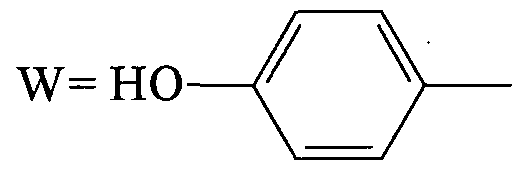


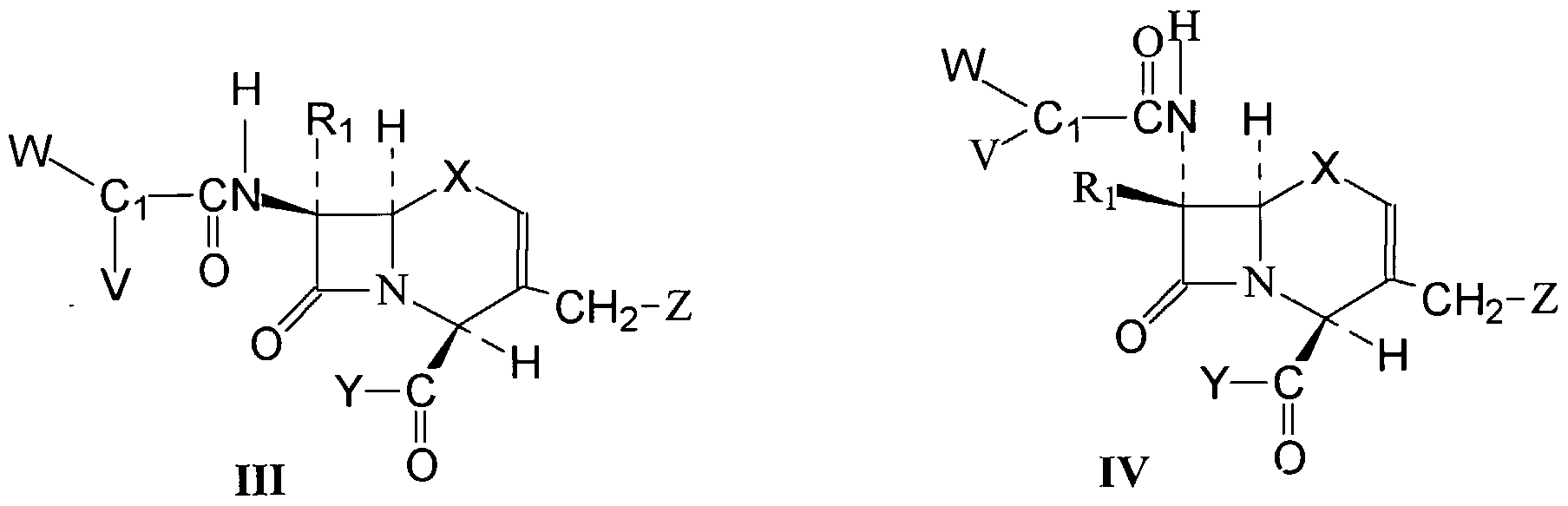


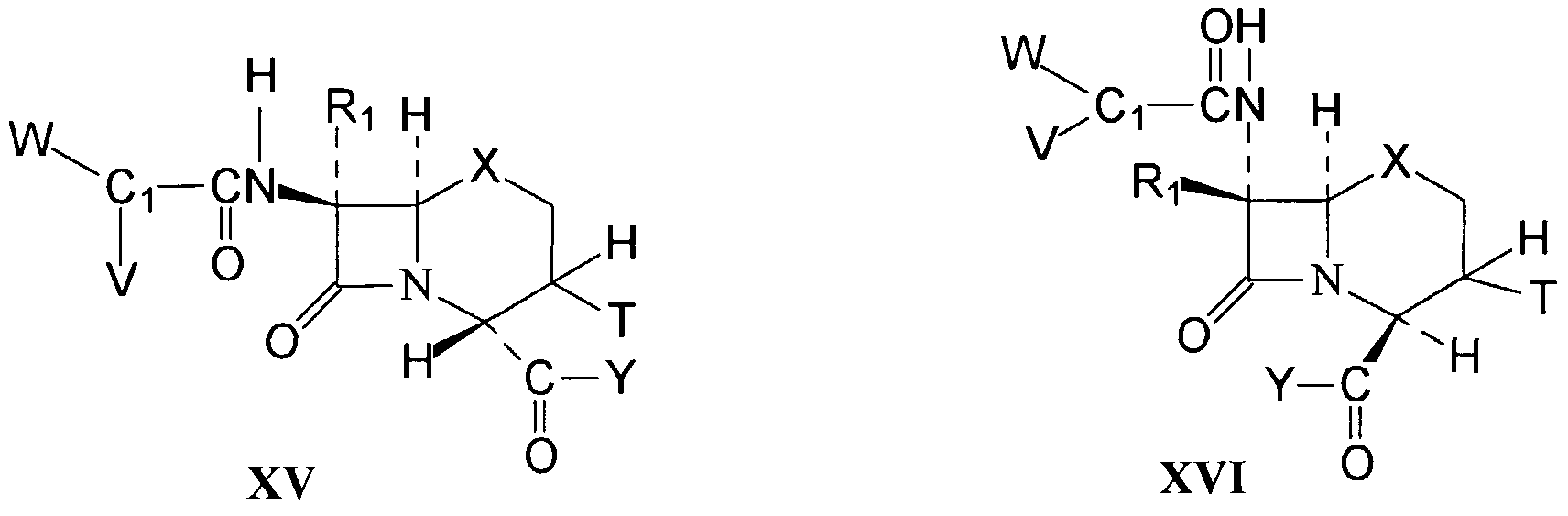


Claims


Priority Applications (7)
| Application Number | Priority Date | Filing Date | Title |
|---|---|---|---|
| JP2001516530A JP5049437B2 (en) | 1999-08-16 | 2000-08-16 | Composites and methods for neurotherapy |
| CA2383522A CA2383522C (en) | 1999-08-16 | 2000-08-16 | Neurotherapeutic composition and method |
| AU70598/00A AU7059800A (en) | 1999-08-16 | 2000-08-16 | Neurotherapeutic composition and method |
| BR0013366-3A BR0013366A (en) | 1999-08-16 | 2000-08-16 | Methods to treat a behavioral disorder, a human patient, prostate disease, anxiety and cognitive disorders in a human patient afflicted with a condition or willing to develop a condition distinguished at least in part by the concentration of abnormal extracellular glutamate in the brain or in other nervous tissue, behavioral disorder in human, canine, feline and equine species and a patient afflicted with or willing to develop a disease comprising abnormally high glutamate concentrations in neuronal tissue or elevated naaladase levels in prostate tissue and with multiple sclerosis and to enhance cognitive function, pharmaceutical formulation and uses of an inhibitor of peptidase activity of an acidic dipeptidase bound in n-acetylated alpha and a beta-lactam compound |
| AT00959244T ATE518540T1 (en) | 1999-08-16 | 2000-08-16 | NEUROTHERAPEUTIC COMPOSITION CONTAINING BETA-LACTAM COMPOUND |
| MXPA02001667A MXPA02001667A (en) | 1999-08-16 | 2000-08-16 | Neurotherapeutic composition and method. |
| EP00959244A EP1212055B1 (en) | 1999-08-16 | 2000-08-16 | Neurotherapeutic composition comprising a beta-lactam compound |
Applications Claiming Priority (8)
| Application Number | Priority Date | Filing Date | Title |
|---|---|---|---|
| US14911599P | 1999-08-16 | 1999-08-16 | |
| US60/149,115 | 1999-08-16 | ||
| US17245299P | 1999-12-17 | 1999-12-17 | |
| US60/172,452 | 1999-12-17 | ||
| US17657000P | 2000-01-18 | 2000-01-18 | |
| US60/176,570 | 2000-01-18 | ||
| US19453400P | 2000-04-04 | 2000-04-04 | |
| US60/194,534 | 2000-04-04 |
Publications (1)
| Publication Number | Publication Date |
|---|---|
| WO2001012184A1 true WO2001012184A1 (en) | 2001-02-22 |
Family
ID=27495857
Family Applications (2)
| Application Number | Title | Priority Date | Filing Date |
|---|---|---|---|
| PCT/US2000/022434 Ceased WO2001012171A2 (en) | 1999-08-16 | 2000-08-16 | Pharmaceutical compositions comprising clavulanic acid or derivative thereof for the treatment of behavioral diseases |
| PCT/US2000/022450 Ceased WO2001012184A1 (en) | 1999-08-16 | 2000-08-16 | Neurotherapeutic composition and method |
Family Applications Before (1)
| Application Number | Title | Priority Date | Filing Date |
|---|---|---|---|
| PCT/US2000/022434 Ceased WO2001012171A2 (en) | 1999-08-16 | 2000-08-16 | Pharmaceutical compositions comprising clavulanic acid or derivative thereof for the treatment of behavioral diseases |
Country Status (14)
| Country | Link |
|---|---|
| US (5) | US6610681B1 (en) |
| EP (3) | EP2305251A3 (en) |
| JP (2) | JP5049437B2 (en) |
| CN (1) | CN1382047A (en) |
| AT (2) | ATE319447T1 (en) |
| AU (2) | AU7059800A (en) |
| BR (1) | BR0013366A (en) |
| CA (3) | CA2746824A1 (en) |
| DE (1) | DE60026538T2 (en) |
| DK (1) | DK1206261T3 (en) |
| ES (1) | ES2258980T3 (en) |
| MX (1) | MXPA02001667A (en) |
| NZ (1) | NZ517663A (en) |
| WO (2) | WO2001012171A2 (en) |
Cited By (11)
| Publication number | Priority date | Publication date | Assignee | Title |
|---|---|---|---|---|
| WO2001012171A3 (en) * | 1999-08-16 | 2002-01-17 | Revaax Pharmaceuticals Llc | Pharmaceutical compositions comprising clavulanic acid or derivative thereof for the treatment of behavioral diseases |
| WO2003061605A3 (en) * | 2002-01-17 | 2003-12-31 | R E D Lab N V S A | Methods of treatment of chronic immune disease |
| EP1395664A4 (en) * | 2001-05-15 | 2004-11-03 | Psychogenics Inc | SYSTEMS AND METHODS FOR COMPUTER BEHAVIORAL CONTROL |
| JP2006510357A (en) * | 2002-11-22 | 2006-03-30 | ザ ジョーンズ ホプキンズ ユニバーシティ | Targets for the treatment of cognitive impairment |
| WO2006108055A1 (en) * | 2005-04-05 | 2006-10-12 | Yale University | Glutamate modulating agents in the treatment of mental disorders |
| AU2001291499B2 (en) * | 2000-09-29 | 2007-02-08 | Nucor Corporation | A method of producing steel |
| US9345691B2 (en) | 2011-09-21 | 2016-05-24 | Stem Cell Medicine Ltd. | Beta-lactam compounds for enhancing T cell-mediated immune responses |
| US9474744B2 (en) | 2011-09-21 | 2016-10-25 | Stem Cell Medicine Ltd. | Beta-lactam compounds for treating diabetes |
| US9770423B2 (en) | 2012-07-22 | 2017-09-26 | Indiana University Research And Technology Corporation | Modulation sAPP, sAAPα and BDNF levels in individuals diagnosed with FXS and ASD |
| CN108522431A (en) * | 2018-04-03 | 2018-09-14 | 葛仟鸿 | Determination method for influence of antibiotics on memory cognition of drosophila melanogaster |
| US10634677B2 (en) | 2013-10-14 | 2020-04-28 | Indiana University Research And Technology Corporation | Use of acamprosate to modulate ERK1/2 activation in animal models for FXS and ASD and individuals diagnosed with FXS and ASD |
Families Citing this family (41)
| Publication number | Priority date | Publication date | Assignee | Title |
|---|---|---|---|---|
| US6426342B2 (en) * | 1999-08-16 | 2002-07-30 | Revaax Pharmaceuticals, Llc | Use of β-lactamase inhibitors as neuroprotectants |
| US6489319B2 (en) * | 1999-08-16 | 2002-12-03 | Revaax Pharmaceuticals, Llc | Neurotherapeutic use of carboxypeptidase inhibitors |
| US20030013635A1 (en) * | 2001-04-11 | 2003-01-16 | Meyerhoff James L. | Method for the treatment of depression by inhibition of NAALADase |
| WO2002102378A1 (en) * | 2001-06-18 | 2002-12-27 | Revaax Pharmaceuticals, Llc | Therapeutic treatment for sexual dysfunction |
| AU2002342045C1 (en) * | 2001-10-12 | 2009-07-30 | Azevan Pharmaceuticals, Inc. | Beta-lactamyl vasopressin Vla antagonists |
| US6602911B2 (en) | 2001-11-05 | 2003-08-05 | Cypress Bioscience, Inc. | Methods of treating fibromyalgia |
| PT1485078E (en) * | 2002-03-15 | 2013-01-14 | Cypress Bioscience Inc | Milnacipran for the treatment of irritable bowel syndrome |
| JP2006504795A (en) * | 2002-10-03 | 2006-02-09 | サイプレス バイオサイエンス, インコーポレイテッド | Step-by-step escalation of antidepressant dosage to treat neurological disorders and daily divided doses |
| EP1611238B1 (en) * | 2003-02-26 | 2009-06-17 | The John Hopkins University | Glutamate transport modulatory compounds and methods |
| CA2536910A1 (en) * | 2003-08-25 | 2005-03-10 | Revaax Pharmaceuticals, Llc | Oral neurotherapeutic cefazolin compositions |
| AU2004285473A1 (en) * | 2003-10-21 | 2005-05-12 | Johns Hopkins University | Neuroprotection with beta-lactam compounds |
| CN104922117A (en) | 2005-03-22 | 2015-09-23 | 阿泽范药品公司 | Beta-lactamylalkanoic acids for treating premenstrual disorders |
| CA2615813C (en) * | 2005-07-19 | 2015-12-15 | Azevan Pharmaceuticals, Inc. | Beta-lactamyl phenylalanine, cysteine, and serine vasopressin antagonists |
| US7994220B2 (en) * | 2005-09-28 | 2011-08-09 | Cypress Bioscience, Inc. | Milnacipran for the long-term treatment of fibromyalgia syndrome |
| WO2008034032A2 (en) * | 2006-09-14 | 2008-03-20 | Azevan Pharmaceuticals, Inc. | Beta-lactam cannabinoid receptor modulators |
| CA2702257C (en) | 2007-10-09 | 2016-07-12 | Sopharmia, Inc. | Broad spectrum beta-lactamase inhibitors |
| KR20100101574A (en) * | 2007-10-26 | 2010-09-17 | 렉산 파마슈티컬스, 인코포레이티드 | Pharmaceutical formulation of clavulanic acid |
| US8101600B2 (en) * | 2008-12-23 | 2012-01-24 | Brookhaven Science Associates, Llc | Method of treating depression |
| US20100261700A1 (en) * | 2009-04-09 | 2010-10-14 | Larry Sutton | Beta-lactamase inhibitors |
| JP2012525427A (en) * | 2009-04-29 | 2012-10-22 | レクサン ファーマシューティカルズ インコーポレイテッド | Clavulanate formulation for neuroprotection and treatment of neurodegenerative diseases |
| AU2011272738B2 (en) | 2010-07-01 | 2015-08-20 | Azevan Pharmaceuticals, Inc. | Methods for treating post traumatic stress disorder |
| WO2013006808A2 (en) * | 2011-07-06 | 2013-01-10 | Rexahn Pharmaceuticals, Inc. | Clavulanic acid for treatment of restless legs syndrome |
| EP2768503A1 (en) * | 2011-07-26 | 2014-08-27 | Wockhardt Limited | Pharmaceutical compositions comprising beta-lactam antibiotic, sulbactam and beta-lactamase inhibitor |
| CA2842777C (en) * | 2011-07-26 | 2015-12-29 | Wockhardt Limited | Pharmaceutical compositions comprising sulbactam and beta-lactamase inhibitor |
| US8476425B1 (en) | 2012-09-27 | 2013-07-02 | Cubist Pharmaceuticals, Inc. | Tazobactam arginine compositions |
| US9975905B2 (en) | 2013-03-12 | 2018-05-22 | Gladius Pharmaceuticals Corporation | Derivatized 3-styryl-cephalosporins |
| US9872906B2 (en) | 2013-03-15 | 2018-01-23 | Merck Sharp & Dohme Corp. | Ceftolozane antibiotic compositions |
| US20140275000A1 (en) | 2013-03-15 | 2014-09-18 | Cubist Pharmaceuticals, Inc. | Ceftolozane pharmaceutical compositions |
| KR102329764B1 (en) | 2013-03-15 | 2021-11-23 | 머크 샤프 앤드 돔 코포레이션 | Ceftolozane antibiotic compositions |
| US10376496B2 (en) | 2013-09-09 | 2019-08-13 | Merck, Sharp & Dohme Corp. | Treating infections with ceftolozane/tazobactam in subjects having impaired renal function |
| US8906898B1 (en) | 2013-09-27 | 2014-12-09 | Calixa Therapeutics, Inc. | Solid forms of ceftolozane |
| BR112016022575A2 (en) | 2014-03-28 | 2017-08-15 | Azevan Pharmaceuticals Inc | COMPOSITIONS AND METHODS FOR THE TREATMENT OF NEURODEGENERATIVE DISEASES |
| WO2017218697A1 (en) * | 2016-06-17 | 2017-12-21 | The Trustees Columbia University In The City Of New York | Identification of compounds that target the rna-binding protein tia-1 an important regulator of stress vulnerability in both mice and humans |
| KR102790657B1 (en) | 2017-09-15 | 2025-04-02 | 아제반 파마슈티칼스, 인코퍼레이티드 | Compositions and methods for treating brain damage |
| EP4272831A3 (en) | 2018-08-09 | 2024-02-21 | Antabio SAS | Diazabicyclooctanones as inhibitors of serine beta-lactamases |
| US11905286B2 (en) | 2018-08-09 | 2024-02-20 | Antabio Sas | Diazabicyclooctanones as inhibitors of serine beta-lactamases |
| US12257307B2 (en) | 2019-06-24 | 2025-03-25 | Diverse Biotech, Inc. | β-lactam-cannabinoid conjugate molecules |
| CN112843034B (en) * | 2019-11-26 | 2022-08-23 | 亚瑟瑞智科技管理顾问股份有限公司 | Composition containing clavulanic acid and valproic acid and application thereof |
| WO2022102801A1 (en) * | 2020-11-10 | 2022-05-19 | 김현기 | Composition for improving cognitive ability and preventing and treating dementia and hyperactivity disorder, containing galla rhois extract and ampicillin as active ingredients |
| CN114767690B (en) * | 2022-06-22 | 2022-08-23 | 中国中医科学院中药研究所 | Application of cephalothin acid in preparation of antidepressant drug |
| CN117144006B (en) * | 2023-08-18 | 2025-02-18 | 大连医科大学附属第二医院 | LACTB gene and its application in diagnosis of prostate cancer |
Citations (15)
| Publication number | Priority date | Publication date | Assignee | Title |
|---|---|---|---|---|
| US4268503A (en) * | 1978-09-14 | 1981-05-19 | Fujisawa Pharmaceutical Co., Ltd. | Antibacterial composition |
| US4302447A (en) * | 1978-01-23 | 1981-11-24 | Efamol Limited | Pharmaceutical and dietary composition |
| US4323567A (en) | 1976-03-25 | 1982-04-06 | Masayuki Narisada | Arylmalonamido-1-oxadethiacephalosporins |
| US4594247A (en) * | 1981-12-21 | 1986-06-10 | Eli Lilly And Company | Synergistic antibacterial compositions and method of treatment of infections caused by multiple antibiotic-resistant organisms |
| WO1995020980A1 (en) * | 1994-02-02 | 1995-08-10 | The Regents Of The University Of California | Method for increasing bioavailability of oral pharmaceutical compositions |
| US5763603A (en) * | 1993-11-06 | 1998-06-09 | Taiho Pharmaceutical Co., Ltd. | Crystalline tazobactam, and its production and use |
| US5795877A (en) | 1996-12-31 | 1998-08-18 | Guilford Pharmaceuticals Inc. | Inhibitors of NAALADase enzyme activity |
| US5863536A (en) | 1996-12-31 | 1999-01-26 | Guilford Pharmaceuticals Inc. | Phosphoramidate derivatives |
| US5902817A (en) | 1997-04-09 | 1999-05-11 | Guilford Pharmaceuticals Inc. | Certain sulfoxide and sulfone derivatives |
| US5905076A (en) * | 1996-04-10 | 1999-05-18 | National Research Council Of Canada | 6-substituted amino-4-oxa-1-azabicyclo 3,2,0! heptan-7-one derivatives as cysteine protease inhibitors |
| US5912242A (en) * | 1995-07-27 | 1999-06-15 | Pharmacia & Upjohn S.P.A. | N-(4-substituted-benzyl)-2-aminolactam derivatives |
| US5962521A (en) | 1997-04-04 | 1999-10-05 | Guilford Pharmaceuticals Inc. | Hydroxamic acid derivatives |
| US5968915A (en) | 1996-06-17 | 1999-10-19 | Guilford Pharmaceuticals Inc. | Naaladase inhibitors |
| US5977090A (en) * | 1996-09-27 | 1999-11-02 | Guilford Pharmaceuticals Inc. | Pharmaceutical compositions and methods of treating compulsive disorders using NAALADase inhibitors |
| US6015809A (en) * | 1998-08-17 | 2000-01-18 | American Home Products Corporation | Photocyclized rapamycin |
Family Cites Families (70)
| Publication number | Priority date | Publication date | Assignee | Title |
|---|---|---|---|---|
| GB1508977A (en) | 1974-04-20 | 1978-04-26 | Beecham Group Ltd | Beta-lactam antibiotic from streptomyces clavuligerus |
| US4110165A (en) * | 1974-04-20 | 1978-08-29 | Beecham Group Limited | Process for the production of clavulanic acid |
| US4127118B1 (en) * | 1977-03-16 | 1995-12-19 | Alvaro Latorre | Method of effecting and enhancing an erection |
| US4234579A (en) * | 1977-06-07 | 1980-11-18 | Pfizer Inc. | Penicillanic acid 1,1-dioxides as β-lactamase inhibitors |
| JO984B1 (en) * | 1977-10-11 | 1979-12-01 | بيتشام غروب ليمتد | K-clavulanate/tri hydrate formulations |
| NZ189022A (en) * | 1977-12-08 | 1981-11-19 | Beecham Group Ltd | Pharmaceutically acceptable particles of clavulanates dispersed in a polymeric binder |
| US4302503A (en) * | 1978-05-17 | 1981-11-24 | Libbey-Owens-Ford Company | Architectural spandrel |
| US4349672A (en) * | 1979-11-29 | 1982-09-14 | Hoffmann-La Roche Inc. | Cephalosporin derivatives |
| NZ198241A (en) * | 1980-09-27 | 1983-12-16 | Beecham Group Ltd | Tablet containing amoxycillin and potassium clavulanate |
| US4824850A (en) | 1982-05-18 | 1989-04-25 | University Of Florida | Brain-specific drug delivery |
| US4880921A (en) | 1982-05-18 | 1989-11-14 | University Of Florida | Brain-specific drug delivery |
| US4900837A (en) | 1982-05-18 | 1990-02-13 | University Of Florida | Brain-specific drug delivery of steroid sex hormones cleaved from pyridinium carboxylates and dihydro-pyridine carboxylate precursors |
| US5525727A (en) | 1982-05-18 | 1996-06-11 | University Of Florida | Brain-specific drug delivery |
| US5187158A (en) | 1982-05-18 | 1993-02-16 | University Of Florida | Brain-specific drug delivery |
| US4540564A (en) | 1982-05-18 | 1985-09-10 | University Of Florida | Brain-specific drug delivery |
| US5008257A (en) | 1982-05-18 | 1991-04-16 | University Of Florida | Brain-specific drug delivery |
| JPS59104389A (en) * | 1982-12-06 | 1984-06-16 | Shionogi & Co Ltd | Oxacephem derivative |
| JPS59225182A (en) * | 1983-03-25 | 1984-12-18 | Yamanouchi Pharmaceut Co Ltd | Derivative of 2-azetidinone-4-carboxylic acid |
| US4628077A (en) | 1983-12-16 | 1986-12-09 | The Standard Oil Company | Preparation of polyamide with catalyst comprising transition metal attached to a ligand which contains electron withdrawing groups |
| US5082853A (en) | 1984-02-29 | 1992-01-21 | Bodor Nicholas S | Brain-specific analogues of centrally acting amines |
| US4771059A (en) | 1984-02-29 | 1988-09-13 | University Of Florida | Brain-specific analogues of centrally acting amines |
| US4933438A (en) | 1984-02-29 | 1990-06-12 | University Of Florida | Brain-specific analogues of centrally acting amines |
| JPS62106015A (en) * | 1985-10-31 | 1987-05-16 | Sumitomo Pharmaceut Co Ltd | Anti-demential agent |
| US5256652A (en) * | 1987-11-12 | 1993-10-26 | Pharmedic Co. | Topical compositions and methods for treatment of male impotence |
| US5552543A (en) | 1988-12-14 | 1996-09-03 | Simon Fraser University | Six-membered hetero "N" compounds |
| US5672683A (en) | 1989-09-07 | 1997-09-30 | Alkermes, Inc. | Transferrin neuropharmaceutical agent fusion protein |
| US5177064A (en) | 1990-07-13 | 1993-01-05 | University Of Florida | Targeted drug delivery via phosphonate derivatives |
| US5681812A (en) | 1991-12-10 | 1997-10-28 | Rush Presbyterian-St. Luke's Medical Center | Methods and compositions for reducing multidrug resistance |
| GB9201639D0 (en) * | 1992-01-25 | 1992-03-11 | Smithkline Beecham Plc | Pharmaceutical formulations |
| GB9215908D0 (en) * | 1992-07-27 | 1992-09-09 | Wellcome Found | Water dispersible tablets |
| IL106998A0 (en) | 1992-09-17 | 1993-12-28 | Univ Florida | Brain-enhanced delivery of neuroactive peptides by sequential metabolism |
| IL108499A (en) | 1993-02-04 | 2000-02-29 | Lilly Co Eli | Mammalian influx peptide transporter |
| US5643909A (en) | 1993-04-19 | 1997-07-01 | Syntex (U.S.A.) Inc. | 10,11-Methanodibenzosuberane derivatives |
| CN1081426C (en) * | 1993-10-20 | 2002-03-20 | Ntt移动通信网株式会社 | Mobile communication method |
| DE19509697A1 (en) | 1995-03-08 | 1996-09-12 | Schering Ag | New borneol ester of 3-amino-2-hydroxy-3-phenyl-propionic acid or deriv. |
| US5827537A (en) * | 1995-05-04 | 1998-10-27 | Smithkline Beecham Corporation | Pharmaceutical thermal infusion process |
| GB9518917D0 (en) | 1995-09-15 | 1995-11-15 | Smithkline Beecham Plc | Compounds |
| GB9525697D0 (en) * | 1995-12-15 | 1996-02-14 | Pharmacia Spa | Cephem derivatives |
| US6204260B1 (en) | 1996-02-23 | 2001-03-20 | Eli Lilly And Company | Non-peptidyl vasopressin V1a antagonists |
| US5804602A (en) | 1996-06-17 | 1998-09-08 | Guilford Pharmaceuticals Inc. | Methods of cancer treatment using naaladase inhibitors |
| US6384022B1 (en) * | 1996-06-17 | 2002-05-07 | Guilford Pharmaceuticals Inc. | Prodrugs of NAALAdase inhibitors |
| US5824662A (en) | 1996-09-27 | 1998-10-20 | Guilford Pharmaceuticals Inc. | Treatment of global and focal ischemia using naaladase inhibitors |
| US6046180A (en) * | 1996-06-17 | 2000-04-04 | Guilford Pharmaceuticals Inc. | NAALADase inhibitors |
| US6071965A (en) * | 1996-06-17 | 2000-06-06 | Guilford Pharmaceuticals Inc. | Phosphinic alkanoic acid derivatives |
| US6017903A (en) | 1996-09-27 | 2000-01-25 | Guilford Pharmaceuticals Inc. | Pharmaceutical compositions and methods of treating a glutamate abnormality and effecting a neuronal activity in an animal using NAALADase inhibitors |
| US6054444A (en) * | 1997-04-24 | 2000-04-25 | Guilford Pharmaceuticals Inc. | Phosphonic acid derivatives |
| WO1998013046A1 (en) * | 1996-09-27 | 1998-04-02 | Guilford Pharmaceuticals Inc. | Naaladase compositions and methods for treating glutamate abnormality and effecting neuronal activity in animals |
| ID18382A (en) * | 1996-09-27 | 1998-04-02 | Guilford Pharm Inc | PHARMACEUTICAL COMPOSITION AND METHODS FOR TREATMENT OF COMPULSIF DISORDERS USING NAALADASE INHIBITORS |
| AU5675998A (en) | 1997-01-23 | 1998-08-18 | Synphar Laboratories, Inc. | Substituted amino bicyclic-beta-lactam penam and cepham derivatives as cysteine protease inhibitors |
| EP0994707A4 (en) * | 1997-05-27 | 2001-11-14 | Guilford Pharm Inc | INHIBITORS OF NAALADASE ENZYMATIC ACTIVITY |
| US6075014A (en) * | 1997-06-13 | 2000-06-13 | Northwestern University | Inhibitors of β-lactamases and uses therefor |
| ES2161203T1 (en) | 1997-08-22 | 2001-12-01 | Purdue Research Foundation | DISCOVERY OF MEDICINES BY USE MIMETIC AFFINITIES OF MULTIPLE MEMBRANES. |
| WO1999036403A1 (en) | 1998-01-13 | 1999-07-22 | The Trustees Of The University Of Pennsylvania | Novel dopamine re-uptake inhibitors and methods of synthesizing and using the same |
| US6177421B1 (en) * | 1999-05-04 | 2001-01-23 | Fuisz International Ltd. | Amoxicillin and clavulanate composition |
| IE990159A1 (en) * | 1999-02-26 | 2000-09-20 | Fuisz Internat Ltd | Storage Stable Amoxycillin and Clavulanate Suspension Composition. |
| AU7497000A (en) | 1999-02-28 | 2000-11-14 | Washington University | Novel transduction molecules and methods for using same |
| WO2001002411A1 (en) * | 1999-07-06 | 2001-01-11 | Methylgene Inc. | SULFONAMIDOMETHYL PHOSPHONATE INHIBITORS OF β-LACTAMASE |
| WO2001012171A2 (en) * | 1999-08-16 | 2001-02-22 | Revaax Pharmaceuticals, Llc | Pharmaceutical compositions comprising clavulanic acid or derivative thereof for the treatment of behavioral diseases |
| US6426342B2 (en) * | 1999-08-16 | 2002-07-30 | Revaax Pharmaceuticals, Llc | Use of β-lactamase inhibitors as neuroprotectants |
| US6489319B2 (en) | 1999-08-16 | 2002-12-03 | Revaax Pharmaceuticals, Llc | Neurotherapeutic use of carboxypeptidase inhibitors |
| US20020013270A1 (en) * | 2000-06-05 | 2002-01-31 | Bolte Ellen R. | Method for treating a mental disorder |
| FR2811287B1 (en) * | 2000-07-04 | 2002-10-04 | Look Cycle Int | IMPROVED ADJUSTABLE POSITIONING CYCLE PEDAL |
| WO2002064147A1 (en) | 2001-02-13 | 2002-08-22 | Revaax Pharmaceuticals, Llc | Antibiotic compositon and method |
| WO2002102378A1 (en) | 2001-06-18 | 2002-12-27 | Revaax Pharmaceuticals, Llc | Therapeutic treatment for sexual dysfunction |
| SI21402A (en) * | 2003-02-12 | 2004-08-31 | LEK farmacevtska dru�ba d.d. | Lined particles and pharmaceutical forms |
| CA2536910A1 (en) | 2003-08-25 | 2005-03-10 | Revaax Pharmaceuticals, Llc | Oral neurotherapeutic cefazolin compositions |
| CA2576589C (en) * | 2004-08-13 | 2013-11-12 | Schering-Plough Ltd. | Pharmaceutical formulation comprising an antibiotic, a triazole and a corticosteroid |
| DE102006007830A1 (en) * | 2006-02-17 | 2007-08-30 | Grünenthal GmbH | Storage-stable oral dosage form of amoxicillin and clavulanic acid |
| US20080014257A1 (en) * | 2006-07-14 | 2008-01-17 | Par Pharmaceutical, Inc. | Oral dosage forms |
| JP2012525427A (en) * | 2009-04-29 | 2012-10-22 | レクサン ファーマシューティカルズ インコーポレイテッド | Clavulanate formulation for neuroprotection and treatment of neurodegenerative diseases |
-
2000
- 2000-08-16 WO PCT/US2000/022434 patent/WO2001012171A2/en not_active Ceased
- 2000-08-16 AT AT00955580T patent/ATE319447T1/en not_active IP Right Cessation
- 2000-08-16 AU AU70598/00A patent/AU7059800A/en not_active Abandoned
- 2000-08-16 JP JP2001516530A patent/JP5049437B2/en not_active Expired - Fee Related
- 2000-08-16 CA CA2746824A patent/CA2746824A1/en not_active Abandoned
- 2000-08-16 ES ES00955580T patent/ES2258980T3/en not_active Expired - Lifetime
- 2000-08-16 US US09/640,362 patent/US6610681B1/en not_active Expired - Lifetime
- 2000-08-16 US US09/640,363 patent/US6627625B1/en not_active Expired - Lifetime
- 2000-08-16 EP EP10181885A patent/EP2305251A3/en not_active Withdrawn
- 2000-08-16 DK DK00955580T patent/DK1206261T3/en active
- 2000-08-16 BR BR0013366-3A patent/BR0013366A/en not_active Application Discontinuation
- 2000-08-16 WO PCT/US2000/022450 patent/WO2001012184A1/en not_active Ceased
- 2000-08-16 NZ NZ517663A patent/NZ517663A/en not_active IP Right Cessation
- 2000-08-16 EP EP00955580A patent/EP1206261B1/en not_active Expired - Lifetime
- 2000-08-16 MX MXPA02001667A patent/MXPA02001667A/en active IP Right Grant
- 2000-08-16 DE DE60026538T patent/DE60026538T2/en not_active Expired - Lifetime
- 2000-08-16 CN CN00814380A patent/CN1382047A/en active Pending
- 2000-08-16 AT AT00959244T patent/ATE518540T1/en not_active IP Right Cessation
- 2000-08-16 CA CA2383522A patent/CA2383522C/en not_active Expired - Fee Related
- 2000-08-16 CA CA002380820A patent/CA2380820A1/en not_active Abandoned
- 2000-08-16 EP EP00959244A patent/EP1212055B1/en not_active Expired - Lifetime
- 2000-08-16 AU AU67763/00A patent/AU781218B2/en not_active Ceased
-
2003
- 2003-07-15 US US10/620,221 patent/US20040014739A1/en not_active Abandoned
- 2003-09-09 US US10/658,667 patent/US20040229857A1/en not_active Abandoned
-
2008
- 2008-01-23 US US12/018,542 patent/US7842683B2/en not_active Expired - Fee Related
-
2011
- 2011-05-16 JP JP2011109236A patent/JP2011201899A/en active Pending
Patent Citations (15)
| Publication number | Priority date | Publication date | Assignee | Title |
|---|---|---|---|---|
| US4323567A (en) | 1976-03-25 | 1982-04-06 | Masayuki Narisada | Arylmalonamido-1-oxadethiacephalosporins |
| US4302447A (en) * | 1978-01-23 | 1981-11-24 | Efamol Limited | Pharmaceutical and dietary composition |
| US4268503A (en) * | 1978-09-14 | 1981-05-19 | Fujisawa Pharmaceutical Co., Ltd. | Antibacterial composition |
| US4594247A (en) * | 1981-12-21 | 1986-06-10 | Eli Lilly And Company | Synergistic antibacterial compositions and method of treatment of infections caused by multiple antibiotic-resistant organisms |
| US5763603A (en) * | 1993-11-06 | 1998-06-09 | Taiho Pharmaceutical Co., Ltd. | Crystalline tazobactam, and its production and use |
| WO1995020980A1 (en) * | 1994-02-02 | 1995-08-10 | The Regents Of The University Of California | Method for increasing bioavailability of oral pharmaceutical compositions |
| US5912242A (en) * | 1995-07-27 | 1999-06-15 | Pharmacia & Upjohn S.P.A. | N-(4-substituted-benzyl)-2-aminolactam derivatives |
| US5905076A (en) * | 1996-04-10 | 1999-05-18 | National Research Council Of Canada | 6-substituted amino-4-oxa-1-azabicyclo 3,2,0! heptan-7-one derivatives as cysteine protease inhibitors |
| US5968915A (en) | 1996-06-17 | 1999-10-19 | Guilford Pharmaceuticals Inc. | Naaladase inhibitors |
| US5977090A (en) * | 1996-09-27 | 1999-11-02 | Guilford Pharmaceuticals Inc. | Pharmaceutical compositions and methods of treating compulsive disorders using NAALADase inhibitors |
| US5863536A (en) | 1996-12-31 | 1999-01-26 | Guilford Pharmaceuticals Inc. | Phosphoramidate derivatives |
| US5795877A (en) | 1996-12-31 | 1998-08-18 | Guilford Pharmaceuticals Inc. | Inhibitors of NAALADase enzyme activity |
| US5962521A (en) | 1997-04-04 | 1999-10-05 | Guilford Pharmaceuticals Inc. | Hydroxamic acid derivatives |
| US5902817A (en) | 1997-04-09 | 1999-05-11 | Guilford Pharmaceuticals Inc. | Certain sulfoxide and sulfone derivatives |
| US6015809A (en) * | 1998-08-17 | 2000-01-18 | American Home Products Corporation | Photocyclized rapamycin |
Non-Patent Citations (1)
| Title |
|---|
| P. PALOMEQUE ET AL., J. BIOCHEM., vol. 279, 1991, pages 223 - 230 |
Cited By (27)
| Publication number | Priority date | Publication date | Assignee | Title |
|---|---|---|---|---|
| US7842683B2 (en) | 1999-08-16 | 2010-11-30 | Revaax Pharmaceuticals, Llc | Neurotherapeutic compositions and method |
| WO2001012171A3 (en) * | 1999-08-16 | 2002-01-17 | Revaax Pharmaceuticals Llc | Pharmaceutical compositions comprising clavulanic acid or derivative thereof for the treatment of behavioral diseases |
| AU2001291499B2 (en) * | 2000-09-29 | 2007-02-08 | Nucor Corporation | A method of producing steel |
| US7580798B2 (en) | 2001-05-15 | 2009-08-25 | Psychogenics, Inc. | Method for predicting treatment classes using animal behavior informatics |
| EP1395664A4 (en) * | 2001-05-15 | 2004-11-03 | Psychogenics Inc | SYSTEMS AND METHODS FOR COMPUTER BEHAVIORAL CONTROL |
| US7882135B2 (en) | 2001-05-15 | 2011-02-01 | Psychogenics, Inc. | Method for predicting treatment classes using behavior informatics |
| US7269516B2 (en) | 2001-05-15 | 2007-09-11 | Psychogenics, Inc. | Systems and methods for monitoring behavior informatics |
| EP2246799A1 (en) | 2001-05-15 | 2010-11-03 | Psychogenics Inc. | Systems and methods for monitoring behaviour informatics |
| WO2003061605A3 (en) * | 2002-01-17 | 2003-12-31 | R E D Lab N V S A | Methods of treatment of chronic immune disease |
| US7754707B2 (en) * | 2002-01-17 | 2010-07-13 | R.E.D. Laboratories, N.V./S.A. | Methods of treatment of chronic immune disease |
| JP2007117092A (en) * | 2002-11-22 | 2007-05-17 | Johns Hopkins Univ | Targets for the treatment of cognitive impairment |
| EP1908850A1 (en) | 2002-11-22 | 2008-04-09 | The Johns Hopkins University | Target for therapy of cognitive impairment |
| EP1897959A1 (en) * | 2002-11-22 | 2008-03-12 | The Johns Hopkins University | Target for therapy of cognitive impairment |
| EP1567674A4 (en) * | 2002-11-22 | 2007-09-26 | Univ Johns Hopkins | TARGET FOR THE THERAPY OF A COGNITIVE DISORDER |
| JP2006510357A (en) * | 2002-11-22 | 2006-03-30 | ザ ジョーンズ ホプキンズ ユニバーシティ | Targets for the treatment of cognitive impairment |
| CN101249091A (en) * | 2002-11-22 | 2008-08-27 | 约翰斯·霍普金斯大学 | Targets for the treatment of cognitive impairment |
| US10052318B2 (en) | 2005-04-05 | 2018-08-21 | Yale University | Glutamate agents in the treatment of mental disorders |
| EP2201963A1 (en) * | 2005-04-05 | 2010-06-30 | Yale University | Glutamate modulating agents in the treatment of mental disorders |
| WO2006108055A1 (en) * | 2005-04-05 | 2006-10-12 | Yale University | Glutamate modulating agents in the treatment of mental disorders |
| US8778979B2 (en) | 2005-04-05 | 2014-07-15 | Yale University | Glutamate agents in the treatment of mental disorders |
| US11554117B2 (en) | 2005-04-05 | 2023-01-17 | Yale University | Glutamate agents in the treatment of mental disorders |
| US9345691B2 (en) | 2011-09-21 | 2016-05-24 | Stem Cell Medicine Ltd. | Beta-lactam compounds for enhancing T cell-mediated immune responses |
| US9474744B2 (en) | 2011-09-21 | 2016-10-25 | Stem Cell Medicine Ltd. | Beta-lactam compounds for treating diabetes |
| US9770423B2 (en) | 2012-07-22 | 2017-09-26 | Indiana University Research And Technology Corporation | Modulation sAPP, sAAPα and BDNF levels in individuals diagnosed with FXS and ASD |
| US10634677B2 (en) | 2013-10-14 | 2020-04-28 | Indiana University Research And Technology Corporation | Use of acamprosate to modulate ERK1/2 activation in animal models for FXS and ASD and individuals diagnosed with FXS and ASD |
| US11733243B2 (en) | 2013-10-14 | 2023-08-22 | Indiana University Research And Technology Corporation | Use of acamprosate to modulate ERK1/2 activation in animal models for FXS and ASD and individuals diagnosed with FXS and ASD |
| CN108522431A (en) * | 2018-04-03 | 2018-09-14 | 葛仟鸿 | Determination method for influence of antibiotics on memory cognition of drosophila melanogaster |
Also Published As
Similar Documents
| Publication | Publication Date | Title |
|---|---|---|
| US7842683B2 (en) | Neurotherapeutic compositions and method | |
| US20070249523A1 (en) | Neurotherapeutic composition and method therefor | |
| JP7245289B2 (en) | Methods of treating bacterial infections | |
| Wright | The penicillins | |
| JP2002504122A (en) | Beta-lactamase inhibitors and methods of use | |
| US20080044471A1 (en) | Neurotherapeutic compositions | |
| Vilvanathan | Penicillins, Cephalosporins, and other β-Lactam antibiotics | |
| CN113194943B (en) | Pharmaceutical composition containing cefotaxime sulbactam or cefotaxime tazobactam with stability and antibacterial activity | |
| WRIGHT et al. | The penicillins | |
| Green et al. | Emerging resistance to antibiotics: impact on respiratory infections in the outpatient setting | |
| ES2370260T3 (en) | NEUROTHERAPEUTIC COMPOSITION THAT INCLUDES A BETA-LACTAMA COMPOUND. | |
| Vaidya et al. | Chemistry and pharmacology of β-lactam analogs | |
| CN118766929A (en) | Use of chlorophenyl aryl-N-secondary amine compounds |
Legal Events
| Date | Code | Title | Description |
|---|---|---|---|
| AK | Designated states |
Kind code of ref document: A1 Designated state(s): AE AG AL AM AT AU AZ BA BB BG BR BY BZ CA CH CN CR CU CZ DE DK DM DZ EE ES FI GB GD GE GH GM HR HU ID IL IN IS JP KE KG KP KR KZ LC LK LR LS LT LU LV MA MD MG MK MN MW MX MZ NO NZ PL PT RO RU SD SE SG SI SK SL TJ TM TR TT TZ UA UG UZ VN YU ZA ZW |
|
| AL | Designated countries for regional patents |
Kind code of ref document: A1 Designated state(s): GH GM KE LS MW MZ SD SL SZ TZ UG ZW AM AZ BY KG KZ MD RU TJ TM AT BE CH CY DE DK ES FI FR GB GR IE IT LU MC NL PT SE BF BJ CF CG CI CM GA GN GW ML MR NE SN TD TG |
|
| 121 | Ep: the epo has been informed by wipo that ep was designated in this application | ||
| REG | Reference to national code |
Ref country code: DE Ref legal event code: 8642 |
|
| WWE | Wipo information: entry into national phase |
Ref document number: 2383522 Country of ref document: CA |
|
| WWE | Wipo information: entry into national phase |
Ref document number: PA/a/2002/001667 Country of ref document: MX |
|
| ENP | Entry into the national phase |
Ref document number: 2001 516530 Country of ref document: JP Kind code of ref document: A |
|
| WWE | Wipo information: entry into national phase |
Ref document number: 517662 Country of ref document: NZ |
|
| WWE | Wipo information: entry into national phase |
Ref document number: 2000959244 Country of ref document: EP Ref document number: 70598/00 Country of ref document: AU |
|
| ENP | Entry into the national phase |
Ref document number: 2002 2002106816 Country of ref document: RU Kind code of ref document: A |
|
| WWE | Wipo information: entry into national phase |
Ref document number: 008143803 Country of ref document: CN |
|
| WWP | Wipo information: published in national office |
Ref document number: 2000959244 Country of ref document: EP |
|
| REG | Reference to national code |
Ref country code: DE Ref legal event code: 8642 |
|
| WWP | Wipo information: published in national office |
Ref document number: 517662 Country of ref document: NZ |
|
| WWG | Wipo information: grant in national office |
Ref document number: 517662 Country of ref document: NZ |