WO2001074811A2 - Substituted 1,3-thiazole compounds, their production and use - Google Patents
Substituted 1,3-thiazole compounds, their production and use Download PDFInfo
- Publication number
- WO2001074811A2 WO2001074811A2 PCT/JP2001/002629 JP0102629W WO0174811A2 WO 2001074811 A2 WO2001074811 A2 WO 2001074811A2 JP 0102629 W JP0102629 W JP 0102629W WO 0174811 A2 WO0174811 A2 WO 0174811A2
- Authority
- WO
- WIPO (PCT)
- Prior art keywords
- group
- alkyl
- carbonyl
- atom
- compound
- Prior art date
- Legal status (The legal status is an assumption and is not a legal conclusion. Google has not performed a legal analysis and makes no representation as to the accuracy of the status listed.)
- Ceased
Links
- IVSZLXZYQVIEFR-UHFFFAOYSA-N Cc1cccc(C)c1 Chemical compound Cc1cccc(C)c1 IVSZLXZYQVIEFR-UHFFFAOYSA-N 0.000 description 6
- 0 *c1c(*)[s]c(*)n1 Chemical compound *c1c(*)[s]c(*)n1 0.000 description 5
- YYDNBUBMBZRNQQ-UHFFFAOYSA-N Cc(cc1)ccc1S(C)(=O)=O Chemical compound Cc(cc1)ccc1S(C)(=O)=O YYDNBUBMBZRNQQ-UHFFFAOYSA-N 0.000 description 3
- OSOUNOBYRMOXQQ-UHFFFAOYSA-N Cc1cccc(Cl)c1 Chemical compound Cc1cccc(Cl)c1 OSOUNOBYRMOXQQ-UHFFFAOYSA-N 0.000 description 2
- NIFJDTIKQVJOJC-UHFFFAOYSA-N CCC(C=CC(C)=C1)C=C1N Chemical compound CCC(C=CC(C)=C1)C=C1N NIFJDTIKQVJOJC-UHFFFAOYSA-N 0.000 description 1
- AUHZEENZYGFFBQ-UHFFFAOYSA-N Cc1cc(C)cc(C)c1 Chemical compound Cc1cc(C)cc(C)c1 AUHZEENZYGFFBQ-UHFFFAOYSA-N 0.000 description 1
- ORLGLBZRQYOWNA-UHFFFAOYSA-N Cc1cc(N)ncc1 Chemical compound Cc1cc(N)ncc1 ORLGLBZRQYOWNA-UHFFFAOYSA-N 0.000 description 1
- OGQWJMBRSUDXDK-UHFFFAOYSA-N Cc1cc(N2CCCC2)ncc1 Chemical compound Cc1cc(N2CCCC2)ncc1 OGQWJMBRSUDXDK-UHFFFAOYSA-N 0.000 description 1
- ZFBRKSGGMODDHD-UHFFFAOYSA-N Cc1ccnc(N2CCNCC2)c1 Chemical compound Cc1ccnc(N2CCNCC2)c1 ZFBRKSGGMODDHD-UHFFFAOYSA-N 0.000 description 1
Classifications
-
- C—CHEMISTRY; METALLURGY
- C07—ORGANIC CHEMISTRY
- C07D—HETEROCYCLIC COMPOUNDS
- C07D417/00—Heterocyclic compounds containing two or more hetero rings, at least one ring having nitrogen and sulfur atoms as the only ring hetero atoms, not provided for by group C07D415/00
- C07D417/02—Heterocyclic compounds containing two or more hetero rings, at least one ring having nitrogen and sulfur atoms as the only ring hetero atoms, not provided for by group C07D415/00 containing two hetero rings
- C07D417/04—Heterocyclic compounds containing two or more hetero rings, at least one ring having nitrogen and sulfur atoms as the only ring hetero atoms, not provided for by group C07D415/00 containing two hetero rings directly linked by a ring-member-to-ring-member bond
-
- A—HUMAN NECESSITIES
- A61—MEDICAL OR VETERINARY SCIENCE; HYGIENE
- A61P—SPECIFIC THERAPEUTIC ACTIVITY OF CHEMICAL COMPOUNDS OR MEDICINAL PREPARATIONS
- A61P11/00—Drugs for disorders of the respiratory system
-
- A—HUMAN NECESSITIES
- A61—MEDICAL OR VETERINARY SCIENCE; HYGIENE
- A61P—SPECIFIC THERAPEUTIC ACTIVITY OF CHEMICAL COMPOUNDS OR MEDICINAL PREPARATIONS
- A61P17/00—Drugs for dermatological disorders
-
- A—HUMAN NECESSITIES
- A61—MEDICAL OR VETERINARY SCIENCE; HYGIENE
- A61P—SPECIFIC THERAPEUTIC ACTIVITY OF CHEMICAL COMPOUNDS OR MEDICINAL PREPARATIONS
- A61P19/00—Drugs for skeletal disorders
-
- A—HUMAN NECESSITIES
- A61—MEDICAL OR VETERINARY SCIENCE; HYGIENE
- A61P—SPECIFIC THERAPEUTIC ACTIVITY OF CHEMICAL COMPOUNDS OR MEDICINAL PREPARATIONS
- A61P25/00—Drugs for disorders of the nervous system
-
- A—HUMAN NECESSITIES
- A61—MEDICAL OR VETERINARY SCIENCE; HYGIENE
- A61P—SPECIFIC THERAPEUTIC ACTIVITY OF CHEMICAL COMPOUNDS OR MEDICINAL PREPARATIONS
- A61P31/00—Antiinfectives, i.e. antibiotics, antiseptics, chemotherapeutics
-
- A—HUMAN NECESSITIES
- A61—MEDICAL OR VETERINARY SCIENCE; HYGIENE
- A61P—SPECIFIC THERAPEUTIC ACTIVITY OF CHEMICAL COMPOUNDS OR MEDICINAL PREPARATIONS
- A61P37/00—Drugs for immunological or allergic disorders
-
- A—HUMAN NECESSITIES
- A61—MEDICAL OR VETERINARY SCIENCE; HYGIENE
- A61P—SPECIFIC THERAPEUTIC ACTIVITY OF CHEMICAL COMPOUNDS OR MEDICINAL PREPARATIONS
- A61P9/00—Drugs for disorders of the cardiovascular system
Definitions
- the present invention relates to an excellent p38 MAP kinase inhibitor, a TNF- ⁇ production inhibitor, an adenosine receptor antagonist, and a selective phosphodiesterase IV (PDE IV) inhibitor and the like. More specifically, the present invention relates to a pharmaceutical composition comprising a 1,3-thiazole- based compound having an activity to prevent and/or treat cytokine-mediated diseases based on a p38 MAP kinase inhibiting activity, a TNF- ⁇ production inhibiting activity, a phosphodiesterase (PDE) inhibiting activity and the like, and to prevent and/or treat adenosine receptor mediated diseases based on an adenosine receptor antagonising activity.
- PDE IV selective phosphodiesterase IV
- Cytokines such as TNF- ⁇ (tumor necrosis factor- ⁇ ) , IL-1 (interleukin-1) and the like are biological substances produced by various cells such as mono ⁇ ytes, macrophages and the like in response to cellular stress such as infection and the like (Koj, A. , Biochim. Biophys. Acta, 1317, 84-94 (1996)). These cytokines play an important role in immune reactions when they are present in an appropriate amount, while it is believed that excess production thereof is related to a lot of inflammatory diseases (Dinarello, C.A., Curr. Opin. Immunol., 3, 941-948 (1991)).
- a p38 MAP kinase cloned as a homologue of a MAP kinase is concerned with control of the production of these cytokines, and with a signal transfer system coupled with a receptor, so inhibition of a p38 MAP kinase provides a possibility of a remedy for inflammatory diseases (Stein, B., Anderson, D., Annual Report in Medicinal Chemistry, Bristol, J. A. (ed.). Academic Press , 31, pp. 289 to 298, (1996)).
- imidazole derivatives are described in JP-A 7-50317 (WO 93/14081) and oxazole derivatives are described in JP-A 9-505055 (WO 95/13067), respectively.
- R 1 represents a cycloalkyl group, a cyclic amino group, an amino group optionally having one or two lower alkyls, phenyls, acetyls or lower alkoxycarbonylacetyls as a substituent, an alkyl group optionally having hydroxyl, ⁇ arboxyl or lower alkoxycarbonyl as a substituent , or a phenyl group optionally having carboxyl , 2-carboxyethenyl or 2-carboxy-l-propenyl as a substituent, R 2 represents a pyridyl group optionally having a lower alkyl as a substituent, and R 3 represents a phenyl group optionally having a lower alkoxy, lower alkyl, hydroxyl, halogen or methylenedioxy as a substituent, or a salt thereof, having analgesic, antipyretic, anti-inflammatory, antiul ⁇ er, thromboxane A 2 (TXA 2 (T
- R 1 represents an alkyl group, alkenyl group, aryl group, aralkyl group, cycloalkyl group, heterocyclic group having carbon as a connecting moiety, or amino group
- R represents a pyridyl group optionally substituted with an alkyl group
- R 3 represents a phenyl group optionally having a substituent , or a salt thereof , having analgesic , antipyretic, anti-inflammatory, antiulcer, TXA 2 synthase inhibitory, and antithrombotic activities (JP-A No. 61-10580) .
- R 1 represents an alkyl group, alkenyl group, aryl group, aralkyl group, cycloalkyl group, heterocyclic group having carbon as a connecting moiety, or amino group
- R 2 represents a pyridyl group optionally substituted with an alkyl group
- R 3 represents an aryl group optionally having a substituent , or a salt thereof , having analgesic , antipyretic, anti-inflammatory, antiulcer, TXA 2 synthase inhibitory, and antithrombotic activities (USP 4,612,321) .
- R 1 represents phenyl optionally having a substituent
- R 2 represents a C x _ 6 alkyl or (CH 2 ) n Ar (n is
- Ar is phenyl optionally having a substituent
- R 3 represents hydrogen or C x _ 4 alkyl
- R 4 represents hydrogen
- Ci. 4 alkyl or the like R 5 represents hydrogen or C 1 . 4 alkyl
- R 6 represents hydrogen, C 1-4 alkyl or the like, or a salt thereof, having a gastric acid secretion inhibitory activity (JP-A No. 7-503023, WO 93/15071).
- R 1 represents pyridyl or the like
- R 2 represents phenyl or the like
- R 3 and R 4 represent hydrogen or methyl
- R s represents methyl or the like
- R 6 represents hydrogen, methyl or the like, or a salt thereof, which are an anti-inflammatory agent and antiallergic agent (DE-A-3601411) .
- R 1 represents a lower alkyl substituted with a halogen
- R 2 represents pyridyl or the like
- R 3 represents phenyl or the like, or a salt thereof, having anti-inflammatory, antipyretic, analgesic and antiallergic activities (JP-A No. 5-70446).
- R represents a lower alkyl group; lower haloalkyl group; lower hydroxyalkyl group; lower alkoxy lower alkyl group; aralkyloxy lower alkyl group or the like
- R 1 represents a cycloalkyl group optionally substituted with a lower alkyl group and the like
- R 2 represents an aryl group optionally having a substituent , or the like , or a pharmaceutically acceptable salt thereof, having a TNF- ⁇ selective production inhibitory activity and/or IFN- ⁇ production inhibitory activity (JP-A No.11-49762).
- the present inventors have studied various compounds, and have found for the first time that 1,3-thiazole compounds having such specificity in chemical structure that the 5-position of a 1,3-thiazole skeleton is substituted with a 4-pyridyl group having a substituent including no aromatic group (hereinafter, sometimes abbreviated as compound (la)), 1,3-thiazole compounds having such specificity in chemical structure that the 5-position of a 1,3-thiazole skeleton is substituted with a pyridyl group having at the position adjacent to a nitrogen atom of the pyridyl group a substituent including no aromatic group (hereinafter, sometimes abbreviated as compound (lb)) or 1,3-thiazole compounds having such specificity in chemical structure that the 5-position of a 1,3-thiazole skeleton is substituted with a 4-pyridyl group having at the position adjacent to a nitrogen atom of the 4-pyridyl group a substituent including no aromatic group (hereinafter, sometimes abbrevi
- the present invention provides: [1] A 1,3-thiazole compound of which 5-position is substituted with a 4-pyridyl group having a substituent including no aromatic group, provided that the 1,3- thiazole compound is not N- [4- (3, 5-dimethylphenyl) -5- (2-hydroxy-4-pyridyl) -1, 3-thiazol-2-yl]acetamide or 4- [2- (acetylamino) -4- (3, 5-dimethylphenyl) -1 , 3-thiazol-5- yl]-2-pyridyl acetate, or a salt thereof;
- R 1 represents a hydrogen atom, a hydrocarbon group optionally having a substituent, a heterocyclic group optionally having a substituent, an amino group optionally having a substituent or an acyl group
- R 2 represents a 4-pyridyl group having a substituent including no aromatic group
- R 3 represents an aromatic group optionally having a substituent, or a salt thereof
- R la represents a hydrogen atom, a hydrocarbon group optionally having a substituent, a heterocyclic group optionally having a substituent, an amino group optionally having a substituent or an acyl group
- R 2a represents a pyridyl group having a substituent including no aromatic group, at a position adjacent to a nitrogen atom of the pyridyl group
- R 3a represents an aromatic group optionally having a substituent, or a salt thereof;
- [6] A compound as defined in any one of [1] to [5] wherein the substituent including no aromatic group is a halogen atom, C ⁇ alkylenedioxy, nitro, cyano, C x . 6 alkyl which may be halogenated, C 2 _ 6 alkenyl which may be halogenated, carboxy C 2 . 6 alkenyl, C 2 . 6 alkynyl which may be halogenated, C 3 _. 8 cycloalkyl which may be halogenated, C 3 . 8 cycloalkyl-Ci.g alkyl, alkoxy which may be halogenated, C 1 .
- the substituent including no aromatic group is a halogen atom, C ⁇ alkylenedioxy, nitro, cyano, C x . 6 alkyl which may be halogenated, C 2 _ 6 alkenyl which may be halogenated, carboxy C 2 . 6 alkenyl, C 2
- C 1 _ 6 alkyl- carbonyl which may be halogenated C 3 . 8 cycloalkyl- carbonyl optionally substituted by C x _ 6 alkyl, C x . 6 alkoxy-carbonyl, carbamoyl, thiocarbamoyl, mono-C ⁇ alkyl-carbamoyl, alkyl-carbamoyl, C x _ 6 alkylsulfonyl, C__ 6 alkylsulfinyl, formylamino, C x _ 6 alkyl-carbonylamino, C 3 .
- [ 7 ] A compound as defined in [ 2 ] or [ 4 ] wherein (1) the hydrocarbon group optionally having a substituent is a C ⁇ alkyl group, a C 2 _ 6 alkenyl group, a C 2 . 6 alkynyl group, a C 3 . a cycloalkyl group, a C 6 . 14 aryl group or a C 7 . 16 aralkyl group, optionally having a substituent selected from Group A of substituents consisting of oxo, a halogen atom, C ⁇ alkylenedioxy, nitro, cyano, C 1 _ 6 alkyl which may be halogenated, C 2 .
- the hydrocarbon group optionally having a substituent is a C ⁇ alkyl group, a C 2 _ 6 alkenyl group, a C 2 . 6 alkynyl group, a C 3 . a cycloalkyl group, a C 6 . 14 aryl
- 16 aralkylthio, amino, mono-Ci.g alkylamino, mono-C 6 . 14 arylamino, alkylamino, C 3 . 8 cycloalkylamino , di-C 6 . 14 arylamino, C 3 . 8 cycloalkyl-Ci.j alkylamino, N-C 3 . 8 cycloalkyl-N-C- L .g alkylamino, formyl, carboxy, C x . 6 alkyl-carbonyl which may be halogenated, C 3 .
- 16 aralkyloxy-carbonyl, 5- to 7-membered heterocyclic carbonyl containing 1 to 4 of 1 or 2 kinds of hetero atoms selected from a nitrogen atom, a sulfur atom and an oxygen atom in addition to carbon atoms , carbamoyl, thiocarbamoyl , alkyl-carbamoyl, alkyl-carbamoyl, mono-C 6 . 14 aryl-carbamoyl, di-C 6 .
- aryl-carbamoyl 5- to 7-membered heterocyclic carbamoyl containing 1 to 4 of 1 or 2 kinds of hetero atoms selected from a nitrogen atom, a sulfur atom and an oxygen atom in addition to carbon atoms, C x . 6 alkylsulfonyl, C 6 . 14 arylsulfonyl, Q. 1 _ 6 alkylsulfinyl, C 6 .
- the heterocyclic group optionally having a substituent is a 5- to 14-membered heterocyclic group containing 1 to 4 of 1 or 2 kinds of hetero atoms selected from a nitrogen atom, a sulfur atom and an oxygen atom in addition to carbon atoms, which optionally has a substituent selected from Group A of substituents ,
- R 6 alkynyl group a C 3 _ 8 cycloalkyl group , a C 6 _ 14 aryl group or a C 7 _ 16 aralkyl group, optionally having a substituent selected from Group A of substituents, or (3) a 5- to 14-membered heterocyclic group containing 1 to 4 of 1 or 2 kinds of hetero atoms selected from a nitrogen atom, a sulfur atom and an oxygen atom in addition to carbon atoms, which optionally has a substituent selected from Group A of substituents, R 6a represents a hydrogen atom or a alkyl group, and R 7a represents ® a alkyl group, a C 2 .
- an amino group optionally having 1 or 2 substituents selected from the group consisting of ⁇ a alkyl group, a C 2 . 6 alkenyl group, a C 2 . 6 alkynyl group, a C 3 . 8 cycloalkyl group, a C 6 . 14 aryl group.and a C 7 .
- a 5- to 7-membered aliphatic cyclic amino group optionally containing 1 to 4 of 1 or 2 kinds of hetero atoms selected from a nitrogen atom, a sulfur atom and an oxygen atom in addition to one nitrogen atom and carbon atoms, which optionally has a substituent selected from the group consisting of alkyl, C 6 . 14 aryl, alkyl-carbonyl which may be halogenated, alkoxy- carbonyl, 5- to 10-membered aromatic heterocyclic group containing 1 to 4 of 1 or 2 kinds of hetero atoms selected from a nxtrogen atom, a sulfur atom and an oxygen atom in addition to carbon atoms, and oxo,
- the substituent containing no aromatic group is a halogen atom, alkyl which may be halogenated, C 2 _ 6 alkenyl which may be halogenated, carboxy C 2 . s alkenyl, C 2 . 6 alkynyl which may be halogenated, C 3 _ 8 cycloalkyl which may be halogenated, C 3 - 8 cycloalkyl-C- L .g alkyl, C ⁇ _ 8 alkoxy which may be halogenated, C x _ 6 alkoxy-carbonyl-C__ 6 alkoxy, hydroxy, mercapto, alkylthio which may be halogenated, amino, ir.ono-C.
- alkyl- carbonyl which may be halogenated
- C 3 _ 8 cycloalkyl- carbonyl optionally substituted by alkyl, alkoxy-carbonyl, carbamoyl, thiocarbamoyl, mo o-C- L .g alkyl-carbamoyl, alkyl-carbamoyl, alkylsulfonyl, C 1 _ 6 alkylsulfinyl, formylamino, alkyl-carbonylamino, C 3 _ 8 cycloalkyl-carbonylamino which may be substituted by C _ 6 alkyl , alkoxy-carbonylamino , C 1 _ 6 alkylsulfonylamino , C 1 _ 6 alkyl-carbonyloxy, alkoxy-carbonyloxy, raono- .j alkylcarbamoyloxy, di-C ⁇ 6 alkyl-carbamo
- the aromatic group optxonally having a substituent is ⁇ a C 6 _ 14 mono-cyclic or fused poly-cyclic aromatic hydrocarbon group optionally having a substituent selected from Group A of substituents, or ⁇ a 5- to 14-membered aromatic heterocyclic group containing 1 to 4 of 1 or 2 kinds of hetero atoms selected from a nitrogen atom, a sulfur atom and an oxygen atom in addition to carbon atoms;
- R 1 represents (i) a hydrogen atom, (ii) a C__ 6 alkyl group optionally substituted by a substituent selected from the group consisting of a halogen atom, alkoxy-carbonyl, carboxy, cyano, C ______ alkylthio, alkylsulfinyl, alkylsulfonyl, hydroxy, alkoxy and alkyl-carbonyl, (iii) a C 6 _ 14 aryl group optionally having a substituent selected from the group consisting of a halogen atom and a group of the formula: -S(0) n -R lbb (wherein R lbb represents a C 1 _ 6 alkyl group, and n represents an integer of 0 to 2), (iv) a C 7 .
- aralkyl group- (v) an amino group optionally having one or two substituents selected from ® C; L _ 6 alkyl, C _ 6 alkyl-carbonyl, (3)5- to 7-membered heterocyclic-carbonyl containing 1 to 4 hetero atoms selected from the group consisting of a nitrogen atom, an oxygen atom and a sulfur atom, in addition to carbon atoms, optionally substituted with a halogen atom, C ⁇ 5 alkyl or alkoxy, ® C 6 _ 14 aryl-carbamoyl, ⁇ alkyl-carbamoyl which may be halogenated, ⁇ C ⁇ g alkoxy-carbonyl which may be halogenated, CD C.
- a C- L .g alkyl group (this C ⁇ alkyl may be substituted by a halogen atom, cyano, hydroxy, C 3 _ 8 cycloalkyl or 5- to 7-membered aliphatic heterocyclic group containing hetero atoms selected from a nxtrogen atom, an oxygen atom and a sulfur atom in addition to carbon atoms) ,
- this alkyl- carbonyl group may be substxtuted by a halogen atom, cyano , hydroxy, C 3 _ 8 cycloalkyl or 5- to 7-membered aliphatic heterocyclic group having 1 to 4 hetero atoms selected from a nitrogen atom, an oxygen atom and a sulfur atom in addition to carbon atoms),
- a 5- to 7-membered aliphatic heterocyclic- carbonyl group having 1 to 4 hetero atoms selected from a nitrogen atom, an oxygen atom and a sulfur atom in addition to carbon atoms this aliphatic heterocyclic-carbonyl group may be substituted by C- L _ 6 alkyl or C 1 . 6 alkyl-carbonyl
- a 5- to 7-membered aliphatic cyclic amino group optionally further containing hetero atoms selected from a nitrogen atom, an oxygen atom and a sulfur atom in addition to carbon atoms and one nitrogen atom (this aliphatic cyclic amino group may be substituted by C _ 6 alkyl or C- L _ 6 alkyl-carbonyl) ,
- R 3 is ® a C 6 _ 14 aryl group or ⁇ a 5- to 14-membered aromatic heterocyclic group preferably containing 1 to 4 of 1 or 2 kinds of hatero atoms selected from a nitrogen atom, a sulfur atom and an oxygen atom in addition to carbon atoms, which optionally has substituents selected from the group consisting of C- L _ 6 alkyl which may be halogenated, C__ 6 alkoxy, a halogen atom, carboxyl, C x _ s alkoxy-carbonyl, cyano, C___ 6 alkylthio and C__ s alkylsulfonyl;
- Rilb represents (i) a hydrogen atom, (ii) a C ⁇ g alkyl group optionally substituted by a substituent selected from the group consisting of a halogen atom, Ci.g alkoxy-carbonyl, carboxy, cyano, C 1 _ 6 alkylthio, C ⁇ _ 6 alkylsulfinyl, Ci.g alkylsulfonyl, hydroxy, Ci_ 6 alkoxy and C ⁇ _g alkyl-carbonyl, (iii) a C 6 .
- a substituent selected from the group consisting of a halogen atom, Ci.g alkoxy-carbonyl, carboxy, cyano, C 1 _ 6 alkylthio, C ⁇ _ 6 alkylsulfinyl, Ci.g alkylsulfonyl, hydroxy, Ci_ 6 alkoxy and C ⁇ _g alkyl-carbonyl, (iii) a C
- aryl group optionally having a substituent selected from the group consisting of a halogen atom and a group of the formula: -S(0) n - R ib ( R ib re p resen ts a Ci. g alkyl group, and n represents an integer of 0 to 2), (iv) a C 7 .
- aralkyl group (v) an amino group optionally having one or two substituents selected from ® Ci_ 6 alkyl, ⁇ Ci_ 6 alkyl-carbonyl, ® Ci_ 6 alkoxy-carbonyl, ® 5 - to 7-membered heterocyclic- carbonyl containing 1 to 4 hetero atoms selected from the group consisting of a nitrogen atom, an oxygen atom and a sulfur atom in addition to carbon atoms, optionally substituted with a halogen atom, Ci_ 6 alkyl or C ⁇ .
- R 2b represents a pyridyl group having at the position adjacent to a nitrogen atom of the pyridyl group a substituent selected from the group consisting of
- Ci.g alkyl group (this Ci_ 6 alkyl group may be substituted by a halogen atom, cyano, hydroxy, C 3 . 8 cycloalkyl or a 5- to 7-membered aliphatic heterocyclic group containing hetero atoms selected from a nitrogen atom, an oxygen atom and a sulfur atom in addition to carbon atoms ) ,
- Ci_ 6 alkyl group (this C ⁇ _ 6 alkyl group may be substituted by a halogen atom, cyano, hydroxy, C 3 _ 8 cycloalkyl or a 5- to 7-membered aliphatic heterocyclic group having 1 to 4 hetero atoms selected from a nitrogen atom, an oxygen atom and a sulfur atom in addition to carbon atoms) ,
- Ci_ 6 alkyl-carbonyl group (this Ci_ 6 alkyl- carbonyl group may be substituted by a halogen atom, cyano , hydroxy, C 3 _ 8 cycloalkyl or a 5- to 7-membered aliphatic heterocyclic group having 1 to 4 hetero atoms selected from a nitrogen atom, an oxygen atom and a sulfur atom in addition to carbon atoms),
- aliphatic heterocyclic group having 1 to 4 hetero atoms selected from a nitrogen atom, an oxygen atom and a sulfur atom in addition to carbon atoms (this aliphatic heterocyclic group may be substituted by Ci_ 6 alkyl or C ⁇ _ 6 alkyl-carbonyl) ,
- a 5- to 7-membered aliphatic heterocyclic- carbonyl group having 1 to 4 hetero atoms selected from a nitrogen atom, an oxygen atom and a sulfur atom in addition to carbon atoms (this aliphatic heterocyclic-carbonyl group may be substituted by Ci_ 6 alkyl or Ci_ 6 alkyl-carbonyl)
- a 5- to 7-membered aliphatic cyclic amino group optionally further containing 1 to 4 hetero atoms selected from a nitrogen atom, an oxygen atom and a sulfur atom in addition to carbon atoms and one nitrogen atom
- this saturated cyclic amino group may be substituted by Ci_ 6 alkyl or C 1 _ 6 alkyl-carbonyl)
- Ci_ 6 alkyl or Ci_ 6 alkyl-carbonyl a 5- to 7-membered aliphatic heterocyclic- carbonyl group having 1 to 4 hetero atoms selected from a nitrogen atom, an oxygen atom and a sulfur atom in
- R 3b represents ® a C 6 _ 14 aryl group or ⁇ a 5- to 14-membered aromatic heterocyclic group containing 1 to 4 of 1 or 2 kinds of hatero atoms selected from a nitrogen atom, a sulfur atom and an oxygen atom in addition to carbon atoms, which optionally has a substituent selected from the group consisting of C 1 _ 6 alkyl which may be halogenated, C ⁇ _ 6 alkoxy, a halogen atom, carboxyl, Ci_ 6 alkoxy-carbonyl, cyano, Ci_ 6 alkylthio and Ci_ 6 alkylsulfonyl, or a salt thereof;
- R lb is a C- L .g alkyl group optionally having a substituent selected from the group consisting of a halogen atom, hydroxy, Ci_ 6 alkoxy, Ci_ 6 alkylthio, Ci.g alkylsulfinyl and C- L _ 6 alkylsulfonyl
- R 2b is a 4-pyridyl group having a C x . 6 alkyl-carbonyl-amino group or a C 3 _ 8 cycloalkylamino group at the position adjacent to a nitrogen atom of the 4- pyridyl group
- R 3b is a C 6 . 14 aryl group which optionally has a substituent selected from the group consisting of Ci.g alkyl and a halogen atom;
- R lb is a C ⁇ _ 3 alkyl group optionally having a substituent selected from the group consisting of a halogen atom, hydroxy, C___ 6 alkoxy, Ci_ 6 alkylthio, Ci_ 6 alkylsulfinyl and Ci_ 6 alkylsulfonyl
- R 2b is a 4-pyridyl group having a Ci_ 3 alkyl-carbonyl-amino group or a C 3 .
- R 3b is a phenyl group which optionally has a substituent selected from the group consisting of methyl and a chlorine atom;
- R-C-NH 2 wherein R 1 is as defined in Claim 2 , or a salt thereof, or
- Hal represents a halogen atom
- R 2a and R 3a are as defined in Claim 4 , or a salt thereof with a compound represented by the formula:
- R la is as defined in Claim 4 , or a salt thereof;
- composition as defined in [18] which is a p38 MAP kinase inhibitor
- composition as defined in [18] which is a composition for preventing or treating a cytokine- madiated disease
- composition as defined in [18] which is a composition for preventing or treating adenosine receptor-mediated diseases
- composition as defined in [18] which is a composition for preventing or treating asthma or allergic diseases
- composition as defined in [18] which is a composition for preventing or treating inflammation, Addison's disease, autoimmune hemolytic anemia, Crohn's disease, psoriasis, rheumatism, spinal cord injury, multiple sclerosis, Alzheimer's disease, Parkinson's disease, amyotrophic lateral sclerosis, diabetes, arthritis, toxaemias, ulcerative colitis, chronic pneumonia, pulmonary silicosis, pulmonary sarcoidosis, lung tuberculosis, cachexia, arterial sclerosis, Creutzfeldt-Jakob disease, virus infection, atopic dermatitis, systemic lupus erythematosus , AIDS encephalopathy, meningitis, angina pectoris, myocardial infarction, congestive heart failure, hepatitis, transplant, dialysis hypotension or diffuse intravascular coagulation symdrome;
- composition as defined in [18] which is a composition for preventing or treating chronic rheumatoid arthritis or osteoarthritis;
- composition as defined in [18] which is a composition for preventing or treating cerebral edema, cerebrovascular disorder, head trauma, cerebral infarction or apoplectic stroke;
- a method for inhibiting p38 MAP kinase which comprises administering an effective amount of the compound as defined in any one of [1] to [5] or a pro-drug thereof to mammals;
- a method for inhibiting TNF- ⁇ production which comprises administering an effective amount of the compound as defined in any one of [1] to [5] or a pro-drug thereof to mammals ;
- a method for antagonizing an adenosine receptor which comprises administering an effective amount of the compound as defined in any one of [ 1 ] to [5] or a pro-drug thereof to mammals;
- a method for preventing or treating asthma or allergic diseases which comprises administering an effective amount of the compound as defined in any one of [1] to [5] or a pro-drug thereof to mammals;
- a method for preventing or treating inflammation Addison's disease, autoimmune hemolytic anemia, Crohn's disease, psoriasis, rheumatism, spinal cord injury, multiple sclerosis, Alzheimer's disease, Parkinson's disease, amyotrophic lateral sclerosis, diabetes, arthritis, toxaemias, ulcerative colitis, chronic pneumonia, pulmonary silicosis, pulmonary sarcoidosis, lung tuberculosis, ca ⁇ hexia, arterial sclerosis, Creutzfeldt-Jakob disease, virus infection, atopic dermatitis, systemic lupus erythematosus , AIDS encephalopathy, meningitis, angina pectoris , myocardial infarction, congestive heart failure, hepatitis, transplant, dialysis hypotension or diffuse intravascular coagulation symdrome which comprises administering an effective amount of the compound as defined in [1] to [5] or a pro-drug thereof to mammals
- a method for preventing or treating cerebral edema, cerebrovascular disorder, head trauma, cerebral infarction or apoplectic stroke which comprises administering an effective amount of the compound as defined in any one of [1] to [5] or a pro-drug thereof to mammals ;
- hydrocarbon group of the "hydrocarbon group optionally having a substituent" represented by R 5
- an acyclic or cyclic hydrocarbon group e.g. , alkyl, alkenyl, alkynyl, cycloalkyl, aryl, aralkyl and the like
- an acyclic or cyclic hydrocarbon group having 1 to 16 carbon atoms, etc. are preferable.
- a Ci_ 6 alkyl group e.g. , methyl, ethyl, propyl, isopropyl, butyl, isobutyl, sec-butyl, tert-butyl, pentyl, hexyl and the like, etc. are preferable.
- alkenyl for example, a C 2 . 6 alkenyl group (e.g., vinyl, allyl, isopropenyl, 1-butenyl, 2-butenyl, 3-butenyl, 2-methyl-2-propenyl, 1-methyl-2-propenyl, 2-methyl-1-propenyl and the like), etc. are preferable.
- a C 2 . 6 alkenyl group e.g., vinyl, allyl, isopropenyl, 1-butenyl, 2-butenyl, 3-butenyl, 2-methyl-2-propenyl, 1-methyl-2-propenyl, 2-methyl-1-propenyl and the like
- alkynyl for example, a C 2 _ 6 alkynyl group (e.g., ethynyl, propargyl, 1-butynyl, 2-butynyl, 3- butynyl, 1-hexynyl and the like), etc. are preferable.
- cycloalkyl for example, a C 3 _ 8 cycloalkyl group (e.g., cyclopropyl, cyclobutyl, cyclopentyl, cy ⁇ lohexyl and the like), etc. are preferable.
- aryl for example, a C 6 _ 14 aryl group (e.g. , phenyl, 1-naphthyl, 2-naphthyl, 2-biphenylyl, 3- biphenylyl, 4-biphenylyl, 2-anthryl and the like), etc. are preferable.
- aralkyl for example, a C 7 _ 16 aralkyl group
- substituents of the "hydrocarbon group optionally having a substituent" represented by R 5 for example, oxo, a halogen atom (e.g., fluorine, chlorine, bromine, iodine and the like), Ci_ 3 alkylenedioxy (e.g., methylenedioxy, ethylenedioxy and the like), nitro, cyano, Ci_ 6 alkyl which may be halogenated, C 2 . 6 alkenyl which may be halogenated, carboxy C 2 .
- a halogen atom e.g., fluorine, chlorine, bromine, iodine and the like
- Ci_ 3 alkylenedioxy e.g., methylenedioxy, ethylenedioxy and the like
- Ci_ 6 alkyl which may be halogenated, C 2 .
- 6 alkenyl which may be halogenated, carboxy C 2 .
- aryloxy e.g., phenyloxy, 1-naphthyloxy, 2-naphthyloxy and the like
- aralkyloxy e.g., benzyloxy. phenethyloxy and the like
- mer ⁇ apto e.g., benzyloxy. phenethyloxy and the like
- C ⁇ _ 6 alkylthio which may be halogenated, C 6 .
- arylthio e.g., phenylthio, 1-naphthylthio, 2-naphthylthio and the like
- C 7 _ 16 aralkylthio e.g., benzylthio, phenethylthio and the like
- amino, mono-Ci_ 6 alkylamino e.g., methylamino, ethylamino and the like
- raono-C 6 e.g., phenylthio, 1-naphthylthio, 2-naphthylthio and the like
- C 7 _ 16 aralkylthio e.g., benzylthio, phenethylthio and the like
- amino, mono-Ci_ 6 alkylamino e.g., methylamino, ethylamino and the like
- raono-C 6 e.g.
- arylamino e.g., phenylamino, 1-naphthylamino, 2-naphthylamino and the like
- di-Ci.g alkylamino e.g., dimethylamino, diethylamino, ethylmethylamino and the like
- C 3 . 8 cycloalkylamino e.g. , cyclopentylamino , ⁇ yclohexylamino and the like
- dx-Cg_ 14 arylamino e.g., diphenylamino and the like
- cycloalkyl-C ⁇ _ 6 alkylamino e.g., cyclopentylmethylamino, cyclohexylmethylamino , cy ⁇ lopentylethylamino, cyclohexylethylamino and the like
- N-C 3 _ 8 cycloalkyl- N-Ci e.g., N-C 3 _ 8 cycloalkyl- N-Ci.
- 6 alkylamino (N-cyclopentyl-N-methylamino, N- cyclohexyl-N-methylamino, N-cyclopentyl-N-ethylamino, N-cy ⁇ lohexyl-N-ethylamino and the like) , formyl, carboxy, carboxy-C 2 .g alkenyl, carboxy-C ⁇ _ 6 alkyl, C___. 6 alkyl- carbonyl which may be halogenated (e.g., a ⁇ etyl, propionyl, pivaloyl and the like), C 3 .
- halogenated e.g., a ⁇ etyl, propionyl, pivaloyl and the like
- C ⁇ _ 6 alkyl such as methyl, ethyl, etc.
- C ⁇ _ 6 alkyl such as methyl, ethyl, etc.
- Ci.g alkoxy-carbonyl e.g. , methoxycarbonyl , ethoxycarbonyl, propoxycarbonyl , tert-butoxycarbonyl and the like
- C 6 cycloalkyl- carbonyl optionally substituted by C ⁇ _ 6 alkyl such as methyl, ethyl, etc.
- aryl-carbonyl e.g., benzoyl, 1-naphthoyl, 2-naphthoyl and the like
- C 7 . 16 aralkyl-carbonyl e.g., phenylacetyl, 3- phenylpropionyl and the like
- C 6 . 14 aryloxy-carbonyl e.g., phenoxy ⁇ arbonyl and the like
- aralkyloxy-carbonyl e.g., benzyloxycarbonyl, phenethyloxycarbonyl and the like
- 5- to 7-membered heterocyclic carbonyl containing 1 to 4 of 1 or 2 kinds of hetero atoms selected from a nitrogen atom, a sulfur atom and an oxygen atom in addition to carbon atoms e.g.
- nicotinoyl isoni ⁇ otinoyl, thenoyl, furoyl, morpholinocarbonyl, thiomorpholinocarbonyl, piperazin-1-ylcarbonyl , pyrrolidin-1-ylcarbonyl and the like), carbamoyl, thiocarbamoyl , mono-C ⁇ _ 6 alkyl- carbamoyl (e.g. , methylcarbamoyl, ethylcarbamoyl, and the like), di-Ci.
- 6 alkyl-carbamoyl e.g., dimethylcarbamoyl , diethylcarbamoyl, ethylmethyl ⁇ arbamoyl and the like
- mono- or di-C 6 _ ⁇ 4 aryl-carbamoyl e.g., phenylcarbamoyl, 1- naphthylcarbamoyl, 2-naphthylcarbamoyl and the like
- arylsulfonyl e.g., phenylsulfonyl, 1-naphthylsulfonyl, 2-naphthylsulfonyl and the like
- C 6 _ ⁇ 4 arylsulfinyl e.g., phenylsulfinyl, 1-naphthylsulfinyl, 2-naphthylsulfinyl and the like
- formylamino Ci_ 6 alkyl-carbonylamino (e.g. , acetylamino, propionylamino , pivaloylamino and the like), C 3 .
- C _ 5 alkyl e.g. , cyclopropylcarbonylamino , ⁇ yclopentylcarbonylamino, cyclohexylcarbonylamino and the like
- C 6 . 14 aryl-carbonylamino e.g., benzoylamino, naphthoylamino and the like
- Ci.g alkoxy-carbonylamino e.g.
- alkylsulfonylamino e.g., methylsulfonylamino, ethylsulfonylamino and the like
- C 6 _ ⁇ 4 arylsulfonylamino e.g., phenylsulfonylamino, 2-naphthylsulfonylamino, 1-naphthylsulfonylamino and the like
- C- L _ 6 alkyl- carbonyloxy e.g.
- C 6 _ ⁇ 4 aryl-carbonyloxy e.g., benzoyloxy, naphthylcarbonyloxy and the like
- C ⁇ _ 6 alkoxy- carbonyloxy e.g., methoxycarbonyloxy, ethoxycarbonyloxy, propoxycarbonyloxy, butoxycarbonyloxy and the like
- mono-C ⁇ _ 6 alkyl- ⁇ arbamoyloxy e.g.
- methylcarbamoyloxy, ethylcarbamoyloxy and the like di-Ci.g alkyl- carbamoyloxy (e.g., dimethylcarbamoyloxy, diethylcarbamoyloxy and the like), mono- or di-C 6 .
- aryl-carbamoyloxy e.g., phenylcarbamoyloxy, naphthylcarba oyloxy and the like
- nicotinoyloxy isonicotinoyloxy
- 5- to 10-membered heterocyclic group containing 1 to 4 of 1 or 2 kinds of hetero atoms selected from a nitrogen atom, a sulfur atom and an oxygen atom in addition to carbon atoms e.g.
- hydrocarbon group may have, for example, the 1 to 5, preferably 1 to 3 above-mentioned substituents at substitutable positions, and when the number of the substituent is 2 or more, they may be the same or different .
- C ⁇ _ 6 alkyl which may be halogenated for example, C__ 6 alkyl (e.g. , methyl, ethyl, propyl, isopropyl, butyl, isobutyl, sec-butyl, tert- butyl, pentyl, hexyl and the like) which may have 1 to 5, preferably 1 to 3 halogen atoms (e.g., fluorine, chlorine ,. bromine , iodine and the like), etc. are exemplified.
- C__ 6 alkyl e.g. , methyl, ethyl, propyl, isopropyl, butyl, isobutyl, sec-butyl, tert- butyl, pentyl, hexyl and the like
- halogen atoms e.g., fluorine, chlorine ,. bromine , iodine and the like
- methyl, chloromethyl , difluoromethyl, trichloromethyl, trifluoromethyl, ethyl, 2-bromoethyl, 2,2,2- trifluoroethyl, pentafluoroethyl, propyl, 3,3,3- trifluoropropyl, isopropyl, butyl, 4 , 4 , 4-trifluorobutyl, isobutyl, sec-butyl, tert-butyl, pentyl, isopentyl, neopentyl, 5, 5, 5-trifluoropentyl, hexyl, 6,6,6- trifluorohexyl, etc. are exemplified.
- C ⁇ : 6 alkenyl which may be halogenated for example, C 2 . 6 alkenyl (e.g., vinyl, propenyl, isopropenyl, 2-buten-l-yl, 4-penten-l-yl, 5-hexen-l-yl and the like) which may have 1 to 5, preferably 1 to 3 halogen atoms (e.g. , fluorine, chlorine. bromine, iodine and the like), etc. are exemplified.
- C 2 . 6 alkenyl e.g., vinyl, propenyl, isopropenyl, 2-buten-l-yl, 4-penten-l-yl, 5-hexen-l-yl and the like
- halogen atoms e.g. , fluorine, chlorine. bromine, iodine and the like
- C 2 . 6 alkynyl which may be halogenated for example, C 2 . 6 alkynyl (e.g., 2- butyn-1-yl, 4-pentyn-l-yl, 5-hexyn-l-yl and the like) which may have 1 to 5, preferably 1 to 3 halogen atoms (e.g., fluorine, chlorine, bromine, iodine and the like) , etc. are exemplified.
- halogen atoms e.g., fluorine, chlorine, bromine, iodine and the like
- C 3 . 8 cycloalkyl which may be halogenated for example, C 3 . 8 cycloalkyl (e.g., cyclopropyl, cyclobutyl, cyclopentyl, cy ⁇ lohexyl and the like) which may have 1 to 5, preferably 1 to 3 halogen atoms (e.g., fluorine, chlorine, bromine, iodine and the like), etc. are exemplified.
- cyclopropyl, cyclobutyl, cyclopentyl, cyclohexyl, 4 , 4-dichlorocyclohexyl, 2,2,3,3- tetrafluorocyclopentyl, 4-chlorocyclohexyl, etc. are exemplified.
- C ⁇ _ 8 alkoxy which may be halogenated for example, C ⁇ _ 8 alkoxy (e.g., methoxy, ethoxy, propoxy, isopropoxy, butoxy, isobutoxy, sec- butoxy, pentyloxy, hexyloxy and the like) which may have 1 to 5, preferably 1 to 3 halogen atoms (e.g., fluorine, chlorine, bromine, iodine and the like), etc. are exemplified.
- halogen atoms e.g., fluorine, chlorine, bromine, iodine and the like
- methoxy, difluoromethoxy, trifluoromethoxy, ethoxy, 2,2,2- trifluoroethoxy, propoxy, isopropoxy, butoxy, 4,4,4- trifluorobutoxy, isobutoxy, sec-butoxy, pentyloxy, hexyloxy, etc. are exemplified.
- Ci_ 6 alkylthio which may be halogenated
- Ci_ 6 alkylthio e.g., methylthio, ethylthio, propylthip, isopropylthio, butylthio, sec-butylthio, tert-butylthio and the like
- halogen atoms e.g. , fluorine, chlorine, bromine, iodine and the like
- methylthio, difluoromethylthio, trifluoromethylthio, ethylthio, propylthio, isopropylthio, butylthio, 4, 4, 4-trifluorobutylthio, pentylthio, hexylthio, etc. are exemplified.
- 5- to 7-membered aliphatic heterocyclic group containing 1 to 4 of 1 or 2 kinds of hetero atoms selected from a nitrogen atom, a sulfur atom and an oxygen atom in addition to carbon atoms are exemplified, and as specific examples thereof, 1-pyrrolidinyl, 2- pyrrolidinyl , 3-pyrrolidinyl, piperidino, 2-piperidyl, 3-piperidyl, 4-piperidyl, 1-piperazinyl, 2-piperazinyl, 3-piperazinyl, 4-piperazinyl, morpholino, 2-morpholinyl, 3-morpholinyl, thiomorpholino, 2-thiomorpholinyl, 3- thiomorpholinyl, hexahydroazepin-1-yl
- substituted of the above-mentioned "5- to 7-membered aliphatic heterocyclic group optionally having a substituent"
- substituent for example, 1 to 3 of C ⁇ _ 6 alkyl (e.g. , methyl, ethyl, propyl, isopropyl, butyl, isobutyl, sec-butyl, tert-butyl, pentyl, hexyl and the like), C 6 . 14 aryl (e.g.
- C__ 6 alkyl-carbonyl e.g., acetyl, propionyl and the like
- Ci_ 6 alkoxy-carbonyl e.g., methoxycarbonyl , ethoxycarbonyl , propoxycarbonyl
- 5- to 10-membered aromatic heterocyclic group e.g., 2- thienyl, 3-thienyl, 2-pyridyl, 3-pyridyl, 4-pyridyl, 2-quinolyl, 3-quinolyl, 4-quinolyl, 5-quinolyl, 8- quinolyl, 1-isoquinolyl, 3-isoquinolyl, 4-isoquinolyl, 5-isoquinolyl, 1-indolyl, 2-indolyl
- heterocyclic group of the “heterocyclic group optionally having a substituent” represented by R 5
- a 5- to 14-membered (monocyclic, bicyclic or tricyclic) heterocyclic ring which may contain 1 to 4 of 1 or 2 kinds of hetero atoms selected from a nitrogen atom, a sulfur atom and an oxygen atom in addition to carbon atoms
- mono-valent groups obtained by removing any one hydrogen atom from (i) a 5- to 14-membered (preferably, 5- to 10-membered) aromatic heterocyclic ring, (ii) a 5- to 10-membered aliphatic heterocyclic ring or (iii) a 7- to 10-membered bridged heterocyclic ring, etc. are exemplified.
- an aromatic heterocyclic ring such as thiophene, benzo[b] thiophene, benzo[b]furan, benzimidazole, benzoxazole, benzothiazole, benzisothiazole, naphtho [2, 3-b] thiophene, furan, pyrrole, imidazole, pyrazole, pyridine, pyrazine, pyrimidine, pyridazine, indole, isoindole, lH-indazole, purine, 4H-quinolidine, isoquinoline, quinoline, phthalazine, naphthylidine , quinoxaline, quinazoline, cinnoline, carbazole, ⁇ -carboline, phenanthridine, acridine, phenazine, thi
- heterocyclic group is preferably a 5- to 14-membered (preferably, 5- to 10- membered) (monocyclic or bicyclic) heterocyclic group which contains preferably 1 to 4 of 1 or 2 kinds of hetero atoms selected from a nitrogen atom, a sulfur atom and an oxygen atom in addition to carbon atoms .
- an aromatic heterocyclic group such as, for example, 2-thienyl, 3-thienyl, 2-furyl, 3-furyl, 2-pyridyl, 3- pyridyl, 4-pyridyl, 2-quinolyl, 3-quinolyl, 4-quinolyl, 5-quinolyl, 8-quinolyl, 1-isoquinolyl, 3-isoquinolyl, 4-isoquinolyl, 5-isoquinolyl, pirazinyl, 2-pyrimidinyl, 4-pyrimidinyl, 3-pyrrolyl, 2-imidazolyl, 3-pyridazinyl, 3-isothiazolyl, 3-isooxazolyl, 1-indolyl, 2-indolyl, 3-indolyl, 2-benzothiazolyl, 2-benzo[b] thienyl, 3- benzo[b] thienyl, 2-benzo[b]furanyl, 3-benzo[b]furanyl and the like, and aliphatic heterocyclic
- a 5- or 6-membered heterocyclic group containing 1 to 3 hetero atoms selected from a nitrogen atom, a sulfur atom and an oxygen atom in addition to carbon atoms are further preferable.
- heterocyclic group may have, for example, 1 to 5, preferably 1 to 3 of the above- mentioned substituents at substitutable positions, and when the number of the substituent is 2 or more, they may be the same or different .
- Ci_ 6 alkyl group represented by R 5 , for example, methyl, ethyl, propyl, isopropyl, butyl, isobutyl, sec-butyl, tert-butyl, pentyl, hexyl, etc. are exemplified.
- hydrocarbon group optionally having a substituent and heterocyclic group optionally having a substituent represented by R 7
- the above-mentioned "hydrocarbon group optionally having a substituent” and “heterocyclic group optionally having a substituent” represented by R 5 are exemplified, respectively.
- heterocyclic group optionally having a substituent represented by R 1 and R la
- the “heterocyclic group optionally having a substituent” represented by R 5 is exemplified.
- amino group optionally having a substituent represented by R 1 and R la
- (1) an amino group optionally having 1 or 2 substituents and (2) a cyclic amino group optionally having a substituent are exemplified.
- alkylidene group of the above-mentioned “alkylidene group optionally having a substituent”
- C _ 6 alkylidene e.g., methylidene, ethylidene, propylidene and the like
- substituted for example, 1 to 5, preferably 1 to 3 of the same moieties as for the "substituent” of the above-mentioned "hydrocarbon group optionally having a substituent” represented by R 5 are exemplified.
- cyclic amino group of the above-mentioned " (2) cyclic amino group optionally having a substituent” , for example, a 5- to 7-membered aliphatic cyclic amino group which may contain 1 to 4 of 1 or 2 kinds of hetero atoms selected from a nitrogen atom, a sulfur atom and an oxygen atom in addition to one nitrogen atom and carbon atoms are exemplified, and as specific examples thereof, 1-pyrrolidinyl, piperidino, 1-piperazinyl, morpholino, thiomorpholino, hexahydroazepin-1-yl, 1-imidazolidinyl, 2, 3- ihydro-(1H) -imidazolyl, tetrahydro-l( 2H) - pyrimidinyl, 3, 6-dihydro-1(2H) -pyrimidinyl, 3,4- dihydro-l(2H) -pyrimidinyl, etc.
- the 5- to 7-membered aliphatic cyclic amino group having one oxo for example, 2-oxoimidazolidin-l-yl, 2-oxo-2 , 3-dihydro-lH- imidazol-1-yl, 2-oxoteterahydro-l(2H) -pyrimidinyl, 2 - oxo-3, 6-dihydro-l(2H) -pyrimidinyl, 2-oxo-3 , 4-dihydro- 1 (2H) -pyrimidinyl, 2-oxopyrrolidin-l-yl, 2- oxopiperidino, 2-oxopiperazin-l-yl, 3-oxopiperazin-l- yl, 2-OXO-2 , 3, 4, 5, 6 , 7-hexahydroazepin-l-yl, etc. are exemplified.
- alkyl group optionally having a substituent for example, a C ⁇ . 6 alkyl group (preferably. methyl, ethyl, propyl, butyl and the like) optionally having 1 to 5 substituents selected from a halogen atom, carboxy, hydroxy, Ci.g alkoxy, C x _ 6 alkoxy-carbonyl, Ci_ 6 alkylthio, Ci_ 6 alkylsulfinyl, C 1 _ 6 alkylsulfonyl, and the like, etc. are preferably exemplified.
- aryl group optionally having a substituent for example, a C 6 _ ⁇ 4 aryl group (preferably, phenyl and the like) optionally having 1 to 5 substituents selected from a halogen atom, Ci_ 6 alkylthio, C 6 _ ⁇ 4 arylthio, Ci_ 6 alkylsulfinyl, C 6 . 14 arylsulfinyl, C ⁇ _ 6 alkylsulfonyl, C 6 _ ⁇ 4 arylsulfonyl, carboxy and the like, etc. are preferably exemplified.
- heterocyclic group of the “heterocyclic group optionally having a substituent"
- a 5- to 14-membered (monocyclic, bicyclic or tricyclic) heterocyclic group which contain 1 to 4 of 1 or 2 kinds of hetero atoms selected from a nitrogen atom, a sulfur atom and an oxygen atom in addition to carbon atoms are used, and of them, a 5- to 10-membered aliphatic heterocyclic group, a 5- to 7-membered aromatic heterocyclic group, etc. are preferable.
- substituents of the "heterocyclic group optionally having a substituent” for example, an oxo group, a Ci_ 6 alkyl group (e.g., methyl, ethyl, etc.), a C 6 -i 4 aryl group (e.g. , phenyl, etc. ) , a Ci_ 6 alkyl-carbonyl group (e.g., acetyl, etc.), a Ci_ 6 alkoxy-carbonyl group (e.g., methoxycarbonyl , ethoxycarbonyl , etc.) and the like are used, and the number of substituents is 1 to 3.
- a Ci_ 6 alkyl group e.g., methyl, ethyl, etc.
- C 6 -i 4 aryl group e.g. , phenyl, etc.
- Ci_ 6 alkyl-carbonyl group e.g., acetyl, etc.
- phenyl, naphthyl, fluorophenyl, chlorophenyl, etc. ⁇ a 5- to 7-membered aromatic heterocyclic group (e.g., pyridyl, thienyl, pyrrolyl, furyl, pyridazinyl, pyrimidinyl, etc.) which may be substituted by a halogen atom (e.g., fluorine, chlorine, bromine, etc.), optionally halogenated Ci_ 6 alkyl (e.g., methyl, ethyl, propyl, trifluoromethyl, etc.), Ci_g alkoxy group (e.g., methoxy, ethoxy, propoxy, butoxy, etc.), and the like are preferable.
- a halogen atom e.g., fluorine, chlorine, bromine, etc.
- Ci_ 6 alkyl e.g., methyl, ethyl, propyl, trifluoro
- R 1 or R la (i) a hydrogen atom, (ii) a Ci_ 6 alkyl group optionally substituted by a substituent selected from the group consisting of a halogen atom, Ci_ 6 alkoxy-carbonyl, carboxy, cyano, Ci_ 6 alkylthio, Ci_ 6 alkylsulfinyl, C ⁇ . 6 alkylsulfonyl, hydroxy, Ci_ 6 alkoxy and Ci_ 6 alkyl-carbonyl, (iii) a C 6 .
- a substituent selected from the group consisting of a halogen atom, Ci_ 6 alkoxy-carbonyl, carboxy, cyano, Ci_ 6 alkylthio, Ci_ 6 alkylsulfinyl, C ⁇ . 6 alkylsulfonyl, hydroxy, Ci_ 6 alkoxy and Ci_ 6 alkyl-carbonyl, (iii) a C 6 .
- aryl group optionally having a substituent selected from the group consisting of a halogen atom and a group of the formula: -S(0) n - R ibb ( R ibb repr s nts a c ⁇ _, al k yl group, and n represents an integer of 0 to 2), (iv) a C 7 .
- aralkyl group (v) an amino group optionally having one or two substituents selected from ® Ci_ 6 alkyl, ⁇ Ci_ 6 alkyl-carbonyl, ® 5- to 7-membered heterocyclic-carbonyl containing 1 to 4 hetero atoms selected from the group consisting of a nitrogen atom, an oxygen atom and a sulfur atom in addition to carbon atoms, optionally substituted with a halogen atom, C ⁇ _ 6 alkyl or C _ 6 alkoxy, ® C 6 _ li aryl-carbamoyl, ⁇ Ci_ 6 alkyl-carbamoyl which may be halogenated, ⁇ Ci_ 6 alkoxy-carbonyl which may be halogenated, ® C ⁇ _ 6 alkoxy-carbamoyl and ® C 6 .
- Ci.g alkyl group represented by R 1 or R la for example, methyl, ethyl, propyl, isopropyl, butyl, isobutyl, sec-butyl, tert-butyl, pentyl, hexyl, etc. are used, and particularly, Ci_ 4 alkyl groups such as methyl, ethyl, propyl, butyl and the like are preferable.
- halogen atom which is a substituent of the Ci.g alkyl group represented by R 1 or R la , for example, a fluorine atom, a chlorine atom, a bromine atom and an iodine atom are preferable.
- Ci.g alkoxy-carbonyl which is a substituent of the Ci.g alkyl group represented by R 1 or R la , for example, methoxycarbonyl, ethoxycarbonyl and the like are preferable.
- Ci.g alkylthio which is a substituent of the Ci.g alkyl group represented by R 1 or R la , for example. methylthio, ethylthio and the like are preferable.
- Ci.g alkylsulfinyl which is a substituent of the Ci_ 6 alkyl group represented by R 1 or R la , for example, methylsulfinyl, ethylsulfinyl and the like are preferable.
- Ci_ 6 alkylsulfonyl which is a substituent of the Ci.g alkyl group represented by R 1 or R la , for example, methylsulfonyl, ethylsulfonyl and the like are preferable.
- C__ 6 alkoxy which is a substituent of the C__ 6 alkyl group represented by R 1 or R la , for example, methoxy, ethoxy, propoxy and the like are preferable.
- Ci.g alkyl-carbonyl which is a substituent of the Ci.g alkyl group represented by R 1 or R la , for example, acetyl, propionyl and the like are preferable.
- Ci.g alkyl group represented by R lb for example, methyl, ethyl, propyl, isopropyl, butyl, isobutyl, sec-butyl, tert-butyl, pentyl, hexyl, etc. are used, and of them, Ci_ 4 alkyl groups such as methyl, ethyl, propyl, butyl and the like are preferable, and methyl is particularly preferable.
- C 6 _i 4 aryl group represented by R 1 or R la for example, phenyl, naphthyl, etc. are preferable, and of them, phenyl is particularly preferable.
- halogen atom which is a substituent of the C 6 _ ⁇ 4 aryl group represented by R 1 or R la , a fluorine atom, a chlorine atom, a bromine atom and an iodine atom are used.
- phenyl-Ci_ 3 alkyl groups such as benzyl, phenylethyl, phenylpropyl and the like are preferable.
- Ci.g alkyl group which is a substituent of an amino group represented by R 1 or R la for example, methyl , ethyl, propyl, isopropyl, butyl, isobutyl, sec-butyl, tert-butyl, pentyl, hexyl, etc. are used, and of them.
- C ⁇ _ 3 alkyl groups such as methyl, ethyl, propyl and the like are preferable, particularly, methyl is preferable.
- Ci.g alkyl-carbonyl which is a substituent of an amino group represented by R 1 or R la
- a Ci_ 3 alkyl-carbonyl group such as acetyl, propionyl and the like are preferable .
- heterocyclic-carbonyl containing 1 to 4 hetero atoms selected from the group consisting of a nitrogen atom, an oxygen atom and a sulfur atom in addition to carbon atoms which is a substituent of an amino group represented by R 1 or R la , for example, a 5- to 7-membered heterocyclic (e.g., furyl, thienyl, pyrrolyl, pyridyl, pyrimidinyl, pyridazinyl and the like) -carbonyl group containing 1 or 2 hetero atoms selected from the group consisting of a nitrogen atom, an oxygen atom and a sulfur atom, etc. are preferable.
- a 5- to 7-membered heterocyclic e.g., furyl, thienyl, pyrrolyl, pyridyl, pyrimidinyl, pyridazinyl and the like
- a halogen atom such as a chlorine atom and the like
- Ci_ 6 alkyl group such as methyl, ethyl and the like
- C ⁇ _ 6 alkoxy such as methoxy, ethoxy and the like are preferable .
- aryl-carbamoyl which is a substituent of an amino group represented by R 1 or R la , for example, phenyl-carbamoyl, etc. are preferable.
- Ci_ 6 alkyl-carbamoyl which may be halogenated which is a substituent of an amino group represented by R 1 or R la , for example, methylcarbamoyl, ethylcarbamoyl, propylcarbamoyl optionally substituted by a halogen atom (e.g., chlorine atom) and the like are preferable.
- a halogen atom e.g., chlorine atom
- Ci_g alkoxy-carbonyl which may be halogenated which is a substituent of an amino group represented by R 1 or R la , for example, methoxycarbonyl, ethoxycarbonyl , propoxycarbonyl optionally substituted by halogen atoms (e.g., a chlorine atom) and the like are preferable.
- Ci.g alkoxy-carbamoyl which is a substituent of an amino group represented by R 1 or R la , for example, methoxycarbamoyl, ethoxycarbamoyl , propoxycarbamoyl and the like are preferable.
- Cg_ 14 aryloxy-carbamoyl which is a substituent of an amino group represented by R 1 or R la , for example, phenyloxy-carbamoyl and the like are preferable.
- R 1 or R la As the 5- to 10-membered aliphatic heterocyclic group represented by R 1 or R la , for example, 1-pyrrolidinyl, 2-pyrrolidinyl, 3-pyrrolidinyl, 3-oxazolidinyl, 1- imidazolidinyl, 2-imidazolidinyl, 4-imidazolidinyl, 2-pyrazolidinyl, 3-pyrazolidinyl, 4-pyrazolidinyl, piperidino, 2-piperidyl, 3-piperidyl, 4-piperidyl, 1- piperazinyl, 2-piperazinyl, morpholino, thiomorpholino and the like, are used, and of them, 4-piperidyl, 1- piperazinyl, 3-oxazolidinyl, 1-imidazolidinyl and the like are preferable.
- C ⁇ _ 6 alkyl preferably, methyl, ethyl
- C 6 . 14 aryl preferably, phenyl
- Ci_ 6 alkyl-carbonyl preferably, acetyl
- Ci_ 6 alkoxy-carbonyl preferably, methoxycarbonyl, ethoxycarbonyl
- R 1 or R la 1-methyl-4- piperidyl, 4-methyl-1-piperazinyl, 2-oxo-3- oxazolidinyl, 2-oxo-l-imidazolidinyl, 2-oxo-3-phenyl- 1-imidazolidinyl and the like are preferable.
- Ci.g alkylthio which may be halogenated, amino, mono-Ci_ 6 alkylamino (e.g. , methylamino, ethylamino and the like) , di-Ci. 6 alkylamino (e.g., dimethylamino , diethylamino , ethylmethylamino and the like) , C 3 . 8 cycloalkylamino (e.g.
- C 3 _ 8 cycloalkyl-Ci.g alkylamino e.g., cy ⁇ lopentylmethylamino , cyclohexylmethylamino , cyclopentylethylamino , cyclohexylethylamino and the like
- N-C 3 _ 8 cycloalkyl- N-Ci_g alkylamino e.g., N-cyclopentyl-N-methylamino, N-cyclohexyl-N-methylamino, N-cyclopentyl-N- ethylamino, N-cyclohexyl-N-ethylamino and the like
- formyl carboxy, carboxy-C 2 .
- alkenyl carboxy-Ci_ 6 alkyl, Ci.g alkyl-carbonyl which may be halogenated (e.g., acetyl, propionyl, 2 , 2, 2-trifluoroacetyl, 3,3,3- trifluoropropionyl,2,2-difluoropropionyl and the like) , C 3 - 8 cycloalkyl-carbonyl optionally substituted by C ⁇ _ 6 alkyl (e.g., cyclopropylcarbonyl, cyclopentylcarbonyl, cyclohexylcarbonyl, 1-methyl-cyclohexyl-carbonyl and the like), C ⁇ _ 6 alkoxy-carbonyl (e.g., methoxycarbonyl, ethoxycarbonyl, propoxycarbonyl , tert-butoxycarbonyl and the like), carbamoyl, thiocarbamoyl, mono-C ⁇ _
- Ci_ 6 alkylsulfonyl e.g., methylsulfonyl, ethylsulfonyl and the like
- Ci_ 6 alkylsulfinyl e.g., methylsulfinyl, ethylsulfinyl and the like
- formylamino C ⁇ _ 6 alkyl-carbonylamino (e.g., acetylamino , propionylamino , pivaloylamino and the like )
- C 3 - 8 cycloalkyl-carbonylamino optionally substituted by Ci.
- Ci_ 6 alkyl which may be halogenated
- Ci_ 6 alkyl e.g. , methyl, ethyl, propyl, isopropyl, butyl, isobutyl, sec-butyl, tert- butyl, pentyl, hexyl and the like
- halogen atoms e.g., fluorine, chlorine, bromine, iodine and the like
- C 2 . 6 alkenyl which may be halogenated for example, C 2 . 6 alkenyl (e.g., vinyl, propenyl, isopropenyl, 2-buten-l-yl, 4-penten-l-yl, 5-hexen-l-yl and the like) which may have 1 to 5, preferably 1 to 3 halogen atoms (e.g. , fluorine , chlorine , bromine, iodine and the like), etc. are exemplified.
- C 2 . 6 alkenyl e.g., vinyl, propenyl, isopropenyl, 2-buten-l-yl, 4-penten-l-yl, 5-hexen-l-yl and the like
- halogen atoms e.g. , fluorine , chlorine , bromine, iodine and the like
- C 2 _ 6 alkynyl which may be halogenated for example, C 2 . 6 alkynyl (e.g., 2- butyn-1-yl, 4-pentyn-l-yl, 5-hexyn-l-yl and the like) which may have 1 to 5 , preferably 1 to 3 halogen atoms (e.g. , fluorine, chlorine, bromine, iodine and the like) , etc. are exemplified.
- C 2 . 6 alkynyl e.g., 2- butyn-1-yl, 4-pentyn-l-yl, 5-hexyn-l-yl and the like
- halogen atoms e.g. , fluorine, chlorine, bromine, iodine and the like
- C 3 . 8 cycloalkyl which may be halogenated for example, C 3 _ 8 cycloalkyl (e.g., cyclopropyl, cyclobutyl, cyclopentyl, cyclohexyl and the like) which may have 1 to 5, preferably 1 to 3 halogen atoms (e.g., fluorine, chlorine, bromine, iodine and the like), etc. are exemplified.
- cyclopropyl, cyclobutyl, cyclopentyl, cyclohexyl, 4, 4-dichlorocyclohexyl, 2,2,3,3- tetrafluorocyclopentyl, 4-chloro ⁇ yclohexyl, etc. are exemplified.
- Ci_ 8 alkoxy which may be halogenated
- Ci_ 8 alkoxy e.g., methoxy, ethoxy, propoxy, isopropoxy, butoxy, isobutoxy, see- butoxy, pentyloxy, hexyloxy and the like
- halogen atoms e.g., fluorine, chlorine, bromine, iodine and the like
- methoxy, difluoromethoxy, trifluoromethoxy, ethoxy, 2,2,2- trifluoroethoxy, propoxy, isopropoxy, butoxy, 4,4,4- trifluorobutoxy, isobutoxy, sec-butoxy, pentyloxy, hexyloxy, etc. are exemplified.
- C ⁇ _ 6 alkylthio which may be halogenated
- C ⁇ _ 6 alkylthio e.g., methylthio, ethylthio, propylthio, isopropylthio, butylthio, sec-butylthio, tert-butylthio and the like
- halogen atoms e.g., fluorine, chlorine, bromine, iodine and the like
- methylthio, difluoromethylthio, trifluoromethylthio, ethylthio, propylthio, isopropylthio, butylthio, 4,4, 4-trifluorobutylthio, pentylthio, hexylthio, etc. are exemplified.
- 5- to 7-membered aliphatic heterocyclic group containing 1 to 4 of 1 or 2 kinds of hetero atoms selected from a nitrogen atom, a sulfur atom and an oxygen atom in addition to carbon atoms are exemplified, and as specific examples thereof, 1-pyrrolidinyl, 2- pyrrolidinyl, 3-pyrrolidinyl, piperidino, 2-piperidyl, 3-piperidyl, 4-piperidyl, 1-piperazinyl, 2-piperazinyl, 3-piperazinyl, 4-piperazinyl, morpholino, 2-morpholinyl, 3-morpholinyl, thiomorpholino, 2-thiomorpholinyl, 3- thiomorpholinyl, hexahydroazepin-1-yl,
- substituted of the above-mentioned "5- to 7-membered aliphatic heterocyclic group optionally having a substituent"
- substituent for example, 1 to 3 of Ci_ 6 alkyl (e.g. , methyl, ethyl, propyl, isopropyl, butyl, isobutyl, sec-butyl, tert-butyl, pentyl, hexyl and the like), Ci_ 6 alkyl-carbonyl (e.g., acetyl, propionyl and the like), oxo, etc. are exemplified.
- Ci_ 6 alkyl e.g., methyl, ethyl, propyl, isopropyl, butyl, isobutyl, sec-butyl, tert-butyl, pentyl, hexyl and the like
- Ci_ 6 alkyl-carbonyl e.g., acetyl,
- R 1 or R l is an acetylamino group, and R 3 or R 3a is a 3,5-dimethylphenyl group.
- R 1 or R la is a Ci_ 6 alkyl-carbonylamino group, and R 3 or R 3a is a C 6 . 14 aryl group substituted by a Ci.g alkyl group, or
- R 1 or R la is an amino group optionally having a substituent
- R 3 or R 3a is an aromatic hydrocarbon group optionally having a substituent
- substituent containing no aromatic group a halogen atom (e.g., fluorine, chlorine, bromine, iodine and the like), C x _ 3 alkylenedioxy (e.g., methylenedioxy, ethylenedioxy and the like), nitro, cyano, Ci_ 6 alkyl which may be halogenated, C 2 . 6 alkenyl which may be halogenated, carboxy C 2 .
- alkylamino e.g., dimethylamino, diethylamino , ethylmethylamino and the like
- C 3 . 8 cycloalkylamino e.g. , cyclopentylamino, cyclohexylamino and the like
- cycloalkyl-N-Ci.g alkylamino e.g., N-cyclopentyl-N- methylamino, N- ⁇ yclohexyl-N-methylamino, N- cyclopentyl-N-ethylamino, N-cyclohexyl-N-ethylamino and the like
- formyl carboxy, carboxy-C 2 .
- C ⁇ _ 6 alkyl e.g., cyclopropylcarbonyl, cyclopentylcarbonyl, cyclohexylcarbonyl, 1-methyl-cyclohexyl-carbonyl and the like
- Ci_ 6 alkoxy-carbonyl e.g., methoxycarbonyl, ethoxycarbonyl, propoxy ⁇ arbonyl, tert-butoxycarbonyl and the like
- carbamoyl, thiocarbamoyl mono-C ⁇ _ 6 alkyl-carbamoyl (e.g.
- Ci_ 6 alkylsulfinyl e.g., methylsulfinyl, ethylsulfinyl and the like
- formylamino Ci_ 6 alkyl-carbonylamino (e.g., acetylamino, propionylamino , pivaloylamino and the like)
- C 3 - 8 cycloalkyl-carbonylamino optionally substituted by Ci.g alkyl
- a group obtained by connecting two or more e.g. , (i) Ci_g alkyl, (ii) amino, (iii) Ci_ 6 alkylamino, (iv) C 3 . 8 cycloalkylamino, (v) 5- to 7-membered aliphatic heterocyclic amino containing 1 to 4 hetero atoms selected from a nitrogen atom, a sulfur atom and an oxygen atom in addition to carbon atoms, (vi) Ci_ 6 alkyl-carbonyl amino, (vii) C 3 .
- substituents specifically, 1 to 3, preferably 1 or 2 substituents selected from the following (1) to (6), particularly (1) to (4) are preferably used.
- Ci_ 6 alkyl group e.g. , methyl, ethyl, propyl, isopropyl, butyl, isobutyl, sec-butyl, tert-butyl, pentyl, hexyl and the like, preferably a Ci_ 4 alkyl group such as methyl, ethyl, propyl, butyl and the like
- this Ci.g alkyl group may be substituted by a halogen atom, cyano , hydroxy, C 3 .
- cycloalkyl or a 5- to 7-membered aliphatic heterocyclic group containing hetero atoms selected from a nitrogen atom, an oxygen atom and a sulfur atom in addition to carbon atoms e.g., 1-pyrrolidinyl, 2- pyrrolidinyl, 3-pyrrolidinyl, piperidino, 2-piperidyl, 3-piperidyl, 4-piperidyl, 1-piperazinyl, 2-piperazinyl, 3-piperazinyl, 4-piperazinyl, morpholino, 2-morpholinyl, 3-morpholinyl, thiomorpholino, 2-thiomorpholinyl, 3- thiomorpholinyl, hexahydroazepin-1-yl and the like),
- halogen atom e.g., fluorine atom, chlorine atom, bromine atom, iodine atom
- amino group optionally having a substituent selected from the group consisting of the following ® to®:
- Ci.g alkyl group e.g., methyl, ethyl, propyl, isopropyl, butyl, isobutyl, sec-butyl, tert-butyl, pentyl, hexyl and the like, preferably C ⁇ _ 3 alkyl groups such as methyl, ethyl, propyl and the like
- this Ci_ 6 alkyl group may be substituted by a halogen atom, cyano, hydroxy, C 3 - 8 cycloalkyl or 5- to 7-membered aliphatic heterocyclic group containing 1 to 4 hetero atoms selected from a nitrogen atom, an oxygen atom and a sulfur atom in addition to carbon atoms (e.g., 1-pyrrolidinyl, 2- pyrrolidinyl, 3-pyrrolidinyl, piperidino, 2-piperidyl, 3-piperidyl, 4-piperidyl, 1-piperazinyl
- cycloalkyl group e.g., cyclopropyl, cyclobutyl, cyclopentyl, cyclohexyl and the like
- Ci.g alkyl-carbonyl group e.g., acetyl, propionyl, butyryl, valeryl, isovaleryl, 2- methylpropionyl, pivaloyl and the like
- this Ci_ 6 alkyl-carbonyl group may be substituted by a halogen atom, cyano, hydroxy, C 3 . 8 cycloalkyl or 5- to 7-membered aliphatic heterocyclic group optionally containing 1 to 4 hetero atoms selected from a nitrogen atom, an oxygen atom and a sulfur atom in addition to carbon atoms (e.g.
- Ci.g alkoxy-carbonyl group e.g., methoxycarbonyl , ethoxycarbonyl , propoxycarbonyl , butoxycarbonyl, isobutoxycarbonyl, se ⁇ -butoxycarbonyl, tert-butoxycarbonyl and the like
- alkoxy-carbonyl group e.g., methoxycarbonyl , ethoxycarbonyl , propoxycarbonyl , butoxycarbonyl, isobutoxycarbonyl, se ⁇ -butoxycarbonyl, tert-butoxycarbonyl and the like
- Ci_ 6 alkyl such as methyl, ethyl (e.g., cyclopropyl ⁇ arbonyl, cyclobutylcarbonyl , cyclopentyl ⁇ arbonyl, cyclohexylcarbonyl , 1-methyl- cyclohexylcarbonyl and the like),
- aliphatic heterocyclic group optionally having 1 to 4 hetero atoms selected from a nitrogen atom, an oxygen atom and a sulfur atom in addition to carbon atoms (e.g., 1-pyrrolidinyl, 2-pyrrolidinyl, 3-pyrrolidinyl, piperidino, 2-piperidyl, 3-piperidyl, (e.g, 4-piperidyl, 1-piperazinyl, 2-piperazinyl, 3- piperazinyl, 4-piperazinyl, morpholino, 2-morpholinyl, 3-morpholinyl, thiomorpholino, 2-thiomorpholinyl, 3- thiomorpholinyl , hexahydroazepin-1-yl, etc.).
- This aliphatic heterocyclic group may be substituted by Ci_
- alkyl e.g., methyl, ethyl
- C ⁇ _ 6 alkyl-carbonyl e.g., acetyl, propionyl
- ® a 5- to 7-membered aliphatic heterocyclic (e.g. , 1-pyrrolidinyl, 2-pyrrolidinyl, 3-pyrrolidinyl, piperidino, 2-piperidyl, 3-piperidyl, 4-piperidyl, 1- piperazinyl, 2-piperazinyl, 3-piperazinyl, 4- piperazinyl, morpholino, 2-morpholinyl, 3-morpholinyl, thiomorpholino, 2-thiomorpholinyl, 3-thiomorpholinyl, hexahydroazepin-1-yl, etc.
- Ci_ 6 alkyl e.g., methyl, ethyl
- Ci_ 6 alkyl e.g., methyl, ethyl
- alkyl-carbonyl e.g., acetyl, propionyl
- alkyl-carbonyl e.g., acetyl, propionyl
- a 5- to 7-membered aliphatic cyclic amino group which may contain further 1 to 4 hetero atoms selected from a nitrogen atom, an oxygen atom and a sulfur atom in addition to carbon atoms and one nitrogen atom (e.g. , 1-pyrrolidinyl, piperidino, morpholino, 1-piperazinyl and the like) .
- This aliphatic cyclic amino group may be substituted with C ⁇ _ 6 alkyl (e.g., methyl, ethyl), Ci_ 6 alkyl-carbonyl (e.g., acetyl, propionyl) and the like.
- ( 5 ) a hydroxyl group
- the "pyridyl group” represented by R 2 and R 2a may have, for example, 1 to 5, preferably 1 to 3 of the above-mentioned substituents at substitutable positions , and when the number of substituents is 2 or more, they may be the same or different. Further, an endocyclic nitrogen atom of the "pyridyl group” may be N-oxidized.
- aromatic group of the "aromatic group optionally having a substituent,” represented by R 3 and R 3 , an aromatic hydrocarbon group, an aromatic heterocyclic group, etc. are exemplified.
- aromatic hydrocarbon group for example, a monocyclic or fused polycyclic (bicyclic or tricyclic) aromatic hydrocarbon group having 6 to 14 carbon atoms are exemplified.
- C 6 . 14 aryl such as phenyl, 1-naphthyl, 2-naphthyl, 2-biphenylyl, 3-biphenylyl, 4-biphenylyl, 2-anthryl and the like, etc. are exemplified.
- aromatic heterocyclic group for example, a 5- or 14-membered (preferably, 5- or 10-membered) monocyclic or bicyclic aromatic heterocyclic groups preferably containing 1 to 4 of 1 or 2 kinds of hetero atoms selected from a nitrogen atom, a sulfur atom and an oxygen atom in addition to carbon atoms , are exemplified.
- an aromatic heterocylic group such as , for example, 2-thienyl, 3-thienyl, 2-furyl, 3-furyl, 2-pyridyl, 3-pyridyl, 4-pyridyl, 2-quinolyl, 3-quinolyl, 4-quinolyl, 5-quinolyl, 8-quinolyl, 1- isoquinolyl, 3-isoquinolyl, 4-isoquinolyl, 5- isoquinolyl, pirazinyl, 2-pyrimidinyl , 4-pyrimidinyl, 3-pyrrolyl, 2-imidazolyl, 3-pyridazinyl, 3-isothiazolyl, 3-isooxazolyl, 1-indolyl, 2-indolyl, 3-indolyl, 2- benzothiazolyl, 2-benzo[b] thienyl, 3-benzo[b] thienyl, 2-benzo[b]furanyl, 3-benzo[b]furanyl and the like, are exemp
- substituents of the above-mentioned "aromatic group optionally having a substituent” for example, 1 to 5, preferably 1 to 3 of the same moieties as for the "substituent” of the above-mentioned “hydrocarbon group optionally having a substituent” represented by R 5 are exemplified.
- the number of the substituents is two or more, these substituents may be the same or different. Further, adjacent two substituents may form a 4- to 7-membered aliphatic carbon ring. Preferable is a 5- or 6-membered aliphatic carbon ring.
- R 3 and R 3a preferably represent a C 6 _ 14 aryl group, or a 5- to 14-membered aromatic heterocyclic group preferably containing 1 to 4 of 1 or 2 kinds of hetero atoms selected from a nitrogen atom, a sulfur atom and an oxygen atom in addition to carbon atoms. More preferably, they represent a phenyl group optionally having a substituent or a thienyl group optionally having a substituent, and a phenyl group optionally having a substituent is particularly preferable.
- substituent on the Cg. 10 aryl group a phenyl group, a 5- to 14-membered aromatic heterocyclic group and a thienyl group, preferable are 1 to 3 substituents selected from a halogen atom, Ci_ 3 alkylenedioxy, Ci_ 6 alkyl which may be halogenated, carboxy C 2 .
- C ⁇ _ 3 alkoxy such as methoxy, ethoxy and the like
- carboxy Ci_ 6 alkoxy-carbonyl, cyano
- Ci_ 6 alkylthio e.g., methylthio, ethylthio
- C 1 . 6 alkylsulfonyl e.g., methylsulfonyl, ethylsulfonyl
- two alkyl groups adjacent as substituents may form a 5-membered aliphatic carbocyclic ring.
- R lb represents (i) a hydrogen atom, (ii) a Ci_ 6 alkyl group optionally substituted by a substituent selected from the group consisting of a halogen atom, C ⁇ _ 6 alkoxy-carbonyl, carboxy, cyano, Ci_ 6 alkylthio, Ci_ 6 alkylsulfinyl, Ci_ 6 alkylsulfonyl, hydroxy, Ci_ 6 alkoxy and Ci_ 6 alkyl-carbonyl, (iii) a C 6 _ ⁇ 4 aryl group optionally having a substituent selected from the group consisting of a halogen atom and a group represented by the formula: -S(0) n -R lbb (R l D represents a Ci_ 6 alkyl group, and n represents an integer of 0 to 2 ) , (iv) a C 7 .
- aralkyl group (v) an amino group optionally having one or two substituents selected from ® Ci_ 6 alkyl, ® Ci_ 6 alkyl- carbonyl, ® C- L _ 6 alkoxy-carbonyl, ® 5- to 7-membered heterocyclic-carbonyl containing 1 to 4, hetero atoms selected from the group consisting of a nitrogen atom, an oxygen atom and a sulfur atom, in addition to carbon atoms, optionally substituted with a halogen atom, Ci_ 6 alkyl group or Ci_ 6 alkoxy, ⁇ C 6 .
- Ci_ 6 alkyl-carbamoyl which may be halogenated
- ® Ci_ 6 alkoxy-carbonyl which may be halogenated
- R 2D represents a pyridyl group (preferably, 4- pyridyl group and this pyridyl group may be N-oxidized. ) having at the position adjacent to a nitrogen atom of the pyridyl group a substituent selected from the group (particularly, consisting of (1) to (4)) consisting of
- Ci.g alkyl group (this Ci_ 6 alkyl group may be substituted by a halogen atom, cyano, hydroxy, C 3 . 8 cycloalkyl or a 5- to 7-membered aliphatic heterocyclic group containing hetero atoms selected from a nitrogen atom, an oxygen atom and a sulfur atom in addition to carbon atoms) ,
- Ci_ 6 alkyl group may be substituted by halogen atoms, cyano, hydroxy, C 3 . 8 cycloalkyl or 5- to 7-membered aliphatic heterocyclic group having 1 to 4 hetero atoms selected from a nitrogen atom, an oxygen atom and a sulfur atom in addition to carbon atoms ) ,
- Ci. g alkyl-carbonyl group (this Ci_ 6 alkyl- carbonyl group may be substituted by halogen atoms , cyano , hydroxy, C 3 . 8 cycloalkyl or 5- to 7-membered aliphatic heterocyclic group having 1 to 4 hetero atoms selected from a nitrogen atom, an oxygen atom and a sulfur atom in addition to carbon atoms),
- aliphatic heterocyclic group having 1 to 4 hetero atoms selected from a nitrogen atom, an oxygen atom and a sulfur atom in addition to carbon atoms (this aliphatic heterocyclic group may be substituted by C ⁇ _ 6 alkyl or C__ 6 alkyl-carbonyl) ,
- ® a 5- to 7-membered aliphatic heterocyclic- carbonyl group having 1 to 4 hetero atoms selected from a nitrogen atom, an oxygen atom and a sulfur atom in addition to carbon atoms (this aliphatic heterocyclic-carbonyl group may be substituted by Ci_ 6 alkyl or Ci_ 6 alkyl-carbonyl) ,
- aliphatic cyclic amino group optionally further containing hetero atoms selected from a nitrogen atom, an oxygen atom and a sulfur atom in addition to carbon atoms and one nitrogen atom (this aliphatic cyclic amino group may be substituted by Ci_ 6 alkyl or Ci_ 6 alkyl-carbonyl) ,
- R 3b represents ® a C 6 . 14 aryl group or ⁇ a 5- to 14-membered aromatic heterocyclic group preferably containing 1 to 4 of 1 or 2 kinds of hetero atoms selected from a nitrogen atom, a sulfur atom and an oxygen atom in addition to carbon atoms, which optionally has a substituent selected from the group consisting of Ci_ 6 alkyl which may be halogenated, Ci_ 6 alkoxy, a halogen atom, carboxyl, Ci_ 6 alkoxy-carbonyl, cyano, Ci_ 6 alkylthio and Ci_g alkylsulfonyl.
- Ci.g alkyl group represented by R lb for example, methyl, ethyl, propyl, isopropyl, butyl, isobutyl, sec-butyl, tert-butyl, pentyl, hexyl, etc. are used, and particularly, a Ci_ 4 alkyl group such as methyl, ethyl, propyl, butyl and the like are preferable, and a C__ 3 alkyl group such as methyl, ethyl, propyl, etc. are particularly preferable.
- halogen atom which is a substituent of the Ci.g alkyl group represented by R lb , a fluorine atom, a chlorine atom, a bromine atom and an iodine atom and the like are used.
- Ci_g alkoxy-carbonyl which is a substituent of the C__ 6 alkyl group represented by R lD , for example, methoxycarbonyl, ethoxycarbony and the like are preferable.
- Ci.g alkylthio which is a substituent of the Ci.g alkyl group represented by R lb , for example, methylthio, ethylthio and the like are preferable.
- Ci.g alkylsulfinyl which is a substituent of the Ci.g alkyl group represented by R l , for example, methylsulfinyl, ethylsulfinyl and the like are preferable.
- Ci_ 6 alkylsulfonyl which is a substituent of the Ci.g alkyl group represented by R lb , for example, methylsulfonyl, ethylsulfonyl and the like are preferable.
- Ci.g alkoxy which is a substituent of the Ci_ 6 alkyl group represented by R lb , for example, methoxy, ethoxy, propoxy and the like are preferable.
- Ci_g alkyl-carbonyl which is a substituent of the Ci.g alkyl group represented by R lb , for example, acetyl, propionyl and the like are preferable.
- Ci.g alkyl group represented by R lb for example, methyl, ethyl, propyl, isopropyl, butyl, isobutyl, sec-butyl, tert-butyl, pentyl, hexyl, etc. are used, and particularly, a Ci_ 3 alkyl group such as methyl, ethyl, propyl and the like are preferable, particularly, methyl is preferable.
- C 6 _ ⁇ 4 aryl group represented by R lb for example , phenyl, naphthyl, etc. are preferable, and of them, phenyl is particularly preferable.
- halogen atom which is a substituent of the Cg_ 14 aryl group represented by R lb , a fluorine atom, a chlorine atom, a bromine atom and an iodine atom are used.
- C 7 _ 15 aralkyl group represented by R lb for example, a phenyl-Ci_ 3 alkyl group such as benzyl, phenylethyl, phenylpropyl and the like are preferable.
- Ci.g alkyl group which is a substituent of an amino group represented by R lb for example, methyl, ethyl, propyl, isopropyl, butyl, isobutyl, sec-butyl, tert-butyl, pentyl, hexyl, etc. are used, and particularly, a Ci_ 3 alkyl group such as methyl, ethyl, propyl and the like are preferable, particularly, methyl is preferable.
- Ci_ 6 alkyl-carbonyl which is a substituent of an amino group represented by R lb , for example, a Ci_ 3 alkyl-carbonyl group such as acetyl, propionyl and the like are preferable.
- heterocyclic-carbonyl containing 1 to 4 hetero atoms selected from the group consisting of a nitrogen atom, an oxygen atom and a sulfur atom, in addition to carbon atoms which is a substituent of an amino group represented by R l
- a 5- to 7-membered heterocyclic (e.g., pyridyl and the like) -carbonyl group containing 1 or 2 hetero atoms selected from the group consisting of a nitrogen atom, an oxygen atom and a sulfur atom, etc. are preferable.
- a halogen atom such as a chlorine atom
- Ci. g alkyl group such as methyl, ethyl and the like
- Ci_ 6 alkoxy group such as methoxy, ethoxy and the like
- aryl-carbamoyl which is a substituent of an amino group represented by R lD , for example, phenyl-carbamoyl, etc. are preferable.
- Ci.g alkyl-carbamoyl which may be halogenated which is a substituent of an amino group represented by R lb , for example, methylcarbamoyl , ethylcarbamoyl , propylcarbamoyl optionally substituted by a halogen atom (e.g., chlorine atom) and the like are preferable.
- a halogen atom e.g., chlorine atom
- Ci.g alkoxy-carbonyl which may be halogenated which is a substituent of an amino group represented by R lb , for example, methoxycarbamoyl, ethoxycarbamoyl, propoxycarbamoyl optionally substituted by halogen atoms (e.g., chlorine atom) and the like are preferable.
- halogen atoms e.g., chlorine atom
- Ci.g alkoxy-carbamoyl which is a substituent of an amino group represented by R lD , for example, methoxycarbamoyl , ethoxycarbamoyl , propoxycarbamoyl and the like are preferable.
- aryloxy-carbamoyl which is a substituent of an amino group represented by R lb , for example, phenyloxycarbamoyl and the like are preferable.
- R lb As the 5- to 10-membered aliphatic heterocyclic group represented by R lb , for example, 1-pyrrolidinyl, 2-pyrrolidinyl, 3-pyrrolidinyl, 3-oxazolidinyl, 1- imidazolidinyl, 2-imidazolidinyl, 4-imidazolidinyl, 2-pyrazolidinyl, 3-pyrazolidinyl, 4-pyrazolidinyl, piperidino, 2-piperidyl, 3-piperidyl, 4-piperidyl, 1- piperazinyl, 2-piperazinyl, morpholino, thiomorpholino and the like, are used, and of them, 4-piperidyl, 1- piperazinyl, 3-oxazolidinyl, 1-imidazolidinyl and the like are preferable.
- Ci_ 6 alkyl preferably, methyl, ethyl
- C 6 . 14 aryl preferably. phenyl
- C ⁇ _ 6 alkyl-carbonyl preferably, acetyl, propionyl
- Ci_ 6 alkoxy-carbonyl preferably, methoxycarbonyl, ethoxycarbonyl, tert-butoxycarbonyl
- R lb 1-methyl-4-piperidyl, 4-methyl-1- piperazinyl, 2-oxo-3-oxazolidinyl, '2-oxo-l- imidazolidinyl, 2-oxo-3-phenyl-1-imidazolidinyl and the like are preferable .
- a Ci.g alkyl group e.g., methyl, ethyl, propyl, isopropyl, butyl, isobutyl, sec-butyl, tert- butyl, pentyl, hexyl, etc.
- a C ⁇ _ 3 alkyl group such as methyl, ethyl, propyl, etc. is preferable.
- substituents of the pyridyl group represented by R 2b 1 to 3, preferably 1 or 2 substituents selected from the following (1) to (6), particularly (1) to (4) are used.
- Ci_ 6 alkyl group e.g. , methyl, ethyl, propyl, isopropyl, butyl, isobutyl, sec-butyl, tert-butyl, pentyl, hexyl and the like, preferably a C x _ 4 alkyl group such as methyl, ethyl, propyl, butyl and the like
- this Ci.g alkyl group may be substituted by a halogen atom, cyano , hydroxy, C 3 .
- cycloalkyl or 5- to 7-membered aliphatic heterocyclic group containing hetero atoms selected from a nitrogen atom, an oxygen atom and a sulfur atom in addition to carbon atoms e.g., 1-pyrrolidinyl, 2- pyrrolidinyl , 3-pyrrolidinyl, piperidino, 2-piperidyl, 3-piperidyl, 4-piperidyl, 1-piperazinyl, 2-piperazinyl, 3-piperazinyl, 4-piperazinyl, morpholino, 2-morpholinyl, 3-morpholinyl, thiomorpholino, 2-thiomorpholinyl, 3- thiomorpholinyl, hexahydroazepin-1-yl and the like),
- a halogen atom e.g., fluorine atom, chlorine atom, bromine atom, iodine atom
- Ci.g alkyl group e.g., methyl, ethyl, propyl, isopropyl, butyl, isobutyl, sec-butyl, tert-butyl, pentyl, hexyl and the like, preferably a Ci_ 3 alkyl group such as methyl, ethyl, propyl and the like
- this C ⁇ _ 6 alkyl group may be substituted by a halogen atom, cyano , hydroxy , C 3 - 8 cycloalkyl or 5- to 7-membered aliphatic heterocyclic group optionally containing hetero atoms selected from a nitrogen atom, an oxygen atom and a sulfur atom in addition to carbon atoms (e.g., 1-pyrrolidinyl, 2- pyrrolidinyl, 3-pyrrolidinyl, piperidino, 2-piperidyl, 3-piperidyl, 4-piperidyl, 1-piperaz
- a C 3 _ 8 cycloalkyl group e.g., cyclopropyl, cyclobutyl, cyclopentyl, cyclohexyl and the like
- Ci.g alkyl-carbonyl group e.g., acetyl, propionyl, butylyl, valeryl, isovaleryl, 2- methylbutyryl , pivaloyl and the like
- this Ci_ 6 alkyl-carbonyl group may be substituted by a halogen atom, cyano, hydroxy , C 3 _ 8 cycloalkyl or 5- to 7-membered aliphatic heterocyclic group optionally containing hetero atoms selected from a nitrogen atom, an oxygen atom and a sulfur atom in addition to carbon atoms (e.g., 1-pyrrolidinyl, 2-pyrrolidinyl, 3-pyrrolidinyl, piperidino, 2-piperidyl, 3-piperidyl, 4-piperidyl, 1- piperazinyl, 2-piperazinyl, 3-piperazinyl, 4- piperazinyl, morpholino, 2-morpholinyl, 3-morpholinyl,
- Ci.g alkoxy-carbonyl group e.g., methoxycarbonyl, ethoxycarbonyl, propoxycarbonyl, butoxycarbonyl, isobutoxycarbonyl, sec-butoxycarbonyl, tert-butoxycarbonyl and the like
- alkoxy-carbonyl group e.g., methoxycarbonyl, ethoxycarbonyl, propoxycarbonyl, butoxycarbonyl, isobutoxycarbonyl, sec-butoxycarbonyl, tert-butoxycarbonyl and the like
- Ci_ 6 alkyl such as methyl, ethyl (e.g., cyclopropylcarbonyl , cyclobutylcarbonyl , cyclopentylcarbonyl, cyclohexylcarbonyl, 1-methyl- cyclohexylcarbonyl and the like),
- a 5- to 7-membered aliphatic heterocyclic group optionally having 1 to 4 hetero atoms selected from a nitrogen atom, an oxygen atom and a sulfur atom in addition to carbon atoms (e.g., 1-pyrrolidinyl, 2-pyrrolidinyl, 3-pyrrolidinyl, piperidino, 2-piperidyl, 3-piperidyl, 4-piperidyl, 1-piperazinyl, 2-piperazinyl, 3- piperazinyl, 4-piperazinyl, morpholino, 2-morpholinyl, 3-morpholinyl, thiomorpholino, 2-thiomorpholinyl, 3- thiomorpholinyl , hexahydroazepin-1-yl and the like).
- 1-pyrrolidinyl, 2-pyrrolidinyl, 3-pyrrolidinyl piperidino, 2-piperidyl, 3-piperidyl, 4-piperidyl, 1-piperazinyl, 2-piperazinyl,
- This aliphatic heterocyclic group may be substituted by Ci.g alkyl (e.g., methyl, ethyl) or C___ 6 alkyl-carbonyl (e.g., acety, propionyl),
- ® a 5- to 7-membered aliphatic heterocyclic (e.g. , 1-pyrrolidinyl, 2-pyrrolidinyl, 3-pyrrolidinyl, piperidino, 2-piperidyl, 3-piperidyl, 4-piperidyl, 1- piperazinyl, 2-piperazinyl, 3-piperazinyl, 4- piperazinyl, morpholino, 2-morpholinyl, 3-morpholinyl, thiomorpholino, 2-thiomorpholinyl, 3-thiomorpholinyl, hexahydroazepin-1-yl and the like) -carbonyl group having 1 to 4 hetero atoms selected from a nitrogen atom, an oxygen atom and a sulfur atom in addition to carbon atoms .
- This heterocyclic-carbonyl group may be substituted by Ci.g alkyl (e.g., methyl, ethyl) or Ci.g alkyl-carbonyl (e.g., ace
- aliphatic cyclic amino group which may contain hetero atoms selected from a nitrogen atom, an oxygen atom and a sulfur atom in addition to carbon atoms and one nitrogen atom (e.g. , 1-pyrrolidinyl, piperidino, morpholino, 1-piperazinyl and the like).
- This aliphatic cyclic amino group may be substituted with Ci.g alkyl (e.g. , methyl, ethyl) , C ⁇ _ 6 alkyl-carbonyl (e.g. , acety, propionyl) and the like.
- Ci.g alkyl-carbonyloxy group e.g. , acetyloxy, propionyloxy, butyryloxy and the like.
- a Ci_ 6 alkyl-carbonylamino group e.g. , acetylamino , propionylamino , butylylamino , valerylamino , isovalerylamino, 2-methylbutyrylamino, pivaloylamino and the like
- a C ⁇ _ 3 alkyl-carbonylamino group such as acetyl, propionylamino, etc. is preferable.
- phenyl is particularly preferable.
- the 5- to 14-membered aromatic heterocyclic group preferably containing 1 to 4 of 1 or 2 kinds of hetero atoms selected from a nitrogen atom, a sulfur atom and an oxygen atom in addition to carbon atoms, represented by R 3b
- a 5- or 6-membered aromatic heterocyclic group preferably containing 1 to 4 of 1 or 2 kinds of hetero atoms selected from a nitrogen atom, a sulfur atom and an oxygen atom in addition to carbon atoms, such as thienyl and the like, are preferable.
- Ci.g alkyl group which may be halogenated which is a substituent of the C 6 _ ⁇ 4 aryl group or the aromatic heterocyclic group, for example, methyl, ethyl. propyl, isopropyl, butyl, isobutyl, sec-butyl, tert- butyl, pentyl, hexyl, etc. which may be substituted by a halogen atom (e.g., fluorine, chlorine and the like) are used, and particularly, a Ci_ 3 alkyl group which may be halogenated such as methyl, ethyl, propyl, trifluoromethyl and the like are preferable.
- a Ci_ 3 alkyl group which may be halogenated such as methyl, ethyl, propyl, trifluoromethyl and the like are preferable.
- Ci_ 6 alkoxy which is a substxtuent of the C 6 . 14 aryl group or the aromatic heterocyclic group, for example, methoxy, ethoxy, propoxy, etc. are used, and of them, methoxy is particularly preferable.
- halogen atom which is a substituent of the Cg. 14 aryl group or the aromatic heterocyclic group
- a fluorine atom, a chlorine atom, a bromine atom and an iodine atom are used, and of them, a fluorine atom and a chlorine atom, etc. are preferable.
- Ci.g alkoxy-carbonyl which is a substituent of the C 6 . 14 aryl group or the aromatic heterocyclic group, for example, methoxycarbonyl, ethoxycarbonyl and the like are preferable.
- Ci_ 6 alkylthio which is a substituent of the C 6 . 14 aryl group or the aromatic heterocyclic group, for example, methylthio, ethylthio and the like are preferable.
- Ci_ 6 alkylsulfonyl which is a substituent of the C 6 . 14 aryl group or the aromatic heterocyclic group, for example, methylsulfonyi, ethylsulfonyl and the like are preferable.
- a C 6 . 14 aryl group optionally having a substituent selected from the group consisting of Ci_ 6 alkyl and a halogen atom is preferable, and a phenyl group optionally substituted by methyl or a chlorine atom is more preferable .
- R lb is a Ci_ 6 alkyl group optionally having a substituent selected from the group consisting of a halogen atom, hydroxy, Ci_ 6 alkoxy, Ci_ 6 alkylthio, Ci_ 6 alkylsulfinyl and C ⁇ _ 6 alkylsulfonyl
- R 2b is a Ci.g alkyl-carbonylamino group or a C 3 _ 8 cycloalkylamino group
- R 3b is a C 6 . 14 aryl group optionally having a substituent selected from the group consisting of Ci.g alkyl and a halogen atom
- R lb is a C ⁇ _ 3 alkyl group optionally having a substituent selected from the group consisting of a halogen atom, hydroxy, Ci_ 6 alkoxy, Ci_ 6 alkylthio, C ⁇ _ 6 alkylsulfinyl and Ci_ 6 alkylsulfonyl
- R 2b is a Ci_ 3 alkyl-carbonylamino group or a C 3 . 8 cycloalkylamino group
- R 3b is a phenyl group optionally having a substituent selected from the group consisting of methyl or a chlorine atom, and the like are preferable.
- salts of the compound (la), (lb) or (Ic) for example, metal salts, ammonium salts, salts with organic bases, salts with inorganic acids, salts with organic - acids, salts with basic or acidic amino acids, etc. are exemplified.
- metal salts for example, alkali metal salts such as sodium salts, potassium salts and the like; alkaline earth metal salts such as potassium salts, magnesium salts, barium salts and the like; aluminum salts; etc. are exemplified.
- salts with organic bases for example, salts with trimethylamine, triethylamine, pyridine, picoline, 2 , 6-lutidine, ethanolamine, diethanolamine, triethanolamin, cyclohexylamine, dicyclohexyamine, N,N' -dibenzylethylenediamine, etc. are exemplified.
- salts with inorganic acids for example, salts with hydrochloric acid, hydrobromi ⁇ acid, nitric acid, sulfuric acid, phosphoric acid, etc. are exemplified.
- salts with organic acids for example, salts with formic acid, acetic acid, trifluoroacetic acid, phthalic acid, fumaric acid, oxalic acid, tartaric acid, maleic acid, citric acid, succinic acid, malic acid, methanesulfonic acid, benzenesulfonic acid, p-toluenesulfonic acid, etc. are exemplified.
- salts with basic amino acids for example, salts with arginine, lysine, ornithine, etc. are exemplified
- salts with acidic amino acids for example, salts with aspartic acid, glutamic acid, etc. are exemplified.
- salts are preferable .
- inorganic salts such as alkali metal salts (e.g., sodium salts, potassium salts and the like), alkaline earth metal salts (e.g., calcium salts, magnesium salts, barium salts and the like) , and ammonium salts, etc.
- alkali metal salts e.g., sodium salts, potassium salts and the like
- alkaline earth metal salts e.g., calcium salts, magnesium salts, barium salts and the like
- ammonium salts etc.
- a basic functional group for example, salts with inorganic acids such as hydrochloric acid, hydrobromic acid, nitric acid, sulfuric acid, phosphoric acid, etc.
- organic acids such as acetic acid, phthalic acid, fumaric acid, oxalic acid, tartaric acid, maleic acid, citric acid, succinic acid, methanesulfonic acid, p-toluenesulfonic acid, etc. are preferable.
- a pro-drug of the compound (la), compound (lb), compound (I ⁇ ), compound (Iaa), compound (Ibb) or a salt thereof of the present invention means a compound which is converted into the compound ( I ) of the present invention by reactions of enzymes, gastric acid and the like under physiological conditions in organisms, namely, a compound which causes enzymatic oxidation, reduction, hydrolysis and the like to be converted into the compound (I) of the present invention, and a compound which causes hydrolysis and the like by gastric acid, etc. to be converted into a compound (I) of the present invention.
- compounds obtained by acylation, alkylation and phosphorylation of an amino group of the compound (I) of the present invention e.g., compounds obtained by eicosanoylation, alanylation, pentylaminocarbonylation, ( 5-methyl-2-oxo-l,3-dioxolen-4- yl)methoxycarbonylation, tetrahydrofuranylation, pyrrolidylmethylation, pivaloyloxymethylation, tert- butylation of an amino group of the compound (I) of the present invention, etc.); compounds obtained by acylation, alkylation, phosphorylation and boration of a hydroxyl group of the compound (I) of the present invention (e.g., compounds obtained by acetylation, palmitoylation, propanoylation, pivaloylation, succinylation, fumarylation, alanylation, dimethylaminomethylcarbonylation
- a prodrug of the compound (I) of the present invention may also be one which is converted into the compound (I) of the present invention under physiological conditions as described in "Iyakuhin no Kaihatsu", vol.7, Bunshi Sekkei, pp.163 to 198, Hirokawa Shoten, 1990.
- the compound (I) means a compound including compounds (la), (lb), (Ic), (Ibb) and (Ibbb) .
- the compound (I) of the present invention is obtained by a method represented by the following reaction formula 1 or methods according to this method, and additionally, obtained, for example, by methods described in JP-A No. 60-58981, JP-A No. 61-10580, JP-T No.7-503023, WO 93/15071, DE-A-3601411, JP-ANo.5-70446 and methods according to them.
- the compound (IV) is obtained by condensing a compound (II) with a compound (III) in the presence of a base.
- R 8 represents, for example, ® a Ci_ 6 alkoxy (e.g., methoxy, ethoxy and the like), ⁇ a di-Ci_g alkylamino (e.g., dimethylamino , diethylamino and the like), ® an N-C 6 . 10 aryl-N-Ci_ 6 alkylamino (e.g., N-phenyl-N-methylamino and the like), ⁇ a 3- to 7- membered cyclic amino optionally substituted with a C 6 . 10 aryl and (or) C 1 . 6 alkyl (e.g., pyrrolidin-1-yl, morpholino, methylaziridin-1-yl, and the like), etc.
- Ci_ 6 alkoxy e.g., methoxy, ethoxy and the like
- ⁇ a di-Ci_g alkylamino e.g., dimethylamino
- the amount of the compound (III) used is about 0.5 to about 3.0 mol, preferably about 0.8 to about 2.0 mol per mol of the compound (II).
- the amount of a base used is about 1.0 to about 30 mol, preferably about 1.0 to about 10 mol per mol of the compound ( II) .
- base for example, basic salts such as sodium carbonate, potassium carbonate, cesium carbonate and the like, inorganic bases such as sodium hydroxide, potassium hydroxide and the like, aromatic amines such as pyridine, lutidine and the like, tertiary amines such triethylamine, tripropylamine, tributylamine, cyclohexyldimethylamine , 4-dimethylaminopyridine, N,N-dimethylaniline, N-methylpiperidine, N- methylpyrrolidine, N-methylmorpholine and the like, alkali metal hydrides such as sodium hydride, potassium hydride and the like, metal amides such as sodium amide, lithium diisopropylamide, lithium hexamethyldisilazide and the like, metal alkoxides such as sodium methoxide, sodium ethoxide, potassium tert-butoxide and the like, etc. are exemplified.
- the present reaction is advantageously conducted in the absence or presence of a solvent inactive to the reaction.
- This solvent is not particularly restricted providing the reaction can progress, and for example, halogenated hydrocarbons , aliphatic hydrocarbons , aromatic hydrocarbons , ethers , amides , alcohols , water or mixtures of two or more of them, etc. are used.
- the reaction temperature is usually from about -5°C to about 200°C, preferably from about 5°C to about 150°C.
- the reaction time is usually from about 5 minutes to about 72 hours, preferably from about 0.5 to about 30 hours.
- the product can be used in the following reaction as the reaction solution itself or as a crude product, and can also be isolated from the reaction mixture according to an ordinary method, and can be easily purified by separation means such as recrystallization, distillation, chromatography and the like.
- a compound (VIII ) is obtained by treating a compound (IV) with an acid.
- the amount of an acid used is about 1.0 to about 100 mol, preferably about 1.0 to about 30 mol per mol of the compound (IV).
- acid for example, mineral acids such as hydrochloric acid, hydrobromic acid, sulfuric acid, etc. are used.
- the present reaction is conducted in the presence of a solvent inactive to the reaction.
- the solvent is not particularly restricted providing the reaction can progress, and for example, water, mixtures of water with amides, mixtures of water with alcohols, etc. are used.
- the reaction temperature is usually from about 20°C to about 200°C, preferably from about 60°C to about 150°C.
- the reaction time is usually from about 30 minutes to about 72 hours, preferably from about 1 hour to about 30 hours.
- the product can be used in the following reaction as the reaction solution itself or as a crude product. and can also be isolated from the reaction mixture according to an ordinary method, and can be easily purified by separation means such as recrystallization, distillation, chromatography and the like.
- a compound (VIII ) can also be obtained by condensing a compound (VII) with a compound (VI) obtained by treating a compound (V) with a base.
- M represents, for example, an alkali metal such as lithium, sodium, potassium and the like .
- R 9 for example, the same moieties as for R 8 are exemplified.
- the amount of a base used is about 1.0 to about 30 mol, preferably about 1.0 to about 10 mol per mol of the compound (V) .
- metal amides such as sodium amide, lithium diisopropylamide, lithium hexamethyldisilazide and the like, and alkyl metal compounds such as alkyllithium and the like are used.
- the present reaction is advantageously conducted in the absence or presence of a solvent inactive to the reaction.
- This solvent is not particularly restricted providing the reaction can progress, and for example, aliphatic hydrocarbons, aromatic hydrocarbons, ethers, or mixtures of two or more of them, etc. are used.
- the reaction temperature is usually from about -78°C to about 60°C, preferably from about -78°C to about 20°C.
- the reaction time is usually from about 5 minutes to about 24 hours, preferably from about 0.5 to about 3 hours.
- the product can be used in the following reaction as the reaction solution itself or as a crude product, and can also be isolated from the reaction mixture according to an ordinary method, and can be easily purified by separation means such as recrystallization, distillation, chromatography and the like.
- a compound (IX) is obtained by treating a compound (VIII) with halogens. This reaction is conducted in the presence of a base or basic salt, if necessary.
- Hal represents halogens.
- the amount of halogens used is about 1.0 to about 5.0 mol, preferably about 1.0 to about 2.0 mol per mol of the compound (VIII).
- halogens bromine, chlorine, iodine, etc. are exemplified.
- the amount of a base used is about 1.0 to about 10.0 mol, preferably about 1.0 to about 3.0 mol per mol of the compound (VIII) .
- base for example, aromatic amines such as pyridine, lutidine and the like, tertiary amines such triethylamine, tripropylamine , tributylamine, cyclohexyldimethylamine, 4-dimethylaminopyridine , N,N-dimethylaniline, N-methylpiperidine, N- methylpyrrolidine, N-methylmorpholine and the like, etc. are exemplified.
- aromatic amines such as pyridine, lutidine and the like
- tertiary amines such triethylamine, tripropylamine , tributylamine, cyclohexyldimethylamine, 4-dimethylaminopyridine , N,N-dimethylaniline, N-methylpiperidine, N- methylpyrrolidine, N-methylmorpholine and the like, etc.
- the amount of a basic salt used is about 1.0 to about 10.0 mol, preferably about 1.0 to about 3.0 mol per mol of the compound (VIII).
- basic salt for example, sodium carbonate, potassium carbonate, cesium carbonate, sodium hydrogen carbonate, sodium acetate, potassium acetate, etc. are exemplified.
- the present reaction is advantageously conducted in the absence or presence of a solvent inactive to the reaction.
- This solvent is not particularly restricted providing the reaction can progress, and for example, ethers, aromatic hydrocarbons, aliphatic hydrocarbons, amides, halogenated hydrocarbons , nitriles, sulfoxides , organic acids , aromatic amines , or mixtures of two or more of them, etc. are used.
- the reaction temperature is usually from about -20°C to about 150°C, preferably from about 0°C to about 100°C.
- the reaction time is usually from about 5 minutes to about 24 hours, preferably from about 10 minutes to about 5 hours .
- the product can be used in the following reaction as the reaction solution itself or as a crude product, and can also be isolated from the reaction mixture according to an ordinary method, and can be easily purified by separation means such as recrystallization, distillation, chromatography and the like.
- a compound (I) can be obtained by condensing a compound (IX) with a compound (X) .
- the present reaction is conducted in the presence of a base, if necessary.
- the compound (X) When the compound (X) is commercially available, it may be used without any treatment, and also can be obtained by methods known per se or methods according to them, further, can be obtained by a method of the following reaction formula 2, etc.
- the amount of the compound (X) used is about 0.5 to about 3.0 mol, preferably about 0.8 to about 2.0 mol per mol of the compound (IX).
- the amount of a base used is about 1.0 to about 30 mol, preferably about 1.0 to about 10 mol per mol of the compound ( IX) .
- base for example, basic salts such as sodium carbonate, potassium carbonate, cesium carbonate, sodium hydrogen carbonate and the like, aromatic amines such as pyridine, lutidine and the like, tertiary amines such triethylamine, tripropylamine, tributylamine, cyclohexyldimethylamine , 4-dimethylaminopyridine , N,N-dimethylaniline, N-methylpiperidine, N- methylpyrrolidine , N-methylmorpholine and the like, etc. are exemplified.
- the present reaction is advantageously conducted in the absence or presence of a solvent inactive to the reaction.
- This solvent is not particularly restricted providing the reaction can progress, and for example, halogenated hydrocarbons, aliphatic hydrocarbons, aromatic hydrocarbons , ethers , amides , alcohols , nitriles, or mixtures of two or more of them, etc. are used.
- the reaction temperature is from about — 5°C to about 200°C, preferably from about 5°C to about 150°C.
- the reaction time is usually from about 5 minutes to about 72 hours, preferably from about 0.5 to about 30 hours.
- the product can be used in the following reaction as the reaction solution itself or as a crude product, and can also be isolated from the reaction mixture according to an ordinary method, and can be easily purified by separation means such as recrystallization, distillation, chromatography and the like.
- a compound (XII) can be obtained by condensing a compound (XI) with amines represented by R 1 H.
- R 10 represents an aromatic hydrocarbon group or alkoxy.
- aromatic hydrocarbon group a phenyl group optionally having a substituent, etc. are listed.
- alkoxy for example, Ci_ 6 alkoxys such as methoxy, ethoxy, propoxy, isopropoxy, butoxy and the like, etc. are exemplified.
- the amount of the "amines" used is about 1.0 to about 30 mol, preferably about 1.0 to about 10 mol per mol of the compound (XI).
- the present reaction is advantageously conducted in the absence or presence of a solvent inactive to the reaction.
- This solvent is not particularly restricted providing the reaction can progress, and for example, halogenated hydrocarbons, aliphatic hydrocarbons, aromatic hydrocarbons, ethers, amides, alcohols, nitriles , ketones, or mixtures of two or more of them, etc. are used.
- the reaction temperature is from about -5°C to about 200°C, preferably from about 5°C to about 120°C.
- the reaction time is usually from about 5 minutes to about 72 hours, preferably from about 0.5 to about 30 hours.
- the product can be used in the following reaction as the reaction solution itself or as a crude product, and can also be isolated from the reaction mixture according to an ordinary method, and can be easily purified by separation means such as recrystallization, distillation, chromatography and the like.
- a compound (X) can be obtained by hydrolyzing the compound (XII) with an acid or base.
- the amount of the acid or base used is about 0.1 to about 50 mol, preferably about 1 to about 20 mol, respectively, per mole of the compound (XII).
- the “acid” for example, mineral acids such as hydrochloric acid, hydrobromic acid, sulfuric acid and the like, Lewis acids such as boron trichloride, boron tribromide and the like, co-use of Lewis acids with thiols or sulfides, and organic acids such as trifluoroacetic acid, p-toluenesulfonic acid and the like, etc. are used.
- base for example, metal hydroxides such as sodium hydroxide, potassium hydroxide, barium hydroxide and the like, basic salts such as sodium carbonate, potassium carbonate and the like, metal alkoxides such as sodium methoxide, sodium ethoxide, potassium tert-butoxide and the like, organic bases such as triethylamine , imidazole, formamidine and the like, etc. are used.
- metal hydroxides such as sodium hydroxide, potassium hydroxide, barium hydroxide and the like
- basic salts such as sodium carbonate, potassium carbonate and the like
- metal alkoxides such as sodium methoxide, sodium ethoxide, potassium tert-butoxide and the like
- organic bases such as triethylamine , imidazole, formamidine and the like, etc.
- the present reaction is advantageously conducted in the absence or presence of a solvent inactive to the reaction.
- This solvent is not particularly restricted providing the reaction can progress, and for example, alcohols, ethers, aromatic hydrocarbons, aliphatic hydrocarbons, halogenated hydrocarbons, sulfoxides, water or mixtures of two or more of them, etc. are used.
- the reaction time is usually from about 10 minutes to about 50 hours, preferably from about 30 minutes to about 12 hours.
- the reaction temperature is usually from about 0°C to about 200°C, preferably from about 20°C to about 120°C.
- a compound (X) can also be obtained by treating a compound (XIII) with hydrogen sulfide in the presence of a base.
- the amount of hydrogen sulfide used is about 1 to about 30 mol per mol of the compound (XIII).
- the amount of a base used is about 1.0 to about 30 mol, preferably about 1,0 to about 10 mol per mol of the compound (XIII).
- base for example, aromatic amines such as pyridine, lutidine and the like, tertiary amines such triethylamine, tripropylamine, tributylamine, cyclohexyldimethylamine, 4-dimethylaminopyridine , N,N-dimethylaniline, N-methylpiperidine, N- methylpyrrolidine, N-methylmorpholine and the like, etc. are used.
- aromatic amines such as pyridine, lutidine and the like
- tertiary amines such triethylamine, tripropylamine, tributylamine, cyclohexyldimethylamine, 4-dimethylaminopyridine , N,N-dimethylaniline, N-methylpiperidine, N- methylpyrrolidine, N-methylmorpholine and the like, etc.
- the present reaction is advantageously conducted in the absence or presence of a solvent inactive to the reaction.
- This solvent is not particularly restricted providing the reaction can progress, and for example, halogenated hydrocarbons, aliphatic hydrocarbons, aromatic hydrocarbons, ethers, aromatic amines, or mixtures of two or more of them, etc. are used.
- the present reaction is effected under normal pressure or positive pressure.
- the reaction temperature is usually from about -20°C to about 80°C, preferably from about -10°C to about 30°C.
- the reaction time is usually from about 5 minutes to about 72 hours, preferably from about 0.5 to about 30 hours.
- the product can be used in the following reaction as the reaction solution itself or as a crude product, and can also be isolated from the reaction mixture according to an ordinary method, and can be easily purified by separation means such as recrystallization, distillation, chromatography and the like.
- a compound (X) can also be obtained by treating a compound (XIII) with dithiophosphoric acid 0,0-diethyl ester in the presence of an acid.
- the amount of dithiophosphoric acid 0,0-diethyl ester used is about 0.9 to about 2 mol per mole of the compound (XIII).
- the amount of an acid used is about 3.0 to about 30 mol, preferably about 3.0 to about 10 mol per mol of the compound (XIII).
- the “acid” for example, hydrogen halides such as hydrogen chloride,, hydrogen bromide and the like, and mineral acids such as hydrochloric acid, hydrobromic acid and the like, etc. are exemplified.
- the present reaction is advantageously conducted in the absence or presence of a solvent inactive to the reaction.
- This solvent is not particularly restricted providing the reaction can progress, and for example. halogenated hydrocarbons, alcohols, amides, ethers, esters, water, or mixtures of two or more of them, etc. are used.
- the reaction temperature is usually from about 0°C to about 80°C, preferably from about 0°C to about 30°C.
- the reaction time is usually from about 5 minutes to about 72 hours, preferably from about 0.5 hours to about 30 hours .
- the product can be used in the following reaction as the reaction solution itself or as a crude product, and can also be isolated from the reaction mixture according to an ordinary method, and can be easily purified by separation means such as recrystallization, distillation, chromatography and the like.
- a compound (X) can also be obtained by treating a compound (XIV) with phosphorus pentasulfide or a Lawesson's reagent.
- the amount of the phosphorus pentasulfide or Lawesson's reagent used is about 0.5 to about 10 mol, preferably about 0.5 to about 3 mol per mole of the compound (XIV) .
- the present reaction is advantageously conducted in the absence or presence of a solvent inactive to the reaction.
- This solvent is not particularly restricted providing the reaction can progress, and for example, ethers , aromatic hydrocarbons , aliphatic hydrocarbons , halogenated hydrocarbons , or mixtures of two or more of them, etc. are used.
- the reaction time is usually from about 10 minutes to about 50 hours, preferably from about 30 minutes to about 12 hours.
- the reaction temperature is usually from about 0°C to about 150°C, preferably from about 20°C to about 120°C.
- the product (X) can be used in the following reaction as the reaction solution itself or as a crude product, and can also be isolated from the reaction mixture according to an ordinary method, and can be easily purified by separation means such as recrystallization, distillation, chromatography and the like.
- the compound (I) is an acylamino compound
- the corresponding amine can be subjected to an acylation reaction known per se to obtain the intended substance.
- the amount of the acylating agent used is about 1.0 to about 5.0 mol, preferably about 1.0 to about 2.0 mol per mol of the corresponding 2-thiazolamine.
- acylating agent for example, carboxylic acids corresponding to the acyl group of the intended substance, or reactive derivatives thereof (e.g., acid halide, acid anhydride, ester and the like), etc. are exemplified.
- the amount of a base or acid used is about 0.8 to about 5.0 mol, preferably about 1.0 to about 2.0 mol per mol of the corresponding 2-thiazolamine.
- base for example, triethylamine, pyridine, 4-dimethylaminopyridine, etc. are exemplified.
- acid for example, methanesulfonic acid, p-toluenesulfonic acid, camphor-sulfonic acid, etc. are exemplified.
- the present reaction is advantageously conducted in the absence or presence of a solvent inactive to the reaction.
- This solvent is not particularly restricted providing the reaction can progress, and for example, ethers, aromatic hydrocarbons, aliphatic hydrocarbons, amides, halogenated hydrocarbons, nitriles, sulfoxides, aromatic amines, or mixtures of two or more of them, etc. are used .
- the reaction temperature is from about -20°C to about 150°C , preferably from about 0°C to about 100°C .
- the reaction time is usually from about 5 minutes to about 24 hours, preferably from about 10 minutes to about 5 hours .
- the product can be used in the following reaction as the reaction solution itself or as a crude product, and can also be isolated from the reaction mixture according to an ordinary method, and can be easily purified by separation means such as recrystallization, distillation, chromatography and the like.
- the amount of the acylation agent used is from about 1.0 to about 5.0 mol, preferably from about 1.0 to about 2.0 mol per mol of the corresponding 5- (2- aminopyridyl) thiazole .
- acylating agent for example, carboxylic acids corresponding to the acyl group of the intended substance, or reactive derivatives thereof (e.g., acid halide, acid anhydride, ester and the like), etc. are exemplified.
- the amount of a base or acid used is from about 0.8 to about 5.0 mol, preferably from about 1.0 to about 2.0 mol per mol of the corresponding 5- (2- aminopyridyl) thiazole .
- base for example, triethylamine, pyridine, 4-dimethylaminopyridine, etc. are exemplified.
- acid for example, methanesulfonic acid, p-toluenesulfonic acid, camphor-sulfonic acid, etc. are exemplified.
- the present reaction is advantageously conducted in the absence or presence of a solvent inactive to the reaction.
- This solvent is not particularly restricted providing the reaction can progress, and for example, ethers, aromatic hydrocarbons, aliphatic hydrocarbons, amides, halogenated hydrocarbons, nitriles, sulfoxides, aromatic amines, or mixtures of two or more of them, etc. are used.
- the reaction temperature is from about -20°C to about 150°C , preferably from about 0°C to about 100°C .
- the reaction time is usually from about 5 minutes to about 24 hours, preferably from about 10 minutes to about 5 hours .
- the product can be used in the following reaction as the reaction solution itself or as a crude product, and can also be isolated from the reaction mixture according to an ordinary method, and can be easily purified by separation means such as recrystallization, distillation, chromatography and the like.
- the amount of the reducing agent used is from about 1.0 to about 5.0 mol, preferably from about 1.0 to about 3.0 mol per mol of the corresponding acylaminopyridine .
- metal hydrides such as aluminum hydride, diisobutylaluminum hydride and the like
- metal hydrogen complex compounds such as lithium aluminum hydride, sodium boron hydride and the like
- borane complexes such as borane tetrahydrofuran complex, borane dimethylsulfide complex and the like
- alkyl boranes such as thexyl borane. dicyamyl borane and the like, etc. are exemplified.
- an acid is also added together with a reducing agent, if necessary.
- the amount of an acid used is from about 0.8 to about 5.0 mol, preferably from about 1.0 to about 3.0 mol per mol of the corresponding acylaminopyridine .
- Lewis acids such as aluminum chloride and the like, are exemplified.
- the present reaction is advantageously conducted in the absence or presence of a solvent inactive to the reaction.
- This solvent is not particularly restricted providing the reaction can progress, and for example, ethers , aromatic hydrocarbons , aliphatic hydrocarbons , halogenated hydrocarbons , or mixtures of two or more of them, etc. are used.
- the reaction temperature is from about -78°C to about 150°C , preferably from about 0°C to about 100°C .
- the reaction time is usually from about 5 minutes to about 24 hours, preferably from about 10 minutes to about 5 hours .
- the product can be used in the following reaction as the reaction solution itself or as a crude product, and can also be isolated from the reaction mixture according to an ordinary method, and can be easily purified by separation means such as recrystallization, distillation, chromatography and the like.
- the amount of the amine used is from about 1.0 to about 100.0 mol, preferably from about 1.0 to about 20.0 mol per mol of the corresponding 5- (2- halogenopyridyl) thiazole .
- halogen of the "5- (2- halogenopyridyl) thiazole" fluorine, chlorine, bromine, iodine, etc. are exemplified.
- the present reaction is conducted, if necessary in the presence of a base or basic salt.
- the amount of the base used is from about 1.0 to about 10.0 mol, preferably from about 1.0 to about 3.0 mol per mol of the corresponding 5- (2- halogenopyridyl) thiazole .
- base for example, aromatic amines such as pyridine, lutidine and the like, tertiary amines such triethylamine, tripropylamine , tributylamine, cyclohexyldimethylamine , 4-dimethylaminopyridine , N,N-dimethylaniline, N-methylpiperidine, N- methylpyrrolidine, N-methylmorpholine and the like, etc. are used.
- aromatic amines such as pyridine, lutidine and the like
- tertiary amines such triethylamine, tripropylamine , tributylamine, cyclohexyldimethylamine , 4-dimethylaminopyridine , N,N-dimethylaniline, N-methylpiperidine, N- methylpyrrolidine, N-methylmorpholine and the like, etc.
- the amount of the basic salt used is from about 1.0 to about 10.0 mol, preferably from about 1.0 to about 3.0 mol per mol of the corresponding 5- (2- halogenopyridyl) thiazole .
- basic salt for example, sodium carbonate, potassium carbonate, cesium carbonate, sodium hydrogen carbonate, sodium acetate, potassium acetate, etc. are used.
- the present reaction is advantageously conducted in the absence or presence of a solvent inactive to the reaction.
- This solvent is not particularly restricted providing the reaction can progress, and for example, ethers, aromatic hydrocarbons, aliphatic hydrocarbons, amides, halogenated hydrocarbons, nitriles, water or mixtures of two or more of them, etc. are used.
- the reaction temperature is from about 0°C to about 300°C, preferably from about 20°C to about 200°C.
- the reaction time is usually from about 5 minutes to about 48 hours, preferably from about 10 minutes to about 15 hours .
- the product can be used in the following reaction as the reaction solution itself or as a crude product, and can also be isolated from the reaction mixture according to an ordinary method, and can be easily purified by separation means such as recrystallization, distillation, chromatography and the like.
- the compound (I) is an N-oxide, it is obtained by treating the corresponding pyridyl compound with an organic peracid.
- the amount of the organic peracid used is from about 0.8 to about 10 mol, preferably from about 1.0 to about 3.0 mol per mol of the corresponding pyridyl compound.
- organic peracid for example, peracetic acid, pertrifluoroacetic acid, m- chloroperbenzoi ⁇ acid, etc. are exemplified.
- the present reaction is advantageously conducted in the absence or presence of a solvent inactive to the reaction.
- This solvent is not particularly restricted providing the reaction can progress, and for example, halogenated hydrocarbons, aliphatic hydrocarbons, aromatic hydrocarbons, organic acids, ethers, amides, sulfoxides, alcohols, nitriles, ketones or mixtures of two or more of them, etc. are used.
- the reaction temperature is from about -20°C to about 130°C, preferably from about 0°C to about 100°C.
- the reaction time is usually from about 5 minutes to about 72 hours, preferably from about 0.5 to about 12 hours.
- an N-oxide can also be obtained by treating the corresponding pyridyl compound with hydrogen peroxide or alkyl hydroperoxide , if necessary in the presence of a base, acid or metal oxide.
- the amount of the hydrogen peroxide or alkyl hydroperoxide used is from about 0.8 to about 10 mol, preferably from about 1.0 to about 3.0 mol per mol of the corresponding pyridyl compound.
- alkyl hydroperoxide for example , tert-butyl hydroperoxide , cumene hydroperoxide , etc. are exemplified.
- the amount of the base, acid or metal oxide used is from about 0.1 to about 30 mol, preferably from about 0.8 to about 5 mol per mol of the corresponding pyridyl compound.
- base for example, inorganic bases such as sodium hydroxide, potassium hydroxide and the like, basic salts such as sodium carbonate, potassium carbonate and the like, etc. are exemplified.
- acid for example, mineral acids such as hydrochloric acid, sulfuric acid, perchloric acid and the like, Lewis acids such as boron trifluoride, aluminum chloride, titanium tetrachloride and the like, organic acids such as formic acid, acetic acid and the like, etc. are exemplified.
- metal oxide for example, vanadium oxide (V 2 0 5 ), osmium tetraoxide (Os0 4 ), tungsten oxide (W0 3 ), molybdenum oxide (Mo0 3 ), selenium dioxide (Se0 2 ), chromium oxide (Cr0 3 ), etc. are exemplified.
- the present reaction is advantageously conducted in the absence or presence of a solvent inactive to the reaction.
- This solvent is not particularly restricted providing the reaction can progress, and for example, halogenated hydrocarbons , aliphatic hydrocarbons , aromatic hydrocarbons , organic acids , ethers , amides , sulfoxides, alcohols, nitriles, ketones or mixtures of two or more of them, etc. are used.
- the reaction temperature is from about -20°C to about 130°C, preferably from about 0°C to about 100°C.
- the reaction time is usually from about 5 minutes to about 72 hours, preferably from about 0.5 to about 12 hours.
- the product can be used in the following reaction as the reaction solution itself or as a crude product, and can also be isolated from the reaction mixture according to an ordinary method, and can be easily purifie ⁇ d by separation means such as recrystallization, distillation, chromatography and the like.
- the compound (I) is an S-oxide, it is obtained by treating the corresponding sulfide with a peroxide.
- the amount of the peroxide used is from about 0.8 to about 10 mol, preferably from about 1.0 to about 3.0 mol per mol of the corresponding sulfide.
- peracid for example, peracetic acid, pertrifluoroacetic acid, m- chloroperbenzoic acid, potassium persulfate, meta- periodic acid, etc. are exemplified.
- the present reaction is advantageously conducted in the absence or presence of a solvent inactive to the reaction.
- This solvent is not particularly restricted providing the reaction can progress, and for example, halogenated hydrocarbons, aliphatic hydrocarbons, aromatic hydrocarbons, organic acids, ethers, amides, sulfoxides, alcohols, nitriles, ketones or mixtures of two or more of them, etc. are used.
- the reaction temperature is from about -20°C to about 130°C, preferably from about 0°C to about 100°C.
- the reaction time is usually from about 5 minutes to about 72 hours, preferably from about 0.5 to about 12 hours.
- an S-oxide can also be obtained by treating the corresponding sulfide with hydrogen peroxide or alkyl hydroperoxide, if necessary in the presence of a base, acid or metal oxide.
- the amount of the hydrogen peroxide or alkyl hydroperoxide used is from about 0.8 to about 10 mol, preferably from about 1.0 to about 3.0 mol per mol of the corresponding sulfide.
- alkyl hydroperoxide for example, tert-butyl hydroperoxide, cumene hydroperoxide , etc. are exemplified.
- the amount of the "base, acid or metal oxide" used is from about 0.1 to about 30 mol, preferably from about 0.8 to about 5 mol per mol of the corresponding sulfide.
- base for example, inorganic bases such as sodium hydroxide, potassium hydroxide and the like, basic salts such as sodium carbonate, potassium carbonate and the like, etc. are exemplified.
- acid for example, mineral acids such as hydrochloric acid, sulfuric acid, perchloric acid and the like, Lewis acids such as boron trifluoride, aluminum chloride, titanium tetrachloride and the like, organic acids such as formic acid, acetic acid and the like, etc. are exemplified.
- metal oxide for example, vanadium oxide (V 2 0 5 ) , osmium tetraoxide (Os0 4 ) , tungsten oxide (W0 3 ) , molybdenum oxide (Mo0 3 ), selenium dioxide (Se0 2 ), chromium oxide (Cr0 3 ), etc. are exemplified.
- the present reaction is advantageously conducted in the absence or presence of a solvent inactive to the reaction.
- This solvent is not particularly restricted providing the reaction can progress, and for example, halogenated hydrocarbons, aliphatic hydrocarbons, aromatic hydrocarbons, organic acids, ethers, amides, sulfoxides, alcohols, nitriles, ketones or mixtures of two or more of them, etc. are used.
- the reaction temperature is from about -20°C to about 130°C , preferably from about 0°C to about 100°C .
- the reaction time is usually from about 5 minutes to about 72 hours, preferably from about 0.5 to about 12 hours.
- the product can be used in the following reaction as the reaction solution itself or as a crude product, and can also be isolated from the reaction mixture according to an ordinary method, and can be easily purified by separation means such as recrystallization, distillation, chromatography and the like.
- a protective group as generally used may be introduced into these groups by peptide chemistry and the like, and the intended compound can be obtained by removing the protective group after the reaction, if necessary.
- protective group for amino for example, formyl or, C___ 6 alkyl-carbonyls (e.g., acetyl, propionyl and the like) , phenylcarbonyl , C__ 6 alkoxy-carbonyls (e.g. , methoxycarbony, ethoxycarbonyl and the like), phenyloxycarbonyl , C 7 . 10 aralkyloxy-carbonyls (e.g., benzyloxycarbonyl and the like) , trityl, phthaloyl, each optionally having a substituent, etc. are used.
- C___ 6 alkyl-carbonyls e.g., acetyl, propionyl and the like
- phenylcarbonyl C__ 6 alkoxy-carbonyls (e.g. , methoxycarbony, ethoxycarbonyl and the like)
- phenyloxycarbonyl C
- halogen atoms e.g., fluorine, chlorine, bromine, iodine and the like
- C 1 _ 6 alkyl-carbonyls e.g. , acetyl, propionyl, valeryl and the like
- nitro etc.
- Ci.g alkyls e.g. , methyl, ethyl, propyl, isopropyl, butyl, tert-butyl and the like
- phenyl, trityl, silyl each optionally having a substituent, etc.
- substituents halogen atoms (e.g., fluorine, chlorine, bromine, iodine and the like), formyl
- Ci_ 6 alkyl- carbonyls e.g., acetyl, propionyl, butylcarbonyl and the like
- nitro C__.
- Ci.g alkyls e.g., methyl, ethyl, tert-butyl and the like
- C 6 _ ⁇ 0 aryls e.g., phenyl, naphthyl and the like
- the number of the substituent is 1 to 3.
- the protective group for hydroxy for example, Ci.g alkyls (e.g., methyl, ethyl, tert-butyl and the like), C 6 _ ⁇ 0 aryls (e.g., phenyl, naphthyl and the like), etc.
- the protective group for hydroxy for example, Ci.g alkyls (e.g.
- phenyl C 7 _ ⁇ aralkyls (e.g., benzyl and the like) , formyl, C ⁇ _ 6 alkyl-carbonyls (e.g. , acetyl, propionyl and the like) , phenyloxycarbonyl, C .
- l ⁇ aralkyloxy-carbonyls e.g., benzyloxycarbonyl and the like
- tetrahydropyranyl tetrahydrofuranyl
- silica e.g., benzyloxycarbonyl and the like
- substituents halogen atoms (e.g., fluorine, chlorine , bromine, iodine and the like)
- C ⁇ _ 6 alkyls e.g. , methyl, ethyl, tert-butyl and the like
- C 7 . ⁇ aralkyls e.g., benzyl and the like
- C 6 . 10 aryls e.g., phenyl, naphthyl and the like
- nitro etc.
- removing a protective group method known per se or methods according to them are used, and for example, methods for treating with an acid, a base, ultraviolet ray, hydrazine, phenylhydrazine, sodium N- methyldithiocarbamate, tetrabutylammonium fluoride, palladium acetate and the like, or reducing methods are used.
- the compound (I) can be synthesized by using known de-protection reactions , acylation reactions, alkylation reactions, hydrogenation reactions, oxidation reactions, reduction reactions, carbon chain extension reactions , substituent interchange reactions, each alone or in combination of two or more of them.
- de-protection reactions for example, methods described in Shin Jikken Kagaku Koza 14, 15, 1977 (Maruzen) , etc. are adopted.
- alcohols for example, methanol, ethanol, propanol, isopropanol, tert-butanol, etc. are exemplified.
- ethers for example, diethyl ether, diisopropyl ether, diphenyl ether. tetrahydrofuran, dioxane, 1, 2-dimethoxyethane, etc. are exemplified.
- halogenated hydrocarbons for example, dichloromethane, chloroform, 1,2- dichloroethane, carbon tetrachloride, etc. are exemplified.
- aliphatic hydrocarbons for example, hexane, pentane, cyclohexane, etc. are exemplified.
- aromatic hydrocarbons for example, benzene, toluene, xylene, chlorobenzene, etc. are exemplified.
- aromatic amines for example, pyridine, lutidine, quinoline, etc. are exemplified.
- amides for example, N,N-dimethylformamide , N,N-dimethylacetamide , hexamethylphosphoric triamide, etc. are exemplified.
- ketones for example, acetone, methyl ethyl ketone, etc. are exemplified.
- sulfoxides for example, dimethylsulfoxide, etc. are exemplified.
- nitriles for example, acetonitrile, propionitrile, etc. are exemplified.
- organic acids for example, acetic acid, propionic acid, trifluoroacetic acid, etc. are exemplified.
- esters for example, methyl acetate, ethyl acetate, amyl acetate, ethyl propionate, etc. are exemplified.
- the intended substance When the intended substance is obtained in the free form by the above-mentioned reaction, it may be converted into a salt according to an ordinary method, while when obtained in the form of a salt, it can also be converted into a free form or other salt according to an ordinary method.
- obtained compound (I) can be isolated and purified from a reaction solution by known means, for example, rolling, concentration, solvent extraction, fractionation, crystallization, recrystallization, chromatography and the like.
- each can be isolated by the above-mentioned separation and purification means.
- the compound (I.) is a racemate, it can be separated into an S form and R form by a usual optical resolution.
- the compound (I) may be a hydrate or non-hydrate.
- the compound (I) may be labeled with an isotope (e.g., 3 H, 14 C, 35 S), etc.
- an isotope e.g., 3 H, 14 C, 35 S
- the compound (I) of the present invention or a pro-drug thereof (hereinafter also referred to as the compound of the present invention) has an excellent p38 MAP kinase inhibitory activity, TNF- ⁇ inhibitory activity (TNF- ⁇ production inhibitory activity, TNF- ⁇ action inhibitory activity), phosphodiesterase IV (PDE IV) inhibitory activity, adenosine receptor (e.g., adenosine A 1# A 2a , A 2b , A 3 receptors) antagonizing activity and the like , further has low toxicity and few side effects .
- TNF- ⁇ inhibitory activity TNF- ⁇ production inhibitory activity, TNF- ⁇ action inhibitory activity
- PDE IV phosphodiesterase IV
- adenosine receptor e.g., adenosine A 1# A 2a , A 2b , A 3 receptors
- the compound of the present invention is useful as a safe medicine such as a p38 MAP kinase inhibitor, a TNF- ⁇ production inhibitor, a PDE IV inhibitor, an adenosine receptor (e.g., adenosine A x , A 2a , A 2b or A 3 receptor) antagonist, etc.
- a safe medicine such as a p38 MAP kinase inhibitor, a TNF- ⁇ production inhibitor, a PDE IV inhibitor, an adenosine receptor (e.g., adenosine A x , A 2a , A 2b or A 3 receptor) antagonist, etc.
- a pharmaceutical composition comprising the compound of the present invention shows an excellent p38 MAP kinase inhibitory activity and TNF- ⁇ inhibitory activity on mammals (e.g., mouse, rat, hamster, rabbit, felis, canis, bovine, ovis, monkey, human and the like) and has also an excellent (oral) .absorbing property, (metabolic) stability and the like.
- mammals e.g., mouse, rat, hamster, rabbit, felis, canis, bovine, ovis, monkey, human and the like
- mammals e.g., mouse, rat, hamster, rabbit, felis, canis, bovine, ovis, monkey, human and the like
- mammals e.g., mouse, rat, hamster, rabbit, felis, canis, bovine, ovis, monkey, human and the like
- this composition can be used as a pharmaceutical composition for preventing and/or treating p38 MAP kinase-mediated diseases and TNF- ⁇ production-mediated diseases, for example, asthma, allergic diseases, atopic dermatitis, inflammation, inflammatory eye diseases, Addison's disease, autoimmune hemolytic anemia, systemic lupus erythematosus , psoriasis, rheumatism, central nerve disorders (e.g., cerebrovascular disorders such as encephalorrhagy, cerebral infarction and the like, head trauma, spinal cord injury, cerebral edema, multiple sclerosis and the like), neuro-degenerative diseases (e.g., Alzheimer's disease, Parkinson's disease, amyotrophic lateral sclerosis (ALS), aquired immune deficiency syndrome (AIDS) encephalopathy), meningitis, diabetes, arthritis (e.g., chronic rheumatoid arthritis , osteoarthritis, rheumatoid spond
- Gram-negative sepsis e.g., toxic shock syndrome
- inflammatory bowel diseases e.g., Crohn's disease, ulcerative colitis
- inflammatory lung diseases e.g., chronic pneumonia, pulmonary silicosis , pulmonary sarcoidosis, lung tuberculosis
- cachexias e.g., cachexy due to infection, cancerous cachexia, cachexy due to acquired immume deficiency syndrome (AIDS)
- AIDS acquired immume deficiency syndrome
- arterial sclerosis Creutzfeldt-Jakob disease
- virus infection e.g., virus infection by cytomegalovirus , influenza virus, herpes virus and the like
- angina pectoris myocardial infarction
- congestive heart failure hepatitis
- transplant dialysis hypotension
- diffuse intravascular coagulation symdrome etc.
- a pharmaceutical composition comprising the compound of the present invention shows an excellent adenosine receptor antagonizing activity on mammals (e.g., mouse, rat, hamster, rabbit, felis, canis, bovine, ovis, monkey, human and the like) and has also an excellent (oral) absorbing property, (metabolic) stability and the like. Therefore, this composition can be used as a pharmaceutical composition for preventing and/or treating adenosine receptor-mediated diseases (particulaly, adenosine A 3 receptor-mediated diseases) , for example, asthma, allergic diseases, inflammation, Addison's disease, autoimmune he olytic anemia, Crohn's disease, psoriasis, rheumatism, central nerve disorders (e.g.
- cerebrovascular disorders such as encephalorrhagy, cerebral infarction, apoplectic stroke and the like, head trauma, spinal cord injury, cerebral edema, multiple sclerosis and the like
- neuro-degenerative diseases e.g., Alzheimer's disease, Parkinson's disease, amyotrophic lateral sclerosis (ALS), diabetes and the like, preferably, central nerve disorders, asthma, allergic disorders and the like.
- a pharmaceutical composition comprising the compound of the present invention shows an excellent PDE IV inhibitory activity, and can be used as a pharmaceutical composition for preventing and/or treating diseases caused by inflammation, for example, bronchial asthma, chronic obstructive pulmonary disease (COPD), chronic rheumatoid arthritis, autoimmune diseases, diabetes mellitus, graft versus host disease, multiple sclerosis, sepsis, psoriasis, osteoporosis, depression, central function degradation after cerebrovascular obturation, cerebrovascular dementia, Alzheimer's dementia, obesity, cardiac insufficiency, etc.
- COPD chronic obstructive pulmonary disease
- COPD chronic rheumatoid arthritis
- autoimmune diseases diabetes mellitus
- graft versus host disease multiple sclerosis
- sepsis sepsis
- psoriasis psoriasis
- osteoporosis depression
- central function degradation after cerebrovascular obturation cerebro
- a pharmaceutical composition comprising the compound of the present invention has a low toxicity, and can be formulated, according to means known per se generally used in production of medicinal preparations, as it is or in admixture with a pharmacologically acceptable carrier, into for example tablets (including sugar-coated tablet and film-coated tablet), powders, granules, capsules (including soft capsule), liquid, injections, suppository, sustained release preparations and the like, and safely administered orally or parenterally (e.g., topical, rectal, intravenous administrations, etc.).
- the content of the compound of the present invention in the preparation of the present invention is from about 0.01 to about 100 wt% based on the whole preparation.
- This dose varies depending on the subject to be dosed, dose route, disease, symptom and the like, and it may advantageously be administered orally, as a p38 MAP kinase-mediated disease preventive and therapeutic agent, for example to an arthritis patient (body weight: about 60 kg) , in a dosage of about 0.01 to about 30 mg/kg-body weight/day, preferably about 0.1 to about 20 mg/kg-body weight/day, further preferably about 1 to about 20 mg/kg-body weight/day in terms of the effective component [the compound of the present invention], in one time or divided into several times a day.
- a p38 MAP kinase-mediated disease preventive and therapeutic agent for example to an arthritis patient (body weight: about 60 kg) , in a dosage of about 0.01 to about 30 mg/kg-body weight/day, preferably about 0.1 to about 20 mg/kg-body weight/day, further preferably about 1 to about 20 mg/kg-body weight/day in terms of the effective component [the compound of the present
- a pharmacologically acceptable carrier which may be used in production of a preparation of the present invention
- various conventional organic or inorganic carrier substances are exemplified as preparation raw materials, and for example, an excipient, brightener, binder and disintegrating agent in a solid preparation, and a solvent, solubilizer, suspending agent, isotonization agent, buffer, soothing agent and the like in a liquid preparation, etc. are exemplified.
- usual additives such as a preservative. antioxidant, coloring agent, sweetener, adsorbent, wetting agent and the like can be appropriately used in suitable amount .
- exipient for example, lactose, sucrose, D-mannitol, starch, corn starch, crystalline cellulose, light anhydrous silic acid, etc. are exemplified.
- magnesium stearate for example, magnesium stearate, calcium stearate, talc, colloidal silica, etc. are exemplified.
- binder for example, crystalline cellulose, sucrose, D-mannitol, dextrin, hydroxypropyl cellulose, hydroxypropylmethyl cellulose, polyvinylpyrrolidone, starch, saccharose, gelatin, methyl cellulose, carboxymethyl cellulose sodium, etc. are exemplified.
- disintegrating agent for example, starch, carboxymethyl cellulose, carboxymethyl cellulose calcium, carboxymethyl starch sodium, L-hydroxypropyl cellulose, etc. are exemplified.
- solvent for example, injection water, alcohol, propylene glycol, Macrogol, sesame oil, corn oil, olive oil, etc. are exemplified.
- dissociation aid for example, polyethylene glycol, propylene glycol, D-mannitol, benzyl benzoate, ethanol, trisaminomethane, cholesterol, triethanolamine, sodium carbonate, sodium citrate, etc. are exemplified.
- suspending agent for example, surfactants such as stearyltriethanolamine, sodium laurylsulfate, laurylaminopropionic acid, lecithin, benzalkonium chloride, benzethonium chloride, glycerine monostearate and the like; hydrophilic polymers such as polyvinyl alcohol, polyvinylpyrrolidone, carboxymethyl cellulose sodium, methyl cellulose, hydroxymethyl cellulose, hydroxyethyl cellulose, hydroxypropyl cellulose and the like, etc. are exemplified.
- surfactants such as stearyltriethanolamine, sodium laurylsulfate, laurylaminopropionic acid, lecithin, benzalkonium chloride, benzethonium chloride, glycerine monostearate and the like
- hydrophilic polymers such as polyvinyl alcohol, polyvinylpyrrolidone, carboxymethyl cellulose sodium, methyl cellulose, hydroxymethyl
- isotonization agent for example, glucose. D-sorbitol, sodium chloride, glycerine, D-mannitol, etc. are exemplified.
- buffering solutions of a phosphate, acetate, carbonate, citrate, etc. are exemplified.
- the soothing agent for example, benzyl alcohol, etc. are exemplified.
- preservative for example, p- hydroxybenzoates, chlorobutanol, benzyl alcohol, phenethyl alcohol, dehydroacetic acid, sorbic acid, etc. are exemplified.
- antioxidant for example, a sulfite, ascorbic acid, ⁇ -tocopherol, etc. are exemplified.
- the compound of the present invention can be used in combination with other drugs than the compound of the present invention.
- combination drug examples include the following compounds .
- NSAIDs Non-steroidal anti-inflammatory drugs
- Salicylic acid derivatives e.g., cerecoxiv, lofecoxiv, aspirin
- MK-663 baldecoxiv
- SC-57666 thylacoxiv
- S-2474 dichlofenac
- indomethacin loxoprofen, and the like.
- Chloroquine and the like Chloroquine and the like.
- Anaquinra interleukin-1 receptor antagonist
- soluble interleukin-1 receptor and the like.
- Interleukin-6 inhibitors MRA anti-interleukin-6 receptor antibody
- anti-interleukin-6 antibody anti-interleukin-6 antibody
- Sant-7 interleukin-6 receptor antagonist
- Interleukin-10 and the like.
- Anti-interleukin-12 antibody and the like.
- Inhibitors of a molecule related to signal transfer such as SP-100030, NF- K , NF- K B, IKK-1, IKK-2, AP-1 etc., and the like.
- MCP-1 antagonist and the like.
- Denileukin Denileukin, diftitox and the like.
- TNF- ⁇ vaccine and the like.
- Gene therapeutic agents intended to accentuate expression of a gene having an anti-inflammatory action such as interleukin-4, interleukin-10, soluble interleukin-1 receptor, soluble TNF- ⁇ receptor, HSV-tk and the like .
- JNK c-JUN N-terminal kinase
- IR-501 T-cell receptor peptide
- IMPDH Inosine monophosphate dehydrogenase
- Leukobax and the like Leukobax and the like .
- TMC-2A TMC-2A and the like.
- Examples of the combination drug other than the above-mentioned compounds include antibacterial agents, antif ⁇ ngal agents, antiprotozoan agents, antibiotics, antitussive and expectorants, sedatives, narcotics, antiulcer agents, antiarrhythmic agents, hypotensive diuretics, anticoagulants, tranquilizers , antipsychotics, antitumor agents, anti-hyperlipidemia agents, muscle relaxants, anticonvulsants , antidepressants, antiallergic agents, cardiac restoratives, arrhythmia therapeutic agents, vasodilators, vasoconstrictors, hypotensive diuretics, diabetes therapeutic agents, antinarcotics , vitamin agents, vitamin derivatives, antiasthmatic agents, thamuria and acrasia therapeutic agents, atopic dermatitis therapeutic agents, allergic gastritis therapeutic agents, vasopressor agents, endotoxin antagonists or antibories, signal transfer inhibitors, inflammatory mediator action suppressants, inflammatory mediator action suppressing
- Nalidixic acid pipemidic acid trihydrate, enoxacin, norfloxacin, ofloxacin, tosfloxacin tosilate, cyprofloxacin hydrochloride , lomefloxacin hydrochloride , sparfloxacin, fleloxacin and the like.
- Isoniazid Isoniazid, ethambutol (ethambutol hydrochloride) , p-aminosalicylic acid (calcium p-aminosalicylate) , pyradinamide , ethionamide, prothionamide, rifampicin, streptomycin sulfate, kanamy ⁇ in sulfate, cycloserine and the like.
- Idoxuridine Idoxuridine, aciclovir, vitalavin, ganciclovir and the like.
- Tetra ⁇ yclin hydrochloride ampicillin, piperacillin, gentamycin, dibeka ⁇ in, kanendomyci , lipidmycin, tobramycin, amikacin, fradiomycin, sisomycin, tetracycline, oxytetracycline, rolitetracycline, doxycycline, ampicillin, piperacillin, ticarcillin, cephalothin, cefapirin, cefaloridine, cefaclor, cefalexin, cefuroxadine , cefadroxil, defamandole, cefatoam, cefuroxime, cefathiam, cefathiamhexetyl, cefuroxime akycetyl, cefdinyl, ⁇ efditorenepivoxyl, ceftazidime, cefpiramide, ⁇ efsulodin, ⁇ efmenoxime, cef odoxime proxe
- Cytosine metabolism antagonists e.g., flucytosine
- Imidazole derivatives e.g., econazole, clotrimazole, miconazole nitrate, bihonazole, cloconazole
- Triazole derivatives e.g., fulconazole, itraconazole
- Ephedrine hydrochloride noscapine hydrochloride, dihydrocodeine phosphate, isoproterenol hydrochloride, ephedrine hydrochloride , methylephedrine hydrochloride , noscapine hydrochloride, allocramide, chlorophedianole, picoperidamine, chloperastine, protokylol, isoproterenol, salbutamol, terebuthaline, oxypetebanol , morphine hydrochloride, dextropetolfan hydrobromide , oxycodone hydrochloride , dimorfan phosphate, tipepidine hibenzate, pentoxyverine citrate, clofedanole hydrochloride, benzonatate, guaifenesin, bromhexine hydrochloride, ambroxol hydrochloride, acetylcysteine, ethylcycteine
- Inhalation anesthetics e.g. , ether, halothane, nitrous oxide, influrane, enflurane
- Vein anesthetics e.g. , ketamine hydrochloride, droperidol, thiopental sodium, thiamylal sodium, pentobarbitol
- Methacropromide histidin hydrochloride, lansoprazole, methocropramide, pirenzepine, cimetidine, ranitidine, famotidine, urogastrin, oxathezeine, proglumide, omeprazole, sucralfate, sulpiride, cetraxate, gefalnate, aldioxa, teprenone, prostaglandin and the like .
- Sodium channel blockers e.g., chinidine, procaineamide, disopyramide, ajmaline, lidocaine, mexiletine, phenytoin
- Blockers e.g., propranolol, alprenolol, bufetolol, oxprenolol, atenolol, acebutolol, metoprolol, bisoprolol, hindrol, carteolol, allotilol
- Potassium channel blockers e.g., amiodarone
- Calcium channel blockers e.g., verapamil, diltiazem
- verapamil diltiazem
- Clofibrate etheyl 2-chloro-3- [4- (2-methyl-2- pheylpropoxy)phenyl]propioante (Chemical and Pharmaceutical Bulletin, 38, 2792 to 2796 (1990)), pravastatine, sinvastatine, probucol, bezafibrate, clinofibrate, nicomol, cholestyramine, dextran sulfate sodium and the like .
- Phenytoin ethosuximide, acetazolamide, chloridiazepoxide, tripetadione, carbamazepine, phenobarbitol, primidone, sulthiam, sodium palpuroate, clonazepam, nitrazepam and the like.
- Diphenhydramine chlorpheniramine, tripelenamine, methoziramine, clemizole, diphenylpyraline , methoxyphenamine, sodium cromoglycate, tranilast, lepirinast, anlexanone, ibudilast, ketotifen, terphenazine, mequitazine, azelastin, epinastin, ozagrel hydrochloride, planlucast-hydrate, ceratrodust and the like.
- Transbiooxocamphor telefinol, aminophylin, etilefrine, dopamine, dobutamine, denopamine, aminophylin, paecinaline, amlinone, pimobendane, ubidecarenone, digitoxin, digoxin, methyldigoxin, lanatoside C, G-strophanthin, and the like.
- Dopamine, dobutamine, denopamine and the like dopamine, dobutamine, denopamine and the like.
- Hexamethonium bromide pentolinium, mecamylamine, ecarazine, clonidine, diltiazem, nifedipine and the like.
- Tolbutamide chlorpropamide , acetohexamide, glibenclamide, tolazamide, acalbose, epalrestat, troglytazone, glucagon, glymidine, glypzide, phenformin, puformin, metformin and the like.
- Vitamins A vitamin A x , vitamin A 2 and retinol palmitate
- Vitamins D vitamins D x , D 2 , D 3 , D 4 and D s ⁇ Vitamins E: ⁇ -to ⁇ opherol, ⁇ -tocopherol, ⁇ - tocopherol, ⁇ -tocopherol, dl- ⁇ -tocopherol nicotinate ® Vitamins K: vitamins K 1# K 2 , K 3 and K 4 ⁇ Foli ⁇ acid (vitamin M) , and the like.
- vitamin D 3 derivatives such as 5 , 6-trans-cholecalciferol, 2 , 5-hydroxycholecalciferol, 1- ⁇ - hydroxycholecalciferol and the like, vitamin D 2 derivatives such as 5.6-trans-ergocalciferol, and the like.
- Isoprenaline hydrochloride salbutamol sulfate, procatechol hydrochloride, terbutaline sulfate, trimetoquinol hydrochloride , tulobuterol hydrochloride , orciprenaline sulfate, fenoterol hydrobromide, ephedrine hydrochloride, iprotropium bromide, oxytropium bromide, fultropium bromide, theophyline, aminophyline, sodium cromoglycate, tranilast, lepirinast, anlexanone, ibudilast, ketotifen, terphenazine, mequitazine, azelastin, epinastin, ozagrel hydrochloride, planlu ⁇ ast-hydrate, ceratrodust, dexamethasone, prednisolone, hydrocortiaone, vecropetazone propionate, and the like.
- Thamuria and acrasia therapeutic agents flavoxate hydrochloride and the like .
- the dose can be reduced in comparison with a case in which the compound of the present invention or a combination drug is administered alone.
- a drug to be combined with the compound of the present invention can be selected depending on symptoms (mild, serious and the like) of patients.
- the therapeutic period can be lengthened by selecting a combination drug having a different action mechanism than that of the compound of the present invention.
- the therapeutic effect can be sustained by selecting a combination drug having a different action mechanism than that of the compound of the present invention.
- the administration time of the compound of the present invention and a combination drug is not restricted, and the compound of the present invention or a pharmaceutical composition thereof and a combination drug or a pharmaceutical composition thereof can be administered to an administration subject simultaneously, or may be administered at different times.
- the dosage of a combination drug may be determined according to the administration amount clinically used, and can be appropriately selected depending on an administration subject, administration route, disease, combination and the like .
- the administration mode of a combination agent of the present invention is not particularly restricted, and it is sufficient that the compound of the present invention and a combination drug are combined in administration.
- Examples of such administration mode include the following methods :
- the compound of the present invention and a combination drug are simultaneously produced to give a single preparation which is administered.
- the compound of the present invention and a combination drug are separately produced to give two kinds of preparations which are administered simultaneously by the same administration route.
- the compound of the present invention and a combination drug are separately produced to give two kinds of preparations which are administered by the same administration route only at the different times.
- the compound of the present invention and a combination drug are separately produced to give two kinds of preparations which are administered simultaneously by the different administration routes.
- the compound of the present invention and a combination drug are separately produced to give two kinds of preparations which are administered by the different administration routes only at different times (for example, the compound of the present invention and a combination drug are administered in this order, or in the reverse order) .
- the combination agent of the present invention has low toxicity, and for example, the compound of the present invention or (and) the above-mentioned combination drug can be mixed, according to a method known per se, with a pharmacologically allowable carrier to give pharmaceutical compositions, for example, tablets (including a sugar-coated tablet, film-coated tablet), powders, granules, capsules (including a soft capsule), solutions, injections, suppositories, sustained release agents and the like which can be safely administered orally or parenterally (e.g., local, rectum, vein, and the like) .
- An injection can be administered by intravenous, intramuscular, subcutaneous or intraorgan route, or directly to the lesion.
- pharmacologically allowable carrier which may be used in production of a combination agent of the present invention
- various organic or inorganic carrier substances conventionally used as a preparation raw material are exemplified, and for example, an excipient, lubricant, binder and disintegrating agent in a solid preparation, or a solvent, dissolution aid, suspending agent, isotonizing agent, buffer, soothing agent and the like in a liquid preparation, are listed.
- usual additives such as a preservative, antioxidant, coloring agent , sweetening agent , adsorbent, wetting agent and the like can also be appropriately used in suitable amount .
- excipient for example, lactose, sucrose, D-mannitol, starch, corn starch, crystalline cellulose, light anhydrous silicic acid and the like are listed.
- lubricant for example, magnesium stearate, calcium stearate, talc, colloidal silica and the like are listed.
- binder for example, crystalline cellulose, sucrose, D-mannitol, dextrin, hydroxypropylcellulose, hydroxypropylmethylcllulose , polyvinylpyrrolidone , starch, sucrose, gelatin, methylcellulose, carboxymethylcellulose sodium and the like are listed.
- disintegrating agent examples include starch, carboxymethylcellulose, carboxymethylcellulose calcium, carboxymethylstarch sodium, L- hydroxypropylcellulose and the like .
- solvent examples include injection water, alcohol, propylene glycol, macrogol, sesame oil, corn oil, olive oil and the like.
- dissolution aid examples include polyethylene glycol, propylene glycol, D-mannitol, benzyl benzoate, ethanol, trisaminomethane, cholesterol, triethanolamine, sodium carbonate, sodium citrate and the like.
- suspending agent Disclosed as examples of the suspending agent are surfactants such as stearyl triethanolamine, sodium laurylsulfate, laurylaminopropionic acid, lecithine, benzalkonium chloride, benzetonium chloride, glycerin monostearate and the like; hydrophilic polymers such as polyvinyl alcohol, polyvinyl pyrrolidone, carboxymethylcellulose sodium, methylcellulose, hydroxymethylcellulose , hydroxyethylcelluose , hydroxypropylcellulose and the like .
- surfactants such as stearyl triethanolamine, sodium laurylsulfate, laurylaminopropionic acid, lecithine, benzalkonium chloride, benzetonium chloride, glycerin monostearate and the like
- hydrophilic polymers such as polyvinyl alcohol, polyvinyl pyrrolidone, carboxymethylcellulose sodium, methylcellulose,
- glucose, D-sorbitol, sodium chloride, glycerin, D-mannitol and the like are listed.
- buffer solutions of a phosphate, acetate, carbonate, citrate and the like, etc. are listed.
- benzyl alcohol As the soothing agent, benzyl alcohol and the like are listed.
- preservative examples include p- oxybenzoates, chlorobutanol, benzyl alcohol, phenetyl alcohol, dehydroacetic acid, sorbic acid and the like.
- Example of the antioxidant include sulfites, ascorbic acid, ⁇ -tocopherol and the like.
- the compounding ratio of the compound of the present invention to a combination drug in a combination agent in the present invention can be appropriately selected depending on an administration subject, administration route, diseases and the like.
- the content of the compound of the present invention in a combination agent of the present invention differs depending on the form of a preparation, and usually from about 0.01 to 100% by weight, preferably from about 0.1 to 50% by weight, further preferably from about 0-5 to 20% by weight, based on the preparation.
- the content of a combination drug in a combination agent of the present invention differs depending on the form of a preparation, and usually from about 0.01 to 100% by weight, preferably from about 0.1 to 50% by weight, further preferably from about 0.5 to 20% by weight, based on the preparation.
- the content of additives such as a carrier and the like in a combination agent of the present invention differs depending on the form of a preparation, and usually from about 1 to 99.99% by weight, preferably from about 10 to 90% by weight, based on the preparation.
- preparations can be produced by a method "known per se usually used in a preparation process.
- the compound of the present invention and a combination drug can be made into an aqueous injection together with a dispersing agent (e.g., Tween 80 (manufactured by Atlas Powder, US), HCO 60 (manufactured by Nikko Chemicals) , polyethylene glycol, carboxymethylcellulose, sodium alginate, hydroxypropylmethylcellulose, dextrin and the like), a stabilizer (e.g., ascorbic acid, sodium pyros ⁇ lfite, and the like), a surfactant (e.g., Polysorbate 80, macrogol and the like) , a solubilizer (e.g.
- a dispersing agent e.g., Tween 80 (manufactured by Atlas Powder, US), HCO 60 (manufactured by Nikko Chemicals)
- polyethylene glycol carboxymethylcellulose, sodium alginate, hydroxypropylmethylcellulose, dextrin and the like
- a stabilizer e.g., as
- a buffer e.g., phosphoric acid and alkali metal salt thereof, citric acid and alkali metal salt thereof, and the like
- an isotonizing agent e.g., sodium chloride, potassium chloride, mannitol, sorbitol, glucose and the like
- a pH regulator e.g. , hydrochloric acid, sodium hydroxide and the like
- a preservative e.g.
- ethyl p-oxybenzoate benzole acid, methylparaben, propylparaben , benzyl alcohol and the like) , a dissolving agent (e.g., cone, glycerin, meglumine and the like), a dissolution aid (e.g. , propylene glycol, sucrose and the like), a soothing agent (e.g., glucose, benzyl alcohol and the like) , and the like, or can be dissolved, suspended or emulsified in a vegetable oil such as olive oil, sesame oil, cotton seed oil, corn oil and the like or a dissolution aid such as propylene glycol and molded into an oily injection.
- a dissolving agent e.g., cone, glycerin, meglumine and the like
- a dissolution aid e.g. , propylene glycol, sucrose and the like
- a soothing agent e.g., glucose, benzyl alcohol and the like
- an excipient e.g., lactose, sucrose, starch and the like
- a disintegrating agent e.g., starch, calcium carbonate and the like
- a binder e.g.
- a lubricant e.g., talc, magnesium stearate, polyethylene glycol 6000 and the like
- the mixture can be compression-molded, then if desirable the molder product can be coated by a method known per se for the purpose of masking of taste, enteric property or durability, to obtain a preparation for oral administration.
- this coating agent for example, hydroxypropylmethylcellulose, ethylcellulose, hydroxymethylcellulose, hydroxypropylcellulose, polyoxyethylene glycol, Tween 80, Pluronic F68, cellulose acetate phthalate, hydroxypropylmethylcellulose phthalate , hydroxymethylcellulose stearate succinate, Eudoragit (methacrylic acid * acrylic acid copolymer, manufactured by Rohm, DE), pigment (e.g., iron oxide red, titanium dioxide, et.) and the like can be used.
- the preparation for oral administration may be any of a quick release preparation and a sustained release preparation.
- the compound of the present invention and a combination drug can be made into an oily or aqueous solid, semisolid or liquid suppository according to a method known per se .
- the oily substrate used in the above-mentioned composition for example, glycerides of higher fatty acids [e.g., cacao butter, Witebsols (manufactured by Dynamite Novel, DE), etc.], intermediate grade fatty acids [e.g., Myglyols (manufactured by Dynamite Novel, DE), etc.], or vegetable oils (e.g., sesame oil, soybean oil , cotton seed oil and the like) , and the like are listed.
- the aqueous substrate for example, polyethylene glycols, propylene glycol are listed
- the aqueous gel substrate for example, natural gums, cellulose derivatives, vinyl polymers, acrylic acid polymers and the like are listed.
- sustained release agent sustained release microcapsules and the like are listed.
- sustained release microcapsule For obtaining a sustained release microcapsule, a method known per se can be adopted, and for example, it is preferably molded into a sustained release preparation shown in the following [2] before administration .
- the compound of the present invention is preferably molded into an oral administration preparation such as a solid preparation (e.g., powder, granule, tablet, capsule) and the like, or molded into a rectum administration preparation such as a suppository.
- an oral administration preparation is preferable.
- a combination drug can be made into the above- mentioned drug form depending on the kind of the drug.
- An injection prepared by dissolving the compound of the present invention or a combination drug into water is preferable.
- This injection may be allowed to contain a benzoate and/or salicylate.
- the injection is obtained by dissolving the compound of the present invention or a combination drug, and if desirable, a benzoate and/or salicylate, into water.
- salts of benzoic acid and salicylic acid for example, salts of alkali metals such as sodium, potassium and the like, salts of alkaline earth metals such as calcium, magnesium and the like, ammonium salts, meglumine salts, organic acid salts such as tromethamol and the like, etc. are listed.
- the concentration of the compound of the present invention or a combination drug in an injection is from 0.5 to 50 w/v%, preferably from about 3 to 20 w/v% .
- the concentration of a benzoate salt or/and salicylate salt is from 0.5 to 50 w/v% , preferably from 3 to 20 w/v% .
- additives usually used in an injection for example, a stabilizer (ascorbic acid, sodium pyrosulfite, and the like), a surfactant (Polysorbate 80, macrogol and the like), a solubilizer (glycerin, ethanol and the like), a buffer (phosphoric acid and alkali metal salt thereof, citric acid and alkali metal salt thereof, and the like) , an isotonizing agent (sodium chloride, potassium chloride, and the like), a dispersing agent (hydroxypropylmethylcellulose, dextrin), a pH regulator (hydrochloric acid, sodium hydroxide and the like), a preservative (ethyl p-oxybenzoate, benzoic acid and the like) , a dissolving agent (cone, glycerin, meglumine and the like), a dissolution aid (propylene glycol, sucrose and the like), a soothing agent (glucose, benzy
- a stabilizer ascorbic acid
- An injection is obtained by dissolving the compound of the present invention or a combination drug and if desirable, a benzoate and/or a salicylate, and if necessary, the above-mentioned additives into water. These may be dissolved in any order, and can be appropriately dissolved in the same manner as in a conventional method of producing an injection.
- An aqueous solution for injection may be advantageously be heated, alternatively, for example, filter sterilization, high pressure heat sterilization and the like can be conducted in the same manner as for a usual injection, to provide an injection.
- an aqueous solution for injection is subjected to high pressure heat sterilization at 100 to 121°C for 5 to 30 minutes.
- a preparation endowed with an antibacterial property of a solution may also be produced so that it can be used as a preparation which is divided and administered multiple-times.
- a sustained release preparation is preferable which is obtained, if desirable, by coating a nucleus containing the compound of the present invention or a combination drug with a film agent such as a water- insoluble substance, swellable polymer and the like.
- a sustained release preparation for oral administration of once administration per day type is preferable.
- cellulose ethers such as ethylcellulose, butylcellulose and the like.
- cellulose esters such as cellulose stearate, cellulose propionate and the like, polyvinyl esters such as polyvinyl acetate, polyvinyl butyrate and the like, acrylic a ⁇ id/methacrylic acid copolymers , methyl methacrylate copolymers , ethoxyethyl methacrylate/cinnamoethyl methacryalte/aminoalkyl methacrylate copolymers, polyacrylic acid, polymethacrylic acid, methacrylic acid alkylamide copolymers, poly(methyl methacrylate) , polymethacrylate, polymethacrylamide , aminoalkyl methacryalte copolymers , poly(methacrylic anhydride) , glycidyl methacrylate cop
- polymers having an acidic dissociating group and showing pH dependent swell are preferable, and polymers manifesting small swelling in acidic regions such as in stomach and large swelling in neutral regions such as in small intestine and large intestine are preferable.
- cross-linkable polyacrylic acid copolymers such as, for example, Carbomer 934P, 940, 941, 974P, 980, 1342 and the like, polycarbophil, calcium polycarbophil (last two are manufactured by BF Goodrich), Hibiswako 103, 104, 105, 304 (all are manufactured by Wako Purechemical Co. , Ltd.), and the like, are listed.
- the film agent used in a sustained release preparation may further contain a hydrophilic substance.
- hydrophilic substance for example, polysaccharides which may contain a sulfate group such as pullulan, dextrin, alkali metal alginate and the like, polysaccharides having a hydroxyalkyl group or carboxyalkyl group such as hydroxypropylcellulose, hydroxypropylmethylcellulose , carboxymethylcellulose sodium and the like, methylcellulose, polyvinylpyrrolidone, polyvinyl alcohol, polyethylene glycol and the like are listed.
- a sulfate group such as pullulan, dextrin, alkali metal alginate and the like
- polysaccharides having a hydroxyalkyl group or carboxyalkyl group such as hydroxypropylcellulose, hydroxypropylmethylcellulose , carboxymethylcellulose sodium and the like
- methylcellulose polyvinylpyrrolidone
- polyvinyl alcohol polyethylene glycol and the like
- the content of a water-insoluble substance in the film agent of a sustained release preparation is from about 30 to.90% (w/w) , preferably from about 35 to 80% (w/w) , further preferably from about 40 to 75% (w/w)
- the content of a swellable polymer is from about 3 to 30% (w/w) , preferably from about 3 to 15% (w/w)
- the film agent may further contain a hydrophilic substance , and in which case , the content of a hydrophilic substance in the film agent is about 50% (w/w) or less , preferably about 5 to 40% (w/w) , further preferably from about 5 to 35% (w/w) .
- This % (w/w) indicates % by weight based on a film agent composition which is obtained by removing a solvent (e.g. , water, lower alcohols such as methanol, ethanol and the like) from a film agent solution.
- a solvent e.g. , water
- the sustained release preparation is produced by preparing a nucleus containing a drug as exemplified below, then, coating the resulting nucleus with a film agent solution prepared by heat-solvating a water-insoluble substance , swellable polymer and the like or by dissolving or dispersing it in a solvent.
- a film agent solution prepared by heat-solvating a water-insoluble substance , swellable polymer and the like or by dissolving or dispersing it in a solvent.
- nucleus containing a drug to be coated with a film agent is not particularly restricted, and preferably, the nucleus is formed into particles such as a granule or fine particle.
- the average particle size thereof is preferably from about 150 to 2000 ⁇ m, further preferably, from about 500 to 1400 ⁇ m.
- Preparation of the nucleus can be effected by a usual production method.
- a suitable excipient, binding agent , integrating agent, lubricant, stabilizer and the like are mixed into a drug, and the mixture is subjected to a wet extrusion granulating method, fluidized bed granulating method or the like, to prepare a nucleus.
- the content of drugs in a nucleus is from about 0.5 to 95% (w/w), preferably from about 5.0 to 80% (w/w), further preferably from about 30 to 70% (w/w) .
- the excipient contained in the nucleus for example, saccharides such as sucrose, lactose, mannitol, glucose and the like, starch, crystalline cellulose, calcium phosphate, corn starch and the like are used. Among them, crystalline cellulose, corn starch are preferable .
- binder for example, polyvinyl alcohol, hydroxypropyl cellulose, polyethylene glycol, polyvinyl pyrrolidone, Pluronic F68, gum Arabic, gelatin, starch and the like are used.
- disintegrating agent for example, carboxymethylcellulose calcium (ECG505), crosscarmelose sodium (Ac-Di-Sol) , crosslinked polyvinylpyrrolidone (Crosspovidone) , lower substitution hydroxypropylcellulose (L-HPC) and the like are used. Among them, hydroxypropylcellulose, polyvinylpyrrolidone, lower substitution hydroxypropylcellulose are preferable.
- talc magnesium stearate and inorganic salts thereof are used.
- lubricant polyethylene glycol and the like are used.
- stabilizer acids such as tartaric acid, citric acid, succinic acid, fumaric acid, maleic acid and the like, are used.
- a nucleus can also be prepared by, in addition to the above-mentioned, for example, a rolling granulation method in which a drug or a mixture of a drug with an excipient, lubricant and the like is added portionwise onto an inert carrier particle which is the core of the nucleus while spraying a binder dissolved in a suitable solvent such as water, lower alcohol (e.g., methanol, ethanol and the like) and the like, a pan coating method, a fluidized bed coating method or a melt granulating method.
- a suitable solvent such as water, lower alcohol (e.g., methanol, ethanol and the like) and the like
- a pan coating method for example, those made of sucrose, lactose, starch, crystalline cellulose, waxes can be used, and the average particle size thereof is preferably from about 100 ⁇ m to 1500 ⁇ m.
- the surface of the nucleus may be coated with a protective agent.
- a protective agent for example, the above-mentioned hydrophilic substances, water-insoluble substances and the like are used.
- the protective agent preferably polyethylene glycol, and polysaccharides having a hydroxyalkyl group or carboxyalkyl group are used, more preferably, hydroxypropylmethylcellulose and hydroxypropyplcellulose are used.
- the protective agent may contain, as a stabilizer, acids such as tartaric acid, citric acid, succinic acid, fumaric acid, maleic acid and the like, and lubricants such as talc and the like.
- the coating amount is from about 1 to 15% (w/w) , preferably from about 1 to 10% (w/w) , further preferably from about 2 to 8% (w/w) , based on the nucleus .
- the protective agent can be coated by a usual coating method, and specifically, the protective agent can be coated, for example, by a fluidized bed coating method, pan coating method and the like. II. Coating of nucleus with film agent
- a nucleus obtained in the above-mentioned step I is coated with a film agent solution obtained by heat-solvating the above-mentioned water-insoluble substance and pH-dependent swellable polymer, and a hydrophilic substance, or by dissolving or dispersing them in a solvent, to give a sustained release preparation.
- a spray coating method for example, a spray coating method and the like are listed.
- composition ratio of a water-insoluble substance, swellable polymer and hydrophilic substance in a film agent solution is appropriately selected so that the contents of these components in a coated film are the above-mentioned contents, respectively.
- the coating amount of a film agent is from about 1 to 90% (w/w), preferably from about 5 to 50% (w/w), further preferably from about 5 to 35% (w/w) , based on a nucleus (not including coating amount of protective agent) .
- water or an organic solvent can be used alone or in admixture thereof.
- the mixing ratio of water to an organic solvent can be varied in the range from 1 to 100%, and preferably from 1 to about 30%.
- the organic solvent is not particularly restricted providing it dissolves a water-insoluble substance, and for example, lower alcohols such as methyl alcohol, ethyl alcohol, isopropyl alcohol, n-butyl alcohol and the like, lower alkanone such as acetone and the like, acetonitrile, chloroform, methylene chloride and the like are used.
- lower alcohols are preferable, and ethyl alcohol and isopropyl alcohol are particularly preferable .
- Water, and a mixture of water with an organic solvent are preferably used as a solvent for a film agent .
- an acid such as tartaric acid, citric acid, succinic acid, fumaric acid, maleic acid and the like may also be added into a film agent solution for stabilizing the film agent solution.
- An operation of coating by spray coating can be effected by a usual coating method, and specifically, it can be effected by spray-coating a film agent solution onto a nucleus by a fluidized bed coating method, pan coating method and the like.
- talc, titanium oxide, magnesium stearate, calcium stearate, light anhydrous silicic acid and the like may also be added as a lubricant, and glycerin fatty ester, hardened castor oil, triethyl citrate, cetyl alcohol, stearyl alcohol and the like may also be added as a plasticizer.
- an antistatic agent such as talc and the like may be mixed.
- the quick release preparation may be liquid (solution, suspension, emulsion and the like) or solid (particle, pill, tablet and the like). Oral agents and parenteral agents such as an injection and the like are used, and oral agents are preferable.
- the quick release preparation usually, may contain, in addition to an active component drug, also carriers, additives and excipients conventionally used in the production field (hereinafter, sometimes abbreviated as excipient).
- excipient conventionally used in the production field
- the preparation excipient used is not particularly restricted providing it is an excipient ordinarily used as a preparation excipient .
- exipient for an oral solid preparation lactose, starch, corn starch, crystalline cellulose (Acevil PH101, manufactured by Asahi Chemical Industry Co. , Ltd.
- excipients can be used alone or in combination of two or more.
- the content of the excipient is, for example, from about 4.5 to 99.4 w/w% , preferably from about 20 to 98.5 w/w%, further preferably from about 30 to 97 w/w% , based on the total amount of the quick release preparation.
- the content of a drug in the quick release preparation can be appropriately selected in the range from about 0.5 to 95% , preferably from about 1 to 60% based on the total amount of the quick release preparation.
- the quick release preparation When the quick release preparation is an oral solid preparation, it usually contains, in addition to the above-mentioned components , also a disintegrating agent .
- this disintegrating agent there are used, for example , carboxymethylcellulose calcium (ECG-505, manufactured by Gotoku Yakuhin), crosscarmelose sodium (for example, Actisol, manufactured by Asahi Chemical Industry Co., Ltd.), crosspovidone (for example, Colicone CL, manufactured by BASF), lower substitution hydroxypropylcellulose (manufactured by Shin-Etsu Chemical Co., Ltd.), carboxymethylstarch (manufactured by Matsutani Kagaku K.K.), carboxymethylstarch sodium (Exprotab, manufactured by Kimura Sangyo) , partially ⁇ -nized starch (PCS, manufactured by Asahi Chemical Industry Co.
- PCS partially ⁇ -nized starch
- disintegrating agents can be used alone or in combination of two or more.
- the amount of the disintegrating agent used is appropriately selected depending on the kind and compounding amount of a drug used, design of releasing property, and the like, and for example, from about 0.05 to 30 w/w%, preferably from about 0.5 to 15 w/w% , based on the total amount of the quick releasing agent .
- the quick release preparation is an oral solid preparation
- it may further contain, in addition to the above-mentioned composition, if desired, additives conventional in solid preparations .
- additives conventional in solid preparations .
- a binder e.g., sucrose, gelatin, gum Arabic powder, methylcellulose, hydroxypropylcellulose , hydroxypropylmethylcellulose, carboxylmethylcellulose, polybinylpyrrolidone, pluran, dextrin and the like
- a lubricant e.g., polyethylene glycol, magnesium stearate, talc, light anhydrous silicic acid (for example, aerosil (Nippon Aerosil)
- a surfactant e.g., anionic surfactants such as sodium alkylsulfate and the like, nonioni ⁇ surfactants such as polyoxyethylene fatty acid ester and polyoxyethylene sorbitan fatty acid ester, polyoxyethylene castor oil derivatives and the like
- a coloring agent
- hydroxypropylcellulose polyethylene glycol and polyvinylpyrrolidone and the like are preferably used.
- the quick releasing reparation can be prepared by, based on a usual technology of producing preparations. mixing the above-mentioned components, and if necessary, further kneading the mixture, and molding it.
- the above-mentioned mixing is conducted by generally used methods, for example, mixing, kneading and the like.
- a quick release preparation when a quick release preparation is formed, for example, into a particle, it can be prepared, according to the same means as in the above-mentioned method for preparing a nucleus of a sustained release preparation, by mixing the components using a vertical granulator, universal kneader (manufactured by Hata Tekkosho) , fluidized bed granulator FD-5S (manufactured by Pulek) , and the like, then, subjecting the mixture to a wet extrusion granulation method, fluidized bed granulation method and the like.
- quick releasing preparation and sustained releasing preparation may be themselves made into products or made into products appropriately together with preparation excipients and the like, separately, by an ordinary method, then, may be administered simultaneously or may be administered in combination at any administration interval, or they may be themselves made into one oral preparation (e.g., granule, fine particle, tablet, capsule and the like) or made into one oral preparation together with preparation excipients and the like. It may also be permissible that they are made into granules or fine particles, and filled in the same capsule to be used as a preparation for oral administration .
- Sublinguial, buccal or intraoral quick disintegrating agents may be a solid preparation such as tablet and the like, or may be an oral mucosa membrane patch (film) .
- a preparation containing the compound of the present invention or a combination drug and an excipient is preferable. It may contain also auxiliary agents such as a lubricant, isotonizing agent, hydrophilic carrier, water-dispersible polymer, stabilizer and the like. Further, for easy absorption and increase in in vivo use efficiency, ⁇ -cyclodextrin or ⁇ -cyclodextrin derivatives (e.g., hydroxypropyl- ⁇ - cyclodextrin and the like) and the like may also be contained.
- lactose sucrose, D-mannitol, starch, crystalline cellulose, light anhydrous silicic acid and the like are listed.
- lubricant magnesium stearate, calcium stearate, talc, colloidal silica and the like are listed, and particularly, magnesium stearate and colloidal silica are preferable.
- isotonizing agent sodium chloride, glucose, fructose, mannitol, sorbitol, lactose, saccharose, glycerin, urea and the like are listed, and particularly, mannitol is preferable.
- hydrophilic carrier swellable hydrophilic carriers such as crystalline cellulose, ethylcellulose, crosslinkable polyvinylpyrrolidone, light anhydrous silicic acid, silicic acid, dical ⁇ ium phosphate, calcium carbonate and the like are listed, and particularly, crystalline cellulose (e.g. , fine crystalline cellulose and the like) is preferable.
- gums e.g., gum tragacanth, acacia gum, cyamoposis gum
- alginates e.g., sodium alginate
- cellulose derivatives e.g., methylcellulose, carboxymethylcellulose, hydroxymethylcellulose, hydroxypropylcellulose, hydroxypropylmethylcellulose
- gelatin water-soluble starch
- polyacrylic acids e.g., Carbomer
- polymethacylic acid polyvinyl alcohol, polyethylene glycol, polyvinylpyrrolicone, polycarbofil, ascorbate palmitates and the like
- hydroxypropylmethylcellulose, polyacrylic acid, alginate, gelatin, carboxymethylcellulose, polyvinylpyrrolidone, polyethylene glycol and the like are preferable.
- hydroxypropylmethylcellulose is preferable .
- As the stabilizer cysteine, thiosorbitol, tartaric acid, citric acid, sodium carbonate, ascorbic acid, glycine, sodium sulfite and the like are listed, and particularly, citric acid and ascorbic acid are preferable.
- the sublinguial, buccal or intraoral quick disintegrating agent can be produced by mixing the compound of the present invention or a combination drug and an excipient by a method known per se. Further, is desirable, auxiliary agents such as a lubricant, isotonizing agent, hydrophilic carrier, water- dispersible polymer, stabilizer, coloring agent, sweetening agent, preservative and the like may be mixed.
- the sublingual, buccal or intraoral quick disintegrating agent is obtained by mixing the above-mentioned components simultaneously or at a time interval, then subjecting the mixture to tablet-making molding under pressure.
- a solvent such as water, alcohol and the like if desired before and after the tablet making process, and after the molding, the materials are dried, to obtain a product.
- the compound of the present invention or a combination drug and the above-mentioned water- dispersible polymer preferably, hydroxypropylcellulose, hydroxypropylmethylcellulose
- excipient and the like are dissolved in a solvent such as water and the like, and the resulted solution is cast, to give a film.
- additives such as a plasticizer, stabilizer. antioxidant, preservative, coloring agent, buffer, sweetening agent and the like may also be added.
- glycols such as polyethylene glycol, propylene glycol and the like may be contained, or for enhancing adhesion of the film to an intraoral mucosa membrane lining, a bio-adhesive polymer (e.g., polycarbofil, carbopol) may also be contained.
- a solution is poured on the non-adhesive surface, spread to uniform thickness (preferably, about 10 to 1000 micron) by an application tool such as a doctor blade and the like , then, the solution is dried to form a film. It may be advantageous that thus formed film is dried at room temperature or under heat, and cut into given area.
- solid quick scattering dose agents composed of a network body comprising the compound of the present invention or a combination drug, and a water- soluble or water-diffusible carrier which is inert to the compound of the present invention or combination drug, are listed.
- This network body is obtained by sublimating a solvent from the solid composition constituted from a solution prepared by dissolving the compound of the present invention or a combination drug in a suitable solvent .
- composition of an intraoral quick disintegrating agent contains a matrix forming agent and a secondary component, in addition to the compound of the present invention or a combination drug.
- the matrix forming agent examples include animal proteins or vegetable proteins such as gelatins, dextrins and, soybean, wheat and psyllium seed protein and the like; rubber substances such as gum Arabic, guar gum, agar, xathane gum and the like; polysaccharides; alginic acids; carboxymethylcelluloses; carageenans; dextrans; pectines; synthetic polymers such as polyvinylpyrrolidone and the like; substances derived from a gelatin-gum Arabic complex, and the like.
- animal proteins or vegetable proteins such as gelatins, dextrins and, soybean, wheat and psyllium seed protein and the like
- rubber substances such as gum Arabic, guar gum, agar, xathane gum and the like
- polysaccharides alginic acids
- carboxymethylcelluloses carboxymethylcelluloses
- carageenans dextrans
- pectines synthetic polymers
- synthetic polymers such as polyvinylpyrrolidone and the like
- saccharides such as mannitol, dextrose, lactose, galactose, trehalose and the like; cyclic saccharides such as cyclodextrin and the like; inorganic salts such as sodium phosphate, sodium chloride and aluminum silicate and the like; amino acids having 2 to 12 carbon atoms such as glycine, L-alanine, L-asparatic acid, L-glutamic acid, L-hydroxyproline, L-isoleucine, L- leucine, L-phenylalanine and the like, are losted.
- One or more of the matrix forming agents can be introduced in a solution or suspension before solidification.
- a matrix forming agent may be present in addition to a surfactant, or may be present while a surfactant is being excluded.
- the matrix forming agent aids to maintain the compound of the present invention or a combination drug in the solution or suspension in diffused condition, in addition to formation of the matrix.
- the composition may contain secondary components such as a preservative, antioxidant, surfactant, thickening agent, coloring agent, pH controlling agent, flavoring agent, sweetening agent, food taste masking agent and the like.
- a preservative antioxidant, surfactant, thickening agent, coloring agent, pH controlling agent, flavoring agent, sweetening agent, food taste masking agent and the like.
- suitable coloring agent there are listed red, black and yellow iron oxides, and FD & C dyes such as FD & C Blue 2, FD & C Red 40 and the like manufactured by Elis and Eberald.
- suitable flavoring agent include mint, raspberry, licorice, orange, lemon, grape fruit, caramel, vanilla, cherry, grape flavor and combinations thereof.
- the suitable pH controlling agent include citric acid, tartaric acid, phosphoric acid, hydrochloric acid and maleic acid.
- Suitable sweetening agent examples include aspartame , acesulfame K and thaumatin and the like .
- suitable food taste masking agent examples include sodium bicarbonate, ion exchange resin, cyclodextrin- containing compounds, adsorbent substances and microcapsulated compounds .
- the preparation contains the compound of the present invention or a combination drug in an amount usually from about 0.1 to 50% by weight, preferably from about 0.1 to 30% by weight, and preferable are preparations (such ,as the above-mentioned sublingual agent, buccal and the like) which can dissolve 90% or more the compound of the present invention or a combination drug (into water) within the time range of about 1 to 60 minutes, preferably of about 1 to 16 minutes, more preferably of about 2 to 5 minutes , and intraoral quick disintegrating preparations which are disintegrated within the range of 1 to 60 seconds, preferably of 1 to 30 seconds, further preferably of 1 to 10 seconds after being placed in an oral cavity.
- preparations such ,as the above-mentioned sublingual agent, buccal and the like
- preparations which can dissolve 90% or more the compound of the present invention or a combination drug (into water) within the time range of about 1 to 60 minutes, preferably of about 1 to 16 minutes, more preferably of about 2 to 5 minutes
- the content of the above-mentioned exipient in the whole preparation is from about 10 to 99% by weight, preferably from about 30 to 90% by weight.
- the content of ⁇ -cyclodextrin or ⁇ -cyclodextrin derivative in the whole preparation is from 0 to about 30% by weight .
- the content of the lubricant in the whole preparation is from about 0.01 to 10% by weight, preferably from about 1 to 5% by weight.
- the content of the isotonizing agent in the whole preparation is from about 0.1 to 90% by weight, preferably, from about 10 to 70% by weight.
- the content of the hydrophilic carrier agent in the whole preparation is from about 0.1 to 50% by weight, preferably, from about 10 to 30% by weight .
- the content of the water-dispersible polymer in the whole preparation is from about 0.1 to 30% by weight, preferably, from about 10 to 25% by weight.
- the content of the stabilizer in the whole preparation is from about 0.1 to 10% by weight , preferably, from about 1 to 5% by weight.
- the above-mentioned preparation may further contain additives such as a coloring agent, sweetening agent, preservative and the like, if necessary.
- the dosage of a combination agent of the present invention differs depending on the kind of compound (I) , age, body weight, condition, drug form, administration method, administration period and the like, and for example, for one sepsis patient (adult, body weight: about 60 kg) , the combination agent is administered intravenously, at a dose of about 0.01 to 1000 mg/kg/day, preferably about 0.01 to 100 mg/kg/day, more preferably about 0.1 to 100 mg/kg/day, particularly about 0.1 to 50 mg/kg/day, especially about 1.5 to 30 mg/kg/day, in terms of the compound of the present invention or a combination drug, respectively, once or apportioned to several times in a day.
- amounts smaller than the above-mentioned dosage may sometimes be sufficient, further, amounts over that range sometimes have to be administered.
- the amount of a combination drug can be set at any value unless side effects are problematic.
- the daily dosage in terms of a combination drug differs depending on the severity, age, sex, body weight, sensitivity difference of the subject, administration period, interval, and nature, pharmacy, kind of the pharmaceutical preparation, kind of effective ingredient , and the like, and is not particularly restricted, and the amount of a drug is, in the case of oral administration for example, usually from about 0.001 to 2000 mg, preferably from about 0.01 to 500 mg, further preferably from about 0.1 to 100 mg, per 1 kg of a mammal and this is usually administered once or divided into 4-times a day .
- the compound of the present invention may be administered after administration of a combination drug or a combination drug may be administered after administration of the compound of the present invention, though they may be administered simultaneously.
- the interval differs depending on the effective ingredient , drug form and administration method, and for example, when a combination drug is administered first, a method in which the compound of the present invention is administered within a time range of from 1 minute to 3 days, preferably from 10 minutes to 1 day, more preferably from 15 minutes to 1 hour after administration of the combination drug is exemplified.
- a method in which a combination drug is administered within a time range of from 1 minute to 1 day, preferably from 10 minutes to 6 hours, more preferably from 15 minutes to 1 hour after administration of the compound of the present invention is exemplified.
- a combination drug which has been formed into an oral administration preparation is administered orally at a daily dose of about 0.001 to 200 mg/kg, and 15 minutes after, the compound of the present invention which has been formed into an oral administration preparation is administered orally at a daily dose of about 0.005 to 100 mg/kg.
- room temperature means usually temperatures from about 10°C to about 35°C.
- % is by weight unless otherwise stated. Yield is represented by mol/mol%.
- CDCI 3 deuterium chloroform
- Reference Example 2 The following reference example compound 2 was synthesized according to Reference Example 1, using 3- (1-methylethyl) aniline instead of 3-ethylaniline.
- Reference Example compound 2 l-bromo-3- ( 1-methylethyl) benzene
- Reference Example compound 4-1 The following reference example compounds 4-1 and 4-2 were synthesized according to Reference Example 3, using l-bromo-3- ( 1-methylethyl)benzene, l-bromo-4- fluoro-3-methylbenzene instead of l-bromo-3- ethylbenzene .
- Reference Example compound 4-1
Landscapes
- Health & Medical Sciences (AREA)
- Chemical & Material Sciences (AREA)
- Organic Chemistry (AREA)
- Veterinary Medicine (AREA)
- Public Health (AREA)
- General Chemical & Material Sciences (AREA)
- Medicinal Chemistry (AREA)
- Nuclear Medicine, Radiotherapy & Molecular Imaging (AREA)
- Chemical Kinetics & Catalysis (AREA)
- Pharmacology & Pharmacy (AREA)
- Life Sciences & Earth Sciences (AREA)
- Animal Behavior & Ethology (AREA)
- General Health & Medical Sciences (AREA)
- Bioinformatics & Cheminformatics (AREA)
- Engineering & Computer Science (AREA)
- Biomedical Technology (AREA)
- Oncology (AREA)
- Immunology (AREA)
- Cardiology (AREA)
- Heart & Thoracic Surgery (AREA)
- Communicable Diseases (AREA)
- Neurology (AREA)
- Neurosurgery (AREA)
- Pulmonology (AREA)
- Dermatology (AREA)
- Physical Education & Sports Medicine (AREA)
- Pharmaceuticals Containing Other Organic And Inorganic Compounds (AREA)
- Plural Heterocyclic Compounds (AREA)
Abstract
Description


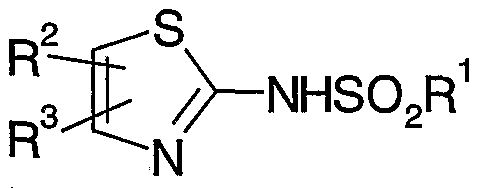


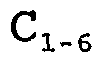


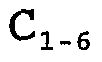
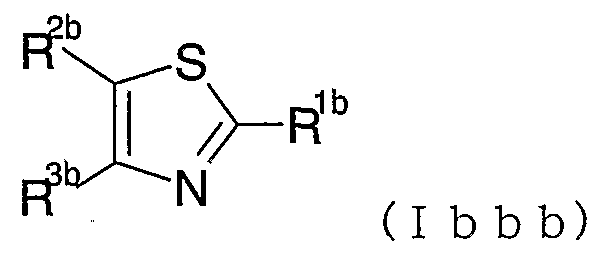





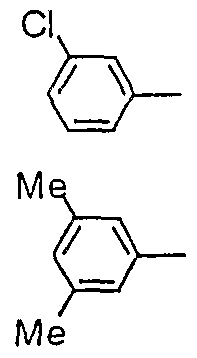


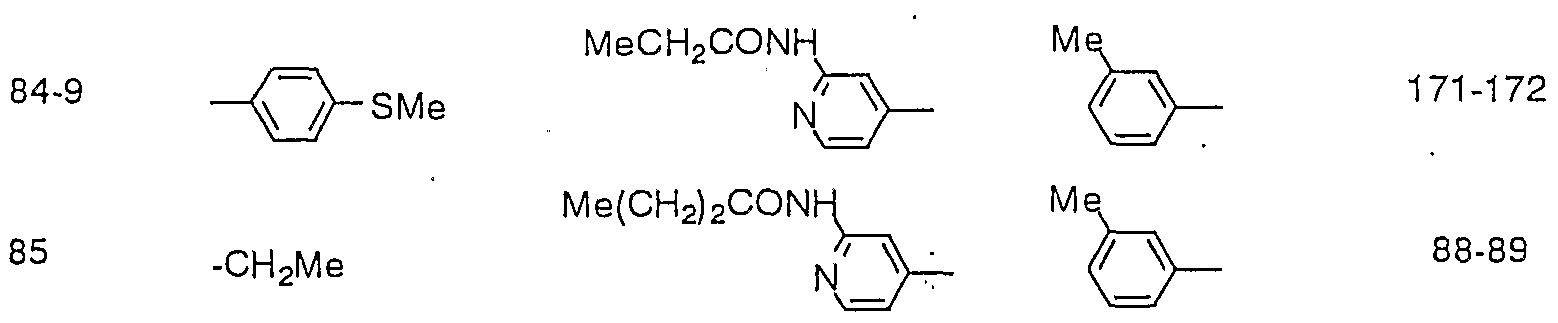


Claims


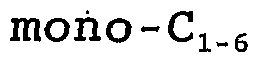


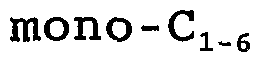


Priority Applications (4)
| Application Number | Priority Date | Filing Date | Title |
|---|---|---|---|
| EP01917595A EP1268474A2 (en) | 2000-03-30 | 2001-03-29 | Substituted 1,3-thiazole compounds, their production and use |
| CA002404384A CA2404384A1 (en) | 2000-03-30 | 2001-03-29 | Substituted 1,3-thiazole compounds, their production and use |
| AU2001244618A AU2001244618A1 (en) | 2000-03-30 | 2001-03-29 | Substituted 1,3-thiazole compounds, their production and use |
| US10/239,692 US7495018B2 (en) | 2000-03-30 | 2001-03-29 | Substituted 1,3-thiazole compounds, their production and use |
Applications Claiming Priority (4)
| Application Number | Priority Date | Filing Date | Title |
|---|---|---|---|
| JP2000097876 | 2000-03-30 | ||
| JP2000-097876 | 2000-03-30 | ||
| JP2001-027571 | 2001-02-02 | ||
| JP2001027571 | 2001-02-02 |
Publications (2)
| Publication Number | Publication Date |
|---|---|
| WO2001074811A2 true WO2001074811A2 (en) | 2001-10-11 |
| WO2001074811A3 WO2001074811A3 (en) | 2002-02-07 |
Family
ID=26589144
Family Applications (1)
| Application Number | Title | Priority Date | Filing Date |
|---|---|---|---|
| PCT/JP2001/002629 Ceased WO2001074811A2 (en) | 2000-03-30 | 2001-03-29 | Substituted 1,3-thiazole compounds, their production and use |
Country Status (5)
| Country | Link |
|---|---|
| US (1) | US7495018B2 (en) |
| EP (1) | EP1268474A2 (en) |
| AU (1) | AU2001244618A1 (en) |
| CA (1) | CA2404384A1 (en) |
| WO (1) | WO2001074811A2 (en) |
Cited By (31)
| Publication number | Priority date | Publication date | Assignee | Title |
|---|---|---|---|---|
| WO2002062792A1 (en) * | 2001-02-02 | 2002-08-15 | Takeda Chemical Industries, Ltd. | Jnk inhibitor |
| WO2004018463A3 (en) * | 2002-08-23 | 2004-05-06 | Rigel Pharmaceuticals Inc | Pyridyl substituted heterocycles useful for treating or preventing hcv infection |
| EP1390068A4 (en) * | 2001-05-18 | 2006-04-05 | Endacea Inc | Methods and formulations of using a1 adenosine and p2x purinoreceptor antagonists |
| WO2006137658A1 (en) * | 2005-06-20 | 2006-12-28 | Dongbu Hitek Co., Ltd. | New substituted 1,3-thiazole derivatives or pharmaceutically acceptable salts thereof having immunosuppression and inflammation inhibitory acitivity, intermediate compounds or pharmaceutically acceptable salts thereof, a process for the preparation thereof, and pharmaceutical composition comprising the same |
| WO2006137527A1 (en) | 2005-06-23 | 2006-12-28 | Kyowa Hakko Kogyo Co., Ltd. | Thiazole derivative |
| US7169771B2 (en) | 2003-02-06 | 2007-01-30 | Bristol-Myers Squibb Company | Thiazolyl-based compounds useful as kinase inhibitors |
| WO2007015528A1 (en) * | 2005-08-02 | 2007-02-08 | Kyowa Hakko Kogyo Co., Ltd. | Agent for treating and/or preventing sleep disorder |
| US7253187B2 (en) * | 2001-02-09 | 2007-08-07 | Vertex Pharmaceuticals Incorporated | Heterocyclic inhibitors of ERK2 and uses thereof |
| WO2007077574A3 (en) * | 2005-12-13 | 2007-08-23 | Cadila Healthcare Ltd | SULFOXIMINE DERIVATIVES AS p38 MAP KINASE INHIBITORS |
| US7326790B2 (en) | 2003-05-02 | 2008-02-05 | Rigel Pharmaceuticals, Inc. | Diphenylisoxazole compounds and hydro isomers thereof |
| WO2008090382A1 (en) * | 2007-01-25 | 2008-07-31 | The University Of Sheffield | Thiazole and oxazole derivatives for use in the treatment of prion diseases, cancer and conditions of the central nervous system as well as in the regulation of stem cells |
| US7410979B2 (en) | 2003-11-19 | 2008-08-12 | Rigel Pharmaceuticals, Inc. | Synergistically effective combinations of dihaloacetamide compounds and interferon or ribavirin against HCV infections |
| US7410988B2 (en) | 2004-08-13 | 2008-08-12 | Genentech, Inc. | 2-Amido-thiazole-based compounds exhibiting ATP-utilizing enzyme inhibitory activity, and compositions, and uses thereof |
| US7498353B2 (en) | 2005-05-02 | 2009-03-03 | Rigel Pharmaceuticals, Inc. | Heterocyclic anti-viral compounds comprising metabolizable moieties and their uses |
| US7514434B2 (en) | 2004-02-23 | 2009-04-07 | Rigel Pharmaceuticals, Inc. | Heterocyclic compounds having an oxadiazole moiety and hydro isomers thereof |
| US7534806B2 (en) | 2004-12-06 | 2009-05-19 | Avigen, Inc. | Method for treating neuropathic pain and associated syndromes |
| US7618990B2 (en) | 2006-08-15 | 2009-11-17 | Wyeth | Oxazolidone derivatives as PR modulators |
| US7618989B2 (en) | 2006-08-15 | 2009-11-17 | Wyeth | Tricyclic oxazolidone derivatives useful as PR modulators |
| WO2009147178A3 (en) * | 2008-06-04 | 2010-03-18 | Nycomed Gmbh | Substituted pyridin-2-ylmethylsulphinyl-1h-benzimidaz0les for use in the treatment of brain edema |
| EP2181704A2 (en) | 2002-12-30 | 2010-05-05 | Angiotech International Ag | Drug delivery from rapid gelling polymer composition |
| EP2198710A1 (en) | 2008-12-19 | 2010-06-23 | Bayer CropScience AG | Use of 5-pyridin-4yl-(1,3) thiazoles for combating phytopathogenic fungi |
| AU2004309279B2 (en) * | 2003-12-26 | 2010-07-15 | Kyowa Kirin Co., Ltd. | Thiazole derivative |
| EP2308866A1 (en) | 2009-10-09 | 2011-04-13 | Bayer CropScience AG | Phenylpyri(mi)dinylpyrazoles and their use as fungicides |
| US8049016B2 (en) | 2008-02-20 | 2011-11-01 | Novartis Ag | Thiazole derivatives which inhibit stearoyl-CoA desaturase enzymes |
| US8063084B2 (en) | 2006-08-15 | 2011-11-22 | Novartis Ag | Heterocyclic compounds suitable for the treatment of diseases related to elevated lipid levels |
| WO2018045906A1 (en) * | 2016-09-08 | 2018-03-15 | 四川科伦博泰生物医药股份有限公司 | 2-acylaminothiazole derivative and preparation method therefor and use thereof |
| WO2022023772A1 (en) * | 2020-07-31 | 2022-02-03 | AdoRx Therapeutics Limited | Antagonist compounds |
| US11452713B2 (en) | 2016-02-29 | 2022-09-27 | University Of Florida Research Foundation, Incorporated | Chemotherapeutic methods for treating low-proliferative disseminated tumor cells |
| WO2023131868A1 (en) * | 2022-01-07 | 2023-07-13 | Horizon Therapeutics Ireland Dac | Heterocyclic inhibitors of glut9 for treatment of disease |
| WO2023144559A1 (en) * | 2022-01-28 | 2023-08-03 | AdoRx Therapeutics Limited | Antagonist of adenosine receptors |
| US12577104B2 (en) | 2020-03-16 | 2026-03-17 | Dupont Safety & Construction, Inc. | Concentration of sulfuric acid |
Families Citing this family (22)
| Publication number | Priority date | Publication date | Assignee | Title |
|---|---|---|---|---|
| US20040033228A1 (en) | 2002-08-16 | 2004-02-19 | Hans-Juergen Krause | Formulation of human antibodies for treating TNF-alpha associated disorders |
| US7458982B2 (en) | 2002-10-04 | 2008-12-02 | Photokinetix, Inc. | Photokinetic delivery of biologically active substances using pulsed incoherent light |
| US20050106230A1 (en) * | 2003-11-17 | 2005-05-19 | Young Janel E. | Drug-enhanced adhesion prevention |
| AU2006217742A1 (en) * | 2005-02-25 | 2006-08-31 | Kudos Pharmaceuticals Limited | Hydrazinomethyl, HYDR zonomethyl and 5-membered heterocylic compounds which act as MTOR inhibitors and their use as anti cancer agents |
| MY149143A (en) * | 2006-01-18 | 2013-07-15 | Amgen Inc | Thiazole compounds as protien kinase b (pkb) inhibitors |
| CA2639910A1 (en) | 2006-01-25 | 2007-08-02 | Synta Pharmaceuticals Corp. | Thiazole and thiadiazole compounds for inflammation and immune-related uses |
| US20080181876A1 (en) * | 2007-01-30 | 2008-07-31 | Johnson Kirk W | Methods for treating acute and subchronic pain |
| WO2008137012A1 (en) * | 2007-05-03 | 2008-11-13 | Avigen, Inc. | Use of a glial attenuator to prevent amplified pain responses caused by glial priming |
| AU2008276512A1 (en) * | 2007-07-17 | 2009-01-22 | Amgen Inc. | Thiadiazole modulators of PKB |
| US7897619B2 (en) | 2007-07-17 | 2011-03-01 | Amgen Inc. | Heterocyclic modulators of PKB |
| AU2012203026B2 (en) * | 2008-03-21 | 2014-06-12 | Novartis Ag | Novel heterocyclic compounds and uses thereof |
| US8865732B2 (en) | 2008-03-21 | 2014-10-21 | Novartis Ag | Heterocyclic compounds and uses thereof |
| WO2009140517A1 (en) | 2008-05-14 | 2009-11-19 | Hydra Biosciences, Inc. | Compounds and compositions for treating chemical warfare agent-induced injuries |
| US8318728B2 (en) | 2008-05-14 | 2012-11-27 | Hydra Biosciences, Inc. | Compounds and compositions for treating chemical warfare agent-induced injuries |
| WO2010132838A1 (en) * | 2009-05-14 | 2010-11-18 | Hydra Biosciences, Inc. | Compounds useful for treating disorders related to trpa1 |
| US9242969B2 (en) | 2013-03-14 | 2016-01-26 | Novartis Ag | Biaryl amide compounds as kinase inhibitors |
| UY36294A (en) | 2014-09-12 | 2016-04-29 | Novartis Ag | COMPOUNDS AND COMPOSITIONS AS QUINASA INHIBITORS |
| AU2017329090B9 (en) | 2016-09-19 | 2019-09-05 | Novartis Ag | Therapeutic combinations comprising a RAF inhibitor and a ERK inhibitor |
| ES2952265T3 (en) | 2017-05-02 | 2023-10-30 | Novartis Ag | Combination therapy comprising a Raf inhibitor and trametinib |
| CN109293652B (en) * | 2017-07-24 | 2021-10-22 | 四川科伦博泰生物医药股份有限公司 | A kind of substituted thiazole derivative and use thereof |
| ES3025633T3 (en) | 2019-05-13 | 2025-06-09 | Novartis Ag | New crystalline forms of n-(3-(2-(2-hydroxyethoxy)-6-morpholinopyridin-4-yl)-4-methvlphenyl)-2(trifluoromethyl)isonicotinamide as raf inhibitors for the treatment of cancer |
| CN117865908A (en) * | 2023-12-25 | 2024-04-12 | 合肥欧创基因生物科技有限公司 | A method for synthesizing 2-(1-hydroxyethyl)thiazole-4-carboxylic acid intermediate |
Family Cites Families (17)
| Publication number | Priority date | Publication date | Assignee | Title |
|---|---|---|---|---|
| US4649146A (en) * | 1983-01-31 | 1987-03-10 | Fujisawa Pharmaceutical Co., Ltd. | Thiazole derivatives and pharmaceutical composition comprising the same |
| JPS6110580A (en) * | 1984-04-17 | 1986-01-18 | Takeda Chem Ind Ltd | 5-pyridyl-1,3-thiazole derivative, preparation thereof and pharmaceutical composition containing same |
| DE3486009T2 (en) * | 1983-09-09 | 1993-04-15 | Takeda Chemical Industries Ltd | 5-PYRIDYL-1,3-THIAZOL DERIVATIVES, THEIR PRODUCTION AND USE. |
| EP0199968B1 (en) * | 1985-03-27 | 1990-02-28 | Zenyaku Kogyo Kabushiki Kaisha | Thiazole derivatives |
| JPS61225182A (en) * | 1985-03-29 | 1986-10-06 | Zenyaku Kogyo Kk | Production of thiazole derivative |
| US4670450A (en) * | 1985-11-13 | 1987-06-02 | Merrell Dow Pharmaceuticals Inc. | Cardiotonic thiazolones |
| DE3703435A1 (en) | 1987-02-05 | 1988-08-18 | Thomae Gmbh Dr K | NEW THIAZOLES, MEDICINAL PRODUCTS CONTAINING THESE COMPOUNDS AND METHOD FOR THE PRODUCTION THEREOF |
| JPH0570446A (en) * | 1991-09-13 | 1993-03-23 | Taisho Pharmaceut Co Ltd | N-thiazolylsulfonamide derivative |
| MX9300141A (en) * | 1992-01-13 | 1994-07-29 | Smithkline Beecham Corp | NOVEL IMIDAZOLE COMPOUNDS, PROCEDURE FOR THE PREPARATION AND PHARMACEUTICAL COMPOSITIONS CONTAINING IT. |
| GB9201692D0 (en) * | 1992-01-27 | 1992-03-11 | Smithkline Beecham Intercredit | Compounds |
| JPH09505055A (en) | 1993-11-08 | 1997-05-20 | スミスクライン・ビーチャム・コーポレイション | Oxazole for treatment of cytokine-mediated diseases |
| PL184819B1 (en) | 1995-10-06 | 2002-12-31 | Merck & Co Inc | Substituted imidazoles |
| JPH1149762A (en) * | 1997-08-08 | 1999-02-23 | Japan Tobacco Inc | Thiazole compound |
| DE69821132T2 (en) | 1997-10-27 | 2004-10-21 | Takeda Chemical Industries Ltd | 1,3-THIAZOLE AS ADENOSINE A3 RECEPTOR ANTAGONISTS FOR TREATING ASTHMA, ALLERGIES AND DIABETES |
| AU4506399A (en) | 1998-06-05 | 1999-12-30 | Novartis Ag | Aryl pyridinyl thiazoles |
| WO2000064894A1 (en) * | 1999-04-23 | 2000-11-02 | Takeda Chemical Industries, Ltd. | 5-pyridyl-1,3-azole compounds, process for producing the same and use thereof |
| EP1205478A4 (en) * | 1999-08-06 | 2004-06-30 | Takeda Chemical Industries Ltd | P38MAP KINASE INHIBITORS |
-
2001
- 2001-03-29 WO PCT/JP2001/002629 patent/WO2001074811A2/en not_active Ceased
- 2001-03-29 EP EP01917595A patent/EP1268474A2/en not_active Withdrawn
- 2001-03-29 AU AU2001244618A patent/AU2001244618A1/en not_active Abandoned
- 2001-03-29 CA CA002404384A patent/CA2404384A1/en not_active Abandoned
- 2001-03-29 US US10/239,692 patent/US7495018B2/en not_active Expired - Fee Related
Cited By (57)
| Publication number | Priority date | Publication date | Assignee | Title |
|---|---|---|---|---|
| WO2002062792A1 (en) * | 2001-02-02 | 2002-08-15 | Takeda Chemical Industries, Ltd. | Jnk inhibitor |
| US7199124B2 (en) | 2001-02-02 | 2007-04-03 | Takeda Pharmaceutical Company Limited | JNK inhibitor |
| US7253187B2 (en) * | 2001-02-09 | 2007-08-07 | Vertex Pharmaceuticals Incorporated | Heterocyclic inhibitors of ERK2 and uses thereof |
| EP1390068A4 (en) * | 2001-05-18 | 2006-04-05 | Endacea Inc | Methods and formulations of using a1 adenosine and p2x purinoreceptor antagonists |
| WO2004018463A3 (en) * | 2002-08-23 | 2004-05-06 | Rigel Pharmaceuticals Inc | Pyridyl substituted heterocycles useful for treating or preventing hcv infection |
| US7157473B2 (en) | 2002-08-23 | 2007-01-02 | Rigel Pharmaceuticals, Inc. | Pyridyl substituted heterocycles useful for treating or preventing HCV infection |
| EP2181704A2 (en) | 2002-12-30 | 2010-05-05 | Angiotech International Ag | Drug delivery from rapid gelling polymer composition |
| US7323482B2 (en) | 2003-02-06 | 2008-01-29 | Bristol-Myers Squibb Company | Thiazolyl-based compounds useful as kinase inhibitors |
| US7169771B2 (en) | 2003-02-06 | 2007-01-30 | Bristol-Myers Squibb Company | Thiazolyl-based compounds useful as kinase inhibitors |
| EP1594854A4 (en) * | 2003-02-06 | 2007-07-18 | Bristol Myers Squibb Co | Thiazolyl-based compounds useful as kinase inhibitors |
| US7326790B2 (en) | 2003-05-02 | 2008-02-05 | Rigel Pharmaceuticals, Inc. | Diphenylisoxazole compounds and hydro isomers thereof |
| US7410979B2 (en) | 2003-11-19 | 2008-08-12 | Rigel Pharmaceuticals, Inc. | Synergistically effective combinations of dihaloacetamide compounds and interferon or ribavirin against HCV infections |
| EP1700856B1 (en) * | 2003-12-26 | 2015-11-11 | Kyowa Hakko Kirin Co., Ltd. | Thiazole derivative |
| AU2004309279B2 (en) * | 2003-12-26 | 2010-07-15 | Kyowa Kirin Co., Ltd. | Thiazole derivative |
| NO338017B1 (en) * | 2003-12-26 | 2016-07-18 | Kyowa Hakko Kirin Co Ltd | Thiazole derivatives, pharmaceutical compositions containing them, and their use |
| EP3002283A1 (en) | 2003-12-26 | 2016-04-06 | Kyowa Hakko Kirin Co., Ltd. | Thiazole derivatives |
| US8889718B2 (en) * | 2003-12-26 | 2014-11-18 | Kyowa Hakko Kirin Co., Ltd. | Thiazole derivatives |
| US20130267509A1 (en) * | 2003-12-26 | 2013-10-10 | Kyowa Hakko Kirin Co., Ltd. | Thiazole derivatives |
| US7514434B2 (en) | 2004-02-23 | 2009-04-07 | Rigel Pharmaceuticals, Inc. | Heterocyclic compounds having an oxadiazole moiety and hydro isomers thereof |
| US7410988B2 (en) | 2004-08-13 | 2008-08-12 | Genentech, Inc. | 2-Amido-thiazole-based compounds exhibiting ATP-utilizing enzyme inhibitory activity, and compositions, and uses thereof |
| US7795290B2 (en) | 2004-08-13 | 2010-09-14 | Genentech, Inc. | 2-amido-thiazole-based compounds exhibiting ATP-utilizing enzyme inhibitory activity, and compositions, and uses thereof |
| US7534806B2 (en) | 2004-12-06 | 2009-05-19 | Avigen, Inc. | Method for treating neuropathic pain and associated syndromes |
| US7498353B2 (en) | 2005-05-02 | 2009-03-03 | Rigel Pharmaceuticals, Inc. | Heterocyclic anti-viral compounds comprising metabolizable moieties and their uses |
| WO2006137658A1 (en) * | 2005-06-20 | 2006-12-28 | Dongbu Hitek Co., Ltd. | New substituted 1,3-thiazole derivatives or pharmaceutically acceptable salts thereof having immunosuppression and inflammation inhibitory acitivity, intermediate compounds or pharmaceutically acceptable salts thereof, a process for the preparation thereof, and pharmaceutical composition comprising the same |
| WO2006137527A1 (en) | 2005-06-23 | 2006-12-28 | Kyowa Hakko Kogyo Co., Ltd. | Thiazole derivative |
| WO2007015528A1 (en) * | 2005-08-02 | 2007-02-08 | Kyowa Hakko Kogyo Co., Ltd. | Agent for treating and/or preventing sleep disorder |
| US7928098B2 (en) | 2005-08-02 | 2011-04-19 | Kyowa Hakko Kirin Co., Ltd. | Therapeutic and/or preventive agents for a sleep disorder |
| WO2007077574A3 (en) * | 2005-12-13 | 2007-08-23 | Cadila Healthcare Ltd | SULFOXIMINE DERIVATIVES AS p38 MAP KINASE INHIBITORS |
| JP2009519322A (en) * | 2005-12-13 | 2009-05-14 | カディラ・ヘルスケア・リミテッド | Sulfoximine derivatives as p38 MAP kinase inhibitors |
| EA015497B1 (en) * | 2005-12-13 | 2011-08-30 | Кадила Хелзкэр Лимитед | SULFOXIMINE DERIVATIVES AS p38 MAP KINASE INHIBITORS |
| US8063084B2 (en) | 2006-08-15 | 2011-11-22 | Novartis Ag | Heterocyclic compounds suitable for the treatment of diseases related to elevated lipid levels |
| US7618990B2 (en) | 2006-08-15 | 2009-11-17 | Wyeth | Oxazolidone derivatives as PR modulators |
| US7618989B2 (en) | 2006-08-15 | 2009-11-17 | Wyeth | Tricyclic oxazolidone derivatives useful as PR modulators |
| US8293768B2 (en) | 2006-08-15 | 2012-10-23 | Novartis Ag | Organic compounds |
| WO2008090382A1 (en) * | 2007-01-25 | 2008-07-31 | The University Of Sheffield | Thiazole and oxazole derivatives for use in the treatment of prion diseases, cancer and conditions of the central nervous system as well as in the regulation of stem cells |
| US8049016B2 (en) | 2008-02-20 | 2011-11-01 | Novartis Ag | Thiazole derivatives which inhibit stearoyl-CoA desaturase enzymes |
| US8318949B2 (en) | 2008-02-20 | 2012-11-27 | Novartis Ag | Organic compounds |
| WO2009147178A3 (en) * | 2008-06-04 | 2010-03-18 | Nycomed Gmbh | Substituted pyridin-2-ylmethylsulphinyl-1h-benzimidaz0les for use in the treatment of brain edema |
| EP2198710A1 (en) | 2008-12-19 | 2010-06-23 | Bayer CropScience AG | Use of 5-pyridin-4yl-(1,3) thiazoles for combating phytopathogenic fungi |
| US9198426B2 (en) | 2008-12-19 | 2015-12-01 | Bayer Intellectual Property Gmbh | Use of 5 pyridin-4-yl-1,3-thiazoles for controlling phytopathogenic fungi |
| WO2010069494A1 (en) * | 2008-12-19 | 2010-06-24 | Bayer Cropscience Aktiengesellschaft | Use of 5-pyridin-4yl(1,3)thiazole for treating phytopathogenic fungi |
| EP2784072A1 (en) | 2009-10-09 | 2014-10-01 | Bayer CropScience AG | 3-phenyl-4-pyri(mi)dinyl-1h-pyrazoles and their use as fungicides |
| EP2784070A1 (en) | 2009-10-09 | 2014-10-01 | Bayer CropScience AG | 3-phenyl-4-pyri(mi)dinyl-1h-pyrazoles and their use as fungicides |
| EP2784071A1 (en) | 2009-10-09 | 2014-10-01 | Bayer CropScience AG | 3-phenyl-4-pyri(mi)dinyl-1h-pyrazoles and their use as fungicides |
| EP2784073A1 (en) | 2009-10-09 | 2014-10-01 | Bayer CropScience AG | 3-phenyl-4-pyri(mi)dinyl-1h-pyrazoles and their use as fungicides |
| WO2011042389A2 (en) | 2009-10-09 | 2011-04-14 | Bayer Cropscience Ag | Phenylpyri(mi)dinylazoles |
| EP2308866A1 (en) | 2009-10-09 | 2011-04-13 | Bayer CropScience AG | Phenylpyri(mi)dinylpyrazoles and their use as fungicides |
| US11452713B2 (en) | 2016-02-29 | 2022-09-27 | University Of Florida Research Foundation, Incorporated | Chemotherapeutic methods for treating low-proliferative disseminated tumor cells |
| CN108495852A (en) * | 2016-09-08 | 2018-09-04 | 四川科伦博泰生物医药股份有限公司 | 2-amidothiazole derivatives and its preparation method and use |
| CN108495852B (en) * | 2016-09-08 | 2021-06-15 | 四川科伦博泰生物医药股份有限公司 | 2-Acylaminothiazole derivatives and preparation method and use thereof |
| WO2018045906A1 (en) * | 2016-09-08 | 2018-03-15 | 四川科伦博泰生物医药股份有限公司 | 2-acylaminothiazole derivative and preparation method therefor and use thereof |
| US12577104B2 (en) | 2020-03-16 | 2026-03-17 | Dupont Safety & Construction, Inc. | Concentration of sulfuric acid |
| WO2022023772A1 (en) * | 2020-07-31 | 2022-02-03 | AdoRx Therapeutics Limited | Antagonist compounds |
| CN116648451A (en) * | 2020-07-31 | 2023-08-25 | 阿道尔克斯治疗有限公司 | antagonist compound |
| EP4620533A3 (en) * | 2020-07-31 | 2025-12-03 | Adorx therapeutics Limited | Antagonist compounds |
| WO2023131868A1 (en) * | 2022-01-07 | 2023-07-13 | Horizon Therapeutics Ireland Dac | Heterocyclic inhibitors of glut9 for treatment of disease |
| WO2023144559A1 (en) * | 2022-01-28 | 2023-08-03 | AdoRx Therapeutics Limited | Antagonist of adenosine receptors |
Also Published As
| Publication number | Publication date |
|---|---|
| EP1268474A2 (en) | 2003-01-02 |
| WO2001074811A3 (en) | 2002-02-07 |
| US7495018B2 (en) | 2009-02-24 |
| AU2001244618A1 (en) | 2001-10-15 |
| CA2404384A1 (en) | 2001-10-11 |
| US20040053973A1 (en) | 2004-03-18 |
Similar Documents
| Publication | Publication Date | Title |
|---|---|---|
| US7495018B2 (en) | Substituted 1,3-thiazole compounds, their production and use | |
| US7199124B2 (en) | JNK inhibitor | |
| EP1402900A1 (en) | Medicinal compositions | |
| US20040097555A1 (en) | Concomitant drugs | |
| EP1354603A1 (en) | Concomitant drugs | |
| JP6054869B2 (en) | Heterocyclic compounds | |
| RU2237062C2 (en) | Derivatives of 5-pyridyl-1,3-azole, method for their preparing, their prodrug, pharmaceutical composition, method for antagonism of adenosine a3-receptor, method for inhibition of p38 map kinase, method for inhibition producing tnf-alpha and method for prophylaxis | |
| JPH11193281A (en) | Adenosine a3 receptor antagonistic agent and thiazole compound | |
| EP1205478A1 (en) | p38MAP KINASE INHIBITORS | |
| CA2594325A1 (en) | Condensed imidazole compound and use thereof | |
| WO2011021678A1 (en) | Fused heterocyclic compound | |
| KR100909953B1 (en) | Triazole derivatives having antifungal activity, preparation method thereof and pharmaceutical composition containing the same | |
| CN1615305A (en) | Coumarin derivatives, process for their production and use thereof | |
| JP2001114690A (en) | p38MAP KINASE INHIBITOR | |
| JP2002302488A (en) | Substituted 1,3-thiazole compound, its production method and use thereof | |
| JP2002302445A (en) | Jnk inhibitor | |
| KR20120024619A (en) | Thiazolidinone derivative | |
| JP3333774B2 (en) | 5-pyridyl-1,3-azole compounds, their production and use | |
| MX2007003381A (en) | 2-acylaminothiazole derivatives. | |
| JP2003063993A (en) | Pharmaceutical composition | |
| JP2002302458A (en) | Combined medicine | |
| KR20070054669A (en) | 2-acylaminothiazole derivatives | |
| JPWO2001010865A1 (en) | p38 MAP kinase inhibitor | |
| JPWO2000064894A1 (en) | 5-Pyridyl-1,3-azole compounds, their production method and uses |
Legal Events
| Date | Code | Title | Description |
|---|---|---|---|
| AK | Designated states |
Kind code of ref document: A2 Designated state(s): AE AG AL AM AT AU AZ BA BB BG BR BY BZ CA CH CN CO CR CU CZ DE DK DM DZ EE ES FI GB GD GE GH GM HR HU ID IL IN IS JP KE KG KR KZ LC LK LR LS LT LU LV MA MD MG MK MN MW MX MZ NO NZ PL PT RO RU SD SE SG SI SK SL TJ TM TR TT TZ UA UG US UZ VN YU ZA ZW |
|
| AL | Designated countries for regional patents |
Kind code of ref document: A2 Designated state(s): GH GM KE LS MW MZ SD SL SZ TZ UG ZW AM AZ BY KG KZ MD RU TJ TM AT BE CH CY DE DK ES FI FR GB GR IE IT LU MC NL PT SE TR BF BJ CF CG CI CM GA GN GW ML MR NE SN TD TG |
|
| 121 | Ep: the epo has been informed by wipo that ep was designated in this application | ||
| AK | Designated states |
Kind code of ref document: A3 Designated state(s): AE AG AL AM AT AU AZ BA BB BG BR BY BZ CA CH CN CO CR CU CZ DE DK DM DZ EE ES FI GB GD GE GH GM HR HU ID IL IN IS JP KE KG KR KZ LC LK LR LS LT LU LV MA MD MG MK MN MW MX MZ NO NZ PL PT RO RU SD SE SG SI SK SL TJ TM TR TT TZ UA UG US UZ VN YU ZA ZW |
|
| AL | Designated countries for regional patents |
Kind code of ref document: A3 Designated state(s): GH GM KE LS MW MZ SD SL SZ TZ UG ZW AM AZ BY KG KZ MD RU TJ TM AT BE CH CY DE DK ES FI FR GB GR IE IT LU MC NL PT SE TR BF BJ CF CG CI CM GA GN GW ML MR NE SN TD TG |
|
| DFPE | Request for preliminary examination filed prior to expiration of 19th month from priority date (pct application filed before 20040101) | ||
| WWE | Wipo information: entry into national phase |
Ref document number: 2001917595 Country of ref document: EP |
|
| WWE | Wipo information: entry into national phase |
Ref document number: 2404384 Country of ref document: CA |
|
| WWE | Wipo information: entry into national phase |
Ref document number: 10239692 Country of ref document: US |
|
| WWP | Wipo information: published in national office |
Ref document number: 2001917595 Country of ref document: EP |
|
| NENP | Non-entry into the national phase |
Ref country code: JP |