WO2002098843A2 - Certain salts of discodermolide acid, pharmaceutical compositions containing them and their use in treating tumors - Google Patents
Certain salts of discodermolide acid, pharmaceutical compositions containing them and their use in treating tumors Download PDFInfo
- Publication number
- WO2002098843A2 WO2002098843A2 PCT/EP2002/004218 EP0204218W WO02098843A2 WO 2002098843 A2 WO2002098843 A2 WO 2002098843A2 EP 0204218 W EP0204218 W EP 0204218W WO 02098843 A2 WO02098843 A2 WO 02098843A2
- Authority
- WO
- WIPO (PCT)
- Prior art keywords
- formula
- alkyl
- compound
- discodermolide
- compound according
- Prior art date
- Legal status (The legal status is an assumption and is not a legal conclusion. Google has not performed a legal analysis and makes no representation as to the accuracy of the status listed.)
- Ceased
Links
Classifications
-
- C—CHEMISTRY; METALLURGY
- C07—ORGANIC CHEMISTRY
- C07C—ACYCLIC OR CARBOCYCLIC COMPOUNDS
- C07C271/00—Derivatives of carbamic acids, i.e. compounds containing any of the groups, the nitrogen atom not being part of nitro or nitroso groups
- C07C271/06—Esters of carbamic acids
- C07C271/08—Esters of carbamic acids having oxygen atoms of carbamate groups bound to acyclic carbon atoms
- C07C271/10—Esters of carbamic acids having oxygen atoms of carbamate groups bound to acyclic carbon atoms with the nitrogen atoms of the carbamate groups bound to hydrogen atoms or to acyclic carbon atoms
- C07C271/12—Esters of carbamic acids having oxygen atoms of carbamate groups bound to acyclic carbon atoms with the nitrogen atoms of the carbamate groups bound to hydrogen atoms or to acyclic carbon atoms to hydrogen atoms or to carbon atoms of unsubstituted hydrocarbon radicals
-
- A—HUMAN NECESSITIES
- A61—MEDICAL OR VETERINARY SCIENCE; HYGIENE
- A61P—SPECIFIC THERAPEUTIC ACTIVITY OF CHEMICAL COMPOUNDS OR MEDICINAL PREPARATIONS
- A61P35/00—Antineoplastic agents
-
- A—HUMAN NECESSITIES
- A61—MEDICAL OR VETERINARY SCIENCE; HYGIENE
- A61P—SPECIFIC THERAPEUTIC ACTIVITY OF CHEMICAL COMPOUNDS OR MEDICINAL PREPARATIONS
- A61P35/00—Antineoplastic agents
- A61P35/02—Antineoplastic agents specific for leukemia
-
- C—CHEMISTRY; METALLURGY
- C07—ORGANIC CHEMISTRY
- C07B—GENERAL METHODS OF ORGANIC CHEMISTRY; APPARATUS THEREFOR
- C07B2200/00—Indexing scheme relating to specific properties of organic compounds
- C07B2200/07—Optical isomers
Definitions
- the present invention relates to the area of chemotherapeutic agents and, more particularly, relates to certain salts of discodermolide acid, and the use of said discodermolide acid salts in treating tumors.
- Discodermolide (1) is a novel polyketide natural product that was isolated from extracts of the marine sponge Discodermia dissoluta by researchers at the Harbor Branch Oceanographic Institution (HBOI) (Gunasekera SP, Gunasekera M, Longley RE, Schulte GK. Discodermolide: a new bioactive polyhydroxylated lactone from the marine sponge Discodermia dissoluta. [published erratum appears in J. Org. Chem. 1991 ;56: 1346]. J. Org. Chem. 1990;55:4912-15.).
- HBOI Harbor Branch Oceanographic Institution
- Discodermolide lacks obvious structural resemblance to palitaxel, yet it shares with paclitaxel (the active substance in the drug Taxol) the ability to stabilize microtubules. In mechanism-based assays, discodermolide is more effective than paclitaxel. Discodermolide binds to tubulin competitively with paclitaxel. Since paclitaxel has proven to be useful in treating some cancers, other compounds of the same mechanistic class may have utility against hyperproliferative disorders.
- the present invention provides new anti-tumor agents which are effective against a variety of cancer cells. More particularly, the present invention relates to certain discodermolide acid salts which exhibit a higher degree of selectivity in killing cancer cells. In addition, the present invention provides pharmaceutical compositions useful in treating tumors comprising a therapeutically effective amount of certain discodermolide acid salts. Moreover, the present invention provides a method of treating tumors comprising administering to a mammal afflicted therewith a therapeutically effective amount of certain discodermolide acid salts. Furthermore, the present invention relates to a process for preparing certain discodermolide acid salts.
- the essence of the instant invention is the discovery that certain discodermolide acid salts are useful in treating tumors.
- the instant invention provides new anti- tumor agents of formula I
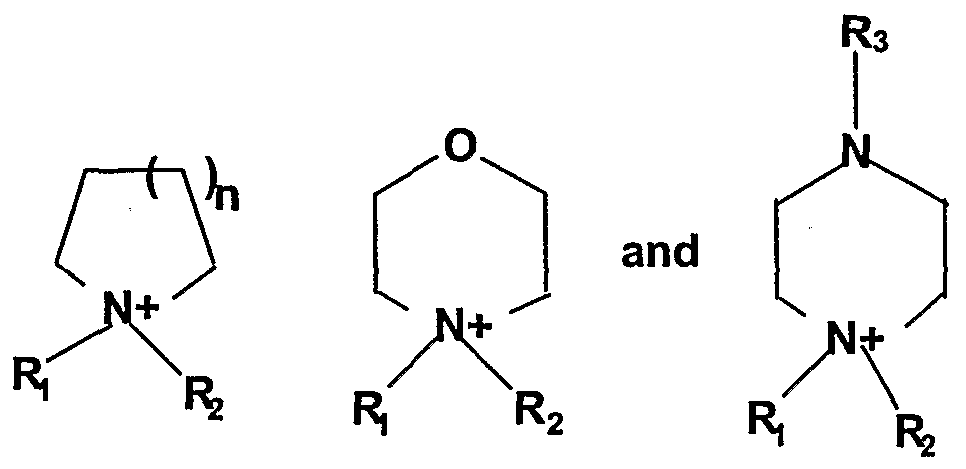
- R is Li , Na + , K ⁇ 1/2Ca , 1/2Mg , 1/2Mn , or a nitrogen containing ring selected from
- Ri, R 2 , R 3 and R independently, is hydrogen, (C ⁇ - ⁇ 2 )alkyl, hydroxy(C 2-8 )alkyl or benzyl; and n is 1-5.
- Preferred compounds are those of formula I where
- R is Li + , Na + , K + , 1/2Ca ++ , R ⁇ R 2 R 3 R 4 N + , or a nitrogen containing ring selected from II, III and IV where each of Ri, R 2 , R 3 and F j, independently, is hydrogen, (C ⁇ . 8 )alkyl, hydroxy(C 2 . 6 )alkyl or benzyl; and n is 1-3.
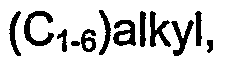
- R is Na + , K ⁇ 1/2Ca ++ , R ⁇ R ⁇ N*, or a nitrogen containing ring selected from II and III; where each of Ri, R 2 , R 3 and F ⁇ , independently, is hydrogen, (C ⁇ . 6 )alkyl, hydroxy(C 2- )alkyl or benzyl; and n is 1 or 2.
- R is Na + , 1/2Ca ++ , R ⁇ RaHN*, or a nitrogen containing ring selected from
- Ri, R 2 and R 3 independently, is hydrogen, hydroxyethyl or benzyl; and n is 1 or 2.
- the instant invention provides pharmaceutical compositions useful in treating tumors comprising a pharmaceutically acceptable carrier or diluent and a therapeutically effective amount of a compound of formula I above.
- the instant invention provides a method for treating tumors comprising administering to a mammal in need of such treatment a therapeutically effective amount of a compound of formula I above.
- the present invention relates to the use of a compound of formula I for the therapeutic treatment of the human or animal body and, in particular, in the preparation of a pharmaceutical composition for use in the chemotherapy of tumors.
- (C ⁇ . ⁇ 2 )alkyl refers to a straight, branched, or cycloalkyl group consisting solely of carbon and hydrogen and having from 1 to 12 carbon atoms.
- alkyl groups include methyl, ethyl, propyl, butyl, pentyl, 3-methypentyl, cyclohexyl, cyclopentylbutyl, etc.
- the "(C 1-8 )alkyl” portion of hydroxy(C -8 )alkyl as used herein refers to a straight or branched group consisting solely of carbon and hydrogen and having from 1 to 8 carbon atoms.
- Discodermolide acid salts may be prepared from discodermolide of formula 1 as depicted below:
- the preparation of the discodermolide acid salt involves the hydrolysis of 1.
- the hydrolysis requires between 1 and 100 equivalents of 1 relative to ROH, preferably between 1 and 5 equivalents of I relative to ROH.
- the hydrolysis is conducted in the presence of a polar organic solvent, preferably an ether, more preferably tetrahydrofuran, at a temperature of between 0°C and 20°C, preferably between 0°C and 10°C, for a period of between 5 minutes and 2 hours, preferably for a period between 15 and 30 minutes.
- a polar organic solvent preferably an ether, more preferably tetrahydrofuran
- discodermolide (1 ) The total synthesis of discodermolide (1 ) is described in several publications, e.g., by A.B. Smith et al, J. Am. Chem. Soc. (1995), 117(48), 12011-12; J. Golec et al in the patent application GB 94-15399; or I. Paterson et al, Angew. Chem., Int. Ed. (2000), 39(2), 377- 380.
- the discodermolide acid salt obtained may be purified by conventional techniques such as chromatography or, in particular, recrystallization (if a solid).
- ADGMA Anchorage Dependent Growth Monolayer Assay
- MIP 101 colon carcinoma a cell line representative for the important tumor types, viz., MIP 101 colon carcinoma, HCT 116 colon carcinoma, 1A9 ovarian carcinoma and 1A9PTX22 ovarian carcinoma were utilized; and 2) a tetrazolium derivative, viz., MTT, was utilized to determine cell density.
- MTT a tetrazolium derivative
- the ADGMA compares the number of viable cells following a 3-day exposure to a test compound relative to a number of cells present at the time the test compound was added.
- Cell viability is measured using a tetrazolium derivative, viz., 3-[4,5-dimethylthiazol-2-yl]-2,5- diphenyl-tetrazolium bromide (MTT) that is metabolically reduced in the presence of an electron coupling agent (PMS; phenazine methosulfate) by viable cells to a water-soluble formazan derivative.
- PMS electron coupling agent
- the absorbence at 540 nm ( A540) of the formazan derivative is proportional to the number of viable cells.
- the IC 50 for a test compound is the concentration of compound required to reduce the final cell number to 50% of the final control cell number. If cell proliferation is inhibited, the assay further defines compounds as cytostatic (cell number after 3-day compound incubation >cell number at time of compound addition) or cytotoxic (cell number after 3-day compound incubation ⁇ cell number at time of compound addition).
- the HCT 116 colon carcinoma cell line was obtained from the American Type Culture Collection (ATCC, Rockville, MD).
- the MIP 101 colon carcinoma was obtained from Dr. Robert Kramer (Bristol Meyers Squibb) and was previously described (Niles RM, Wilhelm SA, Steele GD JR, Burke B, Christensen T, Dexter D, O'Brien MJ, Thomas P, Zamcheck N. Isolation and characterization of an undifferentiated human colon carcinoma cell line (MIP- 101). Cancer Invest. 1987;5(6):545-52.).
- the 1A9 and the 1A9PTX22 ovarian tumor cell lines were obtained from Dr.
- the 1A9 is a clone of the ovarian carcinoma cell line, A2780 (Giannakakou P, Sackett, DL, .Kang Y-K, Zhan Z, ButersJTM, Fojo T, Poruchynsky MS. Paclitaxel-resistant human ovarian cancer cells have mutant ⁇ -tubulins that impaired paclitaxel-driven polymerization. J. Biol. Chem. 1997, 272(4): 17118-17125).
- the 1A9PTX22 subline is isolated as an individual clone from the 1A9 cell line in a single step selection by exposure to 5 ng/mL paclitaxel in the presence of 5 ⁇ g/mL of verapamil. All cell lines are used between passages 4-20 following thawing. MIP 101 colon carcinoma, HCT 116 colon carcinoma, 1A9 ovarian carcinoma and 1A9PTX22 ovarian carcinoma cell lines are maintained and plated in RPMI 1640 medium containing 10% fetal bovine serum..
- Cells are trypsinized and counted using hemacytometer to determine cell concentrations. Cells are then plated in their respective maintenance media (200 ⁇ Uwell) in 96-welI plates at the following concentrations: MIP 101, 2000 cells/well, HCT 116, 2000 cells/well, 1A9, 10000 cells/well, and 1A9PTX22, 10000 cells/well. The number of cells/well is determined in preliminary experiments, and resulted in 75-90% of confluency by day 4 after plating. Initial cell densities, assayed one day after plating, are roughly 0.10-0.20 A540 absorbence units greater than the media blank. 96 well plates are seeded on day 0 and the test compounds are added on day 1.
- a "time 0" plate is created that received media only in row A and one cell line/row in rows B-E.
- the "time 0" plate is processed 24 hours after plating (at the time when drugs are added to experimental plates), as follows: To each well 5 ⁇ L of the MTT stock solution (0.5 mg/ml in PBS) is added to each well and then incubated for three hours at 37 ° C, 5% CO2, in a humidified environment. Media is then carefully and completely removed. Plates are allowed to dry in the dark. DMSO (dimethylsulfoxide) is added to each well (100 ⁇ l/well) and plates are placed on an orbital shaker for 2 hours.
- MTT stock solution 0.5 mg/ml in PBS
- DMSO dimethylsulfoxide
- Plates are read in the 96-well plate reader at 540 nm in a Molecular Devices plate reader utilizing Softmax Version 2.35 in absorbence mode-endpoint L-1 , using DMSO as a blank.
- test compounds are added (in a final 1:10 dilution) to the test plates and subsequently serial diluted 10 times.
- the control plate receives 1:10 dilution of the solvent (10% DMSO/90% RPMI 1640) only.
- IC 50 values are determined from graphs of percent net growth as a function of compound concentration. Percent net growth is calculated as (Cell + Drug A ⁇ o - Initial 540/Cell + Drug Vehicle 540 - Initial 540).
- the anti-tumor activity of the compounds of formula I may further be demonstrated employing the hollow fiber in vivo tumor cell cultivation model in athymic (T cell deficient) nude mice. Utilizing this model, one can measure the ability of test compounds to inhibit the growth of human tumor cells in hollow fibers growing subcutaneously (s.c.) in athymic nude mice.
- the histologic tumor types employed are MIP 101 colon carcinoma, HCT-116 colon carcinoma, 1A9PTX22 ovarian carcinoma, and 1A9 ovarian carcinoma.
- Paclitaxel MIP 101 113 ⁇ 10 112+11 113
- Paclitaxel dosed daily for 5 days at 15 mg/kg, i.v. Ex. 1 dosed once at 45 mg/kg, i.v. Reg. regression
- the cell lines are obtained as described above.
- the 1A9PTX22 subline is isolated as an individual clone from the 1A9 cell line in a single step selection by exposure to 5 ng/mL paclitaxel in the presence of 5 ⁇ g/mL of verapamil.
- the 1A9PTX22 cell line is found to be 24-fold more resistant to paclitaxel than the parental 1A9. Resistance to paclitaxel is maintained after two years of culturing in drug-free media, and is attributed to the Ala 364 ⁇ Thr mutation in ⁇ -tubulin that is found in the 1A9PTX22 cell line.
- All cell lines are propagated and expanded in RPMI 1640 medium containing 10% heat- inactivated FBS (Life Technologies, Grand Island, NY) in a tissue culture incubator (37 °C, controlled, humidified atmosphere containing 5% CO 2 ). Cell expansions are performed in T75 tissue culture flasks (Costar®, Corning, NY). For hollow fiber preparations, cells are harvested at 70-90% confluency using 0.25% Trypsin-EDTA (Life Technologies, Grand Island, NY).
- PVDF hollow fibers (Spectrum, Gardena, CA) are soaked in 70% EtOH for 72 hours before use. Individual fibers are flushed with 3 mL of ice-cold tissue culture media using a syringe. Next, each fiber is filled with an appropriate cell suspension (1x10 6 cells/mL for the 1A9 and 1A9PTX22 cells, and 0.3x10 6 cells/mL for the HCT 116 and MIP 101 cells), and both ends of the fiber are sealed. The entire length of the fiber is then sealed into 1.5 cm microcapsules (further called "hollow fibers"), each containing approximately 15 ⁇ L of the appropriate cell suspension. After separation, individual hollow fibers are placed in well plates incubated overnight at 37 °C.
- mice Female mice (“Chrls:Athymic Nude-nu", Charles River Laboratories, Wilmington, MA) are anesthetized.
- an 11 -gauge trocar containing one or two hollow fibers is inserted through an incision made with scissors at the nape of the neck of an animal.
- each hollow fiber containing one cell line: HCT 116, MIP 101, 1A9, and 1A9PTX22 animals are randomly sorted into five groups of six mice/group. The first group is sacrificed, hollow fibers are retrieved, and processed according to a published procedure, to determine the number of viable cells in each fiber (To.)
- Group 1 Example 1 , 45 mg/kg, iv, once.
- Group 2 Vehicle for Example 1 (16.7% Cremophor EL, 8.3% ethanol, 75% D5W), iv, once.
- Group 3 Paclitaxel, 15 mg/kg, iv, daily for 5 days.
- Group 4 Vehicle for paclitaxel (12.5% Cremophor EL, 12.5% ethanol, 75% D5W) iv, daily for 5 days.
- the compounds of formula I can be used alone or in combination with other therapeutic agents.
- Therapeutic agents for possible combination are especially one or more cytostatic or cytotoxic compounds, for example, a chemotherapeutic agent selected from the group which includes, but is not limited to, an inhibitor of polyamine biosynthesis, an inhibitor of a protein kinase, especially of a serine/threonine protein kinase, such as protein kinase C, or of a tyrosine protein kinase, such as the EGF receptor tyrosine kinase, e.g. PKI166, the VEGF receptor tyrosine kinase, e.g.
- a chemotherapeutic agent selected from the group which includes, but is not limited to, an inhibitor of polyamine biosynthesis, an inhibitor of a protein kinase, especially of a serine/threonine protein kinase, such as protein kinase C, or of a tyrosine protein
- PTK787 or the PDGF receptor tyrosine kinase, e.g. STI571, a cytokine, a negative growth regulator, such as TGF- ⁇ or IFN- ⁇ , an aromatase inhibitor, e.g. letrozole, an inhibitor of the interaction of an SH2 domain with a phosphorylated protein, antiestrogens, topoisomerase I inhibitors, topoisomerase II inhibitors, microtubule active agents, e.g.
- paclitaxel or an epothilone alkylating agents, antineoplastic antimetabolites, platin compounds, anti-angiogenic compounds, gonadorelin agonists, anti-androgens, bisphosphonates, e.g. AREDIA® or ZOMETA®, and trastuzumab.
- alkylating agents antineoplastic antimetabolites, platin compounds, anti-angiogenic compounds, gonadorelin agonists, anti-androgens, bisphosphonates, e.g. AREDIA® or ZOMETA®, and trastuzumab.
- the structure of the active agents identified by code nos., generic or trade names may be taken from the actual edition of the standard compendium "The Merck Index" or from databases, e.g. Patents International (e.g. IMS World Publications). The corresponding content thereof is hereby incorporated by reference.
- a preferred intravenous single dosage per 3-6 week treatment cycle is 1-75 mg/kg body weight or, for most larger primates, a daily dosage of 50-1500 mg.
- a typical intravenous dosage is 45 mg/kg, once every three weeks.
- a small dose is administered initially and the dosage is gradually increased until the optimal dosage for the host under treatment is determined.
- the upper limit of dosage is that imposed by side effects and can be determined by trial for the host being treated.
- the compounds of formula I may be combined with one or more pharmaceutically acceptable carriers and, optionally, one or more other conventional pharmaceutical adjuvants and administered enterally, e.g. orally, in the form of tablets, capsules, caplets, etc. or parenterally, e.g., intraperitoneally or intravenously, in the form of sterile injectable solutions or suspensions.
- enteral and parenteral compositions may be prepared by conventional means.
- the compounds of formula I may be formulated into enteral and parenteral pharmaceutical compositions containing an amount of the active substance that is effective for inhibiting tumors, such compositions in unit dosage form and such compositions comprising a pharmaceutically acceptable carrier.
- a 25 mL round-bottomed flask is fitted with magnetic stirring and a septum, and maintained under a nitrogen atmosphere.
- the flask is charged with 95 mg (0.16 mmol) 6- [(2S,3Z,5S,6S,7S,8Z, 11 S, 12R, 13S, 14S, 15S, 16Z)-14-[(aminocarbonyl)oxy]-2,6, 12-trihydroxy- 5,7,9, 11 , 13, 15-hexamethyl-3,8, 16, 18-nonadecatetraenyl]tetrahydro-4-hydroxy-3,5-dimethyl- (3R,4S,5R,6S)-2r7-pyran-2-one [Chemical Abstracts number: 127943-53-7] and 6 mL of THF.
Landscapes
- Chemical & Material Sciences (AREA)
- Organic Chemistry (AREA)
- Health & Medical Sciences (AREA)
- Chemical Kinetics & Catalysis (AREA)
- General Chemical & Material Sciences (AREA)
- Medicinal Chemistry (AREA)
- Nuclear Medicine, Radiotherapy & Molecular Imaging (AREA)
- Pharmacology & Pharmacy (AREA)
- Life Sciences & Earth Sciences (AREA)
- Animal Behavior & Ethology (AREA)
- General Health & Medical Sciences (AREA)
- Public Health (AREA)
- Veterinary Medicine (AREA)
- Hematology (AREA)
- Oncology (AREA)
- Pharmaceuticals Containing Other Organic And Inorganic Compounds (AREA)
- Acyclic And Carbocyclic Compounds In Medicinal Compositions (AREA)
- Organic Low-Molecular-Weight Compounds And Preparation Thereof (AREA)
Abstract
Description





Claims


Priority Applications (4)
| Application Number | Priority Date | Filing Date | Title |
|---|---|---|---|
| EP02742902A EP1381591A2 (en) | 2001-04-17 | 2002-04-16 | Certain salts of discodermolide acid, pharmaceutical compositions containing them and their use in treating tumors |
| JP2003501833A JP2004527583A (en) | 2001-04-17 | 2002-04-16 | Certain salts of discodermolide acid, pharmaceutical compositions containing them and their use in the treatment of tumors |
| CA002443850A CA2443850A1 (en) | 2001-04-17 | 2002-04-16 | Certain salts of discodermolide acid, pharmaceutical compositions containing them and their use in treating tumors |
| BR0208884-3A BR0208884A (en) | 2001-04-17 | 2002-04-16 | Certain salts of discodermolide acid, pharmaceutical compositions containing them, and their use in the treatment of tumors |
Applications Claiming Priority (2)
| Application Number | Priority Date | Filing Date | Title |
|---|---|---|---|
| US28441201P | 2001-04-17 | 2001-04-17 | |
| US60/284,412 | 2001-04-17 |
Publications (2)
| Publication Number | Publication Date |
|---|---|
| WO2002098843A2 true WO2002098843A2 (en) | 2002-12-12 |
| WO2002098843A3 WO2002098843A3 (en) | 2003-05-01 |
Family
ID=23090120
Family Applications (1)
| Application Number | Title | Priority Date | Filing Date |
|---|---|---|---|
| PCT/EP2002/004218 Ceased WO2002098843A2 (en) | 2001-04-17 | 2002-04-16 | Certain salts of discodermolide acid, pharmaceutical compositions containing them and their use in treating tumors |
Country Status (7)
| Country | Link |
|---|---|
| US (1) | US6734177B2 (en) |
| EP (1) | EP1381591A2 (en) |
| JP (1) | JP2004527583A (en) |
| CN (1) | CN1503782A (en) |
| BR (1) | BR0208884A (en) |
| CA (1) | CA2443850A1 (en) |
| WO (1) | WO2002098843A2 (en) |
Cited By (1)
| Publication number | Priority date | Publication date | Assignee | Title |
|---|---|---|---|---|
| US9056103B2 (en) | 2002-05-17 | 2015-06-16 | Celgene Corporation | Methods using 3-(4-amino-1-oxo-1,3-dihydro-isoindol-2-yl)-piperidine-2,6-dione for treatment of certain leukemias |
Families Citing this family (6)
| Publication number | Priority date | Publication date | Assignee | Title |
|---|---|---|---|---|
| US7418429B1 (en) * | 2000-10-20 | 2008-08-26 | Accenture Pte. Ltd. | Method and system for facilitating a trusted on-line transaction between insurance businesses and networked consumers |
| NL1026695C2 (en) * | 2004-07-21 | 2006-01-24 | Telesystems Holding Gmbh | Verification of a communication connection. |
| US7214708B2 (en) * | 2004-11-18 | 2007-05-08 | Kosan Biosciences Incorporated | Synthetic discodermolide analogs |
| WO2009006184A1 (en) * | 2007-06-28 | 2009-01-08 | The Trustees Of The University Of Pennsylvania | Discodermolide analogues and methods of their use |
| KR101126084B1 (en) * | 2008-11-04 | 2012-03-29 | 한미홀딩스 주식회사 | Method for preparing 3s,4s-4-r-2-benzyloxytridecyl-3-hexyl-2-oxetanone and intermediates used therefor |
| CN101445499B (en) * | 2008-12-25 | 2011-12-21 | 中国人民解放军第二军医大学 | Diterpenoid antitumor compound and preparation method thereof |
Family Cites Families (5)
| Publication number | Priority date | Publication date | Assignee | Title |
|---|---|---|---|---|
| US4939168A (en) * | 1989-08-11 | 1990-07-03 | Harbor Branch Oceanographics Institution, Inc. | Discodermolide compounds, compositions containing same and methods of preparation and use |
| GB9315802D0 (en) | 1993-07-30 | 1993-09-15 | Roussel Lab Ltd | Chemical compounds |
| US5789605A (en) | 1996-12-03 | 1998-08-04 | Trustees Of The University Of Pennsylvania | Synthetic techniques and intermediates for polyhydroxy, dienyl lactones and mimics thereof |
| US6242616B1 (en) * | 1996-12-03 | 2001-06-05 | The Trustees Of The University Of Pennsylvania | Synthetic techniques and intermediates for polyhydroxy, dienyl lactone derivatives |
| US6096904A (en) | 1996-12-03 | 2000-08-01 | The Trustees Of The University Of Pennsylvania | Synthetic techniques and intermediates for polyhydroxy, dienyl lactone derivatives |
-
2002
- 2002-04-15 US US10/122,812 patent/US6734177B2/en not_active Expired - Fee Related
- 2002-04-16 JP JP2003501833A patent/JP2004527583A/en active Pending
- 2002-04-16 BR BR0208884-3A patent/BR0208884A/en not_active IP Right Cessation
- 2002-04-16 WO PCT/EP2002/004218 patent/WO2002098843A2/en not_active Ceased
- 2002-04-16 CA CA002443850A patent/CA2443850A1/en not_active Abandoned
- 2002-04-16 CN CNA028083865A patent/CN1503782A/en active Pending
- 2002-04-16 EP EP02742902A patent/EP1381591A2/en not_active Withdrawn
Cited By (1)
| Publication number | Priority date | Publication date | Assignee | Title |
|---|---|---|---|---|
| US9056103B2 (en) | 2002-05-17 | 2015-06-16 | Celgene Corporation | Methods using 3-(4-amino-1-oxo-1,3-dihydro-isoindol-2-yl)-piperidine-2,6-dione for treatment of certain leukemias |
Also Published As
| Publication number | Publication date |
|---|---|
| JP2004527583A (en) | 2004-09-09 |
| WO2002098843A3 (en) | 2003-05-01 |
| EP1381591A2 (en) | 2004-01-21 |
| US6734177B2 (en) | 2004-05-11 |
| CA2443850A1 (en) | 2002-12-12 |
| US20030032641A1 (en) | 2003-02-13 |
| BR0208884A (en) | 2004-06-29 |
| CN1503782A (en) | 2004-06-09 |
Similar Documents
| Publication | Publication Date | Title |
|---|---|---|
| US7265096B2 (en) | Gemcitabine prodrugs, pharmaceutical compositions and uses thereof | |
| JP2011084586A (en) | Polyamine and use of the same in therapy | |
| HRP20050174A2 (en) | Thiomolybdate analogues and uses thereof | |
| US20240390399A1 (en) | Materials and methods for suppressing and/or treating bone related diseases and symptoms | |
| EP1381591A2 (en) | Certain salts of discodermolide acid, pharmaceutical compositions containing them and their use in treating tumors | |
| DE602004004295T2 (en) | 6-Ä (SUBSTITUTED) PHENYLÜTRIAZOLOPYRIMIDINE AS ANTICROPE | |
| JP2005255690A (en) | Conformationally restricted polyamines | |
| US6586461B1 (en) | Prenyl transferase inhibitors | |
| CA2196370A1 (en) | Isoprene derivatives | |
| MX2010014146A (en) | Renin inhibitors and method of use thereof. | |
| KR20060013561A (en) | Thiotungstic acid analogs and uses thereof | |
| EP2142518B1 (en) | 3,4-dihydroquinazoline derivatives | |
| US6972292B2 (en) | Certain substituted polyketides, pharmaceutical compositions containing them and their use in treating tumors | |
| US7410980B2 (en) | Crystals of taxane derivative and process for their production | |
| EP1312608B1 (en) | Discodermolide analogues and their pharmaceutical use | |
| EP0618222A2 (en) | Dipeptid derivatives of 5-amino-4-hydroxy-hexanoic acid | |
| US6605638B1 (en) | Use of branched chain fatty acids and derivatives thereof for inhibition of P-glycoprotein | |
| WO2019182527A1 (en) | Methyl jasmonate derivatives as possible drug candidates for use in treatment of cancer | |
| EP1244640B1 (en) | Oxazolidinone derivatives | |
| EP4705278A1 (en) | Antimicrobial conjugated oligoelectrolytes as broad-spectrum antibiotics | |
| CN118561834A (en) | Phenylalanine-derived bithiazole compounds and uses thereof | |
| JPS61122269A (en) | Novel piperidine derivative | |
| KR20030066026A (en) | Immunosuppressive agents | |
| DE19605769A1 (en) | New antiviral pseudopeptides with mercaptal or thioether function |
Legal Events
| Date | Code | Title | Description |
|---|---|---|---|
| AK | Designated states |
Kind code of ref document: A2 Designated state(s): AE AG AL AM AT AU AZ BA BB BG BR BY BZ CA CH CN CO CR CU CZ DE DK DM DZ EC EE ES FI GB GD GE GH HR HU ID IL IN IS JP KE KG KP KR KZ LC LK LT LU LV MA MD MK MN MX NO NZ OM PH PL PT RO RU SE SG SI SK TJ TM TN TR TT UA US UZ VN YU ZA ZW |
|
| AL | Designated countries for regional patents |
Kind code of ref document: A2 Designated state(s): AM AZ BY KG KZ MD RU TJ TM AT BE CH CY DE DK ES FI FR GB GR IE IT LU MC NL PT SE TR |
|
| DFPE | Request for preliminary examination filed prior to expiration of 19th month from priority date (pct application filed before 20040101) | ||
| 121 | Ep: the epo has been informed by wipo that ep was designated in this application | ||
| WWE | Wipo information: entry into national phase |
Ref document number: 2002742902 Country of ref document: EP |
|
| WWE | Wipo information: entry into national phase |
Ref document number: 2443850 Country of ref document: CA |
|
| WWE | Wipo information: entry into national phase |
Ref document number: 2003501833 Country of ref document: JP |
|
| WWE | Wipo information: entry into national phase |
Ref document number: 028083865 Country of ref document: CN |
|
| WWP | Wipo information: published in national office |
Ref document number: 2002742902 Country of ref document: EP |
|
| REG | Reference to national code |
Ref country code: DE Ref legal event code: 8642 |