WO2003074471A1 - Haloacetamide and azide substituted compounds and methods of use thereof - Google Patents
Haloacetamide and azide substituted compounds and methods of use thereof Download PDFInfo
- Publication number
- WO2003074471A1 WO2003074471A1 PCT/US2003/003122 US0303122W WO03074471A1 WO 2003074471 A1 WO2003074471 A1 WO 2003074471A1 US 0303122 W US0303122 W US 0303122W WO 03074471 A1 WO03074471 A1 WO 03074471A1
- Authority
- WO
- WIPO (PCT)
- Prior art keywords
- compound
- formula
- androgen receptor
- subject
- receptor modulator
- Prior art date
- Legal status (The legal status is an assumption and is not a legal conclusion. Google has not performed a legal analysis and makes no representation as to the accuracy of the status listed.)
- Ceased
Links
- 0 CC(C**)(C1*C1)C(*)=N Chemical compound CC(C**)(C1*C1)C(*)=N 0.000 description 5
- QKFNHSOEBYDPGI-GDVGLLTNSA-N CC[C@@](C)(C1)C1N Chemical compound CC[C@@](C)(C1)C1N QKFNHSOEBYDPGI-GDVGLLTNSA-N 0.000 description 1
Classifications
-
- A—HUMAN NECESSITIES
- A61—MEDICAL OR VETERINARY SCIENCE; HYGIENE
- A61K—PREPARATIONS FOR MEDICAL, DENTAL OR TOILETRY PURPOSES
- A61K31/00—Medicinal preparations containing organic active ingredients
- A61K31/16—Amides, e.g. hydroxamic acids
- A61K31/165—Amides, e.g. hydroxamic acids having aromatic rings, e.g. colchicine, atenolol, progabide
-
- A—HUMAN NECESSITIES
- A61—MEDICAL OR VETERINARY SCIENCE; HYGIENE
- A61K—PREPARATIONS FOR MEDICAL, DENTAL OR TOILETRY PURPOSES
- A61K31/00—Medicinal preparations containing organic active ingredients
- A61K31/21—Esters, e.g. nitroglycerine, selenocyanates
- A61K31/215—Esters, e.g. nitroglycerine, selenocyanates of carboxylic acids
-
- A—HUMAN NECESSITIES
- A61—MEDICAL OR VETERINARY SCIENCE; HYGIENE
- A61K—PREPARATIONS FOR MEDICAL, DENTAL OR TOILETRY PURPOSES
- A61K31/00—Medicinal preparations containing organic active ingredients
- A61K31/275—Nitriles; Isonitriles
-
- A—HUMAN NECESSITIES
- A61—MEDICAL OR VETERINARY SCIENCE; HYGIENE
- A61K—PREPARATIONS FOR MEDICAL, DENTAL OR TOILETRY PURPOSES
- A61K31/00—Medicinal preparations containing organic active ingredients
- A61K31/655—Azo (—N=N—), diazo (=N2), azoxy (>N—O—N< or N(=O)—N<), azido (—N3) or diazoamino (—N=N—N<) compounds
-
- A—HUMAN NECESSITIES
- A61—MEDICAL OR VETERINARY SCIENCE; HYGIENE
- A61P—SPECIFIC THERAPEUTIC ACTIVITY OF CHEMICAL COMPOUNDS OR MEDICINAL PREPARATIONS
- A61P13/00—Drugs for disorders of the urinary system
- A61P13/08—Drugs for disorders of the urinary system of the prostate
-
- A—HUMAN NECESSITIES
- A61—MEDICAL OR VETERINARY SCIENCE; HYGIENE
- A61P—SPECIFIC THERAPEUTIC ACTIVITY OF CHEMICAL COMPOUNDS OR MEDICINAL PREPARATIONS
- A61P15/00—Drugs for genital or sexual disorders; Contraceptives
-
- A—HUMAN NECESSITIES
- A61—MEDICAL OR VETERINARY SCIENCE; HYGIENE
- A61P—SPECIFIC THERAPEUTIC ACTIVITY OF CHEMICAL COMPOUNDS OR MEDICINAL PREPARATIONS
- A61P15/00—Drugs for genital or sexual disorders; Contraceptives
- A61P15/10—Drugs for genital or sexual disorders; Contraceptives for impotence
-
- A—HUMAN NECESSITIES
- A61—MEDICAL OR VETERINARY SCIENCE; HYGIENE
- A61P—SPECIFIC THERAPEUTIC ACTIVITY OF CHEMICAL COMPOUNDS OR MEDICINAL PREPARATIONS
- A61P15/00—Drugs for genital or sexual disorders; Contraceptives
- A61P15/16—Masculine contraceptives
-
- A—HUMAN NECESSITIES
- A61—MEDICAL OR VETERINARY SCIENCE; HYGIENE
- A61P—SPECIFIC THERAPEUTIC ACTIVITY OF CHEMICAL COMPOUNDS OR MEDICINAL PREPARATIONS
- A61P17/00—Drugs for dermatological disorders
- A61P17/14—Drugs for dermatological disorders for baldness or alopecia
-
- A—HUMAN NECESSITIES
- A61—MEDICAL OR VETERINARY SCIENCE; HYGIENE
- A61P—SPECIFIC THERAPEUTIC ACTIVITY OF CHEMICAL COMPOUNDS OR MEDICINAL PREPARATIONS
- A61P19/00—Drugs for skeletal disorders
-
- A—HUMAN NECESSITIES
- A61—MEDICAL OR VETERINARY SCIENCE; HYGIENE
- A61P—SPECIFIC THERAPEUTIC ACTIVITY OF CHEMICAL COMPOUNDS OR MEDICINAL PREPARATIONS
- A61P19/00—Drugs for skeletal disorders
- A61P19/08—Drugs for skeletal disorders for bone diseases, e.g. rachitism, Paget's disease
- A61P19/10—Drugs for skeletal disorders for bone diseases, e.g. rachitism, Paget's disease for osteoporosis
-
- A—HUMAN NECESSITIES
- A61—MEDICAL OR VETERINARY SCIENCE; HYGIENE
- A61P—SPECIFIC THERAPEUTIC ACTIVITY OF CHEMICAL COMPOUNDS OR MEDICINAL PREPARATIONS
- A61P21/00—Drugs for disorders of the muscular or neuromuscular system
-
- A—HUMAN NECESSITIES
- A61—MEDICAL OR VETERINARY SCIENCE; HYGIENE
- A61P—SPECIFIC THERAPEUTIC ACTIVITY OF CHEMICAL COMPOUNDS OR MEDICINAL PREPARATIONS
- A61P25/00—Drugs for disorders of the nervous system
- A61P25/24—Antidepressants
-
- A—HUMAN NECESSITIES
- A61—MEDICAL OR VETERINARY SCIENCE; HYGIENE
- A61P—SPECIFIC THERAPEUTIC ACTIVITY OF CHEMICAL COMPOUNDS OR MEDICINAL PREPARATIONS
- A61P25/00—Drugs for disorders of the nervous system
- A61P25/28—Drugs for disorders of the nervous system for treating neurodegenerative disorders of the central nervous system, e.g. nootropic agents, cognition enhancers, drugs for treating Alzheimer's disease or other forms of dementia
-
- A—HUMAN NECESSITIES
- A61—MEDICAL OR VETERINARY SCIENCE; HYGIENE
- A61P—SPECIFIC THERAPEUTIC ACTIVITY OF CHEMICAL COMPOUNDS OR MEDICINAL PREPARATIONS
- A61P27/00—Drugs for disorders of the senses
- A61P27/02—Ophthalmic agents
- A61P27/04—Artificial tears; Irrigation solutions
-
- A—HUMAN NECESSITIES
- A61—MEDICAL OR VETERINARY SCIENCE; HYGIENE
- A61P—SPECIFIC THERAPEUTIC ACTIVITY OF CHEMICAL COMPOUNDS OR MEDICINAL PREPARATIONS
- A61P3/00—Drugs for disorders of the metabolism
- A61P3/04—Anorexiants; Antiobesity agents
-
- A—HUMAN NECESSITIES
- A61—MEDICAL OR VETERINARY SCIENCE; HYGIENE
- A61P—SPECIFIC THERAPEUTIC ACTIVITY OF CHEMICAL COMPOUNDS OR MEDICINAL PREPARATIONS
- A61P35/00—Antineoplastic agents
-
- A—HUMAN NECESSITIES
- A61—MEDICAL OR VETERINARY SCIENCE; HYGIENE
- A61P—SPECIFIC THERAPEUTIC ACTIVITY OF CHEMICAL COMPOUNDS OR MEDICINAL PREPARATIONS
- A61P43/00—Drugs for specific purposes, not provided for in groups A61P1/00-A61P41/00
-
- A—HUMAN NECESSITIES
- A61—MEDICAL OR VETERINARY SCIENCE; HYGIENE
- A61P—SPECIFIC THERAPEUTIC ACTIVITY OF CHEMICAL COMPOUNDS OR MEDICINAL PREPARATIONS
- A61P5/00—Drugs for disorders of the endocrine system
- A61P5/24—Drugs for disorders of the endocrine system of the sex hormones
-
- A—HUMAN NECESSITIES
- A61—MEDICAL OR VETERINARY SCIENCE; HYGIENE
- A61P—SPECIFIC THERAPEUTIC ACTIVITY OF CHEMICAL COMPOUNDS OR MEDICINAL PREPARATIONS
- A61P5/00—Drugs for disorders of the endocrine system
- A61P5/24—Drugs for disorders of the endocrine system of the sex hormones
- A61P5/26—Androgens
-
- A—HUMAN NECESSITIES
- A61—MEDICAL OR VETERINARY SCIENCE; HYGIENE
- A61P—SPECIFIC THERAPEUTIC ACTIVITY OF CHEMICAL COMPOUNDS OR MEDICINAL PREPARATIONS
- A61P7/00—Drugs for disorders of the blood or the extracellular fluid
- A61P7/06—Antianaemics
-
- C—CHEMISTRY; METALLURGY
- C07—ORGANIC CHEMISTRY
- C07C—ACYCLIC OR CARBOCYCLIC COMPOUNDS
- C07C235/00—Carboxylic acid amides, the carbon skeleton of the acid part being further substituted by oxygen atoms
- C07C235/02—Carboxylic acid amides, the carbon skeleton of the acid part being further substituted by oxygen atoms having carbon atoms of carboxamide groups bound to acyclic carbon atoms and singly-bound oxygen atoms bound to the same carbon skeleton
- C07C235/04—Carboxylic acid amides, the carbon skeleton of the acid part being further substituted by oxygen atoms having carbon atoms of carboxamide groups bound to acyclic carbon atoms and singly-bound oxygen atoms bound to the same carbon skeleton the carbon skeleton being acyclic and saturated
- C07C235/16—Carboxylic acid amides, the carbon skeleton of the acid part being further substituted by oxygen atoms having carbon atoms of carboxamide groups bound to acyclic carbon atoms and singly-bound oxygen atoms bound to the same carbon skeleton the carbon skeleton being acyclic and saturated having the nitrogen atom of at least one of the carboxamide groups bound to a carbon atom of a six-membered aromatic ring
-
- C—CHEMISTRY; METALLURGY
- C07—ORGANIC CHEMISTRY
- C07C—ACYCLIC OR CARBOCYCLIC COMPOUNDS
- C07C235/00—Carboxylic acid amides, the carbon skeleton of the acid part being further substituted by oxygen atoms
- C07C235/02—Carboxylic acid amides, the carbon skeleton of the acid part being further substituted by oxygen atoms having carbon atoms of carboxamide groups bound to acyclic carbon atoms and singly-bound oxygen atoms bound to the same carbon skeleton
- C07C235/04—Carboxylic acid amides, the carbon skeleton of the acid part being further substituted by oxygen atoms having carbon atoms of carboxamide groups bound to acyclic carbon atoms and singly-bound oxygen atoms bound to the same carbon skeleton the carbon skeleton being acyclic and saturated
- C07C235/18—Carboxylic acid amides, the carbon skeleton of the acid part being further substituted by oxygen atoms having carbon atoms of carboxamide groups bound to acyclic carbon atoms and singly-bound oxygen atoms bound to the same carbon skeleton the carbon skeleton being acyclic and saturated having at least one of the singly-bound oxygen atoms further bound to a carbon atom of a six-membered aromatic ring, e.g. phenoxyacetamides
- C07C235/24—Carboxylic acid amides, the carbon skeleton of the acid part being further substituted by oxygen atoms having carbon atoms of carboxamide groups bound to acyclic carbon atoms and singly-bound oxygen atoms bound to the same carbon skeleton the carbon skeleton being acyclic and saturated having at least one of the singly-bound oxygen atoms further bound to a carbon atom of a six-membered aromatic ring, e.g. phenoxyacetamides having the nitrogen atom of at least one of the carboxamide groups bound to a carbon atom of a six-membered aromatic ring
-
- C—CHEMISTRY; METALLURGY
- C07—ORGANIC CHEMISTRY
- C07C—ACYCLIC OR CARBOCYCLIC COMPOUNDS
- C07C247/00—Compounds containing azido groups
- C07C247/16—Compounds containing azido groups with azido groups bound to carbon atoms of six-membered aromatic rings of a carbon skeleton
-
- C—CHEMISTRY; METALLURGY
- C07—ORGANIC CHEMISTRY
- C07F—ACYCLIC, CARBOCYCLIC OR HETEROCYCLIC COMPOUNDS CONTAINING ELEMENTS OTHER THAN CARBON, HYDROGEN, HALOGEN, OXYGEN, NITROGEN, SULFUR, SELENIUM OR TELLURIUM
- C07F9/00—Compounds containing elements of Groups 5 or 15 of the Periodic Table
- C07F9/02—Phosphorus compounds
- C07F9/28—Phosphorus compounds with one or more P—C bonds
- C07F9/46—Phosphinous acids [R2POH], [R2P(= O)H]: Thiophosphinous acids including[R2PSH]; [R2P(=S)H]; Aminophosphines [R2PNH2]; Derivatives thereof
-
- C—CHEMISTRY; METALLURGY
- C07—ORGANIC CHEMISTRY
- C07F—ACYCLIC, CARBOCYCLIC OR HETEROCYCLIC COMPOUNDS CONTAINING ELEMENTS OTHER THAN CARBON, HYDROGEN, HALOGEN, OXYGEN, NITROGEN, SULFUR, SELENIUM OR TELLURIUM
- C07F9/00—Compounds containing elements of Groups 5 or 15 of the Periodic Table
- C07F9/02—Phosphorus compounds
- C07F9/28—Phosphorus compounds with one or more P—C bonds
- C07F9/50—Organo-phosphines
- C07F9/5004—Acyclic saturated phosphines
-
- C—CHEMISTRY; METALLURGY
- C07—ORGANIC CHEMISTRY
- C07F—ACYCLIC, CARBOCYCLIC OR HETEROCYCLIC COMPOUNDS CONTAINING ELEMENTS OTHER THAN CARBON, HYDROGEN, HALOGEN, OXYGEN, NITROGEN, SULFUR, SELENIUM OR TELLURIUM
- C07F9/00—Compounds containing elements of Groups 5 or 15 of the Periodic Table
- C07F9/02—Phosphorus compounds
- C07F9/28—Phosphorus compounds with one or more P—C bonds
- C07F9/50—Organo-phosphines
- C07F9/5022—Aromatic phosphines (P-C aromatic linkage)
-
- C—CHEMISTRY; METALLURGY
- C07—ORGANIC CHEMISTRY
- C07F—ACYCLIC, CARBOCYCLIC OR HETEROCYCLIC COMPOUNDS CONTAINING ELEMENTS OTHER THAN CARBON, HYDROGEN, HALOGEN, OXYGEN, NITROGEN, SULFUR, SELENIUM OR TELLURIUM
- C07F9/00—Compounds containing elements of Groups 5 or 15 of the Periodic Table
- C07F9/02—Phosphorus compounds
- C07F9/28—Phosphorus compounds with one or more P—C bonds
- C07F9/50—Organo-phosphines
- C07F9/52—Halophosphines
Definitions
- the present invention relates to androgen receptor targeting agents (ARTA), which contain a haloacetamide or azide moiety and are alkylating agents. These agents are useful for a) male contraception; b) treatment of a variety of hormone-related conditions, for example conditions associated with Androgen Decline in Aging Male (ADAM); c) treatment of conditions associated with Androgen Decline in Female (ADIF); d) treatment and/or prevention of acute and/or chronic muscular wasting conditions; e) preventing and/or treating dry eye conditions; f) oral androgen replacement therapy; g) decreasing the incidence of, halting or causing a regression of prostate cancer; and/or h) inducing apoptosis in a cancer cell.
- ARTA androgen receptor targeting agents
- the androgen receptor (“AR”) is a ligand-activated transcriptional regulatory protein that mediates induction of male sexual development and function through its activity with endogenous androgens. Androgens are generally known as the male sex hormones.
- the androge ic hormones are steroids which are produced in the body by the testes and the cortex of the adrenal gland or can be synthesized in the laboratory. Androgenic steroids play an important role in many physiologic processes, including the development and maintenance of male sexual characteristics such as muscle and bone mass, prostate growth, spermatogenesis, and the male hair pattern (Matsumoto, Endocrinol. Met. Clin. N. Am. 23:857-75 (1994)).
- the endogenous steroidal androgens include testosterone and dihydrotestosterone ("DHT").
- Testosterone is the principal steroid secreted by the testes and is the primary circulating androgen found in the plasma of males. Testosterone is converted to DHT by the enzyme 5 alpha-reductase in many peripheral tissues. DHT is thus thought to serve as the intracellular mediator for most androgen actions (Zhou, et al., Molec. Endocrinol. 9:208-18 (1995)).
- steroidal androgens include esters of testosterone, such as the cypionate, propionate, phenylpropionate, cyclopentylpropionate, isocarporate, enanthate, and decanoate esters, and other synthetic androgens such as 7-Methyl-Nortestosterone ("MENT) and its acetate ester (Sundaram et al., “7 Alpha-Methyl-Nortestosterone(MENT): The Optimal Androgen For Male Contraception," Ann. Med., 25:199-205 (1993) (“Sundaram”)). Because the AR is involved in male sexual development and function, the AR is a likely target for effecting male contraception or other forms of hormone replacement therapy.
- esters of testosterone such as the cypionate, propionate, phenylpropionate, cyclopentylpropionate, isocarporate, enanthate, and decanoate esters
- Contraception is a difficult subject under any circumstance. It is fraught with cultural and social stigma, religious implications, and, most certainly, significant health concerns. This situation is only exacerbated when the subject focuses on male contraception.
- society has looked to women to be responsible for contraceptive decisions and their consequences. Although concern over sexually transmitted diseases has made men more aware of the need to develop safe and responsible sexual habits, women still often bear the brunt of contraceptive choice. Women have a number of choices, from temporary mechanical devices such as sponges and diaphragms to temporary chemical devices such as spermicides.
- the only options available for men include the use of condoms and vasectomy.
- Condom use is not favored by many men because of the reduced sexual sensitivity, the interruption in sexual spontaneity, and the significant possibility of pregnancy caused by breakage or misuse. Vasectomies are also not favored. If more convenient methods of birth control were available to men, particularly long-term methods which require no preparative activity immediately prior to a sexual act, such methods could significantly increase the likelihood that men would take more responsibility for contraception.
- testosterone esters have been developed which are more slowly absorbed after intramuscular injection and thus result in greater androgenic effect.
- Testosterone enanthate is the most widely used of these esters. While testosterone enanthate has been valuable in terms of establishing the feasibility of hormonal agents for male contraception, it has several drawbacks, including the need for weekly mjections and the presence of supraphysiologic peak levels of testosterone immediately following intramuscular injection (Wu, "Effects of Testosterone Enanthate in Normal Men: Experience From a Multicenter Contraceptive Efficacy Study," Fertility and Sterility 65:626-36 (1996)).
- Steroidal ligands which bind the AR and act as androgens e.g. testosterone enanthate
- antiandrogens e.g. cyproterone acetate
- nonsteroidal antiandrogens are in clinical use for hormone-dependent prostate cancer, nonsteroidal androgens have not been reported. For this reason, research on male contraceptives has focused solely on steroidal compounds.
- Prostate cancer is one of the most frequently occurring cancers among men in the United States, with hundreds of thousands of new cases diagnosed each year. Unfortunately, over sixty percent of newly diagnosed cases of prostate cancer are found to be pathologically advanced, with no cure and a dismal prognosis.
- One approach to this problem is to find prostate cancer earlier through screening programs and thereby reduce the number of advanced prostate cancer patients.
- Another strategy is to develop drugs to prevent prostate cancer.
- One third of all men over 50 years of age have a latent form of prostate cancer that may be activated into the life-threatening clinical prostate cancer form. The frequency of latent prostatic tumors has been shown to increase substantially with each decade of life from the 50s (5.3-14%) to the 90s (40-80%o).
- Osteoporosis is a systemic skeletal disease, characterized by low bone mass and deterioration of bone tissue, with a consequent increase in bone fragility and susceptibility to fracture.
- the condition affects more than 25 million people and causes more than 1.3 million fractures each year, including 500,000 spine, 250,000 hip and 240,000 wrist fractures annually.
- Hip fractures are the most serious consequence of osteoporosis, with 5-20% of patients dying within one year, and over 50% of survivors being incapacitated.
- the elderly are at greatest risk of osteoporosis, and the problem is therefore predicted to increase significantly with the aging of the population.
- ADAM Androgen decline in the aging male
- ADAM aging male
- the syndrome is characterized by alterations in the physical and intellectual domains that correlate with and can be corrected by manipulation of the androgen milieu.
- ADAM is characterized biochemically by a decrease not only in serum androgen, but also in other hormones, such as growth hormone, melatonin and dehydroepiandrosterone.
- Clinical manifestations include fatigue, depression, decreased libido, sexual dysfunction, erectile dysfunction, hypogonadism, osteoporosis, hair loss, obesity, sarcopenia, osteopenia, benign prostate hyperplasia, anemia, alterations in mood and cognition and prostate cancer.
- ADEF Androgen Deficiency in Female
- the syndrome is characterized by sexual dysfunction, decreased sexual libido, hypogonadism, sarcopenia, osteopenia, osteoporosis, alterations in cognition and mood, anemia, depression, anemia, hair loss, obesity, endometriosis, breast cancer, uterine cancer and ovarian cancer.
- Muscle wasting refers to the progressive loss of muscle mass and/or to the progressive weakening and degeneration of muscles, including the skeletal or voluntary muscles, which control movement, cardiac muscles, which control the heart (cardiomyopathics), and smooth muscles.
- Chronic muscle wasting is a chronic condition (i.e. persisting over a long period of time) characterized by progressive loss of muscle mass, weakening and degeneration of muscle.
- the loss of muscle mass that occurs during muscle wasting can be characterized by a muscle protein breakdown or degradation.
- Protein degradation occurs because of an unusually high rate of protein degradation, an unusually low rate of protein synthesis, or a combination of both. Protein degradation, whether caused by a high degree of protein degradation or a low degree of protein synthesis, leads to a decrease in muscle mass and to muscle wasting.
- Muscle wasting is associated with chronic, neurological, genetic or infectious pathologies, diseases, illnesses or conditions.
- Muscular Dystrophies such as Duchenne Muscular Dystrophy and Myotonic Dystrophy
- Muscle Atrophies such as Post-Polio Muscle Atrophy (PPMA)
- Cachexias such as Cardiac Cachexia, AIDS Cachexia and Cancer Cachexia, malnutrition, Leprosy, Diabetes, Renal Disease, Chronic Obstructive Pulmonary Disease (COPD), Cancer, end stage Renal failure, Emphysema, Osteomalacia, HIV Infection, AIDS, and Cardiomyopathy,
- PPMA Post-Polio Muscle Atrophy
- Cachexias such as Cardiac Cachexia, AIDS Cachexia and Cancer Cachexia, malnutrition, Leprosy, Diabetes, Renal Disease, Chronic Obstructive Pulmonary Disease (COPD), Cancer, end stage Renal failure, Emphysema, Osteomalacia, HIV Infection, AIDS, and Cardiomyopathy
- other circumstances and conditions are linked to and can cause muscle wasting.
- Muscle wasting if left unabated, can have dire health consequences. For example, the changes that occur during muscle wasting can lead to a weakened physical state that is detrimental to an individual's health, resulting in increased susceptibility to infection, poor performance status and susceptibility to injury.
- the present invention relates to androgen receptor targeting agents (ARTA), which contain a haloacetamide or azide moiety and are alkylating agents. These agents either alone or in a composition, are useful for a) male contraception; b) treatment of a variety of hormone-related conditions, for example conditions associated with Androgen Decline in Aging Male (ADAM), such as fatigue, depression, decreased libido, sexual dysfunction, erectile dysfunction, hypogonadism, osteoporosis, hair loss, anemia, obesity, sarcopenia, osteopenia, osteoporosis, benign prostate hyperplasia, alterations in mood and cognition and prostate cancer; c) treatment of conditions associated with Androgen Decline in Female (ADIF), such as sexual dysfunction, decreased sexual libido, hypogonadism, sarcopenia, osteopema, osteoporosis, alterations in cognition and mood, depression, anemia, hair loss,
- ADAM Androgen receptor targeting agents
- the present invention provides a selective androgen receptor modulator (SARM) compound represented by the structure of formula I:
- I X is a bond, O, CH 2 , NH, S, Se, PR, NO or NR; G is O or S;
- T is OH, OR, -NHCOCH 3 , or NHCOR;
- R is alkyl, haloalkyl, dihaloalkyl, trihaloalkyl, CH 2 F, CHF 2 , CF 3 , CF 2 CF 3 , aryl, phenyl, halogen, alkenyl or OH;
- Ri is CH 3 , CH 2 F, CHF 2 , CF 3 , CH 2 CH 3 , or CF 2 CF 3 ;
- R 2 is F, CI, Br, I, CH 3 , CF 3s OH, CN, NO 2j NHCOCH 3 , NHCOCF 3 , NHCOR, alkyl, arylalkyl, OR, NH 2 , NHR, NR 2 , SR;
- R 3 is F, CI, Br, I, CN, NO 2 , COR, COOH, CONHR, CF 3 , SnR 3 , or R 3 together with the benzene ring to which it is attached forms a fused ring system represented by the structure:
- Z is NO 2 , CN, COR, COOH, or CONHR; Y is CF 3 , F, Br, CI, I, CN, or SnR 3 ; Q is N 3 orNHCOCH 2 Hal; Hal is halogen; n is an integer of 1-4; and m is an integer of 1-3.
- the present invention provides an analog, derivative, isomer, metabolite, pharmaceutically acceptable salt, pharmaceutical product, hydrate or N-oxide of the compound of formula I, or any combination thereof.
- G in compound I is O.
- X in compound I is O.
- T in compound I is OH.
- K ⁇ in compound I is CH 3 .
- Z in compound I is NO .
- Z in compound I is CN.
- Y in compound I is CF 3 .
- Q in compound I is NHCOCH 2 Cl.
- Q in compound I is NHCOCH 2 Br.
- Q in compound I is N 3 .
- Q in compound I is in the para position.
- Z in compound I is in the para position.
- Y in compound I is in the meta position.
- the present invention provides a selective androgen receptor modulator (SARM) compound represented by the structure of formula II: ⁇ wherein X is a bond, O, CH 2 , NH, S, Se, PR, NO or NR;
- SARM selective androgen receptor modulator
- G is O or S;
- Ri is CH 3 , CH 2 F, CHF 2 , CF 3 , CH 2 CH 3 , or CF 2 CF 3 ;
- T is OH, OR, -NHCOCH 3 , or NHCOR;
- R is alkyl, haloalkyl, dihaloalkyl, trihaloalkyl, CH 2 F, CHF 2 , CF 3 , CF 2 CF 3 , aryl, phenyl, halogen, alkenyl or OH;
- A is a ring selected from:
- B is a ring selected from: wherein A and B cannot simultaneously be a benzene ring; Z is NO 2 , CN, COOH, COR, NHCOR or CONHR; Y is CF 3 , F, I, Br, CI, CN CR 3 or SnR 3 ; Q ⁇ is N 3 or NHCOCH 2 Hal;
- Hal is halogen
- Q 2 is a hydrogen, alkyl, halogen, CF 3 , CN CR 3 , SnR 3 , NR 2 , NHCOCH 3 , NHCOCF 3 , NHCOR, NHCONHR, NHCOOR, OCONHR, CONHR, NHCSCH 3 , NHCSCF 3 , NHCSR NHSO 2 CH 3 , NHSO 2 R, OR, COR, OCOR, OSO 2 R, SO 2 R, SR,
- Q 3 and Q are independently of each other a hydrogen, alkyl, halogen, CF 3 , CN CR 3 , SnR 3 , NR 2 , NHCOCH 3 , NHCOCF 3 , NHCOR, NHCONHR, NHCOOR, OCONHR, CONHR, NHCSCH 3 , NHCSCF 3 , NHCSR NHSO 2 CH 3 , NHSO 2 R, OR, COR, OCOR, OSO 2 R, S0 2 R or SR;
- Wi is 0, NH, NR, NO or S; and W 2 is N or NO.
- the present invention provides an analog, derivative, isomer, metabolite, pharmaceutically acceptable salt, pharmaceutical product, hydrate or N-oxide of the compound of formula II, or any combination thereof.
- G in compound II is O.
- X in compound II is O.
- T in compound II is OH.
- Ri in compound II is CH 3 .
- Z in compound II is
- Z in compound II is CN.
- Y in compound II is CF 3 .
- Qi in compound II is NHCOCH 2 Cl.
- Qj in compound II is NHCOCH 2 Br.
- Qi in compound II is N 3 .
- Qi in compound II is in the para position.
- Z in compound II is in the para position.
- Y in compound II is in the meta position.
- the present invention provides a selective androgen receptor modulator (SARM) compound represented by the structure of formula III: m wherein X is a bond, O, CH 2j NH, S, Se, PR, NO or NR;
- SARM selective androgen receptor modulator
- Z is NO 2 , CN, COOH, COR, NHCOR or CONHR;
- Y is CF 3 , F, I, Br, CI, CN, CR 3 or SnR 3 ;
- Q is N 3 or NHCOCH 2 Hal;
- Hal is halogen
- R is alkyl, haloalkyl, dihaloalkyl, trihaloalkyl, CH 2 F, CHF 2 , CF 3 , CF 2 CF 3 , aryl, phenyl, halogen, alkenyl or OH; and Ri is CH 3 , CH 2 F, CHF 2 , CF 3 , CH 2 CH 3 , or CF 2 CF 3 .
- the present invention provides an analog, derivative, isomer, metabolite, pharmaceutically acceptable salt, pharmaceutical product, hydrate or N-oxide of the compound of formula III, or any combination thereof.
- G in compound III is O. In another embodiment, X in compound III is O. In another embodiment, T in compound III is OH. In another embodiment, Ri in compound III is CH 3 . In another embodiment, Z in compound III is NO 2 . In another embodiment, Z in compound III is CN. In another embodiment, Y in compound III is CF 3 . In another embodiment, Q in compound HI is NHCOCH 2 Cl. In another embodiment, Q in compound III is NHCOCH 2 Br. In another embodiment, Q in compound III is N 3 . In another embodiment, Q in compound III is in the para position. In another embodiment, Z in compound III is in the para position. In another embodiment, Y in compound III is in the meta position. In another embodiment, G in compound III is O, T is OH, Ri is CH 3 , X is O, Z is NO 2 , Y is CF 3 , and Q is NCS.
- the present invention provides a selective androgen receptor modulator (SARM) compound represented by the structure of formula IV: rv wherein X is a bond, O, CH 2 , NH, S, Se, PR, NO or NR;
- SARM selective androgen receptor modulator
- Z is NO 2 , CN, COOH, COR, NHCOR or CONHR; Y is CF 3 , F, I, Br, CI, CN, CR 3 or SnR 3 ; Q is N 3 orNHCOCH 2 Hal; Hal is halogen; and R is alkyl, haloalkyl, dihaloalkyl, trihaloalkyl, CH 2 F, CHF 2 , CF 3 ,
- the present invention provides an analog, derivative, isomer, metabolite, pharmaceutically acceptable salt, pharmaceutical product, hydrate or N-oxide of the compound of formula IV, or any combination thereof.
- X in compound IV is O.
- Z in compound IV is NO 2 .
- Z in compound IV is CN.
- Y in compound IV is CF 3 .
- Q in compound IV is NHCOCH 2 Cl.
- Q in compound IV is NHCOCH 2 Br.
- Q in compound IV is N 3 .
- the SARM compound of any of formulas I-IV is an alkylating agent. In another embodiment, the SARM compound of any of formulas I-IV is an androgen receptor agonist. In another embodiment, the SARM compound of any of formulas I-IV is an androgen receptor antagonist.
- the present invention provides a composition comprising the selective androgen receptor modulator compound of any of formulas I-IV and/or its analog, derivative, isomer, metabolite, pharmaceutically acceptable salt, pharmaceutical product, hydrate, N-oxide or any combination thereof.
- the present invention provides a pharmaceutical composition
- a pharmaceutical composition comprising the selective androgen receptor modulator compound of any of formulas I-IV and/or its analog, derivative, isomer, metabolite, pharmaceutical product, hydrate, N-oxide or any combination thereof; and a suitable carrier or diluent.
- the present invention provides a method of suppressing spermatogenesis in a subject, comprising the step of administering to the subject the selective androgen receptor modulator compound of any of formulas I-IV and/or its analog, derivative, isomer, metabolite, pharmaceutically acceptable salt, pharmaceutical product, hydrate, N-oxide or any combination thereof, in an amount effective to suppress sperm production.
- the present invention provides a method of contraception in a male subject, comprising the step of administering to the subject the selective androgen receptor modulator compound of any of formulas I-rV and/or its analog, derivative, isomer, metabolite, pharmaceutically acceptable salt, pharmaceutical product, hydrate, N-oxide or any combination thereof, in an amount effective to suppress sperm production in the subject, thereby effecting contraception in the subject.
- the present invention further provides a method of hormone therapy, comprising the step of aclministering to the subject the selective androgen receptor modulator compound of any of any of formulas I-IV and/or its analog, derivative, isomer, metabolite, pharmaceutically acceptable salt, pharmaceutical product, hydrate, N-oxide or any combination thereof, in an amount effective to bind the selective androgen receptor modulator compound to the androgen receptor and effect a change in an androgen-dependent condition.
- the present invention provides a method of hormone replacement therapy comprising the step of administering to the subject the selective androgen receptor modulator compound of any of formulas I-IV and/or its analog, derivative, isomer, metabolite, pharmaceutically acceptable salt, pharmaceutical product, hydrate, N-oxide or any combination thereof, in an amount effective to effect a change in an androgen-dependent condition.
- the present invention further provides a method of treating a subject having a hormone related condition, comprising the step of administering to the subject the selective androgen receptor modulator compound of any of any of formulas I-IV and/or its analog, derivative, isomer, metabolite, pharmaceutically acceptable salt, pharmaceutical product, hydrate, N-oxide or any combination thereof, in an amount effective to bind the selective androgen receptor modulator compound to the androgen receptor and effect a change in an androgen-dependent condition.
- the present invention further provides a method of treating a subject suffering from prostate cancer, comprising the step of administering to the subject the selective androgen receptor modulator compound of any of formulas I-IV and or its analog, derivative, isomer, metabolite, pharmaceutically acceptable salt, pharmaceutical product, hydrate, N-oxide or any combination thereof, in an amount effective to treat prostate cancer in the subject.
- the present invention provides a method of preventing prostate cancer in a subject, comprising the step of administering to the subject the selective androgen receptor modulator compound of formulas I-IV and/or its analog, derivative, isomer, metabolite, pharmaceutically acceptable salt, pharmaceutical product, hydrate, N-oxide or any combination thereof, in an amount effective to prevent prostate cancer in the subject.
- the present invention further provides a method of delaying the progression of prostate cancer in a subject suffering from prostate cancer, comprising the step of administering to the subject the selective androgen receptor modulator compound of any of any of formulas I-IV and/or its analog, derivative, isomer, metabolite, pharmaceutically acceptable salt, pharmaceutical product, hydrate, N-oxide or any combination thereof, in an amount effective to delay the progression of prostate cancer in the subject.
- the present invention further provides a method of preventing the recurrence of prostate cancer in a subject suffering from prostate cancer, comprising the step of administering to the subject the selective androgen receptor modulator compound of any of any of formulas I-IV and/or its analog, derivative, isomer, metabolite, pharmaceutically acceptable salt, pharmaceutical product, hydrate, N-oxide or any combination thereof, in an amount effective to prevent the recurrence of prostate cancer in the subject.
- the present invention provides a method of treating the recurrence of prostate cancer in a subject suffering from prostate cancer, comprising the step of administering to the subject the selective androgen receptor modulator compound of any of any of formulas I-rV and or its analog, derivative, isomer, metabolite, pharmaceutically acceptable salt, pharmaceutical product, hydrate, N-oxide or any combination thereof, in an amount effective to treat the recurrence of prostate cancer in the subject.
- the present invention provides a method of treating a dry eye condition in a subject suffering from dry eyes, comprising the step of administering to said subject the selective androgen receptor modulator compound of formulas I-IV and/or its analog, derivative, isomer, metabolite, pharmaceutically acceptable salt, pharmaceutical product, hydrate or N-oxide or any combination thereof, in an amount effective to treat dry eyes in the subject.
- the present invention provides a method of preventing a dry eye condition in a subject, comprising the step of administering to said subject the selective androgen receptor modulator compound of formulas I-IV and/or its analog, derivative, isomer, metabolite, pharmaceutically acceptable salt, pharmaceutical product, hydrate or N-oxide or any combination thereof, in an amount effective to prevent dry eyes in the subject.
- the present invention provides a method of inducing apoptosis in a prostate cancer cell, comprising the step of contacting the cell with the selective androgen receptor modulator compound of any of any of formulas I-IV and/or its analog, derivative, isomer, metabolite, pharmaceutically acceptable salt, pharmaceutical product, hydrate, N-oxide or any combination thereof, in an amount effective to induce apoptosis in the cancer cell.
- the present invention provides process for preparing a selective androgen receptor modulator (SARM) compound represented by the structure of formula I:
- X is a O, NH, S, Se, PR, or NR;
- G is O or S;
- T is OH, OR, -NHCOCH 3 , or NHCOR;
- R is alkyl, haloalkyl, dihaloalkyl, trihaloalkyl, CH 2 F, CHF 2 , CF 3 , CF 2 CF 3 , aryl, phenyl, halogen, alkenyl or OH;
- Ri is CH 3 , CH 2 F, CHF 2) CF 3 , CH 2 CH 3 , or CF 2 CF 3 ;
- R 2 is F, CI, Br, I, CH 3 , CF 3 , OH, CN, N0 2) NHCOCH 3 , NHCOCF 3 , NHCOR, alkyl, arylalkyl, OR, NH 2) NHR, NR 2 , SR;
- R 3 is F, CI, Br, I, CN, NO 2 , COR, COOH, CONHR, CF 3 , SnR 3 , or R 3 together with the benzene ring to which it is attached forms a fused ring system represented by the structure:
- Z is NO 2 , CN, COR, COOH, or CONHR; Y is CF 3 , F, Br, CI, I, CN, or SnR 3 ; Q is N 3 orNHCOCH 2 Hal; Hal is halogen; and n is an integer of 1-4; and m is an integer of 1-3;
- the coupling step is carried out in the presence of a base.
- the leaving group L is Br.
- the compound of formula VIII is prepared by i. preparing a compound of formula X by ring opening of a cyclic compound of formula XI
- step (a) is carried out in the presence of HBr.
- the process further comprises the step of converting the selective androgen receptor modulator (SARM) compound to its analog, isomer, metabolite, derivative, pharmaceutically acceptable salt, pharmaceutical product, N-oxide, hydrate or any combination thereof.
- SARM selective androgen receptor modulator
- the present invention provides process for preparing a selective androgen receptor modulator (SARM) compound represented by the structure of formula II:
- X is O, NH, S, Se, PR, or NR;
- G is O or S; Ri is CH 3 , CH 2 F, CHF 2 , CF 3 , CH 2 CH 3 , or CF 2 CF 3 ; T is OH, OR, -N ⁇ COCH3, or NHCOR; R is alkyl, haloalkyl, dihaloalkyl, trihaloalkyl, CH 2 F, CHF 2 , CF 3 ,
- A is a ring selected from:
- B is a ring selected from: wherein A and B cannot simultaneously be a benzene ring; Z is NO 2 , CN, COOH, COR, NHCOR or CONHR; Y is CF 3 , F, I, Br, CI, CN CR 3 or SnR 3 ; Q ⁇ is N 3 orNHCOCH 2 Hal; Hal is halogen; and
- Q 2 is a hydrogen, alkyl, halogen, CF 3 , CN CR 3 , SnR 3 , NR 2 , NHCOCH 3 , NHCOCF 3 , NHCOR, NHCONHR, NHCOOR, OCONHR, CONHR, NHCSCH 3 , NHCSCF 3 , NHCSR NHSO 2 CH 3 , NHSO 2 R, OR, COR, OCOR, OS0 2 R, S0 2 R, SR,
- Q 3 and Q are independently of each other a hydrogen, alkyl, halogen, CF 3 , CN CR 3 , SnR 3 , NR 2 , NHCOCH 3 , NHCOCF 3j NHCOR, NHCONHR, NHCOOR, OCONHR, CONHR, NHCSCH 3 , NHCSCF 3 , NHCSR NHSO 2 CH 3 , NHSO 2 R, OR, COR, OCOR, OSO 2 R, SO 2 R or SR; Wi is O, NH, NR, NO or S; and W 2 is N or NO; tl e process comprising the step of coupling a compound of formula XIII:
- the coupling step is carried out in the presence of a base.
- the leaving group L is Br.
- the compound of formula XHI is prepared by i. preparing a compound formula X by ring opening of a cyclic compound of formula XI
- step (a) is carried out in the presence of HBr.
- the process further comprises the step of converting the selective androgen receptor modulator (SARM) compound to its analog, isomer, metabolite, derivative, pharmaceutically acceptable salt, pharmaceutical product, N-oxide, hydrate or any combination thereof.
- SARM selective androgen receptor modulator
- the present invention provides process for preparing a selective androgen receptor modulator (SARM) compound represented by the structure of formula III:
- X is O, NH, S, Se, PR or NR;
- Z is NO 2 , CN, COOH, COR, NHCOR or CONHR; Y is CF 3 , F, I, Br, CI, CN, CR 3 or SnR 3 ; Q is N 3 orNHCOCH 2 Hal; Hal is halogen; and
- R is alkyl, haloalkyl, dihaloalkyl, trihaloalkyl, CH 2 F, CHF 2 , CF 3 , CF 2 CF 3 , aryl, phenyl, halogen, alkenyl or OH; and Ri is CH 3 , CH 2 F, CHF 2 , CF 3 , CH 2 CH 3 , or CF 2 CF 3 ;
- the coupling step is carried out in the presence of a base.
- the leaving group L is Br.
- the compound of formula XTV is prepared by i. preparing a compound formula X by ring opening of a cyclic compound of formula XI
- step (a) is carried out in the presence of HBr.
- the process further comprises the step of converting the selective androgen receptor modulator (SARM) compound to its analog, isomer, metabolite, derivative, pharmaceutically acceptable salt, pharmaceutical product, N-oxide, hydrate or any combination thereof.
- SARM selective androgen receptor modulator
- the present invention provides process for preparing a selective androgen receptor modulator (SARM) compound represented by the structure of formula ry " : rv wherein X is O, NH, S, Se, PR, or NR;
- Z is NO 2 , CN, COOH, COR, NHCOR or CONHR; Y is CF 3 , F, I, Br, CI, CN, CR 3 or SnR 3 ; Q is 3 orNHCOCH 2 Hal; Hal is halogen; and R is alkyl, haloalkyl, dihaloalkyl, trihaloalkyl, CH 2 F, CHF 2 , CF 3 , CF 2 CF 3 , aryl, phenyl, halogen, alkenyl or OH;
- the coupling step is carried out in the presence of a base.
- the leaving group L is Br.
- the compound of formula XVII is prepared by i. preparing a compound formula X by ring opening of a cyclic compound of formula XI
- step (a) is carried out in the presence of HBr.
- the process further comprises the step of purifying the SARM compound using a mixture of ethanol and water.
- the process further comprises the step of converting the selective androgen receptor modulator (SARM) compound to its analog, isomer, metabolite, derivative, pharmaceutically acceptable salt, pharmaceutical product, N-oxide, hydrate or any combination thereof.
- SARM selective androgen receptor modulator
- novel selective androgen receptor modulator compounds of the present invention are useful for a) male contraception; b) treatment of a variety of hormone-related conditions, for example conditions associated with ADAM, such as fatigue, depression, decreased libido, sexual dysfunction, erectile dysfunction, hypogonadism, osteoporosis, hair loss, obesity, sarcopenia, osteopenia, benign prostate hyperplasia, and alterations in mood and cognition; c) treatment of conditions associated with ADIF, such as sexual dysfunction, decreased sexual libido, hypogonadism, sarcopenia, osteopenia, osteoporosis, alterations in cognition and mood, depression, anemia, hair loss, obesity, endometriosis, breast cancer, uterine cancer and ovarian cancer; d) treatment and/or prevention of acute and/or chronic muscular wasting conditions; e) preventing and/or treating dry eye conditions; f) oral androgen replacement therapy;
- the selective androgen receptor modulator compounds of the present invention offer a significant advance over steroidal androgen treatment since treatment with the compounds of the present invention will not be accompanied by serious side effects, inconvenient modes of administration, or high costs and still have the advantages of oral bioavailability, lack of cross-reactivity with other steroid receptors, and long biological half-lives.
- the present invention relates to androgen receptor targeting agents (ARTA), which contain a haloacetamide or azide moiety and are alkylating agents. These agents either alone or in a composition, are useful for a) male contraception; b) treatment of a variety of hormone-related conditions, for example conditions associated with Androgen
- ADAM Decline in Aging Male
- Androgen Decline in Female such as sexual dysfunction, decreased sexual libido, hypogonadism, sarcopenia, osteopenia, osteoporosis, alterations in cognition and mood, depression, anemia, hair loss, obesity, endometriosis, breast cancer, uterine cancer and ovarian cancer; d) treatment and/or prevention of acute and/or chronic muscular wasting conditions; e) preventing and/or treating dry eye conditions; f) oral androgen replacement therapy; g) decreasing the incidence of, halting or causing a regression of prostate cancer; and/or h) inducing apoptosis in a cancer cell.
- ADIF Androgen Decline in Female
- the present invention provides a selective androgen receptor modulator (SARM) compound represented by the structure of formula I:
- X is a bond, O, CH 2 , NH, S, Se, PR, NO or NR; G is O or S;
- T is OH, OR, -NHCOCHj, or NHCOR;
- R is alkyl, haloalkyl, dihaloalkyl, trihaloalkyl, CH 2 F, CHF 2 , CF 3 , CF 2 CF 3 , aryl, phenyl, halogen, alkenyl or OH;
- Ri is CH 3 , CH 2 F, CHF 2 , CF 3 , CH 2 CH 3 , or CF 2 CF 3 ;
- R 2 is F, CI, Br, I, CH 3 , CF 3 , OH, CN, NO 2 , NHCOCH 3 , NHCOCF 3 , NHCOR, alkyl, arylalkyl, OR, NH 2s NHR, NR 2 , SR;
- R 3 is F, CI, Br, I, CN, NO 2 , COR, COOH, CONHR, CF 3 , SnR 3 , or R 3 together with the benzene ring to which it is attached forms a fused ring system represented by the structure:
- Z is NO 2 , CN, COR, COOH, or CONHR; Y is CF 3 , F, Br, CI, I, CN, or SnR 3 ; Q is N 3 orNHCOCH 2 Hal; Hal is halogen; n is an integer of 1-4; and m is an integer of 1-3.
- this invention provides an analog of the compound of formula I. In another embodiment, this invention provides a derivative of the compound of formula I. In another embodiment, this invention provides an isomer of the compound of formula I. In another embodiment, this invention provides a metabolite of the compound of formula I. In another embodiment, this invention provides a pharmaceutically acceptable salt of the compound of formula I. In another embodiment, this invention provides a pharmaceutical product of the compound of formula I. In another embodiment, this invention provides a hydrate of the compound of formula I. In another embodiment, this invention provides an N-oxide of the compound of formula I. In another embodiment, this invention provides a combination of any of an analog, derivative, metabolite, isomer, pharmaceutically acceptable salt, pharmaceutical product, hydrate or N-oxide of the compound of formula I.
- G in compound I is O.
- X in compound I is O.
- T in compound I is OH.
- Ri in compound I is CH 3 .
- Z in compound I is NO 2 .
- Z in compound I is CN.
- Y in compound I is CF 3 .
- Q in compound I is NHCOCH2CI.
- Q in compound I is NHCOCH 2 Br.
- Q in compound I is N 3 .
- Q in compound I is in the para position.
- Z in compound I is in the para position.
- Y in compound I is in the meta position.
- the present invention provides a selective androgen receptor modulator (SARM) compound represented by the structure of formula II: II wherein X is a bond, O, CH 2 , NH, S, Se, PR, NO or NR;
- SARM selective androgen receptor modulator
- G is O or S;
- Ri is CH 3 , CH 2 F, CHF 2 , CF 3 , CH 2 CH 3 , or CF 2 CF 3 ;
- T is OH, OR, -NHCOCH 3 , or NHCOR;
- R is alkyl, haloalkyl, dihaloalkyl, trihaloalkyl, CH 2 F, CHF 2 , CF 3 , CF 2 CF3, aryl, phenyl, halogen, alkenyl or OH;
- A is a ring selected from:
- B is a ring selected from: where n A and canno simultaneously be a benz -en#e ring;• Z is NO 2 , CN, COOH, COR, NHCOR or CONHR;
- Y is CF 3 , F, I, Br, CI, CN CR 3 or SnR 3 ;
- Q ⁇ is N 3 orNHCOCH 2 Hal;
- Hal is halogen;
- Q 2 is a hydrogen, alkyl, halogen, CF 3 , CN CR 3 , SnR 3 , NR 2 , NHCOCH 3 , NHCOCF 3 , NHCOR, NHCONHR, NHCOOR, OCONHR,
- Q 3 and Q 4 are independently of each other a hydrogen, alkyl, halogen, CF 3 , CN CR 3 , SnR 3 , NR 2) NHCOCH 3) NHCOCF 3 , NHCOR,
- this invention provides an analog of the compound of formula II. In another embodiment, this invention provides a derivative of the compound of formula II. h another embodiment, this invention provides an isomer of the compound of formula II. In another embodiment, this invention provides a metabolite of the compound of formula II. In another embodiment, this invention provides a pharmaceutically acceptable salt of the compound of formula II. In another embodiment, this invention provides a pharmaceutical product of the compound of formula II. In another embodiment, this invention provides a hydrate of the compound of formula II. In another embodiment, this invention provides an N-oxide of the compound of formula II. In another embodiment, this invention provides a combination of any of an analog, derivative, metabolite, isomer, pharmaceutically acceptable salt, pharmaceutical product, hydrate or N-oxide of the compound of formula II.
- G in compound II is O.
- X in compound II is O.
- T in compound II is OH.
- Ri in compound II is CH 3 .
- Z in compound II is N0 2 .
- Z in compound ⁇ is CN.
- Y in compound II is CF 3 . .
- Qi in compound It is NHCOCH 2 Cl.
- Qi in compound II is NHCOCH 2 Br.
- Qi in compound II is N 3 .
- Qj in compound II is in the para position.
- Z in compound II is in the para position.
- Y in compound II is in the meta position.
- the present invention provides a selective androgen receptor modulator (SARM) compound represented by the structure of formula III: wherein X is a bond, 0, CH 2 , NH, S, Se, PR, NO or NR;
- SARM selective androgen receptor modulator
- Z is NO 2 , CN, COOH, COR, NHCOR or CONHR;
- Y is CF 3 , F, I, Br, CI, CN, CR 3 or SnR 3 ;
- Q isN 3 orNHCOCH 2 Hal; Hal is halogen;
- R is alkyl, haloalkyl, dihaloalkyl, trihaloalkyl, CH 2 F, CHF 2 , CF 3 , CF 2 CF 3 , aryl, phenyl, halogen, alkenyl or OH; and Ri is CH 3 , CH 2 F, CHF 2 , CF 3 , CH 2 CH 3 , or CF 2 CF 3 .
- G in compound III is O.
- X in compound HI is O.
- T in compound III is OH.
- Ri in compound III is CH 3 .
- Z in compound HI is NO 2 .
- Z in compound III is CN.
- Y in compound HI is CF 3 .
- Q in compound III is NHCOCH 2 Cl.
- Q in compound III is NHCOCH 2 Br.
- Q in compound III is N 3 .
- Q in compound III is in the para position.
- Z in compound III is in the para position.
- Y in compound III is in the meta position.
- G in compound III is O, T is OH, Ri is CH 3 , X is O, Z is N0 2 , Y is CF 3 , and Q is NCS.
- G in compound III is O.
- X in compound III is O.
- T in compound III is OH.
- Ri in compound HI is CH 3 .
- Z in compound III is N0 2 .
- Z in compound III is CN.
- Y in compound III is CF 3 .
- Q in compound III is NCS.
- Q in compound III is in the para position.
- Z in compound III is in the para position.
- Y in compound HI is in the meta position.
- G in compound III is O
- T is OH
- Ri is CH 3
- X is O
- Z is NO 2
- Y is CF 3
- Q is NCS.
- SARM selective androgen receptor modulator
- X is a bond, O, CH 2 , NH, S, Se, PR, NO or NR;
- Z is NO 2 , CN, COOH, COR, NHCOR or CONHR; Y is CF 3 , F, I, Br, CI, CN, CR 3 or SnR 3 ; Q isN 3 orNHCOCH 2 Hal; Hal is halogen; and R is alkyl, haloalkyl, dihaloalkyl, trihaloalkyl, CH 2 F, CHF 2 , CF 3 ,
- this invention provides an analog of the compound of formula IV. In another embodiment, this invention provides a derivative of the compound of formula IV. In another embodiment, this invention provides an isomer of the compound of formula IV. In another embodiment, this invention provides a metabolite of the compound of formula IV. In another embodiment, this invention provides a pharmaceutically acceptable salt of the compound of formula IV. In another embodiment, this invention provides a pharmaceutical product of the compound of formula IV. In another embodiment, this invention provides a hydrate of the compound of formula IV. In another embodiment, this invention provides an N-oxide of the compound of formula IV. In another embodiment, this invention provides a combination of any of an analog, derivative, metabolite, isomer, pharmaceutically acceptable salt, pharmaceutical product, hydrate or N-oxide of the compound of formula IV.
- X in compound IV is O.
- Z in compound IV is NO 2 .
- Z in compound TV is CN.
- Y in compound IV is CF 3 .
- Q in compound fV is NHCOCH 2 Cl.
- Q in compound IV is NHCOCH 2 Br.
- Q in compound IV is N 3 .
- the substituent R is defined herein as an alkyl, haloalkyl, dihaloalkyl, trihaloalkyl, CH 2 F, CHF 2 , CF 3 , CF 2 CF3; aryl, phenyl, halogen, alkenyl, or hydroxyl (OH).
- alkyl group refers to a saturated aliphatic hydrocarbon, including straight-chain, branched-chain and cyclic alkyl groups. In one embodiment, the alkyl group has 1-12 carbons. In another embodiment, the alkyl group has 1-7 carbons. In another embodiment, the alkyl group has 1-6 carbons. In another embodiment, the alkyl group has 1-4 carbons.
- the alkyl group may be unsubstituted or substituted by one or more groups selected from halogen, hydroxy, alkoxy carbonyl, amido, alkylamido, dialkylamido, nitro, amino, allcylamino, dialkylamino, carboxyl, thio and thioalkyl.
- haloalkyl group refers to an alkyl group as defined above, which is substituted by one or more halogen atoms, e.g. by F, CI, Br or I.
- aryl group refers to an aromatic group having at least one carbocyclic aromatic group or heterocyclic aromatic group, which may be unsubstituted or substituted by one or more groups selected from halogen, haloalkyl, hydroxy, alkoxy carbonyl, amido, alkylamido, dialkylamido, nitro, amino, alkylamino, dialkylamino, carboxy or thio or thioalkyl.
- Nonlimiting examples of aryl rings are phenyl, naphthyl, pyranyl, pyrrolyl, pyrazinyl, pyrimidinyl, pyrazolyl, pyridinyl, furanyl, thiophenyl, thiazolyl, imidazolyl, isoxazolyl, and the like.
- a "hydroxyl” group refers to an OH group.
- An “alkenyl” group refers to a group having at least one carbon to carbon double bond.
- a halo group refers to F, CI, Br or I.
- an "arylalkyl” group refers to an alkyl bound to an aryl, wherein alkyl and aryl are as defined above.
- An example of an aralkyl group is a benzyl group.
- the present invention relates to the use of a SARM compound and/or its analog, derivative, isomer, metabolite, pharmaceutically acceptable salt, pharmaceutical product, hydrate, N-oxide, or combinations thereof.
- the invention relates to the use of an analog of the SARM compound.
- the invention relates to the use of a derivative of the SARM compound.
- the invention relates to the use of an isomer of the SARM compound.
- the invention relates to the use of a metabolite of the SARM compound. In another embodiment, the invention relates to the use of a pharmaceutically acceptable salt of the SARM compound. In another embodiment, the invention relates to the use of a pharmaceutical product of the SARM compound. In another embodiment, the invention relates to the use of a hydrate of the SARM compound. In another embodiment, the invention relates to the use of an N-oxide of the SARM compound. In another embodiment, the invention relates to the use of any of a combination of an analog, derivative, isomer, metabolite, pharmaceutically acceptable salt, pharmaceutical product, hydrate, or N-oxide of the SARM compounds of the present invention.
- the term “isomer” includes, but is not limited to, optical isomers and analogs, structural isomers and analogs, conformational isomers and analogs, and the like.
- this invention encompasses the use of various optical isomers of the SARM compound.
- the SARMs of the present invention contain at least one chiral center. Accordingly, the SARMs used in the methods of the present invention may exist in, and be isolated in, optically-active or racemic forms. Some compounds may also exhibit polymorphism. It is to be understood that the present invention encompasses any racemic, optically-active, polymorphic, or stereroisomeric form, or mixtures thereof, which form possesses properties useful in the treatment of androgen-related conditions described herein.
- the SARMs are the pure (R)-isomers.
- the SARMs are the pure (S)-isomers. In another embodiment, the SARMs are a mixture of the (R) and the (S) isomers. In another embodiment, the SARMs are a racemic mixture comprising an equal amount of the (R) and the (S) isomers. It is well known in the art how to prepare optically-active forms (for example, by resolution of the racemic form by recrystallization techniques, by synthesis from optically-active starting materials, by chiral synthesis, or by chromatographic separation using a chiral stationary phase).
- the invention includes pharmaceutically acceptable salts of ammo-substituted compounds with organic and inorganic acids, for example, citric acid and hydrochloric acid.
- the invention also includes N-oxides of the amino substituents of the compounds described herein.
- Pharmaceutically acceptable salts can also be prepared from the phenolic compounds by treatment with inorganic bases, for example, sodium hydroxide.
- esters of the phenolic compounds can be made with aliphatic and aromatic carboxylic acids, for example, acetic acid and benzoic acid esters.
- This invention further includes derivatives of the SARM compounds.
- derivatives includes but is not limited to ether derivatives, acid derivatives, amide derivatives, ester derivatives and the like.
- this invention further includes hydrates of the SARM compounds.
- hydrate includes but is not limited to hemihydrate, monohydrate, dihydrate, trihydrate and the like.
- This invention further includes metabolites of the SARM compounds.
- metabolites means any substance produced from another substance by metabolism or a metabolic process.
- This invention further includes pharmaceutical products of the SARM compounds.
- pharmaceutical product means a composition suitable for pharmaceutical use (pharmaceutical composition), as defined herein.
- the present invention provides process for preparing the selective androgen receptor modulator (SARM) compounds of the present invention.
- SARM selective androgen receptor modulator
- the process of the present invention is suitable for large-scale preparation, since all of the steps give rise to highly pure compounds, thus avoiding complicated purification procedures which ultimately lower the yield.
- the present invention provides methods for the synthesis of non-steroidal agonist compounds, that can be used for industrial large-scale synthesis, and that provide highly pure products in high yield.
- the present invention provides process for preparing a selective androgen receptor modulator (SARM) compound represented by the structure of formula I:
- X is a O, NH, S, Se, PR, or NR;
- G is O or S;
- T is OH, OR, -NHCOCH 3 , or NHCOR;
- R is alkyl, haloalkyl, dihaloalkyl, trihaloalkyl, CH 2 F, CHF 2 , CF 3 , CF 2 CF 3 , aryl, phenyl, halogen, alkenyl or OH;
- Ri is CH 3 , CH 2 F, CHF 2 , CF 3 , CH 2 CH 3 , or CF 2 CF 3 ;
- R 2 is F, CI, Br, I, CH 3 , CF 3j OH, CN, NO 2 , NHCOCH 3 , NHCOCF 3 , NHCOR, alkyl, arylalkyl, OR, NH 2 , NHR, NR 2 , SR;
- R 3 is F, CI, Br, I, CN, NO 2 , COR, COOH, CONHR, CF 3 , SnR 3 , or R 3 together with the benzene ring to which it is attached forms a fused ring system represented by the structure:
- Z is NO 2 , CN, COR, COOH, or CONHR; Y is CF 3> F, Br, CI, I, CN, or SnR 3 ; Q is N 3 orNHCOCH 2 Hal; Hal is halogen; and n is an integer of 1-4; and m is an integer of 1-3;
- the coupling step is carried out in the presence of a base.
- the leaving group L is Br.
- the compound of formula VIII is prepared by i. preparing a compound of formula X by ring opening of a cyclic compound of formula XI
- step (a) is carried out in the presence of HBr.
- the process further comprises the step of converting the selective androgen receptor modulator (SARM) compound to its analog, isomer, metabolite, derivative, pharmaceutically acceptable salt, pharmaceutical product, N-oxide, hydrate or any combination thereof.
- SARM selective androgen receptor modulator
- the present invention provides process for preparing a selective androgen receptor modulator (SARM) compound represented by the structure of formula II:
- X is O, NH, S, Se, PR, or NR;
- G is O or S; Ri is CH 3 , CH 2 F, CHF 2 , CF 3 , CH 2 CH 3 , or CF 2 CF 3 ; T is OH, OR, -NHCOCH3, or NHCOR; R is alkyl, haloalkyl, dihaloalkyl, trihaloalkyl, CH 2 F, CHF 2 , CF 3 ,
- A is a ring selected from: B is a ring selected from: wherein A and B cannot simultaneously be a benzene ring;
- Z is NO 2) CN, COOH, COR, NHCOR or CONHR;
- Y is CF 3 , F, I, Br, CI, CN CR 3 or SnR 3 ;
- Q ⁇ is N 3 orNHCOCH 2 Hal; Hal is halogen;
- Q 2 is a hydrogen, alkyl, halogen, CF 3 , CN CR 3 , SnR 3 , NR 2 , N ⁇ COCH 3 , NHCOCF 3 , NHCOR, NHCONHR, NHCOOR, OCONHR, CONHR, NHCSCH 3 , NHCSCF 3 , NHCSR NHS0 2 CH 3 , NHS0 2 R, OR, COR, OCOR, OS0 2 R, S0 2 R, SR,
- Q 3 and Q 4 are independently of each other a hydrogen, alkyl, halogen, CF 3 , CN CR 3 , SnR 3 , NR 2 , NHCOCH 3 , NHCOCF 3 , NHCOR, NHCONHR, NHCOOR, OCONHR, CONHR, NHCSCH,, NHCSCF 3 ,
- NHCSR NHSO 2 CH 3 , NHSO 2 R, OR, COR, OCOR, OSO 2 R, SO 2 R or SR;
- W is O, NH, NR, NO or S
- W 2 is N or NO; the process comprising the step of coupling a compound of formula Xffl:
- the coupling step is carried out in the presence of a base.
- the leaving group L is Br.
- the compound of formula XIII is prepared by i. preparing a compound formula X by ring opening of a cyclic compound of formula XI
- step (a) is carried out in the presence of HBr.
- the process further comprises the step of converting the selective androgen receptor modulator (SARM) compound to its analog, isomer, metabolite, derivative, pharmaceutically acceptable salt, pharmaceutical product, N-oxide, hydrate or any combination thereof.
- SARM selective androgen receptor modulator
- the present invention provides process for preparing a selective androgen receptor modulator (SARM) compound represented by the structure of formula III:
- X is O, NH, S, Se, PR or NR;
- Z is NO 2 , CN, COOH, COR, NHCOR or CONHR; Y is CF 3 , F, I, Br, CI, CN, CR 3 or SnR 3 ; Q is N 3 orNHCOCH 2 Hal; Hal is halogen; and
- R is alkyl, haloalkyl, dihaloalkyl, trihaloalkyl, CH 2 F, CHF 2 , CF 3 , CF 2 CF 3 , aryl, phenyl, halogen, alkenyl or OH; and Ri is CH 3 , CH 2 F, CHF 2 , CF 3 , CH 2 CH 3 , or CF 2 CF 3 ;
- the coupling step is carried out in the presence of a base.
- the leaving group L is Br.
- the compound of formula XTV is prepared by i. preparing a compound formula X by ring opening of a cyclic compound of formula XI
- step (a) is carried out in the presence of HBr.
- the process further comprises the step of converting the selective androgen receptor modulator (SARM) compound to its analog, isomer, metabolite, derivative, pharmaceutically acceptable salt, pharmaceutical product, N-oxide, hydrate or any combination thereof.
- SARM selective androgen receptor modulator
- the present invention provides process for preparing a selective androgen receptor modulator (SARM) compound represented by the structure of formula rV: rv wherein X is O, NH, S, Se, PR, or NR;
- Z is NO 2 , CN, COOH, COR, NHCOR or CONHR;
- Y is CF 3 , F, I, Br, CI, CN, CR 3 or SnR 3 ;
- Q is N 3 or NHCOCH 2 Hal
- Hal is halogen; and R is alkyl, haloalkyl, dihaloalkyl, trihaloalkyl, CH 2 F, CHF 2 , CF 3 , CF 2 CF 3 , aryl, phenyl, halogen, alkenyl or OH;
- the coupling step is carried out in the presence of a base.
- the leaving group L is Br.
- the compound of formula XVII is prepared by i. preparing a compound formula X by ring opening of a cyclic compound of formula XI
- step (a) is carried out in the presence of HBr.
- the process further comprises the step of purifying the SARM compound using a mixture of ethanol and water.
- the process further comprises the step of converting the selective androgen receptor modulator (SARM) compound to its analog, isomer, metabolite, derivative, pharmaceutically acceptable salt, pharmaceutical product, N-oxide, hydrate or any combination thereof.
- SARM selective androgen receptor modulator
- Applicants have found that when the purification step of the SARM compounds is carried out in the presence of a nontoxic organic solvent and water, such as ethanol and water, for example by recrystallization from a mixture of ethanol and water, a highly pure product with excellent crystal stability is obtained in high yields.
- a nontoxic organic solvent/water for purification is safe and cheap, and avoids any biological hazards that may arise from the use of toxic organic solvents such as hexane.
- the nontoxic organic solvent is ethanol.
- the present invention provides a synthetic process for preparing the SARM compounds described herein, which involves a purification step comprising crystallization of the SARM product using a mixture of a nontoxic organic solvent and water.
- the nontoxic organic solvent is ethanol.
- the crystallization step comprises mixing an ethanol solution comprising the SARM compound with water, so as to crystallize the SARM compound.
- the process further comprises the step of collecting the SARM compound by filtration.
- the process of the present invention is suitable for large-scale preparation, since all of the steps give rise to highly pure compounds, thus avoiding complicated purification procedures which ultimately lower the yield.
- the present invention provides methods for the synthesis of non-steroidal agonist compounds, that can be used for industrial large-scale synthesis, and that provide highly pure products in high yield.
- the methods described by the present invention utilize safe, environmentally friendly and cheap reagents and purification steps, thus avoiding any undesirable toxicological issues that may arise from the use of toxic, environmentally unfriendly or biologically unstable reagents.
- any nontoxic orgamc solvent is suitable in the methods of the present invention, for example alcohols such as methanol or ethanol, aromatic compounds such as toluene and xylene, DMSO, THF, cyclohexane and the like.
- the nontoxic organic solvent is ethanol. Any grade and purity level of ethanol is suitable. In one embodiment, the ethanol is neat ethanol. In another embodiment, the ethanol is an ethanol solution that contains denaturants, such as toluene, methanol and the like.
- T in compound I when Ti is O or NH, T is compound VIII is O or NH 2 .
- the reaction when T in compound I is OR, the reaction will involve a further step of converting the OH to OR by a reaction with, for example, an alkyl halide R-X.
- T in compound I is NHCOR, NHCOCH 3
- the reaction will involve a further step of converting the NH 2 to NHCOR orNHCOCH 3 , by a reaction with, for example, the corresponding acyl chloride C1COR or CICOCH 3 .
- the coupling step defined hereinabove is carried out in the presence of a base.
- a base Any suitable base that will deprotonate the hydrogen of the -XH moiety (for example, a phenol moiety when X is O) and allow the coupling may be used.
- Nonlimiting examples of bases are carbonates such as alkali carbonates, for example sodium carbonate (Na 2 CO 3 ), potassium carbonate (K 2 CO 3 ) and cesium carbonate (Cs 2 CO 3 ); bicarbonates such as alkali metal bicarbonates, for example sodium bicarbonate (NaHCO 3 ), potassium bicarbonate (KHCO 3 ), alkali metal hydrides such as sodium hydride (NaH), potassium hydride (KH) and lithium hydride (LiH), and the like.
- carbonates such as alkali carbonates, for example sodium carbonate (Na 2 CO 3 ), potassium carbonate (K 2 CO 3 ) and cesium carbonate (Cs 2 CO 3 ); bicarbonates such as alkali metal bicarbonates, for example sodium bicarbonate (NaHCO 3 ), potassium bicarbonate (KHCO 3 ), alkali metal hydrides such as sodium hydride (NaH), potassium hydride (KH) and lithium hydride (LiH), and the
- the leaving group L is defined herein as any removable group customarily considered for chemical reactions, as will be known to the person skilled in the art. Suitable leaving groups are halogens, for example F, CI, Br and I; alkyl sulfonate esters (-OSO 2 R) wherein R is an alkyl group, for example methanesulfonate (mesylate), trifluoromethanesulfonate, ethanesulfonate, 2,2,2-trifluoroethanesulfonate, perfluoro butanesulfonate; aryl sulfonate esters (-OSO 2 Ar) wherein Ar is an aryl group, for example p-toluoylsulfonate (tosylate), benzenesulphonate which may be unsubstituted or substituted by methyl, chlorine, bromine, nitro and the like; NO 3 , NO 2 , or sulfate, sulfite
- the reaction is conveniently carried out in a suitable inert solvent or diluent such as, for example, tetrahydrofuran, diethyl ether, aromatic amines such as pyridine; aliphatic and aromatic hydrocarbons such as benzene, toluene, and xylene; dimethylsulfoxide (DMSO), dimethylformamide (DMF), and dimethylacetamide (DMAC).
- a suitable inert solvent or diluent such as, for example, tetrahydrofuran, diethyl ether, aromatic amines such as pyridine; aliphatic and aromatic hydrocarbons such as benzene, toluene, and xylene; dimethylsulfoxide (DMSO), dimethylformamide (DMF), and dimethylacetamide (DMAC).
- a suitable inert solvent or diluent such as, for example, tetrahydrofuran, diethyl ether, aromatic amines such as
- the coupling reagent defined hereinabove is a reagent capable of tiirning the carboxylic acid/ thiocarboxylic acid of formula X into a reactive derivative thereof, thus enabling coupling with the respective amine amine to form an amide/thioamide bond.
- a suitable reactive derivative of a carboxylic acid / thiocarboxylic acid is, for example, an acyl halide / thioacyl halide, for example an acyl / thioacyl chloride formed by the reaction of the acid / thioacid and an inorganic acid chloride, for example thionyl chloride; a mixed anhydride, for example an anhydride formed by the reaction of the acid and a chloroformate such as isobutyl chloroformate; an active ester/thioester, for example an ester/thioester formed by the reaction of the acidthioacid and a phenol, an ester/thioester or an alcohol such as methanol, ethanol, isopropanol, butanol or N-hydroxybenzotriazole; an acyl/thioacyl azide, for example an azide formed by the reaction of the acid/thioacid and azdde such as diphenylphosphoryl azide
- reaction is conveniently carried out in a suitable inert solvent or diluent as described hereinabove, suitably in the presence of a base such as triethylamine, and at a temperature in the range, as desribed above.
- a suitable inert solvent or diluent as described hereinabove, suitably in the presence of a base such as triethylamine, and at a temperature in the range, as desribed above.
- SARM compounds provided herein are selective androgen receptor modulators (SARM).
- SARM selective androgen receptor modulators
- Several of these agents have an antiandrogenic activity of a nonsteroidal ligand for the androgen receptor.
- Another group of these agents have an androgenic activity of a nonsteroidal ligand for the androgen receptor.
- SARM compounds bind irreversibly to the androgen receptor.
- the compounds described herein are active via a biological mechanism that is independent of the androgen receptor, as described in detail hereinbelow.
- cell signaling receptors receptors for extracellular signaling molecules are collectively referred to as "cell signaling receptors".
- Many cell signaling receptors are transmembrane proteins on a cell surface; when they bind an extracellular signaling molecule (i.e., a ligand), they become activated so as to generate a cascade of intracellular signals that alter the behavior of the cell.
- the receptors are inside the cell and the signaling ligand has to enter the cell to activate them; these signaling molecules therefore must be sufficiently small and hydrophobic to diffuse across the plasma membrane of the cell.
- Steroid hormones are one example of small hydrophobic molecules that diffuse directly across the plasma membrane of target cells and bind to intracellular cell signaling receptors. These receptors are structurally related and constitute the intracellular receptor superfamily (or steroid-hormone receptor superfamily). Steroid hormone receptors include progesterone receptors, estrogen receptors, androgen receptors, glueocorticoid receptors, and mineralocorticoid receptors. In one embodiment, the present invention is directed to androgen receptors. [000112] In addition to ligand binding to the receptors, the receptors can be blocked to prevent ligand binding.
- the three-dimensional structure of the substance fits into a space created by the three- dimensional structure of the receptor in a ball and socket configuration. The better the ball fits into the socket, the more tightly it is held. This phenomenon is called affinity. If the affinity of a substance is greater than the original hormone, it will compete with the hormone and bind the binding site more frequently. Once bound, signals may be sent through the receptor into the cells, causing the cell to respond in some fashion. This is called activation. On activation, the activated receptor then directly regulates the transcription of specific genes. But the substance and the receptor may have certain attributes, other than affinity, in order to activate the cell. Chemical bonds between atoms of the substance and the atoms of the receptors may form. In some cases, this leads to a change in the configuration of the receptor, which is enough to begin the activation process (called signal transduction).
- the present invention is directed to selective androgen receptor modulator compounds, which are antagonist compounds.
- a receptor agonist is a substance, which binds receptors and activates them.
- a receptor antagonist is a substance which binds receptors and inactivates them.
- the SARM compounds of the present invention are useful in binding to and inactivating steroidal hormone receptors.
- the antagonist compound of the present invention is an antagonist which binds the androgen receptor.
- the compound has high affinity for the androgen receptor.
- AR agonistic activity can be determined by monitoring the ability of the SARM compounds to maintain and or stimulate the growth of AR containing tissue such as prostate and seminal vesicles, as measured by weight.
- AR antagonistic activity can be determined by monitoring the ability of the SARM compounds inhibit the growth of AR containing tissue.
- An androgen receptor is an androgen receptor of any species, for example a mammal. In one embodiment, the andiOgen receptor is an androgen receptor of a human.
- the compounds of the present invention bind either reversibly or irreversibly to an androgen receptor.
- the SARM compounds bind reversibly to an androgen receptor.
- the SARM compounds bind reversibly to an androgen receptor of a mammal.
- the SARM compounds bind reversibly to an androgen receptor of a human. Reversible binding of a compound to a receptor means that a compound can detach from the receptor after binding.
- the SARM compounds bind irreversibly to an androgen receptor.
- the SARM compounds bind irreversibly to an androgen receptor of a mammal.
- the SARM compounds bind ⁇ eversibly to an androgen receptor of a human.
- the compounds of the present invention may contain a functional group (e.g. affinity label) that allows alkylation of the androgen receptor (i.e. covalent bond formation).
- the compounds are alkylating agents which bind irreversibly to the receptor and, accordingly, cannot be displaced by a steroid, such as the endogenous ligands DHT and testosterone.
- alkylating agent is defined herein as an agent which alkylates (forms a covalent bond) a cellular component, such as DNA, RNA or enzyme. It is a highly reactive chemical that introduces alkyl radicals into biologically active molecules and thereby prevents their proper functioning.
- the alkylating moiety is an electrophilic group that interacts with nucleophilic moieties in cellular components.
- an alkylating group is an isocyanate moiety, an electrophilic group which forms covalent bonds with nucleophilic groups (N, O, S etc.) in cellular components.
- an alkylating group is an isothiocyanate moiety, another electrophilic group which forms covalent bonds with nucleophilic groups (N, O, S etc.) in cellular components
- an alkylating group is a haloalkyl (CH 2 Hal wherein Hal is halogen), an electrophilic group which forms covalent bonds with nucleophilic groups in cellular components.
- an alkylating group is a haloalkyl-amido (NHCOCH 2 X wherein X is halogen), an electrophilic group which forms covalent bonds with nucleophilic groups in cellular components.
- the compounds described herein are active via a biological mechanism that is independent of the androgen receptor.
- the compounds of the present invention bind to a cellular component, either reversibly or reversibly.
- the compounds further alkylate the cellular component.
- a "cellular component” is defined herein as any intracellular, extracellular, membrane bound component found in a cell.
- the compounds of the present invention bind either reversibly or irreversibly to the cellular component. In one embodiment, the compounds bind reversibly to the cellular component. In another embodiment, the compounds bind irreversibly to the cellular component of a mammal. In another embodiment, the compounds bind reversibly to the cellular component of a human. Reversible binding of a compound to a receptor means that a compound can detach from the receptor after binding.
- the compounds further alkylate the cellular component.
- the compounds of the present invention may contain a functional group (e.g. affinity label) that allows alkylation of the cellular component (i.e. covalent bond formation).
- a functional group e.g. affinity label
- the compounds are alkylating agents which bind irreversibly to the receptor and, accordingly, cannot be displaced.
- An "alkylating agent" is as defined above.
- the present invention further provides a method of binding a selective androgen receptor modulator compound to a cellular component, including an androgen receptor, comprising the step of contacting the cellular component with the selective androgen receptor modulator compound of the present invention, and or its analog, derivative, isomer, metabolite, pharmaceutically acceptable salt, pharmaceutical product, hydrate, N-oxide or any combination thereof, in an amount effective to bind the selective androgen receptor modulator compound to the cellular component.
- the cellular component is an androgen receptor.
- the present invention further provides a method of irreversibly binding a selective androgen receptor modulator compound to a cellular component, comprising the step of contacting the cellular component with the selective androgen receptor modulator compound of the present invention, and/or its analog, derivative, isomer, metabolite, pharmaceutically acceptable salt, pharmaceutical product, hydrate, N-oxide or any combination thereof, in an amount effective to irreversibly bind the selective androgen receptor modulator compound to the cellular component.
- the cellular component is an androgen receptor.
- the present invention further provides a method of alkylating a cellular component, comprising the step of contacting the cellular component with the selective androgen receptor modulator compound of the present invention, and/or its analog, derivative, isomer, metabolite, pharmaceutically acceptable salt, pharmaceutical product, hydrate, N-oxide or any combination thereof, in an amount effective to alkylate the cellular component.
- the cellular component is an androgen receptor.
- the present invention provides a method of suppressing spermatogenesis in a subject, comprising the step of administering to the subject the selective androgen receptor modulator compound of any of formulas I-IV and/or its analog, derivative, isomer, metabolite, pharmaceutically acceptable salt, pharmaceutical product, hydrate, N-oxide or any combination thereof, in an amount effective to suppress sperm production.
- the present invention provides a method of contraception in a male subject, comprising the step of administering to the subject the selective androgen receptor modulator compound of any of formulas I-IV and/or its analog, derivative, isomer, metabolite, pharmaceutically acceptable salt, pharmaceutical product, hydrate, N-oxide or any combination thereof, in an amount effective to suppress sperm production in the subject, thereby effecting contraception in the subject.
- the present invention further provides a method of hormone therapy, comprising the step of a ⁇ ministering to the subject the selective androgen receptor modulator compound of any of any of formulas I-IV and/or its analog, derivative, isomer, metabolite, pharmaceutically acceptable salt, pharmaceutical product, hydrate, N-oxide or any combination thereof, in an amount effective to bind the selective androgen receptor modulator compound to the androgen receptor and effect a change in an androgen-dependent condition.
- the present invention provides a method of hormone replacement therapy comprising the step of atiministering to the subject the selective androgen receptor modulator compound of any of formulas I-IV and/or its analog, derivative, isomer, metabolite, pharmaceutically acceptable salt, pharmaceutical product, hydrate, N-oxide or any combination thereof, in an amount effective to effect a change in an androgen-dependent condition.
- the present invention further provides a method of treating a subject having a hormone related condition, comprising the step of aclrninistering to the subject the selective androgen receptor modulator compound of any of any of formulas I-IV and/or its analog, derivative, isomer, metabolite, pharmaceutically acceptable salt, pharmaceutical product, hydrate, N-oxide or any combination thereof, in an amount effective to bind the selective androgen receptor modulator compound to the androgen receptor and effect a change in an androgen-dependent condition.
- the present invention further provides a method of treating a subject suffering from prostate cancer, comprising the step of administering to the subject the selective androgen receptor modulator compound of any of formulas I-IV and/or its analog, derivative, isomer, metabolite, pharmaceutically acceptable salt, pharmaceutical product, hydrate, N-oxide or any combination thereof, in an amount effective to treat prostate cancer in the subject.
- the present invention provides a method of preventing prostate cancer in a subject, comprising the step of administering to the subject the selective androgen receptor modulator compound of formulas I-IV and/or its analog, derivative, isomer, metabolite, pharmaceutically acceptable salt, pharmaceutical product, hydrate, N-oxide or any combination thereof, in an amount effective to prevent prostate cancer in the subject.
- the present invention further provides a method of delaying the progression of prostate cancer in a subject suffering from prostate cancer, comprising the step of administering to the subject the selective androgen receptor modulator compound of any of any of formulas I-IV and/or its analog, derivative, isomer, metabolite, pharmaceutically acceptable salt, pharmaceutical product, hydrate, N-oxide or any combination thereof, in an amount effective to delay the progression of prostate cancer in the subject.
- the present invention further provides a method of preventing the recunence of prostate cancer in a subject suffering from prostate cancer, comprising the step of administering to the subject the selective androgen receptor modulator compound of any of any of formulas I-IV and or its analog, derivative, isomer, metabolite, pharmaceutically acceptable salt, pharmaceutical product, hydrate, N-oxide or any combination thereof, in an amount effective to prevent the recurrence of prostate cancer in the subject.
- the present invention provides a method of treating the recurrence of prostate cancer in a subject suffering from prostate cancer, comprising the step of administering to the subject the selective androgen receptor modulator compound of any of any of formulas I-IV and/or its analog, derivative, isomer, metabolite, pharmaceutically acceptable salt, pharmaceutical product, hydrate, N-oxide or any combination thereof, in an amount effective to treat the recurrence of prostate cancer in the subject.
- the present invention provides a method of treating a dry eye condition in a subject suffering from dry eyes, comprising the step of administering to said subject the selective androgen receptor modulator compound of formulas I-IV and/or its analog, derivative, isomer, metabolite, pharmaceutically acceptable salt, pharmaceutical product, hydrate or N-oxide or any combination thereof, in an amount effective to treat dry eyes in the subject.
- the present invention provides a method of preventing a dry eye condition in a subject, comprising the step of administering to said subject the selective androgen receptor modulator compound of formulas I-IV and/or its analog, derivative, isomer, metabolite, pharmaceutically acceptable salt, pharmaceutical product, hydrate or N-oxide or any combination thereof, in an amount effective to prevent dry eyes in the subject.
- the present invention provides a method of inducing apoptosis in a prostate cancer cell, comprising the step of contacting the cell with the selective androgen receptor modulator compound of any of any of formulas I-IV and/or its analog, derivative, isomer, metabolite, pharmaceutically acceptable salt, pharmaceutical product, hydrate, N-oxide or any combination thereof, in an amount effective to induce apoptosis in the cancer cell.
- apoptosis or programmed cell death, is a form of cell death in which a programmed sequence of events leads to the elimination of cells without releasing harmful substances into the surrounding area. Apoptosis plays a crucial role in developing and maintaining health by eliminating old cells, unnecessary cells, and unhealthy cells.
- contacting means that the SARM compound of the present invention is introduced into a sample containing the enzyme in a test tube, flask, tissue culture, chip, array, plate, microplate, capillary, or the like, and incubated at a temperature and time sufficient to permit binding of the SARM to the enzyme.
- Methods for contacting the samples with the SARM or other specific binding components are known to those skilled in the art and may be selected depending on the type of assay protocol to be run. Incubation methods are also standard and are known to those skilled in the art.
- the term "contacting" means that the SARM compound of the present invention is introduced into a subject receiving treatment, and the SARM compound is allowed to come in contact with the androgen receptor in vivo.
- the term “treating” includes preventative as well as disorder remitative treatment.
- the terms “reducing”, “suppressing” and “inhibiting” have their commonly understood meaning of lessening or decreasing.
- progression means increasing in scope or severity, advancing, growing or becoming worse.
- die term “recurrence” means the return of a disease after a remission.
- delaying means stopping, hindering, slowing down, postponing, holding up or setting back.
- administering refers to bringing a subject in contact with a SARM compound of the present invention.
- administration can be accomplished in vitro, i.e. in a test tube, or in vivo, i.e. in cells or tissues of living organisms, for example humans.
- the present invention encompasses administering the compounds of the present invention to a subject.
- erectile means capable of being erected.
- An erectile tissue is a tissue, which is capable of being greatly dilated and made rigid by the distension of the numerous blood vessels which it contains.
- “Hypogonadism” is a condition resulting from or characterised by abnormally decreased functional activity of the gonads, with retardation of growth and sexual development.
- “Osteopenia” refers to decreased calcification or density of bone. This is a term which encompasses all skeletal systems in which such a condition is noted.
- “Osteoporosis” refers to a thinning of the bones with reduction in bone mass due to depletion of calcium and bone protein. Osteoporosis predisposes a person to fractures, which are often slow to heal and heal poorly. Unchecked osteoporosis can lead to changes in posture, physical abnormality, and decreased mobility.
- BPH benign prostate hyperplasia
- the obstruction of urinary flow can also lead to a general lack of control over urination, including difficulty initiating urination when desired, as well as difficulty in preventing urinary flow because of the inability to empty urine from the bladder, a condition known as overflow urinary incontinence, which can lead to urinary obstruction and to urinary failure.
- Cognition refers to the process of knowing, specifically the process of being aware, knowing, thinking, learning and judging. Cognition is related to the fields of psychology, linguistics, computer science, neuroscience, mathematics, ethology and philosophy. The term “mood” refers to a temper or state of the mind. As contemplated herein, alterations means any change for the positive or negative, in cognition and/or mood.
- depression refers to an illness that involves the body, mood and thoughts, that affects the way a person eats, sleeps and the way one feels about oneself, and thinks about things.
- the signs and symptoms of depression include loss of interest in activities, loss of appetite or overeating, loss of emotional expression, an empty mood, feelings of hopelessness, pessimism, guilt or helplessness, social withdrawal, fatigue, sleep disturbances, trouble concentrating, remembering, or making decisions, restlessness, irritability, headaches, digestive disorders or chronic pain.
- hair loss medically known as alopecia, refers to baldness as in the very common type of male-pattern baldness. Baldness typically begins with patch hair loss on the scalp and sometimes progresses to complete baldness and even loss of body hair. Hair loss affects both males and females.
- Anemia refers to the condition of having less than the normal number of red blood cells or less than the normal quantity of hemoglobin in the blood. The oxygen-carrying capacity of the blood is, therefore, decreased. Persons with anemia may feel tired and fatigue easily, appear pale, develop palpitations and become usually short of breath. Anemia is caused by four basic factors: a) hemorrhage (bleeding); b) hemolysis (excessive destruction of red blood cells); c) underproduction of red blood cells; and d) not enough normal hemoglobin.
- anemia there are many forms of anemia, including aplastic anemia, benzene poisoning, Fanconi anemia, hemolytic disease of the newborn, hereditary spherocytosis, iron deficiency anemia, osteopetrosis, pernicious anemia, sickle cell disease, thalassemia, myelodysplastic syndrome, and a variety of bone marrow diseases.
- the SARM compounds of the present invention are useful in preventing and/or treating any one or more of the above-listed forms of anemia.
- Obesity refers to the state of being well above one's normal weight. Traditionally, a person is considered to be obese if they are more than 20 percent over their ideal weight. Obesity has been more precisely defined by the National Institute of Health (NTH) as a Body to Mass Index (BMI) of 30 or above. Obesity is often multifactorial, based on both genetic and behavioral factors. Overweight due to obesity is a significant contributor to health problems.
- NTH National Institute of Health
- BMI Body to Mass Index
- Type 2 diabetes adult-onset diabetes; high blood pressure (hypertension); stroke (cerebrovascular accident or CVA); heart attack (myocardial infarction or MI); heart failure (congestive heart failure); cancer (certain forms such as cancer of the prostate and cancer of the colon and rectum); gallstones and gallbladder disease (cholecystitis); Gout and gouty arthritis; osteoarthritis (degenerative arthritis) of the knees, hips, and the lower back; sleep apnea (failure to breath normally during sleep, lowering blood oxygen); and Pickwickian syndrome (obesity, red face, underventilation and drowsiness).
- the term "obesity" includes any one of the above-listed obesity-related conditions and diseases.
- SARM compounds of the present invention are useful in preventing and/or treating obesity and any one or more of the above-listed obesity-related conditions and diseases.
- Prostate cancer is one of the most frequently occurring cancers among men in the United States, with hundreds of thousands of new cases diagnosed each year. Over sixty percent of newly diagnosed cases of prostate cancer are found to be pathologically advanced, with no cure and a dismal prognosis.
- One third of all men over 50 years of age have a latent form of prostate cancer that may be activated into the life-threatening clinical prostate cancer form.
- the frequency of latent prostatic tumors has been shown to increase substantially with each decade of life from the 50s (5.3-14%) to the 90s (40-80%)).
- the number of people with latent prostate cancer is the same across all cultures, ethnic groups, and races, yet the frequency of clinically aggressive cancer is markedly different. This suggests that environmental factors may play a role in activating latent prostate cancer.
- the methods of the present invention comprise comprise administering a SARM compound as the sole active ingredient.
- methods for hormone therapy, for treating prostate cancer, for delaying the progression of prostate cancer, and for preventing and/or treating the recurrence of prostate cancer which comprise administering the SARM compounds in combination with one or more therapeutic agents.
- agents include, but are not limited to: LHRH analogs, reversible antiandrogens, antiestrogens, anticancer drugs, 5-alpha reductase inhibitors, aromatase inhibitors, progestins, agents acting through other nuclear hormone receptors, selective estrogen receptor modulators (SERM), progesterone, estrogen, PDE5 inhibitors, apomo hine, bisphosphonate, and one or more additional SARMS.
- SERM selective estrogen receptor modulators
- progesterone estrogen
- PDE5 inhibitors apomo hine, bisphosphonate
- the methods of the present invention comprise administering the selective androgen receptor modulator compound, in combination with an LHRH analog.
- the methods of the present invention comprise administering a selective androgen receptor modulator compound, in combination with a reversible antiandrogen.
- the methods of the present invention comprise administering a selective androgen receptor modulator compound, in combination with an antiestrogen. In another embodiment, the methods of the present invention comprise administering a selective androgen receptor modulator compound, in combination with an anticancer drug. In another embodiment, the methods of the present invention comprise administering a selective androgen receptor modulator compound, in combination with a 5-alpha reductase inhibitor. In another embodiment, the methods of the present invention comprise administering a selective androgen receptor modulator compound, in combination with an aromatase inhibitor. In another embodiment, the methods of the present invention comprise administering a selective androgen receptor modulator compound, in combination with a progestin.
- the methods of the present invention comprise administering a selective androgen receptor modulator compound, in combination with an agent acting through other nuclear hormone receptors.
- the methods of the present invention comprise administering a selective androgen receptor modulator compound, in combination with a selective estrogen receptor modulators (SERM).
- SERM selective estrogen receptor modulators
- the methods of the present invention comprise administering a selective androgen receptor modulator compound, in combination with a progesterone.
- the methods of the present invention comprise a selective androgen receptor modulator compound, in combination with an estrogen.
- the methods of the present invention comprise administering a selective androgen receptor modulator compound, in combination with a PDE5 inhibitor.
- the methods of the present invention comprise administering a selective androgen receptor modulator compound, in combination with apomo ⁇ hine. In another embodiment, the methods of the present invention comprise administering a selective androgen receptor modulator compound, in combination with a bisphosphonate. In another embodiment, the methods of the present invention comprise administering a selective androgen receptor modulator compound, in combination with one or more additional SARMS.
- the present invention provides a composition comprising the selective androgen receptor modulator compound of the present invention and/or its analog, derivative, isomer, metabolite, pharmaceutically acceptable salt, pharmaceutical product, hydrate, N-oxide or any combination thereof.
- the present invention provides a pharmaceutical composition
- a pharmaceutical composition comprising the selective androgen receptor modulator compound of the present invention and/or its analog, derivative, isomer, metabolite, pharmaceutical product, hydrate, N-oxide or any combination thereof; and a suitable carrier or diluent.
- pharmaceutical composition means therapeutically effective amounts of the SARM together with suitable diluents, preservatives, solubilizers, emulsifiers, adjuvant and/or carriers.
- a “therapeutically effective amount” as used herein refers to that amount which provides a therapeutic effect for a given condition and administration regimen.
- compositions are liquids or Lyophilized or otherwise dried formulations and include diluents of various buffer content (e.g., Tris-HCL, acetate, phosphate), pH and ionic strength, additives such as albumin or gelatin to prevent abso ⁇ tion to surfaces, detergents (e.g., Tween 20, Tween 80, Pluronic F68, bile acid salts), solubilizing agents (e.g., glycerol, polyethylene glycerol), anti-oxidants (e.g., ascorbic acid, sodium metabisulfite), preservatives (e.g., Thimerosal, benzyl alcohol, parabens), bulking substances or tonicity modifiers (e.g., lactose, mannitol), covalent attachment of polymers such as polyethylene glycol to the protein, complexation with metal ions, or inco ⁇ oration of the material into or onto particulate preparations of polymeric compounds such as polylactic acid, polg
- compositions coated with polymers e.g., poloxamers or poloxamines.
- Other embodiments of the compositions of the invention inco ⁇ orate particulate forms protective coatings, protease inhibitors or permeation enhancers for various routes of administration, including parenteral, pulmonary, nasal and oral.
- the pharmaceutical composition is administered parenterally, paracancerally, transmucosally, transdermally, intramuscularly, intravenously, intradermally, subcutaneously, intraperitonealy, intraventricularly, intravaginally, intracranially and intratumorally.
- pharmaceutically acceptable carriers are well known to those skilled in the art and include, but are not limited to, 0.01-O.lM and preferably 0.05M phosphate buffer or 0.8% saline. Additionally, such pharmaceutically acceptable carriers may be aqueous or non-aqueous solutions, suspensions, and emulsions. Examples of non-aqueous solvents are propylene glycol, polyethylene glycol, vegetable oils such as olive oil, and injectable organic esters such as ethyl oleate. Aqueous carriers include water, alcoholic/aqueous solutions, emulsions or suspensions, including saline and buffered media.
- Parenteral vehicles include sodium chloride solution, Ringer's dextrose, dextrose and sodium chloride, lactated Ringer's and fixed oils.
- Intravenous vehicles include fluid and nutrient replenishers, electrolyte replenishers such as those based on Ringer's dextrose, and the like. Preservatives and other additives may also be present, such as, for example, antimicrobials, antioxidants, collating agents, inert gases and the like.
- Controlled or sustained release compositions include formulation in lipophilic depots (e.g. fatty acids, waxes, oils). Also comprehended by the invention are particulate compositions coated with polymers (e.g. poloxamers or poloxamines) and the compound coupled to antibodies directed against tissue-specific receptors, ligands or antigens or coupled to ligands of tissue-specific receptors.
- polymers e.g. poloxamers or poloxamines
- Other embodiments of the compositions of the invention inco ⁇ orate particulate forms, protective coatings, protease inhibitors or permeation enhancers for various routes of administration, including parenteral, pulmonary, nasal and oral.
- the pharmaceutical composition can be delivered in a controlled release system.
- the agent may be administered using mtravenous infusion, an implantable osmotic pump, a transdermal patch, Uposomes, or other modes of administration.
- a pump may be used (see Langer, supra; Sefton, CRC Crit. Ref. Biomed. Eng. 14:201 (1987); Buchwald et al., Surgery 88:507 (1980); Saudek et al., N. Engl. J. Med. 321:574 (1989).
- polymeric materials can be used.
- a controlled release system can be placed in proximity to the therapeutic target, i.e., the brain, thus requiring only a fraction of the systemic dose (see, e.g., Goodson, in Medical Applications of Controlled Release, supra, vol. 2, pp. 115-138 (1984). Other controlled release systems are discussed in the review by Langer (Science 249:1527-1533 (1990).
- the pharmaceutical preparation can comprise the SARM agent alone, or can further include a pharmaceutically acceptable carrier, and can be in solid or liquid form such as tablets, powders, capsules, pellets, solutions, suspensions, elixirs, emulsions, gels, creams, or suppositories, including rectal and urethral suppositories.
- Pharmaceutically acceptable carriers include gums, starches, sugars, cellulosic materials, and mixtures thereof.
- the pharmaceutical preparation containing the SARMagent can be administered to a subject by, for example, subcutaneous implantation of a pellet; in a further embodiment, the pellet provides for controlled release of SARM agent over a period of time.
- the preparation can also be administered by intravenous, intraarterial, or intramuscular injection of a liquid preparation, oral administration of a liquid or solid preparation, or by topical application. Administration can also be accomplished by use of a rectal suppository or a urethral suppository.
- the pharmaceutical preparations of the invention can be prepared by known dissolving, mixing, granulating, or tablet-forming processes.
- the SARM agents or their physiologically tolerated derivatives such as salts, esters, N-oxides, and the like are mixed with additives customary for this pu ⁇ ose, such as vehicles, stabilizers, or inert diluents, and converted by customary methods into suitable forms for administration, such as tablets, coated tablets, hard or soft gelatin capsules, aqueous, alcoholic or oily solutions.
- suitable inert vehicles are conventional tablet bases such as lactose, sucrose, or cornstarch in combination with binders such as acacia, cornstarch, gelatin, with disintegrating agents such as cornstarch, potato starch, alginic acid, or with a lubricant such as stearic acid or magnesium stearate.
- binders such as acacia, cornstarch, gelatin
- disintegrating agents such as cornstarch, potato starch, alginic acid, or with a lubricant such as stearic acid or magnesium stearate.
- suitable oily vehicles or solvents are vegetable or animal oils such as sunflower oil or fish-liver oil. Preparations can be effected both as dry and as wet granules.
- the SARM agents or their physiologically tolerated derivatives such as salts, esters, N-oxides, and the like are converted into a solution, suspension, or emulsion, if desired with the substances customary and suitable for this pu ⁇ ose, for example, solubilizers or other auxiliaries.
- sterile liquids such as water and oils, with or without the addition of a surfactant and other pharmaceutically acceptable adjuvants.
- Illustrative oils are those of petroleum, animal, vegetable, or synthetic origin, for example, peanut oil, soybean oil, or mineral oil.
- water, saline, aqueous dextrose and related sugar solutions, and glycols such as propylene glycols or polyethylene glycol are preferred liquid carriers, particularly for injectable solutions.
- compositions which contain an active component are well understood in the art.
- such compositions are prepared as aerosols of the polypeptide delivered to the nasopharynx or as injectables, either as liquid solutions or suspensions; however, solid forms suitable for solution in, or suspension in, liquid prior to injection can also be prepared.
- the preparation can also be emulsified.
- the active therapeutic ingredient is often mixed with excipients which are pharmaceutically acceptable and compatible with the active ingredient. Suitable excipients are, for example, water, saline, dextrose, glycerol, ethanol, or the like or any combination thereof.
- composition can contain minor amounts of auxiliary substances such as wetting or emulsifying agents, pH buffering agents which enhance the effectiveness of the active ingredient.
- An active component can be formulated into the composition as neutralized pharmaceutically acceptable salt forms.
- Pharmaceutically acceptable salts include the acid addition salts (formed with the free amino groups of the polypeptide or antibody molecule), which are formed with -inorganic acids such as, for example, hydrochloric or phosphoric acids, or such organic acids as acetic, oxalic, tartaric, mandelic, and the like. Salts formed from the free carboxyl groups can also be derived from inorganic bases such as, for example, sodium, potassium, ammonium, calcium, or ferric hydroxides, and such organic bases as isopropylamine, trimethylamine, 2-ethylamino ethanol, histidine, procaine, and the like.
- the SARM agents or their physiologically tolerated derivatives such as salts, esters, N-oxides, and the like are prepared and applied as solutions, suspensions, or emulsions in a physiologically acceptable diluent with or without a pharmaceutical carrier.
- the active compound can be dehvered in a vesicle, in particular a liposome (see Langer, Science 249:1527-1533 (1990); Treat et al., in
- the salts of the SARM will be pharmaceutically acceptable salts.
- Other salts may, however, be useful in the preparation of the compounds according to the invention or of their pharmaceutically acceptable salts.
- Suitable pharmaceutically acceptable salts of the compounds of this invention include acid addition salts which may, for example, be formed by mixing a solution of the compound according to the invention with a solution of a pharmaceutically acceptable acid such as hydrochloric acid, sulphuric acid, methanesulphonic acid, fumaric acid, maleic acid, succinic acid, acetic acid, benzoic: acid, oxalic acid, citric acid, tartaric acid, carbonic acid or phosphoric acid.
- a pharmaceutically acceptable acid such as hydrochloric acid, sulphuric acid, methanesulphonic acid, fumaric acid, maleic acid, succinic acid, acetic acid, benzoic: acid, oxalic acid, citric acid, tartaric acid, carbonic acid or phosphoric acid.
Landscapes
- Health & Medical Sciences (AREA)
- Chemical & Material Sciences (AREA)
- Organic Chemistry (AREA)
- General Health & Medical Sciences (AREA)
- Life Sciences & Earth Sciences (AREA)
- Medicinal Chemistry (AREA)
- Pharmacology & Pharmacy (AREA)
- Animal Behavior & Ethology (AREA)
- Public Health (AREA)
- Veterinary Medicine (AREA)
- Chemical Kinetics & Catalysis (AREA)
- General Chemical & Material Sciences (AREA)
- Nuclear Medicine, Radiotherapy & Molecular Imaging (AREA)
- Bioinformatics & Cheminformatics (AREA)
- Engineering & Computer Science (AREA)
- Epidemiology (AREA)
- Biochemistry (AREA)
- Molecular Biology (AREA)
- Physical Education & Sports Medicine (AREA)
- Endocrinology (AREA)
- Diabetes (AREA)
- Neurology (AREA)
- Reproductive Health (AREA)
- Biomedical Technology (AREA)
- Neurosurgery (AREA)
- Orthopedic Medicine & Surgery (AREA)
- Rheumatology (AREA)
- Emergency Medicine (AREA)
- Psychiatry (AREA)
- Hematology (AREA)
- Child & Adolescent Psychology (AREA)
- Hospice & Palliative Care (AREA)
- Ophthalmology & Optometry (AREA)
- Obesity (AREA)
- Pain & Pain Management (AREA)
- Dermatology (AREA)
- Gynecology & Obstetrics (AREA)
- Urology & Nephrology (AREA)
- Acyclic And Carbocyclic Compounds In Medicinal Compositions (AREA)
- Organic Low-Molecular-Weight Compounds And Preparation Thereof (AREA)
Abstract
Description


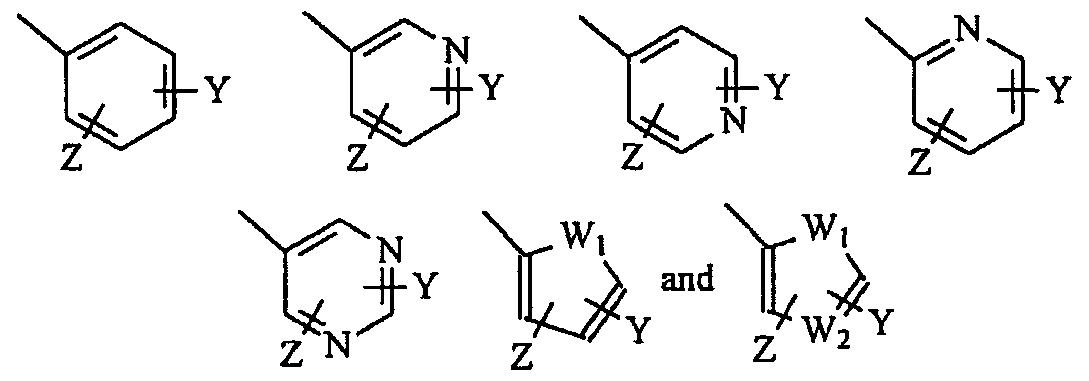


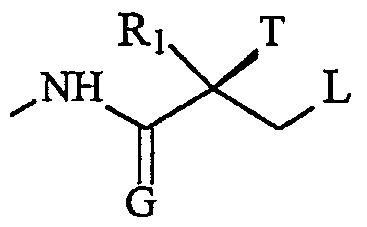


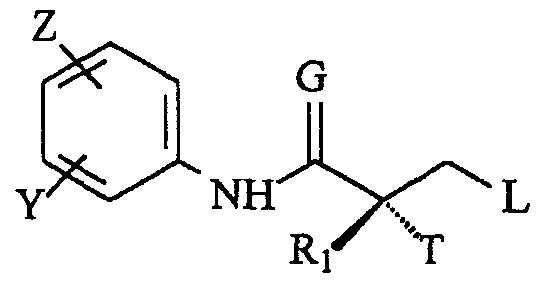
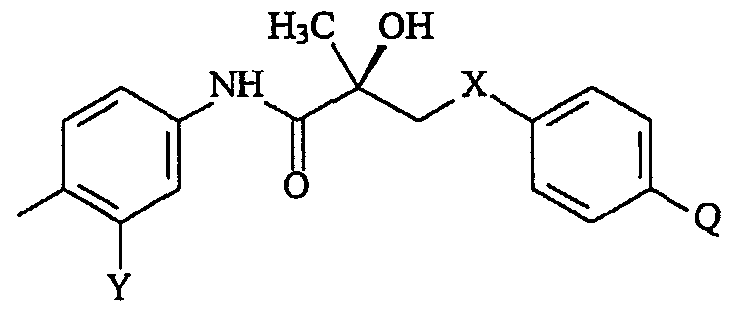


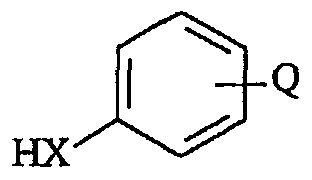


Claims


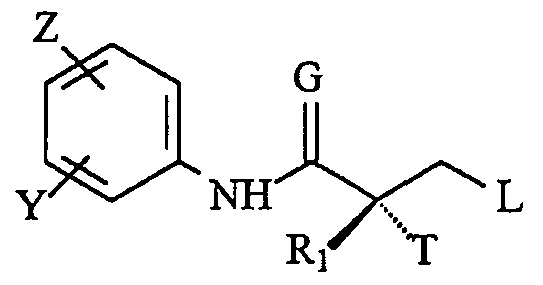


Priority Applications (10)
| Application Number | Priority Date | Filing Date | Title |
|---|---|---|---|
| KR10-2004-7013474A KR20040105208A (en) | 2002-02-28 | 2003-02-24 | Haloacetamide and azide substituted compounds and methods of use thereof |
| EP03713345A EP1487780A4 (en) | 2002-02-28 | 2003-02-24 | HALOGENACETAMIDE AND AZIDSUBSTITUTED COMPOUNDS AND METHOD FOR THEIR USE |
| BR0307981-3A BR0307981A (en) | 2002-02-28 | 2003-02-24 | Substituted haloacetamide and azide compounds and their methods of use |
| AU2003217303A AU2003217303A1 (en) | 2002-02-28 | 2003-02-24 | Haloacetamide and azide substituted compounds and methods of use thereof |
| JP2003572943A JP2006506318A (en) | 2002-02-28 | 2003-02-24 | Haloacetamide or azide substituted compounds and methods of use thereof |
| HR20040818A HRP20040818A2 (en) | 2002-02-28 | 2003-02-24 | Haloacetamide and azide substituted compounds and methods of use thereof |
| IL16374303A IL163743A0 (en) | 2002-02-28 | 2003-02-24 | Haloacetamide and azide substituted compounds and methods of use thereof |
| CA002476657A CA2476657A1 (en) | 2002-02-28 | 2003-02-24 | Haloacetamide and azide substituted compounds and methods of use thereof |
| MXPA04008413A MXPA04008413A (en) | 2002-02-28 | 2003-02-24 | Haloacetamide and azide substituted compounds and methods of use thereof. |
| EA200401123A EA200401123A1 (en) | 2002-02-28 | 2003-02-24 | HALOGENACETAMIDE AND AZID-SUBSTITUTED COMPOUNDS AND METHODS OF THEIR APPLICATION |
Applications Claiming Priority (2)
| Application Number | Priority Date | Filing Date | Title |
|---|---|---|---|
| US45370302P | 2002-02-28 | 2002-02-28 | |
| US60/453,703 | 2002-02-28 |
Publications (1)
| Publication Number | Publication Date |
|---|---|
| WO2003074471A1 true WO2003074471A1 (en) | 2003-09-12 |
Family
ID=33418064
Family Applications (1)
| Application Number | Title | Priority Date | Filing Date |
|---|---|---|---|
| PCT/US2003/003122 Ceased WO2003074471A1 (en) | 2002-02-28 | 2003-02-24 | Haloacetamide and azide substituted compounds and methods of use thereof |
Country Status (11)
| Country | Link |
|---|---|
| US (1) | US20040147489A1 (en) |
| EP (1) | EP1487780A4 (en) |
| JP (1) | JP2006506318A (en) |
| CN (1) | CN1639110A (en) |
| AU (1) | AU2003217303A1 (en) |
| BR (1) | BR0307981A (en) |
| CA (1) | CA2476657A1 (en) |
| HR (1) | HRP20040818A2 (en) |
| IL (1) | IL163743A0 (en) |
| MX (1) | MXPA04008413A (en) |
| WO (1) | WO2003074471A1 (en) |
Cited By (18)
| Publication number | Priority date | Publication date | Assignee | Title |
|---|---|---|---|---|
| WO2004035738A2 (en) | 2002-10-15 | 2004-04-29 | University Of Tennessee Research Foundation | Methylene-bridged selective androgen receptor modulators and methods of use thereof |
| WO2008024456A3 (en) * | 2006-08-24 | 2008-07-03 | Univ Tennessee Res Foundation | Substituted acylanilides and methods of use thereof |
| US7968721B2 (en) | 2003-01-13 | 2011-06-28 | University Of Tennessee Research Foundation | Large-scale synthesis of selective androgen receptor modulators |
| US8791158B2 (en) | 2010-01-11 | 2014-07-29 | Gtx, Inc. | Methods of treating meibomian gland dysfunction |
| US9278914B2 (en) | 2004-06-07 | 2016-03-08 | University Of Tennessee Research Foundation | SARMs and method of use thereof |
| US9604916B2 (en) | 2012-07-13 | 2017-03-28 | Gtx, Inc. | Method of treating androgen receptor (AR)-positive breast cancers with selective androgen receptor modulator (SARMs) |
| US9622992B2 (en) | 2012-07-13 | 2017-04-18 | Gtx, Inc. | Method of treating androgen receptor (AR)-positive breast cancers with selective androgen receptor modulator (SARMs) |
| US9730908B2 (en) | 2006-08-24 | 2017-08-15 | University Of Tennessee Research Foundation | SARMs and method of use thereof |
| US9744149B2 (en) | 2012-07-13 | 2017-08-29 | Gtx, Inc. | Method of treating androgen receptor (AR)-positive breast cancers with selective androgen receptor modulator (SARMs) |
| US9844528B2 (en) | 2006-08-24 | 2017-12-19 | University Of Tennessee Research Foundation | SARMs and method of use thereof |
| US9884038B2 (en) | 2004-06-07 | 2018-02-06 | University Of Tennessee Research Foundation | Selective androgen receptor modulator and methods of use thereof |
| US9889110B2 (en) | 2004-06-07 | 2018-02-13 | University Of Tennessee Research Foundation | Selective androgen receptor modulator for treating hormone-related conditions |
| US9969683B2 (en) | 2012-07-13 | 2018-05-15 | Gtx, Inc. | Method of treating estrogen receptor (ER)-positive breast cancers with selective androgen receptor modulator (SARMS) |
| US10010521B2 (en) | 2006-08-24 | 2018-07-03 | University Of Tennessee Research Foundation | SARMs and method of use thereof |
| US10258596B2 (en) | 2012-07-13 | 2019-04-16 | Gtx, Inc. | Method of treating HER2-positive breast cancers with selective androgen receptor modulators (SARMS) |
| US10314807B2 (en) | 2012-07-13 | 2019-06-11 | Gtx, Inc. | Method of treating HER2-positive breast cancers with selective androgen receptor modulators (SARMS) |
| US10849873B2 (en) | 2012-07-13 | 2020-12-01 | Oncternal Therapeutics, Inc | Non-invasive method of evaluating breast cancers for selective androgen receptor modulator (SARM) therapy |
| US11090283B2 (en) | 2007-09-11 | 2021-08-17 | University Of Tennessee Research Foundation | Solid forms of selective androgen receptor modulators |
Families Citing this family (32)
| Publication number | Priority date | Publication date | Assignee | Title |
|---|---|---|---|---|
| US7645898B2 (en) * | 2000-08-24 | 2010-01-12 | University Of Tennessee Research Foundation | Selective androgen receptor modulators and method of use thereof |
| US7622503B2 (en) | 2000-08-24 | 2009-11-24 | University Of Tennessee Research Foundation | Selective androgen receptor modulators and methods of use thereof |
| US7919647B2 (en) | 2000-08-24 | 2011-04-05 | University Of Tennessee Research Foundation | Selective androgen receptor modulators and methods of use thereof |
| US7855229B2 (en) * | 2000-08-24 | 2010-12-21 | University Of Tennessee Research Foundation | Treating wasting disorders with selective androgen receptor modulators |
| US8853266B2 (en) * | 2001-12-06 | 2014-10-07 | University Of Tennessee Research Foundation | Selective androgen receptor modulators for treating diabetes |
| US20070161608A1 (en) * | 2001-12-06 | 2007-07-12 | Dalton James T | Selective androgen receptor modulators for treating muscle wasting |
| US20110237664A1 (en) * | 2004-06-07 | 2011-09-29 | Dalton James T | Selective androgen receptor modulators for treating diabetes |
| US9492400B2 (en) | 2004-11-04 | 2016-11-15 | Massachusetts Institute Of Technology | Coated controlled release polymer particles as efficient oral delivery vehicles for biopharmaceuticals |
| WO2007070682A2 (en) | 2005-12-15 | 2007-06-21 | Massachusetts Institute Of Technology | System for screening particles |
| CA2648099C (en) | 2006-03-31 | 2012-05-29 | The Brigham And Women's Hospital, Inc | System for targeted delivery of therapeutic agents |
| EP2019691B1 (en) | 2006-05-15 | 2020-08-12 | Massachusetts Institute of Technology | Polymers for functional particles |
| US8288366B2 (en) | 2006-06-20 | 2012-10-16 | Chochinov Ronald H | Formulation for hair growth |
| US9381477B2 (en) | 2006-06-23 | 2016-07-05 | Massachusetts Institute Of Technology | Microfluidic synthesis of organic nanoparticles |
| EP2134830A2 (en) | 2007-02-09 | 2009-12-23 | Massachusetts Institute of Technology | Oscillating cell culture bioreactor |
| WO2008124632A1 (en) | 2007-04-04 | 2008-10-16 | Massachusetts Institute Of Technology | Amphiphilic compound assisted nanoparticles for targeted delivery |
| WO2008124634A1 (en) | 2007-04-04 | 2008-10-16 | Massachusetts Institute Of Technology | Polymer-encapsulated reverse micelles |
| SI2644192T1 (en) | 2007-09-28 | 2017-08-31 | Pfizer Inc. | Cancer Cell Targeting Using Nanoparticles |
| CA2917512C (en) | 2007-10-12 | 2025-08-05 | President And Fellows Of Harvard College | Vaccine nanotechnology |
| US8343498B2 (en) | 2008-10-12 | 2013-01-01 | Massachusetts Institute Of Technology | Adjuvant incorporation in immunonanotherapeutics |
| US8343497B2 (en) | 2008-10-12 | 2013-01-01 | The Brigham And Women's Hospital, Inc. | Targeting of antigen presenting cells with immunonanotherapeutics |
| US8591905B2 (en) | 2008-10-12 | 2013-11-26 | The Brigham And Women's Hospital, Inc. | Nicotine immunonanotherapeutics |
| US8277812B2 (en) | 2008-10-12 | 2012-10-02 | Massachusetts Institute Of Technology | Immunonanotherapeutics that provide IgG humoral response without T-cell antigen |
| CN103772238B (en) * | 2014-01-24 | 2017-03-22 | 苏州伊莱特新药研发有限公司 | Novel ester group-containing aromatic propionamide compound as well as preparation method and application thereof |
| CA3098873A1 (en) | 2018-05-11 | 2019-11-14 | Phosphorex, Inc. | Microparticles and nanoparticles having negative surface charges |
| JP2023544201A (en) | 2020-10-08 | 2023-10-20 | ターグイミューン セラピューティクス アクチエンゲゼルシャフト | Immunotherapy to treat cancer |
| AU2022208712A1 (en) * | 2021-01-15 | 2023-08-10 | University Of Tennessee Research Foundation | Pharmaceutical compositions for treating breast cancers and methods of uses thereof |
| WO2023079142A2 (en) | 2021-11-05 | 2023-05-11 | Targimmune Therapeutics Ag | Targeted linear conjugates comprising polyethyleneimine and polyethylene glycol and polyplexes comprising the same |
| JP2025537216A (en) | 2022-11-07 | 2025-11-14 | ターグイミューン セラピューティクス アクチエンゲゼルシャフト | Polyplexes of nucleic acids with targeted conjugates containing polyethyleneimine and polyethylene glycol |
| AU2023376546A1 (en) | 2022-11-07 | 2025-05-15 | Targimmune Therapeutics Ag | Targeted linear conjugates comprising polyethyleneimine and polyethylene glycol and polyplexes comprising the same |
| EP4615509A1 (en) | 2022-11-07 | 2025-09-17 | TargImmune Therapeutics AG | Psma-targeting linear conjugates comprising polyethyleneimine and polyethylene glycol and polyplexes comprising the same |
| CN121843920A (en) * | 2023-08-28 | 2026-04-10 | 中国药科大学 | Compounds as androgen receptor antagonists |
| WO2025238236A1 (en) | 2024-05-16 | 2025-11-20 | Targimmune Therapeutics Ag | Polyplexes of nucleic acids and targeted conjugates comprising polyethyleneimine and polyethylene glycol |
Citations (1)
| Publication number | Priority date | Publication date | Assignee | Title |
|---|---|---|---|---|
| US6071957A (en) * | 1996-11-27 | 2000-06-06 | The University Of Tennessee Research Corporation | Irreversible non-steroidal antagonist compound and its use in the treatment of prostate cancer |
Family Cites Families (15)
| Publication number | Priority date | Publication date | Assignee | Title |
|---|---|---|---|---|
| US3875229A (en) * | 1972-11-24 | 1975-04-01 | Schering Corp | Substituted carboxanilides |
| US4139638A (en) * | 1976-09-23 | 1979-02-13 | Schering Corporation | Methods for the treatment of hirsutism |
| DE2862100D1 (en) * | 1977-10-12 | 1983-01-05 | Ici Plc | Acylanilides, process for their manufacture and pharmaceutical and veterinary compositions containing them |
| US4191775A (en) * | 1977-12-15 | 1980-03-04 | Imperial Chemical Industries Limited | Amide derivatives |
| NZ197008A (en) * | 1980-05-22 | 1984-10-19 | Ici Ltd | Acylanilide derivatives and pharmaceutical compositions |
| JPS57171904A (en) * | 1981-04-15 | 1982-10-22 | Mitsubishi Petrochem Co Ltd | Tri- or tetra-substituted phenoxycarboxylic acid anilide type herbicide |
| ATE28864T1 (en) * | 1982-07-23 | 1987-08-15 | Ici Plc | AMIDE DERIVATIVES. |
| GB8617652D0 (en) * | 1986-07-18 | 1986-08-28 | Ici Plc | Acylanilide derivatives |
| US5162504A (en) * | 1988-06-03 | 1992-11-10 | Cytogen Corporation | Monoclonal antibodies to a new antigenic marker in epithelial prostatic cells and serum of prostatic cancer patients |
| US5609849A (en) * | 1994-03-11 | 1997-03-11 | The Trustees Of The University Of Pennsylvania | Serotonin (5-HT1A) receptor ligands and imaging agents |
| US5656651A (en) * | 1995-06-16 | 1997-08-12 | Biophysica Inc. | Androgenic directed compositions |
| AU7604798A (en) * | 1997-05-30 | 1998-12-30 | University Of Tennessee Research Corporation, The | Non-steroidal agonist compounds and their use in male hormone therapy |
| CA2420279C (en) * | 2000-08-24 | 2011-07-19 | The University Of Tennessee Research Corporation | Selective androgen receptor modulators and methods of use thereof |
| US20020173495A1 (en) * | 2000-08-24 | 2002-11-21 | Dalton James T. | Selective androgen receptor modulators and methods of use thereof |
| US20030022868A1 (en) * | 2001-06-25 | 2003-01-30 | Dalton James T. | Selective androgen receptor modulators and methods of use thereof |
-
2003
- 2003-02-24 HR HR20040818A patent/HRP20040818A2/en not_active Application Discontinuation
- 2003-02-24 IL IL16374303A patent/IL163743A0/en unknown
- 2003-02-24 EP EP03713345A patent/EP1487780A4/en not_active Withdrawn
- 2003-02-24 US US10/371,211 patent/US20040147489A1/en not_active Abandoned
- 2003-02-24 CA CA002476657A patent/CA2476657A1/en not_active Abandoned
- 2003-02-24 WO PCT/US2003/003122 patent/WO2003074471A1/en not_active Ceased
- 2003-02-24 CN CNA038049074A patent/CN1639110A/en active Pending
- 2003-02-24 AU AU2003217303A patent/AU2003217303A1/en not_active Abandoned
- 2003-02-24 MX MXPA04008413A patent/MXPA04008413A/en unknown
- 2003-02-24 JP JP2003572943A patent/JP2006506318A/en active Pending
- 2003-02-24 BR BR0307981-3A patent/BR0307981A/en not_active IP Right Cessation
Patent Citations (1)
| Publication number | Priority date | Publication date | Assignee | Title |
|---|---|---|---|---|
| US6071957A (en) * | 1996-11-27 | 2000-06-06 | The University Of Tennessee Research Corporation | Irreversible non-steroidal antagonist compound and its use in the treatment of prostate cancer |
Cited By (29)
| Publication number | Priority date | Publication date | Assignee | Title |
|---|---|---|---|---|
| EP1562594A4 (en) * | 2002-10-15 | 2008-12-17 | Univ Tennessee Res Foundation | ANDROGEN RECEPTOR MODULATORS WITH METHYLENE BINDING AND METHODS OF USE THEREOF |
| WO2004035738A2 (en) | 2002-10-15 | 2004-04-29 | University Of Tennessee Research Foundation | Methylene-bridged selective androgen receptor modulators and methods of use thereof |
| US7968721B2 (en) | 2003-01-13 | 2011-06-28 | University Of Tennessee Research Foundation | Large-scale synthesis of selective androgen receptor modulators |
| US9278914B2 (en) | 2004-06-07 | 2016-03-08 | University Of Tennessee Research Foundation | SARMs and method of use thereof |
| US10662148B2 (en) | 2004-06-07 | 2020-05-26 | University Of Tennessee Research Foundation | Selective androgen receptor modulator and methods of use thereof |
| US10053418B2 (en) | 2004-06-07 | 2018-08-21 | University Of Tennessee Research Foundation | Selective androgen receptor modulator and methods of use thereof |
| US9889110B2 (en) | 2004-06-07 | 2018-02-13 | University Of Tennessee Research Foundation | Selective androgen receptor modulator for treating hormone-related conditions |
| US9884038B2 (en) | 2004-06-07 | 2018-02-06 | University Of Tennessee Research Foundation | Selective androgen receptor modulator and methods of use thereof |
| US10300037B2 (en) | 2006-08-24 | 2019-05-28 | University Of Tennessee Research Foundation | SARMs and method of use thereof |
| EA016853B1 (en) * | 2006-08-24 | 2012-08-30 | Юниверсити Оф Теннесси Рисерч Фаундейшн | Substituted acylanilides and use thereof |
| WO2008024456A3 (en) * | 2006-08-24 | 2008-07-03 | Univ Tennessee Res Foundation | Substituted acylanilides and methods of use thereof |
| US8080682B2 (en) | 2006-08-24 | 2011-12-20 | University Of Tennessee Research Foundation | Substituted acylanilides and methods of use thereof |
| US9730908B2 (en) | 2006-08-24 | 2017-08-15 | University Of Tennessee Research Foundation | SARMs and method of use thereof |
| US8846756B2 (en) | 2006-08-24 | 2014-09-30 | University Of Tennessee Research Foundation | Substituted acylanilides and methods of use thereof |
| US9844528B2 (en) | 2006-08-24 | 2017-12-19 | University Of Tennessee Research Foundation | SARMs and method of use thereof |
| US10010521B2 (en) | 2006-08-24 | 2018-07-03 | University Of Tennessee Research Foundation | SARMs and method of use thereof |
| CN101528214B (en) * | 2006-08-24 | 2013-06-05 | 田纳西大学研究基金会 | Substituted N-acylanilides and methods of use thereof |
| US11090283B2 (en) | 2007-09-11 | 2021-08-17 | University Of Tennessee Research Foundation | Solid forms of selective androgen receptor modulators |
| US12053448B2 (en) | 2007-09-11 | 2024-08-06 | University Of Tennessee Research Foundation | Solid forms of selective androgen receptor modulators |
| US8791158B2 (en) | 2010-01-11 | 2014-07-29 | Gtx, Inc. | Methods of treating meibomian gland dysfunction |
| US9969683B2 (en) | 2012-07-13 | 2018-05-15 | Gtx, Inc. | Method of treating estrogen receptor (ER)-positive breast cancers with selective androgen receptor modulator (SARMS) |
| US9744149B2 (en) | 2012-07-13 | 2017-08-29 | Gtx, Inc. | Method of treating androgen receptor (AR)-positive breast cancers with selective androgen receptor modulator (SARMs) |
| US10258596B2 (en) | 2012-07-13 | 2019-04-16 | Gtx, Inc. | Method of treating HER2-positive breast cancers with selective androgen receptor modulators (SARMS) |
| US9622992B2 (en) | 2012-07-13 | 2017-04-18 | Gtx, Inc. | Method of treating androgen receptor (AR)-positive breast cancers with selective androgen receptor modulator (SARMs) |
| US10314807B2 (en) | 2012-07-13 | 2019-06-11 | Gtx, Inc. | Method of treating HER2-positive breast cancers with selective androgen receptor modulators (SARMS) |
| US9604916B2 (en) | 2012-07-13 | 2017-03-28 | Gtx, Inc. | Method of treating androgen receptor (AR)-positive breast cancers with selective androgen receptor modulator (SARMs) |
| US10849873B2 (en) | 2012-07-13 | 2020-12-01 | Oncternal Therapeutics, Inc | Non-invasive method of evaluating breast cancers for selective androgen receptor modulator (SARM) therapy |
| US10987334B2 (en) | 2012-07-13 | 2021-04-27 | University Of Tennessee Research Foundation | Method of treating ER mutant expressing breast cancers with selective androgen receptor modulators (SARMs) |
| US12115146B2 (en) | 2012-07-13 | 2024-10-15 | University Of Tennessee Research Foundation | Treatment of skeletal-related events for breast cancer patients |
Also Published As
| Publication number | Publication date |
|---|---|
| CN1639110A (en) | 2005-07-13 |
| HRP20040818A2 (en) | 2005-02-28 |
| MXPA04008413A (en) | 2005-06-08 |
| IL163743A0 (en) | 2005-12-18 |
| US20040147489A1 (en) | 2004-07-29 |
| BR0307981A (en) | 2006-01-17 |
| CA2476657A1 (en) | 2003-09-12 |
| EP1487780A1 (en) | 2004-12-22 |
| AU2003217303A1 (en) | 2003-09-16 |
| JP2006506318A (en) | 2006-02-23 |
| EP1487780A4 (en) | 2005-11-16 |
Similar Documents
| Publication | Publication Date | Title |
|---|---|---|
| EP1487458B1 (en) | Multi-substituted selective androgen receptor modulators and methods of use thereof | |
| US20040147489A1 (en) | Haloacetamide and azide substituted compounds and methods of use thereof | |
| US7803970B2 (en) | Multi-substitued selective androgen receptor modulators and methods of use thereof | |
| US7759520B2 (en) | Synthesis of selective androgen receptor modulators | |
| US6995284B2 (en) | Synthesis of selective androgen receptor modulators | |
| EP1592658B1 (en) | Large-scale synthesis of selective androgen receptor modulators | |
| US7518013B2 (en) | Selective androgen receptor modulators | |
| US20040087810A1 (en) | Irreversible selective androgen receptor modulators and methods of use thereof | |
| AU2003216153B2 (en) | Multi-substitued selective androgen receptor modulators and methods of use thereof | |
| US20040067979A1 (en) | N-bridged selective androgen receptor modulators and methods of use thereof | |
| US20040167103A1 (en) | Haloacetamide and azide substituted compounds and methods of use thereof | |
| US20060287547A1 (en) | Selective androgen receptor modulators | |
| AU2003287074A1 (en) | Halogenated selective androgen receptor modulators and methods of use thereof | |
| EP1487783A2 (en) | Irreversible selective androgen receptor modulators and methods of use thereof | |
| US20060258628A1 (en) | Compositions comprising 5-alpha reductase inhibitors, and SARMs and methods of use thereof | |
| AU2008201811B2 (en) | Multi-substituted selective androgen receptor modulators and methods of use thereof | |
| EP2266577A1 (en) | Multi-substitued selective androgen receptor modulators and methods of use therof | |
| KR20040105208A (en) | Haloacetamide and azide substituted compounds and methods of use thereof | |
| HK1152492A (en) | Multi-substitued selective androgen receptor modulators and methods of use therof | |
| HK1082724B (en) | Large-scale synthesis of selective androgen receptor modulators | |
| HK1156298A (en) | Selective androgen receptor modulators and methods of use thereof | |
| HK1171732A (en) | Large-scale synthesis of selective androgen receptor modulators |
Legal Events
| Date | Code | Title | Description |
|---|---|---|---|
| AK | Designated states |
Kind code of ref document: A1 Designated state(s): AE AG AL AM AT AU AZ BA BB BG BR BY BZ CA CH CN CO CR CU CZ DE DK DM DZ EC EE ES FI GB GD GE GH GM HR HU ID IL IN IS JP KE KG KP KR KZ LC LK LR LS LT LU LV MA MD MG MK MN MW MX MZ NO NZ OM PH PL PT RO RU SC SD SE SG SK SL TJ TM TN TR TT TZ UA UG US UZ VC VN YU ZA ZM ZW |
|
| AL | Designated countries for regional patents |
Kind code of ref document: A1 Designated state(s): GH GM KE LS MW MZ SD SL SZ TZ UG ZM ZW AM AZ BY KG KZ MD RU TJ TM AT BE BG CH CY CZ DE DK EE ES FI FR GB GR HU IE IT LU MC NL PT SE SI SK TR BF BJ CF CG CI CM GA GN GQ GW ML MR NE SN TD TG |
|
| 121 | Ep: the epo has been informed by wipo that ep was designated in this application | ||
| DFPE | Request for preliminary examination filed prior to expiration of 19th month from priority date (pct application filed before 20040101) | ||
| WWE | Wipo information: entry into national phase |
Ref document number: 2476657 Country of ref document: CA |
|
| WWE | Wipo information: entry into national phase |
Ref document number: 163743 Country of ref document: IL |
|
| WWE | Wipo information: entry into national phase |
Ref document number: PA/a/2004/008413 Country of ref document: MX Ref document number: 2003572943 Country of ref document: JP Ref document number: 1020047013474 Country of ref document: KR Ref document number: P-762/04 Country of ref document: YU |
|
| WWE | Wipo information: entry into national phase |
Ref document number: 20038049074 Country of ref document: CN |
|
| WWE | Wipo information: entry into national phase |
Ref document number: 2003217303 Country of ref document: AU |
|
| WWE | Wipo information: entry into national phase |
Ref document number: P20040818A Country of ref document: HR |
|
| WWE | Wipo information: entry into national phase |
Ref document number: 2129/CHENP/2004 Country of ref document: IN |
|
| ENP | Entry into the national phase |
Ref country code: GE Ref document number: GE P |
|
| WWE | Wipo information: entry into national phase |
Ref document number: 8418 Country of ref document: GE Ref document number: 200401123 Country of ref document: EA |
|
| WWE | Wipo information: entry into national phase |
Ref document number: 2003713345 Country of ref document: EP |
|
| WWP | Wipo information: published in national office |
Ref document number: 1020047013474 Country of ref document: KR |
|
| WWP | Wipo information: published in national office |
Ref document number: 2003713345 Country of ref document: EP |
|
| ENP | Entry into the national phase |
Ref document number: PI0307981 Country of ref document: BR |
|
| WWW | Wipo information: withdrawn in national office |
Ref document number: 2003713345 Country of ref document: EP |