WO2003076398A2 - Pyrrole-2, 5-dione derivatives and their use as gsk-3 inhibitors - Google Patents
Pyrrole-2, 5-dione derivatives and their use as gsk-3 inhibitors Download PDFInfo
- Publication number
- WO2003076398A2 WO2003076398A2 PCT/US2003/005052 US0305052W WO03076398A2 WO 2003076398 A2 WO2003076398 A2 WO 2003076398A2 US 0305052 W US0305052 W US 0305052W WO 03076398 A2 WO03076398 A2 WO 03076398A2
- Authority
- WO
- WIPO (PCT)
- Prior art keywords
- mmol
- alkyl
- hydrogen
- add
- compound
- Prior art date
- Legal status (The legal status is an assumption and is not a legal conclusion. Google has not performed a legal analysis and makes no representation as to the accuracy of the status listed.)
- Ceased
Links
- 0 CC(*)C(C(O*N)=O)=O Chemical compound CC(*)C(C(O*N)=O)=O 0.000 description 1
- BTKSUULMJNNXHG-UHFFFAOYSA-N CCOC(CNC)=O Chemical compound CCOC(CNC)=O BTKSUULMJNNXHG-UHFFFAOYSA-N 0.000 description 1
Classifications
-
- C—CHEMISTRY; METALLURGY
- C07—ORGANIC CHEMISTRY
- C07D—HETEROCYCLIC COMPOUNDS
- C07D451/00—Heterocyclic compounds containing 8-azabicyclo [3.2.1] octane, 9-azabicyclo [3.3.1] nonane, or 3-oxa-9-azatricyclo [3.3.1.0<2,4>] nonane ring systems, e.g. tropane or granatane alkaloids, scopolamine; Cyclic acetals thereof
- C07D451/02—Heterocyclic compounds containing 8-azabicyclo [3.2.1] octane, 9-azabicyclo [3.3.1] nonane, or 3-oxa-9-azatricyclo [3.3.1.0<2,4>] nonane ring systems, e.g. tropane or granatane alkaloids, scopolamine; Cyclic acetals thereof containing not further condensed 8-azabicyclo [3.2.1] octane or 3-oxa-9-azatricyclo [3.3.1.0<2,4>] nonane ring systems, e.g. tropane; Cyclic acetals thereof
- C07D451/04—Heterocyclic compounds containing 8-azabicyclo [3.2.1] octane, 9-azabicyclo [3.3.1] nonane, or 3-oxa-9-azatricyclo [3.3.1.0<2,4>] nonane ring systems, e.g. tropane or granatane alkaloids, scopolamine; Cyclic acetals thereof containing not further condensed 8-azabicyclo [3.2.1] octane or 3-oxa-9-azatricyclo [3.3.1.0<2,4>] nonane ring systems, e.g. tropane; Cyclic acetals thereof with hetero atoms directly attached in position 3 of the 8-azabicyclo [3.2.1] octane or in position 7 of the 3-oxa-9-azatricyclo [3.3.1.0<2,4>] nonane ring system
-
- A—HUMAN NECESSITIES
- A61—MEDICAL OR VETERINARY SCIENCE; HYGIENE
- A61P—SPECIFIC THERAPEUTIC ACTIVITY OF CHEMICAL COMPOUNDS OR MEDICINAL PREPARATIONS
- A61P25/00—Drugs for disorders of the nervous system
- A61P25/28—Drugs for disorders of the nervous system for treating neurodegenerative disorders of the central nervous system, e.g. nootropic agents, cognition enhancers, drugs for treating Alzheimer's disease or other forms of dementia
-
- A—HUMAN NECESSITIES
- A61—MEDICAL OR VETERINARY SCIENCE; HYGIENE
- A61P—SPECIFIC THERAPEUTIC ACTIVITY OF CHEMICAL COMPOUNDS OR MEDICINAL PREPARATIONS
- A61P3/00—Drugs for disorders of the metabolism
- A61P3/08—Drugs for disorders of the metabolism for glucose homeostasis
- A61P3/10—Drugs for disorders of the metabolism for glucose homeostasis for hyperglycaemia, e.g. antidiabetics
-
- A—HUMAN NECESSITIES
- A61—MEDICAL OR VETERINARY SCIENCE; HYGIENE
- A61P—SPECIFIC THERAPEUTIC ACTIVITY OF CHEMICAL COMPOUNDS OR MEDICINAL PREPARATIONS
- A61P43/00—Drugs for specific purposes, not provided for in groups A61P1/00-A61P41/00
-
- A—HUMAN NECESSITIES
- A61—MEDICAL OR VETERINARY SCIENCE; HYGIENE
- A61P—SPECIFIC THERAPEUTIC ACTIVITY OF CHEMICAL COMPOUNDS OR MEDICINAL PREPARATIONS
- A61P5/00—Drugs for disorders of the endocrine system
- A61P5/48—Drugs for disorders of the endocrine system of the pancreatic hormones
- A61P5/50—Drugs for disorders of the endocrine system of the pancreatic hormones for increasing or potentiating the activity of insulin
-
- C—CHEMISTRY; METALLURGY
- C07—ORGANIC CHEMISTRY
- C07D—HETEROCYCLIC COMPOUNDS
- C07D401/00—Heterocyclic compounds containing two or more hetero rings, having nitrogen atoms as the only ring hetero atoms, at least one ring being a six-membered ring with only one nitrogen atom
- C07D401/14—Heterocyclic compounds containing two or more hetero rings, having nitrogen atoms as the only ring hetero atoms, at least one ring being a six-membered ring with only one nitrogen atom containing three or more hetero rings
-
- C—CHEMISTRY; METALLURGY
- C07—ORGANIC CHEMISTRY
- C07D—HETEROCYCLIC COMPOUNDS
- C07D403/00—Heterocyclic compounds containing two or more hetero rings, having nitrogen atoms as the only ring hetero atoms, not provided for by group C07D401/00
- C07D403/02—Heterocyclic compounds containing two or more hetero rings, having nitrogen atoms as the only ring hetero atoms, not provided for by group C07D401/00 containing two hetero rings
- C07D403/04—Heterocyclic compounds containing two or more hetero rings, having nitrogen atoms as the only ring hetero atoms, not provided for by group C07D401/00 containing two hetero rings directly linked by a ring-member-to-ring-member bond
-
- C—CHEMISTRY; METALLURGY
- C07—ORGANIC CHEMISTRY
- C07D—HETEROCYCLIC COMPOUNDS
- C07D403/00—Heterocyclic compounds containing two or more hetero rings, having nitrogen atoms as the only ring hetero atoms, not provided for by group C07D401/00
- C07D403/14—Heterocyclic compounds containing two or more hetero rings, having nitrogen atoms as the only ring hetero atoms, not provided for by group C07D401/00 containing three or more hetero rings
-
- C—CHEMISTRY; METALLURGY
- C07—ORGANIC CHEMISTRY
- C07D—HETEROCYCLIC COMPOUNDS
- C07D405/00—Heterocyclic compounds containing both one or more hetero rings having oxygen atoms as the only ring hetero atoms, and one or more rings having nitrogen as the only ring hetero atom
- C07D405/14—Heterocyclic compounds containing both one or more hetero rings having oxygen atoms as the only ring hetero atoms, and one or more rings having nitrogen as the only ring hetero atom containing three or more hetero rings
-
- C—CHEMISTRY; METALLURGY
- C07—ORGANIC CHEMISTRY
- C07D—HETEROCYCLIC COMPOUNDS
- C07D471/00—Heterocyclic compounds containing nitrogen atoms as the only ring hetero atoms in the condensed system, at least one ring being a six-membered ring with one nitrogen atom, not provided for by groups C07D451/00 - C07D463/00
- C07D471/02—Heterocyclic compounds containing nitrogen atoms as the only ring hetero atoms in the condensed system, at least one ring being a six-membered ring with one nitrogen atom, not provided for by groups C07D451/00 - C07D463/00 in which the condensed system contains two hetero rings
- C07D471/04—Ortho-condensed systems
-
- C—CHEMISTRY; METALLURGY
- C07—ORGANIC CHEMISTRY
- C07D—HETEROCYCLIC COMPOUNDS
- C07D491/00—Heterocyclic compounds containing in the condensed ring system both one or more rings having oxygen atoms as the only ring hetero atoms and one or more rings having nitrogen atoms as the only ring hetero atoms, not provided for by groups C07D451/00 - C07D459/00, C07D463/00, C07D477/00 or C07D489/00
- C07D491/02—Heterocyclic compounds containing in the condensed ring system both one or more rings having oxygen atoms as the only ring hetero atoms and one or more rings having nitrogen atoms as the only ring hetero atoms, not provided for by groups C07D451/00 - C07D459/00, C07D463/00, C07D477/00 or C07D489/00 in which the condensed system contains two hetero rings
- C07D491/04—Ortho-condensed systems
Definitions
- Glycogen synthase inase-3 is a serine/threonine protein kinase first discovered as one of a number of kinases capable of phosphorylating and inactivating glycogen synthase, the regulatory enzyme of glycogen synthesis in mammals (Embi, et al., EU I Biochem.. 107, 519-527 (1980)).
- GSK-3 ⁇ and GSK-3 ⁇ GSK-3 phosphorylates a wide variety of proteins in vitro. The diversity of these proteins suggests a role for GSK-3 in the control of cellular metabolism, growth, and development.
- Type I diabetes is characterized by a lack of insulin resulting from the destruction of insulin producing cells in the pancreas.
- Type II diabetes is characterized by defective insulin secretion and action.
- the binding of insulin to its receptor initiates a cascade of events resulting in the phosphorylation and inhibition of GSK-3, contributing to the insulin-induced stimulation of glycogen and protein synthesis.
- Inhibitors of GSK-3 have been shown to mimic the actions of insulin (Coghlan, et al., Chem. Biol., 7, 793-803 (2000)), including the ability to lower blood glucose levels in vivo (Norman, Drug News Perspect, 14, 242-247 (2001)).
- Alzheimer's disease is characterized by the micro-tubule-associated protein Tau existing in an abnormally hyperphosphorylated state (Cohen and Frame, Nature Reviews: Molecular Cell Biology, 2, 769-776 (October 2001) ⁇ www.nature.com/reviews/molcellbio>).
- GSK-3 phosphorylates many of the hyperphosphorylated sites on Tau in vitro, preventing it from binding to microtubules, making it available to undergo the aberrant filament assembly that may underlie the neuronal degeneration observed in Alzheimer's disease and other neurological disorders.
- Inhibitors of GSK-3 such as insulin and lithium ions, have been shown to induce a partial dephosphorylation of Tau in neuronal cells (Cross, et al., Neurochem., 77, 94-102
- WO 98/16528 describes purine derivatives
- WO 99/65897 describes pyrimidine and pyridine derivatives
- WO 00/38675 describes maleimides
- WO 01/56567 describes diaminothia-zole derivatives that are taught to be inhibitors of GSK-3.
- GSK-3 inhibitors are necessary to provide treatments for GSK-3 mediated endocrine and neurological disorders.
- the present invention provides inhibitors of GSK- 3.
- the present invention provides compounds of Formula I:
- Ar is benzofur-7-yl optionally substituted in the phenyl ring with R 8 and R 9 , 1- (R 7 )-indol-4-yl, benzofur-4-yl, quinolin-5-yl, quinolin-7-yl, isoquinolin-5-yl, isoquinolin- 3-yl, imidazo[l,2-a]pyridin-3-yl, imidazo[l,2-a]pyridin-5-yl, furo[3,2-c]pyridin-7-yl, benzo [ 1 ,3] dioxol-4-yl, 2,2-difluorobenzo[ 1 ,3]dioxol-4-yl, or 2,3-dihydrobenzofur-7-yl optionally substituted in the phenyl ring with R 8 and R 9 and in the dihydrofuryl ring with Ci- alkyl;
- R la is hydrogen, C 1 -C 4 alkoxy, -(CH 2 ) m -G, -O-(CH 2 ) m -G, halo, -C 4 alkyl optionally substituted with one to three halo, piperazin-1-yl optionally substituted 1-2 times with -(CO 2 ) n -(C!-C 4 alkyl), or -(CH 2 )-O-(CH 2 )-O-(CH 3 );
- R lb is hydrogen or halo
- R lc is hydrogen or halo
- G is independently at each occurrence hydroxy, NR ⁇ R 12 , or piperidin-4-yl;
- R 2 is hydrogen, C C 4 alkyl, -(CH 2 ) m -G, tetrahydropyran-4-yl, 4-(NR 4 R 5 )cyclo- hex-l-yl, 4-hydroxycyclohex-l-yl, 2-azabicyclo[3.2.1]oct-5-yl, the moiety
- R 3 is hydrogen, halo, - alkyl, or cyclopropyl; or R 2 and R 3 taken together
- R 4 is hydrogen and R 5 is hydrogen or Ci-C alkyl, or R 4 and R 5 taken together with nitrogen to which they are attached form a pyrrolidine ring;
- R 6 is hydrogen, benzyl, -CO 2 (d-C 4 alkyl), -C(O)-(C C 4 alkyl) n -NR 14 R 15 ,
- R 7 is hydrogen, C1-C4 alkyl, or -(CH 2 ) m -G;
- R 8 is -NHCO 2 (C ! -C 4 alkyl), -NHSO 2 (Ci-C alkyl), halo, amino, -O-(CH 2 ) m -G,
- R 9 is halo
- R 10 is piperidin-3-yl, piperidin-4-yl, or pyrrolidin-3-yl; R and R are independently selected from the group consisting of hydrogen, Q-
- R 13 is hydrogen, C(O)-(C ⁇ -C 4 alkyl), or C C 4 alkyl;
- R 14 and R 15 are independently hydrogen or C 1 -C 4 alkyl;
- R 16 is independently at each occurrence hydrogen, geminal dimethyl, geminal diethyl, a spiro-fused C 3 -C 6 cycloalkyl, or - alkyl optionally substituted with
- R represents hydrogen, C 1 -C 4 alkyl, or geminal dimethyl, provided that the total number of carbon atoms between R 16 and R 17 does not exceed five; m is independently at each occurrence 2, 3, 4, or 5; n is independently at each occurrence 0 or 1; or a pharmaceutically acceptable salt thereof, subject to the following provisos: i) when G is hydroxy, no more than two of R la , R 2 , R 7 , or R 8 may be
- the present invention also provides a method of treating diabetes in a mammal comprising administering to a mammal in need of such treatment an effective amount of a compound of Formula I.
- the present invention also provides a method of treating Alzheimer's disease in a mammal comprising administering to a mammal in need of such treatment an effective amount of a compound of Formula I.
- the present invention further provides a method of inhibiting GSK-3 in a mammal comprising administering to a mammal in need of such treatment an effective amount of a compound of Formula I.
- the present invention also provides a pharmaceutical formulation comprising a compound of Formula I, in combination with a pharmaceutically acceptable carrier, diluent or excipient.
- the present invention further provides a method of stimulating bone deposition in a mammal comprising administering to a mammal in need of such treatment an effective amount of a GSK-3 inhibitor.
- the present invention also provides a method of stimulating bone deposition in a mammal comprising administering to a mammal in need of such treatment an effective amount of a compound of Formula I. Furthermore, this invention provides the use of a compound of Formula I for the manufacture of a medicament for the treatment of diabetes. This invention also provides the use of a compound of Formula I for the manufacture of a medicament for the treatment of Alzheimer's disease. This invention also provides the use of a compound of Formula I for the manufacture of a medicament for the inhibition of GSK-3. This invention also provides the use of a compound of Formula I for the manufacture of a medicament for the inhibition of GSK-3. Additionally, this invention provides a pharmaceutical formulation adapted for the treatment of diabetes containing a compound of Formula I.
- this invention provides the use of a compound of Formula I for the manufacture of a medicament for the treatment of diabetes.
- This invention also provides the use of a compound of Formula I for the manufacture of a medicament for the treatment of Alzheimer's disease.
- the present invention also provides a formulation adapted for stimulating bone deposition in mammals containing a compound of Formula.
- the present invention further provides the use of a compound of Formula I for the manufacture of a medicament for stimulating bone deposition.
- GSK-3 refers to GSK-3 ⁇ and/or GSK-3 ⁇ .
- the term "diabetes” is taken to mean Type I and or Type ⁇ diabetes.
- the general chemical terms used herein have their usual meanings.
- the term "Ci-C 4 alkyl,” alone or in combination, denotes a straight-chain or branched-chain C ⁇ -C 4 alkyl group consisting of carbon and hydrogen atoms, examples of which are methyl, ethyl, propyl, isopropyl, butyl, sec-butyl, tert-butyl, and the like.
- C 3 -C 6 cycloalkyl refers to cyclopropyl, cyclobutyl, cyclopentyl, and cyclohexyl.
- spiro-fused C 3 -C 6 cycloalkyl refers to a C 3 -C 6 cycloalkyl group as defined above bonded to a carbon atom through a spiro linkage.
- Q-C 4 alkoxy denotes an alkyl group as defined earlier which is attached via an oxygen atom, such as, for example, methoxy, ethoxy, propoxy, isopropoxy, butoxy, tert-butoxy, and the like.
- C 1 -C 4 alkylthio alone or in combination, denotes an alkyl group as defined earlier which is attached via a sulfur atom, and includes methylthio, ethylthio, isobutylthio, and the like.
- amino acid residue is taken to mean an amino acid moiety selected from the group consisting of alanyl, arginyl, asparaginyl, aspartyl, cysteinyl, glutaminyl, glutamyl, glycyl, histidyl, isoleucyl, leucyl, lysyl, methionyl, phenylalanyl, phenylglycyl, prolyl, seryl, threonyl, tryptophanyl, tyrosyl, and valyl bonded through an acid carbonyl.
- the compounds of the present invention are capable of forming salts.
- the pharmaceutically acceptable salts of all of the compounds are included in the names of them.
- the compounds of the present invention are amines, and accordingly react with any of a number of inorganic and organic acids to form pharmaceutically acceptable acid addition salts.
- Preferred pharmaceutically acceptable salts are those formed with hydrochloric acid.
- Ar is benzofur-7-yl.
- Ar is 2,3-dihydrobenzofur-7-yl optionally substituted in the phenyl ring with halo.
- Ar is 2,3-dihydro-6-fluorobenzofur-7-yl.
- Ar is imidazo[l,2-a]pyridin-3-yl.
- R la is -(CH 2 ) m -G.
- f) R la is -O-(CH 2 ) m -G.
- R l is hydrogen, h) R lb is fluoro.
- R lc is hydrogen.
- R lc is fluoro.
- G is hydroxy.
- G is NR ⁇ R 12 m
- G is piperidin-4-yl.
- n R 2 is -(CH 2 ) m -G.
- o R 2 is l-(R 6 )-piperidin-4-yl.
- p R 2 is l-(R 6 )-piperidin-4-yl further substituted with methyl.
- q) R 3 is halo.
- R 6 is hydrogen.
- t) R 6 is -C(O)morpholin-4-yl.
- u) R 6 is -C(O)pyrazin-2-yl.
- v) R 7 is methyl.
- w) R 7 is -(CH 2 ) m -G.
- x) R 8 is -O-(CH 2 ) m -G.
- y) R 8 is halo.
- z) R is fluoro.
- aa) is methoxy.
- bb) is hydroxy.
- cc) R 9 is fluoro.
- dd) R 9 is chloro.
- ee) R n is hydrogen, ff) R 11 is methyl.
- the compounds of Formula I are inhibitors of GSK-3.
- the present invention also provides a method of inhibiting GSK-3 in a mammal that comprises administering to a mammal in need of said treatment a GSK-3 inhibiting amount of a compound of Formula I.
- the present compounds are believed to be useful in treating Type I and/or Type II diabetes.
- the compounds of the present invention are believed to be useful in the treatment of neurological disorders such as dementias, especially dementia of the Alzheimer's type.
- the compounds of the present invention are also believed to be useful for the treatment of bipolar disorder.
- a further embodiment of the present invention is the use of inhibitors of GSK-3 for rapid bone deposition.
- This ability to stimulate rapid bone deposition provides a new means to treat a variety of disease states and conditions where it would be beneficial to grow new bone. These disease states include osteoporosis and fraility as well as bone loss due to periodontal disease. Compounds exhibiting this activity will also be useful in promoting wound healing and bone fracture repair. It is also contemplated that GSK-3 inhibitor mediated bone deposition will improve patient outcomes in joint replacement surgeries by enhancing the attachment of a joint prosthesis to the patient's bone.
- the use of the compounds of the present invention for the induction of rapid bone deposition is preferred. It is preferred that the mammal to be treated by the administration of the compounds of Formula I is human.
- the skilled artisan will appreciate that the introduction of certain substituents will create asymmetry in the compounds of Formula I.
- the present invention contemplates all enantiomers and mixtures of enantiomers, including racemates. It is preferred that the compounds of the invention containing chiral centers are single enantiomers.
- the compounds of the present invention can be prepared by a variety of procedures, some of which are illustrated in the Schemes below. It will be recognized by one of skill in the art that the individual steps in the following schemes may be varied to provide the compounds of Formula I. The particular order of steps required to produce the compounds of Formula I is dependent upon the particular compound being synthesized, the starting compound, and the relative lability of the substituted moieties. Some substituents - such as R la , R lb , and R lc - have been eliminated in the following schemes for the sake of clarity and are not intended to limit the teaching of the schemes in any way.
- Scheme I depicts synthetic methods for the formation of the bisarylmaleimides of Formula I via Methods A and B.
- This reaction is well known in the art. See, for example, Faul, et al., Org. Chem. 63, 6053-6058 (1998).
- the oxoacetic acid esters of formula (1) or (4) are reacted with the acetamides of formula (2) or (3), respectively, in a suitable solvent, such as dimethylformamide or tetrahydrofuran, in the presence of a suitable base, such as sodium hydride or preferably potassium tert-butoxide.
- the reaction is conducted at 0°C to room temperature, and the reactants are stirred for 1-24 hours.
- the reaction mixture is treated with a suitable acid, such as hydrochloric acid, after which the mixture is stirred at about ambient temperature for 1-24 hours.
- a suitable acid such as hydrochloric acid
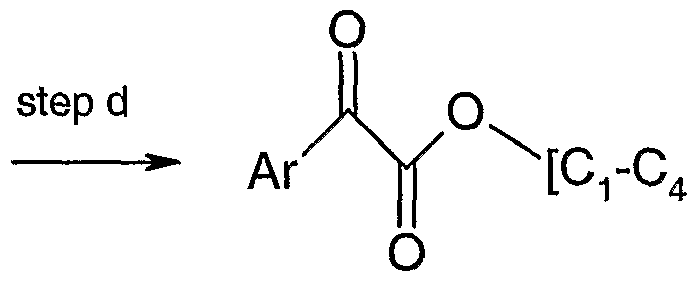
- oxoacetic acid esters of formulae (1) and (4) can be prepared from appropriately substituted indoles and aryl groups.
- the formation of oxoacetic acid esters is depicted in Schemes Ila and Hb.
- Scheme Ha alkyl
- the 3-indolyloxoacetic acid esters of formula (1) are either commercially available or may be prepared as depicted in Scheme Ha.
- An appropriately substituted indole is reacted with an oxalyl halide, such as oxalyl chloride, in the presence of an organic base, such as 2,6-lutidine or triethylamine, in an appropriate solvent, such as dichloromethane or diethyl ether, to give a compound of formula (1).
- the reaction is performed at low temperatures, and the mixture is stirred for 1-24 hrs.
- the compounds of formula (11) are converted to compounds of formula (12) in step i by lithium-halogen exchange, followed by quenching with N,N'- dimethylformamide.
- Compounds of formula (13) are formed in step f, via a phosphorylated cyanohydrin formed in situ from reaction of compounds of formula (12), diethylcyanophosphonate, and lithium cyanide in a suitable solvent, such as tetrahydrofuran.
- a suitable solvent such as tetrahydrofuran.
- Suitable coupling reagents include N,N'- carbonyldiimidazole (CDI), N,N'-dicyclohexylcarbodiimide (DCC), l-(3- dimethylarnino ⁇ ropyl)-3-ethylcarbodiimide hydrochloride (EDC), and l-(3-(l- pyrrolidinyl)propyl)-3-ethylcarbodiimide (PEPC).
- Suitable optional catalysts for the coupling reaction include N,N- [dimethyl] -4-amino ⁇ yridine (DMAP).
- reagents are combined in a suitable solvent - typically dichloromethane, chloroform, tetrahydrofuran, dioxane, or diethyl ether - and are stirred for from 1 to 72 hours at a temperature of from ambient to about the reflux temperature of the solvent.
- a suitable solvent typically dichloromethane, chloroform, tetrahydrofuran, dioxane, or diethyl ether - and are stirred for from 1 to 72 hours at a temperature of from ambient to about the reflux temperature of the solvent.
- the desired product may be isolated by standard extractive and crystallization techniques, and purified by chromatography or crystallization as necessary or desired.
- step m the skilled artisan would appreciate that compounds of formula (14) may be reacted to form compounds of formula (2) directly.
- Benzofurans of formula (18) may be derived from compounds of formula (16).
- appropriately substituted phenols are O-alkylated with bromoacetaldehyde and a suitable base, such as potassium carbonate. Cyclization is accomplished in a suitable solvent, in which water can be an azeotrope, such as chlorobenzene at refluxing temperatures in step o.
- Step p depicts a [2+3] cyclization of optionally substituted 2-aminopyridine with ethyl oxybutenoate in acetonitrile under reflux conditions to afford compounds of formula (20).
- Formula (20) can be transformed to the acetamide, formula (21), as previously described in step m.
- the procedure of Scheme VI is a conversion of N-methyl-pyrrole-2,5-diones, formula (5), to the corresponding furan-2,5-dione, formula (6).
- This reaction as shown in step b, can be performed by a suitable base in which both formulae (5) and (6) are synthetic stable intermediates used for the manipulation of the R substituent groups.
- the furan-diones of formula (6) can be converted into the lH-pyrrole-2,5-diones of Formula (I) in step c by the use of an alkyl-disilazane reagent.
- transformations include but are not limited to nucleophilic displacement of halogen with an appropriate amine (see Larock, Comprehensive Organic Transformations, 2 Ed., John Wiley & Sons, New York, pg. 779-780 (1999)), alkylation or acylations of the appropriate amine, O-alkylation of the hydroxy intermediates, or hydroxy-halogen exchange (Larock,
- leaving groups include but are not limited to halides, oxonium ions, alkyl perchlorates, ammonioalkanesulfonate esters, alkyl fluorosulfonates, nonaflates, tresylates, triflates, and sulfonic esters, preferably the mesylate or tosylate. Techniques for the introduction of these groups are also well known to the skilled artisan; see, for example, March, Advanced Organic Chemistry, 5 th Ed., John Wiley and Sons, New York, pg. 445-449 (2001).
- nitrogen-protecting groups may be removed at any convenient point in the synthesis of the compounds of the present invention.
- Methods of formation and removal of an amino-protecting group are well known in the art; see, for example, Greene and Wuts, Protective Groups in Organic Synthesis, 3 rd Ed., John Wiley and Sons, New York, Chapter 7 (1999).
- PREPARATION 7 (5-hydroxybenzofur-7-yl)acetonitrile Dissolve [5-(tetrahydropyran-2-yloxy)benzofur-7-yl]acetonitrile (3.89 g, 0.015 mol) in methanol (100 mL) and add para-toluene sulfonic acid monohydrate (0.288 g, 0.1 equivalent). After 20 minutes extract with ethyl acetate against water, then wash with brine. Concentration in vacuo affords 2.5 g (95.5%) of the title compound as an off- white solid. HRMS(m/z): Calcd 173.0465 Found 173.0477.
- PREPARATION 12 ⁇ 5-[3-(tert-Butyldimethylsilyloxy)propoxy]-l-isopropyl-lH-indol-3-yl ⁇ oxoacetic cid methyl ester Dissolve 5-[3-(tert-butyldimethyl-silyloxy)propoxy]-l-isopropyl-lH-indole (0.43 g, 0.124 mmol) in tetrahydrofuran (40 mL). Add 2,6-lutidine (0.43 mL, 3 eq) and cool to 0°C.
- PREPARATION 23 (5-fluorobenzofur-7-yl)oxoacetic acid ethyl ester Dissolve 7-bromo-5-fluorobenzofuran (2 g, 9.3 mmol) in 5 ml tetrahydrofuran under nitrogen. Add magnesium turnings (0.25 g, 1.1 equivalents) and heat to reflux to facilitate Grignard formation. In a separate flask place diethyl oxalate (1.3 mL, 2 equivalents) in 3 mL tetrahydrofuran, and cool to 0°C under nitrogen. When Grignard formation is complete, add via canula to the diethyl oxalate solution. Stir the reaction for 2-4 hours while slowly warming to 20° C.
- PREPARATION 40 (Isoquinolin-5-yl)oxoacetic acid methyl ester 5-Aminoisoquinoline (20 g, 139 mmol) is dissolved in hydrobromic acid (48%, 100 mL) in a 500 mL round bottom flask, and then a solution of sodium nitrite (9.6g, 139 mmol) in water(50 mL) added cautiously at 0°C. The white slurry turns bright red upon complete addition of the salt, and then this solution is transferred to another 500 mL vessel containing CuBr (25g, 174 mmol) stirring in hydrobromic acid (48%, 200 mL) at 75°C. This transfer is performed slowly and carefully.
- the mixture is allowed to stir at 75°C for one hour, then cooled to room temperature, and kept stirring overnight.
- the mixture is then placed onto an ice bath and some ice added to the solution, then basified using sodium hydroxide aqueous solution (20%, 250 mL) solution.
- the slurry is filtered and then filtrate is extracted with diethyl ether.
- the solid and the extract are then combined and sonicated for one hour in chloroform. This sludge is filtered through a plug of Celite, and the chloroform removed by rotovap.
- the final compound is obtained in pure form by column chromatography in chloroform with 36% yield, 10.4g(50 mmol) of 5-Bromo-isoquinoline.
- PREPARATION 49 l-[3-(tert-Butyldimethylsilyloxy)propyl]-lH-indole-4-carboxaldehyde
- tert-butyl lithium 27.07 ml, 46.03 mmol, 1.7 M in pentane
- 4-Bromo-l-[3-(tert-butyldimethylsilyloxy)propyl]-lH-indole (6.76 g, 18.41 mmol) in anhydrous tetrahydrofuran (100 ml) at -78°C.
- PREPARATION 106 3-[l-(4-bromobutyl)-lH-indol-3-yl]-4-(4-methoxybenzofur-7-yl)pyrrole-2,5-dione Dissolve 3-[l-(4-hydroxybutyl)-lH-indol-3-yl]-4-(4-methoxybenzofur-7- yl)pyrrole-2,5-dione (0.1 g, 0.232 mmol) in 10 mL dichloromethane. Add carbon tetrabromide (0.077g, 1 equivalent) and triphenyl phosphine (0.061 g, 1 equivalent). Stir for 10 min, add another equivalent of both reagents.
- PREPARATION 122 1 -( 1 -Benzylpiperidin-4-yl)-7 -methyl- l ⁇ -indole Dissolve 2-(2,2-dimethoxyethyl)-6-methylphenylamine (0.95 g, 4.9 mmol) in acetic acid (20 mL) and add l-benzylpiperidin-4-one (1 mL, 1.1 eq). Stir for 5 minutes then add sodium triacetoxyborohydride (1.55 g, 1.5 eq) and stir at room temperature for 45 minutes. Attach a reflux condenser and heat to reflux for 2.5 hours. Let cool to room temperature then dilute with ethyl acetate. Wash with 5 N sodium hydroxide followed by brine.
- PREPARATION 134 5-[3-(tert-Butyldimethylsilyloxy)propoxy]-l-isopropyl-lH-indole Dissolve 5-[3-(tert-butyldimethylsilyloxy)propoxy]-lH-indole (1.0 g, 0.327 mmol) in N,N-dimethylformamide (20 mL) under nitrogen. Add 3.6 mL potassium tert- butoxide (IM solution in THF, 1.1 equiv) and stir 10 minutes, then add 2-iodopropane (0.36 mL, 1.1 eq) and stir for 30 minutes. Dilute with ethyl acetate and wash with water then brine.
- IM solution in THF 1.1 equiv
- PREPARATION 156 (5-hydroxyben ⁇ ofur-7-yl)acetic acid ethyl ester Dissolve 5-methoxybenzofur-7-yl)acetic acid ethyl ester (0.20 g, 0.86 mmol) in methylene chloride (10 mL) at -78°C, add boron tribromide (1.08 g, 0.41 mL, 4.3 mmol) and allow to warm to ambient temperature. After 3 h, pour the reaction mixture onto a mixture of ice and water and extract with methylene chloride. Wash the organic extracts with water, brine, dry over sodium sulphate, filter and evaporate to dryness to yield the product (188 mg, quant). ESMS m/z (relative intensity) 221.0 (M++H + 85).
- PREPARATION 168 3- [5 -(2-hydroxyethoxy)benzof ur-7-yl] - 1 -methyl-4-( 1 -methyl- lH-indol-3 -yl)pyrrole-2,5- dione
- 3-(5-hydroxybenzofur-7-yl)-l-methyl-4-(l-methyl-lH-indol- 3-yl)pyrrole-2,5-dione 2.5 g, 6.7 mmol
- potassium carbonate (2.78 g, 20.1 mmol) in N,N-dimethylformamide (40 ml), 2-(2-bromoethoxy)tetrahydropyran (3.04 ml, 20.1 mmol).
- PREPARATION 170 3-[5-(2-bromoethoxy)benzofur-7-yl]-l-methyl-4-(l-methyl-lH-indol-3-yl)pyrrole-2,5- dione
- 3-[5-(2-hydroxyethoxy)benzofur-7-yl]-l-methyl-4-(l-methyl- lH-indol-3-yl)pyrrole-2,5-dione (1.87 g, 4.49 mmol) in dichloromethane (30 ml), triphenylphosphine (1.41 g, 5.39 mmol) and carbon tetrabromide (1.79 g, 5.39 mmol). Stir the reaction for 15 minutes under nitrogen atmosphere.
- PREPARATION 184 1 -( 1 -tert-Butoxycarbonyl-3-ethyl-piperidin-4-yl)- lH-indole Dissolve lH-Indole (10 g, 50.2 mmol) and 2,6-Dimethyl-4-oxo-piperidine-l- carboxylic acid tert-butyl ester (8.62 g, 55.2 mmol) in glacial acetic acid (100 mL), add sodium triacetoxyborohydride (15.96 g, 75.3 mmol) and heat the mixture to 70°C for 20 h. Cool the reaction mixture in an ice bath and made basic with 5N sodium hydroxide solution.
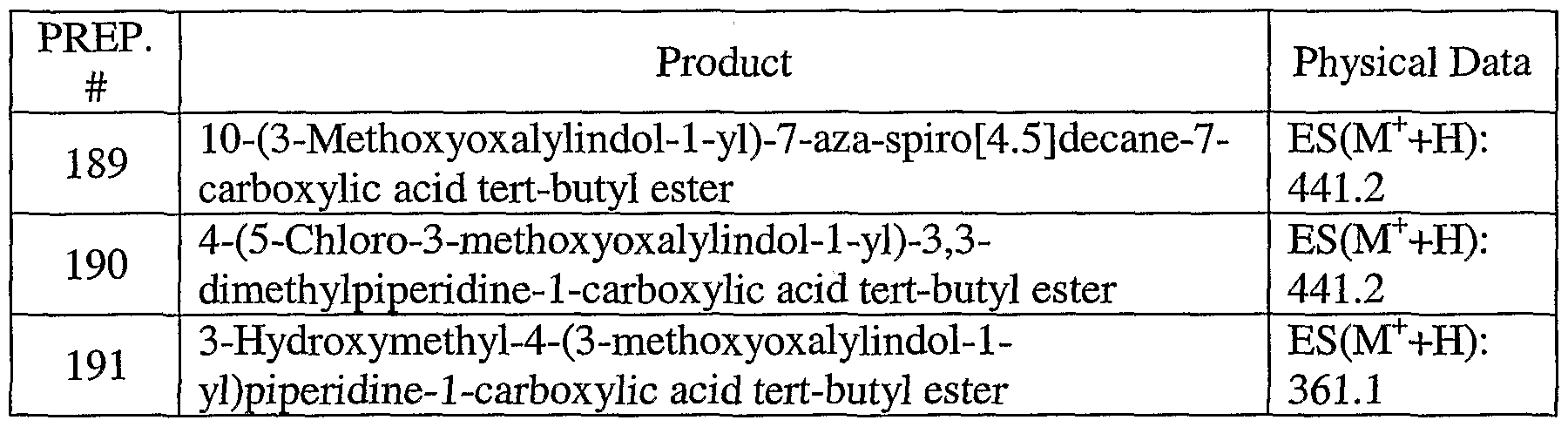
- PREPARATION 188 4-(3-Methoxyoxalylindol-l-yl)-2,6-dimethylpiperidine-l -carboxylic acid tert-butyl ester
- PREPARATION 193 4-Chloro-2-(2,2-dimethoxyethyl)-l-nitrobenzene Slurry (methoxymethyl)triphenylphosphonium chloride(32.3 g, 93.7 mmol) in tetrahydrofuran (350 ml) and cool in an ice-water bath. Add 1.0M KOtBu (94 ml, 94 mmol) in tetrahydrofuran solution to the reaction dropwise via an addition funnel. Stir reaction for one hour, then add 5-chloro-2-nitrobenzaldehyde (14.5 g, 78.1 mmol) dropwise as a solution in 100ml tetrahydrofuran.
- KRREILSRRP(pS)YR + AT 33 P ⁇ KRREIL( 33 pS)RRP(pS)YR [measured] + ADP by GSK-3 ⁇ is measured in a reaction mixture comprised of the following: 50 mM MOPS (4-morpholinepropanesulfonic acid) pH 7.0; 50 ⁇ M phosphoCREB peptide; 50 ⁇ M ATP; 0.5 ⁇ Ci ATP[ ⁇ - 33 P]; 12.5 mM MgCl 2 ; 0.03% Triton-X; 4% DMSO; and 1 nM recombinant human GSK-3 ⁇ .
- the reaction is initiated by the addition of enzyme.
- the final reaction volume is 100 ⁇ L.
- the reaction is allowed to proceed for 60 minutes at room temperature and is stopped by the addition of 75 ⁇ L of 10% phosphoric acid.
- 160 ⁇ L of the stopped reaction mixture is transferred to a pre-wetted (0.75% phosphoric acid) phosphocellulose microfiltration plate [Millipore Cat.* MAPH NOB 50] and after 90 minutes incubation on the plate, the stopped reaction mixture is passed through the filter using a Titertek Map Extractor.
- the filter containing the trapped KRREJL( 33 pS)RRP(pS)YR is washed with 220 ⁇ L of 0.75% phosphoric acid.
- Filter plates are blotted to remove droplets from the underdrain.
- the underdrain is removed from the filter and the filter is placed into a clear plate liner (Wallac, Inc.). Added to each well is 100 ⁇ L of Microscint 20 (Packard).
- the ability of a compound to inhibit GSK-3 ⁇ is determined by including various concentrations of the compound in the reaction mixture and comparing the signal produced to the signal produced in a reaction mixture without the compound.
- the test yields the molar concentration of the test compound that produces a 50% inhibition of the GSK-3 ⁇ enzyme activity. The lower the value in this test, the more active the test compound is.
- the exemplified compounds exhibit IC50 ⁇ l ⁇ M.
- inhibitors that demonstrate 50% effective concentrations (IC 50 ) of about 200 nM or less are preferred.
- Furrthermore also preferred are those which show 50% effective concentrations of 50 nM or less, more preferably those which show 50% effective concentrations of 20 nM or less, and most preferably those which show 50% effective concentrations of 10 nM or less in the protocol described by FIOL, Carol J., et al., J. Biol. Chem., 269, 32187-32193 (1994). It is also preferred, in the practice of the present invention, that the GSK-3 inhibitor achieve plasma exposures >1000 ng*hr/mL.
- GSK-3 inhibitors exhibiting a low IC50 value, such as below 10 nm, and plasma exposures ⁇ 1000 ng*hr/mL represent a further preferred embodiment of the present invention.
- Glycogen Synthesis Assay This test measures the increase in the production of glycogen both in the absence and in the presence of insulin in the cells. This test is done according to standard protocols. (See Berger and Hayes, A High-Capacity assay for Activators of Glucose Incorporation into Glycogen in L6 Muscle Cells, Analytical Biochemistry, 261, 159-163 (1998).)
- 3T3-L1 adipocytes are plated and differentiated in a 96-well plate at 25,000 cells/well.
- the plate is serum-starved overnight.
- the serum-starvation media is removed just prior to assay, and the plate is washed with 100 ⁇ l/well Krebs-Ringer-Hepes buffer (KRBH).
- KRBH Krebs-Ringer-Hepes buffer
- 50 ⁇ l of compound (twice the amount of the final concentration) is added to the assay plate.
- 50 ⁇ l of 14 C-labeled glucose is added to the assay plate at 0.1 ⁇ Ci/well.
- the plate is then incubated at 37°C for 2 hours.
- the plate is washed with 100 uLAwell of PBS, and the cells are lysed with 75 ⁇ l/well of IN NaOH. The plate is heated at 70°C for 20 minutes. An aliquot (50 ⁇ l) of the supernatant is transferred from the assay plate to a Millipore FC filter plate containing 120 ⁇ l/well of ice-cold ethanol. The plate is allowed to stand for 2 hours at 4°C to facilitate precipitation. The ethanol is removed from the filter plate via a vacuum manifold, and the plate is washed with 100 uIJwell of ice-cold 70% ethanol. The plate was allowed to dry overnight, and 75 ⁇ l/well of Microscint-20 was added to the filter plate. The plate was then counted on a Packard Topcount.
- Glucose Lowering Assay This test measures the effect of the test compound on blood glucose and triglycerides relative to insulin. (See Eldar-Finkleman, et al., Expression and Characterization of Glycogen Synthase Kinase-3 Mutants and Their Effect on Glycogen Synthase Activity in Intact Cells, Proc. Nat. Acad. Sci., 93, 10228-10233 (1996).)
- ZDF rats (Charles River, Inc.) at six weeks of age are housed individually with free access to food and water. Rats are dosed with drug once daily by oral gavage, with the compound prepared as a suspension in 1% caboxymethylcellusolve/0.25% Tween 80 (CMC-Tween). Vehicle controls are dosed with CMC-Tween only. The duration of study varied according to the protocol used, with acute dosing studies lasting one day and dose escalation studies lasting seven days. Body weights and food consumption measurements are also performed once a week for seven-day studies. For measurement of blood glucose and triglycerides, blood samples of 600 ⁇ l are collected by the tail snip method.
- the tail snip for blood sampling is as follows: 1-2 mm of the tail is snipped with a sharp blade. After collection of blood, a scab forms at the site of wound. This scab is removed and the tail is gently massaged for other subsequent bleedings.)
- Glucose and triglyceride determinations are performed on a Hitachi 912 metabolic analyzer, with a kit utilizing the Trinder method. On termination of study, specific tissues (e.g., heart, pancreas, adipose tissues, and liver) are excised to evaluate the effect of these drugs on their metabolic functions.
- This assay assesses the GSK-3 ⁇ kinase activity of the test compound in brain cortex tissue. It is performed according to standard protocols (Wang, et ah, Anal. Biochem.. 220, 397-402 (1994)).
- the ex vivo GSK-3 ⁇ kinase activity of a compound is assayed following oral dosing of 2 to 3 month old PDAPP or CD-I mice. After a 20 mg/kg, 24-hour dose, followed by an additional three-hour dose, brain cortex tissue is dissected and homogenized in freshly prepared lysis buffer (10 mM K 2 HPO 4 pH 7.2, 1 mM EDTA, 5 mM EGTA, 10 mM MgCl 2 , 50 mM ⁇ -Glycerophosphate, 1 mM Na 3 VO 4 , 2 mM DTT, 1 ⁇ M Microcystin, COMPLETE protease inhibitor tablet, no detergent).
- lysis buffer 10 mM K 2 HPO 4 pH 7.2, 1 mM EDTA, 5 mM EGTA, 10 mM MgCl 2 , 50 mM ⁇ -Glycerophosphate, 1 mM Na 3 VO 4 , 2 mM DTT
- cortex homogenate samples are centrifuged (100,000 G) for 30 minutes at 4°C. The total protein concentration of homogenate is determined using the BCA method (Pierce). GSK-3 ⁇ activity in cytosolic homogenate from vehicle- and compound-treated mice is then assayed.
- the kinase reaction occurs in a 50 ⁇ l total volume containing 20 mM MOPS pH 7.4, 25 mM ⁇ -glycerol phosphate, 5 mM EGTA, 1 mM NA 3 VO 4 , 1 mM DTT, 15 mM MgCl 2 , 100 ⁇ M cold ATP, 200 ⁇ M CREB peptide, 10 ⁇ L cytosolic cortex brain homogenate, and 5 ⁇ Ci ⁇ - 33 P-ATP.
- the reactions are incubated for thirty minutes at 30°C using a Costar round-96 polypropylene plate. Reactions are then stopped with the addition of 10% H 3 PO 4 and transferred to a Millipore MAPH-NOB 96-well phosphocellulose plate.
- the reaction is incubated at room temperature for 1.5 hours, filtered and washed with 320 ⁇ l 0.75% H 3 PO , and filtered and washed with 160 ⁇ l H PO 4 at the same concentration using a vacuum manifold.
- the filter plate is then placed in a carrier plate, and lOO ⁇ l of Microscint 20 is added to each well. The plate is sealed with sealing tape and incubated overnight at room temperature. The following day, the filter plate is read for 33 P on Top Count (Packard). Finally, CPM is normalized to
- the human familial Alzheimer's disease (FAD) presenilin-1 AG04160C lymphoblast cell line (Coriell Cell Repository, Camden, NJ) is maintained as a suspension culture in RPMI 1640 (with L-Glutamine) supplemented with 10% fetal bovine serum and 1% penicillin-streptomycin in an atmosphere of 37°C and 5% CO 2 .
- the AG04160C FAD lymphoblast cells are seeded in T-25 cm 2 flasks at 2.5 to 5.0 X10 5 cells/ml in a total volume of 10 ml. Following 16-18 hours of growth, cells are treated with compound at concentrations of 0.1 ⁇ M, 1.0 ⁇ M, and 10 ⁇ M, and are incubated for an additional 24 hours.
- lysis buffer 10 mM K 2 HPO 4 pH 7.2, 1 mM EDTA, 5 mM EGTA, 10 mM MgCl 2 , 50 mM ⁇ -Glycerophosphate, 1 mM Na 3 VO 4 , 2 mM DTT, 1 ⁇ M Microcystin, 1 mM PMSF, 10 ⁇ g/ml leupeptin, 1 ⁇ g/ml pepstatin, 1 ⁇ g/ml aprotinin, 1% Triton X-100).
- Ovariectomized Rat Assay Six-month-old virgin Sprague-Dawley rats are maintained on a 12-hour light, 12- hour dark cycle at 22°C with ad libitum access to food (TD89222 with 0.5% calcium and 0.4% phosphate, Teklad, Madison, WI) and water. Bilateral or sham ovariectomies are performed on the rats and they are allowed to lose bone for 1 month. When the rats are 7 months old, sham and ovariectomized (Ovx) controls (7 animals per group) are orally administered vehicle (1% carboxymethyl cellulose/0.25% Tween 80) and a second group of 7 Ovx animals is orally administered the test compound in vehicle.
- Ovx ovariectomized
- Compounds of Formula I may be administered by the oral, transdermal, percutaneous, intravenous, intramuscular, intranasal or intrarectal route, in particular circumstances.
- the route of administration may be varied in any way, limited by the physical properties of the drugs, the convenience of the patient and the caregiver, and other relevant circumstances (See Remington's Pharmaceutical Sciences, 18 th Ed., Mack Publishing Co. (1990).)
- the pharmaceutical compositions are prepared in a manner well known in the pharmaceutical art.
- the carrier or excipient may be a solid, semi-solid, or liquid material which can serve as a vehicle or medium for the active ingredient. Suitable carriers or excipients are well known in the art.
- the pharmaceutical composition may be adapted for oral, inhalation, parenteral, or topical use and may be administered to the patient in the form of tablets, capsules, aerosols, inhalants, suppositories, solutions, suspensions, or the like.
- the compounds of the present invention may be administered orally, for example, with an inert diluent or capsules or compressed into tablets.
- the compounds may be incorporated with excipients and used in the form of tablets, troches, capsules, elixirs, suspensions, syrups, wafers, chewing gums and the like.
- These preparations should contain at least 4% of the compound of the present invention, the active ingredient, but may be varied depending upon the particular form and may conveniently be between 4% to about 70% of the weight of the unit.
- the amount of the compound present in compositions is such that a suitable dosage will be obtained.
- Preferred compositions and preparations according to the present invention may be determined by a person skilled in the art.
- the tablets, pills, capsules, troches, and the like may also contain one or more of the following adjuvants: binders such as microcrystalline cellulose, gum tragacanth or gelatin; excipients such as starch or lactose, disintegrating agents such as alginic acid, Primogel, corn starch and the like; lubricants such as magnesium stearate or Sterotex; glidants such as colloidal silicon dioxide; and sweetening agents such as sucrose or saccharin may be added or a flavoring agent such as peppermint, methyl salicylate or orange flavoring.
- a liquid carrier such as polyethylene glycol or a fatty oil.
- dosage unit forms may contain other various materials that modify the physical form of the dosage unit, for example, as coatings.
- tablets or pills may be coated with sugar, shellac, or other coating agents.
- a syrup may contain, in addition to the present compounds, sucrose as a sweetening agent and certain preservatives, dyes and colorings and flavors. Materials used in preparing these various compositions should be pharmaceutically pure and non-toxic in the amounts used.
- the compounds of the present invention may be incorporated into a solution or suspension. These preparations typically contain at least 0.1% of a compound of the invention, but may be varied to be between 0.1 and about 90% of the weight thereof. The amount of the compound of Formula I present in such compositions is such that a suitable dosage will be obtained.
- the solutions or suspensions may also include one or more of the following adjuvants: sterile diluents such as water for injection, saline solution, fixed oils, polyethylene glycols, glycerine, propylene glycol or other synthetic solvents; antibacterial agents such as benzyl alcohol or methyl paraben; antioxidants such as ascorbic acid or sodium bisulfite; chelating agents such as ethylene diaminetetraacetic acid; buffers such as acetates, citrates or phosphates and agents for the adjustment of tonicity such as sodium chloride or dextrose.
- the parenteral preparation can be enclosed in ampoules, disposable syringes or multiple dose vials made of glass or plastic. Preferred compositions and preparations are able to be determined by one skilled in the art.
- the compounds of the present invention may also be administered topically, and when done so the carrier may suitably comprise a solution, ointment, or gel base.
- the base for example, may comprise one or more of the following: petrolatum, lanolin, polyethylene glycols, bees wax, mineral oil, diluents such as water and alcohol, and emulsifiers, and stabilizers.
- Topical formulations may contain a concentration of the Formula I, or its pharmaceutical salt, from about 0.1 to about 10% w/v (weight per unit volume).
- the compounds of Formula I are generally effective over a wide dosage range.
- dosages per day normally fall within the range of about 0.0001 to about 30 mg kg of body weight. In some instances dosage levels below the lower limit of the aforesaid range may be more than adequate, while in other cases still larger doses may be employed without causing any harmful side effect, and therefore the above dosage range is not intended to limit the scope of the invention in any way. It will be understood that the amount of the compound actually administered will be determined by a physician, in the light of the relevant circumstances, including the condition to be treated, the chosen route of administration, the actual compound or compounds administered, the age, weight, and response of the individual patient, and the severity of the patient's symptoms.
Landscapes
- Organic Chemistry (AREA)
- Chemical & Material Sciences (AREA)
- Health & Medical Sciences (AREA)
- Diabetes (AREA)
- Engineering & Computer Science (AREA)
- Bioinformatics & Cheminformatics (AREA)
- General Chemical & Material Sciences (AREA)
- Animal Behavior & Ethology (AREA)
- Veterinary Medicine (AREA)
- Chemical Kinetics & Catalysis (AREA)
- Public Health (AREA)
- Medicinal Chemistry (AREA)
- Nuclear Medicine, Radiotherapy & Molecular Imaging (AREA)
- General Health & Medical Sciences (AREA)
- Pharmacology & Pharmacy (AREA)
- Life Sciences & Earth Sciences (AREA)
- Biomedical Technology (AREA)
- Neurosurgery (AREA)
- Neurology (AREA)
- Endocrinology (AREA)
- Obesity (AREA)
- Hospice & Palliative Care (AREA)
- Hematology (AREA)
- Emergency Medicine (AREA)
- Psychiatry (AREA)
- Pharmaceuticals Containing Other Organic And Inorganic Compounds (AREA)
- Nitrogen Condensed Heterocyclic Rings (AREA)
- Plural Heterocyclic Compounds (AREA)
Abstract
Description










Claims


Priority Applications (9)
| Application Number | Priority Date | Filing Date | Title |
|---|---|---|---|
| MXPA04008671A MXPA04008671A (en) | 2002-03-08 | 2003-03-05 | Pyrrole-2, 5-dione derivatives and their use as gsk-3 inhibitors. |
| DE60315270T DE60315270T2 (en) | 2002-03-08 | 2003-03-05 | PYRROL-2,5-Dione derivatives and their use as GSK-3 inhibitors |
| EP03713551A EP1487822B1 (en) | 2002-03-08 | 2003-03-05 | Pyrrole-2,5-dione derivatives and their use as gsk-3 inhibitors |
| JP2003574619A JP2005530707A (en) | 2002-03-08 | 2003-03-05 | Kinase inhibitor |
| CA002477984A CA2477984A1 (en) | 2002-03-08 | 2003-03-05 | Pyrrole-2, 5-dione derivatives and their use as gsk-3 inhibitors |
| AU2003217596A AU2003217596A1 (en) | 2002-03-08 | 2003-03-05 | Pyrrole-2, 5-dione derivatives and their use as GSK-3 inhibitors |
| IL16377703A IL163777A0 (en) | 2002-03-08 | 2003-03-05 | Kinase inhibitors |
| US10/506,029 US7405305B2 (en) | 2002-03-08 | 2003-03-05 | Pyrrole-2, 5dione derivatives and their used as GSK-3 inhibitors |
| KR10-2004-7014028A KR20040091113A (en) | 2002-03-08 | 2003-03-05 | Pyrrole-2,5-dione derivatives and their use as gsk-3 inhibitors |
Applications Claiming Priority (4)
| Application Number | Priority Date | Filing Date | Title |
|---|---|---|---|
| US36337502P | 2002-03-08 | 2002-03-08 | |
| US60/363,375 | 2002-03-08 | ||
| US36943302P | 2002-04-02 | 2002-04-02 | |
| US60/369,433 | 2002-04-02 |
Publications (2)
| Publication Number | Publication Date |
|---|---|
| WO2003076398A2 true WO2003076398A2 (en) | 2003-09-18 |
| WO2003076398A3 WO2003076398A3 (en) | 2004-02-26 |
Family
ID=27807992
Family Applications (1)
| Application Number | Title | Priority Date | Filing Date |
|---|---|---|---|
| PCT/US2003/005052 Ceased WO2003076398A2 (en) | 2002-03-08 | 2003-03-05 | Pyrrole-2, 5-dione derivatives and their use as gsk-3 inhibitors |
Country Status (13)
| Country | Link |
|---|---|
| US (1) | US7405305B2 (en) |
| EP (1) | EP1487822B1 (en) |
| JP (1) | JP2005530707A (en) |
| KR (1) | KR20040091113A (en) |
| CN (1) | CN1639152A (en) |
| AT (1) | ATE368657T1 (en) |
| AU (1) | AU2003217596A1 (en) |
| CA (1) | CA2477984A1 (en) |
| DE (1) | DE60315270T2 (en) |
| ES (1) | ES2289274T3 (en) |
| IL (1) | IL163777A0 (en) |
| MX (1) | MXPA04008671A (en) |
| WO (1) | WO2003076398A2 (en) |
Cited By (18)
| Publication number | Priority date | Publication date | Assignee | Title |
|---|---|---|---|---|
| WO2004072062A3 (en) * | 2003-02-13 | 2004-11-04 | Novartis Ag | Indolylmaleimide derivatives |
| WO2006117212A2 (en) | 2005-05-04 | 2006-11-09 | Develogen Aktiengesellschaft | Use of gsk-3 inhibitors for preventing and treating pancreatic autoimmune disorders |
| EP1779851A1 (en) * | 2005-10-31 | 2007-05-02 | Boehringer Ingelheim Pharma GmbH & Co.KG | Treatment of diabetes |
| WO2008074752A3 (en) * | 2006-12-19 | 2008-10-30 | Novartis Ag | Indolylmaleimide derivatives as kinase inhibitors |
| US7781438B2 (en) * | 2005-07-11 | 2010-08-24 | Novartis Ag | Indolylmaleimide derivatives |
| WO2010099217A1 (en) | 2009-02-25 | 2010-09-02 | Braincells, Inc. | Modulation of neurogenesis using d-cycloserine combinations |
| RU2402547C1 (en) * | 2009-08-13 | 2010-10-27 | Учреждение Российской Академии Наук Институт Проблем Химической Физики Ран (Ипхф Ран) | 1-SUBSTITUTED 3-(2-CHLORO-1H-INDOL-3-YL)-4-PHENYL-1H-PYRROLE-2,5-DIONES AND USE THEREOF IN PHOTOCHEMICAL GENERATION OF STABLE FLUORESCENT COMPOUNDS AND 2,8-SUBSTITUTED BENZO[a]PYRROLO[3,4-c]CARBAZOLE-1,3-(2H,8H)-DIONES AND USE THEREOF AS FLUOROPHORES |
| EP2258359A2 (en) | 2005-08-26 | 2010-12-08 | Braincells, Inc. | Neurogenesis by muscarinic receptor modulation with sabcomelin |
| EP2275096A2 (en) | 2005-08-26 | 2011-01-19 | Braincells, Inc. | Neurogenesis via modulation of the muscarinic receptors |
| EP2314289A1 (en) | 2005-10-31 | 2011-04-27 | Braincells, Inc. | Gaba receptor mediated modulation of neurogenesis |
| WO2011063115A1 (en) | 2009-11-19 | 2011-05-26 | Braincells Inc. | Combination of nootropic agent with one or more neurogenic or neurogenic sensitizing agents for stimulating or increasing neurogenesis |
| EP2125683A4 (en) * | 2006-12-19 | 2011-06-01 | Univ Illinois | 3-BENZOFURANYL-4-INDOLYL MALEIMIDES AS POWERFUL GSK3 INHIBITORS FOR NEURODEGENERATIVE DISORDERS |
| WO2011091033A1 (en) | 2010-01-20 | 2011-07-28 | Braincells, Inc. | Modulation of neurogenesis by ppar agents |
| EP2377530A2 (en) | 2005-10-21 | 2011-10-19 | Braincells, Inc. | Modulation of neurogenesis by PDE inhibition |
| EP2377531A2 (en) | 2006-05-09 | 2011-10-19 | Braincells, Inc. | Neurogenesis by modulating angiotensin |
| WO2012080727A3 (en) * | 2010-12-14 | 2012-08-23 | Electrophoretics Limited | Casein kinase 1delta (ck1delta) inhibitors |
| WO2018132636A1 (en) * | 2017-01-12 | 2018-07-19 | The Research Foundation For The State University Of New York | [18f]maleimide-based glycogen synthase kinase-3beta ligands for positron emission tomography imaging and radiosynthesis method |
| WO2020163812A1 (en) | 2019-02-08 | 2020-08-13 | Frequency Therapeutics, Inc. | Valproic acid compounds and wnt agonists for treating ear disorders |
Families Citing this family (10)
| Publication number | Priority date | Publication date | Assignee | Title |
|---|---|---|---|---|
| JP2007502300A (en) * | 2003-08-13 | 2007-02-08 | カイロン コーポレイション | GSK-3 inhibitor and use thereof |
| CN101812062A (en) * | 2010-03-31 | 2010-08-25 | 北京京卫信康医药科技发展有限公司 | Novel method for preparing important intermediate of minodronate |
| CN102443002A (en) * | 2010-10-12 | 2012-05-09 | 四川滇虹医药开发有限公司 | Process for the preparation of 2- (imidazo [1, 2-alpha ] pyridin-3-yl) acetic acid |
| WO2014066659A1 (en) | 2012-10-25 | 2014-05-01 | Tetra Discovery Partners, Llc. | Heteroaryl inhibitors of pde4 |
| US9724331B2 (en) * | 2012-12-10 | 2017-08-08 | Centogene Ag | Use of maleimide derivatives for preventing and treating leukemia |
| US9993463B2 (en) * | 2012-12-10 | 2018-06-12 | Centogene Ag | Use of maleimide derivatives for preventing and treating cancer |
| WO2015155738A2 (en) | 2014-04-09 | 2015-10-15 | Christopher Rudd | Use of gsk-3 inhibitors or activators which modulate pd-1 or t-bet expression to modulate t cell immunity |
| WO2016049595A1 (en) * | 2014-09-26 | 2016-03-31 | Tetra Discovery Partners, LLC | Heteroaryl inhibitors of pde4 |
| CN106674079A (en) * | 2015-11-10 | 2017-05-17 | 南京卡文迪许生物工程技术有限公司 | Synthesis method of panobinostat |
| CN113801054A (en) * | 2021-09-30 | 2021-12-17 | 西南大学 | Preparation method of 3-alkyl-3-hydroxyindole-2-ketone and derivatives thereof and products thereof |
Family Cites Families (11)
| Publication number | Priority date | Publication date | Assignee | Title |
|---|---|---|---|---|
| CZ280738B6 (en) * | 1988-02-10 | 1996-04-17 | F. Hoffmann - La Roche And Co., Aktiengesellschaft | Substituted pyrroles, their use for preparing medicaments and medicaments based thereon |
| GB8904161D0 (en) * | 1989-02-23 | 1989-04-05 | Hoffmann La Roche | Substituted pyrroles |
| SE9603283D0 (en) * | 1996-09-10 | 1996-09-10 | Astra Ab | New compounds |
| WO1998016528A1 (en) | 1996-10-11 | 1998-04-23 | Chiron Corporation | Purine inhibitors of glycogen synthase kinase 3 (gsk3) |
| GB9828640D0 (en) | 1998-12-23 | 1999-02-17 | Smithkline Beecham Plc | Novel method and compounds |
| WO2001044247A2 (en) | 1999-12-16 | 2001-06-21 | Eli Lilly And Company | Agents and methods for the treatment of proliferative diseases |
| EP1250334B1 (en) | 1999-12-16 | 2004-05-19 | Eli Lilly And Company | Medicaments useful for the treatment of proliferative diseases |
| CA2417277A1 (en) | 2000-07-27 | 2002-02-07 | F. Hoffmann-La Roche Ag | 3-indolyl-4-phenyl-1h-pyrrole-2,5-dione derivatives as inhibitors of glycogen synthase kinase-3.beta. |
| BR0116468A (en) | 2000-12-08 | 2004-06-29 | Ortho Mcneil Pharm Inc | Indazolyl-substituted pyrroline compounds as kinase inhibitors |
| RU2275373C2 (en) | 2000-12-08 | 2006-04-27 | Орто-Макнейл Фармасьютикал, Инк. | Macroheterocyclic compounds |
| ES2276048T3 (en) * | 2002-03-05 | 2007-06-16 | Eli Lilly And Company | PURINE DERIVATIVES AS CINASE INHIBITORS. |
-
2003
- 2003-03-05 AT AT03713551T patent/ATE368657T1/en not_active IP Right Cessation
- 2003-03-05 DE DE60315270T patent/DE60315270T2/en not_active Expired - Lifetime
- 2003-03-05 IL IL16377703A patent/IL163777A0/en unknown
- 2003-03-05 MX MXPA04008671A patent/MXPA04008671A/en not_active Application Discontinuation
- 2003-03-05 AU AU2003217596A patent/AU2003217596A1/en not_active Abandoned
- 2003-03-05 EP EP03713551A patent/EP1487822B1/en not_active Expired - Lifetime
- 2003-03-05 JP JP2003574619A patent/JP2005530707A/en not_active Withdrawn
- 2003-03-05 WO PCT/US2003/005052 patent/WO2003076398A2/en not_active Ceased
- 2003-03-05 KR KR10-2004-7014028A patent/KR20040091113A/en not_active Ceased
- 2003-03-05 US US10/506,029 patent/US7405305B2/en not_active Expired - Fee Related
- 2003-03-05 CN CNA038054531A patent/CN1639152A/en active Pending
- 2003-03-05 ES ES03713551T patent/ES2289274T3/en not_active Expired - Lifetime
- 2003-03-05 CA CA002477984A patent/CA2477984A1/en not_active Abandoned
Cited By (31)
| Publication number | Priority date | Publication date | Assignee | Title |
|---|---|---|---|---|
| EP2075249A3 (en) * | 2003-02-13 | 2009-09-02 | Novartis AG | Indolylmaleimide derivatives |
| WO2004072062A3 (en) * | 2003-02-13 | 2004-11-04 | Novartis Ag | Indolylmaleimide derivatives |
| US7820672B2 (en) | 2003-02-13 | 2010-10-26 | Novartis Ag | Indolylmaleimide derivatives |
| WO2006117212A2 (en) | 2005-05-04 | 2006-11-09 | Develogen Aktiengesellschaft | Use of gsk-3 inhibitors for preventing and treating pancreatic autoimmune disorders |
| US7781438B2 (en) * | 2005-07-11 | 2010-08-24 | Novartis Ag | Indolylmaleimide derivatives |
| EP2258359A2 (en) | 2005-08-26 | 2010-12-08 | Braincells, Inc. | Neurogenesis by muscarinic receptor modulation with sabcomelin |
| EP2275095A2 (en) | 2005-08-26 | 2011-01-19 | Braincells, Inc. | Neurogenesis by muscarinic receptor modulation |
| EP2275096A2 (en) | 2005-08-26 | 2011-01-19 | Braincells, Inc. | Neurogenesis via modulation of the muscarinic receptors |
| EP2258357A2 (en) | 2005-08-26 | 2010-12-08 | Braincells, Inc. | Neurogenesis with acetylcholinesterase inhibitor |
| EP2258358A2 (en) | 2005-08-26 | 2010-12-08 | Braincells, Inc. | Neurogenesis with acetylcholinesterase inhibitor |
| EP2377530A2 (en) | 2005-10-21 | 2011-10-19 | Braincells, Inc. | Modulation of neurogenesis by PDE inhibition |
| EP2314289A1 (en) | 2005-10-31 | 2011-04-27 | Braincells, Inc. | Gaba receptor mediated modulation of neurogenesis |
| US8202884B2 (en) | 2005-10-31 | 2012-06-19 | Neurosearch A/S | Treatment of type 2 diabetes |
| WO2007051594A1 (en) * | 2005-10-31 | 2007-05-10 | Neurosearch A/S | Treatment of diabetes |
| EP1779851A1 (en) * | 2005-10-31 | 2007-05-02 | Boehringer Ingelheim Pharma GmbH & Co.KG | Treatment of diabetes |
| EP2382975A2 (en) | 2006-05-09 | 2011-11-02 | Braincells, Inc. | Neurogenesis by modulating angiotensin |
| EP2377531A2 (en) | 2006-05-09 | 2011-10-19 | Braincells, Inc. | Neurogenesis by modulating angiotensin |
| WO2008074752A3 (en) * | 2006-12-19 | 2008-10-30 | Novartis Ag | Indolylmaleimide derivatives as kinase inhibitors |
| EP2125683A4 (en) * | 2006-12-19 | 2011-06-01 | Univ Illinois | 3-BENZOFURANYL-4-INDOLYL MALEIMIDES AS POWERFUL GSK3 INHIBITORS FOR NEURODEGENERATIVE DISORDERS |
| US8742132B2 (en) | 2006-12-19 | 2014-06-03 | Novartis Ag | Indolylmaleimide derivatives processes for their production and pharmaceutical compositions |
| US8207216B2 (en) | 2006-12-19 | 2012-06-26 | The Board Of Trustees Of The University Of Illinois | Benzofuran-3-yl(indol-3-yl) maleimides as potent GSK3 inhibitors |
| US8193236B2 (en) | 2006-12-19 | 2012-06-05 | Novartis Ag | Indolylmaleimide derivatives processes for their production and pharmaceutical compositions |
| WO2010099217A1 (en) | 2009-02-25 | 2010-09-02 | Braincells, Inc. | Modulation of neurogenesis using d-cycloserine combinations |
| RU2402547C1 (en) * | 2009-08-13 | 2010-10-27 | Учреждение Российской Академии Наук Институт Проблем Химической Физики Ран (Ипхф Ран) | 1-SUBSTITUTED 3-(2-CHLORO-1H-INDOL-3-YL)-4-PHENYL-1H-PYRROLE-2,5-DIONES AND USE THEREOF IN PHOTOCHEMICAL GENERATION OF STABLE FLUORESCENT COMPOUNDS AND 2,8-SUBSTITUTED BENZO[a]PYRROLO[3,4-c]CARBAZOLE-1,3-(2H,8H)-DIONES AND USE THEREOF AS FLUOROPHORES |
| WO2011063115A1 (en) | 2009-11-19 | 2011-05-26 | Braincells Inc. | Combination of nootropic agent with one or more neurogenic or neurogenic sensitizing agents for stimulating or increasing neurogenesis |
| WO2011091033A1 (en) | 2010-01-20 | 2011-07-28 | Braincells, Inc. | Modulation of neurogenesis by ppar agents |
| WO2012080727A3 (en) * | 2010-12-14 | 2012-08-23 | Electrophoretics Limited | Casein kinase 1delta (ck1delta) inhibitors |
| US9763947B2 (en) | 2010-12-14 | 2017-09-19 | Electrophoretics Limited | Casein kinase 1delta (CK1delta) inhibitors |
| US9789111B2 (en) | 2010-12-14 | 2017-10-17 | Electrophoretics Limited | Casein kinase 1δ (CK 1δ) inhibitors |
| WO2018132636A1 (en) * | 2017-01-12 | 2018-07-19 | The Research Foundation For The State University Of New York | [18f]maleimide-based glycogen synthase kinase-3beta ligands for positron emission tomography imaging and radiosynthesis method |
| WO2020163812A1 (en) | 2019-02-08 | 2020-08-13 | Frequency Therapeutics, Inc. | Valproic acid compounds and wnt agonists for treating ear disorders |
Also Published As
| Publication number | Publication date |
|---|---|
| MXPA04008671A (en) | 2004-12-06 |
| US7405305B2 (en) | 2008-07-29 |
| CA2477984A1 (en) | 2003-09-18 |
| US20050288321A1 (en) | 2005-12-29 |
| ES2289274T3 (en) | 2008-02-01 |
| IL163777A0 (en) | 2005-12-18 |
| ATE368657T1 (en) | 2007-08-15 |
| KR20040091113A (en) | 2004-10-27 |
| WO2003076398A3 (en) | 2004-02-26 |
| EP1487822B1 (en) | 2007-08-01 |
| CN1639152A (en) | 2005-07-13 |
| AU2003217596A1 (en) | 2003-09-22 |
| JP2005530707A (en) | 2005-10-13 |
| DE60315270T2 (en) | 2008-04-17 |
| DE60315270D1 (en) | 2007-09-13 |
| EP1487822A2 (en) | 2004-12-22 |
Similar Documents
| Publication | Publication Date | Title |
|---|---|---|
| EP1487822B1 (en) | Pyrrole-2,5-dione derivatives and their use as gsk-3 inhibitors | |
| CN114269735B (en) | Dihydro or tetrahydroquinazoline compounds and their intermediates, preparation methods and applications | |
| JP4588121B1 (en) | Tetracyclic compounds | |
| US20210002289A1 (en) | Monofunctional intermediates for ligand-dependent target protein degradation | |
| WO2025011480A1 (en) | Compound and use thereof as anti-cancer drug | |
| EP3481817A1 (en) | Spirolactams as inhibitors of rock | |
| US20090131444A1 (en) | Aminopiperidine Quinolines and Their Azaisosteric Analogues with Antibacterial Activity | |
| WO2009026326A1 (en) | Naphthylpyrimidine, naphthylpyrazine and naphthylpyridazine analogs and their use as agonists of the wnt-beta-catenin cellular messaging system | |
| IL271905B (en) | 5-membered and bicyclic heterocyclic amides as inhibitors of rock | |
| JPWO2008047831A1 (en) | JAK inhibitor | |
| JP2006316068A (en) | Protein kinase c inhibitors | |
| MXPA05000336A (en) | Mchir antagonists. | |
| TWI671299B (en) | Spiro urea compounds as rsv antiviral compounds | |
| CN102317289A (en) | Lactams as beta secretase inhibitors | |
| AU5960300A (en) | Heterocyclic compounds for the treatment of migraine | |
| CN116600808A (en) | Tetrahydronaphthyridine derivative serving as KRAS mutant G12C inhibitor, and preparation method and application thereof | |
| CN114853672A (en) | Tacrine Derivatives as CDKs Inhibitors and Their Applications | |
| CN102656162B (en) | Novel (heterocycle/tetrahydropyridine)-(piperazinyl)-1-alcanone and (heterocycle/dihydropyrrolidine)-(piperazinyl)-1-alcanone derivatives, and use thereof as p75 inhibitors | |
| WO2004085436A2 (en) | Pyrido[2,3-d]pyrimidin-7-carboxylic acid derivatives, their manufacture and use as pharmaceutical agents | |
| WO2006112828A1 (en) | Azaindole derivatives as inhibitors of p38 kinase | |
| JP2013523806A (en) | Sultam compounds | |
| HK40090554B (en) | Compound having kinase inhibitory activity | |
| HK40090554A (en) | Compound having kinase inhibitory activity | |
| CN120813585A (en) | Fused bicyclic compounds and their use as MER and AXL inhibitors | |
| HK1163066A (en) | Lactams as beta secretase inhibitors |
Legal Events
| Date | Code | Title | Description |
|---|---|---|---|
| AK | Designated states |
Kind code of ref document: A2 Designated state(s): AE AG AL AM AT AU AZ BA BB BG BR BY BZ CA CH CN CO CR CU CZ DE DK DM DZ EC EE ES FI GB GD GE GH GM HR HU ID IL IN IS JP KE KG KP KR KZ LC LK LR LS LT LU LV MA MD MG MK MN MW MX MZ NO NZ OM PH PL PT RO RU SC SD SE SG SK SL TJ TM TN TR TT TZ UA UG US UZ VC VN YU ZA ZM ZW |
|
| AL | Designated countries for regional patents |
Kind code of ref document: A2 Designated state(s): GH GM KE LS MW MZ SD SL SZ TZ UG ZM ZW AM AZ BY KG KZ MD RU TJ TM AT BE BG CH CY CZ DE DK EE ES FI FR GB GR HU IE IT LU MC NL PT RO SE SI SK TR BF BJ CF CG CI CM GA GN GQ GW ML MR NE SN TD TG |
|
| 121 | Ep: the epo has been informed by wipo that ep was designated in this application | ||
| DFPE | Request for preliminary examination filed prior to expiration of 19th month from priority date (pct application filed before 20040101) | ||
| WWE | Wipo information: entry into national phase |
Ref document number: 2003217596 Country of ref document: AU |
|
| WWE | Wipo information: entry into national phase |
Ref document number: 163777 Country of ref document: IL |
|
| WWE | Wipo information: entry into national phase |
Ref document number: 1260/KOLNP/2004 Country of ref document: IN |
|
| WWE | Wipo information: entry into national phase |
Ref document number: 2477984 Country of ref document: CA |
|
| WWE | Wipo information: entry into national phase |
Ref document number: 20038054531 Country of ref document: CN Ref document number: 1020047014028 Country of ref document: KR Ref document number: PA/a/2004/008671 Country of ref document: MX |
|
| WWE | Wipo information: entry into national phase |
Ref document number: 2003574619 Country of ref document: JP |
|
| WWE | Wipo information: entry into national phase |
Ref document number: 2003713551 Country of ref document: EP |
|
| WWP | Wipo information: published in national office |
Ref document number: 1020047014028 Country of ref document: KR |
|
| WWP | Wipo information: published in national office |
Ref document number: 2003713551 Country of ref document: EP |
|
| WWE | Wipo information: entry into national phase |
Ref document number: 10506029 Country of ref document: US |
|
| WWG | Wipo information: grant in national office |
Ref document number: 2003713551 Country of ref document: EP |
|
| ENPW | Started to enter national phase and was withdrawn or failed for other reasons |
Ref document number: PI0308288 Country of ref document: BR Kind code of ref document: A2 Free format text: PEDIDO CONSIDERADO RETIRADO EM RELACAO AO BRASIL E ARQUIVADO POR NAO TER CUMPRIDO EXIGENCIA PUBLICADA NA RPI 1877 DE 26/12/2006. |