WO2003093242A2 - Substituted 5-membered polycyclic compounds useful for selective inhibition of the coagulation cascade - Google Patents
Substituted 5-membered polycyclic compounds useful for selective inhibition of the coagulation cascade Download PDFInfo
- Publication number
- WO2003093242A2 WO2003093242A2 PCT/US2002/031770 US0231770W WO03093242A2 WO 2003093242 A2 WO2003093242 A2 WO 2003093242A2 US 0231770 W US0231770 W US 0231770W WO 03093242 A2 WO03093242 A2 WO 03093242A2
- Authority
- WO
- WIPO (PCT)
- Prior art keywords
- group
- compound
- ring
- hydroxy
- hydrocarbyl
- Prior art date
- Legal status (The legal status is an assumption and is not a legal conclusion. Google has not performed a legal analysis and makes no representation as to the accuracy of the status listed.)
- Ceased
Links
- 0 *CNC(CN(C1=O)N(*)C=C1N*)=O Chemical compound *CNC(CN(C1=O)N(*)C=C1N*)=O 0.000 description 13
- MXOQZZOTALYMAG-UHFFFAOYSA-N CC(C)C(NC(C)c1ccccc1)=O Chemical compound CC(C)C(NC(C)c1ccccc1)=O MXOQZZOTALYMAG-UHFFFAOYSA-N 0.000 description 1
- SSJUQKFJWHRHKV-UHFFFAOYSA-N CC(NCc1cccc(F)c1)=O Chemical compound CC(NCc1cccc(F)c1)=O SSJUQKFJWHRHKV-UHFFFAOYSA-N 0.000 description 1
- IQNHBUQSOSYAJU-UHFFFAOYSA-N CNC(C(F)(F)F)=O Chemical compound CNC(C(F)(F)F)=O IQNHBUQSOSYAJU-UHFFFAOYSA-N 0.000 description 1
- IPLTXZURXVDBMI-UHFFFAOYSA-N COC(CC1NCC=C1O)OC Chemical compound COC(CC1NCC=C1O)OC IPLTXZURXVDBMI-UHFFFAOYSA-N 0.000 description 1
- GHGZGDGWFWIAQM-UHFFFAOYSA-N Cc1c[n](C)nc1C Chemical compound Cc1c[n](C)nc1C GHGZGDGWFWIAQM-UHFFFAOYSA-N 0.000 description 1
Classifications
-
- C—CHEMISTRY; METALLURGY
- C07—ORGANIC CHEMISTRY
- C07D—HETEROCYCLIC COMPOUNDS
- C07D213/00—Heterocyclic compounds containing six-membered rings, not condensed with other rings, with one nitrogen atom as the only ring hetero atom and three or more double bonds between ring members or between ring members and non-ring members
- C07D213/02—Heterocyclic compounds containing six-membered rings, not condensed with other rings, with one nitrogen atom as the only ring hetero atom and three or more double bonds between ring members or between ring members and non-ring members having three double bonds between ring members or between ring members and non-ring members
- C07D213/04—Heterocyclic compounds containing six-membered rings, not condensed with other rings, with one nitrogen atom as the only ring hetero atom and three or more double bonds between ring members or between ring members and non-ring members having three double bonds between ring members or between ring members and non-ring members having no bond between the ring nitrogen atom and a non-ring member or having only hydrogen or carbon atoms directly attached to the ring nitrogen atom
- C07D213/60—Heterocyclic compounds containing six-membered rings, not condensed with other rings, with one nitrogen atom as the only ring hetero atom and three or more double bonds between ring members or between ring members and non-ring members having three double bonds between ring members or between ring members and non-ring members having no bond between the ring nitrogen atom and a non-ring member or having only hydrogen or carbon atoms directly attached to the ring nitrogen atom with hetero atoms or with carbon atoms having three bonds to hetero atoms with at the most one bond to halogen, e.g. ester or nitrile radicals, directly attached to ring carbon atoms
- C07D213/72—Nitrogen atoms
- C07D213/74—Amino or imino radicals substituted by hydrocarbon or substituted hydrocarbon radicals
-
- A—HUMAN NECESSITIES
- A61—MEDICAL OR VETERINARY SCIENCE; HYGIENE
- A61P—SPECIFIC THERAPEUTIC ACTIVITY OF CHEMICAL COMPOUNDS OR MEDICINAL PREPARATIONS
- A61P11/00—Drugs for disorders of the respiratory system
-
- A—HUMAN NECESSITIES
- A61—MEDICAL OR VETERINARY SCIENCE; HYGIENE
- A61P—SPECIFIC THERAPEUTIC ACTIVITY OF CHEMICAL COMPOUNDS OR MEDICINAL PREPARATIONS
- A61P35/00—Antineoplastic agents
-
- A—HUMAN NECESSITIES
- A61—MEDICAL OR VETERINARY SCIENCE; HYGIENE
- A61P—SPECIFIC THERAPEUTIC ACTIVITY OF CHEMICAL COMPOUNDS OR MEDICINAL PREPARATIONS
- A61P43/00—Drugs for specific purposes, not provided for in groups A61P1/00-A61P41/00
-
- A—HUMAN NECESSITIES
- A61—MEDICAL OR VETERINARY SCIENCE; HYGIENE
- A61P—SPECIFIC THERAPEUTIC ACTIVITY OF CHEMICAL COMPOUNDS OR MEDICINAL PREPARATIONS
- A61P7/00—Drugs for disorders of the blood or the extracellular fluid
- A61P7/02—Antithrombotic agents; Anticoagulants; Platelet aggregation inhibitors
-
- A—HUMAN NECESSITIES
- A61—MEDICAL OR VETERINARY SCIENCE; HYGIENE
- A61P—SPECIFIC THERAPEUTIC ACTIVITY OF CHEMICAL COMPOUNDS OR MEDICINAL PREPARATIONS
- A61P9/00—Drugs for disorders of the cardiovascular system
-
- C—CHEMISTRY; METALLURGY
- C07—ORGANIC CHEMISTRY
- C07C—ACYCLIC OR CARBOCYCLIC COMPOUNDS
- C07C257/00—Compounds containing carboxyl groups, the doubly-bound oxygen atom of a carboxyl group being replaced by a doubly-bound nitrogen atom, this nitrogen atom not being further bound to an oxygen atom, e.g. imino-ethers, amidines
- C07C257/10—Compounds containing carboxyl groups, the doubly-bound oxygen atom of a carboxyl group being replaced by a doubly-bound nitrogen atom, this nitrogen atom not being further bound to an oxygen atom, e.g. imino-ethers, amidines with replacement of the other oxygen atom of the carboxyl group by nitrogen atoms, e.g. amidines
- C07C257/18—Compounds containing carboxyl groups, the doubly-bound oxygen atom of a carboxyl group being replaced by a doubly-bound nitrogen atom, this nitrogen atom not being further bound to an oxygen atom, e.g. imino-ethers, amidines with replacement of the other oxygen atom of the carboxyl group by nitrogen atoms, e.g. amidines having carbon atoms of amidino groups bound to carbon atoms of six-membered aromatic rings
-
- C—CHEMISTRY; METALLURGY
- C07—ORGANIC CHEMISTRY
- C07D—HETEROCYCLIC COMPOUNDS
- C07D207/00—Heterocyclic compounds containing five-membered rings not condensed with other rings, with one nitrogen atom as the only ring hetero atom
- C07D207/02—Heterocyclic compounds containing five-membered rings not condensed with other rings, with one nitrogen atom as the only ring hetero atom with only hydrogen or carbon atoms directly attached to the ring nitrogen atom
- C07D207/30—Heterocyclic compounds containing five-membered rings not condensed with other rings, with one nitrogen atom as the only ring hetero atom with only hydrogen or carbon atoms directly attached to the ring nitrogen atom having two double bonds between ring members or between ring members and non-ring members
- C07D207/32—Heterocyclic compounds containing five-membered rings not condensed with other rings, with one nitrogen atom as the only ring hetero atom with only hydrogen or carbon atoms directly attached to the ring nitrogen atom having two double bonds between ring members or between ring members and non-ring members with only hydrogen atoms, hydrocarbon or substituted hydrocarbon radicals, directly attached to ring carbon atoms
-
- C—CHEMISTRY; METALLURGY
- C07—ORGANIC CHEMISTRY
- C07D—HETEROCYCLIC COMPOUNDS
- C07D207/00—Heterocyclic compounds containing five-membered rings not condensed with other rings, with one nitrogen atom as the only ring hetero atom
- C07D207/46—Heterocyclic compounds containing five-membered rings not condensed with other rings, with one nitrogen atom as the only ring hetero atom with hetero atoms directly attached to the ring nitrogen atom
-
- C—CHEMISTRY; METALLURGY
- C07—ORGANIC CHEMISTRY
- C07D—HETEROCYCLIC COMPOUNDS
- C07D211/00—Heterocyclic compounds containing hydrogenated pyridine rings, not condensed with other rings
- C07D211/04—Heterocyclic compounds containing hydrogenated pyridine rings, not condensed with other rings with only hydrogen or carbon atoms directly attached to the ring nitrogen atom
- C07D211/06—Heterocyclic compounds containing hydrogenated pyridine rings, not condensed with other rings with only hydrogen or carbon atoms directly attached to the ring nitrogen atom having no double bonds between ring members or between ring members and non-ring members
- C07D211/36—Heterocyclic compounds containing hydrogenated pyridine rings, not condensed with other rings with only hydrogen or carbon atoms directly attached to the ring nitrogen atom having no double bonds between ring members or between ring members and non-ring members with hetero atoms or with carbon atoms having three bonds to hetero atoms with at the most one bond to halogen, e.g. ester or nitrile radicals, directly attached to ring carbon atoms
- C07D211/56—Nitrogen atoms
-
- C—CHEMISTRY; METALLURGY
- C07—ORGANIC CHEMISTRY
- C07D—HETEROCYCLIC COMPOUNDS
- C07D211/00—Heterocyclic compounds containing hydrogenated pyridine rings, not condensed with other rings
- C07D211/92—Heterocyclic compounds containing hydrogenated pyridine rings, not condensed with other rings with a hetero atom directly attached to the ring nitrogen atom
- C07D211/98—Nitrogen atom
-
- C—CHEMISTRY; METALLURGY
- C07—ORGANIC CHEMISTRY
- C07D—HETEROCYCLIC COMPOUNDS
- C07D231/00—Heterocyclic compounds containing 1,2-diazole or hydrogenated 1,2-diazole rings
- C07D231/02—Heterocyclic compounds containing 1,2-diazole or hydrogenated 1,2-diazole rings not condensed with other rings
- C07D231/10—Heterocyclic compounds containing 1,2-diazole or hydrogenated 1,2-diazole rings not condensed with other rings having two or three double bonds between ring members or between ring members and non-ring members
- C07D231/14—Heterocyclic compounds containing 1,2-diazole or hydrogenated 1,2-diazole rings not condensed with other rings having two or three double bonds between ring members or between ring members and non-ring members with hetero atoms or with carbon atoms having three bonds to hetero atoms with at the most one bond to halogen, e.g. ester or nitrile radicals, directly attached to ring carbon atoms
- C07D231/38—Nitrogen atoms
-
- C—CHEMISTRY; METALLURGY
- C07—ORGANIC CHEMISTRY
- C07D—HETEROCYCLIC COMPOUNDS
- C07D231/00—Heterocyclic compounds containing 1,2-diazole or hydrogenated 1,2-diazole rings
- C07D231/02—Heterocyclic compounds containing 1,2-diazole or hydrogenated 1,2-diazole rings not condensed with other rings
- C07D231/10—Heterocyclic compounds containing 1,2-diazole or hydrogenated 1,2-diazole rings not condensed with other rings having two or three double bonds between ring members or between ring members and non-ring members
- C07D231/14—Heterocyclic compounds containing 1,2-diazole or hydrogenated 1,2-diazole rings not condensed with other rings having two or three double bonds between ring members or between ring members and non-ring members with hetero atoms or with carbon atoms having three bonds to hetero atoms with at the most one bond to halogen, e.g. ester or nitrile radicals, directly attached to ring carbon atoms
- C07D231/44—Oxygen and nitrogen or sulfur and nitrogen atoms
- C07D231/46—Oxygen atom in position 3 or 5 and nitrogen atom in position 4
- C07D231/48—Oxygen atom in position 3 or 5 and nitrogen atom in position 4 with hydrocarbon radicals attached to said nitrogen atom
-
- C—CHEMISTRY; METALLURGY
- C07—ORGANIC CHEMISTRY
- C07D—HETEROCYCLIC COMPOUNDS
- C07D237/00—Heterocyclic compounds containing 1,2-diazine or hydrogenated 1,2-diazine rings
- C07D237/02—Heterocyclic compounds containing 1,2-diazine or hydrogenated 1,2-diazine rings not condensed with other rings
- C07D237/04—Heterocyclic compounds containing 1,2-diazine or hydrogenated 1,2-diazine rings not condensed with other rings having less than three double bonds between ring members or between ring members and non-ring members
-
- C—CHEMISTRY; METALLURGY
- C07—ORGANIC CHEMISTRY
- C07D—HETEROCYCLIC COMPOUNDS
- C07D239/00—Heterocyclic compounds containing 1,3-diazine or hydrogenated 1,3-diazine rings
- C07D239/02—Heterocyclic compounds containing 1,3-diazine or hydrogenated 1,3-diazine rings not condensed with other rings
- C07D239/06—Heterocyclic compounds containing 1,3-diazine or hydrogenated 1,3-diazine rings not condensed with other rings having one double bond between ring members or between a ring member and a non-ring member
- C07D239/08—Heterocyclic compounds containing 1,3-diazine or hydrogenated 1,3-diazine rings not condensed with other rings having one double bond between ring members or between a ring member and a non-ring member with hetero atoms directly attached in position 2
- C07D239/10—Oxygen or sulfur atoms
-
- C—CHEMISTRY; METALLURGY
- C07—ORGANIC CHEMISTRY
- C07D—HETEROCYCLIC COMPOUNDS
- C07D239/00—Heterocyclic compounds containing 1,3-diazine or hydrogenated 1,3-diazine rings
- C07D239/02—Heterocyclic compounds containing 1,3-diazine or hydrogenated 1,3-diazine rings not condensed with other rings
- C07D239/20—Heterocyclic compounds containing 1,3-diazine or hydrogenated 1,3-diazine rings not condensed with other rings having two double bonds between ring members or between ring members and non-ring members
- C07D239/22—Heterocyclic compounds containing 1,3-diazine or hydrogenated 1,3-diazine rings not condensed with other rings having two double bonds between ring members or between ring members and non-ring members with hetero atoms directly attached to ring carbon atoms
-
- C—CHEMISTRY; METALLURGY
- C07—ORGANIC CHEMISTRY
- C07D—HETEROCYCLIC COMPOUNDS
- C07D241/00—Heterocyclic compounds containing 1,4-diazine or hydrogenated 1,4-diazine rings
- C07D241/02—Heterocyclic compounds containing 1,4-diazine or hydrogenated 1,4-diazine rings not condensed with other rings
- C07D241/04—Heterocyclic compounds containing 1,4-diazine or hydrogenated 1,4-diazine rings not condensed with other rings having no double bonds between ring members or between ring members and non-ring members
-
- C—CHEMISTRY; METALLURGY
- C07—ORGANIC CHEMISTRY
- C07D—HETEROCYCLIC COMPOUNDS
- C07D241/00—Heterocyclic compounds containing 1,4-diazine or hydrogenated 1,4-diazine rings
- C07D241/02—Heterocyclic compounds containing 1,4-diazine or hydrogenated 1,4-diazine rings not condensed with other rings
- C07D241/10—Heterocyclic compounds containing 1,4-diazine or hydrogenated 1,4-diazine rings not condensed with other rings having three double bonds between ring members or between ring members and non-ring members
- C07D241/14—Heterocyclic compounds containing 1,4-diazine or hydrogenated 1,4-diazine rings not condensed with other rings having three double bonds between ring members or between ring members and non-ring members with hetero atoms or with carbon atoms having three bonds to hetero atoms with at the most one bond to halogen, e.g. ester or nitrile radicals, directly attached to ring carbon atoms
- C07D241/20—Nitrogen atoms
-
- C—CHEMISTRY; METALLURGY
- C07—ORGANIC CHEMISTRY
- C07D—HETEROCYCLIC COMPOUNDS
- C07D249/00—Heterocyclic compounds containing five-membered rings having three nitrogen atoms as the only ring hetero atoms
- C07D249/02—Heterocyclic compounds containing five-membered rings having three nitrogen atoms as the only ring hetero atoms not condensed with other rings
- C07D249/08—1,2,4-Triazoles; Hydrogenated 1,2,4-triazoles
- C07D249/10—1,2,4-Triazoles; Hydrogenated 1,2,4-triazoles with hetero atoms or with carbon atoms having three bonds to hetero atoms with at the most one bond to halogen, e.g. ester or nitrile radicals, directly attached to ring carbon atoms
- C07D249/14—Nitrogen atoms
-
- C—CHEMISTRY; METALLURGY
- C07—ORGANIC CHEMISTRY
- C07D—HETEROCYCLIC COMPOUNDS
- C07D253/00—Heterocyclic compounds containing six-membered rings having three nitrogen atoms as the only ring hetero atoms, not provided for by group C07D251/00
- C07D253/02—Heterocyclic compounds containing six-membered rings having three nitrogen atoms as the only ring hetero atoms, not provided for by group C07D251/00 not condensed with other rings
- C07D253/06—1,2,4-Triazines
-
- C—CHEMISTRY; METALLURGY
- C07—ORGANIC CHEMISTRY
- C07D—HETEROCYCLIC COMPOUNDS
- C07D253/00—Heterocyclic compounds containing six-membered rings having three nitrogen atoms as the only ring hetero atoms, not provided for by group C07D251/00
- C07D253/02—Heterocyclic compounds containing six-membered rings having three nitrogen atoms as the only ring hetero atoms, not provided for by group C07D251/00 not condensed with other rings
- C07D253/06—1,2,4-Triazines
- C07D253/065—1,2,4-Triazines having three double bonds between ring members or between ring members and non-ring members
- C07D253/07—1,2,4-Triazines having three double bonds between ring members or between ring members and non-ring members with hetero atoms, or with carbon atoms having three bonds to hetero atoms with at the most one bond to halogen, e.g. ester or nitrile radicals, directly attached to ring carbon atoms
- C07D253/075—Two hetero atoms, in positions 3 and 5
-
- C—CHEMISTRY; METALLURGY
- C07—ORGANIC CHEMISTRY
- C07D—HETEROCYCLIC COMPOUNDS
- C07D263/00—Heterocyclic compounds containing 1,3-oxazole or hydrogenated 1,3-oxazole rings
- C07D263/02—Heterocyclic compounds containing 1,3-oxazole or hydrogenated 1,3-oxazole rings not condensed with other rings
- C07D263/30—Heterocyclic compounds containing 1,3-oxazole or hydrogenated 1,3-oxazole rings not condensed with other rings having two or three double bonds between ring members or between ring members and non-ring members
- C07D263/34—Heterocyclic compounds containing 1,3-oxazole or hydrogenated 1,3-oxazole rings not condensed with other rings having two or three double bonds between ring members or between ring members and non-ring members with hetero atoms or with carbon atoms having three bonds to hetero atoms with at the most one bond to halogen, e.g. ester or nitrile radicals, directly attached to ring carbon atoms
- C07D263/48—Nitrogen atoms not forming part of a nitro radical
-
- C—CHEMISTRY; METALLURGY
- C07—ORGANIC CHEMISTRY
- C07D—HETEROCYCLIC COMPOUNDS
- C07D265/00—Heterocyclic compounds containing six-membered rings having one nitrogen atom and one oxygen atom as the only ring hetero atoms
- C07D265/02—1,2-Oxazines; Hydrogenated 1,2-oxazines
-
- C—CHEMISTRY; METALLURGY
- C07—ORGANIC CHEMISTRY
- C07D—HETEROCYCLIC COMPOUNDS
- C07D277/00—Heterocyclic compounds containing 1,3-thiazole or hydrogenated 1,3-thiazole rings
- C07D277/02—Heterocyclic compounds containing 1,3-thiazole or hydrogenated 1,3-thiazole rings not condensed with other rings
- C07D277/20—Heterocyclic compounds containing 1,3-thiazole or hydrogenated 1,3-thiazole rings not condensed with other rings having two or three double bonds between ring members or between ring members and non-ring members
- C07D277/32—Heterocyclic compounds containing 1,3-thiazole or hydrogenated 1,3-thiazole rings not condensed with other rings having two or three double bonds between ring members or between ring members and non-ring members with hetero atoms or with carbon atoms having three bonds to hetero atoms with at the most one bond to halogen, e.g. ester or nitrile radicals, directly attached to ring carbon atoms
- C07D277/38—Nitrogen atoms
- C07D277/42—Amino or imino radicals substituted by hydrocarbon or substituted hydrocarbon radicals
-
- C—CHEMISTRY; METALLURGY
- C07—ORGANIC CHEMISTRY
- C07D—HETEROCYCLIC COMPOUNDS
- C07D307/00—Heterocyclic compounds containing five-membered rings having one oxygen atom as the only ring hetero atom
- C07D307/02—Heterocyclic compounds containing five-membered rings having one oxygen atom as the only ring hetero atom not condensed with other rings
- C07D307/04—Heterocyclic compounds containing five-membered rings having one oxygen atom as the only ring hetero atom not condensed with other rings having no double bonds between ring members or between ring members and non-ring members
- C07D307/18—Heterocyclic compounds containing five-membered rings having one oxygen atom as the only ring hetero atom not condensed with other rings having no double bonds between ring members or between ring members and non-ring members with hetero atoms or with carbon atoms having three bonds to hetero atoms with at the most one bond to halogen, e.g. ester or nitrile radicals, directly attached to ring carbon atoms
- C07D307/22—Nitrogen atoms not forming part of a nitro radical
-
- C—CHEMISTRY; METALLURGY
- C07—ORGANIC CHEMISTRY
- C07D—HETEROCYCLIC COMPOUNDS
- C07D333/00—Heterocyclic compounds containing five-membered rings having one sulfur atom as the only ring hetero atom
- C07D333/02—Heterocyclic compounds containing five-membered rings having one sulfur atom as the only ring hetero atom not condensed with other rings
- C07D333/04—Heterocyclic compounds containing five-membered rings having one sulfur atom as the only ring hetero atom not condensed with other rings not substituted on the ring sulphur atom
- C07D333/26—Heterocyclic compounds containing five-membered rings having one sulfur atom as the only ring hetero atom not condensed with other rings not substituted on the ring sulphur atom with hetero atoms or with carbon atoms having three bonds to hetero atoms with at the most one bond to halogen, e.g. ester or nitrile radicals, directly attached to ring carbon atoms
- C07D333/30—Hetero atoms other than halogen
- C07D333/36—Nitrogen atoms
-
- C—CHEMISTRY; METALLURGY
- C07—ORGANIC CHEMISTRY
- C07D—HETEROCYCLIC COMPOUNDS
- C07D401/00—Heterocyclic compounds containing two or more hetero rings, having nitrogen atoms as the only ring hetero atoms, at least one ring being a six-membered ring with only one nitrogen atom
- C07D401/02—Heterocyclic compounds containing two or more hetero rings, having nitrogen atoms as the only ring hetero atoms, at least one ring being a six-membered ring with only one nitrogen atom containing two hetero rings
- C07D401/12—Heterocyclic compounds containing two or more hetero rings, having nitrogen atoms as the only ring hetero atoms, at least one ring being a six-membered ring with only one nitrogen atom containing two hetero rings linked by a chain containing hetero atoms as chain links
-
- C—CHEMISTRY; METALLURGY
- C07—ORGANIC CHEMISTRY
- C07D—HETEROCYCLIC COMPOUNDS
- C07D403/00—Heterocyclic compounds containing two or more hetero rings, having nitrogen atoms as the only ring hetero atoms, not provided for by group C07D401/00
- C07D403/02—Heterocyclic compounds containing two or more hetero rings, having nitrogen atoms as the only ring hetero atoms, not provided for by group C07D401/00 containing two hetero rings
- C07D403/10—Heterocyclic compounds containing two or more hetero rings, having nitrogen atoms as the only ring hetero atoms, not provided for by group C07D401/00 containing two hetero rings linked by a carbon chain containing aromatic rings
-
- C—CHEMISTRY; METALLURGY
- C07—ORGANIC CHEMISTRY
- C07D—HETEROCYCLIC COMPOUNDS
- C07D413/00—Heterocyclic compounds containing two or more hetero rings, at least one ring having nitrogen and oxygen atoms as the only ring hetero atoms
- C07D413/02—Heterocyclic compounds containing two or more hetero rings, at least one ring having nitrogen and oxygen atoms as the only ring hetero atoms containing two hetero rings
- C07D413/12—Heterocyclic compounds containing two or more hetero rings, at least one ring having nitrogen and oxygen atoms as the only ring hetero atoms containing two hetero rings linked by a chain containing hetero atoms as chain links
-
- C—CHEMISTRY; METALLURGY
- C07—ORGANIC CHEMISTRY
- C07D—HETEROCYCLIC COMPOUNDS
- C07D471/00—Heterocyclic compounds containing nitrogen atoms as the only ring hetero atoms in the condensed system, at least one ring being a six-membered ring with one nitrogen atom, not provided for by groups C07D451/00 - C07D463/00
- C07D471/02—Heterocyclic compounds containing nitrogen atoms as the only ring hetero atoms in the condensed system, at least one ring being a six-membered ring with one nitrogen atom, not provided for by groups C07D451/00 - C07D463/00 in which the condensed system contains two hetero rings
- C07D471/04—Ortho-condensed systems
-
- C—CHEMISTRY; METALLURGY
- C07—ORGANIC CHEMISTRY
- C07C—ACYCLIC OR CARBOCYCLIC COMPOUNDS
- C07C2601/00—Systems containing only non-condensed rings
- C07C2601/04—Systems containing only non-condensed rings with a four-membered ring
-
- C—CHEMISTRY; METALLURGY
- C07—ORGANIC CHEMISTRY
- C07C—ACYCLIC OR CARBOCYCLIC COMPOUNDS
- C07C2601/00—Systems containing only non-condensed rings
- C07C2601/06—Systems containing only non-condensed rings with a five-membered ring
- C07C2601/10—Systems containing only non-condensed rings with a five-membered ring the ring being unsaturated
Definitions
- the present invention relates to compounds, compositions and methods for preventing and treating thrombotic conditions such as coronary artery and cerebrovascular disease. More particularly, the invention relates to 5-membered polycyclic compounds, and prodrugs thereof that inhibit serine proteases of the coagulation cascade.
- Hemorrhage, intravascular thrombosis, and embolism are common clinical manifestations of many diseases (see R. I. Handin in Harrison's Principles of Internal Medicine (J.D. Wilson, et al . eds., 12th ed. 1991) New York, McGraw-Hill Book Co., pp. 348-351).
- the normal hemostatic system limits blood loss by precisely regulated interactions between components of the vessel wall, circulating blood platelets, and plasma proteins. Unregulated activation of the of the hemostatic system, however, may cause thrombosis, which can reduce blood flow to critical organs like the brain and myocardium.
- Physiological systems control the fluidity of blood in mammals (see P.W. Majerus, et al . in Goodman & Gilman's The Pharmacological Basis of Therapeutics (J.G. Hardman & L.E. imbird, eds., 9th ed. 1996) New York, McGraw-Hill Book Co., pp. 1341-1343). Blood must remain fluid within the vascular systems and yet quickly be able to undergo hemostasis. Hemostasis, or clotting, begins when platelets first adhere to macromolecules in subendothelian regions of injured and/or damaged blood vessels.
- Plasma coagulation factors also referred to as protease zymogens, include factors II, V, VII, VIII, IX, X, XI, and XII. These coagulation factors or protease zymogens are activated by serine proteases leading to coagulation in a so called "coagulation cascade" or chain reaction.
- Coagulation or clotting occurs in two ways through different pathways.
- An intrinsic or contact pathway leads from XII to Xlla to XIa to IXa and to the conversion of X to Xa .
- Xa with factor Va converts prothrombin (II) to thrombin (Ila) leading to conversion of fibrinogen to fibrin. Polymerization of fibrin leads to a fibrin clot.
- An extrinsic pathway is initiated by the conversion of coagulation factor VII to Vila by Xa.
- Factor Vila a plasma protease, is exposed to, and combines with its essential cofactor tissue factor (TF) which resides constitutively beneath the endothelium. The resulting factor VIIa/TF complex proteolytically activates its substrates , factors IX and X, triggering a cascade of reactions that leads to the generation of thrombin and a fibrin clot as described above.
- thrombosis results when platelet aggregation and/or a fibrin clot blocks (i.e., occludes) a blood vessel.
- Arterial thrombosis may result in ischemic necrosis of the tissue supplied by the artery.
- a myocardial infarction or heart attack can result.
- a thrombosis occurring in a vein may cause tissues drained by the vein to become edematous and inflamed.
- Thrombosis of a deep vein may be complicated by a pulmonary embolism.
- Preventing or treating clots in a blood vessel may be therapeutically useful by inhibiting formation of blood platelet aggregates, inhibiting formation of fibrin, inhibiting thrombus formation, inhibiting embolus formation, and for treating or preventing unstable angina, refractory angina, myocardial infarction, transient ischemic attacks, atrial fibrillation, thrombotic stroke, embolic stroke, deep vein thrombosis, disseminated intravascular coagulation, ocular build up of fibrin, and reocclusion or restenosis of recanalized vessels.
- this polar functional group is a nitrogen atom of, for example, a guanidine, alkyl-amidine or aryl-amidine group. Because these functionalities are highly basic, they remain protonated at physiologically relevant pH's. The ionic nature of such protonated species hinders their permeability across lipophilic membranes, which can reduce bioavailability when the pharmaceutical agent is administered orally.
- the derivatization In order to circumvent such a problem, it is often advantageous to perform a derivatization or chemical modification of the polar functionality such that the pharmaceutical agent becomes neutrally charged and more lipophilic, thereby facilitating absorption of the drug.
- the derivatization must be bioconvertable at the target site or sites of desired pharmacological activity and cleaved under normal physiological conditions to yield the biologically active drug.
- prodrug has been used to denote such a chemically modified intermediate.
- prodrug compounds useful for selective inhibition of certain enzymes that act upon the coagulation cascade thereby preventing and treating thrombotic conditions in mammals.
- these prodrug compounds undergo hydrolysis, oxidation, reduction or elimination at a derivatized amidine group to yield the active compound.
- the present invention is directed to the compound, per se, to the prodrug of the compound, to pharmaceutical compositions comprising the compound or prodrug and a pharmaceutically acceptable carrier, and to methods of use.
- the invention embraces compounds having formula (I) :
- X comprises a 5-membered heterocyclic or carbocyclic ring, the ring atoms being X x , X 2 , X 3 , X 4 , and X 5 , wherein X 1# X 3 , and X 4 , are independently carbon or nitrogen and X 2 and X 5 are independently carbon, nitrogen, oxygen or sulfur;
- L x , L 3 and L 4 are linkages through which Z ⁇ ⁇ Z 3 , and Z 4 , respectively, are covalently bonded to different ring atoms of the 5-membered heterocyclic or carbocyclic ring of X, wherein Z x is covalently bonded to X 1# Z 3 is covalently bonded to X 3 , and Z 4 is covalently bonded to X 4 , each of L 1; L 3 and L 4 independently being a covalent bond or comprising one or more atoms through which Z l t Z 3 , and Z 4 are covalently bonded to X 1# X 3 and X 4 , respectively;
- Z x is hydrocarbyl or substituted hydrocarbyl .
- Z 3 comprises a 5- or 6-membered heterocyclic or aromatic ring substituted with an amidine group, the ring atoms of the 5- or 6-membered heterocyclic or aromatic ring of Z 3 being carbon, sulfur, nitrogen, or oxygen, wherein the 5- or 6-membered ring is optionally substituted at any position with halogen, alkyl or hydroxy; and
- Z 4 comprises a 5- or 6-membered heterocyclic or carbocyclic ring, the ring atoms of the 5- or 6-membered heterocyclic or carbocyclic ring of Z 4 being carbon, nitrogen, oxygen, or sulfur.
- Another aspect of the invention provides compounds corresponding to formula (II)
- X 2 and X 5 are as defined for compounds having formula ( I ) ;
- X x , X 3 and X 4 are independently carbon or nitrogen;
- X 9 is a direct bond or -(CH 2 ) m - where m is 1 or 2; and Z l t Z 3 and Z 4 are as defined for compounds having formula (I) .
- reaction is generally meant to encompass any one or more of the following reactions: (1) a reaction that results in a compound fragmenting into two or more compounds; and (2) a reaction that results in one or more groups being removed from a compound without being replaced by other groups .
- oxidation is generally meant to encompass any one or more of the following reactions: (1) a reaction that results in an increase in the oxidation number of an atom in a compound, whether the atom is uncharged or charged and whether free or covalently bound; (2) a reaction that results in the loss of hydrogen from a compound; (3) a reaction that results in the loss or removal of one or more electrons from a compound, with or without concomitant loss or removal of a proton or protons;
- reaction is generally meant to encompass any one or more of the following reactions: (1) any reaction which results in a decrease in the oxidation number of an atom in a compound; and (2) any reaction that results in oxygen being withdrawn from, hydrogen being added to, or an electron being added to (with or without the addition of a proton) a compound.
- hydrolysis is generally meant to encompass any one or more of the following reactions: (1) any reaction which results in the addition of a nucleophile to a compound to form a new bond with concurrent loss of a group from the compound; (2) any reaction which results in the addition of water to a compound; and (3) any reaction that results in the rupture of one or more chemical bonds by reaction with, and involving the addition of, the elements of water.
- physiological conditions are those conditions characteristic to an organism's (to a human beings) healthy or normal functioning.
- hydrocarbon and “hydrocarbyl” as used herein describe organic compounds or radicals consisting exclusively of the elements carbon and hydrogen. These moieties include alkyl, alkenyl, alkynyl, and aryl moieties. These moieties also include alkyl, alkenyl, alkynyl, and aryl moieties substituted with other aliphatic or cyclic hydrocarbon groups, such as alkaryl, alkenaryl and alkynaryl . Unless otherwise indicated, these moieties preferably comprise 1 to 20 carbon atoms.
- substituted hydrocarbyl moieties described herein are hydrocarbyl moieties which are substituted with at least one atom other than carbon, including moieties in which a carbon chain atom is substituted with a heteroatom such as nitrogen, oxygen, silicon, phosphorus, boron, sulfur, or a halogen atom.
- Exemplary substituted hydrocarbyl moieties include, heterocyclo, alkoxyalkyl, alkenyloxyalkyl, alkynyloxyalkyl , aryloxyalkyl, hydroxyalkyl, protected hydroxyalkyl , keto, acyl , nitroalkyl, aminoalkyl, cyano, alkylthioalkyl , arylthioalkyl, ketals, acetals, amides, acids, esters and the like.
- heteroatom shall mean atoms other than carbon and hydrogen.
- the alkyl groups described herein are preferably lower alkyl containing from one to eight carbon atoms in the principal chain and up to 20 carbon atoms . They may be straight or branched chain or cyclic and include methyl, ethyl, propyl , isopropyl, butyl, hexyl and the like.
- the alkenyl groups described herein are preferably lower alkenyl containing from two to eight carbon atoms in the principal chain and up to 20 carbon atoms. They may be straight or branched chain or cyclic and include ethenyl, propenyl , isopropenyl, butenyl, isobutenyl, hexenyl, and the like.
- alkynyl groups described herein are preferably lower alkynyl containing from two to eight carbon atoms in the principal chain and up to 20 carbon atoms. They may be straight or branched chain and include ethynyl, propynyl , butynyl , isobutynyl, hexynyl, and the like.
- aryl or “ar” as used herein alone or as part of another group denote optionally substituted homocyclic aromatic groups, preferably monocyclic or bicyclic groups containing from 6 to 12 carbons in the ring portion, such as phenyl , biphenyl, naphthyl , substituted phenyl, substituted biphenyl or substituted naphthyl. Phenyl and substituted phenyl are the more preferred aryl .
- halogen or “halo” as used herein alone or as part of another group refer to chlorine, bromine, fluorine, and iodine.
- heterocyclo or “heterocyclic” as used herein alone or as part of another group denote optionally substituted, fully saturated or unsaturated, monocyclic or bicyclic, aromatic or nonaromatic groups having at least one heteroatom in at least one ring, and preferably 5 or 6 atoms in each ring.
- the heterocyclo group preferably has 1 or 2 oxygen atoms, 1 or 2 sulfur atoms, and/or 1 to 4 nitrogen atoms in the ring, and may be bonded to the remainder of the molecule through a carbon or heteroatom.
- heterocyclo include heteroaromatics such as furyl, thienyl, pyridyl , oxazolyl, pyrrolyl , indolyl , quinolinyl, or isoquinolinyl and the like.
- substituents include one or more of the following groups: hydrocarbyl, substituted hydrocarbyl, keto, hydroxy, protected hydroxy, acyl, acyloxy, alkoxy, alkenoxy, alkynoxy, aryloxy, halogen, amido, amino, nitro, cyano, thiol, ketals, acetals, esters and ethers.
- heteroaromatic as used herein alone or as part of another group denote optionally substituted aromatic groups having at least one heteroatom in at least one ring, and preferably 5 or 6 atoms in each ring.
- the heteroaromatic group preferably has 1 or 2 oxygen atoms, 1 or 2 sulfur atoms, and/or 1 to 4 nitrogen atoms in the ring, and may be bonded to the remainder of the molecule through a carbon or heteroatom.
- Exemplary heteroaromatics include furyl, thienyl, pyridyl, oxazolyl, pyrrolyl, indolyl, quinolinyl, or isoquinolinyl and the like.
- substituents include one or more of the following groups: hydrocarbyl, substituted hydrocarbyl, keto, hydroxy, protected hydroxy, acyl, acyloxy, alkoxy, alkenoxy, alkynoxy, aryloxy, halogen, amido, amino, nitro, cyano, thiol, ketals, acetals, esters and ethers.
- acyl denotes the moiety formed by removal of the hydroxyl group from the group -COOH of an organic carboxylic acid, e.g., RC(O)-, wherein R is hydrogen, R 1 , R ⁇ -, R 1 RN-, or R ⁇ -, R 1 is hydrocarbyl, heterosubstituted hydrocarbyl, or heterocyclo, and R 2 is hydrogen, hydrocarbyl or substituted hydrocarbyl.
- acyloxy denotes an acyl group as described above bonded through an oxygen linkage (-0-), e.g., RC(0)0- wherein R is as defined in connection with the term "acyl.”
- acetamidyl as used herein describes a chemical moiety represented by the formula NR 1 C(0)R 2 .
- alkoxycarbonyl as used herein describes a chemical moiety represented by the formula C(0)OR.
- sulfonamido as used herein describes a chemical moiety represented by the formula S0 2 NR 1 R 2 .
- alkylsulfonyl as used herein describes a chemical moiety represented by the formula S0 2 R.
- sulfonamidyl as used herein describes a chemical moiety represented by the formula NRS0 2 R.
- R, R ⁇ and R 2 are independently hydrogen, alkyl, aryl, and arylakyl, optionally substituted with halogen, hydroxy or alkoxy.
- One aspect of the invention embraces compounds that correspond to formula (I)
- X comprises a 5-membered heterocyclic or carbocyclic ring, the ring atoms being X-, X 2 , X 3 , X 4 , and X 5 , wherein X 1; X 3 , and X 4 , are independently carbon or nitrogen and X 2 and X 5 are independently carbon, nitrogen, oxygen or sulfur;
- L l7 3 and L 4 are linkages through which Z-, Z 3 , and Z 4 , respectively, are covalently bonded to different ring atoms of the 5-membered heterocyclic or carbocyclic ring of X, wherein Z x is covalently bonded to X 1# Z 3 is covalently bonded to X 3 , and Z 4 is covalently bonded to X 4 , each of L x , 3 and L 4 independently being a covalent bond or comprising one or more atoms through which Z l t Z 3 , and Z 4 are covalently bonded to X 17 X 3 and X 4 , respectively;
- Z- is hydrocarbyl or substituted hydrocarbyl;
- Z 3 comprises a 5- or 6-membered heterocyclic or aromatic ring substituted with an amidine group, the ring atoms of the 5- or 6-membered heterocyclic or aromatic ring of Z 3 being carbon, sulfur, nitrogen, or oxygen, wherein the 5- or 6-membere
- Z 4 comprises a 5- or 6-membered heterocyclic or carbocyclic ring, the ring atoms of the 5- or 6-membered heterocyclic or carbocyclic ring of Z 4 being carbon, nitrogen, oxygen, or sulfur.
- each of X-, X 2 , X 3 , X 4 , and X 5 are as defined in the embodiment above;
- L x is -X 9 NH- wherein X 9 is covalently bonded directly to Z and X 9 is a direct bond or -(CH 2 ) m - wherein m is 1 to 5;
- L 3 is a glycine derivative
- L 4 is a direct bond
- Z x is selected from the group consisting of C.-C B alkyl, C 2 -C 8 alkenyl, and C 2 -C 8 alkynyl, the alkyl, alkenyl, or alkynyl being optionally substituted at any substitutable position with a halogen;
- Z 3 comprises a phenyl, furanyl or thienyl ring, the phenyl, furanyl or thienyl ring being optionally further substituted with fluorine or hydroxy;
- Z 4 comprises a 5- or 6-membered heterocyclic or carbocyclic ring, the ring atoms of Z 4 being Z 40 , Z 41 , Z 42 , Z 44 and Z 45 when Z 4 is a 5-membered ring and Z 40 , Z 41 , Z 42 , Z 43 , Z 44 and Z 45 when Z 4 is a 6-membered ring, Z 40 , Z 41 , Z 42 , Z 43 , Z 44 and Z 45 , being carbon, nitrogen, oxygen or sulfur, Z 40 being the ring atom through which Z 4 is attached to the heterocyclic ring, Z 41 and Z 45 each being in an alpha position relative to Z 40 , Z 42 and Z 44 each being in a beta position relative to Z 40 , Z 43 being in the gamma position relative to Z 40 when Z 4 is a 6-membered ring, Z 4 having a substituent R 42 covalently attached to Z 42 , and a second substituent bonded to one of Z 41 , Z 43 , Z 44 ,
- R 42 is amino
- R 4 ⁇ , R 43 , R 44 and R 45 are independently hydrogen, hydrocarbyl, substituted hydrocarbyl, heterocyclo, halogen, or an optionally substituted heteroatom selected from nitrogen, oxygen, sulfur and phosphorus, provided at least one of R 41 , R 43 , R 44 or R 45 is other than hydrogen.
- Still a further embodiment provides compounds having formula (I) , where L- is -X 9 NH- wherein X 9 is covalently bonded directly to Z x and X 9 is a direct bond; L 3 is -CH 2 CONHCH 2 - and Z 3 is covalently bonded to the methylene bonded to the amine nitrogen of L 3 ;
- Z is selected from the group consisting of cyclopropyl, isopropyl, methyl, ethyl, cyclobutyl, isobutyl, tert-butyl and sec-butyl optionally substituted at any substitutable position with fluorine, hydroxy, carboxy, or alkoxycarbonyl ;
- Z 3 comprises a phenyl ring, the phenyl ring being optionally further substituted with fluorine or hydroxy;
- Z 4 comprises a phenyl or thienyl ring having two substituents, R 42 and R 44 , and two ring atoms each of which is in the beta position relative to the ring atom of Z 4 through which Z 4 is covalently bonded to X, wherein one of R 42 and R 44 is covalently bonded to one of the beta positions and the other of R 42 and R 44 is covalently bonded to the other of the beta positions;
- R 42 is amino
- R 44 is selected from the group consisting of hydrocarbyl, substituted hydrocarbyl, heterocyclo, halogen, and an optionally substituted heteroatom selected from nitrogen, oxygen, sulfur and phosphorus.
- the Li linkage is -X 9 NH- where X 9 is covalently bonded directly to Z. and is a direct bond or an alkylene chain having the formula (CH 2 ) m wherein m is 0 to 5. In an alternative embodiment, m is 0 to 2. In another embodiment, the L. linkage is a bond.
- the L 3 linkage is a glycine derivative, an alanine derivative, an amino derivative, or a sulfonyl derivative.
- the L 3 linkage is a glycine derivative.
- the L 3 linkage is -CH 2 CONHCH 2 - where Z 3 is covalently bonded to the methylene bonded to the amine nitrogen of 3 .
- the L 4 linkage is a direct bond, methylene, ethylene or an optionally substituted heteroatom selected from the group nitrogen, oxygen, sulfur or phosphorus. In another embodiment, the 4 linkage is a direct bond.
- Z x is a C.-C 3 alkyl optionally substituted at any substitutable position with fluorine, hydroxy, carboxy or alkoxycarbonyl .
- the Ci-C 3 alkyl is a cyclopropyl, isopropyl, methyl, ethyl, cyclobutyl, isobutyl, tert-butyl and sec-butyl optionally substituted at any substitutable position with fluorine, hydroxy, carboxy, or alkoxycarbonyl.
- the C x - C 5 alkyl is isopropyl or cyclobutyl optionally substituted at any substitutable position with fluorine, hydroxy, carboxy, or alkoxycarbonyl.
- Z x is trifluoroethyl or carboxymethyl .
- Z 3 is a 5- or 6-membered heterocyclic or aromatic ring substituted with an amidine group and may be optionally substituted at any substitutable position with halogen, hydroxy, haloalkyl, alkyl, carboxy, alkoxycarbonyl, or hydrocarbyloxy, or any combination thereof.
- a preferred halogen is fluorine.
- Z 3 is a 6-membered carbocyclic aromatic ring substituted with an amidine group.
- Z 3 comprises a substituted phenyl, thienyl, or furanyl ring, the phenyl, thienyl or furanyl ring being substituted with an amidine group, and optionally further substituted at any substitutable position with fluorine, hydroxy, carboxy, alkoxycarbonyl, or hydrocarbyloxy .
- Z 3 corresponds to formula (a)
- R 304 and R 306 are independently selected from the group consisting of hydrogen, fluorine, hydroxy, carboxy, hydrocarbyloxy and alkoxycarbonyl ;
- R 305 and R 307 are independently selected from the group consisting of hydrogen, fluorine, methoxy, hydroxy and carboxy .
- Z 3 is selected from the group consisting of benzamidine-4-yl, 3-hydroxybenzamidine-4-yl , 3 , 5-dihydroxybenzamidine-4-yl,
- R 3 03 are independently selected from the group consisting of hydrogen, halogen, optionally substituted hydrocarbyl, and an optionally substituted heteroatom selected from the group consisting of oxygen, nitrogen, phosphorus and sulfur, provided at least one of R 301 , R 302 / R 303 is other than hydrogen.
- R 3 03 are independently selected from the group consisting of hydrogen, halogen, optionally substituted hydrocarbyl, and an optionally substituted heteroatom selected from the group consisting of oxygen, nitrogen, phosphorus and sulfur, provided at
- R 300 is a 6-membered carbocyclic aromatic ring, and at least two of R 30 ⁇ , R302.
- R 303 are ring atoms of a heterocyclic ring.
- R 300 is a 6-membered carbocyclic aromatic ring, and at least one of R 301 , R 302 .
- R 303 are ring atoms of a heterocyclic ring fused to R 300 -
- Yet another embodiment encompasses prodrug compounds having formula (I) where Z 3 is a benzamidine derivatized with one or more groups selected from carbonyl , thiocarbonyl, imino, enamino, phosphorus, and sulfur, where the benzamidine derivative hydrolyzes under physiological conditions to form benzamidine.
- Z 3 is a benzamidine derivatized with one or more groups selected from optionally substituted hydrocarbyl, provided that the carbon atom directly bonded to the amidine is sp 3 hybridized and aryl, where the benzamidine derivative is oxidized under physiological conditions to form benzamidine.
- Z 3 is a benzamidine derivatized with one or more heteroatoms selected from oxygen, nitrogen in its most reduced state, and sulfur in its most reduced state, where the benzamidine derivative is reduced under physiological conditions to form benzamidine.
- Z 3 is a benzamidine derivatized with one or more substituents selected from a hydrocarbyl substituted at the beta carbon with carbonyl, sulfonyl, sulfinyl, cyano, nitro and an alkyl, aryl, or heterocyclic group substituted with oxygen, nitrogen, or sulfur at the carbon directly bonded to the amidine group, where the benzamidine derivative undergoes elimination at physiological conditions to form benzamidine.
- Z 3 corresponds to formula (b)
- R a is selected from the group consisting of hydrocarbyl, substituted hydrocarbyl, and heterocylo, provided, however, that the carbon atom of R 30 ⁇ , R 302 . and R 303 directly bonded to the amidine is sp 2 hybridized when R 301 , R 302 . an ⁇ 3 R 303 is alkenyl,
- R 304 is selected from the group consisting of halogen, hydrogen, hydroxyl, alkyl, sulfhydryl, alkoxy, and alkylthio;
- R 305 is selected from the group consisting of oxygen, sulfur, halogen, hydrogen, hydroxyl, alkyl, sulfhydryl, alkoxy, and alkylthio,-
- R 306 is selected from the group consisting of halogen, hydrogen, hydroxyl, alkyl, sulfhydryl, alkoxy, and alkylthio;
- R 307 is selected from the group consisting of oxygen, sulfur, halogen, hydrogen, hydroxyl, alkyl, sulfhydryl, alkoxy, and alkylthio.
- the benzamidine derivative is hydrolyzed under physiological conditions to form benzamidine when Z 3 is a benzamidine derivative having formula (b) and R 30 ⁇ , 302 .
- the benzamidine derivative is oxidized under physiological conditions to form benzamidine when Z 3 is a benzamidine derivative having formula (b) and R 30 ⁇ , R 3o2 .
- an ⁇ R 303 are independently selected from hydrogen, optionally substituted hydrocarbyl and aryl, provided, however, the carbon atom of R 30 ⁇ , R 302 .
- an ⁇ 3 R 303 directly bonded to the amidine is sp 3 hybridized when R 30 ⁇ , R 302 . and R 303 is optionally substituted hydrocarbyl.
- the benzamidine derivative is reduced under physiological conditions to form benzamidine when Z 3 is a benzamidine derivative having formula (b) and R 301/ R 302 and R 303 are independently selected from hydrogen, -OR,b-
- each R b is independently optionally substituted hydrocarbyl, and heterocylo.
- the benzamidine derivative undergoes elimination at physiological conditions to form benzamidine when Z 3 is a benzamidine derivative having formula (b) and R 3o ⁇ R 302 an d R 303 are independently selected from hydrogen, substituted hydrocarbyl wherein the carbon bonded to the amidine group is substituted with -OR c , -SR C , -NR C , or -N(R C ) 2 , wherein each R c is independently -C(0)R d , -C(0)NR d , -C(0)0R d -C(0)N(R d ) 2 and each R d is independently hydrocarbyl, substituted hydrocarbyl or heterocyclo, and substituted alkyl with the carbon atom beta to the point of attachment to the amidine group being an unsaturated electron withdrawing group.
- a further embodiment embraces compounds having formula (I) where Z 4 is a substituted, 6-membered carbocyclic aromatic ring.
- Z 4 corresponds to formula (c)
- R 42 is amino;
- R 44 is selected from the group consisting of hydrocarbyl, substituted hydrocarbyl, halogen and an optionally substituted heteroatom selected from the group consisting of oxygen, nitrogen, and sulfur; and
- R 41 , R 43 and R 45 are independently selected from the group consisting of hydrogen, halogen, hydrocarbyl, substituted hydrocarbyl, and an optionally substituted heteroatom selected from the group consisting of oxygen, nitrogen, and sulfur.
- R 44 is selected from hydrocarbyl, substituted hydrocarbyl, acetamido, alkoxy, hydroxy, amino, alkylsulfonyl, haloalkyl, haloalkoxy, haloalkylthio, carboalkoxy, carboxy, carboxamidoalkyl , and carboxamidoalkylaryl .
- R 44 is selected from hydrogen, hydrocarbyl, substituted hydrocarbyl, heteroaryl, heterocyclo, halogen, acetamido, guanidino, hydroxy, nitro, amino, amidosulfonyl, acylamido, hydrocarbyloxy, substituted hydrocarbyloxy, hydrocarbylthio, substituted hydrocarbylthio, hydrocarbylsulfonyl , and substituted hydrocarbylsulfonyl .
- R 44 is selected from the group consisting of hydroxy, isobutylsulfonyl , trifluoromethyl, carboxamidobenzyl , carboxamidobutyl-2-yl, isobutyramido, isobutoxy, carboethoxy, carboxyl, amino, 3- aminomethylthiophene, benzylamine, phenethylamine, isobutylamine, methoxyethylamide, 1-carboxylbenzylamide, p- fluorobenzylamide, cyclobutylamide, m-fluorobenzylamide, 1- methylbenzylamide, sec-butylamide, benzylacylamine, isobutylamide, sec-pentylamine, cyclopentylacylamine, 1- carboxyl -2 -methylbutylamide , isobutylacylamine , isobutylsulfoxyl, 2-cyclohe
- R 41 , R 43 and R 45 are independently selected from the group consisting of hydrogen, halogen, alkoxy, or hydroxy and R 44 is as defined in any of the alternative embodiments above.
- R 41 , R 43 and R 45 are independently selected from the group consisting of hydrogen and halogen and R 44 is as defined in any of the alternative embodiments above.
- R 45 is selected from the group consisting of hydrocarbyl, substituted hydrocarbyl, acetamidyl, alkoxy, hydroxy, amino, alkylsulfonyl, haloalkoxy, haloalkythio, alkoxycarbonyl, carboxy, sulfonamido, carboxamido and sulfonamidyl, optionally substituted with fluorine.
- R 45 is selected from the group consisting of hydrocarbyl, substituted hydrocarbyl, acetamidyl, alkoxy, hydroxy, amino, alkylsulfonyl , haloalkoxy, haloalkythio, alkoxycarbonyl, sulfonamido, carboxamido and sulfonamidyl, optionally substituted with fluorine.
- R 45 is selected from the group consisting of hydroxy, carboxy, carboxamido, alkoxy, alkylsulfonyl , sulfonamido, and alkoxycarbonyl.
- R 45 is selected from the group consisting of sec-butylamide, carboxy, ethoxycarbonyl , isopropoxycarbonyl , butoxycarbonyl , isopropylamide and hydroxy.
- R 41 , R 43 and R 44 are independently selected from the group consisting of hydrogen, halogen, alkoxy, or hydroxy and R 45 is as defined in any of the alternative embodiments above.
- R 41/ R 43 and R 44 are independently selected from the group consisting of hydrogen and halogen and R 45 is as defined in any of the alternative embodiments above.
- R 43 is selected from the group consisting of hydrocarbyl, substituted hydrocarbyl, acetamidyl, alkoxy, hydroxy, amino, alkylsulfonyl, haloalkoxy, haloalkythio, alkoxycarbonyl, carboxy, sulfonamido, carboxamido and sulfonamidyl, optionally substituted with fluorine.
- R 43 is selected from the group consisting of hydrocarbyl, substituted hydrocarbyl, acetamidyl, alkoxy, hydroxy, amino, alkylsulfonyl, haloalkoxy, haloalkythio, alkoxycarbonyl, sulfonamido, carboxamido and sulfonamidyl, optionally substituted with fluorine.
- R 43 is selected from the group consisting of hydroxy, carboxy, carboxamido, alkoxy, alkylsulfonyl , sulfonamido, and alkoxycarbonyl.
- R 43 is selected from the group consisting of sec-butylamide, carboxy, ethoxycarbonyl, isopropoxycarbonyl, butoxycarbonyl, isopropylamide and hydroxy.
- R 41 , R 44 and R 45 are independently selected from the group consisting of hydrogen, halogen, alkoxy, or hydroxy and R 43 is as defined in any of the alternative embodiments above.
- R 41 , R 44 and R 45 are independently selected from the group consisting of hydrogen and halogen and R 43 is as defined in any of the alternative embodiments above.
- R 41 is selected from the group consisting of hydrocarbyl, substituted hydrocarbyl, acetamidyl, alkoxy, hydroxy, amino, alkylsulfonyl, haloalkoxy, haloalkythio, alkoxycarbonyl, carboxy, sulfonamido, carboxamido and sulfonamidyl, optionally substituted with fluorine.
- R 41 is selected from the group consisting of hydrocarbyl, substituted hydrocarbyl, acetamidyl, alkoxy, hydroxy, amino, alkylsulfonyl, haloalkoxy, haloalkythio, alkoxycarbonyl, sulfonamido, carboxamido and sulfonamidyl, optionally substituted with fluorine.
- R 41 is selected from the group consisting of hydroxy, carboxy, carboxamido, alkoxy, alkylsulfonyl , sulfonamido, and alkoxycarbonyl .
- R 41 is selected from the group consisting of sec-butylamide, carboxy, ethoxycarbonyl, isopropoxycarbonyl, butoxycarbonyl, isopropylamide and hydroxy.
- R 43 , R 44 and R 45 are independently selected from the group consisting of hydrogen, halogen, alkoxy, or hydroxy and R 41 is as defined in any of the alternative embodiments above.
- R 43 , R 44 and R 45 are independently selected from the group consisting of hydrogen and halogen and R 41 is as defined in any of the alternative embodiments above.
- Z 4 is a five-membered ring having formula (d)
- Z 40 , Z 41 , Z 42 , Z 44 , and Z 45 are independently selected from the group consisting of carbon, nitrogen, oxygen and sulfur;
- R 42 is amino
- R 44 is selected from the group consisting of is selected from the group consisting of hydrocarbyl, substituted hydrocarbyl, halogen and an optionally substituted heteroatom selected from the group consisting of oxygen, nitrogen, and sulfur;
- R 41 and R 45 are independently selected from the group consisting of hydrogen, halogen, hydrocarbyl, substituted hydrocarbyl, and an optionally substituted heteroatom selected from the group consisting of oxygen, nitrogen, and sulfur.
- R 44 is selected from hydrocarbyl, substituted hydrocarbyl, acetamido, alkoxy, hydroxy, amino, alkylsulfonyl , haloalkyl, haloalkoxy, haloalkylthio, carboalkoxy, carboxy, carboxamidoalkyl , and carboxamidoalkylaryl .
- R 44 is selected from hydrogen, hydrocarbyl, substituted hydrocarbyl, heteroaryl, heterocyclo, halogen, acetamido, guanidino, hydroxy, nitro, amino, amidosulfonyl , acylamido, hydrocarbyloxy, substituted hydrocarbyloxy, hydrocarbylthio, substituted hydrocarbylthio, hydrocarbylsulfonyl , and substituted hydrocarbylsulfonyl .
- R 44 is selected from the group consisting of hydroxy, isobutylsulfonyl , trifluoromethyl, carboxamidobenzyl , carboxamidobutyl-2-yl , isobutyramido, isobutoxy, carboethoxy, carboxyl, amino, 3- aminomethylthiophene, benzylamine, phenethylamine, isobutylamine, methoxyethylamide, 1-carboxylbenzylamide, p- fluorobenzylamide, cyclobutylamide, m-fluorobenzylamide, 1- methylbenzylamide, sec-butylamide, benzylacylamine, isobutylamide, sec-pentylamine, cyclopentylacylamine, 1- carboxyl -2 -methylbutylamide , isobutylacylamine , isobutylsulfoxyl, 2-cyclo
- R 41 and R 4S are independently selected from the group consisting of hydrogen, halogen, alkoxy, or hydroxy and R 44 is as defined in any of the alternative embodiments above.
- R 41 and R 45 are independently selected from the group consisting of hydrogen and halogen and R 44 is as defined in any of the alternative embodiments above.
- Still another embodiment provides compounds having formula (I) where X 2 or X 5 are hydrogen bond acceptors. In another embodiment, both X 2 and X 5 are hydrogen bond acceptors. Generally speaking, the phrase "hydrogen bond acceptor" encompasses heteroatoms having a lone pair of electrons available for hydrogen bonding.
- Suitable hydrogen bond acceptors when taken with the carbon to which Z 2 is attached, are typically selected from the group consisting of C (O) , C(S), C(C1), C(Br), C(F), C (OH) , COCH 3/ COR, C(SH), CSR, and CNR-R;, wherein R, R x and R 2 are independently hydrogen, alkyl, aryl, and arylakyl, optionally substituted with halogen, hydroxy or alkoxy.
- Suitable X 2 groups include carbon substituted with hydrogen, fluorine, oxygen, or sulfur, nitrogen optionally substituted with hydrogen or oxygen, oxygen, or sulfur.
- Suitable X 5 groups include oxygen, sulfur, nitrogen, carbonyl and carbon substituted with a halogen selected from fluorine, chlorine and bromine.
- X 17 X 2 , X 3 , X 4 , and X 5 are carbon or nitrogen.
- X 1 X 2 and X 5 are carbon, and X 3 and X 4 are nitrogen.
- X 1# X 3 , X 4 and X 5 are carbon and X 2 is nitrogen.
- X lf X 2 , X 3 , X 4 and X 5 are all carbon.
- X l t X 4 and X 5 are carbon and X 2 and X 3 are nitrogen.
- X l7 X 2 , X 3 , X 4 , and X 5 form a 5-membered heterocyclic or carbocyclic ring selected from pyrazolinone, pyrrole, thiophene, pyrazole-N-oxide, 1-amino-pyrazole, 1,3,4- triazole, 2-amino-4-aryl-thiazole, 2-amino-5-aryl-thiazole, pyrrolidine, 2-amino-5-aryl-oxazole, 3-amino-pyrazole, 2- amio-4-aryl-oxazole, tetrahydrofuran, cyclopentadienone, and N-hydroxypyrrolidine .
- X 1 X 2 , X 3 , X 4 , and X 5 form a pyrazolinone, thiophene, pyrazole-N-oxide, 2-amino-5-aryl-thiazole, tetrahydrofuran, cyclopentadienone, or a N- hydroxypyrrolidine ring.
- the ring is a pyrazolinone, pyrazole-N-oxide, cyclopentadienone, or a N-hydroxypyrrolidine.
- the ring is a pyrazolinone.
- Another aspect of the invention embraces compounds that correspond to formula (II)
- X 2 and X 5 are as defined for compounds having formula
- X x , X 3 and X 4 are independently carbon or nitrogen;
- X 9 is a direct bond or -(CH 2 ) m - where m is 1 or 2; and Z lf Z 3 and Z 4 are as defined for compounds having formula (I) .
- each of X lf X 2 , X 3 , X 4 , and X 5 is carbon or nitrogen;
- X 9 is selected from the group consisting of a direct bond, methylene, and ethylene;
- Z is selected from the group consisting of alkyl, C 2 -C 8 alkenyl, and C 2 -C 8 alkynyl, the alkyl, alkenyl, or alkynyl being optionally substituted at any substitutable position with a halogen;
- Z 3 comprises a phenyl, furanyl or thienyl ring, the phenyl, furanyl or thienyl ring being optionally further substituted with fluorine or hydroxy;
- Z 4 comprises a phenyl or thienyl ring having two substituents, R 42 and R 44 , and two ring atoms each of which is in the beta position relative to the ring atom of Z 4 through which Z 4 is covalently bonded to X, wherein one of R 42 and R 44 is covalently bonded to one of said beta positions and the other of R 42 and R 44 is covalently bonded to the other of said beta positions; R 42 is amino; and
- R 44 is selected from the group consisting of hydrocarbyl, substituted hydrocarbyl, heterocyclo, halogen, and an optionally substituted heteroatom selected from nitrogen, oxygen, sulfur and phosphorus.
- each of X 1# X 2 , X 3 , X 4 , and X 5 is carbon or nitrogen;
- X 9 is a direct bond;
- Z x is selected from the group consisting of cyclopropyl, isopropyl, methyl, ethyl, cyclobutyl, isobutyl, tert-butyl and sec-butyl optionally substituted at any substitutable position with fluorine, hydroxy, carboxy, or alkoxycarbonyl;
- Z 3 is a phenyl ring, the phenyl ring being optionally further substituted with fluorine or hydroxy;
- Z 4 is a substituted phenyl ring as described in other embodiments for compounds having formula (II) ;
- R 44 is selected from the group consisting of hydroxy, isobutylsulfonyl , trifluoromethyl , carboxamidobenzyl , carboxamidobutyl-2-yl, isobutyramido, isobutoxy, carboethoxy, carboxyl, amino, 3-aminomethylthiophene, benzylamine, phenethylamine, isobutylamine, methoxyethylamide, 1-carboxylbenzylamide, p- fluorobenzylamide, cyclobutylamide, —fluorobenzylamide, 1- methylbenzylamide, sec-butylamide, benzylacylamine, isobutylamide, sec-pentylamine, cyclopentylacylamine, 1- carboxyl-2 -methylbutylamide, isobutylacylamine, isobutylsulfoxyl , 2-cyclohexylamide, meth
- a further embodiment provides compounds having formula (II) that are represented by formula (Ila)
- Z x is selected from the group consisting of cyclopropyl, isopropyl, methyl, ethyl, cyclobutyl, isobutyl, tert-butyl and sec-butyl optionally substituted at any substitutable position with fluorine, hydroxy, carboxy, or alkoxycarbonyl;
- R 302 R 303 are independently selected from the group consisting of hydrogen, halogen, optionally substituted hydrocarbyl, and an optionally substituted heteroatom selected from the group consisting of oxygen, nitrogen, phosphorus and sulfur; and
- Z 4 is a phenyl ring having formula (c) wherein: R 42 is amino; R 44 is selected from the group consisting of hydroxy, isobutylsulfonyl, trifluoromethyl, carboxamidobenzyl, carboxamidobutyl-2-yl , isobutyramido, isobutoxy, carboethoxy, carboxyl, amino, 3-aminomethylthiophene, benzylamine, phenethylamine, isobutylamine, methoxyethylamide, 1-carboxylbenzylamide, p- fluorobenzylamide, cyclobutylamide, —fluorobenzylamide, 1- methylbenzylamide, sec-butylamide, benzylacylamine, isobutylamide, sec-pentylamine, cyclopentylacylamine, 1- carboxyl-2-methylbutylamide, isobutylacylamine, iso
- R 41 , R 43 and R 45 are independently selected from the group consisting of hydrogen, halogen, hydrocarbyl, substituted hydrocarbyl, and an optionally substituted heteroatom selected from the group consisting of oxygen, nitrogen, and sulfur.
- a further embodiment provides compounds having formula (II) that are represented by formula (lib)
- Z x is selected from the group consisting of cyclopropyl, isopropyl, methyl, ethyl, cyclobutyl, isobutyl, tert-butyl and sec-butyl optionally substituted at any substitutable position with fluorine, hydroxy, carboxy, or alkoxycarbonyl ;
- R 302 R 303 are independently selected from the group consisting of hydrogen, halogen, optionally substituted hydrocarbyl, and an optionally substituted heteroatom selected from the group consisting of oxygen, nitrogen, phosphorus and sulfur; and
- Z 4 is a phenyl ring having formula (c) wherein: R 42 is amino;
- R 44 is selected from the group consisting of hydroxy, isobutylsulfonyl , trifluoromethyl , carboxamidobenzyl , carboxamidobutyl-2-yl, isobutyramido, isobutoxy, carboethoxy, carboxyl, amino, 3-aminomethylthiophene, benzylamine, phenethylamine, isobutylamine, methoxyethylamide, 1-carboxylbenzylamide, p- fluorobenzylamide, cyclobutylamide, —fluorobenzylamide, 1- methylbenzylamide, sec-butylamide, benzylacylamine, isobutylamide, sec-pentylamine, cyclopentylacylamine, 1- carboxyl-2-methylbutylamide, isobutylacylamine, isobutylsulfoxyl, 2-cyclohexylamide, methoxy,
- R 41 , R 43 and R 45 are independently selected from the group consisting of hydrogen, halogen, hydrocarbyl, substituted hydrocarbyl, and an optionally substituted heteroatom selected from the group consisting of oxygen, nitrogen, and sulfur.
- Z x is selected from the group consisting of cyclopropyl, isopropyl, methyl, ethyl, cyclobutyl, isobutyl, tert-butyl and sec-butyl optionally substituted at any substitutable position with fluorine, hydroxy, carboxy, or alkoxycarbonyl ;
- Z 3 is wherein R 300 is a phenyl ring, R 3o ⁇ .
- R 302 R 303 are independently selected from the group consisting of hydrogen, halogen, optionally substituted hydrocarbyl, and an optionally substituted heteroatom selected from the group consisting of oxygen, nitrogen, phosphorus and sulfur; and
- Z 4 is a phenyl ring having formula (c) wherein: R 42 is amino;
- R 44 is selected from the group consisting of hydroxy, isobutylsulfonyl , trifluoromethyl, carboxamidobenzyl , carboxamidobutyl-2-yl, isobutyramido, isobutoxy, carboethoxy, carboxyl, amino, 3-aminomethylthiophene, benzylamine, phenethylamine, isobutylamine, methoxyethylamide, 1-carboxylbenzylamide, p- fluorobenzylamide, cyclobutylamide, —fluorobenzylamide, 1- methylbenzylamide, sec-butylamide, benzylacylamine, isobutylamide, sec-pentylamine, cyclopentylacylamine, 1- carboxyl-2 -methylbutylamide, isobutylacylamine, isobutylsulfoxyl, 2-cyclohexylamide, methoxy,
- R 41 , R 43 and R 45 are independently selected from the group consisting of hydrogen, halogen, hydrocarbyl, substituted hydrocarbyl, and an optionally substituted heteroatom selected from the group consisting of oxygen, nitrogen, and sulfur.
- Still a further embodiment provides compounds having formula (II) that are represented by formula (lid)
- Z is selected from the group consisting of cyclopropyl, isopropyl, methyl, ethyl, cyclobutyl, isobutyl, tert-butyl and sec-butyl optionally substituted at any substitutable position with fluorine, hydroxy, carboxy, or alkoxycarbonyl;
- Z 4 is a phenyl ring having formula (c) wherein: R 42 is amino;
- R 44 is selected from the group consisting of hydroxy, isobutylsulfonyl, trifluoromethyl, carboxamidobenzyl, carboxamidobutyl-2-yl, isobutyramido, isobutoxy, carboethoxy, carboxyl, amino, 3-aminomethylthiophene, benzylamine, phenethylamine, isobutylamine, methoxyethylamide, 1-carboxylbenzylamide, p- fluorobenzylamide, cyclobutylamide, —fluorobenzylamide, 1- methylbenzylamide, sec-butylamide, benzylacylamine, isobutylamide, sec-pentylamine, cyclopentylacylamine, 1- carboxyl -2 -methylbutylamide , isobutylacylamine, isobutylsulfoxyl, 2-cyclohexylamide, methoxy,
- R 41 , R 43 and R 45 are independently selected from the group consisting of hydrogen, halogen, hydrocarbyl, substituted hydrocarbyl, and an optionally substituted heteroatom selected from the group consisting of oxygen, nitrogen, and sulfur.
- a further aspect of the invention embraces compounds having formula (III)
- each of X l f X 2 , X 3 , X 4 , and X 5 form any of the 5- membered heterocyclic or carbocyclic rings indicated in Table 1 below and are selected from pyrazolinone, pyrrole, thiophene, pyrazole-N-oxide, 1-amino-pyrazole, 1,3,4- triazole, 2-amino-4-aryl-thiazole, 2-amino-5-aryl-thiazole, pyrrolidine, 2-amino-5-aryl-oxazole, 3-amino-pyrazole, 2- amio-4-aryl-oxazole, tetrahydrofuran, cyclopentadienone, and N-hydroxypyrrolidine; and
- Z- and R 44 are any of the groups detailed in Table 1 below.
- each ring formed by X 17 X 2 , X 3 , X 4 , and X 5 identified in Table 1 is shown below Additionally, the structure for each R 44 group identified in Table 1 is shown below.
- Another aspect of the invention embraces compounds that correspond to formula (IV)
- R 44 is selected from the group consisting of hydroxy, isobutylsulfonyl, trifluoromethyl , carboxamidobenzyl, carboxamidobutyl-2-yl, isobutyramido, isobutoxy, carboethoxy, carboxyl, amino, 3-aminomethylthiophene, benzylamine, phenethylamine, isobutylamine, methoxyethylamide, 1-carboxylbenzylamide, p- fluorobenzylamide, cyclobutylamide, m- f.luorobenzylamide, 1- methylbenzylamide, sec-butylamide, benzylacylamine, isobutylamide, sec-pentylamine, cyclopentylacylamine, 1- carboxyl-2 -methylbutylamide, isobutylacylamine, isobutylsulfoxyl, 2-cyclohexylamide,
- a further embodiment provides compounds having formula (IV) that are represented by formula (IVa)
- Z x is isopropyl, cyclopropyl, cyclobutyl or cycylopentyl optionally substituted by fluorine, hydroxy, carboxy, or alkoxycarbonyl;
- R 44 is selected from the group consisting of hydroxy, isobutylsulfonyl , trifluoromethyl , carboxamidobenzyl, carboxamidobutyl-2 -yl, isobutyramido, isobutoxy, carboethoxy, carboxyl, amino, 3 -aminomethylthiophene, benzylamine, phenethylamine, isobutylamine, methoxyethylamide, 1-carboxylbenzylamide, p- fluorobenzylamide, cyclobutylamide, m-fluorobenzylamide, 1- methylbenzylamide, sec-butylamide, benzylacylamine, isobutylamide, sec-
- R 310 and R 311 are independently selected from the group consisting of hydrogen, fluorine, hydroxy, alkoxy, and carboxy, provided at least one of R 310 and R 311 is other than fluorine and hydrogen.
- Z x is isopropyl, cyclopropyl, cyclobutyl or cycylopentyl optionally substituted by fluorine, hydroxy, carboxy, or alkoxycarbonyl;
- R Room is Ci-Cg alkyl, aryl, aralkyl, carboxy, hydroxy or carboxyalkyl, wherein the alkyl, aryl, aralkyl, carboxy, hydroxy or carboxyalkyl is optionally further substituted by fluorine .
- Still another embodiment provides compounds having formula (IV) that are represented by formula (IVc)
- Z x is isopropyl, cyclopropyl, cyclobutyl or cycylopentyl optionally substituted by fluorine, hydroxy, carboxy, or alkoxycarbonyl;
- Z 3 corresponds to formula (a) detailed above ;
- R 440 is Ci-Cg alkyl, aryl, aralkyl, carboxy, or carboxyalkyl, wherein the alkyl, aryl, aralkyl, carboxy, or carboxyalkyl is optionally further substituted by fluorine.
- a further aspect of the invention embraces compounds having formula (V)
- Z 1; Z 3 , Z 4 , L 3 , X 2 , X 3 , and X 4 are as defined for any of formulas (I) - (IV) ;
- X x and X s are independently carbon and nitrogen;
- X 7 and X 8 are independently a covalent bond, carbon, nitrogen, oxygen or sulfur;
- X 9 is carbon substituted with a methylene group or carbon substituted with an ethylene group wherein said methylene or ethylene group covalently links X 9 and Z x ; Z 2 , when present, is a hydrogen bond acceptor covalently or datively bonded to X 2 ; n is 0 to 2; and
- R 70 and R 80 are independently selected from the group consisting of hydrogen, halogen, amino, hydrocarbyl, substituted hydrocarbyl, aryl, wherein aryl is phenyl either unsubstituted or substituted with hydroxy, amino, C--C 6 alkyl, C 3 -C 8 cycloalkyl, or halogen provided that R 70 is not present when X 7 is a bond and R 80 is not present when X 8 is a bond; or R 70 and R 80 , along with the ring atoms to which each is attached, form a 5 or 6 membered saturated ring.
- Yet another aspect of the invention provides compounds that are intermediates in the synthesis of compounds having formulas (I) - (V) . These intermediate compounds correspond to formula (VI)
- X 17 X 2 , X 3 , and X 5 are members of a heterocyclic or carbocyclic ring; X 1; X 2 , and X 3 are independently carbon or nitrogen;
- T 3 is selected from the group consisting of hydroxy, alkoxy, substituted alkoxy, and substituted amino;
- T 4 is selected from the group consisting of -Cl, -Br, -I, -S(CH 3 ), and -OS0 2 (CF 3 ) ;
- Z x is selected from the group consisting of hydrocarbyl, and substituted hydrocarbyl; and Z 2 , when present, is a hydrogen bond acceptor covalently or datively bonded to X 2 .
- Yet another aspect of the invention provides compounds that are intermediates in the synthesis of compounds having formulas (I) - (V) . These intermediate compounds correspond to formula (VII)
- X ⁇ ⁇ X 2 , X 3 , and X 5 are members of a heterocyclic or aromatic core ring;
- X lf X 2 , and X 3 are independently carbon or nitrogen;
- Z x is hydrocarbyl, or substituted hydrocarbyl
- Z 2 when present, is a hydrogen bond acceptor covalently or datively bonded to X 2 ;
- Z 4 is selected from the group consisting of hydrocarbyl, substituted hydrocarbyl and a 5- or 6-membered heterocyclic or carbocyclic ring, the ring atoms of the 5- or 6-membered heterocyclic or carbocyclic ring of Z 4 being carbon, nitrogen, oxygen, or sulfur.
- any compound corresponding to any of formulas (I) - (V) having one or more prodrug moieties as part of the molecule, can be converted under physiological conditions to the biologically active drug by a number of chemical and biological mechanisms.
- these prodrug conversion mechanisms are hydrolysis, reduction, oxidation, and elimination.
- conversion of the prodrug to the biologically active drug can be accomplished by hydrolysis of the prodrug moiety provided the prodrug moiety is chemically or enzymatically hydrolyzable with water.
- the reaction with water typically results in removal of the prodrug moiety and liberation of the biologically active drug.
- a hydrolyzable prodrug derivative at the amidine group may be a carbonyl derivative such as N- acyl. Hydrolysis results in freeing the amidine group of the drug by removal of the acyl as carbon acid.
- suitable hydrolyzable prodrug derivatives include carbonyl, thiocarbonyl, imine, enamine, and oxygenated sulfur.
- Yet another aspect of the invention provides conversion of the prodrug to the biologically active drug by reduction of the prodrug moiety.
- the prodrug moiety is reducible under physiological conditions in the presence of a reducing enzymatic process.
- the reduction preferably results in removal of the prodrug moiety and liberation of the biologically active drug.
- An example of a reducible prodrug derivative at the amidine group is an oxygen containing group in which an oxygen is directly attached to the amidine. Reduction results in freeing the amidine group of the drug by removal of oxygen as water or an alcohol.
- other suitable reducible prodrug derivatives include a nitrogen containing group, and a sulfur containing group, provided both nitrogen and sulfur are each preferably in their most reduced state.
- conversion of the prodrug to the biologically active drug can also be accomplished by oxidation of the prodrug moiety.
- the prodrug moiety is oxidizable under physiological conditions in the presence of an oxidative enzymatic process. The oxidation preferably results in removal of the prodrug moiety and liberation of the biologically active drug.
- An example of an oxidizable prodrug derivative at the amidine group is a hydrocarbyl containing unsaturation in the carbon beta to the carbon directly connected to the amidine group. Oxidation results in forming an oxygenated intermediate that breaks down, thereby freeing the amidine group of the drug with concurrent hydrolysis of the oxygenated hydrocarbyl residue.
- Suitable oxidizable prodrug derivatives of the amidine include saturated hydrocarbyl, unsaturated substituted hydrocarbyl , aryl , and aralkyl .
- a further aspect of the invention encompasses conversion of the prodrug to the biologically active drug by elimination of the prodrug moiety. Generally speaking, in this embodiment the prodrug moiety is removed under physiological conditions with a chemical or biological reaction. The elimination results in removal of the prodrug moiety and liberation of the biologically active drug.
- an eliminateable prodrug derivative at the amidine group is a hydrocarbyl containing an unsaturated electron withdrawing group bonded to the carbon beta to the carbon directly connected to the amidine.
- the hydrocarbyl group could have a cyano group beta to the carbon directly bonded to the amidino group. Elimination results in the freeing of the amidine group of the drug with concurrent removal of the unsaturated hydrocarbyl residue derived from the prodrug moiety.
- Other suitable eliminateable prodrug derivatives of the amidine include a hydrocarbyl substituted at the beta carbon with carbonyl, alkoxycarbonyl, amidocarbonyl , nitro, or sulfonyl or an alkyl group substituted with oxygen, nitrogen or sulfur at the carbon directly bonded to the amidine group.
- Any compound of the present invention corresponding to formulas (I) - (V) may undergo any combination of the above detailed mechanisms to convert the prodrug to the biologically active compound.
- a particular compound may undergo hydrolysis, oxidation, elimination, and reduction to convert the prodrug to the biologically active compound.
- a particular compound may undergo only one of these mechanisms to convert the prodrug to the biologically active compound.
- the compounds of the present invention can exist in tautomeric, geometric or stereoisomeric forms.
- the present invention contemplates all such compounds, including cis- and trans-geometric isomers, E- and Z-geometric isomers, R- and S-enantiomers, diastereomers, d-isomers, 1-isomers, the racemic mixtures thereof and other mixtures thereof, as falling within the scope of compounds having any of formulas (I) - (V) .
- Pharmaceutically acceptable salts of such tautomeric, geometric or stereoisomeric forms are also included within the invention.
- cis and trans denote a form of geometric isomerism in which two carbon atoms connected by a double bond will each have a hydrogen atom on the same side of the double bond ("sis") or on opposite sides of the double bond ("trans").
- Some of the compounds described contain alkenyl groups, and are meant to include both cis and trans or “E” and “Z” geometric forms.
- some of the compounds described contain one or more stereocenters and are meant to include R, S, and mixtures or R and S forms for each stereocenter present .
- pharmaceutically-acceptable salts are also included in the family of compounds having any of formulas (I) - (V).
- pharmaceutically-acceptable salt embraces salts commonly used to form alkali metal salts and to form addition salts of free acids or free bases. The nature of the salt is not critical, provided that it is pharmaceutically acceptable. Suitable pharmaceutically- acceptable acid addition salts of the compounds may be prepared from an inorganic acid or from an organic acid. Examples of such inorganic acids are hydrochloric, hydrobromic, hydroiodic, nitric, carbonic, sulfuric and phosphoric acid.
- Appropriate organic acids may be selected from aliphatic, cycloaliphatic, aromatic, araliphatic, heterocyclic, carboxylic and sulfonic classes of organic acids, examples of which are formic, acetic, propionic, succinic, glycolic, gluconic, lactic, malic, tartaric, citric, ascorbic, glucoronic, maleic, fumaric, pyruvic, aspartic, glutamic, benzoic, anthranilic, mesylic, salicylic, p-hydroxybenzoic, phenylacetic, mandelic, embonic (pamoic) , methanesulfonic, ethylsulfonic, benzenesulfonic, sulfanilic, stearic, cyclohexylaminosulfonic, algenic, and galacturonic acid.
- organic acids may be selected from aliphatic, cycloaliphatic, aromatic, araliphatic,
- Suitable pharmaceutically-acceptable base addition salts of the compounds include metallic salts made from aluminum, calcium, lithium, magnesium, potassium, sodium and zinc or organic salts made from N,N'- dibenzylethyleneldiamine, choline, chloroprocaine, diethanolamine, ethylenediamine, meglumine (N- methylglucamine) and procain. All of these salts may be prepared by conventional means from the corresponding compound by reacting, for example, the appropriate acid or base with the selected compound of any of formulas (I) - (V) .
- the present invention also comprises a pharmaceutical composition comprising a therapeutically-effective amount of the compound of the invention in association with at least one pharmaceutically-acceptable carrier, adjuvant or diluent.
- compositions of the present invention can comprise the active compounds of formulas (I) - (V) in association with one or more non-toxic, pharmaceutically-acceptable carriers and/or diluents and/or adjuvants (collectively referred to herein as "carrier” materials) and, if desired, other active ingredients.
- carrier non-toxic, pharmaceutically-acceptable carriers and/or diluents and/or adjuvants
- the active compounds of the present invention may be administered by any suitable route, preferably in the form of a pharmaceutical composition adapted to such a route, and in a dose effective for the treatment intended.
- the active compounds and composition may, for example, be administered orally, intravascularly, intraperitoneally, subcutaneously, intramuscularly, oculary, or topically.
- the compounds may be administered intraocularly or topically as well as orally or parenterally.
- the compounds can be administered in the form of a depot injection or implant preparation which may be formulated in such a manner as to permit a sustained release of the active ingredient.
- the active ingredient can be compressed into pellets or small cylinders and implanted subcutaneously or intramusculary as depot injections or implants.
- Implants may employ inert materials such as biodegradable polymers or synthetic silicones, for example, silastic, silicone rubber or other silicon containing polymers.
- the compounds can also be administered in the form of liposome delivery systems, such as small unilamellar vesicles, large unilamellar vesicles and multilamellar vesicles.
- liposomes can be formed from a variety of phospholipids, such as cholesterol, stearylamine or phosphatidylcholines .
- the compounds may also be delivered by the use of monoclonal antibodies as individual carriers to which the compound molecules are coupled.
- the compounds may also be coupled with soluble polymers as targetable drug carriers.
- Such polymers can include polyvinylpyrrolidone, pyran copolymer, polyhydroxy-propyl-methacrylamide-phenol , polyhydroxyethyl-aspartamide-phenol, or ployethyleneoxide- polylysine substituted with palmitoyl residues.
- the compounds may be coupled to a class of biodegradable polymers useful in achieving controlled release of a drug, for example, polylactic acid, polyglycolic acid, copolymers of polylactic and polyglycolic acid, polyepsilon caprolactone, polyhydroxy butyric acid, polyorthoesters, polyacetals, polydihydropyrans , polycyanoacrylates and cross linked or amphitpathic block copolymers of hydrogels.
- a drug for example, polylactic acid, polyglycolic acid, copolymers of polylactic and polyglycolic acid, polyepsilon caprolactone, polyhydroxy butyric acid, polyorthoesters, polyacetals, polydihydropyrans , polycyanoacrylates and cross linked or amphitpathic block copolymers of hydrogels.
- the pharmaceutical composition may be in the form of, for example, tablets, capsules (each of which includes sustained release or timed release formulations), pills, powders, granules, elixers, tinctures, suspensions, liquids including syrups, and emulsions.
- the pharmaceutical composition is preferably made in the form of a dosage unit containing a particular amount of the active ingredient . Examples of such dosage units are tablets or capsules.
- the active ingredient may also be administered by injection as a composition wherein, for example, saline, dextrose or water may be used as a suitable carrier.
- the amount of therapeutically active compounds which are administered and the dosage regimen for treating a disease condition with the compounds and/or compositions of this invention depends on a variety of factors, including the age, weight, sex and medical condition of the subject, the severity of the disease, the route and frequency of administration, and the particular compound employed, and thus may vary widely.
- the pharmaceutical compositions may contain active ingredients in the range of about 0.1 to 2000 mg, and preferably in the range of about 0.5 to 500 mg.
- a daily dose of about 0.01 to 100 mg/kg body weight, and preferably between about 0.5 and about 20 mg/kg body weight, may be appropriate.
- the daily dose can be administered in one to four doses per day.
- the compounds may be formulated in topical ointment or cream, or as a suppository, containing the active ingredients in a total amount of, for example, 0.075 to 30% w/w, preferably 0.2 to 20% w/w and most preferably 0.4 to 15% w/w.
- the active ingredients may be employed with either paraffinic or a water-miscible ointment base.
- the active ingredients may be formulated in a cream with an oil-in-water cream base.
- the aqueous phase of the cream base may include, for example at least 30% w/w of a polyhydric alcohol such as propylene glycol, butane-1, 3-diol , mannitol, sorbitol, glycerol, polyethylene glycol and mixtures thereof.
- the topical formulation may desirably include a compound which enhances absorption or penetration of the active ingredient through the skin or other affected areas. Examples of such dermal penetration enhancers include dimethylsulfoxide and related analogs.
- the compounds of this invention can also be administered by a transdermal device.
- topical administration will be accomplished using a patch either of the reservoir and porous membrane type or of a solid matrix variety.
- the active agent is delivered continuously from the reservoir or microcapsules through a membrane into the active agent permeable adhesive, which is in contact with the skin or mucosa of the recipient. If the active agent is absorbed through the skin, a controlled and predetermined flow of the active agent is administered to the recipient.
- the encapsulating agent may also function as the membrane.
- the oily phase of the emulsions of this invention may be constituted from known ingredients in a known manner. While the phase may comprise merely an emulsifier, it may comprise a mixture of at least one emulsifier with a fat or an oil or with both a fat and an oil. Preferably, a hydrophilic emulsifier is included together with a lipophilic emulsifier which acts as a stabilizer. It is also preferred to include both an oil and a fat.
- Emulsifiers and emulsion stabilizers suitable for use in the formulation of the present invention include Tween 60, Span 80, cetostearyl alcohol, myristyl alcohol, glyceryl monostearate, and sodium lauryl sulfate, among others .
- the choice of suitable oils or fats for the formulation is based on achieving the desired cosmetic properties, since the solubility of the active compound in most oils likely to be used in pharmaceutical emulsion formulations is very low.
- the cream should preferably be a non-greasy, non- staining and washable product with suitable consistency to avoid leakage from tubes or other containers.
- Straight or branched chain, mono- or dibasic alkyl esters such as diisoadipate, isocetyl stearate, propylene glycol diester of coconut fatty acids, isopropyl myristate, decyl oleate, isopropyl palmitate, butyl stearate, 2-ethylhexyl palmitate or a blend of branched chain esters may be used. These may be used alone or in combination depending on the properties required. Alternatively, high melting point lipids such as white soft paraffin and/or liquid paraffin or other mineral oils can be used.
- the active compounds of the present invention are ordinarily combined with one or more adjuvants appropriate to the indicated route of administration.
- the compounds may be admixed with lactose, sucrose, starch powder, cellulose esters of alkanoic acids, cellulose alkyl esters, talc, stearic acid, magnesium stearate, magnesium oxide, sodium and calcium salts of phosphoric and sulfuric acids, gelatin, acacia gum, sodium alginate, polyvinylpyrrolidone, and/or polyvinyl alcohol, and then tableted or encapsulated for convenient administration.
- Such capsules or tablets may contain a controlled-release formulation as may be provided in a dispersion of active compound in hydroxypropylmethyl cellulose.
- Formulations for parenteral administration may be in the form of aqueous or non-aqueous isotonic sterile injection solutions or suspensions. These solutions and suspensions may be prepared from sterile powders or granules having one or more of the carriers or diluents mentioned for use in the formulations for oral administration.
- the compounds may be dissolved in water, polyethylene glycol, propylene glycol, ethanol, corn oil, cottonseed oil, peanut oil, sesame oil, benzyl alcohol, sodium chloride, and/or various buffers.
- Other adjuvants and modes of administration are well and widely known in the pharmaceutical art .
- compounds having formula (I) - (V) or a pharmaceutically-acceptable salt thereof comprise a treatment and prophylaxis for thrombotic events resulting from coronary artery disease, cerebrovascular disease and other coagulation cascade related disorders in a subject.
- the treatment comprises administering to the subject having such disorder a therapeutically-effective amount of compounds having formulas (I)-(V) or a pharmaceutically- acceptable salt thereof.
- the compounds or a pharmaceutically-acceptable salt thereof can also be used whenever inhibition of blood coagulation is required such as to prevent coagulation of stored whole blood and to prevent coagulation in other biological samples for testing or storage.
- coagulation inhibitors of the present invention can be added to or contacted with stored whole blood and any medium containing or suspected of containing plasma coagulation factors and in which it is desired that blood coagulation be inhibited, e.g. when contacting the mammal's blood with material selected from the group consisting of vascular grafts, stents, orthopedic prothesis, cardiac prosthesis, and extracorporeal circulation systems.
- Compounds of Formula (I) - (V) are capable of inhibiting activity of serine proteases related to the coagulation cascade.
- these compounds could be used in the manufacture of a medicament as a method for the prophylactic or therapeutic treatment of diseases mediated by coagulation cascade serine proteases, such as inhibiting the formation of blood platelet aggregates, inhibiting the formation of fibrin, inhibiting thrombus formation, and inhibiting embolus formation in a mammal, in blood, in blood products, and in mammalian organs.
- the compounds also can be used for treating or preventing unstable angina, refractory angina, myocardial infarction, transient ischemic attacks, atrial fibrillation, thrombotic stroke, embolic stroke, deep vein thrombosis, disseminated intravascular coagulation, ocular build up of fibrin, and reocclusion or restenosis of recanalized vessels in a mammal.
- the compounds also can be used to study the mechanism of action of coagulation cascade serine proteases to enable the design of better inhibitors and development of better assay methods.
- the compounds would be also useful in prevention of cerebral vascular accident (CVA) or stroke.
- CVA cerebral vascular accident
- the compounds and pharmaceutical compositions are administered alone or in combination with one another, or in combination with other therapeutics or in vivo diagnostic agents.
- the compounds can also be co- administered with suitable anti-platelet aggregation agents, including, but not limited to aspirin, ticlopidine, or clopidrogel, fibrinogen receptor antagonists (e.g.
- anti-coagulants such as aspirin, warfarin or heparins, thrombolytic agents such as plasminogen activators or streptokinase to achieve synergistic effects in the treatment of various pathologies
- lipid lowering agents including antihypercholesterolemics (e.g. HMG CoA reductase inhibitors such as mevastatin, lovastatin, simvastatin, pravastatin, and fluvastatin, HMG CoA synthatase inhibitors, etc.), anti-diabetic drugs, or other cardiovascular agents (e.g.
- loop diuretics e.g. spironolactone and epoxymexlerenone
- aldosterone antagonistics e.g. spironolactone and epoxymexlerenone
- angiotensin converting enzyme e.g. ACE
- angiotensin II receptor antagonists e.g. beta-blockers
- antiarrythmics e.g. anti- hypertension agents
- calcium channel blockers e.g., calcium channel blockers to treat or prevent atheriosclerosis .
- fibrinogen receptor antagonists and coagulation cascade inhibitors of the present invention would benefit from coadministration of fibrinogen receptor antagonists and coagulation cascade inhibitors of the present invention.
- coagulation cascade inhibitors could enhance the efficiency of tissue plasminogen activator-mediated thrombolytic reperfusion.
- Typical doses of compounds of the present invention with other suitable anti-platelet agents, anticoagulation agents, cardiovascular therapeutic agents, or thrombolytic agents may be the same as those doses of coagulation cascade inhibitors administered without coadministration of additional anti-platelet agents, anticoagulation agents, cardiovascular therapeutic agents, or thrombolytic agents, or may be substantially less than those doses of coagulation cascade inhibitors administered without coadministration of additional anti-platelet agents, anticoagulation agents, cardiovascular therapeutic agents, or thrombolytic agents, depending on a patient's therapeutic needs.
- the present methods preferably employ prodrug compounds that when converted to the biologically active compound selectively inhibit human TF-VIIA over the inhibition of both human Thrombin II and human factor Xa.
- the compounds have a human TF-VIIA IC 50 of less than 0.5 mM and also have a selectivity ratio of TF-VIIA inhibition over both human Thrombin II and human factor Xa inhibition of at least 10, and more preferably at least 100.
- the compounds have a human TF-VIIA IC 50 of less than 0.1 mM and also have a selectivity ratio of TF-VIIA inhibition over both human Thrombin II and human factor Xa inhibition of at least 1000, and most preferably at least 10,000.
- R303' ⁇ 304 ' 305/ R 306 , R 307 , R 308 R 309 R 310 - R 3i ⁇ / and X 7 encompasses every group described for each particular variable for each embodiment of compounds having formulas (I)-(V) as detailed herein.
- a specific synthetic process, useful in the preparation of many of the heterocyclic compounds of the present invention, is the arylation or heteroarylation of an intermediate compound characterized by having a suitable leaving group on a sp 2 hybridized carbon of a heterocyclic ring.
- the leaving group is replace by an aryl group or a heteroaryl group.
- Suitable leaving groups for the reaction include chloro, bromo, iodo, methylthio, and triflates.
- the heterocyclic ring with the leaving group will preferably have an acetic acid group or a derivative thereof bonded to a ring atom alpha to the bromo and a substituted or unsubstituted amino group bonded to a ring atom that is both beta to the carbon having the acetic acid group and gamma to the bromo substituted ring carbon.
- the aryl group that is reacted at the sp 2 hybridized carbon is generally an aryl boronic acid or an ester of the aryl boronic acid; similarly, heteroaryl boronic acids or esters of these boronic acids can be used in the same manner as aryl boronates .
- the aryl and heteroaryl boronates may be substituted or unsubstituted.
- the aryl or heteroaryl becomes bonded to the sp 2 hybridized carbon at the point at which the boron was attached to the aryl or heteroaryl ring.
- Aryl and heteroaryl organoSn compounds can also be used instead of the corresponding boronates.
- Suitable reaction conditions for carrying out this transformation include:
- Pd[P (phenyl) 3 ] note, 2M Na 2 C0 3 , 60-75°C, dimethoxyethane (DME) , H 2 0, N 2 ; 2. Pd[P (phenyl) 3 ] 4 , Cs 2 C0 3 , dioxane, 100°C;
- the organo palladium (Pd [P (phenyl) 3 ] 4 ) compound is used catalytically in a ratio of 1 to 40 mole %.
- the carbonate base is normally used in an excess of 1.2 to 2 molar equivalents.
- Suitable solvents include dimethoxyethane (DME) , dioxane, 1-propanol, and tetrahydrofuran.
- the temperature of the reaction is normally in the range of from about 50 to 100°C.
- Cu (I) -2-thiophenecarboxylate (Cu(I)-TC) is normally used in a mole % of 110-150.
- Scheme G shows a specific application of this specific synthetic process.
- Procedures for preparing the intermediate heterocyclic or cycloalkenyl ring compounds having a suitable leaving group on sp 2 hybridized carbon and useful as suitable intermediates in this specific synthetic process are given in the schemes and examples listed above.
- Scheme J illustrates a general synthetic process for substitution at a nitrogen of the heterocyclic ring. The synthetic process applies whether the ring is 5- or 6- membered.
- TBTU Z benzyloxycarbonyl
Landscapes
- Chemical & Material Sciences (AREA)
- Organic Chemistry (AREA)
- Health & Medical Sciences (AREA)
- General Health & Medical Sciences (AREA)
- Animal Behavior & Ethology (AREA)
- Veterinary Medicine (AREA)
- Chemical Kinetics & Catalysis (AREA)
- General Chemical & Material Sciences (AREA)
- Medicinal Chemistry (AREA)
- Nuclear Medicine, Radiotherapy & Molecular Imaging (AREA)
- Public Health (AREA)
- Pharmacology & Pharmacy (AREA)
- Life Sciences & Earth Sciences (AREA)
- Bioinformatics & Cheminformatics (AREA)
- Engineering & Computer Science (AREA)
- Heart & Thoracic Surgery (AREA)
- Cardiology (AREA)
- Diabetes (AREA)
- Hematology (AREA)
- Pulmonology (AREA)
- Pharmaceuticals Containing Other Organic And Inorganic Compounds (AREA)
- Organic Low-Molecular-Weight Compounds And Preparation Thereof (AREA)
- Thiazole And Isothizaole Compounds (AREA)
- Furan Compounds (AREA)
- Heterocyclic Carbon Compounds Containing A Hetero Ring Having Nitrogen And Oxygen As The Only Ring Hetero Atoms (AREA)
- Pyrrole Compounds (AREA)
- Heterocyclic Compounds Containing Sulfur Atoms (AREA)
- Acyclic And Carbocyclic Compounds In Medicinal Compositions (AREA)
- Hydrogenated Pyridines (AREA)
Abstract
Description


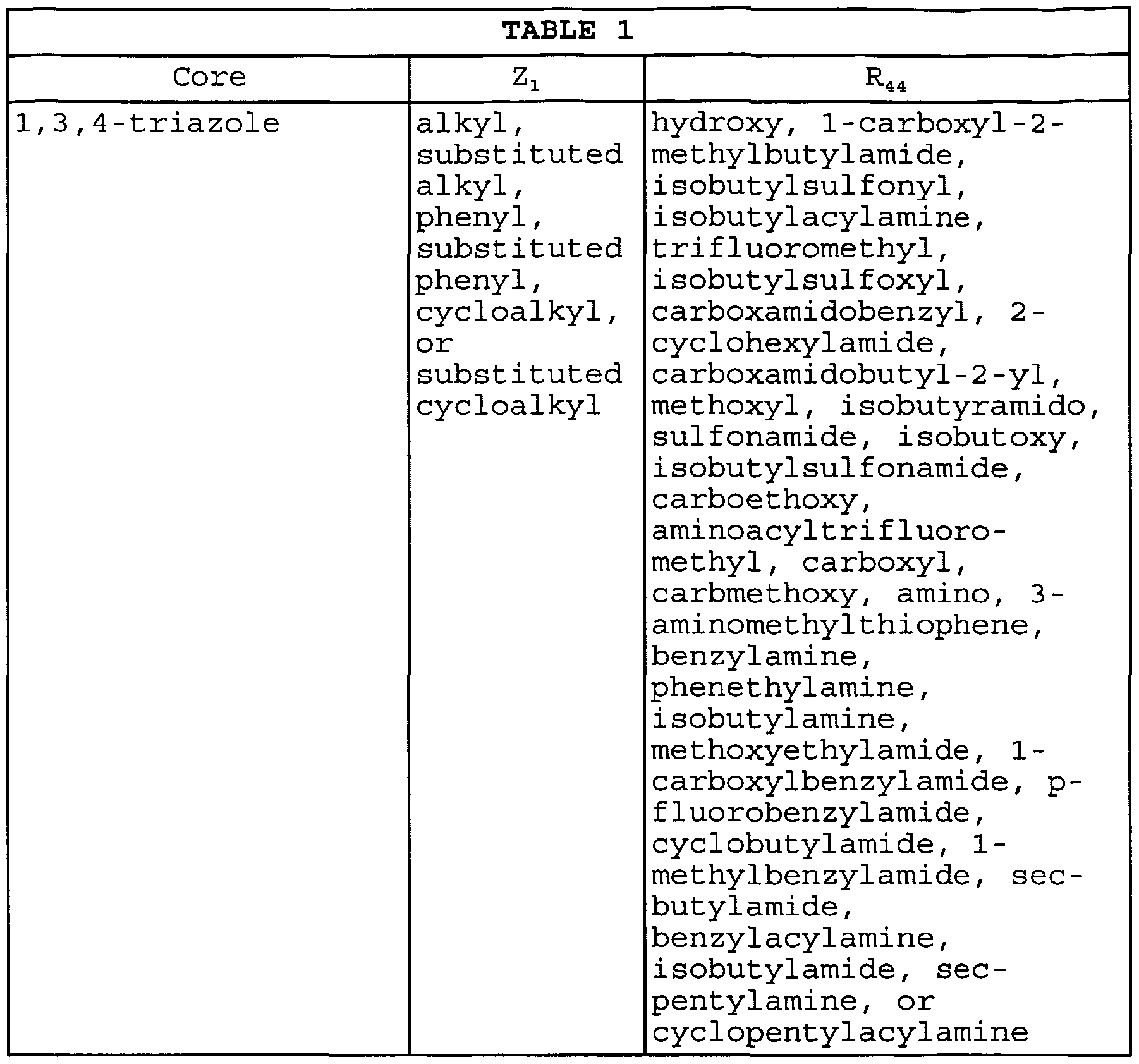


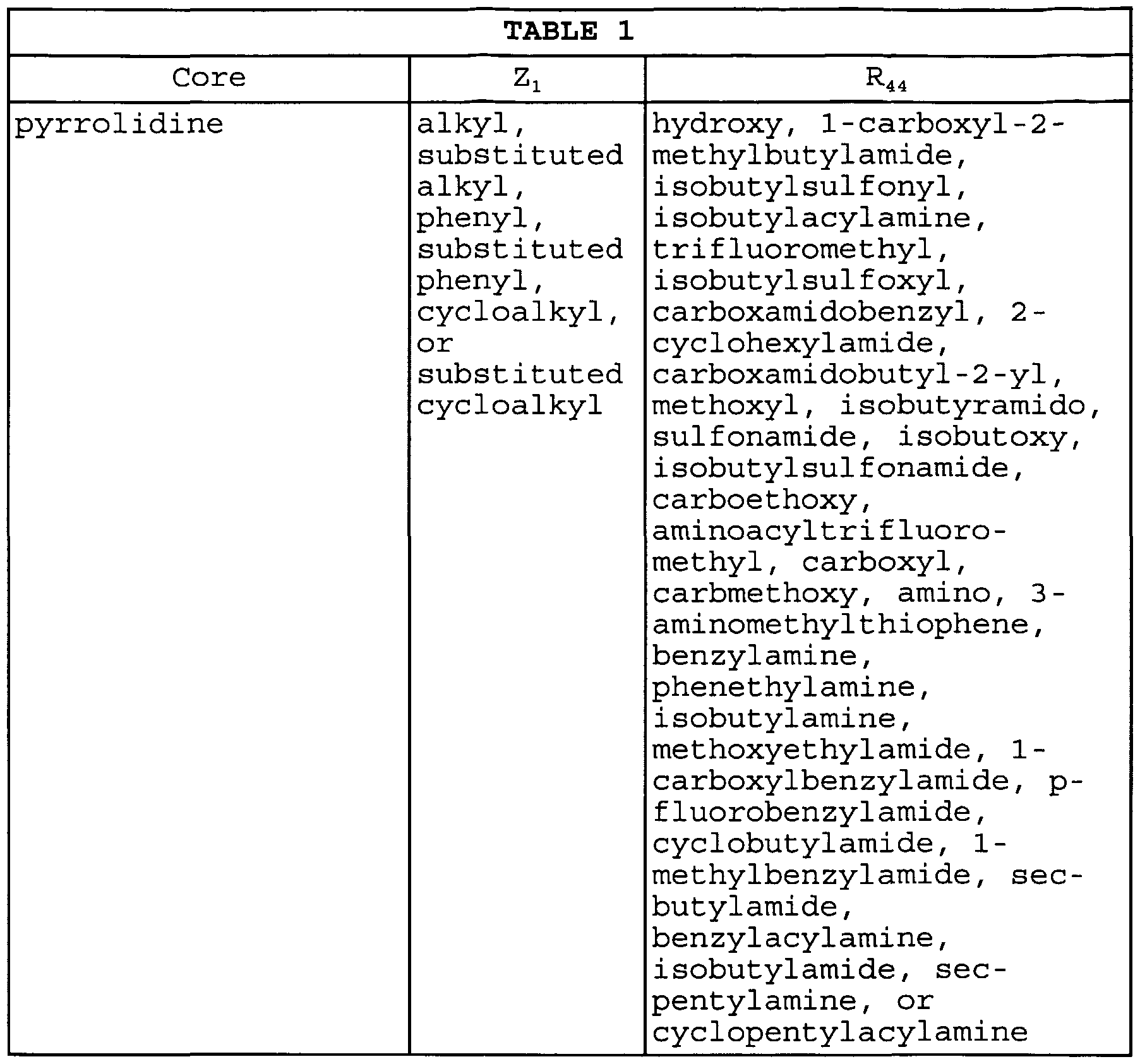


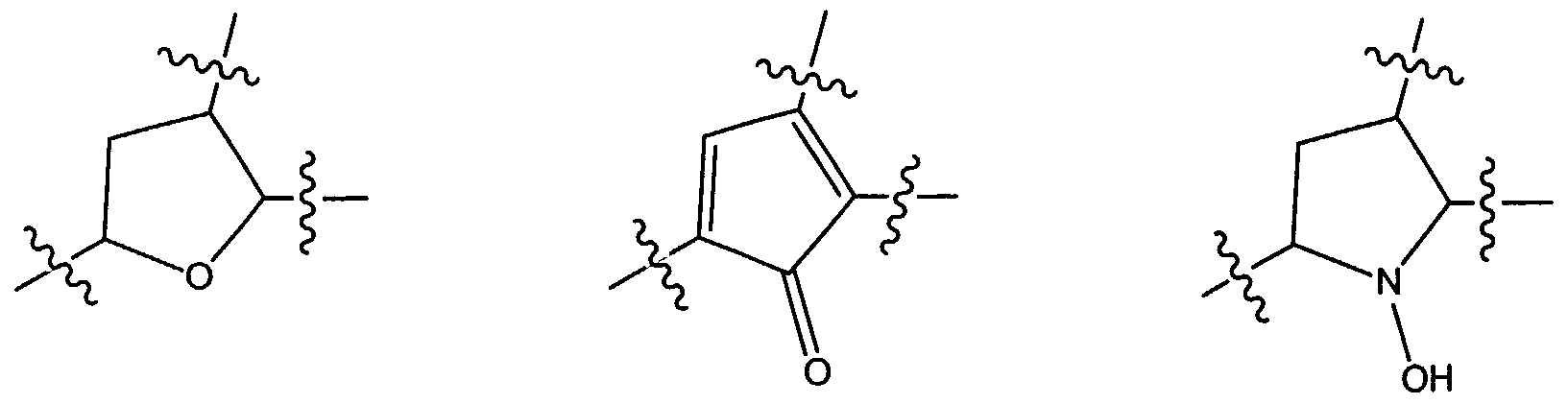


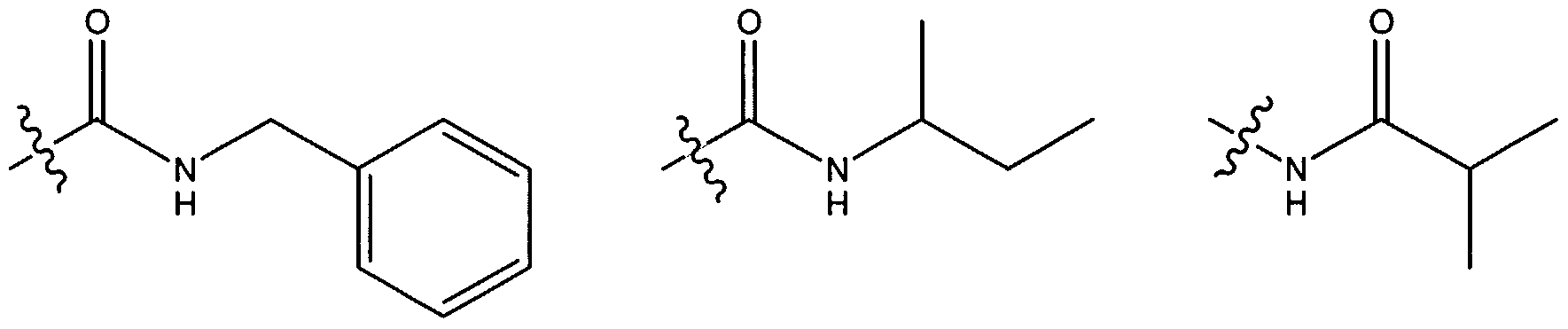




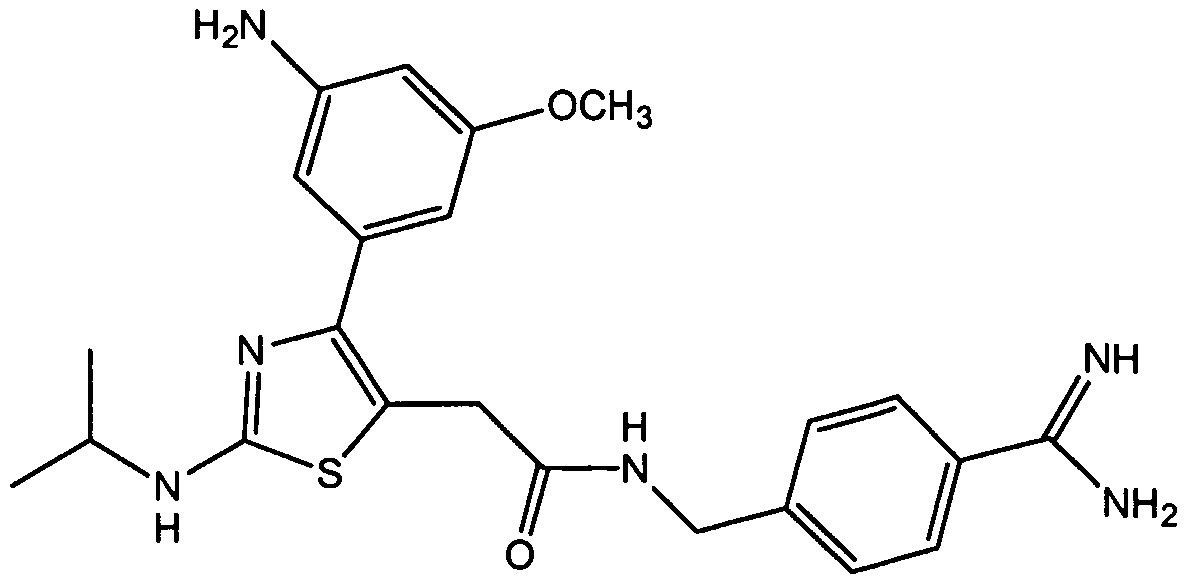


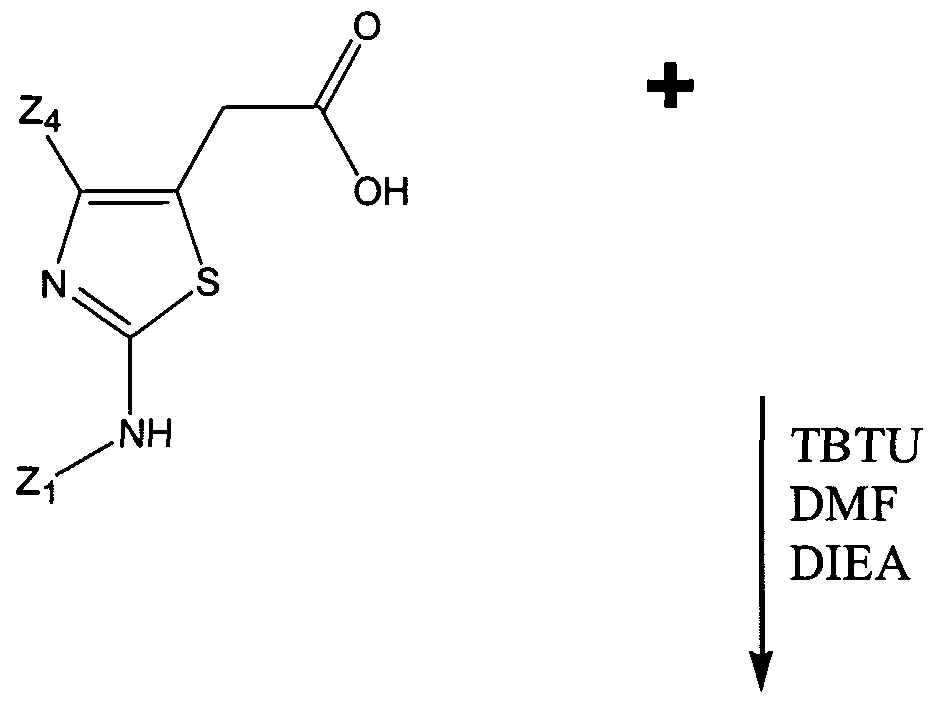





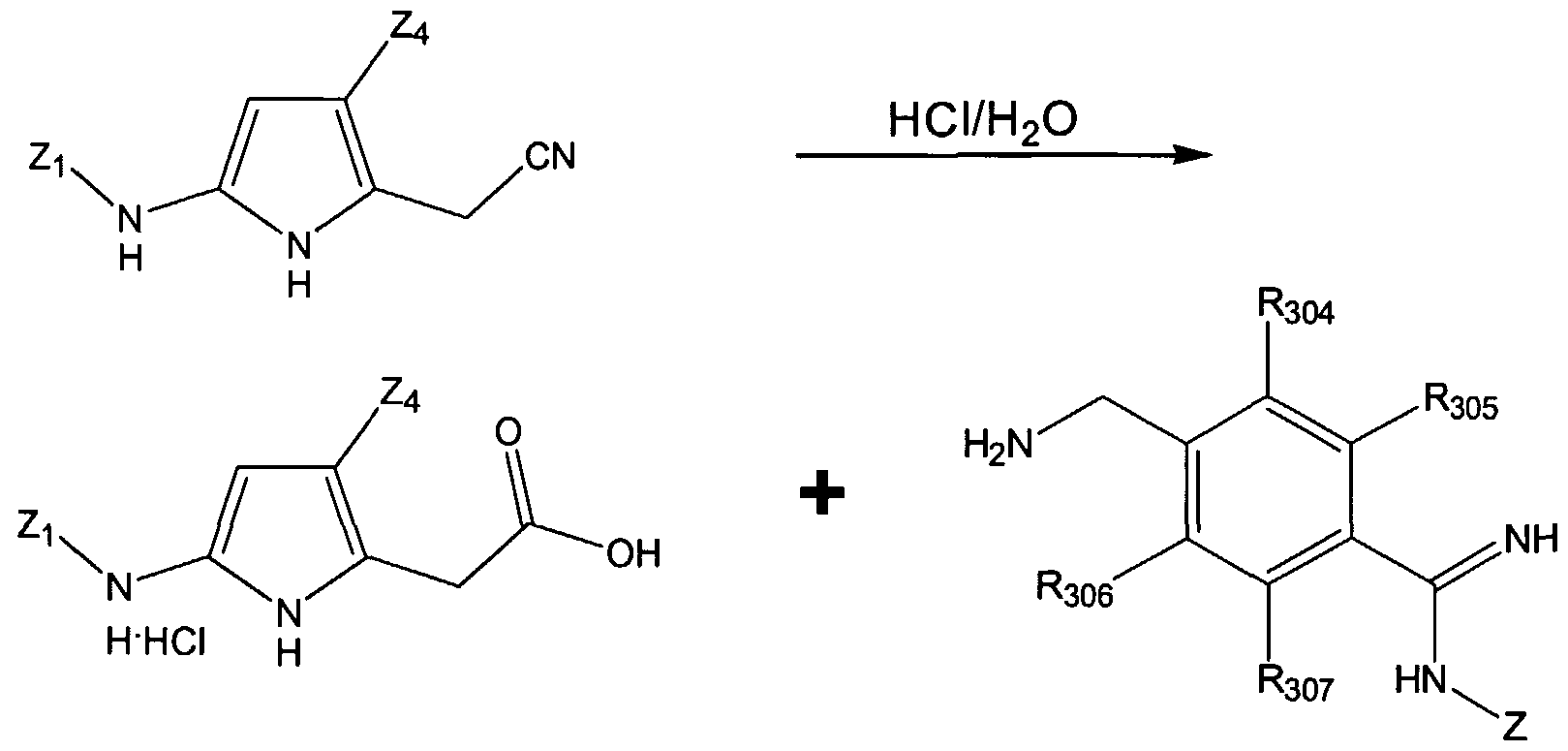


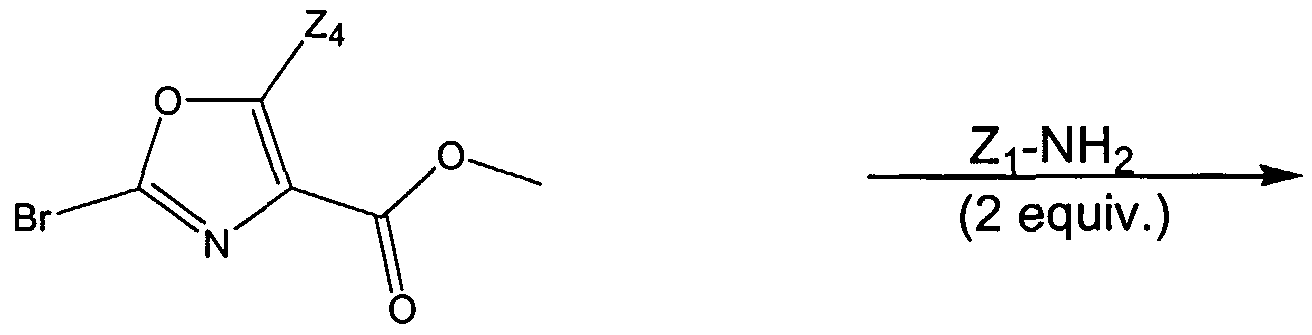


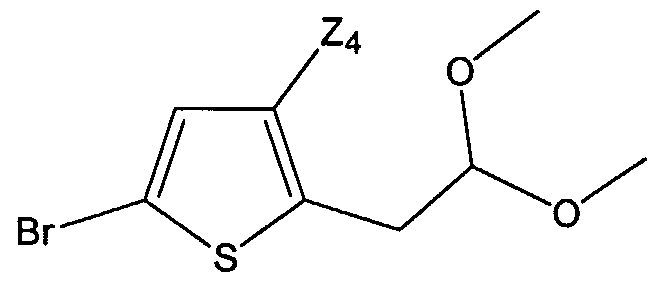




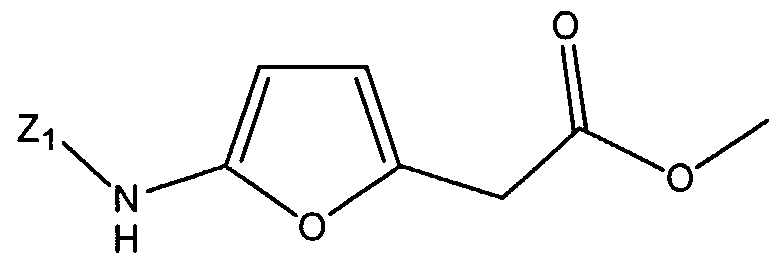


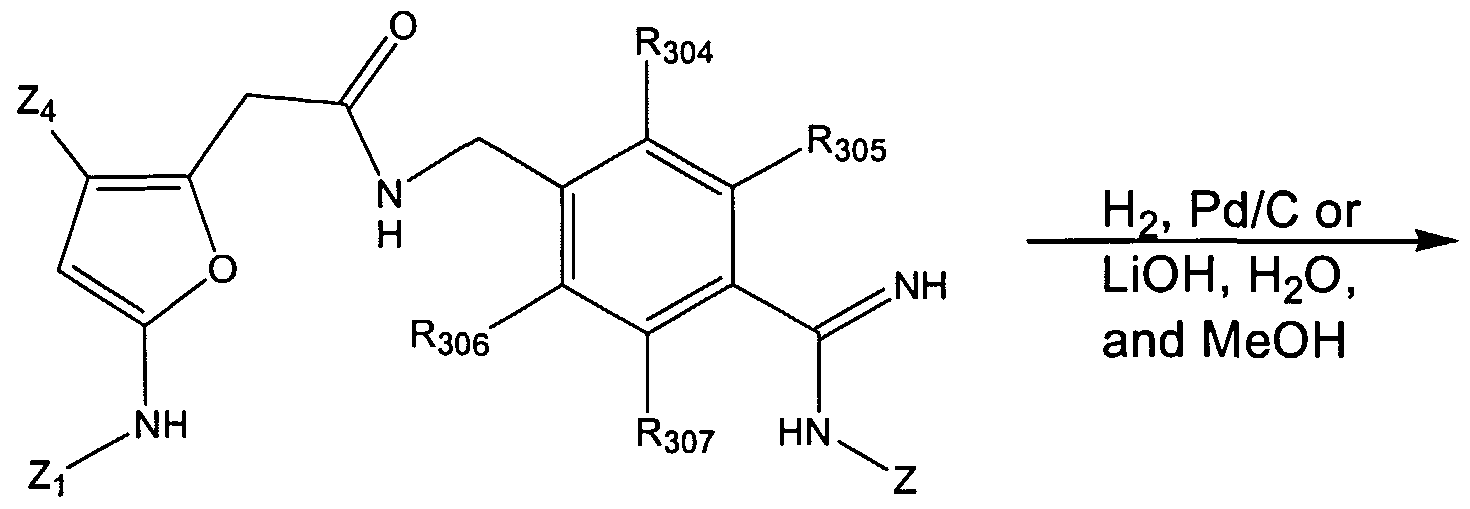


Claims


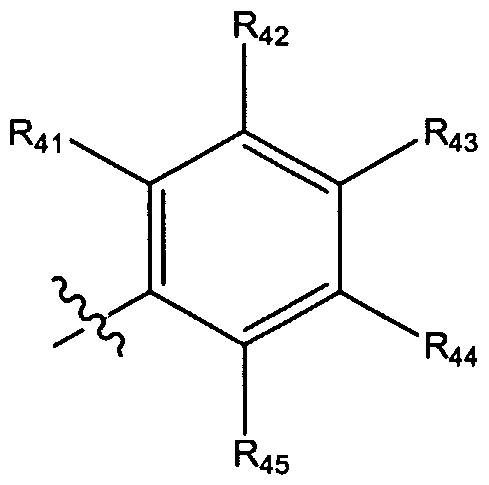


Priority Applications (6)
| Application Number | Priority Date | Filing Date | Title |
|---|---|---|---|
| CA002462645A CA2462645A1 (en) | 2001-10-03 | 2002-10-03 | Substituted 5-membered polycyclic compounds useful for selective inhibition of the coagulation cascade |
| MXPA04003170A MXPA04003170A (en) | 2001-10-03 | 2002-10-03 | Substituted 5-membered polycyclic compounds useful for selective inhibition of the coagulation cascade. |
| EP02807360A EP1432687A2 (en) | 2001-10-03 | 2002-10-03 | Substituted 5-membered polycyclic compounds useful for selective inhibition of the coagulation cascade |
| JP2004501381A JP2005525413A (en) | 2001-10-03 | 2002-10-03 | Substituted 5-membered polycyclic compounds useful for selective inhibition of the coagulation cascade |
| BR0213099-8A BR0213099A (en) | 2001-10-03 | 2002-10-03 | Substituted 5-membered polycyclic compounds useful for selective inhibition of coagulation cascade |
| AU2002367752A AU2002367752A1 (en) | 2001-10-03 | 2002-10-03 | Substituted 5-membered polycyclic compounds useful for selective inhibition of the coagulation cascade |
Applications Claiming Priority (12)
| Application Number | Priority Date | Filing Date | Title |
|---|---|---|---|
| US32672101P | 2001-10-03 | 2001-10-03 | |
| US60/326,721 | 2001-10-03 | ||
| US33862301P | 2001-10-24 | 2001-10-24 | |
| US60/338,623 | 2001-10-24 | ||
| US33285701P | 2001-11-06 | 2001-11-06 | |
| US60/332,857 | 2001-11-06 | ||
| US34495701P | 2001-11-07 | 2001-11-07 | |
| US60/344,957 | 2001-11-07 | ||
| US33210701P | 2001-11-21 | 2001-11-21 | |
| US33210401P | 2001-11-21 | 2001-11-21 | |
| US60/332,107 | 2001-11-21 | ||
| US60/332,104 | 2001-11-21 |
Publications (2)
| Publication Number | Publication Date |
|---|---|
| WO2003093242A2 true WO2003093242A2 (en) | 2003-11-13 |
| WO2003093242A3 WO2003093242A3 (en) | 2004-04-29 |
Family
ID=29408212
Family Applications (1)
| Application Number | Title | Priority Date | Filing Date |
|---|---|---|---|
| PCT/US2002/031770 Ceased WO2003093242A2 (en) | 2001-10-03 | 2002-10-03 | Substituted 5-membered polycyclic compounds useful for selective inhibition of the coagulation cascade |
Country Status (8)
| Country | Link |
|---|---|
| US (2) | US7105559B2 (en) |
| EP (1) | EP1432687A2 (en) |
| JP (1) | JP2005525413A (en) |
| AU (1) | AU2002367752A1 (en) |
| BR (1) | BR0213099A (en) |
| CA (1) | CA2462645A1 (en) |
| MX (1) | MXPA04003170A (en) |
| WO (1) | WO2003093242A2 (en) |
Cited By (10)
| Publication number | Priority date | Publication date | Assignee | Title |
|---|---|---|---|---|
| US7053088B2 (en) | 2002-05-22 | 2006-05-30 | Amgen Inc. | Vanilloid receptor ligands and their use in treatments |
| US7144888B2 (en) | 2002-08-08 | 2006-12-05 | Amgen Inc. | Vanilloid receptor ligands and their use in treatments |
| US7301022B2 (en) | 2005-02-15 | 2007-11-27 | Amgen Inc. | Vanilloid receptor ligands and their use in treatments |
| US7511044B2 (en) | 2004-02-11 | 2009-03-31 | Amgen Inc. | Vanilloid receptor ligands and their use in treatments |
| US7534798B2 (en) | 2004-02-11 | 2009-05-19 | Amgen Inc. | Vanilloid receptor ligands and their use in treatments |
| US7557131B2 (en) | 2005-01-20 | 2009-07-07 | Pfizer Inc | Substituted triazole derivatives as oxytocin antagonists |
| CN102020587A (en) * | 2010-11-25 | 2011-04-20 | 大连凯飞精细化工有限公司 | The synthetic method of 2-methoxy-4-cyanobenzaldehyde |
| US8088806B2 (en) | 2005-05-09 | 2012-01-03 | Achillion Pharmaceuticals, Inc. | Thiazole compounds and methods of use |
| US9771332B2 (en) | 2015-05-05 | 2017-09-26 | Pfizer Inc. | 2-thiopyrimidinones |
| US9873673B2 (en) | 2011-11-11 | 2018-01-23 | Pfizer Inc. | 2-thiopyrimidinones |
Family Cites Families (64)
| Publication number | Priority date | Publication date | Assignee | Title |
|---|---|---|---|---|
| JPS5910541A (en) * | 1982-07-09 | 1984-01-20 | Takeda Chem Ind Ltd | Quinone compound |
| JPS60255749A (en) * | 1984-05-31 | 1985-12-17 | Univ Nagoya | Quinone derivative |
| US5304658A (en) * | 1984-08-01 | 1994-04-19 | Takeda Chemical Industries, Ltd. | Quinone derivatives, their production and use |
| IL81264A (en) * | 1986-01-30 | 1990-11-05 | Takeda Chemical Industries Ltd | Quinone derivatives,their production and pharmaceutical compositions containing them |
| DE3826846A1 (en) | 1988-08-06 | 1990-02-08 | Goedecke Ag | ALKOXY-4 (1H) -PYRIDONE DERIVATIVES, PROCESS FOR THEIR PREPARATION AND THEIR USE AS DRUGS |
| GB9216272D0 (en) | 1991-08-15 | 1992-09-09 | Ici Plc | Substituted heterocycles |
| US5441960A (en) * | 1992-04-16 | 1995-08-15 | Zeneca Limited | 1-pyrimidinylacetamide human leukocyte elastate inhibitors |
| DE69314169T2 (en) | 1992-04-16 | 1998-01-15 | Zeneca Ltd | PEPTIDES WITH AN ALPHAAMINOBORONAIRE GROUP AND THEIR USE AS AN ELASTASE INHIBITOR |
| US5618792A (en) * | 1994-11-21 | 1997-04-08 | Cortech, Inc. | Substituted heterocyclic compounds useful as inhibitors of (serine proteases) human neutrophil elastase |
| US5656645A (en) * | 1994-12-13 | 1997-08-12 | Corvas International, Inc. | Aromatic heterocyclic derivatives as enzyme inhibitors |
| US6011158A (en) | 1994-12-13 | 2000-01-04 | Corvas International, Inc. | Aromatic heterocyclic derivatives as enzyme inhibitors |
| US5658930A (en) * | 1994-12-13 | 1997-08-19 | Corvas International, Inc. | Aromatic heterocyclic derivatives as enzyme inhibitors |
| EP0804464B1 (en) | 1994-12-13 | 2002-05-08 | Corvas International, Inc. | Aromatic heterocyclic derivatives as enzyme inhibitors |
| US5948785A (en) | 1995-04-27 | 1999-09-07 | The Green Cross Corporation | Heterocyclic amide compounds and pharmaceutical use of the same |
| US5612378A (en) | 1995-06-06 | 1997-03-18 | 3-Dimensional Pharmaceuticals, Inc. | Bis-arylsulfonylaminobenzamide derivatives and the use thereof as factor Xa inhibitors |
| US5741819A (en) | 1995-06-07 | 1998-04-21 | 3-Dimensional Pharmaceuticals, Inc. | Arylsulfonylaminobenzene derivatives and the use thereof as factor Xa inhibitors |
| JPH11508558A (en) | 1995-06-27 | 1999-07-27 | メルク エンド カンパニー インコーポレーテッド | Pyridinone thrombin inhibitor |
| CA2245811A1 (en) | 1996-02-22 | 1997-08-28 | Merck & Co., Inc. | Pyridinone thrombin inhibitors |
| JP3140790B2 (en) | 1996-04-23 | 2001-03-05 | メルク エンド カンパニー インコーポレーテッド | Pyrazinone thrombin inhibitors |
| US5668289A (en) * | 1996-06-24 | 1997-09-16 | Merck & Co., Inc. | Pyridinone thrombin inhibitors |
| WO1998008840A1 (en) | 1996-08-29 | 1998-03-05 | Merck & Co., Inc. | Integrin antagonists |
| AU4172397A (en) | 1996-09-06 | 1998-03-26 | Biochem Pharma Inc. | Lactam inhibitors of thrombin |
| BR9712000A (en) | 1996-09-06 | 1999-08-24 | Nippon Kayaku Kk | Derivatives of acetamide salts of the same pharmaceutical composition chymase protease inhibitors of mast degranulation or histamine release from mast cells and eosinophil activation or active oxygen release from eosinophil eosinophile and process for producing acetamide denervates |
| CA2264037A1 (en) | 1996-09-13 | 1998-03-19 | Merck & Co., Inc. | Thrombin inhibitors |
| US5872138A (en) * | 1996-09-13 | 1999-02-16 | Merck & Co., Inc. | Thrombin inhibitors |
| EP0932615A1 (en) | 1996-10-11 | 1999-08-04 | Cor Therapeutics, Inc. | SELECTIVE FACTOR Xa INHIBITORS |
| AU743544B2 (en) | 1996-10-11 | 2002-01-31 | Millennium Pharmaceuticals, Inc. | Selective factor Xa inhibitors |
| DE69719775T2 (en) | 1996-10-24 | 2004-02-05 | Merck & Co., Inc. | THROMBIN INHIBITORS |
| US5869487A (en) * | 1996-10-24 | 1999-02-09 | Merck & Co., Inc. | Pyrido 3,4-B!pyrazines for use as thrombin inhibitors |
| EP0940400A4 (en) | 1996-10-25 | 2002-10-02 | Mitsubishi Pharma Corp | NOVEL HETEROCYCLIC AMIDE COMPOUNDS AND THEIR USE FOR MEDICINAL PURPOSES |
| CA2276034A1 (en) | 1996-12-23 | 1998-07-02 | Mimi Lifen Quan | Oxygen or sulfur containing 5-membered heteroaromatics as factor xa inhibitors |
| WO1998031670A1 (en) | 1997-01-22 | 1998-07-23 | Merck & Co., Inc. | Thrombin inhibitors |
| US5792779A (en) * | 1997-02-19 | 1998-08-11 | Merck & Co., Inc. | Pyridinone thrombin inhibitors |
| CA2283704A1 (en) | 1997-03-24 | 1998-10-01 | Merck & Co., Inc. | Thrombin inhibitors |
| US5866573A (en) * | 1997-04-21 | 1999-02-02 | Merck & Co., Inc. | Pyrazinone thrombin inhibitors |
| IL123986A (en) | 1997-04-24 | 2011-10-31 | Organon Nv | Serine protease inhibiting antithrombotic agents and pharmaceutical compositions comprising them |
| ID22904A (en) | 1997-05-02 | 1999-12-16 | Akzo Nobel Nv | SERIN PROTEASE OBSTACLES |
| IL133627A0 (en) | 1997-06-26 | 2001-04-30 | Lilly Co Eli | Antithrombotic agents |
| EP1014962A4 (en) | 1997-06-26 | 2007-06-27 | Lilly Co Eli | Antithrombotic agents |
| US6372759B1 (en) | 1997-06-26 | 2002-04-16 | Eli Lilly And Company | Antithrombotic agents |
| JP2001514227A (en) | 1997-09-05 | 2001-09-11 | メルク エンド カムパニー インコーポレーテッド | Pyrazinone thrombin inhibitors |
| TWI222441B (en) | 1997-11-26 | 2004-10-21 | Dimensional Pharm Inc | Heteroaryl aminoguanidines and alkoxyguanidines and their use as protease inhibitors |
| WO1999026920A1 (en) | 1997-11-26 | 1999-06-03 | Corvas International, Inc. | Substituted 3-amino-2-hydroxyphenylacetamide derivatives as enzyme inhibitors (ii) |
| JP2002509153A (en) | 1998-01-20 | 2002-03-26 | ワーナー−ランバート・カンパニー | N- [2- (5-benzyloxycarbonyl-amino-6-oxo-2- (4-fluorophenyl) -1,6-dihydro-1-) as an in vivo inhibitor of interleukin-1β converting enzyme (ICE) Pyrimidinyl) acetoxyl] -L-aspartic aldehyde |
| AU2881199A (en) | 1998-02-26 | 1999-09-15 | Neurogen Corporation | Substituted 1,4-dihydro-4-oxonicotinic carboxamides: gaba brain receptor ligands |
| GB9806102D0 (en) | 1998-03-20 | 1998-05-20 | Merck Sharp & Dohme | Therapeutic agents |
| WO1999059591A1 (en) | 1998-05-19 | 1999-11-25 | Merck & Co., Inc. | Pyrazinone thrombin inhibitors |
| EP1082324A4 (en) | 1998-05-26 | 2002-01-02 | Merck & Co Inc | THROMBIN INHIBITOR IMIDAZOPYRIDINE COMPOUNDS |
| AU4330899A (en) | 1998-06-03 | 2000-06-19 | Cortech, Inc. | Peptoid and nonpeptoid containing alpha-keto oxadiazoles as serine protease inhibitors |
| JP4554077B2 (en) | 1998-06-11 | 2010-09-29 | オーソ−マクニール・フアーマシユーチカル・インコーポレーテツド | Pyrazinone protease inhibitor |
| EP0997474B1 (en) | 1998-08-14 | 2003-10-29 | Pfizer Inc. | Antithrombotic agents |
| WO2000026210A1 (en) | 1998-10-30 | 2000-05-11 | Merck & Co., Inc. | Thrombin inhibitors |
| CA2348734A1 (en) | 1998-10-30 | 2000-05-11 | Merck & Co., Inc. | Thrombin inhibitors |
| DE19851421A1 (en) | 1998-11-07 | 2000-05-11 | Boehringer Ingelheim Pharma | New pyrimidines, their production and use |
| FR2786482B1 (en) | 1998-11-27 | 2002-08-09 | Synthelabo | NOVEL 2-PYRIDONE DERIVATIVES, THEIR PREPARATION AND THEIR THERAPEUTIC APPLICATION |
| WO2000038683A1 (en) | 1998-12-23 | 2000-07-06 | Du Pont Pharmaceuticals Company | THROMBIN OR FACTOR Xa INHIBITORS |
| EP1150996B1 (en) * | 1999-01-13 | 2007-11-21 | AstraZeneca AB | New amidinobenzylamine derivatives and their use as thrombin inhibitors |
| KR20010113969A (en) | 1999-05-19 | 2001-12-28 | 추후보정 | Substituted polycyclic aryl and heteroaryl uracils as anticoagulative agents |
| CA2373509A1 (en) | 1999-05-19 | 2000-11-23 | Pharmacia Corporation | Substituted polycyclic aryl and heteroaryl pyridones useful for selective inhibition of the coagulation cascade |
| EA004867B1 (en) | 1999-05-19 | 2004-08-26 | Фармация Корпорейшн | Substituted pyrymidinone compounds, composition and method for the treatment, inhibiting and prevention of thrombotic conditions in mammals |
| IL146245A0 (en) * | 1999-05-19 | 2002-07-25 | Pharmacia Corp | Substituted polycyclic aryl and heteroaryl pyrazinones useful for selective inhibition of the coagulation cascade |
| GB9920981D0 (en) | 1999-09-07 | 1999-11-10 | Ademco Microtech Ltd | Improved security system |
| ATE289299T1 (en) | 2000-04-05 | 2005-03-15 | Pharmacia Corp | POLYCYCLIC ARYL AND HETEROARYL SUBSTITUTED 4-PYRONES USABLE FOR SELECTIVE INHIBITION OF THE COAGULATION PROCESS |
| US6838479B2 (en) * | 2000-09-11 | 2005-01-04 | Genentech, Inc. | Amidine inhibitors of serine proteases |
-
2002
- 2002-10-03 WO PCT/US2002/031770 patent/WO2003093242A2/en not_active Ceased
- 2002-10-03 MX MXPA04003170A patent/MXPA04003170A/en unknown
- 2002-10-03 JP JP2004501381A patent/JP2005525413A/en not_active Withdrawn
- 2002-10-03 EP EP02807360A patent/EP1432687A2/en not_active Withdrawn
- 2002-10-03 BR BR0213099-8A patent/BR0213099A/en not_active IP Right Cessation
- 2002-10-03 US US10/263,936 patent/US7105559B2/en not_active Expired - Fee Related
- 2002-10-03 AU AU2002367752A patent/AU2002367752A1/en not_active Abandoned
- 2002-10-03 CA CA002462645A patent/CA2462645A1/en not_active Abandoned
-
2005
- 2005-06-23 US US11/159,684 patent/US20050239860A1/en not_active Abandoned
Cited By (19)
| Publication number | Priority date | Publication date | Assignee | Title |
|---|---|---|---|---|
| US7524874B2 (en) | 2002-05-22 | 2009-04-28 | Amgen Inc. | Vanilloid receptor ligands and their use in treatments |
| US7053088B2 (en) | 2002-05-22 | 2006-05-30 | Amgen Inc. | Vanilloid receptor ligands and their use in treatments |
| US7396831B2 (en) | 2002-05-22 | 2008-07-08 | Amgen Inc. | Vanilloid receptor ligands and their use in treatments |
| US7144888B2 (en) | 2002-08-08 | 2006-12-05 | Amgen Inc. | Vanilloid receptor ligands and their use in treatments |
| US7148221B2 (en) | 2002-08-08 | 2006-12-12 | Amgen Inc. | Vanilloid receptor ligands and their use in treatments |
| US7332511B2 (en) | 2002-08-08 | 2008-02-19 | Amgen Inc. | Vanilloid receptor ligands and their use in treatments |
| US7534798B2 (en) | 2004-02-11 | 2009-05-19 | Amgen Inc. | Vanilloid receptor ligands and their use in treatments |
| US7511044B2 (en) | 2004-02-11 | 2009-03-31 | Amgen Inc. | Vanilloid receptor ligands and their use in treatments |
| US8227469B2 (en) | 2004-02-11 | 2012-07-24 | Amgen Inc. | Vanilloid receptor ligands and their use in treatments |
| US7557131B2 (en) | 2005-01-20 | 2009-07-07 | Pfizer Inc | Substituted triazole derivatives as oxytocin antagonists |
| US8207198B2 (en) | 2005-01-20 | 2012-06-26 | Pfizer Inc. | Substituted triazole derivatives as oxytocin antagonists |
| US9023872B2 (en) | 2005-01-20 | 2015-05-05 | Ixchelsis Limited | Substituted triazole derivatives as oxytocin antagonists |
| US9394278B2 (en) | 2005-01-20 | 2016-07-19 | Ixchelsis Limited | Substituted triazole derivatives as oxytocin antagonists |
| US10150752B2 (en) | 2005-01-20 | 2018-12-11 | Ixchelsis Limited | Substituted triazole derivatives as oxytocin antagonists |
| US7301022B2 (en) | 2005-02-15 | 2007-11-27 | Amgen Inc. | Vanilloid receptor ligands and their use in treatments |
| US8088806B2 (en) | 2005-05-09 | 2012-01-03 | Achillion Pharmaceuticals, Inc. | Thiazole compounds and methods of use |
| CN102020587A (en) * | 2010-11-25 | 2011-04-20 | 大连凯飞精细化工有限公司 | The synthetic method of 2-methoxy-4-cyanobenzaldehyde |
| US9873673B2 (en) | 2011-11-11 | 2018-01-23 | Pfizer Inc. | 2-thiopyrimidinones |
| US9771332B2 (en) | 2015-05-05 | 2017-09-26 | Pfizer Inc. | 2-thiopyrimidinones |
Also Published As
| Publication number | Publication date |
|---|---|
| JP2005525413A (en) | 2005-08-25 |
| CA2462645A1 (en) | 2003-11-13 |
| AU2002367752A8 (en) | 2003-11-17 |
| AU2002367752A1 (en) | 2003-11-17 |
| US7105559B2 (en) | 2006-09-12 |
| BR0213099A (en) | 2004-10-19 |
| EP1432687A2 (en) | 2004-06-30 |
| WO2003093242A3 (en) | 2004-04-29 |
| US20030162776A1 (en) | 2003-08-28 |
| MXPA04003170A (en) | 2004-07-08 |
| US20050239860A1 (en) | 2005-10-27 |
Similar Documents
| Publication | Publication Date | Title |
|---|---|---|
| CA2462601A1 (en) | Prodrugs of substituted polycyclic compounds useful for selective inhibition of the coagulation cascade | |
| US6545054B1 (en) | Alkenyl and alkynyl compounds as inhibitors of factor Xa | |
| EP0915086A1 (en) | Phenylsulfonamide derivatives | |
| JP2546470B2 (en) | Pyrazolopyridine compound and method for producing the same | |
| US7105559B2 (en) | Substituted 5-membered polycyclic compounds useful for selective inhibition of the coagulation cascade | |
| US20040106626A1 (en) | 6-Membered unsaturated heterocyclic compounds useful for selective inhibition of the coagulation cascade | |
| CA3136725A1 (en) | Inhibitors of cd40-cd154 binding | |
| CA2021740A1 (en) | Peptidyl aminodiol renin inhibitors | |
| US6969715B2 (en) | 6-membered heterocyclic compounds useful for selective inhibition of the coagulation cascade | |
| EP1660471B1 (en) | Derivatives of hydroxamic acid as metalloproteinase inhibitors | |
| EP1326838B1 (en) | Novel crystalline forms of a factor xa inhibitor | |
| JP2009511516A (en) | Imidazole derivatives as inhibitors of TAFIa | |
| US20040082585A1 (en) | Prodrugs of substituted polycyclic compounds useful for selective inhibition of the coagulation cascade | |
| JP2002502414A (en) | Guanidine derivatives as inhibitors of Na ++ / H ++ exchange in cells | |
| SK166699A3 (en) | Crystalline roxifiban | |
| US4001425A (en) | Methods of treating hypertension and pharmaceutical compositions comprising 1-tertiary-alkyl-3-(substituted furyl)ureas as antihypertensive agents | |
| EP1526131A1 (en) | Aminoalkyl-pyrazinones and -pyridones as thrombin inhibitors | |
| JPH10204054A (en) | Phenylsulfonamide derivative | |
| SU1200849A3 (en) | Method of producing pyrrole derivatives | |
| EP1674464A1 (en) | Novel thrombin inhibitors | |
| GB2348198A (en) | Formamide derivatives as metalloprotease inhibitors | |
| EP1655296A1 (en) | Thrombin inhibitors | |
| CA2022116A1 (en) | Imidazole compounds and their use as transglutaminase inhibitors |
Legal Events
| Date | Code | Title | Description |
|---|---|---|---|
| AK | Designated states |
Kind code of ref document: A2 Designated state(s): AE AG AL AM AT AU AZ BA BB BG BR BY BZ CA CH CN CO CR CU CZ DE DK DM DZ EC EE ES FI GB GD GE GH GM HR HU ID IL IN IS JP KE KG KP KR KZ LC LK LR LS LT LU LV MA MD MG MK MN MW MX MZ NO NZ OM PH PL PT RO RU SD SE SG SI SK SL TJ TM TN TR TT TZ UA UG US UZ VC VN YU ZA ZM ZW |
|
| AL | Designated countries for regional patents |
Kind code of ref document: A2 Designated state(s): GH GM KE LS MW MZ SD SL SZ TZ UG ZM ZW AM AZ BY KG KZ MD RU TJ TM AT BE BG CH CY CZ DE DK EE ES FI FR GB GR IE IT LU MC NL PT SE SK TR BF BJ CF CG CI CM GA GN GQ GW ML MR NE SN TD TG |
|
| 121 | Ep: the epo has been informed by wipo that ep was designated in this application | ||
| WWE | Wipo information: entry into national phase |
Ref document number: 2462645 Country of ref document: CA |
|
| WWE | Wipo information: entry into national phase |
Ref document number: PA/a/2004/003170 Country of ref document: MX Ref document number: 2002807360 Country of ref document: EP |
|
| WWE | Wipo information: entry into national phase |
Ref document number: 2004501381 Country of ref document: JP |
|
| DFPE | Request for preliminary examination filed prior to expiration of 19th month from priority date (pct application filed before 20040101) | ||
| WWP | Wipo information: published in national office |
Ref document number: 2002807360 Country of ref document: EP |
|
| WWW | Wipo information: withdrawn in national office |
Ref document number: 2002807360 Country of ref document: EP |