WO2004002530A1 - 慢性疾患治療剤 - Google Patents
慢性疾患治療剤 Download PDFInfo
- Publication number
- WO2004002530A1 WO2004002530A1 PCT/JP2003/006679 JP0306679W WO2004002530A1 WO 2004002530 A1 WO2004002530 A1 WO 2004002530A1 JP 0306679 W JP0306679 W JP 0306679W WO 2004002530 A1 WO2004002530 A1 WO 2004002530A1
- Authority
- WO
- WIPO (PCT)
- Prior art keywords
- group
- substituent
- acid
- alkyl
- atom
- Prior art date
- Legal status (The legal status is an assumption and is not a legal conclusion. Google has not performed a legal analysis and makes no representation as to the accuracy of the status listed.)
- Ceased
Links
Classifications
-
- C—CHEMISTRY; METALLURGY
- C07—ORGANIC CHEMISTRY
- C07D—HETEROCYCLIC COMPOUNDS
- C07D213/00—Heterocyclic compounds containing six-membered rings, not condensed with other rings, with one nitrogen atom as the only ring hetero atom and three or more double bonds between ring members or between ring members and non-ring members
- C07D213/02—Heterocyclic compounds containing six-membered rings, not condensed with other rings, with one nitrogen atom as the only ring hetero atom and three or more double bonds between ring members or between ring members and non-ring members having three double bonds between ring members or between ring members and non-ring members
- C07D213/04—Heterocyclic compounds containing six-membered rings, not condensed with other rings, with one nitrogen atom as the only ring hetero atom and three or more double bonds between ring members or between ring members and non-ring members having three double bonds between ring members or between ring members and non-ring members having no bond between the ring nitrogen atom and a non-ring member or having only hydrogen or carbon atoms directly attached to the ring nitrogen atom
- C07D213/24—Heterocyclic compounds containing six-membered rings, not condensed with other rings, with one nitrogen atom as the only ring hetero atom and three or more double bonds between ring members or between ring members and non-ring members having three double bonds between ring members or between ring members and non-ring members having no bond between the ring nitrogen atom and a non-ring member or having only hydrogen or carbon atoms directly attached to the ring nitrogen atom with substituted hydrocarbon radicals attached to ring carbon atoms
- C07D213/36—Radicals substituted by singly-bound nitrogen atoms
- C07D213/40—Acylated substituent nitrogen atom
-
- A—HUMAN NECESSITIES
- A61—MEDICAL OR VETERINARY SCIENCE; HYGIENE
- A61K—PREPARATIONS FOR MEDICAL, DENTAL OR TOILETRY PURPOSES
- A61K31/00—Medicinal preparations containing organic active ingredients
- A61K31/33—Heterocyclic compounds
- A61K31/395—Heterocyclic compounds having nitrogen as a ring hetero atom, e.g. guanethidine or rifamycins
- A61K31/435—Heterocyclic compounds having nitrogen as a ring hetero atom, e.g. guanethidine or rifamycins having six-membered rings with one nitrogen as the only ring hetero atom
- A61K31/44—Non condensed pyridines; Hydrogenated derivatives thereof
- A61K31/4406—Non condensed pyridines; Hydrogenated derivatives thereof only substituted in position 3, e.g. zimeldine
-
- A—HUMAN NECESSITIES
- A61—MEDICAL OR VETERINARY SCIENCE; HYGIENE
- A61P—SPECIFIC THERAPEUTIC ACTIVITY OF CHEMICAL COMPOUNDS OR MEDICINAL PREPARATIONS
- A61P11/00—Drugs for disorders of the respiratory system
-
- A—HUMAN NECESSITIES
- A61—MEDICAL OR VETERINARY SCIENCE; HYGIENE
- A61P—SPECIFIC THERAPEUTIC ACTIVITY OF CHEMICAL COMPOUNDS OR MEDICINAL PREPARATIONS
- A61P11/00—Drugs for disorders of the respiratory system
- A61P11/06—Antiasthmatics
-
- A—HUMAN NECESSITIES
- A61—MEDICAL OR VETERINARY SCIENCE; HYGIENE
- A61P—SPECIFIC THERAPEUTIC ACTIVITY OF CHEMICAL COMPOUNDS OR MEDICINAL PREPARATIONS
- A61P13/00—Drugs for disorders of the urinary system
- A61P13/08—Drugs for disorders of the urinary system of the prostate
-
- A—HUMAN NECESSITIES
- A61—MEDICAL OR VETERINARY SCIENCE; HYGIENE
- A61P—SPECIFIC THERAPEUTIC ACTIVITY OF CHEMICAL COMPOUNDS OR MEDICINAL PREPARATIONS
- A61P13/00—Drugs for disorders of the urinary system
- A61P13/12—Drugs for disorders of the urinary system of the kidneys
-
- A—HUMAN NECESSITIES
- A61—MEDICAL OR VETERINARY SCIENCE; HYGIENE
- A61P—SPECIFIC THERAPEUTIC ACTIVITY OF CHEMICAL COMPOUNDS OR MEDICINAL PREPARATIONS
- A61P17/00—Drugs for dermatological disorders
-
- A—HUMAN NECESSITIES
- A61—MEDICAL OR VETERINARY SCIENCE; HYGIENE
- A61P—SPECIFIC THERAPEUTIC ACTIVITY OF CHEMICAL COMPOUNDS OR MEDICINAL PREPARATIONS
- A61P17/00—Drugs for dermatological disorders
- A61P17/04—Antipruritics
-
- A—HUMAN NECESSITIES
- A61—MEDICAL OR VETERINARY SCIENCE; HYGIENE
- A61P—SPECIFIC THERAPEUTIC ACTIVITY OF CHEMICAL COMPOUNDS OR MEDICINAL PREPARATIONS
- A61P29/00—Non-central analgesic, antipyretic or antiinflammatory agents, e.g. antirheumatic agents; Non-steroidal antiinflammatory drugs [NSAID]
-
- A—HUMAN NECESSITIES
- A61—MEDICAL OR VETERINARY SCIENCE; HYGIENE
- A61P—SPECIFIC THERAPEUTIC ACTIVITY OF CHEMICAL COMPOUNDS OR MEDICINAL PREPARATIONS
- A61P3/00—Drugs for disorders of the metabolism
- A61P3/04—Anorexiants; Antiobesity agents
-
- A—HUMAN NECESSITIES
- A61—MEDICAL OR VETERINARY SCIENCE; HYGIENE
- A61P—SPECIFIC THERAPEUTIC ACTIVITY OF CHEMICAL COMPOUNDS OR MEDICINAL PREPARATIONS
- A61P43/00—Drugs for specific purposes, not provided for in groups A61P1/00-A61P41/00
-
- A—HUMAN NECESSITIES
- A61—MEDICAL OR VETERINARY SCIENCE; HYGIENE
- A61P—SPECIFIC THERAPEUTIC ACTIVITY OF CHEMICAL COMPOUNDS OR MEDICINAL PREPARATIONS
- A61P9/00—Drugs for disorders of the cardiovascular system
-
- A—HUMAN NECESSITIES
- A61—MEDICAL OR VETERINARY SCIENCE; HYGIENE
- A61P—SPECIFIC THERAPEUTIC ACTIVITY OF CHEMICAL COMPOUNDS OR MEDICINAL PREPARATIONS
- A61P9/00—Drugs for disorders of the cardiovascular system
- A61P9/04—Inotropic agents, i.e. stimulants of cardiac contraction; Drugs for heart failure
-
- A—HUMAN NECESSITIES
- A61—MEDICAL OR VETERINARY SCIENCE; HYGIENE
- A61P—SPECIFIC THERAPEUTIC ACTIVITY OF CHEMICAL COMPOUNDS OR MEDICINAL PREPARATIONS
- A61P9/00—Drugs for disorders of the cardiovascular system
- A61P9/10—Drugs for disorders of the cardiovascular system for treating ischaemic or atherosclerotic diseases, e.g. antianginal drugs, coronary vasodilators, drugs for myocardial infarction, retinopathy, cerebrovascula insufficiency, renal arteriosclerosis
-
- C—CHEMISTRY; METALLURGY
- C07—ORGANIC CHEMISTRY
- C07C—ACYCLIC OR CARBOCYCLIC COMPOUNDS
- C07C233/00—Carboxylic acid amides
- C07C233/01—Carboxylic acid amides having carbon atoms of carboxamide groups bound to hydrogen atoms or to acyclic carbon atoms
- C07C233/45—Carboxylic acid amides having carbon atoms of carboxamide groups bound to hydrogen atoms or to acyclic carbon atoms having the nitrogen atom of at least one of the carboxamide groups bound to a carbon atom of a hydrocarbon radical substituted by carboxyl groups
- C07C233/46—Carboxylic acid amides having carbon atoms of carboxamide groups bound to hydrogen atoms or to acyclic carbon atoms having the nitrogen atom of at least one of the carboxamide groups bound to a carbon atom of a hydrocarbon radical substituted by carboxyl groups with the substituted hydrocarbon radical bound to the nitrogen atom of the carboxamide group by an acyclic carbon atom
- C07C233/51—Carboxylic acid amides having carbon atoms of carboxamide groups bound to hydrogen atoms or to acyclic carbon atoms having the nitrogen atom of at least one of the carboxamide groups bound to a carbon atom of a hydrocarbon radical substituted by carboxyl groups with the substituted hydrocarbon radical bound to the nitrogen atom of the carboxamide group by an acyclic carbon atom having the carbon atom of the carboxamide group bound to an acyclic carbon atom of a carbon skeleton containing six-membered aromatic rings
-
- C—CHEMISTRY; METALLURGY
- C07—ORGANIC CHEMISTRY
- C07C—ACYCLIC OR CARBOCYCLIC COMPOUNDS
- C07C233/00—Carboxylic acid amides
- C07C233/64—Carboxylic acid amides having carbon atoms of carboxamide groups bound to carbon atoms of six-membered aromatic rings
- C07C233/66—Carboxylic acid amides having carbon atoms of carboxamide groups bound to carbon atoms of six-membered aromatic rings having the nitrogen atom of at least one of the carboxamide groups bound to a carbon atom of a hydrocarbon radical substituted by halogen atoms or by nitro or nitroso groups
-
- C—CHEMISTRY; METALLURGY
- C07—ORGANIC CHEMISTRY
- C07C—ACYCLIC OR CARBOCYCLIC COMPOUNDS
- C07C233/00—Carboxylic acid amides
- C07C233/64—Carboxylic acid amides having carbon atoms of carboxamide groups bound to carbon atoms of six-membered aromatic rings
- C07C233/67—Carboxylic acid amides having carbon atoms of carboxamide groups bound to carbon atoms of six-membered aromatic rings having the nitrogen atom of at least one of the carboxamide groups bound to a carbon atom of a hydrocarbon radical substituted by singly-bound oxygen atoms
- C07C233/68—Carboxylic acid amides having carbon atoms of carboxamide groups bound to carbon atoms of six-membered aromatic rings having the nitrogen atom of at least one of the carboxamide groups bound to a carbon atom of a hydrocarbon radical substituted by singly-bound oxygen atoms with the substituted hydrocarbon radical bound to the nitrogen atom of the carboxamide group by an acyclic carbon atom
- C07C233/73—Carboxylic acid amides having carbon atoms of carboxamide groups bound to carbon atoms of six-membered aromatic rings having the nitrogen atom of at least one of the carboxamide groups bound to a carbon atom of a hydrocarbon radical substituted by singly-bound oxygen atoms with the substituted hydrocarbon radical bound to the nitrogen atom of the carboxamide group by an acyclic carbon atom of a carbon skeleton containing six-membered aromatic rings
-
- C—CHEMISTRY; METALLURGY
- C07—ORGANIC CHEMISTRY
- C07C—ACYCLIC OR CARBOCYCLIC COMPOUNDS
- C07C233/00—Carboxylic acid amides
- C07C233/64—Carboxylic acid amides having carbon atoms of carboxamide groups bound to carbon atoms of six-membered aromatic rings
- C07C233/81—Carboxylic acid amides having carbon atoms of carboxamide groups bound to carbon atoms of six-membered aromatic rings having the nitrogen atom of at least one of the carboxamide groups bound to a carbon atom of a hydrocarbon radical substituted by carboxyl groups
- C07C233/82—Carboxylic acid amides having carbon atoms of carboxamide groups bound to carbon atoms of six-membered aromatic rings having the nitrogen atom of at least one of the carboxamide groups bound to a carbon atom of a hydrocarbon radical substituted by carboxyl groups with the substituted hydrocarbon radical bound to the nitrogen atom of the carboxamide group by an acyclic carbon atom
- C07C233/83—Carboxylic acid amides having carbon atoms of carboxamide groups bound to carbon atoms of six-membered aromatic rings having the nitrogen atom of at least one of the carboxamide groups bound to a carbon atom of a hydrocarbon radical substituted by carboxyl groups with the substituted hydrocarbon radical bound to the nitrogen atom of the carboxamide group by an acyclic carbon atom of an acyclic saturated carbon skeleton
-
- C—CHEMISTRY; METALLURGY
- C07—ORGANIC CHEMISTRY
- C07C—ACYCLIC OR CARBOCYCLIC COMPOUNDS
- C07C235/00—Carboxylic acid amides, the carbon skeleton of the acid part being further substituted by oxygen atoms
- C07C235/42—Carboxylic acid amides, the carbon skeleton of the acid part being further substituted by oxygen atoms having carbon atoms of carboxamide groups bound to carbon atoms of six-membered aromatic rings and singly-bound oxygen atoms bound to the same carbon skeleton
- C07C235/44—Carboxylic acid amides, the carbon skeleton of the acid part being further substituted by oxygen atoms having carbon atoms of carboxamide groups bound to carbon atoms of six-membered aromatic rings and singly-bound oxygen atoms bound to the same carbon skeleton with carbon atoms of carboxamide groups and singly-bound oxygen atoms bound to carbon atoms of the same non-condensed six-membered aromatic ring
- C07C235/48—Carboxylic acid amides, the carbon skeleton of the acid part being further substituted by oxygen atoms having carbon atoms of carboxamide groups bound to carbon atoms of six-membered aromatic rings and singly-bound oxygen atoms bound to the same carbon skeleton with carbon atoms of carboxamide groups and singly-bound oxygen atoms bound to carbon atoms of the same non-condensed six-membered aromatic ring having the nitrogen atom of at least one of the carboxamide groups bound to an acyclic carbon atom of a hydrocarbon radical substituted by singly-bound oxygen atoms
-
- C—CHEMISTRY; METALLURGY
- C07—ORGANIC CHEMISTRY
- C07C—ACYCLIC OR CARBOCYCLIC COMPOUNDS
- C07C235/00—Carboxylic acid amides, the carbon skeleton of the acid part being further substituted by oxygen atoms
- C07C235/42—Carboxylic acid amides, the carbon skeleton of the acid part being further substituted by oxygen atoms having carbon atoms of carboxamide groups bound to carbon atoms of six-membered aromatic rings and singly-bound oxygen atoms bound to the same carbon skeleton
- C07C235/44—Carboxylic acid amides, the carbon skeleton of the acid part being further substituted by oxygen atoms having carbon atoms of carboxamide groups bound to carbon atoms of six-membered aromatic rings and singly-bound oxygen atoms bound to the same carbon skeleton with carbon atoms of carboxamide groups and singly-bound oxygen atoms bound to carbon atoms of the same non-condensed six-membered aromatic ring
- C07C235/52—Carboxylic acid amides, the carbon skeleton of the acid part being further substituted by oxygen atoms having carbon atoms of carboxamide groups bound to carbon atoms of six-membered aromatic rings and singly-bound oxygen atoms bound to the same carbon skeleton with carbon atoms of carboxamide groups and singly-bound oxygen atoms bound to carbon atoms of the same non-condensed six-membered aromatic ring having the nitrogen atom of at least one of the carboxamide groups bound to an acyclic carbon atom of a hydrocarbon radical substituted by carboxyl groups
-
- C—CHEMISTRY; METALLURGY
- C07—ORGANIC CHEMISTRY
- C07D—HETEROCYCLIC COMPOUNDS
- C07D231/00—Heterocyclic compounds containing 1,2-diazole or hydrogenated 1,2-diazole rings
- C07D231/02—Heterocyclic compounds containing 1,2-diazole or hydrogenated 1,2-diazole rings not condensed with other rings
- C07D231/10—Heterocyclic compounds containing 1,2-diazole or hydrogenated 1,2-diazole rings not condensed with other rings having two or three double bonds between ring members or between ring members and non-ring members
- C07D231/12—Heterocyclic compounds containing 1,2-diazole or hydrogenated 1,2-diazole rings not condensed with other rings having two or three double bonds between ring members or between ring members and non-ring members with only hydrogen atoms, hydrocarbon or substituted hydrocarbon radicals, directly attached to ring carbon atoms
-
- C—CHEMISTRY; METALLURGY
- C07—ORGANIC CHEMISTRY
- C07D—HETEROCYCLIC COMPOUNDS
- C07D235/00—Heterocyclic compounds containing 1,3-diazole or hydrogenated 1,3-diazole rings, condensed with other rings
- C07D235/02—Heterocyclic compounds containing 1,3-diazole or hydrogenated 1,3-diazole rings, condensed with other rings condensed with carbocyclic rings or ring systems
- C07D235/04—Benzimidazoles; Hydrogenated benzimidazoles
- C07D235/06—Benzimidazoles; Hydrogenated benzimidazoles with only hydrogen atoms, hydrocarbon or substituted hydrocarbon radicals, directly attached in position 2
- C07D235/12—Radicals substituted by oxygen atoms
-
- C—CHEMISTRY; METALLURGY
- C07—ORGANIC CHEMISTRY
- C07D—HETEROCYCLIC COMPOUNDS
- C07D261/00—Heterocyclic compounds containing 1,2-oxazole or hydrogenated 1,2-oxazole rings
- C07D261/02—Heterocyclic compounds containing 1,2-oxazole or hydrogenated 1,2-oxazole rings not condensed with other rings
- C07D261/06—Heterocyclic compounds containing 1,2-oxazole or hydrogenated 1,2-oxazole rings not condensed with other rings having two or more double bonds between ring members or between ring members and non-ring members
- C07D261/10—Heterocyclic compounds containing 1,2-oxazole or hydrogenated 1,2-oxazole rings not condensed with other rings having two or more double bonds between ring members or between ring members and non-ring members with hetero atoms or with carbon atoms having three bonds to hetero atoms with at the most one bond to halogen, e.g. ester or nitrile radicals, directly attached to ring carbon atoms
- C07D261/14—Nitrogen atoms
Definitions
- the present invention relates to a therapeutic and / or prophylactic agent for a chronic disease, comprising an EDG (Endothelial differentiation gene) -12 antagonist as an active ingredient. Furthermore, a therapeutic and / or prophylactic agent for a chronic disease, comprising an EDG (Endothelial differentiation gene) -12 antagonist as an active ingredient.
- EDG Endothelial differentiation gene
- chronic asthma glomerulonephritis, obesity, prostatic hypertrophy, which contains EDG-2 antagonist, is caused by increased cell proliferation and becomes chronic.
- the present invention relates to a therapeutic and / or prophylactic agent for chronic diseases selected from diseases, diseases caused by progression of arteriosclerosis, rheumatism and atopic dermatitis.
- lipid mediators such as eicosanoids and platelet activating factor (PAF) are produced by the action of phospholipase from cell membranes.
- PAF platelet activating factor
- R represents an acyl group, an alkenyl group or an alkyl group. It is a lipid that can be used. Among them, the naturally occurring one is L-a-LPA. It is known that R in the formula is rearranged to the hydroxyl group at the 2-position. Recently, three genes have been identified as LPA receptors, and it has been revealed that various physiological actions of LPA are mediated by these LPA receptors.
- EDG-2 is also called LPA VZG-1 [Mol Pharmacol Dec; 58 (6) .1188-96 (2000)].
- LPA binds to the LPA receptor EDG-2, 4 or 7, and transmits signals into cells via G proteins coupled to the receptor.
- Gs that can bind to the LPA receptor include Gs, Gi, Gq, and G12 / 13 , and this diversity is deeply involved in the mechanism of action of LPA.
- EDG-2, 4, and 7 are widely distributed in living organisms, but the role of each receptor is thought to be different depending on the tissue because the subtypes differ in the manner of localization. However, the type of receptor sapphire located in each tissue has not yet been identified.
- LPA is involved in the proliferation of airway smooth muscle cells, mesangial cells, adipocytes and vascular smooth muscle [Am. J. Physiol. Lung Cell Mol. Physiol. 2002282 (1): L91; Clin. Science 199996, 431; J. CIin. Invest. 1998101, 1431; Am. J. Physiol. (267 Cell Physiol. 36): C204, 1994] 0
- LPA is involved in the activity of dendritic cells.
- WO 01/60819 describes that a compound having LPA receptor antagonistic activity suppresses the growth of brain tumor cells and ovarian cancer cells.
- Cancer cells are proliferative cells that lose the original phenotype of differentiated cells and repeat divisions forever, and have different properties from cultured cell lines derived from normal tissues. Subordinate Therefore, the results of inhibition of proliferation in these cancer cells do not always yield the same results in cultured cell lines derived from normal tissues, and these results are not easily and uniquely linked. . Disclosure of the invention
- the present inventors have conducted various studies on LPA-related cells other than airway smooth muscle cells, mesangial cells and adipocytes, and found that preadipocytes, prostate stromal cells, coronary artery smooth muscle cells, synovial cells, dendrites It was found that the proliferation of cells and the like was enhanced by LPA.
- LPA receptor subtypes promoted proliferation in airway smooth muscle cells, mesangial cells, or adipocytes, which were known to be involved in LPA. Even in the cells in which the relationship with LPA was clarified, the angle was not determined.
- the present inventors have conducted various studies in the above tissue culture cell lines to elucidate through which subtype of LPA its receptor is acting, and as a result, EDG-2 is obtained. I found that. The present inventors have now shown for the first time that the promotion of proliferation of these cells is mediated by the LPA receptor subtype EDG-2. These are completely unpredictable from the prior art, and this time the present inventors have confirmed for the first time by experiments. This suggests that EDG-2 antagonists are effective for diseases in which the action of LPA is transmitted to tissue cells via EDG-2, and as a result, the proliferation of the cells is promoted and becomes chronic.
- EDG-2 antagonist can be used to treat chronic diseases, specifically chronic asthma, glomerulonephritis, obesity, benign prostatic hyperplasia, diseases caused by progression of arteriosclerosis, rheumatism and atopic dermatitis, etc. We found that it was effective for prevention or prevention and completed this invention.
- the present invention
- the therapeutic and / or prophylactic agent according to the above 1, wherein the chronic disease is chronic asthma, glomerulonephritis, obesity, benign prostatic hyperplasia, a disease caused by progression of arteriosclerosis, rheumatism or atopic dermatitis.
- a a represents (1) C 1-6 alkylene, (2) C 2-6 alkenylene, or (3) C 2-6 alkynylene (where A a is 1-3 C 1 May be substituted by ⁇ ⁇ ⁇ ⁇ 4 alkyl.)
- Cycl a is (1) a C 3-15 carbocycle, or (2) 1-4 nitrogen atoms, 1-2 oxygen atoms and Z or Represents a 3 to 15 membered heterocyclic ring containing 1 to 2 sulfur atoms,
- R 2a and R 3a are each independently: (1) C 1-4 alkyl, (2). 1-4 alkoxy, or (3) no, represents a logen atom,
- R4a and R5a are each independently: (1) a hydrogen atom, (2) C1-4 alkyl, (3) C2-4 alkenyl, (4) C2-4 alkyl, (5) —C 1-4 alkyl substituted by OR 21a , (6) — NR 22a C 1-4 alkyl substituted by R 23a , or
- R 4a and R 5a are taken together with the nitrogen atom to which they are attached to form a 3- to 15-membered monocyclic, bicyclic or tricyclic heterocycle, provided that said heterocycle contains at least one nitrogen atom.
- one oR 25a it may also be substituted by C 1 to 4 alkyl substituted by Les, represents.
- R 21a, R 22a , R 23a and R 25a are each independently (1) hydrogen atom, (2) C 1-4 alkyl, (3) C 2-6 acyl, or (4) trihaloacetyl
- E a is (1) a single bond, (2) C 1-6 alkylene, (3) ⁇ 2-6 ⁇ Luque two alkylene or (4), C 2-6 represent alkynylene (provided, E a is: substituted by to 3 (1) C 1 to 4 alkyl or (2) -OR 26a
- R 26a may be (1) a hydrogen atom, (2) C 1-4 alkyl, (3) C 2-6 acyl, or (4) trihalo.
- C yc 2 a includes a (1) C 3 ⁇ 1 5 carbocyclic or (2) 1-4 nitrogen atoms, 1-2 oxygen atoms and / or 1-2 sulfur atoms Represents a 3- to 5-membered heterocyclic ring, and R 24a represents (1) C 1-4 alkyl, (2) halogen atom, (3) cyano, (4) trihalomethylene, (5) —OR 27a , (6 ) —SR 28a , (7) —NR 29a R 30a , (8) Nitro, (9) —COO R 31a , (10) —CONR 32a R 33a , (11) NR 34a COR 35a , (12) — SO 2 NR 36a 3006679
- i a 0 or an integer of 1 to 5
- ma is 0 or:! Represents an integer from 4 to 4,
- n a 0 or an integer of 1 to 4,
- pa represents 0 or an integer of 1 to 5.
- a plurality of R la may be the same or different, and when ma represents 2 or more, a plurality of R 2a may be the same or different, and na is 2 or more.
- a plurality of R 3a may be the same or different, and when pa represents 2 or more, a plurality of R 24a may be the same or different.
- EDG-2 antagonist has the general formula ( ⁇ )
- R lb represents an optionally substituted C 1-20 alkyl, aryl, heterocyclic, alkyloxy, peroxy, alkylthio, arylthio, or halogen atom,
- R 2b represents an optionally substituted alkyl, aryl, heterocyclic, alkyloxy, aryloxy, or halogen atom;
- R 3b represents a hydrogen atom, lower alkyl or alkyl halide
- R 4b is selected from the group consisting of (a) an optionally substituted phenyl, aryl, or heterocyclic ring, (b) a substituted or unsubstituted alkyl, and (c) a substituted or unsubstituted alkenyl.
- X b represents an oxygen atom or a sulfur atom.
- R 3b and R 4b may form a 5- to 10-membered ring together with the carbon atom to which they are bonded, and when R 3b is a hydrogen atom, R 4b is It represents a group excluding a methyl group.
- the EDG-2 antagonist has the general formula (III)
- R e represents a optionally substituted Yo, aliphatic hydrocarbon group or a cyclic group which may have a substituent
- G c represents a bond or a spacer having 1 to 8 atoms in the main chain
- T c represents a spacer having one CH 2 — or a substituent having a hydrogen bond accepting group and having one atom in the main chain, which may have a substituent;
- B c represents an optionally substituted aliphatic hydrocarbon group or an optionally substituted cyclic group
- K c is (1) a bond or (2) R cyclic group substituents c, ring DC or ring D number atoms may also be the main chain to form a connexion ring such with substituents c 1 ⁇ 8 pieces Represents a password,
- Qc is (1) a bond or (2) Rc cyclic group, R e of substituent properly cyclic group K c and together such connection rings formed have atoms also may backbone 1 to Representing eight speakers,
- Ring D c represents a cyclic group which may further have a substituent
- L c represents a bond or a spacer having 1 to 3 atoms in the main chain
- Ring E c represents a cyclic group which may further have a substituent
- M c represents a bond or backbone atoms 1-8 pieces of spacer
- Z c represents an acidic group
- a method for treating and / or preventing a chronic disease which comprises administering an effective amount of an EDG-2 antagonist to a mammal;
- EDG-2 Antagonist to manufacture therapeutic and / or prophylactic agents for chronic diseases
- the C1-4 alkyl group is a methyl, ethyl, propyl, pentinole group or an isomer thereof.
- the C1-8 alkyl group means a methyl, ethyl, propyl, butyl, pentyl, hexyl, heptyl, octyl group and isomers thereof.
- the C2-4 alkenyl group includes ethenyl, propenyl, butenyl and isomers thereof.
- the C2-4 alkynyl group is ethur, propynyl, butyryl group and isomers thereof.
- the C1-4 alkoxy group is a methoxy, ethoxy, propoxy, butoxy group or an isomer thereof.
- the C1-6 alkylene group includes a methylene, ethylene, trimethylene, tetramethylene, pentamethylene, hexamethylene group and isomers thereof.
- the C 2-6 alkenylene group includes an eturene, a propenylene, a butenylene, a pentenylene, a hexenylene group and isomers thereof.
- the C2-6 alkynylene group includes ethynylene, propynylene, pentylene, pentynylene, hexylene, and isomers thereof.
- the C2-6 acyl group is an ethanoyl, propanoyl, butanoyl, pentanoyl, hexanoyl group and isomers thereof.
- the halogen atom means a fluorine, chlorine, bromine, or iodine atom.
- the trihalomethinole group means a methyl group substituted by three halogen atoms, and includes, for example, trifluoromethyl, trichloromethyl, tribromomethyl, and triodomethyl groups.
- trihaloacetyl group means an acetyl group substituted with three halogen atoms, and examples thereof include trifluoroacetyl, trichloroacetyl, triproacetyl and triodoacetyl groups. No.
- the C 3-15 carbocycle includes a C 3-15 monocyclic, bicyclic or Include tricyclic unsaturated carbocycles, partially or wholly saturated carbocycles, spiked bicyclic carbocycles and bridged bicyclic carbocycles.
- tricyclic unsaturated carbocycles partially or wholly saturated carbocycles
- spiked bicyclic carbocycles spiked bicyclic carbocycles
- bridged bicyclic carbocycles for example, cycloprono.
- a 3- to 15-membered heterocyclic ring containing 1-4 nitrogen atoms, 1-2 oxygen atoms and / or 1-2 sulfur atoms has 1-4
- a heterocyclic ring partially or wholly saturated.
- pyrrole imidazole, triazole, tetrazole, pyrazole, pyridine, virazine, pyrimidine, pyridazine, azepine, diazepine, furan, pyran, oxepin, thiophene, thiopyran, chepin, oxazole, isooxo.
- a 3- to 15-membered monocyclic, bicyclic or tricyclic heterocyclic ring represented by a nitrogen atom to which R 4a and R 5a are bonded has at least one nitrogen atom It includes 3- to 15-membered monocyclic, bicyclic or tricyclic unsaturated heterocycles containing atoms, and partially or wholly saturated heterocycles.
- the “aliphatic hydrocarbon group” in the “optionally substituted aliphatic hydrocarbon group” represented by R c includes a “linear or branched aliphatic hydrocarbon”.
- the “linear or branched aliphatic hydrocarbon group” includes a “linear or branched alkyl, alkenyl or alkynyl group”.
- linear or branched alkyl group examples include, for example, methinole, ethinole, propyl, isopropinole, petitinole, isoptinole, sec-butinole, tert-butynole, pentinole, isopentinole, neopentinole, hexinole, heptyl And a straight-chain or branched C 1-10 alkyl group such as octyl, nonyl, decyl and the like.
- linear or branched alkenyl group examples include, for example, techinenole, propenyl, buteninole, butageninole, pentenyl, pentageninole, hexeninole, hexageninole, hepteninole, hepteninole, octopeninole And linear or branched C 2-10 alkenyl groups such as octagenyl, noneninole, nonageninole, deseninole, and decadienyl groups.
- linear or branched alkynyl group examples include, for example, ethul, propininole, petitinole, butadininole, pentininole, pentadiinole, hexinole, hexininole, heptininole, heptininole Examples thereof include linear or branched C2-10 alkynyl groups such as nore, octininole, octadinyl, noniel, nonadinyl, desinyl, and decadinyl groups.
- the “cyclic group” in the “optionally substituted cyclic group” represented by R c includes, for example, a carbocyclic ring or a heterocyclic ring.
- Examples of the carbocycle include a C3 to: 15 monocyclic, bicyclic or tricyclic carbocyclic ring, a spiro-bonded bicyclic carbocyclic ring or a bridged bicyclic carbocyclic ring.
- C3-15 monocyclic, bicyclic or bicyclic carbocycles include C3-15 monocyclic, bicyclic or tricyclic carbocyclic unsaturated carbocycles, carbons partially or wholly saturated Rings are included.
- heterocyclic ring examples include a 3 to 15-membered monocyclic, bicyclic or tricyclic heterocyclic ring containing 1 to 5 heteroatoms arbitrarily selected from an oxygen atom, a nitrogen atom and a sulfur atom. And a ring, a spiro-bonded bicyclic heterocyclic ring or a bridged bicyclic heterocyclic ring.
- bridged bicyclic heterocycle examples include azabicyclo [2.2.1] heptane, azabicyclo [3.1.1] heptane, azabicyclo [3.2.1] octane, and azabicyclo [2.2.2] And octane rings.
- Examples of the 3- to 15-membered monocyclic, bicyclic or tricyclic aromatic heterocyclic ring containing a hetero atom include pyrrole, imidazole, triazonole, tetrazole, pyrazole, pyridine, pyrazine, pyrimidine, and pyridazine.
- ⁇ substituent '' in the ⁇ optionally substituted aliphatic hydrocarbon group '' or ⁇ optionally substituted cyclic group '' represented by R c for example, (a) optionally substituted Alkyl group, (b) alkenyl group which may be substituted, (c) alkynyl group which may be substituted, (d) carbocyclic group which may have a substituent, and (e) which has a substituent.
- An optionally substituted heterocyclic group (f) an optionally substituted hydroxyl group, (g) an optionally substituted thiol group, (h) an optionally substituted amino group, (i) an optionally substituted (B) a sulfamoyl group which may be substituted, (k) a carboxy group, (1) an alkoxyl group (e.g., methoxycanoleponinole, ethoxycanoleponinole, t-butoxycananolone) C 1-6 alkoxycarbonyl such as glue Etc.), (m) a sulfo group (an S 0 3 H), (n ) sulfino group, (o) a phosphono group, (p) a nitro group, (q) Okiso group, (r) Chiokiso group, (s) Shiano Group, (t) amidino group, (u) imino group, (v) -B (OH) 2 group, (w)
- arylsulfonyl group eg, C 6-10 arylsulfonyl group such as phenylsulfonyl group
- acyl group eg, formyl, acetyl, propanol
- C 1 to C 6 aryl groups such as benzoyl and the like, for example, C 6 to 10 arylcarbonyl groups such as benzoyl, etc., and these optional substituents can be substituted at 1 to 5 at substitutable positions. May be substituted.
- alkyl group in the “optionally substituted alkyl group” as the substituent examples include, for example, methyl, ethyl, propynole, isopropinole, butynole, isobutynole, sec-butynole, tert-butyl, pentynole, Examples thereof include linear or branched C 1-10 alkyl groups such as isopentinole, neopentinole, hexinole, heptyl, octyl, nonyl, and decyl.
- substituent of the alkyl group a hydroxyl group, an amino group, a carboxyl group, a nitro group, a mono- or di-C 1-6 alkylamino group (for example, methinoamino, ethynoleamino, propylamino, dimethylamino, getylamino, etc.), C1-6 alkoxy groups (for example, methoxy, ethoxy, propoxy, hexyloxy, etc.), C1-6 alkylcarbonyloxy groups (for example, acetoxy, ethylcarbonyl, etc.), phenyl group and Chromium atoms (eg, fluorine, chlorine, bromine, iodine) and the like, and one to four of these optional substituents may be substituted at substitutable positions.
- C1-6 alkoxy groups for example, methoxy, ethoxy, propoxy, hexyloxy, etc.
- C1-6 alkylcarbonyloxy groups for example
- alkenyl group in the “optionally substituted alkenyl group” as a substituent examples include, for example, etheninole, propeninole, buteninole, ptageninole, penteninole, pentageninole, hexinenole, hexeninole, hepteninole And straight-chain or branched C 2-10 alkenyl groups such as heptageninole, otateninole, octactenyl, nonenyl, nonage-nore, decenyl, decadienyl and the like.
- the substituent of the alkeninole group is the same as the above-mentioned “optionally substituted alkyl group”. Represents the same meaning as the substituent.
- Examples of the “alkynyl group” in the “optionally substituted alkynyl group” as a substituent include, for example, echul, propynyl, petininole, ptadininole, pentinole, pentadiinole, hexinole, hexazinii Examples thereof include linear or branched C 2-10 alkynyl groups such as nonyl, heptinyl, heptadinyl, octyninole, octadininole, noninyl, nonadinyl, desynyl, and decadinyl groups.
- the substituent of the alkynyl group has the same meaning as the substituent in the “optionally substituted alkyl group”.
- the carbon ring in the “carbocyclic group optionally having substituent (s)” as the substituent is the same as the carbon ring in the “cyclic group” in the above “cyclic group optionally having substituent (s)” Indicates meaning.
- examples of the substituent on the carbocyclic ring include a linear or branched C 1-10 alkyl group (having the same meaning as the alkyl group in the “optionally substituted alkyl group”), Linear or branched C 2-10 alkenyl group (having the same meaning as the alkenyl group in the “optionally substituted alkenyl group”), linear or branched C 2-10 alkenyl group; Alkynyl group (has the same meaning as the alkynyl group in the above-mentioned "optionally substituted alkynyl group”), hydroxyl group, Cl-6 alkoxy group (for example, methoxy, ethoxy, propoxy, isopropoxy, butoxy, isobutylo) Xy, tert-butoxy, pentyloxy, hexyloxy, etc.), thiol group, C1-6 alkylthio group (for example, methylthio, ethylthio, propylthio
- heterocyclic ring in the “optionally substituted heterocyclic group” as the substituent is the same as the heterocyclic ring in the “cyclic group” in the aforementioned “optionally substituted cyclic group”. Indicates meaning.
- the substituent of the heterocyclic ring has the same meaning as the substituent in the aforementioned “carbocyclic group optionally having substituent (s)”.
- Examples of the “substituent” in the “optionally substituted hydroxyl group”, the “optionally substituted thiol group” and the “optionally substituted amino group” as the substituent include, for example, (i) substituted An alkyl group which may have the same meaning as described above; (ii) an alkenyl group which may be substituted (which has the same meaning as described above); Good alkyl group (having the same meaning as described above), (iv) carbocyclic group which may have a substituent (having the same meaning as described above), (V) Substitution A heterocyclic group (having the same meaning as described above); (vi) an acyl group (for example, formyl, acetinol, propanol, piperoyl, butanol, pentanoinole, hexanoinole, etc.) C 1 ⁇ 6 alkanol groups or isomers thereof, for example, C 6-10 aromatic carbocyclic carbonyls such as benzoyl,
- Examples of the “optionally substituted rubamoyl group” as a substituent include an unsubstituted rubamoyl group, N-mono-C 1-6 alkyl rubamoyl (for example, N-methylol rubamoyl group, N-ethyl Rucarbamoyl, N-propynolecanolebamoyl, N-Isopropylpyrucarbamoyl, N-butylcarbamoyl, N-isobutylcanolebamoinole, N- (tert-butynole) rubbamoyl, N-pentinolepotenol, N —Hexylcarbamoyl, etc.) and N-monocarbamoyl, such as N-phenylcarbamoyl Reel Power Lubamoyl, N, N—Di C 1-6 Alkyl Power Lubam
- N-di-C 6-10 arylene carbamoyl N-C 6-10 arylene carbamoyl (eg, N-phenyl-1-N-methylcarbamoyl, N-phenyl-N-phenyl) Tilcarbamoyl, N-phenyl N-propyl-l-carbamoyl, N-phenyl-l-N-phenyleno-canolebamoinole, N-phenylen-ol-N-pentynole N-pentynole carpamoyl, N-phenyl-l-N-hexylcarbamoy Etc.).
- N-phenyl-1-N-methylcarbamoyl N-phenyl-N-phenyl
- Tilcarbamoyl N-phenyl N-propyl-l-carbamoyl
- Examples of the “optionally substituted sulfamoyl group” as a substituent include an unsubstituted sulfamoyl group, N-mono-C 1-6 alkylsulfamoyl (for example, N-methylsulfamoyl, N-ethylsyl).
- C1-6 alkinolesulfamoyl e.g., N, N-dimethinoles norrefamoyl, N, N-diethylsulfamoyl, N, N-dipropinolesnoremofamoyl, N, N-dibuty
- N / N-diphenylsulfamoyl N, N-dihexylsulfamoyl, N-methyl-N-ethylsulfamoyl, etc.
- N, N-diphenylenosolefamoyl etc.
- G C 6-10 aryl sulfamoyl, N—C 6-10 aryl-1 N—C 1-6 alkyl sulfamoyl (for example, N—FeN—N-methylsulfamoyl, N—FeN—N —Echinoresnore Famoinole, N—Feninore N—Propinoresnore Famoinore, N—Hue-Noreichi N—Buchinoresnorefamoyl, N—Feninore N 2003/006679
- spacer having 1 to 8 atoms in the main chain represented by G c means an interval in which 1 to 8 atoms are connected.
- the number of atoms in the main chain is counted so that the number of atoms in the main chain is minimized.
- the “chain having 1 to 8 atoms in the main chain” represented by is, for example, a Cl-8 alkylene group which may have a substituent (for example, methylene, ethylene, trimethylene, Tramethylene, pentamethylene, hexamethylene, heptamethylene, octamethylene, etc., and optionally substituted C2-8 alkenylene groups (for example, ethenylene, propenylene, butenylene, butadienylene, pentenylene, pentajenylene) Len, hexenylene, hexenenylene, heptenylene, heptagelenylene, octenylene, octagenylene, etc., and a C 2-8 alkynylene group which may have a substituent (for example, ethinylene, propynylene, petinylene, butadinylene) , Pentynylene, pentadiylene, hex
- C 1-8 alkylene group, C 2-8 alkenylene group and carbon atom of C 2-8 alkynylene group are oxygen atom, sulfur atom which may be oxidized (for example, S, SO, so 2 Etc.) or a nitrogen atom which may be substituted
- C 1-8 alkylene group optionally having substituent (s) examples include, for example, An alkyl group (having the same meaning as described above), a halogen atom (eg, fluorine, chlorine, bromine, iodine), an optionally substituted hydroxyl group (having the same meaning as described above), substituted Optionally substituted amino group (has the same meaning as described above), oxo group, optionally substituted imino group (for example, c1-6 alkylimino group, hydroxyimino group, Cl-6 alkoxy) Imino group, cyano amino group, etc.), and one to three of these optional substituents may be substituted at substitutable positions.
- a halogen atom eg, fluorine, chlorine, bromine, iodine
- an optionally substituted hydroxyl group having the same meaning as described above
- substituted Optionally substituted amino group has the same meaning as described above
- oxo group optionally substituted imino group (for example,
- the “hydrogen bond accepting group” in the “substituent-bearing one-chain atom-containing spacer containing a hydrogen bond accepting group” represented by T c is an unshared electron Any group containing an atom having a pair may be used. One atom means an interval.
- the “number of atoms in the main chain” is counted so that the number of atoms in the main chain is minimized.
- Examples of “a spacer having one hydrogen atom in the main chain containing a hydrogen bond accepting group which may have a substituent” include, for example, a carbonyl group (eg, 1 CO—, etc.), a thiocarbonyl group ( For example, —CS—, etc., an optionally substituted imino group (having the same meaning as described above), a sulfonyl group (eg, 1 S O 2 —, etc.), a sulfinyl group (eg, —SO— And the like, and a methylene group substituted with a hydroxyl group (for example, one CHOH— and the like).
- a carbonyl group eg, 1 CO—, etc.
- a thiocarbonyl group For example, —CS—, etc., an optionally substituted imino group (having the same meaning as described above)
- a sulfonyl group eg, 1 S O 2 —, etc.
- the “optionally substituted aliphatic hydrocarbon group” represented by B c has the same meaning as the aforementioned “optionally substituted aliphatic hydrocarbon group”.
- the “cyclic group which may have a substituent” represented by has the same meaning as the “cyclic group which may have a substituent” described above.
- the term “spacer having 1 to 8 atoms in the main chain” in “1” has the same meaning as the above “spacer having 1 to 8 atoms in the main chain”.
- a cyclic group having 1 to 8 main chain atoms which may form a ring together with a cyclic group of R C , a substituent of a cyclic group of Rc, or K c represented by Qc “The main chain has 1 to 8 atomic spacers” has the same meaning as the “main chain has 1 to 8 atomic spacers” described above.
- spacers one cyclic group with substituent or K may form a connexion ring such together the main chain of atoms 1-8 amino R c" represented by Qc Rc cyclic group, R.
- the ring formed together with the substituent of the cyclic group or K c has the same meaning as the above “cyclic group”.
- the “cyclic group which may have a substituent” represented by the ring D c has the same meaning as the “cyclic group which may have a substituent” described above.
- the “spacer having 1 to 3 atoms in the main chain” represented by L c means an interval in which:! To 3 atoms are connected.
- the number of atoms in the main chain is counted so that the number of atoms in the main chain is minimized.
- Examples of the “substrate having 1 to 3 atoms in the main chain” represented by L c include, for example, a C 1-3 alkylene group which may have a substituent (for example, one CH 2 —, one ( CH 2 ) 2 —, one (CH 2 ) 3 one, etc.), one O—, — S—, —SO—, one S0 2 —, one NR 6c —, — CONR 6 c —, one NR 6c CO— one S0 2 NR 6c - one NR 6c S0 2 -, -NR 6c CON R 7c - [ in group, R 6c and R 7c each independently represent a hydrogen atom, an optionally substituted aliphatic hydrocarbon Represents a group (having the same meaning as described above) or a cyclic group which may have a substituent (having the same meaning as described above).
- a substituent for example, one CH 2 —, one ( CH 2 ) 2 —, one (
- examples of the substituent of the C 1-3 alkylene group include a halogen atom (for example, fluorine, chlorine, bromine, and iodine), a hydroxyl group, an amino group, an oxo group, and the like. 1 to replaceable position Three may be substituted.
- a halogen atom for example, fluorine, chlorine, bromine, and iodine
- a hydroxyl group for example, an amino group, an oxo group, and the like. 1 to replaceable position Three may be substituted.
- N Number of atoms in the main chain 1-8 amino spacers one
- M c Number of atoms in the main chain 1-8 amino spacers one
- the “acid group” represented by Z c for example, one COOR 5c (R 5c is a hydrogen atom, a substituted or unsubstituted aliphatic hydrocarbon group or a cyclic group which may have a substituent, represents.), a sulfo group (one S0 3 H), one SO 2 NHR 5c group (R 5 c are as defined above.) in one NHS0 group (R 5e have the same meanings as described above.), a phosphono group (one PO (OH) 2), phenol (one C 6 H 4 OH) or other represents various Burensute head acid nitrogen-containing ring residue or the like having a hydrogen atom which can be deprotonated.
- “Bronsted acid” refers to a substance that gives hydrogen ions to another substance. Examples of the “nitrogen-containing ring residue having a hydrogen atom that can be deprotonated” include, for example,
- R 5 c has the same meaning as the aforementioned “optionally substituted aliphatic hydrocarbon group”.
- R “optionally substituted cyclic group” represented by 5 c has the same meaning as aforementioned "cyclic group which may have a location substituent”.
- R c is preferably, for example, an optionally substituted cyclic group or the like, and more preferably, for example, an optionally substituted C 3-1 5 monocyclic, bicyclic or tricyclic aromatic carbocyclic rings, optionally substituted oxygen atoms, nitrogen atoms and sulfur atoms
- cyclic group which may have a substituent include, for example, a C 3 to C 15 monocyclic, bicyclic or tricyclic aromatic carbocyclic ring which may have a substituent, A 3- to 15-membered monocyclic, bicyclic or tricyclic ring containing 1 to 5 heteroatoms arbitrarily selected from an oxygen atom, a nitrogen atom and a sulfur atom.
- a cyclic aromatic heterocyclic ring and the like most preferably, for example, an optionally substituted C 5-6 monocyclic aromatic carbocyclic ring, an optionally substituted oxygen atom
- an alkyl group which may be substituted preferably, an alkyl group which may be substituted, a carbon ring group which may have a substituent, a heterocyclic group which may have a substituent, and a substituent which may be substituted
- a good hydroxyl group an optionally substituted thionole group, an optionally substituted amino group, an optionally substituted sulfamoyl group, a carboxy group, a nitro group, a halogen atom, an alkylsulfonyl group, an acyl group, etc.
- an alkyl group which may be substituted More preferably, for example, an alkyl group which may be substituted, a hydroxyl group which may be substituted, a halogen atom, etc., and most preferably a methyl, fluorine atom, chlorine atom, methoxy, ethoxy, difluoromethoxy group And a hydroxyl group.
- These optional substituents may have 1 to 5 substitutions at substitutable positions, preferably 0 or 1 to 3 substitutions.
- G c is preferably, for example, a bond, a C 1-8 alkylene group which may have a substituent, a C 2-8 alkenylene which may have a substituent, and more preferably a bond.
- spacer having 1 to 4 main chain atoms (e.g., optionally substituted C1-4 alkylene group, optionally substituted C2-4 alkenylene And particularly preferably a bond, methylene which may have a substituent, ethylene which may have a substituent, ethenylene which may have a substituent, and the like.
- G c May be replaced by an oxygen atom, an optionally oxidized sulfur atom (eg, S, SO, SO 2 etc.) or an optionally substituted nitrogen atom, preferably, for example, May be replaced by a nitrogen atom, etc. Ku, more preferably, for example, an NH- or the like.
- the preferred substituents in G c for example, an optionally substituted alkyl group, a halogen atom, a hydroxy group which may be substituted, an Okiso group, more preferably, for example, methyl, Echiru, fluorine atom , A methoxy group and an oxo group.
- These optional substituents may have 1 to 3 substituents at substitutable positions, preferably, for example, 1 or 2 substituents And so on.
- Particularly preferred G c is, for example, a bond.
- the preferred T c for example, single CO-, - CS-, substituted have good I Imino be based one S0 2 -, One SO-, is one CHOH- etc., more preferably, for example, single CHOH — Or one CO—.
- J e is preferably, for example, a nitrogen atom or a carbon atom.
- K c is preferably, for example, a bond, a C 1-8 alkylene group which may have a substituent or a C 2-8 alkenylene group which may have a substituent, and more preferably For example, a bond, a spacer having 1 to 4 atoms in the main chain (for example, a C 1-4 alkylene group optionally having a substituent, a C 2-4 optionally having a substituent) And particularly preferably, for example, a bond, methylene, ethylene, trimethylene, tetramethylene, ethenylene, propenylene, etc., wherein the carbon atom is an oxygen atom or an oxidized atom.
- an optionally substituted sulfur atom eg, s, so, so 2 etc.
- an optionally substituted nitrogen atom preferably, for example, an oxygen atom, an optionally sulfurized atom Atoms (eg, S, An SO, S0 2, etc.), etc., more preferably, for example, an oxygen atom or a sulfur atom.
- the preferred substituents in K e, for example, an optionally substituted alkyl group, a halogen atom, a hydroxyl group which may be substituted, an Okiso group, more preferably, if example embodiment, methyl, fluorine atom , A hydroxyl group and an oxo group.
- These optional substituents may have 1 to 3 substituents at substitutable positions, preferably 1 or
- Kc is, for example, a trimethylene group, a 1,1-difluorotrimethylene group and the like.
- B c is preferably, for example, an optionally substituted C 1-6 alkyl group or an optionally substituted C 3-15 monocyclic, bicyclic or tricyclic carbon ring, or a substituent.
- preferred B c is, for example, an optionally substituted C 3 to 15 monocyclic, bicyclic or tricyclic aromatic carbocyclic ring, or an optionally substituted oxygen
- the substituent here is preferably an alkyl group which may be substituted, a carbocyclic group which may have a substituent, a hydroxyl group which may be substituted, a nitro group, a halogen atom, an oxo group and the like. And more preferably, for example, an alkyl group which may be substituted, a halogen atom or the like, and most preferably a methyl, fluorine atom, chlorine atom or the like.
- These optional substituents may have 1 to 5 substitutions at substitutable positions, preferably 0 or 1 to 2 substitutions.
- Q c is preferably, for example, a bond, a C 1-8 alkylene group which may have a substituent or a C 2-8 alkenylene group which may have a substituent More preferably, for example, a bond, a spacer having 1 to 4 atoms in the main chain (for example, a C 1-4 alkylene group which may have a substituent, C 2-4 alkenylene, etc.), and particularly preferably, for example, a bond, methylene, ethylene, trimethylene, tetramethylene, etc., wherein the carbon atom is an oxygen atom or an oxidized May be replaced by a sulfur atom (eg, S, SO, so 2 or the like) or a nitrogen atom which may be substituted, preferably, for example, an oxygen atom, a sulfur atom which may be oxidized.
- a sulfur atom eg, S, SO, so 2 or the like
- a yellow atom for example, S, SO, so 2 etc.
- the substituent in the formula (1) is preferably, for example, an optionally substituted alkyl group, more preferably, for example, a methyl group. These optional substituents may be substituted one to three times at substitutable positions, preferably one.
- Particularly preferred Q c is, for example, a methylene group.
- ring Dc preferably, for example, an optionally substituted C 3 to 15 monocyclic, bicyclic or tricyclic aromatic carbocyclic ring, an optionally substituted oxygen atom, A 3- to 15-membered monocyclic, bicyclic or tricyclic aromatic heterocycle or the like containing 1 to 5 heteroatoms arbitrarily selected from a nitrogen atom and a sulfur atom, more preferably,
- benzene which may have a substituent
- cyclic hexane which may have a substituent
- piperidine which may have a substituent, and which may have a substituent Pyrrole
- optionally substituted pyrazole optionally substituted pyridine, optionally substituted 1,3,4-oxazidazole, optionally substituted Good thiazole, optionally substituted dihydrobenzozoxazine, optionally substituted Ru have an indole ring, such as Der.
- More preferred ring D c is, for example, an optionally substituted C 3 to C 15 monocyclic, bicyclic or tricyclic aromatic carbocyclic ring, or an optionally substituted oxygen atom.
- 1 to 5 heteroatoms arbitrarily selected from a nitrogen atom and a sulfur atom
- 3- to 15-membered monocyclic, bicyclic or tricyclic aromatic heterocycles and particularly preferably, for example, benzene which may have a substituent, and which may have a substituent.
- pyrrole and an indole ring which may have a substituent.
- the substituent here is preferably an alkyl group which may be substituted, a hydroxyl group which may be substituted, a carboxy group, a halogen atom or the like, and more preferably, for example, an alkyl group which may be substituted , A halogen atom and the like, and most preferably, a methyl, a fluorine atom, a chlorine atom and the like.
- These optional substituents may have 1 to 5 substituents at substitutable positions, preferably 0 or 1 substitution.
- the preferred L c for example, a bond, one CH 2 - one O-, - S-, One SO- one S 0 2 - a or a NH- and the like, more preferably a bond, One O One, one S—.
- monocyclic good C. 3 to 1 5 may have a substituent, bicyclic or tricyclic aromatic carbocycle, which may have a substituent oxygen atom, A 3- to 15-membered monocyclic, bicyclic or tricyclic aromatic heterocyclic ring or the like containing 1 to 5 hetero atoms arbitrarily selected from a nitrogen atom and a sulfur atom, and more preferably
- benzene which may have a substituent, piperidine which may have a substituent, isoxazole which may have a substituent, pyrazole which may have a substituent, Pyridine which may have, thiazole which may have a substituent, imidazole which may have a substituent, thiophene which may have a substituent, and which may have a substituent
- monocyclic good C 3 to 1 5 may have a substituent group, bicyclic or tricyclic aromatic carbocycle, optionally an oxygen atom which may have a substituent A 3- to 15-membered monocyclic, bicyclic or tricyclic aromatic heterocyclic ring containing 1 to 5 heteroatoms arbitrarily selected from a nitrogen atom and a sulfur atom, and particularly preferred.
- a substituent 1 to 5 heteroatoms arbitrarily selected from C5 to C6 monocyclic aromatic carbocyclic rings, optionally substituted oxygen atoms, nitrogen atoms and sulfur atoms And a 5- or 6-membered monocyclic, bicyclic or tricyclic aromatic heterocyclic ring, etc., and most preferably, for example, a benzene ring which may have a substituent.
- the substituent here is preferably an alkyl group which may be substituted, a hydroxyl group which may be substituted, a halogen atom, etc., and more preferably, for example, a methyl group, a chlorine atom, a fluorine atom, a methyl atom And ethoxy and ethoxy groups.
- These optional substituents may have 1 to 5 substituents at substitutable positions, preferably 0 or 1 substitution.
- t is preferably 0 or 1.
- M c is preferably, for example, a bond, a C 1-8 alkylene group which may have a substituent or a C 2-8 alkenylene group which may have a substituent, and more preferably
- a bond, a spacer having 1 to 4 atoms in the main chain for example, a C 1-4 alkylene group which may have a substituent, a C 2-4 group which may have a substituent) 4 alkenylene, etc.
- M c is preferably, for example, a bond, methylene, ethylene, trimethylene, etc., preferably as a substituent in M c, for example, an alkyl group which may be substituted, More preferably, for example, a methyl group.
- These optional substituents may have 1 to 3 substituents at substitutable positions, and preferably have 1 to 2 substituents.
- Particularly preferred Mc is, for example, a bond or a methylene group.
- Z c is preferably, for example, one COOR 5 c or a tetrazole group.
- R 5 c is preferably, for example, a hydrogen atom or a C 1-8 alkyl group, more preferably, for example, a hydrogen atom or a C 1-4 alkyl group, and particularly preferably, for example, a hydrogen atom And a methyl or ethyl group.
- the ring formed together with the substituent of the cyclic group of R c represented by K c is a cyclic group, and is preferably, for example, a group represented by the following general formula (III-J)
- ring A represents the same meaning as ring Ac, provided that it represents a benzene ring which may have a substituent, and other symbols have the same meanings as described above.
- ring A represents the same meaning as ring Ac, provided that it represents a benzene ring which may have a substituent, and other symbols have the same meanings as described above.
- K lc represents the same meaning as K c
- the number of atoms of the main chain 1-7 amino scan -. Shall represent Sir, the other symbols are the same meanings as defined above.
- Ring D represented by K c .
- ring D 1 has the same meaning as ring D.
- R 3c represents a substituent of ring D c
- R 3c represents a benzene ring which may have a substituent.
- Other symbols have the same meaning as described above.
- R represented by Qc Of with a substituent of a cyclic group of cyclic or R e
- the ring formed is a cyclic group, preferably, for example, a compound represented by the general formula (III-L) or the general formula (III-O)
- R lc - 1 represents one CH 2 —, one O—, one S—, —NH—, and other symbols have the same meanings as described above.
- the ring formed together with Kc represented by Qc is a cyclic group, and is preferably, for example, a group represented by the following general formula (III-M)
- Q 1c has the same meaning as ⁇ , provided that it represents a spacer having 1 to 7 atoms in the main chain, and other symbols have the same meanings as described above.
- EDG-2 antagonist used in the present invention acts on EDG-2
- anything that inactivates EDG-2 can be used.
- compounds represented by formulas (1), (II) and (III) are preferably used.
- salts are pharmacologically acceptable and preferably water-soluble.
- salt of the compound of the present invention examples include salts of alkali metal (potassium, sodium, lithium, etc.), salts of alkaline earth metals (calcium, magnesium, etc.), ammonium salts (tetramethylammonium salt, Butylammonium salt, etc.), organic amines (triethylamine, methinoleamine, dimethylamine, cyclopentylamine, benzylamine, phenethylamine, piberidine, monoethanolamine, diethanolamine, tris (hydroxymethylamine) methylamine, lysine, arginine , N-methyl-D-glucamine, etc.), acid adduct salts (inorganic acid salts (hydrochloride, hydrobromide, hydroiodide, sulfate, phosphate, nitrate, etc.), organic) Acid salt (acetate, trifluoroacetate, lactate, tartrate, Acid salt, fumarate, maleate, benzoate, taeno
- the salt of the compound of the present invention also includes a solvate or a solvate of an alkali (earth) metal salt, an ammonium salt, an organic amine salt or an acid addition salt of the compound of the present invention.
- the solvate is non-toxic and water-soluble.
- Suitable solvates include, for example, solvates such as water and alcohol solvents (such as ethanol).
- preferred compounds include the following.
- the compound represented by the general formula (II) is described in detail in WO01 / 60819.
- preferred compounds include the compounds described in Examples of WO01 / 60819.
- Example 1 15 methyl 3-( ⁇ 4-—4-( ⁇ [1- (2-one-cloth pheninole) ethoxy] canolepo-nore) amino—1-3-methyl-1-5— described in Example 1 15 is particularly preferable.
- [Disoxazolyl] benzyl ⁇ sulfanyl) propanoate is preferred.
- alkyl, alkenyl, alkynyl, alkoxy, alkylthio, anolexylene, alkenylene and alkynylene include straight-chain and branched ones.
- isomers in double bonds, rings and fused rings (E, Z, cis, trans), isomers due to the presence of asymmetric carbon (R, S, ⁇ , j8 configuration, enantiomer, diastereomer), Optically active substance with optical activity (D, L, d, 1 body), polar form (high polar form, low polar form) by chromatographic separation, equilibrium compound, rotamer, mixture of any ratio of these, racemic mixture
- R, S, ⁇ , j8 configuration, enantiomer, diastereomer Optically active substance with optical activity
- D L, d, 1 body
- polar form high polar form, low polar form
- LPA via EDG-2 promotes the proliferation of airway smooth muscle cells, mesangial cells, adipocytes, prostate stromal cells, coronary artery smooth muscle cells, synovial cells, dendritic cells, etc., resulting in various chronic The disease is caused.
- chronic asthma, glomerulonephritis, obesity, benign prostatic hyperplasia, diseases caused by the progression of arteriosclerosis (eg, arteriosclerosis, heart failure, angina, unstable angina, cardiomyopathy, cerebral infarction, Aortic aneurysm, renal infarction, etc.), rheumatism, atopic dermatitis, etc. are caused.
- EDG-2 antagonists are used for chronic asthma, glomerulonephritis, obesity, benign prostatic hyperplasia, diseases caused by progression of arteriosclerosis (eg, arterial sclerosis, heart failure, angina, unstable angina, myocardial infarction, Cerebral infarction, aortic aneurysm, renal infarction Etc.), and is useful for the treatment and / or prevention of chronic diseases such as rheumatism and atopic dermatitis. Therefore, the compounds represented by the general formulas (1), (II) and (III) having an EDG-2 antagonistic activity can be used for chronic diseases such as chronic asthma, glomerulonephritis, obesity, benign prostatic hyperplasia, and atherosclerosis.
- arteriosclerosis eg, arterial sclerosis, heart failure, angina, unstable angina, myocardial infarction, Cerebral infarction, aortic aneurysm, renal infarction Etc.
- the compound represented by the general formula (I) and a prodrug thereof can be produced by the following method.
- R na represents a carboxyl-protecting group
- R- 1 R 2a- ⁇ R 3a ⁇ ⁇ R 43 " 1 , and R 5a — 1 are R la , R 2a , R 3a , R 4a
- R 5a have the same meanings as R la — R 2a " ⁇ R 3a ⁇ ⁇ R 4a " ⁇ and the hydroxyl, amino or thiol group contained in the group represented by R 1 requires protection
- the other symbols have the same meanings as described above.
- the compound represented by is subjected to a deprotection reaction of the carboxyl-protecting group, and if necessary, the protecting group is deprotected. It can be produced by subjecting it to a protection reaction.
- carboxyl-protecting group examples include methyl, ethyl, aryl, t_butyl, trichloroethyl, benzyl (Bn), and phenacyl.
- the deprotection reaction by alkali hydrolysis is performed, for example, in an organic solvent (eg, methanol, tetrahydrofuran, dioxane, etc.) in the presence of an alkali metal hydroxide (sodium hydroxide, potassium hydroxide, potassium hydroxide, etc.).
- an alkali metal hydroxide sodium hydroxide, potassium hydroxide, potassium hydroxide, etc.
- Lithium hydroxide, alkaline earth metal hydroxides such as barium hydroxide, calcium hydroxide, etc.
- carbonates such as sodium carbonate and potassium carbonate
- the deprotection reaction under acid conditions is performed, for example, in an organic solvent (dichloromethane, chloroform, dioxane, ethyl acetate, anisol, etc.), in an organic acid (acetic acid, trifluoroacetic acid, methanesulfonic acid, p-tosylic acid, etc.). ) Or an inorganic acid (hydrochloric acid, sulfuric acid, etc.) or a mixture thereof (hydrogen bromide / acetic acid, etc.) at a temperature of 0 to 100 ° C.
- Deprotection reactions by hydrogenolysis include, for example, solvents (ether (tetrahydrofuran, dioxane, dimethyloxetane, getyl ether, etc.), alcohols (methanol, ethanol, etc.), benzenes (benzene, toluene, etc.). ), Ketones (acetone, methyl ethyl ketone, etc.), nitriles (acetonitrile, etc.), amides (dimethylformamide, etc.), water, ethinole acetate, acetic acid, or a mixture of two or more of them.
- solvents ether (tetrahydrofuran, dioxane, dimethyloxetane, getyl ether, etc.), alcohols (methanol, ethanol, etc.), benzenes (benzene, toluene, etc.).
- Ketones acetone, methyl ethyl ketone, etc.
- Catalyst (palladium-carbon, paradigm black, The reaction is carried out at a temperature of 0 to 200 ° C. in the presence of palladium hydroxide, platinum oxide, Raney nickel, etc., in a hydrogen atmosphere under normal pressure or pressure, or in the presence of ammonium formate.
- the deprotection reaction using a metal is performed, for example, in an acidic solvent (acetic acid, a buffer solution of pH 4.2-7.2 or a mixture thereof and an organic solvent such as tetrahydrofuran) in the presence of zinc powder, It is carried out at a temperature of 0 to 40 ° C while applying ultrasonic waves if necessary.
- an acidic solvent acetic acid, a buffer solution of pH 4.2-7.2 or a mixture thereof and an organic solvent such as tetrahydrofuran
- the deprotection reaction using a metal complex includes, for example, a trapping reagent (hydrogen) in an organic solvent (dichloromethane, dimethylformamide, tetrahydrofuran, ethyl acetate, acetonitrile, dioxane, ethanol, etc.), water or a mixed solvent thereof.
- a trapping reagent hydrogen
- organic solvent dichloromethane, dimethylformamide, tetrahydrofuran, ethyl acetate, acetonitrile, dioxane, ethanol, etc.
- Tributyltin fluoride triethylsilane, dimedone, morpholine, getylamine, pyrrolidine, etc.
- organic acids acetic acid, formic acid, 2-ethylhexanoic acid, etc.
- Z or organic acid salts sodium sodium 2-ethylhexanoate, 2- Metal complexes (tetrakistriphenylphosphine palladium (0), dichloro-bis-bis (trifluoromethane), in the presence or absence of a phosphine-based reagent (such as triphenylphosphine) in the presence of potassium ethylhexanoate or the like.
- a phosphine-based reagent such as triphenylphosphine
- Enylphosphine palladium (11), palladium acetate (11), salt With tris (triphenyl phosphine) rhodium (I) etc.), at a temperature of 0 to 4 0 ° C.
- the deprotection reaction can be carried out, for example, by the method described in T. W. Greene, Protective Groups in Organic Synthesis, Wiley, New York, 1999.
- the intended compound of the present invention can be easily produced by properly using these deprotection reactions.
- the hydroxyl-protecting group include a methyl group, a trityl group, a methoxymethyl (MOM) group, an 11-ethoxyshethyl (EE) group, a methoxyethoxymethyl (MEM) group, a 2-tetrahydrobiral (THP) group, Trimethylsilinole (TMS) group, triethylsilyl (TES) group, t-butyldimethylsilyl (TBDMS) group, t-butyldiphenylsilyl (TBDPS) group, acetyl (Ac) group, bivaloyl group, benzoyl group, benzyl (Bn) And a p-methoxybenzyl group, an aryloxycarbonyl (Al1oc) group, a 2,2,2-trichloromouth
- Examples of the protecting group for the amino group include benzyloxycarbonyl group, t-butoxycarbonyl group, aryloxycarbonyl (A11oc) group, 1-methyl-1- (4-biphenyl) ethoxycarbonyl group.
- thiol protecting group examples include a benzyl group, a methoxybenzyl group, a methoxymethyl (MOM) group, a 2-tetrahydroviranyl (THP) group, a diphenylmethyl group, and an acetyl (Ac) group.
- the protecting group for a hydroxyl group, an amino group or a thiol group is not particularly limited as long as it is a group which can be easily and selectively eliminated, in addition to the above.
- those described in T. W. Greene, Protective Groups in Organic Synthesis, Wiley, New York, 1999 are used.
- the deprotection reaction of the silyl group is carried out, for example, by using tetrabutylammonium fluoride in a water-miscible organic solvent (tetrahydrofuran, acetonitrile, etc.) at a temperature of 0 to 40 ° C. Done.
- a water-miscible organic solvent tetrahydrofuran, acetonitrile, etc.
- the compound represented by the general formula (IA), which is a prodrug of the compound represented by the general formula (I), is a compound represented by the general formula (IA-1)
- R 423 1 is the same meaning as R 42A, hydroxyl group contained in the groups represented by R 423 1 or amino groups, if protection is required and shall be protected. Other The symbol represents the same meaning as described above.
- the compound can be produced by subjecting the compound to an esterification reaction and, if necessary, to a deprotection reaction of a protecting group.
- the esteri-dani reaction is known, for example,
- the method of using an acid halide is, for example, a method in which a carboxylic acid is converted to an acid halide agent (oxalyl chloride, thionyl chloride) in an organic solvent (chloroform, dichloromethane, dimethyl ether, tetrahydrofuran or the like) or without a solvent. Reaction at ⁇ 20 ° C. to reflux temperature, and the resulting acid halide is reacted with an alcohol in the presence of a base (eg, pyridine, triethylamine, dimethylaniline, dimethylaminopyridine, diisopropylethylamine).
- a base eg, pyridine, triethylamine, dimethylaniline, dimethylaminopyridine, diisopropylethylamine.
- an inert organic solvent chlorofonorem, dichloromethane, detinoleethenol, tetrahydrofuran, etc.
- the reaction can also be carried out by reacting with an acid halide at 0 to 40 ° C. in an organic solvent (dioxane, tetrahydrofuran, etc.) using an aqueous alkaline solution (aqueous sodium bicarbonate or sodium hydroxide solution).
- a method using a mixed acid anhydride is, for example, a method in which a carboxylic acid is dissolved in an organic solvent (chlorophoronem, dichloromethane, jeti / leiethenole, tetrahydrofuran, or the like) or in the absence of a solvent in the presence of a base (pyridine, triethylamine, dimethylaniline, dimethylamine).
- Acid noride such as pivaloylk mouth light, tossil mouth light, mesinolechloride
- acid derivative such as ethyl ethyl formate or isoptyl chloroformate
- the method of using a condensing agent is, for example, a method in which a carboxylic acid and an alcohol are mixed with an organic solvent (eg, chloroform, dichloromethane, dimethylformamide, dimethyl ether, tetrahydrofuran) or in a solvent-free base (pyridine).
- an organic solvent eg, chloroform, dichloromethane, dimethylformamide, dimethyl ether, tetrahydrofuran
- pyridine solvent-free base
- a condensing agent (1,3-dicyclohexylcarbodiimide (DCC), 1-ethyl-3- (3- (dimethinoleamino) ) Propyl] carposimid
- EDC 1, 1, 1-pot olevounoresimidazole (CD I), 2-chloro-1 monomethylpyridinium iodine, 1-propylphosphonic acid cyclic anhydride
- the deprotection reaction of a protecting group for a hydroxyl group, an amino group or a thiol group can be carried out in the same manner as described above.
- the compound represented by the general formula (IA) is represented by the general formula (IC-1)
- the compound can also be produced by subjecting the compound to a deprotection reaction and, if necessary, to a deprotection reaction of a protecting group.
- the amidation reaction is known, for example,
- the method of using an acid halide is, for example, a method in which a carboxylic acid is converted into an acid halide agent (oxalyl chloride, oxalyl chloride, or the like) in an organic solvent (chloroform, dichloromethane, getinoleatenole, tetrahydrofuran, or the like) or without a solvent.
- an organic solvent chloroform, dichloromethane, getinoleatenole, tetrahydrofuran, or the like
- Thiochloride at 120 ° C to reflux temperature, and the resulting acid halide is reacted in the presence of a base (pyridine, triethylamine, dimethylaniline, dimethylaminoviridine, diisopropylethylamine, etc.).
- reaction is carried out at 0 to 40 ° C in an inert organic solvent (chloroform, dichloromethane, dimethyl ether, tetrahydrofuran, etc.).
- an inert organic solvent chloroform, dichloromethane, dimethyl ether, tetrahydrofuran, etc.
- reaction can be carried out by reacting with an acid halide in an organic solvent (dioxane, tetrahydrofuran, etc.) using an aqueous alkali solution (aqueous sodium bicarbonate or sodium hydroxide solution) at 0 to 40 ° C.
- aqueous alkali solution aqueous sodium bicarbonate or sodium hydroxide solution
- the method of using a mixed acid anhydride is, for example, a method in which a carboxylic acid is dissolved in an organic solvent (chloroform, dichloromethane, dimethyl ether, tetrahydrofuran, etc.) or without a solvent, and a base (pyridine, triethylamine, dimethylaniline, In the presence of dimethylaminopyridine, diisopropylethylamine, etc.) and acid halides (pivaloyl chloride, tosyl chloride, mesyl chloride, etc.) or acid derivatives (ethyl ethyl formate, isobutyl chloroformate, etc.) At 0 to 40 ° C, and the mixed acid anhydride obtained is mixed with an amine in an organic solvent (eg, chloroform, dichloromethane, dimethyl ether, tetrahydrofuran) in a concentration of 0 to 4%. The reaction is carried out at o °
- the method using a condensing agent is, for example, a method in which a carboxylic acid and an amine are converted into a base (pyridine, triethylamine, or the like) in an organic solvent (chlorophonolem, dichloromethane, dimethinolehonoleamide, getyl ether, tetrahydrofuran, etc.) or without a solvent.
- a base pyridine, triethylamine, or the like
- organic solvent chlorophonolem, dichloromethane, dimethinolehonoleamide, getyl ether, tetrahydrofuran, etc.
- the deprotection reaction of the protecting group for a hydroxyl group or an amino group can be carried out in the same manner as described above.
- the compound represented by the general formula (IB), which is a prodrug of the compound represented by the general formula (I), comprises a compound represented by the general formula (IA-1) and a compound represented by the general formula (VI)
- R 43a - 1 and R 44a - 1 is the same meanings as R 43a and R 44a, R 3- 1 and R 443 - hydroxyl group contained in the groups represented by one or amino group, the protected The other symbols have the same meanings as described above.
- the compound of the formula (1) is subjected to an amidation reaction and, if necessary, to the deprotection reaction of the protecting group. It can be manufactured by attaching.
- the amidation reaction can be performed in the same manner as described above.
- the deprotection reaction of a protecting group for a hydroxyl group, an amino group or a thiol group can be carried out in the same manner as described above.
- the compound represented by the general formula (IC), which is a prodrug of the compound represented by the general formula (I), is obtained by subjecting the compound represented by the general formula (IA-1) to a reduction reaction and further protecting the compound as necessary. It can be produced by subjecting the group to a deprotection reaction.
- This reduction reaction is known.
- a carboxylic acid is dissolved in an organic solvent (e.g., chloroform, dichloromethane, getinoleatenole, tetrahydrofuran, etc.) or in the absence of a solvent to form a base (pyridine, triethylamine, dimethyla).
- the deprotection reaction of a protecting group for a hydroxyl group, an amino group or a thiol group can be carried out in the same manner as described above.
- the compounds represented by formulas (1-1), (IA-1) and (IC-1) are known per se or can be easily produced by known methods. For example, it can be produced by the method represented by the following reaction scheme 1.
- X represents a leaving group (the leaving group means a halogen atom, a mesyloxy group, a tosyloxy group, etc.), and other symbols have the same meanings as described above.
- the leaving group means a halogen atom, a mesyloxy group, a tosyloxy group, etc.
- the compound represented by the general formula (III) can be produced by a method known per se, for example, a method shown below, a method analogous thereto, or a method shown in Examples. In each of the following production methods, the starting compound may be used as a salt. Good. As such salts, those described as the salts of the aforementioned general formula (III) are used.
- T c is a carbonyl group
- amidation reaction is known, for example, (1) a method using an acid halide,
- the method using an acid halide is, for example, a method in which a carboxylic acid is dissolved in an organic solvent (a solvent such as form-form, dichloromethane, dimethyl ether, tetrahydrofuran alone or a mixed solvent of any ratio of a plurality of these solvents). Or reacting with an acid halide agent (oxalyl chloride, thioyl chloride, oxychloride phosphorus, trichloride phosphorus, pentachloride, etc.) in an absence of a solvent at 120 ° C.
- an organic solvent a solvent such as form-form, dichloromethane, dimethyl ether, tetrahydrofuran alone or a mixed solvent of any ratio of a plurality of these solvents.
- an acid halide agent oxalyl chloride, thioyl chloride, oxychloride phosphorus, trichloride phosphorus, pentachloride, etc.
- the resulting acid halide is treated with an amine in the presence or absence of a base (pyridine, triethylamine, N, N-dimethylaniline, N, N-dimethylaminopyridine, diisopropylethylamine, etc.) in the presence or absence of an amine and an organic solvent.
- a base pyridine, triethylamine, N, N-dimethylaniline, N, N-dimethylaminopyridine, diisopropylethylamine, etc.
- the obtained acid halide is dissolved in an organic solvent (1,4-dioxane, tetrahydrofuran or the like alone, or a mixed solvent composed of an arbitrary ratio of a plurality of these solvents) in an aqueous alkali solution (aqueous sodium hydrogen carbonate solution or water).
- an aqueous alkali solution aqueous sodium hydrogen carbonate solution or water.
- a method using a mixed acid anhydride is, for example, a method in which a carboxylic acid is mixed with an organic solvent (e.g., chloroform, dichloromethane, getyl ether, tetrahydrofuran, or the like alone, or a mixture of a plurality of solvents at an arbitrary ratio among them).
- an organic solvent e.g., chloroform, dichloromethane, getyl ether, tetrahydrofuran, or the like alone, or a mixture of a plurality of solvents at an arbitrary ratio among them).
- the method using a condensing agent is, for example, a method in which a carboxylic acid and an amine are used alone or in an organic solvent (chlorophoronem, dichloromethane, N, N-dimethinolehonolemamide, getinol ether, tetrahydrofuran, etc.) Presence of base (pyridine, triethylamine, ⁇ , ⁇ -dimethylaniline, ⁇ , ⁇ ⁇ ⁇ -dimethylinoleaminopyridine, etc.) in or without solvent in a mixed solvent consisting of any ratio of multiple solvents In the presence or absence of a condensing agent (1,3-dicyclohexylcarbodiimide (DCC), 1-ethyl-3- (3- (dimethylamino) propyl) carbodiimide (EDC) ⁇ 1,1, —carboninolity Midazole (CDI), 2-chloro-1-methylpyridiuium
- a compound in which at least one group in the general formula (III-11) represents a group containing a carboxyl group, a hydroxyl group, an amino group, or a thiol group is subjected to a deprotection reaction of a compound in which each group is protected by a protecting group. It can be manufactured by attaching to.
- carboxyl-protecting groups include, for example, methyl, ethyl, aryl Group, t-butyl group, trichloroethyl group, benzyl (Bn) group, phenacyl group and the like.
- hydroxyl-protecting group examples include a methyl group, a trityl group, a methoxymethyl (MOM) group, a 1-ethoxyshethyl (EE) group, a methoxyethoxymethyl (MEM) group, a 2-tetrahydrobilanyl (THP) group, and a trimethylsilyl group.
- TMS triethylsilyl
- TBDMS t-butyldimethylsilyl
- TDPS t-butyldiphenylsilyl
- acetyl (Ac) group pivaloyl group
- benzoyl group benzyl (Bn) A p-methoxybenzyl group, an aryloxycarbonyl (Al1oc) group, a 2,2,2-trichloromouth ethoxycarbonyl (Troc) group, and the like.
- Examples of the protecting group for the amino group include benzyloxycarbonyl group, t-butoxycarbonyl group, aryloxycarboninole (Al1oc) group, 1-methyl-11- (4-biphenyl) ethoxycarbonyl (B poc) group, trifluoroacetyl group, 9-fluorenylmethoxycarbonyl group, benzyl (Bn) group, p-methoxybenzyl group, benzyloxymethyl (BOM) group, 2- (trimethinoresilyl) ethoxymethyl (SEM) group and the like.
- thiol-protecting group examples include a benzyl group, a methoxybenzyl group, a methoxymethyl (MOM) group, a 2-tetrahydrobiranyl (THP) group, a diphenylmethyl group, and an acetyl (Ac) group.
- the protecting group for the carboxyl group, hydroxyl group, amino group or thiol group is not particularly limited as long as it can be easily and selectively eliminated, in addition to the above.
- those described in Protective Groups in Organic Synthesis TW Greene, John Wiley & Sons Inc, 1999 are used.
- the deprotection reaction by alkali hydrolysis is performed, for example, in an organic solvent (e.g., methanol, tetrahydrofuran, 1,4-dioxane alone, or a mixed solvent composed of any ratio of a plurality of solvents among them).
- organic solvent e.g., methanol, tetrahydrofuran, 1,4-dioxane alone, or a mixed solvent composed of any ratio of a plurality of solvents among them.
- Metal hydroxides eg, sodium hydroxide, potassium hydroxide, lithium hydroxide, etc.
- hydroxides of alkaline earth metals eg, barium hydroxide, calcium hydroxide
- carbonates eg, sodium carbonate
- the deprotection reaction under acid conditions is carried out, for example, by using an organic solvent (dichloromethane, chloroform, 1,4-dioxane, ethyl acetate, anisol, etc., alone or in any proportion of a plurality of solvents among them).
- Organic acid acetic acid, trifluoroacetic acid, methanesulfonic acid, ⁇ -toluenesulfonic acid, etc.
- inorganic acid hydroochloric acid, sulfuric acid, etc.
- a mixture thereof hydrohalogen bromide / acetic acid, etc.
- Deprotection reactions by hydrogenolysis include, for example, solvents (such as ethers (tetrahydrofuran, 1,4-dioxane, dimethoxetane, and ethinoleate), alcohols (methanole, ethanol).
- solvents such as ethers (tetrahydrofuran, 1,4-dioxane, dimethoxetane, and ethinoleate)
- alcohols methanole, ethanol
- the deprotection reaction of the silyl group is carried out, for example, in a water-miscible organic solvent (tetrahydrofuran, acetonitrile, etc., alone or in a mixed solvent consisting of a plurality of solvents in any proportion). This is carried out at a temperature of 0 to 40 ° C. using butyl ammonium fluoride.
- a water-miscible organic solvent tetrahydrofuran, acetonitrile, etc., alone or in a mixed solvent consisting of a plurality of solvents in any proportion.
- the deprotection reaction using a metal is performed, for example, in an acidic solvent (acetic acid, a buffer solution having a pH of 4.2 to 7.2 or a mixture thereof and an organic solvent such as tetrahydrofuran) in the presence of zinc powder. It is carried out at a temperature of o-40 ° C. with or without sonication.
- an acidic solvent acetic acid, a buffer solution having a pH of 4.2 to 7.2 or a mixture thereof and an organic solvent such as tetrahydrofuran
- the deprotection reaction using a metal complex includes, for example, an organic solvent (dichloromethane, N, N-dimethylformamide, tetrahydrofuran, ethyl acetate, acetate nitrile, 1,4-dioxane, ethanol, etc.), water or In these mixed solvents, trapping reagents (triptyltin hydride, triethynolesilane, dimedone, morpholine, getinoleamine, pyrrolidine, etc.), organic acids (acetic acid, formic acid, 2-ethylhexanoic acid, etc.) and / or organic acid salts (Such as sodium 2-ethylhexanoate and potassium 2-ethylhexanoate), in the presence or absence of a phosphine-based reagent (such as triphenylphosphine), and in the presence of a metal complex (tetrakistriphenyl).
- an organic solvent
- the deprotection reaction can be carried out, for example, by the method described in Protective Groups in Organic Synthesis (TW Greene, John Wiley & Sons Inc, 1999).
- the intended compound of the present invention can be easily produced by properly using these deprotection reactions. If necessary, this reaction may be followed by a known method for converting into a non-toxic salt.
- R 5 . — 1 has the same meaning as R 5G .
- a hydrogen atom is not represented, and other symbols have the same meanings as described above.
- carboxyl-protecting group examples include a methyl group, an ethyl group, an aryl group, a t-butyl group, a trichloroethyl group, a benzyl (Bn) group, and a phenacyl group.
- K has the same meaning as However, it represents a spacer having 1 to 7 atoms in the main chain, and Q has the same meaning as ⁇ . However, it represents a spacer having 1 to 7 atoms in the main chain, and other symbols have the same meanings as described above. ]
- amidation reaction and the deprotection reaction of the protecting group can be carried out in the same manner as described above.
- T c is a carboxyl group; Is a nitrogen atom, Qc is a methylene group, and a part of K c forms a tetrahydroisoquinoline ring together with a substituent of ring D c , that is, a compound represented by general formula (III-3)
- ring D represents the same meaning as ring Dc. However, it represents a benzene ring which may have a substituent, and other symbols have the same meanings as described above.
- amidation reaction and the deprotection reaction of the protecting group can be carried out in the same manner as described above.
- Te is a sulfonyl group
- the compound represented by the formula (1) and the compound represented by the formula (3) are converted into sulfonamides
- the compound can be produced by subjecting to a reaction and, if necessary, a deprotection reaction of a protecting group.
- aqueous alkali solution aqueous sodium hydrogen carbonate solution or hydroxide solution
- organic solvent 1,4-dioxane, tetrahydrofuran, etc., alone or in a mixed solvent of any ratio of a plurality of these solvents
- the reaction can also be carried out by reacting the amine with an amine at 0 to 40 ° C.
- the compound can be produced by subjecting the protective group to a deprotection reaction.
- sulfonamidation can be performed.
- G c is a nitrogen atom
- T c is a carbonyl group
- G le has the same meaning as G e . However, it represents a bond or a spacer having 1 to 7 atoms in the main chain, and the other symbols have the same meanings as described above. ]
- ⁇ Area formation reaction is known, for example, the reaction of an isocyanate derivative with the presence of a base (pyridine, triethylamine, N, N-dimethylaniline, N, N-dimethylaminoviridine, diisopropylethylamine, etc.) In an organic solvent (chloroform, dichloromethane, toluene, getyl ether, tetrahydrofuran, etc., alone or in a mixed solvent of any ratio of a plurality of these solvents) in the presence or absence of 0 to 13 The reaction is performed at a temperature of 0 ° C. Further, the compound can be produced by subjecting the protective group to a deprotection reaction, if necessary.
- a base pyridine, triethylamine, N, N-dimethylaniline, N, N-dimethylaminoviridine, diisopropylethylamine, etc.
- organic solvent chloroform, dichloromethane, tol
- the deprotection reaction of the protecting group can be performed in the same manner as described above.
- Tc represents a methylene group
- Jc represents a nitrogen atom
- Qc represents a group containing a carbonyl (provided that the carbonyl group is bonded to Jc That is, the general formula (III-I-6)
- amidation reaction and the deprotection reaction of the protecting group can be carried out in the same manner as described above.
- T e is a methylene group
- compound jc represents a nitrogen atom, i.e., the general formula (III one 7)
- the compound represented by the above general formula (3) can be produced by subjecting the compound to a reductive amination reaction and, if necessary, to a deprotection reaction of a protecting group.
- the reductive amination reaction is known.
- an organic acid (acetic acid) in an organic solvent N, N-dimethylformamide, dichloromethane or the like alone, or a mixed solvent composed of an arbitrary ratio of plural solvents among them is used.
- Reducing agent sodium triacetoxyborohydride, sodium cyanoborohydride, tetrabutylammonium borohydride
- a base triethylamine, sodium hydrogen carbonate, etc.
- the reaction is carried out at a temperature of 0 to 10 ° C. Further, if necessary, the compound can be produced by subjecting a protective group to a deprotection reaction.
- the deprotection reaction of the protecting group can be performed in the same manner as described above.
- X c is a leaving group (the leaving group is a halogen atom, a methanesulfonyloxy group (OMs group), a p-toluenesulfonyloxy group (OTs group), a trifluoromethanesnolephonyloxy group (OT f group) etc.) and the other symbols have the same meanings as described above.
- the leaving group is a halogen atom, a methanesulfonyloxy group (OMs group), a p-toluenesulfonyloxy group (OTs group), a trifluoromethanesnolephonyloxy group (OT f group) etc.
- This reaction is known.
- a base lithium
- an organic solvent tetrahydrofuran, methyl ether, acetonitrile, dimethyl sulfoxide, or the like alone, or a mixed solvent containing any ratio of a plurality of solvents among them
- diisopropylamine if necessary, amines (N, N, N ', N ", ⁇ ,' pentamethylmethylentriamine, ⁇ , ⁇ , ⁇ ,, N'-tetramethylethylenediamine, etc.
- the reaction is carried out at 178 to 40 ° C in the presence of potassium carbonate, cesium carbonate, etc.).
- the deprotection reaction of the protecting group can be performed in the same manner as described above.
- the reduction reaction of a carbonyl group is known.
- a reducing agent sodium borohydride, sodium triacetoxyborohydride, hydrogen cyanohydride
- an organic solvent methanol, tetrahydrofuran, or a mixed solvent thereof
- the reaction is carried out at a temperature of 0 to 10 ° C. using sodium, tetrabutylammonium borohydride or the like.
- the deprotection reaction of the protecting group can be performed in the same manner as described above.
- T c is a carbonyl group;
- Q c represents a carbon atom, and the ring D e forms a connexion indole ring such with K c, i.e., the general formula (III-9)
- X. Is a leaving group
- a leaving group is a halogen atom, a methanesulfonyloxy group (OMs group), a ⁇ -toluenesulfonyloxy group (OTs group), a trifluorophenol sulfonyloxy group (OTf group), etc.
- OMs group methanesulfonyloxy group
- OTs group ⁇ -toluenesulfonyloxy group
- OTf group trifluorophenol sulfonyloxy group
- the deprotection reaction of the protecting group can be performed in the same manner as described above.
- T C is a carbonyl group
- CT represents a nitrogen atom
- Ring D C is the Tsutebe Nzuimidazo Ichiru ring such with K C
- the deprotection reaction of the protecting group can be performed in the same manner as described above.
- This reaction is known.
- water or an organic solvent benzene, toluene, xylene, N, N-dimethinoleformamide, tetrahydrofuran, 1,4-dioxane, isopropanol, etc.
- An azide compound e.g., in the presence or absence of an additive (e.g., zinc bromide, lithium chloride, ammonium chloride, acetic acid, trifluoroacetic acid, triethylamine, pyridine, etc.) in a mixed solvent having an arbitrary ratio of a plurality of solvents.
- sodium azide, lithium azide, trimethylsilyl azide, trimethyltin azide, tributyltin azide, etc. are reacted at 20 to 150 ° C.
- the reaction product is purified by conventional purification means, for example, distillation under normal or reduced pressure, high-performance liquid chromatography using silica gel or magnesium silicate, thin-layer chromatography, or column chromatography. It can be purified by chromatography, washing, recrystallization, etc. Purification may be performed for each reaction, or may be performed after the completion of several reactions.
- conventional purification means for example, distillation under normal or reduced pressure, high-performance liquid chromatography using silica gel or magnesium silicate, thin-layer chromatography, or column chromatography. It can be purified by chromatography, washing, recrystallization, etc. Purification may be performed for each reaction, or may be performed after the completion of several reactions.
- the compound represented by the general formula (II) can be produced by the method described in WO01 / 60819.
- the compounds used in the present invention have low toxicity and are sufficiently safe for use as pharmaceuticals. Industrial applicability
- EDG-2 antagonist used in the present invention binds to EDG-2 and exhibits an antagonistic effect, the disease becomes chronic due to the proliferation and proliferation of cells caused by the action of LPA mediated by EDG-2.
- Asthma glomerulonephritis, obesity, benign prostatic hyperplasia, diseases caused by progression of arteriosclerosis (eg, arteriosclerosis, heart failure, angina, unstable angina, myocardial infarction, cerebral infarction, aortic aneurysm, renal infarction, etc.) ), Treatment and prevention of chronic diseases such as rheumatism and atopic dermatitis.
- the EDG-2 antagonist used in the present invention is used for the above purpose. It is usually administered systemically or locally, orally or parenterally. Further, in the present invention, the EDG-2 antagonist may be administered as a combination drug in combination with another drug for the following purposes 1) to 3).
- the concomitant drug of the EDG-2 antagonist and another drug may be administered in the form of a combination preparation in which both components are combined in one preparation, or may be in the form of separate preparations for administration.
- simultaneous administration and administration at different times are included.
- the administration at a time difference may be performed by administering the EDG-2 antagonist first and then administering another drug, or administering the other drug first and administering the EDG-2 antagonist later, Each method of administration may be the same or different.
- EDG-2 Antagonist drugs for supplementing and / or enhancing the preventive and / or therapeutic effect of EDG-2 Antagonist on prostatic hypertrophy
- LPA receptor antagonists include LPA receptor antagonists, antiandrogens, 1 receptor blockers, 5 ⁇ -reductase inhibitor and the like.
- EDG 2 Antagonist for diseases caused by progression of arteriosclerosis
- Other agents for supplementing and / or enhancing prophylactic and / or therapeutic effects include HMG-CoA reductase inhibitors, fibrates, probucol, anion exchange resins, EPA, nicotine Acid preparations, MTP (Microsomal Triglyceride Transfer Protein) inhibitors, PPARagonist preparations, and other anti-high cholesterol drugs.
- EDG-2 antagonists include non-steroidal anti-inflammatory drugs, disease-modifying anti-rheumatic drugs (slow-acting anti-rheumatic drugs), Steroids, immunosuppressants, anti-inflammatory enzymes, chondroprotectors, T cell inhibitors, TNF o; inhibitors (including protein preparations such as anti-TNFa antibodies), prostaglandin synthase inhibitors, IL-6 Inhibitors (including protein preparations such as anti-IL-6 receptor antibody), interferon 0 / agonists, IL-1 inhibitors, prostaglandins, phosphodiesterase inhibitors, meta-oral proteinase inhibitors, etc. No.
- steroids examples include clobetasol propionate, diflorazone acetate, fluocinonide, mometasone furocarbonate, betamethasone dipropionate, betamethasone dipropionate, betamethasone propionate, betamethasone valerate, difluprednate, pudesonide, and steroids.
- Diflucortron valerate amcinodid, harcinodid, dexamethasone, dexamethasone propionate, dexamethasone valerate, dexamethasone acetate, hydrocotithione acetate, hydrocortisone butyrate, hydrocortisone butyrate, depionate propionate Mouth dong, prednisolone acetate valerate, fluocino mouth nacetonide, beclomethasone propionate, triamcinolone acetonide, flumethasone pivalate, anoreclomethasone propionate, clobetasone butyrate, prednisolone, ⁇ clomethasone propionate, fludomouth xycortide, etc. Is mentioned.
- Oral medicines and injections include cortisone acetate, hydrocortisone, hydrocortisone sodium phosphate, hydrocortisone sodium succinate, cortisone hydrochloride, prednisolone, pred-zolone acetate, predisolone succinate, prednisolone sodium pectinole, Prednisotrophic sodium phosphate, halopredone acetate, methylprednisolone, methylprednisolone acetate, methinoleprednisolone sodium succinate, triamcinolone, triamcinolone acetate, triamcinolone acetonide, dexamethasone, dexamethasone dexamethasone, sodium dexamethasone Examples include paramethasone acetate and betamethasone.
- Inhalants include beclomethasone propionate, fluticasone propionate, budesonide, flunisolide, triamcinolone, ST-126P, cyclesonide, dexamethasone paromithionate, mometasone furan carbonate, plastosteronorephonate, Deflazacote, methinoleprednisolone sulphate, methylprednisolone sodium succinate and the like.
- the beta 2 Adorenarin receptor agonists for example, hydrobromic acid Fuwenotero one Le, Fuorumoteroru salbutamol sulfate, terbutaline sulfate, fumaric acid, salmeterol xinafoate, sulfuric isoproterenol, Orushipurenari down, sulfuric clorprenaline sulfate, Epinefurin, Trimethoquinol hydrochloride, sulfuric acid to Hexoprenaline mesyl, propoterol hydrochloride, lobbuterol hydrochloride, lobbuterol, pirbuterol hydrochloride, clenbuterol hydrochloride, mabuterol hydrochloride, ritodrine hydrochloride, panbuterol, doxamine hydrochloride, meadoline tartrate, AR-C 68397, Reposanorebutamonore, R, R-Fonoremotero mono
- leukotriene receptor antagonists examples include pranlukast hydrate, montelukast, zafirlukast, cerato-mouth dust, MC C-847, KCA-757, CS-615, YM-158, L-740515, CP — 1 95494, LM-1484, RS—635, A—93 178, S-364 96, BII L-284, ONO—4057.
- thromboxane synthase inhibitor examples include ozadarel hydrochloride, imitrodast sodium and the like.
- the thromboxane A 2 receptor antagonists for example, seratrodast, llama tropane, domitroban calcium hydrate, Ru mentioned KT 2-962 Hitoshiryoku S.
- mediator release inhibitor examples include tranilast, sodium cromoglycate, amlexanox, repirinast, ibudilast, dazanolast, and mirolast potassium.
- Antihistamines include, for example, ketotifen fumarate, mequitazine, azelastine hydrochloride, oxatomide, terfenadine, emethate fumarate, 'stin, epinastine hydrochloride, astemizole, ebastine, cetirizine hydrochloride, bepotastine, fexofenadine, des mouthra Mouth latadine, Oroha hydrochloride.
- Examples include tagine, TAK-427, ZCR-2060, NIP-530, mometasone folate, mizolastine, BP-294, andlast, auranofin, and acrivastine.
- xanthine derivative examples include aminophylline, theophylline, doxophylline, sipambuillin, diprofylline and the like.
- Anticholinergic agents include, for example, iprat bromide and oxitropi bromide. Pemium, Pyrium in the mouth of ehichfurt, Symtropium bromide, Temivelin, Pium in the mouth of thiothium bromide, revatropate (UK-112166) and the like.
- site force-in inhibitor examples include sublastast tosilate (trade name IPD).
- Prostaglandins include PG receptor agonists, PG receptor antagonists and the like.
- PG receptors include PGE receptor (EP1, EP2, EP3, EP4), PGD receptor (DP, CRTH2), PGF receptor (FP), PGI receptor (IP), TX receptor (TP ) And the like.
- Examples of the phosphodiesterase inhibitor include PDE4 inhibitors such as oral lipram, cilomilast (trade name: Arif Mouth), Bayl 9—8004, NIK-6 16, lofunolemilast (BY—217), and sipamphyrin (BRL—61 063). , Achizolam (CP-80633), SCH-351 591, YM-976, V-11294A, PD-168787, D-4396, IC-485 and the like.
- PDE4 inhibitors such as oral lipram, cilomilast (trade name: Arif Mouth), Bayl 9—8004, NIK-6 16, lofunolemilast (BY—217), and sipamphyrin (BRL—61 063).
- Achizolam CP-80633
- Elastase inhibitors include ONO-5046, ONO-6818, MR-889, PBI-1101, EPI-HNE-4, R-665, ZD-0892, ZD-8321, GW-31 1616, AE-3763.
- expectorants include ammonia whiskey semen, sodium hydrogen carbonate, bromhexine hydrochloride, carbocistein, amproxol hydrochloride, ambroxol hydrochloride sustained-release agent, methyl cysteine hydrochloride, acetyl cysteine, and L-ethyl hydrochloride. Cysteine, tyloxapol and the like.
- antiandrogens examples include oxendrone, osaterone acetate, bicalutamide and the like.
- ⁇ 1 receptor blockers include terazosin hydrochloride, bunazosin hydrochloride, peraviji Tamsulosin hydrochloride, doxazosin mesylate, prazosin hydrochloride, indolamine, naphtovidil, alfuzosin hydrochloride, AIO-8507L and the like.
- Monoreductase inhibitors include, for example, finasteride, GI-9988745 and the like.
- HMG-CoA reductase inhibitors include simpastatin, lovastatin, pravastatin, funorestatin, atronokustatin, pitapastatin, and oral spastatin.
- fibrate preparations include fenobibrate, clinofibrate, clofibrate, clofibrate aluminum, simfibrate, and bezafibrate.
- Probucol preparations include propcol.
- Nicotinic acid preparations include tocopheronol nicotinate, nicomol and niceritrol.
- anti-high cholesterol drugs include cholestyramine, soysterol, and cholestimide.
- Non-steroid anti-inflammatory drugs include, for example, sazapyrine, sodium salicylate, aspirin, aspirin, dialuminate, diflunisal, indomethacin, suprofen, ⁇ fenamate, dimethinoleisopropinorea zulene, bufexamac, felbinac, diclofenac tol Lium, crinolinole, fenbufen, napmetone, progourmetasin, indomethacin phanorenesyl, acemethasin, progomeratasin maleate, anfenacnadium, mofuezorakku, etodolac, ibuprofen, ibuprofen piconore, naproxen , Funorelbiprofen, flurbip oral fenaxetinole, ketoprofen, fenoprofen calcium, thiaprofen, o Sapurojin, prano
- disease-modifying antirheumatic drugs include gold preparations (eg, gold thioglucose, sodium gold thiomalate), auranofin, actarit, D-penicillamine, oral benzalit disodium , Bucillamine, hydroxychloroquine, salazosulfaviridine and the like.
- chondroprotective agent examples include sodium hyaluronate, dalcosamine, chondroitin sulfate, and dariscosaminoglycan polysulfate.
- Prostaglandin synthase inhibitors include, for example, salazosulfaviridin, mesalazine, osalazine, 4-aminosalicylic acid, JTE-522, auranofin, carp-mouth phen, diphenpyramid, furenoxaprofen, Norenolebiprofen, indomethacin, ketoprofen, lornoxicam, loxoprofen, meloxicam, oxaprozin, persalmide, piproxen, piroxicam, piroxicam vetadettas, piroxicamcinnamate, tropine indomethacinate, zaltoprofen, planoprofen, etc.
- the mass ratio of the EDG-2 antagonist to the other drug used in combination is not particularly limited.
- Other drugs may be administered in any combination of two or more.
- EDG-2 antagonists It also complements the preventive and Z or therapeutic effects of EDG-2 antagonists.
- agents that enhance or enhance, based on the mechanisms described above, include those found to date as well as those found to date.
- an EDG-2 antagonist or a combination of an EDG-2 antagonist and another drug combination for the above purposes, it is usually administered systemically or locally, orally or parenterally. .
- the dosage varies depending on the age, body weight, symptoms, therapeutic effect, administration method, treatment time, etc., but is generally 0.01 mg to 1000 mg, preferably 0.1 mg to 50 Omg, per adult, at a time. It is preferably orally administered once to several times a day in the range of 0.1 mg to 30 Omg, or O.Olmg to 50 Omg, preferably O.lmg to 10 Omg, and more preferably once per adult. It is preferably administered parenterally once to several times a day in the range of 0.1 to 5 mg, or continuously intravenously in the range of 1 to 24 hours a day.
- a solid preparation for oral administration When administering an EDG-2 antagonist or a combination of EDG-2 antagonist and other pharmacological U, a solid preparation for oral administration, a liquid preparation for oral administration, an injection for parenteral administration, It is used as an external preparation (for example, skin external preparation, transdermal agent, transmucosal absorbent, etc.), suppository, eye drop, inhalant and the like.
- an external preparation for example, skin external preparation, transdermal agent, transmucosal absorbent, etc.
- suppository for example, eye drop, inhalant and the like.
- Solid preparations for oral administration include tablets, pills, capsules, powders, granules and the like.
- Capsules include hard capsules and soft capsules.
- one or more of the active substances may be intact or excipients (ratatose, mannitol, glucose, microcrystalline cellulose, starch, etc.), binders (hydroxypropylcellulose, polybutyl). Pyrrolidone, magnesium aluminate metasilicate, etc.), disintegrant (cellulose It is mixed with a lubricant (eg, calcium stearate), a stabilizer (eg, magnesium stearate), a stabilizer, a dissolution aid (eg, glutamic acid, aspartic acid), and the like, and used in the form of a formulation according to a conventional method.
- a lubricant eg, calcium stearate
- a stabilizer eg, magnesium stearate
- a stabilizer eg, a stabilizer
- a dissolution aid eg, glutamic acid, aspartic acid
- a coating agent sucrose, gelatin, hydroxypropinoresenolylose, hydroxypropyl methinoresel, etc.—sphthalate
- capsules of absorbable materials such as gelatin.
- Liquid preparations for oral administration include pharmaceutically acceptable solutions, suspensions, emulsions, syrups, elixirs and the like.
- one or more active substances are dissolved, suspended, or emulsified in a commonly used diluent (such as purified water, ethanol, or a mixture thereof).
- the liquid preparation may contain a wetting agent, a suspending agent, an emulsifying agent, a sweetening agent, a flavoring agent, a fragrance, a preservative, a buffering agent and the like.
- Topical dosage forms for parenteral administration include, for example, ointments, gels, tablets, poultices, patches, liniments, sprays, inhalants, sprays, aerosols, eye drops , And nasal drops and the like. They contain one or more active substances and are prepared by known methods or commonly used formulations.
- the ointment is manufactured by a known or commonly used formulation. For example, it is produced by grinding or melting one or more active substances in a base.
- the ointment base is selected from known or commonly used ones. For example, higher fatty acids or higher fatty acid esters (adipic acid, myristic acid, palmitic acid, stearic acid, oleic acid, adipic acid ester, myristate ester, palmitate ester, stearic acid ester, oleic acid ester, etc.), wax (Such as beeswax, spermaceti and ceresin), surfactants (such as polyoxyethylene alkyl ether phosphate), higher alcohols (cetanol, Stearyl alcohol, cetostearyl alcohol, etc.), silicone oil (dimethylpolysiloxane, etc.), hydrocarbons (hydrophilic petrolatum, white petrolatum, purified lanolin, liquid paraffin, etc.), glycols (ethylene glycol
- the gel is produced by a known or commonly used formulation. For example, it is prepared by melting one or more active substances in a base.
- the gel base is selected from known or commonly used ones.
- lower alcohols such as ethanol and isopropyl alcohol
- gelling agents such as carboxymethinoresenorelose, hydroxyxechinoresenorelose, hydroxypropinoresenorelose, and ethylcellulose
- neutralizing agents such as triethanol
- surfactants eg, polyethylene glycol monostearate
- gums water, absorption enhancers, and rash preventives.
- it may contain a preservative, an antioxidant, a flavoring agent and the like.
- the cream is produced by a known or commonly used formulation. For example, it is prepared by melting or emulsifying one or more active substances in a base.
- the cream base is selected from known or commonly used ones. For example, higher fatty acid esters, lower alcohols, hydrocarbons, polyhydric alcohols (propylene glycol, 1,3-butylene glycol, etc.), higher alcohols (2-hexyldecanol, cetanol, etc.), emulsifiers (polyoxy Ethylene alkyl ethers, fatty acid esters, etc.), water, absorption promoters, anti-rash agents, or any combination of two or more.
- the poultice is produced by a known or commonly used formulation. For example, it is produced by melting one or more active substances in a base material, spreading the mixture on a support as a kneaded product, and producing the mixture.
- the compress base is selected from known or commonly used ones. For example, thickeners (polyacrylic acid, polybierpyrrolidone, gum arabic, starch, gelatin, methylcellulose, etc.), wetting agents (urea, glycerin, propylene glycol, etc.), fillers (kaolin, talc oxide, calcium, Magnesium, etc.), water, dissolution aids, tackifiers, and rash inhibitors are used alone or as a mixture of two or more. Further, they may contain preservatives, antioxidants, flavoring agents and the like.
- the patch is produced by a known or commonly used formulation. For example, it is produced by melting one or more active substances in a base material, and spreading and coating on a support.
- the base for the patch is selected from those known or commonly used. For example, one selected from a polymer base, oils and fats, higher fatty acids, tackifiers, and rash preventive agents may be used alone or in combination of two or more. Further, it may contain a preservative, an antioxidant, a flavoring agent and the like.
- the liniment is manufactured by a known or commonly used formulation.
- one or more active substances are dissolved in water, alcohols (ethanol, polyethylene dalicol, etc.), higher fatty acids, glycerin, soap, emulsifier, suspending agent, etc., alone or in combination of two or more. It is prepared by suspension or emulsification. Further, they may contain preservatives, antioxidants, flavoring agents and the like.
- Propellants, inhalants, and sprays may be used in addition to commonly used diluents, buffers to provide isotonicity with stabilizers such as sodium bisulfite, for example, sodium chloride, sodium citrate or citrate. May be contained.
- Injections for parenteral administration include solutions, suspensions, emulsions, and solid injections that are used by dissolving or suspending in a solvent for use. Injectables are used by dissolving, suspending or emulsifying one or more active substances in a solvent.
- the solvent for example, distilled water for injection, physiological saline, vegetable oil, propylene glycol, polyethylene glycol, alcohols such as ethanol and the like, and combinations thereof are used.
- this injection contains a stabilizer, a solubilizer (daltamic acid, aspartic acid, polysorbate 80 (registered trademark), etc.), a suspending agent, an emulsifier, a soothing agent, a buffer, a preservative, and the like. It may be. They are manufactured by sterilization or aseptic processing in the final step. In addition, a sterile solid preparation, for example, a lyophilized product can be produced, and then sterilized or dissolved in sterile distilled water for injection or other solvents before use.
- Eye drops for parenteral administration include eye drops, suspension-type eye drops, emulsion-type eye drops, soluble B-type eye drops and eye ointments.
- Eye drops are produced according to a known method.
- one or more active substances are used by dissolving, suspending or emulsifying in a solvent.
- the solvent for the eye drops for example, sterilized purified water, physiological saline, other aqueous solvents or non-aqueous injection solutions (eg, vegetable oils), and the like, and combinations thereof are used.
- Eye drops include tonicity agents (such as sodium chloride salt and concentrated glycerin), buffering agents (such as sodium phosphate and sodium acetate), surfactants (such as polysorbate 80 (trade name) and polyoxyl stearate 4).
- polyoxyethylene hydrogenated castor oil, etc. stabilizers (sodium citrate, sodium edetate, etc.), preservatives (benzalconidium chloride, parabens, etc.) Good.
- stabilizers sodium citrate, sodium edetate, etc.
- preservatives benzalconidium chloride, parabens, etc.
- Good polyoxyethylene hydrogenated castor oil, etc.
- stabilizers sodium citrate, sodium edetate, etc.
- preservatives benzalconidium chloride, parabens, etc.
- Good may be sterilized in the final step or manufactured by aseptic techniques.
- a sterile solid preparation for example, a lyophilized product, can be produced and used before dissolving in sterilized purified water or another solvent before use.
- Inhalants for parenteral administration include aerosols, powders for inhalation, and solutions for inhalation.
- the inhalation solution is used by dissolving or suspending in water or
- preservatives benzalkonium chloride, paraben, etc.
- coloring agents for example, coloring agents, buffering agents (sodium phosphate, sodium acetate, etc.), tonicity agents (sodium chloride, concentrated glycerin, etc.)
- buffering agents for example, sodium phosphate, sodium acetate, etc.
- tonicity agents sodium chloride, concentrated glycerin, etc.
- lubricants stearic acid and its salts, etc.
- binders starch, dextrin, etc.
- excipients lactose, cellulose, etc.
- coloring agents preservatives (shiridani, etc.) Benzalkonium, paraben, etc.), absorption enhancer, etc., as necessary.
- a nebulizer (atomizer, nebulizer) is usually used to administer inhaled liquids, and a powdered inhaler is usually used to administer inhaled powders.
- compositions for parenteral administration include suppositories for rectal administration and pessaries for vaginal administration which contain one or more active substances and are formulated in a conventional manner.
- FIG. 1 shows the proliferative effect of LPA on normal human prostate stromal cells.
- Figure 2 shows 3- (N-((2- (2-((pyridine-3-ylmethylamino) canoleponinole) feninole) fen-nore) canoleponinole) one N— (2— (2, (5 —Dimethoxyphenyl) ethyl) amino ”propanoic acid ⁇ hydrochloride (compound (a)) Shows concentration-dependent inhibition of the proliferative action of SLPA by normal human prostate stromal cells.
- Figure 3 shows methyl 3-( ⁇ 4_ [4-( ⁇ [1- (2-chlorophenyl) ethoxy] carbonyl ⁇ amino) -1,3-methyl-5-isoxazolyl] benzyl ⁇ sulfanyl) propanoate (compound ( b)) shows that concentration-dependent inhibition of LPA-induced proliferation of normal human prostate gland stoma cells.
- Figure 4 shows that (4,1- ⁇ [(3-phenylpropyl) (3,4,5-trimethoxybenzoyl) amino] methyl ⁇ -12-biphenylyl) acetic acid (compound (c))
- Fig. 4 shows that concentration-dependently suppresses the proliferation effect of normal human prostate stromal cells by stromal cells.
- FIG. 5 shows the proliferative effect of LPA on normal human airway smooth muscle cells.
- FIG. 6 shows that compound (a) inhibits LPA-induced proliferation of normal human airway smooth muscle cells in a concentration-dependent manner.
- FIG. 7 shows that compound (b) inhibits the proliferative effect of LPA on normal human airway smooth muscle cells in a concentration-dependent manner.
- FIG. 8 shows the proliferative effect of LPA on normal human coronary artery smooth muscle cells.
- FIG. 9 shows that compound (b) inhibits the proliferative effect of LPA on normal mouse preadipocytes in a concentration-dependent manner.
- FIG. 10 shows that compound (c) inhibits LPA-induced proliferation of normal mouse preadipocytes in a concentration-dependent manner.
- FIG. 11 shows that compound (b) inhibits the proliferative effect of LPA on normal human synovial cells in a concentration-dependent manner.
- FIG. 12 shows that compound (c) inhibits the proliferative effect of LPA on normal human synovial cells in a concentration-dependent manner.
- the solvent in kakkou indicated by TLC at the point of separation by chromatography indicates the elution solvent or developing solvent used, and the ratio indicates the volume ratio.
- the solvent in kakkoko shown in the NMR section indicates the solvent used for the measurement.
- Solution A 0.1% trifluoroacetic acid aqueous solution
- Solution B 0.1% trifluoroacetic acid-acetonitrile solution
- the mixing ratio of Solution A and Solution B was fixed at 95/5 for 0.5 minutes after the start of measurement. Thereafter, the mixing ratio of the solution A and the solution B was linearly changed to 0100 in 2.5 minutes. Then, the mixture ratio of solution A and solution B was fixed at 0 / "100 for 0.5 minutes. Then, the mixture ratio of solution A and solution B was changed linearly to 955 in 0.01 minute.
- Solution A 0.1% trifluoroacetic acid aqueous solution
- Solution B 0.1% trifluoroacetic acid-acetonitrile solution
- Chinese hamster ovalley (CHO) cells overexpressing the human EDG-2 gene contain 10% FBS (male fetal serum), penicillin / streptomycin, and blasticidin (5 ⁇ gZm 1) In Ham's F12 medium (GIBCO BRL). Culture the cells in Fura2 (5 ⁇ ) —AM solution [FBS (10%), HEPES buffer (20 mM, pH 7.4), Ham's F12 medium containing probenecid (2.5 mM)] Incubated at 37 ° C for 60 minutes. Next, the plate was washed once with a Hanks solution containing HEPES buffer (20 mM, pH 7.4) and probenecid (2.5 mM), and immersed in the same solution.
- the plate was set on a fluorescent drug screening system and the rise in intracellular calcium ion concentration was measured without stimulation for 30 seconds. 5 minutes after the test drug (final concentration: 1 ⁇ to 1 ⁇ , dimethyl sulfoxide (DMS O) solution) was added, LPA (final concentration: ⁇ ⁇ ⁇ ) was added, and intracellular before and after LPA addition The increase in calcium ion concentration was measured at 3-second intervals (excitation wavelengths of 330 nm and 380 nm, emission wavelength of 50 O nm). As LPA, 1-oleoyl (18: 1) -LPA (Sigma), or 1-linolenoyl (18: 3) -LP LP was used.
- Linolenoy (18: 3) LPA was synthesized and purified by one of the following two methods.
- PLA2 is used to synthesize 18: 3-LPC (linolenoyl (18: 3)-lysophosphatidylcholine) first, and then PLD ( This is a method for synthesizing LPA with phospholipase D).
- the EDG-2 antagonistic activity was determined by using the peak value of LPA (final concentration: 100 nM) in a well containing DMSO instead of the test drug as the control value (A), and determining the LP value in cells treated with the test drug.
- the value was calculated as the concentration of the test drug showing an inhibition rate of 50%.
- the compound of the present invention had EDG-2 antagonistic activity.
- 3- (N-((2- (2 -— ((pyridine-13f-methylamino) canoleponyl) pheninole) phenyl) canoleponinole) -N- (2- (2,5-dimethoxyphenyl) ) Ethyl) Amino) Propanoic acid 'hydrochloride [Hereinafter abbreviated as compound (a)], methyl 3-( ⁇ 4-[4-( ⁇ [1- (2-chlorophenyl) ethoxy] carbonyl ⁇ ) Amino) -1-methyl-5-isoxazolyl] benzyl ⁇ sulfanyl) propanoate [hereinafter abbreviated as compound (b)], and (4, — ⁇ [(3-phenylpropyl) (3,4,5- The IC C0 values of trimethoxybenzoyl) amino] methyl ⁇ -12
- Example 2 LPA-dependent proliferative action of human prostate stromal cells LPA-induced proliferative activity using normal human prostate stromal cells (PrSC5685; Clonetics) is indicated by deoxybromouridine (BrdU) uptake activity was measured.
- FBS fetal serum
- gentamicin 50 gZmL
- Amphotelsin B 50 ng / mL
- MEM- ⁇ medium GIBCO
- human bFGF human insulin X 1 0
- the cells were washed twice with Hanks' solution, replaced with a serum-free medium (MEM- ⁇ containing gentamicin (50 / igZmL) and amphotercin B (50 ng / L)), and further cultured for 24 hours.
- LPA final concentration: 1 ⁇ to 10 ⁇ ⁇
- BrdU was added, followed by culturing for 24 hours.
- the same amount of physiological saline was used instead of LPA.
- BrdU incorporation was measured using a Cell proliferation ELISA kit (Amersham). Specifically, after treating the cells with BrdU, the culture supernatant was discarded, and a cell fixation / DNA denaturing solution (150 ⁇ L) was added to each well and left for 30 minutes. The cell fixation / DNA denaturing solution was removed, blocking buffer (150 L) was added, and the mixture was left for 30 minutes. Next, the blocking buffer was removed, an anti-BrdU antibody solution (100 ⁇ L ⁇ ) labeled with ⁇ / reoxidase was added, and the mixture was allowed to stand for 30 minutes.
- Example 3 EDG-2 antagonist inhibits LPA-dependent proliferation of human prostate stromal cells
- Human prostate stromal cells were cultured by the method described in Example 2, and a test drug (final concentration: 1 nM to 10 ⁇ ) was added immediately before the addition of LPA.
- the compounds (a), (b) and (c) described above were used as test drugs.
- the stimulating concentration of LPA was ⁇ .
- BrdU was added, and the mixture was further cultured for 24 hours to measure BrdU uptake activity.
- the test drug inhibited the LPA-stimulated proliferation of human prostate stromal cells in a concentration-dependent manner.
- cytotoxicity was evaluated using free LDH (lactate dehydrogenase) as an index. As a result, non-specific cytotoxicity of the test drug was not observed, indicating that the test drug antagonized LPA and suppressed cell proliferation.
- BrdU incorporation was measured using a Cell proliferation ELISA kit (Amersham). Specifically, after treating the cells with BrdU, the culture supernatant was discarded, a cell fixation / DNA denaturing solution (150 ⁇ L) was added to each well, and the wells were left for 30 minutes. Cell fixation ⁇ Denaturation solution was removed, blocking buffer (150 ⁇ L) was added, and the mixture was left for 30 minutes. Next, the blocking buffer was removed, a peroxidase-labeled anti-BrdU antibody solution (100 L) was added, and the mixture was allowed to stand for 30 minutes.
- Example 5 EDG-2 antagonist inhibits LPA-dependent proliferation of human airway smooth muscle cells
- BSMC was cultured by the method described in Example 4, and a test drug (final concentration: 1 nM to: L0 ⁇ M) was added immediately before LPA was added.
- the compounds (a) and (b) described above were used as test drugs.
- the stimulating concentration of LPA was 3.
- BrdU was added, and the mixture was further cultured for 6 hours, and the BrdU uptake activity was measured.
- test drug inhibited LPA-stimulated proliferation of human airway smooth muscle cells in a concentration-dependent manner.
- LPA promotes the proliferation of human airway smooth muscle cells, and This receptor was found to be EDG-2.
- EDG-2 This receptor was found to be EDG-2.
- Example 6 LPA-dependent proliferation of human coronary artery smooth muscle cells
- the proliferative activity by LPA was measured using Br dU uptake activity as an index.
- the cells are suspended in a medium (MEM-a / FBS (50 ⁇ g / mL); Gentamicin (50 ng / mL); Amphotericin B) and suspended at a cell density of 1 ⁇ 10 4 cells / well. ⁇ Seed the plate at 100 ⁇ L / well on an elliptic plate.
- Example 7 EDG-2 antagonist inhibits LPA-dependent growth of mouse preadipocytes
- mice preadipocytes 3T3-L1
- the proliferative activity of LPA was measured using BrdU uptake activity as an index.
- the cells were suspended in a serum medium (DMEM / 10% FBS (50 ⁇ g / mL); Gentamicin (50 ng / mL); Amphotericin B), and the cells were suspended at a concentration of 1 ⁇ 10 4 cells / well.
- DMEM fetal bovine serum
- FBS 50 ⁇ g / mL
- Gentamicin 50 ng / mL
- Amphotericin B Amphotericin B
- Example 8 EDG-2 antagonist inhibits LPA-dependent proliferation of human synovial cells
- the proliferation activity by LPA was measured using BrdU uptake activity as an index.
- Cells serum medium (Synoviocyte Basal Medium I Synoviocyte Growth Supplement ) to ⁇ this suspension, 24 hours after seeded at 1 00 ⁇ L / well in collagen-coated 96 ⁇ El plates at a cell density of ⁇ X 1 0 4 cells / well, Hanks The cells were washed twice with 150 ⁇ L of the solution, and replaced with 100 ⁇ L Zwell of serum-free medium (Synoviocyte Basal Medium) and cultured for 24 hours.
- the stimulating concentration of compound (b) or compound (c) is ⁇ . ⁇ : L 0 M, LPA stimulating concentration is 3 ⁇ at the same time, Brd U is added 18 hours later, and Br is 24 hours later The incorporation of dU was measured.
- the following components were mixed by a conventional method and then tableted to obtain 100 tablets each containing 5 Omg of the active ingredient.
Landscapes
- Chemical & Material Sciences (AREA)
- Organic Chemistry (AREA)
- Health & Medical Sciences (AREA)
- Veterinary Medicine (AREA)
- Life Sciences & Earth Sciences (AREA)
- Public Health (AREA)
- General Health & Medical Sciences (AREA)
- Animal Behavior & Ethology (AREA)
- Medicinal Chemistry (AREA)
- Pharmacology & Pharmacy (AREA)
- Bioinformatics & Cheminformatics (AREA)
- Engineering & Computer Science (AREA)
- Nuclear Medicine, Radiotherapy & Molecular Imaging (AREA)
- General Chemical & Material Sciences (AREA)
- Chemical Kinetics & Catalysis (AREA)
- Cardiology (AREA)
- Urology & Nephrology (AREA)
- Heart & Thoracic Surgery (AREA)
- Pulmonology (AREA)
- Dermatology (AREA)
- Epidemiology (AREA)
- Hospice & Palliative Care (AREA)
- Vascular Medicine (AREA)
- Diabetes (AREA)
- Pain & Pain Management (AREA)
- Hematology (AREA)
- Obesity (AREA)
- Rheumatology (AREA)
- Child & Adolescent Psychology (AREA)
- Pharmaceuticals Containing Other Organic And Inorganic Compounds (AREA)
- Pyridine Compounds (AREA)
- Acyclic And Carbocyclic Compounds In Medicinal Compositions (AREA)
- Medicines That Contain Protein Lipid Enzymes And Other Medicines (AREA)
Abstract
Description


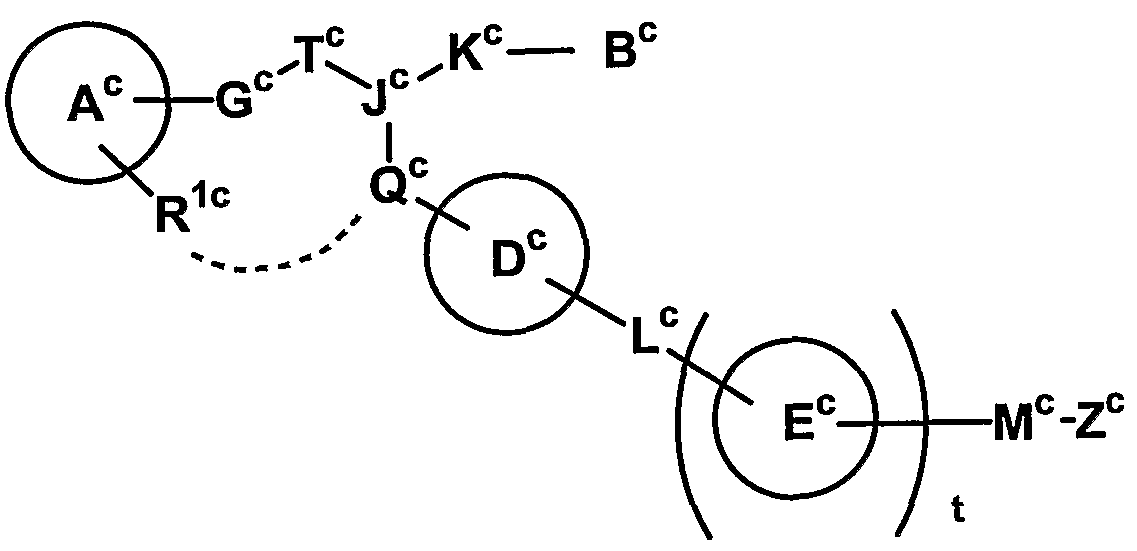


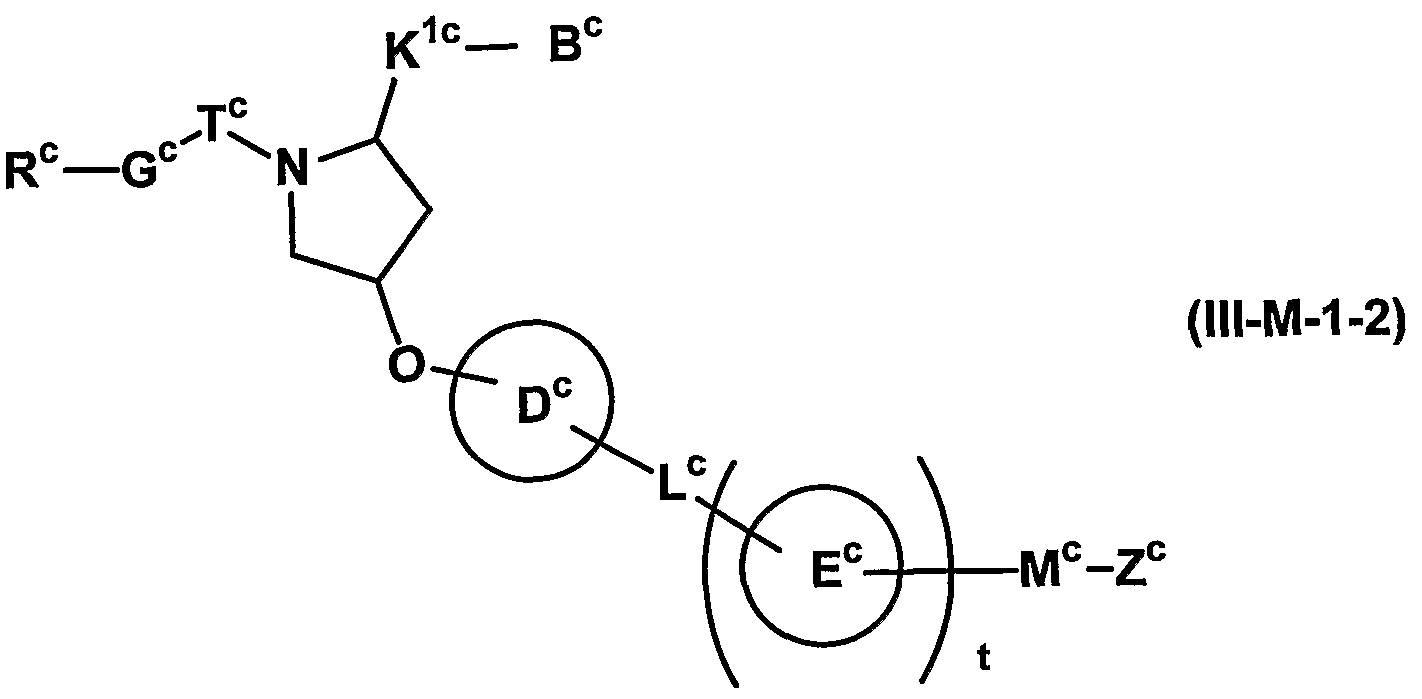


Claims


Priority Applications (5)
| Application Number | Priority Date | Filing Date | Title |
|---|---|---|---|
| AU2003241834A AU2003241834A1 (en) | 2002-06-26 | 2003-05-28 | Remedy for chronic disease |
| JP2004517245A JPWO2004002530A1 (ja) | 2002-06-26 | 2003-05-28 | 慢性疾患治療剤 |
| EP03733130A EP1550461A1 (en) | 2002-06-26 | 2003-05-28 | Remedy for chronic disease |
| US10/519,106 US7300917B2 (en) | 2002-06-26 | 2003-05-28 | Remedy for chronic disease |
| US11/851,235 US20080064731A1 (en) | 2002-06-26 | 2007-09-06 | Remedy for chronic disease |
Applications Claiming Priority (2)
| Application Number | Priority Date | Filing Date | Title |
|---|---|---|---|
| JP2002-185542 | 2002-06-26 | ||
| JP2002185542 | 2002-06-26 |
Related Child Applications (1)
| Application Number | Title | Priority Date | Filing Date |
|---|---|---|---|
| US11/851,235 Division US20080064731A1 (en) | 2002-06-26 | 2007-09-06 | Remedy for chronic disease |
Publications (1)
| Publication Number | Publication Date |
|---|---|
| WO2004002530A1 true WO2004002530A1 (ja) | 2004-01-08 |
Family
ID=29996742
Family Applications (1)
| Application Number | Title | Priority Date | Filing Date |
|---|---|---|---|
| PCT/JP2003/006679 Ceased WO2004002530A1 (ja) | 2002-06-26 | 2003-05-28 | 慢性疾患治療剤 |
Country Status (6)
| Country | Link |
|---|---|
| US (2) | US7300917B2 (ja) |
| EP (1) | EP1550461A1 (ja) |
| JP (1) | JPWO2004002530A1 (ja) |
| AU (1) | AU2003241834A1 (ja) |
| TW (1) | TW200400930A (ja) |
| WO (1) | WO2004002530A1 (ja) |
Cited By (5)
| Publication number | Priority date | Publication date | Assignee | Title |
|---|---|---|---|---|
| WO2005058790A1 (ja) * | 2003-12-19 | 2005-06-30 | Ono Pharmaceutical Co., Ltd. | リゾホスファチジン酸受容体拮抗作用を有する化合物およびその用途 |
| JP2007523909A (ja) * | 2004-02-24 | 2007-08-23 | アイアールエム・リミテッド・ライアビリティ・カンパニー | 免疫抑制性化合物および組成物 |
| US20080132574A1 (en) * | 2004-04-26 | 2008-06-05 | Shinji Nakade | Novel Blt2-Mediated Disease, Blt2 Binding Agent And the Compound |
| EP1553075A4 (en) * | 2002-10-03 | 2009-11-04 | Ono Pharmaceutical Co | LPA Receptor Antagonists |
| US8669246B2 (en) | 2009-09-25 | 2014-03-11 | Astellas Pharma Inc. | Substituted amide compound |
Families Citing this family (23)
| Publication number | Priority date | Publication date | Assignee | Title |
|---|---|---|---|---|
| EP1533294A4 (en) * | 2002-05-28 | 2007-07-04 | Ono Pharmaceutical Co | BETA-ALANINE DERIVATIVE AND USE THEREOF |
| WO2004052391A1 (ja) * | 2002-12-12 | 2004-06-24 | Takeda Pharmaceutical Company Limited | Edg受容体の新規用途 |
| US7745477B2 (en) * | 2006-02-07 | 2010-06-29 | Hoffman-La Roche Inc. | Heteroaryl and benzyl amide compounds |
| CN102442941A (zh) | 2006-12-14 | 2012-05-09 | 安斯泰来制药有限公司 | 用作crth2拮抗剂和抗过敏剂的多环酸化合物 |
| ES2394984T3 (es) * | 2006-12-18 | 2013-02-07 | Cardoz Ab | Nueva combinación para uso en el tratamiento de trastornos inflamatorios |
| AU2007336077A1 (en) * | 2006-12-20 | 2008-06-26 | Cardoz Ab | New combination for use in the treatment of inflammatory disorders |
| WO2008087371A1 (en) * | 2007-01-16 | 2008-07-24 | Cardoz Ab | New combination for use in the treatment of inflammatory disorders |
| MX2009010477A (es) * | 2007-03-30 | 2009-10-19 | Cardoz Ab | Nueva combinacion para su uso en el tratamiento de trastornos inflamatorios. |
| WO2009007680A2 (en) | 2007-07-11 | 2009-01-15 | Cardoz Ab | Combinations comprising a mast cell inhibitor and a statin for use in the treatment of inflammatory disorders |
| US20110092463A1 (en) * | 2008-04-07 | 2011-04-21 | Johan Raud | Combination for use in the treatment of inflammatory disorders |
| WO2010068775A2 (en) | 2008-12-11 | 2010-06-17 | Amira Pharmaceuticals, Inc. | Alkyne antagonists of lysophosphatidic acid receptors |
| GB2466121B (en) | 2008-12-15 | 2010-12-08 | Amira Pharmaceuticals Inc | Antagonists of lysophosphatidic acid receptors |
| GB2470833B (en) | 2009-06-03 | 2011-06-01 | Amira Pharmaceuticals Inc | Polycyclic antagonists of lysophosphatidic acid receptors |
| CN102574822A (zh) | 2009-08-04 | 2012-07-11 | 阿米拉制药公司 | 作为溶血磷脂酸受体拮抗剂的化合物 |
| GB2474748B (en) * | 2009-10-01 | 2011-10-12 | Amira Pharmaceuticals Inc | Polycyclic compounds as lysophosphatidic acid receptor antagonists |
| GB2474120B (en) | 2009-10-01 | 2011-12-21 | Amira Pharmaceuticals Inc | Compounds as Lysophosphatidic acid receptor antagonists |
| WO2011049433A1 (en) * | 2009-10-23 | 2011-04-28 | Academisch Ziekenhuis Bij De Universiteit Van Amsterdam | Diagnosis and treatment of pruritis |
| USD661900S1 (en) | 2010-02-22 | 2012-06-19 | Bajer Design & Marketing, Inc. | Collapsible structure |
| US8529758B2 (en) | 2011-03-22 | 2013-09-10 | Dionex Corporation | CO2-removal device and method |
| CN103596947A (zh) | 2011-04-05 | 2014-02-19 | 艾米拉医药股份有限公司 | 用于治疗纤维化、疼痛、癌症和呼吸、过敏性、神经系统疾病或心血管疾病的基于3-或5-联苯-4-基异噁唑的化合物 |
| CA2844982A1 (en) | 2011-08-15 | 2013-02-21 | Intermune, Inc. | Lysophosphatidic acid receptor antagonists |
| AU2014250551A1 (en) * | 2013-04-01 | 2015-10-29 | Daiichi Sankyo Company,Limited | Preparation for treating equine inflammation |
| GB201314926D0 (en) * | 2013-08-20 | 2013-10-02 | Takeda Pharmaceutical | Novel Compounds |
Citations (2)
| Publication number | Priority date | Publication date | Assignee | Title |
|---|---|---|---|---|
| WO2001060819A1 (en) * | 2000-02-18 | 2001-08-23 | Kirin Beer Kabushiki Kaisha | Novel isoxazole and thiazole compounds and use thereof as drugs |
| WO2001071022A2 (en) * | 2000-03-17 | 2001-09-27 | The University Of Tennessee Research Corporation | Lpa receptor agonists and antagonists and methods of use |
Family Cites Families (12)
| Publication number | Priority date | Publication date | Assignee | Title |
|---|---|---|---|---|
| US4663473A (en) * | 1986-08-25 | 1987-05-05 | The United States Of America As Represented By The Secretary Of The Army | Isocyanates from oxalyl chloride and amines |
| GB9523946D0 (en) * | 1995-11-23 | 1996-01-24 | Bayer Ag | Leukotriene antagonistic benzoic acid derivatives |
| JPH1135558A (ja) * | 1997-07-18 | 1999-02-09 | Zeria Pharmaceut Co Ltd | 3−ベンゾイルインドール誘導体及びそれらを含有する医薬 |
| US6380177B1 (en) * | 1999-06-25 | 2002-04-30 | Atairgin Technologies, Inc. | LPA analogs as agonists of the Edg2 LPA receptor |
| EP1364659B1 (en) * | 2001-02-08 | 2009-11-11 | Ono Pharmaceutical Co., Ltd. | Remedies for urinary diseases comprising lpa receptor controlling agents |
| US7179817B2 (en) * | 2001-05-10 | 2007-02-20 | Ono Pharmaceutical Co., Ltd. | Carboxylic acid derivatives and drugs containing the same as the active ingredient |
| WO2003007991A1 (en) * | 2001-07-17 | 2003-01-30 | Ono Pharmaceutical Co., Ltd. | Pancreatic juice secretion regulators comprising lpa receptor controller |
| EP1533294A4 (en) * | 2002-05-28 | 2007-07-04 | Ono Pharmaceutical Co | BETA-ALANINE DERIVATIVE AND USE THEREOF |
| DK1511740T3 (da) * | 2002-05-29 | 2009-08-24 | Lilly Co Eli | Vitamin-D-receptor-modulatorer af phenyl-thiophen-typen |
| TW200408393A (en) * | 2002-10-03 | 2004-06-01 | Ono Pharmaceutical Co | Antagonist of lysophosphatidine acid receptor |
| US20040167132A1 (en) * | 2003-01-16 | 2004-08-26 | Geetha Shankar | Methods of treating conditions associted with an Edg-2 receptor |
| JP4766384B2 (ja) * | 2003-12-19 | 2011-09-07 | 小野薬品工業株式会社 | リゾホスファチジン酸受容体拮抗作用を有する化合物およびその用途 |
-
2003
- 2003-05-28 EP EP03733130A patent/EP1550461A1/en not_active Withdrawn
- 2003-05-28 JP JP2004517245A patent/JPWO2004002530A1/ja not_active Withdrawn
- 2003-05-28 US US10/519,106 patent/US7300917B2/en not_active Expired - Fee Related
- 2003-05-28 WO PCT/JP2003/006679 patent/WO2004002530A1/ja not_active Ceased
- 2003-05-28 AU AU2003241834A patent/AU2003241834A1/en not_active Abandoned
- 2003-05-28 TW TW092114335A patent/TW200400930A/zh unknown
-
2007
- 2007-09-06 US US11/851,235 patent/US20080064731A1/en not_active Abandoned
Patent Citations (2)
| Publication number | Priority date | Publication date | Assignee | Title |
|---|---|---|---|---|
| WO2001060819A1 (en) * | 2000-02-18 | 2001-08-23 | Kirin Beer Kabushiki Kaisha | Novel isoxazole and thiazole compounds and use thereof as drugs |
| WO2001071022A2 (en) * | 2000-03-17 | 2001-09-27 | The University Of Tennessee Research Corporation | Lpa receptor agonists and antagonists and methods of use |
Non-Patent Citations (1)
| Title |
|---|
| SVETLOV S.I. ET AL.: "EDG receptors and hepatic pathophysiology of LPA and S1P: EDG-ology of liver injury", BIOCHIM. BIOPHYS. ACTA, vol. 1582, no. 1-3, 23 May 2002 (2002-05-23), pages 251 - 256, XP004366547 * |
Cited By (12)
| Publication number | Priority date | Publication date | Assignee | Title |
|---|---|---|---|---|
| EP1553075A4 (en) * | 2002-10-03 | 2009-11-04 | Ono Pharmaceutical Co | LPA Receptor Antagonists |
| US7820682B2 (en) | 2002-10-03 | 2010-10-26 | Ono Pharmaceutical Co., Ltd. | LPA receptor antagonist |
| US8124645B2 (en) | 2002-10-03 | 2012-02-28 | Ono Pharmaceutical Co., Ltd. | LPA receptor antagonist |
| EP2565178A1 (en) * | 2002-10-03 | 2013-03-06 | Ono Pharmaceutical Co., Ltd. | LPA Receptor Antagonists |
| WO2005058790A1 (ja) * | 2003-12-19 | 2005-06-30 | Ono Pharmaceutical Co., Ltd. | リゾホスファチジン酸受容体拮抗作用を有する化合物およびその用途 |
| US7875745B2 (en) | 2003-12-19 | 2011-01-25 | Ono Pharmaceutical Co., Ltd. | Compounds having lysophosphatidic acid receptor antagonism and uses thereof |
| JP2007523909A (ja) * | 2004-02-24 | 2007-08-23 | アイアールエム・リミテッド・ライアビリティ・カンパニー | 免疫抑制性化合物および組成物 |
| US20080132574A1 (en) * | 2004-04-26 | 2008-06-05 | Shinji Nakade | Novel Blt2-Mediated Disease, Blt2 Binding Agent And the Compound |
| JP4793692B2 (ja) * | 2004-04-26 | 2011-10-12 | 小野薬品工業株式会社 | 新規なblt2介在性疾患、blt2結合剤および化合物 |
| US8673889B2 (en) * | 2004-04-26 | 2014-03-18 | Ono Pharmaceutical Co., Ltd. | BLT2-mediated disease, BLT2 binding agent and the compound |
| US8669246B2 (en) | 2009-09-25 | 2014-03-11 | Astellas Pharma Inc. | Substituted amide compound |
| US8815920B2 (en) | 2009-09-25 | 2014-08-26 | Astellas Pharma Inc. | Substituted amide compound |
Also Published As
| Publication number | Publication date |
|---|---|
| TW200400930A (en) | 2004-01-16 |
| JPWO2004002530A1 (ja) | 2005-10-27 |
| AU2003241834A1 (en) | 2004-01-19 |
| US7300917B2 (en) | 2007-11-27 |
| US20080064731A1 (en) | 2008-03-13 |
| EP1550461A1 (en) | 2005-07-06 |
| US20060135577A1 (en) | 2006-06-22 |
Similar Documents
| Publication | Publication Date | Title |
|---|---|---|
| JP4691988B2 (ja) | Lpa受容体拮抗剤 | |
| US7300917B2 (en) | Remedy for chronic disease | |
| JP4766384B2 (ja) | リゾホスファチジン酸受容体拮抗作用を有する化合物およびその用途 | |
| JP5315611B2 (ja) | S1p受容体結合能を有する化合物およびその用途 | |
| JP5387997B2 (ja) | 血管の収縮または拡張による疾患治療剤 | |
| JP4596314B2 (ja) | β−アラニン誘導体およびその用途 | |
| JPWO2005012221A1 (ja) | ジフェニルエーテル化合物、その製造方法および用途 | |
| JP4792974B2 (ja) | アゼチジン環化合物およびその医薬 | |
| JPWO2004007472A1 (ja) | Ccr4アンタゴニストおよびその医薬用途 | |
| KR20060119919A (ko) | S1p 수용체 결합능을 갖는 화합물 및 그 의약 용도 | |
| JPWO2004065365A1 (ja) | 8−アザプロスタグランジン誘導体およびその医薬用途 | |
| JPWO2006025324A1 (ja) | トロパン化合物およびそれらを有効成分として含有する医薬組成物 | |
| JP2007001946A (ja) | ピロリジン誘導体 | |
| JP2007031396A (ja) | ピロリジン誘導体 |
Legal Events
| Date | Code | Title | Description |
|---|---|---|---|
| AK | Designated states |
Kind code of ref document: A1 Designated state(s): AE AG AL AM AT AU AZ BA BB BG BR BY BZ CA CH CN CO CR CU CZ DE DK DM DZ EC EE ES FI GB GD GE GH GM HR HU ID IL IN IS JP KE KG KR KZ LC LK LR LS LT LU LV MA MD MG MK MN MW MX MZ NI NO NZ OM PH PL PT RO RU SC SD SE SG SK SL TJ TM TN TR TT TZ UA UG US UZ VC VN YU ZA ZM ZW |
|
| AL | Designated countries for regional patents |
Kind code of ref document: A1 Designated state(s): GH GM KE LS MW MZ SD SL SZ TZ UG ZM ZW AM AZ BY KG KZ MD RU TJ TM AT BE BG CH CY CZ DE DK EE ES FI FR GB GR HU IE IT LU MC NL PT RO SE SI SK TR BF BJ CF CG CI CM GA GN GQ GW ML MR NE SN TD TG |
|
| 121 | Ep: the epo has been informed by wipo that ep was designated in this application | ||
| DFPE | Request for preliminary examination filed prior to expiration of 19th month from priority date (pct application filed before 20040101) | ||
| WWE | Wipo information: entry into national phase |
Ref document number: 2004517245 Country of ref document: JP |
|
| ENP | Entry into the national phase |
Ref document number: 2006135577 Country of ref document: US Kind code of ref document: A1 |
|
| WWE | Wipo information: entry into national phase |
Ref document number: 10519106 Country of ref document: US |
|
| WWE | Wipo information: entry into national phase |
Ref document number: 2003733130 Country of ref document: EP |
|
| WWP | Wipo information: published in national office |
Ref document number: 2003733130 Country of ref document: EP |
|
| WWP | Wipo information: published in national office |
Ref document number: 10519106 Country of ref document: US |