WO2004043936A1 - Plk阻害剤 - Google Patents

Plk阻害剤 Download PDF

Info

Publication number
WO2004043936A1
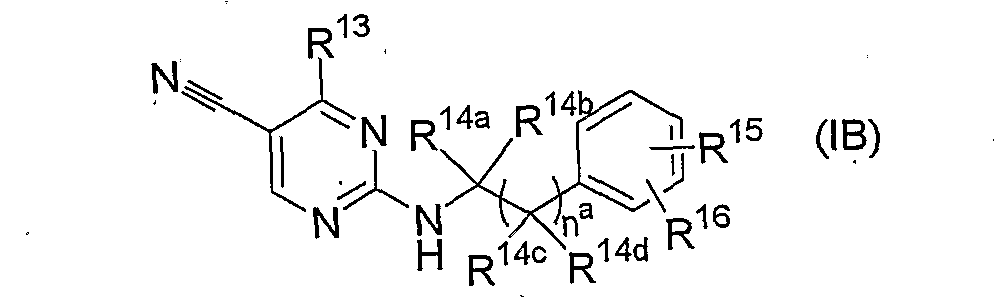
WO2004043936A1 PCT/JP2003/014518 JP0314518W WO2004043936A1 WO 2004043936 A1 WO2004043936 A1 WO 2004043936A1 JP 0314518 W JP0314518 W JP 0314518W WO 2004043936 A1 WO2004043936 A1 WO 2004043936A1
Authority
WO
WIPO (PCT)
Prior art keywords
substituted
unsubstituted
lower alkyl
acceptable salt
plk
Prior art date
Legal status (The legal status is an assumption and is not a legal conclusion. Google has not performed a legal analysis and makes no representation as to the accuracy of the status listed.)
Ceased
Application number
PCT/JP2003/014518
Other languages
English (en)
French (fr)
Inventor
Hiroshi Umehara
Yoshinori Yamashita
Tetsuya Tsujita
Hitoshi Arai
Koji Hagihara
Daisuke Machii
Current Assignee (The listed assignees may be inaccurate. Google has not performed a legal analysis and makes no representation or warranty as to the accuracy of the list.)
KH Neochem Co Ltd
Original Assignee
Kyowa Hakko Kogyo Co Ltd
Priority date (The priority date is an assumption and is not a legal conclusion. Google has not performed a legal analysis and makes no representation as to the accuracy of the date listed.)
Filing date
Publication date
Application filed by Kyowa Hakko Kogyo Co Ltd filed Critical Kyowa Hakko Kogyo Co Ltd
Priority to AU2003284399A priority Critical patent/AU2003284399A1/en
Priority to JP2004551234A priority patent/JPWO2004043936A1/ja
Publication of WO2004043936A1 publication Critical patent/WO2004043936A1/ja
Anticipated expiration legal-status Critical
Ceased legal-status Critical Current

Links

Classifications

    • CCHEMISTRY; METALLURGY
    • C07ORGANIC CHEMISTRY
    • C07DHETEROCYCLIC COMPOUNDS
    • C07D239/00Heterocyclic compounds containing 1,3-diazine or hydrogenated 1,3-diazine rings
    • C07D239/02Heterocyclic compounds containing 1,3-diazine or hydrogenated 1,3-diazine rings not condensed with other rings
    • C07D239/24Heterocyclic compounds containing 1,3-diazine or hydrogenated 1,3-diazine rings not condensed with other rings having three or more double bonds between ring members or between ring members and non-ring members
    • C07D239/28Heterocyclic compounds containing 1,3-diazine or hydrogenated 1,3-diazine rings not condensed with other rings having three or more double bonds between ring members or between ring members and non-ring members with hetero atoms or with carbon atoms having three bonds to hetero atoms with at the most one bond to halogen, directly attached to ring carbon atoms
    • C07D239/32One oxygen, sulfur or nitrogen atom
    • C07D239/42One nitrogen atom
    • AHUMAN NECESSITIES
    • A61MEDICAL OR VETERINARY SCIENCE; HYGIENE
    • A61PSPECIFIC THERAPEUTIC ACTIVITY OF CHEMICAL COMPOUNDS OR MEDICINAL PREPARATIONS
    • A61P25/00Drugs for disorders of the nervous system
    • AHUMAN NECESSITIES
    • A61MEDICAL OR VETERINARY SCIENCE; HYGIENE
    • A61PSPECIFIC THERAPEUTIC ACTIVITY OF CHEMICAL COMPOUNDS OR MEDICINAL PREPARATIONS
    • A61P25/00Drugs for disorders of the nervous system
    • A61P25/14Drugs for disorders of the nervous system for treating abnormal movements, e.g. chorea, dyskinesia
    • A61P25/16Anti-Parkinson drugs
    • AHUMAN NECESSITIES
    • A61MEDICAL OR VETERINARY SCIENCE; HYGIENE
    • A61PSPECIFIC THERAPEUTIC ACTIVITY OF CHEMICAL COMPOUNDS OR MEDICINAL PREPARATIONS
    • A61P25/00Drugs for disorders of the nervous system
    • A61P25/28Drugs for disorders of the nervous system for treating neurodegenerative disorders of the central nervous system, e.g. nootropic agents, cognition enhancers, drugs for treating Alzheimer's disease or other forms of dementia
    • AHUMAN NECESSITIES
    • A61MEDICAL OR VETERINARY SCIENCE; HYGIENE
    • A61PSPECIFIC THERAPEUTIC ACTIVITY OF CHEMICAL COMPOUNDS OR MEDICINAL PREPARATIONS
    • A61P29/00Non-central analgesic, antipyretic or antiinflammatory agents, e.g. antirheumatic agents; Non-steroidal antiinflammatory drugs [NSAID]
    • AHUMAN NECESSITIES
    • A61MEDICAL OR VETERINARY SCIENCE; HYGIENE
    • A61PSPECIFIC THERAPEUTIC ACTIVITY OF CHEMICAL COMPOUNDS OR MEDICINAL PREPARATIONS
    • A61P35/00Antineoplastic agents
    • AHUMAN NECESSITIES
    • A61MEDICAL OR VETERINARY SCIENCE; HYGIENE
    • A61PSPECIFIC THERAPEUTIC ACTIVITY OF CHEMICAL COMPOUNDS OR MEDICINAL PREPARATIONS
    • A61P37/00Drugs for immunological or allergic disorders
    • AHUMAN NECESSITIES
    • A61MEDICAL OR VETERINARY SCIENCE; HYGIENE
    • A61PSPECIFIC THERAPEUTIC ACTIVITY OF CHEMICAL COMPOUNDS OR MEDICINAL PREPARATIONS
    • A61P37/00Drugs for immunological or allergic disorders
    • A61P37/08Antiallergic agents
    • AHUMAN NECESSITIES
    • A61MEDICAL OR VETERINARY SCIENCE; HYGIENE
    • A61PSPECIFIC THERAPEUTIC ACTIVITY OF CHEMICAL COMPOUNDS OR MEDICINAL PREPARATIONS
    • A61P43/00Drugs for specific purposes, not provided for in groups A61P1/00-A61P41/00
    • CCHEMISTRY; METALLURGY
    • C07ORGANIC CHEMISTRY
    • C07DHETEROCYCLIC COMPOUNDS
    • C07D401/00Heterocyclic compounds containing two or more hetero rings, having nitrogen atoms as the only ring hetero atoms, at least one ring being a six-membered ring with only one nitrogen atom
    • C07D401/02Heterocyclic compounds containing two or more hetero rings, having nitrogen atoms as the only ring hetero atoms, at least one ring being a six-membered ring with only one nitrogen atom containing two hetero rings
    • C07D401/04Heterocyclic compounds containing two or more hetero rings, having nitrogen atoms as the only ring hetero atoms, at least one ring being a six-membered ring with only one nitrogen atom containing two hetero rings directly linked by a ring-member-to-ring-member bond
    • CCHEMISTRY; METALLURGY
    • C07ORGANIC CHEMISTRY
    • C07DHETEROCYCLIC COMPOUNDS
    • C07D401/00Heterocyclic compounds containing two or more hetero rings, having nitrogen atoms as the only ring hetero atoms, at least one ring being a six-membered ring with only one nitrogen atom
    • C07D401/14Heterocyclic compounds containing two or more hetero rings, having nitrogen atoms as the only ring hetero atoms, at least one ring being a six-membered ring with only one nitrogen atom containing three or more hetero rings
    • CCHEMISTRY; METALLURGY
    • C07ORGANIC CHEMISTRY
    • C07DHETEROCYCLIC COMPOUNDS
    • C07D405/00Heterocyclic compounds containing both one or more hetero rings having oxygen atoms as the only ring hetero atoms, and one or more rings having nitrogen as the only ring hetero atom
    • C07D405/02Heterocyclic compounds containing both one or more hetero rings having oxygen atoms as the only ring hetero atoms, and one or more rings having nitrogen as the only ring hetero atom containing two hetero rings
    • C07D405/12Heterocyclic compounds containing both one or more hetero rings having oxygen atoms as the only ring hetero atoms, and one or more rings having nitrogen as the only ring hetero atom containing two hetero rings linked by a chain containing hetero atoms as chain links
    • CCHEMISTRY; METALLURGY
    • C07ORGANIC CHEMISTRY
    • C07DHETEROCYCLIC COMPOUNDS
    • C07D405/00Heterocyclic compounds containing both one or more hetero rings having oxygen atoms as the only ring hetero atoms, and one or more rings having nitrogen as the only ring hetero atom
    • C07D405/14Heterocyclic compounds containing both one or more hetero rings having oxygen atoms as the only ring hetero atoms, and one or more rings having nitrogen as the only ring hetero atom containing three or more hetero rings
    • CCHEMISTRY; METALLURGY
    • C07ORGANIC CHEMISTRY
    • C07DHETEROCYCLIC COMPOUNDS
    • C07D409/00Heterocyclic compounds containing two or more hetero rings, at least one ring having sulfur atoms as the only ring hetero atoms
    • C07D409/14Heterocyclic compounds containing two or more hetero rings, at least one ring having sulfur atoms as the only ring hetero atoms containing three or more hetero rings

Definitions

  • the present invention relates to Polo-like kinase (PLK) P and a pyrimidine derivative having PLK inhibitory activity or antitumor activity.
  • PLK Polo-like kinase
  • M phase the mitosis
  • PLK families are a group of serine Threonkis that are involved in various stages of eukaryotes, from entry to and exit from M phase [Jeans and Development (Genes & Dev.), 12 Vol., 3777 (1998)]
  • the isolation of PLK, gene from mammals (mouse) was first reported by Hamanaka et al. In 1994 [Cell Growth & Diff. , Vol. 5, p.
  • PLK expression is elevated in the brain of Alzheimer's disease patients, The relationship between PLK and PLK is becoming clearer [Neurobiol. Aging, Vol. 21, pp. 837 (2000)].
  • PLK inhibitors are also useful as therapeutic agents for neurodegenerative diseases such as Alzheimer's disease and Parkinson's disease.
  • quiescent lymphocytes derived from peripheral blood do not express PLK, but PLG expression is induced by stimulating hemagglutinin or IL-2 (US6180380). This suggests that PLK inhibitors are also useful as therapeutic agents for diseases related to the activation of the immune system, for example, Ale ⁇ / g.
  • drugs that inhibit PLK are considered promising as therapeutic agents for diseases related to abnormal cell signaling, such as cancer, neurodegenerative diseases, and allergic diseases.
  • the following compounds are known as pyrimidine derivatives having a cyano or heterocyclic group at the 5-position.
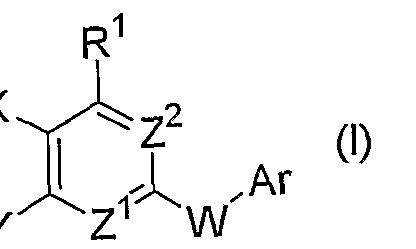
  • pyrimidine derivatives in which Z 1 and Z 2 are N, X is cyano, and the group corresponding to W-Ar is an aromatic amino are KDR kinases and Z or FGFr kinase inhibitors ( W00 / 78731), a pyrimidine derivative in which Z 1 and Z 2 are N and R 1 is a bicyclic aromatic heterocyclic group in the formula (I) described below is a Src kinase inhibitor (3 ⁇ 4 ⁇ ⁇ 01/00213) , in the Zeta 1 and Zeta 2 in below formula (I) New, X is at Shiano, in which R 1 is Amino, W-Ar pyrimidine derivative corresponding group is aromatic Amino the cyclin-dependent kinase ( CDW) inhibitors (W001 / 72 7i7), derivatives in which X is cyano in formula (I) described below are CD40 function inhibitors (JP-A-2001-89452), and Z 1 in
  • X is at Shiano
  • W - pyrimidine emissions derivatives corresponding group is aromatic Amino to Ar is Guriko
  • a synthase kinase 3 inhibitor W002 / 04429
  • a derivative in which X is an aromatic heterocyclic group in the formula (I) described below is a glycogen synthase kinase 3 inhibitor (W099 / 65897, W002 / 20495).
  • pyrimidine derivatives in which Z 1 and Z 2 are N in the formula (I) described below are known as an antiviral agent (W099 / 41253) or an antitumor agent (W00 / 39101), respectively.
  • An object of the present invention is to provide a PLK inhibitor, a pyrimidine derivative having a PLK inhibitory activity or an antitumor activity, a pharmacologically acceptable salt thereof, and the like.
  • the present invention relates to the following (1) to (19).
  • Ar represents a substituted or unsubstituted aryl or a substituted or unsubstituted aromatic complex group
  • Z 1 and Z 2 are the same or different and represent a nitrogen atom (N) or CH;
  • X is a hydrogen atom, nitro, carboxy, lower alkoxycarbonyl, substituted or unsubstituted lower alkyl, substituted or unsubstituted cycloalkyl, -CQNHR 7 (where R 7 is a hydrogen atom, substituted or unsubstituted Lower alkyl, substituted or unsubstituted lower alkyl, substituted or unsubstituted lower alkynyl, substituted or unsubstituted cycloalkyl, substituted or unsubstituted aralkyl or substituted or unsubstituted heterocyclic alkyl).
  • R 7 is a hydrogen atom, substituted or unsubstituted Lower alkyl, substituted or unsubstituted lower alkyl, substituted or unsubstituted lower alkynyl, substituted or unsubstituted cycloalkyl, substituted or unsubstituted aralkyl or substituted or unsubsti
  • R 1 represents -OR 2 (wherein represents substituted or unsubstituted lower alkyl) or -NR3 ⁇ 4 4 (where R represents 3 represents a substituted or unsubstituted lower alkyl, a substituted or unsubstituted cycloalkyl, a substituted or unsubstituted aralkyl or a substituted or unsubstituted aryl, represents a hydrogen atom or a substituted or unsubstituted lower alkyl, Or R 3 and R 4 taken together with the adjacent nitrogen atom to form a substituted or unsubstituted heterocyclic group)
  • W is - NHCR3 ⁇ 4 6 - (wherein, R 5 ⁇ Pi R 6 represents a hydrogen atom or a substituted or unsubstituted lower alkyl the same or different and) or - NHCR3 ⁇ 4 6 CR 5A R 6A - ( wherein, R 5 and R 6 is as defined above, and R 5A and R M are as defined above as R 5 and R 6 , respectively. 2) when X represents a group other than cyano and tetrazolyl,
  • Y is a hydrogen atom, nitro, carboxy, lower alkoxyl propyl, substituted or unsubstituted lower alkyl, substituted or unsubstituted cycloalkyl, or -C0NHR 7A (wherein, R 7A is a hydrogen atom, substituted or unsubstituted lower Alkyl, substituted or unsubstituted lower alkenyl, substituted or unsubstituted lower alkynyl, substituted or unsubstituted cycloalkyl, substituted or unsubstituted aralkyl or substituted or unsubstituted heterocyclic alkyl.
  • R 1 is -0R 2A (wherein R 2A is substituted or unsubstituted lower alkyl, substituted or unsubstituted lower alkenyl, substituted or unsubstituted lower alkynyl, substituted or unsubstituted cycloalkyl, substituted or unsubstituted Aralkyl, substituted or unsubstituted aryl or substituted or unsubstituted heterocyclic group), ⁇ SR 2B (wherein R 2B has the same meaning as R 2A ) or -NR 3A R 4A (wherein R 3A is a substituted or unsubstituted lower alkyl, substituted or unsubstituted lower alkyl, substituted or unsubstituted lower alkynyl, substituted or unsubstituted cycloalkyl, substituted or unsubstituted aralkyl, substituted or unsubstituted It represents unsubstituted Ariru or
  • W is - NHCR 5 3 ⁇ 4 6B - (wherein, R 5B and R 6B represents the same or different and each represents a hydrogen atom, a halogen or a substituted or unsubstituted lower alkyl), -NHCR 5B R 6B CR 5C R 6C - (wherein among, R 5B and R 6B have the same meanings as defined above, and R 6G are respectively the same as the aforementioned R 5B and R 6B) or - NHCR 5B R 6B CR 5 3 ⁇ 4 6 3 ⁇ 4R 5D R 6D - ( wherein, R 5B , R 6B , R and R 6e have the same meanings as above, respectively, and R 5D and R 6D have the same meanings as R 5B and R 6B , respectively.]
  • a PLK inhibitor comprising a chemically acceptable salt as an active ingredient.
  • R 1 R 0 R 2a (wherein R 2a represents lower alkyl, cycloalkylalkyl or alicyclic heterocyclic alkyl) or -NR 4 (wherein and R 4 are as defined above), ''
  • A represents a substituted or unsubstituted aromatic heterocyclic group
  • n 0 or 1
  • R 8 is -0R W (wherein R 1Q represents lower alkyl, cycloalkylalkyl or alicyclic heterocyclic alkyl) or -NR U R 12 (where R 11 is lower alkyl, cycloalkylalkyl or Represents a substituted or unsubstituted aryl, R 12 represents a hydrogen atom or a lower alkyl, or R 11 and R 12 together with an adjacent nitrogen atom form tetrahydroisoquinolin-2-yl, 3, To form 5-dimes, tylpiperidino or 2,6-dimethylmorpholino)
  • R 9 ⁇ R 9b , R 9e and R 9d are the same or different and each represent a hydrogen atom or a lower alkyl] or a pharmaceutically acceptable salt thereof.
  • R 8 is- ⁇ R Ua (wherein, R Ua represents a substituted or unsubstituted aryl), and R 9a , R 9b , R 9c and R 9d are hydrogen atoms. Or a pharmacologically acceptable salt thereof.
  • n a is 0 or 1
  • R 13 is -OR 17 (wherein R 17 represents cycloalkylalkyl or oxygen-containing alicyclic heterocyclic alkyl) or -NR 18 R 19 wherein R 18 is lower alkyl, cycloalkylalkyl, substituted Or unsubstituted aryl or formula '( ⁇ )
  • n b represents an integer of 1 to 3
  • R 19 is a hydrogen atom or lower Represents alkyl, or R 1S and R 19 taken together with the adjacent nitrogen atom to form tetrahydridoisoquinolin-2-yl, 3,5-dimethylpiperidino or 2,6-dimethylmorpholino Represent
  • R 14a , R 14b , R 14e and R 14d are the same or different and represent a hydrogen atom or lower alkyl
  • R 15 and R 16 are the same or different and represent a hydrogen atom, halogen, lower alkyl or lower alkoxy.
  • R 15 and R 16 together form -0 (C3 ⁇ 4) m 0- (wherein m represents 1 or 2). ⁇
  • a pharmacologically acceptable derivative thereof thereof. Acceptable salt.
  • n a is 0 and R 15 and R 16 are the same or different and are a hydrogen atom or a lower alkoxy, or R 15 and R 16 are taken together to be -0CH 2 0-.
  • R 15 and R 16 are taken together to be -0CH 2 0-.
  • a preventive and / or therapeutic agent for a disease associated with PLK comprising the compound according to (1) or (2) or a pharmacologically acceptable salt thereof as an active ingredient.
  • a PLK inhibitor comprising, as an active ingredient, the pyrimidine derivative or the pharmaceutically acceptable salt thereof according to any of (3) to (6).
  • a prophylactic and / or therapeutic agent for a PLK-related disease comprising as an active ingredient the pyrimidine derivative or the pharmaceutically acceptable salt thereof according to any of (3) to (6).
  • An antitumor agent comprising the pyrimidine derivative or the pharmaceutically acceptable salt thereof according to any of (3) to (6) as an active ingredient.
  • a medicament comprising the pyrimidine derivative or the pharmaceutically acceptable salt thereof according to any of (3) to (6) as an active ingredient.
  • a method for preventing and / or treating a tumor comprising a step of administering an effective amount of the pyrimidine derivative or the pharmaceutically acceptable salt thereof according to any of (3) to (6).
  • Halogen represents each atom of fluorine, chlorine, bromine and iodine.
  • Lower alkyl, lower alkoxy and lower alkoxy moieties of lower alkoxy moiety include, for example, linear or branched alkyl having 1 to 10 carbon atoms, specifically methyl, ethyl, propyl, isopropyl Butyl, isoptyl, sec- 'pentinole, tert-butyl, pentinole, isopentinole, neopentinole, hexinole, heptyl, octyl, isooctyl,' noel, decyl and the like.
  • Examples of cycloalkyl and cycloalkyl portion of cycloalkylalkyl include cycloalkyl having 3 to 8 carbon atoms.Specifically, cyclopropyl, cyclopropyl, cyclopentinole, cyclopentinole, cyclohexynole And cycloheptinol, cyclooctyl and the like.
  • Examples of the lower alkenyl include straight-chain, branched or cyclic alkenyl having 2 to 8 carbon atoms.Specifically, bur, aryl, 1-probeel, butenyl, penteninole, Xenyl, hepteninole, octeninole, cyclohexeninole, 2,6-octadi And the like.
  • Examples of lower alkiel include straight-chain or branched alkenyl having 2 to 8 carbon atoms, and specific examples thereof include ethynyl, propyl, butyninole, pentynyl, hexynyl, heptynyl, and octynyl.
  • ethynyl propyl
  • butyninole pentynyl
  • hexynyl hexynyl
  • heptynyl octynyl
  • aryl examples include monocyclic, bicyclic or tricyclic aryl having 6 to 14 carbons and benzocycloalkyl having 8 to 14 carbons, and specifically, phenyl, Naphthyl, indur, anthraninole, indanninole, 1,2,3,4-tetrahydronaphthinole, 6,7,8,9-5H-benzoheptyl heptyl and the like.
  • aryl moiety of the aralkyl examples include the groups described in the definition of the aryl (vi) above.
  • the heterocyclic group and the heterocyclic group portion of the heterocyclic alkyl include, for example, a 5-, 6- or 7-membered monocyclic ring containing at least one atom selected from a nitrogen atom, an oxygen atom and a sulfur atom.
  • the alicyclic heterocyclic group part of the alicyclic heterocyclic alkyl represents a group having no aromaticity among the above, and the aromatic heterocyclic group represents a group having the aromaticity among the above.
  • Examples of the oxygen-containing alicyclic heterocyclic group moiety of the oxygen-containing alicyclic heterocyclic ring include tetrahydrofural, tetrahydroviranyl, dihydroviranyl, pyriel and the like.
  • a 5- or 6-membered monocyclic heterocyclic group containing at least one nitrogen atom (the monocyclic heterocyclic group May contain another nitrogen atom, oxygen atom or sulfur atom), a condensed heterocyclic group containing at least one nitrogen atom in a bicyclic or tricyclic ring condensed with a 3- to 8-membered ring (The condensed bicyclic ring group may contain another nitrogen atom, oxygen atom or sulfur atom).
  • Specific examples thereof include tetrahydropyridyl, indole, isoindole, and pyrrolidine.
  • Substituents in the substituted lower alkyl may be the same or different, for example, having 1 to 3 substituents, such as halogen, amino, nitro, hydroxy, cyano, carboxy, lower alkanol, lower alkoxy, cycloalkyl, aryloxy, substitution Aryloxy
  • the substituents in the substituted aryloxy are the same or different, and include, for example, halogens, amino, nitro, hydroxy, cyano, carboxy, lower alkyl, lower alkoxy, lower alkoxycarbonyl and the like having 1 to 3 substituents.
  • halogen has the same meaning as the above halogen
  • lower alkyl has the same meaning as the above lower alkyl (ii)
  • the lower alkyl part of the lower alkoxy and the lower alkoxycarbol has the same meaning as the above lower alkyl (ii).
  • Aralkyloxy, substituted aralkyloxy Aralkyloxy, substituted aralkyloxy.
  • the substituents in the substituted aralkyloxy are the same or different, and include, for example, halogens, amino, nitro, hydroxy, cyano, carboxy, lower alkenyl, lower alkoxy having 1 to 3 substituents. And lower alkoxy carbonyl.
  • halogen is The lower alkyl has the same meaning as the above halogen (i)
  • the lower alkyl has the same meaning as the above lower alkyl (ii)
  • the lower alkyl moiety of the lower alkoxy and the lower alkoxycarbo has the same meaning as the above lower alkyl (ii)].
  • Ring group, substituted heterocyclic group may be the same or different and include, for example, 1 to 3 substituents such as halogen, amino, nitro, hydroxy, cyano, propyloxy, lower alkyl, lower alkyl; Alkoxy and lower alkoxycarbonyl.
  • Halogen has the same meaning as halogen (i)
  • lower alkyl has the same meaning as lower alkyl (ii)
  • the lower alkyl portion of lower alkoxy and lower alkoxycarbol has the same meaning as lower alkyl (ii).
  • Lower alkanoyloxy, lower alkoxycarbonyl, lower alkylthio, mono- or di-lower alkylamino, lower alkylsulfonyl, lower alkylsulfiel, lower alkoxycarboeramino, lower alkanolylamino, mono- or di-lower Alkylaminocarbol, mono- or di-lower alkylaminocarbonyloxy and the like can be mentioned.
  • the lower alkyl moiety of lower alkylsulfonyl, lower alkylsulfiel, lower alkoxycarbonylamino, lower alkoxyylamino, mono- or di-lower alkylaminocarbonyl and mono- or di-lower alkylaminocarbonyloxy is the above-mentioned halogen, respectively.
  • (I) has the same meaning as aryl (vi), cycloalkyl (iii), heterocyclic group (ix) and lower alkyl (H), and the aralkylene moiety of aralkyloxy is obtained by removing hydrogen from the lower alkyl (ii). Synonymous with excluded It is.
  • the two lower alkyl moieties of di-lower alkylamino, di-lower alkylaminocarbonyl and di-lower alkylaminocarboxy can be the same or different.
  • the substituent in the substituted heterocyclic group is, in addition to the group mentioned in the definition of the substituent (xi) in the above-mentioned substituted lower alkyl, Lower alkyl, halogen-substituted lower alkyl [the halogen-substituted lower alkyl is lower alkyl substituted with 1 to as many halogens as possible, preferably 1 to 6 halogens, more preferably 1 to 3 halogens; A), aryl, substituted aryl [substituents in the substituted aryl are the same or different and include, for example, 1 to 3 substituents, halogen, amino, nitro, hydroxy, cyano, carboxy, lower alkyl, lower alkoxy, Lower alkoxycarbonyl and the like can be mentioned.
  • halogen has the same meaning as the above-mentioned halogen (i)
  • lower alkyl has the same meaning as the above-mentioned lower alkyl (ii)
  • the lower alkyl part of the lower alkoxy and the lower alkoxyl-ruponyl has the same meaning as the above-mentioned lower alkyl (ii).
  • A) aralkyl, substituted aralkyl [substituents in the substituted aralkyl may be the same or different and include, for example, 1-3 substituted halogens, amino, nitro, hydroxy, cyano, alkoxy, lower alkyl, lower alkoxy, Lower alkoxycarbonyl and the like can be mentioned.
  • halo is the same as halogen (i)
  • lower alkyl is the same as lower alkyl (ii)
  • the lower alkyl portion of lower alkoxy and lower alkoxycarbonyl is lower alkyl (ii).
  • arylcarbonyl, substituted arylcarbonyl [substituents in the substituted arylcarbonyl are the same or different and include, for example, halogens, amino, nitro, hydroxy, cyano having 1 to 3 substituents, Examples include carboxy, lower alkyl, lower alkoxy, lower alkoxycarbonyl, and the like.
  • Halogen has the same meaning as halogen (i), lower alkyl has the same meaning as lower alkyl (ii), and lower alkyl of lower alkoxy and lower alkoxycarbonyl has the same meaning as lower alkyl (ii).
  • Heterocyclic alkyl, substituted heterocyclic alkyl [substituents in the substituted heterocyclic alkyl may be the same or different and include, for example, 1 to 3 substituents, halogen, amino, nitro, hydroxy, cyano, carboxy, lower alkyl, Lower alkoxy, lower alkoxycarbonyl and the like can be mentioned.
  • Halogen has the same meaning as halogen (i), lower alkyl has the same meaning as lower alkyl (ii), and lower alkyl of lower alkoxy and lower alkoxycarbonyl has the same meaning as lower alkyl (ii). Yes], N-lower alkyl-N-lower alkanoylamino and the like.
  • the substituent in the substituted aryl and the substituted heterocyclic group formed together with the adjacent nitrogen atom is a substituted lower alkyl [the lower alkyl is the lower alkyl
  • the substituent in the substituted lower alkyl is the same or different and includes, for example, hydroxy, carboxy, lower alkoxyl alkoxyl having 1 to 3 substituents, and the like.
  • the lower alkyl part of the lower alkoxycarbonyl has the same meaning as the above lower alkyl (ii)].
  • the heterocyclic group part and the alkylene part of the aralkyl and the heterocyclic alkyl are respectively the above-mentioned halogen (i), lower alkyl (ii), aryl (vi), heterocyclic group (ix), alkylene part of the aralkyl (vii) And synonymous with aralkyl part (viii).
  • the alkylene portion of the halogen-substituted lower alkyl has the same meaning as the above lower alkyl (ii) except for one hydrogen.
  • substituted aryl and the substituted aryl in the substituted aralkyl may be the following alkylenedioxy phenyl.
  • n an integer of 1 to 3
  • substituted cycloalkyl may be a condensed ring group formed by condensing cycloalkyl with aryl or substituted aryl, such as the following condensed ring group.
  • n d represents an integer of 1 to 5
  • R 17, R 18 and R 19 are identical or different connexion hydrogen atom, a halogen, Amino, nitro, hydroxy, Shiano, carboxy, lower alkyl, lower grade alkoxy Represents a lower alkoxycarboell or the like.
  • Halogen has the same meaning as the above-mentioned halogen (i)
  • lower alkyl has the same meaning as the above-mentioned lower alkyl (ii)
  • the lower alkyl part of the lower alkoxy and the lower alkoxycarbonyl has the above-mentioned lower alkyl (ii)
  • the pharmacologically acceptable salts of the compounds (1), (IA) and (IB) are preferably non-toxic and water-soluble, and include, for example, hydrochloride, hydrobromide, nitrate, sulfate, Inorganic acid salts such as phosphate, benzenesulfonate, benzoate, citrate, fumarate, dalconate, lactate, maleate, malate, oxalate, methanesulfonate, Acid addition salts such as organic acid salts such as tartrate; alkaline metal salts such as sodium salts and potassium salts; alkaline earth metal salts such as magnesium salts
  • Compound (IA) can be obtained, for example, by the following Production Method 1: b Production Method 1: '
  • 2-ethylethoxymethylene-2-cyanoacetate (A) is reacted with 0.5 to 2 equivalents, preferably 0.5 to 2 equivalents, of methylisothiourea sulfate (B) in a solvent in the presence of an alkali in an amount of 0.5 to 2 equivalents.
  • the compound (C) can be obtained.
  • the solvent for example, methanol, ethanol, 2-propanol, tetrahydrofuran, 1,4-dioxane or the like can be used alone or in a mixture thereof, and among them, ethanol is preferable.
  • the alkali include aqueous solutions of lithium hydroxide, lithium hydroxide, sodium hydroxide, magnesium hydroxide or calcium hydroxide, potassium tert-butoxide aqueous solution, tetrahydrofuran solution or 2-methyl-2 -Propanol solution; an aqueous solution of sodium methoxide or a methanol solution can be used, and an aqueous sodium hydroxide solution is particularly preferable.
  • the reaction is carried out at a temperature between 0 and 50 ° C., preferably between 0 and 15 ° C. and is usually completed in 1 to 48 hours.
  • Compound ( ⁇ ) can be obtained by reacting compound (C) obtained in step 1 with 1 equivalent to a large excess of a chlorinating agent in a solvent inert to the reaction or in the absence of a solvent.
  • a chlorinating agent for example, phosphorus oxychloride or the like is used.
  • the solvent inert to the reaction may be any solvent as long as it is inert to the reaction, and is not particularly limited. Examples thereof include 1,2-dichloroethane, tetrahydrofuran, dioxane, chloroform, benzene, toluene, xylene, and the like. Ethyl acetate / triethylamine, pyridine, N, N-dimethylaniline, etc. can be used alone or in combination.
  • the reaction is carried out at a temperature between 0 ° C and the boiling point of the solvent, preferably at a temperature between 50 ° C and the boiling point of the solvent, and is usually completed in 1 to 48 hours.
  • the compound (D) obtained in this step may be obtained by a method other than the above-mentioned method, such as the method described in the journal 'Ob', J. Heterocycl. 'Chem.', Vol. 8 (3), p. 445 (1971 ), W099 / 61444 and the like or a method analogous thereto.
  • the compound (D) obtained in the step 2 is dissolved in a solvent inert to the reaction in the presence of 1 equivalent to a large excess, preferably 1 to 10 equivalents of a base.
  • the compound (F) can be obtained by reacting with 3 to 3 equivalents of the compound (E).
  • the solvent inert to the reaction may be any solvent as long as it is inert to the reaction, and is not particularly limited. Examples thereof include tetrahydrofuran, dioxane, dimethyl ether, diisopropyl ether, benzene, toluene, xylene, ethyl acetate, acetonitrile, and the like. Dichloro'methane, chloroform-form, 1,2-dichloroethane, dimethylformamide, dimethylacetamide, N-methylpyrrolidone, dimethylsulfoxide and the like can be used alone or in combination. Among them, tetrahydrofuran, Cloth form or a mixed solvent thereof is preferred. -The reaction is carried out at a temperature between 0 and 100 ° C, preferably between 0 and 50 ° C, and is usually completed in 10 minutes to 48 hours.
  • Bases include, for example, triethylamine, diisopropylethylamine, 1,8-diazavicine mouth [5.4.0] indes-7-ene (DBU), N, N-dimethylaline, pyridine, quinoline, etc.
  • Organic base potassium carbonate, sodium carbonate, lithium carbonate, sodium hydrogen carbonate, potassium hydroxide, sodium hydroxide, inorganic hydroxide such as lithium hydroxide, potassium tert-butoxide, etc., Amberlist A_21 (manufactured by Rohm and Haas), AG 1- X8
  • a basic anion-exchange resin such as (manufactured by Bio-Rad), a base supported on a solid phase such as polyvinyl pyridine and morpholinomethyl polystyrene, and the like are used, among which morpholino methyl polystyrene and DBU are preferable.
  • Compound (G) is obtained by treating compound (F) obtained in Step 3 with 1 equivalent to a large excess, preferably 1 to 5 equivalents of an oxidizing agent in a solvent inert to the reaction. Can be done. '
  • the solvent inert to the reaction may be any solvent as long as it is inert to the reaction, and is not particularly limited.
  • examples thereof include dichloromethane, chloroform, 1,2-dichloroethane, tetrahydrofuran, dioxane, getinoleate / diisopropynole, and the like.
  • Ethenole, methanoone, ethanolanole, isopropinoleanole cone, benzene, tonolene, xylene, ethyl acetate, acetotrinole, water and the like can be used alone or in combination.
  • dichloromethane is preferable.
  • metabenzo-perbenzoic acid for example, metabenzo-perbenzoic acid, benzoyl peroxide, peracetic acid, hydrogen peroxide solution, sodium periodate and the like can be used. Among them, meta-chloro-perbenzoic acid is preferable.
  • the reaction is carried out at a temperature between 0 and 100 ° C., preferably between 0 and 50 ° C., and is usually completed in 10 minutes to 24 hours.
  • one of the compound in which mc is 1 and the compound in which mc is 2 may be selectively obtained by adjusting conditions such as the number of equivalents of the oxidizing agent and the reaction temperature. Are possible, and they may be mixed. When they are mixed, the ratio is not particularly limited, and in any case, they can be used as they are in the next step.
  • the solvent inert to the reaction may be any solvent as long as it is inert to the reaction, and is not particularly limited.
  • the reaction is carried out at a temperature between 0 and 100 ° C., preferably between 20 and 60 ° C., and is usually completed in 1 to 72 hours.
  • Compound (H) is commercially available or is available from Comprehensive Organic Transformations, second edition, by RC Larock, by John 'Wiley' and Sandswin. it can be obtained according to the method described in Koporeitetsudo (John Wiley & Sons Inc.) ( 1 9 99 years) and the like.
  • Compound (II) can be obtained by reacting compound (I) obtained in step 5 with 1 to 10 equivalents of sodium azide or ammonium azide in a solvent inert to the reaction.
  • the solvent which is inert to the reaction may be any solvent as long as it is inert to the reaction, and is not particularly limited. Examples thereof include, but are not limited to, 1,2-dichloroethane, 1,2-dichloroethane, dimethylmethylamide, and dimethinole.
  • Acetamide, ⁇ -methinolepyrrolidone, dimethinolesnorreoxide, tetrahydrofuran, dioxane, diisopropyl / lethethenole, benzene, tonolene, xylene, ethyl acetate, acetonitrile, etc. may be used alone or in combination.
  • Dimethylformamide is preferred.
  • one or more equivalents of ammonium chloride, ethylammonium chloride and the like can be added to the reaction system. '' The reaction is carried out at a temperature between 0 and 180 ° C, preferably between 50 and 120 ° C, usually 1
  • Compound (IB) can be obtained, for example, by the following production method 2.
  • Step 7 the solvent, base, temperature, equivalent, reaction time, etc. are described in Step 3 of Production Method 1.
  • the compound (D can be produced according to the listed.
  • the compound (M) can be obtained from the compound (L) obtained in Step 7 according to the method described in Step 4 of Production Method 1.
  • step 8 the compound (M) can be produced according to the solvent, base, temperature, equivalent amount, reaction time and the like described in step 4 of production method 1.
  • Compound (IB) can be obtained by reacting compound (M) obtained in step 8 with compound (N) according to the method described in step 5 of production method 1.
  • step 9 the compound (IB) can be produced according to the solvent, base, temperature, equivalent amount, reaction time, and the like described in step 5 of production method 1.
  • each functional group in the compounds (IA) and (IB) and the starting compound and the conversion of the functional group contained in the substituent can be performed by a known method [for example, Comprehensive 'Organic-Transformations II (Comprehensive)]. Organic Transformations, the second edition), by RC Larock, John 'Wylie' and -Sons', method described in John Wiley & Sons Inc. (1999)]. .
  • Isolation and purification of intermediates and products in the above production method are performed by appropriately combining methods used in ordinary organic synthesis, such as filtration, extraction, washing, drying, concentration, crystallization, and various types of chromatography. be able to. Further, it can be performed by a purification method commonly used in a general parallel synthesis method, for example, a purification method using a scavenger resin or an ion exchange resin. In addition, the intermediate can be subjected to the next reaction without purification.
  • Some of the compounds (IA) and (IB) may have isomers such as positional isomers, geometric isomers, optical isomers or tautomers, but all isomers including these areomers are possible. And mixtures of the isomers in any ratio are encompassed by the present invention.
  • Compounds (IA) and (IB) or pharmacologically acceptable salts thereof may be present in the form of adducts with water or various solvents. These adducts are also included in the present invention. .
  • the compounds (I) other than the compounds (IA) and (IB) can be prepared by known methods [for example, Synlett, p. 625 (2000); J. Chem. Soc., P. 800 (1952); Tetrahedron, Vol. 43, p. 2557 (1987); Journal of Heterocyclic Chemistry (J. Heterocyclic Chem.) 24), p. 85 (1987); Jana Nano-Rov Organics' Chemistry (J. Org. Chem.), Vol. 60, p. 1875 (1995)], etc. .
  • the inhibitory activity on PLK enzyme was measured by the method described below.
  • GST glutthione S-transferase
  • Sf9 cells were cultured with shaking at 28 ° C. for 48 hours using ESF921 medium (EXPRESSION SYSTEMS, catalog number 96-001). After culturing, the cells were centrifuged to collect the precipitate, and frozen at 120 ° C.
  • the precipitated beads were collected, washed twice with 8 mL of Lysis Buffer, and twice with 16 mL of Wash ffer [50 mmol / L Tris / HCl (pH 7.5)].
  • Wash ffer [50 mmol / L Tris / HCl (pH 7.5)].
  • Elute Buffer [50 mmol / L Tris / HCl (pH 7.5), 10 mmol / L glutathione, 10 mol / L MG132, 100 nmol / L okadaic acid]
  • the reaction solution was centrifuged at 3,000 g for 1 minute at 4 ° C, and 8 mL of the supernatant was collected, and the collected eluate was finally stored as shown below.
  • Test drug samples were prepared by sequentially diluting a 1 mmol / L sample dissolved in DMS0 (dimethyl sulfoxide). For control and plank, DMS0 in which the drug was not dissolved was used. Final concentration of GST-PLK 5 ⁇ g / ⁇ L, dephosphorylated ⁇ -casein (Sigma Aldrich Co., Ltd., Catalog No.
  • PKA protein threonine kinase
  • the test drug sample was prepared by serially diluting a 1 ol / L sample dissolved in DMSO. DMS0 in which no drug was dissolved was used for the control and blank. Final concentration of 5 units / mL PKA in a volume of 40 / i L, MBP, bovine, purified (Upstate, Cat.No.
  • Table 5 shows the PKA enzyme inhibition rates at the compound concentrations of 50 mol / L and 10 mol / L measured by this assay. None of the compounds showed inhibitory activity even at a high concentration of 50 ⁇ mol / L, indicating that the inhibitory effects of PKA and PLK are selective.
  • the following system was constructed to determine the inhibition rate against Extracellular Signal-Regulated Kinase 2 (Erk2), the same serine threonine kinase as PLK.
  • Erk2 enzyme MAP Kinase 2 / Erk2, active (Upstate, Cat. No. 14-173) was used.
  • the test drug sample was prepared by serially diluting 1 bacter / L sample dissolved in DMS0. DMS0 in which no drug was dissolved was used for the control and blank.
  • HeLa cells were cultured using RPMI [RPMI1640 (GIBC0 BRL catalog number 11875-093)] medium containing 10% FBS. 1 x 10 3 cells / well of HeLa cells were seeded at 100 / zL on TC MICROWELL 96F plate (Nalgene Nunc, catalog number 167008) and cultured at 37 ° C for 24 hours in a 5% CO 2 incubator. . For the bank, a sample to which only the medium was added at 100 AiL was used.
  • PLK is known to function in the process from entry to exit of the M cycle of the cell cycle, and it is expected that inhibition of PLK activity will affect the progress of the cell cycle, especially the M phase.
  • the effect of the PLK inhibitor on the cell cycle was measured by a method for examining the number of cells in the M phase (M phase accumulation ability test).
  • HeLa cells were cultured in RPMI medium containing 10% FBS. Cover glass in MULTIDISH 6 plate (Nalgen Nunc, Cat.No. 152795), inoculate 2 mL of 1 ⁇ 10 5 cells / raL of HeLa cells, and in a 5% CO 2 incubator at 37 ° C for 24 hours. And cultured.
  • the RPMI medium was removed, and 2 mL of PBS was added, followed by removal. Thereafter, 2 mL of the test compound diluted with RPMI medium was added, and the mixture was further cultured at 37 ° C for 15 hours in a 5% CO 2 incubator. Gently remove the medium, 3.7 ° /. 2 mL of PBS containing formaldehyde was added and fixed for 10 minutes. PBS containing 100 ⁇ mol / L Hoechest 33342 (Sigma Aldrich, Cat. No. B-2261) was added in 2 mL portions, and the mixture was gently shaken and left at room temperature for 10 minutes. The coverglass was removed and observed with an inverted microscope ECLIPSE TE300 (Nikon).
  • Cells that stain the chromosome uniformly in the nucleus were defined as interphase cells, and cells that showed a pattern of chromosome aggregation were defined as M-phase cells, and only viable cells were counted.
  • Cells without signs of apoptosis such as nuclear fragmentation and cell membrane curvature were defined as living cells. At least 100 cells were counted under each condition, and the percentage (%) of cells of each morphology was calculated. Counting was done in duplicate. Nocodazole, a microtubule-active substance with known M-phase accumulation, was used for control. Table 7 shows the results of representative compounds.
  • the medicament according to the present invention comprises a compound represented by the formula (I), a pharmacologically acceptable salt thereof, and water thereof. Characterized in that it contains as an active ingredient a substance selected from the group consisting of solvates and solvates.
  • the medicament according to the present invention may be administered with the above-mentioned substance as an active ingredient as it is, but generally contains the above-mentioned substance as an active ingredient and one or more pharmaceutical additives. Desirably, it is administered in the form of a pharmaceutical composition.
  • Such a pharmaceutical composition can be produced according to a method known or commonly used in the field of pharmaceuticals itself.
  • the medicament according to the present invention in the form of a pharmaceutical composition may contain one or more active ingredients of another medicament.
  • the drug E of the present invention is applicable to mammals including humans.
  • the administration route of the medicament of the present invention is not particularly limited, and it is possible to appropriately select the most effective administration route for treatment and / or prevention from either oral administration or parenteral administration such as intravenous administration. it can.
  • formulations suitable for oral administration include, for example, tablets and the like, and examples of formulations suitable for parenteral administration include, for example, injections.
  • excipients such as lactose and mannitol
  • disintegrants such as starch
  • lubricants such as magnesium stearate
  • binders such as hydroxypropyl cellulose
  • Surfactants plasticizers such as glycerin
  • preparations suitable for parenteral administration can be prepared preferably using an aqueous medium isotonic with human blood.
  • an injection is prepared using an aqueous medium selected from a salt solution, a glucose solution, a mixture of saline and a glucose solution, and the like.
  • the preparation of formulations for parenteral e.g., diluents, fragrances, preservatives, excipients, disintegrating agents, lubricants, binders, surfactants, one or more selected from plasticizers Pharmaceutical excipients can also be used.
  • the dose and frequency of administration of the medicament of the present invention are not particularly limited, and the kind, administration route, purpose of treatment and / or prevention, the age and weight of the patient, the nature and severity of symptoms of the active ingredient are described above. Can be appropriately selected according to various conditions such as For example, it is preferable to administer 1 to ⁇ mg / kg per adult per day in 3 to 4 divided doses. However, these dosages and the number of administrations vary depending on the various conditions described above.
  • Hiring R JEOL EX-270 (270MHz) or JEOL GX-270 (270MHz)
  • Step 3 Dissolve the compound obtained in Step 3 in dimethylformamide (0.1 lO raL), add dimethinolehonolemamide in azide ammonium (1.0 mol / L, 0.080 mL, 0.080 mmol) and add 100 ° C For 1 day. After that, the solvent was distilled off, and the residue was dissolved in a mixed solution of 3: 1,1,1,3,3,3-hexafluoro-2-propanol (3: 1, 0.40 raL) with 5% citric acid. Washed with aqueous solution.
  • the obtained compound was identified by mass spectrometry.
  • the analysis results of each compound are described in Tables 11 to 12 as instrument data.
  • the proton compounds of representative compounds are described below.
  • Step 1 4-kuguchi-5-cyano-2-methylthiopyrimidine (0.25 mol / L chloroform solution, 0.20 mL, 0.050 mmol) obtained in Reference Example 1 and 3-ethylethylaniline (1.0 mol / L chromatography) Morpholinomethylpolystyrene (35 mg, 0.12 mmol) was added to a mixture of the form solution, 0.060 mL, and 0.060 mmol), and the mixture was stirred at 50 ° C for 1 day. Then, benzoinolechloride polymer bound (23 mg, 0.058 mmol) and chlorophonolem were added to the reaction mixture.
  • Step 1 The compound obtained in Step 1 was dissolved in dichloromethane (0.20 mL), and metabenzo-perbenzoic acid (0.50 raol / L in dichloromethane, 0.125 mL, 0.063 mmol) was added, followed by stirring at room temperature for 0.5 to 1 hour. To the reaction mixture was added a saturated aqueous sodium bicarbonate solution (0.20 mL), and the mixture was stirred, and then the aqueous layer was removed. Thereafter, saturated aqueous sodium hydrogen carbonate (0.20 mL) was added again, and the mixture was stirred and separated.
  • dichloromethane 0.20 mL
  • metabenzo-perbenzoic acid 0.50 raol / L in dichloromethane, 0.125 mL, 0.063 mmol
  • the mixture of magnesium sulfate and diatomaceous earth was washed with dichloromethane (0.80 mL). All the obtained solutions were combined, and the solvent was distilled off to obtain a corresponding compound. '
  • the compound obtained in the step 2 was dissolved in tetrahydrofuran (0.20 mL), 1-phenylethylamine (1.0 mol / L solution in chloroform, 0.060 mL, 0.060 mraol) was added, and the mixture was stirred at room temperature for 1 hour. After that, the reaction mixture was added with porcine (0.40 mL), benzoyl chloride polymer bound (23 rag, 0.058 ramol), and poly (4-butylpyridine) (23 mg), and the mixture was stirred at room temperature for 1 day.
  • the compound (IBa) (compounds 16 to 22 and compounds 25 to 28) in which R 13 is represented by —NR 18 R 19 was prepared according to the same method as described above. And by using the corresponding reagent in step 3.
  • pandese_7-ene (0.215 mL, 1.44 mmol) were added, and the mixture was stirred at room temperature for 1 to 2 hours.
  • the reaction solution was diluted with a 5% aqueous solution of citrate, and extracted with a porcine form.
  • the organic layer was dried over anhydrous magnesium sulfate, and the residue obtained by concentration was dissolved in chloroform (12 mL), and benzoylc-lipopolymer bound (552 mg, 1.66 mraol) and poly (4 -Burpyridine) (552 mg) was added!] And stirred at room temperature for 12 to 24 hours.
  • the reaction solution was filtered and concentrated to obtain the corresponding compound. .
  • Step 1 The compound obtained in Step 1 was reacted by the same method as shown in Step 2 of Example 2 to obtain a corresponding compound.
  • Compound 24 can also be synthesized in the same manner as described above, using hexyl methanol in step 1.
  • a tablet having the following composition is prepared by a conventional method.
  • An injection having the following composition is prepared by a conventional method.
  • the present invention provides a PLK inhibitor, a pyrimidine derivative having a PLK inhibitory action, an antitumor activity, and the like.

Landscapes

  • Chemical & Material Sciences (AREA)
  • Organic Chemistry (AREA)
  • Health & Medical Sciences (AREA)
  • General Health & Medical Sciences (AREA)
  • Veterinary Medicine (AREA)
  • General Chemical & Material Sciences (AREA)
  • Medicinal Chemistry (AREA)
  • Nuclear Medicine, Radiotherapy & Molecular Imaging (AREA)
  • Bioinformatics & Cheminformatics (AREA)
  • Pharmacology & Pharmacy (AREA)
  • Life Sciences & Earth Sciences (AREA)
  • Animal Behavior & Ethology (AREA)
  • Engineering & Computer Science (AREA)
  • Public Health (AREA)
  • Chemical Kinetics & Catalysis (AREA)
  • Biomedical Technology (AREA)
  • Neurology (AREA)
  • Neurosurgery (AREA)
  • Immunology (AREA)
  • Pulmonology (AREA)
  • Pain & Pain Management (AREA)
  • Rheumatology (AREA)
  • Hospice & Palliative Care (AREA)
  • Psychiatry (AREA)
  • Psychology (AREA)
  • Pharmaceuticals Containing Other Organic And Inorganic Compounds (AREA)
  • Plural Heterocyclic Compounds (AREA)

Description

明 細 書
PLK阻害剤
技 術 分 野
本努明は、 ポロ様キナーゼ (Polo- like kinase、 PLK) P且害剤、 PLK阻害活性また は抗腫瘍活性等を有するピリミジン誘導体等に関する。
背 景 技 術 ,
細胞周期において、 有糸分裂期 (M期) は真核細胞の染色体を分配し、 正確な遺 伝情報を娘細胞に伝えるための重要なステップであり厳密に制御されている。 M期 の進行には様々なプロテインキナーゼが関与していることが知られている。 PLKフ ァミリーは、真核生物において M期への進入から脱出まで様々なステージに関与し ているセリンスレオ ンキ^ "一ゼ群である [ジーンズ'アンド'ディべロプメント (Genes & Dev. )、 12卷、 3777頁 (1998年) ]。 哺乳動物 (マウス)の PLK,遺伝子の 単離は 1994年に Hamanakaらにより初めて報告された [セル ·グロウス ·アンド · ディファレンシエーション (Cell Growth & Diff. )、 5卷、 249頁 (1994年) ;]。 多くの癌組織では、正常細胞に比べ PLKが過剰発現しており、癌化や癌の進行に 関与していると考えられている [US6180380;ィンターナショナル■ジャーナル · ォブ.オンコロジ一 (Int. J. Oncol. )、 15卷、 687頁 (1999年) ]0非小細胞肺癌、 頭頸部癌及び卵巣癌では PLKの高発現と癌の悪性化や予後の再発との相関が認めら れている [オンコジーン (0ncogene)、 14卷、 543頁 (1997年) ;インターナショナ ル .ジャーナル.ォブ .キャンサー (Int. j. Cancer)、 89卷、 535頁 (2000年) ; キャンサー ' レターズ (Cancer Letters)、 169卷、 41頁 (2000年) ]。
PLKの機能阻害変異体の導入実験では、 PLK阻害が正常細胞よりも高い割合で癌 細胞に細胞死を誘導するという報告がある [セル 'グロウス 'アンド■ディファレ ンシエーション (Cell Growth & Diff. )、 11卷、 615頁 (2000年) ;]。 また、 PLK のアンチセンスオリゴヌクレオチドがマゥス Xenograftモデルで抗腫瘍効果を示す ことも報告されている レ ィォケミカル 'アンド 'バイオフィジカル · リサーチ■ コミユエケーシヨンズ (Biochem. Biophys. Res. Comm. ) 260卷、 352 頁 (2000 年) ]。
また、 アルツハイマー病患者の脳では PLKの発現が上昇しており、神経変性疾患 と PLKの関連が明らかになりつつある [ニューロバイオロジー ·ォブ ·エージング (Neurobiol. Aging)、 21卷ヽ 837頁 (2000年) ]。 このことから、 PLK阻害剤は神 経変性疾患、例えばアルツハイマー病、 パーキンソン病等の治療剤としても有用で あると考えられる。 さらに末梢血液由来の静止リンパ球は PLKを発現しないが、 フ ィ トへマグルチニン刺激または IL- 2 刺激により、 PLK の発現が誘導される (US6180380)。 このことから、 PLK阻害剤は免疫系の活性化に関わる疾患、例えばァ レ^/ギーゃリゥマチの治療剤としても有用であると考えられる。
以上のように、 PLKを阻害する薬剤は癌や神経変性疾患、 アレルギー疾患等の細 胞シグナル伝達異常に関わる疾患の治療剤として有望であると考えられる。
PLK 酵素阻害活性を示す化合物としては、 cyanobacteria から単離された scytoneminが報告されている (W0 01/62900)。
5位にシァノまたは複素環基を有するピリミジン誘導体としては、 以下の化合物 が知られている。
後記の式 (I) において Z1及び Z2が Nで、 Xがシァノで、 W - Arに相当する基が芳 香族ァミノであるピリミジン誘導体が KDRキナーゼ及び Zまたは FGFrキナーゼ阻 害剤として (W0 00/78731)、 後記の式 (I) において Z1及び Z2が Nで、 R1が二環式 芳香族複素環基であるピリミジン誘導体が Src キナーゼ阻害剤として (¾Ό· 01/00213)、後記の式(I)において Ζ1及び Ζ2が Νで、 Xがシァノで、 R1がァミノで、 W-Ar に相当する基が芳香族ァミノであるピリミジン誘導体がサイクリン依存性キ ナーゼ (CDK) 阻害剤として (W0 01/727i7)、,後記の式 (I) において Xがシァノで ある誘導体が CD40機能阻害剤として (特開 2001- 89452)、 後記の式 (I) において Z1及び Z2が Nで、 Xがシァノで、 W - Arに相当する基が芳香族ァミノであるピリミジ ン誘導体がグリコーゲンシンターゼキナーゼ 3阻害剤として (W0 02/04429)、 後記 の式 (I) において Xが芳香族複素環基である誘導体がグリコーゲンシンターゼキ ナーゼ 3阻害剤として (W0 99/65897、 W0 02/20495)、 後記の式 (I) において Z1 及び Z2が Nであるピリミジン誘導体が抗ゥィルス剤 (W0 99/41253) または抗腫瘍 剤 (W0 00/39101) としてそれぞれ知られている。
また、 後記の式 (I) において Z1及ぴ Z2が Nで、 R1がァミノで、 Xがテトラゾリ ルである化合物が知られている [ケミカ一 -ツァイ トゥン (Chemiker- Zeitung)、 112卷、 135頁 (1988年) ]。
発 明 の 開 示
本発明の目的は、 PLK阻害剤、 PLK阻害作用または抗腫瘍作用等を有するピリミ ジン誘導体またはその薬理学的に許容される塩等を提供することにある。 ' 本発明は、 以下の (1 ) ~ ( 1 9 ) に関する。
( 1 ) 式 (I)
Figure imgf000005_0001
[式中、 Arは置換もしくは非置換のァリールまたは置換もしくは非置換の芳香族複 素環基を表し、
Z1及び Z2は、 同一または異なって窒素原子 (N) または CHを表し、
Xは水素原子、 ニトロ、 カルボキシ、 低級アルコキシカルボ二ル、 .置換もしくは非 置換の低級アルキル、 置換もしくは非置換のシクロアルキル、 - CQNHR7 (式中、 R7 は水素原子、 置換もしくは非置換の低級アルキル、 換もしくは非置換の低級アル ケュル、 置換もしくは非置換の低級アルキニル、 置換もしくは非置換のシクロアル キル、置換もしくは非置換のァラルキルまたは置換もしぐは非置換の複素環アルキ ルを表す)、 シアノまたはテトラゾリルを表し、
1 ) Xがシァノまたはテトラゾリルを表す場合、 ' Υは水素原子を表し、 . R1は- OR2 (式中、 は置換もしくは非置換の低級アルキルを表す) または - NR¾4 (式 中、 R3は置換もしくは非置換の低級アルキル、 置換もしくは非置換のシクロアルキ ル、置換もしくは非置換のァラルキルまたは置換もしくは非置換のァリールを表し、 は水素.原子または置換もしくは非置換の低級アルキルを表すか、 または R3と R4 が隣接する窒素原子と一緒になつて置換もしくは非置換の複素環基を形成する) を 表し、
Wは- NHCR¾6- (式中、 R5及ぴ R6は同一または異なって水素原子または置換もしくは 非置換の低級アルキルを表す) または- NHCR¾6CR5AR6A- (式中、 R5及び R6はそれぞれ 前記と同義であり、 R5A及び RMはそれぞれ前記 R5及び R6と同義である) を表し、 2 ) Xがシァノ及ぴテトラゾリル以外の基を表す場合、
Yは水素原子、 ニトロ、 カルボキシ、 低級アルコキシ力ルポニル、 置換もしくは非 置換の低級アルキル、置換もしくは非置換のシク口アルキルまたは- C0NHR7A (式中、 R7Aは水素原子、置換もしくは非置換の低級アルキル、置換もしくは非置換の低級ァ ルケニル、 置換もしくは非置換の低級アルキニル、 置換もしくは非置換のシクロア ルキル、置換もしくは非置換のァラルキルまたは置換もしくは非置換の複素環アル キルを表す) を表し、
R1は- 0R2A (式中、 R2Aは置換もしくは非置換の低級アルキル、置換もしくは非置換の 低級アルケニル、 置換もしくは非置換の低級アルキニル、 置換もしくは非置換のシ クロアルキル、 置換もしくは非置換のァラルキル、 置換もしくは非置換のァリール または置換もしくは非置換の複素環基を表す)、 ~SR2B (式中、 R2Bは前記 R2Aと同義 である) または- NR3AR4A (式中、 R3Aは置換もしくは非置換の低級アルキル、 置換も しくは非置換の低級ァルケ-ル、 置換もしくは非置換の低級アルキニル、 置換もし ぐは非置換のシクロアルキル、 置換もしくは非置換のァラルキル、 置換もしくは非 置換のァリールまたは置換もしくは非置換の複素環基を表し、 R4Aは水素原子または 置換もしくは非置換の低級アルキルを表す力 \ または R3Aと Aが隣接する窒素原子 と一緒になつて置換もしくは非置換の複素環基を形成する) を表し、
Wは- NHCR5¾6B- (式中、 R5B及び R6Bは同一または異なって水素原子、 ハロゲンまたは 置換もしくは非置換の低級アルキルを表す)、 -NHCR5BR6BCR5CR6C- (式中、 R5B及び R6B はそれぞれ前記と同義であり、 及び R6Gはそれぞれ前記 R5B及び R6Bと同義である) または- NHCR5BR6BCR5¾6¾R5DR6D- (式中、 R5B、 R6B、 R 及び R6eはそれぞれ前記と同義で あり、 R5D及び R6Dはそれぞれ前記 R5B及び R6Bと同義である) を表す] で表される化 合物またはその薬理学的に許容される塩を有効成分として含有する PLK阻害剤。
( 2 ) Xがシァノまたはテトラゾリルであり、
R1カ 0R2a (式中、 R2aは低級アルキル、 シクロアルキルアルキルまたは脂環式複素環 アルキルを表す) または- NR¾4 (式中、 及び R4はそれぞれ前記と同義である) で あり、 ' '
Z1及び Z2が窒素原子 (N) である前記 (1 ) 記載の PLK阻害剤。 ( 3 ) 式 (IA)
Figure imgf000007_0001
[式中、 ArAは置換または非置換の芳香族複素環基を表し、
nは 0または 1を表し、
R8は- 0RW (式中、 R1Qは低級アルキル、 シクロアルキルアルキルまたは脂環式複素環 アルキルを表す) または- NRUR12 (式中、 R11は低級アルキル、 シクロアルキルアル キルまたは置換もしくは非置換のァリールを表し、 R12は水素原子または低級アルキ ルを表すか、または R11と R12が隣接する鲎素原子と一緒になつてテトラヒドロイソ キノリン -2-ィル、 3, 5-ジメ,チルピペリジノまたは 2, 6 -ジメチルモルホリノを形成 する) を表し、
R9\ R9b、 R9e及び R9dは、 同一または異なって水素原子または低級アルキルを表す] で表されるピリミジン誘導体またはその薬理学的に許容される塩。
( 4 ) R8が-丽 RUa (式中、 RUaは置換もしくは非置換のァリールを表す) であり、 R9a、 R9b、 R9c及び R9dが水素原子である前記 ( 3 ) 記載のピリミジン誘導体またはそ の薬理学的に許容される塩。
. ( 5 ) 式 (IB)
Figure imgf000007_0002
{式中、 naは 0または 1を表し、'
R13は- OR17 (式中、 R17はシクロアルキルアルキルまたは含酸素脂環式複素環アルキ ルを表す) または- NR18R19 [式中、 R18は低級アルキル、 シクロアルキルアルキル、 置換もしくは非置換のァリールまたは式'(Π)
Figure imgf000007_0003
(式中、 nbは 1〜3の整数を表す) で表される基を表し、 R19は水素原子または低級 アルキルを表すか、または R1Sと R19が隣接する窒素原子と一緒になつてテトラヒド 口イソキノリン- 2-ィル、 3, 5-ジメチルピペリジノまたは 2, 6-ジメチルモルホリノ を形成する] を表し、
Rl4a、 Rl4b、 R14e及び Rl4dは、同一または異なって水素原子または低級アルキルを ¾し、 R15及び R16は同一または異なって水素原子、 ハロゲン、 低級アルキルまたは低級ァ ルコキシを表すか、 または R15と R16が一緒になつて - 0(C¾)m0- (式中、 mは 1また は 2を表す) を形成する. } で表されるピリミジン誘導体またはその薬理学的に許容 される塩。
(6) naが 0であり、 R15及ぴ R16が同一または異なって水素原子または低級アルコ キシであるか、または R15と R16が一緒になつて - 0CH20- である前記(5)記载のピ リミジン誘導体またはその薬理学的に許容される塩。
(7) 前記 (1) または (2) に記載の化合物またはその薬理学的に許容される塩 を有効成分として含有する PLKが関与する疾患の予防及び Zまたは治療剤。
(8) PLK阻害剤の製造のための、 前記 (1) または (2) に記載の化合物または その薬理学的に許容される塩の使用。 '
(9) PLKが関与する疾患の予防及び Zまたは治療剤の製造のための、 前記 (1) または (2) に記載の化合物またはその薬理学的に許容される塩の使用。
(10) 前記 (1) または (2) に記載の化合物またはその薬理学的に許容される 塩の有効量を投与する工程を含む、 PLKが関与する疾患の予防及び/または治療方 法。
(1 1) 前記 (3) 〜 (6) のいずれかに記載のピリミジン誘導体またはその薬理 学的に許容される塩を有効成分として含有する PLK阻害剤。
(12) 前記 (3) 〜 (6) のいずれかに記載のピリミジン誘導体またはその薬理 学的に許容される塩を有効成分として含有する PLKが関与する疾患の予防及び/ま たは治療剤。
(1 3) 前記 (3) 〜 (6) のいずれかに記載のピリミジン誘導体またはその薬理 学的に許容される塩を有効成分として含有する抗腫瘍剤。
(14) 前記 (3) ~ (6) のいずれかに記載のピリミジン誘導体またはその薬理 学的に許容される塩を有効成分として含有する医薬。 (15) PLK阻害剤の製造のための、 前記 (3) 〜 (6) のいずれかに記載のピリ ミジン誘導体またはその薬理学的に許容される塩の使用。
(16) PLKが関与する疾患の予防及ぴ Zまたは治療剤の製造のための、前記(3) 〜 (6) のいずれかに記載のピリミジン誘導体またはその薬理学的に許容される塩 の使用。
'(1 7) 前記 (3) ~ (6) のいずれかに記載のピリミジン誘導体またはその薬理 学的に許容される塩の有効量を投与する工程を含む、 PLKが関与する疾患の予防及 び/または治療方法。
(18) 抗腫瘍剤の製造のための、 前記 (3) 〜 (6) のいずれかに記載のピリミ ジン誘導体またはその薬理学的に許容される塩の使用。
(19) 前記 (3) 〜 (6) のいずれかに記載のピリミジン誘導体またはその薬理 学的に許容される塩の有効量を投与する工程を含む、腫瘍の予防及び/または治療 方法。
以下、 式 (1)、 (IA) 及び (IB) で表される化合物をそれぞれ化合物 (1)、 (IA) 及び (IB) という。 他の式番号の化合物についても同様である。
式 (1)、 (IA) 及び (IB) の各基の定義において、 以下の例示が挙げられる。
(i) ハロゲンは、 フッ素、 塩素、 臭素及ぴヨウ素の各原子を表す。
(ii) 低級アルキル、低級アルコキシ及び低級アルコキシ力ルポニルの低級アルキ ル部分としては、 例えば直鎖または分岐状の炭素数 1〜10のアルキルが挙げられ、 具体的にはメチル、 ェチル、 プロピル、 イソプロピル、 ブチル、 イソプチル、 sec- ' プチノレ、 tert-プチル、 ペンチノレ、 ィソペンチノレ、 ネオペンチノレ、 へキシノレ、 ヘプ チル、 ォクチル、 イソォクチル、' ノエル、 デシル等が挙げられる。
(iii) シク口アルキル及びシク口アルキルアルキルのシク口アルキル部分として は、例えば炭素数 3~8のシク口アルキルが挙げられ、具体的にはシク口プロピル、 シクロプチノレ、 シクロペンチノレ、 シクロへキシノレ、 シクロへプチノレ、 シクロォクチ ル等が挙げられる。
(iv) 低級ァルケ-ルとしては、 例えば直鎖、 分岐または環状の炭素数 2〜8のァ ルケニルが挙げられ、 具体的にはビュル、 ァリル、 1 -プロべエル、 ブテニル、 ペン テニノレ、 へキセニル、 ヘプテニノレ、 ォクテ二ノレ、 シクロへキセニノレ、 2,6-ォクタジ ェ-ル等が挙げられる。
(V) 低級アルキエルとしては、 例えば直鎖または分岐状の炭素数 2〜8のアルキエ ルが挙げられ、 具体的にはェチニル、 プロビュル、 ブチニノレ、 ペンチニル、 へキシ ニル、 へプチニル、 ォクチニル等が挙げられる。
(vi) ァリールとしては、 例えば炭素数 6〜14の単環式、 二環式または三環式のァ リール及び炭素数 8〜14のべンゾシクロアルキルが挙げられ、具体的にはフエニル、 ナフチル、 ィンデュル、 アントラニノレ、 ィンダニノレ、 1, 2, 3, 4 -テトラヒ ドロナフチ ノレ、 6, 7, 8, 9-5H -ベンゾシク口へプチル等が挙げられる。
(vii) ァラルキル、 複素環アルキル、 脂環式複素環アルキル、 含酸素脂,環式複素 環アルキル及ぴシクロアルキルアルキルのアルキレン部分は、 前記低級アルキル
(ii) の定義から水素を一つ除いたものと同義である。
(viii) ァラルキルのァリー'ル部分としては、 前記ァリール (vi) の定義で挙げた 基が挙げられる。
(ix) 複素環基及び複素環アルキルの複素環基部分としては、 例えば窒素原子、 酸 素原子及び硫黄原子から選ばれる少なくとも 1個の原子を含む 5員、 6員または 7 員の単環式複素環基、 3〜8員の環が縮合した二環または三環式であつて窒素原子、 酸素原子及び硫黄原子から選ばれる少なくとも 1個の原子を含む縮環式複素環基等 が挙げられ、 具体的にはピリジル、 ピラジニル、 ピリミジ -ル、 ピリダジ -ル、 ベ ンゾィミダゾリノレ、 2-ォキソベンゾィミダゾリル、 ベンゾトリァゾリル、 ベンゾフ リノレ、 ベンゾチェ二ノレ、 プリ二ノレ、 ベンゾォキサゾリノレ、 ベンゾチアゾリノレ、 ベン ゾジォキソリル、 ィンダゾリル、 インドリル、 イソインドリル、 キノリル、 イソキ ノリル、フタラジニル、ナフチリジニル、キノキサリニル、 ピロリノレ、 ピラゾリル、 キナゾリニル、 シンノリ -ル、 トリアゾリノレ、 テトラゾリル、 イミダゾリル、 ォキ サゾリル、 イソォキサゾリル、 チアゾリル、 イソチアゾリル、 チェニル、 フリル、 ピロリジニノレ、 '2, 5-ジォキソピロリジニノレ、 チアゾリジニノレ、 ォキサゾリジニノレ、 ピペリジル、 ピペリジノ、 ピペラジニル、 ホモピペラジニル、 ホモピペリジル、 ホ モピぺリジノ、 モルホリ -ル、 モルホリノ、 チオモルホリニル、 チオモルホリノ、 ビラニル、テトラヒドロピリジル、テトラヒドロピラエル、テトラヒドロフラニル、 テトラヒドロキノリル、 テトラヒドロイソキノリル、 ォクタヒドロキノリル、 イン ドリ-ル等が挙げられる。 脂環式複素環アルキルの脂環式複素環基部分は、 上記の うち芳香族性を有さないものを表し、芳香族複素環基は上記のうち芳香族性を有す るものを表す。 また、含酸素脂環式複素環ァ キ の含酸素脂環式複素環基部分と しては、例えばテトラヒドロフラ -ル、テトラヒドロビラニル、ジヒ ロビラニル、 ピラエル等が挙げられる。
(X) P舞接する窒素原子と一緒になつて形成される複素環基としては、少なくとも 1 個の窒素原子を含む 5員または 6員の単環式複素環基 (該単環式複素環基は、 他の 窒素原子、 酸素原子または硫黄原子を含んでいてもよい)、 3〜8員の環が縮合した 二環または三環式で少なくとも 1個の窒素原子を含む縮環式複素環基(該縮環式複 素環基は、 他の窒素原子、 酸素原子または硫黄原子を含んでいてもよい) 等が挙げ られ、 具体的にはテトラヒドロピリジル、 インドリ-ル、 イソインドリ-ル、 ピロ リジエル、 チアゾリジニル、 ォキサゾリジニル、 ピペリジノ、 ホモピペリジノ、 ピ ペラジ-ル、 ホモピペラジニル、 モノレホリノ、 チオモルホリノ、 ペルヒドロアゼピ ニル、ペルヒドロアゾシニル、テトラヒドロキノリノレ、テトラヒドロイソキノリル、 ォクタヒ ドロキノリル、 ベンゾイミダゾリル、 インダゾリル、 インドリル、 イソィ ンドリル、プリニル、ジヒドロインドリノレ、 ピロリル、 ピラゾリル、 トリァゾリル、 テトラゾリル、 イミダゾリル等が挙げられる。
(xi)置換低級アルキルにおける置換基としては、 同一または異なって、例えば置換 数 1〜3の、 ハロゲン、 ァミノ、 ニトロ、 ヒドロキシ、 シァノ、 カルボキシ、 低級アル カノィル、 低級アルコキシ、 シクロアルキル、 ァリールォキシ、置換ァリールォキシ
[該置換ァリールォキシにおける置換基としては、同一または異なって、例えば置換 数 1〜3の、 ハロゲン、 ァミノ、 ニトロ、 ヒドロキシ、 シァノ、 カルボキシ、 低級アル キル、低級アルコキシ、 低級アルコキシカルボニル等が挙げられる。 ここでハロゲン は前記ハロゲン ) と同義であり、 低級アルキルは前記低級アルキル (ii) と同義 であり、低級アルコキシ及び低級アルコキシカルボ-ルの低級アルキル部分は前記低 級アルキル (ii) と同義である]、 ァラルキルォキシ、 置換ァラルキル.ォキシ [該置 換ァラルキルォキシにおける置換基としては、 同一または異なって、 例えば置換数 1 〜3の、 ハロゲン、 ァミノ、 ニトロ、 ヒドロキシ、 シァノ、 カルボキシ、 低級ァレキ ル、 低級アルコキシ、低級アルコキシ力ルボニル等が挙げられる。 ここでハロゲンは 前記ハロゲン (i) と同義であり、 低級アルキルは前記低級アルキル (ii) と同義で あり、低級アルコキシ及ぴ低級アルコキシカルボエルの低級アルキル部分は前記低級 アルキル (ii) と同義である]、 複素環基、 置換複素環基 [該置換複素環基における 置換基としては、 同一または異なって、 例えば置換数 1〜3の、 ハロゲン、 ァミノ、 二 トロ、 ヒドロキシ、 シァノ、 力ルポキシ、 低級アルキル、 低級アルコキシ、 低級アル コキシカルボニル等が挙げられる。 ここでハロゲンは前記ハロゲン (i) と同義であ り、 低級アルキルは前記低級アルキル (i i) と同義であり、 低級アルコキシ及び低級 アルコキシカルボ-ルの低級アルキル部分は前記低級アルキル(ii)と同義である]、 低級アルカノィルォキシ、 低級アルコキシカルボニル、低級アルキルチオ、 モノまた はジ低級アルキルァミノ、低級アルキルスルホニル、低級アルキルスルフィエル、低 級アルコキシカルボエルァミノ、低級アル力ノィルァミノ、モノまたはジ低級アルキ ルァミノカルボ-ル、モノまたはジ低級アルキルァミノカルボニルォキシ等が挙げら れる。
ここで示したハロゲン、 ァリールォキシ及ぴァラルキルォキシのァリール部分、 シク口アルキル、 複素環基ならびに低級アル力ノィル、 低級アルコキシ、 低級アル カノィルォキシ、 低級アルコキシカルボ-ル、 低級アルキルチオ、 モノまたはジ低 級アルキルァミノ、 低級アルキルスルホニル、 低級アルキルスルフィエル、 低級ァ ルコキシカルボニルァミノ、 低級アル力ノィルァミノ、 モノまたはジ低級アルキル ァミノカルボニル及びモノまたはジ低級アルキルァミノカルボニルォキシの低級 アルキル部分は、それぞれ前記ハロゲン(i)、ァリール(vi)、シク口アルキル(iii)、 複素環基 (ix) ならびに低級アルキル (H) と同義であり、 ァラルキルォキシのァ ルキレン部分は、前記低級アルキル(ii)から水素を一つ除いたものと同義である。 ジ低級アルキルァミノ、ジ低級アルキルァミノカルボニル及びジ低級アルキルァ ミノカルボ-ルォキシの 2つの低級アルキル部分は、それぞれ同一でも異なってい てもよい。
(xii) 置換ァリール、 置換ァラルキル、 置換シクロアルキル、 置換低級アルケニ ル、 置換低級アルキニル、 置換複素環基、 置換複素環アルキル、 置換芳香族複素環 基及び隣接する窒素原子と一緒になつて形成される置換複素環基における置換基 としては、 前記置換低級アルキルにおける置換基 (xi) の定義で挙げた基に加え、 低級アルキル、 ハロゲン置換低級アルキル [該ハロゲン置換低級アルキルは、 1か ら置换可能な数のハロゲン、 好ましくは 1〜6個のハロゲン、 より好ましくは 1〜3 個のハロゲンで置換された低級アルキルである〕、 ァリール、 置換ァリール [該置 換ァリールにおける置換基としては、同一または異なって、例えば置換数 1〜3の、 ハロゲン、 ァミノ、 ニトロ、 ヒドロキシ、 シァノ、 カルボキシ、 低級アルキル、 低 級アルコキシ、 低級アルコキシカルボニル等が挙げられる。 ここでハロゲンは前記 ハロゲン (i) と同義であり、 低級アルキルは前記低級アルキル (ii) と同義であ り、低級アルコキシ及び低級アルコキシ力ルポニルの低級アルキル部分は前記低級 アルキル (ii) と同義である]、 ァラルキル、 置換ァラルキル [該置換ァラルキル における置換基としては、同一または異なって、例えば置換数 1〜3の、ハロゲン、 ァミノ、 ニトロ、 ヒドロキシ、 シァノ、 力ルポキシ、 低級アルキル、 低級アルコキ シ、低級アルコキシカルポニル等が挙げられる。ここでハ,口ゲンは前記ハロゲン(i) と同義であり、 低級アルキルは前記低級アルキル (ii) と同義であり、 低級アルコ キシ及ぴ低級アルコキシカルボニルの低級アルキル部分は前記低級アルキル (ii) と同義である]、 ァリ一ルカルポニル、 置換ァリ一ルカルポニル [該置換ァリール カルボニルにおける置換基としては、同一または異なって、例えば置換数 1〜3の、 ハロゲン、 ァミノ、 ニトロ、 ヒドロキシ、 シァノ、 カルボキシ、 低級アルキル、 低 級アルコキシ、 低級アルコキシカルボ二'ル等が挙げられる。 ここでハロゲンは前記 ハロゲン(i)と同義であり、 低級アルキルは前記低級アルキル(ii)と同義であり、 低級アルコキシ及び低級アルコキシカルボニルの低級アルキル部分は前記低級ァ ルキル (ii)と同義である]、 複素環アルキル、 置換複素環アルキル [該置換複素環 アルキルにおける置換基としては、 同一または異なって、 例えば置換数 1〜3の、 ハロゲン、 ァミノ、 ニトロ、 ヒドロキシ、 シァノ、 カルボキシ、 低級アルキル、 低 級アルコキシ、低級アルコキシカルボニル等が挙げられる。 ここでハロゲンは前記 ハロゲン (i) と同義であり、 低級アルキルは前記低級アルキル (ii) と同義であ り、低級アルコキシ及ぴ低級アルコキシカルボニルの低級アルキル部分は前記低級 アルキル (ii) と同義である]、 N -低級アルキル - N -低級アルカノィルァミノ等が挙 げられる。 さらに、 置換ァリール及び隣接する窒素原子と一緒になつて形成される 置換複素環基における置換基は置換低級アルキル [該低級アルキルは前記低級アル キル (ii) と同義であり、 該置換低級アルキルにおける置換基としては、 同一また は異なって、 例えば置換数 1〜3の、 ヒ ドロキシ、 カルボキシ、 低級アルコキシ力 ルポエル等が挙げられる。 ここで低級アルコキシカルボニルの低級アルキル部分は 前記低級アルキル (ii) と同義である] であってもよい。
ここで示したハロゲン置換低級アルキルのハロゲン部分、 低級アルキル及び N- 低級アルキル- N -低級アル力ノィルァミノの2つの低級アルキル部分、 ァリール、 ァラルキル及びァリールカルボ二ルのァリール部分、 ァラルキル、複素環アルキル の複素環基部分ならびにァラルキル及び複素環アルキルのアルキレン部分は、それ ぞれ前記ハロゲン (i)、 低級アルキル (ii)、 ァリール (vi)、 複素環基 (ix)、 了 ラルキルのアルキレン部分 (vii) 及びァラルキルのァリール部分 (viii) と同義 である。 またハロゲン置換低級アルキルのアルキレン部分は、 前記低級アルキル (ii) から水素を一つ除いたものと同義である。
また置換ァリール及び置換ァラルキルにおける置換ァリール部分は、以下に示す アルキレンジォキシフエ二ノレであってもよい。
Figure imgf000014_0001
(式中、 n。は 1〜3の整数を表す)
また置換シクロアルキルは、 例えば以下に示す縮合環基のような、 シクロアルキ ルがァリールまたは置換ァリールと縮合して形成される縮合環基であってもよい。
Figure imgf000014_0002
[式中、 ndは 1〜5の整数を表し、 R17、 R18及び R19は、同一または異なつて水素原子、 ハロゲン、 ァミノ、 ニトロ、 ヒドロキシ、 シァノ、 カルボキシ、 低級アルキル、 低 級アルコキシ、 低級アルコキシカルボエル等を表す。 ここでハロゲンは前記ハロゲ ン (i) と同義であり、 低級アルキルは前記低級アルキル (ii) と同義であり'、 低 級アルコキシ及ぴ低級アルコキシカルボニルの低級アルキル部分は前記低級アル キル (ii) と同義である] 化合物 (1)、 (IA) 及び(IB) の薬理学的に許容される塩としては、毒性のない、 水溶性のものが好ましく、 例えば塩酸塩、 臭化水素酸塩、 硝酸塩、 硫酸塩、 リン酸 塩等の無機酸塩、 ベンゼンスルホン酸塩、 安息香酸塩、 クェン酸塩、 フマル酸塩、 ダルコン酸塩、 乳酸塩、 マレイン酸塩、 リンゴ酸塩、 シユウ酸塩、 メタンスルホン 酸塩、酒石酸塩等の有機酸塩等の酸付加塩、 ナトリゥム塩、 力リゥム塩等のアル力 リ金属塩、 マグネシウム塩、 カルシウム塩等のアルカリ土類金属塩、 アルミニウム 塩、 亜鉛塩等の金属塩、 アンモ-ゥム、 テトラメチルアンモニゥム等のアンモニゥ ム塩、モルホリン付加塩、 ピぺリジン付加塩等の有機ァミン付加塩、 グリシン付加 塩、 フエ二ルァラニン付加塩、 リジン付加塩、 ァスパラギン酸付加塩、 グルタミン 酸付加塩等のァミノ酸付加塩等が挙げられる。
次に化合物 (IA)、 (IB) の製造法について説明する。
なお、 以下に示した製造法において、 定義した基が反応条件下変化するか、 また は方法を実施するのに不適切な場合、有機合成化学で常用される方法、例えば官能 基の保護、脱保護等 [例えば、プロテクティブ'グループス 'イン-オーガ二ック · シンセシス 第三版 (Protective Groups in Organic Synthesis, the third edition)、 グリーン (T. W. Greene)、 ワッツ (Peter G. M. Wuts) 著、 ジョン ' ワイリー 'アン ド -サンズ ·インコーポレイテッド (John Wiley & Sons Inc. )■ (1999年)] の手段 に付すことにより容易に製造を実施することができる。 また、必要に応じて置換基 導入等の反応工程の順序を変えることもできる。
化合物 (IA) は、 例えば以下に示す製造法 1によって得ることが出来る b 製造法 1 : '
Figure imgf000016_0001
(A) (C)
工程 2
Figure imgf000016_0002
(D)
Figure imgf000016_0003
(式中、 ArA、 R8、 R9a、 R9b、 R9\ R9d及び nは、 それぞれ前記と同義であり、 racは 1 または 2を表す)
[工程 1 ]
2 -エトキシメチレン -2-シァノ酢酸ェチル (A) を溶媒中、 アルカリ存在下、 0. 5 当量から大過剩量、 好ましくは 0. 5〜2当量の硫酸メチルイソチォ尿素 (B) と反応 させることにより、 化合物 (C) を得ることができる。
溶媒としては、 例えばメタノール、 エタノール、 2 -プロパノール、 テトラヒドロ フラン、 1, 4 -ジォキサン等を単独でまたはそれらを混合して用いることができ、 中 でもエタノールが好ましい。 アル力リとしては、例えば水酸化リチウム、水酸化力リウム、水酸化ナトリウム、 水酸化マグネシゥムまたは水酸化カルシゥム等のアル力リ水溶液、カリウム tert - ブトキシドの水溶液、 テトラヒ ドロフラン溶液もしくは 2 -メチル- 2 -プロパノール 溶液;ナトリウムメトキシドの水溶液もしくはメタノール溶液等を用いることがで き、 中でも水酸ィ匕ナトリウム水溶液が好ましい。
反応は、 0〜50°Cの間の温度、 好ましくは 0〜15°Cの間の温度で行われ、 通常 1〜 48時間で終了する。
[工程 2 ]
工程 1で得られる化合物(C) を、反応に不活性な溶媒中または無溶媒で、 1当量 から大過剰量の塩素化剤と反応させることにより化合物 Φ)を得ることができる。 塩素化剤としては、 例えばォキシ塩化リン等が用いられる。
反応に不活性な溶媒は、 反応に不活性なものであればいずれでもよく、 特に限定 されないが、例えば 1, 2-ジクロロェタン、 テトラヒドロフラン、 ジォキサン、 クロ 口ホ^/ム、 ベンゼン、 トルエン、 キシレン、 酢酸ェチ /レ、 トリェチルァミン、 ピリ ジン、 N, N -ジメチルァニリン等を単独でまたはそれらを混合して用いることができ' る。
反応は、 0°Cから溶媒の沸点の間の温度、 好ましくは 50°Cから溶媒の沸点の間の 温度で行われ、 通常 1〜48時間で終了する。
なお、 本工程で得られる化合物 (D) は上記の方法以外に、 ジャーナル'オブ' へテ口サイクリック ·ケミストリー(J. Heterocycl. ' Chem. )、 8 (3)卷、 445頁(1971 年)、 W099/61444等に記載の方法またはそれらに準じた方法によっても得ることが できる。
[工程 3 ] .
工程 2で得られる化合物 (D) を反応に不活性な溶媒中、 1当量から大過剩量、好 ましくは 1〜10当量の塩基の存在下に、 1当量から大過剩量、好ましくは 1〜3当量 の化合物 (E) と反応させることにより、 化合物 (F) を得ることができる。
反応に不活性な溶媒は、反応に不活性なものであればいずれでもよく、 特に限定 されないが、 例えばテトラヒドロフラン、 ジォキサン、 ジェチルエーテル、 ジイソ プロピルエーテル、ベンゼン、 トルエン、 キシレン、酢酸ェチル、 ァセトニトリル、 ジクロロ'メタン、 クロ口ホルム、 1, 2 -ジクロロェタン、 ジメチルホルムアミ ド、 ジ メチルァセトアミ ド、 N -メチルピロリ ドン、 ジメチルスルホキシド等を単独でまた はそれらを'混合して用いることができ、 中でもテトラヒドロフラン、 クロ口ホルム またはそれらの混合溶媒が好ましい。 - 反応は、 0~100°Cの間の温度、 好ましぐは 0〜50°Cの間の温度で行われ、 通常 10 分間から 48時間で終了する。
塩基としては、 例えばトリェチルァミン、 ジイソプロピルェチルァミン、 1, 8 -ジ ァザビシク口 [5. 4. 0]ゥンデセ -7-ェン (DBU)、 N, N-ジメチルァ-リン、 ピリジン、 キノリン等の有機塩基、 炭酸カリウム、 炭酸ナトリウム、 炭酸リチウム、 炭酸水素 ナトリゥム、水酸化カリゥム、水酸化ナトリゥム、水酸ィヒリチウム、カリゥム tert - ブトキシド等の無機塩基、ァンバーリスト A_21 (ロームアンドハース社製)、 AG 1-X8
(バイオラッド社製) 等の塩基性ァニオン交換レジン、 ポリビニルピリジン、 モル ホリノメチルポリスチレン等の固相に担持された塩基等が用いられ、中でもモルホ リノメチルポリスチレン、 DBUが好ましい。
化合物 (E) は、 市販品としてまたはコンプリヘンシブ 'オーガニック. ' トラン スフォーメーションズ第二 (Comprehensive Organic Transformations, second edition) , ラ口ック (R. C. Larock) 著、 ジョン - ワイリー 'アンド ·サンズ■ィ ンコーポレイテツド (John Wiley & Sons Inc. ) (1999年) 等に記載の方法に準じ て得ることができる。 - [工程 4 ]'
工程 3で得られる化合物 (F)を、反応に不活性な溶媒中、 1当量から大過剰量、好 ましくは 1~5当量の酸化剤で処理することにより、 化合物 (G) を得ることができ る。 '
反応に不活性な溶媒は、 反応に不活性なものであればいずれでもよく、 特に限定 されないが、 例えばジクロロメタン、 クロロホ ム、 1, 2-ジクロロェタン、 テトラ ヒドロフラン、 ジォキサン、 ジェチノレエーテ /レ、 ジイソプロピノレエーテノレ、 メタノ 一ノレ、 エタノーノレ、 イソプロピノレアノレコーノレ、 ベンゼン、 トノレェン、 キシレン、 酢 酸ェチル、 ァセトェトリノレ、 水等を単独でまたはそれらを混合して用いることがで き、 中でもジクロロメタンが好ましい。 酸化剤としては、 例えばメタクロ口過安息香酸、 過酸化べンゾィル、 過酢酸、 過 矣化水素水、過ヨウ素酸ナトリウム等を用いることができ、 中でもメタクロ口過安 息香酸が好ましい。
反応は 0〜100°Cの間の温度、 好ましくは 0〜50°Cの間の温度で行われ、 通常 10 分間から 24時間で終了する。
なお、 化合物 (G) において、 mcが 1である化合物と mcが 2である化合物は、 例 えば酸化剤の当量数、反応の温度等の条件等を調節することにより一方を選択的に 得ることも可能であり、 それらが混在することもある。 混在する場合、 その比率は 特に限定されず、 いずれの場合もそのまま次工程に使用することができる。
[工程 5 ]
工程 4で得られる化合物(G) を、反応に不活性な溶媒中、 1〜5当量の化合物(H) と反応させることにより、 化合物 ) を得ることができる。
反応に不活性な溶媒は、反応に不活性なものであればいずれでもよく、 特に限定 されないが、 例えばジクロロメタン、 クロロホノレム、 1, 2 -ジクロロェタン、 ジメチ ルホルムアミ ド、 ジメチルァセトアミ ド、 N -メチノレピロリ ドン、 ジメチルスルホキ シド、 テ,トラヒ ドロフラン、 ジォキサン、 ジェチノレエーテ Λ^、 ジィソプロピ /レエ一 テル、 ベンゼン、 トルエン、 キシレン、 酢酸ェチル、 ァセトニトリル等を単独でま たはそれらを混合して用いることができ、 中でもテトラヒドロフランが好ましい。 反応は 0〜100°Cの間の温度、 好ましくは 20〜60°Cの間の温度で行われ、 通常 1 〜72時間で終了する。
化合物 (H) は、 市販品としてまたはコンプリヘンシブ'オーガニック ' トラン スフォーメーションズ第二 |¾¾ (Comprehensive Organic Transformations, second edition) , ラロック (R. C. Larock) 著、 ジョン ' ワイリー 'アンド ·サンズ■ィ ンコーポレイテツド (John Wiley & Sons Inc. ) (1999年) 等に記載の方法に準じ て得ることができる。
[工程 6 ]
工程 5で得られる化合物 ひ) を、反応に不活性な溶媒中、 1〜10当量のアジ化ナ トリウムまたはアジ化アンモ-ゥムと反応させることにより、 化合物 (ΙΑ) を得る ことができる。 反応に不活性な溶媒は、 反応に不活性なものであればいずれでもよく、 特に限定 されないが、 例えばク口口ホ^/ム、 1, 2 -ジク口口エタン、 ジメチ レムァミ ド、 ジメチノレアセトアミ ド、 Ν -メチノレピロリ ドン、 ジメチノレスノレホキシド、 テトラヒ ド 口フラン、ジォキサン、 ジイソプロピ /レエーテノレ、ベンゼン、 トノレェン、 キシレン、 酢酸ェチル、ァセトニトリル等を単独でまたはそれらを混合して用いることができ、 中でもジメチルホルムアミドが好ましい。 また、 反応を加速する目的で、 反応系中 へ塩化アンモニゥム、塩化ェチルアンモニゥム等を 1当量以上添加することもでき る。 ' 反応は 0〜180°Cの間の温度、 好ましくは 50〜120°Cの間の温度で行われ、 通常 1
〜72時間で終了する。
化合物 (IB) は、 例えば以下に示す製造法 2によって得ることができる。
製造法 2 :
Figure imgf000020_0001
(式中、 、 R"a、 R14b、 、 Rl4d、 Rl56na及び mcは、 それぞれ前記と同義であ る) '
[工程 7 ]
製造法 1の工程 3に記した方法に準じ、製造法 1の工程 2で得られる化合物 (D) を化合物 (κ) と反応させることにより、 化合物 ) を得ることができる。
工程 7において溶媒、 塩基、 温度、 当量、 反応時間等は、 製造法 1の工程 3に記 載したものに準じて化合物 (D を製造することができる。 .
[工程 8 ] . 製造法 1の工程 4に記した方法に準じ、 工程 7で得られる化合物 (L) から化合 物 (M) を得ることができる。
工程 8において溶媒、 塩基、 温度、 当量、 反応時間等は、 製造法 1の工程 4に記 载したものに準じて化合物 (M) を製造することができる。
[工程 9 ]
製造法 1の工程 5に記した方法に準じ、 工程 8で得られる化合物 (M) を化合物 (N) 反応させることにより、 化合物 (IB) を得ることが出来る。
工程 9において溶媒、 塩基、 温度、 当量、 反応時間等は、 製造法 1の工程 5に記 載したものに準じて化合物 (IB) を製造することができる。
化合物(IA)、 (IB) 及び原料化合物における各官能基の変換ならびに置換基に含 まれる官能基の変換は、.公知の方法 [例えば、 コンプリへンシブ 'オーガニック - トランスフォーメーションズ 第二 (Comprehensive Organic Transformations, the second edition)、 R. C.ラロック (Larock) 著、 ジョン ' 'ワイリー ' アンド - サンズ 'インコーポレーティッド (John Wiley & Sons Inc. ) (1999年) に記載の 方法] 等によって行うことができる。
上記の方法等を適宜組み合わせて実施することにより、所望の位置に所望の官能 基を有する化合物 (IA)、 (IB) を得ることができる。
上記製造法における中間体及ぴ生成物の単離 ·精製は、通常の有機合成で用いら れる方法、 例えば濾過、 抽出、 洗浄、 乾燥、 濃縮、 結晶化、 各種クロマトグラフィ 一等を適宜組み合わせて行うことができる。 さらに一般的な並列合成法で常用され る精製法、例えばスカベンジャーレジン、 イオン交換レジンを用いた精製法によつ て行うことができる。 また、 中間体においては、 特に精製することなく次の反応に 供することもできる。
化合物 (IA)、 (IB) には、 位置異性体、 幾何異性体、 光学異性体または互変異性 体のような異性体が存在し得るものもあるが、これらを含め可能な全ての異性体及 ぴ該異性体のいかなる比率における混合物も本発明に包含される。
化合物 (IA)ヽ (IB) の塩を取得したい場合には、 化合物 (IA)、 (IB) の塩が得ら れるときはそのまま精製すればよく、 また化合物 (IA)、 (IB) が遊離の形で得られ るときは化合物 (IA)、 (IB) を適当な溶媒に溶解または懸濁し、 酸または塩基を加 えて単離 '精製すればよい。
また、 化合物 (IA)、 (IB) またはその薬理学的に許容される塩は、 水または各種 溶媒との付加物の形で存在することもある力 これらの付加物も本発明に包含され る。
化合物 (I) の中で、 化合物 (IA)、 (IB) 以外の化合物 (I) は、 公知の方法 [例 えば、 シンレツト (Synlett)、 625頁 (2000年) ;ジャーナノレ ·ォブ ·ケミカノレ - ソサェティ一( J. Chem. Soc. )、 800頁 (1952年);テトラへドロン(Tetrahedron)、 43卷、 2557頁 (1987年);ジャーナル■ォブ■ヘテロサイクリック 'ケミストリー (J. Heterocyclic Chem. )ヽ 24卷、 85頁 (1987年) ;ジャーナノレ■ォブ ·オーガ二 ック 'ケミストリー (J. Org. Chem. )、 60卷、 1875頁 (1995年)] 等によって合成 することができる。
以下、 第 1表〜第 2表に本発明によって得られる化合物 (IA)、 (IB) の具体例を 示すが、 本発明の範囲はこれらの化合物に限定されることはない。
Figure imgf000023_0001
TSM0/C00Zdf/X3d 9£6£請 00Z OAV zz
.(Η+ΙΛ1) 9 SIAl
.(Η+ΙΛΙ) fr ζ/山 SIAl
Η+ΙΛΙ) ZO Ζ/山 SIAl
.(Η+ΙΛΙ) 89ε ζ/山 SIAl
Figure imgf000024_0001
辇 3— L蕖
TSM0/C00Zdf/X3d 9£6£請 OOZ OAV 第 2— 1表
Figure imgf000025_0001
第 2— 2表
Figure imgf000026_0001
次に、代表的な化合物(I)の薬理作用について試験例により具体的に説明する。 「試験例 1」 PLK酵素に対する阻害活性
以下に示す方法にて PLK酵素に対する阻害活性を測定した。 GST (グルタチオン S -トランスフェラーゼ) を N末端に融合した全長のマウス PLK [セル■グロウス ' アンド 'ディファレンシエーション (Cell Growth & D f. )、 5卷、 249頁 (1994 年)] を発現するバキュロウィルスを、 Spodoptera frugiperda (スポドプテラ フ ルギペルダ) (Sf) 9 昆虫細胞に感染させた。 その後、 Sf9 細胞を ESF921 培地 (EXPRESSION SYSTEMS, カタ口グ番号 96 - 001) を用いて、 28°Cで 48時間振とう培 養した。 培養後、 細胞を遠心して沈殿物を回収し、 一 20°Cで凍結した。 凍結した細 胞沈殿物を融解し、 200 mLの Lysis Buffer 〔20 mmol/L Hepes (pH7. 5)、 20 mmol/L ]3 グ リ セ 口 ホ ス フ ェ ー ト 、 1% CHAPS { 3- [ (3-Cholaraidopropyl) dimethylammonio]propanesulfonic acid} ヽ 1 mmolん DTT (Dithiothreitol)ヽ 10 μ mol/L MG132 (カルビオケム社、カタ口グ番号 474790)、 I X Complete Mix EDTA free (ロシュ .ダイァグノスティックス社、 カタ口グ番号 18"73580)〕 に懸濁した。 水上 で 10分'間静置後、 4°C、 10, 000 gで 15分間遠心し、 上清を回収した。 上清に Lysis Bufferで平衡化した 50%グルタチオンビーズ (アマシャムフアルマシア社、 カタ口 グ番号 27- 4574-01) 8 mLを加えて、 ローテ一ター RT - 1 (タイテック社)で回転させ ながら 4°Cで 5時間反応させた。 反応液を 4°C、 3, 000 g、 1分間遠心後、 上清を取 り除き沈殿したビーズを回収した。 Lysis Buffer 8 mLで 2回洗浄後、 Wash ffer [50 mmol/L Tris/HCl (pH7. 5) ] 16 mLで 2回洗浄した。 洗浄したビーズに 9 raL の Elute Buffer [50 mmol/L Tris/HCl (pH7. 5)、 10 mmol/L グルタチオン、 10 mol/L MG132, 100 nmol/L オカダ酸] を加え、 ローテ一ターで回転させながら 4°C で.5時間反応させた。 反応液を 4°C、 3, 000 g、 1分間遠心後、 上清8 mLを回収し た。 回収した溶出液を最終的に以下の保存状態になるように保存した [最終保存条- 件; GST-PLK 38 μ g/mL、 25 mmol/L Tris/HCl (pH7. 5)、 3. 3 mmol/L グルタチオン、 0. 5 mmol/L EDTA, 5 ramol/L NaCl、 0. 5 mmol/L DTT、 5 μ mol/L MG132、 50 nmol/L オカダ酸、 50% グリセロールで一 20°Cで保存]。
PLK酵素阻害 50%の濃度を求めるために、以下の系を構築した。 試験用薬剤サン プルは DMS0 (ジメチルスルホキシド) に溶解した 1 mmol/Lサンプルを順次希釈し て調製した。 コントロールとプランクには薬剤を溶解していない DMS0を用いた。 40 の容量で最終濃度が GST- PLK 5 ^ g/ ^ L, 脱リン酸化型 α -カゼイン (シグ マアルドリツチ社、カタ口グ番号 C- 8032) 250 μ / μ 20 ramol/L Hepes (pH7. 5)、 1 ramol/L DTT、 DMS0 1%、 試験用薬剤濃度が 0. 12、 0. 37、 1. 11、 3. 33、 10 μ mol/L になるようにそれぞれ溶液を調整した。ブランクには GST- PLKを加えないサンプル を用いた。その後 5 X ATP溶液 { [ γ - 33P] -ATP 1. 6 /i Ci (アマシャムフアルマシア社、 カタ口グ番号 A H9968、 1000-3000Ci/ mmol)、 25 μ mol/L cold ATP, 100 mmol/L MgCl2、 20 mmol/L Hepes (pH7. 5)、 1 mmol/L DTT} を 10 Lカ卩え、 30°Cで 50分間反応さ せた。 反応液 50 のうち 20 x Lを P81フィルター (ワットマン社、 カタログ番 号 3698023) に添加し、 0. 75%リン酸液に入れた。 フィルターは 0. 75%リン酸液で 4回洗浄し、 65°Cで 30分間乾燥させた。 乾燥させたフィルターの 33P放射能の力ゥ ントは TRI- CARB 2700TR液体シンチレーションアナライザ一 (パッカード社) によ つて測定した。 フィルターに添加してから測定までの操作は 2連で行った。 このァ ッセィによって測定した化合物濃度 10 ^u mol/Lにおける PLK阻害率 (%) 'を第 3表 に、また一部の化合物について PLK酵素阻害 50%の濃度(1C5。) を第 4表に示した。 第 3表
' 化合物番号 阻害率 (10 μ mol/L, )
1 86
2 86
3. 83 '
4 72
5 72
6 77
7 88
8 88
9 74
10 76
11 78
12 88
13 74
14 72
15 71
16 76
17 76
18 82
19 76
20 88
21 82
22 74
23 79
24 54
25 87
26 77
27 77
28 85 第 4表
化合物番号 ICgo ^ mol/L)
1 1. 04
2 0. 33
3 1. 01
7 0. 96
8 0. 49
16 0. 58
20 0. 55
22 0. 75
23 1. 60
28 1. 60
「試験例 2」 PKAキナーゼアツセィ
酵素阻害の選択性を調べるため、 PLKと同じセリンスレオニンキナーゼである PKA に対する酵素阻害率を求めるために、 以下の系を構築した。 PKA 酵素は cAMP-dependent Protein Kinase (PKA)、 catalytic subunit (ニューイングランド バイオラブ社、カタログ番号 6000S) を用いた。試験用薬剤サンプルは DMSOに溶解 した 1 議 ol/Lサンプルを順次希釈して調整した。 コントロールとブランクには薬 剤を溶解していない DMS0を用いた。 40 /i Lの容量で最終濃度が PKA 5unit/ mL、 MBP, bovine, purified (アップステート社、 カタログ番号 13- 104) 400 g/ ^ L 50 mmol/L Tris (pH7. 5) s 1 mraol/L DTT、 DMSO 1%、 試験用薬剤濃度が δθまたは 10 mol/Lになるようにそれぞれ溶液を調整した。 ブランクには PKAを加えないサン プルを用いた。 その後 5 XATP溶液 { [ γ - 33P]- ATP 1. 6 Ci (1000 - 3000Ci/ mmol)、 25 μ raol/L cold ATP, 100 mmol/L MgCl2、 50 mmol/L Tris (pH7. 5)、 1 mmol/L DTT} を 10 x L加え、 30°Cで 30分間反応させた 9 10 μ ΚΌ 10% リン酸バッファーを添カロ して、反応を止めた。反応液 60 ;/ Lのうち 20 /i Lを P81フィルターに添加し、 0. 75% リン酸液に入れた。 フィルタ^"は 0. 75%リン酸液で 4回洗浄し、 65°Cで 30分間乾 燥させた。 乾燥させたフィルターの 33P放射能のカウントは TRI- CARB 2700TR液体 シンチレーシヨンアナライザー (パッカード社) によって測定した。 フィルターに 添加してから測定までの操作は 2連で行った。 このアツセィによつて測定した化合 物濃度 50 mol/L及び 10 mol/Lでの PKA酵素阻害率 を第 5表に示した。 いずれの化合物も 50 μ mol/L という高濃度でも阻害活性を示さず、 PKA と PLK の阻害作用に選択性があることが示された。
「試験例 3」 Erk2キナーゼアツ.セィ
酵素阻害の選択性を調べるため、 PLK と同じセリンスレオニンキナーゼである Extracel lular Signal-Regulated Kinase 2 (Erk2) 酵素に対する阻害率を求める ために、 以下の系を構築した。 Erk2酵素は MAP Kinase 2/ Erk2, active (アップ ステート社、 カタログ番号 14- 173) を用いた。 試験用薬剤サンプルは DMS0に溶解' した 1 墮 ol/Lサンプルを順次希釈して調整した。 コントロールとブランクには薬 剤を溶解していない DMS0を用いた。 40 Lの容量で最終濃度が Erk2 400 ng/ mL、 MBP, bovine, purified 400 μも I μ 、 50 mmol/L Tris (pH7, 5)ヽ 1 mmol/L DTTヽ DMS0 1%、 試験用薬剤濃度が 50または 10 μ mol/L になるようにそれぞれ溶液を調 整した。ブランクには Erk2を加えないサンプルを用いた。その後 5 X ATP溶液 { [ γ — 33Ρ] - ATP 1. 6 /i Ci (lOO0-3000Ci/ mmol)、 25 μ mol/L cold ATP、 100 ramol/L MgCl2、 50 mmol/L Tris (pH7. 5)、 1 mmol/L DTT} を 10 ^u Lカ卩え、 30°Cで 30分間反応させ た。 10 z Lの 10%リン酸バッファーを添加して、 反応を止めた。 反応液 60 の うち 20 を P81フィルターに添加し、 0. 75%リン酸液に入れた。 フィルタ一は 0. 75%リン酸液で 4回洗浄し、 65°Cで 30分間乾燥させた。 乾燥させたフィルター の 33P放射能の力ゥントは TRI- CARB 2700TR液体シンチレーシヨンアナライザ一(パ ッカード社) によって測定した。 フィルターに添加してから測定までの操作は 2連 で行った。 このアツセィによって測定した化合物濃度 50 z raol/L及び 10 μ mol/L での Erk2酵素阻害率 (%) を第 5表に示した。
いずれの化合物も 50 μ mol/Lという高濃度でも 50%を超える阻害活性を示さず、 Erk2と PLKの阻害作用に選択性があることが示された。
以上の結果より、本発明で見出された PLK P且害剤は、他のキナーゼとの選択性が 高く、 PLK阻害剤として優れた特徴を有する化合物と結論された。 第 5表
化合物濃度 50 μ mol/L及び 10 μ raol/Lでの各酵素の阻害率 (%)
PKA Erk2 '
50 μ mol/L 10 mol/L 50 mol/L 10 mol/L 化合物 16 -2. 1 ' 3. 4 17. 9 8. 1
化合物 20 4. 7 7. 5 29. 7 19. 9
「試験例 4」 抗細胞試験
ヒ ト子宮頸癌 HeLa細胞 (ATCC番号: CCL-2) に対する増殖阻害を以下の方法で実 施した。 HeLa細胞 の培養には 10%FBS入り RPMI [RPMI1640 (GIBC0 BRL カタログ 番号 11875- 093) ]培地を用いた。 1 X 10³個/ ゥエルの HeLa細胞を TC MICROWELL 96F プレート (ナルジェン 'ヌンク社、 カタログ番号 167008) に 100 /z Lずつ播種し、 37°Cで 24時間、 5%炭酸ガスインキュベーター内で培養した。 ブ ンクには培地の みを 100 Ai L添加したサンプルを使用した。 その後、 段階的に希釈した試験化合物 を 50 カロえ、 さらに 37°Cで 72時間、 5%炭酸ガスインキュベーター内で培養し た。 コント口ールとブランクには 0. 3%の DMS0入り RPMI培地を 50 L添加した。 RPMI培地を取り除き、 100 i Lの PBS (Phosphate buffer saline) を加えた後、 取 り 除 い た 。 そ の 後 RPMI 培 地 で 10% に 希 釈 し た WST {4 - [3 - (4-Iodophenyl) -2- (4-nitrophenyl) - 2H - 5 -" etrazolio] - 1, 3- benzene disulfonate} 試薬 (ロシュ 'ダイァグノスティックス社、 カタログ番号 1644807) を 100 /x L加え、 37°Cで 40分間インキュベートした。 マイクロプレート分光光度 計 SPECTRA max 340PC (モレキユラーデバイス社) を用い、 450 nm (対照波長 690 nra) の吸光度を測定した。代表的な化合物の結果を HeLa細胞増殖阻害 50%の濃度として 第 6表に示した。 第 6表
HeLa細胞増殖阻害 50%の濃度 ( μ mol/L) 化合物 1 6 6. 70
化合物 2 0 8. 71
「試験例 5」 M期集積能試験
PLKは細胞周期の M期への進入から脱出までの過程で機能することが知られてお り、 PLKの活性阻害により、細胞周期、特に M期の進行に影響が出ると予想される。 PLK阻害剤による細胞周期への影響を、 M期の細胞数を調べる方法 (M期集積能試験) により測定した。 HeLa細胞 の培養には 10%FBS入り RPMI培地を用いた。 MULTIDISH 6プレート (ナルジェン'ヌンク社、 カタログ番号 152795) にカバーグラスを入れ ておき、 HeLa細胞を 1 X 10⁵cells/raLを 2 mL播種し、 37°Cで 24時間、 5%炭酸ガス インキュベーター内で培養した。 RPMI培地を取り除き、 さらに 2 mLの PBSを加え た後、取り除いた。その後 RPMI培地で希釈した試験化合物を 2 mL加え、さらに 37°C で 15時間、 5%炭酸ガスィンキュベータ一内で培養した。 培地を静かに,取り除き、 3. 7°/。ホルムアルデヒドを含む PBSを 2mLずつ添加し、 10分間固定した。 100 μ mol/L Hoechest 33342 (シグマアルドリッチ社、 カタログ番号 B-2261) を含む PBSを 2 mL ずつ添加し、静かに摇らした後、 10分間室温に放置した。カバーグラスを取り出し、 倒立顕微鏡 ECLIPSE TE300 (ニコン社) で観察した。 染色体が核一様に染まる細胞 を間期の細胞とし、染色体が凝集したパターンを示す細胞を M期の細胞として、各 細胞数を生細胞のみカウントした。 なお核の断片化、細胞膜の湾曲等のアポトーシ スの兆候が認められない細胞を生細胞と定義した。各条件下最低 100個以上の細胞 をカウントし、 各形態の細胞の割合 (%) を算出した。 カウントは 2連で行つた。 M 期集積作用が知られている微小管作用性物質ノコダゾール (Nocodazole) をコント ロールに用いた。 代表的な化合物の結果を第 7表に示す。 PLK阻害活性を有する化 合物 1 6及ぴ 2 0では、化合物未処理の細胞に比べ明らかに M期の細胞数が増大し ており、 これら化合物が HeLa細胞に対し M期集積作用を有することが明らかにな つた。この結果は、本発明で見出された PLK阻害剤が M期集積という作用を介して、 癌細胞の増殖を抑制する効果、 すなわち抗腫瘍作用を有することを示している。 第 7表
HeLa細胞に対する M期集積作用
M期
Figure imgf000033_0001
DMS0 4. 7% 95. 3%
ノコダゾール (Ι μ ιηοΐ/L) 48. 9% , 51. 1%
化合物 1 6 (10 /i raol/L) 28. 1% 71. 9%
化合物 2ひ (10 /^nol/L) 43. 6% 56. 4% 本発明に係る医薬は、 式 (I) で表される化合物及びその薬理学的に許容される 塩、ならびにそれらの水和物及び溶媒和物からなる群から選ばれる物質を有効成分 として含むことを特徴とする。本発明に係る医薬としては、有効成分である上記物 質をそのまま投与してもよいが、一般的には、有効成分である上記の物質と 1また は 2以上の製剤用添加物とを含む医薬糸且成物の形態で投与することが望ましい。 こ のような医薬組成物は、それ自体製剤学の分野で周知または慣用の方法に従って製 造することが可能である。 また、 医薬組成物の形態である本発明に係る医薬には、 他の医薬の有効成分が 1または 2以上含まれていてもよい。なお、本発明の E薬は、 ヒトを含む哺乳類動物に適用可能である。
本発明の医薬の投与経路は特に限定されず、経口投与または静脈内投与等の非経 口投与のいずれかから治療及び/または予防のために最も効果的な投与経路を適 宜選択することができる。 経口投与に適する製剤の例としては、 例えば、 錠剤等を 挙げることができ、 非経口投与に適する製剤の例としては、 例えば、 注射剤等を挙 げることができる。
錠剤等の固形製剤の製造には、例えば、,乳糖、 マンニット等の賦形剤;デンプン 等の崩壊剤;ステアリン酸マグネシゥム等の滑沢剤;ヒドロキシプロピルセルロー ス等の結合剤;脂肪酸エステル等の界面活性剤;グリセリン等の可塑剤を用いるこ とができる。
非経口投与に適する製剤のうち注射剤等の血管内投与用製剤は、好ましくはヒ ト 血液と等張の水性媒体を用いて調製することができる。例えば、注射剤は、塩溶液、 ブドウ糖溶液、塩水とブドウ糖溶液の混合物等から選ばれる水性媒体を用い、 常法 に従って適当な助剤とともに溶液、懸濁液または分散液として調製することができ る。非経口用の製剤の製造には、例えば、希釈剤、香料、防腐剤、賦形剤、崩壊剤、 滑沢剤、 結合剤、 界面活性剤、 可塑剤等から選択される 1または2以上の製剤用添 加物を用いることもできる。
本発明の医薬の投与量及び投与頻度は特に限定されず、有効成分である上記物質 の種類、 投与経路、 治療及び/または予防の目的、 患者の年齢及び体重、 症状の性 質及び重篤度等の種々の条件に応じて適宜選択することが可能である。 例えば、成 人 1日当り ひ. 1〜ίθΟ mg/kgを 3〜4回に分けて投与するのが好ましい。 し力 ^しな がら、 これら投与量及ぴ投与回数は前述の種々の条件等により変動する。
発明を実施するための最良の形態
以下に、本発明を実 ¾例及び参考例によりさらに具体的に説明するが、本発明の 範囲はこれら実施例により限定されることはない。
下記実施例及び参考例中の各化合物の物理化学的データは、以下の機器類によつ て測定した。
¾雇 R: JEOL EX- 270型 (270MHz) または JEOL GX-270型 (270MHz)
IR: HORIBA FT - 200
MS: JEOL J1S-DX303 (FAB法) または Micromass Quattro (APCI法)
参考例 1 : 4 -ク口口- 5 -シァノ -2-メチルチオピリミジンの合成
工程 1 : 5 -シァノ -3, 4-ジヒドロ- 2-メチルチオピリミジン- 4-オンの合成
硫酸メチルイソチォ尿素 (90. 5 g, 0. 325 mmol) を永酸化ナトリウム水溶液 (2 mol/L, 325 mL) に溶解し、 氷冷下、 その水溶液に 2 -エトキシメチレン- 2 -シァノ酢 酸ェチル (100 g, 0. 591 mmol) のエタノール溶液 (350 mL) を、 内温が 15°Cを超 えないように注意しながら少しずつ滴下した。 全てのェタノール溶液を加えた後、 水酸化ナトリウム水溶液 (2 mol/L, 300 mL) を少しずつ加え、 さらにエタノール
(150 mL) を加え、 室温で一晚攪拌した。 反応混合物中に析出した結晶を濾取し、 エタノール (500 raL) で洗浄した。 得られた白色結晶を減圧乾燥し、 目的とする 5_ シァノ -3, 4 -ジヒドロ- 2-メチルチオピリミジン- 4 -オン (113. 3 g, 100%) を得た。 工程 2 : 4-クロ口 -5-シァノ- 2-メチルチオピリミジンの合成
工程 1で得た 5-シァノ -3, 4 -ジヒドロ- 2-メチルチオピリミジン - 4 -オン(30. 0 g, 0: 159 mmol) にォキシ塩ィ匕リン (150 mL) を加え、 7時間加熱還流を行った。 反応 混合物を放冷した後、ォキシ塩化リンを減圧留去した。得られた残渣を氷 (約 1000 mL)にあけ、析出した淡黄色固体を濾取し、水で洗浄した。その固体を減圧乾燥し、 目的とする 4 -クロ口 -5-シァノ -2 -メチルチオピリミジン (11. 9 g, 40%) を得た。 実施例 1 :化合物 1の合成
工程 1
参考例 1で得られた 4 -クロ口- 5 -シァノ -2 -メチルチオピリミジン (0. 25 mol/L クロロホルム溶液, 0. 20 mL, 0. 050 mmol) と 6 -ァミノ- 1, 4 -べンゾジォキサン (1. 0 mol/L クロ口ホルム溶液, 0. 060 mL, 0. 060 膽 ol) の混合液に、 モルホリノメチル ポリスチレン (35 rag, 0. 12 mmol) を加え、 50°Cで 1日間攪拌した。 その後、 反応 混合物にベンゾイルクロリ ドポリマーバウンド (23 mg, 0. 058 瞧 ol) 及びクロ口 ホルム (0. 50 mL) を加え、 室温でさらに 1 3間攪拌した。 反応混合物中の樹脂を 濾別し、 樹月旨をクロ口ホルムとメタノールの混合溶媒 (クロ口ホルム/メタノール = 3/1, 1. 2 mL) で洗浄した。 得られた溶液を全て合わせ、 溶媒留去して対応する 化合物を得た。
工程 2
工程 1で得られた化合物をジクロロメタン (0. 20 mL) に溶解し、 メタクロ口過 安息香酸 (0. 50 mol/L ジクロロメタン溶液, 0. 125 mL, 0. 063 醒 ol) を加え、 室 温で 0. 5〜1時間攪拌.した。 反応混合物に飽和重曹水 (0. 20 mL) を加え、 攪拌した 後、 水層を除去した。 その後、 再度飽和重曹水 (0. 20 mL) を加えて攪 した ¾、 分液した。 有機層を硫酸マグネシウムと珪藻土の混合物 (硫酸マグネシウム/珪藻 土 = 1/1, 140 mg) で乾燥した。 硫酸マグネシウムと珪藻土の混合物をジクロロメ タン (0. 80 mL) で洗浄した。 得られた溶液を全て合わせ、 溶媒を留去して、 対応 する化合物を得た。 ■
工程 3
工程 2で得られた化合物をテトラヒドロフラン (0. 20 mL) に溶解し、 2- (2 -チェ -ル)ェチルァミン (1. 0 mol/L クロ口ホルム溶液, 0. 060 mL, 0. 060 mmol) を加 え、 室温で 1日間攪拌した。 その,後、 反応混合物にクロ口ホルム (0. 40 mL)、 ベン ゾイルクロリ ドポリマーパウンド (23 mg, 0. 058 mmol) s ポリ(4-ビニルピリジン) (23 rag) を加え、 室温で 1 0間攪拌した。 反応混合物中の樹脂を濾別し、 樹脂を クロ口ホルムとメタノールの混合溶媒 (クロ口ホルム/メタノール =3/1, 1.4 mL) で洗浄した。 得られた溶液を全て合わせ、 溶媒を留去して対応する化合物を得た。 工程 4
工程 3で得られた化合物をジメチルホルムアミド (0. lO raL) に溶解し、 アジ化 アンモニゥムのジメチノレホノレムアミド溶 ί夜 (1.0 mol/L, 0.080 mL, 0.080 mmol) を加え、 100°Cで 1 .日間撹拌した。 その後、 溶媒を留去し、 残渣をクロ口ホルムと 1,1,1, 3, 3, 3 -へキサフルォロ- 2-プロパノールの混液(3:1, 0.40 raL)に溶解し、 5% クヱン酸水溶液で洗浄した。 有機層を乾燥 ·濃縮後、残渣をエタノール (0.300 mL) に溶解し、 イオン交換樹脂 AG1-X8 (バイオラッド社製) を加え、室温で 2時間撹拌 した。 樹脂をメダノール (0.60 mL) で洗浄後、 樹脂にクロ口ホルムとメタノール の混液 (1:1, 0.40 mL) 及び塩酸の酢酸ェチル溶液 (4mol/L, 0.050 mL) を加え、 目的物を溶出した。 榭脂をクロ口ホルムとメタノールの混液 (1:1, 1.2 mL) で洗 浄し、 溶出液と洗浄液を合わせて濃縮し、 目的とする化合物 1を得た。
その他の化合物 (IA) (化合物 2〜 14) も上記と同様の方法において、 工程 1 及び工程 3において対応する試薬を用いることで合成した。なおそれらの通算収率 は約 30%であった。
得られた化合物は質量分析により同定した。各化合物の分析結果は第 1一 1表〜 第 1一 2表に機器データとして記載する。また、以下に代表的化合物のプロトン應 R
(¾ NMR) を記載する。
化合物 1
¾應 R (270 MHz, DMSO-o^) 8 (ppm): 3.07 (t, /= 6.8 Hz, 2 H), 3.49-3.50 (br, 2 H), 4.24 (s, 4 H), 6.84—7.10 (m, 5 H), 7.32-7.47 (m, 2 H), 8.53 (s, 1 H), 8.76 (s, 1 H), 10.77 (s, 0.2 H), 10.58 (s, 0.8 H)
化合物 2
¾丽 R (270 MHz, DMS0- 4) δ (ppm): 1.79 (s, 3 H), 3.11 (t, /= 7.8 Hz, 2 H), 3.16 (s, 3 H), 3.61 (t, / = 7.8 Hz, 2 H), 6.88 (s, 1 H), 6.94 (dd, /= 3.5 Hz, 5.0 Hz, 1 H), 7.25—7.33 (m, 3 H), 7.79 (d, /= 8. Hz, 2 H), 7.86 (s, 1 H), 8.12 (s, 1 H), 8.69 (s, 1 H), 10.50 (s, 0.4 H), 10.77 (s, 0.6 H) 化合物 3
¾ NMR (270 MHz, DMSO-4) δ (ppm): 3.10 (t, J = '7.3 Hz, 2 H), 3.50—3.51 (m, 2 H), 3.66 (s, 6 H), 3.72 (s, 3 H), 6.85-6.95 (m, 2 H), 7.07 (s, 2 H), 7.31 (dd, 1.2 Hz, 5.1 Hz, 1 H), 7.63 (br, 1 H), 7.81 (br, 1 H), 8,64 (s, 1 H), 10.24 (br, 0.4 H) , 10.68 (br, 0.6 H)
化合物 7 (主なピーク)
¾丽 R (270 MHz, DMSO - δ (ppm): 1.30 (s, 9 H), 4.58 (s, 2 H), 7.22-7.76 (m, 5 H), 7.95 (s, 1 H), 8.13-8.25 (m, 1 H), 8.45 (d, /= 3.5 Hz, 1 H), 8.56 (s, 1 H), 8.66 (s, 1 H), 10.28 (s, 0.4 H), 10.55 (s, 0.6 H)
化合物 8 '
¾ NMR (270 MHz, DMSO- 4) 8 (ppm): 4.60 (d, J : 5.6 Hz, 2 H), 7.35 (dd, J : 4.9 Hz, 7.7 Hz, 1 H), 7.51-7.70 (br, 2 H), 7.77 (d, J = 7.4 Hz, 2 H), 8.10 (br, 1 H), 8.25 (br, 1 H), 8.38 (br, 1 H) , 8.45 (d, = 4.9 Hz, 1 H), 8.59 (s, 1 H), 8.72 (s, 1 H), 10.70 (br, 1 H)
実施例 2 :化合物 1 5の合成 ·
工程 1参考例 1 で得られた 4-ク口口- 5-シァノ -2-メチルチオピリミジン (0.25 mol/L クロ口ホルム溶液, 0.20 mL, 0.050 mmol) と 3 -ェチルァニリン (1.0 mol/L クロ口ホルム溶液, 0.060 mL, 0.060 mmol) の混合液に、 モルホリノメチルポリス チレン (35 mg, 0.12 mmol) を加え、 50°Cで 1日間攪拌した。 その後、 反応混合物 にべンゾィノレクロリ ドポリマーバウンド (23 mg, 0.058 mmol) 及ぴクロロホノレム
(0.50 mL) を加え、室温でさらに 1日間攪拌した。反応混合物中の樹脂を濾別し、 樹脂をクロ口ホルムとメタノールの混合溶媒(ク口口ホルム/メタノール =3/1, 1.2 tnL)で洗浄した。得られた溶液を全て合わせ、溶媒留去して対応する化合物を得た。 工程 2
工程 1で得られた化合物をジクロロメタン (0.20 mL) に溶解し、 メタクロ口過 安息香酸 (0.50 raol/L ジクロロメタン溶液, 0.125 mL, 0.063 mmol) を加え、 室 温で 0.5〜1時間攪拌した。 反応混合物に飽和重曹水 (0.20mL) を加え、 攪拌した 後、 水層を除去した。 その後、 再度飽和重曹水 (0.20 mL) を加えて攪拌した後、 分液した。 有機層を硫酸マグネシウムと珪藻土の混合物 (硫酸マグネシウム/珪藻 土 =1/1, 140 mg) で乾燥した。 硫酸マグネシウムと珪藻土の混合物をジクロロメ タン (0.80 mL) で洗浄した。 得られた溶液を全て合わせ、 溶媒を留去して、 対応 する化合物を得た。'
工程 3
工程 2で得られた化合物をテトラヒドロフラン (0.20 mL) に溶解し、 1 -フエ二 ルェチルァミン (1.0 mol/L クロ口ホルム溶液, 0.060 mL, 0.060 mraol) を加え、 室温で 1曰間攪拌した。 その.後、 反応混合物にク口口ホルム (0.40 mL)、 ベンゾィ ルクロリ ドポリマーバウンド (23 rag, 0.058 ramol)、 ポリ (4 -ビュルピリジン) (23 mg) を加え、 室温で 1日間攪拌した。 反応混合物中の樹脂を濾別し、 樹脂をクロ口 ホルムとメタノールの混合溶媒 (クロ口ホルム/メタノール =3/1, 1.4 mL) で洗浄 した。 得られた溶液を全て合わせ、 溶媒を留去して化合物 1 5を得た。
なお化合物 (IB) の中で、 R13が- NR18R19で表される化合物 (IBa) (化合物 1 6〜 2 2及び化合物 2 5〜 2 8 ) は上記と同様の方法に従い、 工程 1及び工程 3で対応 する試薬を用いることにより合成した。
得られた化合物 (IBa) は質量分析により同定した。 各化合物の分析結果は第 2 一 1表〜第 2— 2表に機器データとして記載する。 また、 以下に代表的化合物のプ ロトン丽 R (¾丽 R) を記載する。 ' 化合物 1 6 ,
應 R (270MHz, CDC13) δ (ppm): 1.55 (d, J = 6.9 Hz, 3 H), 3.79 (s, 3 H), 5.02-5.17 (m, 1 H), 5.90-6.04 (br, 1 H), 6.70 (dd, /= 2.3 Hz, 8.2 Hz, 1 H), 6.83-6.90 (m, 1 H), 7.10 (s, 1 H), 7.13-7. 3 (ra, 6 H), 8.17 (s, 1 H), 8.27 (br s, 1 H)
化合物 20
¾ NMR (270MHz, CDC13) δ (ppm): 0.11—0.26 (m, 2 H), 0.39-0.58 (m, 2 H), 0.89 (t, /= 7.3 Hz, 3 H), 0.81 - 1.03 (br, 1 H), 1.53 (d, /= 6.9 Hz, 3 H), 1.48-1.70 (m, 2H), 3.24-3.70 (m, 4H), 4.90-5.08 (br, 1H), 5.53-5.73 (br, 1H), 7.13-7.42 (m, 5 H), 8.11 (s, 1 H)
化合物 2 2
¾雇 R (270MHz, CDC13) δ (ppm): 1.56 (d, = 6.9 Hz, 3 H), 2.80-3.05 (br, 2 H), 3.80-4.09 (br, 2 H), 4.63—4.90 (m, 2 H), 5.00 (br, 1 H), 5.87 (br, 1 H), 7.11-7.41 (m, 9 H), 8.12 (s, 1 H)
化合物 28
¾雇 R (270MHz, CDCI3) δ (ppra): 0.23-0.29 (m, 2 H), 0.51—0.58 (ra, 2 H>, 0.93 (t, / = 7.3 Hz, 3 H), 1.01-1.14 (m, 1 H), 1.55—1.76 (m, 2 H), 3.52 (d, J二 6.6 Hz, 2 H), 3.63 (t, J= 7.9 Hz, 2 H), 4.45 (d, /= 5.3 Hz, 2 H), 5.95 (s, 2 H), 6.38 (br, 1 H), 6.76—6.79 (m, 3 H) , 7.90 (s, 1 H)
実施例 3 :化合物 23の合成
工程 1
参考例 1で得られる 4 -クロ口- 5-シァノ- 2-メチルチオピリミジン (223 mg, 1.20 ramol) をクロ口ホルム (5 mL) に溶解し、 テトラヒドロビラン- 2-ィルメタノール
(1.44 mraol)、 1, 8 -ジァザビシク口 [5.4.0]ゥンデセ _7 -ェン (0.215 mL, 1.44 mmol) を加え、 室温で 1〜2時間攪拌した。 反応液を 5%クェン酸水溶液で希釈し、 ク 口口ホルムにて抽出した。有機層を無水硫酸マグネシゥムにて乾燥し、濃縮するこ とにより得られる残渣をクロ口ホルム (12 mL) に溶解し、 ベンゾイルク口リ ドポ リマーバウンド (552 mg, 1.66 mraol)、 ポリ(4 -ビュルピリジン) (552 mg) を力!]え、 室温にて 12〜24時間攪拌した。 反応溶液を濾過し、 濃縮することによって、 対応す る化合物を得た。 .
工程 2
工程 1により得られた化合物を、実施例 2の工程 2に示した方法と同一の方法に より反応させ、 対応する化合物を得た。
工程 3
工程 2により得られた化合物を、実施例 2の工程 3に示した方法と同一の方法に より 1-フエニルェチルァミンと反応させ、 化合物 23を得た。
化合物 24も上記と同様の方法において、工程 1でシク口へキシルメタノールを 用いることで合成することが可能である。
化合物 23
¾應 R (270MHz, CDC13) δ (ppm): 1.24-1.76 (m,.3 H), 1.57 (d, = 6.9 Hz, 3 H), 77-1.95 (ra, 2 H), 3.30-3.74 (m, 4 H), 3.85-4.07 (m, 2 H), 4.90 - 5.12 (m, 1 H),6.36 (br, 1 H), 7.23-7.40 (m, 5 H), 8.13 (s, 1 H)
化合物 24
¾ 丽 R (270MHz, CDC13) δ (ppm): 0.74-1.08 (m, 2 H), 1.13-1.38 (ra, 2 H), 1.51-1.80 (m, 7 H), 1.58 (d, /= 6.9 Hz, 3 H), 4.05 (d, /= 6.2 Hz, 2 H), 4.90 一 5.15 (m, 1 H), 6.58 (d, 6.5 Hz, 1 H), 7: 24-7.38 (m, 5 H), 8.17 (s, 1 H) 製剤例 1 :錠剤
常法により、 次の組成からなる錠剤を調製する。
処方 化合物 1 20 mg
乳糖 143.4 mg
' 馬鈴薯デンプン 30 mg
ヒ ドロキシプロピノレセノレロース 6 mg
m ra m m
ステアリン酸マグネシゥム 0.6 mg
200 mg
製剤例 2 :注射剤
常法により、 次の組成からなる注射剤を調製する。
処方' 化合物 10 2
精製ダイズ油 200
24
注射用グリセリン. 50
注射用蒸留水 1.72 ml
2.00 ml
産業上の利用可能性
本発明により、 PLK阻害剤、 PLK阻害作用または抗腫瘍活性等を有するピリミジ ン誘導体等が提供される。

Claims

請 求 の 範 囲
1. 式 (I)
Figure imgf000041_0001
[式中、 Arは置換もしくは非置換のァリールまたは置換もしくは非置換の芳香族複 素環基を表し、 ·
Z1及び Z2は、 同一または異なって窒素原子 (N) または CHを表し、
Xは水素原子、 ニトロ、 カルボキシ、 低級アルコキシ力ルポ-ル、 置換もしくは非 置換の低級アルキル、 置換もしくは非置換のシクロアルキル、 - C0NHR7 (式中、 R7 は水素原子、 置換もしくは非置換の低級アルキル、 置換もしくは非置換の低級アル, ケニル、 置換もしくは非置換の低級アルキニル、 置換もしくは非置換のシクロアル キル、置換もしくは非置換のァラルキルまたは置換もしくは非置換の複素環ァノレキ ルを表す)、 シァノまたはテトラゾリルを表し、
1 ) Xがシァノまたはテトラゾリルを表す場合、
Yは水素原子を表し、
R1は- OR2 ' (式中、 R2は置換もしくは非置換の低級アルキルを表す) または- NR3R4, (式 中、 は置換もしくは非置換の低級アルキル、 置換もしくは非置換のシクロアルキ ル、置換もしくは非置換のァラルキルまたは置換もしくは非置換のァリ一ルを表し、 R4は水素原子または置換もしくは非置換の低級アルキルを表すか、 または と R4 が隣接する窒素原子と一緒になつて置換もしくは非置換の複素環基を形成する) を 表し、
Wは- HCR¾6- (式中、 R5及び R6は同一または異なって水素原子または置換もしくは 非置換の低級アルキルを表す) または - NHCR5R6CR5AR6A- (式中、 R5及び R6はそれぞれ 前記と同義であり、 R5A及び Aはそれぞれ前記 R5及び R6と同義である) を表し、
2 ) Xがシァノ及ぴテトラゾリノレ以外の基を表す場合、
Yは水素原子、 ニトロ、 カルボキシ、 低級アルコキシカルボニル、 置換もしくは非 置換の低級アルキル、置換もしくは非置換のシク口アルキルまたは- C0NHR7A (式中、 R7Aは水素原子、置換もしくは非置換の低級アルキル、置換.もしくは非置換の低級ァ ルケニル、 置換もしくは非置換の低級アルキニル、置換もしくは非置換のシクロア ルキル、置換もしくは非置換のァラルキルまたは置換もしくは非置換の複素環アル キルを表す) を表し、
R1は- 0R2A (式中、 R2Aは置換もしくは非置換の低級アルキル、置換もしくは非置換の 低級ァルケ-ル、置換もしくは非置換の低級アルキニル、 置換もしくは非置換のシ クロアルキル、置換もしくは非置換のァラルキル、 置換もしくは非置換のァリール または置換もしくは非置換の複素環基を表す)、 -SR2B (式中、 R2Bは前記 R2Aと同義 である) または- NR3AR4A (式中、 R3Aは置換もしくは非置換の低級アルキル、 置換も しくは非置換の低級アルケニル、置換もしくは非置換の低級アルキニル、置換もし くは非置換のシクロアルキル、 置換もしくは非置換のァラルキル、置換もしくは非 置換のァリールまたは置換もしくは非置換の複素環基を表し、 R4Aは水素原子または 置換もしくは非置換の低級アルキルを表す力 \または R3Aと R4Aが隣接する窒素原子 と一緒になつて置換もしくは非置換の複素環基を形成する) を表し、
Wは- NHCR5BR6B- (式中、 R5B及び R6Bは同一または異なって水素原子、 ハロゲンまたは 置換もしくは非置換の低級アルキルを表す)、 -NHCR5BR6BCR5CR6C- (式中、 R5B及び R6B はそれぞれ前記と同義であり、 R5C及び R6Gはそれぞれ前記 R5B及び βと同義である) または-蘭 CR5BR6BCR5CR6CCR5DR6D- '(式中、 R5B、 R6B、 R5C及び R6Cはそれぞれ前記と同義で あり、 R5D及び R6Dはそれぞれ前記 R5B及び R6Bと同義である) を表す] で表される化 合物またはその薬理学的に許容される塩を有効成分として含有するポロ様キナー ゼ (Polo-like kinase, PLK) 阻害剤。
2. Xがシァノまたはテトラゾリルであり、
R1が- 0R2a (式中、 R2aは低級アルキル、 シクロアルキルアルキルまたは脂環式複素環 アルキルを表す) または- NR3R4 (式中、 R3及ぴ R4はそれぞれ前記と同義である) で あり、
Z1及び Z2が窒素原子 (N) である請求の範囲 1記載の PLK阻害剤。 '
3. 式 (IA)
Figure imgf000042_0001
[式中、 ArAは置換または非置換の芳香族複素環基を表し、
nは 0または 1を表し、
R8は- 0RW (式中、 R1Dは低級アルキル、 シクロアルキルアルキルまたは脂環式複素環 アルキルを表す) または- NRUR12 (式中、 R11は低級アルキル、 シクロアルキルアル キルまたは置換もしくは非置換のァリールを表し、 R12は水素原子または低級アルキ ルを表すか、 または R11と R12が隣接する窒素原丰と一緒になつてテトラヒドロイソ キノリン- 2-ィル、 3, 5 -ジメチルピぺ Vジノまたは 2, 6-ジメチルモルホリノを形成 する) を表し、
R9a、 R9b、 R9e及び R9dは、 同一または異なって水素原子または低級アルキルを表す] で表されるピリミジン誘導体またはその薬理学的に許容される塩。
4. R8が-丽 RUa (式中、 Rllaは置換もしくは非置換のァリールを表す) であり、 R9a、 R9b、 R9e及び R9dが水素原子である請求の範囲 3記載のピリミジン誘導体またはその 薬理学的に許容される塩。
5. 式 (IB)
Figure imgf000043_0001
{式中、 naは 0または 1を表し、
R13は- OR17 (式中、 R17はシクロアルキルアルキルまたは含酸素脂環式複素環アルキ ルを表す) または- NR18R19 [式中、 R18は低級アルキル、 'シクロア キルアルキル、 置換もしくは非置換のァリールまたは式 (Π)
Figure imgf000043_0002
(式中、 nbは 1〜3の整数を表す) で表される基を表し、 R19は水素原子または低級 アルキルを表す力 \ または R18と R19が隣接する窒素原子と一緒になつてテトラヒド ロイソキノリン -2 -ィル、 3, 5-ジメチルピペリジノまたは 2, 6 -ジメチルモルホリノ を形成する] を表し、
R14a、 R14b、R14。及び RWdは、同一または異なって水素原子または低級アルキルを表し、 R15及ぴ R16は同一または異なって水素原子、 ハロゲン、 低級アルキルまたは低級ァ ルコキシを表すか、 または R15と R16が一緒になつて - 0 (CH2) m0- (式中、 mは 1また は 2を表す) を形成する }で表されるピリミジン誘導体またはその薬理学的に許容 される塩。
6. naが 0であり、 R15及び R16が同一または異なって水素原子または低級アルコキシ である力 \または R15と R16がー緒になって -0CH20 - である請求の範囲 5記載のピリ ミジン誘導体またはその薬理学的に許容される塩。
7. 請求の範囲 1または 2に記載の化合物またはその薬理学的に許容される塩を有 効成分として含有する PLKが関与する疾患の予防及び/または治療剤。
8. PLK P且害剤の製造のための、請求の範囲 1または 2に記載の化合物またはその.薬 理学的に許容される塩の使用。
9. PLKが関与する疾患の予防及び Zまたは治療剤の製造のための、請求の範囲 1ま たは 2に記載の化合物またはその薬理学的に許容される塩の使用。
10.請求の範囲 1または 2に記載の化合物またはその薬理学的に許容される塩の有 効量を投与する工程を含む、 PLKが関与する疾患の予防及び Zまたは治療方法。
11.請求の範囲 3〜 6のいずれかに記載のピリミジン誘導体またはその薬理学的に 許容される塩を有効成分として含有する PLK阻害剤。
12.請求の範囲 3〜6のいずれかに記載のピリミジン誘導体またはその薬理学的に 許容される塩を有効成分として含有する PLKが闋与する疾患の予防及び/または治 療剤。
13.請求の範囲 3〜6のいずれかに記載のピリミジン誘導体またはその薬理学的に 許容される塩を有効成分として含有する抗腫瘍剤。
14.請求の範囲 3〜6のいずれかに記載のピリミジン誘導体またはその薬理学的に 許容される塩を有効成分として含有する医薬。
15. PLK P且害剤の製造のための、 請求の範囲 3〜 6のいずれかに記載のピリミジン 誘導体またはその薬理学的に許容される塩の使用。
16. PLKが関与する疾患の予防及び/または治療剤の製造のための、 請求の範囲 3 〜 6のいずれかに記載のピリミジン誘導体またはその薬理学的に許容される塩の 使用。
17.請求の範囲 3〜6のいずれかに記載のピリミジン誘導体またはその薬理学的に 許容される塩の有効量を投与する工程を含む、 PLKが関与する疾患の予防及び Zま たは治療方法。
18. 抗腫瘍剤の製造のための、請求の範囲 3〜 6のいずれかに記載のピリミジン誘 導体またはその薬理学的に許容される塩の使用。
19.請求の範囲 3〜6のいずれかに記載のピリミジン誘導体またはその薬理学的に 許容される塩の有効量を投与する工程を含む、 腫瘍の予防及び Zまたは治療方法。
PCT/JP2003/014518 2002-11-14 2003-11-14 Plk阻害剤 Ceased WO2004043936A1 (ja)

Priority Applications (2)

Application Number Priority Date Filing Date Title
AU2003284399A AU2003284399A1 (en) 2002-11-14 2003-11-14 Plk inhibitors
JP2004551234A JPWO2004043936A1 (ja) 2002-11-14 2003-11-14 Plk阻害剤

Applications Claiming Priority (2)

Application Number Priority Date Filing Date Title
JP2002331141 2002-11-14
JP2002-331141 2002-11-14

Publications (1)

Publication Number Publication Date
WO2004043936A1 true WO2004043936A1 (ja) 2004-05-27

Family

ID=32310616

Family Applications (1)

Application Number Title Priority Date Filing Date
PCT/JP2003/014518 Ceased WO2004043936A1 (ja) 2002-11-14 2003-11-14 Plk阻害剤

Country Status (3)

Country Link
JP (1) JPWO2004043936A1 (ja)
AU (1) AU2003284399A1 (ja)
WO (1) WO2004043936A1 (ja)

Cited By (38)

* Cited by examiner, † Cited by third party
Publication number Priority date Publication date Assignee Title
WO2006066172A1 (en) 2004-12-17 2006-06-22 Amgen, Inc. Aminopyrimidine compounds and methods of use
WO2006082107A1 (de) * 2005-02-03 2006-08-10 Bayer Schering Pharma Aktiengesellschaft Thiazolidinone als inhibitoren der polo like kinase (plk) als arzneimittel
WO2007032445A1 (ja) * 2005-09-16 2007-03-22 Kyowa Hakko Kogyo Co., Ltd. タンパク質キナーゼ阻害剤
WO2007042571A1 (en) 2005-10-14 2007-04-19 Neurosearch A/S Novel pyrimidine-2,4-diamine derivatives and their use as modulators of small-conductance calcium-activated potassium channels
JP2008510691A (ja) * 2004-08-20 2008-04-10 ベーリンガー インゲルハイム インターナショナル ゲゼルシャフト ミット ベシュレンクテル ハフツング Plkインヒビターとしてのピリミジン化合物
WO2008081910A1 (en) * 2006-12-28 2008-07-10 Banyu Pharmaceutical Co., Ltd. Novel aminopyrimidine derivatives as plk1 inhibitors
US7504513B2 (en) 2006-02-27 2009-03-17 Hoffman-La Roche Inc. Thiazolyl-benzimidazoles
EP2100894A1 (en) 2008-03-12 2009-09-16 4Sc Ag Pyridopyrimidines used as Plk1 (polo-like kinase) inhibitors
WO2010024430A1 (ja) 2008-09-01 2010-03-04 アステラス製薬株式会社 2,4-ジアミノピリミジン化合物
JP2010514676A (ja) * 2006-12-21 2010-05-06 バーテックス ファーマシューティカルズ インコーポレイテッド タンパク質キナーゼ阻害剤として有用な5−シアノ−4−(ピロロ[2,3b]ピリジン−3−イル)−ピリミジン誘導体
US7718801B2 (en) 2004-08-31 2010-05-18 Banyu Pharmaceutical Co., Ltd. Substituted imidazole derivative
WO2010090290A1 (ja) * 2009-02-06 2010-08-12 日本新薬株式会社 アミノピラジン誘導体及び医薬
US8044213B2 (en) 2008-12-18 2011-10-25 Hoffmann-La Roche Inc. Thiazolyl-benzimidazoles
WO2012020786A1 (ja) * 2010-08-11 2012-02-16 日本新薬株式会社 医薬組成物
WO2012020787A1 (ja) * 2010-08-11 2012-02-16 日本新薬株式会社 悪性リンパ腫治療剤
US8318731B2 (en) 2007-07-27 2012-11-27 Janssen Pharmaceutica Nv Pyrrolopyrimidines
US8492377B2 (en) 2006-07-13 2013-07-23 Janssen Pharmaceutica Nv MTKI quinazoline derivatives
US8772272B2 (en) 2003-12-18 2014-07-08 Janssen Pharmaceutica Nv Pyrido-and pyrimidopyrimidine derivatives as anti-proliferative agents
US9688691B2 (en) 2004-12-08 2017-06-27 Janssen Pharmaceutica Nv Macrocyclic quinazole derivatives and their use as MTKI
JP2017528492A (ja) * 2014-09-19 2017-09-28 フォーマ セラピューティクス,インコーポレイテッド 変異イソクエン酸デヒドロゲナーゼ阻害剤としてのキノリノンピリミジン組成物
JP2020518628A (ja) * 2017-05-02 2020-06-25 コリア リサーチ インスティチュート オブ ケミカル テクノロジーKorea Research Institute Of Chemical Technology ピリミジン誘導体化合物、その光学異性体、またはその薬学的に許容される塩、及びそれを有効成分として含むtyro3関連疾患の予防または治療用組成物
US10807976B2 (en) 2015-04-21 2020-10-20 Forma Therapeutics, Inc. Quinolinone five-membered heterocyclic compounds as mutant-isocitrate dehydrogenase inhibitors
US10889567B2 (en) 2014-09-19 2021-01-12 Forma Therapeutics, Inc. Pyridin-2(1H)-one quinolinone derivatives as mutant-isocitrate dehydrogenase inhibitors
US11497743B2 (en) 2018-05-16 2022-11-15 Forma Therapeutics, Inc. Treating patients harboring an isocitrate dehydrogenase 1 (IDH-1) mutation
WO2024229406A1 (en) 2023-05-04 2024-11-07 Revolution Medicines, Inc. Combination therapy for a ras related disease or disorder
WO2025034702A1 (en) 2023-08-07 2025-02-13 Revolution Medicines, Inc. Rmc-6291 for use in the treatment of ras protein-related disease or disorder
WO2025080946A2 (en) 2023-10-12 2025-04-17 Revolution Medicines, Inc. Ras inhibitors
WO2025171296A1 (en) 2024-02-09 2025-08-14 Revolution Medicines, Inc. Ras inhibitors
WO2025240847A1 (en) 2024-05-17 2025-11-20 Revolution Medicines, Inc. Ras inhibitors
WO2025255438A1 (en) 2024-06-07 2025-12-11 Revolution Medicines, Inc. Methods of treating a ras protein-related disease or disorder
WO2025265060A1 (en) 2024-06-21 2025-12-26 Revolution Medicines, Inc. Therapeutic compositions and methods for managing treatment-related effects
WO2026006747A1 (en) 2024-06-28 2026-01-02 Revolution Medicines, Inc. Ras inhibitors
WO2026015825A1 (en) 2024-07-12 2026-01-15 Revolution Medicines, Inc. Use of ras inhibitor for treating pancreatic cancer
WO2026015790A1 (en) 2024-07-12 2026-01-15 Revolution Medicines, Inc. Methods of treating a ras related disease or disorder
WO2026015796A1 (en) 2024-07-12 2026-01-15 Revolution Medicines, Inc. Methods of treating a ras related disease or disorder
WO2026015801A1 (en) 2024-07-12 2026-01-15 Revolution Medicines, Inc. Methods of treating a ras related disease or disorder
WO2026050446A1 (en) 2024-08-29 2026-03-05 Revolution Medicines, Inc. Ras inhibitors
WO2026072904A2 (en) 2024-09-26 2026-04-02 Revolution Medicines, Inc. Compositions and methods for treating lung cancer

Citations (2)

* Cited by examiner, † Cited by third party
Publication number Priority date Publication date Assignee Title
WO2001000213A1 (en) * 1999-06-30 2001-01-04 Merck & Co., Inc. Src kinase inhibitor compounds
WO2001062900A1 (en) * 2000-02-25 2001-08-30 The Regents Of The University Of California. Scytonemin and methods of using thereof

Patent Citations (2)

* Cited by examiner, † Cited by third party
Publication number Priority date Publication date Assignee Title
WO2001000213A1 (en) * 1999-06-30 2001-01-04 Merck & Co., Inc. Src kinase inhibitor compounds
WO2001062900A1 (en) * 2000-02-25 2001-08-30 The Regents Of The University Of California. Scytonemin and methods of using thereof

Cited By (57)

* Cited by examiner, † Cited by third party
Publication number Priority date Publication date Assignee Title
US8772272B2 (en) 2003-12-18 2014-07-08 Janssen Pharmaceutica Nv Pyrido-and pyrimidopyrimidine derivatives as anti-proliferative agents
US8933067B2 (en) 2003-12-18 2015-01-13 Janssen Pharmaceutica Nv Pyrido and pyrimidopyrimidine derivatives as anti-profilerative agents
JP2008510691A (ja) * 2004-08-20 2008-04-10 ベーリンガー インゲルハイム インターナショナル ゲゼルシャフト ミット ベシュレンクテル ハフツング Plkインヒビターとしてのピリミジン化合物
US7718801B2 (en) 2004-08-31 2010-05-18 Banyu Pharmaceutical Co., Ltd. Substituted imidazole derivative
US9688691B2 (en) 2004-12-08 2017-06-27 Janssen Pharmaceutica Nv Macrocyclic quinazole derivatives and their use as MTKI
US10208062B2 (en) 2004-12-08 2019-02-19 Janssen Pharmaceutica Nv Macrocyclic quinazole derivatives and their use as MTKI
JP2008524248A (ja) * 2004-12-17 2008-07-10 アムジエン・インコーポレーテツド アミノピリミジン化合物および使用方法
EP1831207A4 (en) * 2004-12-17 2010-09-15 Amgen Inc AMINO-PRIMIDINE COMPOUNDS AND METHOD OF USE
WO2006066172A1 (en) 2004-12-17 2006-06-22 Amgen, Inc. Aminopyrimidine compounds and methods of use
WO2006082107A1 (de) * 2005-02-03 2006-08-10 Bayer Schering Pharma Aktiengesellschaft Thiazolidinone als inhibitoren der polo like kinase (plk) als arzneimittel
US7511059B2 (en) 2005-02-03 2009-03-31 Schering Ag Thiazolidinones, their production and use as pharmaceutical agents
WO2007032445A1 (ja) * 2005-09-16 2007-03-22 Kyowa Hakko Kogyo Co., Ltd. タンパク質キナーゼ阻害剤
WO2007042571A1 (en) 2005-10-14 2007-04-19 Neurosearch A/S Novel pyrimidine-2,4-diamine derivatives and their use as modulators of small-conductance calcium-activated potassium channels
US7504513B2 (en) 2006-02-27 2009-03-17 Hoffman-La Roche Inc. Thiazolyl-benzimidazoles
US8492377B2 (en) 2006-07-13 2013-07-23 Janssen Pharmaceutica Nv MTKI quinazoline derivatives
JP2010514676A (ja) * 2006-12-21 2010-05-06 バーテックス ファーマシューティカルズ インコーポレイテッド タンパク質キナーゼ阻害剤として有用な5−シアノ−4−(ピロロ[2,3b]ピリジン−3−イル)−ピリミジン誘導体
US7977336B2 (en) 2006-12-28 2011-07-12 Banyu Pharmaceutical Co. Ltd Aminopyrimidine derivatives as PLK1 inhibitors
WO2008081914A1 (ja) 2006-12-28 2008-07-10 Banyu Pharmaceutical Co., Ltd. Plk1阻害剤としての新規アミノピリミジン誘導体
KR101481388B1 (ko) 2006-12-28 2015-01-12 엠에스디 가부시키가이샤 Plk1 억제제로서의 신규한 아미노피리미딘 유도체
WO2008081910A1 (en) * 2006-12-28 2008-07-10 Banyu Pharmaceutical Co., Ltd. Novel aminopyrimidine derivatives as plk1 inhibitors
US8318731B2 (en) 2007-07-27 2012-11-27 Janssen Pharmaceutica Nv Pyrrolopyrimidines
EP2100894A1 (en) 2008-03-12 2009-09-16 4Sc Ag Pyridopyrimidines used as Plk1 (polo-like kinase) inhibitors
WO2010024430A1 (ja) 2008-09-01 2010-03-04 アステラス製薬株式会社 2,4-ジアミノピリミジン化合物
US8044213B2 (en) 2008-12-18 2011-10-25 Hoffmann-La Roche Inc. Thiazolyl-benzimidazoles
CN102307869B (zh) * 2009-02-06 2014-10-22 日本新药株式会社 氨基吡嗪衍生物和药物
KR101677778B1 (ko) 2009-02-06 2016-11-18 니뽄 신야쿠 가부시키가이샤 아미노피라진 유도체 및 의약
US8586591B2 (en) 2009-02-06 2013-11-19 Nippon Shinyaku Co., Ltd. Aminopyrazine derivative and medicine
JP5263304B2 (ja) * 2009-02-06 2013-08-14 日本新薬株式会社 アミノピラジン誘導体及び医薬
RU2535217C2 (ru) * 2009-02-06 2014-12-10 Ниппон Синяку Ко., Лтд. Производные аминопиразина и лекарственные средства
US8673891B2 (en) 2009-02-06 2014-03-18 Nippon Shinyaku Co., Ltd. Aminopyrazine derivative and medicine
WO2010090290A1 (ja) * 2009-02-06 2010-08-12 日本新薬株式会社 アミノピラジン誘導体及び医薬
KR20110120932A (ko) * 2009-02-06 2011-11-04 니뽄 신야쿠 가부시키가이샤 아미노피라진 유도체 및 의약
WO2012020787A1 (ja) * 2010-08-11 2012-02-16 日本新薬株式会社 悪性リンパ腫治療剤
JP5668756B2 (ja) * 2010-08-11 2015-02-12 日本新薬株式会社 悪性リンパ腫治療剤
WO2012020786A1 (ja) * 2010-08-11 2012-02-16 日本新薬株式会社 医薬組成物
JP2017528492A (ja) * 2014-09-19 2017-09-28 フォーマ セラピューティクス,インコーポレイテッド 変異イソクエン酸デヒドロゲナーゼ阻害剤としてのキノリノンピリミジン組成物
US10889567B2 (en) 2014-09-19 2021-01-12 Forma Therapeutics, Inc. Pyridin-2(1H)-one quinolinone derivatives as mutant-isocitrate dehydrogenase inhibitors
US11498913B2 (en) 2014-09-19 2022-11-15 Forma Therapeutics, Inc. Pyridin-2(1H)-one quinolinone derivatives as mutant-isocitrate dehydrogenase inhibitors
US12275715B2 (en) 2014-09-19 2025-04-15 Forma Therapeutics, Inc. Pyridin-2(1H)-one quinolinone derivatives as mutant-isocitrate dehydrogenase inhibitors
US10807976B2 (en) 2015-04-21 2020-10-20 Forma Therapeutics, Inc. Quinolinone five-membered heterocyclic compounds as mutant-isocitrate dehydrogenase inhibitors
JP2020518628A (ja) * 2017-05-02 2020-06-25 コリア リサーチ インスティチュート オブ ケミカル テクノロジーKorea Research Institute Of Chemical Technology ピリミジン誘導体化合物、その光学異性体、またはその薬学的に許容される塩、及びそれを有効成分として含むtyro3関連疾患の予防または治療用組成物
US11053225B2 (en) 2017-05-02 2021-07-06 Korea Research Institute Of Chemical Technology Pyrimidine derivative compound, optical isomer thereof, or pharmaceutically acceptable salt thereof, and composition for preventing or treating Tyro 3 related disease comprising same as active ingredient
US11497743B2 (en) 2018-05-16 2022-11-15 Forma Therapeutics, Inc. Treating patients harboring an isocitrate dehydrogenase 1 (IDH-1) mutation
WO2024229406A1 (en) 2023-05-04 2024-11-07 Revolution Medicines, Inc. Combination therapy for a ras related disease or disorder
WO2025034702A1 (en) 2023-08-07 2025-02-13 Revolution Medicines, Inc. Rmc-6291 for use in the treatment of ras protein-related disease or disorder
WO2025080946A2 (en) 2023-10-12 2025-04-17 Revolution Medicines, Inc. Ras inhibitors
WO2025171296A1 (en) 2024-02-09 2025-08-14 Revolution Medicines, Inc. Ras inhibitors
WO2025240847A1 (en) 2024-05-17 2025-11-20 Revolution Medicines, Inc. Ras inhibitors
WO2025255438A1 (en) 2024-06-07 2025-12-11 Revolution Medicines, Inc. Methods of treating a ras protein-related disease or disorder
WO2025265060A1 (en) 2024-06-21 2025-12-26 Revolution Medicines, Inc. Therapeutic compositions and methods for managing treatment-related effects
WO2026006747A1 (en) 2024-06-28 2026-01-02 Revolution Medicines, Inc. Ras inhibitors
WO2026015825A1 (en) 2024-07-12 2026-01-15 Revolution Medicines, Inc. Use of ras inhibitor for treating pancreatic cancer
WO2026015790A1 (en) 2024-07-12 2026-01-15 Revolution Medicines, Inc. Methods of treating a ras related disease or disorder
WO2026015796A1 (en) 2024-07-12 2026-01-15 Revolution Medicines, Inc. Methods of treating a ras related disease or disorder
WO2026015801A1 (en) 2024-07-12 2026-01-15 Revolution Medicines, Inc. Methods of treating a ras related disease or disorder
WO2026050446A1 (en) 2024-08-29 2026-03-05 Revolution Medicines, Inc. Ras inhibitors
WO2026072904A2 (en) 2024-09-26 2026-04-02 Revolution Medicines, Inc. Compositions and methods for treating lung cancer

Also Published As

Publication number Publication date
JPWO2004043936A1 (ja) 2006-03-09
AU2003284399A1 (en) 2004-06-03

Similar Documents

Publication Publication Date Title
WO2004043936A1 (ja) Plk阻害剤
CN114394966B (zh) 吡啶并嘧啶酮cdk2/4/6抑制剂
US10723711B2 (en) 1,1,1-trifluoro-3-hydroxypropan-2-yl carbamate derivatives and 1,1,1-trifluoro-4-hydroxybutan-2-yl carbamate derivatives as MAGL inhibitors
US9688629B2 (en) Indole carboxamide compounds
US7468380B2 (en) Nitrogen-containing aromatic derivatives
WO2022184116A1 (zh) 新型sos1抑制剂及其制备方法和应用
TW201825472A (zh) 新穎化合物類
US11161854B2 (en) Indazolyl-spiro[2.2]pentane-carbonitrile derivatives as LRRK2 inhibitors, pharmaceutical compositions, and uses thereof
WO2018177403A1 (zh) 1H-咪唑[4,5-h]喹唑啉类化合物作为蛋白激酶抑制剂
TW201028393A (en) Kinase inhibitors and methods of their use
TW201136934A (en) Deuterated pyrrolopyrimidine compounds as inhibitors of CDK4/6
CA2678007A1 (fr) Composes pyrrolo[2,3-b]pyridine, composes azaindoles utiles dans la synthese de ces composes pyrrolo[2,3-b]pyridine, leurs procedes de fabrication et leurs utilisations
US20240409538A1 (en) Substituted triazoloheteroaryl compounds as usp1 inhibitors and the use thereof
KR20180044317A (ko) 신규 벤즈이미다졸 화합물 및 그의 의약 용도
CN115490671A (zh) Parp7抑制剂及其制备方法
US20140038991A1 (en) Protein Kinase Inhibitors
US8304418B2 (en) Pyrazolopyrimidinone kinase inhibitor
WO2021226276A2 (en) Nampt modulators
US20230399332A1 (en) IMIDAZO[1,2-a]PYRAZINE OR PYRAZOLO[1,5-a]PYRIMIDINE DERIVATIVE AND USE THEREOF
CN115028633A (zh) 吡咯并嘧啶类化合物的制备及其应用
CN119613403A (zh) 4-吲哚啉基取代吡啶并[3,2-d]嘧啶类化合物及其应用
TW201309701A (zh) 2-氧基取代8-側氧基二氫嘌呤衍生物
EA045195B1 (ru) Конденсированные пирролины, которые действуют как ингибиторы убиквитин-специфической протеазы 30 (usp30)
HK40002986A (zh) 吡啶并嘧啶酮cdk2/4/6抑制剂

Legal Events

Date Code Title Description
AK Designated states

Kind code of ref document: A1

Designated state(s): AE AG AL AM AT AU AZ BA BB BG BR BW BY BZ CA CH CN CO CR CU CZ DE DK DM DZ EC EE EG ES FI GB GD GE GH GM HR HU ID IL IN IS JP KE KG KR KZ LC LK LR LS LT LU LV MA MD MG MK MN MW MX MZ NI NO NZ OM PG PH PL PT RO RU SC SD SE SG SK SL SY TJ TM TN TR TT TZ UA UG US UZ VC VN YU ZA ZM ZW

AL Designated countries for regional patents

Kind code of ref document: A1

Designated state(s): BW GH GM KE LS MW MZ SD SL SZ TZ UG ZM ZW AM AZ BY KG KZ MD RU TJ TM AT BE BG CH CY CZ DE DK EE ES FI FR GB GR HU IE IT LU MC NL PT RO SE SI SK TR BF BJ CF CG CI CM GA GN GQ GW ML MR NE SN TD TG

121 Ep: the epo has been informed by wipo that ep was designated in this application
DFPE Request for preliminary examination filed prior to expiration of 19th month from priority date (pct application filed before 20040101)
WWE Wipo information: entry into national phase

Ref document number: 2004551234

Country of ref document: JP

122 Ep: pct application non-entry in european phase