WO2004054616A1 - ケモカイン受容体の強結合部位に結合するアンタゴニストおよびアゴニスト - Google Patents
ケモカイン受容体の強結合部位に結合するアンタゴニストおよびアゴニスト Download PDFInfo
- Publication number
- WO2004054616A1 WO2004054616A1 PCT/JP2003/015973 JP0315973W WO2004054616A1 WO 2004054616 A1 WO2004054616 A1 WO 2004054616A1 JP 0315973 W JP0315973 W JP 0315973W WO 2004054616 A1 WO2004054616 A1 WO 2004054616A1
- Authority
- WO
- WIPO (PCT)
- Prior art keywords
- ccr5
- compound
- group
- binding site
- disease
- Prior art date
- Legal status (The legal status is an assumption and is not a legal conclusion. Google has not performed a legal analysis and makes no representation as to the accuracy of the status listed.)
- Ceased
Links
Classifications
-
- A—HUMAN NECESSITIES
- A61—MEDICAL OR VETERINARY SCIENCE; HYGIENE
- A61K—PREPARATIONS FOR MEDICAL, DENTAL OR TOILETRY PURPOSES
- A61K31/00—Medicinal preparations containing organic active ingredients
- A61K31/33—Heterocyclic compounds
- A61K31/395—Heterocyclic compounds having nitrogen as a ring hetero atom, e.g. guanethidine or rifamycins
- A61K31/435—Heterocyclic compounds having nitrogen as a ring hetero atom, e.g. guanethidine or rifamycins having six-membered rings with one nitrogen as the only ring hetero atom
- A61K31/47—Quinolines; Isoquinolines
- A61K31/49—Cinchonan derivatives, e.g. quinine
-
- A—HUMAN NECESSITIES
- A61—MEDICAL OR VETERINARY SCIENCE; HYGIENE
- A61K—PREPARATIONS FOR MEDICAL, DENTAL OR TOILETRY PURPOSES
- A61K31/00—Medicinal preparations containing organic active ingredients
-
- A—HUMAN NECESSITIES
- A61—MEDICAL OR VETERINARY SCIENCE; HYGIENE
- A61K—PREPARATIONS FOR MEDICAL, DENTAL OR TOILETRY PURPOSES
- A61K31/00—Medicinal preparations containing organic active ingredients
- A61K31/33—Heterocyclic compounds
- A61K31/395—Heterocyclic compounds having nitrogen as a ring hetero atom, e.g. guanethidine or rifamycins
- A61K31/495—Heterocyclic compounds having nitrogen as a ring hetero atom, e.g. guanethidine or rifamycins having six-membered rings with two or more nitrogen atoms as the only ring heteroatoms, e.g. piperazine or tetrazines
- A61K31/50—Pyridazines; Hydrogenated pyridazines
- A61K31/503—Pyridazines; Hydrogenated pyridazines spiro-condensed
-
- A—HUMAN NECESSITIES
- A61—MEDICAL OR VETERINARY SCIENCE; HYGIENE
- A61K—PREPARATIONS FOR MEDICAL, DENTAL OR TOILETRY PURPOSES
- A61K31/00—Medicinal preparations containing organic active ingredients
- A61K31/33—Heterocyclic compounds
- A61K31/395—Heterocyclic compounds having nitrogen as a ring hetero atom, e.g. guanethidine or rifamycins
- A61K31/535—Heterocyclic compounds having nitrogen as a ring hetero atom, e.g. guanethidine or rifamycins having six-membered rings with at least one nitrogen and one oxygen as the ring hetero atoms, e.g. 1,2-oxazines
- A61K31/5375—1,4-Oxazines, e.g. morpholine
- A61K31/5377—1,4-Oxazines, e.g. morpholine not condensed and containing further heterocyclic rings, e.g. timolol
-
- A—HUMAN NECESSITIES
- A61—MEDICAL OR VETERINARY SCIENCE; HYGIENE
- A61P—SPECIFIC THERAPEUTIC ACTIVITY OF CHEMICAL COMPOUNDS OR MEDICINAL PREPARATIONS
- A61P1/00—Drugs for disorders of the alimentary tract or the digestive system
- A61P1/04—Drugs for disorders of the alimentary tract or the digestive system for ulcers, gastritis or reflux esophagitis, e.g. antacids, inhibitors of acid secretion, mucosal protectants
-
- A—HUMAN NECESSITIES
- A61—MEDICAL OR VETERINARY SCIENCE; HYGIENE
- A61P—SPECIFIC THERAPEUTIC ACTIVITY OF CHEMICAL COMPOUNDS OR MEDICINAL PREPARATIONS
- A61P1/00—Drugs for disorders of the alimentary tract or the digestive system
- A61P1/16—Drugs for disorders of the alimentary tract or the digestive system for liver or gallbladder disorders, e.g. hepatoprotective agents, cholagogues, litholytics
-
- A—HUMAN NECESSITIES
- A61—MEDICAL OR VETERINARY SCIENCE; HYGIENE
- A61P—SPECIFIC THERAPEUTIC ACTIVITY OF CHEMICAL COMPOUNDS OR MEDICINAL PREPARATIONS
- A61P11/00—Drugs for disorders of the respiratory system
-
- A—HUMAN NECESSITIES
- A61—MEDICAL OR VETERINARY SCIENCE; HYGIENE
- A61P—SPECIFIC THERAPEUTIC ACTIVITY OF CHEMICAL COMPOUNDS OR MEDICINAL PREPARATIONS
- A61P11/00—Drugs for disorders of the respiratory system
- A61P11/02—Nasal agents, e.g. decongestants
-
- A—HUMAN NECESSITIES
- A61—MEDICAL OR VETERINARY SCIENCE; HYGIENE
- A61P—SPECIFIC THERAPEUTIC ACTIVITY OF CHEMICAL COMPOUNDS OR MEDICINAL PREPARATIONS
- A61P11/00—Drugs for disorders of the respiratory system
- A61P11/06—Antiasthmatics
-
- A—HUMAN NECESSITIES
- A61—MEDICAL OR VETERINARY SCIENCE; HYGIENE
- A61P—SPECIFIC THERAPEUTIC ACTIVITY OF CHEMICAL COMPOUNDS OR MEDICINAL PREPARATIONS
- A61P13/00—Drugs for disorders of the urinary system
- A61P13/12—Drugs for disorders of the urinary system of the kidneys
-
- A—HUMAN NECESSITIES
- A61—MEDICAL OR VETERINARY SCIENCE; HYGIENE
- A61P—SPECIFIC THERAPEUTIC ACTIVITY OF CHEMICAL COMPOUNDS OR MEDICINAL PREPARATIONS
- A61P17/00—Drugs for dermatological disorders
-
- A—HUMAN NECESSITIES
- A61—MEDICAL OR VETERINARY SCIENCE; HYGIENE
- A61P—SPECIFIC THERAPEUTIC ACTIVITY OF CHEMICAL COMPOUNDS OR MEDICINAL PREPARATIONS
- A61P17/00—Drugs for dermatological disorders
- A61P17/04—Antipruritics
-
- A—HUMAN NECESSITIES
- A61—MEDICAL OR VETERINARY SCIENCE; HYGIENE
- A61P—SPECIFIC THERAPEUTIC ACTIVITY OF CHEMICAL COMPOUNDS OR MEDICINAL PREPARATIONS
- A61P17/00—Drugs for dermatological disorders
- A61P17/06—Antipsoriatics
-
- A—HUMAN NECESSITIES
- A61—MEDICAL OR VETERINARY SCIENCE; HYGIENE
- A61P—SPECIFIC THERAPEUTIC ACTIVITY OF CHEMICAL COMPOUNDS OR MEDICINAL PREPARATIONS
- A61P19/00—Drugs for skeletal disorders
- A61P19/02—Drugs for skeletal disorders for joint disorders, e.g. arthritis, arthrosis
-
- A—HUMAN NECESSITIES
- A61—MEDICAL OR VETERINARY SCIENCE; HYGIENE
- A61P—SPECIFIC THERAPEUTIC ACTIVITY OF CHEMICAL COMPOUNDS OR MEDICINAL PREPARATIONS
- A61P25/00—Drugs for disorders of the nervous system
-
- A—HUMAN NECESSITIES
- A61—MEDICAL OR VETERINARY SCIENCE; HYGIENE
- A61P—SPECIFIC THERAPEUTIC ACTIVITY OF CHEMICAL COMPOUNDS OR MEDICINAL PREPARATIONS
- A61P27/00—Drugs for disorders of the senses
- A61P27/02—Ophthalmic agents
-
- A—HUMAN NECESSITIES
- A61—MEDICAL OR VETERINARY SCIENCE; HYGIENE
- A61P—SPECIFIC THERAPEUTIC ACTIVITY OF CHEMICAL COMPOUNDS OR MEDICINAL PREPARATIONS
- A61P29/00—Non-central analgesic, antipyretic or antiinflammatory agents, e.g. antirheumatic agents; Non-steroidal antiinflammatory drugs [NSAID]
-
- A—HUMAN NECESSITIES
- A61—MEDICAL OR VETERINARY SCIENCE; HYGIENE
- A61P—SPECIFIC THERAPEUTIC ACTIVITY OF CHEMICAL COMPOUNDS OR MEDICINAL PREPARATIONS
- A61P3/00—Drugs for disorders of the metabolism
- A61P3/08—Drugs for disorders of the metabolism for glucose homeostasis
- A61P3/10—Drugs for disorders of the metabolism for glucose homeostasis for hyperglycaemia, e.g. antidiabetics
-
- A—HUMAN NECESSITIES
- A61—MEDICAL OR VETERINARY SCIENCE; HYGIENE
- A61P—SPECIFIC THERAPEUTIC ACTIVITY OF CHEMICAL COMPOUNDS OR MEDICINAL PREPARATIONS
- A61P31/00—Antiinfectives, i.e. antibiotics, antiseptics, chemotherapeutics
- A61P31/04—Antibacterial agents
-
- A—HUMAN NECESSITIES
- A61—MEDICAL OR VETERINARY SCIENCE; HYGIENE
- A61P—SPECIFIC THERAPEUTIC ACTIVITY OF CHEMICAL COMPOUNDS OR MEDICINAL PREPARATIONS
- A61P31/00—Antiinfectives, i.e. antibiotics, antiseptics, chemotherapeutics
- A61P31/12—Antivirals
- A61P31/14—Antivirals for RNA viruses
- A61P31/18—Antivirals for RNA viruses for HIV
-
- A—HUMAN NECESSITIES
- A61—MEDICAL OR VETERINARY SCIENCE; HYGIENE
- A61P—SPECIFIC THERAPEUTIC ACTIVITY OF CHEMICAL COMPOUNDS OR MEDICINAL PREPARATIONS
- A61P35/00—Antineoplastic agents
-
- A—HUMAN NECESSITIES
- A61—MEDICAL OR VETERINARY SCIENCE; HYGIENE
- A61P—SPECIFIC THERAPEUTIC ACTIVITY OF CHEMICAL COMPOUNDS OR MEDICINAL PREPARATIONS
- A61P35/00—Antineoplastic agents
- A61P35/04—Antineoplastic agents specific for metastasis
-
- A—HUMAN NECESSITIES
- A61—MEDICAL OR VETERINARY SCIENCE; HYGIENE
- A61P—SPECIFIC THERAPEUTIC ACTIVITY OF CHEMICAL COMPOUNDS OR MEDICINAL PREPARATIONS
- A61P37/00—Drugs for immunological or allergic disorders
-
- A—HUMAN NECESSITIES
- A61—MEDICAL OR VETERINARY SCIENCE; HYGIENE
- A61P—SPECIFIC THERAPEUTIC ACTIVITY OF CHEMICAL COMPOUNDS OR MEDICINAL PREPARATIONS
- A61P37/00—Drugs for immunological or allergic disorders
- A61P37/02—Immunomodulators
-
- A—HUMAN NECESSITIES
- A61—MEDICAL OR VETERINARY SCIENCE; HYGIENE
- A61P—SPECIFIC THERAPEUTIC ACTIVITY OF CHEMICAL COMPOUNDS OR MEDICINAL PREPARATIONS
- A61P37/00—Drugs for immunological or allergic disorders
- A61P37/02—Immunomodulators
- A61P37/06—Immunosuppressants, e.g. drugs for graft rejection
-
- A—HUMAN NECESSITIES
- A61—MEDICAL OR VETERINARY SCIENCE; HYGIENE
- A61P—SPECIFIC THERAPEUTIC ACTIVITY OF CHEMICAL COMPOUNDS OR MEDICINAL PREPARATIONS
- A61P37/00—Drugs for immunological or allergic disorders
- A61P37/08—Antiallergic agents
-
- A—HUMAN NECESSITIES
- A61—MEDICAL OR VETERINARY SCIENCE; HYGIENE
- A61P—SPECIFIC THERAPEUTIC ACTIVITY OF CHEMICAL COMPOUNDS OR MEDICINAL PREPARATIONS
- A61P43/00—Drugs for specific purposes, not provided for in groups A61P1/00-A61P41/00
-
- A—HUMAN NECESSITIES
- A61—MEDICAL OR VETERINARY SCIENCE; HYGIENE
- A61P—SPECIFIC THERAPEUTIC ACTIVITY OF CHEMICAL COMPOUNDS OR MEDICINAL PREPARATIONS
- A61P9/00—Drugs for disorders of the cardiovascular system
-
- A—HUMAN NECESSITIES
- A61—MEDICAL OR VETERINARY SCIENCE; HYGIENE
- A61P—SPECIFIC THERAPEUTIC ACTIVITY OF CHEMICAL COMPOUNDS OR MEDICINAL PREPARATIONS
- A61P9/00—Drugs for disorders of the cardiovascular system
- A61P9/10—Drugs for disorders of the cardiovascular system for treating ischaemic or atherosclerotic diseases, e.g. antianginal drugs, coronary vasodilators, drugs for myocardial infarction, retinopathy, cerebrovascula insufficiency, renal arteriosclerosis
-
- G—PHYSICS
- G01—MEASURING; TESTING
- G01N—INVESTIGATING OR ANALYSING MATERIALS BY DETERMINING THEIR CHEMICAL OR PHYSICAL PROPERTIES
- G01N2333/00—Assays involving biological materials from specific organisms or of a specific nature
- G01N2333/435—Assays involving biological materials from specific organisms or of a specific nature from animals; from humans
- G01N2333/705—Assays involving receptors, cell surface antigens or cell surface determinants
- G01N2333/715—Assays involving receptors, cell surface antigens or cell surface determinants for cytokines; for lymphokines; for interferons
-
- G—PHYSICS
- G01—MEASURING; TESTING
- G01N—INVESTIGATING OR ANALYSING MATERIALS BY DETERMINING THEIR CHEMICAL OR PHYSICAL PROPERTIES
- G01N2500/00—Screening for compounds of potential therapeutic value
- G01N2500/04—Screening involving studying the effect of compounds C directly on molecule A (e.g. C are potential ligands for a receptor A, or potential substrates for an enzyme A)
Definitions
- the present invention relates to (1) an antagonist and an agonist that bind to a strong binding site of CCR5, and (2) a preventive and / or therapeutic agent for allergic disease, inflammatory disease, immune disease, and cancer disease containing them. (3) a method of screening for a compound that binds to a strong binding site of CCR5; (4) an allergic disease, inflammatory disease, immunological disease and Z containing the antagonist and agonist selected by the screening method. Or prevention of cancer diseases and
- Chemokines have endogenous leukocyte chemotaxis and activation, and are known as heparin-binding basic proteins. Chemokines are now involved not only in controlling inflammation and specific leukocyte infiltration during the immune response, but also in the development, homing of lymphocytes under physiological conditions, and the migration of blood cell progenitors and somatic cells. You.
- cytokines have been. Inflammation is localized in the body, and lymphocyte differentiation, maturation, etc. are performed at specific sites. That is, various necessary cellular forces move to a specific site and accumulate to generate a series of inflammation and immune reactions. Therefore, in addition to cell differentiation, proliferation, and death, cell migration is also an essential phenomenon for the immune system.
- the movement of blood cells in vivo begins with the transition of hematopoiesis, which begins in the AGM region, into fetal liver and into permanent hematopoiesis in the bone marrow during development.
- T cells and progenitor cells of thymic thyroid cells migrate from the fetal liver and bone marrow to the thymus, and differentiate in the thymic environment.
- T cells undergoing clonal selection migrate to secondary lymphoid tissues and participate in peripheral immune responses.
- Activated and differentiated skin Langerhans cells that capture and activate antigens migrate to the ⁇ cell region of the local lymph nodes and activate na ⁇ ⁇ ve ⁇ cells as dendritic cells.
- Memory T cells home via the lymph vessels and blood vessels to the lymph nodes again.
- B cells, intestinal intraepithelial T cells, ⁇ cells, ⁇ cells, and dendritic cells migrate and differentiate from bone marrow without passing through the thymus, and are involved in the immune response.
- Chemokines are deeply involved in such various cell migration.
- MI ⁇ 3] 3 SLC and its receptor, CCR7, are used for the localization of mature dendritic cells, which have captured antigens, in order to efficiently meet na Tve T cells and memory T cells. It plays an important role in the movement and homing of lymphatic tissues.
- T cells and dendritic cells are required to control antigen-specific immune responses (J. Exp. Med. ., J 2 (3), 451 (1999)).
- MDC TARC and its receptor, CCR4, play an important role in the local migration of Th2 cells in immune and inflammatory responses involving Th2 cells.
- anti-TARC antibody suppresses an increase in blood ALT levels and an increase in liver TNFa and FasL expression levels. Rat mortality was further improved (J. Clin. Invest., 102, 1933 (1998)).
- anti-MDC antibody reduced the number of eosinophils accumulated in the lung interstitium and suppressed airway hyperreactivity (J. Immunology, 1, 403 (1999)).
- MCP-1 and its receptor, CCR2 are involved in macrophage infiltration into inflammatory sites.
- chemokine receptors are expressed in various specific cells at specific times, and their effector cells accumulate at the locations where chemokines are produced, thereby controlling inflammatory and immune responses. He is heavily involved.
- AIDS Acquired immunodeficiency syndrome
- HIV human immunodeficiency virus
- CD4-positive cells Once the primary target cell, CD4-positive cells, is infected with HIV, HIV repeats proliferating in the patient's body and eventually catastrophically destroys the T cells responsible for immune function. During this process, the immune function gradually decreases, and various immunodeficiency states such as fever, diarrhea, and swelling of the lymph nodes are exhibited, and various opportunistic infections such as Kali pneumonia are easily caused. It is well known that such a condition is the onset of AIDS and induces malignant tumors such as cystic sarcoma and becomes serious.
- various methods of preventing and treating AIDS include (1) suppressing the growth of HIV by administering reverse transcriptase inhibitors and protease inhibitors, and (2) controlling opportunistic infections by administering immunostimulatory drugs. Prevention, mitigation, etc. are being attempted.
- HIV mainly infects helper T cells, which play a central role in the immune system.
- helper T cells which play a central role in the immune system.
- the CD4 molecule is composed of 433 amino acid residues.
- macrophages some B cells, vascular endothelial cells, Langerhans cells in skin tissue, dendritic cells in lymphoid tissue, central nervous system Expression is observed in glial cells and the like.
- CD4 In addition to mature helper T cells, macrophages, some B cells, vascular endothelial cells, Langerhans cells in skin tissue, dendritic cells in lymphoid tissue, central nervous system Expression is observed in glial cells and the like.
- CD4 the existence and involvement of factors other than CD4 involved in HIV infection of cells has come to be suggested.
- Fusin a cell membrane protein called Fusin was identified as a factor involved in HIV infection other than the four CD molecules (Science, 222, 872 (1996)). This Fusin molecule has been shown to be a receptor for Stromal Derived Factor-1 (SDF-1), ie, CXCR4. Furthermore, it has been demonstrated that SDF-1 specifically suppresses T cell tropism (X4) HIV infection in vitro (Nature, 382, 829 (1996), Nature, 382, 833 (1996)). . That is, it was reported that binding of SDF-1 to CXCR4 prior to HIV deprived HIV of a foothold for infecting cells and inhibited HIV infection.
- SDF-1 Stromal Derived Factor-1
- CCR5 chemokine receptor 5
- MIP_1 ⁇ macrophage tropism
- MIIII-3 macrophage tropism 5
- CXCR4 or CCR5 a receptor for RANTES, MIP_1 ⁇ , and MIIII-3
- low-molecular-weight compounds discovered as inhibitors of HIV infection have been shown to be actually antagonists of CXCR4 (Nature Medicine, 4, 72 (1998)).
- chemokine nochemokine receptors may be associated with inflammation, immune disorders or HI It is deeply involved in V infection, and examples of diseases include various inflammatory diseases, asthma, atby dermatitis, measles, allergic diseases (allergic bronchopulmonary aspergillosis, allergic eosinophilic gastroenteropathy, etc.) , Nephritis, nephropathy, hepatitis, arthritis, rheumatoid arthritis, psoriasis, rhinitis, conjunctivitis, ischemia-reperfusion injury, multiple sclerosis, ulcerative colitis, acute respiratory distress syndrome, shock associated with bacterial infection, diabetes, self Examples include autoimmune diseases, transplant organ rejection, cancer metastasis, and acquired immunodeficiency syndrome.
- Chemokine Z As a compound that regulates the action of the chemokine receptor, a compound of the general formula (A)
- R 6A to R 9A , R 11A to R 21A , R 23A , R 25A and R 27A to R 29A are each independently:
- R 7A and R 8A , R 20A and R 21A , R 28A and R 29A are joined together to form (1) 2 to 6 alkylene groups, (2)-(C 2 to 6 alkylene group) 1 O— ( (C 2-6 alkylene group) 1, (3)-(C 2-6 alkylene group) one S— (C 2-6 anoalkylene group) one, or (4) — (C 2-6 alkylene group) one NR 195A — (C 2-6 alkylene group) — (wherein, R 195A represents a hydrogen atom, a C 1-8 alkyl group, a phenyl group, or a C 1-8 alkyl group substituted by a phenyl group) ), R 10 ⁇ R 22A , R 24A and R 26A are each independently
- R 3 ° A to R 37A and R 39A are each independently a hydrogen atom, a C 1-8 alkyl group, a Cycl A , or a C 1-8 alkyl group substituted by Cyc 1 A.
- R 35A and R 36A are joined together to form (1) a C2-6 alkylene group, (2) — (C2-67 alkylene group) one O— (C2-6 alkylene group) one, (3) — (C 2 to 6 alkylene emission group) Single S- (C 2 to 6 alkylene group) one, or (4) - a (C 2 ⁇ 6 alkylene group) Single - (C 2 to 6 alkylene emission group) Single NR 196A
- R 196A represents a hydrogen atom, a C1-8 alkyl group, a phenyl group, or a C1-8 alkyl group substituted by a phenyl group.
- R 38A and R 40A each independently represent a C 1-8 alkyl group, Cy cl A , or a C 1-8 alkyl group substituted by Cy c 1A .
- Cy cl A is a C 3-15 monocyclic, bicyclic or tricyclic (fused or spiro) carbocyclic ring, or 1-4 nitrogen atoms, 1-3 oxygen atoms and Z or 1- Represents a 3- to 15-membered monocyclic, bicyclic, or tricyclic (fused or spiro) heterocycle containing 3 sulfur atoms.
- Cy c 1 A may be substituted by one to five pieces of R 51A, R 51A is
- R 65A (1) - NR 66A COOR 67A , (m) - NR 68A CONR 69A R 70A, (n) -B (OR 7 1A) 2, (o) - S0 2 R 72A and, (p) - N (SO 2 R 72A) Ru is selected from 2 optionally 1-5 amino C 1 to 8 alkyl group substituted by a substituent, C 2 ⁇ 8 an alkenyl group, a C 2 to 8 alkynyl group. )
- R 52A ⁇ R 6 2A, R 64A , R 66A and R 6 8A ⁇ R 71A are each independently (1) hydrogen atom, (2) C 1 to 8 alkyl group, (3) C 2 88 alkenyl group, (4) C 2-8 alkynyl group, (5) Cyc 2 A , or (6) Cy c 2 A , C substituted by one OR 73A , one COOR 74A , one NR 75A R 76A Represents a 1-8 alkyl group, a C 2-8 alkyl group, a C 2-8 alkynyl group,
- R 57A and R 58A , R 61A and R 62A , R 69A and R 70A together form (1) a C 2-6 alkylene group, (2) — (C 2-6 alkylene group) 1 O— (C 2 6 (alkylene group) 1, (3) — (C2-6 alkylene group) 1 S — (C2-6 anoalkylene group) 1 or (4) 1 (C2-6 alkylene group) 1 NR 197A — (C2-6 ( Wherein , R 197A represents a hydrogen atom, a C 1-8 alkyl group, a phenyl group, or a C 1-8 alkyl group substituted by a phenyl group.)
- R 63A , R 65A , R 67A and R 72A are each independently: (1) C 1-8 alkyl group, (2) C 2-8 alkenyl group, (3) C 2-8 alkynyl group, (4 ) C yc 2 A, or (5) Cy c 2 A, one oR 73A, one COOR 74A, C 1 ⁇ 8 alkyl group substituted by _N R 75A R 76A, C2 ⁇ 8 alkenyl group, C 2 to 8 Arukini Represents a group
- R 73A to R 76A each independently represent a hydrogen atom, a C 1-8 alkyl group, Cy c 2 A , or a C 1-8 alkyl group substituted by Cy c 2 A.
- Cy c 2 A may be substituted by 1-5 R 77A, R 7 7A is JP2003 / 015973
- R 172A are each independently: (a) a hydrogen atom, (b) a C 1-8 alkyl group, (c) a C 2-8 alkenyl group, (d) a C 2-8 alkynyl group, (e) C yc 6 A , (f) Cyc 6 A , — OR 174A , _COOR 175A , — NR 176A R 177A , — C ON R 178A C 1-8 alkyl group, C 2-8 alkenyl group, substituted by R 179 A , C Represents 2 to 8 alkynyl groups,
- R 83A and R 84A , R 163A and R 164A , R 171A and R 172A are joined together to form (1) C 2-6 anoalkylene group, (2)-(C 2-6 alkylene group) 1 O— (C 2-6 Al Killen group) one, (3) - (C 2 ⁇ 6 alkylene group) Single S- (C 2-6 alkylene) one or (4,) - (C 2 ⁇ 6 Anorekiren group) Single NR 198A - in (C2-6 Al Killen group) represents one (group, R 198A is Wath hydrogen atom, C L ⁇ 8 alkyl group, a phenyl group, or a C 1 to 8 alkyl group substituted by a phenyl group, a table. ),
- R 165A, R 167A, and each R 169A and R 173A independently, (a) C l ⁇ 87 alkyl group, (b) C 2 ⁇ 8 alkenyl group, (c) C 2 ⁇ 8 alkynyl group, (d) Cy c 6 A , or (e) Cy c 6 A , one OR 174A , —COOR 175A , one NR 176A R 177A , 01 01 ⁇ 1 178 1 179, substituted 1 to 8 alkynole groups, Represents a C2-8 alkenyl group or a C2-8 alkynyl group. )
- R 174A to R 177A are each independently substituted by (1) hydrogen atom, (2) C 1-87 alkyl group, (3) Cy c 6 A , or (4) Cy c 6 A Represents a C 1-8 anoalkyl group, or
- R l 78A and RI 79A are joined together to form (i) c 2-6 alkylene, (2) — (C 2 6-alkylene group) 1 O— (C2-6 alkylene group) 1, (3) — (C2-6 alkylene group) one S_ (C2-6 alkylene group) 1, or (4) — (C2-6 alkylene group) Killen group) -NR 199A - (in C 2 to 6 Anorekiren group) represents one (group, R 19 9A is a hydrogen atom, C L ⁇ 8 alkyl group, phenyl group, or by the phenyl radical connexion substituted C, Represents a 1-8 alkyl group.),
- Cy c 6 A is a C 3-8 monocyclic carbocycle or a 3-8 membered monocyclic containing 1-4 nitrogen atoms, 1-2 oxygen atoms and / or 1-2 sulfur atoms. Represents a cyclic heterocyclic ring.
- R 181A to R 187A each independently represent (1) a hydrogen atom, (2) ⁇ 1-8 phenylalkyl group, (3) phenyl group, or (4) C 1 substituted by phenyl group.
- R 182A and R 183A , R 186A and R 187A are joined together to form ( 1 ) a C2-6 alkylene group, (2) — (C2-6 alkylene group) —O— (C2-6 alkylene group) 1, ( 3) — (C 2-6 alkylene group) — S— (C 2-6 alkylene group) one or (4)-(C 2-6 alkylene group) — NR 200A — (C 2-6 alkylene group) one (Wherein, R 200A represents a hydrogen atom, a C1-8 alkyl group, a phenyl group, or a C1-8 alkyl group substituted by a phenyl group.) ),
- R 9QA to Rl . each independently represent (1) a hydrogen atom, (2) C 1-8 alkyl group, (3) C 2 ⁇ 8 alkenyl group, (4) C 2 ⁇ 8 alkynyl group, (5) Cy c 3 A or (6) Cy c 3 CI ⁇ 8 alkyl group substituted by A,, C2 ⁇ 8 alkenyl group, C2-8 alkynyl group,
- R 95A and R 96A, R99A and Rl0OA, R107A and Rl08A are together a connexion, (Ri C 2 ⁇ 6 alkylene group, (2) - (C2-6 alkylene group) - O- (C 2 ⁇ 6 alkylene group 1), i3) — (C 2-6 alkylene group) 1 S— (C 2-6 alkylene group)
- One or (4) one (C2-6 alkylene group) one NR 201A — (C2-6 alkylene group) represents one (wherein R 2 ° 1A is a hydrogen atom, a C1-8 alkyl group, Represents a phenyl group or a C:!-8 alkyl group substituted by a phenyl group.)
- R 101A , R 103A and R 105A each independently represent (1) a C 1-8 alkyl group, (2) a C 2-8 alkenyl group, (3) a C 2-8 alkynyl group, or (4) Cy c A C 1-8 alkyl group, a C 2-8 alkenyl group, or a C 2-8 alkynyl group substituted by 3 A or Cy 3 A ;
- Cy c 3 A has the same meaning as Cy cl A.
- Cy 3 A may be substituted by 1 to 5 R 109A ,
- Rl . 9A has the same meaning as R 51A . )
- R 3 A and R 4 A are each independently
- R 146A are each independently (1) hydrogen atom, (2) C 1-8 alkyl group, (3) C 2 to 8 alkenyl group, (4) C 2 to 8 alkynyl, (5) Cy c 4 A or (6) Cy c 4 A, a halogen atom, one oR 148A, — Represents a C 1-8 alkyl, C 2-8 alkenyl, C 2-8 alkynyl group substituted by SR 149A , COOR 150A , or NHCOR 141A ;
- R 121A and R 122A , R 129A and Rl 30A , R 137A and R 138A are joined together, and a) C 2-6 alkylene group, (2) — (C 2-6 alkylene group) 1 O— (C 2-67 (Alkylene group) one, (3) — (C 2-6 alkylene group) one S_ (C 2-6 alkylene group) one, or (4) — (C 2-6 alkylene group) one NR 202A — (C2-6 67 alkylene group) represents an (wherein, R 2. 2A is a hydrogen atom, C 1 to 8 alkyl group, a phenyl group, C.
- R 131A, R 133A , R 135A , R 139A and R 147A are each independently: (1) a C1-8 alkyl group, (2) a C2-8 alkenyl group, (3) a C2-8 alkynyl group, (4) Cy c 4 A , or (5) Cy c 4 A , a halogen atom, one OR 148A , — SR 149 A , one COOR 150A , or one NHCOR 141A substituted C 1-8 alkyl group, C 2-8 alkenyl Group, C2-8 alkynyl group Represents, R 140A represents a hydrogen atom, one C_ ⁇ _OR 142A or a S0 2 R 143A,
- R 14 i R 143 each independently represents: (1) a C 1-8 alkyl group, (2) a C 2-8 alkenyl group, (3) a C 2-8 alkynyl group, (4) Cy c 4 A , or (5) represents a C 1-8 alkyl group, a C 2-8 alkenyl group, a C 2-8 alkyninole group substituted by Cy c 4 A,
- A are each independently (1) hydrogen atom, (2) C 1 to 8 alkyl group, (3) C 2 to 8 alkenyl group, (4) C. 2 to 8 Arukininore group, (5) C yc 4 A Or (6) C yc 4 substituted by A C:! ⁇ 8 alkyl group, C 2 to 8 alkenyl group,
- Cy c 4 A may be substituted by 1-5 R 144A, R 144A has the same meaning as R 51A. )
- R 19 ° A and R 191A independently represent the same meaning as R 3A or R 4A .
- (4) represents a C. 1 to 8 alkyl group substituted by a C yc 5 A.
- C yc 5 A has the same meaning as C yc 1 A.
- R 1B is a group represented by the following formula (1) or (2)
- G B represents a single bond
- C L ⁇ 4 alkylene group represents an CO-
- C 2 to 4 alkenylene Motoma other represents an CO-
- a B ring is (1) mono- or bicyclic carbocyclic or (2) the C 5-10. 1 to 5-10 membered containing two nitrogen atom and / or 1-2 oxygen atoms Represents a monocyclic or bicyclic heterocyclic ring,
- R 8B to R 17B are each independently: (1) a hydrogen atom, (2) a C 1-4 alkyl group, (3) Cy c 1 B , (4) —OR 22B group, or (5) (a ) - oR 22B group, (b) - NR 23B R 24 B group, (c) _COOR 25B group and (d) Cy c 1 1 amino C 1 to 4 alkyl groups substituted with a group selected arbitrarily from B Or
- Rl . B and R 11B , R13B and R 14B , R15B and R 16B together with the nitrogen atom to which they are attached, are 5- or 6-membered containing 1-2 nitrogen atoms and Z or 1 oxygen atom Represents a monocyclic heterocycle (provided that the heterocycle may be substituted with a C1-4 alkyl group or a hydroxyl group);
- R 22B to R 25B each independently represent (1) a hydrogen atom, (2) a C 1-4 alkyl group, or (3) a C 1-4 alkyl group substituted with a C 1-4 alkoxy group.
- R 23B and R 24B together with the bonding nitrogen atom represent a 5- to 6-membered monocyclic heterocycle containing 1-2 nitrogen atoms and / or 1 oxygen atom (provided that The heterocyclic ring may be substituted with a C 1-4 alkyl group or a hydroxyl group.)
- R 18B -R 21B each independently represent a C 1-4 alkyl group
- R 27B is represented by (1 ) Hydrogen atom, (2) C 1-4 alkynole group, (3) Cy c 1 B or (4) (a) —OR 22B group, (b) —NR 23BR 24B group, (c) —COOR 25B group And (d) a C 1-4 alkyl group substituted by one group arbitrarily selected from Cy c 1 B ,
- R 28B is (1) a C 1-4 alkyl group, (2) Cy c 1 B or (3) (a) -OR 22B group, (b) — NR 23B R 24B group, (c) —COOR 25B group and (d) a C 1-4 alkyl group substituted by one group arbitrarily selected from Cy c 1 B ,
- Cy c 1 B represents (1) a C 5-6 monocyclic carbocyclic ring or (2) a 5- to 6-membered monocyclic heterocyclic ring containing 1-2 nitrogen atoms and one or one oxygen atom ( However, said carbocyclic or heterocyclic ring, C L ⁇ 4 alkoxy group, a halogen atom or a COO R 29B group (R29B is (Ri hydrogen atom, (2) C 1 to 4 alkyl groups, (3) Cy c 1 B or (4) (a) —OR 22B group, (b) —NR 23BR 24B group, (c) one COOR 25B group and (d) one group arbitrarily selected from Cy c 1B And represents a C 1-4 alkynole group substituted by).
- E B represents a single bond, one O—, one S—, —CO— or one CHOH—,
- R 7B represents a C 1-4 alkyl group or a halogen atom
- nB represents 0 or an integer of 1 to 4,
- mB represents 0 or an integer of 1 to 4.
- a C 1-4 alkyl group substituted by one group selected from the group consisting of (a) —OR 30B group, (b) —NR 31B R 32B group and (c) Cy c 3 B R 3C) B to R 32B are each independently substituted by (1) a hydrogen atom, (2) a C 1-4 alkyl group, (3) Cy c 3 B or (4) Cy c 3 B Represents a C 1-4 alkyl group, Cy c 3 B includes (1) C 5-6 monocyclic carbocycle or (2) 1-2 nitrogen atoms Z or 1 oxygen atom Represents a 5- to 6-membered monocyclic heterocycle (provided that the carbocycle or heterocycle may be substituted with a C1-4 alkoxy group).
- R 3B and R 4B are each independently substituted by (1) a hydrogen atom, (2) a C 1-4 alkyl group, (3) Cy c 3 B or (4) Cy c 3 B Represents a C 1-4 alkyl group, Cy c 3 B includes (1) C 5-6 mono
- Cy c 2 B is (1) a C 5-6 monocyclic carbocycle or (2) a 5-6 membered monocyclic ring containing 1-2 nitrogen atoms and / or 1 oxygen atom Represents a heterocyclic ring.
- R 3B and R 4B are connected together
- R 26B represents a C 1-4 alkyl group or Cy 2 B
- R 5B represents a hydrogen atom or a C 1-4 alkyl group.
- HIV human immunodeficiency virus
- AIDS acquired immunodeficiency syndrome
- R6C ⁇ R9C, R 11C: ⁇ R 21C , R 23C, R25C and R 27C ⁇ R 29C is, their respective independently
- R 10C, R 22C, R 24C and R 26 c are each, independently,
- R 33C ( R— COOR 34C, ( g ) _CONR 35C R 36C, ( h ) _NR 37C COR 38C,
- C to R 37C and R39C are each independently a hydrogen atom, C L ⁇ 8 alkyl le group, C YCl c or represent C 1 to 8 alkyl group substituted by a C YCl c,
- R 35C and R36C are joined together to form (1) a C 2-6 alkylene group
- R 38C and R 40C each independently represent a C 1-8 alkyl group, Cy cl c , or a C 1-8 alkyl group substituted by Cy cl c ,
- Cy cl c is a C3-15 monocyclic, bicyclic, or tricyclic (fused or spiro) carbocyclic ring, or 1-4 nitrogen atoms, 1-3 oxygen atoms and Z or 1-3 A 3- to 15-membered monocyclic, bicyclic, or tricyclic (fused or spiro) heterocycle containing a sulfur atom of However, Cy cl c may be substituted by 1 to 5 R 51C ,
- (26) (a) halogen atom, (b) Cyc 2 C , (c) —OR 52C , (d) —SR 53C , (e) —NR 54 c R 55c , (f) —COOR 56C , (g ) —CONR 57c R 58C , (h) —NR 59C COR 60C ,
- keto groups Represents a C 1-8 alkyl group, a C 2-8 alkenyl group, a C 2-8 alkynyl group,
- R 52C to R 62C , R 64C , R 66C and R 68C to R 71C are each independently: (1) a hydrogen atom,
- R 63C , R 65C , R 67C and R 72C are each independently
- Cy c 2 c represents one OR 73c, one COOR 74C, CI ⁇ 8 alkyl groups substituted by one NR 75C R 76C, C 2 ⁇ 8 alkenyl, a C 2 to 8 alkynyl group,
- R 73C to R 76C each independently represent a hydrogen atom, a C 1-8 alkyl group, a C 1-8 alkyl group substituted by Cy c 2 C , or Cy c 2 C , and Cy c 2 ⁇ Cy cl Represents the same meaning as c .
- Cy c 2 C may be substituted by 1 to 5 R 77C ,
- R 83C and R 84C , R 163C and R l64C , Ri7ic and R l 72C are connected together,
- R 165C, R 167C, R 169C and R 173C are each independently, (a) C l ⁇ 87 alkyl group, (b) C 2 ⁇ 8 alkenyl group, (c) C 2 ⁇ 8 alkynyl group, (d) C yc 6 c or (e) Cy c 6 C, , one oR 174C, one COOR 175C, -NR 176C R 177C, - CONR 178C R 179C Nyo C 1 to 8 Anorekinore group substituted I, C 2 to 8 A alkenyl group, a C2-8 alkynyl group,
- R 174C to R 177C are each independently
- R 181C to R 187C are each independently
- R 182C ⁇ R 183C , R 186C and R 187C are connected together, (1) C2-6 alkylene group,
- R 200C is a hydrogen atom, a C 1-8 alkyl group, a phenyl group, or a phenyl group. Represents a substituted C 1-8 alkyl group.
- R 90C to R 100C , R 102C , R 104C and R 106C to R 108C are each independently:
- (6) represents a C 1-8 alkyl group, C 2-8 alkenyl group, C 2-8 alkynyl group substituted by Cyc 3 c ,
- R 95C and R 96C , R99C and RlOOC ;, R107C and Rl08C together form (1) a C 2-6 alkylene group
- (4)-(C 2-6 alkylene group) represents one NR 201C— (C 2-6 alkylene group) —
- R 201C represents a hydrogen atom, a C 1-8 alkyl group, a phenyl group, or a C 1-8 alkyl group substituted by a phenyl group,
- (4) represents a C yc 3 C or Cy c 3 C 1 ⁇ 8 alkyl group substituted by c, C 2 ⁇ 8 alkenyl, C. 2 to 8 alkynyl group,
- Cy c 3 has the same meaning as Cy cl.
- Cy c 3 C may be substituted by 1-5 R 109C, R 1 () 9C represents the same meaning as R 51C,
- R 3 c and R 4 c are each independently:
- 6 c are each independently
- Cy c 4 c a halogen atom, One OR 148C, One SR 149C, One COOR 150C or C 1 to 8 alkyl group substituted by a NHCOR 141c, C 2 to 8 Anorekeniru group, C 2 to 8 Arukininore Represents a group,
- R 121C and R 122C , R 129C and R 130C , R 137C and R 138C are connected together,
- R 202C represents a hydrogen atom, a Cl-8 alkyl group, a phenyl group, Represents a C 1-8 alkyl group substituted by a phenyl group,
- R 131C , R 133C, R 135C, R 139 C and R i 47 C are each independently
- Cy c 4 c a halogen atom, - OR 148C, one SR 149C, one COOR 150C or C 1 to 8 alkyl group substituted by a NHCOR 141c,, C 2 ⁇ 8 alkenyl, C. 2 to 8 alkynyl Represents a group,
- R 14. c represents a hydrogen atom, COOR 142C , or —SO 2 R 143C , and R 141C to R 143C are each independently:
- R 148C ⁇ R 1 5 0C are each independently,
- (6) represents a C 1-8 anolequinolene group, a C 2-8 alkenyl group, a C 2-8 alkynyl group substituted by Cyc 4 c ,
- R 190C and R 191C independently represent the same meaning as R 3 or R 4 ).
- R 16QC has the same meaning as R 51C . ]
- At least one triazaspiro [5.5] undecane derivative, a quaternary ammonium salt thereof, an N-oxide thereof or a non-toxic salt thereof is known (see WO 02/74769 pamphlet).
- ayulide derivatives are known as CCR5 antagonists, and in particular, TAK-779 is described as a clinical candidate compound ("Journal of 'Medical'Chemistry", Vol. 43, Vol. No. 10, p.2049-2063).
- SCH-351125 is a clinical candidate compound in particular (see “Journal 'Op' Medicinal 'Chemistry J, Vol. 45, No. 14, p. 3143-3160).
- the receptor binding strength means not only a simple binding affinity but also a strength related to an overall binding including a mode of binding with a binding site.
- a strong binding site means that a substance binds thereto.
- the dissociation rate of the substance from the receptor is low, and therefore, it has a characteristic of high affinity for the receptor, or the space occupied by the substance binding to the site or the conformational change given to the receptor is low. It means that it is a site to which a substance having sufficient characteristics is bound.
- the conventional CCR5 binding substance has a weak receptor binding strength and does not bind to a strong binding site, and thus has a problem that its pharmacological effect is insufficient.
- the anti-HIV effect which is one of the pharmacological effects of CCR 5 antagonist and agonist
- it will not only have a high binding affinity for the receptor CCR 5 but also a dissociation rate Characteristics that are as slow as possible, occupy as much of the site as possible for the binding of HIV gp120, or that conformational changes in the receptor result in structures that are not suitable for binding of HIV gp120. Is added, which is a great advantage. Focusing on anti-HIV activity, in addition to the concept of a strong binding site, the existence of a second loop on CCR5 has been suggested (Lee B et al. (1997) J. Biol. Chem. 274, 9617). -26, Kuhmann, S et al. (1997) J. Virol. 71, 8642-8656; Ross, T et al. (1997) J. Virol. 72, 1918-1924)).
- the present inventors have conducted intensive studies to solve the above-mentioned problems, and as a result, discovered that a strong binding site exists in CCR 5, and specifically constructed a method for screening a compound binding to the site. Furthermore, they have found that the compound is useful, and have completed the present invention.
- the present invention is a.
- Antagonist or agonist that binds to the strong binding site of CCR5 (excluding compounds described in WO01 / 40227 pamphlet, WO02-4769 pamphlet, WO02 / 74770 pamphlet and SCH-351125) ),
- a preventive and / or therapeutic agent for allergic disease, inflammatory disease, immune disease and Z or cancer disease characterized by containing the antagonist or agonist according to the above 1;
- Allergic, inflammatory, immunological and cancer diseases include asthma, atopic dermatitis, rash, allergic bronchopulmonary aspergillosis, allergic eosinophilic gastroenteropathy, nephritis, nephropathy, hepatitis, Arthritis, rheumatoid arthritis, psoriasis, rhinitis, conjunctivitis, ischemia-reperfusion injury, multiple sclerosis, ulcerative colitis, acute respiratory distress syndrome, shock associated with bacterial infection, diabetes, autoimmune disease, transplant rejection
- the prophylactic and / or therapeutic agent according to the above 2 which is a disease selected from immunosuppression, cancer metastasis, HIV infection and acquired immunodeficiency syndrome,
- a screening method comprising a step of measuring a labeled anti-CCR5 antibody bound to a CCR5-expressing cell or a membrane fraction thereof,
- a method for monitoring over time the occupancy of a compound that binds to a binding site on cells expressing CCR5 in blood comprising:
- a method for determining the effective dose and frequency of administration of a compound that binds to the binding site of CCR5, comprising:
- (b) is calculated by the method of (a) above, wherein IC 50 values or CCR 5 expression the 9 wherein the occupancy of a compound that binds to the binding site of CCR 5 on cells at concentrations compound corresponding to IC 90 value Process,
- Prophylactic and / or Z or therapeutic agents for cancer diseases containing as an active ingredient a compound that binds to the strong binding site of CCR5 selected by the method described in 5, 7, 9, 10, and Z or 12 above.
- prophylaxis and Z according to the above 2 or 14, wherein the method of administration is oral, parenteral, or once daily, once every two days, once every three days or once every few days.
- therapeutic agent 17.
- a prophylactic and / or Z or therapeutic agent for an allergic disease, inflammatory disease, immune disease and / or cancer disease characterized by containing the agonist or antagonist according to 19 above.
- Allergic, inflammatory, immune or cancer diseases include asthma, atopic dermatitis, juniper, allergic bronchopulmonary aspergillosis, allergic eosinophilic gastroenteropathy, nephritis, nephropathy, hepatitis, arthritis , Rheumatoid arthritis, psoriasis, rhinitis, conjunctivitis, ischemia reperfusion injury, multiple sclerosis, ulcerative colitis, acute respiratory distress syndrome, shock due to bacterial infection, diabetes, autoimmune disease, transplant rejection, 21.
- the prophylactic and / or therapeutic agent or the therapeutic agent according to the above 20 which is a disease selected from immunosuppression, cancer metastasis, HIV infection and acquired immunodeficiency syndrome,
- a method for screening for a compound that binds to a strong binding site of a chemokine receptor comprising:
- a screening method comprising: measuring a labeled anti-chemokine receptor antibody bound to a chemokine receptor-expressing cell or a membrane fraction thereof;
- a method for preventing and / or treating a CCR5-mediated disease in a mammal which comprises administering to the mammal an effective amount of the agonist or antagonist according to 1 above,
- a method for preventing and treating a chemokine receptor-mediated disease in a mammal comprising administering to the mammal an effective amount of the antagonist or agonist according to 19 above,
- a method of preventing and / or treating a cancer disease
- a C selected by the method described in 5, 7, 9, 10, and Z or 12 above for the manufacture of a prophylactic and / or therapeutic agent for CCR5-mediated disease.
- CC selected by the method described in 5, 7, 9, 10, or 12 above A compound that binds to the strong binding site of R5, and
- an antagonist or agonist that binds to a strong binding site of CCR 5 or a chemokine receptor means that the binding of the substance to the substance causes the rate of dissociation of the substance from the receptor to be low, and
- the substance has a characteristic of high affinity, or a characteristic that the conformational change given to the occupied space or the receptor is sufficient because the substance binds to the site.
- a disease that can be prevented and / or treated by using an antagonist and an agonist that binds to a strong binding site of CCR5 may be a disease caused by CCR5, such as an allergic disease, an inflammatory disease, or an immunological disease. It is not limited to diseases and cancer diseases.
- Allergic diseases, inflammatory diseases, immune diseases and cancer diseases include, for example, asthma, atopic dermatitis, juniper, allergic bronchopulmonary aspergillosis, allergic eosinophilic gastroenteropathy, nephritis, nephropathy, Hepatitis, arthritis, rheumatoid arthritis, psoriasis, rhinitis, conjunctivitis, ischemia-reperfusion injury, multiple sclerosis, ulcerative colitis, acute respiratory distress syndrome, shock due to bacterial infection, glucoseuria, autoimmune disease Transplant organ rejection, immunosuppression, cancer metastasis, HIV infection and / or acquired immunodeficiency syndrome.
- a disease that can be prevented and / or treated by using an agonist and an antagonist that binds to a strong binding site of a chemokine receptor may be a disease caused by a chemokine receptor, and may be an allergic disease, an inflammatory disease, or the like. It is not limited to patients, immune diseases and cancer diseases.
- Allergic diseases, inflammatory diseases, immune diseases and cancer diseases include, for example, asthma, atopic dermatitis, juniper measles, allergic broncho-pulmonary aspergillosis, allergic eosinophilic gastroenteritis, nephritis, nephropathy, Hepatitis, arthritis, rheumatoid arthritis, psoriasis, rhinitis, conjunctivitis, ischemia reperfusion Injury, multiple sclerosis, ulcerative colitis, acute respiratory distress syndrome, shock associated with bacterial infection, diabetes, autoimmune disease, transplant rejection, immunosuppression, cancer metastasis, HIV infection and acquired immunodeficiency syndrome is there.
- the antagonists and agonists that bind to the strong binding site of CCR5 in the present invention include all that have been found so far and those that will be discovered in the future.
- the antagonists and agonists that bind to the strong binding site of the chemokine receptor in the present invention include all those that have been found to date and those that will be found in the future.
- compounds mean antagonists and agonists.
- the site to which the compound binds is not limited to CCR5.
- it can be applied to general chemokine receptors, ie, compounds that bind to the strong binding site of chemokine receptors (agonist and Z or antagonist).
- Chemokine receptors include, for example, CCR 1, CCR 2, CCR 3, CCR 4, CCR 6, CCR 7, CCR 8, CCR 9, CCR 10, CCR 11, CXCR 1, CXCR 2, CXCR 3, CXCR 4, CXCR 5, CXCR6, CX3CR, XCR1 and the like.
- the screening method of the present invention can also be carried out using a CCR5 membrane fraction instead of CCR5-expressing cells. Furthermore, in place of the CCR5 expressing cells or the membrane fraction thereof, other chemokine receptor expressing cells or the membrane fraction thereof can be used.
- a method using an anti-CCR5 antibody can be carried out using another chemokine receptor antibody instead of the anti-CCR5 antibody.
- an antibody against another chemokine receptor antibody that has a property of not binding to the chemokine receptor when an antagonist or agonist binds to the chemokine receptor is sufficient.
- the anti-CCR5 antibody in the screening of the present invention is not limited to 45531.111 and 45523.111.Antibody that does not bind to CCR 5 when an agonist or an antagonist that binds to a strong binding site binds to CCR 5 It is good.
- the label in the screening of the present invention is not particularly limited as long as it can identify the amount of a substance bound, and examples thereof include a radioactive label, a fluorescent label, and an enzyme label.
- the labeled ligand in the present invention is preferably a radioligand (eg, a ligand labeled with an isotope such as 3 H, 14 C, 32 P, 35 S or 125 I), and more preferably CCR 5 Alternatively, the chemokine receptor ligand is labeled with 125 I.
- a radioligand eg, a ligand labeled with an isotope such as 3 H, 14 C, 32 P, 35 S or 125 I
- CCR 5 preferably CCR 5
- the chemokine receptor ligand is labeled with 125 I.
- MIP-1 ⁇ , MIP-1] 3 RANTES, MCP-1, SDF-1, MDC, TARC, ⁇ ⁇ -3 ⁇ , ⁇ ⁇ —3j3 , SLC, Eotaxin, C TACK :, 1-309, TECK :, CCL28, IL-8, GRO, IP-10, BCA, CXCL, Fractalkine, lymphotactin and the like.
- mammals include mammals other than human (for example, rats, mice, guinea pigs, rabbits, sheep, sheep, stags, cats, cats, dogs, and sal). .
- several days means 4 to 14 days.
- the compound that binds to the strong binding site of CCR5 of the present invention can be determined to be an antagonist or an agonist, for example, by the method described below.
- This determination method may be any method as long as it can determine whether it is antagonist or agonist, and can be determined by a known method other than the method described below.
- the method for determining the antagonist and agonist described above is a strong binding of CCR5 of the present invention. It may be performed before or after the screening of the compound binding to the bonding site, and the order is not limited.
- the present inventors have confirmed that a strong binding site is present in the following three experiments using a CCR5 antagonist.
- CCR5 antagonist eg, TAK-779, SCH-351125, triazaspiro [5.5] pentane derivative
- CCR5 antagonists eg, TAK-779, SCH-351125, triazaspiro [5.5] pentane derivative
- anti-CCR5 antibody 45531.111 (R & DCatNo. FAB182F, Lot JG019021) and 45523.111 (R & D Cat No. FAB18 IF, Lot JF019033) were used.
- SCH-351125 inhibited the binding of the 45523.111 antibody, but the degree of inhibition of the binding of the 455531.111 antibody was as low as TAK-779, indicating that the triazaspiro [5.5] indene derivative (eg, Compound 1 or compound 2) strongly inhibited the binding of both antibodies, that is, the triazaspiro [5.5] decane derivative showed a different binding mode to CCR5 as compared to TAK-779 and SCH-351125.
- triazaspiro [5.5] indecan derivatives eg, compound 1 or compound 2 have the highest affinity for CCR5 when compared to the antibody used, and affect a wider area on CCR5. Has the feature of giving
- Triazaspiro [5.5] pentane derivatives competitively antagonize TAK-779 and SCH-351125, the fact that they are not bound to completely different sites Became clear.
- Triazaspiro [5.5] pandecane derivatives are characterized by having a stronger inhibitory effect on ligand binding under severe washing conditions and a stronger inhibition on the binding of antibodies 45531.111 and 45523.111.
- triazaspiro [5.5] pentane derivative are not limited to the region consisting of the epitope defined by antibodies 45531.111 and 45523.111, but rather induce a conformational change in CCR 5 by binding, Affects a wide area. Such a change increases the affinity of the part that contacts the CCR 5 or requires a large amount of energy to transition from a stable binding state to a dissociation state, which slows the dissociation rate. is there.
- a compound having a binding mode characteristic such as the above triazaspiro [5.5] pandane derivative is defined as an antagonist that binds to a strong binding site.
- the present inventors have proposed a method of demonstrating the usefulness of antagonist binding to a strong binding site by using CCR 5 antagonist (for example, TAK-779, SCH-351125, triazaspiro [5.5] didecane derivative).
- CCR 5 antagonist for example, TAK-779, SCH-351125, triazaspiro [5.5] didecane derivative.
- TAK-779, SCH-351125, triazaspiro [5.5] didecane derivative were used to examine the relationship between the characteristics of antagonists that bind to the strong binding site and the cell migration inhibitory effect.
- the 50% inhibition of cell migration was 14.4 nmol / L for SCH-351125 and 55 nm O1ZL for TAK-779, whereas triazaspiro [5.5] decane derivative, for example, Compound 1 was 4.3 nmol. It was 1 L.
- a compound with a stronger inhibitory effect on ligand binding under severe washing conditions and an antibody binding inhibitory effect using an anti-CCR5 antibody (45531.111, 45523.111) could inhibit cell migration, which is one of the pharmacological activities of CCR5 antagonists. Have a stronger inhibitory effect. Furthermore, it correlated with the effect on HIV (anti-HIV activity), which can also be regarded as one ligand of CCR5.
- the present inventors have found that a method of screening for a compound that binds to a strong binding site measures ligand binding inhibitory activity under severe washing conditions, and either the 45531.111 antibody or the 45523.111 antibody (preferably the 45531.111 antibody) is used. Or by measuring the inhibition of binding of both antibodies.
- the compound that binds to the strong binding site of the present invention can be determined by screening the assay of the ligand binding inhibitory activity under severe washing conditions and screening using Z or an anti-CCR5 antibody.
- the present inventors have established a method of monitoring that compounds binding to these strong binding sites are actually binding to receptors in the circulating blood, and have confirmed that the compounds bind for a long time. confirmed.
- the present inventors bind the compound to cells expressing CCR5 in vitro and transfer the compound to an animal, for example, a mouse. The residual compound was measured.
- the compound may be an antibody that inhibits the binding, and the monitoring is preferably performed using the antibody 45531.111.
- the monitoring is preferably performed using the antibody 45531.111.
- the present inventors have found a new strong binding site of CCR5 that is different from the conventionally known binding site, and have also found that the compound that binds there is persistently bound. Was completed.
- a compound that binds to such a strong binding site can maintain the action and reduce the number of drug administrations.
- the pharmacological effects of CCR5 antagonists and Z or agonists may be administered orally or parenterally once daily, once every two days, once every three days, or once per day. It will last.
- the CCR5 antagonist and Z or agonist of the present invention can be used for various inflammatory diseases, asthma, atopic dermatitis, measles, allergic disease (allergic bronchopulmonary aspergillosis, allergic disease) in animals including humans, particularly humans.
- Eosinophilic gastroenteropathy Eosinophilic gastroenteropathy
- nephritis nephropathy
- hepatitis arthritis
- rheumatoid arthritis psoriasis
- rhinitis conjunctivitis
- ischemic reperfusion injury multiple sclerosis
- ulcerative colitis acute It is useful for preventing and / or treating respiratory distress syndrome, shock associated with bacterial infection, diabetes, autoimmune diseases, transplant rejection, immunosuppression, cancer metastasis, and acquired immunodeficiency syndrome.
- the CCR5 antagonist and / or agonist of the present invention or the combination of the CCR5 antagonist and / or agonist of the present invention and another drug for the above-mentioned purpose usually, systemically or locally, orally or orally It is administered parenterally.
- the dosage varies depending on the age, body weight, symptoms, therapeutic effect, administration method, treatment time, etc., but is usually in the range of 1 ng to 100 mg per adult per day, once every few days. It is taken orally once daily, once every two days, once to several times daily, or once daily, in the range of 1 ng to 100 mg per adult per day. Administered parenterally (preferably intravenously) once or several times a day, once every 3 days, or once per day, or intravenously for 1 to 24 hours a day Is administered.
- the dose varies depending on various conditions and disease states, so that a dose smaller than the above-mentioned dose may be sufficient, or administration outside the range may be necessary.
- an oral solid agent When administering the CCR5 antagonist and Z or agonist of the present invention or the combination of the CCR5 antagonist and no or agonist of the present invention and another drug, an oral solid agent, an oral liquid agent, and an oral agent, and It is used as an injection, parenteral preparation, suppository, eye drop, inhalant, etc. for parenteral administration.
- Solid preparations for oral administration include tablets, pills, capsules, powders, granules and the like.
- Capsules include hard capsules and soft capsules. Tablets include sublingual tablets, buccal patches, and buccally disintegrating tablets.
- one or more of the active substances As is or as excipients (lactose, mannitol, glucose, microcrystalline cellulose, starch, etc.), binders (hydroxypropylcellulose, polyvinylpyrrolidone, magnesium aluminate metasilicate, etc.), disintegrants (filament It is mixed with a lubricant (eg, calcium stearate), a lubricant (eg, magnesium stearate), a stabilizer, a solubilizing agent (eg, glutamic acid, aspartic acid) and the like, and used in the form of a formulation according to a conventional method.
- a lubricant eg, calcium stearate
- a lubricant eg, magnesium stearate
- a stabilizer eg, a solubilizing agent (eg, glutamic acid, aspartic acid) and the like, and used in the form of a formulation according to a conventional method.
- a coating agent sucrose, gelatin, hydroxypropylcellulose, hydroxypropylmethylcellulose phthalate, etc.
- capsules of absorbable materials such as gelatin.
- the sublingual tablet is produced according to a known method.
- one or more active substances may include excipients (latatose, mannitol, glucose, microcrystalline cellulose, colloidanolesilica, starch, etc.), binders (hydroxypropyl cellulose / polyvinylinolepyrrolidone, Magnesium metasilicate, etc.), disintegrants (starch, L-hydroxypropylcellulose, carboxymethyl cenorellose, cros-canolemelose sodium, fibrinoglycanolate canolecium, etc.), lubricants (magnesium stearate, etc.) ), Swelling agents (hydroxypropylcellulose mouth, hydroxypropyl methinoresenololose, carbopol, carboxymethylcellulose, polyvinyl alcohol, xanthan gum, guar gum etc.), swelling agents (glucose, fructoose) , Mannitol, xylitol, eryth
- Stabilizer polyethylene glycol, propylene glycol, glutamic acid) , Aspartic acid, etc.
- flavoring agents range, strawberry, mint, lemon, nokuyura, etc.
- coating agents saccharide, gelatin, hydroxypropylcellulose, (Doxypropyl methylcellulose phthalate, etc.) or two or more layers.
- additives such as preservatives, antioxidants, coloring agents, sweeteners and the like which are commonly used can be added.
- one or more active substances may include excipients (latatose, mannitol, glucose, microcrystalline cellulose, colloidal silica, starch, etc.), binders (hydroxypropinoresenolerose, polybutylpyrrolidone, metasilicate) Disintegrant (starch, L-hydroxypropylcellulose, carboxymethylcellulose, croscarmellose sodium, calcium cellulose glycolate, etc.), lubricant (magnesium stearate, etc.), adhesive ( Hydroxypropylcellulose, hydroxypropylmethylcellulose, carbohydrate, carboxymethylcellulose, polybutyl alcohol, xanthan gum, guar gum, etc.), adhesion promoters (glucose, fructose, man) Nito nore, xylitol tonore, erythri tonore, manoletoose, trehalose, phosphate, citrate, silicate,
- Stabilizer polyethylene glycol, propylene glycol, glutamic acid, Aspartic acid, etc.
- flavoring agents range, strawberry, mint, lemon, vanilla, etc.
- it may be coated with a coating agent (sucrose, gelatin, hydroxypropyl cellulose, hydroxypropyl methylcellulose phthalate, etc.), or may be coated with two or more layers.
- additives such as preservatives, antioxidants, coloring agents, sweeteners and the like which are commonly used can be added.
- the orally rapidly disintegrating tablet is produced according to a known method.
- one or more active substances may be used as is, or as a coating agent suitable for bulk powder or granulated bulk powder (ethyl cellulose, hydroxypropyl cellulose, hydroxypropyl methylcellulose, methacrylic acid acrylate copolymer, etc.) - Excipients (latatose, mannitol, glucose, microcrystalline cellulose, colloidal silica, starch, etc.), binders (hydroxypropyl cellulose, hydroxypropyl cellulose, etc.) are applied to active substances coated with plasticizers (polyethylene glycol, triethyl quenate, etc.).
- plasticizers polyethylene glycol, triethyl quenate, etc.
- a coating agent such as sucrose, gelatin, hydroxypropylsenorelose, hydroxypropylmethylsenorelose phthalate
- additives such as preservatives, antioxidants, coloring agents, sweeteners and the like which are commonly used can be added.
- Liquid preparations for oral administration include pharmaceutically acceptable solutions, suspensions, emulsions, syrups, elixirs and the like.
- one or more active substances are dissolved, suspended, or emulsified in a commonly used diluent (such as purified water, ethanol, or a mixture thereof).
- the liquid preparation may contain a wetting agent, a suspending agent, an emulsifying agent, a sweetening agent, a flavoring agent, a fragrance, a preservative, a buffering agent and the like.
- Topical dosage forms for parenteral administration include, for example, ointments, gels, tablets, poultices, patches, liniments, sprays, inhalants, sprays, aerosols, eye drops , And nasal drops and the like. These can be one or more It contains the above active substances and is produced by known methods or commonly used formulations.
- the ointment is manufactured by a known or commonly used formulation. For example, it is prepared by triturating or melting one or more active substances in a base.
- the ointment base is selected from known or commonly used ones. For example, higher fatty acids or higher fatty acid esters (adipic acid, myristic acid, palmitic acid, stearic acid, oleic acid, adipic acid ester, myristate ester, nonolemitic acid ester, stearic acid ester, oleic acid ester, etc.), Waxes (bee wax, spermaceti, ceresin, etc.), surfactants (polyoxyethylene alkyl ether phosphate, etc.), higher alcohols (cetanol, stearyl alcohol, setstearyl alcohol, etc.), silicone oil
- hydrocarbons hydrocarbons (hydrophilic petrolatum, white petrolatum, purified lanolin, liquid paraffin, etc.), glycols (ethylene glycol, diethylene glycolone, propylene glycol, polyethylene glycol, macrogol, etc.), vegetable oil (castor oil) Oil, olive oil, sesame oil, turpentine oil, etc., animal oils (mink oil, egg yolk oil, squalane, squalene, etc.), water, absorption enhancer, anti-rash agent, or a mixture of two or more. In addition, it may contain humectants, preservatives, stabilizers, antioxidants, flavors and the like.
- the gel is produced by a known or commonly used formulation. For example, it is prepared by melting one or more active substances in a base.
- the gel base is selected from known or commonly used ones.
- lower alcohols ethanol, isopropyl alcohol, etc.
- gelling agents carboxymethinoresenolerose, hydroxyxechinoresenolerose, hydroxypropinoresenololose, ethylcellulose, etc.
- medium Wetting agents triethanolamine, diisopropanolamine, etc.
- surfactants polyethylene glycol monostearate
- Gums water, absorption enhancers, and rash preventives alone or as a mixture of two or more.
- preservatives, antioxidants, flavoring agents and the like may be included.
- the cream is produced by a known or commonly used formulation. For example, it is prepared by melting or emulsifying one or more active substances in a base.
- the cream base is selected from known or commonly used ones. For example, higher fatty acid esters, lower alcohols, hydrocarbons, polyhydric alcohols (propylene glycol, 1,3-butylene glycol, etc.), higher alcohols (2-hexyldecanol, setanol, etc.), emulsifiers ( Polyoxyethylene alkyl ethers, fatty acid esters, etc.), water, absorption enhancers, and rash preventives can be used alone or as a mixture of two or more. Further, they may contain preservatives, antioxidants, flavoring agents and the like.
- the poultice is produced by a known or commonly used formulation. For example, it is produced by melting one or more active substances in a base material, spreading the mixture on a support as a kneaded product, and producing the mixture.
- the compress base is selected from known or commonly used ones. For example, thickeners (polyacrylic acid, polybutylpyrrolidone, gum arabic, starch, gelatin, methylcellulose, etc.), wetting agents (urea, glycerin, propylene glycol, etc.), fillers (kaolin, zinc oxide, talc, calcium) , Magnesium, etc.), water, dissolution aids, tackifiers, antifoggants, or a mixture of two or more. In addition, preservatives, antioxidants, flavoring agents and the like may be included.
- the patch is produced by a known or commonly used formulation. For example, it is produced by melting one or more active substances in a base material, and spreading and coating on a support.
- the base for the patch is selected from those known or commonly used. For example, one selected from a polymer base, oils and fats, higher fatty acids, tackifiers, and rash preventive agents may be used alone or in combination of two or more.
- Additives, antioxidants, flavoring agents and the like may be used alone or in combination of two or more.
- the liniment is manufactured by a known or commonly used formulation.
- one or more active substances may be dissolved or suspended in one or more selected from water, alcohols (ethanol, polyethylene glycol, etc.), higher fatty acids, glycerin, soap, emulsifiers, suspending agents, etc. It is prepared by turbidity or emulsification. Further, they may contain preservatives, antioxidants, flavoring agents and the like.
- Propellants, inhalants, and sprays may be used in addition to commonly used diluents, as well as buffers that provide isotonicity with stabilizers such as sodium bisulfite, for example, sodium chloride, sodium taenate, or citrate. May be contained. Methods for producing sprays are described in detail, for example, in U.S. Pat. Nos. 2,868,691 and 3,095,355.
- Injections for parenteral administration include solutions, suspensions, emulsions, and solid injections that are used by dissolving or suspending in a solvent for use. Injectables are used by dissolving, suspending or emulsifying one or more active substances in a solvent.
- the solvent for example, distilled water for injection, physiological saline, vegetable oil, propylene glycol, polyethylene glycol, alcohols such as ethanol and the like, and combinations thereof are used.
- this injection includes a stabilizer, a solubilizer (daltamic acid, aspartic acid, polysorbate 80 (registered trademark), etc.), a suspending agent, an emulsifier, a soothing agent, a buffer, a preservative, and the like.
- a sterile solid preparation for example, a lyophilized product, can be manufactured and then used after dissolving in sterilized or sterile distilled water for injection or other solvents before use.
- Eye drops for parenteral administration include eye drops, suspension-type eye drops, emulsion-type eye drops, dissolving-type eye drops and eye ointments.
- Eye drops are produced according to a known method.
- one or more active substances are used by dissolving, suspending or emulsifying in a solvent.
- Eye drops As a solvent for the preparation, for example, sterilized purified water, physiological saline, other aqueous solvents or non-aqueous preparations for injection (eg, vegetable oil, etc.) and the like and combinations thereof are used.
- Eye drops include isotonic agents (sodium chloride, concentrated glycerin, etc.), buffering agents (sodium phosphate, sodium acetate, etc.), surfactants (polysorbate 80 (trade name), polyoxyl stearate 40 , Polyoxyethylene hydrogenated castor oil, etc.), stabilizing agents (sodium citrate, sodium edetate, etc.), preservatives (benzalkonium chloride, paraben, etc.) and the like may be optionally selected and included. These can be sterilized in the final step or prepared by aseptic procedures. In addition, a sterile solid preparation, for example, a lyophilized product, can be produced and used before dissolving it in sterilized purified water or other solvents before use.
- isotonic agents sodium chloride, concentrated glycerin, etc.
- buffering agents sodium phosphate, sodium acetate, etc.
- surfactants polysorbate 80 (trade name), polyoxyl stearate 40 , Polyoxyethylene
- Inhalants for parenteral administration include aerosols, powders for inhalation, and liquids for inhalation, which are used by dissolving or suspending in water or other appropriate medium at the time of use. It may be in a form to perform.
- preservatives benzalkonium chloride, paraben, etc.
- coloring agents for example, coloring agents, buffering agents (sodium phosphate, sodium acetate, etc.), tonicity agents (sodium chloride, concentrated glycerin, etc.)
- buffering agents sodium phosphate, sodium acetate, etc.
- tonicity agents sodium chloride, concentrated glycerin, etc.
- lubricants stearic acid and its salts, etc.
- binders starch, dextrin, etc.
- excipients lactose, senorelose, etc.
- coloring agents preservatives (benzalkonium chloride, paraben) Etc.) and absorption promoters are appropriately selected and prepared as necessary.
- a nebulizer (atomizer, nebulizer) is usually used to administer inhaled liquids, and a powdered inhaler is usually used to administer inhaled powders.
- Other compositions for parenteral administration include suppositories for rectal administration and pessaries for vaginal administration which contain one or more active substances and are formulated in a conventional manner.
- the CCR5 antagonists and / or agonists of the present invention may be used in combination with other agents, for example, prophylactic and / or therapeutic agents for HIV infection (particularly prophylactic and / or therapeutic agents for AIDS).
- these drugs may be mixed separately or simultaneously with pharmacologically acceptable excipients, binders, disintegrants, lubricants, stabilizers, solubilizing agents, diluents, etc. It can be formulated and administered orally or parenterally as a pharmaceutical composition for the prevention and treatment or prevention of HIV infection.
- the CCR5 antagonist and / or agonist of the present invention is capable of infecting HIV-1 that has acquired resistance to other preventive and / or therapeutic agents for HIV infection (particularly, preventive and / or therapeutic agents for AIDS). Has an inhibitory effect. Therefore, it can also be used for HIV-infected patients in which other preventive and / or therapeutic agents for HIV have become ineffective.
- the compound of the present invention may be used as a single agent, or may be used in combination with a preventive and / or therapeutic agent for HIV infection in which the infected HIV-1 strain has acquired resistance or with other agents. good.
- the present invention also includes a pharmaceutical composition comprising a combination of a CCR5 antagonist or agonist of the present invention and a drug that does not inhibit HIV infection, and having a more prophylactic and / or therapeutic effect on HIV infection than a single agent.
- prophylactic and / or therapeutic agents for HIV infection used in combination with the CCR5 antagonist and Z or agonist of the present invention include reverse transcriptase inhibitors, protease inhibitors, chemokine antagonists (eg, CCR5). 2 antagonists, CCR 3 antagonists, CCR4 antagonists, CCR5 antagonists, CXCR4 antagonists, etc.), fusion inhibitors, antibodies against HIV-1 surface antigen, H IV-1 vaccine and the like.
- the reverse transcriptase inhibitor examples include (1) nucleic acid-based reverse transcriptase inhibitors zidovudine (trade name: retrovir), didanosine (trade name: Videx), zalcitabine (trade name: hibid), Stavudine (trade name: Zelitt), Lamivudine (trade name: epivir), Aba Riki Building (trade name: Ziagen), Adefovir, dipivoxil, Entrycitabine (trade name: Kobirashinore), PMPA (trade name: tenofovir) (2) Non-nucleic acid reverse transcriptase inhibitors nevirapine (trade name: viramune), delavirdine (trade name: rescripter), favirenz (trade names: sastiva, stocklin), capravirin (AG1549) and the like Can be any nucleic acid-based reverse transcriptase inhibitors zidovudine (trade name: retrovir), didanosine (trade name: Videx), zalcitabine
- protease inhibitors include indinavir (trade name: crixiban), ritonavir (trade name: Novia), nelfinavir (trade name: virasebut), saquinavir (trade names: invirase, Fort Base), and ampampinavir (Trade name: ezinelaser), mouth pinavir (trade name: Kaletra), tibranavir and the like.
- Chemokine antagonists include endogenous ligands of the chemokine receptor, or derivatives thereof and non-peptide low molecular weight compounds, or antibodies to the chemokine receptors.
- endogenous ligands for chemokine receptors include MIP_la, MIP-lj3, RANTES, SDF-1a SD F_1] 3, MCP-1, MCP-2, and MCP- 4. Eotaxin, MDC, etc.
- derivative of the endogenous ligand examples include AOP-RANTE S, Met-SDF-1 ⁇ , Met-SDF-1] 3 and the like.
- chemokine receptor antibodies include Pro-140.
- CCR2 antagonists include WO99 / 07351, WO99 / 40913, WO00 / 46195, WOOO / 46196, WOOO / 46197, WO00 / 46198, WO00 / 46199, WO00 / 69432 No. WO00 / 69815 or the compounds described in Bioorg. Med. Chem. Lett., 10, 1803 (2000).
- CCR5 antagonist examples include W099 / 17773, WO99 / 32100, WO00 / 06085, WO00 / 06146, WO00 / 10965, WO00 / 06153, WO00 / 21916, WO00 / 37455 No., EP1013276, WO00 / 38680, WO00 / 39125, WO00 / 40239, WO00 / 42045, WO00 / 53175, WO00 / 42852, WO00 / 66551, WO00 / 66558, WO00 / 66559, WO00 / 66141, WO00 / 68203, JP2000309598, WO00 / 51607, WO00 / 51608, WOOO / 51609, WOOO / 51610, WO00 / 56729, WO00 / 59497, WO00 / 59498, WO00 / No
- CXCR4 antagonist examples include AMD-3100, T-22, KRH-1120, and the compounds described in WO00 / 66112.
- fusion inhibitor examples include T-20 (pentafuside), T-124, and the like.
- T-20 penentafuside
- T-124 T-124
- the above concomitant drugs are examples, and the present invention is not limited to these.
- Typical clinical doses of typical reverse transcriptase inhibitors and protease inhibitors are not particularly limited, but are, for example, as follows.
- Zidovudine 100 mg force capsule, 200 mg at a time, 3 times a day;
- Abba Riki Building 30 Omg tablets, 300 mg at a time, twice a day;
- Nevirapine 20 Omg tablet, 20 Omg at a time, once a day for 14 days, then twice a day;
- Delavirdine 10 Omg tablet, 400 mg at a time, 3 times a day;
- Favirenz 50-20 Omg capsenore, 600 mg at a time, once a day; indinabinore: 200-400 force psenore, 800 mg at a time, 103 times; ritonavir: 10 Omg capsule, 600 mg at a time, twice a day;
- Nelfinavir 25 Omg tablet, 750 mg at a time, 3 times a day;
- Sakinabi nore 20 Omg capsenore, 1,200 mg once, 13 times;
- Amprenavir 50 to 15 Omg tablet, l, 200 mg at a time, twice a day.
- FIG. 1 shows the inhibitory effect of a test compound on hCCR5 binding of an anti-hCCR5 antibody (Example 2).
- FIG. 2 shows the persistence of Compound 1 in hCCR5 binding in vivo in mice (Example 5).
- Example 1 Experiment on inhibition of ligand binding to CCR5 under severe washing conditions Human CCR5-expressing cells (hCCR5-CHO cells) were seeded on a culture plate, and a medium (Ham's F-12 medium / 10% FBS / Antibiotic- 1 day Antimycotic) (or 2 between) 37 ° (:., had use in 5% C0 experiment was cultured in 2 of CO 2 incubator each Ueru (well) culture medium was removed, and the cells mediation Si buffer ( After washing with Ham's F-12 medium / 0.5% BSA / 2 Ommo 1 / L HEPES), Atsushi buffer was added to each well. The test compound at each concentration was added, and incubated at room temperature for 40 minutes.
- a medium Ham's F-12 medium / 10% FBS / Antibiotic- 1 day Antimycotic
- the cells were washed eight times with PBS (lmL / well), and further added with Atsushi buffer, and incubated for 4 hours at 37 ° C. After 4 hours, the Assay buffer was removed and the radiolabeled ligand was added. Incubate the cell-containing culture mixture for 40 minutes at room temperature. After the incubation, the cells were washed three times with ice-cold PBS 1 mL Zwell, lysed with 1 mo 1 ZL sodium hydroxide aqueous solution, and the radioactivity of the cell lysate was measured with a gamma counter. ⁇ -779 exhibited IC 5 values 16.7 and 10.4 nmo l respectively (3 R) -..
- Compound 1 and Compound 2 have about 4 times and about 2.5 times stronger inhibitory activity compared to SCH-351125 and TAK-779, respectively, about 4 times and about 2.5 times for Compound 1 and about 11 times and about 7 times for Compound 2, respectively. Was confirmed.
- Example 2 Anti-hCCR5 antibody binding inhibition experiment
- Human CCR5 expressing cells (hCCR5-CHO cells) were seeded in culture flasks, medium (Ham's F-12 medium / 10% FBS / Antibiotic-Antimycotic) used, 37 ° C, 5% C0 2 in C0 2 incubator at The cells were cultured for 2-3 days and used for experiments. After removing the culture medium from the culture flask, 1 mmo 1 LEDTA PBS was added, and the plate was separated from the plate and collected. The collected cells were washed once with PBS, then resuspended in PBS and counted. After centrifugation and removal of the supernatant by suction, the suspension was suspended in Atsushi buffer (0.5% FBS / Ham's F-12 medium).
- test compound was added to the cell suspension, and incubated on ice. Further, FITC-labeled anti-hCCR5 antibody (45531.111 or 45532.111) or FITC-labeled isotype control antibody was added, and the reaction was carried out on ice and protected from light. After the reaction, the cells were washed twice with ice-cold PBS, and the cells were resuspended in ice-cold FACS buffer (2% FBS / PBS) to determine the amount of bound anti-hCCR5 antibody (fluorescence intensity). It was measured with a meter (BECTON DICKINSON).
- Human CCR5 expressing cells (hCCR5-CHO cells) were seeded in culture plates, cultured in medium (Ham's F-12 medium / 10% FBS / Antibiotic- Antimycotic) at 1 day 37 ° C, 5% C0 2 in C0 2 incubator And used for experiments. The medium of each well was removed, and the cells were washed with Atsushi buffer (Ham's F-12 mediumZ 0.5% BSA / 2 Ommo1 / L HEPES), and Atsey buffer was added. Each concentration of SCH-351125 or TAK-779 was added, and three doses of tritiated Compound 1 solution were added.
- medium Ham's F-12 medium / 10% FBS / Antibiotic- Antimycotic
- hCCR5-Ba / F3 cells human CCR5 expressing cells
- a migration experiment for ⁇ was performed. First, 0.5 mL of ⁇ > -1 ⁇ -containing medium was added to the lower chamber (transwell bottom) of a 24-well transwell plate. Next, to the upper chamber (transwell insert) of a 24-well transwell plate, 50 ⁇ L of compound 1, SCH-351125 or TAK-779 of the test compound was added at a double concentration. Subsequently, 50 ⁇ L of hCCR5-Ba / F3 cells were added to the upper chamber of the transwell. The upper chamber of the transwell plate was moved over the lower chamber containing the chemokine to start the migration.
- Compound 1, SCH-351125 and TAK-779 inhibited the migration of hCCR5-Ba / F3 cells by ⁇ , and their IC 50 values were 4.3, 21.0, and 55.0 nmolZ.
- Human CCR5 expressing cells (hCCR5-Ba / F3 cells) were suspended in 0.1% BSA / PBS and carboxyfluorescein diacetate succinimidyl ester was suspended. (CFSE, final concentration 1 / imolZL) and incubated at 37 ° C under light shielding. After washing the cells twice with 0.1% BSA / PBS, the cells were suspended in 0.5% BSA / Ham's F-12 medium. Compound 1 was added in a sufficient amount, and incubated at 37 ° C under light shielding to bind compound 1 to hCCR5. In the vehicle group, the same operation was performed using only 0.1% DMSO. Cells were washed twice with PBS to remove free compound 1 and suspended in PBS.
- This cell suspension was transferred into the tail vein of a Balb / c mouse, and several hours after cell transfer (eg, 0, 0.5, 1.5, 3, 5 hours), blood was collected from the abdominal vena cava under ether anesthesia and spleen. Was extracted. Peripheral blood was centrifuged using Lymphocyte-M to prepare PBMC, spleen was crushed, lysed, washed and washed to obtain cells. The prepared cells were stained with a PE-labeled anti-hCCR5 antibody (2D7 and 45531.111).
- the CFSE-positive hCCR5-Ba / F3 cells were detected by a flow cytometer, and the occupancy rate of the fluorescence intensity (Mean value) of the PE-labeled anti-hCCR5 antibody bound to the cells was calculated by the following equation.
- lmean value ((mean value of fluorescence intensity when 45531.111 bound to target sample) 1 (mean value of fluorescence intensity of cells collected from mice for isotype control stained with PE-labeled isotype control)
- Correction value (target sample Fluorescence intensity at 45531.111 binding kean value) / (Fluorescence intensity at 2D7 binding of target sample ean value)
- Receptor occupancy (R) — ((Correction value of target sample) / (Vehicle correction value Average :)) ⁇ X 100
- Corrected receptor occupancy (Receptor occupancy (R) / (Average of 0 hour Vehicle receptor occupancy (R)) ⁇ X 100 The persistence of Compound 1 in hCCR5 binding in vivo in mice was examined.
- Figure 2 shows the hCCR5 occupancy (%) of Compound 1 at 0, 0.5, 1.5, 3, and 5 hours after cell transfer. It was confirmed that Compound 1 bound to hCCR5 for a long time in the living body of a mouse, and exhibited 61% hCCR5 occupancy even 5 hours after cell transfer. From this change over time, the half-life was 12 hours, and it was confirmed that Compound 1 remained on hCCR5 for a long time even when the compound was not present in the circulating blood.
- Example 6 Persistence of hCCR5 binding in vivo after administration of compound
- Compound 1 was administered intraperitoneally at 3 or 30 mg / kg, and 15 minutes later, CFSE-labeled hCCR5 / BaF3 cells were transferred into Balb / c mice into the tail vein, and several hours after cell transfer ( After 0, 0.5, 4, and 8 hours), the abdominal vena cava was collected under blood anesthesia ⁇ blood was collected and the spleen was removed. The peripheral blood was centrifuged using Lymphocyte-M to prepare PBMC, and the spleen was crushed, lysed, washed, and washed to obtain cells. The prepared cells were stained with a PE-labeled anti-hCCR5 antibody (45531.111).
- CFSE-positive hCCR5-Ba / F3 cells were detected by a flow cytometer, and the fluorescence intensity (Mean value) of the PE-labeled anti-hCCR5 antibody (2D7 and 45531.111) bound to the cells was measured.
- the occupancy was calculated by the following equation.
- lmean value (mean value of fluorescence intensity when target sample binds to 45531.111)-(mean value of fluorescence intensity of cells recovered from mice for isotype control stained with PE-labeled isotype control)
- Correction value ( Fluorescence intensity of target sample at 45531.111 binding (mean value) / (Fluorescence intensity of target sample for 2D7 lmean value)
- Receptor occupancy (R) ⁇ 1_ ((correction of target sample) / (average of vehicle correction ⁇ average))) ⁇ X 100
- the hCCR5 occupancy of compound 1 in peripheral blood was 0.5
- 3 OmgZkg was 96%, 85%, 70%, and 3 mg / kg, respectively, 93%, 68%, and 54%, respectively.
- hCCR5 was 96%, 69%, 54% at 3 OmgZkg at 0.5, 4, and 8 hours, and 92%, 55%, and 32% at 0.5 mg, 4 and 8 hours at 3 mg / kg, respectively. It was found to be occupied by compound 1.
- the concentration of compound 1 in plasma was 1612, 22, and 4 nmol at 0.5, 4, and 8 hours at 3 Omg / kg and 352, 5, and 1 nmo at 0.5, 4, and 8 hours at 3 mg kg, respectively. 1 /.
- the occupancy rate of hCCR5 estimated from these plasma concentrations was determined based on in vitro mouse plasma antibody inhibition experiments, and was found to be approximately 100% at 3 OmgZkg 0.5, 4, and 8 hours, respectively.
- Human PBMC Peripheral Blood Mononuclear Cell
- PHA Phytohemagulutinin
- RPMI1640 containing 10% serum and spread on a 96-well microphone plate.
- CCR 5 antagonist alone the presence of various concentrations were exposed R5-HIV-1 strain (e.g. HIV- l B a L, etc.).
- Example 8 Determination of CCR 5 agonist or antagonist
- Human placenta cDNA was prepared using Marathon cDNA amplification kit (Clontech).
- P EF-BOS-bsr / hCCR5 was prepared and the DNA sequence was confirmed.
- ⁇ 8-1 -B> Culture of CHO cells
- the cells were cultured in an incubator (temperature: 37 ° (CO 2 concentration: 5%, humidity: 95%).
- the transduced cells were supplemented with plasticidin (5 / x gZm 1) as described above.
- the cells were cultured with force tl.
- Plasmid pEF-BOS-bsr / hCCR5 was transduced into CHO-dhfr (-) cells using DMRIE-C reagent (Gibco BRL). After 48 hours, the medium was replaced with a medium containing 5 ⁇ g Zm1 of plastoidin, and selection was carried out to establish stable overexpressed cells.
- the expression intensity of human CCR5 in the clone obtained by the method described in 8-1-C> above was determined by measuring the intensity of the cells by using fluorescein isothiocyanate (FITC) -labeled anti-human CCR5 antibody.
- FITC fluorescein isothiocyanate
- FAC Sort registered trademark, manufactured by Betaton Dickinson
- FITC-labeled mouse IgG2a ⁇ was used as an isotype control antibody.
- the human CCR5 stably expressing CHO cells prepared in (8-1) were seeded at 3.5 ⁇ 10 4 cells / 100 ⁇ l per well.
- On the next day replace the medium with 80 ⁇ l well of Atsushi buffer (Hama's F-12 containing Fura-2AM (5 ⁇ d), Probenecid (2.5 mM), HE PES (2 OmM pH 7.4)) for 1 hour 3
- Atsushi buffer Hama's F-12 containing Fura-2AM (5 ⁇ d), Probenecid (2.5 mM), HE PES (2 OmM pH 7.4)
- wash twice with 100 ju 1 of washing buffer containing Hanks (9.8 mg / m 1), HEPES (2 OmM), and probenecide (2.5 mM)
- 100 ⁇ l was added and the mixture was allowed to stand at room temperature for 30 minutes.
- ⁇ 8-2-B> Inhibition of CCR5 agonist action by endogenous ligand
- the inhibitory activity of CCR5 agonist by endogenous ligand was examined.
- the Ca concentration (signal intensity) was monitored.
- CCR5 agonist alone increased the intracellular Ca concentration (signal intensity) of CCR5, but desensitization of CCR5 was caused by the addition of the endogenous ligand MP- ⁇ of CCR5 in advance. , The intracellular Ca concentration (si Therefore, these compounds were shown to specifically activate CCR5.
- Example 9 Migration test of human CCR5-expressing cells (hCCR5-Ba / F3 cells)
- the ⁇ 8-1-A> t CCR5 gene was isolated by the method described in
- B a / F 3 cells were treated with antibiotics (antibiotic-antimyotic) (final concentrations: penicillin G sodium (1 OUZml), streptomycin sulfate (1 ⁇ ⁇ ⁇ g / m 1), amphotericin B (0.25 ⁇ g / m 1)) (GibcoBRL), RPMI _ 1640 medium (GibcoBRL) containing fetal bovine serum (FBS) (10%), interleukin 3 (IL-3) (5 ng / m 1) (Pepro Tech, Inc)
- the cells were cultured in a carbon dioxide incubator (temperature: 37 ° C, CO 2 concentration: 5%, humidity: 95%).
- blasticidin Keratuenta
- Plasmid for expression of human CCR5 (pEF-BOS-bsr / hCCR5) was digested with ⁇ and linearized.
- the linearized plasmid was purified using QIA quick PCR Purification Kit (QIAGEN), and then introduced into BaZF3 cells by electroporation (GenePulser (BIO RAD) 960 MF / 250 V).
- Cells are seeded at a density of 1000, 100, and 100 cells in a 96-well culture plate, and after 48 hours, blasticidin is added to a final concentration of 10 / X gZm1 and blasted.
- the cydin-resistant strain was cloned, and a stable overexpression clone (hCCR5-Ba / F3 cells) expressing the introduced foreign gene was established.
- ⁇ 9-1-D> CCR5 expression analysis
- the migration ability of Ba / F3 cells expressing human CCR5 to CCR5 agonist was examined. First, add 0.01, 0.03, 0.1, 0.3, and ⁇ of test compound (0.5 ml / well) to the lower chamber of a 24-well transplate, and add hCCR5-Ba / F3 cells (1 ⁇ 10 4) to the upper chamber. 5 cellsZ0.05m 1 / ⁇ e). Start the test by overlapping the upper chamber to the lower chamber, a carbon dioxide incubator (temperature: 37, 0 2 concentration: 5%, humidity: 95%) were incubated for 3 hours in a.
- a standard sample (1 ⁇ 10 5 cells / 0.5 ml of chemokine-containing medium) prepared by migrating all cells added first was prepared. This was similarly incubated. The lower outside of the upper chamber was washed into the lower chamber using 0.5 mL of a washing buffer (phosphate-buffered saline (PBS) containing sodium ethylenediaminetetraacetate (EDTA) (2 mM) and FBS (0.1%)). Cells that migrated into the chamber were collected in FACS tubes. For the standard, 0.5 ml of wash buffer was also added. The number of cells in the standard sample and the lower chamber was measured using a FACSort (registered trademark, manufactured by Betaton's Dickinson), and the number of cells in the gate (FSCXSSC) for 30 seconds was counted.
- FACSort registered trademark, manufactured by Betaton's Dickinson
Landscapes
- Health & Medical Sciences (AREA)
- Life Sciences & Earth Sciences (AREA)
- Medicinal Chemistry (AREA)
- Veterinary Medicine (AREA)
- Public Health (AREA)
- General Health & Medical Sciences (AREA)
- Animal Behavior & Ethology (AREA)
- Chemical & Material Sciences (AREA)
- Pharmacology & Pharmacy (AREA)
- Organic Chemistry (AREA)
- Nuclear Medicine, Radiotherapy & Molecular Imaging (AREA)
- Chemical Kinetics & Catalysis (AREA)
- General Chemical & Material Sciences (AREA)
- Bioinformatics & Cheminformatics (AREA)
- Engineering & Computer Science (AREA)
- Epidemiology (AREA)
- Immunology (AREA)
- Pulmonology (AREA)
- Dermatology (AREA)
- Oncology (AREA)
- Diabetes (AREA)
- Urology & Nephrology (AREA)
- Cardiology (AREA)
- Heart & Thoracic Surgery (AREA)
- Rheumatology (AREA)
- Virology (AREA)
- Communicable Diseases (AREA)
- Neurology (AREA)
- Ophthalmology & Optometry (AREA)
- Hematology (AREA)
- Obesity (AREA)
- AIDS & HIV (AREA)
- Tropical Medicine & Parasitology (AREA)
- Molecular Biology (AREA)
- Emergency Medicine (AREA)
- Neurosurgery (AREA)
- Pain & Pain Management (AREA)
- Biomedical Technology (AREA)
- Endocrinology (AREA)
- Transplantation (AREA)
Abstract
Description
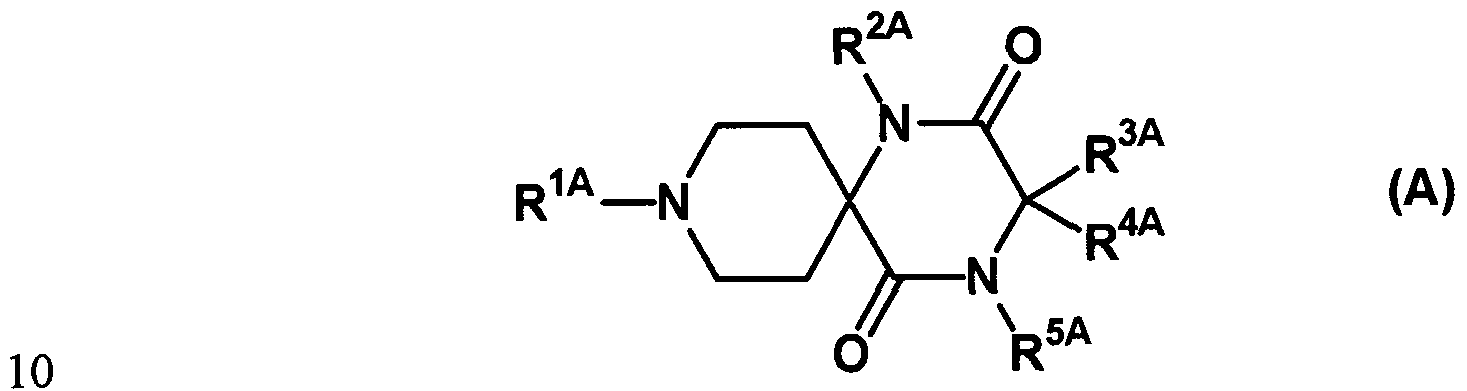


Claims
Priority Applications (4)
| Application Number | Priority Date | Filing Date | Title |
|---|---|---|---|
| EP03780739A EP1570860A4 (en) | 2002-12-13 | 2003-12-12 | ANTAGONIST AND AGONIST BINDING TO A STRONG BINDING SITE OF THE CHEMOKINE RECEPTOR |
| JP2004560632A JPWO2004054616A1 (ja) | 2002-12-13 | 2003-12-12 | ケモカイン受容体の強結合部位に結合するアンタゴニストおよびアゴニスト |
| US10/538,364 US20060251651A1 (en) | 2002-12-13 | 2003-12-12 | Antagonist and agonist which bind to a strong binding site of chemokine receptor |
| AU2003289329A AU2003289329A1 (en) | 2002-12-13 | 2003-12-12 | Antagonist and agonist binding to strong binding site of chemokine receptor |
Applications Claiming Priority (2)
| Application Number | Priority Date | Filing Date | Title |
|---|---|---|---|
| JP2002-363013 | 2002-12-13 | ||
| JP2002363013 | 2002-12-13 |
Publications (1)
| Publication Number | Publication Date |
|---|---|
| WO2004054616A1 true WO2004054616A1 (ja) | 2004-07-01 |
Family
ID=32588184
Family Applications (1)
| Application Number | Title | Priority Date | Filing Date |
|---|---|---|---|
| PCT/JP2003/015973 Ceased WO2004054616A1 (ja) | 2002-12-13 | 2003-12-12 | ケモカイン受容体の強結合部位に結合するアンタゴニストおよびアゴニスト |
Country Status (5)
| Country | Link |
|---|---|
| US (1) | US20060251651A1 (ja) |
| EP (1) | EP1570860A4 (ja) |
| JP (1) | JPWO2004054616A1 (ja) |
| AU (1) | AU2003289329A1 (ja) |
| WO (1) | WO2004054616A1 (ja) |
Cited By (3)
| Publication number | Priority date | Publication date | Assignee | Title |
|---|---|---|---|---|
| EP1889622A4 (en) * | 2005-05-31 | 2009-12-23 | Ono Pharmaceutical Co | SPIROPIPERIDINE COMPOUND AND MEDICINAL USE THEREOF |
| JP2010271181A (ja) * | 2009-05-21 | 2010-12-02 | Kenji Yamamoto | Ccr5を標的とする阻害剤の疾病治療効果、予防効果及び副作用を評価する方法 |
| WO2019031444A1 (ja) * | 2017-08-07 | 2019-02-14 | 国立大学法人九州大学 | 細胞集団における特異的結合物質の占有率を測定する方法 |
Families Citing this family (5)
| Publication number | Priority date | Publication date | Assignee | Title |
|---|---|---|---|---|
| AU2003271057A1 (en) * | 2002-09-18 | 2004-04-08 | Ono Pharmaceutical Co., Ltd. | Novel crystals of triazaspiro(5.5)undecane derivative |
| AR065369A1 (es) * | 2007-02-19 | 2009-06-03 | Novartis Ag | Derivados de ciclohexil - amida del acido aril- carboxilico |
| AU2012225232B2 (en) | 2011-03-09 | 2016-05-12 | Richard G. Pestell | Prostate cancer cell lines, gene signatures and uses thereof |
| EP2861302A4 (en) | 2012-05-14 | 2016-08-24 | Prostagene Llc | USE OF CCR5 MODULATORS FOR THE TREATMENT OF CANCER |
| GB201808571D0 (en) * | 2018-05-24 | 2018-07-11 | Douglas Pharmaceuticals Ltd | Pharmaceutical compositions |
Citations (7)
| Publication number | Priority date | Publication date | Assignee | Title |
|---|---|---|---|---|
| WO1998018826A2 (en) * | 1996-10-28 | 1998-05-07 | Leukosite, Inc. | Anti-ccr5 antibodies and methods of use therefor |
| WO2000010965A2 (en) * | 1998-08-20 | 2000-03-02 | Takeda Chemical Industries, Ltd. | Quaternary ammonium salts and their use as anti-hiv agents |
| WO2000037455A1 (en) * | 1998-12-21 | 2000-06-29 | Takeda Chemical Industries, Ltd. | Benzothiepin-anilide derivatives, their production and their use for antagonizing ccr-5 |
| WO2000066558A1 (en) * | 1999-05-04 | 2000-11-09 | Schering Corporation | Piperazine derivatives useful as ccr5 antagonists |
| EP1236726A1 (en) * | 1999-12-03 | 2002-09-04 | Ono Pharmaceutical Co., Ltd. | Triazaspiro 5.5]undecane derivatives and drugs containing the same as the active ingredient |
| WO2002074770A1 (en) * | 2001-03-19 | 2002-09-26 | Ono Pharmaceutical Co., Ltd. | Triazaspiro[5.5]undecane derivatives and drugs containing the same as the active ingredient |
| WO2002074769A1 (en) * | 2001-03-19 | 2002-09-26 | Ono Pharmaceutical Co., Ltd. | Drugs containing triazaspiro[5.5]undecane derivatives as the active ingredient |
Family Cites Families (1)
| Publication number | Priority date | Publication date | Assignee | Title |
|---|---|---|---|---|
| US5928881A (en) * | 1996-07-11 | 1999-07-27 | Smithkline Beecham Corporation | Method of identifying agonists and antagonist for CC-CKR5 receptor |
-
2003
- 2003-12-12 EP EP03780739A patent/EP1570860A4/en not_active Withdrawn
- 2003-12-12 AU AU2003289329A patent/AU2003289329A1/en not_active Abandoned
- 2003-12-12 US US10/538,364 patent/US20060251651A1/en not_active Abandoned
- 2003-12-12 JP JP2004560632A patent/JPWO2004054616A1/ja not_active Withdrawn
- 2003-12-12 WO PCT/JP2003/015973 patent/WO2004054616A1/ja not_active Ceased
Patent Citations (7)
| Publication number | Priority date | Publication date | Assignee | Title |
|---|---|---|---|---|
| WO1998018826A2 (en) * | 1996-10-28 | 1998-05-07 | Leukosite, Inc. | Anti-ccr5 antibodies and methods of use therefor |
| WO2000010965A2 (en) * | 1998-08-20 | 2000-03-02 | Takeda Chemical Industries, Ltd. | Quaternary ammonium salts and their use as anti-hiv agents |
| WO2000037455A1 (en) * | 1998-12-21 | 2000-06-29 | Takeda Chemical Industries, Ltd. | Benzothiepin-anilide derivatives, their production and their use for antagonizing ccr-5 |
| WO2000066558A1 (en) * | 1999-05-04 | 2000-11-09 | Schering Corporation | Piperazine derivatives useful as ccr5 antagonists |
| EP1236726A1 (en) * | 1999-12-03 | 2002-09-04 | Ono Pharmaceutical Co., Ltd. | Triazaspiro 5.5]undecane derivatives and drugs containing the same as the active ingredient |
| WO2002074770A1 (en) * | 2001-03-19 | 2002-09-26 | Ono Pharmaceutical Co., Ltd. | Triazaspiro[5.5]undecane derivatives and drugs containing the same as the active ingredient |
| WO2002074769A1 (en) * | 2001-03-19 | 2002-09-26 | Ono Pharmaceutical Co., Ltd. | Drugs containing triazaspiro[5.5]undecane derivatives as the active ingredient |
Non-Patent Citations (1)
| Title |
|---|
| See also references of EP1570860A4 * |
Cited By (4)
| Publication number | Priority date | Publication date | Assignee | Title |
|---|---|---|---|---|
| EP1889622A4 (en) * | 2005-05-31 | 2009-12-23 | Ono Pharmaceutical Co | SPIROPIPERIDINE COMPOUND AND MEDICINAL USE THEREOF |
| JP2010271181A (ja) * | 2009-05-21 | 2010-12-02 | Kenji Yamamoto | Ccr5を標的とする阻害剤の疾病治療効果、予防効果及び副作用を評価する方法 |
| WO2019031444A1 (ja) * | 2017-08-07 | 2019-02-14 | 国立大学法人九州大学 | 細胞集団における特異的結合物質の占有率を測定する方法 |
| JPWO2019031444A1 (ja) * | 2017-08-07 | 2020-08-27 | 国立大学法人九州大学 | 細胞集団における特異的結合物質の占有率を測定する方法 |
Also Published As
| Publication number | Publication date |
|---|---|
| EP1570860A4 (en) | 2009-06-03 |
| EP1570860A1 (en) | 2005-09-07 |
| JPWO2004054616A1 (ja) | 2006-04-20 |
| AU2003289329A1 (en) | 2004-07-09 |
| US20060251651A1 (en) | 2006-11-09 |
Similar Documents
| Publication | Publication Date | Title |
|---|---|---|
| JP5351078B2 (ja) | 炎症反応を阻害又は増強するための組成物及び方法 | |
| US7807704B2 (en) | Bicyclic, nitrogen-containing compounds modulating CXCR4 and/or CCXCKR2 | |
| JP3558079B2 (ja) | トリアザスピロ[5.5]ウンデカン誘導体およびそれらを有効成分とする薬剤 | |
| KR100425612B1 (ko) | 씨씨알5 조절제로서의 아자비사이클로알칸 | |
| JP4248251B2 (ja) | Aidsの処置に有用なccr5アンタゴニスト | |
| AU780888B2 (en) | Piperazine derivatives useful as CCR5 antagonists | |
| JP2000212159A (ja) | Ccr5モジュレ―タ― | |
| JP2008222722A (ja) | Ccr5アンタゴニストとして有用なピペリジン誘導体 | |
| EA022134B1 (ru) | 4-амино-4-оксобутаноил-пептиды как ингибиторы репликации вирусов | |
| KR20010099931A (ko) | 씨씨알5 조절제로서의 피페리딘 | |
| JP2007502864A (ja) | 有効性を高めたケモカインレセプタ結合複素環化合物 | |
| JP2004506593A (ja) | 環状アミン誘導体、およびそれらの用途 | |
| JP2002543144A (ja) | PEG化インターフェロンαCCR5アンタゴニスト併用HIV療法 | |
| NL2000380C2 (nl) | 3-aminocyclopentaancarboxamiden als modulatoren van chemokine-receptoren. | |
| EP1570860A1 (en) | Antagonist and agonist binding to strong binding site of chemokine receptor | |
| WO2004098638A1 (ja) | エフェクター細胞機能阻害剤 | |
| TWI331606B (en) | Piperidine derivatives useful as ccr5 antagonists | |
| US20010033841A1 (en) | Modulating platelet function | |
| US20080108586A1 (en) | Combination therapy for human immunodeficiency virus infection | |
| CN121057732A (zh) | 经取代的苯基噁唑酮化合物 | |
| TW200528445A (en) | Bipiperidinyl derivatives useful as inhibitors of chemokine receptors | |
| KR20080098541A (ko) | Hiv 치료에 유용한 ccr5 길항제 | |
| RU2803242C2 (ru) | Соединения пиридинсульфонамида для лечения состояний, связанных с интерлейкином 1 бета | |
| JP2004359641A (ja) | Ccr5活性化剤 | |
| IL323365A (en) | Use of nadolol for the treatment of pulmonary symptoms associated with SARS-CoV-2 infections |
Legal Events
| Date | Code | Title | Description |
|---|---|---|---|
| AK | Designated states |
Kind code of ref document: A1 Designated state(s): AE AG AL AM AT AU AZ BA BB BG BR BW BY BZ CA CH CN CO CR CU CZ DE DK DM DZ EC EE EG ES FI GB GD GE GH GM HR HU ID IL IN IS JP KE KG KR KZ LC LK LR LS LT LU LV MA MD MG MK MN MW MX MZ NI NO NZ OM PG PH PL PT RO RU SC SD SE SG SK SL SY TJ TM TN TR TT TZ UA UG US UZ VC VN YU ZA ZM ZW |
|
| AL | Designated countries for regional patents |
Kind code of ref document: A1 Designated state(s): BW GH GM KE LS MW MZ SD SL SZ TZ UG ZM ZW AM AZ BY KG KZ MD RU TJ TM AT BE BG CH CY CZ DE DK EE ES FI FR GB GR HU IE IT LU MC NL PT RO SE SI SK TR BF BJ CF CG CI CM GA GN GQ GW ML MR NE SN TD TG |
|
| 121 | Ep: the epo has been informed by wipo that ep was designated in this application | ||
| DFPE | Request for preliminary examination filed prior to expiration of 19th month from priority date (pct application filed before 20040101) | ||
| WWE | Wipo information: entry into national phase |
Ref document number: 2004560632 Country of ref document: JP |
|
| WWE | Wipo information: entry into national phase |
Ref document number: 2003780739 Country of ref document: EP Ref document number: 2006251651 Country of ref document: US Ref document number: 10538364 Country of ref document: US |
|
| WWP | Wipo information: published in national office |
Ref document number: 2003780739 Country of ref document: EP |
|
| WWP | Wipo information: published in national office |
Ref document number: 10538364 Country of ref document: US |