WO2004101595A1 - Estratriene derivatives - Google Patents
Estratriene derivatives Download PDFInfo
- Publication number
- WO2004101595A1 WO2004101595A1 PCT/AU2004/000630 AU2004000630W WO2004101595A1 WO 2004101595 A1 WO2004101595 A1 WO 2004101595A1 AU 2004000630 W AU2004000630 W AU 2004000630W WO 2004101595 A1 WO2004101595 A1 WO 2004101595A1
- Authority
- WO
- WIPO (PCT)
- Prior art keywords
- halo
- group
- ester
- branched
- compound
- Prior art date
- Legal status (The legal status is an assumption and is not a legal conclusion. Google has not performed a legal analysis and makes no representation as to the accuracy of the status listed.)
- Ceased
Links
- 0 *C(CC1)(C(C*2)C3C1c1c(*)c(*)*(*)c(*)c1NC3)C2=*O Chemical compound *C(CC1)(C(C*2)C3C1c1c(*)c(*)*(*)c(*)c1NC3)C2=*O 0.000 description 1
- RQAFEWKTBPBXMN-UVSZXCJDSA-N CC(C)c1ccc(CO/N=C(\C[C@@H]([C@H](CC2)[C@](C)(CC3)/C2=N/O)[C@H]3c2c3)/c2cc(O)c3OC)cc1 Chemical compound CC(C)c1ccc(CO/N=C(\C[C@@H]([C@H](CC2)[C@](C)(CC3)/C2=N/O)[C@H]3c2c3)/c2cc(O)c3OC)cc1 RQAFEWKTBPBXMN-UVSZXCJDSA-N 0.000 description 1
- QDAXFPUDUFFQRE-DAXKBDNOSA-N C[C@](CC1)([C@@H](CC2)[C@H](C/C(/c3c4)=N\OCc5cc([N+]([O-])=O)ccc5)[C@H]1c3cc(OC)c4O)/C2=N/O Chemical compound C[C@](CC1)([C@@H](CC2)[C@H](C/C(/c3c4)=N\OCc5cc([N+]([O-])=O)ccc5)[C@H]1c3cc(OC)c4O)/C2=N/O QDAXFPUDUFFQRE-DAXKBDNOSA-N 0.000 description 1
- XBZVBTOTJGKCGP-HVRYYFDYSA-N C[C@](CC1)([C@@H](CC2)[C@H](C/C(/c3c4)=N\OCc5cccc(OC)c5)[C@H]1c3cc(OC)c4O)/C2=N/O Chemical compound C[C@](CC1)([C@@H](CC2)[C@H](C/C(/c3c4)=N\OCc5cccc(OC)c5)[C@H]1c3cc(OC)c4O)/C2=N/O XBZVBTOTJGKCGP-HVRYYFDYSA-N 0.000 description 1
Classifications
-
- C—CHEMISTRY; METALLURGY
- C07—ORGANIC CHEMISTRY
- C07J—STEROIDS
- C07J41/00—Normal steroids containing one or more nitrogen atoms not belonging to a hetero ring
-
- A—HUMAN NECESSITIES
- A61—MEDICAL OR VETERINARY SCIENCE; HYGIENE
- A61P—SPECIFIC THERAPEUTIC ACTIVITY OF CHEMICAL COMPOUNDS OR MEDICINAL PREPARATIONS
- A61P11/00—Drugs for disorders of the respiratory system
-
- A—HUMAN NECESSITIES
- A61—MEDICAL OR VETERINARY SCIENCE; HYGIENE
- A61P—SPECIFIC THERAPEUTIC ACTIVITY OF CHEMICAL COMPOUNDS OR MEDICINAL PREPARATIONS
- A61P11/00—Drugs for disorders of the respiratory system
- A61P11/06—Antiasthmatics
-
- A—HUMAN NECESSITIES
- A61—MEDICAL OR VETERINARY SCIENCE; HYGIENE
- A61P—SPECIFIC THERAPEUTIC ACTIVITY OF CHEMICAL COMPOUNDS OR MEDICINAL PREPARATIONS
- A61P11/00—Drugs for disorders of the respiratory system
- A61P11/08—Bronchodilators
-
- A—HUMAN NECESSITIES
- A61—MEDICAL OR VETERINARY SCIENCE; HYGIENE
- A61P—SPECIFIC THERAPEUTIC ACTIVITY OF CHEMICAL COMPOUNDS OR MEDICINAL PREPARATIONS
- A61P29/00—Non-central analgesic, antipyretic or antiinflammatory agents, e.g. antirheumatic agents; Non-steroidal antiinflammatory drugs [NSAID]
-
- A—HUMAN NECESSITIES
- A61—MEDICAL OR VETERINARY SCIENCE; HYGIENE
- A61P—SPECIFIC THERAPEUTIC ACTIVITY OF CHEMICAL COMPOUNDS OR MEDICINAL PREPARATIONS
- A61P43/00—Drugs for specific purposes, not provided for in groups A61P1/00-A61P41/00
-
- C—CHEMISTRY; METALLURGY
- C07—ORGANIC CHEMISTRY
- C07J—STEROIDS
- C07J43/00—Normal steroids having a nitrogen-containing hetero ring spiro-condensed or not condensed with the cyclopenta(a)hydrophenanthrene skeleton
-
- Y—GENERAL TAGGING OF NEW TECHNOLOGICAL DEVELOPMENTS; GENERAL TAGGING OF CROSS-SECTIONAL TECHNOLOGIES SPANNING OVER SEVERAL SECTIONS OF THE IPC; TECHNICAL SUBJECTS COVERED BY FORMER USPC CROSS-REFERENCE ART COLLECTIONS [XRACs] AND DIGESTS
- Y02—TECHNOLOGIES OR APPLICATIONS FOR MITIGATION OR ADAPTATION AGAINST CLIMATE CHANGE
- Y02P—CLIMATE CHANGE MITIGATION TECHNOLOGIES IN THE PRODUCTION OR PROCESSING OF GOODS
- Y02P20/00—Technologies relating to chemical industry
- Y02P20/50—Improvements relating to the production of bulk chemicals
- Y02P20/582—Recycling of unreacted starting or intermediate materials
Definitions
- the present application relates to compounds and methods for modulating mesenchymal cell function, for instance smooth muscle and fibroblast proliferation or cytokine expression, and for treating conditions associated with mesenchymal cell function, for instance airway hyperresponsiveness associated with asthma.
- the compounds of the present application are a class of estratriene derivatives.
- Asthma is a disease characterised by a variable degree of airway obstruction, chronic inflammation, changes in airway wall structure that are referred to as airway wall remodelling (AWR) , and airway hyper-responsiveness (AHR) .
- the AHR is usually measured by artificial induction of airway obstruction by methacholine or histamine or other provocative stimuli such as cold air or bradykinin.
- AHR is characterised by a leftward shift in the concentration-response curve for airway stimulus-induced obstruction and a loss of the plateau in response to these non-specific stimuli.
- Airway obstruction such as that which occurs in asthma or chronic obstructive pulmonary disease may resolve itself spontaneously or upon treatment with agents.
- the three main classes of agents currently in use for treating asthma are the preventer drugs (anti-inflammatory agents) , relievers and symptom controllers. All of these drugs aim to reduce airway obstruction and/or inflammation.
- the preventer drugs lessen the likelihood and/or the intensity of airway obstruction by anti-inflammatory actions.
- the reliever drugs produce a rapid reversal of smooth muscle shortening and therefore relieve bronchospastic airway obstruction.
- the symptom controllers produce a persistent bronchodilator response that lessens the likelihood of airway obstruction reaching a level that would require the use of reliever medication.
- AWR airway wall remodelling
- AWR reduces the load on smooth muscle cells in the airways, allowing a greater amount of smooth muscle cell shortening for a given degree of activation of the contractile apparatus.
- the structural changes in AWR are therefore able to account for the nonspecific nature of AHR. It follows that anti-asthma agents that are able to prevent or reverse the remodelling have the potential to reduce AHR, and consequently to reduce the level of airway obstruction that occurs as a result of smooth muscle contraction.
- the present application is directed to novel estratriene derivatives and methods for their synthesis and use.
- the novel estratriene derivatives may be used to modulate smooth muscle cell and/or fibroblast function, such as cell proliferation, extracellular matrix deposition, cytokine expression and contractility may be used in conditions involving smooth muscle cells and/or fibroblasts. These compounds have demonstrated a surprising selectivity in modulating the proliferation of and cytokine expression of smooth muscle and/or fibroblast cells.
- R and R are each selected from the group consisting of H,
- n is 0 or 1;
- R 3 is selected from the group consisting of -OH, -OR, -R°OR b , -H, -ester-R b ;
- R is methyl
- R 6 is -H, -OH, -OR b or -halo
- X is an aromatic group substituted by one or more substituents Y, wherein Y is selected from -H, -N0 2 , -CN, -S0 3 H, -S0 3 R a , -CO-R b , - + NR b 3 , -C0 2 R b , -halo, -CF 3 ,
- -CC1 3 tetrazole, imidazole, -aryl, -substituted aryl, -R a , ⁇ NH 2 , -NR a 2 , -OH, -OR a , -R C -CN, -R c -halo, -NR b COR b , -R c -NR b 2 , - R c R d ;
- R a is a straight chained, branched or cyclic alkyl, alkenyl, alkynyl, aralkyl, aralkenyl or aralkynyl
- R b is H or straight chained, branched or cyclic alkyl, alkenyl, alkynyl, aralkyl, aralkenyl or aralkynyl
- R c is a straight chained or branched Cl - CIO alkylene, alkenylene or alkynylene;
- R d represents one or more substituents selected from -OH, -NH 2 , -halo, -CF 3 , -CN, -COOR, -SR b ;
- R e is acyl ;
- N is 0 or 1 ;
- At least one of Z' and Z" is A.
- A is at one or both of positions 6 and 17.
- the class of "substituents" Y includes H
- the aromatic group is phenyl
- the class of possible substituents Y suitably excludes H .
- the compound disclosed has activity in modulating the function of fibroblasts and/or smooth muscle cells.
- the compound may modulate cell function by suppressing proliferation.
- the compound may modulate cell function by influencing one or more of extracellular matrix deposition by cells, cell migration, cell cytokine expression or cell contractility.
- the compound is able to suppress airway hyperresponsiveness, such as airway hyperresponsiveness exhibited in asthma.
- the compound suppresses fibrosis, such as pulmonary fibrosis, or pulmonary inflammation.
- the compound has specific activity in modulating mesenchymal cell function.
- the present disclosure also provides a method of synthesising a compound of Formula I, as defined above, comprising the step of reacting a ketone or aldehyde precursor of Formula II, III or IV:
- R, R 2 , R 3 , R R b , R ⁇ ,R b , R c , n, Z and Z" are as defined in Formula I, with an amine of the formula H 2 N-0-X, HN-0-R c -X,
- composition comprising the compound of Formula I defined above and a pharmaceutically acceptable carrier.
- a compound of Formula I defined above as an agent for modulating smooth muscle cell and/or fibroblast function.
- the use is as an antiproliferative or anti-inflammatory agent.
- the present application also provides for the use of a compound of Formula I as an airway hyperresponsiveness suppressor or as an anti-asthmatic agent.
- the compound is used as an agent for suppressing fibrosis, such as pulmonary fibrosis.
- the compound of Formula I is used as an agent for suppressing pulmonary inflammation.
- the compound is used as an agent having specific activity in modulating mesenchymal cell function.
- a method for the treatment of a condition associated with smooth muscle cell and/or fibroblast function which comprises administering a therapeutically effective amount of a compound of Formula I to a subject in need thereof.
- the condition is associated with airway smooth muscle cell or pulmonary fibroblast function.
- the cell function may be selected from cell proliferation, cell cytokine expression, extracellular matrix deposition by cells, cell migration or cell contractility.
- a compound of Formula I in the treatment of airway hyperresponsiveness.
- the compound is used in the treatment of asthma.
- a compound of Formula I in the manufacture of a medicament for the treatment of a condition associated with smooth muscle cell and/or fibroblast function.
- agents will be active in the treatment of allergic and inflammatory diseases such as rheumatoid arthritis, allergic dermatitis, allergic rhinitis, asthma, chronic obstructive pulmonary disease, adult respiratory distress syndrome, chronic infection and sepsis.
- allergic and inflammatory diseases such as rheumatoid arthritis, allergic dermatitis, allergic rhinitis, asthma, chronic obstructive pulmonary disease, adult respiratory distress syndrome, chronic infection and sepsis.
- the reduction of fibroblast proliferation also suggests that agents are expected to have activity in the treatment of fibrotic conditions including pulmonary fibrosis of diverse types, scarring and visceral adhesions/fibroids .
- Preferred compounds of Formula I are those in which one or more of the following apply:
- Y is preferably a deactivating group selected from the group -N0 2 , -CN, -S0 3 H, -S0 3 R a , -CO-R b , - + NR b 3 ,
- X is preferably phenyl, naphthyl or pyridyl and most preferably phenyl ; iii. X preferably includes 1 or 2 substituents Y, more preferably one, and most preferably when X is phenyl, the single substituent Y is in the 4-position; iv.
- R 3 is preferably -OH, -OR a or -R°OR b , most preferably -OH;
- R 1 and R 4 are each preferably H; and xi .
- R 6 is preferably H.
- R 1 , R 2 , R 3 , R 4 , R 5 , R 6 , Z" and X are as defined for formula I, and
- R f is a direct bond or an alkylene group
- R 1 , R 2 , R 3 , R 4 , R 5 , R 6 , Z' and X are as defined for formula I, and R e is a direct bond or an alkylene group;
- R 1 , R 2 , R 3 , R 4 , R 5 , R 6 and Z" are as defined in Formula I;
- R f is a direct bond or an alkylene group
- X 1 is selected from aryl groups substituted by one or more substituents Y 1 , wherein Y 1 is selected from -N0 2 , -CN,
- R 1 , R 2 , R 3 , R 4 , R 5 , R 6 and Z' are as defined in Formula I;
- R f is a direct bond or an alkylene group, and
- X 1 is selected from aryl groups substituted by one or more substituents Y 1 , wherein Y 1 is selected from -N0 2 , -CN, -S0 3 H, -S0 3 R a , -C0-R b , - + NR b 3 , -C0 2 R b , -halo, -CF 3 , -CC1 3 , tetrazole, imidazole, -aryl, -substituted aryl, -R a , NH 2 , -NR a 2 , -OH, -OR a , -R C -CN, -R c -halo, -NR b COR b , -R c -NR b 2 , - R c R d , and heteroaromatic groups substituted by one or more substituents Y, wherein Y is selected from -H, -N0 2 ,
- R 1 , R 2 , R 3 , R 4 , R 5 and R 6 are as defined in Formula I,
- R f is a direct bond or an alkylene group
- X 1 is selected from aryl groups substituted by one or more substituents Y 1 , wherein Y 1 is selected from -N0 2 , -CN, -S0 3 H, -S0 3 R , -CO-R b , - + NR b 3 , -C0 2 R b , -halo, -CF 3 , -CC1 3 , tetrazole, imidazole, -aryl, -substituted aryl, -R a , -NH 2 , -NR a 2 , -OH, - OR a , -R C -CN, -R c -halo, -NR b COR b , -R c -NR b 2 , -R c R d ; and heteroaromatic groups substituted by one or more substituents Y, wherein Y is selected from -H, -N0 2 ,
- R 1 , R 2 , R 3 , R 4 , R 5 and R 6 are as defined in Formula I, R f is a direct bond or an alkylene group,
- X 1 is selected from aryl groups substituted by one or more substituents Y 1 , wherein Y 1 is selected from -N0 2 , -CN, -S0 3 H, -S0 3 R a , -CO-R b , - + NR b 3 , -C0 2 R b , -halo, -CF 3 , -CCl 3 , tetrazole, imidazole, -aryl, -substituted aryl, -R a , -NH 2 , -NR a 2 , -OH, - OR a , -R C -CN, -R c -halo, -NR b COR b , -R c -NR b 2 , -R c R d ; and heteroaromatic groups substituted by one or more substituents Y, wherein Y is selected from -H, -N0 2
- R 1 , R 2 , R 3 , R 4 , R 5 , R 6 , Z', Z", R b , and X are as defined in
- R f is a direct bond or an alkylene group.
- estratriene derivatives containing the substituent A defined above have activity in modulating smooth muscle and/or fibroblast cell function, and in particular cell proliferation, cell extracellular matrix deposition, cell migration and cytokine expression. Accordingly, the present application broadly encompass all estradiol derivatives containing the substituent A defined above, with the proviso that the compound is not 2-ethoxy-6- tosylhydrazone-estra-1, 3,5(10) -triene-3 , 17 ⁇ -diol .
- Figure 1 compares the effectiveness and potency of 2- methoxyestradiol (2MEO) , with two compounds, 4NO (CP-DM-2-11- 7) and 4NOM (CP-DM-3-91) , in inhibiting thrombin-mediated cell division in cultured human airway smooth muscle cells.
- Figure 2 compares the effectiveness and potency of 2MEO, 4NO (CP-DM-2-11-7) and 4NOM (CP-DM-3-91) in inhibiting the proliferation of a type II airway epithelial cell line, A549, in response to 5% fetal calf serum.
- Figure 3 compares the effectiveness and potency of 2MEO and 4NO (CP-DM-2-11-7) in inhibiting the proliferation of an estrogen receptor-expressing breast tumour cell line, MCF7, in response to either 5% fetal calf serum or 300pM epidermal growth factor.
- Figure 4 compares the effectiveness and potency of 2MEO and 4NO (CP-DM-2-11-7) in inhibiting the proliferation of cultured bovine aortic endothelial cells in response to 5% fetal calf serum.
- Figure 5 compares the effectiveness and potency of 4NO (CP-DM-2-11-7) and dexamethasone in inhibiting basic fibroblast growth factor-mediated proliferation of human airway smooth muscle cells cultured on tissue culture plastic.
- Figure 6 compares the effectiveness and potency of 4NO (CP-DM-2-11-7) and dexamethasone in inhibiting basic fibroblast growth factor-mediated proliferation of human airway smooth muscle cells cultured on collagen-coated silastic.
- Figure 7 compares the effectiveness and potency of 2MEO and 4NO (CP-DM-2-11-7) in inhibiting the interleukin-1 mediated release of granulocyte-macrophage colony-stimulating factor from cultured human airway smooth muscle cells.
- Figure 8 compares the effectiveness and potency of intraperitoneally administered 2MEO and 4NO (CP-DM-2-11-7) in inhibiting airway hyperresponsiveness to an intravenous challenge of the bronchoconstrictor methacholine in mice sensitised to ovalbumin.
- Figure 9 compares the effectiveness and potency of orally administered 2MEO and 4N0 (CP-DM-2-11-7) in inhibiting airway hyperresponsiveness to an intravenous challenge of the bronchoconstrictor methacholine in mice sensitised to ovalbumi .
- Figure 10 compares the effectiveness and potency of 4NO (CP- DM-2-11-7) and 4NOM ( "4NO-menox” ) (CP-DM-3-91) in inhibiting the proliferation of pulmonary fibroblasts in response to basic fibroblast growth factor stimulation.
- Figure 11 demonstrates the effect of pre-incubation with 4NOM (CP-DM-3-91) on thrombin-mediated cyclin DI protein expression by human airway smooth muscle cells.
- Figure 12 compares the effectiveness of 2MEO or 4NO (CP-DM-2- 11-7) in inhibiting platelet-derived growth factor (BB)- induced migration of human airway smooth muscle cells.
- the compounds disclosed are a class of derivatives of 2- ethoxyestradiol (2MEO) .
- 2MEO and other derivatives of this compound and their activity in treating cancer have been explored previously.
- alkyl used either alone or in compound words such as “aralkyl” refers to straight chain, branched chain or cyclic hydrocarbon groups having from 1 to 10 carbon atoms, preferably 1 to 6 carbon atoms, more preferably 1 to 4 carbon atoms. Illustrative of such alkyl groups are methyl, ethyl, propyl, isopropyl, butyl, isobutyl, sec-butyl, tert-butyl, pentyl, neopentyl, hexyl, cyclopropyl, cyclobutyl, cyclopentyl or cyclohexyl .
- alkenyl used either alone or in compound words denotes linear, branched or mono- or poly-cyclic radicals having at least one carbon-carbon double bond of 2 to 20 carbon atoms, preferably 2 to 14 carbon atoms, more preferably 2 to 6 carbon atoms.
- alkenyl radicals include allyl, ethenyl, propenyl, butenyl, iso-butenyl, 3- methyl-2-butenyl, 1-pentenyl, cyclopentenyl, 1-hexenyl, 3- hexenyl, cyclohexenyl, 1-nonenyl, 1, 3-butadienyl, and the like.
- alkynyl has a corresponding meaning.
- acyl used either alone or in compound words denotes carbamoyl, aliphatic acyl group, acyl group containing an aromatic ring which is referred to as aromatic acyl or an acyl group containing a heterocyclic ring which is referred to as heterocyclic acyl having 1 to 20 carbon atoms, preferably 1 to 14 carbon atoms .
- acyl examples include carbamoyl; straight chain or branched alkanoyl, such as, formyl, acetyl, propanoyl, butanoyl, 2-methylpropanoyl, octanoyl ; alkoxycarbonyl , such as , methoxycarbonyl , ethoxycarbonyl , t-butoxycarbonyl; cycloalkylcarbonyl, such as cyclohexylcarbonyl; alkylsulfonyl, such as, methylsulfonyl or ethylsulfonyl; alkoxysulfonyl, such as, methoxysulfonyl or ethoxysulfonyl; aroyl, such as, benzoyl, toluoyl or naphthoyl; aralkanoyl, such as phenylalkanoyl , for example, phenylacetyl or
- heterocyclyl group used either alone or in compound words refers to monocyclic or polycyclic heterocyclic groups containing at least one heteroatom atom selected from nitrogen, sulphur and oxygen.
- heterocycles within this term are as follows: pyrrolyl, pyrrolinyl, imidazolyl, pyrazolyl, pyridyl, pyrimidinyl, pyrazinyl, pyridazinyl, triazolyl, tetrazolyl, pyrrolidinyl, indolyl, benzimidazolyl, pyranyl, furyl, thienyl, oxazolyl, isoxazolyl oxadiazolyl, morpholinyl, benzoxazolyl, benzoxadiazolyl, thiazolyl, thiadiazolyl, thiazolidinyl, benzothiazolyl and benzothiadiazolyl
- heterocyclyl is as an aromatic 5- or 6- membered heteromonocyclic group.
- aryl used either alone or in compound words such as “aralkyl” or “aryl acyl” denotes a carbocyclic aromatic system containing one, two or three rings wherein such rings may be attached together in a pendent manner or may be fused.
- aryl embraces aromatic radicals such as phenyl, naphthyl , tetrahydronaphthyl , indane and bip enyl .
- the aryl is phenyl.
- aromatic group refers to aryl groups and aromatic heterocyclyl groups (ie heteroaromatic) groups and includes the specific heterocycles exemplified above.
- alkoxy refers to straight chain or branched oxy- containing radicals preferably each having alkyl portions of 1 to about 6 carbon atoms . Examples of alkoxy include methoxy, ethoxy, propoxy, butoxy and tert-butoxy.
- optionally substituted refers to a group which may or may not be further substituted with one or more groups selected from alkyl, alkenyl, alkynyl, aryl, aldehyde, halo, haloalkyl, haloalkenyl, haloalkynyl, haloaryl, hydroxy, alkoxy, alkenyloxy, aryloxy, benzyloxy, haloalkoxy, haloalkenyloxy, haloaryloxy, nitro, nitroalkyl, nitroalkenyl, nitroalkynyl, nitroaryl, nitroheterocyclyl, amino, alkylamino, dialkylamino, alkenylamino, alkynylamino, arylamino, diarylamino, benzylamino, dibenzylamino, acyl, alkenylacyl, alkynylacyl, arylacyl, acyl, al
- ester is used herein in its broadest sense to refer to divalent groups containing at least one carbon, sulfur or phosphorus to oxygen double bond, and a single bond from the carbon, sulfur or phosphorus atom to another oxygen or a sulfur atom.
- organic ester groups include sulfonylates, sulfonates, phosphonates , phosphonothioates, carboxylates and thiolates (RCOS) . Additionally, other functional groups may be contained within the ester group.
- These functional groups include thio, sulfanyl, sulfinyl, sulfonyl, sulfonatyl, phosphinyl, phosphonyl, phosphoryl, amino or mixtures thereof.
- esters containing these functional groups include the esters derived from phosphonothioic, thiophosphoric, sulfinylphosphoric, sulfatylamino, sulfonatylphosphinic and phosphoramidie acids.
- Conditions associated with airway smooth muscle cell proliferation include asthma and related conditions such as airway wall remodelling and airway hyperresponsiveness, and also conditions unrelated to asthma but which are characterised by smooth muscle cell proliferation, such as chronic obstructive pulmonary disease or aberrant growth of smooth muscle cells leading to a neoplasm, tumour or a cancer.
- the inhibition of airway smooth muscle cell proliferation encompasses the slowing or halting the cycle of smooth muscle cell division.
- the inhibition of proliferation is preferably not accompanied by increased smooth muscle cell death or loss of other normal smooth muscle cell functions such as contractility.
- tissue is used herein to describe the ability of a compound to influence the behavior of one or more cell types from a tissue to a greater extent than other cell types associated with that tissue.
- selectivity of the inhibition of airway smooth muscle cell or fibroblast proliferation means that the rate of cell division of the cells is decreased by a greater proportion than in other cells associated with the airways and other tissues, such as endothelial cells, alveolar cells, epithelial cells, mast cells and breast tumour epithelial cells .
- the compounds disclosed containing the group A in a selected position or positions can be prepared by reacting the appropriate estratriene-based precursor having a carboxy group in place of A with the appropriate amine in a condensation reaction.
- the substituted aryl amines H 2 N-0-X, H 2 N-0-R c -X, H 2 N-NH-R C -X, H 2 N-NH-X or H 2 N- ester-X
- Substituted aryl hydroxylamines can readily be synthesised by several methods.
- the preferred method of synthesis is via the key phthalimido intermediate of aryl substituted hydroxylamines.
- N- hydroxyphthalimide acts via nucleophilic attack on substituted aryl and arylalkyl halides.
- Any number of other leaving groups can be used in place of the halide.
- Subsequent removal of the phthalimide group by treatment with hydrazine gives the substituted aryl hydroxylamine, which is often isolated as its HCl salt.
- substituted hydroxylamines Once these substituted hydroxylamines have been synthesised, they can be readily used in condensation reactions with both ketones and aldehydes contained within the base estra- 1, 3 , 5 (10) -triene steroid structure to form substituted aryl oximes .
- a large range of substituted aryl hydrazines are commercially available (eg 2 , 4-dinitrophenylhydrazine) .
- substituted aryl sulfonyl hydrazines H 2 N-NH-S0 2 -X
- substituted aryl sulfonyl hydroxylamines are also commercially available.
- a simple method of generating substituted aryl hydrazines involves the use of well established reductive amination chemistry as exemplified by Malachowski et al . [28] .
- a substituted aryl aldehyde can be subjected to nucleophilic attack from hydrazine and the product reduced to give the desired substituted aryl hydrazine.
- R 1 , R 2 , R 3 and R 4 groups can be readily synthesised, by existing methods, diversifying on the base estra-1, 3 , 5 (10) -triene structure.
- substituents at the 1-position (R 1 ) include amines, hydroxyls, ethers and alkyl chains which can be made by methods shown in references 7-10.
- substituents at the 2-position (R 2 ) include nitro groups, halogens, amines, hydroxyls, thiols, ethers, alkyl chains and alkylenes which can be made by methods shown in references 11-17.
- substitutions at the 3-position (R 3 ) include hydroxyls, ethers, and esters, such as alkyl phosphates and sulphamates which can be made by methods shown in references 14 and 18-22.
- substitution at the 4-position include halogens, hydroxyls, ethers, alkyl groups, alkenes, cyano and nitro groups, which can be made by methods shown in references 17 and 23-26.
- Benzylic oxidation of the 6-position can be performed by the use of various chromium based oxidants but most preferably chromium trioxide in acidic media.
- oxidation of this species may need to be performed prior to incorporation of a 2-substituent. Protection of the ketone at Z' and possibly Z'' may be required, preferably as an acetal or acetal derivative, to enable substitution at R 2 in this case.
- any of the range of substituted amines can be condensed with this moiety, or alternatively, reduction with a suitable hydride reagent will give the 6-hydroxy derivative.
- estra-1, 3, 5 (10) -triene steroidal compounds having a ketone functionality already present at the 6- and/or 17- position with varied substitutions on the aromatic A ring (R -R ) are commercially available. These are immediately suitable for aryloxime formation by condensation with an appropriate substituted aryl hydroxylamine. Many commercially available estra-1, 3, 5 (10) -triene steroidal compounds also have a 17-hydroxyl functionality present and can be readily converted to the ketone for further diversification as required at Z''. Many methods exist for oxidations of this type. [14, 27]. An important factor is the use of appropriate protecting groups (eg: acetyl, methoxyl, benzyl) to block oxidation of other potentially oxidisable groups that may be present as substituents on the aromatic ring or elsewhere on the molecule.
- appropriate protecting groups eg: acetyl, methoxyl, benzyl
- 2-Formylestradiol can be prepared by the method of Pert and Ridley [23] followed by condensation with benzylhydroxylamine and 4-nitrobenzylhydroxylamine respectively to give 2- benzyloxyiminomethylestradiol and 2- (4- nitrobenzyloxy) iminomethylestradiol .
- the aldehyde can be converted into a ketone, or the aldehyde can be located further along a hydrocarbon chain (-R 0 -) at R .
- salts of the compound of Formula I are preferably pharmaceutically acceptable, but it will be appreciated that non-pharmaceutically acceptable salts also fall within the scope of the present application, since these are useful as intermediates in the preparation of pharmaceutically acceptable salts.
- pharmaceutically acceptable salts include salts of pharmaceutically acceptable cations such as sodium, potassium, lithium, calcium, magnesium, ammonium and alkylammonium; acid addition salts of pharmaceutically acceptable inorganic acids such as hydrochloric, orthophosphoric, sulphuric, phosphoric, nitric, carbonic, boric, sulfamic and hydrobromic acids; or salts of pharmaceutically acceptable organic acids such as acetic, propionic, butyric, tartaric, maleic, hydroxymaleic, fumaric, citric, lactic, mucic, gluconic, benzoic, succinic, oxalic, phenylacetic, methanesulphonic, trihalomethanesulphonic, toluenesulphonic,
- solvates may form solvates with water or common organic solvents .
- Such solvates are encompassed within the scope of the application.
- pharmaceutically acceptable derivative any pharmaceutically acceptable salt, hydrate or any other compound which, upon administration to the subject, is capable of providing (directly or indirectly) a compound of Formula I or an active metabolite or residue thereof.
- pro-drug is used herein in its broadest sense to include those compounds which are converted in vivo to compounds of Formula I, for example, organic acid esters or ethers
- tautomer is used herein in its broadest sense to include compounds of Formula I which are capable of existing in a state of equilibrium between two isomeric forms. Such compounds may differ in the bond connecting two atoms or groups and the position of these atoms or groups in the compound.
- compositions of the present application comprise at least one compound of Formula I together with one or more pharmaceutically acceptable carriers and optionally other therapeutic agents.
- Each carrier, diluent, adjuvant and/or excipient must be pharmaceutically "acceptable” in the sense of being compatible with the other ingredients of the composition and not injurious to the subject.
- Compositions include those suitable for oral, rectal, nasal, topical (including buccal, airway and sublingual) , vaginal or parenteral (including subcutaneous, intramuscular, intravenous and intradermal) administration.
- the compositions may conveniently be presented in unit dosage form and may be prepared by methods well known in the art of pharmacy. Such methods include the step of bringing into association the active ingredient with the carrier which constitutes one or more accessory ingredients.
- the compositions are prepared by uniformly and intimately bringing into association the active ingredient with liquid carriers, diluents, adjuvants and/or excipients or finely divided solid carriers or both, and then if necessary shaping the product.
- subject refers to any animal having a disease or condition which requires treatment with a pharmaceutically-active agent.
- the subject may be a mammal, preferably a human, or may be a domestic or companion animal. While it is particularly contemplated that the compounds of the application are suitable for use in medical treatment of humans, it is also applicable to veterinary treatment, including treatment of companion animals such as dogs and cats, and domestic animals such as horses, ponies, donkeys, mules, llama, alpaca, pigs, cattle and sheep, or zoo animals such as primates, felids, canids, bovids, and ungulates. It will be understood that mechanisms controlling airway smooth muscle cell proliferation are largely conserved throughout mammals, and so it is contemplated that the compounds of the application have broad application for the treatment of conditions associated with increased airway smooth muscle cell proliferation over a range of species.
- terapéuticaally effective amount is meant an amount of a compound of the present application effective to yield a desired therapeutic response, for example, to prevent or treat a condition associated with airway smooth muscle cell hyperproliferation, such as asthma.
- the specific "therapeutically effective amount” will, obviously, vary with such factors as the particular condition being treated, the physical condition of the subject, the type of subject being treated, the duration of the treatment, the nature of concurrent therapy (if any) , and the specific formulations employed and the structure of the compound or its derivatives.
- the compounds of the present application may additionally be combined with other medicaments to provide an operative combination. It is intended to include any chemically compatible combination of pharmaceutically-active agents, as long as the combination does not eliminate the activity of the compound of formula I or II. It will be appreciated that the compound of the application and the other medicament may be administered separately, sequentially or simultaneously.
- Other medicaments may include, for example, one or more of the current regimen of anti-inflammatory drugs, preventer, relievers and symptom controllers where the condition is asthma.
- a “pharmaceutical carrier” is a pharmaceutically acceptable solvent, suspending agent or vehicle for delivering the compound of formula I to the subject.
- the carrier may be liquid or solid and is selected with the planned manner of administration in mind.
- Each carrier must be pharmaceutically “acceptable” in the sense of being compatible with other ingredients of the composition and non injurious to the subject.
- the compound of formula I may be administered orally, topically, or parenterally in dosage unit formulations containing conventional non-toxic pharmaceutically acceptable carriers, adjuvants, and vehicles.
- parenteral as used herein includes subcutaneous injections, aerosol for administration to lungs or nasal cavity, intravenous, intramuscular, intrathecal, intracranial, injection or infusion techniques.
- the present application also provides suitable topical, oral, and parenteral pharmaceutical formulations for use in the novel methods of treatment of the present application.
- the compounds of the present application may be administered orally as tablets, aqueous or oily suspensions, lozenges, troches, powders, granules, emulsions, capsules, syrups or elixirs.
- the composition for oral use may contain one or more agents selected from the group of sweetening agents, flavouring agents, colouring agents and preserving agents in order to produce pharmaceutically elegant and palatable preparations.
- Suitable sweeteners include sucrose, lactose, glucose, aspartame or saccharin.
- Suitable disintegrating agents include corn starch, methylcellulose, polyvinylpyrrolidone, xanthan gum, bentonite, alginic acid or agar.
- Suitable flavouring agents include peppermint oil, oil of wintergreen, cherry, orange or raspberry flavouring.
- Suitable preservatives include sodium benzoate, vitamin E, alphatocopherol, ascorbic acid, methyl paraben, propyl paraben or sodium bisulphite.
- Suitable lubricants include magnesium stearate, stearic acid, sodium oleate, sodium chloride or talc.
- Suitable time delay agents include glyceryl monostearate or glyceryl distearate.
- the tablets contain the active ingredient in admixture with non-toxic pharmaceutically acceptable excipients which are suitable for the manufacture of tablets .
- excipients may be, for example, (1) inert diluents, such as calcium carbonate, lactose, calcium phosphate or sodium phosphate; (2) granulating and disintegrating agents, such as corn starch or alginic acid; (3) binding agents, such as starch, gelatin or acacia; and (4) lubricating agents, such as magnesium stearate, stearic acid or talc.
- inert diluents such as calcium carbonate, lactose, calcium phosphate or sodium phosphate
- granulating and disintegrating agents such as corn starch or alginic acid
- binding agents such as starch, gelatin or acacia
- lubricating agents such as magnesium stearate, stearic acid or talc.
- These tablets may be uncoated or coated by known techniques to delay disintegration and absorption in the gastrointestinal tract and thereby provide a sustained action over a longer period.
- a time delay material such as gly
- the compound of formula I as well as the pharmaceutically- active agent useful in the method could be administered, for in vivo application, parenterally by injection or by gradual perfusion over time independently or together. Administration may be intravenously, intraarterial, intraperitoneally, intramuscularly, subcutaneously, intracavity, transdermally or infusion by, for example, osmotic pump. For in vi tro studies the agents may be added or dissolved in an appropriate biologically acceptable buffer and added to a cell or tissue. Preparations for parenteral administration include sterile aqueous or non-aqueous solutions, suspensions, and emulsions.
- the terms “treating”, “treatment” and the like are used herein to mean affecting a subject, tissue or cell to obtain a desired pharmacologic and/or physiologic effect.
- the effect may be prophylactic in terms of completely or partially preventing a disease or sign or symptom thereof, and/or may be therapeutic in terms of a partial or complete cure of a disease.
- Treating covers any treatment of, or prevention of disease in a vertebrate, a mammal, particularly a human, and includes: (a) preventing the disease from occurring in a subject that may be predisposed to the disease, but has not yet been diagnosed as having it; (b) inhibiting the disease, i.e., arresting its development; or (c) relieving or ameliorating the effects of the disease, i.e., cause regression of the effects of the disease.
- compositions include various pharmaceutical compositions useful for ameliorating disease.
- the pharmaceutical compositions according to one embodiment of the application are prepared by bringing a compound of formula I, analogues, derivatives or salts thereof, or combinations of compound of formula I and one or more pharmaceutically-active agents into a form suitable for administration to a subject using carriers, excipients and additives or auxiliaries.
- Frequently used carriers or auxiliaries include magnesium carbonate, titanium dioxide, lactose, mannitol and other sugars, talc, milk protein, gelatin, starch, vitamins, cellulose and its derivatives, animal and vegetable oils, polyethylene glycols and solvents, such as sterile water, alcohols, glycerol and polyhydric alcohols.
- Preservatives include antimicrobial, anti-oxidants, chelating agents and inert gases .
- Other pharmaceutically acceptable carriers include aqueous solutions, non-toxic excipients, including salts, preservatives, buffers and the like, as described, for instance, in Remington's Pharmaceutical Sciences, 20th ed. Williams and Wilkins (2000) and The British National
- the pharmaceutical compositions are preferably prepared and administered in dose units.
- Solid dose units may be tablets, capsules and suppositories.
- the administration of the daily dose can be carried out both by single administration in the form of an individual dose unit or else -several smaller dose units and also by multiple administration of subdivided doses at specific intervals.
- the pharmaceutical compositions may be administered locally or systemically in a therapeutically effective, dose. Amounts effective for this use will, of course, depend on the severity of the disease and the weight and general state of the subject. Typically, dosages used in vitro may provide useful guidance in the amounts useful for in situ administration of the pharmaceutical composition, and animal models may be used to determine effective dosages for treatment of the cytotoxic side effects. Various considerations are described, e.g., in Langer, Science, 249: 1527, (1990).
- Preferred dosage levels of the compound of formula I are of the order of about 0.1 mg to about 150 mg per kilogram body weight, more preferably of the order of 50 to 100 mg per kilogram body weight with a particularly preferred dosage of about 50 mg per kilogram body weight per day.
- the amount of active ingredient that may be combined with the carrier materials to produce a single dosage will vary depending upon the host treated and the particular mode of administration.
- a formulation intended for oral administration to humans may contain about 5 mg to lg of an active compound with an appropriate and convenient amount of carrier material which may vary from about 5 to 95 percent of the total composition.
- Dosage unit forms will generally contain between from about 5 mg to 500 mg of active ingredient.
- Formulations for oral use may be in the form of hard gelatin capsules wherein the active ingredient is mixed with an inert solid diluent, for example, calcium carbonate, calcium phosphate or kaolin. They may also be in the form of soft gelatin capsules wherein the active ingredient is mixed with water or an oil medium, such as peanut oil, liquid paraffin or olive oil.
- an inert solid diluent for example, calcium carbonate, calcium phosphate or kaolin.
- the active ingredient is mixed with water or an oil medium, such as peanut oil, liquid paraffin or olive oil.
- Aqueous suspensions normally contain the active materials in admixture with excipients suitable for the manufacture of aqueous suspension.
- excipients may be (1) suspending agent such as sodium carboxymethyl cellulose, methyl cellulose, hydroxypropylmethylcellulose, sodium alginate, polyvinylpyrrolidone, gum tragacanth and gum acacia; (2) dispersing or wetting agents which may be (a) naturally occurring phosphatide such as lecithin; (b) a condensation product of an alkylene oxide with a fatty acid, for example, polyoxyethylene stearate; (c) a condensation product of ethylene oxide with a long chain aliphatic alcohol, for example, heptadecaethylenoxycetanol; (d) a condensation product of ethylene oxide with a partial ester derived from a fatty acid and hexitol such as polyoxyethylene sorbitol monooleate, or (e) a condensation product of ethylene oxide with a
- Liposome delivery systems such as small unilamellar vesicles, large unilamellar vesicles, and multilamellar vesicles.
- Liposomes can be formed from a variety of phospholipids, such as cholesterol, stearylamine, or phosphatidylcholines .
- 2-Methoxyestradiol (1) was diacetylated by treatment with acetic anhydride in pyridine in 95% yield. Benzylic oxidation of the bis-protected species was effected with chromium trioxide in an acetic acid/water mixture in 45% yield. Both acetates were removed by treatment of the newly formed keto compound (3) with potassium carbonate in aqueous methanol in 98% yield. Condensation of this ketone was then effected with 0- (4-nitrobenzyl) hydroxylamine in methanol to give 2- methoxy-6- (4-nitrobenzyloxy) iminoestradiol (5) in 99% yield.
- 2-Methoxyestradiol (127.5mg, 0.426mmol) was dissolved in anhydrous pyridine (6.0mL) under a nitrogen atmosphere and cooled to 0°C.
- Acetic anhydride (3.0mL) was added dropwise and the reaction allowed to warm to room temperature. After overnight stirring, the reaction mixture was cooled to 0°C at which time 50.0 mL of IM aqueous hydrochloric acid was added and the reaction allowed to warm to room temperature.
- Chromium trioxide (79.8mg, 0.798mmol) was dissolved in 2. OmL of 90% (v/v) aqueous acetic acid with stirring over a 90 minute period. This oxidizing mixture was added dropwise at 10°C to a stirred solution of 3, 17-bis-acetyloxy-2- methoxyestra-1,3,5 (10) triene (2) (72.5mg, 0.188mmol). The mixture was stirred at 10°C for 30 minutes at which time the reaction was poured onto an ice/water mixture (30mL) which was extracted with ethyl acetate (3 x 15mL) .
- 2-Methoxyestrone was condensed with excess hydroxylamine in methanol at reflux to afford 2-methoxyestrone-17-oxime (6) as a single geometrical isomer. Without purification this compound was treated with acetic anhydride in pyridine to afford the 3 , 17-diacetylated oxime derivative (7) in 90% yield over the two step process.
- Benzylic oxidation of the acetyl protected species with chromium trioxide in acetic acid/water mixture affords the 6-oxo derivative which is immediately deprotected to give 2-methoxy-6-oxo-estrone-17- oxime (9) in 71% yield over this two step process.
- Treatment of the ketone with 4-nitrobenzylhydroxylamine in methanol affords 2-methoxy-6- (4-nitrobenzyloxy) iminoestrone-17-oxime (10) in 33% yield.
- reaction mixture was then extracted with ethyl acetate (lOOmL then 2 x 50mL) and the combined organic layers washed with IM ammonium chloride solution (3 x 50mL) , IM hydrochloric acid aqueous solution (5OmL) , water (5OmL) and brine (50mL) .
- IM ammonium chloride solution 3 x 50mL
- IM hydrochloric acid aqueous solution 5OmL
- water 5OmL
- brine 50mL
- the organic phase was dried over anhydrous sodium sulfate, filtered and evaporated in vacuo then dried under high vacuum to yield an off white solid (2.099g) representing a yield of 90% over the two steps.
- Chromium trioxide (2.26g, 22.6mmol) was dissolved in 50. OmL of 90% (v/v) aqueous acetic acid with shaking over a 60 minute period. This oxidizing mixture was added dropwise at 5-8°C to a stirred solution of 3-acetyloxy-2-methoxyestra- 1,3,5(10) trien-17-one acetyloxime (7) (2.099g, 5.07mmol). The mixture was stirred at 5 - 8°C for 42 minutes at which time the reaction was quenched by addition of water (150mL) .
- the reaction mixture was then extracted with ethyl acetate (2 x 150mL, thenlOOmL) and the combined extracts washed with saturated aqueous sodium bicarbonate solution (3 x lOOmL) , water (lOOmL) , and brine (10OmL) .
- the organic phase was then dried over sodium sulfate and filtered through a celite pad which was further washed with ethyl acetate (2 x 2OmL) . Evaporation of the solvent yielded a pale yellow solid.
- the product was homogeneous when analysed by TLC, therefore purification was deemed unnecessary, however an analytical sample was purified on a silica gel column using 1:1 ethyl acetate/petroleum spirit as eluent.
- Anhydrous potassium carbonate (12.56g, 90.87mmol) was added to a stirred solution of the crude 3-acetyloxy-2-methoxy-6- oxoestra-1, 3 , 5 (10) trien-17-one acetyloxime (8) in methanol (150mL) under a nitrogen atmosphere. After 13.5 hours, water (5. OmL) was added and reaction stirred at 40°C for 12 hours. The reaction mixture was then diluted with water (150mL) and the pH of the solution was adjusted to pH 7 by dropwise addition of IM hydrochloric acid aqueous solution.
- N-hydroxyphthaiimide (reagent A) (592.3 mg, 3.631 mmol) in 25 mL anhydrous tetrahydrofuran under a nitrogen atmosphere was added 3 , 5-difluorobenzyl bromide (reagent B) (516.7 ⁇ L, 3.994 mmol).
- N,JV-diisopropylethylamine (reagent C) (1.367 mL, 7.988 mmol) was then added dropwise with stirring to effect an immediate colour change. The reaction was then heated to reflux and held at this temperature for 20 hours before cooling to ambient temperature causing formation of a thick white precipitate.
- N- (3 , 5-difluorobenzyloxy) phthalimide (D) (143.0 mg, 0.494 mmol) was dissolved in 5 mL glacial acetic acid and hydrochloric acid 37% (1.00 mL, 31.8 mmol) added dropwise with stirring under a nitrogen atmosphere.
- the reaction was heated to reflux and held at that temperature for 3 hours before cooling to ambient temperature.
- the reaction mixture was evaporated under a stream of nitrogen prior to suspension in 0.2 M aqueous sodium hydroxide solution.
- the pH of the mixture was further adjusted to pH 8 ⁇ 10 with dropwise addition of 6 M sodium hydroxide aqueous solution. Extraction was performed with 3 x 15 mL ethyl acetate.
- reagent F 2-methoxy-6-oxo-estradiol was used in an amount of 15.1 mg (0.048 mmol)
- reagent E 0-(3,5- difluorobenzyl ) hydroxylamine hydrochloride was used in an amount of 12.1 mg (0.062 mmol)
- resin G was used in an amount of 210 mg
- resin H was used in an amount of 43.0 mg.
- the reaction was conducted for 64 hours.
- the product, 2-methoxy- 6- (3 , 5-difluorobenzyloxy) iminoestradiol was obtained in a yield of 88%.
- reagent B 3-methoxybenzyl bromide was used in 486.1 ⁇ L (3.47 mmol), reagent A was used in an amount of 514.8 mg (3.16 mmol), and 1.20 mL (7.01 mmol) of reagent C was used.
- reagent F 2-methoxy-6-oxo-estrone-17-oxime was used in an amount of 13.0 mg (0.040 mmol), reagent E from Example 6b was used in an amount of 9.7 mg (0.051 mmol), resin G was used in an amount of 103.9 mg, and resin H was used in an amount of 35.0 mg.
- the reaction was conducted for 64 hours. Filtration was through a LC-CN solid phase extraction cartridge.
- reagent F 2-methoxy-6-oxo-estradiol was used in an amount of 11.2 mg (0.035 mmol)
- reagent E from Example 6b was used in an amount of 8.7 mg (0.046 mmol)
- resin G was used in an amount of 120.2 mg
- resin H was used in an amount of 35 mg.
- the reaction was conducted for 64 hours. Filtration was through a LC-CN solid phase extraction cartridge.
- Example 4b The same procedure was used as outlined in Example 4b above with the following variations .
- N- (3-trifluoromethoxybenzyloxy) phthalimide was used in 202.8 mg (0.631 mmol)
- glacial acetic acid was used in a 10 mL quantity
- hydrochloric acid 37% was used in a 2.00 mL (63.6 mmol) quantity.
- the reaction was conducted for 4.5 hours at reflux.
- the product (E) 0-(3- trifluoromethoxybenzyl)hydroxylamine hydrochloride was obtained in a yield of 90%.
- reagent F (2-methoxy-6-oxo-estrone-17-oxime)
- reagent E from Example 8b was used in an amount of 13.6 mg (0.056 mmol)
- resin G was used in an amount of 124 mg
- resin H was used in an amount of 35.0 mg. The reaction was conducted for 64 hours.
- reagent F 2-methoxy-6-oxo-estradiol was used in an amount of 11.0 mg (0.035 mmol)
- reagent E from Example 8b was used in an amount of 11.0 mg (0.045 mmol)
- resin G was used in an amount of 141.3mg
- resin H was used in an amount of 35 mg.
- the reaction was conducted for 64 hours. Filtration was through a LC-CN solid phase extraction cartridge.
- the product, 2-methoxy-6- (3- trifluoromethoxybenzyloxy) iminoestradiol was obtained in a yield of 25%.
- reagent F 2-methoxy-6-oxo-estradiol was used in an amount of 11.4 mg (0.036 mmol)
- reagent E from Example 10b was used in an amount of 11.4 mg (0.047 mmol)
- resin G was used in an amount of 133.1 mg
- resin H was used in an amount of 35 mg.
- the reaction was conducted for 64 hours. Filtration was through a LC-CN solid phase extraction cartridge.
- the product, 2-methoxy-6- (4- trifluoromethoxybenzyloxy) iminoestradiol was obtained in a yield of 29%.
- reagent B 4-trifluoromethylthiobenzyl bromide was used in 747.8 mg (2.77 mmol), reagent A was used in an amount of 475.5 mg (2.91 mmol), and 1.20 mL (7.01 mmol) of reagent C was used. The reaction was conducted for 15 hours at reflux. Extraction was with 1 x 15 mL ethyl acetate and 2 x 25 mL dichloromethane. The product D, N-(4- trifluoromethylthiobenzyloxy) phthalimide, was obtained in a yield of 95%.
- reagent F 2-methoxy-6-oxo-estrone-17-oxime was used in an amount of 15.5 mg (0.047 mmol)
- reagent E from Example 12b was used in an amount of 15.9 mg (0.061 mmol)
- resin G was used in an amount of 116.9 mg
- resin H was used in an amount of 35.0 mg. The reaction was conducted for 64 hours.
- reagent F 2-methoxy-6-oxo-estradiol was used in an amount of 11.2 mg (0.035 mmol)
- reagent E from Example 12b was used in an amount of 11.9 mg (0.046 mmol)
- resin G was used in an amount of 133.8 mg
- resin H was used in an amount of 35 mg.
- the reaction was conducted for 64 hours. Filtration was through a LC-CN solid phase extraction cartridge.
- Example 14a This was prepared via 2 intermediates, in stages corresponding to those set out in Example 4.
- Example 14a This was prepared via 2 intermediates, in stages corresponding to those set out in Example 4.
- reagent B (4-bromomethyl) pyridine hydrobromide was used in 2.048 g (8.098 mmol), reagent A was used in an amount of 1.201 g (7.362 mmol), and 3.665 mL (22.08 mmol) of reagent C was used.
- the reaction was conducted for 136 hours at ambient temperature in 50.0 mL of tetrahydrofuran. Extraction was with 3 x 50 mL ethyl acetate. Combined extracts were washed with water (50 mL) , 50% saturated brine (100 mL) and brine (50 mL) .
- the product D N- (4-pyridylmethyloxy) phthalimide, was recrystallised from toluene and obtained in a yield of 34%.
- Example 4b The same procedure was used as outlined in Example 4b above with the following variations .
- reagent F 2-methoxy-6-oxo-estrone-17-oxime was used in an amount of 16.5 mg (0.050 mmol)
- reagent E from Example 14b was used in an amount of 12.8 mg (0.065 mmol)
- resin G was used in an amount of 172.4 mg
- resin H was used in an amount of 37.1 mg. The reaction was conducted for 90 hours.
- reagent F 2-methoxy-6-oxo-estradiol was used in an amount of 13.7 mg (0.043 mmol)
- reagent E from Example 14b was used in an amount of 11.1 mg (0.056 mmol)
- resin G was used in an amount of 140.2 mg
- resin H was used in an amount of 32.5 mg.
- the reaction was conducted for 90 hours. Purification was performed by flash chromatography on silica gel [ethyl acetate-petroleum spirit (40 - 60 2 C) (3:1)]. The product, 2-methoxy-6- (4-pyridylmethyloxy) iminoestradiol, was obtained in a yield of 52%.
- reagent B 4-cyanobenzyl bromide was used in 773.4 mg (3.95 mmol), reagent A was used in an amount of 585.0 mg (3.59 mmol), and 1.35 mL (7.89 mmol) of reagent C was used.
- the reaction was conducted for 20 hours at reflux. Extraction was with 3 x 50 mL dichloromethane. Combined extracts were washed with water (50 mL) , 50 mL brine.
- the product D N- (4-cyanobenzyloxy) phthalimide, was obtained in a yield of 73%.
- reagent F 2-methoxy-6-oxo-estrone-17-oxime was used in an amount of 14.0 mg (0.043 mmol)
- reagent E from Example 16b was used in an amount of 10.2 mg (0.055 mmol)
- resin G was used in an amount of 200 mg
- resin H was used in an amount of 48.0 mg.
- the reaction was conducted for 64 hours.
- reagent F 2-methoxy-6-oxo-estradiol was used in an amount of 11.7 mg (0.037 mmol)
- reagent E from Example 16b was used in an amount of 8.9 mg (0.046 mmol)
- resin G was used in an amount of 200 mg
- resin H was used in an amount of 49 mg.
- the reaction was conducted for 64 hours.
- reagent B 3-cyanobenzyl bromide was used in 773.4 mg (3.95 mmol), reagent A was used in an amount of 585.0 mg (3.59 mmol), and 1.35 mL (7.89 mmol) of reagent C was used. The reaction was conducted for 20 hours at reflux.
- reagent F 2-methoxy-6-oxo-estrone-17-oxime was used in an amount of 14.0 mg (0.043 mmol)
- reagent E from Example 18b was used in an amount of 10.2 mg (0.055 mmol)
- resin G was used in an amount of 200 mg
- resin H was used in an amount of 48.0 mg.
- the reaction was conducted for 64 hours. Purification was performed by flash chromatography on silica gel [ethyl acetate-petroleum spirit (40 - 60 a C) (2:3)]. The product, 2-methoxy-6- (3-cyanobenzyloxy) iminoestrone-17-oxime, was obtained in a yield of 74%.
- reagent F 2-methoxy-6-oxo-estradiol
- reagent E from Example 18b was used in an amount of 8.9 mg (0.046 mmol)
- resin G was used in an amount of 200 mg
- resin H was used in an amount of 49 mg.
- the reaction was conducted for 64 hours.
- N- (4-methylbenzyloxy) phthalimide was used in 214.8 mg (0.855 mmol)
- glacial acetic acid was used in a 10 L quantity
- hydrochloric acid 37% was used in a 2.00 mL (63.6 mmol) quantity.
- the reaction was conducted for 4.5 hours at reflux.
- the product 0- (4-methylbenzyl)hydroxylamine hydrochloride (E) was obtained in a yield of 21%.
- reagent F 2-methoxy-6-oxo-estrone-17-oxime was used in an amount of 8.8 mg (0.027 mmol)
- reagent E from Example 20b was used in an amount of 6.0 mg (0.035 mmol)
- resin G was used in an amount of 107.1 mg
- resin H was used in an amount of 40.3 mg.
- the reaction was conducted for 90 hours. Filtration was through a LC-CN solid phase extraction cartridge.
- reagent F 2-methoxy-6-oxo-estradiol was used in an amount of 6.2 mg (0.020 mmol)
- reagent E from Example 20b was used in an amount of 4.4 mg (0.025 mmol)
- resin G was used in an amount of 120.4 mg
- resin H was used in an amount of 22.3 mg.
- the reaction was conducted for 90 hours. Filtration was through a LC-CN solid phase extraction cartridge.
- N- (4-isopropylbenzyloxy) phthalimide was used in 208.6 mg (0.747 mmol)
- glacial acetic acid was used in a 10 mL quantity
- hydrochloric acid 37% was used in a 2.00 mL (63.6 mmol) quantity.
- the reaction was conducted for 4.5 hours at reflux.
- the product 0-(4- isopropylbenzyl) hydroxylamine hydrochloride (E) was obtained in a yield of 24%.
- N- (3-nitrobenzyloxy) phthalimide (D from Example 23b) (166.2 mg, 0.557 mmol) was added to 15 mL ethanol and an amount of dichloromethane (7.5 mL) added.
- Hydrazine hydrate (reagent I) (29.8 ⁇ L, 0.613 mmol) was added to the reaction with stirring under a nitrogen atmosphere. The reaction was heated to reflux and held at that temperature for 18 hours before cooling to ambient temperature. The reaction was evaporated in vacuo and suspended in 5 mL ethanol and the suspension stirred at ambient temperature for 2 hours, prior to the solids being removed by filtration. The residues were washed with a further 3 mL of ethanol.
- reagent F 2-methoxy-6-oxo-estrone-17-oxime was used in an amount of 14.7 mg (0.045 mmol)
- reagent E from Example 23b was used in an amount of 11.9 mg (0.058 mmol)
- resin G was used in an amount of 72.1 mg
- resin H was used in an amount of 33.5 mg.
- the reaction was conducted for 28 hours. Filtration was through a polyethylene frit.
- Example 4c The same procedure was used as outlined in Example 4c above with the following variations .
- reagent F 2-methoxy-6-oxo-estradiol was used in an amount of 16.3 mg (0.052 mmol)
- reagent E from Example 23b was used in an amount of 26.3 mg (0.129 mmol)
- resin G was used in an amount of 60 mg
- resin H was used in an amount of 193 mg.
- the reaction was conducted for 60 hours. Filtration was through a polyethylene frit.
- Example 23a The same procedure was used as outlined in Example 23a above with the following variations.
- reagent B 2-nitrobenzyl bromide was used in 1.6306 g (7.548 mmol), reagent A from Example 23a was used in an amount of 1.1193 g (6.861 mmol), and 2.277 mL (13.72 mmol) of reagent C was used. The reaction was conducted for 41 hours at ambient temperature. A further quantity of reagent B [2- nitrobenzyl bromide] (313.5 mg, 1.45 mmol) was added to the reaction mixture and the reaction continued for a further 48 hours at ambient temperature. The reaction was diluted with water (50 mL) . The product D, N- (2-nitrobenzyloxy) phthalimide, was obtained by recrystallization from chloroform in a yield of 51%.
- reagent D N- (2-nitrobenzyloxy) phthalimide was used in 188.4 mg (0.632 mmol), reagent I was used in an amount of 33.8 ⁇ L (0.695 mmol). The reaction was conducted in ethanol 15 mL for 20 /hours at reflux. A further quantity of reagent I was added (5 ⁇ L, 0.103 mmol) and the reaction continued for a further 24 hours at reflux.
- the product 0-(2- nitrobenzyl) hydroxylamine hydrochloride (E) was obtained in a yield of 23%.
- reagent F 2-methoxy-6-oxo-estrone-17-oxime was used in an amount of 13.5 mg (0.041 mmol), reagent E from Example 25b was used in an amount of 10.5 mg (0.051 mmol), resin G was used in an amount of 80 mg, and resin H was used in an amount of 35 mg. The reaction was conducted for 66 hours. The product, 2-methoxy-6- (2-nitrobenzyloxy) iminoestrone-17-oxime, was obtained in a yield of 88%.
- reagent F 2-methoxy-6-oxo-estradiol was used in an amount of 16.3 mg (0.052 mmol)
- reagent E from Example 25b was used in an amount of 15.8 mg (0.077 mmol)
- resin G was used in an amount of 98.3 mg
- resin H was used in an amount of 52 mg.
- the reaction was conducted for 48 hours.
- the product was purified by dissolution in methanol (8 mL) and filtration through a C18 cartridge (loading 300 mg) .
- the product, 2- methoxy-6- (2-nitrobenzyloxy) iminoestradiol was obtained in a yield of 99%.
- Example 23a The same procedure was used as outlined in Example 23a above with the following variations.
- reagent B 4-methoxybenzyl chloride was used in 0.9777 g (7.204 mmol), reagent A from Example 23a was used in an amount of 1.0684 g (6.549 mmol), and 2.173 mL (13.10 mmol) of reagent C from Example 23a was used. The reaction was conducted for 41 hours at ambient temperature. A further quantity of reagent B [4-methoxybenzyl chloride] (250.0 ⁇ L, 1.835 mmol) was added to the reaction mixture and the reaction continued for a further 40 hours at ambient temperature. The reaction was diluted with water (50 mL) . The product D, N- (4-methoxybenzyloxy) phthalimide, was in a crude yield of 72%.
- N- (4-methoxybenzyloxy) phthalimide was used in 291.9 mg (1.030 mmol), and reagent I was used in an amount of 101.3 ⁇ L (2.084 mmol).
- the reaction was conducted in ethanol 6 mL and 3 mL dichloromethane for 21 hours at reflux.
- the product 0- (4-methoxybenzyl) hydroxylamine hydrochloride (E) was obtained in a yield of 23%.
- reagent F (2-methoxy-6-oxo-estrone-17-oxime)
- reagent E from Example 27b was used in an amount of 11.5 mg (0.075 mmol)
- resin G was used in an amount of 100.4 mg
- resin H was used in an amount of 117.6 mg.
- the reaction was conducted for 24 hours.
- a further quantity of reagent E from Example 27b was added to the reaction mixture (4.9 mg, 0.032 mmol) and the reaction continued for a further 44 hours.
- the product, 2-methoxy-6- (4-methoxybenzyloxy) iminoestrone-17-oxime was obtained in a yield of 70%.
- reagent F 2-methoxy-6-oxo-estradiol was used in an amount of 17.3 mg (0.055 mmol), reagent E from Example 27b was used in an amount of 10.5 mg (0.068 mmol), resin G was used in an amount of 86.6 mg, and resin H was used in an amount of 91.3 mg.
- the reaction was conducted for 24 hours.
- a further quantity of reagent E was added to the reaction mixture (3.5 mg, 0.022 mmol) and the reaction was continued for a further 40 hours.
- the product was purified by dissolution in methanol (8 L) and filtration through a C18 cartridge (loading 300 mg) .
- the product, 2-methoxy-6- (4- methoxybenzyloxy) iminoestradiol was obtained in a yield of 80%.
- Example 29a Preparation of N- (3-trifluoromethylbenzyloxy) phthalimide The same procedure was used as outlined in Example 23a above with the following variations .
- reagent B 3-trifluoromethylbenzyl bromide was used in 1.1019 g (7.214 mmol), reagent A was used in an amount of
- reagent D N- (3-trifluoromethylbenzyloxy) phthalimide was used in 588.0 mg (1.737 mmol), and reagent I was used in an amount of 101.3 ⁇ L (2.084 mmol).
- the reaction was conducted in ethanol (6 mL) and dichloromethane (3 mL) for 16 hours at reflux. Further quantities of ethanol (5 mL) and dichloromethane (2.5 mL) were added and the reaction continued for a further 5 hours at reflux.
- the product 0-(3- trifluoromethylbenzyl) hydroxylamine hydrochloride (E) was obtained in a yield of 13%.
- X H NMR (CD 3 OD) ⁇ 7.78 - 7.60 (m, 4H) , 5.10 (s, 2H) .
- reagent F (2-methoxy-6-oxo-estrone-17-oxime) was used in an amount of 7.5 mg (0.023 mmol)
- reagent E from Example 29b was used in an amount of 6.5 mg (0.029 mmol)
- resin G was used in an amount of 80 mg
- resin H was used in an amount of 30 mg.
- the reaction was conducted for 66 hours. Filtration was through a LC-CN solid phase extraction cartridge.
- the product, 2-methoxy-6- (3- trifluoromethylbenzyloxy) iminoestrone-17-oxime was obtained in a yield of 95%.
- reagent F 2-methoxy-6-oxo-estrone-17-oxime was used in an amount of 11.6 mg (0.035 mmol)
- reagent E (2, 4-dinitrophenyl hydrazine) was used in an amount of 8.7 mg (0.044 mmol)
- resin G was used in an amount of 80 mg
- resin H was used in an amount of 35 mg.
- An amount of hydrochloric acid (37%, 100.0 ⁇ L) was added to the reaction. The reaction was conducted for 16 hours at ambient temperature. The product was purified by dissolution in methanol (8 mL) and filtration through a C18 cartridge (loading 300 mg) .
- the product, 6- (2 , 4-dinitrophenylhydrazono) -2-methoxy-estrone-17-oxime was obtained in a yield of 24%.
- Estrone (16.0 mg, 0.059 mmol), O- (4-nitrobenzyl) hydroxylamine (30.3 mg, 0.148 mmol) and 4-polyvinylpyridine (25% cross- linked, 81.3 mg) were all added to reaction vessel under a nitrogen atmosphere and solvated with methanol (10 mL) with stirring. The reaction was conducted at ambient temperature for 24 hours followed by 24 hours at reflux. The reaction was evaporated in vacuo and PS-Benzaldehyde resin (222 mg, 1.20 mmolg -1 ) added to vessel.
- the reaction mixture was suspended in anhydrous tetrahydrofuran (10 mL) and stirred at ambient temperature for 60 hours prior to filtration through a polyethylene frit which was further washed with 2 x 5 mL tetrahydrofuran.
- the combined filtrate and washings were evaporated to give a pale yellow solid which was suspended in methanol (5 mL) .
- This suspension was passed through a C18 cartridge (300 mg loading) which was washed with a further quantity of methanol (2 mL) .
- the combined filtrate and washings were evaporated to yield the product, estrone-17- (4- nitrobenzyl) oxime, in 86% yield.
- reaction vessel 0.082 mmol
- 4-polyvinylpyridine (25% cross-linked, 72.9 mg) were all added to reaction vessel under a nitrogen atmosphere and solvated with methanol (10 mL) with stirring.
- the reaction was conducted at ambient temperature for 24 hours followed by 16 hours at reflux.
- the reaction was evaporated in vacuo and PS-Benzaldehyde resin (122 mg, 1.20 mmolg "1 ) added to vessel.
- the reaction mixture was suspended in anhydrous tetrahydrofuran (10 mL) and stirred at ambient temperature for 60 hours prior to filtration through a polyethylene frit which was further washed with 2 x 5 mL tetrahydrofuran.
- the reagent 0- (3-nitrobenzyl) hydroxylamine was prepared by the method of Examples 23a and 23b above.
- Estrone (14.9 mg, 0.055 mmol), 0- (3-nitrobenzyl) hydroxylamine [from Example 23b] (28.2 mg, 0.138 mmol) and 4- polyvinylpyridine (25% cross-linked, 91.5 mg) were all added to reaction vessel under a nitrogen atmosphere and solvated with methanol (10 mL) with stirring. The reaction was conducted at ambient temperature for 24 hours followed by 24 hours at reflux. The reaction was evaporated in vacuo and PS- Benzaldehyde resin (207 mg, 1.20 mmolg "1 ) added to vessel.
- the reaction mixture was suspended in anhydrous tetrahydrofuran (10 mL) and stirred at ambient temperature for 60 hours prior to filtration through a polyethylene frit which was further washed with 2 x 5 mL tetrahydrofuran.
- the combined filtrate and washings were evaporated to give a pale yellow solid which was suspended in methanol (5 mL) .
- This suspension was passed through a C18 cartridge (300 mg loading) which was washed with a further quantity of methanol (2 mL) .
- the combined filtrate and washings were evaporated to yield the product, estrone-17- (3-nitrobenzyl) oxime, in 77% yield.
- the reagent 0- (3-nitrobenzyl) hydroxylamine was prepared by the method of Examples 23a and 23b above.
- the reaction mixture was suspended in anhydrous tetrahydrofuran (10 mL) and stirred at ambient temperature for 60 hours prior to filtration through a polyethylene frit which was further washed with 2 x 5 mL tetrahydrofuran.
- the combined filtrate and washings were evaporated to give a pale yellow solid which was suspended in methanol (5 mL) .
- This suspension was passed through a C18 cartridge (300 mg loading) which was washed with a further quantity of methanol (2 mL) .
- the combined filtrate and washings were evaporated to yield the product, 2- methoxyestrone-17- (3-nitrobenzyl) oxime, in 76% yield.
- the reagent 0- (4-methoxybenzyl)hydroxylamine was prepared by the method of Examples 27a and 27b above.
- Estrone (4.2 mg, 0.016 mmol), 0-(4- methoxybenzyl) hydroxylamine [from Example 27b] (4.4 mg, 0.023 mmol) and 4-polyvinylpyridine (25% cross-linked, 101.9 mg) were all added to reaction vessel under a nitrogen atmosphere and solvated with methanol (10 mL) with stirring. The reaction was conducted at reflux for 48 hours. The reaction was evaporated in vacuo and PS-Benzaldehyde resin (44 mg, 1.20 mmolg "1 ) added to vessel.
- reaction mixture was suspended in anhydrous tetrahydrofuran (10 mL) and stirred at ambient temperature for 70 hours prior to filtration through an LC-C18 solid phase extraction cartridge which was further washed with 4 5 mL tetrahydrofuran. The combined filtrate and washings were evaporated to yield the product, estrone- 17- (4-methoxybenzyl) oxime, in 94% yield.
- the reagent 0- (4-methoxybenzyl)hydroxylamine was prepared by the method of Examples 27a and 27b above.
- reaction mixture was suspended in anhydrous tetrahydrofuran (10 mL) and stirred at ambient temperature for 70 hours prior to filtration through an LC-C18 solid phase extraction cartridge which was further washed with 4 x 5 mL tetrahydrofuran. The combined filtrate and washings were evaporated to yield the product, 2- methoxyestrone-17- (4-methoxybenzyl) oxime, in 88% yield.
- the reagent O- (3 , 5-difluorobenzyl) hydroxylamine was prepared by the method of Examples 4a and 4b above.
- 6-Oxo-estriol (8.4 mg, 0.028 mmol), 0-(3,5- difluorobenzyl) hydroxylamine [from Example 4b] (10.9 mg, 0.056 mmol) and 4-polyvinylpyridine (25% cross-linked, 150 mg) were all added to reaction vessel under a nitrogen atmosphere and solvated with methanol (10 L) with stirring.
- reaction was conducted at reflux for 48 hours.
- the reaction was evaporated in vacuo and PS-Benzaldehyde resin (69.7 mg, 1.20 mmolg "1 ) added to vessel.
- the reaction mixture was suspended in anhydrous tetrahydrofuran (10 mL) and stirred at ambient temperature for 2.5 hours prior to filtration through an LC-CN solid phase extraction cartridge which was further washed with 3 x 5 mL tetrahydrofuran.
- reaction mixture was suspended in anhydrous tetrahydrofuran (10 mL) and stirred at ambient temperature for 2.5 hours prior to filtration through an LC- CN solid phase extraction cartridge which was further washed with 3 x 5 mL tetrahydrofuran. The combined filtrate and washings were evaporated to yield the product, 2-Methoxy-6- (4-nitrobenzyloxy) iminoestradiol-17-acetate, in 92% yield.
- 2-methoxyestrone-17-methyloxime (106.5 mg, 0.323 mmol) was dissolved in pyridine (2.0 mL, 24.80 mmol) and acetic anhydride (1.0 mL, 10.58 mmol) was added dropwise with stirring under a nitrogen atmosphere at ambient temperature. After 15.5 hours, the reaction was diluted with aqueous 1 M hydrochloric acid solution prior to extraction with 3 x 10 mL ethyl acetate. Combined extracts were washed with water (10 mL) , and brine (10 mL) prior to drying over anhydrous sodium sulphate. Filtration and evaporation in vacuo gave an off white solid in a yield of 90%.
- Chromium Trioxide (119.5 mg, 1.195 mmol) was dissolved in an acetic acid (1.80 mL)and water (0.20 mL) mixture.
- the reaction was diluted with water (25 L) prior to extraction with 3 x 20 mL ethyl acetate.
- reaction mixture was stirred for a further 48 hours prior to filtration through a LC-CN solid phase extraction cartridge which was washed with a further 3 5 mL tetrahydrofuran. Combined filtrate and washings were evaporated to give an oily yellow residue that was purified by flash chromatography on silica gel [ethyl acetate-petroleum spirit (40 - 60 2 C) (3:7)] to give the product in 66% yield.
- 17-ethinyl-6-oxo-estradiol (8.9 mg, 0.029 mmol) and 0-(3,5-4- nitrobenzyl) hydroxylamine (11.7 mg, 0.057 mmol) and 4- polyvinylpyridine (25% cross-linked, 150 mg) were all added to reaction vessel under a nitrogen atmosphere and solvated with methanol (10 mL) with stirring. The reaction was conducted at reflux for 48 hours. The reaction was evaporated in vacuo and PS-Benzaldehyde resin (71.7 mg, 1.20 mmolg "1 ) added to vessel.
- reaction mixture was suspended in anhydrous tetrahydrofuran (10 mL) and stirred at ambient temperature for 2.5 hours prior to filtration through an LC-CN solid phase extraction cartridge which was further washed with 3 x 5 mL tetrahydrofuran.
- the combined filtrate and washings were evaporated to yield a white solid which was purified by flash chromatography on silica gel [ethyl acetate-petroleum spirit (40 - 60 2 C) (1:2)] the product, 6- (4-nitrobenzyloxy) imino- 17-ethinyl-estradiol in 43% yield.
- HASM Human airway smooth muscle
- DMEM Dulbecco's modified Eagle's medium
- the resulting cell suspension was centrifuged and washed three times in phosphate buffered saline (PBS) . Following the last centrifugation step, the cells were resuspended in 25 mL of DMEM supplemented with L-glutamine (2 mM: Sigma, USA) , penicillin G (100 U/mL) , streptomycin (100 ⁇ g/mL) , amphotericin B (2 ⁇ g/mL: Wellcome, UK) and heat-inactivated FCS (10% v/v: CSL, Australia) and seeded into 25 cm 2 culture flasks. The primary isolates were incubated for 7 to 14 days to reach confluence.
- PBS phosphate buffered saline
- the activity of the compounds has been established in cell culture by exploring their effects on mitogen-induced increases in cell number.
- bFGF basic fibroblast growth factor
- Cells were seeded onto 6-well plates at a density of 1.5 x 10 4 cells cm 2 , made quiescent by removal of serum-containing media for 24 hours and then stimulated for 48 h with either thrombin (0.3U/ml) or bFGF (300pM) .
- the test compounds were pre-incubated with HASM cells for 30 minutes before the addition of thrombin.
- the 2 -methoxy- 6- (4-nitrobenzyloxy) iminoestradiol (4N0) analogue shows inhibitory activity on proliferation of HASM cells over a wide concentration range (10 nM to 10 ⁇ M) ( Figure 1) .
- a related analogue of 2MEO, 2- Methoxy-6- (4-nitrobenzyloxy) iminoestrone-17-oxime (4NOM) was considerably more potent than either 2MEO or 4NO ( Figure 1) .
- the inhibitory activity of 4NO was similar with either thrombin or basic Fibroblast Growth Factor (bFGF) as the mitogen (Table 3) .
- bFGF basic Fibroblast Growth Factor
- the potency of the compounds in regulating thrombin-induced proliferation of human airway smooth muscle (HASM) was assessed in cells maintained in culture as described above.
- the potencies are presented as pIC 50 values (Column A of Table 4) denoting the negative log of the concentration that reduces the proliferative response by 50%.
- the data were also fitted to "two site" model in which the potency of compounds for the first phase corresponding to inhibition up to 50% and the second phase, inhibition up to 100% were determined and are presented pIC 25 and pIC 75 values (Columns B and C respectively) .
- the single phase model was determined to be more appropriate, the values of pIC25 and pIC75 were not calculated or shown in the table.
- FACScan instrument Becton Dickinson, NJ, USA
- Ten thousand events from each sample were counted and analyzed using a ModFitLT V2.0 analysis package (Verity Software House, ME, USA) .
- Non-smooth muscle cell types including the type II airway epithelial cell line, A549 (ATCC accession number ATCC CCL-185 Lung carcinoma human) ( Figure 2); the human breast tumour cell line, MCF7, (ATTC accession number ATCC HTB-22 breast adenocarcino a, human) which expresses the estrogen receptor (Figure 3); and in bovine aortic endothelial cells (BAEC) ( Figure 4) .
- A549 ATCC accession number ATCC CCL-185 Lung carcinoma human
- MCF7 human breast tumour cell line
- BAEC bovine aortic endothelial cells
- test compounds were examined on proliferation of A549 cells in response to 5% fetal calf serum (FCS) .
- Analogues were pre-incubated with A549 cells for 30 min before the addition of FCS. The incubation continued for 48h before cell enumeration. Data are expressed as a percentage of the cell number in vehicle treated wells and are presented as the mean and standard error of the mean.
- the effects of 2MEO and 4NO on proliferation of MCF7 in response to 5% FCS or epidermal growth factor (EGF, 300 pM) were examined, as were the effects of 2MEO and 4NO on proliferation of BAEC in response to 5% FCS.
- the incubation parameters were the same as described above and results are presented as the mean and standard error of the mean.
- This assay was also used to evaluate the ability of other compounds to inhibit the proliferation of non-smooth muscle cells MCF7 and A549 (described above) in response to 5% FCS.
- the results of this assay are presented in Table 4 (columns G and H respectively) .
- the potency of the compounds was considerably less in inhibiting proliferation of these cell lines than it was for HASM.
- Dexamethasone is a commonly used anti-inflammatory glucocorticoid.
- Cells were cultured on a standard plastic tissue culture plate.
- the test compounds were pre-incubated with HASM for 30 minutes before the addition of bFGF.
- the incubation continued for 7 days before cell enumeration ( Figure 5) .
- Data are expressed as a percentage of the cell number in vehicle treated wells and are presented as the mean and standard error of the mean.
- HASM cells grown on a collagen extracellular matrix to the glucocorticoids and test compounds was also examined.
- Cells were cultured on a collagen-coated silastic base.
- HASM cells were pre-incubated with the test compounds for 30 minutes before the addition of bFGF (300 pM) . The incubation continued for 7 days before cell enumeration
- HASM cell proliferation is better controlled by the presently disclosed compounds than by glucocorticoids .
- Estrogen Receptor binding assay The Estrogen Receptor (ER) affinity of estradiol (E2), 2MEO and analogues were determined using rat uterine cytosol as a source of ER (Markaverich et al . , 1979) as described in detail (Hughes et al . , 2002).
- Uteri (6-10 per batch) were isolated from Brown Norway rats (250-350 g) , washed free from blood in saline and homogenised in 10 mM Tris buffer (pH 7.4, 1.5 mM EDTA, 10% w/v glycerol, 1 mM phenylmethylsulfonylfluoride) using an Ultra Turrax homogeniser for 3 by 15 s bursts with intervals of 1 min on ice. Nuclear material and cellular debris were removed by centrifugation at 750 x g at 4°C for 10 min (Sorvall RT7) ; the cytosol component was prepared by centrifugation at 30000 x g for 120 min at 4°C in a Beckman JM1 centrifuge. The cytosol was diluted to approximately 1 mg/ml protein (rat uterine extract) determined using the Bradford method (Biorad) .
- Binding assays were carried out by overnight incubation at 4°C in 300 ⁇ L of the above-described buffer, comprising 200 ⁇ L of cytosol, 50 ⁇ L of displacer (10 ⁇ M estradiol or buffer) and 50 ⁇ L of 0.2 nM [ 3 H] -E2 (150 Ci/mmol). Separation of bound from free radioligand was achieved by the addition of 500 ⁇ L of dextran-coated charcoal (400 mg dextran clinical grade C and 2 g of charcoal, Norit A in 100 mL of Tris buffer) and centrifugation at 4°C in a Sorval RT7 at 2000 x g for 10 min.
- dextran-coated charcoal 400 mg dextran clinical grade C and 2 g of charcoal, Norit A in 100 mL of Tris buffer
- the GTP (guanosine triphosphate) concentration of the 96 000 x g supernatant was adjusted to 1 mM by the addition of an appropriate amount of a freshly prepared solution of 50 mM GTP in distilled water. Polymerization of the tubulin was accomplished by heating in a water bath at 37°C for 45 mins. The crude tubulin was then pelleted by centrifugation for 60 mins (28 000 rpm (96 000 x g) , 27°C) . The tubulin-rich precipitate was then gently resuspended in 15 mL buffer (1 M monosodium glutamate, 1 mM MgCl 2 , pH 6.6) using a hand-held tissue ho ogenizer. The partially purified tubulin was then incubated on ice for 30-60 minutes and frozen at -80°C.
- Colchicine displacement assay Determination of affinity for the colchicine-binding site of tubulin was accomplished by displacement of 3 H colchicine. Reaction components were derived from the method of D'Amato and colleagues (D'Amato et al . , 1994), while the separation of bound from free radioligand on 1 ml size exclusion columns was adapted from the method of Penefsky (Penefsky, 1977). These micro-columns were successfully used by Hamel and colleagues (Hamel et al . , 1996) to study the characteristics of 3 H 2-methoxyestradiol binding to tubulin.
- Each micro- column consisted of a column of Sephadex G-50 (fine grade) in a 1 mL disposable syringe filled to approximately 0.95 ml.
- Duplicate reaction mixtures contained approximately 0.5 mg/mL partially purified tubulin, 1 ⁇ M 3 H colchicine, and displacer compound in buffer (1 M monosodium glutamate, 1 mM MgCl 2 , 0.5 mg/mL bovine serum albumin (BSA) , pH 6.6).
- Saturation studies indicated a K D for colchicine in this assay of 1.4 ⁇ M, implying 1 ⁇ M was an appropriate radioligand concentration.
- Half-decade increments of displacer were used (range 10 ⁇ 7 " 5 to 10 ⁇ 4 M) .
- Reaction mixtures were incubated for 30 mins at 37°C in a water bath, followed by cold stabilization on ice for 1 to 1.5 hours. For each reaction mixture, three aliquots of 0.14 ml were then added to separate, pre-cooled micro-columns. Separation was accomplished by centrifugation for 2 mins (1100 rpm (100 x g) , 4°C) . 5 ml "Emulsifier Safe" scintillation fluid (Packard) was added to each tube, and the samples counted in a Packard 1600TR liquid scintillation analyzer. The data were fitted to the Cheng and Prusoff equation and both Ki and pIC 5 o values calculated (GraphPad Prism) . Table 5 Affinities of 2MEO and analogues for estrogen receptors and the colchicine binding site on tubulin.
- Granulocyte-macrophage colony-stimulating factor is a cytokine produced by a wide variety of different cell types under stimulation by pro-inflammatory stimuli as diverse as interleukin-1, lipopolysaccharide and diesel exhaust (Ritz et al . , 2002) .
- GM-CSF is implicated in a range of different inflammatory conditions including rheumatoid arthritis, asthma, sepsis and allergic rhinitis. It is likely that GM- CSF is involved in all tissue inflammation to varying degrees (Hamilton, 2002) .
- GM-CSF levels Levels of GM-CSF were quantified using ELISA. ELISA plates were coated with rat anti-human GM-CSF monoclonal coating antibody (1 ⁇ g/ml, Endogen, MA, USA; in 0.1 M sodium carbonate buffer, pH 9.4-9.8) and then left to incubate overnight at room temperature.
- the signal was generated during a 30 min incubation with poly HRP- streptavidin solution (Endogen) and the substrate, 3, 3', 5,5' - Tetramethylbenzidine (BD PharMingen, San Diego, CA) according to methods supplied by the manufacturer (Endogen) and absorbance was determined at 450 nm (Victor 1420 Multilabel Counter, Wallac) .
- mice Effects of test compounds in animal model of airway hyperresponsiveness .
- the mouse has been used extensively to characterize the pathological basis of allergic responses within the airway and to investigate the action of existing and novel anti- asthma agents.
- the mouse model is regarded by many investigators as a critical model in which to obtain evidence of potential efficacy of novel anti-asthma agents (Gleich & Kita, 1997) and it is widely used for this purpose in the pharmaceutical industry.
- This application is supported by the mouse model showing the efficacy of the most important class of preventer drugs, the glucocorticoids (see for example, Walter et al . , 2002).
- Sensitisation and antigen-challenge Conscious female mice (C57BL/6) of 6-8 weeks of age were sensitised by a 0.2 ml intraperitoneal injection of 50 ⁇ g ovalbumin (in 10 mg/ml aluminium hydroxide) on day 0 and 12. and subsequently challenged with an aerosol of OVA (1% w/v) /FCS (5% v/v) on days 20-28 for 30 minutes.
- the aerosol exposures were achieved by placing the rodents in a whole body plethysmograph apparatus and then nebulising the drug into the chamber through a port located on the top of the chamber. The aerosol exited the chamber via a bias flow into a particle trap.
- the antigen-challenge did not cause a detectable increase in airways resistance and there are no signs of distress.
- Drug treatments were administered to assess the effects of drugs on the development of airway hyperresponsiveness.
- Drug treatment commenced the day prior (day 19) to the first exposure to OVA (day 20) and continued throughout the period during which the mice were challenged with OVA.
- Drug treatment comprised 4NO or 2MEO, each at 50mg/kg administered once daily 2h before OVA exposure to either intraperitoneally or orally in a vehicle of 10% DMSO/90% peanut oil in a volume of 100 ⁇ L.
- mice were anaesthetised with a mixture of ketamine/xylazine. A tracheostomy was performed, and a catheter placed in the jugular vein to administer methacholine intravenously. The mouse was then be placed in a whole body plethysmograph and mechanically ventilated (150 breaths/min at a tidal volume of 10ml/kg) .
- the transpulmonary pressure was measured with a differential pressure transducer with one port attached to the interior of the plethysmograph and the other to the intratracheal cannula.
- the airflow rate was measured with a pneu otachograph.
- OVA challenge increased the airway reactivity to methacholine compared to that detected in non-challenged mice (veh-SAL) .
- Example 47 Effects of test compounds on human pulmonary fibroblast proliferation
- Samples of parenchyma from human lung transplant recipients were dissected away from the pleura, chopped into fragments of less than 1 mm 2 and allowed to adhere to plastic culture dishes in a minimal volume of DMEM containing serum (10%) and antibiotics (as used for HASM culture) . After the tissue fragments had adhered to the base of the dish additional medium was added. Medium was changed twice weekly until an explant culture formed, at which time the tissue fragments were removed and the cells were passaged in a 1:3 split ratio by exposure to trypsin weekly to produce pulmonary fibroblast cultures .
- Pulmonary fibroblasts were cultured in DMEM, serum-deprived for 24 h, in the presence or absence of the test compounds, and then stimulated with 300 pM bFGF for 48 h before harvest and counting of viable cells.
- the results of these experiments are shown in Figure 11.
- An increase pulmonary fibroblast cell number was prevented by 4NOM over the concentration range of 1 to 1000 nM. 4NO significantly reduced the proliferative response of pulmonary fibroblasts to bFGF over the same concentration range.
- a range of the disclosed compounds was subsequently examined using the above assay system, and the results are summarized in Column E of Table 4.
- Airway fibroblasts were also obtained by explant culture from airway biopsies. A more limited set of experiments revealed that at 3 ⁇ M 4N0 and 4NOM reduced bFGF (300 pM) induced proliferation by 55 + 20% and 50 ⁇ 24%, respectively. Thus, it appears that these compounds have activity against fibroblasts from diverse tissue sources suggesting therapeutic potential in conditions related to fibroblast dysfunction. This is further supported by inhibitory effects of 4NO and 4NOM of 26 ⁇ 12% and 68 + 10%, respectively, on thrombin-induced proliferation of NIH3T3 cells, which are of fibroblast origin, suggesting that the compounds may reasonably be predicted to have anti-fibrotic activity in other sites of the body.
- assays may also be used to determine the anti- proliferative activity of other disclosed compounds to fibroblasts from these and other tissue sources .
- Example 50 In vitro assessment of smooth muscle and fibroblast related pathology
- vascular remodelling occurs in systemic and pulmonary hypertension, atherosclerosis and restenosis following arterial (coronary etc) angioplasty.
- Vascular smooth muscle proliferation Vascular smooth muscle is cultured according to methods described previously described in detail (Campbell and Campbell 1993). Vascular smooth muscle is obtained from either rat aorta, bovine aorta or from the bovine pulmonary artery. The endothelium is removed by abrasion and the media is dissected away from the adventitia. The media is then chopped into small (2 mm 3 ) fragments and digested in collagenase and elastase until a suspension of single or few cells is generated. The cell suspension is then washed twice in phosphate buffered saline (PBS) (containing 2% fetal calf serum) (FCS) and the cells are seeded into one 75cm 2 flask in
- PBS phosphate buffered saline
- FCS 2% fetal calf serum
- DMEM fetal calf serum
- DMEM fetal calf serum
- trypsin 0.5% w/v in Ca 2+ -free PBS containing 0.1% w/v EDTA
- VASM proliferation is assessed by seeding cells at a sub- confluent density of 10 4 cells/cm 2 into 6 well tissue culture plates . After 72 hours the medium is exchanged for medium deficient in fetal calf serum. After a further 24 hours the cells are stimulated with a range of concentrations of specific mitogens together with a serum-free medium supplement containing insulin, selenium and transferrin.
- compounds of the present application are added 30 min prior to the mitogens at a range of concentrations between 1 pM and 10 ⁇ M. Following a 48 hour incubation of the cells with the mitogen, the cells are removed from the tissue culture plate by exposure to trypsin. The cell suspension is isolated by centrifugation at 1000 g (ambient temperature) and the cells are re-suspended in PBS containing 2% FCS prior to counting using a haemocytometer .
- the hypertrophic response of smooth muscle is important in a number of conditions including hypertension, airway wall remodelling and prostatic enlargement.
- Hypertrophic responses of cultured smooth muscle can be assessed by measuring the amount forward light scatter in unfixed cell suspensions (Uhal, Ramos et al . 1998)). Cells are seeded into 6 well tissue culture plates and after 48 - 72 hours the culture medium is replaced with one deficient in fetal calf serum for a period of 24 hours.
- Potential hypertrophic factors are added together with a mixture of insulin, transferrin and selenium for variable periods of up to 7 days at which time adherent cells are harvested by brief exposure to trypsin.
- the cells are incubated in PBS containing 2% fetal calf serum and propidium iodide to enable exclusion of non-viable cells from the analysis. Increases in forward light scatter indicate an increase in cell size.
- hypertrophy can be measured indirectly by measuring the amount of protein per cell (Isaeff, Goya et al . 1993; Blennerhassett, Bovell et al . 1999) or by measuring the protein synthesis rate normalised to DNA content of the culture (McKay, de Jongste et al . 1998).
- Preparations of vascular, airway, uterine, bladder & gastrointestinal smooth muscle are mounted in a glass- jacketed organ bath maintained at 37°C in a standard physiological salt solution (e.g. Krebs solution).
- a standard physiological salt solution e.g. Krebs solution.
- the tissue is prepared as a ring or a strip which is then suspended between metal hooks, one end being fixed to a clamp, the other end being attached to a previously calibrated force transducer.
- the influence of the 2MEO analogues is investigated by their direct addition to the organ bath in increasing concentrations between 1 pM and 10 10 ⁇ M. Indirect effects are assessed by examining the influence of the analogues on either the contractile or the relaxant responses of the preparation to stimuli that are relevant for that particular tissue.
- Cytokine production is readily measured by harvesting the supernatant of cells maintained in culture and incubated with 2MEO analogues in addition to the stimuli for cytokine production which include lipopolysaccharide, interleukin-l , tumour necrosis factor- inter alia .
- Cytokines elaborated by smooth muscle include granulocyte- macrophage colony-stimulating factor, interleukin-8, eotaxin and RANTES. These cytokines are measured by enzyme-linked immunosorbent assay (ELISA) to determine secreted protein levels.
- ELISA enzyme-linked immunosorbent assay
- specific messenger RNA for each cytokine can be measured quantitatively by real-time PCR or by Northern blotting.
- fibroblast functions are regarded as predictive of activity in conditions in which there is a fibroblast contribution to pathogenesis. Such conditions include but are not limited to pulmonary fibrosis, airway fibrosis including bronchiolitis obliterans, cardiac fibrosis and fibrosis occurring in other tissues. These functions include proliferation, cytokine production, extracellular matrix production, cell migration and contraction and are readily measured in cell cultures of fibroblasts derived from the organ relevant to the pathology (Bishop, Mitchell et al . 1993; Butt, Laurent et al . 1995; Dube, Chakir et al . 1998).
- Fibroblasts may be cultured from a wide range of tissue biopsies including skin, lung parenchyma, airway biopsy, cardiac tissue and foreskin. Fibroblasts from airway biopsy are grown by explant culture Dube, Chakir et al . 1998. In addition, as fibroblast growth characteristics may be altered by disease processes fibroblasts are also obtained from biopsy tissues of fibrotic organs such as the peripheral lung (Ramos, Montano et al . 2001) .
- Prostatic hyperplasia is investigated in rats or mice treated chronically with subcutaneous injection of a sympathomimetic agent such as phenylephrine (Marinese et al . , 2003)
- pulmonary hypertension in experimental animals can be induced by chronic exposure to hypoxia or by injection of monocrotaline (Jeffery and Wanstall 2001; Wanstall, Gambino et al . 2002) .
- Hypoxia in mice or rats causes right ventricular hypertrophy and increases in pulmonary artery thickness that can be detected by histological methods following housing of animals in an environment containing 10% oxygen for a period of 4 weeks.
- bleomycin-induction appears to be the single most common method of disease induction.
- local subcutaneous injection in mice over a period of 14 days induces sclerosis of the skin with readily measurable increases in dermal thickness and skin collagen content (Murota, Hamasaki et al . 2003).
- bleomycin-induction appears to be the single most common method of disease induction.
- local subcutaneous injection in mice over a period of 14 days inducesclerosis of the skin with readily measurable increases in dermal thickness and skin collagen content (Murota, Hamasaki et al . 2003).
- bleomycin induced by intra- tracheal injection of bleomycin (Chang, Nakao et al . 1980; Evans, McAnulty et al . 1990; Tani, Yasuoka et al. 1991).
- CP-DM-2-11-7 The activity of CP-DM-2-11-7 was investigated using a bleomycin model of pulmonary fibrosis (Underwood et al .
- mice 4N0 was administered daily commencing on the day of the bleomycin challenge, 2 hours before the mice received bleomycin.
- the 4NO 50mg/kg/day, by intraperitoneal injection
- the mice also received a daily injection of bromo- deoxyuridine (BrdU) by intraperitoneal injection) .
- the other two groups of mice) , control and bleomycin-treated received a daily intraperitoneal injection of the vehicle containing BrdU.
- the vehicle comprised 10% dimethyl sulphoxide in peanut oil.
- Bleomycin was administered on Day 1 as a single 35 pi intranasal droplet containing 125 mUnits dissolved in normal saline.
- the mice were first lightly anaesthetised with Penthrane inhalational anaesthetic. After application of the droplet to the nares and insufflation of the droplet by the mouse, the mouse was maintained at an angle of 45° to facilitate pulmonary distribution of the bleomycin.
- mice were anaesthetised with a mixture of ketamine and xylazine and prepared for recording of respiratory resistance and compliance using a whole body plethysmograph (Buxco Inc.). The mice were mechanically ventilated at 150 breaths per minute with a tidal volume of 150 ⁇ L. After a 5 minute stabilization period, values of resistance and compliance were recorded and the animal was killed by a lethal dose of pentabarbitone.
- BAL bronchoalveolar lavage
- BALF BAL fluid
- the lungs from one half of the group of animals were snap frozen.
- the lungs from the other half of the group of mice were fixed by infusion of buffered formal saline at a pressure of 25 cmH0 for 20 min prior to transfer to a beaker containing the same fixative.
- sections were also stained for collagen using Masson's trichrome stain. Further sections were prepared for BrdU positive cell nuclei. The presence of this stain signifies that the cell has undergone DNA synthesis during the period over which the BrDU has been administered and it therefore serves as an index of cell proliferation.
- Tissue areas reported in Table 6 were determined by capturing images of the lung section at a 100 times magnification and importing those images into a powerpoint file. An overlay grid with at least 10 intersection points covering the whole of the captured image was used to identify areas that were then inspected at 600x magnification and captured by Image pro software. A 36 point overlay was then applied to the captured image and the number of grid points that intersect with tissue was determined for each of the 10 selected fields. The data presented in Table 6 represent the percentage of grid points falling on tissue.
- the fibrosis score was determined by tracing the area of fibrosis as determined morphologically on low power (lOx magnification) images and expressing this as a percentage of the total area of the section, comprising a cross section of the whole lung. Within the area of fibrosis an assessment of the severity of the fibrotic lesion was made using a 6 point scale in which 0 denotes normal lung tissue structure and 6 represents complete consolidation of airspaces with fibroblasts and inflammatory cell infiltrates. The data presented in Table 6 represent the mean of the percentage affected area times its severity grade.
- Cell proliferation was determined in the major intra- parenchymal airways of each of two lung lobes, by measuring the number of BrdU positive nuclei in the major airway expressed as a percentage of the total number of nuclei.
- Cells were identified in the airway wall as epithelium or mesenchymal (smooth muscle or fibroblast) based on morphology and location. The data indicate that 4NO treatment selectively attenuates that proliferation of mesenchymal cells.
- ⁇ data represents positive cells / 10 6 pixels at magnification of 600x.
- the initial body weights of the mice in the three groups did not differ. Following the 12-14 day treatment period, control mice gained weight, bleomycin/vehicle mice lost weight and the group treated with bleomycin/4NO showed no significant change.
- Airway resistance increased significantly in mice treated with vehicle/bleomycin, but not in those treated with bleomycin/4NO. Compliance decreased significantly in bleomycin treated mice, irrespective of 4NO treatment.
- the number of inflammatory lymphocytes/leukocytes in the BALF increased significantly in mice treated with vehicle/bleomycin, but not in those treated with bleomycin/4NO. Both the fibrosis score and the area of tissue were increased in bleomycin/vehicle mice, but not in those treated with bleomycin/4NO.
- LPS lipopolysaccharide
- mice were pretreated by intraperitoneal injection of either the vehicle (as described above in the bleomycin experiments) , CP-DM-4-35 or 4NO each at 150mg/kg, 2 hours before administration of 35 ⁇ L of LPS (for a total of 1 ⁇ g of LPS) administered intranasally as described earlier. 24 hours after LPS administration, mice were killed with an overdose of sodium pentobarbitone, the trachea was cannulated to enable BAL to be obtained for the enumeration of inflammatory lymphocytes and leukocytes and to determine protein levels using a BioRad protein assay reagent kit.
- the amount of active MMP-9 in the BALF was determined by zymography using well-established methodologies (see for example, Johnson S, Knox A. Autocrine production of matrix metalloproteinase-2 is required for human airway smooth muscle proliferation Am J Physiol. 1999 Dec;277(6 Pt 1) :L1109-17) .
- LPS (1 ⁇ g) increased BALF cell number significantly in each group although there was a trend for the cell number to be reduced by both 4NO and CP-DM-4-35 (Table 7) .
- Protein levels in BALF increased in LPS/vehicle mice but not in those ⁇ retreated with 4NO or CP-DM-4-35 prior to
- Restenosis can be assessed in clinical trials by a number of endpoints. Indirect outcomes include the incidence of myocardial infarction and incidence of angina. In addition the neointima can be measured directly by angiography using radiographic or ultrasound-based approaches (Topol, Califf et al. 1994; Brack, Ray et al . 1995; Leon, Bairn et al . 1998; Serruys, Foley et al . 2001). Pulmonary fibrosis
- CP-DM-4-36 6- (3 , 5-difluorobenzyloxy) imino-2-methoxyestrone-17- oxime
- CP-DM-4-35 6- (3 , 5-difluorobenzyloxy) imino-2-methoxyestradiol
Landscapes
- Health & Medical Sciences (AREA)
- Organic Chemistry (AREA)
- Chemical & Material Sciences (AREA)
- General Health & Medical Sciences (AREA)
- Life Sciences & Earth Sciences (AREA)
- Public Health (AREA)
- Medicinal Chemistry (AREA)
- Nuclear Medicine, Radiotherapy & Molecular Imaging (AREA)
- Chemical Kinetics & Catalysis (AREA)
- Pharmacology & Pharmacy (AREA)
- Veterinary Medicine (AREA)
- Animal Behavior & Ethology (AREA)
- General Chemical & Material Sciences (AREA)
- Bioinformatics & Cheminformatics (AREA)
- Engineering & Computer Science (AREA)
- Pulmonology (AREA)
- Pain & Pain Management (AREA)
- Rheumatology (AREA)
- Pharmaceuticals Containing Other Organic And Inorganic Compounds (AREA)
- Plural Heterocyclic Compounds (AREA)
- Steroid Compounds (AREA)
Abstract
Description


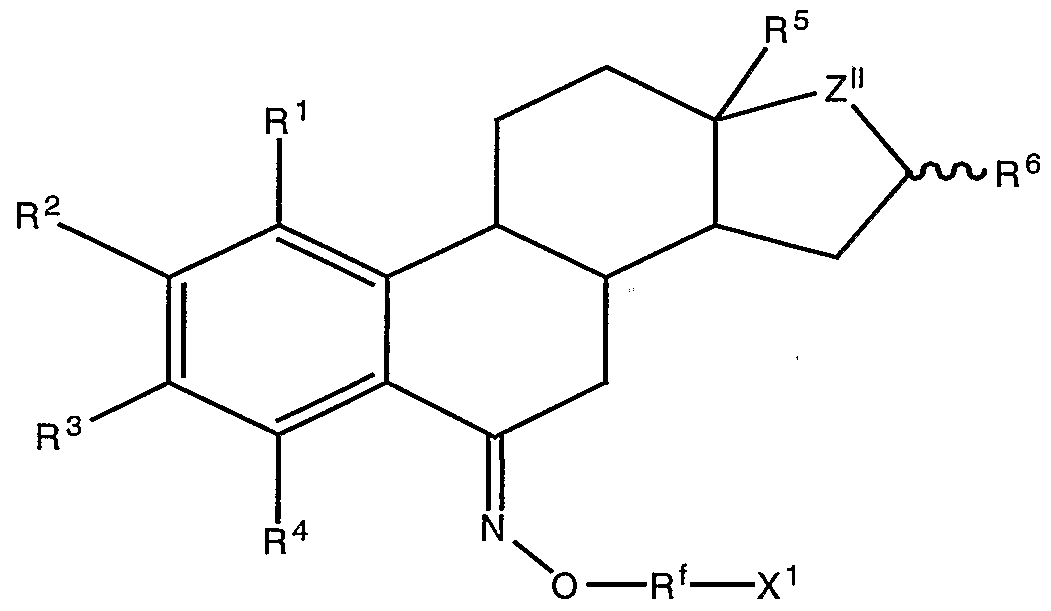


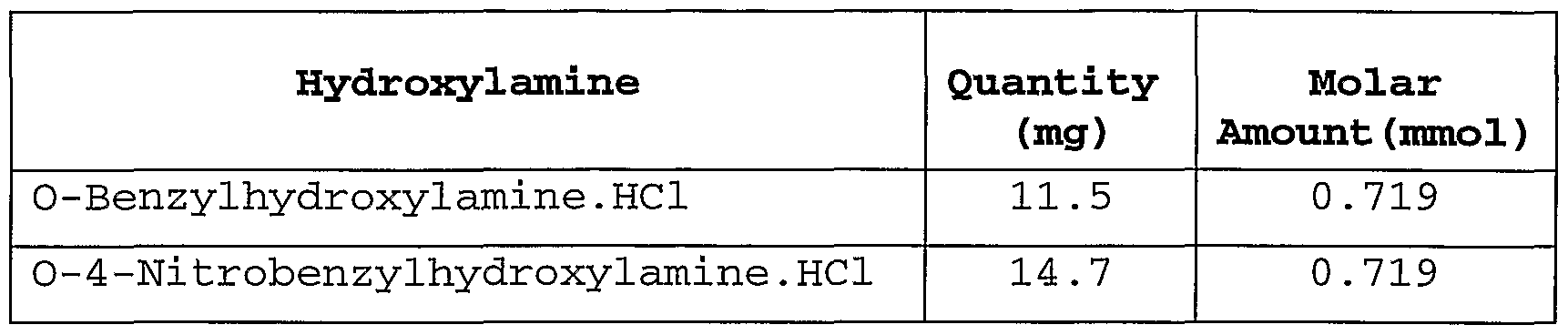


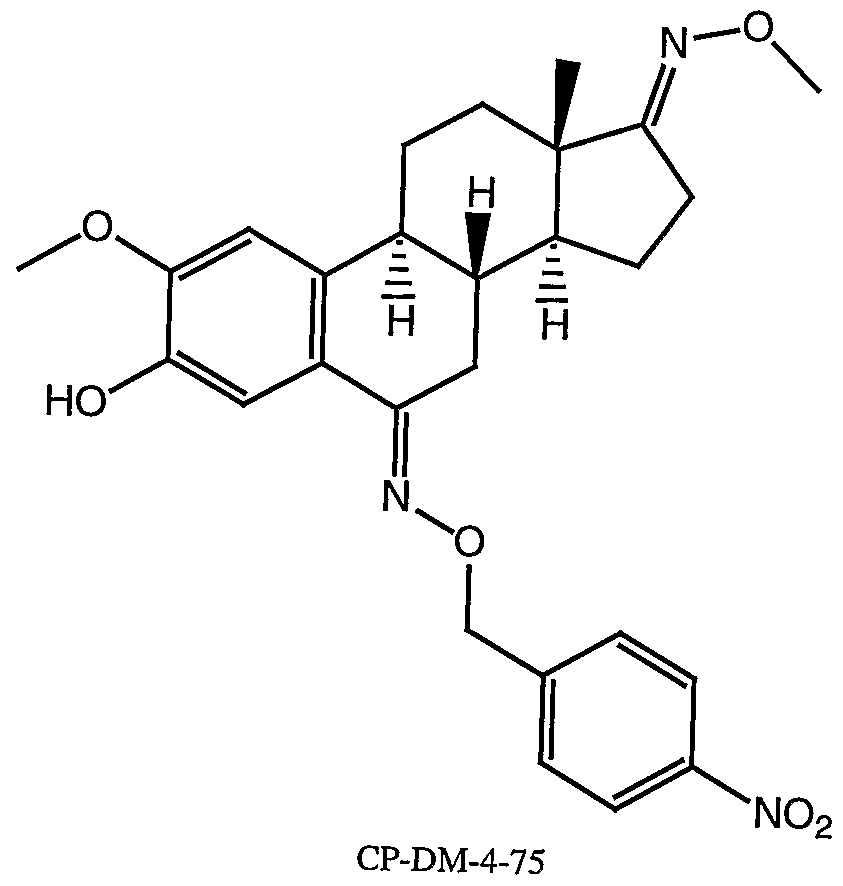

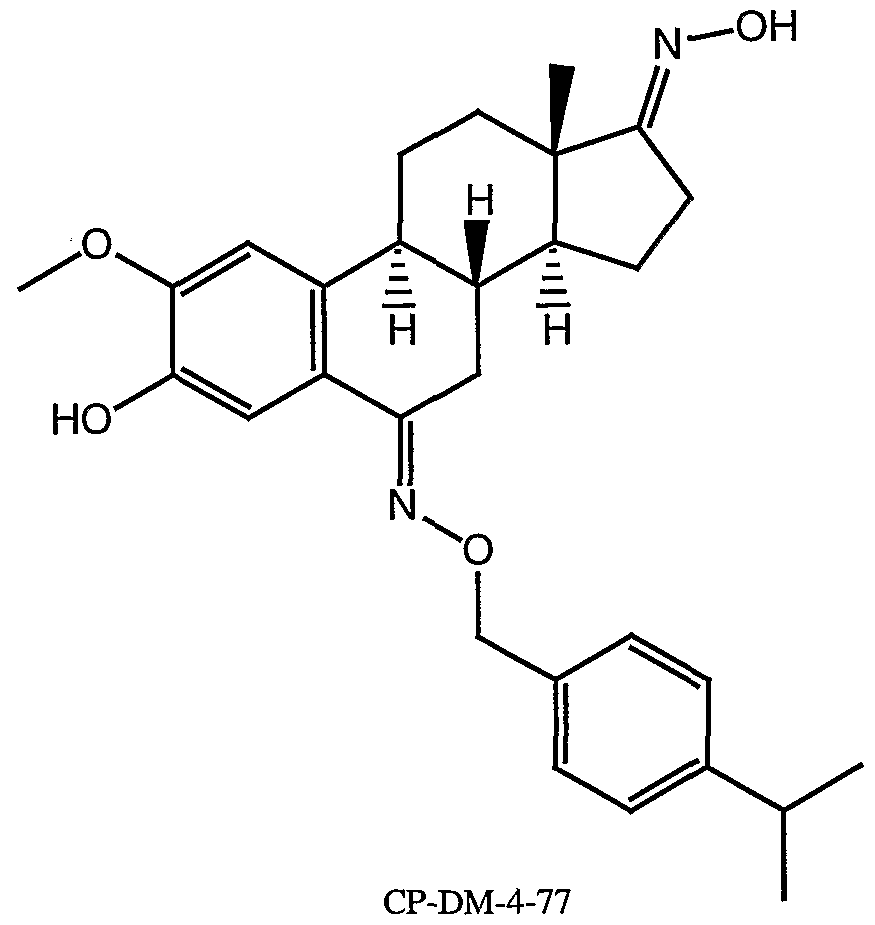


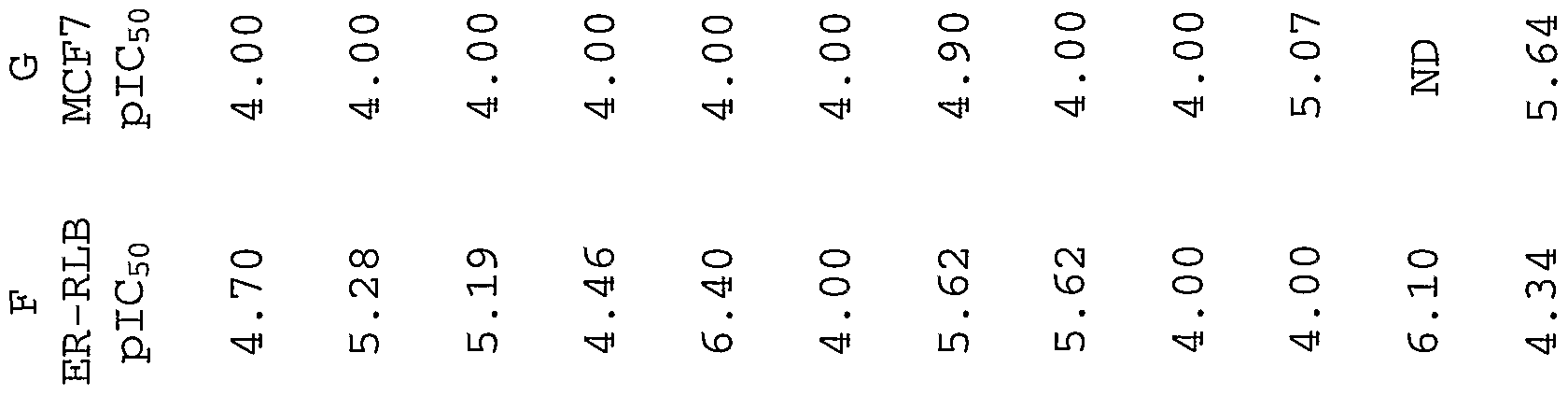
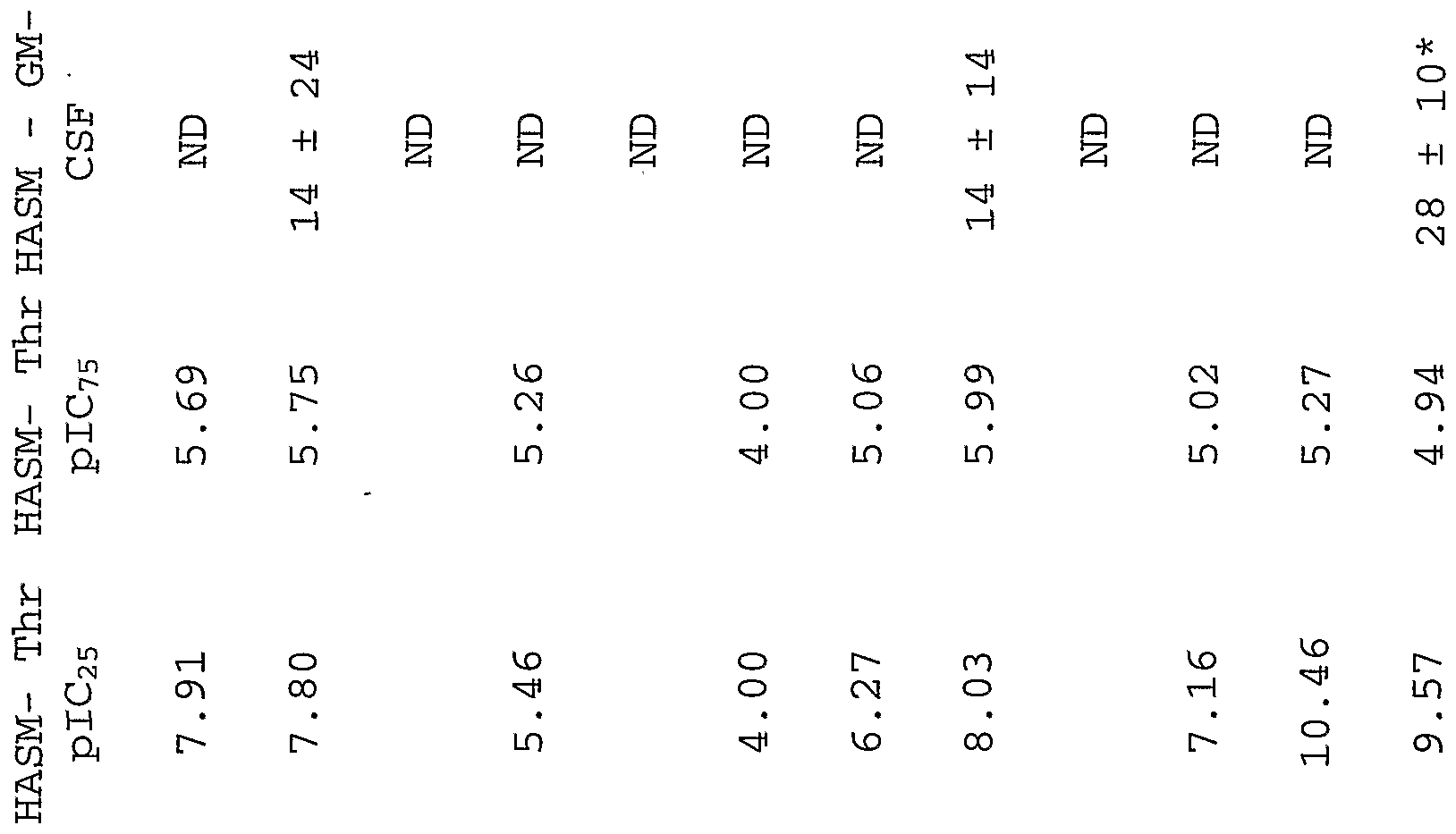


Claims

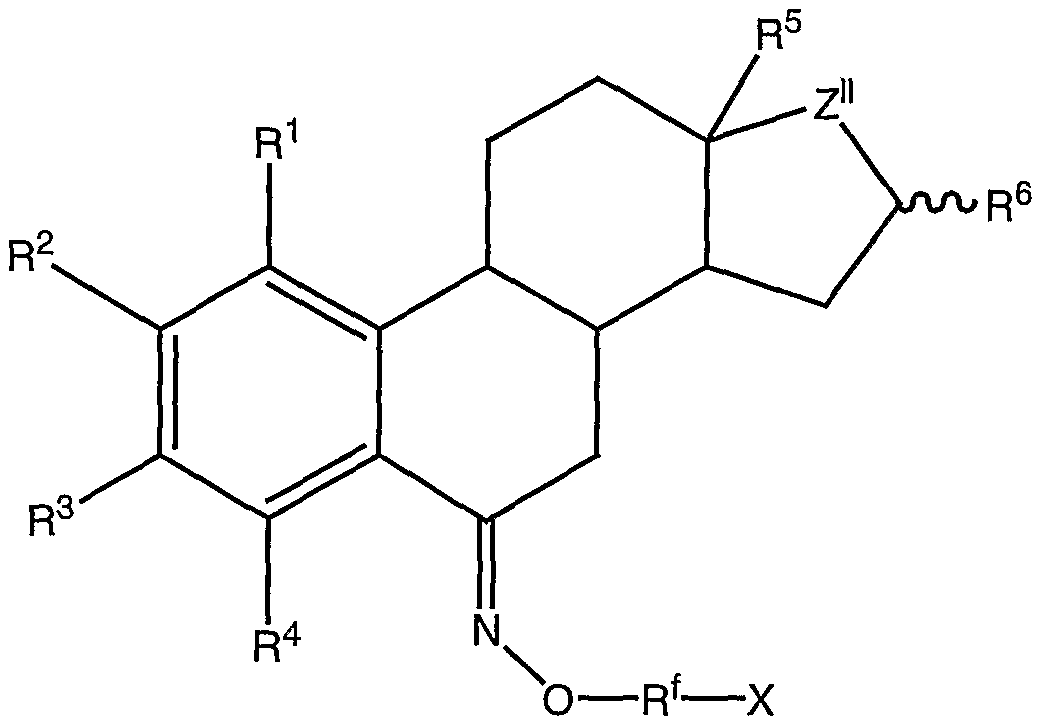
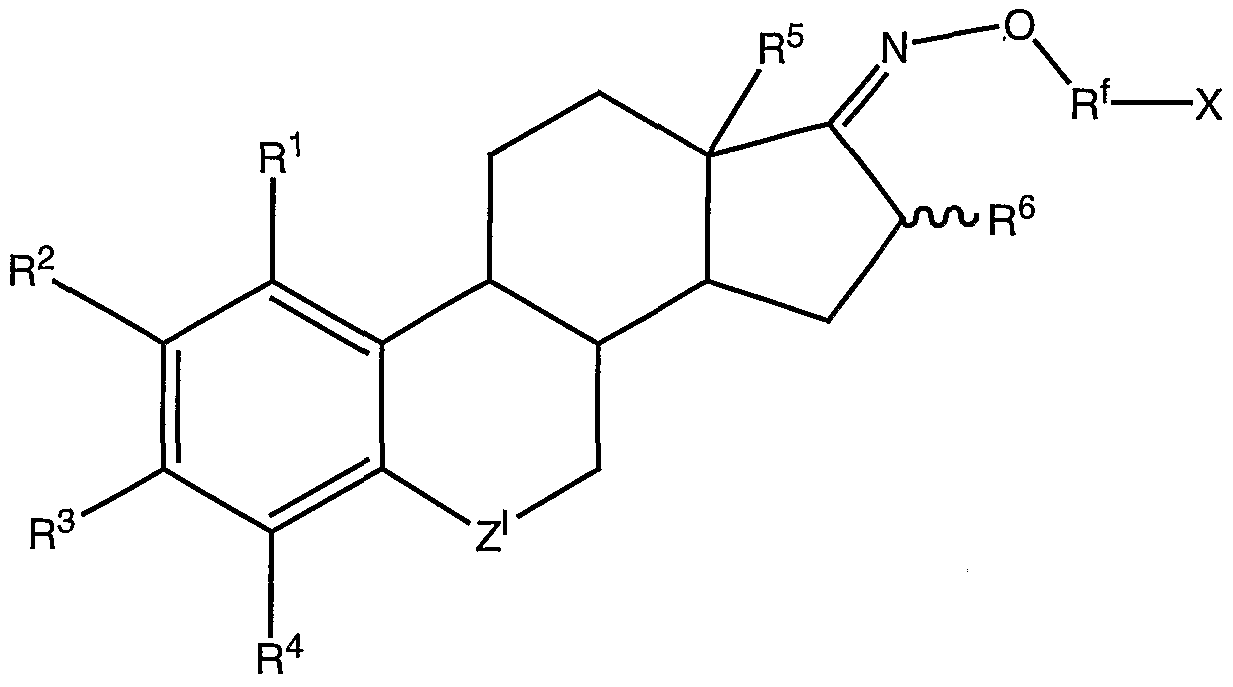


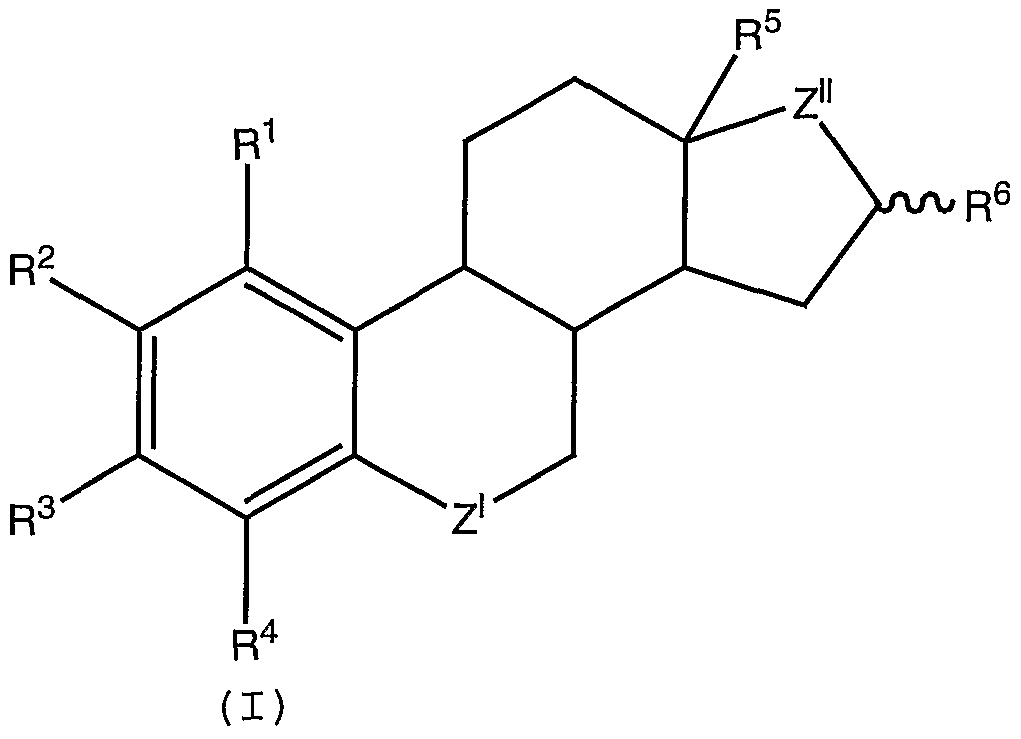


Priority Applications (5)
| Application Number | Priority Date | Filing Date | Title |
|---|---|---|---|
| CA002525651A CA2525651A1 (en) | 2003-05-13 | 2004-05-13 | Estratriene derivatives |
| EP04732553A EP1625143A4 (en) | 2003-05-13 | 2004-05-13 | Estratriene derivatives |
| US10/556,362 US20070275935A1 (en) | 2003-05-13 | 2004-05-13 | Estratriene Derivatives |
| AU2004238395A AU2004238395A1 (en) | 2003-05-13 | 2004-05-13 | Estratriene derivatives |
| JP2006529438A JP2006528207A (en) | 2003-05-13 | 2004-05-13 | Estratriene derivative |
Applications Claiming Priority (2)
| Application Number | Priority Date | Filing Date | Title |
|---|---|---|---|
| US47037903P | 2003-05-13 | 2003-05-13 | |
| US60/470,379 | 2003-05-13 |
Publications (1)
| Publication Number | Publication Date |
|---|---|
| WO2004101595A1 true WO2004101595A1 (en) | 2004-11-25 |
Family
ID=33452392
Family Applications (1)
| Application Number | Title | Priority Date | Filing Date |
|---|---|---|---|
| PCT/AU2004/000630 Ceased WO2004101595A1 (en) | 2003-05-13 | 2004-05-13 | Estratriene derivatives |
Country Status (7)
| Country | Link |
|---|---|
| US (1) | US20070275935A1 (en) |
| EP (1) | EP1625143A4 (en) |
| JP (1) | JP2006528207A (en) |
| CN (1) | CN1867577A (en) |
| AU (1) | AU2004238395A1 (en) |
| CA (1) | CA2525651A1 (en) |
| WO (1) | WO2004101595A1 (en) |
Cited By (7)
| Publication number | Priority date | Publication date | Assignee | Title |
|---|---|---|---|---|
| DE102004032674A1 (en) * | 2004-07-02 | 2006-01-26 | Schering Ag | New 2-substituted Estra-1,3,5 (10) -triene-17-ones as inhibitors of 17β-hydroxysteroid dehydrogenase type 1 |
| US7371741B2 (en) | 2003-05-28 | 2008-05-13 | Entremed, Inc. | Estradiol derivatives and pharmaceutical compositions using same |
| US7419972B2 (en) | 2004-07-02 | 2008-09-02 | Schering Ag | 2-substituted estra-1,3,5(10)-trien-17-ones as inhibitors of 17β-hydroxy steroid dehydrogenase type 1 |
| WO2008109936A1 (en) * | 2007-03-09 | 2008-09-18 | Cryptopharma Pty Ltd | Steroidal compounds |
| WO2008124878A1 (en) * | 2007-04-13 | 2008-10-23 | Cryptopharma Pty Ltd | Non-steroidal compounds |
| US7498322B2 (en) | 2004-03-12 | 2009-03-03 | Entremed, Inc. | Antiangiogenic agents |
| US8399440B2 (en) | 2006-03-20 | 2013-03-19 | Entremed, Inc. | Disease modifying anti-arthritic activity of 2-methoxyestradiol |
Families Citing this family (3)
| Publication number | Priority date | Publication date | Assignee | Title |
|---|---|---|---|---|
| US9834578B2 (en) * | 2010-05-27 | 2017-12-05 | University Of Utah Research Foundation | Enhanced sensitivity for analysis of ketosteroid compounds using mass spectrometry |
| CN111410677B (en) * | 2020-03-02 | 2023-05-30 | 周亚耀 | 2-methoxyestramustine and derivatives, preparation method and application thereof |
| CN115505019B (en) * | 2022-11-07 | 2024-01-26 | 南宁师范大学 | 7-amide substituted estrogen compounds and their preparation methods and applications |
Citations (4)
| Publication number | Priority date | Publication date | Assignee | Title |
|---|---|---|---|---|
| DE2514106A1 (en) * | 1974-04-03 | 1975-10-16 | Pharmacia Diagnostics Ab | REACTION COMPONENT FOR USE IN RADIOIMMUNOLOGICAL DETERMINATION METHODS, PROCESS FOR MARKING AN IMMUNOLOGICALLY REACTIVE SUBSTANCE AND MEANS FOR PERFORMING THE PROCEDURE |
| US4022878A (en) * | 1972-05-15 | 1977-05-10 | Biological Developments, Inc. | Methods and compounds for producing specific antibodies |
| WO1995028413A1 (en) * | 1994-04-15 | 1995-10-26 | Smithkline Beecham Corporation | 17β-SUBSTITUTED 3-CARBOXY STEROIDS THAT INHIBIT 5-α-REDUCTASE |
| US6200966B1 (en) * | 1996-05-09 | 2001-03-13 | Amrad Operations Pty. Ltd. | Compositions for inhibiting airway wall inflammation |
Family Cites Families (3)
| Publication number | Priority date | Publication date | Assignee | Title |
|---|---|---|---|---|
| US6136992A (en) * | 1997-03-13 | 2000-10-24 | The United States Of America As Represented By The Department Of Health And Human Services | 2-alkoxy estradiols and derivatives thereof |
| AU1199701A (en) * | 1999-10-26 | 2001-05-08 | Government Of The United States Of America, As Represented By The Secretary Of The Department Of Health And Human Services, The | B-homoestra-1,3,5(10)-trienes as modulators of tubulin polymerization |
| GB0025788D0 (en) * | 2000-10-20 | 2000-12-06 | Sterix Ltd | Use |
-
2004
- 2004-05-13 WO PCT/AU2004/000630 patent/WO2004101595A1/en not_active Ceased
- 2004-05-13 AU AU2004238395A patent/AU2004238395A1/en not_active Abandoned
- 2004-05-13 CN CNA2004800201772A patent/CN1867577A/en active Pending
- 2004-05-13 JP JP2006529438A patent/JP2006528207A/en active Pending
- 2004-05-13 EP EP04732553A patent/EP1625143A4/en not_active Withdrawn
- 2004-05-13 US US10/556,362 patent/US20070275935A1/en not_active Abandoned
- 2004-05-13 CA CA002525651A patent/CA2525651A1/en not_active Abandoned
Patent Citations (4)
| Publication number | Priority date | Publication date | Assignee | Title |
|---|---|---|---|---|
| US4022878A (en) * | 1972-05-15 | 1977-05-10 | Biological Developments, Inc. | Methods and compounds for producing specific antibodies |
| DE2514106A1 (en) * | 1974-04-03 | 1975-10-16 | Pharmacia Diagnostics Ab | REACTION COMPONENT FOR USE IN RADIOIMMUNOLOGICAL DETERMINATION METHODS, PROCESS FOR MARKING AN IMMUNOLOGICALLY REACTIVE SUBSTANCE AND MEANS FOR PERFORMING THE PROCEDURE |
| WO1995028413A1 (en) * | 1994-04-15 | 1995-10-26 | Smithkline Beecham Corporation | 17β-SUBSTITUTED 3-CARBOXY STEROIDS THAT INHIBIT 5-α-REDUCTASE |
| US6200966B1 (en) * | 1996-05-09 | 2001-03-13 | Amrad Operations Pty. Ltd. | Compositions for inhibiting airway wall inflammation |
Non-Patent Citations (30)
| Title |
|---|
| BLACK C.A. JR ET AL., PROCEEDINGS OF THE IOWA ACADEMY OF SCIENCE, vol. 85, no. 3, 1978, pages 99 - 102 * |
| BOND A.M. ET AL., ANALYTICAL CHEMISTRY, vol. 60, no. 10, 1988, pages 1023 - 1027 * |
| BROWN D.W. ET AL., JOURNAL OF THE CHEMICAL SOCIETY, PERKIN TRANSACTIONS I: ORGANIC AND BIO-ORGANIC CHEMISTRY, vol. 16, 1997, pages 2329 - 2336 * |
| DATABASE CA [online] XP008100848, accession no. STN Database accession no. 124:117691 * |
| DATABASE CAPLUS [online] XP008100799, accession no. STN Database accession no. 1957:66668 * |
| DATABASE CAPLUS [online] XP008100801, accession no. STN Database accession no. 1958:61283 * |
| DATABASE CAPLUS [online] XP008100802, accession no. STN Database accession no. 1962:414778 * |
| DATABASE CAPLUS [online] XP008100803, accession no. STN Database accession no. 1962:410993 * |
| DATABASE CAPLUS [online] XP008100804, accession no. STN Database accession no. 1970:12949 * |
| DATABASE CAPLUS [online] XP008100805, accession no. STN Database accession no. 1966:36090 * |
| DATABASE CAPLUS [online] XP008100806, accession no. STN Database accession no. 1976:73877 * |
| DATABASE CAPLUS [online] XP008100807, accession no. STN Database accession no. 1974:460212 * |
| DATABASE CAPLUS [online] XP008100808, accession no. STN Database accession no. 1977:418560 * |
| DATABASE CAPLUS [online] XP008100810, accession no. STN Database accession no. 1979:435064 * |
| DATABASE CAPLUS [online] XP008100811, accession no. STN Database accession no. 1980:472071 * |
| DATABASE CAPLUS [online] XP008100812, accession no. STN Database accession no. 1985:432390 * |
| DATABASE CAPLUS [online] XP008100813, accession no. STN Database accession no. 1988:183204 * |
| DATABASE CAPLUS [online] XP008100843, accession no. STN Database accession no. 1989:423774 * |
| DATABASE CAPLUS [online] XP008100844, accession no. STN Database accession no. 127:262904 * |
| EXLEY D. AND DUTTON A., STEROIDS, vol. 14, no. 5, 1969, pages 575 - 590 * |
| HIRAGA K. ET AL., CHEMICAL AND PHARMACEUTICAL BULLETIN, vol. 13, no. 11, 1965, pages 1294 - 1299 * |
| JOHNSON W.S. ET AL., JOURNAL OF AMERICAN CHEMICAL SOCIETY, vol. 80, 1958, pages 661 - 679 * |
| JOHNSON W.S., JOURNAL OF AMERICAN CHEMICAL SOCIETY, vol. 79, 1957, pages 1995 - 2005 * |
| OMAR A. ET AL., PHARMAZIE, vol. 34, no. 11, 1979, pages 747 - 748 * |
| PETERS R.H. ET AL., JOURNAL OF MEDICINAL CHEMISTRY, vol. 32, no. 7, 1989, pages 1642 - 1652 * |
| RAJKOWSKI K.M. AND BROADHEAD G.D., JOURNAL OF CHROMATOGRAPHY, vol. 89, no. 2, 1974, pages 374 - 379 * |
| See also references of EP1625143A4 * |
| SLAUNWHITE W.R. JR AND NEELY L., JOURNAL OF ORGANIC CHEMISTRY, vol. 27, 1962, pages 1749 - 1752 * |
| TANAKA T. ET AL., JOURNAL OF STEROID BIOCHEMISTRY, vol. 22, no. 2, 1985, pages 285 - 288 * |
| ZAITSEV G.A. AND KHOTKERICH V.I., FIZIKA METALLOW I METALLOVEDENIE, vol. 12, 1961, pages 917 - 919 * |
Cited By (9)
| Publication number | Priority date | Publication date | Assignee | Title |
|---|---|---|---|---|
| US7371741B2 (en) | 2003-05-28 | 2008-05-13 | Entremed, Inc. | Estradiol derivatives and pharmaceutical compositions using same |
| US7498322B2 (en) | 2004-03-12 | 2009-03-03 | Entremed, Inc. | Antiangiogenic agents |
| US8158612B2 (en) | 2004-03-12 | 2012-04-17 | Entremed, Inc. | Methods of treating disease states using antiangiogenic agents |
| DE102004032674A1 (en) * | 2004-07-02 | 2006-01-26 | Schering Ag | New 2-substituted Estra-1,3,5 (10) -triene-17-ones as inhibitors of 17β-hydroxysteroid dehydrogenase type 1 |
| US7419972B2 (en) | 2004-07-02 | 2008-09-02 | Schering Ag | 2-substituted estra-1,3,5(10)-trien-17-ones as inhibitors of 17β-hydroxy steroid dehydrogenase type 1 |
| US8399440B2 (en) | 2006-03-20 | 2013-03-19 | Entremed, Inc. | Disease modifying anti-arthritic activity of 2-methoxyestradiol |
| WO2008109936A1 (en) * | 2007-03-09 | 2008-09-18 | Cryptopharma Pty Ltd | Steroidal compounds |
| WO2008124878A1 (en) * | 2007-04-13 | 2008-10-23 | Cryptopharma Pty Ltd | Non-steroidal compounds |
| US8536157B2 (en) | 2007-04-13 | 2013-09-17 | The University Of Melbourne | Non-steroidal compounds |
Also Published As
| Publication number | Publication date |
|---|---|
| EP1625143A1 (en) | 2006-02-15 |
| EP1625143A4 (en) | 2009-09-30 |
| AU2004238395A1 (en) | 2004-11-25 |
| JP2006528207A (en) | 2006-12-14 |
| CA2525651A1 (en) | 2004-11-25 |
| CN1867577A (en) | 2006-11-22 |
| US20070275935A1 (en) | 2007-11-29 |
Similar Documents
| Publication | Publication Date | Title |
|---|---|---|
| KR100333151B1 (en) | Monomeric bile acid derivatives | |
| CN101522703B (en) | Bile acid derivatives and its uses in the prevention or treatment of fxr-mediated diseases or conditions | |
| JP2006516290A (en) | 17-carbamoyloxycortisol derivatives as selective glucocorticoid receptor modulators | |
| FR2528434A1 (en) | NOVEL 19-NOR STEROIDS SUBSTITUTED IN 11B AND POSSIBLY IN 2, PROCESS FOR THE PREPARATION THEREOF AND THEIR APPLICATION AS A MEDICINAL PRODUCT | |
| CN101395170A (en) | Bile acid derivatives as FXR ligands for the prevention or treatment of FXR mediated diseases or conditions | |
| EP0192598A2 (en) | 11-Beta-N,N-dimethylaminophenil-estradienes, their preparation and pharmaceutical compositions containing them | |
| US20070275935A1 (en) | Estratriene Derivatives | |
| EP0825197B1 (en) | New 6-hydroxy and 6-oxo-androstane derivatives active on the cardiovascular system and pharmaceutical compositions containing same | |
| JP2005508281A (en) | Steroid derivatives | |
| EP0629635B1 (en) | New 19-nor 11-beta-phenoxysulfonamide or 11-beta-phenoxyalkylsulfonylurea steriod derivatives, a process and intermediates for their production and their use as medicaments and pharmaceuticals containing them | |
| SK13052000A3 (en) | S-substituted 11beta-benzaldoxime-estra-4,9-diene-carbonic acid thiolesters, method for the production thereof and pharmaceutical preparations containing these compounds | |
| KR0180225B1 (en) | Ovulation stimulating pharmaceutical composition consisting of anti-progesterone compounds | |
| FI57114C (en) | FOERFARANDE FOER FRAMSTAELLNING AV NYA VID CANCERTERAPI ANVAENDBARA TERAPEUTISKT VAERDEFULLA ENOLESTRAR AV STEROIDER | |
| DE69315501T2 (en) | New 17-hydroxyiminomethyl-5beta, 14beta-androstane derivatives, cardioactive process for their preparation and pharmaceutical preparations thereof | |
| CA2022647A1 (en) | Organic acid esters with 19-nor steroids derivated alcools and their salts process for their preparation and intermediates, use as medicaments and compositions containing the same | |
| Templeton et al. | Cardiac glycoside-like structure and function of 5. beta., 14. beta.-pregnanes | |
| DE69409774T2 (en) | Novel cardioactive 17-iminomethylalkenyl-5-beta-14-beta-androstane and 17-iminoalkyl-5-beta, 14-beta-androstane derivatives, a process for their preparation and pharmaceutical preparations thereof | |
| Fahrenholtz et al. | Steroidal imidazole-1-carboxylic acid esters | |
| DE19961219A1 (en) | 11beta-phenyltratriene derivatives with fluoroalkyl groups in the aromatic side chain, their preparation and pharmaceutical compositions containing these compounds | |
| Templeton et al. | Synthesis and Structure− Activity Relationships of 17β-Substituted 14β-Hydroxysteroid 3-(α-L-Rhamnopyranoside) s: Steroids that Bind to the Digitalis Receptor | |
| RU2381232C2 (en) | Progesterone receptor modulators | |
| FI84834B (en) | FOERFARANDE FOER FRAMSTAELLNING AV TERAPEUTISKT ANVAENDBARA STEROIDDERIVAT AV ANDROSTANSERIEN. | |
| JPH0533237B2 (en) | ||
| HK1009139B (en) | New 6-hydroxy and 6-oxo-androstane derivatives active on the cardiovascular system and pharmaceutical compositions containing same | |
| HK1130187B (en) | Bile acid derivatives as fxr ligands for the prevention or treatment of fxr-mediated deseases or conditions |
Legal Events
| Date | Code | Title | Description |
|---|---|---|---|
| WWE | Wipo information: entry into national phase |
Ref document number: 200480020177.2 Country of ref document: CN |
|
| AK | Designated states |
Kind code of ref document: A1 Designated state(s): AE AG AL AM AT AU AZ BA BB BG BR BW BY BZ CA CH CN CO CR CU CZ DE DK DM DZ EC EE EG ES FI GB GD GE GH GM HR HU ID IL IN IS JP KE KG KP KR KZ LC LK LR LS LT LU LV MA MD MG MK MN MW MX MZ NA NI NO NZ OM PG PH PL PT RO RU SC SD SE SG SK SL SY TJ TM TN TR TT TZ UA UG US UZ VC VN YU ZA ZM ZW |
|
| AL | Designated countries for regional patents |
Kind code of ref document: A1 Designated state(s): GM KE LS MW MZ NA SD SL SZ TZ UG ZM ZW AM AZ BY KG KZ MD RU TJ TM AT BE BG CH CY CZ DE DK EE ES FI FR GB GR HU IE IT LU MC NL PL PT RO SE SI SK TR BF BJ CF CG CI CM GA GN GQ GW ML MR NE SN TD TG |
|
| 121 | Ep: the epo has been informed by wipo that ep was designated in this application | ||
| WWE | Wipo information: entry into national phase |
Ref document number: 2006529438 Country of ref document: JP |
|
| WWE | Wipo information: entry into national phase |
Ref document number: 2004238395 Country of ref document: AU |
|
| WWE | Wipo information: entry into national phase |
Ref document number: 2525651 Country of ref document: CA Ref document number: 2261/KOLNP/2005 Country of ref document: IN |
|
| ENP | Entry into the national phase |
Ref document number: 2004238395 Country of ref document: AU Date of ref document: 20040513 Kind code of ref document: A |
|
| WWP | Wipo information: published in national office |
Ref document number: 2004238395 Country of ref document: AU |
|
| WWE | Wipo information: entry into national phase |
Ref document number: 2004732553 Country of ref document: EP |
|
| WWP | Wipo information: published in national office |
Ref document number: 2004732553 Country of ref document: EP |
|
| WWE | Wipo information: entry into national phase |
Ref document number: 10556362 Country of ref document: US |
|
| WWP | Wipo information: published in national office |
Ref document number: 10556362 Country of ref document: US |