WO2006031756A2 - Betulinol derivatives as anti-cancer agents - Google Patents
Betulinol derivatives as anti-cancer agents Download PDFInfo
- Publication number
- WO2006031756A2 WO2006031756A2 PCT/US2005/032460 US2005032460W WO2006031756A2 WO 2006031756 A2 WO2006031756 A2 WO 2006031756A2 US 2005032460 W US2005032460 W US 2005032460W WO 2006031756 A2 WO2006031756 A2 WO 2006031756A2
- Authority
- WO
- WIPO (PCT)
- Prior art keywords
- cancer
- group
- compound
- formula
- compound according
- Prior art date
- Legal status (The legal status is an assumption and is not a legal conclusion. Google has not performed a legal analysis and makes no representation as to the accuracy of the status listed.)
- Ceased
Links
- 0 CC(C)(C(*)CC1)C(CC2)C1(C)C(CC1)C2(C)C2(C)C1C(C(CC1)C(C)=C)C1(*)CC2 Chemical compound CC(C)(C(*)CC1)C(CC2)C1(C)C(CC1)C2(C)C2(C)C1C(C(CC1)C(C)=C)C1(*)CC2 0.000 description 22
- MHAVMNJPXLZEIG-UHFFFAOYSA-N CC(C)(C(CC1)C(C)(CC2)C(CC3)C1(C)C(C)(CC1)C3C(C(CC3)C(C)=C)C13C=O)C2=O Chemical compound CC(C)(C(CC1)C(C)(CC2)C(CC3)C1(C)C(C)(CC1)C3C(C(CC3)C(C)=C)C13C=O)C2=O MHAVMNJPXLZEIG-UHFFFAOYSA-N 0.000 description 1
Classifications
-
- A—HUMAN NECESSITIES
- A61—MEDICAL OR VETERINARY SCIENCE; HYGIENE
- A61K—PREPARATIONS FOR MEDICAL, DENTAL OR TOILETRY PURPOSES
- A61K31/00—Medicinal preparations containing organic active ingredients
- A61K31/56—Compounds containing cyclopenta[a]hydrophenanthrene ring systems; Derivatives thereof, e.g. steroids
-
- A—HUMAN NECESSITIES
- A61—MEDICAL OR VETERINARY SCIENCE; HYGIENE
- A61P—SPECIFIC THERAPEUTIC ACTIVITY OF CHEMICAL COMPOUNDS OR MEDICINAL PREPARATIONS
- A61P31/00—Antiinfectives, i.e. antibiotics, antiseptics, chemotherapeutics
- A61P31/12—Antivirals
- A61P31/14—Antivirals for RNA viruses
- A61P31/18—Antivirals for RNA viruses for HIV
-
- A—HUMAN NECESSITIES
- A61—MEDICAL OR VETERINARY SCIENCE; HYGIENE
- A61P—SPECIFIC THERAPEUTIC ACTIVITY OF CHEMICAL COMPOUNDS OR MEDICINAL PREPARATIONS
- A61P35/00—Antineoplastic agents
-
- A—HUMAN NECESSITIES
- A61—MEDICAL OR VETERINARY SCIENCE; HYGIENE
- A61P—SPECIFIC THERAPEUTIC ACTIVITY OF CHEMICAL COMPOUNDS OR MEDICINAL PREPARATIONS
- A61P37/00—Drugs for immunological or allergic disorders
Definitions
- the present invention relates generally to methods of treating cancer as well as conjugated and immunoconjugated betulinol derivative compounds and methods of making them.
- Pentacyclic styrenes show anti-tumor activity against carcinosarcoma growth (Sheth et al, J. Pharm. Sci. 61:1819 (1972)), Epstein-Barr virus in lymphoblastoid Raji cells (Liu et al., Acta Bot. Sin. 29:84-87 (1987); Konoshima et al., J. Nat. Prod. 50:1166- 1170 (1987)), and nasopharynx carcinosarcoma in vitro (Miles et al., J. Pharm. ScL 63:613 (1974)).
- Pentacyclic styrenes also show anti-tumor activity against MCF-7 breast adenoma and P-333 leukemia in vitro (Kahlos ⁇ cta Pharm. Feun. 96:33 (1987)).
- the anti-cancer activity of the terpenoids was also confirmed in vivo against Walker-256 carcinosarcoma, as tested on mice and rats.
- betulinic acid may be the main anti-tumor agent in the mixture of terpenoids (Tomas et al., Planta Medicina 54:266-267 (1988); Jumal et al., India Chem. Soc. 61:92-93 (1964)). Betulinol and its derivatives have shown minimal adverse effect on normally proliferating cells and non-target tissues (Fulda et al., Neoplasia 7:162-170 (2005)).
- Betulinol derivatives in general, and betulonic acid in particular, are soluble in a number or organic solvents such as ethanol and DMSO.
- betulonic acid and the known betulinol derivatives are generally insoluble in aqueous environment or other pharmaceutically acceptable solvents.
- Good solubility in an aqueous environment is an important property for a pharmaceutical agent. Absent this property, administration of the pharmaceutical agent to mammals can be difficult and biologically activity in such mammals (including humans) may be impeded or entirely absent. Due to their limited solubility in aqueous solutions, the use of terpenoids such as betulinol and it derivatives as pharmaceuticals has been limited. To be effective as a pharmaceutical agent, especially for oral ingestion, water soluble betulinol derivatives would be desirable. [0006] The present invention is directed to overcoming these and other limitations in the art.
- One aspect of the present invention relates to a method of treating a cancer selected from the group consisting of prostate cancer, renal cancer, breast cancer, ovarian cancer, CNS cancer, melanoma, lung cancer, and bladder cancer. This method involves administering to a subject having the cancer a compound of Formula I
- Another aspect of the present invention relates to a conjugated betulinol derivative monomer compound having the formula:
- R 3 is selected from the group consisting of H and C 1 -C 5 alkyl; n is an integer from 1-12; and
- a further aspect of the present invention relates to a method of making a conjugated betulinol derivative monomer compound as described above. This method involves reacting a reactant compound of the formula
- R 2 is a carbonyl containing group, under conditions effective to make the conjugated betulinol derivative monomer compound.
- Yet another aspect of the present invention relates to a conjugated betulinol derivative dimer compound having the formula
- R 3 is selected from the group consisting of H and C 1 -C 5 alkyl
- Z is H or a protective group; and n is an integer from 1 to 12 or a pharmaceutically acceptable salt thereof.
- Yet a further aspect of the present invention relates to a method of making a conjugated betulinol derivative dimer compound as described above. This method involves reacting reactant compounds of the formula
- Still another aspect of the present invention relates to a conjugated betulinol derivative tetramer compound having the formula
- R 3 is selected from the group consisting of H and C 1 -C 5 alkyl; n is an integer from 1 to 12; and
- Z is H or a protective group or a pharmaceutically acceptable salt thereof.
- Still a further aspect of the present invention relates to a method of making a conjugated betulinol derivative tetramer compound as described above. This method involves reacting reactant compounds of the formula
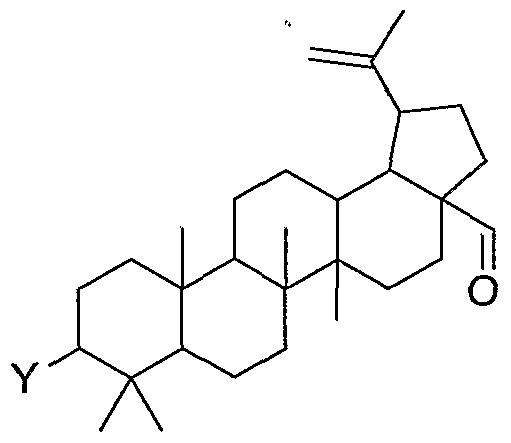
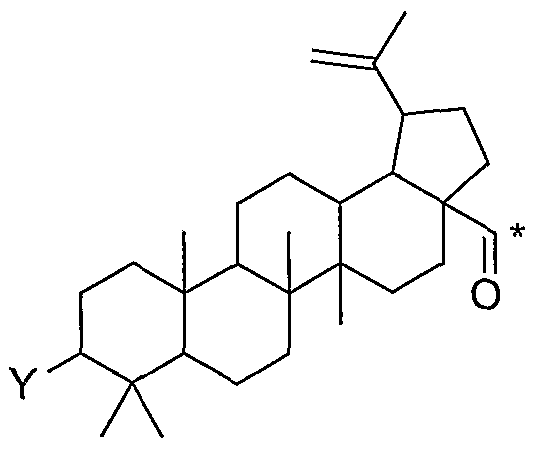
- Another aspect of the present invention relates to a conjugated betulinol derivative polymer compound having the formula where BA is a compound having the formula
- OC(O)CH 3 , -NNH-2,4-DNP, and S; * is a binding site;
- Q is BA, a leaving group, or H;
- R 3 is H or C 1 -C 5 alkyl;
- n is an integer from 1 to 12; and
- m is an integer from 1 to 6 or a pharmaceutically acceptable salt thereof.
- a further aspect of the present invention relates to a method of making a conjugated betulinol derivative polymer compound as described above. This method involves polymerizing a monomer of the formula
- Z is H or a protective group or a pharmaceutically acceptable salt thereof.
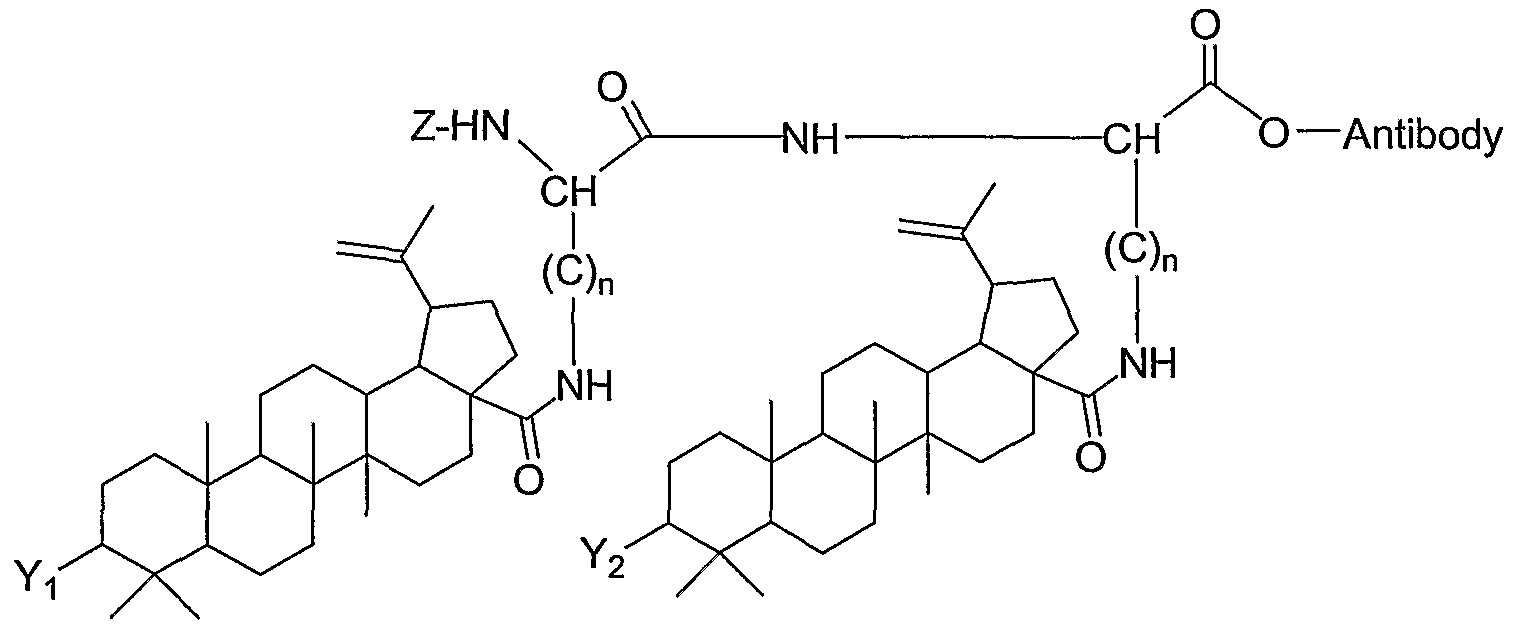
- Still another aspect of the present invention relates to an immunoconjugate compound having the formula
- Z is H or a protective group or a pharmaceutically acceptable salt thereof.
- BA is a compound having the formula:
- Q is BA, a leaving group, or H; n is an integer from 1 to 12; and m is an integer from 1 to 6 or a pharmaceutically acceptable salt thereof.
- Another aspect of the present invention relates to a method of treating cancer selected from the group consisting of prostate cancer, renal cancer, breast cancer, ovarian cancer, CNS cancer, melanoma, lung cancer, and bladder cancer.
- This method involves administering to a subject having the cancer a monomer, dimer, tetramer, or polymer conjugated or immunoconjugated betulinol derivative compound as described above.
- a further aspect of the present invention relates to a conjugated betulinol derivative having the formula:
- BA is a compound having the formula:
- X is selected from the group consisting of each R 4 is independently selected from the group consisting of H, CH 3 , CH 2 - CH 3 , NH 2 and OH;
- Z is H, a protective group, or BA; n is an integer from 1 to 12; m is an integer from 1 to 6; and q is O or 1, or a pharmaceutically acceptable salt thereof.
- W is H, OX, or CH 2 -OX; and each X is independently H 5 a sugar, or BA, and wherein at least 1 X is BA;
- BA is a compound having the formula:
- * is a binding site, or a pharmaceutically acceptable salt thereof.
- Still another aspect of the present invention relates to a conjugated betulinol derivative of the formula:
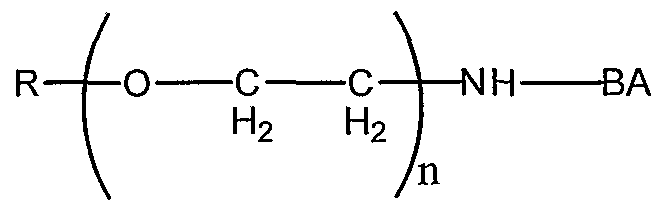
- R is a C 1 to C 5 alkyl
- n is an integer between 5 and 1000
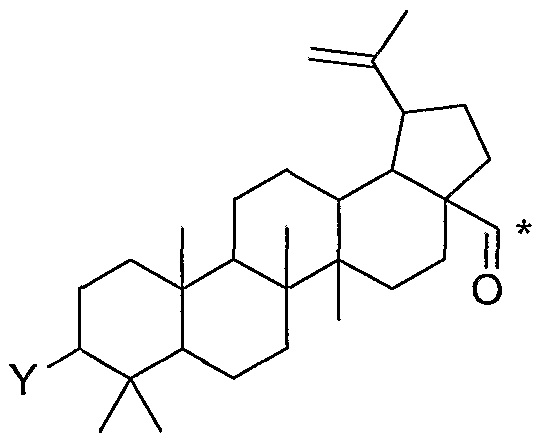
- BA is a compound having the formula:
- * is a binding site, or a pharmaceutically acceptable salt thereof.
- Still a further aspect of the present invention relates to a method of treating a cancer selected from the group consisting of prostate cancer, renal cancer, breast cancer, ovarian cancer, CNS cancer, melanoma, lung cancer, and bladder cancer.
- This method involves administering to a subject having the cancer a compound having the formula:
- BA is a compound having the formula:
- X is selected from the group consisting of
- each R 4 is independently selected from the group consisting of H, CH 3 , CH 2 - CH 3 , NH 2 and OH; Z is H, a protective group, or BA; n is an integer from 1 to 12; m is an integer from 1 to 6; and q is O or 1, or a pharmaceutically acceptable salt thereof.
- Another aspect of the present invention relates to a method of treating prostate cancer. This method involves administering to a human in need of such treatment a therapeutically effective amount of a compound having the formula: where
- BA is a compound having the formula:
- X is selected from the group consisting of
- each R 4 is independently selected from the group consisting of H, CH 3 , CH 2 - CH 3 , NH 2 and OH;
- Z is H, a protective group, or BA; n is an integer from 1 to 12; m is an integer from 1 to 6; and q is O or 1, or a pharmaceutically acceptable salt thereof under conditions effective to treat the human for prostate cancer.
- a further aspect of the present invention relates to a method of treating a cancer selected from the group consisting of prostate cancer, renal cancer, breast cancer, ovarian cancer, CNS cancer, melanoma, lung cancer, and bladder cancer.
- This method involves administering to a subject having the cancer a compound having the formula:
- W is H, OX, or CH 2 -OX; and each X is independently H, a sugar, or BA, and wherein at least 1 X is BA;
- BA is a compound having the formula:
- * is a binding site, or a pharmaceutically acceptable salt thereof.
- Yet another aspect of the present invention relates to a method of treating prostate cancer. This method involves administering to a human in need of such treatment a therapeutically effective amount of a compound having the formula: where
- W is H, OX, or CH 2 -OX; and each X is independently H, a sugar, or BA, and wherein at least 1 X is BA;
- BA is a compound having the formula:
- Yet a further aspect of the present invention relates to a method of treating a cancer selected from the group consisting of prostate cancer, renal cancer, breast cancer, ovarian cancer, CNS cancer, melanoma, lung cancer, and bladder cancer.
- This method involves administering to a subject having the cancer a compound having the formula:
- Still another aspect of the present invention relates to a method of treating prostate cancer. This method involves administering to a human in need of such treatment a therapeutically effective amount of a compound having the formula:
- Still a further aspect of the present invention relates to a method of treating a cancer selected from the group consisting of prostate cancer, renal cancer, breast cancer, ovarian cancer, CNS cancer, melanoma, lung cancer, and bladder cancer.
- This method involves administering to a subject having the cancer a compound having the formula:
- R is a C 1 to C 5 alkyl
- n is an integer between 5 and 1000
- BA is a compound having the formula:
- * is a binding site, or a pharmaceutically acceptable salt thereof.
- Another aspect of the present invention relates to a method of treating prostate cancer. This method involves administering to a human in need of such treatment a therapeutically effective amount of a compound having the formula: where
- R is a C 1 to C 5 alkyl
- n is an integer between 5 and 1000
- BA is a compound having the formula:
- betulinol derivative compounds of the present invention are soluble in biocompatible solvent. This advantage allows the compounds of the present invention to be used as injectables to yield higher biovailability as drug compounds and therefore makes them more effective in the treatment of cancerous conditions than compounds that have been previously described.
- the compounds of the present invention are also suitable for forming desirable ratios of drug to immunoconjugates to allow optimum dose-response.
- Figures IA-C show chromatograms of betulonic acid and its derivatives with their corresponding retention time. Close examination of these chromatograms reveals that the betulonic acid monomer and dimer gave neat chromatograms.
- Figure 2A is a chromatogram that included parts of MS spectra of betulonic acid after internal calibration, and included calibrant signals: m/z 365.3016, 423.3434, 481.3853, 539.4272, and 597.4690 are the calculated masses for poly(propylene glycol) bis(2-aminopropyl ether).
- the monoisotopic molecular mass of the neutral compound is computed as 696.5 ⁇ 0.2 Da.
- the singly protonated positive ion of this compound is rather labile.
- the collision induced decomposition (CID) of the m/z 697 ion has two efficient pathways, one involving the loss of a 56 Da neutral, the other the loss of a 100 Da neutral.
- the fragmentation requires relatively low collision energy (10 volts).
- the m/z 641 and 597 ions also show up in the ordinary mass spectrum of Figure 3 A under source conditions where average stability molecules would not fragment.
- Figures 4A-B show the MS spectra of dimer ester.
- the most intense peak in the ESI mass spectrum is the singly protonated ion at m/z 1261.
- the low level impurities with ion at m/z 581, 627, 639, and 683 are present. Since the sensitivity for the structure is low, 40 ⁇ M concentration solution was used to observe a strong m/z 1261 peak.
- Figure 4B the predominant fragmentation process, as it was in monomer ester, is the loss of a 100 Da neutral, presumably in the form of isobutylene + CO 2 .
- product ions those at m/z 1204 and 734 are significant, because they can be interpreted as a loss OfC 4 H 8 and a loss of a betulonic acid residue, respectively.
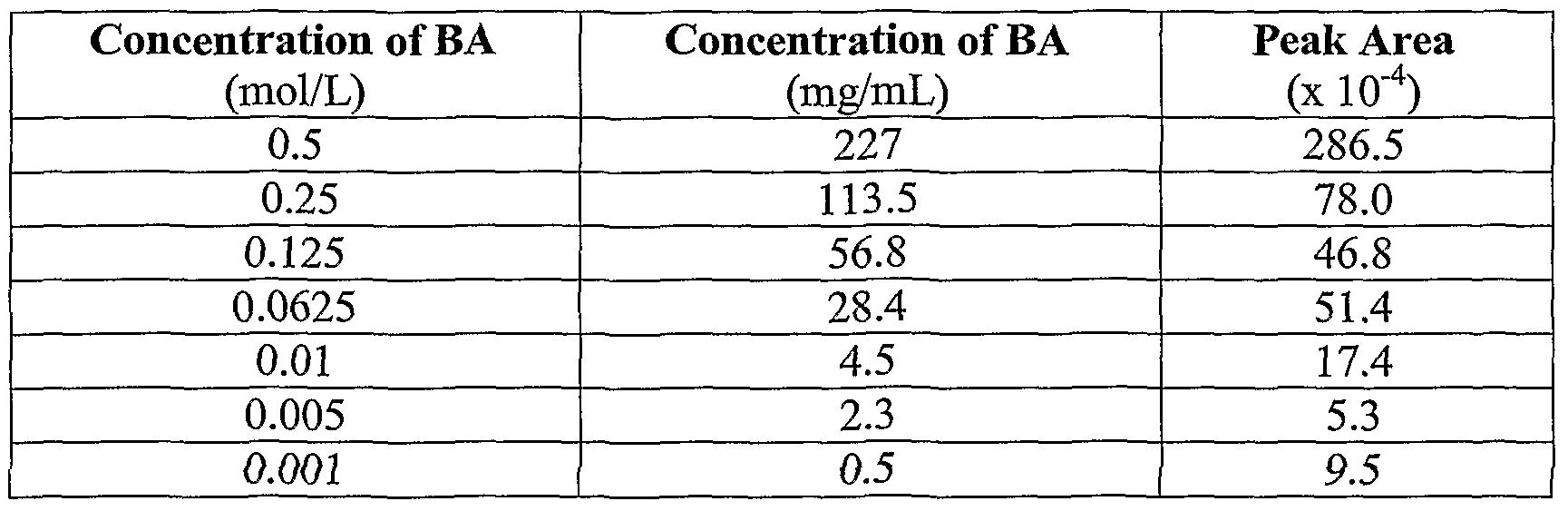
- Figure 5 is a graph showing the standard solubility curve of betulonic acid concentration versus peak area.
- Figures 6A-D are photographs of LNCap cells.
- Figure 6 A is a photograph of a control tumor and
- Figure 6B is a photograph of a tumor after treatment with betulonic acid.
- Figure 6C is a photograph of a control tumor and
- Figure 6D is a photograph of a tumor after treatment with betulonic acid.
- Figures 7A-B are photographs of DU145 cells after treatment with betulonic acid.
- Figures 8A-C are photographs of PC3 cells after treatment with betulonic acid.
- Figure 9 is a photograph of a non-transformed normal fibroblast cell line that did not form any colony, either in the control group or the treated group.
- Figure 10 is a graph showing the effects of betulonic acid on LNCaP xenografts grown in athymic mice. In particular, Figure 10 shows percent increase of tumor volume from day 1 to day 10.
- Figure 11 is a graph showing the effect of betulonic acid compared to controls on LNCaP prostate cancer cells on athymic mice.
- Figure 12 is a graph showing daily tumor volume of prostate cancer
- Figures 13A-D are photographs showing the effect of lysinated betulonic acid (monomer) on the growth of LNCaP prostate cancer tumors
- mice (xenografts) in male athymic mice.
- the mice shown in Figure 13A and Figure 13C are control (untreated) and the mice shown in Figure 13B and Figure 13D are treated.
- Figure 14 is a graph showing total percent increase in tumor volume in drug treated and control groups of prostate cancer LNCaP xenografts in athymic mice.
- Figures 15A-N are a series of photographs showing the ex vivo growth of tumors stained with Yo-Pro-1, an immunohistochemical fluorescent indicator for apoptosis. Blue color indicates no apoptotic cells.
- Figures 16A-N are a series of photographs showing the ex vivo growth of tumors stained with Yo-Pro-1, an immunohistochemical fluorescent indicator for apoptosis. Green color indicates apoptotic cells.
- One aspect of the present invention relates to a method of treating a cancer selected from the group consisting of prostate cancer, renal cancer, breast cancer, ovarian cancer, CNS cancer, melanoma, lung cancer, and bladder cancer. This method involves administering to a subject having the cancer a compound of Formula I
- the compound of Formula I may, for example, have the configurations OfR 1 and R 2 as shown in Table 1.
- the compound of Formula I is betulonic acid, of the formula:
- Betulonic acid is a preferred compound of Formula I for treating prostate cancer, breast cancer, and/or bladder cancer.
- Betulon diacetate is a preferred compound of Formula I for treating prostate cancer, renal cancer, breast cancer, ovarian cancer, CNS cancer, melanoma, and/or lung cancer.
- the compound of Formula I is a preferred compound of Formula I for treating prostate cancer, renal cancer, breast cancer, ovarian cancer, CNS cancer, melanoma, and/or lung cancer.
- Betulon aldehyde is a preferred compound of Formula I for treating breast cancer, CNS cancer, lung cancer, and/or bladder cancer.
- Betulinol dimethyl ether is a preferred compound of Formula I for treating breast cancer, bladder cancer, CNS cancer, and/or lung cancer.
- Betulinol can be isolated from the outer layer of the bark of the white birch tree Betula alba by sublimation (Lowitz, Crell's Annalen 1 :312 (1788) and Mason, Silliman's Am. J, 20:282 (1831), which are hereby incorporated by reference in their entirety) or by extraction with an alcohol, such as ethanol (Hunefeld, J. Prakt. Chem. 7:53 (1836) and Hess, Poggendorffs Annalen 46:319 (1839), which are hereby incorporated by reference in their entirety).
- alcohol such as ethanol
- Other sources of betulinol and methods for its isolation and purification have been described in, for example, Sheth et al., J. Pharm. Sd.
- betulinol is isolated from the non-saponifiable substance of floral soap.
- the crushed initial leaf wood and components of a sulfate boiling procedure (NaOH, Na 2 SO 4 , Na 2 S 2 O 3 , Na 2 SO 3 ) are lodged to a boiling pot in a batch or continuous process.
- lignin the component of wood
- Crude cellulose is derived from the pulping liquor which is composed of lignin, cellulose, and black buck.
- Black buck is a composition of black buck with salts of tall acid and non-saponifiable substances.
- the crude cellulose is used in paper production, whereas the sulfate soap is separated from the black buck by centrifugation or by a settling process. Treatment of the sulfate soap with sulfuric acid produces tall oil. The non-saponifiable substances are separated as crude betulinol. Recrystallization of the crude betulinol, such as from acetone, ethyl acetate, isopropanol, butanol, ethanol, and the like, yields pure betulinol. The black buck residue present after centrifugation or settling can be advantageously recycled.
- Betulinol derivative compounds of Formula I are synthesized by standard methods that are well known in the art. For example, detailed instructions on how to synthesize and prepare compounds of Formula I are set forth in U.S. Patent No. 6,890,533, to Bomshteyn et al., which is hereby incorporated by reference in its entirety.
- the structure of betulinol is based on a 30-carbon skeleton of four, six- member rings and one five-member E-ring containing an a-isopropyl group.
- the structural component of betulinol has a primary and a secondary hydroxyl group at C- 3 and C-28. Betulinol has three sites, at carbon 3, 20, and 28, where chemical modification can occur to yield derivatives.
- Immunoconjugates of the compounds of Formula I are also suitable in carrying out the methods of the present invention.
- immunoconjugates are prepared by attaching an antibody directly to either R 1 or R 2 of the compound of Formula I.
- antibodies may be attached to a compound of Formula I via a spacer molecule.
- a detailed description of methods of attaching antibodies to betulinol and betulin-related compounds, as well as preferred immunoconjugates for carrying out the methods of the present invention, are set forth in U.S. Patent No. 6,890,533, to Bomshteyn et al., which is hereby incorporated by reference in its entirety.
- one OfR 1 or R 2 of the compound of Formula I may be a -peptide-Q moiety and the other OfR 1 or R 2 is a hydroxy group, an alkoxy group, an alkanoyloxy group, or a -peptide-Q moiety, where Q is an -antibody-OH moiety or an -NHNH-C(O)-antibody-OH moiety.
- -antibody-OH is a radical form of an antibody having the formula H-antibody-OH, where the H- denotes the amino terminus and the —OH denotes the carobxy terminus of the antibody.
- a preferred type of antibody for use in the invention is an immunoglobulin which is a gammaglobulin. IgG, IgA, IgE, and IgM subclasses are particularly preferred. Some representative immunoglobulins are monoclonal or polyclonal antibodies to human or animal tumor associated antigens; human B- and T- cell antigens; human Ia antigens; viral, fungal and bacterial antigens; and cells involved in human inflammatory or allergic reactions.
- Treating cancer specifically refers to administering therapeutic agents to a subject diagnosed with cancer, i.e., having established cancer in the subject, to inhibit the further growth or spread of the malignant cells in the cancerous tissue, and/or to cause the death of the malignant cells.
- a subject diagnosed with cancer i.e., having established cancer in the subject
- cancerous tissue i.e., to inhibit the further growth or spread of the malignant cells in the cancerous tissue, and/or to cause the death of the malignant cells.
- prostate cancer, renal cancer, breast cancer, ovarian cancer, CNS cancer, melanoma, lung cancer, and bladder cancer are amenable to the treatment in accordance with the method of the present invention. Treating cancer also encompasses treating a subject having premalignant conditions to stop the progression of, or cause regression of, the premalignant conditions.
- the administering step is carried out by administering an agent (i.e., a compound of Formula I) orally, intradermally, intramuscularly, intraperitoneally, intravenously, subcutaneously, or intranasally.
- agent of the present invention may be administered alone or with suitable pharmaceutical carriers, and can be in solid or liquid form, such as tablets, capsules, powders, solutions, suspensions, or emulsions.
- Formula I may be determined by a pharmacological study in animals, for example, according to the method of Nyberg et al., Psychopharmacology 119:345-348 (1995), which is hereby incorporated by reference in its entirety.
- the differential metabolism among patient populations can be determined by a clinical study in humans, less expensive and time-consuming substitutes are provided by the methods of Kerr et al., Biochem. Pharmacol. 47:1969-1979 (1994) and Karam et al., Drub Metab. Discov. 24:1081-1087 (1996), which are hereby incorporated by reference in their entirety.
- the potential for drug-drug interactions may be assessed clinically according to the methods of Leach et al., Epilepsia 37:1100-1106 (1996), which is hereby incorporated by reference in its entirety, or in vitro according to the methods of Kerr et al., Biochem. Pharmacol. 47:1969-1979 (1994) and Turner et al., Can. J. Physio. Pharmacol. 67:582-586 (1989), which are hereby incorporated by reference in their entirety.
- the magnitude of the agent, or a pharmaceutically acceptable salt or derivative thereof, will vary with the nature and severity of the condition to be treated and the route of administration.
- the dose, and perhaps the dose frequency, will also vary according to the age, body weight, and response of the individual subject.
- the total daily dose of compounds of agents may be administered in single or divided doses.
- the compound of the present invention should be administered in an effective amount.
- exemplary doses of betulinol derivatives for oral administration that provide an effective amount of the betulinol derivative typically range from about 1 mg per unit dose to 2,000 mg per unit dose and more typically from about 10 mg per unit dose to 500 mg per unit dose.
- the dosage is in the range of 1.0 to 200 mg/kg/day and the preferred dosage range is 1.0 to 50 mg/kg/day.
- children, subjects over 65 years old, and those with impaired renal or hepatic function initially receive low doses and that the dosage be titrated based on individual responses and blood levels. It may be necessary to use dosages outside these ranges in some cases, as will be apparent to those of ordinary skill in the art. Further, it is noted that the clinician or treating physician knows how and when to interrupt, adjust, or terminate therapy in conjunction with and individual subject's response.
- compositions of the present invention may include a pharmaceutically acceptable carrier, and optionally, other therapeutic ingredients or excipients.
- pharmaceutically acceptable salt thereof refers to salts prepared from pharmaceutically acceptable, non-toxic acids including inorganic acids and organic acids, such as, for example, acetic acid, benzenesulfonic (besylate) acid, benzoic acid, camphorsulfonic acid, citric acid, ethenesulfonic acid, fumaric acid, gluconic acid, glutamic acid, hydrobromic acid, hydrochloric acid, isethionic acid, lactic acid, maleic acid, malic acid, mandelic acid, methanesulfonic acid, mucic acid, nitric acid, pamoic acid, pantothenic acid, phosphoric acid, succinic acid, sulfuric acid, tartaric acid, and p-toluenesulfonic acid.
- compositions of the present invention may include a pharmaceutically acceptable carrier.
- the carrier may take a wide variety of forms, depending on its desired for administration, for example, oral or parenteral (including intravenous).
- any of the usual pharmaceutical media may be employed, such as, water, glycols, oils, alcohols, flavoring agents, preservatives, and coloring agents in the case of oral liquid preparation, including suspension, elixirs and solutions.
- Carriers such as starches, sugars, microcrystalline cellulose, diluents, granulating agents, lubricants, binders and disintegrating agents may be used in the case of oral solid preparations such as powders, capsules and caplets, with the solid oral preparation being preferred over the liquid preparations.
- Preferred solid oral preparations are tablets or capsules, because of their ease of administration. If desired, tablets may be coated by a standard aqueous or nonaqueous technique. Oral and parenteral sustained release dosage forms may also be used.
- Oral syrups, as well as other oral liquid formulations, are well known to those skilled in the art, and general methods for preparing them are found in any standard pharmacy school textbook. For example, chapter 86, of the 19th Edition of Remington: The Science and Practice of Pharmacy, entitled “Solutions, Emulsions, Suspensions and Extracts,” describes in complete detail the preparation of syrups (pages 1503-1505, which are hereby incorporated by reference in their entirety) and other oral liquids. [0073] Similarly, sustained release formulations are well known in the art, and
- the solid unit dosage forms can be of the conventional type.
- the solid form can be a capsule, such as an ordinary gelatin type containing the betulinol derivative and a carrier, for example, lubricants and inert fillers, such as lactose, sucrose, or cornstarch.
- agents can be tableted with conventional tablet bases, such as lactose, sucrose, or cornstarch, in combination with binders, like acacia, cornstarch, or gelatin, disintegrating agents, such as cornstarch, potato starch, or alginic acid, and lubricants, like stearic acid or magnesium stearate.
- compositions may also be administered in injectable dosages by solution or suspension of these materials in a physiologically acceptable diluent with a pharmaceutical carrier.
- a pharmaceutical carrier include sterile liquids, such as water and oils, with or without the addition of a surfactants, adjuvants, excipients, or stabilizers.
- Illustrative oils are those of petroleum, animal, vegetable, or synthetic origin, for example, peanut oil, soybean oil, or mineral oil.
- water, saline, aqueous dextrose and related sugar solutions, and glycols, such as propylene glycol or polyethylene glycol are preferred liquid carriers, particularly for injectable solutions.
- the pharmaceutical compositions in solution or suspension may be packaged in a pressurized aerosol container together with suitable propellants, for example, hydrocarbon propellants like propane, butane, or isobutane, and with conventional adjuvants.
- suitable propellants for example, hydrocarbon propellants like propane, butane, or isobutane, and with conventional adjuvants.
- the pharmaceutical compositions may also be administered in a non-pressurized form, such as in a nebulizer or atomizer.
- Preferred subjects for treating cancer in accordance with the methods of the present invention include, without limitation, any mammal, preferably a human.
- Another aspect of the present invention relates to a conjugated betulinol derivative monomer compound having the formula:
- R 3 is selected from the group consisting of H and C 1 -C 5 alkyl;
- n is an integer from 1-12; and
- Z is H or a protective group or a pharmaceutically acceptable salt thereof.
- Suitable protective groups (Z) include, without limitation, a compound selected from butyloxycarbonyl and carbobenzoxy.
- n is an integer from 2 to 8.
- the betulinol derivative monomer compound has a structure where:
- a further aspect of the present invention relates to a method of making a conjugated betulinol derivative monomer compound as described above. This method involves reacting a reactant compound of the formula
- R 2 is a carbonyl containing group, under conditions effective to make the conjugated betulinol derivative monomer compound.
- R 2 is -COOH
- R 1 0
- R 3 is methyl
- n 4.
- Another aspect of the present invention relates to a conjugated betulinol derivative dimer compound having the formula
- Z is H or a protective group; and n is an integer from 1 to 12 or a pharmaceutically acceptable salt thereof.
- n is an integer from 2 to 8.
- the above compound has a structure where:
- a further aspect of the present invention relates to a method of making a conjugated betulinol derivative dimer compound as described above. This method involves reacting reactant compounds of the formula
- Another aspect of the present invention relates to a conjugated betulinol derivative tetramer compound having the formula
- R 3 is selected from the group consisting of H and C 1 -C 5 alkyl;
- n is an integer from 1 to 12;
- Z is H or a protective group or a pharmaceutically acceptable salt thereof.
- n is an integer from 2 to 8.
- the above compound has a structure where:
- a further aspect of the present invention relates to a method of making a conjugated betulinol derivative tetramer compound as described above. This method involves reacting reactant compounds of the formula
- Another aspect of the present invention relates to a conjugated betulinol derivative polymer compound having the formula
- Q is BA, a leaving group, or H
- R 3 is H or C 1 -C 5 alkyl; n is an integer from 1 to 12; and m is an integer from 1 to 6 or a pharmaceutically acceptable salt thereof.
- n is an integer from 2 to 8.
- the above compound has a structure where:
- Y 0 and n is 4;
- Y is -OH
- n is 4.
- a further aspect of the present invention relates to a method of making a conjugated betulinol derivative polymer compound as described above. This method involves polymerizing a monomer of the fo ⁇ nula
- betulinol derivatives can be made more water soluble by conjugation to one or more members of a group of solubility enhancing compounds.
- the conjugate has a significantly greater solubility in aqueous solutions but retains a high level of biological activity including, for example, inhibitory activity against prostate cancer cells. This is particularly important since the chemistry required for making therapeutic agents more soluble often causes the biological activity of the therapeutic agent to be reduced or, in some cases, entirely lost.
- Increased solubility of betulinol derivative compounds of the present invention maybe achieved by a variety of other methods besides preparation of the above-described conjugates, hi one preferred embodiment, increased solubility of a betulinol derivative compound is achieved by attaching a solubilizing agent at C28 or C3 of the betulin derivative.
- Preferred solubilizing agents include, without limitation, polyethylene glycol (PEG) or miniPEGs. PEG chemistry is well known and can be used to attach the PEG to the betulin derivative.
- hydrophilic amino acids By another preferred embodiment, increased solubility of betulinol derivative compounds is achieved by employing hydrophilic amino acids.
- the hydrophilic basic amino acids (Lys, Arg, or His) can attach to the betulin derivatives.
- the other highly hydrophilic amino acids GIu, Asp, GIn, or Asn
- Di-peptides for example, Lys-Lys, Lys-His, Lys-Arg, Arg-His, Lys-Glu, Arg-Gln, Lys-Gln, and tri-peptides may be used to enhance the solubility of the betulin derivative.
- the di-peptides and tri-peptides may include amino acids that are mildly hydrophilic in character (Tyr, Trp, Ser, Thr, and GIy).
- the coupling of these peptides may occur in a hindered position, allowing the hydrophilic portion of the peptides to remain available for solvation.
- the coupling of peptides, including a lysine residue can be carried out in a manner similar to that disclosed herein for coupling lysine to a betulinol derivative with the addition of, for example, a reaction step that serves to protect the active group on the other residue(s).
- amino acids or peptides containing amino acid residues having a primary or secondary amine can be attached to the betulinol derivative in a manner similar to that disclosed herein for the lysine conjugation.
- the chemistry for forming other amino acid or peptide conjugates is well known to those skilled in the art.
- polyamines such as spermidine, putrescine, and spermine may be attached to the betulin derivative to increase solubility. These compounds are attached through a primary or secondary amine group.
- glucose, galactose, fucose, and fructose glucose, galactose, fucose, and fructose
- disaccharides e.g., sucrose and maltose
- aminosugars e.g., glucosamine, galactosamine, 2-amino-2-deoxy-glucurouic acid, 2- amino-2-deoxy-glucose, 2-amino-2-deoxy-3-O-a-D-glucopyranurosyl-D-galactose, galactonojirimycin, gluconojirimycin, and derivatives thereof
- betulinol derivatives may also be attached to betulinol derivatives to increase solubility.
- Cyclodextrins including, for example, 2- amino-2-deoxy-3-O- ⁇ -D-glucopyranurosyl-D-galactose, ⁇ -cyclodextrin (six glucose residues); ⁇ -cyclodextrin (seven glucose residues); and ⁇ -cyclodextrin (eight glucose residues) may be attached to the betulin derivative to increase solubility.
- ⁇ -cyclodextrin ⁇ -cyclodextrin (six glucose residues); ⁇ -cyclodextrin (seven glucose residues); and ⁇ -cyclodextrin (eight glucose residues) may be attached to the betulin derivative to increase solubility.
- the coupling of a carbohydrate to the betulinol derivative can be done by the methods known in the art of carbohydrate chemistry.
- Increased solubility of betulinol derivative compounds may also be achieved by attaching a betulinol derivative to each of 4 glycine chains having around 2-3 glycine molecules of a sugar molecule (or 2 betulonic acid groups in the case of lysine), leaving one OH group open to attach to an antibody.
- glycine chains are used due to increased solubility in organic solution and to avoid hinderance.
- An exemplary structure is as follows:
- BA >A ⁇ ,0 is BA-amino acid-O
- BA is a compound having the formula
- BA ⁇ ⁇ ,O is BA-amino acid-O
- BA is a compound having the formula
- the whole compound is water-soluble. Also, there will be no toxicity since the entire compound is biocompatible.
- a long chain with NH 2 and COOH groups may be employed, alternating with an OH group at the end. These structure are achieved by attaching a betulinol derivative compound to NH 2 groups. The OH group can then be used to attach to an antibody.
- An exemplary structure is as follows:
- n is an integer from 1 to 6.
- Another aspect of the present invention relates to an immunoconjugate compound having the formula
- the antibody is attached to the conjugate in substantially the same manner described previously.
- a further aspect of the present invention relates to an immunoconjugate compound having the formula
- Z is H or a protective group or a pharmaceutically acceptable salt thereof.
- the antibody is attached to the conjugate in substantially the same manner described previously.
- Another aspect of the present invention relates to an immunoconjugate compound having the formula
- Z is H or a protective group or a pharmaceutically acceptable salt thereof.
- the antibody is attached to the conjugate in substantially the same manner described previously.
- a further aspect of the present invention relates to an immunoco ⁇ jugate compound having the formula
- BA is a compound having the formula:
- Q is BA, a leaving group, or H; n is an integer from 1 to 12; and m is an integer from 1 to 6 or a pharmaceutically acceptable salt thereof.
- a further aspect of the present invention relates to a method of treating cancer selected from the group consisting of prostate cancer, renal cancer, breast cancer, ovarian cancer, CNS cancer, melanoma, lung cancer, and bladder cancer.
- This method involves administering to a subject having the cancer a monomer, dimer, tetramer, or polymer conjugated betulinol derivative compound, or imrnunoconjugate compound, as described above, or a pharmaceutically acceptable salt or derivative thereof under conditions effective to treat the cancer.
- the above-described formulations and modes of administration are utilized.
- Another aspect of the present invention relates to a conjugated betulinol derivative having the formula:
- BA is a compound having the formula:
- X is selected from the group consisting of each R 4 is independently selected from the group consisting of H, CH 3 , CH 2 - CH 3 , NH 2 and OH;
- Z is H, a protective group, or BA; n is an integer from 1 to 12; m is an integer from 1 to 6; and q is 0 or 1, or a pharmaceutically acceptable salt thereof.
- a further aspect of the present invention relates to a conjugated betulinol derivative having the formula:
- W is H, OX, or CH 2 -OX; and each X is independently H, a sugar, or BA, and wherein at least 1 X is BA;
- BA is a compound having the formula:
- * is a binding site, or a pharmaceutically acceptable salt thereof.
- Yet another aspect of the present invention relates to a conjugated betulinol derivative having the formula:
- n is an integer from 1 to 8; p is O or 1; and m is an integer from 1 to 8; where at least one X is not H, or a pharmaceutically acceptable salt thereof.
- R is a C 1 to C 5 alkyl
- n is an integer between 5 and 1000
- BA is a compound having the formula:
- Still another aspect of the present invention relates to a method of treating a cancer selected from the group consisting of prostate cancer, renal cancer, breast cancer, ovarian cancer, CNS cancer, melanoma, lung cancer, and bladder cancer.
- This method involves administering to a subject having the cancer a compound having the formula:
- BA is a compound having the formula:
- X is selected from the group consisting of
- each R 4 is independently selected from the group consisting of H, CH 3 , CH 2 - CH 3 , NH 2 and OH; Z is H, a protective group, or BA; n is an integer from 1 to 12; m is an integer from 1 to 6; and q is O or 1, or a pharmaceutically acceptable salt thereof.
- BA is a compound having the formula:
- X is selected from the group consisting of
- each R 4 is independently selected from the group consisting of H, CH 3 , CH 2 - CH 3 , NH 2 and OH;
- Z is H, a protective group, or BA; n is an integer from 1 to 12; m is an integer from 1 to 6; and q is O or 1, or a pharmaceutically acceptable salt thereof under conditions effective to treat the human for prostate cancer.
- Another aspect of the present invention relates to a method of treating a cancer selected from the group consisting of prostate cancer, renal cancer, breast cancer, ovarian cancer, CNS cancer, melanoma, lung cancer, and bladder cancer.
- This method involves administering to a subject having the cancer a compound having the formula:
- W is H, OX, or CH 2 -OX; and each X is independently H, a sugar, or BA, and wherein at least 1 X is BA;
- BA is a compound having the formula:
- * is a binding site, or a pharmaceutically acceptable salt thereof.
- a further aspect of the present invention relates to a method of treating prostate cancer. This method involves administering to a human in need of such treatment a therapeutically effective amount of a compound having the formula: where
- W is H, OX, or CH 2 -OX; and each X is independently H, a sugar, or BA, and wherein at least 1 X is BA;
- BA is a compound having the formula:
- Yet another aspect of the present invention relates to a method of treating a cancer selected from the group consisting of prostate cancer, renal cancer, breast cancer, ovarian cancer, CNS cancer, melanoma, lung cancer, and bladder cancer.
- This method involves administering to a subject having the cancer a compound having the formula:
- Yet a further aspect of the present invention relates to a method of treating prostate cancer. This method involves administering to a human in need of such treatment a therapeutically effective amount of a compound having the formula:
- Still another aspect of the present invention relates to a method of treating a cancer selected from the group consisting of prostate cancer, renal cancer, breast cancer, ovarian cancer, CNS cancer, melanoma, lung cancer, and bladder cancer.
- This method involves administering to a subject having the cancer a compound having the formula:
- R is a C 1 to C 5 alkyl
- n is an integer between 5 and 1000
- BA is a compound having the formula:
- * is a binding site, or a pharmaceutically acceptable salt thereof.
- Still a further aspect of the present invention relates to a method of treating prostate cancer. This method involves administering to a human in need of such treatment a therapeutically effective amount of a compound having the formula: where
- R is a C 1 to C 5 alkyl
- n is an integer between 5 and 1000
- BA is a compound having the formula:
- Betulinol is isolated from the non-saponofLable fraction of the crude sulfate soap prepared by boiling the outer bark of the white birch tree in NaOH,
- Betulinol is then crystallized by using solvents such as acetone, ethyl acetate, isopropanol, butanol, ethanol, etc.
- solvents such as acetone, ethyl acetate, isopropanol, butanol, ethanol, etc.
- the chemical structure of betulinol is:
- Betulinol is a non-steroidal, lupeol-derived, pentacyclical, lupan-row alcohol of the group of styrenes.
- Betulinol also known as betulin
- the structure of betulinol is based on a 30-carbon skeleton of four, six-member rings and one, five- member E-ring containing an a-isopropyl group.
- the structural component of betulinol has a primary and a secondary hydroxyl group at C-3 and C-28.
- Betulinol has three sites (C-3, C-20, and C-28) where chemical modification can occur to yield derivatives. With the availability of betulinol and its ability to react with various other organic compounds, eleven derivatives of betulinol were synthesized as shown in Scheme 1.
- the alkylated betulinol derivatives can be prepared in a variety of ways. Keto-derivatives can be acquired by treating betulinol with suitable oxidizing reagent, such as Jone's reagent or pyridinium chlorochromate (PCC) (Kim et al., Synthetic Communications 27:1607-1612 (1997); Komissarova et al., Chemistry of National Compounds 38:58-61 (2002); Ito et al., J. Nat. Prod. 64:1278-1281 (2001), which are hereby incorporated by reference in their entirety).
- suitable oxidizing reagent such as Jone's reagent or pyridinium chlorochromate (PCC)
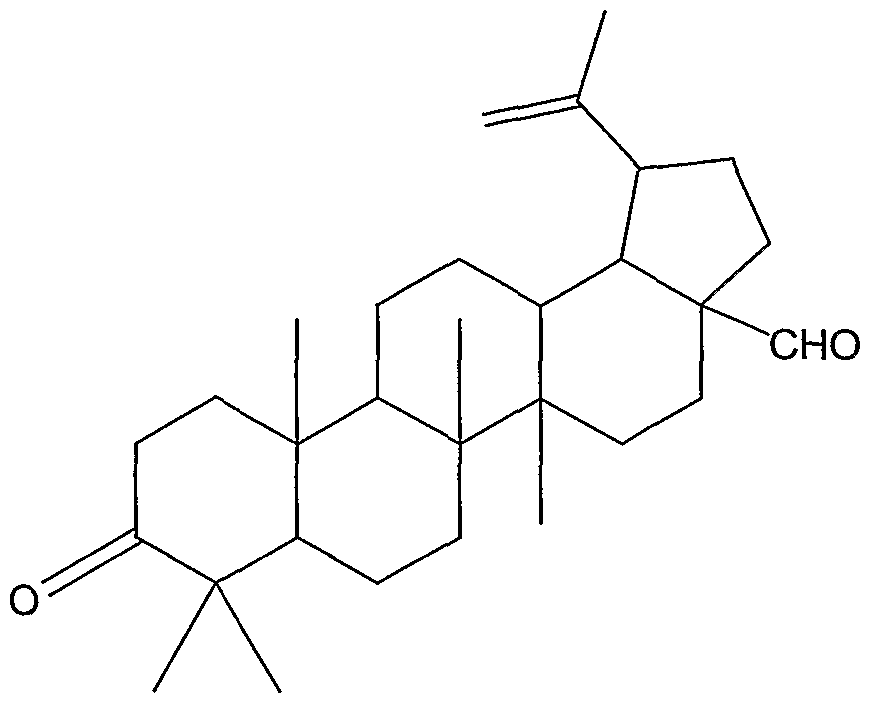
- betulinol is first dissolved in acetone, and then oxidized with oxidizing reagent at O 0 C to synthesize carbonyl derivatives of betulinol, such as betulone aldehyde, betulin aldehyde, betulonic acid, and betulonic acid.
- Betulin acetate derivatives betulin diacetate, 3-acetoxy betulin, and 28-acetoxy betulin were prepared by acylation reaction (Kim et al., Bioorg. Med. Chem. Lett, 8:1707-1712 (1998); Hiroya et al., Bioorg. Med. Chem. 10:3229-3236 (2002), which are hereby incorporated by reference in their entirety).
- Betulin dimethyl ether was prepared by alkylation. To a solution of NaOH and betulinol in dry tetrahydrofuran, iodomethane was added and the resulting mixture was refluxed for 40 hrs. Distilled water was added drop wise to stop the reaction. Betulin dimethylether was obtained after column chromatography.
- Chlorocarbonyl betulin was obtained by treatment with oxalyl chloride (Sun et al., J. Med. Chem 45:4271-4275 (2002), which is hereby incorporated by reference in its entirety). A solution of oxalyl chloride was added to betulinic acid and stirred for 2 hrs. Most of the solvent was removed under vacuo. Additional dry CH 2 Cl 2 was added and subsequently concentrated to yield chlorocarbonyl betulin. [0128] A summary of in vitro cytotoxicity assays of betulin derivatives to various cancer cells is presented in Table 2. Table 2. In Vitro Cytotoxicity of Betulin Derivatives to various Cancer cells
- This betulone aldehyde was dissolved in 17 mL CH 3 CN-H 2 O containing 877 mg OfNaH 2 PO 4 H 2 O and cooled to 0-5°C. 220 ⁇ L of 30% of aqueous H 2 O 2 and 200 mg OfNaClO 2 dissolved in 16 mL water were added in tandem. The mixture was brought up to room temperature and stirred for one hour. The reaction was quenched by the addition of 380 mg OfNa 2 S 2 O 5 . The betulonic acid was extracted with 300 mL ethyl acetate. The organic extract was washed with water and brine, and dried by 100 mg OfNa 2 SO 4 . The organic solution was filtered through filter paper and the filtrate was evaporated.
- Figures IA-C show a typical chromatogram of betulonic acid and its derivatives with their corresponding retention time. Close examination of these chromatograms reveals that the betulonic acid, monomer and dimer, gave neat chromatograms.
- Betulonic acid and its derivatives were subsequently subjected to spectroscopic analysis in order to resolve their molecular structure.
- the Electrospray mass spectrometric analysis confirmed their pentacyclic styrene nature of these compounds.
- the samples were mass analyzed on a Micromass Quattro II triple quadrupole instrument with electrospray (ES) ionization in the positive mode. Samples were introduced by continuous infusion at a rate of 5 ⁇ L/min as a nominal 200 ⁇ M concentration solution in a 75:25:2 (v/v) acetonitrile-water-acetic acid.
- Figure 2A included parts of MS spectra of betulonic acid after internal calibration, and included calibrant signals: m/z 365.3016, 423.3434, 481.3853, 539.4272, and 597.4690 are the calculated masses for poly( ⁇ ropylene glycol) bis(2- aminopropyl ether).
- tetramer-OMe (11) could connect to betulonic acid (3) directly instead of the monomer derivative (12). This will yield tetramer-BA of formula (16), which contains five molecules of betulonic acid (3). Conjugation of (11) with betulonic acid (3) yields tetramer-B A-OMe of formula (14). The same hydrolysis on (14) to remove methyl ester generates tetramer-BA of formula (16).
- pentamer A simple and direct way to prepare pentamer is to conjugate pentalysine with betulonic acid.
- pentalysine itself, without any protecting groups, is unstable, because it is easily polymerized and cyclized.
- the C-Ia carboxyl group of pentalysine can be easily coupled with ⁇ -amine on C-2e or primary amines on C-6(a-e) of another molecule to form a polymer.
- This polymer is composed of different numbers of amino acid groups, yielding different lengths of peptide.
- the coupling reaction can happen in the same molecule, which connects the amino and carboxy ends of the pentalysine and cyclizes, which is illustrated as follows:
- a pentalysine derivative is needed to conjugate with betulonic acid.
- pentalysine methyl ester (17) could react with six molecules of betulonic acid (3) and is catalyzed by DCC and HOBt to yield pentamer methyl ester of formula (18).
- Subjecting the ester to hydrolysis removes the methyl protecting group to generate pentamer of formula (19), which contains six molecules of betulonic acid.
- Pentamer (19) with six molecules of betulonic acid and free carboxyl can be used for immunoconjugation with an antibody.
- Example 9 Immunoconjugates of betulin derivatives were made by conjugation of ⁇ -globulin with lysinated betulonic acid. The synthetic structural modification strategy described previously is seen as a prelude to create sites for conjugation to a monoclonal antibody. As an exploratory feasibility study, monomer was conjugated with rabbit ⁇ -globulin via an activated carboxyl group (COOH). Carbodiimide method is presently assessed. This bioconjugation reaction made use of different activated intermediates.
- COOH carboxyl group
- the reaction mixture was stirred gently at 4 0 C for 24 h to complete the conjugation and then dialyzed (Spectra/Por 7, Spectrum Laboratories) exhaustively against 250 mL of 0.01 M sodium phosphate buffer pH 7.2 containing 0.015 M NaCl (PBS) for 72 h with two exchanges of this buffer to give the monomer-antibody conjugate.
- the mixture was centrifuged (10,500 rpm) for 6 minutes and then supernatant was stored for cell cultures.
- EDC EDC solution
- NHS solution 0.4 mg of NHS in 25 ⁇ L DMF
- EDC solution 0.4 mg of EDC in 50 ⁇ L of DMF
- NHS solution 0.4 mg of NHS in 25 ⁇ L DMF
- the reaction was kept at room temperature for 30 min and then kept at 4 0 C overnight.
- the mixture was added slowly to 2 mg ⁇ -globulin which was dialyzed against 250 mL of 0.1 M pH 9.4 carbonate buffer 4 0 C 18 h.
- the reaction was carried out at 4 0 C for overnight.
- the reaction mixture was dialyzed against 200 mL of 0.01 M phosphate buffer pH 7.2 containing 0.015 NaCl (PBS) for 72 h with two exchange of this buffer to give the monomer-antibody conjugate.
- the mixture was centrifiiged (10,500 rpm) for 6 minutes and then precipitate was stored for cell culture.
- Flash column chromatography (“FCC”) was performed using silica gel grade 9385 of 230-400 mesh (E. Merck). A stepwise solvent polarity gradient was employed. TLC was performed on aluminum sheets precoated with silica gel 60 (HF- 254, E. Merck) to a thickness of 0.25 mm. NMR Spectroscopy
- betulonic acid 45.4 mg was dissolved in 200 ⁇ L neat chloroform to yield 0.5 mol/L concentration of betulonic acid. After three times of double dilution, three different known concentrations (0.25 mol/L, 0.125 mol/L, and 0.0625 mol/L) of betulonic acid were obtained. 2.27 mg of betulonic acid was dissolved in 500 ⁇ L neat chloroform to yield 0.01 mol/L concentration of betulonic acid. Double dilution of this solution generated a 0.005 mol/L concentration of betulonic acid. 0.227 mg of betulonic acid was dissolved in 500 ⁇ L neat chloroform to yield 0.001 mol/L concentration of betulonic acid.
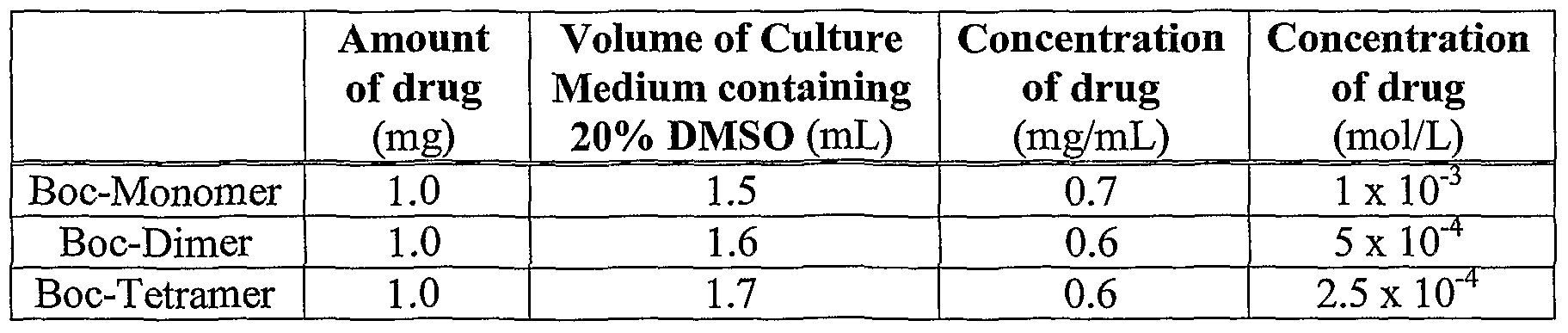
- Example 12 Solubility of Betulonic Acid and Its Derivatives in DMSO Diluted with Culture Medium [0161] 3 mg of betulonic acid was dissolved in 200 ⁇ L of neat DMSO.
- Betulonic acid solution in neat DMSO was then diluted with culture medium containing 10% Fetal Bovine Serum ("FBS") to yield a 1% concentration of DMSO to obtain a 1 x 10 "3 mol/L (0.5 mg/mL) concentration of betulonic acid. Since the betulonic acid was not completely dissolved, suspension was centrifuged at 10,500 rpm for 5 min. The concentration of betulonic acid in the precipitate and the supernatant was determined from a standard solubility curve. Only 0.4 mg out of 3 mg of betulonic acid was dissolved. The remaining 2.6 mg of betulonic acid was precipitate. Hence, 13% betulonic acid was completely soluble.
- FBS Fetal Bovine Serum
- Ethanol was chosen as a biocompatible solvent for use in in vivo studies. Up to 43.3 mg of betulonic acid was completely dissolved in 1 mL of neat (100%) ethanol to yield a saturated solution. This solution can be diluted with culture medium to yield 0.8 mg of betulonic acid completely dissolved in 1.76 mL of culture medium containing 10% human serum with 10% ethanol concentration to generate a concentration of 1 x 10 "3 mol/mL (0.5 mg/mL) of betulonic acid.
- betulonic acid could be dissolved in PBS with increasing concentration of human albumin. It was completely dissolved in human albumin PBS solution with 10% ethanol to yield a 1 x 10 " mole/L concentration of betulonic acid.
- Betulonic acid dissolved in neat ethanol was diluted with neat human serum to sustain it in solution as shown in Table 10.
- betulonic acid and its lysinated derivatives may be completely dissolved in neat ethanol and diluted with PBS containing 4% human albumin (similar to the concentration of albumin in human serum) to achieve a final concentration of 10% ethanol to yield a 1 x 10 "3 mol per liter concentration of betulonic acid.
- PBS containing 4% human albumin similar to the concentration of albumin in human serum
- solubilized betulonic acid and monomer-Boc at a final concentration of 22% ethanol and 2 x 10 ⁇ 3 mol per liter of betulonic acid are well tolerated by mice with prostate cancer cell xenografts.
- the human prostate cancer LNCaP, PC-3, and DU-145 cell lines, as well as human fibroblast cell line, were obtained from the American Type Culture Collection ("ATCC") and maintained in RPMI-1640, F-12k, and MEM mediums, respectively, supplemented with 10% FBS. Cell lines were maintained at 37°C under a humidified atmosphere and 5% CO 2 for testing of the cytotoxicity of betul ⁇ nol derivatives. The cytotoxicity assay was performed using MTT assay according to the instructions of ATCC protocol. Cells 1 x 10 5 in 0.1 ml/well were plated in 96-well culture plates (Costar) and incubated with a different dilution of betulinol derivatives for 24, 48, and 72 hours.
- ATCC American Type Culture Collection
- Anchorage-independence growth assay was performed to determine the ability of cancer cells to form colonies in soft agar.
- 1.0 x 10 4 cancer cells were suspended in 2 ml of DMEM medium containing 0.33% agar in the presence or absence of betulinol derivatives.
- the compounds were overlaid on a 2 ml matrix made up of 0.6% agar.
- the cultures were incubated at 37°C in a humidified environment under 5% CO 2 for 14 days without medium change.
- mice of 13 weeks of age were purchased from The National Cancer Institute (NCI) and were housed in a pathogen-free environment under controlled conditions of light and humidity and with free access to food and water.
- LNCaP cells were grown in RPMI-1640 with 10% FBS until 80-90% confluent. Cells were scraped into PBS and collected by centrifugation. The LNCaP cell pellets were suspended in Matrigel (Ref) at 2.5x10 7 cells/ml.
- Mice were injected subcutaneously ("s.c") with 200 ⁇ l (5x10 6 cells) of the cell suspension at one site on the flank. Visible tumor grew after 7-8 days following implantation and mice were divided into three groups of four mice each.
- Betulonic acid was dissolved at 2.5 mg/ml solution in 1% DMSO in
- mice received s.c. injection daily for ten days.
- the control groups received solvent alone while the other group received betulonic acid in 200 ⁇ l of the solvent (20mg/kg).
- Tumors were measured daily with calipers, and tumor volumes were calculated by the formula: ⁇ /6(lxwxh). Animals were also weighed daily and monitored for general health status and vital signs of possible toxicity due to treatment. At the end of the treatment period, the animals were sacrificed and tumors were excised, weighed and prepared for immunohistochemical and histological studies. [0175] Another twelve athymic female mice were s.c. injected 10 million
- LNCaP cells each and divided into four groups of three mice each.
- Control group was injected solvent alone as control after 24 hours inoculation while mice in treatment group were injected with betulonic acid at 0.5 mL containing 10 "2 and 10 "3 molar of betulonic acid. Mice were sacrificed on day 10 and the tissues were subjected to histological examination.
- Example 19 Immunohistochemical Studies of Tumors
- mice All the mice were sacrificed at the end of the treatment and a portion of the tumor from each mouse was immediately frozen in liquid nitrogen.
- the frozen sections of the tumor tissue were examined immunohistochemically using antibodies against prostate specific antigen (PSA) and prostate specific membrane bound antigen (PSMA) since PSA and PSMBA are the recognized markers for LNCaP prostate cancer cells.
- PSA prostate specific antigen
- PSMA prostate specific membrane bound antigen
- This staining provides a means of identifying membrane bound antigen in prostate cancer cells and allows monitoring of changes in the tumor (Liu et al., Cancer Res. 57:3629-3634 (1997), which is hereby incorporated by reference in its entirety).
- Another portion of the tumor tissue was fixed in 4% formalin, and transferred to 70% ethanol for histological examination for cell types and structure.
- a series of compounds were synthesized chemically by modifying the structure of betulinol as shown in Table 1.
- Compounds 2, 3, 4, and 5 were tested in vitro for cell toxicity by NCI to determine their cell growth inhibitory properties against different human tumor cell lines including, melanoma, bladder cancer, breast cancer, CNS cancer, lung cancer, ovarian cancer, prostate cancer, and renal cancer.
- Compound 5 showed the most effective inhibition of cell growth without selective activity. However, these compounds were not tested on prostate cancer LNCaP cell line by NCI.
- Compounds 1, 2, 3, 4, 5, 6, 7, and 8 were evaluated in human prostate tumor cell LNCaP by MTT assay.
- the anti-tumor activity of the compounds was determined at three doses and the total growth inhibition kill effect as pertinent of the control at 24, 48, and 72 hours as presented in Table 11.
- Betulonic acid showed the highest kill effects on LNCaP cell growth compared to the other compounds.
- Table 11 Growth Inhibition % of Betulonol Derivatives in LNCaP Cell Line
- betulonic acid was evaluated on fibroblasts as well as different prostate cell lines like DU- 145 and PC-3 cells. Results are shown in Table 12.
- betulonic acid did also inhibit growth of all three kinds of prostate cancer cells. However, betulonic acid showed the most effective inhibition of LNCaP cell growth. Betulonic acid has no cytotoxic effect on normal fibroblasts cells. Therefore, LNCaP cells were chosen for further dose-dependent study of betulonic acid.
- Betulonic acid also inhibited the growth of LNCaP cells with dose-dependent pattern at 24, 48, and 72 hours of incubation, as shown in Table 13.
- Table 13 Growth Inhibition % of BA on LNCaP Prostate Tumor Cells
- Betulonic acid linked with one lysine (Monomer) (Table 14) could inhibit the LNCaP cell growth by 36.75% at the concentration of 1 x 10 "5 M after the cells were treated with the compound for 48 hours whereas at the drug concentration to 1 x 10 "4 M almost 80 % cells were killed.
- PC-3 cells exhibited higher sensitivity to the drug compared to the control (Table 16).
- Example 22 Effects of Betulonic Acid on LNCaP Xenografts Grown in Athymic Mice
- Tumors were developed from LNCaP cells implanted inoculated subcutaneously in athymic mice. Betulonic acid was administrated continuously for 10 days. Throughout the entire duration of the experimental procedure, mice appeared healthy, alert, and showed no adverse effects on vital signs.
- the tumor volume of control groups after 10 days treatment almost doubled compared to the tumor volume on the first day of injection.
- the tumor volume in betulonic acid group on day 10 increased only 20.3% compared to that on day 1 ( Figure 10).
- the percent change of tumor volume are presented from day 1 to 10 ( Figure 11). Tumor volume in the control group increased consistently until day 10. However, the treatment group showed consistent decreased tumor volume after the third day administration of betulonic acid till day 10.
- PSA prostate specific antigen
- PSMA prostate specific membrane bound antigen
- T-butyl ester on the C-Terminus add betulonic acid.
- mice Seven to ten million cells, from a prostate cancer LNCaP cell line culture, were suspended homogenously in a Matrigel basement membrane matrix and transplanted in mice as xenografts. Tumors were visible within a week. Mice were injected daily with a lysinated betulonic acid. Control groups of mice were also injected daily with a solution containing 22% ethanol in phosphate buffer solution (PBS) containing 4% albumin for a duration of 24 days. The mice were weighed daily to the tenth of a gram and mice were observed for any abnormal vital signs or adverse behavior.
- PBS phosphate buffer solution
- the volume of the tumors was determined daily using a caliper in order to observe any change in the tumor volume (Figure 12), calculated according to the formula ⁇ /6(l x w x h). Mice were sacrificed by CO 2 asphyxiation on day 24 after the first injection ( Figures 13 A-D). Total percent increase in tumor volume in drug treated and control groups was assessed ( Figure 14).
- the tumors were dissected out. A portion of the tumors was frozen immediately in optimal cutting temperature gel (OCT gel) at -80°C. Frozen sections of the tumor were cut and placed onto slides and stained. The tumor sections were examined immunohistochemically for the presence or absence of prostate specific antigen (PSA) and prostate specific membrane bound antigen (PSMBA) using specific antibodies to determine the viability of the cells. These antigens (PSA and PSMBA) are the markers for LNCaP prostate cancer cells.
- Another portion of the tumor tissue was fixed in 4% formalin, and transferred to 70% ethanol. After 24 hours, sections of the fixed tissue were cut and stained with hematoxylin eosin for histological examination for cell types and structure.
Landscapes
- Health & Medical Sciences (AREA)
- Life Sciences & Earth Sciences (AREA)
- Pharmacology & Pharmacy (AREA)
- Veterinary Medicine (AREA)
- Public Health (AREA)
- General Health & Medical Sciences (AREA)
- Chemical & Material Sciences (AREA)
- Animal Behavior & Ethology (AREA)
- Medicinal Chemistry (AREA)
- General Chemical & Material Sciences (AREA)
- Nuclear Medicine, Radiotherapy & Molecular Imaging (AREA)
- Chemical Kinetics & Catalysis (AREA)
- Organic Chemistry (AREA)
- Epidemiology (AREA)
- Virology (AREA)
- Tropical Medicine & Parasitology (AREA)
- Engineering & Computer Science (AREA)
- AIDS & HIV (AREA)
- Bioinformatics & Cheminformatics (AREA)
- Molecular Biology (AREA)
- Immunology (AREA)
- Communicable Diseases (AREA)
- Oncology (AREA)
- Pharmaceuticals Containing Other Organic And Inorganic Compounds (AREA)
- Acyclic And Carbocyclic Compounds In Medicinal Compositions (AREA)
- Steroid Compounds (AREA)
- Medicinal Preparation (AREA)
Abstract
Description















Claims


Priority Applications (4)
| Application Number | Priority Date | Filing Date | Title |
|---|---|---|---|
| EP05803868A EP1802648A2 (en) | 2004-09-10 | 2005-09-12 | Betulinol derivatives as anti-cancer agents |
| CA002607177A CA2607177A1 (en) | 2004-09-10 | 2005-09-12 | Betulinol derivatives as anti-cancer agents |
| US11/665,556 US8088757B2 (en) | 2004-09-10 | 2005-09-12 | Betulinol derivatives as anti-cancer agents |
| EA200700611A EA200700611A1 (en) | 2004-09-10 | 2005-09-12 | DERIVATIVES OF BETULINOL AS ANTI-TREATMENT AGENTS |
Applications Claiming Priority (6)
| Application Number | Priority Date | Filing Date | Title |
|---|---|---|---|
| US60908004P | 2004-09-10 | 2004-09-10 | |
| US60/609,080 | 2004-09-10 | ||
| US63015004P | 2004-11-22 | 2004-11-22 | |
| US63010304P | 2004-11-22 | 2004-11-22 | |
| US60/630,103 | 2004-11-22 | ||
| US60/630,150 | 2004-11-22 |
Publications (2)
| Publication Number | Publication Date |
|---|---|
| WO2006031756A2 true WO2006031756A2 (en) | 2006-03-23 |
| WO2006031756A3 WO2006031756A3 (en) | 2007-02-08 |
Family
ID=36060591
Family Applications (2)
| Application Number | Title | Priority Date | Filing Date |
|---|---|---|---|
| PCT/US2005/032460 Ceased WO2006031756A2 (en) | 2004-09-10 | 2005-09-12 | Betulinol derivatives as anti-cancer agents |
| PCT/US2005/032363 Ceased WO2006031706A2 (en) | 2004-09-10 | 2005-09-12 | Betulinol derivatives as anti-hiv agents |
Family Applications After (1)
| Application Number | Title | Priority Date | Filing Date |
|---|---|---|---|
| PCT/US2005/032363 Ceased WO2006031706A2 (en) | 2004-09-10 | 2005-09-12 | Betulinol derivatives as anti-hiv agents |
Country Status (5)
| Country | Link |
|---|---|
| US (4) | US8088757B2 (en) |
| EP (2) | EP1786433A4 (en) |
| CA (2) | CA2580076A1 (en) |
| EA (2) | EA200700433A1 (en) |
| WO (2) | WO2006031756A2 (en) |
Cited By (2)
| Publication number | Priority date | Publication date | Assignee | Title |
|---|---|---|---|---|
| US20080227762A1 (en) * | 2004-03-02 | 2008-09-18 | Wisconsin Alumni Research Foundation | Lupeol anti-tumor agent and uses thereof |
| US8618082B2 (en) | 2004-03-02 | 2013-12-31 | Wisconsin Alumni Research Foundation | Lupeol anti-tumor agent and uses thereof |
Families Citing this family (6)
| Publication number | Priority date | Publication date | Assignee | Title |
|---|---|---|---|---|
| WO2007002411A1 (en) * | 2005-06-22 | 2007-01-04 | Myriad Genetics, Inc. | Antiviral compounds |
| US20110144069A1 (en) * | 2006-10-16 | 2011-06-16 | Myriad Genetics, Incorporated | Compounds for treating viral infections |
| RU2334520C2 (en) * | 2006-11-13 | 2008-09-27 | Светлана Алексеевна Кузнецова | Capillary-strengthening remedy |
| KR101119625B1 (en) | 2011-06-30 | 2012-03-07 | 한국에너지기술연구원 | Advance purification methods for betulonic acid and boc-lysinated betulonic acid, and organic synthesis of betulonic acid amides with piperazine derivatives |
| WO2014071506A1 (en) * | 2012-11-09 | 2014-05-15 | Bioniche Life Sciences Inc. | Compounds for reducing glucocorticoids, and methods of treatment thereof |
| US20150186586A1 (en) * | 2013-12-30 | 2015-07-02 | Samsung Electronics Co., Ltd. | Integrated circuit layouts and methods to improve performance |
Family Cites Families (27)
| Publication number | Priority date | Publication date | Assignee | Title |
|---|---|---|---|---|
| US567828A (en) * | 1896-09-15 | Fly-screen | ||
| US4127124A (en) * | 1977-05-12 | 1978-11-28 | W. R. Grace & Co. | Urethane bioimplant membrane |
| CA1142466A (en) * | 1979-01-09 | 1983-03-08 | National Research Development Corporation | Cell lines |
| US4363799A (en) * | 1979-03-20 | 1982-12-14 | Ortho Pharmaceutical Corporation | Monoclonal antibody to human T cells, and methods for preparing same |
| US4423147A (en) | 1980-04-11 | 1983-12-27 | Secher David S | Monoclonal antibody to interferon-α |
| US4381292A (en) | 1980-11-14 | 1983-04-26 | The Board Of Trustees Of The Leland Stanford Jr. University | Anti-human T-lymphocyte monoclonal antibody |
| US5225353A (en) * | 1986-01-30 | 1993-07-06 | Fred Hutchinson Cancer Research Center | Method for immunoselection of cells using avidin and biotin |
| FR2683531B1 (en) * | 1991-11-13 | 1993-12-31 | Rhone Poulenc Rorer Sa | NEW LUPANE DERIVATIVES, THEIR PREPARATION AND THE PHARMACEUTICAL COMPOSITIONS CONTAINING THEM. |
| FR2705097B1 (en) * | 1993-05-11 | 1995-08-04 | Rhone Poulenc Rorer Sa | New lupane derivatives, their preparation and the pharmaceutical compositions containing them. |
| US5869535A (en) | 1995-03-21 | 1999-02-09 | The Board Of Trustees Of The University Of Illinois | Method and composition for selectively inhibiting melanoma |
| US5679828A (en) | 1995-06-05 | 1997-10-21 | Biotech Research Labs, Inc. | Betulinic acid and dihydrobetulinic acid derivatives and uses therefor |
| US6441025B2 (en) * | 1996-03-12 | 2002-08-27 | Pg-Txl Company, L.P. | Water soluble paclitaxel derivatives |
| US5697828A (en) | 1996-03-18 | 1997-12-16 | Imperial Toy Corporation | Toy coin bank with audio signal |
| US5837257A (en) * | 1996-07-09 | 1998-11-17 | Sage R&D | Use of plant extracts for treatment of HIV, HCV and HBV infections |
| US5750578A (en) * | 1997-02-11 | 1998-05-12 | Regents Of The University Of Minnesota | Use of betulin and analogs thereof to treat herpesvirus infection |
| US5859535A (en) * | 1997-02-12 | 1999-01-12 | The United States Of America As Represented By The Secretary Of The Navy | System for determining size and location of defects in material by use of microwave radiation |
| AU7813598A (en) * | 1997-06-04 | 1998-12-21 | Cornell Research Foundation Inc. | Betulinol derivatives |
| US6048847A (en) * | 1997-09-30 | 2000-04-11 | Dabur Research Foundation | Use of betulinic acid and its derivatives for inhibiting cancer growth and a method of monitoring this |
| US6403816B1 (en) * | 1997-09-30 | 2002-06-11 | Dabur Research Foundation | Betulinic acid derivatives having antiangiogenic activity, processes for producing such derivatives and their use for treating tumor associated angiogenesis |
| ATE348839T1 (en) * | 1998-03-02 | 2007-01-15 | Univ North Carolina | ACYLATED BETULIN AND DIHYDROBETULIN DERIVATIVES, THEIR PREPARATION AND USE |
| KR20010026950A (en) * | 1999-09-09 | 2001-04-06 | 김영균 | The Production-technique of Betulinic acid from Platanus orientalis L. |
| WO2002009719A1 (en) * | 2000-07-31 | 2002-02-07 | The Nisshin Oillio, Ltd. | Antitumor agents |
| EP1309605A1 (en) * | 2000-08-18 | 2003-05-14 | The Board Of Trustees Of The University Of Illinois | Prodrugs of betulinic acid derivatives for the treatment of cancer and hiv |
| AU2001294959A1 (en) * | 2000-09-29 | 2002-04-08 | Robert M. Carlson | Triterpenes having antibacterial activity |
| WO2002091858A1 (en) * | 2001-05-11 | 2002-11-21 | University Of Ottawa | Anxiolytic marcgraviaceae compositions containing betulinic acid, betulinic acid derivatives, and methods |
| US7026305B2 (en) * | 2003-04-14 | 2006-04-11 | Meharry Medical College | Anti-HIV agents with dual sites of action |
| US20060019934A1 (en) * | 2004-05-20 | 2006-01-26 | Saxena Brij B | Anti-HIV-1 activity of betulinol derivatives |
-
2005
- 2005-09-12 US US11/665,556 patent/US8088757B2/en not_active Expired - Fee Related
- 2005-09-12 WO PCT/US2005/032460 patent/WO2006031756A2/en not_active Ceased
- 2005-09-12 US US11/224,379 patent/US20060154903A1/en not_active Abandoned
- 2005-09-12 CA CA002580076A patent/CA2580076A1/en not_active Abandoned
- 2005-09-12 EP EP05795186A patent/EP1786433A4/en not_active Withdrawn
- 2005-09-12 CA CA002607177A patent/CA2607177A1/en not_active Abandoned
- 2005-09-12 WO PCT/US2005/032363 patent/WO2006031706A2/en not_active Ceased
- 2005-09-12 US US11/224,430 patent/US20060154904A1/en not_active Abandoned
- 2005-09-12 US US11/662,433 patent/US8008280B2/en active Active
- 2005-09-12 EA EA200700433A patent/EA200700433A1/en unknown
- 2005-09-12 EA EA200700611A patent/EA200700611A1/en unknown
- 2005-09-12 EP EP05803868A patent/EP1802648A2/en not_active Withdrawn
Cited By (2)
| Publication number | Priority date | Publication date | Assignee | Title |
|---|---|---|---|---|
| US20080227762A1 (en) * | 2004-03-02 | 2008-09-18 | Wisconsin Alumni Research Foundation | Lupeol anti-tumor agent and uses thereof |
| US8618082B2 (en) | 2004-03-02 | 2013-12-31 | Wisconsin Alumni Research Foundation | Lupeol anti-tumor agent and uses thereof |
Also Published As
| Publication number | Publication date |
|---|---|
| CA2580076A1 (en) | 2006-03-23 |
| US8008280B2 (en) | 2011-08-30 |
| WO2006031706A2 (en) | 2006-03-23 |
| US20060154904A1 (en) | 2006-07-13 |
| EP1786433A4 (en) | 2008-02-27 |
| US20080286291A1 (en) | 2008-11-20 |
| WO2006031706A3 (en) | 2006-11-23 |
| US20090176753A1 (en) | 2009-07-09 |
| EP1802648A2 (en) | 2007-07-04 |
| EA200700611A1 (en) | 2008-02-28 |
| WO2006031756A3 (en) | 2007-02-08 |
| US20060154903A1 (en) | 2006-07-13 |
| CA2607177A1 (en) | 2006-03-23 |
| EA200700433A1 (en) | 2007-10-26 |
| EP1786433A2 (en) | 2007-05-23 |
| US8088757B2 (en) | 2012-01-03 |
Similar Documents
| Publication | Publication Date | Title |
|---|---|---|
| CN108699095B (en) | Trigger activatable metabolic sugar precursors for cancer selective markers and targeting | |
| US20120214775A1 (en) | Pharmaceutical Salts of 3-O-(3',3'-Dimethylsuccinyl) Betulinic Acid | |
| US8088757B2 (en) | Betulinol derivatives as anti-cancer agents | |
| HUP0100927A2 (en) | Antitumor substituted indene-derivatives, process for their preparation, medicaments containing them and their use | |
| CN107400142B (en) | A kind of boric acid and boric acid ester compound and its application | |
| CN101084234A (en) | Betulinol derivatives as anti-cancer agents | |
| CN101433535A (en) | Novel sensitive enhancement and synergistic substance for chemical treatment of tumor | |
| ITMI20010957A1 (en) | AOE-HEMODINE DERIVATIVES AND THEIR USE IN THE TREATMENT OF PATHOLOGIENEOPLASTICS | |
| EP3995480A1 (en) | Akr1c3 inhibitor and medical use | |
| KR20090033447A (en) | Crystal Forms of Gemcitabine Amide Prodrugs, Compositions and Uses thereof | |
| JP2010215662A (en) | 13-deoxyanthracycline derivative and method for producing the same | |
| US6214814B1 (en) | Use of betulinic acid derivatives for inhibiting cancer growth | |
| CN103127522B (en) | The conjugate of a kind of fatty acid-curcumin derivate and application thereof | |
| KR102755466B1 (en) | A mitocondrial-targeting nucleopeptide and a pharmaceutical composition for preventing or treating cancer comprising the same | |
| US8022055B2 (en) | Betulinic acid derivatives | |
| US8791269B2 (en) | Complex of amorphous tomoxiprole and cyclodextrin with fast dissolution rate and process for the preparation thereof | |
| LU501676B1 (en) | Application of alkaloid compound hip in treatment of cardiac trauma | |
| CN106146612B (en) | A class of glyoxalase I irreversible inhibitors and their preparation methods and uses | |
| WO2006128378A1 (en) | Use of ganoderic acid in treating tumour | |
| CN121990921A (en) | CA4 dimer prodrug compound and preparation method and application thereof | |
| HK40093529A (en) | PRODRUG OF 5α-HYDROXY-6β-[2-(1H-IMIDAZOL-4-YL)ETHYLAMINO]CHOLESTAN-3β-OL AND PHARMACEUTICAL COMPOSITIONS COMPRISING SAME FOR USE IN THE TREATMENT OF CANCER | |
| WO2023050037A1 (en) | Extracellular cyclophilin inhibitor and use thereof | |
| CN105037490A (en) | Glyoxalase I irreversible inhibitor, preparation method and application thereof | |
| JP2009167144A (en) | Prodrug and method for producing the same |
Legal Events
| Date | Code | Title | Description |
|---|---|---|---|
| AK | Designated states |
Kind code of ref document: A2 Designated state(s): AE AG AL AM AT AU AZ BA BB BG BR BW BY BZ CA CH CN CO CR CU CZ DE DK DM DZ EC EE EG ES FI GB GD GE GH GM HR HU ID IL IN IS JP KE KG KM KP KR KZ LC LK LR LS LT LU LV MA MD MG MK MN MW MX MZ NA NG NI NO NZ OM PG PH PL PT RO RU SC SD SE SG SK SL SM SY TJ TM TN TR TT TZ UA UG US UZ VC VN YU ZA ZM ZW |
|
| AL | Designated countries for regional patents |
Kind code of ref document: A2 Designated state(s): BW GH GM KE LS MW MZ NA SD SL SZ TZ UG ZM ZW AM AZ BY KG KZ MD RU TJ TM AT BE BG CH CY CZ DE DK EE ES FI FR GB GR HU IE IS IT LT LU LV MC NL PL PT RO SE SI SK TR BF BJ CF CG CI CM GA GN GQ GW ML MR NE SN TD TG |
|
| 121 | Ep: the epo has been informed by wipo that ep was designated in this application | ||
| NENP | Non-entry into the national phase |
Ref country code: DE |
|
| WWE | Wipo information: entry into national phase |
Ref document number: 2005803868 Country of ref document: EP Ref document number: 1254/KOLNP/2007 Country of ref document: IN |
|
| WWE | Wipo information: entry into national phase |
Ref document number: 200700611 Country of ref document: EA |
|
| WWE | Wipo information: entry into national phase |
Ref document number: 200580037684.1 Country of ref document: CN |
|
| WWP | Wipo information: published in national office |
Ref document number: 2005803868 Country of ref document: EP |
|
| ENP | Entry into the national phase |
Ref document number: 2607177 Country of ref document: CA |
|
| WWE | Wipo information: entry into national phase |
Ref document number: 11665556 Country of ref document: US |