WO2006088219A1 - Il-13産生抑制剤 - Google Patents
Il-13産生抑制剤 Download PDFInfo
- Publication number
- WO2006088219A1 WO2006088219A1 PCT/JP2006/303099 JP2006303099W WO2006088219A1 WO 2006088219 A1 WO2006088219 A1 WO 2006088219A1 JP 2006303099 W JP2006303099 W JP 2006303099W WO 2006088219 A1 WO2006088219 A1 WO 2006088219A1
- Authority
- WO
- WIPO (PCT)
- Prior art keywords
- present
- formula
- salt
- amino acid
- acid sequence
- Prior art date
- Legal status (The legal status is an assumption and is not a legal conclusion. Google has not performed a legal analysis and makes no representation as to the accuracy of the status listed.)
- Ceased
Links
Classifications
-
- G—PHYSICS
- G01—MEASURING; TESTING
- G01N—INVESTIGATING OR ANALYSING MATERIALS BY DETERMINING THEIR CHEMICAL OR PHYSICAL PROPERTIES
- G01N33/00—Investigating or analysing materials by specific methods not covered by groups G01N1/00 - G01N31/00
- G01N33/48—Biological material, e.g. blood, urine; Haemocytometers
- G01N33/50—Chemical analysis of biological material, e.g. blood, urine; Testing involving biospecific ligand binding methods; Immunological testing
- G01N33/68—Chemical analysis of biological material, e.g. blood, urine; Testing involving biospecific ligand binding methods; Immunological testing involving proteins, peptides or amino acids
- G01N33/6863—Cytokines, i.e. immune system proteins modifying a biological response such as cell growth proliferation or differentiation, e.g. TNF, CNF, GM-CSF, lymphotoxin, MIF or their receptors
- G01N33/6869—Interleukin
-
- A—HUMAN NECESSITIES
- A61—MEDICAL OR VETERINARY SCIENCE; HYGIENE
- A61K—PREPARATIONS FOR MEDICAL, DENTAL OR TOILETRY PURPOSES
- A61K31/00—Medicinal preparations containing organic active ingredients
- A61K31/70—Carbohydrates; Sugars; Derivatives thereof
- A61K31/7088—Compounds having three or more nucleosides or nucleotides
-
- A—HUMAN NECESSITIES
- A61—MEDICAL OR VETERINARY SCIENCE; HYGIENE
- A61P—SPECIFIC THERAPEUTIC ACTIVITY OF CHEMICAL COMPOUNDS OR MEDICINAL PREPARATIONS
- A61P1/00—Drugs for disorders of the alimentary tract or the digestive system
-
- A—HUMAN NECESSITIES
- A61—MEDICAL OR VETERINARY SCIENCE; HYGIENE
- A61P—SPECIFIC THERAPEUTIC ACTIVITY OF CHEMICAL COMPOUNDS OR MEDICINAL PREPARATIONS
- A61P1/00—Drugs for disorders of the alimentary tract or the digestive system
- A61P1/04—Drugs for disorders of the alimentary tract or the digestive system for ulcers, gastritis or reflux esophagitis, e.g. antacids, inhibitors of acid secretion, mucosal protectants
-
- A—HUMAN NECESSITIES
- A61—MEDICAL OR VETERINARY SCIENCE; HYGIENE
- A61P—SPECIFIC THERAPEUTIC ACTIVITY OF CHEMICAL COMPOUNDS OR MEDICINAL PREPARATIONS
- A61P1/00—Drugs for disorders of the alimentary tract or the digestive system
- A61P1/16—Drugs for disorders of the alimentary tract or the digestive system for liver or gallbladder disorders, e.g. hepatoprotective agents, cholagogues, litholytics
-
- A—HUMAN NECESSITIES
- A61—MEDICAL OR VETERINARY SCIENCE; HYGIENE
- A61P—SPECIFIC THERAPEUTIC ACTIVITY OF CHEMICAL COMPOUNDS OR MEDICINAL PREPARATIONS
- A61P11/00—Drugs for disorders of the respiratory system
-
- A—HUMAN NECESSITIES
- A61—MEDICAL OR VETERINARY SCIENCE; HYGIENE
- A61P—SPECIFIC THERAPEUTIC ACTIVITY OF CHEMICAL COMPOUNDS OR MEDICINAL PREPARATIONS
- A61P11/00—Drugs for disorders of the respiratory system
- A61P11/06—Antiasthmatics
-
- A—HUMAN NECESSITIES
- A61—MEDICAL OR VETERINARY SCIENCE; HYGIENE
- A61P—SPECIFIC THERAPEUTIC ACTIVITY OF CHEMICAL COMPOUNDS OR MEDICINAL PREPARATIONS
- A61P13/00—Drugs for disorders of the urinary system
-
- A—HUMAN NECESSITIES
- A61—MEDICAL OR VETERINARY SCIENCE; HYGIENE
- A61P—SPECIFIC THERAPEUTIC ACTIVITY OF CHEMICAL COMPOUNDS OR MEDICINAL PREPARATIONS
- A61P13/00—Drugs for disorders of the urinary system
- A61P13/12—Drugs for disorders of the urinary system of the kidneys
-
- A—HUMAN NECESSITIES
- A61—MEDICAL OR VETERINARY SCIENCE; HYGIENE
- A61P—SPECIFIC THERAPEUTIC ACTIVITY OF CHEMICAL COMPOUNDS OR MEDICINAL PREPARATIONS
- A61P15/00—Drugs for genital or sexual disorders; Contraceptives
-
- A—HUMAN NECESSITIES
- A61—MEDICAL OR VETERINARY SCIENCE; HYGIENE
- A61P—SPECIFIC THERAPEUTIC ACTIVITY OF CHEMICAL COMPOUNDS OR MEDICINAL PREPARATIONS
- A61P17/00—Drugs for dermatological disorders
-
- A—HUMAN NECESSITIES
- A61—MEDICAL OR VETERINARY SCIENCE; HYGIENE
- A61P—SPECIFIC THERAPEUTIC ACTIVITY OF CHEMICAL COMPOUNDS OR MEDICINAL PREPARATIONS
- A61P19/00—Drugs for skeletal disorders
- A61P19/02—Drugs for skeletal disorders for joint disorders, e.g. arthritis, arthrosis
-
- A—HUMAN NECESSITIES
- A61—MEDICAL OR VETERINARY SCIENCE; HYGIENE
- A61P—SPECIFIC THERAPEUTIC ACTIVITY OF CHEMICAL COMPOUNDS OR MEDICINAL PREPARATIONS
- A61P21/00—Drugs for disorders of the muscular or neuromuscular system
- A61P21/04—Drugs for disorders of the muscular or neuromuscular system for myasthenia gravis
-
- A—HUMAN NECESSITIES
- A61—MEDICAL OR VETERINARY SCIENCE; HYGIENE
- A61P—SPECIFIC THERAPEUTIC ACTIVITY OF CHEMICAL COMPOUNDS OR MEDICINAL PREPARATIONS
- A61P27/00—Drugs for disorders of the senses
- A61P27/16—Otologicals
-
- A—HUMAN NECESSITIES
- A61—MEDICAL OR VETERINARY SCIENCE; HYGIENE
- A61P—SPECIFIC THERAPEUTIC ACTIVITY OF CHEMICAL COMPOUNDS OR MEDICINAL PREPARATIONS
- A61P29/00—Non-central analgesic, antipyretic or antiinflammatory agents, e.g. antirheumatic agents; Non-steroidal antiinflammatory drugs [NSAID]
-
- A—HUMAN NECESSITIES
- A61—MEDICAL OR VETERINARY SCIENCE; HYGIENE
- A61P—SPECIFIC THERAPEUTIC ACTIVITY OF CHEMICAL COMPOUNDS OR MEDICINAL PREPARATIONS
- A61P3/00—Drugs for disorders of the metabolism
- A61P3/04—Anorexiants; Antiobesity agents
-
- A—HUMAN NECESSITIES
- A61—MEDICAL OR VETERINARY SCIENCE; HYGIENE
- A61P—SPECIFIC THERAPEUTIC ACTIVITY OF CHEMICAL COMPOUNDS OR MEDICINAL PREPARATIONS
- A61P3/00—Drugs for disorders of the metabolism
- A61P3/06—Antihyperlipidemics
-
- A—HUMAN NECESSITIES
- A61—MEDICAL OR VETERINARY SCIENCE; HYGIENE
- A61P—SPECIFIC THERAPEUTIC ACTIVITY OF CHEMICAL COMPOUNDS OR MEDICINAL PREPARATIONS
- A61P3/00—Drugs for disorders of the metabolism
- A61P3/08—Drugs for disorders of the metabolism for glucose homeostasis
- A61P3/10—Drugs for disorders of the metabolism for glucose homeostasis for hyperglycaemia, e.g. antidiabetics
-
- A—HUMAN NECESSITIES
- A61—MEDICAL OR VETERINARY SCIENCE; HYGIENE
- A61P—SPECIFIC THERAPEUTIC ACTIVITY OF CHEMICAL COMPOUNDS OR MEDICINAL PREPARATIONS
- A61P35/00—Antineoplastic agents
-
- A—HUMAN NECESSITIES
- A61—MEDICAL OR VETERINARY SCIENCE; HYGIENE
- A61P—SPECIFIC THERAPEUTIC ACTIVITY OF CHEMICAL COMPOUNDS OR MEDICINAL PREPARATIONS
- A61P37/00—Drugs for immunological or allergic disorders
- A61P37/02—Immunomodulators
-
- A—HUMAN NECESSITIES
- A61—MEDICAL OR VETERINARY SCIENCE; HYGIENE
- A61P—SPECIFIC THERAPEUTIC ACTIVITY OF CHEMICAL COMPOUNDS OR MEDICINAL PREPARATIONS
- A61P37/00—Drugs for immunological or allergic disorders
- A61P37/08—Antiallergic agents
-
- A—HUMAN NECESSITIES
- A61—MEDICAL OR VETERINARY SCIENCE; HYGIENE
- A61P—SPECIFIC THERAPEUTIC ACTIVITY OF CHEMICAL COMPOUNDS OR MEDICINAL PREPARATIONS
- A61P43/00—Drugs for specific purposes, not provided for in groups A61P1/00-A61P41/00
-
- A—HUMAN NECESSITIES
- A61—MEDICAL OR VETERINARY SCIENCE; HYGIENE
- A61P—SPECIFIC THERAPEUTIC ACTIVITY OF CHEMICAL COMPOUNDS OR MEDICINAL PREPARATIONS
- A61P9/00—Drugs for disorders of the cardiovascular system
-
- A—HUMAN NECESSITIES
- A61—MEDICAL OR VETERINARY SCIENCE; HYGIENE
- A61P—SPECIFIC THERAPEUTIC ACTIVITY OF CHEMICAL COMPOUNDS OR MEDICINAL PREPARATIONS
- A61P9/00—Drugs for disorders of the cardiovascular system
- A61P9/04—Inotropic agents, i.e. stimulants of cardiac contraction; Drugs for heart failure
-
- A—HUMAN NECESSITIES
- A61—MEDICAL OR VETERINARY SCIENCE; HYGIENE
- A61P—SPECIFIC THERAPEUTIC ACTIVITY OF CHEMICAL COMPOUNDS OR MEDICINAL PREPARATIONS
- A61P9/00—Drugs for disorders of the cardiovascular system
- A61P9/06—Antiarrhythmics
-
- A—HUMAN NECESSITIES
- A61—MEDICAL OR VETERINARY SCIENCE; HYGIENE
- A61P—SPECIFIC THERAPEUTIC ACTIVITY OF CHEMICAL COMPOUNDS OR MEDICINAL PREPARATIONS
- A61P9/00—Drugs for disorders of the cardiovascular system
- A61P9/10—Drugs for disorders of the cardiovascular system for treating ischaemic or atherosclerotic diseases, e.g. antianginal drugs, coronary vasodilators, drugs for myocardial infarction, retinopathy, cerebrovascula insufficiency, renal arteriosclerosis
-
- C—CHEMISTRY; METALLURGY
- C12—BIOCHEMISTRY; BEER; SPIRITS; WINE; VINEGAR; MICROBIOLOGY; ENZYMOLOGY; MUTATION OR GENETIC ENGINEERING
- C12Q—MEASURING OR TESTING PROCESSES INVOLVING ENZYMES, NUCLEIC ACIDS OR MICROORGANISMS; COMPOSITIONS OR TEST PAPERS THEREFOR; PROCESSES OF PREPARING SUCH COMPOSITIONS; CONDITION-RESPONSIVE CONTROL IN MICROBIOLOGICAL OR ENZYMOLOGICAL PROCESSES
- C12Q1/00—Measuring or testing processes involving enzymes, nucleic acids or microorganisms; Compositions therefor; Processes of preparing such compositions
- C12Q1/48—Measuring or testing processes involving enzymes, nucleic acids or microorganisms; Compositions therefor; Processes of preparing such compositions involving transferase
- C12Q1/485—Measuring or testing processes involving enzymes, nucleic acids or microorganisms; Compositions therefor; Processes of preparing such compositions involving transferase involving kinase
-
- G—PHYSICS
- G01—MEASURING; TESTING
- G01N—INVESTIGATING OR ANALYSING MATERIALS BY DETERMINING THEIR CHEMICAL OR PHYSICAL PROPERTIES
- G01N33/00—Investigating or analysing materials by specific methods not covered by groups G01N1/00 - G01N31/00
- G01N33/48—Biological material, e.g. blood, urine; Haemocytometers
- G01N33/50—Chemical analysis of biological material, e.g. blood, urine; Testing involving biospecific ligand binding methods; Immunological testing
- G01N33/74—Chemical analysis of biological material, e.g. blood, urine; Testing involving biospecific ligand binding methods; Immunological testing involving hormones or other non-cytokine intercellular protein regulatory factors such as growth factors, including receptors to hormones and growth factors
-
- G—PHYSICS
- G01—MEASURING; TESTING
- G01N—INVESTIGATING OR ANALYSING MATERIALS BY DETERMINING THEIR CHEMICAL OR PHYSICAL PROPERTIES
- G01N2333/00—Assays involving biological materials from specific organisms or of a specific nature
- G01N2333/435—Assays involving biological materials from specific organisms or of a specific nature from animals; from humans
- G01N2333/705—Assays involving receptors, cell surface antigens or cell surface determinants
- G01N2333/72—Assays involving receptors, cell surface antigens or cell surface determinants for hormones
- G01N2333/726—G protein coupled receptor, e.g. TSHR-thyrotropin-receptor, LH/hCG receptor, FSH
-
- G—PHYSICS
- G01—MEASURING; TESTING
- G01N—INVESTIGATING OR ANALYSING MATERIALS BY DETERMINING THEIR CHEMICAL OR PHYSICAL PROPERTIES
- G01N2500/00—Screening for compounds of potential therapeutic value
Definitions
- the present invention relates to a screening method and screening kit such as an interleukin-13 production inhibitor using GPR34 or a mast cell and a ligand of GPR34, an interleukin-obtainable by the screening method or kit. It relates to 13 production inhibitors.
- the present invention also relates to screening methods and screening kits such as an eicosanoid production inhibitor, a mast cell degranulation inhibitor, and a mast cell proliferation inhibitor using GPR34 or a mast cell and a ligand of GPR34, and the screening kit.
- the present invention relates to an eicosanoide production inhibitor, a mast cell degranulation inhibitor, a mast cell proliferation inhibitor, and the like that can be obtained by a method or kit.
- the present invention relates to a screening method or screening kit for a prophylactic / therapeutic agent for central diseases using a microglia cell and a ligand for GPR34, a prophylactic / therapeutic agent for central diseases that can be obtained by the screening method or kite, and the like.
- a screening method or screening kit for a prophylactic / therapeutic agent for central diseases using a microglia cell and a ligand for GPR34, a prophylactic / therapeutic agent for central diseases that can be obtained by the screening method or kite, and the like.
- Lipids eg, ether phospholipids, phosphonoether monolipids, glycose phospholipids, phosphonoglyce phospholipids, sphingolipids, sphingophospholipids, phosphonosphingolipids, etc.
- ether phospholipids eg, ether phospholipids, phosphonoether monolipids, glycose phospholipids, phosphonoglyce phospholipids, sphingolipids, sphingophospholipids, phosphonosphingolipids, etc.
- Lysophosphatidylserine which is one of darisserophospholipids, is a histamine-releasing activity against rat mast cells stimulated with antigen or concanapalin A (Nature, Vol. 279,
- mast cells are sensitized to antibodies and then undergo degranulation when antigen-stimulated, releasing chemical media such as histamine, leukotrienes, and serotonin—eveningly involved in type I allergic reactions .
- chemical media such as histamine, leukotrienes, and serotonin—eveningly involved in type I allergic reactions .
- mast cells secrete various cytokines after antigen stimulation, affect the functions of T cells and eosinophils, and are important as immunoregulatory cells.
- interleukin-13 (hereinafter referred to as IL-13), a kind of cytoin, may play a more important role than IL-4 in the pathology of allergic diseases in recent years.
- IL-13 mRNA is expressed locally in lichenified lesions in patients with atopic dermatitis, airway epithelial cells in patients with bronchial asthma, and nasal mucosa in patients with chronic allergic rhinitis.-, For IgE production. It is thought to be involved.
- eosinophils and mast cells accumulate in the respiratory tract submucosa and airway epithelium, so IL-13 expressed here is thought to be mainly due to mast cells. 13 has been shown to act directly on bronchial epithelial cells and smooth muscle in bronchial asthma, causing airway hypersensitivity and increased mucosal production. It is not limited to allergic diseases.
- GPR34 is very much expressed in mast cells, and that IL-13 expression is increased by stimulating mast cells with LysoPS.
- lysoPS was found to promote degranulation through GPR34, and also found new guinea pig GPR34 and monkey GPR34.
- GPR34 is expressed in microdalial cells in the center and exhibits an anti-inflammatory effect by lysoPS stimulation. Based on these findings, the present inventors have established GPR34 Engongogoni.
- a screening method using mast cells and GPR34 ligand is an eicosanoide production inhibitor, mast cell degranulation Discovered that it is effective in searching for inhibitors, mast cell growth inhibitors, etc., and that microdari 7cell and GPR34 ligands are effective in the prevention and treatment of central diseases. As a result, the present invention has been completed.
- the present invention is a.
- R 1 represents a hydrogen atom, an optionally substituted hydrocarbon group or acyl
- R 2 and R 3 are each hydrogen, an optionally substituted hydrocarbon group, acyl, or the following formula:
- ligand A a salt thereof [hereinafter abbreviated as ligand A], a screening method for an inhibitor of IL-3 production,
- a protein containing an amino acid sequence substantially the same as the amino acid sequence represented by SEQ ID NO: 1 is SEQ ID NO: 19; SEQ ID NO: 22; SEQ ID NO: 31; or SEQ ID NO: 35.
- SEQ ID NO: Measure the cell-stimulating activity through a protein containing the same or substantially the same amino acid sequence represented by SEQ ID NO: 1 or a partial peptide thereof or a salt thereof, and use it as an index 1) to [4] screening method according to
- Kit for screening for IL-1-13 production inhibitor characterized by containing mast cells and ligand A,
- [1 0] ⁇ (a) a protein containing the same or substantially the same amino acid sequence as SEQ ID NO: 1, or a partial peptide or salt thereof, or (b) the activity of ligand A IL-13 production inhibitor comprising a compound that inhibits or a salt thereof,
- SEQ ID NO: 1 IL 1 3 containing an antagonist of a protein containing the same or substantially the same amino acid sequence as the amino acid sequence represented by 1, or a partial peptide thereof, or a salt thereof Production inhibitor, [1 1] (a) identical or actual to the amino acid sequence represented by SEQ ID NO: 1. A protein containing a qualitatively identical amino acid sequence, or a partial peptide thereof, or a salt thereof, or (b) a method for suppressing IL-13 production characterized by inhibiting the activity of ligand A,
- [1 3] Complementary or substantially complementary to a polynucleotide encoding a protein containing the same or substantially the same amino acid sequence as the amino acid sequence represented by SEQ ID NO: 1 or a partial peptide or salt thereof IL-13 production inhibitor comprising a polynucleotide containing a specific base sequence or a part thereof,
- siRNA or sh RNA against a polynucleotide encoding a protein containing the same or substantially the same amino acid sequence as the amino acid sequence represented by SEQ ID NO: 1, or its partial peptide or its salt IL-1 13 production inhibitor comprising,
- IL containing an antibody against an agonist of a protein containing the same or substantially the same amino acid sequence as SEQ ID NO: 1, or a partial peptide thereof or a salt thereof.
- Eicosanoide production inhibitor is an immune disease, inflammatory disease, The screening method according to the above '[16], which is a preventive / therapeutic agent for inhaler disease, urinary disease or cardiovascular disease,
- Kit for screening for an inhibitor of eicosanoide production characterized by containing mast cells and ligand A ',
- [2 2] (a) a protein containing the same or substantially the same amino acid sequence as SEQ ID NO: 1, or a partial peptide or salt thereof, or (b) the activity of ligand A
- An eicosanoid production inhibitor comprising an inhibitory compound or a salt thereof,
- [2 2 a] Eicosanoide comprising an antagonist of a protein containing the same or substantially the same amino acid sequence as SEQ ID NO: 1, or a partial peptide or salt thereof Production inhibitor, [2 3] (a) the same or substantially the same as the amino acid sequence represented by SEQ ID NO: 1, a protein containing the same amino acid sequence or a partial peptide thereof or a salt thereof, or (B) a method for suppressing eicosanoide production, characterized by inhibiting the activity of ligand A;
- An eicosanoide production inhibitor comprising an antibody against a protein containing the same or substantially the same amino acid sequence as the amino acid sequence represented by SEQ ID NO: 1, or a partial peptide thereof, or a salt thereof, [25] SEQ ID NO: 1 Complementary or substantially complementary to a polynucleotide encoding a protein containing the same or substantially the same amino acid sequence as the amino acid sequence represented by 1 or a partial peptide or salt thereof; An eicosanoide production inhibitor comprising a polynucleotide containing a specific nucleotide sequence or a part thereof,
- SEQ ID NO: 1 identical or substantially identical to the amino acid sequence represented by 1
- An eicosanoide production inhibitor comprising si RNA or sh RNA for a polynucleotide encoding a protein containing the same amino acid sequence or a partial peptide thereof or a salt thereof,
- SEQ ID NO: 1 comprising an antibody against an agonist of a protein containing the same or substantially the same amino acid sequence as represented by SEQ ID NO: 1, or a partial peptide or salt thereof, produced by Eicosanod Raw suppressor,
- the mast cell degranulation inhibitor is a prophylactic / therapeutic agent for immune diseases, inflammatory diseases, respiratory diseases, urological diseases or cardiovascular diseases,
- [3 1] (a) a protein or partial peptide or salt thereof containing the same or substantially the same amino acid sequence as the amino acid sequence represented by SEQ ID NO: 1, and (b) containing ligand A
- a screening kit for an inhibitor of degranulation of mast cells characterized by
- a screening method for mast cell degranulation inhibitor which comprises using mast cells and ligand A,
- [3 4] (a) a protein containing the same or substantially the same amino acid sequence as SEQ ID NO: 1, or a partial peptide or salt thereof, or (b) the activity of ligand A
- a mast cell degranulation inhibitor comprising an inhibitory compound or a salt thereof
- SEQ ID NO: 1 A protein containing the same or substantially the same amino acid sequence as the amino acid sequence represented by 1 or a partial peptide thereof Or a mast cell degranulation inhibitor comprising an antagonist of the salt thereof,
- [3 5] (a) a protein containing the same or substantially the same amino acid sequence as SEQ ID NO: 1, or a partial peptide or salt thereof, or (b) the activity of ligand A
- a method of inhibiting degranulation of mast cells characterized by inhibiting,
- SEQ ID NO: 1 Mast cell degranulation comprising an antibody against a protein containing the same or substantially the same amino acid sequence as the amino acid sequence represented by SEQ ID NO: 1 or a partial peptide thereof or a salt thereof.
- Inhibitor [37] SEQ ID NO: 1 Complementary or substantially complementary to a polynucleotide encoding a protein containing the same or substantially the same amino acid sequence represented by SEQ ID NO: 1, or a partial peptide thereof or a salt thereof
- a mast cell degranulation inhibitor comprising a polynucleotide containing a partially complementary base sequence or a part thereof,
- a mast cell degranulation inhibitor comprising A,
- SEQ ID NO: 1 A mast cell antibody comprising an antibody against an agonist of a protein containing the same or substantially the same amino acid sequence represented by SEQ ID NO: 1 or a partial peptide thereof or a salt thereof.
- Degranulation inhibitor an antibody against an agonist of a protein containing the same or substantially the same amino acid sequence represented by SEQ ID NO: 1 or a partial peptide thereof or a salt thereof.
- [4 1] (a) SEQ ID NO: 1 identical or identical to the amino acid sequence represented by SEQ ID NO: 1. ERK1 (ext race llu lar s ignal-regul at ed kinase 1) and / or E K2 (ext race lul ar s i.gnato regulated kinase 2) Agent screening method,
- [4 2] (a) a method for screening a prophylactic / therapeutic agent for central diseases, characterized by using microglial cells and (b) ligand A,
- the central disease is a neurodegenerative disease (eg, Alzheimer's disease [familial Alzheimer's disease, juvenile Alzheimer's disease, sporadic Alzheimer's disease, etc.), etc.]
- a neurodegenerative disease eg, Alzheimer's disease [familial Alzheimer's disease, juvenile Alzheimer's disease, sporadic Alzheimer's disease, etc.), etc.
- a screening kit for a prophylactic / therapeutic agent for central diseases characterized by containing (a) microglial cells and (b) ligand A,
- [4 6] (a) Inhibits the activity of a protein containing the same or substantially the same amino acid sequence as SEQ ID NO: 1, or a partial peptide thereof, or a salt thereof, or (b) A prophylactic / therapeutic agent for central diseases, comprising a compound that inhibits the activity of ligand A or a salt thereof, [4 6 a] an amino acid that is identical or substantially identical to the amino acid sequence represented by SEQ ID NO: 1
- a prophylactic / therapeutic agent for central diseases comprising an antagonist of a protein containing a sequence or a partial peptide thereof or a salt thereof,
- [4 7] (a) Inhibits the activity of a protein containing the same or substantially the same amino acid sequence as the amino acid sequence represented by SEQ ID NO: 1, its partial peptide, or a salt thereof, or (b) A method for the prevention and treatment of central diseases characterized by inhibiting the activity of ligand A;
- SEQ ID NO: Contains si RNA or sh RNA for a polynucleotide encoding a protein containing the same or substantially the same amino acid sequence as the amino acid sequence represented by 1, or a partial peptide or salt thereof A preventive or therapeutic agent for central diseases,
- a screening method for an IL-13 production inhibitor characterized by using a ligand having the ability to specifically bind,
- R 1 represents a hydrogen atom, a hydrocarbon group which may have a substituent, or Sill,
- R 2 and R 3 are each a hydrogen atom, an optionally substituted hydrocarbon group, acyl, or the following formula:
- R represents a hydrogen atom, an optionally substituted alkyl or an optionally substituted cycloalkyl, m represents 0 or 1).
- group (III) Or a salt thereof (hereinafter sometimes abbreviated as compound (I)), the screening method according to the above (1),
- R 4 represents a hydrogen atom, an optionally substituted hydrocarbon group or acyl
- R 5 represents a hydrogen atom, a hydrocarbon group which may have a substituent, acyl or the following formula:
- a protein comprising the amino acid sequence represented by SEQ ID NO: 35, a partial peptide thereof, or a salt thereof is also provided.
- a compound that inhibits the activity / function of a potent ligand (the ligand of the present invention) eg, the receptor antagonist of the present invention
- immune diseases eg, inflammatory diseases (pituitary abscess, thyroiditis, peritonitis, Crohn's disease, ulcerative colitis, erythema nodosum, rheumatoid arthritis, systemic erythematosus, etc.), allergy (eg, allergic conjunctivitis, allergic disease) Rhinitis, hay fever, metal allergy, etc.), asthma, exudative otitis media, Meyer's disease, contact dermatitis, anaphylaxis, urticaria, myasthenia gravis, glomerulonephritis, Siedalen syndrome, Basedoo disease, insulin resistant diabetes Disease, atopic dermatitis, leukocyte abnormality, etc.), respiratory disease (eg, chronic obstruction) Pneumonia (eg, chronic bronchitis, emphysema), diffuse panbronchiolitis, cystic fibrosis, hypersensitivity pneumonia, idiopathic interstitial pneumonia, pulmonary pulmonary
- Heart failure myocardial infarction, angina pectoris, arrhythmia, deep vein thrombosis, restenosis after PTCA, etc.
- ophthalmic diseases eg, 3 ⁇ 4 slice, spring catarrh, dry eye, etc.
- cancer eg, papillary thyroid cancer, Non-small cell lung cancer, endometrial cancer, cervical cancer, stomach cancer, knee cancer, lung cancer, kidney cancer, liver cancer, ovarian cancer, prostate cancer, bladder cancer, breast cancer, colon cancer, rectal cancer, force positive sarcoma, Mast cell types
- digestive disorders eg, chronic liver disease, food Allergy, allergic enteritis, milk protein-induced proctitis, peptic ulcer (eg, gastric ulcer, duodenal ulcer, anastomotic ulcer, Zollinger-El li son syndrome), gastritis, reflux esophagitis, NUD (Non Ulcer Dyspeps ia), gastric MALT lymphoma, ulcers caused by
- the screening method or screening kit using the receptor of the present invention and the ligand of the present invention can suppress IL-13 production, mast cell degranulation, eicosanoid production, mast cell proliferation
- a compound having a use or the like or a salt thereof can be efficiently obtained.
- the receptor of the present invention is used with the receptor of the present invention and the ligand of the present invention.
- ERK1 extracellular signal-regulated kinase 1
- ERK2 extracellular signal-regulated kinase 2
- a salt thereof can be efficiently screened, and the compound is useful as an inhibitor of mast cell proliferation or differentiation.
- screening methods or screening agents for central diseases can be screened by the screening method or screening kit using the microdaria cells and the rigaside of the present invention.
- FIG. 1 is a graph showing the effect on rat IL-13 expression level using rat peritoneal mast cells upon stimulation with DNP-BSA or lysoPS.
- the white bars indicate the ratio of IL-13 expression to the GAPDH expression during non-stimulation
- the hatched bars indicate the ratio of IL-13 expression to the GAPDH expression during DNP-BSA stimulation
- the black bars indicate
- Fig. 2 is a graph showing the expression level of GPR34 in each rat tissue and cell.
- % indicates the ratio of GPR34 expression to GAPDH expression by measuring the expression levels of GPR34 and GAPDH by TadMAN PCR method using RNA extracted from each rat tissue and cell.
- FIG. 3 shows the expression level of GPR34 in each mouse tissue and cell.
- % indicates the ratio of GPR34 expression to GAPDH expression by measuring the expression levels of GPR34 and GAPDH by TaqMAN PCR method using A extracted from each mouse tissue and cell.
- Figure 4 shows lysophosphatidylserine and phosphatidylserine
- Figure 5 shows the migration of lysophosphatidylserine to GPR34-expressing CH0 cells. It is a figure which shows stimulating activity.
- FIG. 6 is a graph showing the lysoPS concentration dependency on phosphorylation of ERK1 / 2 (p42 / p44 MAP Kinase) using human GPR34-expressing CH0 cells upon stimulation with LysoPS.
- the arrows in the figure indicate the positions of the P44 MAPK or p42 MAPK bands detected by each antibody.
- FIG. 7 is a graph showing the time course of phosphorylation of ERK1 / 2 (p42 / p44 MAP Kinase) using human GPR34-expressing CH0 cells upon stimulation with LysoPS.
- the arrows in the figure indicate the positions of the p44 MAPK or p42 MAPK bands detected by the respective antibodies.
- Fig. 8 shows the effect on phosphorylation of EMI / 2 (p42 / p44 MAP Kinase) when treated with pertussis toxin (PTX) using human GPR34-expressing CH0 cells upon stimulation with LysoPS
- FIG. The arrow in the figure indicates the position of the P44 MAPK or p42 MAPK band detected by each antibody.
- FIG. 9 is a graph showing the lysoPS concentration dependency on phosphorylation of ERK1 / 2 (p42 / p44 MAP Kinase) using mouse bone marrow mast cells upon stimulation with LysoPS.
- the arrows in the figure indicate the positions of the p44 MAPK or p42 MAPK bands detected by the respective antibodies.
- FIG. 10 is a graph showing the time course of phosphorylation of E K1 / 2 (p42 / p44 MAP Kinase) using mouse bone marrow mast cells upon stimulation with LysoPS.
- the arrows in the figure indicate the positions of the p44 MAPK or p42 MAPK bands detected by the respective antibodies.
- Figure 11 shows the effect of ERK1 / 2 (p42 / p44 MAP Kinase) on phosphorylation when pertussis toxin (PTX) was treated with mouse bone marrow mast cells upon stimulation with LysoPS.
- FIG. The arrows in the figure indicate the positions of the p44 MAPK or p42 MAPK bands detected by each antibody.
- Figure 12 shows the effect of ERK1 / 2 (p42 / p44 MAP Kinase) on the phosphorylation of rat peritoneal mast cells when treated with pertussis toxin ( ⁇ ) upon stimulation with LysoPS.
- FIG. The arrows in the figure indicate the positions of the p44 MAPK or p42 MAPK bands detected by each antibody.
- a protein containing the same or substantially the same amino acid sequence as the amino acid sequence represented by SEQ ID NO: 1 or a partial peptide or salt thereof is abbreviated as “the receptor of the present invention”.
- the “ligand having the ability to specifically bind to the receptor of the present invention” is sometimes abbreviated as “the ligand of the present invention”.
- a protein having the same or substantially the same amino acid sequence as the amino acid sequence represented by SEQ ID NO: 1 is used in human warm-blooded animals (eg, guinea pigs, rats, mice, chickens, rabbits, bushes, hidges, hugs).
- human warm-blooded animals eg, guinea pigs, rats, mice, chickens, rabbits, bushes, hidges, hugs.
- Cells eg, retinal cells, hepatocytes, spleen cells, neurons, glial cells, spleen cells, bone marrow cells, mesangium cells, Langerhans cells, epidermal cells, epithelial cells, endothelial cells, fibroblasts
- Fiber cells muscle cells, fat cells, immune cells (eg, macrophages, sputum cells, sputum cells, natural killer cells, mast cells, neutrophils, basophils, eosinophils, monocytes), megakaryocytes, Synovial cells, chondrocytes, bone cells, osteoblasts, osteoclasts, breast cells, hepatocytes or stromal cells, or progenitors of these cells, stem cells or cancer cells Etc.> or any tissue in which those cells exist, such as the brain, brain parts (eg, retina, olfactory bulb, amygdala, basal sphere, hippocampus, thalamus, hypothalamus,
- SEQ ID NO: 1 amino acid sequence substantially identical to the amino acid sequence represented by 1
- amino acid sequence having about 70% or more, preferably about 80% or more, more preferably about 90% or more homology with the amino acid sequence represented by SEQ ID NO: 1. can give.
- amino acid sequence substantially the same as the amino acid sequence represented by SEQ ID NO: 1 for example, the protein having the amino acid sequence represented by SEQ ID NO: 1, substantially the same amino acid sequence as the sequence, A protein having substantially the same activity as the amino acid sequence represented by SEQ ID NO: 1 is preferred.
- the amino acid sequence substantially the same as the amino acid sequence represented by SEQ ID NO: 1 is, for example, represented by SEQ ID NO: 19, SEQ ID NO: 2 2, SEQ ID NO: 31, SEQ ID NO: 35 Examples include amino acid sequences.
- substantially homogeneous means that their activities are qualitatively homogeneous. Therefore, activities such as ligand binding activity and signal signaling activity are equivalent (eg, about 0.1 to 100 times, preferably about 0.5 to 20 times, more preferably about 0.5 times). However, quantitative factors such as the degree of activity and the molecular weight of the protein may be different.
- the measurement of activities such as ligand binding activity and signal signal transduction can be performed according to a method known per se, for example, according to a method for determining a ligand and a screening method described later.
- the protein of the present invention includes (i) 1 or 2 or more (for example, about 1 to 100, preferably about 1 to 50, preferably in the amino acid sequence represented by SEQ ID NO: 1. Is an amino acid sequence from which about 1 to 30 amino acids are deleted, more preferably about 1 to 10 amino acids, and more preferably several (1 to 5) amino acids are deleted.
- SEQ ID NO: 1 1 or 2 or more for example, about 1 to 100, preferably about 1 to 50, preferably about 1 to 30, more preferably about 1 to 10, more preferably Is an amino acid sequence to which several (1 to 5) amino acids are added,
- Iv one or two or more of the amino acid sequence represented by SEQ ID NO: 1 (for example, about 1 to 100, preferably about 1 to 50, preferably Is about 1 to 30 pieces, more preferably about 1 to 10 pieces, more preferably several (1 to 5 pieces)) amino acid sequence in which amino acid is inserted, or
- a protein containing a combined amino acid sequence may also be used.
- any partial peptide can be used as long as it can be used in a screening method for pharmaceuticals described below.
- the protein molecules of the present invention those exposed to the outside of the cell membrane and having substantially the same ligand binding activity and the like are used.
- a partial peptide of a receptor protein having the amino acid sequence represented by SEQ ID NO: 1 it was analyzed to be an extracellular region (Hydroplilic site) in the hydrophobicity plot analysis.
- a peptide containing a part A peptide partially containing a hydrophobic (Hydrophobic) site can also be used.
- the ability to use peptides containing individual domains individually Peptides containing multiple domains simultaneously may be used.
- the number of amino acids in the partial peptide of the present invention is at least 20 or more, preferably 50 or more, more preferably 100 or more of the amino acid sequences constituting the protein of the present invention.
- the “substantially the same quality of activity” has the same meaning as described above. “Substantially the same quality of activity” can be measured in the same manner as described above.
- amino acids in the above amino acid sequence are deleted.
- 1 or 2 or more (preferably about 1 to 20 pieces, more preferably about 1 to 10 pieces) in the above amino acid sequence, More preferably, several (1 to 5)) amino acids are added, or
- one or two or more (preferably about 1 to 10, more preferably several, in the above amino acid sequence, Preferably, about 1 to 5 amino acids) may be substituted with other amino acids.
- a partial peptide comprising the amino acid sequence of the 1st to 53rd, 114th to 28th, 197th to 216th, or 293th to 3rd 10th of the sequence represented by SEQ ID NO: 1, SEQ ID NO: 19 Partial peptide containing the amino acid sequence of 1st to 46th, 107th to 21st, 1st to 90th to 209th, or 286th to 303rd of the sequence represented by SEQ ID NO: 19 Etc. are used.
- the left end is the N-terminal (amino terminal) and the right end is the C-terminal (forced poxyl end) according to the convention of peptide designation.
- the c-terminus may be carboxy (-cooH), carboxy (-coin), amide (-C0NH 2 ) or ester (-C00R).
- R in the ester e.g., methyl, Echiru, n- propyl, alkyl such as isopropyl or n _ butyl
- alkyl such as isopropyl or n _ butyl
- C 3 _ 8 cycloalkyl such as cyclohexyl
- phenyl , alpha-naphthyl C 6 such as - 12 ⁇ Li Ichiru
- the amino group of the amino acid residue at the terminus eg, methionine residue
- a protecting group for example, C ⁇ force force such as formyl and acetyl
- N-terminal glutamine produced by cleavage in vivo, pyroglutamine oxidized residue, substituent on the side chain of amino acid in the molecule e.g., -0H, -SH, amino group
- An imidazole group, an indole group, a guanidino group, etc. protected with an appropriate protecting group (for example, an acyl such as formyl, acetyl, etc.), or a so-called glycoprotein with a sugar chain bound thereto Protein is also included.
- a salt with a physiologically acceptable acid eg, inorganic acid, organic acid
- base eg, alkali metal salt
- a physiologically acceptable acid addition salt is preferred.
- salts include salts with inorganic acids (eg, hydrochloric acid, phosphoric acid, hydrobromic acid, sulfuric acid), or organic acids (eg, acetic acid, formic acid, propionic acid, fumaric acid, maleic acid, Salts of succinic acid, tartaric acid, citrate, phosphonic acid, oxalic acid, benzoic acid, methane: ⁇ sulfonic acid, benzenesulfonic acid, etc. are used.
- inorganic acids eg, hydrochloric acid, phosphoric acid, hydrobromic acid, sulfuric acid
- organic acids eg, acetic acid, formic acid, propionic acid, fumaric acid, maleic acid, Salts of succinic acid, tartaric acid, citrate, phosphonic acid, oxalic acid, benzoic acid, methane: ⁇ sulfonic acid, benzenesulfonic acid, etc.
- the ligand of the present invention may be any one as long as it specifically binds to the receptor of the present invention.
- the dissociation constant of the bond with a protein containing the same or substantially the same amino acid sequence as the amino acid sequence or a salt thereof is 10 zM or less, preferably 2 M or less. More preferred are those having 1 ⁇ ⁇ or less, particularly preferably 2 0 ⁇ ⁇ or less, and most preferably 1 0 ⁇ ⁇ or less.
- Examples of the ligand of the present invention include lipids.
- phospholipids such as hozuphonolipid are also used.
- ether phospholipid, phosphonoetherlipolipid, glycose mouth phospholipid, phosphonoglyce mouth lipid, sphingolipid, sphingophospholipid, phosphonosphingo lipid and the like are used.
- ether phospholipids, phosphonoether lipids, glycose mouth phospholipids, and phosphonoglyce mouth lipids are preferred.
- darisserophospholipid is preferable.
- Ether phospholipids phosphonoether terlipids, glycose oral phospholipids, phosphophonoglyce oral lipids, sphingolipids, sphingophospholipids and phosphos
- a mixture of two or more selected from nosphingolipids and the like is also included in the ligand of the present invention.
- ether phospholipids examples include compound '(I).
- Compound (I) preferably has the following formula:
- examples of the “hydrocarbon group” of “optionally substituted hydrocarbon group” represented by RR 2 or R 3 include alkyl, alkenyl, alkynyl, cycloalkyl and the like. .
- the number of carbon atoms is preferably 1 to 30.
- alkyl '' examples include alkyl (e.g., methyl, ethyl, propyl, isopropyl, butyl, isobutyl, sec-butyl, tert-butyl, pentyl, hexyl, heptyl, octyl, nonyl, decyl, undecyl, dodecyl Ridecyl, Tetradecyl, Pendecyl, Hexadecyl, Heptadecyl, Octadecyl, Nonadecyl, Icosyl, Henicosil, Docosyl, Tricosyl, Tetracosyl, Penyucosyl, Hexacosyl, Heptocosyl, Octacosyl, Nonacosyl, Triacontil etc.) ”.
- C 9 -, etc. 3 () alkyl Preferably C 9 -, etc. 3 () alkyl. Further preferably ⁇ is tridecyl, Te Bok Radeshiru, pen evening decyl, the Kisadeshiru, heptene evening decyl, Okutadeshiru, etc. c 13 _ 1 9 alkyl such nonadecyl.
- Alkenyl eg, vinyl, aryl, isopropenyl, 1-butenyl, 2-butenyl, 3 monobutenyl, 2-methyl-2-propenyl, 1-methyl-2-propenyl, 2-methyl-1-propenyl Nyl, hexenyl, heptenyl, octenyl, nonenyl, decenyl, undecenyl, dodecenyl, tridecenyl, tetradecenyl, tetradecadienyl, pentadecenyl, pentadecadienyl, hexadecenyl, hexadecenyl, heptadedecenyl, heptodecenyl Decatrienyl, Octadecenyl, Octadecadienyl, Nonadecenyl, Nonadecadienyl
- Alkynyl refers to, for example, C 2 -3 ⁇ alkynyl (eg, ethynyl, 'peptyl pargyl, 1-butynyl, 2-butynyl, 3-butynyl, 1_hexynyl, tetradecynyl, pendecynyl, hexadecynyl, hept Decynyl, octadecinyl, nonadecynyl, icosinyl, henicosinyl, docosinyl, small lycosinyl, tetracosinyl, pentacosinyl, hexacosynyl, heptacosinyl, octacosynyl, nonacosynyl, triacontinyl, etc.).
- a C 15 Preferably a C 15
- Cycloalkyl for example, C 3 - 6 consequent opening alkyl (e.g., consequent opening, cyclobutyl, consequent opening pentyl, hexyl consequent opening), etc. can be mentioned.
- Examples of the “substituent” in the “hydrocarbon group which may have a substituent” in the present specification include, for example, a halogen atom (eg, fluorine, chlorine, bromine, iodine, etc.), alkylene dioxy (eg, Methylenedioxy, ethylenedioxy, etc.), nitro, cyano, optionally halogenated CH alkyl (eg, methyl, chloromethyl, difluoromethyl, trichloromethyl, trifluoromethyl, ethyl, 2-bromoethyl, 2, 2, 2-trifluoroethyl) Penufluoroethyl, propyl, 3,3,3-trifluoropropyl, isopropyl, butyl, 4,4,4-trifluorobutyl, isobutyl, sec-butyl, tert-butyl, pentyl, isopentyl, neo Pentyl, 5, 5, 5-triflat
- C 7 _ 16 Ararukiruokishi eg, Benjiruokishi, etc. Fuenechiruokishi
- mercapto optionally halogenated C
- _ 6 alkylthio e.g., methylthio, difluoromethyl O b methyl thio, Torifuruoro methylthio, Echiruchio, propylthio, isopropylthio, Ptylthio, 4, 4, 4 trifluorobutylthio, pentylthio, hexylthio, etc.
- C 6 l4 arylthio eg, phenylthio, 1 naphthylthio, 2 naphthylthio, etc.
- C 7 _ l fi Ararukiruchio for example, benzylthio, such as off Enechiruchio
- Mino mono one ( ⁇ _ 6 alkylamino (e.g., methyl Am
- Echiruamino mono- (6 _ 14 Ariruamino (eg, phenylene Ruamino, 1-naphthylamino, 2-Nafuchiruamino), di -. C, 6 alkylamino (e.g., Jimechiruamino, Jechiruamino, etc. Echirumechiru amino), di one (6 _ 14 Ariruamino (eg, such as Jifueniruamino), formyl, carboxy, CM alkyl Ichiriki Ruponiru (eg, Asechiru, etc.
- C 3 - 6 cycloalkyl - Karuponiru eg, Shikuropuro pills carbonyl, cyclopentyl Luca Lupo, cycloalkenyl, cycloheteroalkyl, etc. Kishirukarupo two Le
- C i_ 6 alkoxy Ichiriki Ruponiru eg, main Bok Kishikaruponiru, E Tokishikaruponiru, propoxy force Ruponiru, tert - etc.
- Butokishikarupo double j les C 6 - 14 Ariru Ichiriki Ruponiru (eg, Benzoiru, 1-naphthoyl, 2-naphthoyl), C 7 - 16 Ararukiru one carbonyl (e.g., Fuenirua cetyl, and 3-phenylpropyl propionyl), C 6 _ 14 Ariruokishi - Cal Poniru (eg, such as phenoxyethanol carbonyl), C 7 _ 16 Ararukiruokishi Ichiriki Ruponiru (e.g., benzyl O alkoxycarbonyl, Fuenechiruokishi force Lupo two Le ), 5- to 6-membered heterocyclic carbonyl (eg, nicotinol, isonicotinol, tenol, furoyl, morpholino force sulfonyl, thiomorpholinocarbonyl, piperazine 1-y
- E Ji carbamoyl di - CH alkyl Ichiriki Rubamoiru (eg, dimethylcarbamoyl, Jechirukaruba moil, E chill methylcarbamoyl etc.), C 6 _ 14 7 reel Ichiriki Rubamoi Le (eg, phenylene carbamoyl, 1 mononaphthylcarbamoyl, 2 —naphthylcarbamoyl, etc., 5- to 6-membered heterocyclic rubamoyl (eg, 2-pyridylcarbamoyl, 3-pyridylcarbamoyl, 4_pyridylcarbamoyl, 2 cherylcarbamoyl, 3 etc.), alkylsulfonyl (e.g., methylsulfonyl, etc.
- alkylsulfonyl e.g., methylsulfonyl, etc.
- Echirusuruhoniru C 6 -. 14 ⁇ Li one Rusuruhoniru (eg, phenylalanine sulfonyl, 1-naphthyl Rusuruhoniru and 2 one-naphthylsulfonyl), Horumiruamino, CH alkyl Roh (e.g., such as Asechiruamino), C 6 - 14 ⁇ Li - Luca Lupo arylsulfonylamino (e.g., Benzoiruamino, etc.
- alkoxy Ichiriki Ruponiruamino eg, main Toki deer Lupo sulfonyl ⁇ amino, ethoxy Cal Poni Rua Mino, propoxycarbonyl ⁇ Mino , Butokishika etc.
- Ruponiruamino C J_ 6 alkylsulfonyl ⁇ amino (e.g., methylstyrene Ruhoniruamino, such as E chill sulfonylamino), (6 _ 14 ⁇ Li one Rusuruho Niruamino (example, phenylalanine sulfonyl ⁇ Mino, 2 one naphthylsulfonyl amino, 1 one naphthylsulfonyl ⁇ amino etc.), alkyl - power Lupo Niruokishi (eg, Asetokishi, propionyl Ruo carboxymethyl, etc.), C 6 _ 14 ⁇ Li one Luca Lupo sulfonyl O carboxymethyl (eg, Benzoiruokishi and naphthylcarbonyl 'O carboxymethyl), C _ 6 alkoxy - Karuponiruokishi (e.g., methoxycarbon
- heterocyclic group of the “heterocyclic group optionally having substituent (s) ” represented by R 8 or R 1 () is, for example, selected from nitrogen atom, sulfur atom and oxygen atom in addition to carbon atom 5- to 14-membered (monocyclic, bicyclic or tricyclic) containing 1 or 2 heteroatoms, preferably (i) 5- to 14-membered (preferably 5 to 10-membered aromatic heterocycle, (ii) 5- or 10-membered non-aromatic heterocycle or (iii) monovalent group formed by removing any one hydrogen atom from 7- to 10-membered heterocyclic bridged ring Etc.
- Examples of the “5- to 10-membered non-aromatic heterocycle” include pyrrolidine, imidazoline, pyrazolidine, pyrazoline, piperidine, piperazin, morpholine, thiomorpholine, dioxazole, oxadiazoline, thiadiazoline, triazoline, thiadiazoyl. And dithiazole.
- Examples of the “7 to 10-membered hetero-bridged ring” include quinuclidine, 7-azapicyclo [2 ⁇ 2.1] heptane, and the like.
- heterocyclic group is preferably a 1 to 2 member selected from a nitrogen atom, a sulfur atom and an oxygen atom in addition to a carbon atom, preferably 5 to 14 members containing 1 to 4 heteroatoms ( Preferably, it is a 5- to 10-membered) (monocyclic or bicyclic) heterocyclic group.
- a 5- to 6-membered heterocyclic group containing 1 to 3 heteroatoms selected from a nitrogen atom, a sulfur atom and an oxygen atom in addition to a carbon atom is more preferable.
- Examples of the “substituent” of the “heterocyclic group optionally having substituent (s)” include “the hydrocarbon group optionally having substituent (s)” represented by the above R 8 or R 1D. And the like.
- heterocyclic group may have, for example, the above-described substituents at 1 to 5 positions, preferably 1 to 3 at substitutable positions. When the number of substituents is 2 or more, each substituent is They may be the same or different.
- Examples of the “C i — 6 alkyl” represented by R 9 include alkyl such as methyl, ethyl, propyl, isopropyl, butyl, isoptyl, sec-butyl, tert-butyl, pentyl, hexyl and the like. .
- Alkyl of "optionally substituted alkyl” represented by R 6
- alkyl eg, methyl, ethyl, propyl, isopropyl, butyl, isobutyl, sec-butyl, tert-butyl, pentyl, hexyl, heptyl, octyl, nonyl, decyl, undecyl, dodecyl, tridecyl, tetradecyl, pen Decyl, hexadecyl, heptadecyl, octadecyl, nonadecyl, icosyl, hexosyl, docosyl, ⁇ lycosyl, tetracosyl, pentacosyl, hexacosyl, heptodecyl, octacosyl, nonacosyl, ⁇ riacontyl, etc.).
- Examples of the “substituent” in the “optionally substituted alkyl” represented by R 6 include hydroxy, carboxy, amino, alkyl ammonium (eg, trimethyl ammonio, etc.) 1 to 30 examples.
- cycloalkyl indicated by the “optionally substituted cycloalkyl” in R 6 is, for example C 3 - 6 cycloalkyl (e.g., Shikuropuropi Le, cyclobutyl, consequent opening pentyl, cyclo hexyl, etc. ) And so on.
- Examples of the “substituent” of the “cycloalkyl optionally having substituent (s)” represented by R 6 include, for example, hydroxy, cal′poxy, amino, alkylammonio (eg, phosphono) (eg, Trimethylammonio) and the like.
- R 6 include compounds represented by R 6 —OH such as alcohol (eg, CH alcohol such as ethanol), polyhydric alcohol (eg, trihydric alcohol such as glycerol), Polyhydric alcohol phosphate adducts (eg, glycerol-3-phosphate), amino alcohols (eg, alcoholamines such as ethanolamine), alkyl ammonio alcohols (eg, choline), hydroxy Amino acids (eg, serine, threonine, homoserine, 3-hydroxyproline, 4-hydroxyproline, hydroxylysine, tyrosine, etc .; preferably celine), sugar alcohols (eg, inositol, etc.), sugar alcohol phosphate adducts (eg Examples: inositol phosphate, inositol diphosphate, inosito And trisaccharides), monosaccharides (eg, glucose, etc.), monosaccharide phosphate adducts (e
- hydroxy-containing amino acids are preferred. Of these, L-form is preferred. Most preferred is L-serine.
- R 1 and R 2 are each a hydrogen atom, an alkyl (for example, C 14 _ 18 alkyl, etc.), alkenyl (eg, C 2 _ 3 alkenyl), Ashiru (for example, C bets 3. ⁇ alkyl Ichiriki Ruponiru, C 2 _ 3Q alkenyl-carbonyl, etc.) are preferred. More preferably an alkyl Ichiriki Ruponiru, C 2 - is a Ashiru such force Ruponiru - 3D alkenyl.
- R 3 is preferably a group (III) or the like.
- R 6 is preferably (a) a hydrogen atom or (b) alkyl or cycloalkyl, each optionally having a substituent selected from hydroxy, strong loxy, amino and alkylammonio. Specific examples include C- 6 alkyl, dihydroxypropyl, aminoethyl, trimethylammonethyl, 2_amino-2-carboxyethyl, hexahydroxycyclohexyl and the like. m is preferably 1.
- R 1 is (with five double bonds 1) C 1Q _ 28 alkyl one carbonyl or C 1Q _ 28 alkenylene Luca Lupo sulfonyl (Kisadekanoiru example, de Kanoiru, Dodekanoiru, Tetoradekanoiru to,, 9 1 Hexadesenol, Octadecanol, 9 One-year-old Kutadesenol, 1 1-October Decenor, 9, 1 2—Old Kutadekajenoil, 9, 1 2, 1 5—Old Kutadeka Trienil, 6, 9, 1 2— Year-old Decatrienoll, 9, 1 1, 1 3—Taipea Dekatrienol, Icosanol, 8, 1 1—Icosadienoel, 5, 8, 1 1 Icosatrienoll, 5, 8, 1 1, 1 4 Ikosateto Raenoiru, Dokosanoiru, Tetorakosanoiru, 1 5 Tetor
- R 1 is a hydrogen atom or a C 1 (M8 alkyl one carbonyl or C 1 () - from 2S 7 Luque two Rukaruponiru (1 with five double bonds) (eg, Dekanoiru, Dodecanol, Tetradecanol, To 3099
- R 1 is C 1Q _ 2S alkyl-carbonyl or C 1Q — 28 alkenylsulfonyl (having 1 to 5 double bonds) (eg, decanol, dodecanol, tetradecanol, hexadecanol, 9 1-year-old Kuta de Senoyl, 9 1-year-old Kuta de Senoyl, 9, 1 2--year-old Kuta de Senoir, 9, 1 2, 1 5 , 1 2—October Decatrienol, 9, 1 1, 13—Old Kuta Decatrienol, Icosanol, 8, 1 1—Icosadenoyl, 5, 8, 1 1 Icosatrienol, 5, 8 , 1 1, 14—Icosa Tetraenoyl, Docosanol, Tetracosanol, 15 5-Tetracosanol, Hexacosanoyl, Octaco
- R 1 is hydrogen. Atom or C 1Q _ 28 alkyl Rukaruponiru or C 1 (8 alkenyl chromatography carbonyl (1 force has et 5 double bonds) (eg, Dekanoiru, Dodekanoiru, Tetradecanol, Hexadecanol, 9_Hexadecenoyl, Octadecanol, 9—Cutadecenoyl, 1 1 1 , 6, 9, 1 2—aged Kuta de Catelier, 9, 1 1, 1 3—age Kuta de Catelier, Icosanol, 8, 1 1—Icosa Dienor, 5, 8, 1 1 Ricosatrienol, 5, 8, 1 1, 1 4—Icosatetraol, Docosanol, Tetracosanol, 15_Tetracosanol, Hexacosanoyl, Octacosanol, etc.), R 2 is a hydrogen. Atom or C 1Q _ 28 alkyl Rukarup
- R 1 is C 1Q _ 28 alkyl one local Poniru or C 1Q - 28 alkenyl - (to have a 5 double bonds 1)
- Karuponiru eg, Dekanoiru, Dodekanoiru, Tetoradekanoiru, to Kisadecanol, 9 1 Hexadesenol, Octadecanol, 9 1 year old Kutadesenol, 1 1-Octadesenol, 9, 12—Octadekadienol, 9, 1 2, 1 5- , 9, 1 2—Years of the Decay Trinole, 9, 1 1, 1 3—Years of the Decay Trier Noil, Icosanoyl, 8,, 1 1—Icosadienol, 5, 8, 1 1—Ico Satorienoiru, 5, 8, 1 1, 1 4-I Kosa tetra perilla I le, Dokosanoiru, Tetorakosanoiru,
- R 1 is a hydrogen atom or a C 10 _ 28 alkyl - Karuponiru or C 1Q - 28 Aruke (having 1, 4, and 5 double bonds) Double Rukaruponiru (eg, Dekanoiru, Dodekanoiru Tetra Decanoyl, Hexa Decanoyl, 9 Hexa Decenoyl, Octa Decano , 9—octadecenoles, 1 1-octadecenoles, 9, 1 2— octadecadienols, 9, 1 2, 1 5—octadecatrienoles, 6, 9, 1 2—octadecacas Trienol, 9, 1 1, 1 3—Old Kutadeka Trienol, Icosanol, 8, 1 1—Icosadenoyl, 5, 8, 1 1—Icosatrienil, 5, 8, 1 1,1 4—Icosa
- R 2 is a hydrogen atom or a C 1Q _ 28 alkyl Ichiriki Ruponiru if Ku is C 1Q - 28 Aruke two Lou carbonyl ( 1 to 5 double bonds) (eg, decanol, dodecanol, tetradecanol, hexadecanol, 9 monohexadecenoyl, octadecanol, 9_octadecenoyl, 1 1 —octadecenoyl, 9, 1 2— Octadeca Dienol, 9, 1 2, 1 5— Octa Decatrienol, 6, 9, 1 2—Octa Deca Trienol, 9, 1 1, 1 3—Old Tadadeca Trienol, Icosanol, 8, 1 1 Ikosaji
- R 3 Is a group (III), R 6 is aminoethyl, and m is 1 (provided that R 1 is a hydrogen atom, R ′ 2 is other than a hydrogen atom) Compound (I)],
- R 1 is C 1G - 28 alkyl - Karuponiru or (having 5 double bonds 1) C 1G _ 28 alkenylene Luca Lupo sulfonyl (Kisadekanoiru example, Dekanoiru, Dodekanoiru, Tetoradekanoiru to, 9 Monohexaneol, Octopus Decanoyl, 9—Octadesenol, 1 1 Octotadecenoyl, 9, 1 2—Old Decadenoil, 9, 1 2, 1 5-Octadeca Trienol, 6, 9, 1 2—Our Deca Trienol, 9, 1 1, 1 3—Octadeca Trienol, Icosanol, 8, 1 1—Icosad Enol, 5, 8, 1 1—Icosa Trienol, 5, 8, 1 1, 1 4 Ikosa Tetoraenoiru, Dokosanoiru, Tetorakos
- R 2 is C 1 () - 28 Al kill Ichiriki Ruponiru or C 1 () _ 28 Luque two Luca from Lupo nil (1 of five two (E.g., decanol, dodecanol, tetradecanol, hexadecanol, 9-hexadecenoyl, octadecanol, 9-year-old decadenoyl, 1 1 _octadecenoyl, 9, 1 2- , 1 5—Old Kadekatrienol, ⁇ 6, 9, 1 2—Old Kadeka Trienol, 9, 1 1,1 3—Okta Decatrienol, Icosanol, 8, 1 1—Icosa Dienoll, 5, 8, 1 1—Icosatrienol, 5, 8, 1 1, 1 4—Icosatetraol, Docosanol, Tetracosanol, 15 5-Tetrac
- R 2 is a hydrogen atom or a C lfl _ 28 Alkyl one carbonyl or C 1D _ 28 ⁇ Luque two Lou carbonyl (having 1 to 5 double bonds) (eg, Dekano I Le, Dodekanoiru, Tetoradekanoiru, to Kisadekanoiru, 9- to key Sadesenoiru, Okutadekanoiru, 9 one year old Kuta Desnoyl, 1 1-Oc Evening Desenoles, 9, 1 2—Octa Decadieol, 9, 1 2, 1 5—Octa Decatrienols, 6, 9, 1 2—Old Kuta Decatrienols, 9, 1 1, 1 3—Octadeca Trienol, Icosanol, 8, 1 1—Icosa Dienole, 5, 8, 1 1—Icosatrienole, 5, 8, 1 1, 1 4—Icosa Tetraol, Docosano
- R 1 is (that have a 5 double bonds 1) C 1Q _ 28 alkyl Ichiriki Lupo two Le or C 1Q _ 28 alkenylene Luca Lupo sulfonyl (e.g., Dekanoiru, Dodekanoiru, Tetoradekanoiru , Hexadenoll force, 9 hexadesenol, octadedecanol, 9 octodecenoire, 1 1 octoca decenoyl, 9, 1 2—octadecaenoyl, 9, 1 2, 1 5— Talented Kutadeka Trienol, 6, 9, 12—Talented Kutadeka Trienor, 9, 1 1, 1 3—Octadeka Trienor, Icosanol, 8, 1 1—Icosa Dienor, 5, 8, 1 1—Icosatrie .
- C 1Q _ 28 alkyl Ichiriki Lupo two Le or C 1Q _ 28 alkeny
- R 2 is C 1Q _ 28 alkyl - Karuponiru or C 1 () _ 28 alkenyl-carbonyl (having 1 to 5 double bonds) (e.g., decanol, dodecanol, tetradecanol, hexadecanol, 9-hexadecenoyl, octadecanol, 9-year-old decadenoyl, 1 1 1-year-old Kuta Desnoir, 9, 12—Okta Deka Dienol, 9, 1 2, 1 5—Year-Old Kadeka Trienol, 6, 9, 1 2—Okta Deka Trienol, 9, 1 1, 1 3—Okta Decatrien
- R 1 is (with five double bonds 1) a hydrogen atom or a C 10 _ 2S alkyl Ichiriki Ruponiru or C 1C _ 28 alkenylene Luca Lupo sulfonyl (e.g., Dekanoiru, Dodekanoiru, tetradeca Noel, Hexadecanol, 9-Hexadenoil, Octa-Decanol, 9-year-old Kuta-Desnoir, 1 1-Octadesenor, 9, 12--Old Dienol, 9, 12, 1 5—Old Kuta Decatriol, 6, 9, 1 2—O Kuta Decatrienol, 9, 1 1, 13—Octa Deca Trienol, Ico Sanol, 8, 1 1 Cosadenoyl, 5, 8, 1 1 icosatrienol, 5, 8, 1 1, 14—icosatetraenolic, docosan
- R 1 is decanol, dodecanol, tetradecanol, hexadecanol, 9-hexadecenoyl, decoctanol, 9-octadecenoyl, 1-11 decenoyl, 9, 1 2—Oc Evening Deca-e-noir, 9, 1 2, 15—Oc.
- R 2 is decanol, dodecanol, tetradecanol, hexadecanol, 9-hexadecenol, octadecanol, 9-oct Evening de Senor, 1 1 1 year old Kuta de Senor, 9, 1 2—Octadekadienil, 9, 1 2, 1 5—Octade de Trienil, 6, 9, 1 2—Octadecatrienil, 9, 1 1, 1 3 _Octadeka Trienol, Ikosanol,
- R 3 is a group (III)
- R 6 is a 2-amino-2-power rupoxetyl
- m is 1 (I)]
- a compound represented by the following formula is preferred.
- R 1 and R 2 preferred properly is a hydrogen atom, an alkyl (e.g., such as C H _ 18 alkyl), alkenyl (eg, C 2 _ 3 alkenyl), or Ashiru (e.g., C -! 3 ⁇ Alkyl force pononyl,
- R 1 is preferably Alkyl-carbonyl and the like.
- R 2 is preferably a hydrogen atom.
- R 1 is a hydrogen atom
- R 2 is preferably an alkyl single force sulfonyl.
- the sphingolipid, sphingophospholipid, and phosphonosphingolipid include compound (II).
- Compound (II) preferably has the following formula:
- the “optionally substituted hydrocarbon group” represented by R 4 is the above-mentioned “having a substituent represented by I 1 , R 2 or R 3. The same as “good hydrocarbon group” can be mentioned.
- Examples of the “acyl” represented by R 4 include the same “acyl” represented by RR 2 or R 3 described above.
- hydrocarbon group optionally having substituent (s) represented by R 5 is the same as the “hydrocarbon group optionally having substituent (s)” represented by RR 2 or R 3 above. Is mentioned.
- Examples of the “acyl” represented by R 5 include the same “acyl” represented by the above RR 2 or R 3 .
- alkyl optionally having a substituent and “optionally substituted cycloalkyl” represented by R 7, which may have a “location substituent represented by R 6 “Good alkyl” and “optionally substituted cycloalkyl”.
- R 4 is a hydrogen atom, Ashiru (eg, alkyl - force Ruponiru, C 2 -. 3, etc. Al en Luca Lupo yl) and the like are preferable.
- R 5 is preferably a hydrogen atom or a group (IV).
- R 7 is preferably alkyl optionally having an amino group.
- n is preferably 1.
- R '1 is (having from 1 to 5 double bonds) C 2. 24 alkyl Ichiriki Ruponiru or C 2 _ 24 Aruke two Lou carbonyl, R 5 is a group (IV), Compound (IV) in which R 7 is trimethylammonethyl and n is 1, (4b) Sphingosyl monomonophosphate (R 4 is a hydrogen atom, R 5 is a group (IV), R 7 is a hydrogen atom, Compound wherein n is 1 (II)] (4c) sphingosyl phosphorylase Le coli [R 4 is hydrogen atom, R 5 is a group (I, R 7 is a compound trimethyl ammonium Nio E chill, n is 1 (II)], such as sphingolipids. Phospholipids, such as.
- a compound represented by the formula (I), a compound represented by the formula (II) or a salt thereof is also included in the ligand of the present invention.
- the labeling substance a radioactive isotope (e.g., [3 H], [125 I], [ “C], [32 P], [33 P] and [35 S]), fluorescent substances (e.g., Furuoresin etc. ), Luminescent materials (eg, luminol), enzymes (eg, peroxidase), lanthanide elements, etc.
- radioisotopes are preferred, and tritium is more preferred.
- the labeled ligand is preferably a radioisotope-labeled compound represented by the formula (I) or a salt thereof, more preferably a radioisotope-labeled darisserophospholipid, more preferably a radioisotope (preferably Preferably, lysophosphatidylserine or phosphatidylserine labeled with tritium), more preferably lysophosphatidylserine labeled with tritium.
- a radioisotope-labeled compound represented by the formula (I) or a salt thereof more preferably a radioisotope-labeled darisserophospholipid, more preferably a radioisotope (preferably Preferably, lysophosphatidylserine or phosphatidylserine labeled with tritium), more preferably lysophosphatidylserine labeled with tritium.
- Examples of labeled lyso phosphatidylserine with tritium the following formula 1- [9, ⁇ 10- 3 ⁇ 2] - stearoyl _ sn-glyceryl port - 3-E Suho - like L Serin and the like.
- Examples of the salt of the compound represented by the formula (I) and the salt of the compound represented by the formula (II) include a metal salt, an ammonium salt, a salt with an organic base, a salt with an inorganic acid, and a salt with an organic acid. And salts with basic or acidic amino acids.
- the metal salt include alkali metal salts such as sodium salt and potassium salt; alkaline earth metal salts such as calcium salt, magnesium salt and barium salt; aluminum salt and the like.
- Preferable examples of organic bases include, for example, lymethylamine, triethylamine, pyridine, picoline, 2,6-lutidine, ethanolamine, and jetano.
- salts with inorganic acid include salts with hydrochloric acid, hydrobromic acid, nitric acid, sulfuric acid, phosphoric acid and the like.
- salts with organic acids For example, formic acid, acetic acid, trifluoroacetic acid, phthalic acid, fumar sleep, oxalic acid, tartaric acid, maleic acid, succinic acid, succinic acid, malic acid, methanesulfonic acid, benzenesulfonic acid, P-toluenesulfonic acid, etc.
- Salt Preferable examples of salts with basic amino acids include salts with arginine, lysine, ornithine and the like, and preferable examples of salts with acidic amino acids include, for example, with aspartic acid and glutamic acid. Salt.
- salts are preferred.
- an acid functional group such as an alkali metal salt (eg, sodium salt, strong rhodium salt), an alkaline earth metal salt (eg, calcium salt, magnesium salt, barium salt), etc.
- Inorganic salts, ammonium salts, etc. when there is a basic functional group in the compound, for example, salts with inorganic acids such as hydrobromic acid, nitric acid, sulfuric acid, phosphoric acid, or acetic acid, fuuric acid, Examples include salts with organic acids such as fumaric acid, oxalic acid, tartaric acid, maleic acid, succinic acid, succinic acid, methanesulfonic acid, and p-toluenesulfonic acid.
- inorganic acids such as hydrobromic acid, nitric acid, sulfuric acid, phosphoric acid, or acetic acid, fuuric acid
- organic acids such as fumaric acid, oxalic acid, tartaric acid, maleic acid, succinic acid, succinic acid, methanesulfonic acid, and p-toluenesulfonic acid.
- the receptor of the present invention and the partial peptide of the present invention can be produced from the aforementioned human warm-blooded animal cells or tissues by a known purification method of the polypeptide, or can encode the polypeptide described below. It can also be produced by culturing a transformant transformed with DNA. It can also be produced according to the peptide synthesis method described below. For example, Genomi cs, 56, 12-21, 1999, Bio oc im. Biophys. Acta, 1446, 57-70, 1999, etc. Can also be manufactured.
- a commercially available resin for polypeptide synthesis can be used.
- resins include chloromethyl resin, hydroxymethyl resin, pendhydrylamine resin, aminomethyl resin, 4-benzyloxybenzyl alcohol resin, 4-methylbenzhydrylamine resin, PAM resin, 4-Hydroxymethylmethyl phenylamide methyl resin, Polyacrylamid resin, 4- (2, 4, 4'-dihydroxyphenyl-hydroxymethyl) phenoxy resin, 4-— (2 ', 4, — Dimethyoxie Nilu F moc aminoethyl) and phenoxy resin.
- an amino acid having an appropriately protected amino group and side chain functional group is condensed on the resin in accordance with the sequence of the target polypeptide according to various known condensation methods.
- the polypeptide is cut out from the resin, and at the same time, various protecting groups are removed, and further, intramolecular disulfide bond formation reaction is performed in a highly diluted solution, and the target polypeptide, receptor, partial peptide or Acquire those amides.
- calpositimides are particularly preferable.
- carpositimides include DCC, N, N'-diisopropyl pyrcarpositimide, N-ethyl-N '-(3-dimethylaminoprolyl) carpositimide, and the like.
- a protected amino acid is added directly to the resin together with a racemization inhibitor (eg, HOB t, HOOB t), or a symmetric anhydride or HOB t ester or H 0 0 B t
- a racemization inhibitor eg, HOB t, HOOB t
- HOB t a racemization inhibitor
- HOB t ester a symmetric anhydride or HOB t ester or H 0 0 B t
- H 0 0 B t The protected amino acid can be activated in advance as an ester and then added to the resin.
- the solvent used for the activation of the protected amino acid and the condensation with the resin can be appropriately selected from solvents that are known to be usable for the polypeptide condensation reaction.
- acid amides such as N, N-dimethylformamide, N, N-dimethylacetamide, N-methylpyrrolidone, halogenated hydrocarbons such as methylene chloride and chloroform, alcohols such as trifluoroethanol, etc.
- Sulfoxides such as dimethyl sulfoxide, Ethers such as gin, dioxane and tetrahydrofuran, nitriles such as acetonitrile and propionitryl, esters such as methyl acetate and ethyl acetate or appropriate mixtures thereof may be used.
- the reaction temperature is appropriately selected from a range known to be used for a polypeptide bond-forming reaction, and is generally appropriately selected from the range of about 120 ° C. ( ⁇ 50 ° C.).
- the amino acid derivative is usually used in an excess of 1.5 to 4. If the condensation using the ninhydrin reaction is insufficient, it is sufficient to repeat the condensation reaction without removing the protecting group. If sufficient condensation cannot be obtained even if the reaction is repeated, the subsequent reaction can be affected by acetylating the unreacted amino acid with acetic anhydride or acetyl imidazole. You can avoid giving them.
- Examples of the protecting group for the starting amino group include Z, B oc, t-pentyloxycarbonyl, isoponyloxycarbonyl, 4-methyoxybenzylyloxyl, C 1 _Z, Br — Z, adamantyloxycarbonyl, trifluoroacetyl, phthaloyl, formyl, 2-nitrophenylsulfonyl, diphenylphosphinothioyl, F moc, etc. are used.
- Forced loxyl groups are, for example, alkyl esterified (e.g., methyl, ethyl, propyl, butyl, t-butyl, cyclopentyl, cyclohexyl, cycloheptyl, cyclooctyl, 2-adamantyl, etc. '-Or cyclic alkyl esterification), aralkyl esterification
- benzyl ester 4-nitrobenzil ester, 4-methoxybenzyl ester, 4-monobenzyl ester, benzhydryl esterification
- phenacyl esterification benzyloxycarbonyl hydrazide, t-butoxycarbonyl hydrazide
- trityl hydrazide can be protected by trityl hydrazide.
- the hydroxyl group of serine can be protected by, for example, esterification or etherification.
- groups suitable for this esterification include a A group derived from a carbonic acid such as a lower (C ⁇ 6 ) alkanoyl group such as a cetyl group, an alkyl group such as a benzoyl group, a benzyloxycarbonyl group or an ethoxycarbonyl group is used.
- groups suitable for etherification include a benzyl group, a tetrahydrobiranyl group, and a t-butyl group.
- the protecting group of the phenolic hydroxyl group of tyrosine for example, B z 1, C 1 2 -.
- B z 2- two Torobenjiru, B r- Z, such as t one-heptyl is used.
- Examples of the protecting group for imidazole of histidine include Tos, 4-methoxy-2,3,6-trimethylbenzenesulfonyl, DNP, benzyloxymethyl, Bum, Boc, Trt ;, Fmoc, etc. .
- activated lpoxyl groups of raw materials include the corresponding acid anhydrides, azides, activated esters [alcohols (eg, pentac oral phenol, 2, 4, 5, -triclo oral phenol, 2, 4 -Zinniguchi Phenol, cyanomethyl alcohol, paranitrophenol, HON B, N-hydroxysuccinimide, N-hydroxyphthalimide, ester with HOB t)] and the like.
- a corresponding phosphoric acid amide is used as the activated amino group of the raw material.
- Methods for removing (eliminating) protecting groups include, for example, catalytic reduction in a hydrogen stream in the presence of a catalyst such as Pd-black or Pd-carbon, and anhydrous hydrogen fluoride and methanesulfonic acid.
- the elimination reaction by the acid treatment is performed at a temperature of about 120 ° C. to 40 ° C.
- the protection of the functional group that should not be involved in the reaction of the raw material, the protecting group, the removal of the protecting group, the activation of the functional group involved in the reaction, etc. can be appropriately selected from known groups or known means.
- the carboxyl-terminal amino acid 0; -streptyloxyl group is amidated and protected, and then a peptide (polypeptide) on the amino group side is protected.
- the polypeptide except for the peptide except for the N! -Terminal Q! -Amino group protecting group and the C-terminal force l-poxyl group protecting group is removed.
- both the polypeptides are condensed in a mixed solvent as described above. The details of the condensation reaction are the same as described above.
- This crude polypeptide can be purified using various known purification means, and the desired fraction or amide of the partial peptide can be obtained by lyophilizing the main fraction.
- the ⁇ -force lpoxyl group of a carboxy terminal amino acid is condensed with a desired alcohol to form an amino acid ester, and then the receptor or its In the same manner as the amide form of a partial peptide, a desired receptor or an ester form of the partial peptide can be obtained.
- the receptor or partial peptide of the present invention may be prepared according to a peptide synthesis method known per se, or for a receptor partial peptide, an appropriate receptor. It can be produced by cleaving with peptidase.
- a peptide synthesis method for example, either a solid phase synthesis method or a liquid phase synthesis method may be used. That is, a partial peptide or amino acid that can constitute the receptor or partial peptide of the present invention is condensed with the remaining part, and when the product has a protective group, the target peptide is removed by removing the protective group. Can be manufactured. Examples of known condensation methods and protecting group removal include the following:
- Examples thereof include (i) to (V).
- the receptor or partial peptide of the present invention can be purified and isolated. If the receptor or partial peptide obtained by the above method is a free form, it can be converted to an appropriate salt by a known method or a method similar thereto, and conversely, if it is obtained as a salt, it is known. It can be converted to a free form or other salt by the method described above or a method analogous thereto.
- the polynucleotide encoding the receptor or partial peptide of the present invention may be any as long as it contains the base sequence encoding the receptor or partial peptide of the present invention described above.
- DNA is preferable, and the DNA may be any of genomic DNA, genomic DNA library, cDNA derived from the cells and tissues described above, cDNA library derived from the cells and tissues described above, and synthetic DNA.
- the vector used for the library is bacteriophage, Any of amide, cosmid, phagemid and the like may be used. Further, it can be directly amplified by reverse transcriptase polymerase chain reaction (hereinafter abbreviated as RT-PCR) using a total RNA or mRNA fraction prepared from the above-mentioned cells or tissues. '
- DNA encoding the receptor of the present invention for example, DNA containing the base sequence represented by SEQ ID NO: 2 or the base sequence represented by SEQ ID NO: 2 is hyperprecipitated under highly stringent conditions. It has a nucleotide sequence, SEQ ID NO: may be of any long a DNA encoding the receptor with a protein that is substantially the same activity comprising the amino acid sequence represented by 1.
- the DNA that can hybridize with the base sequence represented by SEQ ID NO: 2 under highly stringent conditions is, for example, about 70% or more, preferably about 80% of the base sequence represented by SEQ ID NO: 2. More preferably, DNA containing a base sequence having a homology of about 90% or more, more preferably about 95% or more is used.
- Hypodization can be performed according to a method known per se or a method according thereto, for example, the method described in Molecular Cloning 2nd (J. Sambrook et al., Cold Spring Harbor Lab. Press, 1989).
- a city library it can be done according to the method described in the attached instruction manual. More preferably, it can be performed according to high stringency conditions.
- the conditions for high-trendin are, for example, a sodium concentration of about 19 to 40 mM, preferably about 19 to 20 mM, and a temperature of about 50 to 70 ° (: preferably about 60 to 6
- the conditions are 5 ° C.
- the DNA encoding the receptor containing the amino acid sequence represented by SEQ ID NO: 1 includes DNA containing the base sequence represented by SEQ ID NO: 2, and the like.
- a PNA encoding a receptor containing the amino acid sequence represented by SEQ ID NO: 20 The DNA encoding the receptor containing the amino acid sequence represented by SEQ ID NO: 2 2 as the DNA containing the base sequence includes DNA containing the base sequence represented by SEQ ID NO: 23, etc.
- DNA encoding the receptor containing the amino acid sequence represented by SEQ ID NO: 3 1, the DNA containing the nucleotide sequence represented by SEQ ID NO: 3 2 and the like, SEQ ID NO: 3
- a DNA containing the base sequence represented by SEQ ID NO: 36 is used as a DNA encoding the receptor containing the amino acid sequence represented by 5
- the DNA encoding the partial peptide of the present invention may be any DNA as long as it contains a base sequence encoding the partial peptide of the receptor of the present invention.
- any of genomic DNA, genomic DNA library, cDNA derived from the cells / tissues described above, cDNA library derived from the cells / tissues described above, and synthetic DNA A may be used.
- DNA having a partial nucleotide sequence of DNA having the nucleotide sequence represented by SEQ ID NO: 2 or a nucleotide sequence that hybridizes with the nucleotide sequence represented by SEQ ID NO: 2 under highly stringent conditions And a DNA having a partial base sequence of DNA that encodes a receptor having substantially the same activity as the protein containing the amino acid sequence represented by SEQ ID NO: 1.
- the nucleotide sequence represented by SEQ ID NO: 2 and DNA A that can be hyper-precipitated have the same significance as described above.
- the polynucleotide (eg, DNA) encoding the receptor or partial peptide of the present invention may be labeled by a method known per se.
- labeling substances include radioisotopes, fluorescent substances (eg, fluorescein), luminescent substances, enzymes, piotin, and lanthanide elements.
- a synthetic DNA primer having a partial base sequence of the receptor or partial peptide of the present invention is used as a means for cloning of DNA that completely encodes the receptor or partial peptide of the present invention.
- Amplification by a PCR method known per se, or DNA incorporated into an appropriate vector is used in the present invention. It can be selected by hybridization with a DNA 'fragment encoding a part or the entire region of the receptor or partial peptide or labeled with synthetic DNA.
- the method of hyperpridization can be performed, for example, according to the method described in Molecular Cloning 2nd (J. Sambrook et al., Cold Spring Harbor Lab. Press, 1989).
- it can be performed according to the method described in the attached instruction manual.
- the DNA base sequence can be converted using known kits such as Mun TM -super Express Km (Takara Shuzo Co., Ltd.), Mutan TM -K (Takara Shuzo Co. Ltd.), etc. It can be carried out according to a method known per se such as the duplex method or the Kimkel method or a method analogous thereto.
- the DNA encoding the cloned receptor can be used as it is depending on the purpose, or digested with a restriction enzyme or added with a linker as desired.
- the DNA may have ATG as a translation initiation codon on the 5 ′ end side and TAA, TGA or TAG as a translation termination codon on the 3 ′ end side. These translation initiation codons and translation termination codons can also be added using an appropriate synthetic DNA adapter.
- the receptor or partial peptide expression vector of the present invention can be obtained by, for example, (a) cutting out the target DNA fragment from the DNA encoding the receptor or partial peptide of the present invention, and (b) It can be produced by linking to the downstream of a plug motor in a simple expression vector.
- ⁇ Vectors include plasmids derived from E.
- coli eg, PBR 322, p BR 325, pUC 12 and pUC 13
- plasmids derived from Bacillus subtilis eg, pUB 110, pTP 5, pC 194
- Yeast-derived plasmids eg, p SHI 9, p SH 15
- bacteriophages such as ⁇ phage
- animal viruses such as retrovirus, vaccinia virus, and baculovirus
- the promoter used in the present invention may be any promoter as long as it is appropriate for the host used for gene expression.
- examples include SRa promoter, SV40 promoter, HIV. LTR promoter, CMV promoter, HS V-TK promoter and the like.
- the CMV (cytomegalovirus) promoter, SR en promoter and the like are preferably used.
- the host is Escherichia, the trp promoter, lac promoter, rec A promoter, promoter, lpp promoter, T7 promoter, etc.
- the host is Bacillus, S PO l promoter, SPO 2 promoter, I?
- yeast such as en P promoter, PH05 promoter, PGK promoter, GAP promoter, ADH promoter and the like are preferable.
- the host is an insect cell, one polyhedrin promoter, one P 10 promoter, etc. are preferred.
- the expression vector contains enhancer, splicing signal, poly A addition signal, selectable marker, SV 40 replication origin (hereinafter sometimes abbreviated as SV 40 ori), etc. Things can be used.
- selection markers include dihydrofolate reductase (hereinafter sometimes abbreviated as dhfr) gene [methotrexate (MTX) resistance], ampicillin resistance gene (hereinafter sometimes abbreviated as Ampr), Neomycin resistance gene (hereinafter sometimes abbreviated as Neo r , G4 18 resistance).
- dhfr dihydrofolate reductase
- MTX metalhotrexate
- Ampr ampicillin resistance gene
- Neomycin resistance gene hereinafter sometimes abbreviated as Neo r , G4 18 resistance
- a signal sequence suitable for the host is added to the N-terminal side of the receptor of the present invention.
- the host is Escherichia, Pho A ⁇ signal sequence, ⁇ mp A ⁇ signal sequence, etc.
- the host is Bacillus, ⁇ -amylase ⁇ signal sequence, subtilisin 'sign
- the host is yeast, MF O!.
- the host is an animal cell, insulin signal sequence, ⁇ -interferon signal sequence, Antibody molecules and signal sequences can be used. ⁇
- a transformant can be produced by using a vector containing a DN that encodes the receptor or partial peptide of the present invention thus constructed.
- Examples of the 'host' include Escherichia bacteria, Bacillus bacteria, yeast, insect cells, insects, and animal cells.
- Neisseria gonorrhoeae include, for example, Escherichia coli
- Bacillus subtilis MI 1 1 4 [Gene, 24, 255 (1983)]
- 2 0 7-2 1 [Journal of Biochemistry, 95, 87 (1984)] Etc. are used.
- yeast examples include Saccharomyces cerevisiae AH 2 2, AH 2 2 R ", NA 8 7-1 1 A, D KD-5 D, 2 OB— 1 2, Schizosaccharorayces pombe ) NCYC 1 9 1 3, NCYC 2 0 3 6, Pichia pastoris
- insect cells for example, when the virus is Ac NPV, Spodoptera frugiperda cell (S f cell), Trichoplusia ni midgut-derived MG 1 cell, Trichoplus ia ni egg High Five TM cells, cells derived from Mamestra brassicae or cells derived from Estigmena acrea are used.
- S f cell Spodoptera frugiperda cell
- Trichoplusia ni midgut-derived MG 1 cell Trichoplus ia ni egg High Five TM cells
- cells derived from Mamestra brassicae or cells derived from Estigmena acrea are used.
- BmN PV PV-derived cell lines (Bombyx mori N. cells; BmN cells) are used.
- S Examples of the f cells include S f 9 cells (ATCC C L1711) and S f 21 cells (above, Vaughn, JL et al., In Vivo, 13, 213-217, (1977)).
- insects examples include silkworm larvae [Maeda et al., Nature, 315, 592 (1985)].
- animal cells examples include monkey cells CO S-7 (CO S 7), V e. Ro, Chinese hamster cells CHO (hereinafter abbreviated as CHO cells), dhfr gene-deficient Chinese hamster cells CHO (hereinafter CHO (dhfr -) Abbreviated as cell), mouse L cell, mouse At T_20, mouse myeloma cell, rat GH 3, human FL cell, etc. Transformation of Escherichia coli can be carried out, for example, according to the method described in Pro Natl. Acad. Sci. USA, 69, 2110 (1972), Gene, 17, 107 (1982).
- Transformation of Bacillus can be performed, for example, according to the method described in Molecular & General Genetics, 168, 111 (1979).
- Insect cells or insects can be transformed, for example, according to the method described in Bio / Teclmology, 6, 47-55 (1988).
- a transformant transformed with an expression vector containing DNA encoding a receptor or a partial peptide can be obtained.
- a liquid medium is suitable as a medium used for the culture, including a carbon source necessary for the growth of the transformant, Nitrogen sources, inorganic substances, etc. It is Examples of carbon sources include glucose, dextrin, soluble starch, and sucrose. Examples of nitrogen sources include ammonium salts, nitrates, corn stee liquor, peptone, casein, meat extract, soybean meal, Examples of inorganic or organic substances and inorganic substances such as potato extract include calcium chloride, sodium dihydrogen phosphate, and magnesium chloride. In addition, yeast extract, vitamins, growth promoting factors and the like may be added. The pH of the medium is preferably about 5-8.
- M 9 ′ medium containing glucose and casamino acid As a medium for culturing Escherichia bacteria, for example, M 9 ′ medium containing glucose and casamino acid [MiUer, Journal of Experiments in Molecular Genetics, 431-433, Cold Spring Harbor Laboratory, New York 1972] is preferable.
- a drug such as 3; 3-indolylacrylic acid can be added.
- 'cultivation is carried out generally about 1 five to forty-three ° C for about 3-24 hours, if necessary, may be aerated or agitated.
- the culture When the host is Bacillus, the culture is usually carried out at about 30-40 ° C for about 6-24 hours, and if necessary, aeration or agitation can be added.
- the medium When cultivating a transformant whose host is yeast, the medium may be, for example, Parkholder minimum medium [Bostian, KL et al., Pro Natl. Acad. Sci. USA, 77, 4505 (1980)] And SD medium containing 0.5% casamino acid [Bitter, GA et al., Proc. Natl. Acad. Sci. USA, 81, 5330 (1984)].
- the pH of the medium is preferably adjusted to about 5-8. Incubate at approximately 20 ° C to 35 ° C for approximately 24 to 7 hours, with aeration or agitation as necessary.
- the medium used is 10% gusci immobilized in Grace's Insect Medium (Grace, TCC, Nature, 195, 788 (1962)). Those added with additives such as serum as appropriate are used.
- the pH of the medium is preferably adjusted to about 6.2 to 6.4. Incubate at about 2 7 for about 3 to 5 days with aeration or agitation if necessary.
- examples of the medium include MEM medium containing about 5 to 20% fetal bovine serum [Science, Vol. 122, 501 (1952)], DMEM Medium [Virology, Vol.
- RPM I 1 640 medium [The Journal of the American Medical Association Vol. 199, 519 (1967)], 199 medium [Proceeding of the Society for the Biological Medicine, 73 ⁇ , 1 (1950)] etc.
- the pH is preferably about 6-8.
- Cultivation is usually about 30 ° (: ⁇ 40 ° C for about 15-60 hours, with aeration and agitation if necessary.
- the receptor or partial peptide of the present invention can be produced in the cell, the cell membrane, or extracellularly of the transformant.
- Separation and purification of the receptor or partial peptide of the present invention from the culture can be carried out, for example, by the following method.
- the receptor or partial peptide of the present invention is extracted from cultured cells or cells, after culturing, the cells or cells are collected by a known method, suspended in an appropriate buffer, and subjected to ultrasound, lysozyme and A method of obtaining a crude polypeptide extract by centrifugation or filtration after disrupting cells or cells by freeze-thawing or the like is appropriately used.
- the buffer solution may contain a protein denaturant such as urea or guanidine hydrochloride, or a surfactant such as Triton X-1100 TM.
- Purification of the receptor or partial peptide contained in the culture supernatant thus obtained or the extract can be performed by appropriately combining per se known separation and purification methods.
- These known separation and purification methods include methods that utilize solubility, such as salting out, solvent precipitation, dialysis, ultrafiltration, gel filtration, and SDS-polyacrylamide gel electrophoresis.
- a method utilizing the difference in hydrophobicity, a method utilizing the difference in isoelectric point such as isoelectric focusing, and the like are used. '
- the receptor or partial peptide thus obtained When the receptor or partial peptide thus obtained is obtained in a free form, it can be converted into a salt by a method known per se or a method analogous thereto, and conversely when it is obtained as a salt, it is known per se. It can be converted to the free form or other salts by the method described above or a method analogous thereto.
- the receptor or partial peptide produced by the recombinant before or after purification by applying an appropriate protein-modifying enzyme, or to partially remove the polypeptide.
- the protein-modifying enzyme include ⁇ lipsin, chymolipsin, arginylendopeptidase, protein kinase, glycosidase and the like.
- an antibody against a protein containing the same or substantially the same amino acid sequence as shown in SEQ ID NO: 1, or a partial peptide thereof, or a salt thereof (hereinafter may be simply referred to as the antibody of the present invention)
- the antibody of the present invention may be a polyclonal antibody or a monoclonal antibody.
- the antibody against the receptor of the present invention include an antibody that inactivates receptor signal transduction, and an antibody that activates receptor signal transduction.
- the antibody against the receptor of the present invention can be produced according to a known antibody or antiserum production method using the receptor of the present invention as an antigen.
- the receptor of the present invention is administered to a warm-blooded animal by itself, together with a carrier or a diluent, at a site where antibody production is possible by administration.
- a carrier or a diluent In order to enhance antibody production at the time of administration, complete Freund's adjuvant or incomplete Freund's adjuvant may be administered. Administration is usually once every 2-6 weeks, Total 2 to 10 times.
- the warm-blooded animal to be used include 'sal, usagi, inu, guinea pig, mouse, rat, hidge, goat and chicken, and mouse and rat are preferably used.
- Monoclonal antibody-producing hybridomas can be prepared by fusing the included antibody-producing cells with myeloma cells from the same or different species.
- the antibody titer in the antiserum can be measured, for example, by reacting the labeled polypeptide described below with the antiserum and then measuring the activity of the labeling agent bound to the antibody.
- the fusion operation can be carried out according to a known method, for example, the method of Kohler and Milstein [Nature, 256, 495 (1975)].
- the fusion promoter include polyethylene glycol (P EG) and Sendai virus, and P EG is preferably used.
- myeloma cells include warm-blooded animal myeloma cells such as NS-1, P 3 U 1, SP 2/0, and AP-1 and P 3 U 1 is preferably used.
- the preferred ratio between the number of antibody-producing cells (spleen cells) used and the number of myeloma cells is about 1: 1 to 20: 1, and P EG (preferably P EG 100 0 0 to P EG 6 0 0 0) is added in a concentration of approximately 1 0 ⁇ 8 0%, 2 0 ⁇ 40 ° C, preferably carried out, an efficient cell fusion by 1-1 0 min Incubate base over preparative 3 0 ⁇ 3 7 ° C it can.
- polypeptide (protein) antigens can be directly or adsorbed together with a carrier on a solid phase (eg, microplate).
- a carrier on a solid phase eg, microplate.
- anti-immunoglobulin antibody labeled with radioactive material or enzyme if the cell used for cell fusion is mouse, anti-mouse immunoglobulin antibody is used
- protein A binds to the solid phase
- anti-immunoglobin antibodies add the supernatant of the hybridoma to the solid phase on which protein A is adsorbed:!
- Add a polypeptide labeled with a radioactive substance or enzyme, and detect the monoclonal antibody bound to the solid phase. can give.
- the selection of the monoclonal antibody can be performed according to a known method or a similar method. Usually, it can be performed in a medium for animal cells supplemented with HAT (hypoxanthine, aminopterin, thymidine).
- HAT hyperxanthine, aminopterin, thymidine
- any medium can be used as long as it can grow a hyperprideoma.
- RPM I 1640 medium containing 1-20% fetal bovine serum, preferably 10-20% fetal bovine serum, GIT medium containing 1-10% fetal bovine serum (Wako Pure Chemical Industries, Ltd.)
- serum-free medium for high-pridoma culture S FM — 1001, Nissui Pharmaceutical Co., Ltd.
- the culture temperature is usually 20 to 40 t, preferably about 37.
- the cultivation time is usually 5 days to 3 weeks, preferably 1 to 2 weeks. Cultivation can usually be performed under 5% carbon dioxide.
- the antibody titer of the supernatant of the hyperdrioma culture can be measured in the same manner as the antibody titer in the antiserum described above.
- Monoclonal antibodies can be separated and purified by known methods such as immunoglobulin separation and purification (eg, salting out, alcohol precipitation, isoelectric precipitation, electrophoresis, ion exchanger (eg, DEAE)).
- immunoglobulin separation and purification eg, salting out, alcohol precipitation, isoelectric precipitation, electrophoresis, ion exchanger (eg, DEAE)
- Absorption and desorption method by ultrafiltration, ultracentrifugation, gel filtration, antigen-binding solid phase or a specific purification method that obtains antibodies by dissociating the binding using an active adsorbent such as protein A or protein G Can be done.
- the polyclonal antibody of the present invention can be produced by a known method or a method analogous thereto.
- an immune antigen polypeptide antigen itself or a complex of it and a carrier protein is prepared, and a warm-blooded animal is immunized in the same manner as in the above-described method for producing a monoclonal antibody. It can be produced by collecting an antibody-containing substance against the receptor and performing separation and purification of the antibody.
- the type of carrier protein and the mixture ratio of carrier and hapten are the Any antibody can be cross-linked at any ratio as long as the antibody can be efficiently produced.
- urine serum albumin, assimiloglobulin, hemocyanin, etc. are approximately 0 to 1 in weight ratio to hapten 1.
- a method of coupling at a ratio of 1 to 20 and preferably about 1 to 5 is used.
- various condensing agents can be used for force pulling between the hapten and the carrier, and active ester reagents containing dartal aldehyde, carpositimide, maleimide active ester, thiol group, and dithiobilidyl group are used.
- the condensation product is administered to a warm-blooded animal at the site where antibody production is possible, or with a carrier and a diluent.
- Complete Freund's adjuvant or incomplete Freund's adjuvant may be administered in order to enhance antibody production at the time of administration.
- the administration is usually about once every 2 to 6 weeks, about 3 to 10 times in total.
- Polyclonal antibodies can be collected from blood, ascites, etc., preferably from blood of warm-blooded animals immunized by the method described above.
- the polyclonal antibody titer in the antiserum can be measured in the same manner as the above-described measurement of the antibody titer in the antiserum. Separation and purification of the polyclonal antibody can be carried out according to the same immunoglopurin separation and purification method as the above-described separation and purification of the monoclonal antibody.
- a polynucleotide encoding a protein containing the same or substantially the same amino acid sequence represented by SEQ ID NO: 1 or SEQ ID NO: 19 or a partial peptide thereof, or a salt thereof.
- a polynucleotide eg, DNA
- a complementary or substantially complementary nucleotide sequence or one of the nucleotide sequences is included. As long as it has an action capable of suppressing the expression of the polynucleotide. It may be a polynucleotide (antisense polynucleotide).
- telomere sequence a polynucleotide encoding the receptor of the present invention
- DNA a polynucleotide encoding the receptor of the present invention
- antisense DNA having a simple nucleotide sequence or a part thereof (hereinafter, these DN A may be abbreviated as antisense DN A) and complementary to or real from the DN A of the present invention.
- Any antisense DNA may be used as long as it has a complementary base sequence or a part thereof and has an action capable of suppressing the expression of the DNA.
- the base sequence substantially complementary to the DNA of the present invention is, for example, about the entire base sequence or partial base sequence of the base sequence complementary to the DNA of the present invention (that is, the complementary strand of the DNA of the present invention).
- Examples include nucleotide sequences having homology of 70% or more, preferably about 80% or more, more preferably about 90% or more, and most preferably about 95% or more.
- about 70% of the entire base sequence of the complementary strand of the DNA of the present invention and the complementary strand of the base sequence encoding the N-terminal site of the receptor of the present invention eg, the base sequence near the start codon.
- Antisense DNA having a homology of at least%, preferably at least about 80%, more preferably at least about 90%, and most preferably at least about 95% is suitable. These antisense DNAs can be produced using a known DNA synthesizer.
- SEQ ID NO: such antisense polynucleotides include having the nucleotide sequence of the DNA having the nucleotide sequence represented by complementary, or substantially complementary base sequence, or a part component It is done.
- Preferred ⁇ in includes, for example, a base sequence complementary to the base sequence of DNA having the base sequence represented by SEQ ID NO: 2, or an antisense polynucleotide having a part thereof.
- the antisense polynucleotide is usually composed of about 10 to 40 bases, preferably about 15 to 30 bases.
- a phosphate residue (phosphate) of each nucleotide constituting the DNA may be substituted with a chemically modified phosphate residue such as phosphorothioate, methylphosphonate, or phosphorodithionate.
- a chemically modified phosphate residue such as phosphorothioate, methylphosphonate, or phosphorodithionate.
- an antisense polynucleotide capable of inhibiting replication or expression of the receptor gene of the present invention is cloned, or a DNA nucleotide sequence encoding a protein whose amino acid is determined. Design and synthesize based on information.
- a polynucleotide can hybridize with the RNA of the receptor gene of the present invention, can inhibit the synthesis or function of the RNA, or can interact with the receptor-related RNA of the present invention.
- the expression of the receptor gene of the present invention can be regulated and controlled.
- a polynucleotide complementary to a selected sequence of the receptor-related RNA of the present invention and a polynucleotide capable of specifically hybridizing with the receptor-related RNA of the present invention, can be obtained in vivo and in vitro. It is useful for regulating and controlling the expression of receptor genes, and is useful for the treatment or diagnosis of diseases.
- the term “corresponding” means homologous to or complementary to a specific sequence of nucleotides, base sequences or nucleic acids including genes.
- nucleotide, nucleotide sequence or nucleic acid and peptide usually refers to the amino acid of the peptide (protein) in the instruction derived from the nucleotide (nucleic acid) sequence or its complement. ing. 5 'end hairpin loop of protein gene, 5' end 6-base spare repeat, 5 'end untranslated region, protein translation stop codon, protein coding region, ORF translation stop codon, 3' end untranslated region, 3 The 'end palindromic region, and the 3' end hairpin loop can be selected as preferred regions of interest, but any region within the protein gene can be selected as the subject.
- Antisense polynucleotides include: 2-deoxy D_lipose-containing polynucleotides, D-lipose-containing polynucleotides, other types of polynucleotides that are N-glycosides of purines or pyrimidine bases.
- nucleotide backbones e.g, commercially available protein nucleic acids and synthetic sequence specific nucleic acid polymers
- polymers containing special linkages e.g., polymers having a configuration that allows base attachment.
- bases can be double-stranded DNA, single-stranded DNA, double-stranded RNA, single-stranded RNA, or even DNA: RNA hybrids, and unmodified polynucleotides (or unmodified oligonucleotides), and even With known modifications, e.g.
- nucleotide modifications such as those with uncharged bonds (eg methylphosphonates, phosphotriesters, phosphoramidates, force rubamates, etc.), charged bonds or sulfur-containing bonds (eg phosphorothioates, Such as proteins (nucleases, nucleases, inhibitors, Syn, antibodies, signal peptides, poly-L-lysine, etc.) and sugars (eg, monosaccharides, etc.) and side chain groups, etc.
- uncharged bonds eg methylphosphonates, phosphotriesters, phosphoramidates, force rubamates, etc.
- sulfur-containing bonds eg phosphorothioates
- proteins nucleases, nucleases, inhibitors, Syn, antibodies, signal peptides, poly-L-lysine, etc.
- sugars eg, monosaccharides, etc.
- nucleoside Containing chelating compounds (eg, metals, radioactive metals, fluorine, oxidizing metals, etc.), containing alkylating agents, but having modified bonds (eg, Q ! Anoma type 1 nucleic acid etc.).
- chelating compounds eg, metals, radioactive metals, fluorine, oxidizing metals, etc.
- alkylating agents eg, Q ! Anoma type 1 nucleic acid etc.
- modified bonds eg, Q ! Anoma type 1 nucleic acid etc.
- nucleoside Containing chelating compounds (eg, metals, radioactive metals, fluorine, oxidizing metals, etc.), containing alkylating agents, but having modified bonds (eg, Q ! Anoma type 1 nucleic acid etc.).
- nucleoside may include not only purine and pyrimidine bases but also those having other heterocyclic bases modified. These modifications are methylated purines and
- Modified nucleotides and modified nucleotides may also be modified at the sugar moiety, for example, one or more hydroxyl groups are replaced by halogens or aliphatic groups, or functional groups such as ethers or amines. It may be converted to.
- the antisense polynucleotide (nucleic acid) of the present invention is R N A, D N A, or a modified nucleic acid (R N A, D N A).
- modified nucleic acids include, but are not limited to, nucleic acid sulfur derivatives, thiophosphate derivatives, and polynucleoside amides that are resistant to degradation of oligonucleosides.
- the antisense nucleotide of the present invention can be preferably designed according to the following policy.
- the antisense polynucleotides of the present invention may contain altered or modified sugars, bases, bonds, and are provided in special forms such as ribosomes, microspheres, or applied by gene therapy. Or can be given in an added form. In this way, it can be used in an additional form such as polycationic substances such as polylysine, which acts to neutralize the charge of the phosphate group skeleton, increase the interaction with the cell membrane, and increase the uptake of nuclear acid Hydrophobic substances such as lipids (eg, phospholipids, cholesterol, etc.) can be mentioned.
- Preferred lipids for addition include cholesterol and its derivatives (eg, cholesteryl chromate formate, cholic acid, etc.).
- nuclear It can be attached to the 3 'or 5' end of the acid and can be attached via a base, sugar, or intramolecular cleoside bond.
- Other groups include caps specifically located at the 3 'or 5' end of nucleic acids to prevent degradation by nucleases such as exonucleases and RNases. Examples of such a capping group include, but are not limited to, hydroxyl-protecting groups known in the art such as Daricol, such as Polyethylene Dalicol and Tetraethylene Daricol.
- the inhibitory activity of the antisense nucleotide can be examined using the transformant of the present invention, the in vivo or in vitro gene expression system of the present invention, or the in vivo or in vitro translation system of the receptor of the present invention. it can.
- the nucleic acid can be applied to cells by various known methods.
- the receptor of the present invention (i) the receptor of the present invention, (ii) polynucleotide encoding the receptor of the present invention (polynucleotide of the present invention), (iii) an antibody against the receptor of the present invention (an antibody of the invention) (Iv) antisense polynucleotides of the receptor of the present invention (eg, antisense DNA of the present invention), (V) ligands capable of specifically binding to the receptor of the present invention (ligands of the present invention), etc.
- the use of will be described.
- the ligand of the present invention has an IL-13 production promoting activity on mast cells, a degranulation promoting effect on mast cells, an eicosanoide (eg, leukotrien, prostaglandin, etc.) production promoting activity on mast cells, and a microglial cell. It has IL-10 production promoting action, IL-6 production inhibiting action and TNF- ⁇ production inhibiting action.
- the ligand of the present invention has the function of the receptor of the present invention (for example, IL-13 production promoting activity of mast cells, degranulation promoting activity, eicosanoide production promoting activity and mast cell proliferation promoting activity, and IL- 10 production promoting action, IL-6 production inhibitory action and TNF_ production inhibitory action, etc.) compounds or salts thereof include, for example, IL-13 production inhibitor, mast cell degranulation inhibitor, eicosanoide production inhibitor, mast cell proliferation It is useful as an inhibitor, IL-10 production inhibitor, IL-6 production promoter, TNF-spleen production promoter, etc., for example, an immune disease [eg, inflammatory disease (pituitary abscess, thyroiditis, peritonitis, Crohn's disease, ulcerative colitis, erythema nodosum, rheumatoid arthritis, systemic lupus erythematosus, etc., allergies (eg, allergic conjunctivitis, allergic r
- Examples of the “compound that inhibits the function / activity of the ligand of the present invention” include a protein that binds to the ligand of the present invention and an antibody that specifically binds to the ligand of the present invention.
- Examples of the “compound that inhibits the function / activity of the receptor of the present invention” include, for example, an antagonist of the receptor of the present invention, a compound that inhibits the binding force between the receptor of the present invention and the ligand of the present invention, An antibody that specifically binds to the receptor of the invention, a compound that inhibits the expression of the receptor (protein, gene) of the present invention (for example, encodes the receptor of the present invention)
- RNA to the receptor of a double-stranded RNA [present invention comprising a part of the RNA, sh RNA, Ripozaimu you containing a part of RNA encoding the receptor of the present invention, the receptor of the present invention Antisense DNA against DNA).
- the IL-13 production inhibitor is preferably a preventive or therapeutic agent for respiratory diseases and the like.
- the mast cell degranulation inhibitor preferably includes preventive and therapeutic agents for immune diseases, urological diseases, cardiovascular diseases, and the like.
- a preventive-therapeutic agent for immune diseases and the like is preferable.
- the ligand of the present invention is a compound that promotes the function / activity of the receptor of the present invention or a salt thereof (for example, the agonist of the receptor of the present invention).
- IL-10 production promoting activity, IL-6 production inhibiting activity, TNF- production inhibiting activity, etc. for microglia cells can be promoted, for example, IL-10 production promoting agent, IL-6 production It is useful as an inhibitor, TNF-a production inhibitor, etc.
- Degenerative diseases eg, Alzheimer's disease (familial Alzheimer's disease, juvenile 7 Ruzheimer's disease, sporadic Alzheimer's disease, etc.), Parkinson's disease, Dann's disease, amyotrophic lateral sclerosis, prion disease (Kreuzfeld-Jakob) Disease), Huntington's chorea, diabetic neuropathy, multiple sclerosis, etc., mental disorders (eg, schizophrenia, depression, bipolar disorder, anxiety disorder, attention deficit / hyperactivity disorder, panic disorder), It can be used as a prophylactic / therapeutic agent for cerebrovascular disorders (eg, cerebral thrombosis, cerebral embolism, transient ischemic attack, etc.).
- cerebrovascular disorders eg, cerebral thrombosis, cerebral embolism, transient ischemic attack, etc.
- the binding of the receptor of the present invention and the ligand of the present invention can be improved.
- the compound to be changed eg, peptide, protein, non-peptide compound, synthetic compound, fermentation product, etc.
- salt thereof can be efficiently screened.
- the compound or a salt thereof includes (i) cell stimulating activity (for example, arachidonic acid release, acetylcholine release, intracellular Ca 2+ release, intracellular cAMP production, intracellular cAMP production inhibition through the receptor of the present invention.
- cell stimulating activity for example, arachidonic acid release, acetylcholine release, intracellular Ca 2+ release, intracellular cAMP production, intracellular cAMP production inhibition through the receptor of the present invention.
- the receptor of the present invention Specific examples of the screening method of the present invention which is carried out by measuring the binding amount of the ligand of the present invention, cell stimulating activity, etc.
- the ligand of the present invention When the ligand of the present invention is brought into contact with a cell containing the receptor of the present invention or a membrane fraction of the cell, the ligand of the present invention and a test compound are added to the cell containing the receptor of the present invention or The cell stimulating activity via the receptor of the present invention when measured in contact with the membrane fraction of the cell is measured and compared.
- the ligand of the present invention and the receptor of the present invention Change the connectivity of Screening method for a compound or a salt thereof, and
- the receptor of the present invention a membrane fraction of an organ of a human warm-blooded animal is preferably used.
- the receptor of the present invention obtained by a large amount expressed using a recombinant, and the like are suitable.
- the preparation method described later when the cell containing the receptor of the present invention or the cell membrane fraction is used, the preparation method described later may be followed.
- the cells When cells containing the receptor of the present invention are used, the cells may be fixed with dartaldehyde, formalin or the like.
- the immobilization method can be performed according to a publicly known method.
- the cell containing the receptor of the present invention refers to a host cell expressing the receptor of the present invention, and examples of the host cell include the aforementioned E. coli, Bacillus subtilis, yeast, insect cell, animal cell, etc. It is done.
- the manufacturing method is the same as described above.
- the membrane fraction refers to a fraction containing a large amount of cell membrane obtained by a method known per se after cell disruption. As a cell disruption method,
- crushing can be performed.
- a fractionation method using centrifugal force such as a differential centrifugation method or a density gradient centrifugation method is mainly used. For example, centrifuge the cell lysate at a low speed (500 ⁇ !
- the membrane fraction 'contains a lot of membrane components such as the expressed receptor of the present invention and cell-derived phospholipids and membrane proteins.
- the amount of the receptor of the present invention in the cell or membrane fraction containing the receptor of the present invention is preferably 10 3 to 10 8 molecules per cell, and 10 5 to 10 7 molecules. It is preferable that the higher the expression level, the higher the ligand binding activity (specific activity) per membrane fraction, making it possible not only to construct a highly sensitive screening system, but also to measure a large number of samples in the same lot. Become.
- the receptor fraction of the present invention and the ligand of the present invention are used.
- the receptor fraction of the present invention is preferably a natural fraction of the receptor of the present invention, or a recombinant fraction of the present invention having an equivalent activity.
- equivalent activity refers to equivalent ligand binding activity and the like.
- Labeled ligands include, for example, radioisotopes (eg, [], '[I],
- a ligand labeled with a lanthanide element or the like can be used.
- the membrane fraction of cells or cells containing the receptor of the present invention is used.
- Receptor preparation is prepared by suspending in a buffer suitable for screening.
- the buffer may be any buffer as long as it does not inhibit the binding between the ligand and the receptor, such as a phosphate buffer having a pH of 4 to 10 (preferably pH 6 to 8) and a tris monohydrochloride buffer.
- a surfactant such as CHAP S, Tween-80 TM (Kao-Atlas Co., Ltd.), digitonin or deoxycholate can be added to the buffer.
- test compound 1 0- 7 M prepared nonspecific binding amount reaction tubes plus ligand of the present invention a large excess of unlabeled to know the (NSB) the reaction is 0 ° (: ⁇ 50 ° C, preferably 4 ° (: ⁇ 37 ° C for 20 minutes to 24 hours, preferably 30 minutes to 3 hours.
- NBS unlabeled to know the reaction
- filter with glass fiber filter paper, etc. After washing, measure the radioactivity remaining on the glass fiber filter paper with a liquid scintillation counter or an alarm counter.
- the specific binding amount (B—NSB) will be 50% or less, for example.
- the compound can be selected as a candidate substance capable of competitive inhibition.
- compounds that bind to the receptors of the present invention can be screened by utilizing surface plasmon sensor technology. Specifically, after immobilizing the receptor of the present invention on the sensor chip surface of Biacore 300 (Biacore), a test compound dissolved in a phosphate buffer solution (PBS) or the like was poured on the chip surface. By measuring the change in surface plasmon over time, a test article that binds to the receptor of the present invention is selected. For example, a test compound that gives a measured value of a change in surface plasmon of 5 resonance units or more is selected as a substance that binds to the receptor of the present invention.
- Biacore 300 Biacore 300
- PBS phosphate buffer solution
- cell stimulation activity for example, arachidonic acid release, acetylcholine release, intracellular Ca2 + release, intracellular cAMP
- cell stimulation activity for example, arachidonic acid release, acetylcholine release, intracellular Ca2 + release, intracellular cAMP
- cells containing the receptor of the present invention are cultured in a multiwell plate or the like. Before performing screening, replace with fresh medium or an appropriate buffer that is not toxic to cells, add test compounds, etc., and incubate for a certain period of time. Collect the clear liquid and quantify the product produced according to each method. If it is difficult to produce a substance (for example, arachidonic acid) as an indicator of cell stimulating activity using a degrading enzyme contained in the cell, an inhibitor for the degrading enzyme may be added to perform the assay. Good. In addition, activities such as cAMP production inhibition can be detected as production-inhibiting effects on cells whose basic production has been increased with forskolin or the like.
- a substance for example, arachidonic acid
- an inhibitor for the degrading enzyme may be added to perform the assay. Good.
- activities such as cAMP production inhibition can be detected as production-inhibiting effects on cells whose basic production has been increased with forskolin or the like.
- cells expressing an appropriate receptor of the present invention are required.
- the cells expressing the receptor of the present invention the aforementioned receptor-expressing cell line of the present invention is desirable.
- test compound examples include peptides, proteins, antibodies, non-base petit de compounds, synthetic compounds, fermentation products, cell extracts, plant extracts, animal tissue extracts, such as blood plasma and the like.
- the compound of the present invention is screened for compounds that alter the binding properties of the ligand of the present invention and the receptor of the present invention by measuring the stimulating activity of the ligand of the present invention on the receptor-expressing cells of the present invention. can do.
- This method is performed using a membrane fraction containing the receptor of the present invention.
- the substance exhibiting GT pr S binding promoting activity to the receptor membrane fraction of the present invention is agonis.
- the ligand of the present invention when the ligand of the present invention is brought into contact with the receptor cell membrane fraction of the present invention in the presence of labeled GT PA S, the ligand of the present invention and a test compound are combined with the receptor of the present invention.
- the binding properties of the ligand of the present invention and the receptor of the present invention are compared. Screen for compounds that change
- a test compound showing an activity of suppressing the GTPa S binding promoting activity to the receptor cell membrane fraction of the present invention by the ligand of the present invention can be selected as a candidate substance capable of competitive inhibition.
- screening of an agonist is performed by bringing only the test compound into contact with the receptor cell membrane fraction of the present invention and measuring the GT PrS binding promoting activity on the receptor cell membrane fraction of the present invention. You can also.
- the cell membrane fraction containing the receptor of the present invention prepared according to known methods, membrane dilution buffer (50 mM T ris, 5 mM M g C 1 2, 1 50 mM N a C and 1 M GDP, 0. 1 Dilute with% BSA; pH 7. 4).
- the dilution rate depends on the level of receptor expression.
- the radioactivity in the experimental group was set to 100%, the radioactivity in the experimental group to which the ligand of the present invention was not added was set to 0%, and the test compound for the GTPa S binding promoting activity by the ligand of the present invention.
- a test compound with a GTP ⁇ S binding promoting activity of 50% or less can be selected as a candidate substance capable of competitive inhibition.
- the ligand of the present invention when the ligand of the present invention is contacted with the receptor-expressing cell of the present invention in the presence of a substance that increases the amount of intracellular cAMP, the ligand of the present invention and the test compound are received by the receptor of the present invention.
- the binding between the ligand of the present invention and the receptor of the present invention is changed. Screen compounds.
- Examples of the substance that increases the amount of intracellular cAMP include phorscholine and calcitonin.
- C AMP production amount of receptor expression in the cells of the invention are murine, rat Bok, ⁇ heron, catcher formic, anti c AMP antibody obtained and by immunizing ⁇ shea and [m I]-labeled c AMP ( Measurements can be made using the RIA system by using a commercially available product, or an EIA system combining anti-cAMP antibody and labeled cAMP.
- anti-c AMP antibody protein A or anti-c AM Use as antibodies against such P antibody production in animals of I g G using @ quantification is also possible by SPA (Scintillation Proximity Assay) method using the Peas and [125 1] -labeled c AMP comprising constant the scintillant Yes (use a kit made by Amashamf Armashia Biotech).
- SPA Scintillation Proximity Assay
- a test compound showing the activity of inhibiting the cAMP production inhibitory activity of the receptor-expressing cell of the present invention by the ligand of the present invention can be selected as a candidate substance capable of competitive inhibition.
- Receptor-expressing cells of the present invention eg, animal cells such as CHO cells
- Receptor-expressing cells of the present invention are seeded in 5 4 4 plate Zwe 1 1 in 24 well plates and cultured for 48 hours.
- the cells are washed with Hanks buffer (pH 7.4) containing 0.2 mM 3-isobutyl-methylxanthine, 0.05% BSA and 20 mM HE PES (hereinafter abbreviated as reaction buffer). .
- reaction buffer containing 0.2 mM 3-isobutyl-methylxanthine, 0.05% BSA and 20 mM HE PES
- reaction buffer hereinafter abbreviated as reaction buffer.
- a new 0.25 ml reaction buffer was added to the cells, followed by the addition of 1 ligand of the present invention or 1 M of the present ligand and test compound.
- C AMP production inhibitory activity of the ligand of the present invention is defined as the following. Calculate the effect of the test compound on. A test compound that inhibits the activity of the ligand of the present invention so that the cAMP production activity is, for example, 50% or more, Can be selected as a candidate substance.
- the ligand of the present invention when using the receptor-expressing cell of the present invention that shows the property that the amount of intracellular cAMP increases by stimulation of the ligand of the present invention, the ligand of the present invention is brought into contact with the receptor-expressing cell of the present invention. And by measuring and comparing the intracellular cAMP production promoting activity of the cell when the ligand and the test compound of the present invention are contacted with the receptor-expressing cell of the present invention. Compounds that alter the binding between the ligand and the receptor of the present invention can be screened.
- a test compound showing the activity of inhibiting the cAMP production promoting activity of the receptor-expressing cell of the present invention by the ligand of the present invention can be selected as a candidate substance capable of competitive inhibition.
- screening of a compound exhibiting agonist activity can be performed by contacting only the test compound with the receptor-expressing cell of the present invention and examining cAMP production promoting activity.
- c AMP production-promoting activity is achieved by the ligand of the present invention or the ligand and test compound of the present invention in the receptor-expressing cells of the present invention (eg, animal cells such as CHO cells) without adding forskolin in the screening method described above.
- CAMP produced by adding Quantitatively is measured by the above method.
- the binding activity of the ligand of the present invention to the receptor of the present invention is changed by measuring the stimulating activity of the ligand of the present invention against the receptor-expressing cell of the present invention.
- the compound can be screened.
- a DNA containing CRE (cAMP response element) is inserted upstream of the reporter gene of the vector to obtain a CRE—reporter gene vector.
- CRE cAMP response element
- stimulation accompanied by an increase in cAMP is caused by CRE-mediated repo-overnight gene expression and subsequent repo-overnight gene.
- CRE-mediated repo-overnight gene expression and subsequent repo-overnight gene Induces the production of the gene product (protein) of In other words, by measuring the enzyme activity of the reporter gene protein, c A in the CRE-reporter gene vector-introduced cell Changes in the amount of MP can be detected.
- the ligand of the present invention when the ligand of the present invention is contacted with the CRE-reporter gene vector-introduced receptor-expressing cell in the presence of a substance that increases the amount of intracellular cAMP, the ligand of the present invention
- the ligand of the present invention By measuring and comparing the enzyme activity of the reporter gene protein when the test compound was brought into contact with the CRE-reporter gene vector-introduced receptor-expressing cell of the present invention, the ligand of the present invention and the present invention were compared. Screening for compounds that change the binding properties of receptors.
- the agent that increases the intracellular c AMP amount for example, Fuorusukori down, calcitonin and the like are used.
- the vector for example, Pitsuka Gene Basic Vector, Picker Gene Hansar Vector (Toyo Ink Manufacturing Co., Ltd.) and the like are used.
- a test compound that restores the enzyme activity inhibited Repo Isseki monogenic protein by the ligand of the present invention can be selected as a candidate substance capable of competitive inhibition.
- screening of an agonist can be performed by contacting only the test compound with the receptor-expressing cell of the present invention and measuring the suppression of the amount of luminescence increased by forskolin stimulation in the same manner as the ligand of the present invention. Get it right.
- the receptor-expressing cells of the present invention into which the CRE—repo-overnight gene (luciferase) has been introduced are seeded in a 24-well plate at 5 ⁇ 10 3 ce 1 1 / we 1 1 and cultured for 48 hours. Wash the cells with Hank's buffer (pH 7.4) containing 0.2 mM 3-isotopyrumethylxanthine, 0.05% BSA and 20 mM HE PES (hereinafter abbreviated as reaction buffer). ) Then add 0.5 ml of reaction buffer and incubate for 30 minutes in a culture vessel.
- Hank's buffer pH 7.4
- reaction buffer containing 0.2 mM 3-isotopyrumethylxanthine, 0.05% BSA and 20 mM HE PES
- reaction buffer After removing the reaction buffer and adding 0.25 ml of reaction buffer to the cells, add 1 M of the ligand of the present invention or 1 M of the ligand of the present invention and the test compound. Add 0.25 ml reaction buffer containing to the cells and incubate at 37 ° C for 24 minutes. Dissolve the cells with a cytolytic agent for Pitsukagene (Toyo Ink Manufacturing Co., Ltd.), and add a luminescent substrate (Toyo Ink Manufacturing Co., Ltd.) to the lysate. Luminescence by luciferase is measured with a luminometer, liquid scintillation counter or top count. The amount of luminescence by luciferase when the ligand of the present invention alone is added and when 1 M of the ligand of the present invention and the test compound are added are measured and compared. .
- a cytolytic agent for Pitsukagene Toyo Ink Manufacturing Co., Ltd.
- luminescent substrate Toy
- the ligand of the present invention suppresses the increase in the amount of luminescence caused by luciferase based on the stimulation of forskolin.
- a compound that restores the suppression can be selected as a candidate substance capable of competitive inhibition.
- reporter gene for example, genes such as alkaline phosphatase, chloramphenicol-acetyltransferase, j3-galactosidase, etc. may be used. Enzyme activity of these reporter gene proteins is known Measure according to the above method or using a commercially available measurement kit. For example, Lumi-Phos 530 manufactured by Wako Pure Chemical is used for alkaline phosphatase activity, and FAST CAT c rolamphenicol Acetyltransferase Assay KiT manufactured by Wako Pure Chemical is used for chloramphenicol acetyltransferase activity.
- the jS-sword lacidase activity is measured using, for example, Aurora GaXE manufactured by Wako Pure Chemical Industries.
- the receptor-expressing cell of the present invention releases an arachidonic acid metabolite to the outside of the cell upon stimulation with the ligand of the present invention.
- the compound that changes the binding property between the ligand of the present invention and the receptor of the present invention is measured by measuring the stimulating activity of the ligand of the present invention against the receptor-expressing cell of the present invention.
- the labeled arachidonic acid metabolites released extracellularly are measured by previously incorporating the labeled arachidonic acid into the receptor-expressing cells of the present invention. Can be measured. '
- the present invention when the ligand of the present invention is contacted with the receptor-expressing cell of the present invention containing a labeled arachidonic acid, the present invention containing the labeled arachidonic acid with the ligand of the present invention and a test compound.
- a compound that changes the binding property between the ligand of the present invention and the receptor of the present invention is screened. .
- a test compound that inhibits the arachidonic acid metabolite release activity by the ligand of the present invention can be selected as a candidate substance having a competitive inhibition ability.
- test compound by contacting only the test compound with the receptor-expressing cell of the present invention and examining the arachidonic acid metabolite-releasing activity of the receptor-expressing cell of the present invention by a known method, screening of the compound exhibiting agonist activity is performed. It can also be carried out. -A specific example of the screening method is described below.
- the receptor-expressing cells of the present invention are seeded in a 24-well plate at 5 ⁇ 10 4 ce 1 1 / we 1.1 and cultured for 24 hours, and then [ 3 H] arachidonic acid is added at 0.2 5 C i / we 1 1 6 hours later, cells were added to Hanks buffer (pH 7.4) containing 0.05% B SA and 20 mM HE PES.
- reaction buffer A final concentration of 10 / _iM of the ligand of the invention or a final concentration of 10 / iM of the ligand of the invention and a test buffer containing 100 1 of test compound is added to each we 11. 3 After incubation at 7 ° C for 60 minutes, add reaction solution 4001 to scintillation overnight, and measure the amount of [ 3 H] arachidonic acid metabolite released in the reaction solution using a scintillation counter. taking measurement.
- test compound having an arachidonic acid metabolite release activity of 50% or less can be selected as a candidate substance capable of competitive inhibition.
- the Ca concentration in the cell is increased by stimulation with the ligand of the present invention.
- a compound that changes the binding property between the ligand of the present invention and the receptor of the present invention is measured by measuring the stimulating activity of the ligand of the present invention on the receptor-expressing cell of the present invention.
- the receptor-expressing cells of the present invention include cells, mast cells, microglia cells (for example, rat primary cells) transformed with the expression vector containing the DNA encoding the receptor or partial peptide of the present invention described above. Cultured microglia cells) and the like can be used.
- the ligand of the present invention when the ligand of the present invention is brought into contact with the receptor-expressing cell of the present invention (for example, microglia cell), the ligand of the present invention and the test compound are brought into contact with the receptor-expressing cell of the present invention.
- the receptor-expressing cell of the present invention for example, microglia cell
- the ligand of the present invention and the test compound are brought into contact with the receptor-expressing cell of the present invention.
- a compound that changes the binding property between the ligand of the present invention and the receptor of the present invention is screened by measuring and comparing the intracellular calcium concentration increasing activity. The measurement is performed according to a known method.
- a test compound that suppresses the increase in intracellular calcium concentration by the ligand of the present invention can be selected as a candidate substance capable of competitive inhibition.
- the receptor-expressing cells of the present invention are plated on a sterilized microscope cover glass, Two days later, the culture solution is replaced with HBSS in which F ura -2 AM (Dojindo Laboratories) is turbid, and left at room temperature for 2 hours and 30 minutes. After washing with HBSS, place a cover glass in a cuvette, add the ligand of the present invention or the ligand of the present invention and a test compound, and at excitation wavelengths of 3400 nm and 3800 nm. , Measure the increase in the fluorescence intensity ratio at 5 05 nm with a fluorometer and compare.
- F ura -2 AM Diojindo Laboratories
- FLIPR manufactured by Molecular Devices Corporation
- F 1 uo-3 AM manufactured by Dojindo Laboratories
- F 1 uo-3 AM manufactured by Dojindo Laboratories
- the ligand and test compound the present invention or the ligand of the present invention was added to measure the increase in the ratio of fluorescence intensity at the fluorescence measuring instrument, you compare .
- the receptor-expressing cell of the present invention is allowed to co-express a protein gene (eg, aeduor in) that emits light when the intracellular Ca ion increases, so that the intracellular Ca ion concentration is increased.
- a protein gene eg, aeduor in
- 3 ⁇ 4s Ca-binding type e.g. 3 ⁇ 4s Ca-binding type, and emitting light.
- ⁇ Receptor-expressing cells of the present invention co-expressed with a gene for a protein that emits light by increasing intracellular Ca ions are seeded in 96-well plates, and in the same manner as described above, the ligand of the present invention or the present invention Add ligand and test compound, measure the increase in fluorescence intensity ratio with a fluorometer and compare.
- test compound that suppresses the increase in fluorescence intensity by the ligand of the present invention can be selected as a candidate substance capable of antagonistic inhibition.
- the receptor of the present invention was expressed in microdalial cells in the center and showed an anti-inflammatory effect by lysoPS stimulation (see Example 15 below), screening methods using microglial cells are It is effective for screening preventive / therapeutic agents.
- a receptor agonist is added to a cell that expresses the receptor, the concentration of inositol triphosphate in Hosozuki increases.
- a compound that changes the binding property between the ligand of the present invention and the receptor of the present invention is screened. Can be binned.
- the ligand of the present invention when the ligand of the present invention is contacted with the receptor-expressing cell of the present invention in the presence of labeled inositol, the ligand of the present invention and the test compound are added to the receptor-expressing cell of the present invention.
- the inositol triphosphate production activity By measuring and comparing the inositol triphosphate production activity when contacted, a compound that changes the binding property between the ligand of the present invention and the receptor of the present invention is screened. The measurement is performed according to a known method.
- a test compound that suppresses inositol triphosphate production activity can be selected as a candidate substance capable of competitive inhibition.
- test compound is brought in contact with receptor-expressing cells of the present invention, it is also possible to perform the screening of Agonisuto by measuring inositol triphosphate production increase.
- the receptor-expressing cells of the present invention are seeded in a 24-well plate and cultured for 1 day. Then, incubate for 1 day in a medium supplemented with my o- [ 2-3 H] inositol (2./we 1 1), and wash the cells thoroughly with a medium that does not contain radioactive inositol. After adding the ligand of the present invention or the ligand of the present invention and the test compound, 10% perchloric acid is added to stop the reaction. 1.
- test compound having an inositol triphosphate production activity of 50% or less can be selected as a candidate substance capable of competitive inhibition.
- the binding activity between the ligand of the present invention and the receptor of the present invention is changed by measuring the stimulating activity of the ligand of the present invention against the receptor-expressing cell of the present invention.
- the compound to be screened can be screened.
- DNA containing TRE is inserted upstream of the reporter gene of the vector to obtain a TRE-reporter gene vector.
- stimulation accompanied by an increase in intracellular calcium concentration is caused by TRE-mediated reporter gene expression and subsequent production of the gene product (protein) of the reporter gene.
- protein protein
- the ligand of the present invention when the ligand of the present invention is brought into contact with the TRE-reporter gene vector introduced into the receptor-expressing cell of the present invention, the ligand of the present invention and the test compound are introduced into the TRE-reporter gene vector.
- a compound that changes the binding activity between the ligand of the present invention and the receptor of the present invention is screened by measuring and comparing the enzyme activity of the reporter gene protein when brought into contact with the receptor-expressing cells.
- the vector for example, Pitsukajin base I chic vector, pin Kkaji Ichin E down Han Sir vector (Toyo Ink Mfg. Co., Ltd.) and the like are needed use.
- the DNA containing the TRE, repo Isseki monogenic of the vector for example, inserted into a multicloning site of the luciferase gene upstream, and T R E- reporter gene base Kuta scratch.
- the test compound that suppresses the enzyme activity of the repo-overnight gene protein by the ligand of the present invention can be selected as a candidate substance capable of competitive inhibition.
- screening of agonis can be performed by bringing only the test compound into contact with the TRE-reporter gene vector-introduced receptor-expressing cell and measuring the increase in the amount of luminescence similar to the ligand of the present invention. Get it right. ⁇
- the receptor-expressing cells of the present invention into which a TRE-reporter gene (luciferase) has been introduced are seeded on a 24-well plate at 5 ⁇ 10 3 ce 1 1 Zwe 1 1 and cultured for 48 hours. After washing the cells with 0.05% 83 Hachibo 201111 ⁇ [Hanks buffer containing HEPES (pH 7.4), 10 nM of the ligand of the present invention or 10 nM of the ligand of the present invention and Add test compound and incubate at 37 ° C for 60 minutes.
- a cytolytic agent for Pitsukagene Toyo Ink Manufacturing Co., Ltd.
- a luminescent substrate Toyo Ink Manufacturing Co., Ltd.
- Luminescence by luciferase is measured with a luminometer, liquid scintillation counter or top counter. The amount of luminescence by luciferase when the ligand of the present invention is added and when the ligand of the present invention of ⁇ ⁇ ⁇ ⁇ and the test compound are added are measured and compared.
- the increase in intracellular calcium by the ligand of the present invention increases the amount of luminescence by luciferase.
- a compound that suppresses this increase can be selected as a candidate substance capable of competitive inhibition.
- reporter gene for example, genes such as alkaline phosphatase, chloramphenicol acetylyltransferase, chloramphenicol acetyltransferase, and j3-galactosidase can be used.
- the enzymatic activity of these reporter gene proteins is known. Measure according to the method or using a commercially available measurement kit.
- Lumi-Plios 530 manufactured by Wako Pure Chemical Industries is used for the alkaline phosphatase activity.
- FAST CAT chrolamphenicol Acetyl transferase Assay KiT manufactured by Wako Pure Chemical Industries, Ltd. is used for the chloramphenicol acetyltransferase activity.
- the fernase activity is measured using, for example, Aurora Ga ⁇ XE manufactured by Wako Pure Chemical Industries.
- MAP kinase eg, ERK1, ERK2, etc.
- a compound that changes the binding activity of the ligand of the present invention to the receptor of the present invention by measuring the stimulating activity of the ligand of the present invention against the receptor-expressing cell of the present invention by utilizing this reaction, Compounds that promote or inhibit the activation of the receptor of the invention can be screened.
- the ligand of the present invention when the ligand of the present invention is contacted with the receptor-expressing cell of the present invention, and when the ligand of the present invention and a test compound are contacted with the receptor-expressing cell of the present invention, By measuring and comparing cell proliferation, a compound that changes the binding property between the ligand of the present invention and the receptor of the present invention, a compound that promotes or suppresses the activation of the receptor of the present invention, and the like are screened. Two.
- Proliferation of receptor-expressing cells of the present invention for example, MAP kinase activity (e.g., ERK1, ERK2, etc.), thymidine uptake activity, have good is measured and the number of cells.
- MAP kinase activity e.g., ERK1, ERK2, etc.
- thymidine uptake activity e.g., thymidine uptake activity
- MAP kinase activity after adding the ligand of the present invention or the ligand of the present invention and a test compound to the receptor-expressing cell of the present invention, immunoprecipitation using an anti-MAP kinase antibody from the cell lysate is performed.
- MAP kinase fraction was obtained by a known method, for example, M-AP Kinase Assay Kit and A [ 32 P] — ATP manufactured by Wako Pure Chemical Industries, Compare.
- the ligand and the test compound of the present invention are added to the receptor-expressing cells of the present invention to obtain a cell lysate, and then the cell lysate is separated using a known method, for example, polyacrylamide gel. After transcription in the evening, detect with an image analyzer etc. using MAP kinase specific antibody and chemiluminescence reagent, and compare the intensity of luminescence.
- the receptor-expressing cells of the present invention are seeded in a 24-well plate, cultured, and the ligand of the present invention or the ligand of the present invention. And the test compound is added, followed by radioactively labeled thymidine (!!, [met hyl 1 3 H] -thymidine, etc.), and then the cells are lysed and the thymidine taken up into the cells is released The thymidine incorporation activity is measured and compared by counting the activity with a liquid scintillation counter.
- the receptor-expressing cells of the present invention are seeded in a 24-well plate, cultured, added with the ligand of the present invention or the ligand of the present invention and a test compound, and then MTT.
- MTT formazan which has been incorporated into cells and has changed MTT, is lysed with aqueous isopropanol acidified with hydrochloric acid, and then measured by absorption at 570 nm for comparison.
- test compound that suppresses the proliferation of the receptor-expressing cell of the present invention can be selected as a candidate substance capable of competitive inhibition.
- the same cell growth activity and ligand of the present invention can be performed screening of Agonisuto by measuring. - A specific example of the screening method utilizing the thymidine uptake activity described below.
- the cells expressing the receptor of the present invention are seeded in a 24-well plate at 5000 cells / well and cultured for 1 day. The cells are then starved in a medium without serum for 2 days. After adding the ligand of the present invention or the ligand of the present invention and a test compound to the cells and culturing for 24 hours, [metyl l 3 H] -thymidine was added at 0.01 5 MB Q per well, 6 Incubate for hours. Wash the cells with PBS, add methanol, and let stand for 10 minutes. Next, add 5% triclonal acetic acid and let stand for 15 minutes. Wash the fixed cells 4 times with distilled water. Lyse the cells with 3 N sodium hydroxide solution and measure the radioactivity in the lysate with a liquid scintillation counter.
- the compound can be selected as a candidate substance capable of competitive inhibition.
- the thorium channel is activated by the stimulation of the ligand of the present invention, and intracellular K ions flow out of the cell.
- the compound that changes the binding property between the ligand of the present invention and the receptor of the present invention is measured by measuring the stimulating activity of the ligand of the present invention to the receptor-expressing cell of the present invention. Can be used.
- Rb ions rubberidium ions
- Rb ions which are the elements of the same family as K ions
- the flow of 86 R b that flows out by stimulation of the ligand of the present invention is measured to determine the stimulatory activity of the ligand of the present invention on the receptor-expressing cells of the present invention.
- the ligand of the present invention when the ligand of the present invention is contacted with the receptor-expressing cell of the present invention in the presence of 86 Rb, the ligand of the present invention and the test compound are added to the receptor-expressing cell of the present invention.
- the efflux activity of 86 Rb when contacted, a compound that changes the binding property between the ligand of the present invention and the receptor of the present invention is screened.
- test compound that suppresses the increase in 86 Rb efflux activity by ligand stimulation of the present invention can be selected as a candidate substance capable of competitive inhibition.
- screening of an agonist can be performed by contacting only the test compound with the receptor-expressing cell of the present invention and measuring the increase in 86 Rb efflux activity similar to the ligand of the present invention.
- the receptor-expressing cells of the present invention are seeded in 24 well plates and cultured for 2 days. Then, it is incubated for 2 hours in a medium containing 1 m C i / m 1 of 86 R b C 1. Wash the cells thoroughly with medium and completely remove 86 R b C 1 from the external solution. Add the ligand of the invention or the ligand of the invention and the test compound to the cells, and After collecting the external solution, measure the radioactivity with a counter and compare.
- test compound that suppresses the increase in 86 Rb efflux activity by ligand stimulation of the present invention can be selected as a candidate substance capable of competitive inhibition.
- the receptor-expressing cell of the present invention reacts with the ligand of the present invention, and the extracellular pH changes.
- the stimulating activity of the ligand of the present invention on the receptor-expressing cell of the present invention is measured to screen for a compound that changes the binding between the ligand of the present invention and the receptor of the present invention. Can be fixed.
- the ligand of the present invention when the ligand of the present invention is contacted with the receptor-expressing cell of the present invention, and when the ligand of the present invention and a test compound are contacted with the receptor-expressing cell of the present invention, By measuring and comparing extracellular pH changes, a compound that changes the binding property between the ligand of the present invention and the receptor of the present invention is screened.
- Extracellular pH changes are measured, for example, using a Cytosensor device (Molecular Devices).
- a test compound that suppresses extracellular pH change by the ligand of the present invention can be selected as a candidate substance capable of competitive inhibition.
- the receptor-expressing cells of the present invention are cultured overnight in a capsule for a Cytosensor device, set in the chamber of the device, and about 2 hours until the extracellular pH is stabilized.
- Perfuse the medium (Molecular Device). After pH is stabilized, a medium containing the ligand of the present invention or the ligand of the present invention and a test compound is perfused onto the cells. Measure and compare the pH change of the medium caused by perfusion.
- the sex pheromone receptor S te 2 of yeast (Saccharomyces cerevis iae) cohaploid-mating type (MAT) is coupled to G protein Gp al, and MA P in response to the sex pheromone a- mating factor Kinase is activated, and subsequently, Farl (cell-cycle arrest) and transcriptional activator Ste 12 are activated.
- Ste 12 induces the expression of various proteins (eg, FUS 1 involved in conjugation).
- the control factor S st 2 functions in an inhibitory manner in the above process.
- a yeast into which a receptor gene has been introduced is prepared, a signal transduction system in the yeast cell is activated by stimulation of the receptor agonist, and the resulting proliferation is used as an indicator.
- Receptor agonist and receptor Terends in Biotechnology, Vol. 15, 487-494, 1997.
- a compound that changes the binding property between the ligand of the present invention and the receptor of the present invention can be screened using the above-described receptor gene-transferred yeast system. Specific examples are shown below.
- a gene encoding Ste 2 and Gpa1 of MAT yeast is removed, and a gene encoding the receptor gene of the present invention and the Gpa1 -Gai2 fusion protein is introduced instead.
- the gene encoding Far is removed to prevent cell-cycle arrest, and the gene encoding Sst is removed to improve the sensitivity of the response to the ligand of the present invention.
- the FUS 1—HIS 3 gene which is a histidine biosynthetic gene HIS 3 linked to FUS 1, is introduced. This gene recombination operation is performed, for example, in the method described in Molecular and Cellular Biology, Vol. 15, pp. 6188-6195, 1995, using the Somatosus Yutin receptor type 2 (SSTR2) gene as the receptor of the present invention. It can be implemented by replacing.
- the transformed yeast constructed in this way reacts with high sensitivity to the ligand of the present invention.
- activation of MAP kinase occurs, histidine biosynthesis enzyme is synthesized, and grows in a medium lacking histidine. It becomes possible.
- the receptor-expressing yeast of the present invention (Ste 2 gene and G p
- the a1 gene is removed, the receptor gene of the present invention and the Gpa1-Ga1i2 fusion protein-encoding gene are introduced, the Far gene and the Sst gene are removed, and the FUS1-HIS3 gene MAT ⁇ yeast introduced with a histidine deficient medium, contacted with the ligand of the present invention or the ligand of the present invention and a test compound, and measured and compared the growth of the yeast.
- Compounds that alter the binding of the inventive ligands to the receptors of the invention can be screened.
- test compound that suppresses the growth of the yeast can be selected as a candidate substance capable of competitive inhibition.
- the receptor expressing yeast of the invention as described above was cultured overnight in liquid culture medium completely synthetic medium, then the dissolution agar medium was removed histidine is added 2 xl 0 4 cel to a concentration of 1/1. Then sown in a 9 9 cm square petri dish. After the agar has solidified, a sterile filter paper impregnated with the ligand of the present invention or the ligand of the present invention and a test compound is placed on the surface of the agar and cultured at 30 ° C. for 3 days. The effect of the test compound is compared with the growth of yeast around the filter paper compared to the case of using sterile filter paper soaked with only the ligand of the present invention. In addition, the ligand of the present invention is added in advance to an agar medium from which histidine has been removed, the test compound is soaked in a sterile filter paper, and the yeast is cultured. You may observe what you receive.
- a compound that suppresses the growth of yeast can be selected as a candidate substance capable of competitive inhibition.
- the ligand of the present invention when the ligand of the present invention is contacted with the receptor gene RNA-introduced Xenopus laevis oocyte of the present invention, the ligand of the present invention and the test compound are combined with the receptor gene RN of the present invention. Screening for compounds that alter the binding properties of the ligand of the present invention and the receptor of the present invention by measuring and comparing changes in cell membrane potential when contacted with A introduced Xenopus laevis oocytes .
- a test compound that suppresses changes in cell membrane potential can be selected as a candidate substance capable of competitive inhibition.
- the test compound is brought into contact with the Xenopus oocyte introduced with the receptor gene RNA of the present invention, and the cell membrane potential change similar to that of the ligand of the present invention is measured to screen Agonis ⁇ . You can also.
- the oocyte mass removed from the female Xenopus laevis that became immobile after cooling with ice was prepared by using MBS solution (88 mM NaCl, lmMKCl, 0.41 mM CaCl 2 , 0.33 mM Ca (N0 3 ) 2 , 0.82 mM MgS0 4 , Treat with collagenase (0.5mgZm 1) dissolved in 2.4mM NaHC0 3 , lOmM HEPES; pH7.4) at 19 ° C for 1-6 hours at 1550 rpm until the egg mass breaks.
- the external solution is replaced with MBS solution and washed three times, and the receptor gene po 1 y A-added cRNA (50 ng / 50 nl) of the present invention is microinjected into the oocyte using a micromanipulator.
- the receptor gene mRNA of the present invention may be prepared from tissues or cells, or may be transcribed in vitro from a plasmid.
- Receptor gene mR of the present invention Incubate NA in MBS solution at 20 ° C for 3 days and place it in the dent of the vo l tage cl amp apparatus in which Ringer solution is flowing. (1) Place the pole outside the cell.
- a change in potential is recorded by flowing a Ringer solution containing the ligand of the present invention or the ligand of the present invention and a test compound.
- the effect of the test compound can be measured by comparing the cell membrane potential change of the Xenopus laevis oocytes introduced with the receptor gene RNA of the present invention with a ringer solution containing only the ligand of the present invention. .
- a compound that suppresses changes in cell membrane potential can be selected as a candidate substance capable of competitive inhibition.
- po 1 yA-added RNA of various G protein genes may be introduced.
- poly A-added RNA of a protein that produces luminescence in the presence of calcium eg, aeduor in
- the amount of luminescence can be measured instead of membrane potential change.
- mast cells derived from mammals preferably humans, guinea pigs, rats, mice
- mast cell lines and adipose tissue preferably mast cells derived from abdominal cavity, skin, lung, etc.
- a compound having an inhibitory action on IL-13 production, an inhibitory action on degranulation of mast cells, an inhibitory action on eicosanoide production, an inhibitory action on mast cell proliferation, etc. can be screened.
- costimulation may be performed before and after the addition of the ligand to the mast cells.
- Co-stimulation includes lectins such as Concanavali A, wheat germ lectin, lentil lectin, ling bean lectin, American pokeweed lectin, white butterfly senaga lectin, neuropeptide, nerve growth factor, stem cell growth factor, etc.
- the antigen may be used when mast cells are sensitized with an antibody.
- the ligand of the present invention is treated with mast cells. Inhibition of IL-13 production by preparing RNA from cells, measuring the amount of IL-13 RNA (eg, by RT-PCR, Quantitative RNAt-PCR, etc.), and comparing Screening agents (such as compounds that inhibit IL-13 production). ⁇
- the ligand of the present invention is contacted with mast cells, and the number of IL-13 producing cells is measured (eg, by ELISP0T method) and compared to produce IL-13. Screen for inhibitors (compounds with IL-13 production inhibitory activity, etc.).
- a siRNA vector containing siRNA against the polynucleotide encoding the receptor of the present invention eg, siRNA vector, antisense oligonucleotide, antisense oligonucleotide expression
- a large number of vectors, etc., and an siRNA library is prepared.
- mast cells are subjected to lance transfer and contacted with the ligand of the present invention, and the expression level of IL-13 in the cells (eg, IL-13 RNA) IL-13 production inhibitors (IL-13 production inhibitory compounds, etc.) can be measured by measuring the siRNA base sequence that induces a decrease in the expression level. Screen.
- NGF Stem Cel Factor
- the ligand of the present invention is contacted with mast cells into which radiolabeled arachidonic acid has been incorporated, and the radioactivity in the culture supernatant is measured and compared.
- Screen compounds that have eicosanoide production inhibitory activity such as compounds with eicosanoide production inhibitory activity).
- the ligand of the present invention is contacted with obese cells, and the granule-containing material in the culture supernatant (eg, histamine, serotonin, ⁇ -hexosaminidase, ⁇ -darcmouthidase) , ⁇ Liptase, Chromatase, Power Lupoxypeptidase, etc.) Measure the amount and compare them to screen for compounds that have degranulation inhibitory action (compounds with degranulation inhibitory action, etc.).
- the amount of the granule-containing material can be quantified by a known method such as EIA, RIA, HPLC, or enzyme activity measurement.
- mast cells may be visualized (eg, video devices) and degranulated cells may be counted.
- the ligand of the present invention is contacted with mast cells into which the radiolabeled granule-containing material has been incorporated, and the radioactivity in the culture supernatant is measured and compared. Screening for degranulation inhibitors (compounds with degranulation inhibitory action, etc.).
- the ligand of the present invention is brought into contact with mast cells in the presence and absence of the test compound, and the amount of annexin V binding to mast cells is measured (eg, FACS) and compared to determine Screen for granule inhibitors (compounds with degranulation inhibitory action, etc.).
- the ligand of the present invention is contacted with microglia cells stimulated with IFN-a and LPS in the presence and absence of the test compound, and the expression level of IL-10 in the cells (eg, IL-10 RNA amount, IL -The amount of 10 protein, etc.) is measured and compared to screen for compounds that have IL-10 production-promoting action or IL-10 production-suppressing action.
- IL-10 RNA amount e.g, IL-10 RNA amount, IL -The amount of 10 protein, etc.
- the ligand of the present invention is contacted with microglia cells stimulated with IFN- ⁇ and LPS, and the expression level of IL-6 in the cells (eg, IL-6 RNA level, IL -6) The amount of protein is measured and compared to screen for compounds that have IL-6 production inhibitory activity.
- the ligand of the present invention is contacted with microglia cells stimulated with IFN-a and LPS, and the expression level of TNF- ⁇ in the cells (eg, TNF-RNA amount, TNF- By measuring and comparing the amount of protein, etc., the compounds that have TNF- production inhibitory activity are screened.
- the ligand of the present invention is contacted with mast cells in the presence and absence of the test compound, the cell lysate is separated on a polyacrylamide gel, transcribed in the fill, and MAP kinase specific antibodies and Detect MAP kinase activation inhibitors (compounds with MAP kinase activation inhibitory activity) by detecting them with an image analyzer using a chemiluminescent reagent and comparing the intensity of luminescence.
- the ligand of the present invention is contacted with a mast cell (eg, a mast cell cultured after seeding in a 24-well plate), and thymidine labeled with radioactivity (eg, After adding [methyl- 3 H] -thymidine etc.), the cells are lysed, and the thymidine incorporation activity is measured by liquid scintillation counter to measure the thymidine incorporation activity.
- a mast cell growth inhibitor such as a compound having a mast cell growth inhibitory product
- the ligand of the present invention is treated with mast cells in the presence and absence of the test compound.
- a kit for screening a compound or a salt thereof that changes the binding property between the ligand of the present invention and the receptor of the present invention is a kit containing a receptor of the present invention or a cell containing the receptor of the present invention. Contains a membrane fraction and a ligand of the invention.
- Examples of the screening kit of the present invention include the following.
- Filter sterilize with a 0.45 m filter and store at 4 ° C, or it may be prepared at the time of use.
- CHO cells expressing the receptor of the present invention passaged with 5 X 1 0 5 cells / well in 12-well plates, 37 ° (:, which was cultured for 2 days in 5% C_ ⁇ 2, 95% air .
- the ligand of the present invention is dissolved to 1 mM in PBS containing 0.1% ushi serum albumin (manufactured by Sigma) and stored at ⁇ 20 ° C. 2. Measurement method
- a compound or a salt thereof obtainable by using the screening method or screening kit of the present invention promotes or promotes the activity of a compound that changes the binding between the ligand of the present invention and the receptor of the present invention or the receptor of the present invention.
- a compound having a cell stimulating activity via the receptor of the present invention or a salt thereof (the receptor agonist of the present invention)
- Compounds that inhibit the binding force between the receptor of the present invention and the ligand of the present invention include peptides, proteins, non-peptide compounds, synthetic compounds, fermentation products, cell extracts, plant extracts, animal tissue extracts, plasma, and the like. It may be a new compound or a known compound.
- salt of the compound the same salts as those of the receptor of the present invention described above can be used.
- the method for evaluating whether it is the receptor agonist or the antagonist of the present invention may be performed according to, for example, the following (i) or (ii).
- the compound having a cell stimulating activity or a salt thereof is the receptor agonist (agonist) of the present invention. is there.
- a compound having a cell stimulating activity or a salt thereof is the receptor agonist of the present invention.
- the receptor antagonist of the present invention has the physiological activity (eg, IL-13 production promoting activity, mast cell degranulation promoting activity, eicosanoide (eg, leukotrien, prostaglandin, etc.) possessed by the ligand of the present invention.
- physiological activity eg, IL-13 production promoting activity, mast cell degranulation promoting activity, eicosanoide (eg, leukotrien, prostaglandin, etc.) possessed by the ligand of the present invention.
- the compound that promotes the binding force between the receptor of the present invention and the ligand of the present invention is used in the same manner as the receptor agonist of the present invention.
- the present invention provides a script of a compound or a salt thereof that promotes or inhibits the expression of the gene of the receptor of the present invention, which uses the polynucleotide of the present invention encoding the receptor of the present invention.
- Providing a method of operation Specifically, (i) when a cell having the ability to produce the receptor of the present invention is cultured, and (ii) a mixture of a cell having the ability to produce the receptor of the present invention and a test compound is cultured. Comparison with the case is carried out, and a compound or a salt thereof that promotes or inhibits the expression of the gene of the receptor of the present invention is screened.
- the expression level of the gene of the receptor of the present invention (specifically, the amount of the receptor of the present invention or the amount of mRNA encoding the receptor of the present invention) is measured and compared.
- test compounds include peptides, proteins, antibodies, non-peptide compounds, synthetic compounds, fermentation products, cell extracts, plant extracts, animal tissue extracts, plasma, and the like. It may be a novel compound or a known compound.
- cells having the ability to produce the polypeptide of the present invention or the receptor of the present invention are prepared by suspending in a buffer suitable for screening.
- the buffer may be any buffer that does not inhibit the activity of the receptor of the present invention, such as a phosphate buffer having a pH of about 4 to 10 (preferably a pH of about 6 to 8) or a borate buffer. .
- a host transformed with a vector containing the above-described DNA encoding the receptor of the present invention is used.
- animal cells such as C 3 H 2 O cells are preferably used.
- a transformant in which the receptor of the present invention is expressed on a cell membrane by culturing by the method described above is preferably used.
- the protein amount of the receptor of the present invention can be measured by a known method, for example, by using the antibody of the present invention, the polypeptide or receptor present in a cell extract or the like by Western analysis, ELISA method or the like. It can be measured according to a method or a similar method.
- the gene expression level of the receptor of the present invention can be determined by a known method, for example, Northern Plotting, Reverse transcriptase-polymerase chain react ion (RT-PCR), Real-time PCR analysis system (ABI, TaQMan polymerase). It can be measured according to methods such as chain reaction) or similar methods.
- RT-PCR Reverse transcriptase-polymerase chain react ion
- ABSI Real-time PCR analysis system
- TaQMan polymerase Real-time PCR analysis system
- the expression of the receptor gene of the present invention in the case of (ii) above Compared to the case of (i) above, a test compound that promotes about 20% or more, preferably 30% or more, more preferably about 50% or more is a compound that promotes expression of the receptor gene of the present invention or It can be selected as its salt.
- the expression of the gene of the receptor of the present invention in the case of (ii) is about 20% or more, preferably about 30% or more, more preferably about 50% compared to the case of (i) above.
- the test compound that inhibits the above can be selected as a compound that inhibits the expression of the receptor gene of the present invention or a salt thereof.
- the compound or its salt that inhibits the expression of the receptor gene of the present invention is used in the same manner as the receptor antagonist of the present invention.
- the compound or its salt that promotes (increases the expression level) of the gene of the receptor of the present invention is used in the same manner as the receptor agonist of the present invention.
- the compound or salt thereof obtained using the screening method or screening kit of the present invention is, for example, peptide, protein, non-peptide compound, synthetic compound, fermentation product, cell extract, plant extract, animal tissue.
- a compound selected from an extract, plasma and the like, a compound that changes the binding between the receptor of the present invention and the ligand of the present invention, and a compound that promotes or inhibits the activity or function of the receptor of the present invention And compounds that promote or inhibit (increase or decrease the expression level) the gene of the receptor of the present invention.
- the salt of the compound the same salts as those of the receptor of the present invention described above can be used.
- a compound obtained by using the screening method or screening kit of the present invention or a salt thereof is used as the above-mentioned pharmaceutical (such as a prophylactic / therapeutic agent), it can be carried out according to conventional means.
- the compound or a salt thereof can be used, for example, as a tablet, a capsule, an elixir, a microcapsule or the like with sugar coating as required, or or water or other pharmaceutically acceptable liquid. And can be used parenterally in the form of a sterile solution or an injection such as a suspension.
- the compound or salt thereof may be generally recognized along with physiologically recognized carriers, flavoring agents, excipients, vehicles, preservatives, stabilizers, binders, etc. It can be manufactured by mixing in the unit dosage form required for application. The amount of active ingredient in these preparations is such that an appropriate dose within the indicated range can be obtained.
- Additives that can be blended into tablets, capsules, etc. include, for example, gelatin, corn starch, ⁇ lagan rice cake, binders such as gum arabic, excipients such as crystalline cellulose, corn starch, gelatin, For example, a swelling agent such as alginic acid, a lubricant such as magnesium stearate, a sweetening agent such as sucrose, lactose or saccharin, a flavoring agent such as peppermint, cocoa oil, or cherry are used.
- a liquid carrier such as fats and oils can be further contained in the above-mentioned type material.
- Sterile compositions for injection should be treated according to normal formulation practices such as dissolving or suspending active substances in vehicles such as water for injection, naturally occurring vegetable oils such as sesame oil, coconut oil, etc. Can do.
- aqueous solutions for injection include physiological saline, isotonic solutions containing glucose and other adjuvants (for example, D-sorbitol, D_mannitol, sodium chloride, etc.), and appropriate solubilizing agents.
- glucose and other adjuvants for example, D-sorbitol, D_mannitol, sodium chloride, etc.
- solubilizing agents for example, alcohol (for example, ethanol), polyalcohol (for example, propylene glycol, polyethylene glycol, etc.), nonionic surfactant (for example, polysorbate 80 TM , HC 0-50, etc.) It may be used in combination.
- the oily liquid include sesame oil and soybean oil, which may be used in combination with benzyl benzoate or benzyl alcohol as a solubilizing agent.
- the compound or a salt thereof is added to a buffer (eg, phosphate buffer, sodium acetate buffer, etc.), a soothing agent (eg, benzalkonium chloride, pro-hydrochloride-in, etc.), a stabilizer (eg, human) Serum albumin, polyethylene glycol, etc.), preservatives (eg, benzyl alcohol, phenol, etc.), antioxidants, etc.
- a buffer eg, phosphate buffer, sodium acetate buffer, etc.
- a soothing agent eg, benzalkonium chloride, pro-hydrochloride-in, etc.
- a stabilizer eg, human Serum albumin, polyethylene glycol, etc.
- preservatives eg, benzyl alcohol, phenol, etc.
- antioxidants eg, benzyl alcohol, phenol, etc.
- the preparations obtained in this way are safe and have low toxicity.
- a warm-blooded animal eg, mouse, rat, rabbit, hidge, buda, ushi, horse, bird, cat, inu, monkey, chimpanzee, etc.
- a warm-blooded animal eg, mouse, rat, rabbit, hidge, buda, ushi, horse, bird, cat, inu, monkey, chimpanzee, etc.
- the dose of the compound or its salt varies depending on its action, 'target disease, administration subject, administration route, etc.
- interstitial cystitis per 60 kg body weight
- about 0.1 to 100 mg preferably about 1.0 to 50 mg, more preferably about 1.
- Oral 0-2 Omg When administered parenterally, for example, when the antagonist is administered to an interstitial cystitis patient (per 60 kg) in the form of an injection, approximately 0.01 to 3 Omg Conveniently, about 0.1 to 20 mg, more preferably about 0.1 to 1 Omg is administered by intravenous injection. In the case of other animals, an amount converted per 60 kg can be administered.
- the antibody against the receptor of the present invention (hereinafter sometimes abbreviated as the antibody of the present invention) can specifically recognize the receptor of the present invention, the receptor of the present invention in the test solution It can be used for quantification, especially quantification by Sandwich immunoassay.
- the antibody of the present invention is reacted competitively with the test solution and the labeled receptor of the present invention, and the ratio of the labeled receptor of the present invention bound to the antibody is measured.
- a method for quantifying the receptor of the present invention in a test solution and
- one of the antibodies is N-terminal of the receptor of the present invention.
- the other antibody is an antibody that reacts with the C-terminal part of the receptor of the present invention.
- the antibody molecule itself may be used, or the F (ab ′) 2 , F ab ′, or Fab fraction of the antibody molecule may be used.
- the method for quantifying the receptor of the present invention using the antibody of the present invention is not particularly limited, and an antibody, antigen or antibody-antigen corresponding to the amount of antigen (for example, amount of polypeptide) in the solution to be measured. Any measurement method may be used as long as the amount of the complex is detected by a chemical or physical means, and this is calculated from a standard curve prepared using a standard solution containing a known amount of antigen. .
- nephrometry, competition method, immunometric method and sandwich method are preferably used, but it is particularly preferable to use the sandwich method described later in terms of sensitivity and specificity.
- Examples of the labeling agent used in the measurement method using the labeling substance include radioisotopes, enzymes, fluorescent substances, and luminescent substances.
- radioisotope e.g., [125 1], [131 1], [3 ⁇ 4], [14 c], etc. are found using.
- enzyme a stable enzyme having a large specific activity is preferable.
- / 3_galactosidase, ⁇ -darcosidase, alfa phosphatase, paroxidase, malate dehydrogenase and the like are used.
- As the fluorescent material for example, fluorescein min, fluorescens socyanate, etc. are used.
- luminescent substance for example, luminol, luminol derivatives, reluciferin, lucigenin and the like are used.
- a piotin-avidin system can be used for the binding between the antibody or antigen and the labeling agent.
- Carriers include agarose and dex Examples thereof include insoluble polysaccharides such as lanthanum and cellulose, synthetic resins such as polystyrene, polyacrylamide, silicon, and glass.
- the test solution is reacted with the insolubilized monoclonal antibody of the present invention (primary reaction), and further labeled with another monoclonal antibody of the present invention (secondary reaction), and then on the insolubilized carrier.
- primary reaction the insolubilized monoclonal antibody of the present invention
- secondary reaction another monoclonal antibody of the present invention
- the primary reaction and the secondary reaction may be performed in the reverse order, may be performed simultaneously, or may be performed at different times.
- the labeling agent and the method for insolubilization can be the same as those described above.
- the antibody used for the solid phase antibody or the labeling antibody is not necessarily one type, and a mixture of two or more types of antibodies is used for the purpose of improving measurement sensitivity. May be used.
- antibodies having different binding sites for the receptor of the present invention are preferably used. That is, the antibody used in the primary reaction and the secondary reaction is used in the primary reaction, for example, when the antibody used in the secondary reaction recognizes the C-terminal part of the receptor of the present invention.
- the antibody is preferably an antibody that recognizes other than the C end, for example, the N end.
- the monoclonal antibody of the present invention can be used in a measurement system other than the sandwich method, for example, a competitive method, an immunometric method, or a nephrometry.
- the antigen in the test solution and the labeled antigen are reacted competitively with the antibody, and then the unreacted labeled antigen (F) and the labeled antigen (B) bound to the antibody are separated.
- B / F separation Measure the amount of labeled B or F, and quantify the amount of antigen in the test solution.
- a soluble antibody is used as an antibody, a B / F separation using polyethylene glycol, a liquid phase method using a second antibody against the antibody, and a solid-phase antibody as a first antibody, or The first antibody is soluble and the second antibody is a solid-phase antibody Solid phase immobilization method is used.
- the solid phase and the liquid phase are separated after the competitive reaction between the antigen in the test solution and the immobilized antigen with a certain amount of labeled antibody, or the test sample After reacting the antigen in the solution with an excess of the labeled antibody, and then adding the immobilized antibody to bind the unreacted labeled antibody to the solid phase, the solid phase and the liquid phase are separated. To do. Next, the amount of label in either phase is measured to quantify the amount of antigen in the test solution.
- Nephrometry also measures the amount of insoluble precipitate produced as a result of antigen-antibody reaction in gel or solution.
- Laser nephrometry using laser scattering is preferably used even when the amount of antigen in the test solution is small and only a small amount of precipitate is obtained.
- the receptor measurement system of the present invention may be constructed by adding the usual technical considerations of those skilled in the art to the usual conditions and operation methods in each method. For details on these general technical means, refer to reviews and textbooks.
- the receptor of the present invention can be quantified with high sensitivity by using the antibody of the present invention.
- IL-13 production promoting activity is enhanced, for example, immune diseases [eg, inflammatory diseases (pituitary abscess, thyroiditis, peritonitis, Crohn's disease, ulcerative colitis, erythema nodosum, rheumatoid arthritis, systemic lupus erythematosus, etc.), allergy (eg, allergic conjunctivitis, allergic rhinitis, hay fever, metal allergy etc.), asthma, exudation Otitis media, Meniere's disease, contact dermatitis, anaphylaxis, urticaria, myasthenia gravis, glomerulonephritis, siedalen syndrome group, basedo's disease, insulin resistant diabetes, atopic dermatitis, leukocyte abnormalities), respiratory organs Disease [eg, chronic obstructive pulmonary disease (eg, chronic bronchi
- Myelitis neurofibroma, nasal mucosal hypersensitivity, Hodgkin's disease, endometrial hyperplasia, central nervous system disease [eg, neurodegenerative disease (eg, Alzheimer's disease (familial Alzheimer's disease, juvenile Alzheimer's disease, sporadic) Alzheimer's disease, etc.), Parkinson's disease, Down's syndrome, amyotrophic lateral sclerosis, prion disease (Kreuzf Ertoyakob disease), Huntington's chorea, diabetic neuropathy, multiple sclerosis, etc.
- neurodegenerative disease eg, Alzheimer's disease (familial Alzheimer's disease, juvenile Alzheimer's disease, sporadic) Alzheimer's disease, etc.
- Parkinson's disease eg, Parkinson's disease, Down's syndrome, amyotrophic lateral sclerosis, prion disease (Kreuzf Ertoyakob disease), Huntington's chorea, diabetic neuropathy, multiple sclerosis, etc.
- Schizophrenia depression, bipolar disorder, anxiety disorder, attention deficit / hyperactivity disorder, panic disorder, etc.
- cerebrovascular disorder eg, cerebral thrombosis, cerebral embolism, transient ischemic attack, etc.
- Etc. cerebrovascular disorder
- the antibody of the present invention can be used for detecting the receptor of the present invention present in a subject such as a body fluid or tissue.
- preparation of an antibody column used for purifying the receptor of the present invention, detection of the receptor of the present invention in each fraction during purification, analysis of the behavior of the receptor of the present invention in a test cell, etc. Can be used for.
- the polynucleotide (DNA) of the present invention can be used, for example, as a probe to produce human warm-blooded animals (eg, rat, mouse, guinea pig, rabbit, bird, bird, pig, horse, horse, A DNA or mRNA abnormality (gene abnormality) encoding the receptor of the present invention in cats, dogs, monkeys, etc. can be detected. For example, damage, mutation or expression of the DNA or mRNA. It is useful as a genetic diagnostic agent for reduction, increase of DNA or mRNA, or excessive expression.
- the above-described genetic diagnosis using the DNA of the present invention can be performed, for example, by known publicly known hybridization methods such as the PCR-SSCP method (Genomics, Vol. 5, pp. 874-879, 1989, Proceedings of the National Academy of Sciences). of the United States of America, Vol. 86, 2766-2770, 1989).
- mast cell proliferation promotion effect is enhanced, for example, immune diseases [trees, inflammatory diseases (pituitary abscess, thyroiditis, peritonitis, Crohn's disease, ulcerative colitis, erythema nodosum, rheumatoid arthritis, systemic nature Lupus erythematosus), allergies (eg, allergic conjunctivitis, allergic rhinitis, hay fever, metal allergy, etc.), asthma, exudative otitis media, Meniere's disease, contact dermatitis, anaphylaxis, measles, myasthenia gravis, glomerulus Nephritis, Siedalen syndrome, Basedoo disease, insulin resistance diabetes, atopic dermatitis, leukocyte abnormalities, etc.), respiratory disease [eg., inflammatory diseases (pituitary abscess, thyroiditis, peritonitis, Crohn's disease, ulcerative colitis, erythema nodosum, rhe
- cardiovascular disease eg, arteriosclerosis, acute coronary syndrome, atherosclerotic aortic aneurysm, cardiac anaphylaxis, heart failure, myocardial infarction, Angina pectoris, arrhythmia, deep vein thrombosis, restenosis after PTCA, etc.
- ophthalmic diseases eg, pterygium, spring catarrh, dry eye, etc.
- cancer eg, papillary thyroid cancer, non-small cell lung cancer, intrauterine
- Membrane cancer eg, cervical cancer, stomach cancer, knee cancer, lung cancer, kidney cancer, liver cancer, ovarian cancer, prostate cancer, bladder cancer, breast cancer, colon cancer, rectal cancer, force positive sarcoma, mast cell type, etc.
- digestive system Disease eg, chronic liver disease, food allergy, allergic enteritis, milk protein-induced proctitis, peptic ulcer (eg, gastric ulcer, duodenal
- a pharmaceutical containing an antisense polynucleotide eg, DNA
- Polynucleotides (eg, antisense DNA) are, for example, IL-13 production inhibitors, mast cell degranulation inhibitors, eicosanoide (eg, leucotriene, prostaglandin, etc.) production inhibitors, mast cells
- growth inhibitors include immune diseases [eg, inflammatory diseases (pituitary abscess, thyroiditis, peritonitis, Crohn's disease, ulcerative colitis, erythema nodosum, rheumatoid arthritis, systemic lupus erythematosus] Etc.), allergies (eg, allergic conjunctivitis, allergic rhinitis, hay fever, metal allergy, etc.),
- the antisense DNA when used, the antisense DNA is inserted into a suitable vector such as a retrovirus vector, an adenovirus vector, an adenovirus associated virus vector, etc., and then carried out according to conventional methods. Can do.
- the antisense DNA can be formulated as it is or with a physiologically recognized carrier such as an adjuvant for promoting ingestion and administered through a catheter such as a gene gun or a hydrogel force teeter.
- the antisense DNA can also be used as a diagnostic oligonucleotide probe for examining the presence and expression status of the DNA of the present invention in tissues and cells.
- double-stranded RNA containing a part of the RNA encoding the receptor of the present invention si RNA (smal l (short) interfering RNA) of the receptor of the present invention
- Sh RNA smal l (short) hai rp in RNA
- ribosomes containing a part of the RNA encoding the receptor of the present invention can also suppress the expression of the polynucleotide of the present invention.
- IL-13 production inhibitor for example, IL-13 production inhibitor, mast cell Degranulation inhibitor, eicosanoide (eg, reutreen, prostaglandin, etc.) production inhibitor, mast cell proliferation inhibitor, etc.
- immune disease eg, inflammatory disease (pituitary abscess, thyroiditis, peritonitis) Crohn's disease, ulcerative colitis, erythema nodosum, rheumatoid arthritis, systemic lupus erythematosus, etc.
- allergies eg, allergic conjunctivitis, allergic rhinitis, hay fever, metal allergy, etc.
- asthma exudative otitis media
- Meniere's disease contact dermatitis, anaphylaxis, urticaria, myasthenia gravis, glomerulonephritis, siedalen syndrome, based
- the double-stranded RNA can be produced by designing based on the sequence of the polynucleotide of the present invention according to a known method (eg, Nature, 411, 494, 2001).
- the lipozyme can be produced by designing based on the sequence of the polynucleotide of the present invention according to a known method (eg, TRENDS in Molecular Medicine, Vol. 7, 221 pages, 2001). it can. For example, it can be produced by linking a known liposome to a part of RNA encoding the receptor of the present invention.
- a part of the RNA encoding the receptor of the present invention of the present invention includes a moiety (RNA fragment) close to the cleavage site on the RNA of the present invention that can be cleaved by a known liposome.
- RNA or ribozyme When the above double-stranded RNA or ribozyme is used as the prophylactic / therapeutic agent, it can be formulated and administered in the same manner as the antisense polynucleotide.
- Pharmaceutical containing the antibody of the present invention is used as the prophylactic / therapeutic agent, it can be formulated and administered in the same manner as the antisense polynucleotide.
- Antibodies of the receptor of the present invention include, for example, IL-13 production inhibitor, mast cell depletion Granule inhibitors, eicosanoide (eg, leukotrienes, prostaglandins, etc.) production inhibitors, mast cell proliferation inhibitors, etc., for example, immune diseases (eg, inflammatory diseases (pituitary abscess, thyroiditis, peritonitis, clones) Disease, ulcerative colitis, erythema nodosum, rheumatoid arthritis, systemic erythematosus, allergy (eg, allergic conjunctivitis, allergic rhinitis, hay fever, metal allergy), asthma, exudative otitis media, Meyerre's disease, contact dermatitis, anaphylaxis, urticaria, myasthenia gravis, glomerulonephriti
- immune diseases eg, inflammatory diseases (pituitary abscess, thyroiditis, peritonitis,
- Gastrointestinal disease eg, chronic liver disease, food Allergies, allergic enteritis, milk protein-induced proctitis, peptic ulcers (eg, gastric ulcer, duodenal ulcer, anastomotic ulcer, zoll inge r-el li son syndrome), gastritis, reflux esophagitis, NUD (Non Ulcer Dyspeps ia), gastric MALT lymphoma, ulcers caused by non-steroidal anti-inflammatory drugs, hyperacidity, hyperacidity and ulcers due to postoperative stress, etc.), cerebral infarction, hyperlipidemia, acute Renal failure, diabetes, obesity, edema, granulation, atopic myelitis, neurofibroma, nasal mucosal hypersensitivity, Hodgkin's disease, endometrial hyperplasia, central disease [eg, neurodegenerative diseases (eg, ALTZheimer) Diseases (familial Alzheimer's disease, juvenile Alzheimer's disease, spora
- the above-mentioned medicament containing the antibody of the present invention can be used as it is as a liquid or as a pharmaceutical composition of a suitable dosage form, for example, a human warm-blooded animal (for example, rat, usagi, hidge, pig, ushi, cat, inu , Monkeys, etc.) orally or parenterally.
- a human warm-blooded animal for example, rat, usagi, hidge, pig, ushi, cat, inu , Monkeys, etc.
- the dosage is the subject of administration, target disease, symptom, Depending on the route of administration, etc., for example, when used for the treatment / prevention of adult interstitial cystitis, the antibody of the present invention is usually administered as a single dose.
- 0 mg / kg body weight preferably about 0.1 to 10 mg / kg body weight, more preferably about 0.1 to 5 mg / kg body weight, about 1 to 5 times a day, preferably about 1 to 1 day It is convenient to administer about 3 times by intravenous injection. In the case of other parenteral administration and oral administration, an equivalent amount can be administered. If symptoms are particularly severe, the dose may be increased according to the symptoms.
- the antibody of the present invention can be administered per se or as an appropriate pharmaceutical composition.
- the pharmaceutical composition used for the administration comprises the above or a salt thereof and a pharmacologically acceptable carrier, diluent or excipient.
- Such compositions are provided as dosage forms suitable for oral or parenteral administration.
- compositions for oral administration include solid or liquid dosage forms, specifically tablets (including sugar-coated tablets and film-coated tablets), pills, granules, powders, capsules (soft capsules) ), Syrups, emulsions and suspensions.
- Such a composition is produced by a known method and contains a carrier, diluent or excipient usually used in the pharmaceutical field.
- a carrier for example, lactose, starch, sucrose, magnesium stearate and the like are used as carriers and excipients for tablets.
- a composition for parenteral administration for example, injections, suppositories, etc.
- injections are agents such as intravenous injections, subcutaneous injections, intradermal injections, intramuscular injections, intravenous infusions, etc. Includes shape.
- Such an injection is prepared by a known method, for example, by dissolving, suspending or emulsifying the above-mentioned antibody or a salt thereof in a sterile aqueous or oily liquid usually used for injection.
- aqueous solution for injection for example, physiological saline, isotonic solution containing glucose and other adjuvants are used, and appropriate solubilizers such as alcohol (eg, ethanol), polyalcohol (Eg, propylene glycol, polyethylene glycol) Non-ionic surfactant [eg, polysorbate 80, HCO-50 (polyoxyethylene (50 mol) adduct of hydrogen a castor oil)].
- alcohol eg, ethanol
- polyalcohol Eg, propylene glycol, polyethylene glycol
- Non-ionic surfactant eg, polysorbate 80, HCO-50 (polyoxyethylene (50 mol) adduct of hydrogen a castor oil)
- oily liquid for example, sesame oil, soybean oil and the like are used, and benzyl benzoate, benzyl alcohol and the like may be used in combination as a solubilizing agent.
- the prepared injection solution is usually filled in a suitable ampoule.
- a suppository used for rectal administration is prepared by mixing the above-mentioned antibody or a salt thereof with an ordinary suppository base.
- the above oral or parenteral pharmaceutical compositions are conveniently prepared in dosage unit form to suit the dosage of the active ingredient.
- dosage unit forms include tablets, pills, capsules, injections (ampoules), suppositories, etc., usually 5 to 500 mg per dosage unit form, especially 5 to 5 for injections. It is preferable that 100 mg, other dosage forms contain 10 to 250 mg of the antibody.
- compositions may contain other active ingredients as long as undesirable interactions are not caused by blending with the antibody.
- the present invention may be abbreviated as exogenous DNA encoding the receptor of the present invention (hereinafter abbreviated as exogenous DNA of the present invention) or its mutant DN A (exogenous mutant DNA of the present invention).
- exogenous DNA of the present invention or its mutant DN A (exogenous mutant DNA of the present invention.
- exogenous DNA of the present invention or its mutant DN A (exogenous mutant DNA of the present invention.
- a recombinant vector or the like that contains the exogenous DNA of the present invention or a mutant DNA thereof and can be expressed in mammals.
- Non-human mammals having the exogenous DN A of the present invention or its mutant DN A include unfertilized eggs, fertilized eggs, sperm and germ cells containing primordial cells thereof, etc.
- the DNA-transferred animal of the present invention include unfertilized eggs, fertilized eggs, sperm and germ cells containing primordial cells thereof, etc.
- the calcium phosphate method, the electric pulse method, the lipofussion method, the aggregation method It can be created by transferring the target DNA by the microinjection method, particle gun method, DEAE-dextran method, etc.
- the target exogenous DNA of the present invention can be transferred to somatic cells, living organs, tissue cells, etc., and used for cell culture, tissue culture, etc.
- the DNA-transferred animal of the present invention can also be produced by fusing the above-mentioned embryo cells with a known cell fusion method.
- non-human mammals examples include ushi, pig, hidge, goat, usagi, inu, cat, guinea pig, hamster, mouse and rat.
- rodents that have relatively short ontogeny and biological cycles in terms of the creation of disease animal model systems and that are easy to reproduce, especially mice (for example, C 5 7 BL / 6 strain, DBA 2 lines, etc., as a hybrid system B 6 C 3 F, line, BDF, line, B 6 D 2 F! Line, BALB / c line, ICR line, etc.) or rat (for example, W istar, SD, etc.) Is preferred.
- Examples of the “mammal” in the recombinant vector that can be expressed in mammals include humans in addition to the above non-human mammals.
- the exogenous DNA of the present invention refers to the DNA of the present invention once isolated and extracted from a mammal, not the DNA of the present invention inherently possessed by a non-human mammal.
- the mutated DNA of the present invention has a mutation (for example, mutation) in the base sequence of the original DNA of the present invention, specifically, addition of a base, deletion, substitution with another base, etc. DNA is used, and abnormal DNA is also included.
- the abnormal DN A means DN A that expresses an abnormal receptor of the present invention, for example, a polypeptide that suppresses the function of a normal receptor of the present invention.
- DNA or the like that expresses is used.
- the exogenous DNA of the present invention may be derived from a mammal of the same or different species as the target animal. In transferring the DNA of the present invention to a target animal, it is generally advantageous to use it as a DNA construct bound downstream of a promoter capable of expressing the DNA in animal cells.
- the human DNA of the present invention when transferring the human DNA of the present invention, it is derived from various mammals having the DNA of the present invention having high homology with this (eg, Usagi, Inu, Cat, Guinea pig, hamster, rat, mouse, etc.)
- the DNA construct ⁇ eg, vector, etc.
- human DNA of the present invention is bound downstream of various promoters capable of expressing DNA is microinjected into a fertilized egg of a target mammal, for example, a mouse fertilized egg.
- a DN A-transferred mammal that highly expresses the DN A of the invention can be produced.
- Examples of the expression vector for the receptor of the present invention include plasmids derived from Escherichia coli, plasmids derived from Bacillus subtilis, plasmids derived from yeast, bacterial phages such as ⁇ phage, retroviruses such as Moroni leukemia virus, ⁇ Animal viruses such as senior viruses or baculoviruses are used. Of these, plasmids derived from Escherichia coli, plasmids derived from Bacillus subtilis, or plasmids derived from yeast are preferably used.
- promoters that regulate DNA expression include: (i) DNA derived from viruses (eg, simian virus, cytomegalovirus, Moroni white blood disease virus, JC virus, breast cancer virus, poliovirus, etc.) Promoters, (ii) Promotors derived from various mammals (human, rabbit, dog, cat, guinea pig, hamster, rat, mouse, etc.), such as albumin, insulin II, urobrakin II, elastase , Erythropoietin, endothelin, muscle creatine kinase, glial fibrillary acidic protein, dartathione S-transferase, platelet-derived growth factor] 3, keratin K l, K 1 0 and ⁇ 14, collagen I and II, cyclic AMP Dependent Protein Kinase i3 I Subunit, Gis Higuchi Fin Tartrate-resistant alkaline phosphatase, Atrial sodium diuretic factor, endothelial receptor
- the vector preferably has a sequence (generally referred to as terminator) that terminates transcription of the target messenger RNA in a DNA-transferred mammal.
- terminator a sequence that terminates transcription of the target messenger RNA in a DNA-transferred mammal.
- the sequence of each DNA derived from an animal can be used, and preferably, Simian virus SV 40 min.
- the splicing signal of each DNA, the enhancer region, a part of the eukaryotic DNA intron, etc. are converted to the promoter region and 5 ′ upstream of the promoter region. It is possible to connect between translation regions or 3 'downstream of the translation region depending on the purpose.
- the normal translation region of the receptor of the present invention is a liver, kidney, thyroid cell, or fibroblast derived from a human or various mammals (eg, rabbits, dogs, cats, guinea pigs, hamsters, rats, mice, etc.) DNA or all genomic DNA from various genomic DNA libraries available on the market, or from liver, kidney, thyroid cells, or fibroblast-derived RNA It is possible to obtain complementary DNA prepared by a known method as a raw material. In addition, exogenous abnormal DNA can produce a translation region obtained by mutating a normal polypeptide translation region obtained from the above cells or tissues by a point mutagenesis method.
- a human or various mammals eg, rabbits, dogs, cats, guinea pigs, hamsters, rats, mice, etc.
- exogenous abnormal DNA can produce a translation region obtained by mutating a normal polypeptide translation region obtained from the above cells or tissues by a point mutagenesis method.
- the translated region can be prepared as a DNA construct that can be expressed in a metastatic animal by a conventional DNA engineering technique in which it is linked downstream of the promoter and optionally upstream of the transcription termination site.
- the transfer of the exogenous DNA of the present invention at the fertilized egg cell stage is ensured to be present in all germ cells and somatic cells of the subject mammal.
- the presence of the exogenous DN A of the present invention in the germ cells of the animal after the transfer of DN A means that all of the progeny of the animal that produced the exogenous DNA have the exogenous DNA of the present invention in their germ cells and somatic cells It means holding.
- the offspring of this type of animal that has inherited the exogenous DNA of the present invention has the exogenous DNA of the present invention in all of its germ cells and somatic cells.
- the non-human mammal to which the exogenous normal DNA of the present invention has been transferred has been confirmed to stably retain the exogenous DNA by mating, and the DNA-bearing animal can be subcultured in a normal breeding environment. I can do it.
- the transfer of the exogenous DNA of the present invention at the fertilized egg cell stage is ensured to be excessively present in all germ cells and somatic cells of the subject mammal.
- Excessive exogenous DNA of the present invention is present in the embryo cells of the produced animal after DNA transfer. All the offspring of the produced animal have an excess of the exogenous DNA of the present invention in all the germ cells and somatic cells. Means that.
- the offspring of this type of animal that has inherited the exogenous DNA of the present invention has an excess of the exogenous DNA of the present invention in all of its germ cells and somatic cells.
- the non-human mammal having the normal DNA of the present invention has a high expression of the normal DNA of the present invention, and promotes the function of the endogenous normal DNA.
- hyperreactivity of the receptor of the present invention may occur, and can be used as a disease state model animal.
- using the normal DNA-transferred animal of the present invention elucidation of the pathologic mechanism of the hyperfunction of the receptor of the present invention and the diseases related to the receptor of the present invention, and examination of treatment methods for these diseases. It is possible to do.
- the mammal to which the exogenous normal DNA of the present invention has been transferred has increased symptoms of the released receptor of the present invention, for example, IL-13 production inhibitor, mast cell degranulation inhibitor, eicosanoid (Eg, leukotrienes, prostaglandins, etc.) Production inhibitors, mast cell growth inhibitors, etc.
- IL-13 production inhibitor for example, IL-13 production inhibitor, mast cell degranulation inhibitor, eicosanoid (Eg, leukotrienes, prostaglandins, etc.) Production inhibitors, mast cell growth inhibitors, etc.
- immune diseases eg, inflammatory diseases (pituitary abscess, thyroiditis, peritonitis, clone disease, ulcerative colon, etc.) Inflammation, nodular erythema, rheumatoid arthritis, systemic lupus erythematosus, etc.), allergy (eg, allergic conjunctivitis, allergic rhinitis, hay fever, metal allergy, etc.), asthma, exudative otitis media, Meniere's disease, contact skin Inflammation, anaphylaxis, urticaria, myasthenia gravis, glomerulonephritis, schidaren syndrome, basedo's disease, insulin resistant diabetes Atopic dermatitis, leukocyte abnormalities, etc.), respiratory disease [eg, chronic obstructive pulmonary disease (eg, chronic bronchitis, emphysema), diffuse panbronchiolitis, cystic fibrosis, hypersensitivity pneumonia, i
- the non-human mammal having the exogenous abnormal DNA of the present invention is confirmed to stably retain the exogenous DNA by mating, and is subcultured in a normal breeding environment as the DNA-bearing animal. I can do it. Furthermore, the desired foreign DNA can be incorporated into the aforementioned plasmid and used as a raw material.
- the DNA construct with the promoter can be prepared by ordinary DNA engineering techniques. Metastasis of the abnormal DNA of the present invention at the fertilized egg cell stage is ensured to be present in all germ cells and somatic cells of the subject mammal.
- the presence of the abnormal DNA of the present invention in the embryo cell of the produced animal after DNA transfer means that all the offspring of the produced animal have the abnormal DNA of the present invention in all the germ cells and somatic cells.
- the offspring of this type of animal that has inherited the exogenous DNA of the present invention has the abnormal DNA of the present invention in all of its germ cells and somatic cells.
- the non-human mammal having the abnormal DNA of the present invention has a high expression of the abnormal DNA of the present invention, and the function of the receptor of the present invention is finally inhibited by inhibiting the function of endogenous normal DNA. May become inactive refractory, It can be used as a disease state model animal. For example, it is possible to elucidate the pathologic mechanism of functionally inactive refractory of the receptor of the present invention and to examine a method for treating this disease using the 'abnormal DNA metastasized animal of the present invention.
- the abnormally high DNA-expressing animal of the present invention is caused by the abnormal polypeptide of the present invention or the abnormal receptor of the present invention in the functional inactive refractory of the receptor of the present invention. It is a model to elucidate the inhibition of the function of normal polypeptides or receptors (dominant negative action).
- the mammal to which the foreign abnormal DNA of the present invention is transferred since the mammal to which the foreign abnormal DNA of the present invention is transferred has an increased symptom of the released receptor of the present invention, it is used in a therapeutic drug screening test for the functional inactive type refractory of the receptor of the present invention. Is also available.
- the mammal to which the foreign abnormal DNA of the present invention is transferred since the mammal to which the foreign abnormal DNA of the present invention is transferred has an increased symptom of the released receptor of the present invention, it is used in a therapeutic drug screening test for the functional inactive type refractory of the receptor of the present invention. Is also available.
- two kinds of DNA transfer animals of the present invention for example,
- diseases associated with the receptor of the present invention including functional inactive refractories of the receptor of the present invention [eg, neurodegenerative diseases (eg, Alzheimer's disease, Parkinson's disease, Down syndrome, amyotrophic lateral sclerosis, prion disease, Creutzfeldt-Jakob disease, Huntington Clinical symptoms of chorea, diabetic neuropathy, multiple sclerosis, malignant schwannoma, etc.) and more detailed in each organ of the disease model related to the receptor of the present invention.
- Pathological findings can be obtained, and it can contribute to the development of new treatment methods and the research and treatment of secondary diseases caused by the diseases.
- each organ can be taken out from the DNA-transferred animal of the present invention, and after minced, free DNA-transferred cells can be obtained, cultured or systematized using a protease such as trypsin. is there.
- the receptor producing cell of the present invention can be identified, its relationship with apoptosis, differentiation or proliferation, or the signal transduction mechanism in them can be investigated, and their abnormality can be investigated. It becomes an effective research material for elucidating the action.
- the DNA-transferred animal of the present invention in order to develop a therapeutic agent for a disease related to the receptor of the present invention, including the functional inactive refractory of the receptor of the present invention, using the DNA-transferred animal of the present invention, In addition, it is possible to provide an effective and rapid screening method for the therapeutic agent for diseases using a quantitative method and the like. In addition, using the DNA-transferred animal of the present invention or the exogenous DNA expression vector of the present invention, it is possible to examine and develop a DNA treatment method for a disease associated with the receptor of the present invention. .
- DNP dinitrophenol
- TAMRA (6-carboxy-tetramethyl-rhodaine) was labeled at the 3 ′ end as a quencher at the 3 ′ end.
- the nucleotide sequence of a cDNA fragment encoding a part of rat GPR34 is shown.
- rat GPR34 The amino acid sequence of rat GPR34 is shown.
- TAMRA (6-carboxy-tetramethyl-rhodamine) was labeled at the 3 ′ end as a quencher at the 3 ′ end.
- the amino acid sequence of guinea pig GPR34 is shown.
- FAM (6-carboxy-fluorescein) is used as a Ribo evening dye at the 5 'end, and TAMRA is used as a quencher at the 3' end.
- rat IL-6 quantification probe rIL-6-tP used in the PCR reaction in Example 15 below is shown.
- FAM (6-carboxy-fluorescein) was labeled at the 5 ′ end as a reporter dye
- TAMRA 6-carboxy-tetramethyl-rodamine was labeled at the 3 ′ end as a quencher.
- the rat TNF-a quantification procedure used in the PCR reaction in Example 15 below Shows the nucleotide sequence of rTNF- ⁇ -tP.
- FAM (6-carboxy-fluorescein) was labeled at the 5 ′ end as a reporter dye
- TAMRA (6-carboxy-tetramethyl odamine) was labeled at the 3 ′ end as a quencher.
- rat IL-10 quantification probe rIL-10-tP used in the PCR reaction in Example 15 below is shown.
- FAM (6-carboxy-fluorescein) was labeled as a reporter dye at the 5 ′ end
- TAMRA 6-carboxy-tetramethyl ylamine
- LysoPS enhances IL-13 expression on rat peritoneal abdominal mast cells.
- Rat peritoneal mast cells (hereinafter RPMC) were collected as follows. La In the abdominal cavity, ice-cooled Mast cell medium (MCM; 150 mM NaCl, 3.'7 mM KC1, 3. OmM NaH 2 P0 4) 3.5 mM KH 2 P0 4 , 5.6 mM (D) -Glucose, 0.1% Bovine serum albumin (BSA), 0.1% gelatin, lOU / ml heparin, pH 6.8) is injected in an amount of about 40 ml per mouse, and the abdomen is massaged for about 2 minutes, then the abdomen is incised along the midline. Ascites was collected.
- MCM Mast cell medium
- BSA Bovine serum albumin
- gelatin 0.1% gelatin
- lOU / ml heparin pH 6.8
- the collected ascites was filtered using a cell strainer (Becton's Dickinson), centrifuged at 50 Xg for 7 minutes, the precipitated cells were suspended in MCM, and centrifuged again at 50Xg for 7 minutes.
- the precipitated cells were suspended in 5 ml of MCM, overlaid with 2 ml of 32% (w / v) BSA solution (dissolved in 0.9% NaCl), and allowed to stand at room temperature for 20 minutes. Centrifuge at 300 g for 15 minutes at room temperature, discard the cells between MCM and BSA solution, suspend the precipitated cells in MCM, and wash twice by centrifuging at 300 g for 5 minutes. It was.
- the precipitated cells were suspended in Assay buffer (RPMI 1640 medium (Invitrogen), 0.1% BSA) and used for the following experiments. When some of the cells thus obtained were stained with Alcian blue solution, more than 95% of the cells were RPMC.
- RPMC was activated as follows. RPMC suspended in Assay buffer was passively sensitized by adding 10 g / ml monoclonal mouse anti-DNP-IgE (Yamasa) and standing on ice for 30 minutes. After centrifugation at 300 g for 5 minutes, the precipitated cells were washed 3 times with Assay buffer. RPMC suspended in Assay buffer was dispensed 2 ⁇ 10 5 per well into a 96-well V-bottom plate.
- n 3 for each reaction condition.
- soPS SoPS
- 100 ng / ml ⁇ P-BSA Calbiophem
- the plates were ice-cold to stop RPMC activation, centrifuged at X 300 g for 5 minutes, and the precipitated cells were collected using the RNeasy Mini Kit (Qiagen).
- Total RNA was extracted according to the attached protocol. The total RNA obtained, using Ethachinmate, concentrated according to the attached protocol, and dissolved in RNase- free H 2 0.
- RNA reverse transcription reaction was performed by Superscript II Reversetranscriptase (Invitrogen) in the following manner to prepare a single-stranded cDNA.
- Oligo (dT) 12 — 18 primer (Invitrogen) 0.5 g and lOmM dNTP (Invitrogen) to the total RNA solution, add RNase-free H 2 0 to make the total volume 12 / x 1, then 70 ° Incubate at C for 10 minutes and chill on ice for 1 minute.
- Reversetranscriptase 11 was added and incubated at 42 ° C for 50 minutes, followed by incubation at 70 ° C for 15 minutes and ice-cooled for 5 minutes.
- the cDNA thus obtained was purified using Ethachinmate according to the attached protocol, and dissolved in Tris-EDTA Buffer (Furugisha).
- rIL-13-tF SEQ ID NO: 24
- rIL-13-tR SEQ ID NO: 25
- RIL-13-tP SEQ ID NO: 6
- rIL-13 standard SEQ ID NO: 2 7
- rGAPDH standard SEQ ID NO: 28
- the composition of the reaction solution was primer 900 nM, probe 250 nM, Ta Man Universal PCR Master Mix (Applied Biosystems) 1/2 volume. Reactions and analyzes were performed with the ABI PRISM 7700 Seaence Detection System (Applied Biosystems). The reaction cycle was held at 50 ° C for 2 minutes, then at 95 ° C for 10 minutes, followed by 40 cycles of 95 ° C for 15 seconds and 60 ° C for 1 minute.
- the gene expression level was calculated by analyzing the standard curve so that the Y-slope value was 38.5-41.5 and the correlation coefficient value was 0.995 or higher.
- IL-13 expression after GAPDH correction at the time of antigen + ly soPS stimulation is about 27 times compared with no stimulation at about 4 hours after stimulation, and about 36 times compared with stimulation with antigen alone Met.
- IL-13 expression after GAPDH correction at the time of antigen + lysoPS stimulation was about 13 times compared to no stimulation at about 6 hours after stimulation, and about 19 times compared to the case of antigen stimulation alone Met.
- the IL-13 expression level after GAPDH correction at the time of antigen ysoPS stimulation was about 13 times that at no stimulation and about 27 times that at the time of antigen stimulation at 8 hours after stimulation. It was.
- Guinea pig (Hartley) 10 week old males with 5 mast cell medium 150 mM NaCl, 3.7 mM KC1, 3. OmM disodium phosphate, 3.5 mM monopotassium phosphate, 5.6 mM glucose, 0.1% gelatin, 0.1% ushi serum albumin pH & .8)
- 5 mast cell medium 150 mM NaCl, 3.7 mM KC1, 3. OmM disodium phosphate, 3.5 mM monopotassium phosphate, 5.6 mM glucose, 0.1% gelatin, 0.1% ushi serum albumin pH & .8
- peritoneal exudate cells were collected, and the cell fraction was kept in a petri dish at 37 ° C for 1 hour.
- RNA was prepared and lg was reverse transcribed using random 9mer for the Superscript II reverse transcriptase.
- the reaction temperature was 30T: iO min, 42 ° C 60 min, 51 ° C 30 min, 70 ° C 15 min.
- primer 1 SEQ ID NO: 2 9
- primer 2 SEQ ID NO: 30
- PCR conditions were carried out in a volume of 20 / l using reverse transcribed cDNA in a corrugated 10 ng total RNA equivalent.
- the reaction solution was prepared so that the attached buffer solution contained 0.5 M primer, 0.2 mM dNTP, and 0.5 unit Z-Taa (TaKaRa).
- Plasmid DNA was purified from the resulting transformant using QIAwell 8 Ultra Plasmid Kit (Qiagen). The reaction for determining the base sequence was carried out using the BigDye Terminator Cycle Sequence Ready Reaction Kit (No., Ichikin: U Rema Corporation J) and analyzed using the ABI PRISM 377 fluorescence automatic sequencer.
- the guinea pig GPR34 (SEQ ID NO: 3 1) contained the nucleotide sequence (SEQ ID NO: 3 2) Escherichia coli T0P10 / pcr4- caviaGPR34 was obtained by transforming E. coli TOP10 with the above plasmid. The homology between the amino acid sequence of guinea pig GPR34 and the amino acid sequence of human GPR34 was 90.2%.
- PCR was performed with primer 1 (SEQ ID NO: 3 3) and primer 2 (SEQ ID NO: 3 4) based on the base sequence of human GPR34 in order to obtain cDNA encoding a part of Riki cynomolgus GPR34. Reaction was performed. PCR conditions were carried out in a volume of 20 zl using reverse transcribed cDNA in a corrugated portion equivalent to 10 ng polyA + RNA. The reaction solution was prepared so as to contain a primer concentration of 0.5 M, dNTP 0.2 mM, and Z-Ta (TaKaRa) 0.5 units in the attached buffer.
- Plasmid DNA was purified from the resulting transformant using QIAwell 8 Ultra Plasmid Kit (Qiagen).
- the elder brother for determining the base sequence was analyzed using the BigDye Terminator Cycle Seauence Ready Reaction Kit (Pakkin Elma) and analyzed using the ABI PRISM 377 automatic fluorescence sequencer.
- the nucleotide sequence SEQ ID NO: 3 6) encoding Riki quizal GPR34 (SEQ ID NO: 3 5) was included.
- E. coli TOP10 is transformed with the above plasmid, and Escherichia coli
- T0P10 / pcr4-monGPR34 was obtained.
- the homology between the amino acid sequence of Riki quizal GPR34 and the human amino acid sequence was 98.7%.
- Example 4 Rat GPR34 gene expression distribution and quantification of rat at each site From Wister rat, whole brain, pituitary gland, spinal cord, stomach, duodenum, jejunum, ileum, cecum, colon, liver, thymus, spleen Peritoneal fat, Perirenal fat, Peritestinal fat, Prostate, Testis, Ovary, Uterus, Sperm, Heart, Back muscle, Lung, Kidney, Adrenal gland, Abdominal macrophage, Abdominal macrophage, Abdominal mast cells are taken out and used with RNeasy (Qiagen) The total RNA fraction was prepared.
- RNA obtained was digested with proteinase K (Invitrogen), digested with RNase, digested with DNase I using Message Clean Kit (GenHunter), and digested with total RNA lg at each site, Using Superscript II reversetranscriptase (Invitrogen), reverse transcription was performed using random primers according to the attached manual to prepare cDNA.
- Standard cMA is a plasmid containing the entire length of rat GPR34, pcr2.
- 1-ratGPR34 50 pg, 200 I using primer 1 and primer 2 (SEQ ID NO: 3 7 and SEQ ID NO: 3 8).
- a PCR reaction was performed using a liquid volume. Set formed the primers 1 and 2, 0. 2. 5 mM MgC l 2, dNTP 0. 2 ⁇ , Ampl iTaa
- the expression level was calculated by ABI PRI SM 7700 SDS software. Ribo A standard curve was created with the vertical axis representing the number of cycles when the fluorescence intensity of the evening reached the set value, and the horizontal axis representing the logarithmic value of the initial concentration of standard cDNA. The initial concentration of each reverse transcript was calculated from the standard curve, and the rat GPR34 gene expression level per 25 ng of total RNA at each site was determined. Furthermore, the rat GAPDH gene expression level of each sample was determined by TaqMan PCR using the rodent GAPDH measurement kit (Applied Biosystems) in the same manner as the analysis of rat GPR34 gene expression level. Correction was performed.
- rat GPR34 gene is expressed in a particularly large amount in rat peritoneal mast cells [Fig. 2].
- Example 5 It was found that rat GPR34 gene is expressed in a particularly large amount in rat peritoneal mast cells [Fig. 2].
- Example 5 It was found that rat GPR34 gene is expressed in a particularly large amount in rat peritoneal mast cells [Fig. 2].
- Example 5 It was found that rat GPR34 gene is expressed in a particularly large amount in rat peritoneal mast cells [Fig. 2].
- RNA fraction was prepared using RNeasy (Qiagen). Similarly, total RNA was similarly prepared for WEHI-3, BAF / 3, and MC3T3-E1 cells. The resulting RNA was digested with proteinase K (Inzetrogen), RNase was digested, and then Genome A was digested with DNase I using Message Clean Kit (GenHunter), followed by total RNA l ⁇ g at each site. In the shape of a Superscript II
- cDNA was prepared by reverse transcription using random primers according to the attached manual.
- the obtained reverse transcript corresponding to 25 ng of total RNA or a standard cDNA prepared as described later, 1 X Universal PCR Master Mix (Applied Biosystems), primer 1 represented by SEQ ID NO: 37 ABI PRISM 7700 SeQuence Detector (Applied Biosystems) for the reaction mixture 25 1 containing the primer 4 represented by SEQ ID NO: 40, each 100 nM, and the TaaMan probe 100 nM represented by SEQ ID NO: 39 PCR was performed.
- PCR was performed by treating at 50 ° C ⁇ 2 minutes and 95 ° C ⁇ 10 minutes, and then repeating the cycle of 95 ° C ⁇ 15 seconds and 60 ° C ⁇ 60 seconds 40 times.
- the standard cDNA is a plasmid pcr2.
- L-mouseGPR34 50 pg obtained from the NCBI accession number NMJH 1823 sequence.
- 4 SEQ ID NO: 37 and SEQ ID NO: 40 were used to prepare a PCR reaction in a volume of 200 ⁇ 1.
- Composition Primer 1 and 4, 0.5 M, 2.5 mM MgCl 2 , dNTP 0.2 mM, Amp 1 i Tad Gold (Applied Biosystems) 1/100 volume, 10-fold concentration A Immediately 1 iTaQ Gold Buffer-1/10 volume.
- the reaction was incubated at 95 ° C for 10 minutes, and then a cycle of 95 ° C ⁇ 15 seconds, 60 ° C ⁇ 15 seconds, 72 ⁇ 10 seconds was repeated 40 times. Purify the amplification product from the reaction solution, measure the absorbance of 260 thighs, calculate the concentration and calculate the exact copy number, then dilute with distilled water to prepare a standard cDNA solution of 1 copy to lxlO 7 copies .
- Ta Man PCR probes and primers were designed by Primer Express (Version 1.0) (Applied Biosystems).
- the expression level was calculated by ABI PRISM 7700 SDS software.
- a standard curve was created with the vertical axis representing the number of cycles at the moment when the fluorescence intensity of the reboiler reached the set value, and the horizontal axis representing the logarithmic value of the initial concentration of standard cDNA.
- the initial concentration of each reverse transcript was calculated from the standard curve, and the amount of mouse GPR34 gene expression per 25 ng of toUl RNA at each site was determined. Further, the mouse GAP DH gene expression level of each sample was determined by TadMan PCR method using the rodent GAPDH measurement kit (Applied Biosystems) in the same manner as the mouse GPR34 gene expression level, and the mouse GPR34 gene expression level was corrected. Was done.
- mouse GPR34 gene relative to mouse GAPDH gene is as follows: brain 2.58%, stomach 2.00%, small intestine 2.28%, liver 0.27%, prostate 0.49%, heart 0.97%, lung 3.81%, kidney 0.63%, spleen 4.60% , Spleen B cell 2.71%, Spleen T cell 0.95%, Macrophage 0.79%, Bone marrow 1.23%, MC3T3- E1 cell 0.008%, WEHI-3 cell 0.05%, BAF / 3 cell 0.16%, MC / 9 cell 4.73%, IC-2 cells were 8.65% and bone marrow-derived mast cells 37. 1%.
- RPMC LysoPS-dependent mast cell degranulation promotion
- Rat peritoneal mast cells (RPMC) obtained by the method shown in Example 1 were passively sensitized with anti-DNP IgE (Yamasa, 10 g / ml) on ice for 30 minutes, washed, and finally in the reaction solution.
- the cells were plated in a 96-well plate so that the cell concentration was 100,000 cells / well.
- the degradation activity of 2-deoxy / 3-D-darcopyranoside was used as an index.
- the DNA synthesis activity of human GPR34-expressing CH0 cells is 1.1 times when lysoPS 0. IM is added, 1.2 times when lysoPS 0.3 M is added, and 1.2 times when lysoPS 1 / iM is added. 2.0 times, when lysoPS 3 / xM is added The total increased 3.2 times. As a result, it was found that the DNA synthesis activity of human GPR34-expressing CH0 cells increased depending on the soPS concentration.
- LAD2 cells Human mast cell line LAD2 cells obtained from the National Institute of Health in the USA were passively sensitized overnight with anti-DNP IgE (Yamasa, l ig / ml), washed, and the final cell concentration in the reaction solution was 100,000. The cells were seeded in a 96-well plate so as to be cells / well. LAD2 cells were stimulated with LysoPS and DNP-BSA, 20 minutes later, plate 1 was centrifuged, and leukotrienes in the reaction supernatant were measured with leukotriene EIA kit (Amersham).
- LAD 2 cells produced 218 pg / ml of LAD 2 cells stimulated with 300 ng / inl of DNP-BSA.
- leukotriene production is 382 pg / mK when lysoPS is added simultaneously with 0.3 _iM when IM is added simultaneously, and 638 pg / mK lysoPS is added simultaneously when lysoPS is added simultaneously with 1 x M.
- the addition was 750 pg / ml and lysoPS was 792 pg / ml when 10 M was added simultaneously. From this, it was found that the promotion of eicosanoide production is enhanced depending on the concentration of lysoPS.
- RNA fraction was prepared from human mast cell line LAD 2 cells obtained from the National Institute of Health using the RNeasy and DNase l set (Qiagen). Total RNA 1 / g was used as a saddle, Superscript II reverse transcriptase (Invitrogen) was used, and reverse transcription was performed using a random primer according to the attached manual to prepare cDNA.
- Reverse transcripts of 25 ng of total RNA obtained or standard cDNA prepared below 1 x Universal PCR About the reaction mixture 2521 containing Master Mix (Applied Biosystems), Primer 1 (SEQ ID NO: 41) and Primer 2 (SEQ ID NO: 42) 100 nM each, and TadMan probe (SEQ ID NO: 43) 100 nM PCR was performed using ABI PRISM 7700 Seauence Detector (Applied Biosystems). The PCR was performed by treating at 50 ° C ⁇ 2 minutes and 95 ° C ⁇ 10 minutes and then repeating the cycle of 95 ° C ⁇ 15 seconds and 6 (TC-60 seconds 40 times.
- the standard cDNA consists of a plasmid pAKKO-hGPR3450 pg containing the full length of human GPR34 prepared by the method described in Reference Example 1, and primers 1 (SEQ ID NO: 4 1) and primer 2 (SEQ ID NO: 42).
- a PCR reaction was carried out with a volume of 200 1 using this solution. Composition was done with Primer 1 and Primer 2, 0.5 xM, 2.5 mM MgCl 2 , dNTP 0.2 mM, AmpliTaa Gold (Applied Biosystems) 1/100 volume, 10-fold concentrated Ampl iTaQ Gold Buffer 1/10 volume .
- the reaction was incubated at 95 ° C for 10 minutes, and then a cycle of 95 ° C ⁇ 15 seconds, 60 ° C ⁇ 15 seconds, 72 ° C-10 seconds was repeated 40 times.
- Purify the amplification product from the reaction solution calculate the concentration by measuring the absorbance at 260 nm, calculate the exact copy number, dilute with distilled water, and prepare a standard cDNA solution of 1 copy to lxlO 7 copies .
- TaqMan PCR probes and primers were designed by Primer Express (Version 1.0) (Applied Biosystems).
- the expression level was calculated by ABI PRISM 7700 SDS software.
- a standard curve was created with the vertical axis representing the number of cycles at the moment when the fluorescence intensity of the reboiler reached the set value, and the horizontal axis representing the logarithmic value of the initial concentration of standard cDNA.
- the initial concentration of each reverse transcript was calculated from the standard curve, and the expression level of human GPR34 gene per 25 ng of total RNA at each site was determined.
- the human GAPDH gene expression level in each sample was determined by TadMan PCR using the human GAPDH measurement kit (Applied Biosystems) in the same manner as the analysis of the human GPR34 gene expression level, and the human GPR34 gene expression level was corrected. Was done.
- the expression level of human GPR34 gene relative to human GAPDH gene is 0.8% for whole brain, 0.313 ⁇ 4 for heart, 0.33% for kidney, 0.59% for liver, 1.32% for lung, 0.88% for kidney, 5.05% for placenta, .0.01% for skeletal muscle , Spleen 3.61%, thymus 2.69%, prostate 0.57%, Testis 0.56%, ovary 1.86%, small intestine 0.75%, large intestine 0.54%, leukocytes 0.58%, 'full cell line LAD 2 cells 14.1%.
- lysoPS lysophosphatidylserine
- Cells were prepared as follows. Human GPR34-expressing CH0 cells were detached with 0.05% Trypsin-EDTA (GIBCO), suspended in medium (MEM- ⁇ (GIBCO), 10% FBS (GIBCO), benicillin / streptomycin (BIOTOITTAKER)), centrifuged, and precipitated. The cells were suspended in 2 ⁇ 10 5 cells / ml in a medium and seeded in 1 ml portions in a 35-cm cell culture dish.
- GEBCO Trypsin-EDTA
- MEM- ⁇ suspended in medium
- FBS GIBCO
- BIOTOITTAKER benicillin / streptomycin
- Activation of the cells was performed as follows. The medium was aspirated and washed with PBS, 500 L of Atsy buffer (HBSS (GIBCO), 10 mM HEPES (Dojindo Laboratories)) was added, and preincubation was performed at 37 ° C for 15 minutes. 500 L of LysoPS solution and positive control i3ECGF ( ⁇ -endothelial cell growth factor) solution were added and incubated at 37 ° C, and then the reaction was stopped by rapid cooling. After assy buffer was aspirated and washed with PBS, 1XSDS sample buffer / DTT was added to the cells, recovered, sonicated for 15 seconds, and then rapidly cooled by heating at 95 ° C for 5 minutes.
- HBSS Atsy buffer
- i3ECGF ⁇ -endothelial cell growth factor
- the MAPK activation effect of lysoPS on mouse bone marrow mast cells (hereinafter B ⁇ C) was detected as follows.
- BMMC collected bone marrow fluid from femoral bones of male BALB / c mice (Japan SLC), washed with RPMI 1640 (Nikken Biomedical Research Institute), and then cultured on medium (RPMI 1640, 503 ⁇ 4 WEHI-3) It was established by culturing for 4 weeks with Kiyoshi, 10% FBS (GIBCO), Benicillin / Streptomycin (BIO HITTAKE), Non-Essential amino acids (GIBCO)), and cultured in a C0 2 incubator until just before Atsey. Pertussis toxin (hereinafter referred to as PTX) was added 4 hours before the assembly to a final concentration of 0.1 ⁇ g / mL.
- PTX Pertussis toxin
- BMMC ice-cooled atsey buff After washing with (Tyrode Buffer, 0.013 ⁇ 4 fatty acid free-BSA (SIGMA), lmMCaCl 2 , ImM MgCl 2 ), suspend in I x 10 6 cells / ml and dispense into a 1.5 mL tube for 15 minutes. Preincubation at 37 ° C. An equal amount of LysoPS solution and positive control A23187 solution (Wako Pure Chemical Industries, Ltd.) were added and incubated at 37 ° C, and then the reaction was stopped by rapid cooling. The cells are precipitated by centrifugation, and the assay buffer is aspirated. After washing with PBS, 1XSDS sample buffer / DTT is added to the cells to lyse the cells, and the sample is sonicated for 15 seconds and heated at 95 for 5 minutes. Then it was cooled rapidly.
- SIGMA 0.013 ⁇ 4 fatty acid free-BSA
- lmMCaCl 2 lm
- Biosciences were used for chemiluminescence, and detection and image analysis were performed using LAS1000 (FUJI FILM).
- RPMC rat abdominal cavity-derived mast cells
- LysoPS solution After adding an equal volume of LysoPS solution and incubating at 37 ° C, the reaction was stopped by rapid cooling. The cells are precipitated by centrifugation and the assay buffer is aspirated. After washing with PBS, 1XSDS sample buffer / DTT is added to the cells to lyse the cells, sonicated for 15 seconds, and heated at 95 ° C for 5 minutes. Then it was cooled rapidly.
- Detection by SDS-PAGE and Western blotting was performed as follows. After separation using 10% Bis-tris gel (Invitrogen), it was transferred to Immune-Blot PVDF Membrane (BIO-RAD). Block the membrane with Block Ace (Dainippon Pharmaceutical) and use the primary antibody (Phospho-p42 / p44 MAP)
- CST Antibody
- Biosciences were used for chemiluminescence, and detection and image analysis were performed using LAS1000 (FUJI FILM).
- the human genome (Clontech) is a saddle type, and a Sail recognition sequence is added. PCR reaction was performed using primer 1 (SEQ ID NO: 3) and primer 2 (SEQ ID NO: 4) to which a Spel recognition sequence was added.
- the composition of the reaction solution used in the reaction was the above genomic lOOng as a saddle type, Pfu Turbo DNA Polymerase (STRATAGENE) 2 ⁇ 5 ⁇ , primer 1 ′ (SEQ ID NO: 3) and primer 2 (SEQ ID NO: 4) )
- dNTPs at 200 liters, and 2XGC Buiierl (TaKaRa) 25 xl were added to the enzyme to give a volume of 50 liters.
- PCR reaction was 94 ° C ⁇ 1 minute followed by 38 cycles of 94V ⁇ 30 seconds, 54V ⁇ 15 seconds, 72 ° C ⁇ 1.5 minutes.
- the PCR reaction product was purified with PCRPurificationKit (QIAGEN), eluted with Buffer EB 301 attached to the kit, and 1021 was cleaved with restriction enzymes Sail and Spel.
- the restriction enzyme reaction product was subjected to agarose gel electrophoresis, then excised from the agarose gel, and recovered using Gel Extraction Kit (QIAGEN).
- pAKKO-lllH Biochim. Biophys. Acta, Vol. 1219, 25 pp. 259, 1994
- pAKKOL 11H described in 1994 was performed using DNA Ligation Kit Ver.2 (TaKaRa). This is E. coli T0P10
- Hamster CH0 / dMr_ cells were mixed with lxlO 5 in a falcon dish (diameter 3.5 cm) using a-MEM medium (GIBC0 Cat. Pieces were seeded and cultured overnight in 5% C0 2 Inkyubeta one 37 ° C.
- the expression plasmid pAKKO-GPR342 obtained in (11) above was transfected using TransiectionReagent FuGENE6 (Roche) according to the method described in the attached instructions, and after 18 hours of culture, the culture medium was replaced with a fresh growth medium. After further culturing for 10 hours, the transfected cells were collected by trypsin-EDTA treatment and selected medium ( ⁇ -MEM medium containing 10% dialyzed fetal calf serum (GIBC0)
- the standard cMA was measured by measuring the absorbance at 260 nm of the plasmid pAKKO-GPR34 obtained in (1 1 1) above, calculating the concentration, calculating the exact copy number, and then including lmM £ 01 10 1 ⁇ 3_11 ( Dilute with 1 ( ⁇ .0) solution, 1 copy to lxlO 6 copies A standard cDNA solution was prepared. TatiMan PCR probes and primers were designed by Primer Express Ver. 1.0 (Applied Biosystems).
- the expression level was calculated by ABI PRISM 7700 SDS software.
- a standard curve was prepared by taking the number of cycles at the moment when the fluorescence intensity of the reboiler reaches the set value on the vertical axis and the logarithm of the initial concentration of standard cDNA on the horizontal axis. Calculate the number of copies of each reverse transcription product and total RNA not subjected to reverse transcription reaction from the standard curve, and use the PCR reaction product of reverse transcription product from the PCR reaction product of reverse transcription product. By subtracting the obtained value, the expression level of GPR34 gene per total RNA lng of each clone was determined. As a result, 12 CH0 cell lines with high expression of GPR34 were selected and cultured in 24-well plates.
- GPR34-expressing CH0 cell lines clones # 1-5 and # 1-9 show high expression levels.
- reaction buffer 0.5 niL was added and incubated in an incubator for 30 minutes. Remove 0.25 mL of reaction buffer and add 0.25 mL of reaction buffer to cells, then add 0.25 mL of reaction buffer containing sample and 2 / M forskolin to cells, and continue at 37 ° C for 30 minutes. Reacted.
- the reaction solution was removed, and 0.5 mL of the cell lysate supplied with the cAMP EIA kit (Applied Biosystem) was added to extract intracellular cAMP. The amount of cAMP in the extract is the same. Quantified using a kit. Based on this measured value, cAMP production inhibitory activity was calculated by the following formula and expressed as a percentage of the control. The activity of the sample added group was calculated using the value of the control placed on the same plate. '
- T Average value of cAMP in 3 wells in the sample-free group, stimulated with forskolin
- C Average value of cAMP levels in 2 wells in the sample-free group, with no sample stimulated with forskolin (1-5) GPR34 of lysophosphatidylserine and phosphatidylserine C AMP production inhibitory activity against expressed CH0 cells
- the amino acid sequence of GPR34 is known to show low homology to the amino acid sequence of platelet activating factor receptor or uridine diphosphate glycoside receptor. Therefore, various compounds including platelet activators and uridine diphosphate glycosides, which are receptor ligands homologous to these GPR34, were administered to GPR34-expressing CH0 cells, as shown in (1 _4) above. The cAMP production inhibitory activity of these compounds against GPR34-expressing CH0 cells was examined by the method.
- FIG. 4 shows the inhibitory activity of cAMP production when various concentrations of lysophosphatidylserine and phosphatidylserine are administered to GPR34-expressing CH0 cells.
- GPR34-expressing CH0 cells prepared in (1-2) above and selected in (1-3) above were seeded in a 24-well plate at cl X10 5 ells / well and cultured for 24 hours.
- the cells were washed with ⁇ MEM medium (pH 7.5) containing 0.2 mM 3-isobutyl-methylxanthine and 20 mM HEPES (hereinafter, 0.2 mM 3-isoptyl-methylxanthine, After ⁇ ⁇ medium containing 20 mM HEPES ( ⁇ 7.5) is referred to as reaction buffer); 0.5 mL of reaction buffer was added and incubated in an incubator for 30 minutes.
- reaction buffer removes the reaction buffer, add 0.25 mL of reaction buffer to the cells, and then add (a) IM lysophosphatidylserine or 10 M phosphatidylserine. Add 25 mL of reaction buffer, or (b) IM lysophosphatidylserine or IOM phosphatidylserine and test compound added 2.5 M of forskolin Reacted at C for 30 minutes.
- the reaction solution was removed, and 0.5 mL of the cell lysis solution supplied with the cAMP EIA kit (Applied Biosystem) was added to extract intracellular cAMP. The amount of cAMP in the extract was quantified using the same kit. Based on this measured value, the cAMP production inhibitory activity is calculated by the following formula and expressed as a percentage of the control. The activity of the sample addition group was calculated using the value of the control placed on the same plate.
- T Average value of 3 well cAMP in the sample without addition of the sample and forskolin stimulation group
- C Average value of cAMP amount of 2 well in the sample without addition of the sample for the stimulation with folscholine suppression of cAMP production by lysophosphatidylserine or phosphatidylserine
- the effects of the test compound on the activity were as follows: cAMP production inhibitory activity when lysophosphatidylserine or phosphatidylserine was added to the cells, cAMP production inhibitory activity when lysophosphatidylserine or phosphatidylserine and the test compound were added to the cells Find out by comparing them.
- Test compounds that attenuate cAMP production inhibitory activity by lysophosphatidylserine or phosphatidylserine are candidates for competitive inhibition, and test compounds that enhance cAMP production inhibitory activity by lysophosphatidylserine or phosphatidylserine Is selected as a candidate substance capable of promoting the binding force (binding of lysophosphatidylserine or phosphatidylserine to GPR 3 4).
- the cycle for amplification was kept at 96 ° C for 2 minutes, followed by 35 cycles of 96 ° C ⁇ 30 seconds, 54 ° C ⁇ 30 seconds, 12V ⁇ 1 minute, and then incubated at 72 at 10 minutes .
- the resulting reaction solution was subcloned into plasmid vector pCR2. ⁇ T0P0 using T0P0 TA cloning kit (Invitrogen) and introduced into Escherichia coli DH5o! -T1.
- Plasmid DNA was purified from the resulting transformants using QIAwell 8 Ul tra Plasmid Kit (Qiagen).
- the seventh reaction for determining the base sequence was carried out using BigDye Terminator Cycle Sequence Ready Reaction Kit (Perkin Elma).
- SEQ ID NO: 10 which is the sequence of a cDNA fragment encoding a part of the rat-derived G protein-coupled receptor protein GPR 34 was obtained.
- Rat whole brain Marathon ready cDNA (Clontech) was used as the cage for 3'RACE.
- the primer set used for the RACE PCR reaction was the adapter primer 1 and primer 1 (SEQ ID NO: No. 1 1)
- adapter primer 2 and primer 2 (SEQ ID NO: 1 2) attached to the kit were used.
- the volume of the PCR reaction is 50 x 1
- the composition is 5 1 cDNA, 0.2 xM each primer, 0.2 mM dNTP, Advantage Polymerase Mix (Kukuntech) 1/50 Volume, 10-fold concentration Buffer 1/10 volume.
- the cycle for amplification was kept at 94 ° C for 2 minutes, followed by 30 cycles of 94 ° C ⁇ 30 seconds and 68 ° C ⁇ 2 minutes, and then at 72 ° C for 10 minutes.
- the volume of the PCR reaction is 5011, the composition is vertical, and a 10-fold diluted solution of the first PCR reaction is 5 1, primers 0.2 M each, dNTP 0.2 mM, Advantage2 Polymerase Mix 1 / 50 volume, 10-fold concentration Buffer 1/10 volume.
- the cycle for amplification was kept at 94 ° C for 2 minutes, followed by 20 cycles of 94 ° C for 30 seconds and 69 ° C for 2 minutes, followed by incubation at 72 ° C for ⁇ .
- the reaction product was electrophoresed with 0.8% Seakem LE Agarose (Takara Shuzo), and the band around 800 bp visible when stained with ethidium bromide was extracted with QIAduick Gel Extraction Kit (Qiagen).
- T0P0 TA cloning kit (Invitrogen) was used for subcloning into the plasmid vector -PCR2.1-T0P0 and introduced into E. coli DH5o!-. Plasmid DNA was purified from the resulting transformant using QIAwell 8 Ultra Plasmid Kit (Qiagen).
- the reaction for determining the base sequence was carried out using BigDye Terminator Cycle Seauence Ready Reaction Kit /, ° -Kinri Lemane.
- the nucleotide sequence represented by SEQ ID NO: 13 is the 3 ′ side sequence of the cDNA encoding rat-derived G protein-coupled receptor protein GPR34. Obtained.
- Reference example 4
- Rat spleen Marathon ready cDNA (Clontech) was used as the 5 'RACE cage.
- the primer set used for the RACE PCR reaction is the adapter primer 1 and primer 1 (sequence) attached to the kit for the first PCR reaction.
- adapter primer 2 and primer 2 (SEQ ID NO: 15) attached to the kit were used, respectively.
- the volume of the PCR reaction is 50 1, the composition is 5 1 cDNA, 0.2 ⁇ M of each primer, 0.2 mM of dNTP, Advantage2 Polymerase Mix (Clontech) 1/50 volume , 10 times concentrated Buffer 1/10 volume.
- Amplification cycle is 94 ° C for 30 seconds, then 94 ° C for 5 seconds, 72 ° C for 3 minutes, 5 cycles, 94 ° C for 5 seconds, 70 ° C for 3 minutes The cycle was repeated 5 times, 94 ° C ⁇ 5 seconds, 68 ° C ⁇ 3 minutes 25 times, and then incubated at 72 ° C for 10 minutes.
- the volume of the PCR reaction is 501, the composition is vertical, and a 10-fold diluted solution of the first PCR reaction is 5 1, each primer 0.2 ⁇ , dNTP 0.2 mM, Advantage2 Polymerase Mix 1/50 volume, 10-fold concentration Buffer 1/10 volume.
- the cycle for amplification was kept at 94 ° C for 2 minutes, followed by 30 cycles of 94 ° C for 30 seconds and 69 ° C for 2 minutes, and then kept at 72 ° C for 10 minutes.
- the obtained reaction solution was subcloned into plasmid vector pCR2.1-T0P0 using T0P0 TA cloning kit (Invitrogen) and introduced into E. coli DH5Q! -T1. Plasmid DNA was purified from the resulting transformant using QIAwell 8 Ultra Plasmid Kit (Qiagen).
- the reaction for determining the base sequence was carried out using BigDye Terminator Cycle Sequence Ready Reaction Kit, Perkin Elma.
- nucleotide sequence represented by SEQ ID NO: 16 is the 5 ′ partial sequence of cDNA encoding rat-derived G protein-coupled receptor protein GPR 34 was gotten.
- Reference Example 5 the nucleotide sequence represented by SEQ ID NO: 16 is the 5 ′ partial sequence of cDNA encoding rat-derived G protein-coupled receptor protein GPR 34 was gotten.
- Primer 1 (SEQ ID NO: 1 7) and primer to obtain a sequence containing the full length of the cDNA encoding the rat-derived G protein-coupled receptor protein GP R 3 4 predicted from the results of the 5 'and 3' RACE methods 2 (SEQ ID NO: 18) was set and PCR was performed.
- the volume of the PCR reaction is 50 1, and the composition is Rat spleen Marathon ready cDNA (Clontech) 3'1, primers 0.2 xM each, dNTP 0.2 mM, GC-Melt 0.5 M, Advantage-GC 2 Polymerase Mix (Kukuntech) 1/50 volume and 5 Double concentration Buiier 1/5 volume.
- the cycle for amplification was maintained at 96 ° C for 2 minutes, followed by 35 cycles of 96 ° C ⁇ 30 seconds, 54 ° C ⁇ 30 seconds, 72 ° C ⁇ 60 seconds, and then Incubated for 10 minutes.
- the resulting reaction solution was subcloned into the plasmid vector pCR2.1-T0P0 using T0P0 TA cloning kit (Invitrogen) and introduced into E. coli DH5 «-T1.
- Plasmid A was purified from the resulting transformant using QIAwell 8 Ultra Plasmid Kit (Qiagen).
- the reaction for determining the base sequence was carried out using BigDye Terminator Cycle Sequence Ready Reaction Kit (Perkin Elma).
- SEQ ID NO: 21 the base sequence shown in SEQ ID NO: 21 was obtained.
- This sequence contained the nucleotide sequence (SEQ ID NO: 20) of the cDNA encoding the entire amino acid sequence (SEQ ID NO: 19) of rat-derived G protein-coupled receptor protein GPR34.
- SEQ ID NO: 20 the nucleotide sequence of the cDNA encoding the entire amino acid sequence (SEQ ID NO: 19) of rat-derived G protein-coupled receptor protein GPR34.
- the migration-stimulating activity of lysophosphatidylserine against human-derived GPR34-expressing CH cells prepared in the same manner as described in Reference Example '1 was measured as follows.
- the migration assembly was performed using a 96-well chemotaxis chamber (Neuro Probe). By dipping a 5 m pore size Ponate frame filter (Neuro Probe) with a 10 g / ml siffibronectin (Yaigai Central Research Laboratory) solution diluted in PBS for 10 minutes at room temperature and then air-drying Pretreatment was performed. Detach human GPR 34-expressing CHO cells with Trypsin-EDTA (GIBC0) Then, replacement and resuspension were performed with DMEM (Nikken Biomedical Research Institute) to prepare a cell suspension of 1 ⁇ 10 6 cells ′ / ml.
- DMEM Nekken Biomedical Research Institute
- a lysophosphatidylserine solution with various concentrations of 37/21 dissolved in DMEM was added to the lower chamber of the 96-well chemotaxis chamber, and the upper chamber was prepared from a human-derived GP prepared to 1 X 10 6 cells / ml. 200 1 (2 ⁇ 10 5 cells / well) of R 34 expressing CHO cell suspension was added per well. After incubation for 5 hours in the C0 2 incubator, cells that did not migrate were wiped with Kimwipe (Kureshia), and CHO cells that migrated to the bottom of the filter were removed with DiH-Quick (international reagent). After fixed staining, the absorbance of 595 dishes was measured with a plate reader.
- FIG. 5 shows the migration-stimulating activity of lysophosphatidylserine at 0, 0.3, 1, 3 and IOM for human-derived GPR34-expressing CH cells as absorbance at 595 ⁇ . '
- Lysophosphatidylserine labeled with 3 H to refer to binding experiments using CHO cell membrane fractions expressing lysophosphatidylserine and GPR34 was synthesized as follows. First, 1-oleoyl-sn-glyce mouth-3-phospho-L-serine (sooleoyl-lysophosphatidylserine) having a double bond was synthesized for 3 H labeling by catalytic reduction. ⁇
- 1, 2_dioleoyl-sn-glyce mouth-3-phospho-L-serine sodium salt (Shida, P 1060) (85 mg) dissolved in distilled water (25 ml), 200 mM Tris-HCl buffer (PH 8.0) (1.5 ml) and 100 mM calcium chloride (1.5 ml) were added, and phospholipase A 2 (0.3 ml) (10 mg / ⁇ 5 mM sodium acetate buffer (pH 5.0)) was further added. The reaction was allowed to proceed for 20 hours at room temperature, and the reaction was terminated by adjusting the pH to 2 to 3 using 5M hydrochloric acid.
- reaction solution was concentrated to dryness, then dissolved in a chloroform-methanol mixed solvent and adsorbed on a silica gel column chromatography. Elution was performed using a mixed solvent of formaldehyde-methanol to obtain oleore oil-sn-glyce mouth-3-phospho-L-serine.
- the cell membrane fraction prepared in (7-2) above was prepared using Atsy's buffer (25 mM Tris-HCK 5 mM EDTA, 0.05% CHAPS (3-[(3-choramidopropyl) dimethylammonio]- ⁇ propanesulfate), 0.1% BSA, 0.5 mM PMSF, 1 ng / ml peptidin, 20 g / ml leupeptin, 4 ig / ml E_64, pH 7.4), diluted to various concentrations, then placed in a polypropylene test tube (Falcon 2053) Dispense 200 l at a time. Add 1 DMS0 and 80 nM [] -lysoPS 2 1 to the membrane fraction solution to determine maximum binding.
- Atsy's buffer 25 mM Tris-HCK 5 mM EDTA, 0.05% CHAPS (3-[(3-choramidopropyl) dimethylammonio]- ⁇ propanesulfate)
- BSA
- [] -lysoPS 2 ⁇ 1 was added to the membrane fraction solution, reacted at 25 ° C for 75 minutes, and then the reaction solution was aspirated using a polyethylenimine-treated ⁇ tman glass filter (GF-F). Filtration and further cleaning the filter buffer
- test compounds that showed binding inhibitory activity measure the binding inhibitory activity using test compounds prepared at various concentrations and determine the 50% inhibitory concentration (IC 5Q value).
- IC 5Q value 50% inhibitory concentration
- a compound that gives a negative value as the binding inhibitory activity is selected as a compound that promotes the binding between GPR34 and lysophosphatidylserine.
- GPR34 cRNA probe and frozen sections of brain and spinal cord were prepared to analyze expression in the rat center, and / ;? Hybridization (ISH) analysis was performed. went.
- a GPR34 cRNA probe was prepared as follows. Fuli length rat GPR34 was TA cloned into a plasmid (pGEM-9Zf (-), Promega) with Dual promotor. It was checked that all inserts were inserted backwards. An insert containing Sp6 / T7 promoter with M13 primer was subjected to PCR using Advantage cDNA PCR-Kit (Clontech) and purified by ethanol precipitation.
- the cRNA probe was prepared by performing reverse transcription using a 72 W 0 transcription Kit (Roche) (40 / l scale, 37 ° C-2hr) and dissolving in 100 1 distilled water after ethanol precipitation. Obtained.
- the reverse transcript by T7 was the Anti-Sense probe
- the reverse transcript by Sp6 was the Sense probe.
- the frozen section was prepared as follows. The brain and spinal cord were removed from Wistar male adult rats, and frozen and embedded in liquid nitrogen in 0. T. compound (SAKURA). Thereafter, a 12-im frozen section was prepared on a MAS coat slide (Matsunami) using the cryostat CM3050 (Leica).
- the prepared frozen section was fixed with 1 / 15M Phosphate Buffer pH 7.4 (Wako Pure Chemicals) containing 4% PFA for 10 minutes at room temperature. After washing 3 times with PBS, it was immersed in 0.1 M Triethanolamine containing 0.25% acetic anhydride for 10 minutes at room temperature. After washing 3 times with PBS, denaturation at 85 degrees for 10 minutes and ice cooling
- DIG-1 (lOOmM Tris-HCl H 7.5, 150 mM NaCl, 0.1% Tween20), non-specific reaction by treatment with DIG-1 containing 1.5% Blocking reagent (Roche) (room temperature ⁇ 1 hour) DIG-1 (1: 1000) containing anti-DIG fab-fragment antibody conjugated with alkaline phosphatase (Roche) for 1 hour at room temperature I let you.
- GPR34-positive cells are scattered about 50 ⁇ m apart, and are also found in the molecular layer of the brain and the white matter of the spinal cord where no neurons are present, suggesting the possibility of being microglia.
- a new Wistar rat pup (1-2 days after birth) (Nippon Chilli River) was decapitated, and the excised brain was peeled off in ice-cold PBS (-) under a stereomicroscope.
- the brain was minced with scissors, transferred to a 50 mL falcon tube / PBS (-) (invitrogen 14190-144), pipetted with a 10 mL pipette until it was no longer visible, and rubbed with a cell strainer (falcon 352360). Centrifugation (1000 rpm, lOmin) was performed Thereafter, the supernatant was removed, and the culture solution was added and lightly pipetted.
- the culture solution composition is DMEM (invitrogen 11995-073).
- peni sil in-streptmi cin invitorogen ;. a 1/100 volume
- FCS invitrogen 16140-071
- 75cm 2 pol- D- Lys in coat flask falcon 356537
- 2brain / 20 mL / were cultured 10-20 days dispensed 37 ° C 5% C0 2 ink Yubeta one fask about every three days the medium was replaced with 10 -..
- RNA extraction and assembly 20 days after gently tap flask, contain free cells Transfer the cultured medium to a 50 mL falcon tube and collect it by centrifugation (1000 rpm, lOmin) (recovery in the same manner every 3 days) Add 5E + 5cel ls / Remove the supernatant after 30 min and add the culture medium (leaving highly adherent microglia) After culturing in 0 / N culture medium, it was used for RNA extraction and assembly. Total RNA was extracted using RNeasy Mini Kit (Qiagen) according to the attached protocol.
- Reverse transcriptase (Invitrogen) was used to carry out the reverse transcription reaction in the following manner to produce single-stranded cDNA.
- Total RNA solution random primer (Invitrogen) 0. 05 ⁇ , RNase- after addition of free H 2 0 and the total volume of 11 mu L, and incubated for 10 minutes at 70 ° C, cooled ice for 1 minute.
- the composition of the reaction solution was as follows: primer 1900 nM, probe 250 nM, Ta Man Universal PCR Master Mix (Applied Biosystems) 1/2 volume. Reactions and analyzes were performed by ABI PRISM 7700 Sequence Detection System (Applied Biosystems). The reaction cycle was held at 50 ° C for 2 minutes, then at 95 ° C for 10 minutes, and then 40 cycles of 95 ° C for 15 seconds and 60 ° C for 1 minute were performed. The gene expression level was calculated by analysis so that the Y-Slope value of the standard curve was 38 to 42 and the Correlation Coeff value was 0.995 or higher.
- PMGC primary cultured microglia cells
- the cells were cultured using DMEM (Invitrogen) containing (Invitrogen).
- the PMGC prepared from the brains of one-day-old rats the day before Atsusi plated Black walled 96- well plate (Costar) 5. per hole OxlO 4 cells, 5% C0 2 concentration was adjusted to C0 2 culture Cultivated overnight at 37 ° C. LysoPS was added to this PMGC, and the fluctuation of the intracellular calcium concentration at this time was measured using FLIPR (Molecular Device). In order to measure the fluctuation of intracellular calcium concentration by FLIPR, the following pretreatment was performed.
- an assay buffer was prepared to add the fluorescent dye Fluo-3AM (D0JIN) to the cells, or to wash the cells immediately before performing the FLIPR assay.
- HBSS Invitrogen 1000ml of 1M HEPES (pH7.4) (D0JIN) 20ml was added to HBSS / HEPES after dissolving 710mg of poucheside (Sigma) in 5ml of IN NaOH. Add 5 ml of the solution and add 10 ml of the mixed solution. did.
- the present invention relates to screening methods and screens for interleukin-13 production inhibitors using GPR34 or mast cells and GPR34 ligands, and kits for binding, which can be obtained by the screening method or kit.
- the IL-13 production inhibitor obtainable by screening of the present invention is useful as a prophylactic / therapeutic agent for respiratory diseases, for example.
- the present invention also relates to screening methods and screening kits for eicosanoide production inhibitors, mast cell degranulation inhibitors, mast cell proliferation inhibitors using GPR34 or obesity cells and GPR 34 ligands. Also provided are an eicosanoid production inhibitor obtainable by the screening method or kit, a mast cell degranulation inhibitor, an obesity cell proliferation inhibitor and the like.
- the present invention relates to a screening method or screening kit for a prophylactic / therapeutic agent for central diseases using a microglia cell and a ligand of GPR34, and a central core obtainable by the screening method or kit. Providing preventive and therapeutic agents for diseases.
Landscapes
- Health & Medical Sciences (AREA)
- Life Sciences & Earth Sciences (AREA)
- Chemical & Material Sciences (AREA)
- Engineering & Computer Science (AREA)
- General Health & Medical Sciences (AREA)
- Medicinal Chemistry (AREA)
- Organic Chemistry (AREA)
- Animal Behavior & Ethology (AREA)
- Pharmacology & Pharmacy (AREA)
- Bioinformatics & Cheminformatics (AREA)
- Public Health (AREA)
- Veterinary Medicine (AREA)
- General Chemical & Material Sciences (AREA)
- Chemical Kinetics & Catalysis (AREA)
- Nuclear Medicine, Radiotherapy & Molecular Imaging (AREA)
- Molecular Biology (AREA)
- Immunology (AREA)
- Hematology (AREA)
- Urology & Nephrology (AREA)
- Biomedical Technology (AREA)
- Cell Biology (AREA)
- Proteomics, Peptides & Aminoacids (AREA)
- Biochemistry (AREA)
- Analytical Chemistry (AREA)
- Physics & Mathematics (AREA)
- Microbiology (AREA)
- Biotechnology (AREA)
- Diabetes (AREA)
- Cardiology (AREA)
- Heart & Thoracic Surgery (AREA)
- General Physics & Mathematics (AREA)
- Zoology (AREA)
- Wood Science & Technology (AREA)
- Endocrinology (AREA)
- Pathology (AREA)
- Food Science & Technology (AREA)
- Pulmonology (AREA)
- Obesity (AREA)
- Physical Education & Sports Medicine (AREA)
- Biophysics (AREA)
Abstract
本発明は、(a)配列番号:1で表されるアミノ酸配列と同一もしくは実質的に同一のアミノ酸配列を含有する蛋白質もしくはその部分ペプチドまたはその塩および(b)該蛋白質と特異的に結合する能力を有するリガンドを用いることを特徴とする、IL-13産生阻害剤のスクリーニング方法/スクリーニング用キット、該スクリーニングによって得られるIL-13産生阻害剤などを提供する。本発明のスクリーニングによって得られうるIL-13産生阻害剤は、例えば、呼吸器疾患などの予防・治療剤などとして有用である。
Description
明細書
I L一 1 3産生抑制剤 技術分野
本発明は、 GPR34または肥満細胞と GPR34のリガンドとを用いるインタ 一ロイキン- 13産生抑制剤などのスクリ一二ング方法およびスクリ一二 ング用キット、 該スクリーニング方法またはキットによって得られうる インターロイキン- 13産生抑制剤などに関する。 また、 本発明は、 GPR34 または肥満細胞と GPR34のリガンドとを用いるエイコサノイド産生抑制 剤、 肥満細胞の脱顆粒抑制剤、 肥満細胞増殖抑制剤などのスクリーニン グ方法およびスクリ一ニング用キット、 該スクリ一ニング方法またはキ ットによって得られうるエイコサノィ ド産生抑制剤、 肥満細胞の脱顆粒 抑制剤、 肥満細胞増殖抑制剤などに関する。 さらに、 本発明は、 ミクロ グリア細胞および GPR34のリガンドを用いる、 中枢疾患の予防 ·治療剤の スクリーニング方法またはスクリーニング用キット、 該スクリーニング 方法またはキッ卜によって得られうる中枢疾患の予防 ·治療剤などに関 する。
背景技術
G蛋白質共役型受容体 GPR34のリガンドとして、 脂質 (例、 エーテルリ ン脂質、 ホスホノエ一テル脂質、 グリセ口リン脂質、 ホスホノグリセ口 脂質、 スフインゴ脂質、 スフインゴリン脂質、 ホスホノスフインゴ脂質 など) が報告されている (W0 03/052414号公報) 。
ダリセロリン脂質のひとつであるリゾホスファチジルセリン (以下、 lyso- PSと略称することがある) は、 抗原またはコンカナパリン Aで刺激 したラットマスト細胞に対するヒスタミン遊離活性 (Nature, 279巻、
250- 252頁、 1979年; FEBS Le t t.、 105巻、 58- 62頁、 1979年) 、 ラットマ スト細胞に対して神経成長因子と共働的 (synergi s t ic) に作用してヒス 夕ミンを放出させる活性 (FEBS Le t t.、 138巻、 190- 192頁、 1982年) 、 ヒト T細胞に対する増殖調節活性 (FEBS Le t t. , 316巻、 1-4頁、 1993年) 、
NGFの示す PC 12細胞に対する分化誘導能の増強活性 (Neurosc i. Le t t.、' 248 巻、 77- 80頁、 1998年) を有することが知られている。
肥満細胞は、 抗体に感作された後、 抗原刺激を受けると脱顆粒を起こ し、 ヒスタミン、 ロイコトリェン、 セロトニンなどのケミカルメデイエ —夕一を放出し、 I型アレルギー反応に深く関与している。 一方で、 肥満 細胞は抗原刺激後、 種々のサイ トカインを分泌し、 T細胞や好酸球の機能 に影響を与え、 免疫調節細胞としても重要である。
サイト力インの一種インターロイキン- 13 (以下、 IL- 13) は、 近年ァ レルギ一疾患の病態において、 IL- 4以上に重要な役割を果たしている可 能性が示唆されている。 IL- 13 mRNAは、 アトピー性皮膚炎患者の苔癬化 病変部、 気管支喘息患者の気道上皮細胞、 慢性アレルギー性鼻炎患者の 鼻粘膜などの局所で発現しており、. -,IgE 産生に.関わっていると考えられ ている。 気管支喘息などにおいては気道粘膜下組織や気道上皮内に好酸 球、 肥満細胞が集積していることから、 ここで発現している IL- 13は主 に肥満細胞によるものと考えられ、 IL- 13は気管支喘息において、 気管支 上皮細胞や平滑筋に直接作用し、 気道過敏症や粘膜産生の増強を引き起 こすことが明らかとなっている。 また、 アレルギー疾患に限らず .
Hodgikin病、 潰瘍性大腸炎、 肺線維症、 肉芽種などの原因として注目を 集めている。
発明の開示
上記状況において、 優れた IL- 13産生抑制活性を有する化合物のスクリ —ニングの開発が望まれていた。
本発明者らは上記の課題を解決するために鋭意研究を重ねた結果、 GPR34が肥満細胞において非常に多く発現していること、 肥満細胞を LysoPSで刺激することにより、 IL- 13の発現が増大すること、 lysoPSは ' GPR34を介して脱顆粒反応を促進することを見出し、 さらに新規モルモッ ト GPR34、 サル GPR34も見出した。 本発明者らは、 さらに GPR34は中枢にお いてミクロダリァ細胞に発現し lysoPS刺激により抗炎症作用を示すこと を見出した。 これらの知見に基づいて、 本発明者らは、 GPR34アン夕ゴニ
ストが IL- 13産生抑制剤となり、 かつ IL- 13産生抑制剤の簡便な探索法を 提供すること、 肥満細胞と GPR34のリガンドとを用いるスクリーニング法 がエイコサノイ ド産生抑制剤、 肥満細胞の脱顆粒抑制剤、 肥満細胞増殖 抑制剤などの探索に有効であること、 ミクロダリ · 7細胞及び GPR34のリガ ンドは中枢疾患の予防 ·治療剤の探索に有効であることなどを見出し、 鋭意研究を重ねた結果、 本発明を完成するに至った。
本発明は、
〔 1〕 ( a) 配列番号: 1で表されるアミノ酸配列と同一もしくは実質 的に同一のアミノ酸配列を含有する蛋白質もしくはその部分べプチドま たはその塩および (b) 式

〔式中、 R 1は水素原子、 置換基を有していてもよい炭化水素基またはァ シルを、
R 2および R 3は、それぞれ水素、置換基を有していてもよい炭化水素基、 ァシルまたは下式:

(式中、 mは 0または 1を、 Sは絶対配置を示す。 ) で表される基を示 す。 〕 で表される化合物またはその塩 〔以下、 リガンド Aと略称する〕 を用いることを特徴とする、 I L— 1· 3産生抑制剤のスクリーニング方 法、
〔2〕 化合物が、 リゾホスファチジルー Lーセリンである上記 〔 1〕 記載のスク.リーニング方法、
〔3〕 配列番号: 1で表されるアミノ酸配列と実質的に同一のァミノ 酸配列を含有する蛋白質が、 配列番号: 1 9、 配列番号: 2 2、 配列番 号: 3 1または配列番号: 3 5で表されるアミノ酸配列を含有する蛋白 質である上記 〔1〕 記載のスクリーニング方法、 .
〔4〕 配列番号: 1で表されるアミノ酸配列からなる蛋白質またはそ の塩およびリゾホスファチジル— L—セリンを用いる上記 〔 1〕 記載の スクリーニング方法、 '
〔5〕 配列番号 : 1で表されるアミノ酸配列と同一もしくは実質的に 同一のアミノ酸配列を含有する蛋白質もしくはその部分べプチドまたは その塩を介した細胞刺激活性を測定し、 指標とする上記 〔 1〕 〜 〔4〕 記載のスクリ一二ング方法、
〔6〕 I L一 1 3産生抑制剤が、 免疫疾患、 呼吸器疾患、 泌尿器疾患 または循環器疾患の予防 ·治療剤である上記 〔 1〕 記載のスクリ一ニン グ方法、
〔7〕 (a) 配列番号: 1で表されるアミノ酸配列と同一もしくは実質 的に同一のアミノ酸配列を含有する蛋白質もしくはその部分ペプチドま たはその塩および (b) リガンド Aを含有することを特徴とする、 I L— 1 3産生抑制剤のスクリーニング用キット、
〔8〕 肥満細胞およびリガンド Aを用いることを特徵とする、 I L— 1 3産生抑制剤のスクリーニング方法、
〔9〕 肥満細胞およびリガンド Aを含有することを特徴とする、 I L ― 1 3産生抑制剤のスクリーニング用キッ ト、
〔 1 0〕 · (a) 配列番号: 1で表されるアミノ酸配列と同一もしくは実 質的に同一のアミノ酸配列を含有する蛋白質もしくはその部分べプチド またはその塩、 または (b) リガンド Aの活性を阻害する化合物またはそ の塩を含有してなる I L一 1 3産生抑制剤、
〔 1 0 a〕 配列番号 : 1で表されるアミノ酸配列と同一もしくは実質 的に同一のアミノ酸配列を含有する蛋白質もしくはその部分べプチドま たはその塩のアンタゴニストを含有してなる I L一 1 3産生抑制剤、 〔 1 1〕 ( a) 配列番号: 1で表されるアミノ酸配列と同一もしくは実
質的に同一のアミノ酸配列を含有する蛋白質もしくはその部分べプチド またはその塩、 または (b) リガンド Aの活性を阻害することを特徴とす る I L一 1 3産生抑制方法、
〔 1 2〕 配列番号: 1で表されるアミノ酸配列と同一もしくは実質的 に同一のアミノ酸配列を含有する蛋白質もしくはその部分べプチドまた はその塩に対する抗体を含有してなる I L _ 1 3産生抑制剤、
〔 1 3〕 配列番号: 1で表されるアミノ酸配列と同一もしくは実質的 に同一のアミノ酸配列を含有する蛋白質もしくはその部分べプチドまた はその塩をコードするポリヌクレオチドに相補的または実質的に相補的 な塩基配列またはその一部を含有するポリヌクレオチドを含有してなる I L - 1 3産生抑制剤、
〔 1 4〕 配列番号: 1で表されるアミノ酸配列と同一もしくは実質的 に同一のアミノ酸配列を含有する蛋白質もしぐはその部分べプチドまた はその塩をコードするポリヌクレオチドに対する s i RNAまたは s h RNAを含有してなる I L一 1 3産生抑制剤、
〔 1 5〕 配列番号: 1で表されるアミノ酸配列と同一もしぐは実質的 に同一のアミノ酸配列を含有する蛋白質もしくはその部分べプチドまた はその塩のァゴニストに対する抗体を含有してなる I L— 1 3産生抑制 剤、
〔 1 6〕 (a) 配列番号: 1で表されるアミノ酸配列と同一もしくは実 質的に同一のアミノ酸配列を含有する蛋白質もしくはその部分べプチド またはその塩および (b) リガンド Aを用いることを特徴とする、 エイコ サノィ ド産生抑制剤のスクリーニング方法、
〔 1 6 a〕 エイコサノイ ドが、 ロイコトリェンである上記 〔 1 6〕 記 載のスクリーニング方法、
〔 1 6 b〕 エイコサノイ ドが、 プロスタグランジンである上記 〔 1 6〕 記載のスクリーニング方法、
〔 1 7〕 化合物が、 リゾホスファチジルー Lーセリンである上記 〔 1 6〕 記載のスクリーニング方法、
〔 1 8〕 エイコサノイ ド産生抑制剤が、 免疫性疾患、 炎症性疾患、 呼
吸器疾患、 泌尿器疾患または循環器疾患の予防 ·治療剤である上記 '〔 1 6〕 記載のスクリーニング方法、
〔 1 9〕 (a) 配列番号: 1で表されるアミノ酸配列と同一もしくは実 質的に同一のアミノ酸配列を含有する蛋白質もしくはその部分べプチド またはその塩および (b) リガンド Aを含有することを特徴とする、 エイ コサノィ ド産生抑制剤のスクリーニング用キット、
〔2 0〕 肥満細胞およびリガンド Aを用いることを特徴とする、 エイ コサノィ ド産生抑制剤のスクリ一二ング方法、
〔2 1〕 肥満細胞およびリガンド Aを含有することを特徴とする、 ェ ィコサノィ ド産生抑制剤のスクリーニング用キッ ト'、
〔2 2〕 (a) 配列番号: 1で表されるアミノ酸配列と同一もしくは実 質的に同一のアミノ酸配列を含有する蛋白質もしくはその部分べプチド またはその塩、 または (b) リガンド Aの活性を阻害する化合物またはそ の塩を含有してなる、 エイコサノイド産生抑制剤、
[ 2 2 a〕 配列番号: 1で表されるアミノ酸配列と同一もしくは実質 的に同一のアミノ酸配列を含有する蛋白質もしくはその部分べプチドま たはその塩のアン夕ゴニストを含有してなるエイコサノィ ド産生抑制剤、 〔2 3〕 ( a) 配列番号: 1で表されるアミノ酸配列と同一もしぐは実 質的に同.一のアミノ酸配列を含有する蛋白質もしくはその部分べプチド またはその塩、 または (b) リガンド Aの活性を阻害することを特徴とす る、 エイコサノイ ド産生抑制方法、
〔2 4〕 配列番号: 1で表されるアミノ酸配列と同一もしくは実質的 に同一のアミノ酸配列を含有する蛋白質もしくはその部分ペプチドまた はその塩に対する抗体を含有してなる、 エイコサノィ ド産生抑制剤、 〔2 5〕 配列番号 : 1で表されるアミノ酸配列と同一もしくは実質的 に同一のアミノ酸配列を含有する蛋白質もしくはその部分べプチドまた はその塩をコードするポリヌクレオチドに相補的または実質的に相補的 な塩基配列またはその一部を含有するポリヌクレオチドを含有してなる、 エイコサノィド産生抑制剤、
〔2 6〕 配列番号: 1で表されるアミノ酸配列と同一もしくは実質的
に同一のアミノ酸配列を含有する蛋白質もしくはその部分べプチドまた はその塩をコード.するポリヌクレオチドに対する s i R N Aまたは s h R N Aを含有してなる、 エイコサノイ ド産生抑制剤、
〔2 7〕 配列番号 : 1で表されるアミノ酸配列と同一もしくは実質的 に同一のアミノ酸配列を含有する蛋白質もしくはその部分べプチドまた はその塩のァゴニストに対する抗体を含有してなる、 エイコサノィ ド産 生抑制剤、
〔2 8〕 (a) 配列番号: 1で表されるアミノ酸配列と同一もしくは実 質的に同一のアミノ酸配列を含有する蛋白質もしくはその部分べプチド またはその塩および (b) リガンド Aを用いることを特徴とする、 肥満細 月包の脱顆粒抑制剤のスクリーニング方法、
〔2 9〕 化合物が、 リゾホスファチジルー Lーセリンである上記 〔2 8〕 記載のスクリーニング方法、
〔3 0〕 肥満細胞の脱顆粒抑制剤が、 免疫性疾患、 炎症性疾患、 呼吸 器疾患、 泌尿器疾患または循環器疾患の予防 ·治療剤である上記 〔2 8〕 記載のスクリーニング方法、
〔3 1〕 ( a) 配列番号: 1で表されるアミノ酸配列と同一もしくは実 質的に同一のアミノ酸配列を含有する蛋白質もしくはその部分べプチド またはその塩および (b) リガンド Aを含有することを特徴とする、 肥満 細胞の脱顆粒抑制剤のスクリーニング用キッ ト、
〔3 2〕 肥満細胞およびリガンド Aを用いることを特徴とする、 肥満 細胞の脱顆粒抑制剤のスクリーニング方法、
〔3 3〕 · 肥満細胞およびリガンド Aを含有することを特徴とする、 肥 満細胞の脱顆粒抑制剤のスクリーニング用キッ卜、
〔3 4〕 ( a) 配列番号: 1で表されるアミノ酸配列と同一もしくは実 質的に同一のアミノ酸配列を含有する蛋白質もしくはその部分べプチド またはその塩、 または (b) リガンド Aの活性を阻害する化合物またはそ の塩を含有してなる、 肥満細胞の脱顆粒抑制剤、
[ 3 4 a ] 配列番号: 1で表されるアミノ酸配列と同一もしくは実質 的に同一のアミノ酸配列を含有する蛋白質もしくはその部分べプチドま
たはその塩のアン夕ゴニストを含有してなる肥満細胞の脱顆粒抑制剤、
〔3 5〕 (a) 配列番号: 1で表されるアミノ酸配列と同一もしくは実 質的に同一のアミノ酸配列を含有する蛋白質もしくはその部分べプチド またはその塩、 または (b) リガンド Aの活性を阻害することを特徴とす る、 肥満細胞の脱顆粒抑制方法、
〔3 6〕 配列番号 : 1で表されるアミノ酸配列と同一もしくは実質的 に同一のァミノ酸配列を含有する蛋白質もしくはその部分ペプチドまた はその塩に対する抗体を含有してなる、 肥満細胞の脱顆粒抑制剤、 〔3 7〕 配列番号 : 1で表されるアミノ酸配列と同一もしくは実質的 に同一のアミノ酸配列を含有する蛋白質もしくはその部分べプチドまた はその塩をコードするポリヌクレオチドに相補的または実質的に相補的 な塩基配列またはその一部を含有するポリヌクレオチドを含有してなる、 肥満細胞の脱顆粒抑制剤、
〔3 8〕 配列番号 : 1で表されるアミノ酸配列と同一もしくは実質的 に同一のアミノ酸配列を含有する蛋白質もしくはその部分べプチドまた はその塩をコ一ドするポリヌクレオチドに対する s i RNAまたは s h RN Aを含有してなる、 肥満細胞の脱顆粒抑制剤、
〔3 9〕 配列番号 : 1で表されるアミノ酸配列と同一もしくは実質的 に同一のアミノ酸配列を含有する蛋白質もしくはその部分べプチドまた はその塩のァゴニストに対する抗体を含有してなる、 肥満細胞の脱顆粒 抑制剤、
〔40〕 (a) 配列番号: 1で表されるアミノ酸配列と同一もしくは実 質的に同一のァミノ酸配列を含有する蛋白質もしくはその部分べプチド またはその塩および (b) リガンド Aを用い、 上記蛋白質もしくはその部 分ぺプチドまたはその塩を介した ERK1 (extracellular signal-regulated kinase 1)または(および) ERK2 (extracellular signal-regulated kinase 2) の活性を測定し、 指標とすることを特徴とする、 上記蛋白質もしくは その部分べプチドまたはその塩の活性化を促進または抑制する化合物ま たはその塩のスクリ一二ング方法、
〔4 1〕 (a) 配列番号: 1で表されるアミノ酸配列と同一もしくは実
質的に同一のアミノ酸配列を含有する蛋白質もしくはその部分べプチド またはその塩および (b) リガンド Aを用い、 上記蛋白質もしくはその部 分ぺプチドまたはその塩を介した ERK1 (ext race l lu lar s ignal-regul at ed kinase 1)または(および) E K2 (ext race l lul ar s i.gnaト regulated kinase 2) の活性を測定し、 指標とすることを特徴とする、 肥満細胞増殖または 分化抑制剤のスクリーニング方法、
〔4 2〕 (a) ミクログリア細胞および (b) リガンド Aを用いることを 特徴とする、 中枢疾患の予防 ·治療剤のスクリーニング方法、
〔4 3〕 リガンド Aが、 リゾホスファチジルー Lーセリンである上記 〔4 2〕 記載のスクリーニング方法、
〔4 4〕 中枢疾患が、 神経変性疾患 (例、 アルツハイマー病 [家族性 アルツハイマー病、 若年性アルツハイマー病、 孤発性アルツハイマー病 など] など)などである上記 〔4 2〕 記載のスクリーニング方法、
〔4 5〕 (a) ミクログリア細胞および (b) リガンド Aを含有するこ とを特徴とする、 中枢疾患の予防 ·治療剤のスクリーニング用キット、
〔4 6〕 (a) 配列番号: 1で表されるアミノ酸配列と同一もしくは実 質的に同一のアミノ酸配列を含有する蛋白質もしくはその部分べプチド またはその塩の活性を阻害する、 または (b) リガンド Aの活性を阻害す る化合物またはその塩を含有してなる、 中枢疾患の予防 ·治療剤、 〔4 6 a〕 配列番号: 1で表されるアミノ酸配列と同一もしくは実質 的に同一のアミノ酸配列を含有する蛋白質もしくはその部分ぺプチドま たはその塩のアン夕ゴニストを含有してなる中枢疾患の予防 ·治療剤、
〔4 7〕 (a) 配列番号: 1で表されるアミノ酸配列と同一もしくは実 質的に同一のアミノ酸配列を含有する蛋白質もしくはその部分べプチド またはその塩の活性を阻害する、 または (b) リガンド Aの活性を阻害す ることを特徴とする、 中枢疾患の予防 ·治療方法、 „
〔4 8〕 配列番号: 1で表されるアミノ酸配列と同一もしくは実質的 に同一のアミノ酸配列を含有する蛋白質もしくはその部分べプチドまた はその塩に対する抗体を含有してなる、 中枢疾患の予防 ·治療剤、 〔4 9〕 配列番号: 1で表されるアミノ酸配列と同一もしくは実質的
に同一のァミノ酸配列を含有する蛋白質もしくはその部分べプチドまた はその塩をコードするポリヌクレオチドに相補的または実質的に相補的 な塩基配列またはその一部を含有するポリヌクレオチドを含有してなる. 中枢疾患の予防 ·治療剤、 .
〔5 0〕 配列番号 : 1で表されるアミノ酸配列と同一もしくは実質的 に同一のアミノ酸配列を含有する蛋白質もしくはその部分べプチドまた はその塩をコードするポリヌクレオチドに対する s i RNAまたは s h RNAを含有してなる、 中枢疾患の予防,治療剤、
〔 5 1〕 配列番号: 1で表されるアミノ酸配列と同一もしくは実質的 に同一のアミノ酸配列を含有する蛋白質もしくはその部分ペプチドまた はその塩のァゴニストに対する抗体を含有してなる、 中枢疾患の予防 · 治療剤
などを提供する。
さらに本発明は、
( 1 ) (a) 配列番号: 1で表されるアミノ酸配列と同一もしくは実質 的に同一のアミノ酸配列を含有する蛋白質もしくはその部分べプチドま たはその塩および (b) 該蛋白質またはその塩と特異的に結合する能力を 有するリガンドを用いることを特徴とする、 I L一 1 3産生抑制剤のス クリーニング方法、
(2) リガンドが脂質である上記 ( 1 ) 記載のスクリーニング方法、 (3) リガンドが、 エーテルリン脂質、 ホスホノエ一テル脂質、 また はダリセロリン脂質 ホスホノグリセ口脂質である上記 ( 1 ) 記載のス クリーニング方法、
(4) リガンドが 下式

〔式中、 R1は水素原子、 置換基を有していてもよい炭化水素基またはァ
シルを、
R2および R3は、 それぞれ、 水素原子、 置換基を有していてもよい炭化水 素基、 ァシルまたは下式:
(III)

(式中、 R ま水素原子、 置換基を有していてもよいアルキルまたは置換 基を有していてもよいシクロアルキルを、 mは 0ま'たは 1を示す。 ) で 表される基 (以下、 基 (III) と略記する場合もある) を示す。 〕 で表さ れる化合物またはその塩 (以下、 化合物 (I) と略記する場合もある) で ある上記 ( 1 ) 記載のスクリーニング方法.、
( 5 ) R1がァシルである上記 (4) 記載のスクリーニング方法、
(6) R2が水素原子またはァシルである上記 (4) 記載のスクリー二 ング方法、
(7) R3が基 (III) である上記 (4) 記載のスクリーニング方法、 (8) リガンドが、 下式:
H3C-(CH2)12

〔式中、 R4は水素原子、 置換基を有していてもよい炭化水素基またはァ シルを、
R5は水素原子、 置換基を有していてもよい炭化水素基、 ァシルまたは下 式:
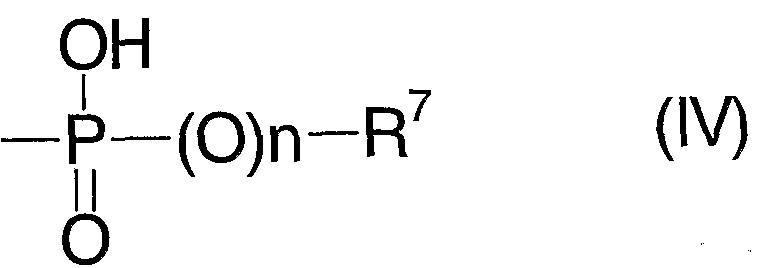
(式中、 R 7は水素原子、 置換基を有していてもよいアルキルまたは置換 基を有していてもよいシクロアルキルを、 nは 0または 1を示す。 ) で 表される基 (以下、 基 (IV) と略記する場合もある) を示す。 〕 で表さ れる化合物またはその塩である上記 ( 1 ) 記載のスクリーニング方法、
( 9 ) リガンドがリゾホスファチジルセリンまたはホスファチジルセ リンである上記 ( 1 ) 記載のスクリーニング方法、 .
( 1 0 ) 配列番号: 3 1で表されるアミノ酸配列を含有してなる蛋白 質もしくはその部分べプチドまたはその塩、
( 1 1 ) 配列番号: 3 5で表されるアミノ酸配列を含有してなる蛋白 質もしくはその部分ペプチドまたはその塩なども提供する。 配列番号: 1で表されるアミノ酸配列と同一もしくは実質的に同一の アミノ酸配列を含有する蛋白質またはその部分ペプチドもしくはその塩 (本発明の受容体) または本発明の受容体と特異的に結合する能力を有 するリガンド (本発明のリガンド) の活性 ·機能を阻害する化合物 (例、 本発明の受容体アン夕ゴニスト) は、 低毒性で安全な優れた IL- 13産生抑 制剤、 肥満細胞の脱顆粒抑制剤、 エイコサノィ ド (例、 ロイコトリェン、 プロスタグランジンなど)産生抑制剤、肥満細胞増殖抑制剤などとして、 例えば、 免疫疾患 〔例、 炎症性疾患 (下垂体膿瘍、 甲状腺炎、 腹膜炎、 クローン病、 潰瘍性大腸炎、 結節性紅斑、 慢性関節リウマチ、 全身性ェ リテマトーデスなど) 、 アレルギー (例、 アレルギー性結膜炎、 アレル ギー性鼻炎、 花粉症、 金属アレルギーなど) 、 喘息、 滲出性中耳炎、 メ 二エール病、 接触皮膚炎、 アナフィラキシー、 蓴麻疹、 重症筋無力症、 糸球体腎炎、 シエーダレン症候群、 バセドー病、 インスリン抵抗性糖尿 病、 アトピー性皮膚炎、 白血球異常など〕 、 呼吸器疾患 〔例、 慢性閉塞
性肺疾患 (例、 慢性気管支炎、 肺気腫) 、 びまん性汎細気管支炎、 嚢'胞 性線維症、 過敏性肺炎、 突発性間質性肺炎、 肺線維症など〕 、 泌尿器疾 患 (例、 腎尿細管間質障害 (繊維化) 、 間質性膀胱炎、 アレルギー性膀 胱炎など) 、 循環器疾患 (例、 動脈硬化症、 急性'冠状動脈症候群、 粥状 硬化性大動脈瘤、 心臓アナフィラキシ一、 心不全、 心筋梗塞、 狭心症、 不整脈、 深部静脈血栓症、 P T C A後再狭窄など) 、 眼科疾患 (例、 ¾ 状片、 春期カタル、 ドライアイなど) 、 癌 (例、 甲状腺乳頭癌、 非小細 胞性肺癌、 子宮内膜癌、 子宮頸癌、 胃癌、 膝臓癌、 肺癌、 腎臓癌、 肝臓 癌、 卵巣癌、 前立腺癌、 膀胱癌、 乳癌、 結腸癌、 直腸癌、 力ポジ肉腫、 肥満細胞種など) 、 消化器疾患 〔例、 慢性肝疾患、 食物アレルギー、 ァ レルギ一性腸炎、 牛乳タンパク誘発性直腸炎、 消化性潰瘍 (例、 胃潰瘍、 十二指腸潰瘍、 吻合部潰瘍、 Zo l l inger- El l i son症候群など) 、 胃炎、 逆 流性食道炎、 NUD (Non Ul ce r Dyspeps i a) 、 胃 MALTリンパ腫、 非ステロ イド系抗炎症剤に起因する潰瘍、 胃酸過多、 手術後ストレスによる胃酸 過多および潰瘍など〕 、 脳梗塞、 高脂血症、 急性腎不全、 糖尿病、 肥満 症、 浮腫、 肉芽種、 アトピー性脊髄炎、 神経線維腫、 鼻粘膜過敏症、 ホ ジキン病、 子宮内膜増殖症、 中枢疾患 〔例、 神経変性疾患 (例、 ァルツ ハイマー病 (家族性アルツハイマー病、 若年性アルツハイマー病、 孤発 性アルツハイマー病など) 、 パーキンソン病、 ダウン症、 筋萎縮性側索 硬化症、 プリオン病 (クロイツフェルト一ヤコブ病)、 ハンチントン舞踏 病、 糖尿病性ニューロパチ一、 多発性硬化症など) 、 精神疾患 (例、 統 合失調症'、 うつ病、 双極性障害、 不安障害、 注意欠陥■多動性障害、 パ ニック障害など) 、 脳血管障害 (例、 脳血栓症、 脳塞栓症、 一過性脳虚 血発作など) など〕 の予防 ·治療剤などとして有用である。
また、 本発明の受容体と本発明のリガンドを用いるスクリーニング方 法またはスクリーニング用キッ トにより、 IL- 13産生抑制作用、 肥満細胞 の脱顆粒抑制作用、 エイコサノイ ド産生抑制作用、 肥満細胞増殖抑制作 用などを有する化合物またはその塩が効率よく取得できる。
また、 本発明の受容体と本発明のリガンドを用い、 本発明の受容体を
介した extracellular signal-regulated kinase 1 (ERK1) または/ よ び extracellular signal-regulated kinase 2 (ERK2) の活性を測定し、 指標とすることにより、 本発明の受容体の活性化を促進または抑制する 化合物またはその塩が効率よくスクリーニングでき、 該化合物は、 肥満 細胞増殖または分化抑制剤として有用である。
さらに、 ミクロダリァ細胞と本発明のリガシドを用いるスクリ一ニン グ方法またはスクリーニング用キットにより、 中枢疾患の予防 ·治療剤 のスクリーニングも可能となる。 図面の簡単な説明
図 1は、 DNP- BSAまたは lysoPS刺激時におけるラッ 卜腹腔肥満細胞を用 いたラット IL一 13発現量に対する作用を示す図である。 図中、 白棒は非 刺激時における IL- 13発現量の GAPDH発現量に対する割合を、 斜線棒は DNP- BSA刺激時の IL-13発現の GAPDH発現量に対する割合を、 黒棒は
DNP-BSAおよび lysoPS刺激時の IL-13発現の GAPDH発現量に対する割合を 示す。
図 2は、 ラット各組織および細胞における GPR34の発現量を示す図 ·であ る。 図中の%はラッ ト各組織および細胞から抽出した RNAを用いて TadMAN PCR 法に GPR34、 GAPDHの発現量を測定し、 GPR34発現量の GAPDH発現量に 対する割合を示す。
図 3は、 マウス各組織および細胞における GPR34の発現量を示す図であ る。 図中の%はマウス各組織および細胞から抽-出した Aを用いて TaqMAN PCR法に GPR34、 GAPDHの発現量を測定し、 GPR34発現量の GAPDH発 現量に対する割合を示す。
図 4は、 リゾホスファチジルセリンおよびホスファチジルセリンの
GPR34発現 CH0細胞に対する cAMP産生抑制活性を示す図である。 図中、 一〇—は、 リゾホスファチジルセリンを投与した場合を、 —ローは、 ホ スファチジルセリンを投与した場合を示す。
図 5は、 リゾホスファチジルセリンの GPR34発現 CH0細胞に対する遊走
刺激活性を示す図である。
図 6は、 LysoPS刺激時における、 ヒト GPR34発現 CH0細胞を用いた、 · ERK1/2 (p42/p44 MAP Kinase) のリン酸化に対する lysoPS濃度依存性を 示す図である。図中の矢印はそれぞれの抗体にょゥて検出された P44 MAPK または p42 MAPKのバンドの位置を示す。
図 7は、 LysoPS刺激時における、 ヒト GPR34発現 CH0細胞を用いた、 ERK1/2 (p42/p44 MAP Kinase) のリン酸化の経時変化を示す図である。 図中の矢印はそれぞれの抗体によって検出された p44 MAPKまたは p42 MAPKのバンドの位置を示す。
図 8は、 LysoPS刺激時における、 ヒト GPR34発現 CH0細胞を用いた、 百 日咳毒素(PTX)で細胞を処理した時の EMI/2 (p42/p44 MAP Kinase) のリ ン酸化に対する作用を示す図である。 図中の矢印'はそれぞれの抗体によ つて検出された P44 MAPKまたは p42 MAPKのバンドの位置を示す。
図 9は、 LysoPS刺激時における、 マウス骨髄肥満細胞を用いた、 ERK1/2 (p42/p44 MAP Kinase) のリン酸化に対する lysoPS濃度依存性を示す図 である。 図中の矢印はそれぞれの抗体によって検出された p44 MAPKまた は p42 MAPKのバンドの位置を示す。 · 図 1 0は、 LysoPS刺激時における、 マウス骨髄肥満細胞を用いた、 E K1/2 (p42/p44 MAP Kinase) のリン酸化の経時変化を示す図である。 図中の矢印はそれぞれの抗体によって検出された p44 MAPKまたは p42 MAPKのバンドの位置を示す。
図 1 1は、 LysoPS刺激時における、 マウス骨髄肥満細胞を用いた、 百 日咳毒素(PTX)で細胞を処理した時の ERK1/2 (p42/p44 MAP Kinase) のリ ン酸化に対する作用を示す図である。 図中の矢印はそれぞれの抗体によ つて検出された p44 MAPKまたは p42 MAPKのバンドの位置を示す。
図 1 2は、 LysoPS刺激時における、 ラット腹腔肥満細胞を用いた、 百 日咳毒素(ΠΧ)で細胞を処理した時の ERK1/2 (p42/p44 MAP Kinase) のリ ン酸化に対する作用を示す図である。 図中の矢印はそれぞれの抗体によ つて検出された p44 MAPKまたは p42 MAPKのバンドの位置を示す。
発明を実施するための最良の形態
以下、 「配列番号: 1で表されるアミノ酸配列と同一もしくは実質的 に同一のアミノ酸配列を含有する蛋白質またはそ'の部分べプチドもしく はその塩」 を 「本発明の受容体」 と略記する場合がある。 さらに、 「本 発明の受容体と特異的に結合する能力を有するリガンド」 を 「本発明の リガンド」 と略記する場合がある。
配列番号: 1で表されるアミノ酸配列と同一もしくは実質的に同一の アミノ酸配列を有する蛋白質は、 ヒトゃ温血動物(例えば、 モルモッ ト、 ラット、 マウス、 ニヮトリ、 ゥサギ、 ブ夕、 ヒッジ、 ゥシ、 サルなど) の細胞 (例えば、 網膜細胞、 肝細胞、 脾細胞、 神経細胞、 グリア細胞、 塍臓 細胞、 骨髄細胞、 メサンギゥム細胞、 ランゲルハンス細胞、 表皮 細胞、 上皮細胞、 内皮細胞、 繊維芽細胞、 繊維細胞、 筋細胞、 脂 細胞、 免疫細胞 (例、 マクロファージ、 Τ細胞、 Β細胞、 ナチュラルキラー細 胞、 肥満細胞、 好中球、 好塩基球、 好酸球、 単球) 、 巨核球、 滑膜細胞、 軟骨細胞、 骨細胞、 骨穿細胞、 破骨細胞、 乳腺細胞、 肝細胞もしくは間 質細胞、 またはこれら細胞の前駆細胞、 幹細胞もしくは癌細胞など〉 も しくはそれらの細胞が存在するあらゆる組織、 例えば、 脳、 脳の各部位 (例、 網膜、 嗅球、 扁桃核、 大脳基底球、 海馬、 視床、 視床下部、 大脳 皮質、 延髄、 小脳) 、 脊髄、 下垂体、 胃、 膝臓、 腎臓、 肝臓、 生殖腺、 甲状腺、 胆のう、 骨髄、 副腎、 皮膚、 筋肉、 肺、 消化管 (例、 大腸、 小 腸) 、 血管、 心臓、 胸腺、 脾臓、 顎下腺、 末梢血、 前立腺、 睾丸、 卵巣、 胎盤、 子宮、 骨、 関節、 骨格筋など、 または血球系の細胞もしくはその 培養細胞 (例、 MEL、 Ml、 CTLL- 2、 HT- 2、 麵- 3、 HL- 60、 JOSK-K K562、 ML- 1、 M0LT_3、 MOLT- 4、 MOLT- 10、 CCRF - CEMゝ TALL- 1、 Jurkat, CCRT-HSB- 2、 KE-37、 SKW-3, HUT- 78、 HUT_102、 H9、 U937, THP-L HEL、 JK- 1、 CMK、 KO- 812、 MEG- 01、 LAD 1、 LAD 2など) に由来する蛋白質であってもよく、 合成蛋白質であってもよい。 ·
配列番号: 1で表されるアミノ酸配列と実質的に同一のアミノ酸配列
としては、 配列番号: 1で表されるアミノ酸配列と約 7 0 %以上、 好'ま しくは約 8 0 %以上、 より好ましくは約 9 0 %以上の相同性を有するァ ミノ酸配列などがあげられる。
配列番号: 1で表されるアミノ酸配列と実質的に同一のアミノ酸配列 を含有する蛋白質としては、 例えば、 配列番号: 1で表されるアミノ酸 , 配列と実質的に同一のアミノ酸配列を有し、 配列番号: 1で表されるァ ミノ酸配列と実質的に同質の活性を有する蛋白質などが好ましい。 配列 番号: 1で表されるアミノ酸配列と実質的に同一のアミノ酸配列として は、 例えば、 配列番号: 1 9、 配列番号: 2 2、 配列番号: 3 1、 配列 番号: 3 5で表されるアミノ酸配列などが挙げられる。
実質的に同質の活性としては、 例えば、 リガンド結合活性、 シグナル 情報伝達作用などが挙げられる。 実質的に同質とは、 それらの活性が性 質的に同質であることを示す。 したがって、 リガンド結合活性やシグナ ル情報伝達作用などの活性が同等 (例、 約 0 . 0 1〜 1 0 0倍、 好まし くは約 0 . 5〜 2 0倍、 より好ましくは約 0 . 5〜 2倍) であることが 好ましいが、 これらの活性の程度や蛋白質の分子量などの量的要素は異 なっていてもよい。
リガンド結合活性やシグナル情報伝達作用などの活性の測定は、 自体 公知の方法に準じて行なうことができるが、 例えば、 後に記載するリガ ンドの決定方法やスクリ一ニング方法に従って測定することができる。 また、 本発明の蛋白質としては、 (i ) 配列番号: 1で表されるァミノ 酸配列中の 1または 2個以上 (例えば 1〜 1 0 0個程度、 好ましくは 1 〜 5 0個程度、 好ましくは 1〜 3 0個程度、 より好ましくは 1〜 1 0個 程度、 さらに好ましくは数個 ( 1〜 5個) ) のアミノ酸が欠失したアミ ノ酸配列、 (i i ) 配列番号: 1で表されるアミノ酸配列に 1または 2個 以上 (例えば 1〜 1 0 0個程度、 好ましくは 1〜 5 0個程度、 好ましく は 1〜 3 0個程度、 より好ましくは 1〜 1 0個程度、 さらに好ましくは 数個 ( 1〜 5個) ) のアミノ酸が付加したアミノ酸配列、 (i i i ) 配列番 号: 1で表されるアミノ酸配列中の 1または 2個以上 (例えば 1〜 1 0
0個程度、 好ましくは 1〜 5 0個程度、 好ましくは 1〜3 0個程度、 'よ り好ましくは 1〜1 0個程度、 さらに好ましくは数個 ( 1〜5個) ) の アミノ酸が他のアミノ酸で置換されたアミノ酸配列、 (iv) 配列番号: 1で表されるアミノ酸配列中の 1または 2個以上'(例えば 1〜 1 0 0個 程度、 好ましくは 1〜5 0個程度、 好ましくは 1〜3 0個程度、 より好 ましくは 1〜1 0個程度、 さらに好ましくは数個 ( 1〜5個) ) のアミ. ノ酸が挿入されたアミノ酸配列、 または (V) それらを組み合わせたアミ ノ酸配列を含有する蛋白質なども用いられる。
本発明の受容体の部分ペプチド (以下、 本発明の部分ペプチドと称す る場合がある) としては、 後述の医薬等のスクリーニング方法に用いる ことのできる部分ペプチドであれば、 いかなるものであってもよく、 例 えば、 本発明の蛋白質分子のうち、 細胞膜の外に露出している部位であ つて、 実質的に同質のリガンド結合活性などを有するものなどが用いら れる。
具体的には、 配列番号: 1で表されるアミノ酸配列を有するレセプタ 一蛋白質の部分ペプチドとしては、 疎水性プロット解析において細胞外 領域 (親水性 (Hydroplii l ic) 部位) であると分析された部分を含むぺプ チドである。 また、 疎水性 (Hydrophob i c) 部位を一部に含むペプチドも 同様に用いることができる。 個々のドメインを個別に含むぺプチドも用 い得る力 複数のドメインを同時に含む部分のペプチドでもよい。
本発明の部分ペプチドのアミノ酸の数は、 本発明の蛋白質の構成アミ ノ酸配列のうち少なくとも 2 0個以上、 好ましくは 5 0個以上、 より好 ましくは 1 0 0個以上のアミノ酸配列を有するぺプチドなどが好ましレ ここで、 「実質的に同質の活性」 とは、 上記と同意義を示す。 「実質 的に同質の活性」 の測定は上記と同様に行なうことができる。
また、 本発明の部分ペプチドは、 (i ) 上記アミノ酸配列中の 1または 2個以上 (好ましくは、 1〜1 0個程度、 さらに好ましくは数個 ( 1〜 5個) ) のアミノ酸が欠失し、 (i i) 上記アミノ酸配列に 1または 2個 以上 (好ましくは、 1〜2 0個程度、 より好ましくは 1〜1 0個程度、
さらに好ましくは数個 (1〜5個) ) のアミノ酸が付加し、 または (iii) 上記アミノ酸配列中の 1または 2個以上(好ましくは、 1〜 1 0個程度、 より好ましくは数個、 さらに好ましくは 1〜 5個程度) のアミノ酸が他 のアミノ酸で置換されていてもよい。 ·
具体例としては、 配列番号: 1で表される配列の第 1〜53番目、 第 1 14〜 1 28番目、 第 197〜 216番目、 または第 293〜 3 10 番目のアミノ酸配列を含む部分ペプチド、 配列番号: 1 9で表される配 列の第 1〜 46番目、 第 107〜 1 21番目、 第 1 90番目〜 209番 目、 または第 286番目〜 303番目のアミノ酸配列を含む部分べプチ ドなどが用いられる。
本発明の受容体および本発明の部分ペプチドは、 ペプチド標記の慣例 に従って左端が N末端 (ァミノ末端) 、 右端が. C末端 (力ルポキシル末 端) である。 c末端はカルポキシ (-cooH)、 カルポキシレート (-coin、 アミ ド (-C0NH2) またはエステル (- C00R) であってもよい。
ここでエステルにおける Rとしては、 例えば、 メチル、 ェチル、 n— プロピル、 イソプロピルもしくは n _ブチルなどの アルキル、 例え ば、 シク口ペンチル、 シクロへキシルなどの C3_8シクロアルキル、 例え ば、 フエニル、 α—ナフチルなどの C6—12ァリ一ル、 例えば、 ベンジル、 フエネチルなどのフエ二ルー アルキルもしくは α—ナフチルメチル などの —ナフチルー C卜 2アルキルなどの <37—14ァラルキルのほか、 経口 . 用エステルとして汎用されるピパロィルォキシメチルなどが用いられる。 本発明の受容体および本発明の部分べプチドが C末端以外にカルポキ シ (またはカルポキシレート) を有している場合、 力ルポキシがアミ ド 化またはエステル化されているものも 本発明の受容体および本発明の 部分ペプチドに含まれる。 この場合のエステルとしては、 例えば上記し た C末端のエステルなどが用いられる。
さらに、 本発明の受容体および本発明の部分ペプチドには、 Ν末端の アミノ酸残基 (例、 メチォニン残基) のァミノ基が保護基 (例えば、 ホ ルミル、 ァセチルなどの C Ηアル力ノィルなどの C wァシルなど) で保
護されているもの、 生体内で切断されて生成する N末端のグルタミン'残 基がピログルタミン酸化したもの、 分子内のアミノ酸の側鎖上の置換基 (例えば、 -0H、 - SH、 アミノ基、 イミダゾール基、 ィンドール基、 グァ ニジノ基など) が適当な保護基 (例えば、 ホルミル、 ァセチルなどの アルカノィルなどの ァシルなど) で保護されているもの、 あるいは 糖鎖が結合したいわゆる糖蛋白質などの複合蛋白質なども含まれる。 本発明の受容体または本発明の部分べプチドの塩としては、 生理学的 に許容される酸 (例、 無機酸、 有機酸) や塩基 (例、 アルカリ金属塩) などとの塩が用いられ、 とりわけ生理学的に許容される酸付加塩が好ま しい。 このような塩としては、 例えば、 無機酸 (例えば、 塩酸、 リン酸、 臭化水素酸、 硫酸) との塩、 あるいは有機酸 (例えば、 酢酸、 ギ酸、 プ ロピオン酸、 フマル酸、 マレイン酸、 コハク酸.、 酒石酸、 クェン酸、 リ ンゴ酸、 蓚酸、 安息香酸、 メタン:^ルホン酸、 ベンゼンスルホン酸〉 と の塩などが用いられる。
本発明のリガンドとしては、 本発明の受容体と特異的に結合するもの であれば、 何れの物であってもよい。 例えば、 配列番号: 1で表される · アミノ酸配列と同一もしくは実質的に同一のアミノ酸配列を含有する蛋 白質またはその塩との結合の解離定数が 1 0 z M以下、 好ましくは 2 M以下、 さらに好ましくは 1 ζ Μ以下、特に好ましくは 2 0 0 η Μ以下、 最も好ましくは 1 0 0 η Μ以下である物などが挙げられる。
本発明のリガンドとしては、 例えば、 脂質などが用いられる。 具体的 にはホズホノ脂質などのリン脂質なども用いられる。 好ましくは、 ·エー テルリン脂質、 ホスホノエ一テル脂質、 グリセ口リン脂質、 ホスホノグ リセ口脂質、 スフインゴ脂質、 スフインゴリン脂質、 ホスホノスフィン ゴ脂質などが用いられる。 なかでも、 エーテルリン脂質、 ホスホノエ一 テル脂質、 グリセ口リン脂質、 ホスホノグリセ口脂質が好ましい。 さら にダリセロリン脂質が好ましい。
ェ一テルリン脂質、 ホスホノエ一テル脂質、 グリセ口リン脂質、 ホス ホノグリセ口脂質、 スフインゴ脂質、 スフインゴリン脂質およびホスホ
ノスフィンゴ脂質などから選ばれる 2種以上の混合物も、 本発明のリ'ガ ンドに含まれる。
エーテルリン脂質、 ホスホノエ一テル脂質、 グリセ口リン脂質および ホスホノグリセ口脂質としては、 例えば化合物 '(I) などが挙げられる。 化合物 (I) は、 好ましくは、 下式:

〔式中、 各記号は上記と同意 を示す〕 で表さ.れる化合物またはその塩 である。 '
さらに好ましくは、 下式:
-R

〔式中、 各記号は上記と同意義を示す〕 で表される化合物またはその塩 である。
さらに好ましくは、 下式:

各式中、 R R 2または R 3で示される 「置換基を有していてもよい炭 化水素基」 の 「炭化水素基」 としては、 例えば、 アルキル、 アルケニル、 アルキニル、 シクロアルキルなどが挙げられる。 炭素数は 1〜3 0個が 好ましい。
「アルキル」 としては、 例えば アルキル (例、 メチル、 ェチル、 プロピル、 イソプロピル、 ブチル、 イソプチル、 s e c -ブチル、 t e r t -ブチ ル、 ペンチル、 へキシル、 ヘプチル、 ォクチル、 ノニル、 デシル、 ゥン デシル、 ドデシル、 卜リデシル、 テトラデシル、 ペン夕デシル、 へキサ デシル、 ヘプ夕デシル、 ォクタデシル、 ノナデシル、 ィコシル、 へニコ シル、 ドコシル、 トリコシル、 テトラコシル、 ペン夕コシル、 へキサコ シル、 ヘプ夕コシル、 ォクタコシル、 ノナコシル、 トリアコンチルなど)' などが挙げられる。 好ましくは C 9— 3()アルキルなどである。 さらに好まし <はトリデシル、 テ卜ラデシル、 ペン夕デシル、 へキサデシル、 ヘプ夕 デシル、 ォクタデシル、 ノナデシルなどの c 13_1 9アルキルなどである。
「ァルケニル」 としては、 例えば C 2-3。アルケニル (例、 ビニル、 ァリ ル、 イソプロぺニル、 1ーブテニル、 2 -ブテニル、 3 一ブテニル、 2 —メチルー 2—プロぺニル、 1ーメチルー 2—プロぺニル、 2—メチル — 1—プロぺニル、 へキセニル、 ヘプテニル、 ォクテニル、 ノネニル、 デセニル、 ゥンデセニル、 ドデセニル、 トリデセニル、 テトラデセニル、 テトラデカジエニル、 ペンタデセニル、 ペンタデカジエニル、 へキサデ セニル、 へキサデカジエニル、 ヘプ夕デセニル、 ヘプ夕デカジェニル、 ヘプ夕デカトリェニル、 ォク夕デセニル、 ォクタデカジエニル、 ノナデ セニル、 ノナデカジエニル、 ノナデカトリェニル、 ノナデカテトラエ二 ル、 ィコセニル、 ィコサジェニル、 へニコセニル、 ドコセニル、 トリコ セニル、 テトラコセニル、 ペン夕コセニル、 へキサコセニル、 ヘプ夕コ セニル、 ォクタコセニル、 ノナコセニル、 トリァコンテニルなど) など が挙げられる。 好ましくは C 13— ) 9アルケニルである。
「アルキニル」 としては、 例えば C 2— 3ϋアルキニル (例、 ェチニル、 'プ 口パルギル、 1 一ブチニル、 2ーブチニル、 3 -ブチニル、 1 _へキシ ニル、 テトラデシニル、 ペン夕デシニル、 へキサデシニル、 ヘプ夕デシ ニル、 ォク夕デシニル、 ノナデシニル、 ィコシニル、 へニコシニル、 ド コシニル、 小リコシニル、 テトラコシニル、 ペンタコシニル、 へキサコ シニル、 ヘプ夕コシニル、 ォクタコシニル、 ノナコシニル、 トリアコン チニルなど) などが挙げられる。 好ましくは C15_17アルキニルである。
「シクロアルキル」 としては、 例えば C3-6シク口アルキル (例、 シク 口プロピル、 シクロブチル、 シク口ペンチル、 シク口へキシルなど) な どが挙げられる。
R1 R2または R3で示される 「ァシル」 としては、 式: 一 C〇一 R8、 — (C = 0) — OR8、 一(C = 0)— NR8R9、 一 S O— R10、 または 一 S 02- R10 〔式中、 R8は水素原子、 置換基を有していてもよい炭化水素基 または置換基を有していてもよい複素環基を、 R9は水素原子または 6 アルキルを、 R1Dは置換基を有していてもよい炭化水素基または置換基を 有していてもよい複素環基を示す〕 で表される基などが挙げられる。 好 ましくは、 式: 一 C O— R8で表される基である。 - R8または R1Qで示される 「置換基を有していてもよい炭化水素基」 の 「炭化水素基」 としては、 上記 R R2または R3で示される 「炭化水素 基」 などが挙げられる。
本明細書中の 「置換基を有していてもよい炭化水素基」 の 「置換基」 としては、例えばハロゲン原子(例、 フッ素、塩素、臭素、 ヨウ素など) 、 アルキレンジォキシ (例、 メチレンジォキシ、 エチレンジォキシな ど) 、 ニトロ、 シァノ、 ハロゲン化されていてもよい CHアルキル (例、 メチル、 クロロメチル、 ジフルォロメチル、 トリクロロメチル、 トリフ ルォロメチル、 ェチル、 2—ブロモェチル、 2 , 2, 2—トリフルォロ ェチル、 ペン夕フルォロェチル、 プロピル、 3, 3 , 3—トリフルォロ プロピル、 イソプロピル、 ブチル、 4 , 4 , 4—トリフルォロブチル、 イソブチル、 · sec-ブチル、 tert-ブチル、 ペンチル、 ィソペンチル、 ネオ
ペンチル、 5 , 5 , 5—トリフルォロペンチル、 へキシル、 6 , 6, ' 6 一トリフルォ口へキシルなど) 、 C 2_6アルケニル、 C 2— 6アルキニル、 ハ ロゲン化されていてもよい C 3_6シクロアルキル (例、 シクロプロピル、 シクロブチル、 シク口ペンチル、 シクロへキシル'、 4 , 4ージクロロシ ク口へキシル、 2, 2 , 3 , 3 _テ卜ラフルォロシク口ペンチル、 4一 クロロシクロへキシルなど) 、 C 6_147リール .(例、 フエニル、 1 一ナフ チル、 2—ナフチル、 2—ビフエ二リル、 3—ビフエ二リル、 4ーピフ ェニリル、 2—アンスリルなど) 、 ハロゲン化されていてもよい(^_8ァ ルコキシ (例、 メトキシ、 ジフルォロメ トキシ、 トリフルォロメトキシ、 エトキシ、 2, 2 , 2—トリフルォロエトキシ、 プロポキシ、 イソプロ ポキシ、 ブトキシ、 4, 4, 4一トリフルォロブトキシ、 イソブ卜キシ、 s ec-ブトキシ、 ペンチルォキシ、 へキシルォキシなど) 、 ヒドロキシ、 C 6— 14ァリ一ルォキシ (例、 フエニルォキシ、 1 一ナフチルォキシ、 2 - ナフチルォキシなど) 、 C 7_16ァラルキルォキシ (例、 ベンジルォキシ、 フエネチルォキシなど) 、 メルカプト、 ハロゲン化されていてもよい C ,_6 アルキルチオ (例、 メチルチオ、 ジフルォロメチルチオ、 トリフルォロ メチルチオ、 ェチルチオ、 プロピルチオ、 イソプロピルチオ、 プチルチ ォ、 4 , 4 , 4一トリフルォロブチルチオ、 ペンチルチオ、 へキシルチ 才など) 、 C 6 l4ァリ一ルチオ (例、 フエ二ルチオ、 1 一ナフチルチオ、 2 一ナフチルチオなど) 、 C 7_l fiァラルキルチオ (例、 ベンジルチオ、 フ エネチルチオなど) 、 ァミノ、 モノ一(^_6アルキルアミノ (例、 メチル ァミノ、 ェチルァミノなど) 、 モノー( 6_14ァリールァミノ (例、 フエ二 ルァミノ、 1—ナフチルアミノ、 2—ナフチルァミノなど) 、 ジ— C ,.6 アルキルアミノ (例、 ジメチルァミノ、 ジェチルァミノ、 ェチルメチル ァミノなど) 、 ジ一(:6_14ァリールァミノ (例、 ジフエニルァミノなど) 、 ホルミル、 カルボキシ、 C Mアルキル一力ルポニル (例、 ァセチル、 プ 口ピオニルなど) 、 C 3—6シクロアルキル—カルポニル (例、 シクロプロ ピルカルボニル、 シクロペンチルカルポニル、 シクロへキシルカルポ二 ルなど) 、 C i_6アルコキシ一力ルポニル (例、 メ卜キシカルポニル、 ェ
トキシカルポニル、 プロポキシ力ルポニル、 t e r t -ブトキシカルポ二 jレな ど) 、 C 6— 14ァリール一力ルポニル (例、 ベンゾィル、 1—ナフトイル、 2—ナフトイルなど) 、 C 7— 16ァラルキル一カルボニル (例、 フエニルァ セチル、 3—フエニルプロピオニルなど) 、 C 6_14ァリールォキシ—カル ポニル (例、 フエノキシカルボニルなど) 、 C 7_16ァラルキルォキシ一力 ルポニル (例、 ベンジルォキシカルボニル、 フエネチルォキシ力ルポ二 ルなど) 、 5ないし 6員複素環カルポニル (例、 ニコチノィル、 イソ二 コチノィル、 テノィル、 フロイル、 モルホリノ力ルポニル、 チオモルホ リノカルボニル、 ピぺラジン一 1—ィルカルポニル、 ピロリジン一 1 一 ィルカルポニルなど) 、 力ルバモイル、 モノー アルキル—カルバモ ィル (例、 メチルカルバモイル、 ェチルカルバモイルなど) 、 ジ— C H アルキル一力ルバモイル (例、 ジメチルカルバモイル、 ジェチルカルバ モイル、 ェチルメチルカルバモイルなど) 、 C 6_147リール一力ルバモイ ル (例、 フエ二ルカルバモイル、 1 一ナフチルカルバモイル、 2 —ナフ チルカルバモイルなど) 、 5ないし 6員複素環力ルバモイル (例、 2 - ピリジルカルバモイル、 3—ピリジルカルバモイル、 4 _ピリジルカル バモィル、 2 一チェ二ルカルバモイル、 3 一チェ二ルカルバモイルなど)、 アルキルスルホニル (例、 メチルスルホニル、 ェチルスルホニルな ど) 、 C 6— 14ァリ一ルスルホニル (例.、 フエニルスルホニル、 1—ナフチ ルスルホニル、 2 一ナフチルスルホニルなど) 、 ホルミルァミノ、 C H アルキル一力ルポニルァミノ (例、 ァセチルァミノなど) 、 C 6— 14ァリ― ルーカルポニルアミノ (例、ベンゾィルアミノ、ナフ トイルァミノなど)、 アルコキシ一力ルポニルァミノ (例、 メ トキシカルポニルァミノ、 エトキシカルポニルァミノ、 プロポキシカルボニルァミノ、 ブトキシカ ルポニルァミノなど) 、 C j_6アルキルスルホニルァミノ (例、 メチルス ルホニルァミノ、 ェチルスルホニルアミノなど) 、 ( 6_14ァリ一ルスルホ ニルァミノ (例、 フエニルスルホニルァミノ、 2 一ナフチルスルホニル ァミノ、 1 一ナフチルスルホニルァミノなど) 、 アルキル—力ルポ ニルォキシ (例、 ァセトキシ、 プロピオニルォキシなど) 、 C 6_14ァリ一
ルーカルポニルォキシ (例、 ベンゾィルォキシ、 ナフチルカルボニル'ォ キシなど) 、 C !_6アルコキシ—カルポニルォキシ (例、 メトキシカルボ ニルォキシ、 Xトキシカルボニルォキシ、プロポキシ力ルポニルォキシ、 ブトキシカルポニルォキシなど) 、 モノー C Mアルキル一力ルバモイル ど) 、 ジー アルキル—力ルバモイルォキシ (例、 ジメチルカルバモ. ィルォキシ、 ジェチルカルバモイルォキシなど) 、 (:6_14ァリール一カル バモイルォキシ (例、 フエ二ルカルバモイルォキシ、 ナフチルカルバモ ィルォキシなど) 、 ニコチノィルォキシ、 5ないし 7員飽和環状アミノ (例、 ピロリジン一 1 一ィル、 ピペリジノ、 ピぺラジン一 1—ィ 、 モ ルホリノ、 チオモルホリノ、 テトラヒドロアゼピン一 1—ィルなど) 、 5ないし 1 0員芳香族複素環基 (例、 2 —チェニル、 3 _チェニル、 2 一ピリジル、 3 _ピリジル、 4一ピリジル、 2 —キノリル、 3—キノリ ル、 4一キノリル、 5—キノリル、 8—キノリル、 1 一イソキノリル、 3—イソキノリル、 4—イソキノリル、 5—イソキノリル、 1—インド リル、 2—インドリル、 3 _インドリル、 2—ベンゾチアゾリル、 2― ベンゾ [ b ] チェニル、 3—べンゾ [ b ] チェニル、 2—べンゾ [ b ] フラニル、 3—べンゾ [ b ] フラニルなど) 、 スルホなどが挙げられる。 該 「炭化水素基」 は、 例えば上記置換基を、 置換可能な位置に 1ない し 5個、 好ましくは 1ないし 3個有していてもよく、 置換基数が 2個以 上の場合、 各置換基は同一または異なっていてもよい。
R 8または R 1()で示される 「置換基を有していてもよい複素環基」 の 「複 素環基」 としては、 例えば、 炭素原子以外に窒素原子、 硫黄原子および 酸素原子から選ばれる 1または 2種、 1ないし 4個のへテロ原子を含む 5ないし 1 4員 (単環、 2環または 3環式) 複素環、 好ましくは (i) 5 ないし 1 4員 (好ましくは 5ないし 1 0員) 芳香族複素環、 (i i ) 5な いし 1 0員非芳香族複素環または (i i i ) 7ないし 1 0員複素架橋環から 任意の 1個の水素原子を除いてできる 1価基などが挙げられる。
上記 「5ないし 1 4員 (好ましくは 5ないし 1 0員) の芳香族複素環」
としては、 例えば、 チォフェン、 ベンゾ [ b ] チォフェン、 ベンゾ i b ] フラン、 ベンズイミダゾール、 ベンズォキサゾール、 ベンゾチアゾール、 ベンズィソチアゾール、 ナフト [ 2 , 3— b ] チォフェン、 フラン、 ピ ロール、 イミダゾ一ル、 ピラゾール、 ピリジン、 ピラジン、 ピリミジン、 ピリダジン、 インドール、 イソインドール、 1 H—インダゾ一ル、 プリ ン、 4 H—キノリジン、 イソキノリン、 キノリン、 フタラジン、 ナフチ リジン、 キノキサリン、 キナゾリン、 シンノリン、 カルバゾール、 β― カルポリン、 フエナントリジン、 ァクリジン、 フエナジン、 チアゾ一ル、 イソチアゾール、 フエノチアジン、 イソォキサゾール、 フラザン、 フエ ノキサジンなどの芳香族複素環、 またはこれらの環 (好ましくは単環) が 1ないし複数個 (好ましくは 1または 2個) の芳香環 (例、 ベンゼン 環等) と縮合して形成された環などが挙げられる。
上記 「5ないし 1 0員非芳香族複素環」 としては、 例えば、 ピロリジ ン、 イミダゾリン、 ピラゾリジン、 ピラゾリン、 ピぺリジン、 ピペラジ ン、 モルホリン、 チオモルホリン、 ジォキサゾール、 ォキサジァゾリン、 チアジアゾリン、 トリァゾリン、 チアジアゾ一ル、 ジチアゾールなどが 挙げられる。 ■ 上記 「7ないし 1 0員複素架橋環」 としては、 例えば、 キヌクリジン、 7—ァザピシクロ [ 2 · 2 . 1 ] ヘプ夕ンなどが挙げられる。
該 「複素環基」 として好ましくは、 炭素原子以外に窒素原子、 硫黄原 子および酸素原子から選ばれる 1または 2種、 好ましくは、 1ないし 4 個のへテロ原子を含む 5ないし 1 4員 (好ましくは 5ないし 1 0員) の (単環または 2環式) 複素環基である。 具体的には、 例えば 2—チェ二 ル、 3 一チェニル、 2—フリル、 3—フリル、 2—ピリジル、 3—ピリ ジル、 4 一ピリジル、 2 —キノリル、 3 —キノリル、 4 一キノリル、 5 ーキノリル、 8 _キノリル、 1—イソキノリル、 3 —イソキノリル、 4 一イソキノリル、 5 —イソキノリル、 ピラジニル、 2 —ピリミジニル、 4 —ピリミジニル、 3 —ピロリル、 2 —イミダゾリル、 3 —ピリダジニ ル、 3 —イソチアゾリル、 3 —イソォキサゾリル、 1 一インドリル、 2
一インドリル、 3 —インドリル、 2 —ベンゾチアゾリル、 2 —ベンゾ〔 b ] チェニル、 3—ベンゾ [ b ] チェニル、 2—ベンゾ [ b ] フラニル、 3 一べンゾ [ b ] フラニルなどの芳香族複素環基、 例えば 1 一ピロリジニ ル、 2 —ピロリジニル、 3—ピロリジニル、' 2—·イミダゾリニル、 4― イミダゾリニル、 2—ピラゾリジニル、 3 —ピラゾリジニル、 4一ビラ ゾリジニル、 ピペリジノ、 2—ピペリジル、 3—ピペリジル、 4—ピぺ リジル、 1ーピペラジニル、 2—ピペラジニル、 モルホリノ、 チオモル ホリノなどの非芳香族複素環基などである。
このうち、 例えば炭素原子以外に窒素原子、 硫黄原子および酸素原子 から選ばれる 1ないし 3個のへテロ原子を含む 5ないし 6員の複素環基 等がさらに好ましい。 具体的には、 2 —チェニル、 3 —チェニル、 2— ピリジル、 3—ピリジル、 4 一ピリジル、 2—フリル、 3—フリル、 ピ ラジニル、 2 —ピリミジニル、 3 _ピロリル、 3—ピリダジニル、 3― ィソチアゾリル、 3 一イソォキサゾリル、 1 —ピロリジニル、 ' 2 _ピロ リジニル、 3 —ピロリジニル、 2 —イミダゾリニル、 4 一イミダゾリ二 ル、 2 —ビラゾリジニル、 3—ピラゾリジニル、 4ーピラゾリジニル、 ピペリジノ、 2—ピペリジル、 3—ピペリジル、 4ーピペリジル、 1 一 ピペラジニル、 2—ピペラジニル、 モルホリノ、 チオモルホリノなどが 挙げられる。
該 「置換基を有していてもよい複素環基」 の 「置換基」 としては、 例 えば上記 R 8または R 1Dで示される 「置換基を有していてもよい炭化水素 基」 の 「置換基」 と同様のものなどが挙げられる。
該 「複素環基」 は、 例えば上記置換基を、 置換可能な位置に 1ないし 5個、 好ましくは 1ないし 3個有していてもよく、 置換基数が 2個以上 の場合、 各置換基は同一または異なっていてもよい。
R 9で示される 「C i_6アルキル」 としては、 例えば、 メチル、 ェチル、 プロピル、 イソプロピル、 ブチル、 イソプチル、 s ec-ブチル、 t er t -プチ ル、 ペンチル、 へキシルなどの アルキルが挙げられる。
R 6で示される 「置換基を有していてもよいアルキル」 の 「アルキル」
としては、 例えば。卜 アルキル (例、 メチル、 ェチル、 プロピル、 イソ プロピル、 ブチル、 イソブチル、 s ec-ブチル、 t e r t -ブチル、 ペンチル、 へキシル、 ヘプチル、 ォクチル、 ノニル、 デシル、 ゥンデシル、 ドデシ ル、 トリデシル、 テトラデシル、 ペン夕デシル、 へキサデシル、 ヘプ夕 デシル、 ォクタデシル、 ノナデシル、 ィコシル、 へニコシル、 ドコシル、 卜リコシル、 テトラコシル、 ペンタコシル、 へキサコシル、 ヘプ夕コシ ル、 ォクタコシル、 ノナコシル、 卜リアコンチルなど) などが挙げられ る。 好ましくは アルキルなどである。
R 6で示される 「置換基を有していてもよいアルキル」 の 「置換基」 と しては、 例えば、 ヒドロキシ、 カルボキシ、 ァミノ、 アルキルアンモニ ォ (例、 トリメチルアンモニォなど) などが 1〜 3 0個挙げられる。
R 6で示される 「置換基を有していてもよいシクロアルキル」 の 「シク 口アルキル」 としては、 例えば C 3— 6シクロアルキル (例、 シクロプロピ ル、 シクロブチル、 シク口ペンチル、 シクロへキシルなど) などが挙げ られる。
R 6で示される 「置換基を有していてもよいシクロアルキル」 の 「置換 基」 としては、 例えば、 ホスホノを有していてもよいヒドロキシ、 カル' ポキシ、 ァミノ、 アルキルアンモニォ (例、 トリメチルアンモニォなど) などが 1〜 3 0個挙げられる。
R 6の好ましい例としては、 R 6— O Hで表される化合物が、 例えば、 ァ ルコール (例、 エタノールなどの C Hアルコールなど) 、 多価アルコー ル (例、 グリセロールなどの三価アルコールなど) 、 多価アルコールリ ン酸付加体 (例、 グリセロール— 3—リン酸など) 、 ァミノアルコール (例、 エタノールァミンなどの アルコールァミンなど) 、 アルキル アンモニォアルコール (例、 コリンなど) 、 ヒドロキシを有するアミノ 酸 (例、 セリン、 スレオニン、 ホモセリン、 3—ヒドロキプロリン、 4 ーヒドロキプロリン、 ヒドロキシリジン、 チロシンなど ;好ましくはセ リン) 、 糖アルコール (例、 イノシトールなど) 、 糖アルコールリン酸 付加体 (例、 ィノシトールーリン酸、 イノシトール二リン酸、 イノシト
ール三リン酸など) 、 単糖 (例、 グルコースなど) 、 単糖リン酸付加体 (例、 グルコース 6—リン酸、 グルコース 1—リン酸など) などを形成 する場合が挙げられる。
中でも好ましくは、 ヒドロキシを有するアミノ酸などが挙げられる。 中でも L体が好ましい。 最も好ましくは Lーセリンなどである。
R1および R2は、 それぞれ、 水素原子、 アルキル (例、 C14_18アルキル など) 、 アルケニル (例、 C2_3アルケニルなど) 、 ァシル (例、 Cト 3。ァ ルキル一力ルポニル、 C2_3Qアルケニル—カルボニルなど) などが好まし い。 さらに好ましくは アルキル一力ルポニル、 C2-3Dアルケニル—力 ルポニルなどのァシルである。
R3は基 (III) などが好ましい。
R6は (a) 水素原子または (b) ヒドロキシ、 力ルポキシ、 ァミノおよ びアルキルアンモニォから選ばれる置換基をそれぞれ有していてもよい アルキルまたはシクロアルキルが好ましい。 具体例としては、 C卜 6アル キル、 ジヒドロキシプロピル、 アミノエチル、 トリメチルアンモニォェ チル、 2 _アミノー 2—カルボキシェチル、 へキサヒドロキシシクロへ キシルなどが挙げられる。 . mは 1が好ましい。
化合物 (I) 中、 以下の化合物などが好ましく用いられる。 .
(la) 血小板活性化因子 (platelet activating factor) [R1が C16ァ ルキル (へキサデシル) および/または C18アルキル (ォク夕デシル) 、 R2がァセチル、 R3が基 (III) 、 R6がトリメチルアンモニォェチル、 m が 1である化合物 (I) 〕 、
(lb) リゾ血小板活性化因子 [R1がへキサデシルおよび Zまたはォクタ デシル、 R2が水素原子、 R3が基 (III) 、 R6がトリメチルアンモニォェ チル、 mが 1である化合物 (I) 〕 、
(lc) プラスマロ一ゲン類 [R1が 1ーァルケニル、 R2が アルキル 一力ルポニルまたは ( 2-29ァルケ二ルーカルポニル ( 1カゝら 5個の二重結 合を有する).、 R3が基 (III) 、 R6がトリメチルアンモニォェチル、 ァ
ミノェチルまたは 2—アミノー 2—力ルポキシェチル、 mが 1である化 合物 (I) 〕 、
(Id) リゾプラスマロ一ゲン類 [R1が 1ーァルケニル、 R 2が水素原子、 R3が基 (III) 、 R6がトリメチルアンモニォェチル、 アミノエチルまた は 2—アミノー 2—力ルポキシェチル、 mが 1である化合物 (I) 〕 など のエーテルリン脂質 ;
(2a) ホスファチジン酸類 [R1が C1Q_28アルキル一カルボニルまたは C 1Q_28アルケニルーカルポニル ( 1から 5個の二重結合を有する) (例、 デ カノィル、 ドデカノィル、 テトラデカノィル、 へキサデカノィル、 9一 へキサデセノィル、 ォクタデカノィル、 9一才クタデセノィル、 1 1 - ォク夕デセノィル、 9, 1 2—才クタデカジエノィル、 9, 1 2, 1 5—才 クタデカ トリエノィル、 6, 9 , 1 2—才ク夕デカトリエノィル、 9 , 1 1 , 1 3—才クタデカ トリエノィル、 ィコサノィル、 8, 1 1—ィコサジエノ ィル、 5, 8, 1 1一ィコサトリエノィル、 5, 8, 1 1, 1 4ーィコサテト ラエノィル、 ドコサノィル、 テトラコサノィル、 1 5—テトラコサノィ ル、 へキサコサノィル、 ォク夕コサノィルなど) 、 R2が C1Q— 28アルキル —カルボニルまたは C1(M8アルケニルーカルボニル ( 1から 5個の二重結 合を有する) (例、 デカノィル、 ドデカノィル、 テトラデカノィル、 へ キサデカノィル、 9—へキサデセノィル、 ォクタデカノィル、 9—ォク 夕デセノィル、 1 1—ォクタデセノィル、 9, 1 2—才クタデカジエノィ ル、 9, 1 2, 1 5—ォクタデカトリエノィル、 6, 9, 1 2—才ク夕デ力 トリエノィル、 9, 1 1, 1 3—才ク夕デカ トリエノィル、ィコサノィル、 8, 1 1—ィコサジエノィル、 5, 8, 1 1—ィコサトリエノィル、 5, 8, 1 1, 1 4ーィコサテトラエノィル、 ドコサノィル、 テトラコサノィル、 1 5—テトラコサノィル、 へキサコサノィル、 ォクタコサノィルなど) 、
R3が基 (III) 、 R6が水素原子、 mが 1である化合物 (I) 〕 、
(2b) リゾホスファチジン酸類 [R1が水素原子または C1(M8アルキル一 カルボニルもしくは C1()-2S7ルケ二ルーカルポニル ( 1から 5個の二重結 合を有する) (例、 デカノィル、 ドデカノィル、 テトラデカノィル、 へ
3099
32
キサデカノィル、 9一へキサデセノィル、 ォクタデカノィル、 9一才ク 夕デセノィル、 1 1一才クタデセノィル、 9, 1 2—才クタデカジエノィ ル、 9 , 1 2 , 15—才クタデカ トリエノィル、 6, 9, 12—ォクタデカ トリエノィル、 9 , 1 1, 1 3 _ォク夕デカ トリエノィル、ィコサノィル、 8, 1 1ーィコサジエノィル、 5, 8, 1 1—ィコサトリエノィル、 5, 8, 1 1 , 14ーィコサテトラエノィル、 ドコサノィル、 テトラコサノィル、 1 5—テトラコサノィル、 へキサコサノィル、 ォク夕コサノィルなど) 、 R2が水素原子または C13-23アルキル一力ルポニルもしくは C13_23アルケ 二ルーカルポニル ( 1カゝら 5個の二重結合を有する) (例、 デカノィル、 ドデカノィル、 テトラデカノィル、 へキサデカノィル、 9一へキサデセ ノィル、 ォクタデカノィル、 9一才クタデセノィル、 1 1一才クタデセ ノィル、 9, 1 2—ォク夕デカジエノィル、 9, ;1 2, 1 5—ォクタデカ ト リエノィル、 6, 9, 12—ォク夕デカ トリエノィル、 9, 1 1, 13—ォ クタデカ トリエノィル、 ィコサノィル、 8, 1 1—ィコサジエノィル、 5, 8, 1 1一ィコサトリエノィル、 5, 8, 1 1, 14—ィコサテトラエノィ ル、 ドコサノィル、 テトラコサノィル、 1 5—テトラコサノィル、 へキ サコサノィル、 ォクタコサノィルなど) 、 R3が基 (III) 、 R 6が水素原 子、 mが 1である (ただし R1が水素原子の場合、 R2は水素原子以外) 化 合物 (I) 〕 、
(2c) ホスファチジルコリン類 [R1が C1Q_2Sアルキル—カルボニルまた ほ C1Q— 28ァルケ二ルーカルポニル( 1から 5個の二重結合を有する)(例、 デカノィル、 ドデカノィル、 テトラデカノィル、 へキサデカノィル、 9 一へキサデセノィル、 ォク夕デカノィル、 9一才クタデセノィル、 1 1 一才クタデセノィル、 9, 1 2—才クタデカジエノィル、 9, 1 2, 1 5 - ォク夕デカ トリエノィル、 6, 9, 1 2—ォク夕デカ トリエノィル、 9 , 1 1, 13—才クタデカトリエノィル、 ィコサノィル、 8, 1 1—ィコサジ エノィル、 5, 8, 1 1一ィコサトリエノィル、 5, 8, 1 1, 14—ィコサ テトラエノィル、 ドコサノィル、 テトラコサノィル、 1 5—テトラコサ ノィル、 へキサコサノィル、 ォクタコサノィルなど) 、 R2が CI3— 23アル
キル—カルボニルまたは C13_23アルケニル—カルポニル ( 1カゝら 5個 二 重結合を有する) (例、 デカノィル、 ドデカノィル、 テトラデカノィル、 へキサデカノィル、 9一へキサデセノィル、 ォクタデカノィル、 9一才 クタデセノィル、 1 1一才クタデセノィル、 9, 1· 2—才ク夕デカジエノ ィル、 9, 1 2, 1 5—才クタデカトリエノィル、 6, 9, 1 2—才クタデ カ トリエノィル、 9, 1 1, 1 3—才クタデカ トリエノィル、 ィコサノィ. ル、 8, 1 1ーィコサジエノィル、 5, 8, 1 1一ィコサトリエノィル、 5, 8, 1 1, 1 4ーィコサテトラエノィル、 ドコサノィル、 テトラコサノィ ル、 1 5—テトラコサノィル、 へキサコサノィル、 ォクタコサノィルな ど) 、 R3が基 (III) 、 R6がトリメチルアンモニォェチル、 mが 1であ る化合物 (I) 〕 、
(2d) リゾホスファチジルコリン類 [R1が水素.原子または C1Q_28アルキ ルーカルポニルもしくは C1( 8アルケニルーカルボニル( 1力、ら 5個の二 重結合を有する) (例、 デカノィル、 ドデカノィル、 テトラデカノィル、 へキサデカノィル、 9 _へキサデセノィル、 ォクタデカノィル、 9—ォ クタデセノィル、 1 1一ォク夕デセノィル、 9, 1 2—才ク夕デカジエノ ィル、 9, 1 2, 1 5—才クタデカトリエノィル、 6, 9, 1 2—才クタデ カ トリエノィル、 9, 1 1, 1 3—才クタデカトリエノィル、 ィコサノィ ル、 8, 1 1ーィコサジエノィル、 5, 8, 1 1一ィコサトリエノィル、 5, 8, 1 1, 1 4—ィコサテトラエノィル、 ドコサノィル、 テトラコサノィ ル、 1 5 _テトラコサノィル、 へキサコサノィル、 ォクタコサノィルな ど) 、 R2が水素原子または C1Q_28アルキル一力ルポニルもしくは Clfl-28ァ ルケ二ルーカルボニル ( 1から 5個の二重結合を有する) (例、 デカノ ィル、 ドデカノィル、 テトラデカノィル、 へキサデカノィル、 9一へキ サデセノィル、 ォクタデカノィル、 9一才クタデセノィル、 1 1.ーォク 夕デセノィル、 9, 1 2—才ク夕デカジエノィル、 9, 1 2, 1 5—才クタ デカトリエノィル、 6, 9, 1 2—ォクタデカ トリエノィル、 9, 1 1, 1 3—才ク夕デカ トリエノィル、 ィコサノィル、 8, 1 1ーィコサジエノィ ル、 5, 8, 1· 1—ィコサトリエノィル、 5, 8, 1 1 , 1 4ーィコサテトラ
エノィル、 ドコサノィル、 テトラコサノィル、 1 5—テトラコサノィル、 へキサコサノィル、 ォクタコサノィルなど) 、 R3が基 (III) 、 R6がト リメチルアンモニォェチル、 が 1である(ただし R1が水素原子の場合、 R2は水素原子以外) 化合物 (I) 〕 、 .
(2e) ホスファチジルエタノールアミン類 [R1が C1Q_28アルキル一カル ポニルまたは C1Q— 28アルケニル—カルポニル ( 1から 5個の二重結合を有 する) (例、 デカノィル、 ドデカノィル、 テトラデカノィル、 へキサデ カノィル、 9一へキサデセノィル、 ォクタデカノィル、 9一才クタデセ ノィル、 1 1ーォクタデセノィル、 9, 12—ォクタデカジエノィル、 9, 1 2 , 1 5—才クタデカ トリエノィル、 6 , 9, 1 2—才ク夕デカ トリエノ ィル、 9, 1 1, 1 3—才ク夕デカ トリエノィル、 ィコサノィル、 8 , 1 1 ーィコサジエノィル、 5, 8, 1 1—ィコサトリエノィル、 5, 8, 1 1, 1 4ーィコサテトラエノィル、 ドコサノィル、 テトラコサノィル、 1 5 - テトラコサノィル、 へキサコサノィル、 ォク夕コサノィルなど) 、 R'2が C1D_28アルキル一力ルポニルまたは アルケニルーカルポニル (1か ら 5個の二重結合を有する) (例、 デカノィル、 ドデカノィル、 テトラ デカノィル、 へキサデカノィル、 9一へキサデセノィル、 ォクタデカノ ィル、 9—ォクタデセノィル、 1 1一ォク夕デセノィル、 9, 1 2—ォク 夕デカジエノィル、 9, 1 2 , 1 5—ォクタデカ トリエノィル、 6, 9, 1 2—ォクタデカ トリエノィル、 9, 1 1, 1 3—才ク夕デカ トリエノィル、 ィコサノィル、 8, 1 1—ィコサジエノィル、 5, 8, 1 1—ィコサトリエ ノィル、 '5, 8, 1 1, 14ーィコサテトラエノィル、 ドコサノィル、 テト ラコサノィル、 1 5—テトラコサノィル、 へキサコサノィル、 ォクタコ サノィルなど) 、 R3が基 (III) 、 R6がアミノエチル、 mが 1である化 合物 (I) 〕 、
(2f) リゾホスファチジルエタノールアミン類 [R1が水素原子または C 10_28アルキル—カルポニルもしくは C1Q— 28ァルケ二ルーカルポニル ( 1か ら 5個の二重結合を有する) (例、 デカノィル、 ドデカノィル、 テトラ デカノィル、 へキサデカノィル、 9一へキサデセノィル、 ォクタデカノ
ィル、 9—ォクタデセノィル、 1 1ーォクタデセノィル、 9, 1 2— ク タデカジエノィル、 9, 1 2, 1 5—ォクタデカトリエノィル、 6, 9, 1 2—ォクタデカトリエノィル、 9, 1 1, 1 3—才クタデカ トリエノィル、 ィコサノィル、 8 , 1 1—ィコサジエノィル、 5, 8, 1 1—ィコサトリエ ノィル、 5, 8, 1 1, 1 4ーィコサテトラエノィル、 ドコサノィル、 テト ラコサノィル、 1 5—テトラコサノィル、 へキサコサノィル、 ォク夕コ. サノィルなど) 、 R2が水素原子または C1Q_28アルキル一力ルポニルもし くは C1Q― 28ァルケ二ルーカルボニル( 1から 5個の二重結合を有する)(例、 デカノィル、 ドデカノィル、 テトラデカノィル、 へキサデカノィル、 9 一へキサデセノィル、 ォクタデカノィル、 9 _ォクタデセノィル、 1 1 —ォクタデセノィル、 9, 1 2—ォクタデカジエノィル、 9, 1 2, 1 5— ォクタデカトリエノィル、 6, 9, 1 2—ォクタデカ トリエノィル、 9 , 1 1, 1 3—才クタデカ トリエノィル、 ィコサノィル、 8, 1 1ーィコサジ エノィル、 5, 8, 1 1—ィコサトリエノィル、 5, 8, 1 1, 1 4—ィコサ テ卜ラエノィル、 ドコサノィル、 テトラコサノィル、 1 5—テトラコサ ノィル、 へキサコサノィル、 ォクタコサノィルなど) 、 R3が基 (III) 、 R6がアミノエチル、 mが 1である (ただし R1が水素原子の場合、 R'2は 水素原子以外) 化合物 (I) 〕 、
(2g) ホスファチジルセリン類 [R1が C1G— 28アルキル—カルポニルまた は C1G_28アルケニルーカルポニル( 1から 5個の二重結合を有する)(例、 デカノィル、 ドデカノィル、 テトラデカノィル、 へキサデカノィル、 9 一へキサ セノィル、 ォク夕デカノィル、 9—ォクタデセノィル、 1 1 ーォクタデセノィル、 9, 1 2—才ク夕デカジエノィル、 9, 1 2, 1 5 - ォクタデカ トリエノィル、 6, 9, 1 2—才ク夕デカ トリエノィル、 9, 1 1 , 1 3—ォクタデカ トリエノィル、 ィコサノィル、 8, 1 1—ィコサジ エノィル、 5, 8, 1 1—ィコサトリエノィル、 5, 8, 1 1, 1 4—ィコサ テトラエノィル、 ドコサノィル、 テトラコサノィル、 1 5—テ卜ラコサ メイル、 へキサコサノィル、 ォクタコサノィルなど) 、 R 2が C 1()-28アル キル一力ルポニルまたは C1()_28アルケニルーカルポニル( 1から 5個の二
重結合を有する) (例、 デカノィル、 ドデカノィル、 テトラデカノィル、 へキサデカノィル、 9一へキサデセノィル、 ォクタデカノィル、 9一才 クタデセノィル、 1 1 _ォクタデセノィル、 9 , 1 2—ォク夕デカジエノ ィル、 9, 1 2 , 1 5—才クタデカトリエノィル、 ·6, 9, 1 2—才ク夕デ カトリエノィル、 9, 1 1, 1 3—ォクタデカ トリエノィル、 ィコサノィ ル、 8, 1 1—ィコサジエノィル、 5, 8, 1 1—ィコサトリエノィル、 5, 8, 1 1, 1 4—ィコサテトラエノィル、 ドコサノィル、 テトラコサノィ ル、 1 5—テトラコサノィル、 へキサコサノィル、 ォクタコサノィルな ど) 、 R3が基 (III) 、 R6が 2—アミノー 2—力ルポキシェチル、 が 1である化合物 (I) 〕 、
(21 リゾホスファチジルセリン類 [R1が水素原子または C1()_28アルキ ルーカルポニルもしくは C1D_28アルケニルーカルポニル ( 1から 5個の二 重結合を有する) (例、 デカノィル、 ドデカノィル、 テトラデカノィル、 へキサデカノィル、 9一へキサデセノィル、 ォクタデカノィル、 9一才 クタデセノィル、 1 1—ォク夕デセノィル、 9, 1 2—才クタデカジエノ ィル、 9, 1 2, 1 5—才ク夕デカトリエノィル、 6, 9, 1 2—ォクタデ カトリエノィル、 9, 1 1 , 1 3—才クタデカ トリエノィル、 ィコサノィ ル、 8 , 1 1—ィコサジエノィル、 5, 8 , 1 1—ィコサトリエノィル、 5 , 8, 1 1, 1 4—ィコサテトラエノィル、 ドコサノィル、 テトラコサノィ ル、 1 5—テトラコサノィル、 へキサコサノィル、 ォクタコサノィルな ど) 、 R2が水素原子または Clfl_28アルキル一カルボニルもしくは C1D_28ァ ルケ二ルーカルボニル ( 1から 5個の二重結合を有する) (例、 デカノ ィル、 ドデカノィル、 テトラデカノィル、 へキサデカノィル、 9—へキ サデセノィル、 ォクタデカノィル、 9一才クタデセノィル、 1 1ーォク 夕デセノィル、 9, 1 2—ォクタデカジエノィル、 9, 1 2, 1 5—ォクタ デカトリエノィル、 6 , 9, 1 2—才クタデカトリエノィル、 9, 1 1, 1 3—ォクタデカ トリエノィル、 ィコサノィル、 8, 1 1—ィコサジエノィ ル、 5, 8, 1 1—ィコサトリエノィル、 5 , 8 , 1 1 , 1 4—ィコサテトラ エノィル、 ドコサノィル、 テトラコサノィル、 1 5—テトラコサノィル、
へキサコサノィル、 ォク夕コサノィルなど) 、 R3が基 (III) 、 R6 2 一アミノー 2—力ルポキシェチル、 mが 1である (ただし R1が水素原子 の場合、 R2は水素原子以外) 化合物 (I) 〕 、
(2i) ホスファチジルイノシトール類 [R1が C1Q_28アルキル一力ルポ二 ルまたは C1Q_28アルケニルーカルポニル ( 1から 5個の二重結合を有す る) (例、 デカノィル、 ドデカノィル、 テトラデカノィル、 へキサデ力 ノィル、 9一へキサデセノィル、 ォクタデカノィル、 9一ォク夕デセノ ィル、 1 1一ォク夕デセノィル、 9, 1 2—ォクタデカジエノィル、 9, 1 2 , 1 5—才クタデカ トリエノィル、 6, 9 , 12—才クタデカ トリエノ ィル、 9, 1 1 , 1 3—ォクタデカ トリエノィル、 ィコサノィル、 8, 1 1 ーィコサジエノィル、 5, 8, 1 1—ィコサトリエノィル、 5, 8, 1 1, 1 4—ィコサテトラエノィル、 ドコサノィル、 テ.トラコサノィル、 1 5— テトラコサノィル、 へキサコサノィル、 ォクタコサノィルなど) 、 R2が C1Q_28アルキル—カルポニルまたは C1()_28アルケニル—カルポニル ( 1'か ら 5個の二重結合を有する) (例、 デカノィル、 ドデカノィル、 テトラ デカノィル、 へキサデカノィル、 9一へキサデセノィル、 ォクタデカノ ィル、 9一才クタデセノィル、 1 1一才クタデセノィル、 9, 12—ォク タデカジエノィル、 9, 1 2, 1 5—才クタデカ トリエノィル、 6, 9, 1 2—ォクタデカトリエノィル、 9, 1 1 , 1 3—ォクタデカトリエノィル、 ィコサノィル、 8, 1 1—ィコサジエノィル、 5, 8, 1 1—ィコサトリエ ノィル、 5, 8, 1 1, 14—ィコサテトラエノィル、 ドコサノィル、 テト ラコサノィル、 1 5—テトラコサノィル、 へキサコサノィル、 才クタコ サノィルなど) 、 R3が基 (III) 、 R6がへキサヒドロキシシクロへキシ ル、 mが 1である化合物 (I) 〕 、
(2j) リゾホスファチジルイノシトール類 [R1が水素原子または C10_2S アルキル一力ルポニルもしくは C1C_28アルケニルーカルポニル ( 1から 5 個の二重結合を有する) (例、 デカノィル、 ドデカノィル、 テトラデカ ノィル、 へキサデカノィル、 9一へキサデセノィル、 ォクタデカノィル、 9一才クタデセノィル、 1 1—ォクタデセノィル、 9, 12—才ク夕デ力
ジエノィル、 9, 12, 1 5—才クタデカトリエノィル、 6, 9, 1 2—ォ クタデカトリエノィル、 9, 1 1, 13—ォクタデカ トリエノィル、 ィコ サノィル、 8, 1 1ーィコサジエノィル、 5, 8, 1 1一ィコサトリエノィ ル、 5, 8, 1 1, 14—ィコサテトラエノィル、 ドコサノィル、 テトラコ サノィル、 1 5—テトラコサノィル、 へキサコサノィル、 ォクタコサノ ィルなど) 、 R2が水素原子または C1()— 28アルキル一カルボニルもしくは C1(M87ルケ二ルーカルポニル ( 1から 5個の二重結合を有する) (例、 デカノィル、 ドデカノィル、 テトラデカノィル、 へキサデカノィル、 9 一へキサデセノィル、 ォクタデカノィル、 9一ォク夕デセノィル、 1 1 一ォク夕デセノィル、 9, 1 2—才クタデカジエノィル、 9, 1 2, 1 5— ォクタデカトリエノィル、 6, 9, 12—ォク夕デカ トリエノィル、 9, 1 1, 13—ォクタデカトリエノィル、 ィコサノィ.ル、 8, 1 1ーィコサジ エノィル、 5, 8, 1 1一ィコサトリエノィル、 5 , 8 , 1 1, 14一ィコサ テトラエノィル、 ドコサノィル、 テトラコサノィル、 1 5—テトラコサ ノィル、 へキサコサノィル、 ォクタコサノィルなど) 、 R3が基 (III) 、 R6がへキサヒドロキシシクロへキシル、 mが 1である (ただし R1が水素 原子の場合、 R2は水素原子以外) 化合物 (I) 〕 などのグリセ口リン脂質 など。
なかでも好ましくは、
(i) ホスファチジルセリン [R1がデカノィル、 ドデカノィル、 テトラ デカノィル、 へキサデカノィル、 9一へキサデセノィル、 ォク夕デカノ ィル、 9ーォクタデセノィル、 1 1一ォク夕デセノィル、 9, 1 2—ォク 夕デカジエノィル、 9, 1 2, 15—ォク夕デカ トリエノィル、 6, 9, 1 2—才クタデカトリエノィル、 9, 1 1, 1 3—ォク夕デカトリエノィル、 ィコサノィル、 8 , 1 1—ィコサジエノィル、 5, 8, 1 1—ィコサトリエ ノィル、 5, 8, 1 1, 14—ィコサテトラエノィル、 ドコサノィル、 テト ラコサノィル、 1 5—テトラコサノィル、 へキサコサノィルまたはォク タコサノィル、 R2がデカノィル、 ドデカノィル、 テトラデカノィル、 へ キサデカノィル、 9一へキサデセノィル、 ォクタデカノィル、 9—ォク
夕デセノィル、 1 1一才クタデセノィル、 9, 1 2—ォクタデカジエンィ ル、 9, 1 2, 1 5—ォクタデカトリエノィル、 6, 9, 1 2ーォクタデカ トリエノィル、 9 , 1 1, 1 3 _ォクタデカ トリエノィル、ィコサノィル、
8. 1 1—ィコサジエノィル、 5, 8, 1 1 _ィコサトリエノィル、 5, 8, 1 1, 1 4—ィコサテトラエノィル、 ドコサノィル、 テトラコサノィル、
1 5—テトラコサノィル、 へキサコサノィルまたはォクタコサノィル、 . R3が基 (III) 、 R6が 2—アミノー 2—力ルポキシェチル、 mが 1であ る化合物 (I) 〕 、
(ii) リゾホスファチジルセリン [R1がデカノィル、 ドデカノィル、 テトラデカノィル、 へキサデカノィル、 9 —へキサデセノィル、 ォク夕 デカノィル、 9一才クタデセノィル、 1 1—ォクタデセノィル、 9, 1 2 —ォクタデカジエノィル、 9, 1 2, 1 5 _ォク.タデカ トリエノィル、 6,
9. 1 2—才クタデカ トリエノィル、 9, 1 1, 1 3—才クタデカトリエノ ィル、 ィコサノィル、 8, 1 1ーィコサジエノィル、 5 , 8, 1 1一ィコサ トリエノィル、 5, 8, 1 1, 1 4—ィコサテトラエノィル、 ドコサノィル、 テトラコサノィル、 1 5—テトラコサノィル、 へキサコサノィルまたは ォクタコサノィル、 R 2がデカノィル、 ドデカノィル、テトラデカノィル、 へキサデカノィル、 9一へキサデセノィル、 ォクタデカノィル、 9一才 クタデセノィル、 1 1—ォクタデセノィル、 9, 1 2—ォク夕デカジエノ ィル、 9, 1 2, 1 5—ォクタデカ トリエノィル、 6, 9, 1 2—才ク夕デ カ トリエノィル、 9, 1 1, 1 3—ォクタデカ トリエノィル、 ィコサノィ ル、 8 , 1 1—ィコサジエノィル、 5, 8 , 1 1—ィコサトリエノィル、 5 , 8, 1 1, 1 4ーィコサテトラエノィル、 ドコサノィル、 テトラコサノィ ル、 1 5ーテトラコサノィル、 へキサコサノィルまたはォクタコサノィ ル、 R3が基 (III) 、 R6が 2—アミノー 2—力ルポキシェチル、 mが 1 である化合物 (I) 〕 などである。
好ましくは、 下式で表される化合物などである。

〔式中、 各記号は上記と同意義を示す。 〕 ここで、 R1および R2は、 好ま しくは水素原子、 アルキル (例、 CH_18アルキルなど) 、 アルケニル(例、 C2_3アルケニルなど)、 またはァシル(例、 C!— 3ύアルキル一力ルポニル、
C 2_30アルケニルーカルポニルなど) などである。
R1として好ましくは、 。アルキル—カルボニルなどである。 R2と して好ましくは、 水素原子である。 R1と R2の組み合わせとして好ましい ものは R1は水素原子であり、 R 2として好ましくは、 アルキル一力 ルポニルなどである。
具体的には、 1—ステアロイル— s n—グリセロー 3—ホスホ— L— セリン、 1—パルミ トイルー s n—グリセロー 3—ホスホー Lーセリン、 または 1ーォレオイル一 s n—グリセ口— 3—ホスホー L—セリン、 2 —ァラキドニル— s n—グリセロー 3—ホスホー Lーセリン、 2—リ レイルー s n—グリセ口— 3—ホスホー L—セリンなどが挙げられる。 スフィンゴ脂質、 スフインゴリン脂質およびホスホノスフィンゴ脂質 としては、 例えば化合物 (II) などが挙げられる。
化合物 (II) は、 好ましくは、 下式:

〔式中、 各記号は上記と同意義を示す〕 で表される化合物またはその塩
上記式中、 R4で示される 「置換基を有していてもよい炭化水素基」 'と しては、 上記の I 1、 R2または R3で示される 「置換基を有していてもよ い炭化水素基」 と同様のものが挙げられる。
R4で示される 「ァシル」 としては、 上記の R R2または R3で示され る 「ァシル」 と同様のものが挙げられる。
R5で示される 「置換基を有していてもよい炭化水素基」 としては、 上 記 R R2または R3で示される 「置換基を有していてもよい炭化水素基」 と同様のものが挙げられる。
R5で示される 「ァシル」 としては、 上記 R R2または R3で示される 「ァシル」 と同様のものが挙げられる。
R7で示される 「置換基を有していてもよいアルキル」 および 「置換基 を有していてもよいシクロアルキル」 としては、 上記 R6で示される 「置 換基を有していてもよいアルキル」 および 「置換基を有していてもよい シクロアルキル」 がそれぞれ挙げられる。
R4は、 水素原子、 ァシル (例、 アルキル—力ルポニル、 C 2-3。アル ケニルーカルポニルなど) などが好ましい。
R 5は水素原子または基 (IV) などが好ましい。
R 7はァミノを有していてもよいアルキルなどが好ましい。
nは 1が好ましい。
化合物 (II) 中、 以下の化合物などが好ましく用いられる。
(3a)スフィンゴシン 〔R4が水素原子、 R 5が水素である化合物 (II)〕 、 (3b)セラミ ド類〔 R 4が C 2.24アルキル—カルポニルまたは C 2.24アルケニ ルーカルポニル (1から 5個の二重結合を有する) 、 R5が水素原子であ る化合物 (II) 〕 などのスフインゴ脂質、
(4a) スフインゴミエリン類 〔 R '1が C 2.24アルキル一力ルポニルまたは C 2_24ァルケ二ルーカルボニル (1から 5個の二重結合を有する) 、 R5が基 (IV)、 R7がトリメチルアンモニォェチル、 nが 1である化合物 (IV)〕、 (4b) スフインゴシル 1一リン酸 〔R4が水素原子、 R5が基 (IV) 、 R7 が水素原子、' nが 1である化合物 (II) 〕 、
(4c)スフィンゴシルホスフォリルコリ 〔R4が水素原子、 R5が基(I 、 R7がトリメチルアンモニォェチル、 nが 1である化合物 (II) 〕 などの スフィンゴ.リン脂質など。
式 (I) で表される化合物、 式 (II) で表される化合物またはそれらの 塩を標識したものも、 本発明のリガンドに含まれる。
標識物質としては、 放射性同位元素 (例、 〔3H〕 、 〔125I〕 、 〔"C〕 、 〔32P〕 、 〔33P〕 、 〔35S〕 など) 、 蛍光物質 (例、 フルォレセィンなど) 、 発光物質 (例、 ルミノールなど) 、 酵素 (例、 ペルォキシダーゼなど) 、 ランタニド元素などがあげられる。中でも、放射性同位元素が好ましい。 さらに、 トリチウムが好ましい。
標識したリガンドとして好ましくは、 放射性同位元素で標識された式 (I) で表される化合物またはその塩、 さらに好ましくは、 放射性同位元 素で標識されたダリセロリン脂質、さらに好ましくは放射性同位元素(好 ましくはトリチウム) で標識されたリゾホスファチジルセリンまたはホ スファチジルセリン、 さらに好ましくはトリチウムで標識されたリゾホ スファチジルセリンなどが挙げられる。
トリチウムで標識されたリゾホスファチジルセリンの具体例としては、 下式の 1— [9, ·10—3Η2] —ステアロイル _ s n—グリセ口— 3—ホ スホ— Lーセリンなどが挙げられる。


下式の 1— [ 9 ( R ) , 1 0 ( S ) — 3H 2] ーステアロイルー s n—ダリ セロー 3—ホスホー L—セリンなどである。
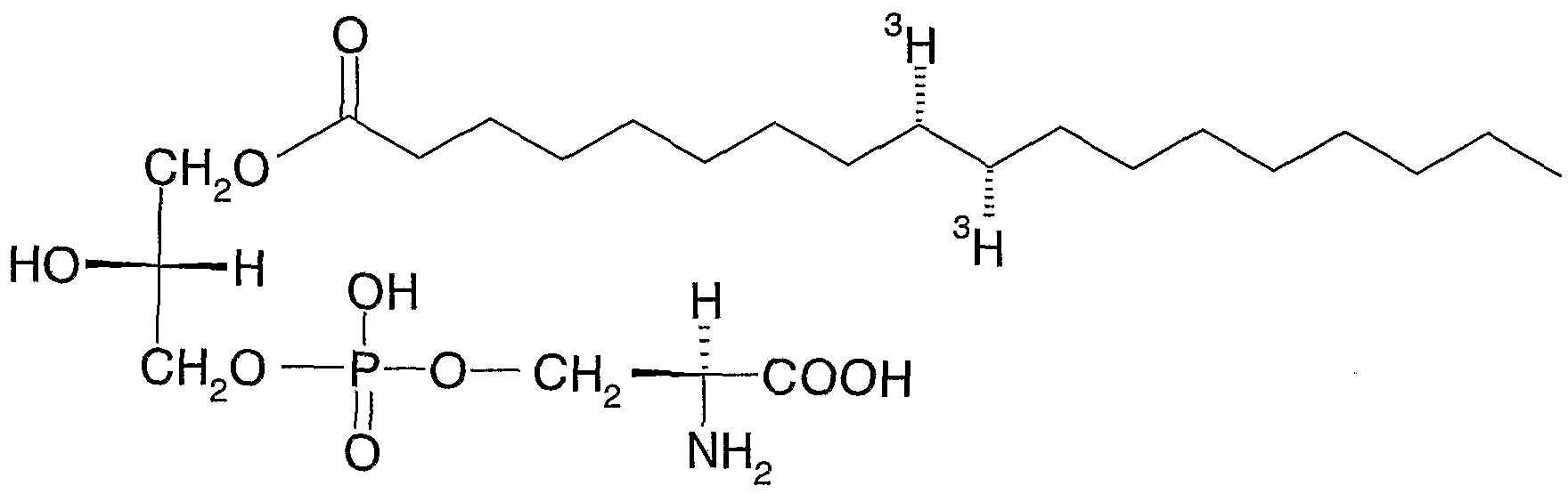
式 (I) で表される化合物の塩、 および式 (I I) で表される化合物の塩 としては、 例えば金属塩、 アンモニゥム塩、 有機塩基との塩、 無機酸と の塩、 有機酸との塩、 塩基性または酸性アミノ酸との塩などが挙げられ る。 金属塩の好適な例としては、 例えばナトリウム塩、 カリウム塩など のアルカリ金属塩; カルシウム塩、 マグネシウム塩、 バリウム塩などの アル力リ土類金属塩; アルミニウム塩などが挙げられる。 有機塩基との の好適な例としては、 例えば卜リメチルァミン、 トリェチルァミン、 ピリジン、 ピコリン、 2 , 6—ルチジン、 エタノールァミン、 ジェタノ
—ルァミン、 トリェタノールアミン、 シクロへキシルァミン、 ジシクロ へキシルァミン、 N, N '—ジベンジルエチレンジァミンなどとの塩が挙 げられる。無機酸との塩の好適な例としては、 例えば塩酸、 臭化水素酸、 硝酸、 硫酸、 リン酸などとの塩が挙げられる。 有機酸との塩の好適な例
としては、 例えばギ酸、 酢酸、 トリフルォロ酢酸、 フタル酸、 フマル睡、 シユウ酸、 酒石酸、 マレイン酸、 クェン酸、 コハク酸、 リンゴ酸、 メタ ンスルホン酸、 ベンゼンスルホン酸、 P —トルエンスルホン酸などとの 塩が挙げられる。 塩基性アミノ酸との塩の好適な例としては、 例えばァ ルギニン、 リジン、 オル二チンなどとの塩が挙げられ、 酸性アミノ酸と の塩の好適な例としては、 例えばァスパラギン酸、 グルタミン酸などと の塩が挙げられる。
このうち、 薬学的に許容し得る塩が好ましい。 例えば、 化合物内に酸 性官能基を有する場合にはアルカリ金属塩 (例、 ナトリウム塩, 力リウ ム塩など) 、 アルカリ土類金属塩 (例、 カルシウム塩, マグネシウム塩, バリウム塩など) などの無機塩、 アンモニゥム塩など、 また、 化合物内 に塩基性官能基を有する場合には、 例えば臭化水素酸、 硝酸、 硫酸、 リ ン酸など無機酸との塩、 または酢酸、 フ夕ル酸、 フマル酸、 シユウ酸、 酒石酸、 マレイン酸、 クェン酸、 コハク酸、 メタンスルホン酸、 p—ト ルエンスルホン酸などの有機酸との塩が挙げられる。
本発明の受容体および本発明の部分べプチドは、 前述したヒトゃ温血 動物の細胞または組織から自体公知のポリべプチドの精製方法によって 製造することもできるし、 後述するポリべプチドをコードする D N Aで 形質転換された形質転換体を培養することによつても製造することがで きる。 また、 後述のペプチド合成法に準じて製造することもできる。 例 えば、 Genomi cs, 56巻、 12- 21頁、 1999年、 B i oc im. B iophys. Ac t a, 1446 巻、 57- 70頁、 1999年などに記載の方法またはこれに準じた方法により、 製造することもできる。
ヒトゃ哺乳動物の組織または細胞から製造する場合、 ヒトゃ哺乳動物 の組織または細胞をホモジナイズした後、 酸などで抽出を行ない、 該抽 出液を逆相クロマトグラフィー、 イオン交換クロマトグラフィーなどの クロマトグラフィーを組み合わせることにより精製単離することができ る。
本発明の受容体または部分べプチドもしくはそれらの塩の合成には、
通常、 市販のポリペプチド合成用樹脂を用いることができる。 そのよ'う な樹脂としては、 例えば、 クロロメチル樹脂、 ヒドロキシメチル樹脂、 ペンズヒドリルァミン樹脂、 アミノメチル樹脂、 4—ベンジルォキシべ ンジルアルコール樹脂、 4—メチルベンズヒドリルァミン樹脂、 P A M 樹脂、 4ーヒドロキシメチルメチルフエ二ルァセトアミ ドメチル樹脂、 ポリアクリルアミ ド樹脂、 4一 (2, , 4 ' ージメ トキシフエ二ル一ヒ ドロキシメチル) フエノキシ樹脂、 4— ( 2 ' , 4, —ジメ トキシフエ 二ルー F m o cアミノエチル) フエノキシ樹脂などをあげることができ る。 このような樹脂を用い、 ひーァミノ基と側鎖官能基を適当に保護し たアミノ酸を、 目的とするポリペプチドの配列通りに、 自体公知の各種 縮合方法に従い、 樹脂上で縮合させる。 反応の最後に樹脂からポリぺプ チドを切り出すと同時に各種保護基を除去し、 さらに高希釈溶液中で分 子内ジスルフィ ド結合形成反応を実施し、 目的のポリペプチド、受容体、 部分ペプチドまたはそれらのアミ ド体を取得する。
上記した保護アミノ酸の縮合に関しては、 ポリペプチド合成に使用で きる各種活性化試薬を用いることができるが、 特に、 カルポジイミ ド類 がよい。 カルポジイミ ド類としては、 D C C、 N , N ' —ジイソプ口ピ ルカルポジイミ ド、 N—ェチル— N ' - ( 3—ジメチルァミノプロリル) カルポジイミ ドなどが用いられる。 これらによる活性化にはラセミ化抑 制添加剤 (例えば、 H O B t , H O O B t ) とともに保護アミノ酸を直 接樹脂に添加するかまたは、 対称酸無水物または H O B tエステルある いは H〇0 B tエステルとしてあらかじめ保護アミノ酸の活性化を行な つた後に樹脂に添加することができる。
保護アミノ酸の活性化や樹脂との縮合に用いられる溶媒としては、 ポ リベプチド縮合反応に使用しうることが知られている溶媒から適宜選択 されうる。 例えば、 N , N—ジメチルホルムアミ ド, N , N—ジメチル ァセトアミ ド, N—メチルピロリ ドンなどの酸アミ ド類、塩化メチレン, クロロホルムなどのハロゲン化炭化水素類、 トリフルォロエタノールな どのアルコール類、 ジメチルスルホキシドなどのスルホキシド類、 ピリ
ジン, ジォキサン, テトラヒドロフランなどのエーテル類、 ァセトニ'ト リル, プロピオ二トリルなどの二トリル類、 酢酸メチル, 酢酸ェチルな どのエステル類あるいはこれらの適宜の混合物などが用いられる。 反応 温度はポリべプチド結合形成反応に使用され得る'ことが知られている範 囲から適宜選択され、 通常約一 2 0 ° ( 〜 5 0 °Cの範囲から適宜選択され る。 活性化されたアミノ酸誘導体は通常 1 . 5〜4倍過剰で用いられる。 ニンヒドリン反応を用いたテストの結果、 縮合が不十分な場合には保護 基の脱離を行なうことなく縮合反応を繰り返すことにより十分な縮合を 行なうことができる。 反応を繰り返しても十分な縮合が得られないとき には、 無水酢酸またはァセチルイミダゾ一ルを用いて未反応アミノ酸を ァセチル化することによって、 後の反応に影響を与えないようにするこ とができる。
原料のァミノ基の保護基としては、 例えば、 Z、 B o c、 t—ペンチ ルォキシカルボニル、 ィソポルニルォキシカルボニル、 4ーメ トキシべ ンジル才キシ力ルポニル、 C 1 _ Z、 B r— Z、 ァダマンチルォキシカ ルポニル、 トリフルォロアセチル、 フタロイル、 ホルミル、 2—ニトロ フエニルスルフエ二ル、 ジフエニルホスフイノチオイル、 F m o cなど が用いられる。
力ルポキシル基は、 例えば、 アルキルエステル化 (例えば、 メチル、 ェチル、 プロピル、 プチル、 t 一ブチル、 シク口ペンチル、 シクロへキ シル、 シクロへプチル、 シクロォクチル、 2ーァダマンチルなどの直鎖 状、 分枝'状もしくは環状アルキルエステル化) 、 ァラルキルエステル化
(例えば、 ベンジルエステル、 4 _ニトロべンジルエステル、 4ーメ ト キシベンジルエステル、 4一クロ口べンジルエステル、 ベンズヒドリル エステル化) 、 フエナシルエステル化、 ベンジルォキシカルポニルヒド ラジド化、 t 一ブトキシカルボニルヒドラジド化、 トリチルヒドラジド 化などによって保護することができる。
セリンの水酸基は、 例えば、 エステル化またはエーテル化によって保 護することができる。 このエステル化に適する基としては、 例えば、 ァ
セチル基などの低級 (C^ 6) アルカノィル基、 ベンゾィル基などのァ ti ィル基、 ベンジルォキシカルポニル基、 エトキシカルポニル基などの炭 酸から誘導される基などが用いられる。 また、 エーテル化に適する基と しては、 例えば、 ベンジル基、 テトラヒドロビラニル基、 t一プチル基 などである。
チロシンのフエノール性水酸基の保護基としては、 例えば、 B z 1、 . C 12- B z 2—二トロベンジル、 B r— Z、 t一プチルなどが用い られる。
ヒスチジンのイミダゾールの保護基としては、 例えば、 T o s、 4— メ トキシー 2, 3, 6 _トリメチルベンゼンスルホニル、 DNP、 ベン ジルォキシメチル、 B um、 B o c、 T r t;、 Fmo cなどが用いられ る。
原料の力ルポキシル基の活性化されたものとしては、 例えば、 対応す る酸無水物、 アジド、 活性エステル 〔アルコール (例えば、 ペンタク口 口フエノール、 2, 4 , 5—トリクロ口フエノール、 2 , 4―ジニ卜口 フェノール、 シァノメチルアルコール、 パラニトロフエノール、 HON B、 N—ヒドロキシスクシミ ド、 N—ヒドロキシフタルイミ ド、 HOB t ) とのエステル〕 などが用いられる。 原料のァミノ基の活性化された ものとしては、 例えば、 対応するリン酸アミ ドが用いられる。
保護基の除去 (脱離) 方法としては、 例えば、 P d—黒あるいは P d 一炭素などの触媒の存在下での水素気流中での接触還元や、 また、 無水 フッ化水素、 メタンスルホン酸、 トリフルォロメタンスルホン酸、 'トリ フルォロ酢酸あるいはこれらの混合液などによる酸処理や、 ジィソプロ ピルェチルァミン、 トリェチルァミン、 ピぺリジン、 ピぺラジンなどに よる塩基処理、 また液体アンモニア中ナトリウムによる還元なども用い られる。 上記酸処理による脱離反応は、 一般に約一 2 0°C〜40°Cの温 度で行なわれるが、 酸処理においては、 例えば、 ァニソール、 フエノー ル、 チオアニソール、 メタクレゾール、 パラクレゾール、 ジメチルスル フイ ド、 1 ,· 4一ブタンジチオール、 1, 2一エタンジチオールなどの
ようなカチオン捕捉剤の添加が有効である。 また、 ヒスチジンのイミダ ゾール保護基として用いられる 2 , 4—ジニトロフエニル基はチォフエ ノール処理により除去され、 トリブトファンのインドール保護基として 用いられるホルミル基は上記の 1, 2 _エタンジチオール、 1 , 4—ブ タンジチオールなどの存在下の酸処理による脱保護以外に、 希水酸化ナ トリゥム溶液、 希アンモニアなどによるアル力リ処理によっても除去さ れる。
原料の反応に関与すべきでない官能基の保護ならびに保護基、 および その保護基の脱離、 反応に関与する官能基の活性化などは公知の基また は公知の手段から適宜選択しうる。
本発明の受容体または部分べプチドを得る別の方法としては、 例えば、 まず、 カルポキシ末端アミノ酸の 0;—力ルポキシル基をアミ ド化して保 護した後、 アミノ基側にペプチド (ポリペプチド) 鎖を所望の鎖長まで 延ばした後、 該ぺプチド鎖の N末端の Q! —ァミノ基の保護基のみを除い たポリべプチドと C末端の力ルポキシル基の保護基のみを除去したポリ ペプチドとを製造し、 この両ポリべプチドを上記したような混合溶媒中 で縮合させる。 縮合反応の詳細については上記と同様である。 縮合によ り得られた保護ポリべプチドを精製した後、 上記方法によりすベての保 護基を除去し、 所望の粗ポリペプチドを得ることができる。 この粗ポリ ペプチドは既知の各種精製手段を駆使して精製し、 主要画分を凍結乾燥 することで所望の受容体またはその部分ペプチドのアミド体を得ること ができる。
本発明の受容体または部分べプチドもしくはそれらの塩のエステル体 を得るには、 例えば、 カルポキシ末端アミノ酸の α —力ルポキシル基を 所望のアルコール類と縮合しアミノ酸エステルとした後、 受容体または その部分べプチドのアミド体と同様にして、 所望の受容体またはその部 分べプチドのエステル体を得ることができる。
本発明の受容体または部分べプチドは、 自体公知のぺプチドの合成法 に従って、 あるいは受容体の部分ペプチドについては、 受容体を適当な
ぺプチダーゼで切断することによって製造することができる。 ぺプチ'ド の合成法としては、 例えば、 固相合成法、 液相合成法のいずれによって も良い。 すなわち、 本発明受容体または部分ペプチドを構成し得る部分 ぺプチドもしくはアミノ酸と残余部分とを縮合さ'せ、 生成物が保護基を 有する場合は保護基を脱離することにより目的のぺプチドを製造するこ とができる。 公知の縮合方法や保護基の脱離としては、 例えば、 以下の
(i) 〜 (V) に記載された方法があげられる。
(i)M. Bodanszky および M. A. Ondett i、ペプチド ·シンセシス (Peptide Synthesis) , Interscience Publishers, New York (1966年)
(i i) Scliroederおよび Luebke、 ザ ·ぺプチド(The Pept ide), Academic Press, New York (1965年)
(iii) 泉屋信夫他、 ペプチド合成の基礎と実験、 丸善(株) ( 1975年)
(iv) 矢島治明 および榊原俊平、 生化学実験講座 1、 タンパク質の化 学 IV、 205、 (1977年)
(v) 矢島治明監修、 続医薬品の開発、 第 14巻、 ペプチド合成、 広川書店 また、 反応後は通常の精製法、 例えば、 溶媒抽出、 蒸留、 カラムクロ マトグラフィー、 液体クロマトグラフィー、 再結晶などを組み合わせて 本発明の受容体または部分べプチドを精製単離することができる。 上記 方法で得られる受容体または部分べプチドが遊離体である場合は、 公知 の方法あるいはそれに準じる方法によって適当な塩に変換することがで きるし、 逆に塩で得られた場合は、 公知の方法あるいはそれに準じる方 法 よって遊離体または他の塩に変換することができる。
本発明の受容体または部分べプチドをコードするポリヌクレオチドと しては、 前述した本発明の受容体または部分べプチドをコードする塩基 配列を含有するものであればいかなるものであってもよい。 このうち D NAが好ましく、 該 DNAは、 ゲノム DNA、 ゲノム DNAライブラリ ―、 前記した細胞,組織由来の c DNA、 前記した細胞 ·組織由来の c DNAライブラリー、 合成 DNAのいずれでもよい。
ライブラリーに使用するベクターは、 バクテリオファージ、 プラスミ
ド、 コスミド、 ファージミ ドなどいずれであってもよい。 また、 前記'し た細胞 ·組織より total RNAまたは mRNA画分を調製したものを用いて直接 Reverse Transcriptase Polymerase Chain React ion (以下、 RT-PCR法と 略称する) によって増幅することもできる。 '
本発明の受容体をコードする DNAとしては、 例えば配列番号: 2で 表される塩基配列を含有する DNA、 または配列番号: 2で表される塩 基配列とハイストリンジェントな条件下でハイプリダイズする塩基配列 を有し、 配列番号: 1で表されるアミノ酸配列を含有する蛋白質と実質 的に同質の活性を有する受容体をコードする D N Aなどであれば何れの ものでもよい。
配列番号: 2で表される塩基配列とハイストリンジェントな条件下で ハイブリダィズできる DN Aとしては、 例えば、 配列番号: 2で表され る塩基配列と約 7 0 %以上、 好ましくは約 8 0 %以上、 より好ましくは 約 9 0 %以上、 さらに好ましくは約 9 5 %以上の相同性を有する塩基配 列を含有する DNAなどが用いられる。
ハイプリダイゼーションは、 自体公知の方法あるいはそれに準じる方 法、 例えば、 Molecular Cloning 2nd (J. Sambrook et al. , Cold Spring Harbor Lab. Press, 1989) に記載の方法などに従って行なうことができ る。 また、 市啄のライブラリーを使用する場合、 添付の使用説明書に記 載の方法に従って行なうことができる。 より好ましくは、 ハイストリン ジェン卜な条件に従って行なうことができる。
ハイス'トリンジェン卜な条件とは、 例えば、 ナトリウム濃度が約 1 9 〜 40 mM、 好ましくは約 1 9〜 2 0 mMで、 温度が約 50〜 7 0 ° (:、 好ましくは約 6 0〜6 5 °Cの条件を示す。 特に、 ナトリウム濃度が約 1 9 mMで温度が約 6 5 °Cの場合が最も好ましい。
より具体的には、 配列番号: 1で表されるアミノ酸配列を含有する受 容体をコードする DNAとしては、 配列番号: 2で表される塩基配列を 含有する DNAなどが、 配列番号: 1 9で表されるアミノ酸配列を含有 する受容体をコードする PNAとしては、 配列番号: 2 0で表される塩
基配列を含有する DNAなどが、 配列番号: 2 2で表されるアミノ酸'配 列を含有する受容体をコードする DNAとしては、 配列番号: 2 3で表 される塩基配列を含有する DNAなどが、 配列番号: 3 1で表されるァ ミノ酸配列を含有する受容体をコードする DNA 'としては、 配列番号: 3 2で表される塩基配列を含有する DNAなどが、 配列番号: 3 5で表 されるアミノ酸配列を含有する受容体をコードする DN Aとしては、 配 列番号: 3 6で表される塩基配列を含有する DN Aなどが用いられる。 本発明の部分ペプチドをコードする DNAとしては、 本発明の受容体 の部分べプチドをコ一ドする塩基配列を含有するものであればいかなる ものであってもよい。 また、 ゲノム DNA、 ゲノム DNAライブラリ一、 前記した細胞 ·組織由来の c DNA、 前記した細胞 ·組織由来の c DN Aライブラリ一、 合成 DN Aのいずれでもよい。 具体的には、 配列番号: 2で表される塩基配列を有する DN Aの部分塩基配列を有する DNA、 または配列番号: 2で表される塩基配列とハイストリンジェントな条件 下でハイブリダィズする塩基配列を有し、 配列番号: 1で表されるアミ ノ酸配列を含有する蛋白質と実質的に同質の活性を有する受容体をコー ドする DNAの部分塩基配列を有する DNAなどが用いられる。 - 配列番号: 2で表される塩基配列とハイプリダイズできる DN Aは、 前記と同意義を示す。
ハイプリダイゼーションの方法およびハイストリンジェン卜な条件は 前記と同様のものが用いられる。
本発明の受容体または部分べプチドをコードするポリヌクレオチド (例、 DNA) は、 自体公知の方法で標識化されていてもよい。 標識物 質としては、 放射性同位元素、 蛍光物質 (例、 フルォレセインなど) 、 発光物質、 酵素、 ピオチン、 ランタニド元素などがあげられる。
本発明の受容体または部分べプチドを完全にコードする DN Aのクロ 一二ングの手段としては、 本発明の受容体または部分べプチドの部分塩 基配列を有する合成 DN Aプライマ一を用いて自体公知の P C R法によ つて増幅するか、 または適当なベクターに組み込んだ DN Aを本発明の
受容体または部分べプチドの一部あるいは全領域をコードする DNA'断 片もしくは合成 D N Aを用いて標識したものとのハイブリダィゼーショ ンによって選別することができる。 ハイプリダイゼーションの方法は、 例えば、 モレキュラー ' クローニング (Molecular Cloning) 2nd (J. Sambrook et al. , Cold Spring Harbor Lab. Press, 1989) に記載の方 法などに従って行なうことができる。 また、 市販のライブラリーを使用 する場合、 添付の使用説明書に記載の方法に従って行なうことができる。
DNAの塩基配列の変換は、 公知のキット、 例えば、 Mu n™- super Express Km (宝酒造 (株) ) 、 Mutan™- K (宝酒造 (株) ) 等を用いて、 0DA-LA PCR法、 Gapped duplex法、 Kimkel法等の自体公知の方法あるいは それらに準じる方法に従って行なうことができる。
クローン化された受容体をコードする DN Aは目的によりそのまま、 または所望により制限酵素で消化したり、 リンカーを付加したりして使 用することができる。 該 DNAはその 5 ' 末端側に翻訳開始コドンとし ての AT Gを有し、 また 3 ' 末端側には翻訳終止コドンとしての TAA、 T G Aまたは TAGを有していてもよい。 これらの翻訳開始コドンや翻 訳終止コドンは、 適当な合成 DN Aアダプターを用いて付加することも できる。
本発明の受容体または部分ペプチドの発現ベクターは、 例えば、 (a) 本発明の受容体または部分べプチドをコ一ドする DNAから目的とする DNA断片を切り出し、 (b) 該 DNA断片を適当な発現ベクター中のプ 口モーターの下流に連結することにより製造することができる。 · ベクターとしては、 大腸菌由来のプラスミ ド (例、 PBR 322, p B R 325 , p UC 1 2 , pUC 1 3) 、 枯草菌由来のプラスミ ド (例、 pUB 1 10, pTP 5, pC 194) 、 酵母由来プラスミ ド (例、 p SHI 9, p S H 1 5 ) 、 λファージなどのバクテリオファージ、 レト ロウィルス, ワクシニアウィルス, バキュロウィルスなどの動物ウィル スなどの他、 p A 1 - 1 1、 p XT 1、 pRc/CMV、 pRc/RS V、 p c DNA I /N e oなどが用いられる。
本発明で用いられるプロモ一夕一としては、 遺伝子の発現に用いる'宿 主に対応して適切なプロモーターであればいかなるものでもよい。 例え ば、 動物細胞を宿主として用いる場合は、 S R aプロモーター、 SV4 0プロモーター、 H I V . L T Rプロモータ一、 CMVプロモーター、 H S V-TKプロモーターなどがあげられる。
これらのうち、 CMV (サイ トメガロウィルス) プロモーター、 S R enプロモーターなどを用いるのが好ましい。 宿主がェシエリヒア属菌で ある場合は、 t r pプロモ一夕一、 l a cプロモーター、 r e c Aプロ モーター、 プロモーター、 l p pプロモー夕一、 T 7プロモ一夕 一などが、 宿主がバチルス属菌である場合は、 S PO lプロモーター、 S P O 2プロモーター、 I? e n Pプロモーターなど、 宿主が酵母である 場合は、 PH05プロモーター、 P GKプロモーター、 GAPプロモー ター、 ADHプロモーターなどが好ましい。 宿主が昆虫細胞である場合 は、 ポリヘドリンプロモータ一、 P 1 0プロモータ一などが好ましい。 発現ベクターには、 以上の他に、 所望によりェンハンサー、 スプライ シングシグナル、 ボリ A付加シグナル、 選択マーカー、 S V 40複製ォ リジン (以下、 S V 40 o r i と略称する場合がある) などを含有して いるものを用いることができる。 選択マーカ一としては、 例えば、 ジヒ ドロ葉酸還元酵素 (以下、 d h f rと略称する場合がある) 遺伝子 〔メ ソトレキセート (MTX) 耐性〕 、 アンピシリン耐性遺伝子 (以下、 A mprと略称する場合がある) 、 ネオマイシン耐性遺伝子 (以下、 N e or と略称する場合がある、 G4 1 8耐性) 等があげられる。 特に、 d h f r遺伝子欠損チャイニーズハムスター細胞を用いて d h f r遺伝子を選 択マーカーとして使用する場合、 目的遺伝子をチミジンを含まない培地 によっても選択できる。
また、 必要に応じて、 宿主に合ったシグナル配列を、 本発明の受容体 の N端末側に付加する。 宿主がェシエリヒア属菌である場合は、 P h o A · シグナル配列、 〇mp A · シグナル配列などが、 宿主がバチルス属 菌である場合は、 α—アミラーゼ · シグナル配列、 サブチリシン ' シグ
ナル配列などが、 宿主が酵母である場合は、 MF O! .シグナル配列、 UC 2 · シグナル配列など、 宿主が動物細胞である場合には、 インシュ リン ·シグナル配列、 α—インターフェロン ·シグナル配列、 抗体分子 · シグナル配列などがそれぞれ利用できる。 ·
このようにして構築された本発明の受容体または部分べプチドをコ一 ドする DN Αを含有するべクタ一を用いて、 形質転換体を製造すること. ができる。
宿主'としては、 例えば、 ェシエリヒア属菌、 バチルス属菌、 酵母、 昆 虫細胞、 昆虫、 動物細胞などが用いられる。
ェシエリヒア厲菌の具体例としては、 例えば、 ェシエリヒア · コリ
(Escherichia coli) K 1 2 · DH 1 CProc. Natl. Acad. Sci. USA, 60 巻, 160 (1968)〕, J M 10 3 [Nucleic Acids Research, 9巻, 309 (1981)〕, J A 2 2 1 [Journal of Molecular Biology, 120巻, 517 (1978)〕 , HB 1 0 1 [Journal of Molecular Biology, 41巻, 459 (1969)〕 , C 6 0 0 〔Genetics, 39巻, 440 (1954)〕 などが用いられる。
バチルス属菌としては、 例えば、 バチルス ·サブチルス (Bacillus subtilis) M I 1 1 4 [Gene, 24巻, 255 (1983)〕 , 2 0 7 - 2 1 [Journal of Biochemistry, 95巻, 87 (1984)〕 などが用いられる。
酵母としては、例えば、サッカロマイセス セレピシェ(Saccharomyces cerevisiae) AH 2 2, AH 2 2 R", N A 8 7 - 1 1 A, D KD - 5 D , 2 O B— 1 2、 シゾサッカロマイセス ボンべ (Schizosaccharorayces pombe) NCYC 1 9 1 3, NCYC 2 0 3 6, ピキア パストリス
(Pichia pastoris) KM 7 1などが用いられる。
昆虫細胞としては、 例えば、 ウィルスが Ac NPVの場合は、 ョトウ ガの幼虫由来株化細胞 (Spodoptera frugiperda cell; S f 細胞) 、 Trichoplusia niの中腸由来の M G 1細胞、 Tr ichoplus ia niの卵由来の High Five™細胞、 Mamestra brassicae由来の細胞または Estigmena acrea 由来の細胞などが用いられる。 ウィルスが BmN P Vの場合は、 蚕由来 株化細胞 (Bombyx mori N.細胞; BmN細胞) などが用いられる。 該 S
f 細胞としては、 例えば、 S f 9細胞 (ATCC C L1711) 、 S f 2 1細胞 (以上、 Vaughn, J. L. ら、 In Vivo, 13, 213-217, (1977) ) などが用いら れる。
昆虫としては、 例えば、 カイコの幼虫などが用いられる 〔前田ら、 Nature, 315巻, 592 (1985)〕 。
動物細胞としては、 例えば、 サル細胞 CO S— 7 (CO S 7 ) , V e. r o, チャイニーズハムスター細胞 CHO (以下、 CHO細胞と略記) , d h f r遺伝子欠損チャイニーズハムスター細胞 CHO (以下、 CHO ( d h f r -) 細胞と略記) , マウス L細胞, マウス A t T_ 2 0, マウ スミエロ一マ細胞, ラット GH 3 , ヒト F L細胞などが用いられる。 ェシエリヒア属菌を形質転換するには、例えば、 Pro Natl. Acad. Sci. USA, 69巻, 2110 (1972)や Gene, 17巻, 107 (1982)などに記載の方法に従って 行なうことができる。
バチルス属菌を形質転換するには、 例えば、 Molecular & General Genetics, 168巻, 111 (1979)などに記載の方法に従って行なうことができ る。
酵母を形質転換するには、 例えば、 Methods in Enzymology, 194 ■ 巻, 182-187 (1991)、 Pro Natl/ Acad. Sci. USA, 75巻, 1929 (1978)など に記載の方法に従って行なうことができる。
昆虫細胞または昆虫を形質転換するには、 例えば、 Bio/Teclmology, 6, 47-55 (1988)などに記載の方法に従って行なうことができる。
動物細胞を形質転換するには、 例えば、 細胞工学別冊 8 新細胞工学 実験プロトコール 263-267 (1995) (秀潤社発行) 、 Virology, 52 巻, 456 (1973)に記載の方法に従って行なうことができる。
このようにして、 受容体または部分ペプチドをコードする DNAを含 有する発現べクタ一で形質転換された形質転換体を得ることができる。 宿主がェシエリヒア属菌、 バチルス属菌である形質転換体を培養する 際、 培養に使用される培地としては液体培地が適当であり、 その中には 該形質転換体の生育に必要な炭素源、 窒素源、 無機物その他が含有せし
められる。 炭素源としては、 例えば、 グルコース、 デキストリン、 可'溶 性澱粉、 ショ糖など、 窒素源としては、 例えば、 アンモニゥム塩類、 硝 酸塩類、 コーンスチープ · リカー、 ペプトン、 カゼイン、 肉エキス、 大 豆粕、 バレイショ抽出液などの無機または有機物質、 無機物としては、 例えば、 塩化カルシウム、 リン酸ニ水素ナトリゥム、 塩化マグネシウム などがあげられる。 また、 酵母エキス、 ビタミン類、 成長促進因子など を添加してもよい。 培地の p Hは約 5〜 8が望ましい。
ェシエリヒア属菌を培養する際の培地としては、例えば、グルコース、 カザミノ酸を含む M 9'培地 〔MiUer, Journal of Experiments in Molecular Genetics, 431-433, Cold Spring Harbor Laboratory, New York 1972] が好ましい。 ここに必要によりプロモータ一を効率よく働かせる ために、 例えば、 3 ;3—インドリルアクリル酸のような薬剤を加えるこ とができる。
宿主がェシエリヒア属菌の場合、'培養は通常約 1 5〜43°Cで約 3〜 24時間行ない、 必要により、 通気や撹拌を加えることもできる。
宿主がバチルス属菌の場合、 培養は通常約 3 0〜40°Cで約 6〜24 時間行ない、 必要により通気や撹拌を加えることもできる。 · 宿主が酵母である形質転換体を培養する際、 培地としては、 例えば、 パークホールダー(Burkholder)最小培地〔Bostian, K. L. ら、 Pro Natl. Acad. Sci. USA, 77巻, 4505 (1980)〕 や 0. 5 %カザミノ酸を含有する S D 培地 [Bitter, G. A. ら、 Proc. Natl. Acad. Sci. USA, 81巻, 5330 (1984)〕 があげられる。 培地の p Hは約 5〜 8に調整するのが好ましい。 培養は 通常約 2 0°C〜3 5°Cで約 24〜7 2時間行ない、 必要に応じて通気や 撹拌を加える。
宿主が昆虫細胞または昆虫である形質転換体を培養する際、 培地とし ては、 Grace' s Insect Medium (Grace, T. C. C. , Nature, 195, 788 (1962) ) に非動化した 1 0 %ゥシ血清等の添加物を適宜加えたものなどが用いら れる。 培地の pHは約 6. 2〜6. 4に調整するのが好ましい。 培養は 通常約 2 7 で約3〜 5日間行ない、 必要に応じて通気や撹拌を加える。
宿主が動物細胞である形質転換体を培養する際、 培地としては、 例'え ば、 約 5〜 2 0 %の胎児牛血清を含む MEM培地 [Science, 122 巻, 501 (1952)〕 , DMEM培地 [Virology, 8巻, 396 (1959)〕 , R PM I 1 640培地 [The Journal of the American Medical Association 199 巻, 519(1967)〕 , 1 9 9培地 [Proceeding of the Society for the Biological Medicine, 73卷, 1 (1950)〕 などが用いられる。 pHは約 6〜 8であるのが好ましい。 培養は通常約 3 0° (:〜 40°Cで約 1 5〜6 0時 間行ない、 必要に応じて通気や撹拌を加える。
以上のようにして、 形質転換体の細胞内、 細胞膜または細胞外などに 本発明の受容体または部分べプチドを生成せしめることができる。
上記培養物から本発明の受容体または部分べプチドを分離精製するに は、 例えば、 下記の方法により行なうことができる。
本発明の受容体または部分べプチドを培養菌体あるいは細胞から抽出 するに際しては、 培養後、 公知の方法で菌体あるいは細胞を集め、 これ を適当な緩衝液に懸濁し、 超音波、 リゾチームおよび/または凍結融解 などによって菌体あるいは細胞を破壊したのち、 遠心分離やろ過により ポリべプチドの粗抽出液を得る方法などが適宜用いられる。 緩衝液の中 に尿素や塩酸グァニジンなどの蛋白質変性剤や、 トリ トン X— 1 0 0™ . などの界面活性剤が含まれていてもよい。 培養液中にポリペプチドが分 泌される場合には、 培養終了後、 それ自体公知の方法で菌体あるいは細 胞と上清とを分離し、 上清を集める。
このようにして得られた培養上清、 あるいは抽出液中に含まれる受容 体または部分ペプチドの精製は、 自体公知の分離 ·精製法を適宜組み合 わせて行なうことができる。 これらの公知の分離、 精製法としては、 塩 析ゃ溶媒沈澱法などの溶解度を利用する方法、 透析法、 限外ろ過法、 ゲ ルろ過法、 および S D S—ポリアクリルアミ ドゲル電気泳動法などの主 として分子量の差を利用する方法、 イオン交換クロマトグラフィーなど の荷電の差を利用する方法、 ァフィ二ティークロマトグラフィーなどの 特異的親和性を利用する方法、 逆相高速液体クロマトグラフィーなどの
疎水性の差を利用する方法、 等電点電気泳動法などの等電点の差を利'用 する方法などが用いられる。 '
かくして得られる受容体または部分べプチドが遊離体で得られた場合 には、 自体公知の方法あるいはそれに準じる方法.によって塩に変換する ことができ、 逆に塩で得られた場合には自体公知の方法あるいはそれに 準じる方法により、 遊離体または他の塩に変換することができる。
'なお、 組換え体が産生する受容体または部分ペプチドを、 精製前また は精製後に適当な蛋白修飾酵素を作用させることにより、 任意に修飾を 加えたり、 ポリペプチドを部分的に除去することもできる。 蛋白修飾酵 素としては、 例えば、 卜リプシン、 キモ卜リプシン、 アルギニルェンド ぺプチダーゼ、プロテインキナーゼ、グリコシダーゼなどが用いられる。 本発明の受容体と特異的に結合する能力を有するリガンドは、 市販さ れている場合には市販品をそのまま用いることもでき、 自体公知の方法 またはこれらに準じた方法に従って抽出または製造することもできる。 配列番号: 1で表されるアミノ酸配列と同一もしくは実質的に同一の アミノ酸配列を含有する蛋白質もしくはその部分べプチドまたはその塩 に対する抗体 (以下、. 単に本発明の抗体と称する場合がある) は、 本発 明の受容体に対する抗体を認識し得る抗体であれば、 ポリクローナル抗 体、 モノクローナル抗体の何れであってもよい。 本発明の受容体に対す る抗体としては、 受容体のシグナル伝達を不活性化する抗体、 受容体の シグナル伝達を活性化する抗体などが挙げられる。
本発明の受容体に対する抗体は、 本発明の受容体を抗原として用い、 公知の抗体または抗血清の製造法に従って製造することができる。
〔モノクローナル抗体の作製〕
( a ) モノクローナル抗体産生細胞の作製
本発明の受容体は、 温血動物に対して投与により抗体産生が可能な部 位にそれ自体あるいは担体、 希釈剤とともに投与される。 投与に際して 抗体産生能を高めるため、 完全フロイントアジュバン卜や不完全フロイ ントアジュバントを投与してもよい。 投与は通常 2〜 6週毎に 1回ずつ、
計 2〜 1 0回程度行われる。 用いられる温血動物としては、 例えば、 'サ ル、 ゥサギ、 ィヌ、 モルモット、 マウス、 ラット、 ヒッジ、 ャギ、 ニヮ トリがあげられるが、 マウスおよびラッ卜が好ましく用いられる。 モノクローナル抗体産生細胞の作製に際しては'、 抗原で免疫された温 血動物、 例えばマウスから抗体価の認められた個体を選択し最終免疫の 2〜5日後に脾臓またはリンパ節を採取し、 それらに含まれる抗体産生 細胞を同種または異種動物の骨髄腫細胞と融合させることにより、 モノ クローナル抗体産生ハイプリ ドーマを調製することができる。 抗血清中 の抗体価の測定は、 例えば、 後記の標識化ポリペプチドと抗血清とを反 応させたのち、 抗体に結合した標識剤の活性を測定することにより行な うことができる。 融合操作は既知の方法、 例えば、 ケーラーとミルスタ インの方法 〔ネイチヤー (Nature), 256、 495 (1975)] に従い実施する ことができる。 融合促進剤としては、 例えば、 ポリエチレングリコール (P EG) やセンダイウィルスなどがあげられるが、 好ましくは P EG が用いられる。
骨髄腫細胞としては、 例えば、 NS— 1、 P 3 U 1、 S P 2/0、 A P - 1などの温血動物の骨髄腫細胞があげられるが、 P 3 U 1が好まし く用いられる。 用いられる抗体産生細胞 (脾臓細胞) 数と骨髄腫細胞数 との好ましい比率は 1 : 1〜20 : 1程度であり、 P EG (好ましくは P EG 1 0 0 0〜P EG 6 0 0 0) が 1 0〜8 0 %程度の濃度で添加さ れ、 2 0〜 40 °C、 好ましくは 3 0〜 3 7 °Cで 1〜 1 0分間インキュべ ートすることにより効率よく細胞融合を実施できる。
モノクローナル抗体産生ハイプリ ドーマのスクリ一ニングには種々の 方法が使用できるが、 例えば、 ポリペプチド (蛋白質) 抗原を直接ある いは担体とともに吸着させた固相 (例、 マイクロプレート) にハイプリ ドーマ培養上清を添加し、 次に放射性物質や酵素などで標識した抗免疫 グロブリン抗体 (細胞融合に用いられる細胞がマウスの場合、 抗マウス 免疫グロブリン抗体が用いられる) またはプロテイン Aを加え、 固相に 結合したモノクローナル抗体を検出する方法、 抗免疫グロプリン抗体ま
たはプロティン Aを吸着させた固相にハイプリ ドーマ培養上清を添: !ΪΠし、 放射性物質や酵素などで標識したポリべプチドを加え、 固相に結合した モノクローナル抗体を検出する方法などがあげられる。 ■
モノクローナル抗体の選別は、 公知あるいはそれに準じる方法に従つ て行なうことができる。通常 HAT (ヒポキサンチン、 ァミノプテリン、 チミジン) を添加した動物細胞用培地で行なうことができる。 選別およ び育種用培地としては、 ハイプリ ドーマが生育できるものならばどのよ うな培地を用いても良い。例えば、 1〜 2 0 %、 好ましくは 1 0〜 2 0 % の牛胎児血清を含む R PM I 1 640培地、 1〜 1 0 %の牛胎児血清を 含む G I T培地 (和光純薬工業 (株) ) あるいはハイプリ ドーマ培養用 無血清培地 (S FM_ 1 0 1、 日水製薬 (株) ) などを用いることがで きる。 培養温度は、 通常 2 0〜40t、 好まし.くは約 3 7でである。 培 養時間は、 通常 5日〜 3週間、 好ましくは 1週間〜 2週間である。 培養 は、 通常 5 %炭酸ガス下で行なうことができる。 ハイプリ ドーマ培養上 清の抗体価は、 上記の抗血清中の抗体価の測定と同様にして測定できる。
(b) モノクローナル抗体の精製
モノクローナル抗体の分離精製は、 公知の方法、 例えば、 免疫グロブ リンの分離精製法 〔例、 塩析法、 アルコール沈殿法、 等電点沈殿法、 電 気泳動法、 イオン交換体 (例、 DEAE) による吸脱着法、 超遠心法、 ゲルろ過法、 抗原結合固相あるいはプロテイン Aあるいはプロテイン G などの活性吸着剤により抗体のみを採取し、 結合を解離させて抗体を得 る特異的精製法〕 に従って行なうことができる。
〔ポリクローナル抗体の作製〕
本発明のポリクローナル抗体は、 公知あるいはそれに準じる方法に従 つて製造することができる。 例えば、 免疫抗原 (ポリペプチド抗原) 自 体、 あるいはそれとキャリアー蛋白質との複合体をつくり、 上記のモノ クローナル抗体の製造法と同様に温血動物に免疫を行い、 該免疫動物か ら本発明の受容体に対する抗体含有物を採取して、 抗体の分離精製を行 なうことにより製造することができる。
温血動物を免疫するために用いられる免疫抗原とキヤリァー蛋白質'と の複合体に関し、 キヤリァ一蛋白質の種類およびキヤリァ一とハプテン との混合比は、 キヤリァ一に架橋させて免疫したハプテンに対して抗体 が効率良くできれば、 どの様なものをどの様な比率で架橋させてもよい が、 例えば、 ゥシ血清アルブミンゃゥシサイログロブリン、 へモシァニ ン等を重量比でハプテン 1に対し、 約 0 . 1 ~ 2 0、 好ましくは約 1〜 5の割合でカプルさせる方法が用いられる。
また、 ハプテンとキャリアーの力プリングには、 種々の縮合剤を用い ることができるが、 ダルタルアルデヒドやカルポジイミ ド、 マレイミド 活性エステル、 チオール基、 ジチオビリジル基を含有する活性エステル 試薬等が用いられる。
縮合生成物は、 温血動物に対して、 抗体産生が可能な部位にそれ自体 あるいは担体、 希釈剤とともに投与される。 投与に際して抗体産生能を 高めるため、 完全フロイントアジュバントゃ不完全フロイントアジュバ ントを投与してもよい。 投与は、 通常約 2〜 6週毎に 1回ずつ、 計約 3 〜 1 0回程度行なわれる。
ポリクローナル抗体は、 上記の方法で免疫された温血動物の血液、 腹 水など、 好ましくは血液から採取することができる。
抗血清中のポリクローナル抗体価の測定は、 上記の抗血清中の抗体価 の測定と同様にして測定できる。 ポリクローナル抗体の分離精製は、 上 記のモノクローナル抗体の分離精製と同様の免疫グロプリンの分離精製 法に従って行なうことができる。
配列番号: 1または配列番号: 1 9で表されるアミノ酸配列と同一も しくは実質的に同一のアミノ酸配列を含有する蛋白質もしくはその部分 ペプチドまたはその塩をコードするポリヌクレオチド (例、 D N A ) に 相補的な、 または実質的に相補的な塩基配列またはその一部を含有する ポリヌクレオチド (例、 D N A ) としては、 該ポリヌクレオチドに相補 的な、 または実質的に相補的な塩基配列またはその一部を有し、 該ポリ ヌクレオチドの発現を抑制し得る作用を有するものであれば、 いずれの
ポリヌクレオチド (アンチセンスポリヌクレオチド) であってもよい'。 具体的には、 本発明の受容体をコードするポリヌクレオチド (例、 D NA) (以下、 これらの DNAを本発明の DNAと略記する場合がある) に相補的な、 または実質的に相補的な塩基配列またはその一部を有する アンチセンス DNA (以下、 これらの DN Aをアンチセンス DN Aと略 記する場合がある) が挙げられ、 本発明の DN Aに相補的な、 または実. 質的に相補的な塩基配列またはその一部を有し、 該 DN Aの発現を抑制 し得る作用を有するものであれば、 いずれのアンチセンス DN Aであつ てもよい。
本発明の DN Aに実質的に相補的な塩基配列とは、 例えば、 本発明の DNAに相補的な塩基配列 (すなわち、 本発明の DNAの相補鎖) の全 塩基配列あるいは部分塩基配列と約 7 0 %以上、 好ましくは約 8 0 %以 上、 より好ましくは約 9 0 %以上、 最も好ましくは約 9 5 %以上の相同 性を有する塩基配列などがあげられる。 特に、 本発明の DNAの相補鎖 の全塩基配列うち、 本発明の受容体の N末端部位をコードする部分の塩 基配列 (例えば、 開始コドン付近の塩基配列など) の相補鎖と約 7 0 % 以上、 好ましくは約 8 0 %以上、 より好ましくは約 9 0 %以上、 最も好 ましくは約 9 5 %以上の相同性を有するアンチセンス D N Aが好適であ る。 これらのアンチセンス DNAは、 公知の DNA合成装置などを用い て製造することができる。
具体的には、 配列番号: 2で表される塩基配列を有する DNAの塩基 配列に相補的な、 もしくは実質的に相補的な塩基配列、 またはその一部 分を有するアンチセンスポリヌクレオチドなどが挙げられる。 好まし < は例えば、 配列番号: 2で表される塩基配列を有する DNAの塩基配列 に相補な塩基配列、 またはその一部分を有するアンチセンスポリヌクレ ォチドなどが挙げられる。
アンチセンスポリヌクレオチドは通常、 1 0〜40個程度、 好ましく は 1 5〜 3 0個程度の塩基から構成される。
ヌクレアーゼなどの加水分解酵素による分解を防ぐために、 アンチセ
ンス D N Aを構成する各ヌクレオチドのりん酸残基(ホスフェート)ほ、 例えば、 ホスホロチォエー卜、 メチルホスホネー卜、 ホスホロジチォネ ートなどの化学修飾りん酸残基に置換されていてもよい。 これらのアン チセンスポリヌクレオチドは、 公知の D N A合成装置などを用いて製造 することができる。
本発明に従えば、 本発明の受容体遺伝子の複製または発現を阻害する ことのできるアンチセンスポリヌクレオチド (核酸) を、 クローン化し た、 あるいはアミノ酸が決定された蛋白質をコードする D N Aの塩基配 列情報に基づき設計し、 合成しうる。 かかるポリヌクレオチド (核酸) は、 本発明の受容体遺伝子の R N Aとハイブリダィズすることができ、 該 R N Aの合成または機能を阻害することができるか、 あるいは本発明 の受容体関連 R N Aとの相互作用を介して本発明の受容体遺伝子の発現 を調節 ·制御することができる。 本発明の受容体関連 R N Aの選択され た配列に相補的なポリヌクレオチド、 および本発明の受容体関連 R N A と特異的にハイプリダイズすることができるポリヌクレオチドは、 生体 内および生体外で本発明の受容体遺伝子の発現を調節 ·制御するのに有 用であり、 また病気などの治療または診断に有用である。 用語 「対応す る」 とは、 遺伝子を含めたヌクレオチド、 塩基配列または核酸の特定の 配列に相同性を有するあるいは相補的であることを意味する。 ヌクレオ チド、 塩基配列または核酸とペプチド (蛋白質) との間で 「対応する」 とは、 ヌクレオチド (核酸) の配列またはその相補体から誘導される指 令にあるペプチド (蛋白質) のアミノ酸を通常指している。 蛋白質遺伝 子の 5 '端ヘアピンループ、 5 ' 端 6—べ一スペア · リピート、 5 ' 端非 翻訳領域、 蛋白質翻訳終止コドン、 蛋白質コード領域、 O R F翻訳終止 コドン、 3 ' 端非翻訳領域、 3 ' 端パリンドローム領域、 および 3 ' 端 ヘアピンループは好ましい対象領域として選択しうるが、 蛋白質遺伝子 内の如何なる領域も対象として選択しうる。
目的核酸と、 対象領域の少なくとも一部に相補的なポリヌクレオチド との関係は、 · 対象物とハイプリダイズすることができるポリヌクレオチ
ドとの関係は、 「アンチセンス」 であるということができる。 アンチ ½ ンスポリヌクレオチドは、 2—デォキシー D _リポースを含有している ポリヌクレオチド、 D—リポースを含有しているポリヌクレオチド、 プ リンまたはピリミジン塩基の N—グリコシドであるその他のタイプのポ リヌクレオチド、 あるいは非ヌクレオチド骨格を有するその他のポリマ 一 (例えば、 市販の蛋白質核酸および合成配列特異的な核酸ポリマー) または特殊な結合を含有するその他のポリマー (但し、 該ポリマーは D N Aや R N A中に見出されるような塩基のペアリングゃ塩基の付着を許 容する配置をもつヌクレオチドを含有する) などが挙げられる。 それら は、 二本鎖 D N A、 一本鎖 D N A、 二本鎖 R N A、 一本鎖 R N A、 さら に D N A : R N Aハイプリッドであることができ、 さらに非修飾ポリヌ クレオチド (または非修飾オリゴヌクレオチド) 、 さらには公知の修飾 の付加されたもの、 例えば当該分野で知られた標識のあるもの、 キヤッ プの付いたもの、 メチル化されたもの、 1個以上の天然のヌクレオチド を類縁物で置換したもの、 分子内ヌクレオチド修飾のされたもの、 例え ば非荷電結合 (例えば、 メチルホスホネート、 ホスホトリエステル、 ホ スホルアミデート、 力ルバメートなど) を持つもの、 電荷を有する結合 または硫黄含有結合 (例えば、 ホスホロチォエート、 ホスホロジチォェ ートなど) を持つもの、 例えば蛋白質 (ヌクレアーゼ、 ヌクレア一ゼ - インヒビター、 トキシン、 抗体、 シグナルペプチド、 ポリ一 L一リジン など) や糖 (例えば、 モノサッカライドなど) などの側鎖基を有してい るもの、 ィンタ一力レート化合物 (例えば、 ァクリジン、 ソラレンなど) を持つもの、 キレート化合物 (例えば、 金属、 放射活性をもつ金属、 ホ ゥ素、 酸化性の金属など) を含有するもの、 アルキル化剤を含有するも の、 修飾された結合を持つもの (例えば、 Q!ァノマ一型.の核酸など) で あってもよい。 ここで 「ヌクレオシド」 、 「ヌクレオチド」 および 「核 酸」 とは、 プリンおよびピリミジン塩基を含有するのみでなく、 修飾さ れたその他の複素環型塩基をもつようなものを含んでいて良い。 こうし た修飾物は、 メチル化されたプリンおよびピリミジン、 ァシル化された
プリンおよびピリミジン、 あるいはその他の複素環を含むものであつ'て よい。 修飾されたヌクレオチドおよび修飾されたヌクレオチドはまた糖 部分が修飾されていてよく、例えば、 1個以上の水酸基がハロゲンとか、 脂肪族基などで置換されていたり、 あるいはエーテル、 ァミンなどの官 能基に変換されていてよい。
本発明のアンチセンスボリヌクレオチド (核酸) は、 R N A、 D N A、. あるいは修飾された核酸 (R N A、 D N A ) である。 修飾された核酸の 具体例としては核酸の硫黄誘導体ゃチォホスフェート誘導体、 そしてポ リヌクレオシドアミドゃオリゴヌクレオシドァミドの分解に抵抗性のも のが挙げられるが、 それに限定されるものではない。 本発明のアンチセ ンスヌクレオチドは次のような方針で好ましく設計されうる。 すなわち、 細胞内でのアンチセンスヌクレ才チドをより安定なものにする、 アンチ センスヌクレオチドの細胞透過性をより高める、 目標とするセンス鎖に 対する親和性をより大きなものにする、 そしてもし毒性があるならアン チセンスヌクレオチドの毒性をより小さなものにする。 . こうした修飾は当該分野で数多く知られており、 例えば J. Kawakami e t al . , Pharm Tech J apan, Vo l. 8, pp. 247, 1992 ; Vo l. 8, pp. 395, 1992 ; S. T. Crooke e t al. ed. , Ant i sense Research and App l i cat ions, CRC Pres s, 1993 などに開示がある。
本発明のアンチセンスポリヌクレオチドは、 変化せしめられたり、 修 飾された糖、 塩基、 結合を含有していて良く、 リボゾーム、 ミクロスフ エアのような特殊な形態で供与されたり、 遺伝子治療により適用された り、 付加された形態で与えられることができうる。 こうして付加形態で 用いられるものとしては、 リン酸基骨格の電荷を中和するように働くポ リリジンのようなポリカチオン体、 細胞膜との相互作用を高めたり、 核 酸の取込みを増大せしめるような脂質 (例えば、 ホスホリピド、 コレス テロールなど) といった疎水性のものが挙げられる。 付加するに好まし い脂質としては、 コレステロールやその誘導体 (例えば、 コレステリル クロ口ホルメート、 コール酸など) が挙げられる。 こうしたものは、 核
酸の 3 '端あるいは 5 '端に付着させることができ、 塩基、 糖、 分子内 クレオシド結合を介して付着させることができうる。 その他の基として は、 核酸の 3 '端あるいは 5 '端に特異的に配置されたキヤップ用の基で、 ェキソヌクレアーゼ、 R N a s eなどのヌクレアニゼによる分解を阻止 するためのものが挙げられる。 こうしたキャップ用の基としては、 ポリ エチレンダリコール、 テトラエチレンダリコールなどのダリコールをは. じめとした当該分野で知られた水酸基の保護基が挙げられるが、 それに 限定されるものではない。
アンチセンスヌクレオチドの阻害活性は、 本発明の形質転換体、 本発 明の生体内や生体外の遺伝子発現系、 あるいは本発明の受容体の生体内 や生体外の翻訳系を用いて調べることができる。 該核酸は公知の各種の 方法で細胞に適用できる。
以下に、 (i ) 本発明の受容体、 (i i ) 本発明の受容体をコードするポ リヌクレオチド (本発明のポリヌクレオチド) 、 ( i i i ) 本発明の受容体 に対する抗体 (本発明の抗体) 、 ( i v) 本発明の受容体のアンチセンス ポリヌクレオチド (例、 本発明のアンチセンス D N A) 、 (V) 本発明の 受容体に特異的に結合する能力を有するリガンド (本発明のリガンド) などの用途を説明する。
〔1〕 IL- 13産生抑制作用、 肥満細胞の脱顆粒抑制作用、 エイコサノイド 産生抑制作用、 肥満細胞増殖抑制作用などを有する医薬候補化合物、 中 枢疾患の予防 ·治療用医薬候補化合物などのスクリーニング
本発明のリガンドは、 肥満細胞に対して IL- 13産生促進活性、 肥満細胞 の脱顆粒促進作用、 肥満細胞のエイコサノイ ド (例、 ロイコトリェン、 プロスタグランジンなど) 産生促進作用、 およびミクログリア細胞に対 して IL- 10産生促進作用、 IL- 6産生抑制作用ならびに TNF- α産生抑制作用 などを有する。
本発明のリガンドゃ本発明の受容体の機能'活性(例、肥満細胞の IL - 13 産生促進活性、 脱顆粒促進作用、 エイコサノイ ド産生促進作用ならびに 肥満細胞増殖促進作用、 およびミクログリァ細胞の IL-10産生促進作用、
IL - 6産生抑制作用ならびに TNF_ 産生抑制作用など) を阻害する化合'物 またはその塩は、 例えば、 IL- 13産生抑制剤、 肥満細胞の脱顆粒抑制剤、 エイコサノィ ド産生抑制剤、肥満細胞増殖抑制剤、 IL- 10産生抑制剤、 IL-6 産生促進剤、 TNF-ひ産生促進剤などとして有用であり、 例えば、 免疫疾 患 〔例、 炎症性疾患 (下垂体膿瘍、 甲状腺炎、 腹膜炎、 クローン病、 潰 瘍性大腸炎、 結節性紅斑、 慢性関節リウマチ、 全身性エリテマトーデス など) 、 アレルギー (例、 アレルギー性結膜炎、 アレルギー性鼻炎、 花 粉症、 金属アレルギーなど) 、 喘息、 滲出性中耳炎、 メニエール病、 接 触皮膚炎、 アナフィラキシー、 蓴麻疹、 重症筋無力症、 糸球体腎炎、 シ エーダレン症候群、 バセドー病、 インスリン抵抗性糖尿病、 アトピー性 皮膚炎、 白血球異常など〕 、 呼吸器疾患 〔例、 慢性閉塞性肺疾患 (例、 慢性気管支炎、 肺気腫) 、 びまん性汎細気管支炎、 嚢胞性線維症、 過敏 性肺炎、 突発性間質性肺炎、 肺線維症など〕 、 泌尿器疾患 (例、 腎尿細 管間質障害 (繊維化) 、 間質性膀胱炎、 アレルギー性膀胱炎など) 、 循 環器疾患 (例、 動脈硬化症、 急性冠状動脈症候群、 粥状硬化性大動脈瘤、 心臓アナフィラキシー、 心不全、 心筋梗塞、 狭心症、 不整脈、 深部静脈 血栓症、 P T C A後再狭窄など) 、 眼科疾患 (例、 翼状片、 春期カタル、 ドライアイなど) 、 癌 (例、 甲状腺乳頭癌、 非小細胞性肺癌、 子宮内膜 癌、 子宮頸癌、 胃癌、 膝臓癌、 肺癌、 腎臓癌、 肝臓癌、 卵巣癌、 前立腺 癌、 膀胱癌、 乳癌、 結腸癌、 直腸癌、 力ポジ肉腫、 肥満細胞種など) 、 消化器疾患 〔例、 慢性肝疾患、 食物アレルギー、 アレルギー性腸炎、 牛 乳タンパク誘発性直腸炎、 消化性潰瘍 (例、 胃潰瘍、 十二指腸潰瘍、 吻 合部潰瘍、 Zo l l inger- El l i son症候群など) 、 胃炎、 逆流性食道炎、 NUD (Non Ul ce r Dyspeps i a) 、 胃 MALTリンパ腫、 非ステロイ ド系抗炎症剤に 起因する潰瘍、 胃酸過多、 手術後ストレスによる胃酸過多および潰瘍な ど〕 、 脳梗塞、 高脂血症、 急性腎不全、 糖尿病、 肥満症、 浮腫、 肉芽種、 アトピー性脊髄炎、 神経線維腫、 鼻粘膜過敏症、 ホジキン病、 子宮内膜 増殖症、 中枢疾患 〔例、 神経変性疾患 (例、 アルツハイマー病 (家族性 アルツハイマー病、 若年性アルツハイマー病、 孤発性アルツハイマー病
など)、パーキンソン病、ダウン症、筋萎縮性側索硬化症、プリオン病 '(ク 口イツフェルト一ヤコブ病)、 ハンチントン舞踏病、 糖尿病性ニュ一ロパ チ一、 多発性硬化症など) 、 精神疾患 (例、 統合失調症、 うつ病、 双極 性障害、 不安障害、 注意欠陥 ·多動性障害、 バニ'ック障害など) 、 脳血 管障害 (例、 脳血栓症、 脳塞栓症、 一過性脳虚血発作など) など〕 の予 防 ·治療剤などとして使用できる。
「本発明のリガンドの機能 ·活性を阻害する化合物」 としては、 例え ば、 本発明のリガンドに結合するタンパク質、 本発明のリガンドに特異 的に結合する抗体などが挙げられる。 「本発明の受容体の機能 ·活性を 阻害する化合物」 としては、 例えば、 本発明の受容体のアン夕ゴニスト、 本発明の受容体と本発明のリガンドとの結合力を阻害する化合物、 本発 明の受容体に特異的に結合する抗体、 本発明の受容体 (タンパク質、 遺 伝子) の発現を阻害する化合物 (例えば、 本発明の受容体をコードする
R N Aの一部を含有する二重鎖 R N A 〔本発明の受容体に対する s i R N A、 s h R N A、 本発明の受容体をコードする R N Aの一部を含有す るリポザィム、 本発明の受容体をコードする D N Aに対するアンチセン ス D N A) などが挙げられる。 ·
IL - 13産生抑制剤として、 好ましくは、 呼吸器疾患などの予防 '治療剤 が挙げられる。
肥満細胞の脱顆粒抑制剤として、 好ましくは、 免疫疾患、 泌尿器疾患、 循環器疾患などの予防 ·治療剤が挙げられる。
エイコサノィド産生抑制剤として、 好ましくは、 免疫疾患などの予防 - 治療剤が挙げられる。
なお、 本発明のリガンドゃ本発明の受容体の機能 ·活性を促進する化 合物またはその塩 (例えば、 本発明の受容体のァゴニスト) は、 中枢に おける該リガンドゃ該受容体の機能活性 (例、 ミクログリア細胞に対す る IL- 10産生促進活性、 IL- 6産生抑制活性、 TNF- 産生抑制活性など) を 促進することができるので、例えば、 IL- 10産生促進剤、 IL- 6産生抑制剤、 TNF- a産生抑制剤などとして有用であり、 例えば、 中枢疾患 〔例、 神経
変性疾患 (例、 アルツハイマー病 (家族性アルツハイマー病、 若年性 7 ルツハイマー病、 孤発性アルツハイマー病など) 、 パーキンソン病、 ダ ゥン症、 筋萎縮性側索硬化症、 プリオン病 (クロイツフェルト一ヤコブ 病)、ハンチントン舞踏病、糖尿病性ニューロパチ 、多発性硬化症など)、 精神疾患 (例、 統合失調症、 うつ病、 双極性障害、 不安障害、 注意欠陥 · 多動性障害、 パニック障害など) 、 脳血管障害 (例、 脳血栓症、 脳塞栓 症、 一過性脳虚血発作など) など〕 の予防 ·治療剤などとして使用でき る。
本発明の受容体を用い、 または組換え型本発明の受容体の発現系を用 いたリガンドレセプ夕一アツセィ系を用いることにより、 本発明の受容 体と、 本発明のリガンドとの結合性を変化させる化合物 (例えば、 ぺプ チド、 蛋白質、 非ペプチド性化合物、 合成化合物、 発酵生産物など) ま たはその塩を効率よくスクリ一ニングすることができる。
該化合物またはその塩には、 (i) 本発明の受容体を介して細胞刺激活 性 (例えば、 ァラキドン酸遊離、 アセチルコリン遊離、 細胞内 Ca2+遊離、 細胞内 cAMP生成、 細胞内 cAMP産生抑制、 細胞内 cGMP生成、 イノシトール リン酸産生、細胞膜電位変動、細胞内蛋白質のリン酸化、 c- iosの活性化、 • pHの低下、 GTP r S結合活性、 cAMP依存性プロテインキナーゼの活性化、 cGMP依存性プロティンキナーゼの活性化、 リン脂質依存性プロティンキ ナーゼの活性化、 微小管結合蛋白質リン酸化酵素 (MAPキナーゼ) (例、 ERK1/2 (P42/44 MAP キナーゼ) 、 p38 MAPK、 JNK/SAPK, ERK5など) の活 性化などを促進する活性など) を有する化合物 (ァゴ二スト) 、 (i i) 上記細胞刺激活性を有しない化合物 (アン夕ゴニスト) 、 (i i i) 本発明 の受容体と本発明のリガンドとの結合力を促進する化合物、 (iv) 本発 明の受容体と本発明のリガンドとの結合力を阻害する化合物などが含ま れる。
具体的には、 (i ) 本発明の受容体に、 本発明のリガンドを接触させた 場合と (i i) 本発明の受容体に、 本発明のリガンドおよび試験化合物を 接触させた場合との比較を行なう。 比較は、 例えば、 本発明の受容体に
対する本発明のリガンドの結合量、 細胞刺激活性などを測定して行う 本発明のスクリーニング方法としての具体例としては、 例えば、
(a) 本発明のリガンドを本発明の受容体に接触させた場合と、 本発明の リガンドおよび試験化合物を本発明の受容体に接触させた場合における、 本発明のリガンドの本発明の受容体に対する結合量を測定し、 比較する ことを特徴とする、 本発明のリガンドと本発明の受容体との結合性を変 化させる化合物またはその塩のスクリ一二ング方法、
(b) 本発明のリガンドを、 本発明の受容体を含有する細胞または該細胞 の膜画分に接触させた場合と、 本発明のリガンドおよび試験化合物を本 発明の受容体を含有する細胞または該細胞の膜画分に接触させた場合に おける、 本発明のリガンドの該細胞または該膜画分に対する結合量を測 定し、 比較することを特徴とする、 本発明のリガンドと本発明の受容体 との結合性を変化させる化合物またはその塩のスクリ一ニング方法、 お よび
(c) 本発明の受容体が、 本発明の受容体をコードする D N Aを含有する 形質転換体を培養することによって細胞膜上に発現した本発明の受容体 である上記 (b) 記載のスクリーニング方法、 .
(d) 本発明のリガンドが、 標識したリガンドである上記 (a) 〜 (c) の スクリ一二ング方法などのレセプター結合アツセィ系、
( e ) 本発明のリガンドを本発明の受容体に接触させた場合と、 本発明の リガンドおよび試験化合物を本発明の受容体に接触させた場合における、 本発明の受容体を介した細胞刺激活性を測定し、 比較することを特徴と する、 本発明のリガンドと本発明の受容体との結合性を変化させる化合 物またはその塩のスクリ一ニング方法、
( f ) 本発明のリガンドを本発明の受容体を含有する細胞または該細胞の 膜画分に接触させた場合と、 本発明のリガンドおよび試験化合物を本発 明の受容体を含有する細胞または該細胞の膜画分に接触させた場合にお ける、 本発明の受容体を介した細胞刺激活性を測定し、 比較することを 特徴とする、.本発明のリガンドと本発明の受容体との結合性を変化させ
る化合物またはその塩のスクリーニング方法、 および
(g) 本発明の受容体が、 本発明の受容体をコードする D N Aを含有する 形質転換体を培養することによって細胞膜上に発現した本発明の受容体 である上記 (ί) のスクリーニング方法などの細胞刺激アツセィ系などが 挙げられる。 - 本発明のスクリ一二ング方法の具体的な説明を以下にする。
本発明の受容体としては、 ヒトゃ温血動物の臓器の膜画分などが好適 に用いられる。 しかし、 特にヒト由来の臓器は入手が極めて困難なこと から、 スクリーニングに用いられるものとしては、 組換え体を用いて大 量発現させた本発明の受容体などが適している。
本発明の受容体を製造するには、 前述の本発明の受容体の製造方法な どが用いられる。
本発明のスクリーニング方法において、 本発明の受容体を含有する細 胞あるいは該細胞膜画分などを用いる場合、 後述の調製法に従えばよい。 本発明の受容体を含有する細胞を用いる場合、 該細胞をダルタルアル デヒド、 ホルマリンなどで固定化してもよい。 固定化方法はそれ自体公 知の方法に従って行うことができる。 · 本発明の受容体を含有する細胞としては、 本発明の受容体を発現した 宿主細胞をいうが、 該宿主細胞としては、 前述の大腸菌、 枯草菌、 酵母、 昆虫細胞、 動物細胞などが挙げられる。 製造方法は前述と同様である。 膜画分としては、 細胞を破砕した後、 それ自体公知の方法で得られる 細胞膜が多く含まれる画分のことをいう。 細胞の破砕方法としては、
Po t t e r— E l vehj em型ホモジナイザーで細胞を押し潰す方法、 ヮーリング プレンダーゃポリ トロン (K inema t i ca社製) による破碎、 超音波による 破砕、 フレンチプレスなどで加圧しながら細胞を細いノズルから噴出さ せることによる破砕などがあげられる。 細胞膜の分画には、 分画遠心分 離法や密度勾配遠心分離法などの遠心力による分画法が主として用いら れる。 例えば、 細胞破砕液を低速 (500 ΓΡΠ!〜 3000 rpni) で短時間 (通常、 約 1分〜 1 0分) 遠心し、.上清をさらに高速 ( 15000 rpni〜30000 rpm) で
通常 3 0分〜 2時間遠心し、 得られる沈澱を膜画分とする。 該膜画分'中 には、 発現した本発明の受容体と細胞由来のリン脂質や膜蛋白質などの 膜成分が多く含まれる。
該本発明の受容体を含有する細胞や膜画分中の本発明の受容体の量は、 1細胞当たり 1 03〜 1 08分子であるのが好ましく、 1 05〜 1 07分子で あるのが好適である。 なお、 発現量が多いほど膜画分当たりのリガンド 結合活性 (比活性) が高くなり、 高感度なスクリーニング系の構築が可 能になるばかりでなく、 同一ロットで大量の試料を測定できるようにな る。
前記のレセプター結合ァッセィ系や細胞剌激アツセィ系などのスクリ
—ニング方法を実施するためには、 例えば、 本発明の受容体画分と、 本 発明のリガンド (例、 標識した本発明のリガン.ド) などが用いられる。 本発明の受容体画分としては、 天然型の本発明の受容体画分か、 または それと同等の活性を有する組換え型本発明の受容体画分などが望ましい。 ここで、 同等の活性とは、 同等のリガンド結合活性などを示す。 標識し たリガンドとしては、 例えば、 放射性同位元素 (例、 〔 〕 、 ' 〔 I〕 、
〔"c〕 、 〔32P〕 、 〔33P〕 、 c35s) など) 、 蛍光物質 (例、 フルォレセィ ンなど) 、 発光物質 (例、 ルミノールなど) 、 酵素 (例、 ペルォキシダ ーゼなど) またはランタニド元素などで標識されたリガンドなどを用い ることができる。
具体的には、 本発明のリガンドと本発明の受容体との結合性を変化さ せる化合物のスクリ一二ングを行うには、 本発明の受容体を含有する細 胞または細胞の膜画分を、 スクリーニングに適したバッファーに懸濁す ることによりレセプター標品を調製する。 バッファーには、 pH4〜 l 0 (望ましくは pH 6〜8) のリン酸バッファー、 トリス一塩酸バッフ ァーなどのリガンドと受容体との結合を阻害しないバッファーであれば いずれでもよい。 また、非特異的結合を低減させる目的で、 CHAP S、 Twe e n - 8 0™ (花王ーァトラス社) 、 ジギトニン、 デォキシコレー トなどの界面活性剤をバッファ一に加えることもできる。 さらに、 プロ
テアーゼによる本発明の受容体の分解を抑える目的で PM S F、 ロイぺ プチン、 E— 64 (ペプチド研究所製) 、 ぺプス夕チンなどのプロテア ーゼ阻害剤を添加することもできる。 0. 0 1〜: L 0m 1の該レセプ夕ー 溶液に、 一定量 (50 0 0〜 5 0 0 0 0 0 c pm> の標識した本発明の リガンドを添加し、 同時に 1 0 _1Ϋ〜 1 0— 7Mの試験化合物を共存させる。 非特異的結合量 (N S B) を知るために大過剰の未標識の本発明のリガ ンドを加えた反応チューブも用意する。 反応は 0° (:〜 5 0°C、 望ましく は 4 ° (:〜 3 7 °Cで 2 0分〜 24時間、 望ましくは 3 0分〜 3時間行う。 反応後、ガラス繊維濾紙等で濾過し、適量の同バッファーで洗浄した後、 ガラス繊維濾紙に残存する放射活性を液体シンチレ一シヨンカウンター またはァーカウン夕一で計測する。 拮抗する物質がない場合のカウント
(B0) から非特異的結合量 (N S B) を引いたカウント (BQ_N S B) を 1 0 0 %とした時、 特異的結合量 (B— N S B) が例えば 5 0 %以下 になる試験化合物を拮抗阻害能力のある候補物質として選択することが できる。
さらに、 表面プラズモンセンサー技術を利用することによって、 本発 明の受容体に結合する化合物をスクリ一二ングすることもできる。 . 具体的には、 ビアコア 3 0 0 0 (ビアコア社) のセンサーチップ表面 に、 本発明の受容体を固定化後、 チップ表面にリン酸緩衝液 (P B S ) などに溶解した試験化合物を流したときの表面プラズモンの変化を測定 することにより、本発明の受容体に結合する試験籠物を選択る。例えば、 表面プラズモンの変化の測定値が 5レゾナンスュニッ ト以上与える試験 化合物を本発明の受容体に結合性を有する物質として選択する。
前記の細胞刺激アツセィ系のスクリーニング方法を実施するためには、 本発明の受容体を介する細胞刺激活性 (例えば、 ァラキドン酸遊離、 ァ セチルコリン遊離、 細胞内 C a2+遊離、 細胞内 c AM P生成、 細胞内 c A MP産生抑制、 細胞内 c GMP生成、 イノシトールリン酸産生、 細胞膜 電位変動、 細胞内蛋白質のリン酸化、 c— f o sの活性化、 pHの低下、 GT P T S結合活性、 c AMP依存性プロテインキナーゼの活性化、 c
G M P依存性プロティンキナーゼの活性化、 リン脂質依存性プロティ'ン キナーゼの活性化、 微小管結合蛋白質リン酸化酵素 (M A Pキナーゼ) の活性化などを促進する活性または抑制する活性など) (例、 ERK1グ 2 (P42/44 MAP キナーゼ) 、 p38 MAPK、 JNK/SAPK E K5 など) を、 自体 公知の方法または市販の測定用キットを用いて測定することができる。 具体的には、 まず、 本発明の受容体を含有する細胞をマルチウエルプレ. 一ト等に培養する。 スクリ一二ングを行うにあたっては前もって新鮮な 培地あるいは細胞に毒性を示さない適当なバッファーに交換し、 試験化 合物などを添加して一定時間ィンキュベ一トした後、 細胞を抽出あるい は上清液を回収して、 生成した産物をそれぞれの方法に従って定量する。 細胞刺激活性の指標とする物 ¾ (例えば、 ァラキドン酸など) の生成が、 細胞が含有する分解酵素によって検定困難な場合は、 該分解酵素に対す る阻害剤を添加してアツセィを行なってもよい。 また、 c A M P産生抑 制などの活性については、 フォルスコリンなどで細胞の基礎的産生量を 増大させておいた細胞に対する産生抑制作用として検出することができ る。
細胞刺激活性を測定してスクリーニングを行なうには、 適当な本発明 の受容体を発現した細胞が必要である。 本発明の受容体を発現した細胞 としては、 前述の本発明の受容体発現細胞株などが望ましい。
試験化合物としては、 例えばペプチド、 タンパク質、 抗体、 非べプチ ド性化合物、 合成化合物、 発酵生産物、 細胞抽出液、 植物抽出液、 動物 組織抽出液、 血漿などがあげられる。
上記細胞刺激アツセィ系のスクリーニング方法について、 さらに具体 的に以下 ( 1 ) 〜 ( 1 2 ) に記載する。
( 1 ) 受容体発現細胞が受容体ァゴニストによって刺激されると細胞内 の G蛋白質が活性化されて G T Pが結合する。 この現象は受容体発現細 胞の膜画分においても観察される。 通常、 G T Pは加水分解されて G D Pへと変化するが、 このとき反応液中に G T Pァ Sを添加しておくと、 G T Pァ Sは G T Pと同様に G蛋白質に結合するが、 加水分解されずに
G蛋白質を含む細胞膜に結合した状態が維持される。 標識した G T P r Sを用いると細胞膜に残存した標識された GT P r Sを測定することに より、 受容体ァゴニス卜の受容体発現細胞刺激活性を測定することがで きる。 ·
この反応を利用して、 本発明のリガンドの本発明の受容体発現細胞に 対する刺激活性を測定することにより、 本発明のリガンドと本発明の受. 容体との結合性を変化させる化合物をスクリーニングすることができる。
この方法は、 本発明の受容体を含む膜画分を用いて行う。 本測定法に おいて本発明の受容体膜画分への GT p r S結合促進活性を示す物質は ァゴニス卜である。
具体的には、 標識した GT Pァ Sの存在下、 本発明のリガンドを本発 明の受容体細胞膜画分に接触させた場合と、 本発明のリガンドおよび試 験化合物を本発明の受容体細胞膜画分に接触させた場合における、 本発 明の受容体細胞膜画分への GT P r s結合促進活性を測定し、 比較する ことにより、 本発明のリガンドと本発明の受容体との結合性を変化させ る化合物をスクリ一二ングする。
本方法において、 本発明のリガンドによる本発明の受容体細胞膜画分 への GTPァ S結合促進活性を抑制する活性を示す試験化合物を、 拮抗 阻害能力のある候補物質として選択することができる。
一方、 試験化合物のみを本発明の受容体細胞膜画分に接触させ、 本発 明の受容体細胞膜画分への GT P r S結合促進活性を測定することによ り、 ァゴニストのスクリーニングを行なうこともできる。
スクリ一ニング法の一具体例を以下に述べる。
公知の方法に従って調製した本発明の受容体を含む細胞膜画分を、 膜 希釈緩衝液 ( 50 mM T r i s、 5 mM M g C 12、 1 50 mM N a C し 1 M GDP, 0. 1 % B S A ; p H 7. 4) で希釈する。 希 釈率は、 受容体の発現量により異なる。 これを F a l c o n 2053に 0. 2m lずつ分注し、 本発明のリガンドまたは本発明のリガンドおよ び試験化合物を加え、 さらに終濃度 200 pMとなるように [35S] GT
P 7 Sを加える。 2 5°Cで 1時間保温した後、 氷冷した洗浄用緩衝液 '( 5 OmM T r i s , 5 mM M g C 12, 1 5 0 mM N a C 1 , 0. 1 % B S A, 0. 0 5 % CHAP S ; p H 7. 4) 1. 5m lを加えて、 ガラス繊維ろ紙 GFZFでろ過する。 6 5° (:、 3 Ό分保温して乾燥後、 液体シンチレ一ションカウンターでろ紙上に残った膜画分に結合した [35 S] GT Pァ Sの放射活性を測定する。 本発明のリガンドのみを加えた. 実験区の放射活性を 1 0 0 %、 本発明のリガンドを加えなかった実験区 の放射活性を 0 %とし、 本発明のリガンドによる GTPァ S結合促進活 性に対する試験化合物の影響を算出する。 GTP τ S結合促進活性が例 えば 5 0 %以下になる試験化合物を拮抗阻害能力のある候補物質として 選択することができる。
(2) 本発明の受容体発現細胞は、 本発明のリガンドの剌澂により、 細 胞内 c AMPの産生が抑制される。 この反応を利用して、 本発明のリガ ンドの本発明の受容体発現細胞に対する刺激活性を測定することにより、 本発明のリガンドと本発明の受容体との結合性を変化させる化合物をス クリ一二ングすることができる。
具体的には、 細胞内 c AMP量を増加させる物質の存在下、 本発明の リガンドを本発明の受容体発現細胞に接触させた場合と、 本発明のリガ ンドおよび試験化合物を本発明の受容体発現細胞に接触させた場合にお ける、 該細胞の細胞内 c AM Pの産生抑制活性を測定し、 比較すること により、 本発明のリガンドと本発明の受容体との結合性を変化させる化 合物をスクリーニングする。
細胞内 c AMP量を増加させる物質としては、 例えば、 フオルスコリ ン、 カルシトニンなどが用いられる。
本発明の受容体発現細胞内の c AMP産生量は、 マウス、 ラッ 卜、 ゥ サギ、 ャギ、 ゥシなどを免疫して得られた抗 c AMP抗体と 〔mI〕 標 識 c AMP (ともに市販品) を使用することによる R I A系、 または抗 c AMP抗体と標識 c AMPとを組み合わせた E I A系で測定すること ができる。 また、 抗 c AMP抗体を、 p r o t e i n Aまたは抗 c AM
P抗体産生に用いた動物の I g Gなどに対する抗体などを使用して @定 したシンチラントを含むピーズと 〔1251〕 標識 c AMPとを使用する S P A (Scintillation Proximity Assay) 法による定量も可能である (ァ マシャムフアルマシアバイオテク社製のキッ トを使用する) 。
本方法において、 本発明のリガンドによる本発明の受容体発現細胞の c AMP産生抑制活性を阻害する活性を示す試験化合物を、 拮抗阻害能 力のある候補物質として選択することができる。
一方、 試験化合物のみを本発明の受容体発現細胞に接触させて、 c A MP産生抑制活性を調べることによりァゴニスト活性を示す化合物のス クリーニングを行なうことができる。
スクリ一二ング法の一具体例を以下に述べる。
本発明の受容体発現細胞 (例、 CHO細胞などの動物細胞) を 2 4穴 プレー卜に 5 x l 04c e l l Zw e 1 1で播種し、 4 8時間培養する。 細胞を 0. 2 mM 3—ィソブチルーメチルキサンチン、 0. 0 5 % B S Aおよび 2 0 mM HE P E Sを含むハンクスバッファー(p H 7. 4) で洗浄する (以下、 反応用バッファーと略記する) 。 その後、 0. 5m 1の反応用バッファーを加えて 3 0分間培養器で保温する。 反応用バッ ファ一を除き、 新たに 0. 2 5 m 1の反応用バッファ一を細胞に加えた 後、 1 の本発明のリガンドまたは 1 Mの本発明のリガンドおよび 試験化合物を添加した 2 フォルスコリンを含む 0. 2 5m l の反応 用バッファーを、 細胞に加え、 3 7°Cで 2 4分間反応させる。 1 0 0 /i 1の 2 0 %過塩素酸を加えて反応を停止させ、 その後氷上で 1時間置く ことにより細胞内 c AMPを抽出する。 抽出液中の c AMP量を、 c A MP E I Aキッ ト (アマシャムフアルマシアバイオテク) を用いて測定 する。 フオルスコリンの刺激によって産生された c AMP量を 1 0 0 % とし、 1 /ζΜの本発明のリガンドの添加によって抑制された c AM Pi を 0 %として、 本発明のリガンドによる c AMP産生抑制活性に対する 試験化合物の影響を算出する。 本発明のリガンドの活性を阻害して、 c AMP産生活性が例えば.5 0 %以上になる試験化合物を、 拮抗阻害能力
のある候補物質として選択することができる。
また、 本発明のリガンドの刺激により、 細胞内 c AMP量が増加する 性質を示す本発明の受容体発現細胞を使用する場合、 本発明のリガンド を本発明の受容体発現細胞に接触させた場合と、 本発明のリガンドおよ び試験化合物を本発明の受容体発現細胞に接触させた場合における、 該 細胞の細胞内 c AMPの産生促進活性を測定し、 比較することにより、 . 本発明のリガンドと本発明の受容体との結合性を変化させる化合物をス クリーニングすることができる。
本方法において、 本発明のリガンドによる本発明の受容体発現細胞の c AMP産生促進活性を阻害する活性を示す試験化合物を、 拮抗阻害能 力のある候補物質として選択することができる。
一方、 試験化合物のみを本発明の受容体発現細胞に接触させて c AM P産生促進活性を調べることによりァゴニスト活性を示す化合物のスク リ一二ングを行なうことができる。
c AMP産生促進活性は、 上記のスクリーニング法においてフォルス コリンを添加せずに本発明の受容体発現細胞 (例、 CHO細胞などの動 物細胞) に本発明のリガンドまたは本発明のリガンドおよび試験化合物 を添加して産生された c AMPを上記の方法で定量して測定する。
( 3 ) CRE—レポーター遺伝子ベクターを用いて、 本発明のリガンド の本発明の受容体発現細胞に対する刺激活性を測定することにより、 本 発明のリガンドと本発明の受容体との結合性を変化させる化合物をスク リーニングすることができる。
C RE (cAMP response element) を含む DNAを、 ベクターのレポ一 ター遺伝子上流に挿入し、 CRE—レポーター遺伝子べクタ一を得る。 CRE—レポ一夕一遺伝子ベクターを導入した本発明の受容体発現細胞 において、 c AMPの上昇を伴う刺激は、 C R Eを介したレポ一夕一遺 伝子発現と、 それに引き続くレポ一夕一遺伝子の遺伝子産物 (蛋白質) の産生を誘導する。 つまり、 レポーター遺伝子蛋白質の酵素活性を測定 することにより、 CRE—レポーター遺伝子ベクター導入細胞内の c A
MP量の変動を検出することができる。
具体的には、 細胞内 c AMP量を増加させる物質の存在下、 本発明の リガンドを、 CRE—レポーター遺伝子ベクター導入本発明の受容体発 現細胞に接触させた場合と、 本発明のリガンドぉ'よび試験化合物を、 C RE—レポーター遺伝子ベクター導入本発明の受容体発現細胞に接触さ せた場合における、 レポーター遺伝子蛋白質の酵素活性を測定し、 比較 することにより、 本発明のリガンドと本発明の受容体との結合性を変化 させる化合物をスクリ—ニングする。
細胞内 c AMP量を増加させる物質としては、 例えば、 フオルスコリ ン、 カルシトニンなどが用いられる。
ベクターとしては、 例えば、 ピツカジーン べィシックベクター、 ピ ッカジーン ェンハンサーベクター (東洋インキ製造 (株) ) などが用 いられる。 CREを含む DNAを、 上記ベクターのレポーター遺伝子、 例えばルシフェラ一ゼ遺伝子上流のマルチクロ一ニングサイ トに揷入し、 C R E—レポーター遺伝子ベクターとする。
本方法において、 本発明のリガンドによるレポ一夕一遺伝子蛋白質の 酵素活性抑制を回復させる試験化合物を、 拮抗阻害能力のある候補物質 として選択することができる。
一方、 試験化合物のみを本発明の受容体発現細胞に接触させて、 フォ ルスコリン刺激によって上昇した発光量の本発明のリガンドと同様な抑 制を測定することによりァゴニストのスクリ一ニングを行なうこともで ぎる。
レポーター遺伝子として、 ルシフェラーゼを利用する例を用いて、 こ のスクリ一二ング方法の具体例を以下に述べる。
CRE—レポ一夕一遺伝子 (ルシフェラーゼ) を導入した本発明の受 容体発現細胞を、 24穴プレー卜に 5 X 1 03c e 1 1 /we 1 1で播種 し、 48時間培養する。 細胞を 0. 2mM 3—イソプチルーメチルキ サンチン、 0. 0 5 % B S Aおよび 2 0 mM HE P E Sを含むハンク スバッファ (pH 7. 4) で洗浄する (以下、 反応用バッファーと略
記する) 。 その後 0. 5m 1の反応用バッファーを加えて 3 0分間培'養 器で保温する。 反応用バッファーを除き、 新たに 0. 2 5m lの反応用 バッファーを細胞に加えた後、 1 Mの本発明のリガンドまたは 1 M の本発明のリガンドおよび試験化合物を添加した' 2 Μ フオルスコリ ンを含む 0. 2 5 m 1の反応用バッファーを、 細胞に加え、 3 7°Cで 2 4分間反応させる。 細胞をピツカジーン用細胞溶解剤 (東洋インキ製造 (株) ) で溶かし、 溶解液に発光基質 (東洋インキ製造 (株) ) を添加 する。 ルシフェラーゼによる発光は、 ルミノメーター、 液体シンチレ一 シヨンカウンターまたはトップカウン夕一により測定する。 本発明のリ ガンド単独を添加した場合と、 1 Mの本発明のリガンドおよび試験化 合物を添加した場合のルシフェラーゼによる発光量を測定して、 比較す る。 .
本発明のリガンドは、 フオルスコリン刺激に基づくルシフェラーゼに よる発光量の増加を抑制する。 該抑制を回復させる化合物を拮抗阻害能 力のある候補物質として選択することができる。
レポーター遺伝子として、 例えば、 アルカリフォスファターゼ、 クロ ラムフエニコ一 レ - ァセチリレ卜ランスフェラー n (chloramphenicol- acetyltransferase) 、 j3—ガラクトシダ一ゼなどの遺伝子を用いてもよ レ これらのレポーター遺伝子蛋白質の酵素活性は、公知の方法に従い、 または市販の測定キットを用いて測定する。 アルカリフォスファタ一ゼ 活性は、 例えば和光純薬製 Lumi- Phos 530を用いて、 クロラムフエニコ一 ル · ァセチルトランスフェラ一ゼ活性は、 例えば和光純薬製 FAST CAT c rolamphenicol Acetyltransferase Assay KiTを用レ て、 jS—刀ラク 卜 シダーゼ活性は、 例えば和光純薬製 Aurora Ga卜 XEを用いて測定する。 (4) 本発明の受容体発現細胞は、 本発明のリガンドの刺激により、 ァ ラキドン酸代謝物を細胞外に放出する。 この反応を利用して、 本発明の リガンドの本発明の受容体発現細胞に対する刺激活性を測定することに より、 本発明のリガンドと本発明の受容体との結合性を変化させる化合 物をスクリ ニングすることができる。
あらかじめ、 標識したァラキドン酸を、 本発明の受容体発現細胞に'取 り込ませておくことによって、 ァラキドン酸代謝物放出活性を、 細胞外 に放出された標識されたァラキドン酸代謝物を測定することによって測 定することができる。 '
具体的には、 本発明のリガンドを、 標識したァラキドン酸を含有する 本発明の受容体発現細胞に接触させた場合と、 本発明のリガンドおよび 試験化合物を、 標識したァラキドン酸を含有する本発明の受容体発現細 胞に接触させた場合における、 ァラキドン酸代謝物の放出活性を測定し、 比較することにより、 本発明のリガンドと本発明の受容体との結合性を 変化させる化合物をスクリーニングする。
本方法において、 本発明のリガンドによるァラキドン酸代謝物放出活 性を阻害する試験化合物を、 拮抗阻害能力のあ.る候補物質として選択す ることができる。
また、 試験化合物のみを本発明の受容体発現細胞に接触させ、 本発明 の受容体発現細胞のァラキドン酸代謝物放出活性を公知の方法で調べる ことによりァゴニスト活性を示す化合物のスクリ一二ングを行なうこと もできる。 - スクリ一二ング法の一具体例を以下に述べる。
本発明の受容体発現細胞を 24穴プレートに 5 X 1 04c e 1 1 /we 1 .1で播種し、 24時間培養後、 [3H] ァラキドン酸を 0. 2 5 C i /we 1 1 となるよう添加し、 1 6時間後、 細胞を 0. 0 5 % B SA および 2 0mM HE P E Sを含むハンクスバッファー (pH 7. 4)
(以下、 反応用バッファーと略記する) で洗狰する。 終濃度 1 0 /_iMの 本発明のリガンドまたは終濃度 1 0 /i Mの本発明のリガンドおよび試験 化合物を含む反応用バッファー 5 0 0 1 を、 各 w e 1 1に添加する。 3 7°Cで 6 0分間ィンキュベ一トした後、 反応液 40 0 1をシンチレ 一夕一に加え、 反応液中に遊離した [3H] ァラキドン酸代謝物の量をシ ンチレーションカウンタ一により測定する。
反応用バッファー 5 0.0 1のみを添加した場合 (本発明のリガンド
非添加'試験化合物非添加)の遊離 [3H ]ァラキドン酸代謝物の量を 0 %、 1 0 χ Μの本発明のリガンドを含む反応用バッファ一を添加した場合 (試験化合物非添加) の遊離 [3Η ] ァラキドン酸代謝物の量を 1 0 0 % として、 試験化合物を添加した場合の遊離 [3Η ] 'ァラキドン酸代謝物の 量を算出する。
ァラキドン酸代謝物放出活性が、 例えば 5 0 %以下になる試験化合物. を拮抗阻害能力のある候補物質として選択することができる。
( 5 ) 本発明の受容体発現細胞は、 本発明のリガンドの刺激により、 細 胞内の C a濃度が上昇する。 この反応を利用して、 本発明のリガンドの 本発明の受容体発現細胞に対する刺激活性を測定することにより、 本発 明のリガンドと本発明の受容体との結合性を変化させる化合物をスクリ 一二ングすることができる。 本発明の受容体発現細胞としては、 上述し た、 本発明の受容体または部分べプチドをコードする D N Aを含有する 発現ベクターによって形質転換された細胞、 肥満細胞、 ミクログリア細 胞 (例えば、 ラット初代培養ミクログリア細胞) などを用いることがで きる。
具体的には、 本発明のリガンドを、 本発明の受容体発現細胞 (例えば、 ミクログリア細胞) に接触させた場合と、 本発明のリガンドおよび試験 化合物を、 本発明の受容体発現細胞に接触させた場合における、 細胞内 カルシウム濃度上昇活性を測定し、 比較することにより、 本発明のリガ ンドと本発明の受容体との結合性を変化させる化合物をスクリーニング する。 測定は公知の方法に従って行う。
本方法において、 本発明のリガンドによる細胞内カルシウム濃度の上 昇を抑制する試験化合物を、 拮抗阻害能力のある候補物質として選択す ることができる。
一方、 試験化合物のみの添加による蛍光強度の上昇を測定することに よってァゴニストのスクリーニングを行なうこともできる。
スクリ一二ング法の一具体例を以下に述べる。
本発明の受容体発現細胞を、 滅菌した顕微鏡用カバーグラス上に播き、
2日後、 培養液を、 F u r a - 2 A M (同仁化学研究所) を 濁した H B S Sに置換し、 室温で 2時間 3 0分おく。 H B S Sで洗浄し た後、 キュべッ 卜にカバ一グラスをセットし、 本発明のリガンドまたは 本発明のリガンドおよび試験化合物を添加し、 励起波長 3 4 0 n mおよ び 3 8 0 n mでの、 5 0 5 n mの蛍光強度の比の上昇を蛍光測定器で測 定し、 比較する。
また、 F L I P R (モレキユラ一デバイス社製) を使って行ってもよ レ 本発明の受容体発現細胞縣濁液に F 1 u o - 3 A M (同仁化学研究 所製) を添加し、 細胞に取り込ませた後、 上清を遠心により数度洗浄後、 9 6穴プレートに細胞を播く。 F L I P R装置にセットし、 F u r a— 2の場合と同様に、 本発明のリガンドまたは本発明のリガンドおよび試 験化合物を添加し、 蛍光強度の比の上昇を蛍光測定器で測定し、 比較す る。
さらに、 本発明の受容体発現細胞に、 細胞内 C aイオンの上昇によつ て発光するような蛋白質の遺伝子 (例、 aeduor inなど) を共発現させて おき、 細胞内 C aイオン濃度の上昇によって、 該遺伝子蛋白質 (例、 aeciuor inなど) ; ¾s C a結合型となり発光することを利用して、 本発明の リガンドと本発明の受容体との結合性を変化させる化合物をスクリ一二 ングすることもできる。
細胞内 C aイオンの上昇によって発光するような蛋白質の遺伝子を共 ■ 発現させた本発明の受容体発現細胞を、 9 6穴プレートに播き、 上記と 同様に、 本発明のリガンドまたは本発明のリガンドおよび試験化合物を 添加し、 蛍光強度の比の上昇を蛍光測定器で測定し、 比較する。
本発明のリガンドによる蛍光強度の上昇を、 抑制する試験化合物を拮 抗阻害能力のある候補物質として選択することができる。
本発明の受容体は中枢においてミクロダリァ細胞に発現し 'lysoPS刺激 により抗炎症作用を示すことが明らかになつたので (後述の実施例 1 5 参照) 、 ミクログリア細胞を用いたスクリーニング方法は中枢疾患の予 防 ·治療剤のスクリ一二ングに有効である。
(6) 受容体を発現する細胞に、 受容体ァゴニストを添加すると、 細月 '包 内イノシトール三リン酸濃度は上昇する。 本発明のリガンドの、 本発明 の受容体発現細胞における細胞内ィノシトール三リン酸産生活性を利用 することにより、 本発明のリガンドと本発明の受容体との結合性を変化 させる化合物をスクリ一二ングすることができる。
具体的には、 標識したイノシトールの存在下、 本発明のリガンドを、 . 本発明の受容体発現細胞に接触させた場合と、 本発明のリガンドおよび 試験化合物を、 本発明の受容体発現細胞に接触させた場合における、 ィ ノシトール三リン酸産生活性を測定し、 比較することにより、 本発明の リガンドと本発明の受容体との結合性を変化させる化合物をスクリー二 ングする。 測定は公知の方法に従って行う。
本方法において、 ィノシトール三リン酸産生活性を抑制する試験化合 物を、 拮抗阻害能力のある候補物質として選択することができる。
一方、 試験化合物のみを本発明の受容体発現細胞に接触させ、 イノシ トール三リン酸産生上昇を測定することによってァゴニストのスクリー ニングを行なうこともできる。
スクリ一二ング法の一具体例を以下に述べる。 - 本発明の受容体発現細胞を 24穴プレー卜に播き、 1日間培養する。 その後、 my o— [2— 3H] i n o s i t o l (2. /w e 1 1 ) を添加した培地で 1日間培養し、 細胞を放射活性を有するイノシト 一ルを無添加の培地でよく洗浄する。 本発明のリガンドまたは本発明の リガンドおよび試験化合物を添加後、 10%過塩素酸を加え、 反応を止 める。 1. 5 M 水酸化カリウムおよび 60 mM HE P E S溶液で中和 し、 0. 5 m 1の AG 1 X 8樹脂 (Bio- Rad) を詰めたカラムに通し、 5 mM 四ホウ酸ナトリウム (Na2B4〇7) および 60mM ギ酸アンモニ ゥムで洗浄した後、 1M ギ酸アンモニゥムおよび 0. 1M ギ酸で溶出 した放射活性を、 液体シンチレーシヨンカウンターで測定する。 本発明 のリガンドを添加しない場合の放射活性を 0 %、 本発明のリガンドを添 加した場合の放射活性を 100 %とし、 試験化合物の、 本発明のリガン
'ドと本発明の受容体の結合に対する影響を算出する。
イノシトール三リン酸産生活性が、 例えば 50 %以下になる試験化合 物を拮抗阻害能力のある候補物質として選択することができる。
(7) TRE—レポーター遺伝子ベクターを用い'て、 本発明のリガンド の本発明の受容体発現細胞に対する刺激活性を測定することにより、 本 発明のリガンドと本発明の受容体との結合性を変化させる化合物をスク リ一ニングすることができる。
TRE (TPA response element) を含む DNAを、 ベクターのレポ一 ター遺伝子上流に挿入し、 TRE—レポーター遺伝子ベクターを得る。 TRE—レポーター遺伝子ベクターを導入した本発明の受容体発現細胞 において、 細胞内カルシウム濃度の上昇を伴う刺激は、 TREを介した レポーター遺伝子発現と、 それに引き続くレポーター遺伝子の遺伝子産 物 (蛋白質) の産生を誘導する。 つまり、 レポーター遺伝子蛋白質の酵 素活性を測定することにより、 TRE—レポーター遺伝子ベクター導入 細胞内のカルシウム量の変動を検出することができる。
具体的には、 本発明のリガンドを、 TRE—レポーター遺伝子べクタ 一導入本発明の受容体発現細胞に接触させた場合と、 本発明のリガンド および試験化合物を、 TRE—レポーター遺伝子ベクター導入本発明の 受容体発現細胞に接触させた場合における、 レポーター遺伝子蛋白質の 酵素活性を測定し、 比較することにより、 本発明のリガンドと本発明の 受容体との結合性を変化させる化合物をスクリーニングする。
ベクターとしては、 例えば、 ピツカジーン べィシックベクター、 ピ ッカジ一ン ェンハンサーベクター (東洋インキ製造 (株) ) などが用 いられる。 TREを含む DNAを、 上記ベクターのレポ一夕一遺伝子、 例えばルシフェラーゼ遺伝子上流のマルチクローニングサイ トに挿入し、 T R E—レポーター遺伝子べクタ一とする。
本方法において、 本発明のリガンドによるレポ一夕一遺伝子蛋白質の 酵素活性を抑制する試験化合物を、 拮抗阻害能力のある候補物質として 選択することができる。
一方、 試験化合物のみを T R E -レポーター遺伝子ベクター導入本'発 明の受容体発現細胞に接触させ、 本発明のリガンドと同様な発光量の増 加を測定することによりァゴニス卜のスクリーニングを行なうこともで ぎる。 ·
レポーター遺伝子として、 ルシフェラーゼを利用する例を用いて、 こ のスクリ一二ング方法の具体例を以下に述べる。
TRE—レポーター遺伝子 (ルシフェラーゼ) を導入した本発明の受 容体発現細胞を、 24穴プレートに 5 X 1 03c e 1 1 Zw e 1 1で播種 し、 48時間培養する。 細胞を 0. 0 5 % 83八ぉょび201111\[ H E P E Sを含むハンクスバッファー (pH7. 4) で洗浄した後、 1 0 n Mの本発明のリガンドまたは 1 0 n Mの本発明のリガンドおよび試験 化合物を添加し、 3 7 °Cで 6 0分間反応させる。 細胞をピツカジーン用 細胞溶解剤 (東洋インキ製造 (株) ) で溶かし、 溶解液に発光基質 (東 洋ィンキ製造 (株) ) を添加する。 ルシフェラーゼによる発光は、 ルミ ノメーター、 液体シンチレーシヨンカウンタ一またはトップカウンター により測定する。 本発明のリガンドを添加した場合と、 Ι Ο ηΜの本発 明のリガンドおよび試験化合物を添加した場合のルシフェラーゼによる 発光量を測定して、 比較する。
本発明のリガンドによる細胞内カルシウムの上昇によって、 ルシフエ ラーゼによる発光量が増加する。 この増加を抑制する化合物を拮抗阻害 能力のある候補物質として選択することができる。
レポーター遺伝子として、 例えば、 アルカリフォスファターゼ、 クロ ラムフエニコーリレ · ァセチリレ卜ランスフェラーゼ (chloramphenicol acetyltransferase) 、 j3—ガラクトシダ一ゼなどの遺伝子を用いてもよ レ これらのレポーター遺伝子蛋白質の酵素活性は、公知の方法に従い、 または市販の測定キットを用いて測定する。 アルカリフォスファターゼ 活性は、 例えば和光純薬製 Lumi-Plios 530を用いて、 クロラムフエニコ一 ル · ァセチルトランスフェラーゼ活性は、 例えば和光純薬製 FAST CAT chrolamphenicol Acetyl transferase Assay KiTを用レ て、 β—ガラク卜
シダ一ゼ活性は、 例えば和光純薬製 Aurora Ga卜 XEを用いて測定する。 (8) 本発明の受容体発現細胞は、 本発明のリガンドの刺激により、 M APキナーゼ (例、 ERK1、 ERK2など) が活性化され、 増殖する。 この反 応を利用して、 本発明のリガンドの本発明の受容体発現細胞に対する刺 激活性を測定することにより、 本発明のリガンドと本発明の受容体との 結合性を変化させる化合物、 本発明の受容体の活性化を促進または抑制. する化合物などをスクリ一二ングすることができる。
具体的には、 本発明のリガンドを、 本発明の受容体発現細胞に接触さ せた場合と、 本発明のリガンドおよび試験化合物を、 本発明の受容体発 現細胞に接触させた場合における、 細胞増殖を測定し、 比較することに より、 本発明のリガンドと本発明の受容体との結合性を変化させる化合 物、 本発明の受容体の活性化を促進または抑制する化合物などをスクリ 一二ングする。
本発明の受容体発現細胞の増殖は、 例えば、 MAPキナーゼ活性(例、 ERK1、 ERK2など) 、 チミジン取り込み活性、 細胞数などを測定すればよ い。
具体例としては、 MAPキナーゼ活性については、 本発明のリガンド または本発明のリガンドおよび試験化合物を、 本発明の受容体発現細胞 に添加した後、 細胞溶解液から抗 MAPキナーゼ抗体を用いた免疫沈降 により MAPキナーゼ分画を'得た後、 公知の方法、 例えば和光純薬製 M - AP K i n a s e A s s a y K i tおよびァ— [32P] — ATPを使 用して MAPキナーゼ活性を測定し、 比較する。
あるいは、 本発明のリガンドおよび試験化合物を、 本-発明の受容体発 現細胞に添加し、 細胞溶解液を得た後、 公知の方法、 例えばポリアクリ ルアミドゲルを用いて細胞溶解液を分離し、 フィル夕一に転写後、 MA Pキナーゼ特異的な抗体および化学発光試薬を用いてイメージアナライ ザ一等で検出し、 発光の強度を比較する。
チミジン取り込み活性については、 本発明の受容体発現細胞を 2 4穴 プレートに播種し、 培養し、 本発明のリガンドまたは本発明のリガンド
および試験化合物を添加した後、放射活性により標識したチミジン( !!、 [me t hy l一3 H]—チミジンなど) を加え、その後、 細胞を溶解し、 細胞内に取り込まれたチミジンの放射活性を、 液体シンチレーションカ ゥン夕一で計数することにより、 チミジン取り込み活性を測定し、 比較 する。
細胞数の測定については、 本発明の受容体発現細胞を 24穴プレー卜 に播種し、 培養し、 本発明のリガンドまたは本発明のリガンドおよび試 験化合物を添加した後、 MTT
(3- (4, 5-dimet yl-2-thiazolyl) -2, 5-dip enyl-2H-tetrazol ium bromide) を添加する。 細胞内に取り込まれて MT Tが変化した MT Tホ ルマザンを、 塩酸にて酸性としたイソプロパノール水溶液で細胞を溶解 した後、 570 nmの吸収によって測定し、 比較する。
本方法において、 本発明の受容体発現細胞の増殖を抑制する試験化合 物を、 拮抗阻害能力のある候補物質として選択することができる。
一方、 試験化合物のみを本発明の受容体発現細胞に接触させ、 本発明 のリガンドと同様な細胞増殖活性を測定することによりァゴニストのス クリーニングを行なうこともできる。 · チミジン取り込み活性を利用するスクリーニング法の一具体例を以下 に述べる。
.本発明の受容体発現細胞を 24穴プレートに 5000個/ゥエル播き、 1日間培養する。 次に血清を含まない培地で 2日間培養し、 細胞を飢餓 状態にする。 本発明のリガンドまたは本発明のリガンドおよび試験化合 物を、 細胞に添加して 24時間培養した後、 [me t hy l— 3H] —チ ミジンをゥエル当たり 0. 01 5MB Q添加し、 6時間培養する。 細胞 を P B Sで洗った後、メタノールを添加して 1 0分間放置する。次に 5 % トリクロ口酢酸を添加して 15分間放置後、 固定された細胞を蒸留水で 4回洗う。 0. 3 N水酸化ナトリウム溶液で細胞を溶解し、 溶解液中の 放射活性を液体シンチレーションカウン夕一で測定する。
本発明のリガンドを添加した場合の放射活性の増加を抑制する試験化
合物を、 拮抗阻害能力のある候補物質として選択することができる。 ' ( 9 ) 本発明の受容体発現細胞は、 本発明のリガンドの刺激により、 力 リウムチャネルが活性化し、 細胞内にある Kイオンが、 細胞外に流出す る。 この反応を利用して、 本発明のリガンドの本発明の受容体発現細胞 に対する刺激活性を測定することにより、 本発明のリガンドと本発明の 受容体との結合性を変化させる化合物をスクリ一二ングすることができ る。
Kイオンと同族元素である R bイオン (ルビジウムイオン) は、 Kィ オンと区別無く、力リウムチャネルを通って細胞外に流出する。よって、 本発明の受容体発現細胞に、 放射活性同位体である R b ( [86 R b ] ) を 取り込ませておいた後、本発明のリガンドの刺激によって流出する86 R b の流れ (流出活性) を測定することにより、 本発明のリガンドの'本発明 の受容体発現細胞に対する刺激活性を測定する。
具体的には、 86 R bの存在下、 本発明のリガンドを、 本発明の受容体発 現細胞に接触させた場合と、 本発明のリガンドおよび試験化合物を、 本 発明の受容体発現細胞に接触させた場合における、 86 R bの流出活性を測 定し、 比較することにより、 本発明のリガンドと本発明の受容体との結 合性を変化させる化合物をスクリーニングする。
本方法において、本発明のリガンド刺激による86 R bの流出活性の上昇 を抑制する試験化合物を、 拮抗阻害能力のある候補物質として選択する ことができる。
一方、 試験化合物のみを本発明の受容体発現細胞に接触させ、 本発明 のリガンドと同様な86 R bの流出活性の上昇を測定することによりァゴ 二ストのスクリーニングを行なうこともできる。
スクリ一二ング法の一具体例を以下に述べる。
本発明の受容体発現細胞を 2 4穴プレートに播き、 2日間培養する。 その後、 1 m C i /m 1の86 R b C 1を含む培地中で 2時間保温する。 細 胞を培地でよく洗浄し、 外液中の86 R b C 1 を完全に除く。 本発明のリガ ンドまたは本発明のリガンドおよび試験化合物を細胞に添加し、 3 0分
後外液を回収し、 ァカウンターで放射活性を測定し、 比較する。
本発明のリガンド刺激による86 R bの流出活性の上昇を抑制する試験 化合物を、 拮抗阻害能力のある候補物質として選択することができる。
( 1 0 ) 本発明の受容体発現細胞が本発明のリガンドに反応し、 細胞外 の p Hが変化する。 この反応を利用して、 本発明のリガンドの本発明の 受容体発現細胞に対する刺激活性を測定することにより、 本発明のリガ. ンドと本発明の受容体との結合性を変化させる化合物をスクリ一二ング することができる。
具体的には、 本発明のリガンドを、 本発明の受容体発現細胞に接触さ せた場合と、 本発明のリガンドおよび試験化合物を、 本発明の受容体発 現細胞に接触させた場合における、 細胞外の p H変化を測定し、 比較す ることにより、 本発明のリガンドと本発明の受容体との結合性を変化さ せる化合物をスクリ一ニングする。
細胞外 p H変化は、 例えば、 Cytosensor装置 (モレキュラーデバイス 社) を使用して測定する。
本方法において、 本発明のリガンドによる細胞外 p H変化を抑制する 試験化合物を、 拮抗阻害能力のある候補物質として選択することができ る。
一方、 試験化合物のみを本発明の受容体発現細胞に接触させ、 本発明 のリガンドと同様な細胞外 p H変化を測定することによりァゴニス卜の • スクリーニングを行なうこともできる。
スクリ一二ング法の一具体例を以下に述べる。
本発明の受容体発現細胞を Cytosensor装置用のカプセル内で終夜培養 し、 装置のチャンバ一にセッ 卜して細胞外 p Hが安定するまで約 2時間、 0 . 1 % B S Aを含む R P M 1 1 6 4 0培地 (モレキュラーデバイス社 製) を灌流させる。 p Hが安定した後、 本発明のリガンドまたは本発明 のリガンドおよび試験化合物を含む培地を細胞上に灌流させる。 灌流に よって生じた培地の p H変化を測定し、 比較する。
本発明のリガンドによる細胞外 p H変化を抑制する化合物を拮抗阻害
能力のある候補物質として選択することができる。
、 1 1 ) 酵母 (Saccharomyces cerevis iae) cohaploid -mat ing Type (MAT ) の性フェロモン受容体 S t e 2は、 G蛋白質 Gp a lと共役し ており、 性フェロモン a- mating factorに応答して MA Pキナーゼを活 性化し、 これに引き続き、 F a r l (cell-cycle arrest) および転写活 性化因子 S t e 1 2が活性化される。 S t e 1 2は、 種々の蛋白質 (例 えば、 接合に関与する FUS 1 ) の発現を誘導する。 一方、 制御因子 S s t 2は上記の過程に抑制的に機能する。 この系において、 受容体遺伝 子を導入した酵母を作製し、 受容体ァゴニストの刺激により酵母細胞内 のシグナル伝達系を活性化し、 その結果生じる増殖などを指標として用 いる、 受容体ァゴニストと受容体との反応の測定系の試みが行なわれて いる (Trends in Biotechnology, 15巻, 487- 494頁, 1997年) 。 上記の 受容体遺伝子導入酵母の系を利用して、 本発明のリガンドと本発明の受 容体との結合性を変化させる化合物をスクリーニングすることができる。 具体例を以下に示す。
MAT 酵母の S t e 2および G p a 1をコードする遺伝子を除去し、 代わりに、 本発明の受容体遺伝子および G p a 1 -G a i 2融合蛋白質 をコードする遺伝子を導入する。 F a rをコードする遺伝子を除去して cell- cycle arrestが生じないようにし、 また、 S s tをコードする遺伝 子を除去して本発明のリガンドに対する応答の感度を向上させておく。 さらに、 FUS 1にヒスチジン生合成遺伝子 H I S 3を結合した FUS 1— H I S 3遺伝子を導入する。 この遺伝子組換え操作は、 例えば、 Molecular and Cellular Biology, 15巻, 6188- 6195頁, 1995年に記載の 方法において、 ソマトス夕チン受容体タイプ 2 (SSTR2) 遺伝子を、 本発 明の受容体に置き換えて実施することができる。
このように構築された形質変換酵母は、 本発明のリガンドに高感度で 反応し、 その結果、 MAPキナーゼの活性化が起き、 ヒスチジン生合成 酵素が合成されるようになり、 ヒスチジン欠乏培地で生育可能になる。 従って、 上記の本発明の受容体発現酵母 (S t e 2遺伝子および G p
a 1遺伝子が除去され、 本発明の受容体遺伝子および G p a 1— G a'i 2融合蛋白質コード遺伝子が導入され、 F a r遺伝子および S s t遺伝 子が除去され、 FU S 1— H I S 3遺伝子が導入された MAT α酵母) を、 ヒスチジン欠乏培地で培養し、 本発明のリガ'ンドまたは本発明のリ ガンドおよび試験化合物を接触させ、 該酵母の生育を測定し、 比較する ことにより、 本発明のリガンドと本発明の受容体との結合性を変化させ る化合物をスクリ一二ングすることができる。
本方法において、 該酵母の生育を抑制する試験化合物を、 拮抗阻害能 力のある候補物質として選択することができる。
一方、 試験化合物のみを上記の本発明の受容体発現酵母に接触させ、 本発明のリガンドと同様な酵母の生育を測定することによりァゴニスト のスクリーニングを行なうこともできる。
スクリ一二ング法の一具体例を以下に述べる。
上記の本発明の受容体発現酵母を完全合成培地の液体培地で終夜培養 し、 その後、 ヒスチジンを除去した溶解寒天培地に、 2 x l 04c e l 1 / 1の濃度になるように加える。 ついで、 9 9 cmの角形シャーレ に播く。 寒天が固化した後、 本発明のリガンドまたは本発明のリガンド および試験化合物をしみこませた滅菌濾紙を寒天表面におき、 3 0°Cで 3日間培養する。 試験化合物の影響は、 濾紙の周囲の酵母の生育を、 本 発明のリガンドのみをしみこませた滅菌濾紙を用いた場合と比較する。 また、 あらかじめ、 ヒスチジンを除去した寒天培地に本発明のリガンド を添加しておき、 滅菌濾紙に試験化合物のみをしみこませて酵母を培養 し、 シャーレ全面での酵母の生育が濾紙の周囲で影響を受けることを観 察してもよい。
酵母の生育を抑制する化合物を拮抗阻害能力のある候補物質として選 択することができる。
( 1 2) 本発明の受容体遺伝子 RNAをアフリカッメガエル卵母細胞に 注入し、 本発明のリガンドによって刺激すると細胞カルシウム濃度が上 昇して、 calcium-activated chloride current力 s生じる。 これは、 膜電
位の変化としてとらえることができる (Kイオン濃度勾配に変化があ'る ' 場合も同様) 。 本発明のリガンドによって生じる本発明の受容体導入ァ フリカツメガエル卵母細胞における上記反応を利用して、 本発明のリガ ンドの本発明の受容体発現細胞に対する刺激活性を測定することにより、 本発明のリガンドと本発明の受容体との結合性を変化させる化合物をス クリーニングすることができる。
具体的には、 本発明のリガンドを、 本発明の受容体遺伝子 RNA導入 アフリカッメガエル卵母細胞に接触させた場合と、 本発明のリガンドぉ よび試験化合物を、 本発明の受容体遺伝子 RN A導入アフリカッメガエ ル卵母細胞に接触させた場合における、 細胞膜電位の変化を測定し、 比 較することにより、 本発明のリガンドと本発明の受容体との結合性を変 化させる化合物をスクリーニングする。
本方法において、 細胞膜電位変化を抑制する試験化合物を、 拮抗阻害 能力のある候補物質として選択することができる。 — " 一方、 試験化合物のみを本発明の受容体遺伝子 RNA導入アフリカッ メガエル卵母細胞に接触させ、 本発明のリガンドと同様な細胞膜電位変 化を測定することによりァゴニス卜のスクリ一二ングを行なうこともで きる。 '
スクリ一二ング法の一具体例を以下に述べる。
氷冷して動けなくなった雌のアフリカッメガエルから取り出した、 卵 母細胞塊を、 MB S液(88mMNaCl, lmMKCl, 0.41mM CaCl2, 0.33mM Ca (N03) 2, 0.82mM MgS04, 2.4mM NaHC03, lOmM HEPES; pH7.4) に溶かしたコラーゲ ナーゼ(0. 5mgZm 1 ) で卵塊がほぐれるまで 1 9°C、 1〜6時間、 1 5 0 r pmで処理する。 外液を MB S液に置換することで 3度洗浄し、 マイクロマニピュレーターで本発明の受容体遺伝子 p o 1 y A付加 c RNA (5 0 n g/5 0 n l ) を卵母細胞にマイクロインジェクション する。
本発明の受容体遺伝子 mRNAは、 組織や細胞から調製してもよく、 プラスミドから in vitroで転写してもよい。 本発明の受容体遺伝子 mR
N Aを M B S液中で 2 0 °Cで 3日培養し、 これを Ringer液を流してい'る vo l tage c l amp装置のくぼみに置き、 電位固定用ガラス微小電極および電 位測定用ガラス微小電極を細胞内に刺入し、 (一) 極は細胞外に置く。 電位が安定したら、 本発明のリガンドまたは本発.明のリガンドおよび試 験化合物を含む Ringer液を流して電位変化を記録する。 試験化合物の影 響は、 本発明の受容体遺伝子 R N A導入アフリカッメガエル卵母細胞の 細胞膜電位変化を、 本発明のリガンドのみ含む Ringer液を流した場合と 比較することによって測定することができる。
細胞膜電位変化を抑制する化合物を拮抗阻害能力のある候補物質とし て選択することができる。
上記の系において、 電位の変化量を増大させると、 測定しやすくなる ため、 各種の G蛋白質遺伝子の p o 1 y A付加 R N Aを導入してもよレ 。 また、 カルシウム存在下で発光を生じるような蛋白質 (例、 aeduor inな ど) の遺伝子の p o l y A付加 R N Aを共ィンジェクションすることに より、 膜電位変化ではなく発光量を測定することもできる。
さらに、 哺乳動物由来の肥満細胞、 ミクログリア細胞を使用したスク リーニング方法について、 以下に述べる。 .
哺乳動物 (好ましくはヒト、 モルモット、 ラット、 マウス) 由来の肥 満細胞 (肥満細胞株、 脂肪組織も含む) 、 好ましくは腹腔、 皮膚、 肺な どの由来の肥満細胞を用いて以下の方法などにより IL- 13産生抑制作用、 肥満細胞の脱顆粒抑制作用、 エイコサノイ ド産生抑制作用、 肥満細胞増 殖抑制作用などを有する化合物をスクリ一二ングすることができる。 こ の際肥満細胞に対してリガンドの添加前後に共刺激を行ってもよい。 共 刺激としては、コンカナバリ A,小麦胚芽レクチン、レンズ豆レクチン、 ィンゲン豆レクチン、 ァメリカャマゴボウレクチン、 シロバナチョウセ ンアサガオレクチン等のレクチン、 神経ペプチド、 神経成長因子、 幹細 胞増殖因子などが用いられ、 肥満細胞を抗体で感作した場合は抗原を用 いてもよい。
( 1) 試験化合物の存在下および非存在下、 本発明のリガンドを肥満細胞
に接触させ、 細胞から RNAを調製し、 IL- 13 RNA量を (例、 RT-PCR、 Quant i t at ive rea卜 t ime- PCRなどにより)測定し、 比較することにより、 IL - 13産生抑制剤 (IL- 13産生抑制作用を有する化合物など) をスクリー ニングする。 ·
( 2) 試験化合物の存在下および非存在下、 本発明のリガンドを肥満細胞 に接触させ、 培養上清中の IL-13タンパク質量を (例、 EIA、 RIAなどによ り) 測定し、 比較することにより、 IL- 13産生抑制剤 (IL- 13産生抑制作 用を有する化合物など) をスクリーニングする。
(3) 試験化合物の存在下および非存在下、 本発明のリガンドを肥満細胞 に接触させ、 IL-13産生細胞数を (例、 ELISP0T法により) 測定し、 比較 することにより、 IL- 13産生抑制剤 (IL-13産生抑制作用を有する化合物 など) をスクリーニングする。
(4) 試験化合物の存在下および非存在下、 本発明の受容体をコードする ポリヌクレオチドに対する s iRNAを含む s iRNAベクター (例、 s iRNAベクタ 一、 アンチセンスオリゴヌクレオチド、 アンチセンスオリゴヌクレオチ ド発現ベクターなど) を多数作製し、 s iRNAライブラリーを作製後、 肥満 細胞に卜ランスフエクシヨンし、 本発明のリガンドと接触させ、 細胞に おける IL- 13の発現量 (例、 IL- 13 RNA量、 IL- 13タンパク質量など) を測 定し、 発現量の低下を誘導する s iRNAの塩基配列を調べることにより、 IL- 13産生抑制剤 (IL- 13産生抑制作用を有する化合物など) をスクリ一 ニングする。 リガンドと接触させる際、 例えば肥満細胞を能動または受 動感作した場合は、 抗 IgE 抗体、 抗体特異的抗原などを、 その他の場合 は、 NGF、 Stem Cel l Fac tor (SCF) ^ サイ ト力イン、 レクチンなどを用い て共刺激してもよい。
( 5) 試験化合物の存在下および非存在下、 本発明のリガンドを、 放射標 識したァラキドン酸を取り込ませた肥満細胞に接触させ、 培養上清中の 放射活性を測定し、 比較することにより、 エイコサノイ ド産生抑制作用 (エイコサノィ ド産生抑制^用を有する化合物など) のある化合物をス クリ一二ングする。
(6a) 試験化合物の存在下および非存在下、 本発明のリガンドを肥満細 胞に接触させ、 培養上清中の顆粒含有物 (例、 ヒスタミン、 セロトニン、 β一へキソサミニダーゼ、 β一ダルク口ニダーゼ、 卜リプターゼ、キマ一 ゼ、 力ルポキシぺプチダーゼなど) 量を測定し、 '比較することにより、 脱顆粒抑制作用 (脱顆粒抑制作用を有する化合物など) のある化合物を スクリーニングする。 顆粒含有物の量は、 公知の方法、 例えば EIA、 RIA、 HPLC、 酵素活性測定等で定量できる。あるいは、肥満細胞を視覚化し(例、 ビデオ装置など) 、 脱顆粒した細胞を数えてもよい。
(6b) 試験化合物の存在下および非存在下、 本発明のリガンドを、 放射 標識した顆粒含有物を取り込ませた肥満細胞に接触させ、 培養上清中の 放射活性を測定し、 比較することにより、 脱顆粒抑制剤 (脱顆粒抑制作 用を有する化合物など) をスクリーニングする。
(6c) 試験化合物の存在下および非存在下、 本発明のリガンドを肥満細 胞に接触させ、 ァネキシン Vの肥満細胞への結合量を測定(例、 FACSなど) し、 比較することにより、 脱顆粒抑制剤 (脱顆粒抑制作用を有する化合 物など) をスクリ一ニングする。
(6d) 試験化合物の存在下および非存在下、 本発明のリガンドを IFN-ァ および LPS で刺激したミクログリア細胞に接触させ、 細胞における IL - 10 の発現量 (例、 IL- 10 RNA量、 IL- 10タンパク質量など) を測定し、 比較 することにより、 IL- 10産生促進作用または IL- 10産生抑制作用を有する 化合物をスクリーニングする。
(6e) 試験化合物の存在下および非存在下、 本発明のリガンドを IFN- τ および LPS で刺激したミクログリア細胞に接触させ、 細胞における IL - 6 の発現量 (例、 IL- 6 RNA量、 IL- 6タンパク質量など) を測定し、 比較す ることにより、 IL- 6産生抑制作用を有する化合物をスクリーニングする。 (6f) 試験化合物の存在下および非存在下、 本発明のリガンドを IFN-ァ および LPS で刺激したミクログリア細胞に接触させ、 細胞における TNF- αの発現量 (例、 TNF - RNA量、 TNF-ひタンパク質量など) を測定し、 比較することにより、 TNF- 産生抑制作用を有する化合物をスクリ一二
ングする。
(7) 試験化合物の存在下および非存在下、 本発明のリガンドを肥満細胞 に接触させ、 細胞溶解液をポリアクリルアミ ドゲルで分離し、 フィル夕 一に転写後、 MAPキナーゼ特異的な抗体および化学発光試薬を用いて イメージアナライザ一等で検出し、 発光の強度を比較することにより、 MAPキナーゼ活性化抑制剤 (MAPキナーゼ活性化抑制作用を有する 化合物) をスクリ一二ングする。
(8) 試験化合物の存在下および非存在下、 本発明のリガンドを肥満細胞 (例、 24穴プレートに播種後培養された肥満細胞) に接触させ、 放射活 性により標識しだチミジン (例、 [methyl-3H]-チミジンなど) を添加後、 細胞を溶解し、 細胞内に取り込まれたチミジンの放射活性を、 液体シン チレーションカウンターで計数することにより、 チミジン取り込み活性 を測定し、 比較することにより、 肥満細胞増殖抑制剤 (肥満細胞増殖抑 制作用を有する化合物など) をスクリーニングする。
(9) 試験化合物の存在下および非存在下、 本発明のリガンドを肥満細胞
(例、 24穴プレートに播種後培養された肥満細胞) に接触させ、 MTT (3 -(4, 5 - dimethyl -2-t iazolyl) -2, 5-dip enyl-2H-tetrazol ium . bromide) を添加後、 細胞内に取り込まれて MTTが変化した MTTホルマザン を、 塩酸にて酸性としたイソプロパノール水溶液で細胞を溶解した後、 570nmの吸収によって測定して比較することにより、 肥満細胞増殖抑制剤 (肥満細胞増殖抑制作用を有する化合物) をスクリーニングする。 本発明のリガンドと本発明の受容体との結合性を変化させる化合物ま たはその塩のスクリ一二ング用キットは、 本発明の受容体または本発明 の受容体を含有する細胞もしくは細胞の膜画分、 および本発明のリガン ドを含有する。
本発明のスクリ一二ング用キッ卜の例としては、 次のものが挙げられ る。
1. スクリーニング用試薬
(i) 測定用緩衝液および洗浄用緩衝液
Hanks' Balanced Salt Solution (ギブコ社製) に、 0. 05%のゥシ 血清アルブミン (シグマ社製) を加えたもの。 '
孔径 0.45 mのフィルターで濾過滅菌し、 4 °Cで保存するか、 また は用時調製しても良い。
(ii) 本発明の受容体標品
本発明の受容体を発現させた CHO細胞を、 12穴プレートに 5 X 1 05個/穴で継代し、 37° (:、 5 %C〇2、 95 % a i rで 2日間培養した もの。
(iii) 標識リガンド
〔3H〕 、 〔mI〕 、 〔14C〕 、 〔32P〕 、 〔33P〕 、 〔35S〕 などの放射性同位 元素で標識した本発明のリガンドを適当な溶媒または緩衝液に溶解した ものを、 4°Cまたは— 20 °Cにて保存し、 用時に測定用緩衝液にて 1 Mに希釈する。
(iv) リガンド標準液
本発明のリガンドを 0. 1 %ゥシ血清アルブミン (シグマ社製) を含む P B Sで 1 mMとなるように溶解し、 — 20°Cで保存する。 . 2. 測定法
(i) 1 2穴組織培養用プレートにて培養した本発明の受容体を発現させ た細胞を、 測定用緩衝液 lm 1で 2回洗浄した後、 490 ^ 1の測定用 緩衝液を各穴に加える。
(ii) 1 0—3〜 1 0_1ϋΜの試験化合物溶液を 5 1加えた後、 標識した本 発明のリガンドを 5 1加え、 室温にて 1時間反応させる。 非特異的結 合量を知るためには試験化合物の代わりに 1 0_3Μの本発明のリガンド を 5 1加えておく。
(iii) 反応液を除去し、 1 m 1の洗浄用緩衝液で 3回洗浄する。 細胞に 結合した標識された本発明のリガンドを 0. 2N N a OH- 1 % S D S で溶解し、 4m 1の液体シンチレ一夕一 A (和光純薬製) と混合する。
(iv) 液体シンチレーシヨンカウンター (ベックマン社製) を用いて放
射活性を測定し、 Percent Maximum Binding (PMB) を次式で求める。 PMB = [ (B - NSB) Z (B0-N S B) ] X 100
PMB : Percent Maximum Binding
B :検体を加えた時の値
N S B : Non-specific Binding (非特異的結合量)
B0 :最大結合量
本発明のスクリーニング方法またはスクリーニング用キットを用いて 得られうる化合物またはその塩は、 本発明のリガンドと本発明の受容体 との結合を変化させる化合物あるいは本発明の受容体の活性を促進また は阻害する化合物であり、 具体的には、 (i) 本発明の受容体を介して細 胞刺激活性を有する化合物またはその塩(本発明の受容体ァゴニスト)、
(ii)該刺激活性を有しない化合物 (本発明の受容体アン夕ゴニスト) 、
(iii)本発明の受容体と本発明のリガンドとの結合力を促進する化合物、
(iv) 本発明の受容体と本発明のリガンドとの結合力を阻害する化合物 などである。 該化合物としては、 ペプチド、 蛋白質、 非ペプチド性化合 物、 合成化合物、 発酵生産物、 細胞抽出液、 植物抽出液、 動物組織抽出 液、 血漿などから選ばれた化合物などが挙げられ、 これら化合物は新規 な化合物であってもよいし、 公知の化合物であってもよい。
該化合物の塩としては、 前記した本発明の受容体の塩と同様のものが 用いられる。
上記本発明の受容体ァゴニス卜であるか、 またはアンタゴニス卜であ るかの評価方法は、 例えば、 以下の (i) または (ii) に従えばよい。 (i) 前記 (i) 〜 (iii) のスクリーニング方法で示されるバインディン グ · アツセィを行い、 本発明のリガンドと本発明の受容体との結合性を 変化させる (特に、 結合を阻害する) 化合物を得た後、 該化合物が上記 した本発明の受容体を介する細胞刺激活性を有しているか否かを測定す る。 細胞刺激活性を有する化合物またはその塩は本発明の受容体ァゴニ スト (ァゴ二スト) であり、 該活性を有しない化合物またはその塩は本 発明の受容体アン夕ゴニスト (アン夕ゴニスト) である。
( i i ) (a)試験化合物を本発明の受容体を含有する細胞に接触させ、 本発 明の受容体を介した細胞刺激活性を測定する。 細胞刺激活性を有する化 合物またはその塩は本発明の受容体ァゴニストである。
(b)本発明のリガンドを本発明の受容体を含有する細胞に接触させた場 合と、 本発明のリガンドおよび試験化合物を本発明の受容体を含有する 細胞に接触させた場合における、 本発明の受容体を介した細胞刺激活性 を測定し、 比較する。 本発明の受容体を活性化する化合物による細胞刺 激活性を減少させ得る化合物またはその塩は本発明の受容体アンタゴニ ストである。
本発明の受容体アン夕ゴニストは、 本発明のリガンドが有する生理活 性 (例、 IL- 13産生促進活性、 肥満細胞の脱顆粒促進活性、 エイコサノィ ド (例、 ロイコ トリェン、 プロスタグランジン.など) 促進活性、 肥満細 胞増殖促進活性など) を抑制することができるので、 低毒性で安全な優 れた IL- 13産生抑制剤、 肥満細胞の脱顆粒抑制剤、 エイコサノイ ド (例、 ロイコ トリェン、 プロスタグランジンなど) 産生抑制剤、 肥満細胞増殖 抑制剤などとして、 例えば、 免疫疾患 〔例、 炎症性疾患 (下垂体膿瘍、 甲状腺炎、 腹膜炎、 クローン病、 潰瘍性大腸炎、 結節性紅斑、 慢性関節 リウマチ、 全身性エリテマトーデスなど) 、 アレルギー (例、 アレルギ 一性結膜炎、 アレルギー性鼻炎、 花粉症、 金属アレルギーなど) 、 喘息、 滲出性中耳炎、 メニエール病、 接触皮膚炎、 アナフィラキシ一、 蓴麻疹、 重症筋無力症、 糸球体腎炎、 シエーダレン症候群、 バセドー病、 インス リン抵抗性糖尿病、 アトピー性皮膚炎、 白血球異常など〕 、 呼吸器疾患 〔例、 慢性閉塞性肺疾患 (例、 慢性気管支炎、 肺気腫) 、 びまん性汎細 気管支炎、 嚢胞性線維症、 過敏性肺炎、 突発性間質性肺炎、 肺線維症な ど〕 、 泌尿器疾患 (例、 腎尿細管間質障害 (繊維化) 、 間質性膀胱炎、 アレルギー性膀胱炎など) 、 循環器疾患 (例、 動脈硬化症、 急性冠状動 脈症候群、 粥状硬化性大動脈瘤、 心臓アナフィラキシー、 心不全、 心筋 梗塞、 狭心症、 不整脈、 深部静脈血栓症、 P T C A後再狭窄など) 、 眼 科疾患 (例、 · 翼状片、 春期カタル、 ドライアイなど) 、 癌 (例、 甲状腺
乳頭癌、 非小細胞性肺癌、 子宮内膜癌、 子宮頸癌、 胃癌、 膝臓癌、 肺癌、 腎臓癌、 肝臓癌、 卵巣癌、 前立腺癌、 膀胱癌、 乳癌、 結腸癌、 直腸癌、 力ポジ肉腫、 肥満細胞種など) 、 消化器疾患 〔例、 慢性肝疾患、 食物ァ レルギ一、 アレルギー性腸炎、 牛乳タンパク誘発性直腸炎、 消化性潰瘍 (例、 胃潰瘍、 十二指腸潰瘍、 吻合部潰瘍、 Zo l l inger- El l i son症候群な ど) 、 胃炎、 逆流性食道炎、 N1ID (Non Ulcer Dyspeps i a) 、 胃 MALTリン パ腫、 非ステロイ ド系抗炎症剤に起因する潰瘍、 胃酸過多、 手術後スト レスによる胃酸過多および潰瘍など〕 、 脳梗塞、 高脂血症、 急性腎不全、 糖尿病、 肥満症、 浮腫、 肉芽種、 アトピー性脊髄炎、 神経線維腫、 鼻粘 膜過敏症、 ホジキン病、 子宮内膜増殖症、 中枢疾患 〔例、 神経変性疾患 (例、 アルツハイマー病 (家族性アルツハイマー病、 若年性ァルツハイ マー病、 孤発性アルツハイマー病など) 、 パーキンソン病、 ダウン症、 筋萎縮性側索硬化症、 プリオン病 (クロイツフェルト—ヤコブ病)、 ハン チントン舞踏病、 糖尿病性ニューロバチ一、 多発性硬化症など) 、 精神 疾患 (例、 統合失調症、 うつ病、 双極性障害、 不安障害、 注意欠陥 ·多 動性障害、 パニック障害など) 、 脳血管障害 (例、 脳血栓症、 脳塞栓症、 一過性脳虚血発作など) など〕 の予防 ·治療剤などとして使用できる。 本発明の受容体と本発明のリガンドとの結合力を阻害する化合物は、' 本発明の受容体アンタゴニス卜と同様に用いられる。
本発明の受容体と本発明のリガンドとの結合力を促進する化合物は、 本発明の受容体ァゴニストと同様に用いられる。
また、 本発明は、 本発明の受容体をコードする本発明のポリヌクレオ チドを用いることを特徴とする本発明の受容体の遺伝子の発現を促進ま たは阻害する化合物またはその塩のスクリ一二ング方法なども提供する。 具体的には、 (i) 本発明の受容体を産生する能力を有する細胞を培養 した場合と (i i) 本発明の受容体を産生する能力を有する細胞と試験化 合物の混合物を培養した場合との比較を行い、 本発明の受容体の遺伝子 の発現を促進または阻害する化合物またはその塩をスクリ一ニングする。 上記スクリーニング方法においては、 例えば、 (i) と (i i) の場合に
おける、 本発明の受容体の遺伝子の発現量 (具体的には、 本発明の受容 体量または本発明の受容体をコードする mRN A量など) を測定して、 比較する。
試験化合物としては、 例えば、 ペプチド、 タンパク質、 抗体、 非ぺプ チド性化合物、 合成化合物、 発酵生産物、 細胞抽出液、 植物抽出液、 動 物組織抽出液、 血漿などが挙げられ、 これら化合物は新規な化合物であ つてもよいし、 公知の化合物であってもよい。
上記のスクリ一ニング方法を実施するには、 本発明ポリぺプチドまた は本発明の受容体を産生する能力を有する細胞をスクリ一ニングに適し たバッファーに浮遊して調製する。バッファーには、 11約4〜 1 0 (望 ましくは、 pH約 6〜8) のリン酸バッファー、 ほう酸バッファ一など の、 本発明の受容体の活性を阻害しないバッファーであればいずれでも よい。
本発明の受容体を産生する能力を有する細胞としては、 例えば、 前述 した本発明の受容体をコードする DN Aを含有するベクターで形質転換 された宿主 (形質転換体) などが用いられる。 宿主としては、 例えば、 C H O細胞などの動物細胞が好ましく用いられる。 該スクリーニングに は、 例えば、 前述の方法で培養することによって、 本発明の受容体を細 胞膜上に発現させた形質転換体などが好ましく用いられる。
本発明の受容体の蛋白質量の測定は、 公知の方法、 例えば、 本発明の 抗体を用いて、 細胞抽出液中などに存在する前記ポリペプチドまたは受 容体を、 ウエスタン解析、 EL I S A法などの方法またはそれに準じる 方法に従い測定することができる。
本発明の受容体の遺伝子の発現量は、 公知の方法、 例えば、 ノーザン プロッティングゃ Reverse transcri t ion-polymerase chain react ion( R T— PCR) 、 リアルタイム P CR解析システム (AB I社製、 TaQMan polymerase chain reaction) などの方法あるいはそれに準じる方法にし たがって測定することができる。
例えば、 上記(ii)の場合における本発明の受容体の遺伝子の発現を、
上記 (i ) の場合に比べて、 約 2 0 %以上、 好ましくは 3 0 %以上、 より 好ましくは約 5 0 %以上促進する試験化合物を本発明の受容体の遺伝子 の発現を促進する化合物またはその塩として選択することができる。 例えば、 上記(i i ) の場合における本発明の受容体の遺伝子の発現を、 上記 (i ) の場合に比べて、 約 2 0 %以上、 好ましくは 3 0 %以上、 より 好ましくは約 5 0 %以上阻害する試験化合物を本発明の受容体の遺伝子 の発現を阻害する化合物またはその塩として選択することができる。 本発明の受容体の遺伝子の発現を阻害する化合物またはその塩は、 本 発明の受容体アン夕ゴニストと同様に用いられる。
本発明の受容体の遺伝子の発現を促進 (発現量を増加) する化合物ま たはその塩は、 本発明の受容体ァゴニストと同様に用いられる。
本発明のスクリーニング方法またはスクリーニング用キッ卜を用いて 得られる化合物またはその塩は、 例えば、 ペプチド、 蛋白、 非ペプチド 性化合物、 合成化合物、 発酵生産物、 細胞抽出液、 植物抽出液、 動物組 織抽出液、 血漿などから選ばれた化合物であり、 本発明の受容体と本発 明のリガンドとの結合性を変化させる化合物、 本発明の受容体の活性ま たは機能を促進または阻害する化合物、 本発明の受容体の遺伝子の発現 を促進または阻害 (発現量を増加または減少) する化合物などである。 該化合物の塩としては、 前記した本発明の受容体の塩と同様のものが 用いられる。
本発明のスクリ一二ング方法またはスクリ一二ング用キットを用いて 得られる化合物またはその塩を上記の医薬 (予防 ·治療剤など) として 使用する場合、 常套手段に従って実施することができる。
該化合物またはその塩は、 例えば、 必要に応じて糖衣を施した錠剤、 カプセル剤、 エリキシル剤、 マイクロカプセル剤などと'して経口的に、 あるいは水もしくはそれ以外の薬学的に許容し得る液との無菌性溶液、 または懸濁液剤などの注射剤の形で非経口的に使用できる。 例えば、 該 化合物またはその塩を生理学的に認められる担体、 香味剤、 賦形剤、 ヒクル、 防腐剤、 安定剤、 結合剤などとともに一般に認められた製剤実
施に要求される単位用量形態で混和することによって製造することが'で きる。 これら製剤における有効成分量は指示された範囲の適当な用量が 得られるようにするものである。
錠剤、 カプセル剤などに混和することができる添加剤としては、 例え ば、 ゼラチン、 コーンスターチ、 卜ラガン卜、 アラビアゴムのような結 合剤、 結晶性セルロースのような賦形剤、 コーンスターチ、 ゼラチン、 アルギン酸などのような膨化剤、 ステアリン酸マグネシウムのような潤 滑剤、 ショ糖、 乳糖またはサッカリンのような甘味剤、 ペパーミント、 ァカモノ油またはチェリーのような香味剤などが用いられる。 調剤単位 形態がカプセルである場合には、 前記タイプの材料にさらに油脂のよう な液状担体を含有することができる。 注射のための無菌組成物は注射用 水のようなべヒクル中の活性物質、 胡麻油、 椰子油などのような天然産 出植物油などを溶解または懸濁させるなどの通常の製剤実施に従って処 方することができる。
注射用の水性液としては、 例えば、 生理食塩水、 ブドウ糖やその他の 補助薬を含む等張液 (例えば、 D —ソルビトール、 D _マンニトール、 塩化ナトリウムなど) などがあげられ、 適当な溶解補助剤、 例えば、. ァ ルコール (例えば、 エタノールなど) 、 ポリアルコール (例えば、 プロ ピレンダリコール、 ポリエチレングリコールなど) 、 非イオン性界面活 性剤 (例えば、 ポリソルベート 8 0 TM、 H C 0— 5 0など) などと併用し てもよい。 油性液としては、 例えば、 ゴマ油、 大豆油などがあげられ、 溶解補助剤として安息香酸ベンジル、 ベンジルアルコールなどと併用し てもよい。 また、 該化合物またはその塩を、 緩衝剤 (例えば、 リン酸塩 緩衝液、 酢酸ナトリウム緩衝液など) 、 無痛化剤 (例えば、 塩化ベンザ ルコニゥム、 塩酸プロ力インなど) 、 安定剤 (例えば、 ヒト血清アルブ ミン、 ポリエチレングリコールなど) 、 保存剤 (例えば、 ベンジルアル コール、 フエノールなど) 、 酸化防止剤などと配合してもよい。 調製さ れた注射液は、 通常、 適当なアンプルに充填される。
このようにして得られる製剤は安全で低毒性であるので、 例えば、 ヒ
トまたは温血動物 (例えば、 マウス、 ラット、 ゥサギ、 ヒッジ、 ブダ、 ゥシ、 ゥマ、 トリ、 ネコ、 ィヌ、 サル、 チンパンジーなど) に対して投 与することができる。
該化合物またはその塩の投与量は、 その作用、 '対象疾患、 投与対象、 投与ルートなどにより差異はある。
例えば、 間質性膀胱炎患者 (体重 6 0 k g当たり) に、 一日につきァ ン夕ゴ二ストを約 0. 1〜 1 0 0mg、 好ましくは約 1. 0〜 5 0mg、 より好ましくは約 1. 0〜2 Omg経口投与する。 非経口的に投与する 場合、 例えば、 アンタゴニストを注射剤の形で間質性膀胱炎患者 (6 0 k g当たり) に投与する場合、 一日につきアン夕ゴニス卜を約 0. 0 1 〜 3 Omg程度、 好ましくは約 0. l〜2 0mg程度、 より好ましくは 約 0. 1〜 1 Omg程度を静脈注射により投与するのが好都合である。 他の動物の場合も、 6 0 k g当たりに換算した量を投与することができ る。
〔2〕 本発明の受容体の定量
本発明の受容体に対する抗体 (以下、 本発明の抗体と略記する場合が ある) は、 本発明の受容体を特異的に認識することができるので、 被検 液中の本発明の受容体の定量、 特にサンドィツチ免疫測定法による定量 などに使用することができる。
すなわち、 本発明は、
( i ) 本発明の抗体と、 被検液および標識化された本発明の受容体とを 競合的に反応させ、 該抗体に結合した標識化された本発明の受容体の割 合を測定することを特徴とする被検液中の本発明の受容体の定量法、 お よび
(ii) 被検液と担体上に不溶化した本発明の抗体および標識化された本 発明の別の抗体とを同時あるいは連続的に反応させたのち、 不溶化担体 上の標識剤の活性を測定することを特徴とする被検液中の本発明の受容 体の定量法を提供する。
上記 (ii) の定量法においては、 一方の抗体が本発明の受容体の N端
部を認識する抗体で、 他方の抗体が本発明の受容体の C端部に反応ずる 抗体であることが望ましい。
また、 本発明の受容体に対するモノクローナル抗体を用いて本発明の 受容体の定量を行うことができるほか、 組織染色等による検出を行なう こともできる。 これらの目的には、 抗体分子そのものを用いてもよく、 また、 抗体分子の F ( a b ' ) 2、 F a b '、 あるいは F a b画分を用いても よい。
本発明の抗体を用いる本発明の受容体の定量法は、 特に制限されるべ きものではなく、 被測定液中の抗原量 (例えば、 ポリペプチド量) に対 応した抗体、 抗原もしくは抗体一抗原複合体の量を化学的または物理的 手段により検出し、 これを既知量の抗原を含む標準液を用いて作製した 標準曲線より算出する測定法であれば、 いずれの測定法を用いてもよい。 例えば、 ネフロメトリー、 競合法、 ィムノメトリック法およびサンドィ ツチ法が好適に用いられるが、 感度、 特異性の点で、 後述するサンドィ ツチ法を用いるのが特に好ましい。
標識物質を用いる測定法に用いられる標識剤としては、 例えば、 放射 性同位元素、 酵素、 蛍光物質、 発光物質などが用いられる。 放射性同位 元素としては、 例えば、 〔1251〕 、 〔131 1〕 、 〔¾〕 、 〔14c〕 などが用いら れる。 上記酵素としては、 安定で比活性の大きなものが好ましく、 例え ば、 /3 _ガラクトシダーゼ、 β—ダルコシダ一ゼ、 アル力リフォスファ ターゼ、 パ一ォキシダーゼ、 リンゴ酸脱水素酵素などが用いられる。 蛍 光物質としては、 例えば、 フルォレス力ミン、 フルォレツセンィソチォ シァネートなどが用いられる。発光物質としては、 例えば、 ルミノール、 ルミノール誘導体、 リレシフェリン、 ルシゲニンなどが用いられる。 さら に、 抗体あるいは抗原と標識剤との結合にピオチン—アビジン系を用い ることもできる。
抗原あるいは抗体の不溶化に当っては、 物理吸着を用いてもよく、 ま た通常ポリべプチドあるいは酵素等を不溶化、 固定化するのに用いられ る化学結合を用いる方法でもよい。 担体としては、 ァガロース、 デキス
卜ラン、 セルロースなどの不溶性多糖類、 ポリスチレン、 ポリアクリ'ル アミド、 シリコン等の合成樹脂、 あるいはガラス等があげられる。
サンドィツチ法においては不溶化した本発明のモノクローナル抗体に 被検液を反応させ ( 1次反応) 、 さらに標識化した別の本発明のモノク ローナル抗体を反応させ (2次反応) たのち、 不溶化担体上の標識剤の 活性を測定することにより被検液中の受容体量を定量することができる。 1次反応と 2次反応は逆の順序に行っても、 また、 同時に行なってもよ いし時間をずらして行なってもよい。 標識化剤および不溶化の方法は前 記のそれらに準じることができる。 また、 サンドイッチ法による免疫測 定法において、 固相用抗体あるいは標識用抗体に用いられる抗体は必ず しも 1種類である必要はなく、 測定感度を向上させる等の目的で 2種類 以上の抗体の混合物を用いてもよい。
本発明のサンドイッチ法による本発明の受容体の測定法においては、
1次反応と 2次反応に用いられる本発明のモノクローナル抗体は、 本発 明の受容体の結合する部位が相異なる抗体が好ましく用いられる。 すな わち、 1次反応および 2次反応に用いられる抗体は、 例えば、 2次反応 で用いられる抗体が、 本発明の受容体の C端部を認識する場合、 1次反 応で用いられる抗体は、 好ましくは C端部以外、 例えば N端部を認識す る抗体が用いられる。
本発明のモノクローナル抗体をサンド'ィツチ法以外の測定システム、 例えば、 競合法、 ィムノメトリック法あるいはネフロメトリーなどに用 いることができる。
競合法では、 被検液中の抗原と標識抗原とを抗体に対して競合的に反 応させたのち、未反応の標識抗原(F ) と、 抗体と結合した標識抗原(B ) とを分離し (B / F分離) 、 B, Fいずれかの標識量を測定し、 被検液 中の抗原量を定量する。 本反応法には、 抗体として可溶性抗体を用い、 B / F分離をポリエチレングリコール、 前記抗体に対する第 2抗体など を用いる液相法、 および、 第 1抗体として固相化抗体を用いるか、 ある いは、 第 1抗体は可溶性のものを用い第 2抗体として固相化抗体を用い
る固相化法とが用いられる。 ' ィムノメトリック法では、 被検液中の抗原と固相化抗原とを一定量の 標識化抗体に対して競合反応させた後固相と液相を分離するか、 あるい は、 被検液中の抗原と過剰量の標識化抗体とを反 '応させ、 次に固相化抗 原を加え未反応の標識化抗体を固相に結合させたのち、 固相と液相を分 離する。 次に、 いずれかの相の標識量を測定し被検液中の抗原量を定量 する。
また、 ネフロメトリ一では、 ゲル内あるいは溶液中で抗原抗体反応の 結果生じた不溶性の沈降物の量を測定する。 被検液中の抗原量が僅かで あり、 少量の沈降物しか得られない場合にもレーザ一の散乱を利用する レーザーネフロメトリ一などが好適に用いられる。
これら個々の免疫学的測定法を本発明の定量方法に適用するにあたつ ては、 特別の条件、 操作等の設定は必要とされない。 それぞれの方法に · おける通常の条件、 操作法に当業者の通常の技術的配慮を加えて本発明 の受容体の測定系を構築すればよい。 これらの一般的な技術手段の詳細 については、 総説、 成書などを参照することができる。
例えば、 入江 寛編 「ラジオィムノアツセィ」 (講談社、 昭和 4 9年 発行) 、 入江 寛編 「続ラジオィムノアツセィ」 (講談社、 昭和 54年 発行)、 石川栄治ら編「酵素免疫測定法」 (医学書院、 昭和 5 3年発行)、 石川栄治ら編 「酵素免疫測定法」 (第 2版) (医学書院、 昭和 5 7年発 行) 、 石川栄治ら編 「酵素免疫測定法」 (第 3版) (医学書院、 昭和 6 2年発行) 、 「Mettiods in ENZYMOLOGYj Vol. 70 (I醒 unocliemical Techniques (Part A) )、 同書 Vol. 73 (Immunochemical Techniques (Part B))、 同書 Vol. 74 (Immunochemical TechniQues (Part C) )、 同書 Vol. 84 (Immunochemical TechniQues (Part D : Selected Immunoassays) ) 同 書 Vol. 92 (Immunochemical TechniQues (Part E : Monoclonal Antibodies and General Imm画 assay Methods) )、 同書 Vol. 121 (Immunochemical TechniQues (Part I : Hybridoma Technology and Monoclonal
Antibodies)) (以上、 ァカデミックプレス社発行)などを参照することが .
できる。 ' 以上のようにして、 本発明の抗体を用いることによって、 本発明の受 容体を感度良く定量することができる。
' さらには、 本発明の抗体を用いて本発明の受容'体の濃度を定量するこ とによって、 本発明の受容体の濃度の増加が検出された場合、 例えば、
IL - 13産生促進活性、 肥満細胞の脱顆粒促進作用、 エイコサノイ ド産生促 進作用、 肥満細胞増殖促進作用が亢進し、 例えば免疫疾患 〔例、 炎症性 疾患 (下垂体膿瘍、 甲状腺炎、 腹膜炎、 クローン病、 潰瘍性大腸炎、 結 節性紅斑、 慢性関節リウマチ、 全身性エリテマトーデスなど) 、 アレル ギー (例、 アレルギー性結膜炎、 アレルギー性鼻炎、 花粉症、 金属ァレ ルギ一など) 、 喘息、 滲出性中耳炎、 メニエール病、 接触皮膚炎、 アナ フイラキシ一、 蓴麻疹、 重症筋無力症、 糸球体腎炎、 シエーダレン症候 群、 バセドー病、 インスリン抵抗性糖尿病、 アトピー性皮膚炎、 白血球 異常など〕 、 呼吸器疾患 〔例、 慢性閉塞性肺疾患 (例、 慢性気管支炎、 肺気腫) 、 びまん性汎細気管支炎、 嚢胞性線維症、 過敏性肺炎、 突発性 間質性肺炎、 肺線維症など〕 、 泌尿器疾患 (例、 腎尿細管間質障害 (繊 維化) 、 間質性膀胱炎、 アレルギー性膀胱炎など) 、 循環器疾患 (例、 動脈硬化症、 急性冠状動脈症候群、 粥状硬化性大動脈瘤、 心臓アナフィ ラキシ一、 心不全、 心筋梗塞、 狭心症、 不整脈、 深部静脈血栓症、 P T C A後再狭窄など) 、 眼科疾患 (例、 翼状片、 春期カタル、 ドライアイ など) 、 癌 (例、 甲状腺乳頭癌、 非小細胞性肺癌、 子宮内膜癌、 子宮頸 癌、 胃癌、 膝臓癌、 肺癌、 腎臓癌、 肝臓癌、 卵巣癌、 前立腺癌、 膀胱癌、 乳癌、 結腸癌、 直腸癌、 力ポジ肉腫、 肥満細胞種など) 、 消化器疾患 〔例、 慢性肝疾患、 食物アレルギー、 アレルギー性腸炎、 牛乳タンパク誘発性 直腸炎、 消化性潰瘍 (例、 胃潰瘍、 十二指腸潰瘍、 吻合部潰瘍、
Zo l l inger- El l i son症候群など) 、 胃炎、 逆流性食道炎、 NUD (Non Ulcer Dyspeps i a) ,胃 MALTリンパ腫、非ステロイ ド系抗炎症剤に起因する潰瘍、 胃酸過多、 手術後ストレスによる胃酸過多および潰瘍など〕 、 脳梗塞、 髙脂血症、 急性腎不全、 糖尿病、 肥満症、 浮腫、 肉芽種、 アトピー性脊
髄炎、 神経線維腫、 鼻粘膜過敏症、 ホジキン病、 子宮内膜増殖症、 中'枢 疾患 〔例、 神経変性疾患 (例、 アルツハイマー病 (家族性ァルツハイマ 一病、 若年性アルツハイマー病、 孤発性アルツハイマー病など) 、 パ一 キンソン病、 ダウン症、 筋萎縮性側索硬化症、 プリオン病 (クロイツフ エルトーヤコブ病)、 ハンチントン舞踏病、 糖尿病性ニューロパチ一、 多 発性硬化症など) 、 精神疾患 (例、 統合失調症、 うつ病、 双極性障害、 不安障害、注意欠陥 ·多動性障害、パニック障害など)、脳血管障害(例、 脳血栓症、 脳塞栓症、 一過性脳虚血発作など) など〕 などに将来罹患す る可能性が高いと診断することができる。
また、 本発明の抗体は、 体液や組織などの被検体中に存在する本発明 の受容体を検出するために使用することができる。 また、 本発明の受容 体を精製するために使用する抗体カラムの作製、 精製時の各分画中の本 発明の受容体の検出、 被検細胞内における本発明の受容体の挙動の分析 などのために使用することができる。
〔3〕 遺伝子診断薬
本発明のポリヌクレオチド (DNA) は、 例えば、 プローブとして使 用することにより、 ヒトゃ温血動物 (例えば、 ラット、 マウス、 モルモ ット、 ゥサギ、 トリ、 ヒッジ、 ブタ、 ゥシ、 ゥマ、 ネコ、 ィヌ、 サル、 など) における本発明の受容体をコードする DNAまたは mRNAの異 常 (遺伝子異常) を検出することができるので、 例えば、 該 DNAまた は mRNAの損傷、 突然変異あるいは発現低下や、 該 DNAまたは mR N Aの増加あるいは発現過多などの遺伝子診断薬として有用である。 本発明の DNAを用いる上記の遺伝子診断は、 例えば、 公知のノ一ザ ンハイブリダイゼ一ションゃ P CR— S S C P法 (Genomics,第 5巻, 874 〜879頁, 1989年、 Proceedings of the National Academy of Sciences of the United States of America,第 86巻, 2766〜2770頁, 1989年) などによ り実施することができる。
例えば、 本発明の受容体の遺伝子の発現過多が検出された場合は、 例 えば、 IL- 13産生促進活性、 肥満細胞の脱顆粒促進作用、 エイコサノイ ド
産生促進作用、 肥満細胞増殖促進作用が亢進し、 例えば免疫疾患 〔树、 炎症性疾患 (下垂体膿瘍、 甲状腺炎、 腹膜炎、 クローン病、 潰瘍性大腸 炎、 結節性紅斑、 慢性関節リウマチ、 全身性エリテマトーデスなど) 、 アレルギー (例、 アレルギー性結膜炎、 アレルギー性鼻炎、 花粉症、 金 属アレルギーなど) 、 喘息、 滲出性中耳炎、 メニエール病、 接触皮膚炎、 アナフィラキシー、 尊麻疹、 重症筋無力症、 糸球体腎炎、 シエーダレン 症候群、 バセドー病、 インスリン抵抗性糖尿病、 アトピー性皮膚炎、 白 血球異常など〕 、 呼吸器疾患 〔例、 慢性閉塞性肺疾患 (例、 慢性気管支 炎、 肺気腫) 、 びまん性汎細気管支炎、 嚢胞性線維症、 過敏性肺炎、 突 発性間質性肺炎、 肺線維症など〕 、 泌尿器疾患 (例、 腎尿細管間質障害
(繊維化)、 間質性膀胱炎、 アレルギー性膀胱炎など)、循環器疾患(例、 動脈硬化症、 急性冠状動脈症候群、 粥状硬化性大動脈瘤、 心臓アナフィ ラキシ一、 心不全、 心筋梗塞、 狭心症、 不整脈、 深部静脈血栓症、 P T C A後再狭窄など) 、 眼科疾患 (例、 翼状片、 春期カタル、 ドライアイ など) 、 癌 (例、 甲状腺乳頭癌、 非小細胞性肺癌、 子宮内膜癌、 子宮頸 癌、 胃癌、 膝臓癌、 肺癌、 腎臓癌、 肝臓癌、 卵巣癌、 前立腺癌、 膀胱癌、 乳癌、 結腸癌、 直腸癌、 力ポジ肉腫、 肥満細胞種など) 、 消化器疾患〔例、 慢性肝疾患、 食物アレルギー、 アレルギー性腸炎、 牛乳タンパク誘発性 直腸炎、 消化性潰瘍 (例、 胃潰瘍、 十二指腸潰瘍、 吻合部潰瘍、
Zo l l inger- E l l i son症候群など) 、 胃炎、 逆流性食道炎、 NUD (Non Ul ce r Dyspeps i a)、胃 MALTリンパ腫、非ステロイ ド系抗炎症剤に起因する潰瘍、 胃酸過多、 手術後ストレスによる胃酸過多および潰瘍など〕 、 脳梗塞、 高脂血症、 急性腎不全、 糖尿病、 肥満症、 浮腫、 肉芽種、 アトピー性脊 髄炎、 神経線維腫、 鼻粘膜過敏症、 ホジキン病、 子宮内膜増殖症、 中枢 疾患 〔例、 神経変性疾患 (例、 アルツハイマー病 (家族性ァルツハイマ 一病、 若年性アルツハイマー病、 孤発性アルツハイマー病など) 、 パー キンソン病、 ダウン症、 筋萎縮性側索硬化症、 プリオン病 (クロイツフ エルトーヤコブ病)、 ハンチントン舞踏病、 糖尿病性ニューロパチ一、 多 発性硬化症など) 、 精神疾患 (例、 統合失調症、 うつ病、 双極性障害、
不安障害、注意欠陥 ·多動性障害、 パニック障害など) 、脳血管障害(例、 脳血栓症、 脳塞栓症、 一過性脳虚血発作など) など〕 に将来罹患する可 能性が高いと診断することができる。 '
〔4〕 アンチセンスポリヌクレオチド (例、 D N A) を含有する医薬 本発明のポリヌクレオチド (例、 D N A) に相補的に結合し、 該ポリ ヌクレオチド (例、 D N A) の発現を抑制することができるアンチセン スポリヌクレオチド (例、 アンチセンス D N A ) は、' 例えば、 IL - 13産生 抑制剤、 肥満細胞の脱顆粒抑制剤、 エイコサノイ ド (例、 ロイコ トリエ ン、 プロスタグランジンなど) 産生抑制剤、 肥満細胞増殖抑制剤などと して、 例えば、 免疫疾患 〔例、 炎症性疾患 (下垂体膿瘍、 甲状腺炎、 腹 膜炎、 クローン病、 潰瘍性大腸炎、 結節性紅斑、 慢性関節リウマチ、 全 身性エリテマトーデスなど) 、 アレルギー (例、 アレルギー性結膜炎、 アレルギー性鼻炎、 花粉症、 金属アレルギーなど) 、 喘息、 滲出性中耳 炎、 メニエール病、 接 虫皮膚炎、 アナフィラキシー、 蓴麻疹、 重症筋無 力症、 糸球体腎炎、 シエーダレン症候群、 パセドー病、 インスリン抵抗 性糖尿病、 アトピー性皮膚炎、 白血球異常など〕 、 呼吸器疾患 〔例、 慢 性閉塞性肺疾患 (例、 慢性気管支炎、 肺気腫) 、 びまん性汎細気管支炎、 嚢胞性線維症、 過敏性肺炎、 突発性間質性肺炎、 肺線維症など〕 、 泌尿 器疾患 (例、 腎尿細管間質障害 (繊維化) 、 間質性膀胱炎、 アレルギー 性膀胱炎など) 、 循環器疾患 (例、 動脈硬化症、 急性冠状動脈症候群、' 粥状硬化性大動脈瘤、 心臓アナフィラキシー、 心不全、 心筋梗塞、 狭心 症、 不整脈、 深部静脈血栓症、 P T C A後再狭窄など) 、 眼科疾患 (例、 翼状片、 春期カタル、 ドライアイなど) 、 癌 (例、 甲状腺乳頭癌、 非小 細胞性肺癌、 子宮内膜癌、 子宮頸癌、 胃癌、 滕臓癌、 肺癌、 腎臓癌、 肝 臓癌、 卵巣癌、 前立腺癌、 膀胱癌、 乳癌、 結腸癌、 直腸癌、 力ポジ肉腫、 肥満細胞種など) 、 消化器疾患 〔例、 慢性肝疾患、 食物アレルギー、 ァ レルギ一性腸炎、 牛乳タンパク誘発性直腸炎、 消化性潰瘍 (例、 胃潰瘍、 十二指腸潰瘍、 吻合部潰瘍、 Zol l inger- El l i son症候群など) 、 胃炎、 逆 流性食道炎、' NUD (Non Ul cer Dyspeps ia) 、 胃 MALTリンパ腫、 非ステロ
イ ド系抗炎症剤に起因する潰瘍、 胃酸過多、 手術後ストレスによる胃酸 過多および潰瘍など〕 、 脳梗塞、 高脂血症、 急性腎不全、 糖尿病、 肥満 症、 浮腫、 肉芽種、 アトピー性脊髄炎、 神経線維腫、 鼻粘膜過敏症、 ホ ジキン病、 子宮内膜増殖症、 中枢疾患 〔例、 神経変性疾患 (例、 ァルツ ハイマー病 (家族性アルツハイマー病、 若年性アルツハイマー病、 孤発 性アルツハイマー病など) 、 パーキンソン病、 ダウン症、 筋萎縮性側索 硬化症、 プリオン病 (クロイツフェルト—ヤコブ病)、 ハンチントン舞踏 病、 糖尿病性ニューロパチ一、 多発性硬化症など) 、 精神疾患 (例、 統 合失調症、 うつ病、 双極性障害、 不安障害、 注意欠陥 ·多動性障害、 パ ニック障害など) 、 脳血管障害 (例、 脳血栓症、 脳塞栓症、 一過性脳虚 血発作など) など〕 の予防 ·治療剤などの低毒性で安全な医薬として有 用である。
例えば、 上記アンチセンス D N Aを用いる場合、 該アンチセンス D N Aを単独あるいはレトロウィルスベクタ一、 アデノウイルスベクター、 アデノウィルスァソシエーテツドウィルスベクターなどの適当なベクタ 一に挿入した後、 常套手段に従って実施することができる。 該アンチセ ンス D N Aは、 そのままで、 あるいは摂取促進のために補助剤などの生 理学的に認められる担体とともに製剤化し、 遺伝子銃やハイドロゲル力 テ一テルのようなカテーテルによって投与できる。
さらに、 該アンチセンス D N Aは、 組織や細胞における本発明の D N Aの存在やその発現状況を調べるための診断用オリゴヌクレオチドプロ ーブとして使用することもできる。
上記アンチセンスポリヌクレオチドと同様に、 本発明の受容体をコー ドする R N Aの一部を含有する二重鎖 R N A 〔本発明の受容体に対する s i R N A ( smal l (shor t) interf er ing RNA)、 s h R N A (smal l (short) hai rp in RNA] 、 本発明の受容体をコードする R N Aの一部を含有するリ ボザィムなども、 本発明のポリヌクレオチドの発現を抑制することがで き、 生体内における本発明の受容体または本発明のポリヌクレオチドの 機能を抑制することができるので、 例えば、 IL- 13産生抑制剤、 肥満細胞
の脱顆粒抑制剤、 エイコサノイ ド (例、 ロイ トリェン、 プロスタグラ ンジンなど) 産生抑制剤、 肥満細胞増殖抑制剤などとして、 例えば、 免 疫疾患 〔例、 炎症性疾患 (下垂体膿瘍、 甲状腺炎、 腹膜炎、 クローン病、 潰瘍性大腸炎、 結節性紅斑、 慢性関節リウマチ、 全身性エリテマトーデ スなど) 、 アレルギー (例、 アレルギー性結膜炎、 アレルギー性鼻炎、 花粉症、 金属アレルギーなど) 、 喘息、 滲出性中耳炎、 メニエール病、 接触皮膚炎、 アナフィラキシー、 蓴麻疹、 重症筋無力症、 糸球体腎炎、 シエーダレン症候群、 バセドー病、 インスリン抵抗性糖尿病、 アトピー 性皮膚炎、 白血球異常など〕 、 呼吸器疾患 〔例、 慢性閉塞性肺疾患 (例、 慢性気管支炎、 肺気腫) 、 びまん性汎細気管支炎、 嚢胞性線維症、 過敏 性肺炎、 突発性間質性肺炎、 肺線維症など〕 、 泌尿器疾患 (例、 腎尿細 管間質障害 (繊維化) 、 間質性膀胱炎、 アレルギー性膀胱炎など) 、 循 環器疾患 (例、 動脈硬化症、 急性冠状動脈症候群、 粥状硬化性大動脈—瘤、 心臓アナフィラキシー、 心不全、 心筋梗塞、 狭心症、 不整脈、 深部静脈 血栓症、 P T C A後再狭窄など) 、 眼科疾患 (例、 翼状片、 春期カタル、 ドライアイなど) 、 癌 (例、 甲状腺乳頭癌、 非小細胞性肺癌、 子宮内膜 癌、 子宮頸癌、 胃癌、 膝臓癌、 肺癌、 腎臓癌、 肝臓癌、 卵巣癌、 前立腺 癌、 膀胱癌、 乳癌、 結腸癌、 直腸癌、 力ポジ肉腫、 肥満細胞種など) 、 消化器疾患 〔例、 慢性肝疾患、 食物アレルギー、 アレルギー性腸炎、 牛 乳タンパク誘発性直腸炎、 消化性潰瘍 (例、 胃潰瘍、 十二指腸潰瘍、 吻 合部潰瘍、 Zo l l inger- El l i son症候群など) 、 胃炎、 逆流性食道炎、 NUD (Non Ul ce r Dyspeps i a) 、 胃 MALTリンパ腫、 非ステロイ ド系抗炎症剤に 起因する潰瘍、 胃酸過多、 手術後ストレスによる胃酸過多および潰瘍な ど〕 、 脳梗塞、 高脂血症、 急性腎不全、 糖尿病、 肥満症、 浮腫、 肉芽種、 アトピー性脊髄炎、 神経線維腫、 鼻粘膜過敏症、 ホジキン病、 子宮内膜 増殖症、 中枢疾患 〔例、 神経変性疾患 (例、 アルッ八イマ一病 (家族性 アルツハイマー病、 若年性アルツハイマー病、 孤発性アルツハイマー病 など)、パーキンソン病、ダウン症、筋萎縮性側索硬化症、 プリオン病 (ク 口イツフェルト一ヤコブ病)、 ハンチントン舞踏病、 糖尿病性ニューロパ
チー、 多発性硬化症など) 、 精神疾患 (例、 統合失調症、 うつ病、 ヌズ極 性障害、 不安障害、 注意欠陥 ·多動性障害、 パニック障害など) 、 脳血 管障害 (例、 脳血栓症、 脳塞栓症、 一過性脳虚血発作など) など〕 の予 防 ·治療剤などの低毒性で安全な医薬として有用'である。
二重鎖 R N Aは、 公知の方法 (例、 Na ture, 41 1巻, 494頁, 2001年) に準じて、 本発明のポリヌクレオチドの配列を基に設計して製造するこ とができる。
リポザィムは、 公知の方法 (例、 TRENDS in Mo l ecu l ar Med i c ine, 7巻, 221頁, 2001年) に準じて、 本発明のポリヌクレオチドの配列を基に設計 して製造することができる。 例えば、 本発明の受容体をコードする R N Aの一部に公知のリポザィムを連結することによって製造することがで きる。 本発明の本発明の受容体をコードする R N Aの一部としては、 公 知のリポザィムによって切断され得る本発明の R N A上の切断部位に近 接した部分 (R N A断片) が挙げられる。
上記の二重鎖 R N Aまたはリボザィムを上記予防 ·治療剤として使用 する場合、 アンチセンスポリヌクレオチドと同様にして製剤化し、 投与 することができる。 - 〔5〕 本発明の抗体を含有する医薬
本発明の受容体の抗体 (例、 本発明の受容体を中和する作用を有する 抗体、 シグナル伝達を不活性化する抗体など) は、 例えば、 IL- 13産生抑 制剤、 肥満細胞の脱顆粒抑制剤、 エイコサノィ ド (例、 ロイコ トリェン、 プロスタグランジンなど)産生抑制剤、肥満細胞増殖抑制剤などとして、 例えば、 免疫疾患 〔例、 炎症性疾患 (下垂体膿瘍、 甲状腺炎、 腹膜炎、 クローン病、 潰瘍性大腸炎、 結節性紅斑、 慢性関節リウマチ、 全身性ェ リテマトーデスなど) 、 アレルギー (例、 アレルギー性結膜炎、 アレル ギ一性鼻炎、 花粉症、 金属アレルギーなど) 、 喘息、 滲出性中耳炎、 メ 二エール病、 接触皮膚炎、 アナフィラキシー、 蓴麻疹、 重症筋無力症、 糸球体腎炎、 シエーダレン症候群、 バセドー病、 インスリン抵抗性糖尿 病、 アトピー性皮膚炎、 白血球異常など〕 、 呼吸器疾患 〔例、 慢性閉塞
性肺疾患 (例、 慢性気管支炎、 肺気腫) 、 びまん性汎細気管支炎、 嚢胞 性線維症、 過敏性肺炎、 突発性間質性肺炎、 肺線維症など〕 、 泌尿器疾 患 (例、 腎尿細管間質障害 (繊維化) 、 間質性膀胱炎、 アレルギー性膀 胱炎など) 、 循環器疾患 (例、 動脈硬化症、 急性冠状動脈症候群、 粥状 硬化性大動脈瘤、 心臓アナフィラキシー、 心不全、 心筋梗塞、 狭心症、 不整脈、 深部静脈血栓症、 P T C A後再狭窄など) 、 眼科疾患 (例、 翼 状片、 春期カタル、 ドライアイなど) 、 癌 (例、 甲状腺乳頭癌、 非小細 胞性肺癌、 子宮内膜癌、 子宮頸癌、 胃癌、 塍臓癌、 肺癌、 腎臓癌、 肝臓 癌、 卵巣癌、 前立腺癌、 膀胱癌、 乳癌、 結腸癌、 直腸癌、 力ポジ肉腫、 肥満細胞種など) 、 消化器疾患 〔例、 慢性肝疾患、 食物アレルギー、 ァ レルギ一性腸炎、 牛乳タンパク誘発性直腸炎、 消化性潰瘍 (例、 胃潰瘍、 十二指腸潰瘍、 吻合部潰瘍、 Zo l l inge r- El l i son症候群など) 、 胃炎、 逆 流性食道炎、 NUD (Non Ul ce r Dyspeps i a) 、 胃 MALTリンパ腫、 非ステロ イ ド系抗炎症剤に起因する潰瘍、 胃酸過多、 手術後ストレスによる胃酸 過多および潰瘍など〕 、 脳梗塞、 高脂血症、 急性腎不全、 糖尿病、 肥満 症、 浮腫、 肉芽種、 アトピー性脊髄炎、 神経線維腫、 鼻粘膜過敏症、 ホ ジキン病、 子宮内膜増殖症、 中枢疾患 〔例、 神経変性疾患 (例、 ァルツ ハイマー病 (家族性アルツハイマー病、 若年性アルツハイマー病、 孤発 性アルツハイマー病など) 、 'パーキンソン病、 ダウン症、 筋萎縮性側索 硬化症、 プリオン病 (クロイツフェルト—ヤコブ病)、 ハンチントン舞踏 病、 糖尿病性ニューロバチ一、 多発性硬化症など) 、 精神疾患 (例、 統 合失調症、 うつ病、 双極性障害、 不安障害、 注意欠陥 ·多動性障害、 パ ニック障害など) 、 脳血管障害 (例、 脳血栓症、 脳塞栓症、 一過性脳虚 血発作など) など〕 の予防 ·治療剤などの低毒性で安全な医薬として有 用である。
本発明の抗体を含有する上記医薬は、 そのまま液剤として、 または適 当な剤型の医薬組成物として、 ヒトゃ温血動物 (例、 ラット、 ゥサギ、 ヒッジ、 ブタ、 ゥシ、 ネコ、 ィヌ、 サルなど) に対して経口的または非 経口的に投与することができる。 投与量は、 投与対象、 対象疾患、 症状、
投与ルートなどによっても異なるが、 例えば、 成人の間質性膀胱炎の'患 者の治療 ·予防のために使用する場合には、 本発明の抗体を 1回量とし て、 通常 0 1〜 2 0 m g / k g体重程度、 好ましくは 0 . 1〜 1 0 m g / k g体重程度、 さらに好ましくは 0 . l〜 5 m g / k g体重程度を、 1 日 1〜 5回程度、 好ましくは 1日 1〜 3回程度、 静脈注射により投与 するのが好都合である。 他の非経口投与および経口投与の場合もこれに 準ずる量を投与することができる。 症状が特に重い場合には、 その症状 に応じて増量してもよい。
本発明の抗体は、 それ自体または適当な医薬組成物として投与するこ とができる。 上記投与に用いられる医薬組成物は、 上記またはその塩と 薬理学的に許容され得る担体、 希釈剤もしくは賦形剤とを含むものであ る。 かかる組成物は、 経口または非経口投与に適する剤形として提供さ れる。
すなわち、 例えば、 経口投与のための組成物としては、 固体または液 体の剤形、 具体的には錠剤 (糖衣錠、 フィルムコーティング錠を含む) 、 丸剤、 顆粒剤、 散剤、 カプセル剤 (ソフトカプセル剤を含む) 、 シロッ プ剤、 乳剤、 懸濁剤などがあげられる。 かかる組成物は公知の方法によ つて製造され、 製剤分野において通常用いられる担体、 希釈剤もしくは 賦形剤を含'有するものである。例えば、 錠剤用の担体、 賦形剤としては、 乳糖、 でんぷん、 蔗糖、 ステアリン酸マグネシウムなどが用いられる。 非経口投与のための組成物としては、 例えば、 注射剤、 坐剤などが用 いられ、 注射剤は静脈注射剤、 皮下注射剤、 皮内注射剤、 筋肉注射剤、 点滴注射剤などの剤形を包含する。 かかる注射剤は、 公知の方法に従つ て、 例えば、 上記抗体またはその塩を通常注射剤に用いられる無菌の水 性もしくは油性液に溶解、 懸濁または乳化することによって調製する。 注射用の水性液としては、 例えば、 生理食塩水、 ブドウ糖やその他の補 助薬を含む等張液などが用いられ、 適当な溶解補助剤、 例えば、 アルコ ール (例、 エタノール) 、 ポリアルコール (例、 プロピレングリコール、 ポリエチレングリコール) 、 非イオン界面活性剤 〔例、 ポリソルベート
80、 HCO— 50 (polyoxyethylene (50mol) adduct of hydrogena ed castor oil) 〕 などと併用してもよい。 油性液としては、 例えば、 ゴマ 油、 大豆油などが用いられ、 溶解補助剤として安息香酸ベンジル、 ベン ジルアルコールなどを併用してもよい。 調製された注射液は、 通常、 適 当なアンプルに充填される。 直腸投与に用いられる坐剤は、 上記抗体ま たはその塩を通常の坐薬用基剤に混合することによって調製される。 上記の経口用または非経口用医薬組成物は、 活性成分の投与量に適合 するような投薬単位の剤形に調製されることが好都合である。 かかる投 薬単位の剤形としては、 錠剤、 丸剤、 カプセル剤、 注射剤 (アンプル) 、 坐剤などが例示され、 それぞれの投薬単位剤形当たり通常 5〜500 m g、 とりわけ注射剤では 5〜100mg、 その他の剤形では 10〜 25 0 mgの上記抗体が含有されていることが好ましい。
なお前記した各組成物は、 上記抗体との配合により好ましくない相互 作用を生じない限り他の活性成分を含有してもよい。
〔6〕 DNA転移動物
本発明は、 外来性の本発明の受容体をコードする DNA (以下、 本発 明の外来性 DN Aと略記する) またはその変異 DN A (本発明の外来性 変異 DNAと略記する場合がある) を有する非ヒト哺乳動物を提供する。 すなわち、 本発明は、
(1) 本発明の外来性 DNAまたはその変異 DNAを有する非ヒト哺乳 動物、
(2) 非ヒト哺乳動物がゲッ歯動物である上記 (1) 記載の動物、
(3) ゲッ歯動物がマウスまたはラッ トである上記 (2) 記載の動物、 および
(4) 本発明の外来性 DNAまたはその変異 DNAを含有し、 哺乳動物 において発現しうる組換えベクターなどを提供する。
本発明の外来性 DN Aまたはその変異 DN Aを有する非ヒト哺乳動物 (以下、 本発明の DNA転移動物と略記する) は、 未受精卵、 受精卵、 精子およびその始原細胞を含む胚芽細胞などに対して、 好ましくは、 非
ヒト哺乳動物の発生における胚発生の段階 (さらに好ましくは、 単細'胞 または受精卵細胞の段階でかつ一般に 8細胞期以前) に、 リン酸カルシ ゥム法、 電気パルス法、 リポフエクシヨン法、 凝集法、 マイクロインジ ェクション法、 パーティクルガン法、 D E A E—デキス卜ラン法などに より目的とする DN Aを転移することによって作出することができる。 また、 該 DNA転移方法により、 体細胞、 生体の臓器、 組織細胞などに 目的とする本発明の外来性 DNAを転移し、 細胞培養、 組織培養などに 利用することもでき、 さらに、 これら細胞を上述の胚芽細胞と公知の細 胞融合法により融合させることにより本発明の DN A転移動物を作出す ることもできる。
非ヒト哺乳動物としては、 例えば、 ゥシ、 ブタ、 ヒッジ、 ャギ、 ゥサ ギ、 ィヌ、 ネコ、 モルモッ ト、 ハムスター、 マウス、 ラットなどが用い られる。 なかでも、 病体動物モデル系の作成の面から個体発生および生 物サイクルが比較的短く、 また、 繁殖が容易なゲッ歯動物、 とりわけマ ウス (例えば、 純系として、 C 5 7 BL/6系統, DBA 2系統など、 交雑系として、 B 6 C 3 F,系統, B D F ,系統, B 6 D 2 F!系統, B A L B / c系統, I C R系統など) またはラット (例えば、 W i s t a r , S Dなど) などが好ましい。
哺乳動物において発現しうる組換えベクターにおける 「哺乳動物」 と しては、 上記の非ヒト哺乳動物の他にヒトなどがあげられる。
本発明の外来性 DNAとは、 非ヒト哺乳動物が本来有している本発明 の DN Aではなく、 いったん哺乳動物から単離 ·抽出された本発明の D NAをいう。
本発明の変異 DNAとしては、 元の本発明の DNAの塩基配列に変異 (例えば、 突然変異など) が生じたもの、 具体的には、 塩基の付加、 欠 損、 他の塩基への置換などが生じた DNAなどが用いられ、 また、 異常 DNAも含まれる。
該異常 DN Aとしては、 異常な本発明の受容体を発現させる DN Aを 意味し、 例えば、 正常な本発明の受容体の機能を抑制するポリペプチド
を発現させる DNAなどが用いられる。 ' 本発明の外来性 DNAは、 対象とする動物と同種あるいは異種のどち らの哺乳動物由来のものであってもよい。 本発明の DN Aを対象動物に 転移させるにあたっては、 該 DNAを動物細胞で発現させうるプロモー ターの下流に結合した DN Aコンストラク 卜として用いるのが一般に有 利である。 例えば、 本発明のヒト DNAを転移させる場合、 これと相同 性が高い本発明の DNAを有する各種哺乳動物 (例えば、 ゥサギ、 ィヌ、 ネコ、 モルモッ ト、 ハムスター、 ラッ ト、 マウスなど) 由来の DNAを 発現させうる各種プロモーターの下流に、 本発明のヒト DN Aを結合し た DNAコンストラク 卜 (例、 ベクターなど) を対象哺乳動物の受精卵、 例えば、 マウス受精卵へマイクロインジェクションすることによって本 発明の DN Aを高発現する DN A転移哺乳動物を作出することができる。 本発明の受容体の発現ベクターとしては、 大腸菌由来のプラスミ ド、 枯草菌由来のプラスミ ド、 酵母由来のプラスミ ド、 λファージなどのバ クテリオファージ、 モロニ一白血病ウィルスなどのレトロウィルス、 ヮ クシニアウィルスまたはバキュロウィルスなどの動物ウィルスなどが用 いられる。 なかでも、 大腸菌由来のプラスミ ド、 枯草菌由来のプラスミ ドまたは酵母由来のプラスミ ドなどが好ましく用いられる。
上記の DNA発現調節を行なうプロモーターとしては、 例えば、 (i) ウィルス (例、 シミアンウィルス、 サイ トメガロウィルス、 モロニ一白 血病ウィルス、 J Cウィルス、 乳癌ウィルス、 ポリオウイルスなど) に 由来する DNAのプロモータ一、 (ii) 各種哺乳動物 (ヒト、 ゥサギ、 ィヌ、 ネコ、 モルモッ ト、 ハムスター、 ラッ ト、 マウスなど) 由来のプ 口モーター、 例えば、 アルブミン、 インスリン I I、 ゥロブラキン I I、 エラス夕ーゼ、 エリスロポエチン、 エンドセリン、 筋クレアチンキナー ゼ、 グリア線維性酸性蛋白質、 ダルタチオン S— トランスフェラーゼ、 血小板由来成長因子] 3、 ケラチン K l, K 1 0および Κ 14、 コラーゲ ン I型および I I型、 サイクリック AMP依存蛋白質キナーゼ i3 Iサブ ユニッ ト、 ジス卜口フィン、 酒石酸抵抗性アルカリフォスファターゼ、
心房ナトリゥム利尿性因子、 内皮レセプターチ口シンキナーゼ (一般 Iこ T i e 2と略される) 、 ナトリゥムカリゥムアデノシン 3リン酸化酵素 (N a, K一 AT P a s e ) 、 ニューロフィラメント軽鎖、 メタロチォ ネイン Iおよび I I A、 メタ口プロティナーゼ 1組織インヒビ夕一、 M HCクラス I抗原 (H— 2 L) 、 H— r a s、 レニン、 ドーパミン /3— 水酸化酵素、 甲状腺ペルォキシダーゼ (T P o) 、 ポリペプチド鎖延長 因子 1 α (E F - 1 a ) 、 βァクチン、 ο;および j6ミオシン重鎖、 ミォ シン軽鎖 1および 2、 ミエリン基礎蛋白質、 チログロブリン、 T h y— 1、 免疫グロブリン、 H鎖可変部 (VN P) 、 血清アミロイド Pコンポ —ネント、 ミオグロビン、 トロポニン(:、 平滑筋ひァクチン、 プレプロ エンケファリン八、 バソプレシンなどのプロモーターなどが用いられる。 なかでも、 全身で高発現することが可能なサイ トメガロウィルスプロモ 一夕一、 ヒトポリペプチド鎖延長因子 1 ひ (E F - 1 ) のプロモータ ―、 ヒトおよびニヮトリ j3ァクチンプロモータ一などが好適である。 上記ベクターは、 DNA転移哺乳動物において目的とするメッセンジ ヤー RN Aの転写を終結する配列 (一般にターミネタ一と呼ばれる) を 有していることが好ましく、 例えば、 ウィルス由来および各種哺乳動物 由来の各 DNAの配列を用いることができ、 好ましくは、 シミアンウイ ルスの S V 4 0夕一ミネ夕一などが用いられる。
その他、 目的とする外来性 DNAをさらに高発現させる目的で各 DN Aのスプライシングシグナル、 ェンハンサ一領域、 真核 DNAのイント ロンの一部などをプロモータ一領域の 5 ' 上流、 プロモータ一領域と翻 訳領域間あるいは翻訳領域の 3 ' 下流 に連結することも目的により可 能である。
正常な本発明の受容体の翻訳領域は、 ヒトまたは各種哺乳動物 (例え ば、 ゥサギ、 ィヌ、 ネコ、 モルモット、 ハムスター、 ラット、 マウスな ど) 由来の肝臓、 腎臓、 甲状腺細胞、 線維芽細胞由来 D N Aおよび市販 の各種ゲノム DNAライブラリーよりゲノム DNAの全てあるいは一部 として、 または肝臓、 腎臓、 甲状腺細胞、 線維芽細胞由来 RN Aより公
知の方法により調製された相補 DNAを原料として取得することが出'来 る。 また、 外来性の異常 DNAは、 上記の細胞または組織より得られた 正常なポリべプチドの翻訳領域を点突然変異誘発法により変異した翻訳 領域を作製することができる。 - 該翻訳領域は転移動物において発現しうる DN Aコンストラクトとし て、 前記のプロモーターの下流および所望により転写終結部位の上流に 連結させる通常の DN A工学的手法により作製することができる。 受精卵細胞段階における本発明の外来性 DN Aの転移は、 対象哺乳動 物の胚芽細胞および体細胞のすべてに存在するように確保される。 DN A転移後の作出動物の胚芽細胞において、 本発明の外来性 DN Aが存在 することは、 作出動物の後代がすべて、 その胚芽細胞および体細胞のす ベてに本発明の外来性 DNAを保持することを意味する。 本発明の外来 性 DN Aを受け継いだこの種の動物の子孫はその胚芽細胞および体細胞 のすべてに本発明の外来性 DN Aを有する。
本発明の外来性正常 DNAを転移させた非ヒト哺乳動物は、 交配によ り外来性 DNAを安定に保持することを確認して、 該 DNA保有動物と して通常の飼育環境で継代飼育することが出来る。 . 受精卵細胞段階における本発明の外来性 DN Aの転移は、 対象哺乳動 物の胚芽細胞および体細胞の全てに過剰に存在するように確保される。 D N A転移後の作出動物の胚芽細胞において本発明の外来性 D N Aが過 剰に存在することは、 作出動物の子孫が全てその胚芽細胞および体細胞 の全てに本発明の外来性 DNAを過剰に有することを意味する。 本発明 の外来性 DN Aを受け継いだこの種の動物の子孫はその胚芽細胞および 体細胞の全てに本発明の外来性 DN Aを過剰に有する。
導入 DNAを相同染色体の両方に持つホモザィゴート動物を取得し、 この雌雄の動物を交配することによりすべての子孫が該 DN Aを過剰に 有するように繁殖継代することができる。
本発明の正常 DNAを有する非ヒト哺乳動物は、 本発明の正常 DNA が高発現させられており、 内在性の正常 D N Aの機能を促進することに
より最終的に本発明の受容体の機能亢進症を発症することがあり、 そ'の 病態モデル動物として利用することができる。 例えば、 本発明の正常 D N A転移動物を用いて、 本発明の受容体の機能亢進症や、 本発明の受容 体が関連する疾患の病態機序の解明およびこれらの疾患の治療方法の検 討を行なうことが可能である。
また、 本発明の外来性正常 D N Aを転移させた哺乳動物は、 遊離した 本発明の受容体の増加症状を有することから、例えば、 IL-13産生抑制剤、 肥満細胞の脱顆粒抑制剤、 エイコサノイド (例、 ロイコ トリェン、 プロ スタグランジンなど) 産生抑制剤、 肥満細胞増殖抑制剤などとして、 例 えば、 免疫疾患 〔例、 炎症性疾患 (下垂体膿瘍、 甲状腺炎、 腹膜炎、 ク ローン病、 潰瘍性大腸炎、 結節性紅斑、 慢性関節リウマチ、 全身性エリ テマトーデスなど) 、 アレルギー (例、 アレルギー性結膜炎、 アレルギ 一性鼻炎、 花粉症、 金属アレルギーなど) 、 喘息、 滲出性中耳炎、 メニ エール病、 接触皮膚炎、 アナフィラキシー、 蓴麻疹、 重症筋無力症、 糸 球体腎炎、 シヱーダレン症候群、 バセドー病、 ィンスリン抵抗性糖尿病、 アトピー性皮膚炎、 白血球異常など〕 、 呼吸器疾患 〔例、 慢性閉塞性肺 疾患 (例、 慢性気管支炎、 肺気腫) 、 びまん性汎細気管支炎、 嚢胞性線 維症、過敏性肺炎、突発性間質性肺炎、肺線維症など〕、泌尿器疾患(例、 腎尿細管間質障害(繊維化)、間質性膀胱炎、ァレルギ一性膀胱炎など)、 循環器疾患 (例、 動脈硬化症、 急性冠状動脈症候群、 粥状硬化性大動脈 ■ 瘤、 心臓アナフィラキシー、 心不全、 心筋梗塞、 狭心症、 不整脈、 深部 静脈血栓症、 P T C A後再狭窄など) 、 眼科疾患 (例、 翼状片、 春期力 タル、 ドライアイなど) 、 癌 (例、 甲状腺乳頭癌、 非小細胞性肺癌、 子 宮内膜癌、 子宮頸癌、 胃癌、 塍臓癌、 肺癌、 腎臓癌、 肝臓癌、 卵巣癌、 前立腺癌、 膀胱癌、 乳癌、 結腸癌、 直腸癌、 力ポジ肉腫、 肥満細胞種な ど) 、 消化器疾患 〔例、 慢性肝疾患、 食物アレルギー、 アレルギー性腸 炎、 牛乳タンパク誘発性直腸炎、 消化性潰瘍 (例、 胃潰瘍、 十二指腸潰 瘍、 吻合部潰瘍、 Zo l l inger- El l i son症候群など)、 胃炎、 逆流性食道炎、 NUD (Non Ul cer Dyspeps i a) 、 胃 MALTリンパ腫、 非ステロイド系抗炎症
剤に起因する潰瘍、 胃酸過多、 手術後ストレスによる胃酸過多および潰 瘍など〕 、 脳梗塞、 高脂血症、 急性腎不全、 糖尿病、 肥満症、 浮腫、 肉 芽種、 アトピー性脊髄炎、 神経線維腫、 鼻粘膜過敏症、 ホジキン病、 子 宮内膜増殖症、 中枢疾患 〔例、 神経変性疾患 (例、 'アルツハイマー病 (家 族性アルツハイマー病、 若年性アルツハイマー病、 孤発性ァルツハイマ 一病など) 、 パーキンソン病、 ダウン症、 筋萎縮性側索硬化症、 プリオ ン病 (クロイツフェルト一ヤコブ病)、 ハンチントン舞踏病、 糖尿病性二 ユーロパチ一、 多発性硬化症など) 、 精神疾患 (例、 統合失調症、 うつ 病、双極性障害、不安障害、注意欠陥 ·多動性障害、パニック障害など)、 脳血管障害 (例、 脳血栓症、 脳塞栓症、 一過性脳虚血発作など) など〕 予防 ·治療剤のスクリ一二ング試験にも利用可能である。
一方、 本発明の外来性異常 DNAを有する非ヒト哺乳動物は、 交配に より外来性 DNAを安定に保持することを確認して該 DNA保有動物と して通常の飼育環境で継代飼育することが出来る。 さらに、 目的とする 外来 DNAを前述のプラスミ ドに組み込んで原科として用いることがで きる。 プロモーターとの DNAコンストラク トは、 通常の DNA工学的 手法によって作製することができる。 受精卵細胞段階における本発明の 異常 DN Aの転移は、 対象哺乳動物の胚芽細胞および体細胞の全てに存 在するように確保される。 DNA転移後の作出動物の胚芽細胞において 本発明の異常 DNAが存在することは、 作出動物の子孫が全てその胚芽 細胞および体細胞の全てに本発明の異常 DNAを有することを意味する。 本発明の外来性 D N Aを受け継いだこの種の動物の子孫は、 その胚芽細 胞および体細胞の全てに本発明の異常 DN Aを有する。 導入 DNAを相 同染色体の両方に持つホモザィゴート動物を取得し、 この雌雄の動物を 交配することによりすべての子孫が該 DN Aを有するように繁殖継代す ることができる。
本発明の異常 DNAを有する非ヒト哺乳動物は、 本発明の異常 DNA が高発現させられており、 内在性の正常 DN Aの機能を阻害することに より最終的に本発明の受容体の機能不活性型不応症となることがあり、
その病態モデル動物として利用することができる。 例えば、 本発明の'異 常 DN A転移動物を用いて、 本発明の受容体の機能不活性型不応症の病 態機序の解明およびこの疾患を治療方法の検討を行なうことが可能であ る。 ·
また、 具体的な利用可能性としては、 本発明の異常 DN A高発現動物 は、 本発明の受容体の機能不活性型不応症における本発明の異常ポリぺ プチドまたは本発明の異常受容体による正常ポリべプチドまたは受容体 の機能阻害 (dominant negative作用) を解明するモデルとなる。
また、 本発明の外来異常 DNAを転移させた哺乳動物は、 遊離した本 発明の受容体の増加症状を有することから、 本発明の受容体の機能不活 性型不応症に対する治療薬スクリーニング試験にも利用可能である。 また、 上記 2種類の本発明の DN A転移動物のその他の利用可能性と して、 例えば、
(i) 組織培養のための細胞源としての使用、
(ii) 本発明の DNA転移動物の組織中の DNAもしくは RNAを直接 分析するか、 または D N Aにより発現されたポリペプチドまたは受容体 組織を分析することによる、 本発明の受容体により特異的に発現あるい は活性化するポリべプチドまたは受容体との関連性についての解析、
(iii) DNAを有する組織の細胞を標準組織培養技術により培養し、 こ れらを使用して、 一般に培養困難な組織からの細胞の機能の研究、
(iv) 上記 (iii) 記載の細胞を用いることによる細胞の機能を高めるよ うな薬剤のスクリーニング、 および
(v)本発明の変異ポリべプチドまたは受容体を単離精製およびその抗体 作製
などが考えられる。
さらに、 本発明の DNA転移動物を用いて、 本発明の受容体の機能不 活性型不応症などを含む、 本発明の受容体に関連する疾患 〔例、 神経変 性疾患 (例、 アルツハイマー病、 パーキンソン病、 ダウン症、 筋萎縮性 側索硬化症、 · プリオン病、 クロイツフェルト一ヤコプ病、 ハンチントン
舞踏病、 糖尿病性ニューロパチ一、 多発性硬化症、 悪性神経鞘腫など) など〕 の臨床症状を調べることができ、 また、 本発明の受容体に関連す る疾患モデルの各臓器におけるより詳細な病理学的所見が得られ、 新し い治療方法の開発、 さらには、 該疾患による二次的疾患の研究および治 療に貢献することができる。
また、 本発明の D N A転移動物から各臓器を取り出し、 細切後、 トリ プシンなどの蛋白質分解酵素により、 遊離した D N A転移細胞の取得、 その培養またはその培養細胞の系統化を行なうことが可能である。 さら に、 本発明の受容体産生細胞の特定化、 アポトーシス、 分化あるいは増 殖との関連性、 またはそれらにおけるシグナル伝達機構を調べ、 それら の異常を調べることなどができ、 本発明の受容体およびその作用解明の ための有効な研究材料となる。
さらに、 本発明の D N A転移動物を用いて、 本発明の受容体の機能不 活性型不応症を含む、 本発明の受容体に関連する疾患の治療薬の開発を 行なうために、 上述の検査法および定量法などを用いて、 有効で迅速な 該疾患治療薬のスクリ一ニング法を提供することが可能となる。 また、 本発明の D N A転移動物または本発明の外来性 D N A発現ベクターを用 いて、 本発明の受容体が関連する疾患の D N A治療法を検討、 開発する ことが可能である。 .
本明細書および図面において、 塩基やアミノ酸などを略号で表示する 場合、 IUPAC- IUB Commi s s i on on B i ochemica l Nomenc l atureによる略号 あるいは当該分野における慣用略号に基づくものであり、 その例を下記 する。 またアミノ酸に関し光学異性体があり得る場合は、 特に明示しな ければ L体を示すものとする。
D N A ポ核酸
c D N A 相補的デォキシリポ核酸
A アデニン
T チミン
G グァニン
シ卜ンン
イノシン
RNA リポ核酸
mRNA メッセンジャーリボ核酸 ·
d AT P デォキシアデノシン三リン酸
d T T P デォキシチミジン三リン酸
d GT P 三リン酸
d C T P デォキシシチジン三リ 'Jン酸 tJ
ATP アデノシン三リン酸
E D T A エチレンジアミン四酢酸
S D S ドデシル硫酸ナトリウム
BHA ベンズヒドリルアミン
p MB HA p一メチルベンズヒドリルアミン
T o s ―トルエンスルフォニル
B z 1 ベンジル
B om ベンジルォキシメチル
B o c t -ブチルォキシカルボニル
D CM ジクロロメタン
HO B t 1ーヒドロキシベンズトリァゾール
D C C N, N'一ジシク口へキシルカルポジィ

T F A トリフルォロ酢酸
D I E A ジィソプロピルェチルアミン
G 1 y又は G グリシン
A 1 a又は A ァラニン
V a 1又は V バリン
L e u又ま L ロイシン
I 1 e又は I イソロイシン
S e r又は S セリン
T h r又は T スレオニン
Cy s又は C システィン
M e t又は M メチォニン
G 1 u又は E グルタミン酸
A s P又は D ァスパラギン酸
L y s又は K リジン
A r g又は R アルギニン
H i s又は H ヒスチジン
P h e又は F フエ二ルァラニン
Ty r又は Y チロシン
T r P又は W トリブトファン
P r o又は P プロリン
A s n又は N ァスパラギン
G 1 n又は Q グル夕ミン
p G 1 u : ピロダルタミン酸
Ty r ( I ) : 3—ョードチロシン
DMF : N, N—ジメチルホルムアミ ド
F m o c : N- 9一フルォレニルメトキシカルボニル
T r t : トリチル
P b f : 2 , 2, 4, 6 , 7—ペン夕メチルジヒドロベン フラン一 5—スルホニル
C 1 t : 2—クロ口トリチル
B u t : t—プチル
M e t (O) : メチォニンスルフォキシド
DNP : ジニトロフエノ一ル 本願明細書の配列表の配列番号は、 以下の配列を示す。
〔配列番号: 1〕
ヒト GPR34のアミノ酸配列を示す。
〔配列番号: 2〕
ヒト GPR34をコードする cDNAの塩基配列を示す。
〔配列番号: 3〕
以下の参考例 1 ( 1— 1 ) における PCR反応で使用したプライマー 1の 塩基配列を示す。
〔配列番号: 4〕
以下の参考例 1 ( 1— 1 ) における PCR反応で使用したプライマー 2の 塩基配列を示す。
〔配列番号: 5〕
以下の参考例 1 ( 1— 3 ) における PCR反応で使用したプライマー 3の 塩基配列を示す。
〔配列番号: 6〕
以下の参考例 1 ( 1一 3 ) における PCR反応で使用したプライマー 4の 塩基配列を示す。
〔配列番号: 7〕
以下の参考例 1 ( 1一 3 ) における PCR反応で使用したプローブの塩基 配列を示す。 5'末端にリポーター色素として FAM
(6-carboxy- fluorescein) を、 3'末端にはクェンチヤ一として TAMRA (6-carboxy-tetramethyl-rhoda ine) を標識した。
〔配列番号: 8〕
以下の参考例 2における PCR反応で使用したプライマー 1の塩基配列を 示す。 '
〔配列番号: 9〕
以下の参考例 2における PCR反応で使用したプライマ一 2の塩基配列を 示す。
〔配列番号: 1 0〕
ラット GPR34の一部をコードする cDNA断片の塩基配列を示す。
〔配列番号: 1 1〕
以下の参考例 3における PCR反応で使用したプライマー 1の塩基配列を
示す。
〔配列番号: 1 2〕
以下の参考例 3における PCR反応で使用したプライマー 2の塩基配列を 示す。
〔配列番号: 1 3〕
ラッ ト GPR34をコードする cDNAの 3' 側部分配列の塩基配列を示す。 〔配列番号: 14〕
以下の参考例 4における PCR反応で使用したプライマ一 1の塩基配列を 示す。
〔配列番号: 1 5〕
以下の参考例 4における PCR反応で使用したプライマー 2の塩基配列を 示す。
〔配列番号: 16〕
ラット GPR34をコードする cDNAの 5' 側部分配列の塩基配列を示す。 〔配列番号: 1 7〕
以下の参考例 5における PCR反応で使用したプライマー 1の塩基配列を 示す。
〔配列番号: 1 8〕
以下の実施例 5における PCR反応で使用したプライマ一 2の塩基配列を 示す D
〔配列番号: 1 9〕
ラッ ト GPR34のアミノ酸配列を示す。
〔配列番号: 20〕
ラッ ト GPR34をコードする cDNAの塩基配列を示す。 ·
〔配列番号: 2 1〕
以下の実施例 5において得られたラット GPR34をコードする cDNAの塩 基配列を示す。
〔配列番号: 22〕
マウス GPR34のアミノ酸配列を示す。 (Accession No. AAD50550)
〔配列番号: 2 3〕
マウス GPR34をコードする cDNAの塩基配列を示す。 (Accession No. AF081916)
〔配列番号: 2 4〕
以下の実施例 1における PCR反応で使用したプライマー rIL- 1.3_tFの塩 基配列を示す。
〔配列番号: 2 5〕
以下の実施例 1における PCR反応で使用したプライマ一 rIL- 13- tRの塩 基配列を示す。
〔配列番号: 2 6〕
以下の実施例 1における PCR反応で使用したプローブ rIL- 13- tPの塩基 配列を示す。 5'末端にリポーター色素として FAM
(6- carboxy- fluorescein) を、 3'末端にはクェンチヤ一として TAMRA (6-carboxy-tetramethyl-rhodamine) を標識した。
〔配列番号: 2 7〕
以下の実施例 1における PCR反応で使用したスタンダード rIL - 13 standardの塩基配列を示す。
〔配列番号: 2 8〕
以下の実施例 1における PCR反応で使用したスタンダ一ド rGAPDH standardの塩基配列を示す。
〔配列番号: 2 9〕
以下の実施例 2における PCR反応で使用したプライマー 1の塩基配列を 示す。
〔配列番号: 3 0〕
以下の実施例 2における PCR反応で使用したプライマー 2の塩基配列を 示す。
〔配列番号: 3 1〕
モルモット GPR34のアミノ酸配列を示す。
〔配列番号: 3 2〕
モルモット GPR34をコードする cDNAの塩基配列を示す。
〔'配列番号: 3 3〕
以下の実施例 3における PCR反応で使用したプライマー 1の塩基配列を 示す。
〔配列番号: 3 4〕
以下の実施例 3における PCR反応で使用したプライマー 1の塩基配列を 示す。
〔配列番号: 3 5〕
力二クイザル GPR34のアミノ酸配列を示す。
〔配列番号: 3 6〕
力二クイザル GPR34をコードする cDNAの塩基配列を示す。
〔配列番号: 3 7〕
以下の実施例 4、 実施例 5及び実施例 1 3における PCR反応で使用した プライマ一 1の塩基配列を示す。
〔配列番号: 3 8〕
以下の実施例 4及び実施例 1 3における PCR反応で使用したプライマ 一 2の塩基配列を示す。
〔配列番号: 3 9〕
以下の実施例 4、 実施例 5及び実施例 1 3における PCR反応で使用した TadManプローブの塩基配列を示す。 5'末端にリポーター色素として FAM (6-carboxy-f luorescein) を、 3'末端にはクェンチヤ一として TAMRA (6-carboxy-tetramethyl-r odaffline) を標識した。
〔配列番号: 4 0〕
以下の実施例 4における PCR反応で使用したプライマ一 4の塩基配列を 示す。
〔配列番号: 4 1〕
以下の実施例 9における PCR反応で使用したプライマー 1の塩基配列を 示す。
〔配列番号: 4 2〕
以下の実施例 9における PCR反応で使用したプライマー 2の塩基配列を 示す。
〔配列番号: 43〕
以下の実施例 9における PCR反応で使用したプローブの塩基配列を示 す。 5'末端にリボー夕一色素として FAM (6-carboxy-fluorescein) を、 3'末端にはクェンチヤ一として TAMRA
(6-carboxy-tetramet yl-r odamine) を標識した。
〔配列番号: 44〕
以下の実施例 1 5における PCR反応で使用した、 rat IL- 6定量用プライ マ一 rIL- 6_tFの塩基配列を示す。
〔配列番号: 4 5〕
以下の実施例 1 5における PCR反応で使用した、 rat IL- 6定量用プライ マ rIL- 6- tRの塩基配列を示す。
〔配列番号: 46〕
以下の実施例 1 5における PCR反応で使用した、 rat IL- 6定量用プロ一 ブ rIL- 6- tPの塩基配列を示す。 5'末端にリポーター色素として FAM (6-carboxy-fluorescein) を、 3'末端にはクェンチヤ一として TAMRA (6-carboxy-tetramethyl-r odamine) を標識した。
〔配列番号: 47〕
以下の実施例 1 5における PCR反応で使用した、 rat IL-6定量用スタン ダード rIL- 6の塩基配列を示す。
〔配列番号: 48〕
以下の実施例 1 5における PCR反応で使用した、 rat TNF- α定量用ブラ イマ一 rTNF- α- の塩基配列を示す。
〔配列番号: 49〕
以下の実施例 1 5における PCR反応で使用した、 rat TNF- α定量用ブラ イマ一 rTNF- a- tRの塩基配列を示す。
〔配列番号: 5 0〕
以下の実施例 1 5における PCR反応で使用した、 rat TNF- a定量用プロ
ーブ rTNF- α- tPの塩基配列を示す。 5'末端にリポーター色素として FAM (6- carboxy- fluorescein) を、 3'末端にはクェンチヤ一として TAMRA (6-carboxy-tetramet yl-r odamine) を標識した。
〔配列番号: 5 1〕
以下の実施例 1 5における PCR反応で使用した、 rat TNF- a;定量用ス夕 ンダードの塩基配列を示す。
〔配列番号: 5 2〕
以下の実施例 1 5における PCR反応で使用した、 rat IL- 10定量用ブラ イマ一 rIL- 10- tFの塩基配列を示す。
〔配列番号: 5 3〕
以下の実施例 1 5における PCR反応で使用した、 rat IL- 10定量用ブラ イマ一 rIL- 10- tRの塩基配列を示す。
〔配列番号: 54〕
以下の実施例 1 5における PCR反応で使用した、 rat IL-10定量用プロ ーブ rIL- 10- tPの塩基配列を示す。 5'末端にリポーター色素として FAM (6-carboxy-fluorescein) を、 3'末端にはクェンチヤ一として TAMRA (6-carboxy-tetramet yl-r odamine) を標識した。
〔配列番号: 5 5〕
以下の実施例 1 5における PCR反応で使用した、 rat IL-13定量用ス夕 ンダードの塩基配列を示す。 以下に実施例および参考例を示して、 本発明をより詳細に説明するが、 これらは本発明の範囲を限定するものではない。
試薬類は特に断らない限り、 和光純薬社製を用いた。 遠心分離は特に 断らない限り、 4°Cで行った。 Wistarラット (ォス、 12週齢) は日本エス エルシー社より購入した。
実施例 1
LysoPSのラッ卜腹腔由来肥満細胞に対する IL- 13の発現亢進作用 ラット腹腔由来肥満細胞 (以下、 RPMC) は以下のように採取した。 ラ
ッ ト腹腔内に、 氷冷した Mast cell medium (以下、 MCM; 150mMNaCl, 3.'7mM KC1, 3. OmM NaH2P04) 3.5mM KH2P04, 5.6mM (D) -Glucose, 0.1% Bovine serum albumin (以下、 BSA) , 0.1% gelatin, lOU/ml heparin, pH6.8) を 1匹あたり約 40ml注入し、 約 2分間腹部をマッサージした後、 腹部を正 中線に沿って切開し、 腹水を採取した。 採取した腹水をセルストレイナ 一(べクトン 'ディッキンソン社)を用いてろ過し、 50 Xgで 7分間遠心分 離後、 沈殿した細胞を MCMに懸濁して、 もう一度 50Xgで 7分間遠心分離し た。 沈殿した細胞を 5mlの MCMに懸濁後、 2mlの 32% (w/v) BSA溶液 (0.9% NaClに溶解) に重層し、 室温で 20分間静置した。 室温で X 300g、 15分間 遠心分離を行い、 MCMと BSA溶液の中間にある細胞を捨て、 沈殿している 細胞を MCMに懸濁して、 X 300gで 5分間遠心分離することにより 2回洗浄し た。 沈殿した細胞を Assay buffer (RPMI 1640 medium (インビトロジェン 社) , 0.1% BSA) に懸濁後、 この細胞を以下の実験に用いた。 このよう にして得られた細胞の一部をとつてアルシアンブルー溶液で染色したと ころ、 95%以上の細胞が RPMCであった。 RPMCの活性化は以下のように行 つた。 Assay bufferに懸濁した RPMCを、 10 g/mlのモノクローナルマウ ス抗 DNP- IgE (ャマサ) を加えて、 氷上で 30分間静置することにより受動 感作させた。 X 300gで 5分間遠心分離後、 沈殿した細胞を Assay bufferを 用いて 3回洗浄した。 Assay buffer に懸濁した RPMCを、 96ゥエル V底プレ —卜に、 1ゥエルあたり 2X 10⁵個ずつ分注した。 アツセィはそれぞれの反 応条件について n=3で行った。 プレートを 37°Cで 5分間保温後、 最終容量 力 iになるように、 アツセィ条件に応じて終濃度 の soPS (シ ダマ社)または終濃度 100ng/mlの丽 P- BSA (カルビオフェム社)を添加し、 37°C, 5% C02のインキュベーター内に静置した。 2、 4、 6、 および 8時間 後に、 プレートを氷冷して RPMCの活性化を停止させ、 X 300gで 5分間遠心 分離を行い、 沈殿した細胞から RNeasy Mini Kit (キアゲン社)を用いて、 添付のプロトコールに従って total RNA を抽出した。 得られた total RNA を、 Ethachinmateを用いて、 添付のプロトコールに従って濃縮し、 RNase- free H20に溶解した。 次に、 total RNA 250ng分を用いて、
Superscript II Reversetranscriptase (インビ卜ロジェン社)により 以下の方法で逆転写反応を行い、 一本鎖 cDNAを作成した。 Total RNA溶液 に Oligo (dT) 12— 18primer (インビトロジェン社) 0.5 g、 lOmM dNTP (ィ ンビトロジェン社) を加え、 RNase- free H20を加えて全量を 12/x 1 とした後, 70°Cで 10分間インキュベーションし、 1分間氷冷した。
5XFirst-Strand Buffer (Superscript II Reversetranscriptaseに添付) 4 1、 0.1M DTT (Superscript II Reversetranscriptaseに添付) 2 l、 NaseOUT (ィンビトロジェン社) In 1および Superscript II
Reversetranscriptase 1 1を加えて、 42°Cで 50分間インキュベーション 後、 70°Cで 15分間インキュベーションし、 5分間氷冷した。 このようにし て得られた cDNAを、 Ethachinmateを用いて、 添付のプロトコールに従つ て精製し、 Tris- EDTA Buffer (フル力社)に溶解した。
以下の TaaMan PCRにおいて、 ラット IL- 13 (Interleukin-13) 定 M用の プライマーとして、 rIL- 13- tF (配列番号: 2 4) および rIL- 13- tR (配 列番号: 2 5 ) を、 プローブとして rIL- 13- tP (配列番号: 2 6 ) を、 ス タンダードとして rIL-13 standard (配列番号: 2 7 ) を用いた。 GAPDH 定量用のプライマーおよびプローブは、 TaaMan Rodent GAPDH Control Reagents VIC Probe (アプライ ドバイオシステムズ社)を使用し、 スタン ダードは rGAPDH standard (配列番号: 2 8 ) を用いた。
TadManPCRは、それぞれのサンプルについて n=2で行い、 2.5ng total RNA を鐯型に用いて 25 x 1の液量で行った。 反応液の組成は、 プライマー 900nM、 プローブ 250nM、 Ta Man Universal PCR Master Mix (アプライ ドバイオシステムズ社) 1/2 volumeとした。 反応および解析は ABI PRISM 7700 Seaence Detection System (アプライ ドバイオシステムズ社)によ り行った。 反応サイクルは、 50°Cで 2分間保温し、 次に 95°Cで 10分間保温 した後, 95 · 15秒間 60°C · 1分間のサイクルを 40回行った。 遺伝子発 現量は, 標準曲線の Y- Slope値が 38.5-41.5、 Correlat ion Coei ί値が 0.995 以上になるように解析を行ない、 算出した。
結果を図 1に示す。
これより、 IL- 13の発現量は、 無刺激、 抗原単独刺激の場合には発 ¾変 動は見られなかったが、 抗原 + lysoPS刺激の場合において、 著しい発現上 昇が認められた。 抗原 + ly s oPS刺激時における GAPDH補正後の IL- 13発現量 は、 刺激後 4時間において、 無刺激の場合と比較して約 27倍、 抗原単独刺 激の場合と比較して約 36倍であった。 また、 抗原 + lysoPS刺激時における GAPDH補正後の IL- 13発現量は、 刺激後 6時間において、 無刺激の場合と比 較して約 13倍、 抗原単独刺激の場合と比較して約 19倍であった。 また、 抗原 ysoPS刺激時における GAPDH補正後の IL- 13発現量は、 刺激後 8時間 において、 無刺激の場合と比較して約 13倍、 抗原単独刺激の場合と比較 して約 27倍であった。 実施例 2
モルモット由来 G蛋白質共役型レセプ夕一蛋白質 GPR34の全長をコード する cDNA断片のクローニング
モルモット(ハートレー) 10週齢 ォス 5匹に、 Mast cell medium (150mM NaCl, 3.7mM KC1 , 3. OmM リン酸 2ナトリウム, 3· 5mM リン酸 1カリウム, 5.6mM グルコース, 0. 1% ゼラチン, 0.1%ゥシ血清アルブミン pH&.8) 45mlを腹腔内注射した後、 腹腔浸出細胞を回収し、 細胞画分を 37°C 1時 間シャーレで保温する間、 接着した mac r ophageから 101 a 1 RNAを調製し、 l gを、 Superscript II reversetranscriptaseのプ□トコ一リレに つて random 9merを用いて逆転写した。 反応温度は、 30T:iO分, 42°C60分, 51°C30分, 70°C15分で行った。
モルモッ卜 GPR34の一部をコードする cDNAを取得するため、 マウス GPR34の塩基配列に基づいてプライマー 1 (配列番号: 2 9 ) およびブラ イマ一 2 (配列番号: 3 0 ) を設定して PCR反応を行なった。 PCR条件は、 逆転写した cDNAのうち、 10 ng totalRNA 相当分を鎳型に、 20/ lの液量 で行った。反応液は、 添付の緩衝液にプライマー 0.5 M、 dNTP 0.2mM, Z-Taa (TaKaRa社) 0.5unitsを含むように調製した。 増幅のため、 94°Cで 2分保温した後、 98 1秒、 55°C 15秒、 72°C 15秒のサイクルを 35回繰り
返した後、 72°Cで 10分保温した。 反応物を 1.2% SeakemGTG Agarose '(宝 酒造)で電気泳動し、ェチジゥムブ口マイ ドで染色した時に見える 1400 bp 付近のバンドを GeneClean Spin kit (バイオ 101 社) で抽出し、 TOPO TA cloning kit for se uencing (インビトロジェン社) を用いてプラスミ ドベクター pCR4- T0P0へサブクロ一ニングし、 大腸菌 TOP10へ導入した。 生じた形質転換体から QIAwell 8 Ultra Plasmid Kit (キアゲン社) を用 いてプラスミド DNAを精製した。 塩基配列決定のための反応は、 BigDye Terminator Cycle Sequence Ready React ion Kit (ノ、。一キン: Uレマ一社 J を用いて行ない、 ABI PRISM 377蛍光式自動シーケンサーを用いて解析し た。 その結果、 モルモット GPR34 (配列番号: 3 1 ) をコードする塩基配 列 (配列番号: 3 2) が含まれていた。 上記プラスミドを用いて大腸菌 TOP10を形質転換し、 Escherichia coli T0P10/pcr4- caviaGPR34を得た。 モルモット GPR34のアミノ酸配列とヒト GPR34のアミノ酸配列との相同性 は 90.2%であった。 実施例 3
力二クイザル由来 G蛋白質共役型レセプター蛋白質 GPR34の全長をコー ドする cDNA断片のクローニング
力二クイザル視床下部から IS0GEN (二ツボンジーン社) のプロトコ一 ルに従って、 polyA+RNAを調製し、 2 gを、 Superscript II
reverse transcri tase© 7口卜コー レに従つて random 9merを用レ て:^ ¾ 写した。 反応温度は、 30°C10分, 42 60分, 51°C30分, 70°C15分で行つ た。
力二クイザル GPR34の一部をコードする cDNAを取得するため、 ヒト GPR34の塩基配列に基づいてプライマー 1 (配列番号: 3 3) およびブラ イマ一 2 (配列番号: 3 4) を設定して PCR反応を行なった。 PCR条件は、 逆転写した cDNAのうち、 10 ng polyA+RNA 相当分を铸型に、 20 z lの液量 で行った。 反応液は、 添付の緩衝液にプライマ一濃度各 0.5 M、 dNTP 0.2mM、 Z-Ta (TaKaRa社) 0.5units を含むように調製した。 増幅のため
の、 94°Cで 2分保温した後、 98°C 1秒、 55°C 15秒、 72°C 15秒のサイ ル を 35回繰り返した後、 72°Cで 10分保温した。 反応物を 1.2% Seakem GTG Agarose (宝酒造) で電気泳動し、 ェチジゥムブロマイ ドで染色した時に 見える 1200 bp付近のバンドを GeneClean Spin kit (バイオ 101) で抽出 し、 T0P0 TA cloning kit for seauencing (インビトロジェン社) を 用いてプラスミドベクター PCR4-T0P0へサブクローニングし、 大腸菌 T0P10へ導入した。 得られた形質転換体から QIAwell 8 Ultra Plasmid Kit (キアゲン社) を用いてプラスミ ド DNAを精製した。 塩基配列決定のため の反兄、は、 BigDye Terminator Cycle Seauence Ready React ion Kit (パ 一キンエルマ一社) を用いて行ない、 ABI PRISM 377蛍光式自動シーケン サーを用いて解析した。 その結果、 力二クイザル GPR34 (配列番号: 3 5) をコードする塩基配列 (配列 S号: 3 6) が含まれていた。 上記プラス ミドを用いて大腸菌 TOP10を形質転換し、 Escherichia coli
T0P10/pcr4- monGPR34を得た。 力二クイザル GPR34のアミノ酸配列とヒト のアミノ酸配列との相同性は 98.7% であった。 実施例 4 . ラット各部位でのラット GPR34遺伝子の発現分布および発現量の定量 Wister ラッ卜から、 全脳、 下垂体、 脊髄、 胃、 十二指腸、 空腸、 回腸、 盲腸、 結腸、 肝臓、 胸腺、 脾臓、 腹部周囲脂肪、 腎周囲脂肪、 精巣周囲 脂肪、 前立腺、 精巣、 卵巣、 子宮、 精包、 心臓、 背筋、 肺、 腎臓、 副腎、 腹腔 macrophage, 腹腔肥満細胞を取り出し、 RNeasy (キアゲン社) を用 いて total RNA画分を調製した。 得られた RNAは、 プロティナーゼ K (ィ ンビトロジェン社)消化により RNaseを分解後、 Message Clean Kit (GenHunter社) を用いてゲノム MAを DNase I消化した後、 各部位の total RNA l gを錶型に、 Superscript II reversetranscriptase (インビ卜ロ ジェン社) を用い、 添付のマニュアルにしたがってランダムプライマー を用いて逆転写を行ない、 cDNAを作製した。 得られた total RNA 25 ng相 当の逆転写産物または後に述べるようにして作製した標準 cDNA、 1 X
Universsal PCR Mas ter Mix (アプライ ドバイオシステムズ社) 、 配列番 号: 3 7で表されるプライマー 1および配列番号: 3 8で表されるプライ マー 2 各 100 、 および配列番号: 3 9で表される TadManプローブ 100 nM を含む反応混合液 25 ^ 1について ABI PRI SM 7700 .Seauence De tec tor (ァ プライ ドバイオシステムズ社) を用いて PCRを行なった。 PCRは、 50°C · 2 分、 95°C · 10分で処理後、 95°C · 15秒、 60°C · 60秒のサイクルを 40回繰 り返すことにより行なった。
標準 cMAは、 ラッ ト GPR34の全長を含むプラスミ ド pcr2. 1- ratGPR34 50 pgを铸型に、 プライマー 1およびプライマー 2 (配列番号: 3 7および配 列番号: 3 8 ) を用いて 200 Iの液量で PCR反応を行ない作製した。 組 成は、 プライマー 1および 2、 0. 2. 5 mM MgC l2、 dNTP 0. 2 πιΜ, Ampl iTaa
Gold (アプライ ドバイオシステムズ社) 1/100 volume 、 10倍濃縮 A即 1 iTaQ Gold Buf f er 1/10 volumeで行った。反応は、 95°Cで 10分保温した後、 95°C - 15秒、 60°C · 15秒、 72°C · 10秒のサイクルを 40回繰り返した。 反応液か ら増幅産物を精製し、 260 nmの吸光度を測定して濃度を算出して正確な コピー数を算出した後、蒸留水で希釈し、 1コピーから lxlO7コピーの標準 cDNA溶液を調製した。 また、 TaaMan PCR用プローブおよびプライマ一は Pr imer Expres s (Vers ion l. 0) (アプライ ドバイオシステムズ社) により 設計した。
発現量は ABI PRI SM 7700 SDSソフトウェアによって算出した。 リボー 夕一の蛍光強度が設定された値に達した瞬間のサイクル数を縦軸にとり、 また標準 cDNAの初期濃度の対数値を横軸にとって標準曲線を作成した。 標準曲線より各逆転写産物の初期濃度を算出し、各部位の tot al RNA 25 ng 当たりのラッ ト GPR34遺伝子発現量を求めた。 さらに各々のサンプルのラ ット GAPDH遺伝子発現量を rodent GAPDH 測定キット (アプライ ドバイオ システムズ社) を用いてラット GPR34遺伝子発現量の解析と同様にして TaqMan PCR法により求め、 ラッ ト GPR34遺伝子発現量の補正を行なった。 その結果、 ラッ ト GAPDH遺伝子に対するラッ ト GPR34遺伝子の発現量は、 全脳 0. 65%, 下垂体 0. 59%、 脊髄 1. 14%、 胃 0. 32%、 十二指腸 0. 39%、
空腸 0.38%、 回腸 0.69%、 盲腸 1.00%、 結腸 0.32%、 肝臓 0.09%、 胸腺 0.'84%、 脾臓 3.02%, 腹部周囲脂肪 0.64%、 腎周囲脂肪 0.81%、 精巣周囲 脂肪 1.35%、 前立腺 1.13%、 精巣 0.74%、 卵巣 0.45¾、 子宮 0.83%、 精 包 0.81 、心臓 0.08%、背筋 0.01%、肺 0.67%、腎臓 0.11%、副腎 0.26%、 腹腔] acrophage 2.80%、 腹腔肥満細胞 44.0%であった。 以上より、 ラッ ト GPR34遺伝子は、 ラッ ト腹腔肥満細胞において特に多く発現しているこ とがわかった 〔図 2〕 。 実施例 5
マウス各部位でのマウス GPR34遺伝子の発現分布および発現量の定量 Balb/c マウスから、 脳, 胃, 小腸, 肝臓, 脾臓, 前立腺, 心臓, 肺, 腎臓, macrophage, 骨髄, 骨髄由来肥満細胞を取り出し、 RNeasy (キア ゲン社) を用いて total RNA画分を調製した。 同様に WEHI-3, BAF/3, MC3T3-E1細胞についても同様に total RNAを調製した。 得られた RNAは、 プロティナーゼ K (インゼトロジェン社)消化により RNaseを分解後、 Message Clean Kit (GenHunter社) を用いてゲノム丽 Aを DNase I消化し た後、 各部位の total RNA l^gを鐯型に、 Superscript II
reversetranscriptase (インビトロジェン社) を用い、 添付のマ二ユア ルにしたがってランダムプライマーを用いて逆転写を行ない、 cDNAを作 製した。 得られた total RNA 25 ng相当の逆転写産物または後に述べるよ うにして作製した標準 cDNA、 1 X Universal PCR Master Mix (アプライ ドバイオシステムズ社) 、 配列番号: 3 7で表されるプライマー 1および 配列番号: 40で表されるプライマ一 4 、 各 100 nM、 および配列番号: 3 9で表される TaaManプローブ 100 nMを含む反応混合液 25 1について ABI PRISM 7700 SeQuence Detector (アプライドバイオシステムズ社) を用いて P CRを行なった。 PCRは、 50°C · 2分、 95°C · 10分で処理後、 95°C · 15秒、 60°C · 60秒のサイクルを 40回繰り返すことにより行なった。 標準 cDNAは、 NCBIのァクセッセッション番号 NMJH 1823の配列をを元に 取得したプラスミ ド pcr2. l-mouseGPR34 50 pgを鐯型に、 プライマ一 1お
よび 4 (配列番号: 3 7および配列番号: 4 0) を用いて 200 x 1の液量で PCR反応を行ない作成した。 組成は、 プライマ一 1および 4、 0. 5 M、 2. 5 mMMgCl2、 dNTP 0. 2 mM, Amp 1 i Tad Gold (アプライ ドバイオシステムズ社) 1/100 volume 、 10倍濃縮 A即 1 iTaQ Gold Buffer- 1/10 volumeで行った。 反応は、 95°Cで 10分保温した後、 95°C · 15秒、 60°C · 15秒、 72 · 10秒 のサイクルを 40回繰り返した。 反応液から増幅産物を精製し、 260 腿の 吸光度を測定して濃度を算出して正確なコピー数を算出した後、 蒸留水 で希釈し、 1コピーから lxlO7コピーの標準 cDNA溶液を調製した。 また、 Ta Man PCR用プローブおよびプライマーは Primer Express (Versionl.0) (アプライ ドバイオシステムズ社) により設計した。
発現量は ABI PRISM 7700 SDSソフトウエアによって算出した。 リボー ターの蛍光強度が設定された値に達した瞬間のサイクル数を縦軸にとり、 また標準 cDNAの初期濃度の対数値を横軸にとって標準曲線を作成した。 標準曲線より各逆転写産物の初期濃度を算出し、各部位の toUl RNA25 ng 当たりのマウス GPR34遺伝子発現量を求めた。 さらに各々のサンプルのマ ウス GAP DH遺伝子発現量を rodent GAPDH 測定キッ ト (アプライ ドバ ィォシステムズ社) を用いてマウス GPR34遺伝子発現量の解析と同様にし て TadManPCR法により求め、マウス GPR34遺伝子発現量の補正を行なった。 その結果、 マウス GAPDH遺伝子に対するマウス GPR34遺伝子の発現量は、 脳 2.58%, 胃 2.00%, 小腸 2.28%, 肝臓 0.27%, 前立腺 0.49%, 心臓 0.97%, 肺 3.81%, 腎臓 0.63%, 脾臓 4.60%, 脾臓 B 細胞 2.71%, 脾 臓 T 細胞 0.95%, macrophage 0.79%, 骨髄 1.23%, MC3T3- E1細胞 0.008%, WEHI-3細胞 0.05%, BAF/3細胞 0.16%, MC/9 細胞 4.73%, IC-2 細胞 8.65%, 骨髄由来肥満細胞 37. 1%であった。
以上より、 マウス GPR34遺伝子は、 マウス骨髄由来肥満細胞において特 に多く発現していることがわかった 〔図 3〕 実施例 6
LysoPS依存的肥満細胞の脱顆粒促進
実施例 1に示した方法で取得したラット腹腔肥満細胞 (RPMC) を氷上 で抗 DNP IgE (ャマサ、 10 g/ml)を用いて 30分受動感作後、 洗浄し、 反 応液中の最終細胞濃度が 100, 000 cells/ well になるように 96穴プレー トに捲いた。 LysoPSと DNP-BSA (カルビオフェム社) で RPMCを刺激し、 20 分後にプレートを遠心し、 反応液の上清の i3-へキソサミニダ一ゼ活性を、 4 -メチルゥンベリフェレル- 2-ァセトアミド- 2-デォキシ- /3-D-ダルコピ ラノシド (和光純薬) の分解活性を指標に測定した。
その結果、 自発的脱顆粒は 3.1 であった。 LysoPSが存在しない場合、 100ng/ml の DNP- BSA刺激による RPMCの脱顆粒は 4.4%であった。 100ng/ml の DNP- BSA剌激による脱顆粒は lysoPSを 0.1 M同時添加した場合、 8.4%、 lysoPSを 0.3 同時添加した場合 > 14.7%、 lysoPSを 12 M同時添加した場 合、 26.0%、 lysoPSを 3 M同時添加した場合、 36.7%、 lysoPSを 10 zM同時添 加した場合、 45.2%と lysoPSの濃度依存的に増強された。
これより、 lysoPSの濃度依存的に、 肥満細胞の脱顆粒促進が増強され ることがわかった。 実施例 7 .
LysoPS依存的ヒト GPR34発現 CH0細胞増殖促進
参考例 1に記載した方法と同様に作製したヒト GPR34発現 CH0細胞を 20, OOOcells/wellの密度となるよう無血清培地で 96穴プレートに捲き、 4 時間静置後、 0、 0.1、 0.3、 1および 3^Mの lysoPSをそれぞれ添加し、 16 時間培養した。 トリチウム標識チミジン (アマシャム TRK120) を 1
Ci/well添加し、 4時間標識した後、 10% トリクロ口酢酸で固定、 水酸 化ナトリウム水溶液で可溶化した後、 トリクロ口酢酸で中和し、 セルハ 一べスターで DNAを回収し、 フィルター上の放射活性を丽 A合成活性とし て測定した。
ヒト GPR34発現 CH0細胞の DNA合成活性は、 soPS非添加の場合に比べて lysoPS 0. I Mを添加した場合は 1.1倍、 lysoPS 0.3 Mを添加した場合は 1.2倍、 lysoPS 1/iMを添加した場合は 2.0倍、 lysoPS 3/xMを添加した場
合は 3.2倍にそれぞれ上昇した。 これにより soPS濃度依存的にヒト ' GPR34発現 CH0細胞の DNA合成活性が増大することがわかった。 実施例 8
LysoPS依存的エイコサノィド産生促進活性の測定
米国 National Institute of Healthから入手したヒト肥満細胞株 LAD2 細胞を抗 DNP IgE (ャマサ、 l ig/ml) を用いて一晩受動感作後、 洗浄し、 反応液中の最終細胞濃度が 100, 000 cells/ well になるように 96 穴プレ ートに捲いた。 LysoPSと DNP- BSAで LAD2細胞を刺激し、 20分後にプレー 1、 を遠心し、反応液上清のロイコトリェンを、ロイコトリエン EIAキット(ァ マシャム) で測定した。
LysoPSが存在しない場合、 300ng/inl の DNP-BSA刺激による LAD 2 細胞 のロイコトリェン産生は 218 pg/ml であった。 300ng/ml の DNP- BSA刺激 に lysoPSを 0. I M同時添加するとロイコトリェン産生は 382 pg/mK lysoPSを 0.3 _iM同時添加すると 529pg/ml、 lysoPSを 1 x M同時添加すると 638 pg/mK lysoPSを 同時添加すると 750pg/ml、 lysoPSを 10 M同時 添加すると 792 pg/mlであった。 . これより、 lysoPSの濃度依存的にエイコサノィ ド産生促進が増強され ることがわかった。 実施例 9
ヒト各部位でのヒト GPR34遺伝子の発現分布および発現量の定量 ヒト cDNAパネルはクロンテック社から購入した。 また、 米国 National Institute of Healthから入手したヒト肥満細胞株 LAD 2 細胞から RNeasy および DNase l セット(キアゲン社)を用いて total RNA画分を調製した。 Total RNA 1/ gを錶型に、 Superscript II reversetranscr iptase (イン ビトロジェン社) を用い、 添付のマニュアルにしたがってランダムブラ イマ一を用いて逆転写を行ない、 cDNAを作製した。 得られた total RNA 25 ng相当の逆転写産物または後述の作製した標準 cDNA、 1 xUniverssal PCR
Master Mix (アプライ ドバイオシステムズ社) 、 プライマー 1 (配列番号: 41) およびプライマー 2 (配列番号: 42) 各 100 nM、 および TadManプ ローブ(配列番号: 43 ) 100 nMを含む反応混合液 2521について ABI PRISM 7700 Seauence Detector (アプライドバイオシステムズ社) を用いて PCR を行なった。 PCRは、 50°C · 2分、 95°C · 10分で処理後、 95°C · 15秒、 6(TC - 60秒のサイクルを 40回繰り返すことにより行なった。
標準 cDNAは、 参考例 1に記載した方法で調製したヒト GPR34の全長を含 むプラスミド pAKKO- hGPR3450 pgを鍀型に、 プライマ一 1 (配列番号: 4 1) およびプライマー 2 (配列番号: 42) を用いて 200 1の液量で PCR 反応を行ない作製した。組成は、プライマー 1およびプライマー 2、 0.5 xM、 2.5 mM MgCl2、 dNTP 0.2 mM, AmpliTaa Gold (アプライ ドバイオシステム ズ社) 1/100 volume 、 10倍濃縮 Ampl iTaQ Gold Buffer 1/10 volumeで行 つた。 反応は、 95°Cで 10分保温した後、 95°C · 15秒、 60°C · 15秒、 72°C - 10秒のサイクルを 40回繰り返した。 反応液から増幅産物を精製し、 260 nm の吸光度を測定して濃度を算出して正確なコピー数を算出した後、 蒸留 水で希釈し、 1コピーから lxlO7コピーの標準 cDNA溶液を調製した。 また、 TaqMan PCR用プローブおよびプライマーは Primer Express (Versionl.0) (アプライ ドバイオシステムズ社) により設計した。
発現量は ABI PRISM 7700 SDSソフトウェアによって算出した。 リボー ターの蛍光強度が設定された値に達した瞬間のサイクル数を縦軸にとり、 また標準 cDNAの初期濃度の対数値を横軸にとって標準曲線を作成した。 標準曲線より各逆転写産物の初期濃度を算出し、各部位の total RNA25ng 当たりのヒト GPR34遺伝子発現量を求めた。 さらに各々のサンプルのヒト GAPDH遺伝子発現量を human GAPDH測定キット (アプライ ドバイオシステ ムズ社) を用いてヒト GPR34遺伝子発現量の解析と同様にして TadMan PCR 法により求め、 ヒト GPR34遺伝子発現量の補正を行なった。
その結果、 ヒト GAPDH遺伝子に対するヒト GPR34遺伝子の発現量は、 全 脳 0.8%、 心臓 0.31¾, 腎臓 0.33%, 肝臓 0.59%, 肺 1.32%, 塍臓 0.88%, 胎盤 5.05%, .骨格筋 0.01%, 脾臓 3.61%, 胸腺 2.69%, 前立腺 0.57%,
精巣 0.56%, 卵巣 1.86%, 小腸 0.75%, 大腸 0.54%, 白血球 0.58%, '肥 満細胞株 LAD 2 細胞 14. 1%であった。
以上より、 ヒト GPR34遺伝子は、 ヒト肥満細胞株において特に多く発現 していることがわかった。 · 実施例 1 0
Ly s oP Sのヒト GPR34発現 CH0細胞に対する MAPK活性化作用
参考例 1に記載した方法と同様に作製したヒト由来 GPR34発現 CH0細胞 に対するリゾホスファチジルセリン (以下、 lysoPS) の MAPK活性化作用 を、 以下のようにして検出した。
細胞の調製は以下のように行った。 ヒト GPR34発現 CH0細胞を 0.05% Trypsin-EDTA (GIBCO) で剥がし、 培地 (MEM-α (GIBCO) , 10% FBS (GIBCO) , ベニシリン /ストレプトマイシン(BIOTOITTAKER)) で懸濁して遠心分離後、 沈殿した細胞を培地で 2 X 10⁵ cells/mlに懸濁して lmLずつ 35匪の細胞培 養用ディッシュに播いた。 一晩 C02インキュベーター内で培養後、 培地を ァスピレ一シヨンし PBSで洗浄後、 無血清培地 (MEM- a (GIBCO) ,ベニシ リン/ストレプトマイシン(BI0WHITTAKER)) を lmL添加し、 C02インキ.ュべ 一夕一内で培養した。 百日咳毒素 (pertussis toxin;以下、 PTX) は最 終濃度が 0.1 a g/mL になるようにアツセィの 20時間前に添加した。
細胞の活性化は以下のように行った。 培地をァスピレーシヨンし PBSで 洗浄後、 アツセィバッファー (HBSS(GIBCO), 10mM HEPES (同仁化学研究 所))を 500 L添加し、 15分間 37°Cでプレインキュベ一ションした。 LysoPS 溶液およびポジティブコントロールである i3ECGF (^-endothelial cell growth factor)溶液を 500 L添加し、 37°Cでィンキュベーションした後、 急冷により反応を停止させた。 アツセィバッファーをァスピレーシヨン し PBSで洗浄後、 1XSDSサンプルバッファー/ DTTを細胞に添加して回収し、 15秒間超音波処理後、 95°Cで 5分間加熱し急冷させた。
SDS- PAGEおよびウエスタンプロッティングによる検出は以下のように 行った。 10% Bis- Tr is gel (Invitrogen)を用いて分離後、 Immune- Blot PVDF
Membrane (BIO- RAD)に転写させた。 メンブレンを Block Ace (大日本製薬) でブロッキングし、 一次抗体(Ptiospho-p42/p44 MAP
Kinase (T r202/Thr204) Ant ibody (CST)または p42/p44 MAP Kinase Antibody (CST) ) を用いて室温において 1時間ィンキュベーションした後、 二次抗体(Anti- rabbit IgG (CST) )を用いて室温において 1時間インキュ ベ一シヨンした。 抗体反応後のメンブレンを、 ECL PLUS (Amersham Biosciences) で化学発光させ、 LAS1000 (FUJI FILM) を用いて検出およ び画像解析を行った。
その結果、 ヒト GPR34発現 CH0細胞を、 lysoPSで刺激すると、 lysoPS濃 度依存的に ERK1/2 (p42/p44 MAP Kinase) のリン酸化が認められた。 一 方、ヒト GPR7発現 CH0細胞を lysoPSで刺激した場合は、 ERKl/2(p42/p44MAP Kinase) のリン酸化は検出されなかった (図 6) 。 ヒト GPR34発現 CH0細 胞の lysoPSによる ERK1/2 ERK1/2 (p42/p44 MAP Kinase) のリン酸化は、 刺激後 5分前後で最大反応を示し、 刺激後 30分においてもリン酸化は認め られた (図 7) 。 また、 ヒト GPR34発現 CH0細胞の lysoPSによる ERK1/2
(p42/p44 MAP Kinase) のリン酸化は、 PTXを前処理することにより検出 限界以下に減弱した (図 8) 。 . 実施例 1 1
LysoPSのマウス骨髄由来肥満細胞に対する MAPK活性化作用
マウス骨髄肥満細胞 (以下、 B丽 C) に対する lysoPSの MAPK活性化作用 を以下のようにして検出した。
BMMCは、 ォスの BALB/cマウス (日本エスエルシー) の大腿骨から骨髄 液を採取して RPMI 1640 (日研生物医学研究所) で洗浄後、 培地(RPMI 1640, 50¾ WEHI- 3培養上清, 10% FBS(GIBCO),ベニシリン /ストレプトマイシン (BIO HITTAKE ), Non-Essent ial amino acids (GIBCO) ) で 4週間培養する ことにより樹立し、アツセィ直前まで C02ィンキュベータ一内で培養した。 百日咳毒素(pertussis toxin;以下、 PTX) を最終濃度が 0.1 ^ g/mLとなる ようにアツセィの 4時間前に添加した。 BMMCを、 氷冷したアツセィバッフ
ァー (Tyrode Buffer, 0.01¾ fatty acid free-BSA (SIGMA) , lmMCaCl2, ImM MgCl2) で洗浄後、 I x 106cells/mlに懸濁して 1.5mLチューブに分注し、 15分間、 37°Cでプレインキュベーションした。 LysoPS溶液およびポジテ イブコントロールである A23187溶液 (和光純薬) を等量添加し、 37°Cで ィンキュベ一ションした後、 急冷により反応を停止させた。 遠心により 細胞を沈殿させてァッセィバッファーをァスピレーシヨンし、 PBSで洗浄 後、 1XSDSサンプルバッファー/ DTTを細胞に添加して細胞を溶解させ、 サンプルを 15秒間超音波処理後、 95 で 5分間加熱し急冷させた。
SDS-PAGEおよびウエスタンプロッティングによる検出は以下のように 行った。 10% Bis- Tris gel (Invitrogen)を用いて分離後、 Immune-Blot PVDF Membrane (BIO- RAD)に転写させた。 メンブレンを Block Ace (大日本製薬) でブロッキングし、 一次抗体(Phospho- p42/p44 MAP
Kinase (Thr202/T r204) Ant ibody (CST)または p42/p44 MAP Kinase Antibody(CST))を用いて 4°Cにおいてー晚インキュベーションした後、 二 次抗体(Anti-rabbit IgG (CST) )を用いて室温において 1時間インキュべ ーシヨンした。 抗体反応後のメンブレンを、 ECL PLUS (Amersham
Biosciences)で化学発光させ、 LAS1000 (FUJI FILM)を用いて検出および 画像解析を行った。
その結果、 BmCを lysoPSで刺激すると、 lysoPS濃度依存的に ERK1/2 (p42/p44MAP Kinase) のリン酸化が認められた 〔図 9〕 。 B丽 Cの lysoPS による ERK1/2 (p42/p44 MAP Kinase) のリン酸化は、 刺激後 2分前後で最 大反応を'示し、 刺激後 30分においてもリン酸化は認められた 〔図 1 0〕 。 また、 BMMCの lysoPSによる ERK1/2 (p42/p44 MAP Kinase) のリン酸化は、 PTXを前処理することにより検出限界以下に減弱した 〔図 1 1〕 。 実施例 1 2
LysoPSのラット腹腔由来肥満細胞に対する MAPK活性化作用
実施例 1に記載した方法と同様に採取したラッ ト腹腔由来肥満細胞 (以下、 RPMC) に対する lysoPSの MAPK活性化作用を以下のようにして検
出した。 ' 百日咳毒素(pertussis toxin;以下、 PTX)を最終濃度が 0.1 g/mLとな るようにアツセィの 4時間前に添加した。' PMCを、 氷冷したアツセィバッ ファー (Tyrode Buffer, 0.01% fatty acid free-BSA (SIGMA) , lmM CaCl2, lmM MgCl2) で洗浄後、 2 x 10⁶cells/mlに懸濁して L 5mLチューブ に分注し、 15分間、 37°Cでプレインキュベーションした。 LysoPS溶液を 等量添加し、 37°Cでインキュベーションした後、 急冷により反応を停止 させた。 遠心により細胞を沈殿させてアツセィバッファーをァスピレー シヨンし、 PBSで洗浄後、 1XSDSサンプルバッファー/ DTTを細胞に添加し て細胞を溶解させ、 15秒間超音波処理後、 95°Cで 5分間加熱し急冷させた。
SDS- PAGEおよびウエスタンブロッテイングによる検出は以下のように 行った。 10% Bis- Tr is gel (Invi trogen)を用いて分離後、 Immune- Blot PVDF Membrane (BIO- RAD)に転写させた。 メンブレンを Block Ace (大日本製薬) でブロッキングし、 一次抗体(Phospho- p42/p44 MAP
Kinase (Thr202/Thr204) Ant ibody (CST)あるいは p42/p44 MAP Kinase
Antibody(CST))を用いて 4度においてー晚ィンキュベ一ションした後、 二 次抗体(Ant i- rabbit IgG (CST) )を用いて室温において 1時間インキュべ —シヨンした。 抗体反応後のメンブレンを、 ECL PLUS (Amers am
Biosciences)で化学発光させ、 LAS1000 (FUJI FILM)を用いて検出および 画像解析を行った。
その結果、 RPMCを lysoPSで刺激すると、 lysoPS濃度依存的に ERK1/2 (p42/p44 MAP Kinase) のリン酸化が認められた。 また、 RPMCの lysoPS による ERK1/2 (p42/p44 MAP Kinase) のリン酸化は、 PTXを前処理するこ とにより検出限界以下に減弱した 〔図 1 2〕 。 参考例 1
( 1一 1 ) ヒト由来 G蛋白質共役型レセプ夕一蛋白質 GPR34をコードする cDNAのクローニングおよび動物細胞発現ベクターの作製
ヒトゲノム (クロンテック社) を鐯型とし、 Sail認識配列を付加した
プライマ一 1 (配列番号: 3 ) および Spel認識配列を付加したプライ'マ 一 2 (配列番号: 4) を用いて P C R反応を行った。 該反応における反 応液の組成は上記ゲノム lOOngを錶型として使用し、 Pfu Turbo DNA Polymerase (STRATAGENE社) 2· 5ϋ、 プライマー 1 ' (配列番号: 3 ) およ びプライマー 2 (配列番号: 4) を各 1.0 M、 dNTPsを 200 Μ、 および酵 素に 2XGC Buiierl (TaKaRa社) を 25 x l加え、 50 lの液量とした。 PCR反 応は、 94°C · 1分の後、 94V · 30秒、 54V · 15秒、 72°C · 1.5分のサイク ルを 38回繰り返した。 該 PCR反応産物を PCRPurificationKit (QIAGEN社) にて精製し、 同キットに添付の Buffer EB 30 1にて溶出を行い、 そのう ち 1021を制限酵素 Sail および Spelで切断した。 次に制限酵素反応産物 をァガロースゲル電気泳動後、 ァガロースゲルより切り出し、 Gel Extraction Kit (QIAGEN社) を用いて回収した。 この反応産物を Sailお よび Spelで切断した動物細胞発現用ベクタープラスミド pAKKO-lllH (Biochim. Biophys. Acta, 1219巻、 25ト 259頁、 1994年記載の pAKKOL 11H と同一のベクタープラスミ ド) に加え、 DNA Ligation Kit Ver.2 (TaKaRa 社) を用いてライゲーシヨン反応を行なった。 これを大腸菌 T0P10
(Invitrogen社) に導入し、 GPR34の cDNAを持つクローンをアンピシリン を含む LB寒天培地中で選択した。 個々のクローンの配列を解析した結果、 GPR34 (配列番号: 1 ) をコードする cDNAの塩基配列 (配列番号: 2) を 含むプラスミ ド (PAKK0-GPR34と命名) を保持する大腸菌を得た。 この pAKKO- GPR34で形質転換した大腸菌 TOP10を培養後、 Plasmid Miniprep Ki t (BIORAD社) を用いて pAKKO- GPR34のプラスミド DNAを調製した。 得られ た GPR34のアミノ酸配列は、 Genomics, 56巻、 12- 21頁、 1999年に記載さ れている GPR34のアミノ酸配列と同一で、 アミノ酸配列の 181番目は Leuで あった。 Biochim. Biophys. Acta, 1446巻、 57 - 70頁、 1999年に記載され ている GPR34のァミノ酸配列の 181番目は Valである。
( 1 - 2) GPR34発現 CH0細胞株の作製
ハムスター CH0/dMr_細胞を 10%ゥシ胎児血清を含む a- MEM培地(GIBC0 社 Cat. Νο·.12571) を用いファルコンディッシュ (直径 3.5cm) に lxlO5
個播種し、 5%C02ィンキュベータ一で 37°Cにて一晩培養した。 上記 ( 1一 1 ) で得られた発現プラスミド pAKKO- GPR342 を TransiectionReagent FuGENE6 (Roche社) を用い、 添付説明書記載の方法に従ってトランスフ ェクトし、 18時間培養後新鮮な増殖培地に交換した。 さらに 10時間培養 を続けたのち、 トランスフエクトした細胞をトリプシン- EDTA処理により 集め、 選択培地 (10%透析牛胎児血清を含む α- MEM培地 (GIBC0社
Cat. No.12561) ) を用いて平底 96穴プレートに播種した。 3〜4日ごとに 選択培地を交換しながら培養を続け、 2〜3週間後にコロニー状に増殖し てきた DHFR+細胞クローンを 76個取得した。
( 1 - 3) TadMan PCR法を用いた GPR34発現 CH0細胞株の GPR34発現量の定 里
上記 ( 1— 2) で得た GPR34発現 CH0細胞株 76クローンを、 96ゥエルプ レートにて培養し、 RNeasy 96 Kit (QIAGEN社) を用いて total RNAを調 製した。 得られた total RNA l〜200ngを TadMan Reverse Transcription Reagents (アプライ ドバイオシステムズ社) を用いて、 逆転写反応を行 なった。 得られた total RNA 0. l〜20ng相当の逆転写産物、 または逆転写 反応を行っていない to l RNA 0. l〜20ng、 または後に述べるようにして 作製した標準 cDNA、 および 2個のプライマー 〔プライマー 3 (配列番号: 5 ) およびプライマー 4 (配列番号: 6) 〕 を各 0· 5 χΜ、 およびプローブ 1 (配列番号: 7 ; 5'端が Fam (6-carboxy-f luoresce in) により、 3'端が Tamra (6-carboxy-tetramet yl-rhodamine) によりそれぞれ標識されて いる) を 0. I Mゝ および TanMan Universal PCR Master Mix (アプライ ド バイオシステムズ社) 25 Iを加え、 50^ 1の液量とし PCR反応を行った。 PCR反応は、 ABI7700 (アプライドバイオシステムズ社) を用いて 50°C ' 2 分、 95°C · 10分の後、 95°C · 15秒、 60°C · 1分のサイクルを 40回繰り返し 行った。
標準 cMAは、 上記( 1一 1 ) で得られたプラスミ ド pAKKO- GPR34の 260nm の吸光度を測定して濃度を算出し、 正確なコピー数を算出した後、 lmM £01 含む10 1^3_11( 1 (ρΗδ.0) 溶液で希釈し、 1コピーから lxlO6コピー
の標準 cDNA溶液を調製した。 また、 TatiMan PCR用プローブおよびプライ マーは Pr imer Express Ver. 1. 0 (アプライ ドバイオシステムズ社) によ り設計した。
発現量は ABI PRISM 7700 SDSソフトウェアによって算出した。 リボー ターの蛍光強度が設定された値に達した瞬間のサイクル数を縦軸にとり、 標準 cDNAの初期濃度の対数値を横軸にとり、 標準曲線を作成した。 標準 曲線より各逆転写産物、 および逆転写反応を行っていない total RNA中の コピー数を算出し、 逆転写産物の PCR反応産物より得られた値から、 逆転 写反応を行っていない PCR反応産物より得られた値を差し引くことによ り、 各クローンの tot al RNA lng当たりの GPR34遺伝子の発現量を求めた。 その結果、 GPR34の発現が高かった CH0細胞株 12個を選択し、 24ゥエルプ レートに培養した。 これらの細胞について、 GPR34の発現量を再検した。 RNeasy Mini Ki t (QIAGEN社) を用いて to l RNAを調製した後、 上記と 同様に逆転写反応を行い、 TatiMan PCR法で各クローンの to tal RNA lng当 たりの GPR34遺伝子の発現量を求めた。 その結果、 GPR34発現 CH0細胞株ク ローン # 1-5および # 1-9が高い発現量を示すことがわかった。
以後の参考例では、 これら 2つのクローンの発現細胞を用いた。 .
( 1 - 4 ) GPR34発現 CH0細胞を用いた細胞内 cAMP産生抑制活性の測定 上記 ( 1 一 2 )' で作製し、 上記 ( 1 一 3 ) で選択した GPR34発現 CH0細 胞を 24穴プレートに 6 X 10⁴ce l l s/we l lで播種し、 48時間培養した。 細胞を 0. 2mM 3-イソプチルーメチルキサンチン、 0. 05 % BSAおよび 20mM HEPES を含む α'ΜΕΜ培地 (ρΗ7. 5) で洗浄した (以下、 2mM 3 -イソブチル -メチ ルキサンチン、 0. 05 % BSAおよび 20mM HEPESを含む α ΜΕΜ培地 (ρΗ7. 5) を反応用バッファ一と記す) 。 その後、 0. 5niLの反応用バッファ一を加え て 30分間培養器で保温した。 反応用バッファ一を除き、 新たに 0. 25mLの 反応用バッファーを細胞に加えた後、 試料と 2 / Mフオルスコリンを含む 0. 25mLの反応用バッファーを細胞に加え、 37°Cで 30分間反応させた。 反 応液を除き、 cAMP EIAキット (アプライドバイオシステム) 付属の細胞 溶解液を 0. 5mL添加して細胞内の cAMPを抽出した。 抽出液中の cAMP量は同
キットを用いて定量した。 この測定値をもとにして cAMP産生抑制活性'を 以下に示した式で計算し、 対照に対する百分率で表した。 なお、 試料添 加群の活性はそれぞれ同一プレートに設置した対照の値を用いて算出し た。 '
% of control= (X-C) / (T-C) X 100
X:試料添加群の cAMP量
T:試料無添加、 フオルスコリン刺激群の 3wellの cAMP量の平均値 C:試料無添加、 フオルスコリン無刺激群の 2wellの cAMP量の平均値 ( 1 - 5 ) リゾホスファチジルセリンおよびホスファチジルセリンの GPR34発現 CH0細胞に対する c AMP産生抑制活性
GPR34のアミノ酸配列は血小板活性化因子受容体あるいはゥリジン二 リン酸配糖体受容体のアミノ酸配列に低い相同性を示すことが知られて いる。 そこで、 これらの GPR34に相同性を示す受容体のリガンドである血 小板活性化因子およびゥリジンニリン酸配糖体を含めた種々の化合物を GPR34発現 CH0細胞に投与し、 上記 (1 _4) に示す方法によりそれらの 化合物の GPR34発現 CH0細胞に対する cAMP産生抑制活性を調べた 。
その結果、 リゾホスファチジルセリン (Sigma, L 5772) およびより高 い濃度においてホスファチジルセリン (Sigma, P 7769) の 2つの化合物 が顕著な活性を示した。 また、 その作用は、 他の受容体発現細胞では認 められず、 受容体特異的であった。 以上から GPR34はこれら 2化合物をリ ガンドとすることが結論された。 図 4に種々の濃度のリゾホスファチジ ルセリンおよびホスファチジルセリンを GPR34発現 CH0細胞に投与したと きの c A M P産生抑制活性を示す。
( 1 - 6 ) GPR34とリゾホスファチジルセリンまたはホスファチジルセリ ンとの結合性を変化させる化合物のスクリーニング
上記 (1— 2) で作製し、 上記 (1— 3) で選択した GPR34発現 CH0細 胞を 24穴プレートに cl X105ells/wellで播種し、 24時間培養した。 細胞 を 0.2mM 3-ィソブチルーメチルキサンチン、 20mM HEPESを含む α MEM培地 (pH7.5) で洗浄した (以下、 0.2mM 3-イソプチル-メチルキサンチン、
20mM HEPESを含む α ΜΕΜ培地 (ρΗ7. 5) を反応用バッファーと記す) 後; 0. 5mLの反応用バッファーを加えて 30分間培養器で保温した。 反応用バッ ファーを除き、 新たに 0. 25mLの反応用バッファーを細胞に加えた後、 (a) I Mのリゾホスファチジルセリンまたは 10 Mのホスファチジルセリン を添加した 2. 5 Mフォルスコリンを含む 0. 25mLの反応用バッファー、 ま たは (b) I Mのリゾホスファチジルセリンまたは I O Mのホスファチジ ルセリンおよび試験化合物を添加した 2. 5 Mフオルスコリンを含む 0. 25mLの反応用バッファーを細胞に加え、 37°Cで 30分間反応した。 反応 液を除き、 cAMP EIAキット (アプライ ドバイオシステム) 付属の細胞溶 解液を 0. 5mL添加して細胞内の cAMPを抽出した。 抽出液中の cAMP量は同キ ットを用いて定量した。 この測定値をもとにして cAMP産生抑制活性を以 下に示した式で計算し、 対照に対する百分率で表す。 なお、 試料添加群 の活性はそれぞれ同一プレートに設置した対照の値を用いて算出した。
% of cont rol = (X-C) / (T-C) X 100
X:試料添加群の cAMP量
T:試料無添加、 フオルスコリン刺激群の 3we l lの cAMP量の平均値 C:試料無添加、 フオルスコリン無刺激群の 2we l lの cAMP量の平均値 リゾホスファチジルセリンまたはホスファチジルセリンによる c A M P産生抑制活性に対する試験化合物の影響を、 リゾホスファチジルセリ ンまたはホスファチジルセリンを細胞に添加した時の cAMP産生抑制活性 と、 リゾホスファチジルセリンまたはホスファチジルセリンおよび試験 化合物を細胞に添加した時の c AMP産生抑制活性とを比較することによつ. て調べる。
リゾホスファチジルセリンまたはホスファチジルセリンによる cAMP産 生抑制活性を減弱させる試験化合物を、 拮抗阻害能力のある候補物質と して、 また、 リゾホスファチジルセリンまたはホスファチジルセリンに よる c A M P産生抑制活性を増強させる試験化合物を、 結合力 (リゾホ スファチジルセリンまたはホスファチジルセリンと G P R 3 4との結 合) を促進する能力のある候補物質として選択する。
参考例 2
ラット由来 G蛋白質共役型レセプター蛋白質 GPR34の一部をコードする cDNA断片のクローニング - ラット由来 G蛋白質共役型レセプター蛋白質 GP R 3 4の一部をコー ドする cDNAを取得するため、 ヒト GP R 3 4とマウス GP R 3 4の共通 配列に基づいてプライマー 1 (配列番号: 8) およびプライマー 2 (配 列番号: 9)を設定して PCR反応を行なった。 PCR反応の液量は 20 1とし、 組成は、 鍀型としてラッ ト全脳 Marathon ready cDNA (クロンテック社) を 1 1、 プライマー各 0. dNTP 0.2 mM、 GC-Melt 0.5 M、 Advantage-GC 2 Polymerase Mix (ク口ンテック社) 1/50 volumeおよび 5倍濃縮 Buff er 1/5 volumeとした。 増幅のためのサイクルは、 96°Cで 2分保温した後、 96°C · 30秒、 54°C · 30秒、 12V · 1分のサイクルを 35回繰り返した後、 72 で 10 分保温した。 得られた反応液を T0P0 TA cloning kit (インビトロジェン 社) を用いてプラスミ ドベクター pCR2.卜 T0P0へサブクローニングし、 大 腸菌 DH5o!- T1へ導入した。生じた形質転換体から QIAwell 8 Ul tra Plasmid Kit (キアゲン社) を用いてプラスミ ド DNAを精製した。 塩基配列決定の 7こめの反応は、 BigDye Terminator Cycle Sequence Ready React ion Kit (パーキンエルマ一社) を用いて行なった。 蛍光式自動シーケンサーを 用いて解読した結果、 ラッ ト由来 G蛋白質共役型レセプター蛋白質 GP R 3 4の一部をコードする cDNA断片の配列である配列番号: 1 0に示す 塩基配列が得られた。 参考例 3
3' RACE法によるラット由来 G蛋白質共役型レセプター蛋白質 GPR34をコー ドする cDNAの 3' 側部分配列のクローニング
3'RACE用の鎵型はラッ ト全脳 Marathon ready cDNA (クロンテック社) を用いた。 RACE PCR反応に用いたプライマーセッ トは、 1回目の PCR反応 ではキットに添付のアダプタープライマー 1とプライマー 1 (配列番
号: 1 1 ) 、 2回目の PCR反応ではキッ トに添付のアダプタープライマー 2とプライマー 2 (配列番号: 1 2) を用いた。 1回目の PCR反応では、 PCR反応の液量は 50 x 1とし、 組成は鎳型の cDNAを 5 1、 プライマー各 0.2 xM、 dNTP 0.2 mM、 Advantage? Polymerase Mix (ク口ンテック社) 1/50 volume, 10倍濃縮 Buffer 1/10 volumeとした。 増幅のためのサイク ルは 94 で 2分保温した後、 94°C · 30秒、 68°C · 2分のサイクルを 30回繰 り返した後、 72でで 10分保温した。 2回目の PCR反応では、 PCR反応の液 量は 5011とし、 組成は錶型として 1回目の PCR反応液の 10倍希釈液を 5 1、プライマー各 0.2 M、 dNTP 0.2 mM、 Advantage2 Polymerase Mix 1/50 volume, 10倍濃縮 Buffer 1/10 volumeとした。 増幅のためのサイクルは 94°Cで 2分保温した後、 94°C · 30秒、 69°C · 2分のサイクルを 20回繰り返 した後、 72°Cで ΐα分保温した。 反応物を 0.8% Seakem LE Agarose (宝酒 造) で電気泳動し、 ェチジゥムブロマイドで染色した時に見える 800 bp 付近のバンドを QIAduick Gel Extraction Kit (キアゲン社) で抽出し、 T0P0 TA cloning kit (インビトロジェン社) を用いてプラスミ ドベクタ -PCR2.1- T0P0へサブクローニングし、 大腸菌 DH5o!- Πへ導入した。 生じ た形質転換体から QIAwell 8 Ultra Plasmid Kit (キアゲン社) を用いて プラスミ ド DNAを精製した。 塩基配列決定のための反応は、 BigDye Terminator Cycle Seauence Ready React ion Kit /、°—キンエリレマーネエリ を用いて行なった。 蛍光式自動シーケンサーを用いて解読した結果、 ラ ッ ト由来 G蛋白質共役型レセプター蛋白質 G PR 34をコードする cDNA の 3'側部'分配列である配列番号: 1 3で表される塩基配列が得られた。 参考例 4
5' RACE法によるラット由来 G蛋白質共役型レセプター蛋白質 GPR34を コードする cDNAの 3 ' 側部分配列のクロ一ニング
5' RACE用の鎢型はラッ ト脾臓 Marathon ready cDNA (クロンテック社) を用いた。 RACE PCR反応に用いたプライマ一セットは、 1回目の PCR反応 ではキットに添付のアダプタープライマー 1およびプライマ一 1 (配列
番号: 1 4) を、 2回目の PCR反応ではキットに添付のアダプタープライ マー 2およびプライマー 2 (配列番号: 1 5 ) をそれぞれ用いた。 1回 目の PCR反応では、 PCR反応の液量は 50 1とし、組成は铸型の cDNAを 5 1、 プライマー各 0.2^M、 dNTP 0.2 mM、 Advantage2 Polymerase Mix (クロ ンテック社) 1/50 volume, 10倍濃縮 Buffer 1/10 volumeとした。 増幅の ためのサイクルは 94°Cで 30秒保温した後、 94°C · 5秒、 72°C · 3分のサイ クルを 5回、 94°C · 5秒、 70°C · 3分のサイクルを 5回、 94°C · 5秒、 68°C · 3分のサイクルを 25回繰り返した後、 72°Cで 10分保温した。 2回目の PCR 反応では、 PCR反応の液量は 50 1とし、 組成は鐯型として 1回目の PCR反 応液の 10倍希釈液を 5 1、 プライマー各 0· 2μΛ、 dNTP 0.2 mM、 Advantage2 Polymerase Mix 1/50 volume, 10倍濃縮 Buffer 1/10 volumeとした。 増 幅のためのサイクルは 94°Cで 2分保温した後、 94°C · 30秒、 69°C · 2分の サイクルを 30回繰り返した後、 72°Cで 10分保温した。 得られた反応液を T0P0 TA cloning kit (インビトロジェン社) を用いてプラスミ ドベクタ 一 pCR2.1- T0P0へサブクローニングし、 大腸菌 DH5Q!- T1へ導入した。 生じ た形質転換体から QIAwell 8 Ultra Plasmid Kit (キアゲン社) を用いて プラスミ ド DNAを精製した。 塩基配列決定のための反応は、 BigDye . Terminator Cycle Sequence Ready React ion Kit 、パーキンエルマ一社 を用いて行なった。 蛍光式自動シーケンサ一を用いて解読した結果、 ラ ッ ト由来 G蛋白質共役型レセプ夕一蛋白質 G P R 3 4をコードする cDNA の 5'側部分配列である配列番号: 1 6で表される塩基配列が得られた。 参考例 5
ラット由来 G蛋白質共役型レセプター蛋白質 GPR34をコードする cDNAの 全長配列のクロ一ニング
5'および 3' RACE法の結果から予想されるラット由来 G蛋白質共役型レ セプター蛋白質 GP R 3 4をコードする cDNAの全長を含む配列を得るた めプライマー 1 (配列番号: 1 7 ) およびプライマー 2 (配列番号: 1 8 )を設定し.て PCR反応を行なった。 PCR反応の液量は 50 1とし、組成は、
铸型としてラット脾臓 Marathon ready cDNA (クロンテック社) を 3 '1、 プライマー各 0.2 xM、 dNTP 0.2 mM、 GC-Melt 0.5 M、 Advantage- GC 2 Polymerase Mix (ク口ンテック社) 1/50 volumeおよび 5倍濃縮 Buiier 1/5 volumeとした。 増幅のためのサイクルは、 96°Cで 2分保温した後、 96°C · 30秒、 54°C · 30秒、 72°C · 60秒のサイクルを 35回繰り返した後、 72°Cで 10分保温した。 得られた反応液を T0P0 TA cloning kit (インビトロジェ ン社) を用いてプラスミ ドベクター pCR2.1- T0P0へサブクローニングし、 大腸菌 DH5«- T1へ導入した。 生じた形質転換体から QIAwell 8 Ultra Plasmid Kit (キアゲン社) を用いてプラスミ ド丽 Aを精製した。 塩基配 列決定のための反応は、 BigDye Terminator Cycle Sequence Ready Reaction Kit (パーキンエルマ一社) を用いて行なった。 蛍光式自動シ 一ケンサ一を用いて解読した結果、 配列番号: 2 1に示す塩基配列が得 られた。 この配列にはラット由来 G蛋白質共役型レセプ夕一蛋白質 GP R 34の全アミノ酸配列 (配列番号: 1 9) をコードする cDNAの塩基配 列 (配列番号: 2 0) が含まれていた。 このプラスミドを用いて大腸菌
DH5 α- T1を形質転換し、 Esclieric a coli
DH5a-Tl/pCR2.1- T0P0- ratGPR34を得た。 参考例 6 '
リゾホスファチジルセリンによるヒト由来 GPR34発現 CH0細胞の遊走刺 激活性
参考例' 1に記載した方法と同様に作製したヒト由来 GP R 34発現 C H〇細胞に対するリゾホスファチジルセリンの遊走刺激活性を以下のよ うにして測定した。
遊走アツセィは 96穴ケモタキシスチャンバ一 (Neuro Probe) を用いて 行った。 ポアサイズ 5 mのポリ力一ポネートフレームフィルター (Neuro Probe) を PBSで希釈した 10 g/ml のゥシフイブロネクチン (ャガイ中央 研究所) 溶液に室温で 10分間浸漬した後、 風乾することにより前処理を 施した。 ヒト G P R 34発現 CHO細胞を Trypsin-EDTA (GIBC0) で剥が
し、 DMEM (日研生物医学研究所)にて置換および再懸濁し、 1 X 10⁶ cells'/ml の細胞浮遊液を調製した。 96穴ケモタキシスチャンバ一の下室に、 DMEM に溶解した 37/21の種々の濃度のリゾホスファチジルセリン溶液を添加 し、 上室には、 1 X 10⁶ cells/mlに調製したヒト由来 GP R 34発現 CH O細胞浮遊液を 1 wellあたり 200 1 (2 x 10⁵ cells/well) 添加した。 C02 ィンキュベータ一内で 5時間ィンキュベーションした後、 遊走しなかった フィルター上面の細胞をキムワイプ (クレシァ) で拭いとり、 フィル夕 一下面に遊走した CHO細胞を DiH- Quick (国際試薬) で固定染色し、 プレートリーダーで 595 皿の吸光度を測定した。
図 5に、 ヒト由来 GP R 34発現 CH〇細胞に対する 0、 0.3、 1、 3 お よび IO Mでのリゾホスファチジルセリンの遊走刺激活性を 595 ηπιの吸光 度として示す。 '
これより、 ヒト由来 G P R 34発現 CHO細胞は、 リゾホスファチジ ルセリンに応答して遊走活性を示すことが明らかである。 遊走活性は 12Mから確認され、 リゾホスファチジルセリンの濃度依存的に増大し、 IO Mで最大遊走活性を示した。遊走活性の EC5Q値は、約 2. であった。 参考例 7
(7 - 1) 卜 [9, 10- ¾]-ステアロイル- sn -グリセ口- 3 -ホスホ- L -セリ ン(1- [9, 10_ ,]-ステアロイル-リゾホスファチジルセリン) の合成

リゾホスファチジルセリンおよび GP R 34発現 CHO細胞膜画分を 用いた結合実験を参考するために3 H標識したリゾホスファチジルセリン
を以下のようにして合成した。 ' 初めに、 接触還元によって3 H標識するため、 二重結合を有する 1-ォレ オイル- sn-グリセ口- 3-ホスホ- L-セリン (卜ォレオイル-リゾホスファチ ジルセリン) を合成した。 ·
1, 2_ジォレオイル- sn-グリセ口- 3-ホスホ- L-セリンナトリウム塩 (シ ダマ、 P 1060) (85 mg) を、 蒸留水 (25 ml) に溶解し、 200 mM トリス —塩酸緩衝液 (pH8.0) (1.5ml) および 100 mM 塩化カルシウム (1.5ml) を添加し、 さらにホスホリパーゼ A 2 (0.3 ml) (lOmg/πιΚ 5 mM 酢酸 ナトリウム緩衝液(pH5.0) ) を添加した。 室温で 20時間反応させ、 5M 塩 酸を用いて pHを 2から 3にして反応を終了させた。 反応液を濃縮乾固した 後、 クロロホルム一メタノール混合溶媒に溶解してシリカゲルカラムク ロマトグラフィ一に吸着させた。 クロ口ホルム—メタノール混合溶媒に て溶出し、 卜ォレオイル- sn-グリセ口- 3-ホスホ- L-セリンを得た。 ゥぃ で、 公知の方法 (例えば、 R. F. Glascock, Isotopic Gas Analysis for Biochemists^ 227頁、 Academic Press, New York、 1954年、 に記載の方 法) に従い、 卜ォレオイル- sn-グリセ口 _3_ホスホ- L-セリンをパラジゥ ムの存在下に卜リチウムガス H2) によって接触還元して二重結合にト リチウムを導入し、 目的物である卜 [9, 10- 2]-ステアロイル- sn-グリセ ロ- 3-ホスホ- L-セリンを得た。
(7 - 2) ヒト由来 GPR34発現 CH0細胞膜画分の調製
参考例 1に記載した方法に準じて作製したヒト由来 GPR34発現 CH0細胞 を培養し、 1x10s個の細胞に 10mlのホモジネートバッファー(10mMNaHC03、 5mM EDTA (エチレンジァミン四酢酸) 、 0.5mM PMSF (フエニルメタンス ルホニルフルオラィ ド)、 l zg/ml ぺプス夕チン、 g/ml E64、 20 ig/ml ロイぺプチン) を添加し、 ポリ トロン (12, OOOrpnu 1分間) を用いて破 砕する。 細胞破砕液を遠心 (1, 000g、 15分間) して上清を得る。 次にこ の上清を超遠心分離 (Beckman type 30ローター、 30, OOOrpm, 1時間) し、 ヒト由来 GPR34発現 CH0細胞膜画分を沈殿物として得る。
(7 - 3) 1·- [9, 10- ¾] -ステアロイル- sn -グリセ口- 3-ホスホ- L-セリン
(以下、 [ ]- lysoPSと略記する) およぴヒト由来 GPR34発現 CH0細胞膜画 分とを用いた受容体結合実験
上記(7 - 2)で調製された細胞膜画分を、アツセィ用バッファー(25mM Tris-HCK 5mM EDTA、 0.05% CHAPS (3- 〔(3-コラミ ドプロピル)ジメチル アンモニォ〕 -卜プロパン硫酸) 、 0.1% BSA、 0.5mM PMSF, 1 n g/ml ぺプ ス夕チン、 20 g/ml ロイぺプチン、 4 ig/ml E_64、 pH7.4) で各種濃度 に希釈後、 ポリプロピレン製試験管 (Falcon 2053) に 200 lずつ分注す る。 最大結合量を測定するために 1の DMS0と 80nMの [ ]- lysoPS 2 1 を膜画分溶液に添加する。 また、 非特異的結合を測定するために lOmMリ ゾホスファチジルセリンの DMS0溶液 2 1と 80nMの [3H]- lysoPS 2 1を膜 画分溶液に添加する。 25°Cで 75分間反応させた後、 ポリエチレンィミン 処理したワットマングラスフィルタ一 (GF-F) を用いて反応液を吸引ろ 過し、 さらにフィルターを洗浄用バッファー (25mMTris- HC1、 5mMEDTA、 0.05¾CHAPS 0.1%BSA、 pH7.4) 1.5mlで 2回洗浄する。 ろ過後、 シンチレ —シヨンカウンターを用いてろ紙上に残った放射活性を測定し、 最大結 合量を与える放射活性 (TB) から非特異的結合量を与える放射活性を減 じて特異的結合量 (SB) を見積る。
(7 -4)受容体結合実験による GPR34とリゾホスファチジルセリンとの 結合性を変化させる化合物のスクリ一二ング
上記 (7— 3) において、 221の試験化合物の應 S0溶液と 80nMの
[ ]- lysoPS 2^ 1を膜画分溶液に添加し、 25°Cで 75分間反応させた後、 ポ リエチレンィミン処理したヮットマングラスフィルター (GF-F) を用い て反応液を吸引ろ過し、 さらにフィル夕一を洗浄用バッファー
(25mMTris-HCK 5mMEDTA、 0.05%CHAPS, 0.1%BSA、 pH7.4) 1.5mlで 2回洗 浄する。 ろ過後、 シンチレーシヨンカウンターを用いてろ紙上に残った 放射活性を測定する。 この放射活性を Xとすると試験化合物の結合阻害活 性は、 (TB- X)/SBX100 (%) として表される。
結合阻害活性を示した試験化合物について、 種々の濃度に調製した試 験化合物を用いて結合阻害活性を測定し、 50%阻害濃度 (IC5Q値) を求め
ることができる。 より低い IC5D値を与える化合物を GPR34と-リゾホスファ チジルセリンとの結合をより強く阻害する化合物として選択する。
一方、 結合阻害活性の値として負の値が得られる化合物を GPR34とリゾ ホスファチジルセリンとの結合を促進する化合物'として選択する。 実施例 1 3
( 1 ) ラット脳 ·脊髄組織切片における GPR34遺伝子の発現細胞の同定 ラット中枢における発現解析を行うために GPR34 cRNA probeと脳 ·脊 髄の凍結切片を作製し、 /;? Hybridization (ISH)解析を行った。 ま ず、 次のように GPR34 cRNA probeを作製した。 Fuli length rat GPR34を Dual promotorを持つ Plasmid (pGEM- 9Zf (-) , Promega)に TAクロ一ニン グした。 ィンサートはすべて逆向きに挿入されていることをチエツクし た。 M13プライマ一により Sp6/T7プロモ一夕一を含むインサートを · Advantage cDNA PCR-Kit (クロンテック)を用いて PCR反応を行い、 エタ ノール沈殿により精製した。 このうち を錶型として/ 72 W 0 transcription Kit (Roche)により逆転写反応を行い (40/ lスケール、 37°C-2hr)、エタノール沈殿後 100 1の蒸留水に溶解することにより cRNA プローブを得た。 この場合、 T7による逆転写物が Anti- Senseプローブ、 Sp6による逆転写物が Senseプローブとした。 凍結切片は次のように作製 した。 Wistar系雄性成熟ラットより脳 ·脊髄を摘出し、 0. T.コンパゥ ンド(SAKURA)中に液体窒素にて凍結包埋した。 その後、 MASコ一トスライ ド (松浪) 上にクライオス夕ッ ト CM3050 (Leica)にて 12 imの凍結切片を 作製した。 作製した凍結切片を 4% PFAを含む 1/15M Phosphate Buffer pH7.4 (和光純薬) で室温 10分固定した。 PBSで 3回洗浄した後、 0.25% 無 水酢酸 (Acetic anhydride) を含む 0. 1M Triethanolamineに室温 10分間 浸漬した。 PBSで 3回洗浄した後、 85度で 10分変性後氷冷した
Probe/Hybridization buffer ( 1/200) を Total 60 x l滴下し (パラフィ ルムでカバー) 、 50%ホルムアミ ドを敷いたモイスチャーチャンバ一内 にて 60°Cでー晚ハイブリダ一ゼーシヨン反応を行った。 引き続き、 非特
異的に Hybridizationしたプローブを洗浄するため以下の操作を行つ'た。 1) 2XSSC (SSC; 1XSSC = 150mM NaCl, 15mMクェン酸ナトリウム, PH7.0)/50%ホルムアミ ド処理 (60°C · 30分 1回) 、 2) 2XSSC処理 (60°C · 20分 1回) 、 3) 0. 1 XSSC処理 (60°G · 20分 2回) 。 以上の 操作を行った後、 DIGラベルプローブを検出するための免疫組織化学を行 つた。 まず、 DIG-1 (lOOmM Tris-HCl H 7.5, 150mM NaCl, 0.1% Tween20) で洗浄した後、 1.5% Blocking reagent (Roche)を含む DIG- 1による処理 (室温 · 1時間) にて非特異反応のブロッキングを行い、 アルカリ ·ホス ファターゼと複合化された抗 DIG iab断片抗体 (Anti- DIG fab-fragment antibody conjugated with alkaline phosphatase: Roche)を含む DIG-1 (1:1000)を室温で 1時間反応させた。 DIG-1で十分洗浄した後、 DIG - 3 (lOOmM Tris-HCl pH 9.5, lOOmM NaCl, 50mM MgCl2)でリンスし、 0.63 g/ml 5-bromo-4- chloro-3-indolyl-phospliate (BCIP)および 1.53 g/ml 4-nitroblue tetrazol ium (NBT)を含む 3% Polyvinyl Alcohol (和光純 薬 # 165-17915) /DIG- 3によって、 室温にて一晩発色反応を行った。 適 時に発色を流水洗浄により止めた後、 90%Glycerol/PBSにて封入し、 光学 顕微鏡で観察した。 . その結果、脳 ·脊髄全体において散在する陽性シグナルが認められた。 GPR34陽性細胞は散在具合が約 50^m間隔であり、 また神経細胞が存在し ない脳の分子層や脊髄の白質にも認められることからミクログリアであ る可能性が考えられた。
( 2 ) ラッ ト初代培養ミクログリア細胞(PMGC )における GPR34遺伝子の発 現解析
ラット PMGCの調製
Wistar rat新生仔 (生後 1-2日) (日本チヤ一ルスリバー) を断頭し、 摘出した脳について氷冷 PBS(- )中、 実体顕微鏡下で髄膜を剥離した。 脳 をハサミでミンスし 50mL falcon tube/PBS (-) (invitrogen 14190-144) に移し 10mLピぺッ卜で塊が見えなくなるまでピベッティング後セルスト レイナー(falcon 352360)でこした。 遠心 (1000 rpm, lOmin) を行った
後、 上清を除去し、 培養液を加え軽くピペッティングした。 培養液め組 成は DMEM (invitrogen 11995 - 073)に
peni s i l in-streptmi cin (invitorogen;を 1/100量、 FCS (invitrogen 16140-071) 終濃度 10%になるように加えた。 75cm2 pol- D- Lys in coat flask (falcon 356537) に 2brain/20mL/faskで分注し 37°C 5%C02インキ ュベータ一で 10- 20日間培養した。 約 3日おきに培地交換を行った。 10 - 20 日後にフラスコを軽くたたき、 遊離細胞を含んだ培養液を 50mL falcon tubeに移し遠心 (1000 rpm, lOmin) で回収(3日おきに同様に再回収)。 細胞数を力ゥントし 24- well plate (fal con 353047)に 5E+5cel l s/wel lで まいた。 30min後に上清を除去し培養液を加える (接着性の高いミクログ リアを残す) 。 0/N培養培地で培養後、 RNA抽出やアツセィに用いた。 得られた細胞から RNeasy Mini Ki t (キアゲン社)を用いて、 添付のプロ ト コールに従って total RNA を抽出した。 得られた total RNAを、
Ethachinmateを用レ、て、添付のプロ トコールに従って濃縮し、 RNase - free H20に溶解した。 次に、 total RNA0. l ^u g分を用いて、 Superscript I I
Reversetranscriptase (インビトロジェン社)により、 以下の方法で逆転 写反応を行い、 一本鎖 cDNAを作成した。 Total RNA溶液に random primer (インビトロジェン社) 0. 05 §、 RNase- free H20を加えて全量を 11 μ L とした後, 70°Cで 10分間インキュベーションし、 1分間氷冷した。
5 X First-Strand Buffer (Superscript I I Reversetrans criptaseに添付) 4 μ L, lOmM dNTP (インビトロジヱン社) 1 μ L 0. 1M DTT (Superscript I I Revers et s criptaseに添付) 2 μ L RNase OUT (インビ卜ロジェン社) 1 μ Lおよぴ Superscript I I Reversetranscriptase l ju Lをカ卩えて、 42°C で 50分間インキュベーション後, 70°Cで 15分間インキュベーションし、 5 分間氷冷した。このようにして得られた cDNAを、 Ethachinmat eを用いて、 添付のプロ トコールに従って精製し、 Tri s- EDTA Buffer (フル力社)に溶 解した。 TaqMan PCRには GPR34定量用のプライ (配列番号: 3 7およ ぴ 3 8 )とスタンダード(配列番号: 3 9 )を用いた。 TaqMan PCRは、 それ ぞれのサンプルについて n=2で行い、 1. 25ng total RNAを铸型に用いて
15 Lの液量で行った。 反応液の組成は、 プライマ一 900nM、 プローブ 250nM、 Ta Man Universal PCR Master Mix (アプライドバイオシステム ズ社) 1/2 volumeとした。 反応および解析は ABI PRISM 7700 Sequence Detection System (アプライ ドバイオシステムズ社)により行った。 反応 サイクルは、 50°Cで 2分間保温し、 次に 95°Cで 10分間保温した後, 95°C · 15秒間 60°C · 1分間のサイクルを 40回行った。 遺伝子発現量は, 標準曲 線の Y-Slope値が 38〜42、 Correlation Coeff値が 0.995以上になるように 解析を行い算出した。
その結果、 25ng total RMあたりのラット GPR34遺伝子の発現量は、 全 脳で 3990コピーであつたのに対して PMGCでは 74625コピーであった。 この 結果と ISHの結果を合わせて GPR34は中枢では主にミクログリァ細胞に発 現していることが明らかになった。 実施例 1 4
LysoPS添加に対するミクロダリァ細胞の反応性
ラット初代培養ミクログリア細胞 (PMGC) の lysoPSに対する反応性を FLIPRを用いて調べた。 PMGCは、 特に記載が無い限り 10% 牛胎児血清.
(Invitrogen) を含む DMEM (Invitrogen) を用いて培養した。 アツセィ の前日に 1日齢ラットの脳から調製した PMGCを Black walled 96- well plate (Costar) に 1穴あたり 5. OxlO4個の細胞を播き、 5% C02濃度に調整 された C02培養器にて 37°Cで一晩培養した。 この PMGCに lysoPSを添加し、 この際の細胞内カルシウム濃度の変動を FLIPR (Molecular Device) を用 いて測定した。 FLIPRにて細胞内カルシウム濃度の変動を測定するために、 以下の前処置を施した。 まず、 細胞に蛍光色素 Fluo- 3AM (D0JIN) を添加 するため、 あるいは FLIPRアツセィを行う直前に細胞を洗浄するためのァ ッセィバッファーを作成した。 HBSS (Invitrogen) 1000mlに 1M HEPES (pH7.4) (D0JIN) 20mlを加えた溶液 (以下、 HBSS/HEPES溶液) に、 プ 口べネシド(Sigma)710mgを IN NaOH 5mlに溶解後さらに HBSS/HEPES溶液 5mlを加え混合した溶液 10mlを添加し、 この溶液をアツセィバッファーと
した。 次に Fluo - 3AM を 21 1 DMSO (DOJIN) に溶解し、 さらに等量 の 20% プルロン酸 (Molecular Device) を加え混合後、 105 lの牛胎児 血清を添加した 10.6mlのアツセィバッファーに加え 蛍光色素溶液を調 製した。 トランスフエクシヨン処理を施した PMGCの培地を除き、 直ちに 蛍光色素溶液を 96- well plateに 1穴あたり 100 1ずつ分注後、 C02培養器 にて 1時間培養し、 細胞に蛍光色素を取り込ませた。 培養後の細胞は上記 のアツセィバッファーを用いて洗浄した後、 FLIPRにセッ 卜した。 また、 PMGCに添加する試験サンプルはアツセィバッファーを用いて調製し、 同 時に FLIPRにセットした。 以上の前処置を施した後、 FLIPRにて各種試験 サンプル添加後の細胞内カルシウム濃度の変動を測定した。
その結果、 lysoPSを 0.2 - 10 χΜ加えたときに、 PMGCが濃度依存的に応答 (細胞内カルシウム濃度の上昇) することを発見した。 GPR34のアン夕ゴ 二ストを加えた条件下では、 このような応答は見られなかった。 すなわ ち、 PMGCにおいて lysoPSは GPR34を介して細胞内カルシウム濃度を上昇さ せる作用を有することが明らかになった。 また肥満細胞でも認められた
ERK1/2のリン酸化反応も PMGCで認められた。 これの結果より lysoPS刺激 によりミクロダリァ細胞の増殖 ·分化に関与する何らかの機能が活性化 されていることが強く示唆される。 実施例 1 5
PMGCにおける lysoPSの抗炎症作用
LysoPSがミクログリアの活性化に対しての作用を検討するために IFN - a;存在下で LPS刺激により活性化した PMGCにおける lysoPS添加による影 響を調べた。 前日に 1 日齢ラット脳から調製した PMGCを 24- well plate (falcon 353047)に一穴あたり 50000個で播き、 6時間後に IFN - α (lng/ml, Biovision)を添加した。 次の日に LPS刺激(1 g/ml)時に lysoPS (5 M)を添加、 非添加でサイ トカイン産生への影響を比較した。 RNAは LPS+IysoPS(5 M)を添加、 非添加後 2, 8時間で実施例 4と同様の 方法で調製した。 TadManに用いた primer, probeおよび standardの配列情
報は上述のとおりである。 サイ トカイン産生は TatiMan PCRによりサイ'ト 力イン遺伝子の発現量の変化で比較した。
その結果、 添加 2時間後に炎症性サイ トカインの IL- 6および TNF- の発 現抑制傾向が認められたのに対し、 抗炎症性サイ トカインの IL- 10につい ては 8時間後に発現上昇傾向が認められた。 この傾向は INF - a ( lng/ml)と LPS ( 1 z g/ml)を同時添加した場合の lysoPS (5 M)添加、 非添加でも同様 であった。 これらの結果より、 lysoPSは抗炎症作用を持つことが示され た。
産業上の利用可能性
本発明は、 GPR34または肥満細胞と GPR34のリガンドとを用いるインタ 一ロイキン- 13産生抑制剤などのスクリーニング方法およびスクリ.一二 ング用キッ ト、 該スクリーニング方法またはキットによって得られうる ィン夕一ロイキン- 13産生抑制剤などを提供する。 本発明のスクリー'ニン グによって得られうる IL- 13産生阻害剤は、 例えば、 呼吸器疾患などの予 防 '治療剤などとして有用である。 また、 本発明は、 GPR34または肥満細 胞と GP R 34のリガンドとを用いるエイコサノイ ド産生抑制剤、 肥満細胞の 脱顆粒抑制剤、 肥満細胞増殖抑制剤などのスクリーニング方法およびス クリ一ニング用キッ卜、 該スクリーニング方法またはキットによって得 られうるエイコサノイド産生抑制剤、 肥満細胞の脱顆粒抑制剤、 肥満細 胞増殖抑制剤なども提供する。 さらに、 本発明は、 ミクログリア細胞お よび GPR34のリガンドを用いる、 中枢疾患の予防 ·治療剤のスクリーニン グ方法またはスクリ一二ング用キット、 該スクリ一ニング方法またはキ ットによって得られうる中枢疾患の予防 ·治療剤なども提供する。
Claims
1 . ( a) 配列番号: 1で表されるアミノ酸配列と同一もしくは実質的に 同一のアミノ酸配列を含有する蛋白質もしくはその部分べプチドまたは その塩および (b) 式

〔式中、 R 1は水素原子、 置換基を有していてもよい炭化水素基またはァ シリレを、
R 2および R 3は、それぞれ水素、置換基を有 炭化水素基、 ァシルまたは下式:

(式中、 mは 0または 1を、 Sは絶対配置を示す。 ) で表される基を示 す。 〕 で表される化合物またはその塩を用いることを特徴とする、 I L 一 1 3産.生抑制剤のスクリーニング方法。
2 . 化合物が、 リゾホスファチジルー Lーセリンである請求項 1記載 のスクリ一二ング方法。
3 . 配列番号 : 1で表されるアミノ酸配列と実質的に同一のアミノ酸配 列を含有する蛋白質が、 配列番号: 1 9、 配列番号: 2 2、 配列番号: 3 1または配列番号 : 3 5で表されるアミノ酸配列を含有する蛋白質で ある請求項 1記載のスクリーニング方法。
4 . 配列番号: 1で表されるアミノ酸配列からなる蛋白質またはその
塩およびリゾホスファチジルー Lーセリンを用いる請求項 1記載のスク リ一二ング方法。
5 . 配列番号: 1で表されるアミノ酸配列と同一もしくは実質的に同 —のアミノ酸配列を含有する蛋白質もしくはその部分べプチドまたはそ の塩を介した細胞刺激活性を測定し、 指標とする請求項 1〜 4記載のス クリ一二ング方法。
6 . I L一 1 3産生抑制剤が、 免疫疾患、 呼吸器疾患、 泌尿器疾患ま たは循環器疾患の予防 ·治療剤である請求項 1記載のスクリ一二ング方 法。
7 . ( a) 配列番号: 1で表されるアミノ酸配列と同一もしくは実質的 に同一のアミノ酸配列を含有する蛋白質もしくはその部分べプチドまた はその塩および (b) 式

R 2および R 3は、それぞれ水素、置換基を有していてもよい炭化水素基、 • ァシルまたは下式:

(式中、 mは 0または 1を、 Sは絶対配置を示す。 ) で表される基を示 す。 〕 で表される化合物またはその塩を含有することを特徴とする、 I L - 1 3産生抑制剤のスクリーニング用キット。
8 . 肥満細胞および式

〔式中、 R 1は水素原子、 置換基を有していてもよい炭化水素基またはァ シルを、
R 2および R 3は、それぞれ水素、置換基を有してい Tもよい炭化水素基、 ァシルまたは下式:

(式中、 mは 0または 1を、 Sは絶対配置を示す。 ) で表される基を示 す。 〕 で表される化合物またはその塩を用いることを特徴とする、 I L - 1 3産生抑制剤のスクリーニング方法。
9 . 肥満細胞および式

〔式中、 R 1は水素原子、 置換基を有していてもよい炭化水素基またはァ シルを、
R 2および R 3は、それぞれ水素、置換基を有していてもよい炭化水素基、 ァシルまたは下式:

(式中、 mは 0または 1を、 Sは絶対配置を示す'。 ) で表される基を示 す。 〕 で表される化合物またはその塩を含有することを特徴とする、 I L一 1 3産生抑制剤のスクリーニング用キット。
1 0 . ( a) 配列番号: 1で表されるアミノ酸配列と同一もしくは実質 的に同一のアミノ酸配列を含有する蛋白質もしくはその部分べプチドま たはその塩、 または (b) 式

R 2および R 3は、それぞれ水素、置換基を有していてもよい炭化水素基、 ァシルまたは下式:

(式中、 mは 0または 1を、 Sは絶対配置を示す。 ) で表される基を示 す。 〕 で表される化合物またはその塩の活性を阻害する化合物またはそ の塩を含有してなる I L一 1 3産生抑制剤。
1 1 . ( a) 配列番号: 1で表されるアミノ酸配列と同一もしくは実質 的に同一のアミノ酸配列を含有する蛋白質もしくはその部分ペプチドま たはその塩、.または (b) 式

〔式中、 R 1は水素原子、 置換基を有していてもよい炭化水素基またはァ シルを、
R 2および R 3は、それぞれ水素、置換基を: 炭化水素基、 ァシルまたは下式:

(式中、 mは 0または 1を、 Sは絶対配置を示す。 ) で表される基を示 す。 〕 で表される化合物またはその塩の活性を阻害することを特徴とす る I L一 1 3産生抑制方法。
1 2 . 配列番号: 1で表されるアミノ酸配列と同一もしくは実貲的に 同一のアミノ酸配列を含有する蛋白質もしくはその部分べプチドまたは その塩に対する抗体を含有してなる I L一 1 3産生抑制剤。
1 3 . 配列番号: 1で表されるアミノ酸配列と同一もしくは実質的に ' 同一のアミノ酸配列を含有する蛋白質もしくはその部分べプチドまたは その塩をコードするポリヌクレオチドに相補的または実質的に相補的な 塩基配列またはその一部を含有するポリヌクレオチドを含有してなる I L - 1 3産生抑制剤。
1 4 . 配列番号: 1で表されるアミノ酸配列と同一もしくは実質的に 同一のアミノ酸配列を含有する蛋白質もしくはその部分べプチドまたは その塩をコードするポリヌクレオチドに対する s i R N Aまたは s h R N Aを含有してなる I L _ 1 3産生抑制剤。
1 5. 配列番号: 1で表されるアミノ酸配列と同一もしくは実質的に 同一のアミノ酸配列を含有する蛋白質もしくはその部分べプチドまたは その塩のァゴニストに対する抗体を含有してなる I L - 1 3産生抑制剤。
1 6. (a) 配列番号: 1で表されるアミノ酸配列と同一もしくは実質 的に同一のアミノ酸配列を含有する蛋白質もしくはその部分べプチドま たはその塩および (b) 式

〔式中、 R1は水素原子、 置換基を有していてもよい炭化水素基またはァ シルを、
R 2および R 3は、それぞれ水素、'置換基を有 い炭化水素基、 ァシルまたは下式:

1 7. 化合物が、 リゾホスファチジルー L—セリンである請求項 1 6 記載のスクリーニング方法。
1 8. エイコサノイ ド産生抑制剤が、 免疫性疾患、 炎症性疾患、 呼吸 器疾患、 泌尿器疾患または循環器疾患の予防 ·治療剤である請求項 1 6 記載のスクリーニング方法。
1 9. (a) 配列番号: 1で表されるアミノ酸配列と同一もしくは実質
的に同一のアミノ酸配列を含有する蛋白質もしくはその部分べプチドま たはその塩および (b) 式

R 2および R 3は、それぞれ水素、置換基を有していてもよい炭化水素基、 ァシルまたは下式:
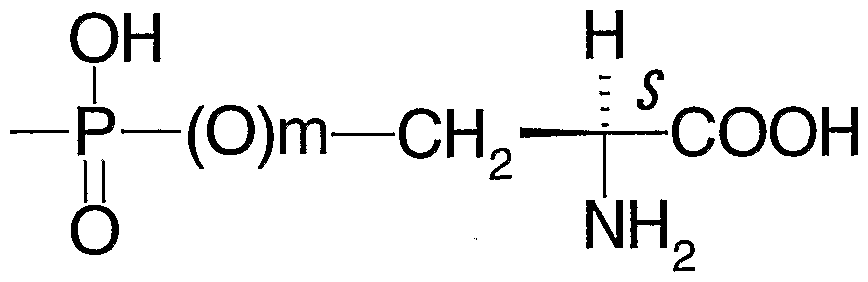
(式中、 mは 0または 1を、 Sは絶対配置を示す。 ) で表される基を示 す。 〕 で表される化合物またはその塩を含有することを特徴とする、 ェ ィコサノィ ド産生抑制剤のスクリーニング用キッ ト。
2 0 . 肥満細胞および式

〔式中、 R 1は水素原子、 置換基を有していてもよい炭化水素基またはァ シルを、
R 2および R 3は、それぞれ水素、置換基を有していてもよい炭化水素基、 ァシルまたは下式:

(式中、 mは 0または 1を、 Sは絶対配置を示す。 ) で表される基を示 す。 〕 で表される化合物またはその塩を用いることを特徴とする、 エイ コサノィド産生抑制剤のスクリ一二ング方法。
2 1 . 肥満細胞および式

〔式中、 R 1は水素原子、 置換基を有していてもよい炭化水素基またはァ シルを、 .
R 2および R 3は、それぞれ水素、置換基を有していてもよい炭化水素基、 ァシルまたは下式:

2 2 . ( a) 配列番号: 1で表されるアミノ酸配列と同一もしくは実質 的に同一のアミノ酸配列を含有する蛋白質もしくはその部分べプチドま たはその塩、 または (b) 式

〔式中、 R 1は水素原子、 置換基を有していてもよい炭化水素基またはァ シルを、 .
R 2および R 3は、それぞれ水素、置換基を有 炭化水素基、 ァシルまたは下式:

(式中、 mは 0または 1を、 Sは絶対配置を示す。 ) で表される基を示 す。 〕 で表される化合物またはその塩の活性を阻害する化合物またはそ の塩を含有してなる、 エイコサノイ ド産生抑制剤。
2 3 . ( a) 配列番号: 1で表されるアミノ酸配列と同一もしくは実質 的に同一のアミノ酸配列を含有する蛋白質もしくはその部分べプチドま たはその塩、 または (b) 式

〔式中、 R 1は水素原子、 置換基を有していてもよい炭化水素基またはァ シルを、
R 2および R 3は、それぞれ水素、置換基を有していてもよい炭化水素基、 ァシルまたは下式:

(式中、 mは 0または 1を、 Sは絶対配置を示ザ。 ) で表される基を示 す。 〕 で表される化合物またはその塩の活性を阻害することを特徴とす る、 エイコサノイド産生抑制方法。
2 4 . 配列番号: 1で表されるアミノ酸配列と同一もしくは実質的に 同一のアミノ酸配列を含有する蛋白質もしくはその部分べプチドまたは その塩に対する抗体を含有してなる、 エイコサノィ.ド産生抑制剤。
2 5 . 配列番号: 1で表されるアミノ酸配列と同一もしくは実質的に 同一のアミノ酸配列を含有する蛋白質もしくはその部分べプチドまたは その塩をコードするポリヌクレオチドに相補的または実質的に相補的な 塩基配列またはその一部を含有するポリヌクレオチドを含有してなる、 エイコサノィ ド産生抑制剤。
2 6 . 配列番号: 1 表されるアミノ酸配列と同一もしくは実質的に 同一のアミノ酸配列を含有する蛋白質もしくはその部分べプチドまたは その塩をコードするポリヌクレオチドに対する s i R N Aまたは s ' h R N Aを含有してなる、 エイコサノイ ド産生抑制剤。
2 7 . 配列番号: 1で表されるアミノ酸配列と同一もしくは実質的に同 一のアミノ酸配列を含有する蛋白質もしくはその部分べプチドまたはそ ' の塩のァゴニストに対する抗体を含有してなる、 エイコサノイ ド産生抑 制剤。
2 8 . ( a) 配列番号: 1で表されるアミノ酸配列と同一もしくは実質 的に同一のアミノ酸配列を含有する蛋白質もしくはその部分べプチドま たはその塩および (b) 式

〔式中、 R 1は水素原子、 置換基を有していてもよい炭化水素基またはァ シリレを、
R 2および R 3は、それぞれ水素、置換基を有していてもよい炭化水素基、 ァシルまたは下式:

(式中、 mは 0または 1を、 Sは絶対配置を示す。 ) で表される基を示 す。 〕 で表される化合物またはその塩を用いることを特徴とする、 肥満 細胞の脱顆粒抑制剤のスクリーニング方法。
2 9 . 化合物が、 リゾホスファチジルー L—セリンである請求項 2 8 記載のスクリーニング方法。
3 0 . 肥満細胞の脱顆粒抑制剤が、 免疫性疾患、 炎症性疾患、 呼吸器 疾患、 泌尿器疾患または循環器疾患の予防 ·治療剤である請求項 1 6記 載のスクリーニング方法。
3 1 . . ( a) 配列番号: 1で表されるアミノ酸配列と同一もしくは実質 的に同一のアミノ酸配列を含有する蛋白質もしくはその部分べプチドま たはその塩および (b) 式

R 2および R 3は、それぞれ水素、置換基を有していてもよい炭化水素基、 ァシルまたは下式:

(式中、 mは 0または 1を、 Sは絶対配置を示す。.) で表される基を示 す。 〕 で表される化合物またはその塩を含有することを特徴とする、 肥 満細胞の脱顆粒抑制剤のスクリーニング用キット。
3 2 . 肥満細胞および式

〔式中、 R 1は水素原子、 置換基を有していてもよい炭化水素基またはァ シルを、
R 2および R 3は、それぞれ水素、置換基を有していてもよい炭化水素基、 ァシルまたは下式:

(式中、 mは 0または 1を、 Sは絶対配置を示す。 ) で表される基を示 す。 〕 で表される化合物またはその塩を用いることを特徴とする、 肥満 細胞の脱顆粒抑制剤のスクリーニング方法。
3 3 . 肥満細胞および式

〔式中、 R 1は水素原子、 置換基を有していてもよい炭化水素基またはァ
•5 シルを、
R 2および R 3は、それぞれ水素、置換基を有していてもよい炭化水素基、 ァシルまたは下式:

3 4 . ( a) 配列番号: 1で表されるアミノ酸配列と同一もしくは実質 的に同一のアミノ酸配列を含有する蛋白質もしくはその部分べプチドま5 たはその塩、 または (b) 式

〔式中、 R 1は水素原子、 置換基を有していてもよい炭化水素基またはァ シルを、
0 R 2および R 3は、それぞれ水素、置換基を有していてもよい炭化水素基、
ァシルまたは下式:

(式中、 mは 0または 1を、 Sは絶対配置を示す。 ) で表される基を示 す。 〕 で表される化合物またはその塩の活性を阻害する化合物またはそ の塩を含有してなる、 肥満細胞の脱顆粒抑制剤。
3 5 . ( a) 配列番号: 1で表されるアミノ酸配列と同一もしくは実質 的に同一のアミノ酸配列を含有する蛋白質もしくはその部分べプチドま たはその塩、 または (b) 式

〔式中、 R 1は水素原子、 置換基を有していてもよい炭化水素基またはァ シルを、
R 2および R 3は、それぞれ水素、置換基を有していてもよい炭化水素基、 ァシルまたは下式:

(式中、 mは 0または 1を、 Sは絶対配置を示す。 ) で表される基を示 す。 〕 で表される化合物またはその塩の活性を阻害することを特徴とす る、 肥満細胞の脱顆粒抑制方法。
3 6 . 配列番号: 1で表されるアミノ酸配列と同一もしくは実質的に
同一のアミノ酸配列を含有する蛋白質もしくはその部分べプチドまたは ぞの塩に対する抗体を含有してなる、 肥満細胞の脱顆粒抑制剤。
3 7 . 配列番号: 1で表されるアミノ酸配列と同一もしくは実質的に 同一のアミノ酸配列を含有する蛋白質もしくはその部分べプチドまたは その塩をコードするポリヌクレオチドに相補的または実質的に相補的な 塩基配列またはその一部を含有するポリヌクレオチドを含有してなる、 肥満細胞の脱顆粒抑制剤。
3 8 . 配列番号: 1で表されるアミノ酸配列と同一もしくは実質的に 同一のアミノ酸配列を含有する蛋白質もしくはその部分べプチドまたは その塩をコードするポリヌクレオチドに対する s i R N Aまたは s h R N Aを含有してなる、 肥満細胞の脱顆粒抑制剤。
3 9 . 配列番号: 1で表されるアミノ酸配列と同一もしくは実質的に 同一のアミノ酸配列を含有する蛋白質もしくはその部分べプチドまたは その塩のァゴニストに対する抗体を含有してなる、 肥満細胞の脱顆粒抑 制剤。
4 0 . ( a) 配列番号: 1で表されるアミノ酸配列と同一もしくは実質 的に同一のアミノ酸配列を含有する蛋白質もしくはその部分べプチドま たはその塩および (b) 式

〔式中、 R 1は水素原子、 置換基を有していてもよい炭化水素基またはァ シリレを、
R 2および R 3は、それぞれ水素、置換基を有していてもよい炭化水素基、 ァシルまたは下式:
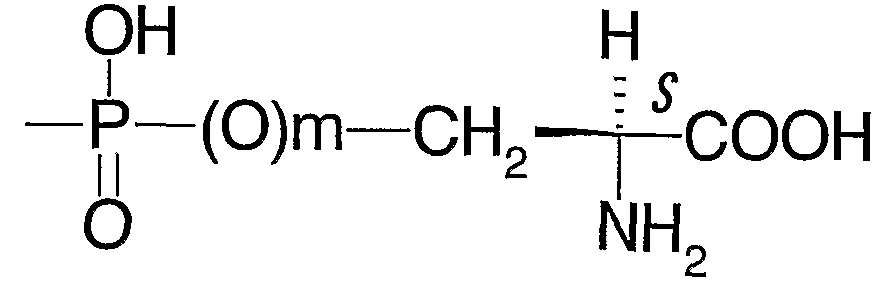
(式中、 mは 0または 1を、 Sは絶対配置を示す。 ) で表される基を示 す。 〕 で表される化合物またはその塩を用い、 上記蛋白質もしくはその 部 分 ペ プ チ ド ま た はそ の 塩 を 介 し た ERK1 ( extracellular signal-regulated kinase 1) または (および) ERK2 (extracellular signal-regulated kinase 2) の活性を測定し、 指標とすることを特徴と する、 上記蛋白質もしくはその部分べプチドまたはその塩の活性化を促 進または抑制する化合物またはその塩のスクリ一二ング方法。
41. (a) 配列番号: 1で表されるアミノ酸配列と同一もしくは実質 的に同一のアミノ酸配列を含有する蛋白質もしくはその部分べプチドま たはその塩および (b) 式

〔式中、 R1は水素原子、 置換基を有していてもよい炭化水素基またはァ シルを、
R 2および R 3は、それぞれ水素、置換基を有していてもよい炭化水素基、 ァシルまたは下式:

Priority Applications (3)
| Application Number | Priority Date | Filing Date | Title |
|---|---|---|---|
| JP2007503796A JPWO2006088219A1 (ja) | 2005-02-16 | 2006-02-15 | Il−13産生抑制剤 |
| EP06714239A EP1852503A4 (en) | 2005-02-16 | 2006-02-15 | INHIBITOR OF IL-13 PRODUCTION |
| US11/884,259 US7951548B2 (en) | 2005-02-16 | 2006-02-15 | IL-13 production inhibitor |
Applications Claiming Priority (2)
| Application Number | Priority Date | Filing Date | Title |
|---|---|---|---|
| JP2005038859 | 2005-02-16 | ||
| JP2005-038859 | 2005-02-16 |
Publications (1)
| Publication Number | Publication Date |
|---|---|
| WO2006088219A1 true WO2006088219A1 (ja) | 2006-08-24 |
Family
ID=36916614
Family Applications (1)
| Application Number | Title | Priority Date | Filing Date |
|---|---|---|---|
| PCT/JP2006/303099 Ceased WO2006088219A1 (ja) | 2005-02-16 | 2006-02-15 | Il-13産生抑制剤 |
Country Status (4)
| Country | Link |
|---|---|
| US (1) | US7951548B2 (ja) |
| EP (1) | EP1852503A4 (ja) |
| JP (1) | JPWO2006088219A1 (ja) |
| WO (1) | WO2006088219A1 (ja) |
Cited By (1)
| Publication number | Priority date | Publication date | Assignee | Title |
|---|---|---|---|---|
| JP2013506142A (ja) * | 2009-10-01 | 2013-02-21 | フェノメノーム ディスカバリーズ インク | 膵臓癌の血清ベースのバイオマーカー並びに疾患検出及び診断のためのその使用 |
Families Citing this family (1)
| Publication number | Priority date | Publication date | Assignee | Title |
|---|---|---|---|---|
| EP3433615A1 (en) | 2016-03-21 | 2019-01-30 | Institut National de la Sante et de la Recherche Medicale (INSERM) | Methods for diagnosis and treatment of solar lentigo |
Citations (3)
| Publication number | Priority date | Publication date | Assignee | Title |
|---|---|---|---|---|
| WO2003052414A1 (en) | 2001-12-14 | 2003-06-26 | Takeda Chemical Industries, Ltd. | Screening method |
| WO2005028667A1 (ja) * | 2003-09-19 | 2005-03-31 | Riken | ヒト肥満細胞で発現するg蛋白質共役型受容体を標的とした薬剤およびそのスクリーニング方法 |
| JP2005325055A (ja) * | 2004-05-14 | 2005-11-24 | Peptide Door Co Ltd | リガンド結合タンパク質含有複合体及びリガンド結合タンパク質に結合する物質のスクリーニング方法 |
-
2006
- 2006-02-15 US US11/884,259 patent/US7951548B2/en not_active Expired - Fee Related
- 2006-02-15 WO PCT/JP2006/303099 patent/WO2006088219A1/ja not_active Ceased
- 2006-02-15 EP EP06714239A patent/EP1852503A4/en not_active Withdrawn
- 2006-02-15 JP JP2007503796A patent/JPWO2006088219A1/ja active Pending
Patent Citations (3)
| Publication number | Priority date | Publication date | Assignee | Title |
|---|---|---|---|---|
| WO2003052414A1 (en) | 2001-12-14 | 2003-06-26 | Takeda Chemical Industries, Ltd. | Screening method |
| WO2005028667A1 (ja) * | 2003-09-19 | 2005-03-31 | Riken | ヒト肥満細胞で発現するg蛋白質共役型受容体を標的とした薬剤およびそのスクリーニング方法 |
| JP2005325055A (ja) * | 2004-05-14 | 2005-11-24 | Peptide Door Co Ltd | リガンド結合タンパク質含有複合体及びリガンド結合タンパク質に結合する物質のスクリーニング方法 |
Non-Patent Citations (64)
| Title |
|---|
| "Antisense Research and Applications", 1993, CRC PRESS |
| "Enzyme immunoassay", 1978, IGAKUSHOIN |
| "Immunoenzyme assay", 1982, IGAKUSHOIN |
| "Immunoenzyme assay", 1987, IGAKUSHOIN |
| "METHODS IN ENZYMOLOGY", vol. 121, ACADEMIC PRESS PUBLISHING |
| "Methods in ENZYMOLOGY", vol. 70, article "Immunochemical Techniques (Part A" |
| "METHODS IN ENZYMOLOGY", vol. 73 |
| "METHODS IN ENZYMOLOGY", vol. 74 |
| "METHODS IN ENZYMOLOGY", vol. 84 |
| "METHODS IN ENZYMOLOGY", vol. 92 |
| "Peptide Synthesis", vol. 14, HIROKAWA SHOTEN, article "Zoku Iyakuhin no Kaihatsu" |
| "Radioimmunoassay", 1974, KODANSHA |
| "Sequel to the Radioimmunoassay", 1979, KODANSHA |
| "Shin Saibo Kogaku Jikken Protocol", 1995, SHUJUNSHA, article "Saibo Kogaku", pages: 263 - 267 |
| BIO/TECHNOLOGY, vol. 6, 1988, pages 47 - 55 |
| BIOCHIM. BIOPHYS. ACTA, vol. 1219, 1994, pages 251 - 259 |
| BIOCHIM. BIOPHYS. ACTA, vol. 1446, 1999, pages 57 - 70 |
| BITTER, G. A. ET AL., PROC. NATL. ACAD. SCI. U.S.A., vol. 81, 1984, pages 5330 |
| BOSTIAN, K. L. ET AL., PROC. NATL. ACAD. SCI. U.S.A., vol. 77, 1980, pages 4505 |
| FEBS LETT., vol. 105, 1979, pages 58 - 62 |
| FEBS LETT., vol. 138, 1982, pages 190 - 192 |
| FEBS LETT., vol. 316, 1993, pages 1 - 4 |
| GENE, vol. 17, 1982, pages 107 |
| GENE, vol. 24, 1983, pages 255 |
| GENETICS, vol. 39, 1954, pages 440 |
| GENOMICS, vol. 5, 1989, pages 874 - 879 |
| GENOMICS, vol. 56, 1999, pages 12 - 21 |
| GRACE, T. C. C., NATURE, vol. 195, 1962, pages 788 |
| HARUAKI YAJIMA; SHUNPEI SAKAKIBARA: "Tanpakushitsu no Kagaku", vol. IV, 1977, article "Seikagaku Jikken Koza", pages: 205 |
| J. KAWAKAMI ET AL., PHARM. TECH. JAPAN, vol. 8, 1992, pages 247 |
| J. SAMBROOK ET AL.: "Molecular Cloning", 1989, COLD SPRING HARBOR LAB. PRESS |
| JOURNAL OF BIOCHEMISTRY, vol. 95, 1984, pages 87 |
| JOURNAL OF MOLECULAR BIOLOGY, vol. 120, 1978, pages 517 |
| JOURNAL OF MOLECULAR BIOLOGY, vol. 41, 1969, pages 459 |
| KOEHLER; MILSTEIN, NATURE, vol. 256, 1975, pages 495 |
| M. BODANSZKY; M.A. ONDETTI: "Peptide Synthesis", 1966, INTERSCIENCE PUBLISHERS |
| MAEDA ET AL., NATURE, vol. 315, 1985, pages 592 |
| METHODS IN ENZYMOLOGY, vol. 194, 1991, pages 182 - 187 |
| MILLER: "Journal of Experiments in Molecular Genetics", 1972, COLD SPRING HARBOR LABORATORY, pages: 431 - 433 |
| MOLECULAR & GENERAL GENETICS, vol. 168, 1979, pages 111 |
| MOLECULAR AND CELLULAR BIOLOGY, vol. 15, 1995, pages 6188 - 6195 |
| NATURE, vol. 279, 1979, pages 250 - 252 |
| NATURE, vol. 411, 2001, pages 494 |
| NEUROSCI. LETT., vol. 248, 1998, pages 77 - 80 |
| NOBUO IZUMIYA ET AL.: "Peptide Gosei-no-Kiso to Jikken", 1975, MARUZEN CO. |
| NUCLEIC ACIDS RESEARCH, vol. 9, 1981, pages 309 |
| PHARM. TECH. JAPAN, vol. 8, 1992, pages 395 |
| PROC. NATL. ACAD. SCI. U.S.A., vol. 60, 1968, pages 160 |
| PROC. NATL. ACAD. SCI. U.S.A., vol. 69, 1972, pages 2110 |
| PROC. NATL. ACAD. SCI. U.S.A., vol. 75, 1978, pages 1929 |
| PROCEEDING OF THE SOCIETY FOR THE BIOLOGICAL MEDICINE, vol. 73, 1950, pages 1 |
| PROCEEDINGS OF THE NATIONAL ACADEMY OF SCIENCES OF THE UNITED STATES OF AMERICA, vol. 86, 1989, pages 2766 - 2770 |
| R. F. GLASCOCK: "Isotopic Gas Analysis for Biochemists", vol. 227, 1954, ACADEMIC PRESS |
| SCHROEDER; LUEBKE: "The Peptide", 1965, ACADEMIC PRESS |
| SCHULZ A. ET AL.: "The structural evolution of a P2Y-like G-protein-coupled receptor", J. BIOL. CHEM., vol. 278, no. 37, 2003, pages 35531 - 35541, XP003004026 * |
| SCIENCE, vol. 122, 1952, pages 501 |
| See also references of EP1852503A4 |
| SUGO T. ET AL.: "Identification of a lysophosphatidylserine receptor on mast cells", BIOCHEM. BIOPHYS. RES. COMMUN., vol. 341, no. 4, 24 March 2006 (2006-03-24), pages 1078 - 1087, XP005282998 * |
| THE JOURNAL OF THE AMERICAN MEDICAL ASSOCIATION, vol. 199, 1967, pages 519 |
| TRENDS IN BIOTECHNOLOGY, vol. 15, 1997, pages 487 - 494 |
| TRENDS IN MOLECULAR MEDICINE, vol. 7, 2001, pages 221 |
| VAUGHN, J. L. ET AL., IN VIVO, vol. 13, 1977, pages 213 - 217 |
| VIROLOGY, vol. 52, 1973, pages 456 |
| VIROLOGY, vol. 8, 1959, pages 396 |
Cited By (1)
| Publication number | Priority date | Publication date | Assignee | Title |
|---|---|---|---|---|
| JP2013506142A (ja) * | 2009-10-01 | 2013-02-21 | フェノメノーム ディスカバリーズ インク | 膵臓癌の血清ベースのバイオマーカー並びに疾患検出及び診断のためのその使用 |
Also Published As
| Publication number | Publication date |
|---|---|
| EP1852503A4 (en) | 2010-04-07 |
| EP1852503A1 (en) | 2007-11-07 |
| US20090170116A1 (en) | 2009-07-02 |
| US7951548B2 (en) | 2011-05-31 |
| JPWO2006088219A1 (ja) | 2008-07-10 |
Similar Documents
| Publication | Publication Date | Title |
|---|---|---|
| JP2003125786A (ja) | 可溶型rageタンパク質 | |
| US7556926B2 (en) | Methods for screening insulin-sensitizing agents | |
| JP4659736B2 (ja) | スクリーニング方法 | |
| WO2006098520A1 (ja) | スクリーニング方法 | |
| JP4767019B2 (ja) | 動脈硬化の予防・治療用医薬 | |
| WO2006088219A1 (ja) | Il-13産生抑制剤 | |
| WO2006068326A1 (ja) | 新規ポリペプチドおよびその用途 | |
| JPWO2006028241A1 (ja) | 動脈硬化の予防・治療用医薬 | |
| JPWO2008153072A1 (ja) | 骨・関節疾患感受性遺伝子およびその用途 | |
| JP2004073182A (ja) | インスリン抵抗性改善剤 | |
| WO2003052414A1 (en) | Screening method | |
| WO2004111234A1 (ja) | 新規蛋白質 | |
| WO2005092383A1 (ja) | 呼吸器疾患の予防・治療剤 | |
| WO2004041850A1 (ja) | 新規なfprl1リガンドおよびその用途 | |
| JP2004215612A (ja) | ガレクチン−8活性制御剤 | |
| JP2004075569A (ja) | Il20受容体およびil20の新規用途 | |
| JP4378083B2 (ja) | スクリーニング方法 | |
| JP2003315332A (ja) | スクリーニング方法 | |
| JP2004215503A (ja) | 遺伝子発現解析方法 | |
| JP2004166695A (ja) | RAPL・Rap1相互作用制御 | |
| WO2006101273A1 (ja) | 癌の予防・治療剤 | |
| JP2004203868A (ja) | Edg受容体の新規用途 | |
| JP2004121246A (ja) | 神経変性疾患の予防・治療剤 | |
| JP2003116582A (ja) | 新規生理活性ペプチドおよびその用途 | |
| JP2004187680A (ja) | 新規タンパク質およびそのdna |
Legal Events
| Date | Code | Title | Description |
|---|---|---|---|
| 121 | Ep: the epo has been informed by wipo that ep was designated in this application | ||
| WWE | Wipo information: entry into national phase |
Ref document number: 11884259 Country of ref document: US |
|
| WWE | Wipo information: entry into national phase |
Ref document number: 2006714239 Country of ref document: EP Ref document number: 2007503796 Country of ref document: JP |
|
| NENP | Non-entry into the national phase |
Ref country code: DE |
|
| WWP | Wipo information: published in national office |
Ref document number: 2006714239 Country of ref document: EP |